
Confronting the Dangers of Engineered Stone
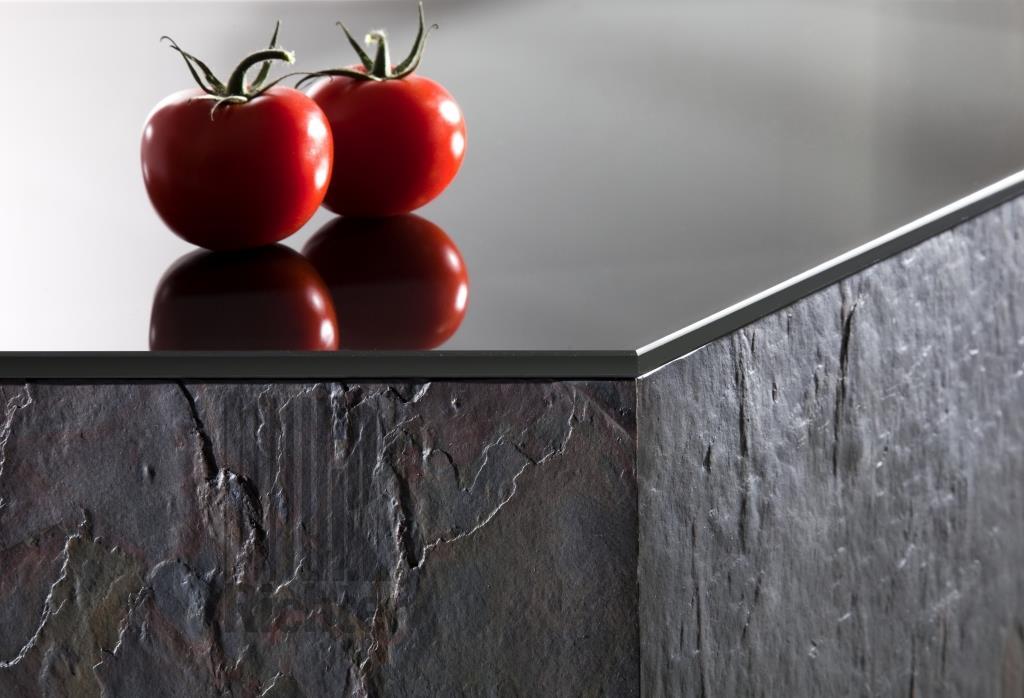
Engineered stone countertops, a popular choice among designers and homeowners for their durability, aesthetics, and low maintenance, pose significant health risks to the workers involved in their fabrication and processing. This article highlights the dangers associated with respirable crystalline silica (RCS), a natural mineral found in high concentrations in engineered stone, and the measures being implemented to mitigate these risks. While engineered stone surfaces are considered safe once installed, the process of manufacturing, cutting, sawing, grinding, and drilling these materials releases fine silica dust into the air, which can be easily inhaled by workers.
Exposure to RCS can lead to a severe and incurable lung disease known as silicosis, characterized by inflammation and permanent lung scarring. Silicosis can further progress to other serious health complications, including tuberculosis, lung cancer, chronic bronchitis, autoimmune disorders, and kidney disease. The article emphasizes that engineered quartz countertops present a higher risk compared to natural stone because they often contain more than 90 percent silica. In contrast, granite may contain up to 50 percent silica, and some varieties of marble and limestone contain none.
The U.S. Department of Labor’s Occupational Safety and Health Administration (OSHA) has recognized the severity of these risks and has intensified efforts to enforce regulations aimed at protecting workers. In 2016, OSHA introduced two specific standards for respirable crystalline silica: one for general industry and maritime, covering manufacturing, and another for construction, addressing finishing and installation. These standards significantly lowered the permissible exposure limits for RCS and mandated that employers implement stringent control measures. These controls include the use of water sprays to suppress dust, local exhaust ventilation systems to remove airborne particles, and the provision of personal protective equipment (PPE) such as respirators.
Beyond environmental controls and PPE, the OSHA regulations also place responsibility on employers for comprehensive worker training, clear communication of hazards, meticulous record-keeping, and, in certain cases, regular exposure measurement and medical surveillance for employees at risk. Although compliance with these silica standards has been mandatory since 2018, OSHA issued a new directive in June 2020 to ensure uniform inspection and enforcement procedures across the industry. This directive includes detailed checklists for both general industry and construction sectors, offering a clear framework for understanding the regulations and assessing compliance. The article underscores the critical need for industry-wide adherence to these safety standards to prevent silicosis, as the disease can be treated but not cured.
#EngineeredStone #Countertops #OccupationalSafety #SilicaDust #Silicosis #OSHARegulations #WorkerHealth #MaterialInnovation #EngineeredStone #Countertops #OccupationalSafety #SilicaDust #Silicosis #OSHARegulations #WorkerHealth #MaterialInnovation
0 comment in total
 No comments yet
You may also like
Cast Stone
This Stone Is About to Be More Popular Than Marble, According to Designers


Decorative Stones & Gravel


Guide to Sintered Stone Countertops: Pros, Cons, and More


7 alternatives to engineered stone for your dream kitchen!


What alternatives to marble are there? The 5 trending materials you should also consider for countertops and more

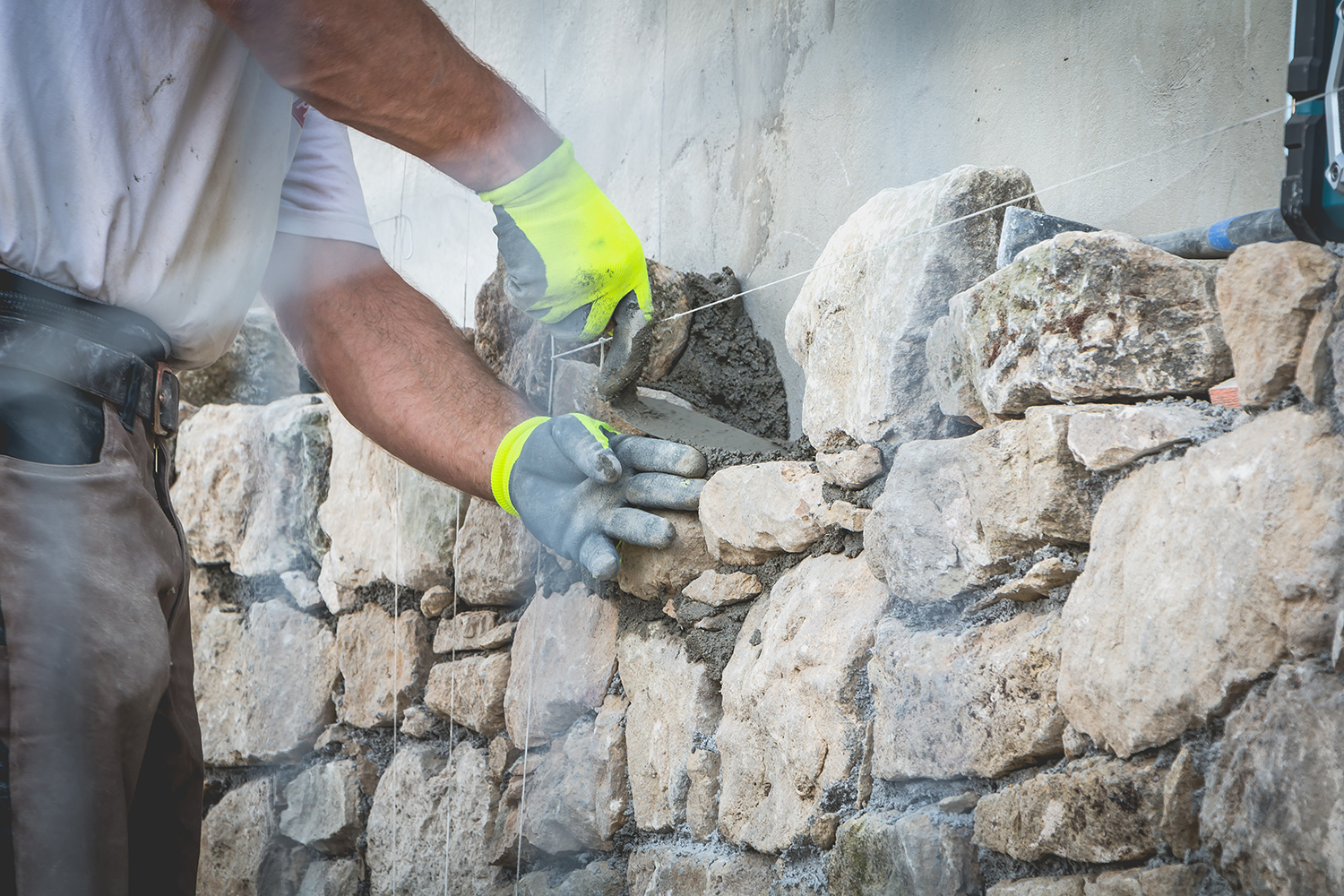
The Regs: Staying compliant with construction in stone
Acme Brick, Tile and Stone – El Paso

Mal Stone Trading & Industry

Are America’s Favorite Countertops Going Away?


Tips and Tricks with Statement Stone
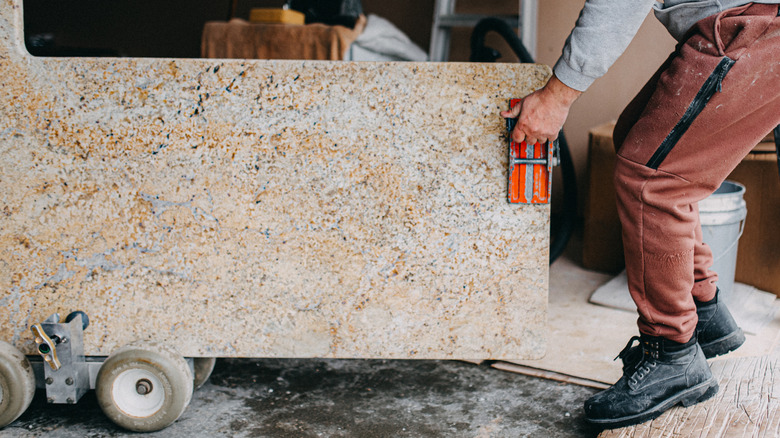
Insider Tips For Buying Marble Or Stone Remnants Secondhand

A manufactured stone installation that’s doomed to eventual failure


18 Awesome Countertops That Aren’t Granite


Stone Veneer Works Like Wood Veneer

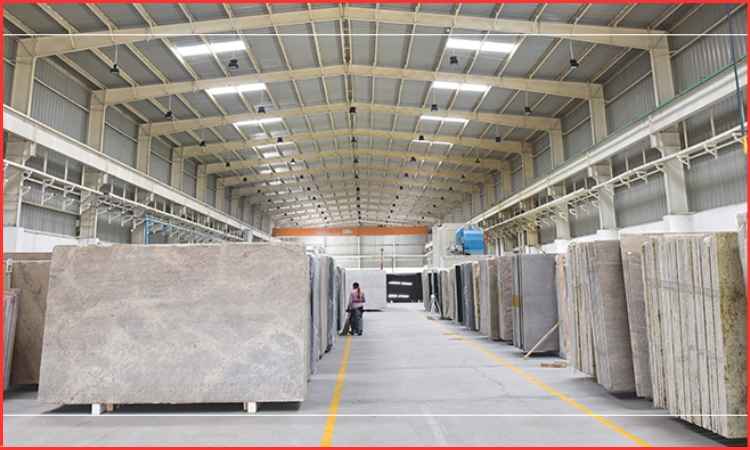
Best Marble Companies in India | Top 10 Manufacturers


Acme Brick, Tile and Stone – Florence

Acme Brick, Tile and Stone – Northwest Arkansas

More Practical Than Plaster and Cement: This Material Is on Our Reno Radar
Thin & Lightweight Engineered Stone