Guide to Sintered Stone Countertops: Pros, Cons, and More
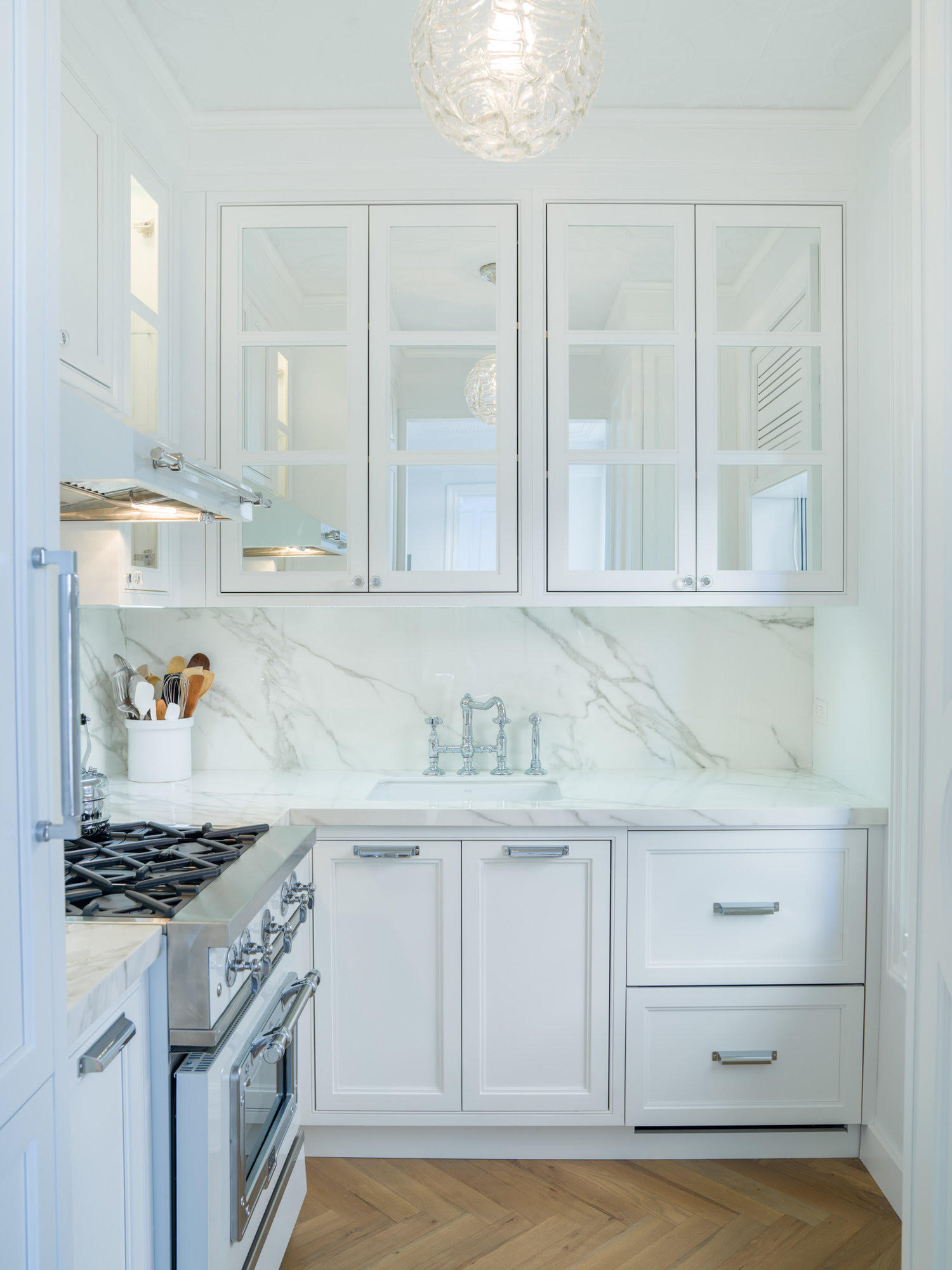
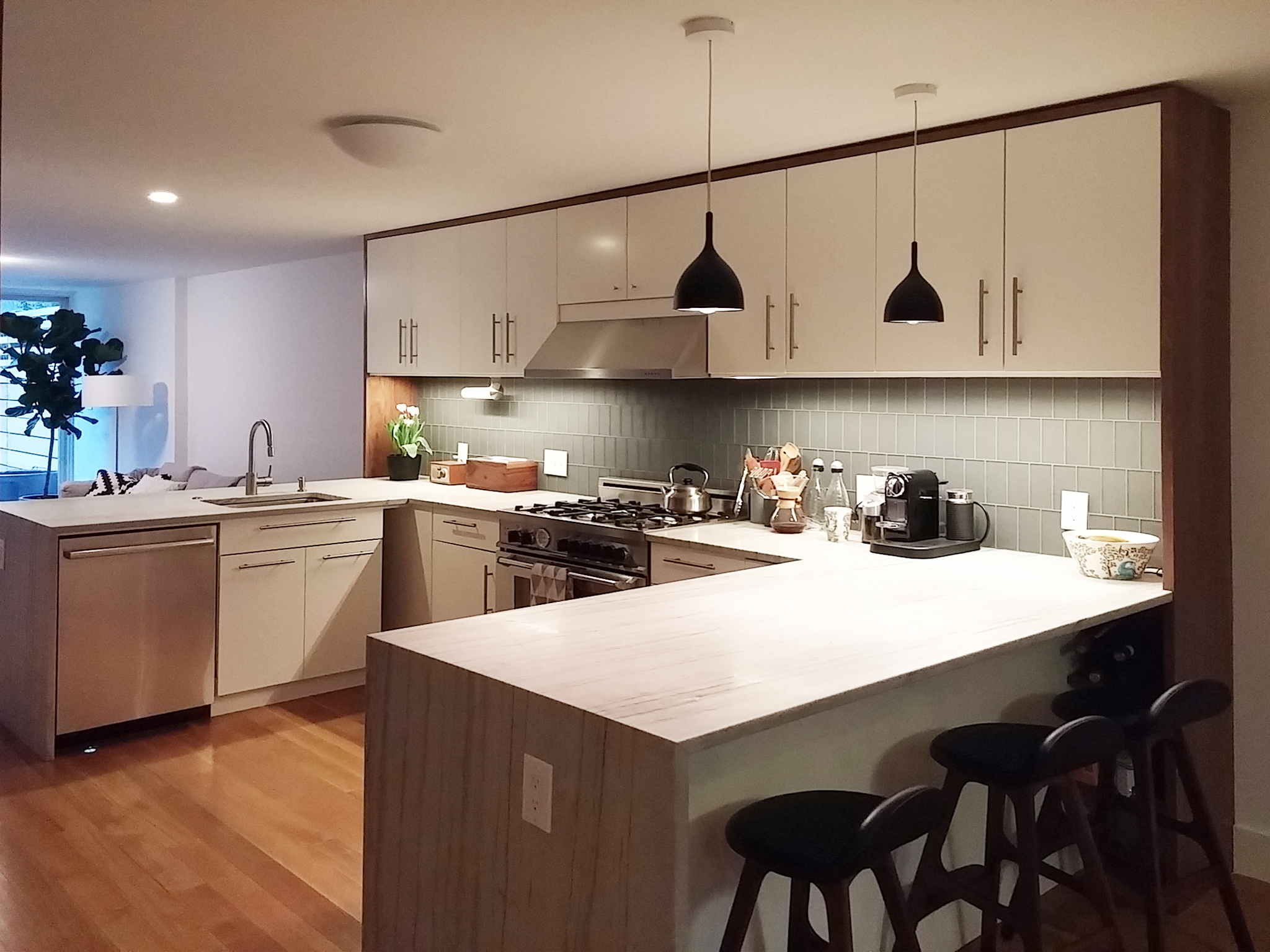
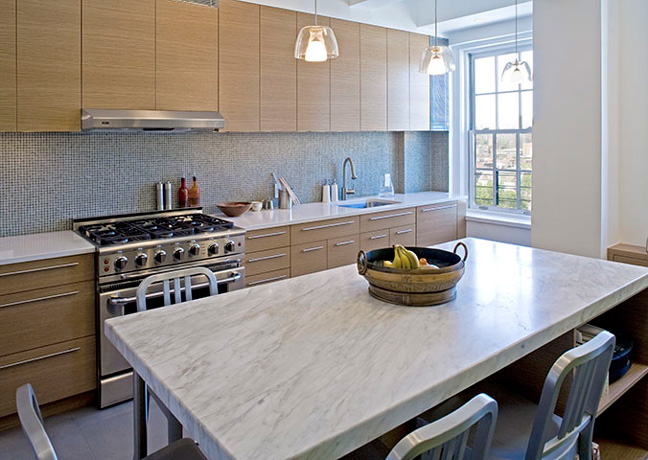
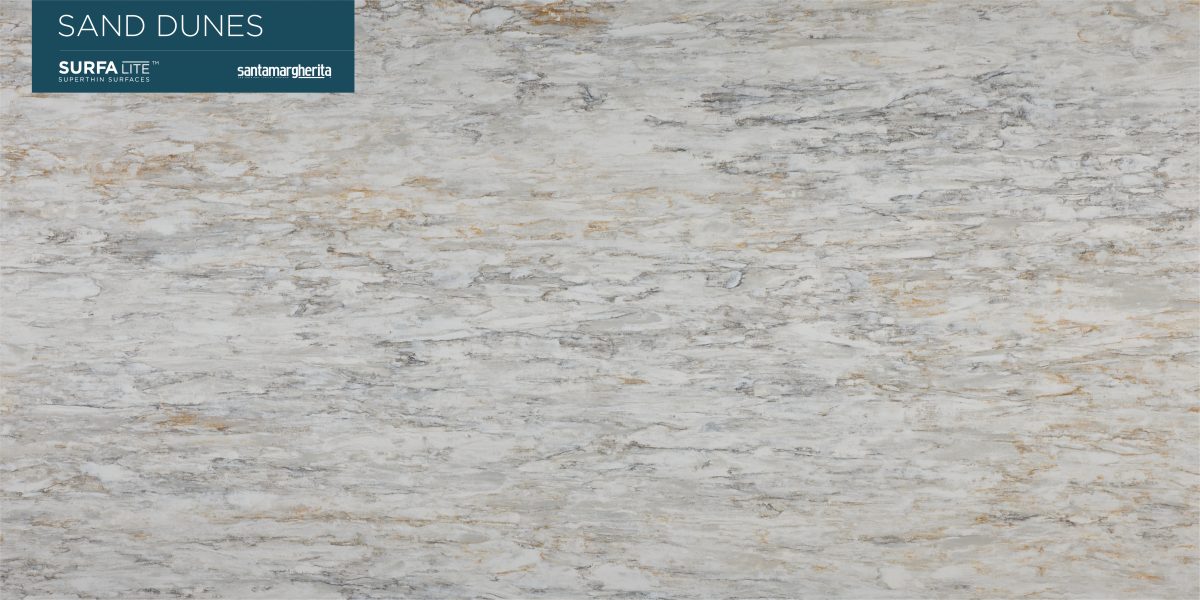
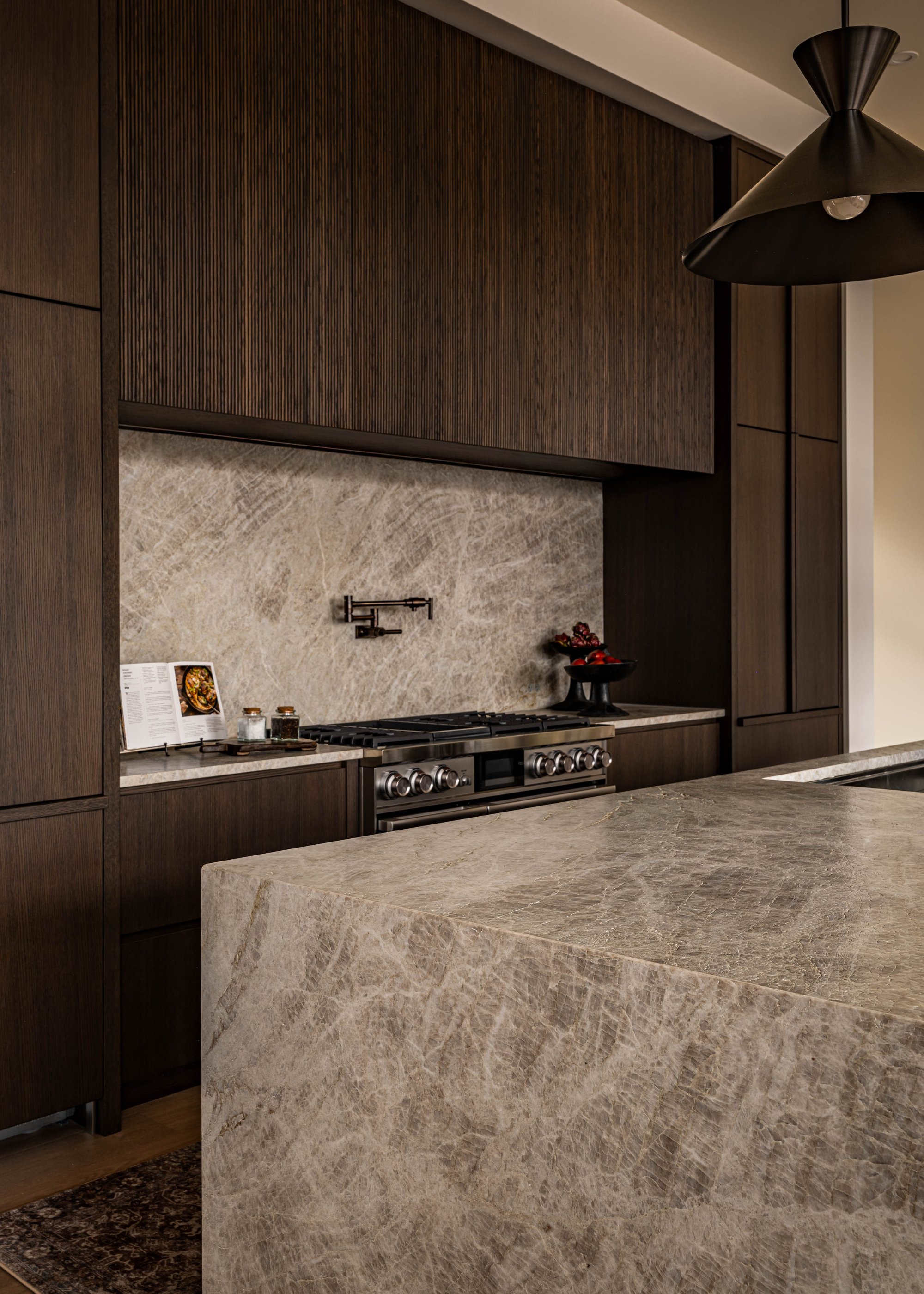
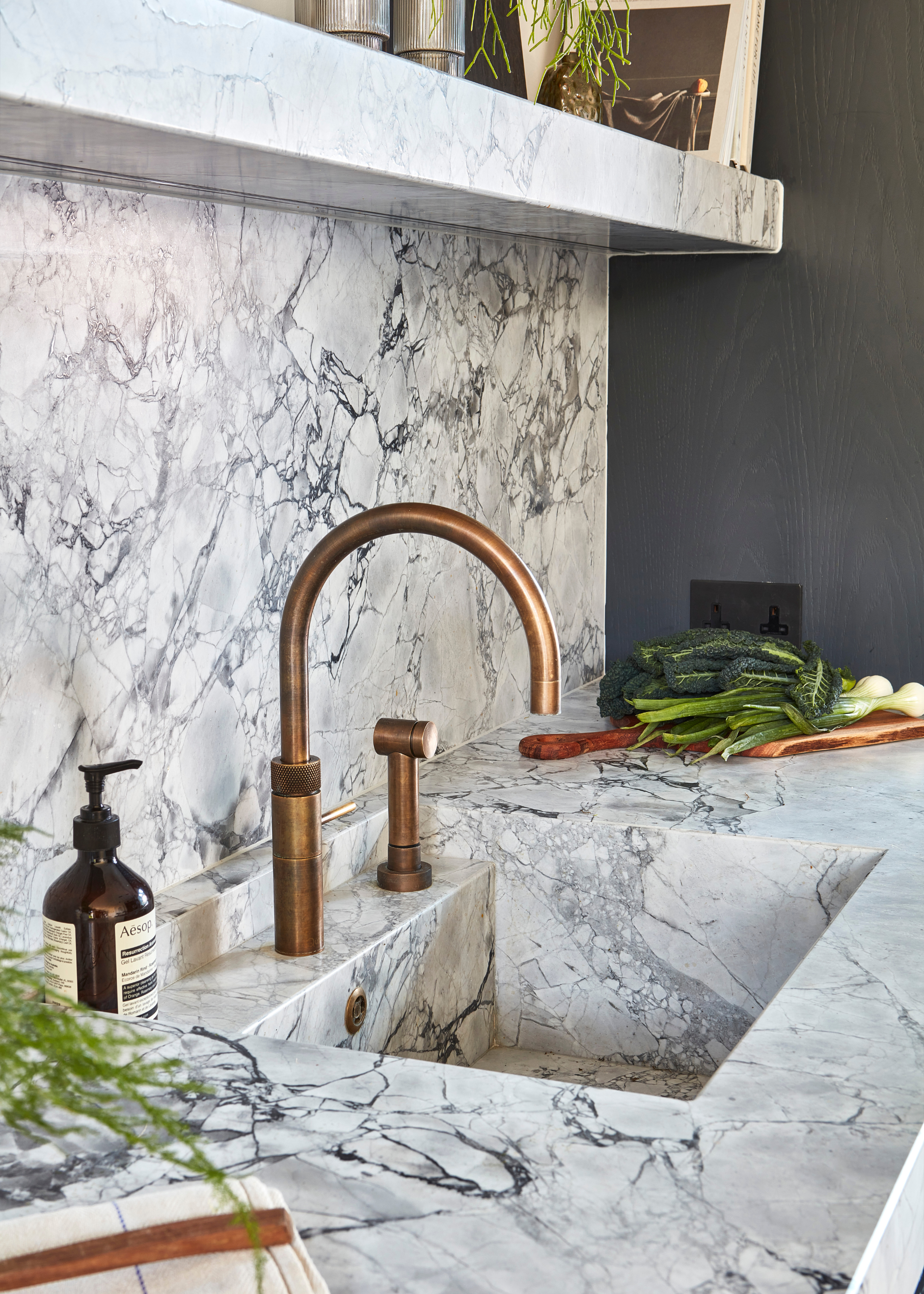
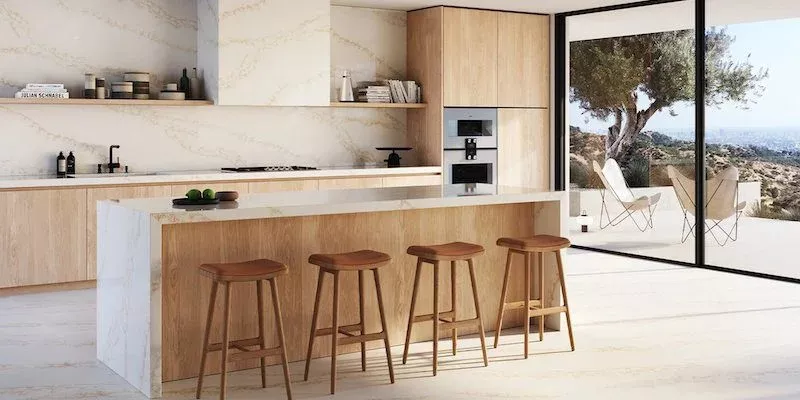
Sintered stone is an engineered countertop material that has emerged as a popular alternative to traditional options like quartz, primarily due to its durability, ease of maintenance, and health-conscious composition. It is manufactured by subjecting a blend of minerals and other materials to extreme pressure and heat, creating a solid stone with a compact matrix. This unique process results in a material designed to overcome the limitations and concerns associated with other countertop materials, notably by using less or no silica, a toxic chemical compound linked to harmful health effects during manufacturing and installation.
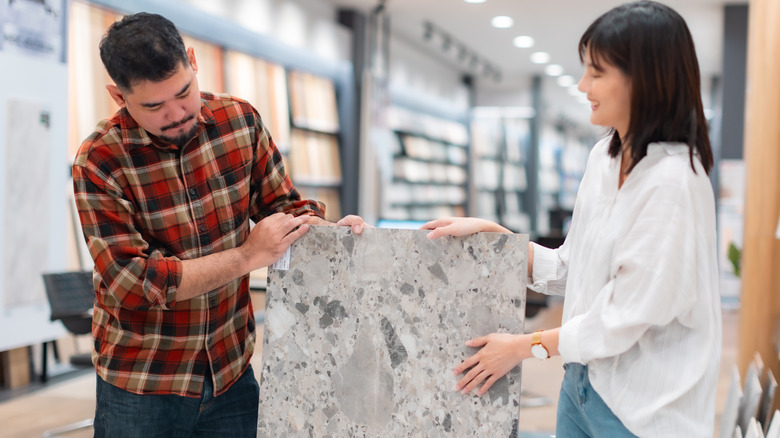
The cost of sintered stone varies, influenced by factors such as the vendor, material thickness, and square footage. Estimates for the material alone range from $20 to $50 per square foot, while installed costs can fall between $60 and $120 per square foot, depending on the project's complexity, design, and quality. Due to the specialized nature of the material and its installation requirements, a do-it-yourself approach is not recommended. Sintered stone requires professional handling, including specific blades for cutting and careful adherence to manufacturer guidelines, to prevent chipping or cracking during installation.
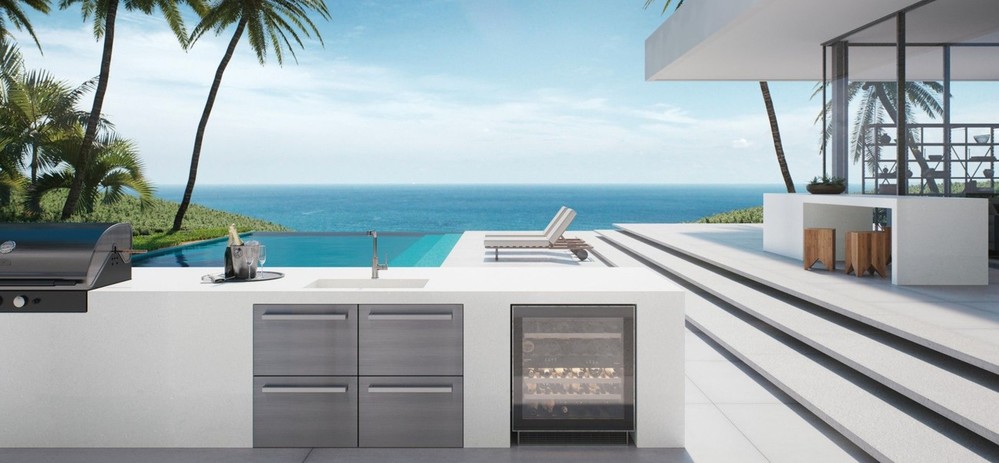
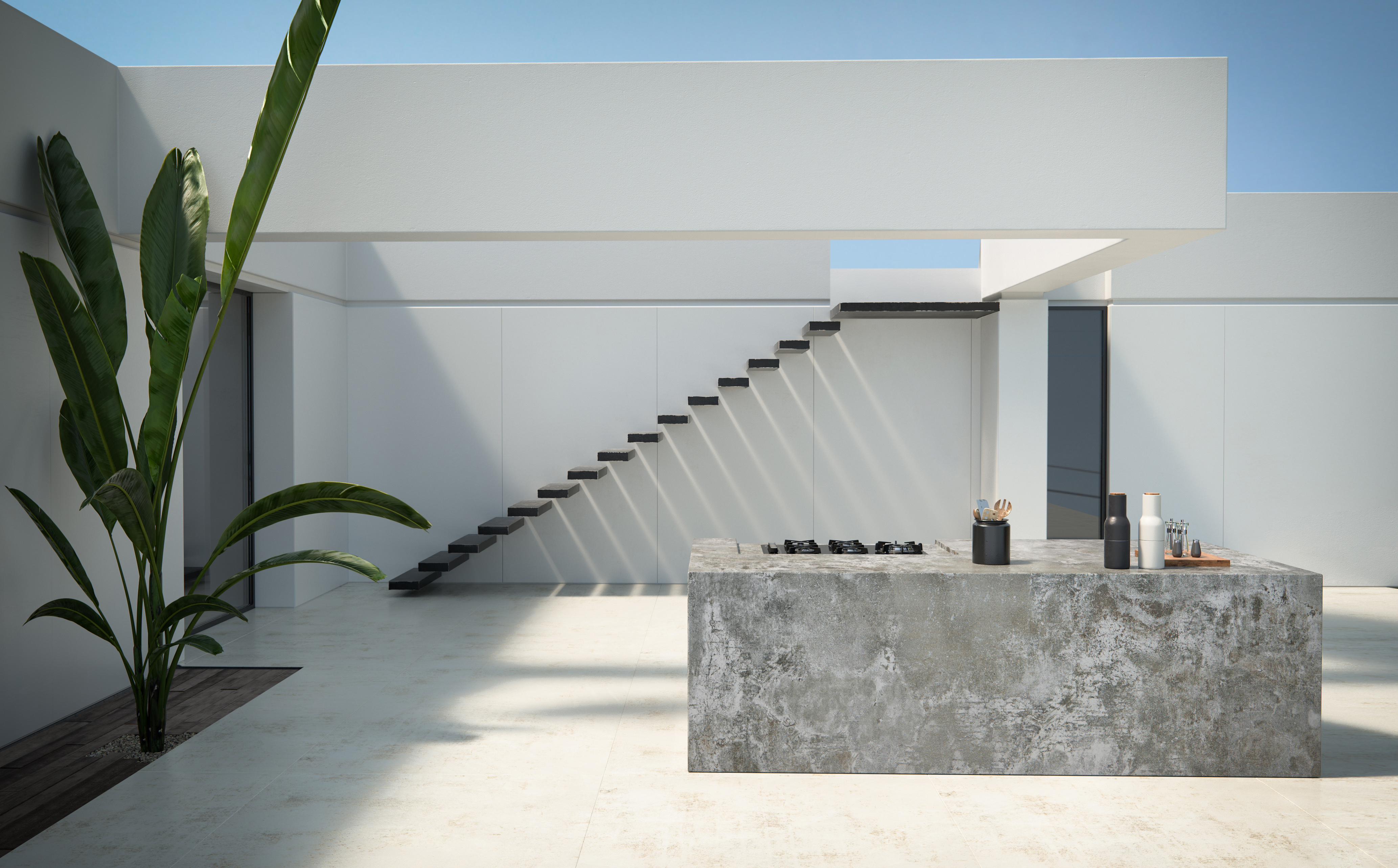
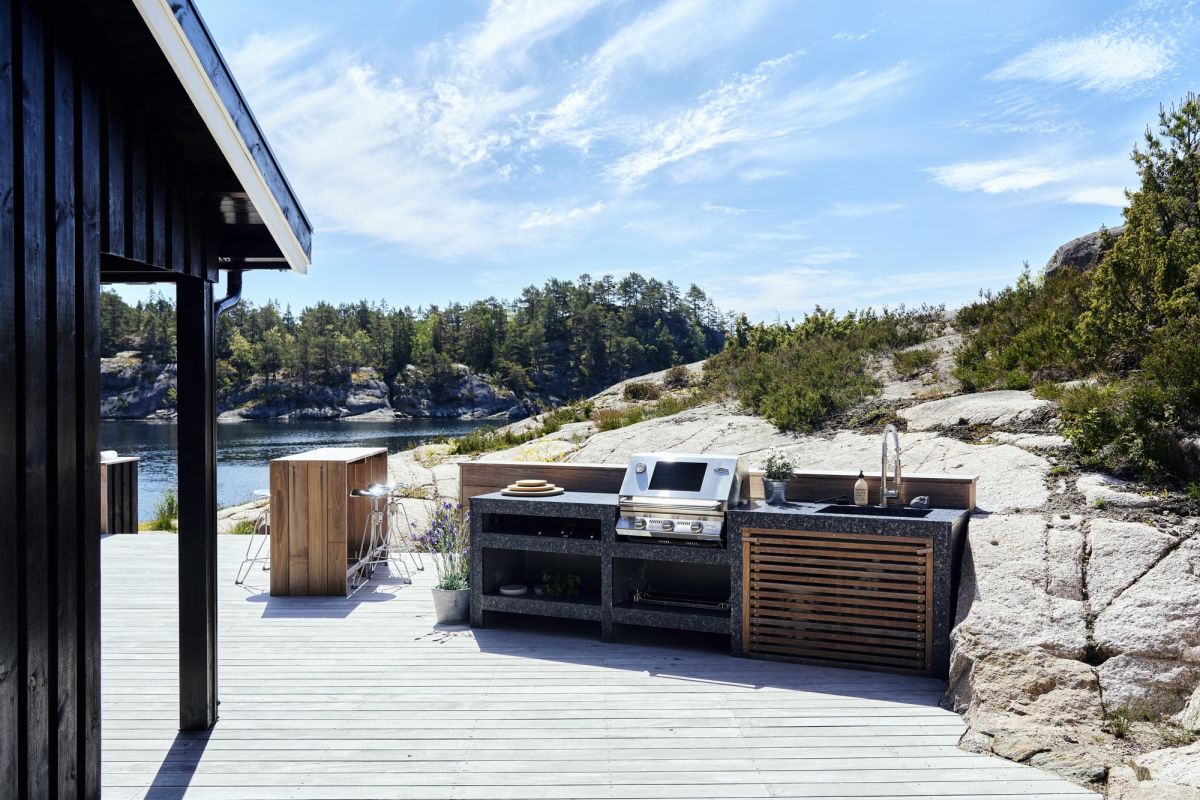
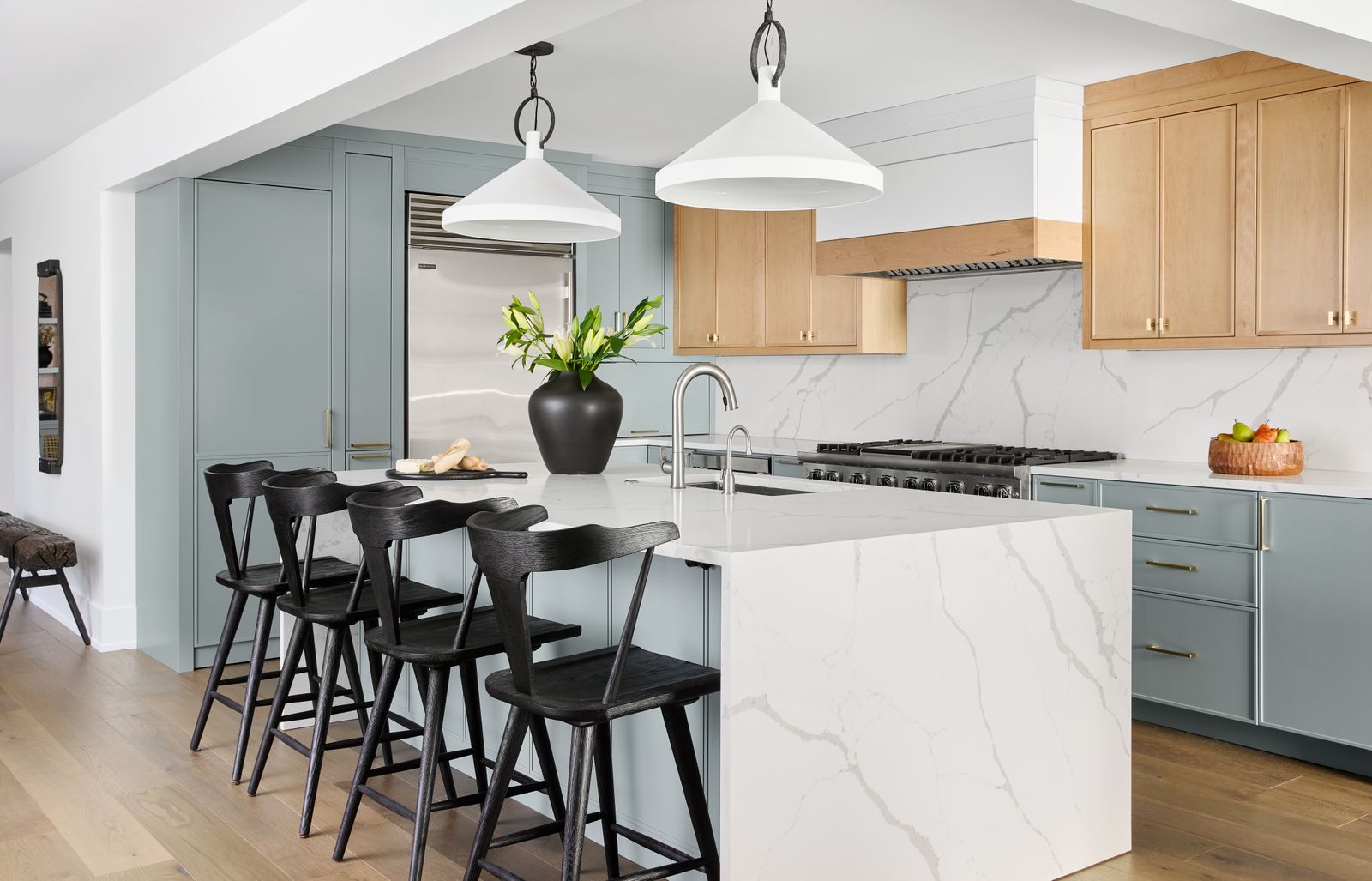
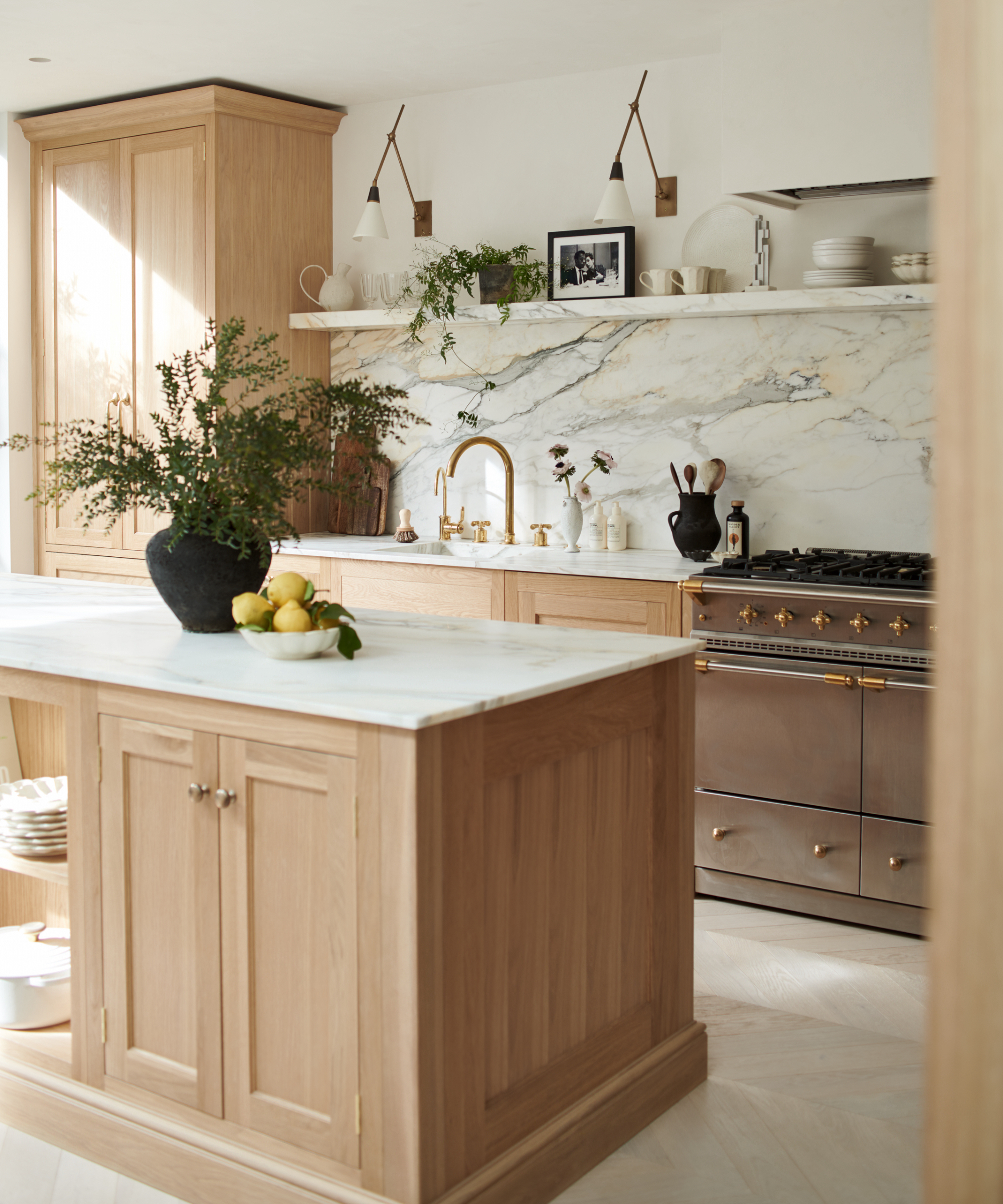
The advantages of sintered stone are numerous. It is exceptionally easy to clean and maintain, as it does not require sealing and can be simply wiped down with soapy water and a soft cloth. Its surface is highly durable, offering resistance to heat, scratches, stains, thermal shock, and UV rays, making it suitable for high-traffic areas like kitchens, bathrooms, and laundry rooms, as well as outdoor applications and fireplace surrounds. Furthermore, its manufacturing process involves low-to-no toxicity, posing less health risk to workers during fabrication and installation. From an environmental perspective, sintered stone is lightweight and recyclable, contributing to its sustainability profile.
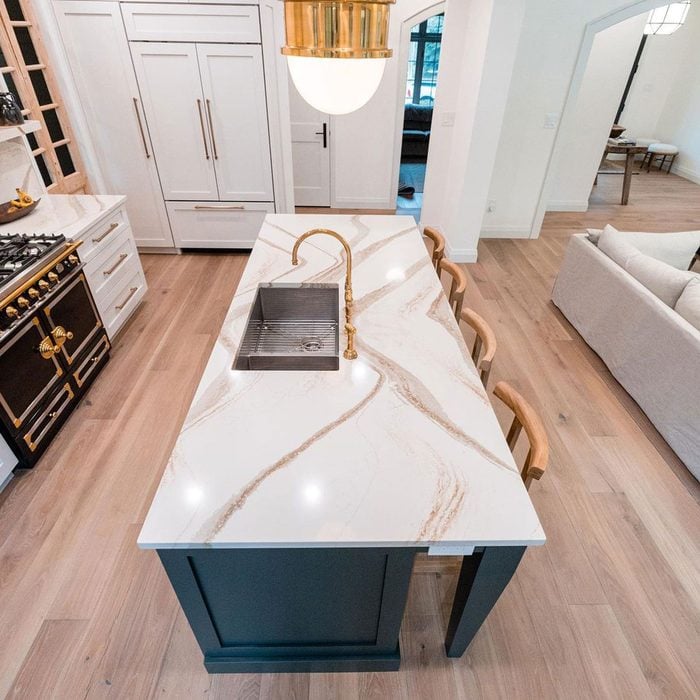
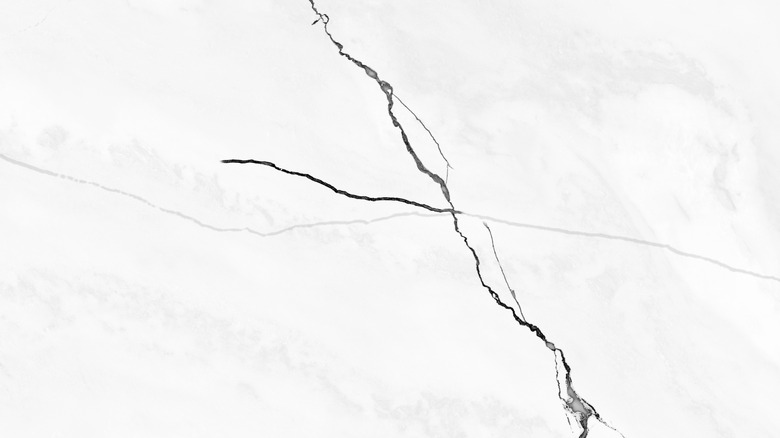
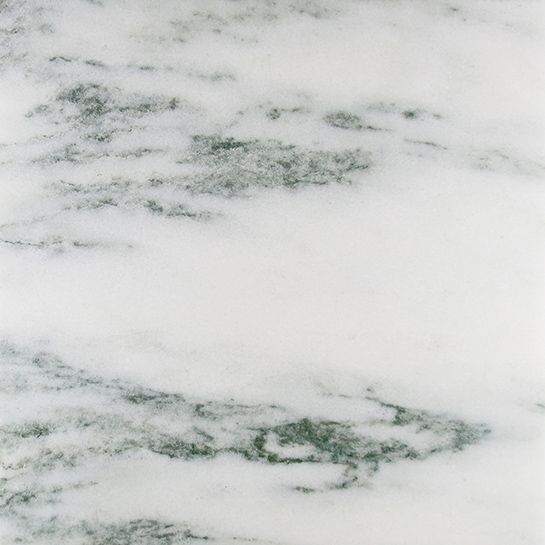
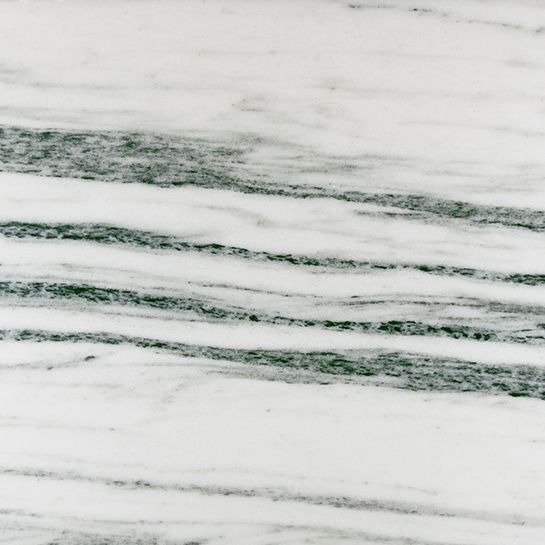
However, there are also disadvantages to consider. Sintered stone can be more expensive than some alternative countertop materials, partly because it is a relatively new product with fewer manufacturers, fabricators, and installers. The necessity of professional installation adds to the overall cost and complexity. While durable, the material can chip or crack at the edges if subjected to heavy impact, and such damage can be challenging to repair. Another design consideration is that the pattern of sintered stone is typically only on the surface, which means the sides of the slab may not perfectly match the top, potentially affecting the aesthetic continuity of a design.
#SinteredStone #CountertopMaterial #KitchenDesign #HomeImprovement #DurableSurfaces #ToxicFree #ProfessionalInstallation #InteriorDesign #BuildingMaterials #SinteredStone #CountertopMaterial #KitchenDesign #HomeImprovement #DurableSurfaces #ToxicFree #ProfessionalInstallation #InteriorDesign #BuildingMaterials
0 comment in total
 No comments yet
You may also like
6 great alternatives to marble and granite for your NYC kitchen renovation: quartz, quartzite, porcelain, soapstone & more
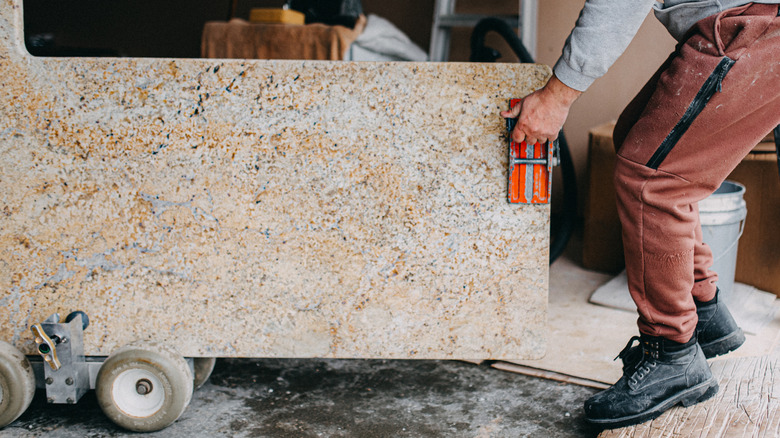
Insider Tips For Buying Marble Or Stone Remnants Secondhand
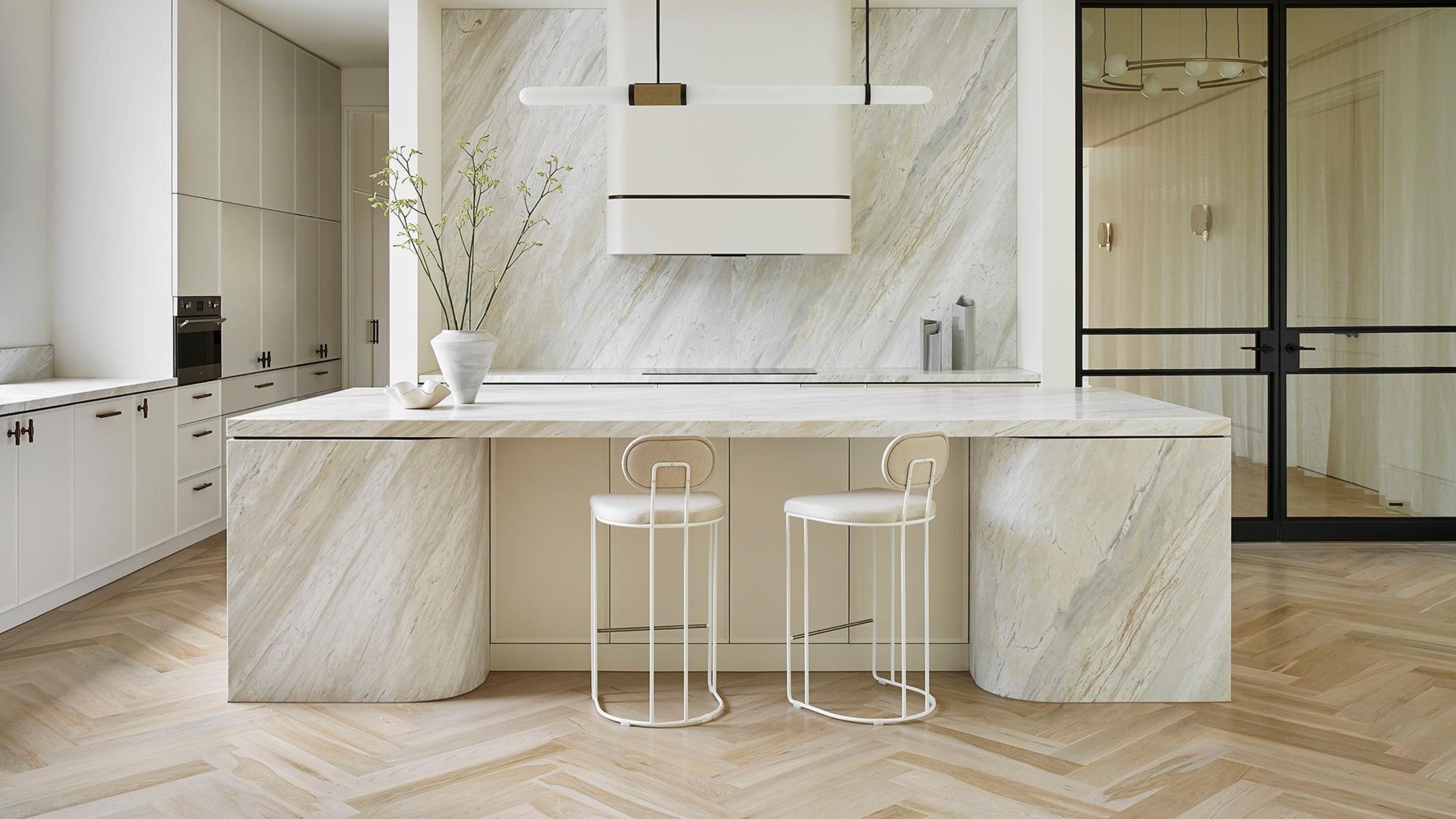
11 Countertop Ideas That You'll Find in the Best-Looking Kitchens in 2025 |

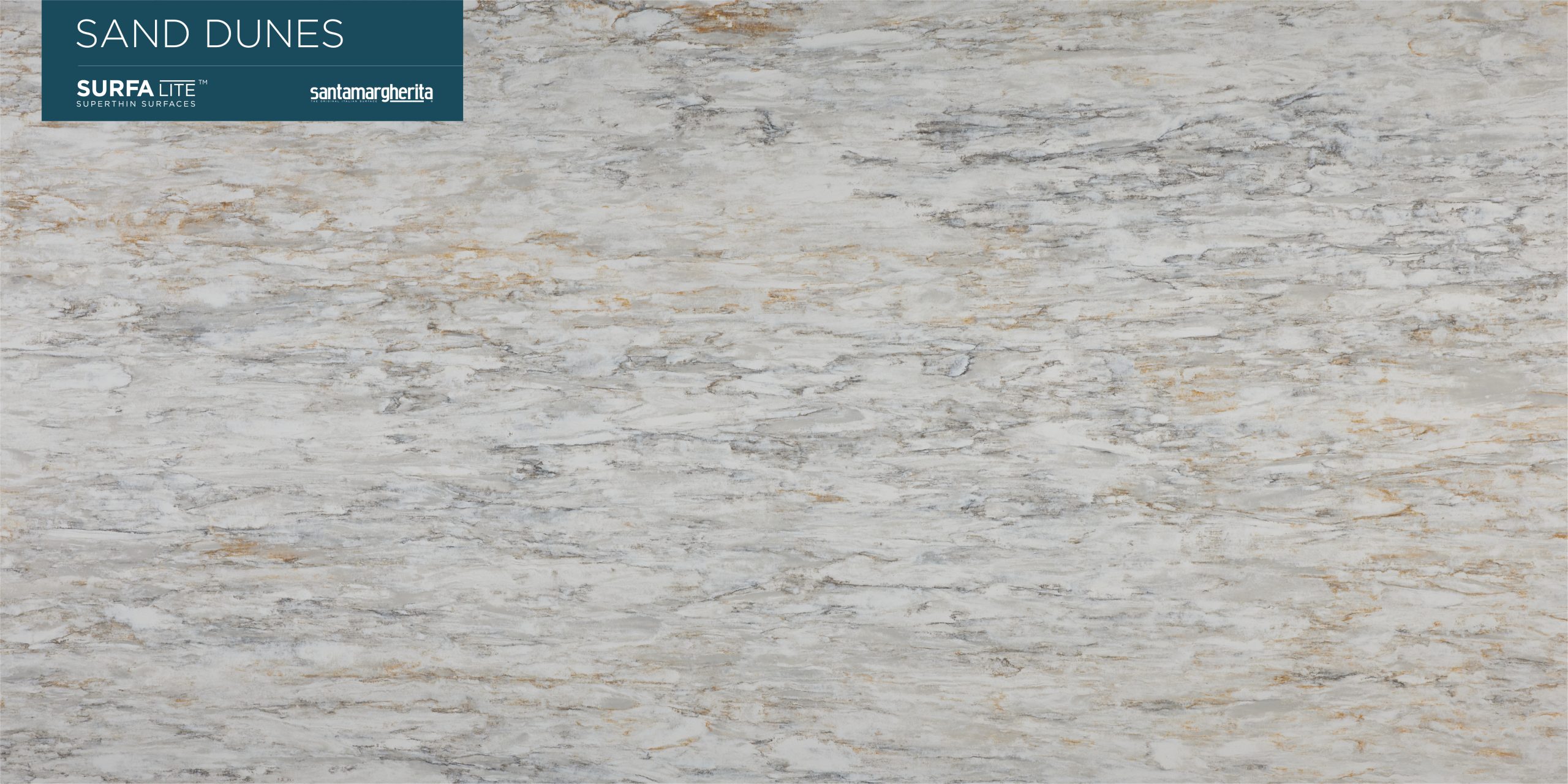
Thin & Lightweight Engineered Stone

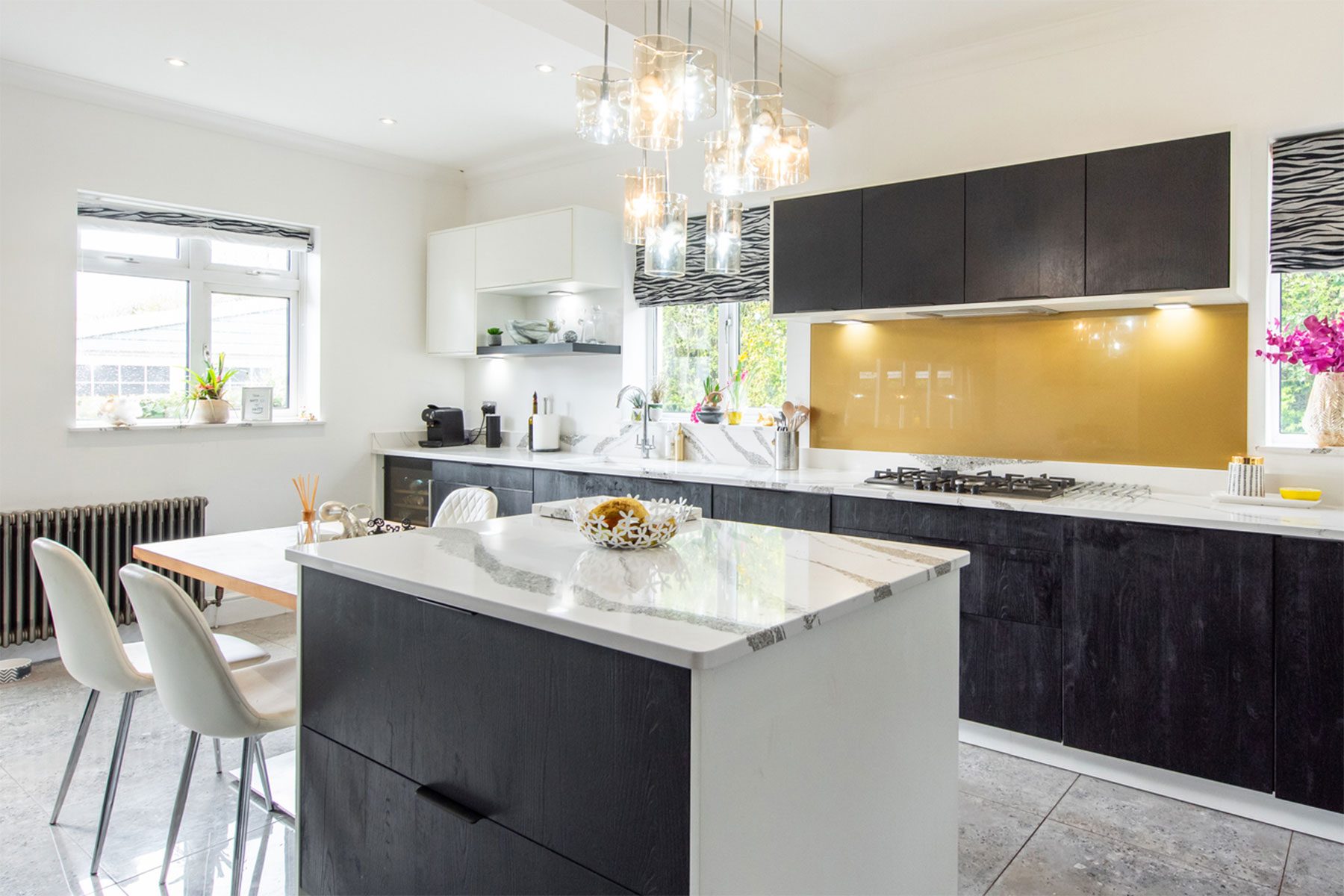
18 Awesome Countertops That Aren’t Granite

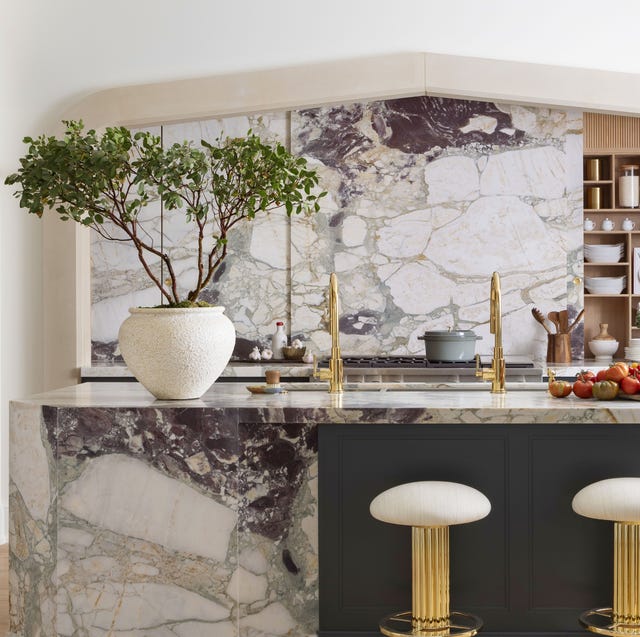
10 Kitchen Countertop Trends You'll See Everywhere This Year, According to Experts

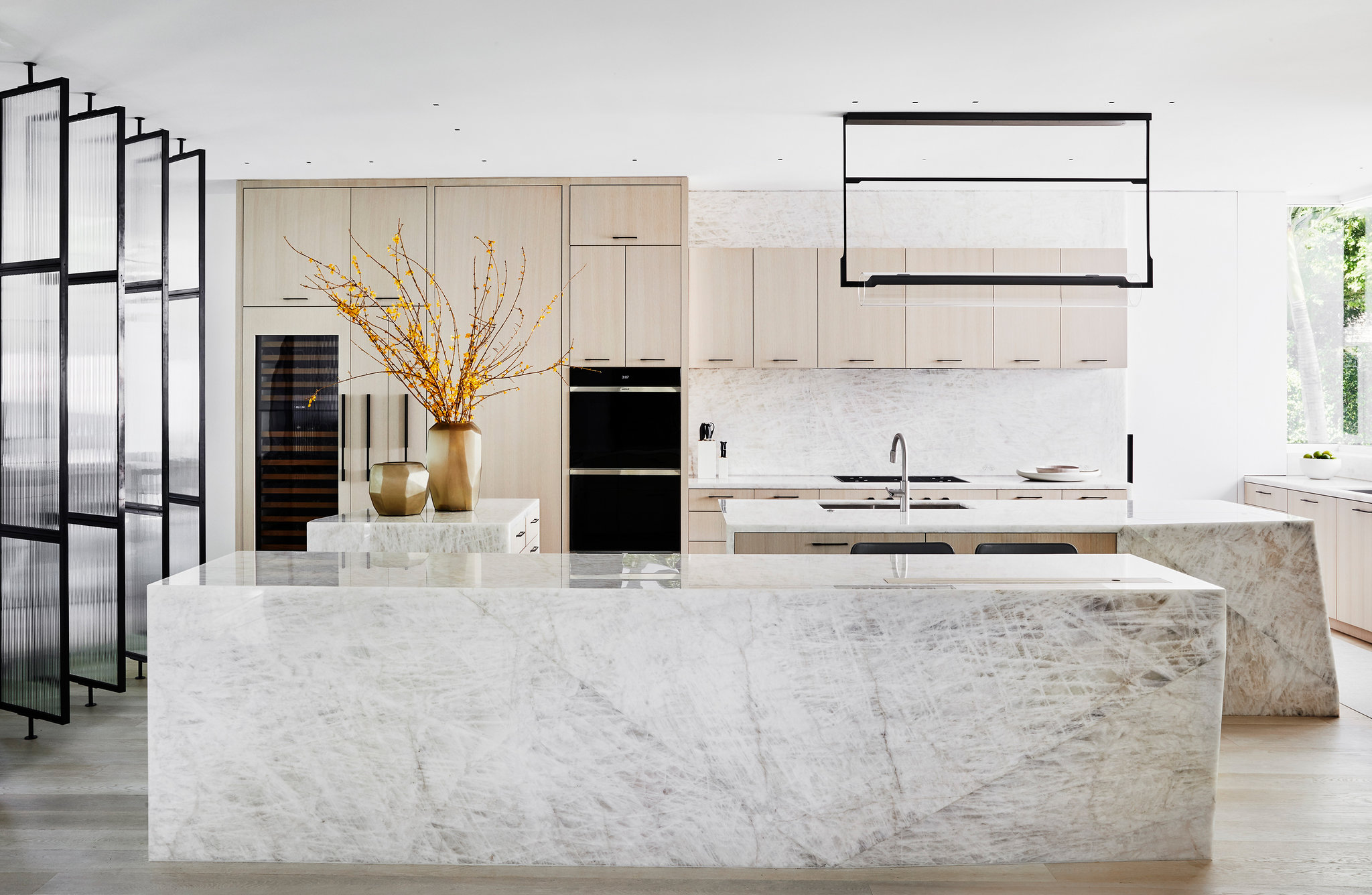
The Marble Waterfall and Other Countertop Options (Published 2019)

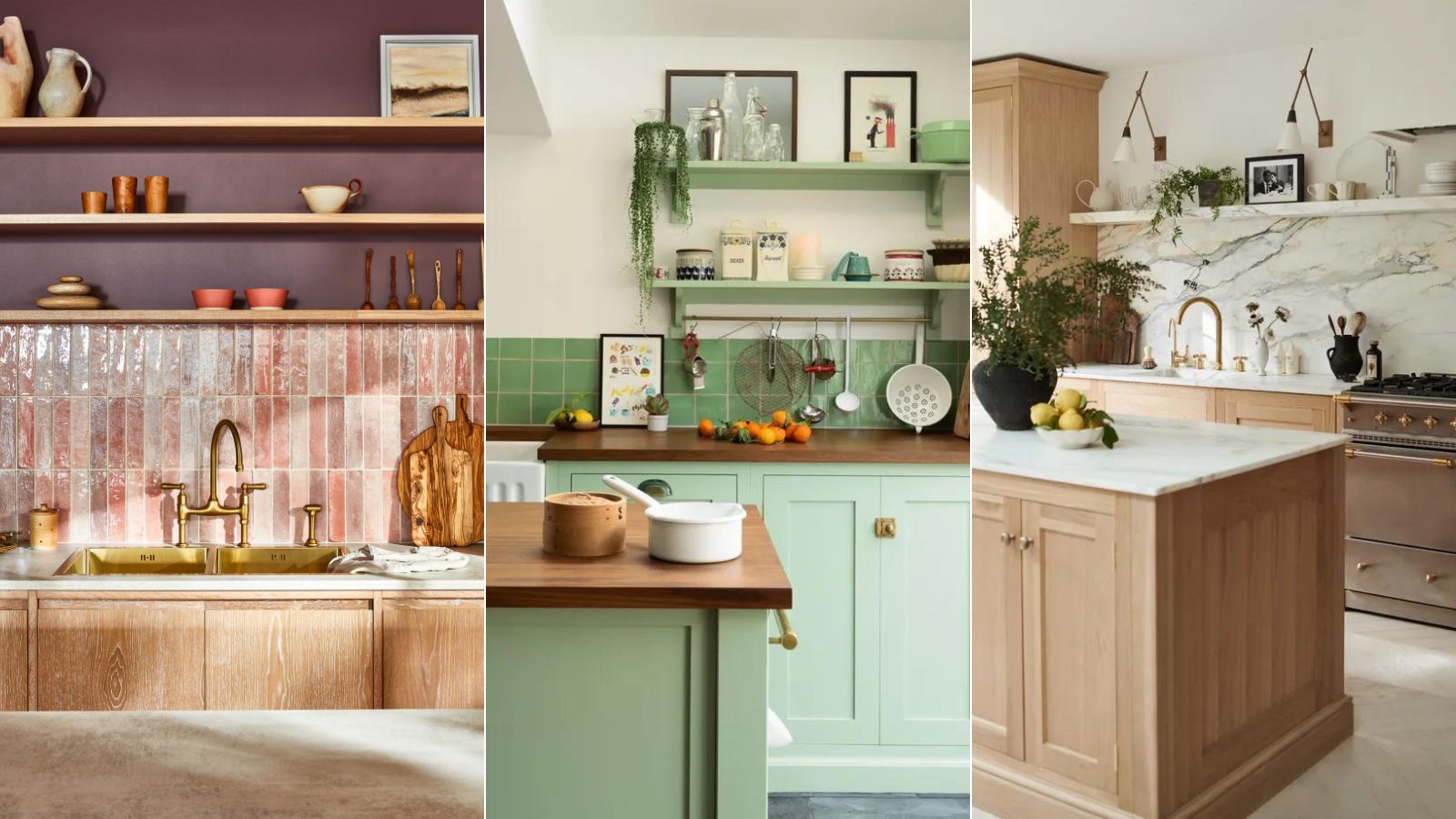
6 kitchen styles going out of fashion in 2024, according to experts who have seen it all

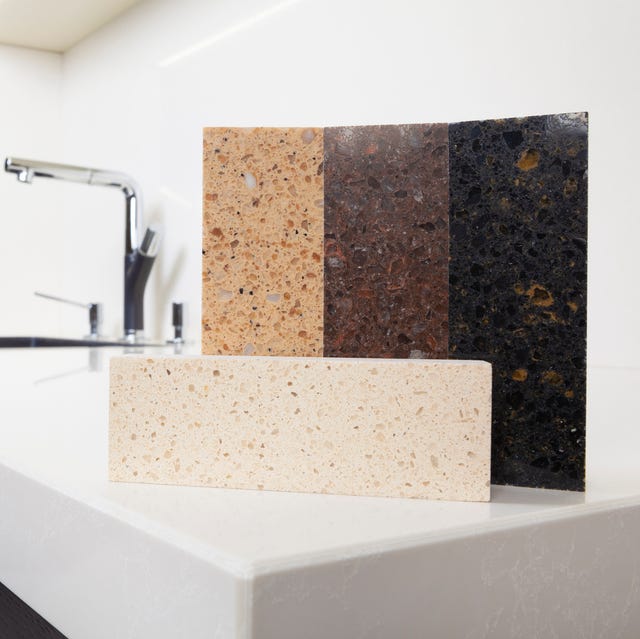
From Natural Stone to Plastic Laminate, We're Helping You Choose the Best Countertop Material for Your Kitchen
Material matters - 31 Dec 2025 - The English Home Magazine

These Are The Best Granite Countertop Colors

3 Kitchen Stone Trends We’ll See in 2025
Sintered Stone Countertops
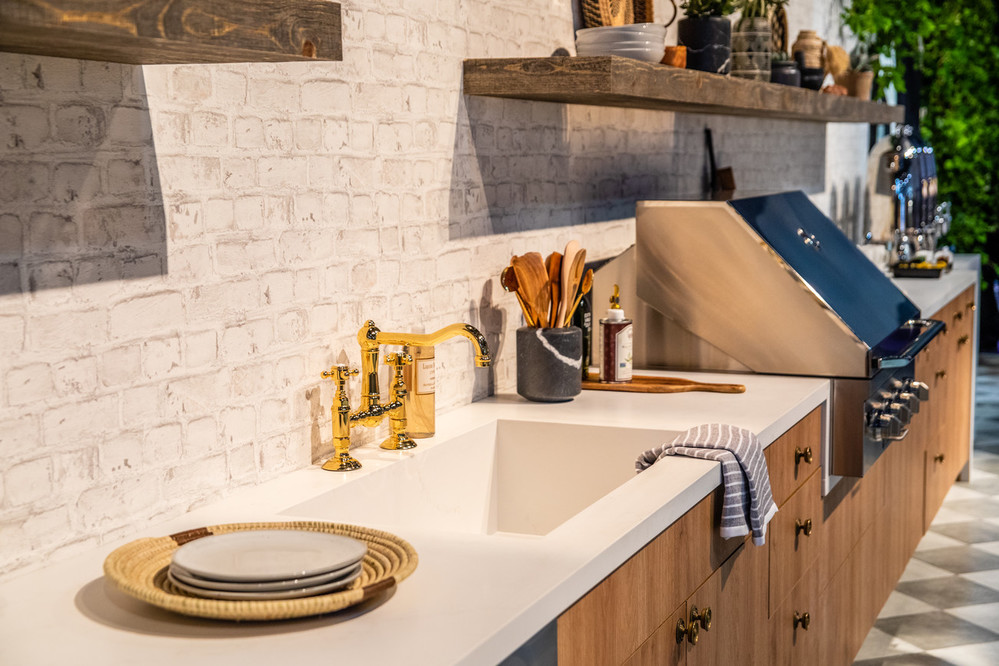
Outdoor Kitchen Countertop Ideas - The Materials, Designs and Expert Advice You Need
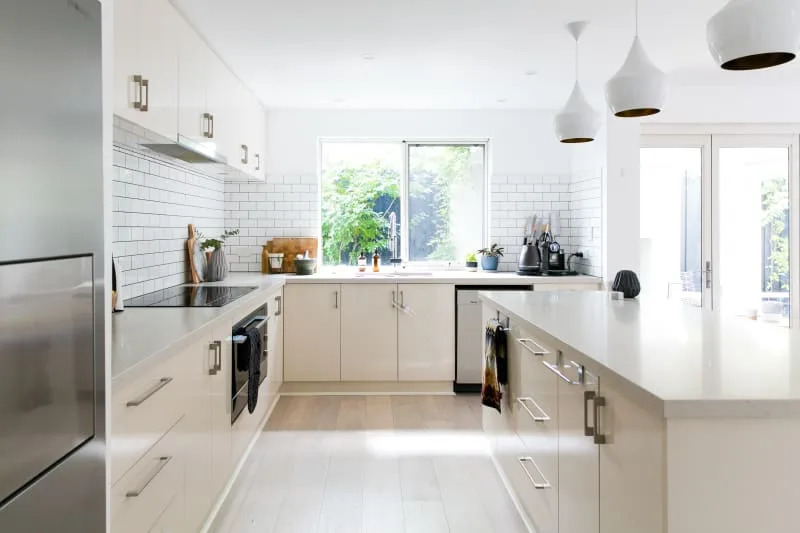
The Worst Thing About Every Popular Kitchen Countertop Designers Don’t Tell You
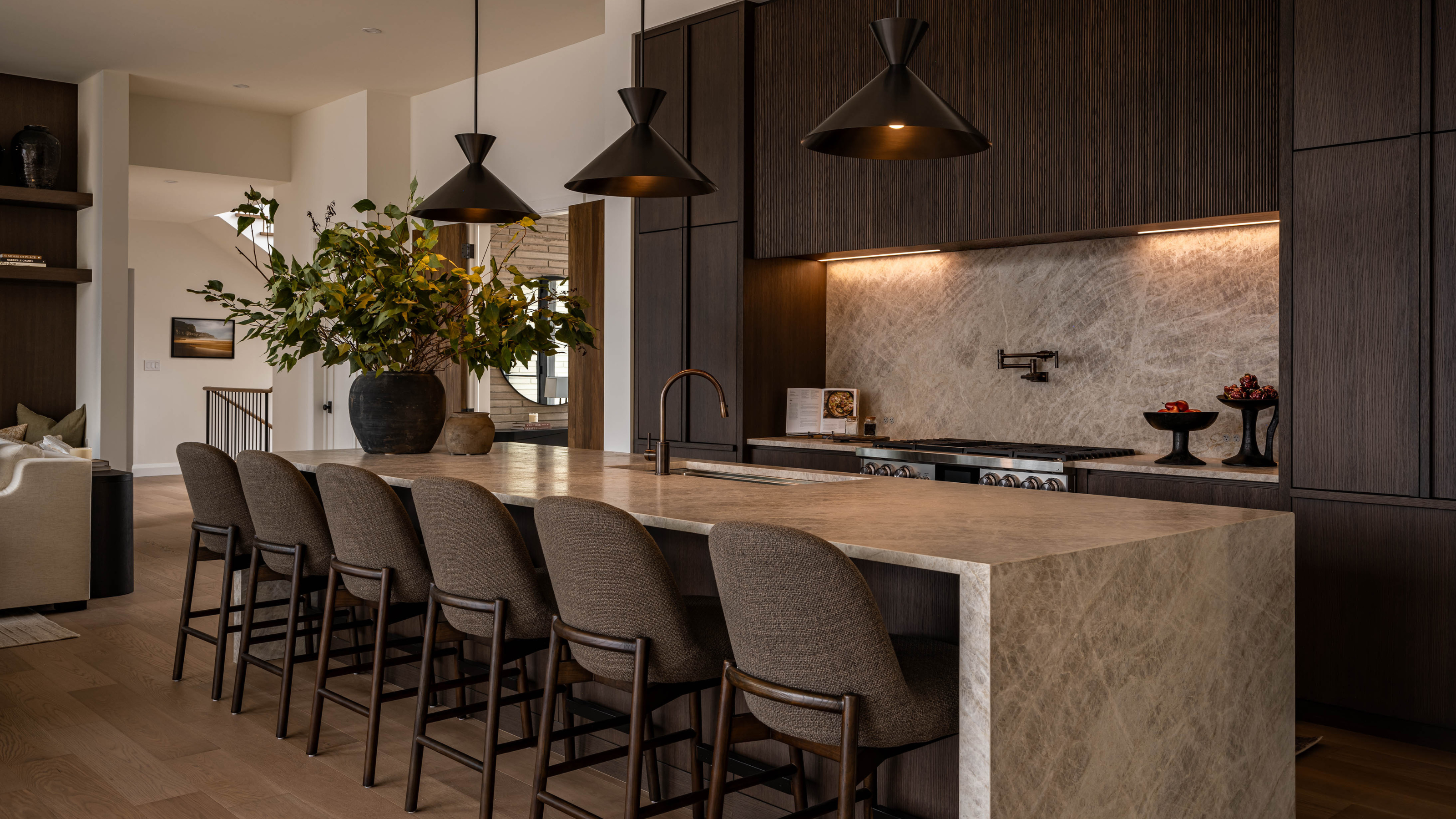
So, Just What Is a 'Leathered' Countertop? "To Touch One Is to Want One," Says Our Editor
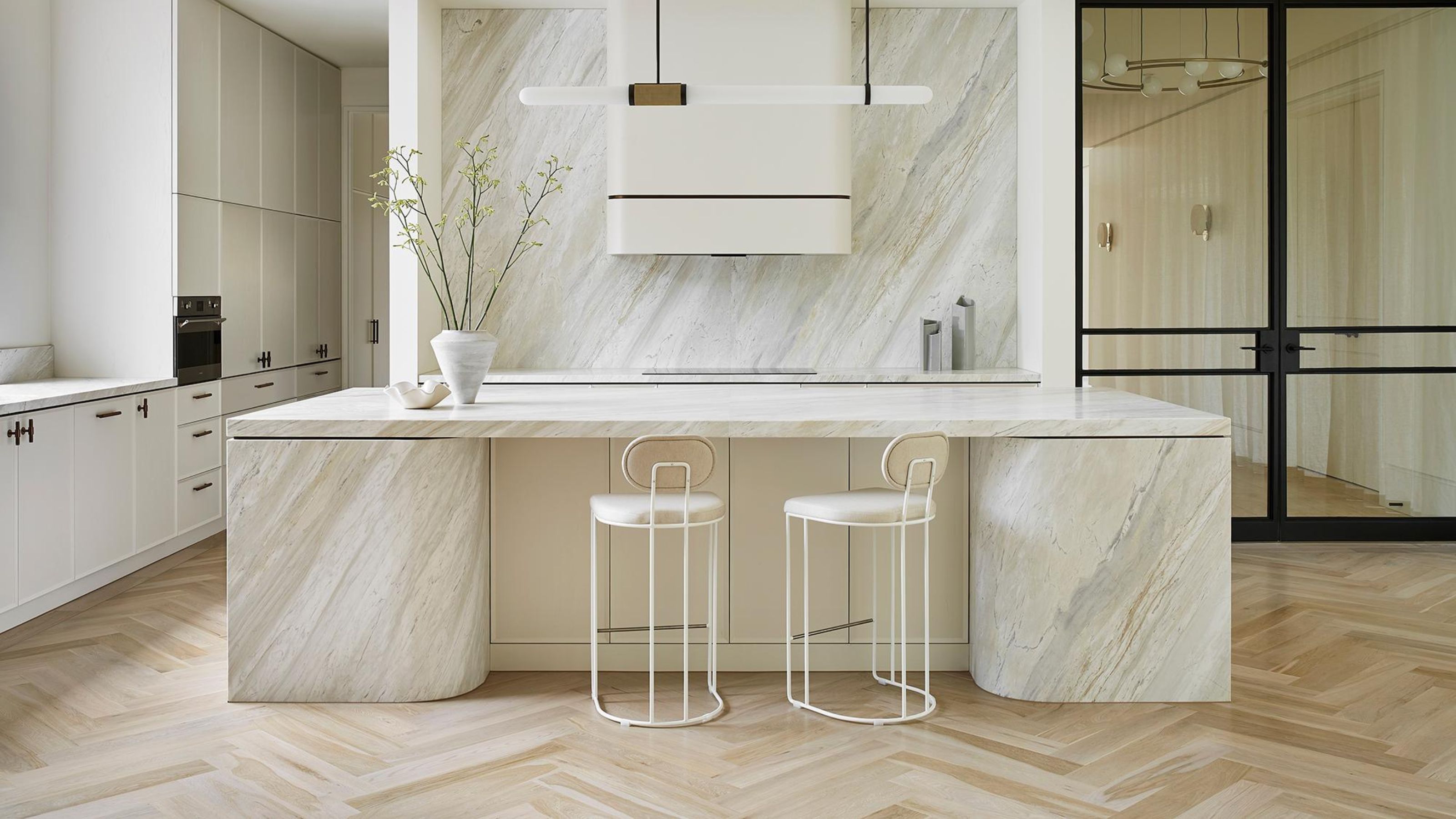
11 Countertop Ideas That You'll Find in the Best-Looking Kitchens
Marble Countertops: 9 Tips for Choosing a White Marble Slab

We Asked Designers What Kitchen Countertop Materials Are Out in 2026—Their Answers May Surprise You

These 4 Countertop Colors Instantly Date Any Kitchen, Designers Say