1/5
So, Just What Is a 'Leathered' Countertop? "To Touch One Is to Want One," Says Our Editor
The article explores the concept of 'leathered' countertops, a design technique that has recently gained attention through a viral home tour video featuring Lana Condor. This technique involves processing natural stone to achieve a soft, textured, and matte finish, contrasting sharply with the high-shine appearance of polished stone. Experts in the field, such as Oliver Webb from Cullifords and John Krause from Diespeker & Co, elaborate on the process and its characteristics.
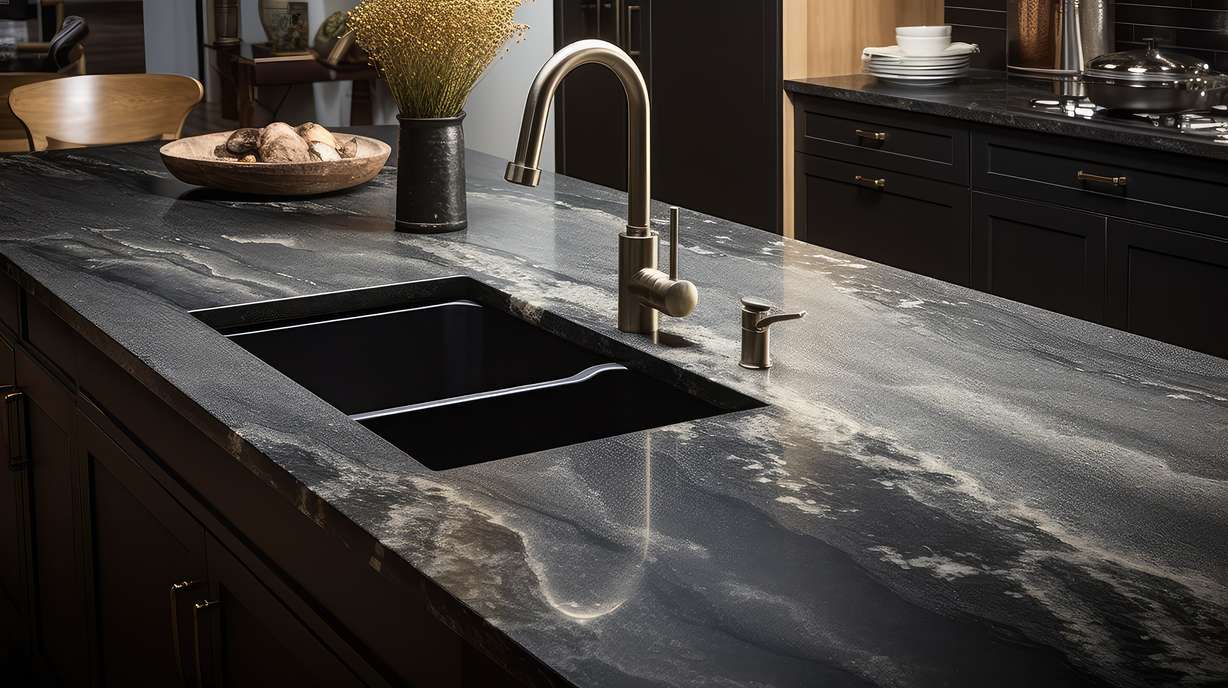
Leathering is a generic term encompassing various brushing and texturing methods, including honed and brushed (Satinato), waterjet and brushed, or flamed and brushed. Honing refers to a smooth matte stage of polishing, while brushing uses hard brushes to remove softer parts of the stone, creating a natural textured finish. Waterjet finishes involve directing high-pressure water to remove softer minerals, and flaming uses an oxyacetylene torch to break up the surface, both creating texture. A brush can then be applied to any rough finish to achieve a smoother, yet still textured, result. The outcome of leathering varies depending on the geological makeup of the natural stone; harder stones may exhibit a subtle texture, while softer ones will have a more pronounced feel. For man-made materials, companies use terms like cashmere or natural finish, and it is recommended to check samples as these will differ between manufacturers.
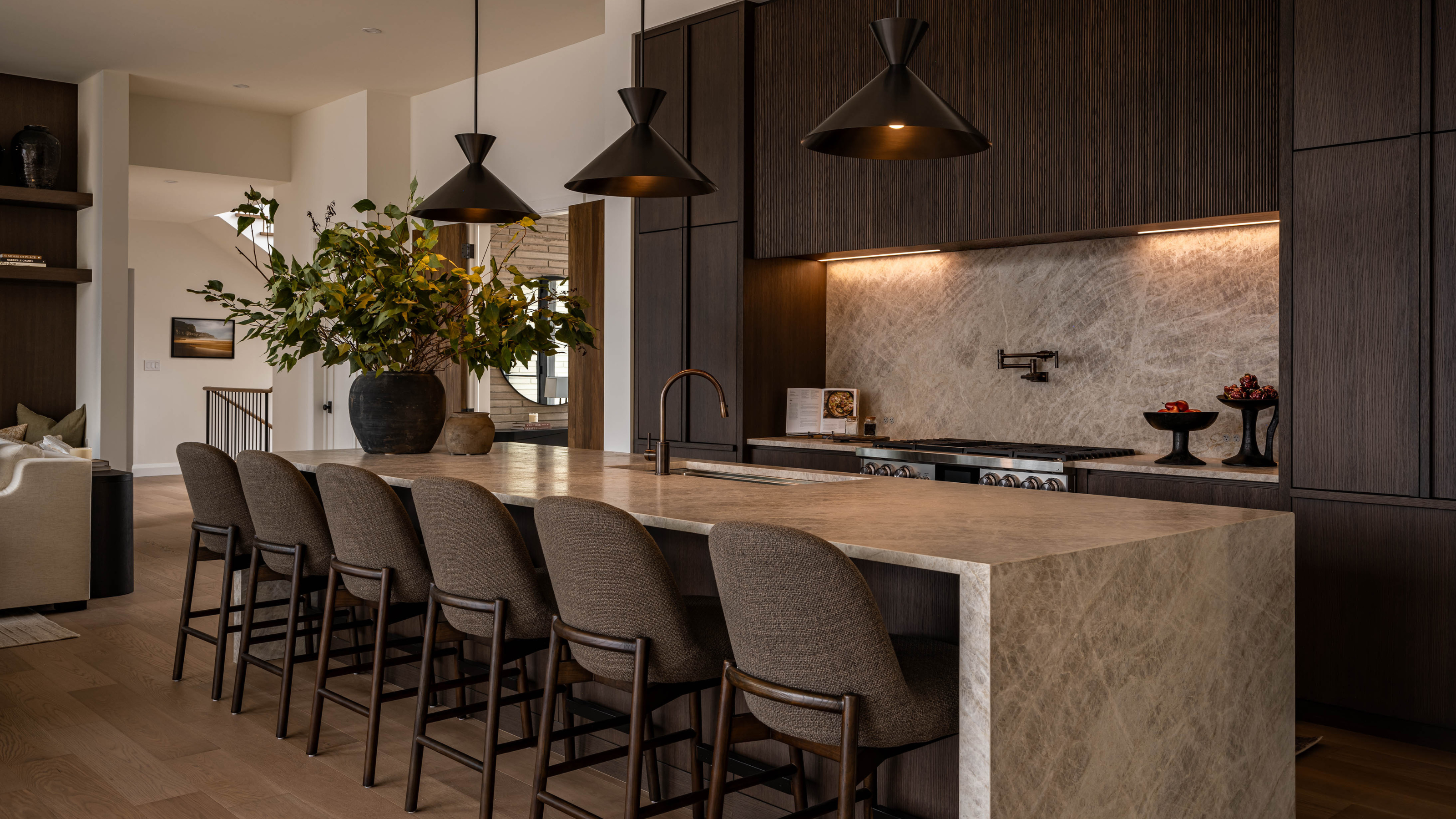
The technique derives its name from its resemblance to a leathery finish, and while primarily used with granite, it can be applied to other stones, provided they can withstand the process. Delicate natural stones are generally not suitable. April Graves of Aria Stone Company notes that leathering creates small, pebble-like textures, enhancing the tactile experience of the stone. Josée Sigouin, senior designer at West of Main, highlights that a leathered finish provides a gentle, low-luster glow that is warm and inviting, adding textural depth by accentuating the stone's natural veins and movement, making it visually dynamic. This matte quality is particularly effective for darker stones like Rosso Levanto marble or granite, allowing their raw beauty to be appreciated without reflective glare.
There are several reasons to opt for leathered countertops, beyond aesthetic preference for a low-shine or organic modern style. Magnus Nillsen, lead designer at Blakes London, explains that leathered stone offers a more refined and understated aesthetic. This is especially beneficial for strongly veined stones, as it prevents the movement and layers of interest from overwhelming the eye, which might occur with a polished finish. The technique also reduces light reflection, contributing to a more relaxed and natural ambiance.
Functionally, leathered finishes offer increased durability. Oliver Webb points out that on softer materials, it can help conceal micro-scratches, wear and tear, and etching more effectively. Josée Sigouin concurs, stating that leathered stone tends to hide fingerprints, water spots, and smudges better than polished or honed alternatives, making it a practical choice for organic design lovers. However, despite its forgiving nature, regular sealing is still necessary, especially for porous stones like marble or lighter granites.
Before committing to leathered surfaces, it is crucial to employ skilled craftspersons for the artisanal finish. While it might be slightly more challenging to clean due to the groves, it is more forgiving of scratches and stains and does not require polishing after wiping. Visiting a specialist to feel samples is highly recommended, as the tactile experience is a key aspect of this finish, and it cannot be applied retrospectively; surfaces must be ordered with the texture.
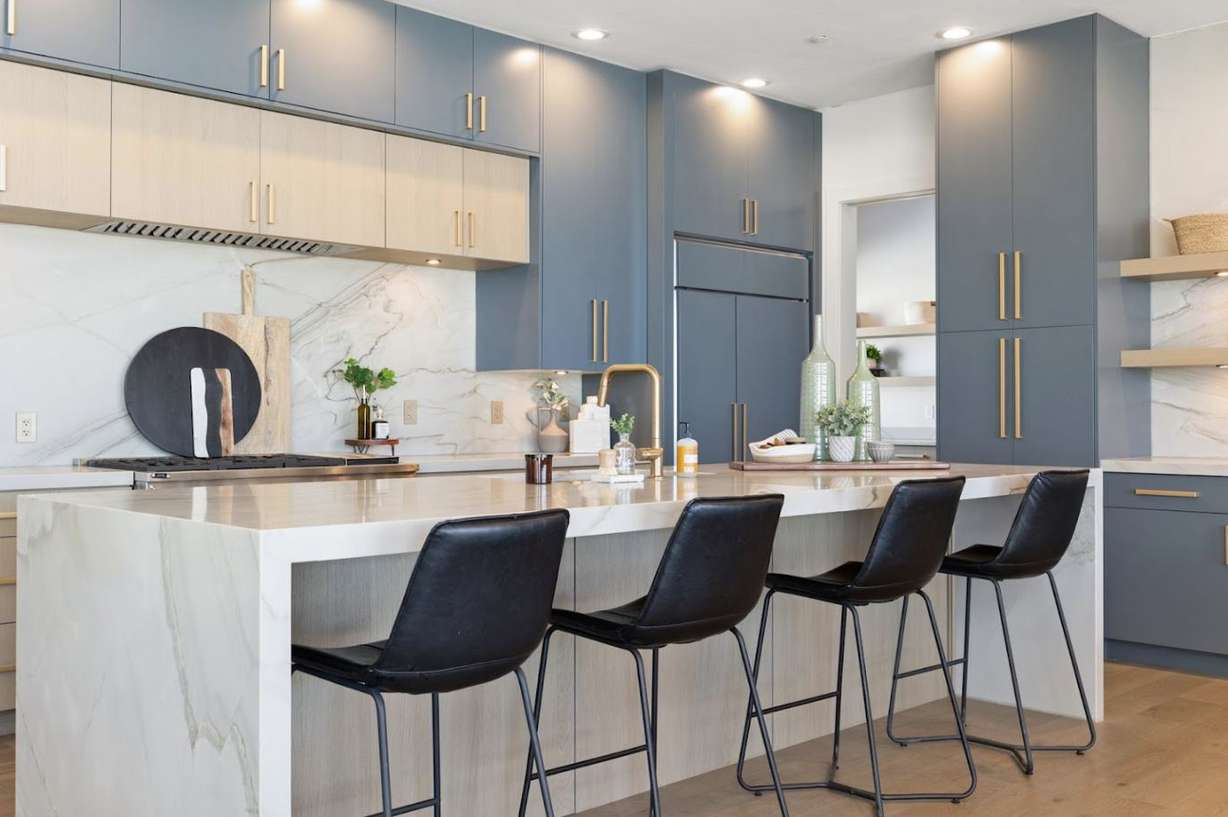
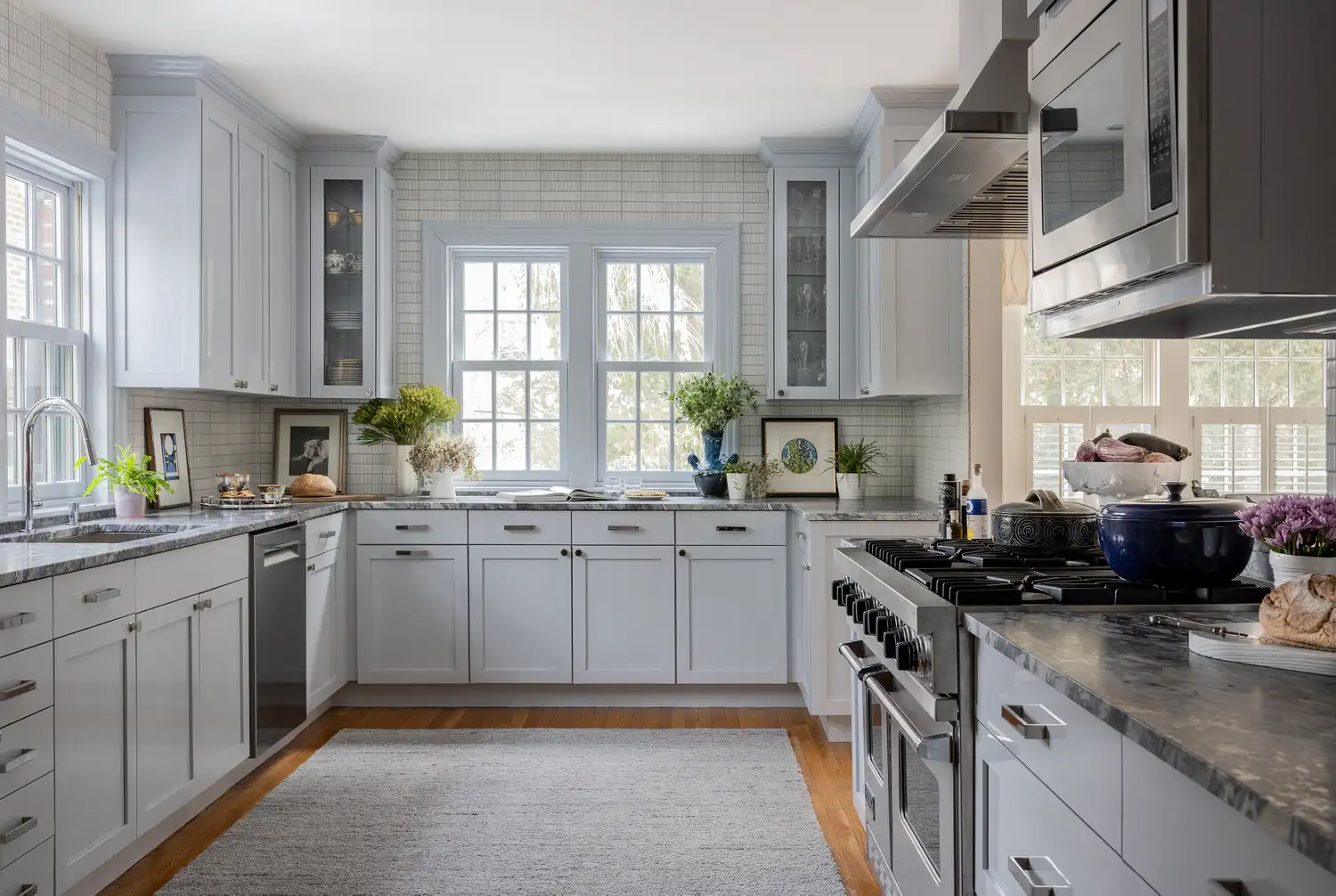
Leathered countertops are versatile and can complement various kitchen styles, including contemporary and rustic designs. While not ideal for ultra-modern, highly glossed kitchens, they can act as a neutral counterpoint to bright décor or blend seamlessly with natural hues. Fash Nejad from Develli Group suggests they collaborate well with pastel color units and cabinetry, contrasting with muted surrounding features. Ultimately, experts endorse leathering for its ability to add depth, dimension, and durability to home design, offering a unique and tactile alternative to traditional finishes.
#LeatheredCountertops #KitchenDesign #StoneFinishes #InteriorDesign #HomeImprovement #NaturalStone #CountertopTrends #KitchenRemodel #LeatheredCountertops #KitchenDesign #StoneFinishes #InteriorDesign #HomeImprovement #NaturalStone #CountertopTrends #KitchenRemodel
 No comments yet
Sensory and Emotional Perception of Wooden Surfaces through Fingertip Touch
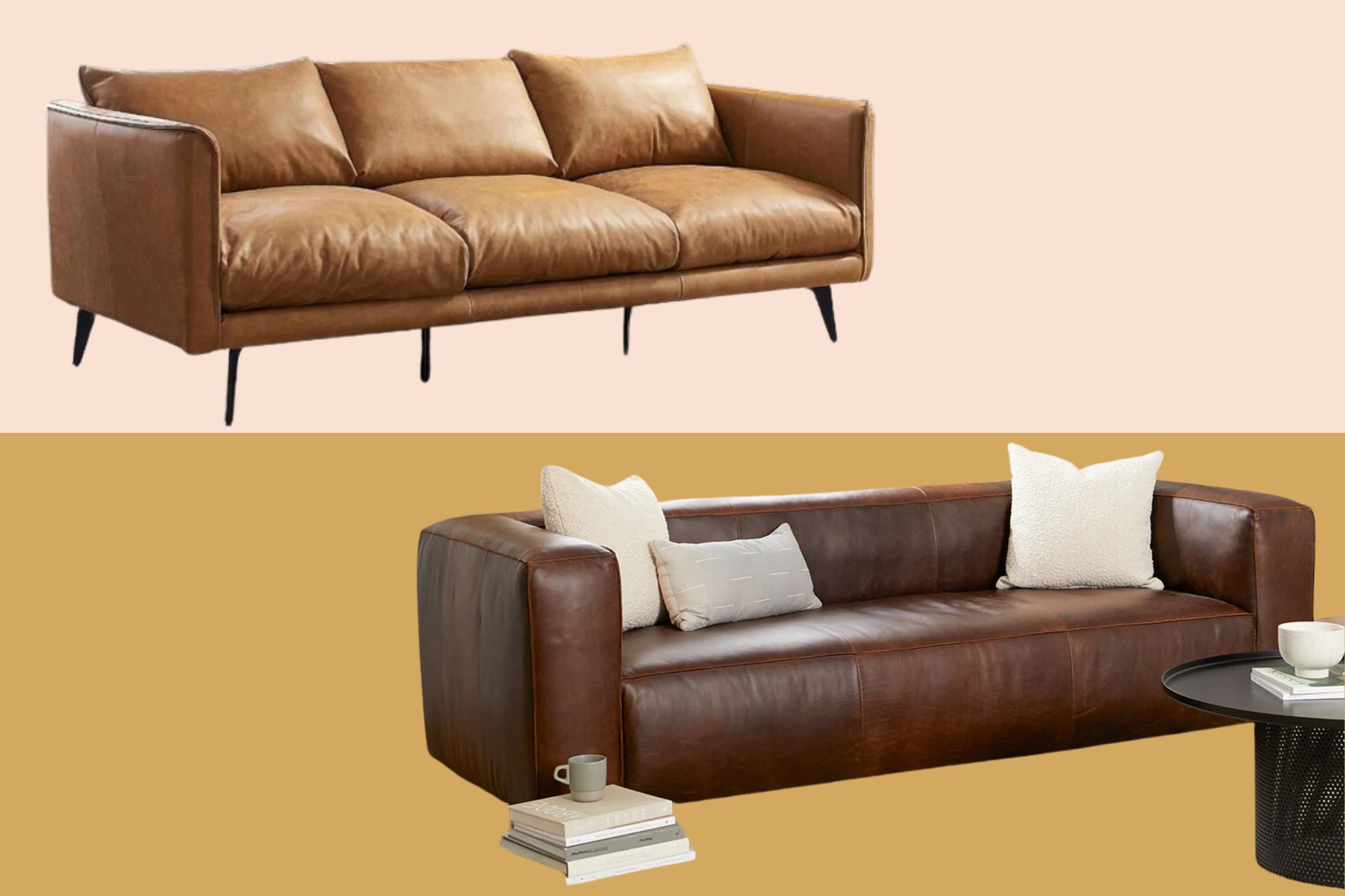
The best leather couches for your living room in 2025
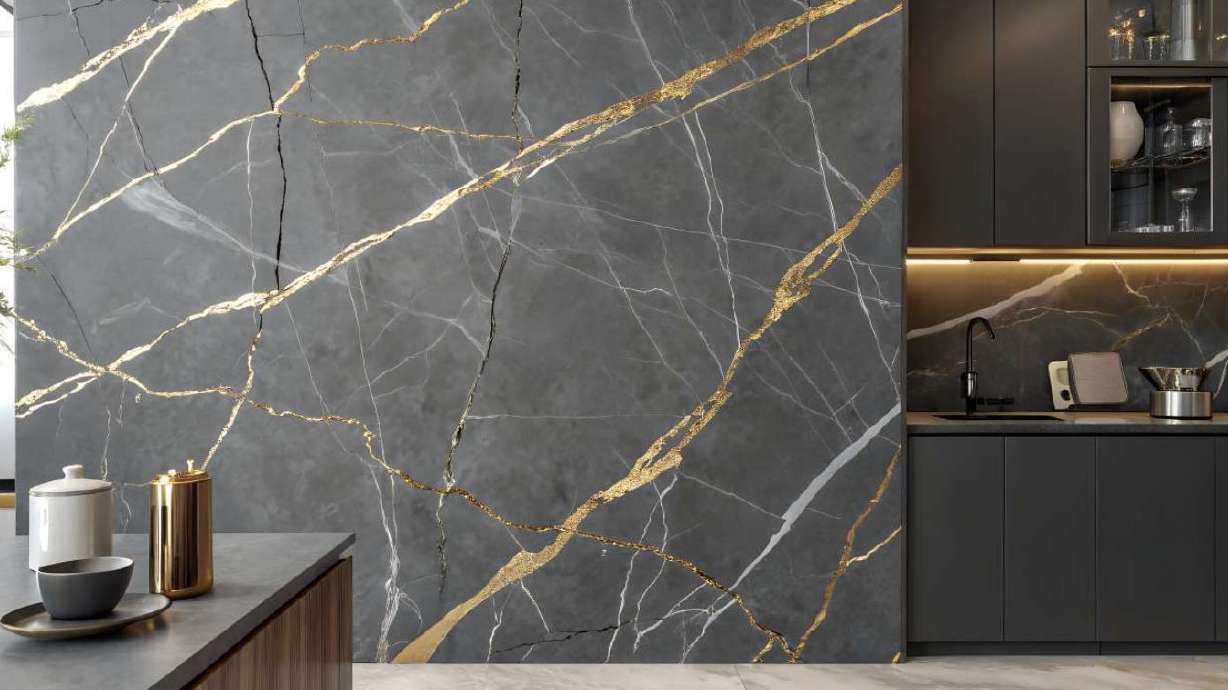
Countertop and solid surface trends: Texture, sustainability, and drama

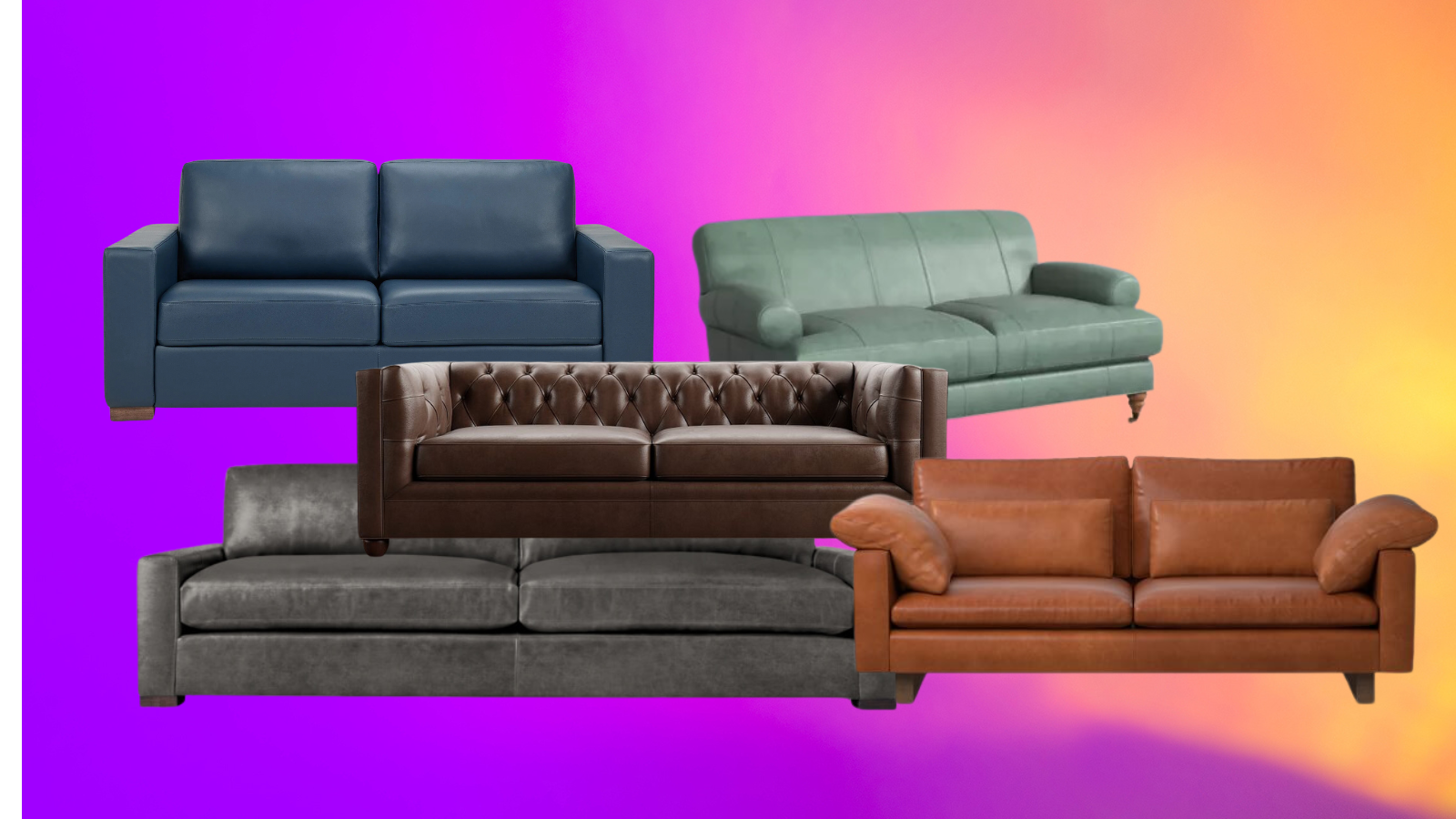
Smooth, Supple, and Stylish — The Best Leather Sofas That Get Editor Points for Both Looks and Construction

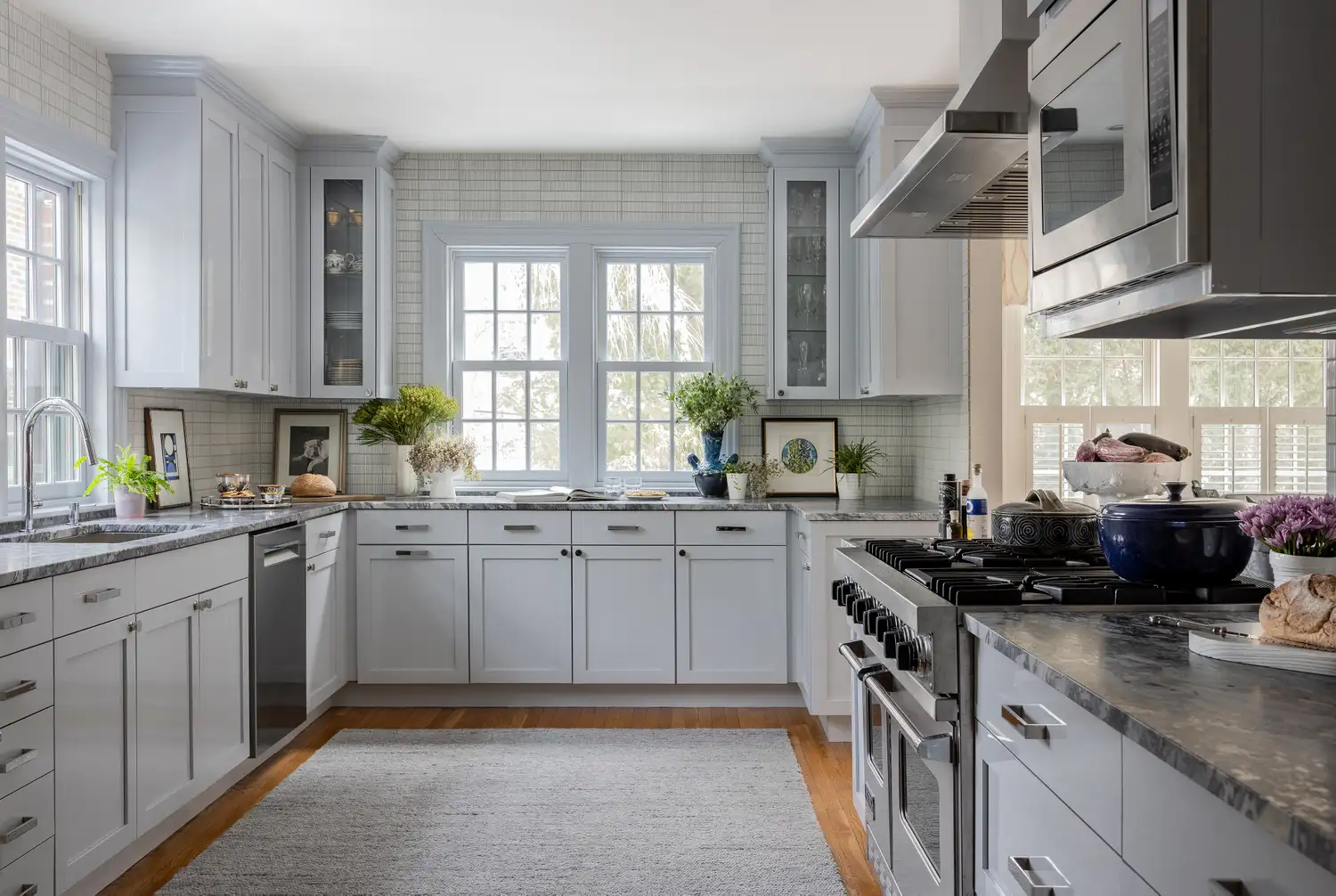
5 Countertop Trends Taking Over Kitchens Everywhere in 2026