1/10
Sensory and Emotional Perception of Wooden Surfaces through Fingertip Touch
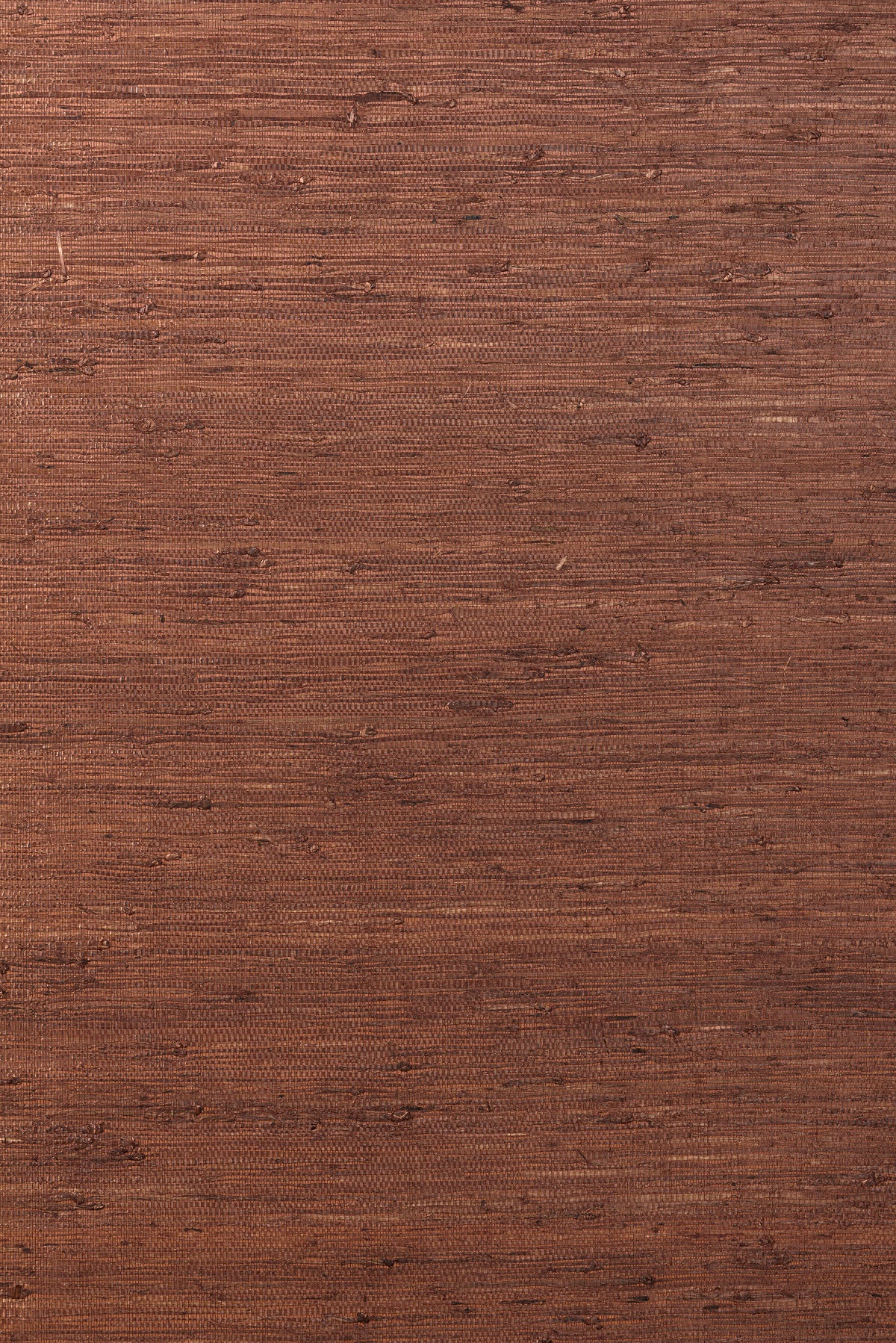
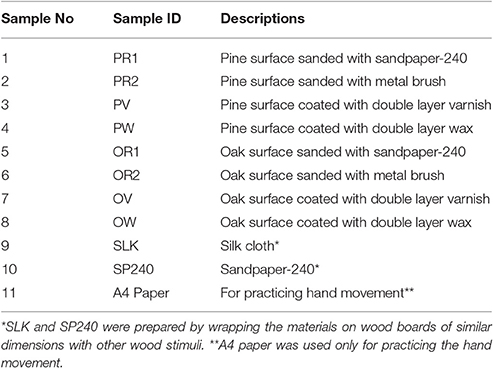
This study explores how people perceive different wooden surfaces through touch, focusing on both sensory (e.g., roughness, smoothness) and emotional (e.g., pleasantness, discomfort) aspects. The research investigates whether these two dimensions of touch are related when evaluating wood, with the aim of informing the design of wood-based interior products. Twenty participants evaluated eight different surfaces made from Scots pine and oak wood, treated with four different methods: sanding (240-grit), brushing with a metal brush, varnishing, and waxing. Two reference stimuli, 240-grit sandpaper and silk cloth, were also included to provide extreme boundary conditions for perception. Participants actively explored these surfaces with their fingertips, in the absence of visual cues, and rated them using a Finnish version of emotional and sensory touch descriptors adapted from the Touch Perception Task (TPT) scale. The experimental setup involved a custom-designed apparatus that blocked the view of the stimuli, ensuring only tactile perception was engaged. Participants were instructed to move their four fingertips laterally across the surface at a consistent speed and pressure for 8 seconds before rating 11 descriptors (8 emotional, 3 sensory). Data analysis, primarily using MANOVA, examined the effects of wood type and surface treatment on the sensory and emotional ratings. The results indicated that surface treatment significantly affected both sensory and emotional perceptions, while wood type (pine vs. oak) did not show a significant effect. Natural wood surfaces (sanded and brushed) were perceived more positively in emotional terms than coated surfaces (varnished and waxed). Specifically, uncoated surfaces received significantly higher ratings for positive emotional descriptors and lower ratings for negative descriptors like 'irritating' and 'discomfort'. Coated surfaces, conversely, were rated similarly to each other across emotional descriptors and generally scored lower in positive emotional attributes. Sensory evaluations also showed clear distinctions: sanded surfaces were smoother and slipperier than brushed surfaces, while waxed surfaces were smoother and slipperier than varnished ones, though similar in roughness. Sanded surfaces were also perceived as smoother and slipperier than both varnished and waxed surfaces, with varying roughness perceptions. The study found moderate to high positive correlations between slipperiness and positive emotional touch aspects, and between roughness and negative emotional aspects (irritation, discomfort). This suggests that smoother and more slippery wood surfaces tend to be perceived as more pleasant. The findings highlight the importance of preserving the natural texture of wood surfaces during treatment processes to enhance positive touch experiences, which can influence consumer preferences and purchasing decisions for wood-based products in interior design. The study supports the notion that even without C-tactile afferents, which are linked to emotional touch in hairy skin, the glabrous skin of the fingertips is highly capable of both discriminative and affective touch evaluation, indicating its significant role in product assessment.
#TactilePerception #EmotionalTouch #WoodSurfaces #FingertipExploration #SurfaceTreatments #ProductDesign #ConsumerExperience #SensoryEvaluation #InteriorDesign #TactilePerception #EmotionalTouch #WoodSurfaces #FingertipExploration #SurfaceTreatments #ProductDesign #ConsumerExperience #SensoryEvaluation #InteriorDesign
0 comment in total
 No comments yet
You may also like
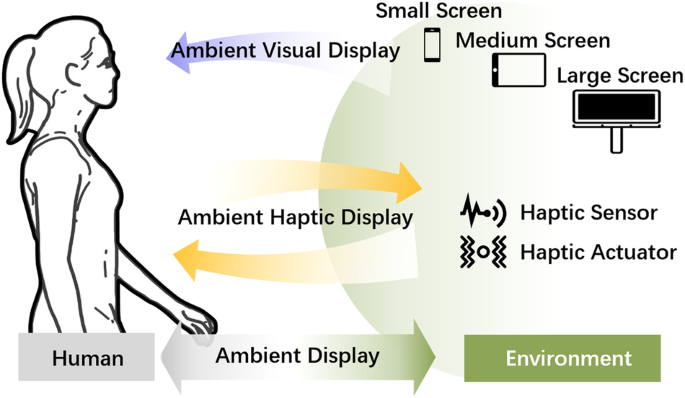
Active electronic skin: an interface towards ambient haptic feedback on physical surfaces
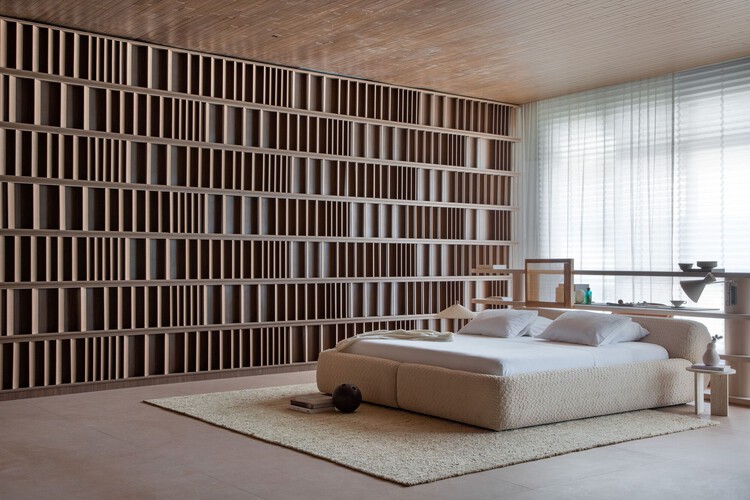
Wooden Surfaces in Brazilian Homes: Exploring Patterns and Textures

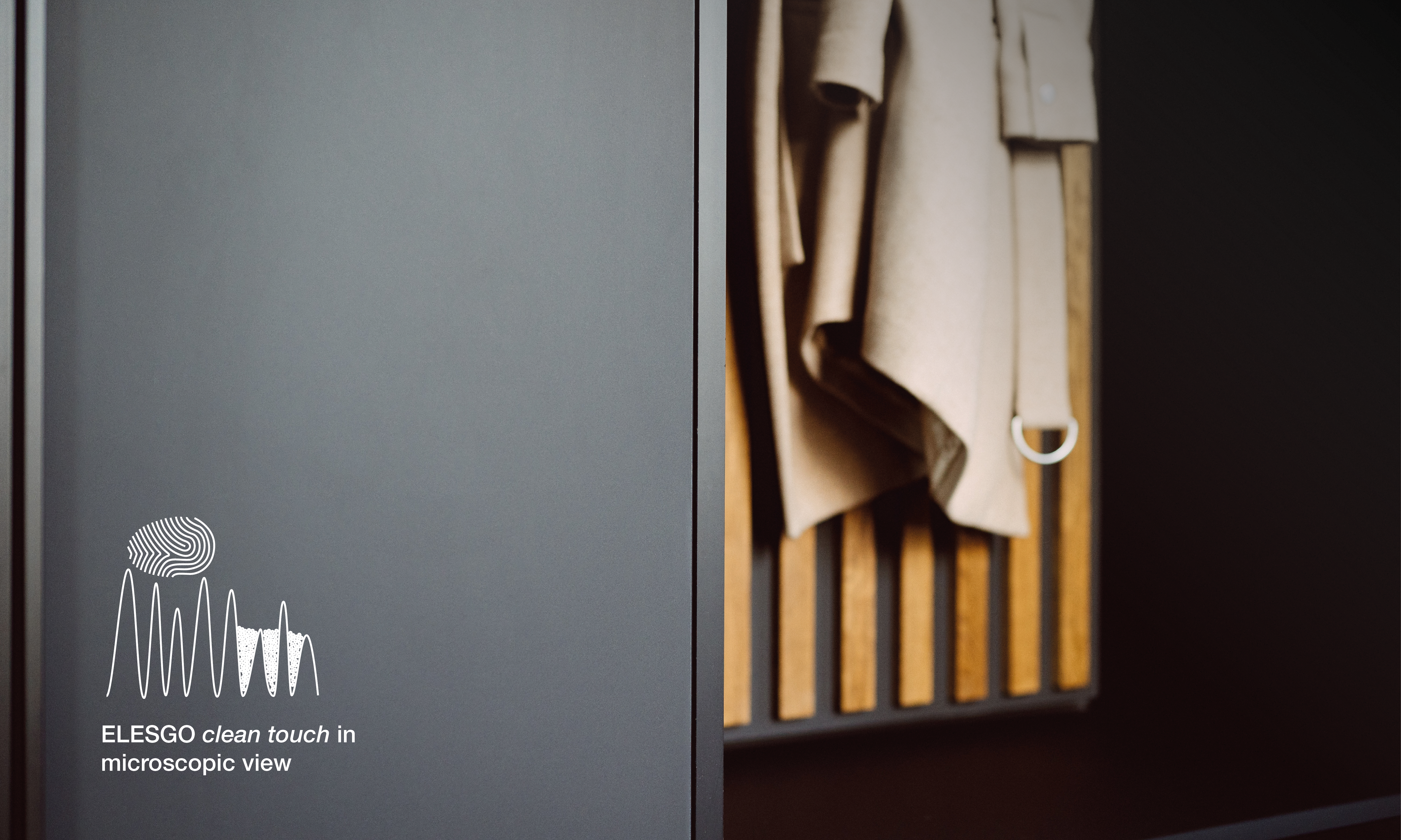
Anti-fingerprint surfaces — a trend that’s here to stay

Wood Treatments

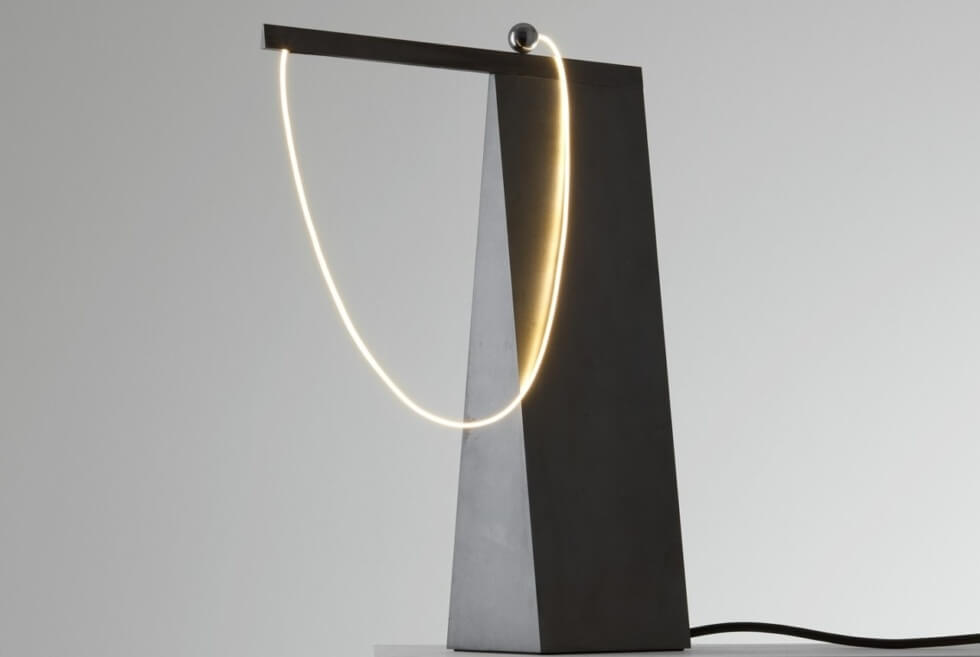
Tangent Lamp Alters Mood With Each Interactive Human Touch

8 Furniture Trends That Will Be Everywhere in 2026, According to Designers

6 inspiring sensory surface trends to expect in 2023
Transformative touch

Tangible Touches

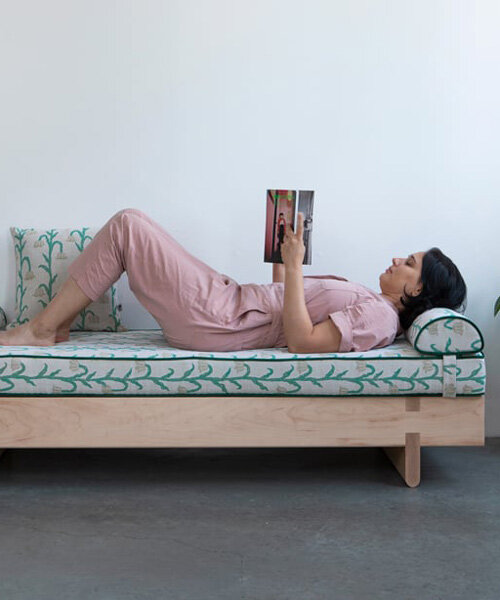
handcrafted furniture explores organic relationship between solid maple wood and textiles
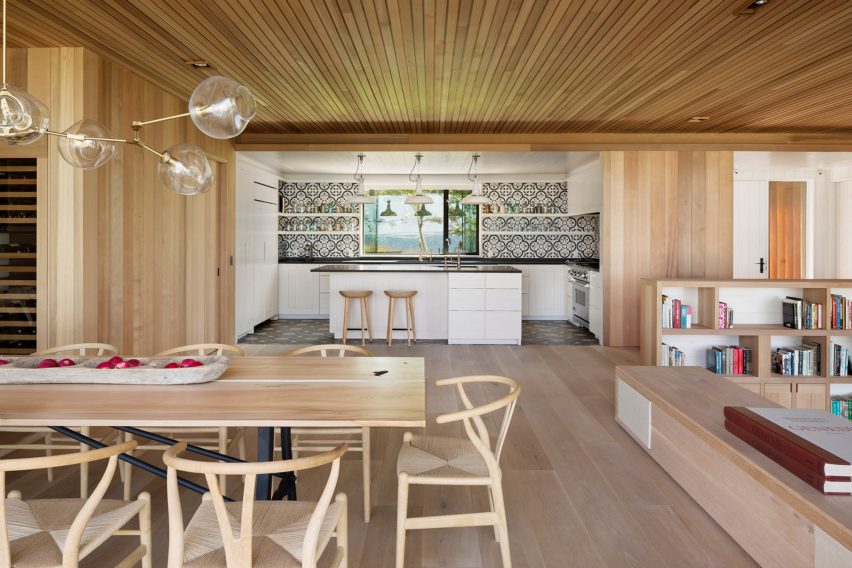
Ten projects that seamlessly integrate wood into the design
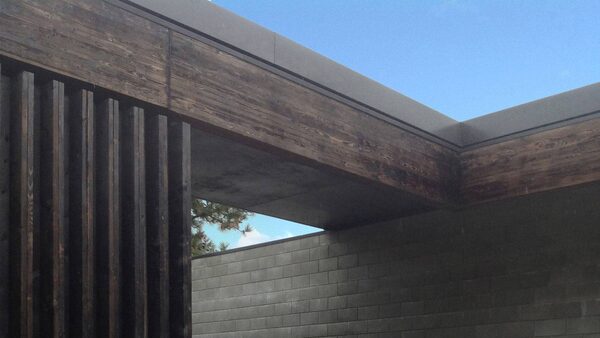
The value in charring wood surfaces goes beyond visual effect