The value in charring wood surfaces goes beyond visual effect
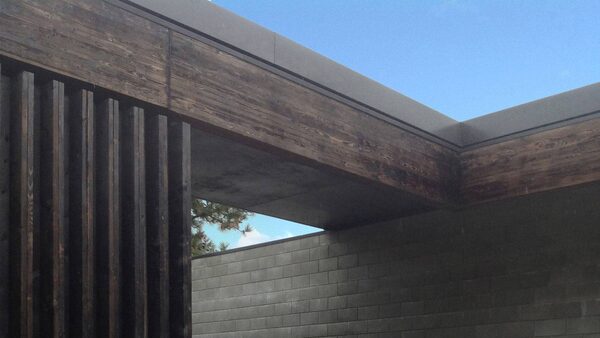
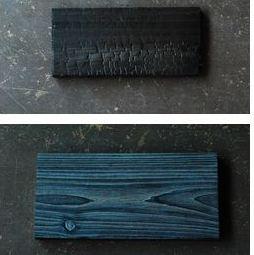
The ancient Japanese building technique of shou-sugi-ban, which involves charring wood surfaces, is gaining popularity in North America due to its aesthetic appeal and practical benefits. This method, traditionally used to preserve wood, creates a protective layer of carbon that is highly resistant to mold, insects, water, and even fire. The process results in a distinctive dark brown, bark-like appearance that designers like D'Arcy Jones find more interesting than traditional wood staining, as it exaggerates the natural beauty of the wood.
An example of this technique is a home in Okanagan Valley, where homeowner Jon Friesen and his father David charred the Douglas fir siding of their new house. They used a small propane torch to burn each board to a medium brown, then doused it with water. The surfaces were subsequently brushed to remove soot and achieve a smoother texture, with high-touch areas receiving a finer finish. This labor-intensive process offers a permanence that conventional wood treatments like stain and paint cannot match, as charred wood surfaces can remain intact for decades.
Historically, shou-sugi-ban in Japan involved burning cypress or cedar over an open flame, sometimes finished with oil. Japanese architect and historian Terunobu Fujimori has prominently incorporated this method into his work, drawing inspiration from historical precedents. In the Western world, the technique has seen limited use until recently. Swiss architect Peter Zumthor applied a variation in his Bruder Klaus Field Chapel, where a wooden structure built as a mold for concrete was burned, leaving charred imprints on the interior, creating a “slightly morbid narrative.”
Designer Deborah Moss of Toronto studio Moss & Lam also uses charring in her work, such as the "Torched Wood Screens." These hand-carved screens, depicting street maps of global cities, are charred and sealed, evoking the ephemeral nature of paper maps and the passage of time. Moss emphasizes the personal and resonant quality of charred wood, noting its raw, physical nature. While acknowledging that charred surfaces can create an unsettling effect in a home, architects like Jones believe this adds a humane quality, suggesting that "rooms are much more humane when there's a bit of darkness around," indicating a willingness to embrace deeper, more complex aesthetics in home design.
#CharredWood #ShouSugiBan #WoodFinishing #ArchitecturalDesign #HomeExterior #SustainableBuilding #InteriorDesign #JapaneseArchitecture #BuildingMaterials #CharredWood #ShouSugiBan #WoodFinishing #ArchitecturalDesign #HomeExterior #SustainableBuilding #InteriorDesign #JapaneseArchitecture #BuildingMaterials
0 comment in total
 No comments yet
You may also like
Wood Treatments

'Potential buyers may see it as a DIY job gone wrong' – this popular interior trend may be devaluing your home
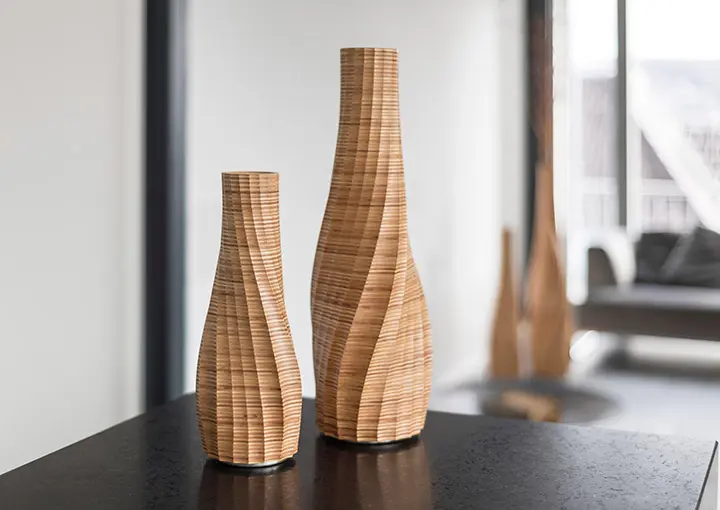
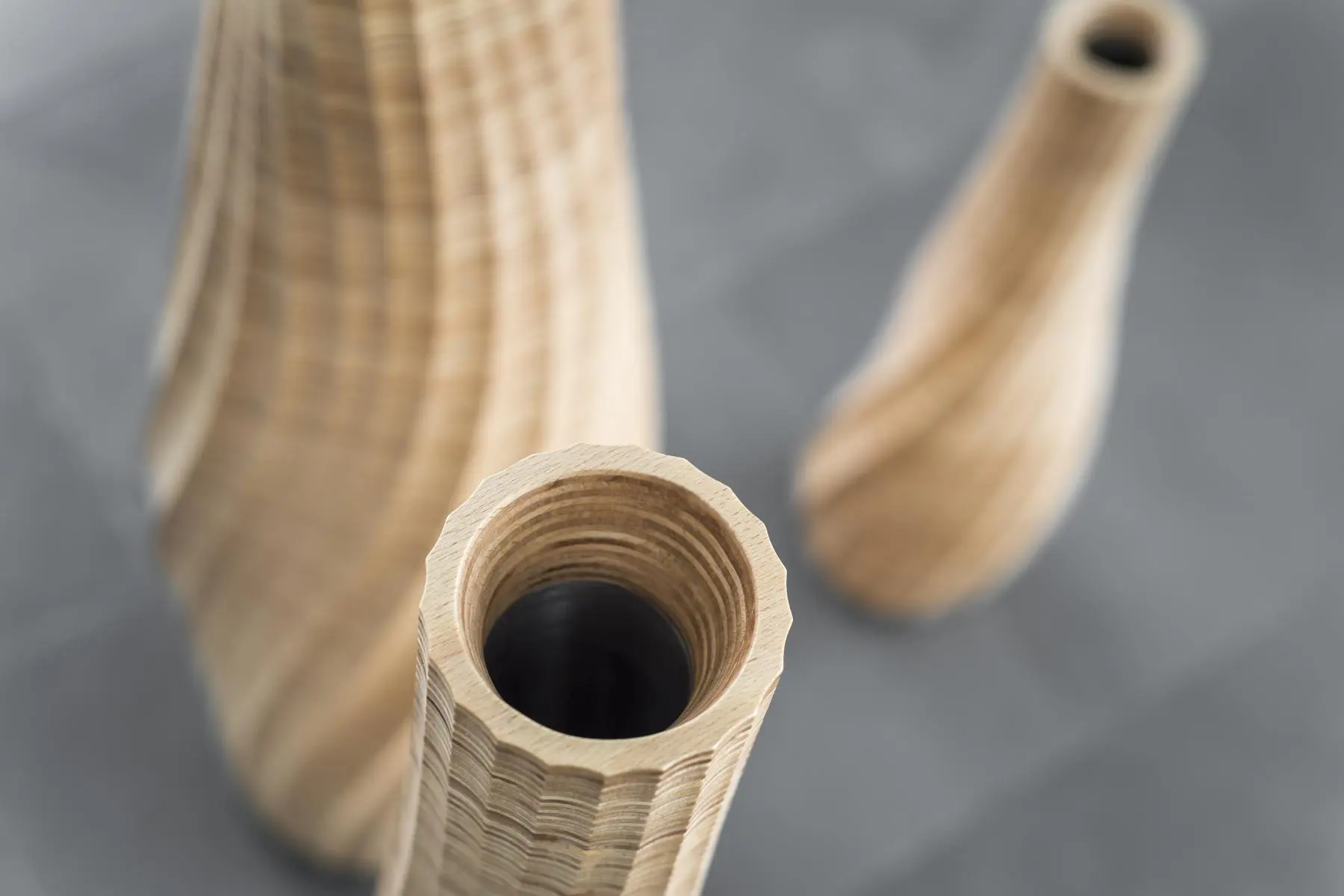
Hundreds of layers of beech wood are aligned, combined and gently sculpted

Sustainable Carpentry


New Fire Features Add Romance, Comfort And Resale Value To Home Spaces

Product watch: Focus’ sculptural fireplaces with eco credentials
Here's the Truth About Wood Veneers

How to refinish wood furniture - easy ways to totally overhaul your decor

Ten projects that seamlessly integrate wood into the design
Burning Lumber as a Finishing Technique

Tip: Leave the Finish Alone
Is It a Crime to Paint Antique Furniture?


Woodworker explains how raised panels are functional, not just decorative, and minds are blown

Move Aside, Ply—Designers Are Loving This Wood for Its Captivating Pattern

The Wood Paneling Trick That Makes Any Space Feel Instantly Homey

Add flair to your fireplace this season with tips from interior designers

8 Tricks for Repairing and Restoring Wood Damage
Wood and Ceramic ‘Guardian’ Assemblages by Expanded Eye Emphasize Earthy Materials

How to Fall in Love with Your Furniture (Again)

This viral paint effect for creating realistic wood-grain is such an easy way to transform lackluster surfaces