1/8
8 Tricks for Repairing and Restoring Wood Damage
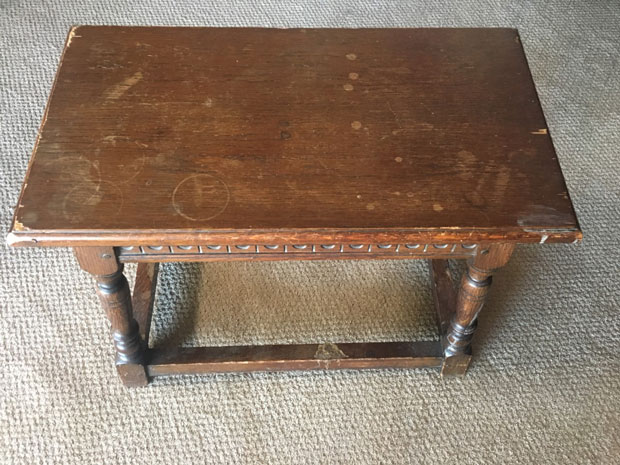
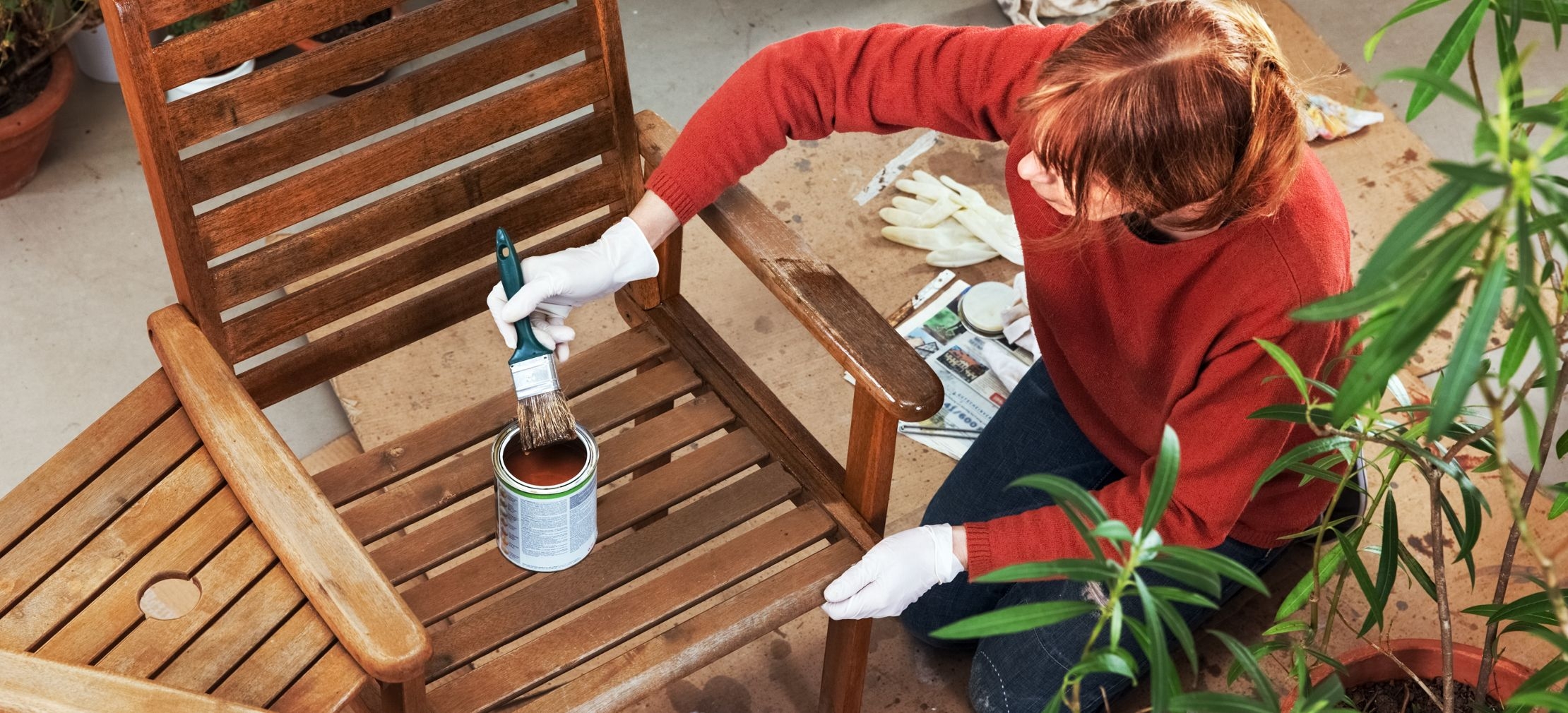
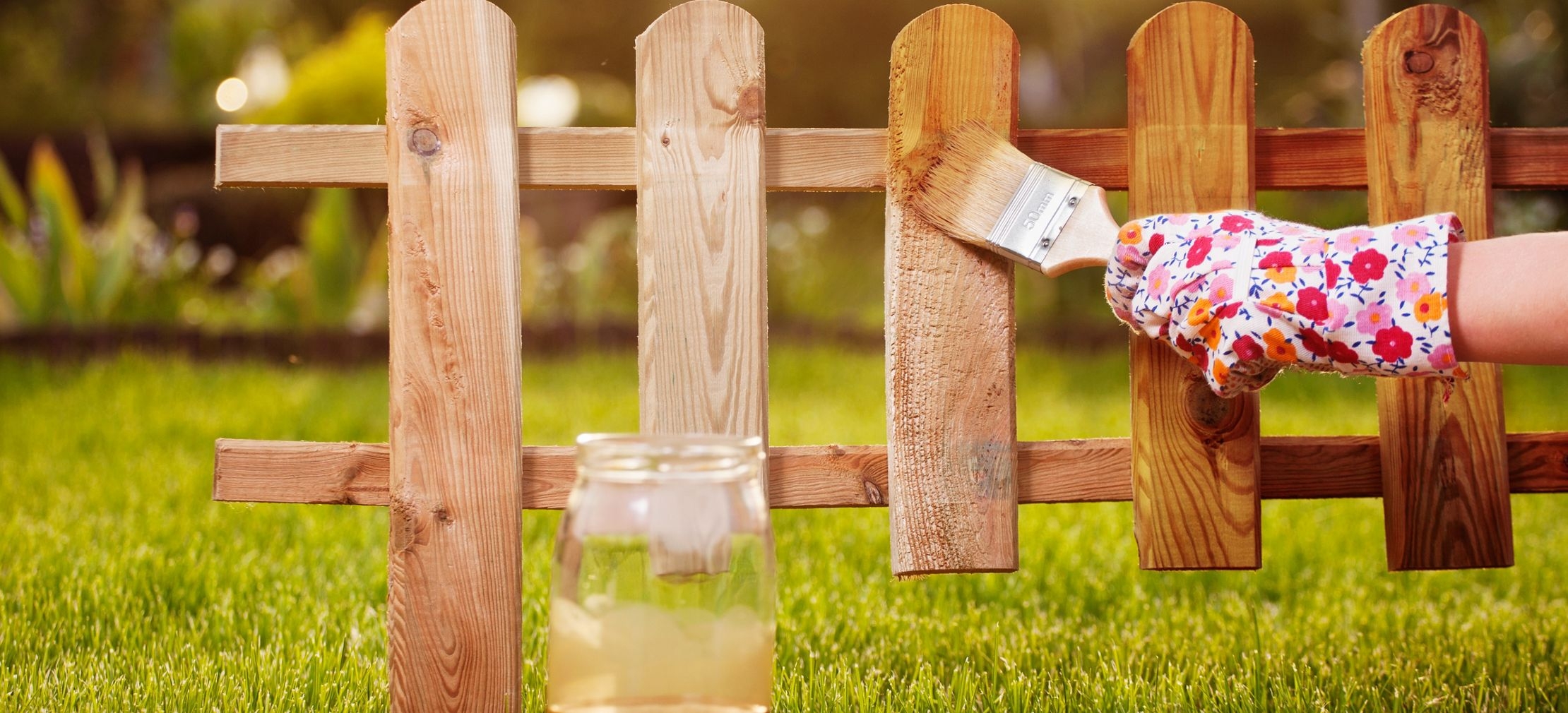
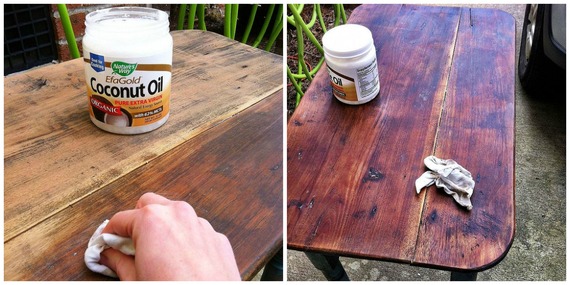
This article outlines eight practical methods for repairing and restoring various types of wood damage, aiming to enhance the natural beauty and longevity of wood elements within a home. The first trick involves naturally restoring wood using coconut oil. Coconut oil rehydrates the wood, brings out its natural color, and provides a soft glow, effectively acting as a natural restorative agent that deepens the wood's appearance without artificial stains.
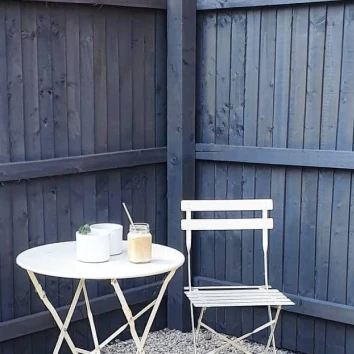
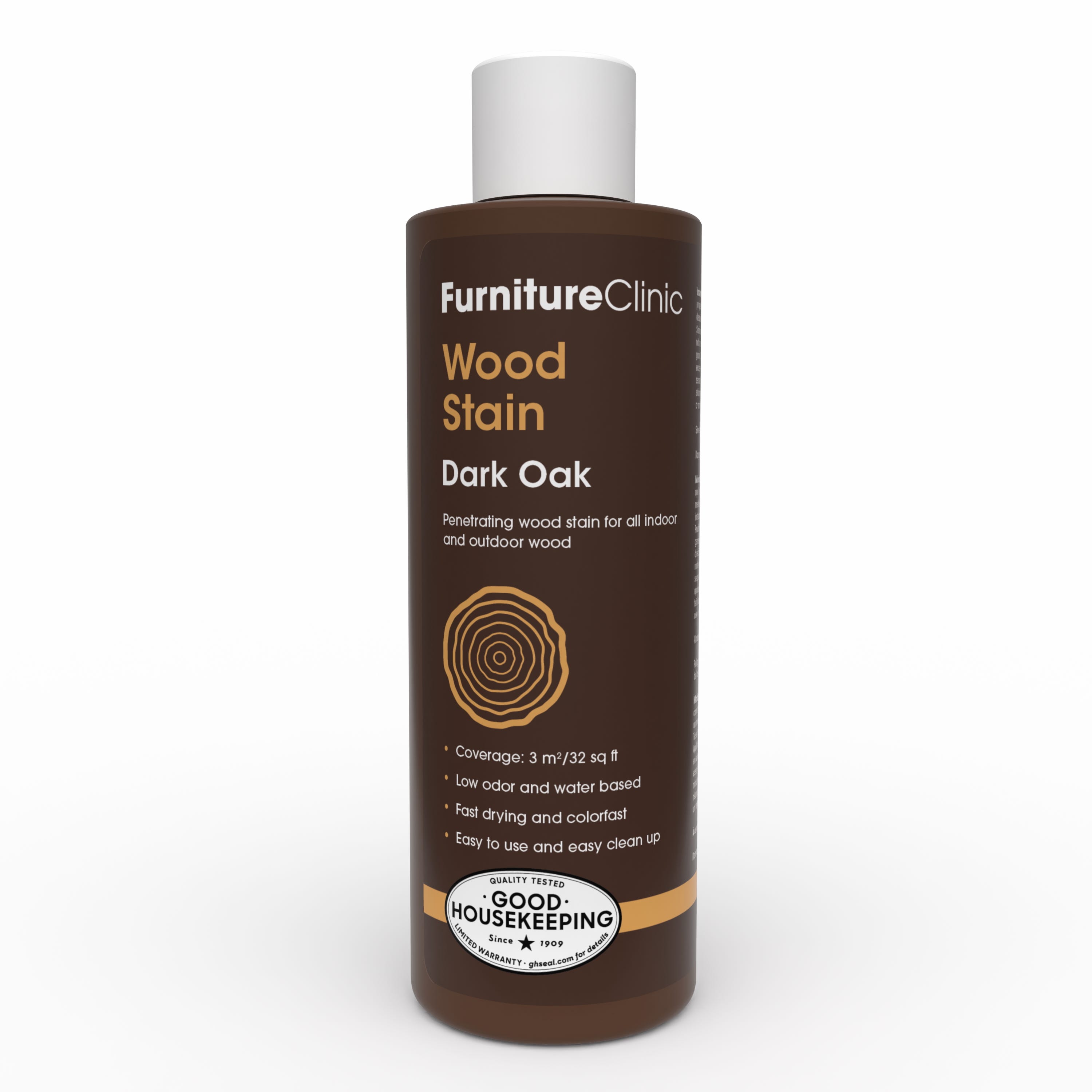
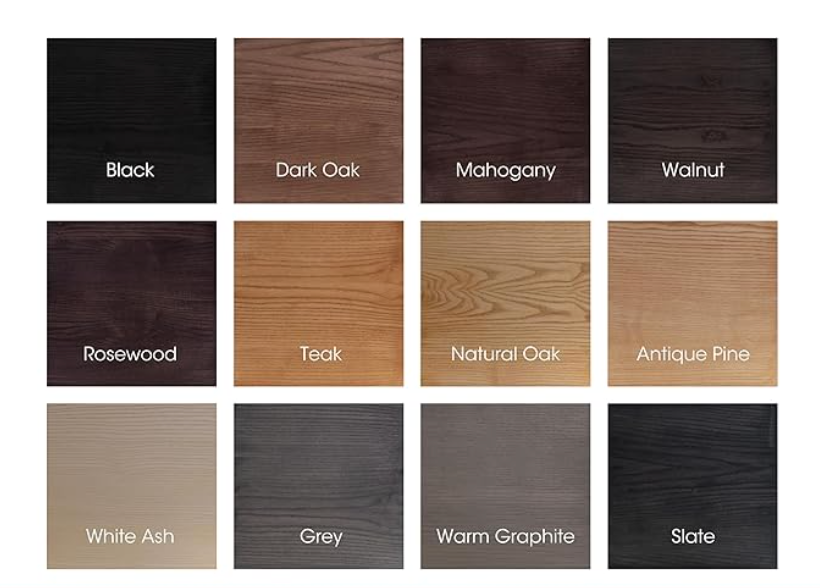
For those looking to stain wood a darker, yet still natural color, the article suggests using vinegar. Balsamic or apple cider vinegar can be applied, and scrubbing it in with a wire brush can further enhance the staining effect. The third method addresses minor nicks and scratches with a natural recipe consisting of three-quarters cup of oil, such as canola oil, and one-quarter cup of vinegar. This mixture, when applied according to instructions, can restore wood pieces to their original condition. Additionally, rubbing scuffs with a walnut is presented as another simple solution for minor imperfections.
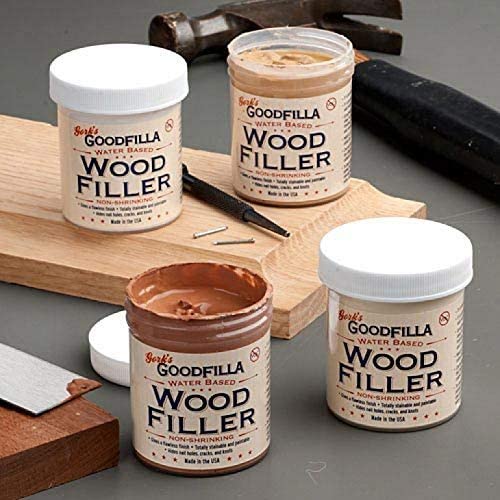
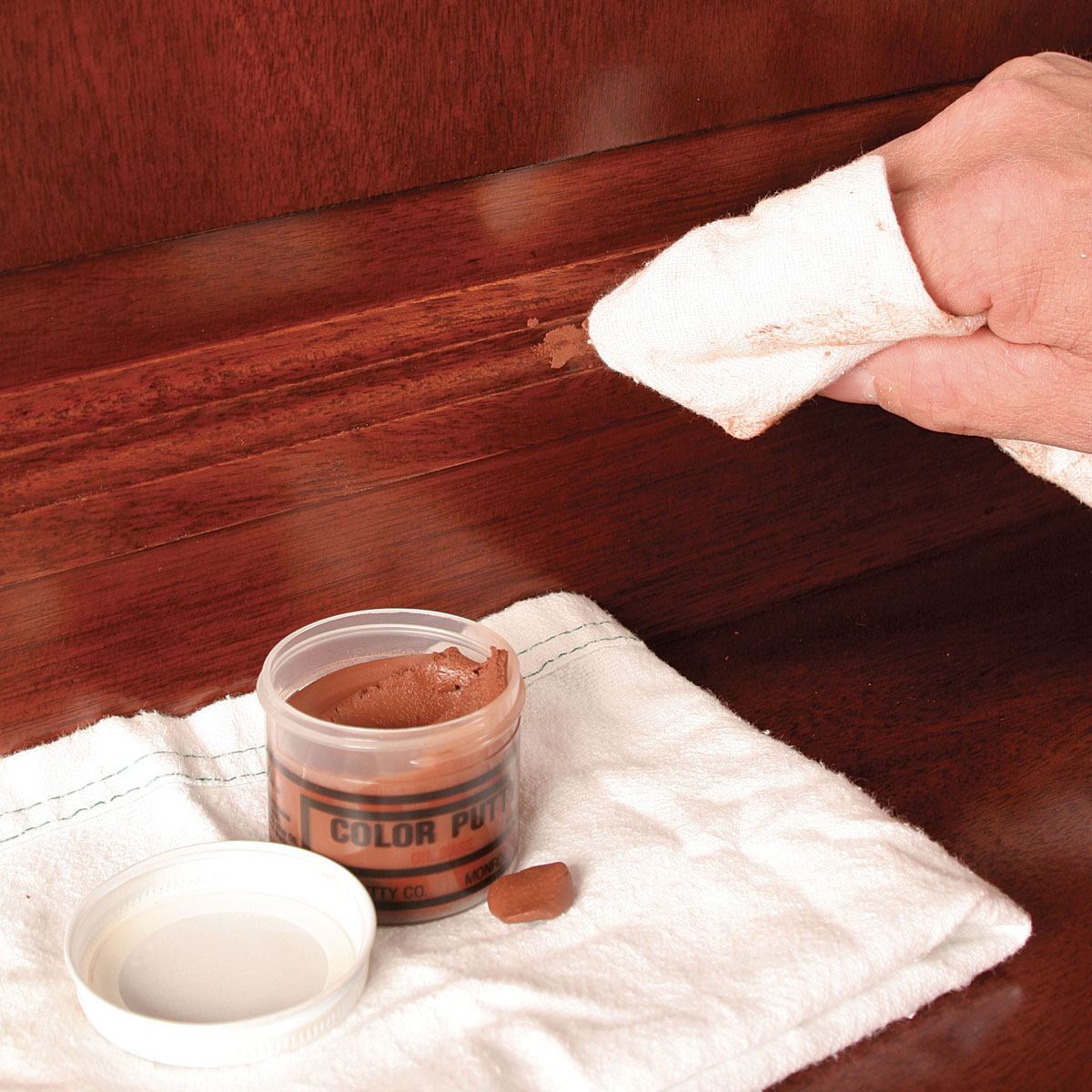
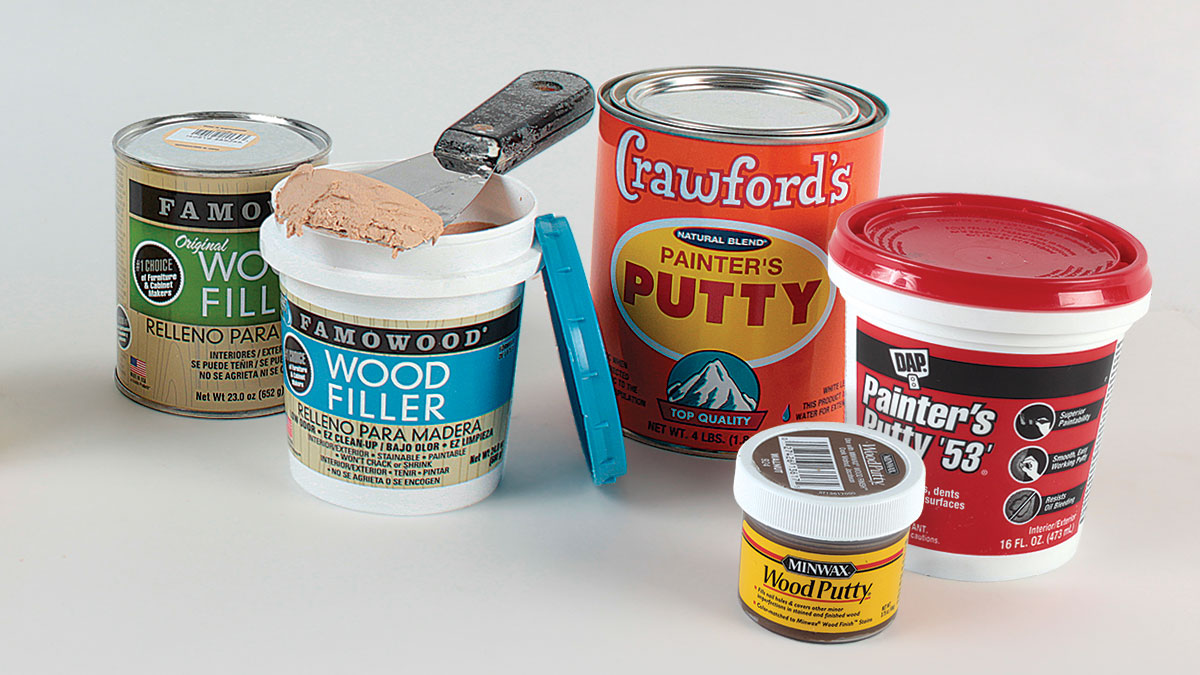
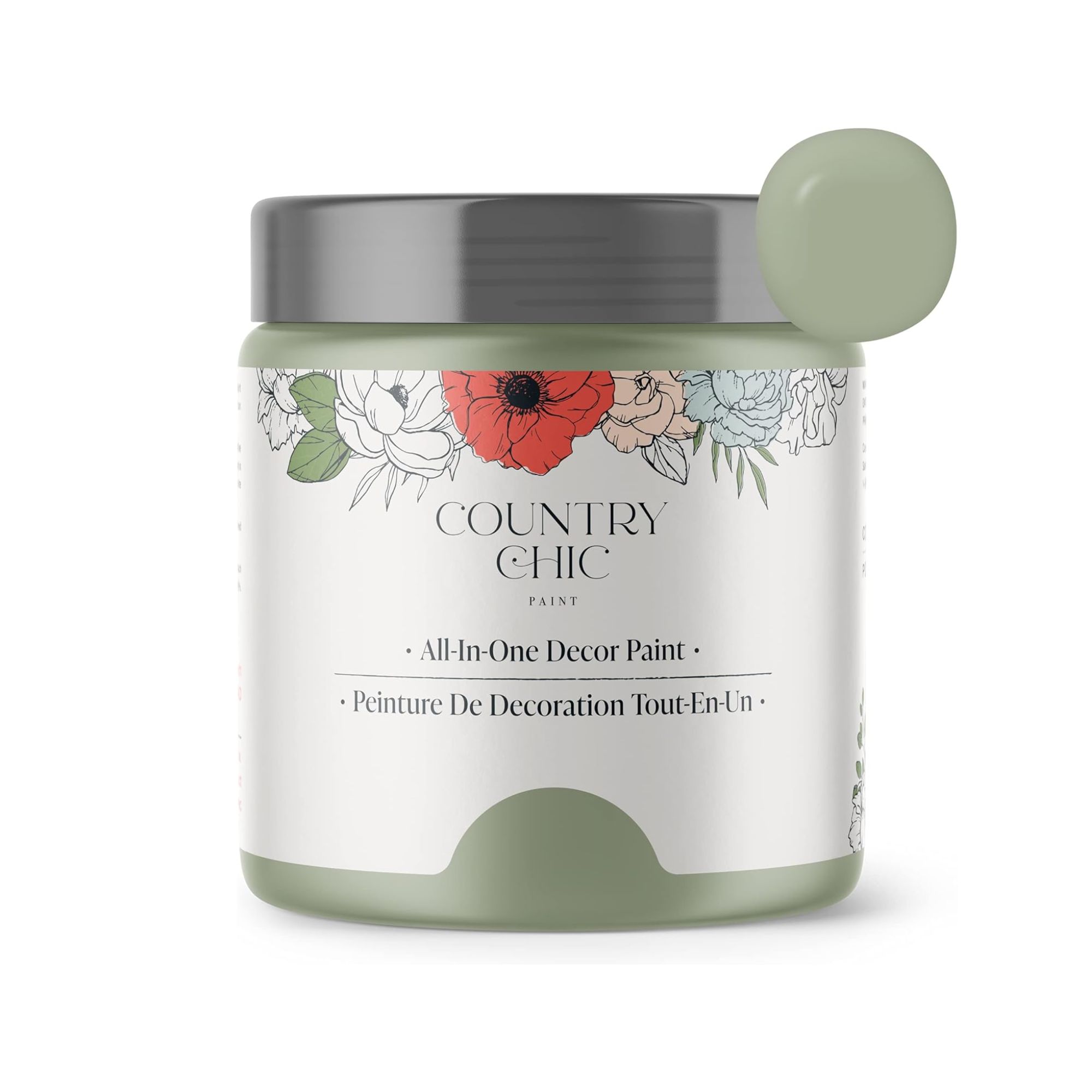
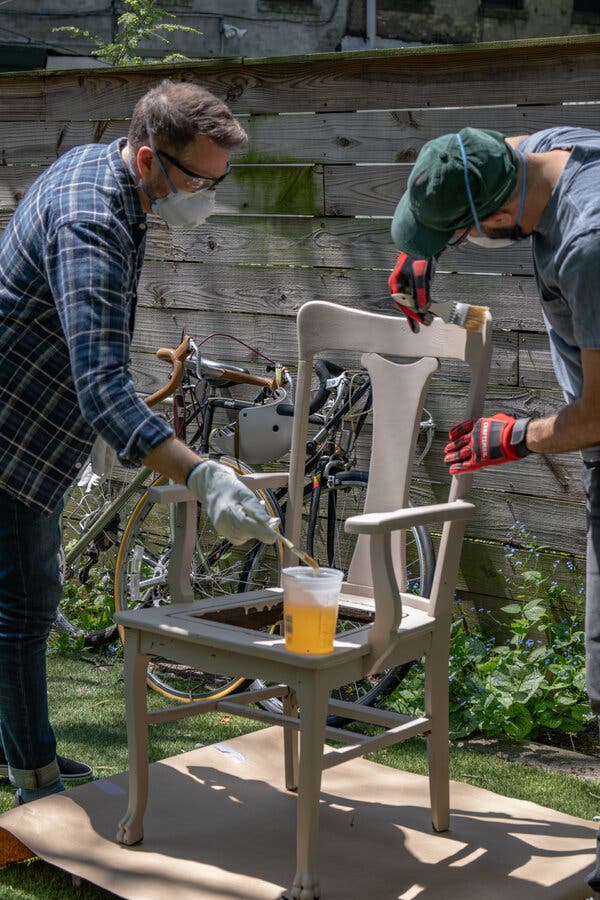
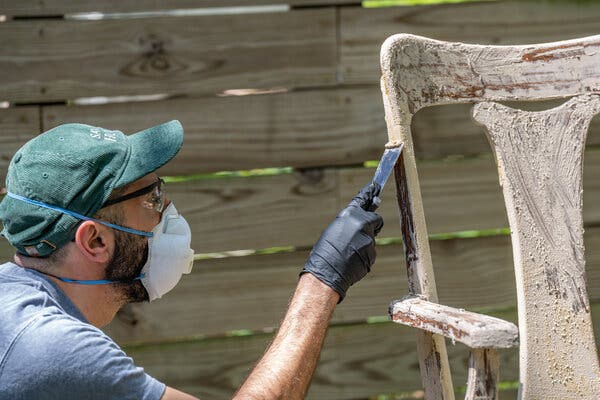
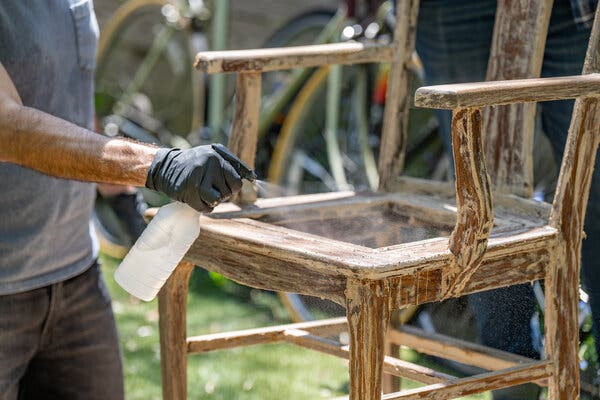
For more significant damage, the article recommends using Bondo all-purpose filler, which is favored by many furniture restorers. This involves mixing Bondo, applying it to damaged sections, sanding it smooth, and then potentially repainting the entire piece for a uniform finish. When dealing with older, painted pieces that have endured wear and tear, the fifth trick suggests stripping the piece down to its original wood. Depending on the area size, this can be achieved by sanding for small sections or using a liquid paint stripper for larger areas. The liquid stripper is applied evenly with a chip brush, left for 30 minutes, and then scraped away along the wood grain.
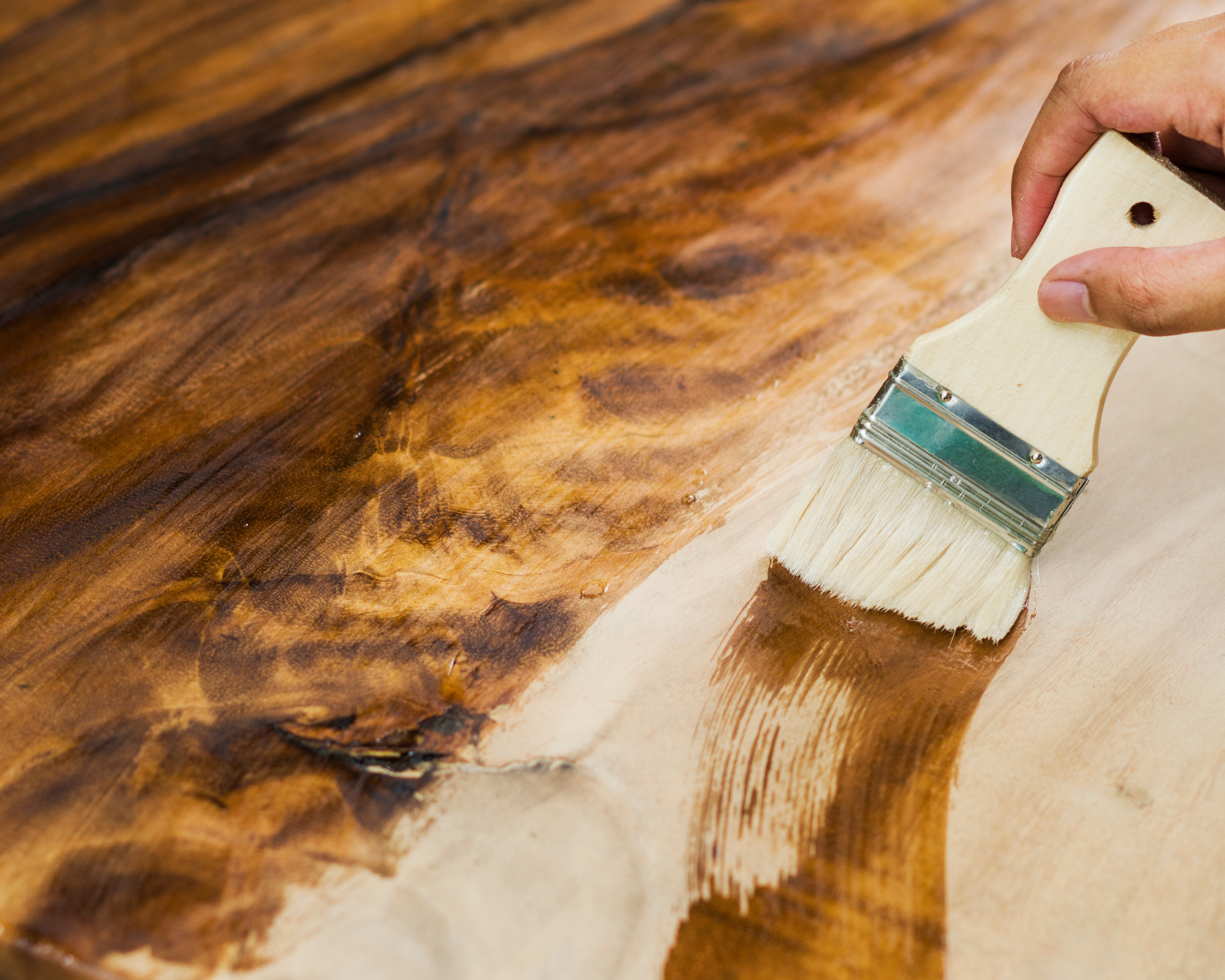
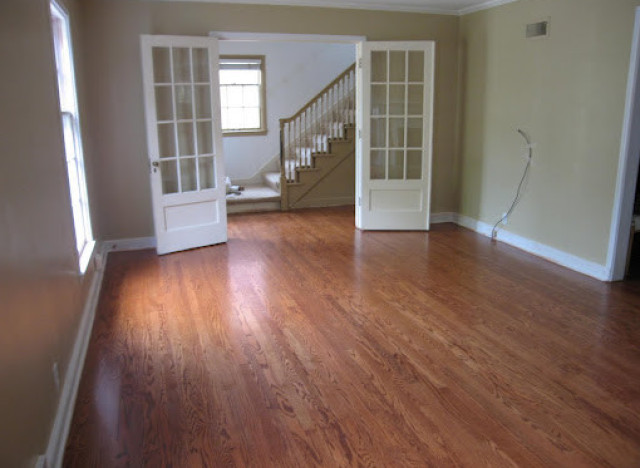
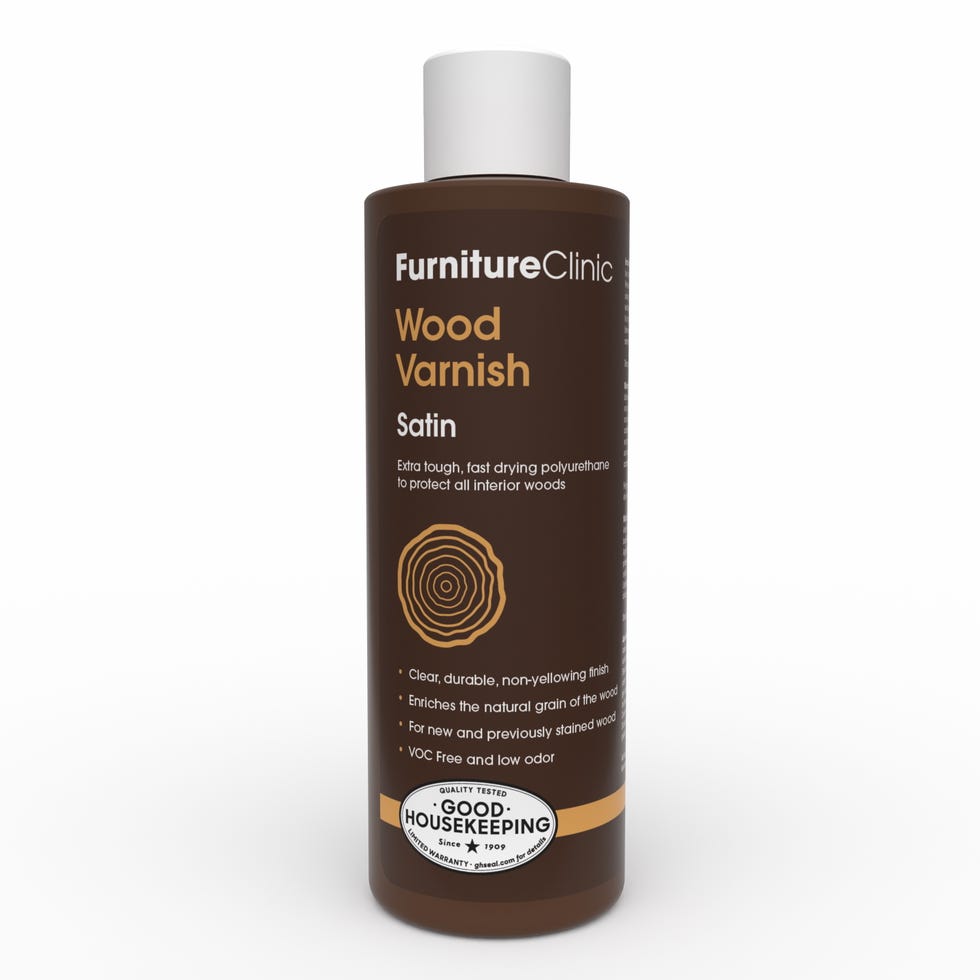
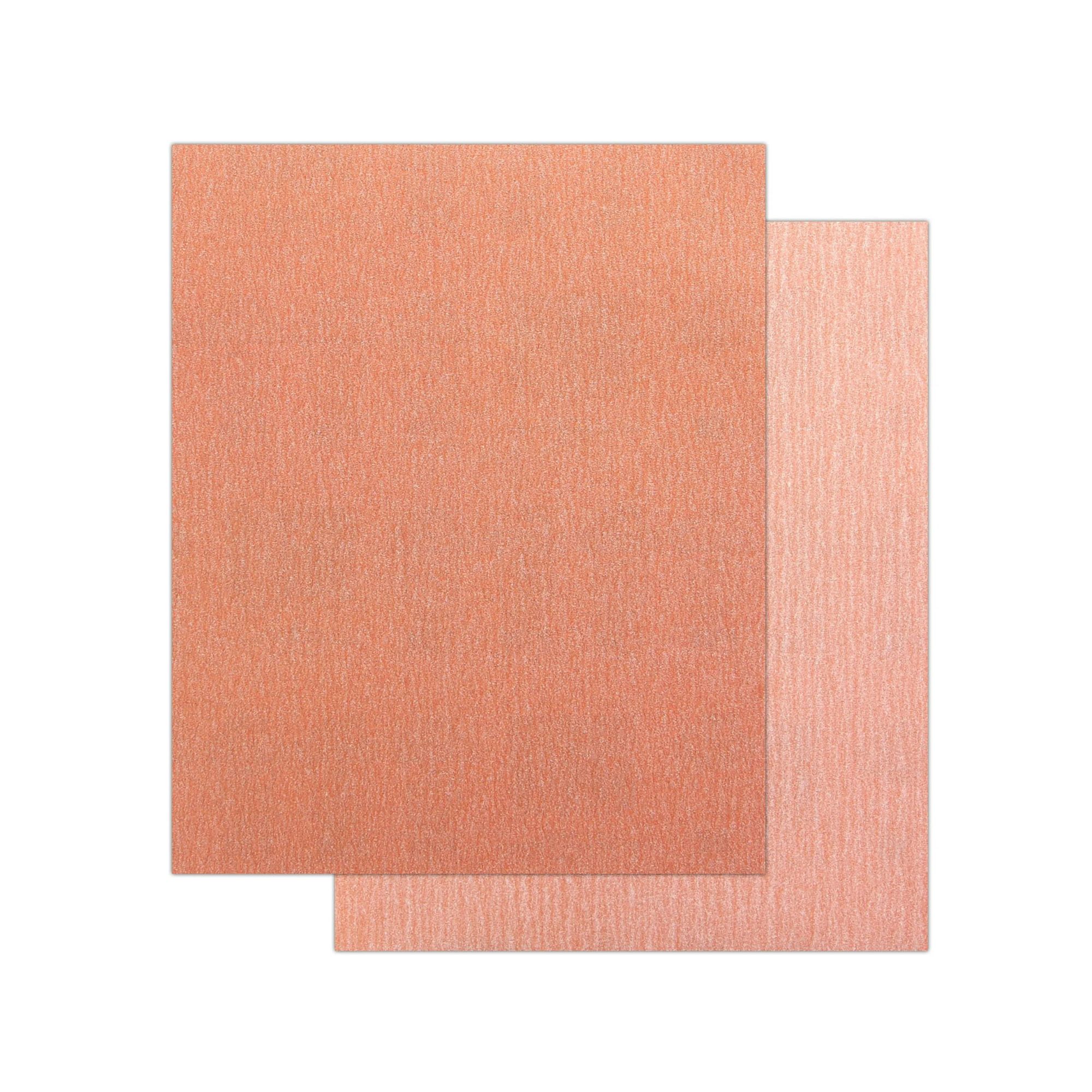
Refinishing wood like a professional is the sixth technique discussed. This process emphasizes the importance of sanding the wood thoroughly, even if no finish is visible, starting with coarse-grit sandpaper and progressing to fine-grit, always sanding with the grain. A smooth surface ensures even stain absorption. Applying stain with a rag and buffing thoroughly afterward leads to a durable and attractive result. The seventh trick focuses on repairing holes, particularly common in reclaimed wood or pallets. Instead of glue, the article advises using sharpened wood pieces like toothpicks or skewers to fill holes, which allows for consistent staining. After insertion, the wood is sanded flush.
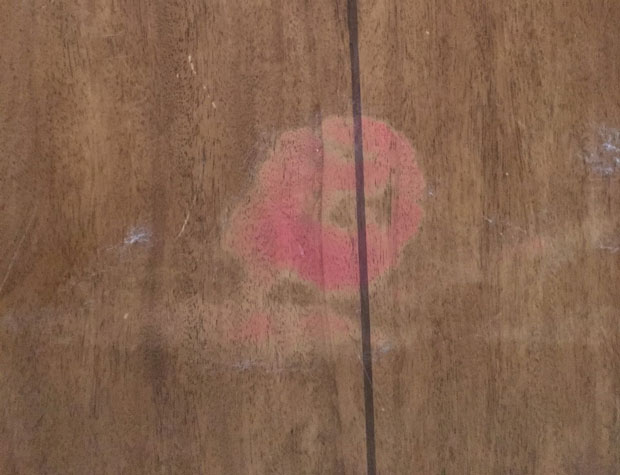
Finally, the article provides a solution for persistent watermarks. If watermarks are resistant to refinishing or repainting efforts, a spray shellac, such as Zinsser Bulls Eye Spray, can be applied. This shellac coating seals the watermark and prevents bleed-through, enabling a smooth painting process. These methods provide comprehensive solutions for maintaining and enhancing the appearance of wooden furniture and elements in a home.
#WoodRestoration #FurnitureRepair #DIYHomeImprovement #NaturalWoodCare #WoodStaining #DamageRepair #HomeDecorMaintenance #WoodFinishing #WoodRestoration #FurnitureRepair #DIYHomeImprovement #NaturalWoodCare #WoodStaining #DamageRepair #HomeDecorMaintenance #WoodFinishing
0 comment in total
 No comments yet
You may also like
How to restore life of damaged wood furniture yourself

5 ways to treat exterior wood


How to refinish wood furniture - easy ways to totally overhaul your decor

How to remove water stains from wood – 8 fixes you'll find in your pantry

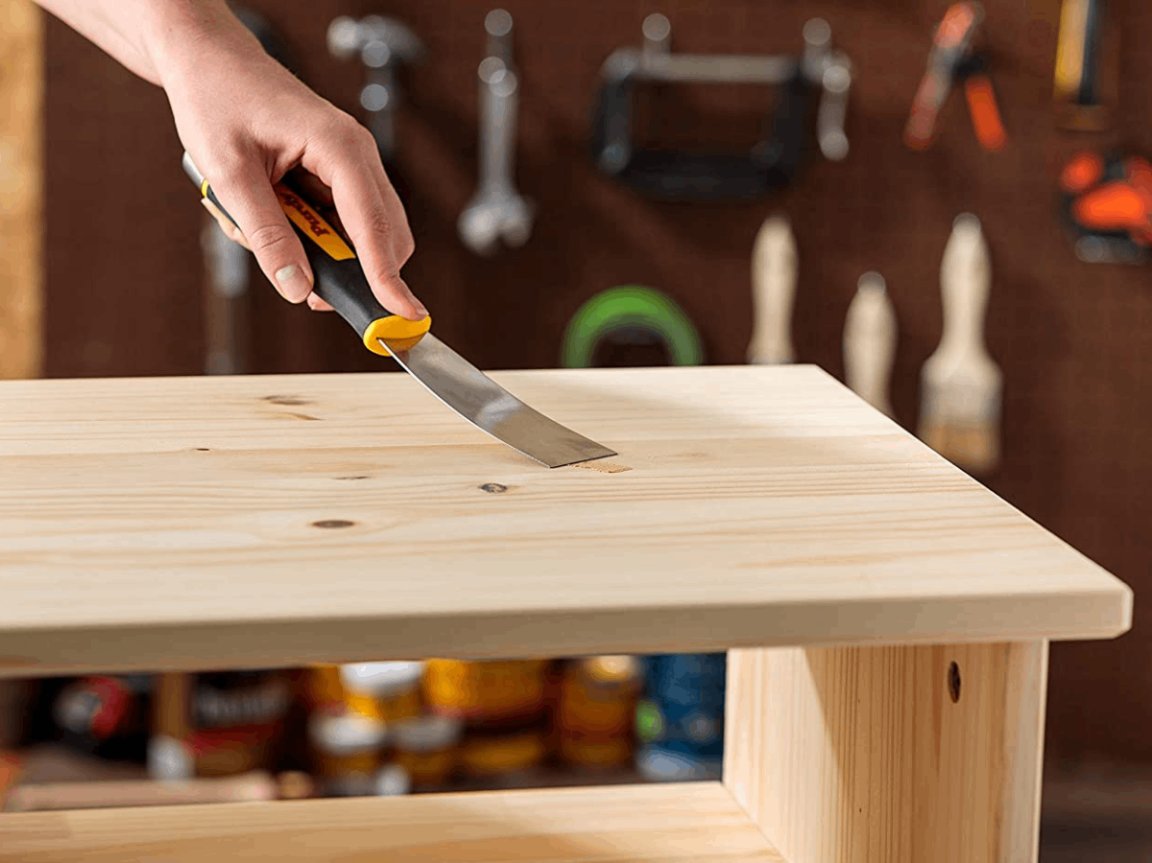
10 Genius Ways To Fix Scratches on Any Surface

Manomin Resawn Timbers Reclaims History—One Plank at a Time


Home Help: 3 ways to turn discarded wood into beautiful home decor

How to Know When an Old Wood Floor Is Worth Restoring or Should Be Replaced

How to restore faded outdoor wood furniture – experts share 4 top tips on bringing new life to teak and more
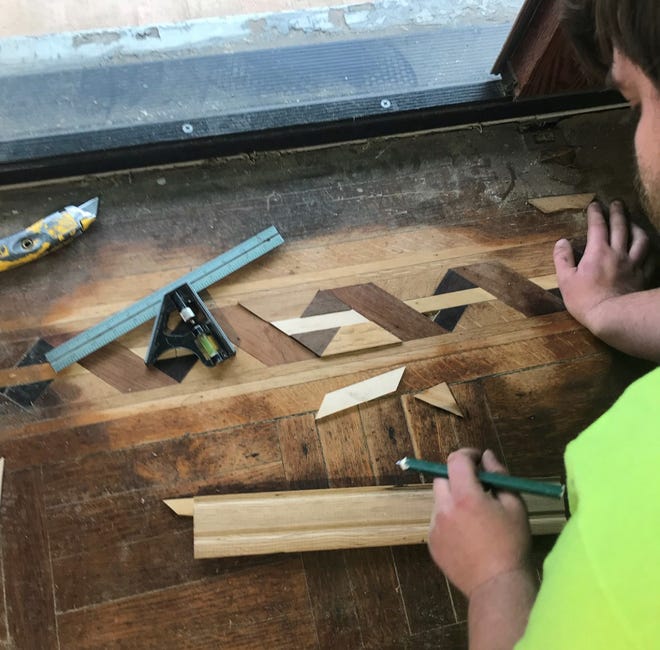
Repairing and restoring vintage hardwood floors
I Asked My Furniture-Maker Dad How to Remove Water Stains From Wood — These Are His 3 "Tried and Tested" Tricks
15 Ways to Use Salvaged Wood in Your Home

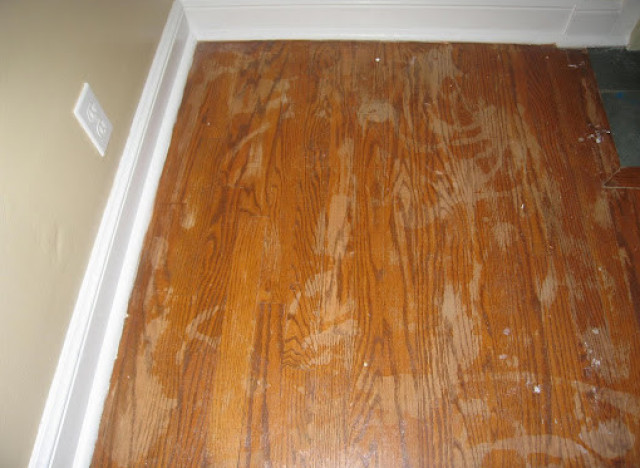
DIY Ideas: Tips For Refinishing Wood Floors
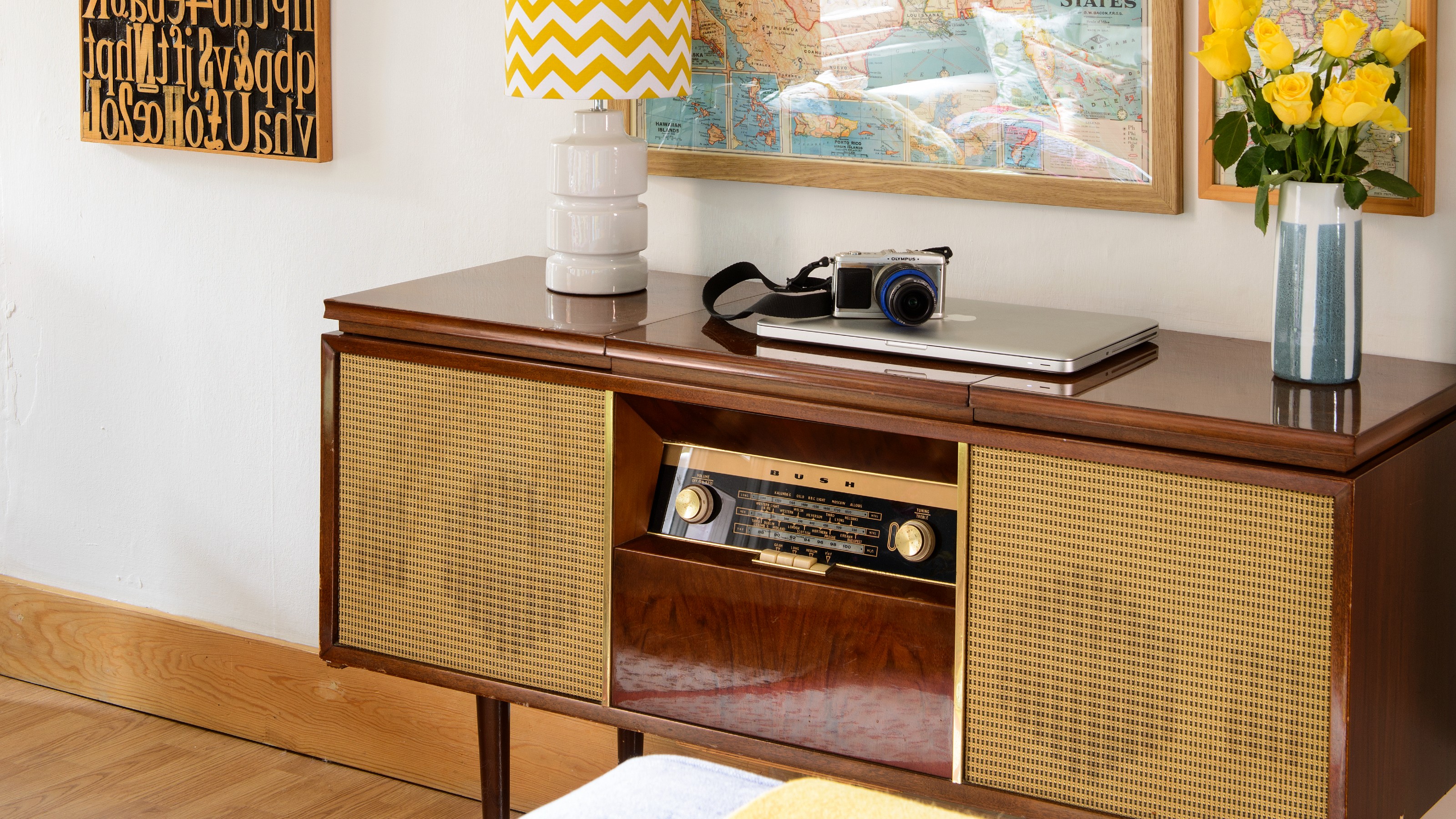
Got chipped wood veneer furniture on your hands? 3 easy ways to restore it to its former glory

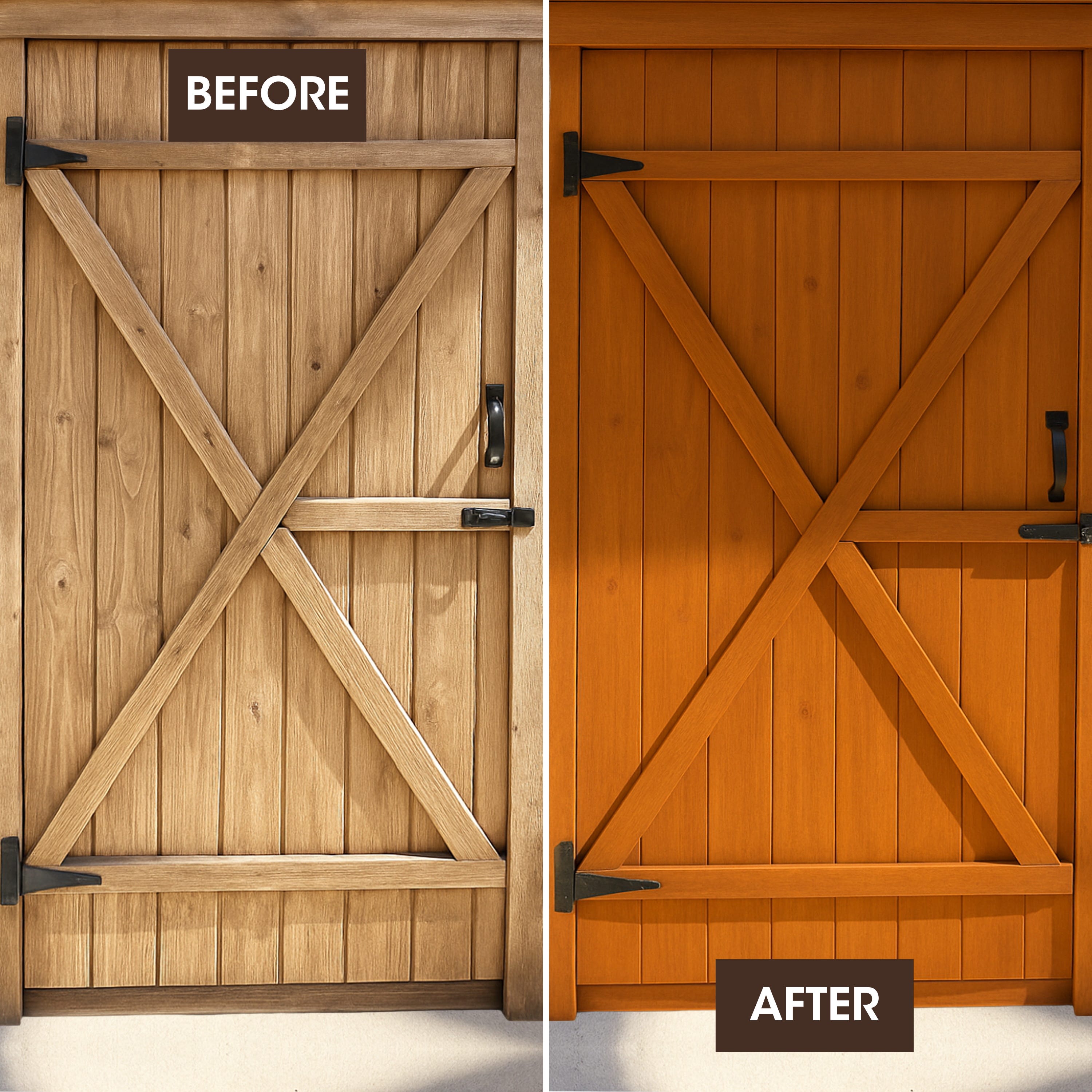
How to Fall in Love with Your Furniture (Again)


Restoring a Chair Is Easier Than You Think. Ask the Brownstone Boys. (Published 2024)
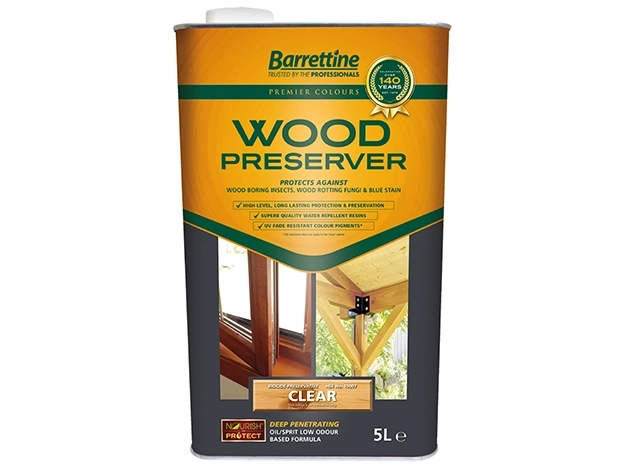
Wood Treatments
Deciding on Wood Fillers


7 things you should repair instead of replace in your home
Is It Better to Repair or Replace a Damaged Deck? 4 Ways to Tell