1/7
How to Know When an Old Wood Floor Is Worth Restoring or Should Be Replaced
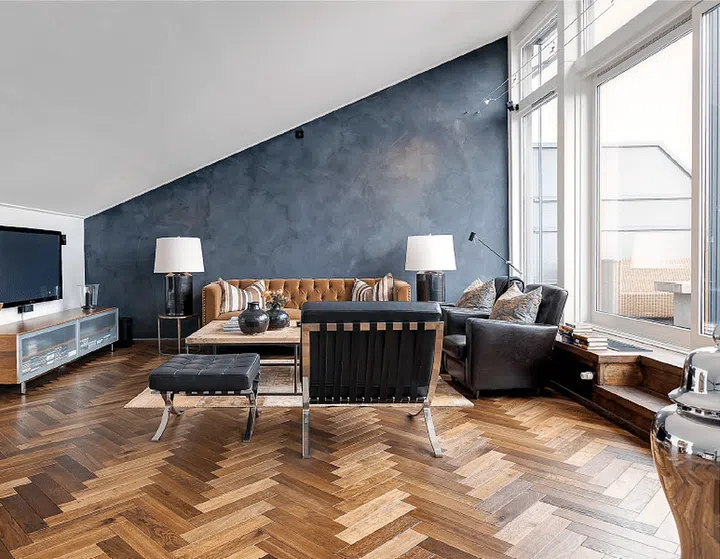
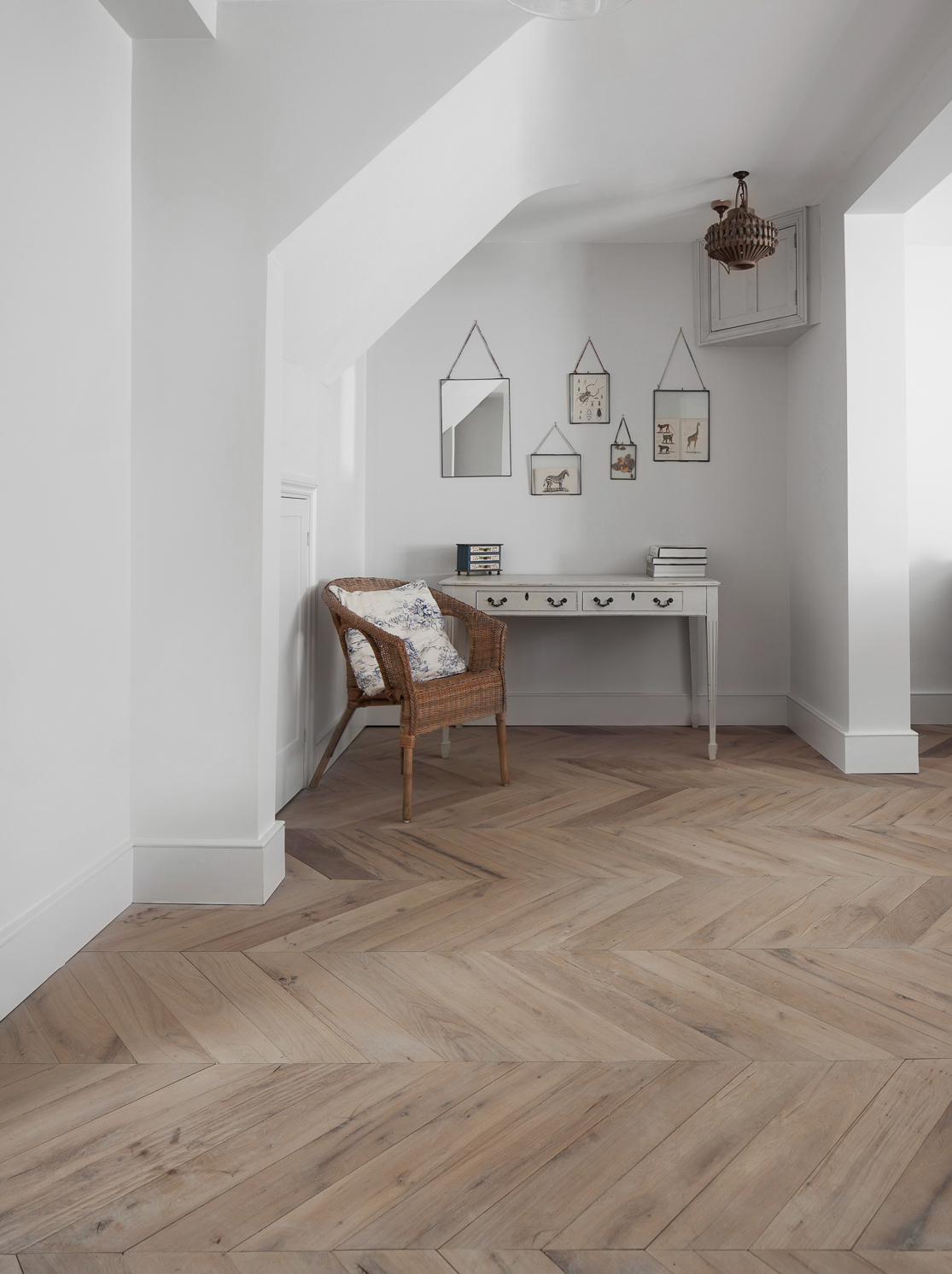
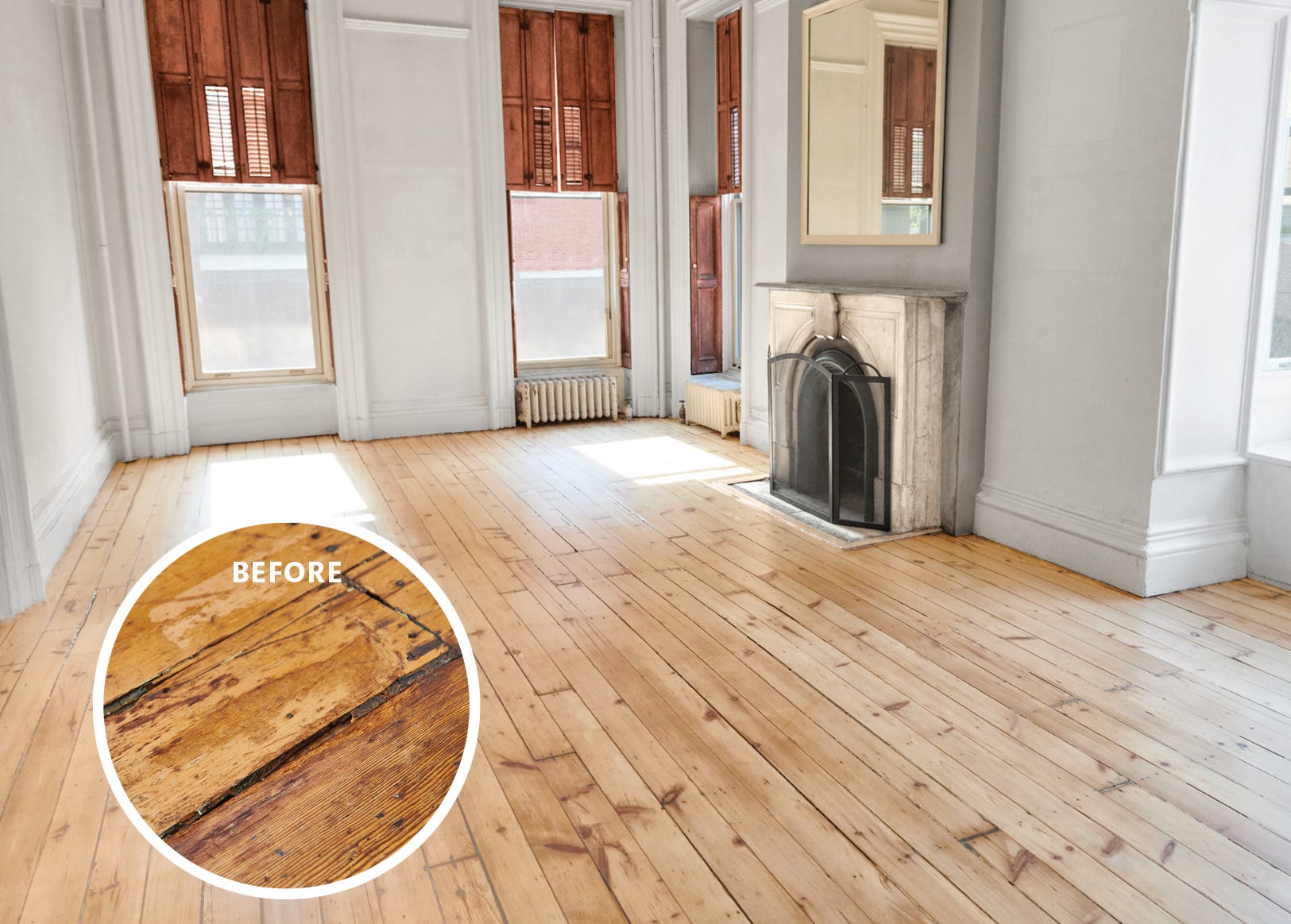
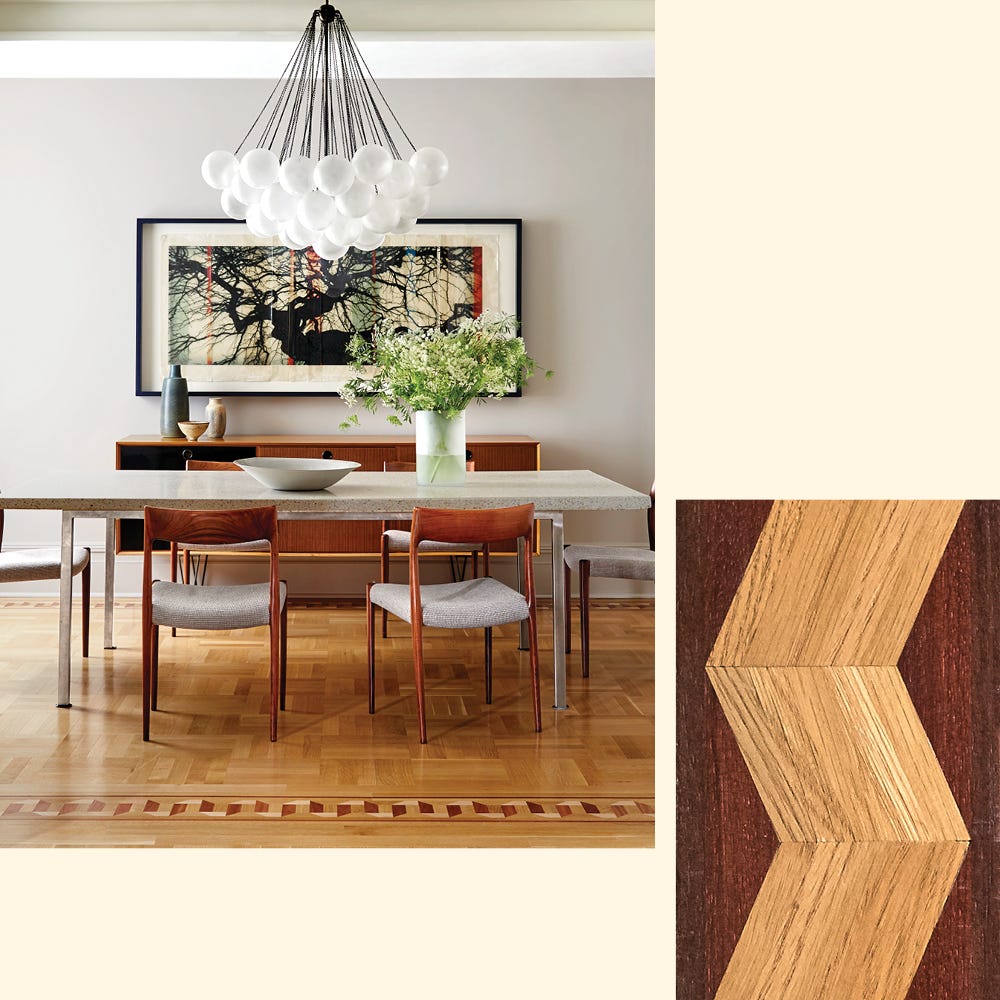
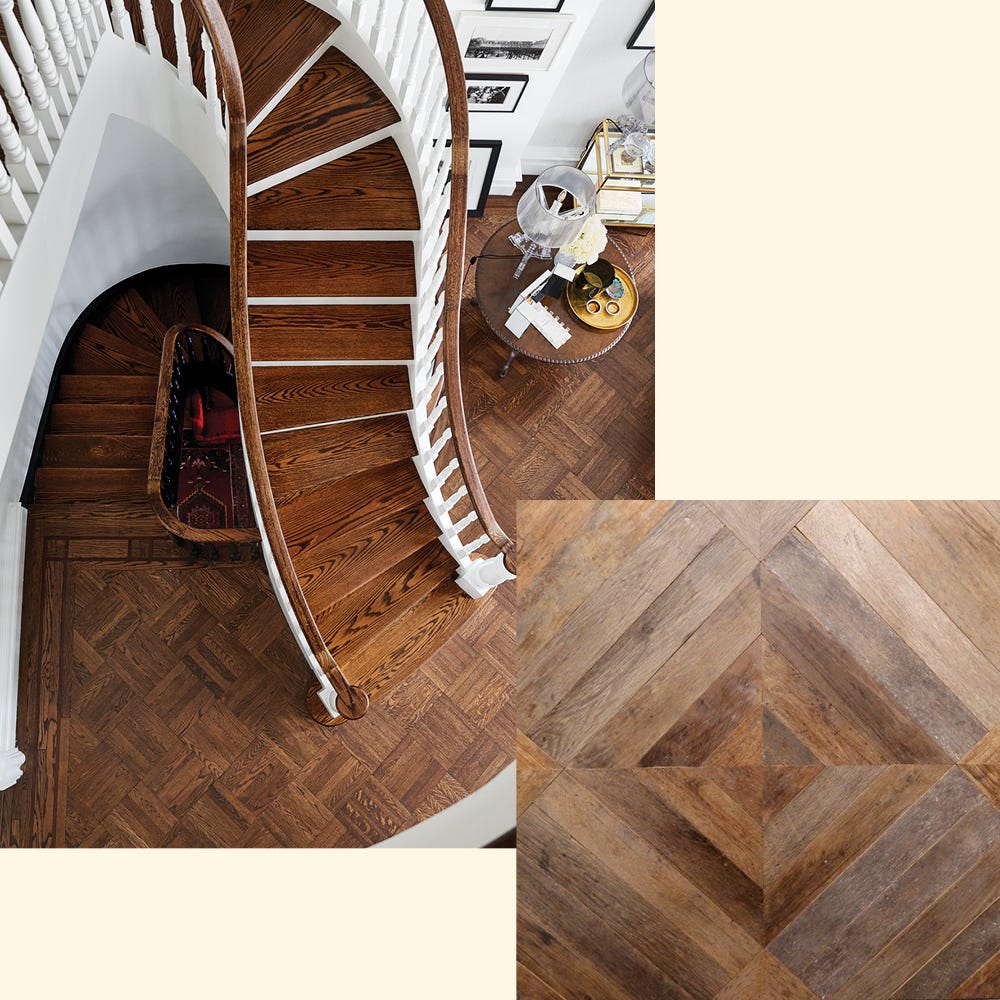
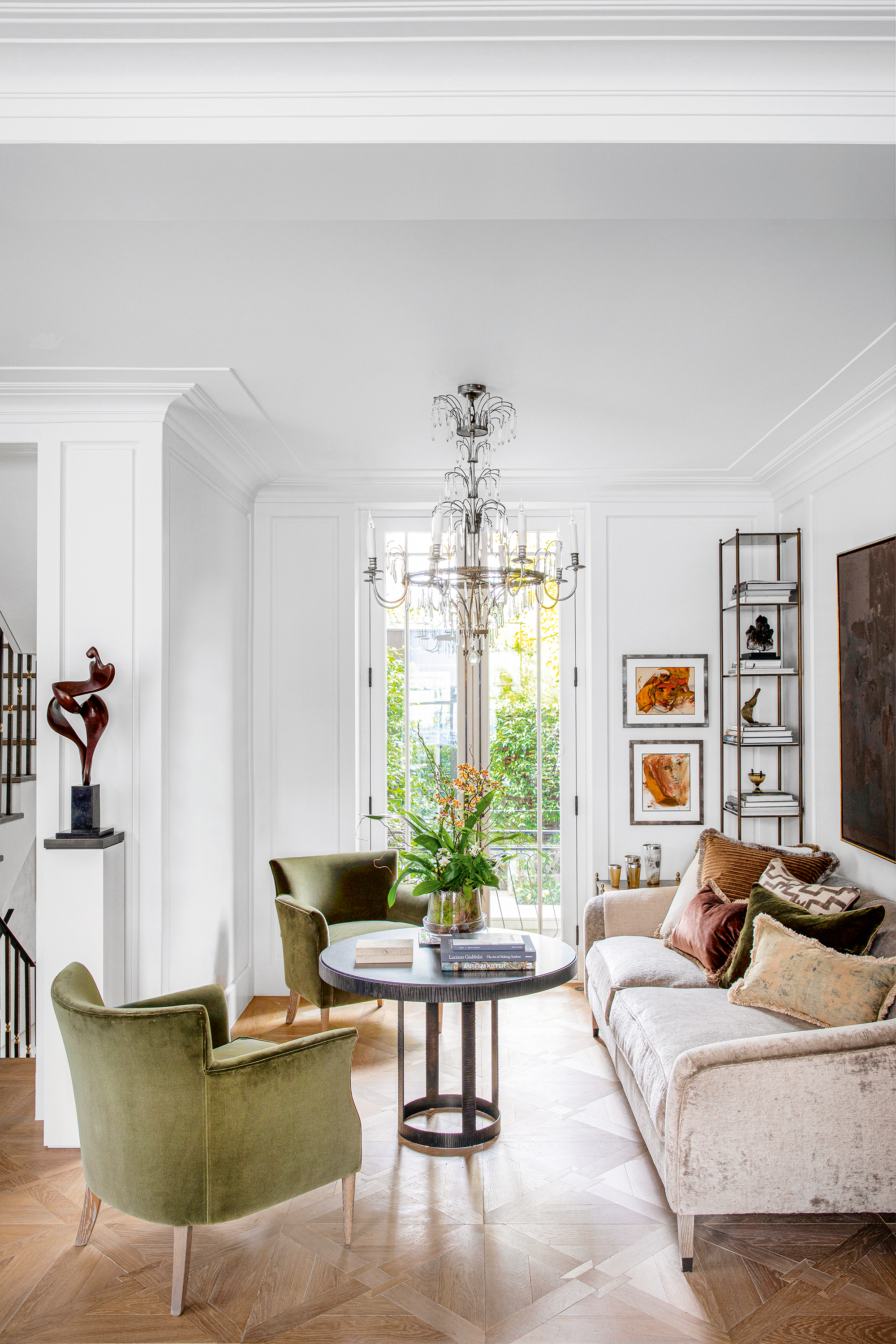
Original wood floors in brownstones and townhouses, particularly those with intricate parquet or borders, can significantly enhance a home's aesthetic appeal. However, many of these floors have endured years of neglect, excessive sanding, or have been covered by other flooring materials such as tile or linoleum. Determining whether an old wood floor is salvageable for restoration or requires complete replacement involves assessing several factors.
According to Jose Zambrano of Better Wood Floors and Paints, the decision to restore often hinges on the remaining wood thickness. If there's enough wood to accommodate a medium or fine sanding, restoration is usually the preferred approach. Zambrano, who specializes in repairing original parquet floors, frequently utilizes a collection of old inlay border pieces to match existing designs. In instances where original floors are missing or beyond repair, he often sands and refinishes the original pine subfloors. He notes that pine, being a soft wood, requires at least three to four coats of polyurethane after sanding to ensure durability for about 25 years, with longevity varying based on the floor's condition and usage.
Zambrano strongly advises against DIY wood floor sanding and refinishing, emphasizing that it is a specialized skill that takes years to master, not a task for amateurs renting equipment from home improvement stores. Improper techniques can lead to irreversible damage to the floor.
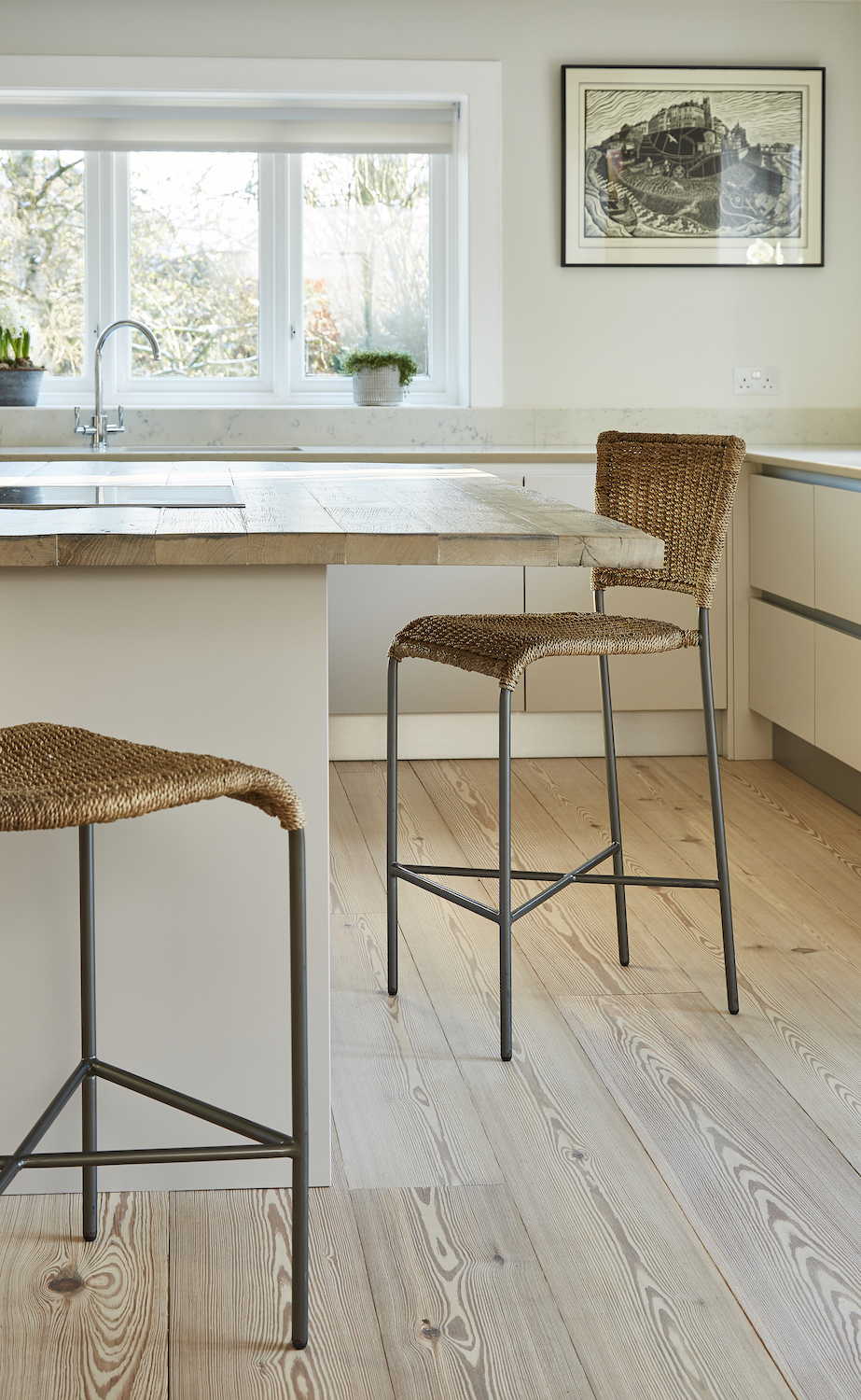
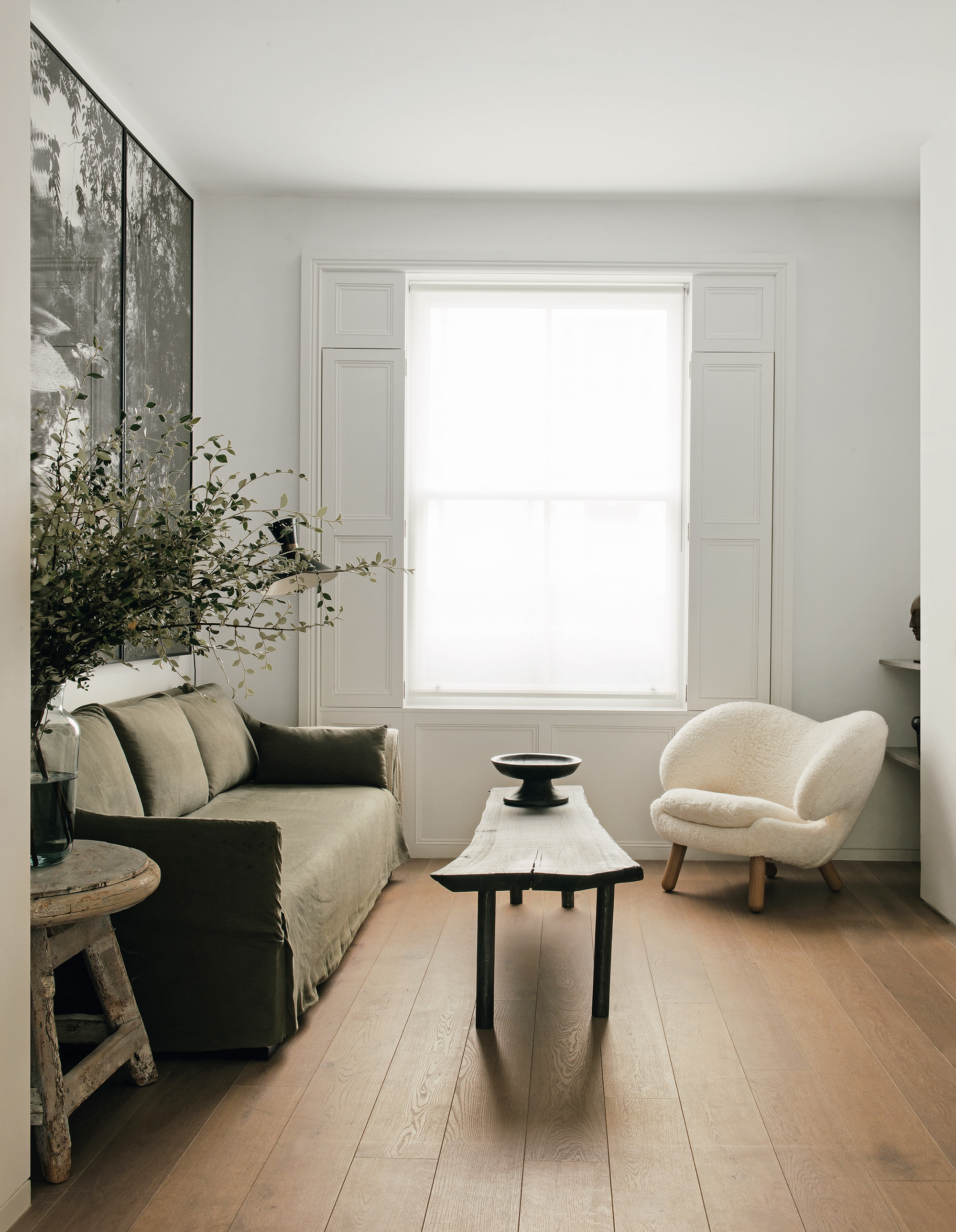
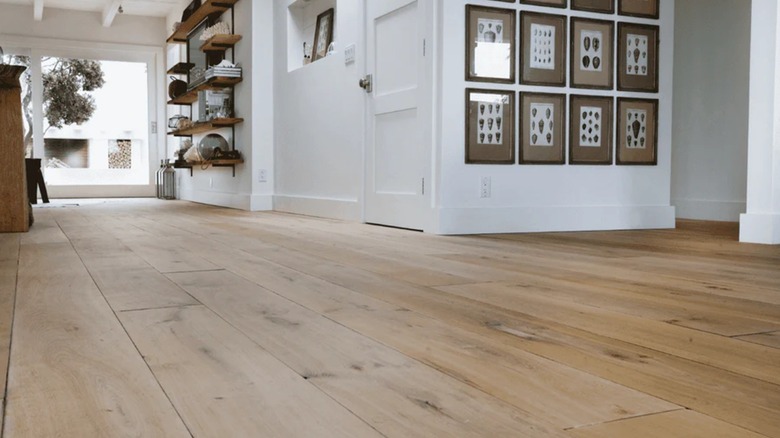
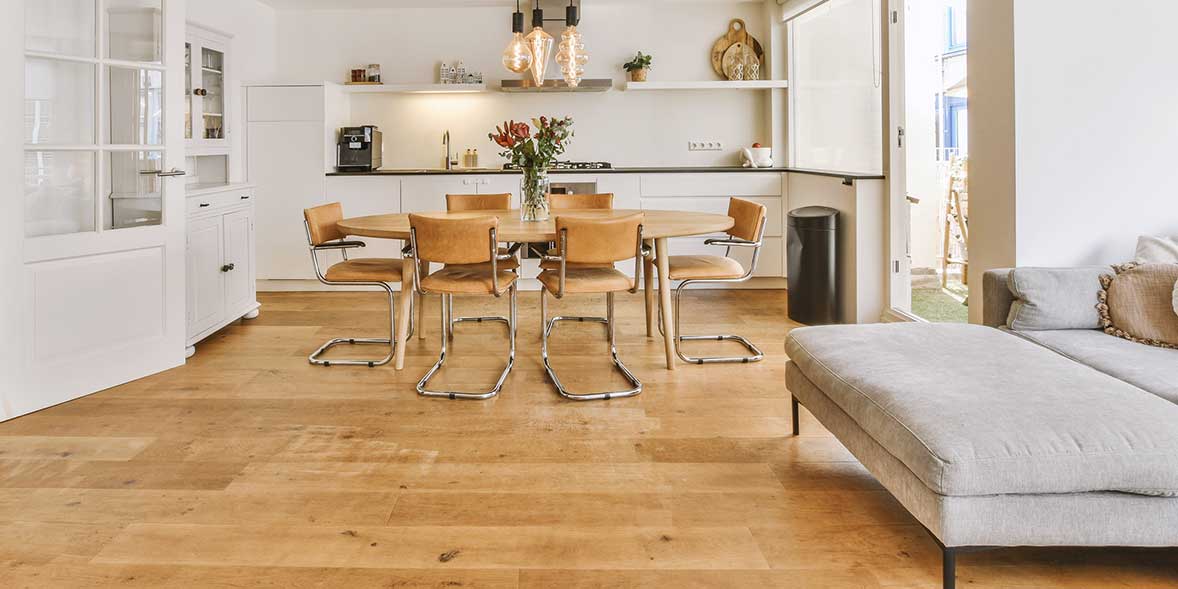
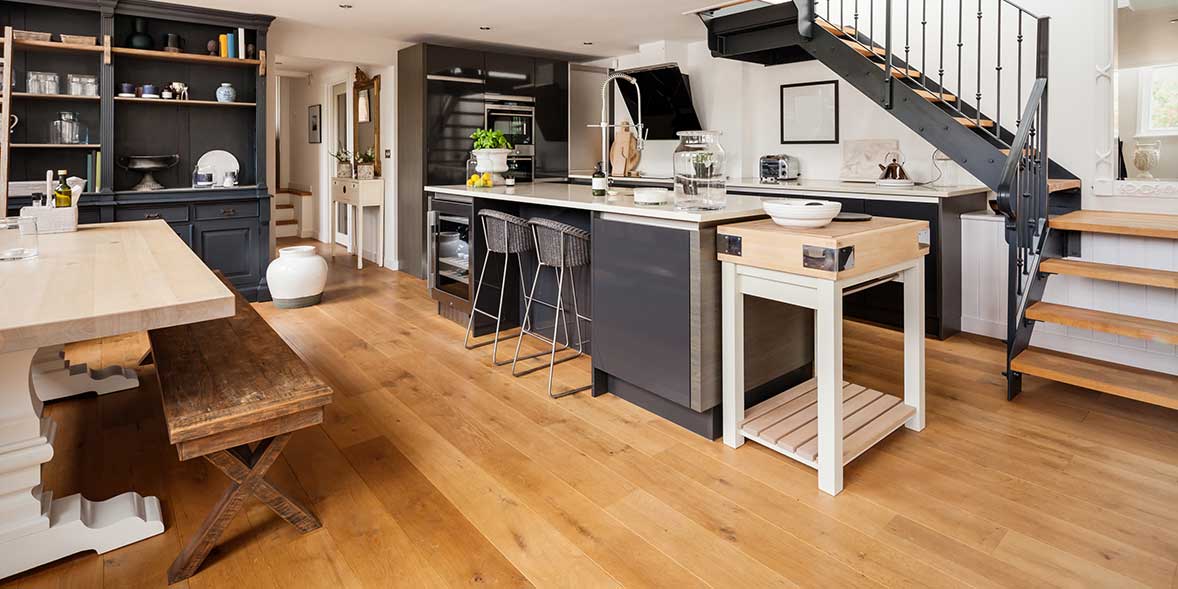
When original floors are deemed irreparable, homeowners have several alternatives. Craig Margolies of the Hudson Company, a mill specializing in reclaimed wood, suggests options like using reclaimed pine to replicate the look of old subfloors, installing new parquet that blends with a brownstone's character, or opting for unfinished wide-plank oak flooring to achieve a modern, Scandinavian aesthetic in townhouses. While repairing is generally less expensive than replacing, Margolies points out that a new wood floor represents a long-term investment, often outlasting homeowners. He also acknowledges that floor repairs can be invasive and dust-intensive, making complete replacement a viable and sometimes preferable option in certain situations.
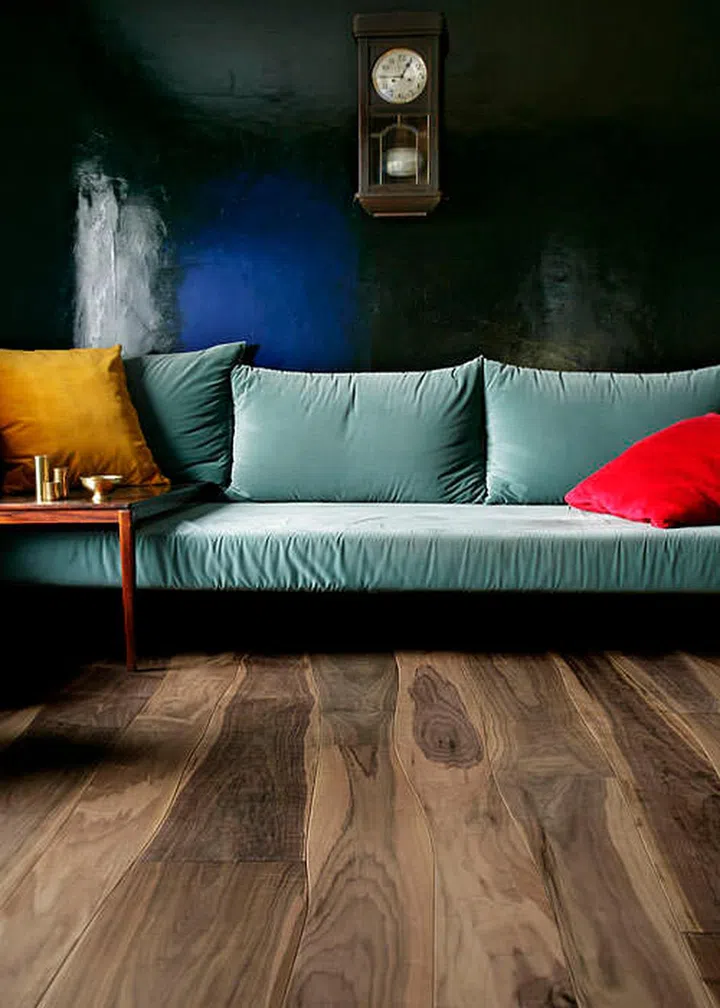
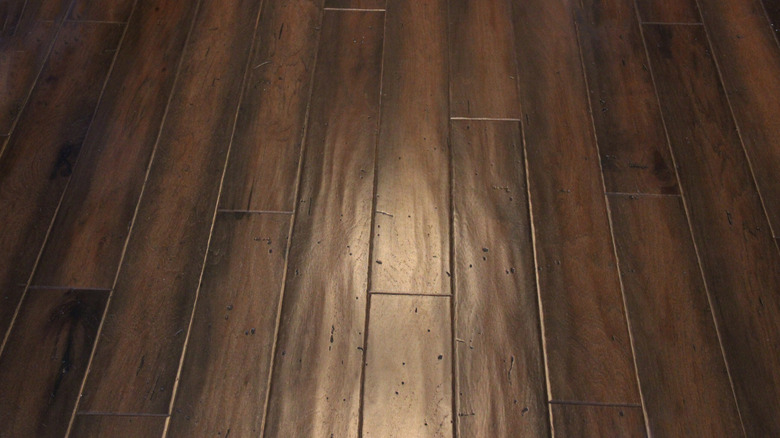
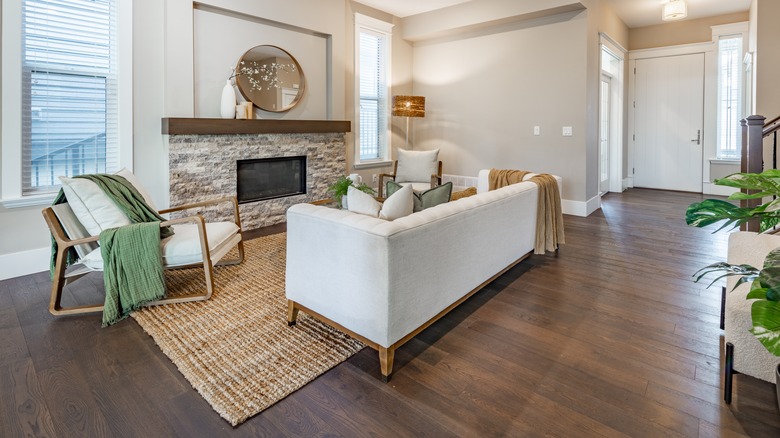
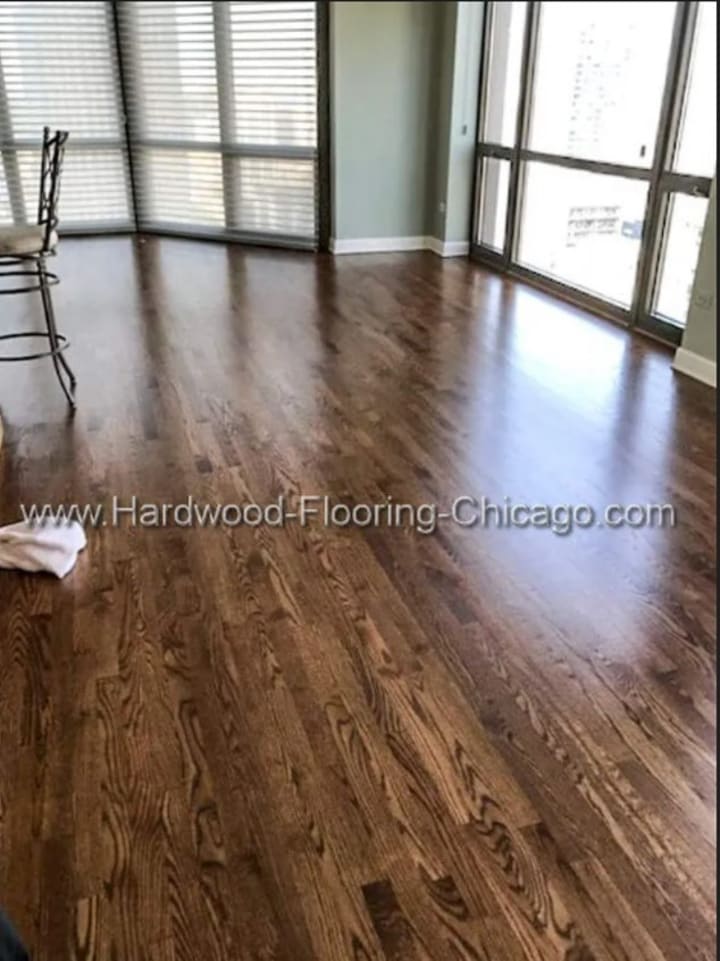
Carlos Salazar of Carlos Wood Floors observes a recent trend where homeowners in Brooklyn increasingly opt for new wood flooring over repairing old ones. The most popular choice, he notes, is 4- to 6-inch oak, often stained in a dark color. This shift indicates a growing preference for new installations, even when old floors might be repairable.
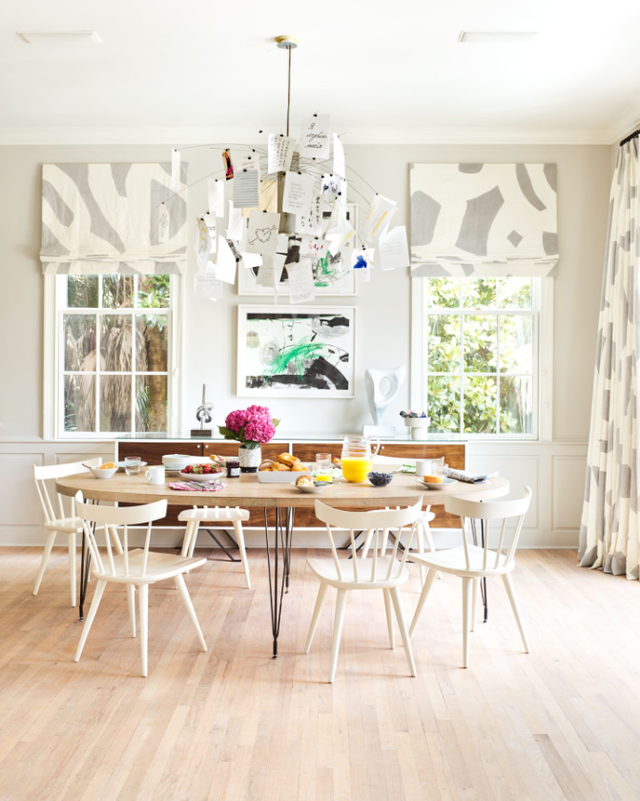
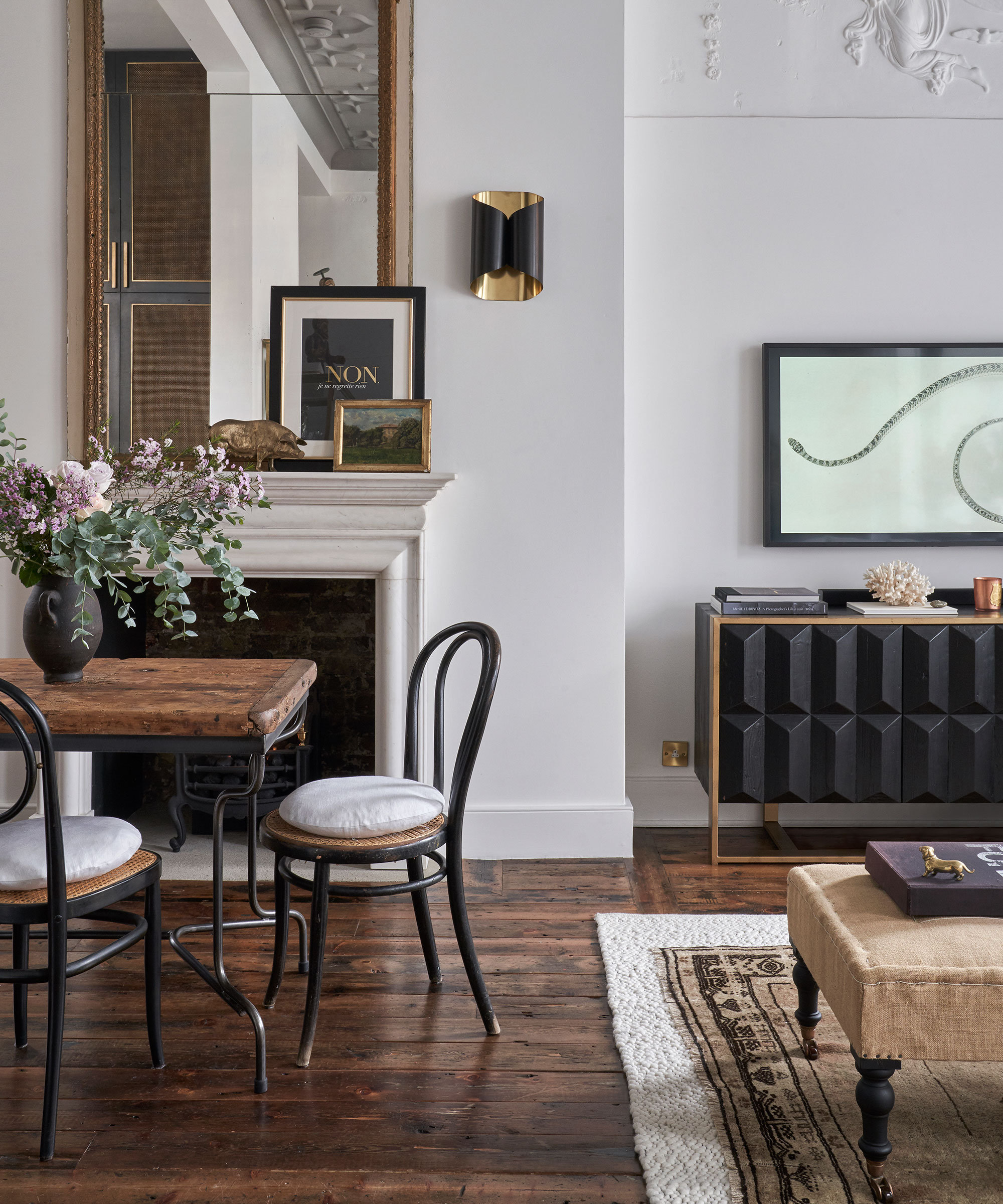
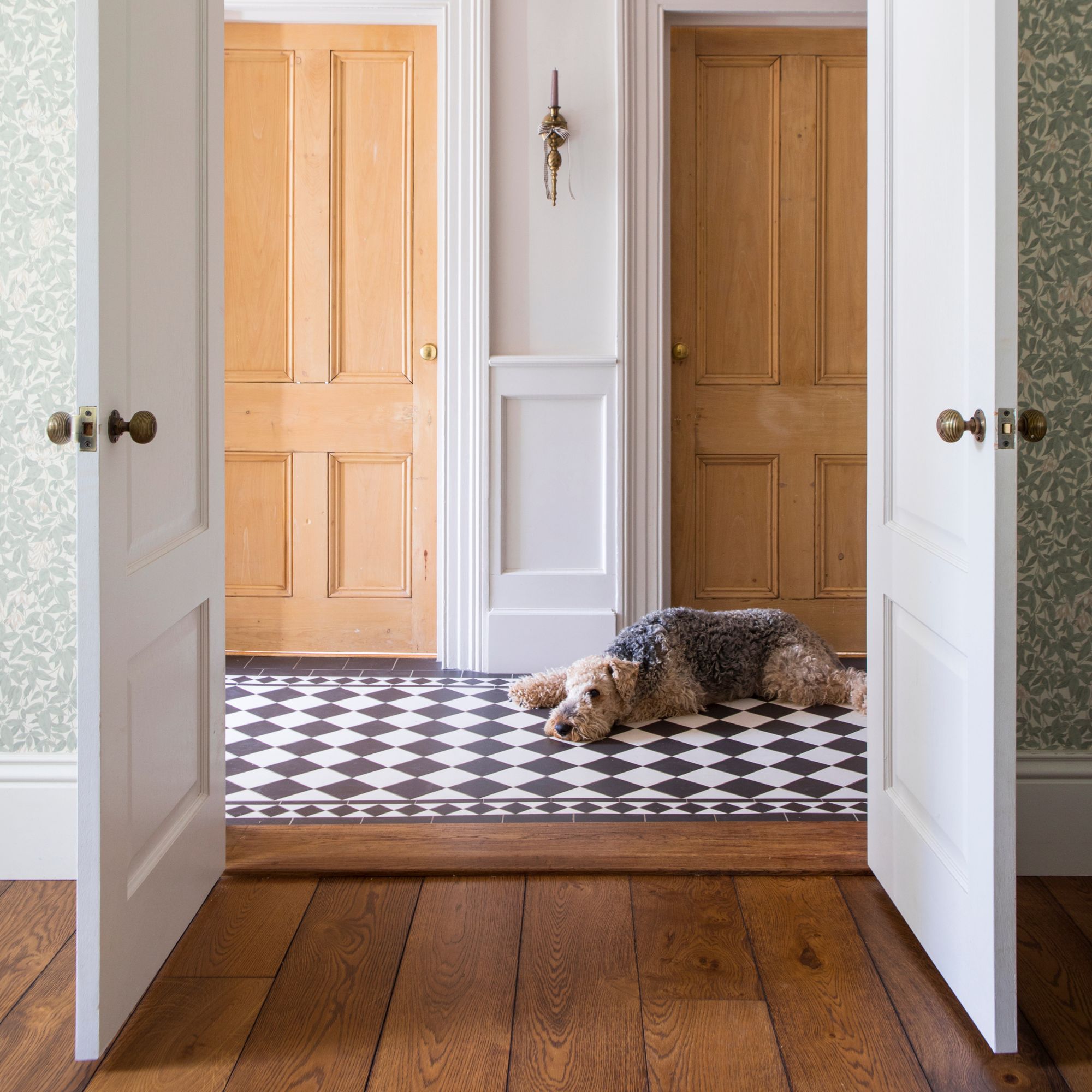
Real-world examples illustrate both approaches. Nicole Sherwood and her husband, Clinton Hill homeowners, initially believed their linoleum-covered hallway floor with adhesive damage and water stains was beyond repair. Their contractor recommended replacement. However, Zambrano, who was already refinishing other floors in their home, advised sanding. Despite significant damage and missing pieces, Zambrano eventually found matching inlay pieces, allowing for a successful restoration that proved to be a more cost-effective solution than installing entirely new hardwood. Conversely, a Park Slope family chose to replace their existing oak floors due to extensive wall renovations that would have necessitated considerable patching and because the original oak's quality was deemed insufficient. They opted for a new, medium brown oak floor, prioritizing a timeless style for their permanent fixtures.
#woodFloors #floorRestoration #homeRenovation #interiorDesign #BrooklynHomes #parquetFlooring #reclaimedWood #DIYMistakes #woodFloors #floorRestoration #homeRenovation #interiorDesign #BrooklynHomes #parquetFlooring #reclaimedWood #DIYMistakes
0 comment in total
 No comments yet
You may also like

Q&A on wood flooring: How much it costs and more
Here's Everything You Need to Know About Wood Flooring
5 things designers look at to compare carpet vs hardwood floors – they'll help you choose the right one for your room


What you need to know when choosing timber flooring
How to restore hardwood floors without sanding – a step-by-step guide

5 flooring choices that will make it harder to sell your home
You Should Consider Painting Old Wood Floors (Hear Me Out)


6 Flooring Upgrades That Are Worth The Extra Cost (And 3 To Skip)
What You Should Know Before Painting Hardwood Floors

What you need to know about replacing the wood floors in your NYC apartment or house
Updating Your Flooring Has Great ROI—This Option Will Outlast Carpet by Almost 100 Years


Flooring Materials That Just Aren't Worth The Price, According To Our Experts
Repairing and restoring vintage hardwood floors
7 signs you need to replace your wooden deck – the red flags to look out for in your garden
9 Outdated Flooring Trends We're Leaving In The Past
Types of wood flooring
5 flooring mistakes to avoid – according to architects and interior designers
10 Top Hardwood Floor Cleaners To Keep Them Looking Like New

I swear by this incredibly easy 5-step method for cleaning real wood floors
6 Common Mistakes When Choosing Hardwood Flooring