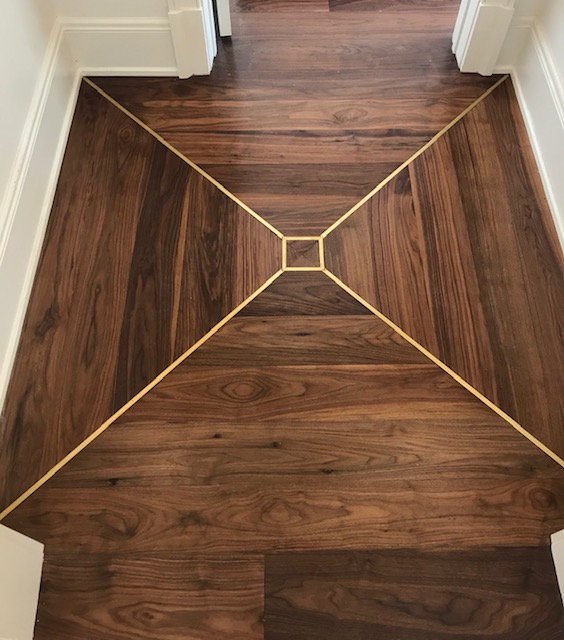
What you need to know when choosing timber flooring
Choosing timber flooring involves a series of considerations beyond the initial decision to use timber, as the floor significantly influences a home's overall aesthetic and feel. Phil Buckley, general manager of Mint Floors and Shutters and a representative of the Australasian Timber Flooring Association, provides guidance on key aspects of selecting and installing timber floors.
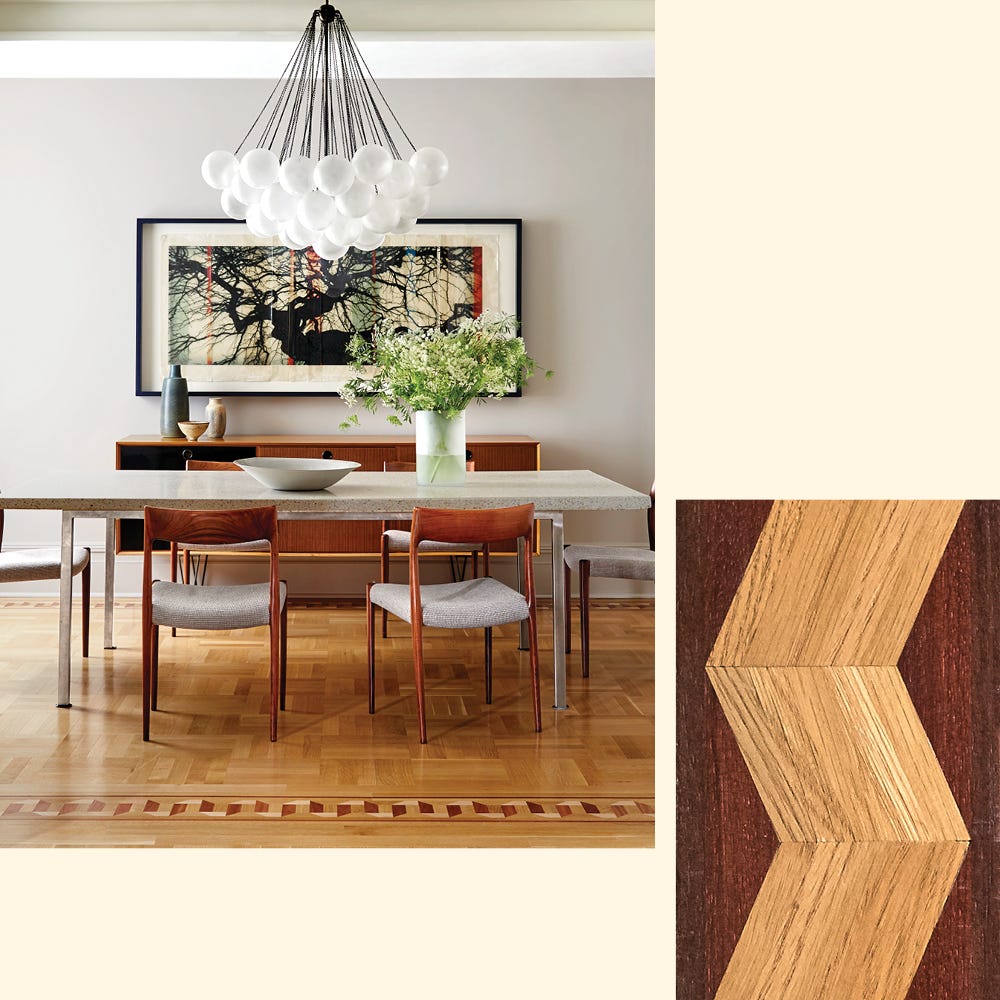
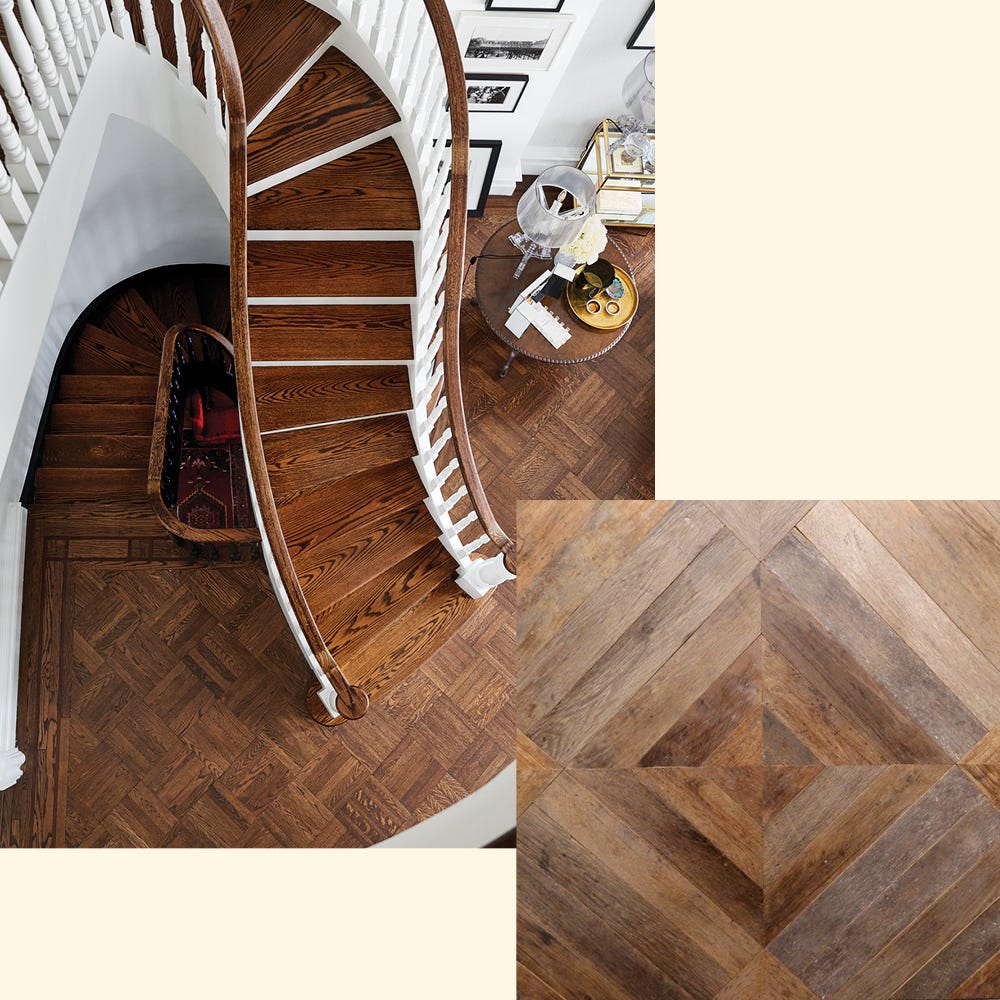
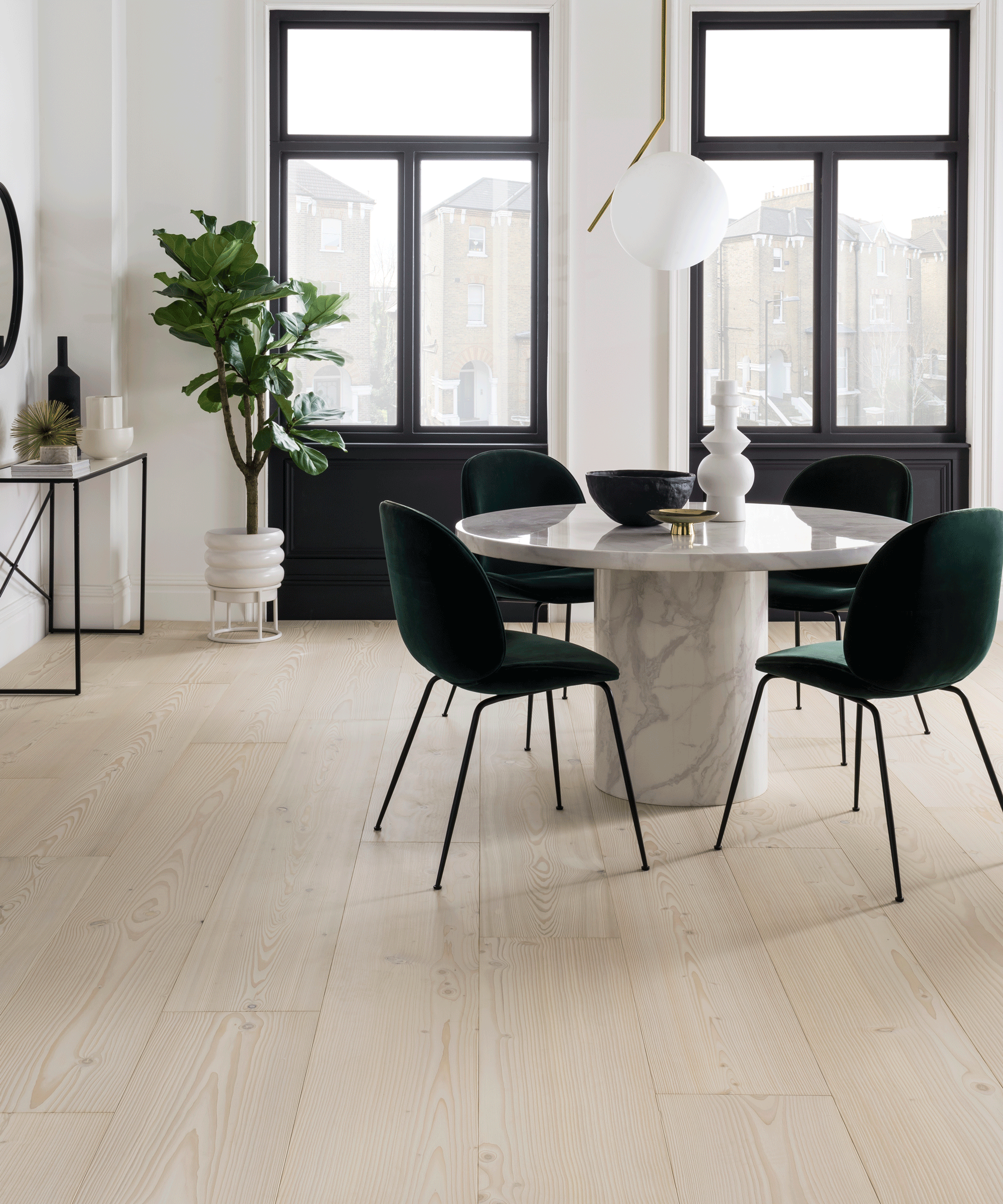
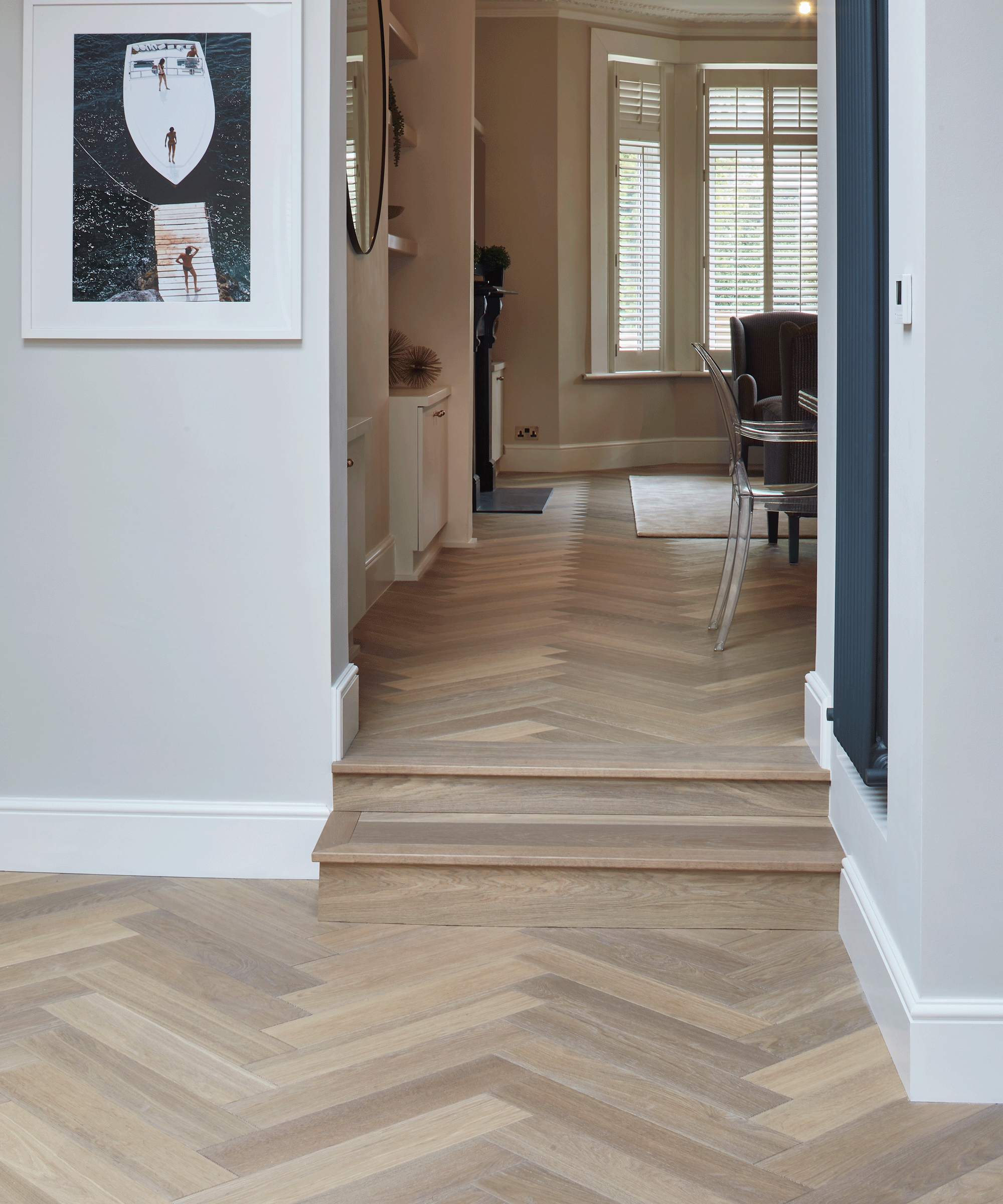
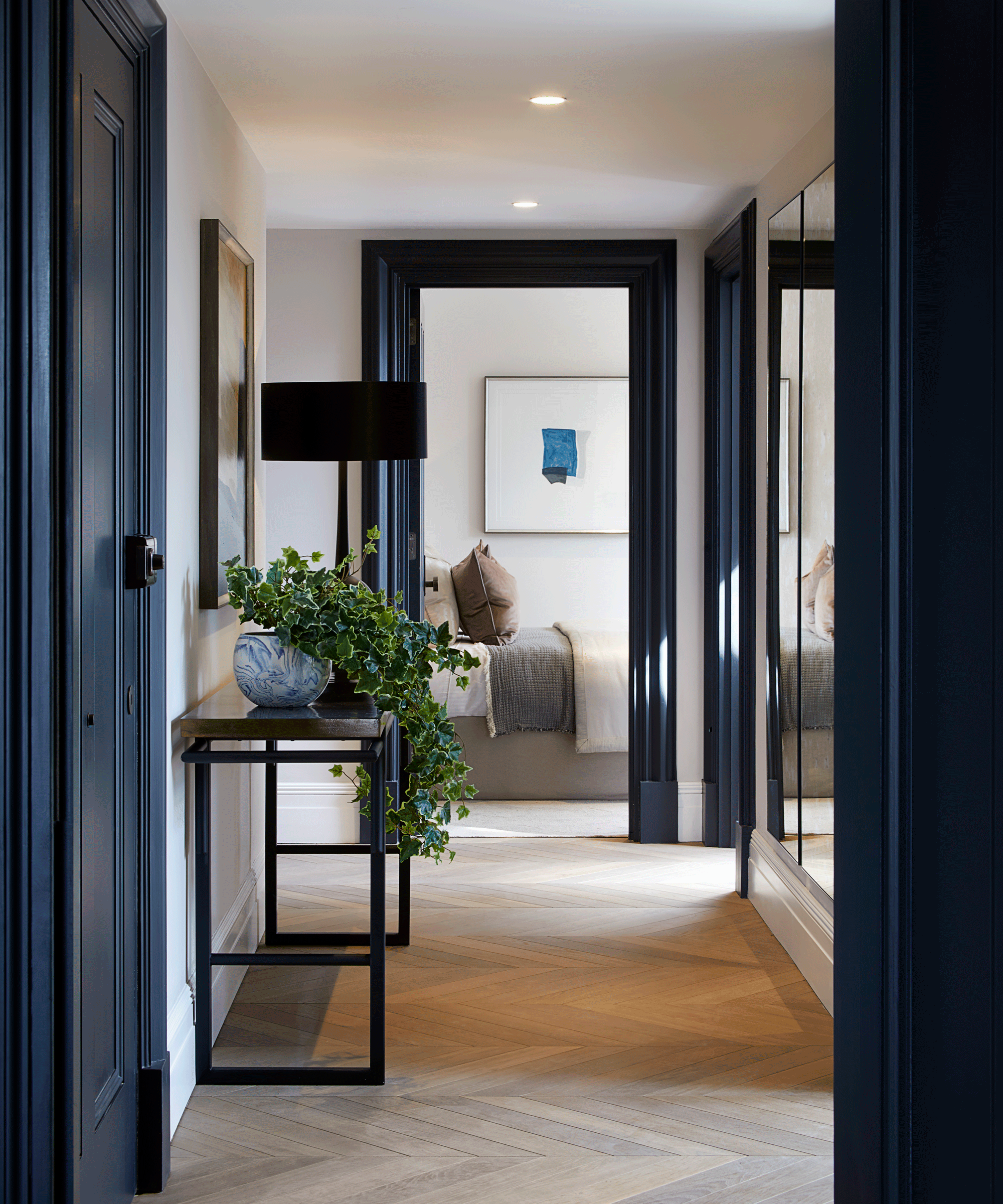
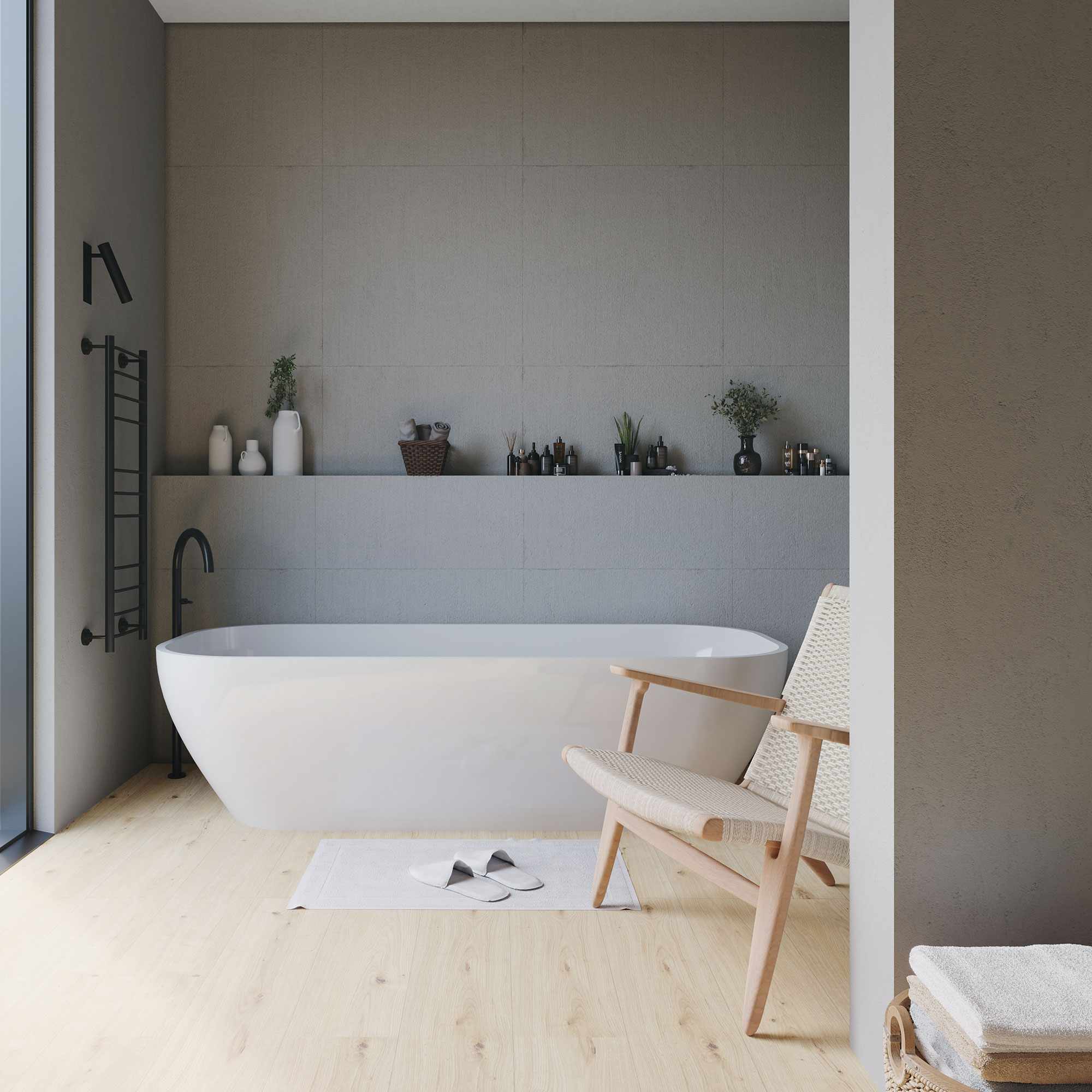
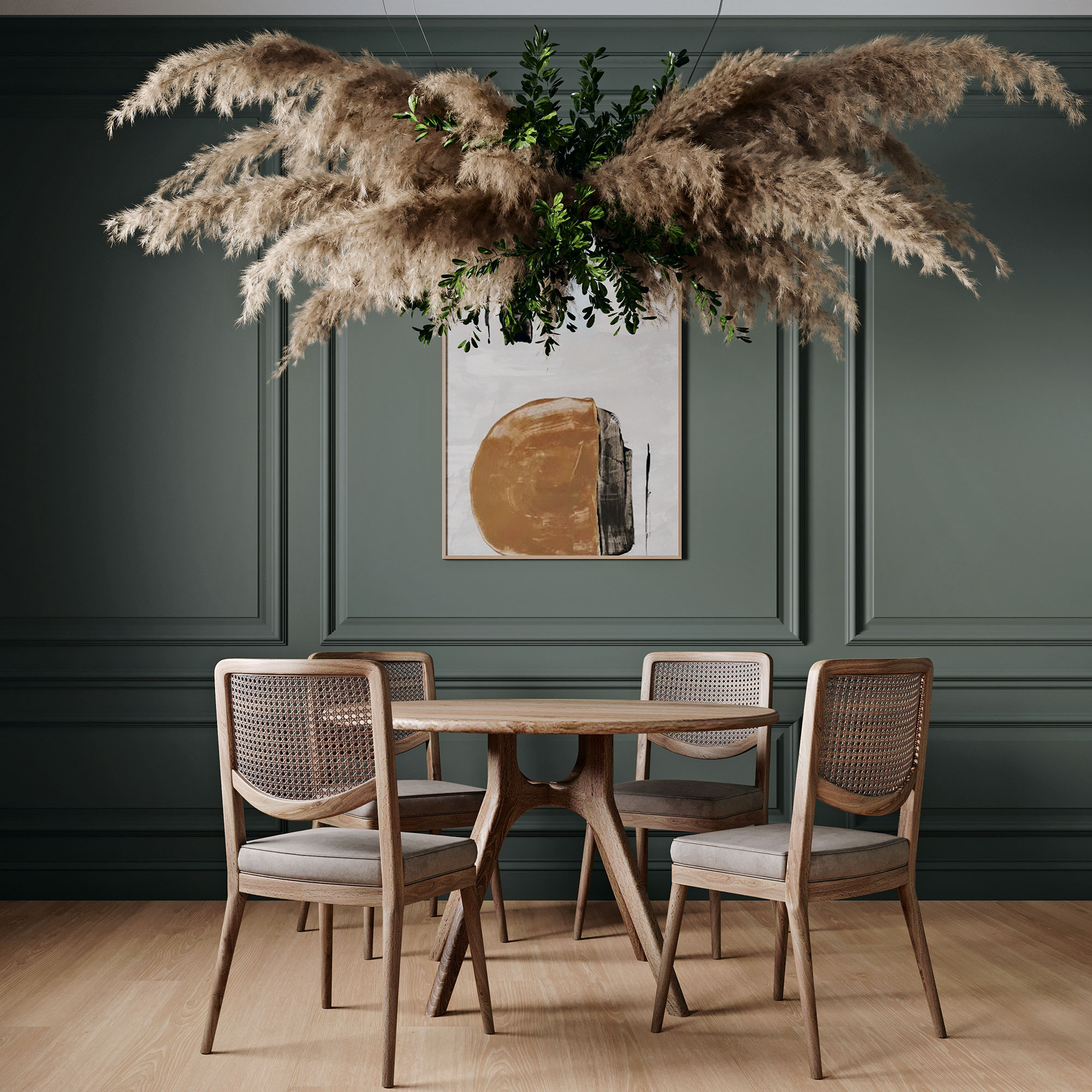
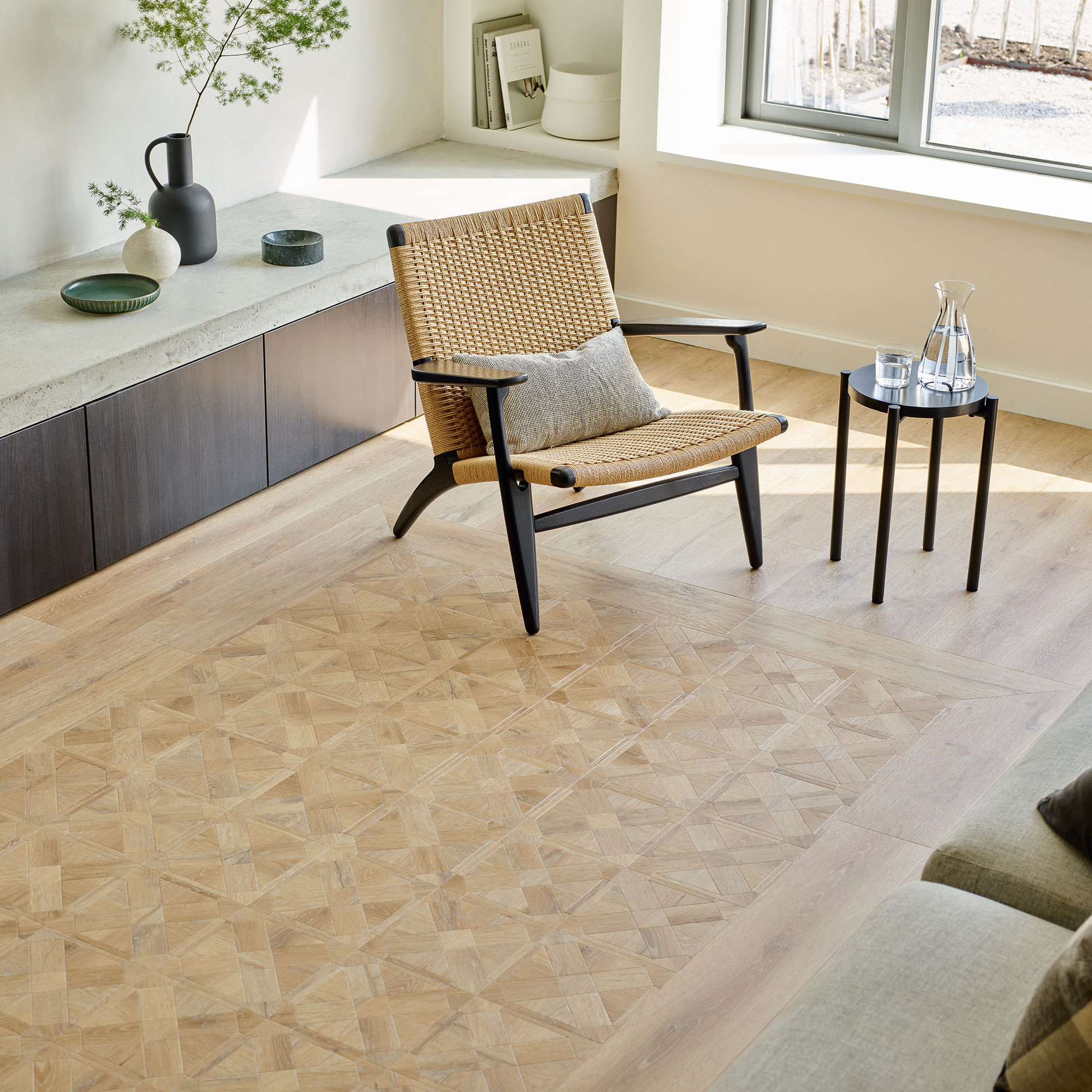
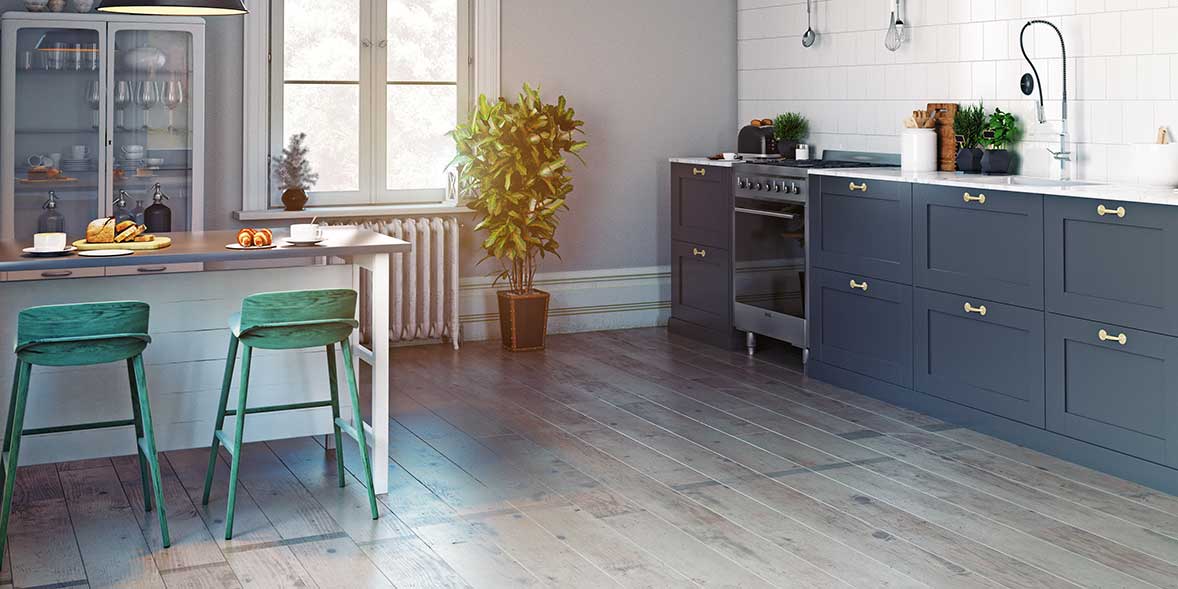
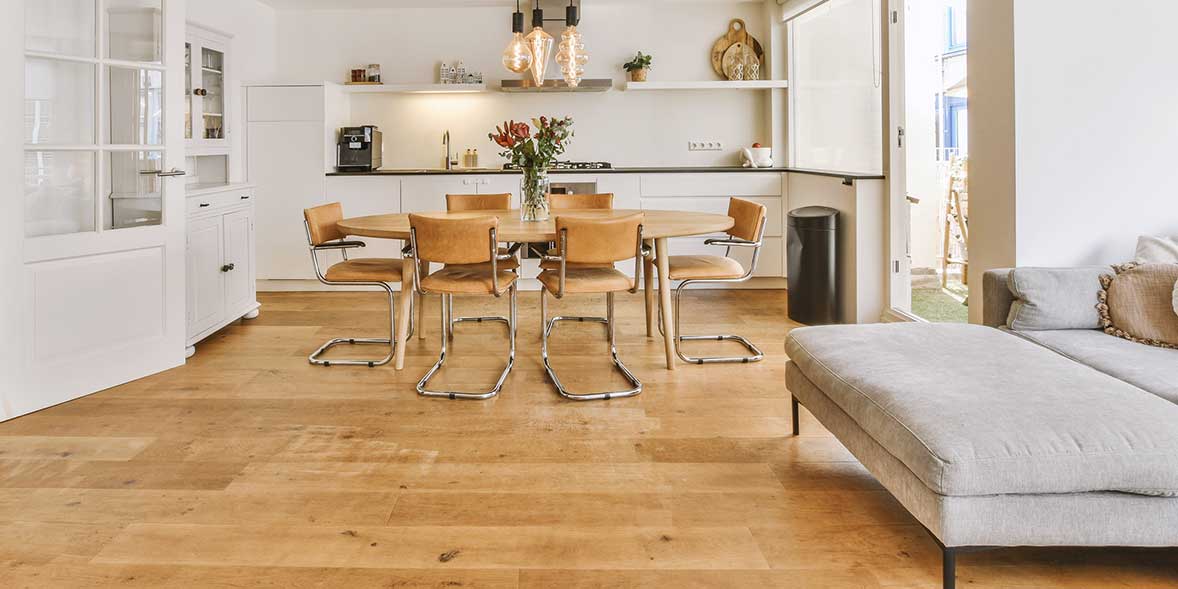
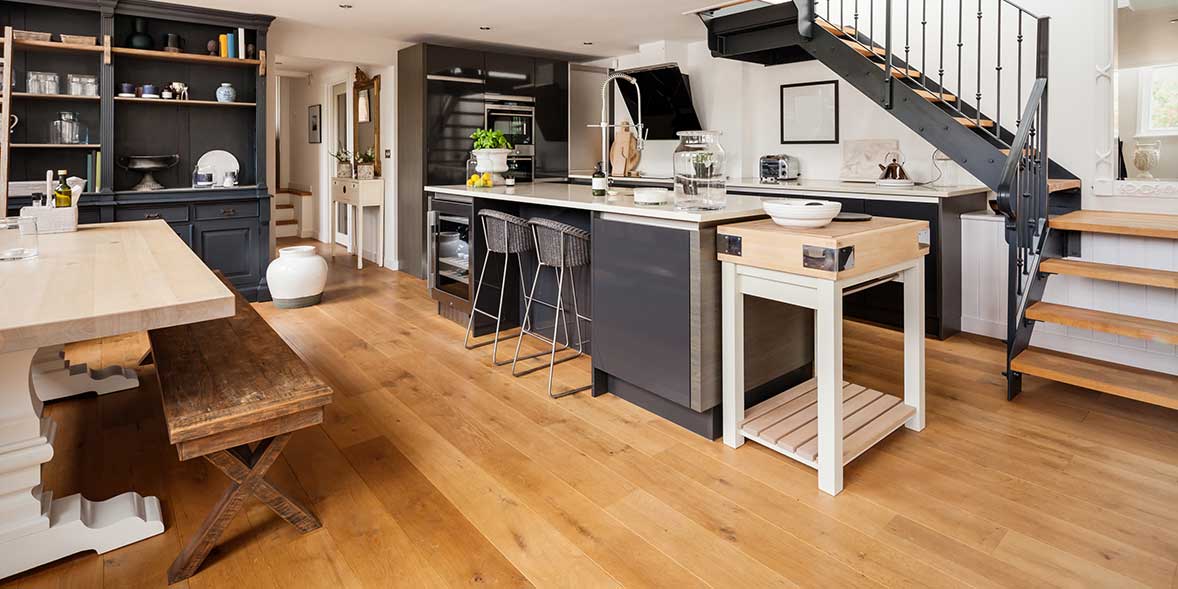
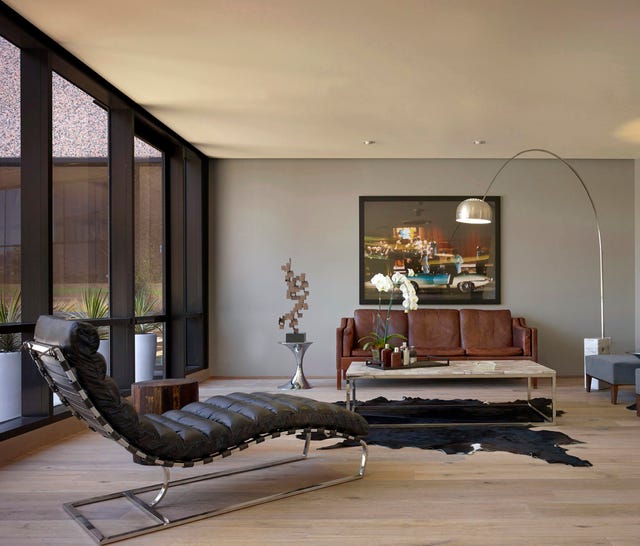
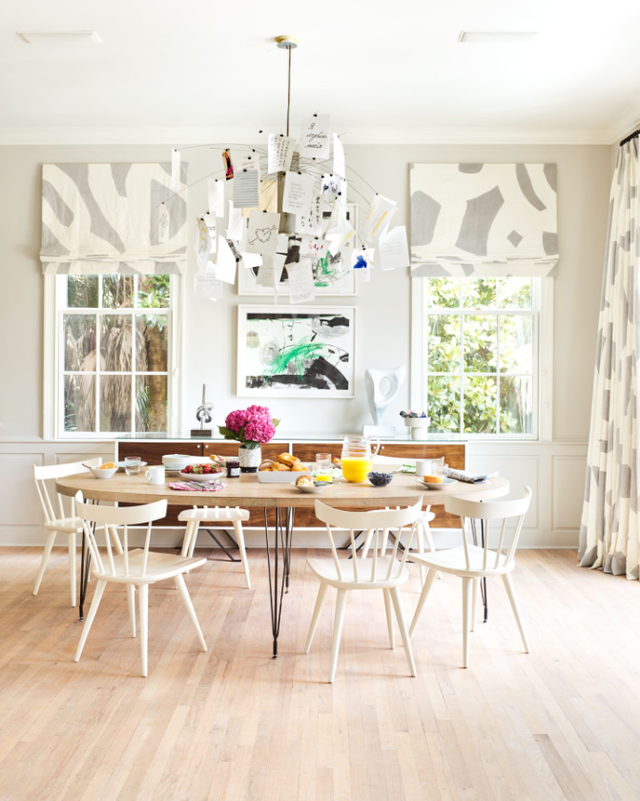
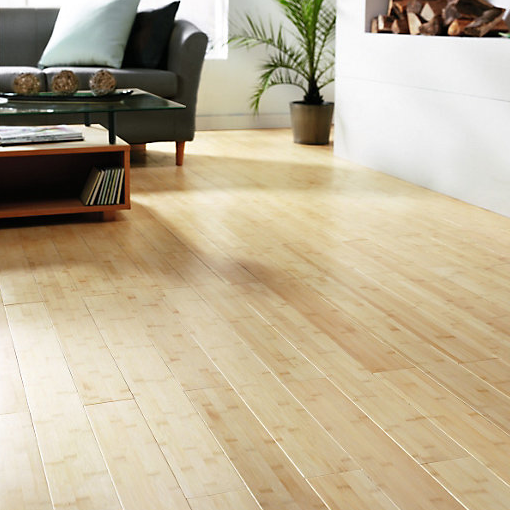
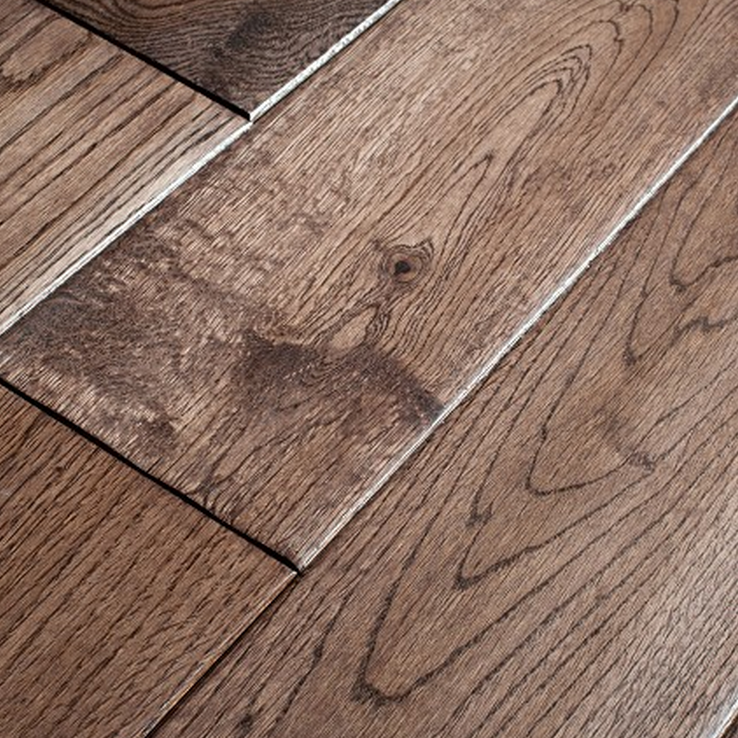
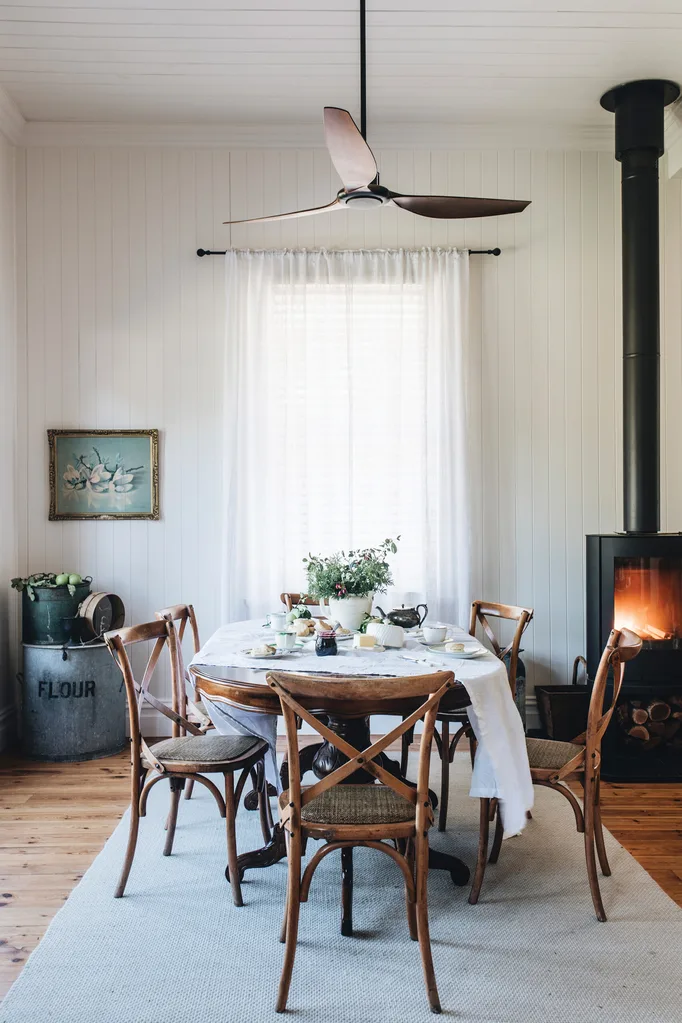
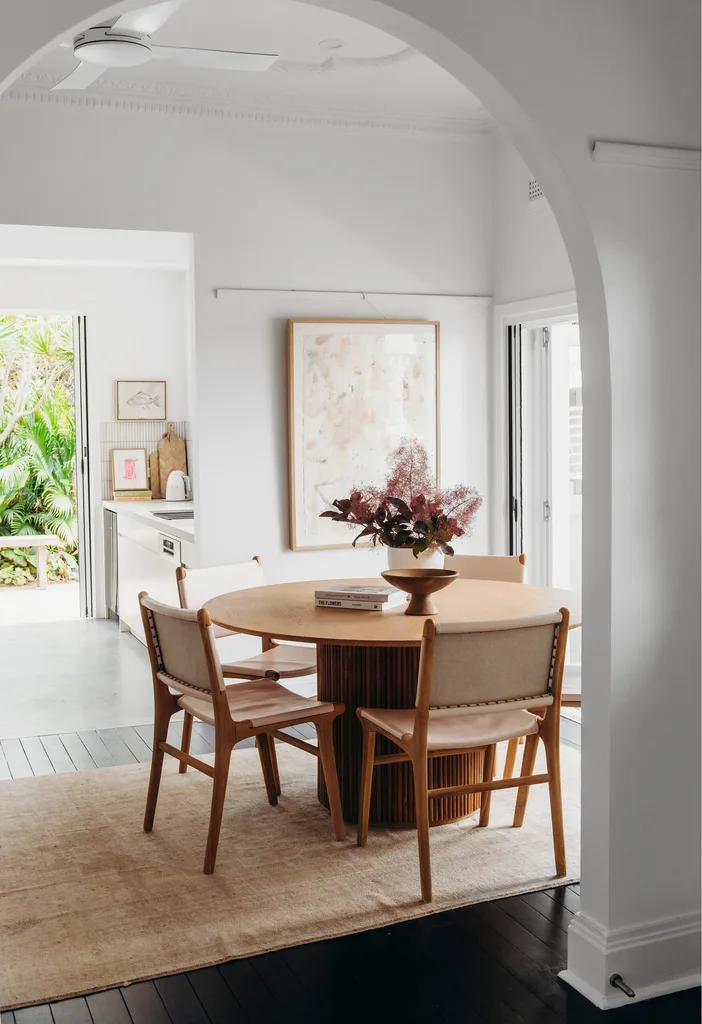
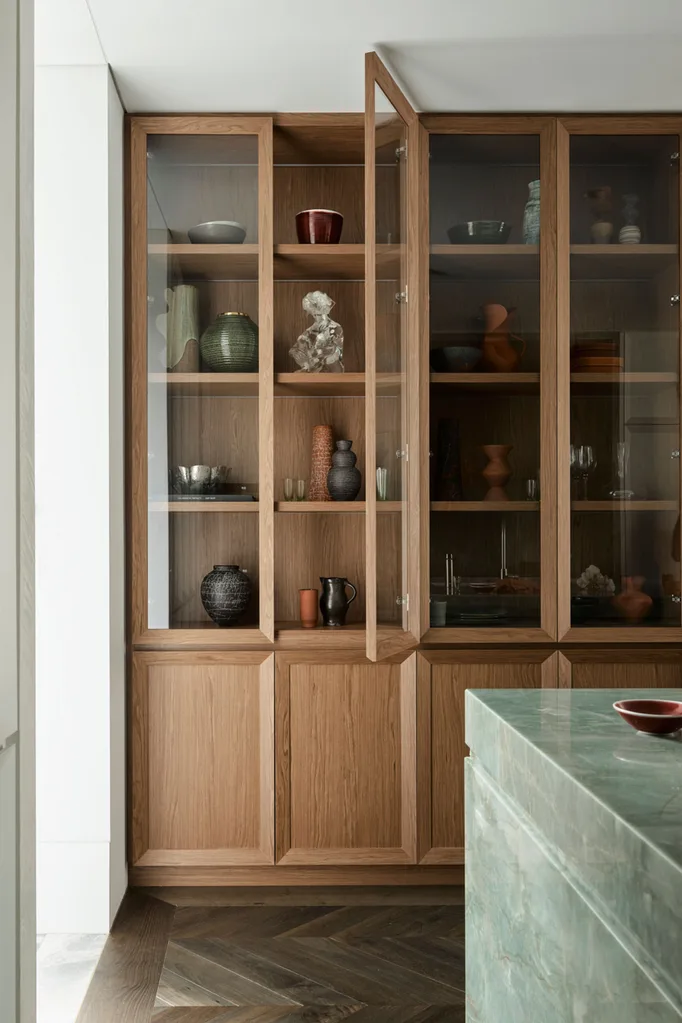
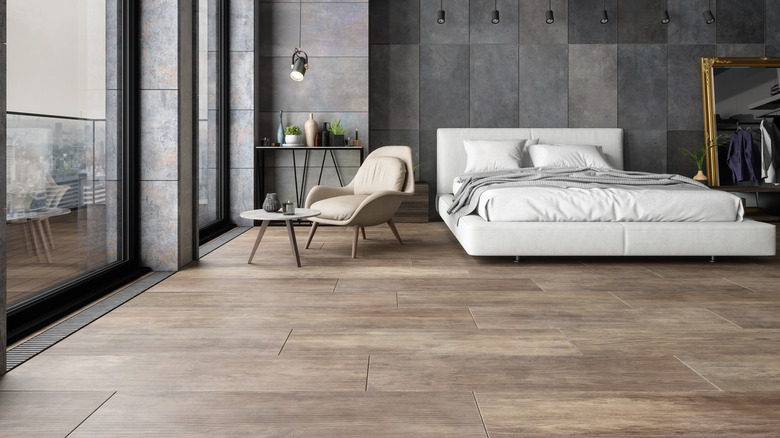
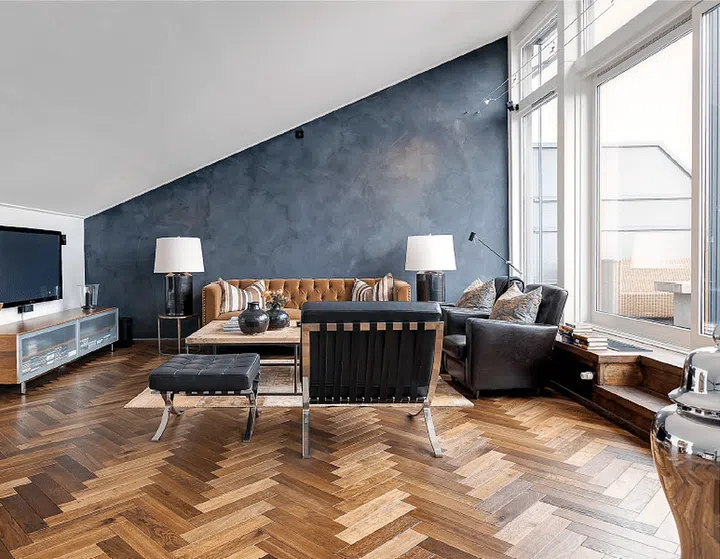
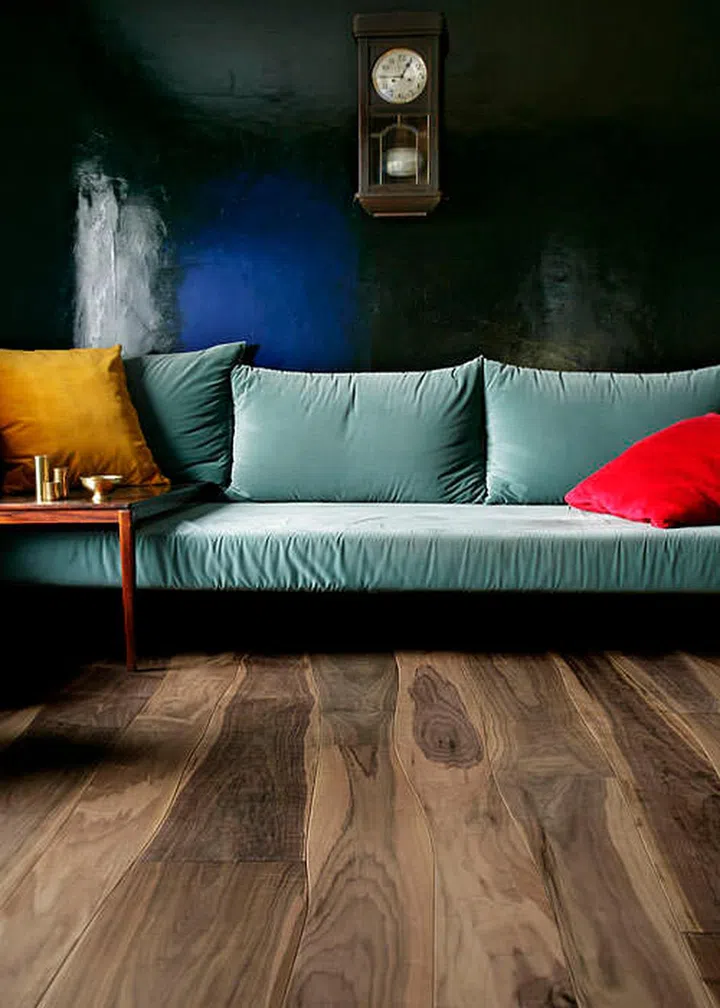
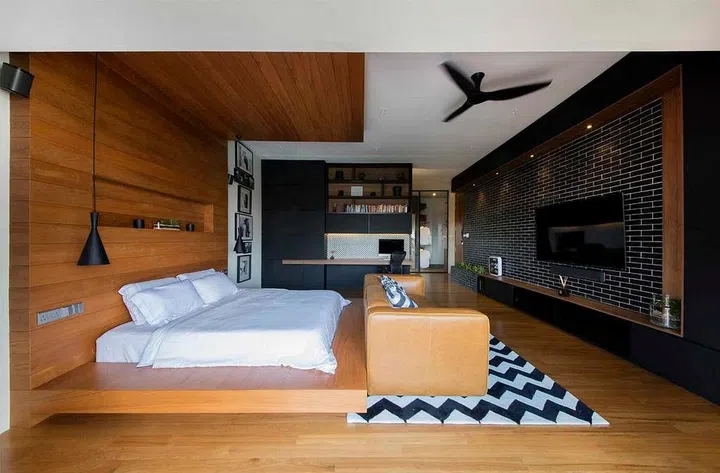
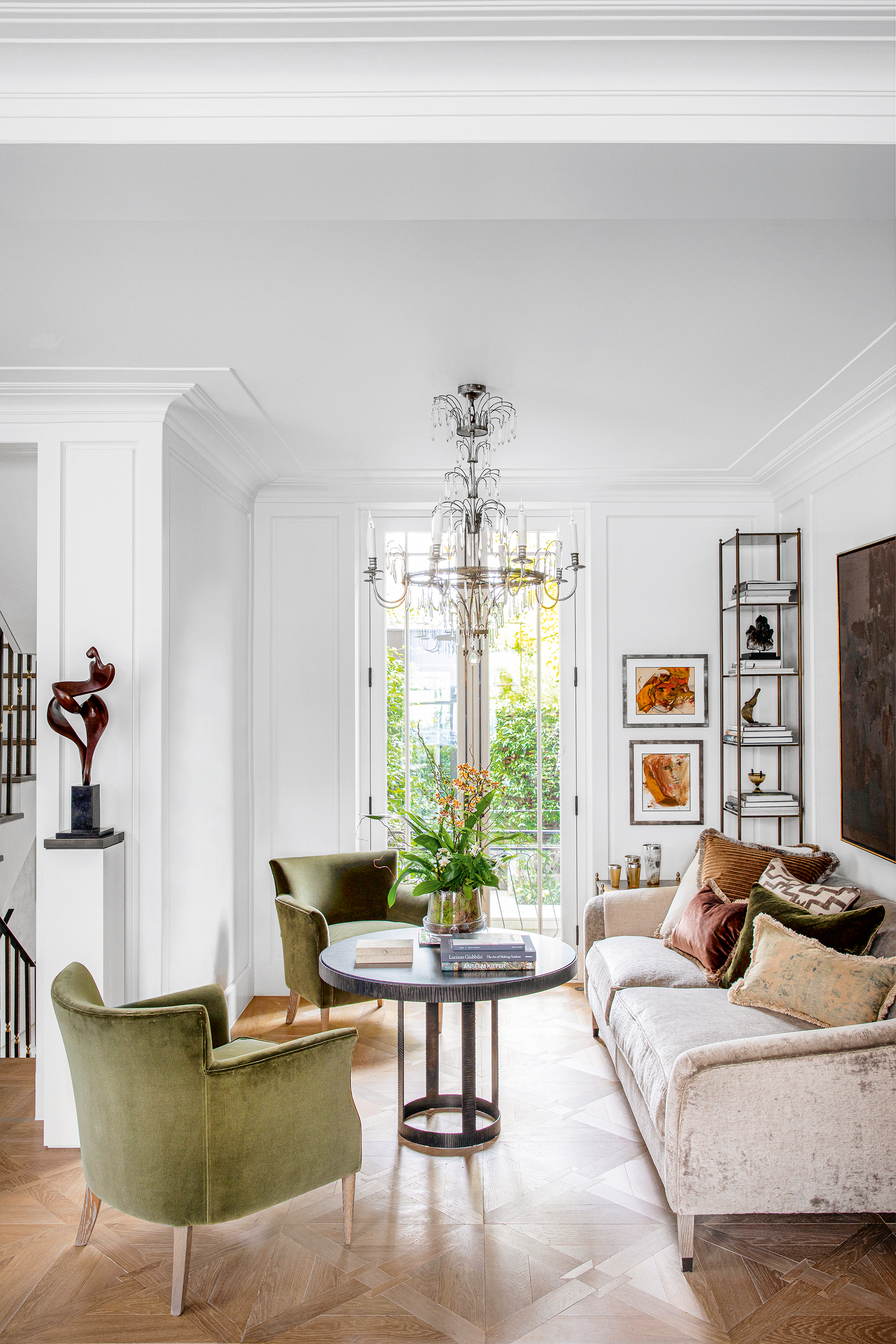
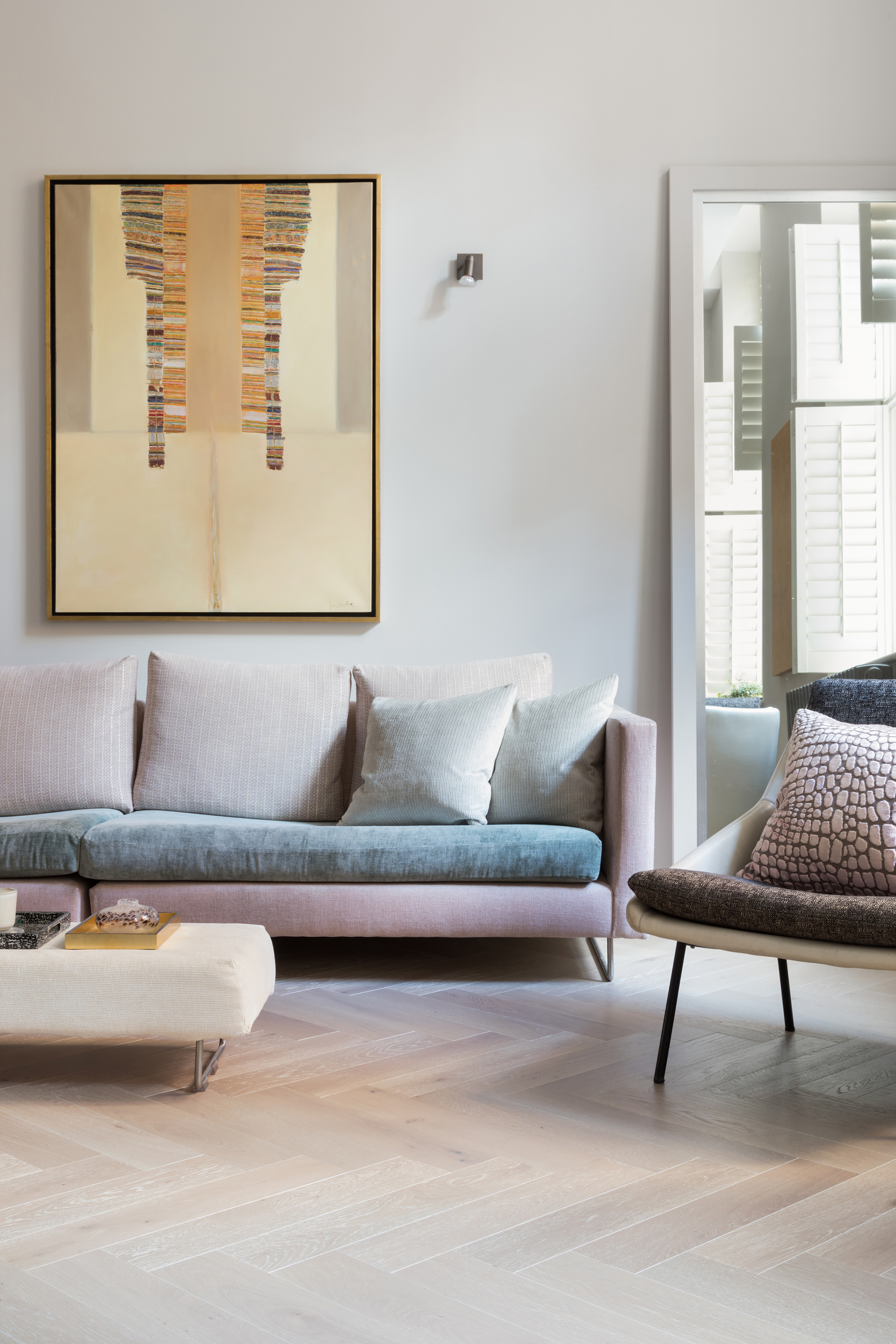
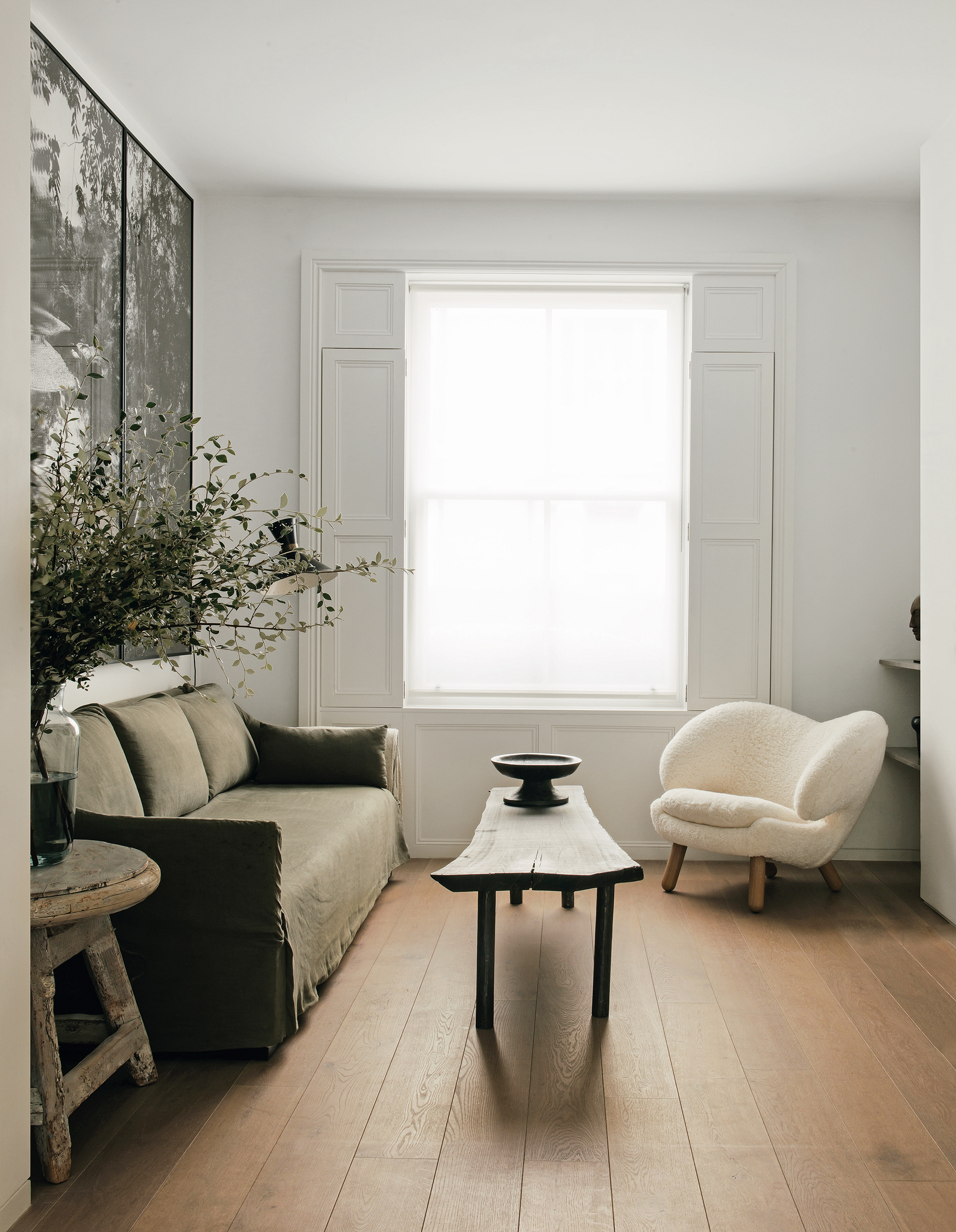
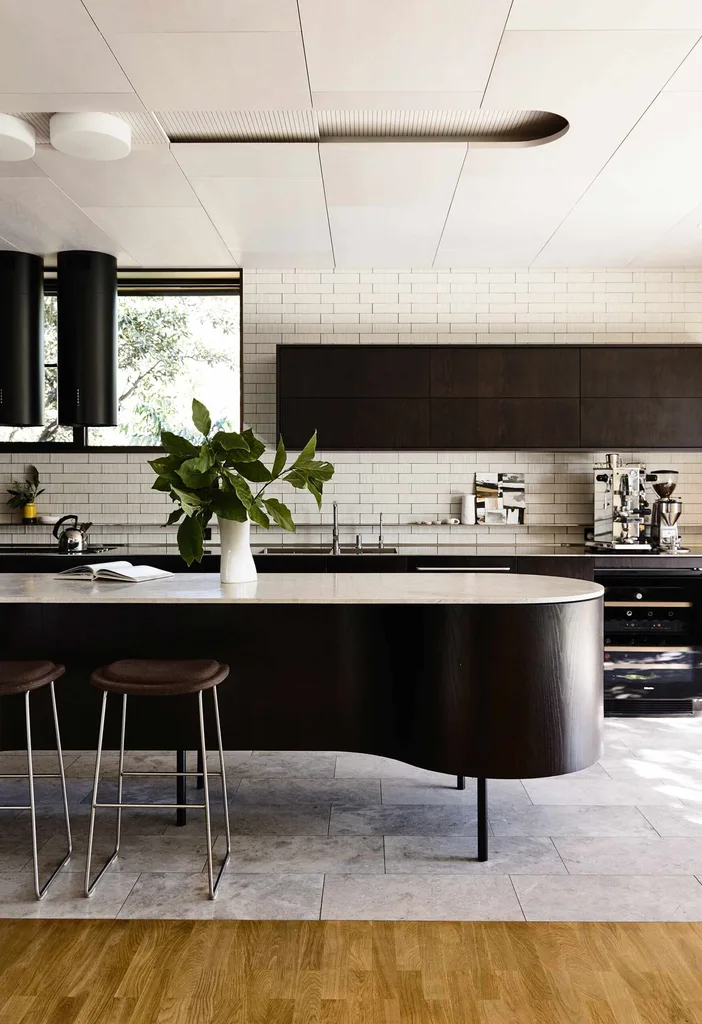
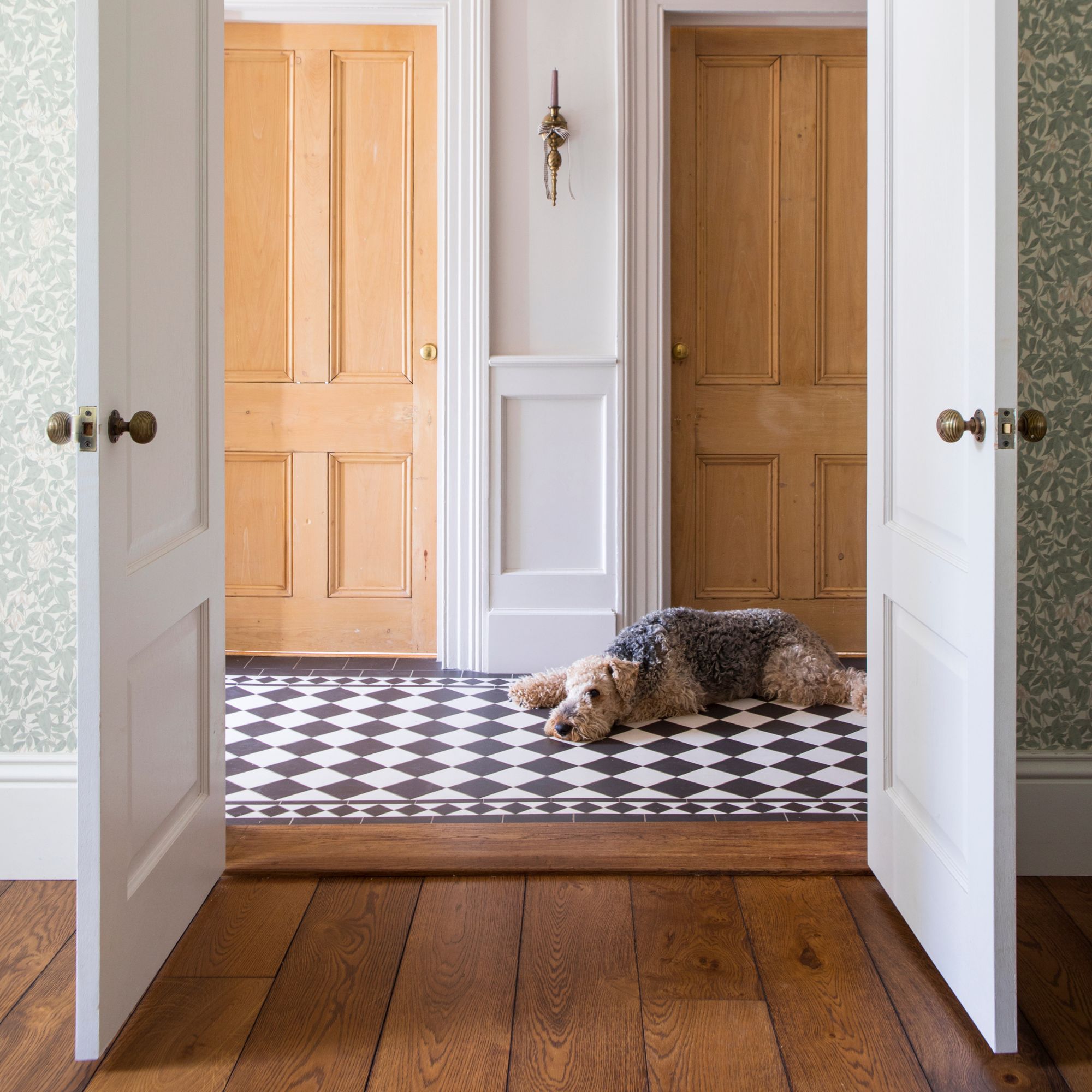
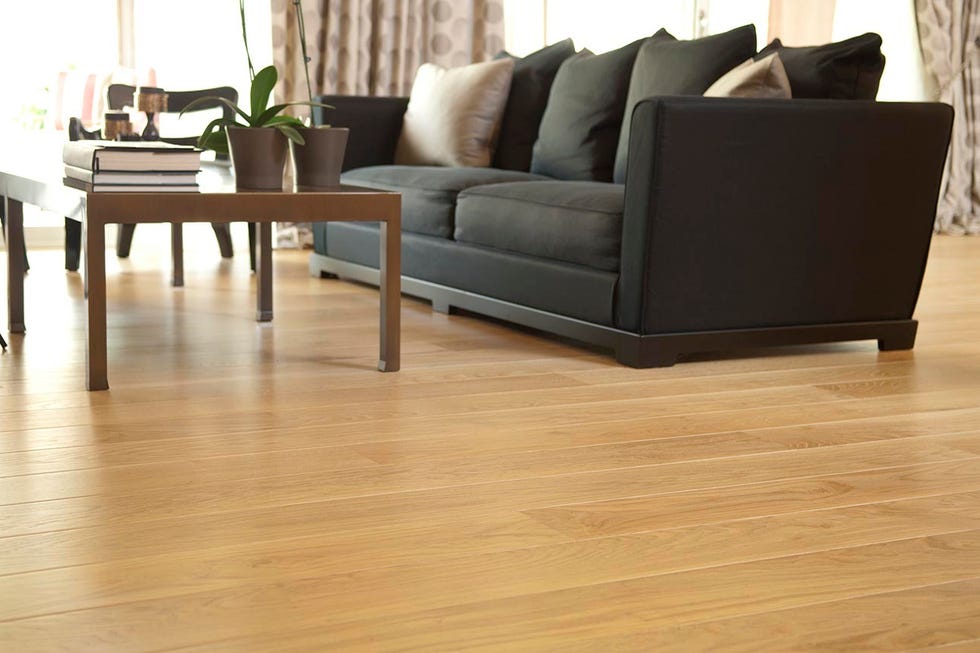
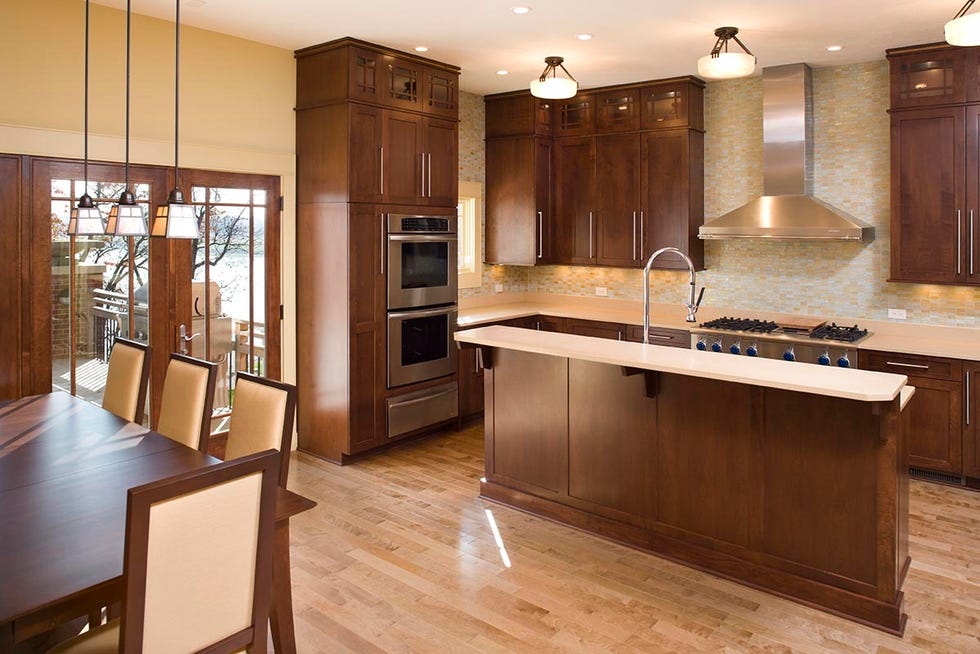
One primary consideration is the desired look, specifically whether to opt for dark or light floorboards. Lighter timbers are generally popular and appeal to a broad market, making them a suitable choice for homes intended for sale. They also serve as a neutral backdrop, allowing other design elements like feature walls or statement art to stand out. Conversely, dark timber floors can create a strong impact and become a room's focal point, potentially clashing with bold artworks or furnishings. Buckley encourages homeowners not to be overly conservative in their shade selection, suggesting that embracing timber's natural character and unique features can enhance its beauty.
The choice between engineered and natural timber floors is another important decision. Buckley notes that both options offer comparable quality. However, engineered timbers tend to exhibit greater stability and are less prone to changes in shape or size due to humidity fluctuations. Solid-timber floors, when finished on-site, can achieve a more even and seamless appearance. The method of installation, whether fixed or floating, is ultimately a more critical factor.
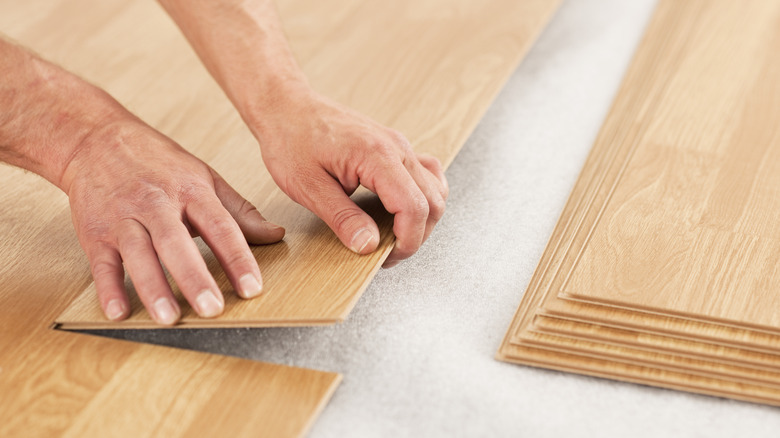
Fixed floors are permanently attached to the sub-floor using glue or nails, while floating floors rest on an underlay. Floating floors are generally more budget-friendly and quicker to install, often allowing for the inexpensive addition of acoustic underlay. However, they can feel less firm and be noisier to walk on due to slight movement. Furthermore, floating floors typically come in standard panel sizes, which can make it challenging to achieve a neat finish at junctions, especially in larger rooms where multiple junctions may be visible. They also necessitate covering strips along the edges, which can detract from a seamless look. Refinishing engineered floating floors in the future can be problematic due to their potential for movement during sanding, buffing, or coating processes. Fixed floors, despite a potentially higher cost, often offer a superior feel, quieter performance, greater flexibility in finishing details, and a longer lifespan.
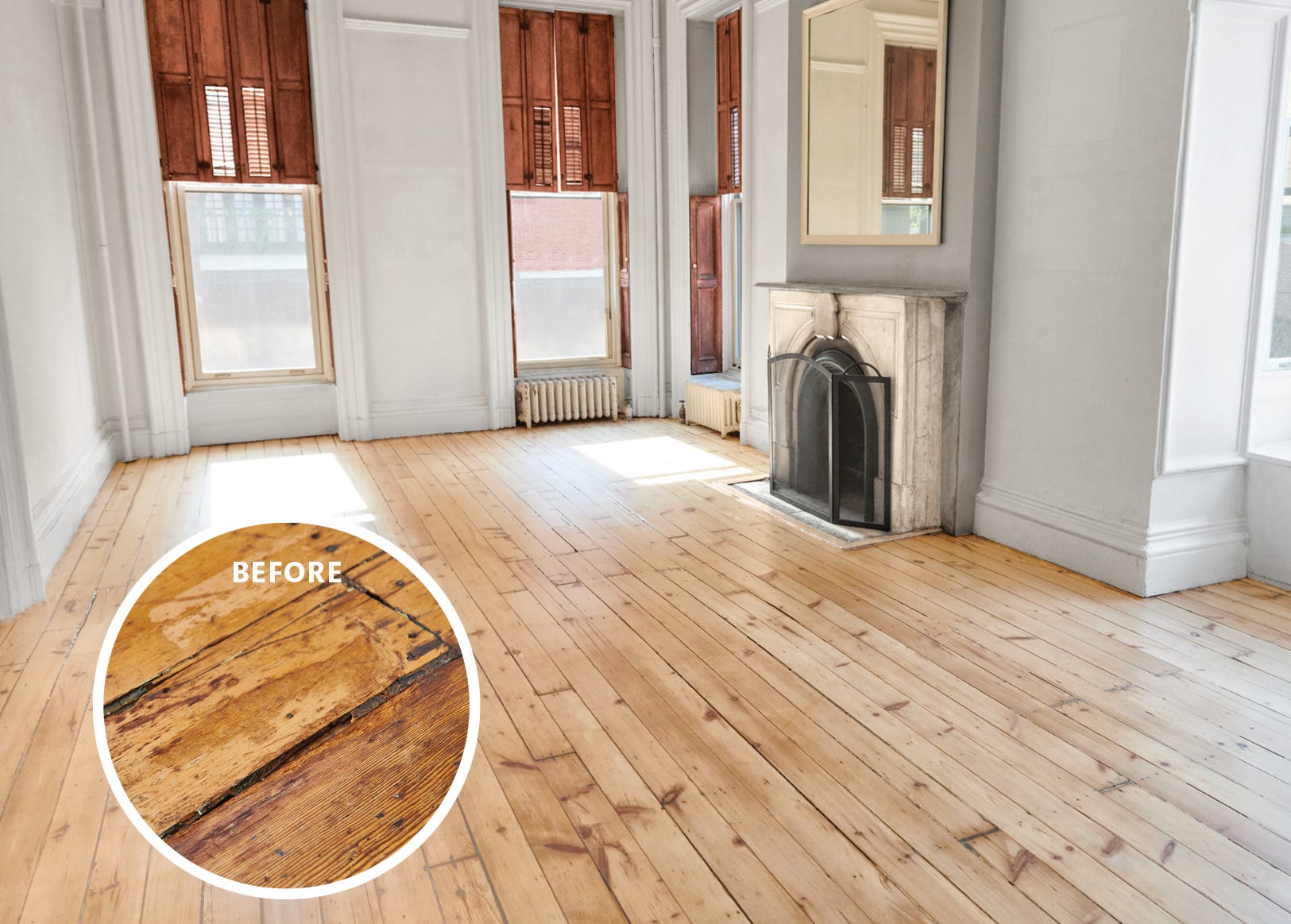
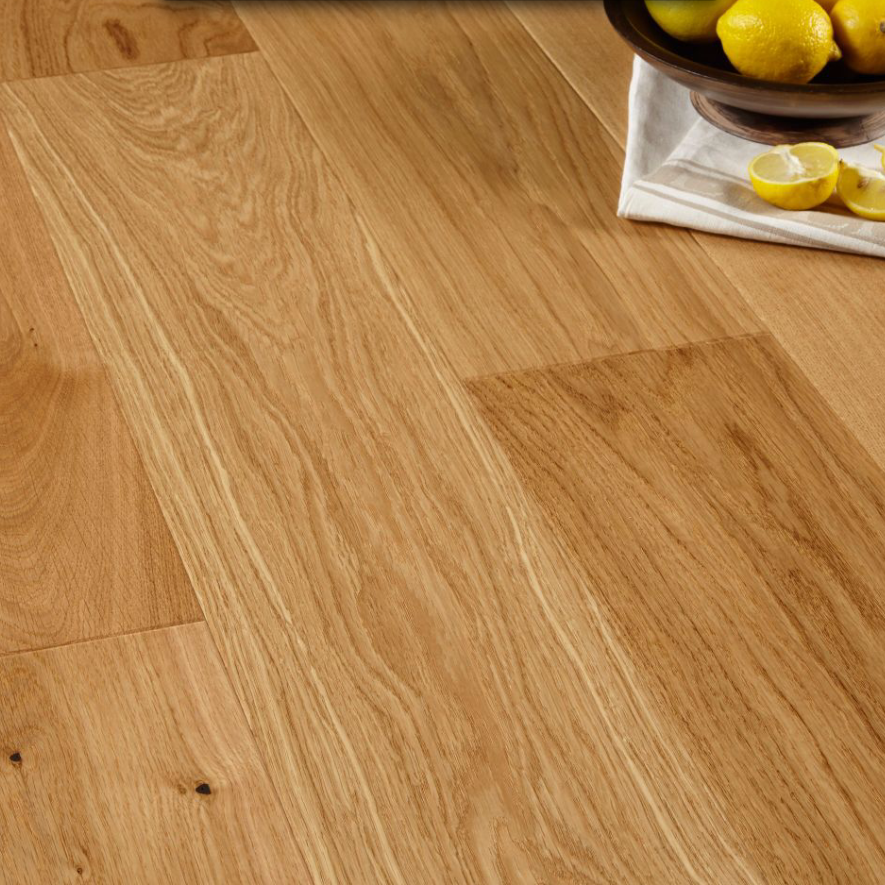
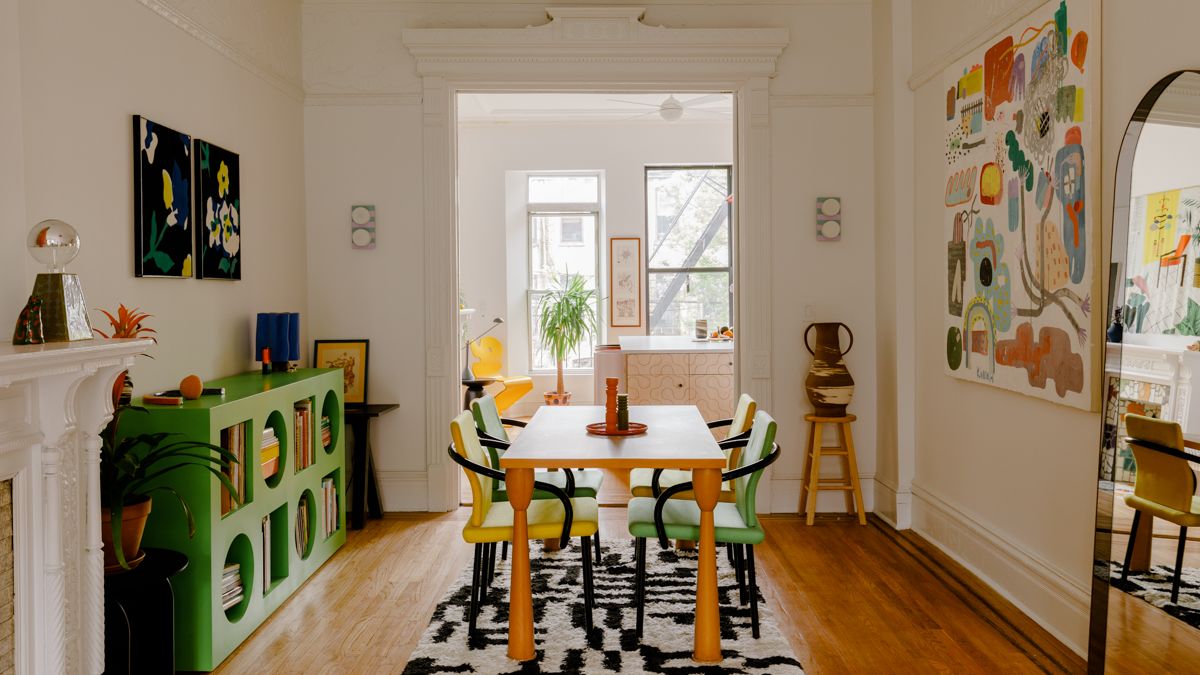
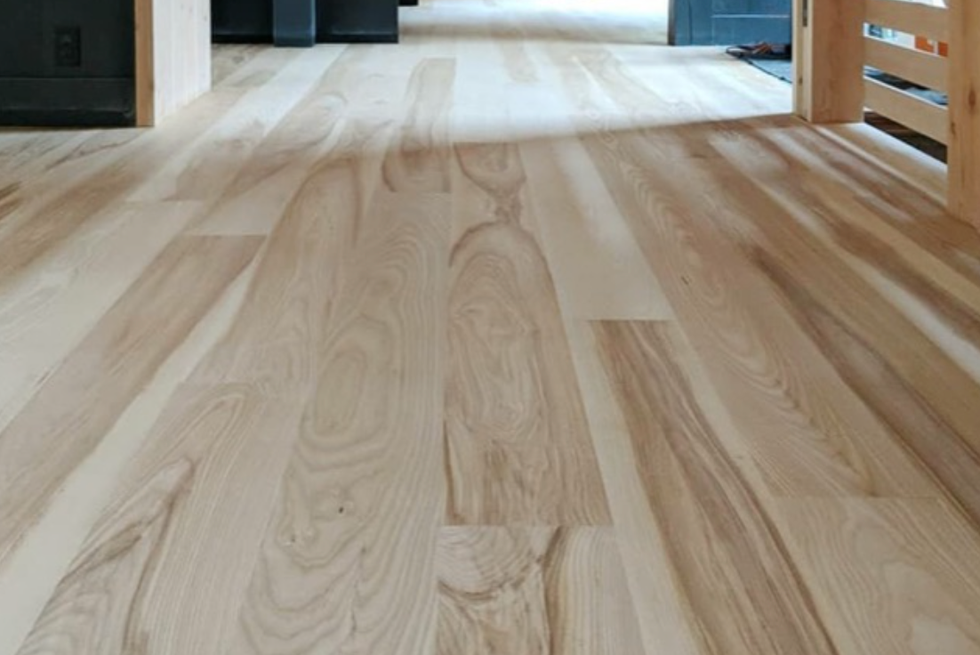
For those on a budget, selecting standard or feature-grade timber for fixed hardwood floors is a viable option. Select-grade timber, which has fewer natural markings, is more expensive not because it's inherently superior, but because it's rarer. Standard or feature-grade timber offers unique characteristics without compromising quality.
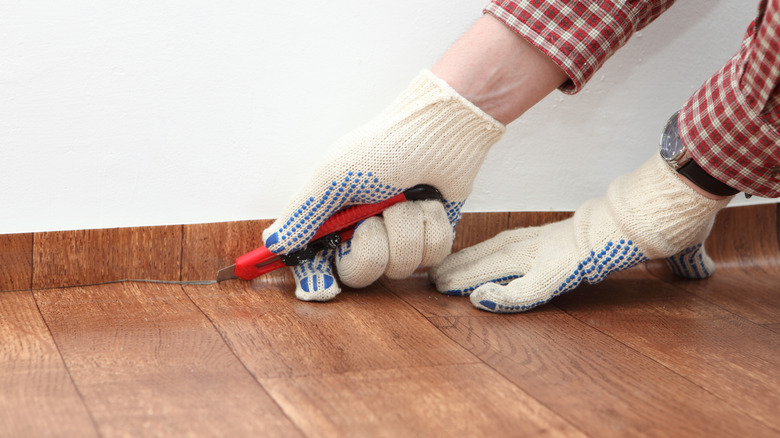
Buckley highlights three common mistakes in timber flooring projects. First, failing to properly prepare the sub-floor, which requires attention to drying, waterproofing, or leveling, can negatively impact the floor's long-term performance. Second, attempting a do-it-yourself installation, particularly for fixed floors, is strongly discouraged due to the complexity, risk of permanent damage, and the involvement of dangerous chemicals and high-powered machinery. While DIY might be feasible for very handy individuals installing floating floors with careful adherence to instructions, professional installation is recommended for fixed floors. Third, misunderstanding the inherent variations in natural timber can lead to disappointment. Homeowners should approach their selection with an open mind, recognizing that each timber floor possesses unique colors, tones, and natural markings, which contribute to its individual beauty.
#TimberFlooring #HomeRenovation #InteriorDesign #FlooringOptions #WoodFloors #HomeImprovement #DesignChoices #TimberSelection #InstallationTips #TimberFlooring #HomeRenovation #InteriorDesign #FlooringOptions #WoodFloors #HomeImprovement #DesignChoices #TimberSelection #InstallationTips
0 comment in total
 No comments yet
You may also like
Here's Everything You Need to Know About Wood Flooring
How to choose bathroom flooring - everything you need to know, according to experts

Flooring Materials That Just Aren't Worth The Price, According To Our Experts
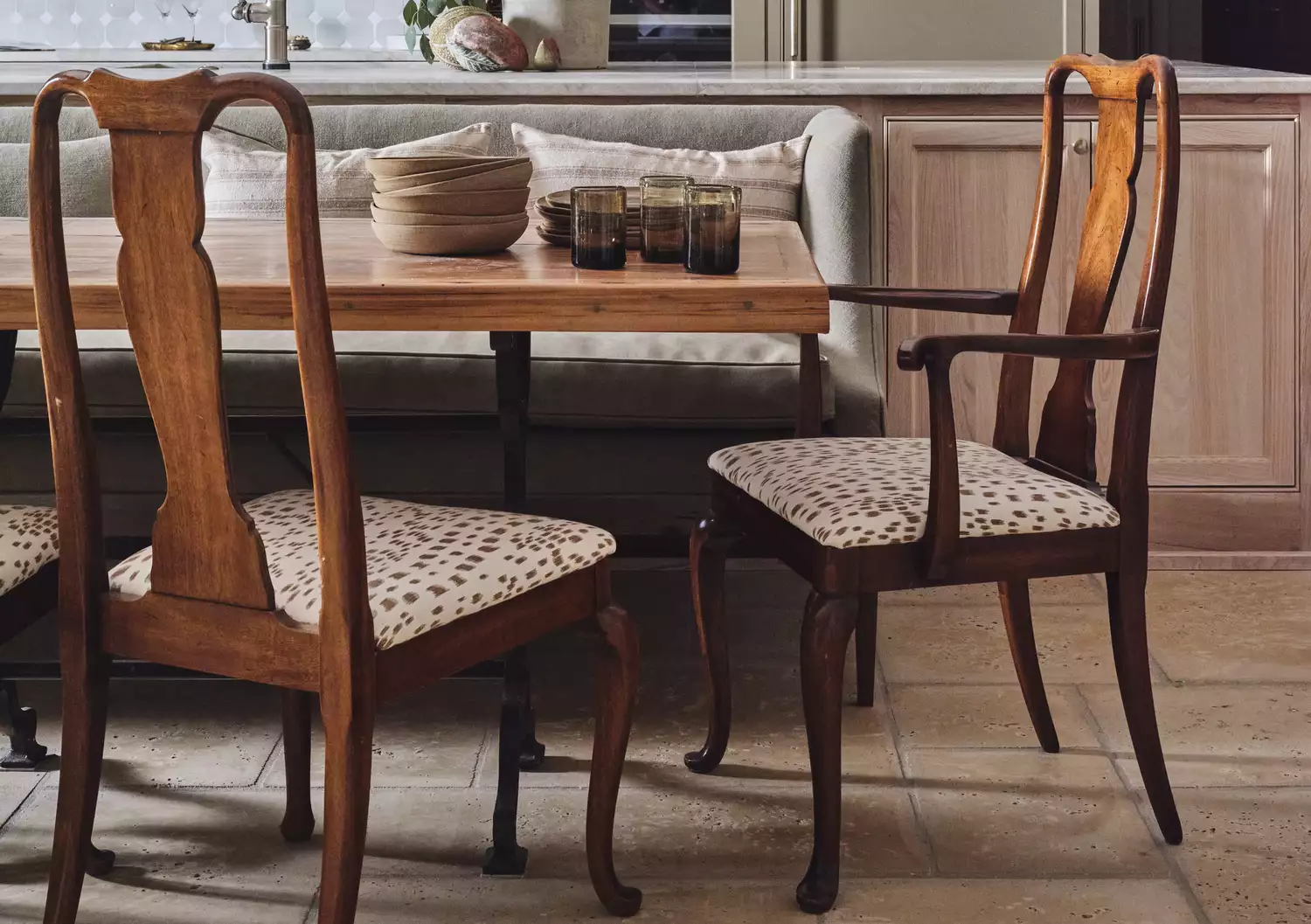
5 Flooring Choices Designers Always Use in Their Own Homes (and You Should Too)

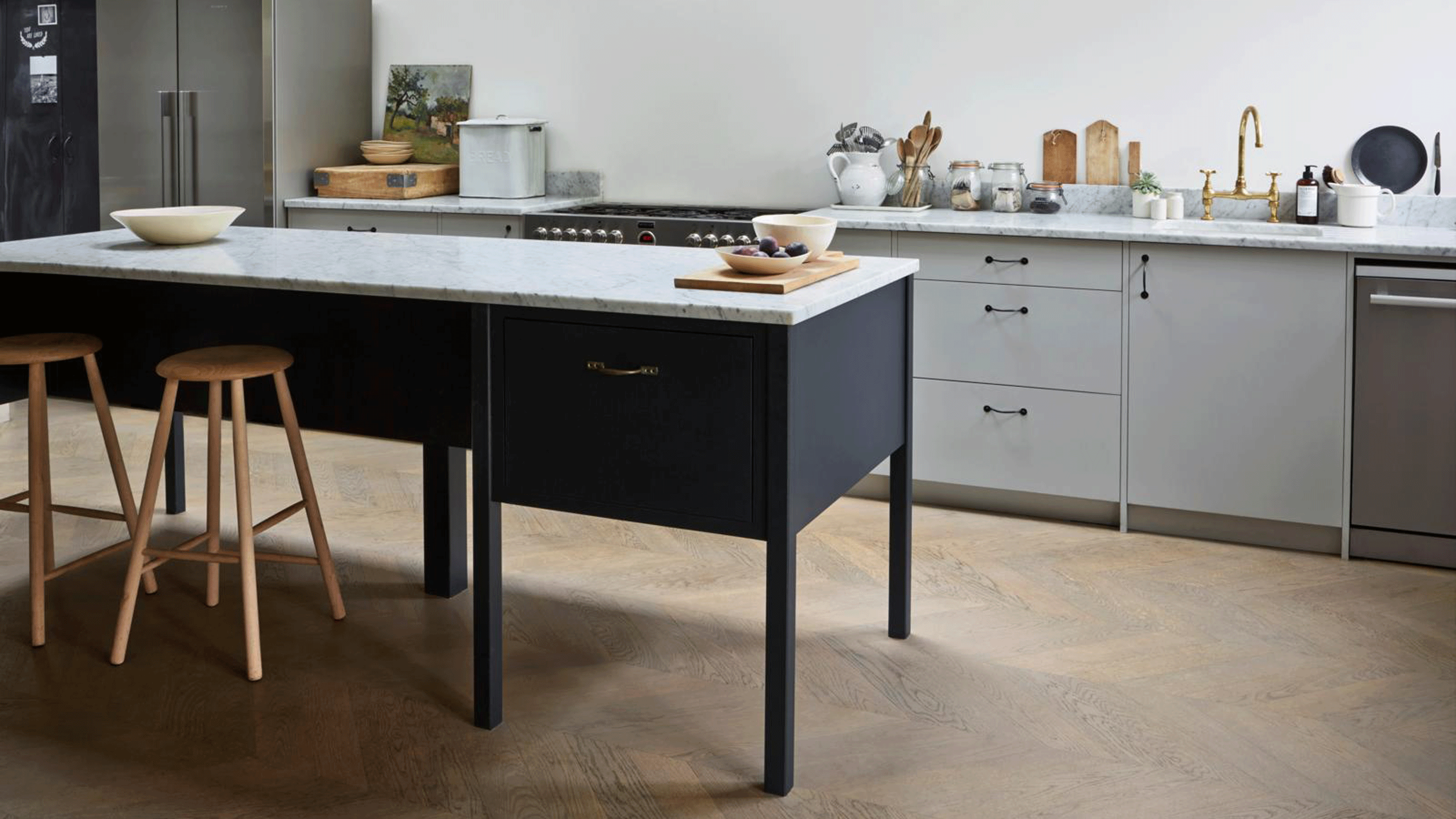
Engineered wood flooring – everything you need to know about choosing the right floor
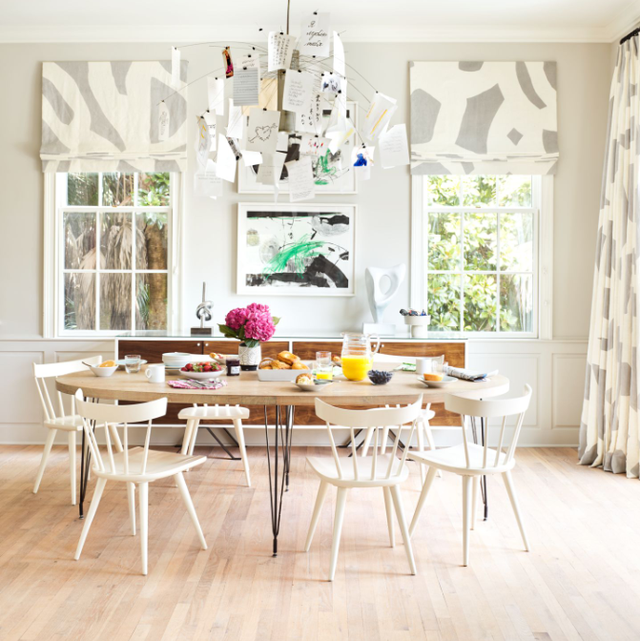
What You Should Know Before Painting Hardwood Floors


Your Guide to Wood Flooring

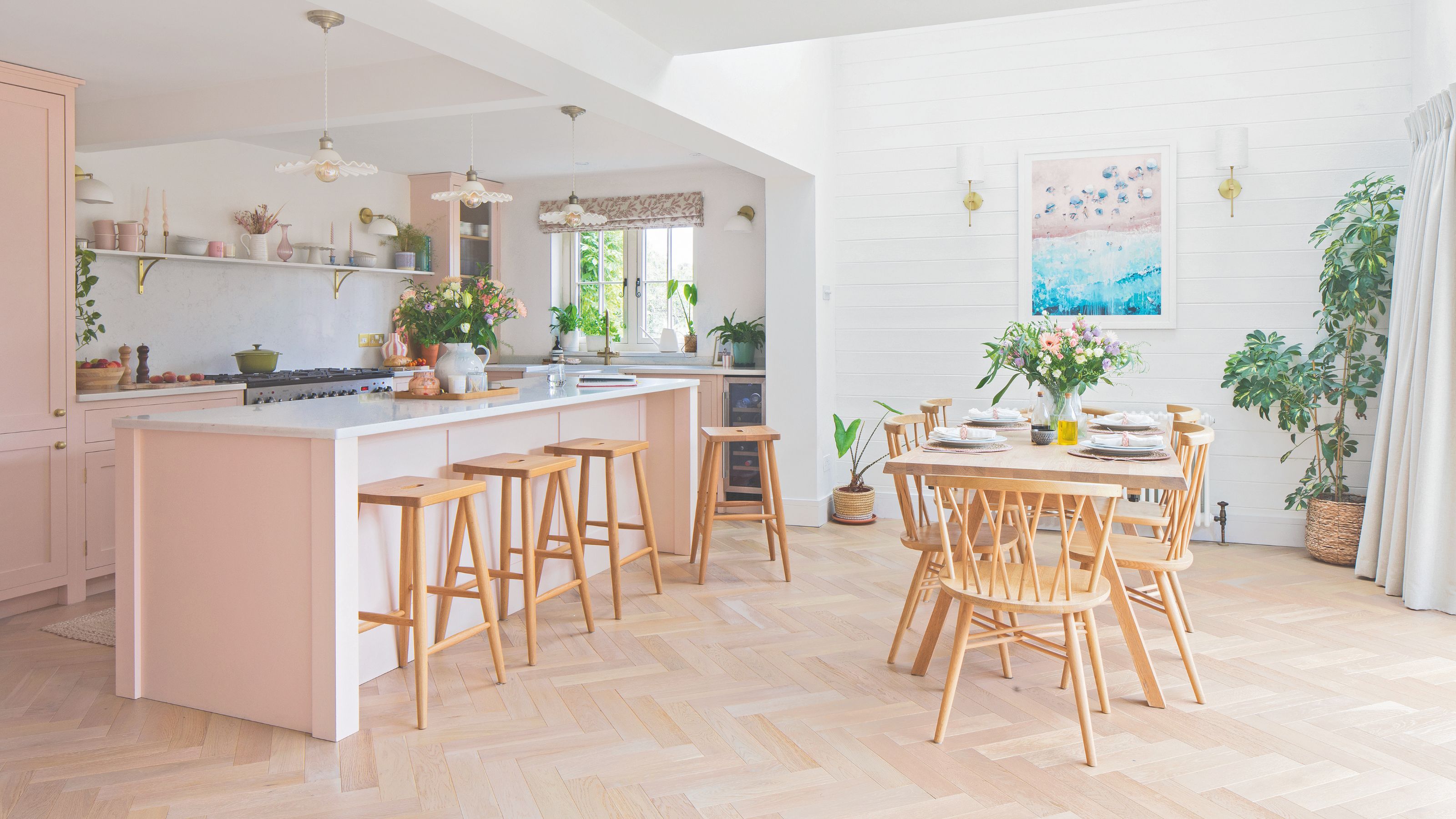
5 flooring choices that will make it harder to sell your home
How to plan the perfect wood flooring - what you need to know about wood versus wood-style
What to Know About Maple Hardwood Flooring Before You Buy

Q&A on wood flooring: How much it costs and more
A Home Improvement Expert Reveal the Best Hardwood Flooring

Different Types of Wood Flooring and What to Consider Before Installing

Wood Flooring – Our Pick of the Best
Wood floor ideas for a living room – 10 practical and stylish looks for flooring

Stomping grounds: Local designers talk choosing the right flooring

Types of wood flooring
5 tips for mixing timber floors with timber furniture

15 of the best flooring materials for the home and why they work
Why Choose Engineered Timber Flooring? An Expert Opinion