1/8
Engineered wood flooring – everything you need to know about choosing the right floor
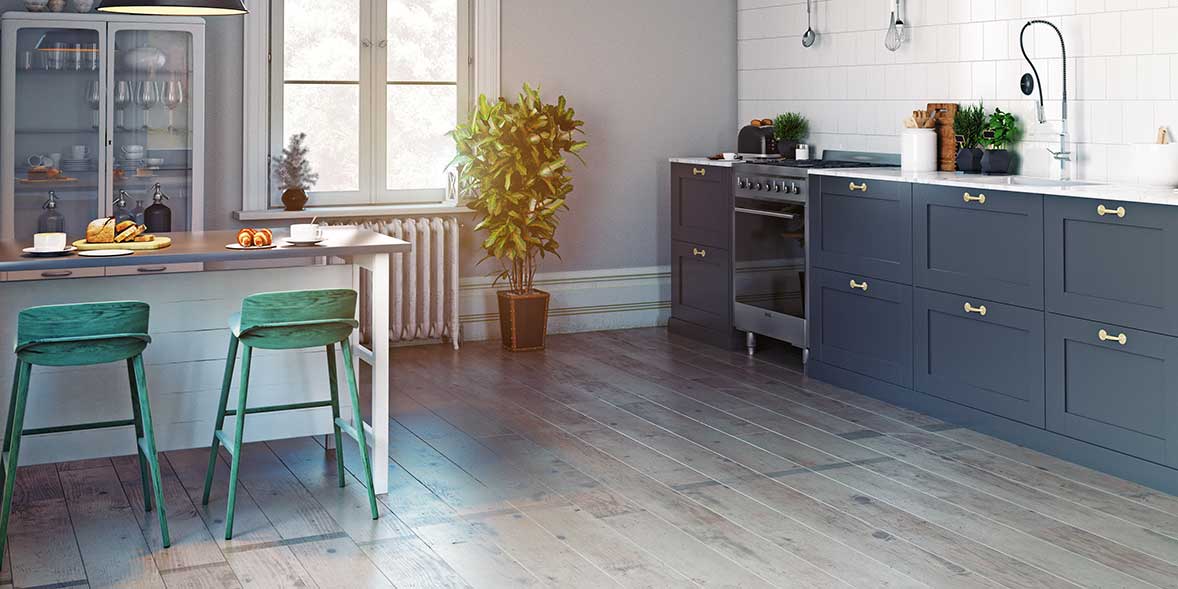
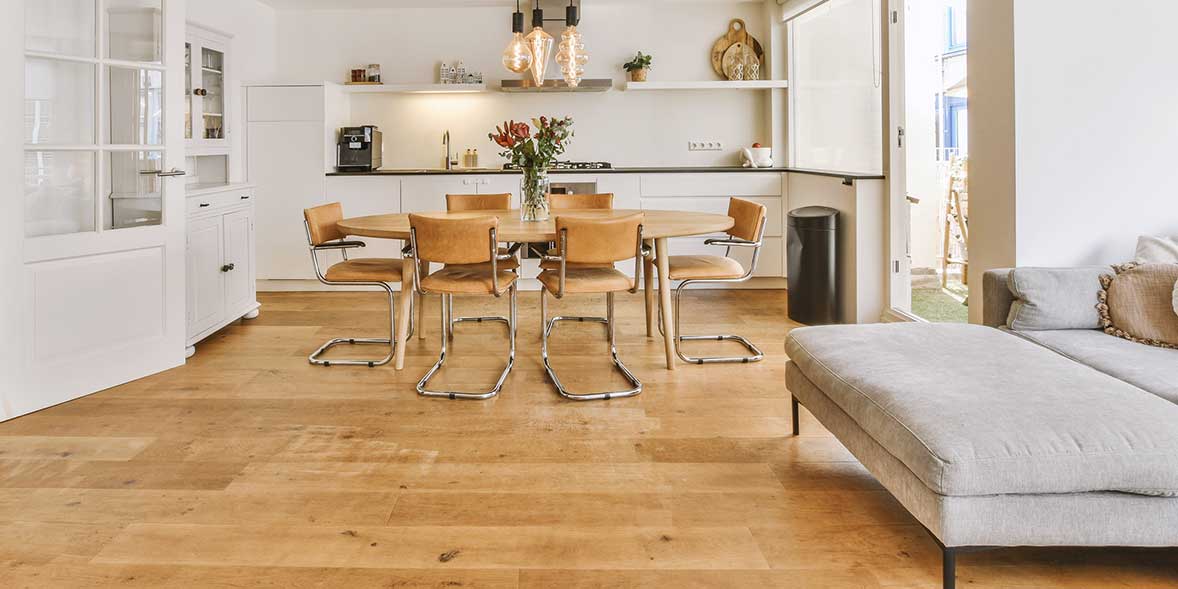
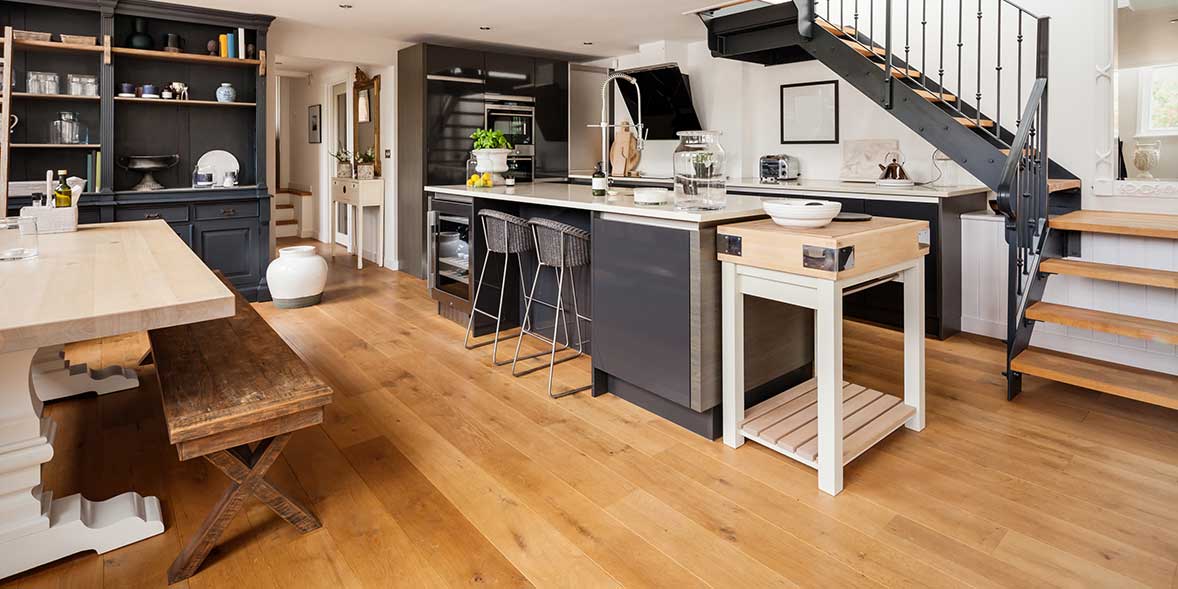
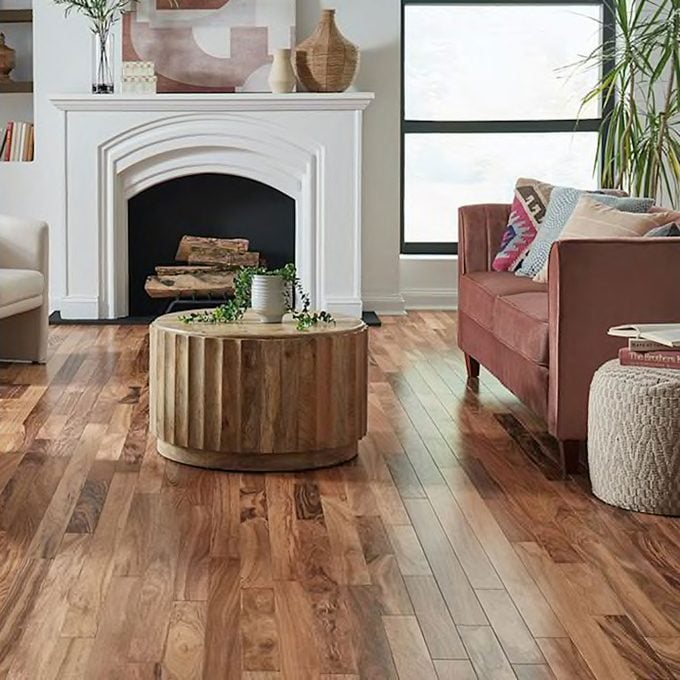
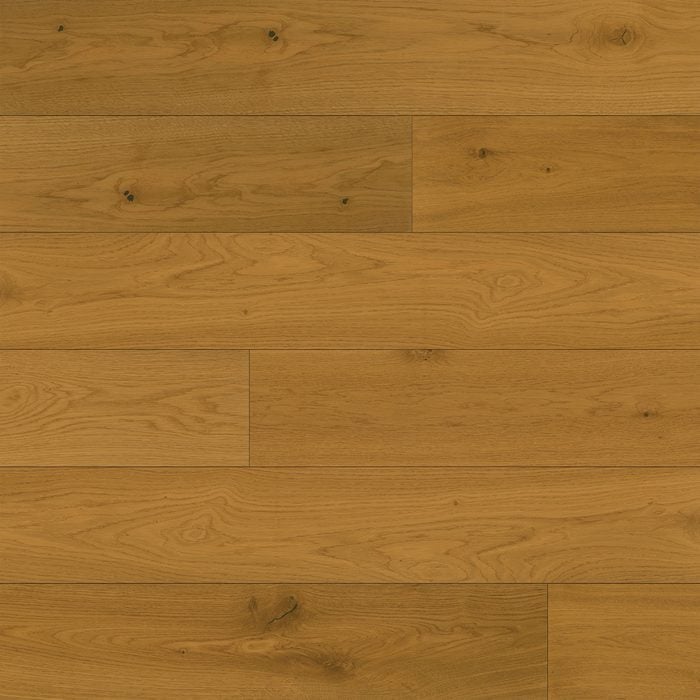
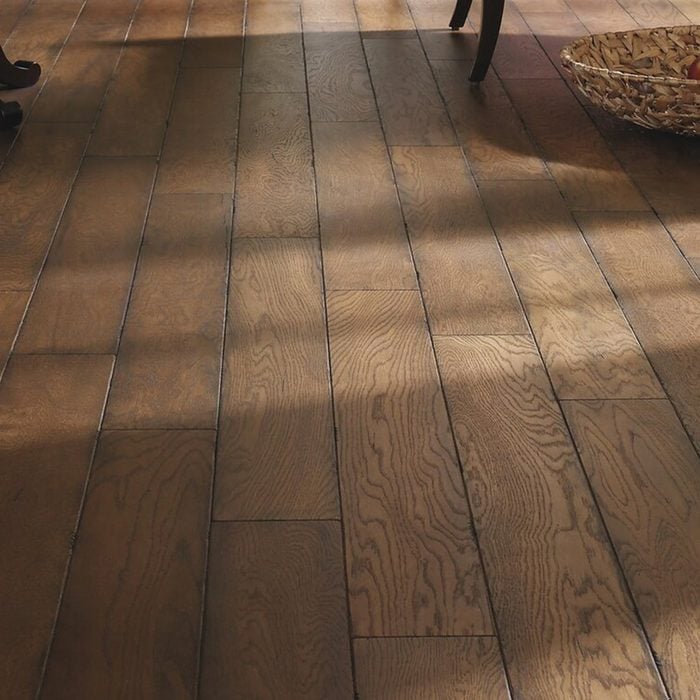
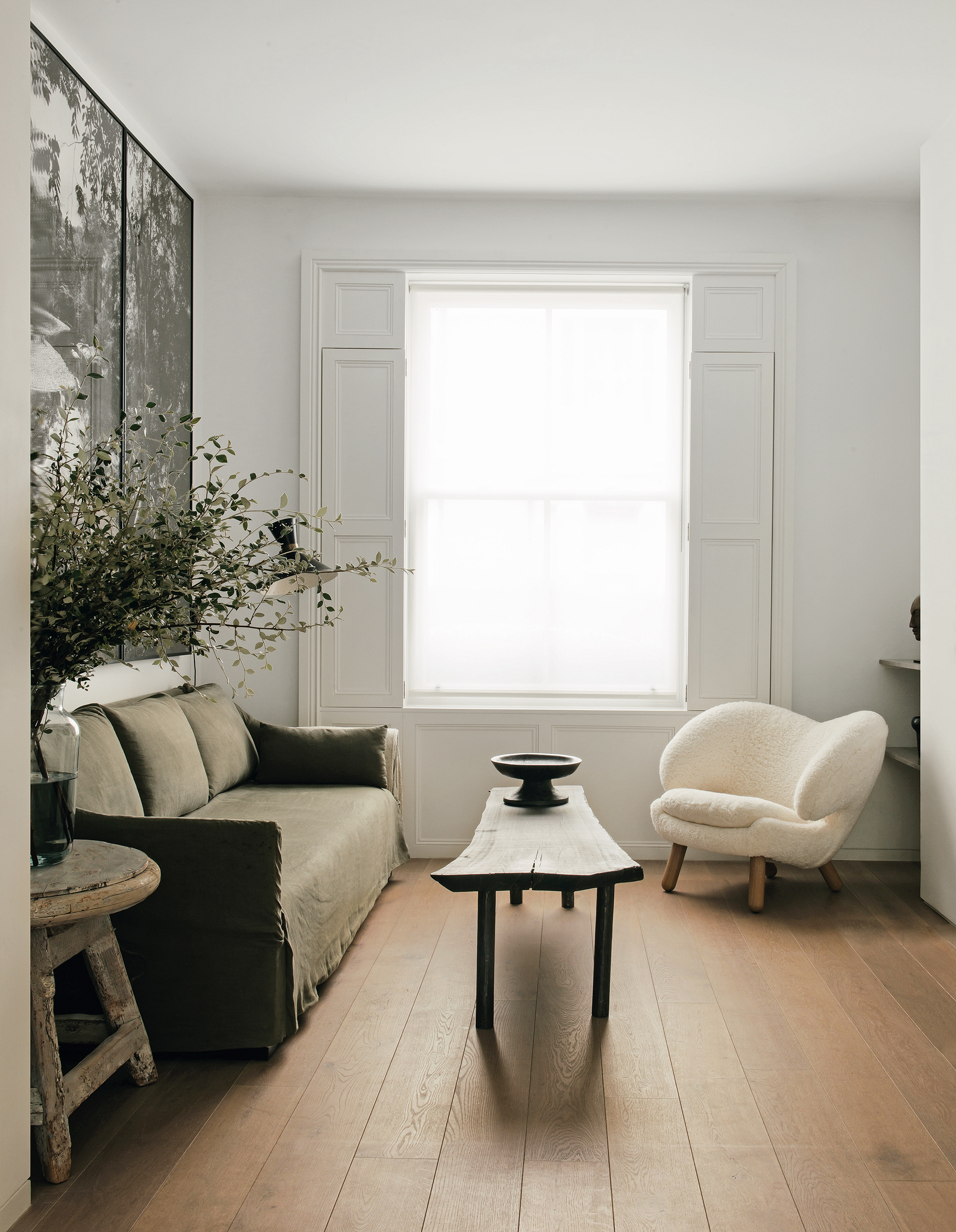
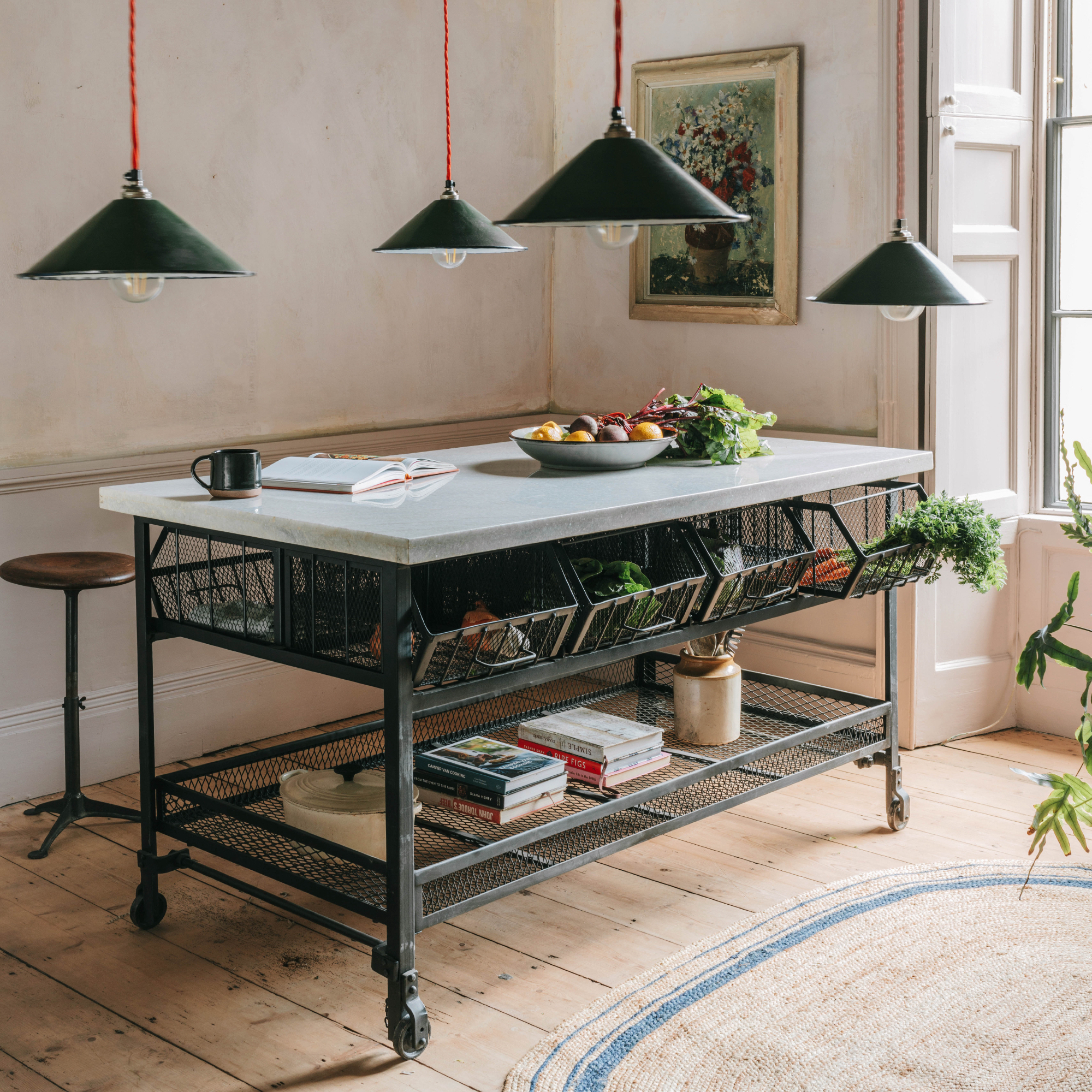
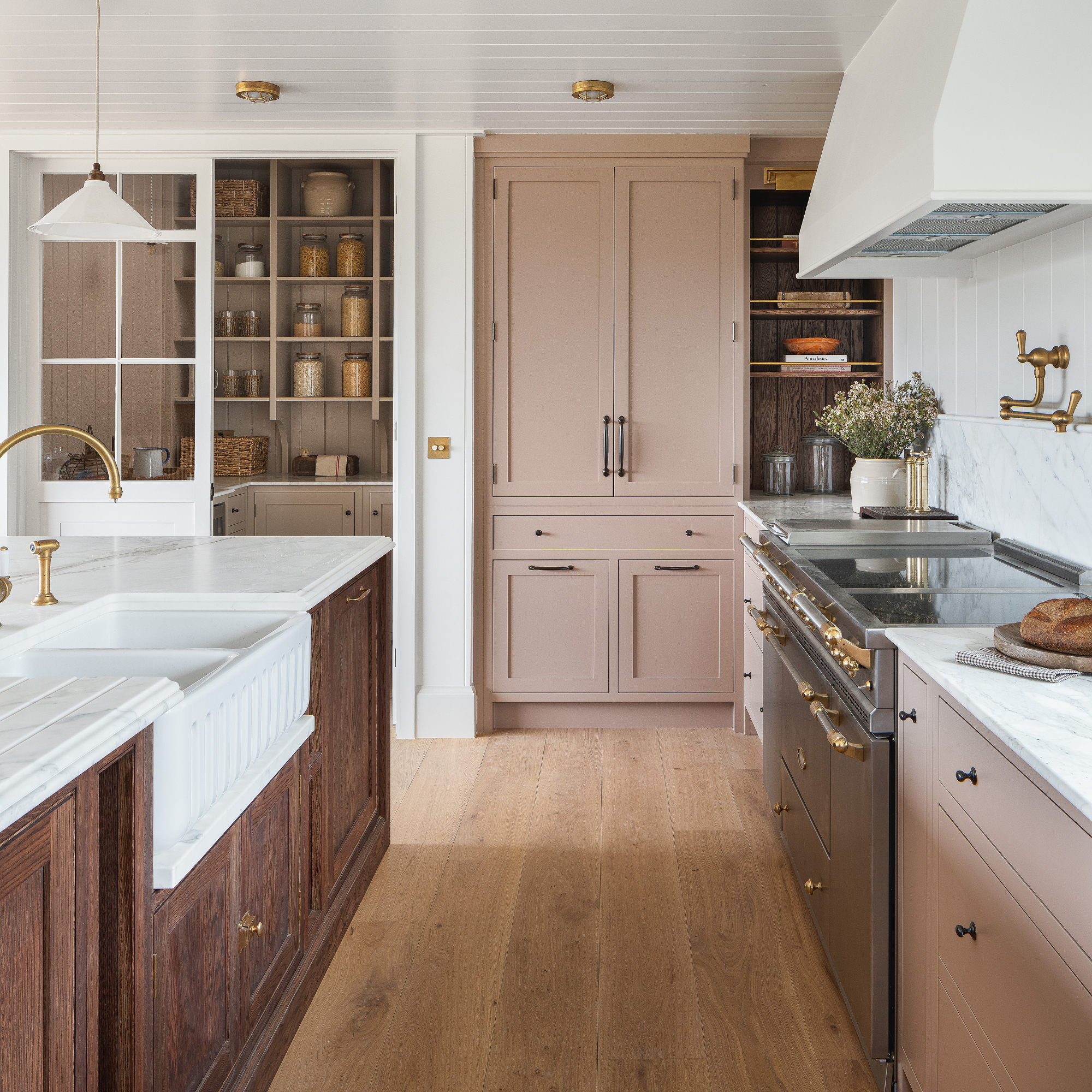
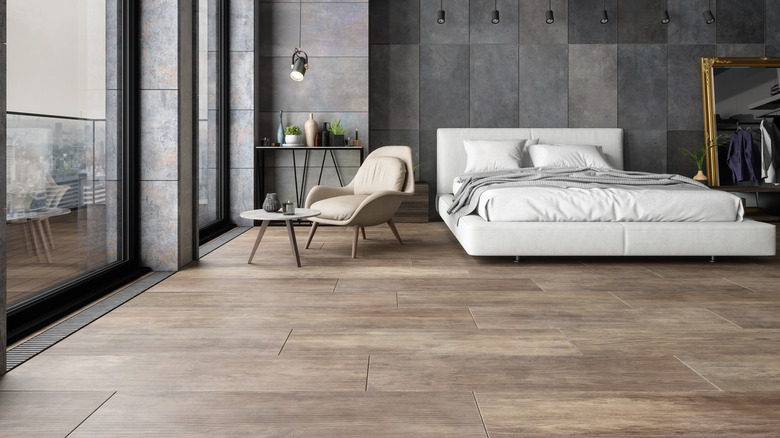
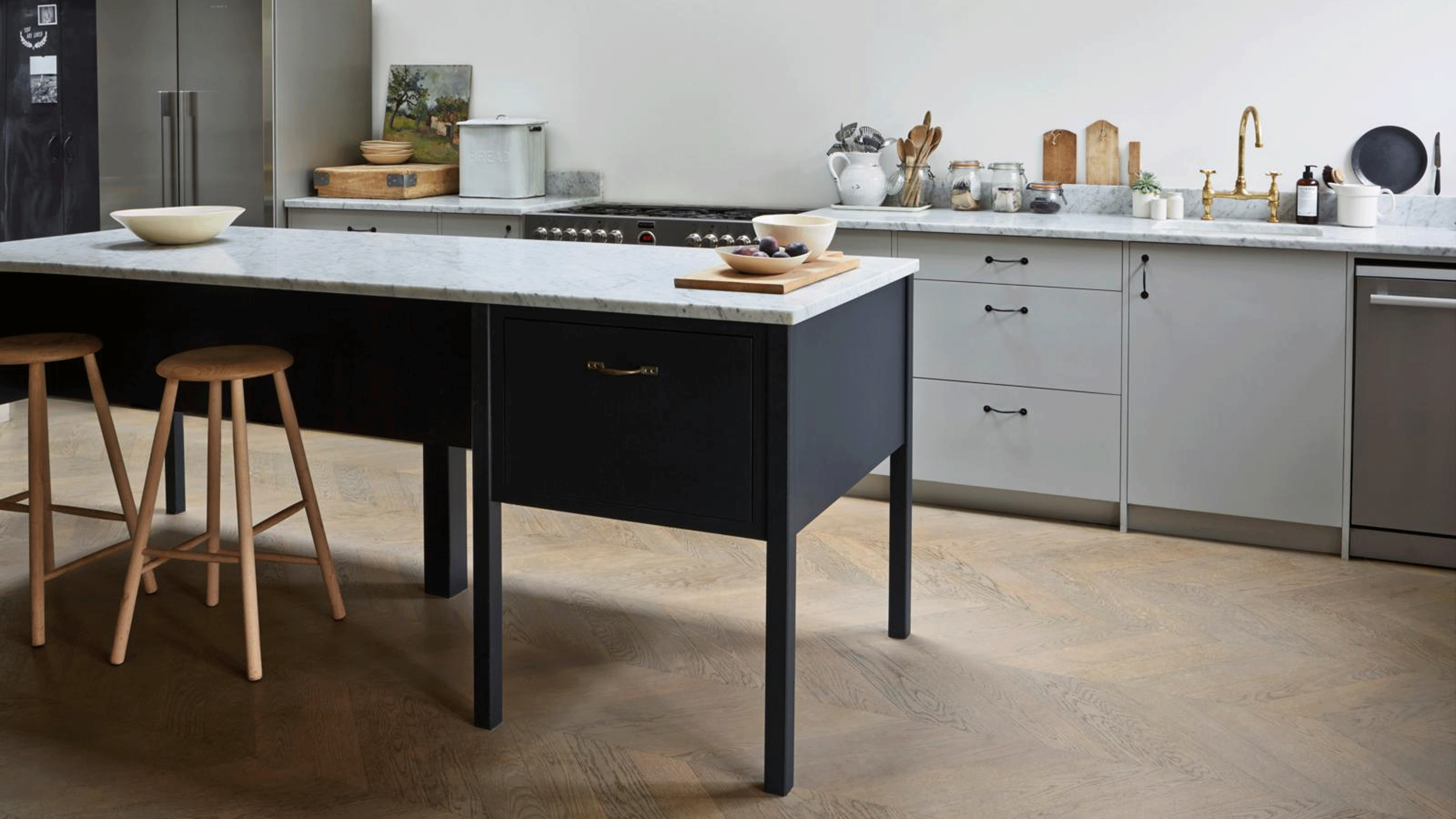
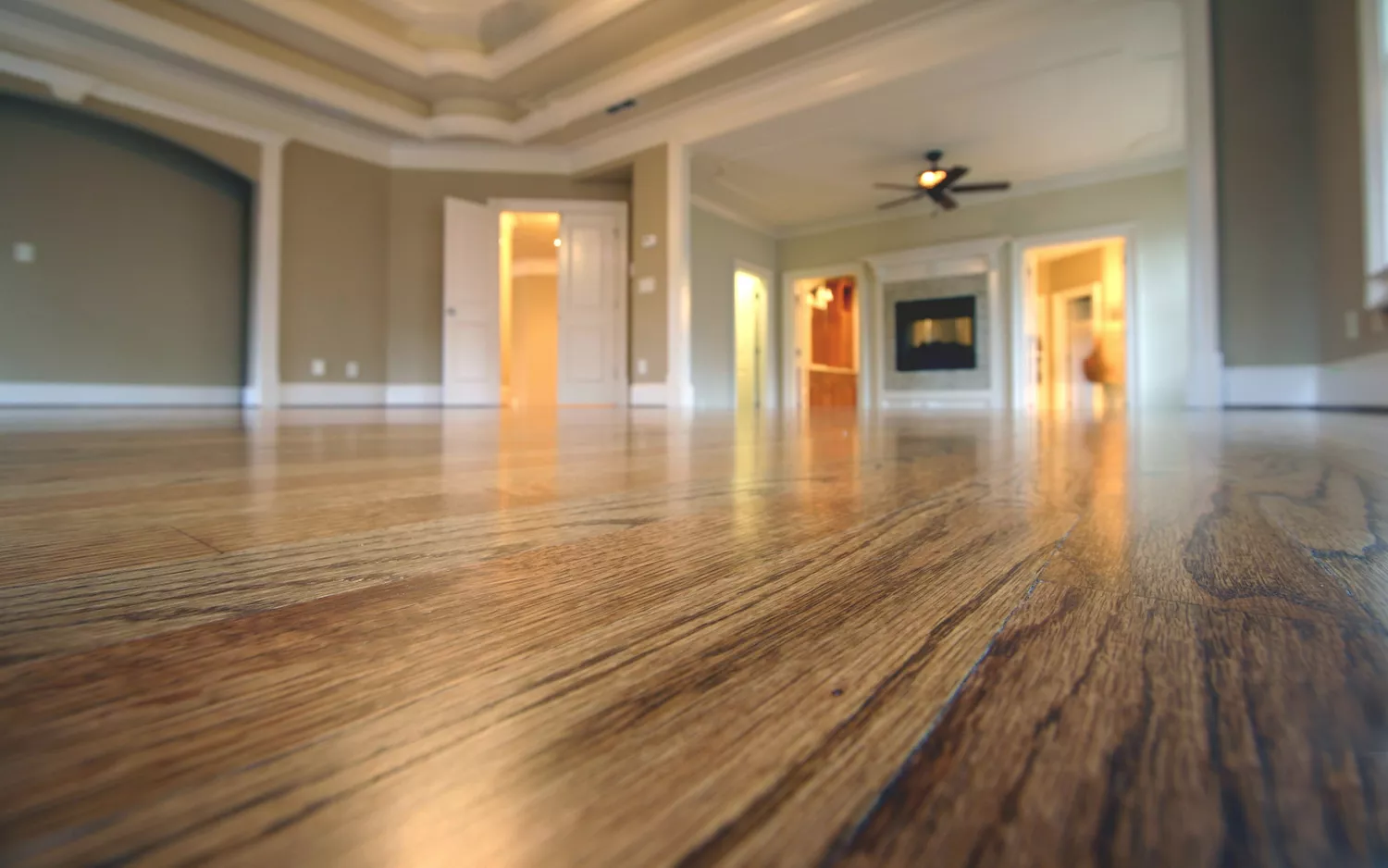
Engineered wood flooring is a popular choice for homeowners due to its durability, timeless appeal, and ability to add warmth and character to a space. Unlike solid wood flooring, it is less susceptible to damage from water and humidity, making it suitable for a wider range of applications, including use with underfloor heating. This type of flooring should not be confused with 'real wood veneer' floors, which have a significantly thinner wear layer of 1mm or less. The article, featuring insights from Robert Walsh, founder and owner of luxury flooring brand Ted Todd, provides an expert guide on selecting and utilizing engineered wood flooring in a home.
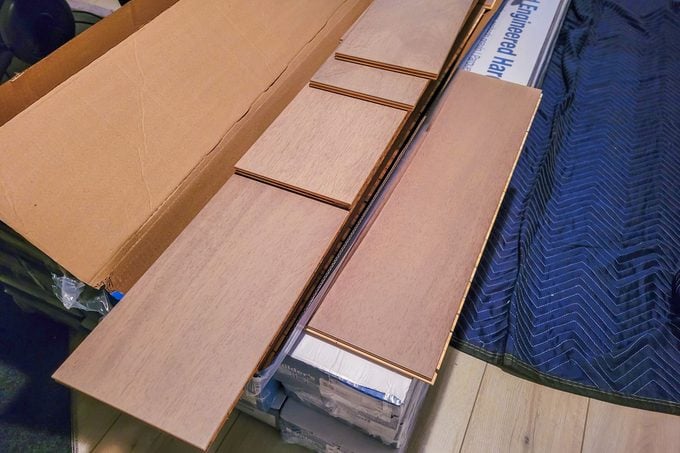
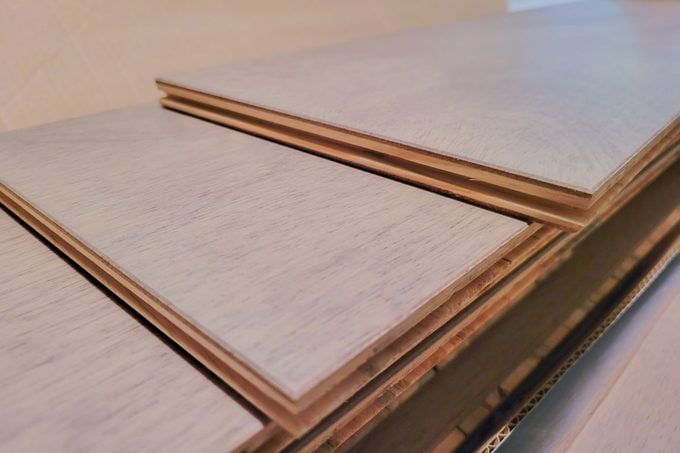
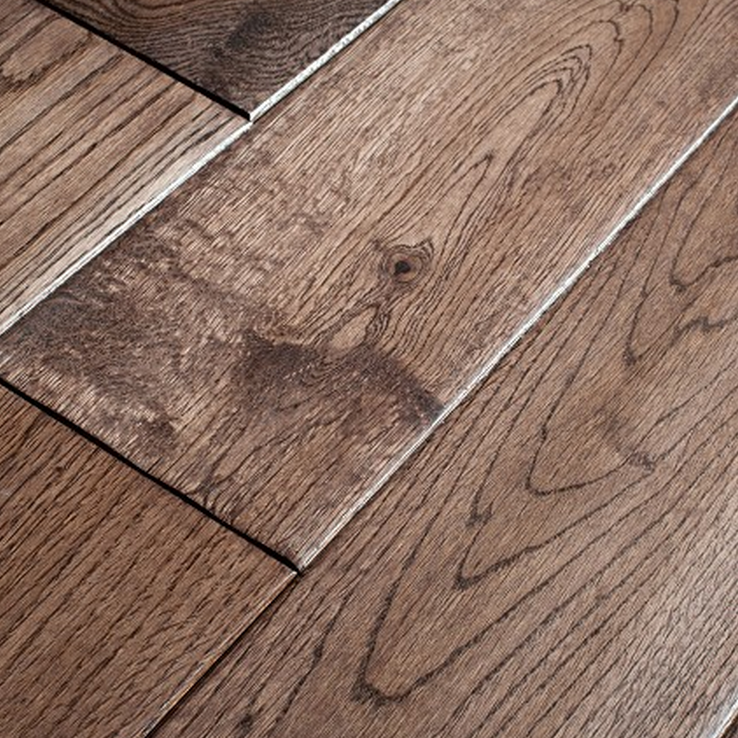
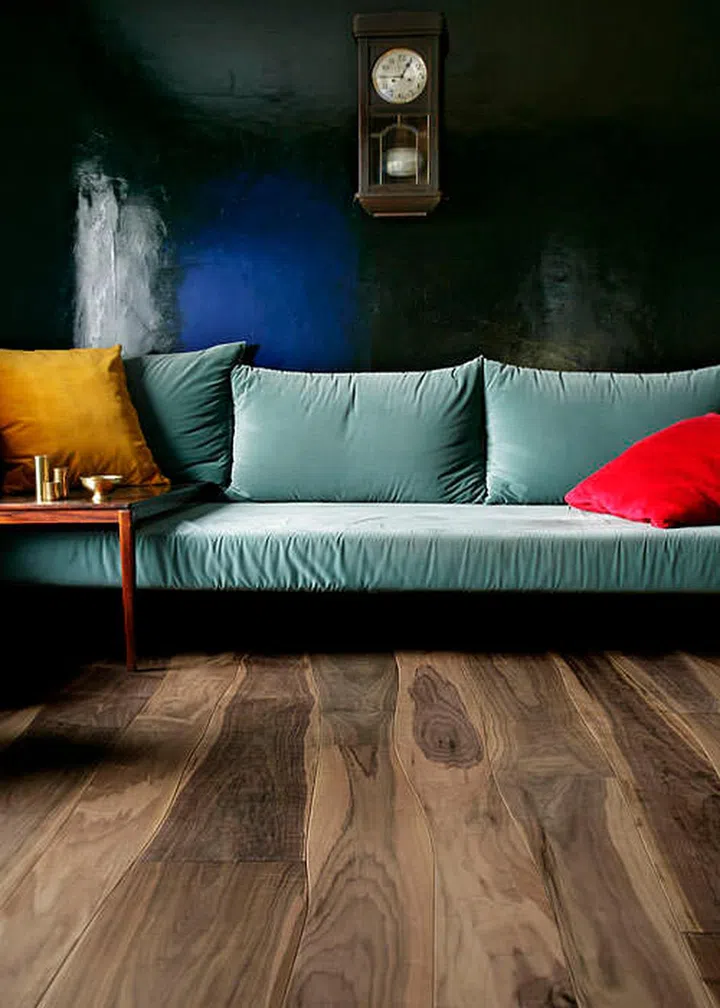
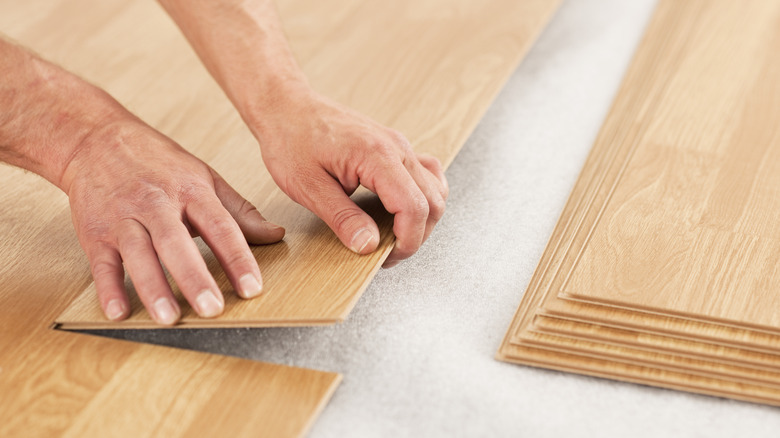
Key considerations for choosing engineered wood flooring include technical practicalities and aesthetic preferences. It is important to assess where the flooring will be installed, whether it will be placed over underfloor heating, and how its thickness will align with adjacent floor coverings. A 20mm floor with a 6mm wear layer is considered a premium option, offering the benefit of multiple sandings over decades and often coming with a 25-year guarantee. The construction of engineered wood flooring also varies, with common types being 2-ply (two layers of wood) or 3-ply (three layers of wood). The wear layer, which is the visible top surface, can be made from European oak, pine, or walnut. The quality of the underlying layers is crucial, with furniture-grade birch plywood being a recommended material for its weight and stability. A 20mm floor typically weighs around 14kg/m2, while a 15mm 3-ply floor is about 11kg/m2.
Engineered wood flooring is particularly well-suited for underfloor heating systems because its layered construction, with each layer running in a different direction, enhances durability and stability. This design minimizes the wood's natural tendency to expand and contract, making it ideal for environments with fluctuating temperatures, older homes, and below-ground rooms. The wear layer's thickness, typically ranging from 3mm to 6mm, dictates how many times the floor can be sanded and resealed over its lifespan. While standard thicknesses are 10mm-20mm, it's essential to scrutinize the quality of all layers, as some manufacturers may use lower-grade cores or thin wear layers to cut costs. Floors with a wear layer of only 1mm or 2mm offer less longevity and fewer opportunities for refinishing.
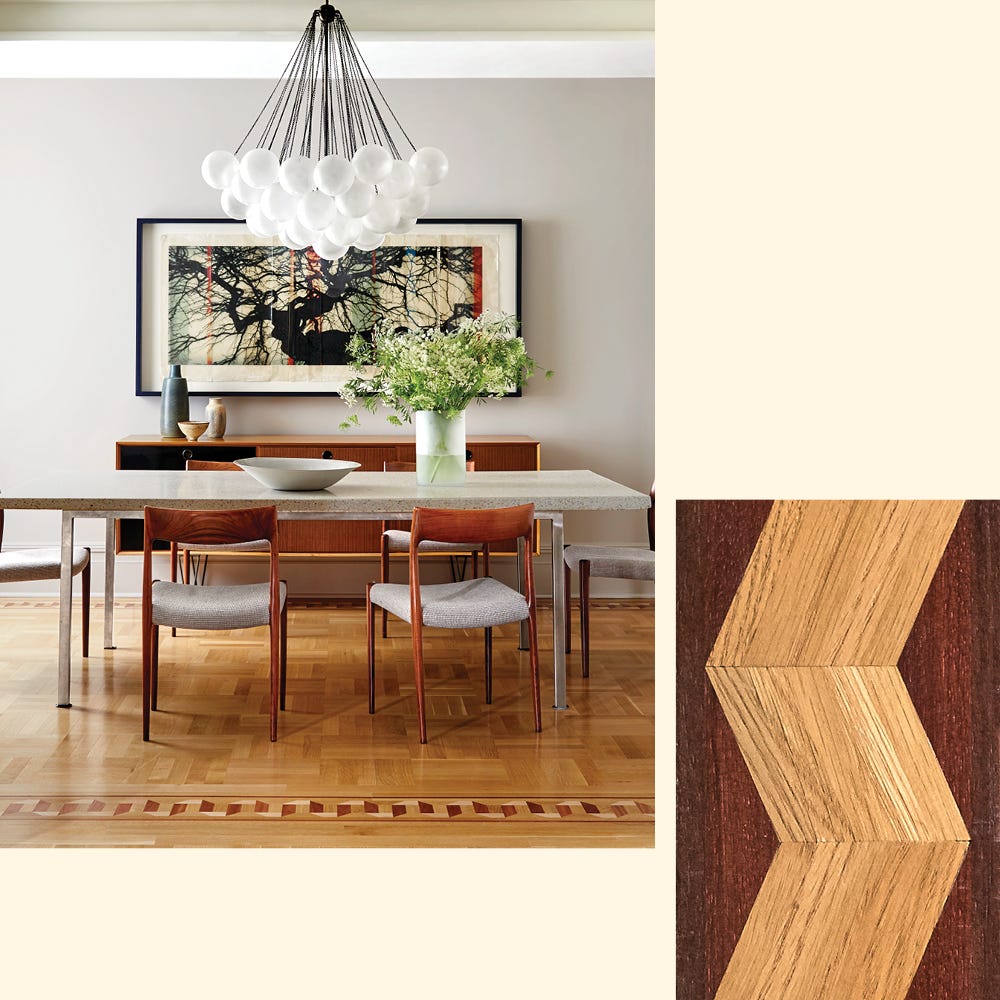
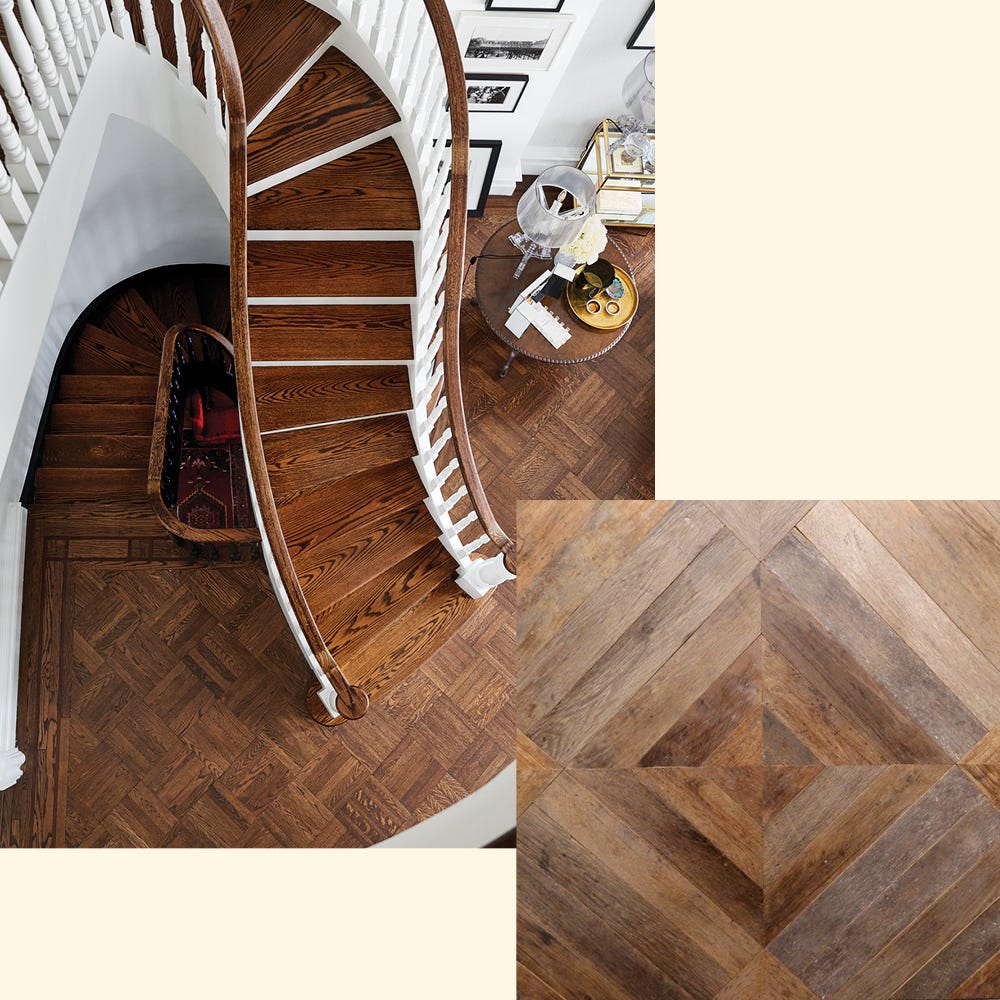
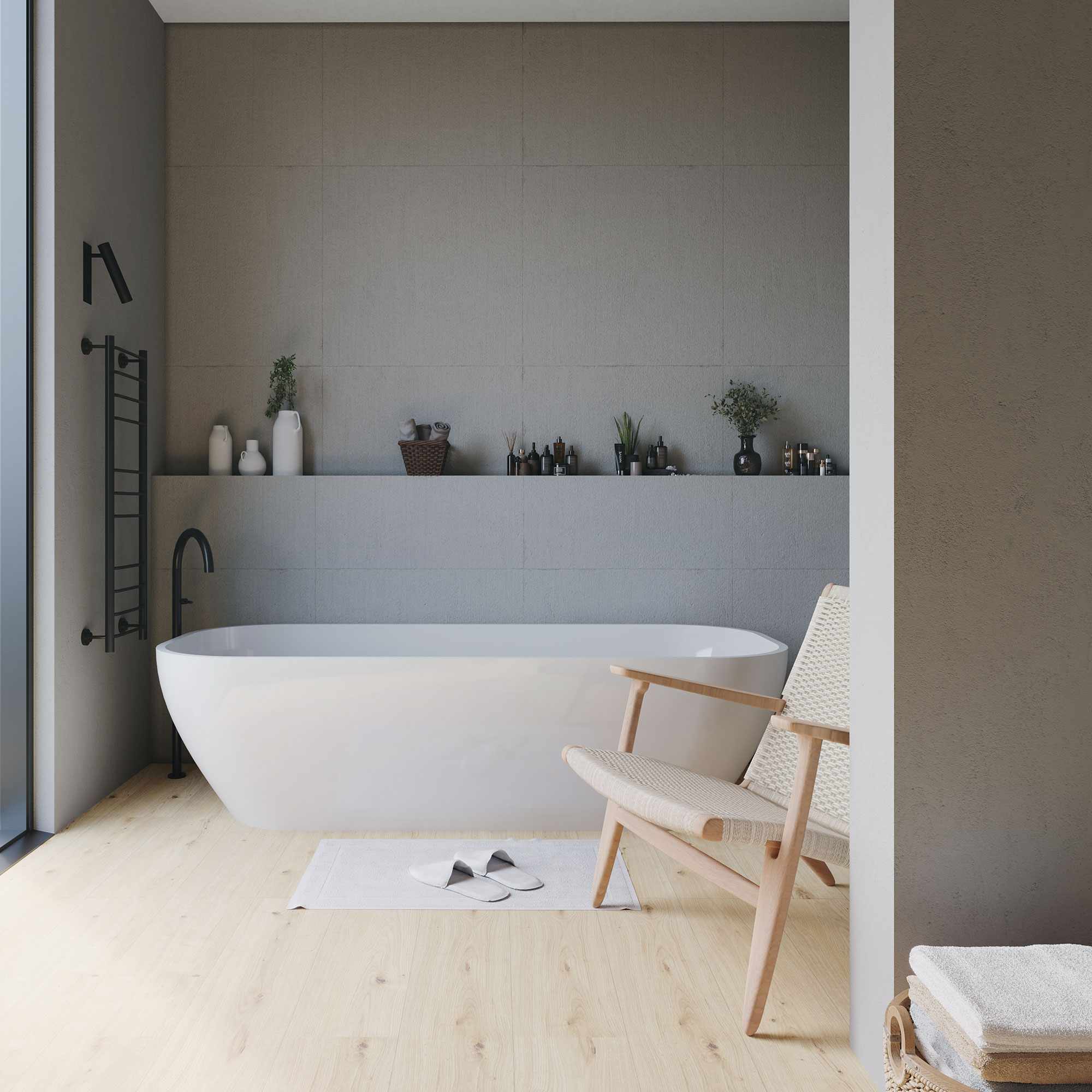
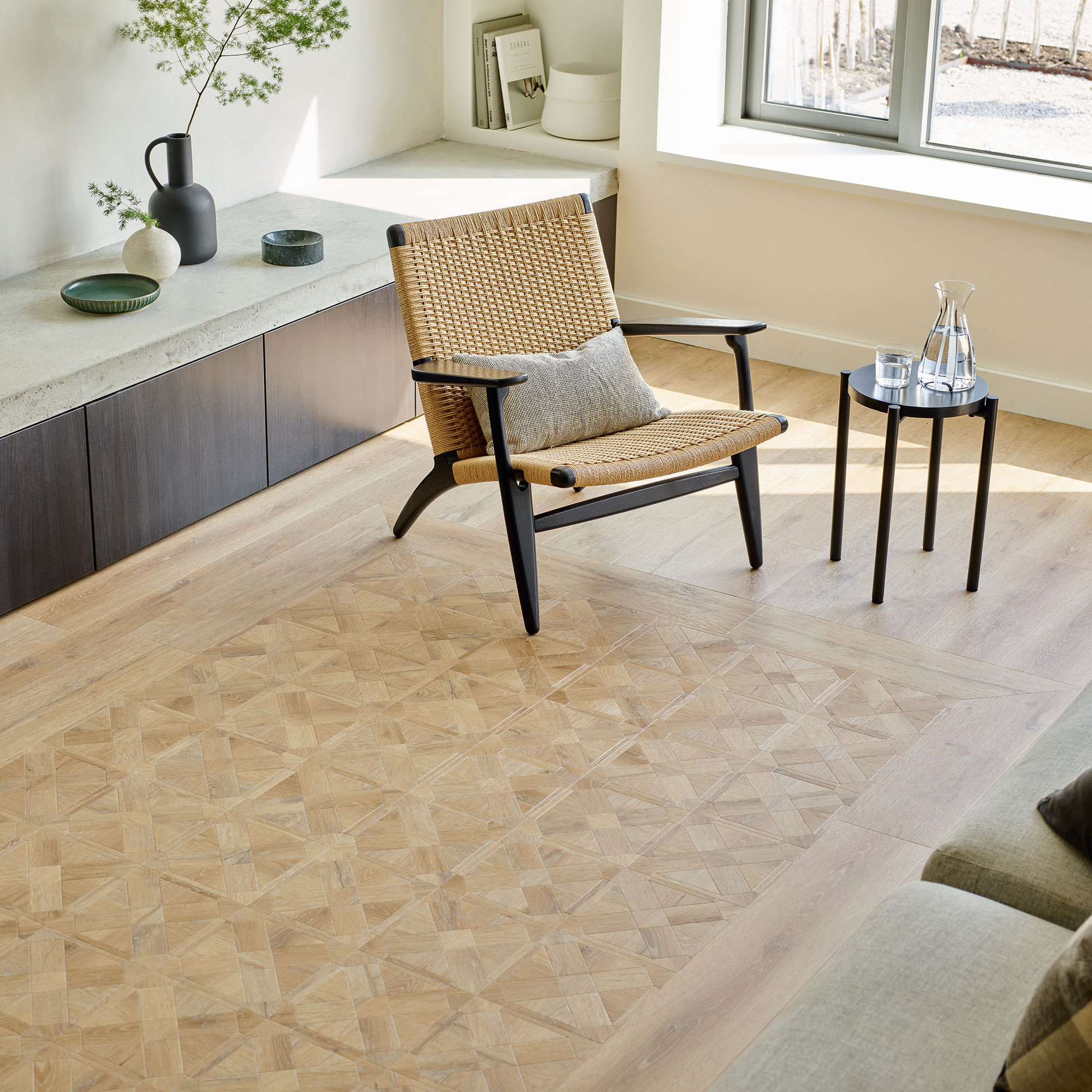
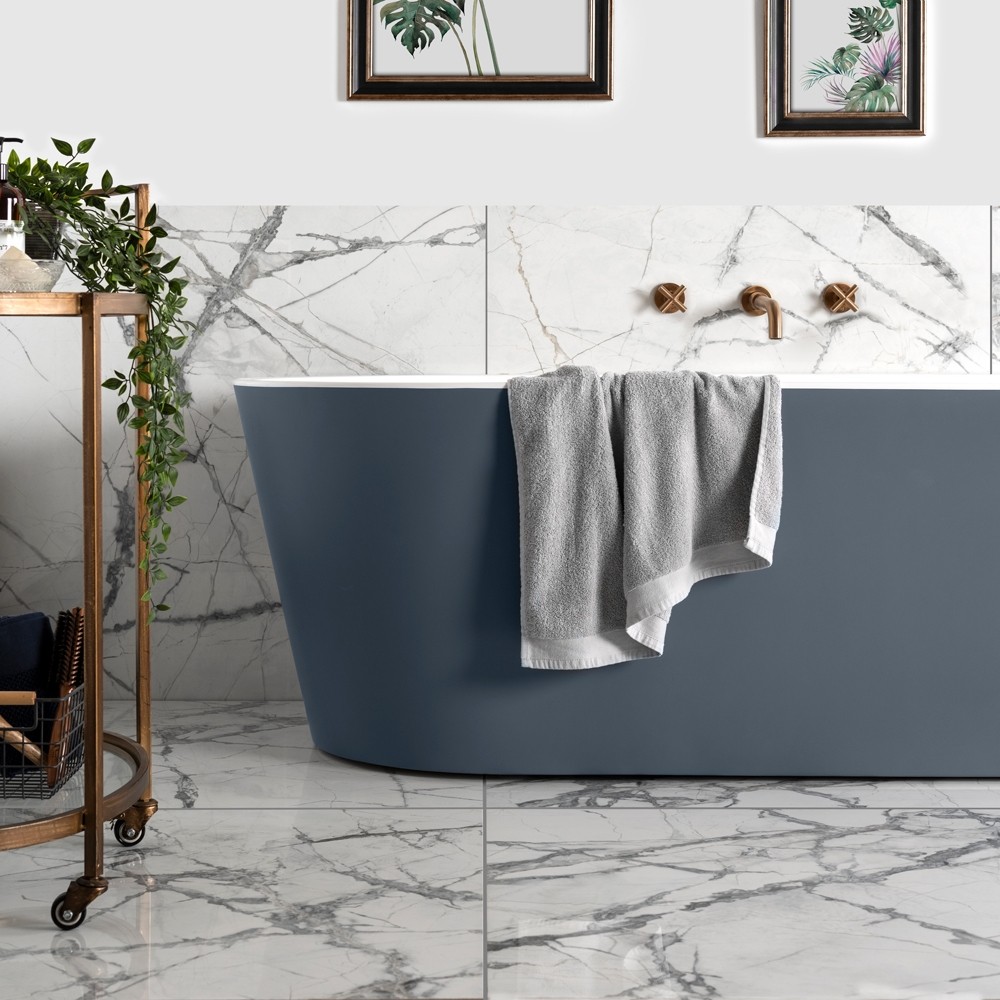
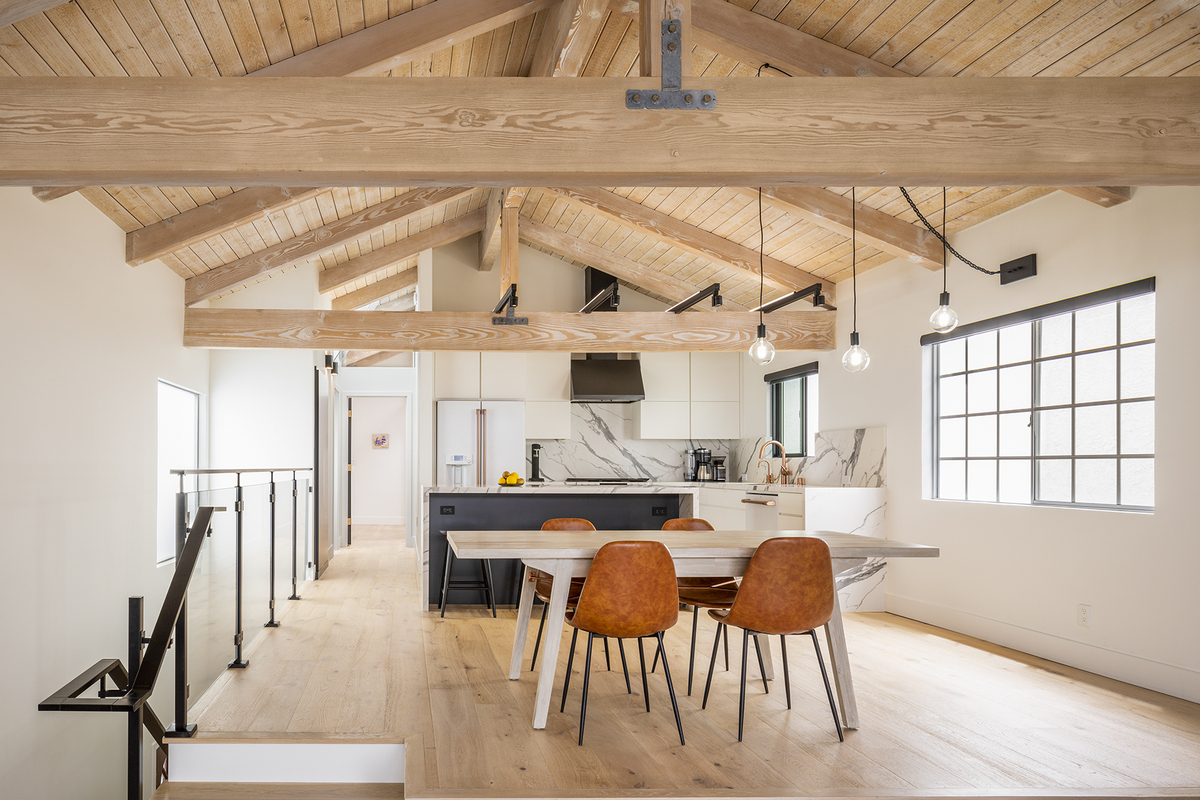
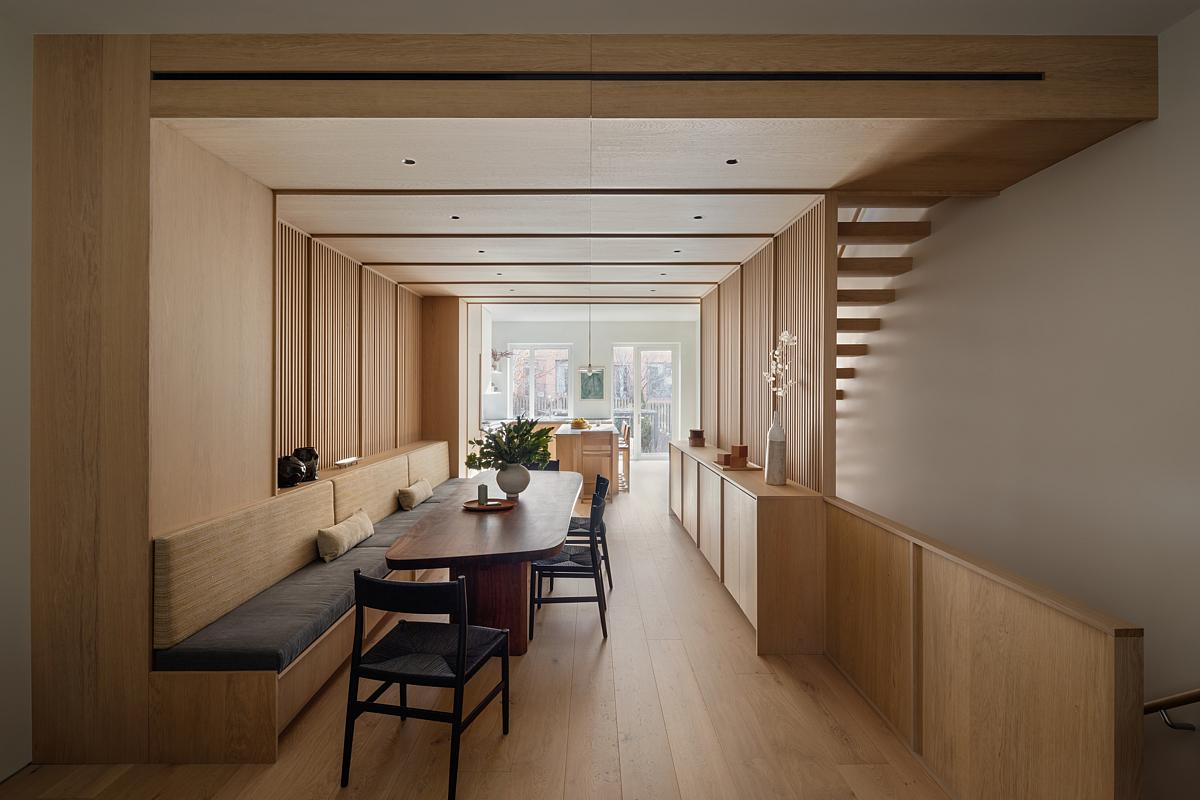
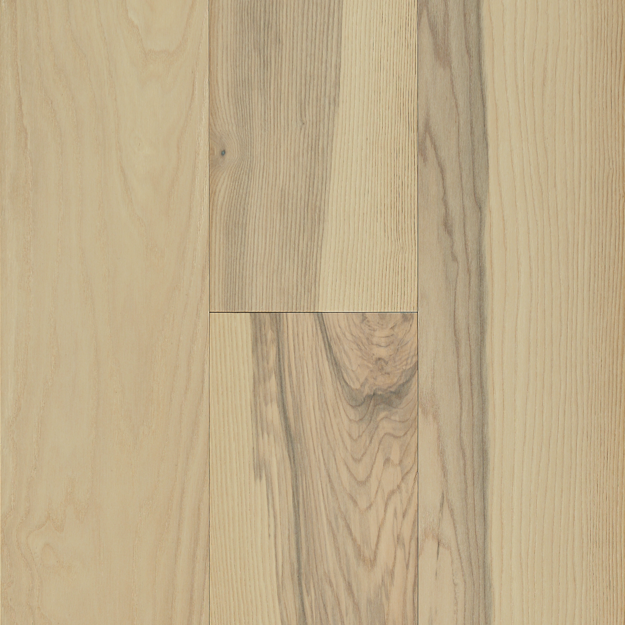
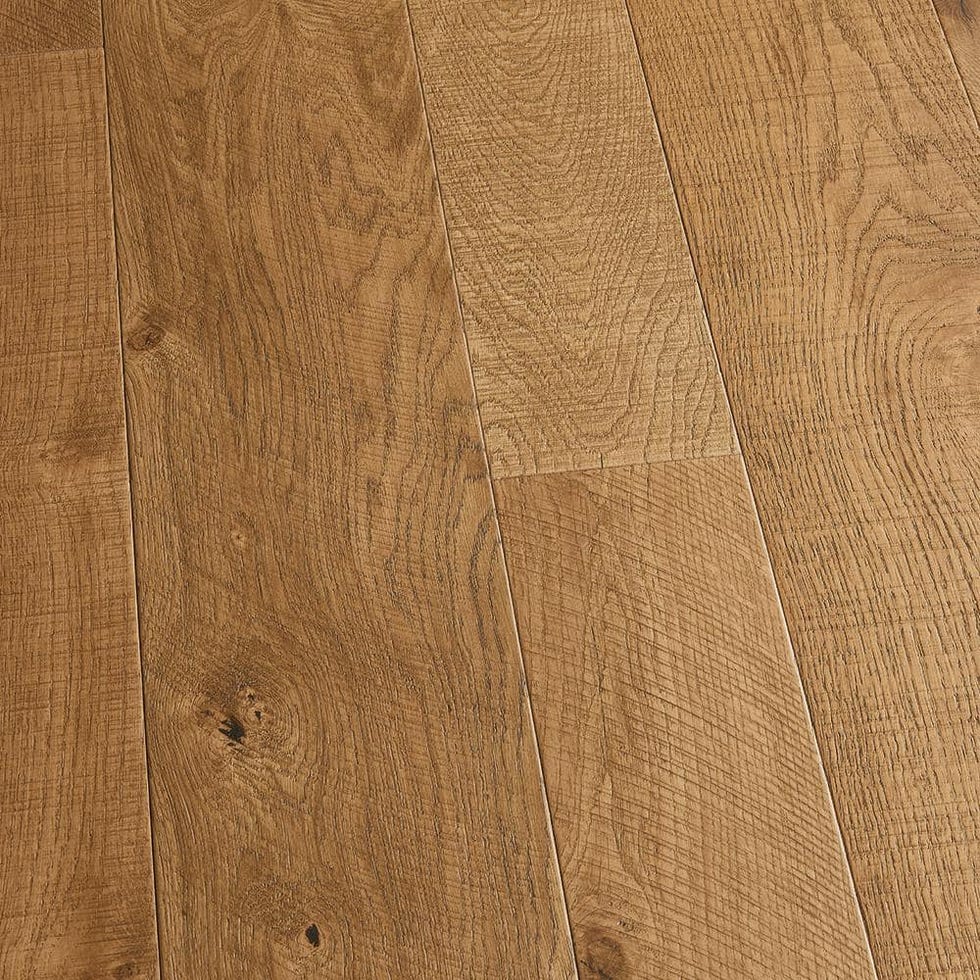
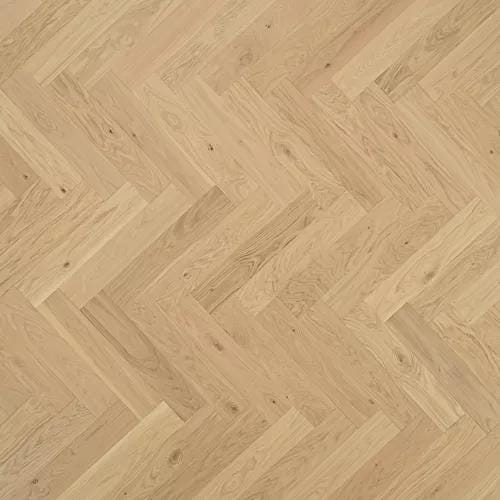
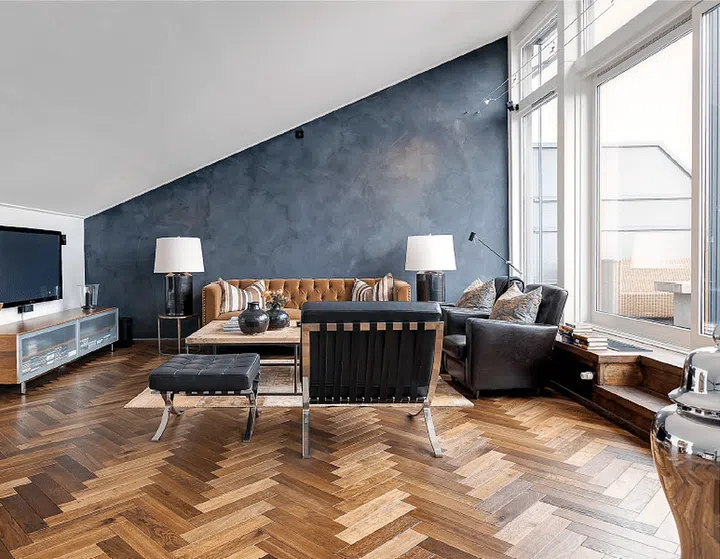
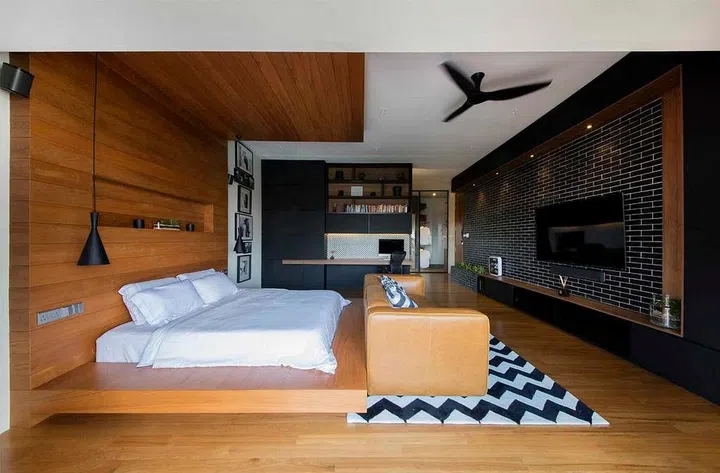
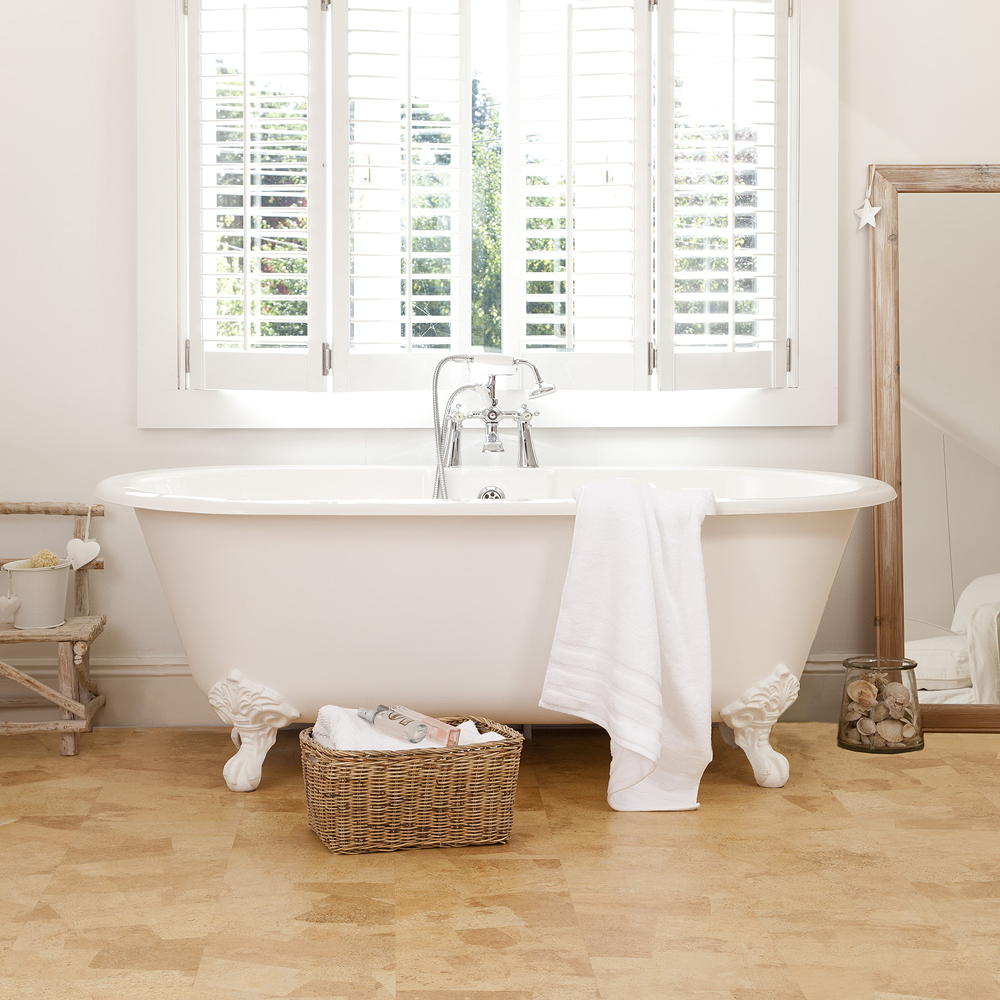
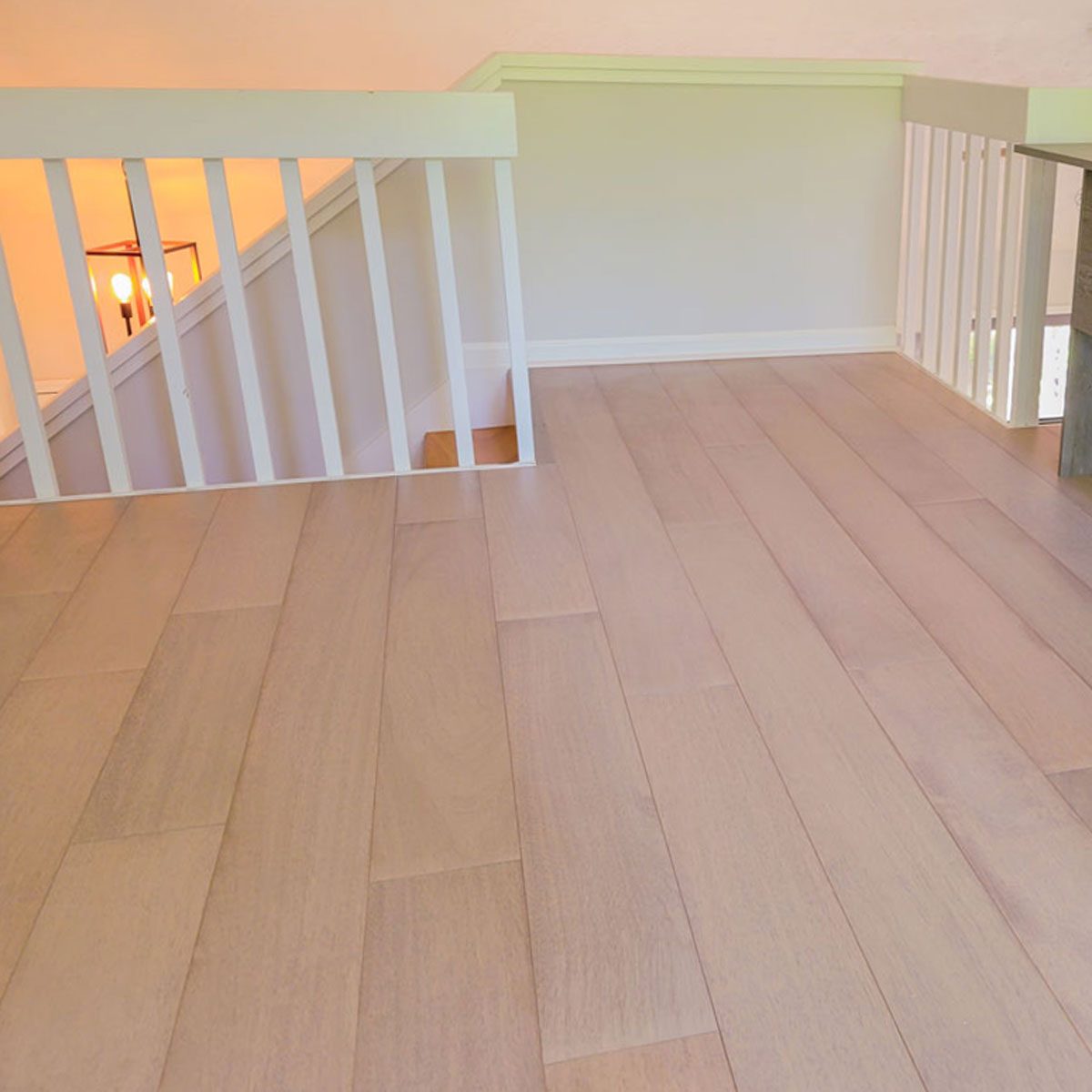
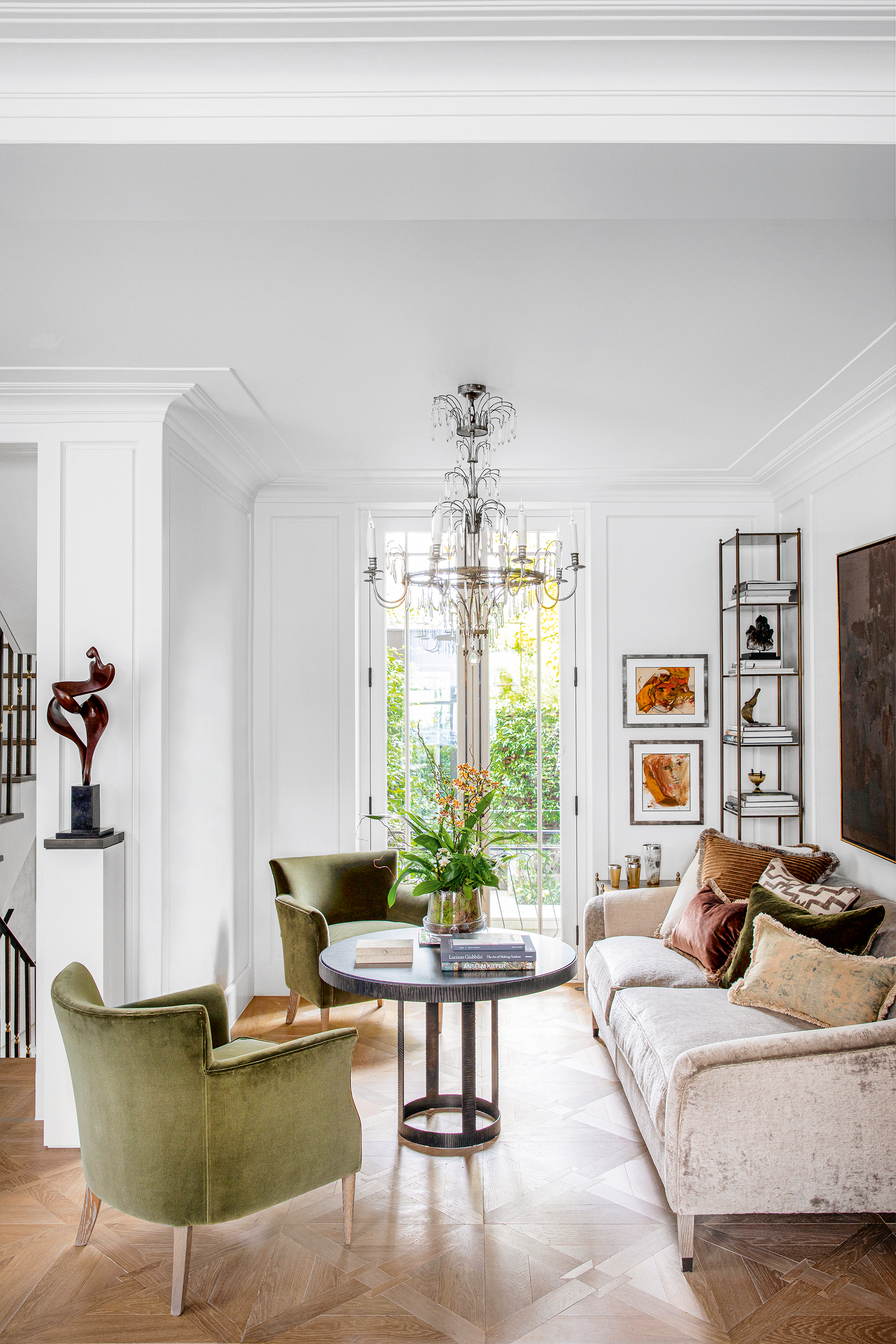
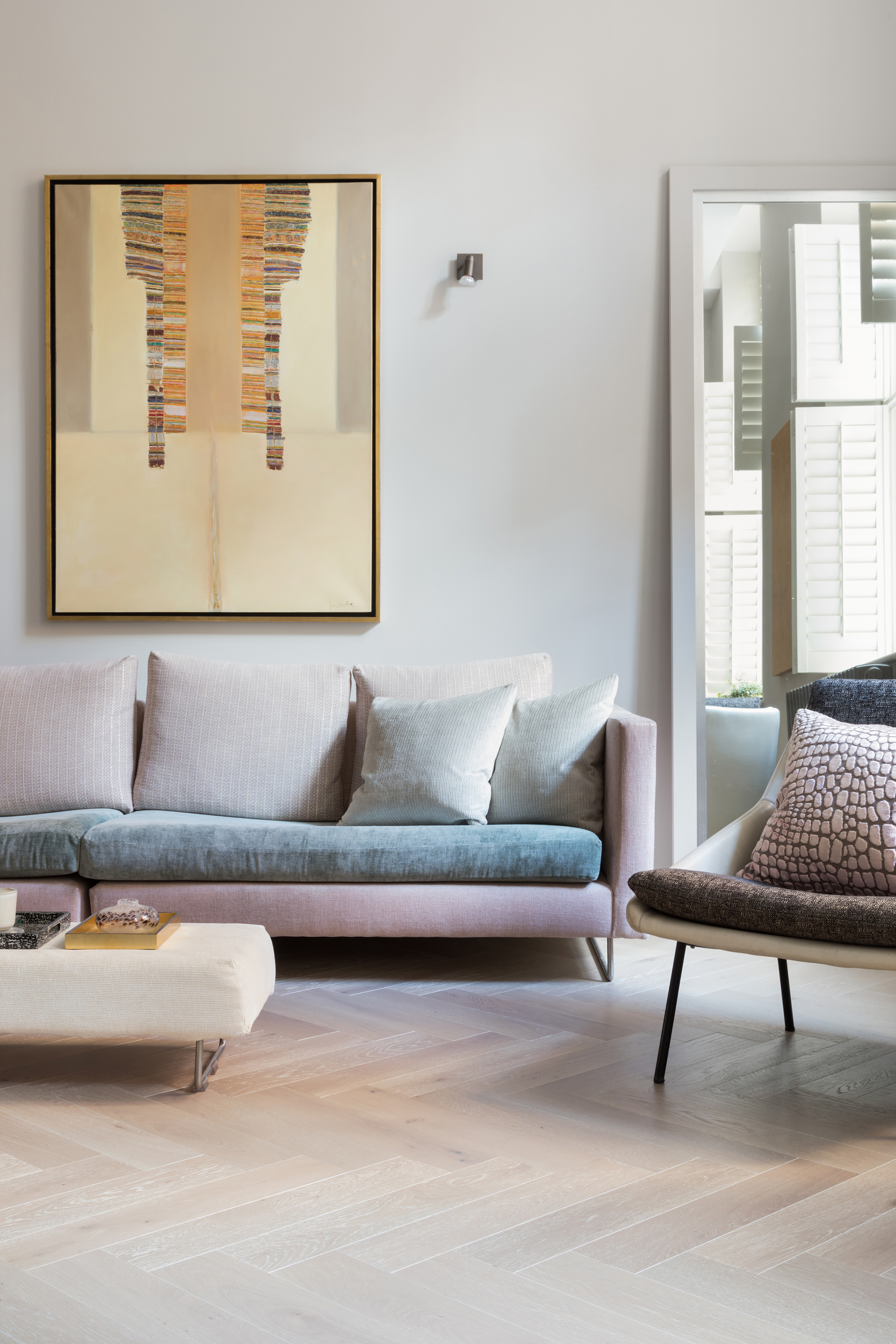
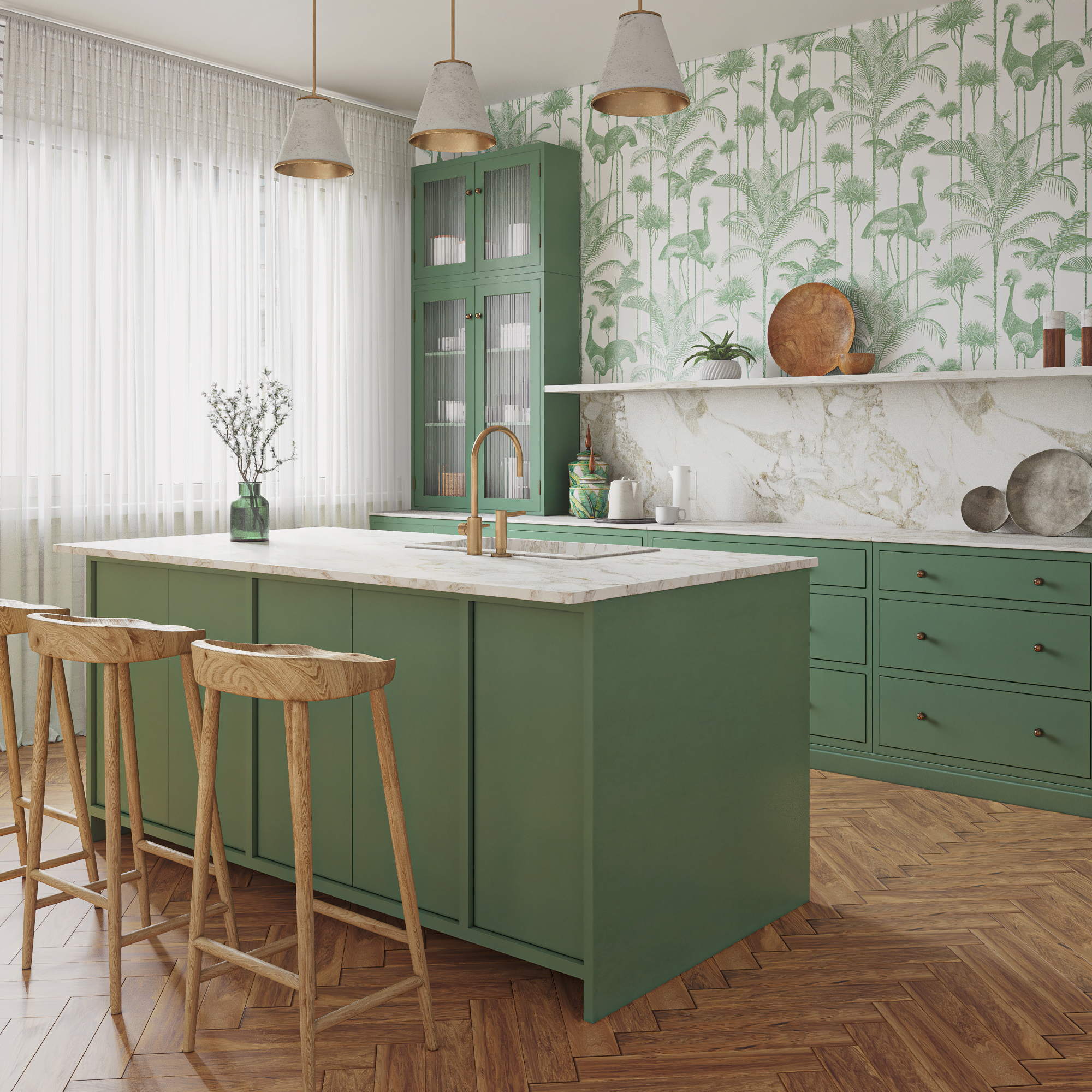
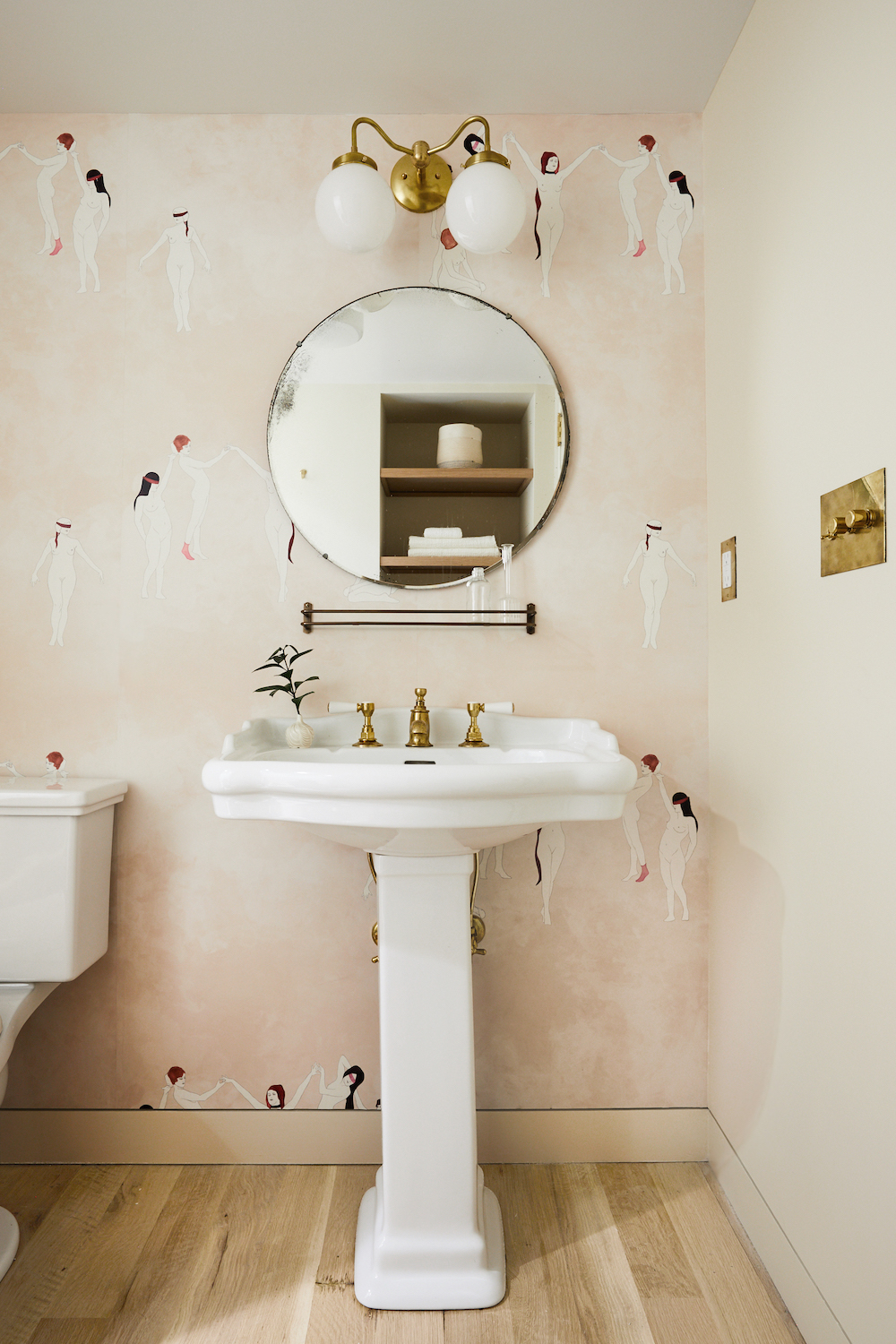
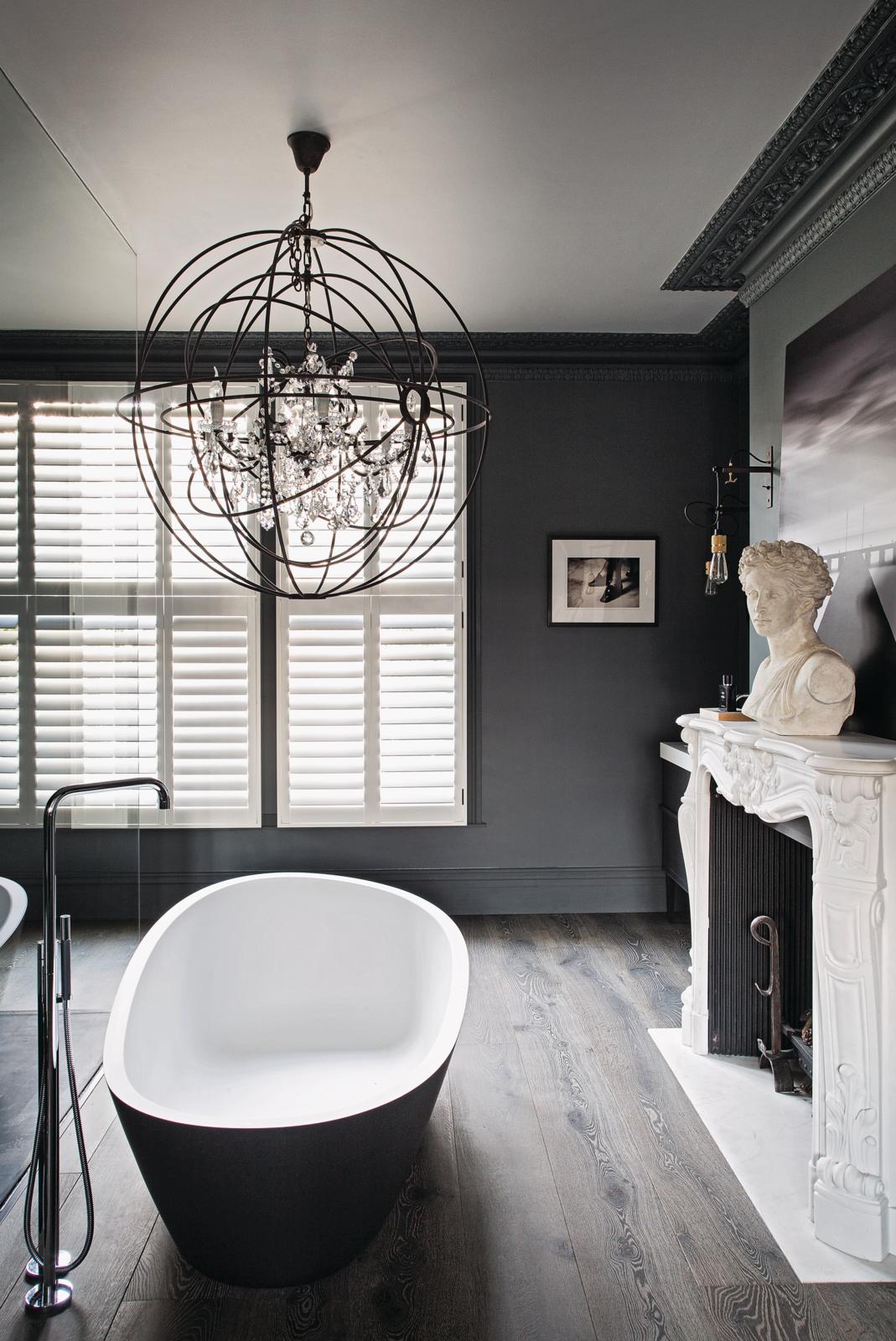
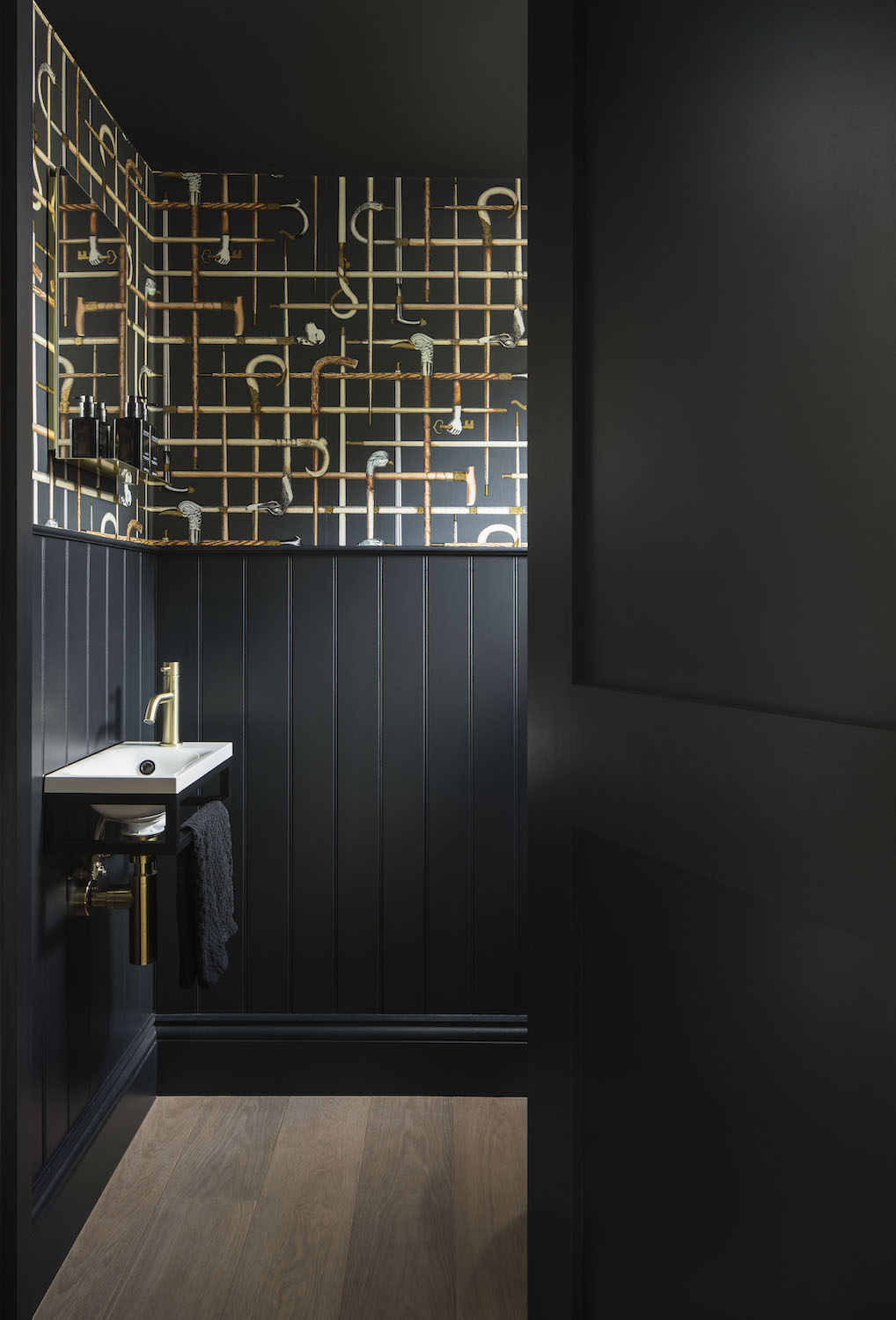
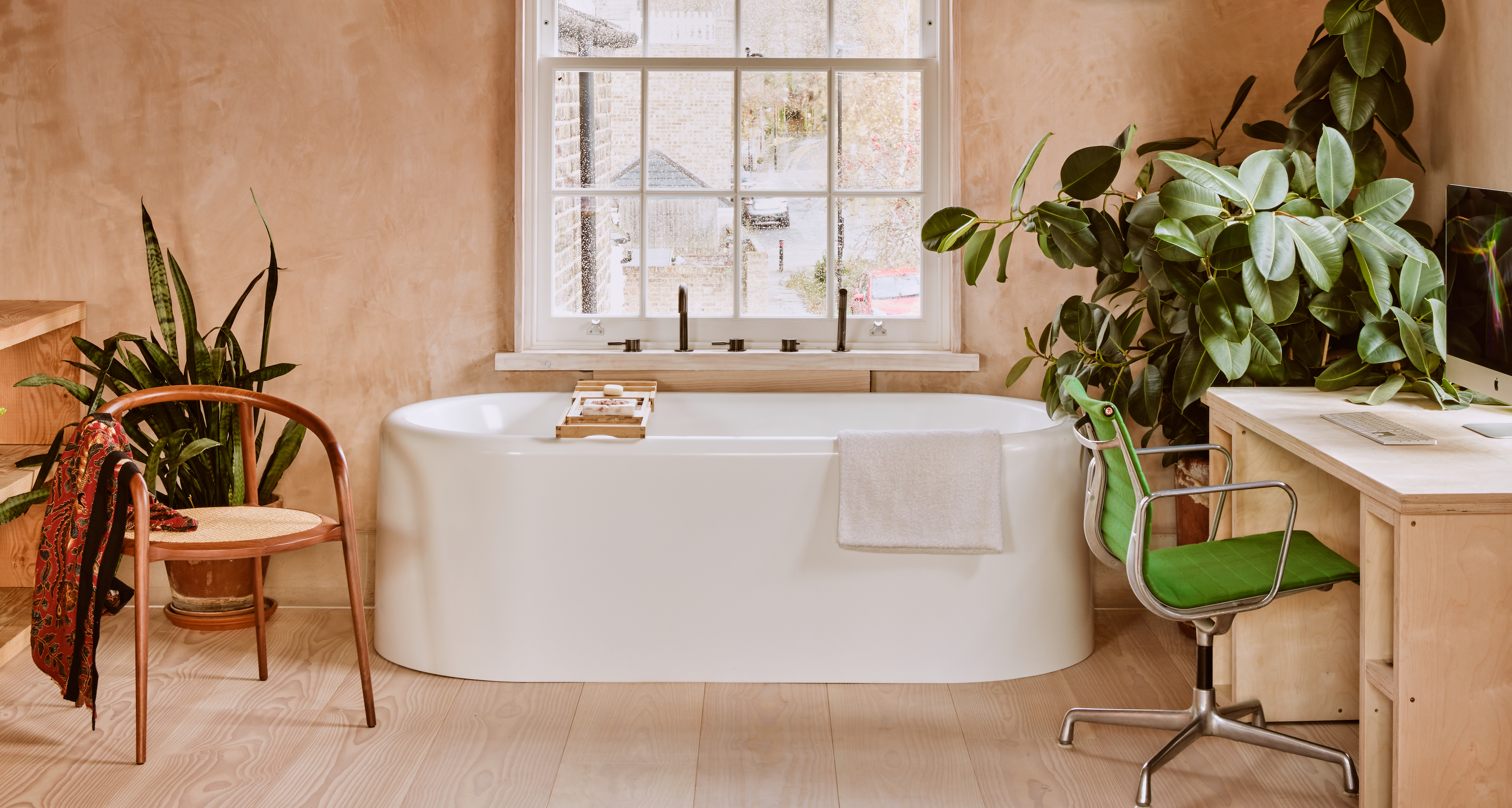
One significant advantage is the suitability of engineered wood for bathrooms, a space where solid wood is usually not recommended due to moisture. With proper ventilation and the use of bathmats to manage spills, engineered wood can be a viable and attractive bathroom flooring option. Furthermore, engineered wood flooring offers a wide array of styles and finishes, identical to those available for solid wood. Consumers can choose from planks, herringbone, or chevron patterns, or opt for more distinctive geometric designs. Finishes include lacquers, which are hardwearing and easy to clean, and oils, which provide a natural look and feel and are simpler to refinish for minor scratches.
Finally, engineered wood flooring is a sustainable choice, as wood is a renewable material. It is crucial to check for environmental certifications like FSC or PEFC, which ensure the wood originates from sustainably managed forests. These certifications also confirm a sustainable chain of custody. Felling mature trees and replanting new ones helps to maximize carbon sequestration. The ability to renovate and re-sand engineered wood flooring extends its life, potentially for decades or even up to 100 years, making it a long-lasting and eco-friendly investment compared to other floor coverings. While generally more affordable than solid wood, the quality and thickness of engineered wood can influence its price and longevity. Installation is a specialized task and should be performed by qualified professionals.
#EngineeredWoodFlooring #HomeImprovement #InteriorDesign #FlooringOptions #SustainableMaterials #UnderfloorHeating #BathroomDesign #WoodFinishes #EcoFriendly #EngineeredWoodFlooring #HomeImprovement #InteriorDesign #FlooringOptions #SustainableMaterials #UnderfloorHeating #BathroomDesign #WoodFinishes #EcoFriendly
0 comment in total
 No comments yet
You may also like
Here's Everything You Need to Know About Wood Flooring
The Best Engineered Wood Flooring, According to Home Improvement Experts

Q&A on wood flooring: How much it costs and more
Today’s evolving hardwood floors offer myriad choices
How to plan the perfect wood flooring - what you need to know about wood versus wood-style
Types of wood flooring
Different Types of Wood Flooring and What to Consider Before Installing

10 wooden kitchen floor ideas to inspire you to embrace this classic and demure flooring option
How to choose bathroom flooring - everything you need to know, according to experts

Your Guide to Wood Flooring

Eco-friendly flooring – everything you need to know about sustainable floors
Flooring Materials That Just Aren't Worth The Price, According To Our Experts

What you need to know when choosing timber flooring
LL Flooring Review: Our Thoughts on Quality, Install and Features

The 12 Best Engineered Wood Flooring Options, According to Testing and Reviews
Don't use hardwood flooring in a bathroom without reading this expert advice for long-lasting boards
How to Lay Engineered Wood Flooring — 3 Tactics Experts Swear by for the Very Best Finish
Wood Flooring – Our Pick of the Best
Wood floor ideas for a living room – 10 practical and stylish looks for flooring

6 Mistakes You Should Avoid When Choosing Hardwood Floors, According to Home Reno Pros