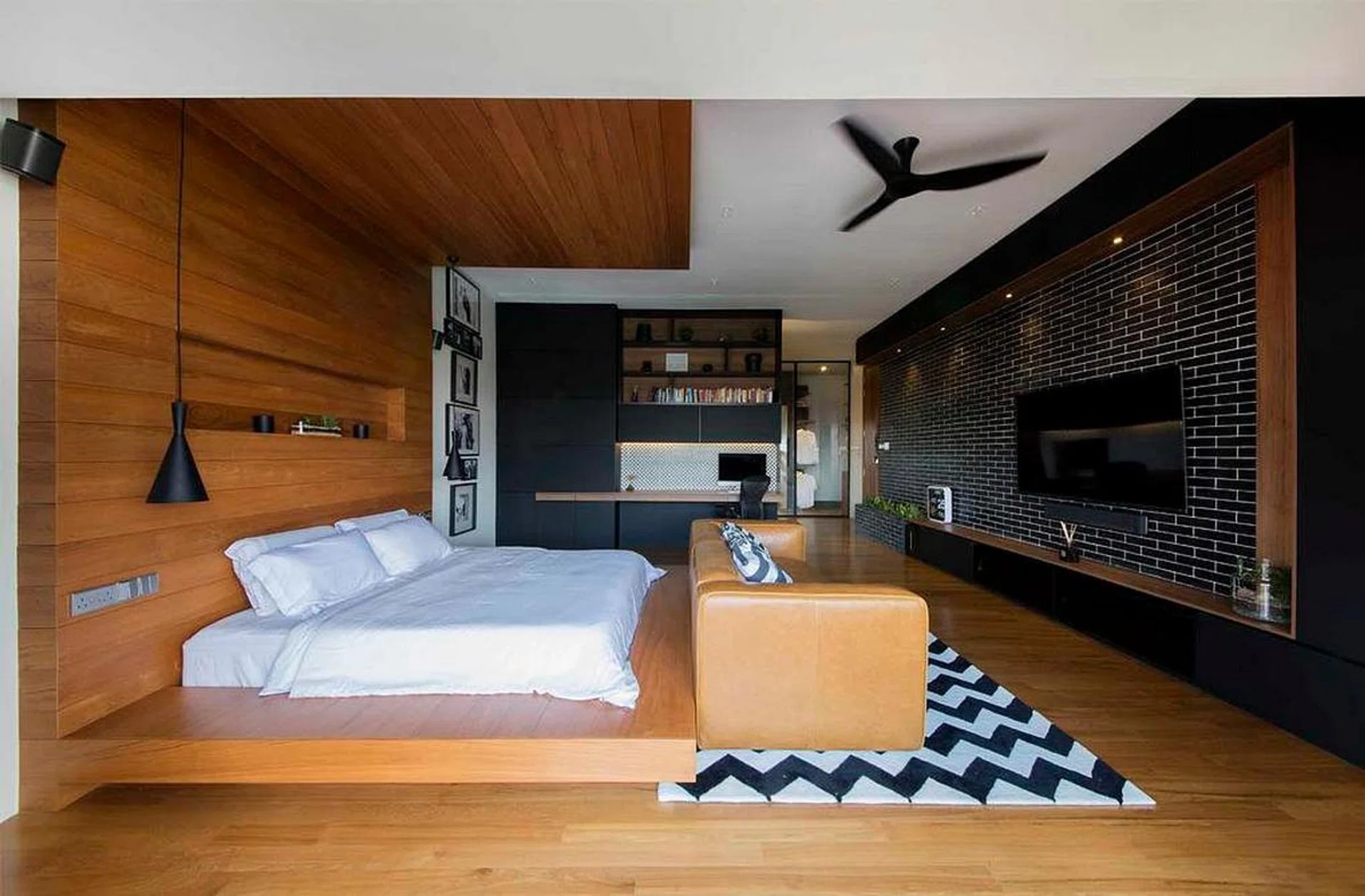
1/5
Q&A on wood flooring: How much it costs and more
This article addresses frequently asked questions about wood flooring for homes, covering various aspects from pricing and material selection to maintenance and installation considerations. It draws insights from experts in the wood industry, including Mohammad Zain, General Manager of Wow Floors, and Eileen Wong, Manager of Sin Joo Lee (parent company of Chip Lee Timber).
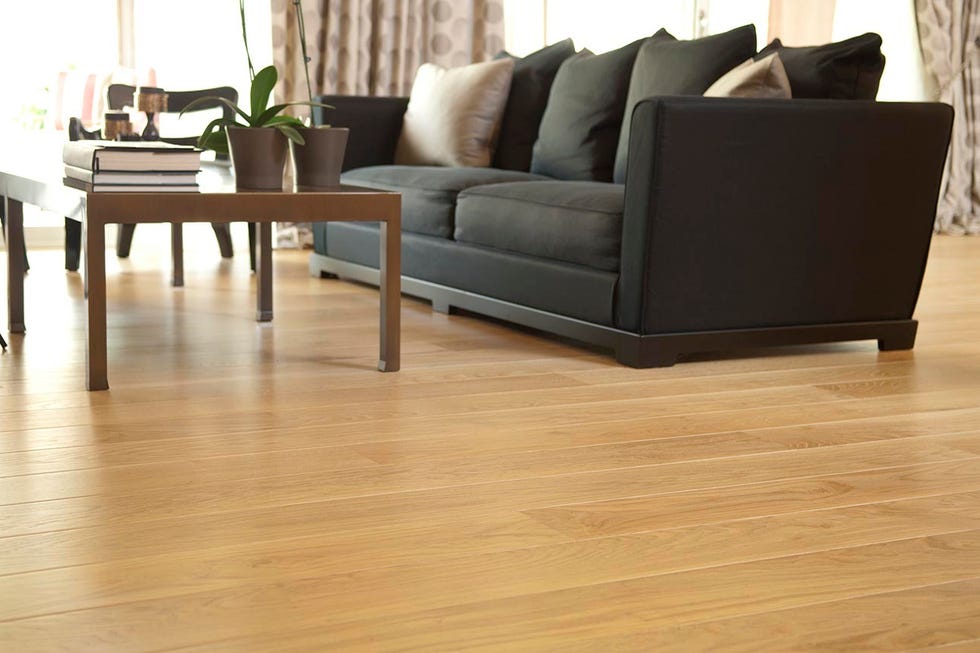
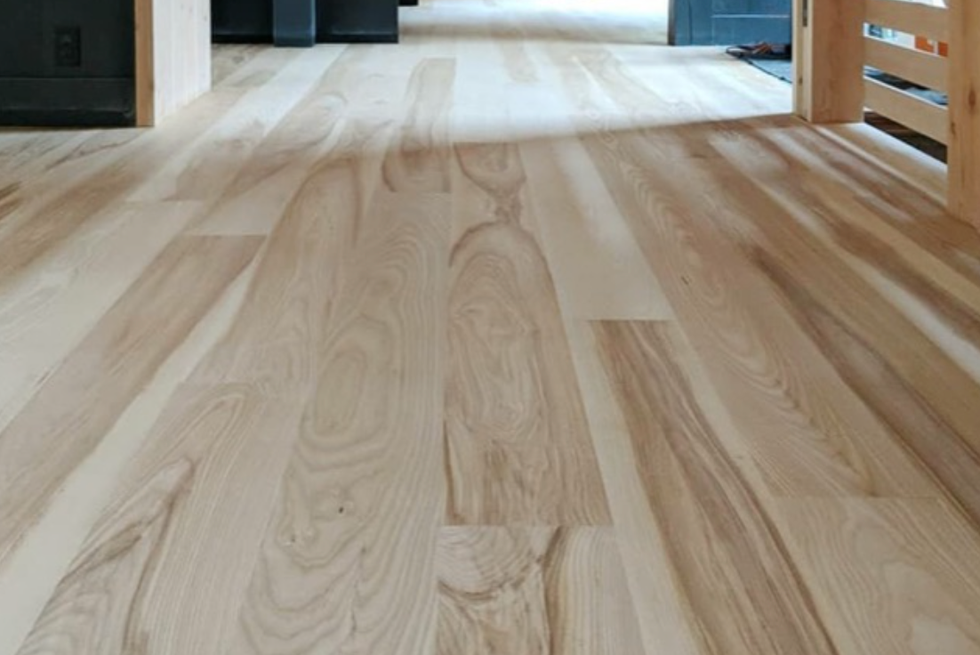
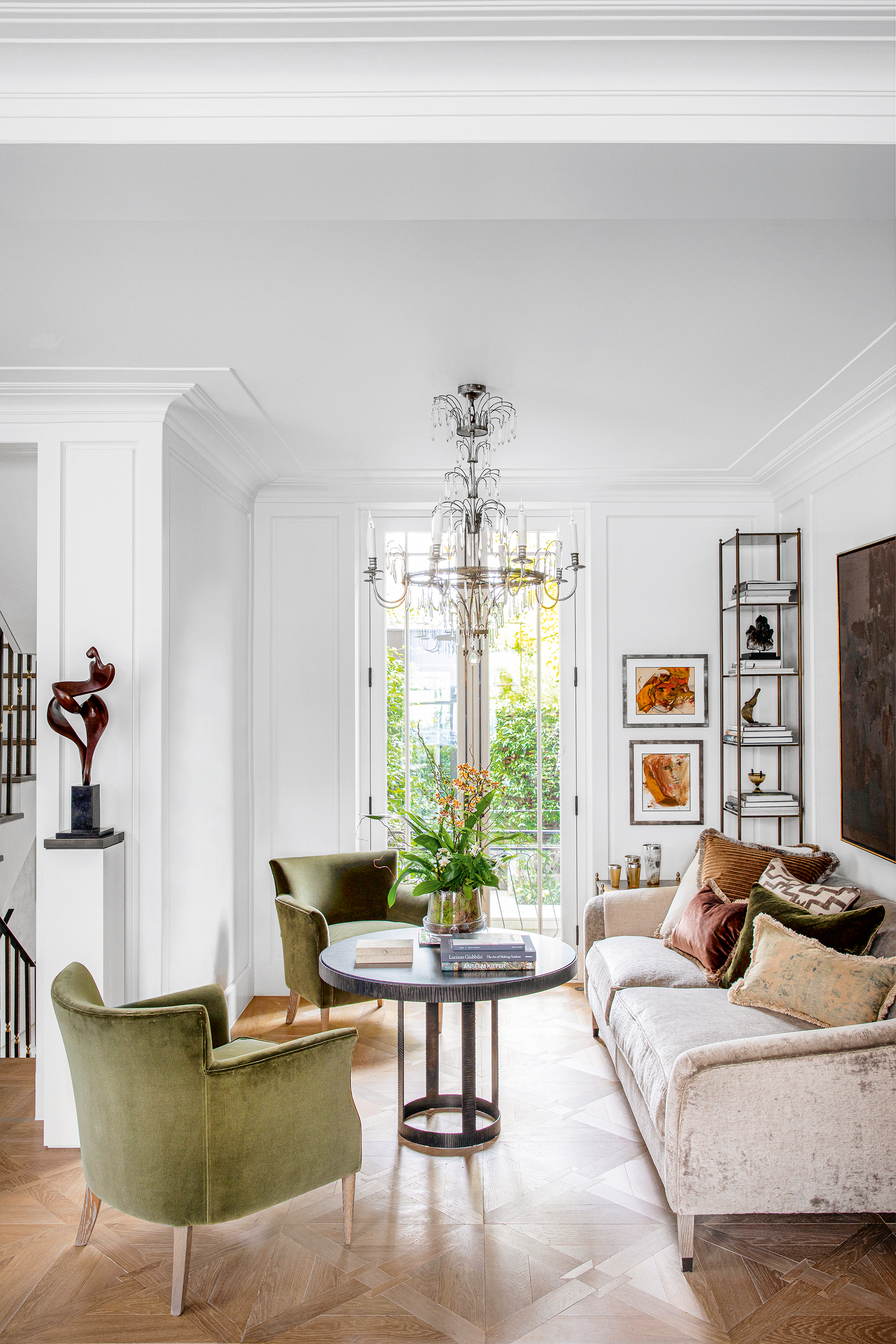
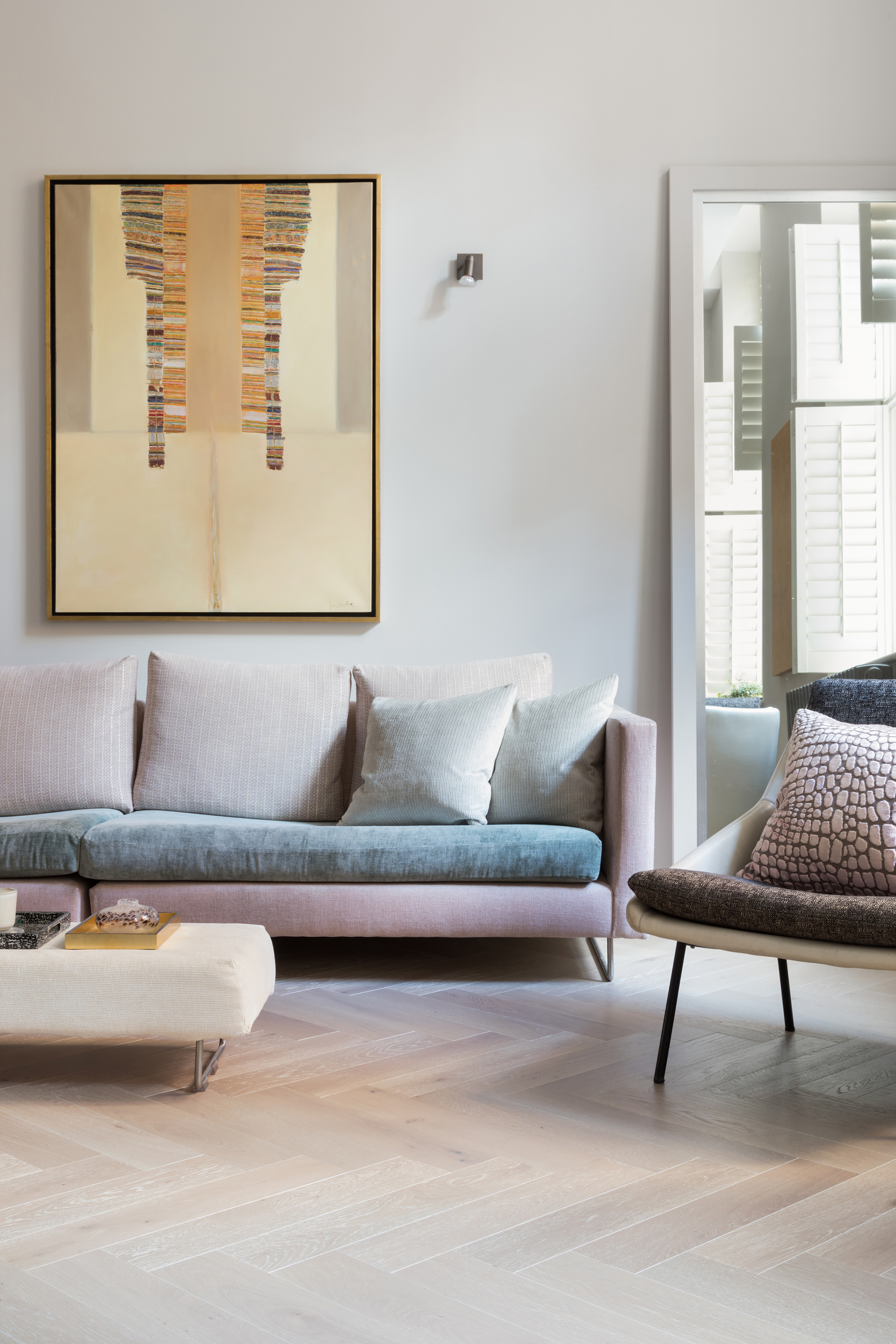
The cost of wood flooring is primarily influenced by the wood species and size. Exotic woods like Wenge, Palisander, and Rosewood are significantly more expensive than common hardwoods such as White or Red Oak, Bamboo, and Teak. Prices can range from approximately $8 per square foot for teak parquet to up to $150 per square foot for exotic species like Ebony. Beyond the raw material, labor costs and the type of varnish used also contribute to the overall price, with an average ranging from $8 to over $12 per square foot. The article notes that real wood flooring, with proper maintenance, can last a lifetime.
Regarding wood treatments and sealants, three main types are discussed: solvent-based polyurethane (PU) coating, water-based PU coating, and oil-based coating. Solvent-based PU is durable but highly toxic, posing risks to installers and homeowners, especially those with young children, due to persistent toxic fumes. Water-based PU coatings offer durability and are more environmentally friendly, with quality variants surpassing solvent-based options. Oil-based coatings provide a rich finish but require frequent reapplication every six to eight months in humid climates to maintain their appearance.
Maintaining indoor timber flooring involves several key practices. Recommendations include avoiding walking on newly coated floors for 24 hours and refraining from dragging furniture across surfaces. Using dirt-trapping mats at entrances helps prevent dust and grit from scratching the floors. Regular sweeping with a soft-bristle broom and fitting furniture legs with protective pads are also crucial. Homeowners are advised against using strong chemicals or abrasive cleaners. For daily cleaning, a microfibre mop is suggested, with mopping limited to twice a week using a well-rung mop.
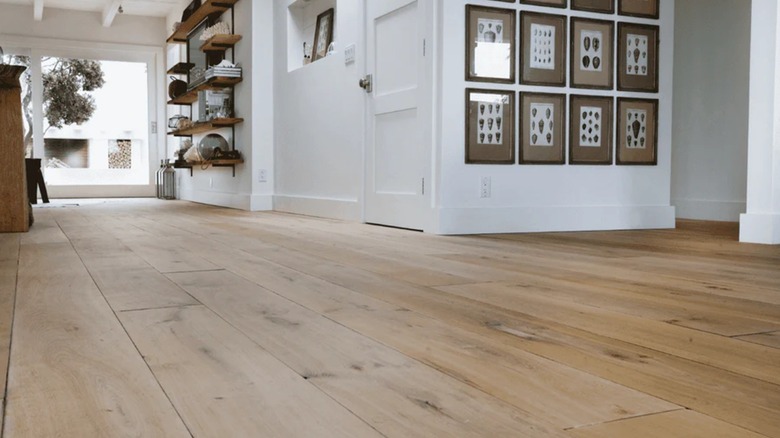
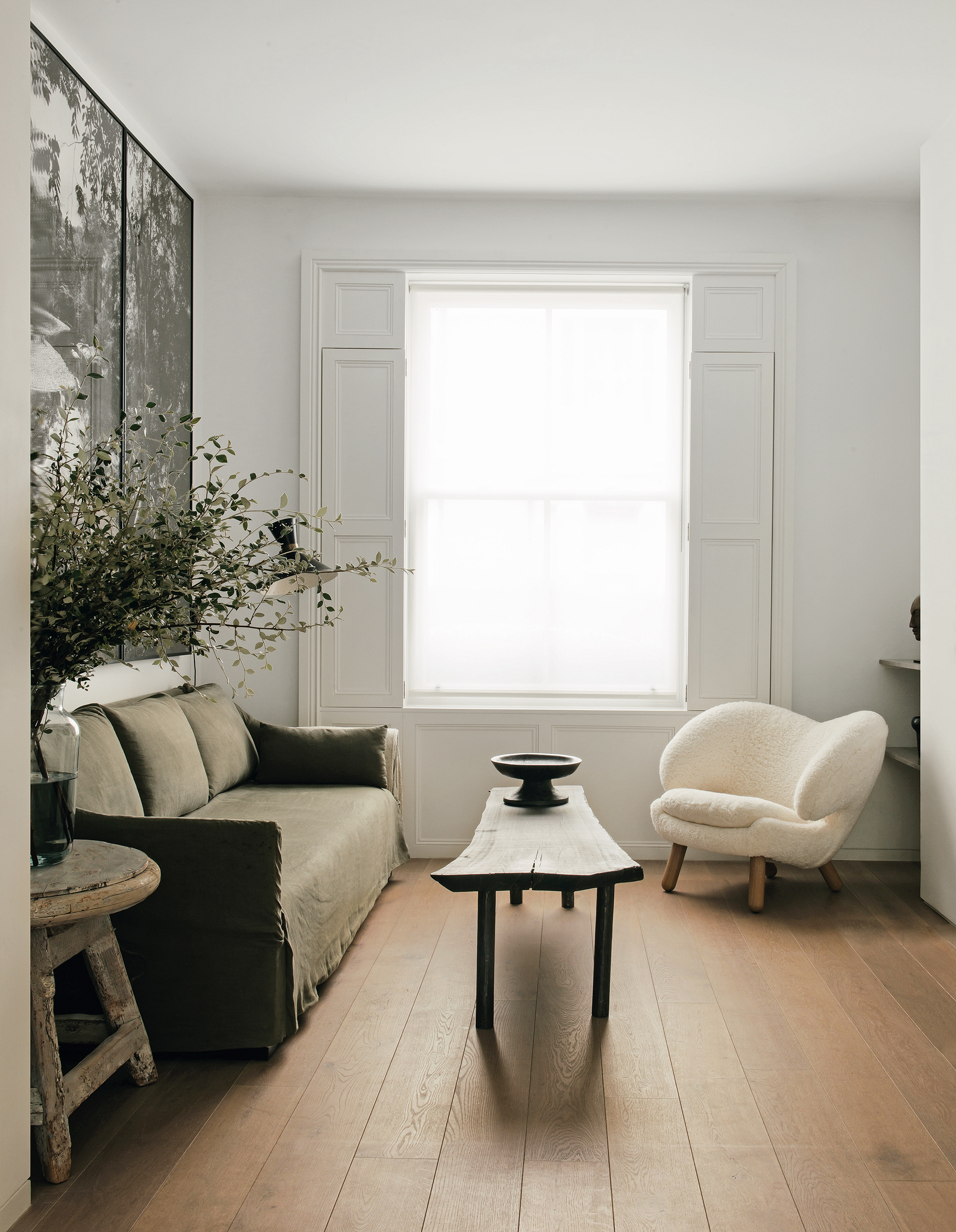
The article also differentiates between engineered wood and real wood flooring. Engineered wood is recommended for those desiring wider and longer boards due to its superior dimensional stability, allowing for boards over 300mm wide and up to 6 meters long. However, the lifespan and cost of engineered wood are affected by the thickness of its real wood top layer; layers less than 2mm thick cannot be sanded and typically last only five to seven years.
The age and origin of wood are discussed in the context of modern processing technologies. While contemporary wood processing and drying techniques can mitigate some regional differences, it remains essential to prepare wood for its specific usage and location, adjusting moisture levels to prevent warping. Experts advise consulting local wood flooring specialists to ensure proper preparation. Eileen Wong highlights that even within the same species, properties can vary based on origin, citing Indonesian teak (from 30-40 year old trees) versus Burmese teak (from 80+ year old trees) as an example, with the latter offering greater material stability. The importance of sourcing wood from sustainable forests is also emphasized.
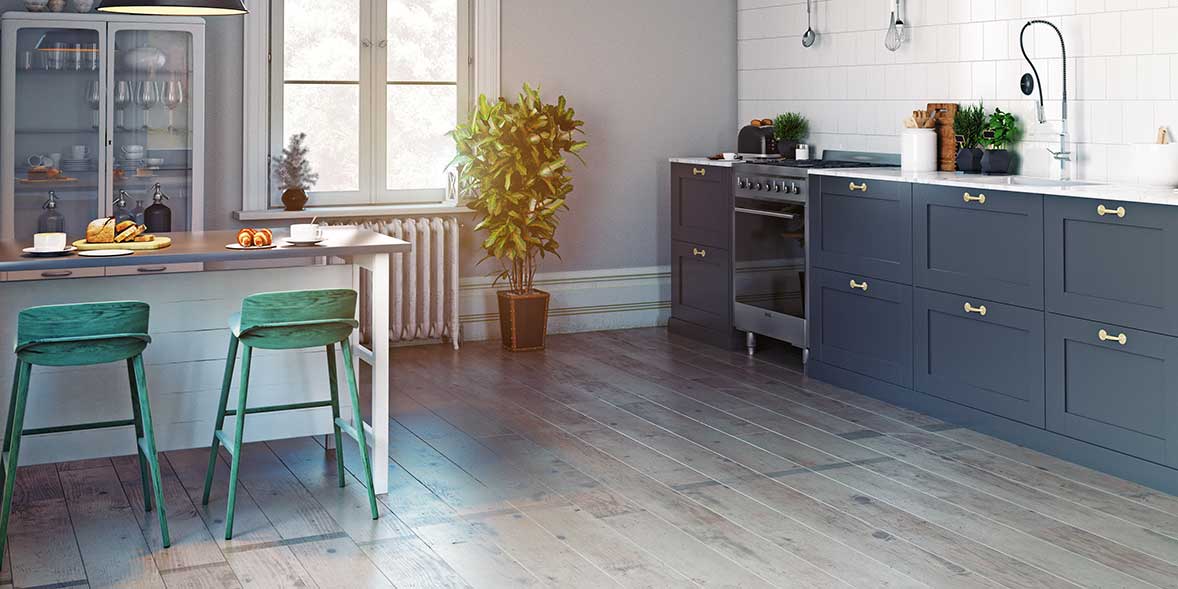
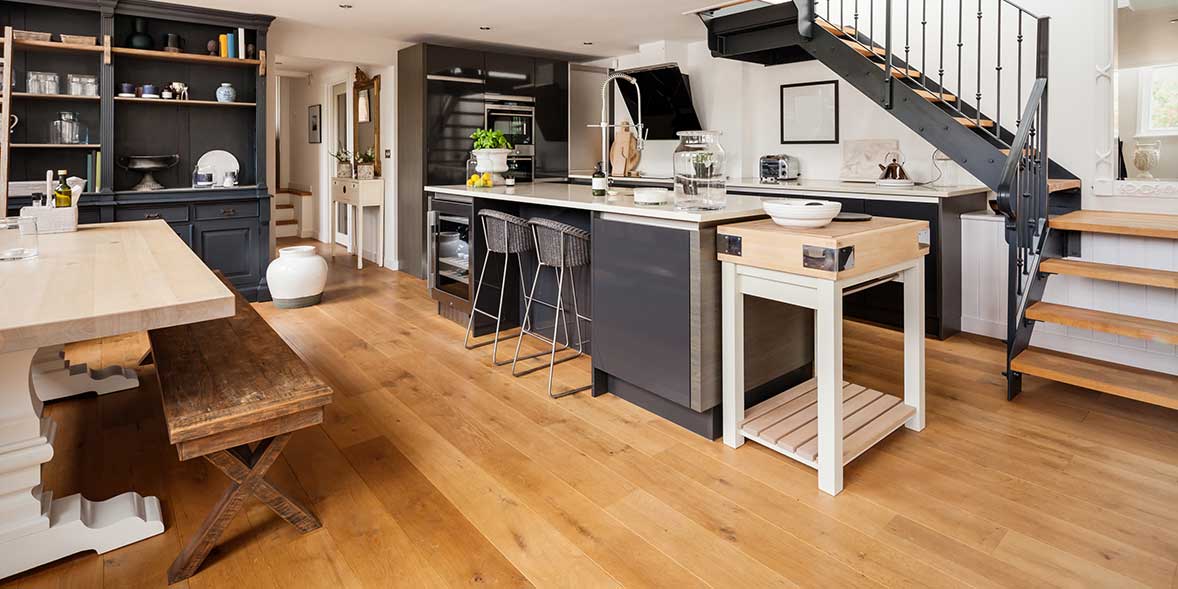
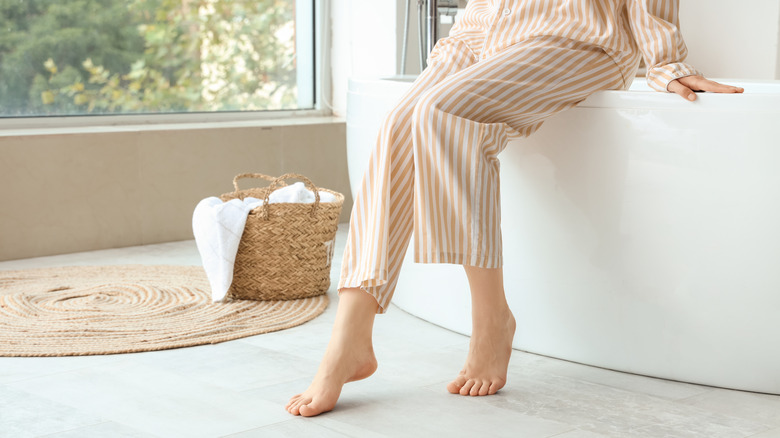
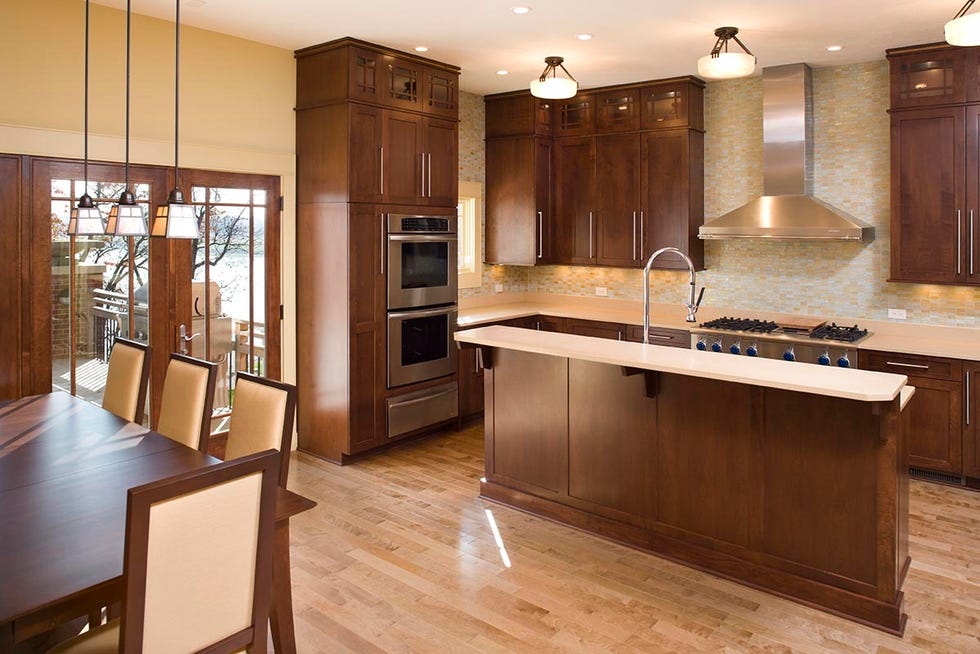
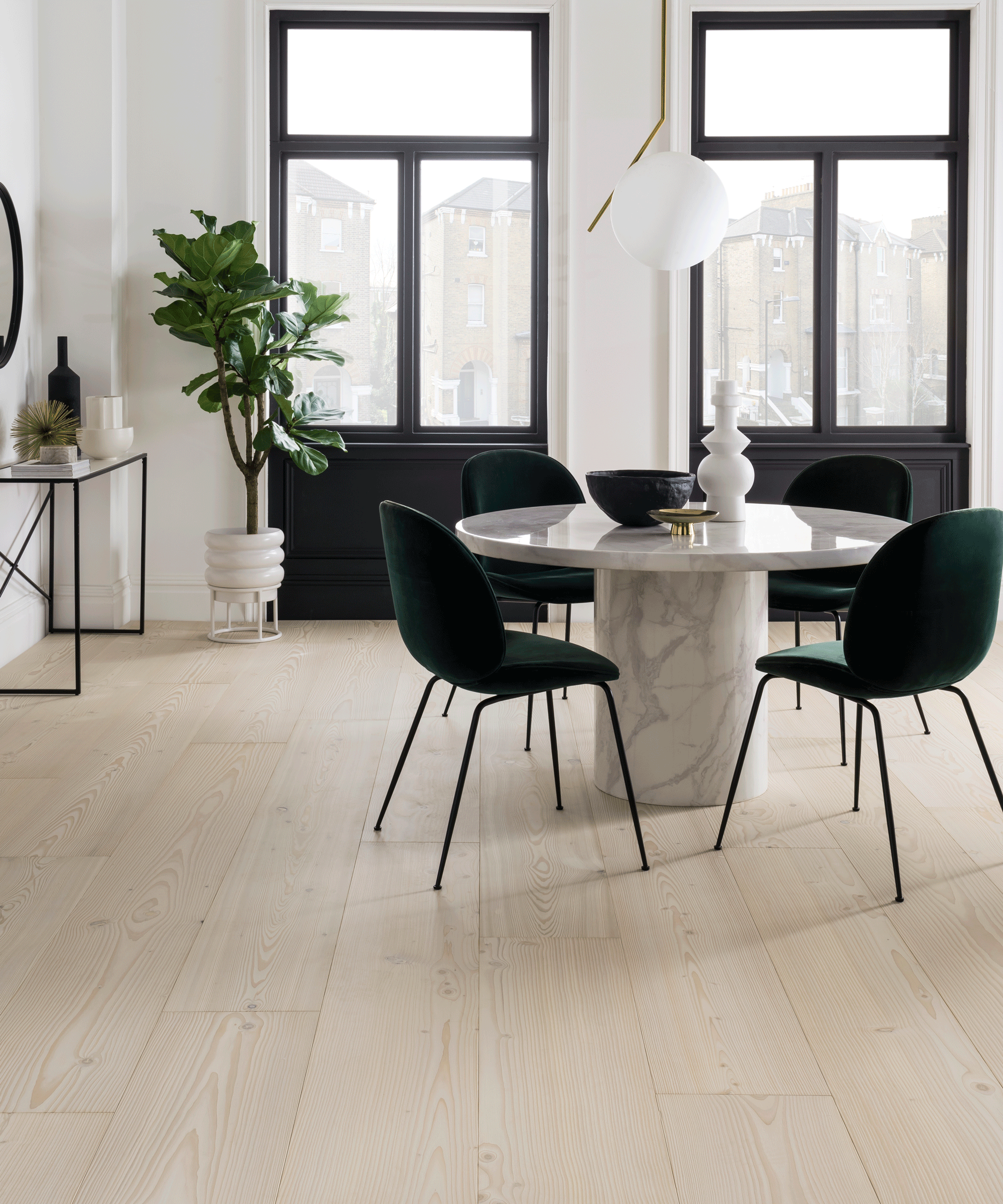
Finally, the article explores the feasibility of using real wood flooring in various home areas. While wood flooring can be suitable for kitchens, it is not recommended for bathrooms, except for powder rooms, due to excessive moisture, which is detrimental to wood. Despite this, some clients opt for wood in bathrooms for aesthetic reasons. Wood is considered a viable and often elegant option for ceilings and walls, where thick planks are not necessary. Kelvin Chua, Director of Choon Bok Wood Industries, provides a tip: for smaller rooms, long and wide wood pieces can create a sense of spaciousness, but these dimensions are not advised for rooms exposed to harsh westerly sun to prevent warping.
#WoodFlooring #HomeRenovation #InteriorDesign #FlooringCosts #WoodMaintenance #EngineeredWood #SustainableWood #HomeDecor #BuildingMaterials #WoodFlooring #HomeRenovation #InteriorDesign #FlooringCosts #WoodMaintenance #EngineeredWood #SustainableWood #HomeDecor #BuildingMaterials
0 comment in total
 No comments yet
You may also like
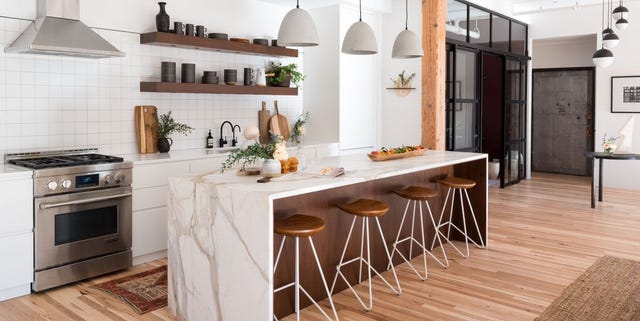
Here's Everything You Need to Know About Wood Flooring
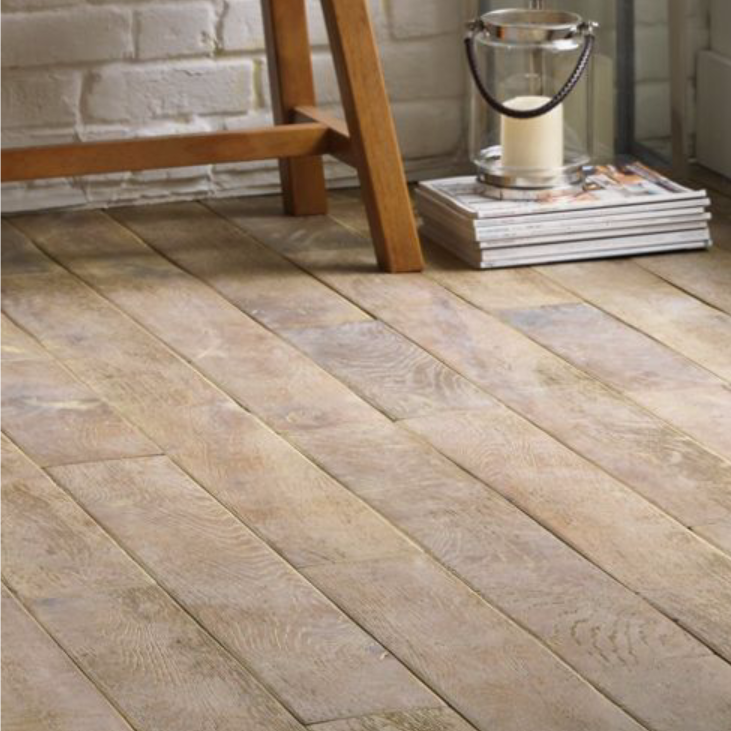
Wood Flooring – Our Pick of the Best
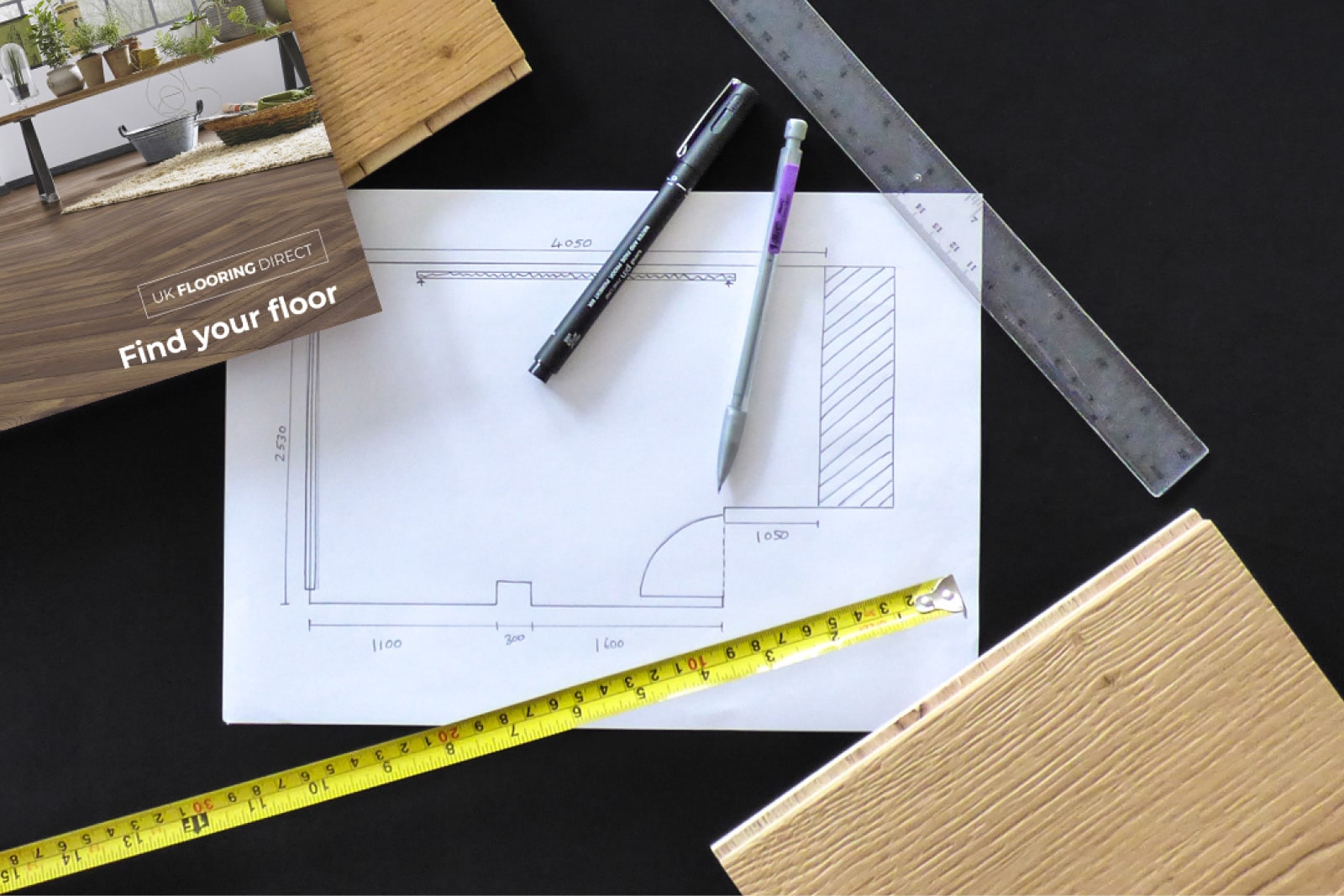
How To Measure Your Room

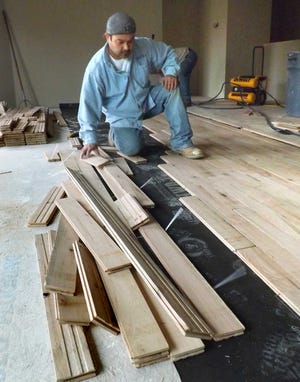
At Home: Hardwood flooring -- Options abound

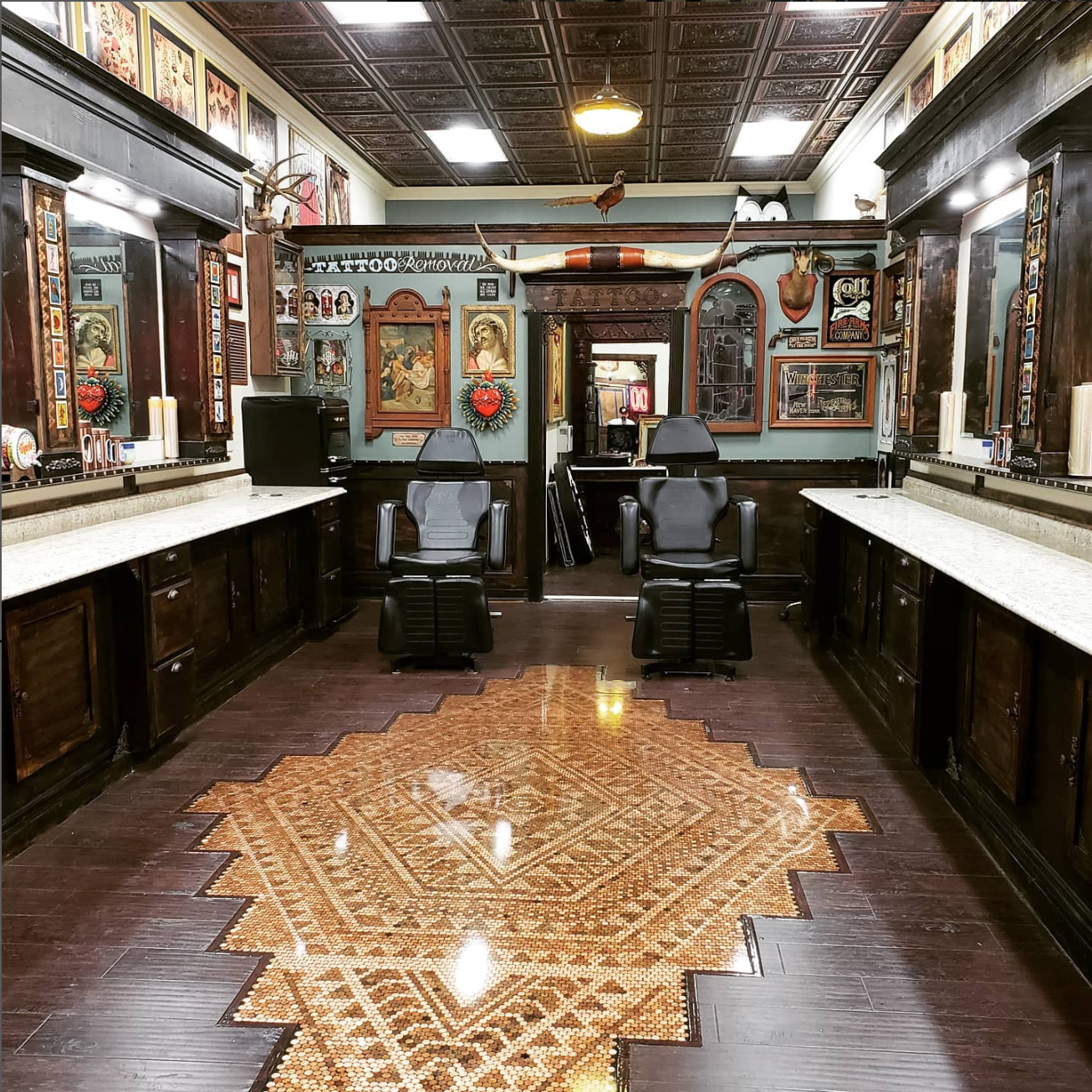
Here's How Much It Actually Costs to Install a Penny Floor in Your Home

Flooring

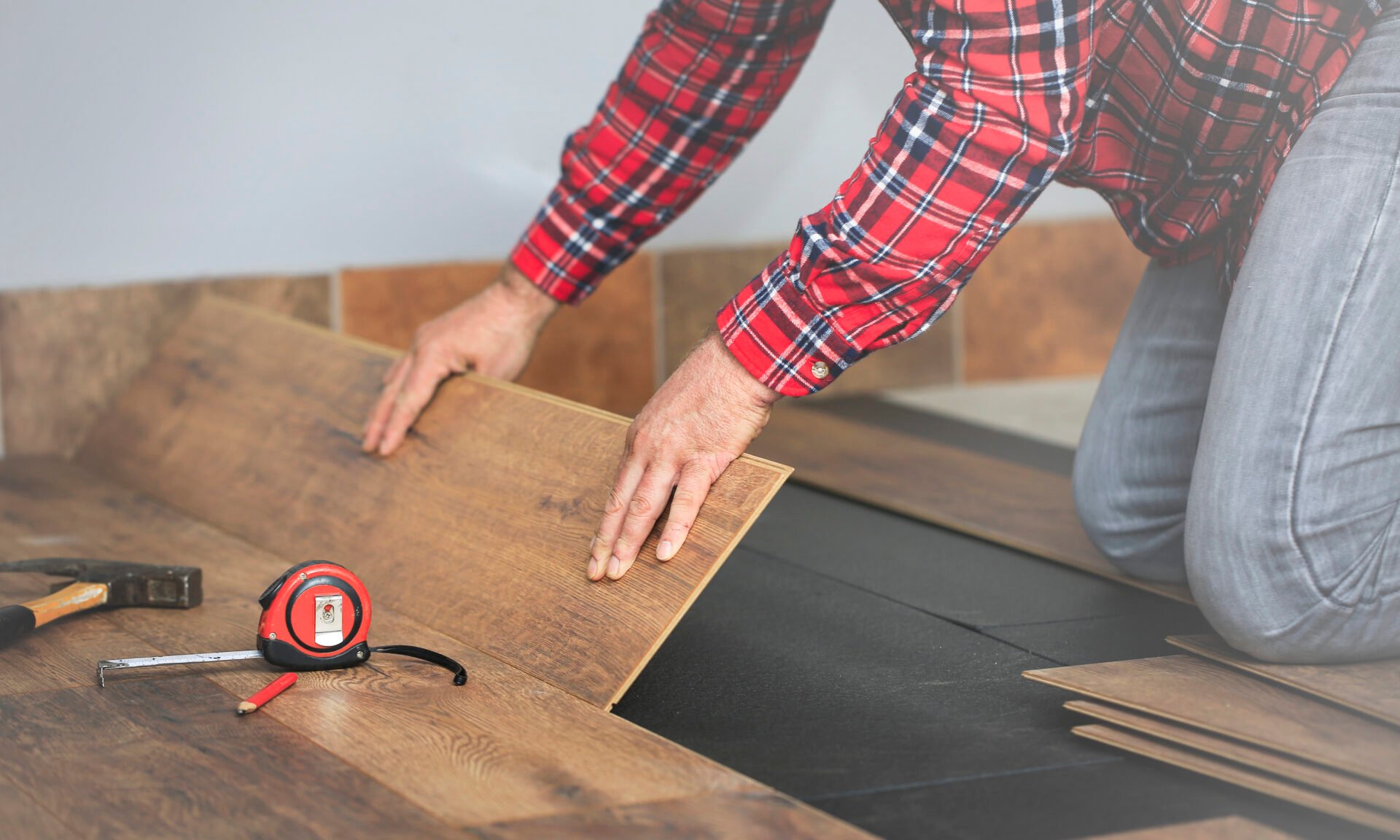
Cost to Replace Hardwood Floors in 2026

Engineered wood flooring – everything you need to know about choosing the right floor

Types of wood flooring
Thinking About Installing Hardwood Floors? Here's How Much It Will Cost

5 flooring choices that will make it harder to sell your home
10 wooden kitchen floor ideas to inspire you to embrace this classic and demure flooring option
How Much Does Hardwood Timber Flooring Cost in 2023?


The 5 Best Flooring Companies in America

A Home Improvement Expert Reveal the Best Hardwood Flooring

Wood floor ideas for a living room – 10 practical and stylish looks for flooring

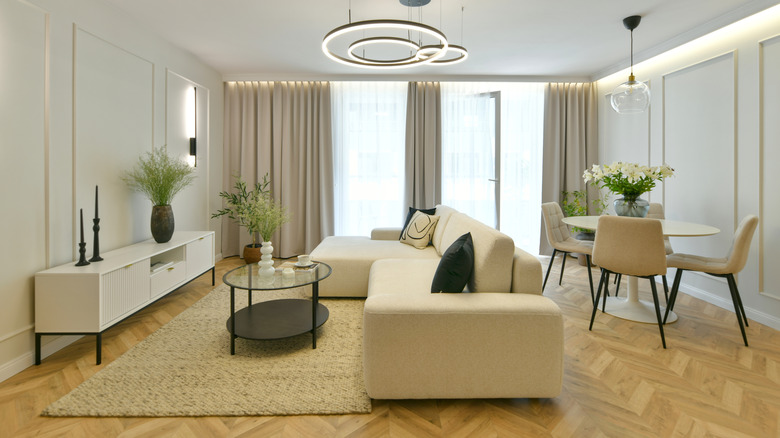
6 Flooring Upgrades That Are Worth The Extra Cost (And 3 To Skip)
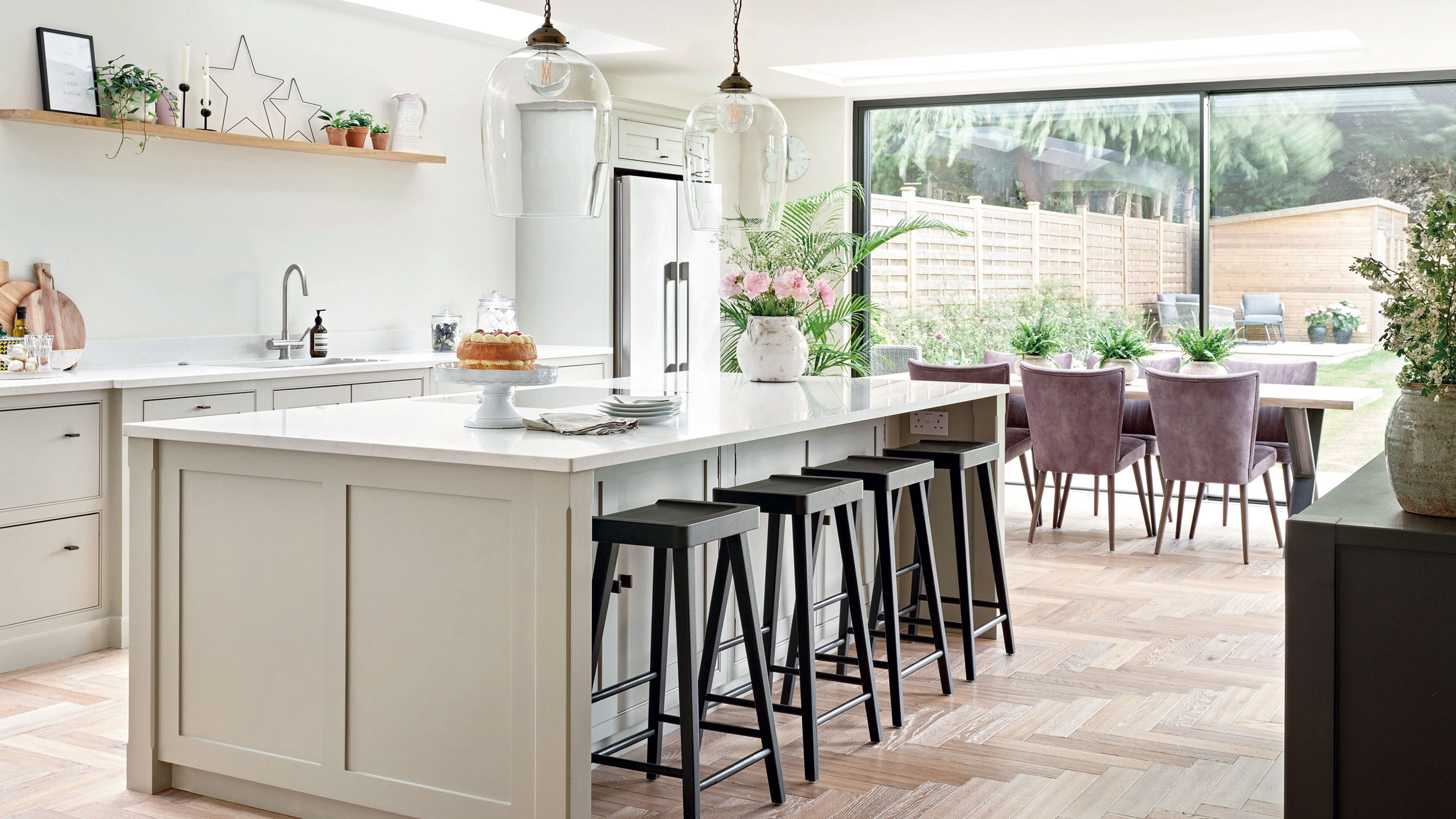
How to plan the perfect wood flooring - what you need to know about wood versus wood-style

How Hardwood Flooring is Made at Advantage Lumber


Your Guide to Wood Flooring