1/2
Your Guide to Wood Flooring
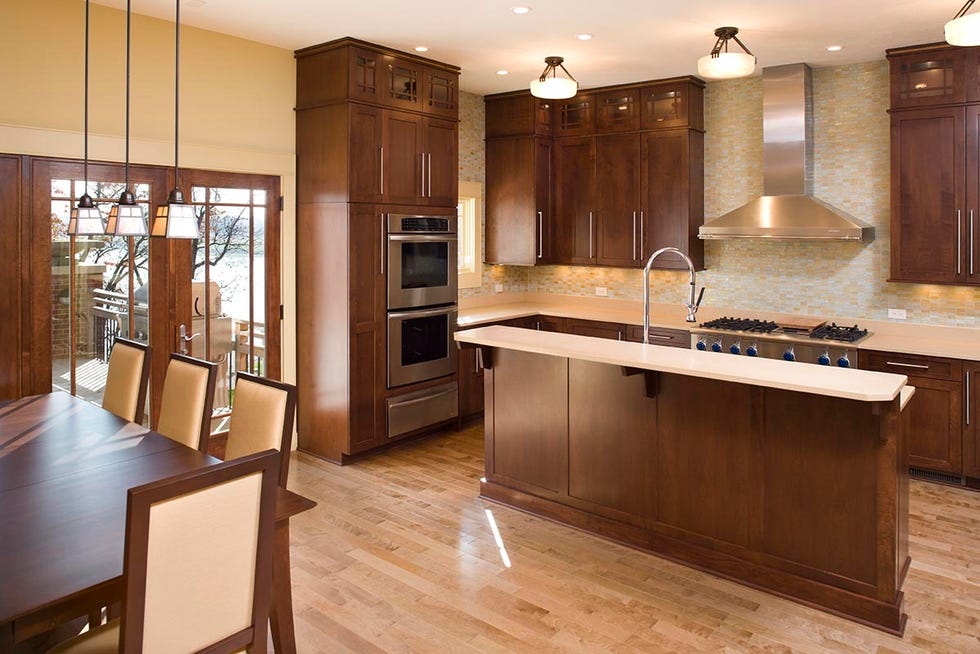
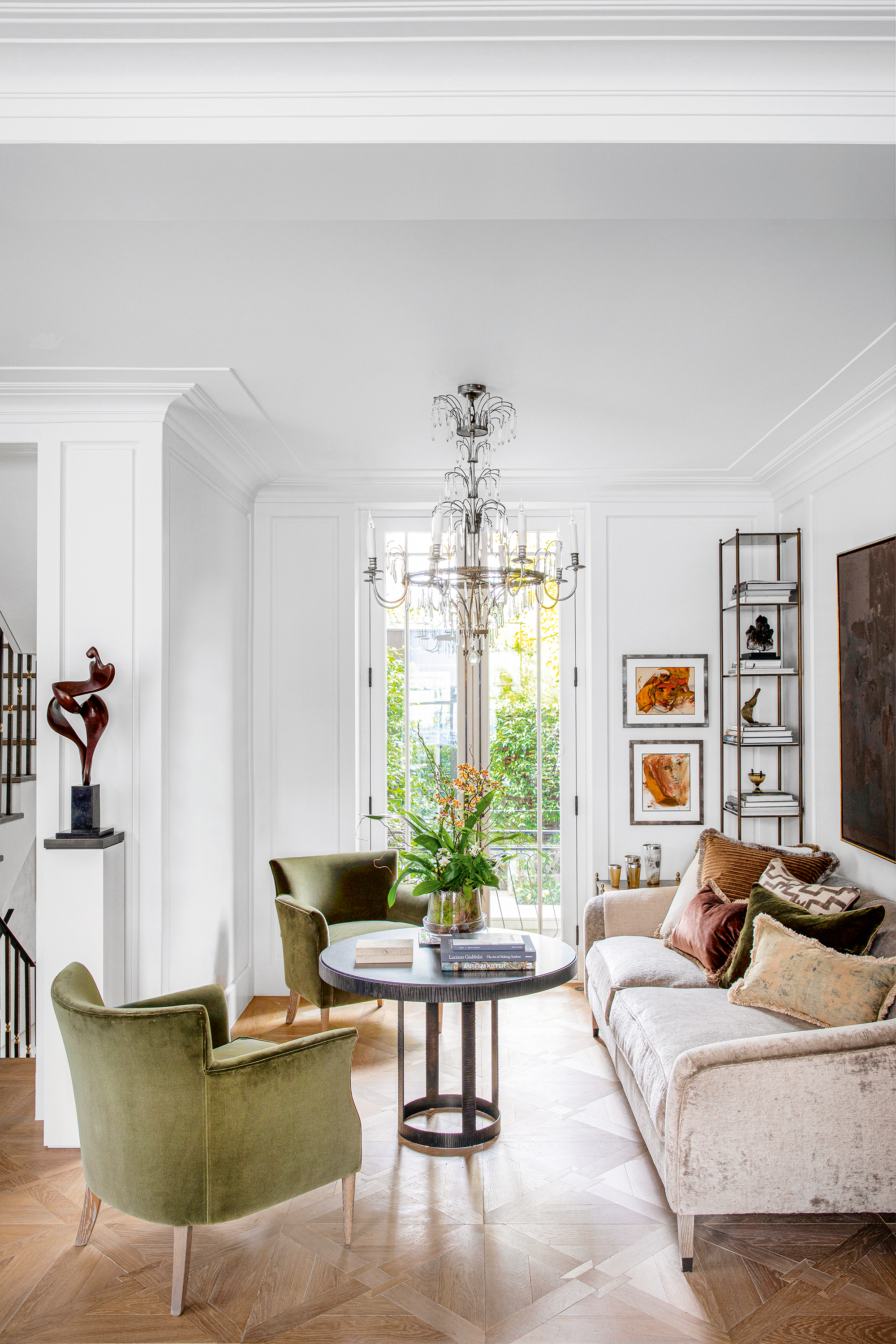
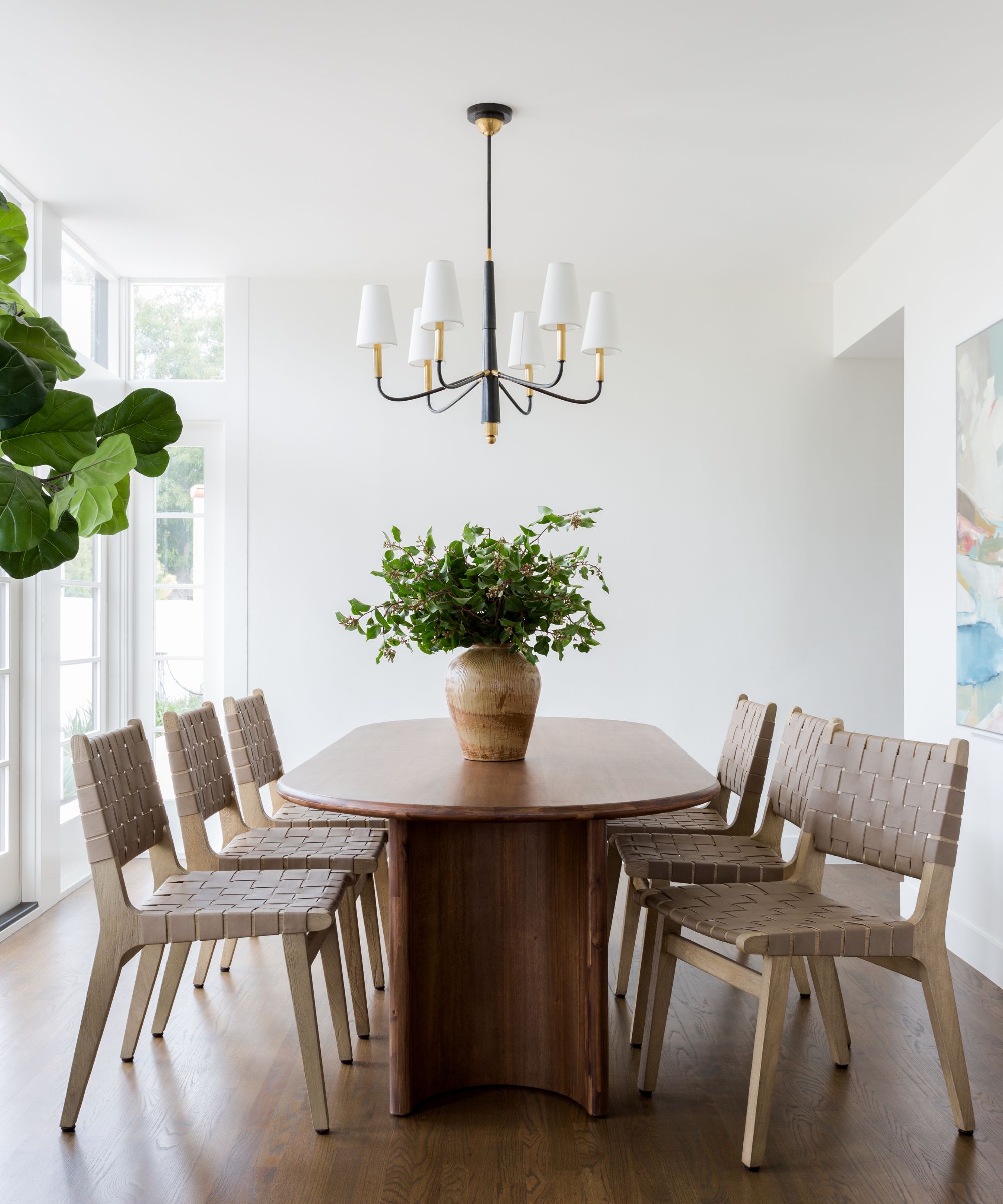
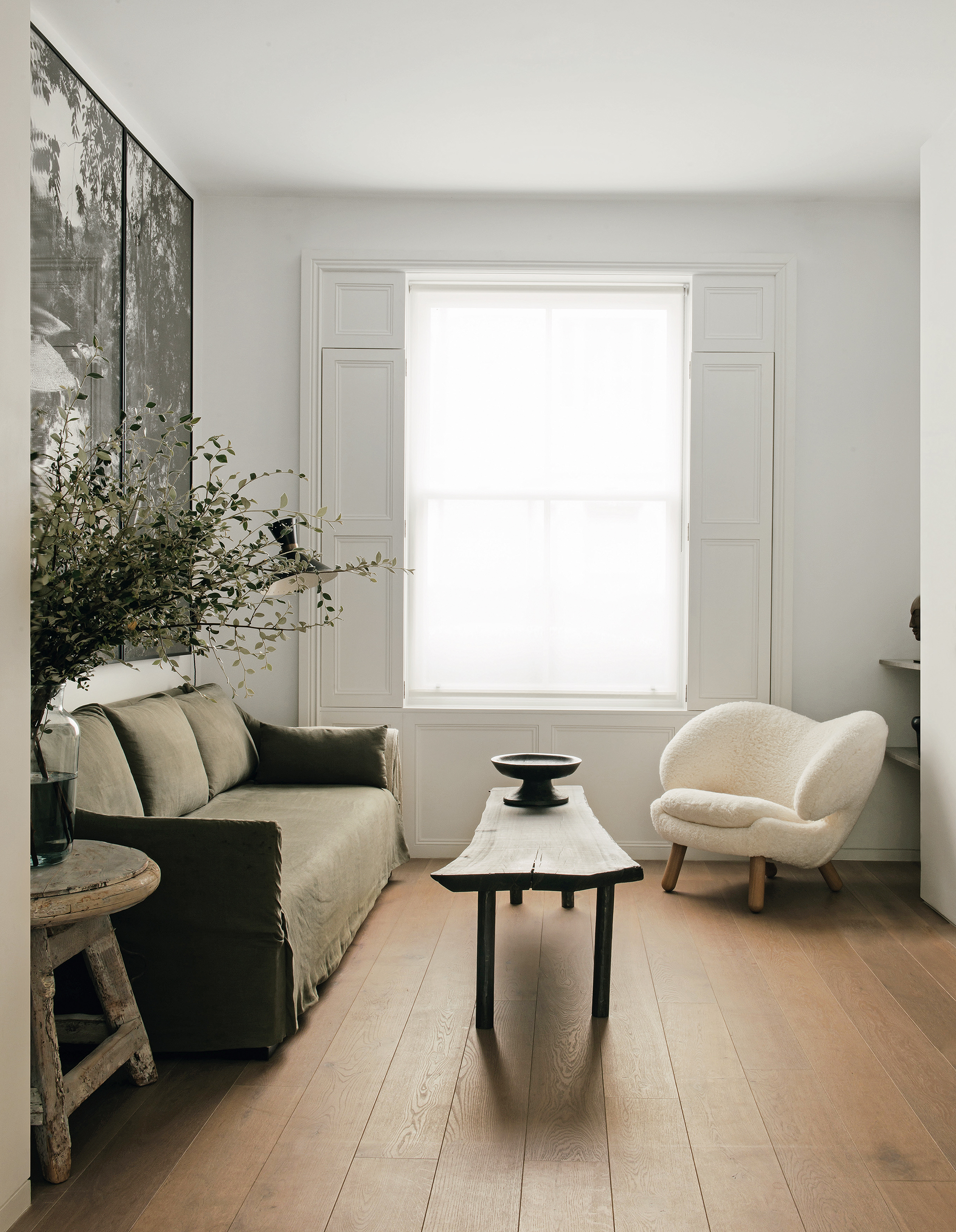
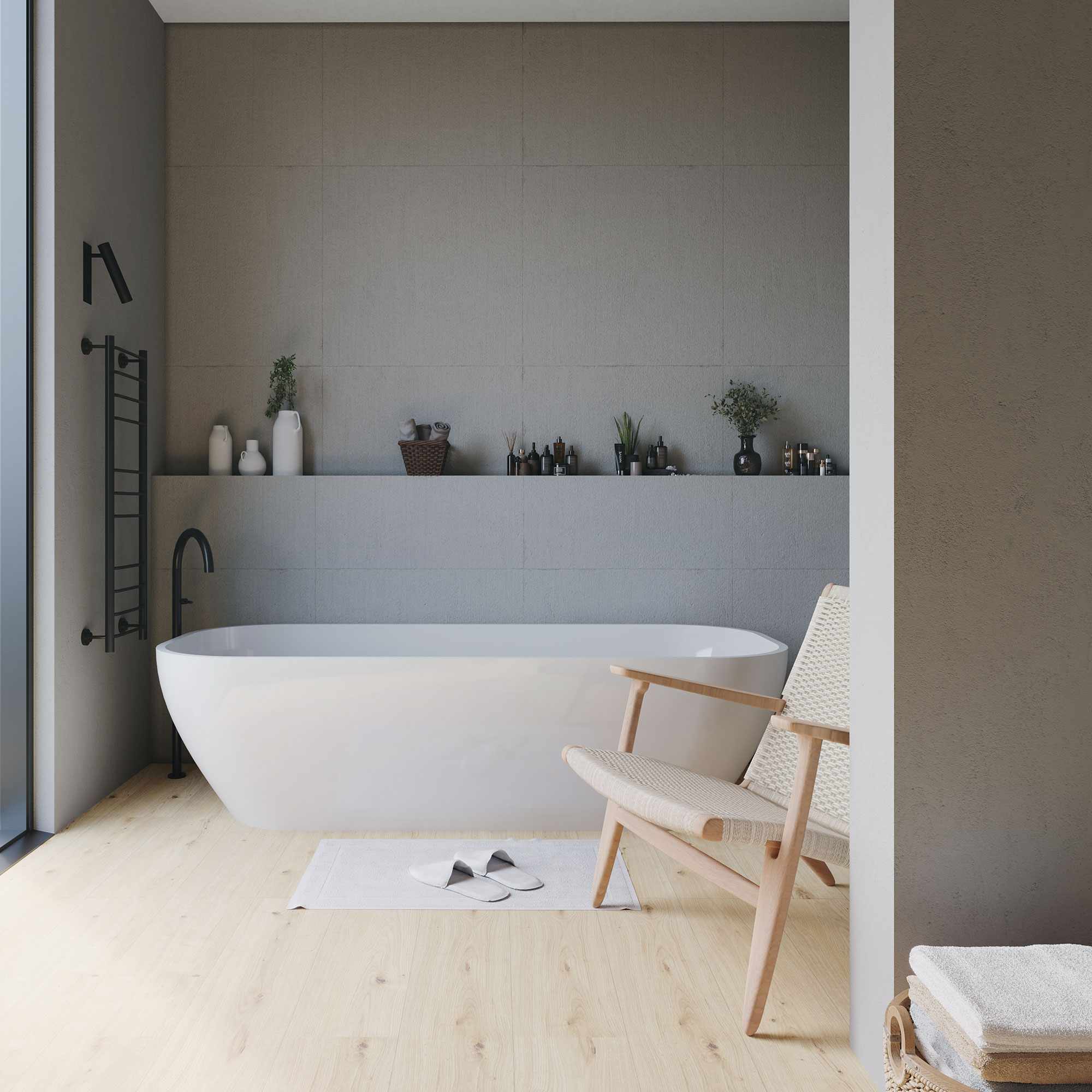
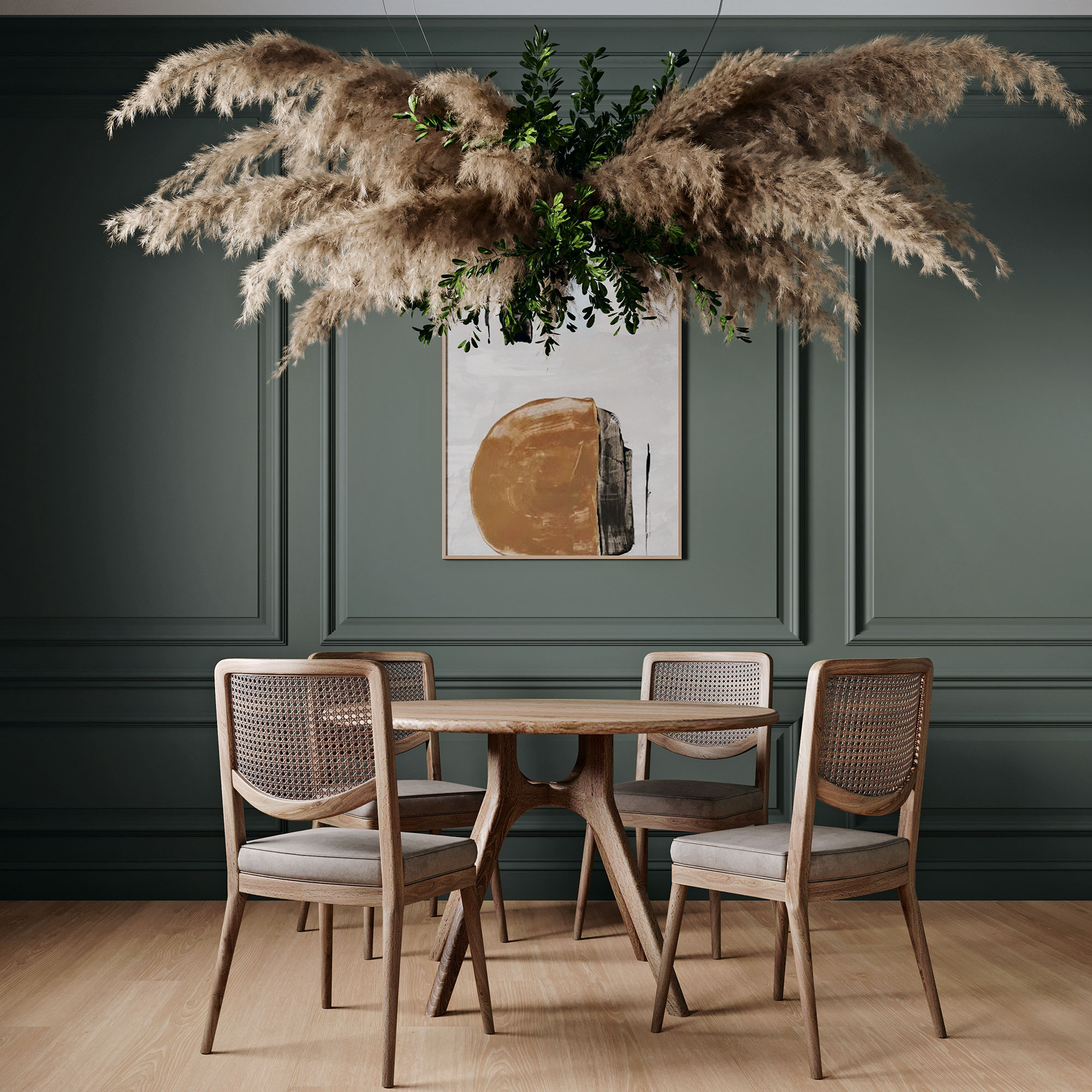
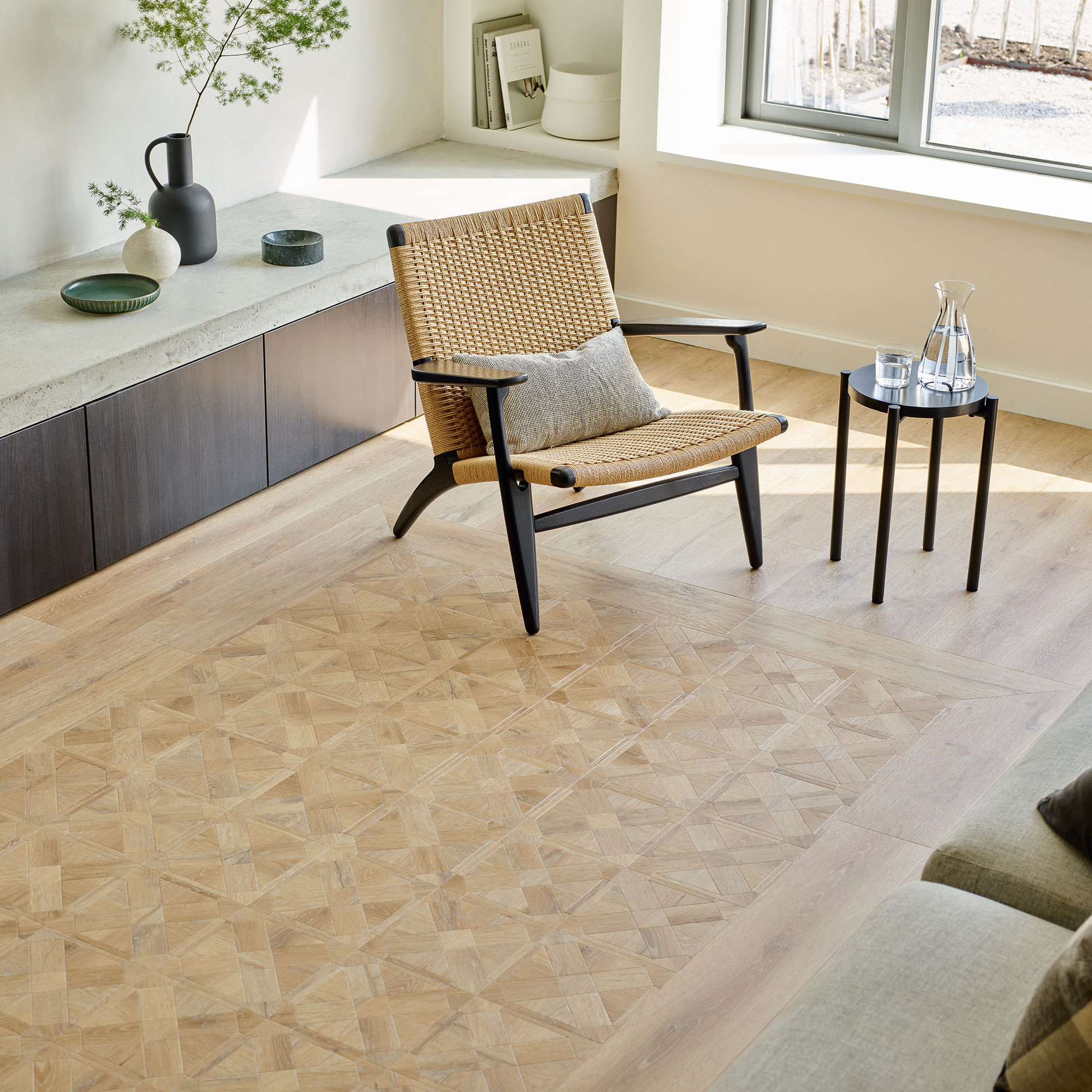
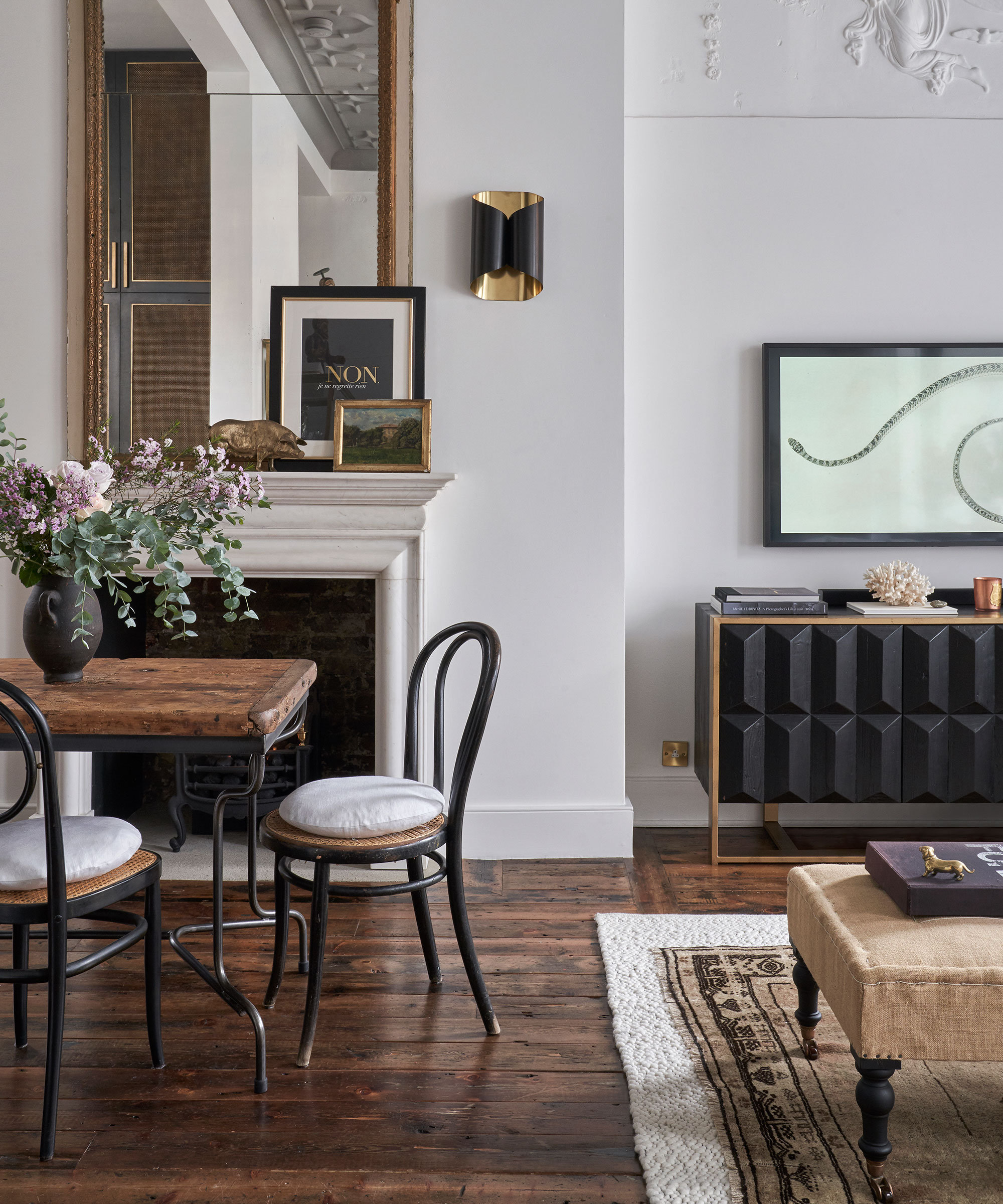
Wood flooring remains a timeless and durable choice for homes, offering natural beauty, sustainability, and longevity. Historically, wood flooring options were simple, primarily involving solid wood differentiated by species and cut. Today, the market presents a more complex array of choices, including solid wood, engineered wood, reclaimed wood, and various wood-look alternatives. Understanding the distinctions between these options is crucial for making an informed decision, especially considering factors like cost, durability, environmental impact, and aesthetic appeal.
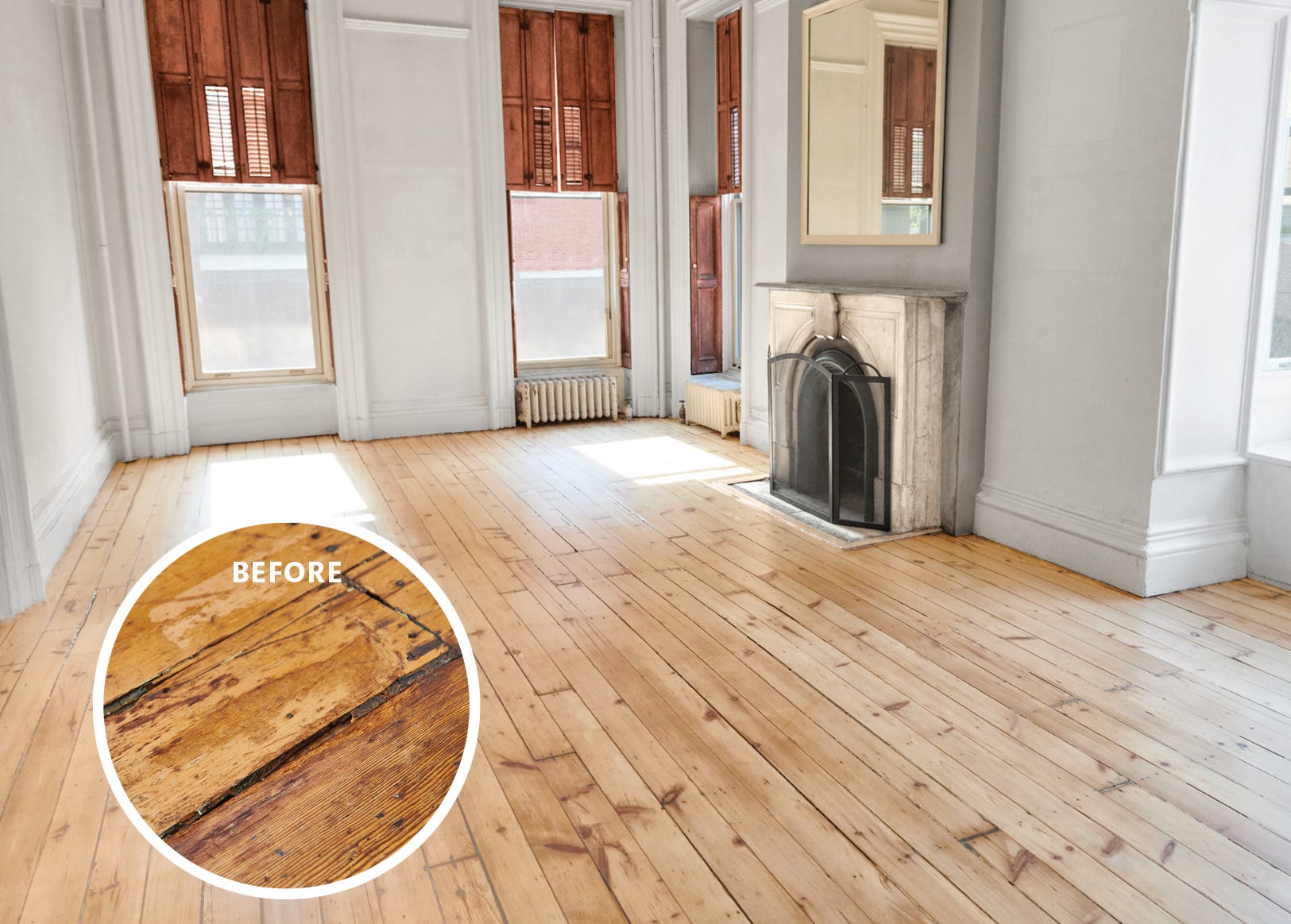
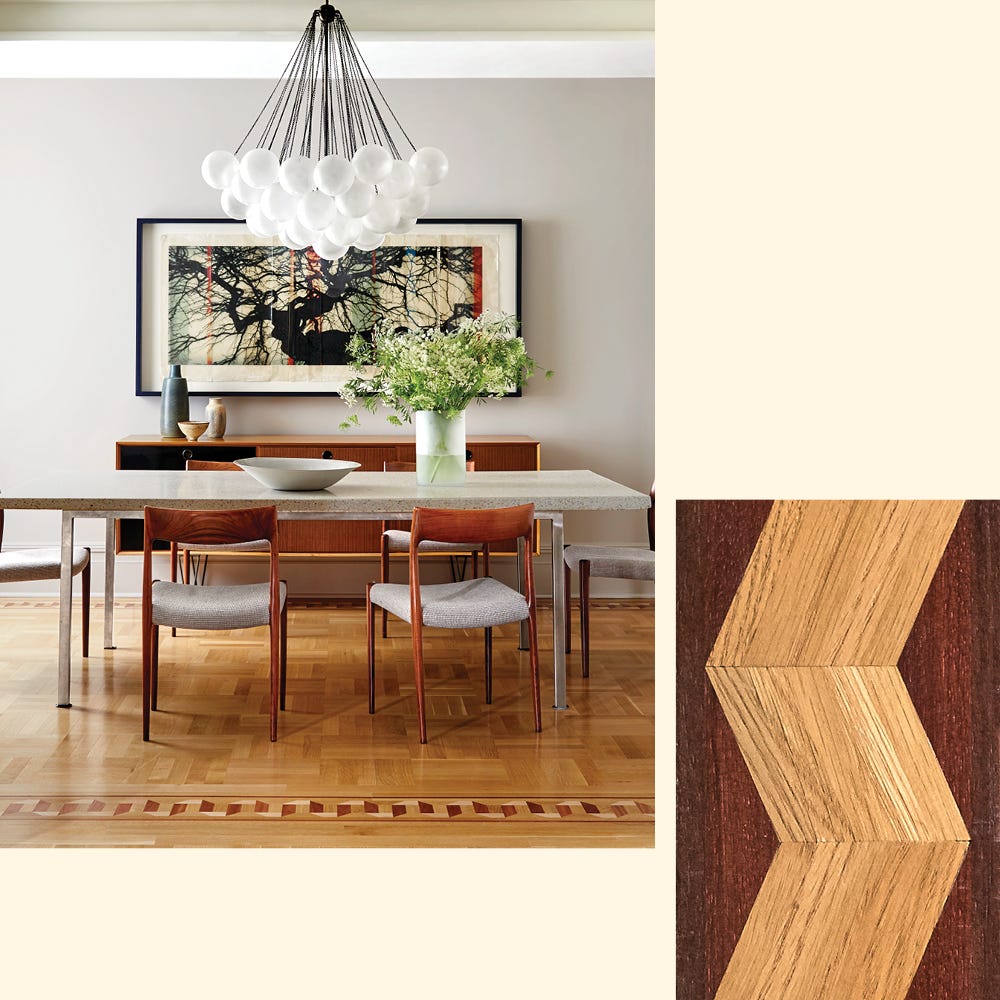
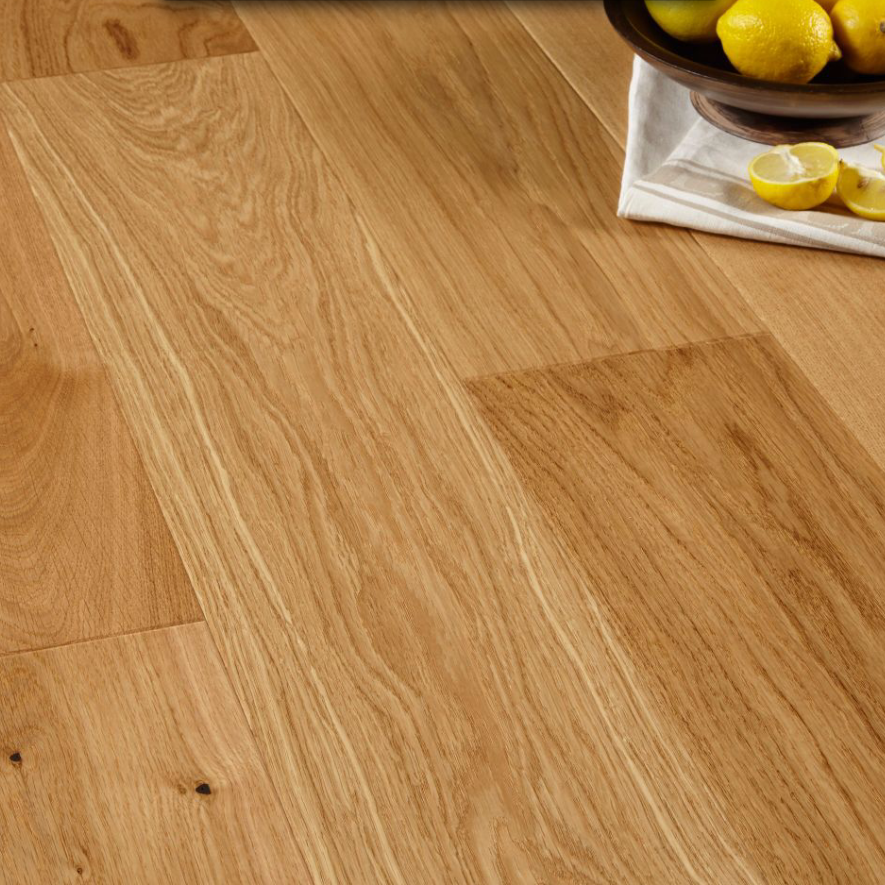
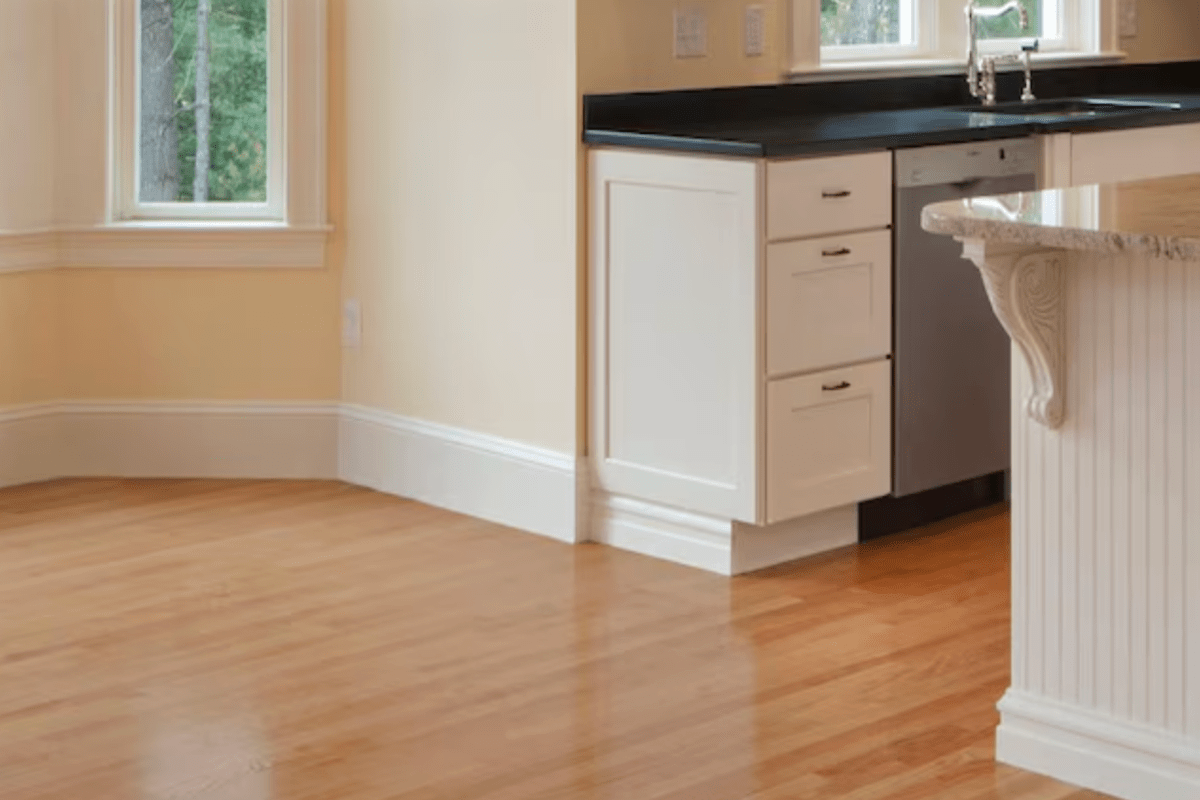
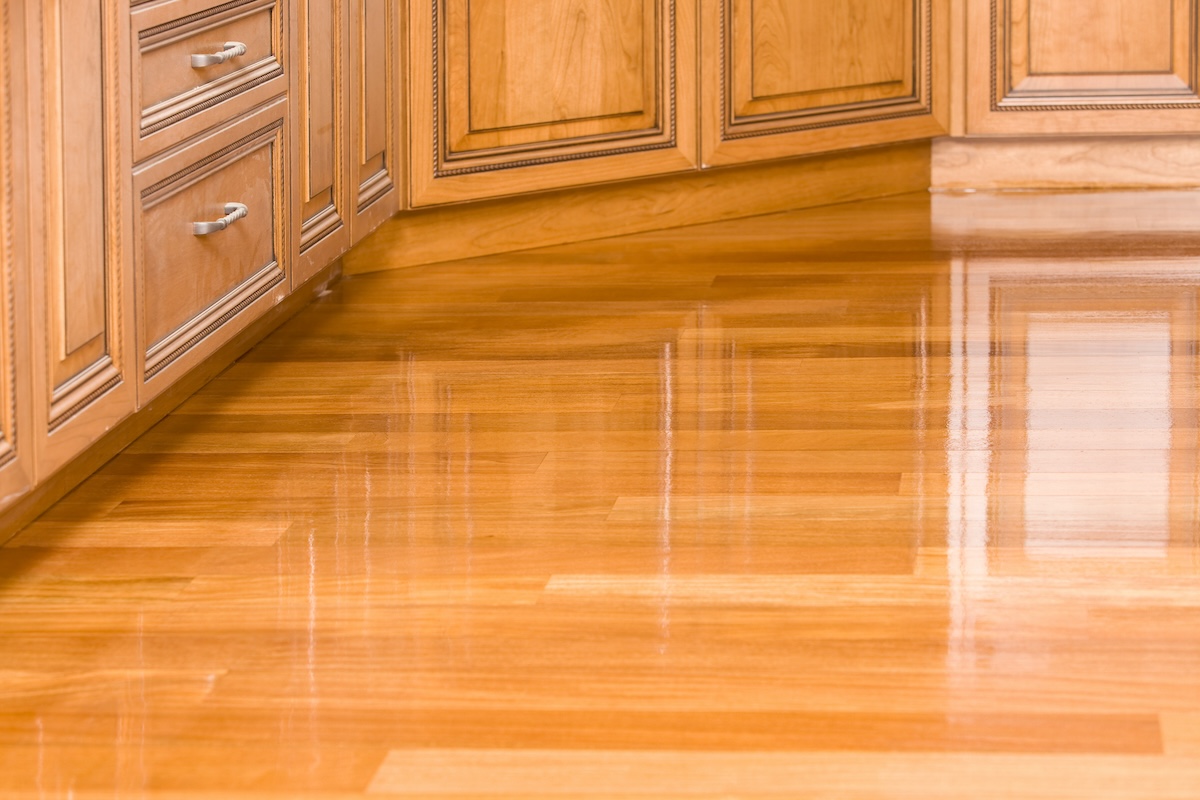
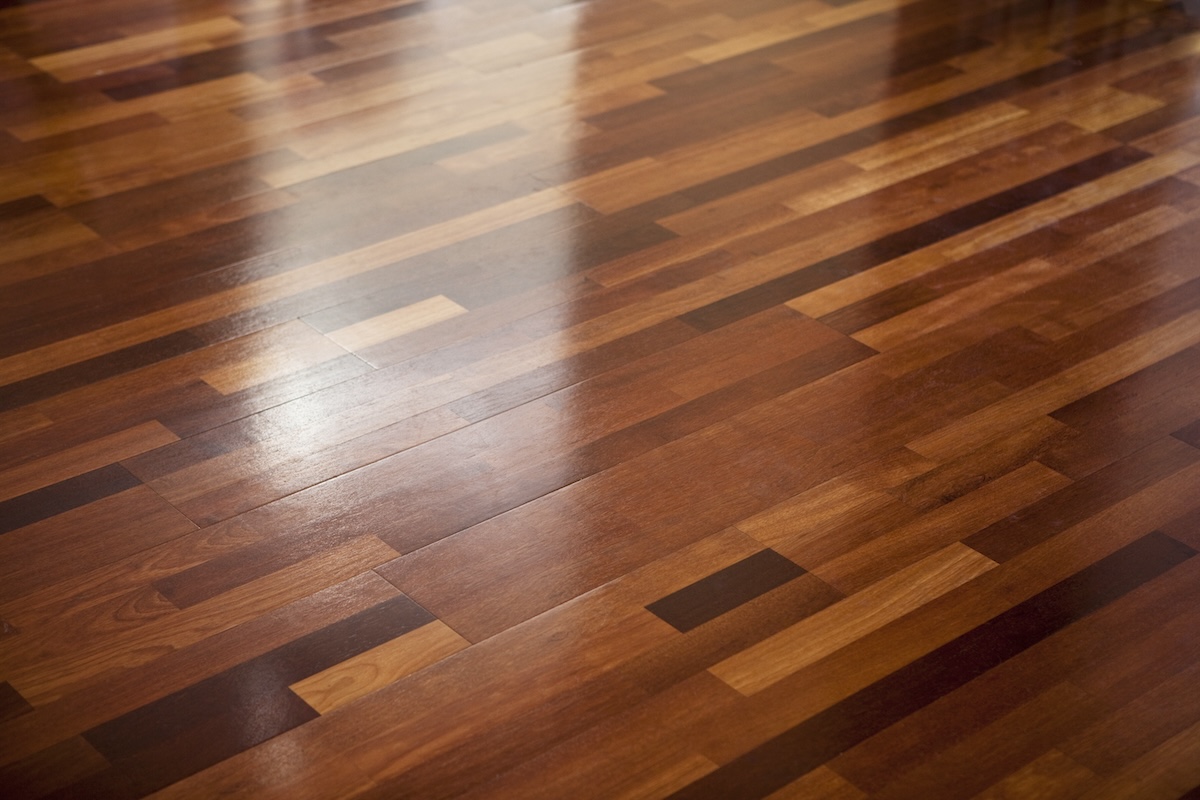
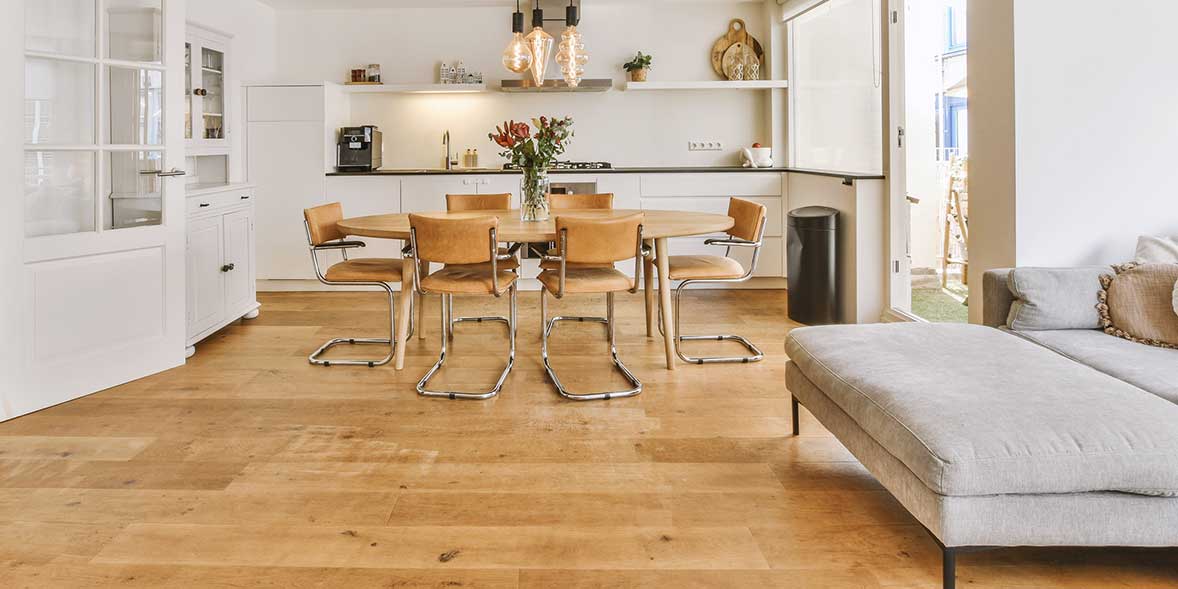
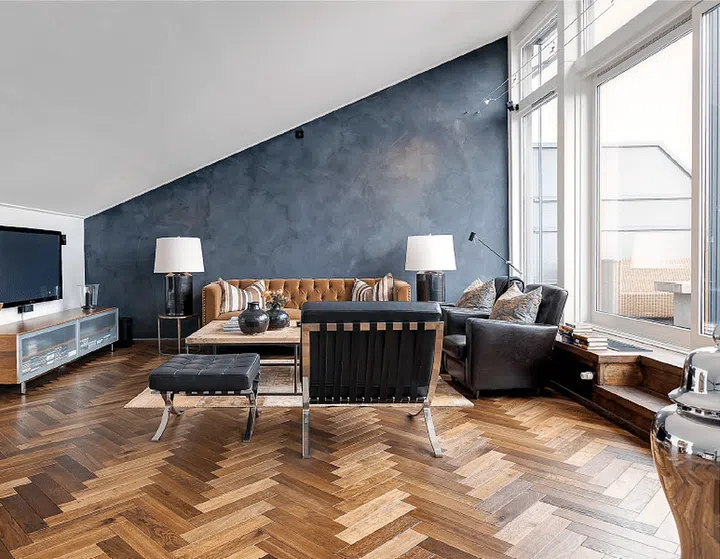
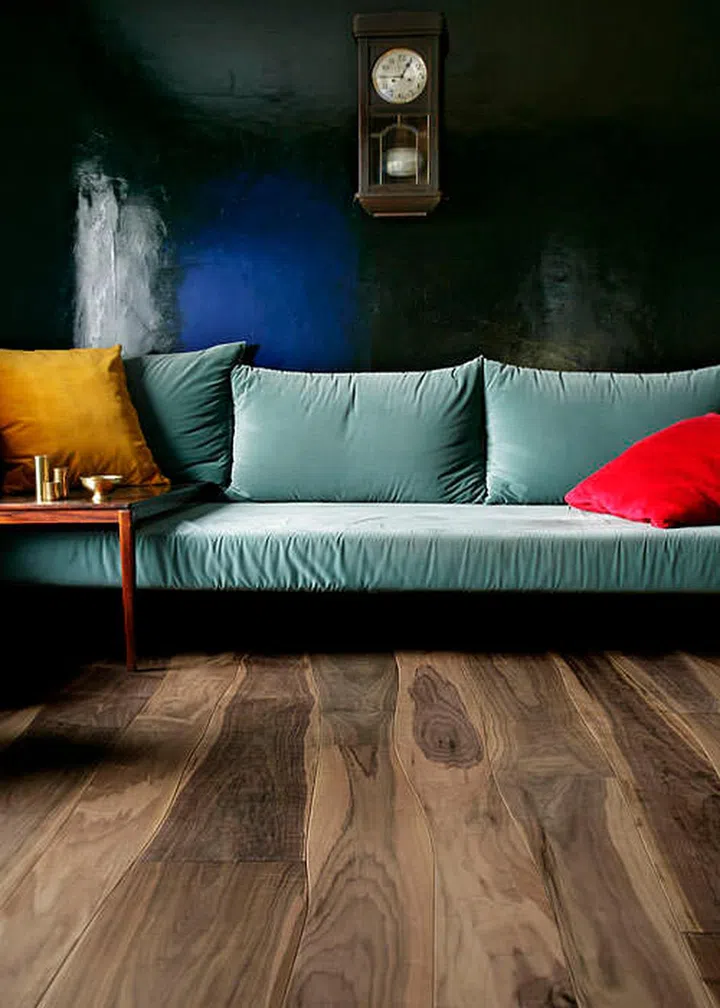
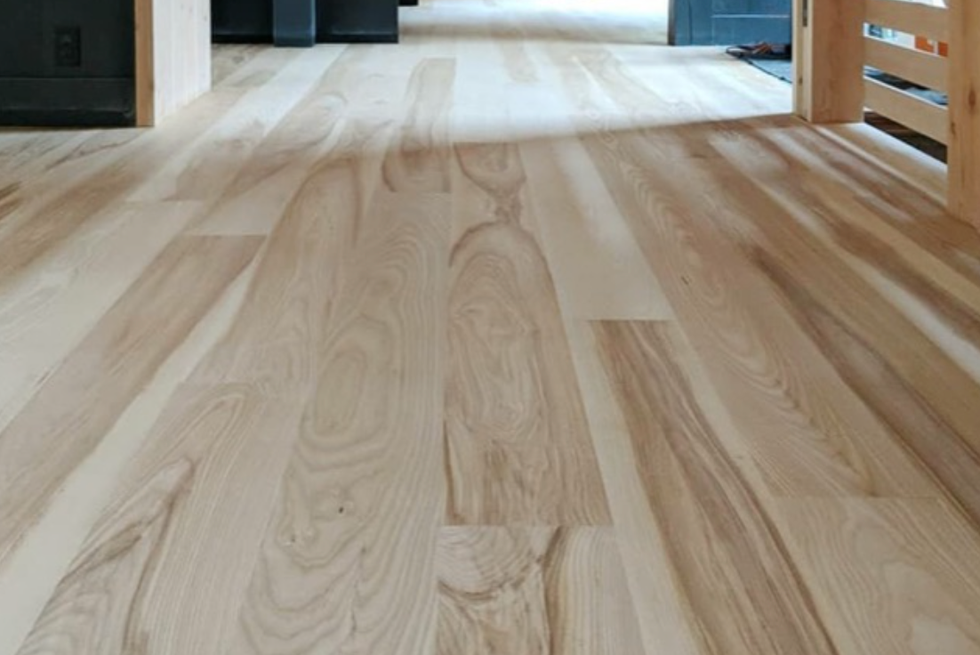
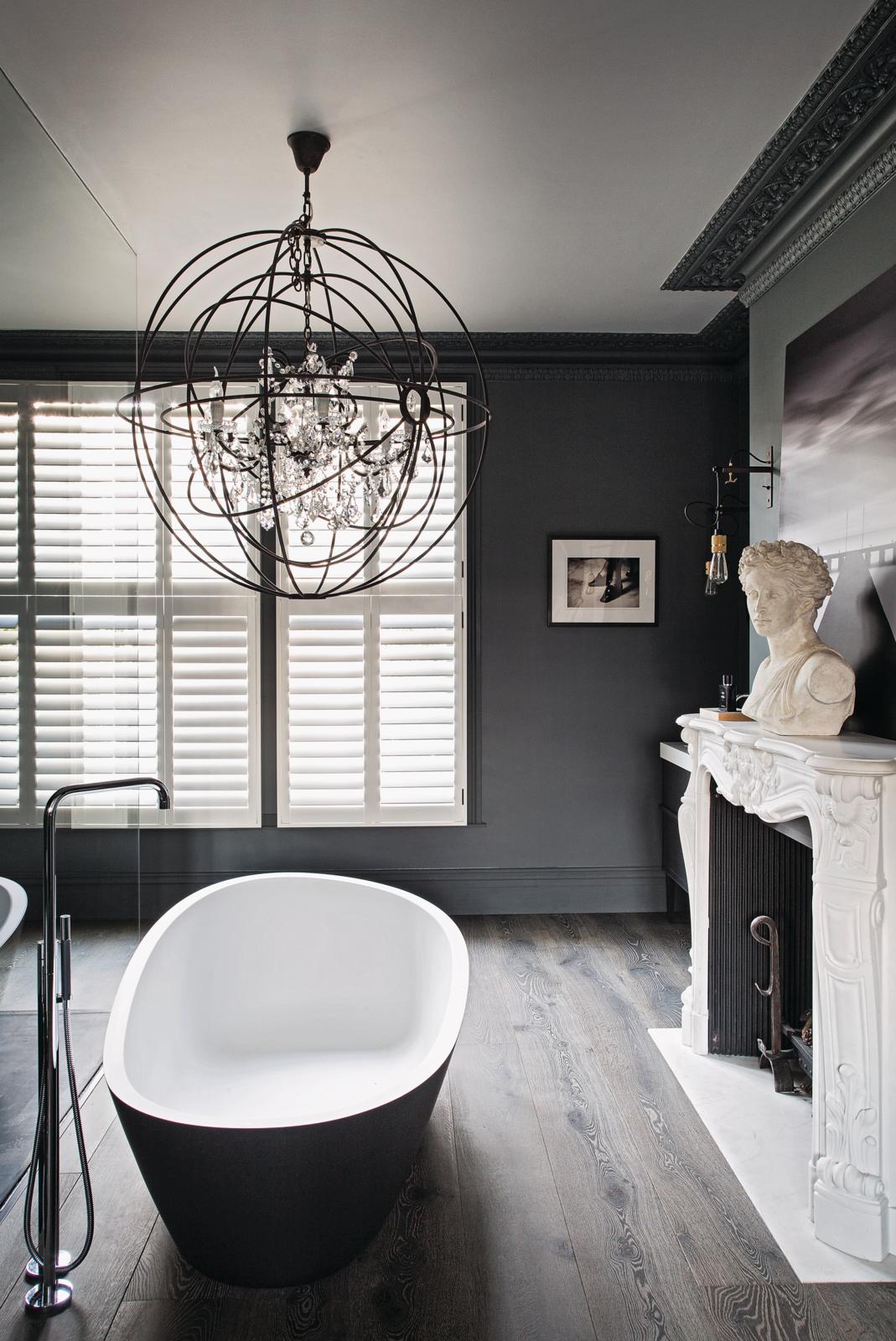
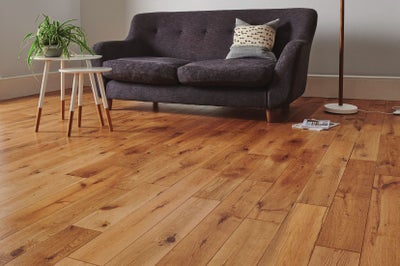
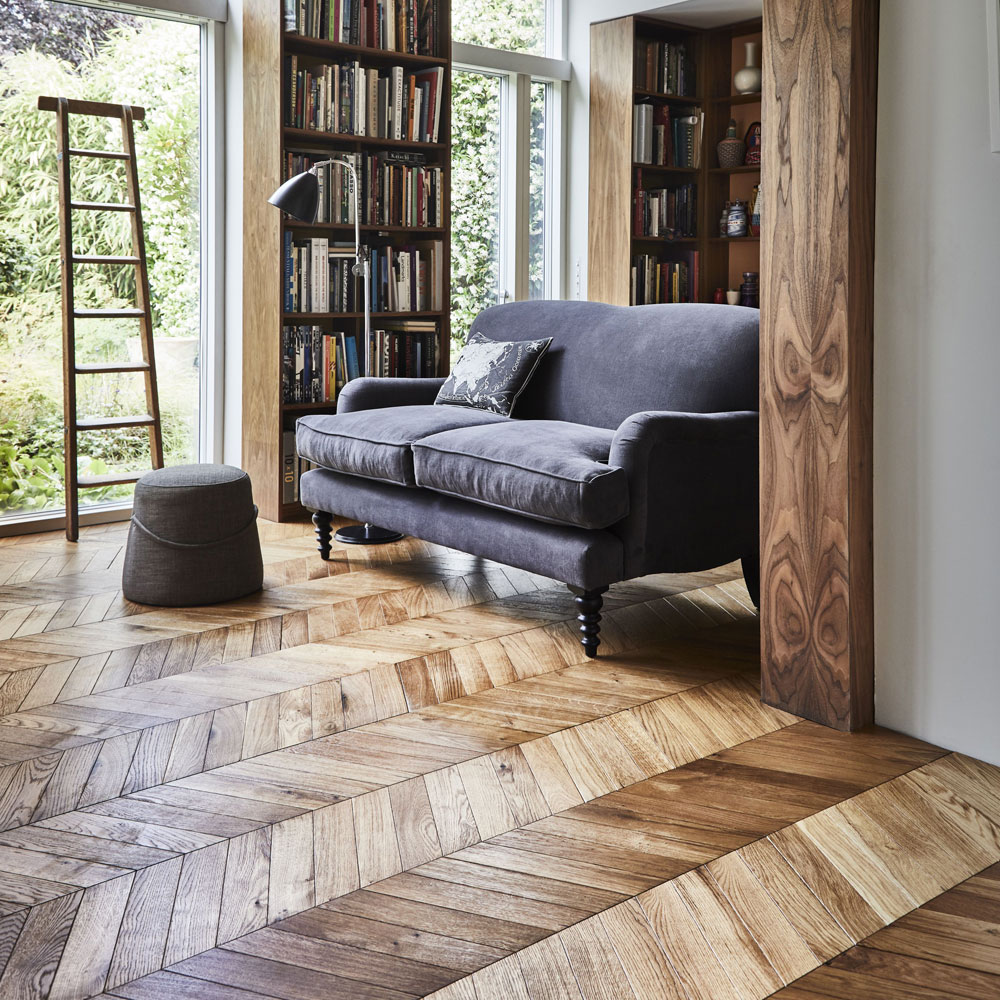
Solid wood, the traditional option, consists of a single piece of wood from top to bottom, allowing for multiple refinishings over its long service life, potentially lasting hundreds of years. Species vary from domestic options like oak, walnut, hickory, maple, and cherry to imported choices such as jatoba and cumaru. Current trends indicate a preference for domestic species, particularly white oak and walnut, over imported or less common domestic varieties. The way wood is sawn also influences its appearance and cost; flat-sawn is common, quarter-sawn offers more stability, and rift-sawn, known for its straight grain, is the most expensive due to higher waste. Wide planks generally incur higher costs. Furthermore, solid wood can be prefinished, meaning it’s coated by the manufacturer for immediate use, or site-finished, where it’s installed raw and then finished on-site. Prefinished options are convenient but can leave plank seams vulnerable, while site-finished floors offer more customization and a seamless look. A significant consideration for solid wood is its reactivity to environmental conditions; humidity causes expansion, and dryness leads to contraction, which can create gaps over time. Despite these considerations, many homeowners prefer solid wood for its authentic feel and perceived higher quality.
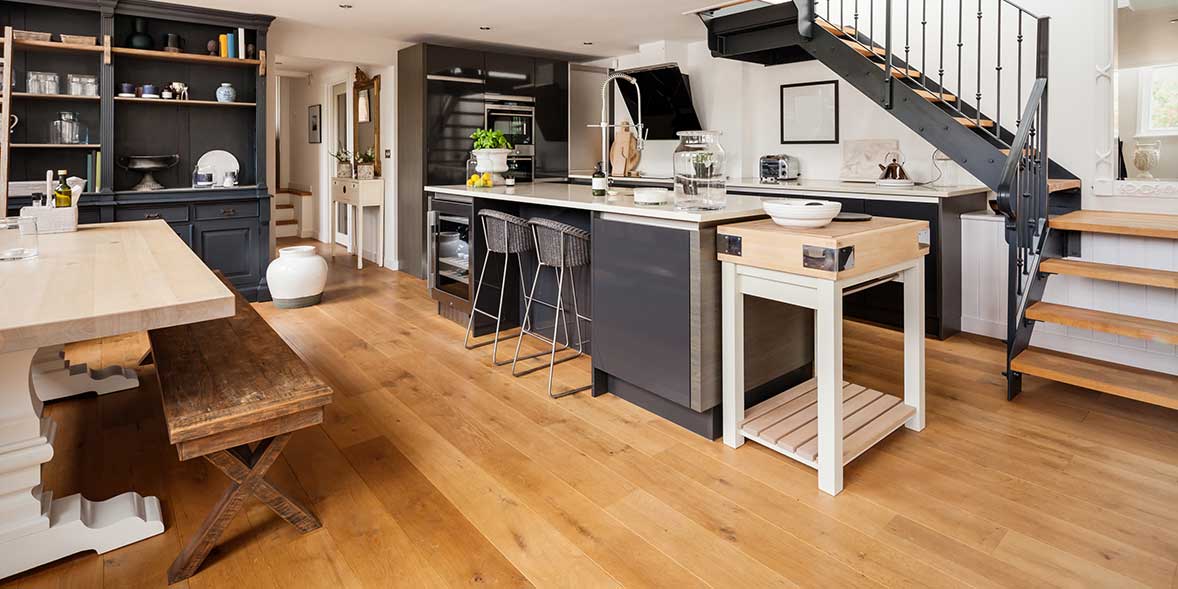
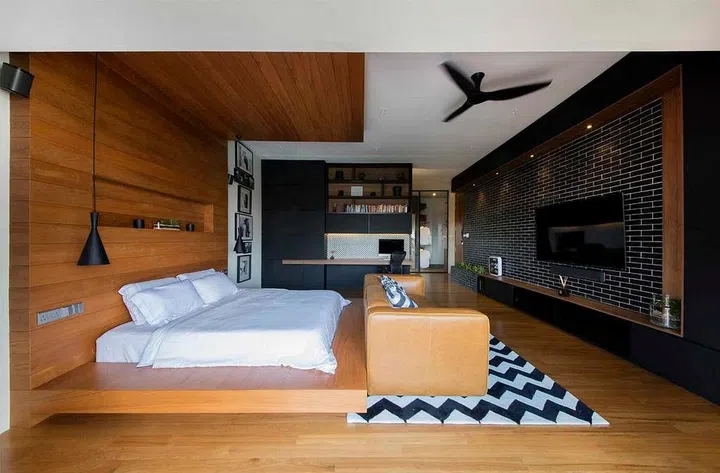
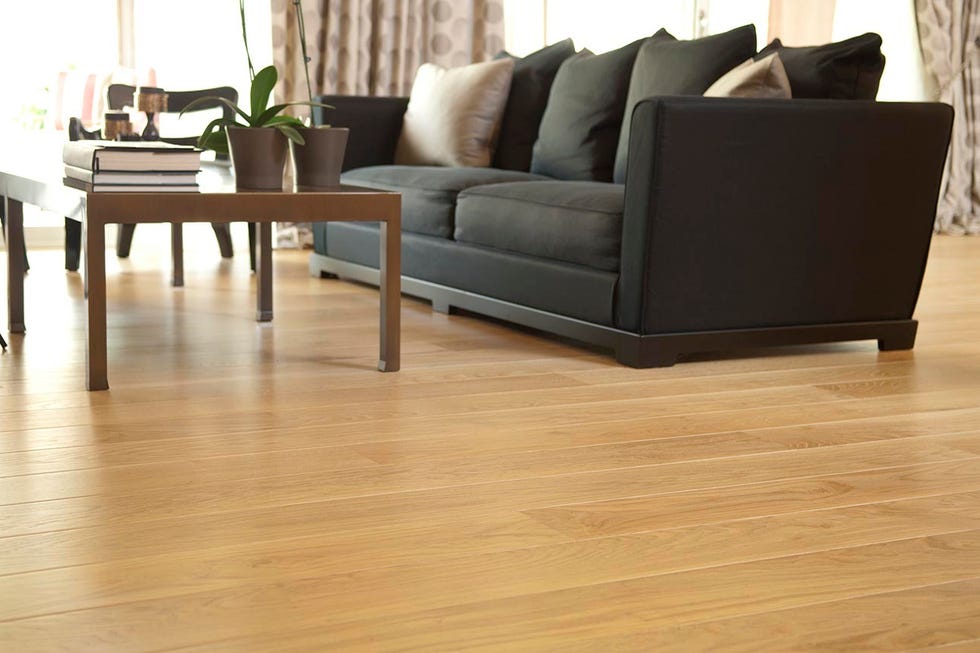
Engineered wood, often misunderstood, consists of a real wood wear layer over a multi-layered core, which can be plywood or a composite material. The quality and cost of engineered wood vary significantly based on the thickness of its wear layer. Inexpensive options may have thin wear layers that cannot be refinished, making them disposable after a relatively short period. Higher-quality engineered floors feature thicker wear layers (e.g., four or five millimeters) that can be sanded and refinished multiple times, offering a lifespan comparable to solid wood. Despite misconceptions, high-quality engineered wood can be as costly as solid wood. The primary advantage of engineered wood is its superior stability in fluctuating climates, making it ideal for areas with extreme humidity or dryness, such as basements, where solid wood might perform less consistently.
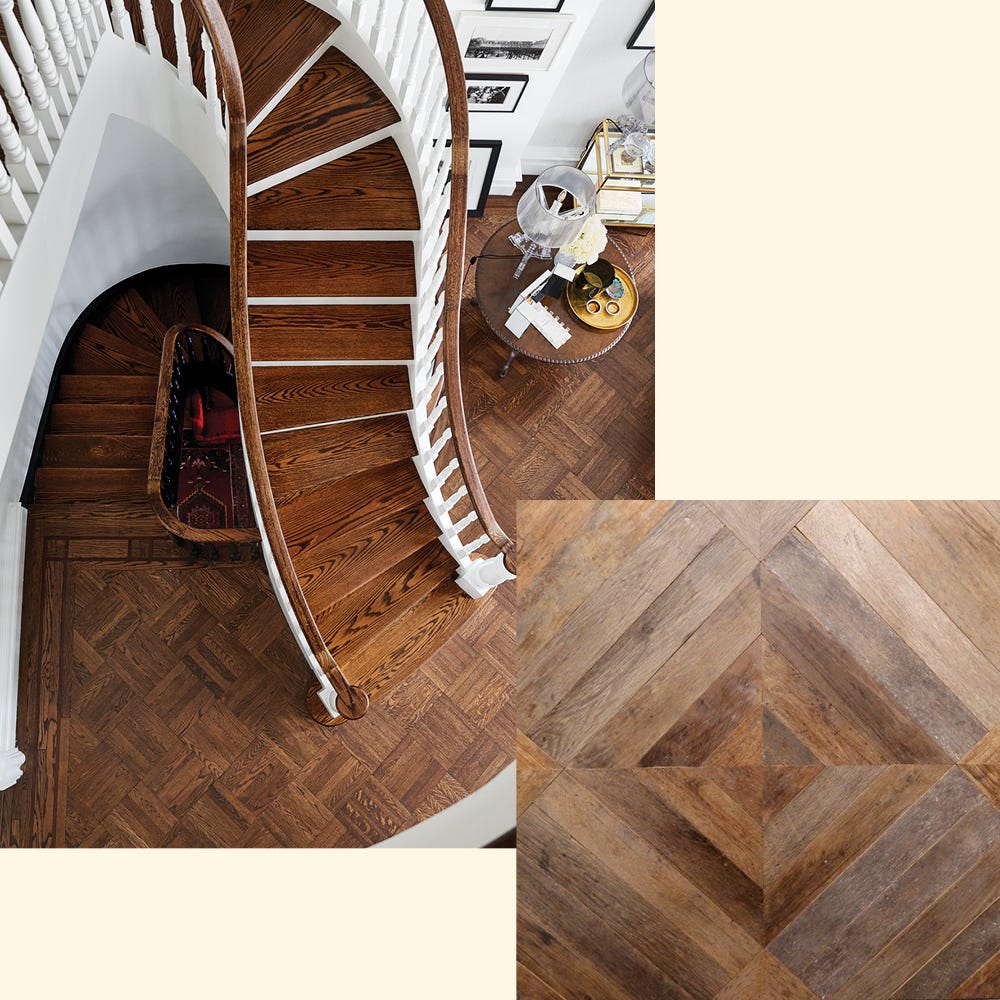
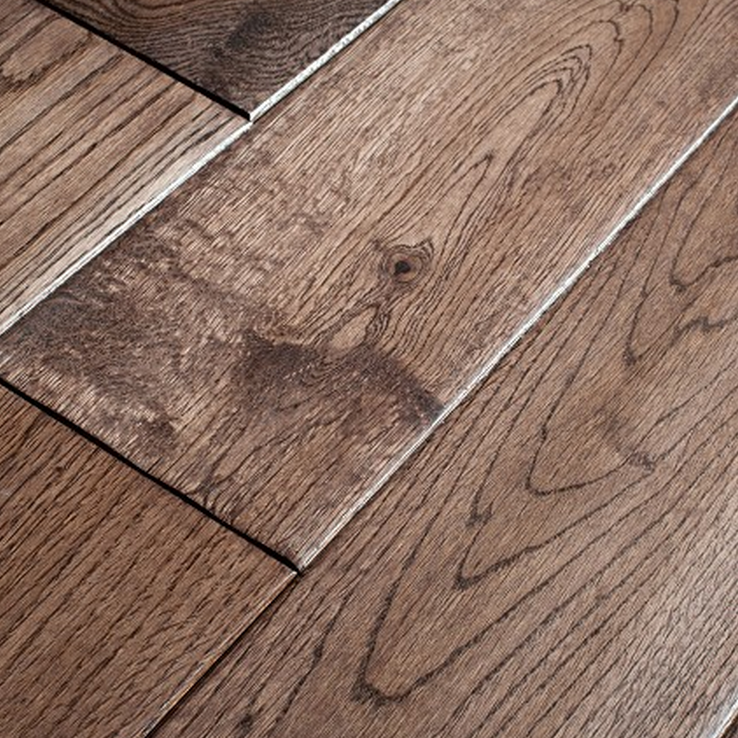
Reclaimed wood, while technically a type of solid wood, merits its own category due to its unique history and characteristics. It refers to wood that has been used previously, with antique reclaimed wood coming from structures 100 to 200 years old. Sources include deconstructed industrial buildings and logs retrieved from rivers. This wood, often antique heart pine or heart cypress, is considerably more expensive than new solid wood due to its rarity, the labor-intensive reclamation process, and its distinctive grain patterns and tighter growth rings. A major benefit of reclaimed wood is its sustainability, as it promotes reusing materials that would otherwise be discarded.
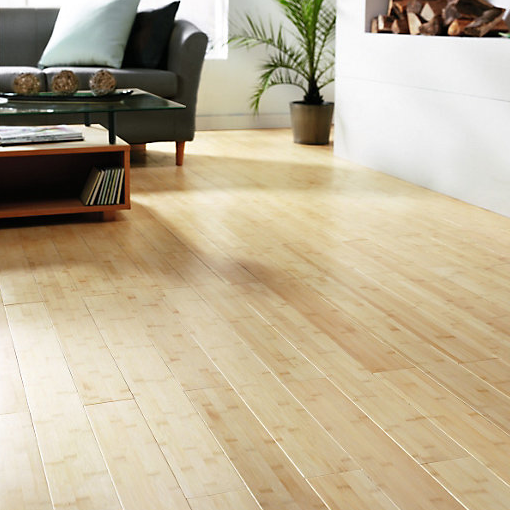
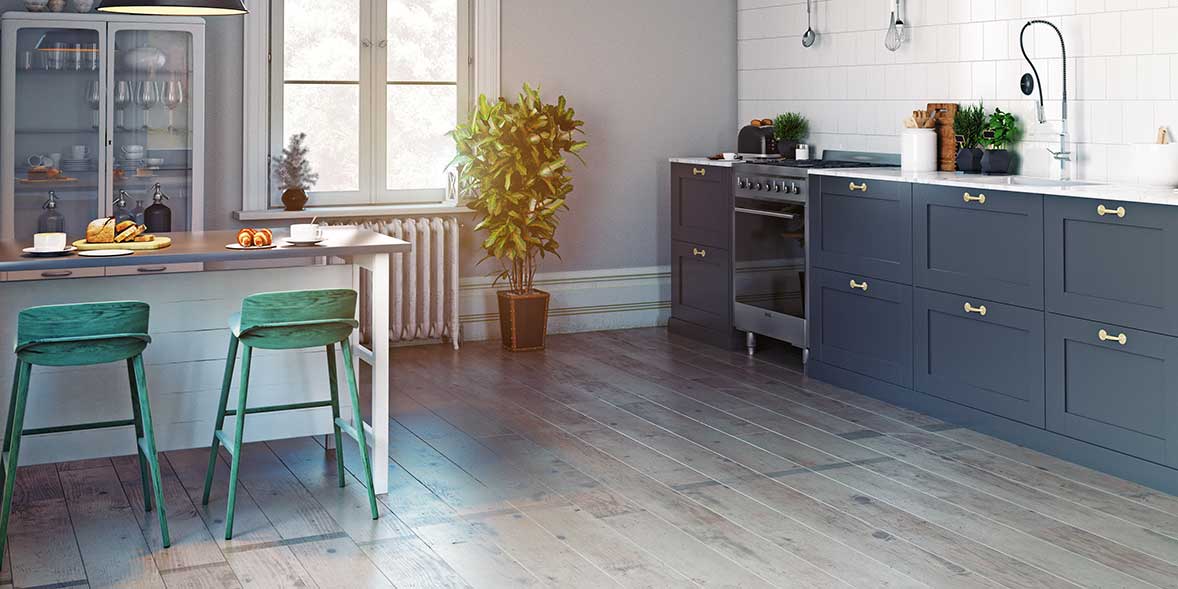
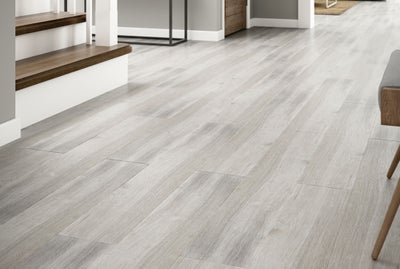
Alternative options that mimic the look of wood include laminate and luxury vinyl tile (LVT). Laminate flooring comprises compressed layers of fiberboard and melamine resin with a photographic wood grain image and a protective clear layer, offering extreme durability. LVT is a synthetic material designed to resemble wood and is also known for its durability. Both laminate and LVT are significantly less expensive than real wood. LVT's popularity is growing due to its convincing appearance and claims of being waterproof, although concerns exist regarding potential mildew if water seeps underneath and the presence of chemical compounds that can off-gas over time. While these alternatives offer cost-effective and durable solutions, experts caution buyers to be aware of their material composition and long-term implications.
#WoodFlooring #HomeRenovation #InteriorDesign #SolidWood #EngineeredWood #ReclaimedWood #LaminateFlooring #LuxuryVinylTile #SustainableMaterials #WoodFlooring #HomeRenovation #InteriorDesign #SolidWood #EngineeredWood #ReclaimedWood #LaminateFlooring #LuxuryVinylTile #SustainableMaterials
0 comment in total
 No comments yet
You may also like
Here's Everything You Need to Know About Wood Flooring
Q&A on wood flooring: How much it costs and more

How Hardwood Flooring is Made at Advantage Lumber

Home: How to clean wood flooring without causing damage

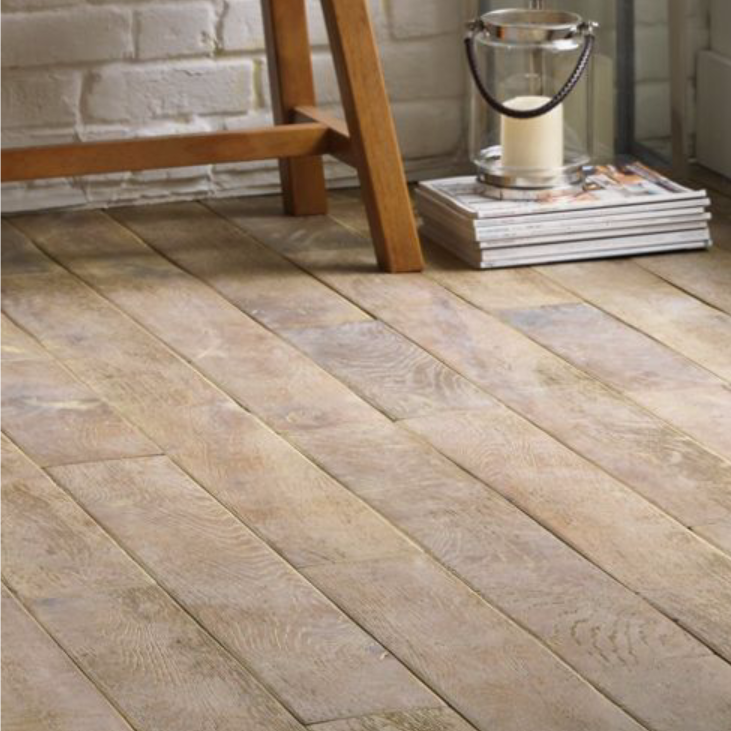
Wood Flooring – Our Pick of the Best
A Home Improvement Expert Reveal the Best Hardwood Flooring


Trends shaping the future of wood flooring

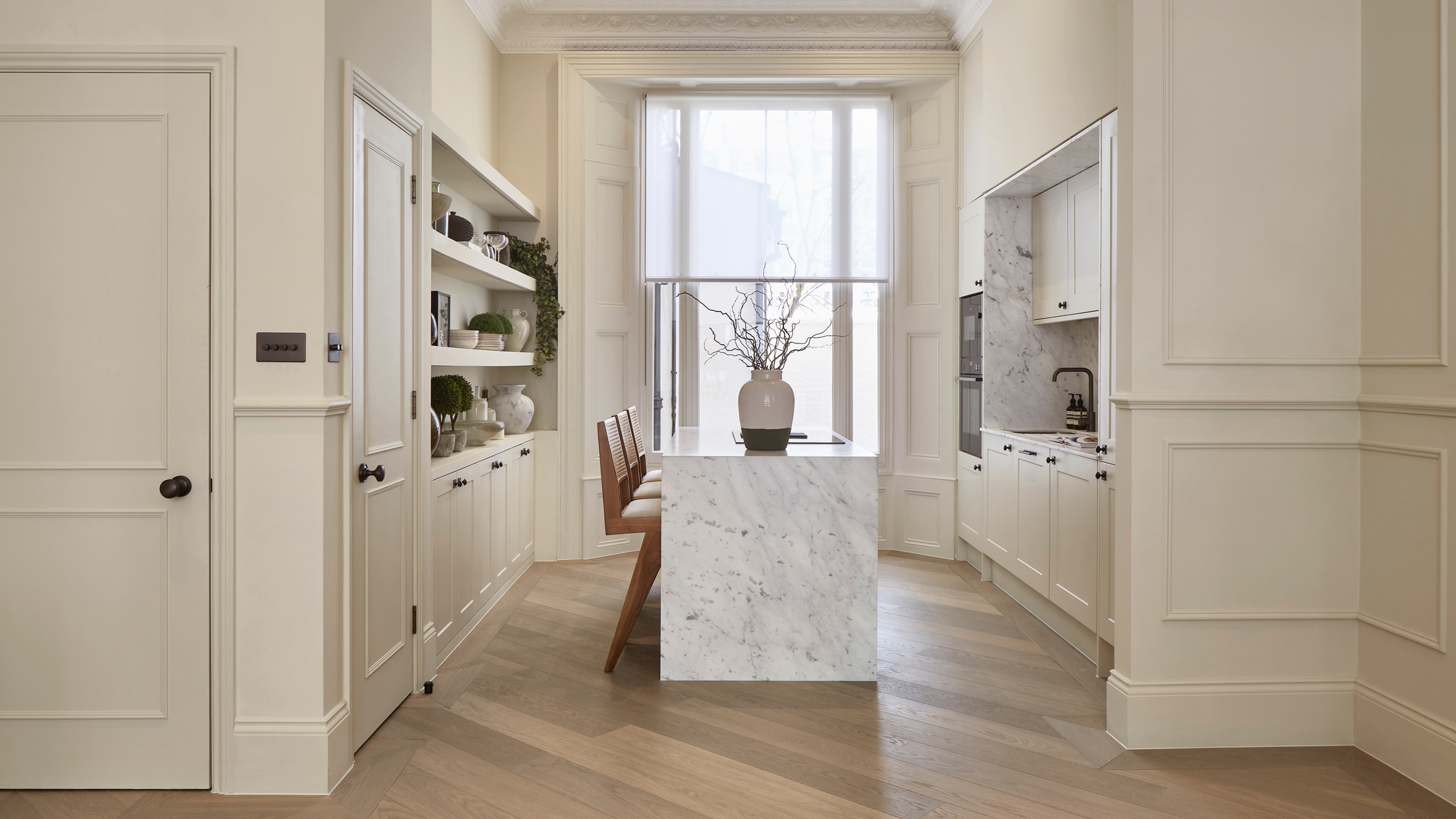
10 wooden kitchen floor ideas to inspire you to embrace this classic and demure flooring option
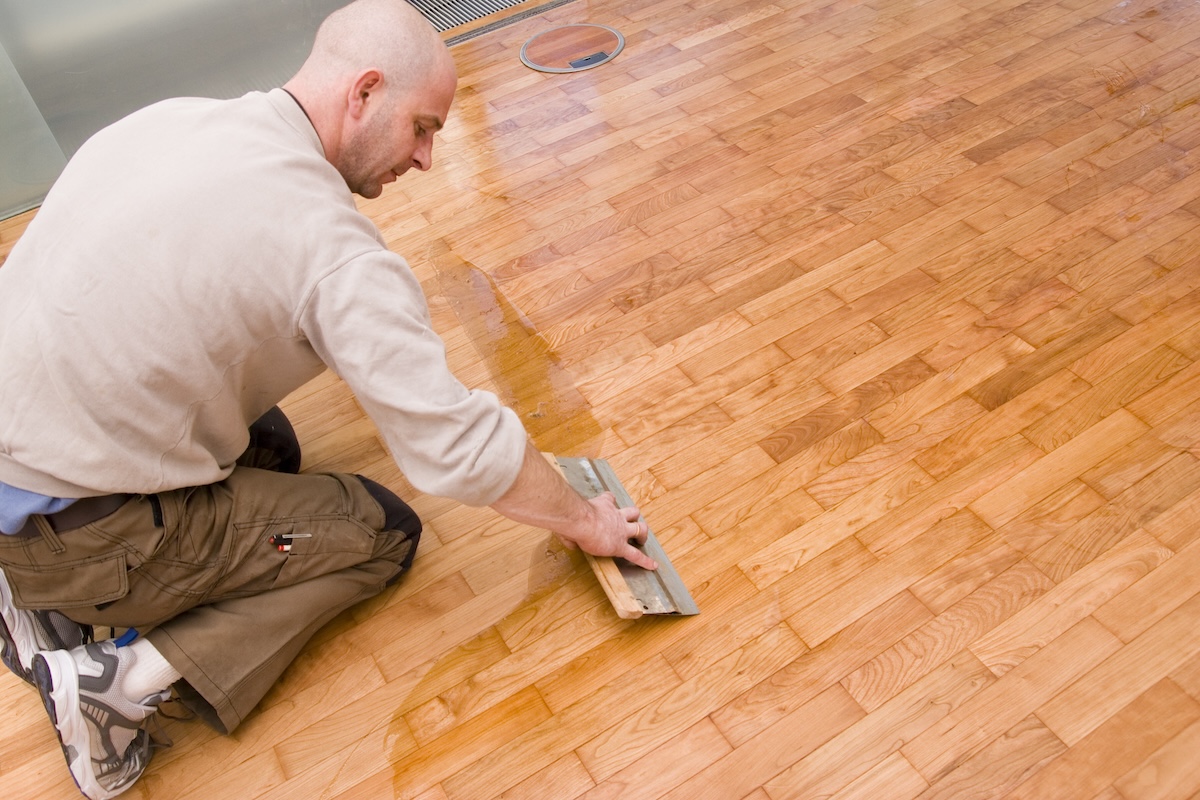
Guide to Hardwood Floor Finishes

Today’s evolving hardwood floors offer myriad choices
5 flooring mistakes to avoid – according to architects and interior designers

Wood floor ideas for a living room – 10 practical and stylish looks for flooring
Different Types of Wood Flooring and What to Consider Before Installing

I swear by this incredibly easy 5-step method for cleaning real wood floors
Don't use hardwood flooring in a bathroom without reading this expert advice for long-lasting boards

Flooring expert reveals the only downstairs room you should be using carpet in
Types of wood flooring
How to plan the perfect wood flooring - what you need to know about wood versus wood-style
Flooring

Wood Floors Make (Another) Comeback