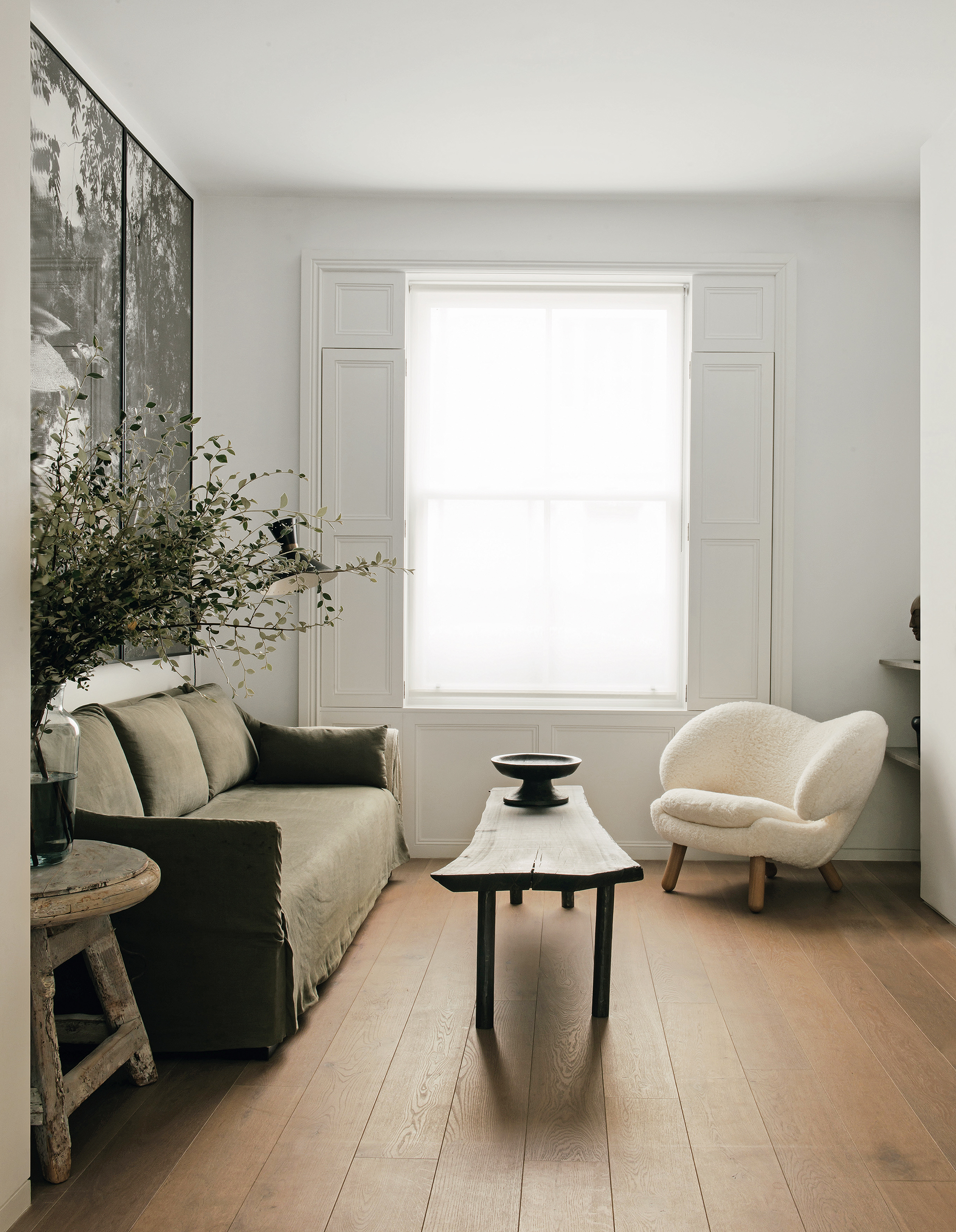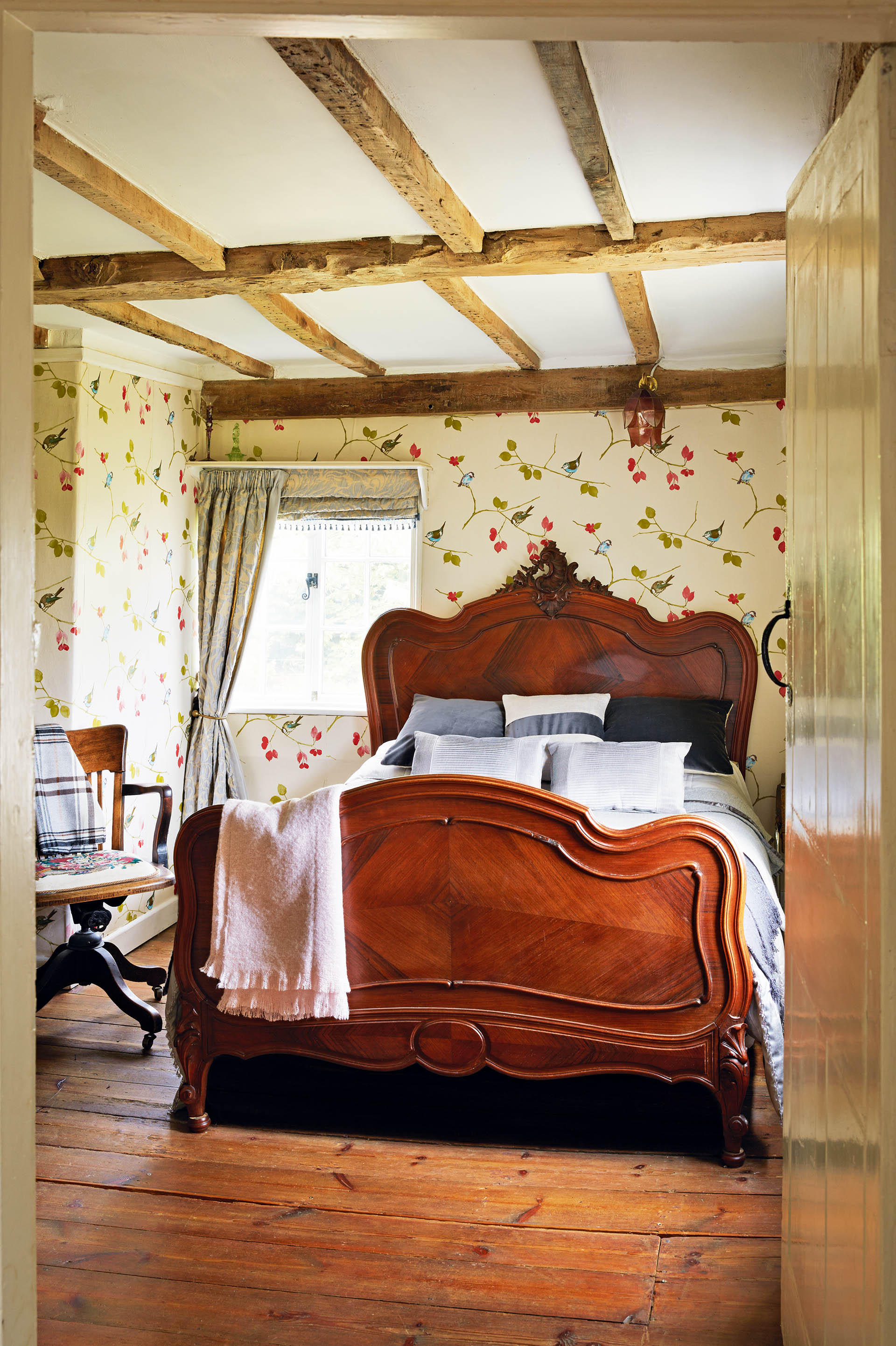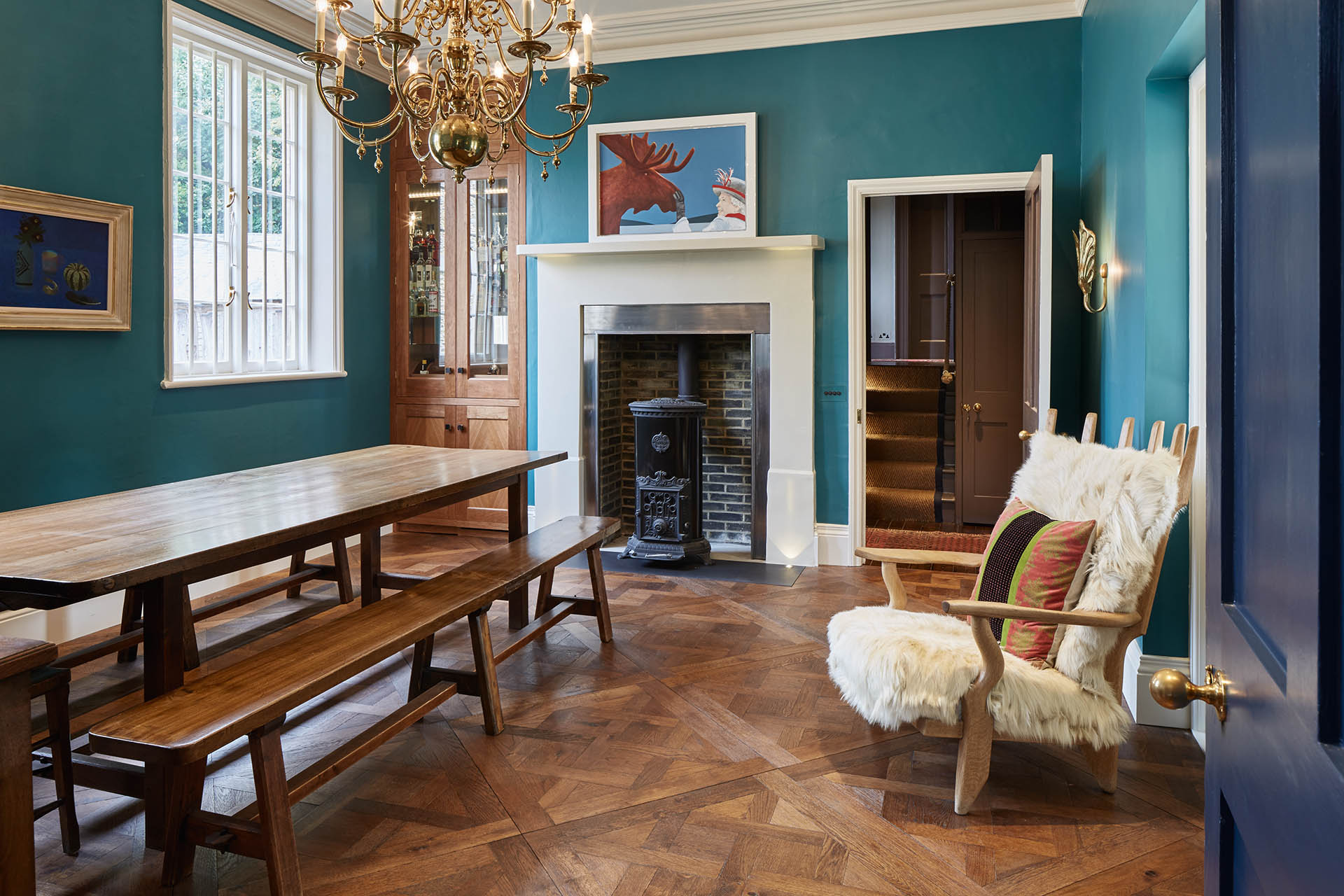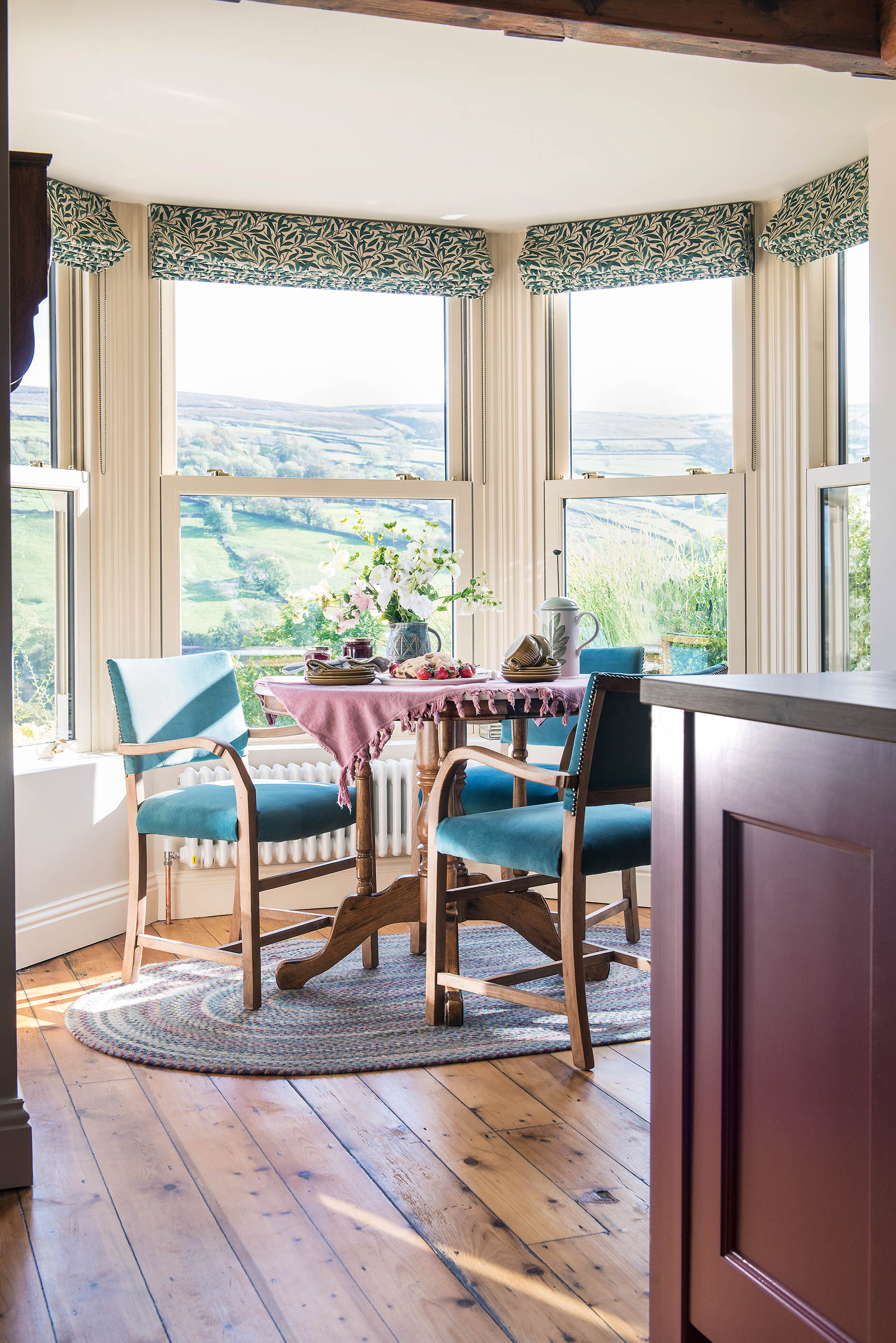
Home: How to clean wood flooring without causing damage
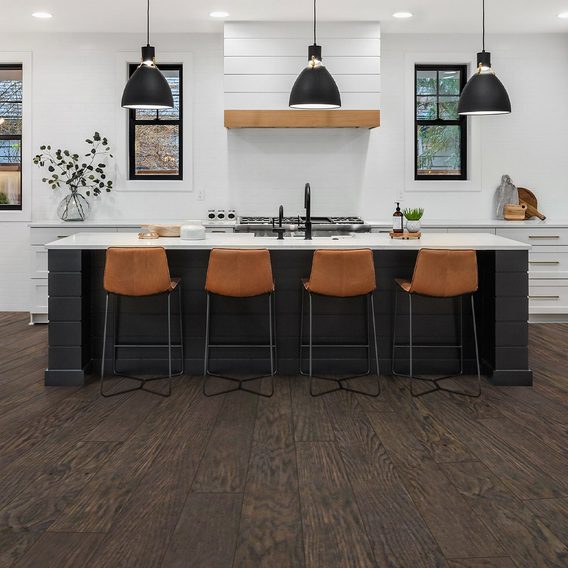
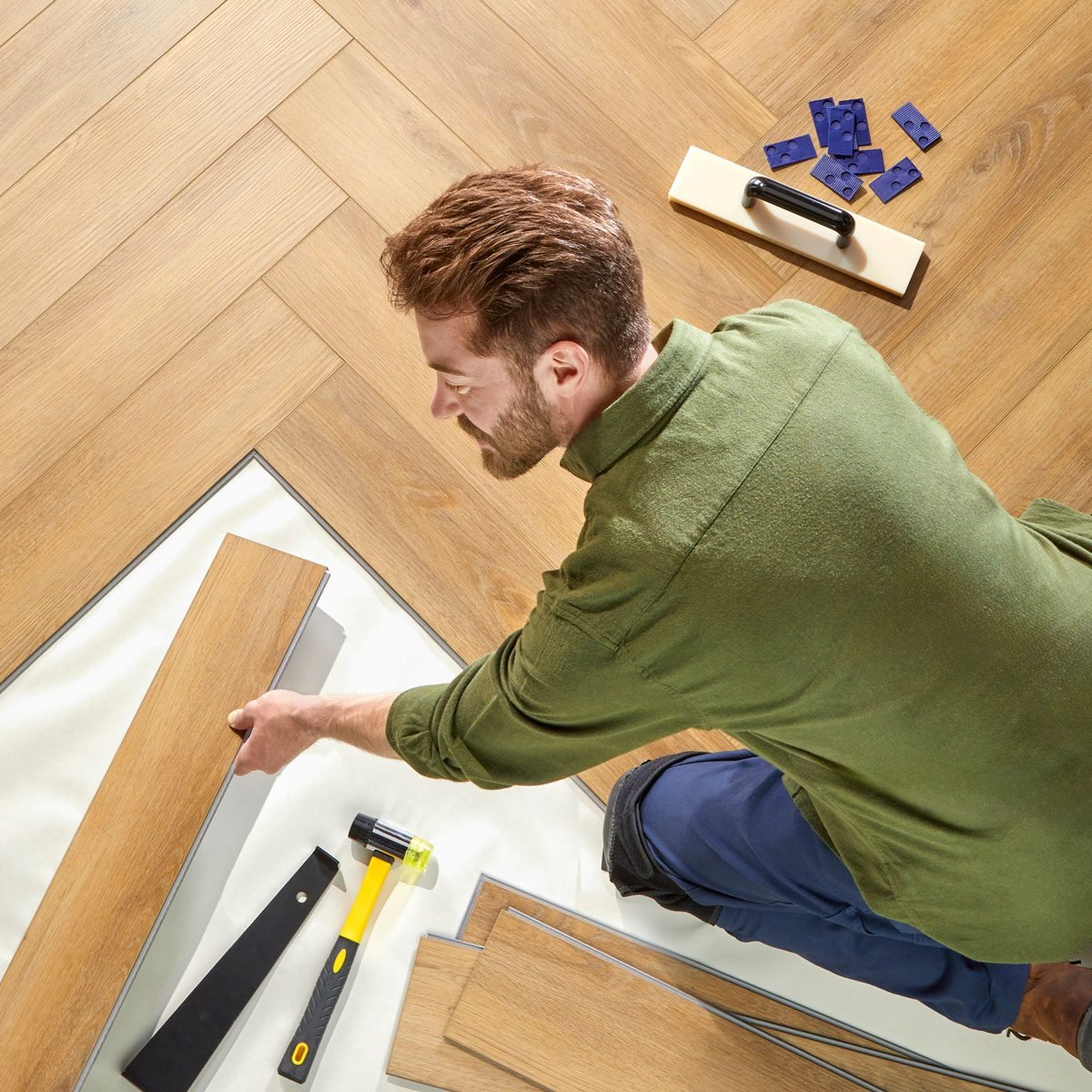
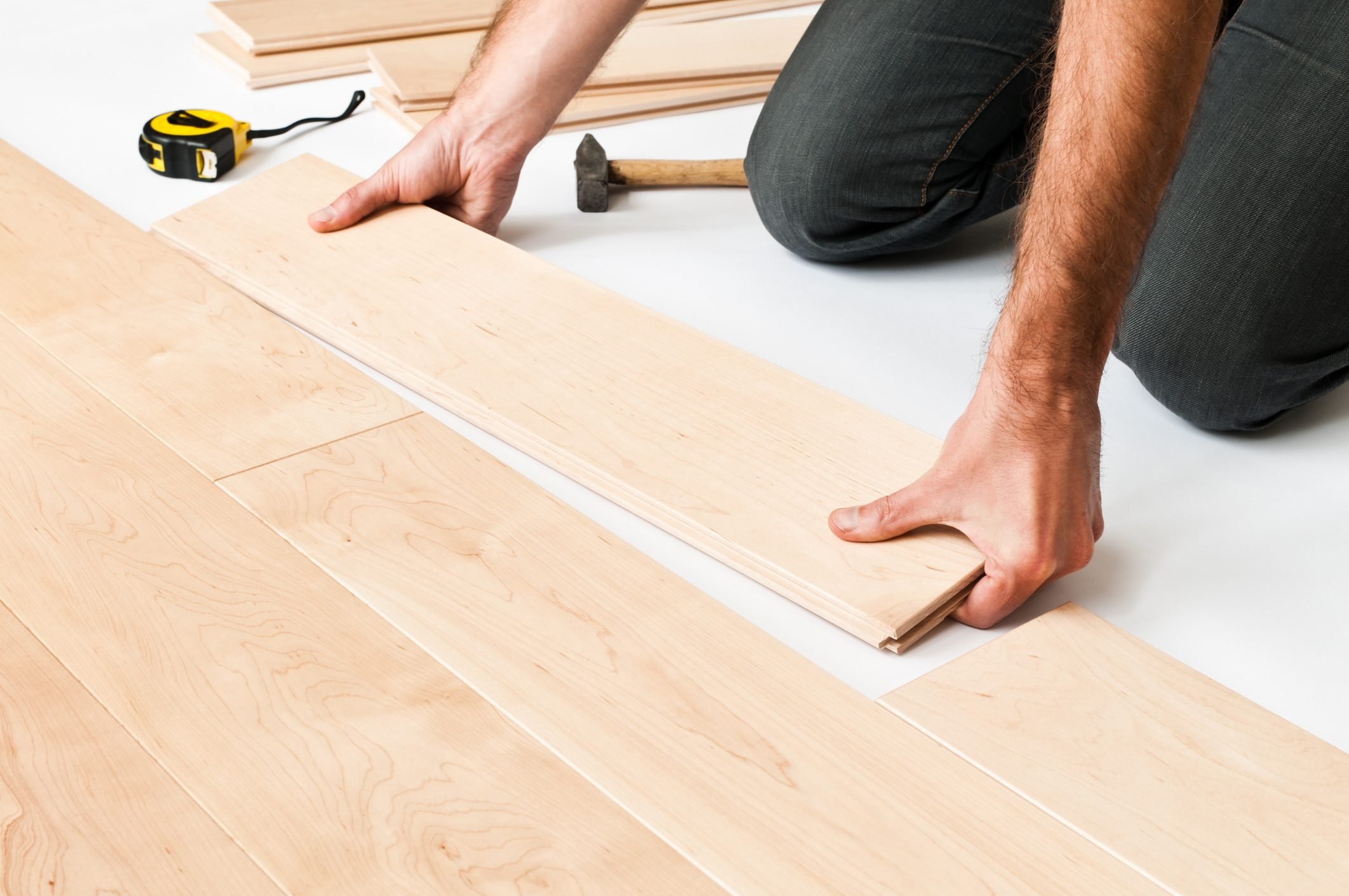
This article provides comprehensive guidance on effectively cleaning various types of wood flooring without causing damage, emphasizing the distinction between genuine timber and laminate. Laminate flooring, a synthetic composite of high-density fibreboard with a printed wood grain, offers an economical and practical alternative to real wood, but requires different cleaning methods. Despite advancements in digital printing that create a realistic appearance, laminate is not wood and should not be treated as such when cleaning.
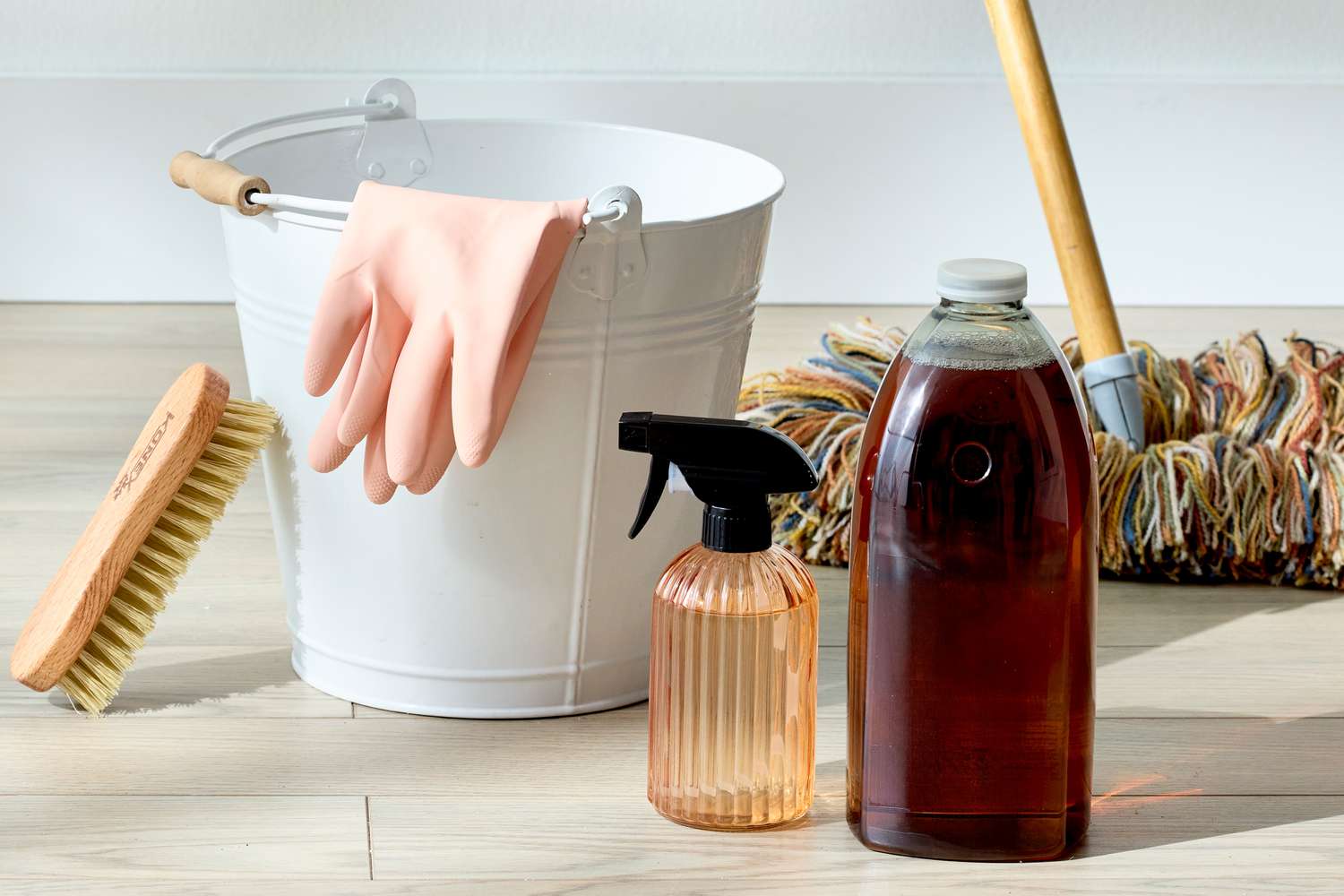
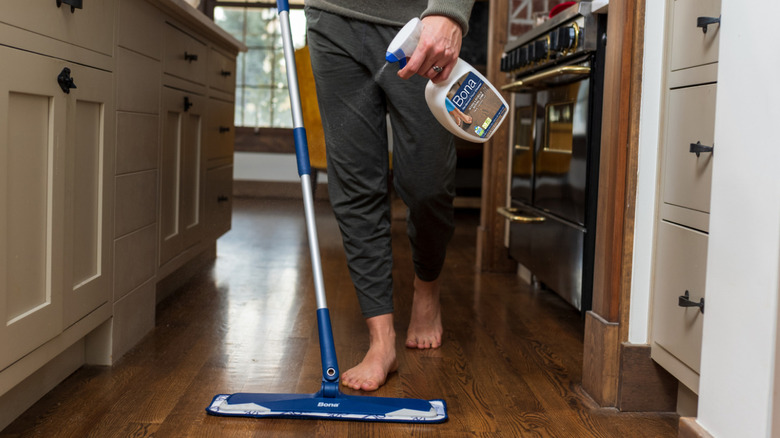
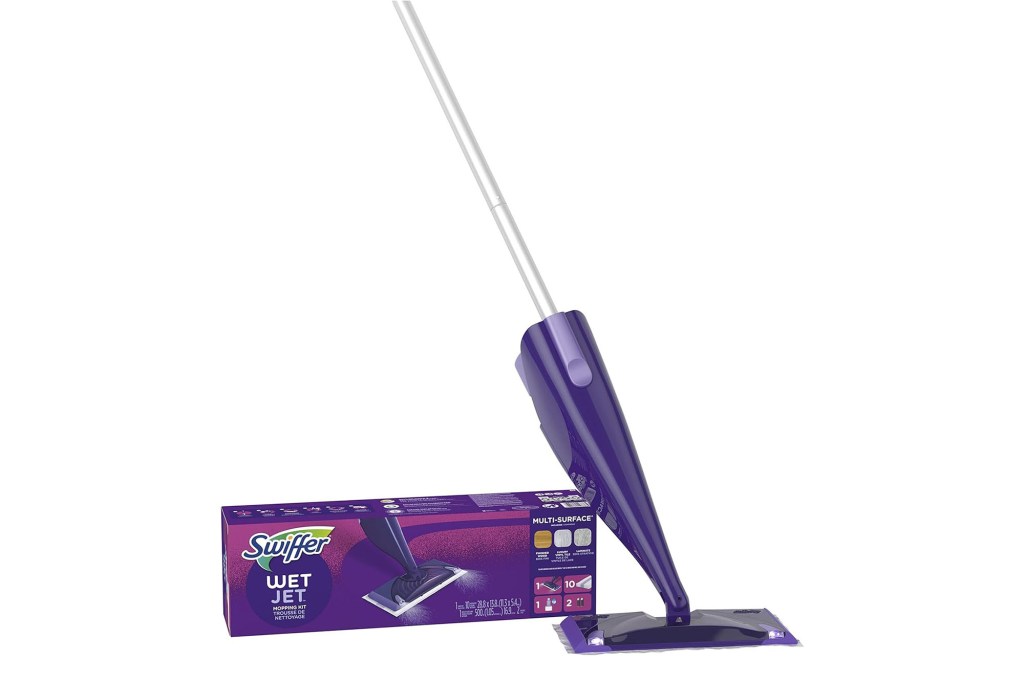
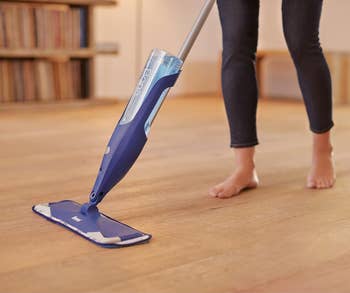
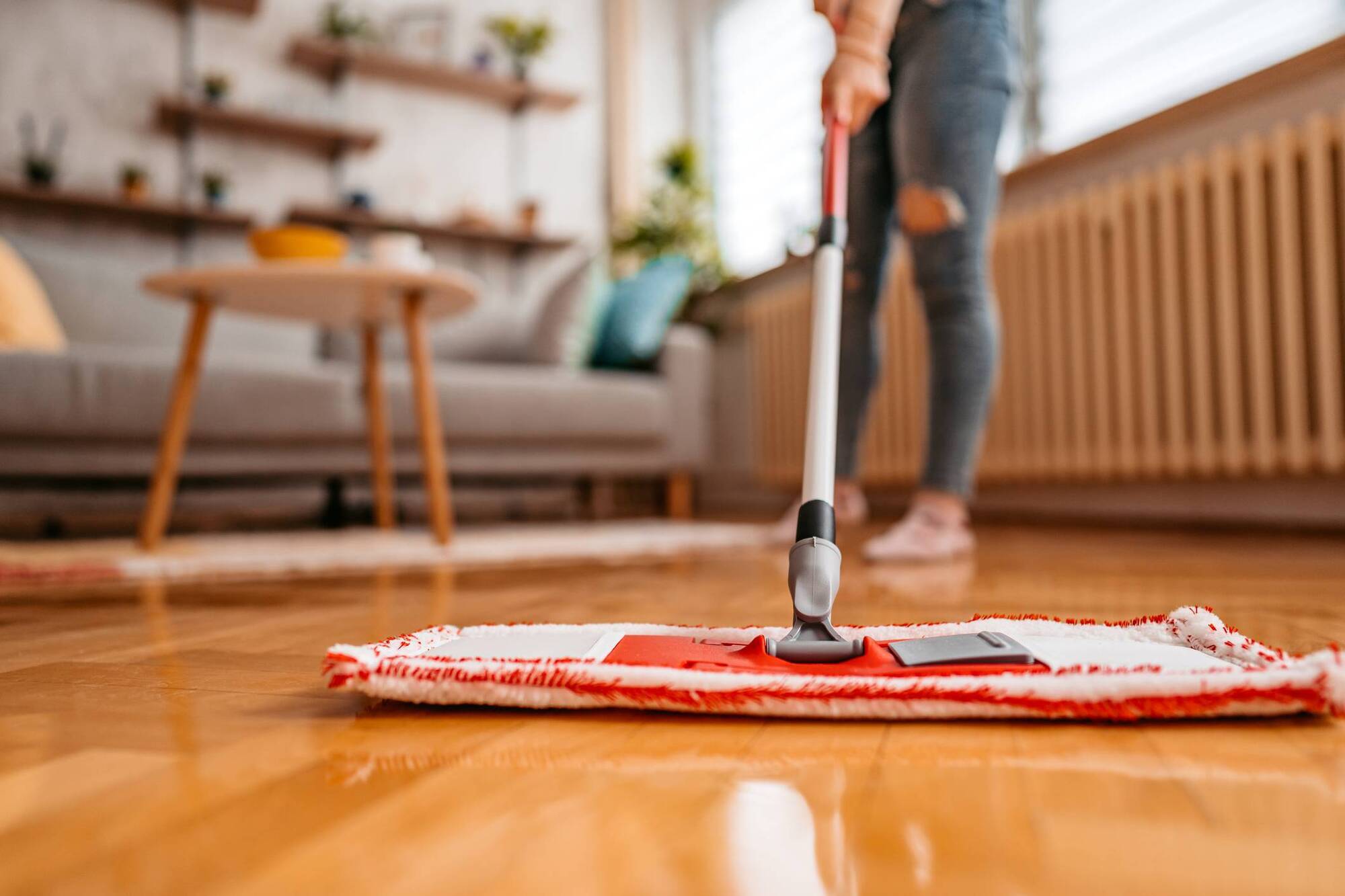
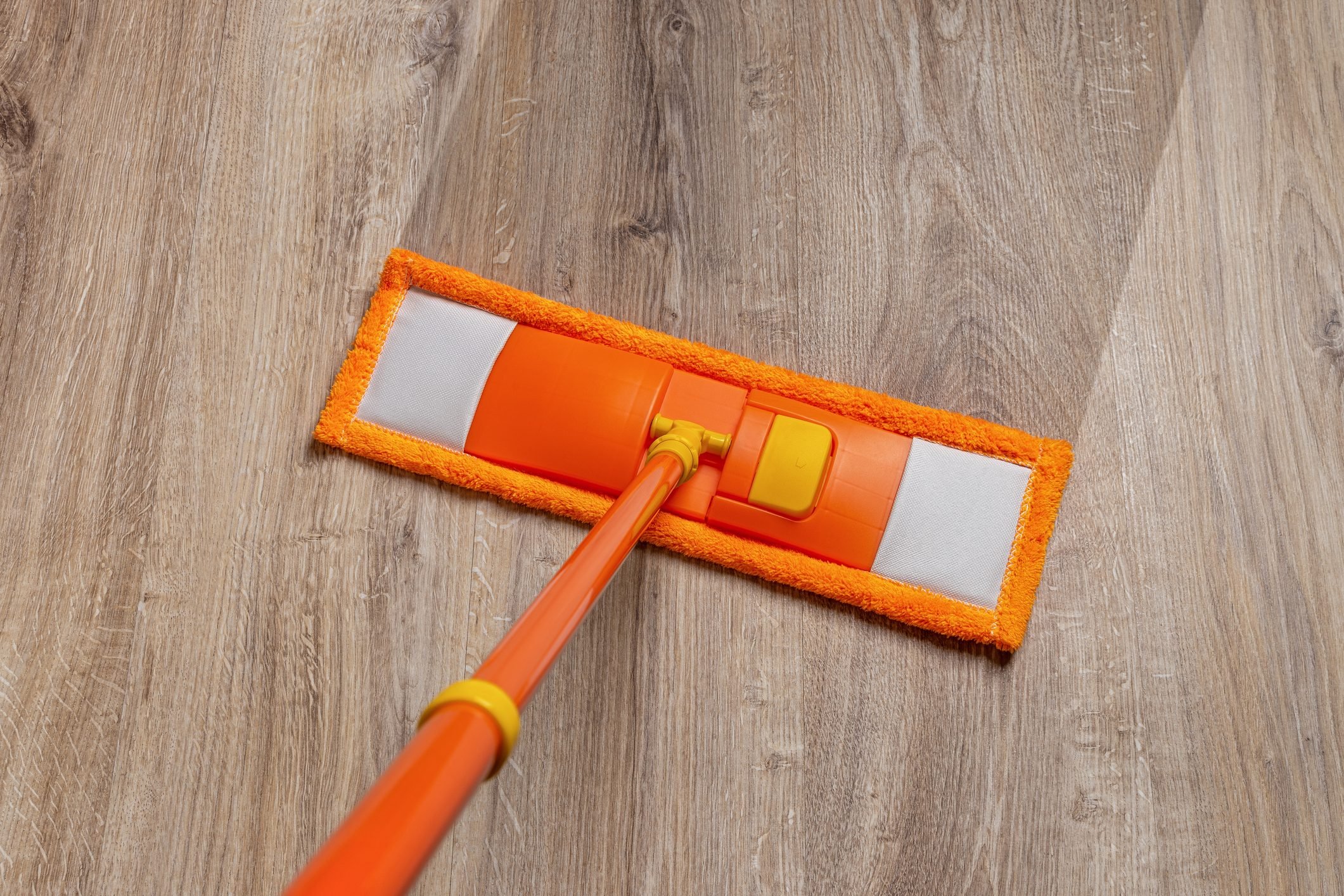
For general cleaning of both laminate and genuine timber floors, the primary recommendation is to avoid excessive moisture. Water is the biggest enemy of wood flooring, as it can cause swelling, warping, and damage to finishes. Instead of traditional wet mopping, the article advocates for a 'damp-dusting' approach. This involves using a spray mop, which allows for controlled application of cleaning solution or pure water, ensuring the floor is merely damp, not saturated. A quality spray mop with microfibre heads is suggested, with a price range of €30 to €80, and can be used with proprietary sprays or simply water.
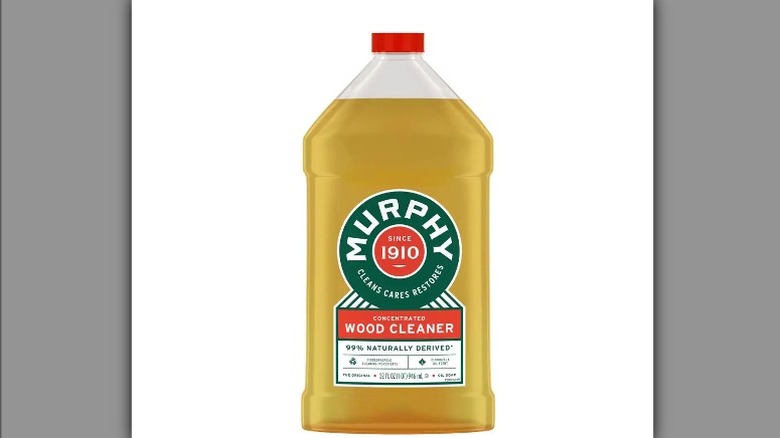
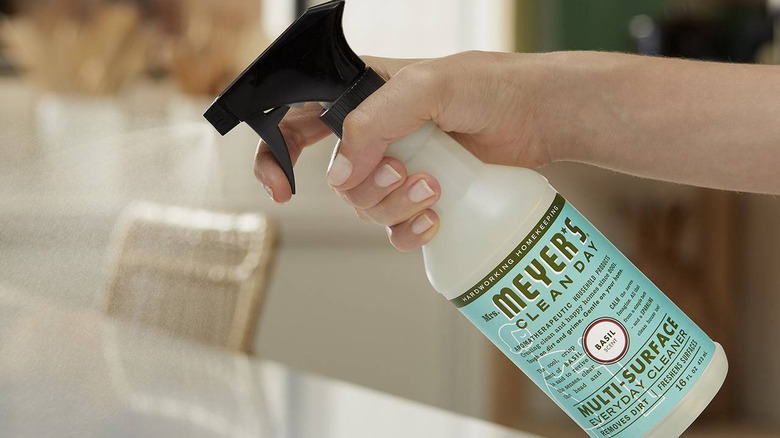
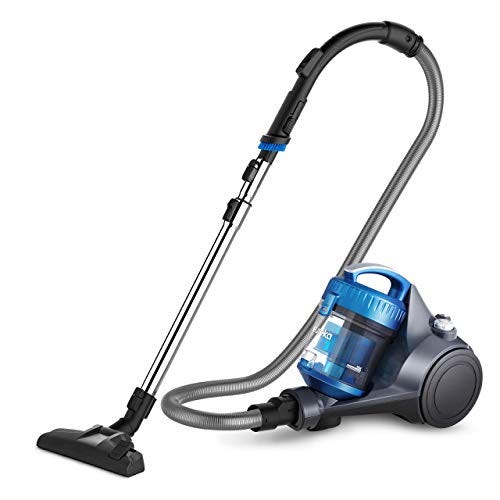
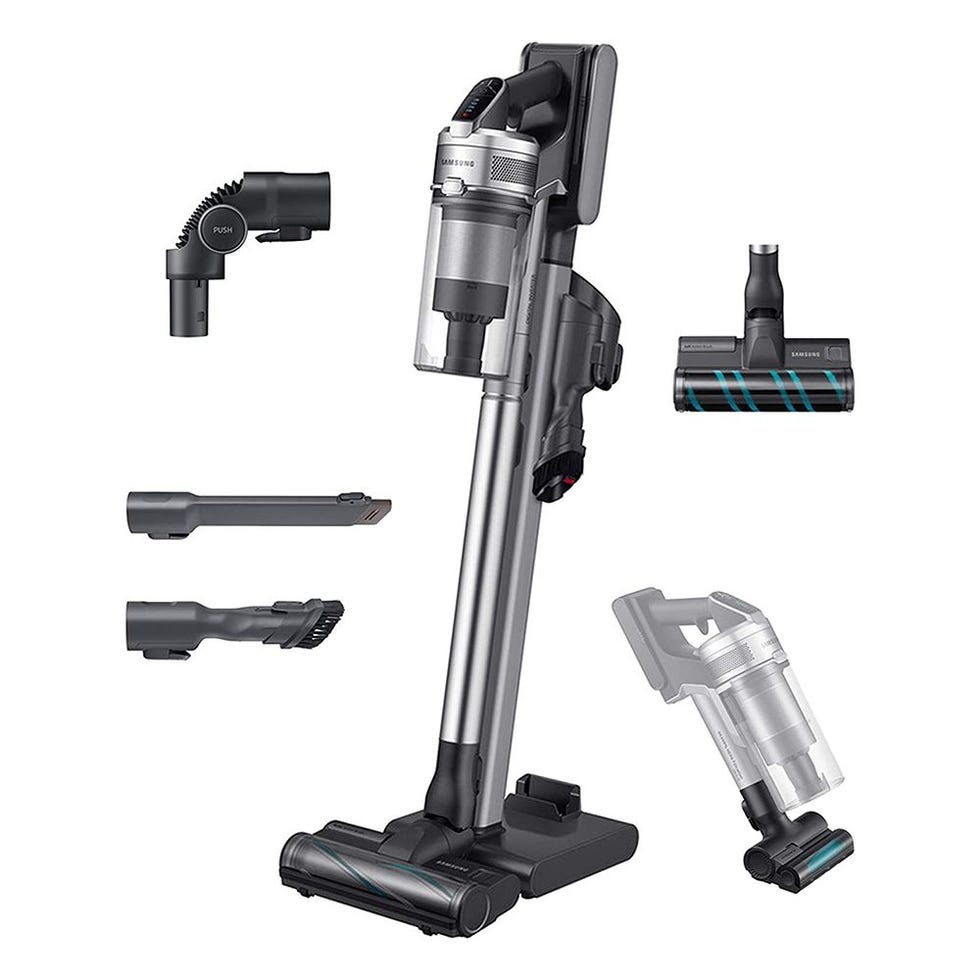
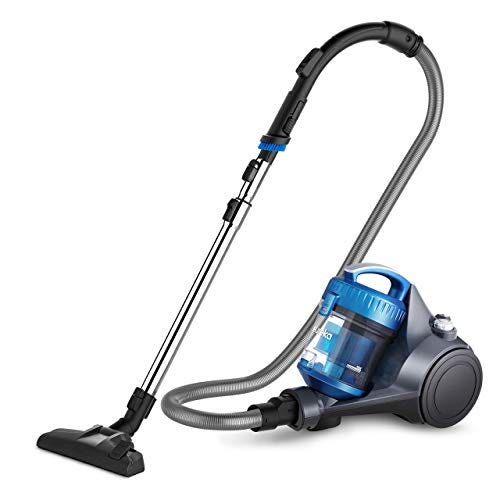
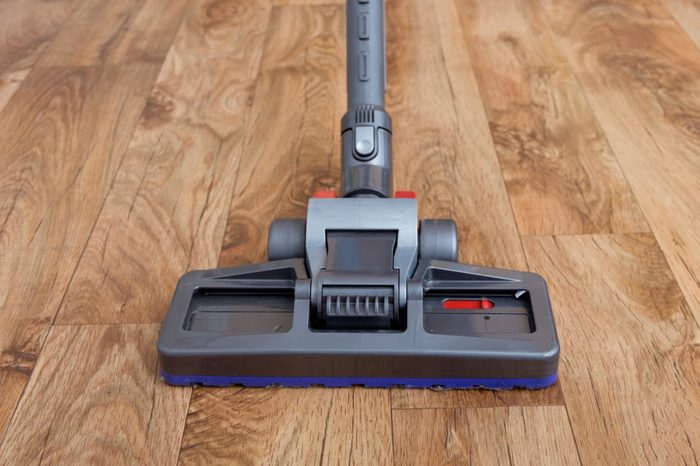
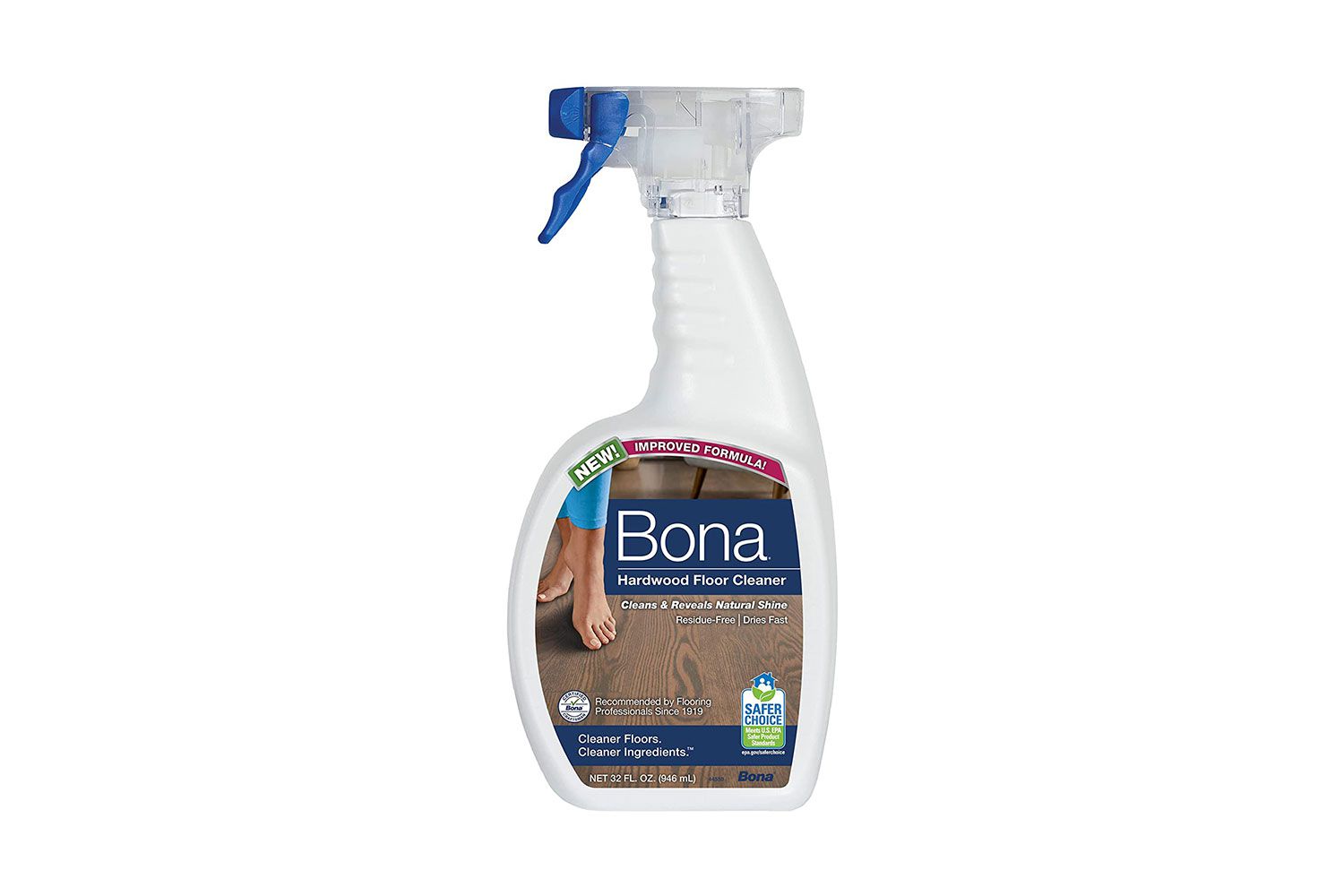
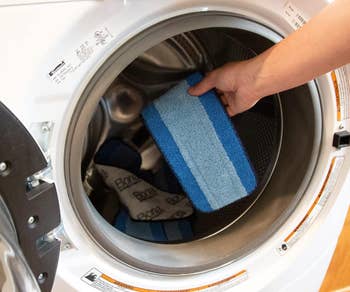
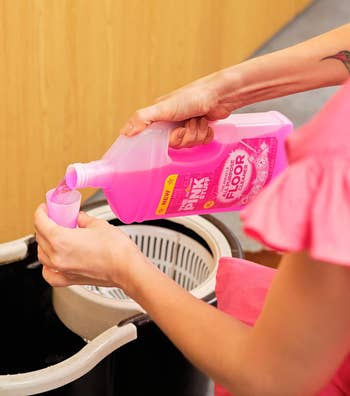
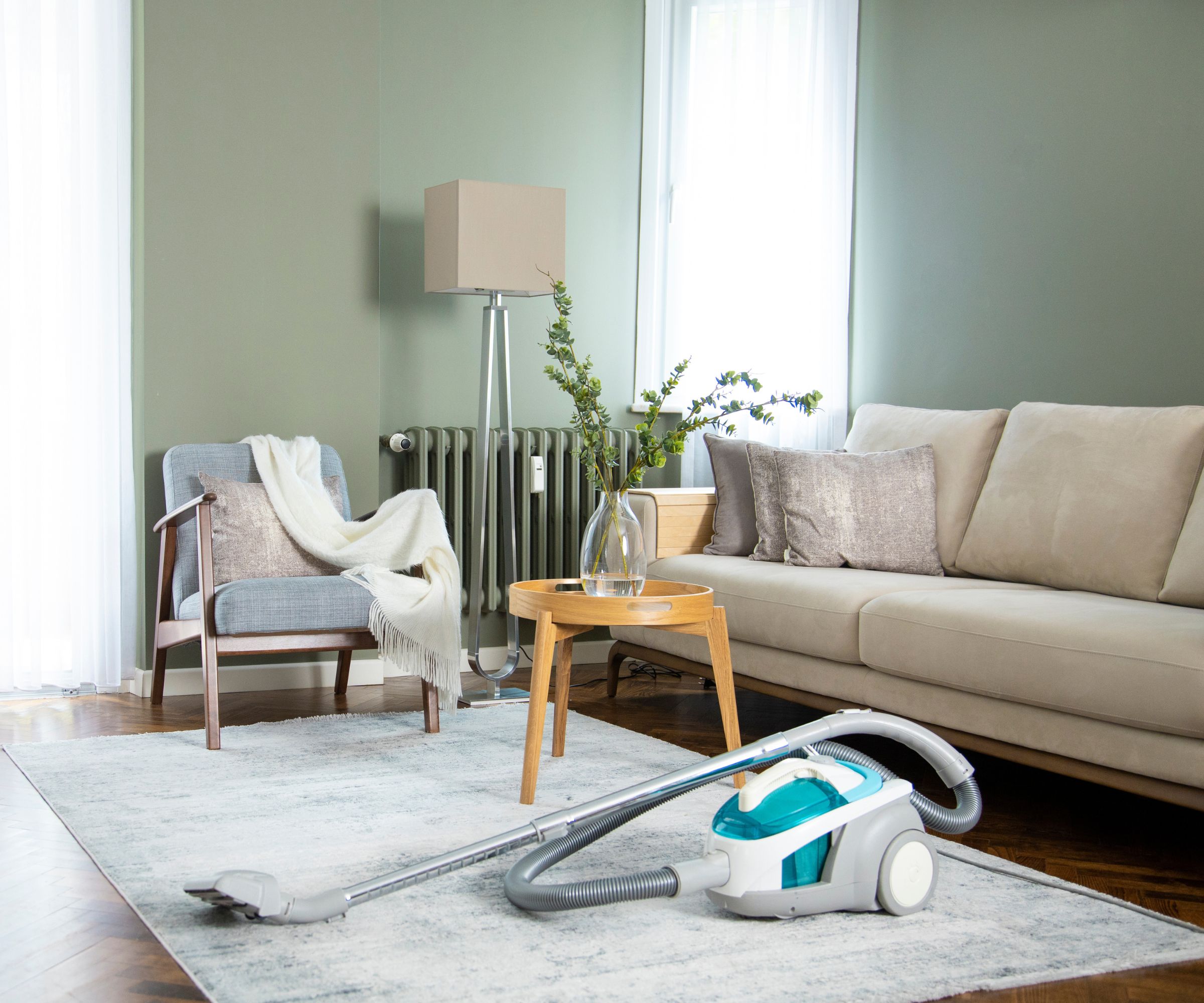
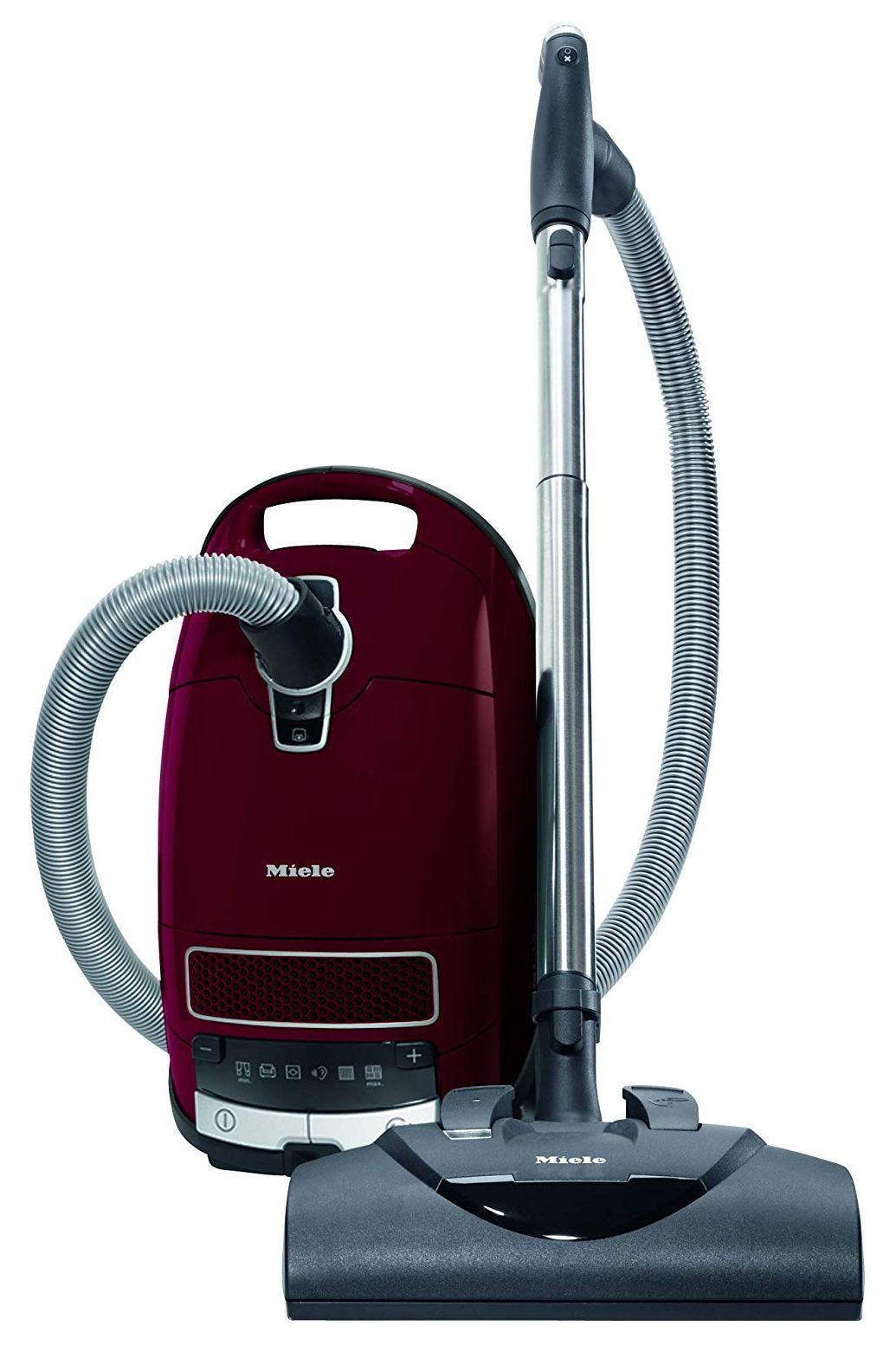
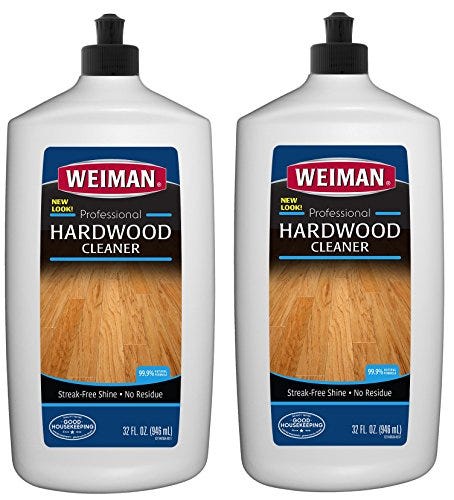
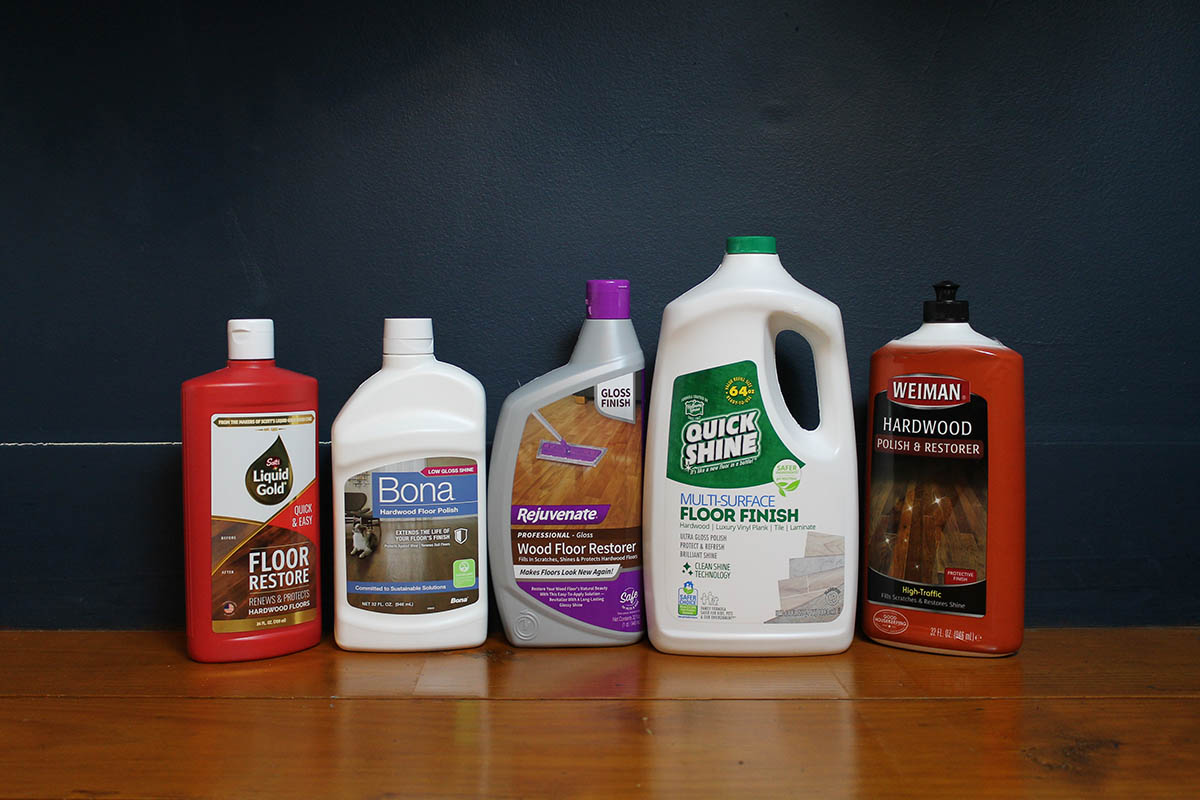
The article outlines a three-step process for cleaning: first, vacuuming the floor to remove loose debris, followed by dry mopping with a microfibre pad, and finally, damp-mopping. When damp-mopping, a clean, well-wrung-out microfibre mop should be used, or a spray mop. It is crucial to change or rinse the mop head frequently to prevent redistributing dirt and grime. For cleaning solutions, the author recommends using proprietary wood floor cleaners, specifically those designed for the type of finish on the floor (e.g., polyurethane, oil-based, or wax). These cleaners are formulated to be pH-neutral and gentle on wood surfaces.
The abstract further details specific care instructions based on the floor type. For sealed wood floors (most common, finished with polyurethane, acrylic, or varnish), a damp microfibre mop and a pH-neutral wood floor cleaner are ideal. Excess water must be avoided, and spills should be wiped immediately. For oil-finished wood floors, which penetrate the wood rather than forming a surface layer, specialised oil-based cleaners are necessary. These cleaners help to replenish the oil and maintain the wood's natural lustre. Waxed wood floors require even more delicate care; only specific wax-safe cleaners should be used, and water should be strictly avoided as it can strip the wax and dull the finish.
The article stresses the importance of regular maintenance, including daily sweeping or vacuuming with a soft brush attachment to prevent scratches from grit and dirt. For tougher spots or sticky residues, a slightly more concentrated cleaning solution can be used, but always spot-test in an inconspicuous area first. The author also advises against using steam cleaners on any type of wood floor, as the high heat and moisture can cause irreparable damage. Additionally, harsh chemicals such as ammonia-based cleaners, abrasive pads, or steel wool should be avoided, as they can strip finishes and scratch the surface. Proper cleaning techniques, appropriate tools, and suitable cleaning products are crucial for preserving the beauty and longevity of wood flooring.
#WoodFlooring #HomeCare #CleaningTips #LaminateFlooring #TimberFlooring #FloorMaintenance #MicrofibreMop #HomeImprovements #InteriorDesign #WoodFlooring #HomeCare #CleaningTips #LaminateFlooring #TimberFlooring #FloorMaintenance #MicrofibreMop #HomeImprovements #InteriorDesign
0 comment in total
 No comments yet
You may also like
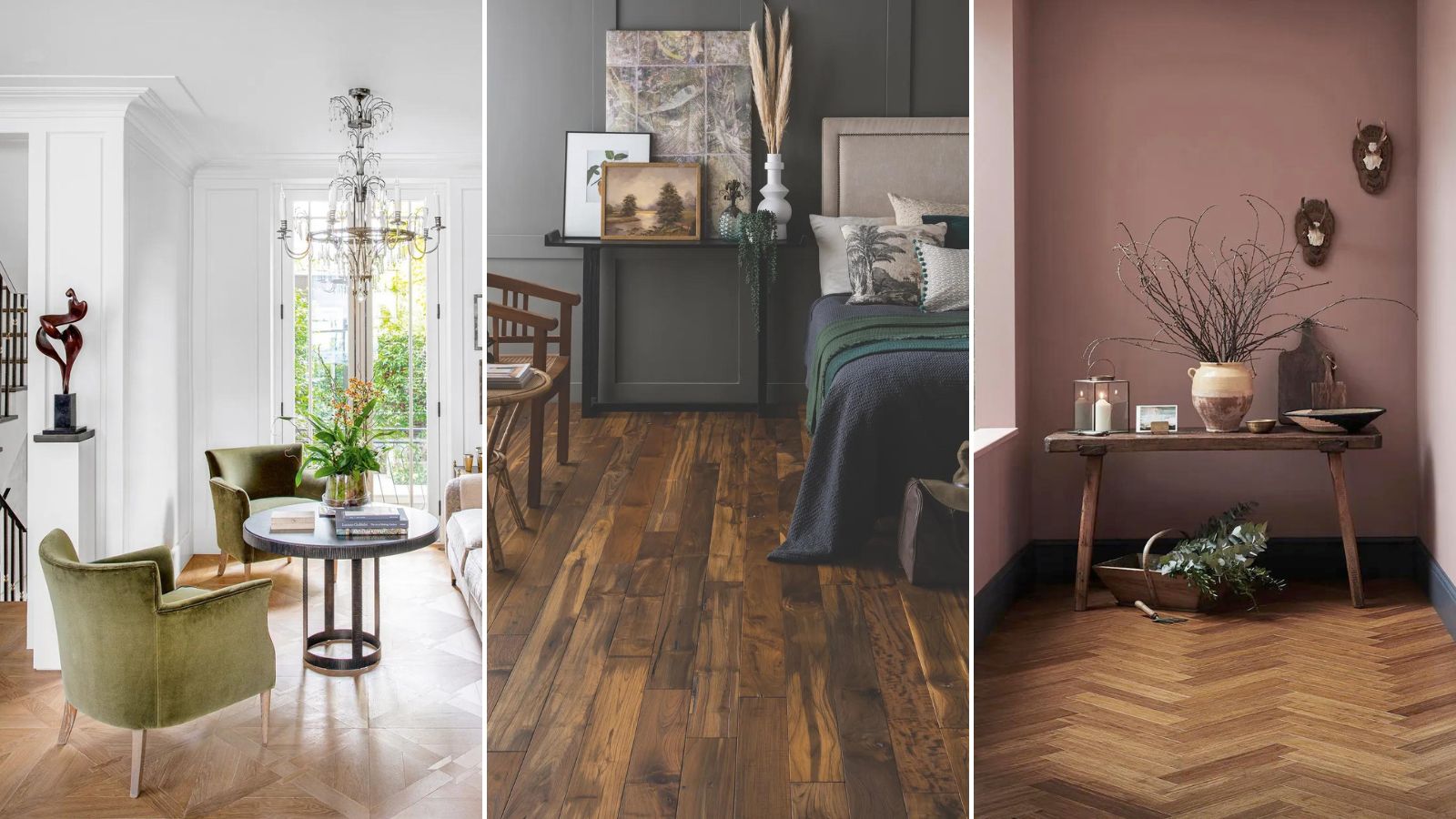
I swear by this incredibly easy 5-step method for cleaning real wood floors

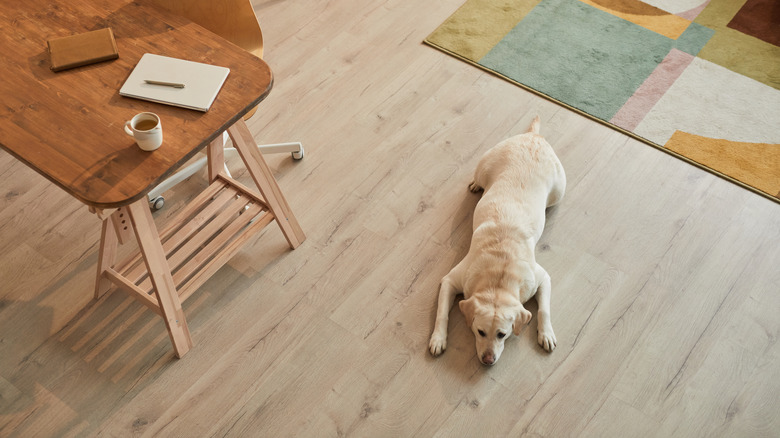
10 Top Hardwood Floor Cleaners To Keep Them Looking Like New

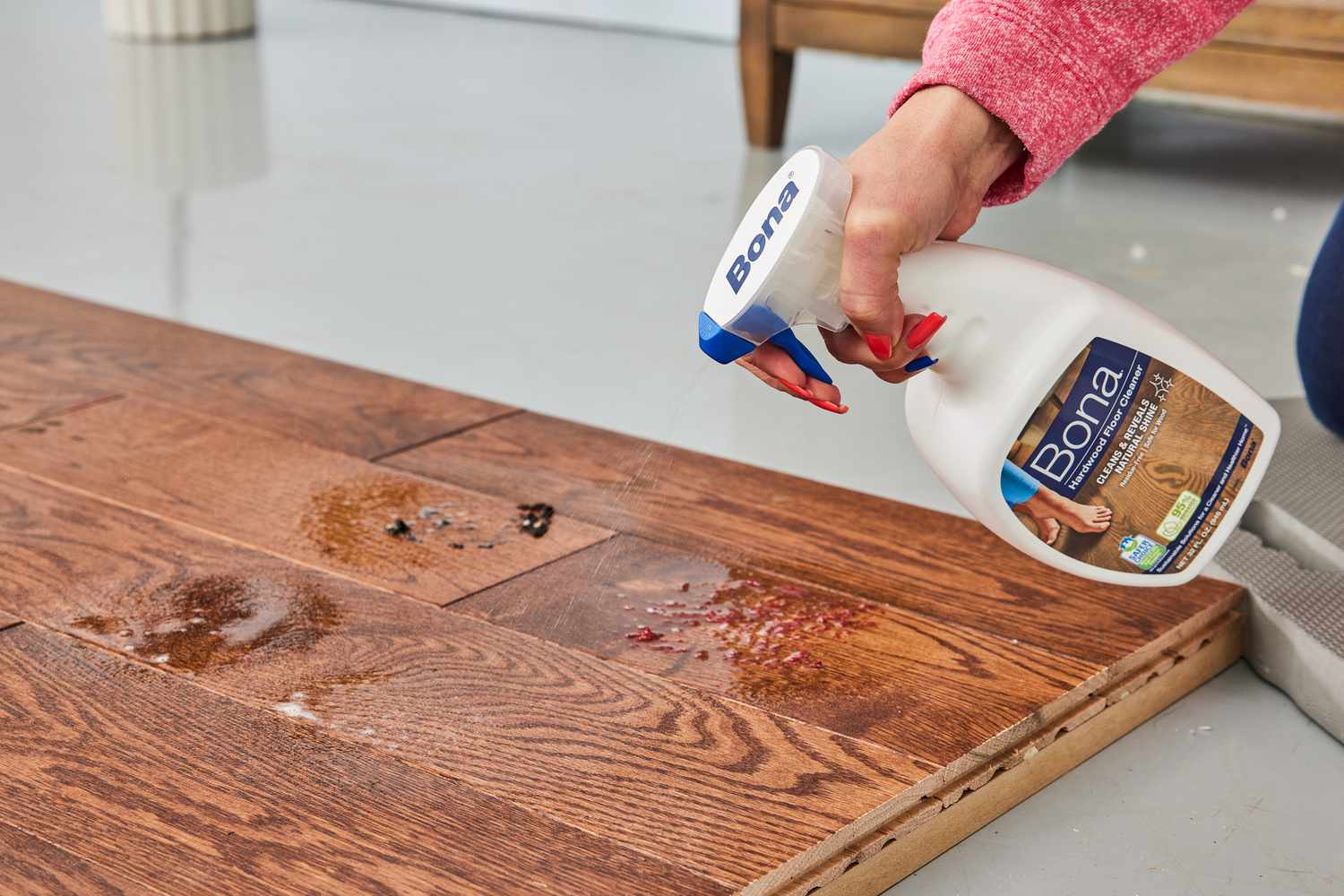
The Secret to Keeping Your Hardwood Floors Pristine? It’s One of Our 6 Best Cleaners

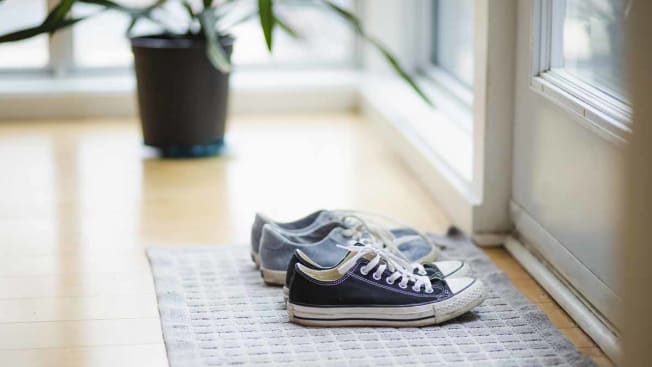
5 Ways to Clean and Protect Your Floors
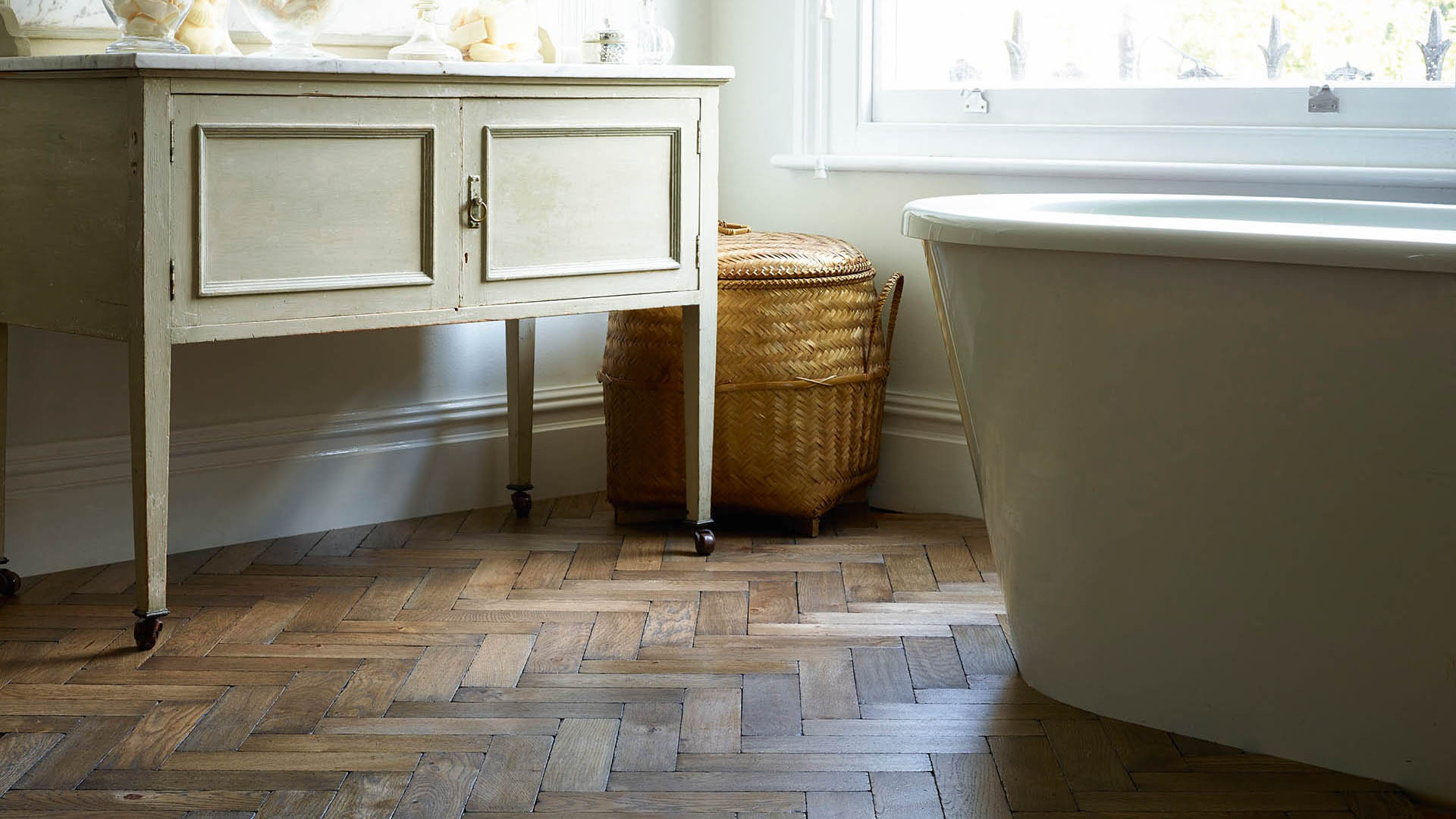
How to clean hardwood floors – experts reveal the best techniques
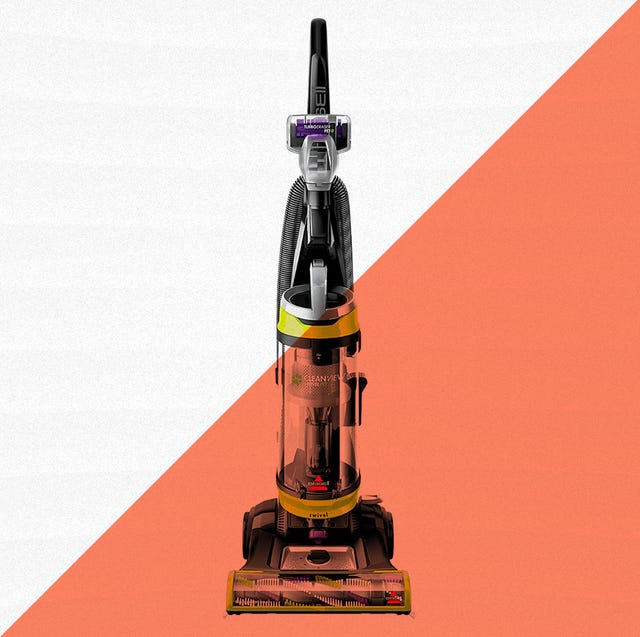
The 9 Best Vacuums for Hardwood Floors That Won’t Damage the Finish

A former hoarding technician shares the best tips for cleaning wood floors and carpets
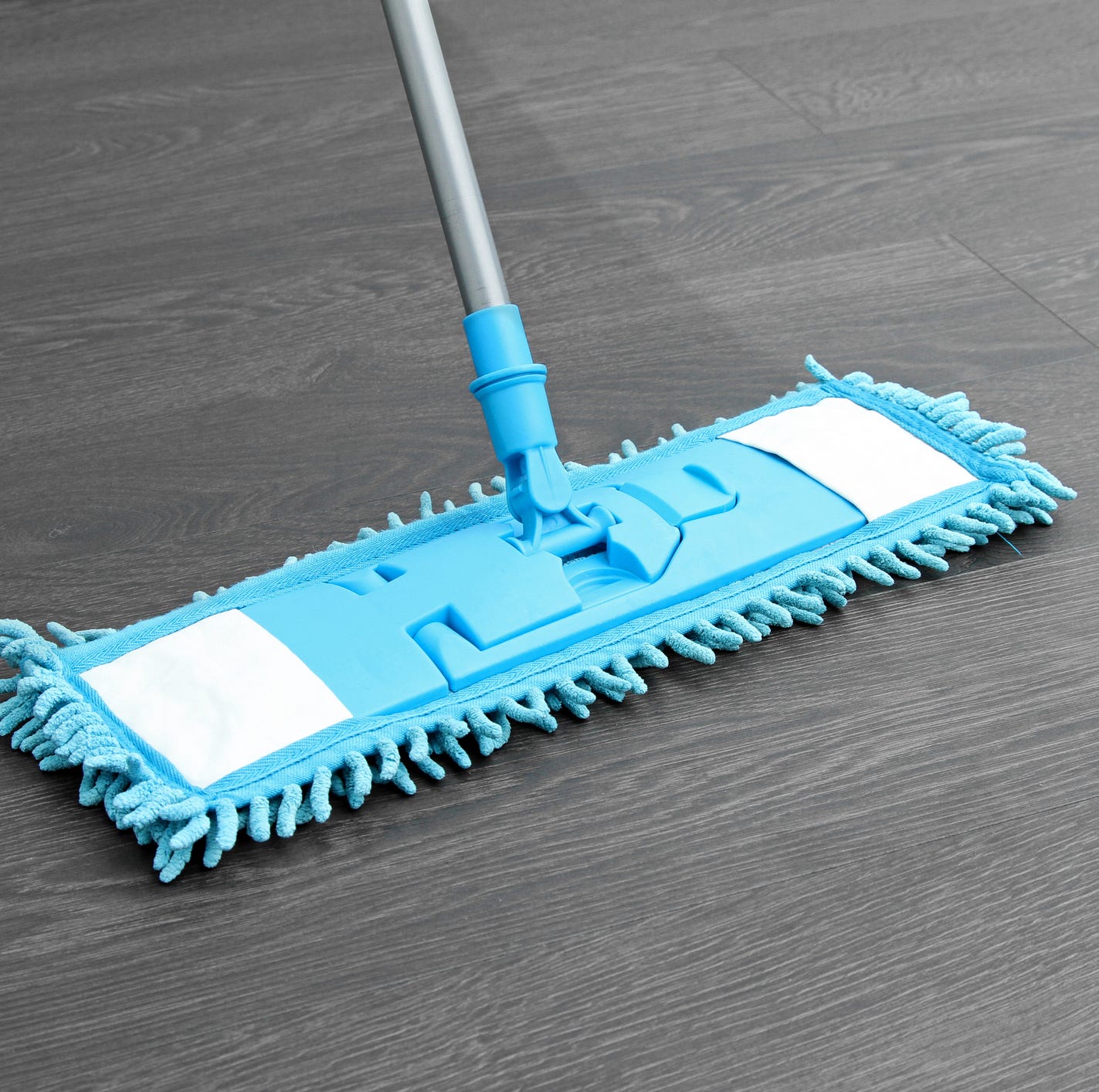
The One Way You Should NEVER Clean Laminate Floors

Can a DIY wood floor cleaner leave your floors gleaming? Experts share their favored techniques
How to clean hardwood floors the right way

27 Of The Best Hardwood Floor Cleaners If You Want Spotless, Shiny Results
Tired of tiptoeing? These 5 methods for fixing creaking wooden floors are approved by the pros
6 Things You Should Never Use to Clean Wood Floors (Unless You Want to Ruin Them)

How to Clean Every Type of Floor Quickly and Easily

Home Flooring Installation and Repair

This $20 Product Revived Worn Hardwood Floors in 30 Minutes

How to restore hardwood floors without sanding – a step-by-step guide
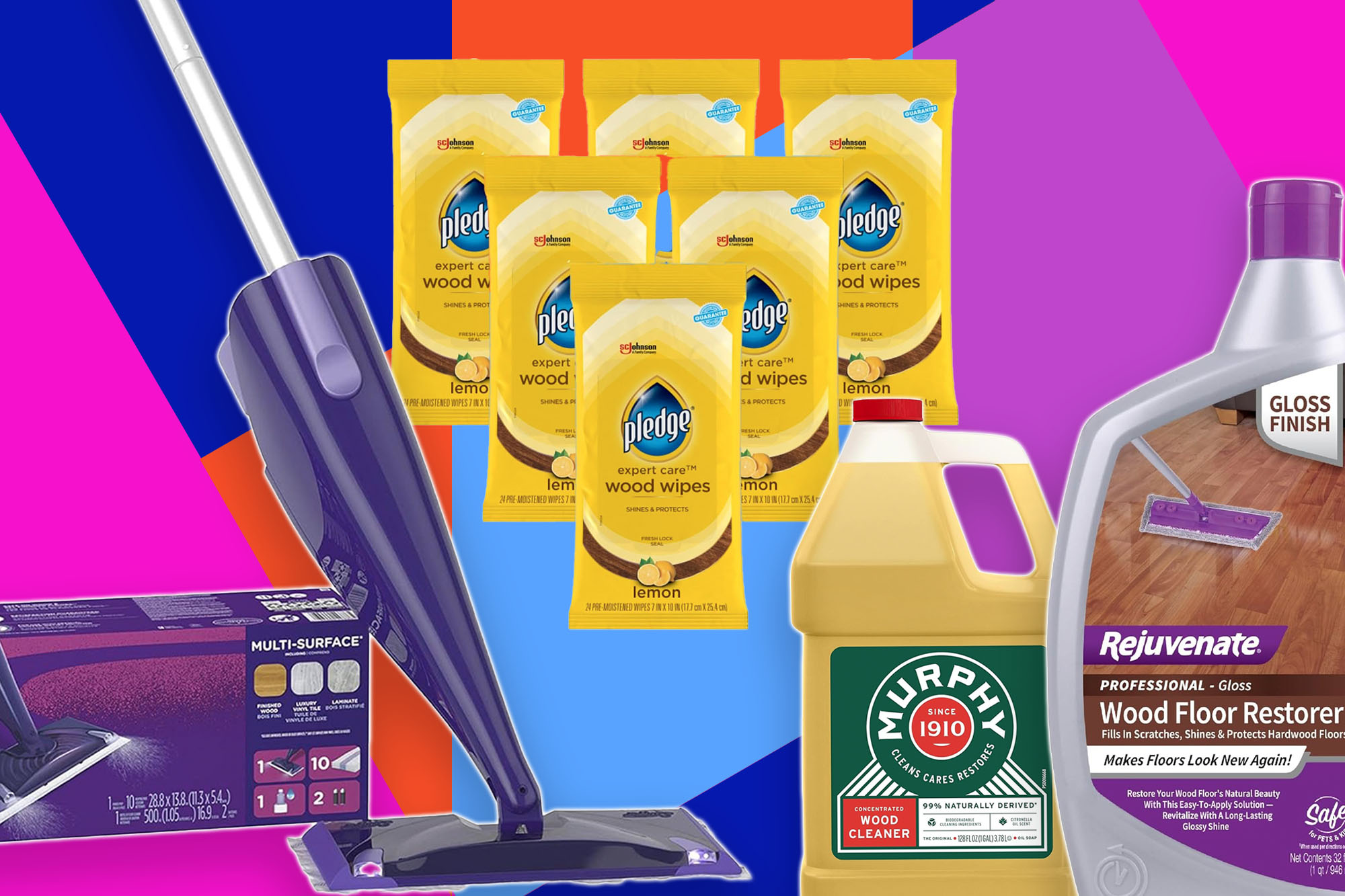
The 12 best hardwood floor cleaners of 2024, per expert testing
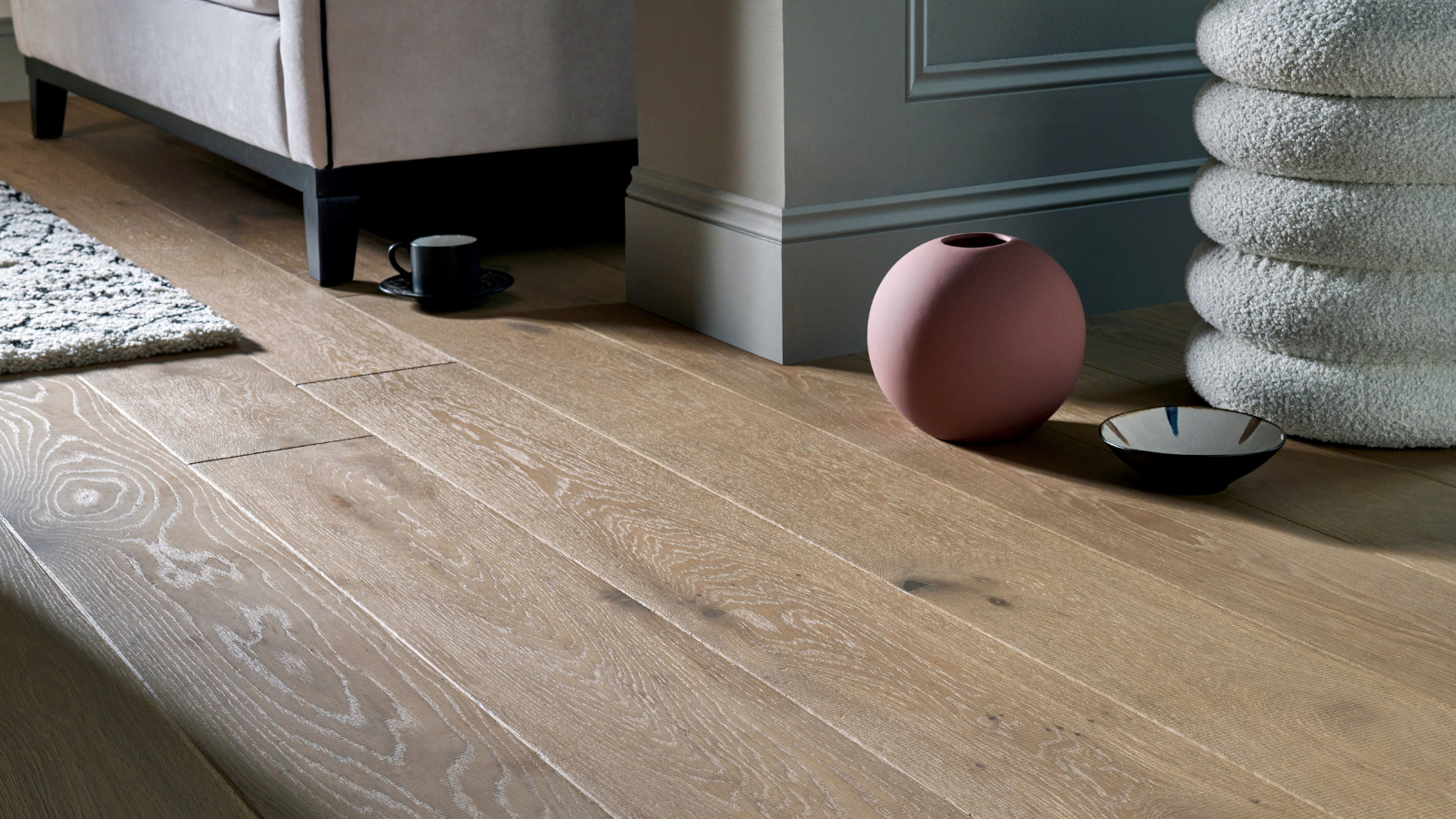
How to clean laminate floors for extra shine – and what to avoid to protect the floor's surface for years
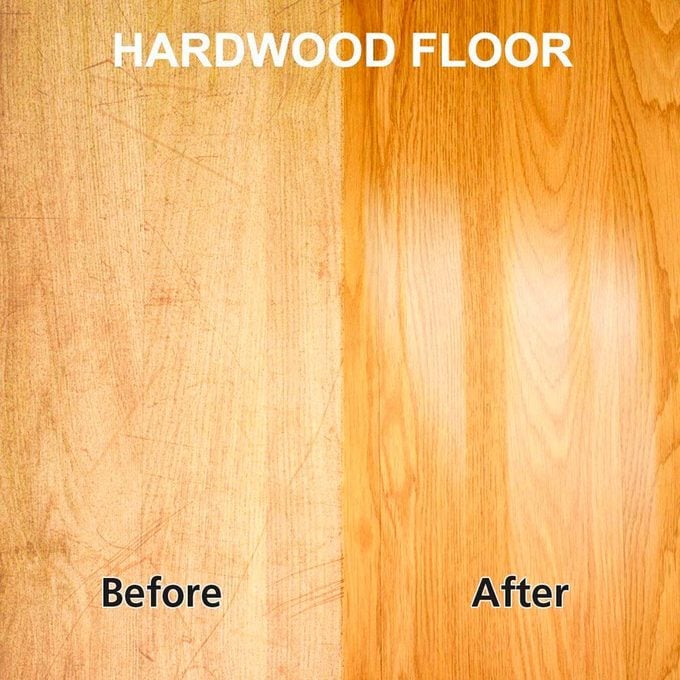
Want Shiny Hardwood Floors? Here’s How to Rejuvenate Them