Want Shiny Hardwood Floors? Here’s How to Rejuvenate Them
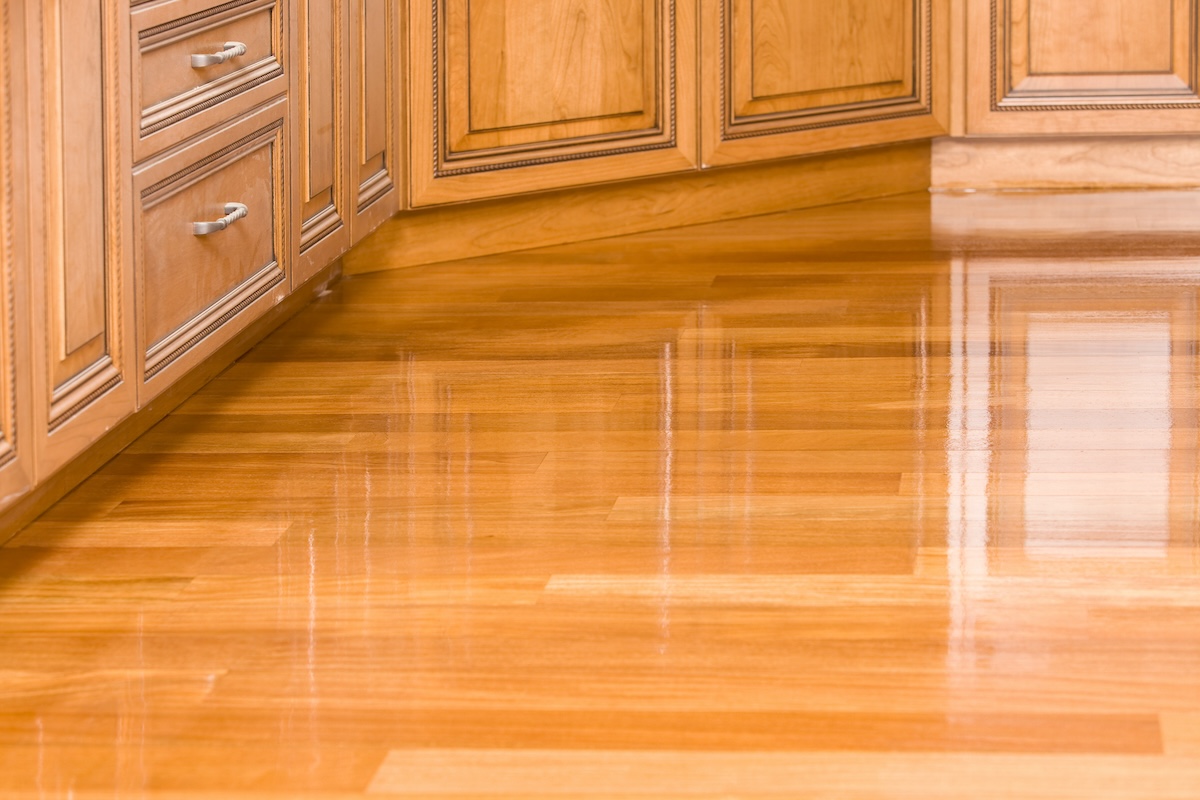
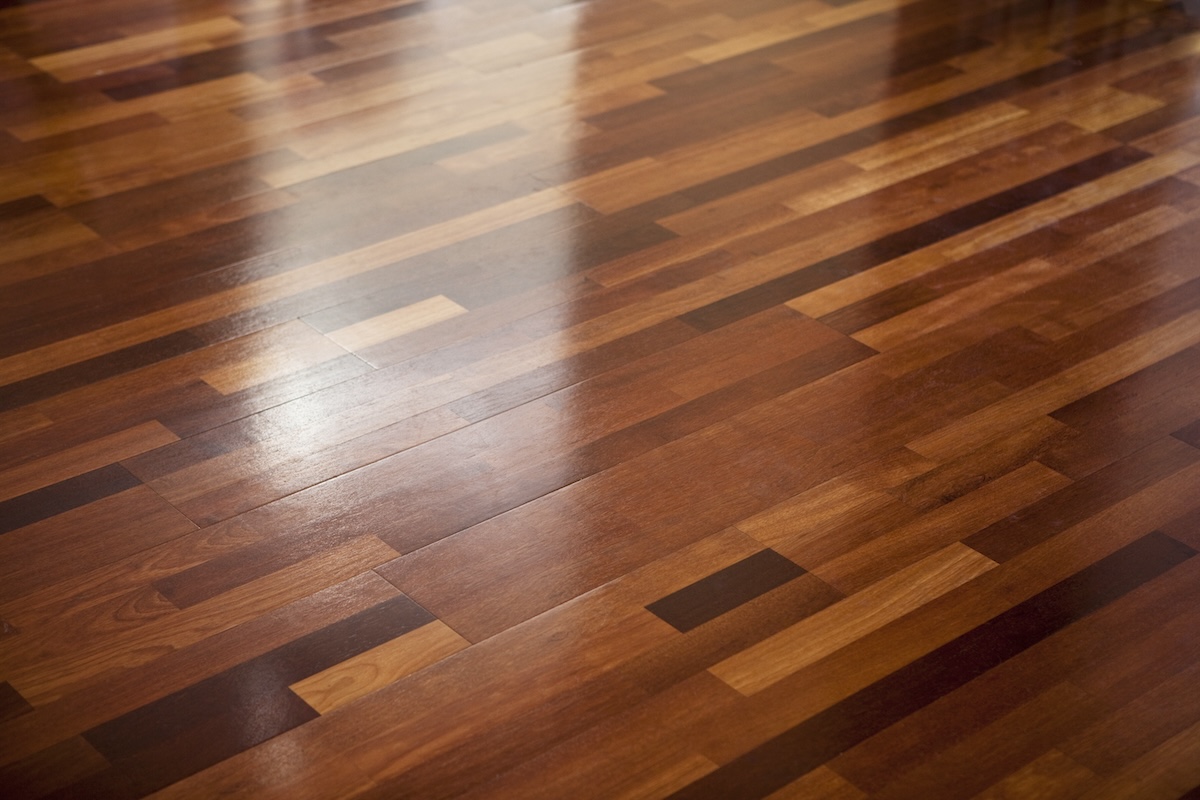
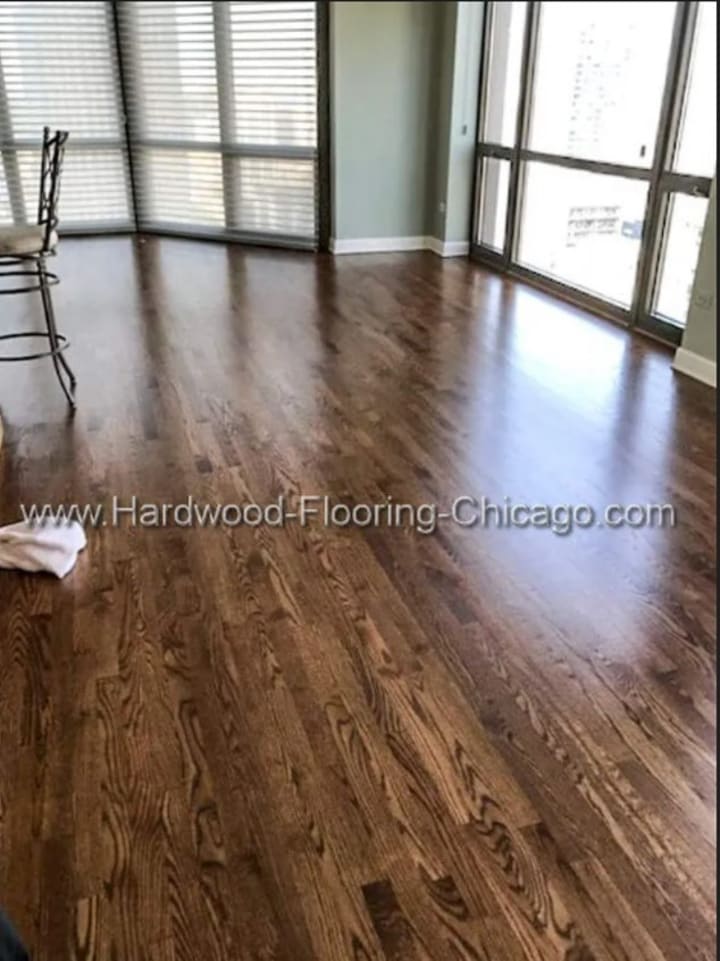
Hardwood floors, while aesthetically pleasing, can lose their luster over time due to various factors such as accumulated dirt, scratches, cleaning product residues, and exposure to UV light and moisture, especially in high-traffic areas. This article provides a straightforward guide on how to restore the shine and prolong the life of hardwood floors using revitalizing products.
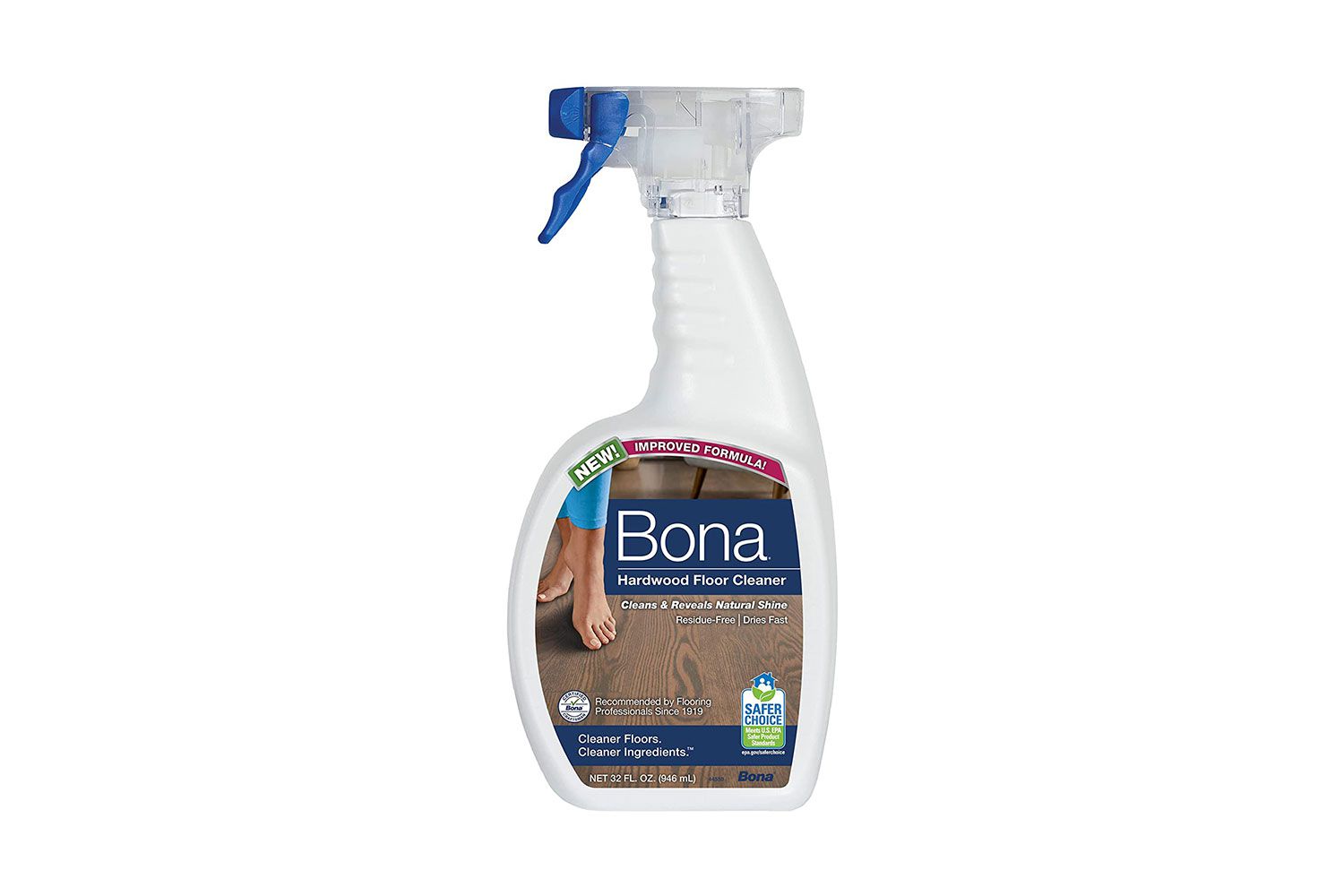
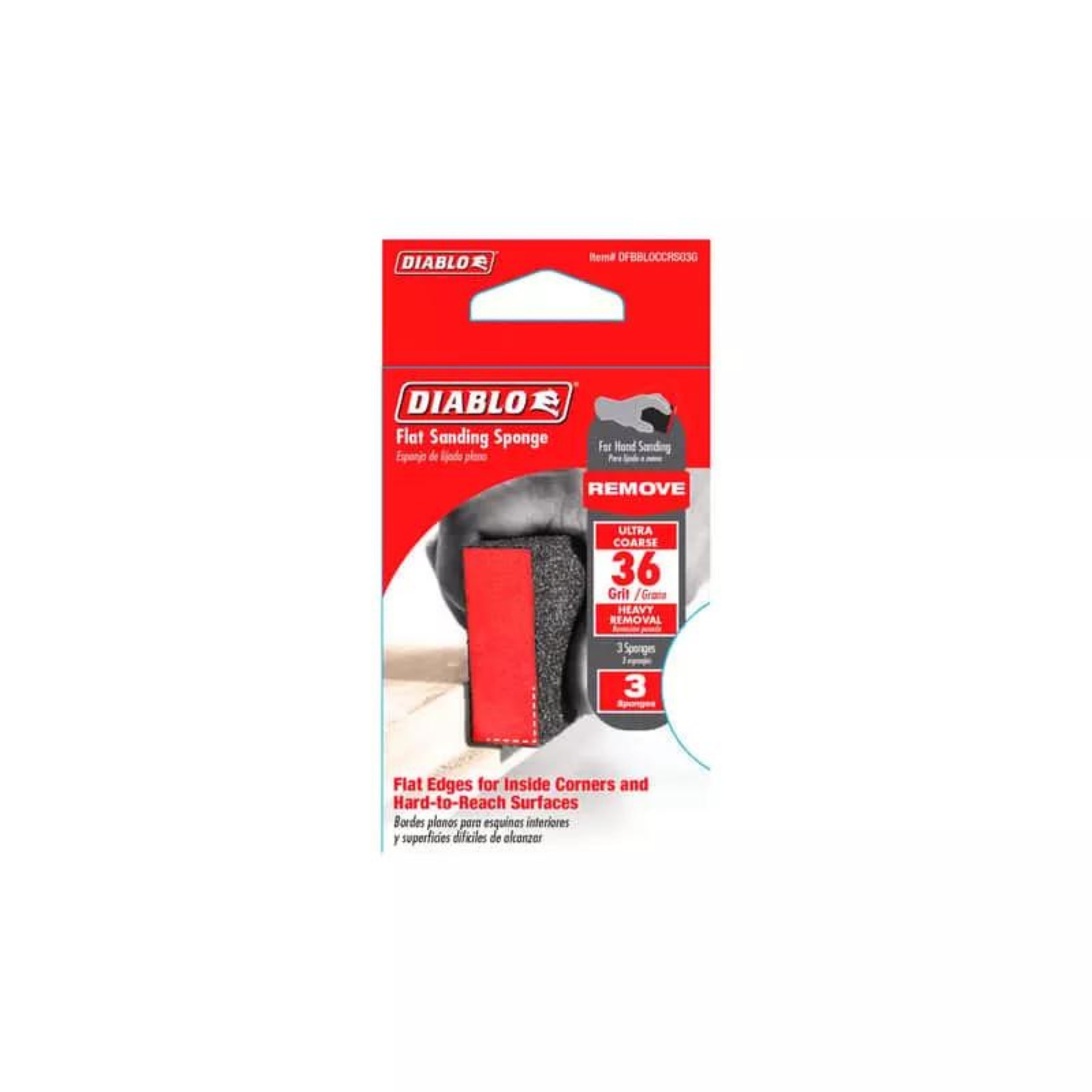
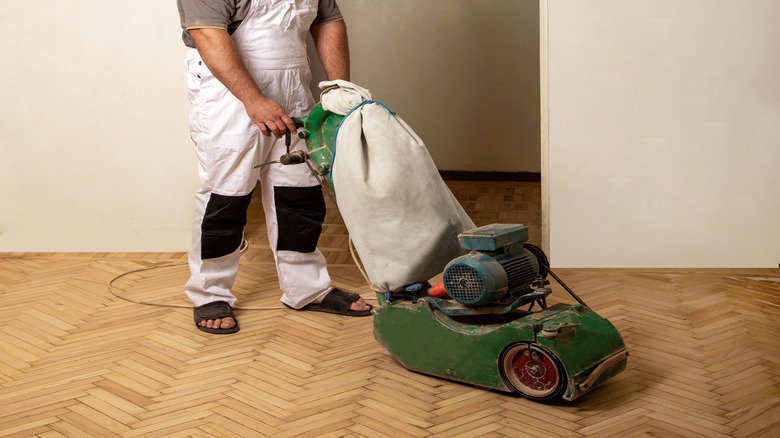
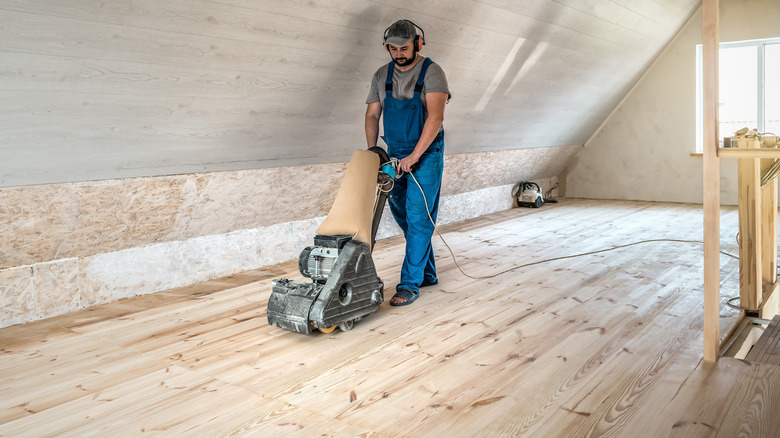
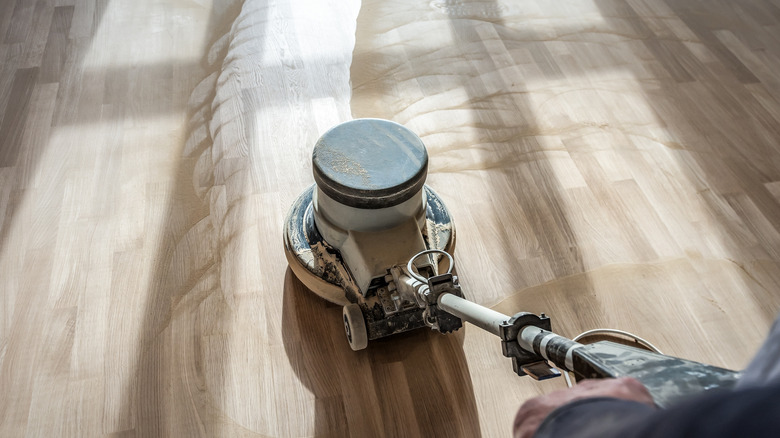
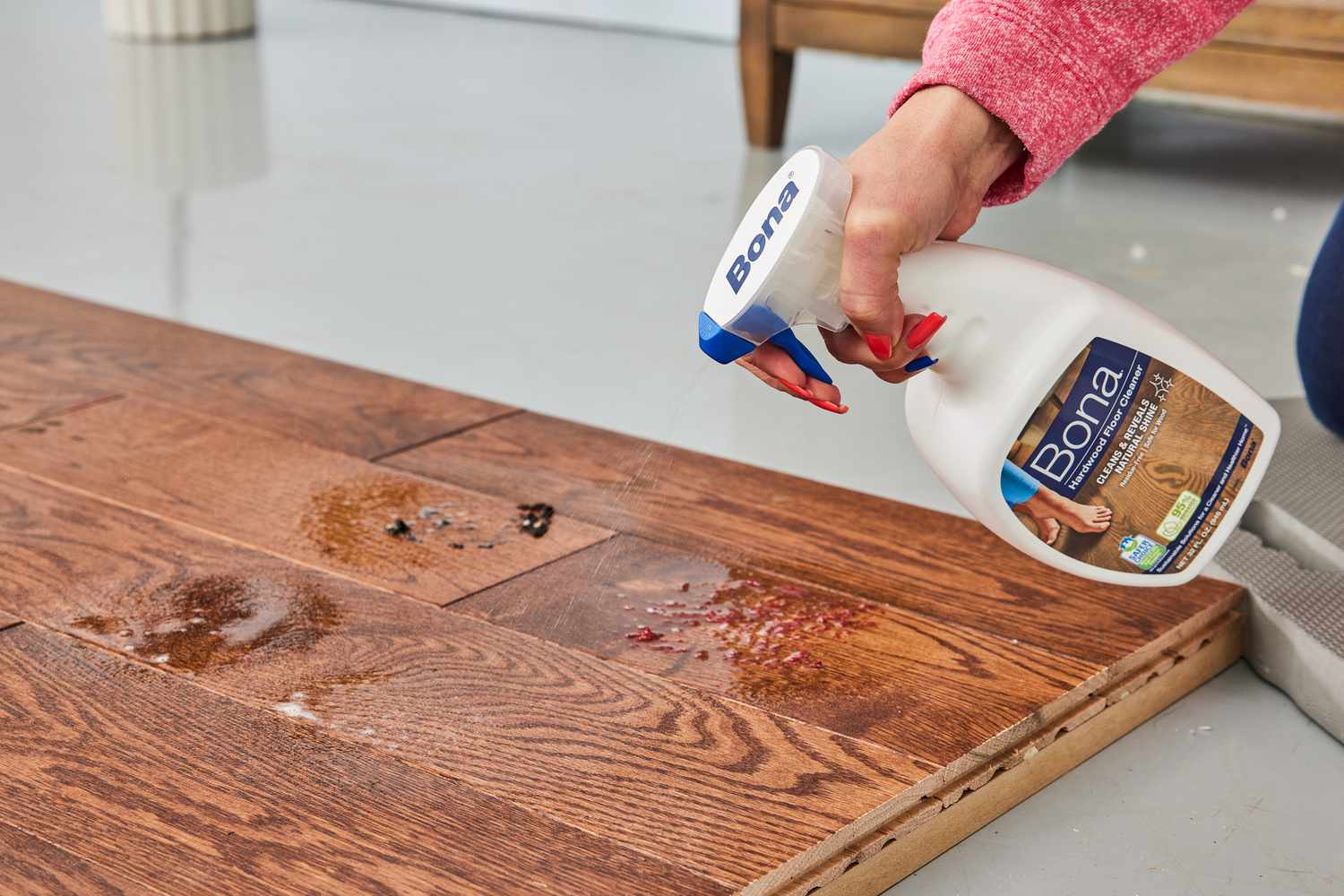
The process begins with a thorough cleaning of the hardwood floor. It is recommended to move furniture and remove rugs to ensure comprehensive access to the entire surface. A cleaner specifically designed for hardwood floors should be used to remove all dirt, grime, and residue, as a clean surface allows the revitalizer to penetrate pores and light scratches effectively. For visible surface scratches or dull spots, a light sanding with fine sandpaper can smooth the area, as suggested by Alicia Sokolowski, President and CEO of AspenClean. After cleaning, the floor must be allowed to dry completely before proceeding to the next step.
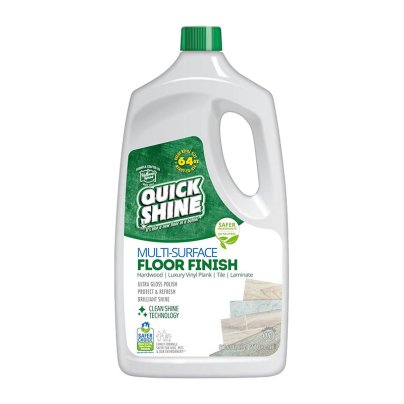
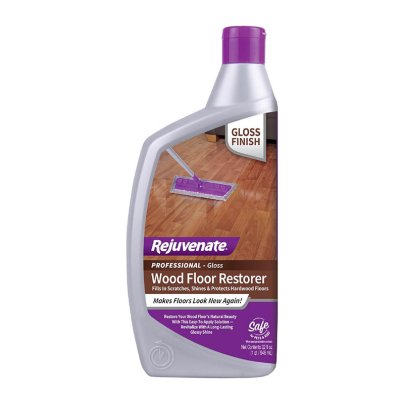
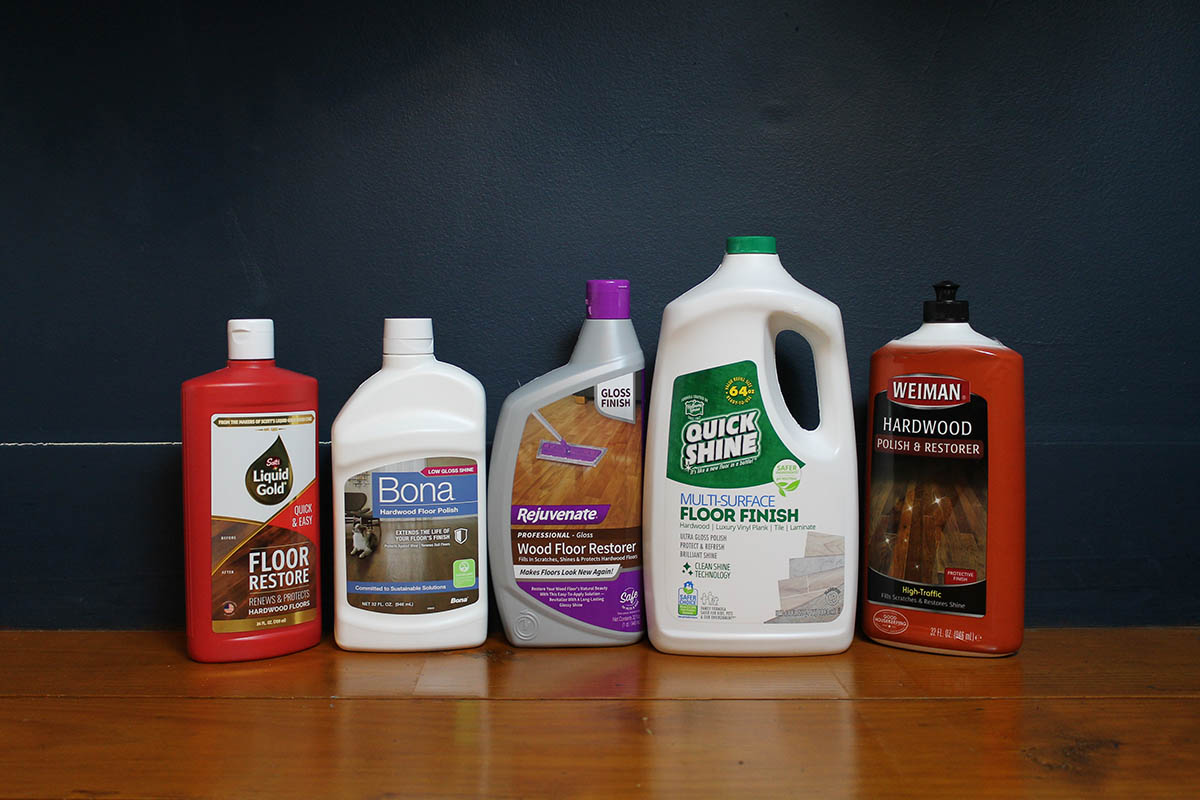
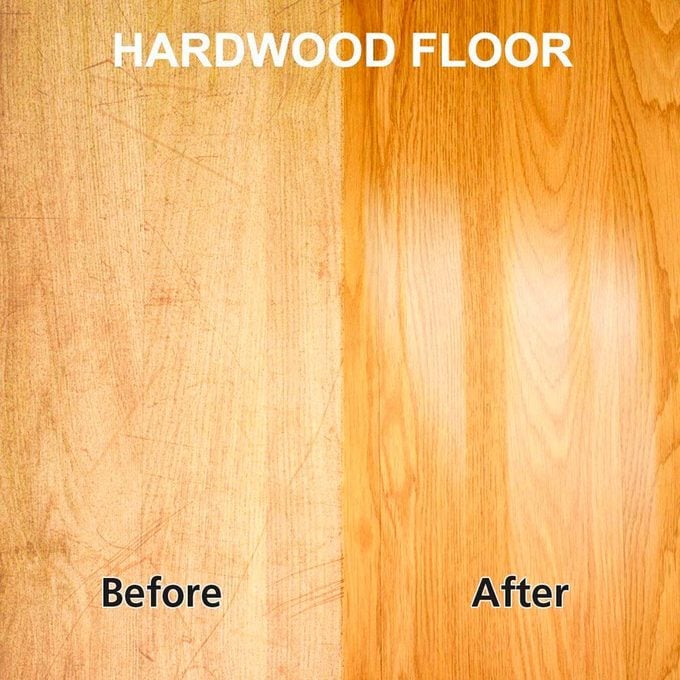
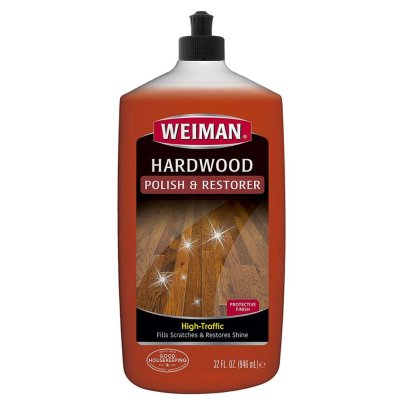
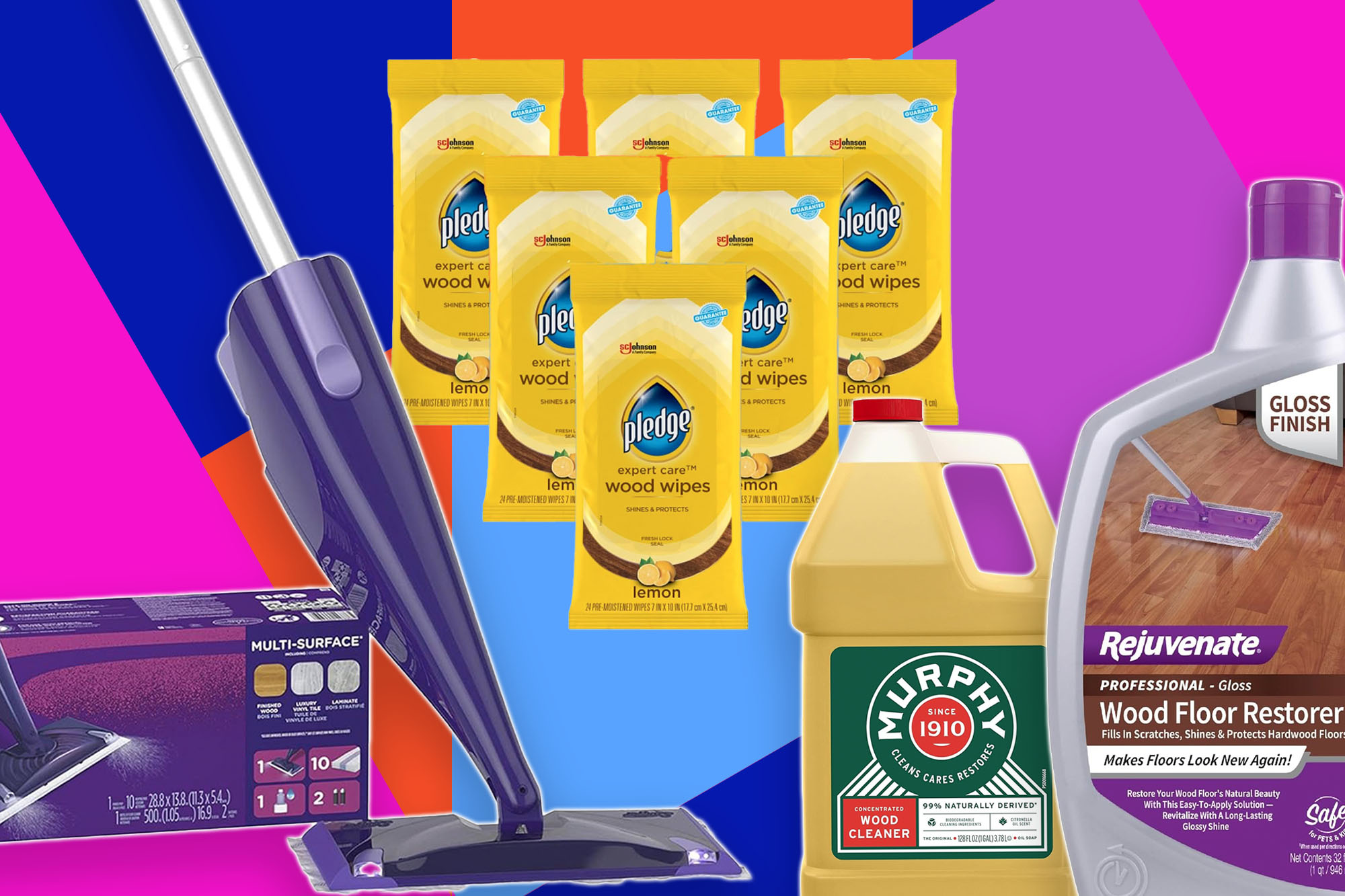
The second step involves applying a floor revitalizer according to the manufacturer's instructions. These products, often milky white but drying clear, are formulated to fill in scratches and restore a glossy finish, while also offering protection against future wear and tear. Alan Dewberry, owner at Tile Factory Direct, specifically mentions products like Rejuvenate Professional Wood Floor Restorer, noting their effectiveness on unwaxed, polyurethane-finish wood floors. Forrest Webber from Bear Brothers Cleaning recommends Weiman Hardwood Floor Polish and Restorer, highlighting its established reputation. It's crucial to check the floor manufacturer's recommendations before selecting any product. A patch test on a small, hidden area is advisable, particularly if there's uncertainty about the floor's finish or the application method. For severely worn floors, professional refinishing might be a more suitable option than revitalization.
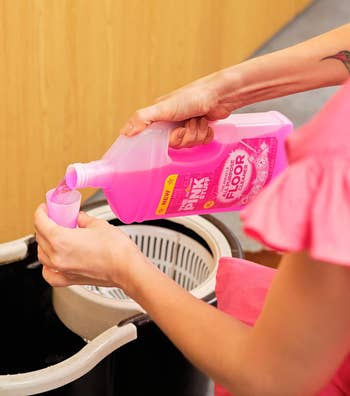
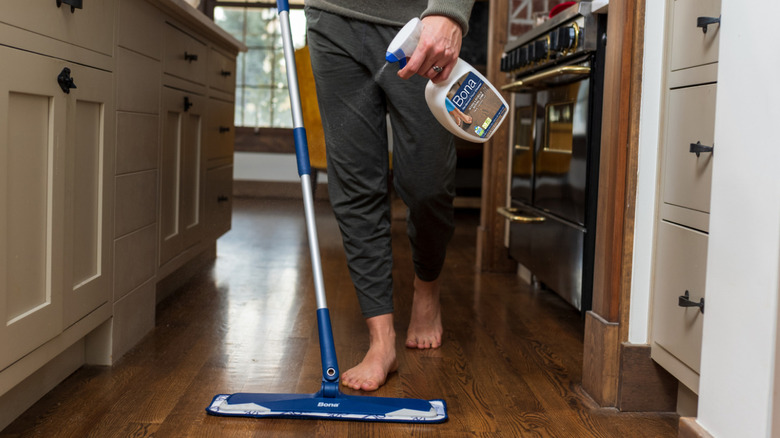
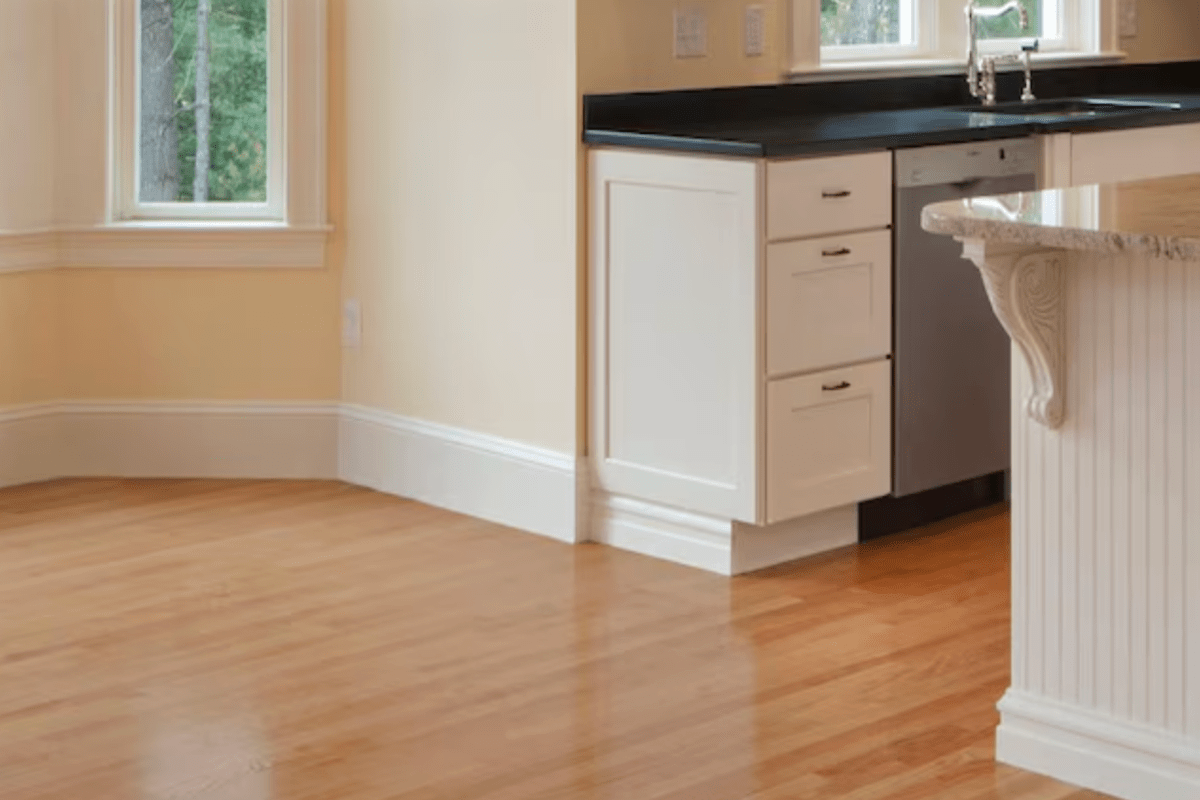
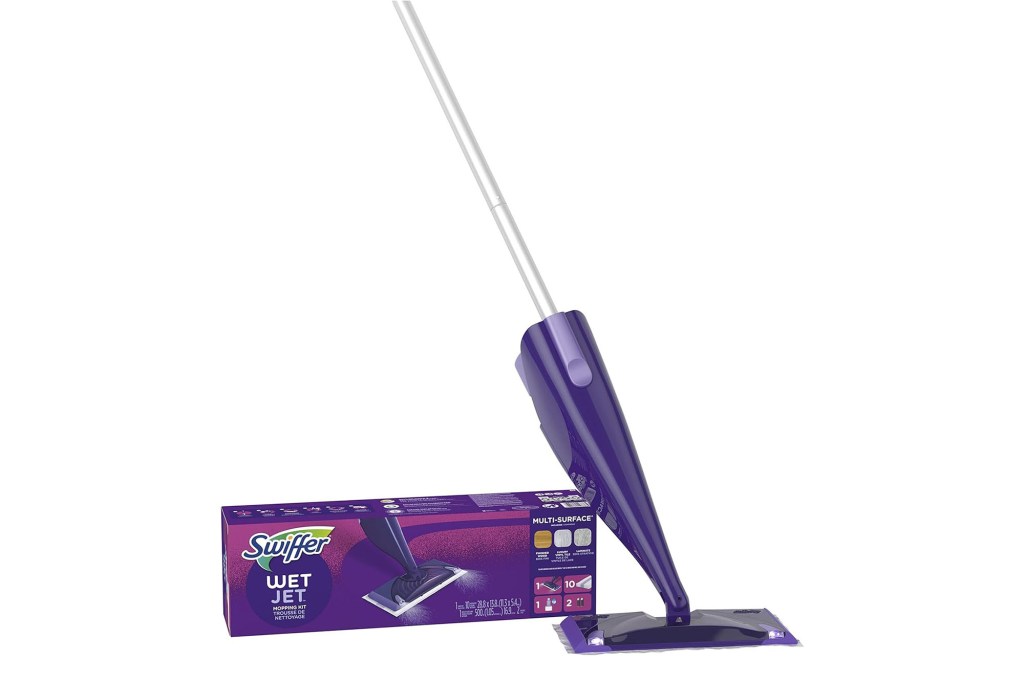
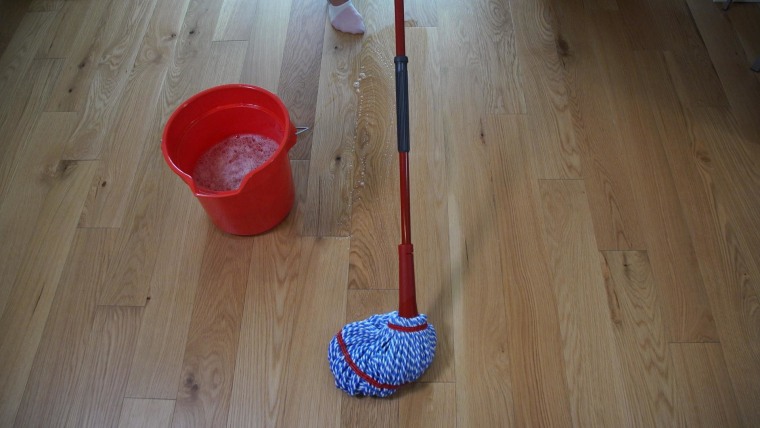
Once the revitalizer is applied, it should be spread evenly across the floor using a mop, ensuring all corners are covered without leaving any puddles. The revitalizer typically dries within about 45 minutes, but it's important to allow 24 hours before replacing rugs or resuming regular foot traffic. This method can restore hardwood floors to a shiny, smooth, and new-like appearance, with the finish expected to last for a couple of years under average wear and tear. It's important to note that these revitalizers are not suitable for laminate, stone, tile, or vinyl surfaces.
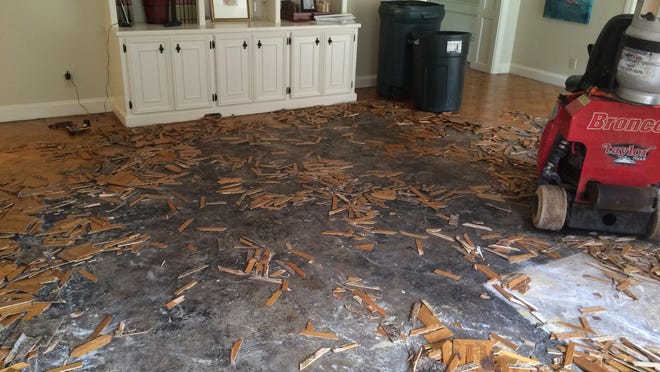
To maintain the revitalized look, regular cleaning with a microfiber cloth to prevent dust buildup is crucial. Using soft-bristle brooms or vacuum cleaners with hardwood floor attachments helps avoid scratches. Harsh chemicals should be avoided in favor of natural, gentle cleaners designed for hardwood. Placing mats at entrances, using furniture pads, promptly addressing any damage, and quickly cleaning spills are also essential. Maintaining a stable humidity level in the home with a humidifier or dehumidifier can prevent wood warping or drying out. If hardwood floors are beyond repair, replacing them can cost between $6 and $12 per square foot, including materials and installation, with costs varying based on wood type, labor, and any necessary subfloor repairs.
#HardwoodFloorMaintenance #FloorRevitalization #HomeImprovement #DIYHomeCare #FloorCleaning #WoodFloorRestoration #HomeMaintenanceTips #InteriorDesign #CleaningTips #HardwoodFloorMaintenance #FloorRevitalization #HomeImprovement #DIYHomeCare #FloorCleaning #WoodFloorRestoration #HomeMaintenanceTips #InteriorDesign #CleaningTips
0 comment in total
 No comments yet
You may also like
How to restore hardwood floors without sanding – a step-by-step guide

How to clean hardwood floors – experts reveal the best techniques
How to paint wood floors – get a lasting shine in 5 easy steps
Repairing and restoring vintage hardwood floors
27 Of The Best Hardwood Floor Cleaners If You Want Spotless, Shiny Results
Guide to Hardwood Floor Finishes

How to clean hardwood floors the right way

This $20 Product Revived Worn Hardwood Floors in 30 Minutes
Beauty of hardwood flooring
Recommendations for hardwood floor refinishing?

3 steps to cover ugly wood floors mid-home reno

The 12 best hardwood floor cleaners of 2024, per expert testing
How to Get Rid of Scratches on Hardwood Floors So They Shine Like New

The Secret to Keeping Your Hardwood Floors Pristine? It’s One of Our 6 Best Cleaners


What You Should Know Before Painting Hardwood Floors

Home Flooring Installation and Repair
10 Top Hardwood Floor Cleaners To Keep Them Looking Like New

I swear by this incredibly easy 5-step method for cleaning real wood floors
Your Step-By-Step Guide To Sanding A Hardwood Floor
6 Common Mistakes When Choosing Hardwood Flooring