How to Get Rid of Scratches on Hardwood Floors So They Shine Like New
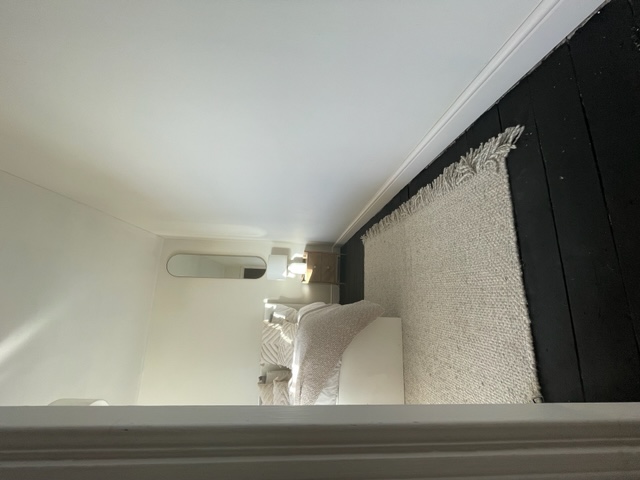
Hardwood floors, while aesthetically pleasing, are susceptible to scratches over time due to daily wear and tear. These blemishes not only detract from the floor's appearance but can also lead to more significant damage. When the protective finish is compromised, the exposed wood becomes vulnerable to dirt and moisture penetration, which can result in warping and staining. Addressing these scratches promptly is crucial to maintaining the longevity and beauty of hardwood floors. Fortunately, several effective DIY methods exist for removing such scratches, often eliminating the need for professional intervention or extensive sanding.
One accessible method for superficial scratches involves using a walnut. Walnuts contain natural oils and brown pigments that can effectively darken and blend light scratches into the surrounding wood. To apply this technique, first clean the affected area with a microfiber cloth. Then, break a shelled walnut in half and rub it along the scratch, ensuring to follow the direction of the wood grain. Allow the natural oils to sit for a few minutes before buffing the area with a clean microfiber cloth to blend the repair seamlessly.
For deeper scratches that the walnut method cannot fully address, a mixture of olive oil and vinegar can be highly effective. The olive oil works to fill the scratch, while the vinegar helps to clean and subtly darken the exposed wood, making the scratch less noticeable. Prepare this solution by mixing equal parts of olive oil and vinegar. Dip a soft cloth into the mixture and rub it into the scratch, again following the wood grain. Wipe away any excess solution. If olive oil is unavailable, other cooking oils can serve as an alternative. For very deep scratches, multiple applications may be necessary to achieve the desired effect.
Another option for minor scratches is the wax method, utilizing a wax crayon specifically designed for wood surfaces. Begin by selecting a crayon that closely matches the color of the hardwood floor. Lightly warm the crayon with a blow dryer or heat gun to soften it, then rub the softened wax directly into the scratch, ensuring it is completely filled. Use a clean microfiber cloth to buff the area, blending the wax with the surrounding floor. It is important to allow the wax to cool and harden completely before walking on the treated area.
For more stubborn scratches or scuffs, the steel wool method can be employed, though it requires careful application and is not suitable for floors with a water-based, poly finish. This method is generally safer for oil-based or older finishes when used with extreme gentleness. First, clean the area thoroughly. It is advisable to test this method on a hidden section of the floor to ensure the finish reacts well. Using superfine steel wool, gently rub over the scratch or scuff in the direction of the wood grain, applying very light pressure. Continuously check the progress and stop as soon as the scratch blends. After treatment, remove any metal fibers and dust with a vacuum and then a tack cloth. Finish by applying a thin layer of paste wax with a soft cloth, working it into and slightly beyond the repaired area, and buff with a clean microfiber cloth until the sheen is uniform. Proper disposal of oil-soaked steel wool is crucial to prevent fire hazards; it should be dropped in water or placed in a sealed metal container. It is also important to avoid over-buffing, as this can dull the finish or create uneven patches.
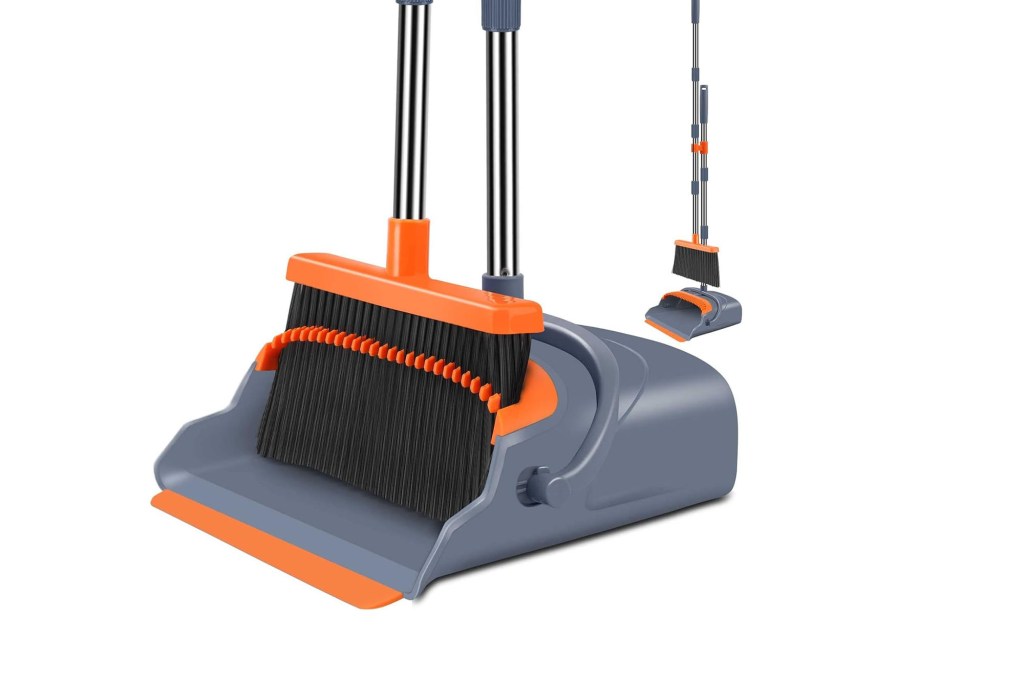
Preventative measures are key to protecting hardwood floors from future damage. Recommendations include placing area rugs and mats in high-traffic zones, attaching felt pads to furniture legs, keeping pet nails trimmed, and ensuring shoes are clean before walking indoors. Regular sweeping to remove abrasive dirt and debris is also essential.
#HardwoodFloorMaintenance #ScratchRemoval #DIYHomeRepair #WoodCare #HomeImprovement #FloorCareTips #CleaningHacks #WalnutMethod #OliveOilVinegarMethod #HardwoodFloorMaintenance #ScratchRemoval #DIYHomeRepair #WoodCare #HomeImprovement #FloorCareTips #CleaningHacks #WalnutMethod #OliveOilVinegarMethod
0 comment in total
 No comments yet
You may also like
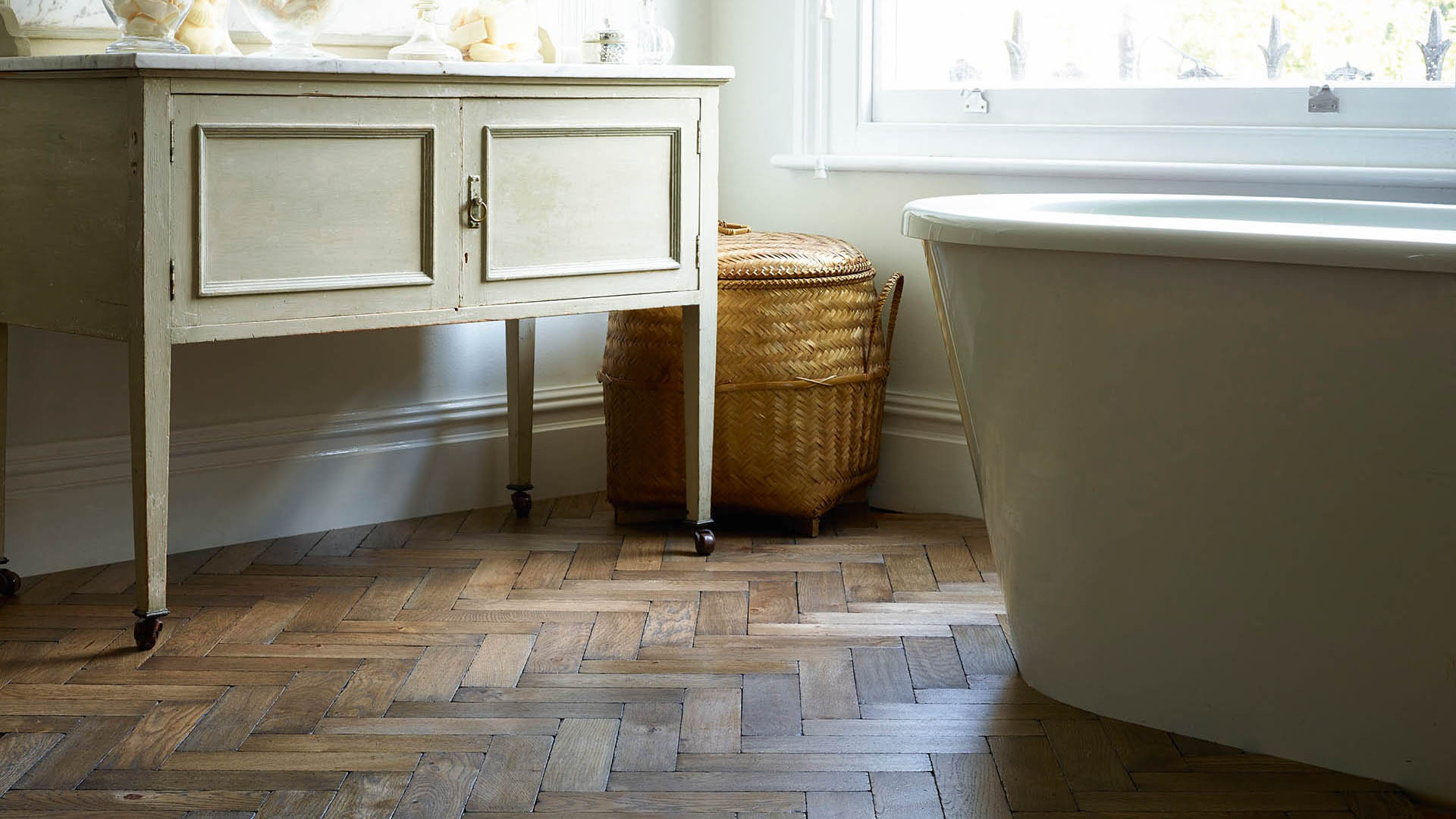
How to clean hardwood floors – experts reveal the best techniques

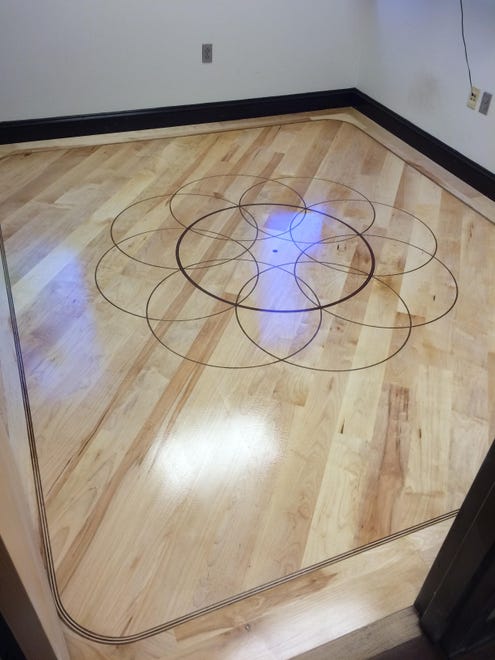
Beauty of hardwood flooring

3 steps to cover ugly wood floors mid-home reno

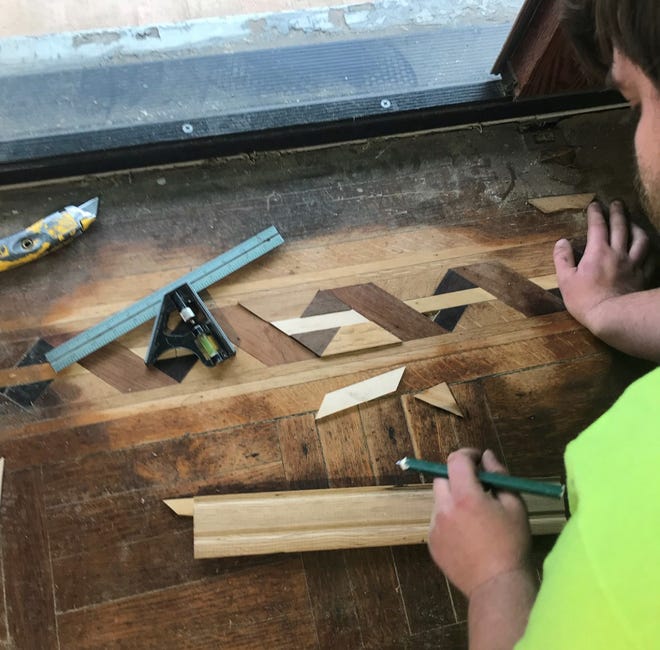
Repairing and restoring vintage hardwood floors
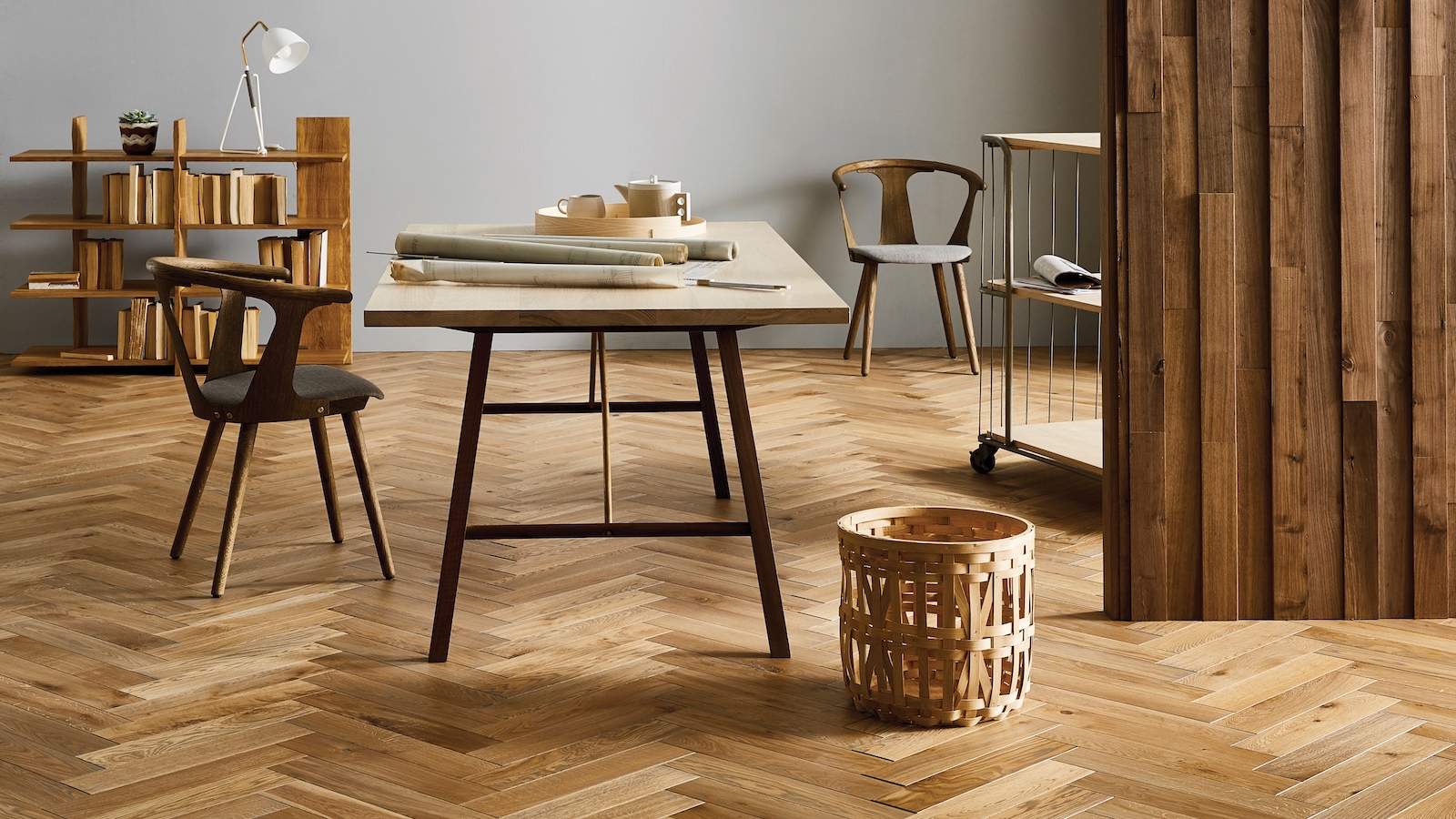
How to restore hardwood floors without sanding – a step-by-step guide
We Cleaned 200+ Stains and Scuffs to Find the Best Hardwood Cleaners

How to clean hardwood floors the right way

12 best hard floor cleaners for keeping your flooring fresh

10 Top Hardwood Floor Cleaners To Keep Them Looking Like New

Want Shiny Hardwood Floors? Here’s How to Rejuvenate Them

The Secret to Keeping Your Hardwood Floors Pristine? It’s One of Our 6 Best Cleaners

Your Step-By-Step Guide To Sanding A Hardwood Floor

How can I get rid of scratches on wood floor? Answers to your home questions

A Hardwood Floor Where You Can Actually Remove One Piece at a Time

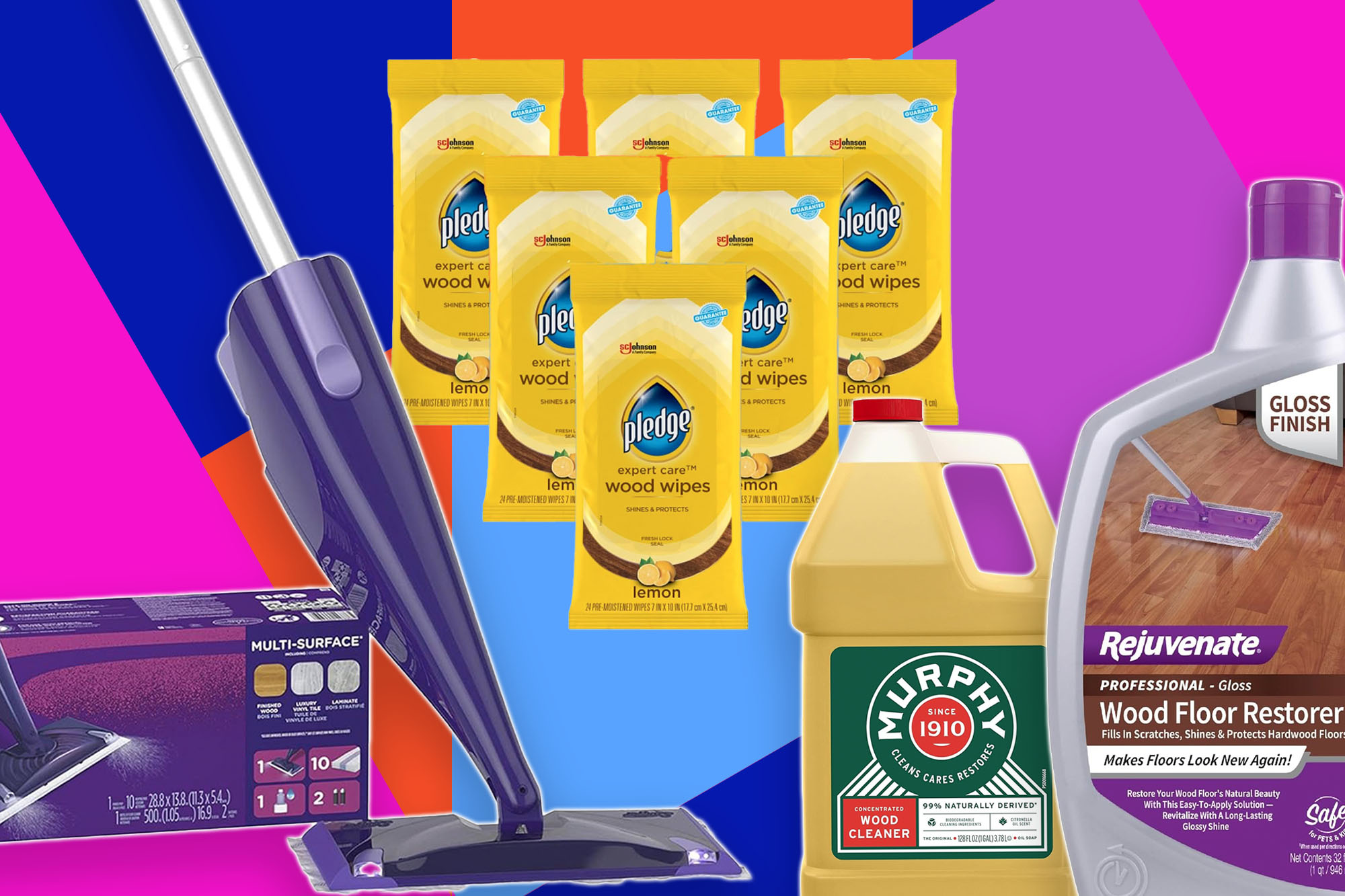
The 12 best hardwood floor cleaners of 2024, per expert testing
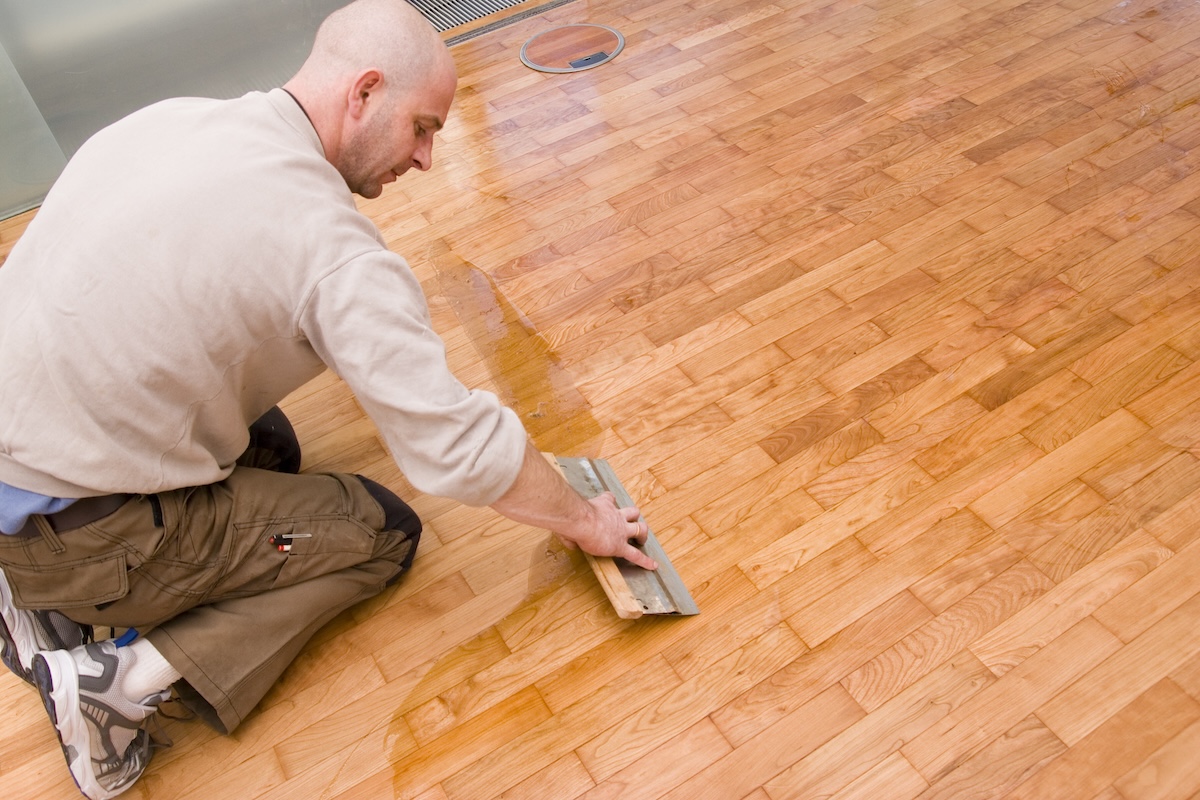
Guide to Hardwood Floor Finishes

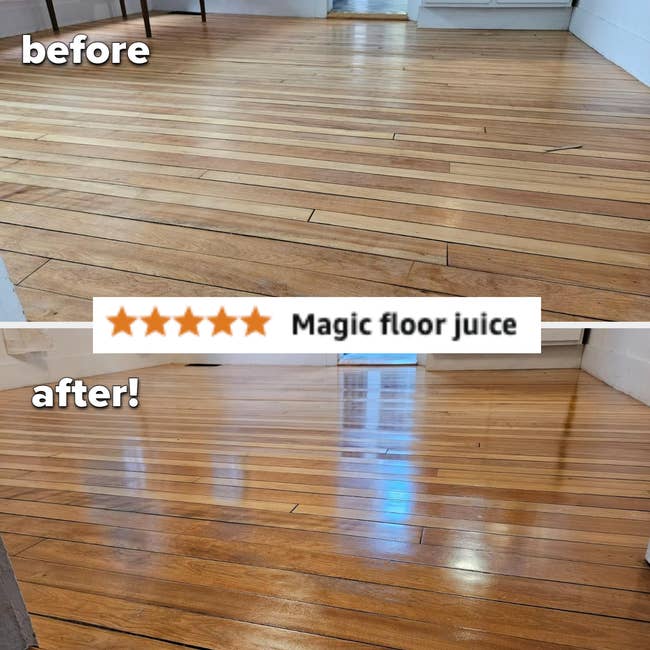
27 Of The Best Hardwood Floor Cleaners If You Want Spotless, Shiny Results
I swear by this incredibly easy 5-step method for cleaning real wood floors
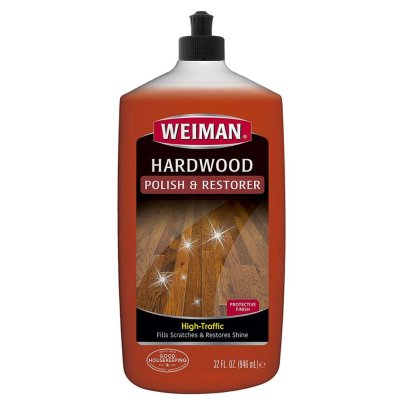
This $20 Product Revived Worn Hardwood Floors in 30 Minutes
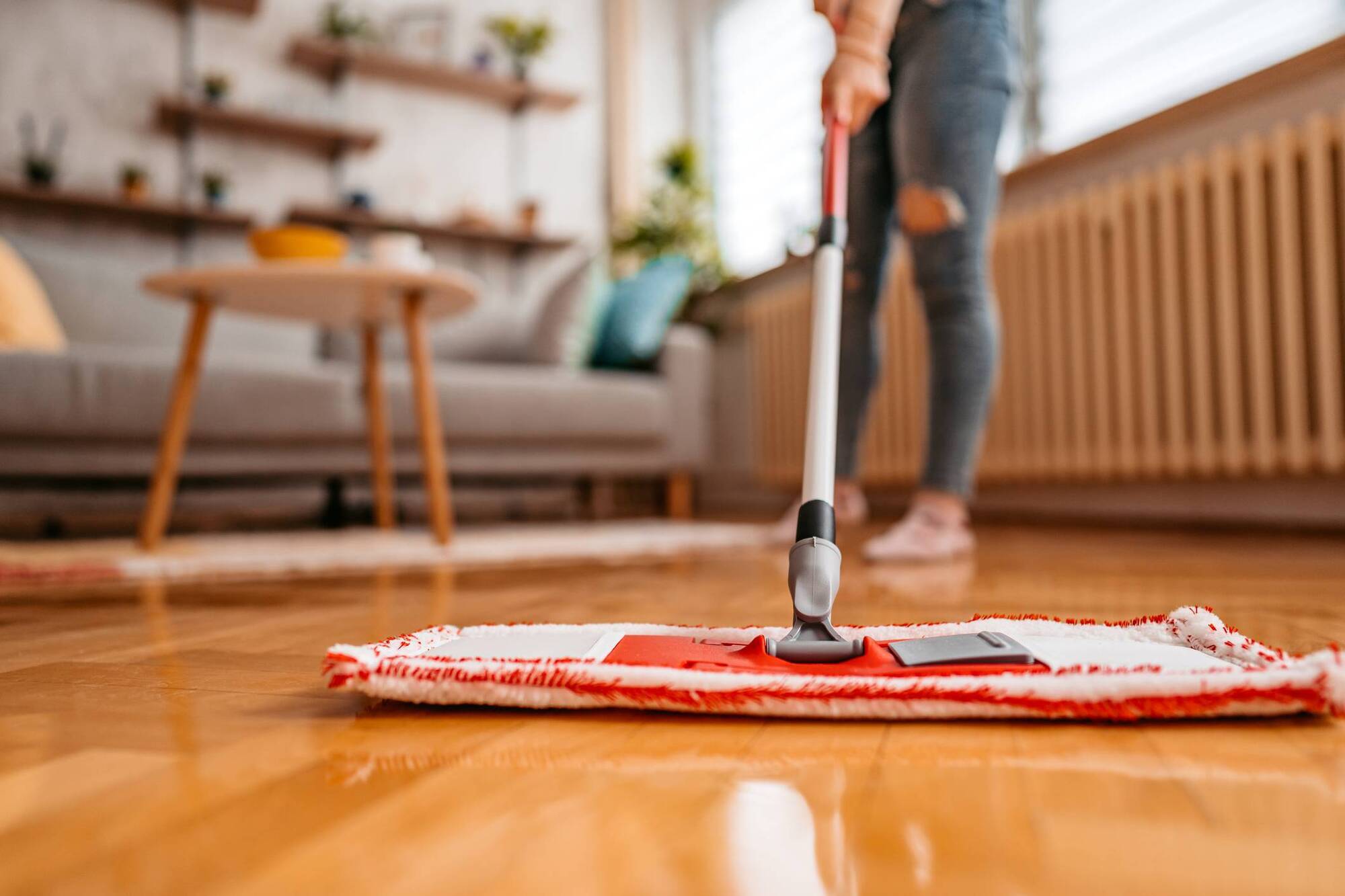
Home: How to clean wood flooring without causing damage