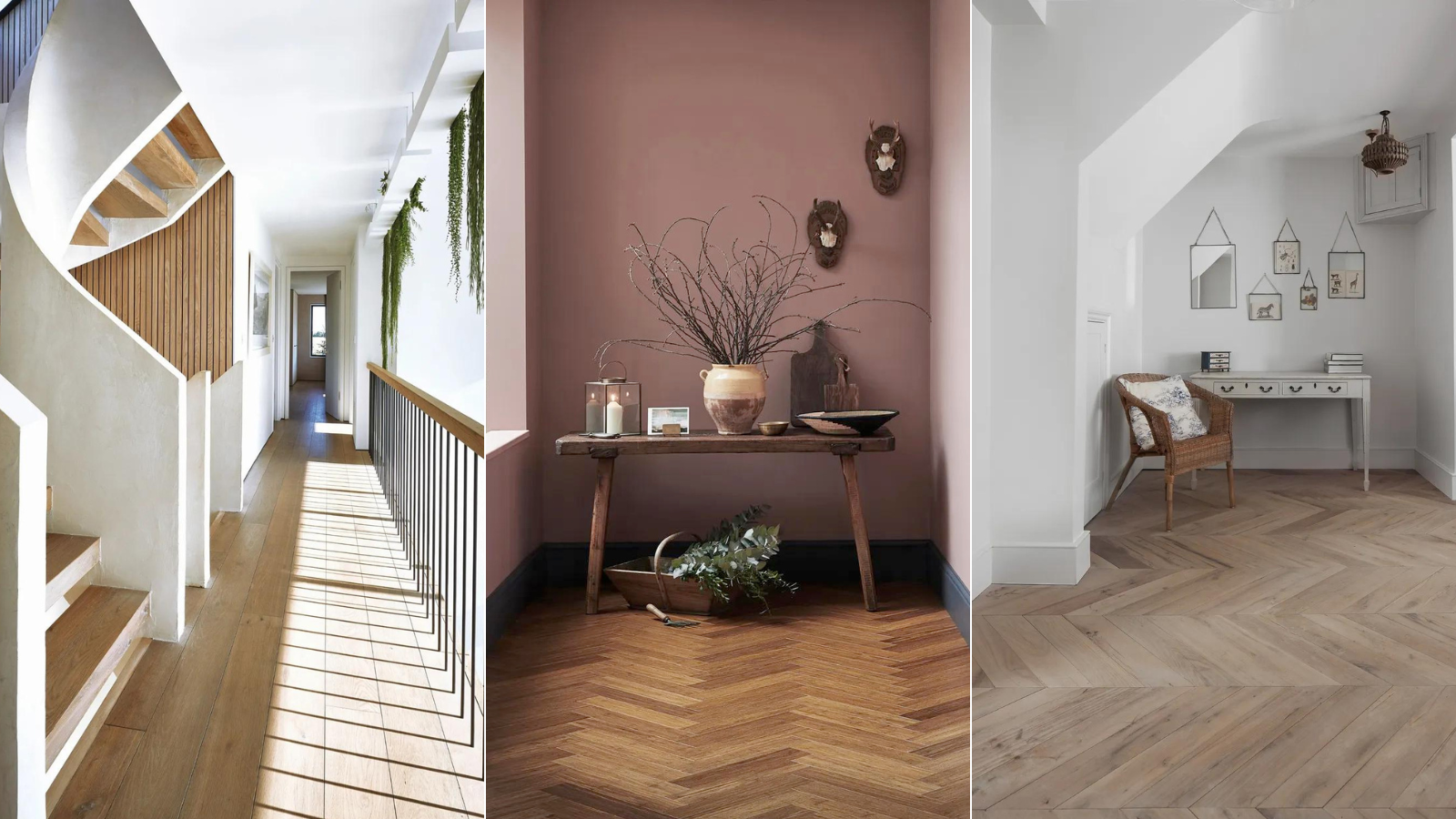
1/4
How to restore hardwood floors without sanding – a step-by-step guide
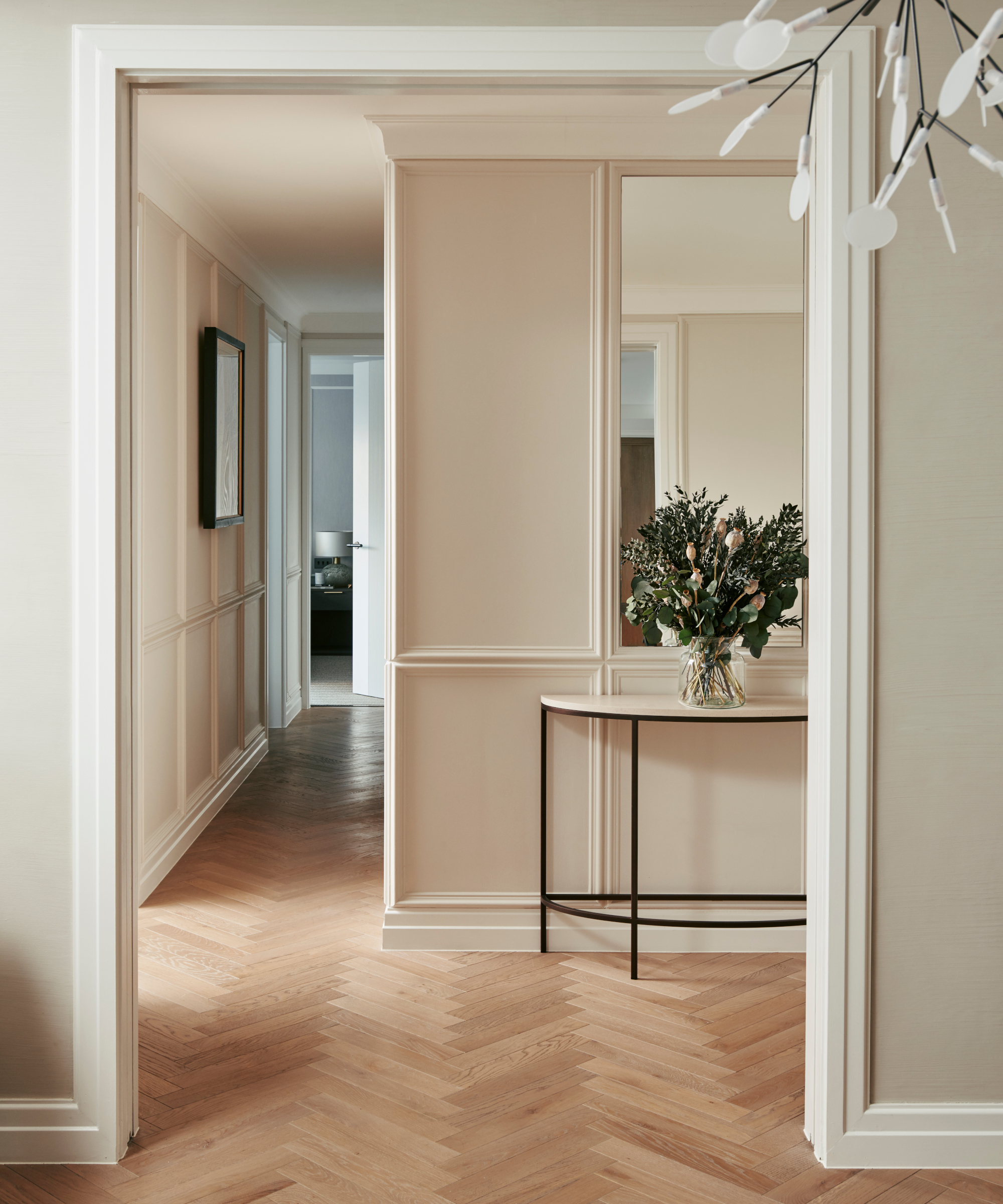
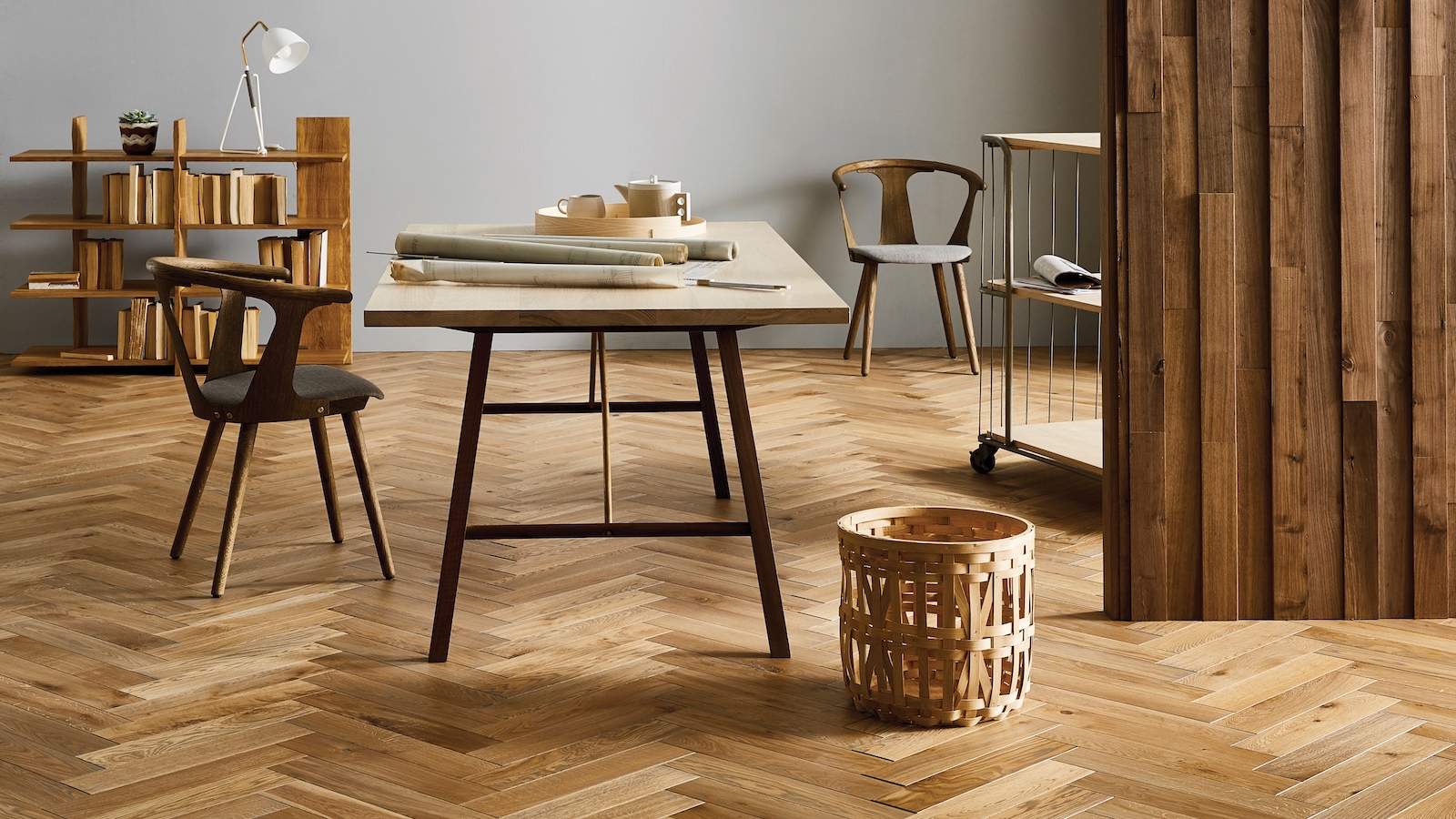
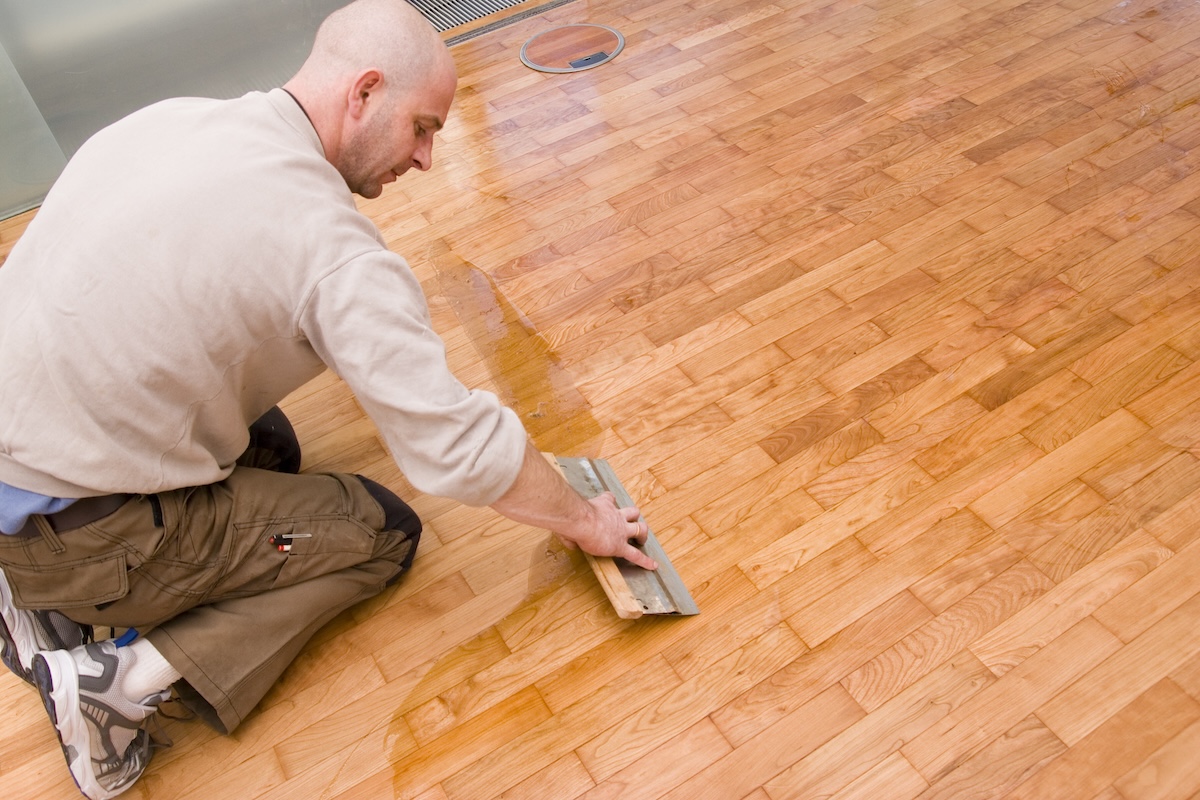
This article outlines a detailed, step-by-step guide on how to restore hardwood floors without resorting to sanding, offering a less invasive and time-consuming alternative. Hardwood flooring is recognized for its durability, aesthetic appeal, and practicality, making it a popular choice for various home styles. While sanding is a common method for refinishing worn floors, this article emphasizes that it is often an unnecessary and messy process. Instead, recoating is presented as an effective way to rejuvenate the floor's finish, beauty, and longevity with significantly less effort.
The recoating process is explained through two primary methods: mechanical and chemical adhesion. Mechanical adhesion involves buffing or lightly abrading the wood surface to create micro-scratches, allowing a new topcoat to bond effectively. This method is also referred to as "Screen and Recoat." Chemical adhesion, on the other hand, utilizes an adhesion promoter or bonding agent to ensure the new topcoat adheres properly to the existing finish. Both methods are suitable for various types of wood flooring, including pre-finished, site-finished, solid, and engineered wood, and can be applied across different rooms like living rooms, bedrooms, kitchens, and bathrooms. It is highlighted that while recoating can change the sheen of the floor, its original color will remain consistent.
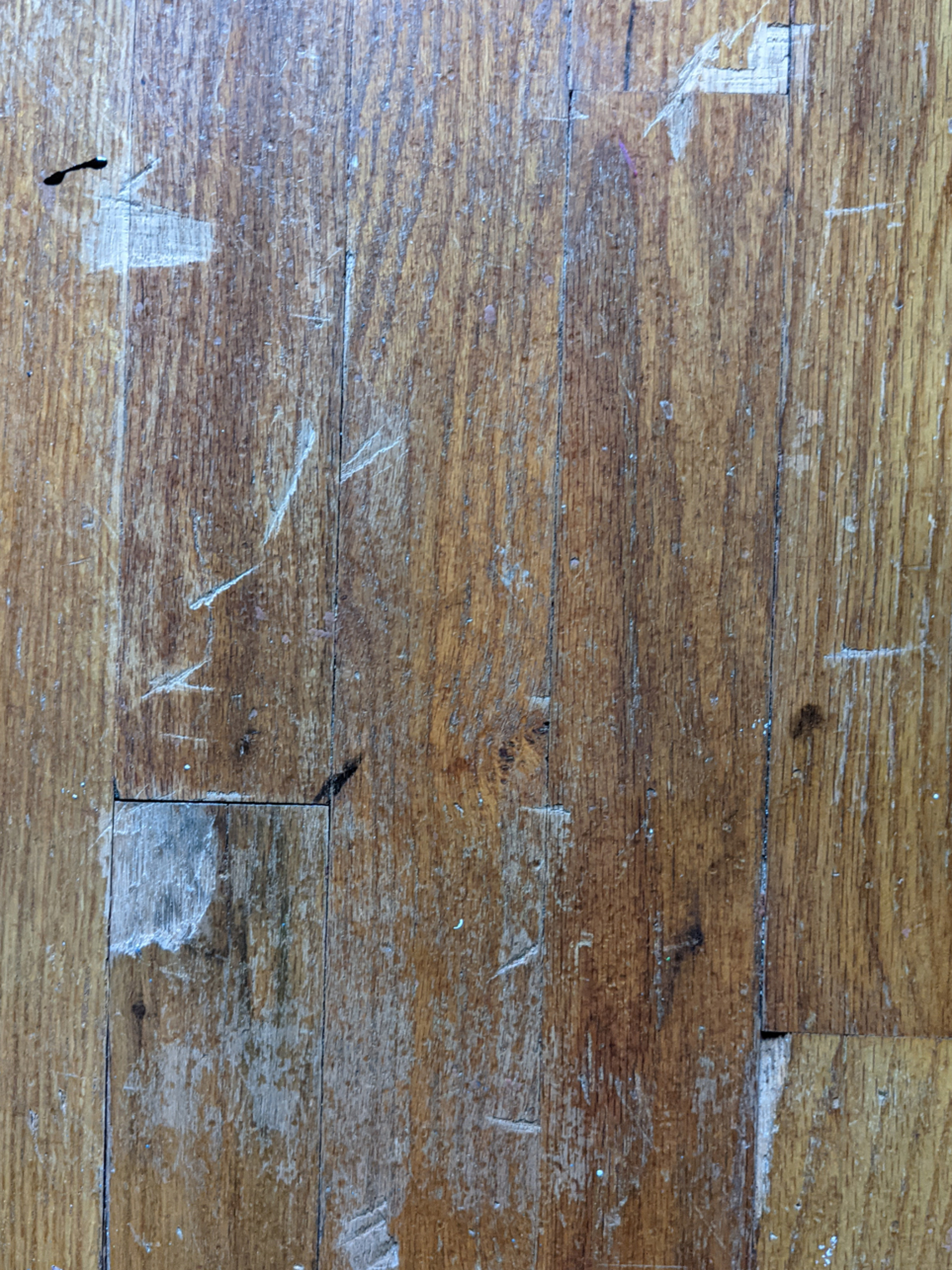
Before undertaking any recoating, several crucial factors need consideration. The article advises against recoating if the floor exhibits significant dents, wear patterns, or permanent cupping, as these issues may only be resolved through a full sanding. Although minor imperfections like dents, gouges, and scratches can be recoated, they will still be visible and might even become more pronounced after the new coating is applied. This emphasizes the importance of a thorough assessment of the floor's condition to determine the most appropriate restoration method.
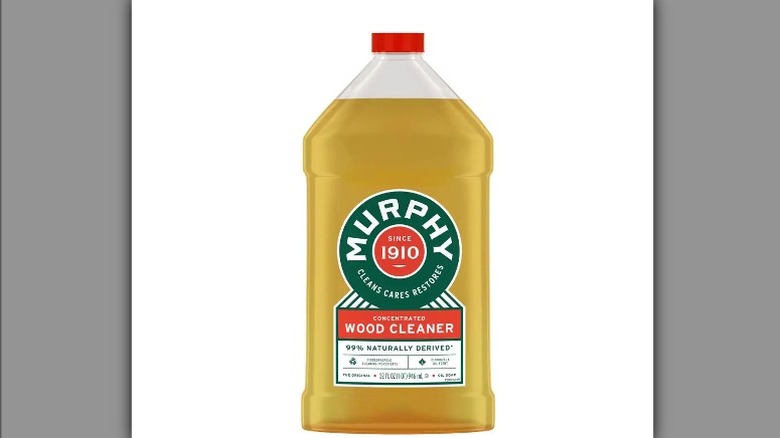
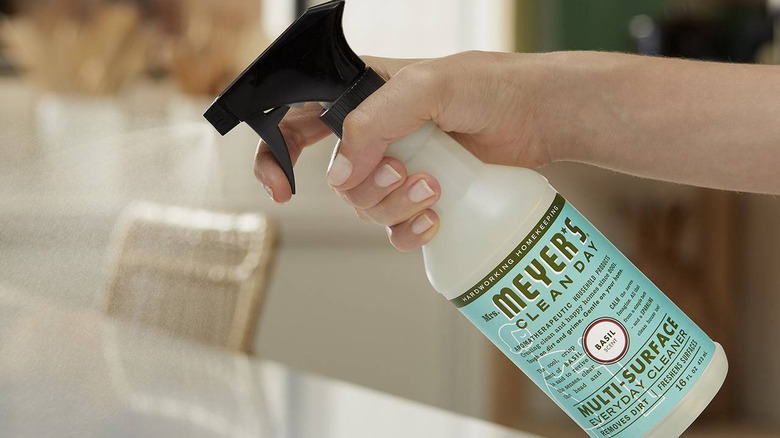
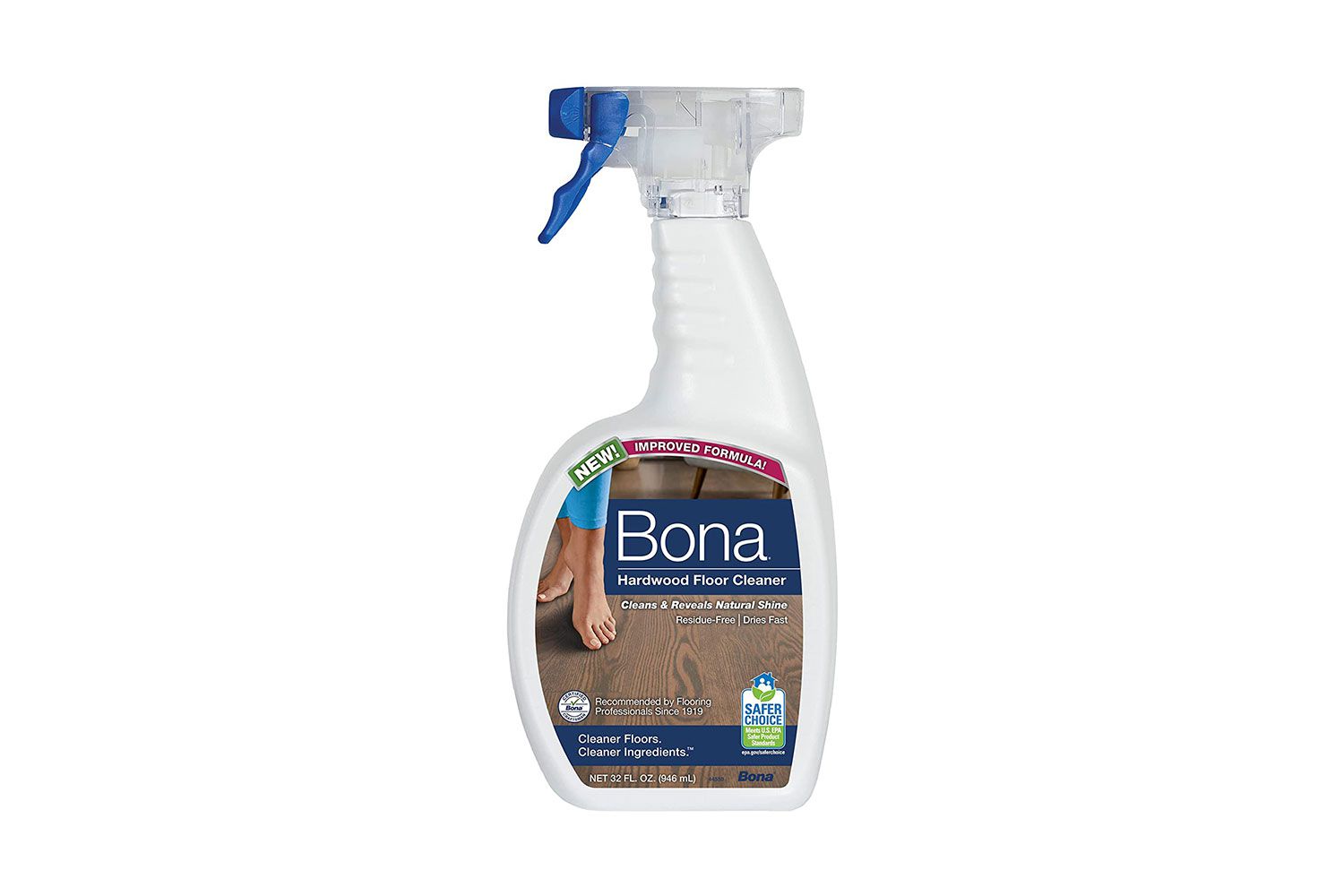
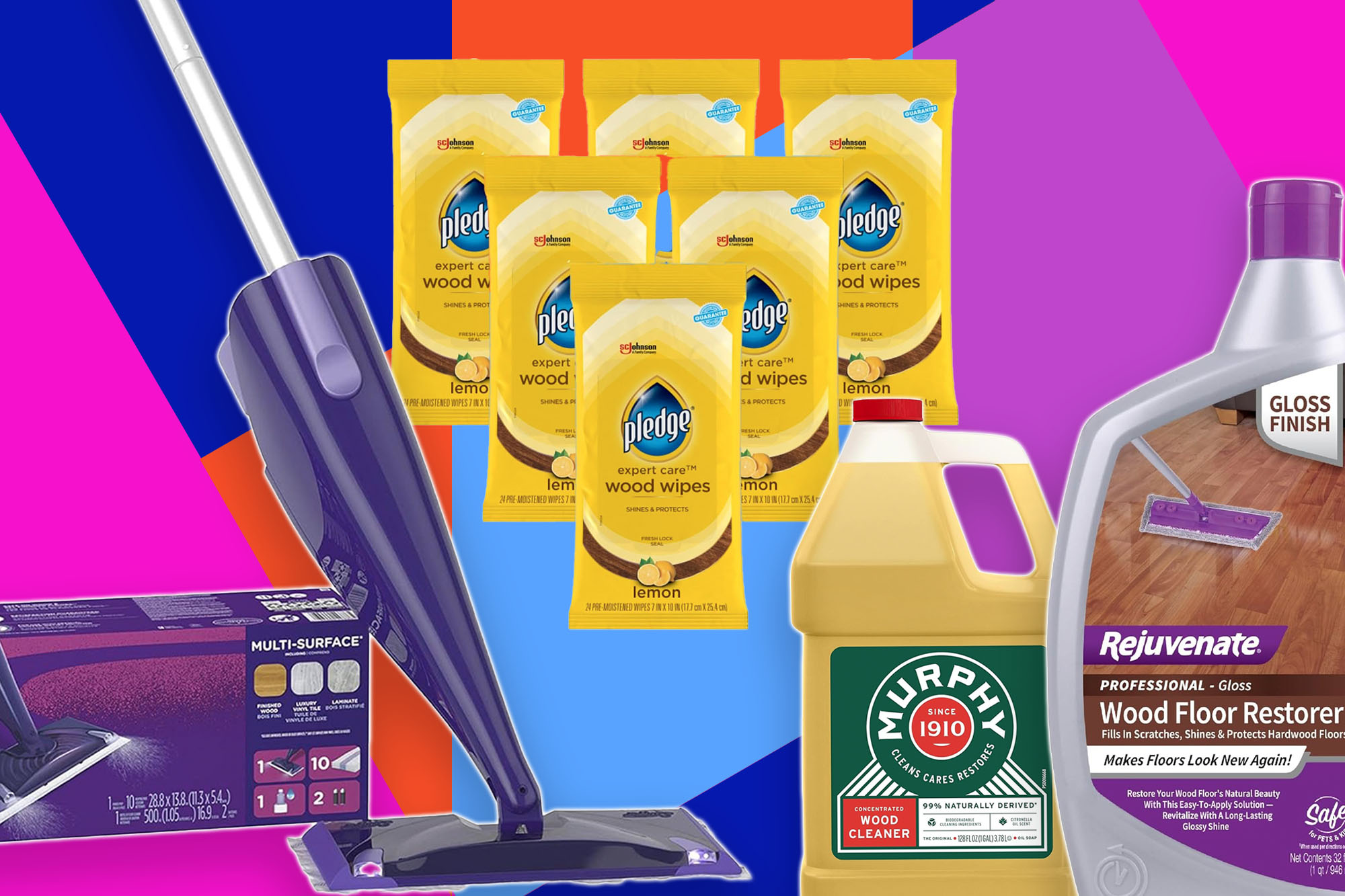
Preparing the floor is a critical step to ensure a professional-looking finish. The wood surface must be impeccably clean and smooth before any new coating is applied. The presence of wax, grease, or residues from unsuitable cleaning products can severely compromise the adhesion of fresh polish or lacquer. The article warns against using maintenance products that claim to "refresh, restore, rejuvenate, polish, renew, or shine," as these often leave behind substances that interfere with new topcoats. Instead, it recommends using wood floor cleaners specifically endorsed by the flooring manufacturer, such as Bruce floorcare products. Regular maintenance, including daily sweeping, weekly vacuuming on a bare floor setting, and monthly damp mopping with appropriate cleaning products, is crucial for preserving the floor's condition.
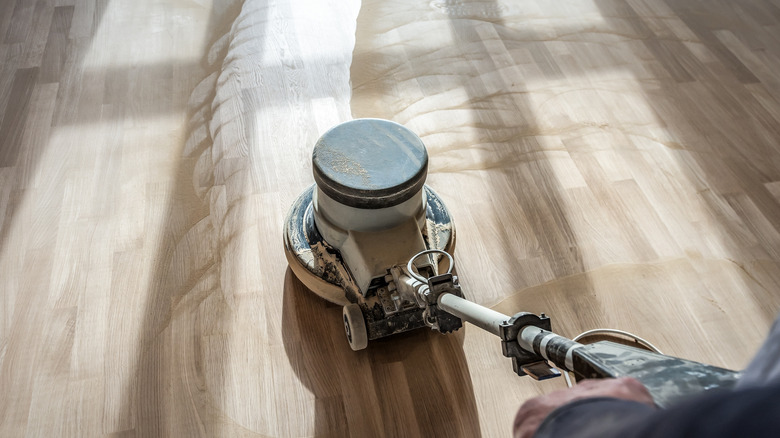
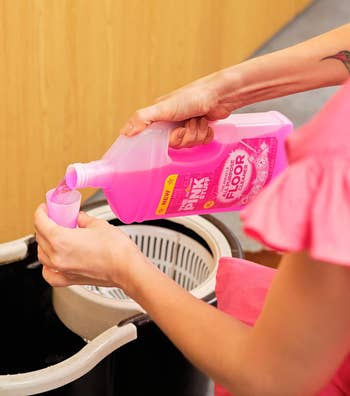
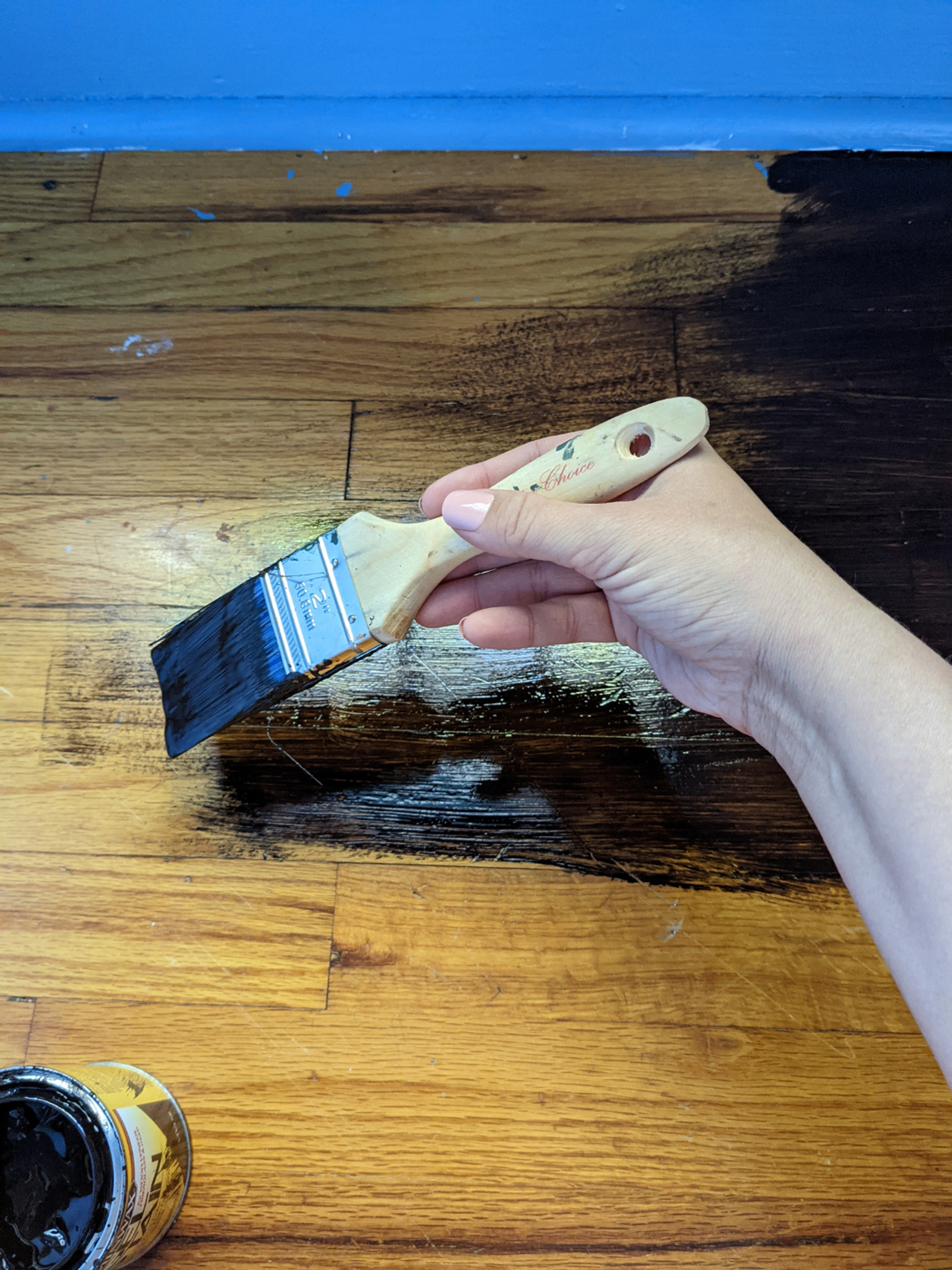
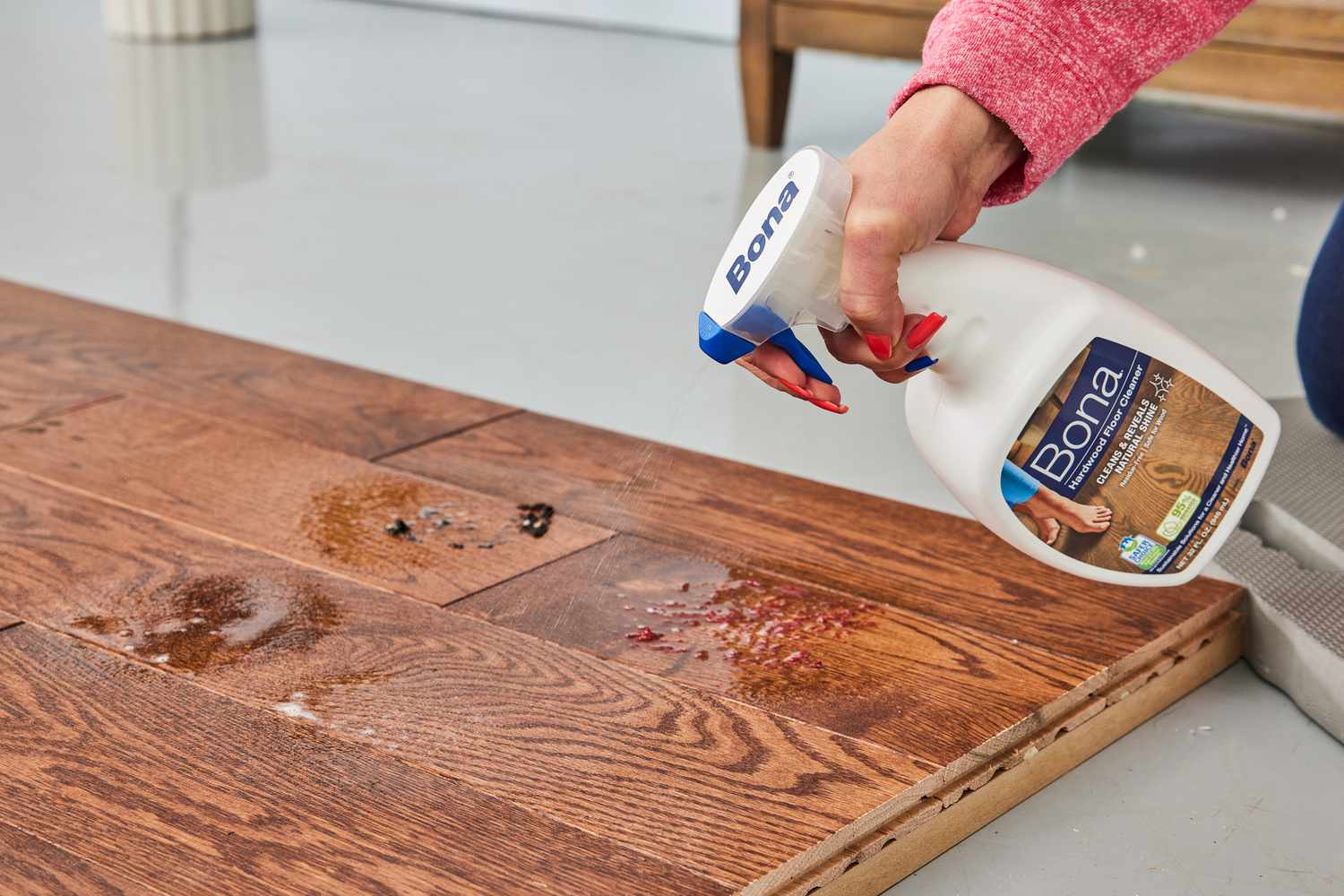
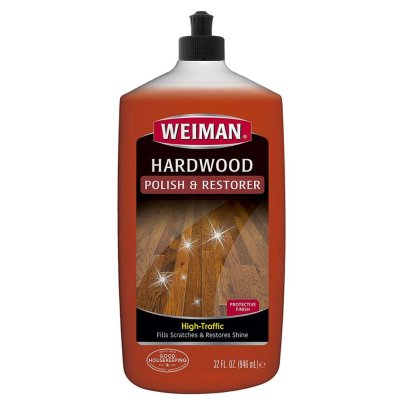
The step-by-step guide for restoring hardwood floors without sanding includes three main stages. First, thoroughly clean the surface using a mild detergent and water or a specialized hardwood floor cleaner to remove dirt, dust, and grime. This step aims to brighten the wood and make existing imperfections more visible. Second, address scratches and stains. Light scratches can be filled with a simple wax coat, while deeper ones require wood filler, which should then be sanded smooth and flush with the surrounding wood. Third, polish and finish the floor using a hardwood floor polish or a buffing machine, applying the product with a light touch in small sections to ensure even distribution and prevent excess buildup. This process promises a beautiful, professional-looking finish that can last for years.
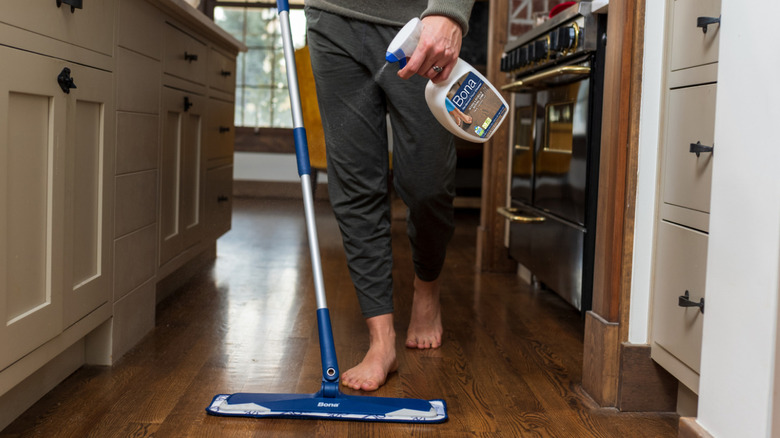
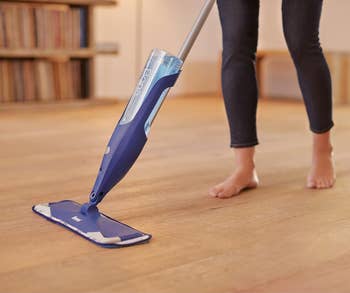
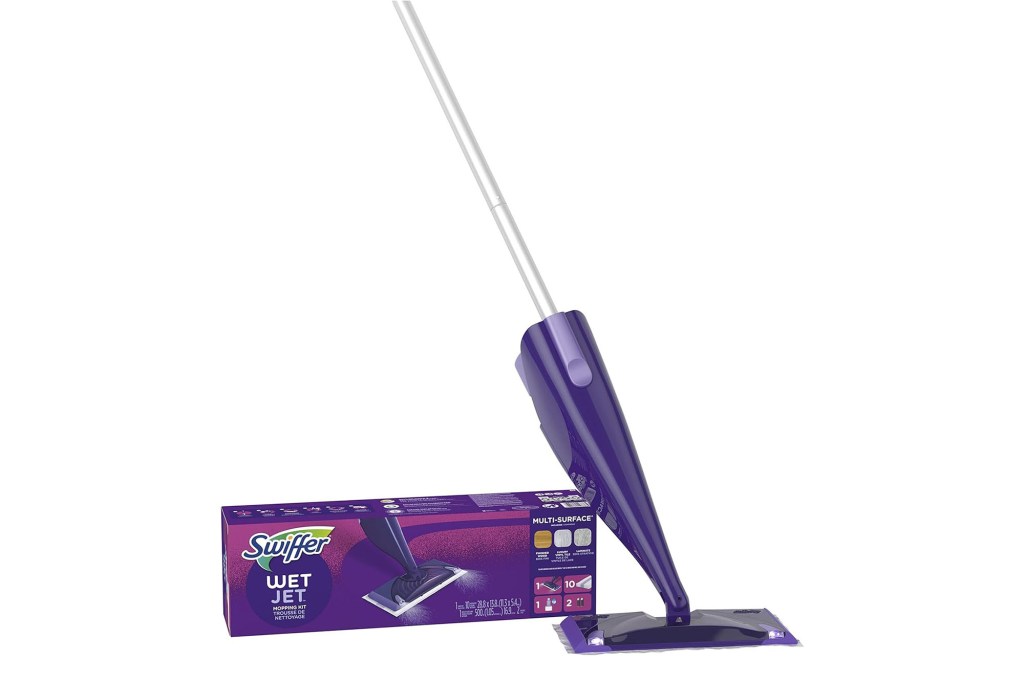
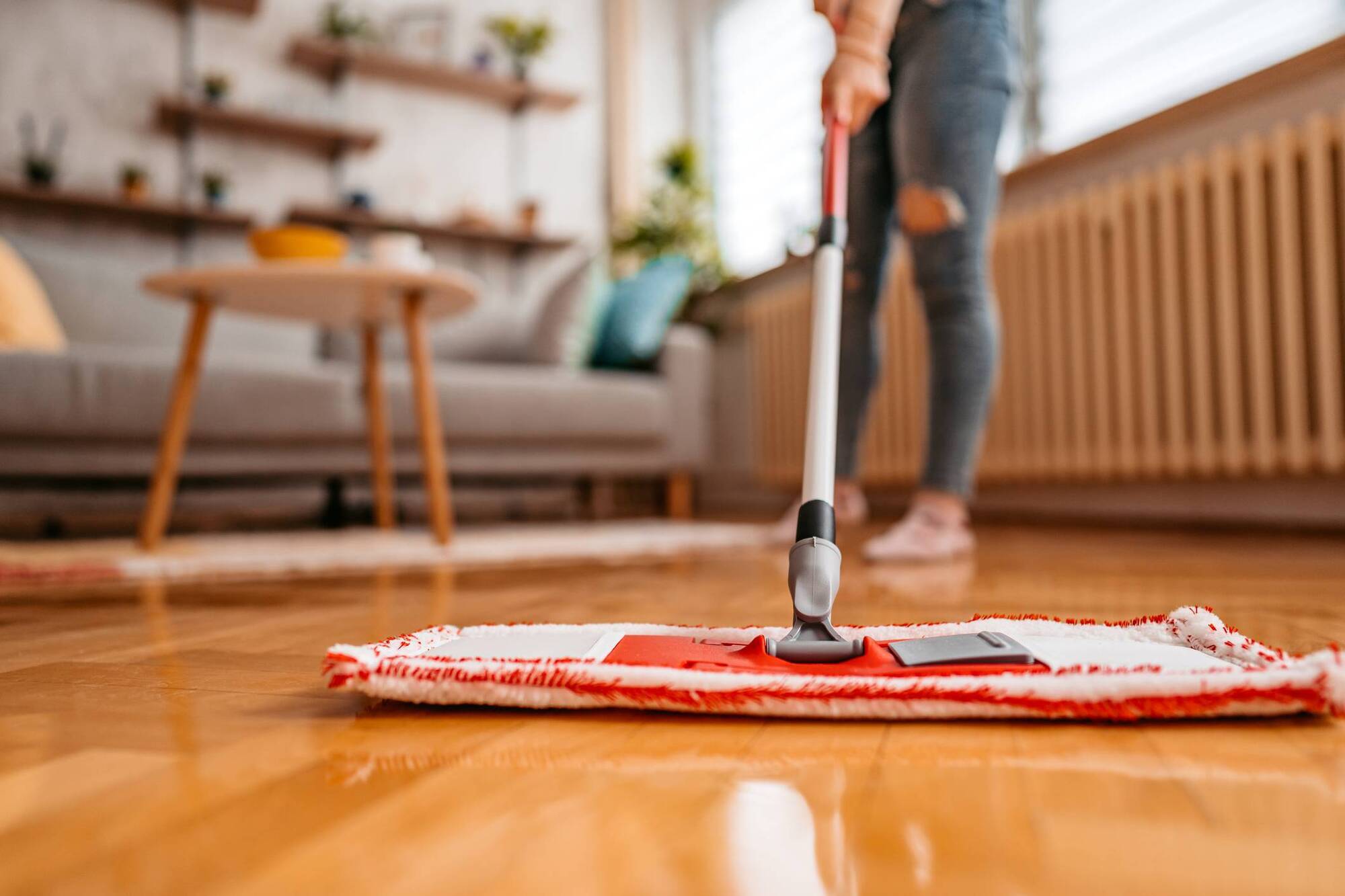
The article also identifies common mistakes to avoid during the restoration process, such as applying too much polish or finish, which can result in a cloudy or hazy appearance. It stresses the importance of using the recommended product amounts and working in small areas. Another frequent error is neglecting to vacuum and sweep the floors thoroughly before restoration, as embedded dirt and dust particles can lead to discoloration and unevenness in the final finish. The type of mop used is also important, with recommendations for high-quality spray mops that allow for controlled application and effective removal of cleaning solutions. Crucially, steam mops are strongly advised against for wood floors, as the steam can deeply penetrate the wood, causing permanent damage to both the wood and its finish.
#HardwoodFlooring #FloorRestoration #HomeMaintenance #DIYHomeImprovement #InteriorDesign #WoodCare #CleaningTips #HardwoodFlooring #FloorRestoration #HomeMaintenance #DIYHomeImprovement #InteriorDesign #WoodCare #CleaningTips
0 comment in total
 No comments yet
You may also like
Your Step-By-Step Guide To Sanding A Hardwood Floor

Guide to Hardwood Floor Finishes

How to paint wood floors – get a lasting shine in 5 easy steps
How to Get Rid of Scratches on Hardwood Floors So They Shine Like New

How to clean hardwood floors – experts reveal the best techniques
Can a DIY wood floor cleaner leave your floors gleaming? Experts share their favored techniques
Home: How to clean wood flooring without causing damage

The 12 best hardwood floor cleaners of 2024, per expert testing
I swear by this incredibly easy 5-step method for cleaning real wood floors
How to clean hardwood floors the right way

27 Of The Best Hardwood Floor Cleaners If You Want Spotless, Shiny Results
The Best Sanders for Hardwood Floors of 2026

Want Shiny Hardwood Floors? Here’s How to Rejuvenate Them

The Secret to Keeping Your Hardwood Floors Pristine? It’s One of Our 6 Best Cleaners

This $20 Product Revived Worn Hardwood Floors in 30 Minutes
How to refresh wood floors using gel stain for a simple and budget-friendly DIY

10 Top Hardwood Floor Cleaners To Keep Them Looking Like New
Home Flooring Installation and Repair

3 steps to cover ugly wood floors mid-home reno
6 Ways to Make Your Outdated Flooring Look Stylish Without Doing a Full Scale Reno