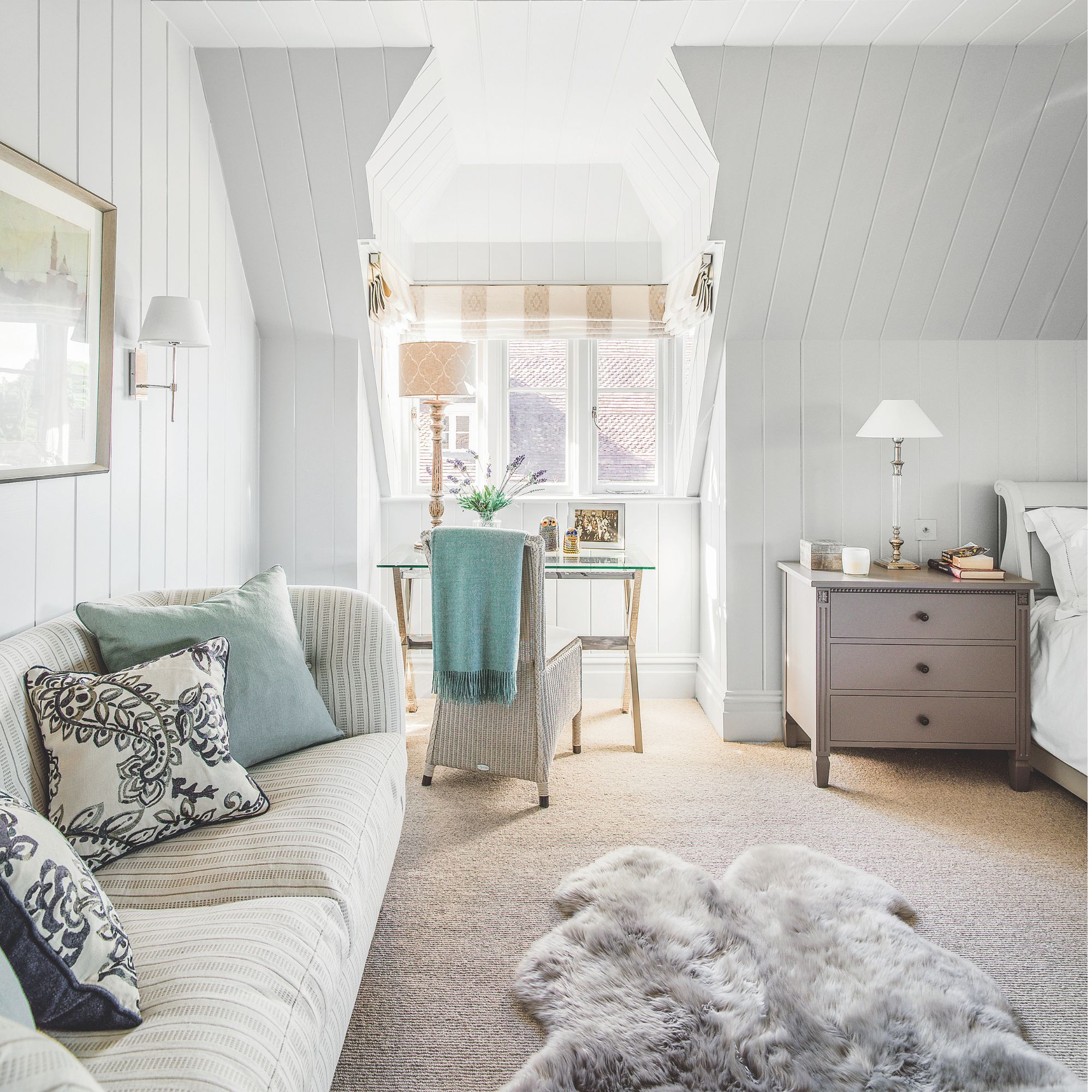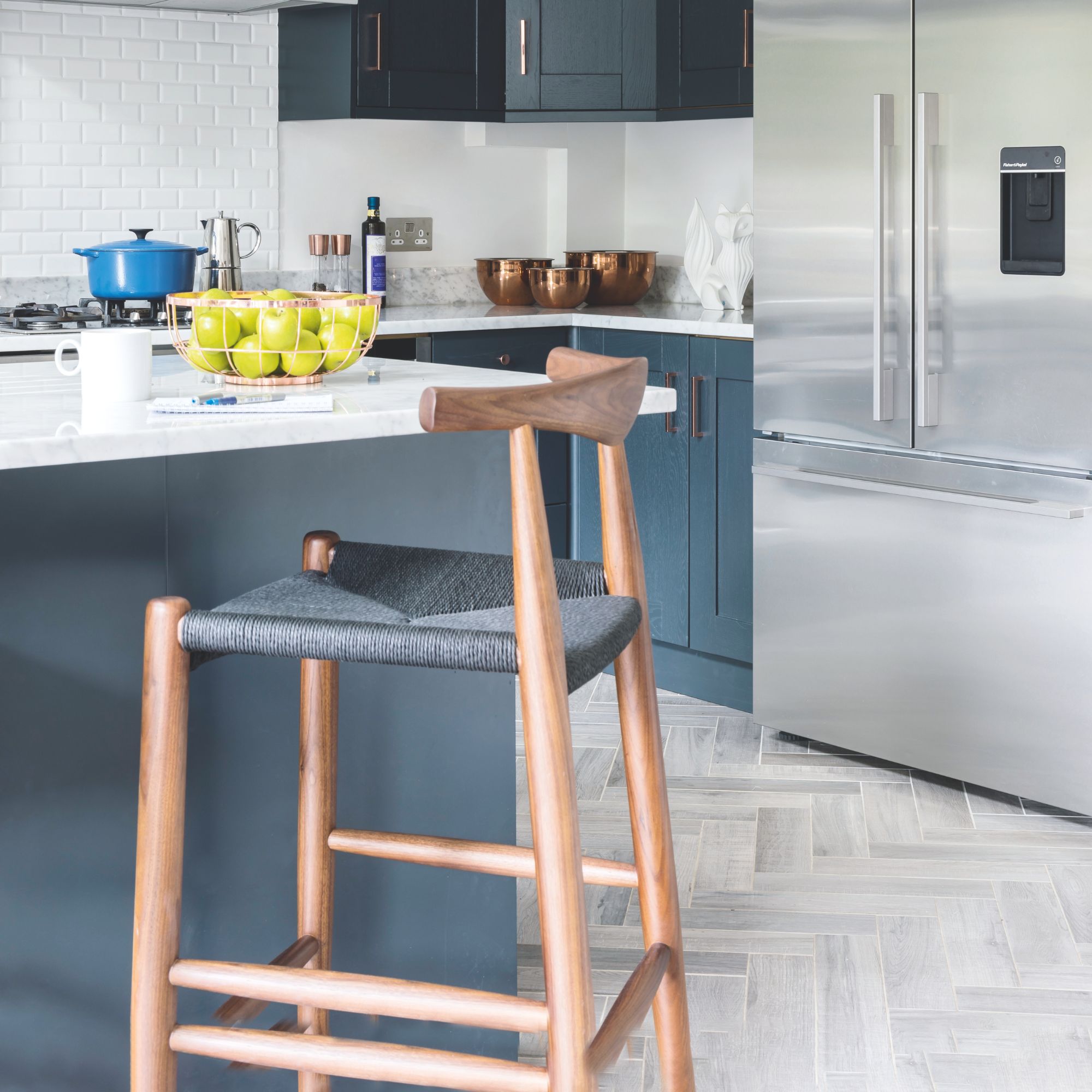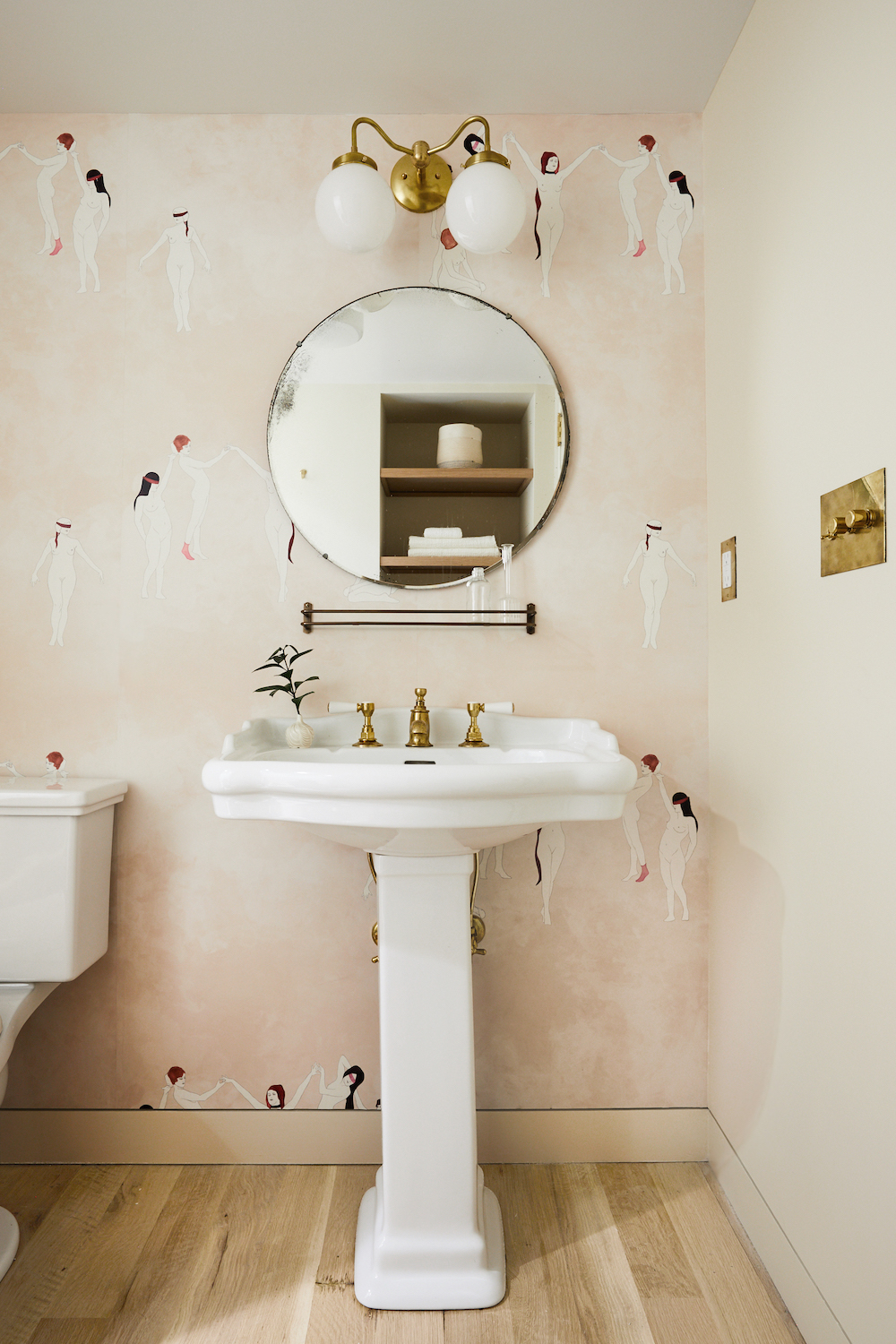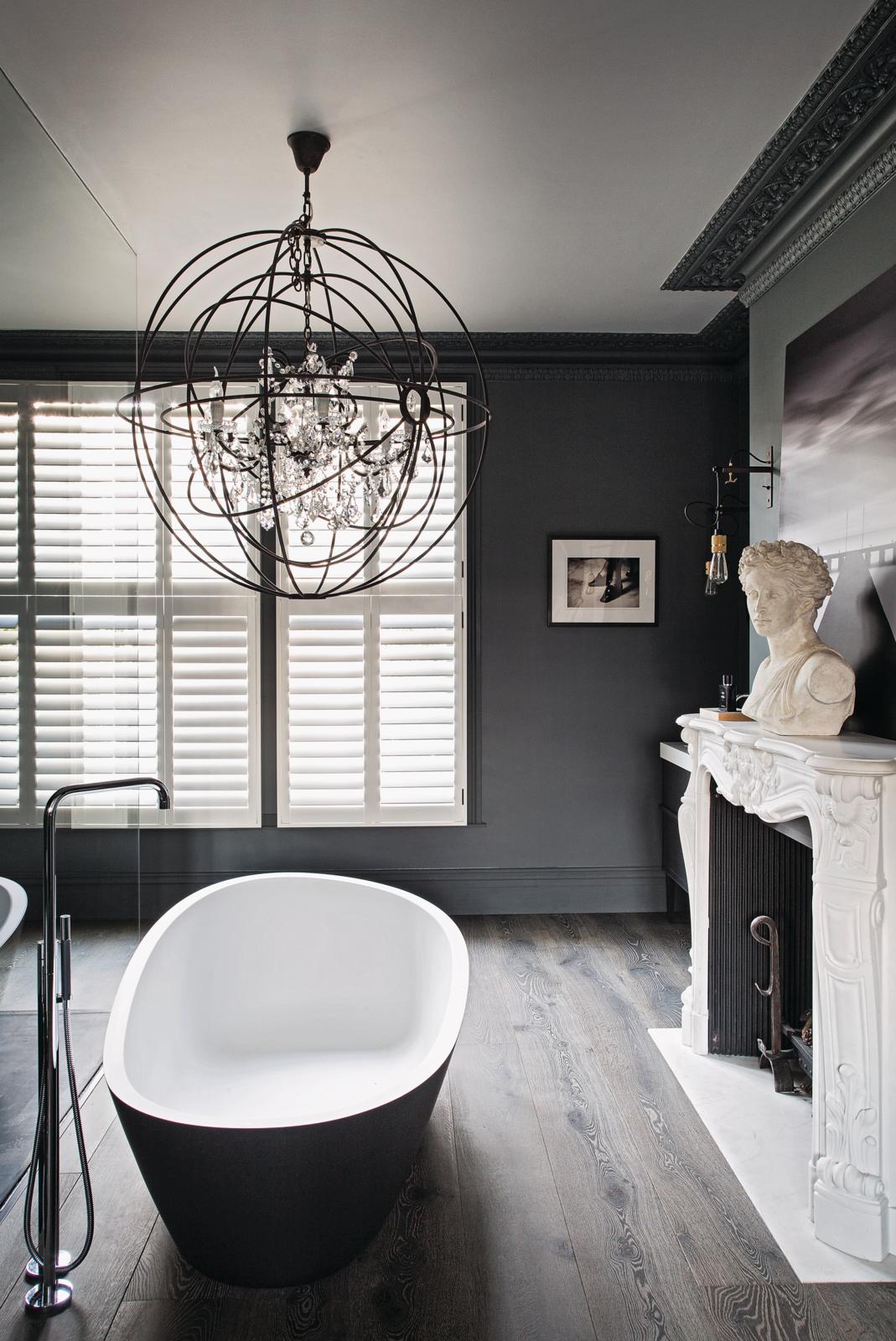
Why Choose Engineered Timber Flooring? An Expert Opinion
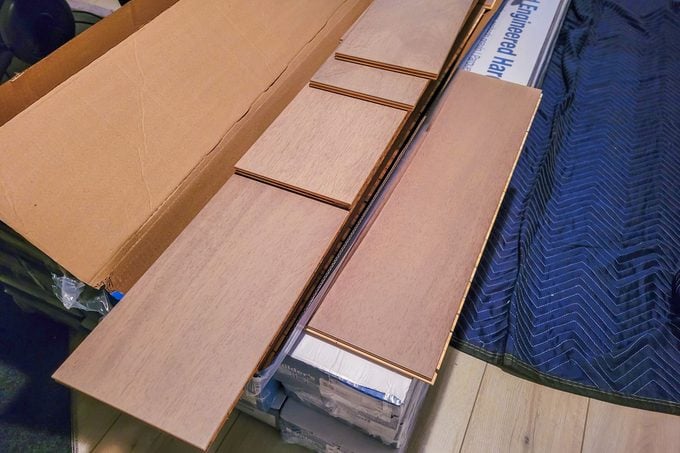
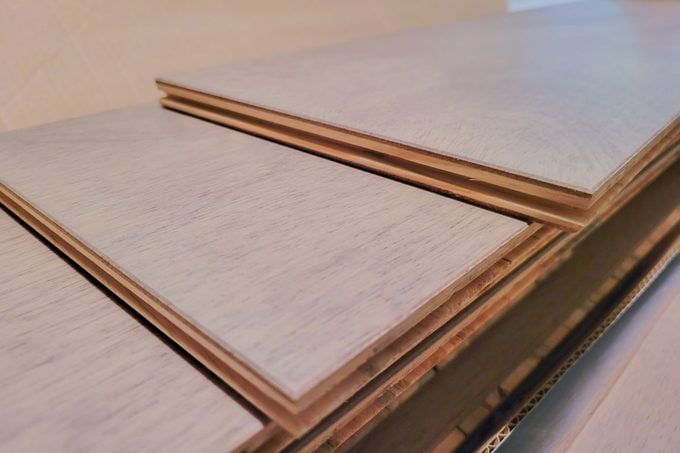
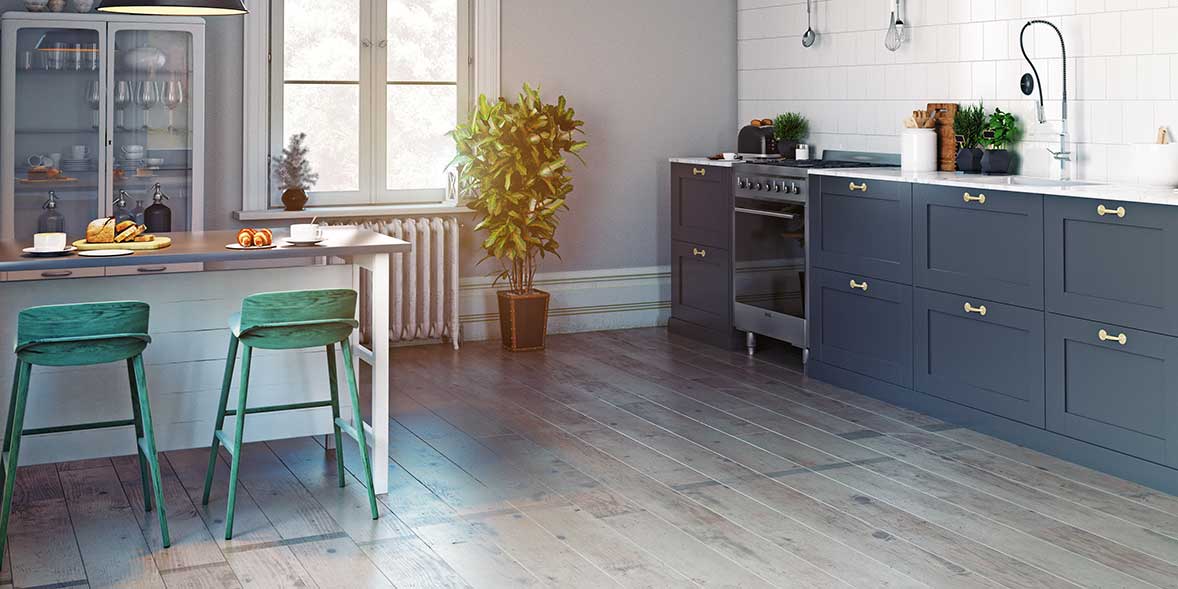
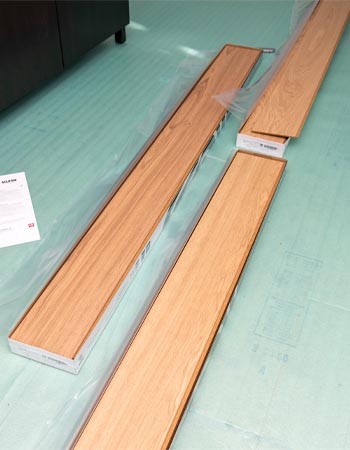
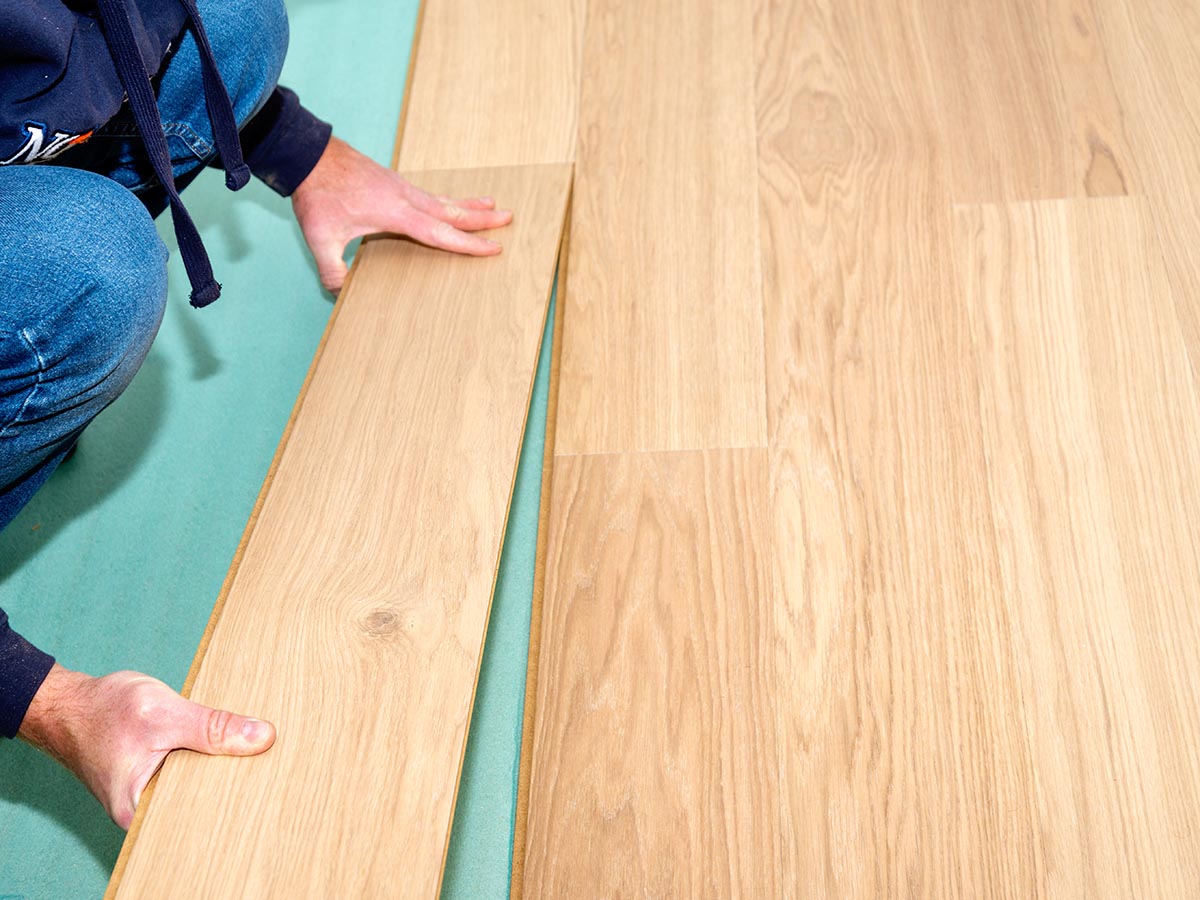
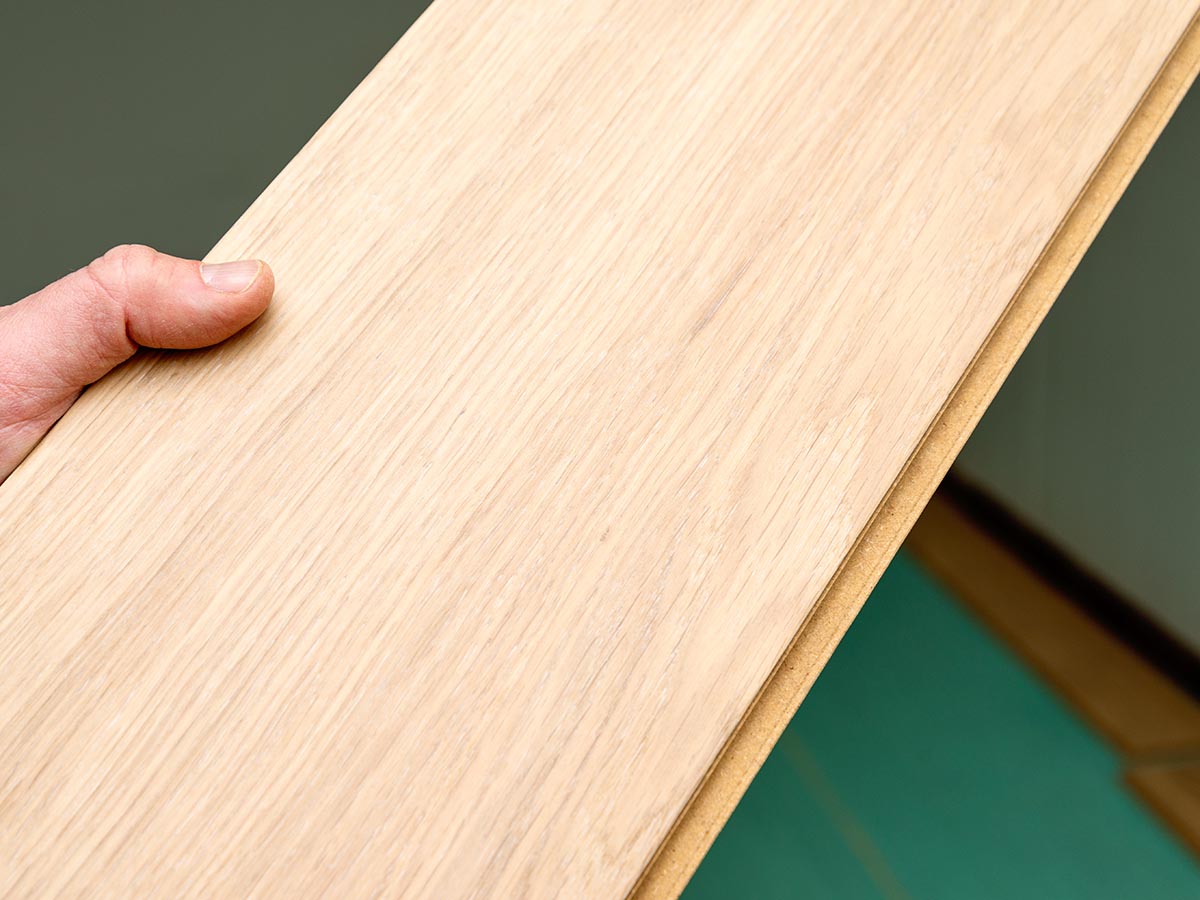
Engineered timber flooring is emerging as a preferred option for homeowners and designers due to its blend of natural aesthetics, strength, and stability. This type of flooring is constructed with multiple layers of plywood, topped with a solid timber wear layer, offering superior stability and performance compared to solid timber, particularly in climates with fluctuating moisture and temperatures, or when used with underfloor heating. Solid timber, by contrast, is a single piece of wood that is more susceptible to expansion and contraction. Its enhanced durability makes engineered timber suitable for high-traffic areas such as living rooms, kitchens, and bedrooms, though it is not recommended for bathrooms and laundries due to high moisture levels. This is attributed to improved stain and scratch-resistant properties.
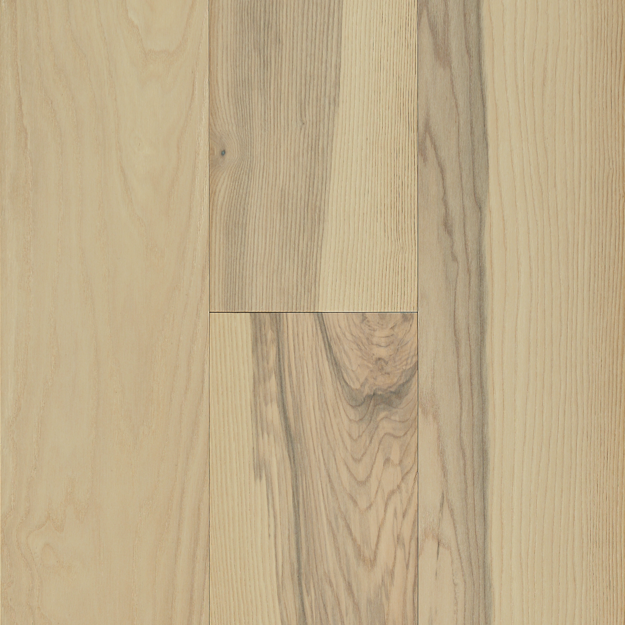
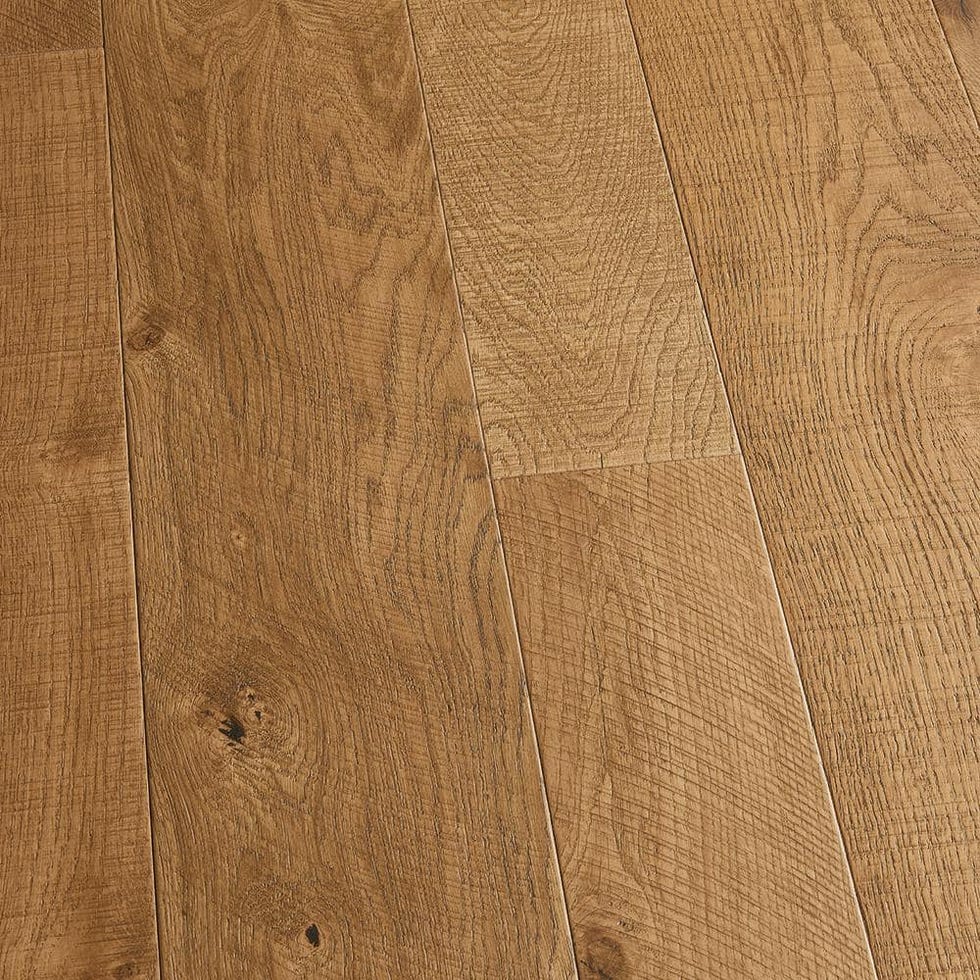
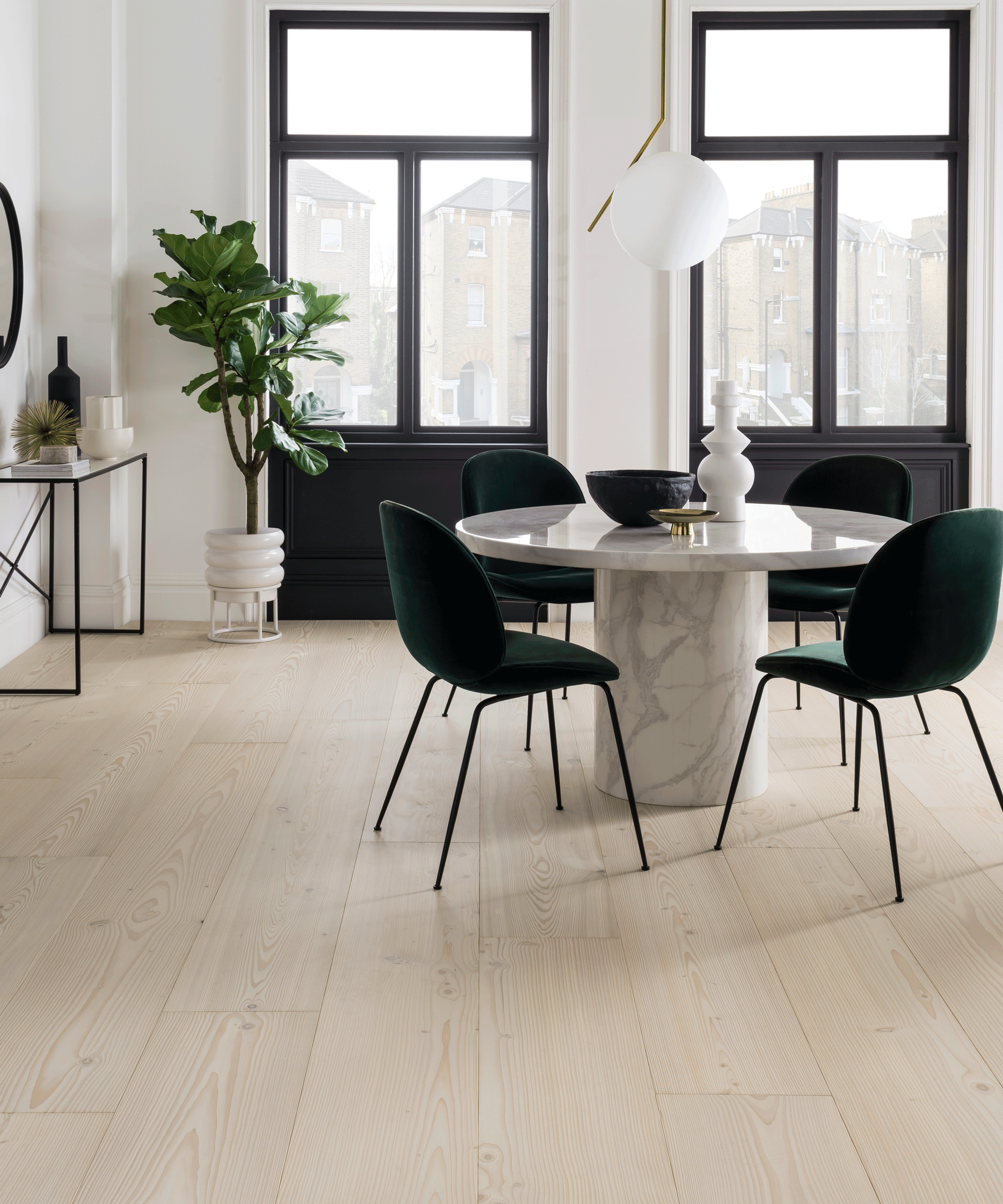
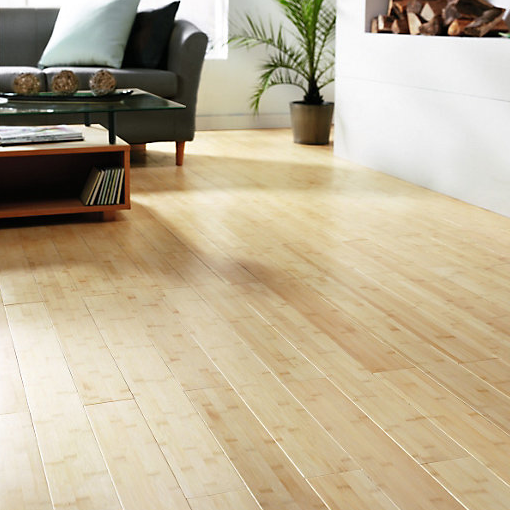
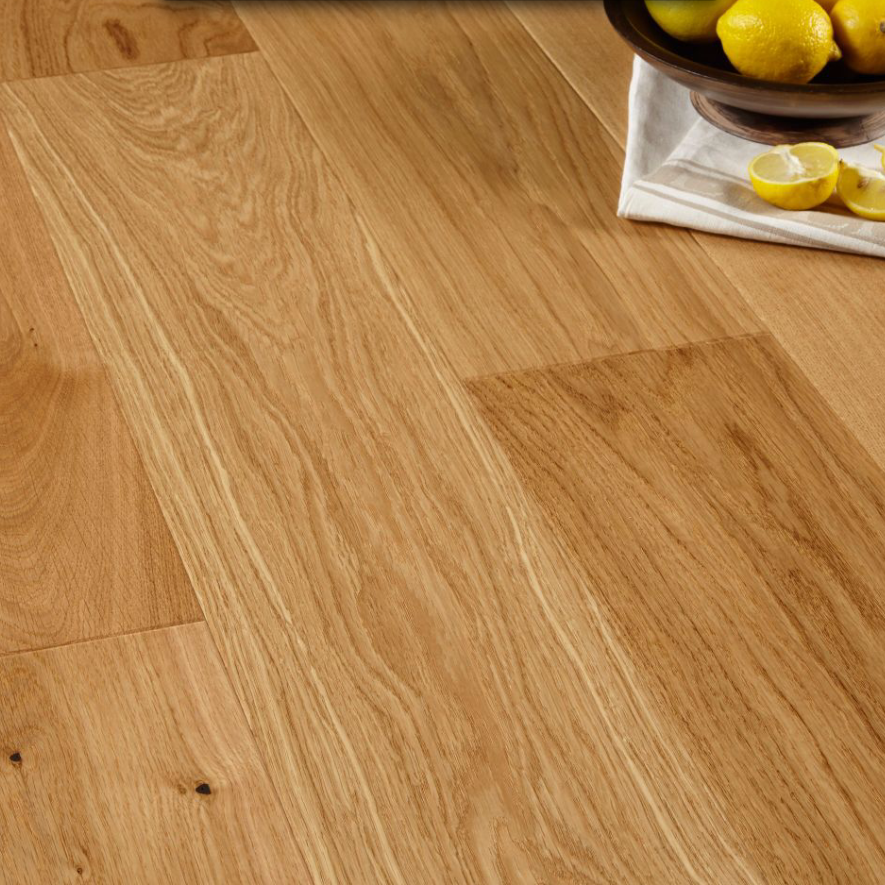
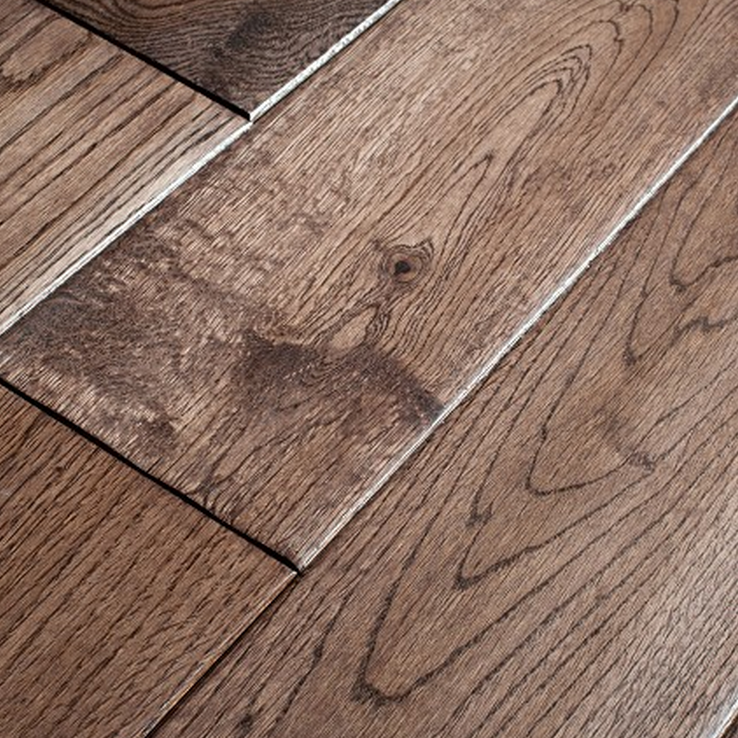
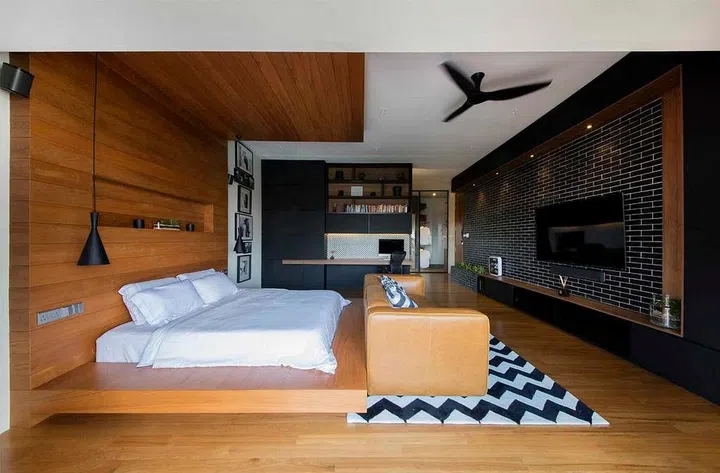
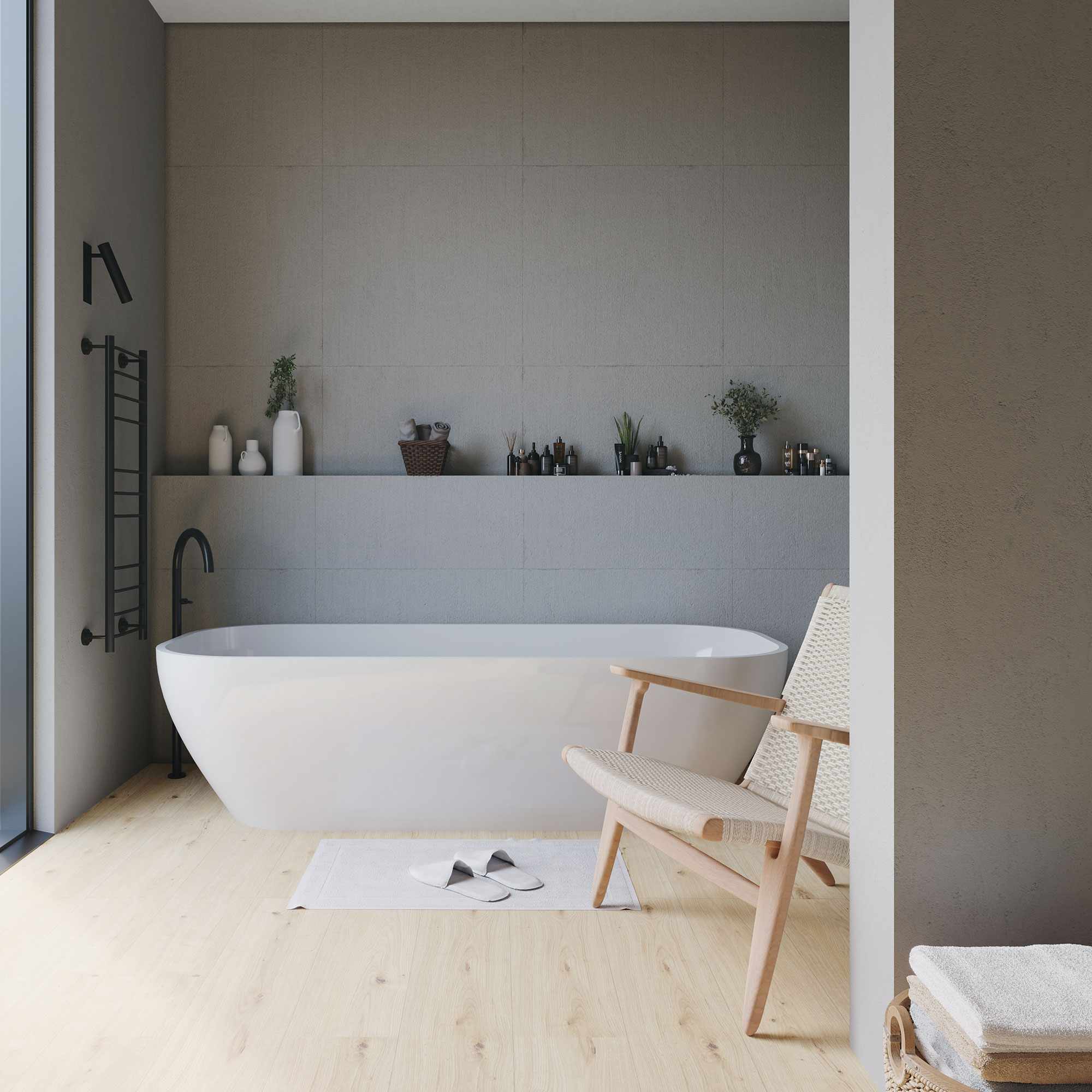
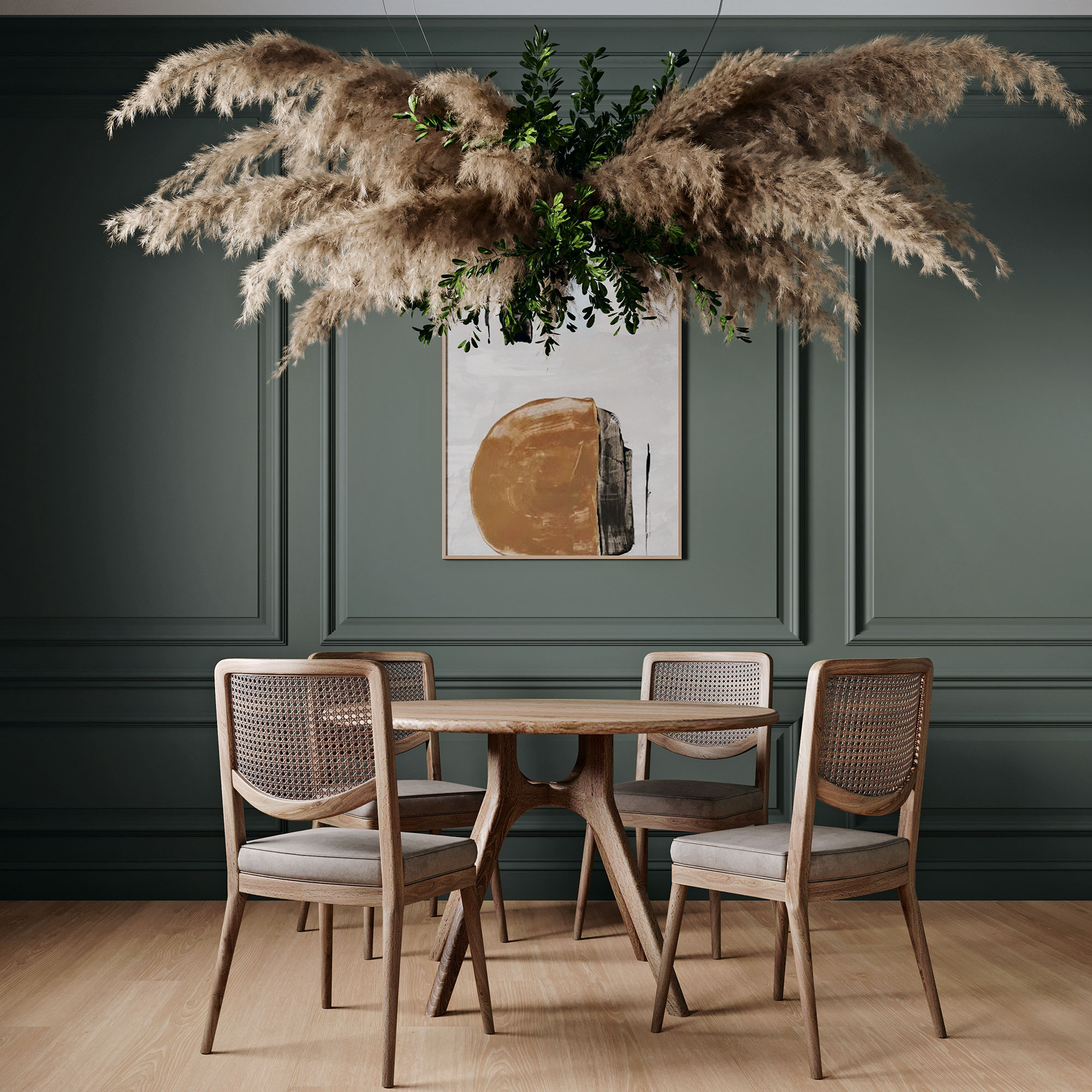
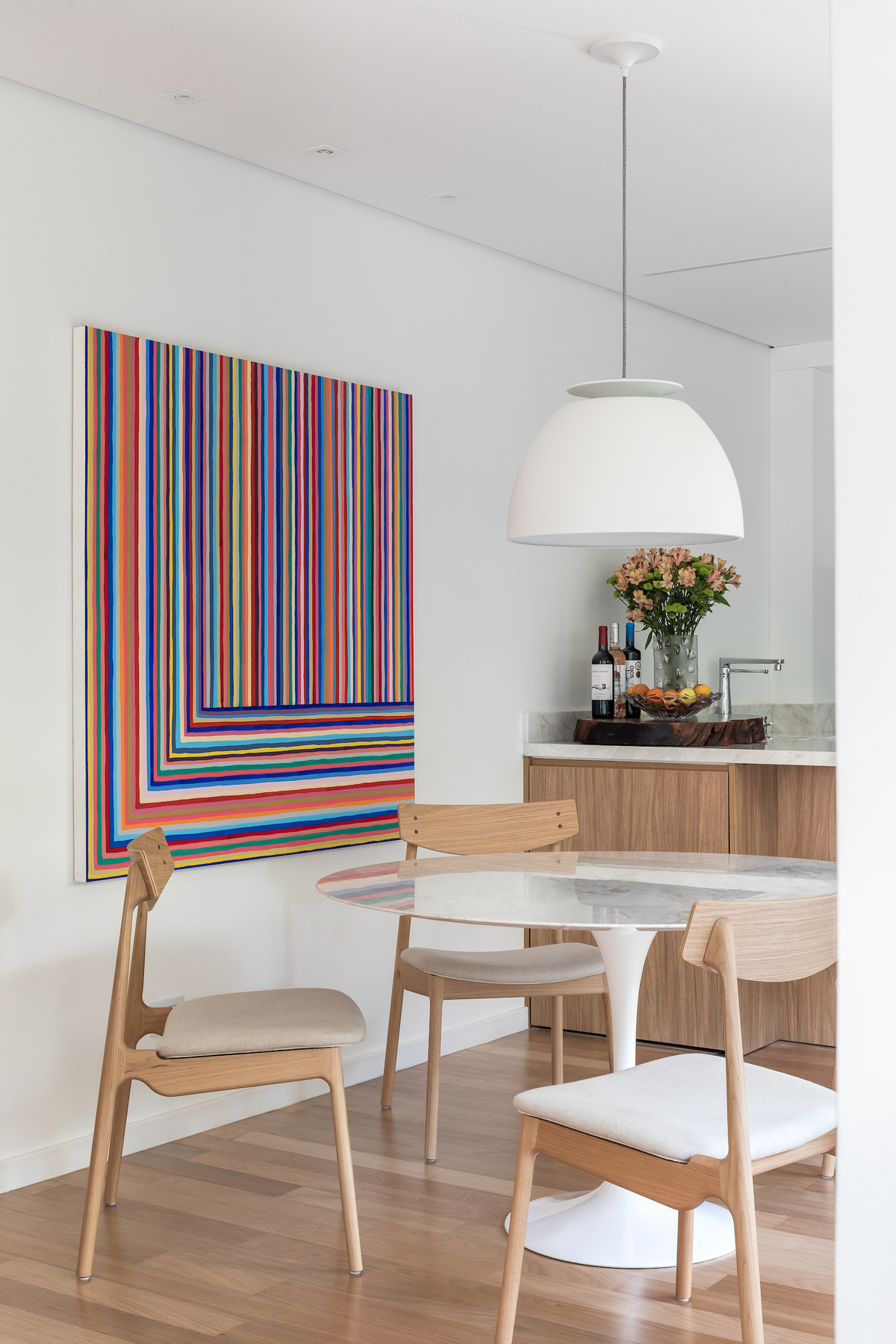
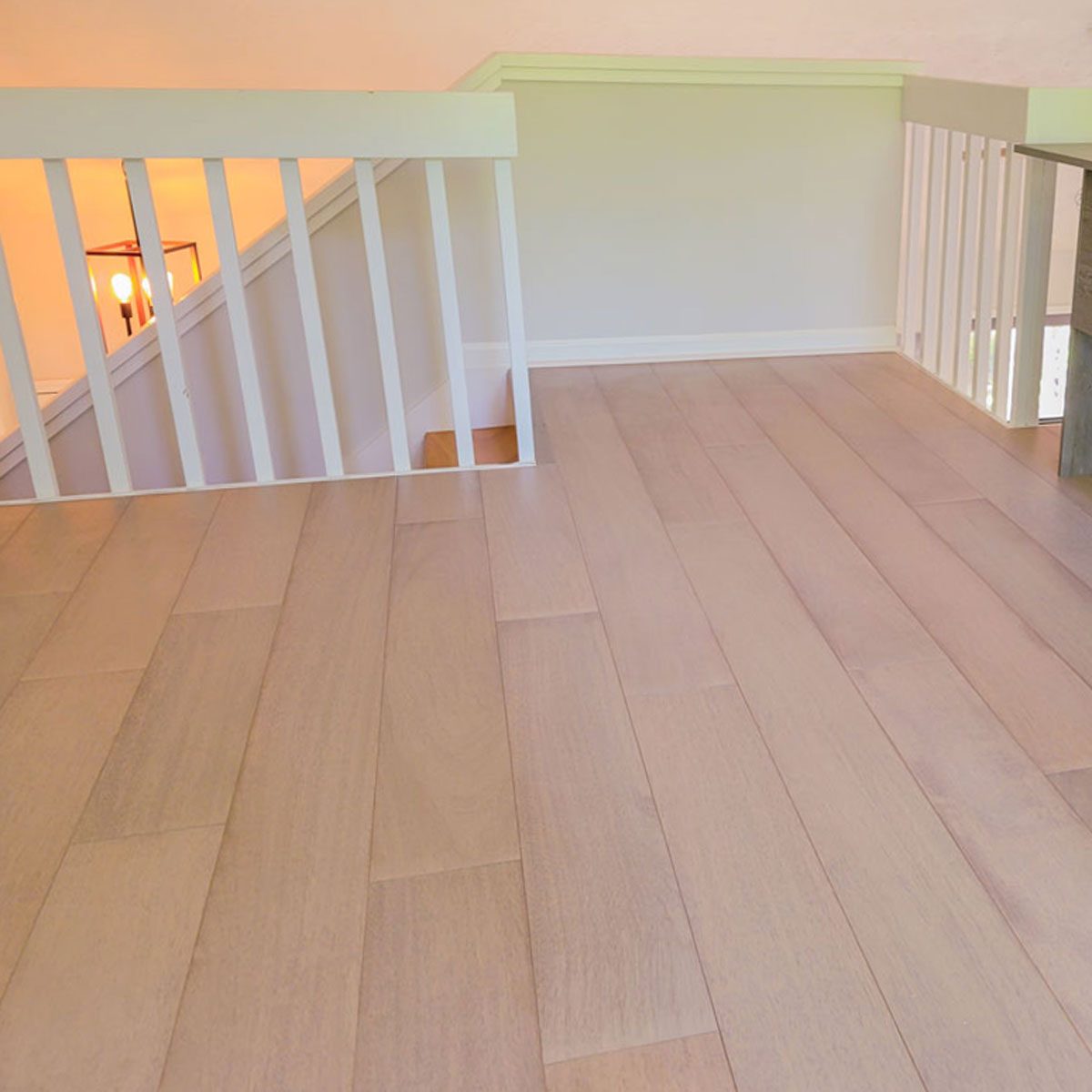
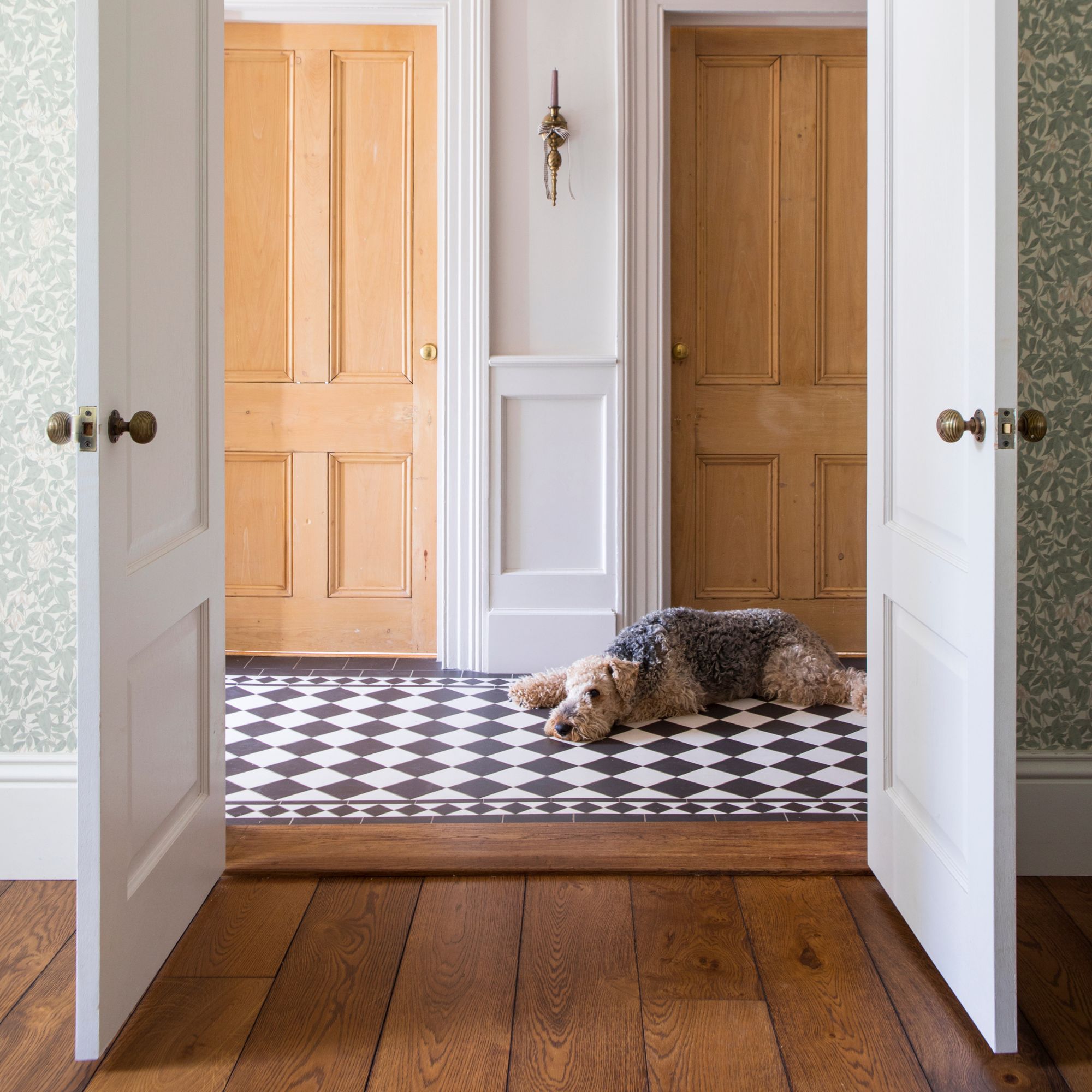
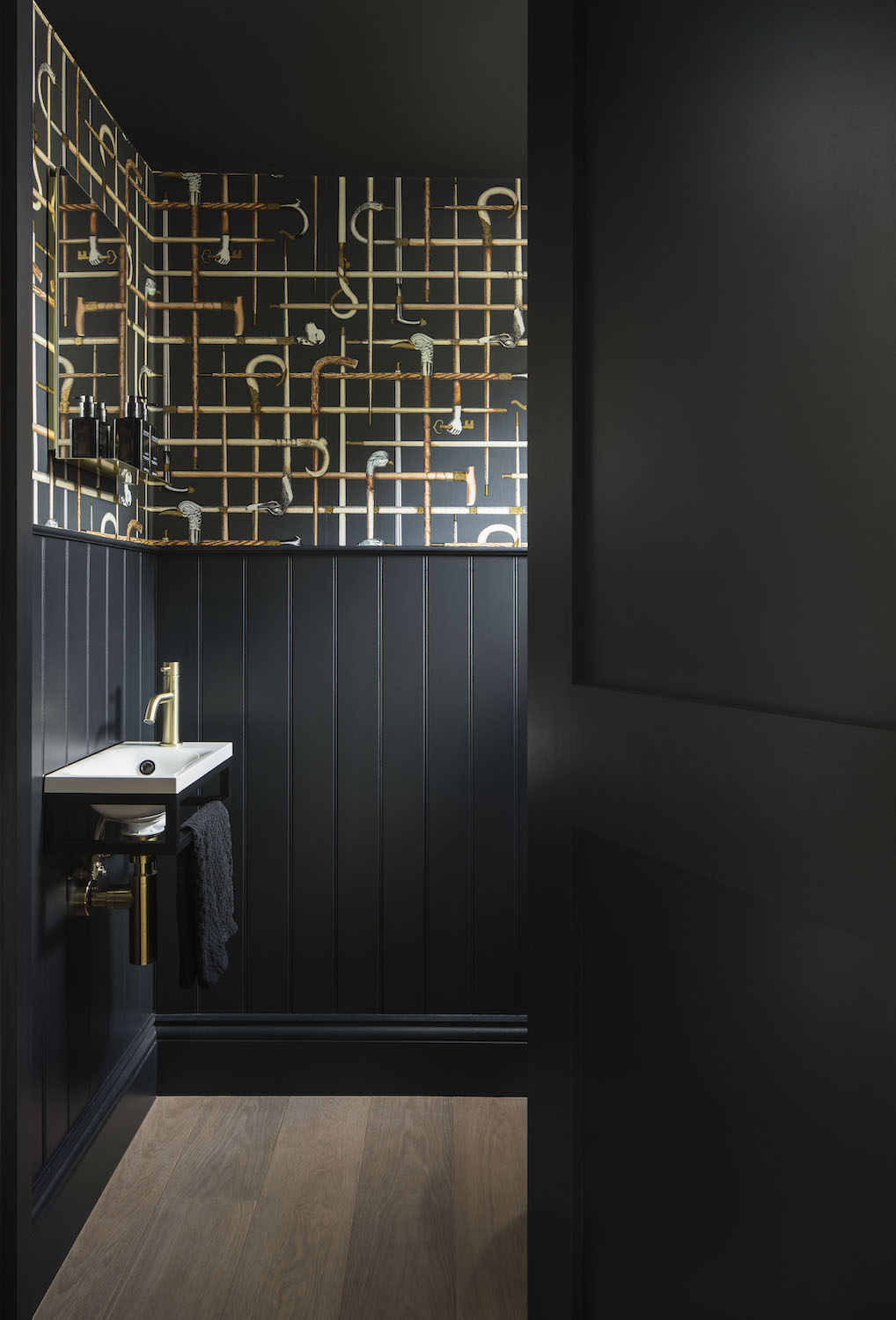
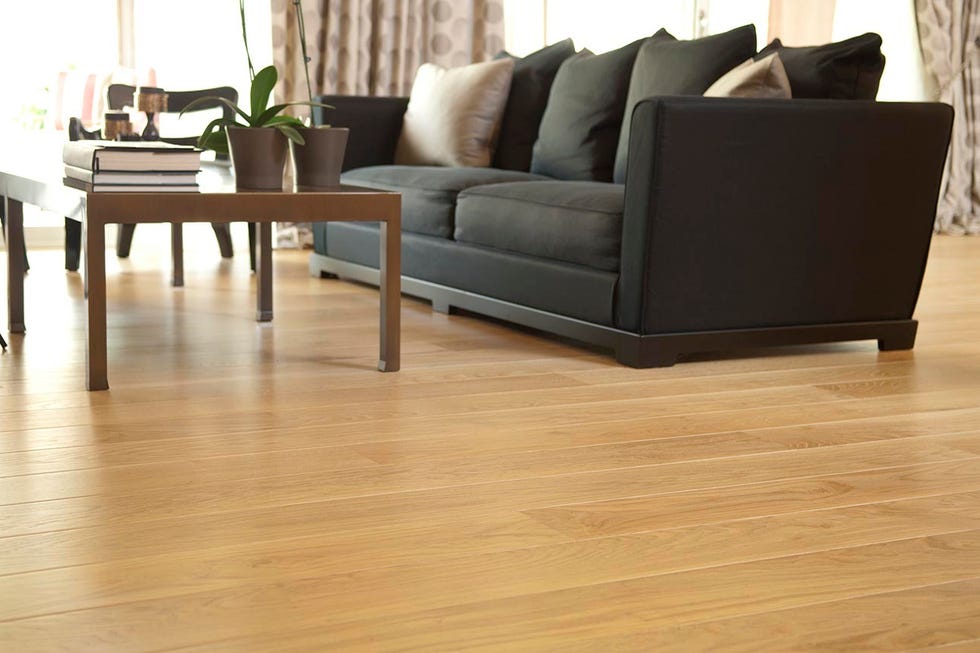
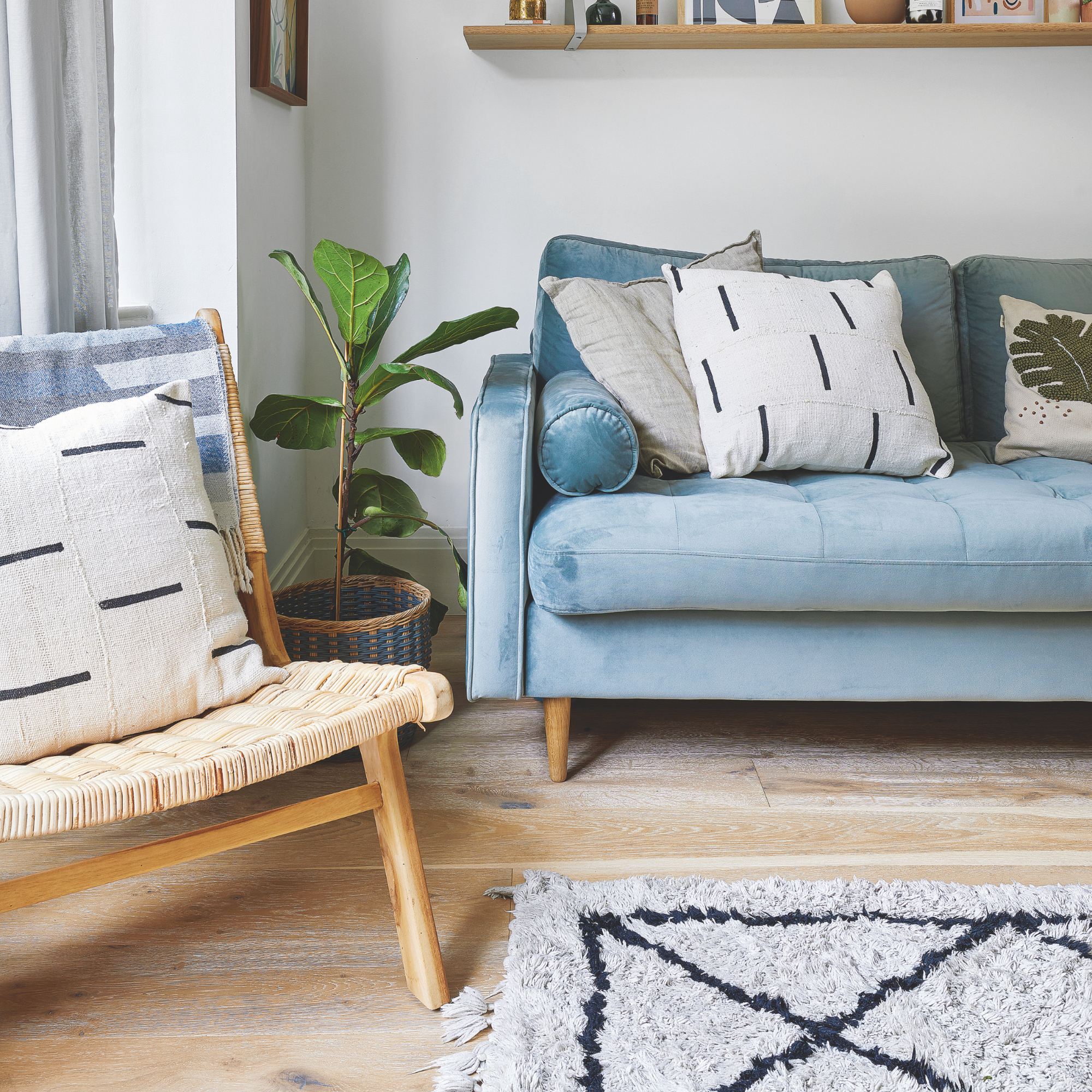
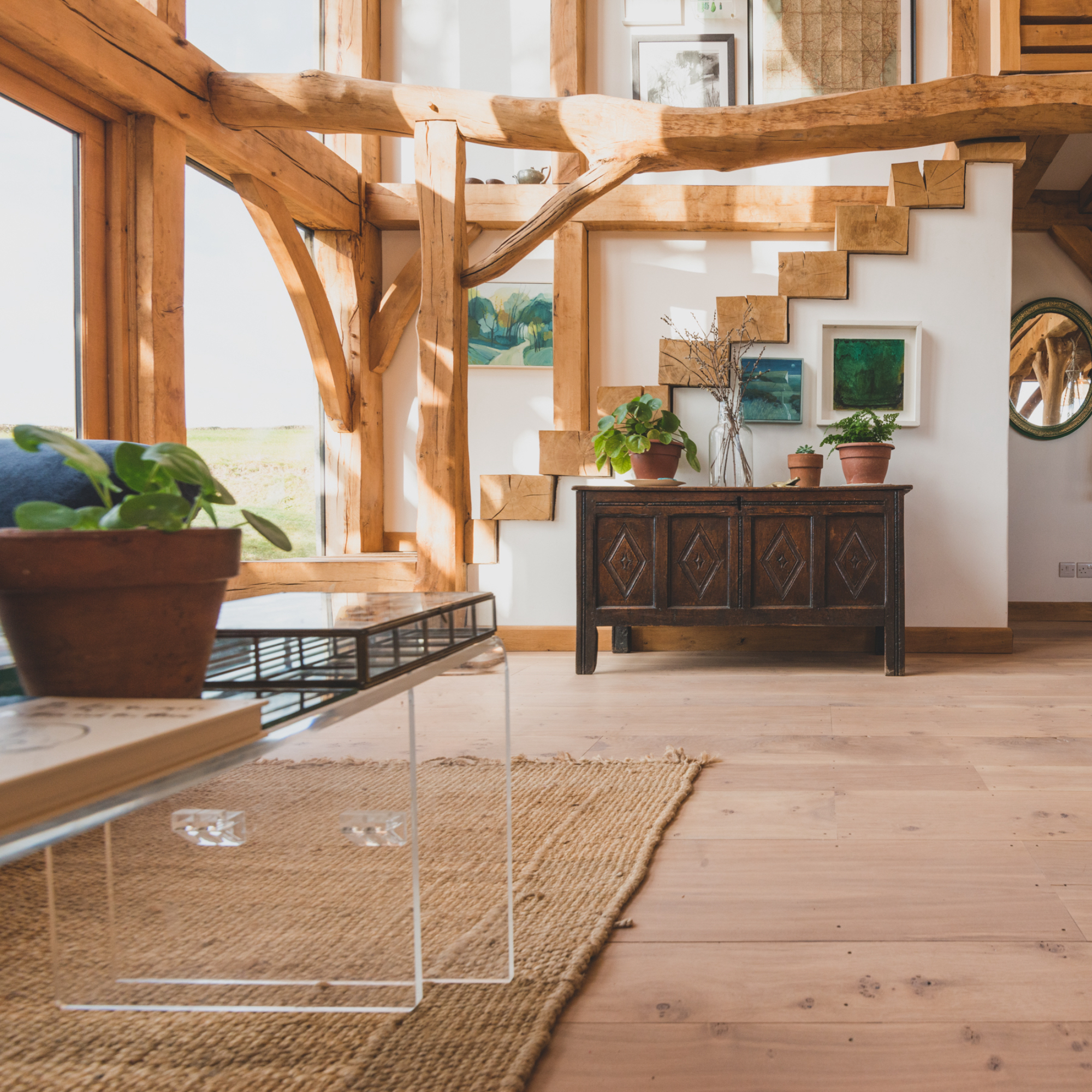
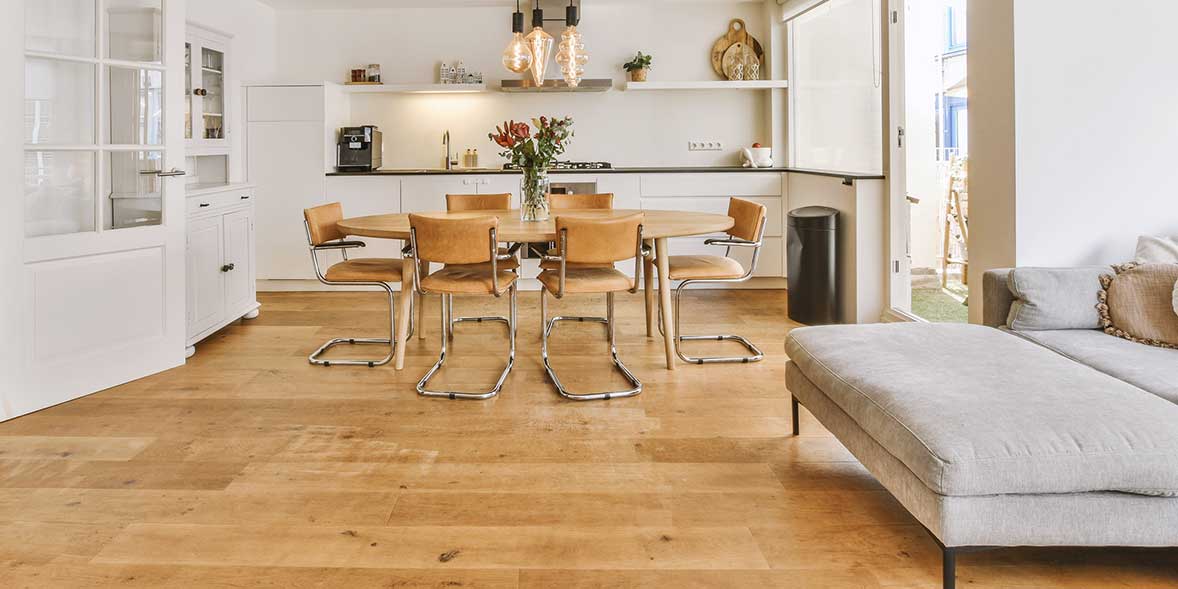
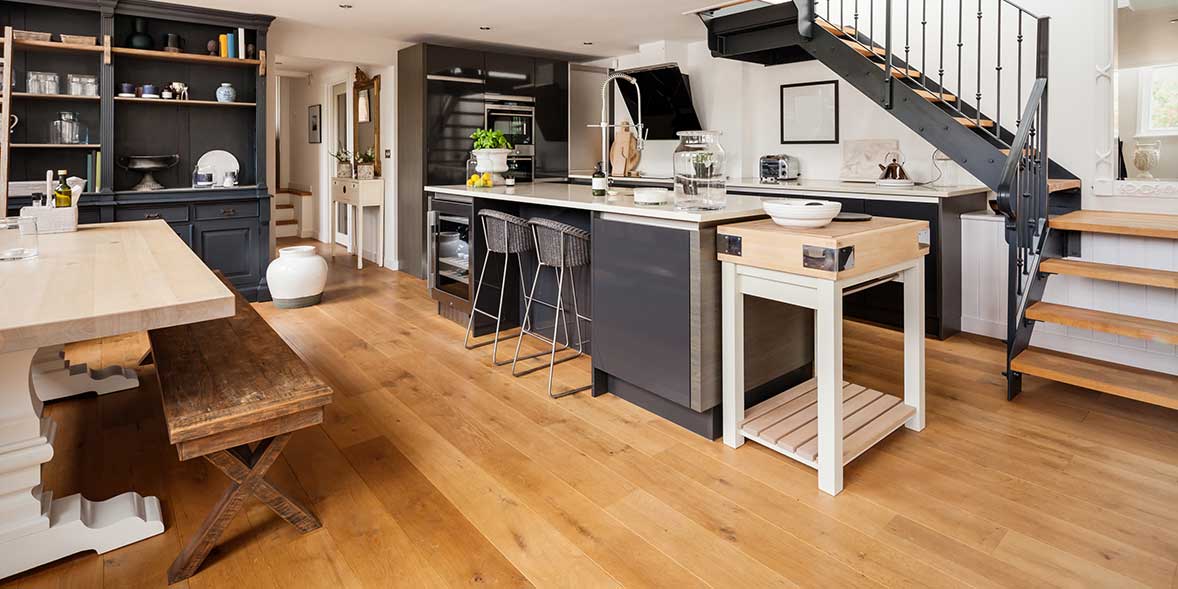
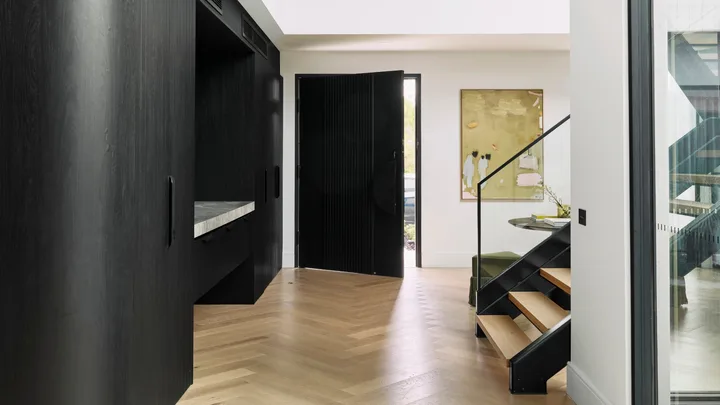
Designers frequently opt for engineered timber floors in their projects due to their inherent stability, which reduces common issues like cupping or seasonal expansion and contraction. An additional advantage is that engineered floors are typically pre-finished, allowing clients to ascertain the exact color and texture before installation, unlike solid timber which requires staining after installation. The aesthetic appeal of the flooring significantly influences the overall style of a home. For example, a traditional heritage property might benefit from richer, warmer timber tones, while contemporary new builds often complement paler, cleaner shades. However, designers caution against excessively dark floors, as they tend to reveal dirt and pet hair more readily than lighter alternatives.
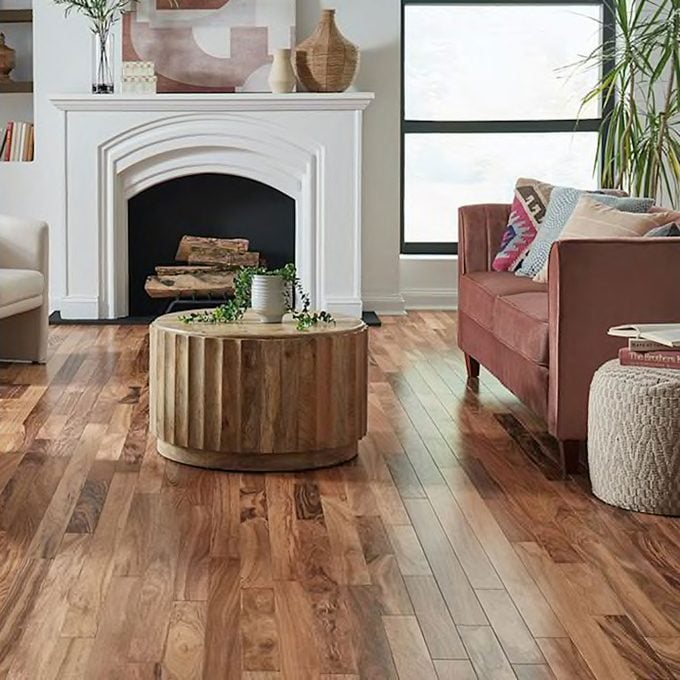
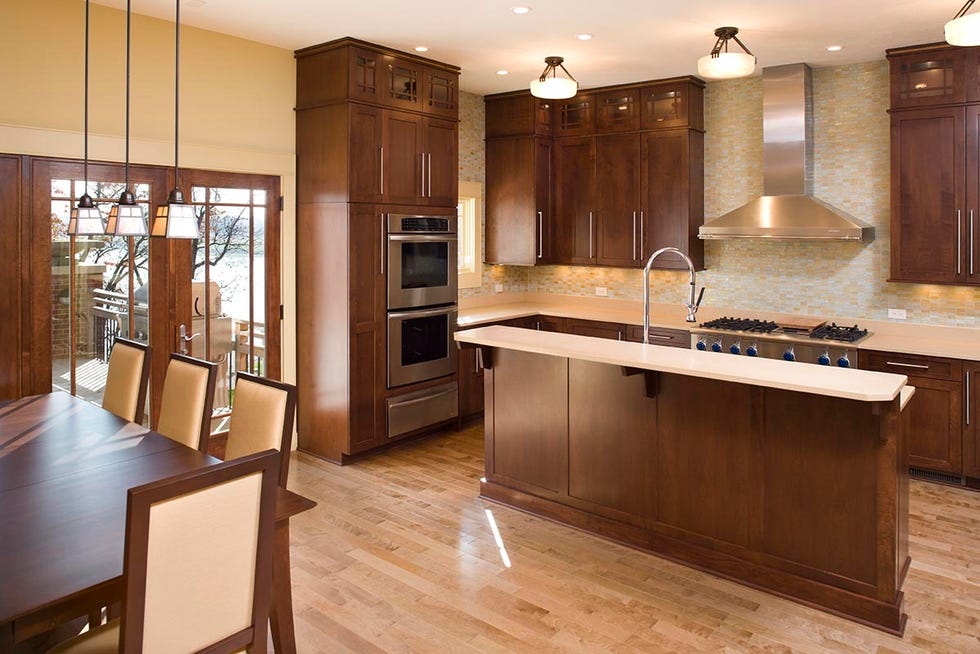
Engineered timber flooring offers several key benefits. It provides real timber strength, despite being a composite product, because its cross-laminated plywood base provides greater stability than solid boards, particularly in dynamic Australian climates. This construction means it is not a 'fake' alternative but a structurally enhanced timber product. It promotes aesthetic cohesion within a home, as it can be consistently applied across various rooms, excluding wet areas, to create a seamless visual flow. Furthermore, it is a sustainable and intelligent choice; the manufacturing process uses less solid wood, making it more environmentally responsible. Many suppliers source wood from certified European forests and offer substantial warranties, such as a 25-year guarantee, ensuring long-term performance and peace of mind.
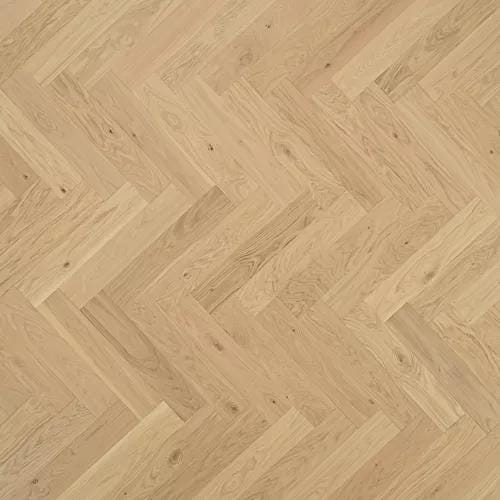
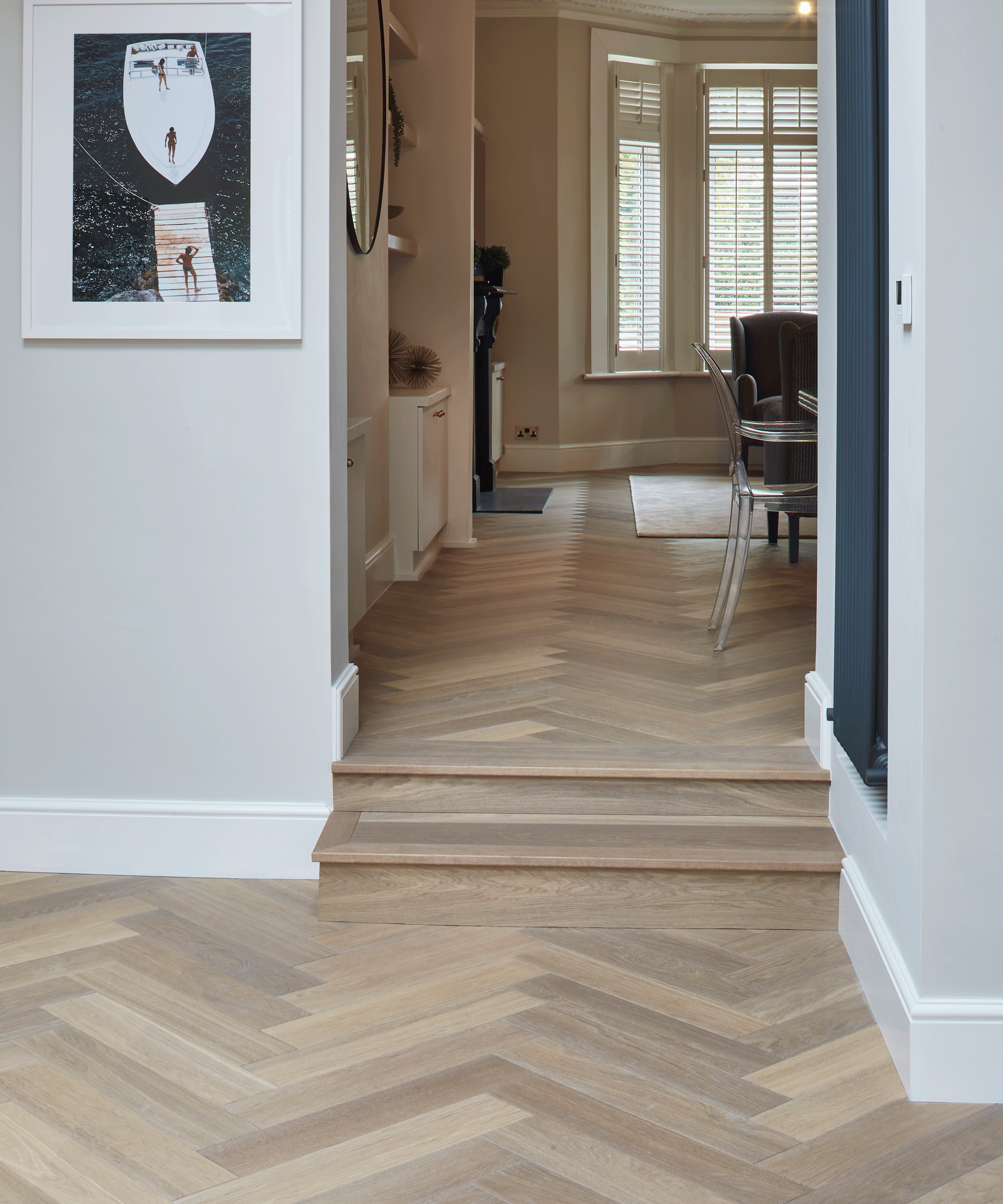
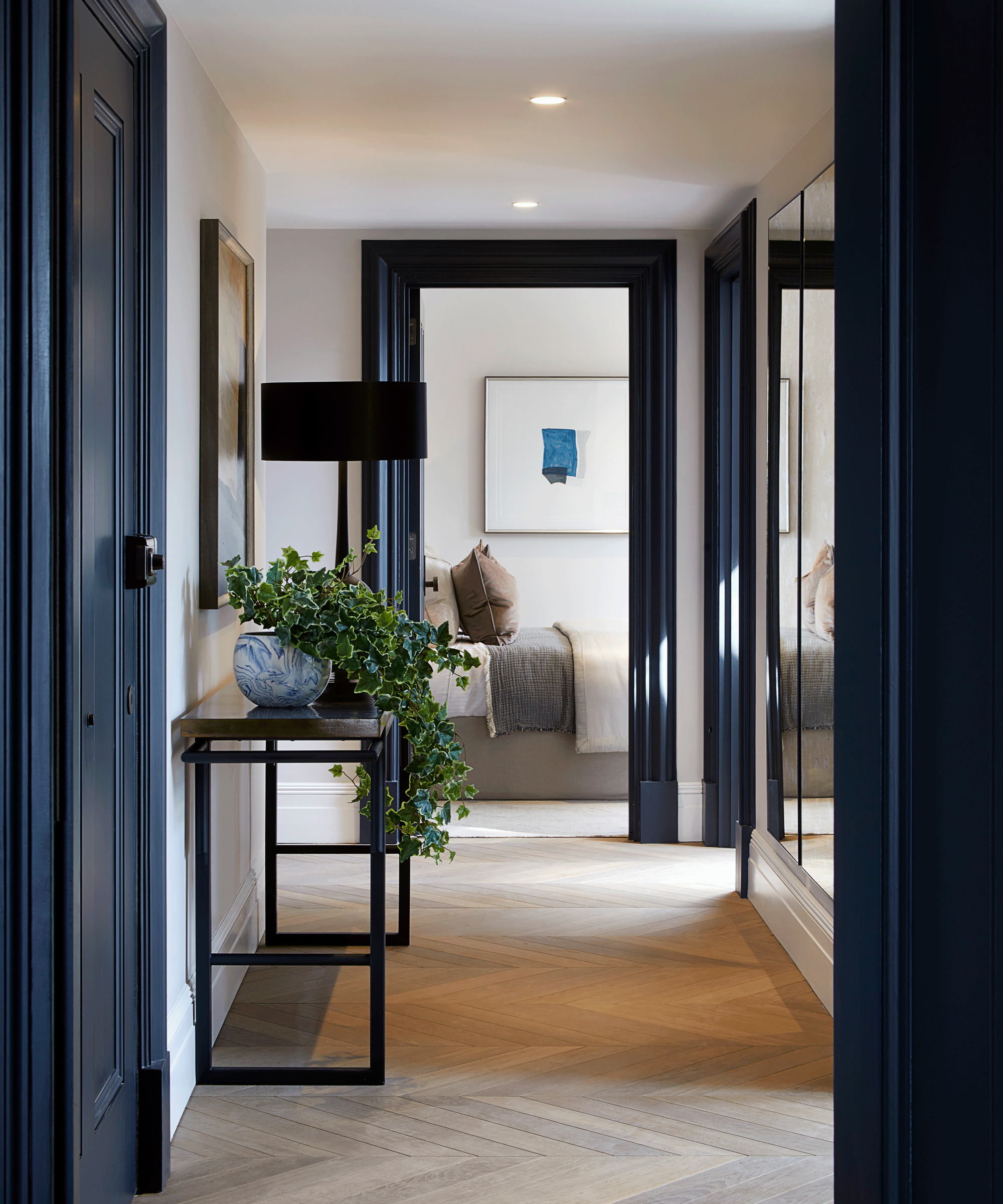
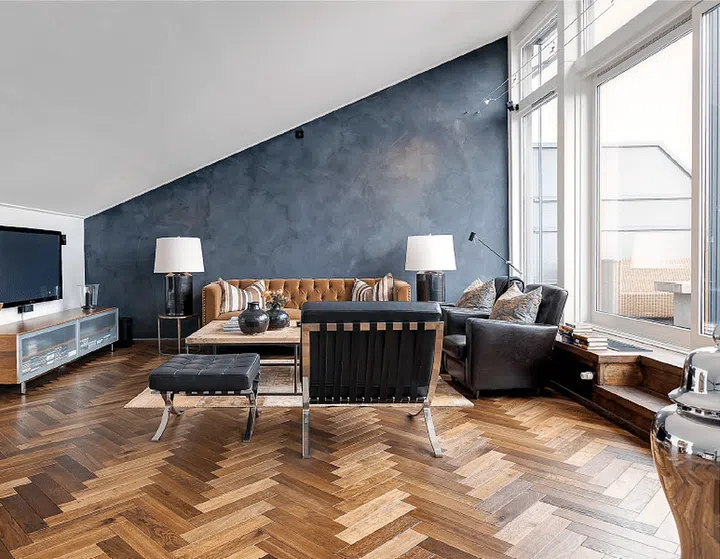
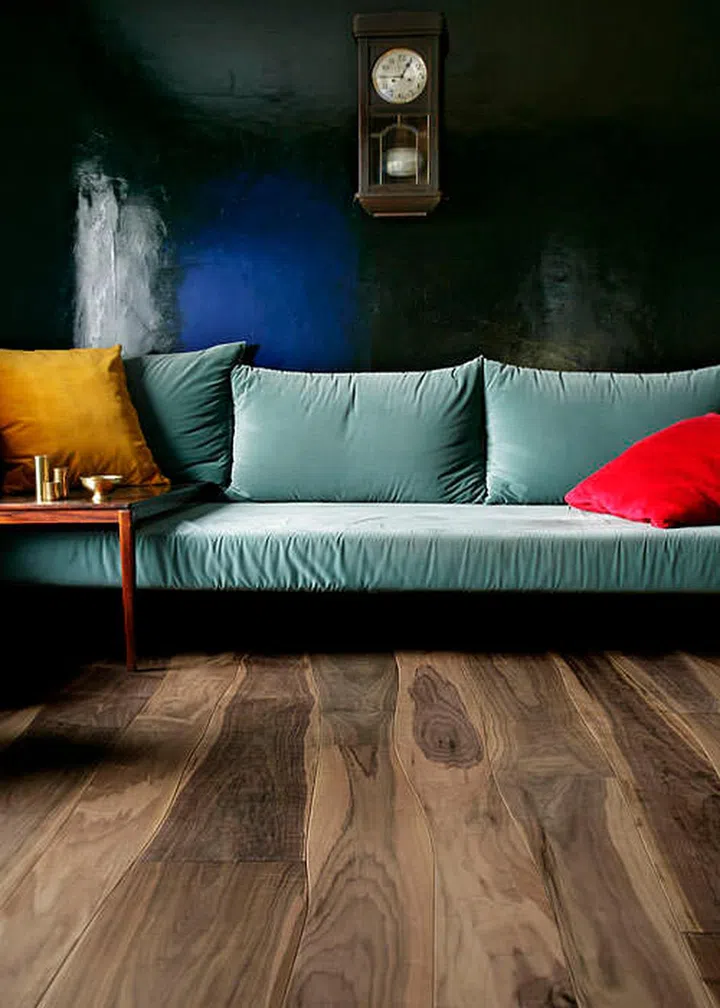
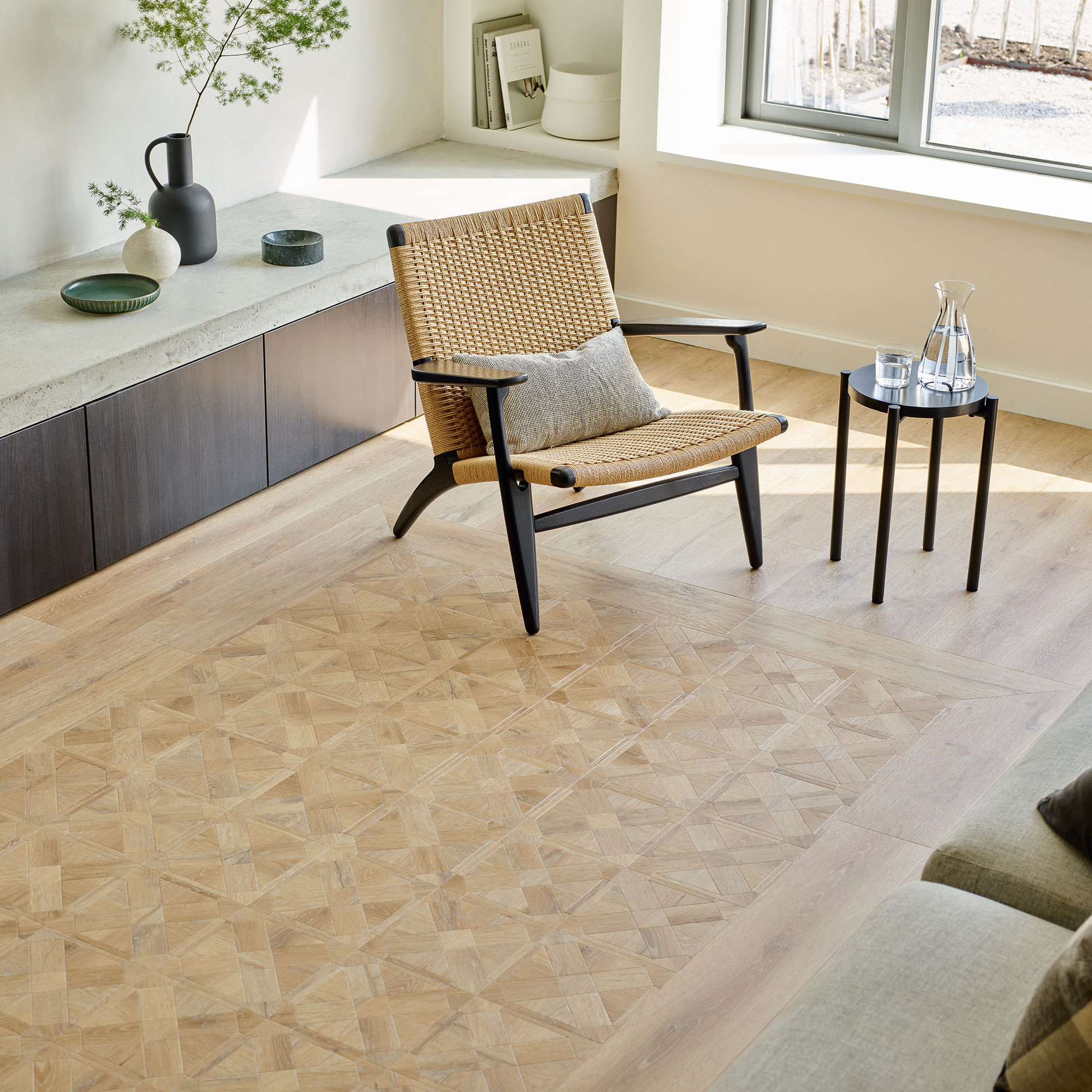
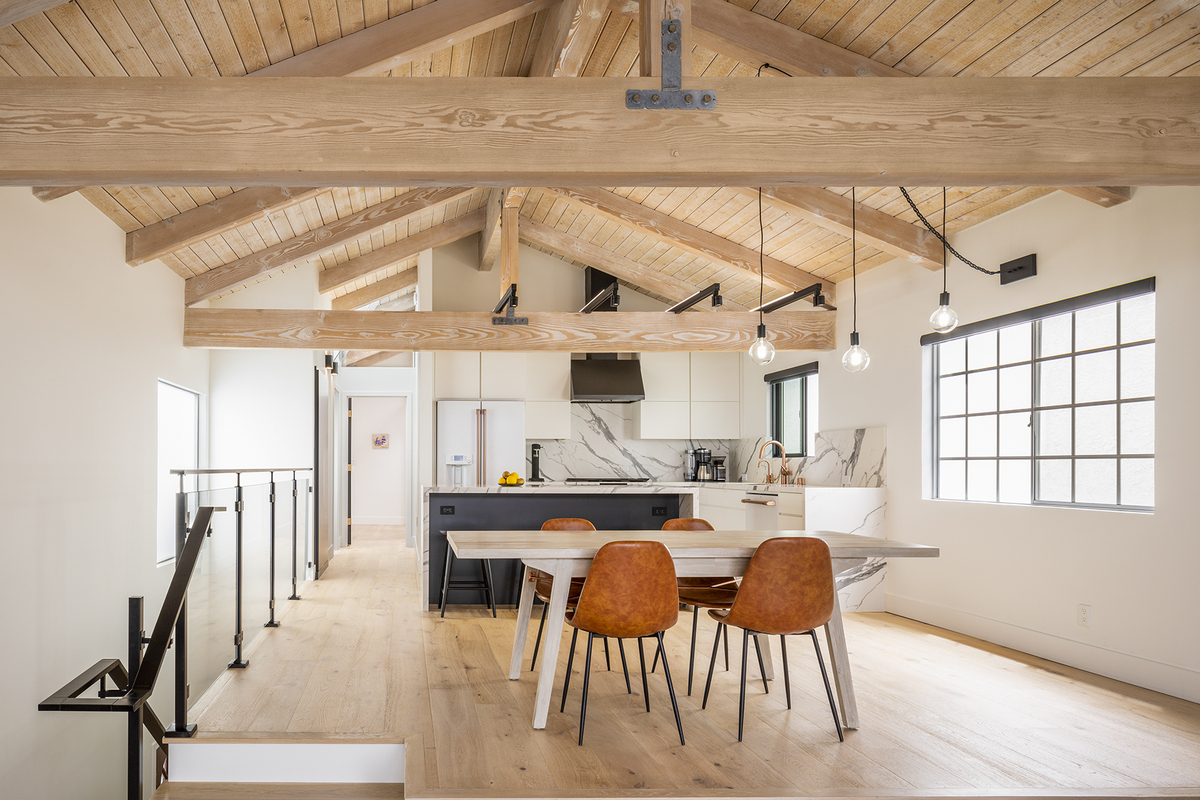
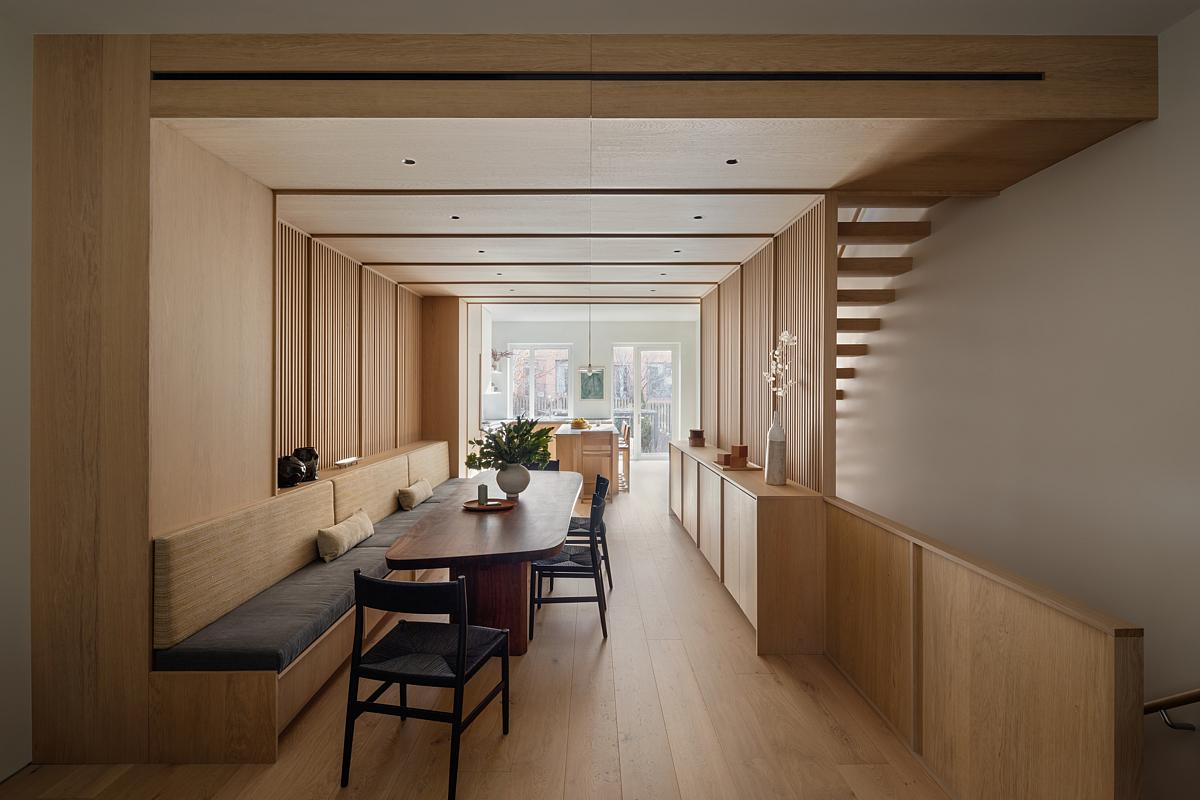
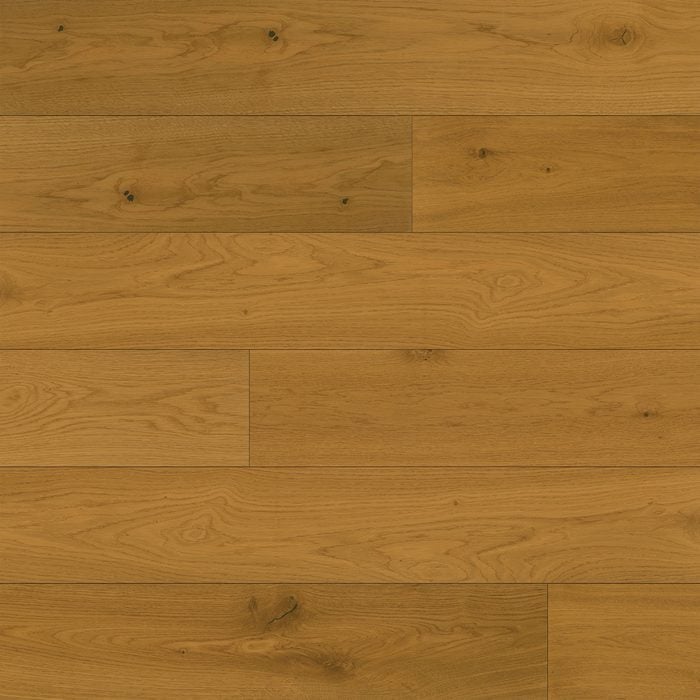
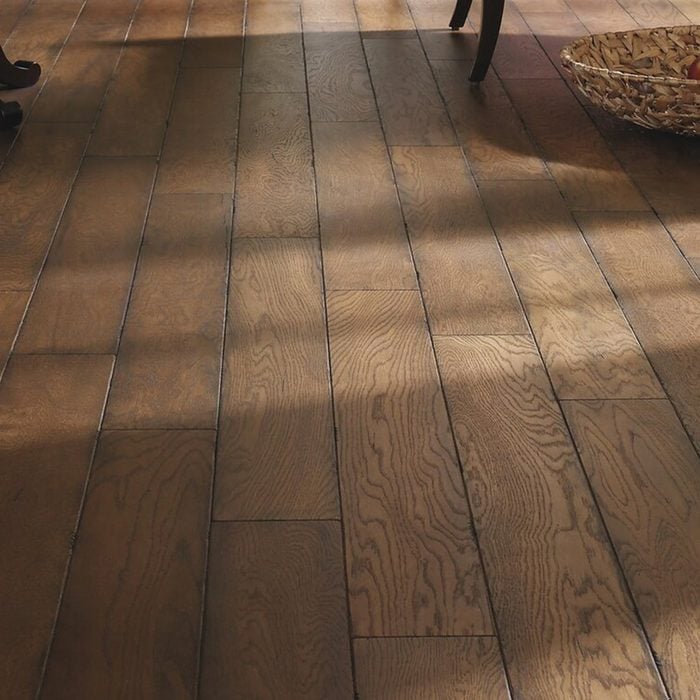
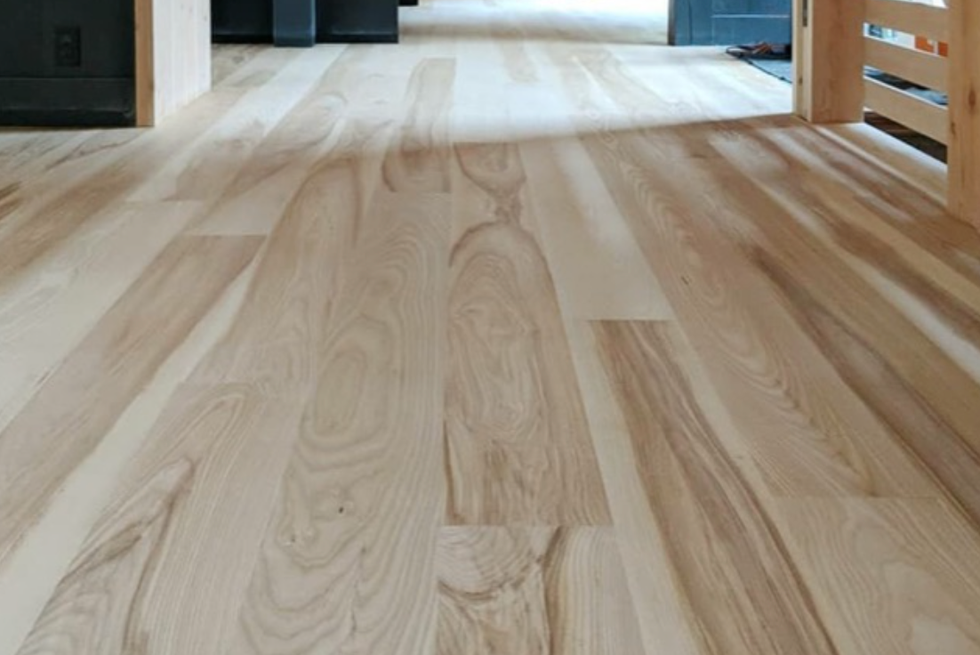
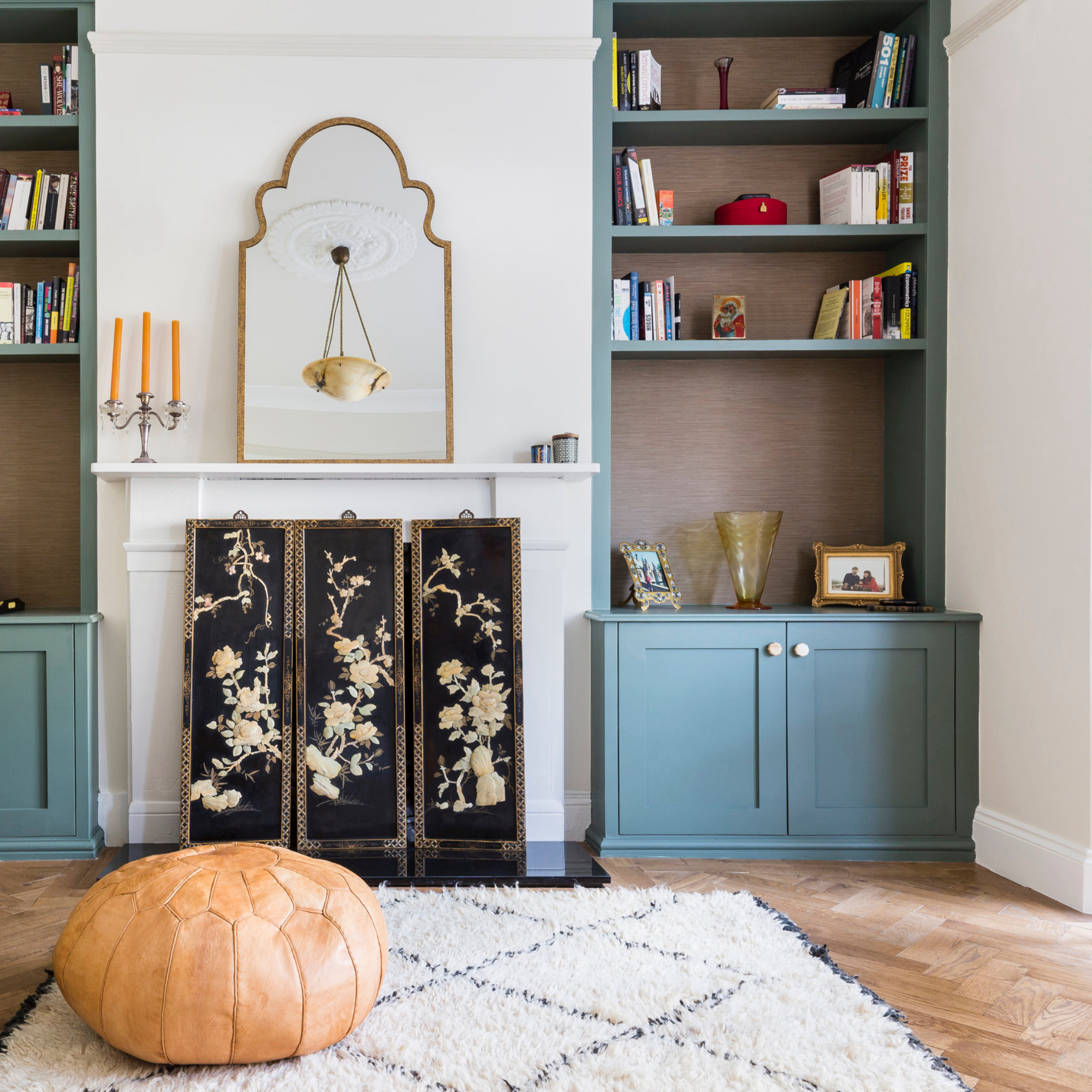
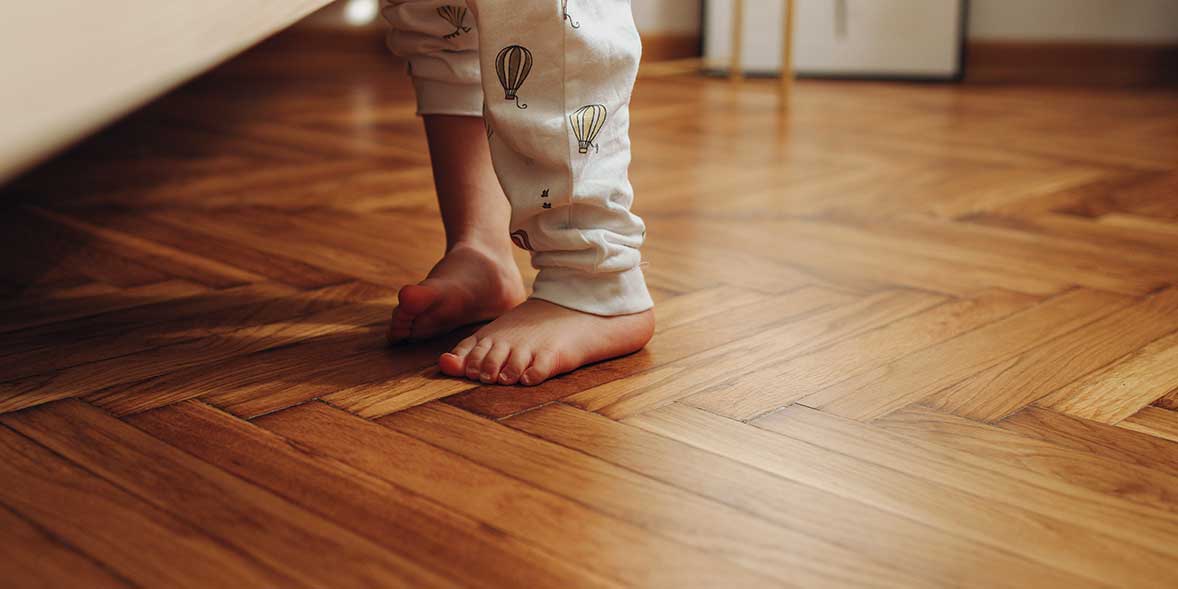
Beyond functionality, the way engineered timber boards are laid can dramatically alter a space's perception. Parquetry patterns are ideal for larger rooms where the intricate design can be fully appreciated. Chevron patterns offer a more elevated feel, while herringbone provides a relaxed charm. These patterned layouts are often reserved for key areas, with straight planks used in secondary spaces. Large-plank formats are also popular, contributing to a more expansive and open aesthetic. When considering finishes, matte options are effective at concealing scratches, satin finishes add a subtle sheen, and oiled boards offer a tactile experience. Lacquered finishes are known for their low maintenance and toughness, whereas oiled floors age gracefully and can be spot-sanded for repairs. The choice of finish ultimately depends on balancing desired appearance with lifestyle practicalities.
Maintaining engineered timber flooring involves regular vacuuming, using a spray mop, and placing doormats at entry points to minimize dirt and debris. Adhering to the manufacturer's specific cleaning and care instructions is crucial for prolonging the lifespan of the floors, which can extend to 20 years or more. These practices ensure the flooring retains its beauty and structural integrity over time.
#EngineeredTimberFlooring #HomeRenovation #InteriorDesign #FlooringOptions #SustainableMaterials #HomeDecor #TimberFlooring #HomeImprovement #EngineeredTimberFlooring #HomeRenovation #InteriorDesign #FlooringOptions #SustainableMaterials #HomeDecor #TimberFlooring #HomeImprovement
0 comment in total
 No comments yet
You may also like
The Best Engineered Wood Flooring, According to Home Improvement Experts

Q&A on wood flooring: How much it costs and more
The 12 Best Engineered Wood Flooring Options, According to Testing and Reviews


HGTV's Mike Holmes Shares A Flooring Option You Can Count On For Durability & Style

Engineered wood flooring – everything you need to know about choosing the right floor

LL Flooring Review: Our Thoughts on Quality, Install and Features
6 Mistakes You Should Avoid When Choosing Hardwood Floors, According to Home Reno Pros

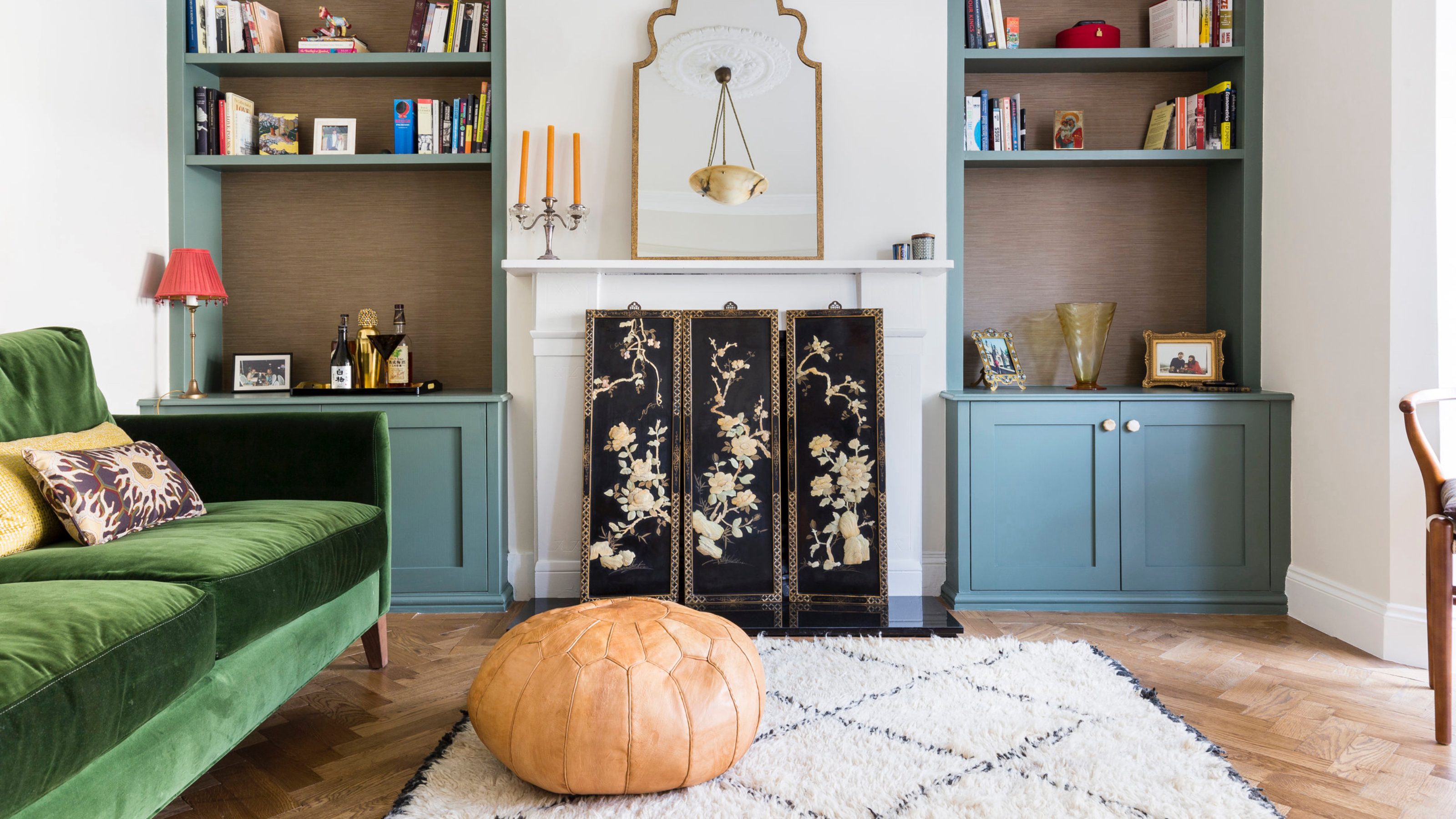
10 living room wood floor ideas that will add elegance and style to this key space
How Hardwood Flooring is Made at Advantage Lumber

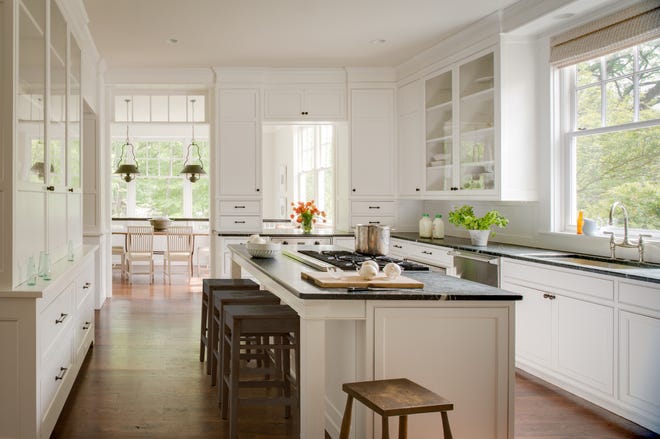
Why wood floors are design of the moment
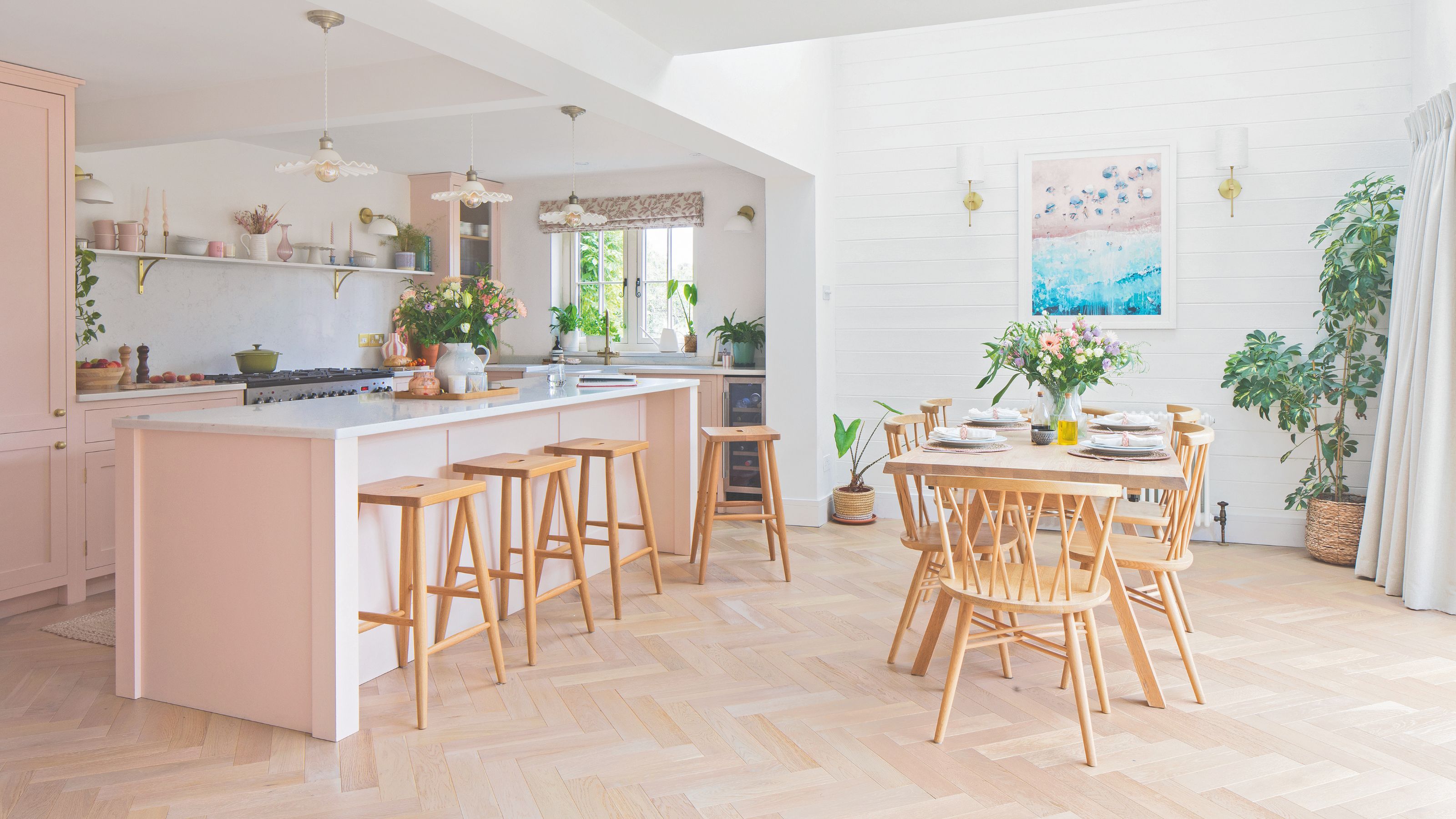
5 flooring choices that will make it harder to sell your home
Types of wood flooring

What you need to know when choosing timber flooring
How to plan the perfect wood flooring - what you need to know about wood versus wood-style
Don't use hardwood flooring in a bathroom without reading this expert advice for long-lasting boards
Flooret Flooring Review: Direct-to-Consumer Floors That Are Worth the Hype

Wood Flooring – Our Pick of the Best
How to Lay Engineered Wood Flooring — 3 Tactics Experts Swear by for the Very Best Finish
A Home Improvement Expert Reveal the Best Hardwood Flooring

One Of 2025's Biggest Flooring Trends Is Great For Busy Homeowners