You Should Consider Painting Old Wood Floors (Hear Me Out)
While painting old wood floors might initially seem like an unconventional idea, it presents several compelling advantages, both aesthetically and practically, for homeowners. The decision to paint can transform aged, imperfect hardwood floors into a fresh, cohesive element of a home's interior design.
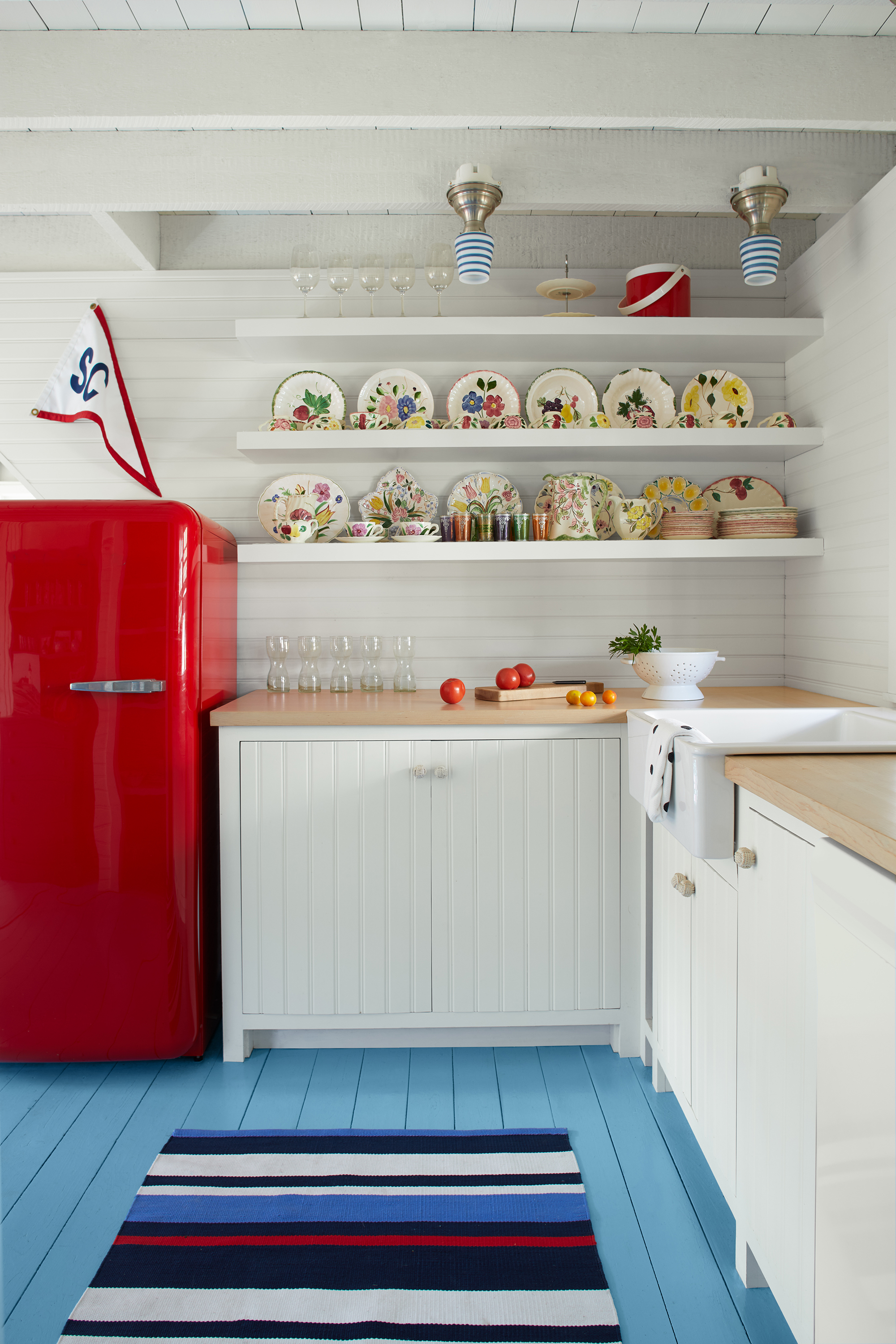
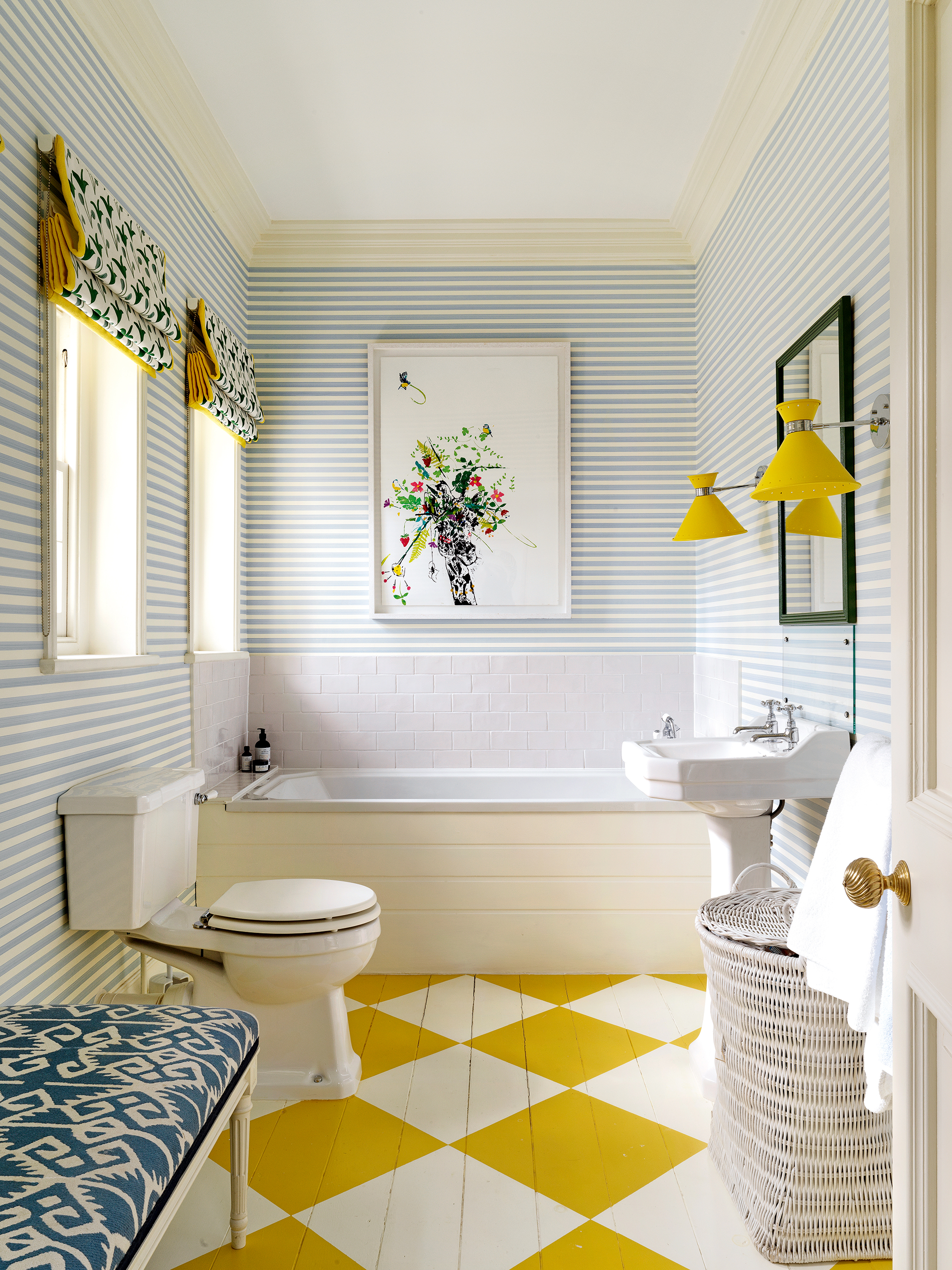
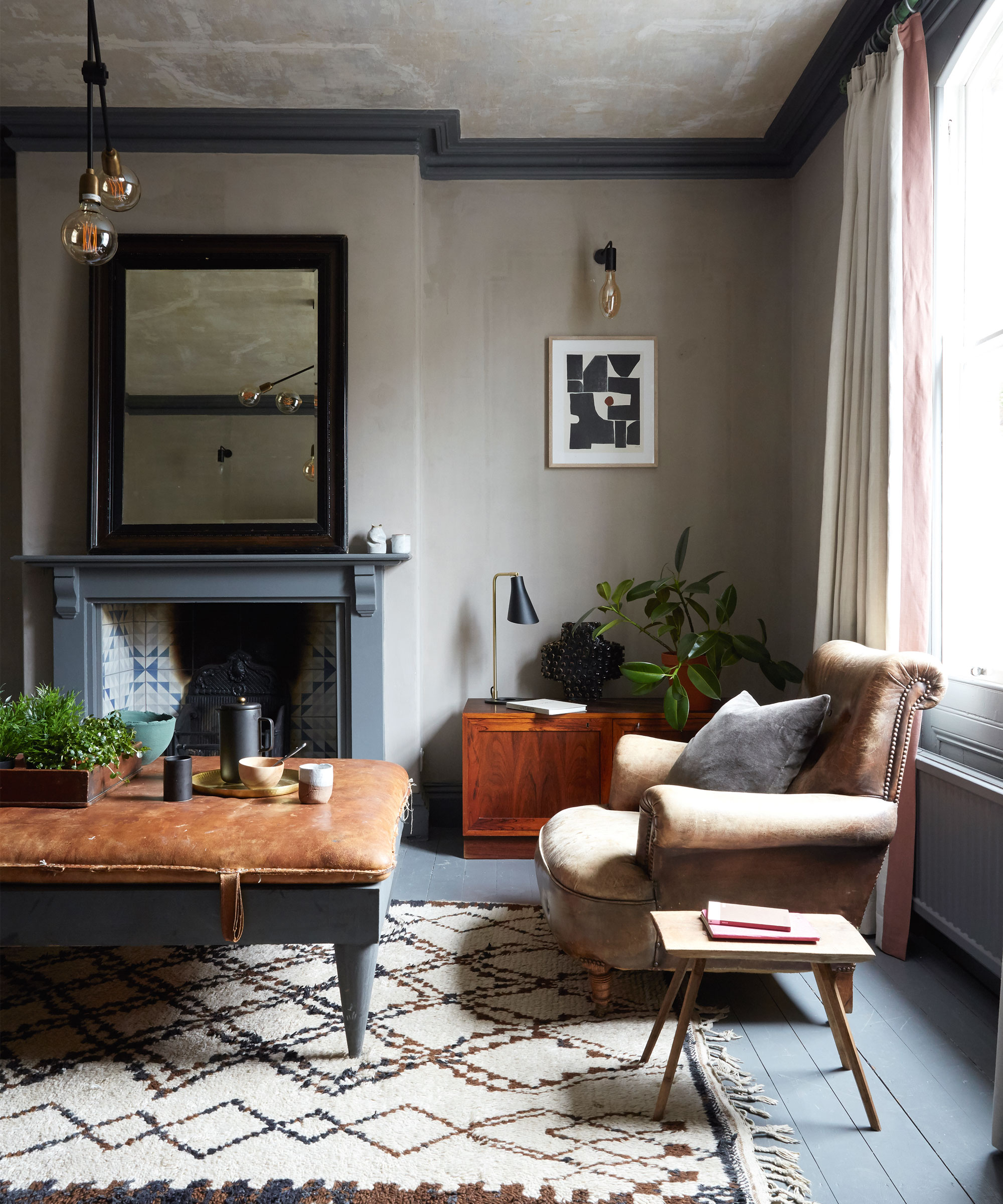
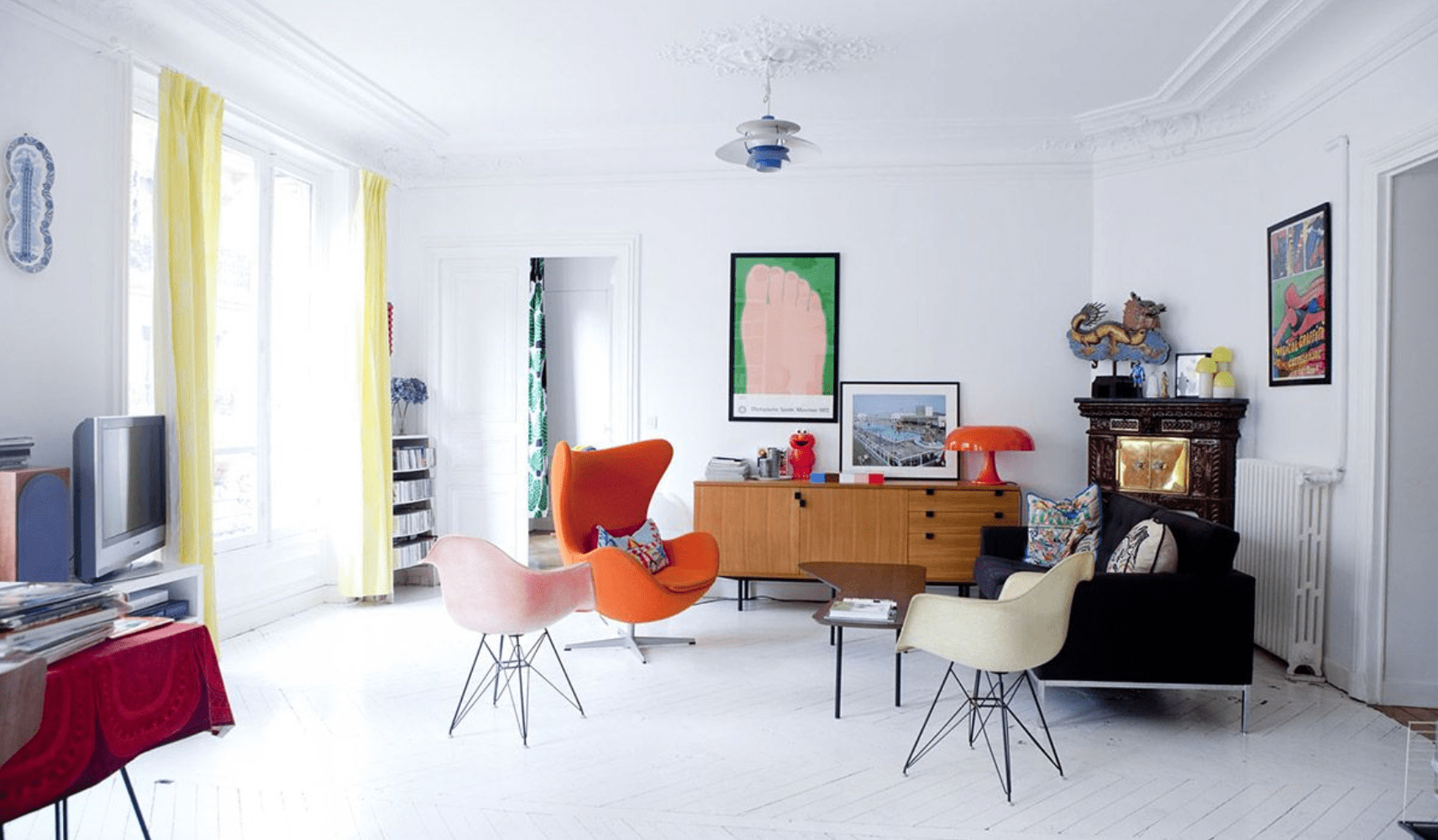
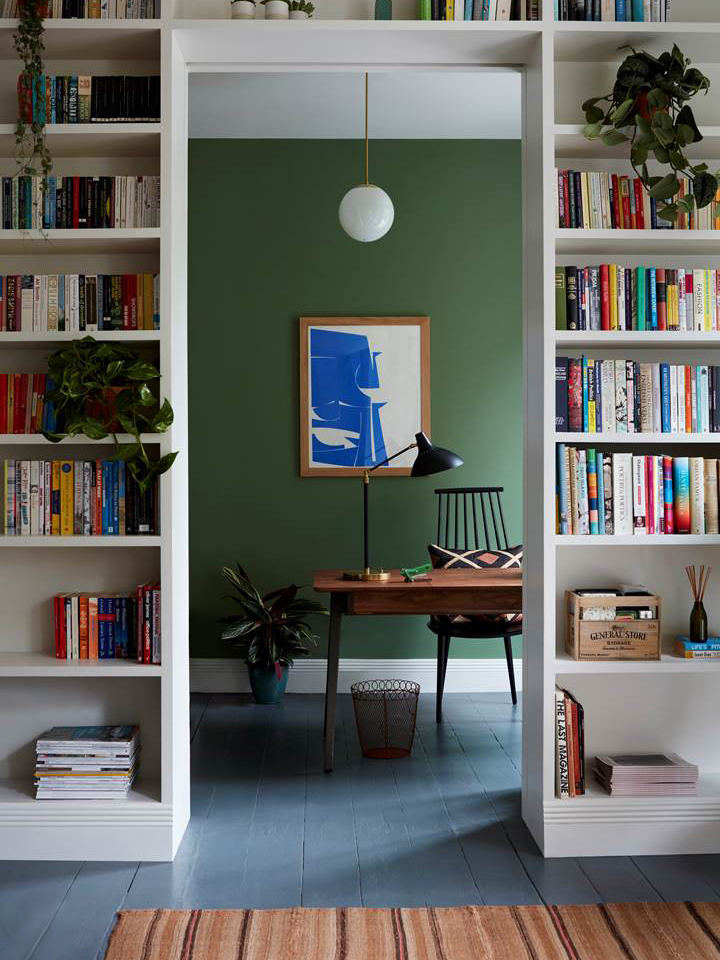
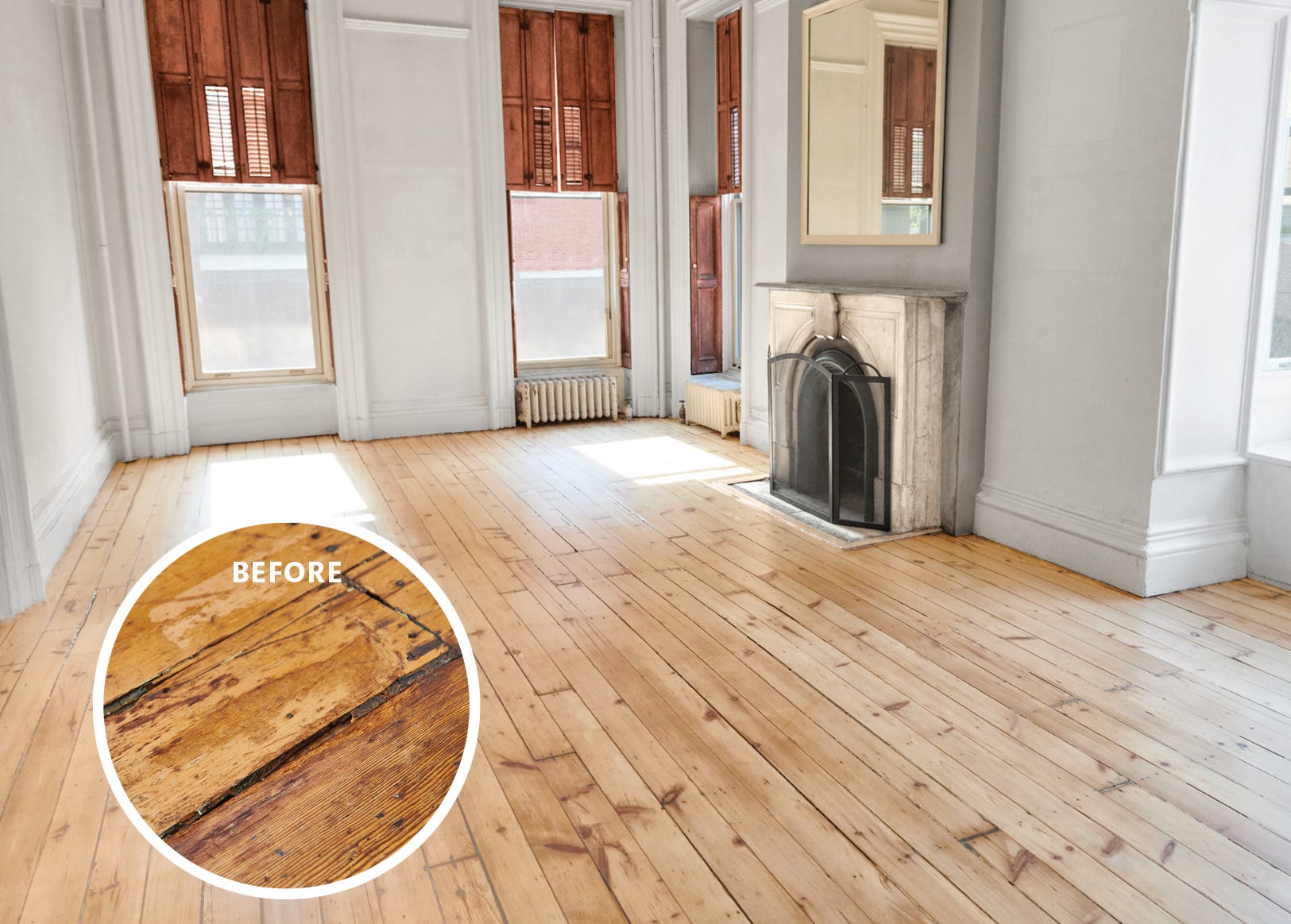
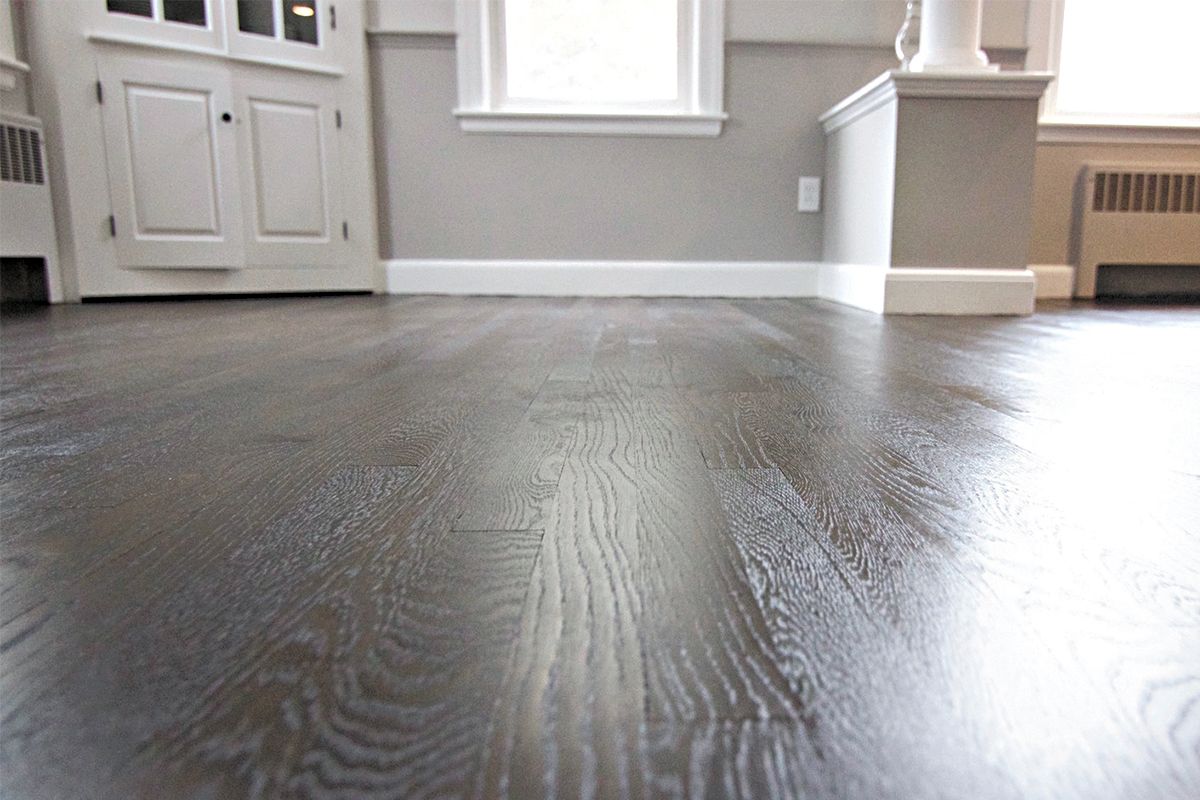
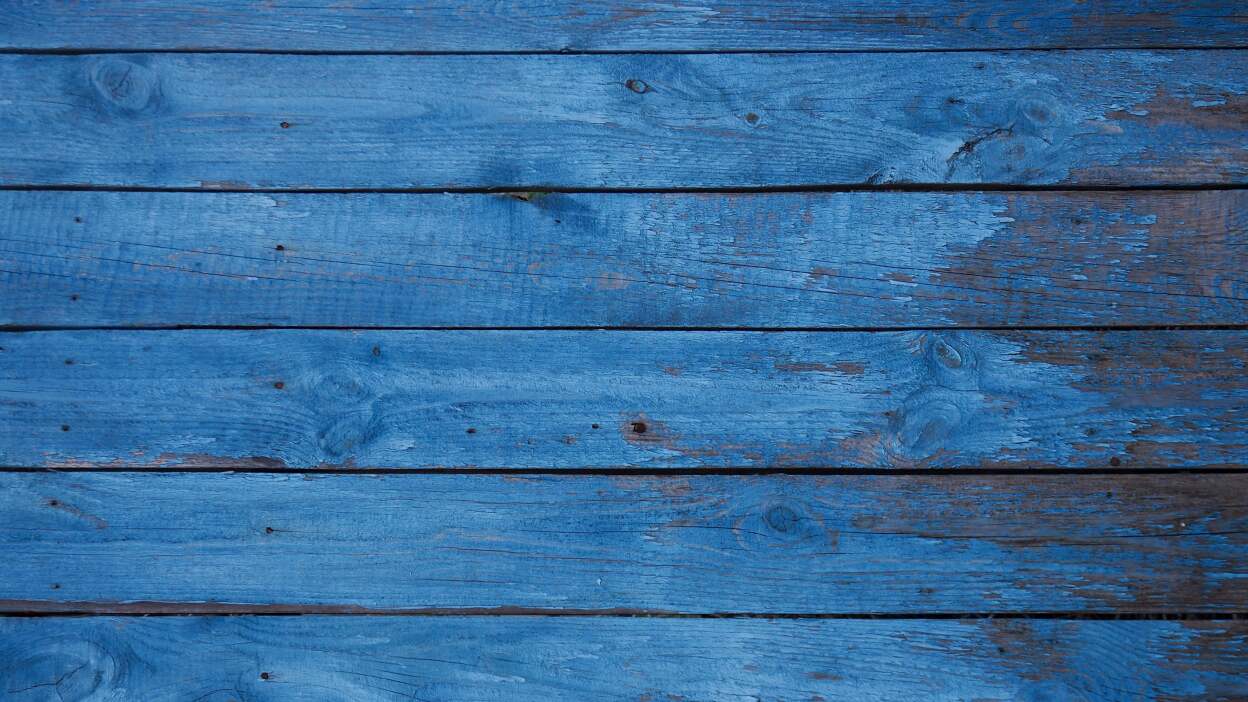
From an aesthetic perspective, painted floors offer a unique charm, reminiscent of cozy cottages or stylish Airbnbs. Beyond this inherent appeal, painting serves as an effective method to conceal the myriad imperfections that accumulate over years of use. Gouges, pits, nail holes, and stains—common blemishes on natural hardwood—can be entirely hidden under a smooth coat of paint, providing a clean and consistent surface that many homeowners prefer over the worn look. Additionally, for homes featuring a mix of different wood types across various rooms, painting all floors a uniform color can create a unified aesthetic, thereby harmonizing the overall design and providing a versatile backdrop for furniture and decorations. Opting for lighter shades, such as white, can significantly brighten rooms, making them appear more spacious and offering greater flexibility in interior styling.
On the practical side, painting wood floors can extend their lifespan, particularly for engineered floors with thin veneers or solid hardwoods that have reached their sanding limit. Unlike aggressive refinishing, which removes material, painting applies a protective layer, preserving the integrity of the wood underneath. While some light sanding might be necessary for proper adhesion and to address significant damage, it is far less invasive than a full refinish. This process helps safeguard the floor from further erosion and wear. Furthermore, painting offers a significantly more cost-effective alternative to professional refinishing, which can range from $2,400 to $6,000, or installing new hardwood, costing $12,000 to $36,000. Painting allows for a renovation that is budget-friendly, providing a refreshed look without a substantial financial outlay.
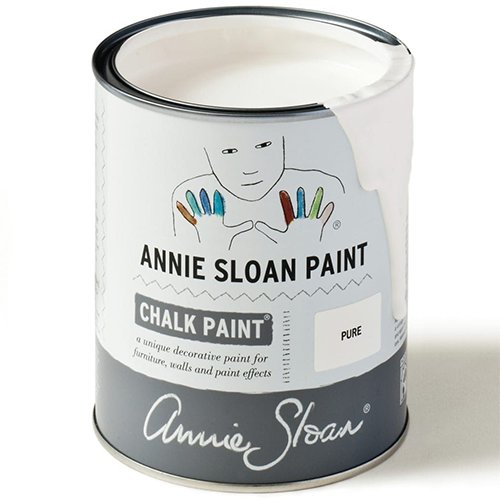
However, there are important considerations before embarking on a painted floor project. The success and longevity of painted floors depend heavily on using the correct materials. This involves meticulous floor preparation, selecting an appropriate primer, and applying a highly durable porch and floor enamel or marine paint. These specialized paints are formulated to withstand heavy foot traffic and wear, but some may contain high levels of volatile organic compounds (VOCs), which can impact indoor air quality and health over time. Permanence is another factor; once floors are painted, reversing the process to revert to natural wood is often challenging, if not impossible, especially if the original decision to paint was due to the wood's inability to be sanded further. The wear and tear of painted floors also differ from stained wood; paint sits on the surface and can chip, crack, or peel over time, necessitating periodic repainting, perhaps every few years, to maintain its appearance. Finally, potential impact on home value is a crucial consideration for those planning to sell. While painted floors might appeal to some, others may view them as a costly alteration requiring removal and replacement, potentially deterring prospective buyers.
#PaintedWoodFloors #HomeRenovation #InteriorDesign #FloorMaintenance #DIYHomeImprovement #CostEffectiveRemodel #HardwoodFlooring #HomeAesthetics #PropertyValue #PaintedWoodFloors #HomeRenovation #InteriorDesign #FloorMaintenance #DIYHomeImprovement #CostEffectiveRemodel #HardwoodFlooring #HomeAesthetics #PropertyValue
0 comment in total
 No comments yet
You may also like
How to paint wood floors – get a lasting shine in 5 easy steps

Painted floor ideas – 10 ways to bring personality to your space
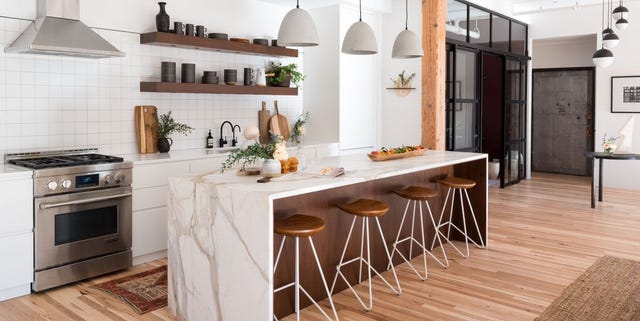
Here's Everything You Need to Know About Wood Flooring

If You Hate Your Floors, Why Don't You Paint Them?


To Paint or Not to Paint the Original Woodwork? It Depends Who You Ask
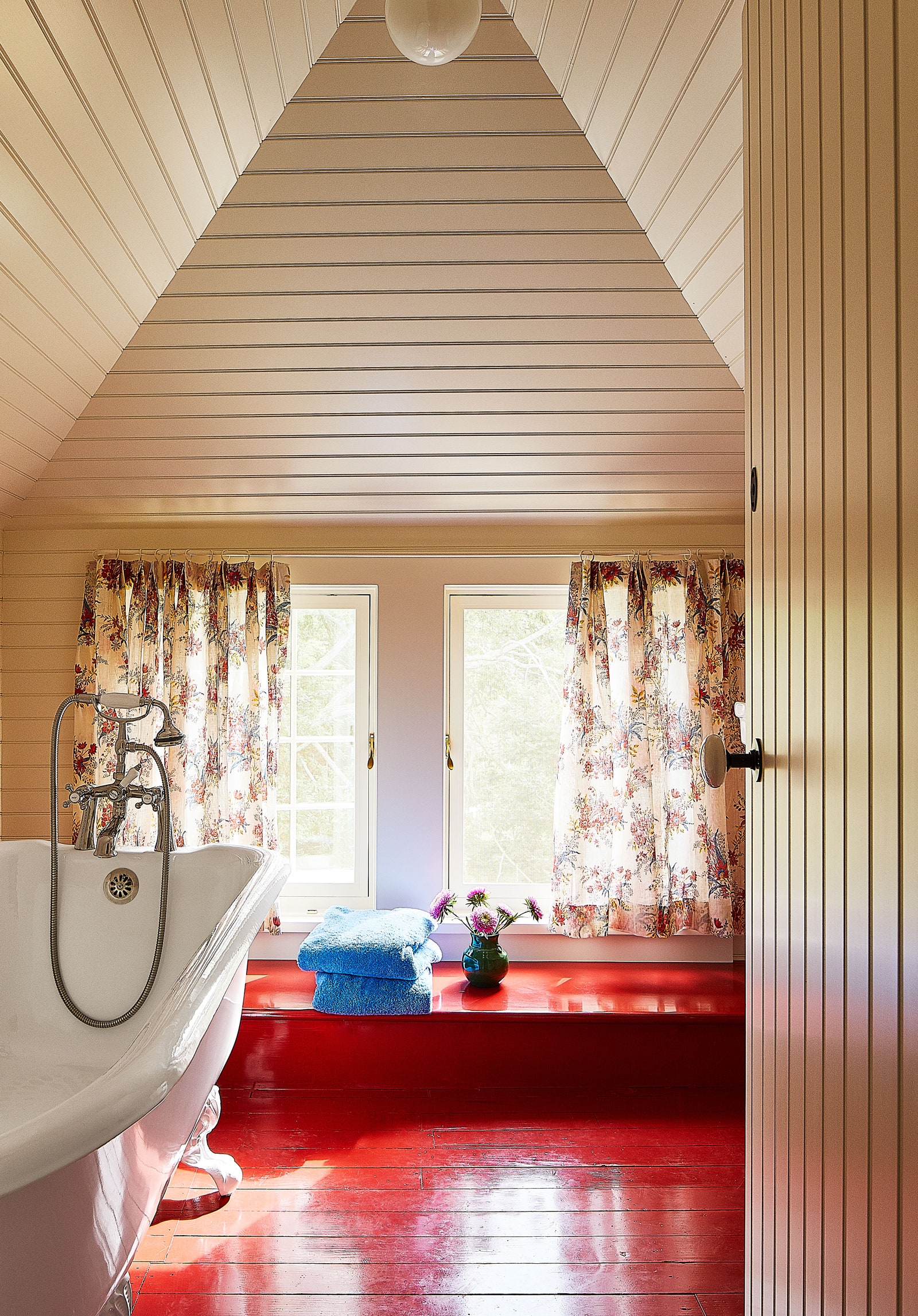
6 Painted Floor Ideas That’ll Make Your Walls a Little Jealous
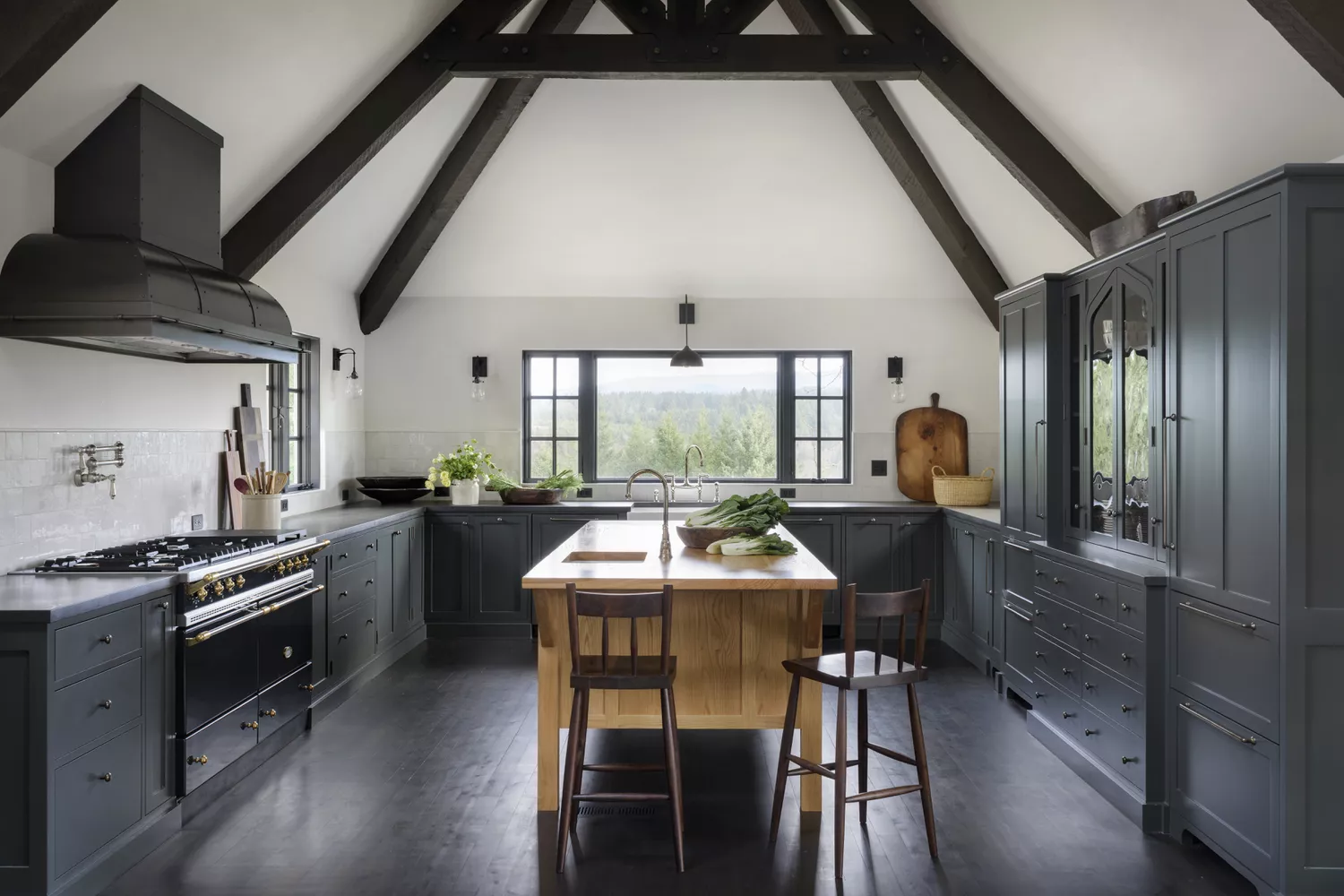
12 Inspiring Rooms That Will Convince You to Paint Your Wood Floors
Add comfort and beauty to your home with new floors


How to Know When an Old Wood Floor Is Worth Restoring or Should Be Replaced
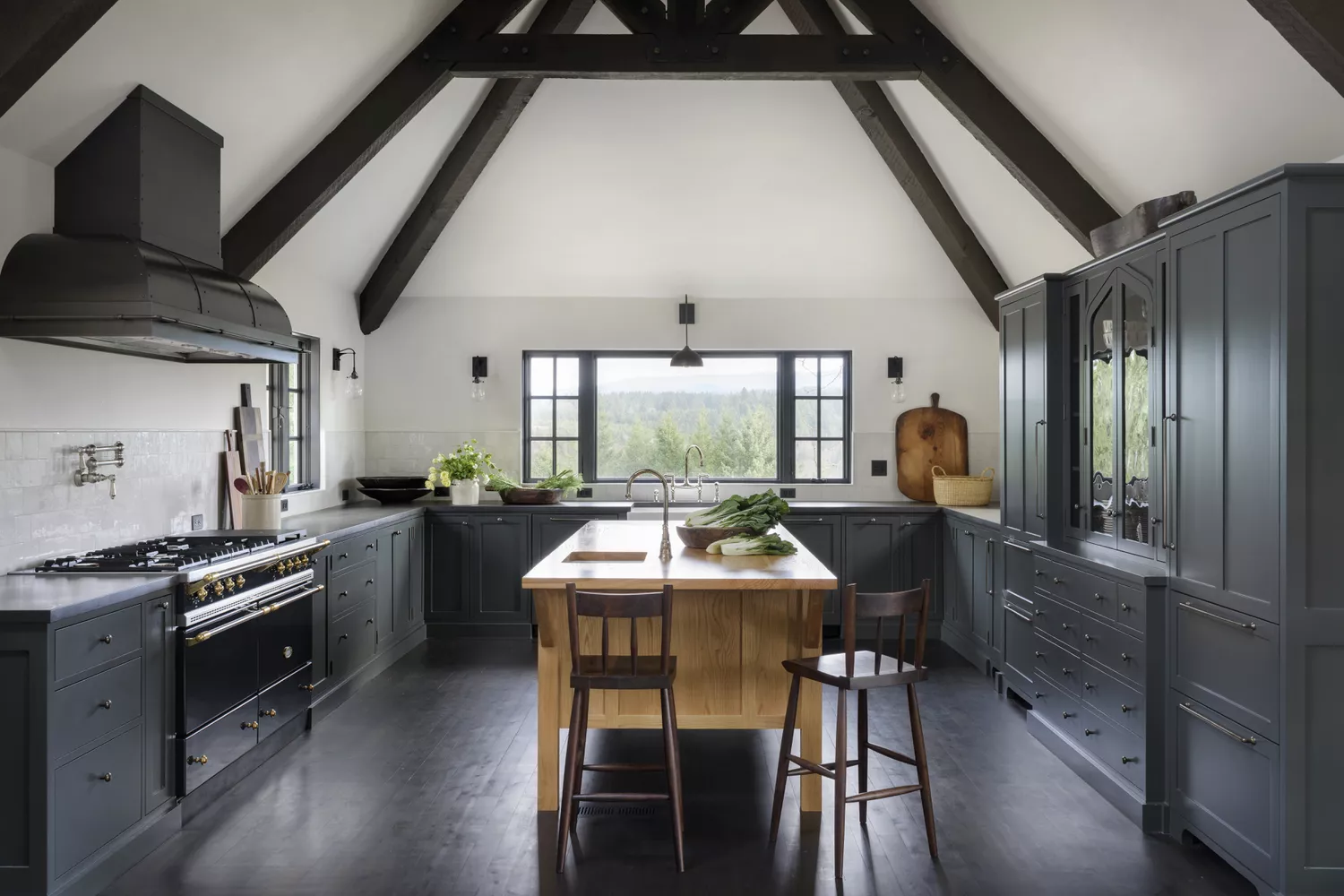
12 Inspiring Rooms That Will Convince You to Paint Your Wood Floors

Is It a Crime to Paint Antique Furniture?

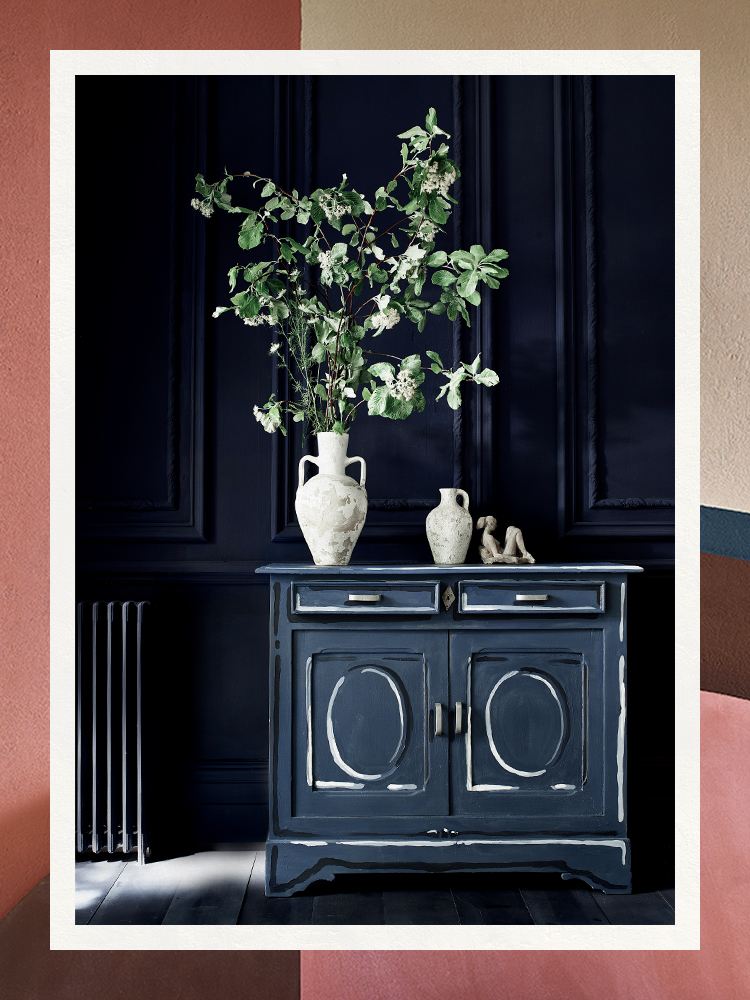
For the Perfect Distressed Furniture and Floors, You Need the Best Chalk Paint
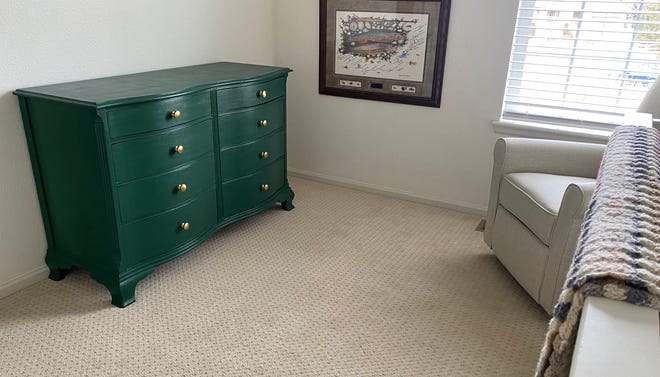
Want the next generation in your family to embrace old furniture? Try paint
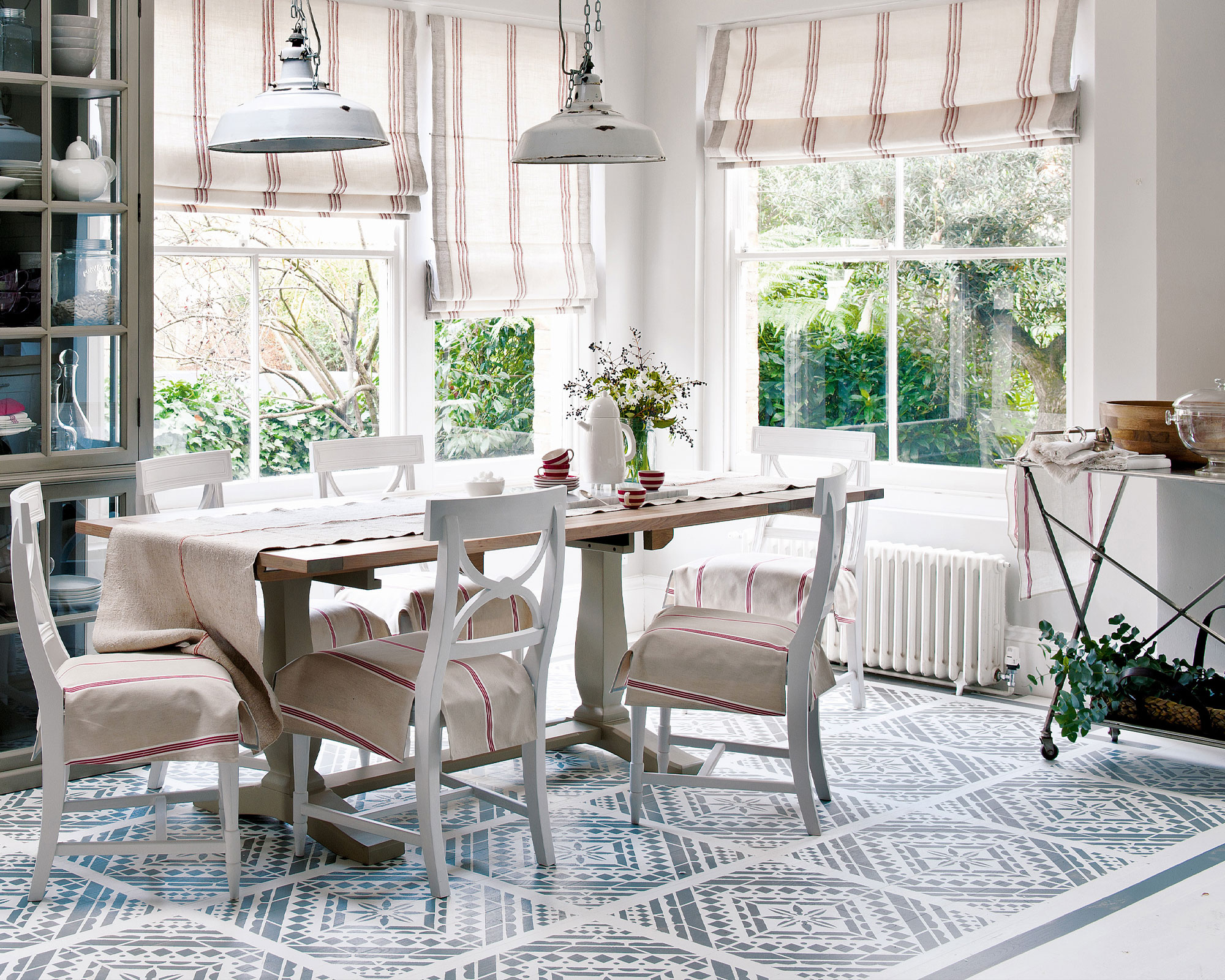
5 flooring mistakes to avoid – according to architects and interior designers
Yes, You Should Absolutely Paint Your Ceiling
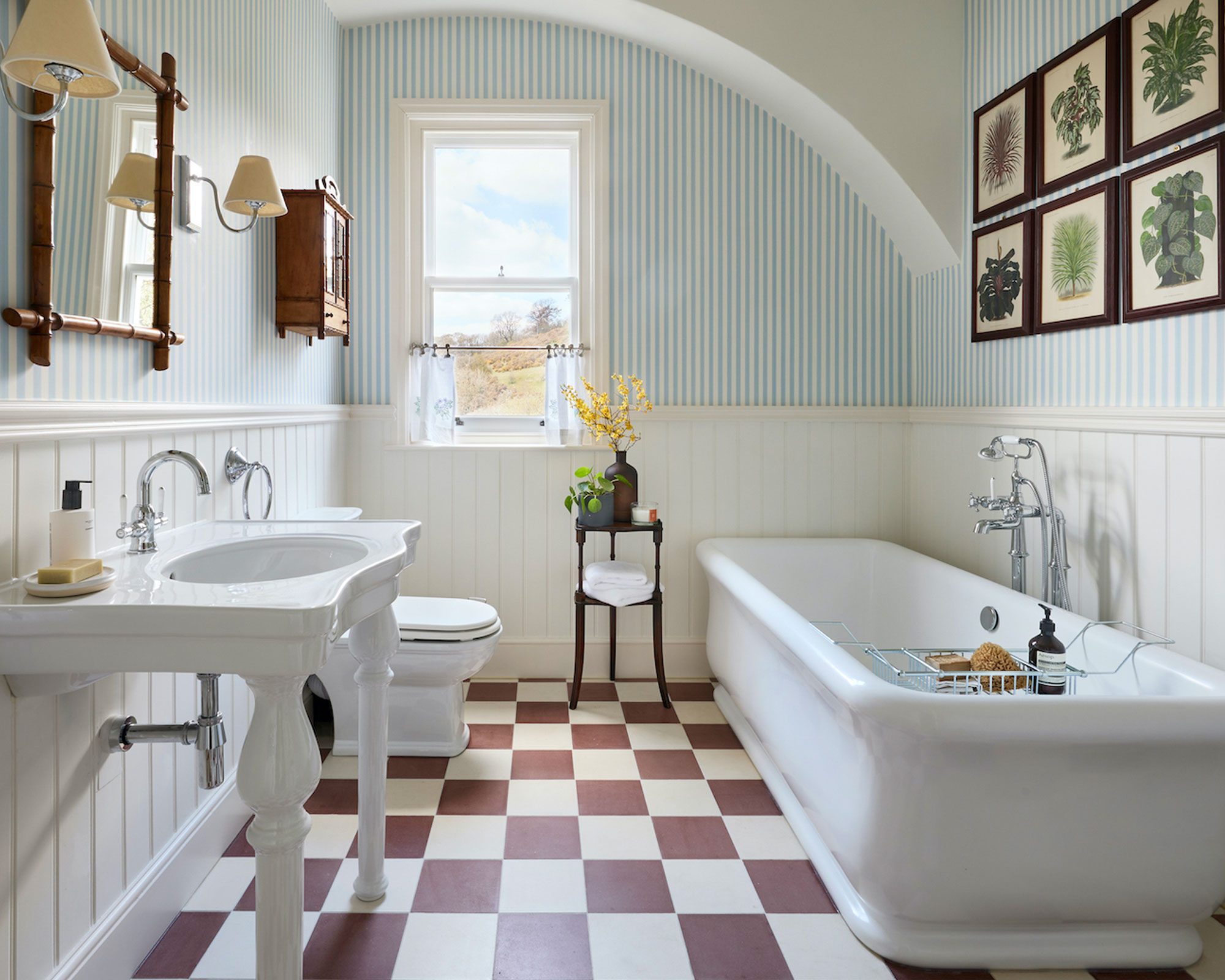
Can you paint a tile floor? Expert advice for a durable, long lasting finish
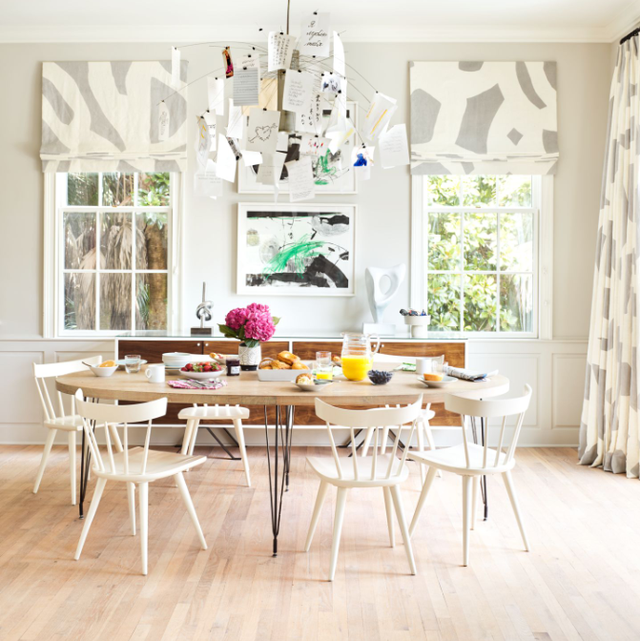
What You Should Know Before Painting Hardwood Floors

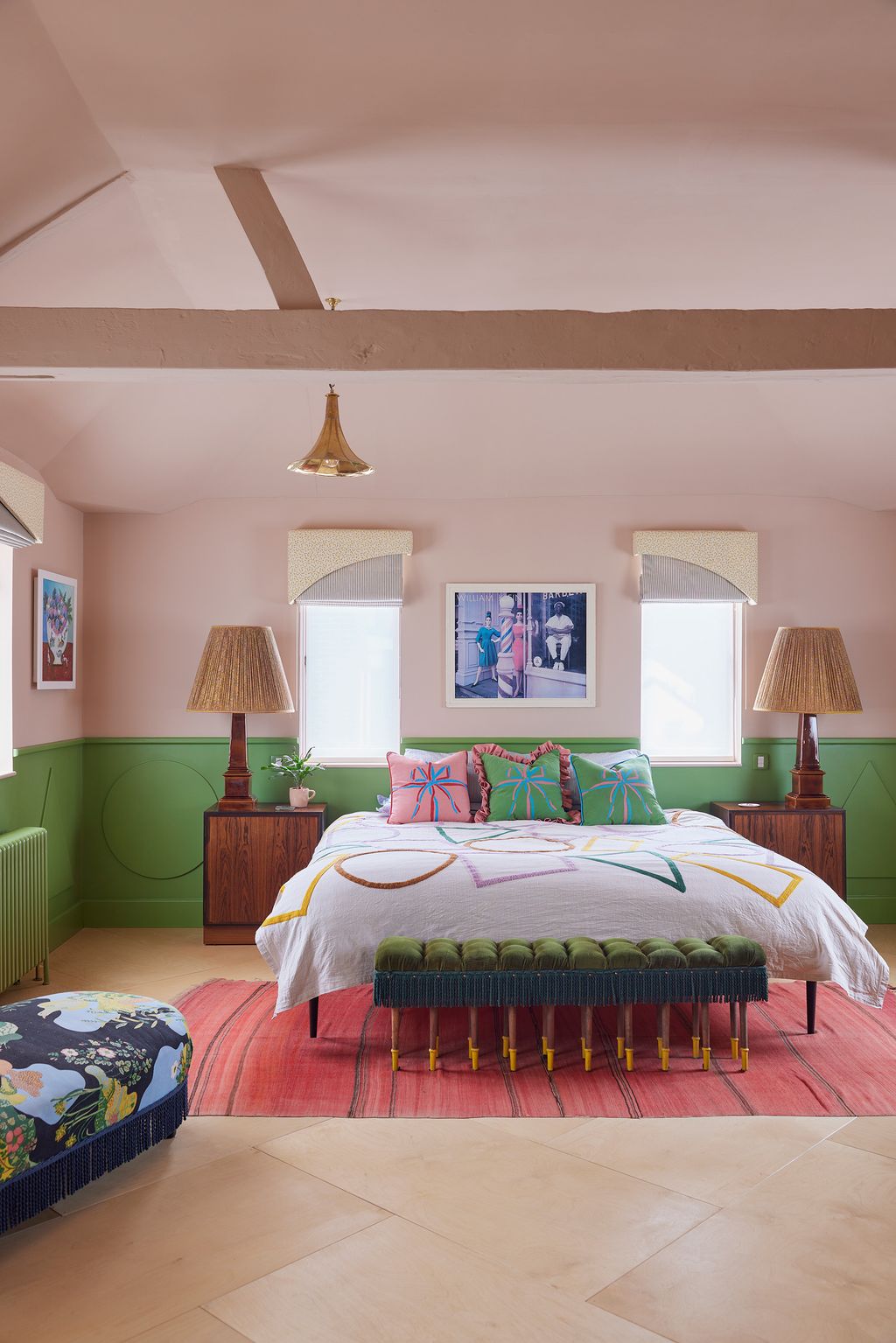
Time to rethink coloured ceilings and woodwork
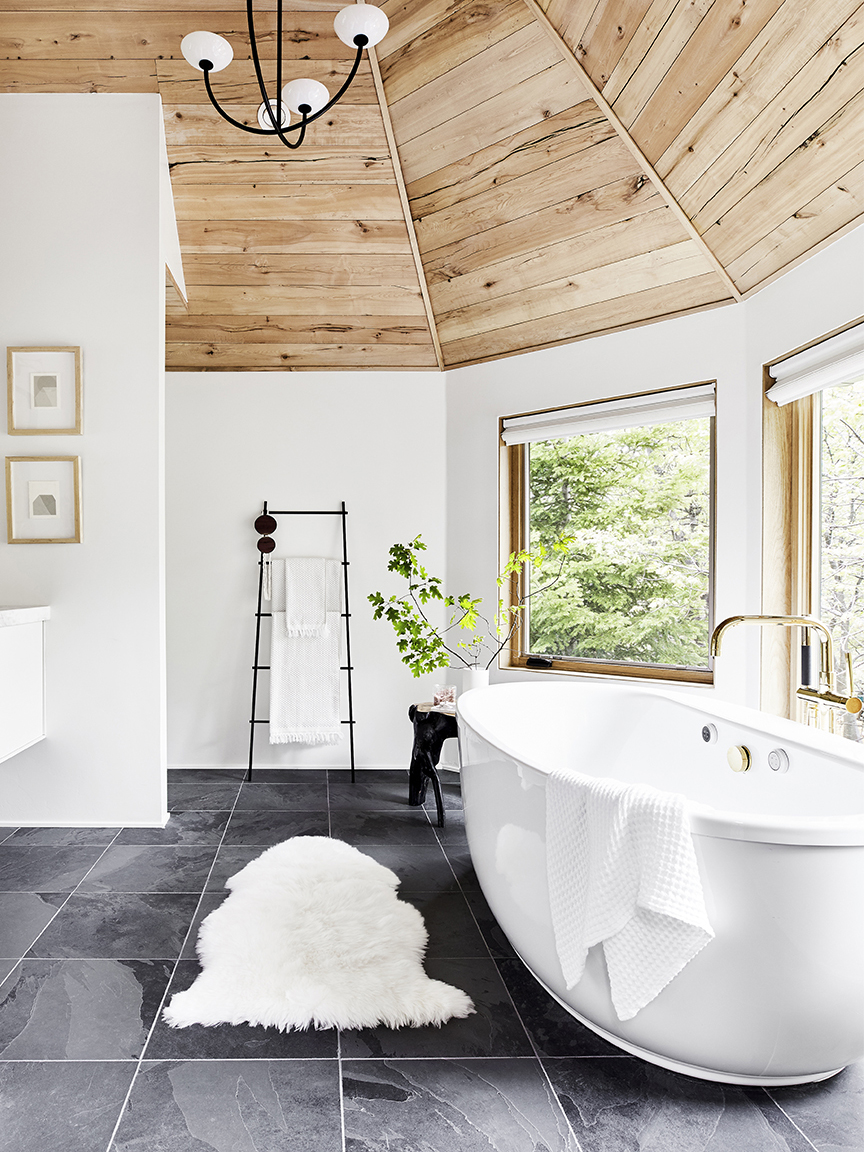
Updating Your Flooring Has Great ROI—This Option Will Outlast Carpet by Almost 100 Years

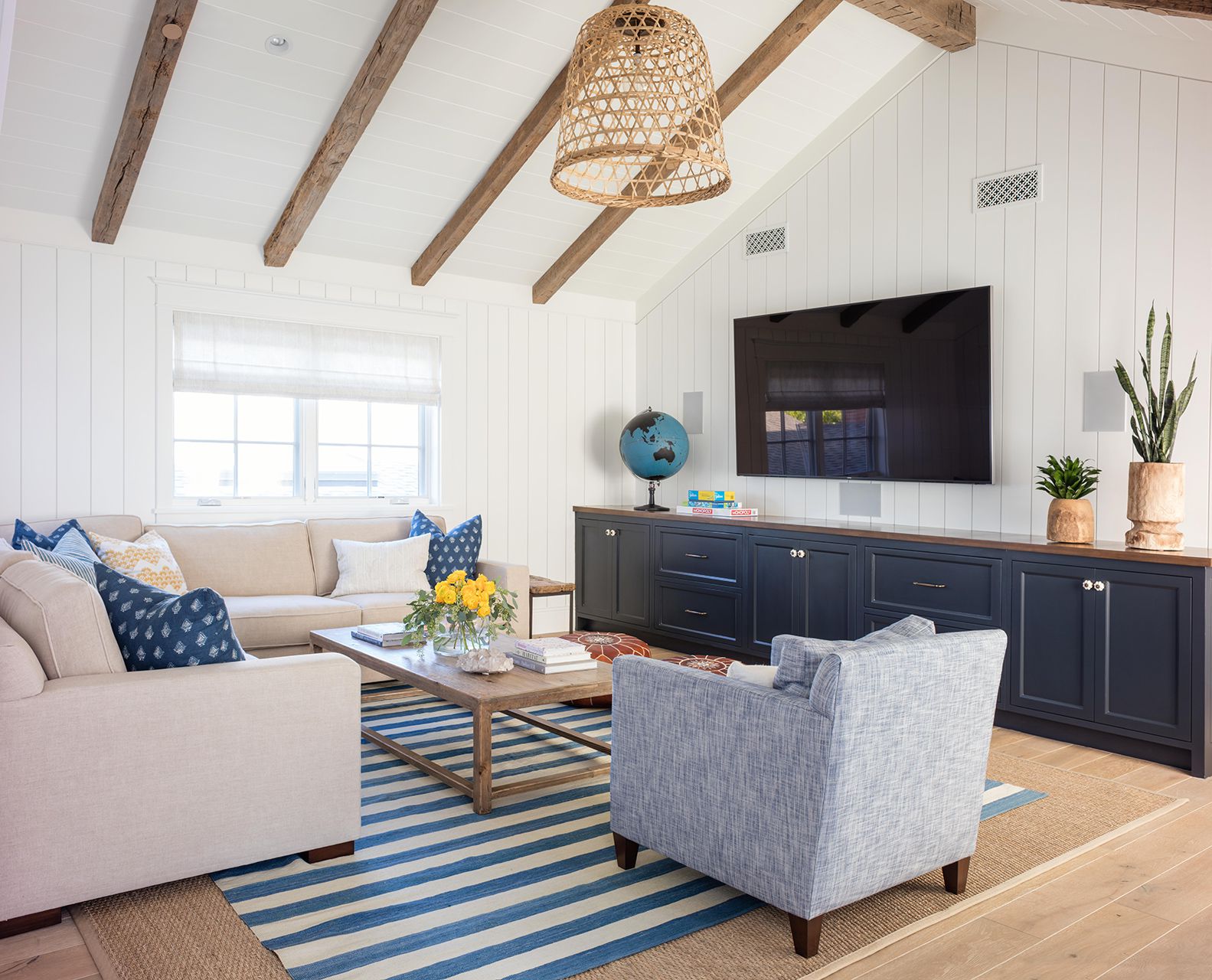
Try These 10 Stylish Ideas to Bring Out the Natural Beauty of Wood Floors