1/4
Is It a Crime to Paint Antique Furniture?
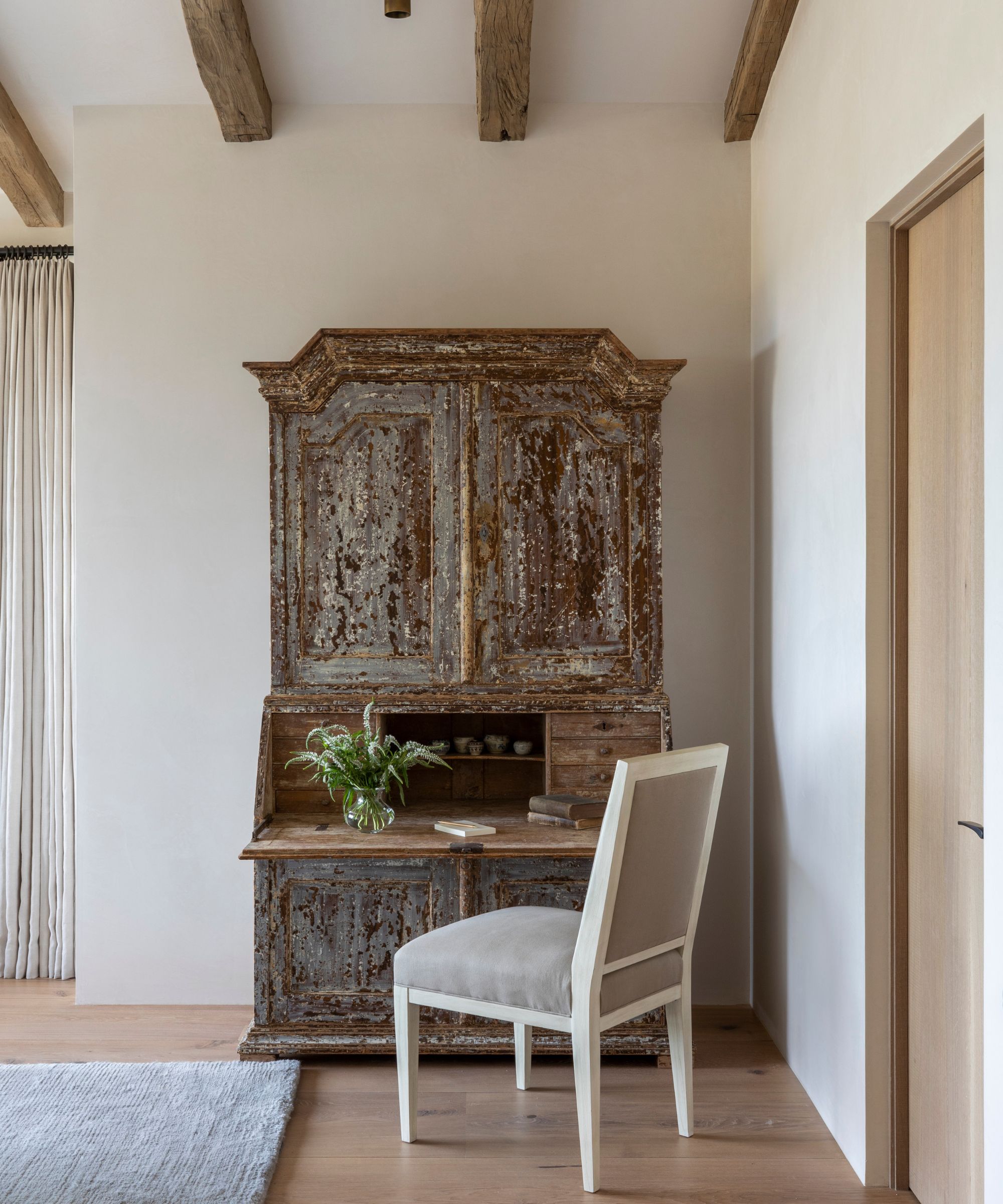
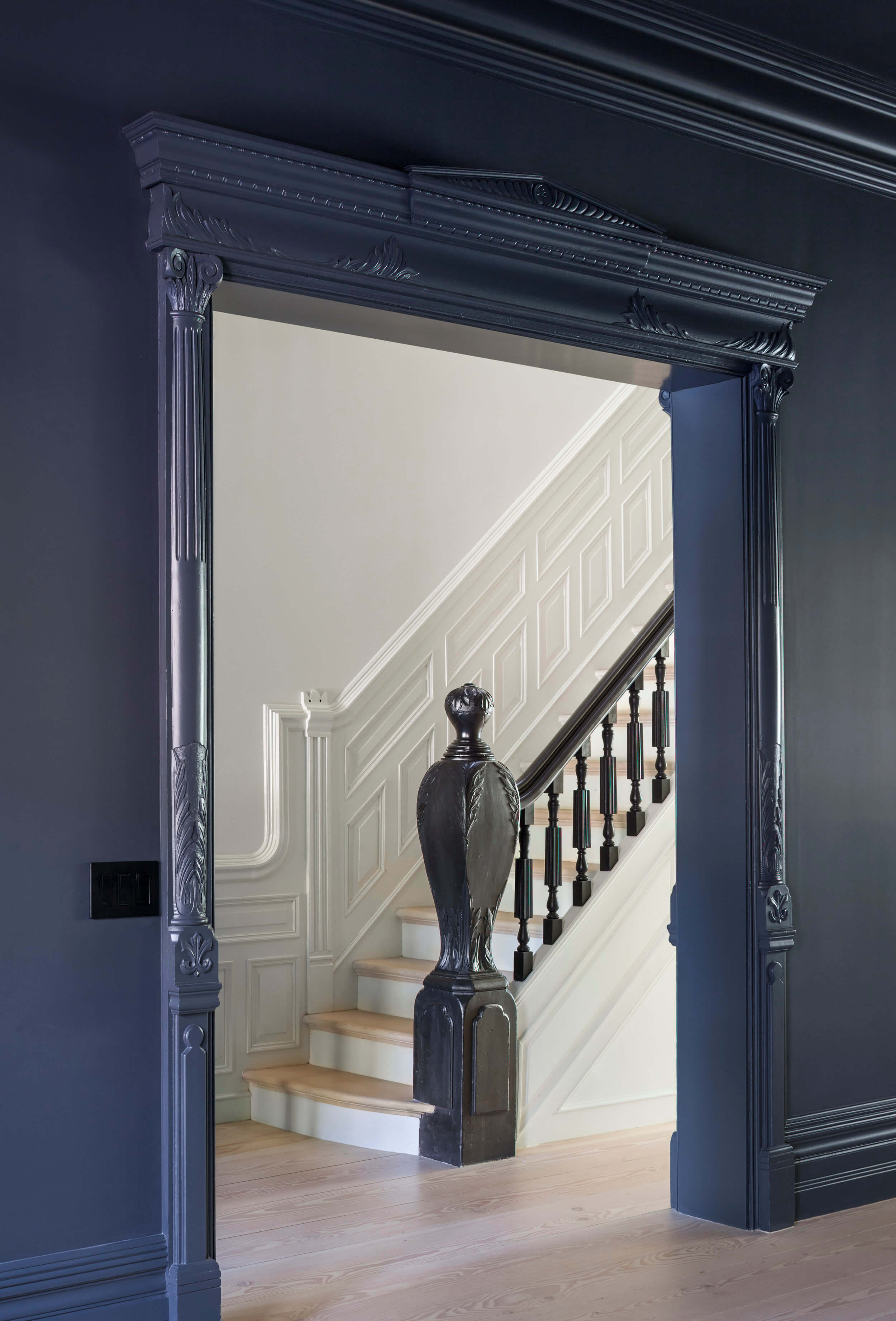
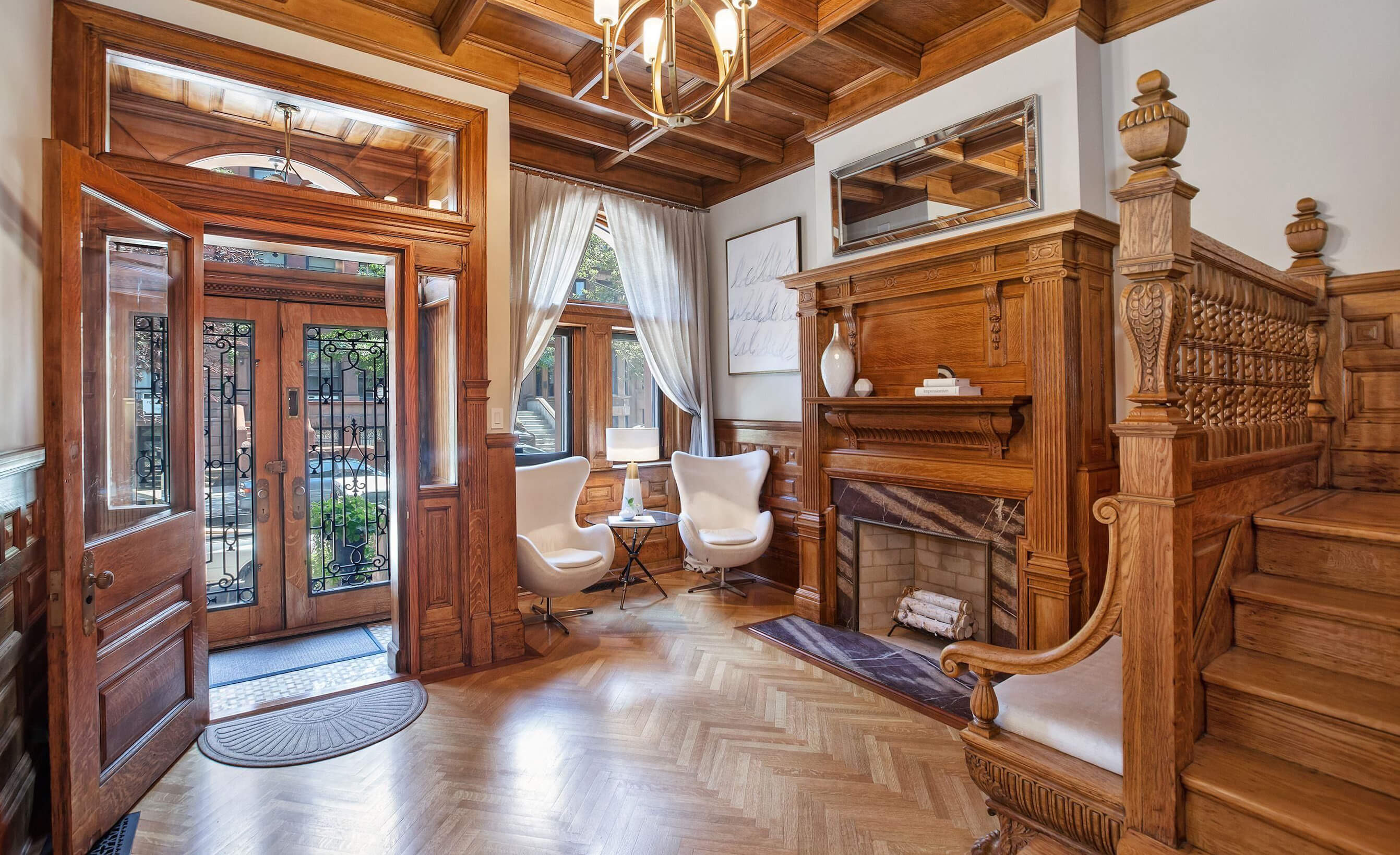
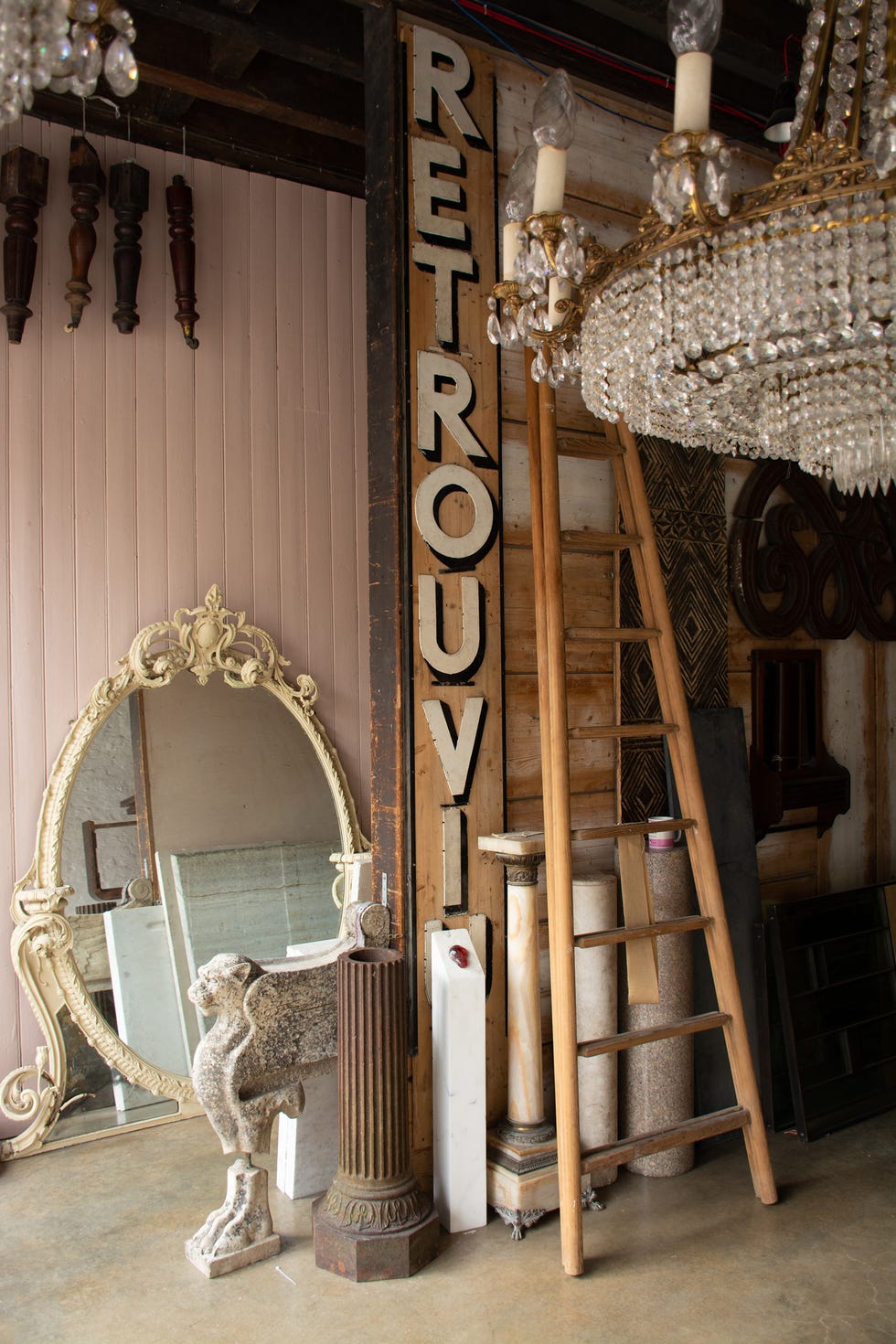
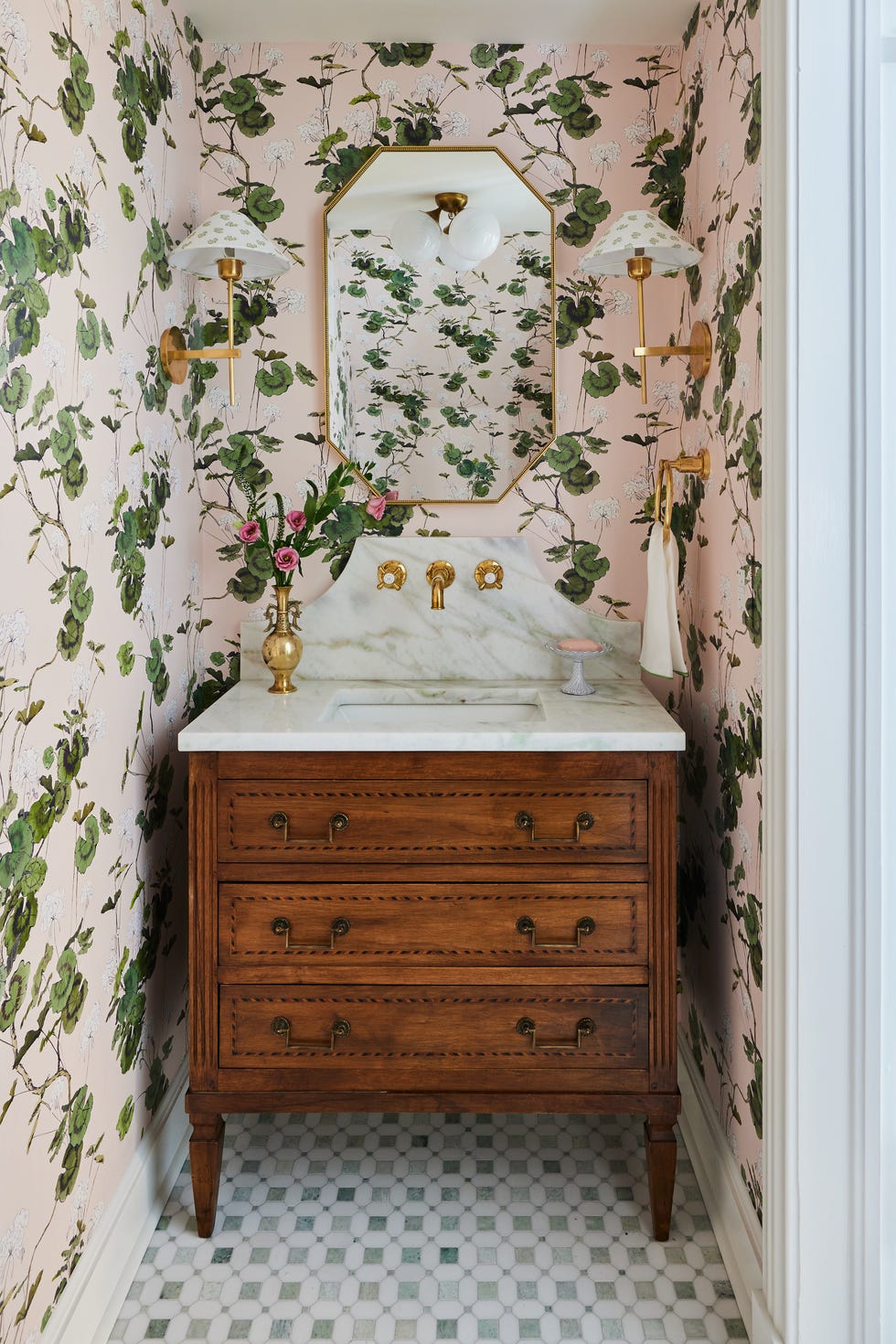
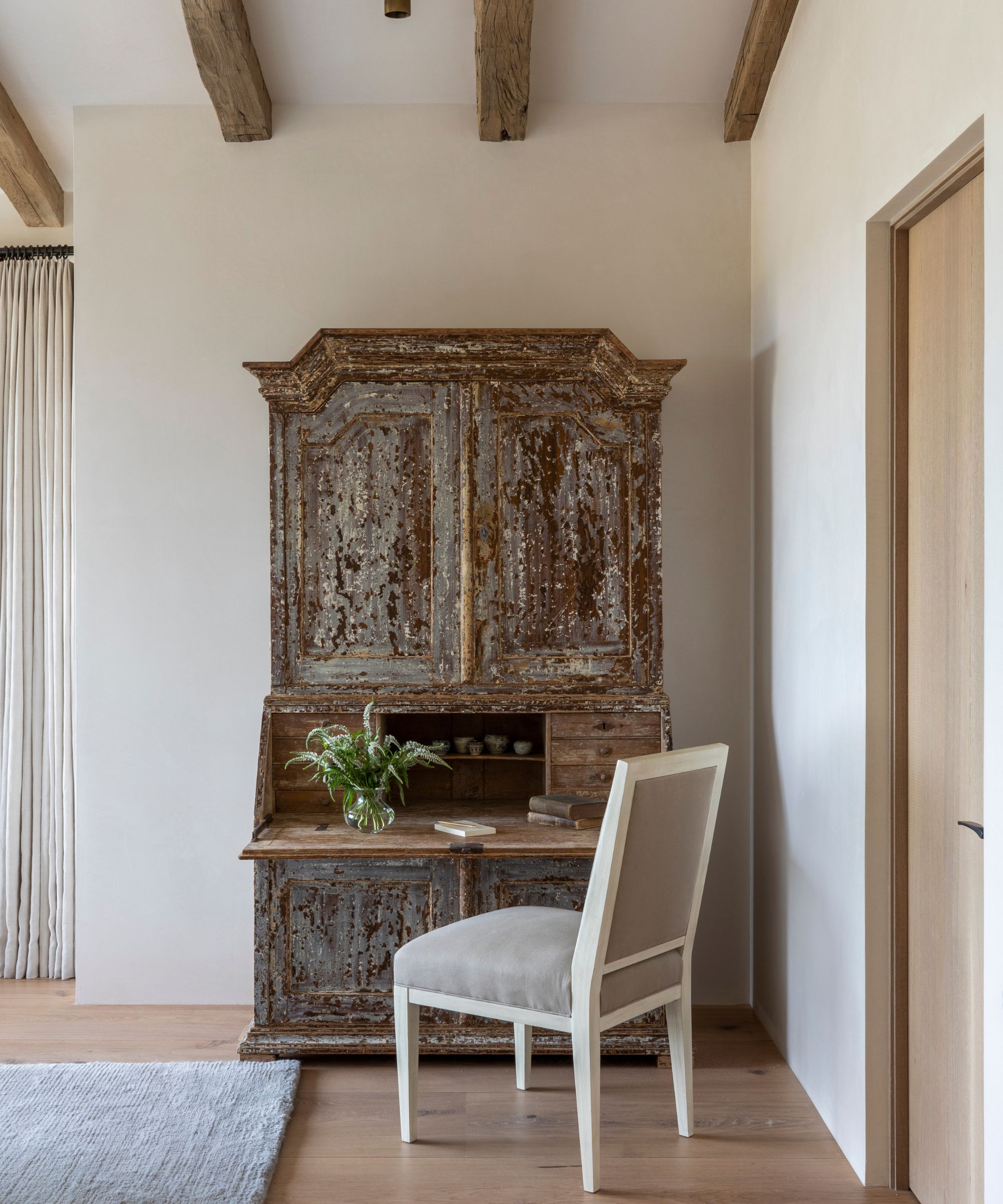
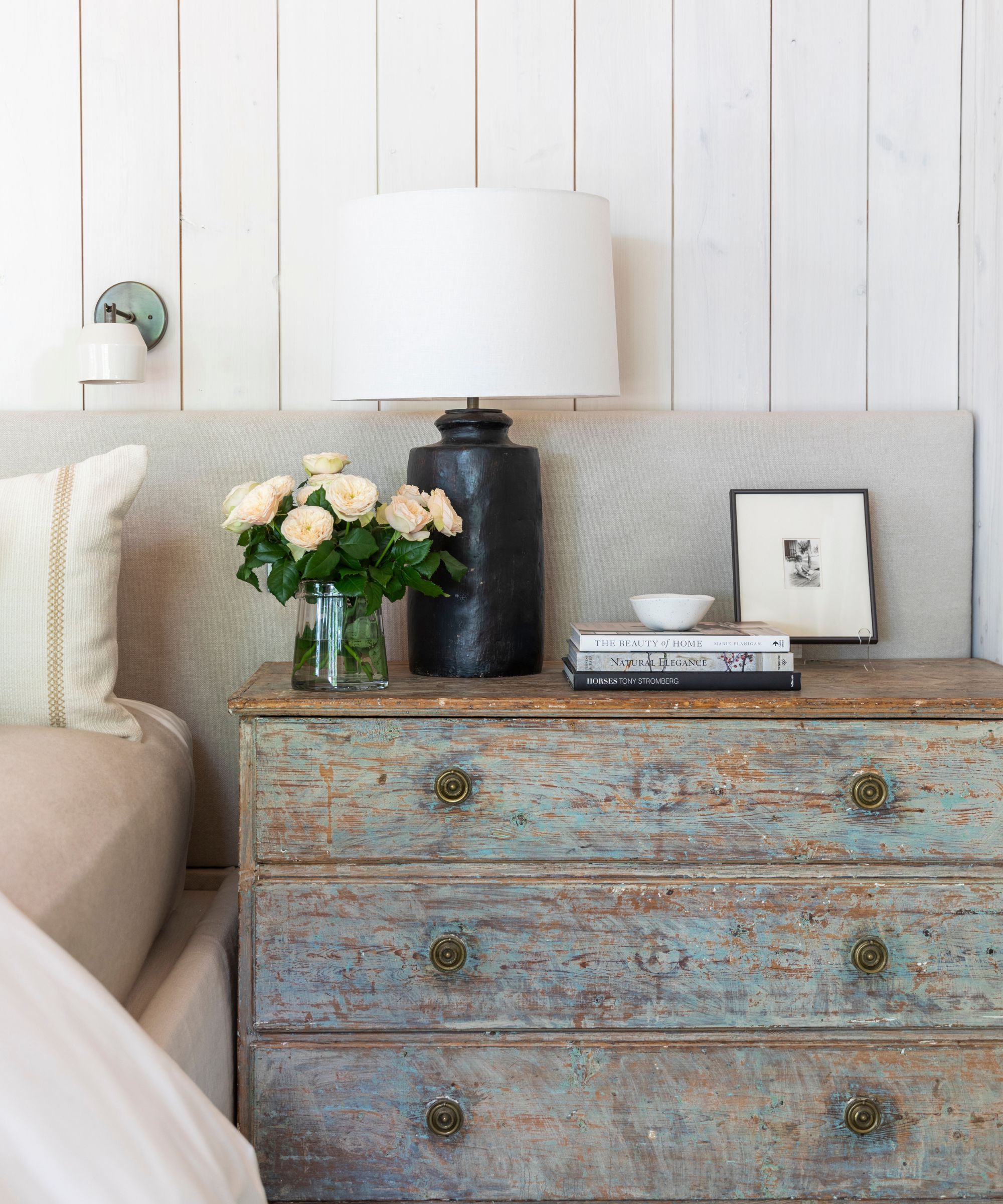
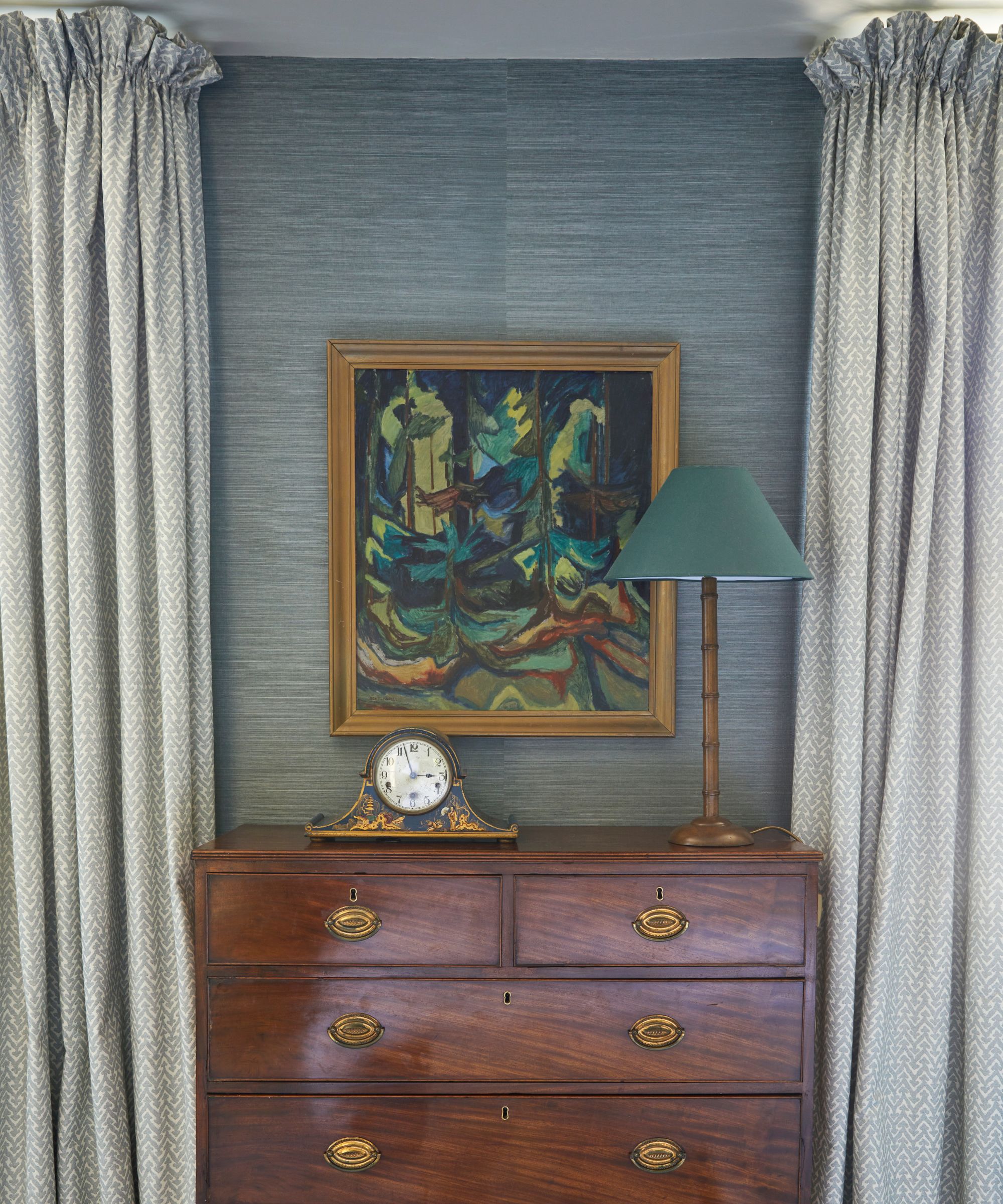
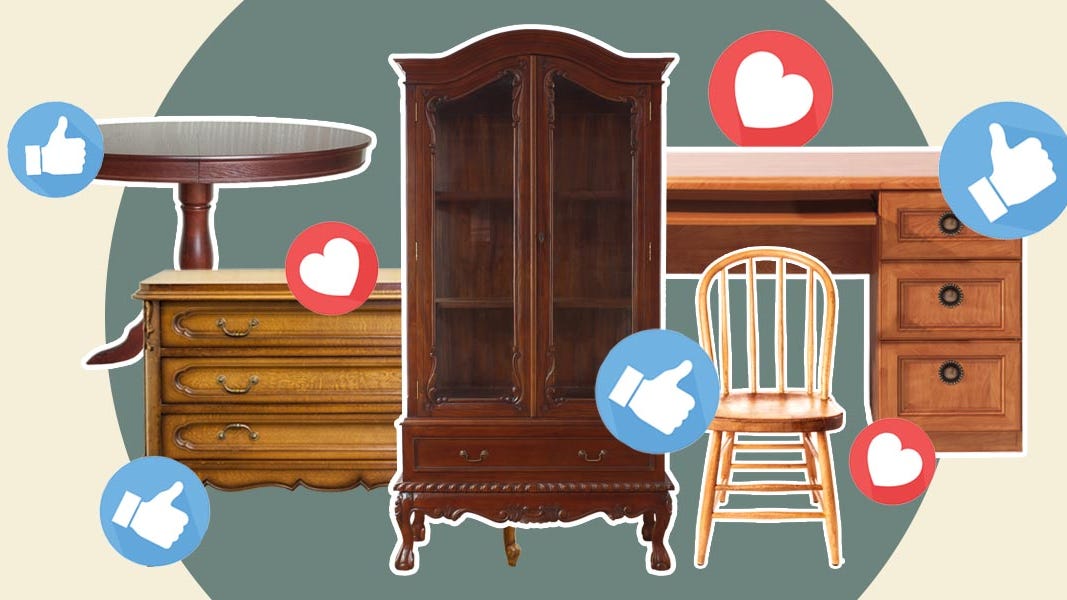
In the realm of interior design, the decision to paint antique wood furniture is a topic that elicits strong opinions and divides design professionals. While some advocate for preserving the original state of antiques, others see painting as a viable method for revitalization and personalization. This discussion is particularly relevant given the current trend of investing in furniture built to last generations and the increasing appeal of vintage and antique pieces as an alternative to new items facing supply chain delays.
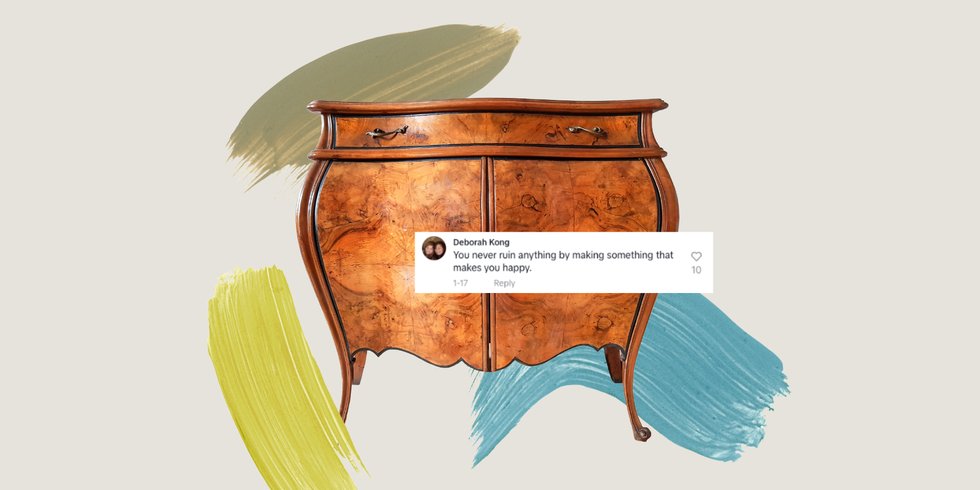
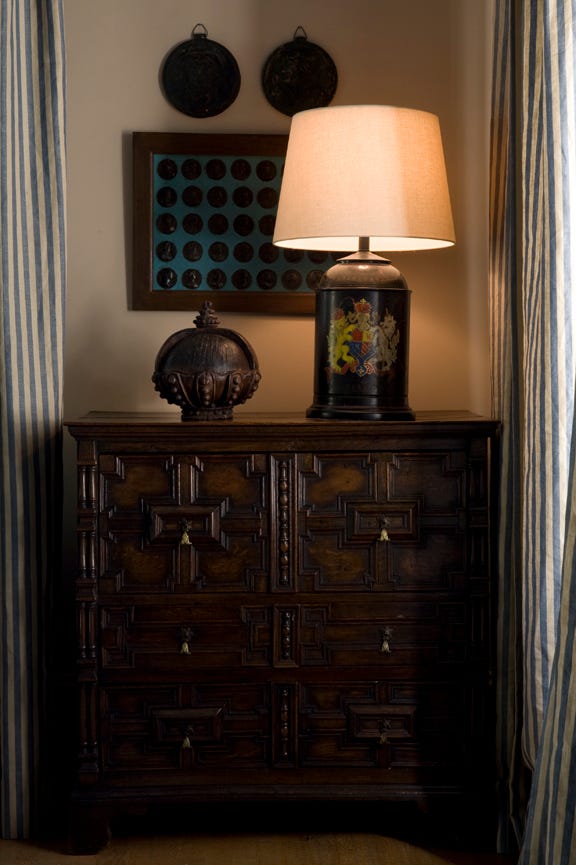
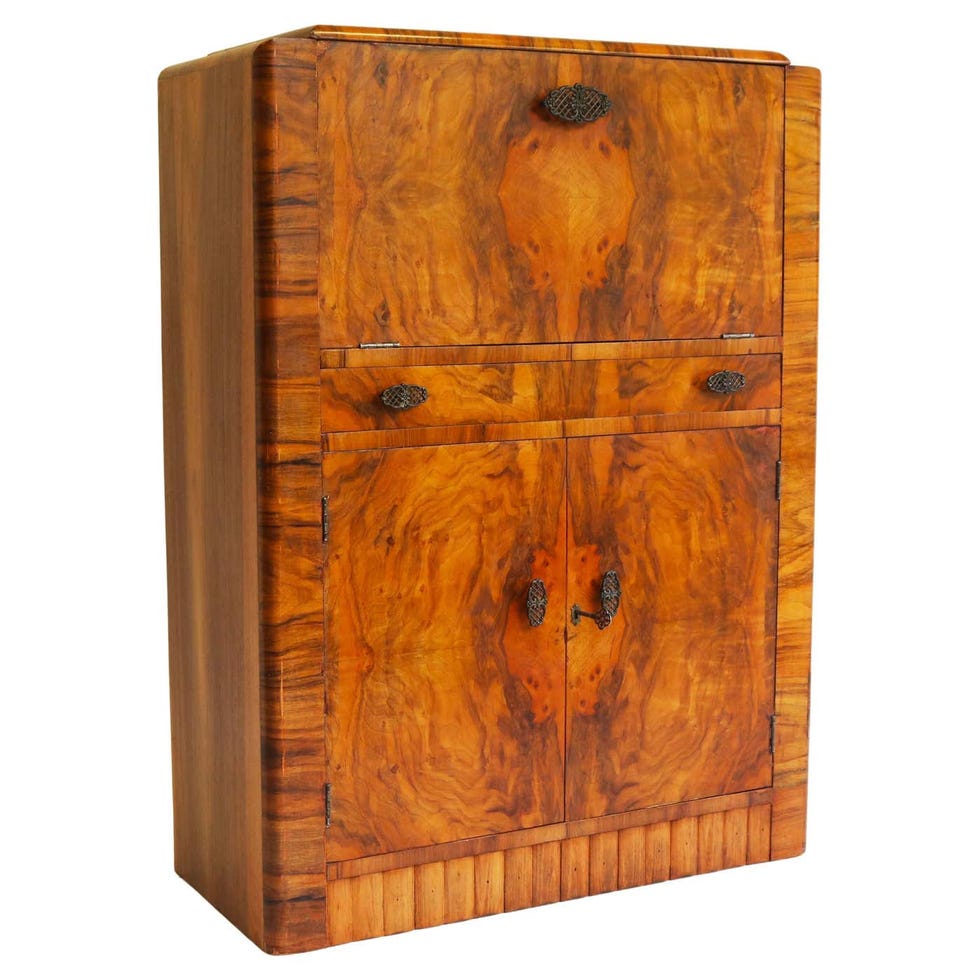
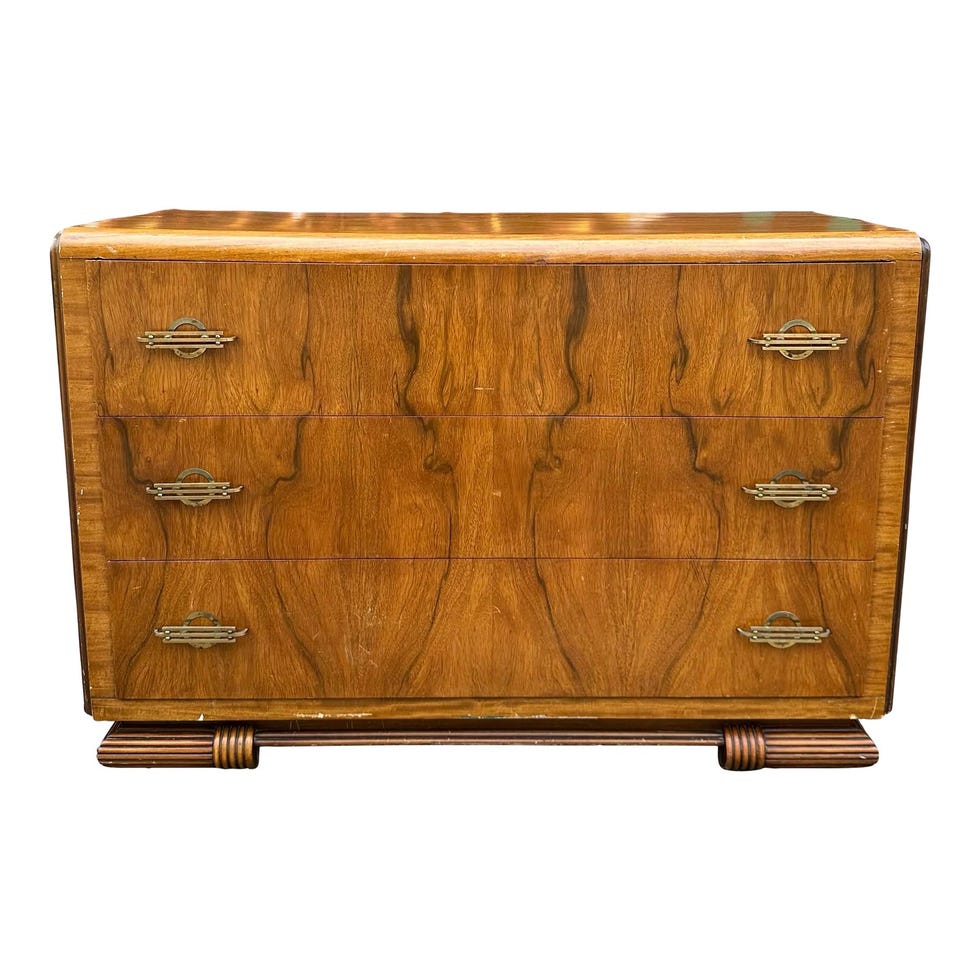
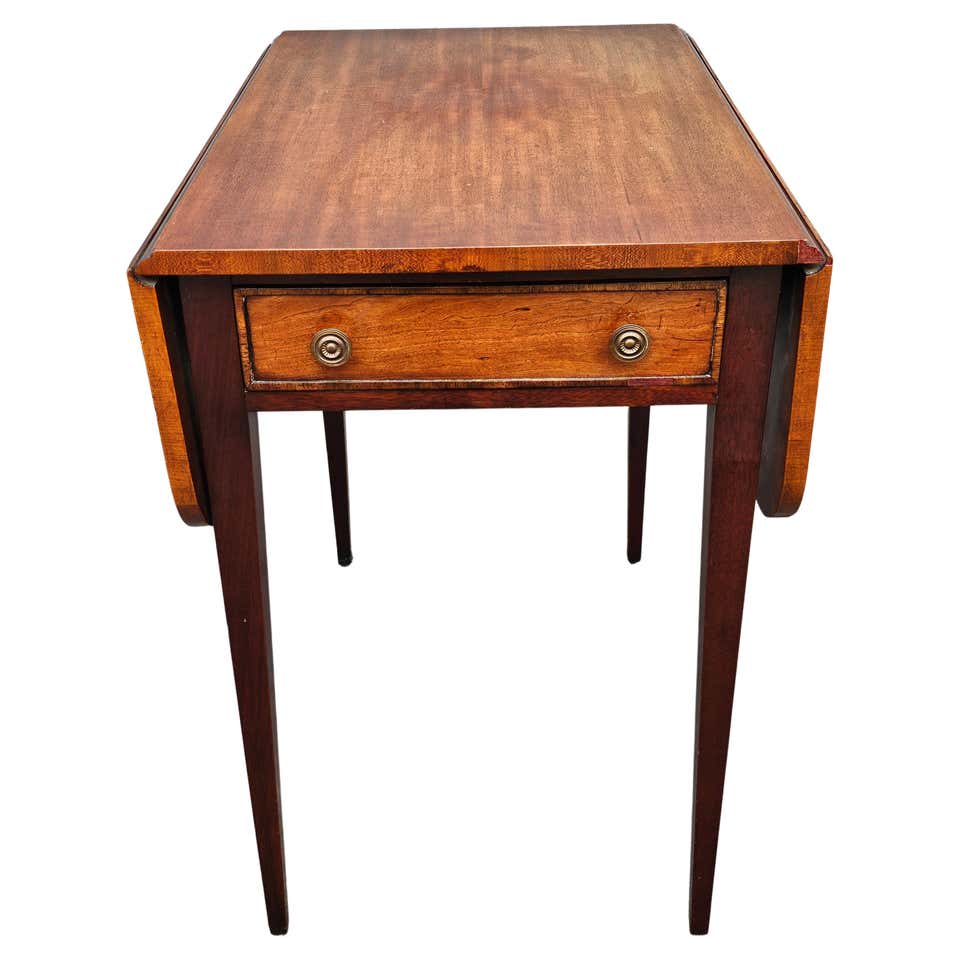
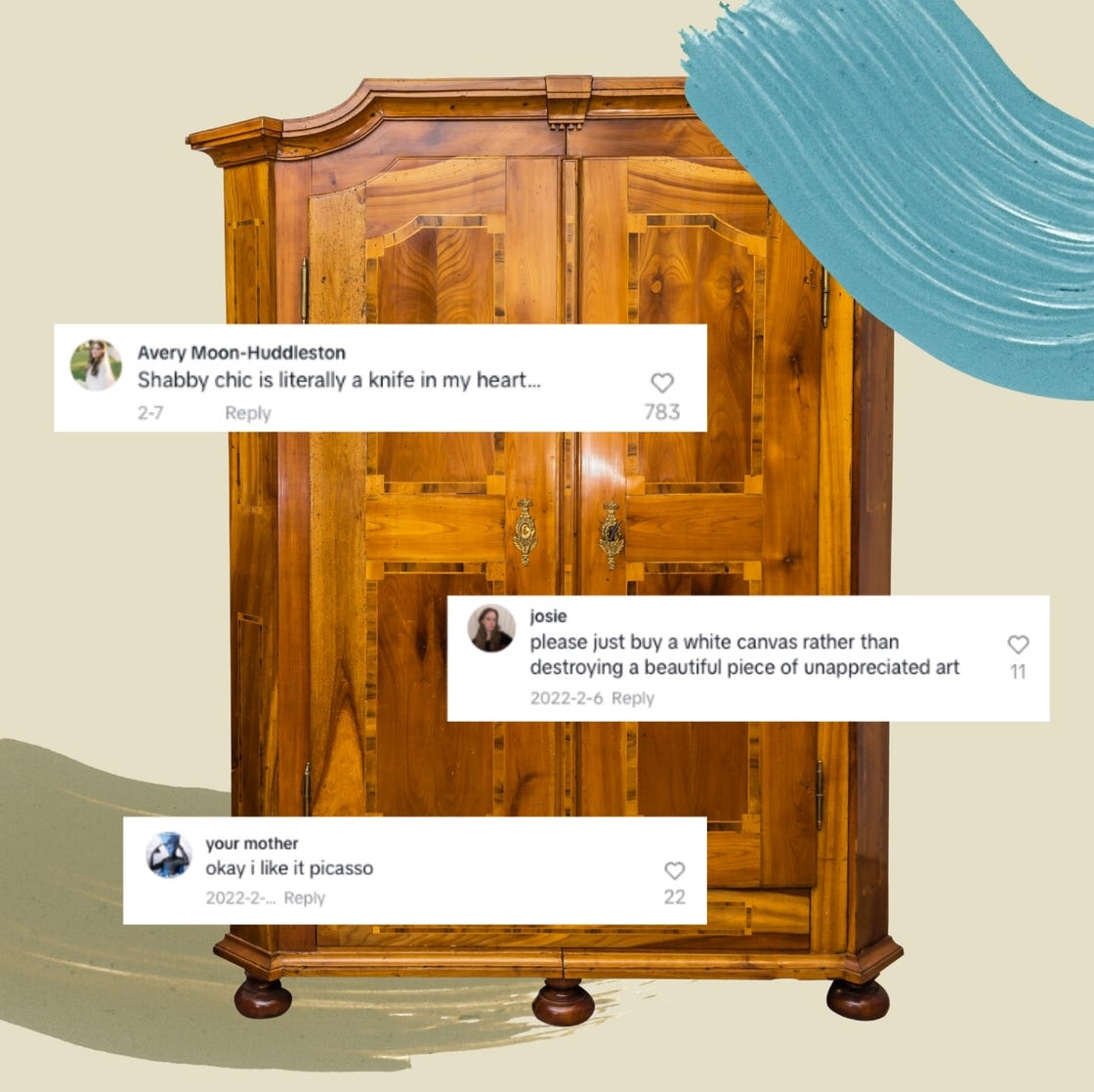
Designers generally advise against painting if the piece is a high-quality antique with significant resale value. Painting such items can diminish their long-term monetary worth, transforming their value to a personal one rather than a market-driven one. Renowned designers emphasize that true antiques in excellent condition should not be refinished, considering it a 'crime' to alter their inherent historical and material integrity. Furthermore, painting is discouraged for pieces made from exotic woods like cherry, mahogany, or satinwood, as these materials are rare and difficult to refinish authentically. If the furniture is constructed from common woods such as oak or pine with basic joinery, and especially if it's a thrifted item, painting is generally considered acceptable.
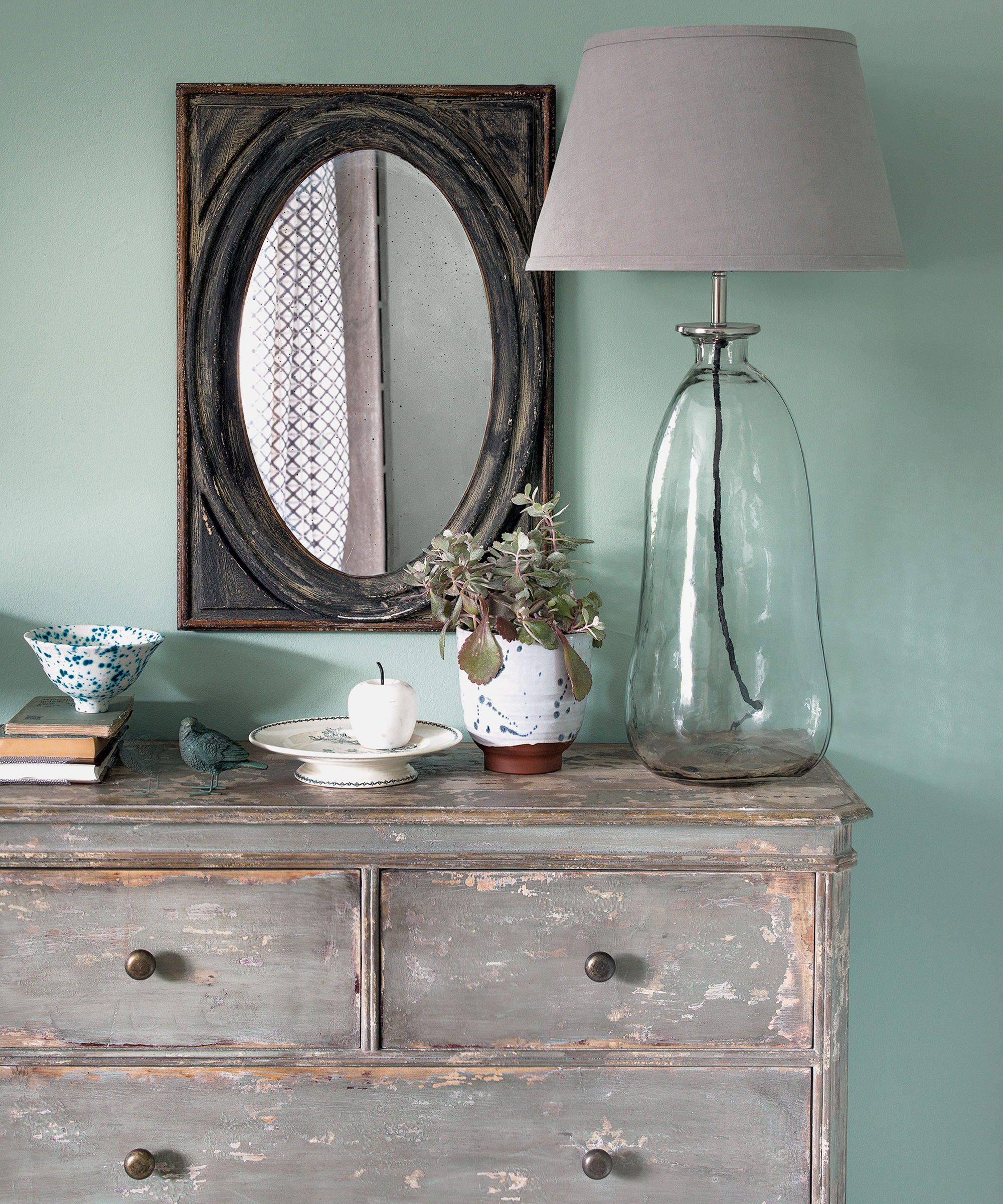
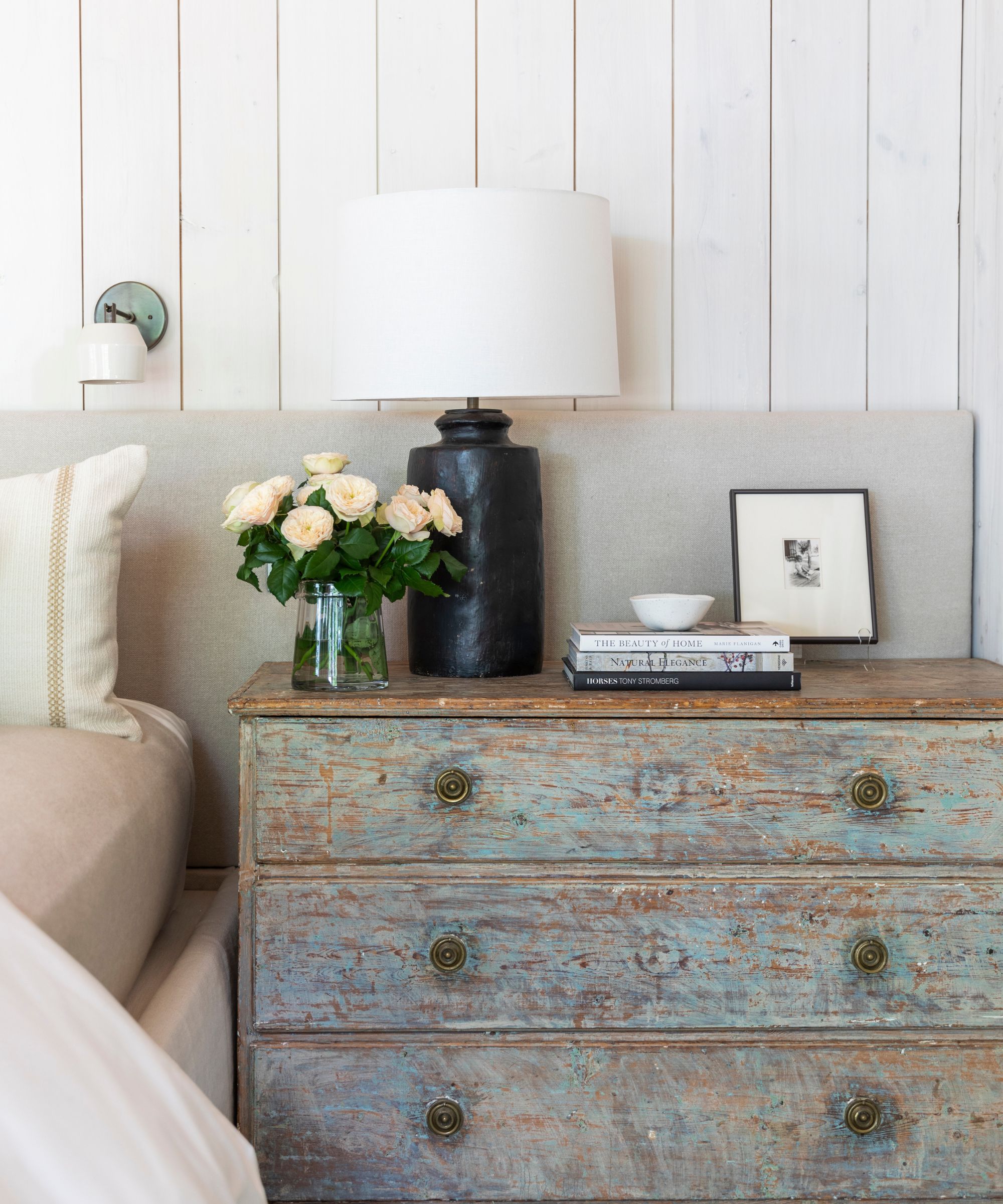
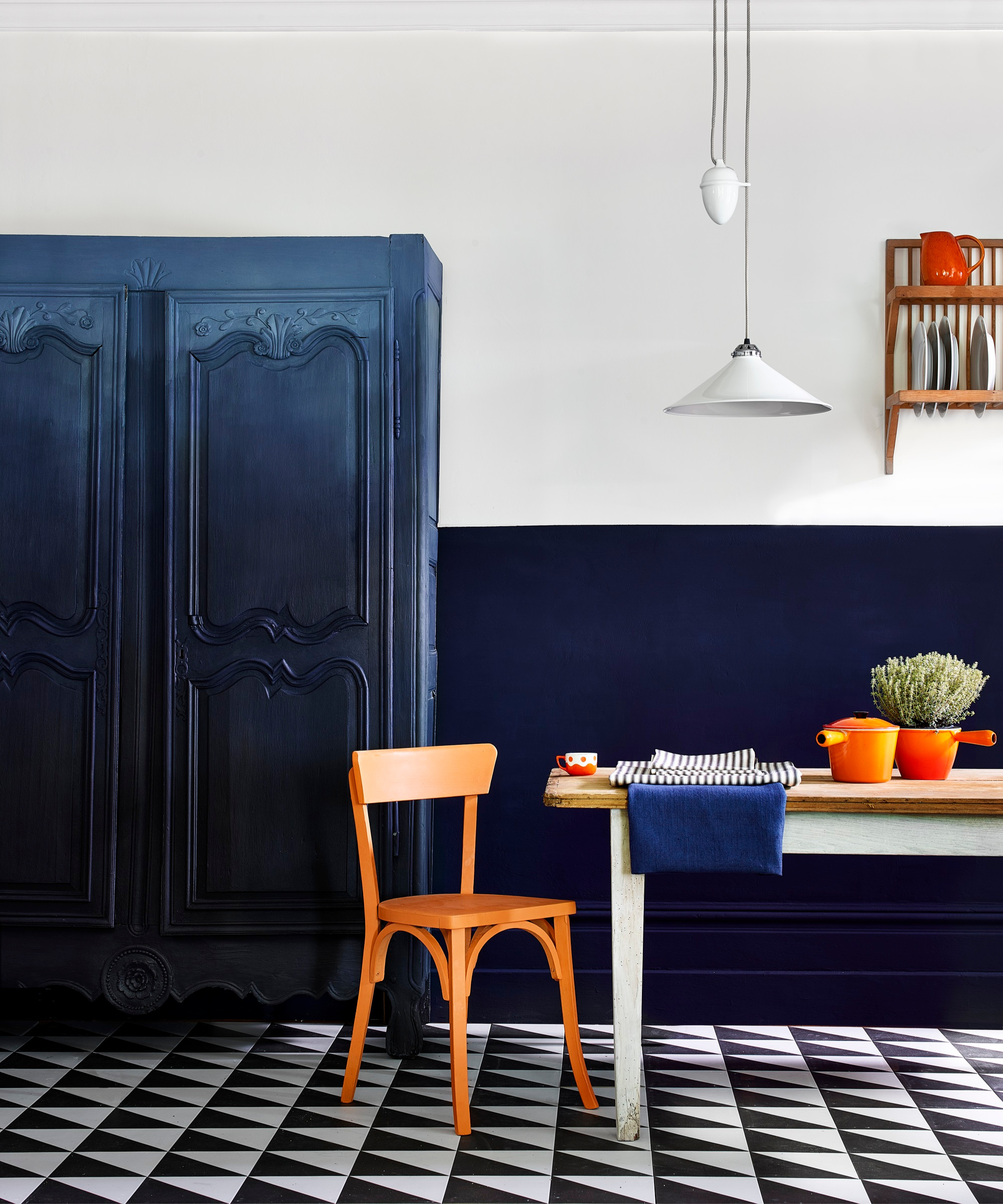
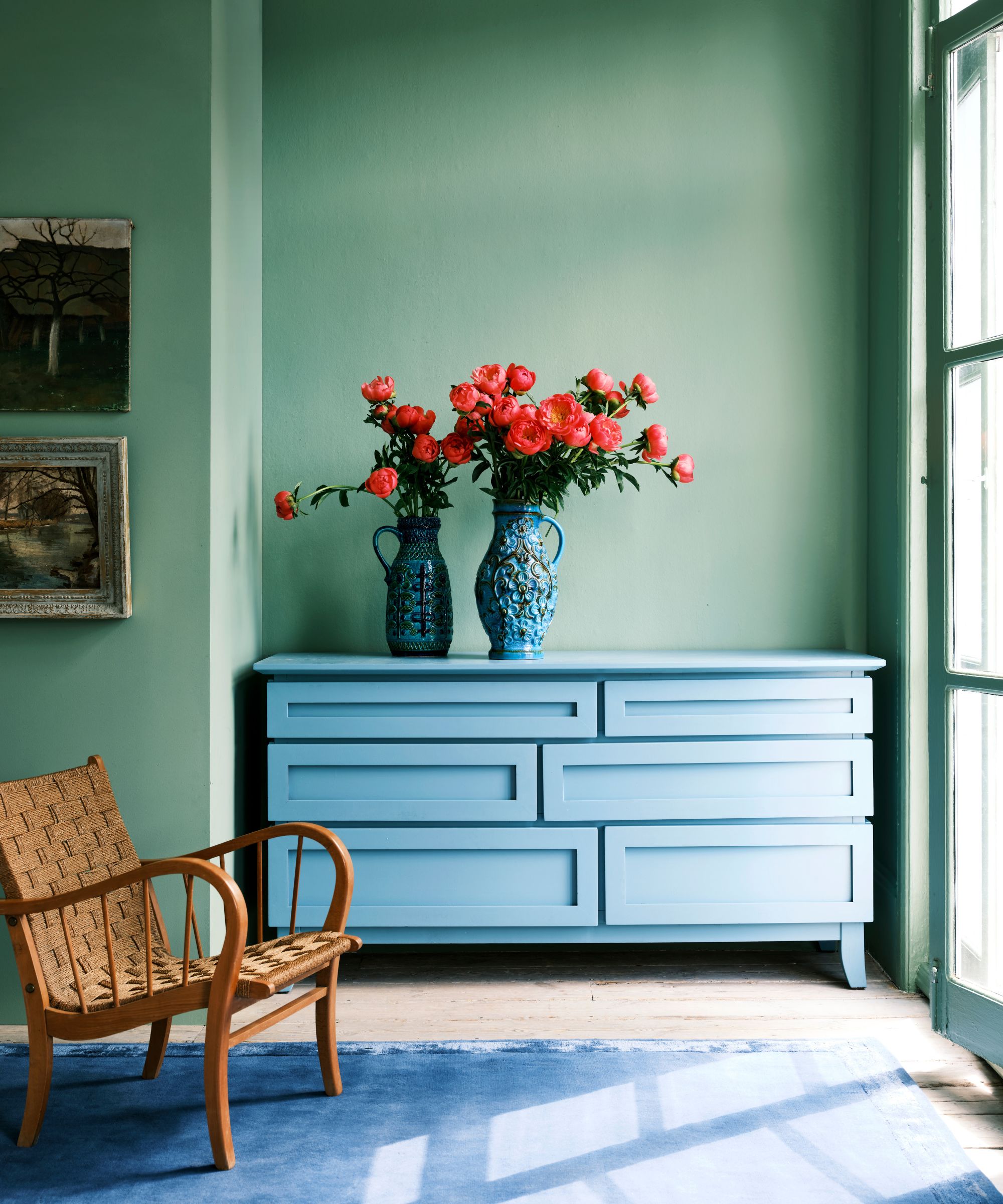
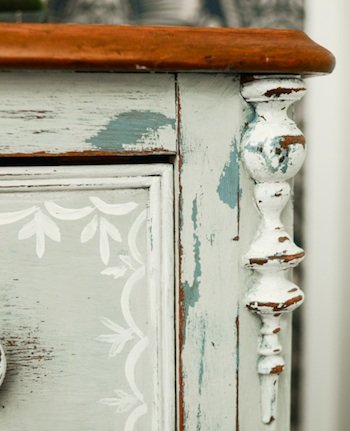
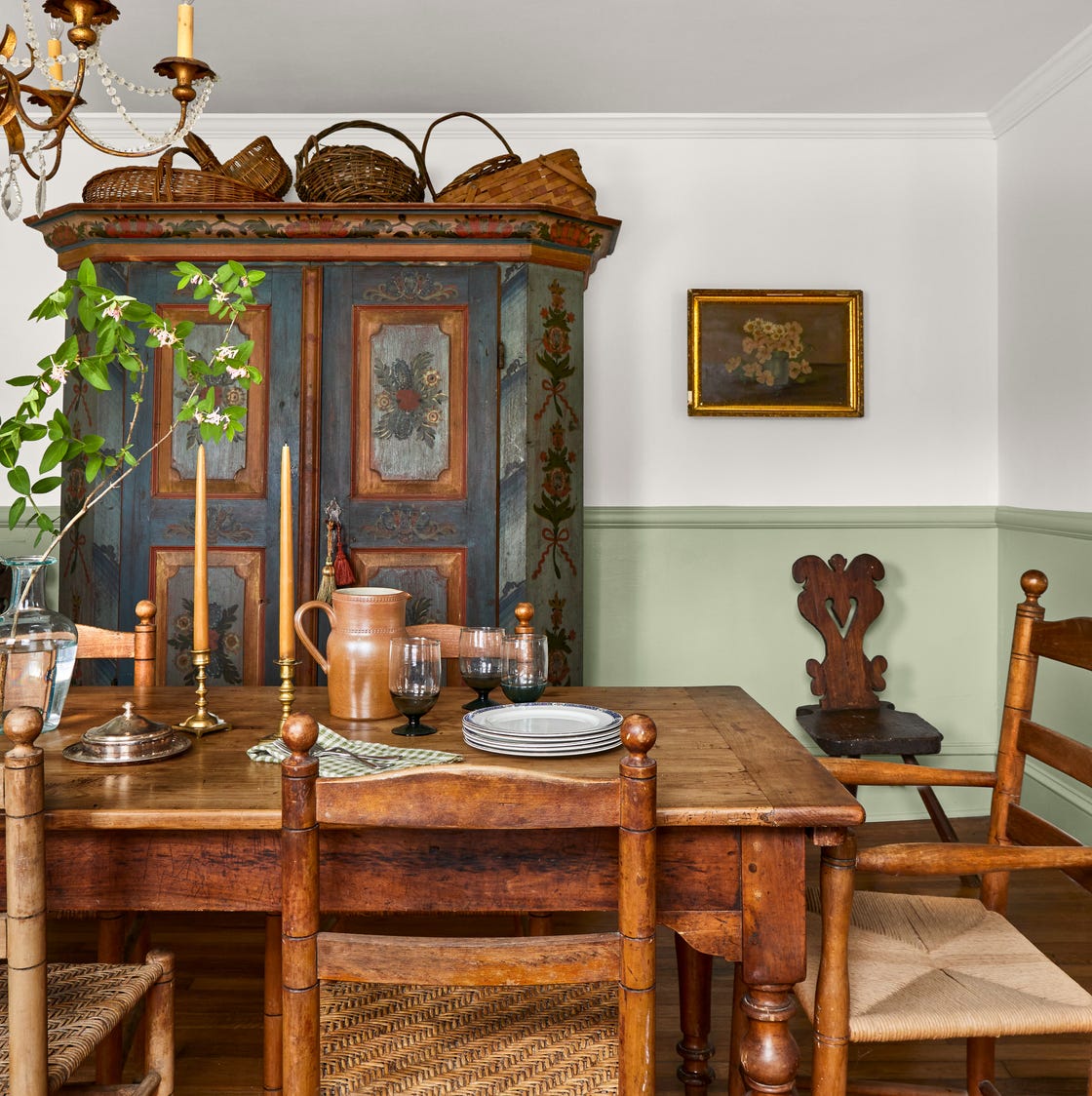
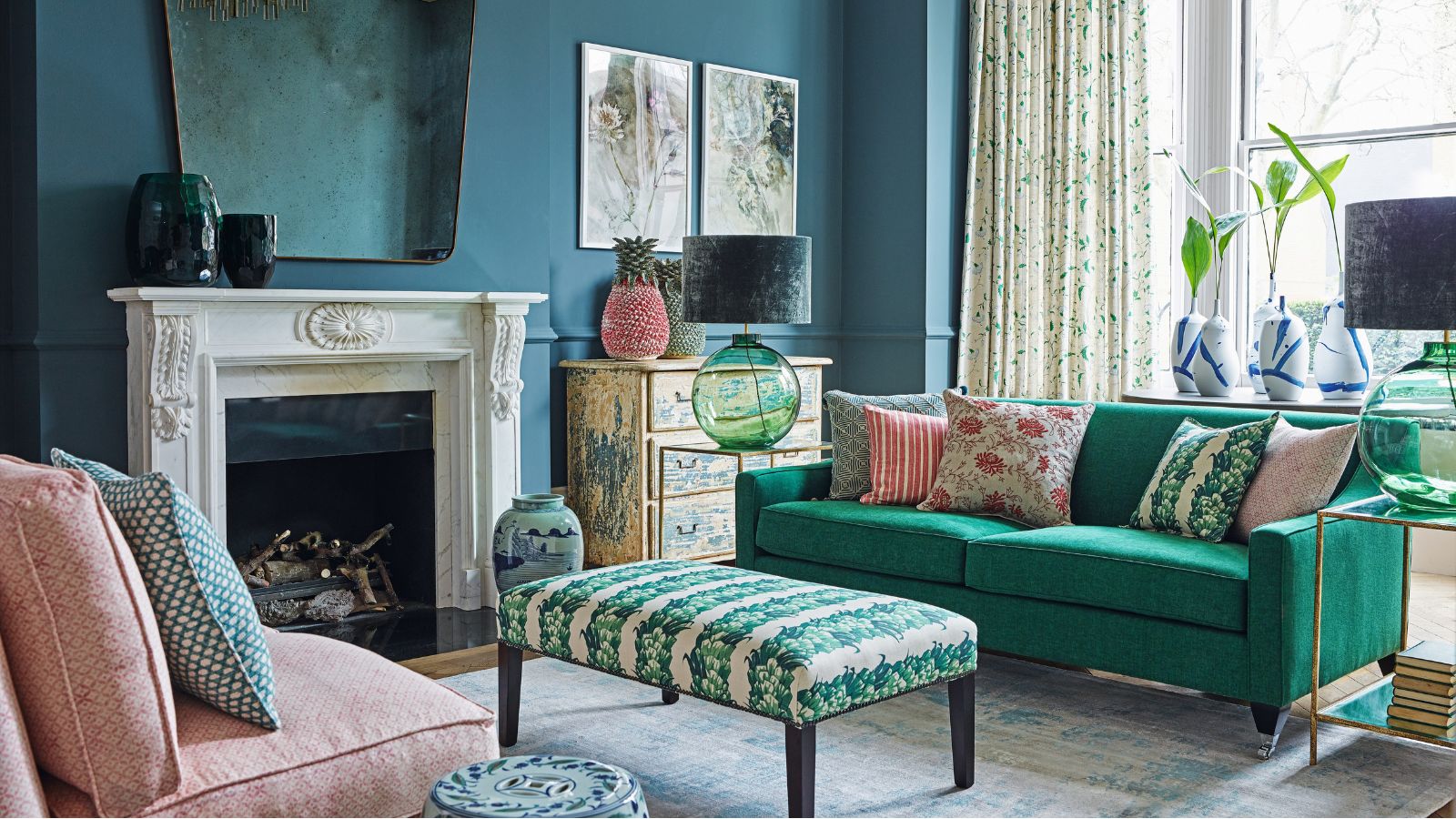
Conversely, painting antique wood furniture can be beneficial in several scenarios. If a piece lacks substantial value on the secondhand market or its existing finish is in poor condition, a new coat of paint can significantly enhance its aesthetic appeal and functionality, effectively "bringing it back to life." Many designers support painting if it prevents the furniture from being discarded, highlighting that antique and vintage pieces often possess superior quality compared to modern alternatives at similar price points. The sentiment is that if painting allows a cherished family heirloom to integrate into contemporary decor, thereby extending its lifespan within the home, then it is a worthwhile endeavor. The objective is to give antiques a renewed purpose and personal touch, ensuring they continue to be enjoyed across generations.
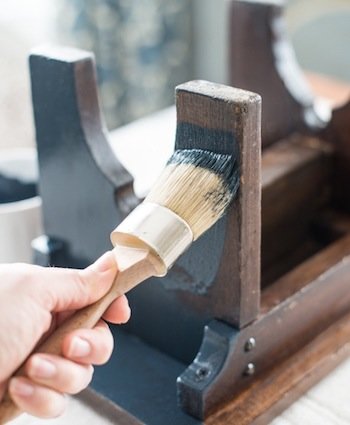
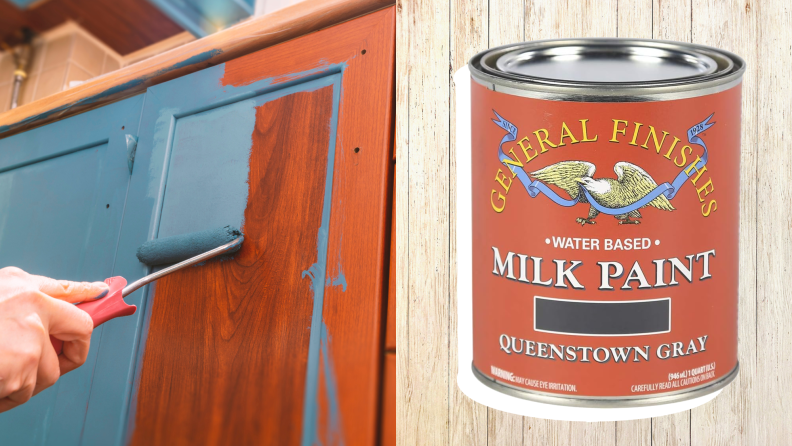
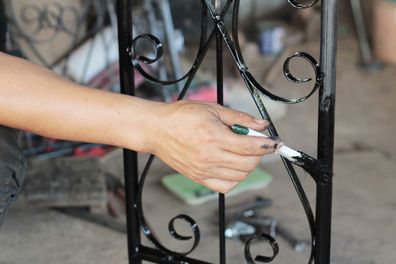
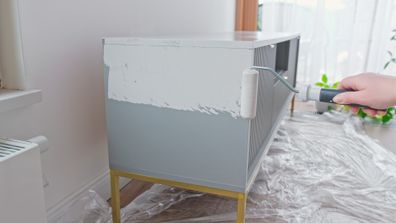
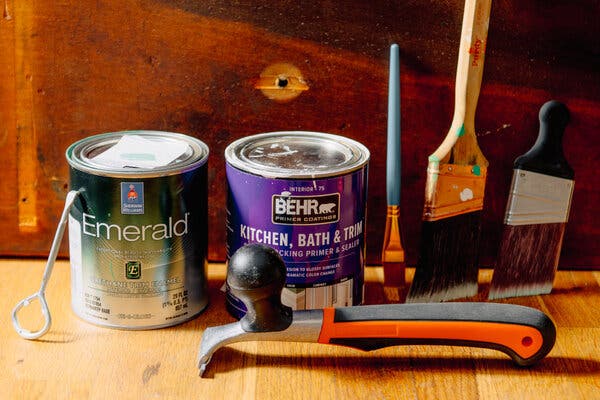
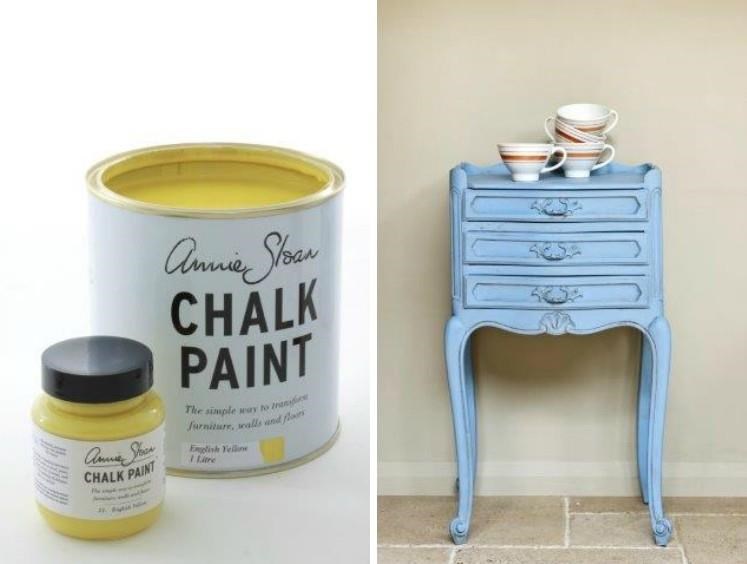
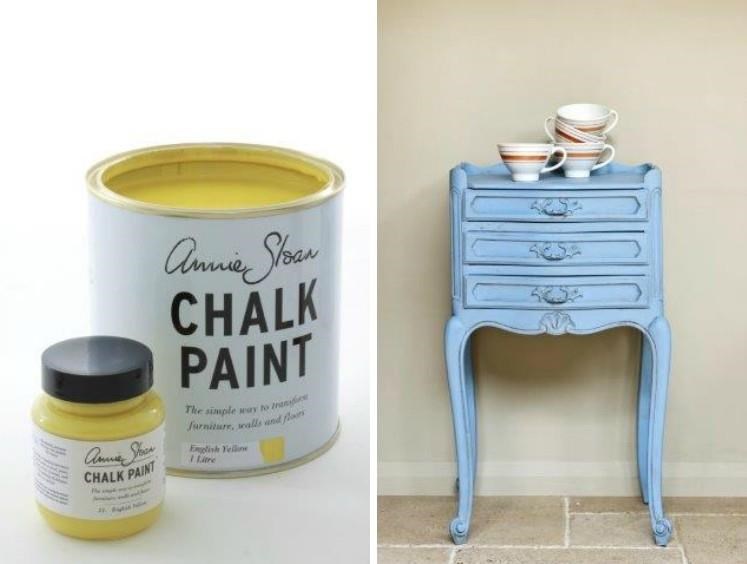
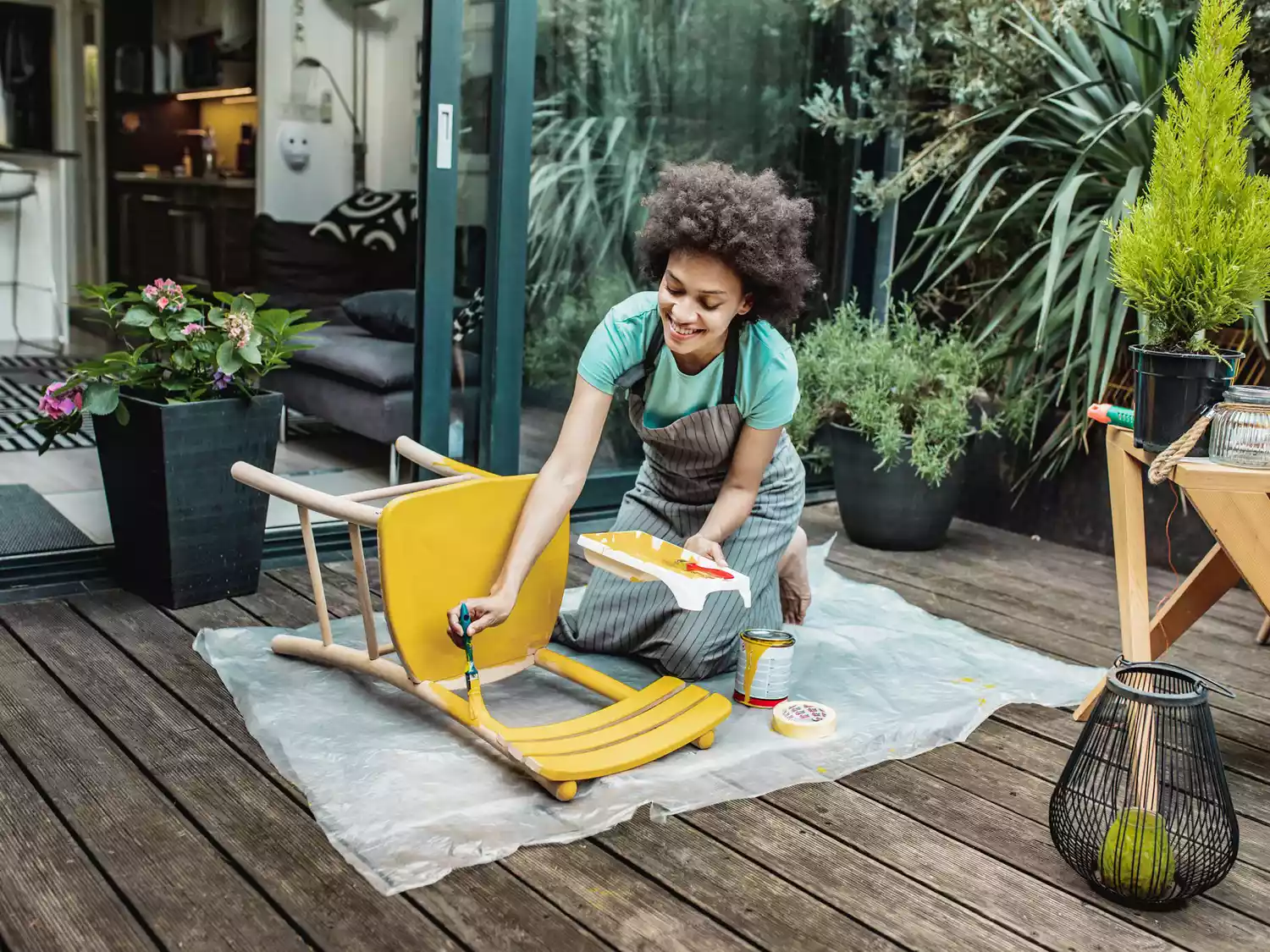
For those who choose to paint, thorough preparation is crucial. It is essential to first investigate the piece's history and material composition to confirm it isn't a rare or valuable specimen. Once confirmed, the process involves selecting the appropriate paint, such as chalk paint for a textured finish or lacquer for a glossy, modern look. Regardless of the paint type, meticulous cleaning, sanding, and drying of the furniture are necessary before applying multiple coats for comprehensive coverage. Applying sealants or topcoats is also recommended to ensure durability.
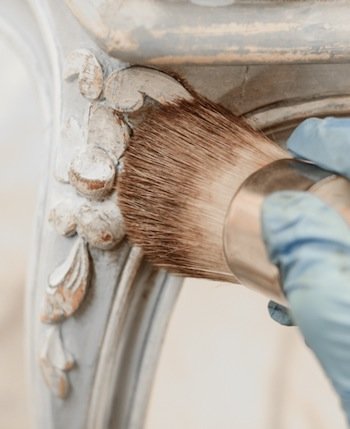
As an alternative to painting, refinishing the wood itself is an option for those who wish to alter the appearance without a solid color. Restoration or refinishing is often considered a better investment for maintaining or increasing a piece's value, particularly if it features beautiful woodgrain. Techniques like cerusing, which defines the original wood and highlights its natural grain, are favored by some dealers as a way to refresh vintage finds while preserving their original character. This approach offers a middle ground, allowing for aesthetic modification while respecting the inherent qualities of the wood.
#antiqueFurniture #furnitureRestoration #woodRefinishing #interiorDesign #homeDecor #vintageFurniture #DIYProjects #designTips #furniturePainting #antiqueFurniture #furnitureRestoration #woodRefinishing #interiorDesign #homeDecor #vintageFurniture #DIYProjects #designTips #furniturePainting
0 comment in total
 No comments yet
You may also like
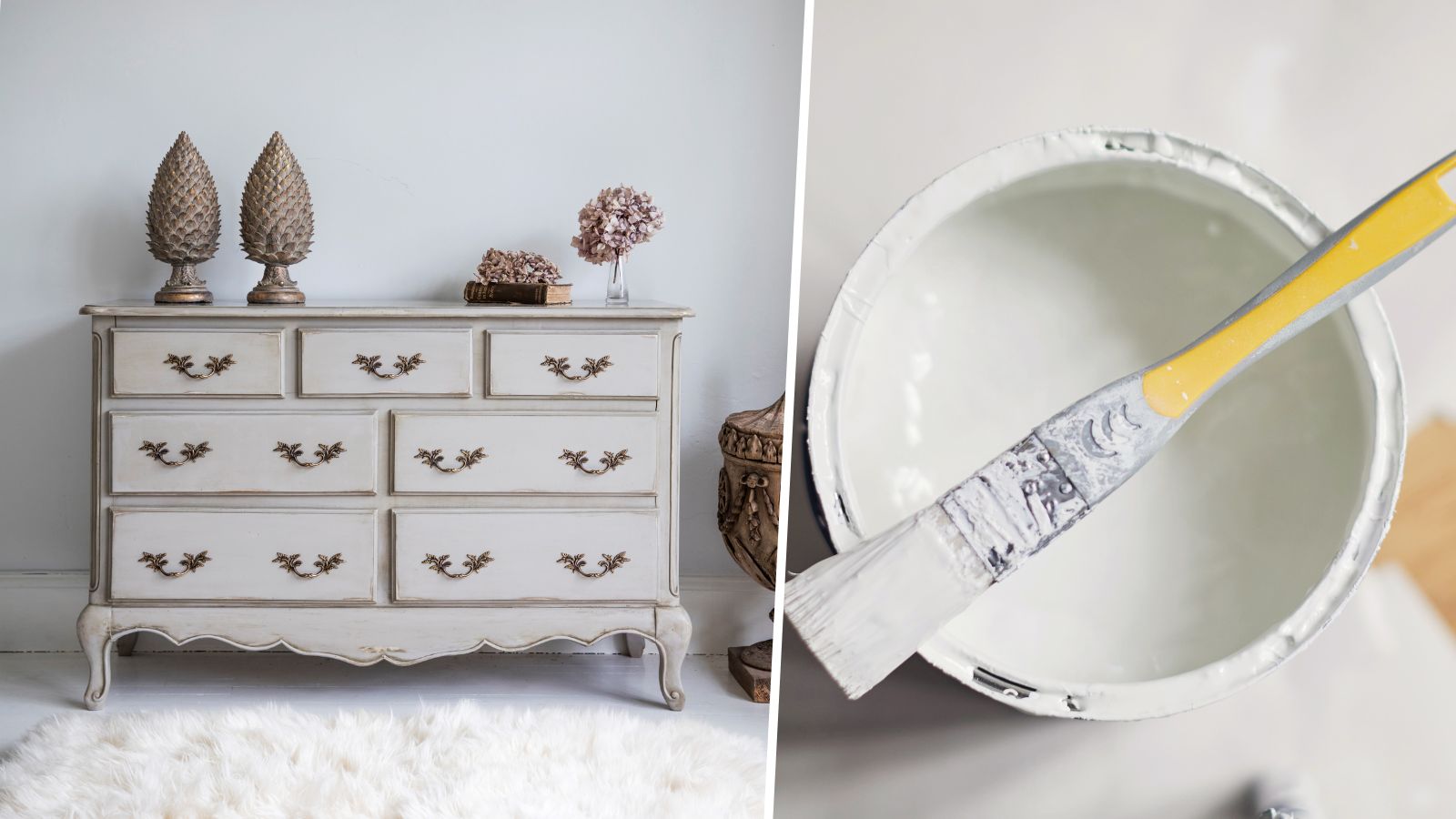
How to achieve an antique finish with paint– 4 crafting tips to fake a well-loved piece

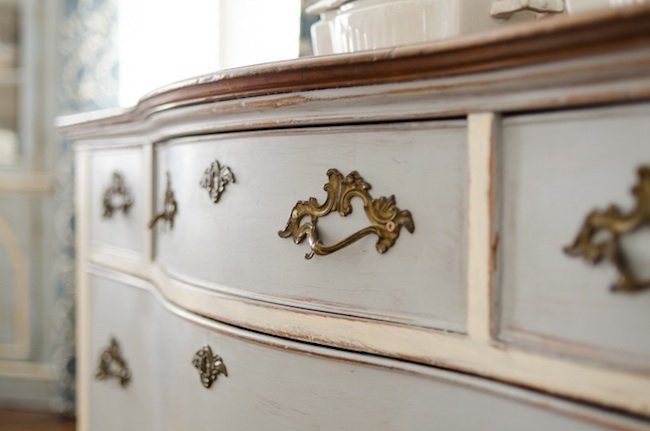
Antiquing vs. Distressing: 8 Tips on Creating the Look and Patina of a Genuine Antique

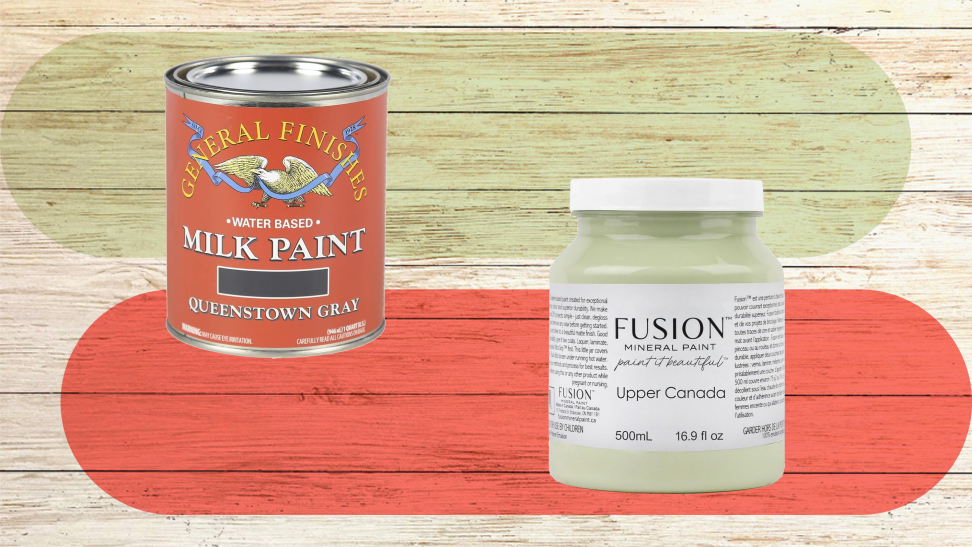
The Best Furniture Paint of 2025

Give old furniture a fresh look with Chalk Paint


To Paint or Not to Paint the Original Woodwork? It Depends Who You Ask
We Asked 6 Interior Designers for the One Antique They Use in Every Home
Give old furniture a fresh look with Chalk Paint
Tip: Leave the Finish Alone
To Flip or Not to Flip: Have Antique Furniture Revamps Gone Too Far?
How to Paint Wood Furniture Like a Pro

How to Modernize Antique Furniture for a Characterful and Cohesive Look
These 5 Popular Antiques Are Flying Off the Shelves This Fall, According to Interior Designers

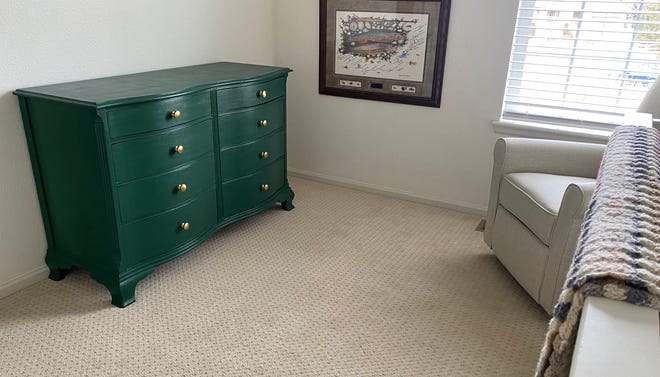
Want the next generation in your family to embrace old furniture? Try paint
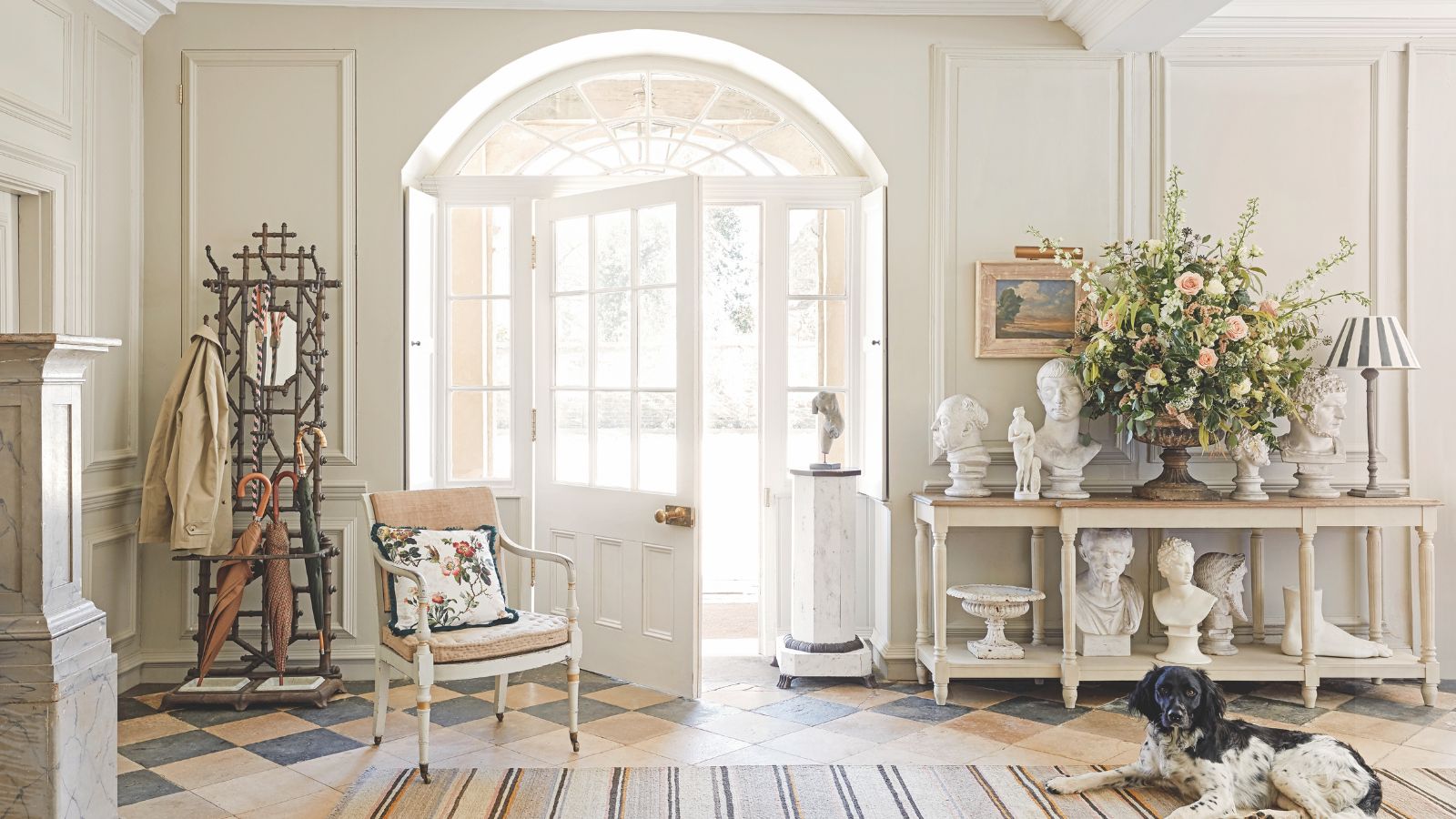
What is patina? Everything you need to know about this vintage, aged look, according to designers and antiques experts
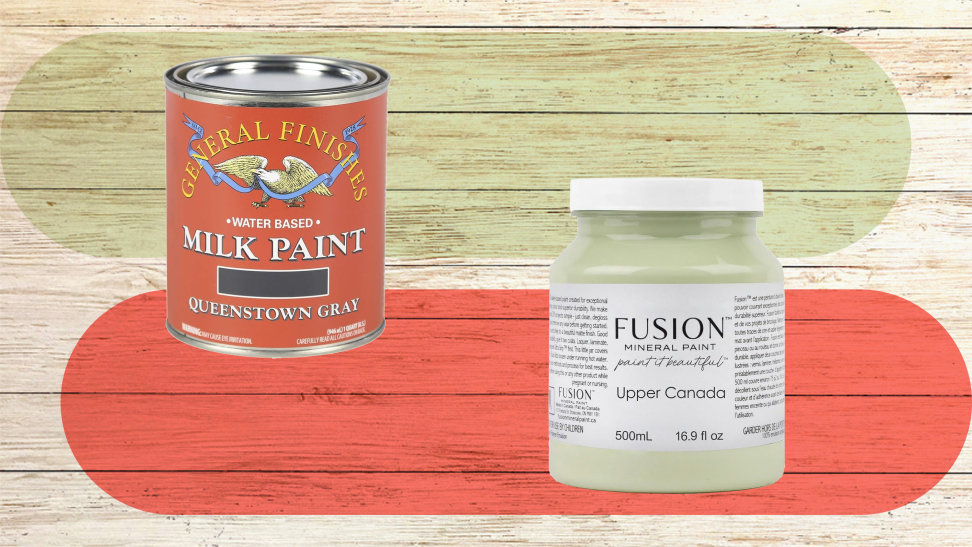
The Best Furniture Paint of 2026
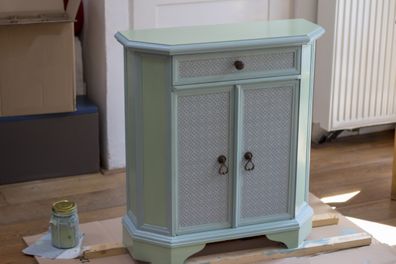
How to paint furniture: The one detail you need to get right for best results
10 mistakes to avoid when painting wooden furniture, according to experts
How to use antique furniture in a contemporary scheme
How to Thrift The 1920s Design Trend Gen Z is Making Cool Again
Let’s Learn How to Paint Furniture