1/13
How to Modernize Antique Furniture for a Characterful and Cohesive Look
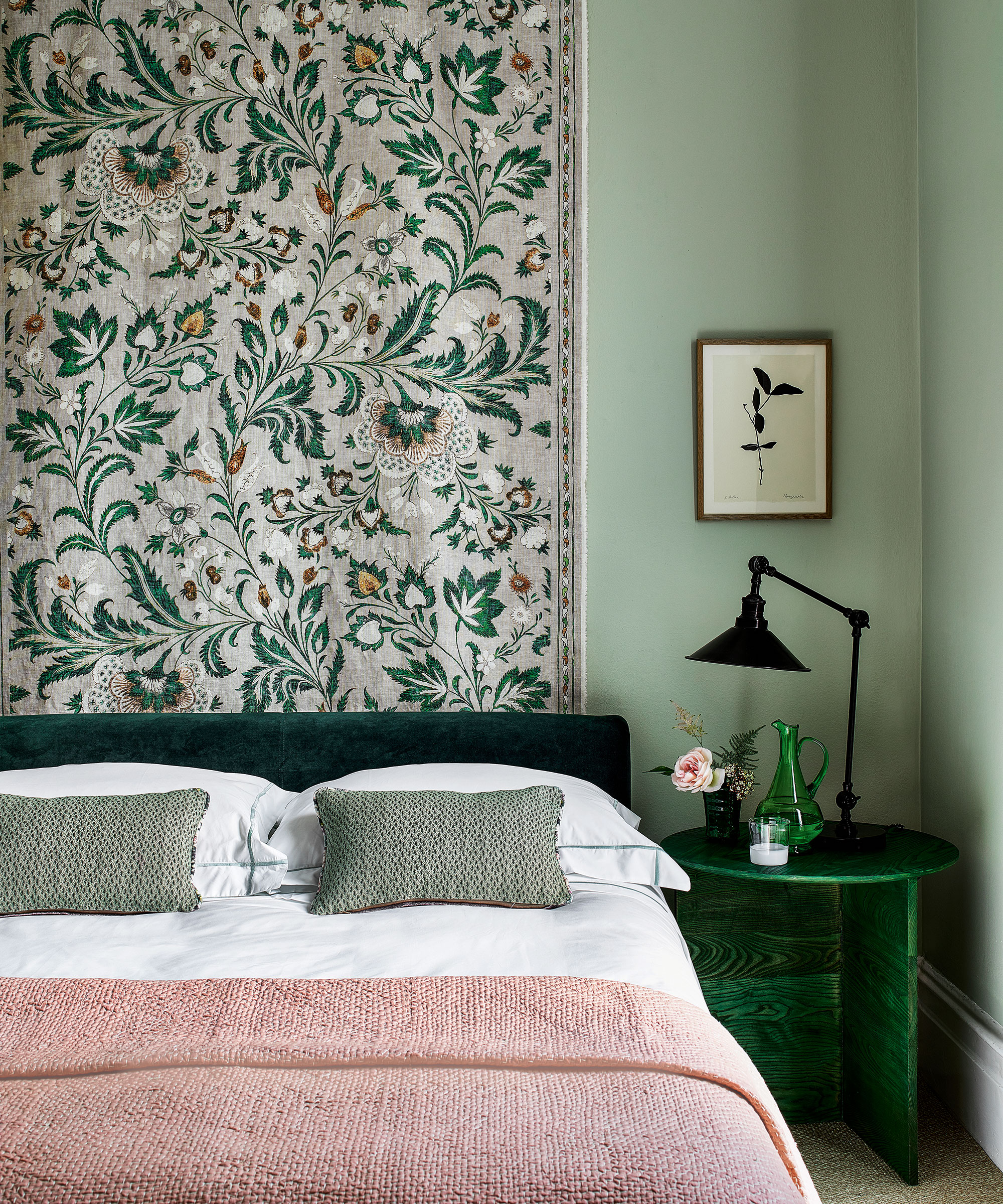
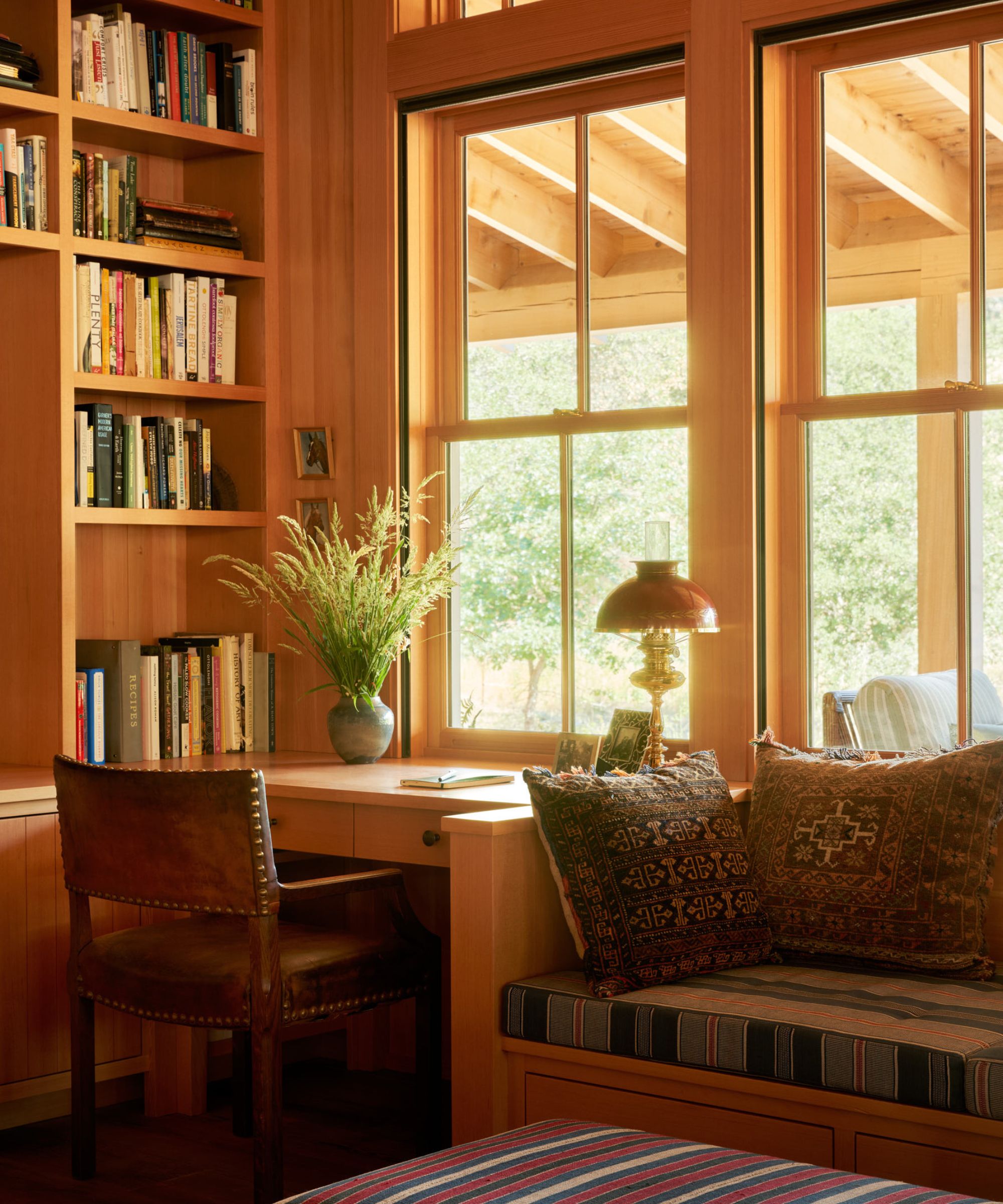
Incorporating antique furniture into contemporary interiors is a popular design strategy to achieve layered and lived-in aesthetics, adding character and interest. However, integrating these time-worn pieces effectively requires a balanced approach to prevent a dated or dreary feel. This guide outlines six key methods for modernizing antique furniture, ensuring each piece contributes to a cohesive and beautifully styled space without losing its inherent charm.
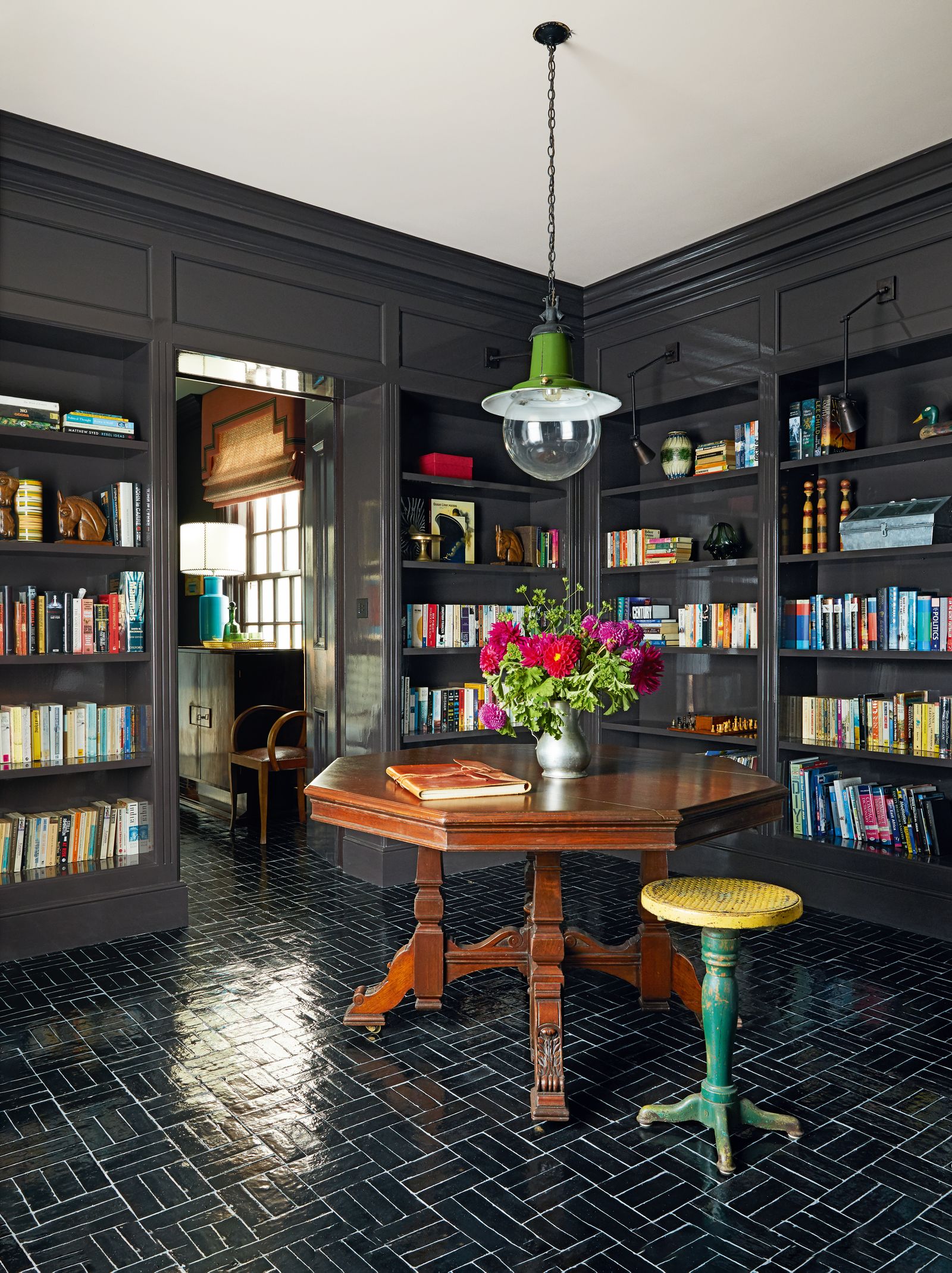
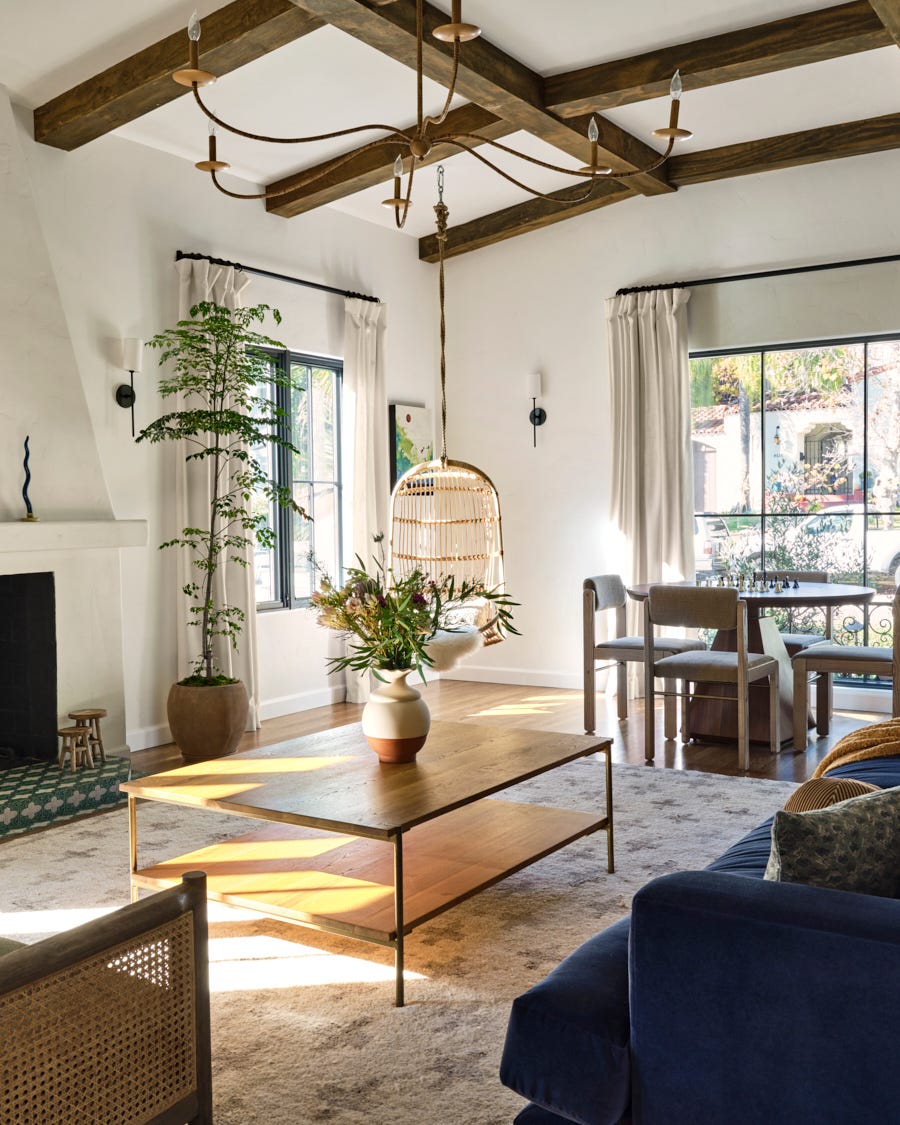
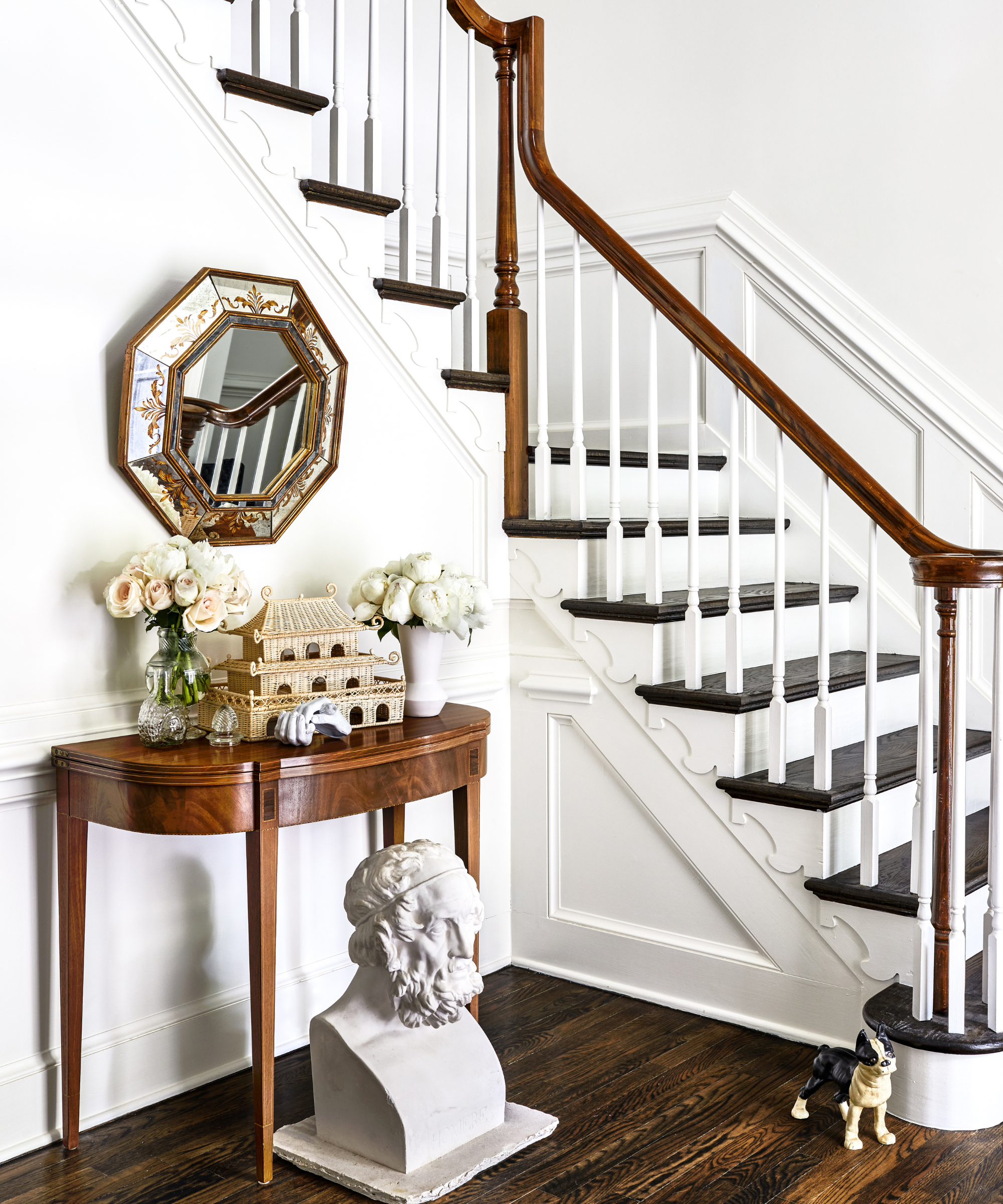
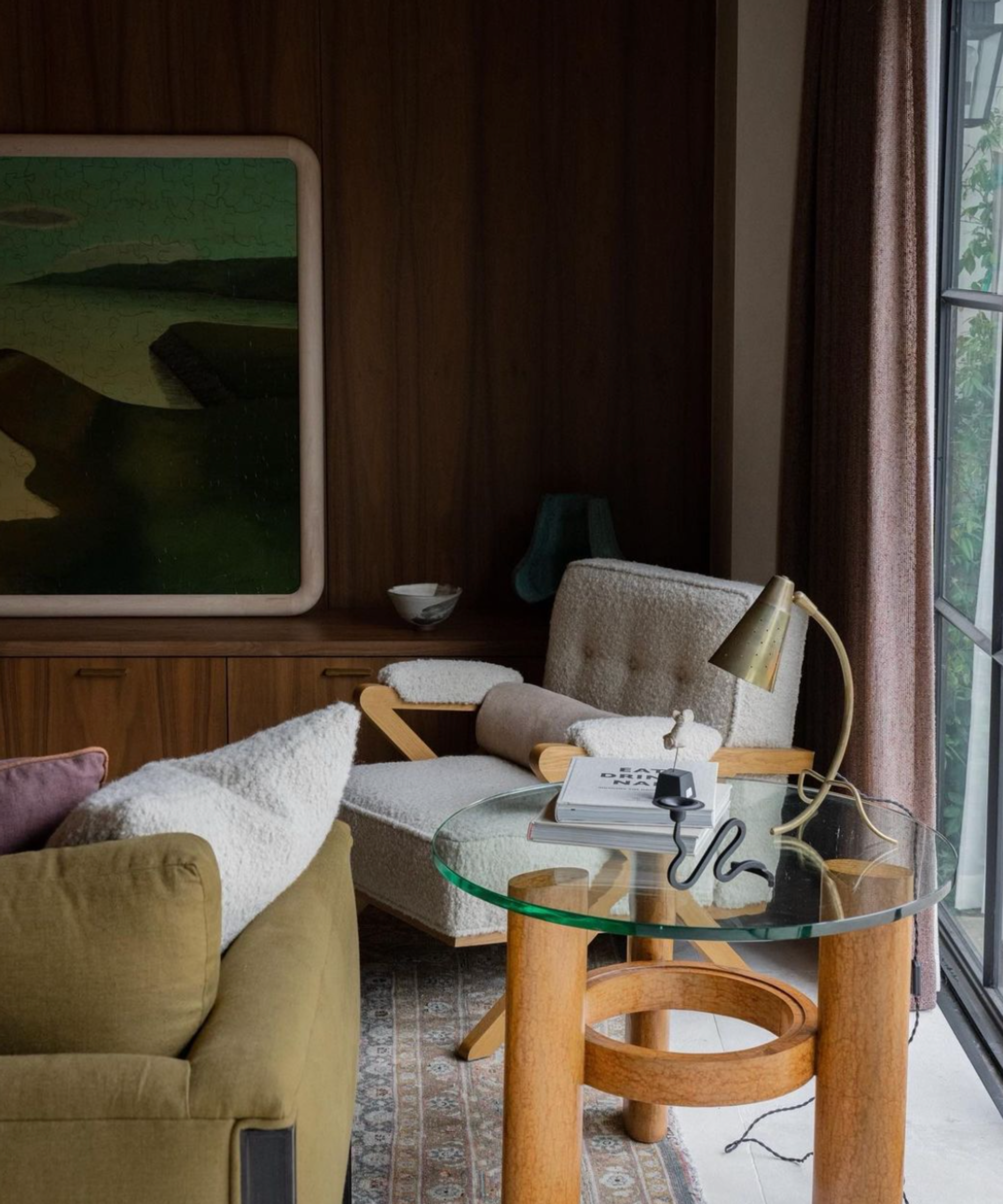
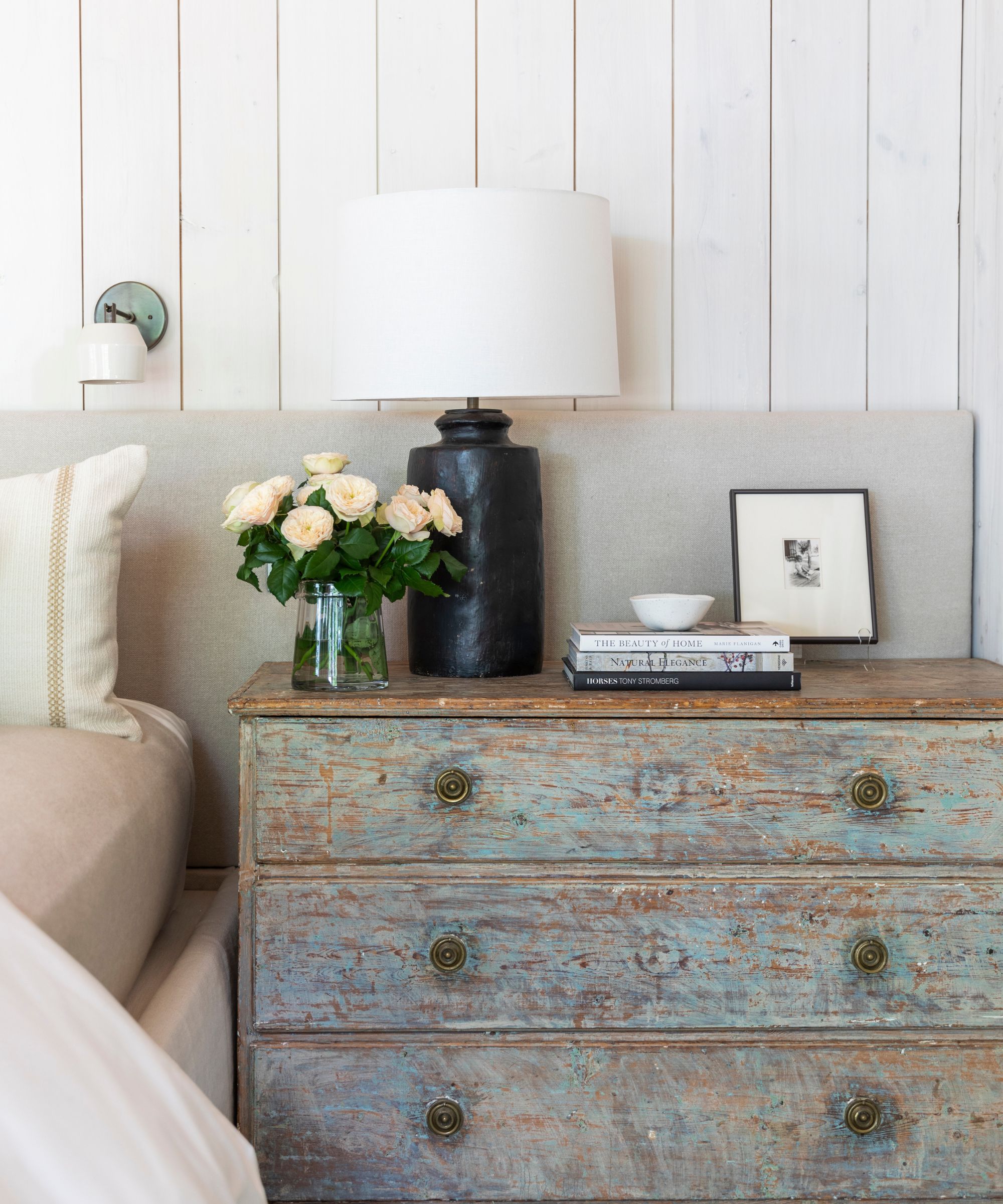
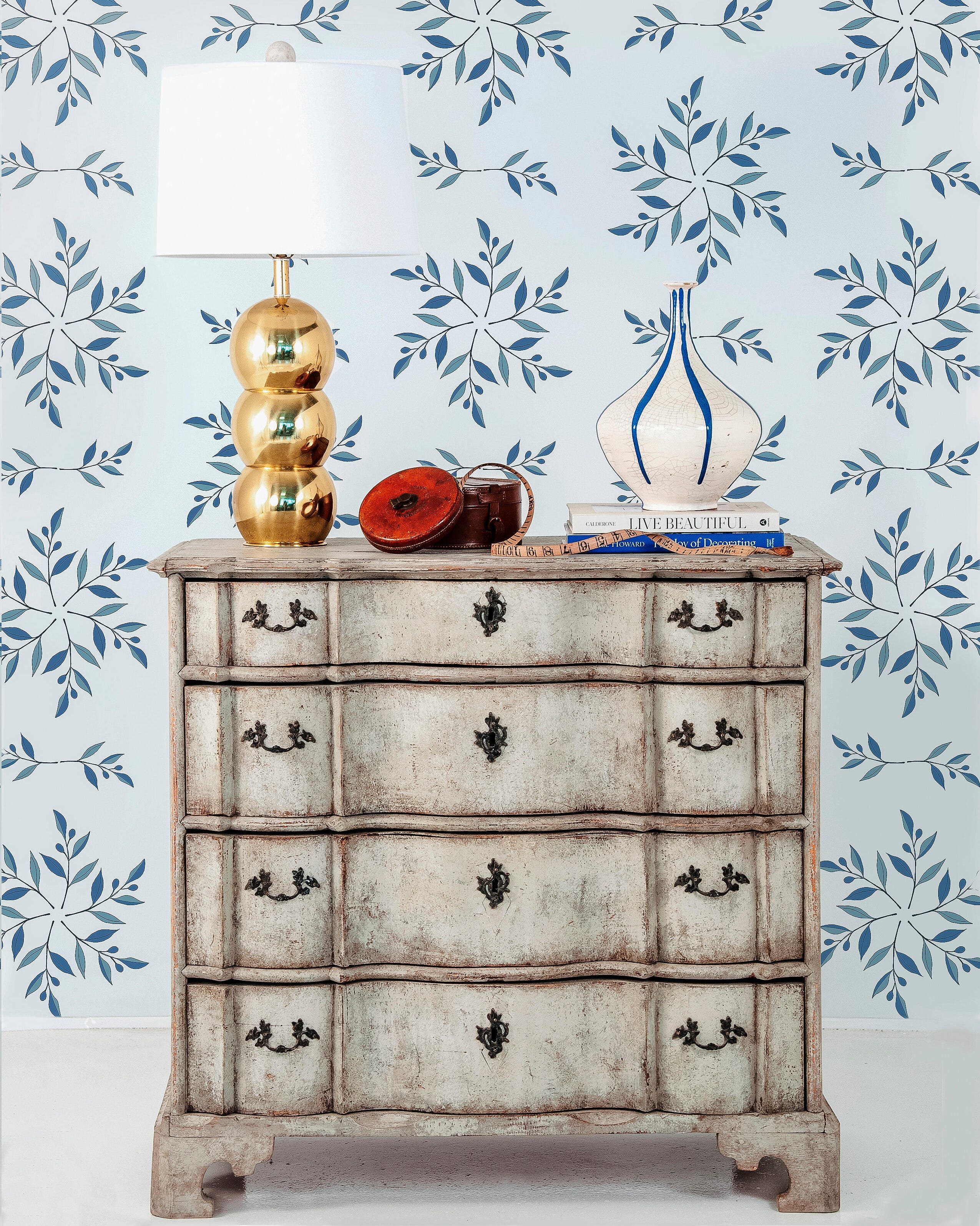
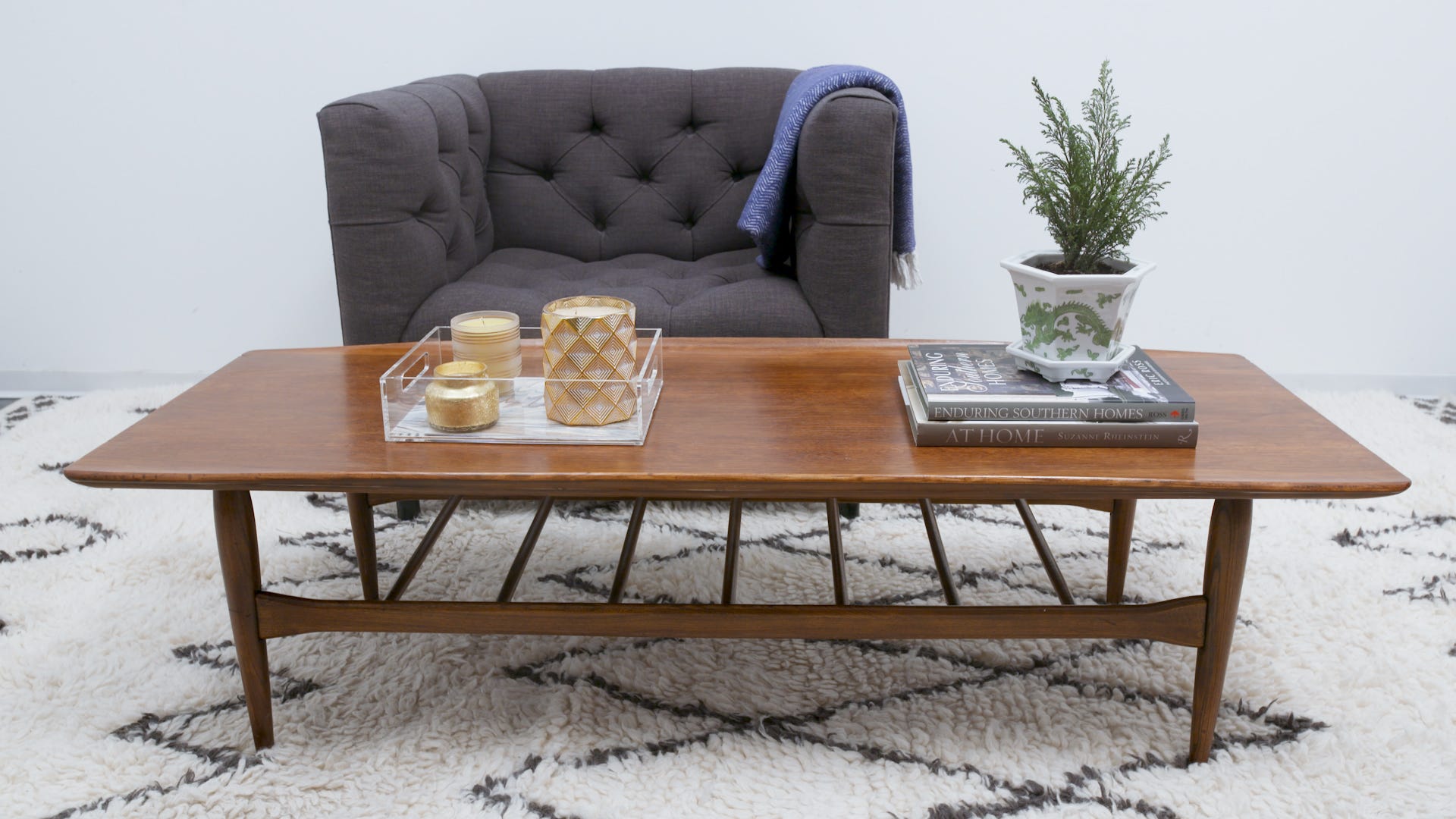
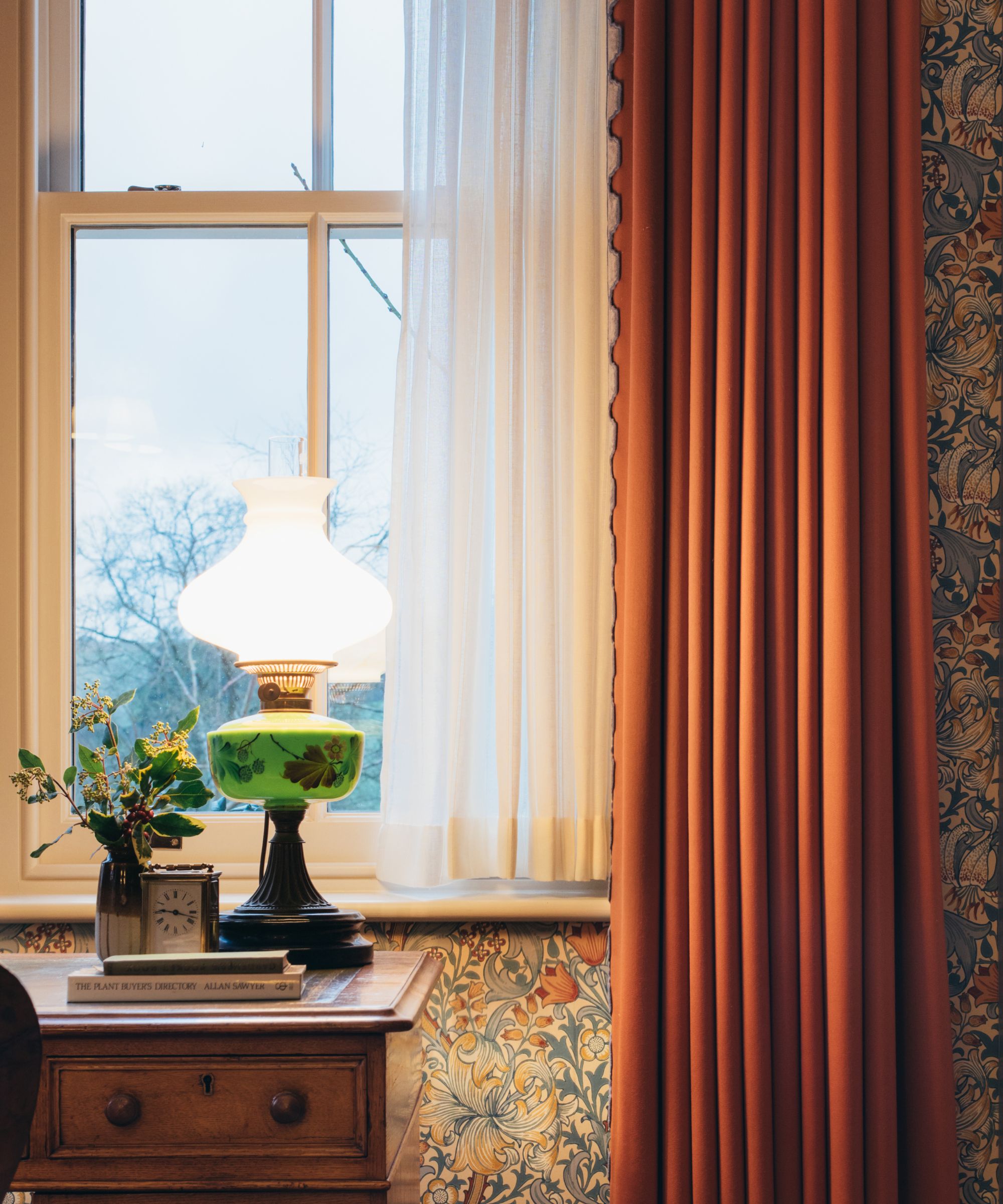
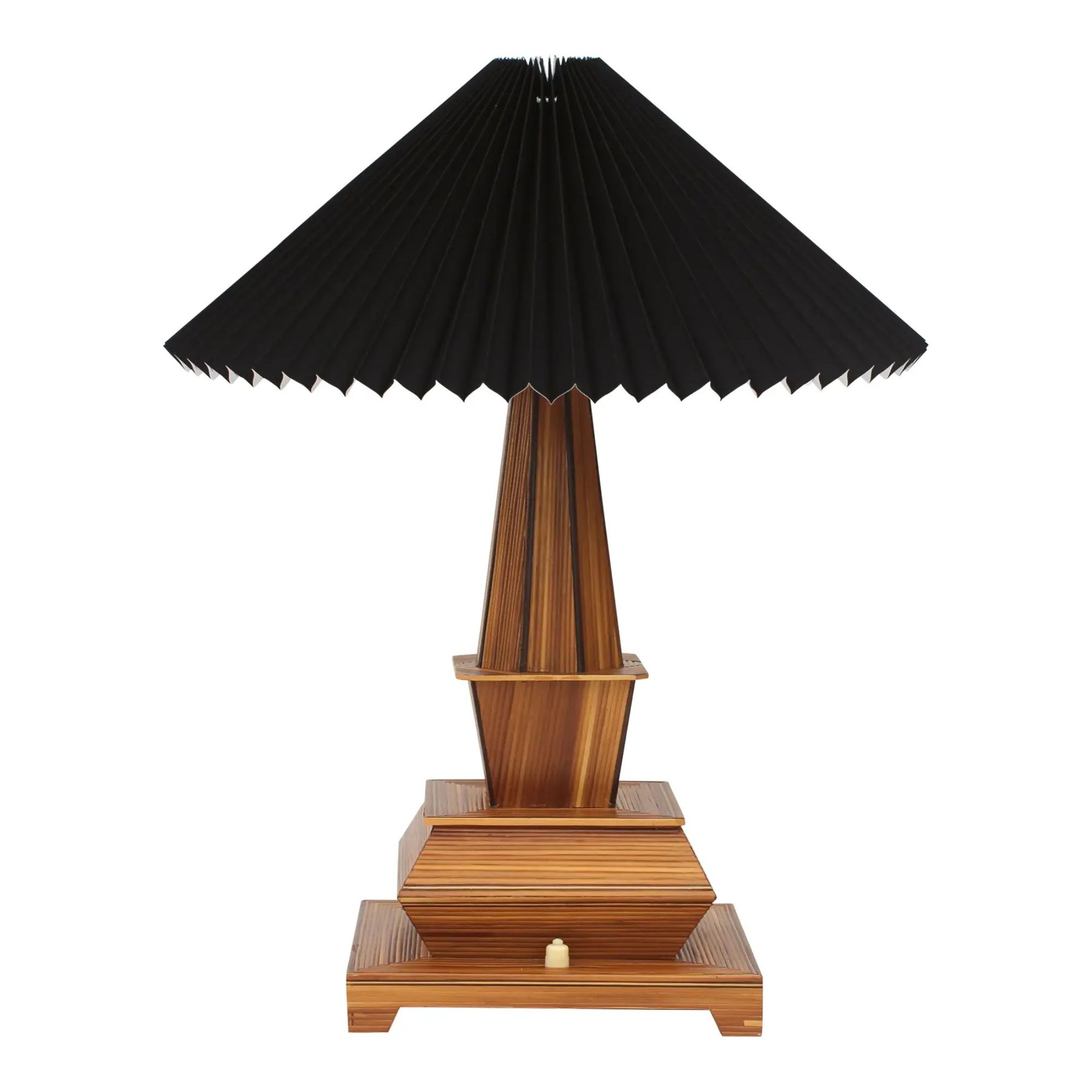
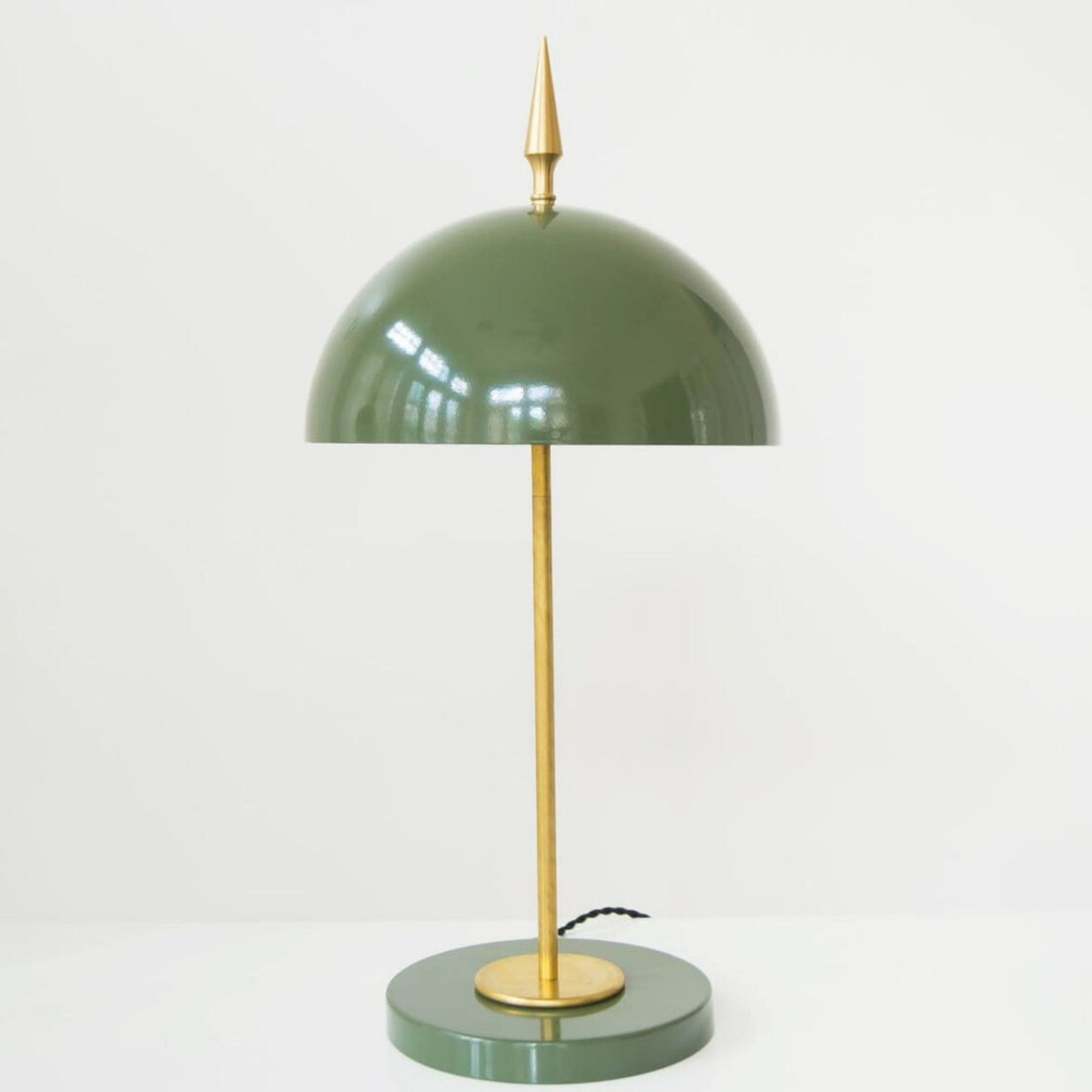
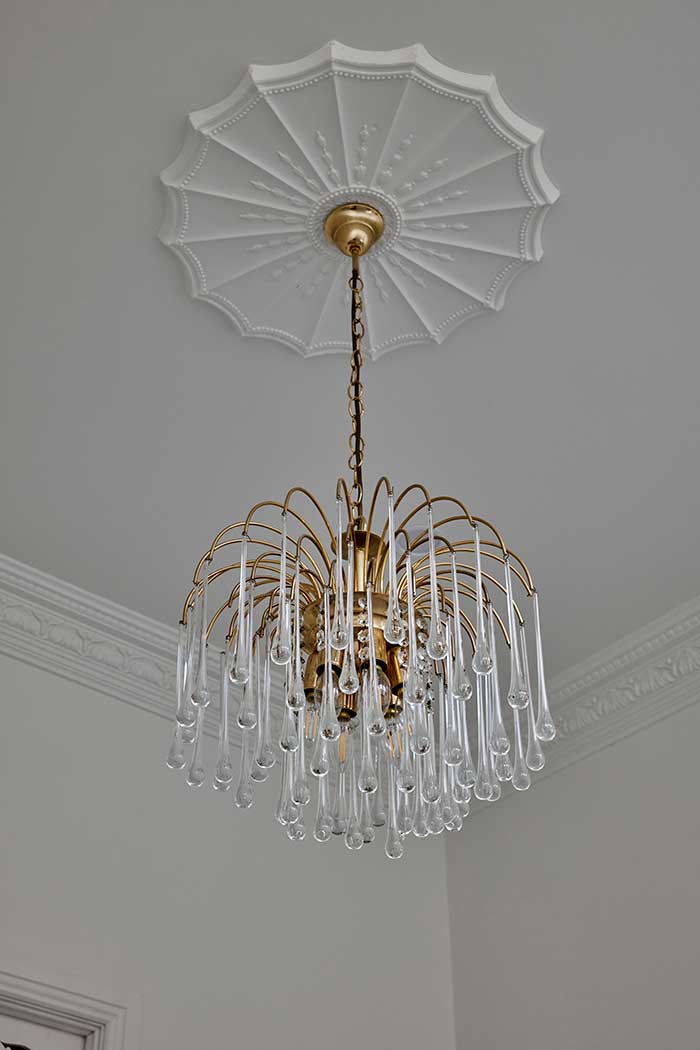
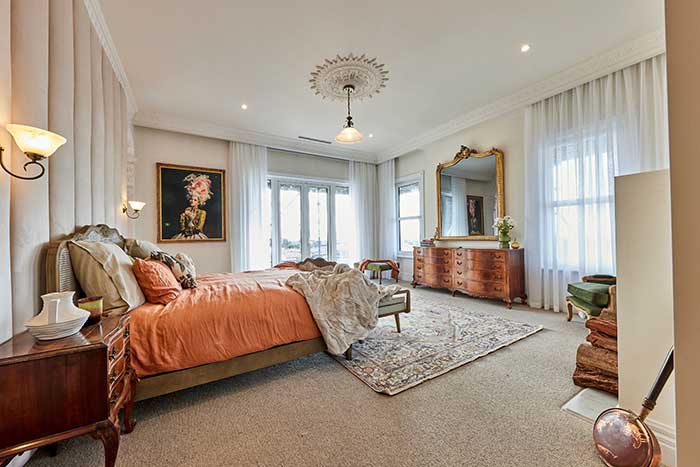
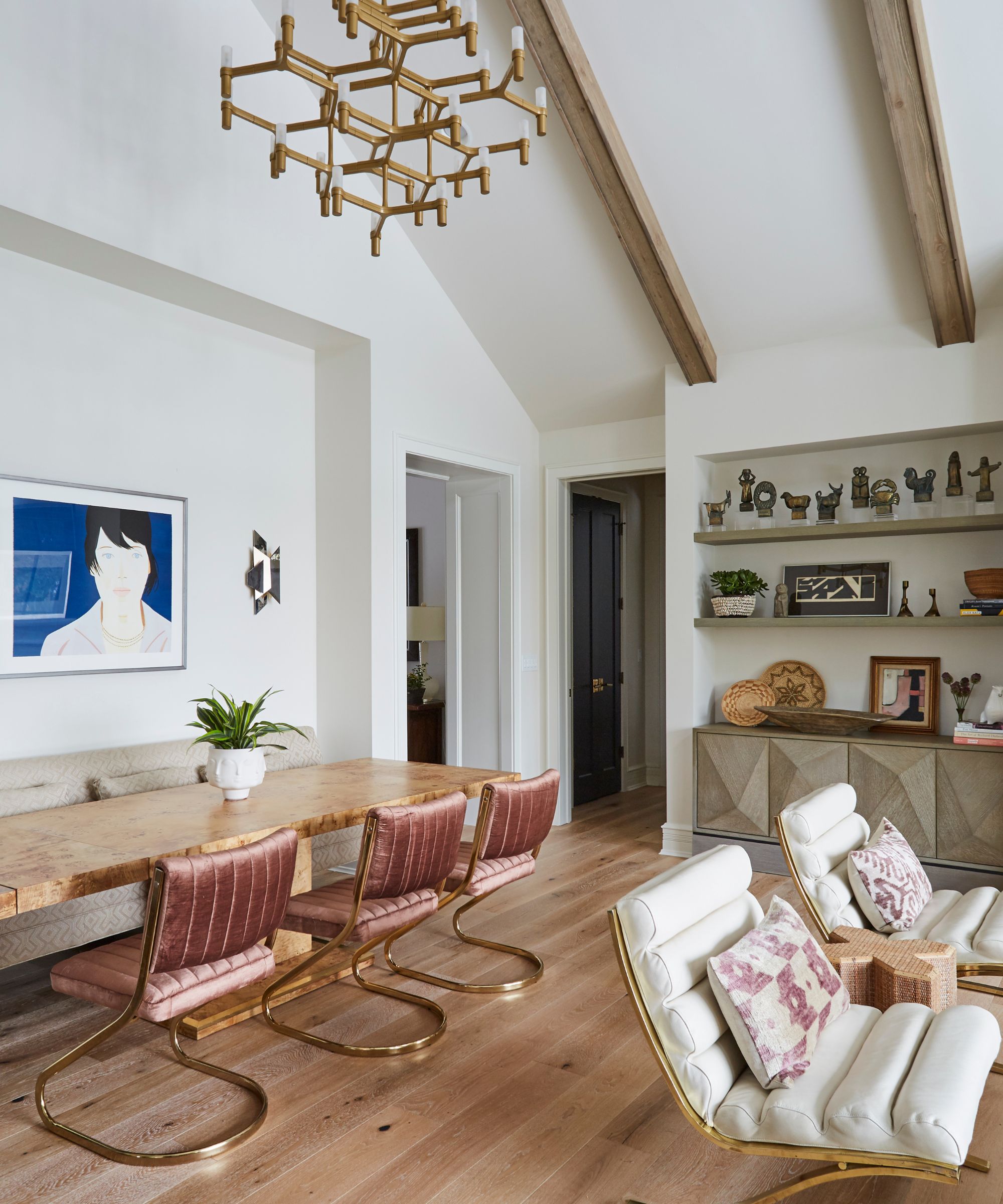
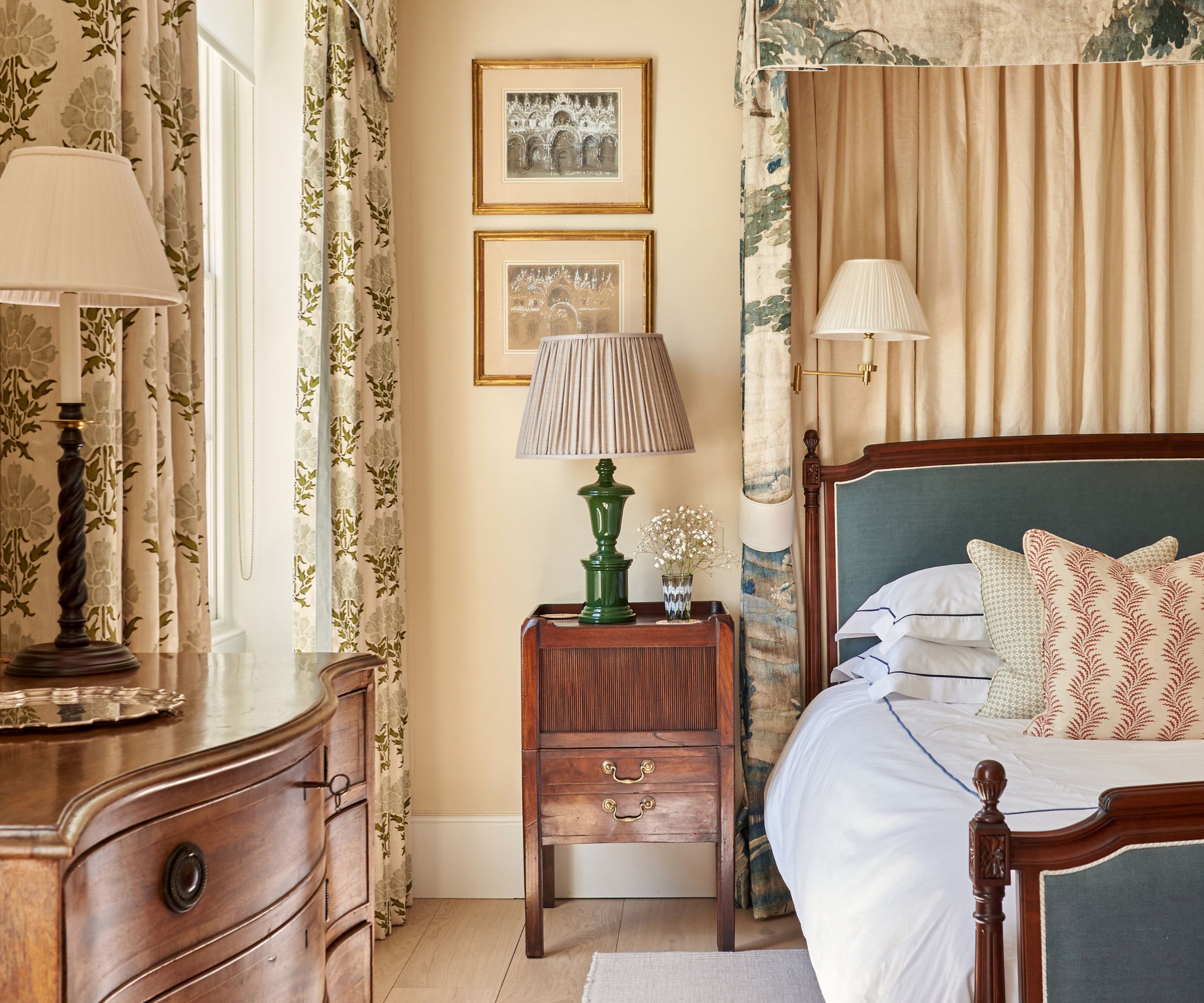
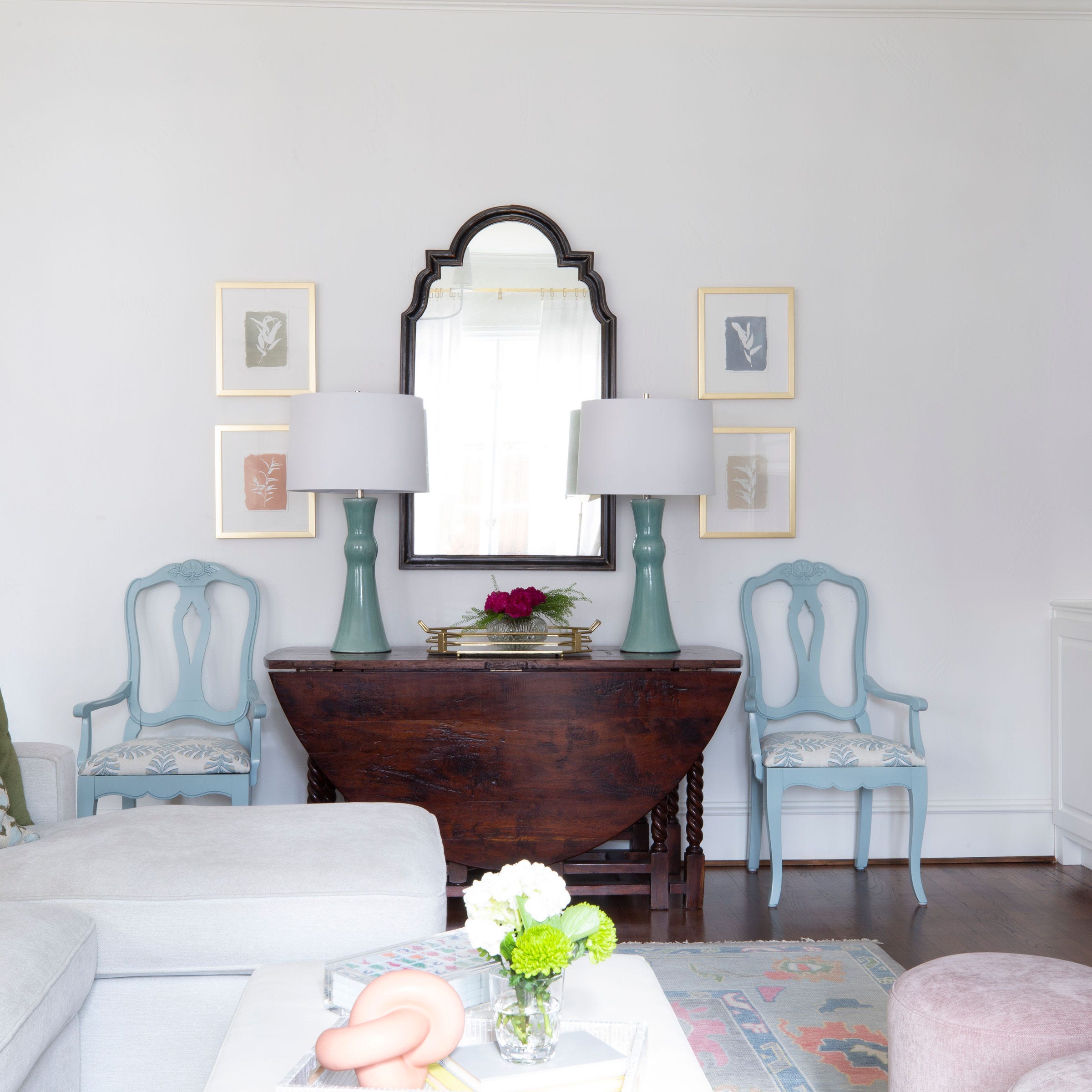
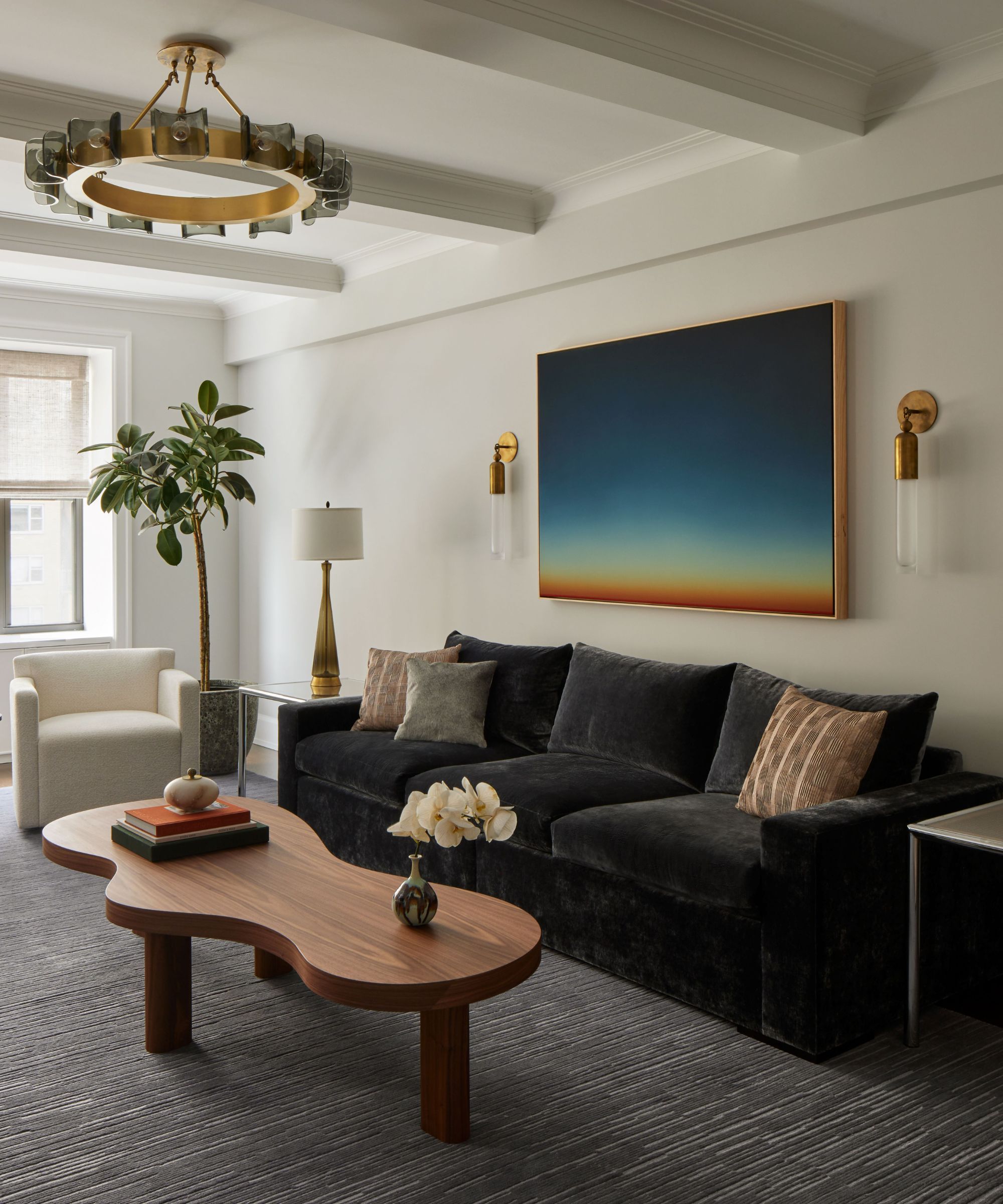
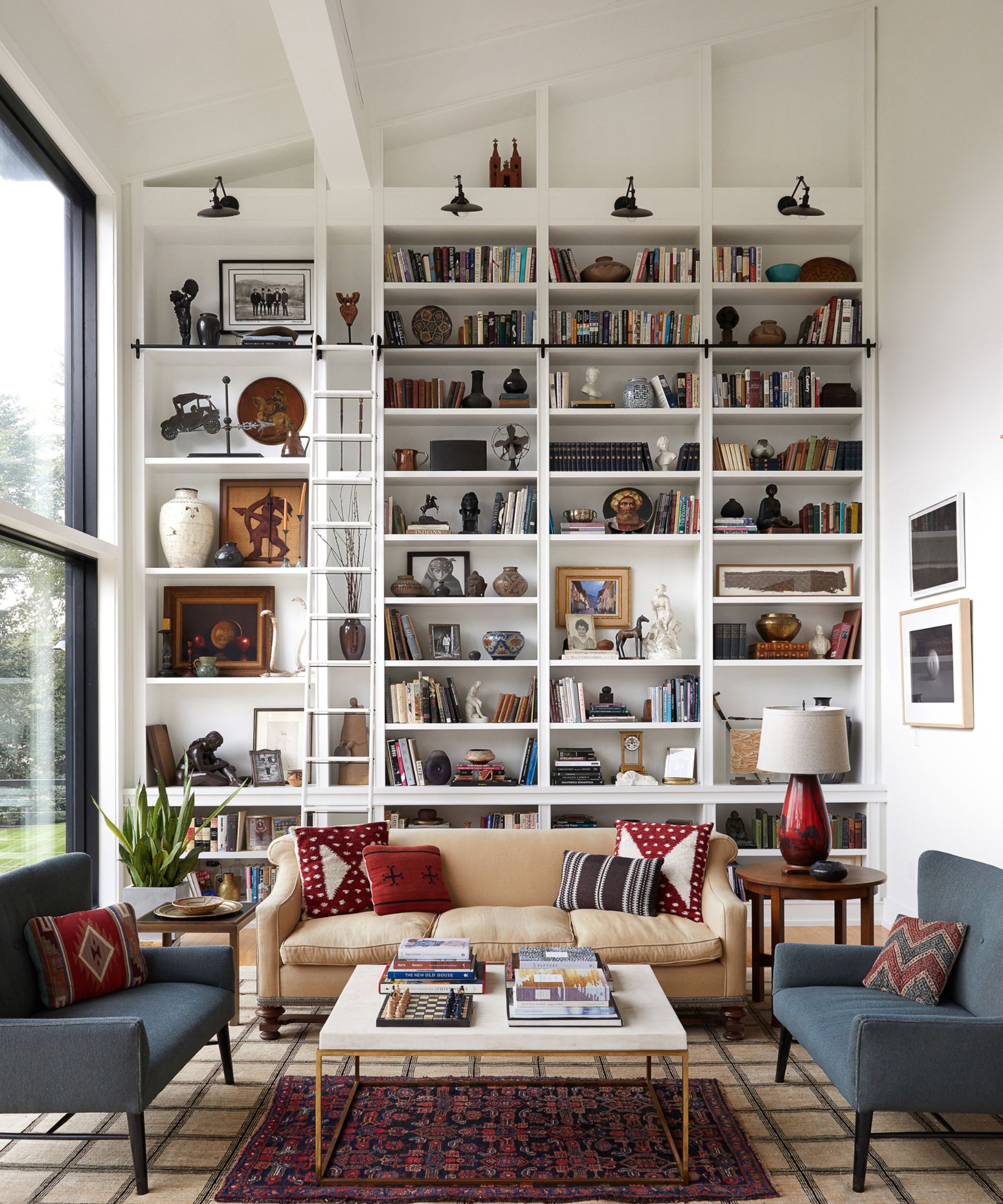
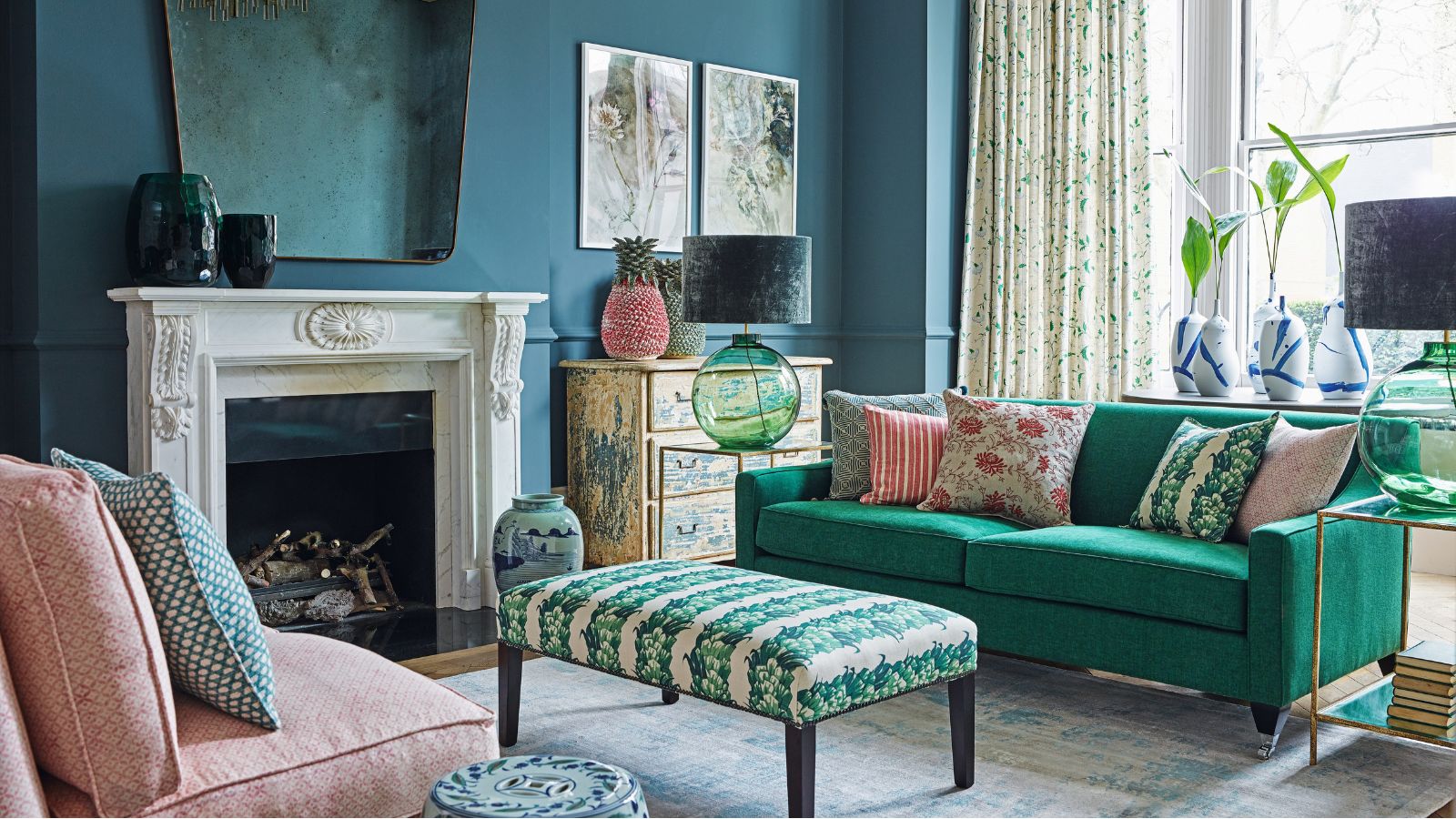
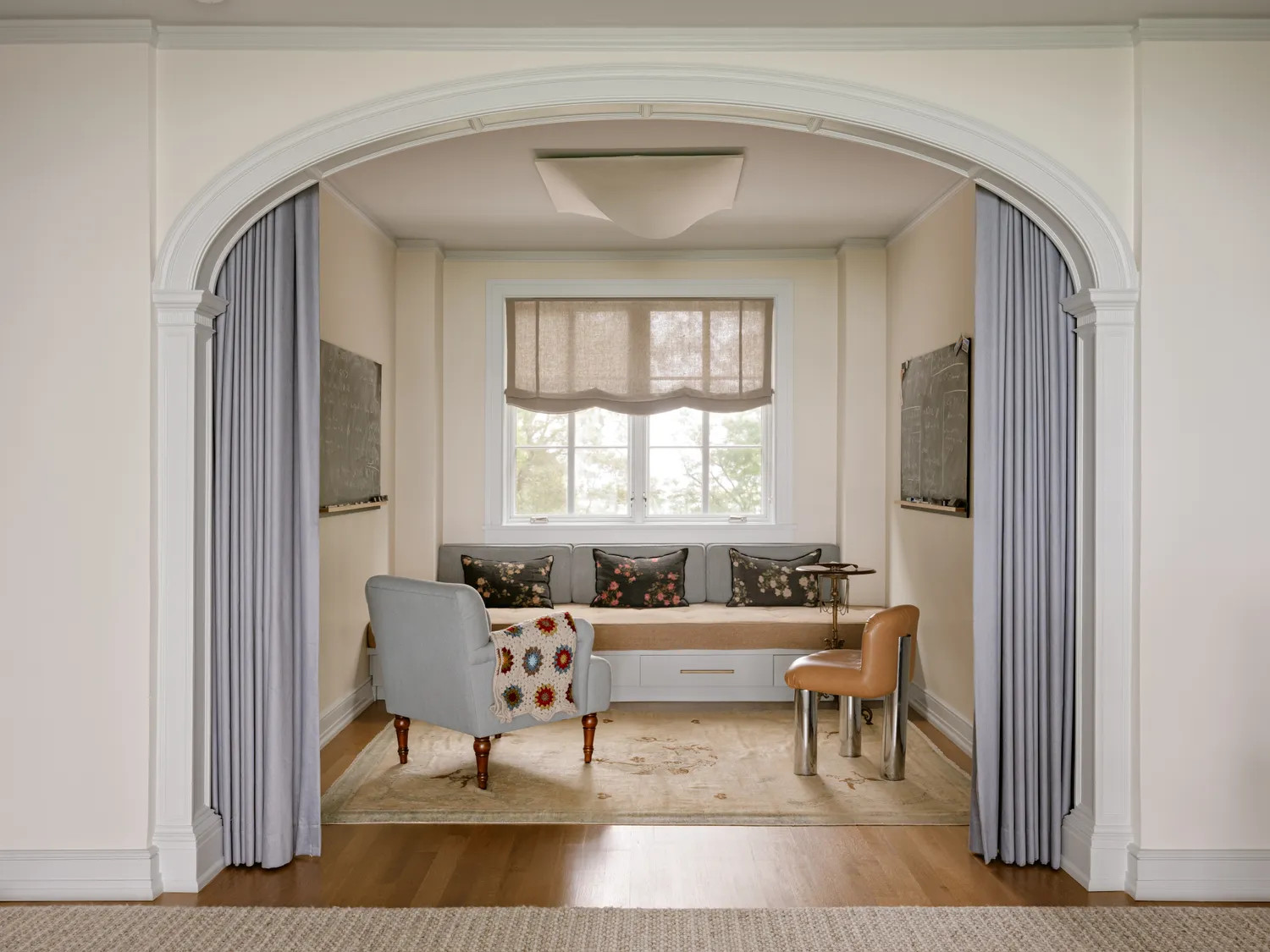
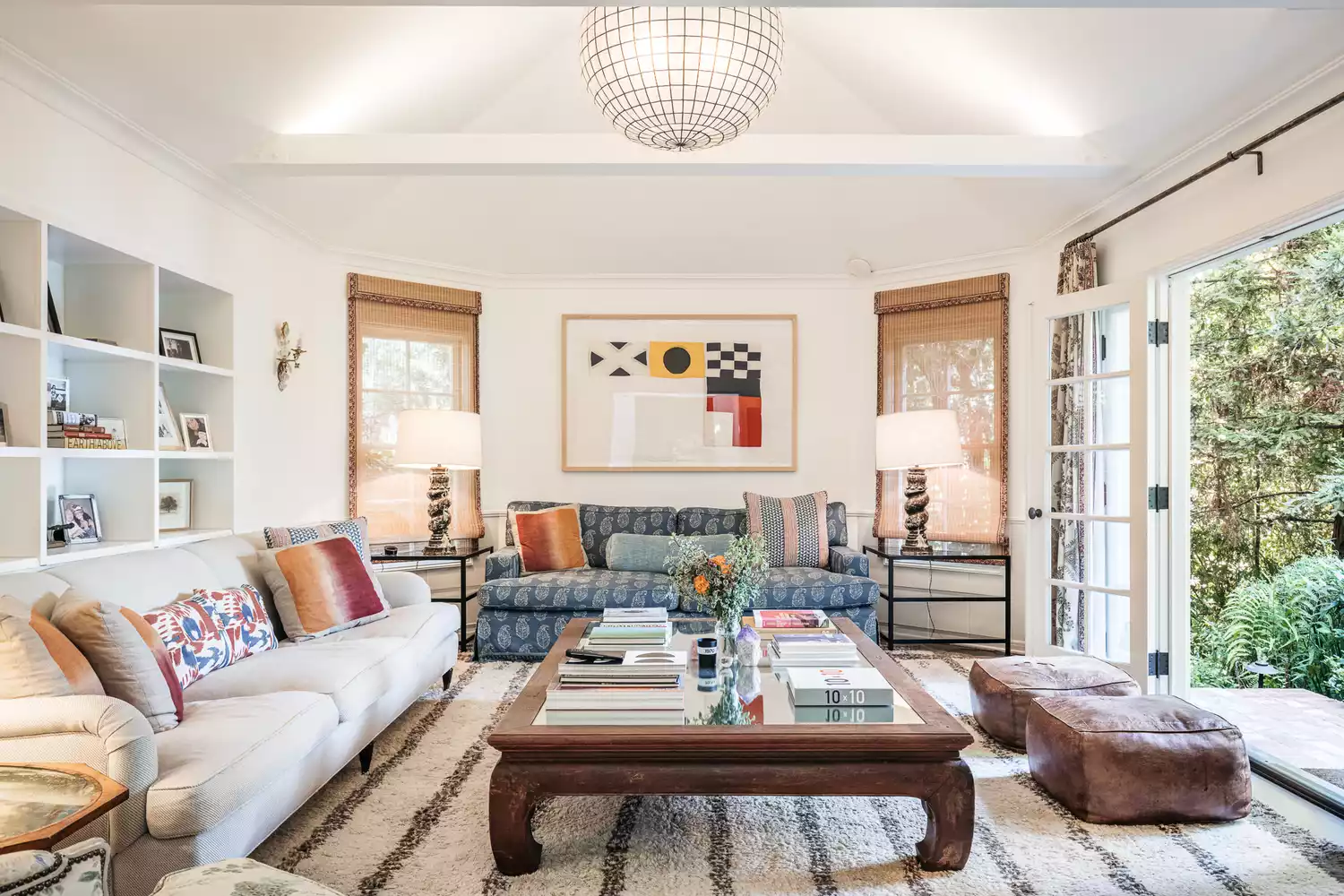
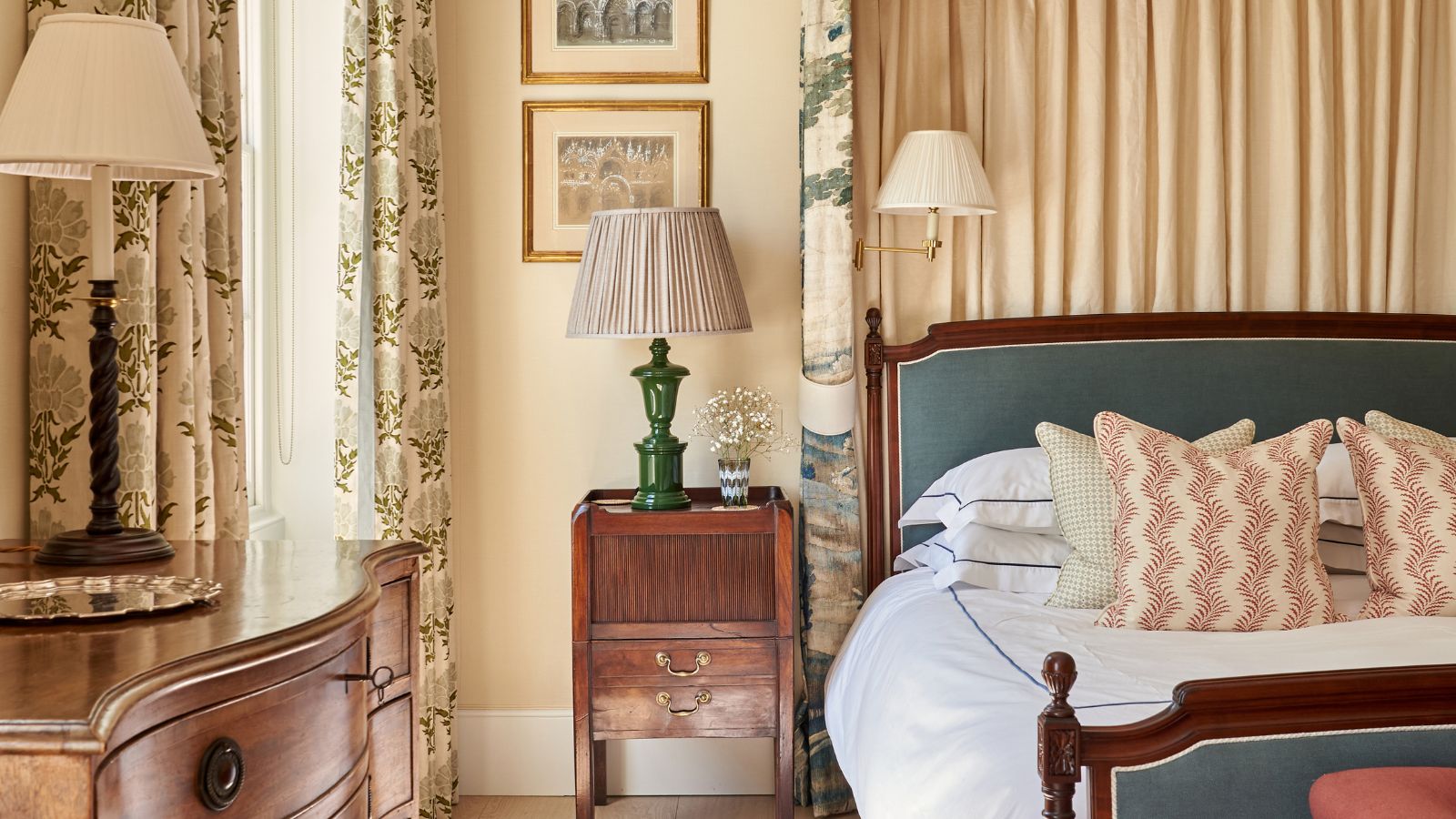
One effective technique is to pair antiques with contemporary accessories. Designers emphasize the concept of 'tension' in creating interesting spaces, which can be achieved by contrasting antique furniture with modern decor elements. This includes using minimalist lamps, sleek picture frames, or modern chairs alongside vintage pieces. Contemporary lighting, in particular, is highlighted as a powerful tool to balance a room featuring antiques. This method results in a unique, collected, and evolved aesthetic, as demonstrated by designers who successfully blend an antique Rose Medallion garden stool with modern elements in a living area.
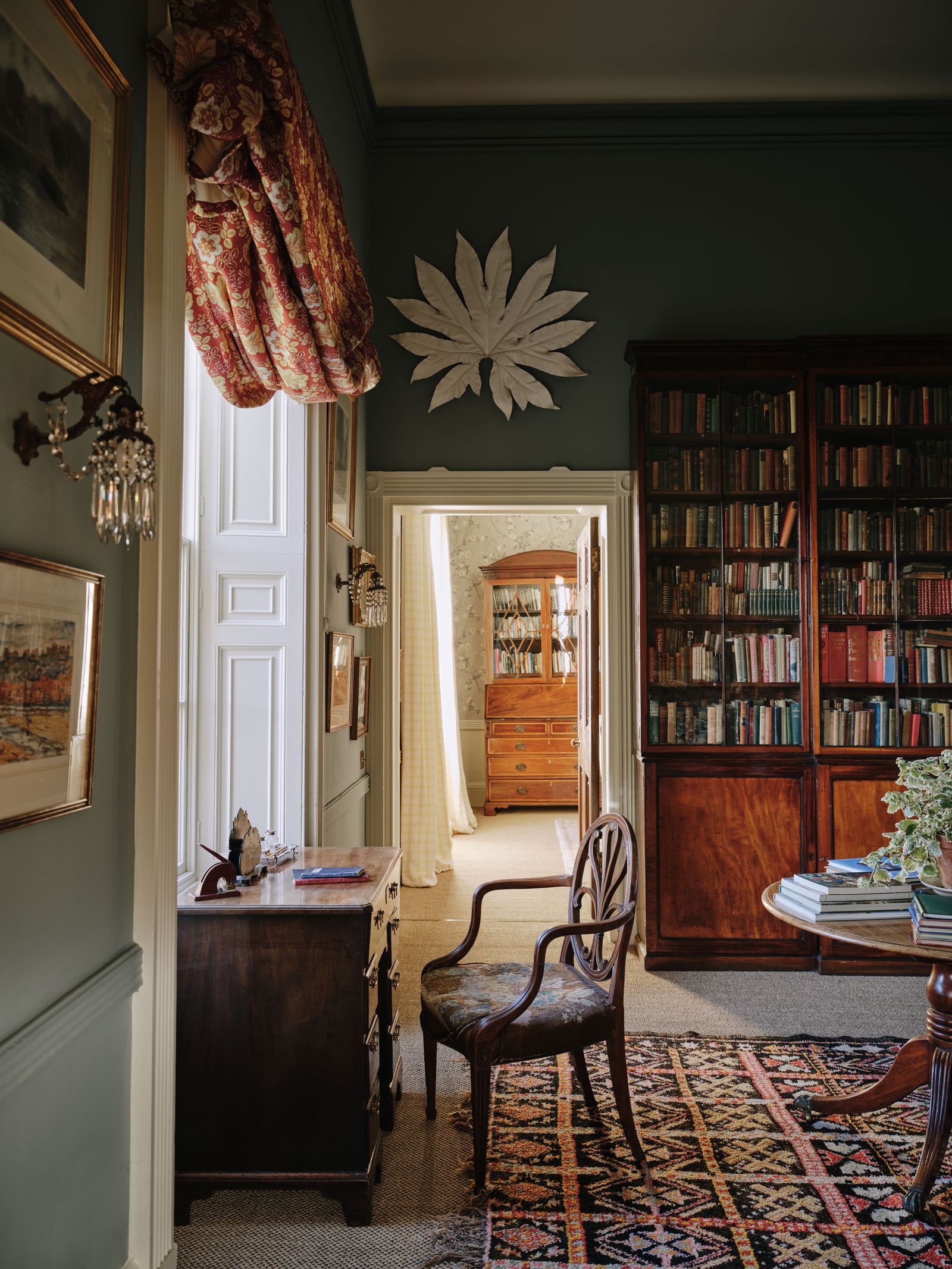
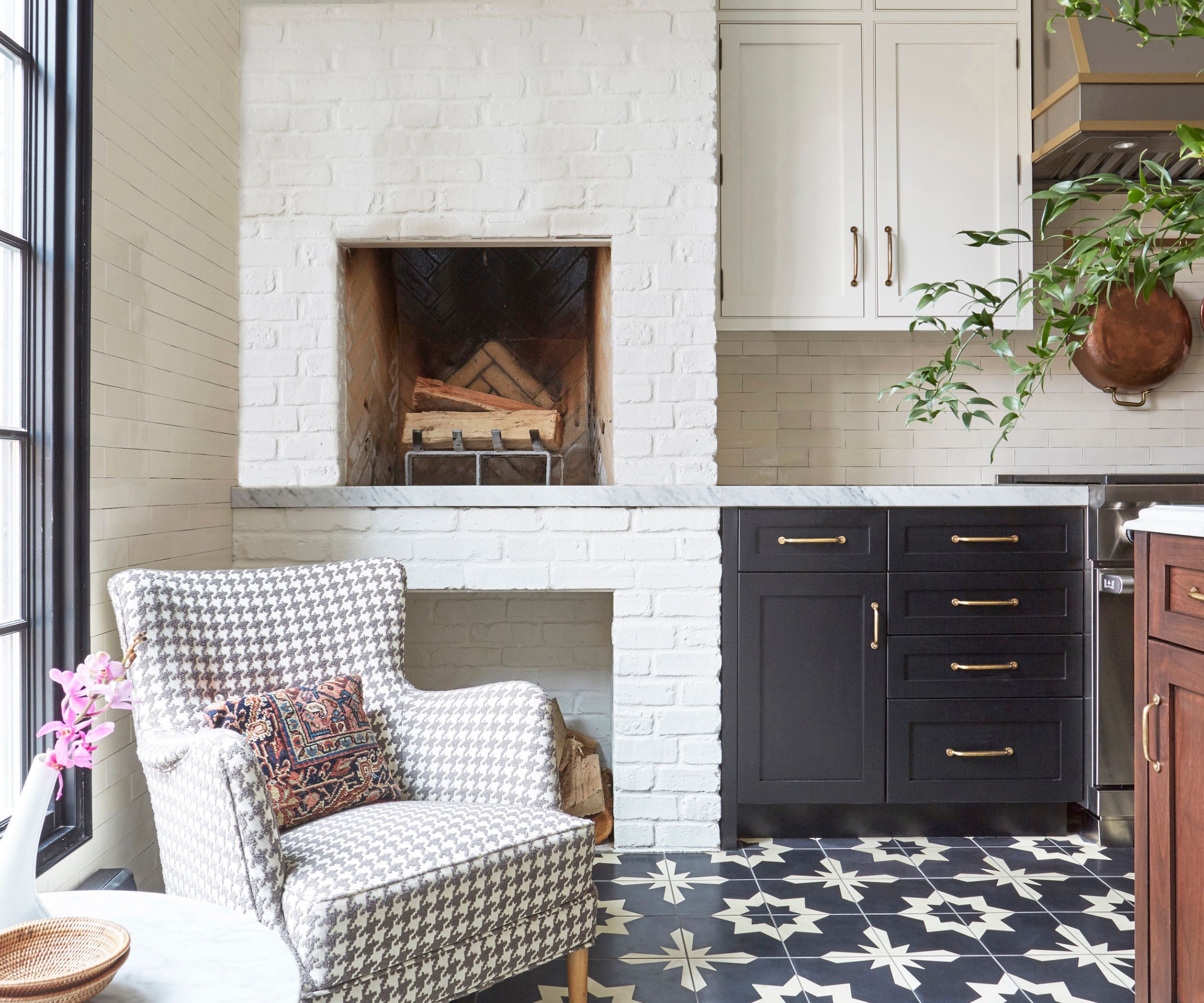
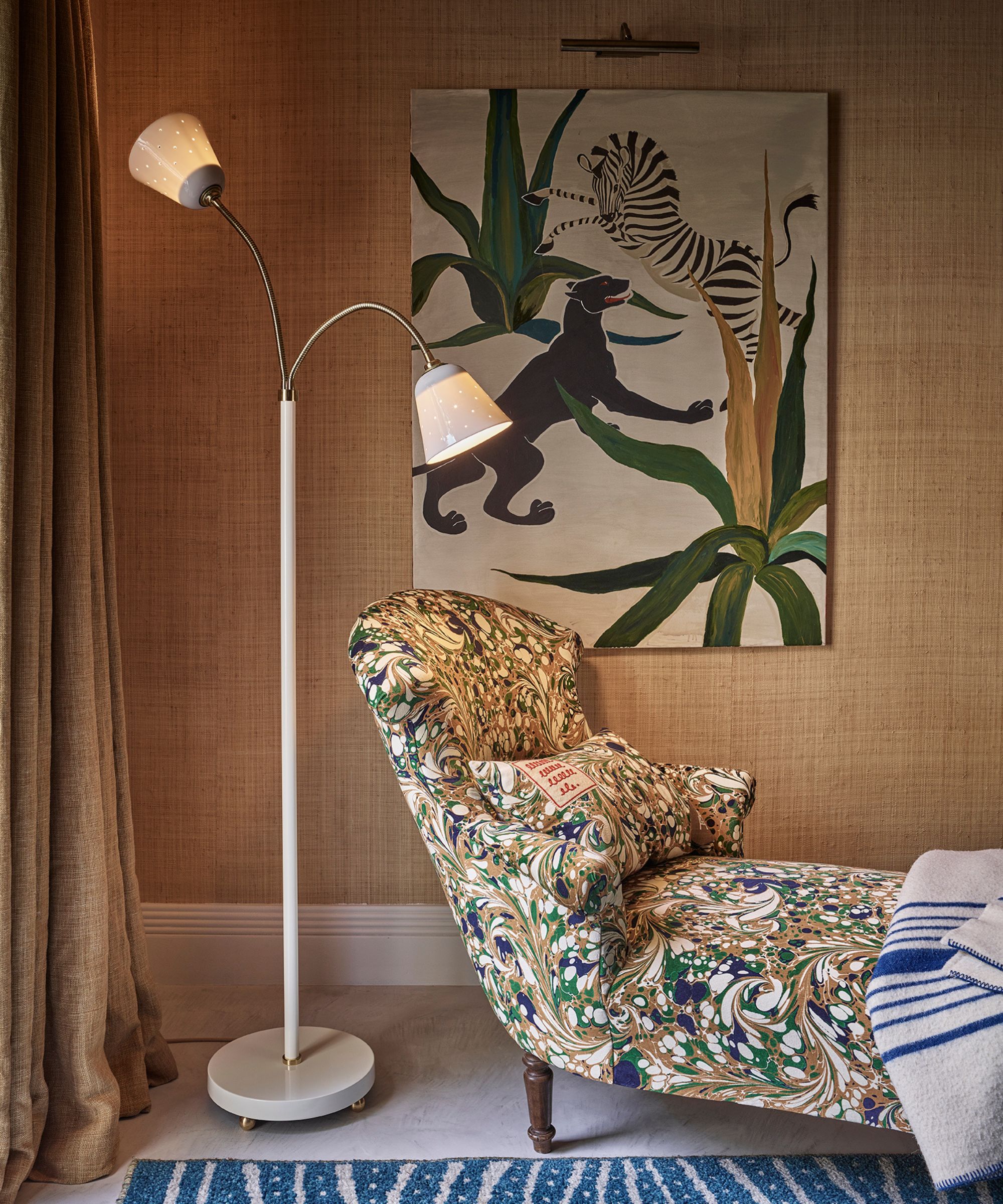
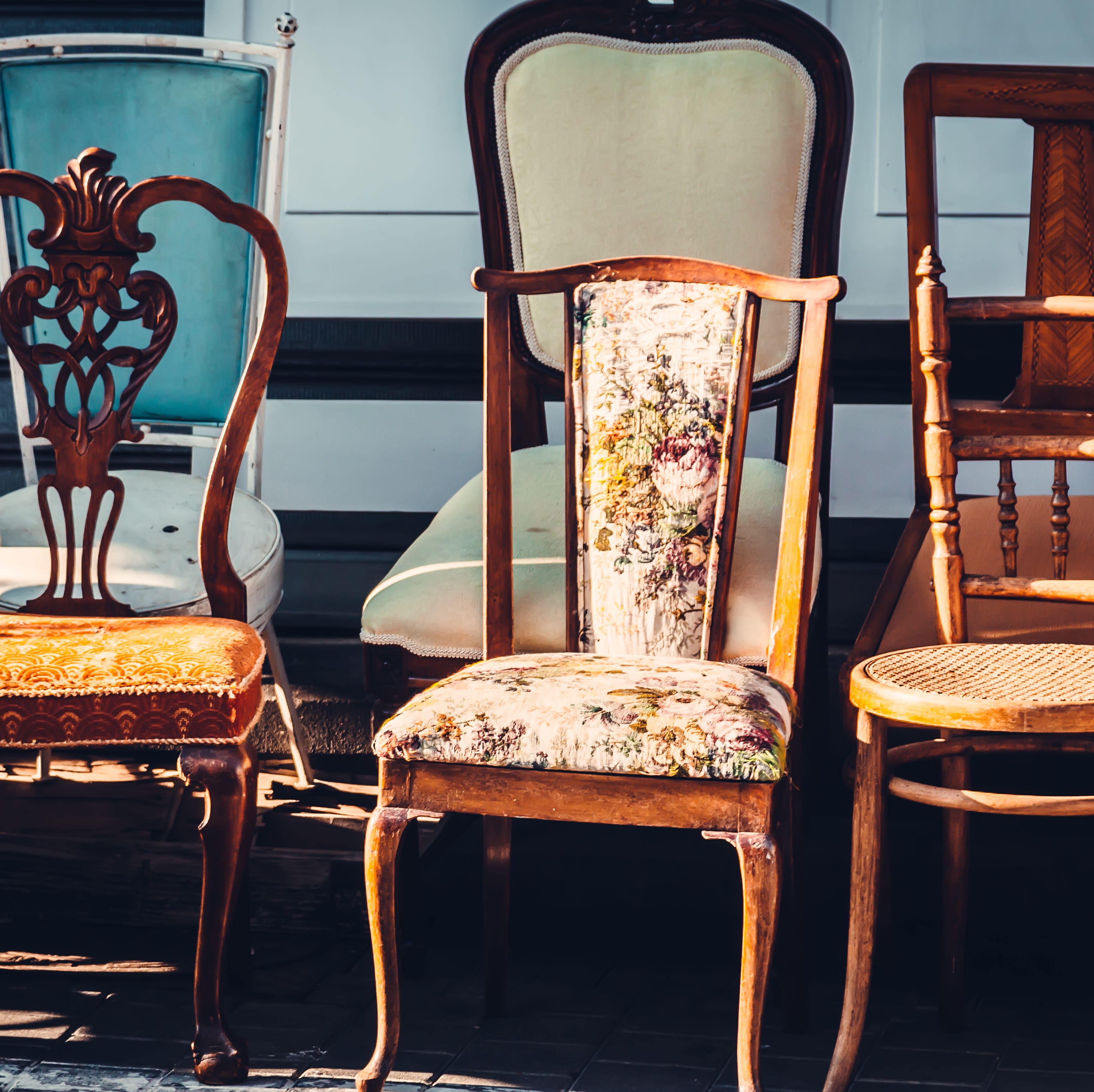
Another significant way to refresh antique chairs is through reupholstery. Many antique chairs found in stores might have worn fabric or inadequate padding. Reupholstering not only refurbishes the furniture but also allows for an updated look that aligns with current interior design styles. Designers recommend using contemporary furnishing fabrics on antique upholstered items, with French fauteuils being particularly suitable due due to their minimal fabric requirement and neat design, making them ideal accent chairs with modern textiles. This approach ensures that the interior feels characterful, blending traditional and contemporary elements.
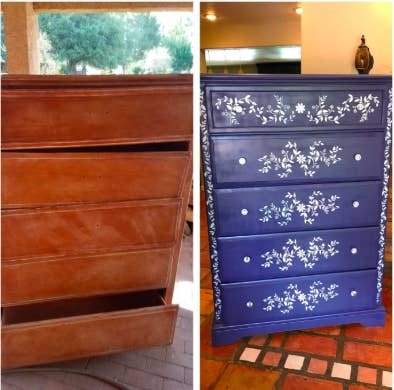
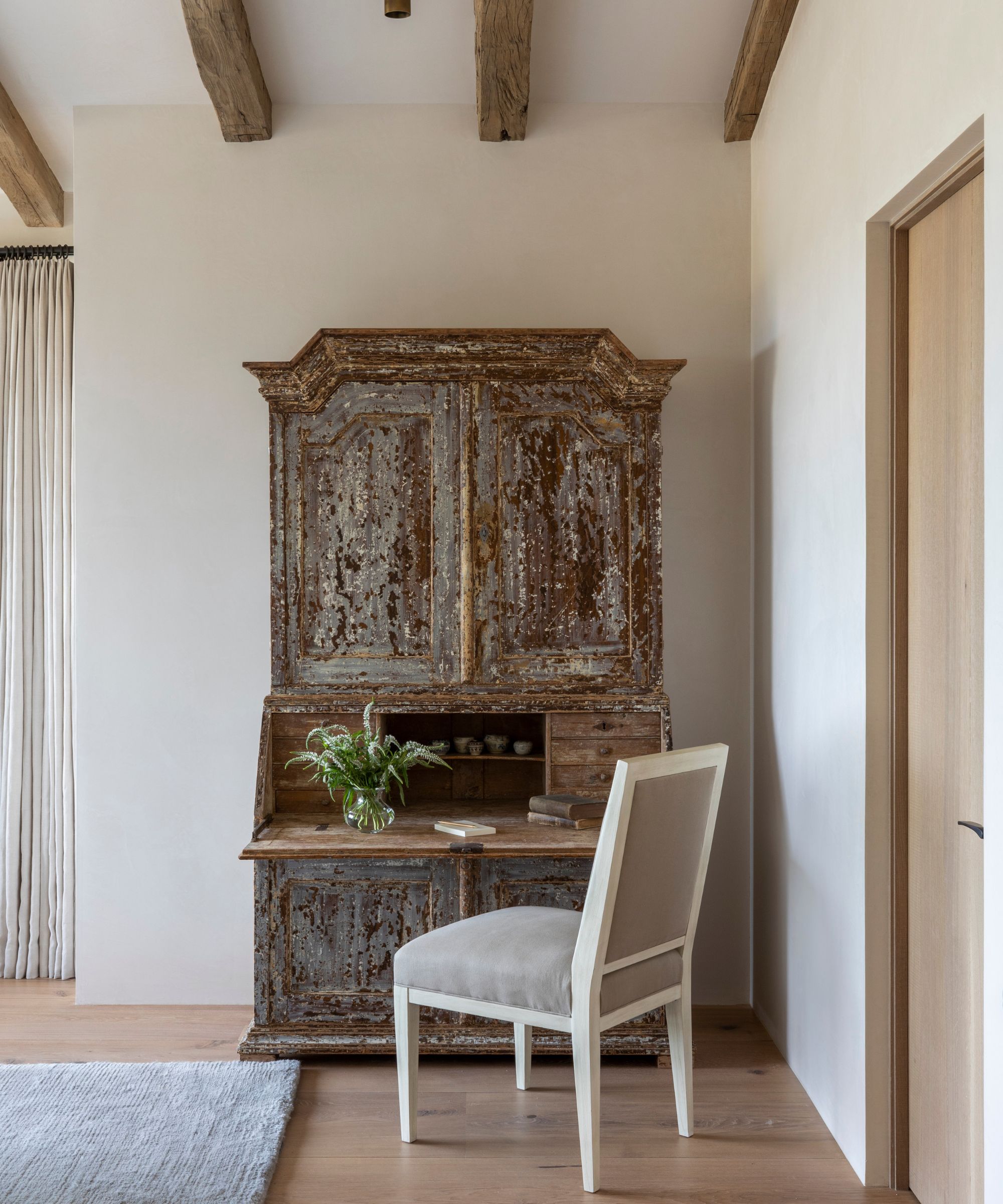
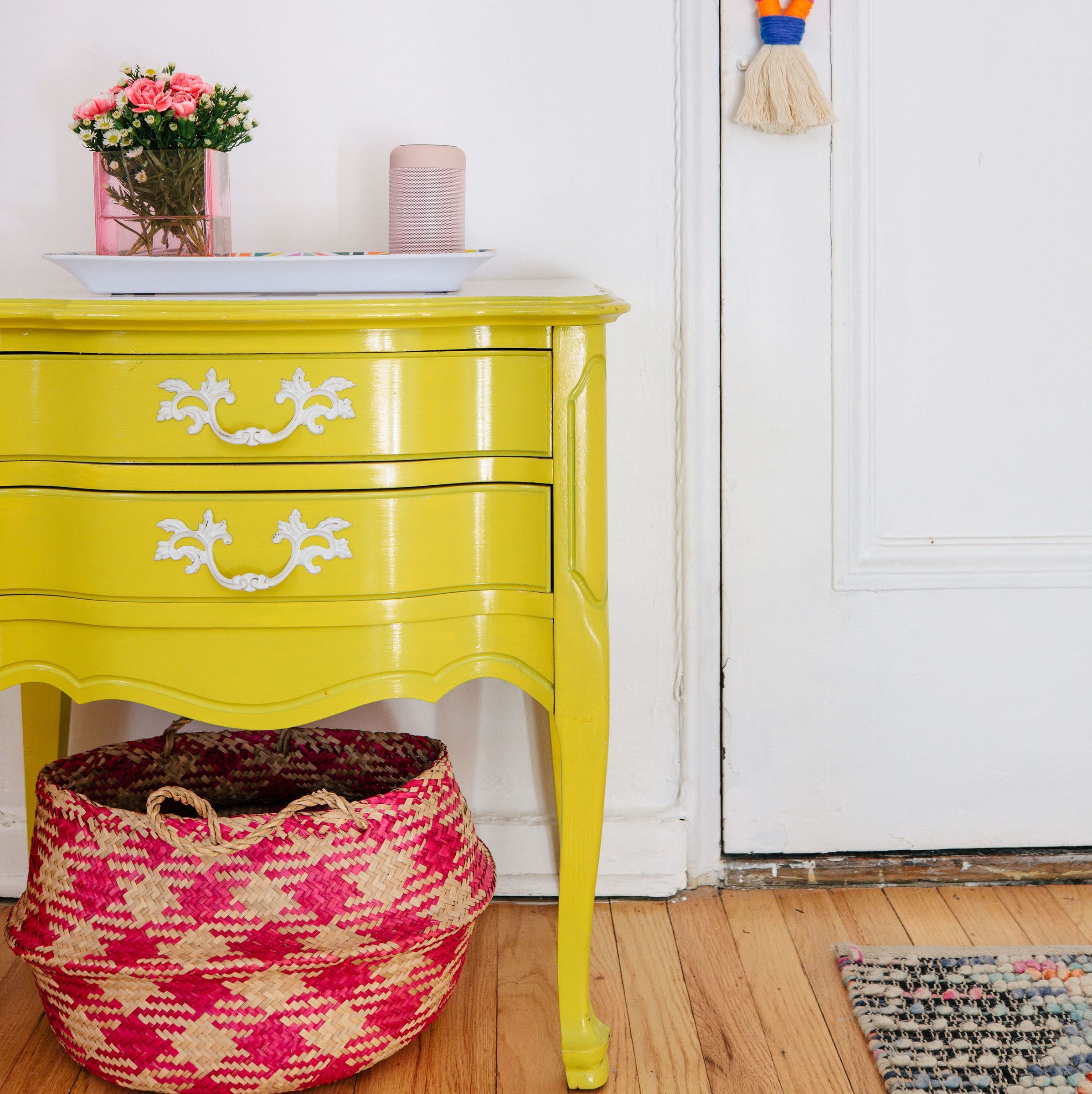
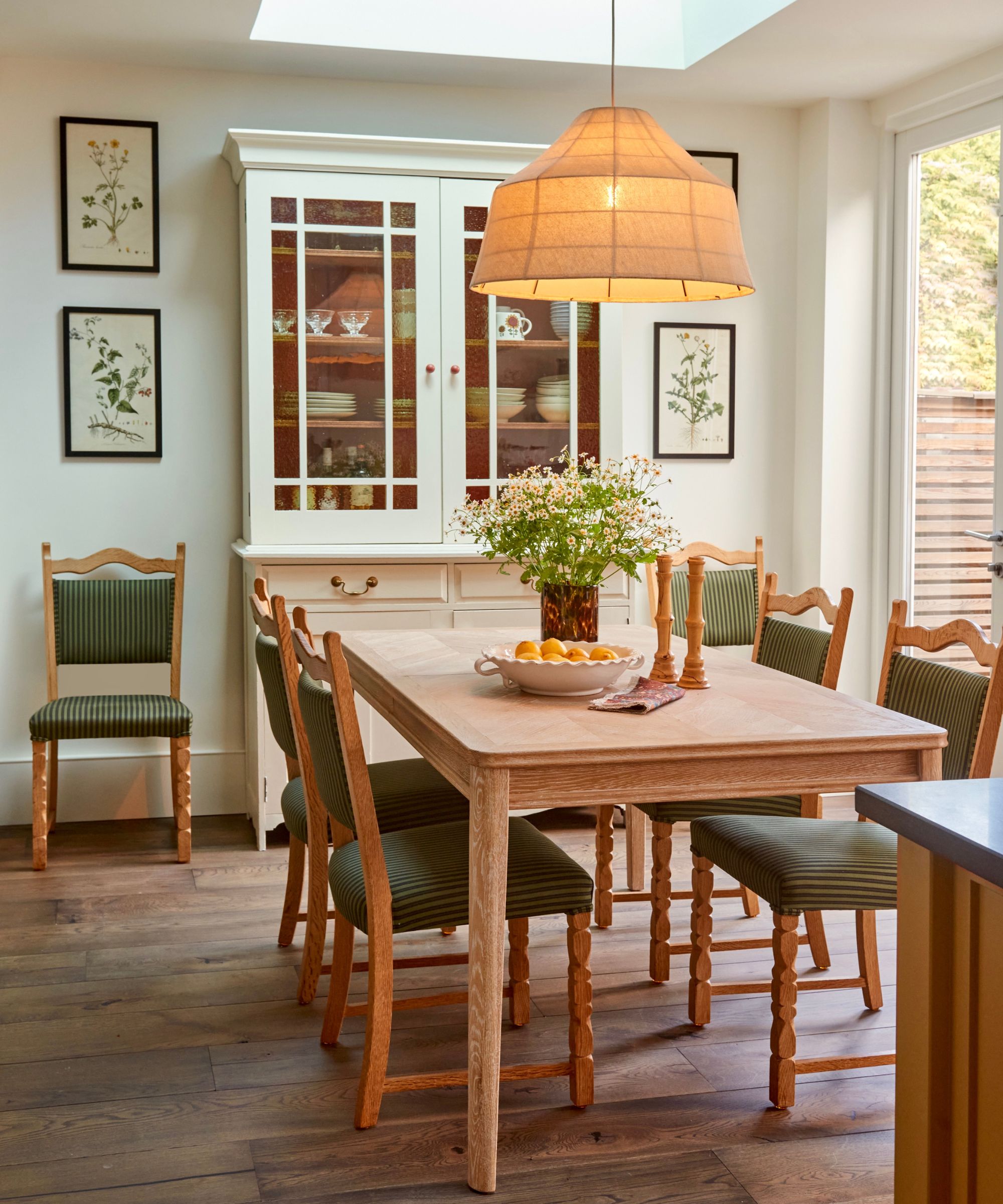
Repainting or staining antique furniture is another transformative method. Just as color can refresh a room, it can breathe new life into an antique dresser, cabinet, or side table. This can involve painting the exterior one color and the interior another, or even wallpapering the back of pieces with glass fronts for added depth. For wooden items, staining can alter an orange-toned finish to a more natural wood, updating the piece without compromising its original character. The goal is to achieve a balance where the soul of the antique shines through, enhanced by a fresh finish.
Swapping out hardware and legs is a subtle yet impactful way to modernize antique furniture. Hardware is often considered the 'jewelry of a room,' and updating it can significantly change a piece's aesthetic. Replacing old hardware with decorative knobs or contemporary chrome handles creates a striking contrast. Conversely, antique or vintage hardware can be added to more ordinary pieces to elevate them. Similarly, adding castors to furniture can introduce a functional and stylish update. This small detail can make a considerable difference in bridging the gap between old and new.
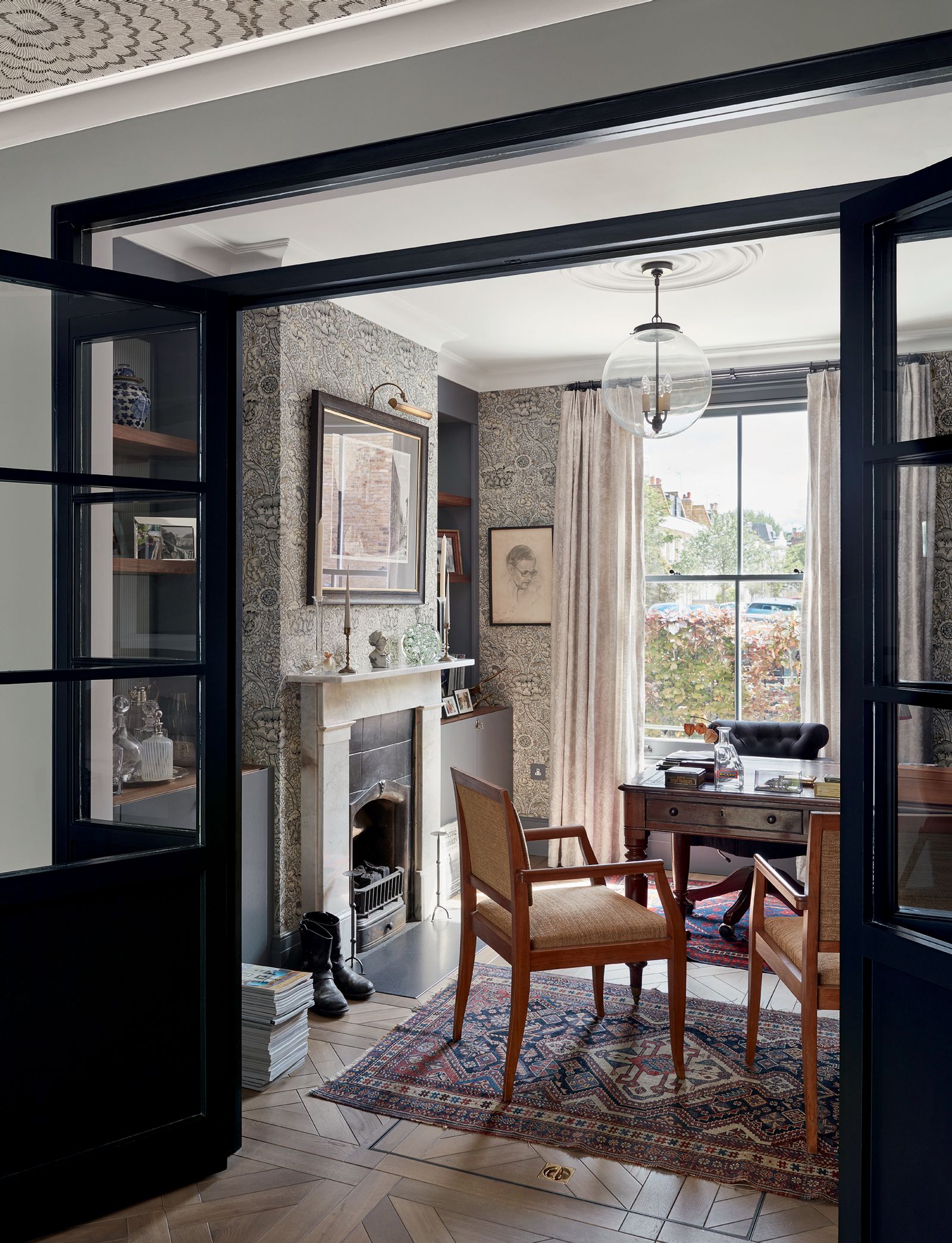
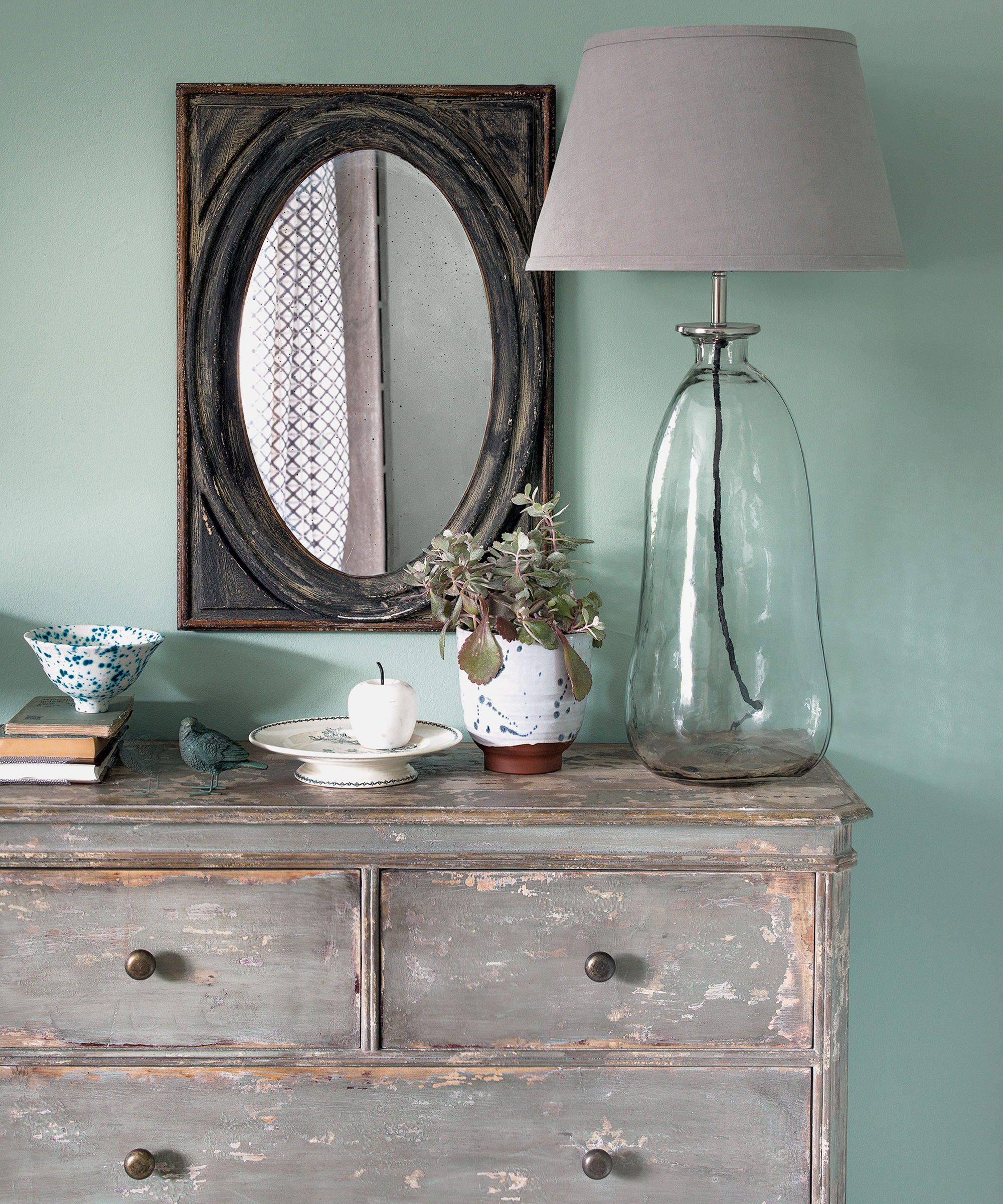
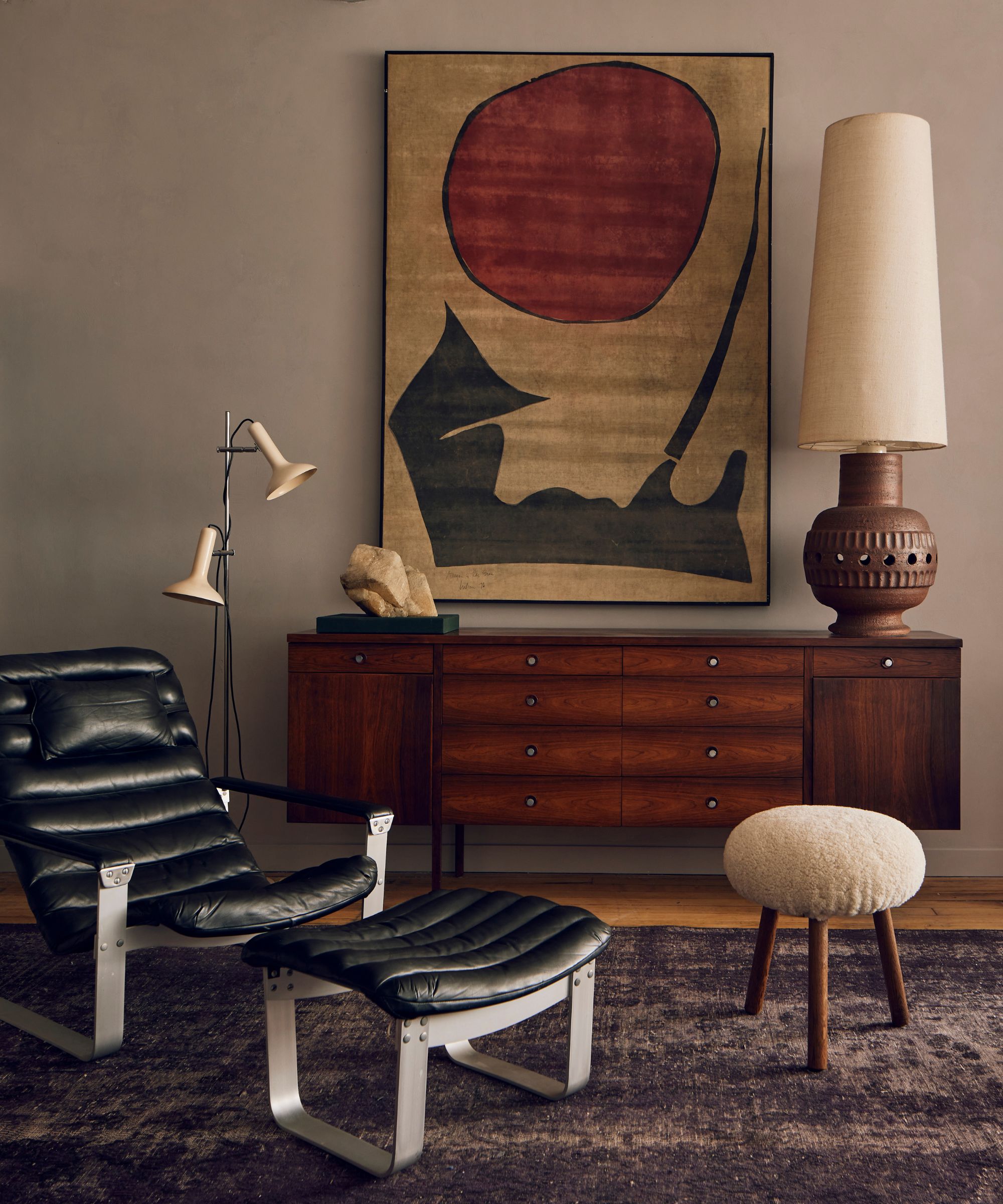
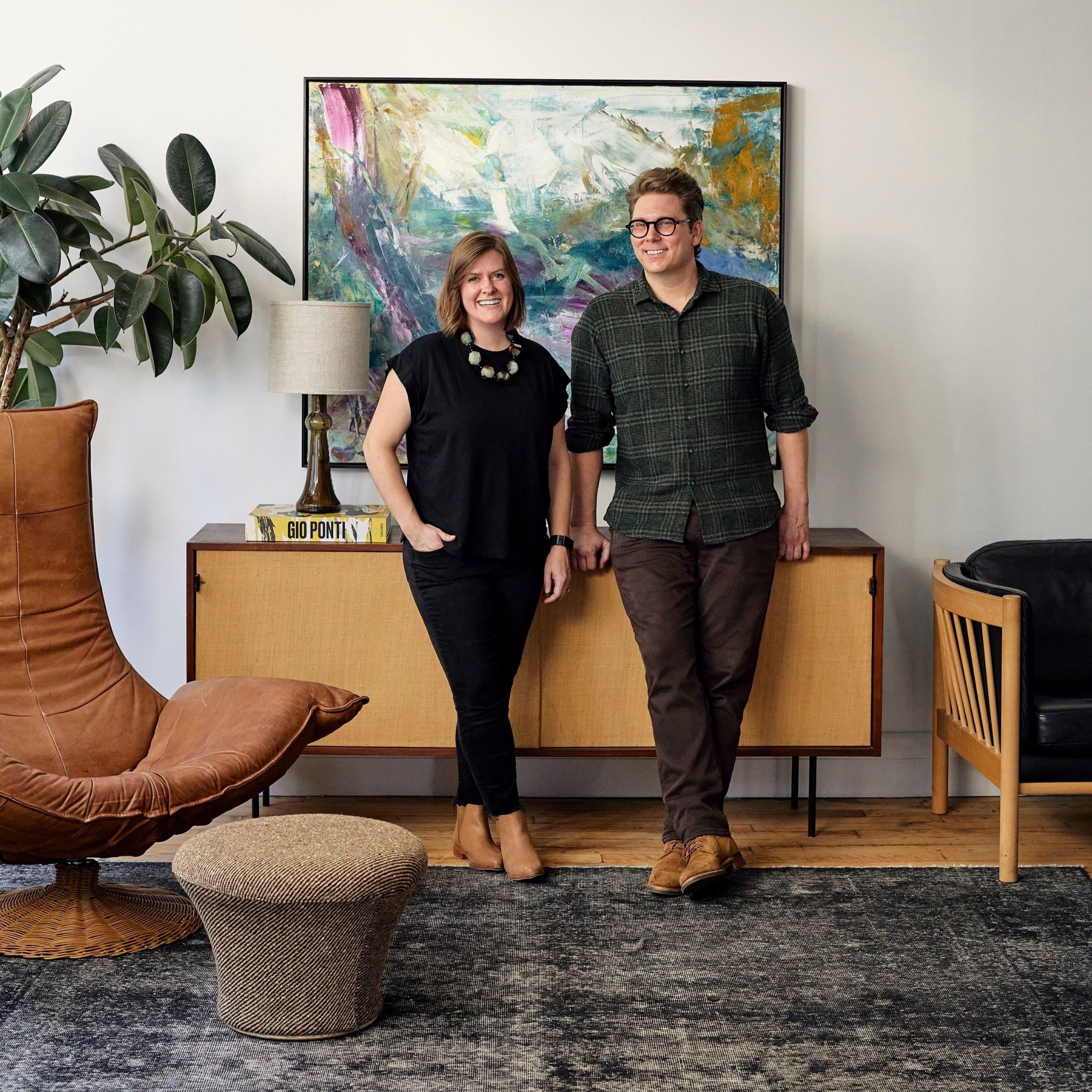
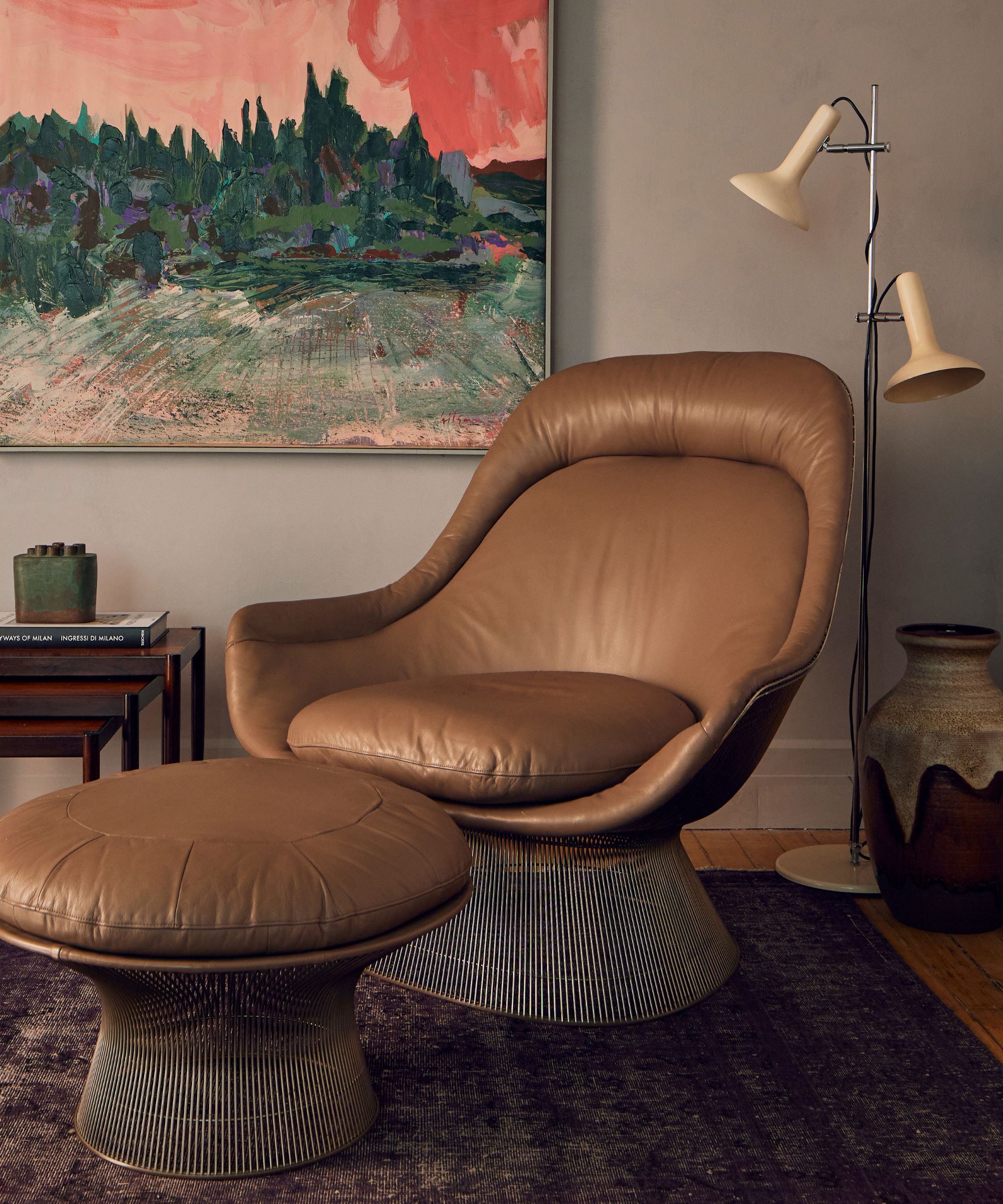
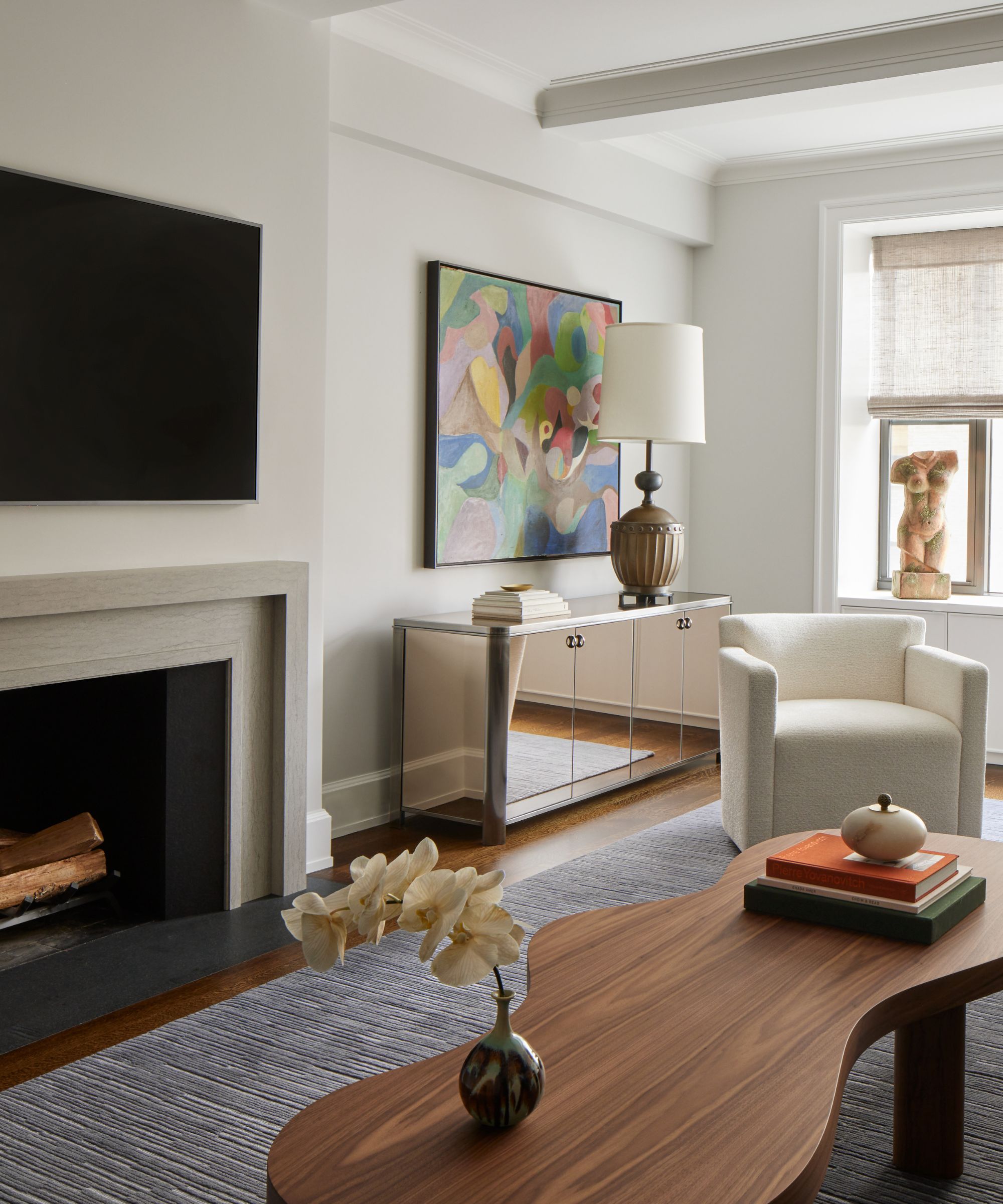
Juxtaposing antique furniture with modern art is a powerful design choice. While sourcing vintage art is popular, pairing contemporary artworks with antique furniture can create a more modern feel. Hanging a modern painting above an antique chest of drawers, or placing a contemporary table lamp next to an antique sofa, exemplifies this 'considered blend.' Designers suggest that contrast is key, recommending bold contemporary paintings, oversized table lamps, and clean-lined objects like sculptural vases or sleek trays to complement antique pieces.
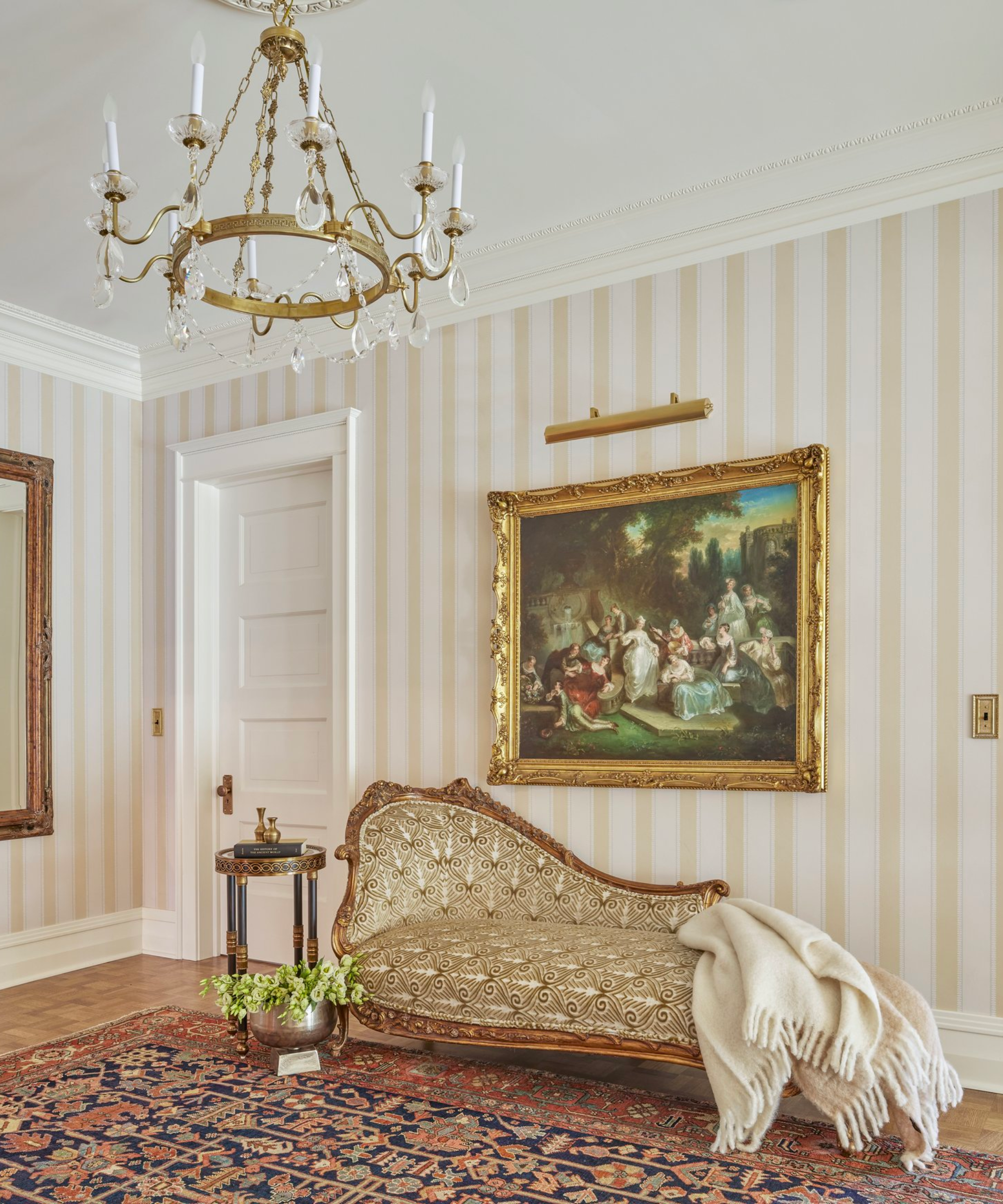
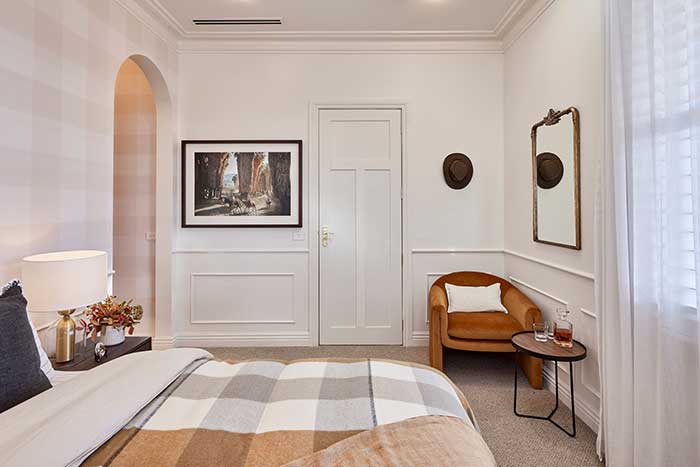
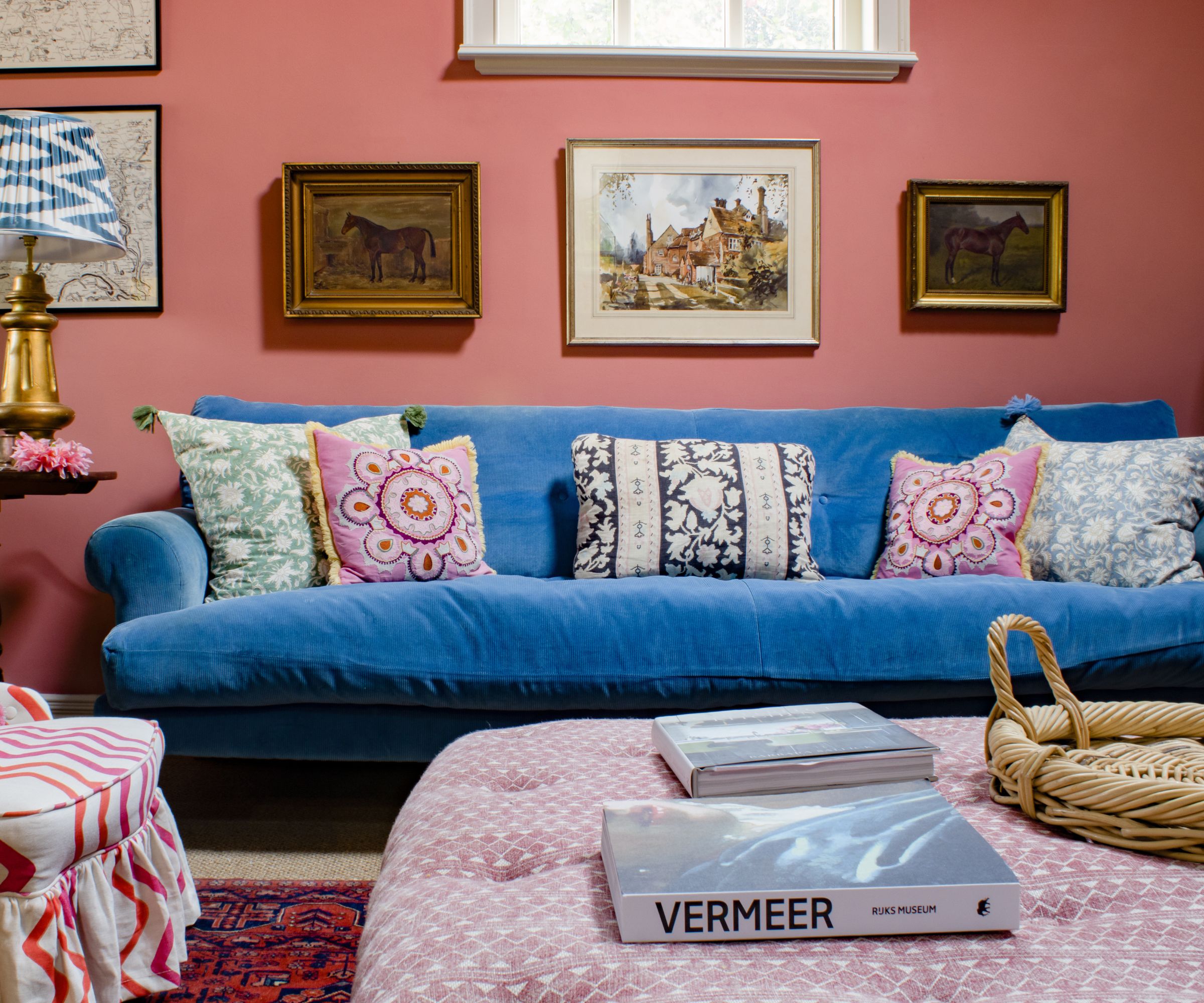
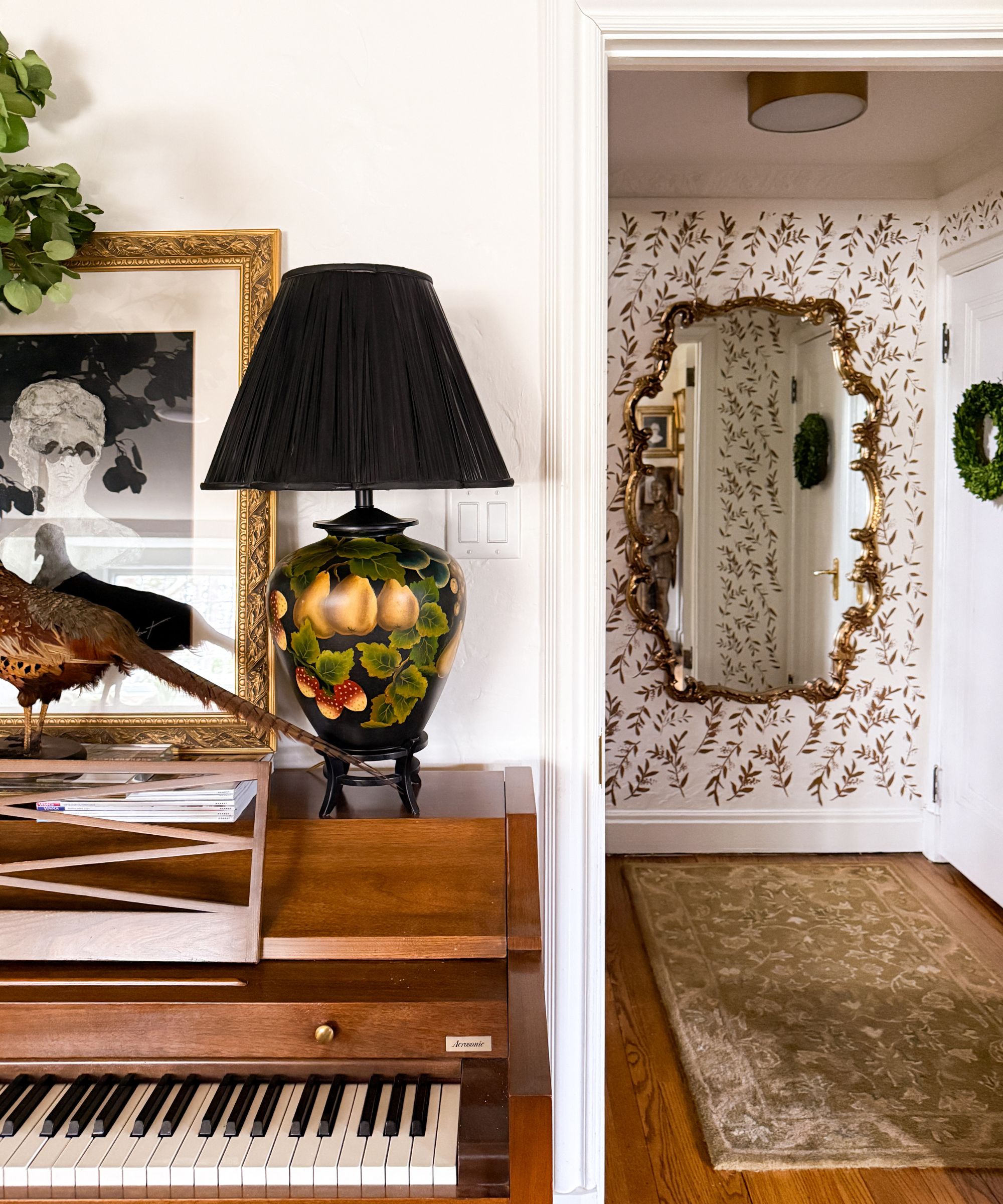
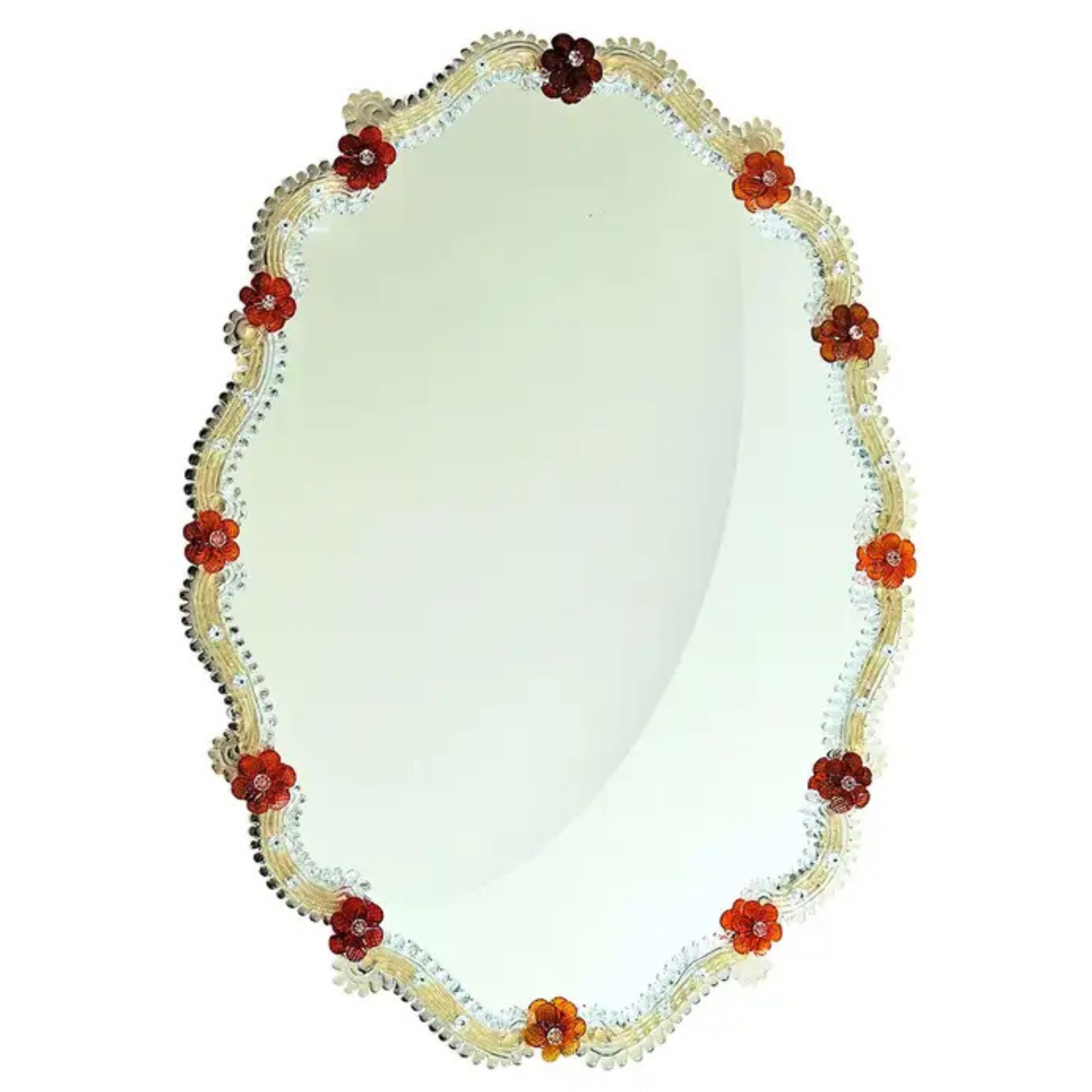
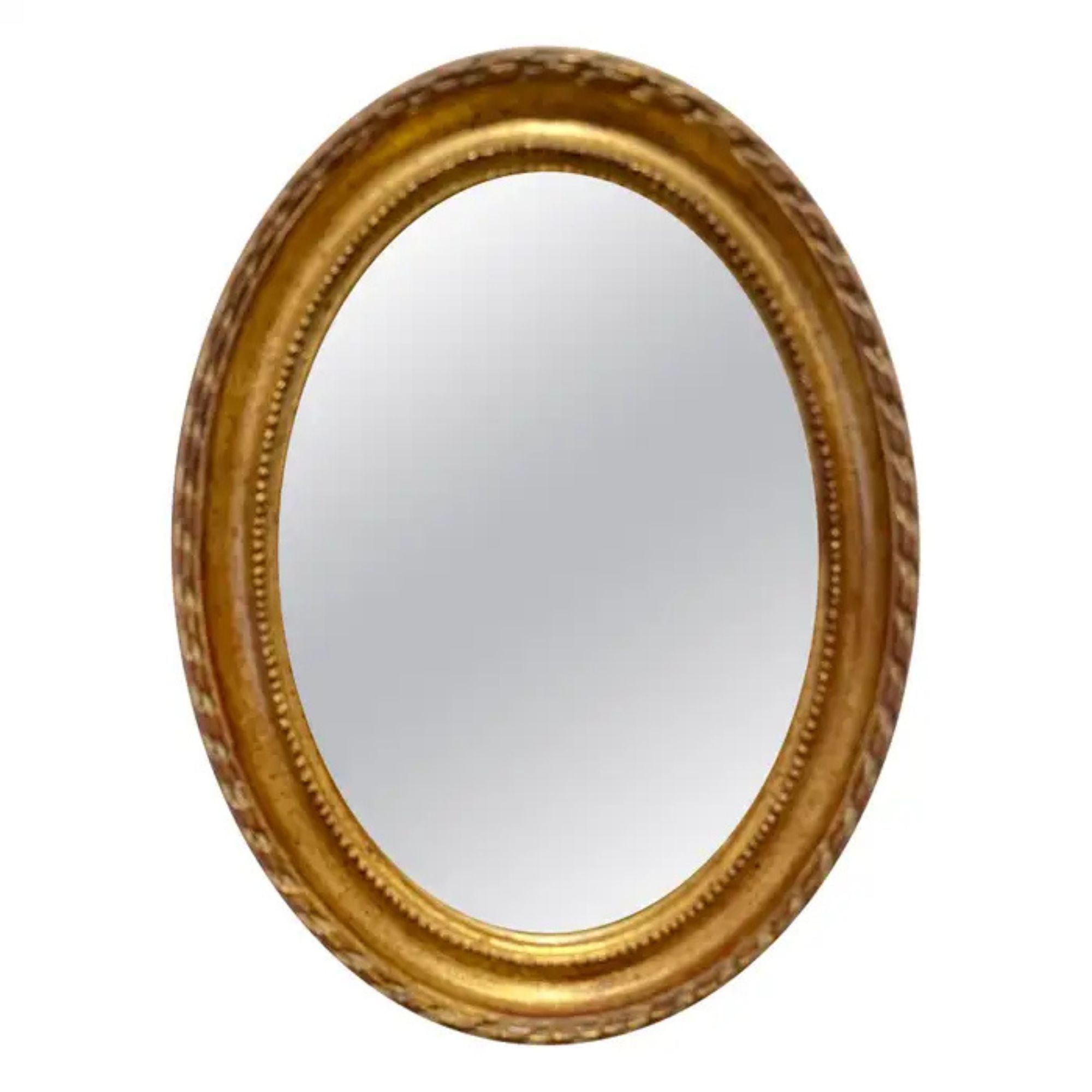
Finally, displaying vintage paintings in contemporary frames, and vice versa, offers an accessible way to modernize antiques. This technique involves placing vintage or antique artwork in sleek, modern frames or contemporary art in vintage frames. Both approaches balance the aesthetic and style of one another, creating a dynamic interplay between eras. This 'contrast and conversation' allows antiques to engage with the modern world, making them feel current and relevant within a contemporary setting. These strategies collectively enable antiques to feel cohesive within a modern interior, elevating them without erasing their history.
#AntiqueFurniture #InteriorDesign #HomeDecor #ModernizingAntiques #FurnitureRestoration #VintageDecor #ContemporaryDesign #DecoratingWithAntiques #Reupholstery #AntiqueFurniture #InteriorDesign #HomeDecor #ModernizingAntiques #FurnitureRestoration #VintageDecor #ContemporaryDesign #DecoratingWithAntiques #Reupholstery
0 comment in total
 No comments yet
You may also like
How to use antique furniture in a contemporary scheme
How to achieve an antique finish with paint– 4 crafting tips to fake a well-loved piece
These designers source and restore vintage furniture every single day – here are their top tips for shopping and reviving
10 Furniture Styles That Instantly Make Your Home Look Outdated

6 design tips to upgrade an older home without clashing styles | Hindustan Times

Is It a Crime to Paint Antique Furniture?

How To Mix Antique And Modern Furniture Without Making It Look Mismatched
These 5 Popular Antiques Are Flying Off the Shelves This Fall, According to Interior Designers

Here's How to Give an Old House a Modern Makeover Without Stripping Away the Charm
How to Mix Modern and Antique Furniture

Is it Cheaper to Reupholster Antique Furniture or Buy New? Here's Everything Designers Say You Need to Know
How to create a balanced living room layout using vintage furniture, according to the pros
20 Ways To Make Old Furniture Look Fancy

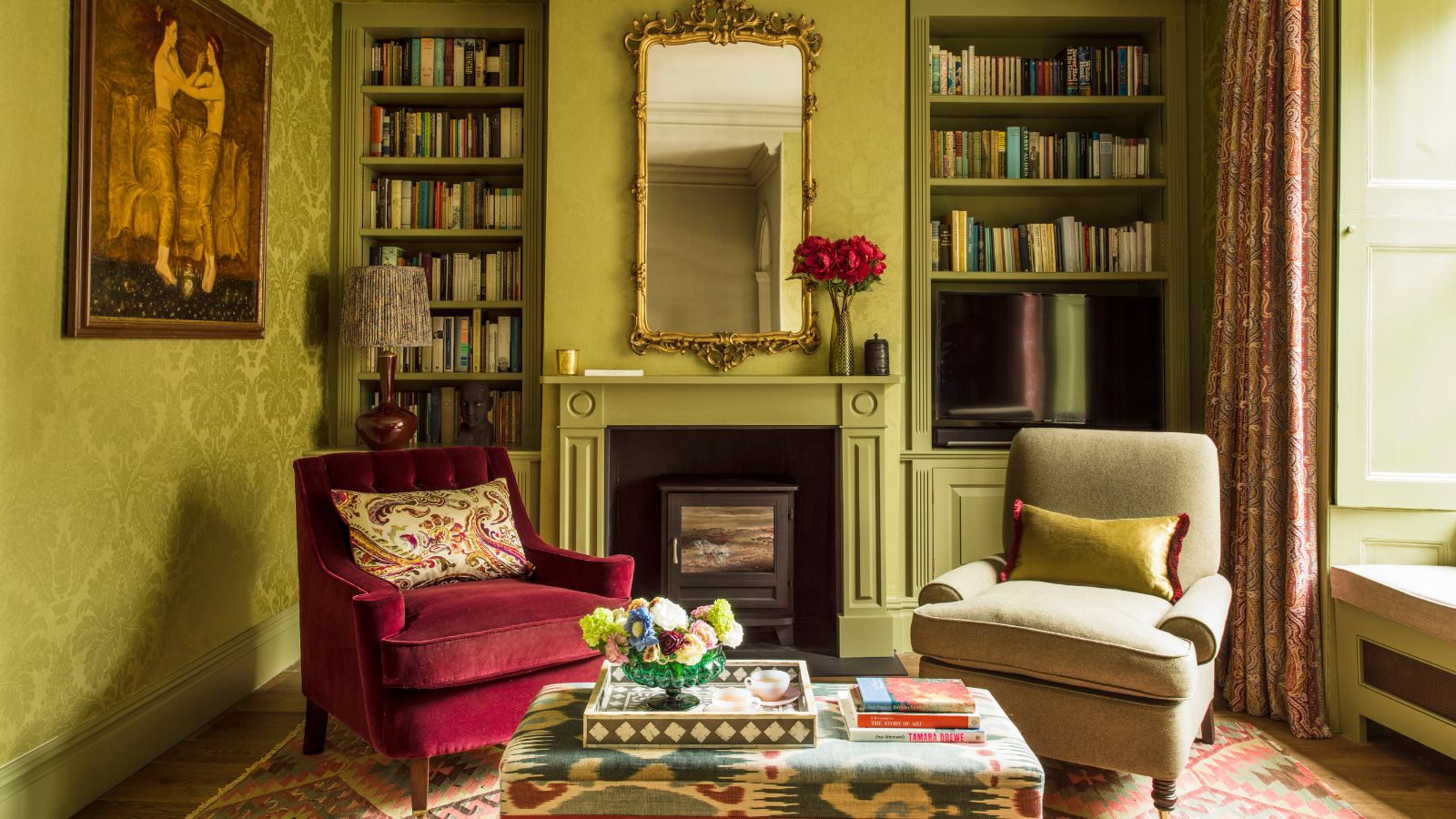
Decorating with antiques – 8 designer tips to channel the past in the chicest way
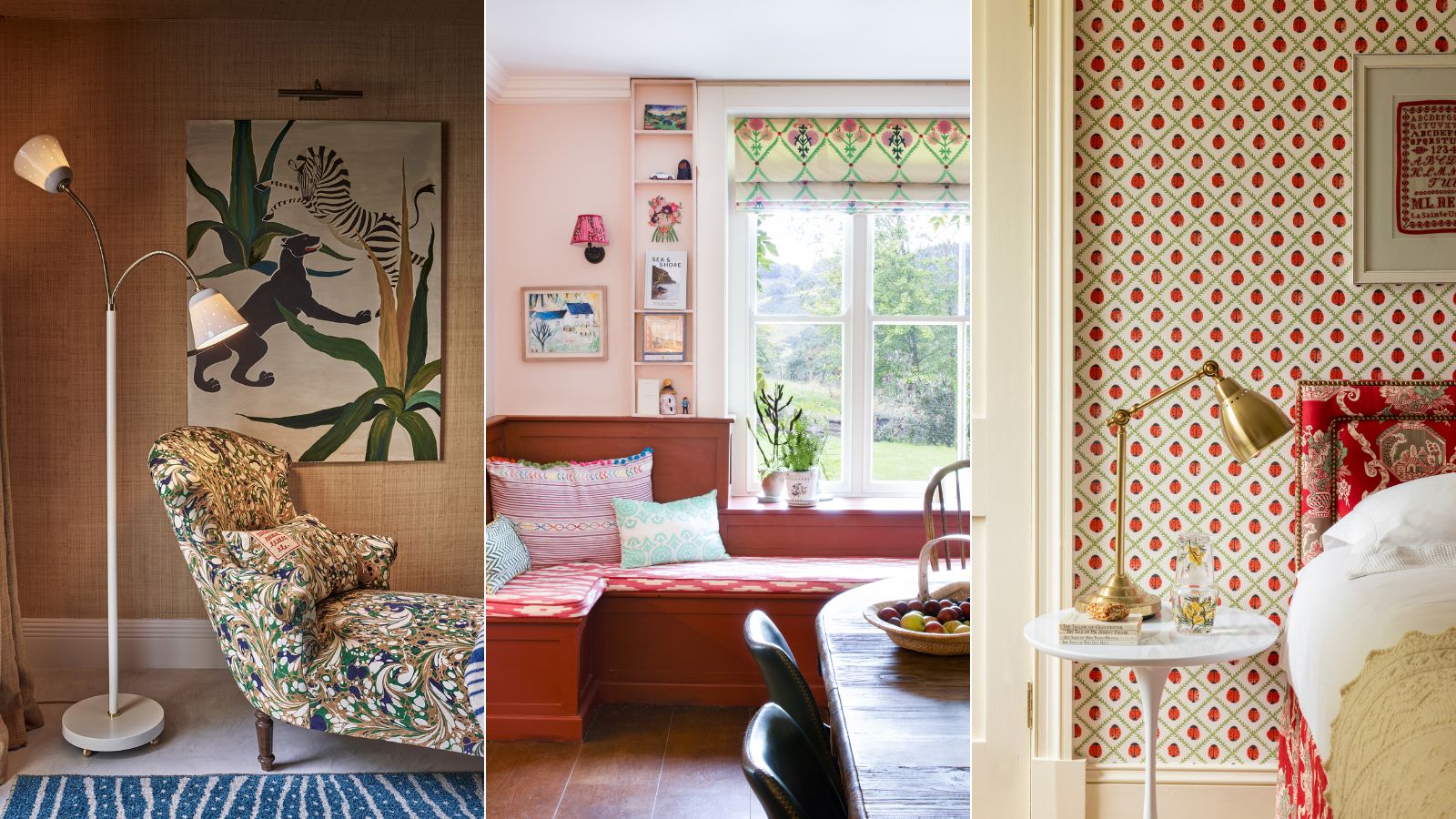
How to decorate with antique textiles – designers share their tips for adding character with old fabrics
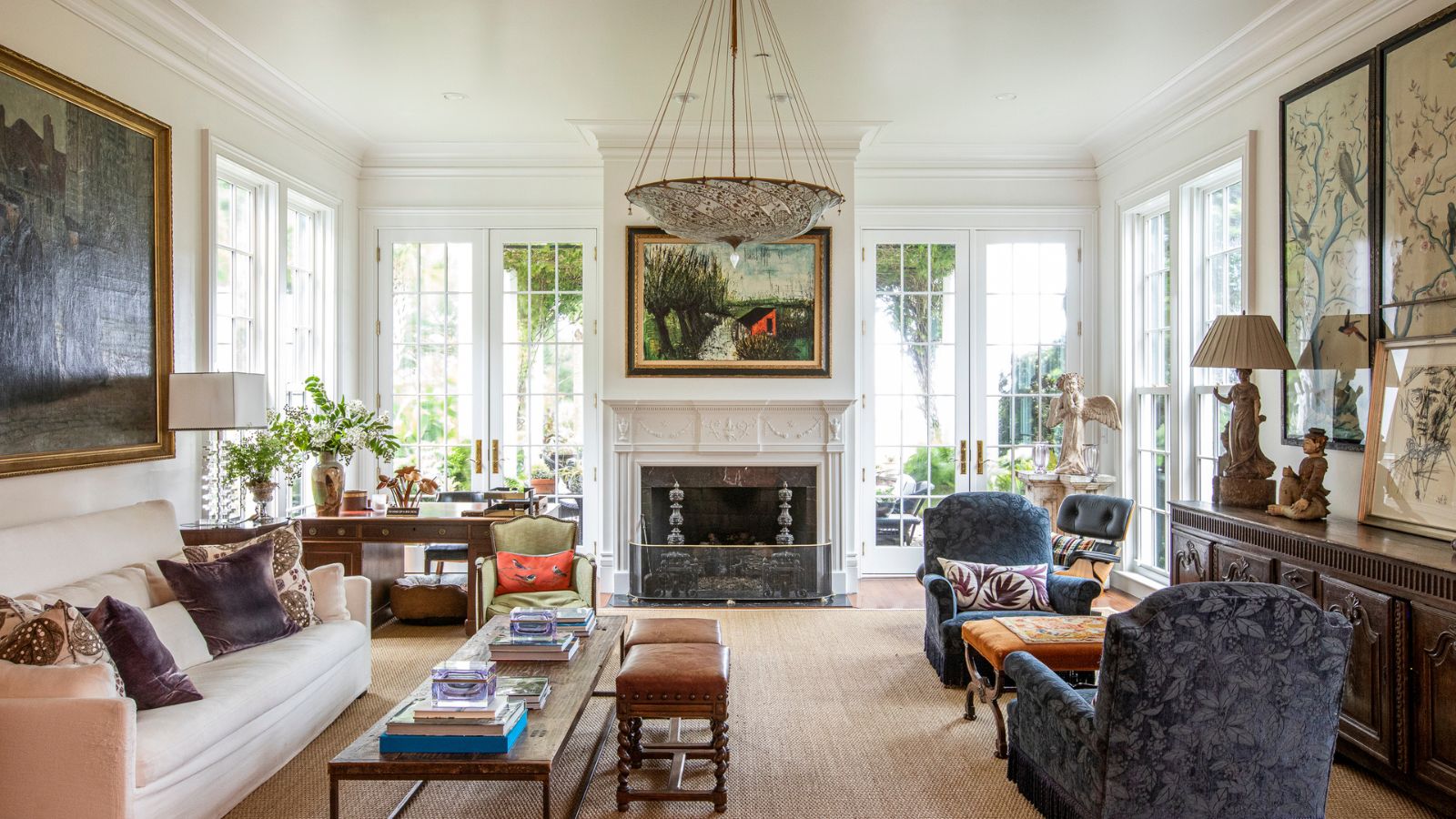
6 antiques that will always work in modern interiors – and how designers style them
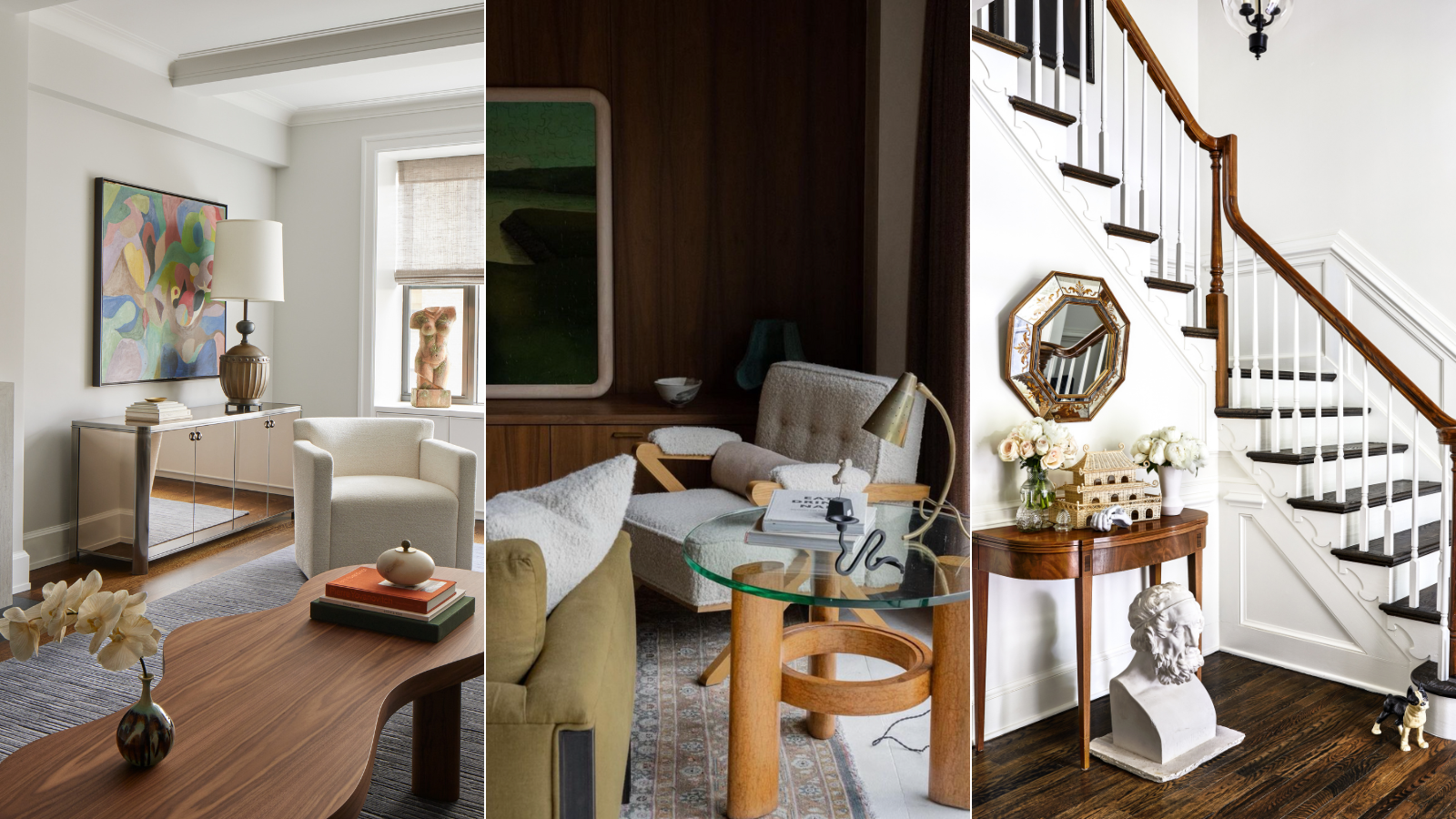
How to style antique furniture for a timeless, transitional space – 9 designers share their tips
Modernising period homes: Practical tips on blending old and new
Decorating with vintage – 7 of the best ways to bring character into the home
8 Ways to Make Outdated Wood Cabinets Look More Modern