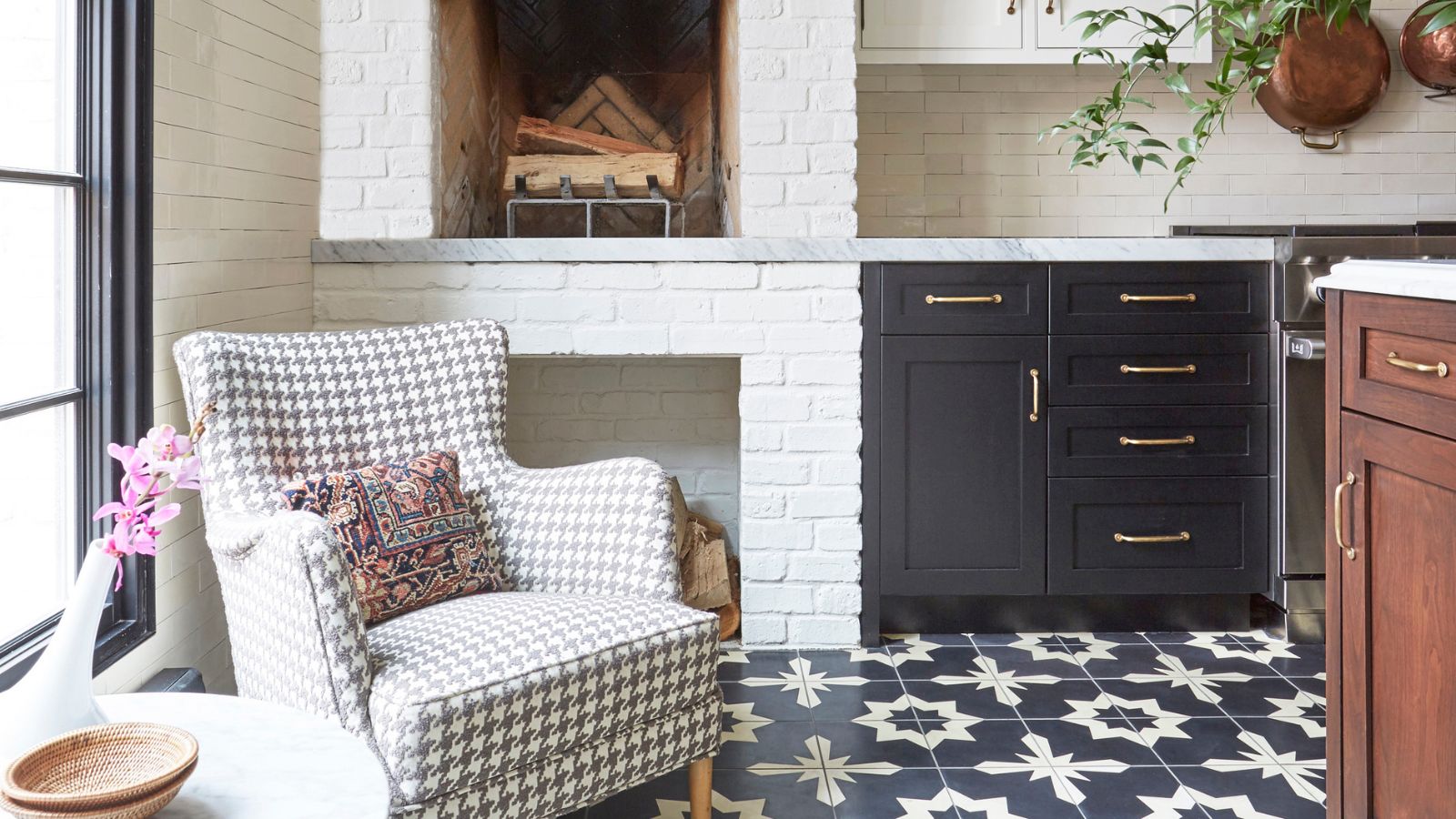
1/13
Is it Cheaper to Reupholster Antique Furniture or Buy New? Here's Everything Designers Say You Need to Know
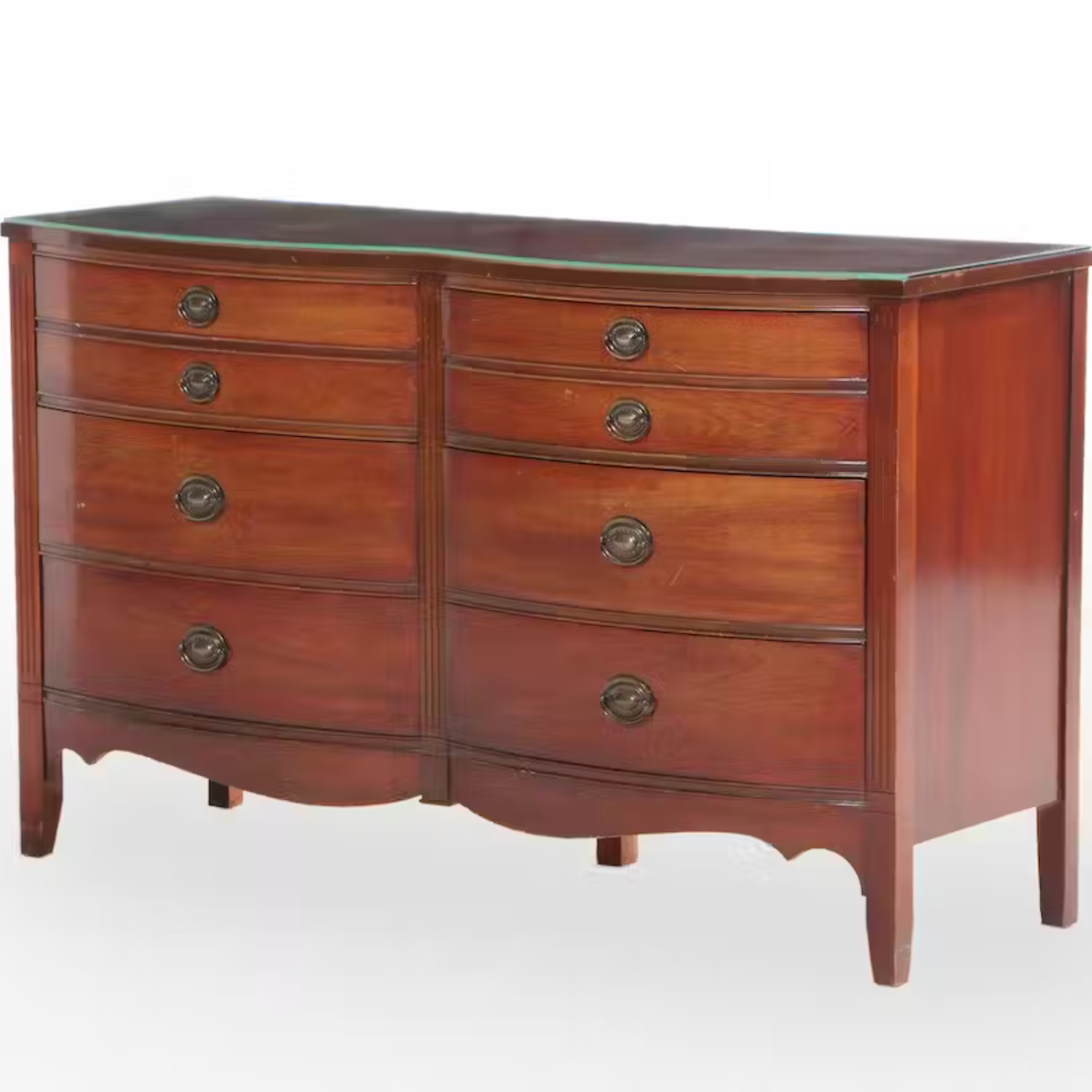
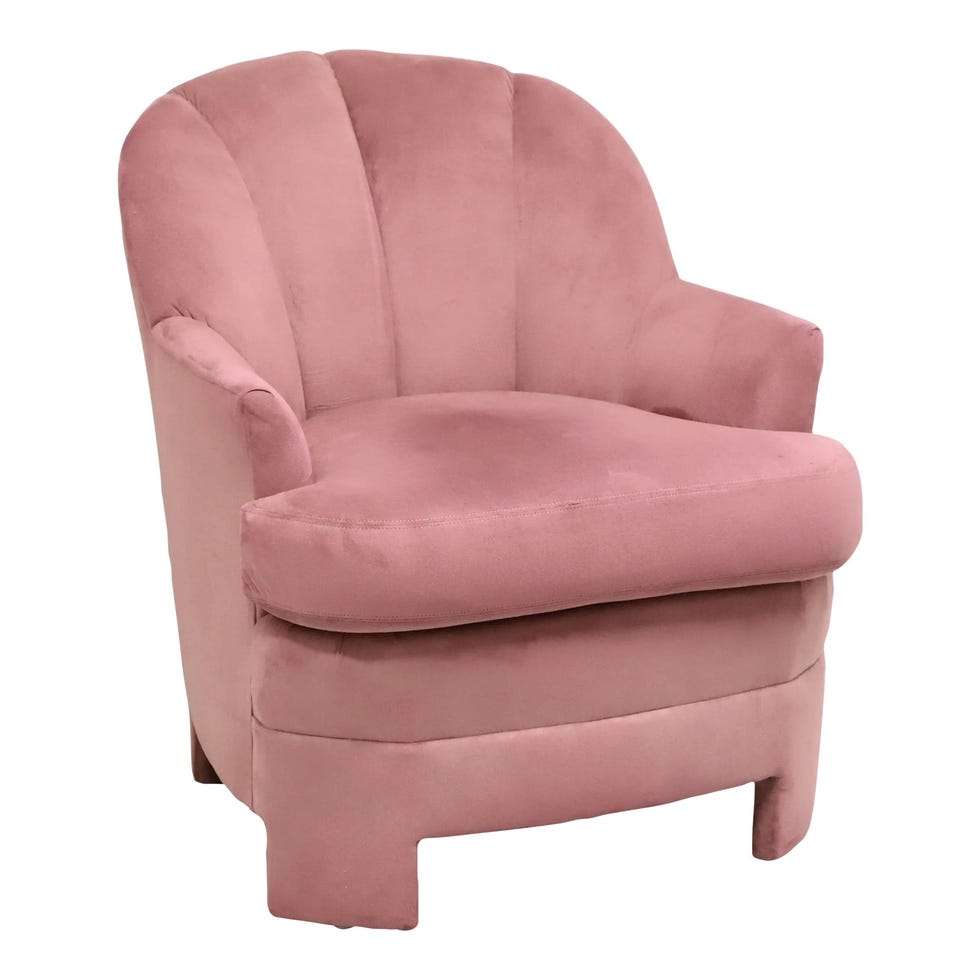
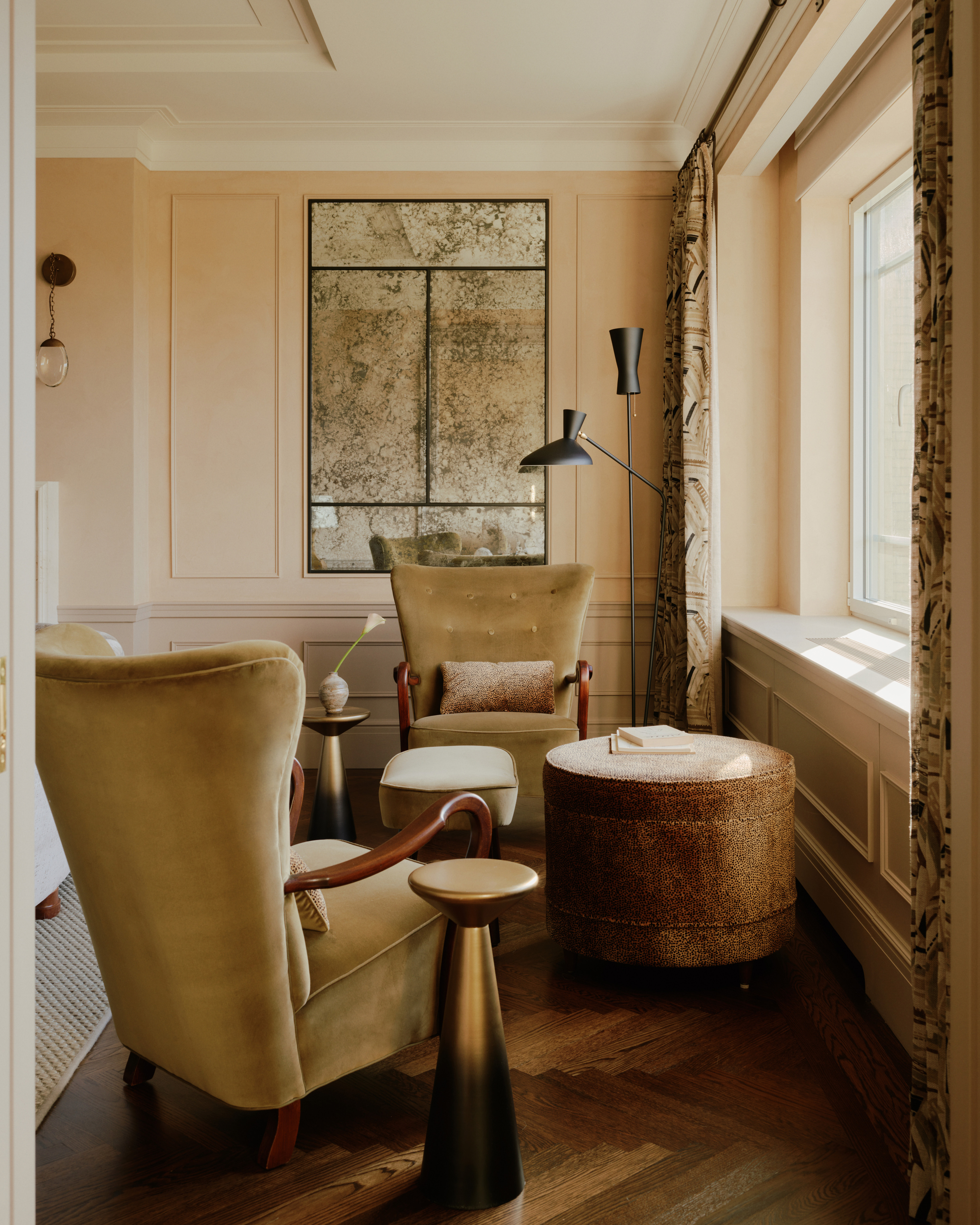
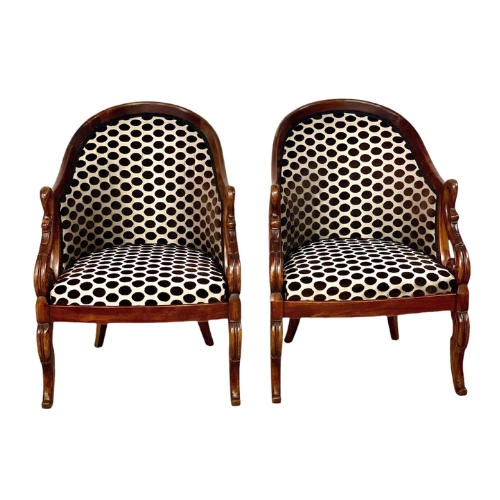
The article explores the financial and practical considerations of reupholstering antique furniture versus purchasing new items, drawing on insights from interior design experts. While there isn't a single definitive answer regarding cost-effectiveness, designers generally suggest that reupholstering often comes at a slightly higher price point than buying new, primarily due to the cost of high-quality fabric and the need for skilled craftsmanship, especially for intricate pieces or traditional methods. The expense can range from a few hundred dollars to thousands, depending on the size of the furniture and the chosen upholstery material, with performance fabrics adding to the cost.
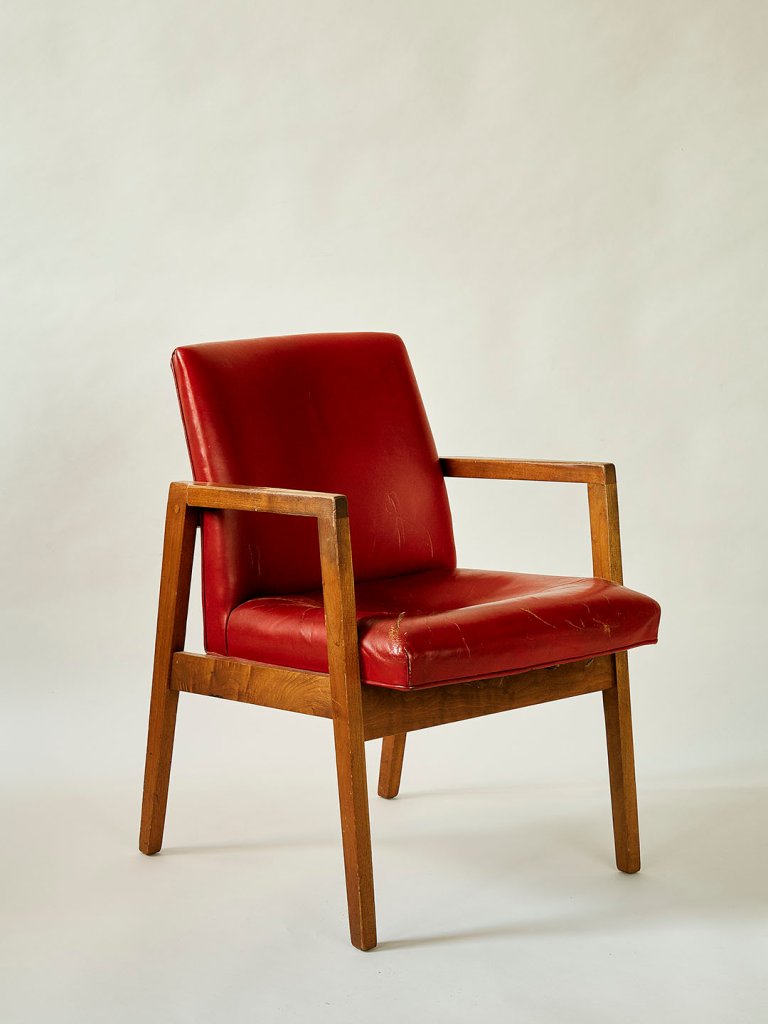
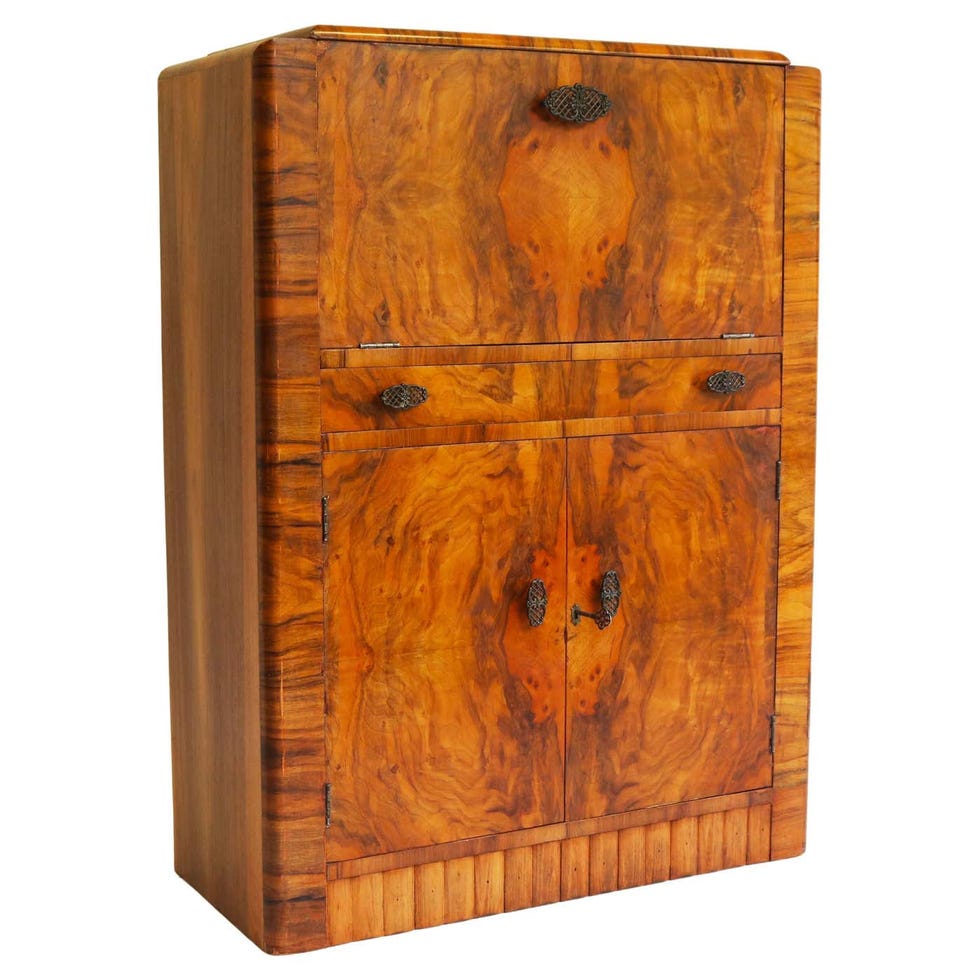
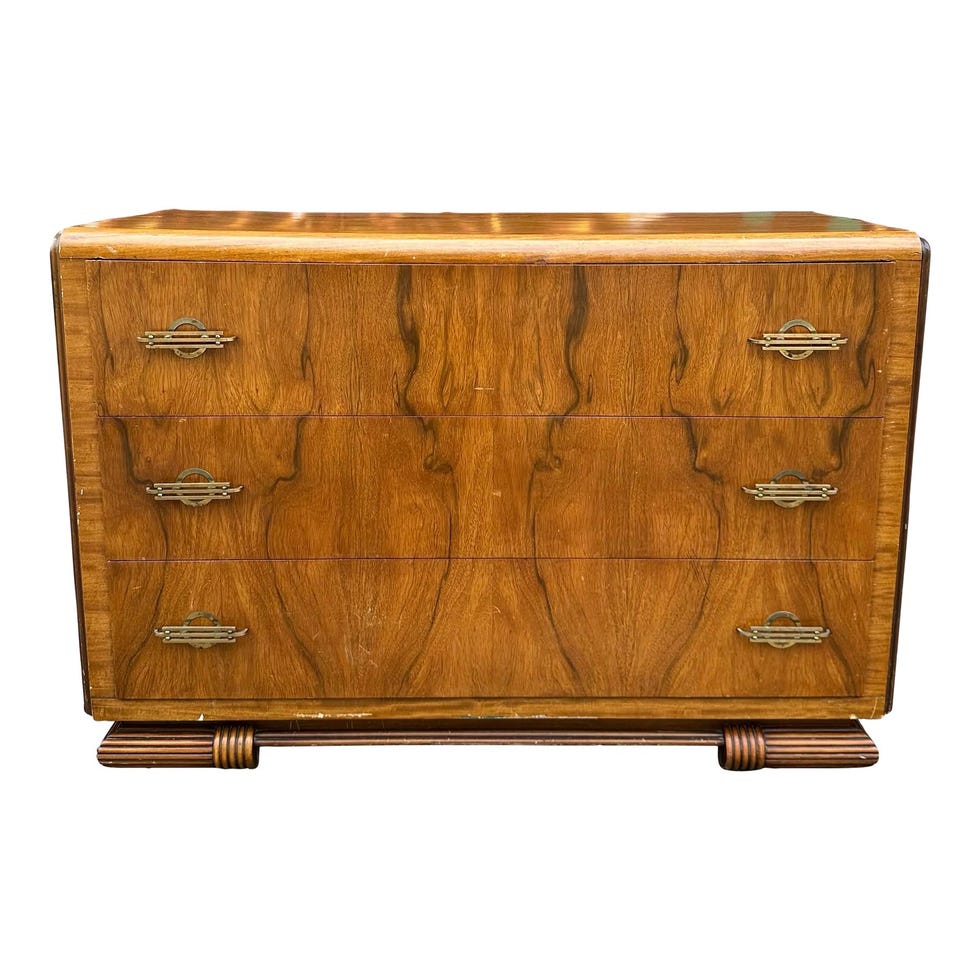
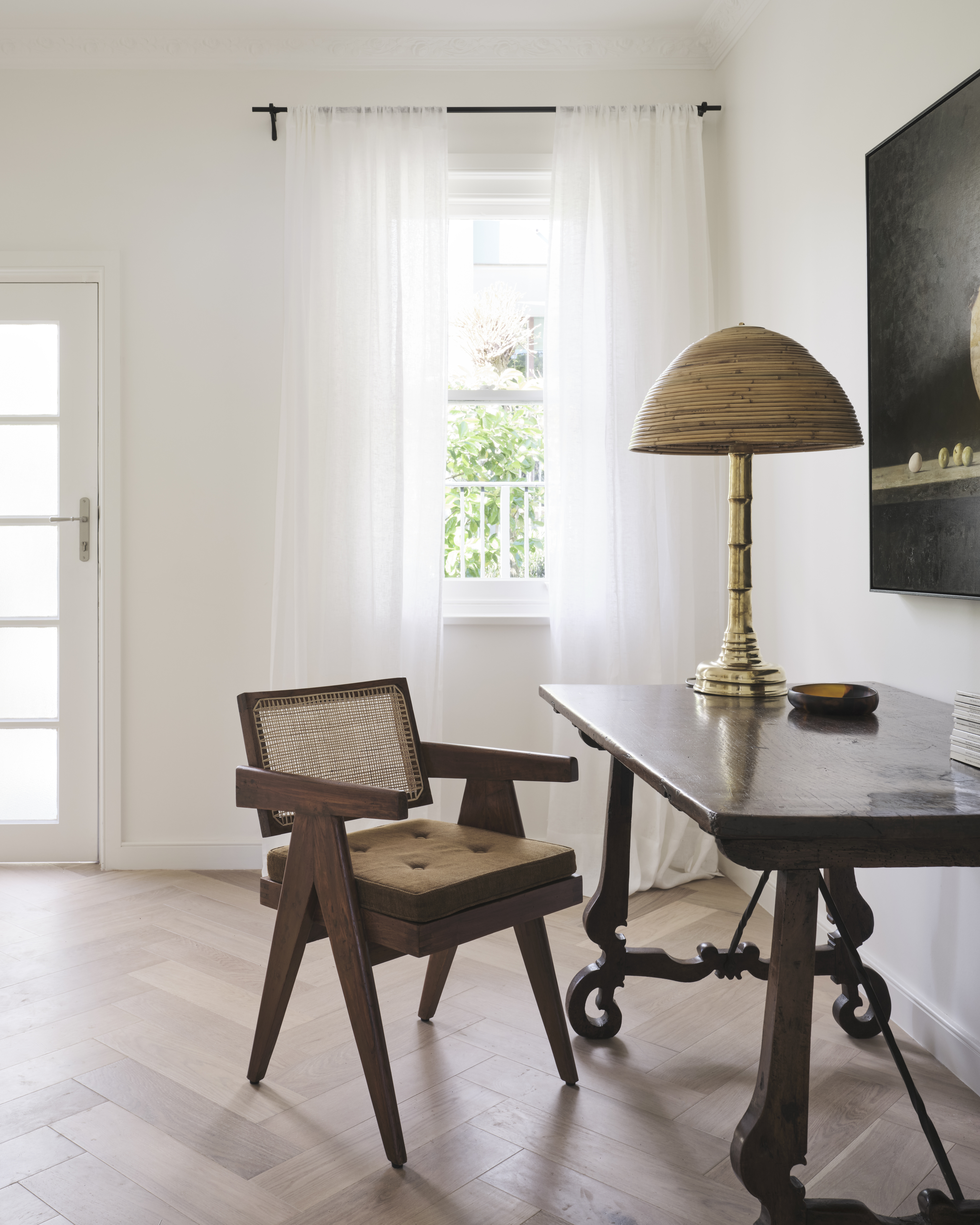
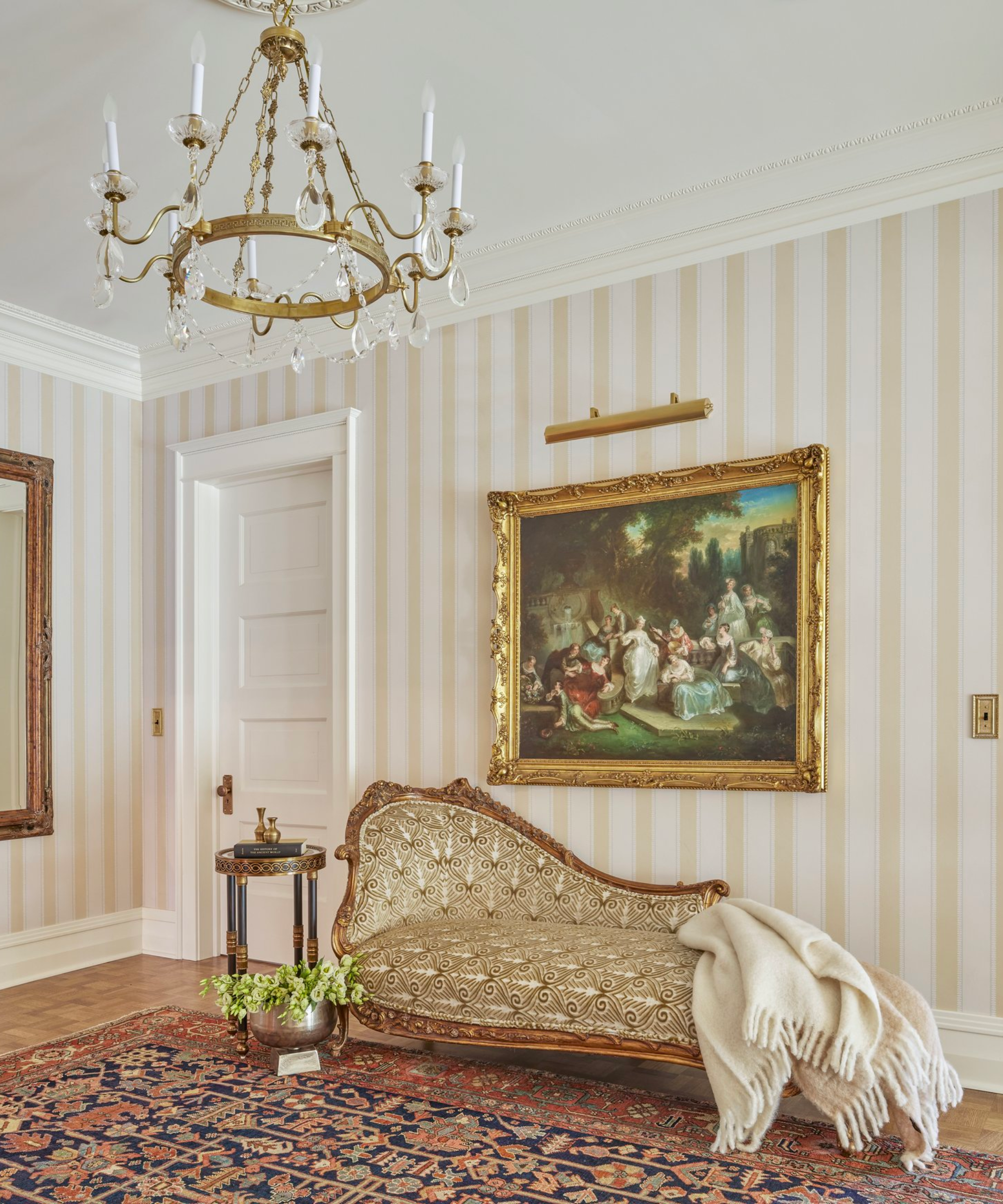
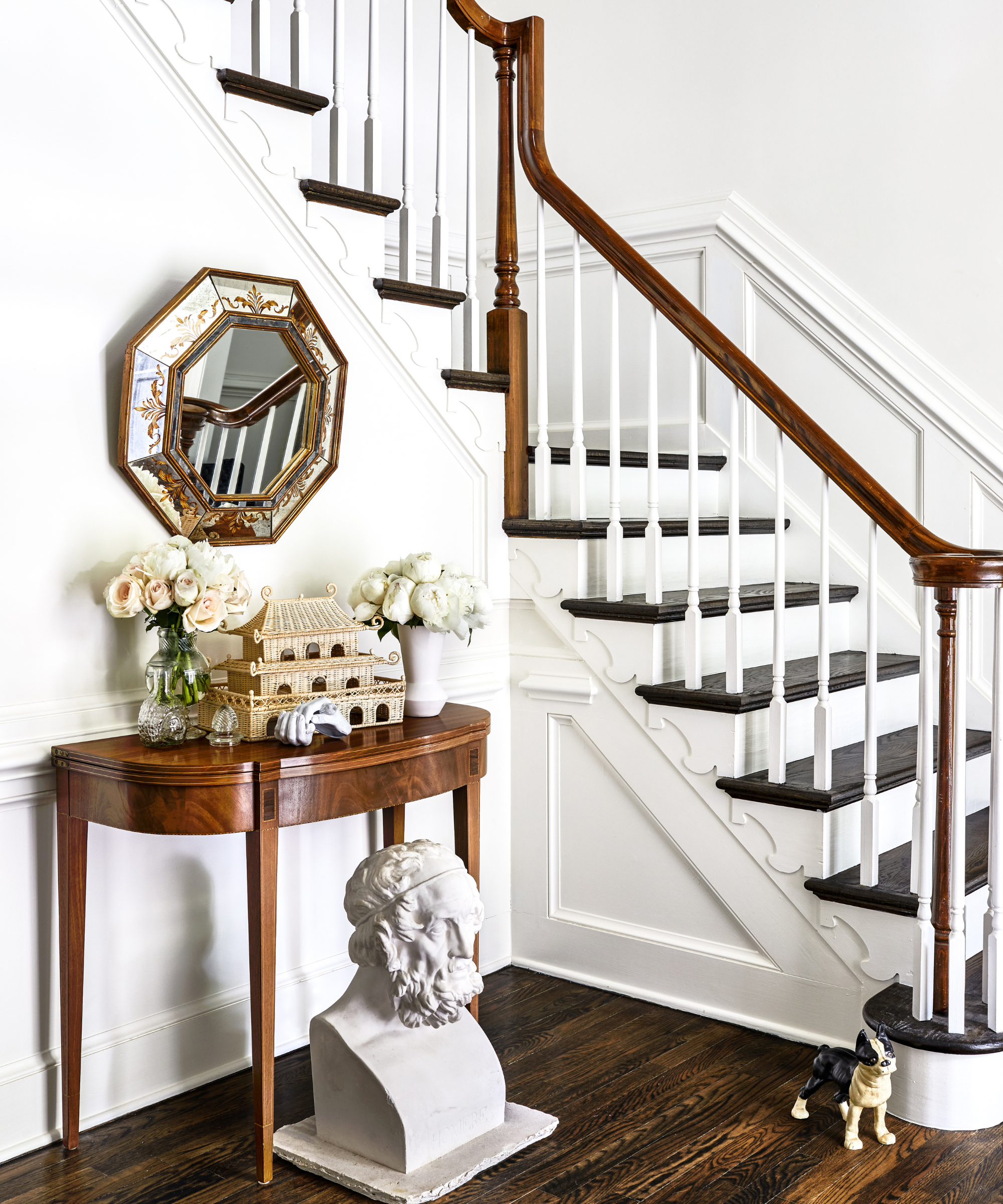
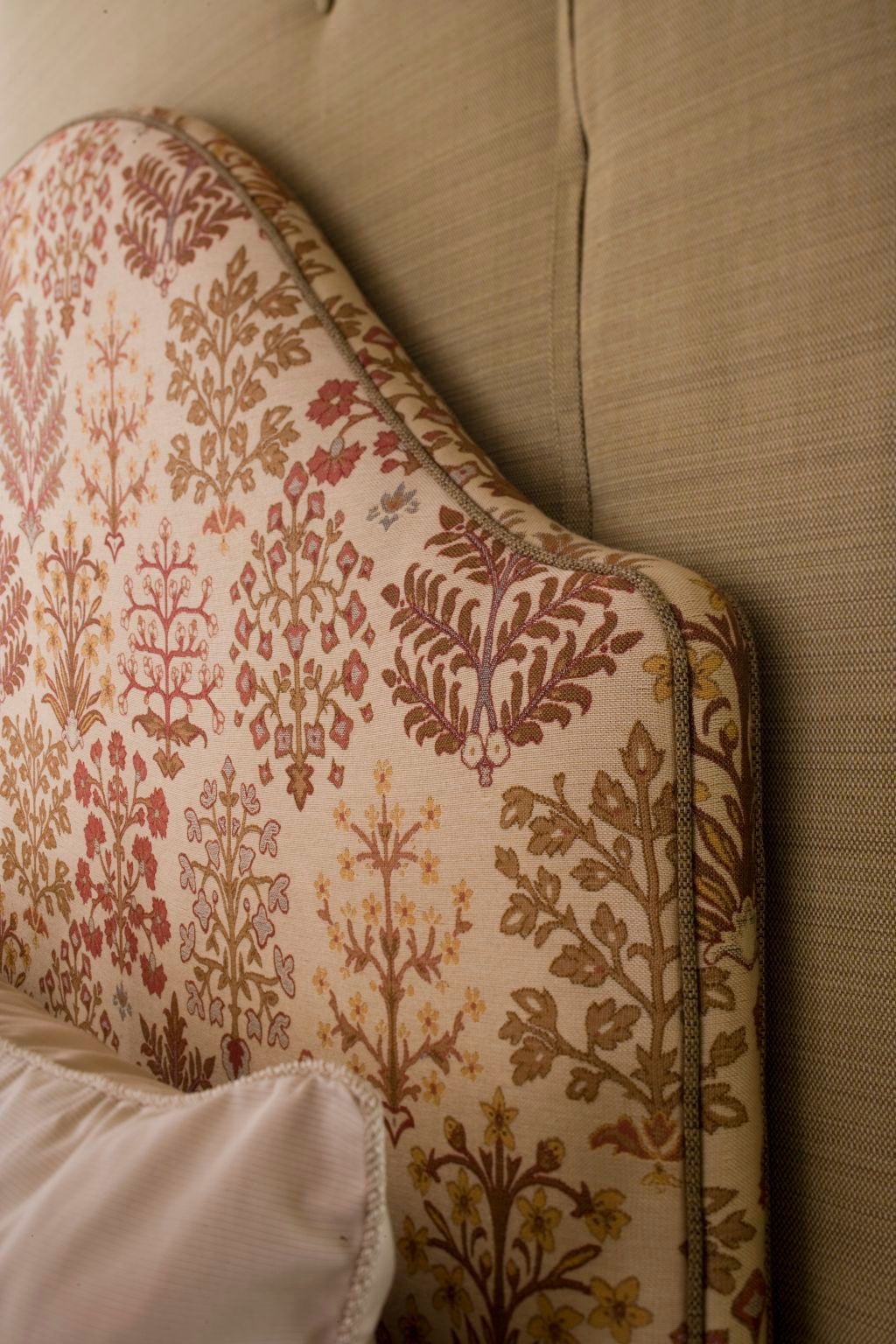
However, the decision extends beyond mere cost. Designers emphasize the intrinsic value and sustainability aspects of reupholstering antique furniture. They highlight that antique pieces often possess superior craftsmanship and a unique character that cannot be replicated by modern furniture. Preserving these items contributes to environmental sustainability by diverting them from landfills and fosters a culture of valuing enduring quality over disposable trends. Many designers, like Rebekah Zaveloff of Imparfait Design Studio, advocate for reupholstering due to the benefits of customization, the ability to select specific fabrics and cushion fills, and the satisfaction of maintaining a well-made piece with historical significance.
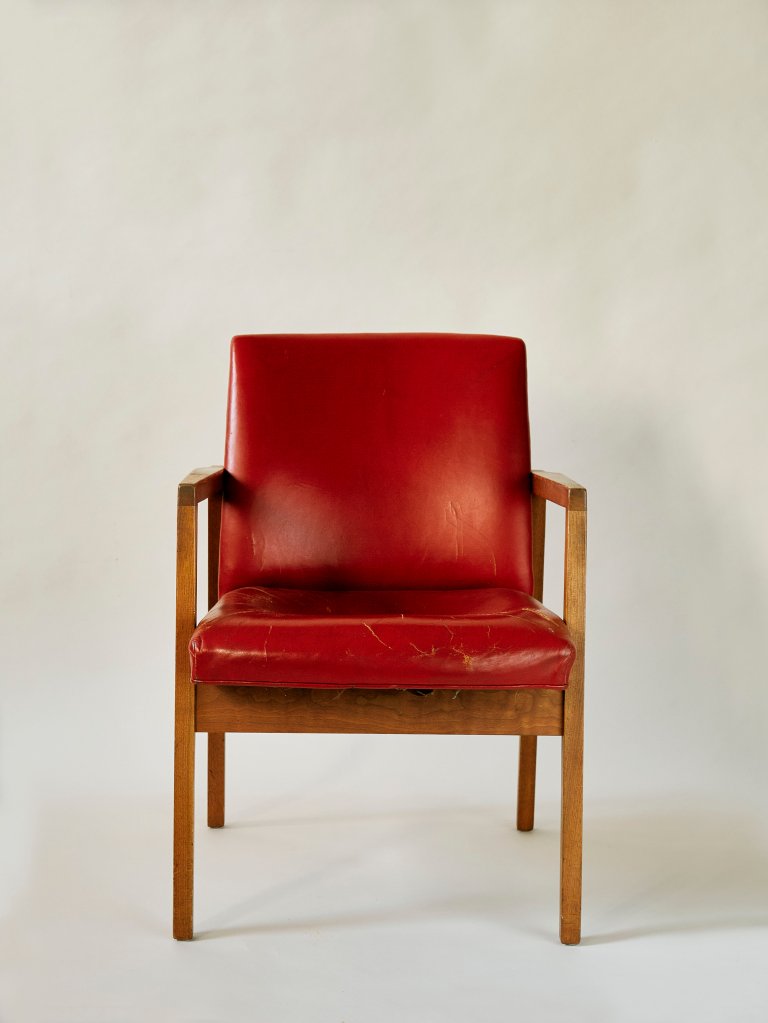
A crucial factor in deciding whether to reupholster is assessing the antique's condition. While most structural damages, such as wobbly frames or worn springs, can be repaired by skilled upholsterers, severe issues like termite damage, extensive water or fire damage, or irreparable hand-carved details might render a piece beyond economical repair. Aesthetic flaws, however, can often be cleverly disguised through reupholstery techniques, such as adding a skirt to hide damaged legs, as demonstrated by Shani Core Interiors.
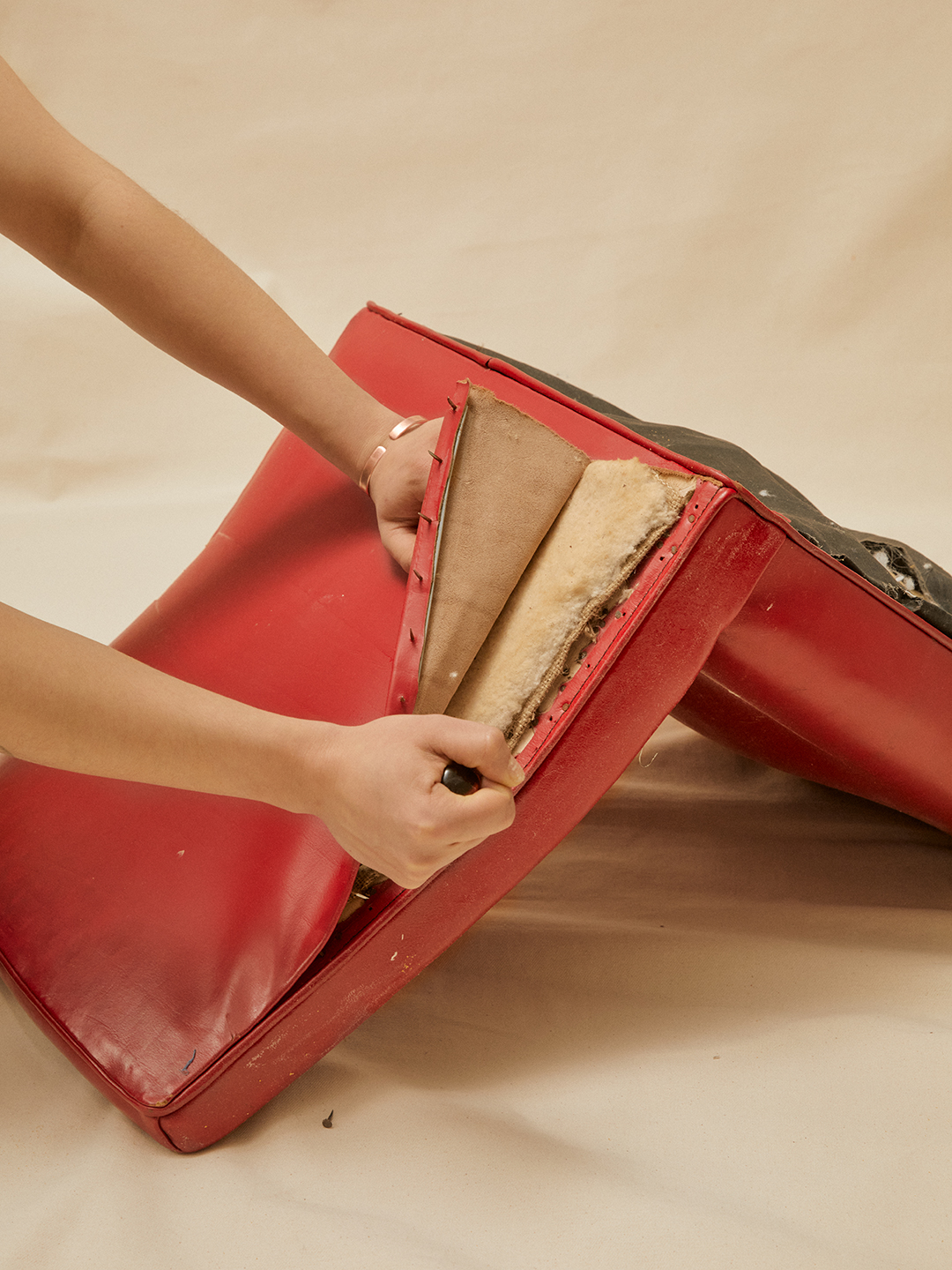
The sentimental and investment value of the furniture also plays a significant role. Heirloom pieces or items from renowned makers like Howard, Gillows, James Shoolbred, or George Smith are considered worthy investments for refurbishment, as their inherent value justifies the cost. For those without such prestigious provenance, the decision often hinges on personal attachment and appreciation for the item's history. The article provides practical advice on how to find a reputable upholsterer, including checking portfolios, asking detailed questions about repair methods (e.g., hand-tied coil springs for antique pieces), seeking multiple quotes, and utilizing social media for recommendations and vetting. It also clarifies the distinction between 'recovering' (simply replacing fabric) and 'reupholstering' (which involves structural repairs and re-springing, in addition to fabric replacement), advising that true reupholstery is essential for preserving the integrity and value of an antique.
#AntiqueFurniture #FurnitureRestoration #Upholstery #InteriorDesign #HomeDecor #SustainableLiving #CostComparison #Craftsmanship #HeirloomPieces #AntiqueFurniture #FurnitureRestoration #Upholstery #InteriorDesign #HomeDecor #SustainableLiving #CostComparison #Craftsmanship #HeirloomPieces
0 comment in total
 No comments yet
You may also like
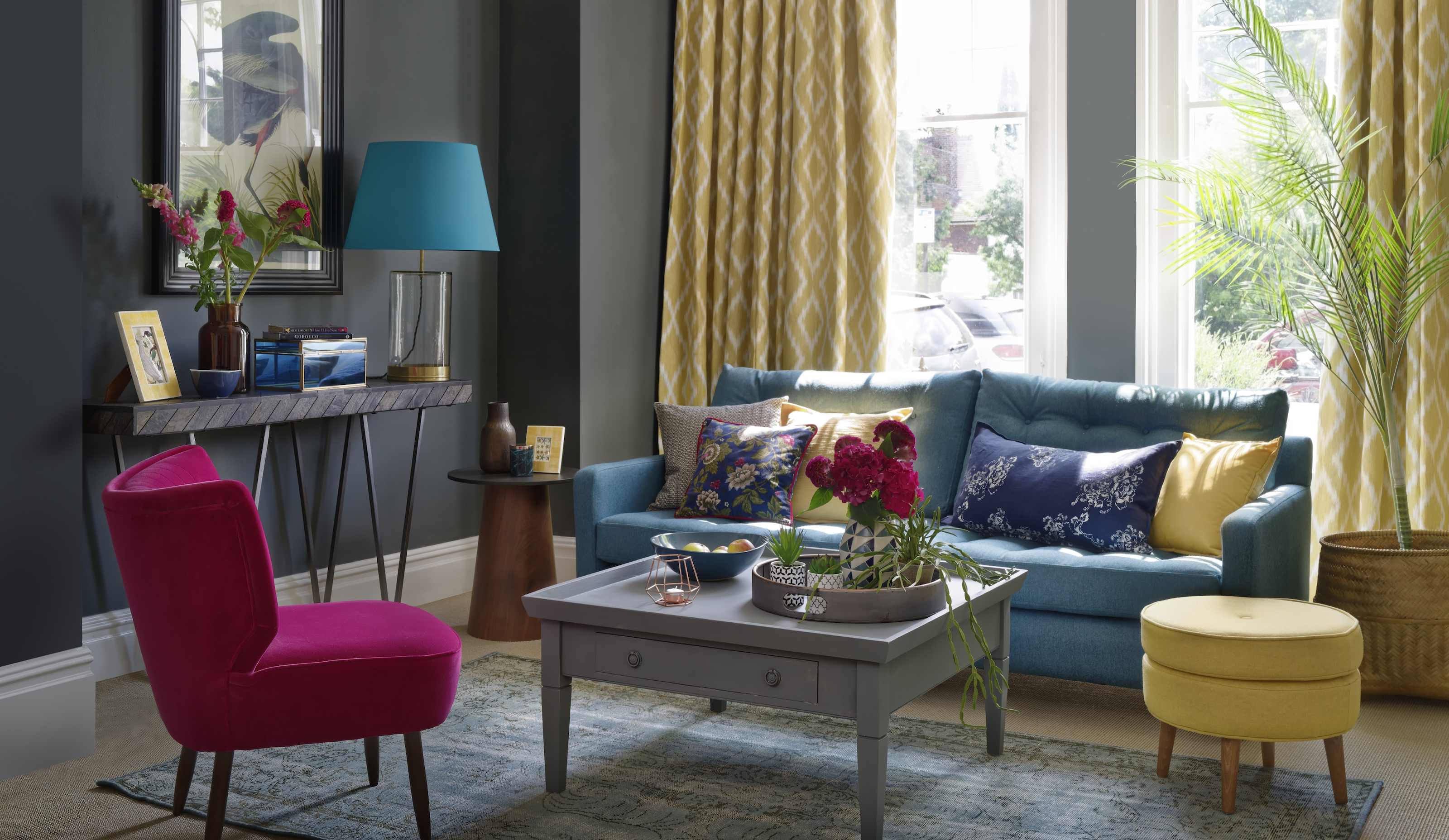
How much does it cost to reupholster a sofa? And why it's worth it

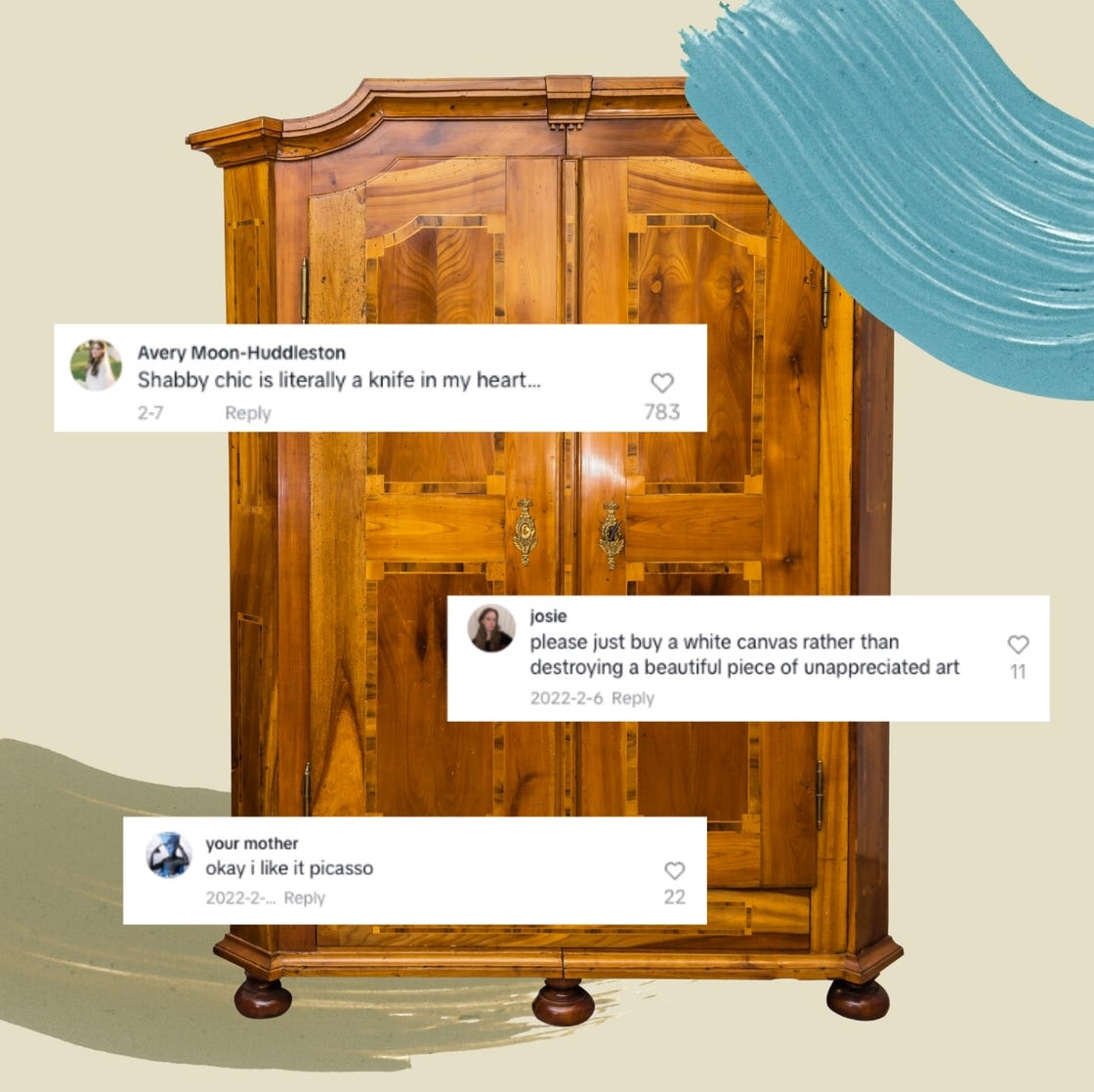
To Flip or Not to Flip: Have Antique Furniture Revamps Gone Too Far?
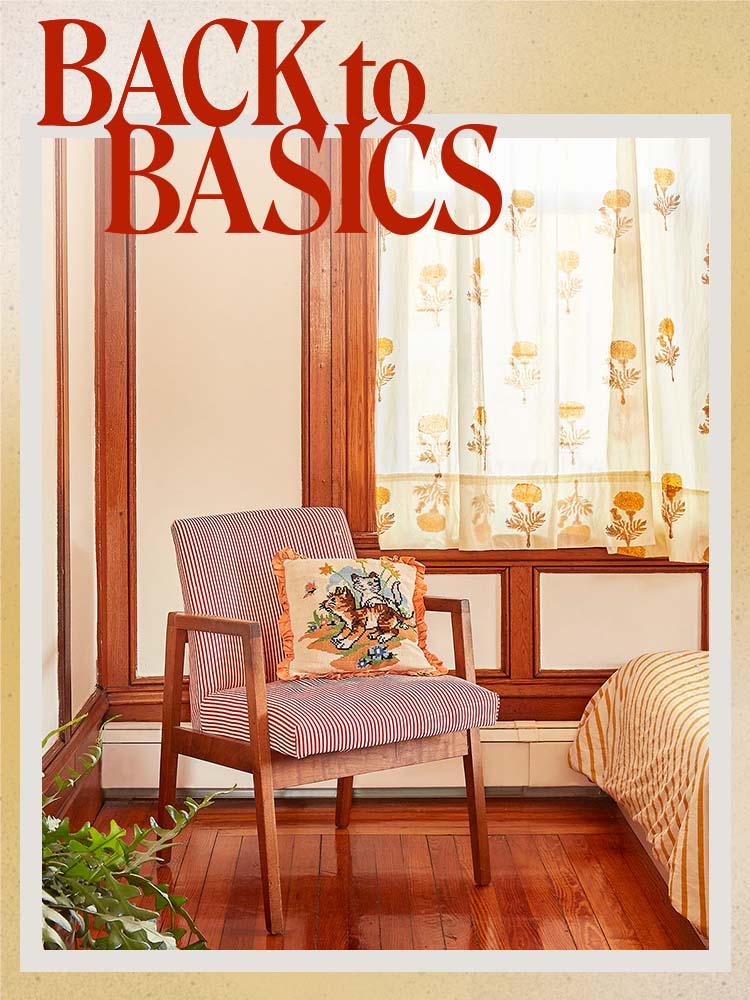
How to Reupholster a Chair So You Can Revamp Rather Than Replace

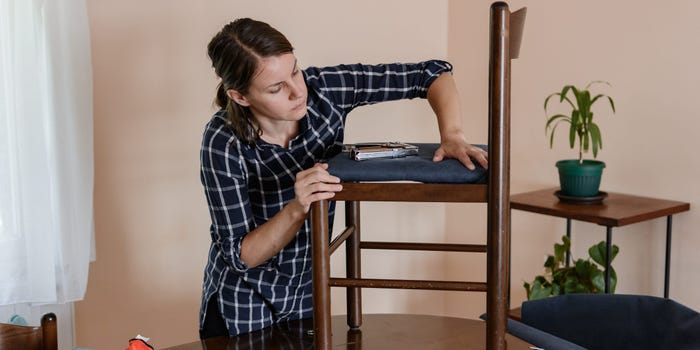
How to reupholster a chair and breathe new life into old furniture
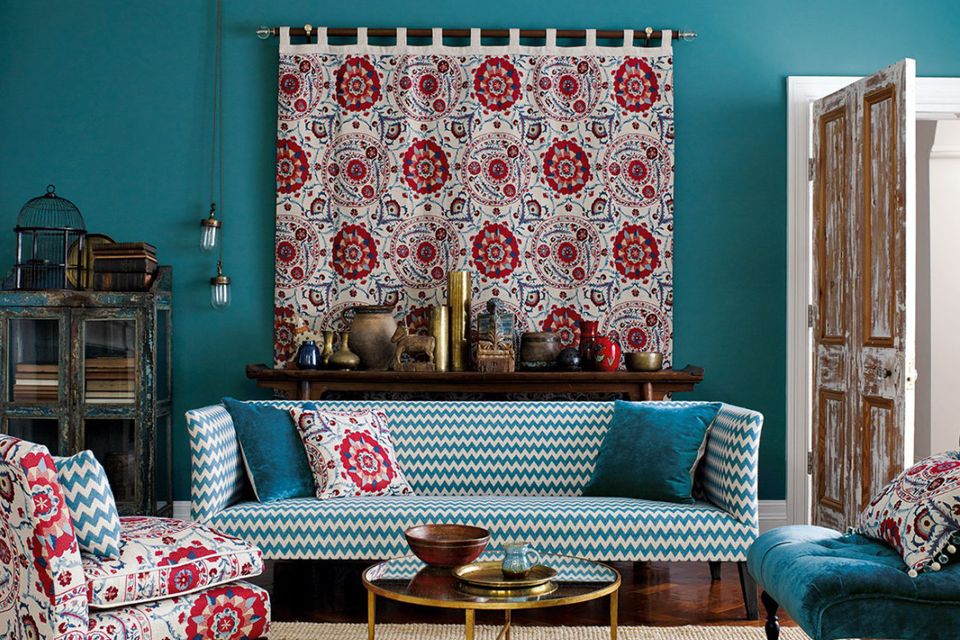
Interiors: Second skin... revive your favourite couch
Is It a Crime to Paint Antique Furniture?


Expert Tips for Buying Used and Vintage Furniture | Reviews by Wirecutter

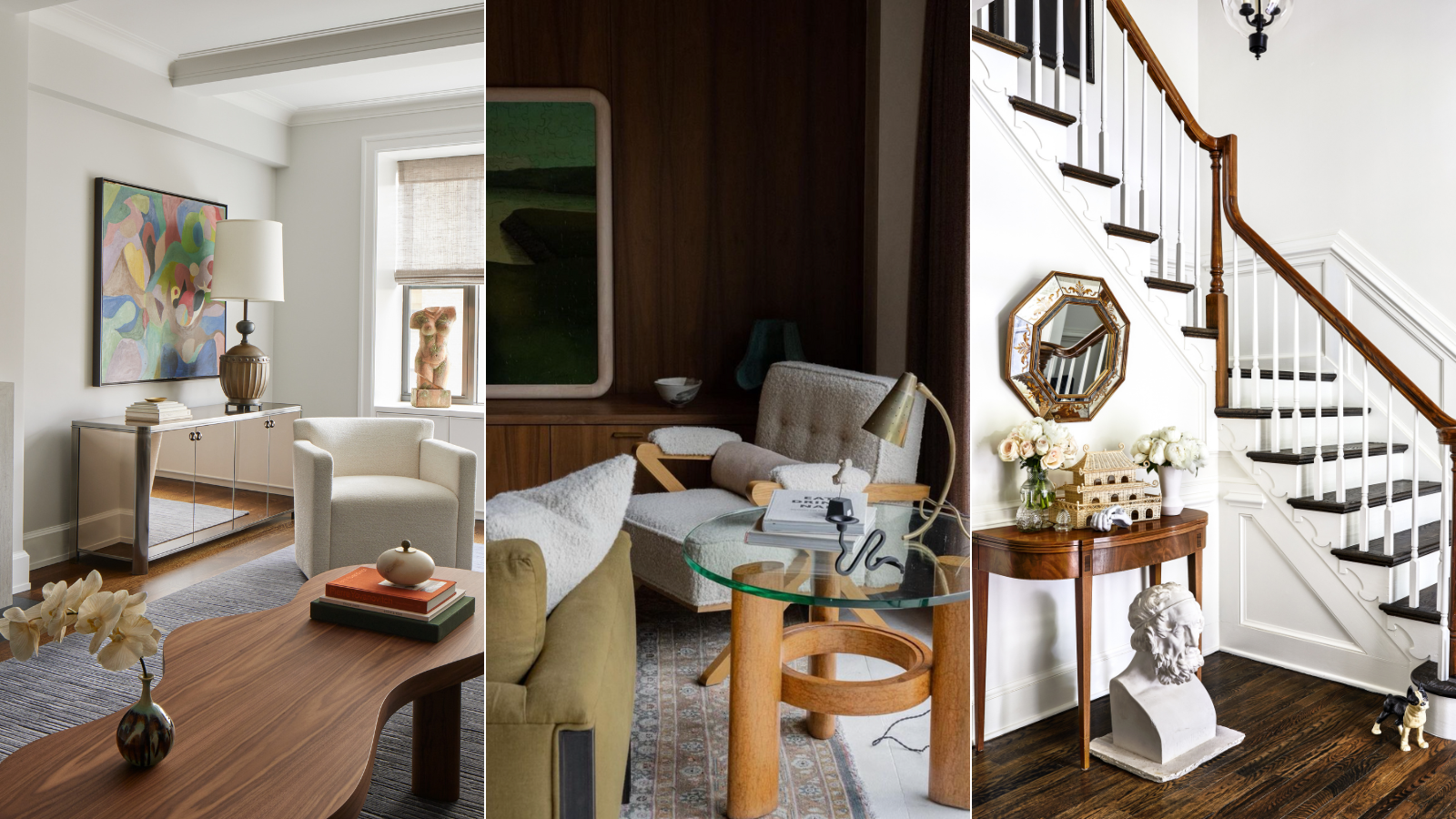
How to style antique furniture for a timeless, transitional space – 9 designers share their tips
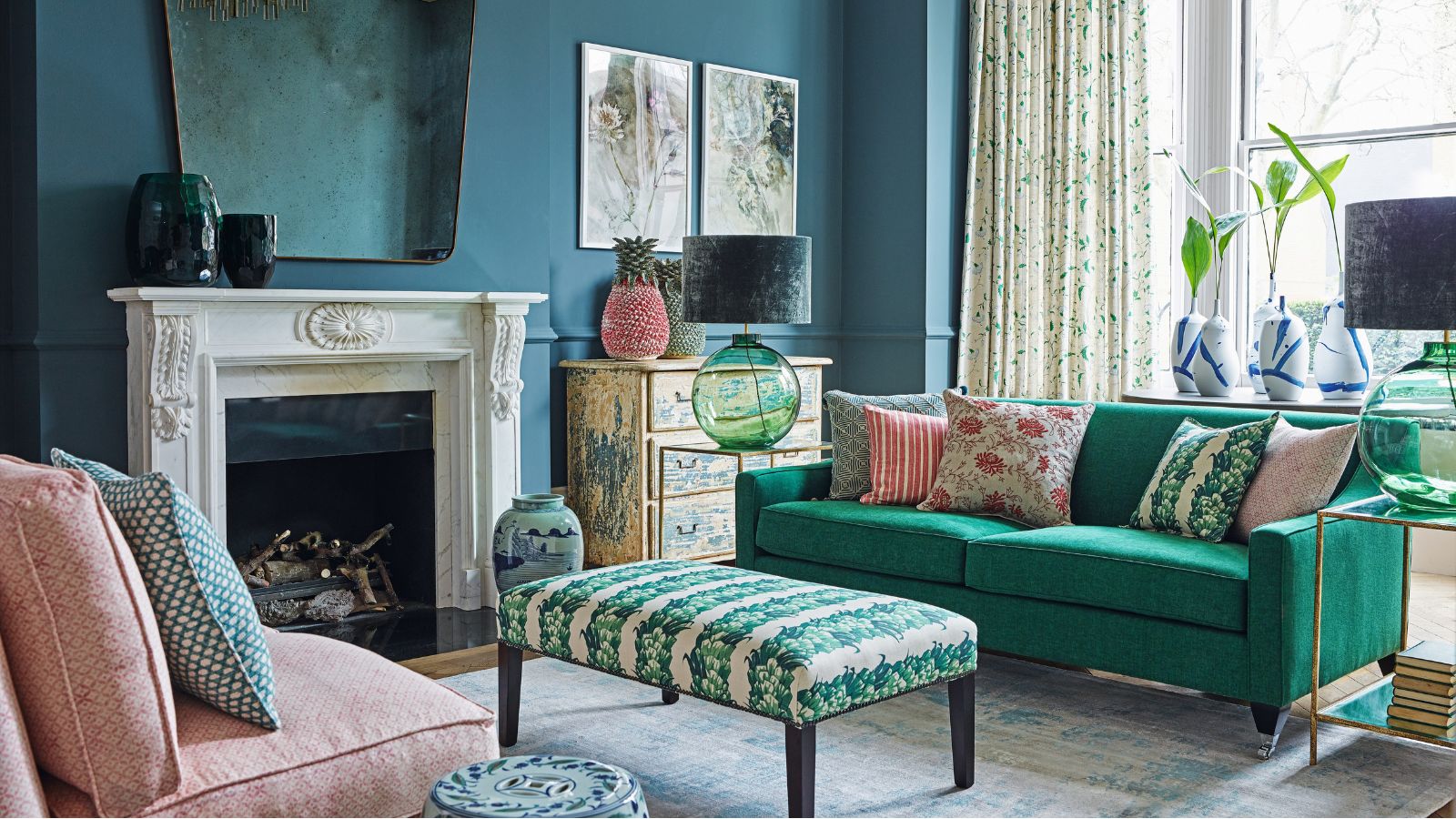
How to Modernize Antique Furniture for a Characterful and Cohesive Look
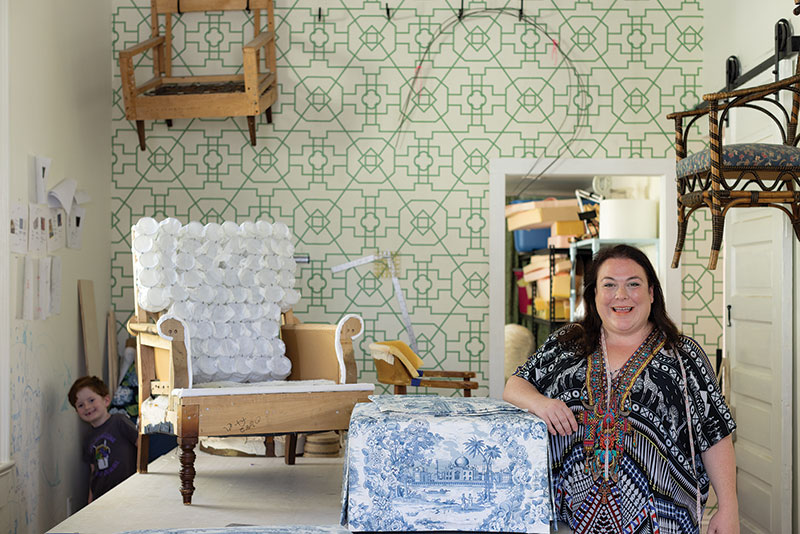
Michelle McClennan’s Love of Antique Design and Upholstery

The 8 Best Vintage Furniture Stores to Shop in-Person and Online

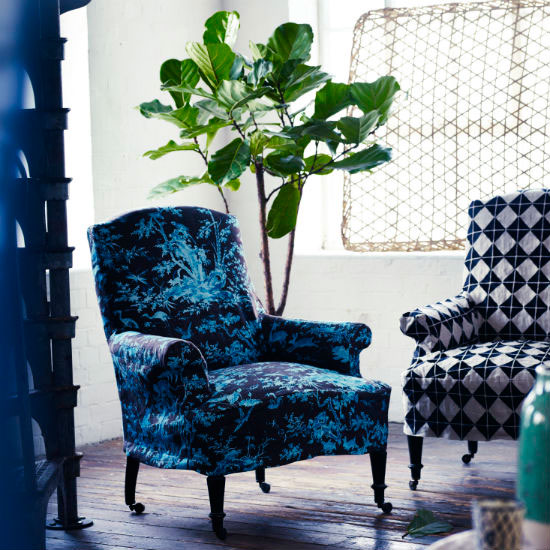
9 things you need to know before upholstering furniture
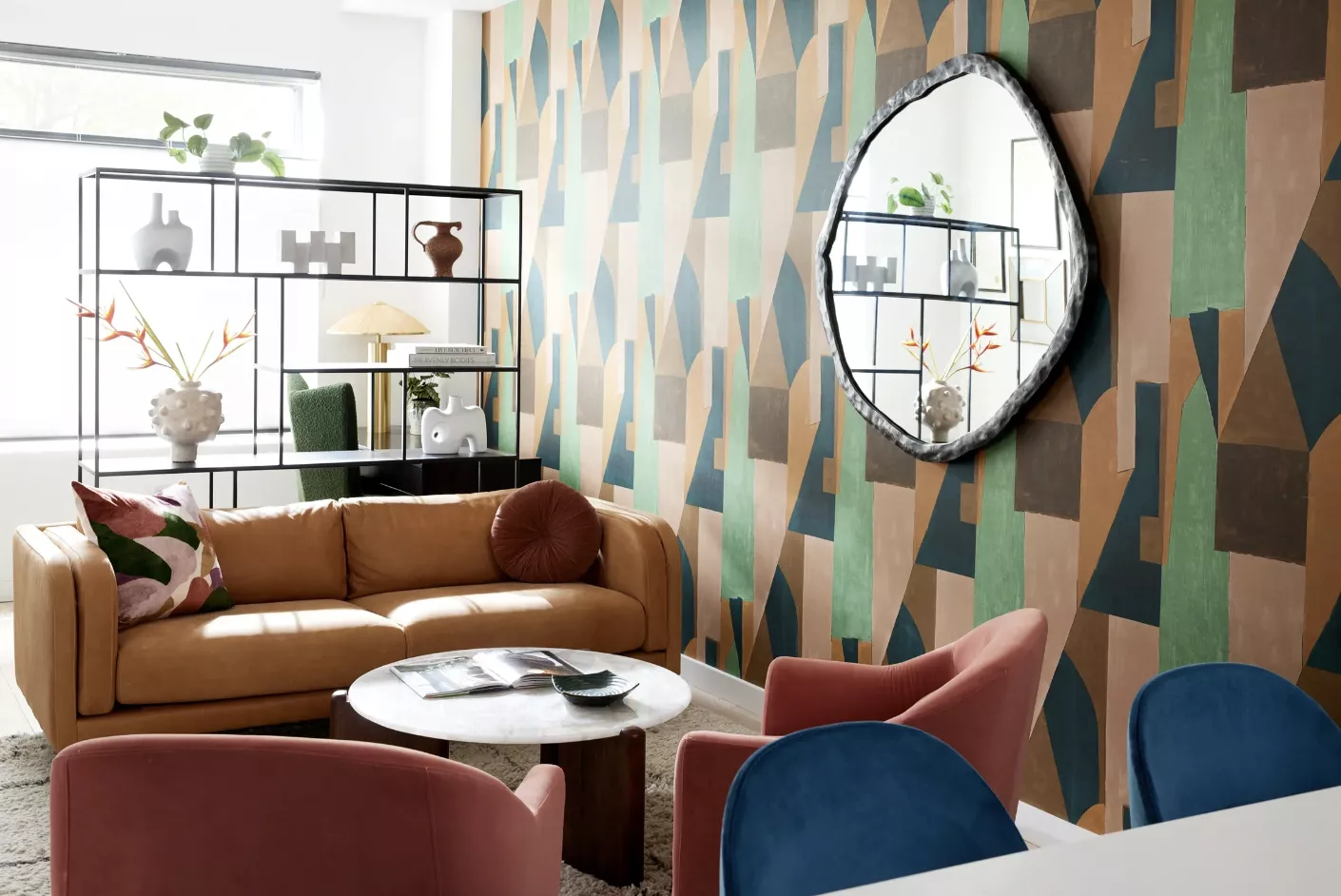
Thinking of Reupholstering Your Sofa? Everything You Should Know Before You Start

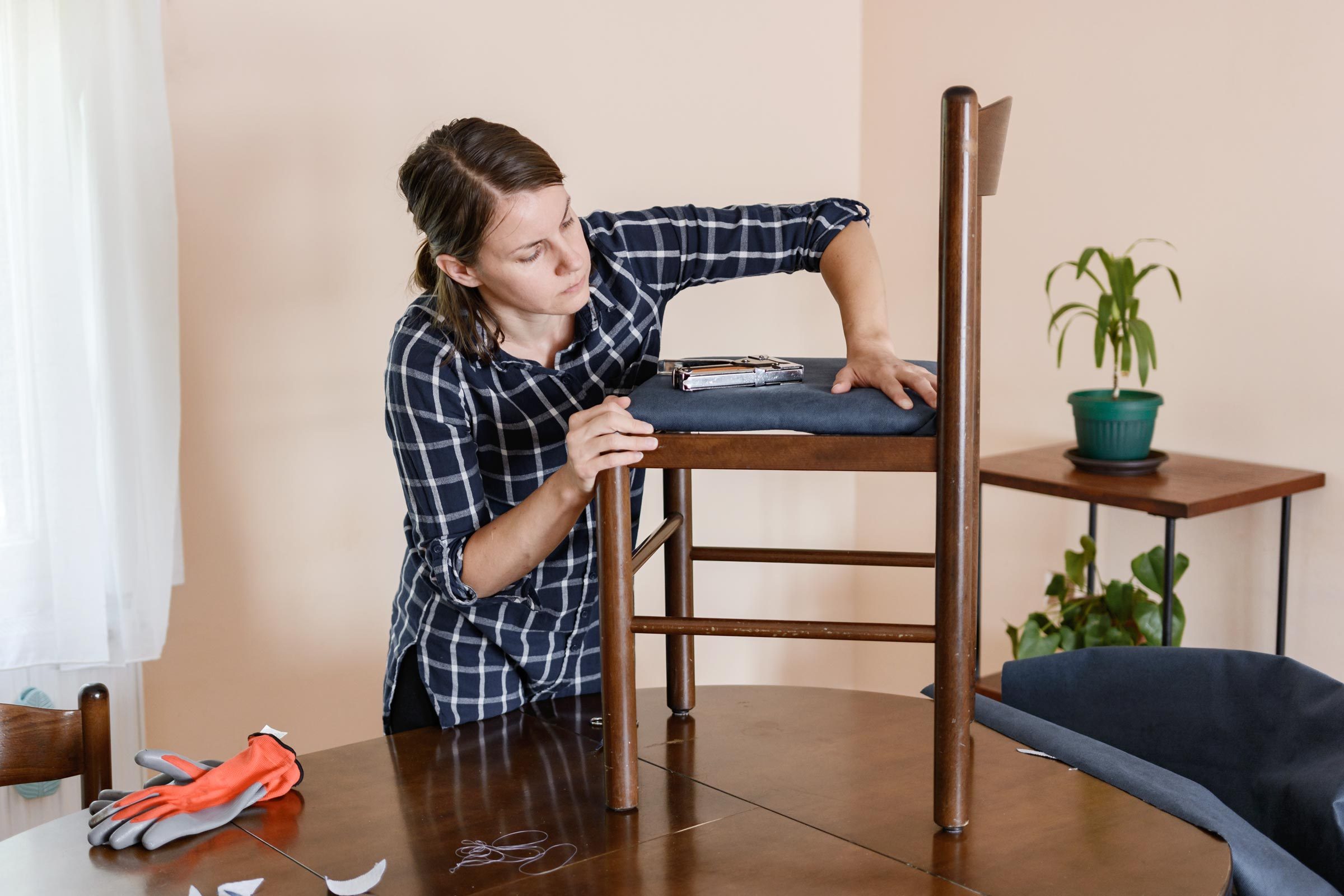
Beginner’s Guide To Reupholstering Furniture

How to Thrift The 1920s Design Trend Gen Z is Making Cool Again

Shop Secondhand Like a Pro: How Our Decor Experts Find Worth-It Furniture on a Budget
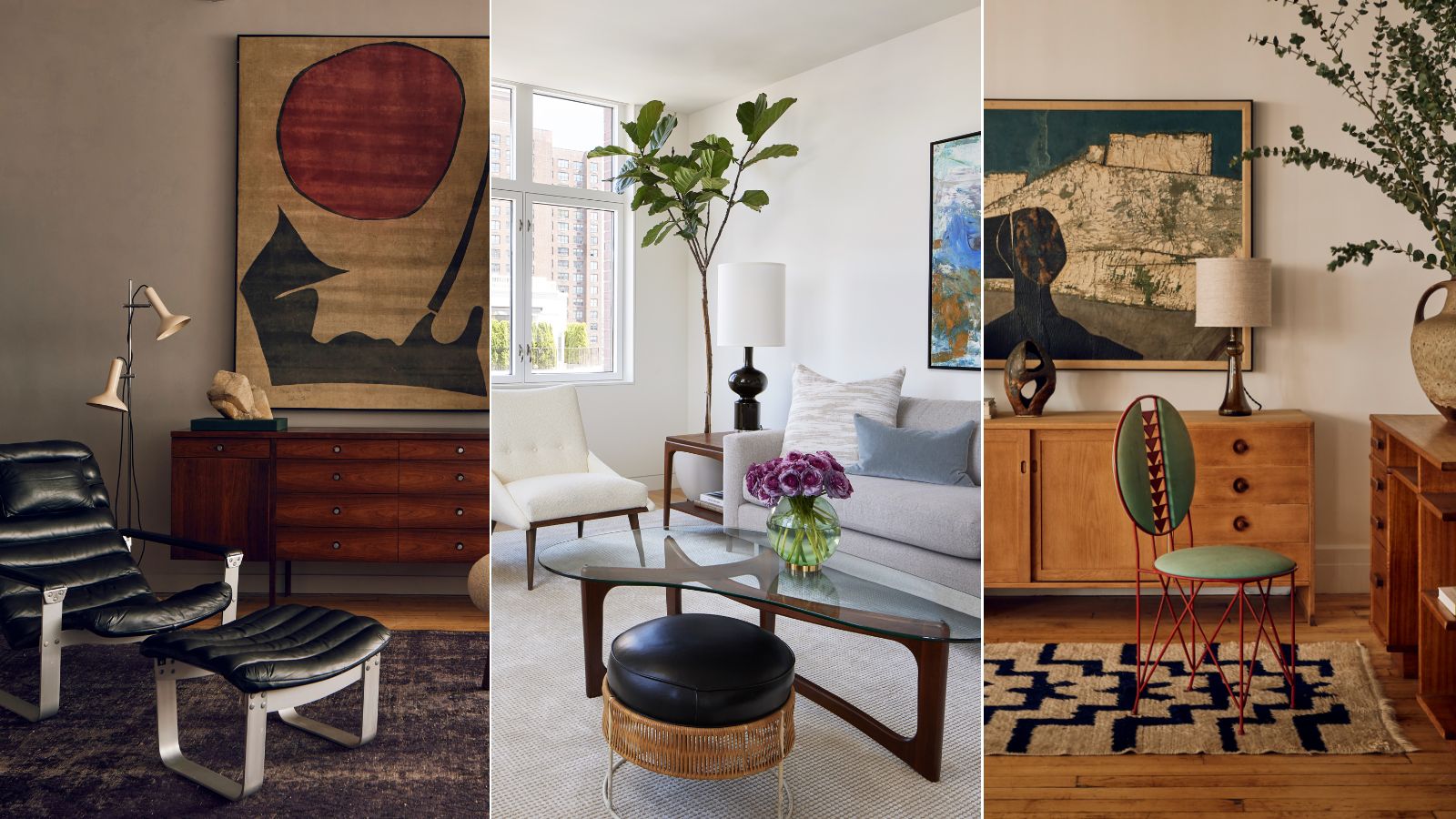
These designers source and restore vintage furniture every single day – here are their top tips for shopping and reviving
Tip: Leave the Finish Alone
5 Things You Should Definitely Thrift for Your Living Room Styling — "A Few Pieces Add Instant Soul"

Common Upholstery Techniques: What You Need to Know to Reupholster Furniture