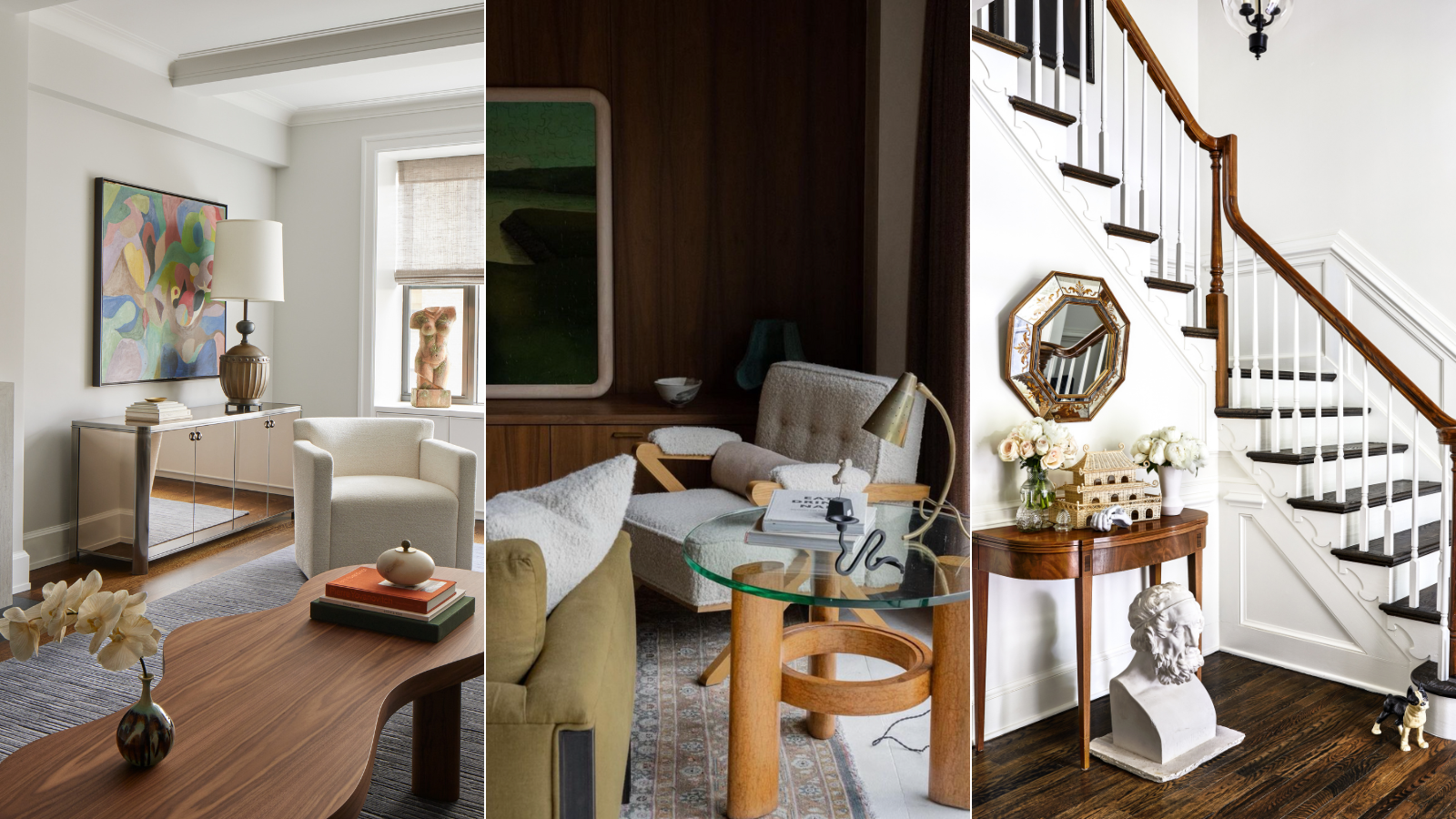
1/7
How to style antique furniture for a timeless, transitional space – 9 designers share their tips
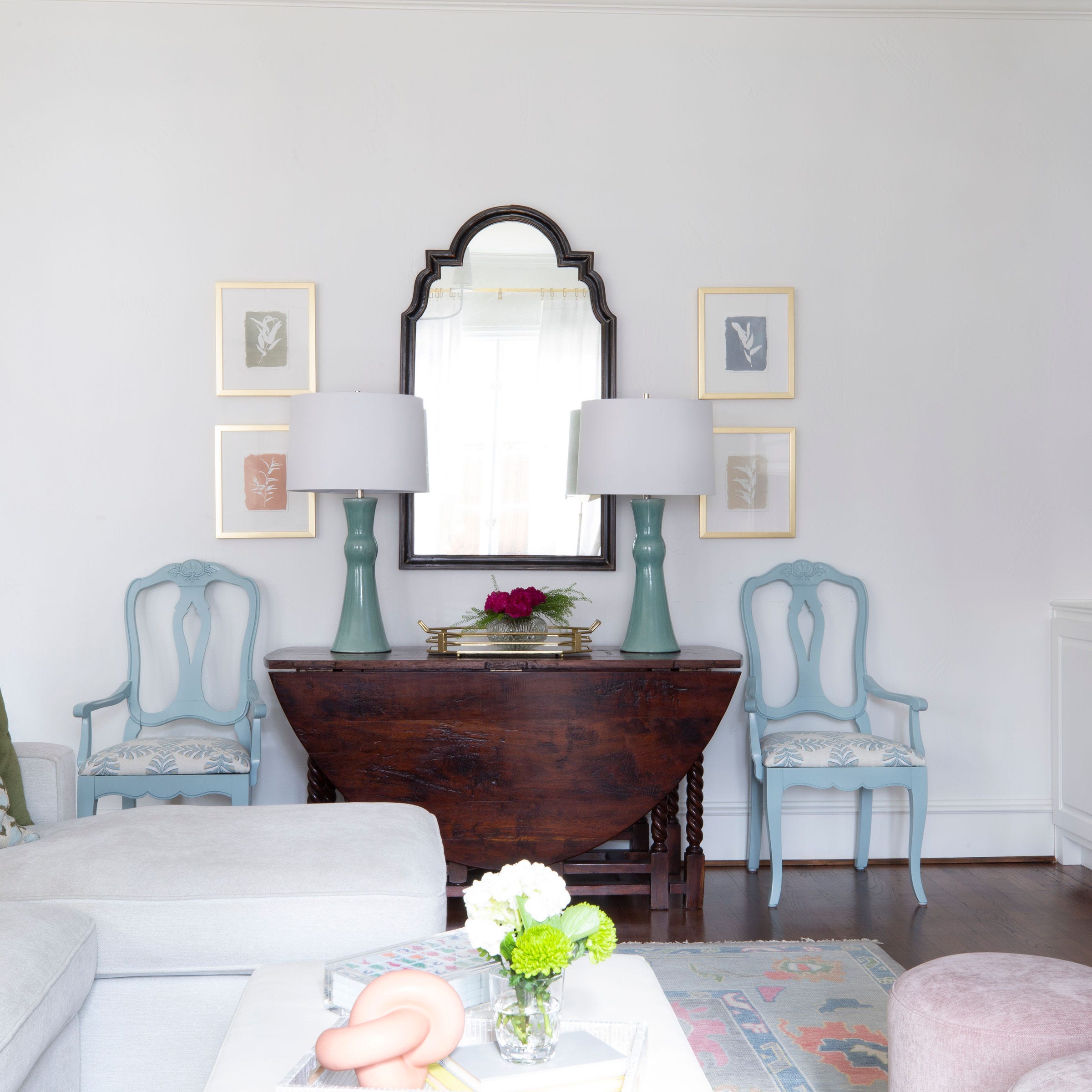
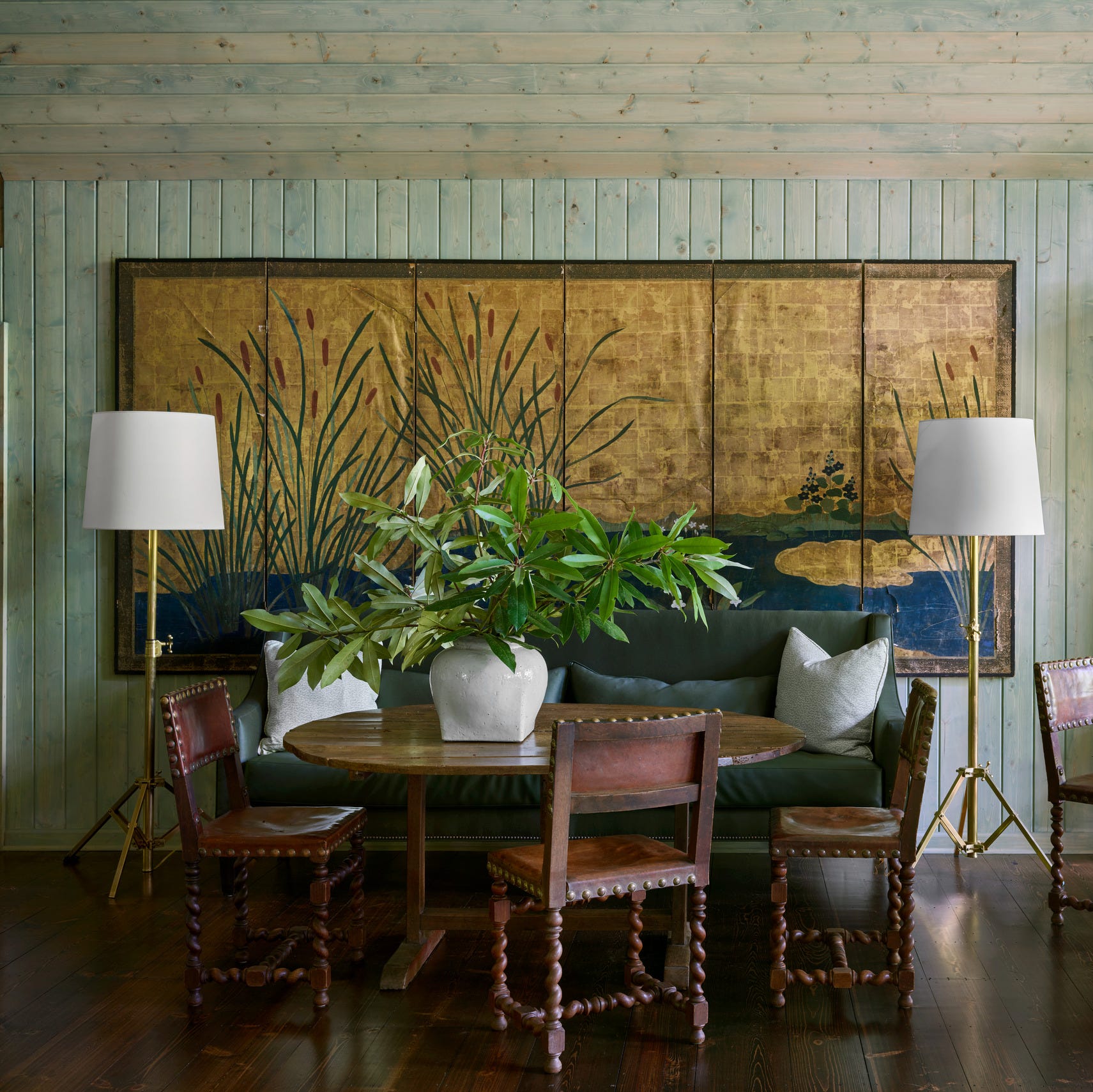
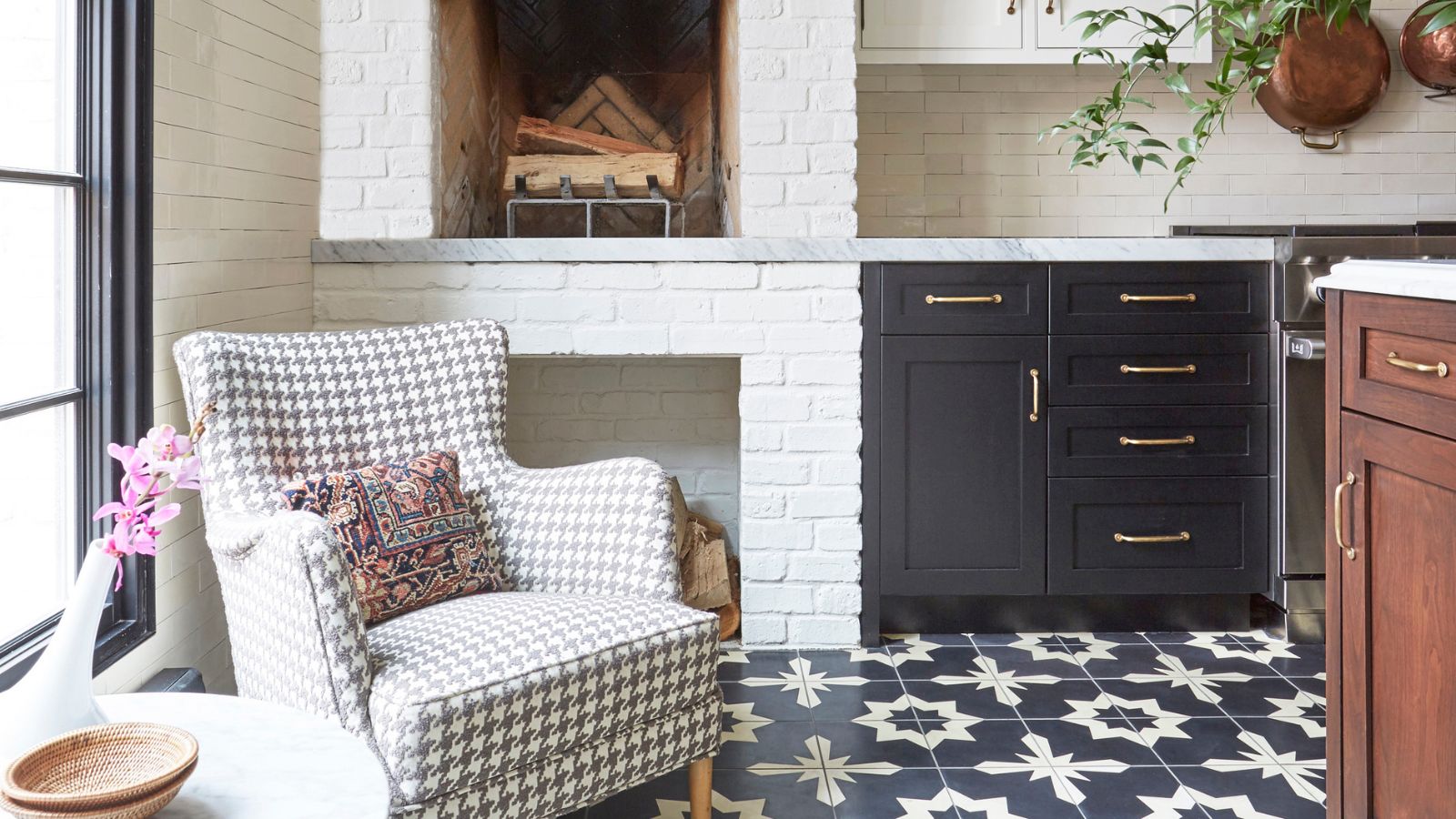
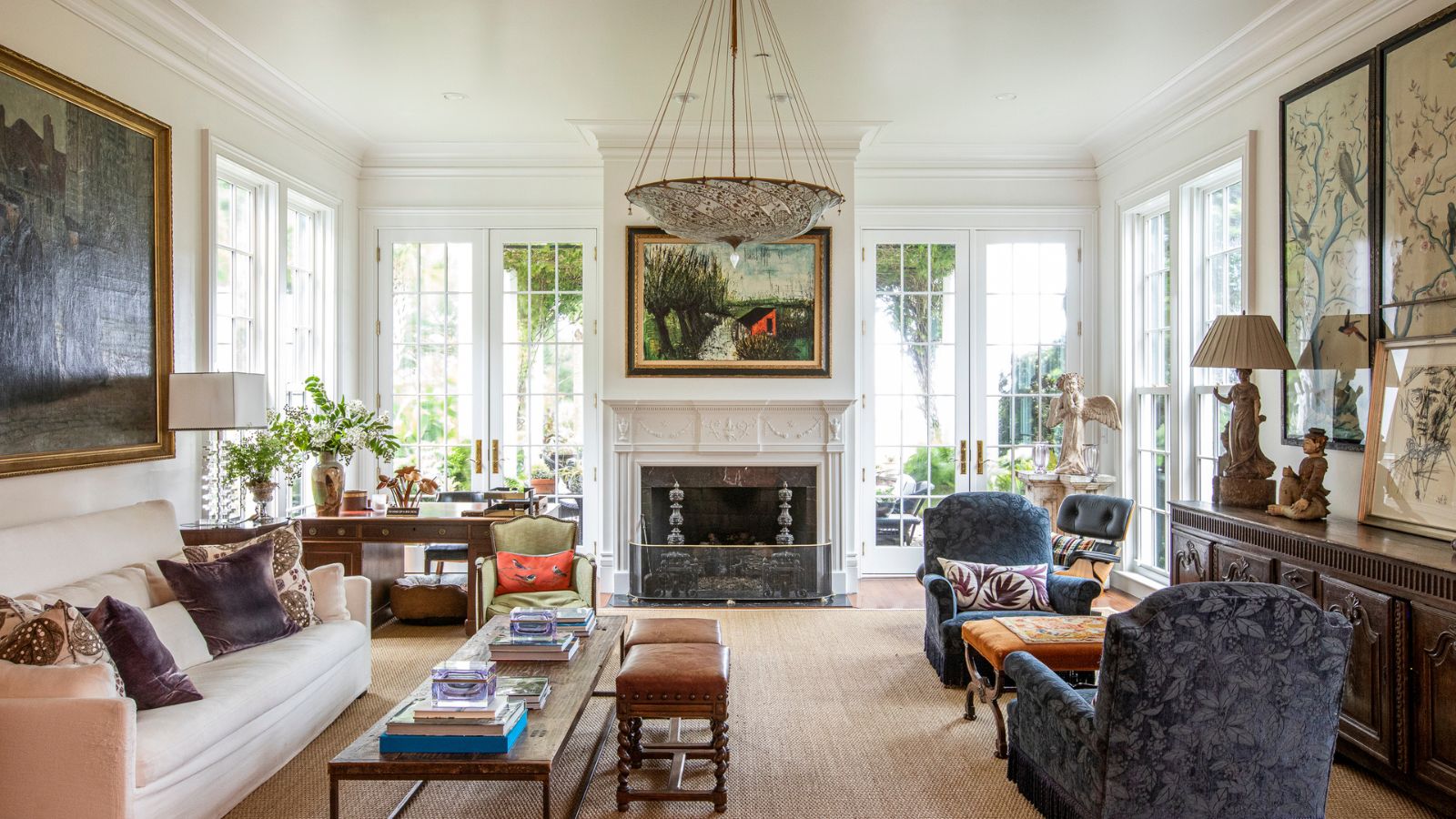
Styling antique furniture to create a timeless and transitional home can be a challenging yet rewarding endeavor, adding character and historic charm to any space. The integration of vintage pieces with modern or contemporary designs requires a thoughtful approach to ensure cohesion and avoid overwhelming the interior. This article compiles insights from ten interior designers on how to effectively blend antiques with personal style, offering practical advice that extends beyond mere aesthetics, emphasizing the eco-friendly aspect of reusing existing items.
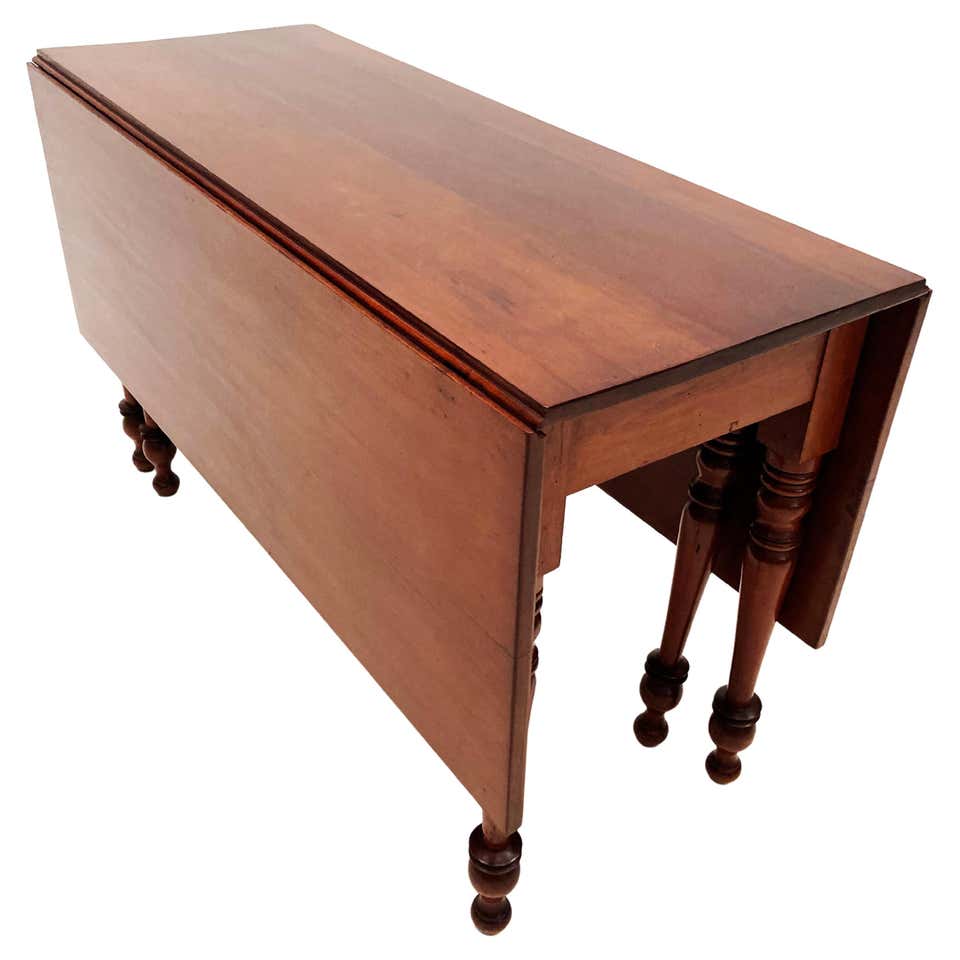
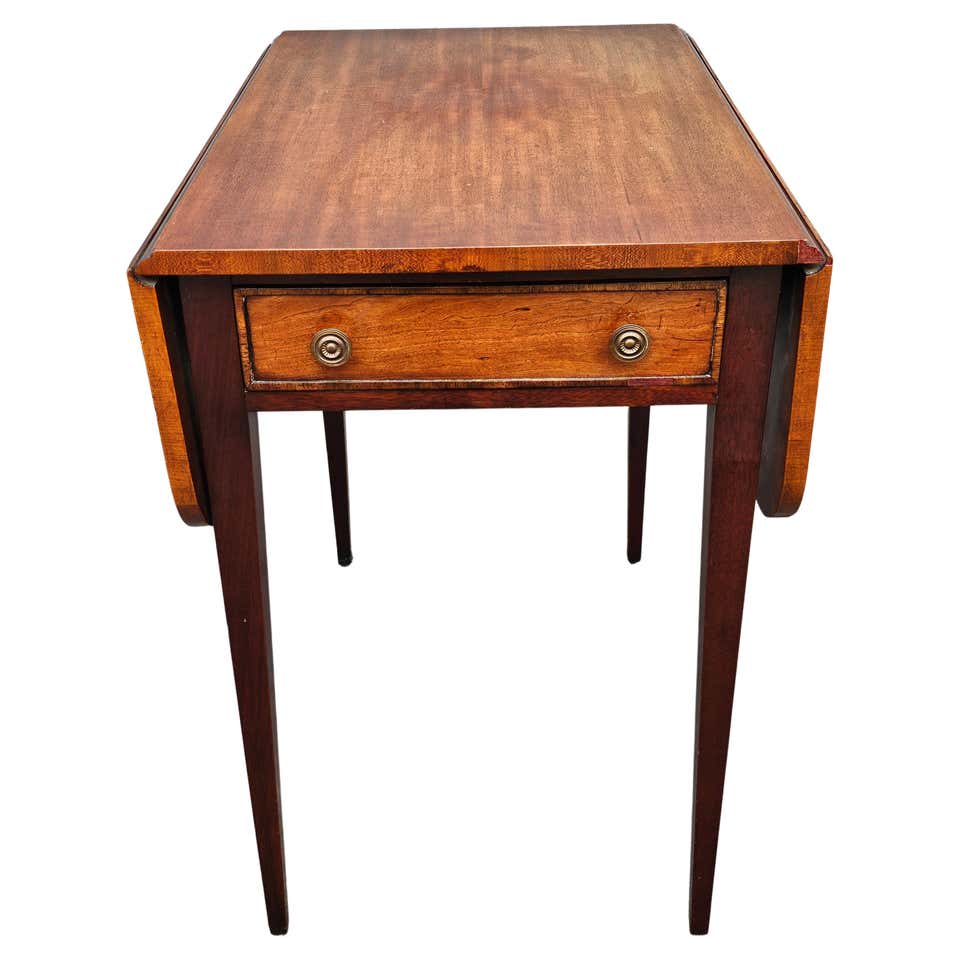
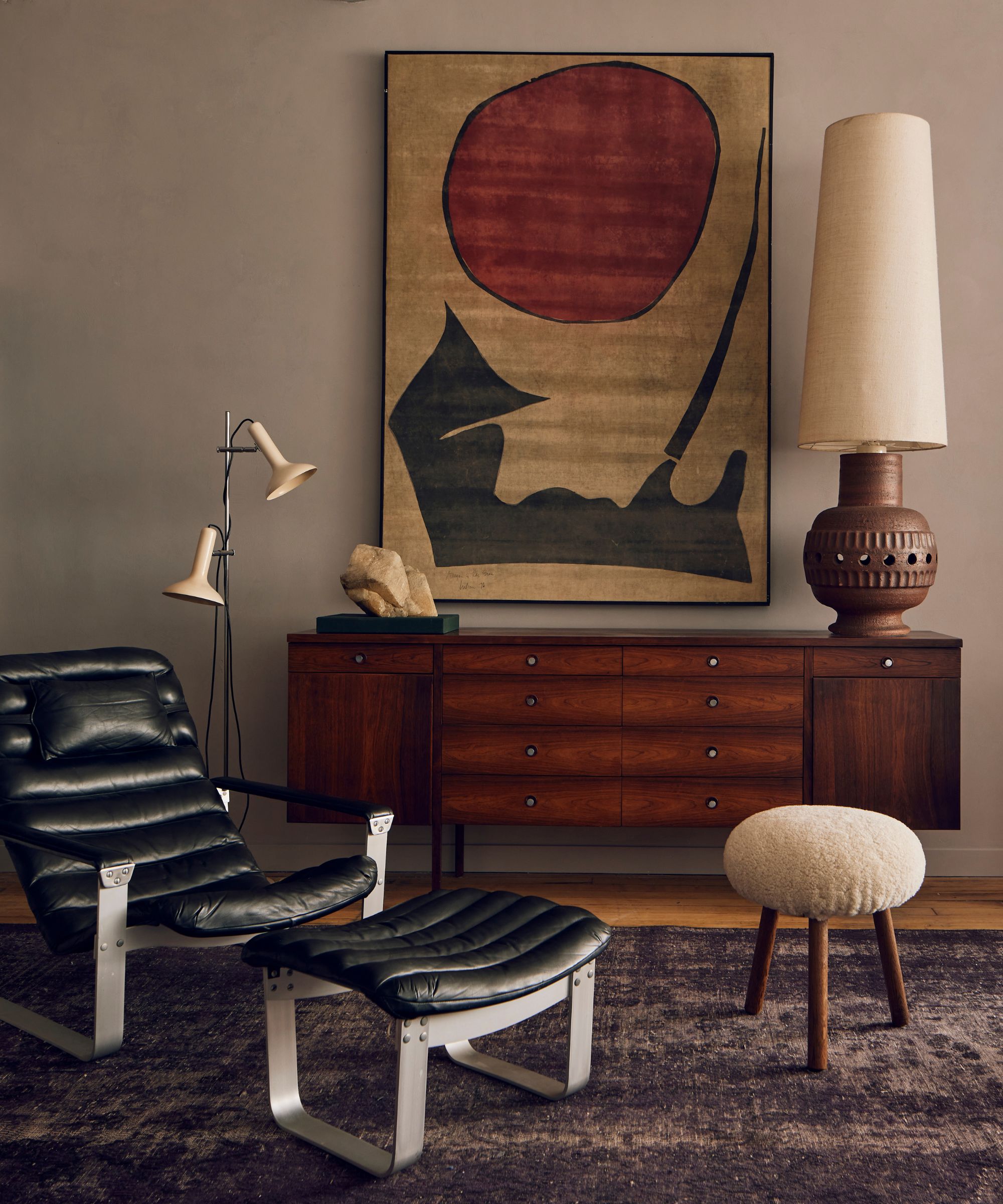
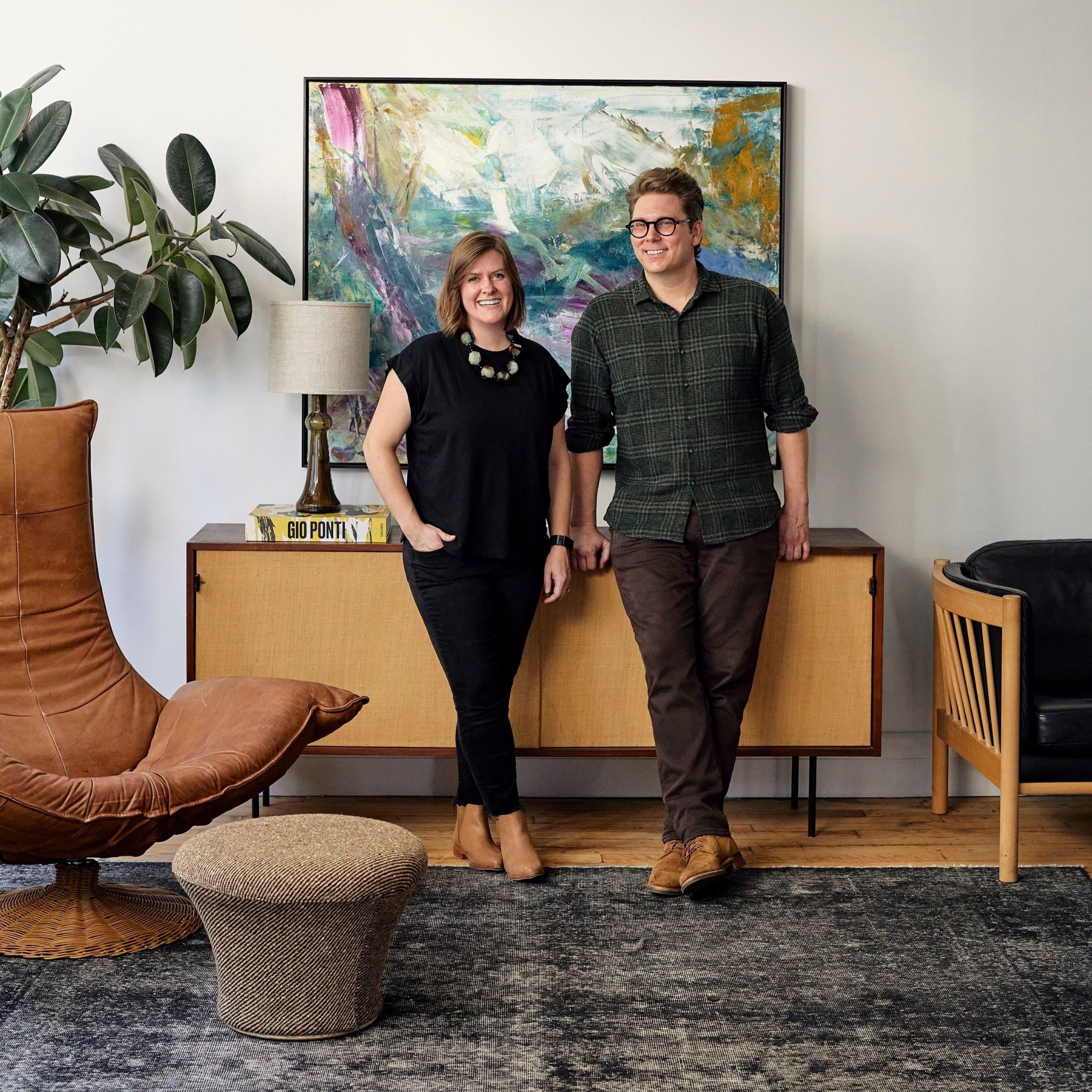
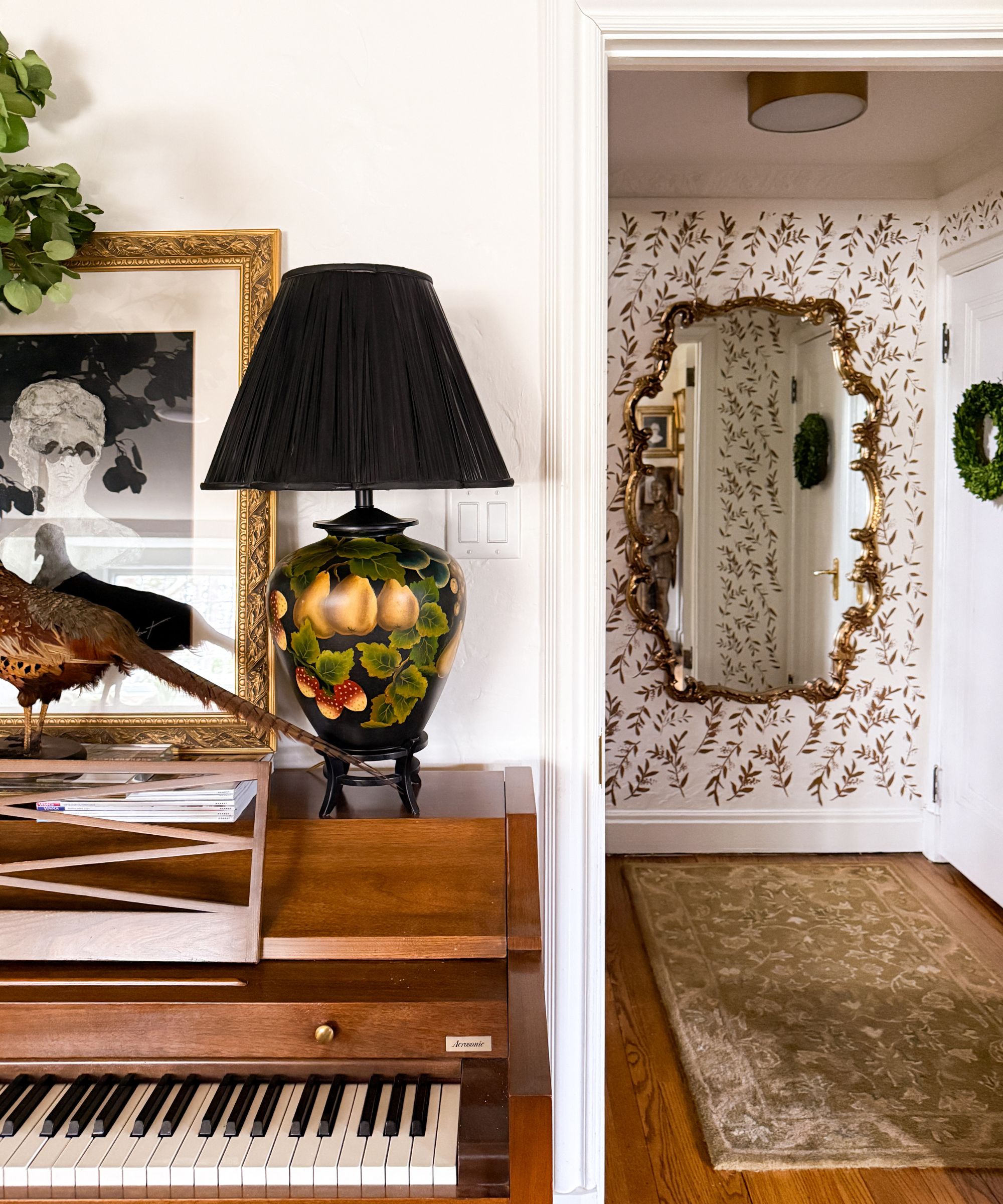
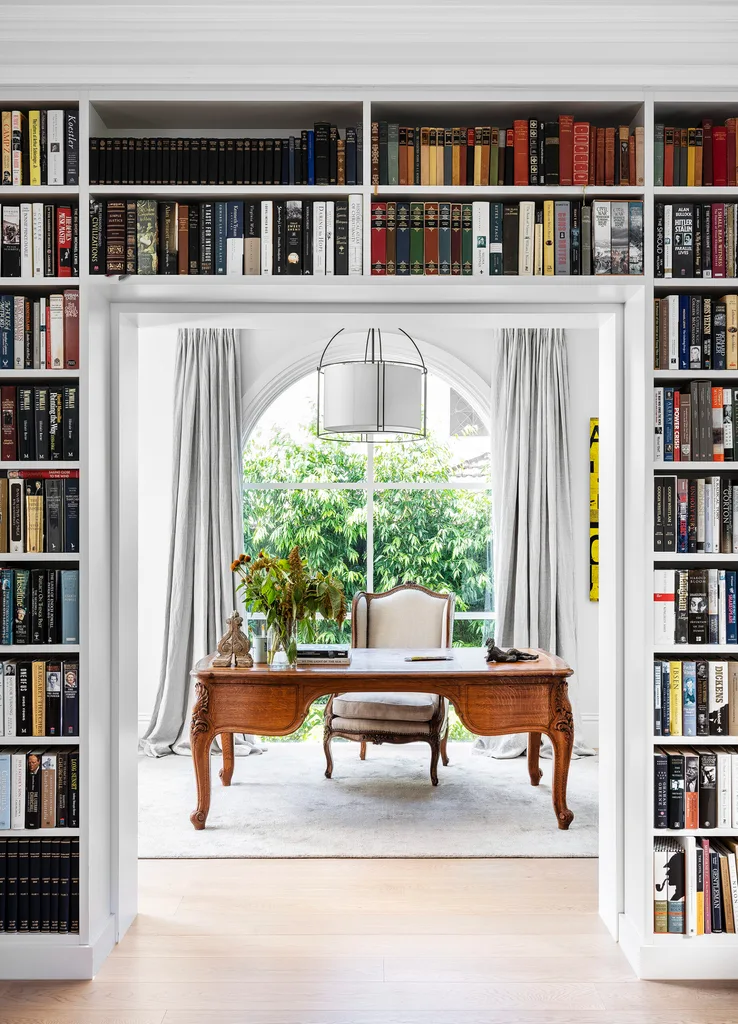
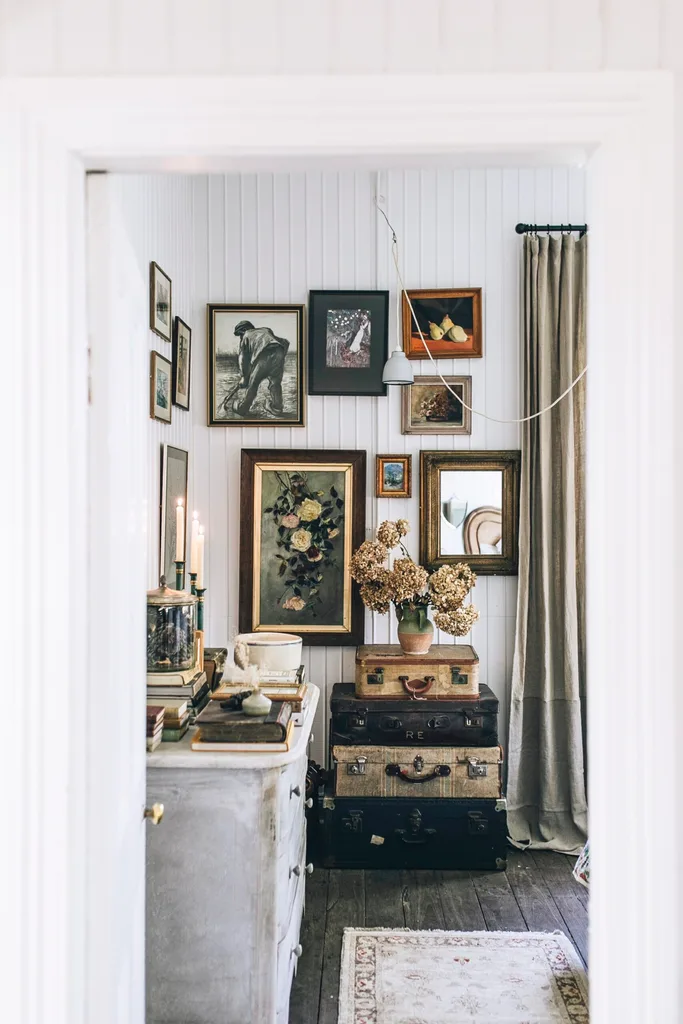
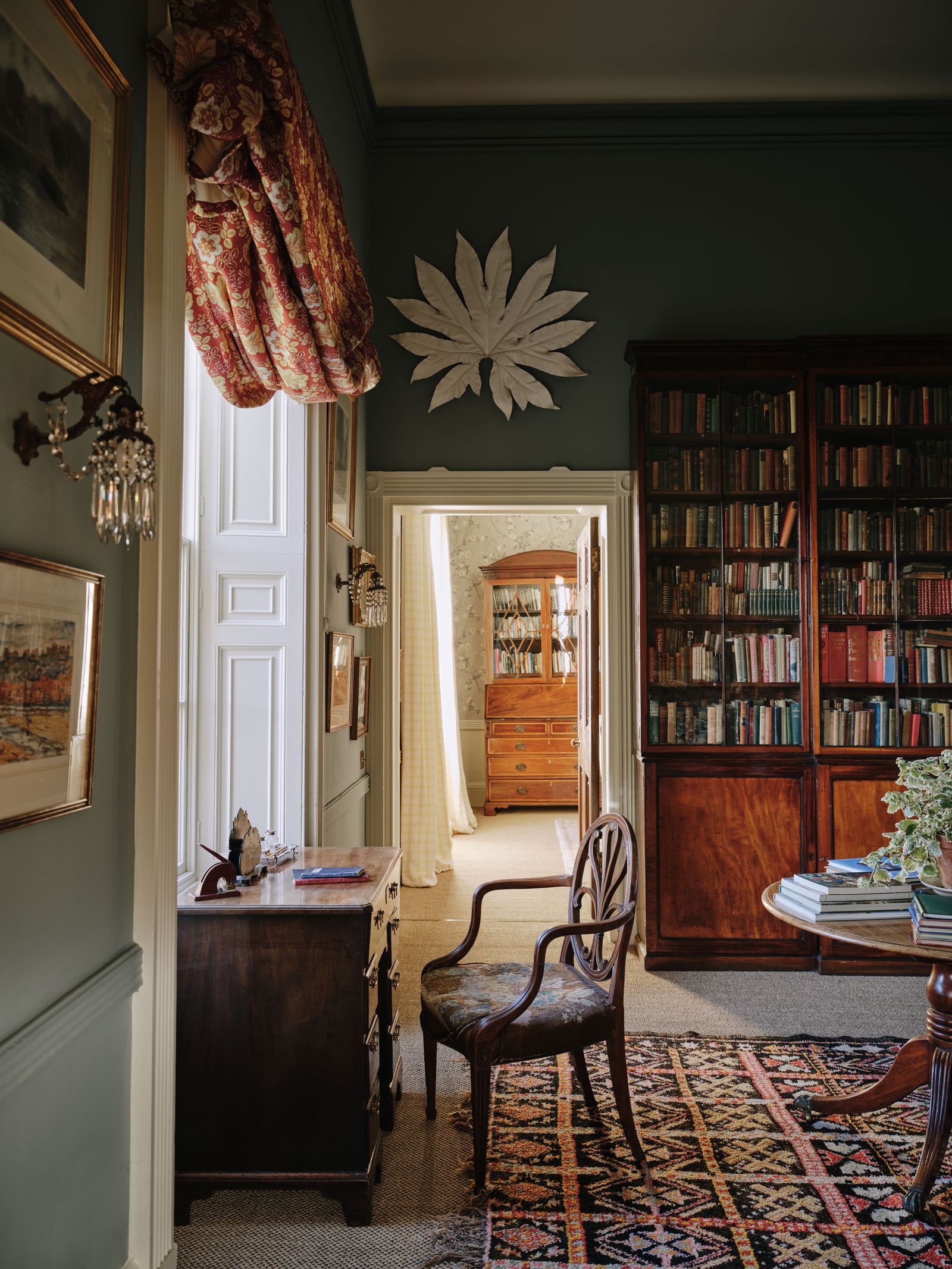
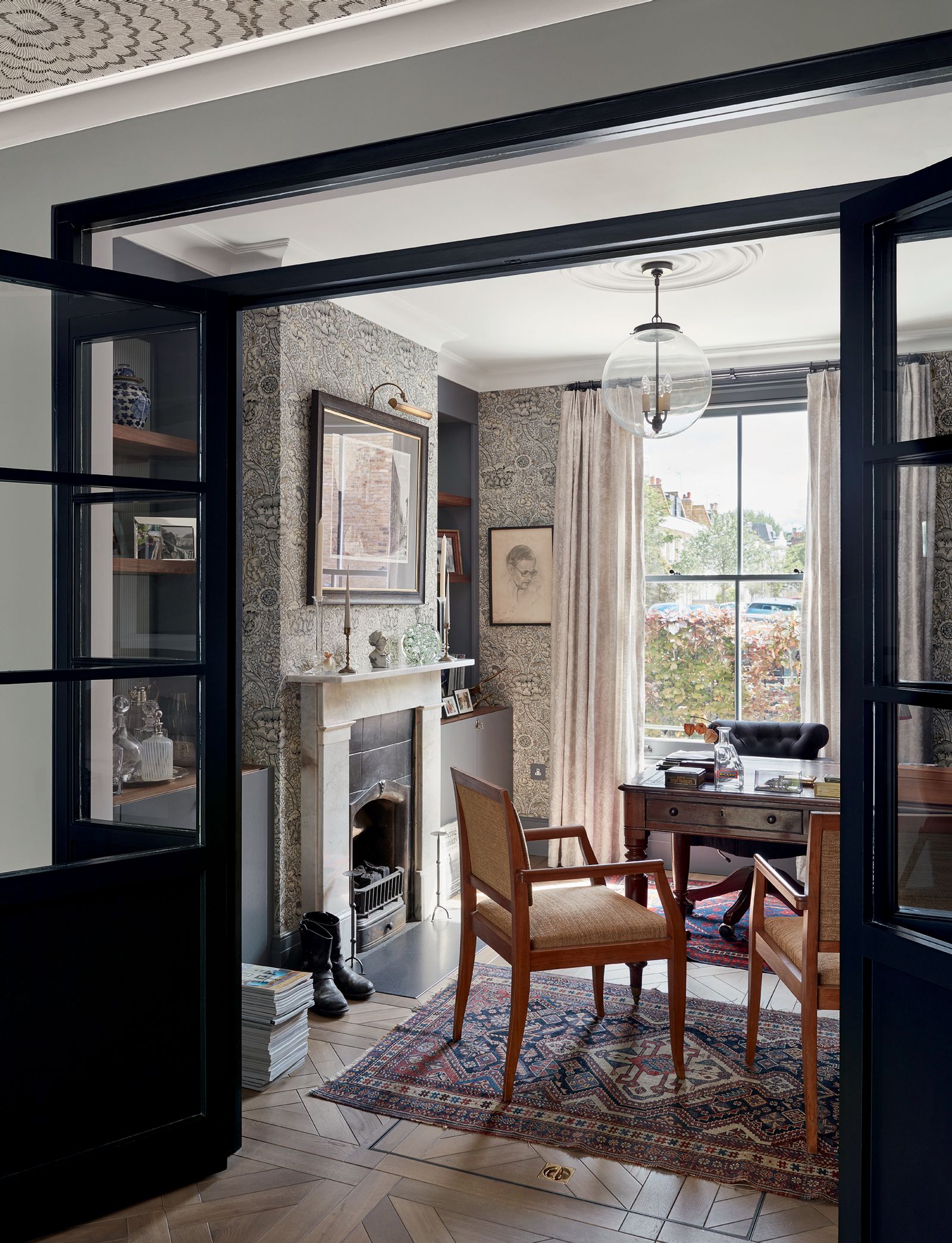
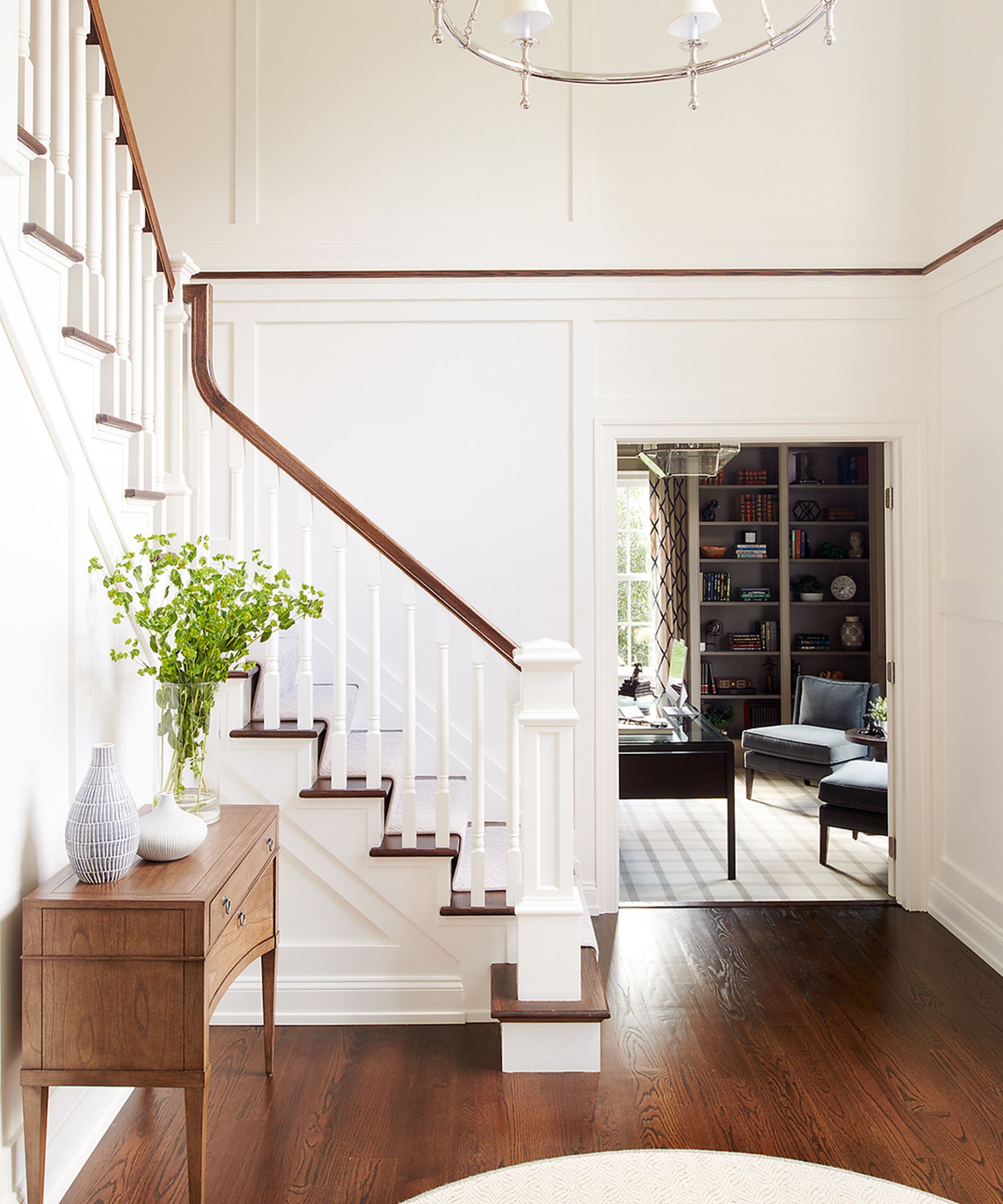
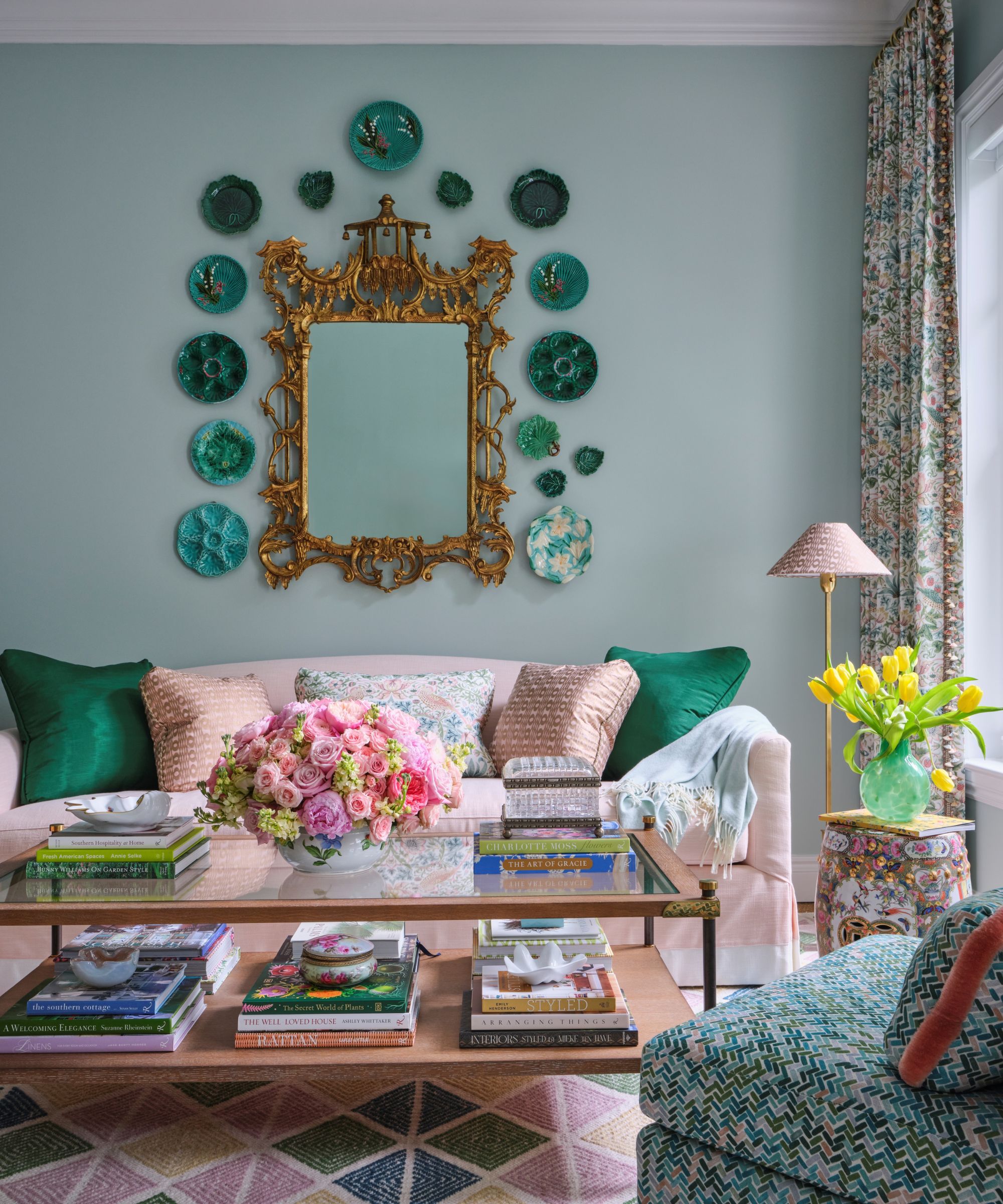
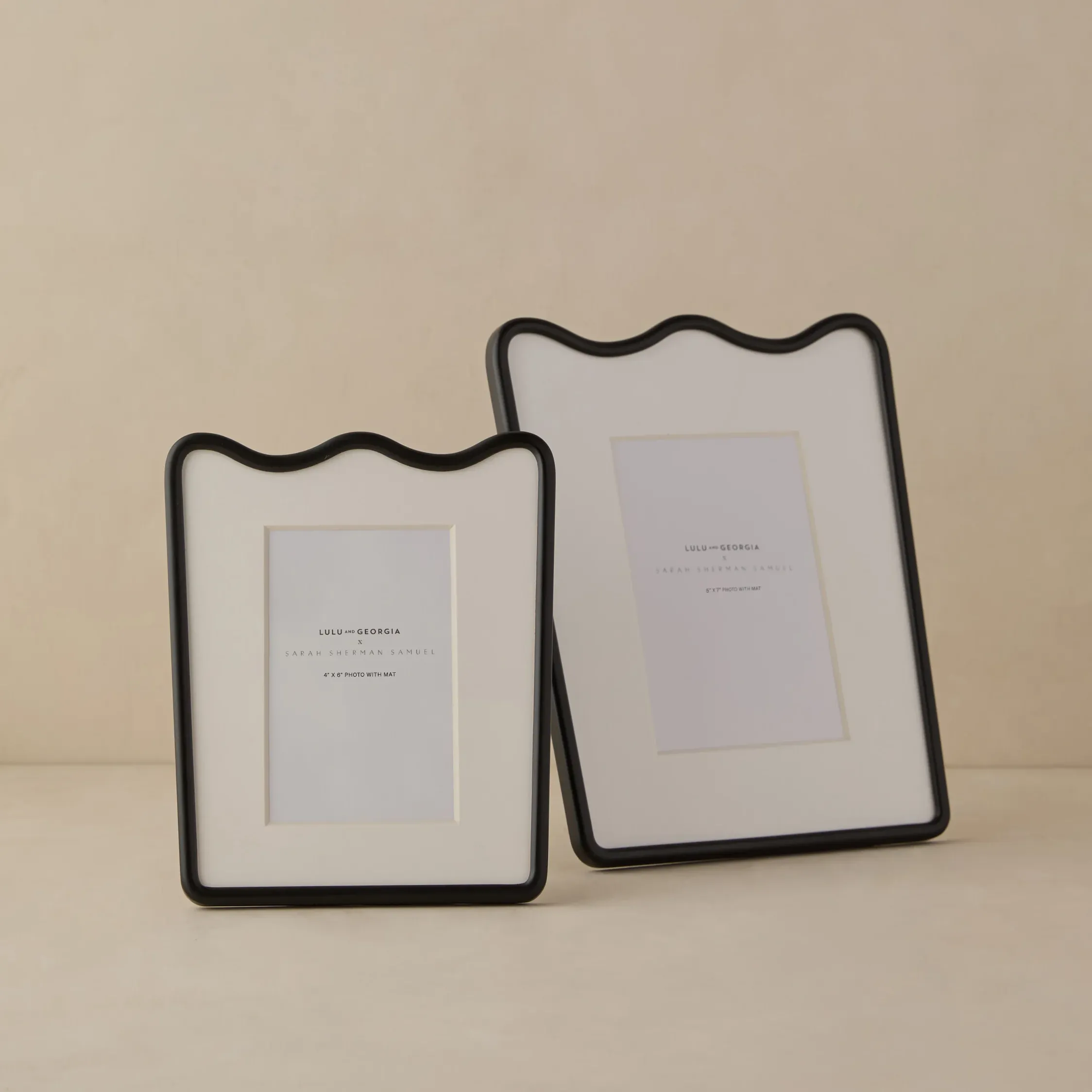
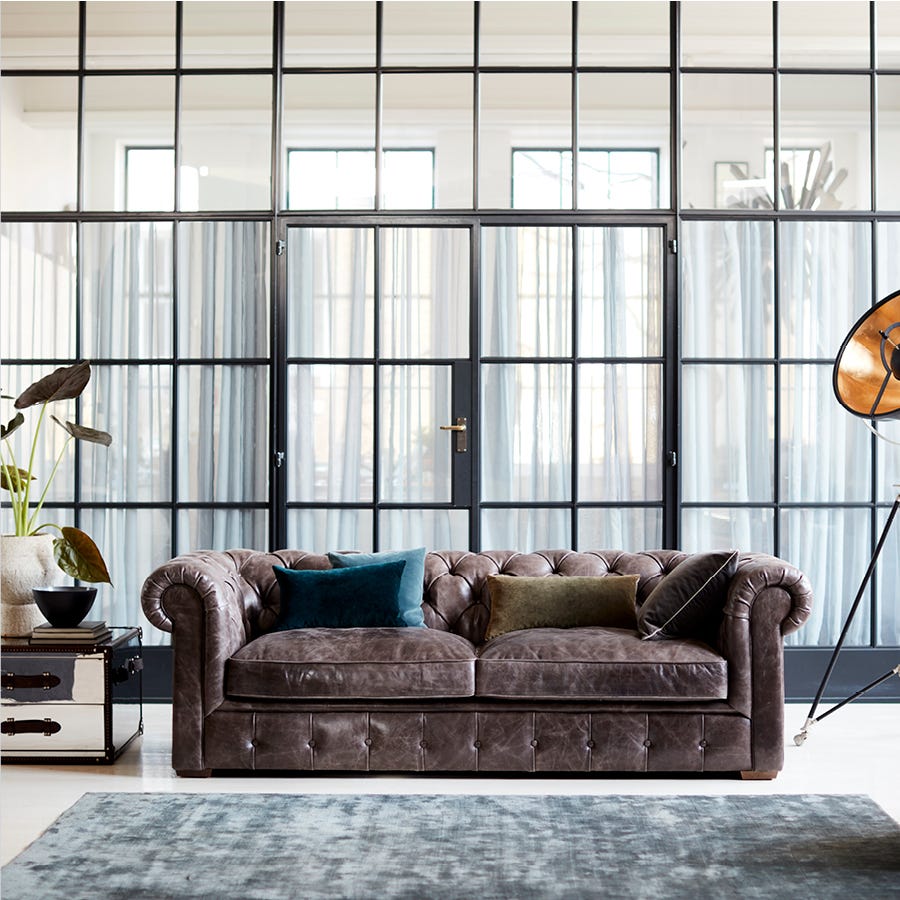
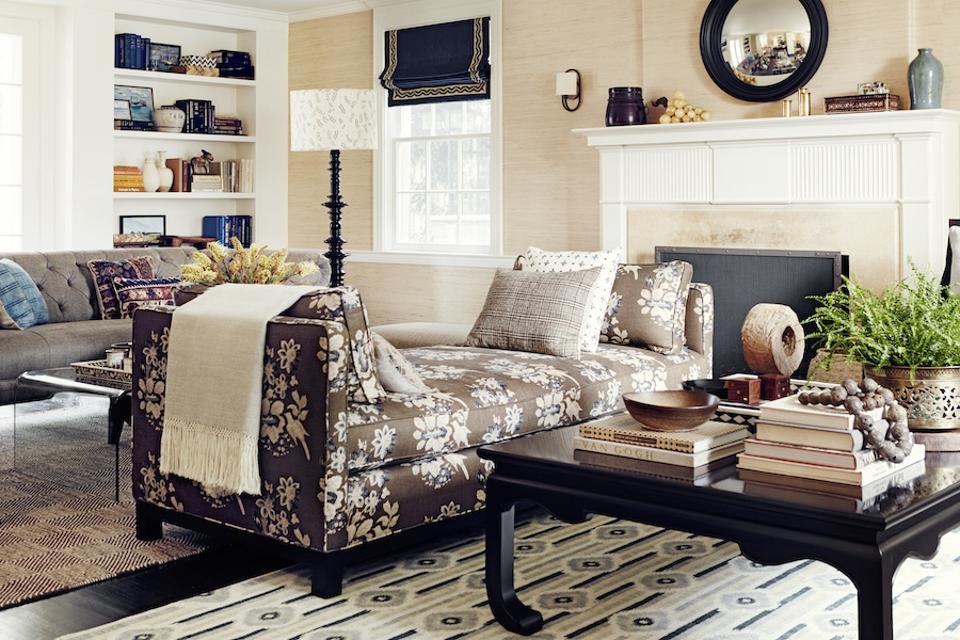
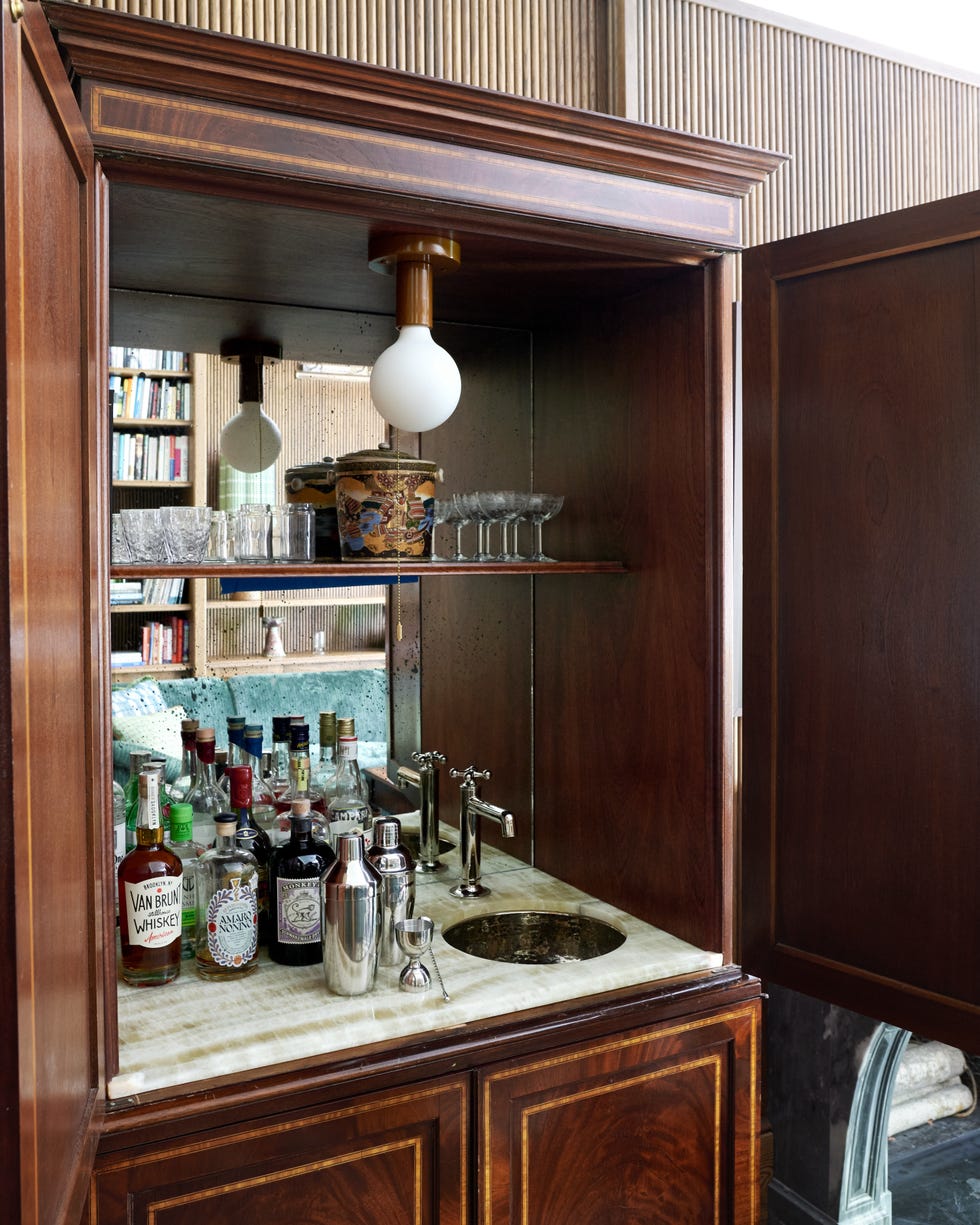
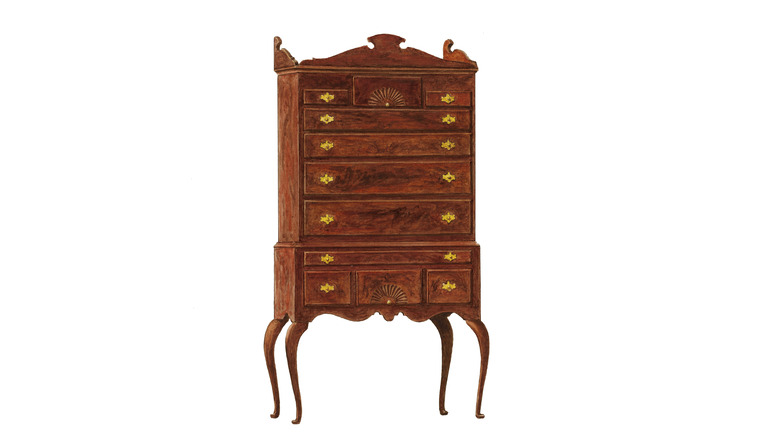
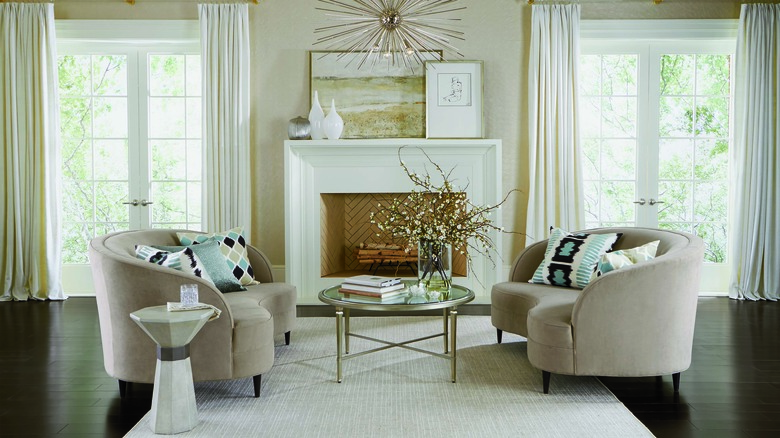
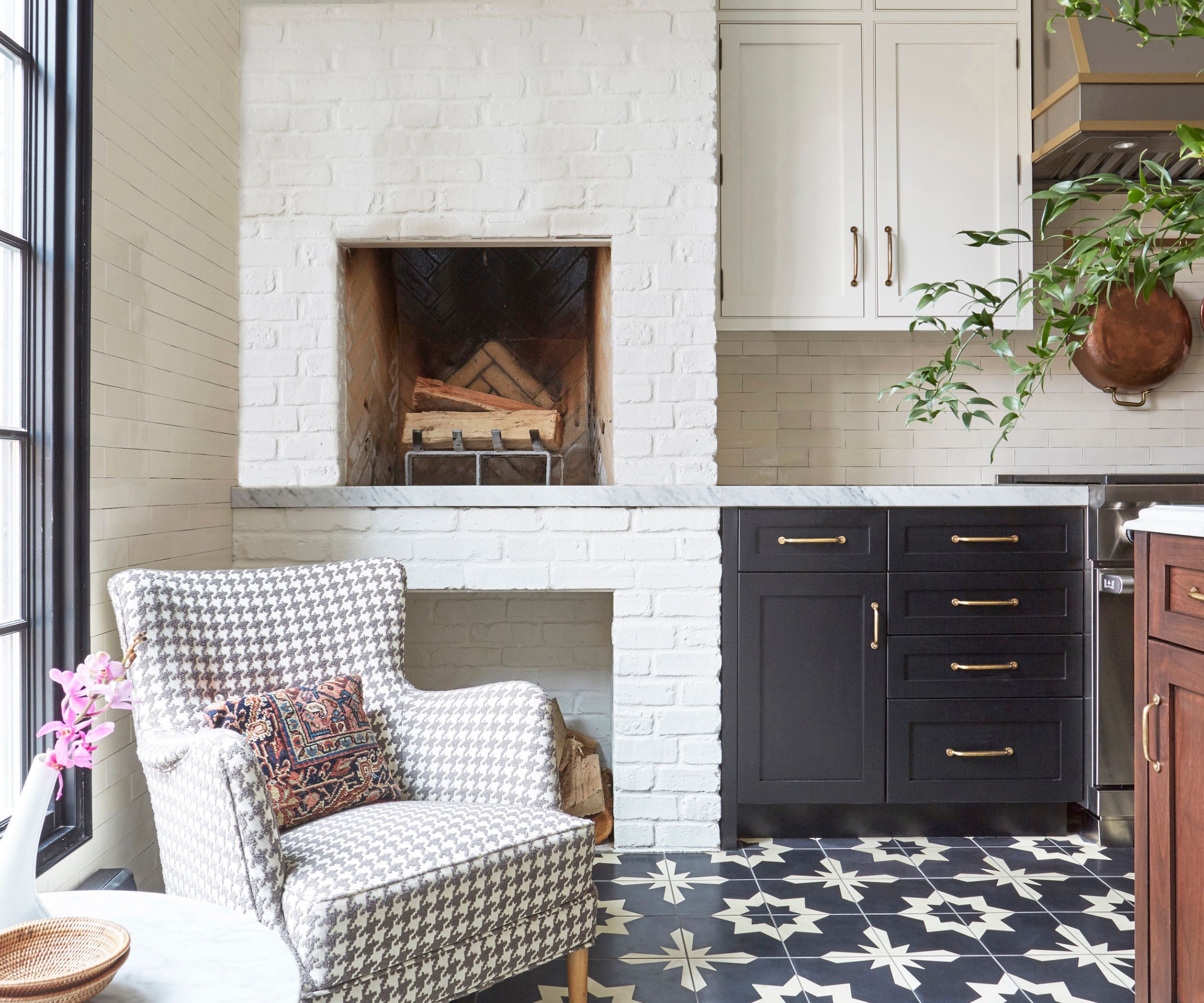
One key recommendation is to mix and match design styles rather than adhering strictly to vintage elements. Designers suggest that incorporating antique furniture, even in small ways like picture frames or accessories, lends soul and interest to any project. Fear of mixing styles should be overcome as it leads to a more engaging and personalized look. Another crucial aspect is to honor the home's architecture by selecting antique pieces that align with its historical context. This creates a visually impressive yet welcoming atmosphere, avoiding a 'stuffy' feel. Attention to scale is also vital, as antique items may not conform to modern standard sizes.
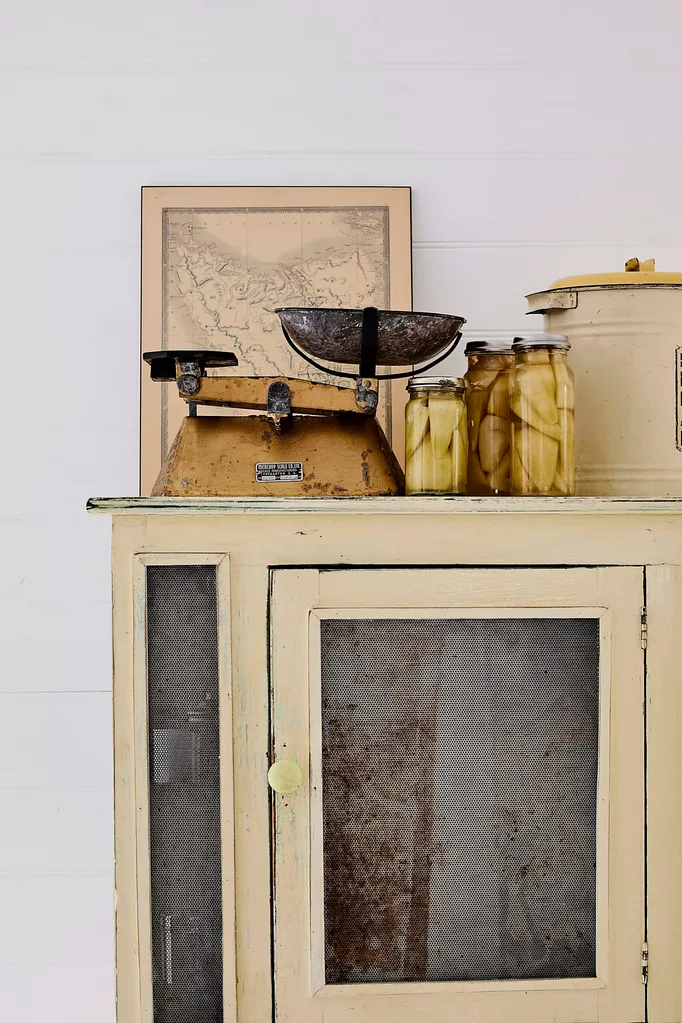
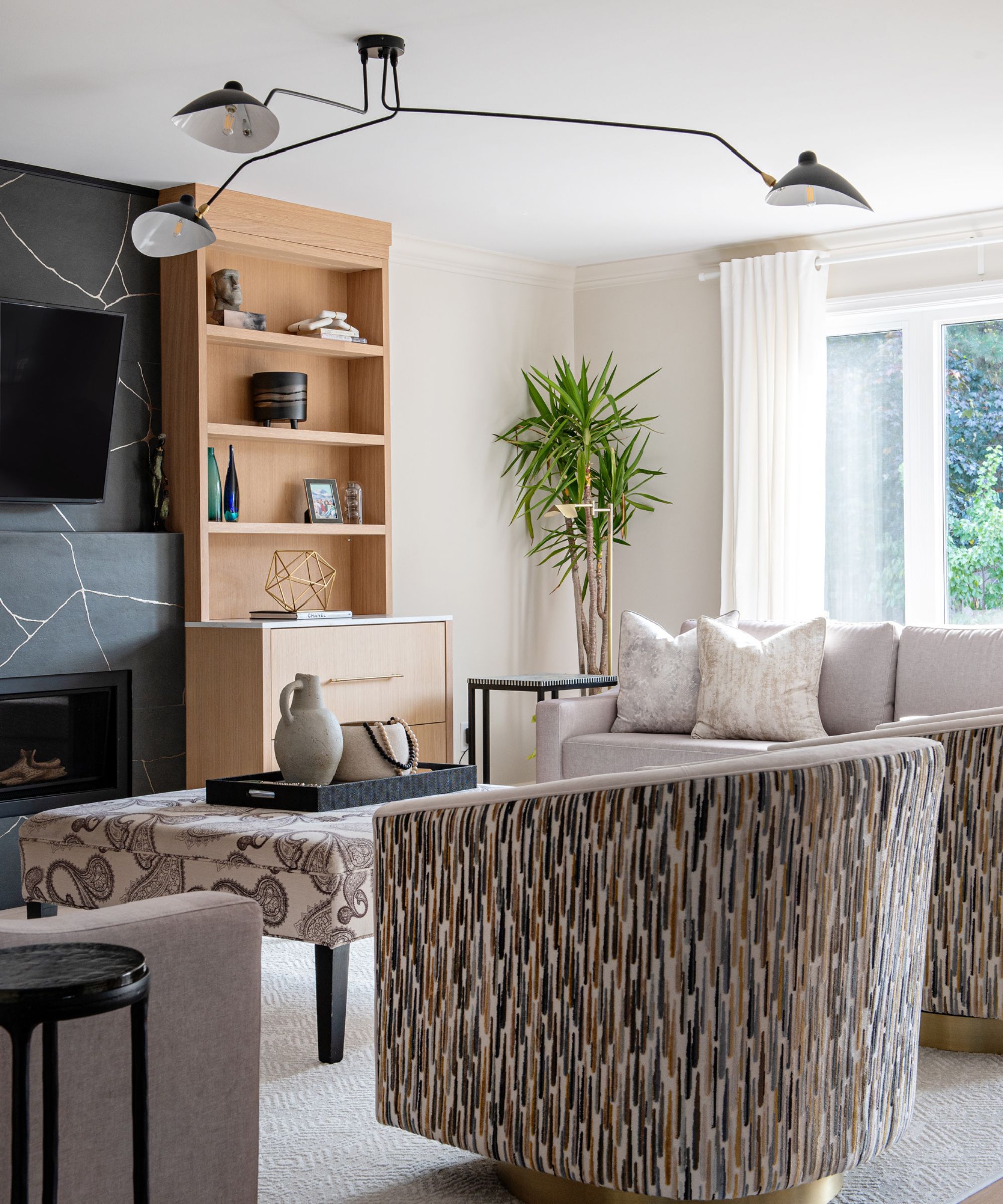
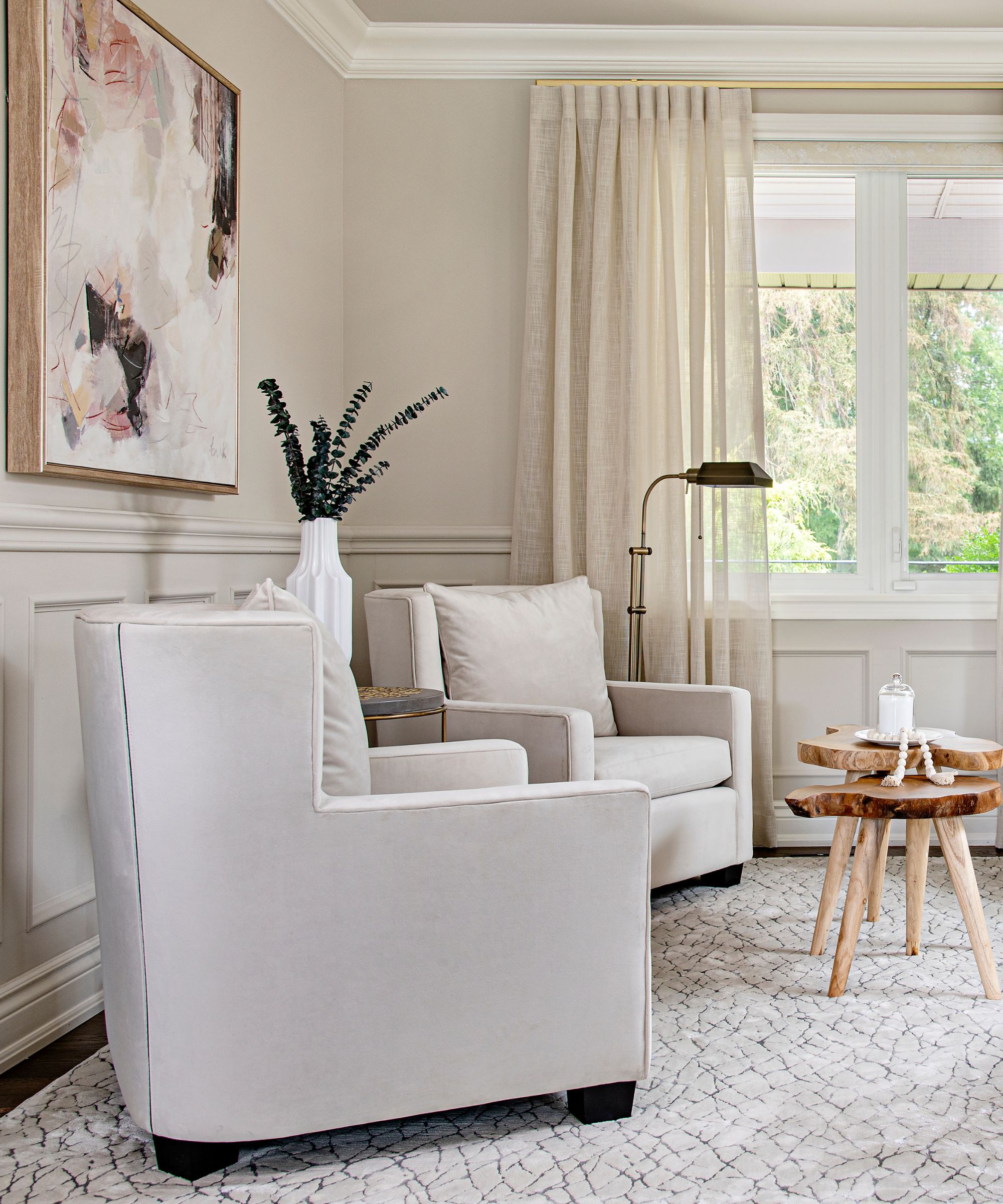
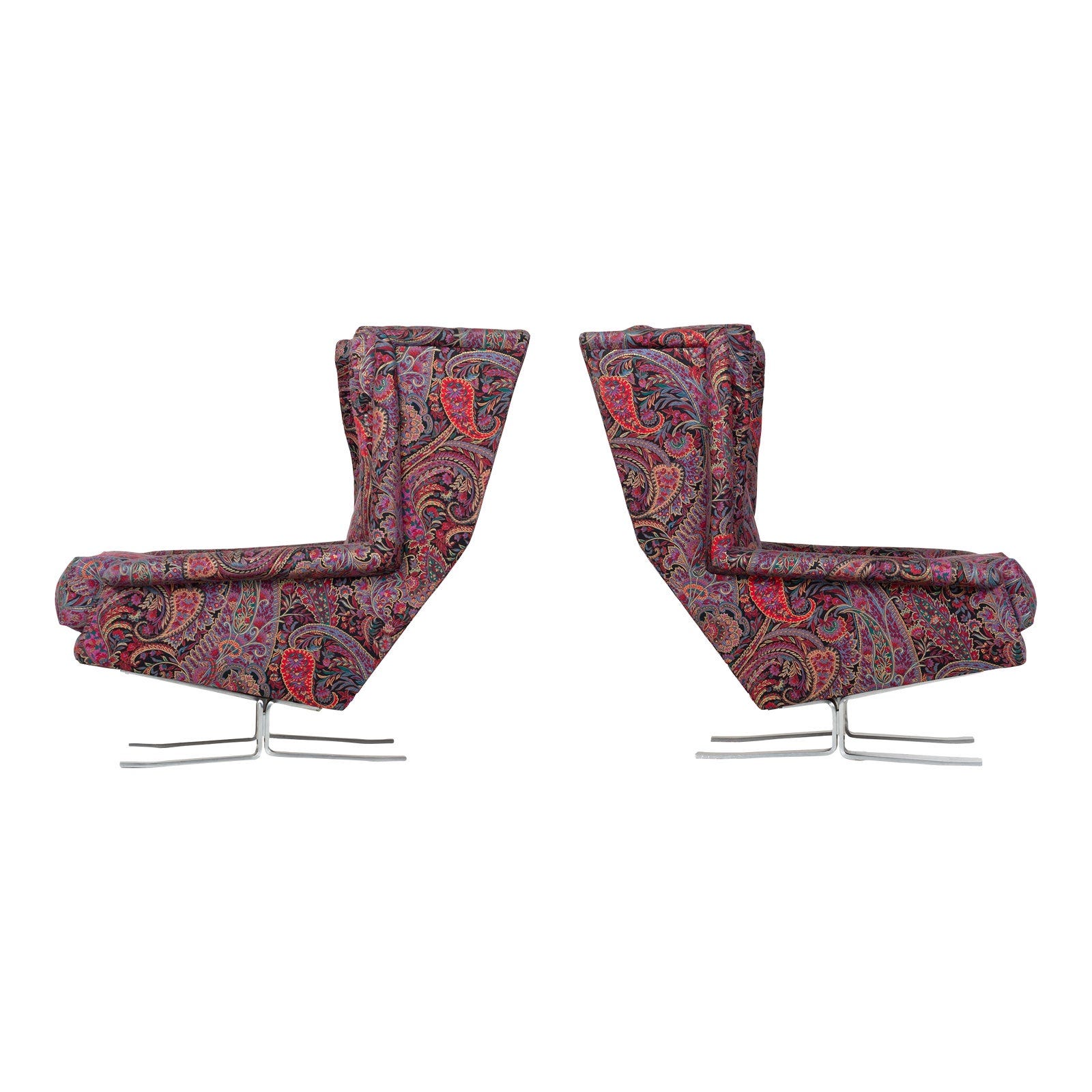
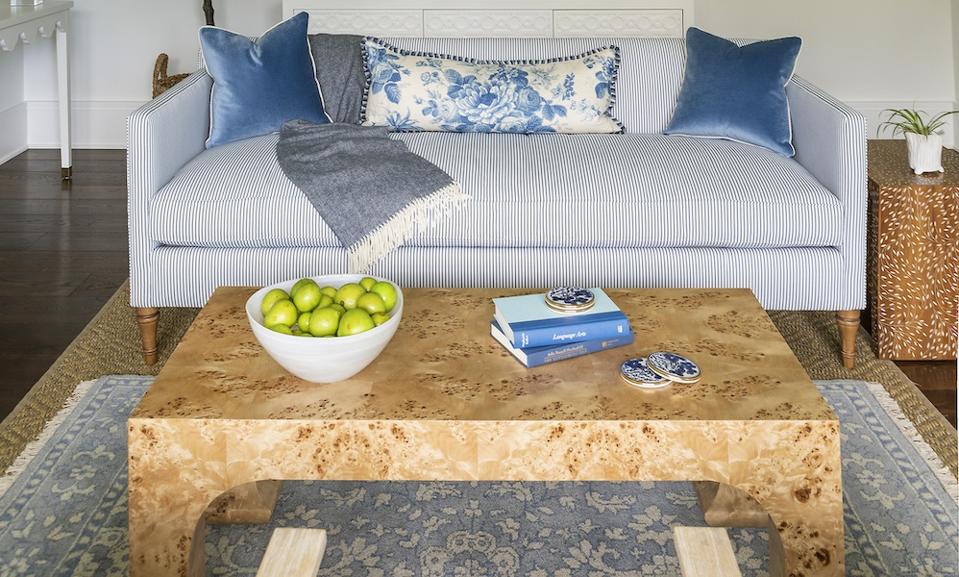
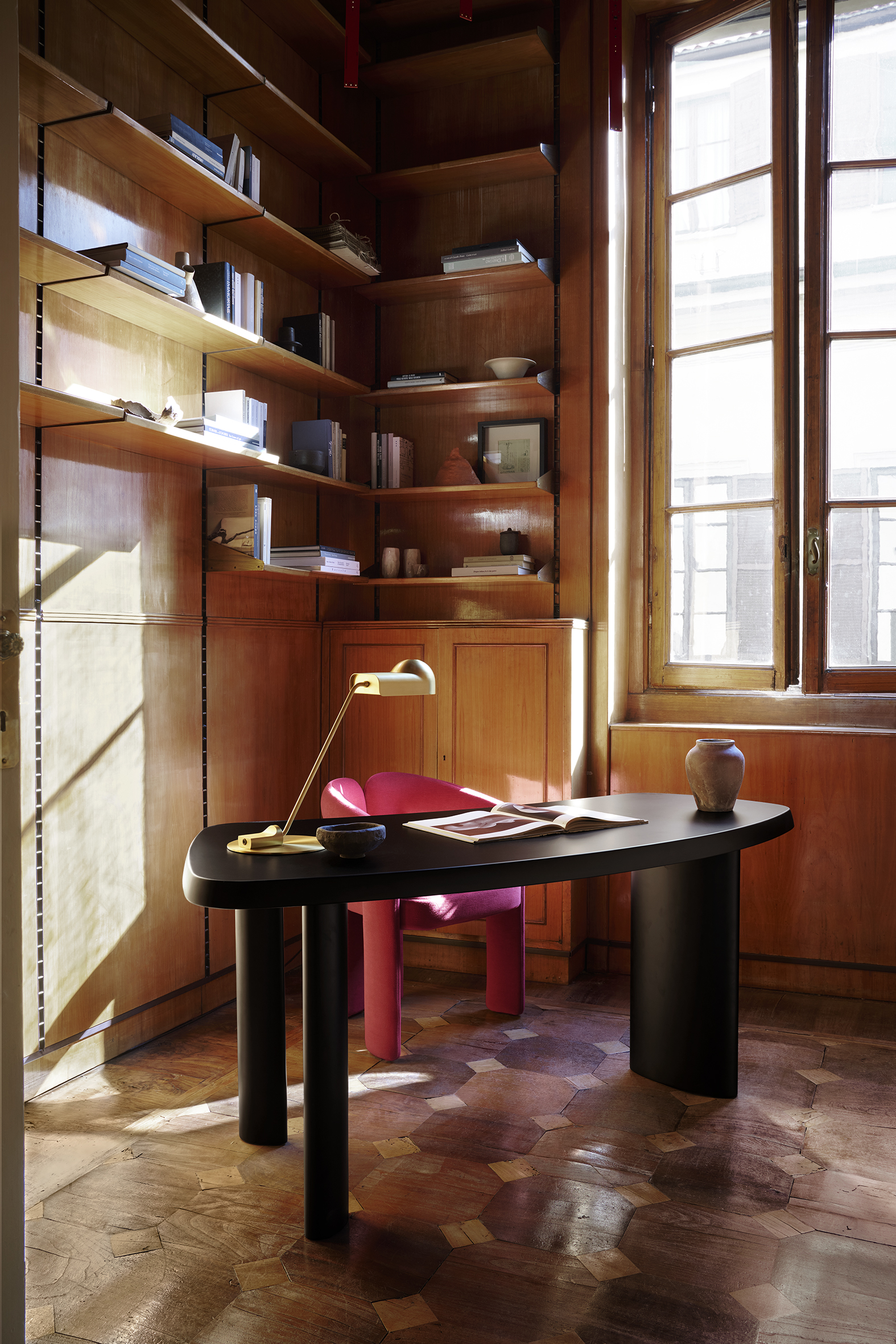
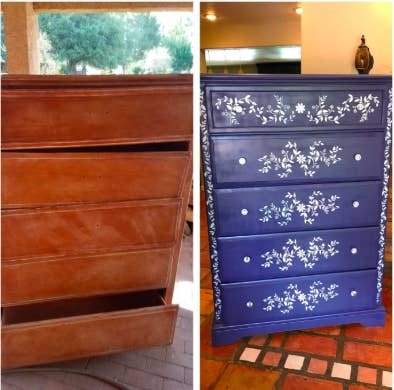
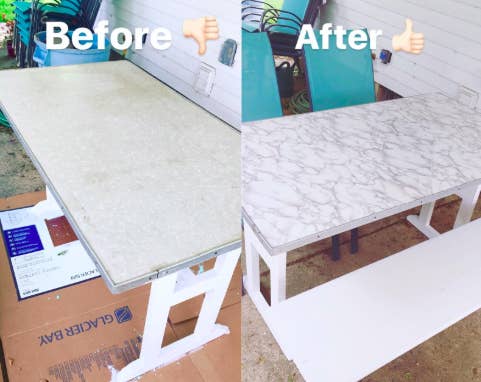
Simplicity is highlighted as an effective strategy when styling vintage pieces. A pared-back approach allows antiques to harmonize with modern design elements, especially when updating upholstery with less traditional fabrics. Repurposing and updating antique furniture offers a fresh perspective; for instance, swapping out an old tiled tabletop for a different material or stripping and bleaching wood to reveal its inherent beauty. These modifications can transform dated items into sophisticated statement pieces that bridge different eras.
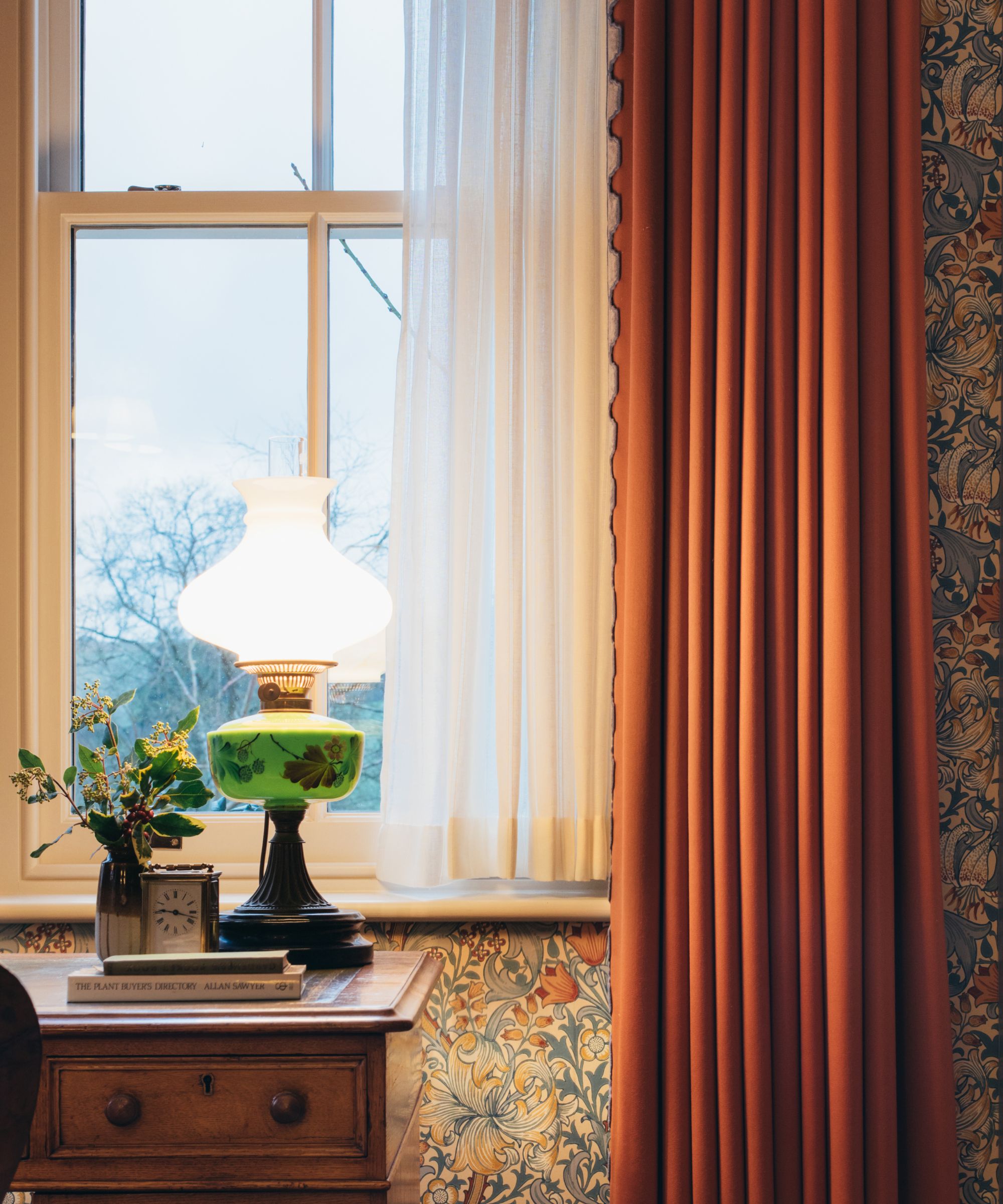
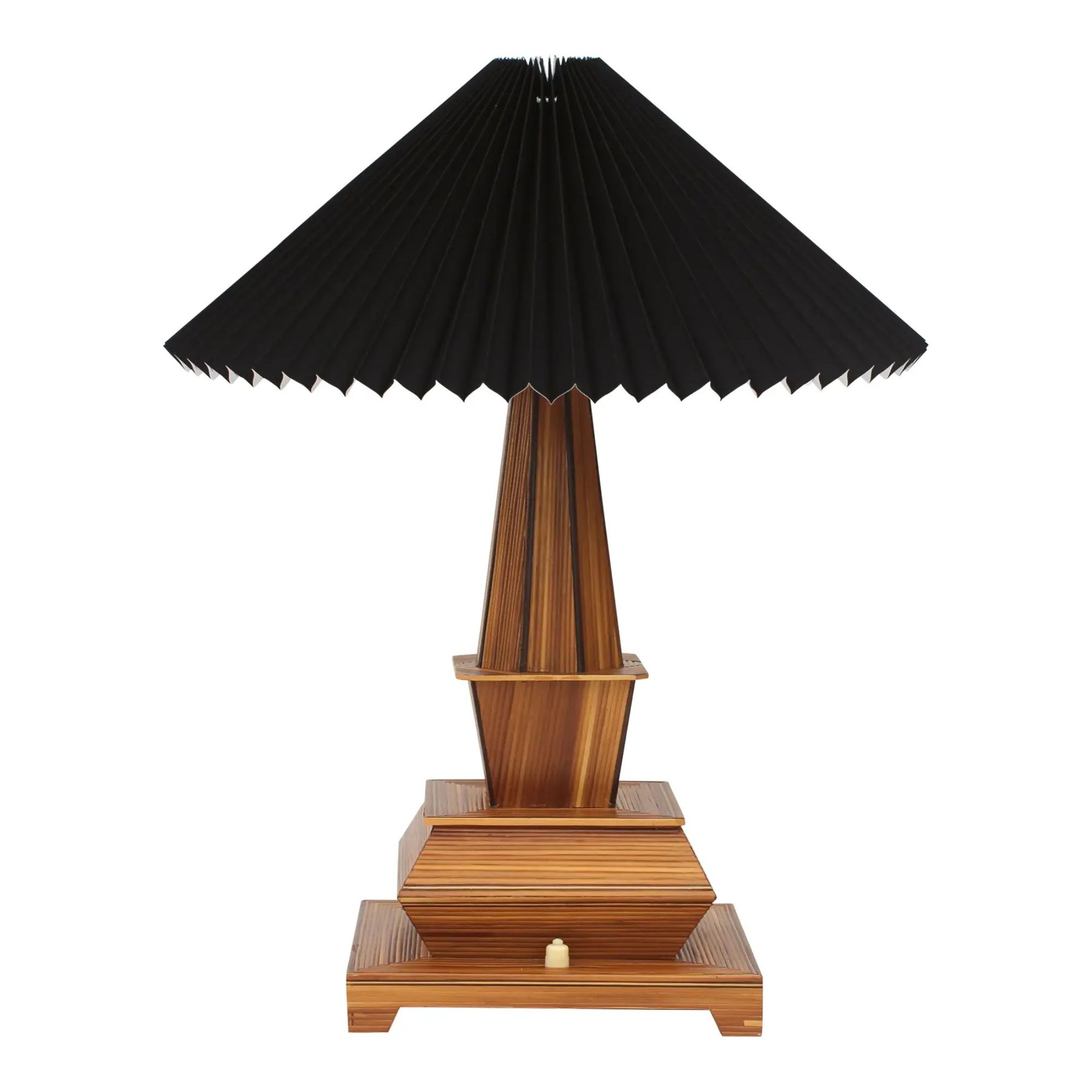
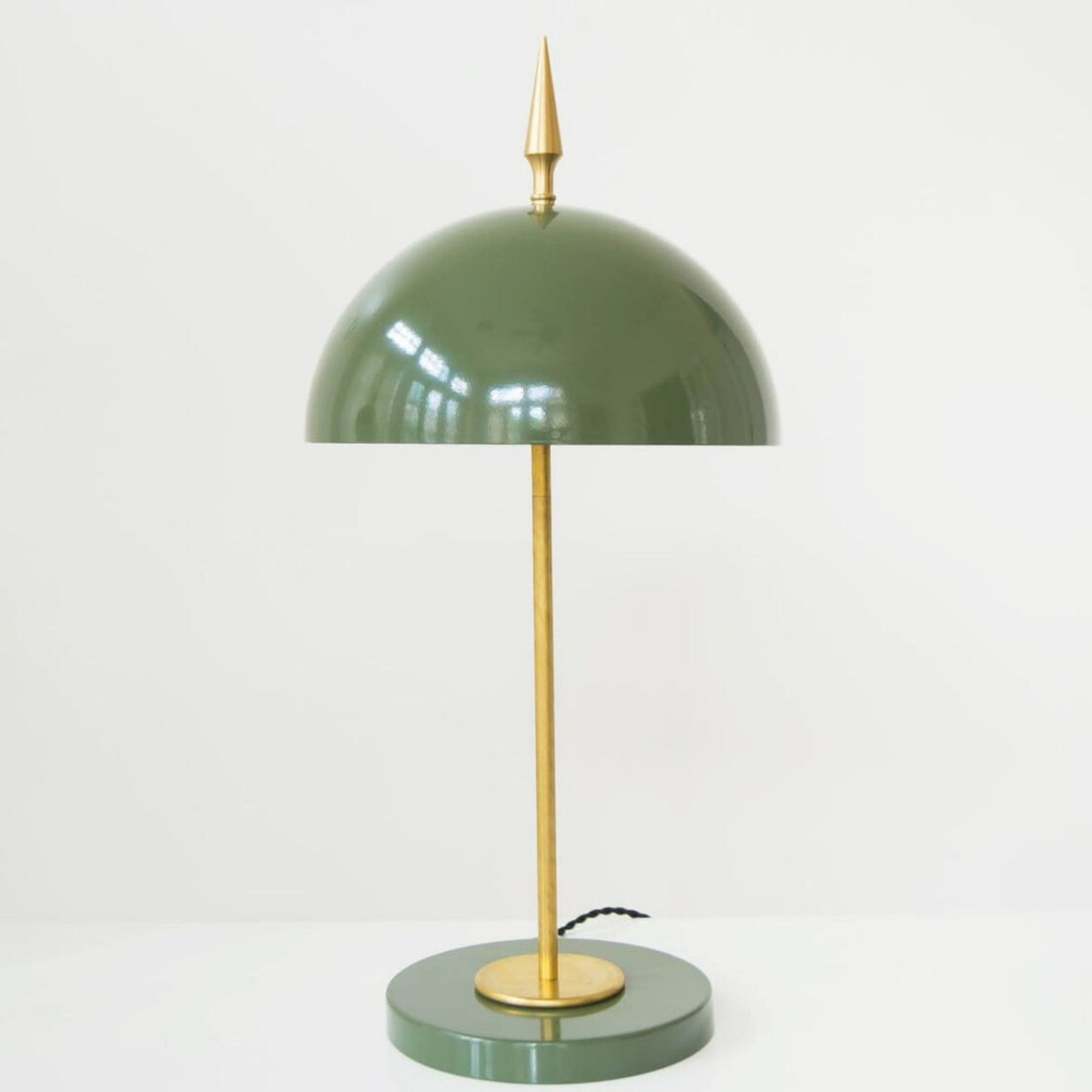
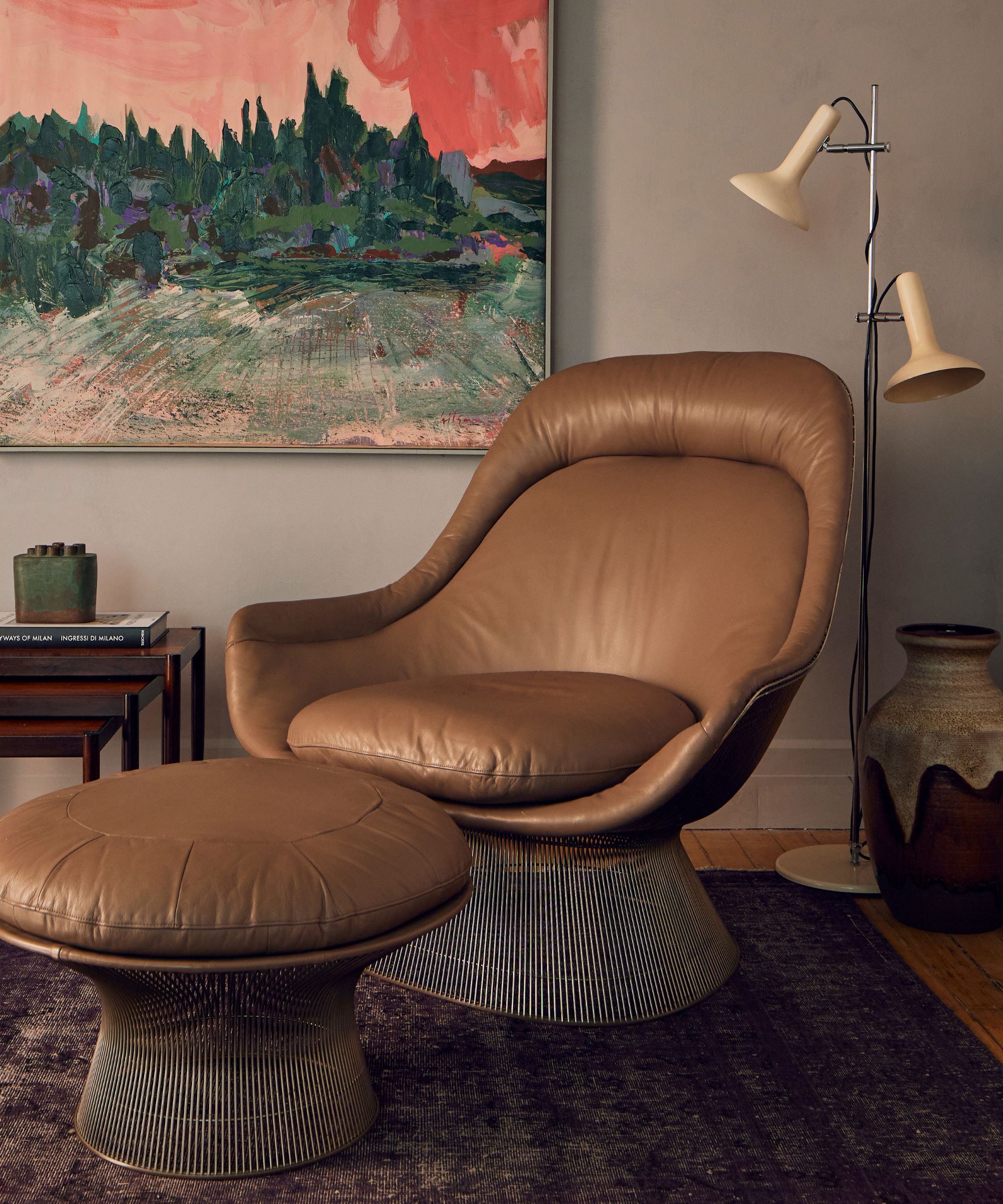
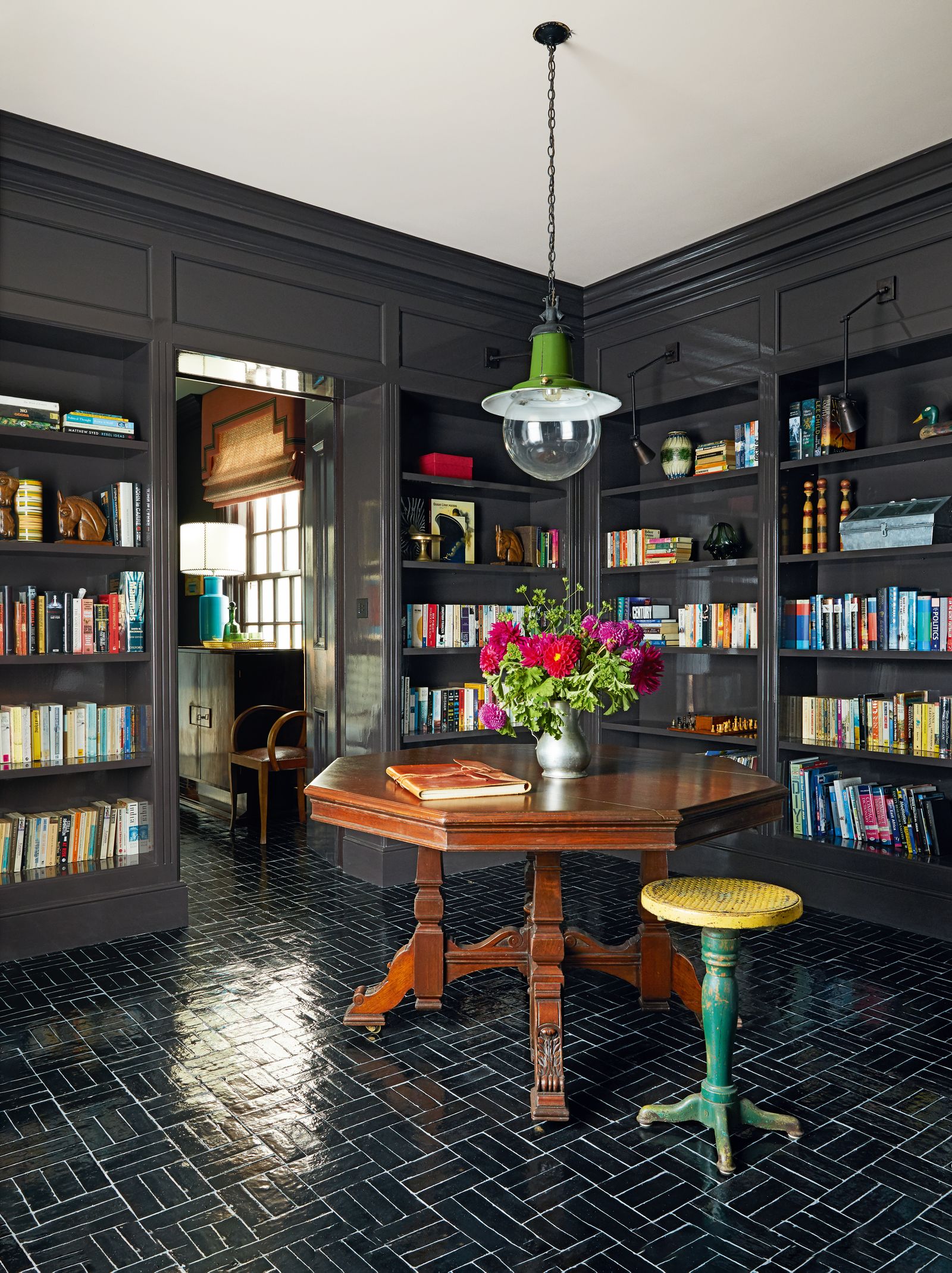
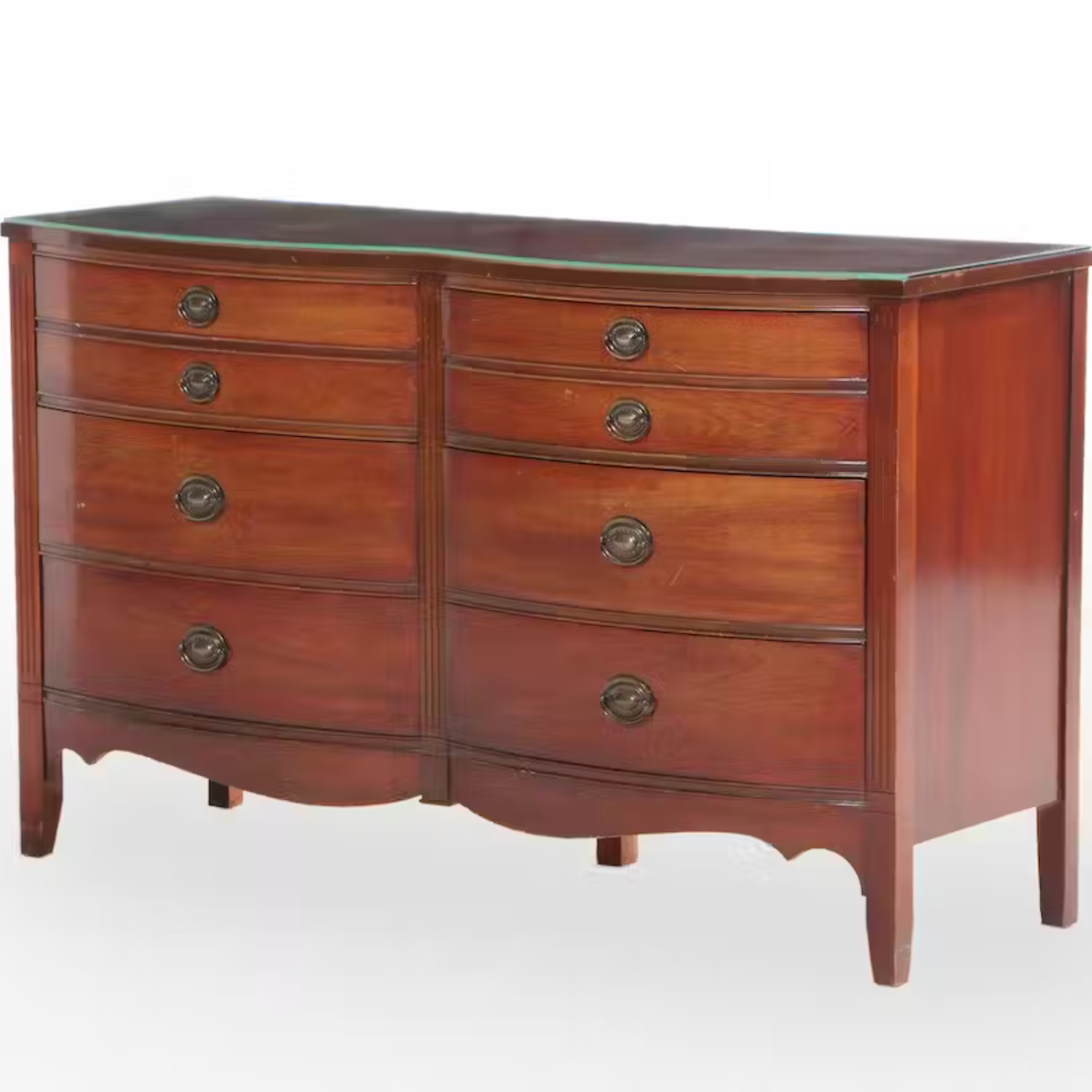
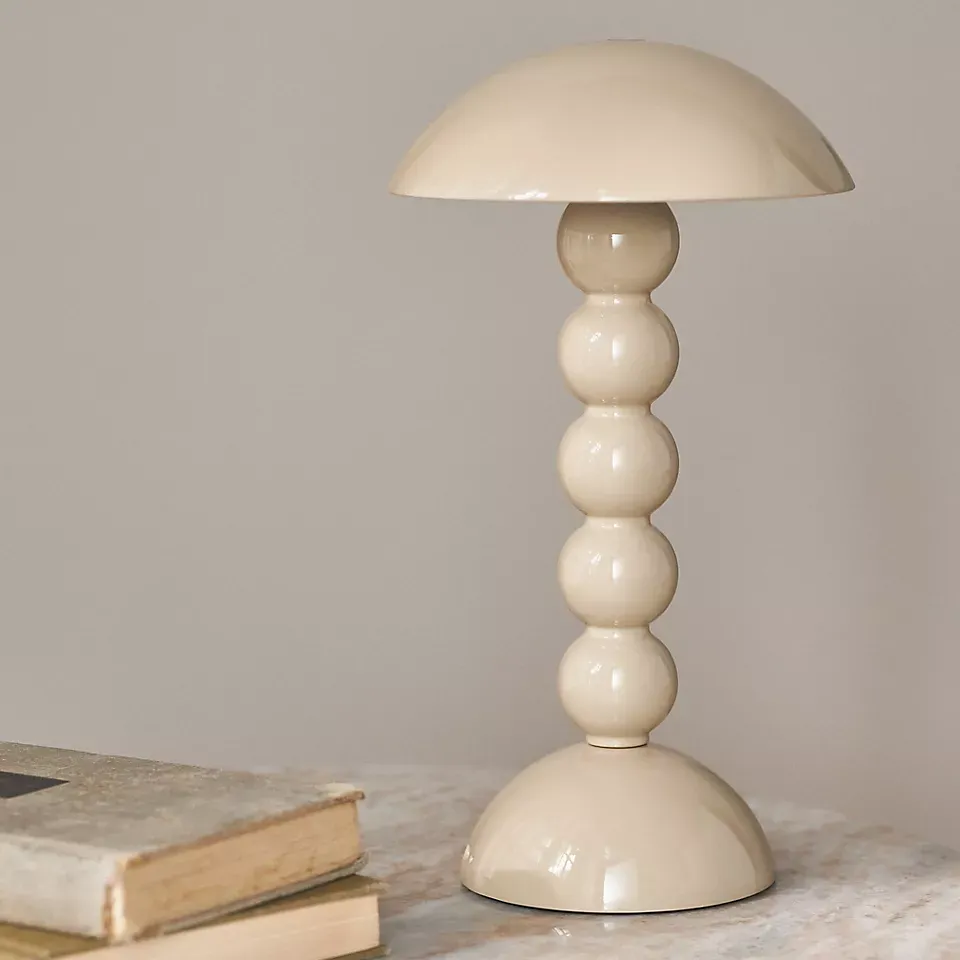
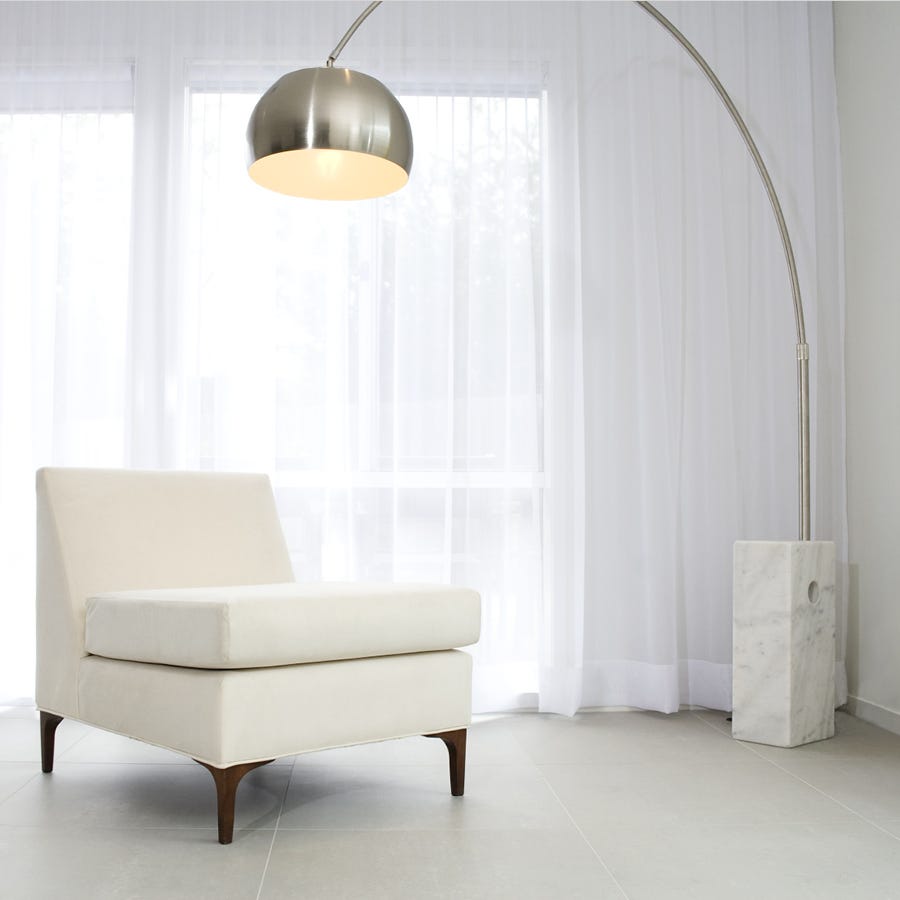
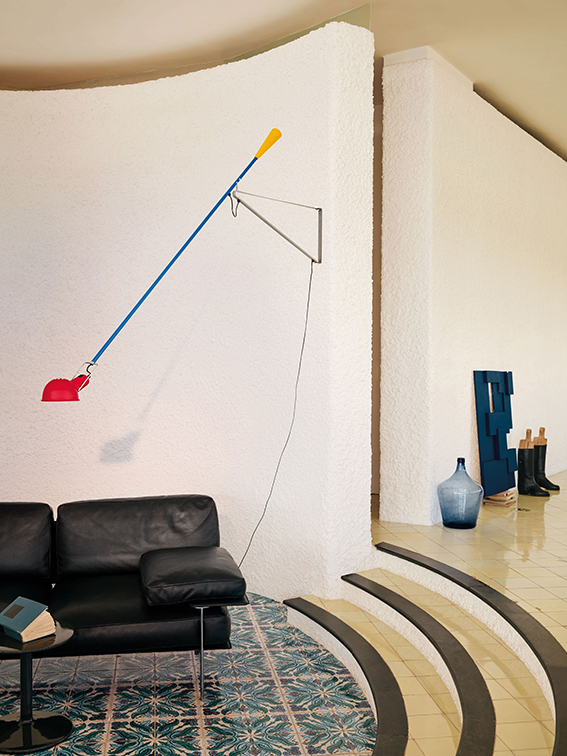
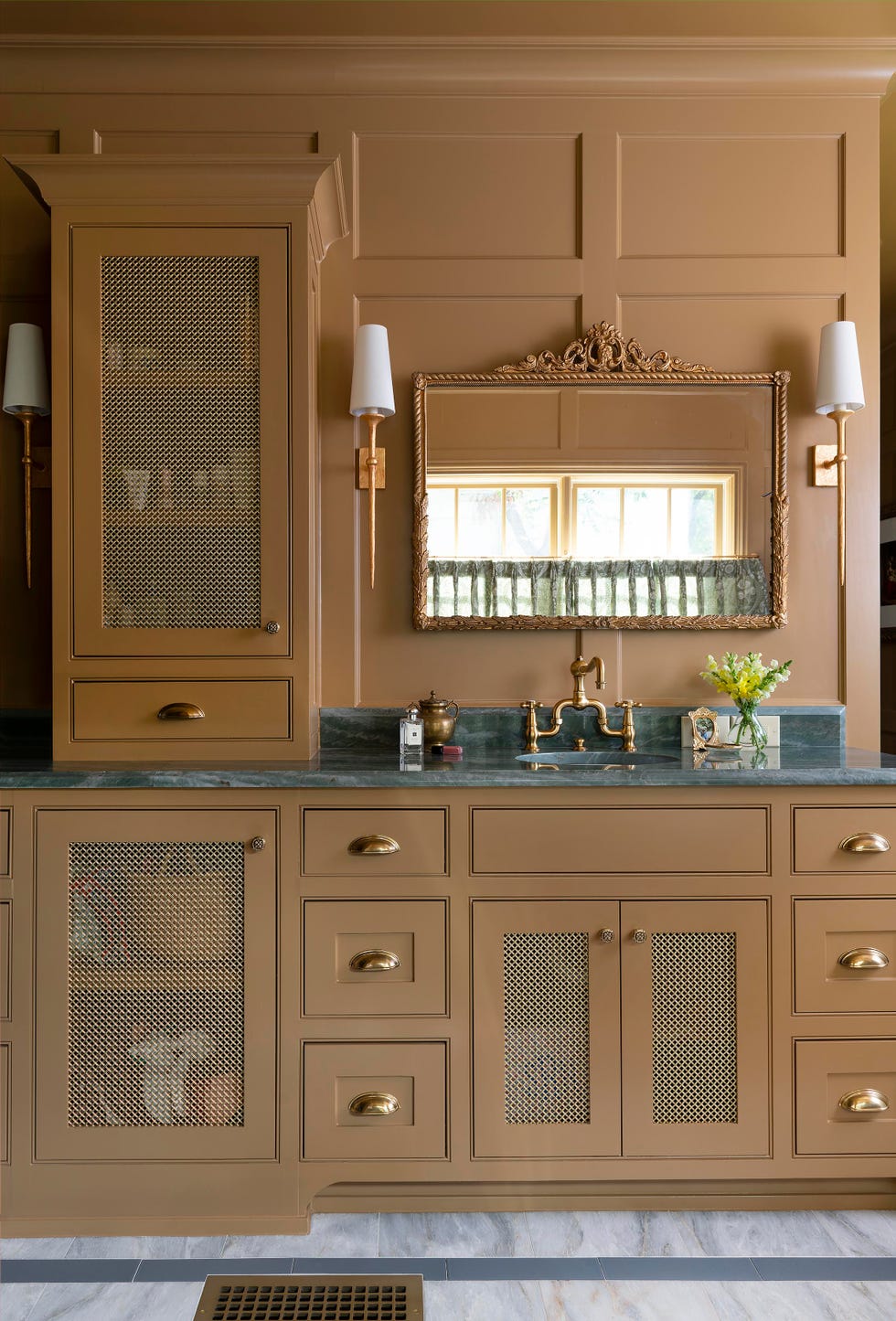
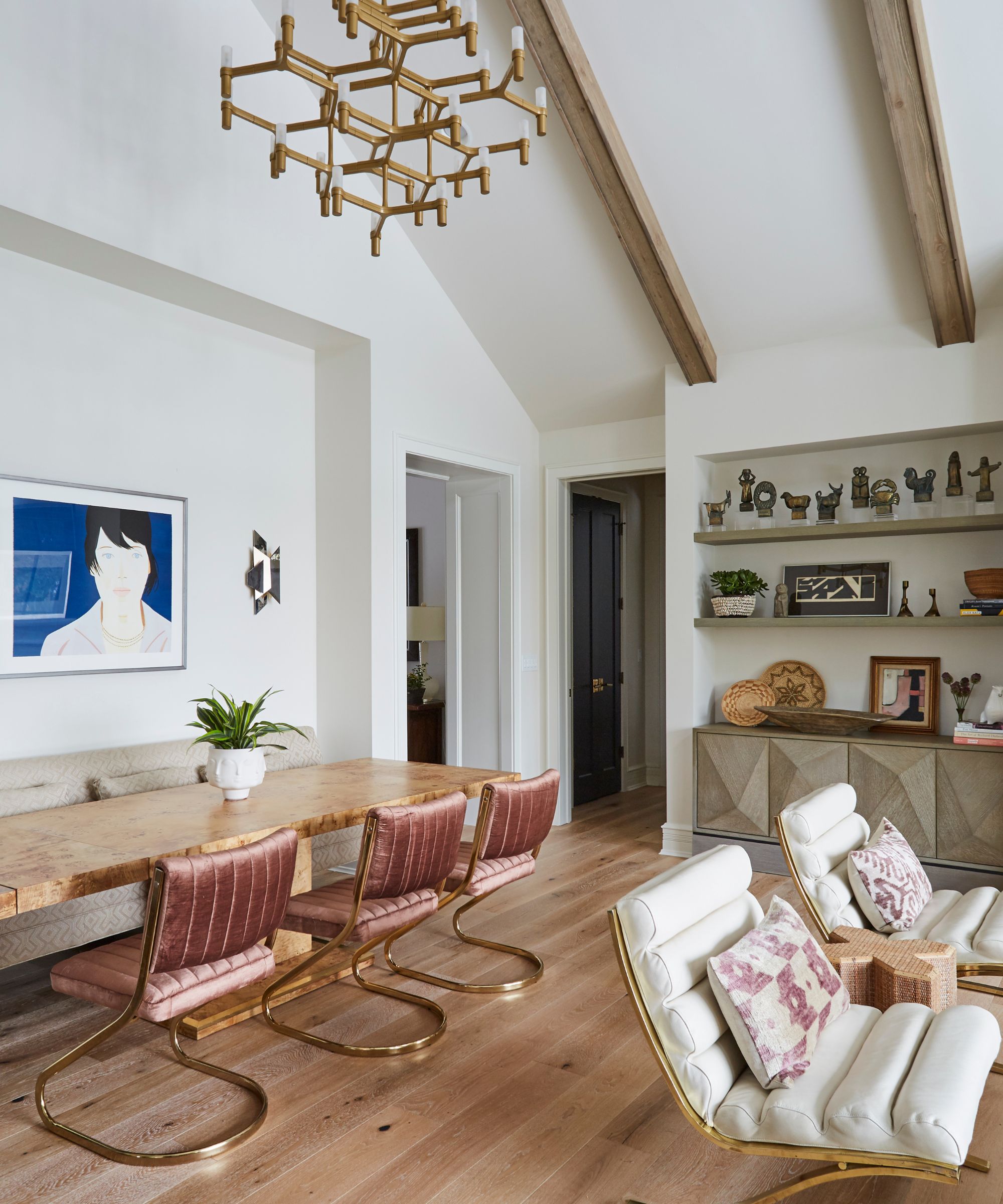
Vintage lighting is an often-overlooked category that can significantly enhance a space, introducing history and personality, particularly in new constructions. Rather than cluttering, designers advise paring back pieces and treating them as sculptures, allowing them ample space to stand out. When combining antique wood furniture with modern elements, the choice of color scheme is critical. Warm tones are preferred over stark white, as they prevent a harsh contrast and create depth and drama. Colors like Farrow & Ball's Dead Salmon or India Yellow, or C2's Margarita, can complement antique wood effectively.
Finally, the most personal approach to incorporating antiques involves integrating family heirlooms. These pieces imbue a space with personal history and unique character, contributing to a truly timeless quality. By following these expert tips, the design possibilities for antique furniture are vast, enabling homeowners to create interiors that remain stylish and personal for years to come. The emphasis is on making deliberate choices that reflect individual taste while respecting the heritage of the furniture and the home.
#AntiqueFurniture #InteriorDesign #HomeDecor #VintageStyle #TransitionalDesign #TimelessDecor #MixingStyles #FurnitureRestoration #EcoFriendlyDesign #AntiqueFurniture #InteriorDesign #HomeDecor #VintageStyle #TransitionalDesign #TimelessDecor #MixingStyles #FurnitureRestoration #EcoFriendlyDesign
0 comment in total
 No comments yet
You may also like
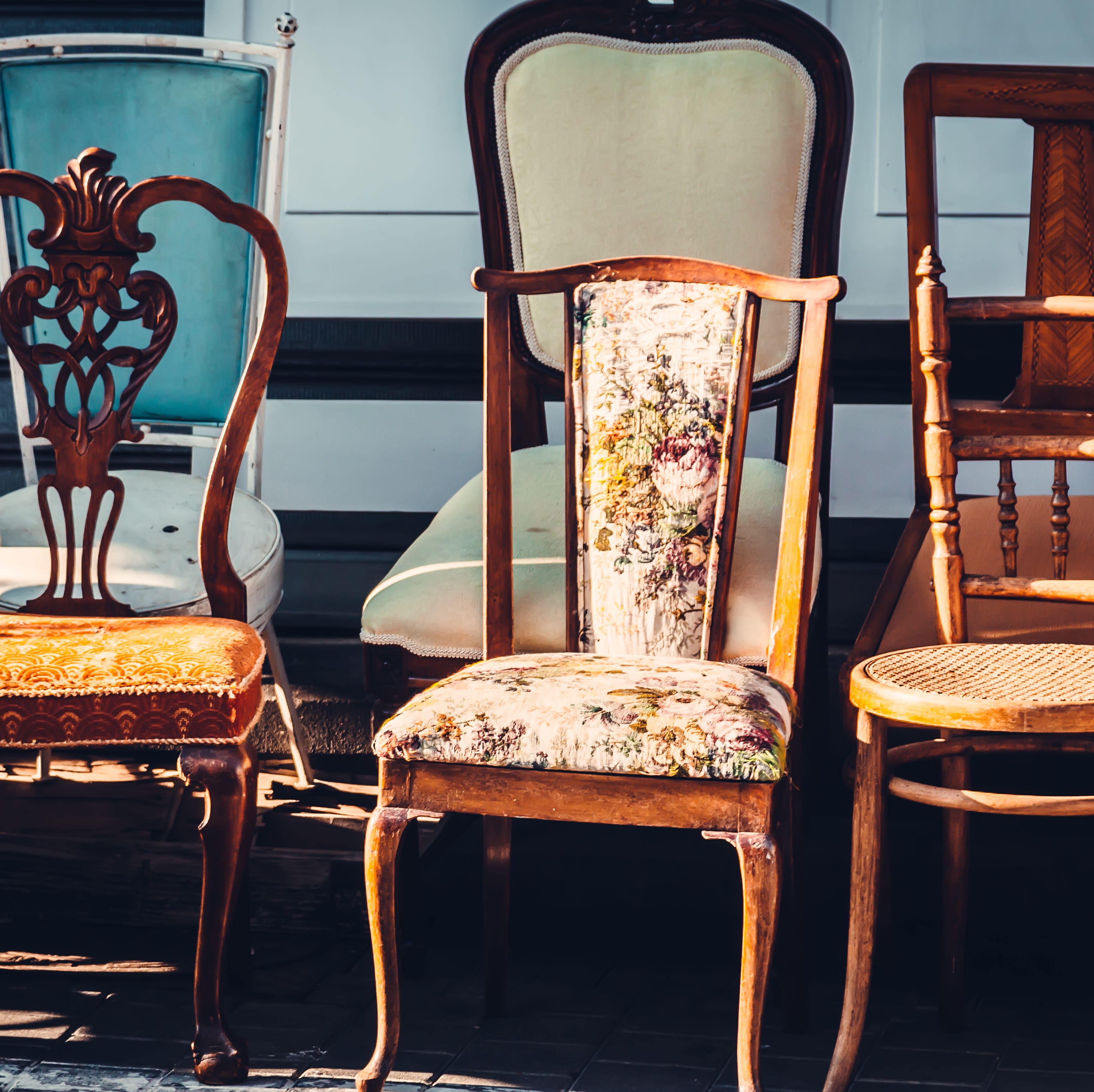
These 5 Popular Antiques Are Flying Off the Shelves This Fall, According to Interior Designers

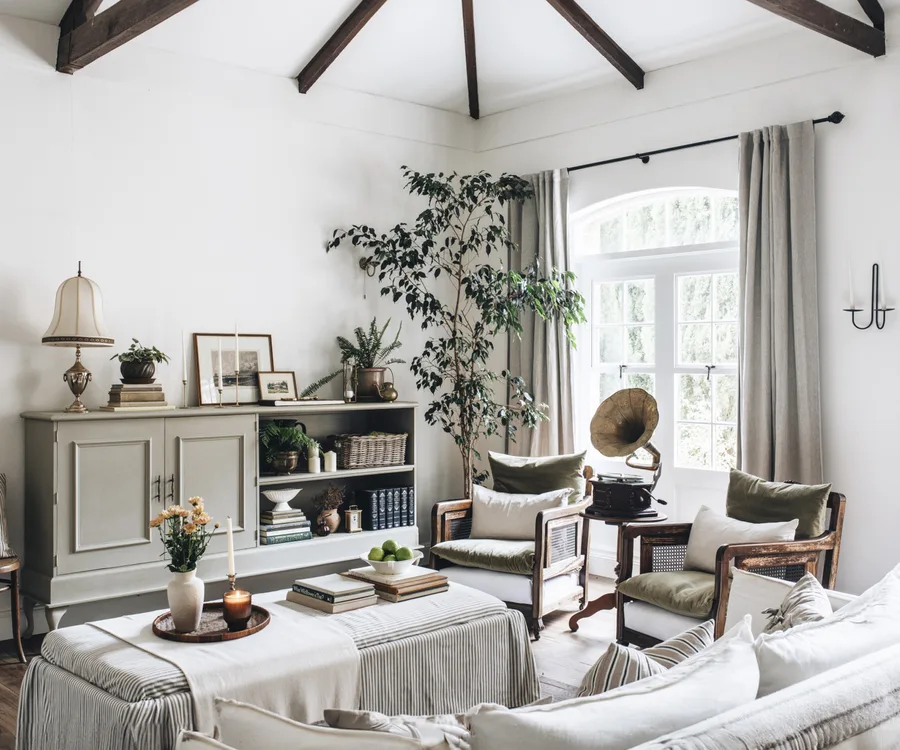
A designer’s guide to decorating with antiques

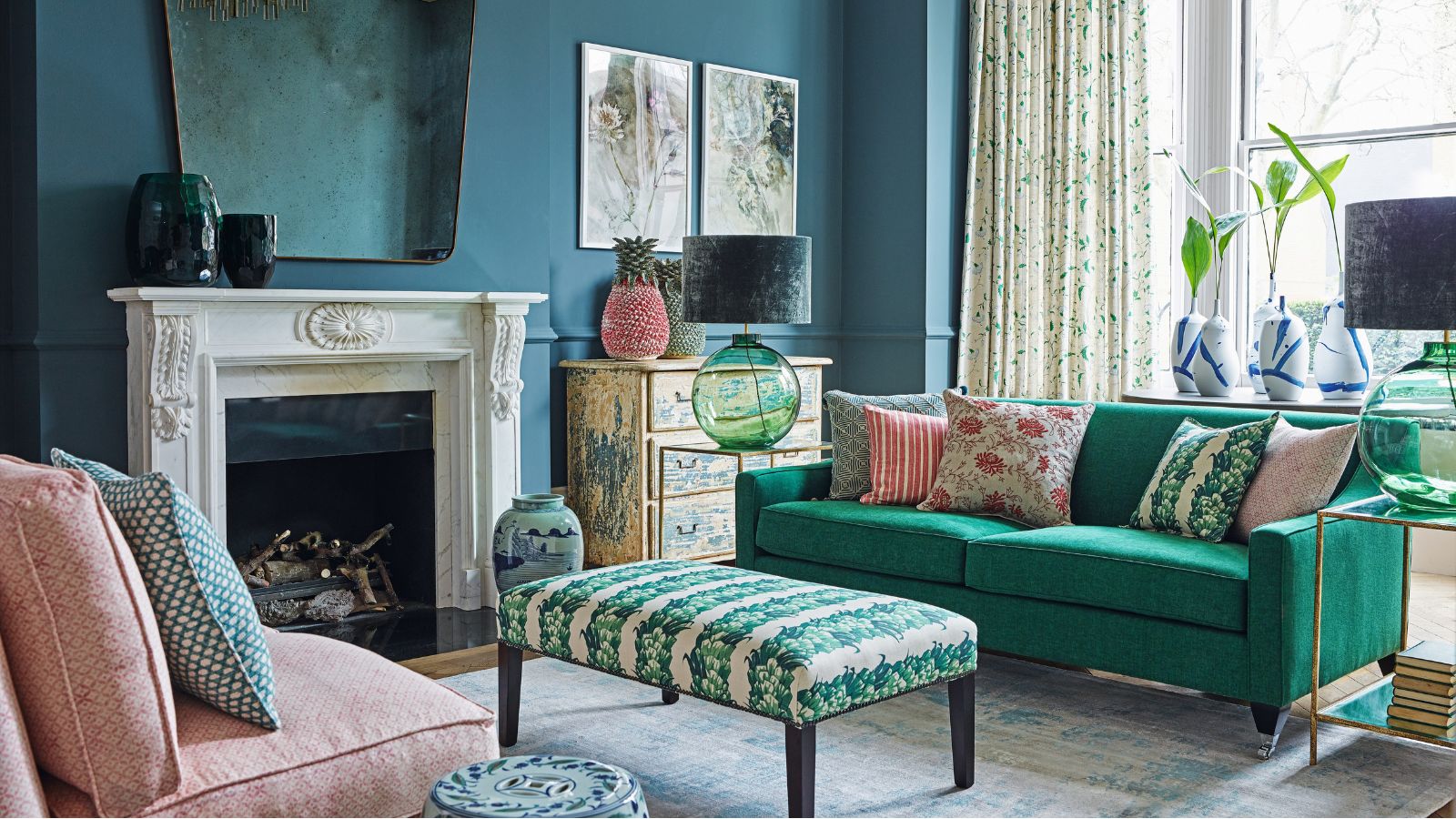
How to Modernize Antique Furniture for a Characterful and Cohesive Look
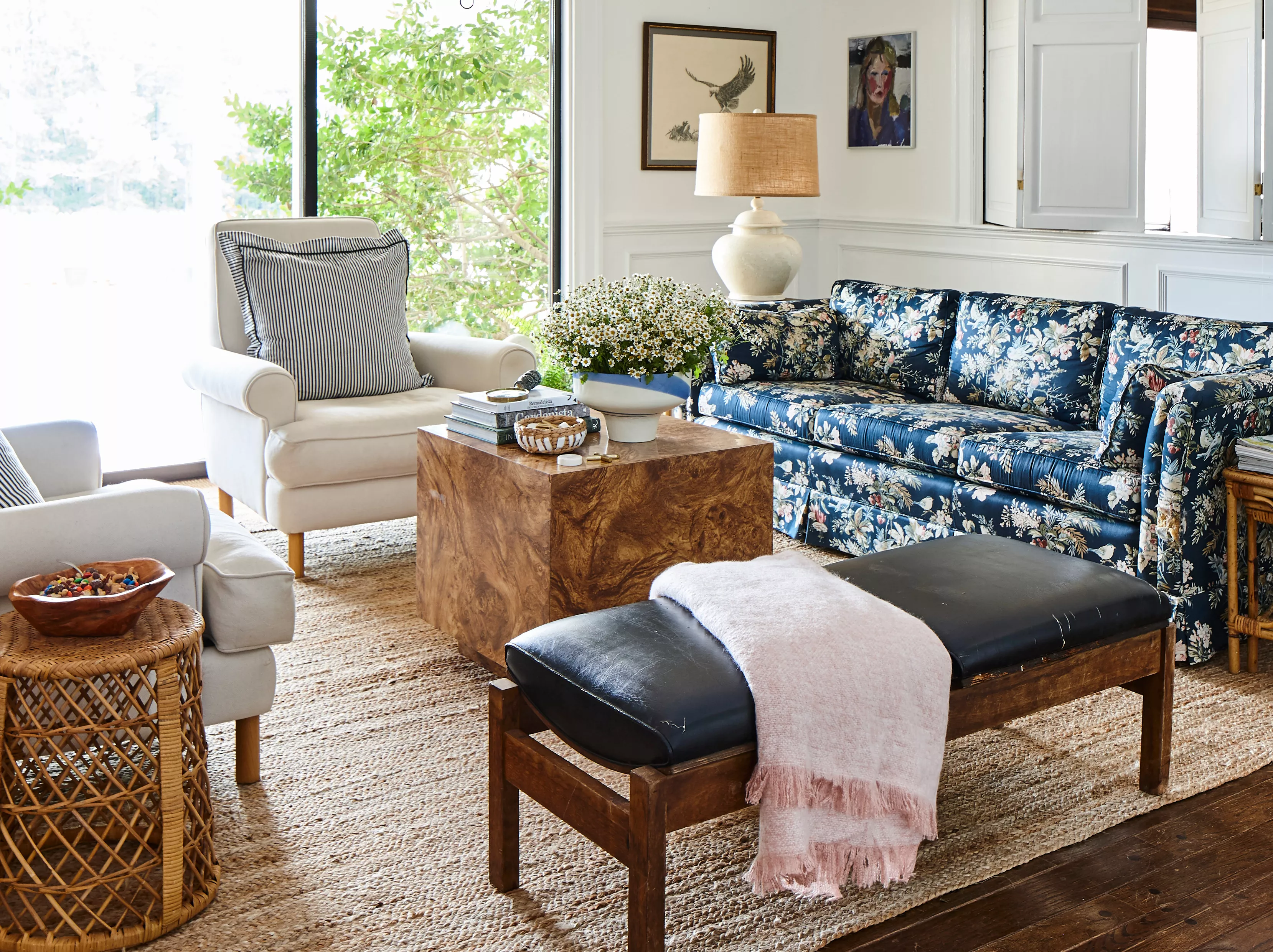
10 Furniture Styles That Instantly Make Your Home Look Outdated

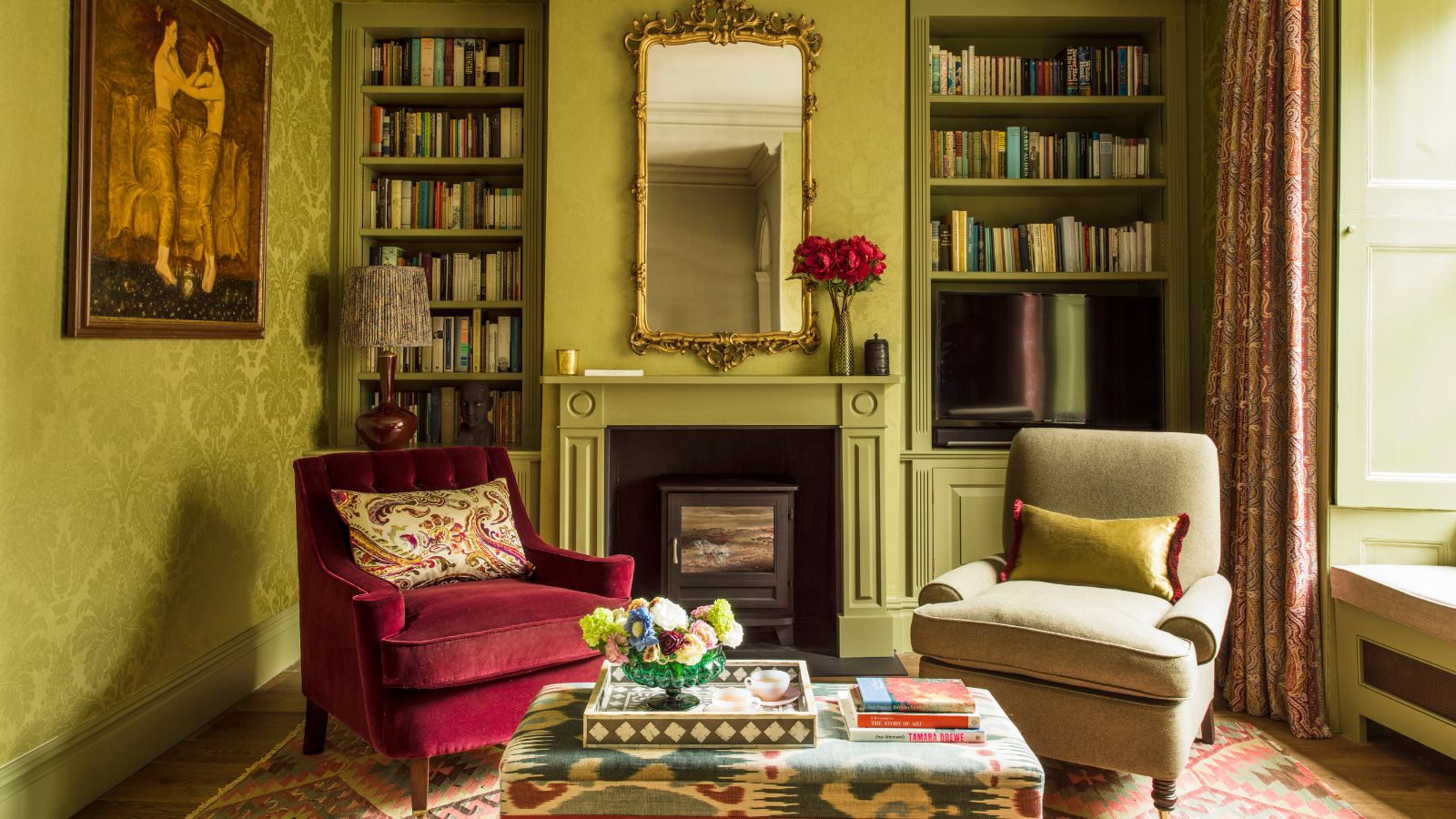
Decorating with antiques – 8 designer tips to channel the past in the chicest way
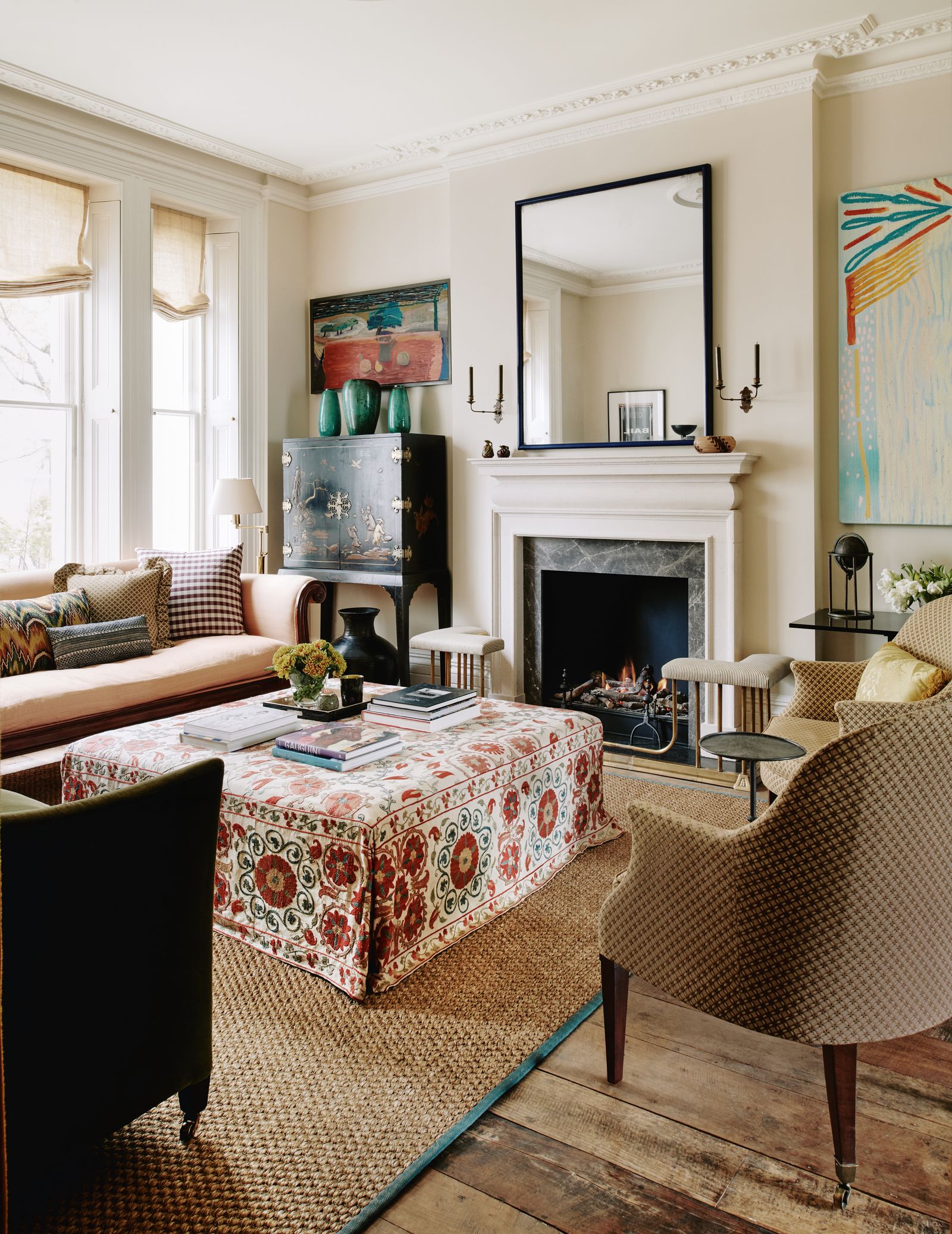
How to use antique furniture in a contemporary scheme
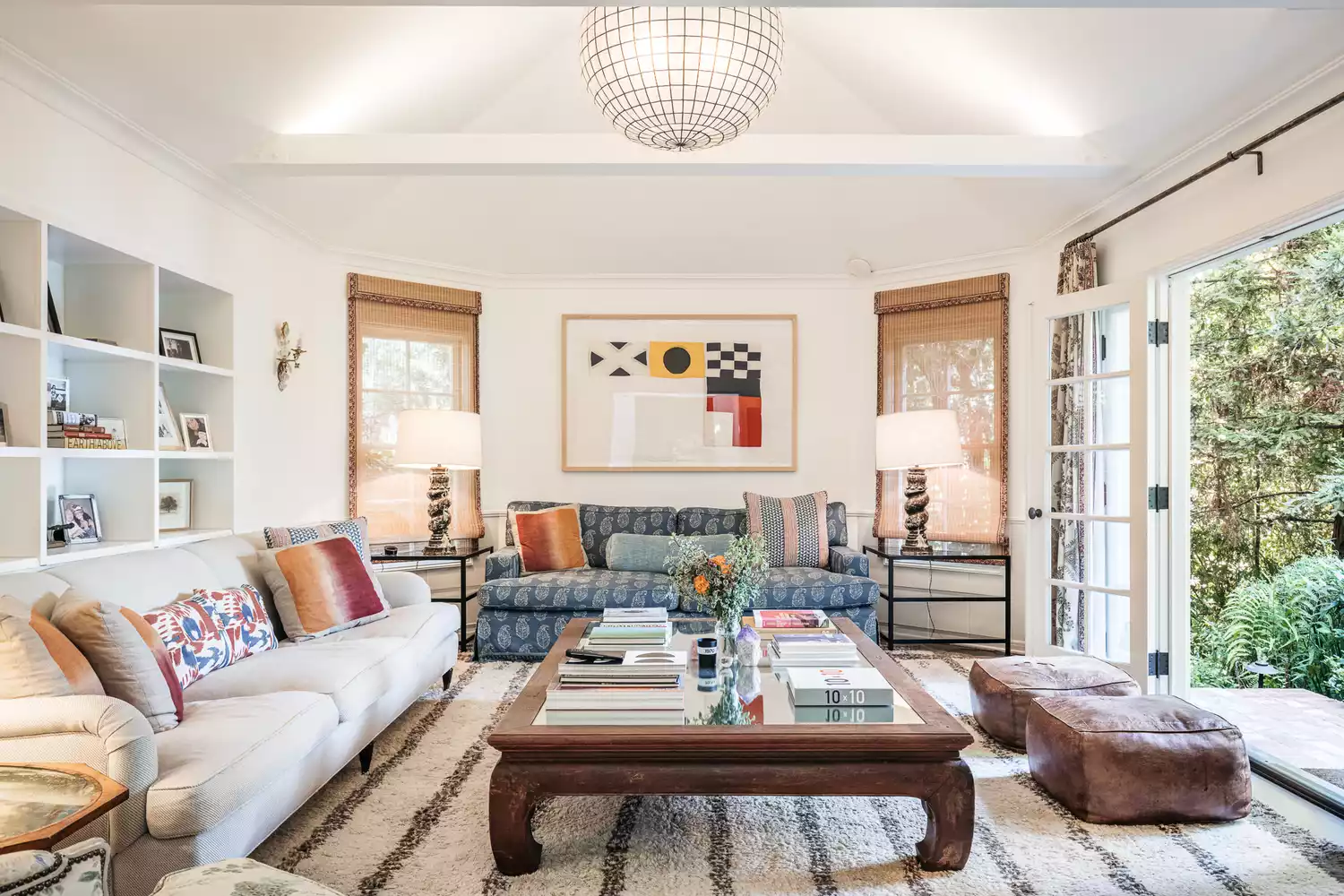
How to Mix Modern and Antique Furniture

7 Vintage Home Decor Features That Designers Want to See EVERYWHERE in 2026

These designers source and restore vintage furniture every single day – here are their top tips for shopping and reviving
6 Vintage Furniture Finds That Will Always Look Stylish No Matter the Year, Designers Say

5 classic furniture designs that still have an enduring allure
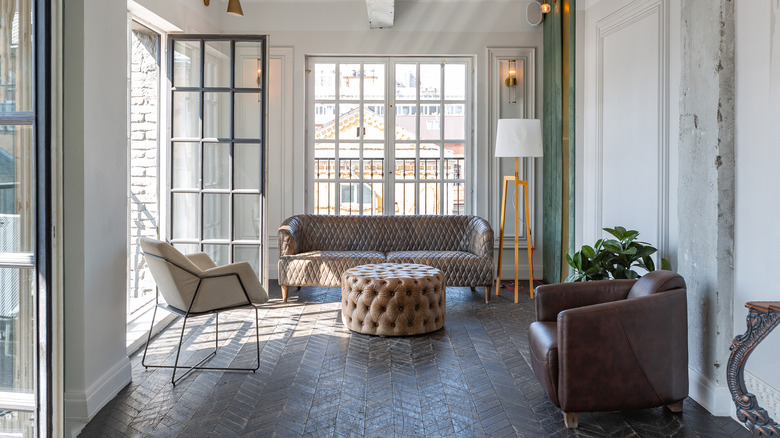
Outdated Furniture Pieces That Are Having A Comeback

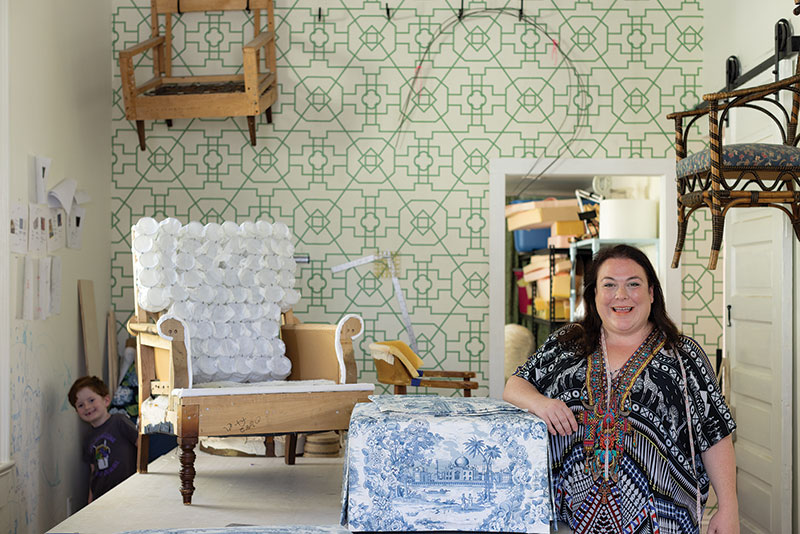
Michelle McClennan’s Love of Antique Design and Upholstery

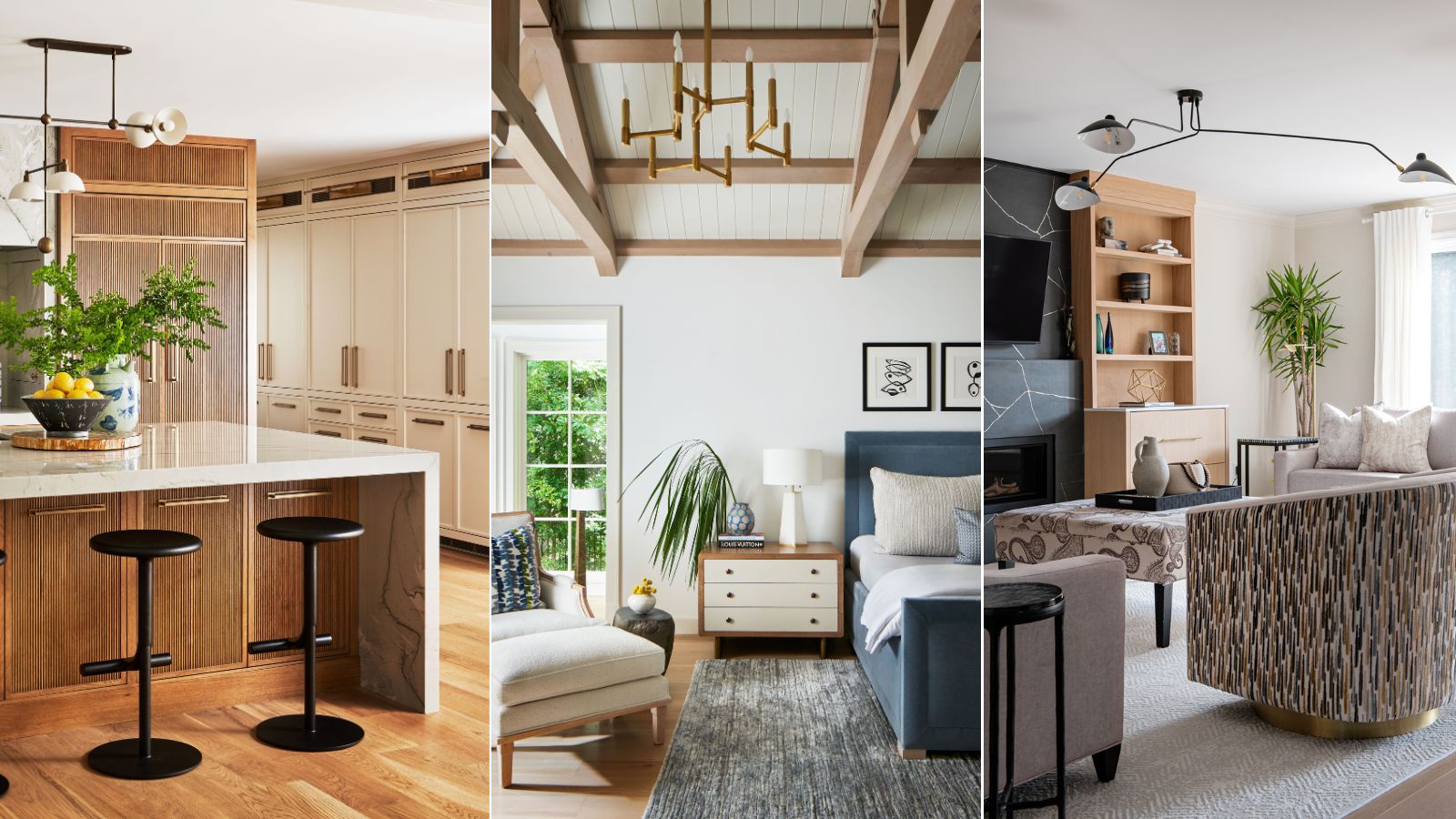
9 transitional style decorating rules – the ultimate checklist to channel the perfect old-meets-new look
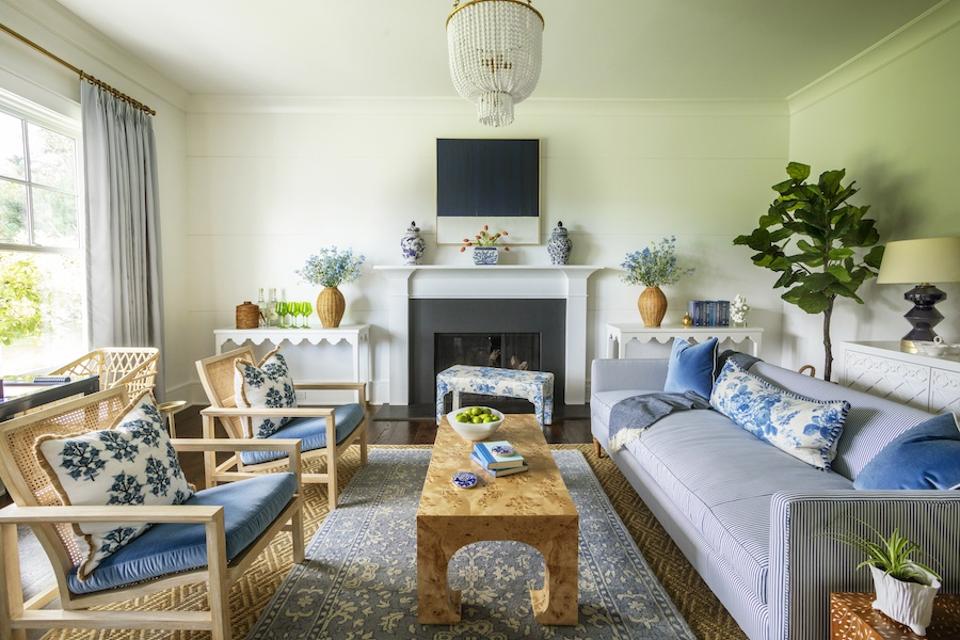
Interior Designers Share Their Best Traditional Design Tips

Is it Cheaper to Reupholster Antique Furniture or Buy New? Here's Everything Designers Say You Need to Know
6 antiques that will always work in modern interiors – and how designers style them
The 8 Best Vintage Furniture Stores to Shop in-Person and Online

Best reissues: vintage design classics revitalised with brio

20 Ways To Make Old Furniture Look Fancy