




6 Vintage Furniture Finds That Will Always Look Stylish No Matter the Year, Designers Say
Incorporating vintage furniture into modern home decor is an effective way to introduce character, warmth, and a curated aesthetic. This approach not only enhances the visual appeal of a space but also promotes sustainability by giving pre-loved items a new purpose. Interior designers emphasize that vintage pieces offer a sense of history and context, allowing for storytelling through objects and creating a home that feels genuinely collected over time rather than merely decorated. While some vintage items may eventually appear dated, many have achieved timeless design status, seamlessly integrating into contemporary interiors.
Key considerations for incorporating vintage furniture include selecting authentic pieces, particularly for midcentury modern designs, and combining them with modern decor to achieve a layered and enduring look. This blending of old and new contributes to a balanced and personalized environment. The selection of vintage pieces that remain perennially stylish includes several distinct categories, each offering unique benefits and aesthetic contributions to a home.
Vintage bar carts are highlighted for their versatility, space-saving design, and diverse material options, such as stained wood, rattan, mirrored, chrome, or brass finishes. These carts can function as portable dry bars or serve as decorative display units for plants, books, or other design objects, making them adaptable to various interior styles.
Danish Modern armchairs, exemplified by the Kofod Larsen lounge chair from the 1950s, embody a classic and understated elegance. These chairs, known for their comfortable and practical design, can complement a range of furniture from formal settees to contemporary sofas. The ability to reupholster cushions allows for customization to fit specific design contexts, and their slatted backs make them suitable for placement in open spaces. Investing in original, solid wood frames is recommended for their durability.
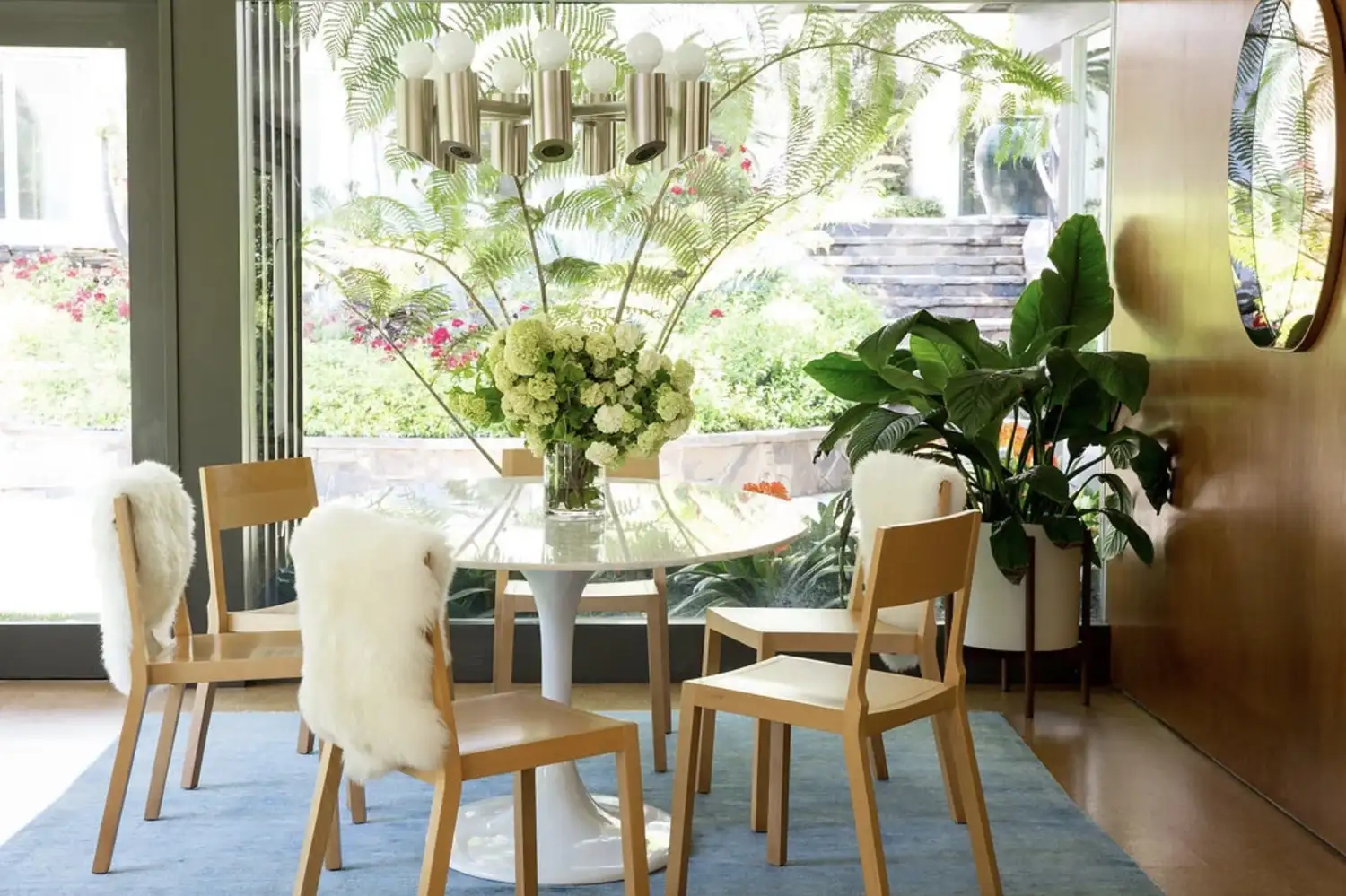
Another enduring vintage item is the Tulip Table, designed by Eero Saarinen in the 1950s. Its elegantly simple form allows it to blend seamlessly into contemporary settings and pair with almost any style of chair or seating. It is advised to choose models with sturdy cast aluminum bases rather than plastic copies to ensure stability and longevity.
Modular wall units with integrated desks, a classic of midcentury modern design, provide smart, space-saving solutions. These units are particularly useful for creating a functional home office area within a living room or other shared spaces, offering an elegant alternative to a dedicated office room.
Bentwood chairs, such as the Thonet No. 14 and the later No. 811 by Josef Hoffmann, represent older styles that continue to be relevant in contemporary interiors. The Thonet No. 14, originating in the mid-19th century, is praised for being lightweight, compact, and economical. The No. 811 offers a more modern square profile while retaining the charm of earlier models, along with enhanced back support for comfort.
Finally, midcentury modern dining sets, unlike some matching furniture sets that can appear dated, offer a cohesive and stylish option. A rich, sculptural wood table paired with matching chairs and a sideboard in a similar tone can impart character, polish, and a sense of history to a formal dining room without being overly traditional. Such sets can be further enhanced by combining them with colorful art, rugs, and wall paint to create an eclectic and vibrant atmosphere.
#VintageFurniture #HomeDecor #InteriorDesign #MidcenturyModern #SustainableDecorating #TimelessDesign #DanishModern #BentwoodChairs #TulipTable #VintageFurniture #HomeDecor #InteriorDesign #MidcenturyModern #SustainableDecorating #TimelessDesign #DanishModern #BentwoodChairs #TulipTable
 No comments yet