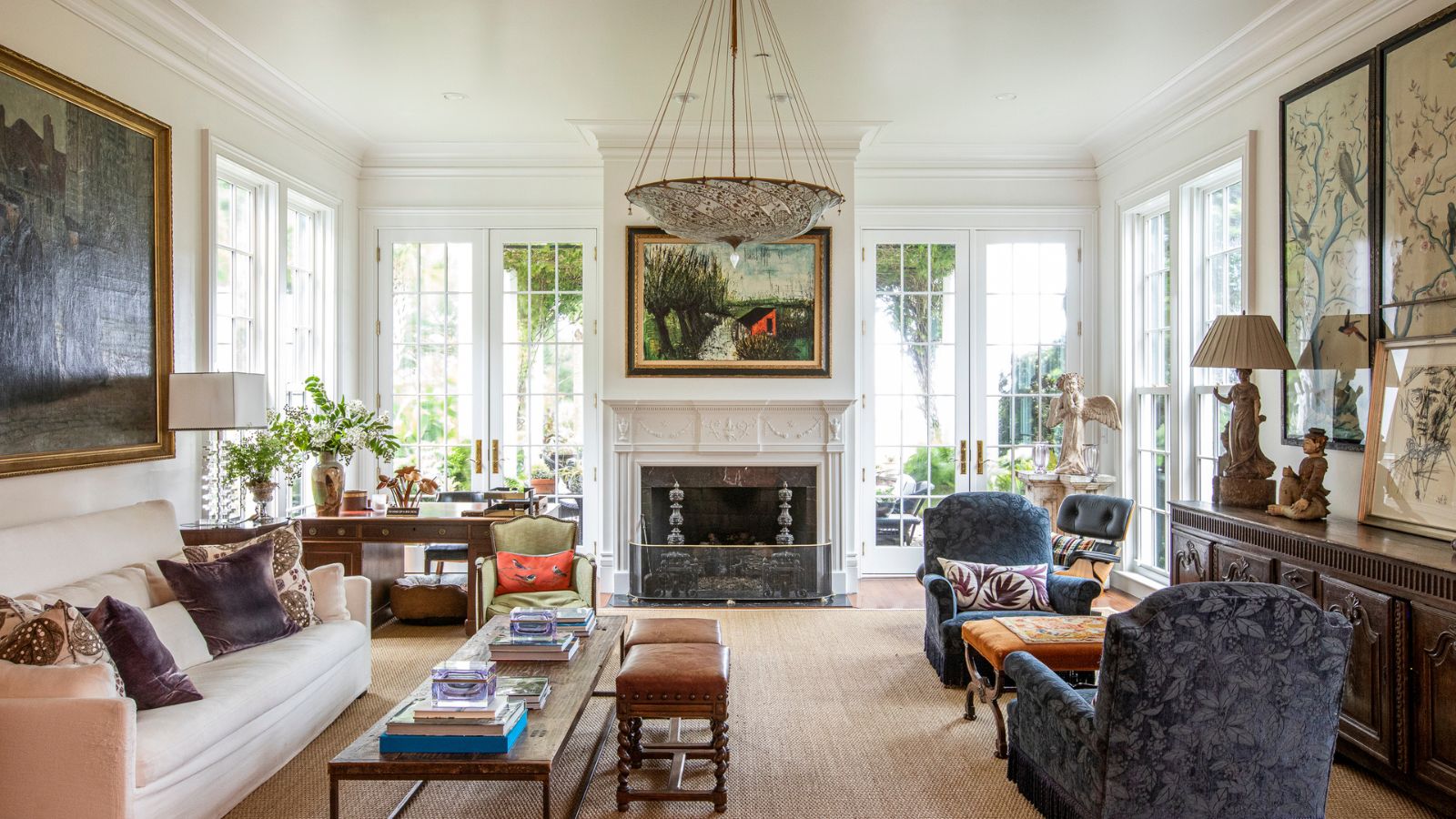
1/13
6 antiques that will always work in modern interiors – and how designers style them
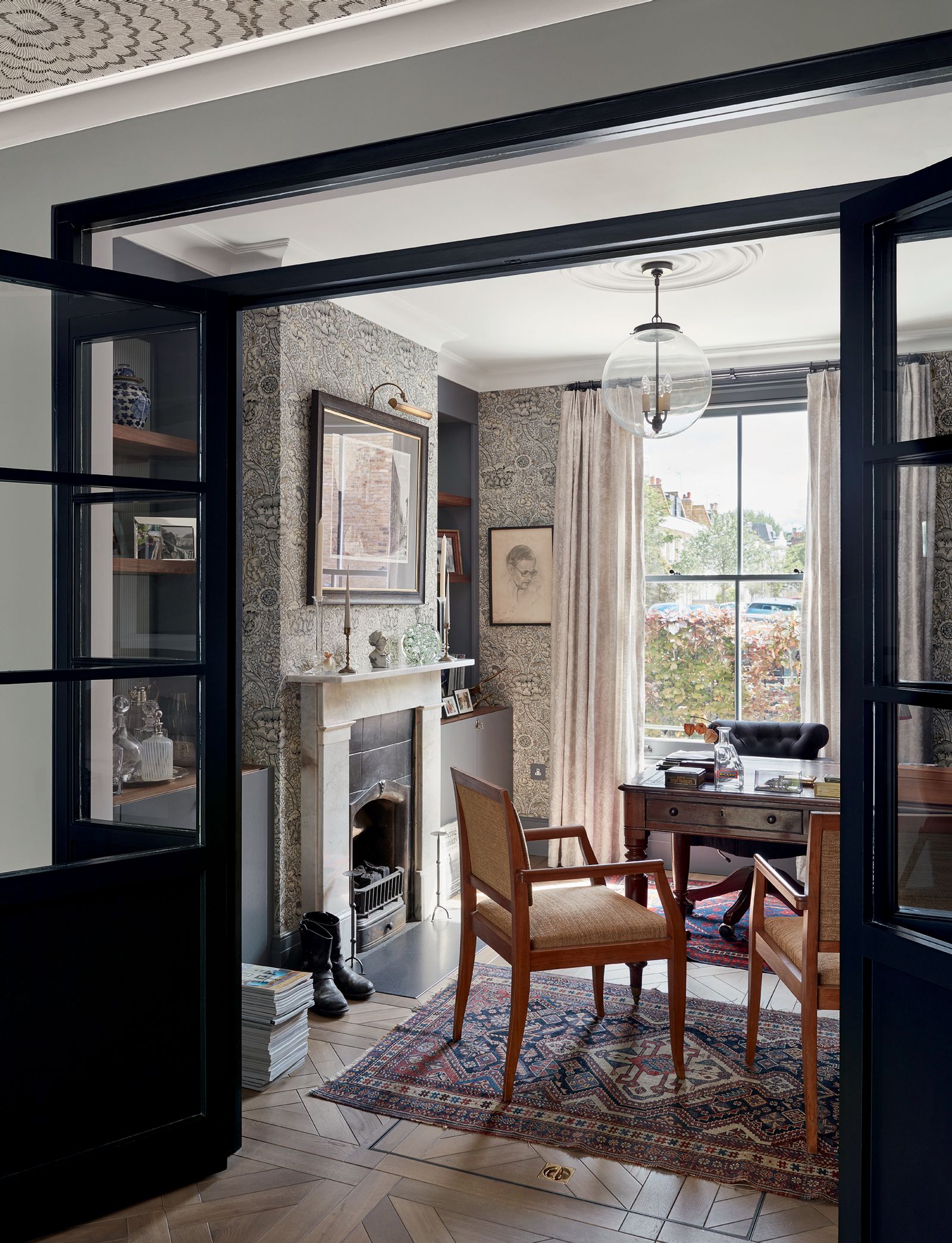
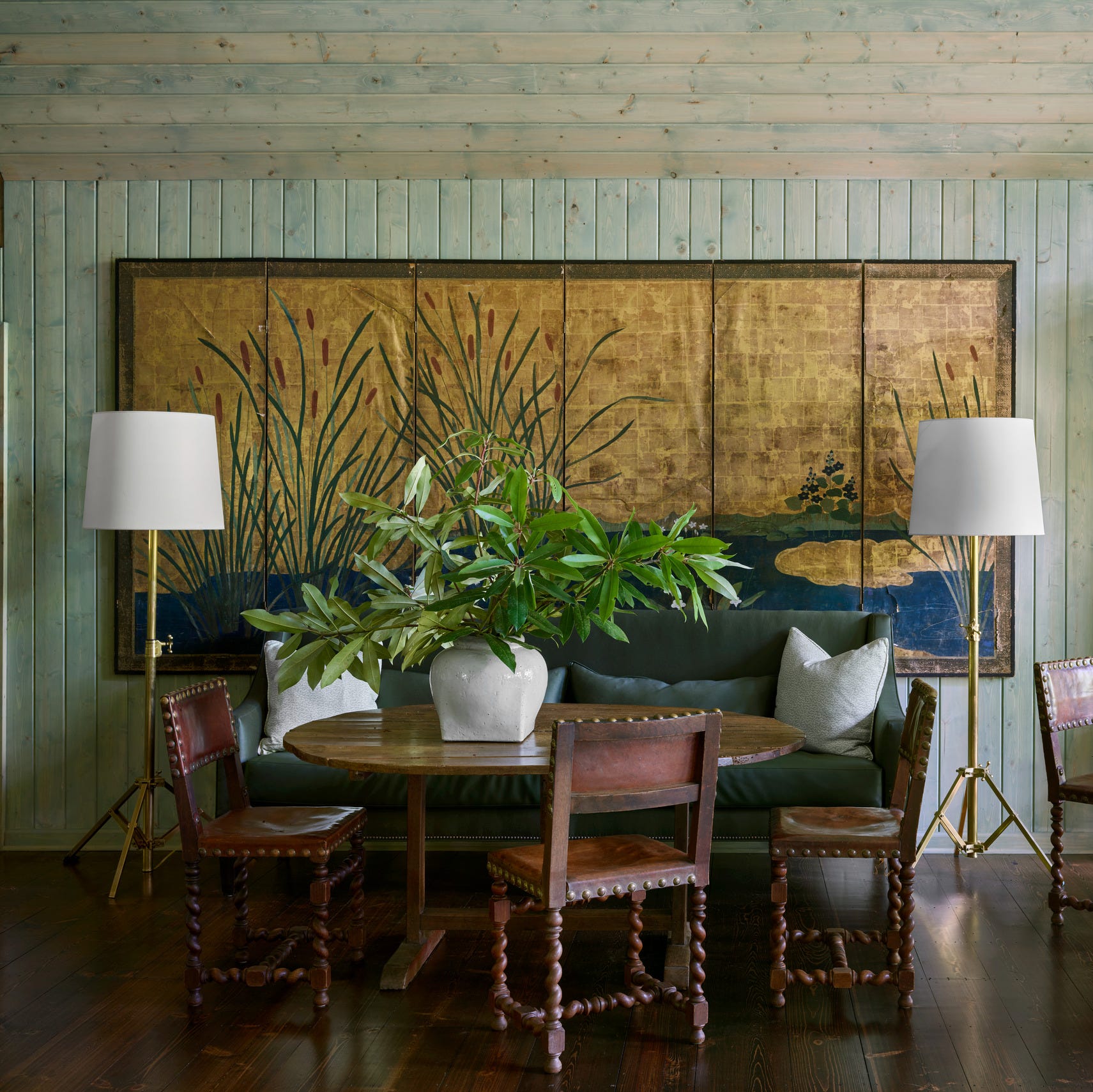
Antiques offer a unique way to infuse depth, character, and history into modern interior design, creating a harmonious blend of past and present. The key to successfully integrating these pieces lies in thoughtful selection and placement, ensuring they complement rather than clash with contemporary aesthetics. While all antiques possess a distinct charm, certain types are particularly effective in modern settings due to their versatility and inherent patina, which can soften sleek lines and introduce a sense of cultural heritage.
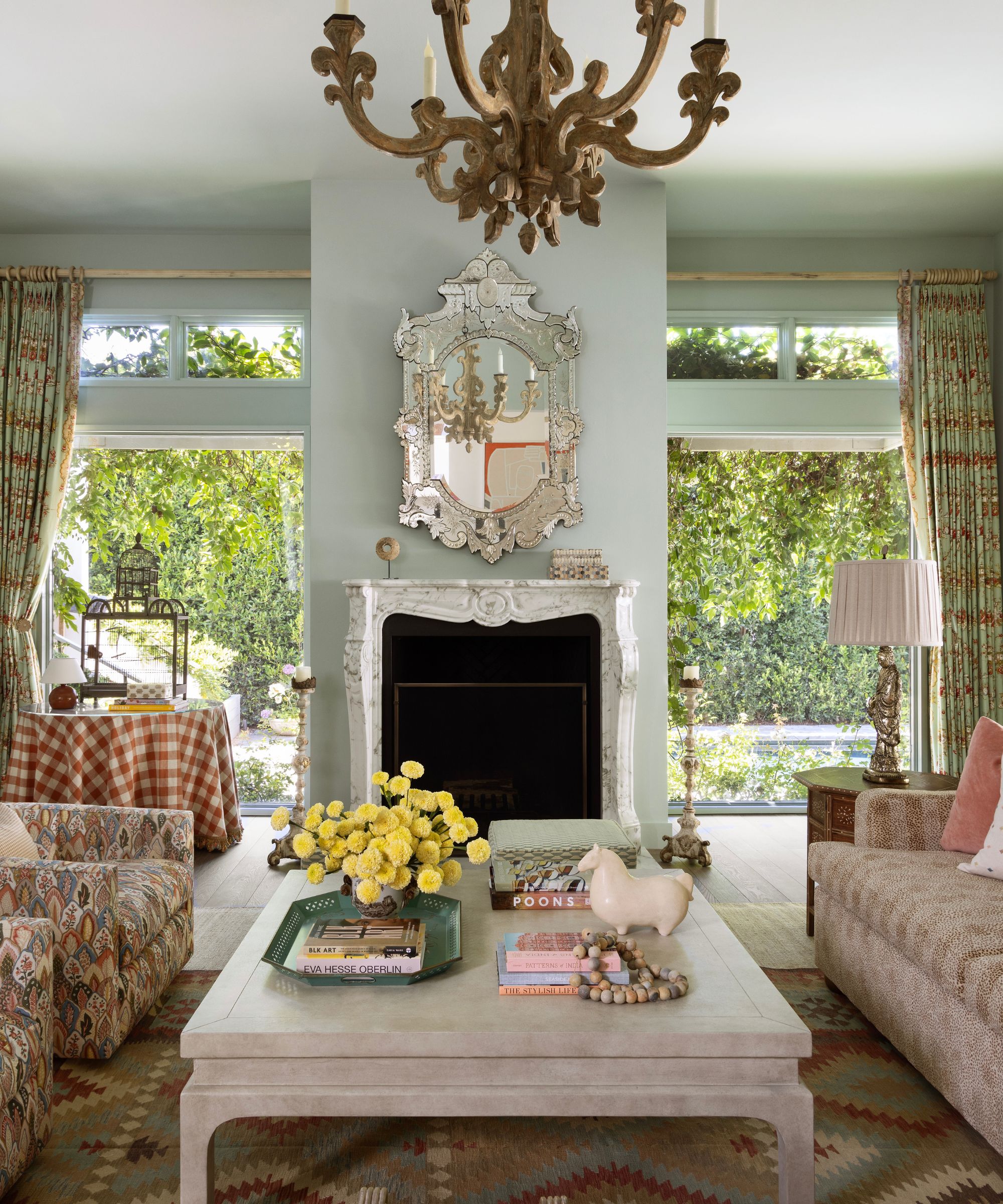
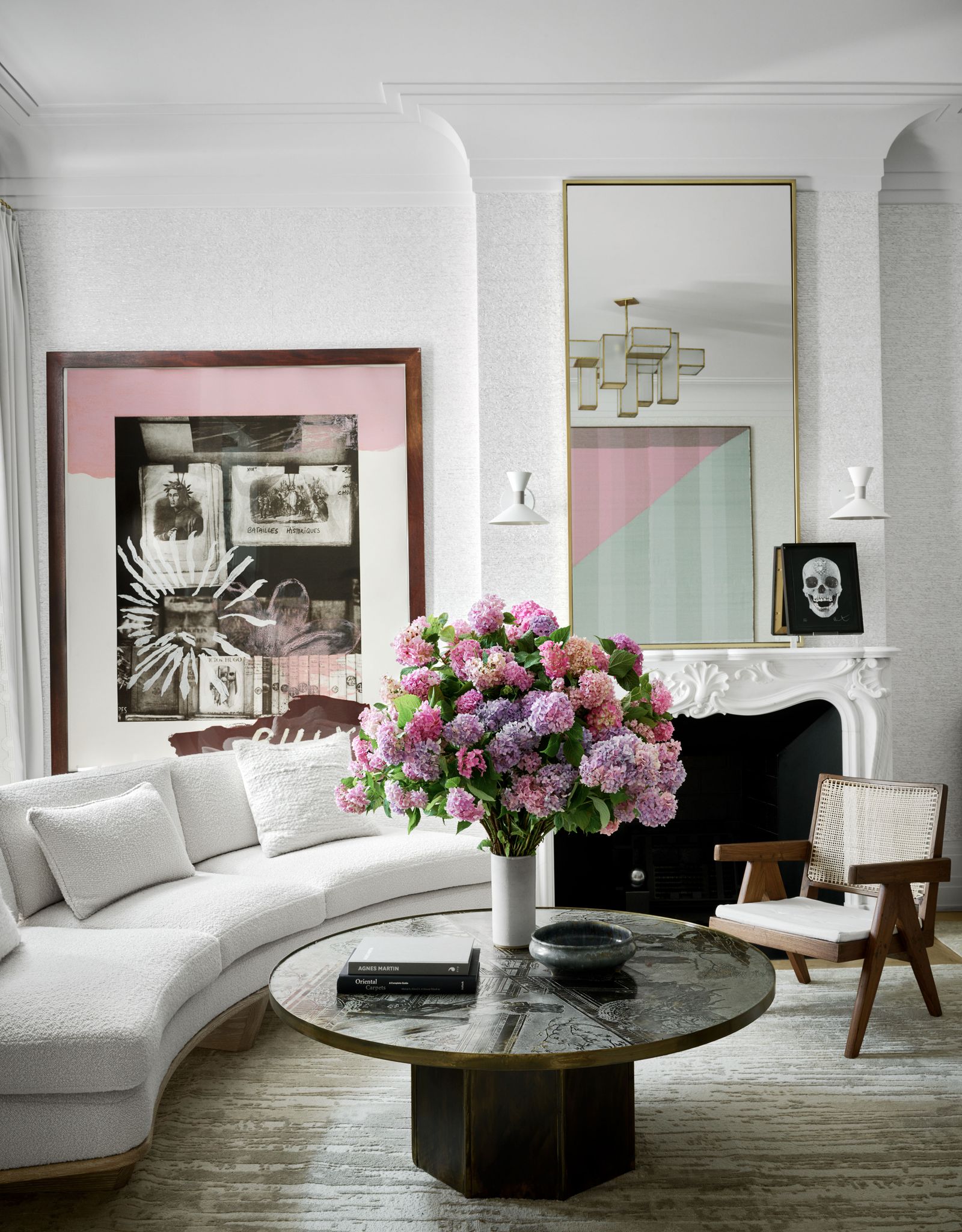
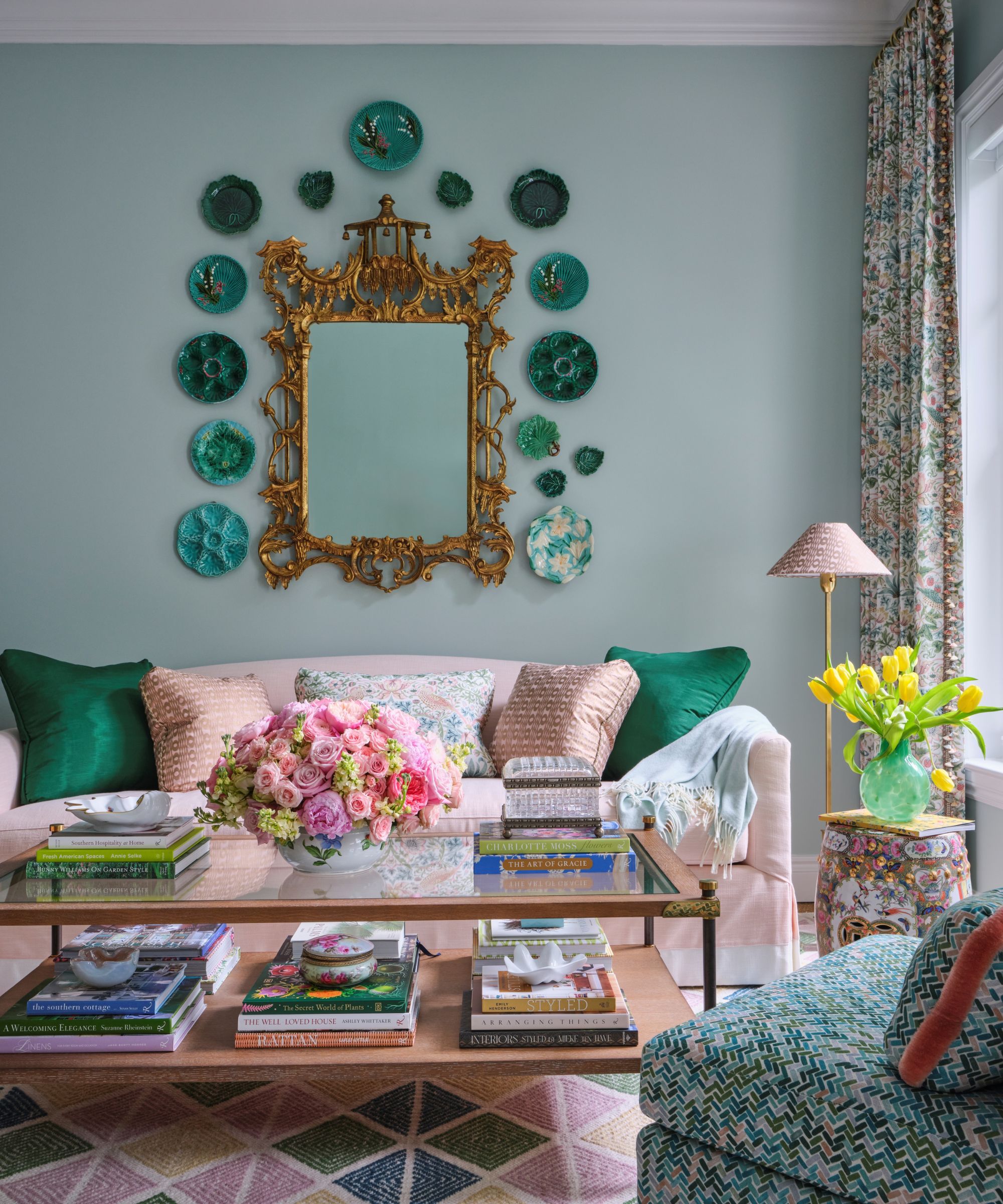
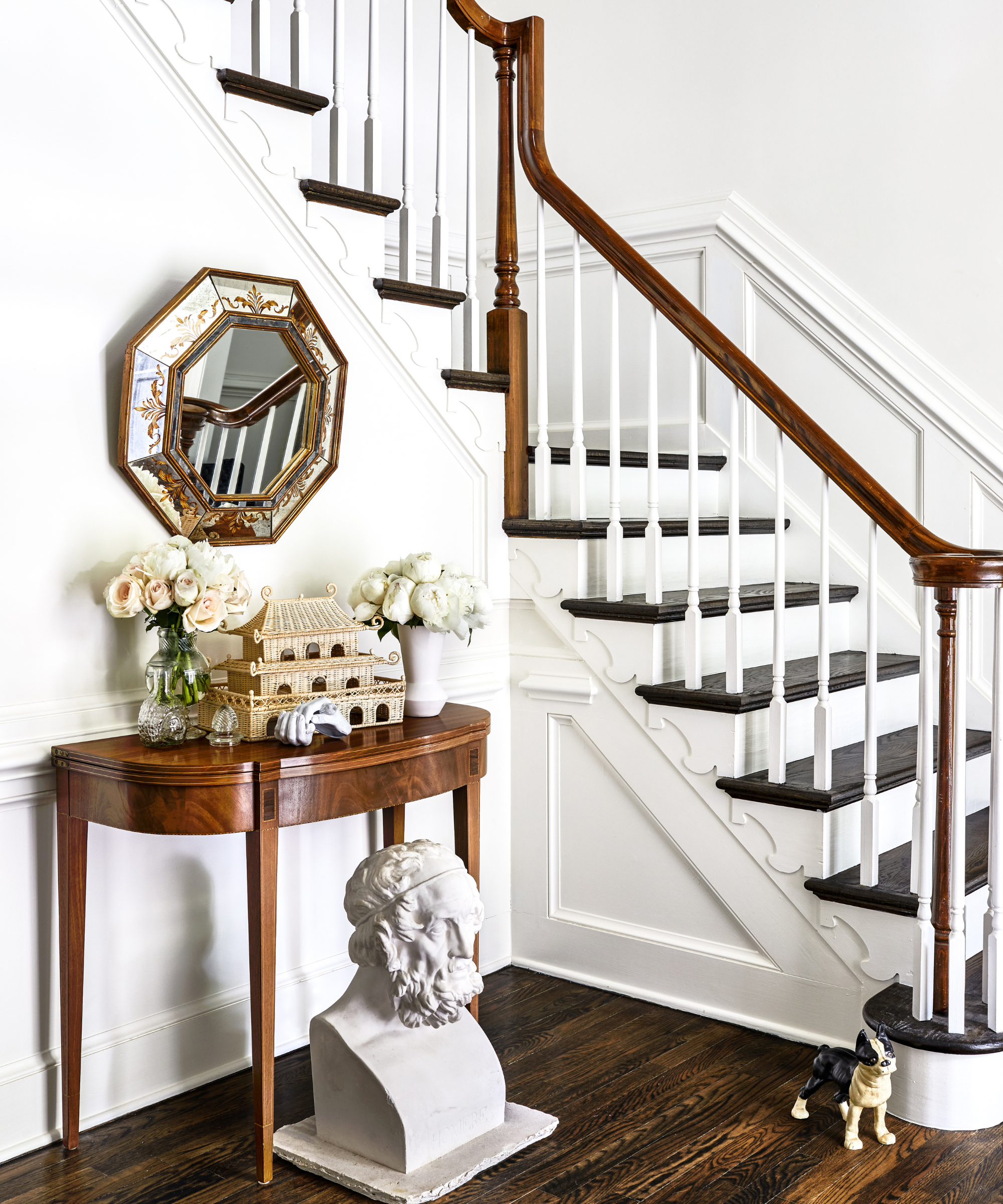
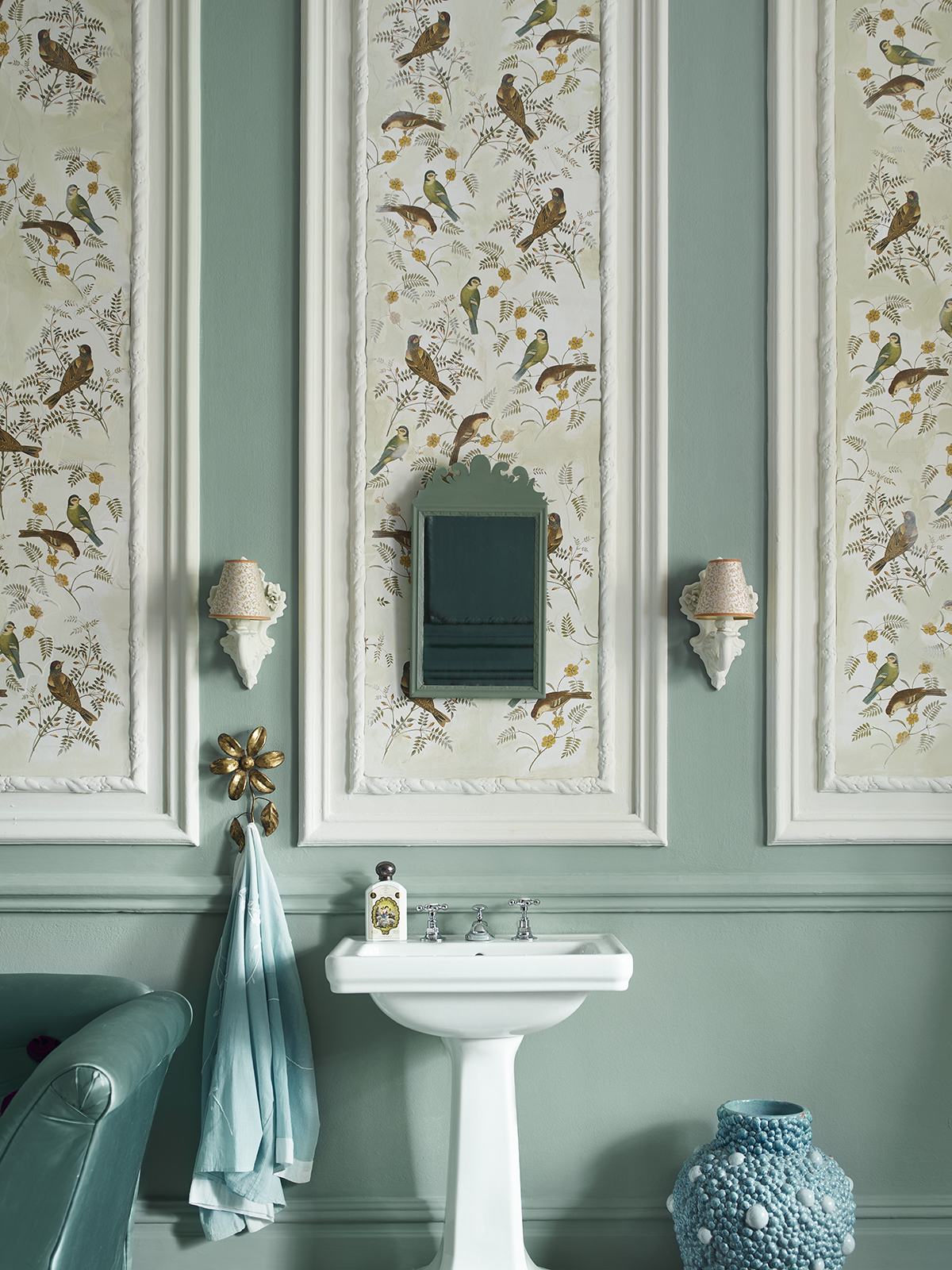
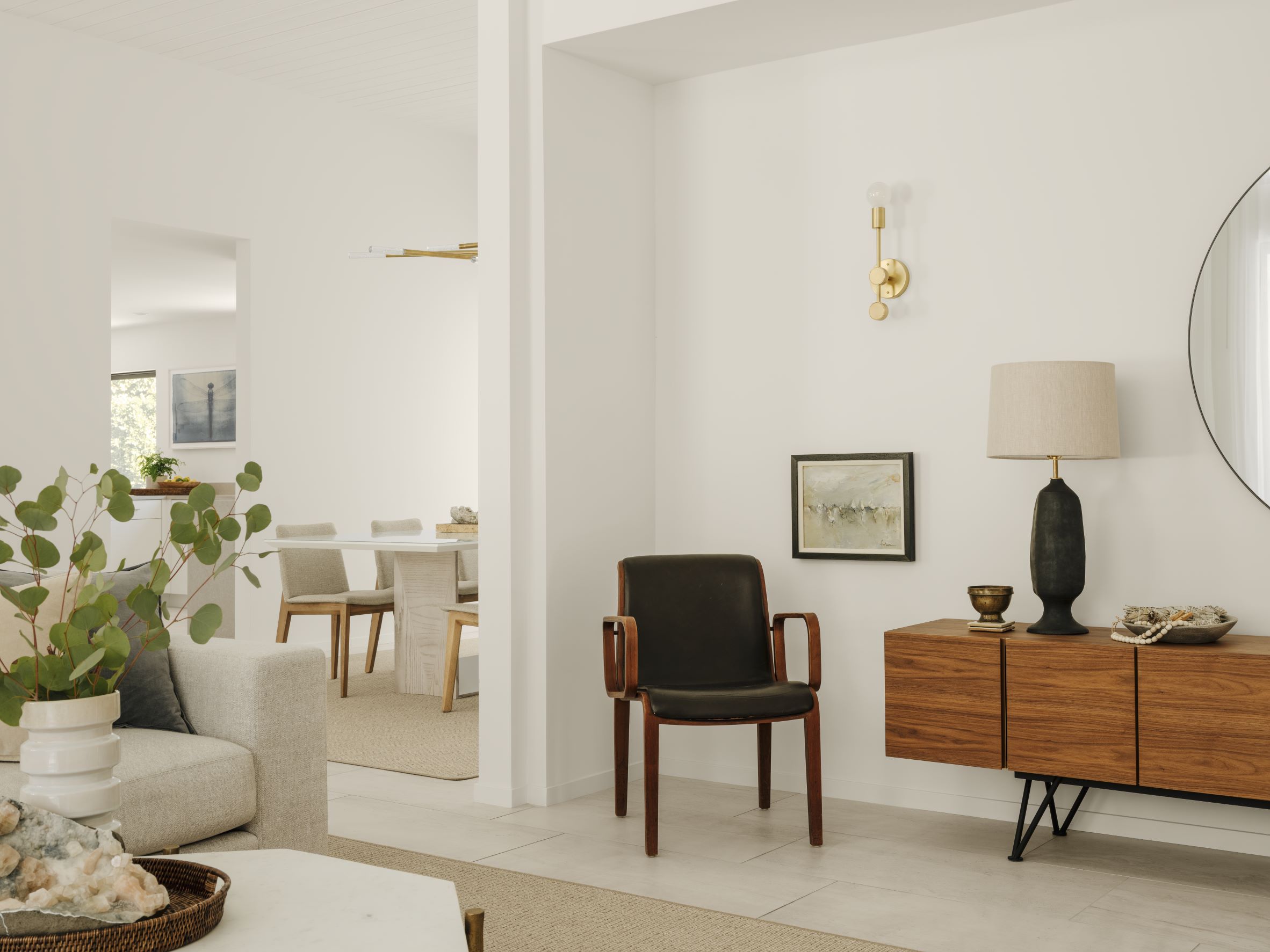
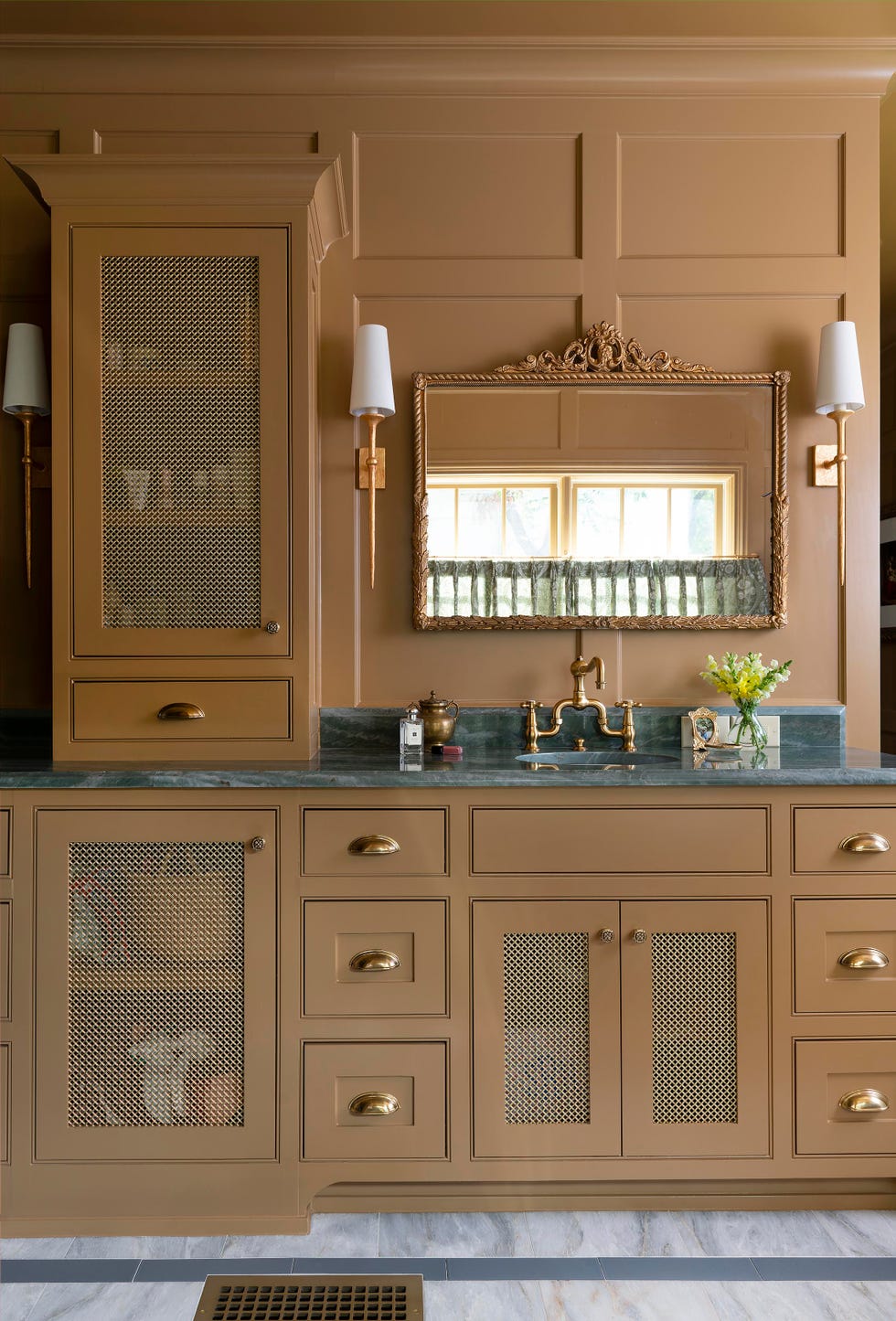
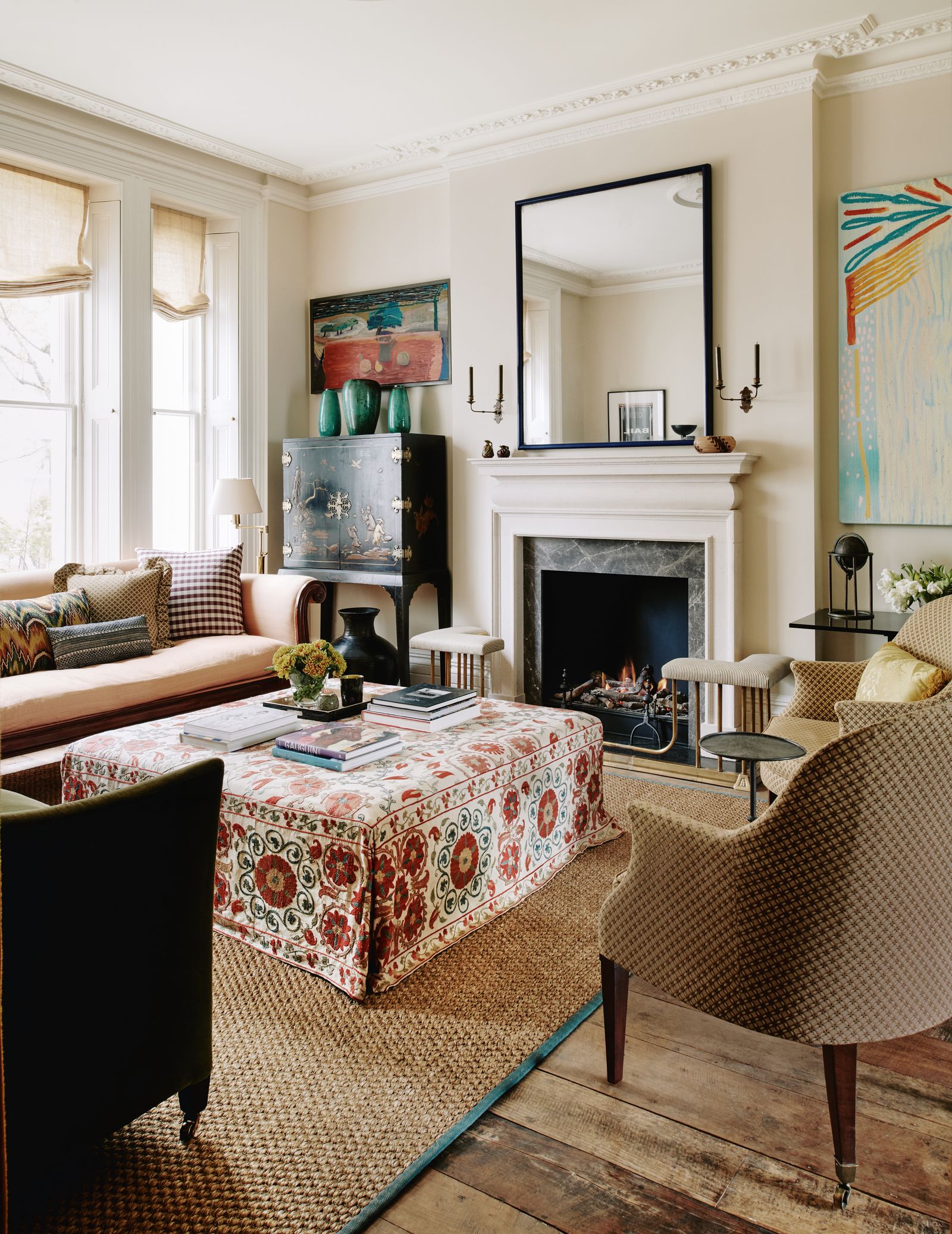
Antique mirrors, for instance, serve as excellent focal points in minimalist or transitional spaces. Their unique patina adds depth and a narrative quality, contrasting elegantly against neutral walls or pared-back schemes. Designers suggest that a vintage brass mirror in an entryway can instantly elevate the space, transforming it into a storytelling element. The reflective quality of mirrors also has the practical benefit of expanding a room, making them a dual-purpose decorative item.
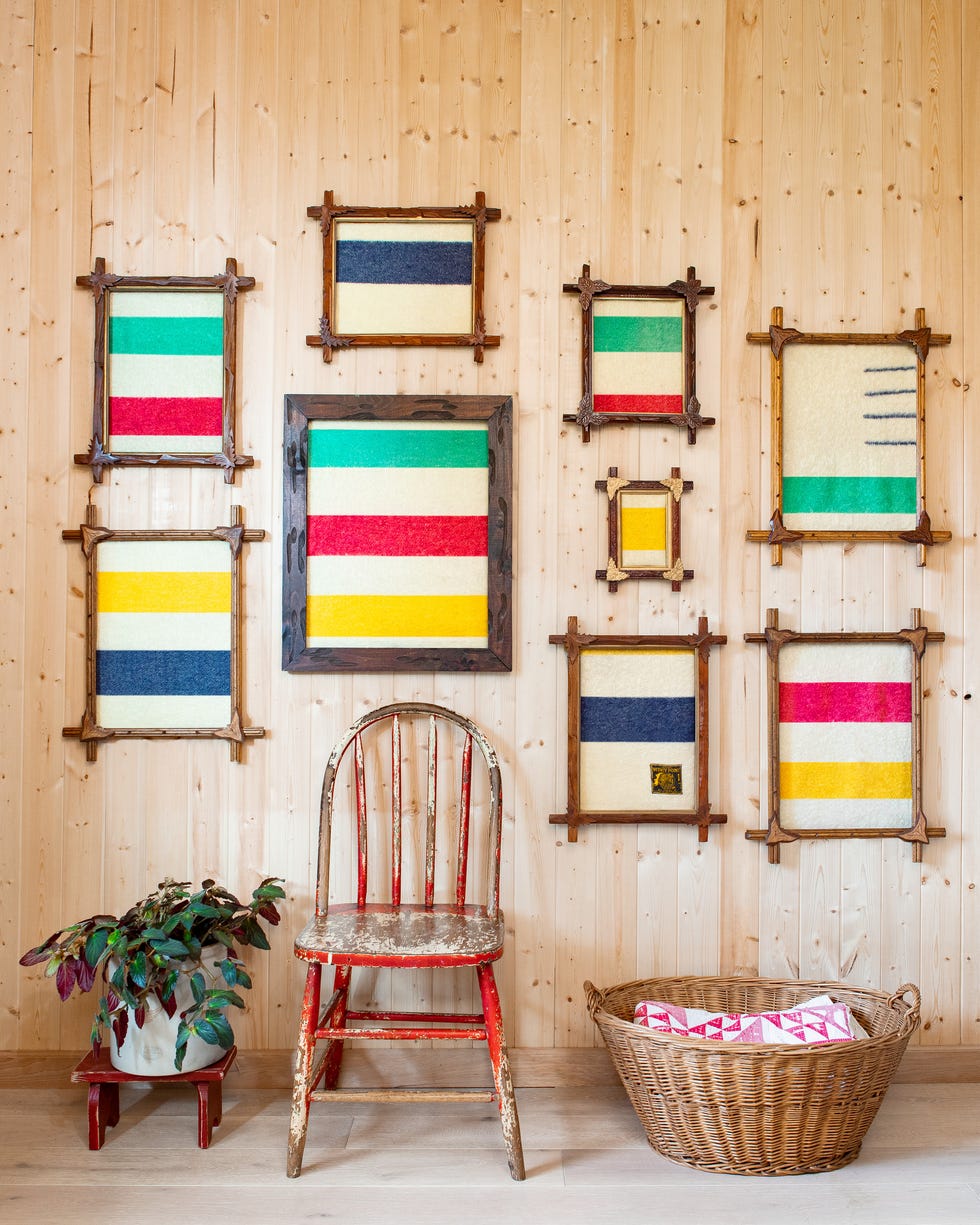
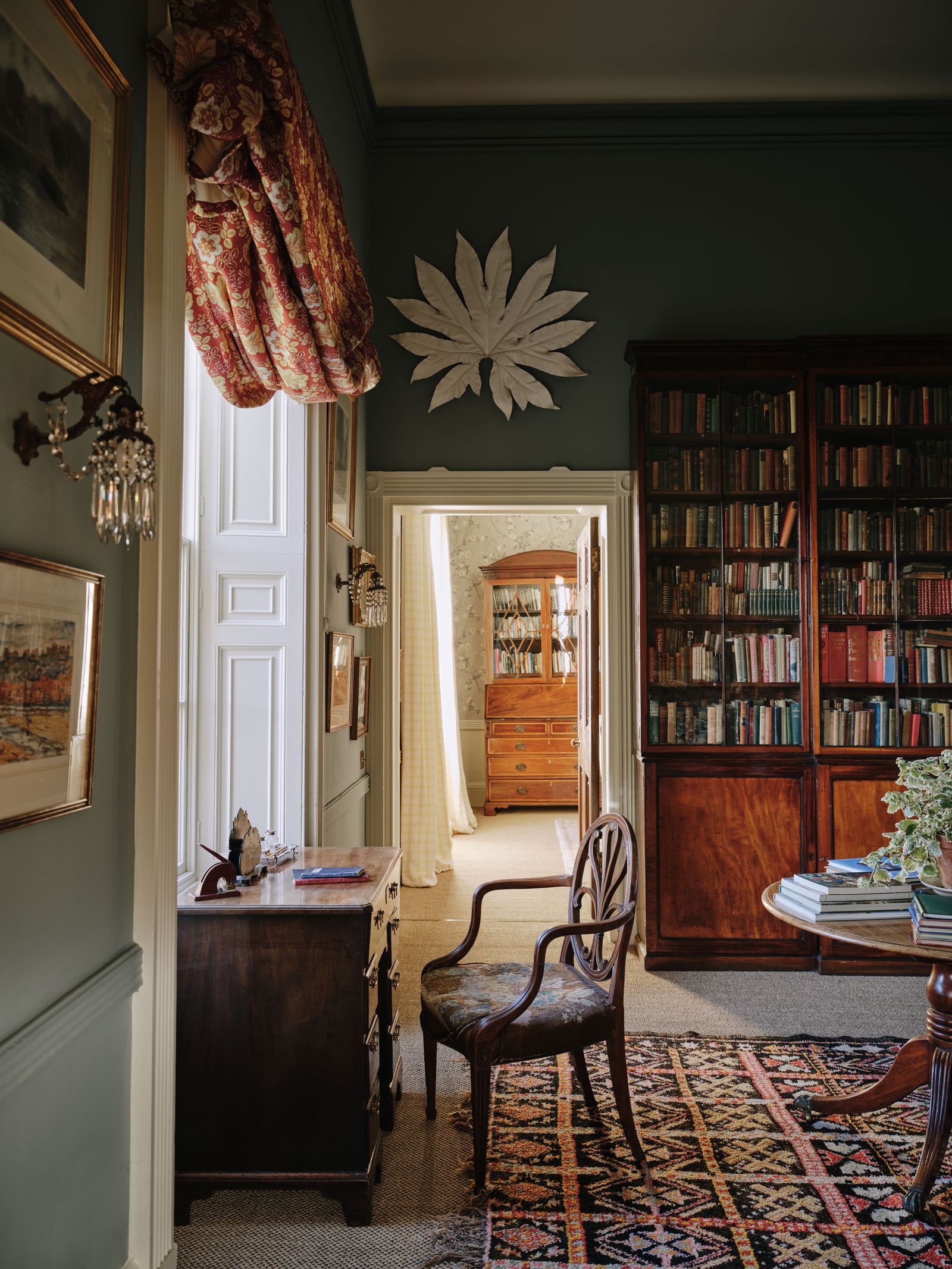
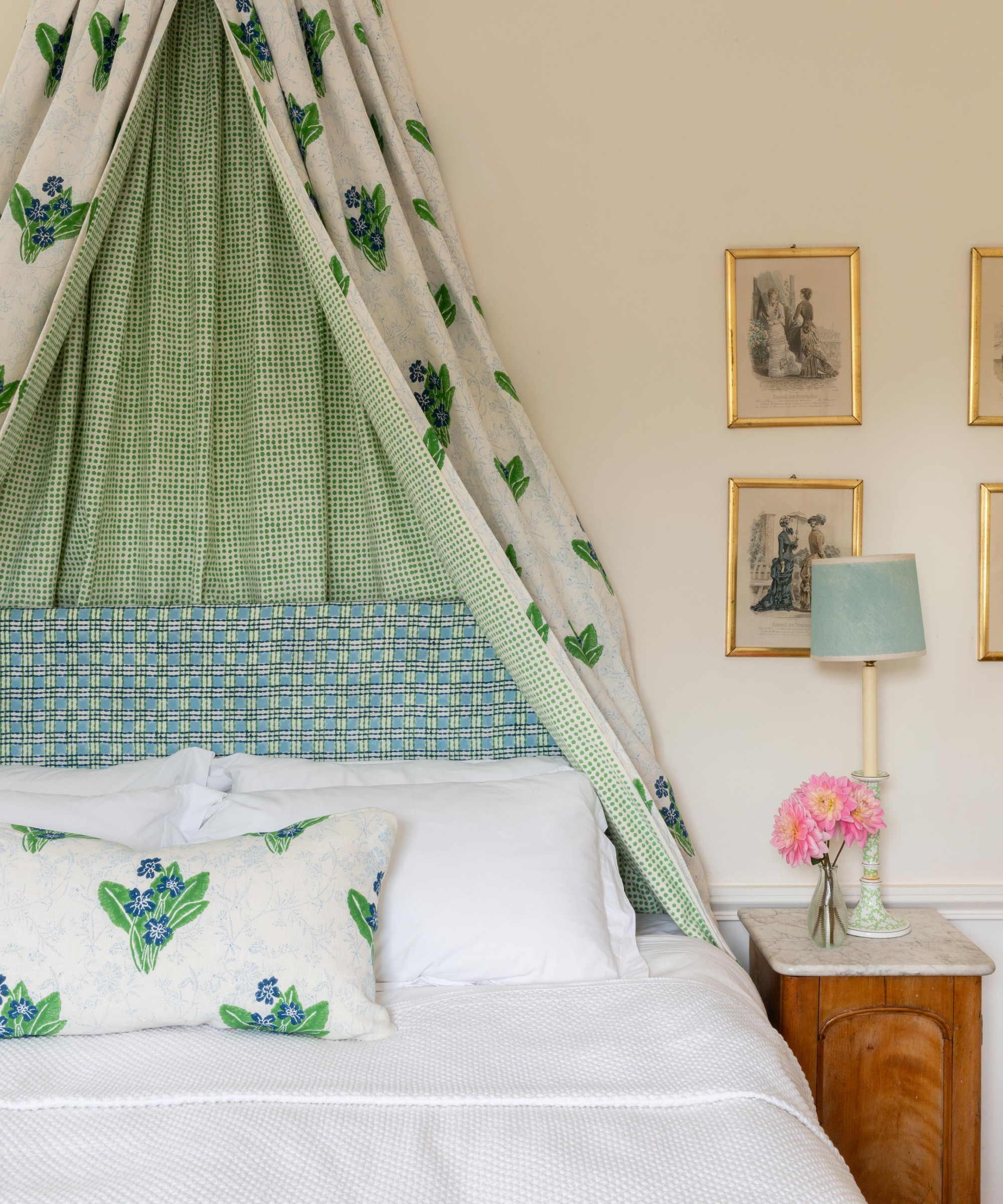
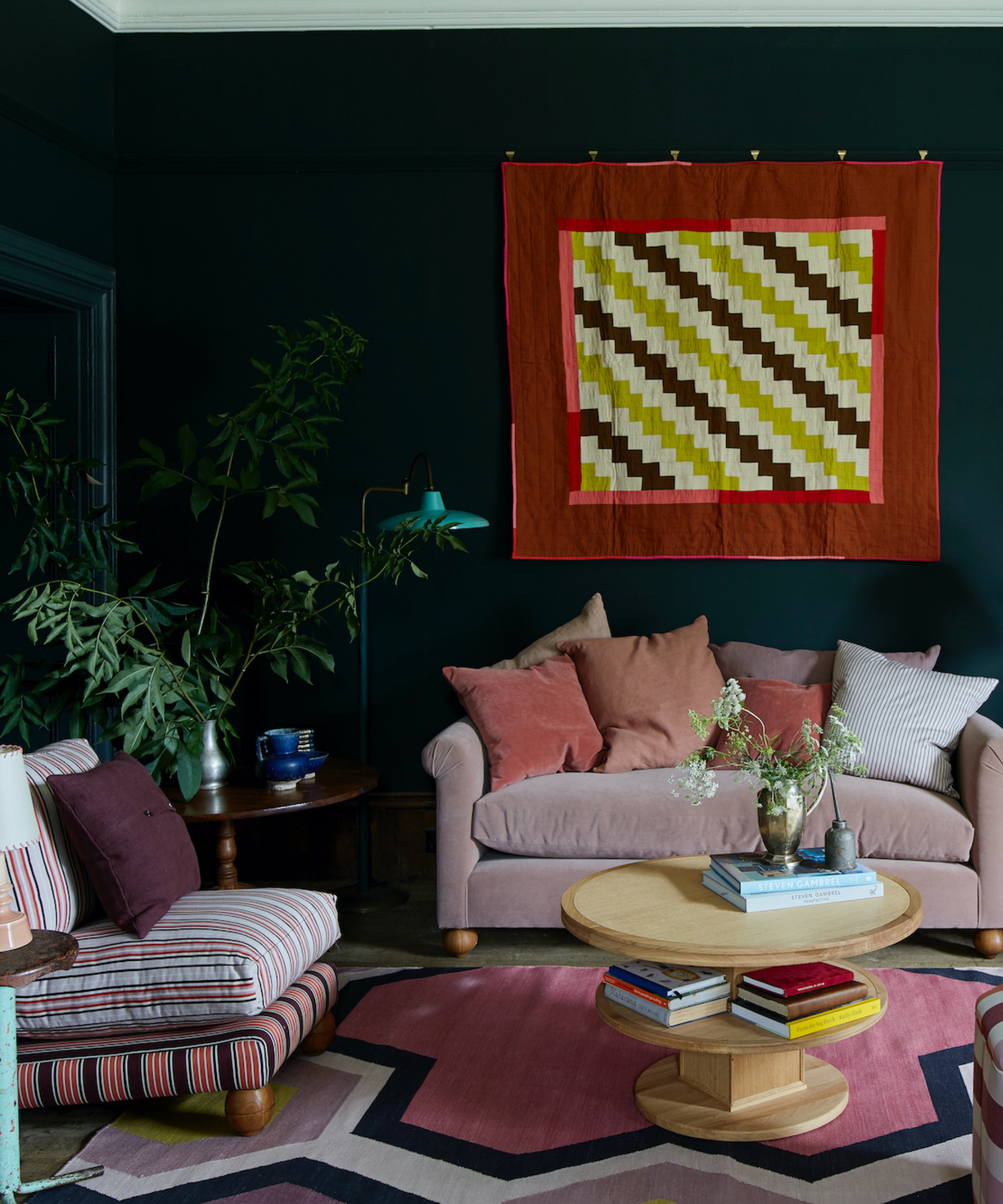
Antique textiles are another impactful category, easily adding character to modern interiors. Whether framed as artwork, draped over furniture, or repurposed into unique lamp bases, textiles like lace, linen, or richly embroidered fabrics introduce pattern, texture, and warmth. They pair beautifully with neutral color palettes and contemporary materials, offering a tactile contrast that enriches the overall design.
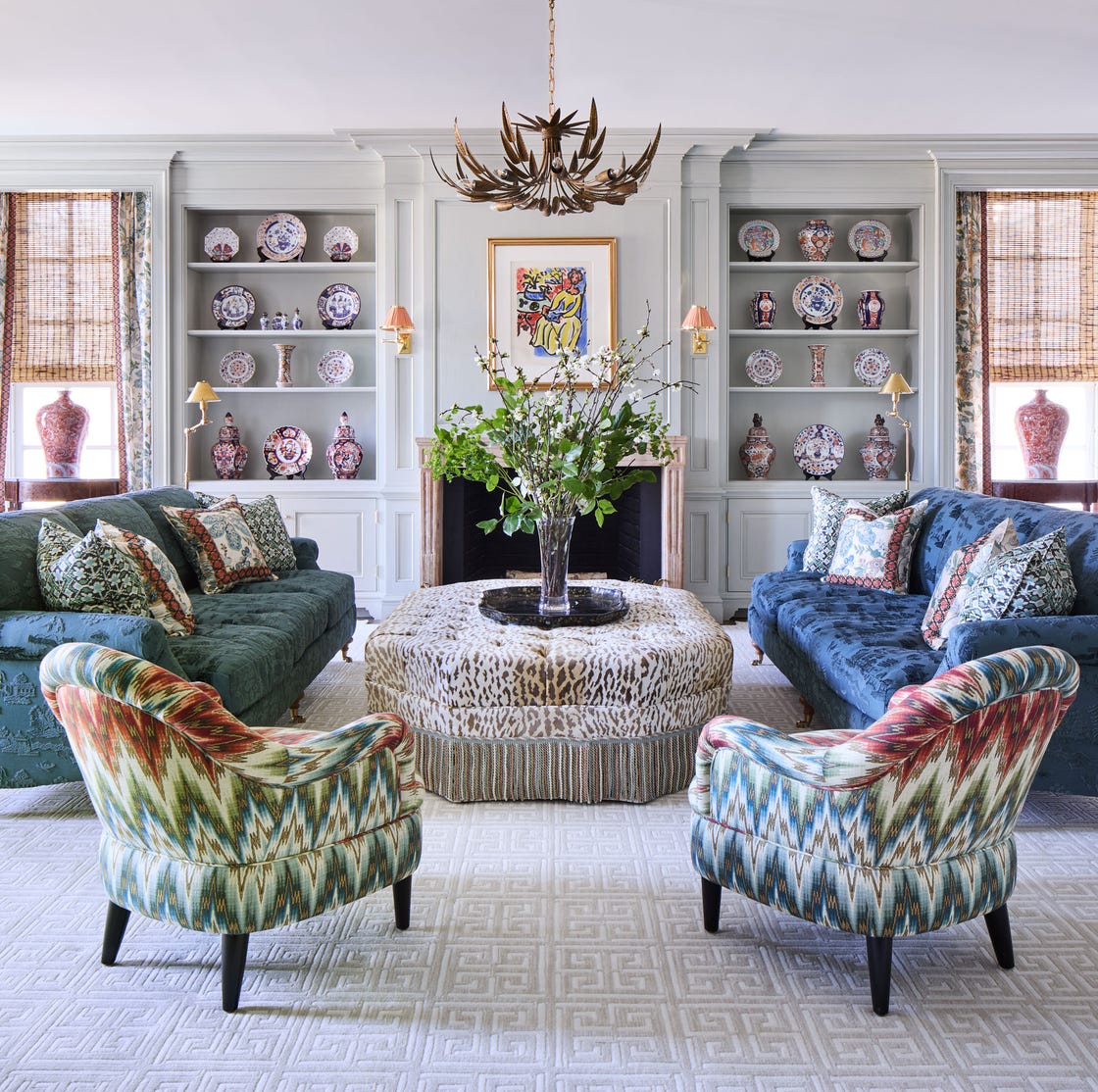
Ceramics, often associated with traditional farmhouse aesthetics, can surprisingly ground modern homes with their charm and patina. Collections of antique plates, bowls, or singular vases can offset the starkness of a minimalist kitchen or an empty dining room. These pieces provide an opportunity for curated displays, whether as a plate wall or as subtle accents on shelves, adding a layer of history and visual interest. Investing in valuable dishware styles ensures both aesthetic appeal and long-term value.
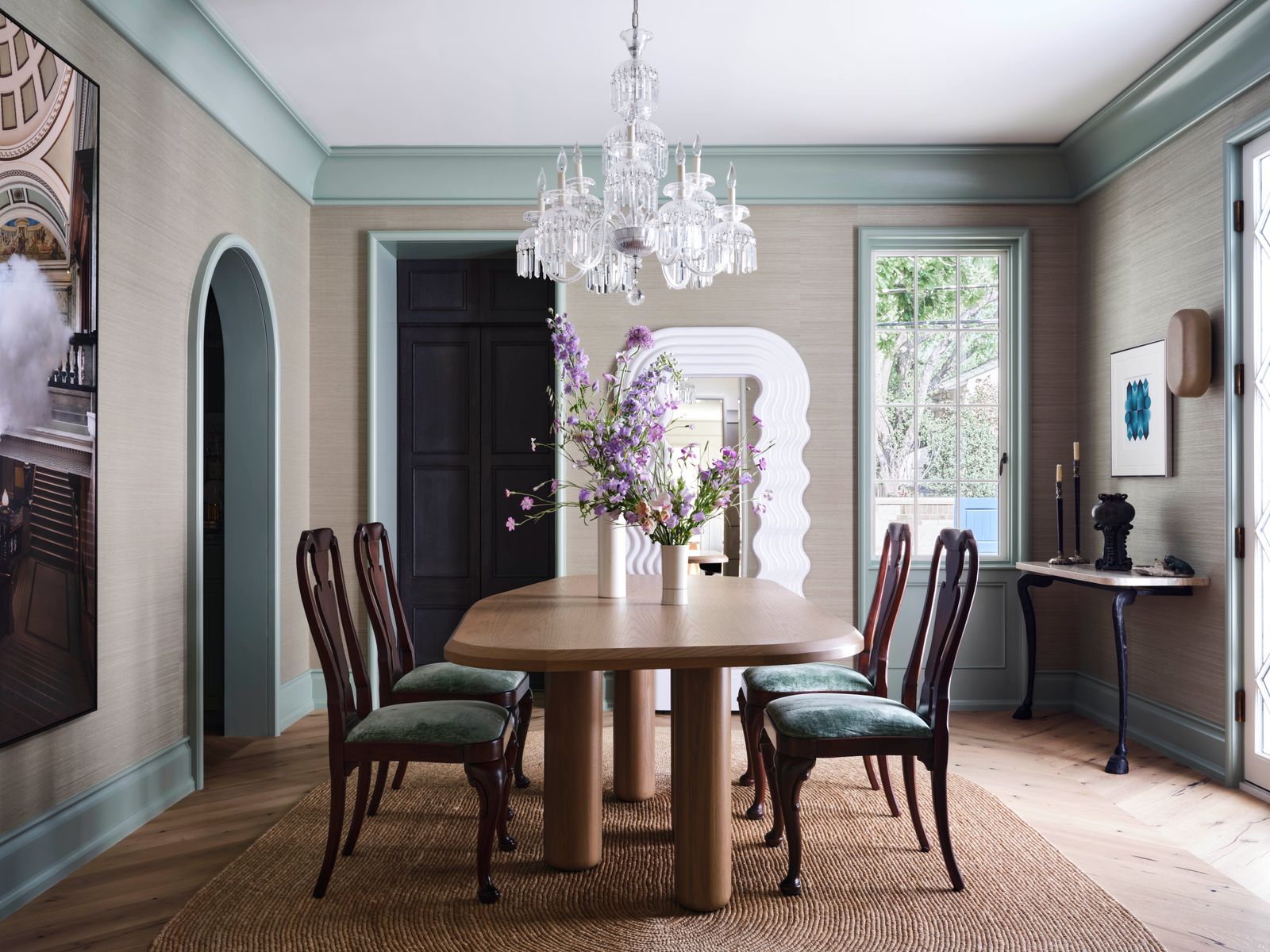
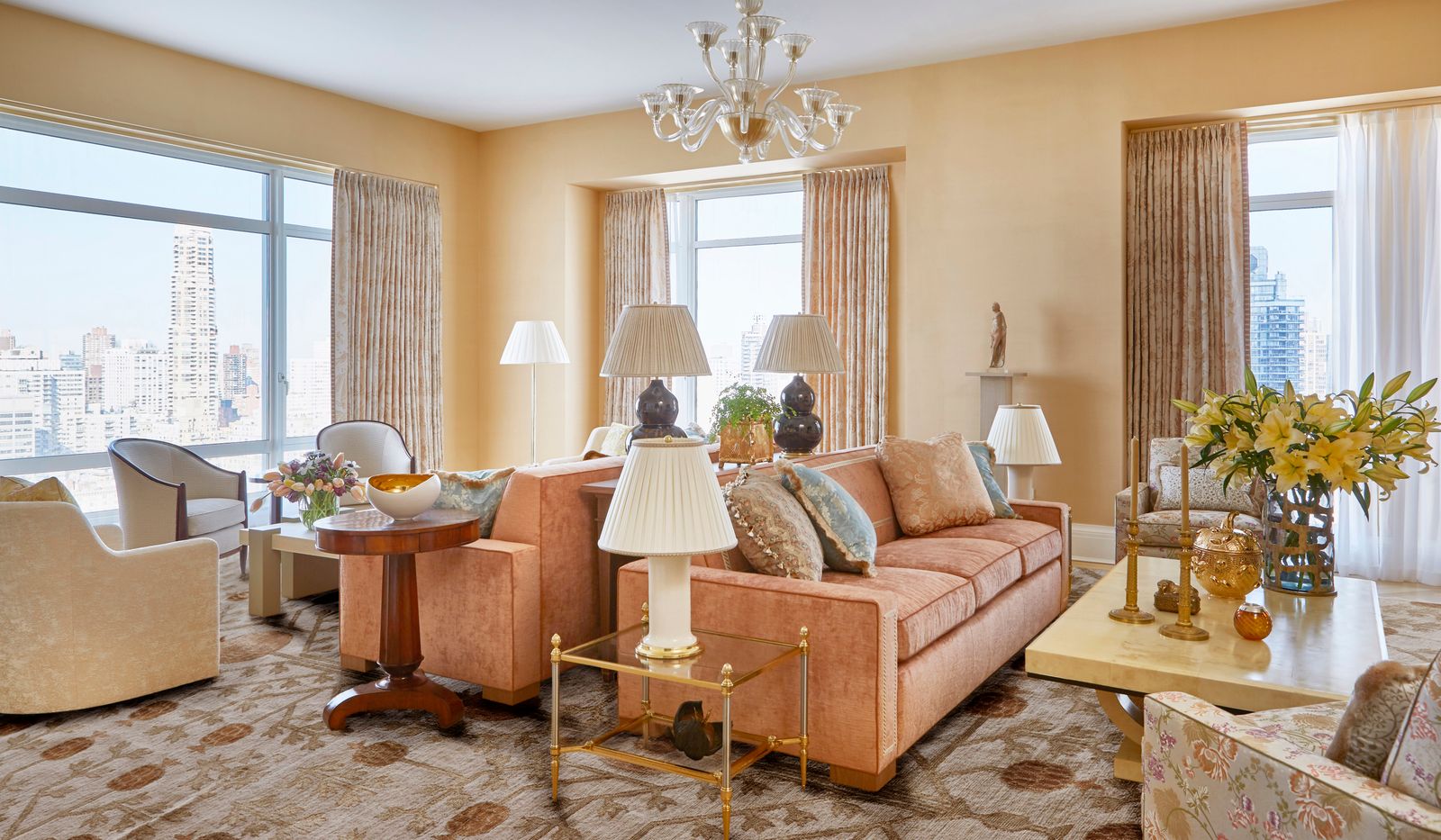
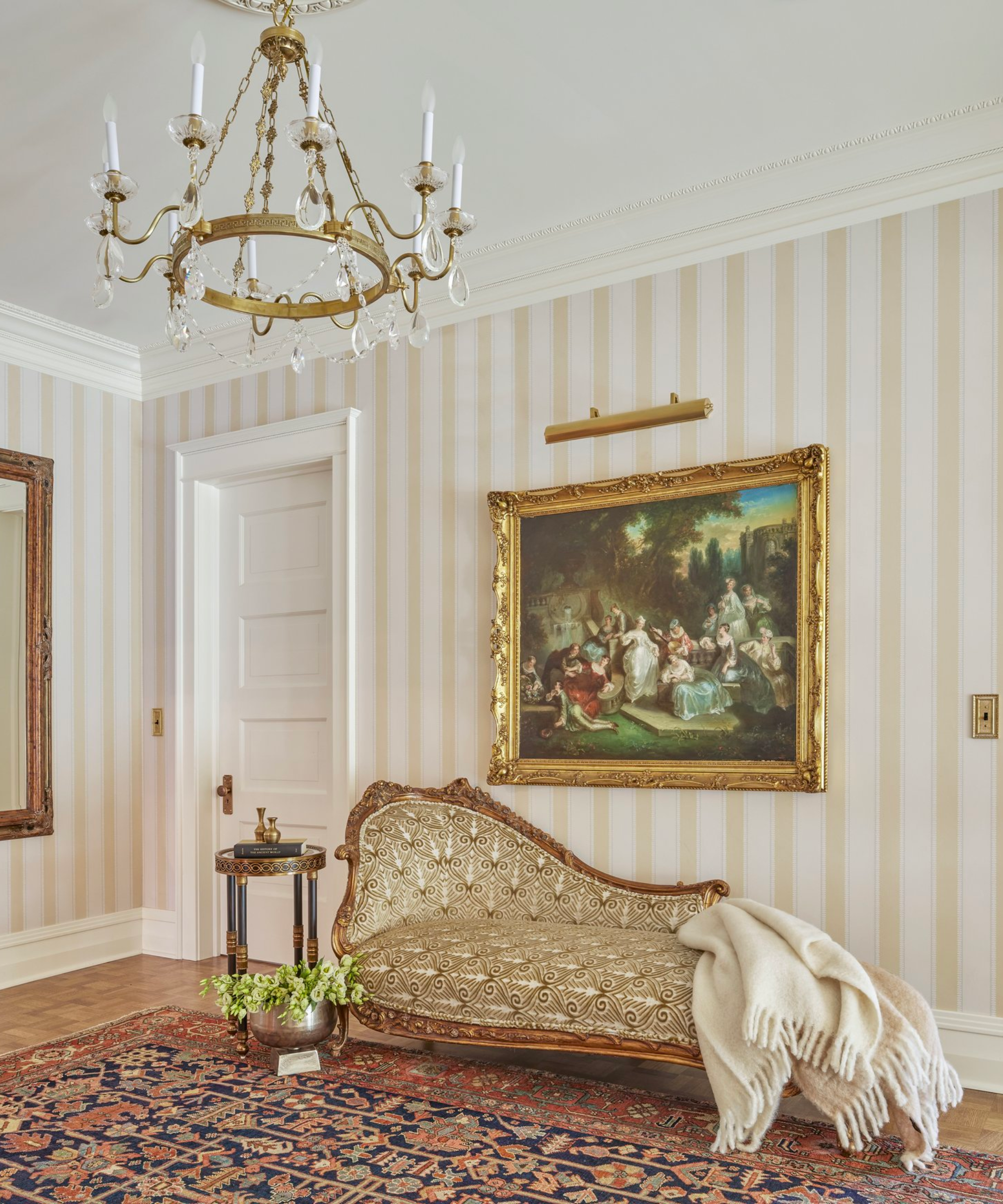
Ornate furniture, particularly gilded pieces, brings grandeur and artisanal craftsmanship to any modern home. These classic styles provide depth and impact, creating a layered interior. Designers emphasize the importance of creating a balanced mix, combining contemporary furniture with antique accessories. A consistent color palette and contrasting materials, such as sleek metals with textured woods, help tie different eras together, resulting in a cohesive yet eclectic aesthetic.
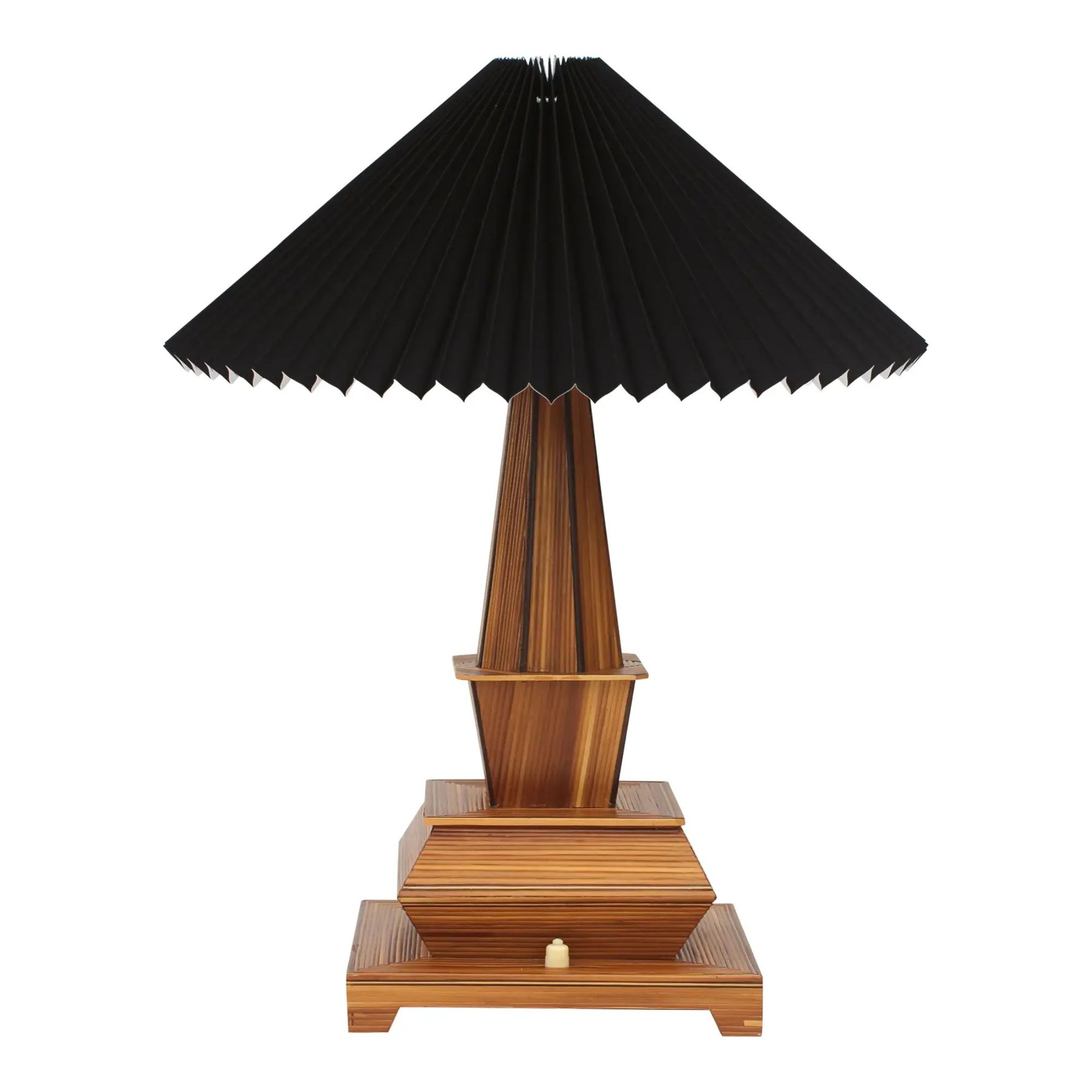
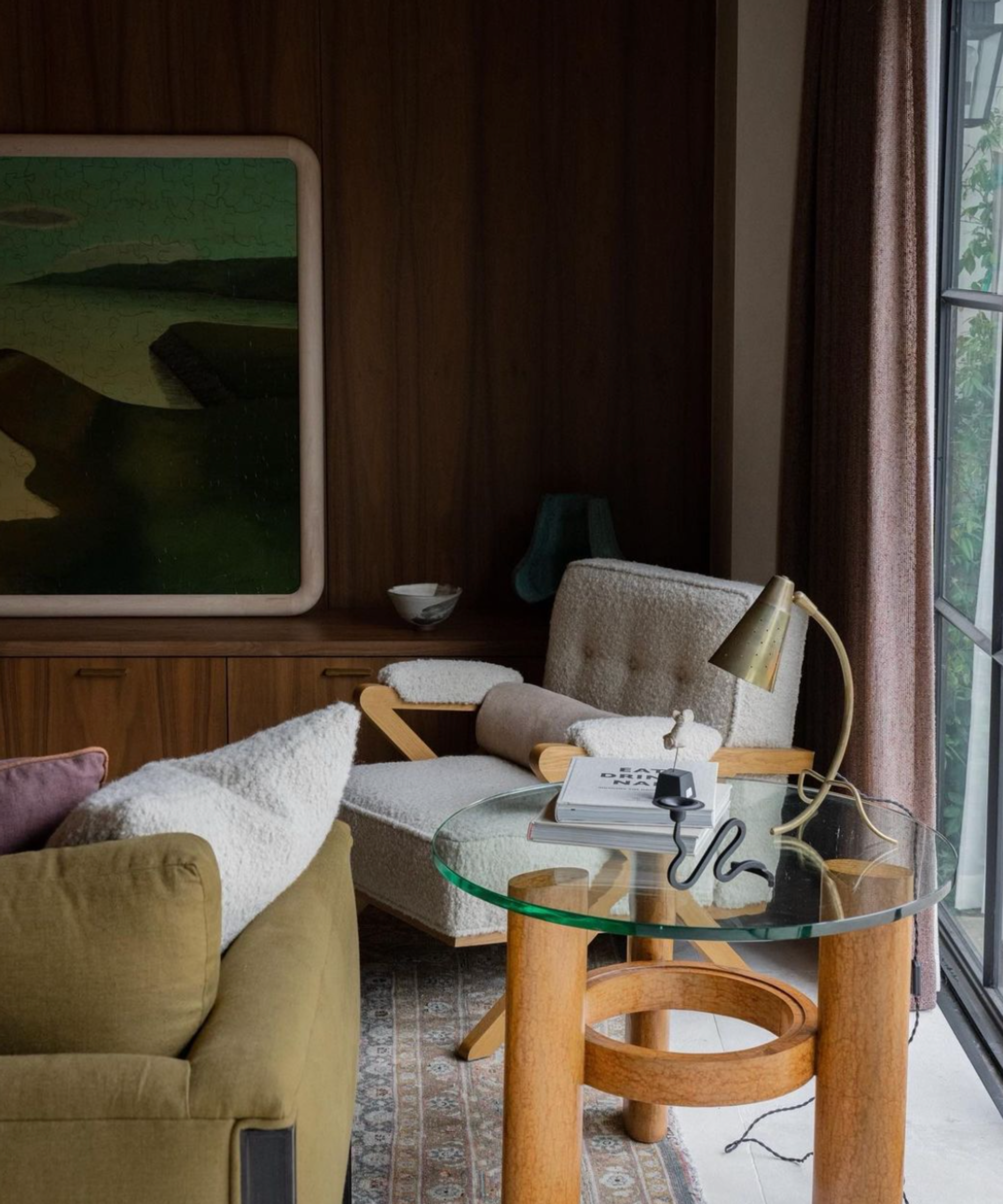
Art Deco decor, particularly pieces from the 1930s onwards, integrates well into contemporary schemes due to its geometric, less bulky style. While more ornate styles like Art Nouveau might overpower a modern space, Art Deco accent pieces such as side tables, sculptures, lamps, and artwork can seamlessly fit into minimalist living rooms. Designers like Eileen Gray and René Lalique created pieces that remain strikingly contemporary.
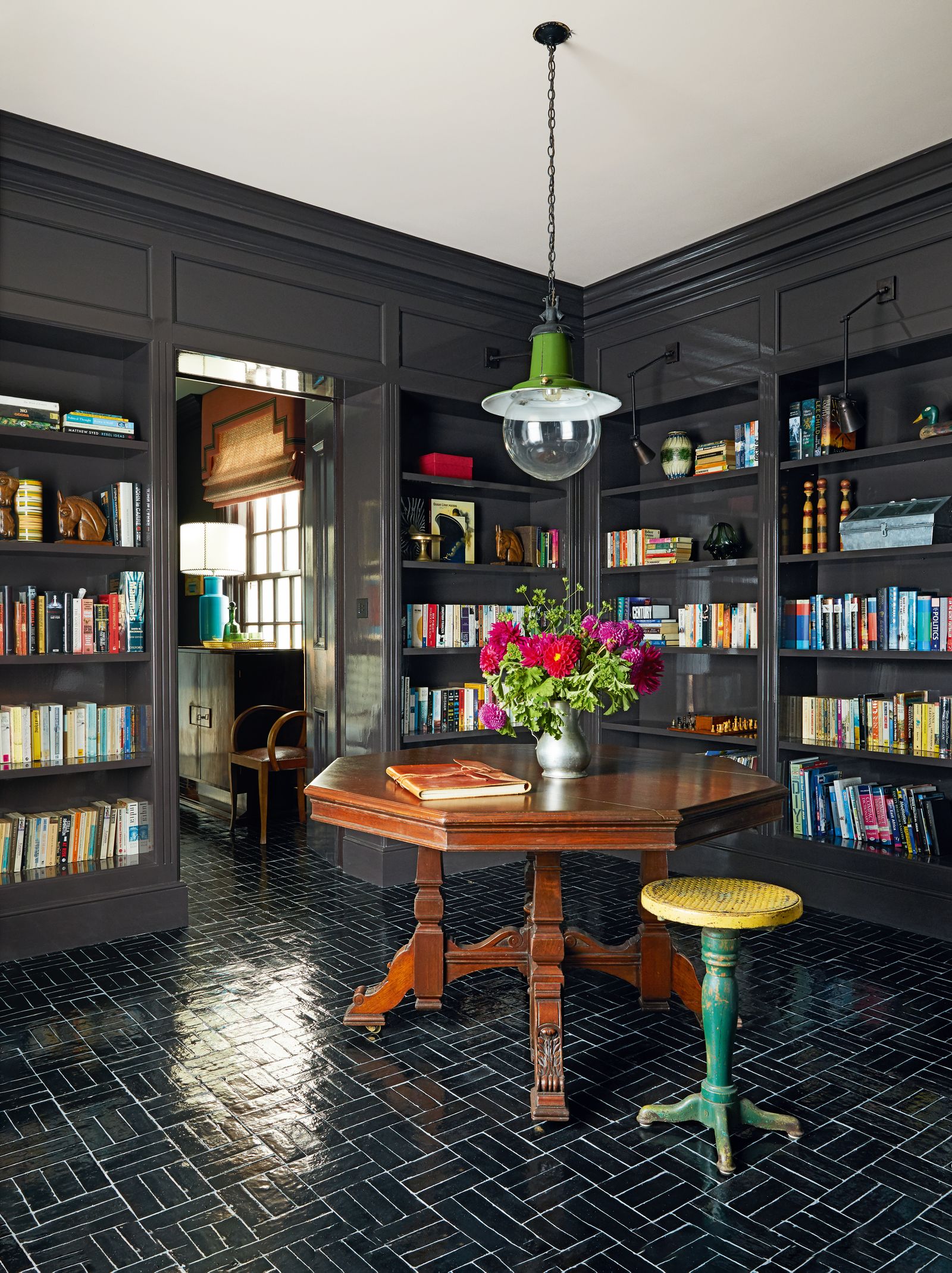
Finally, rare books, often overlooked as antiques, offer a simple yet impactful way to infuse a modern interior with groundedness and warmth. Found in various second-hand markets, these books, with their aged exteriors, add depth and eclecticism to bookshelves or coffee tables. Selecting editions with striking spines or relevant subject matter further enhances their decorative value, ensuring they contribute meaningfully to the home's curated feel. By incorporating these diverse antique categories, modern interiors can achieve a unique, aged, and eclectic aesthetic.
#InteriorDesign #AntiqueDecor #ModernInteriors #VintageStyle #HomeDecorating #DesignTrends #ArtDeco #TextileDesign #FurnitureStyling #InteriorDesign #AntiqueDecor #ModernInteriors #VintageStyle #HomeDecorating #DesignTrends #ArtDeco #TextileDesign #FurnitureStyling
0 comment in total
 No comments yet
You may also like
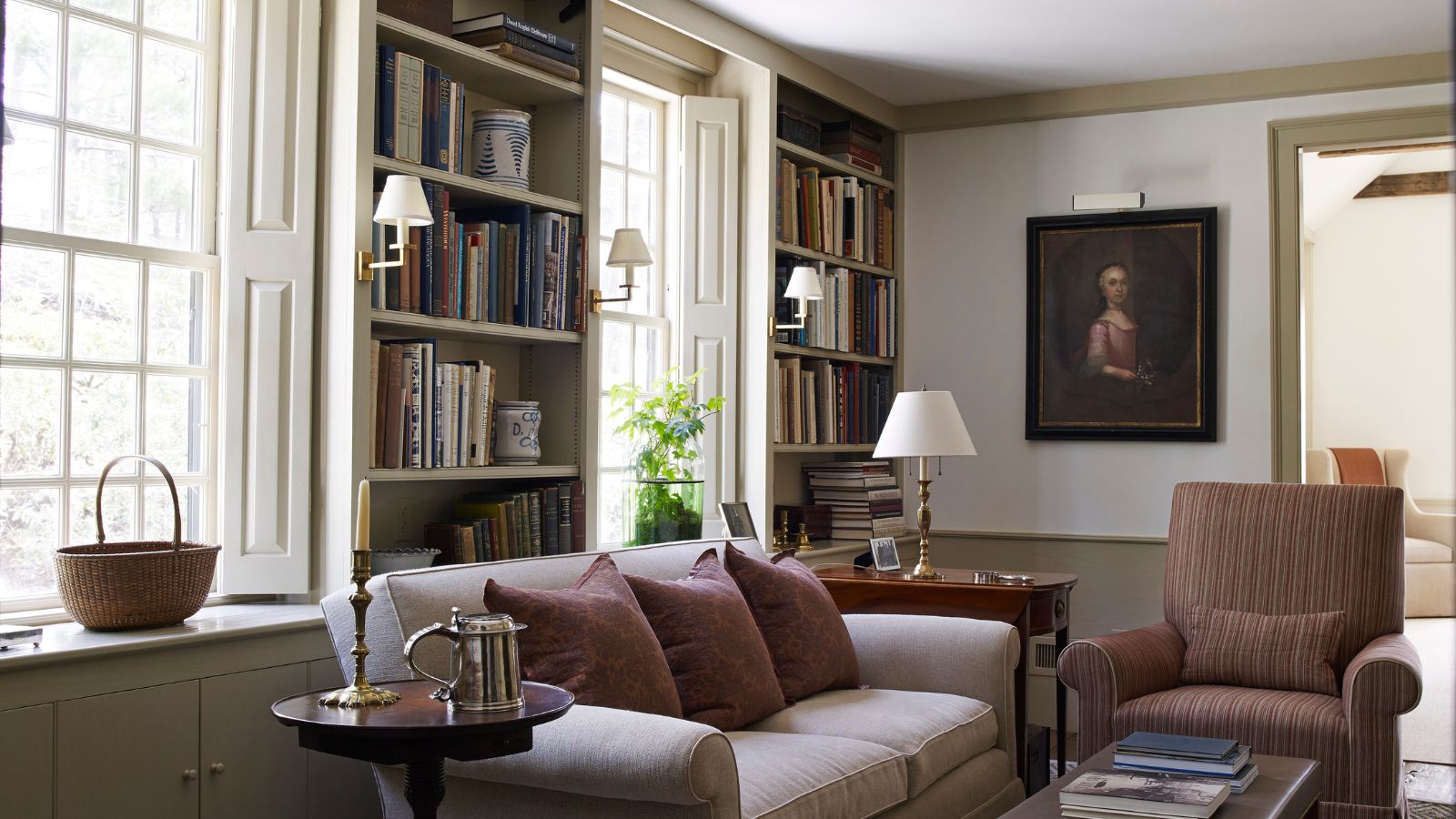
6 'old-fashioned' decorating techniques that designers still swear by
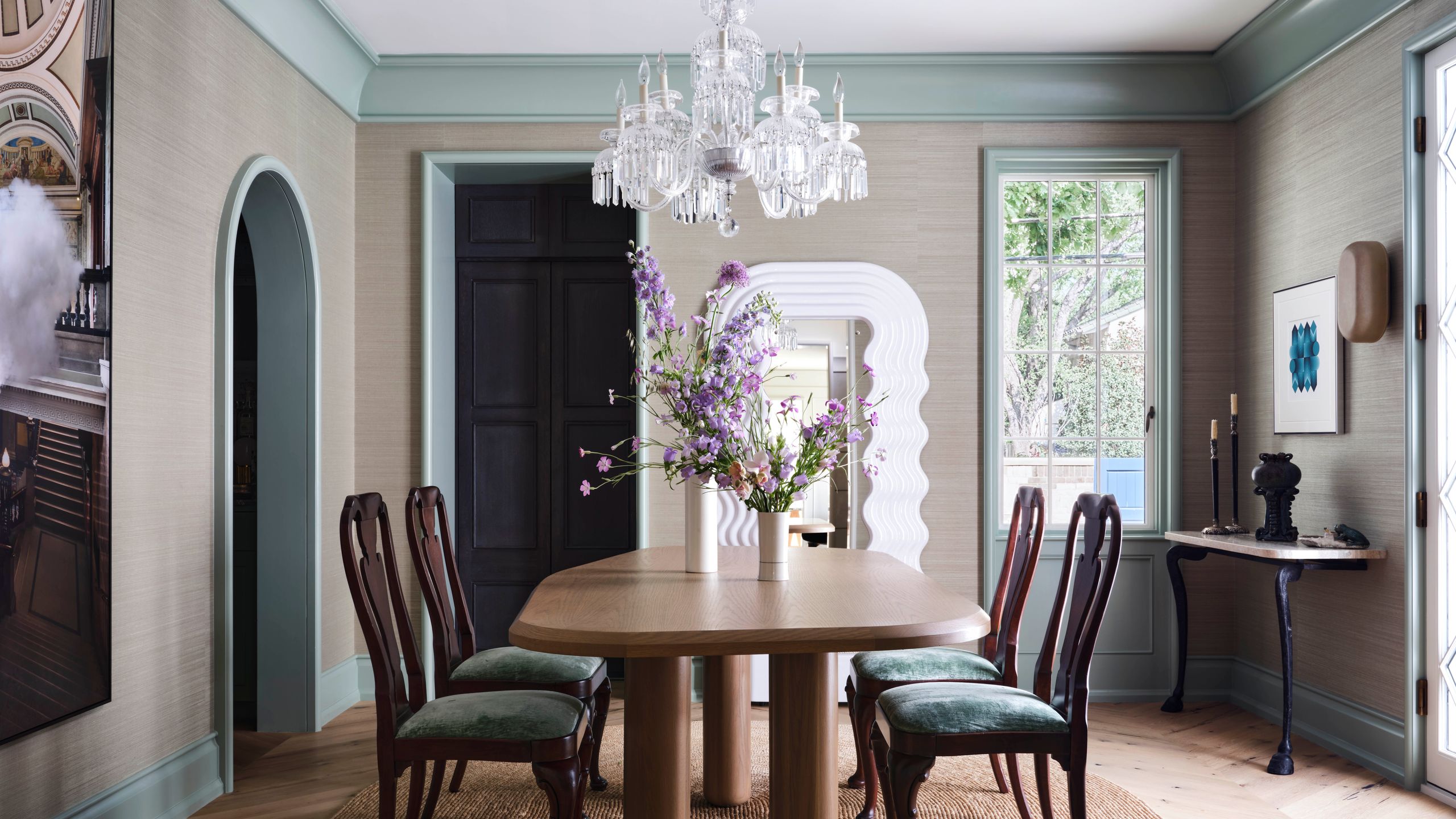
Inside 6 Homes That Prove Traditional Interior Design and Modern Style Really Do Go Together

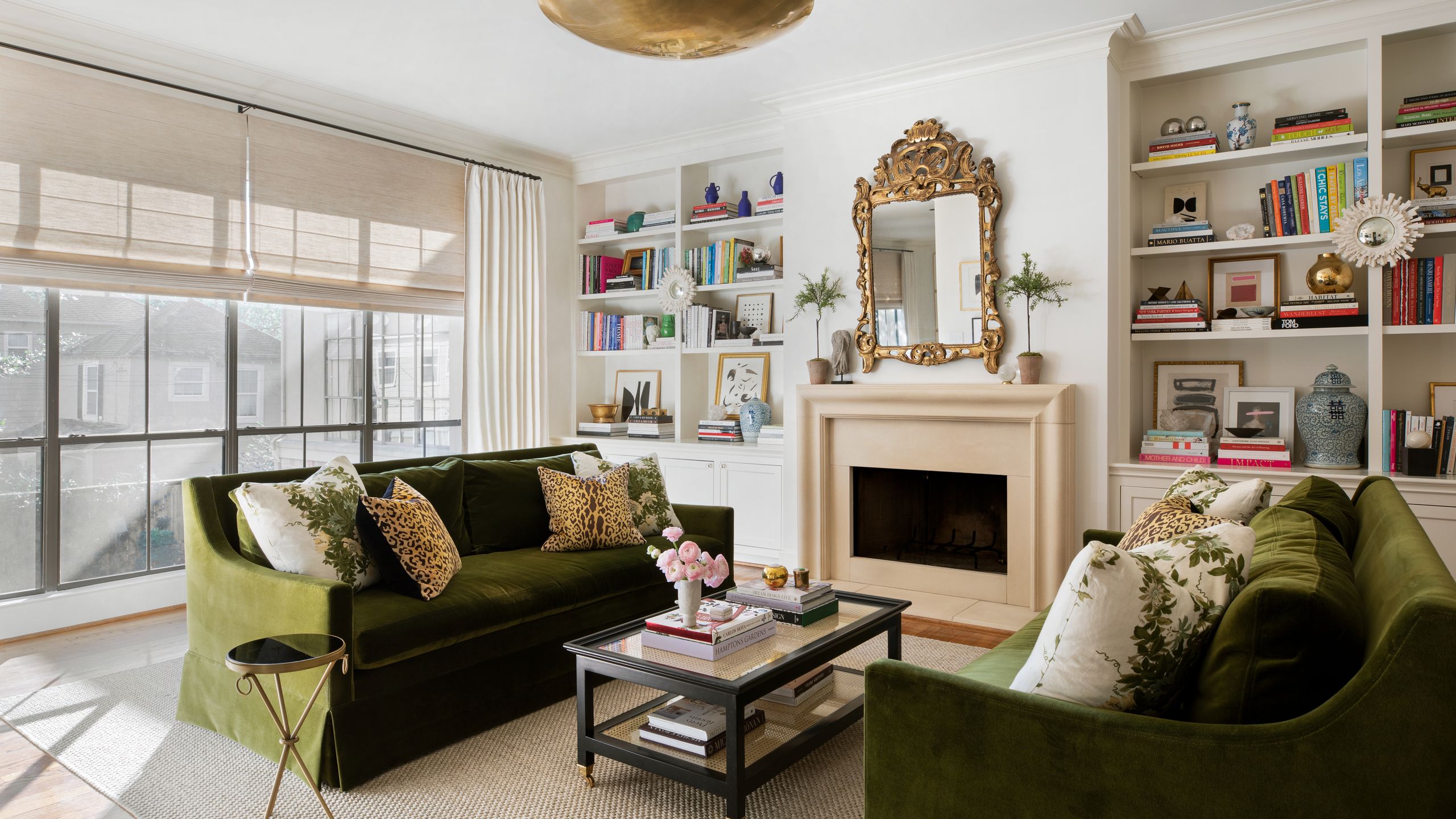
Traditional Interior Design: Everything You Need to Know About This Classic and Timeless Style
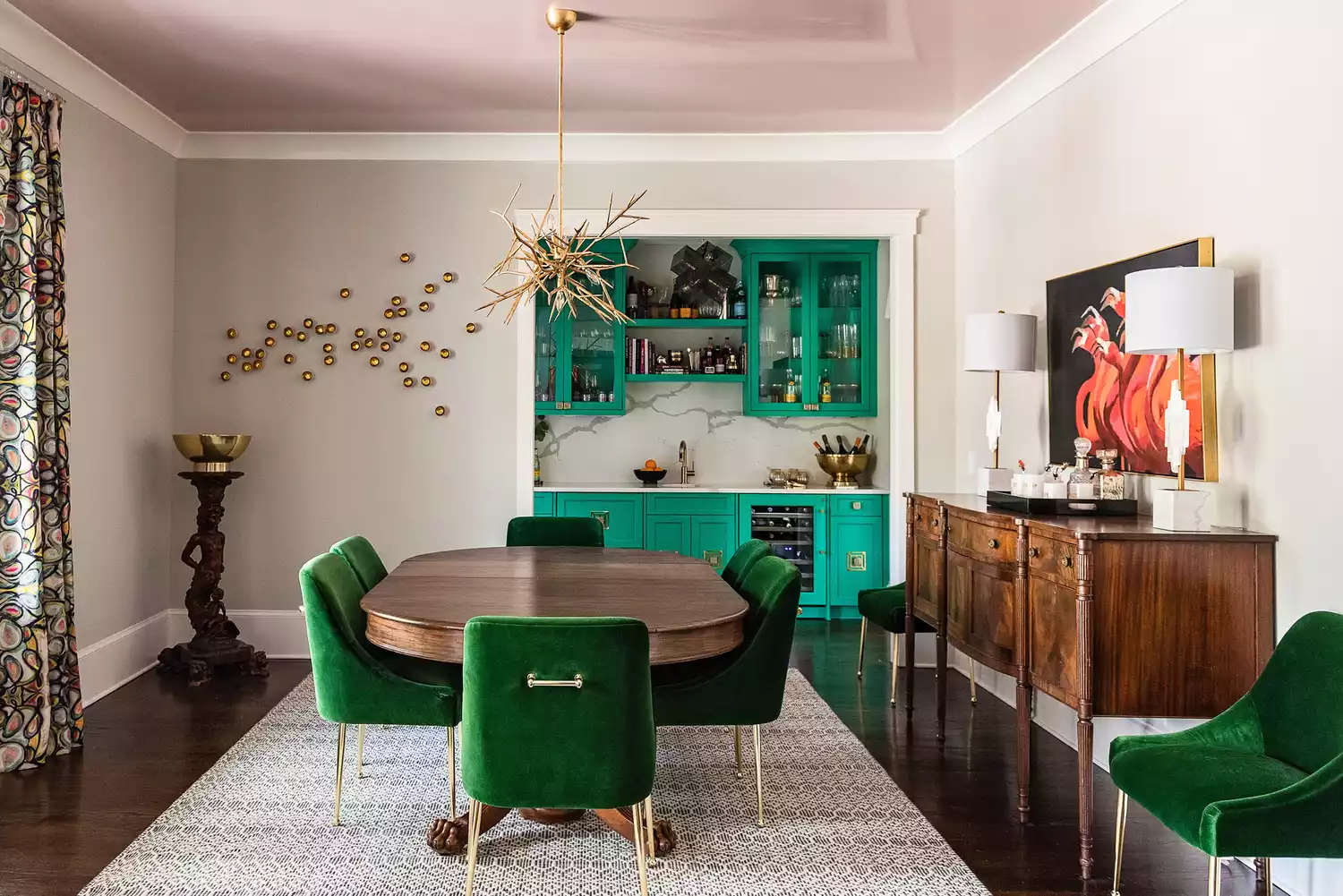
6 Classic Pieces From Grandma's Dining Room That Will Never Go Out Of Style
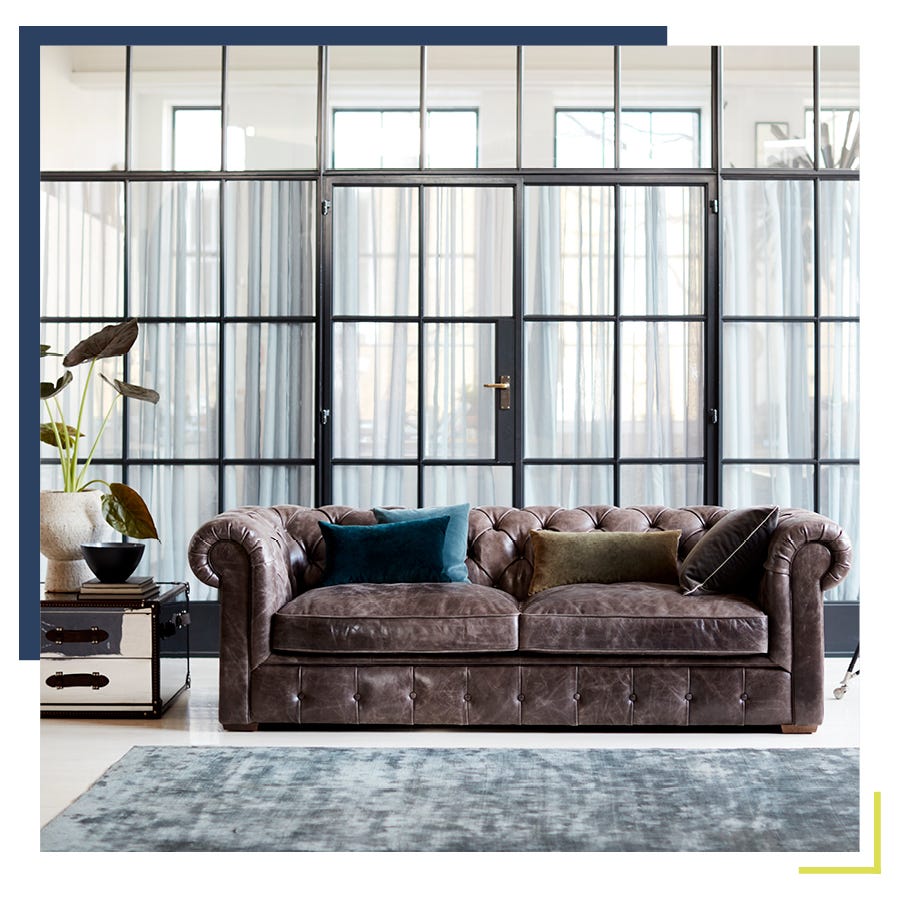
5 classic furniture designs that still have an enduring allure

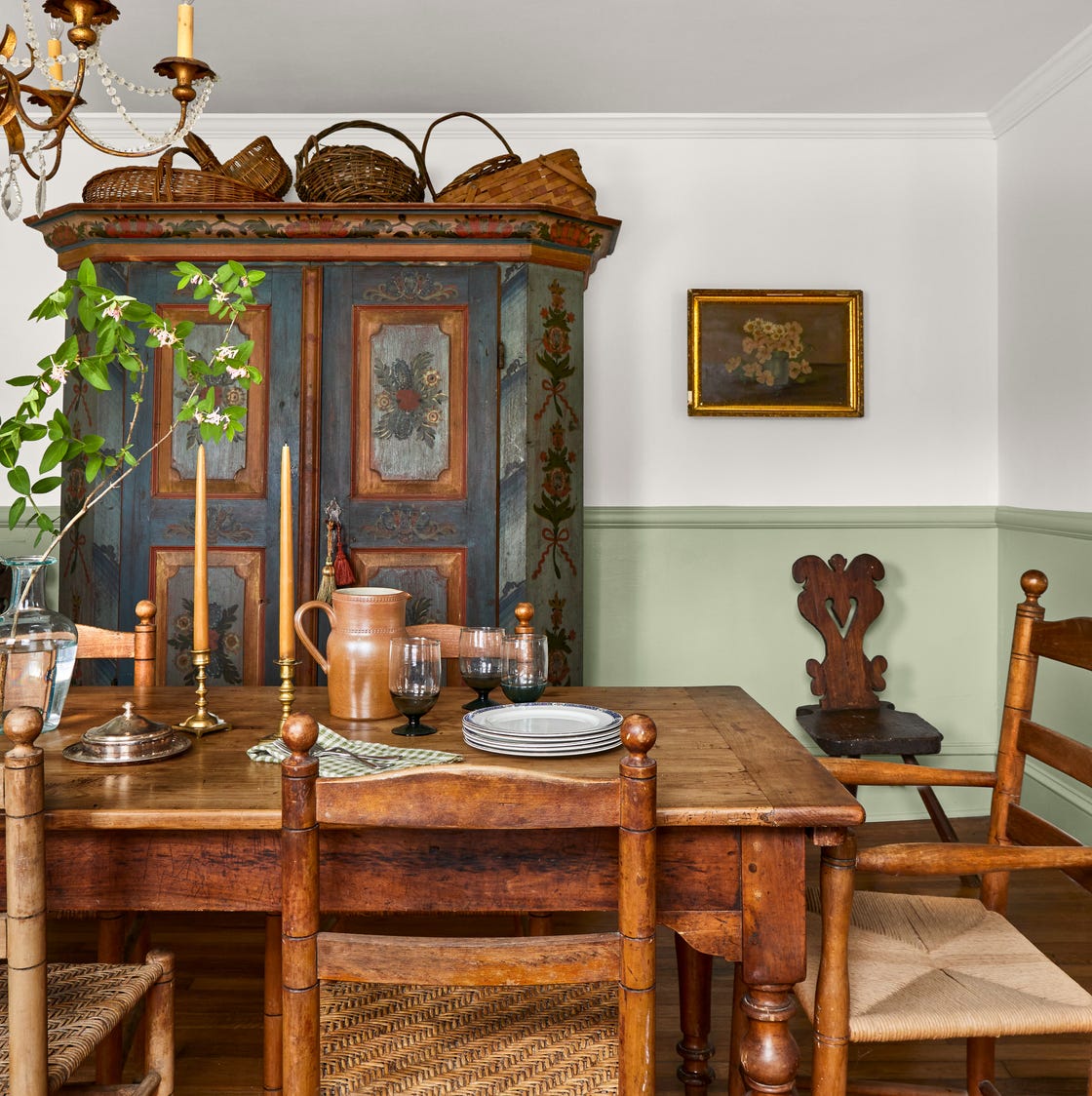
We Asked 6 Interior Designers for the One Antique They Use in Every Home
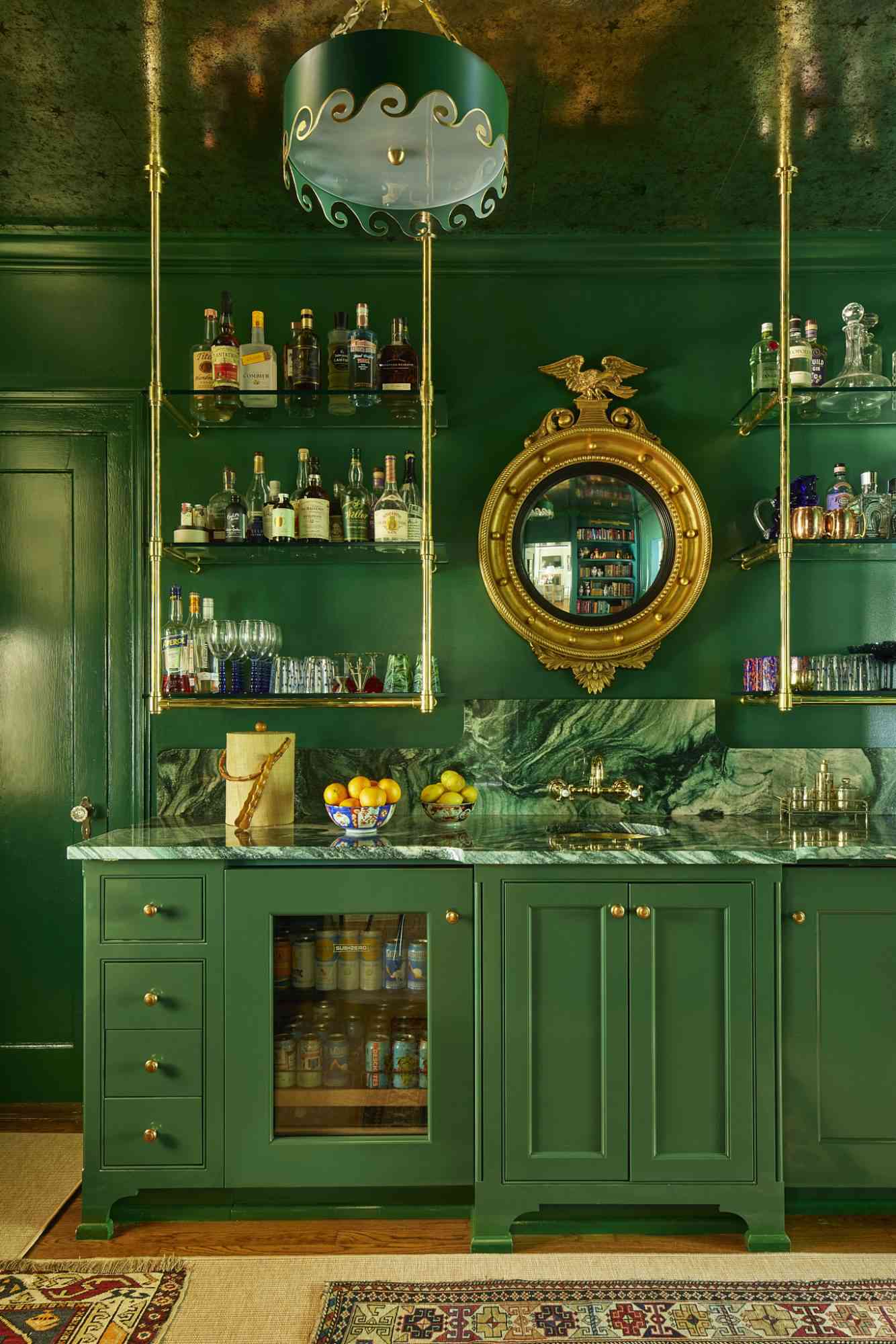
6 Outdated Interior Design Trends—And 6 That Are Making A Comeback
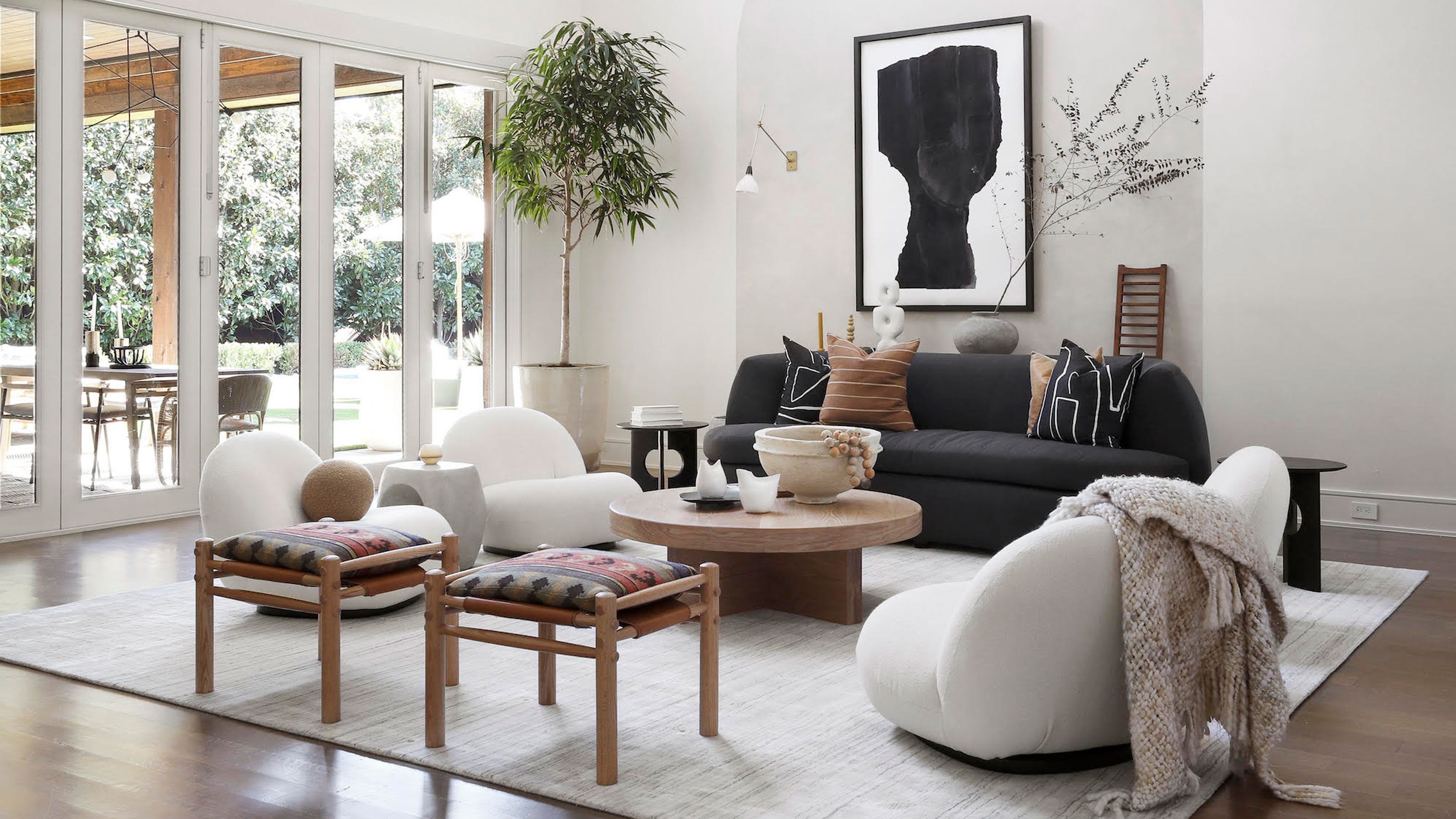
11 interior design styles that never date according to experts

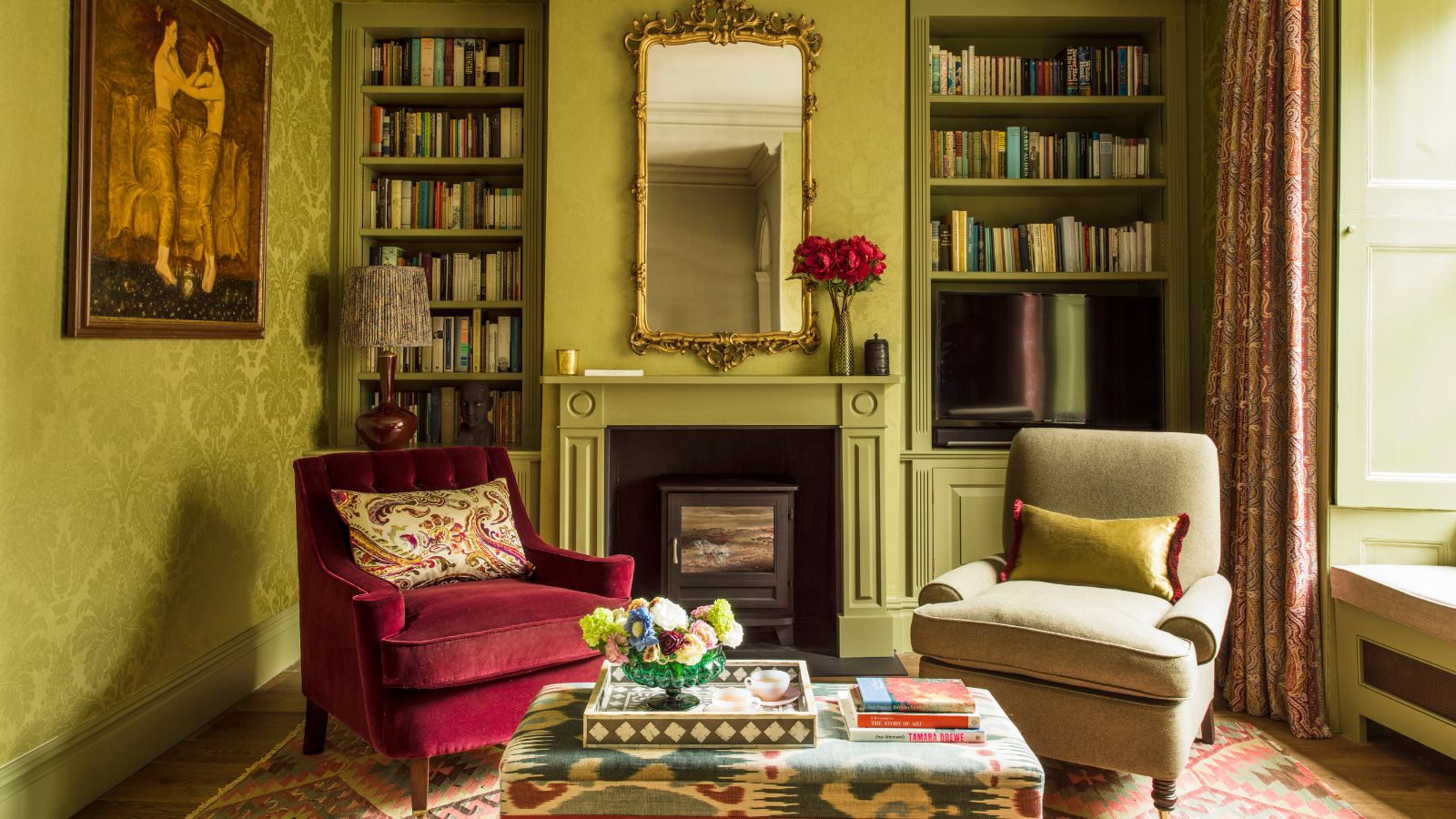
Decorating with antiques – 8 designer tips to channel the past in the chicest way
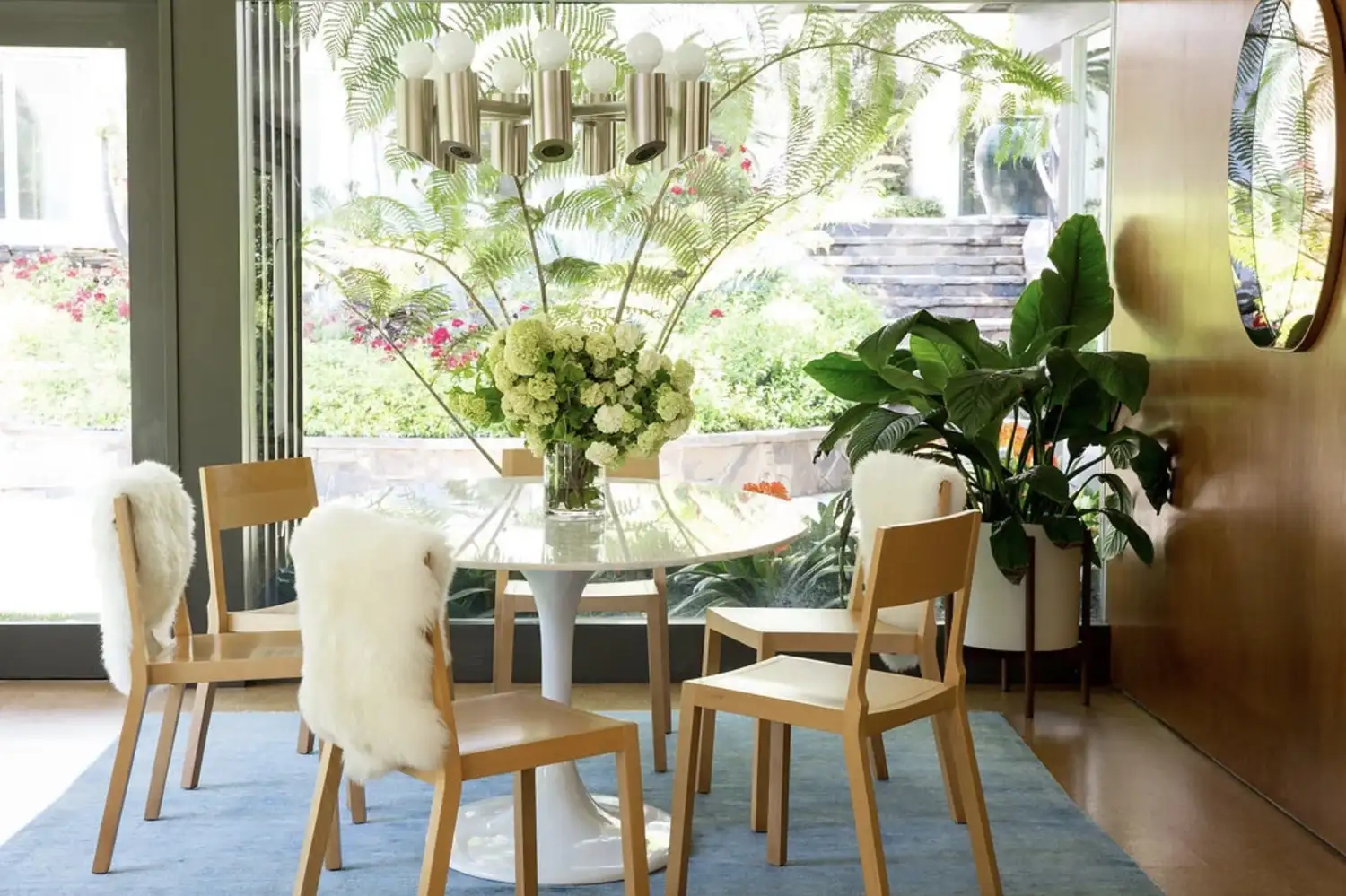
6 Vintage Furniture Finds That Will Always Look Stylish No Matter the Year, Designers Say

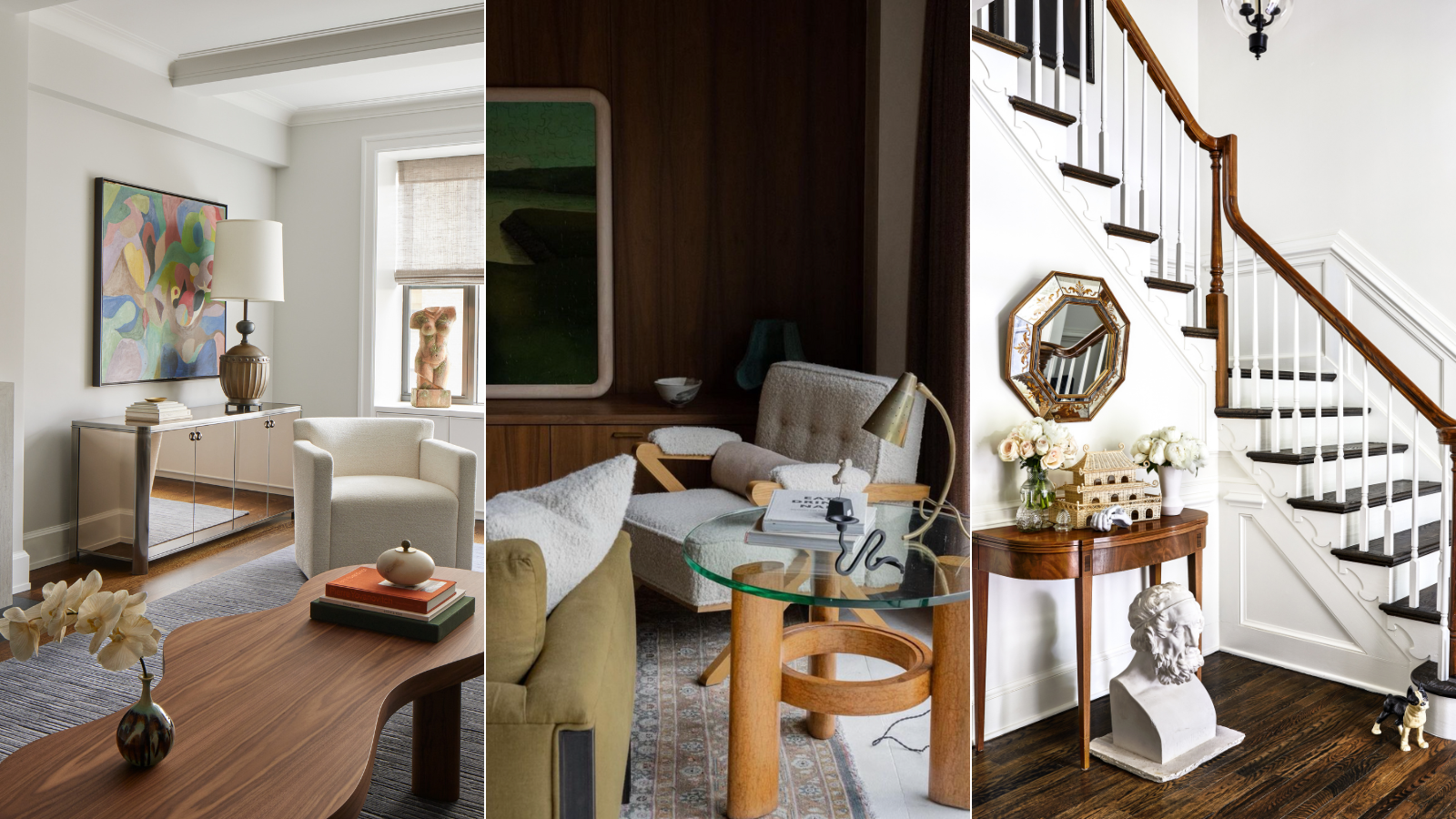
How to style antique furniture for a timeless, transitional space – 9 designers share their tips
11 Old-School Decor Ideas That Feel Surprisingly Modern
Designers Swear These 6 Decor Trends Will Age Well—Without Feeling Dated
How to Modernize Antique Furniture for a Characterful and Cohesive Look
40 Outdated Home Trends We Hope Never to See Again
7 Vintage Home Decor Features That Designers Want to See EVERYWHERE in 2026
6 Antique Design Features Designers Wish Would Make a Comeback

How to use antique furniture in a contemporary scheme
What are the most timeless interior design styles? Interior designers list their favorite classics
5 easy vintage interior decor tricks for homes