1/7
6 Antique Design Features Designers Wish Would Make a Comeback
The perception of home interiors has undergone significant transformations over time, driven by shifts in architectural styles, design trends, and the evolution of everyday functions. While modern advancements like high-tech appliances and seamless internet connectivity are widely embraced for their convenience, certain traditional design elements have fallen out of favor, much to the dismay of some interior designers. These professionals argue that these antique features possess an enduring appeal and functionality that should never have been discarded.
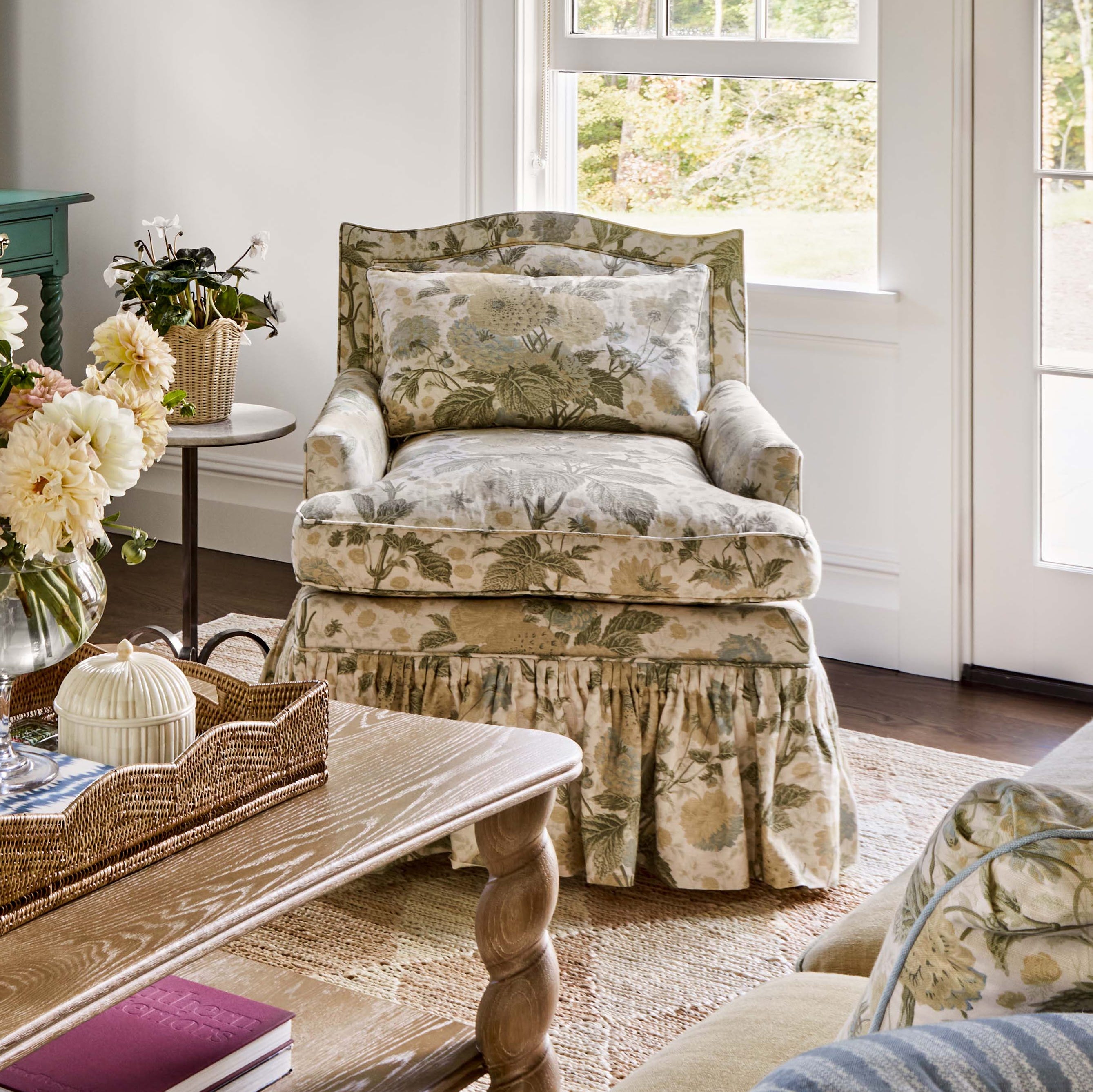
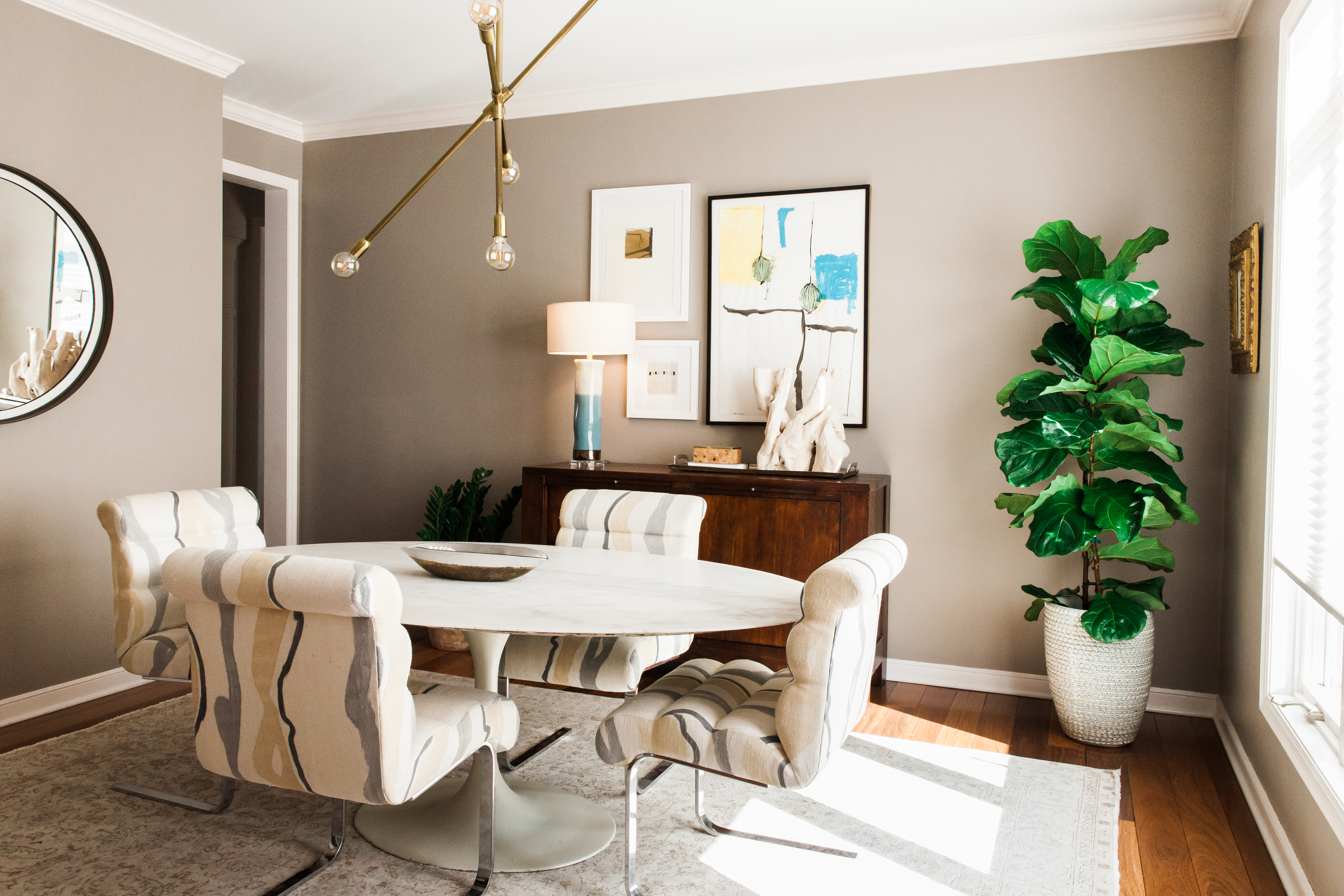
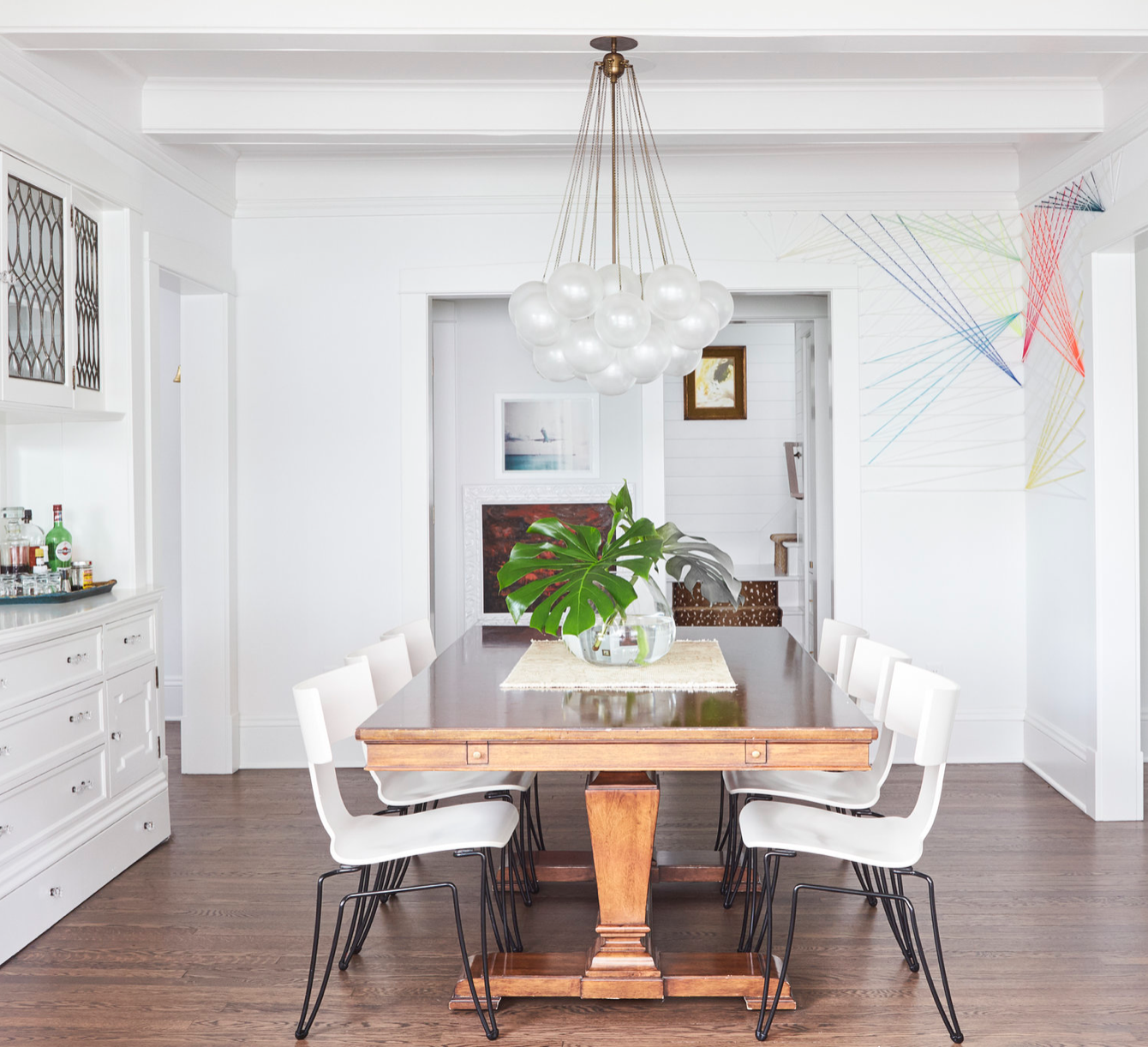
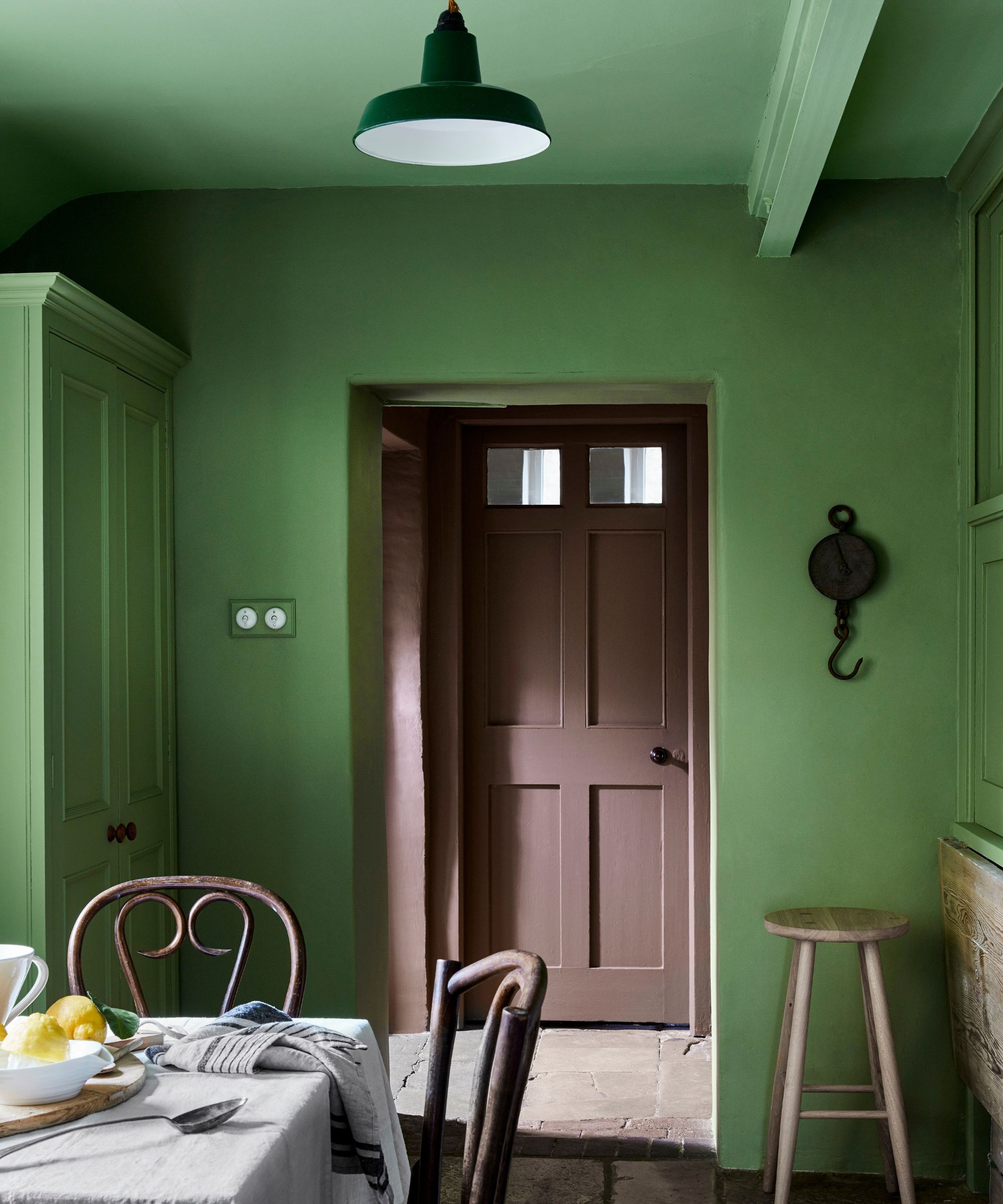
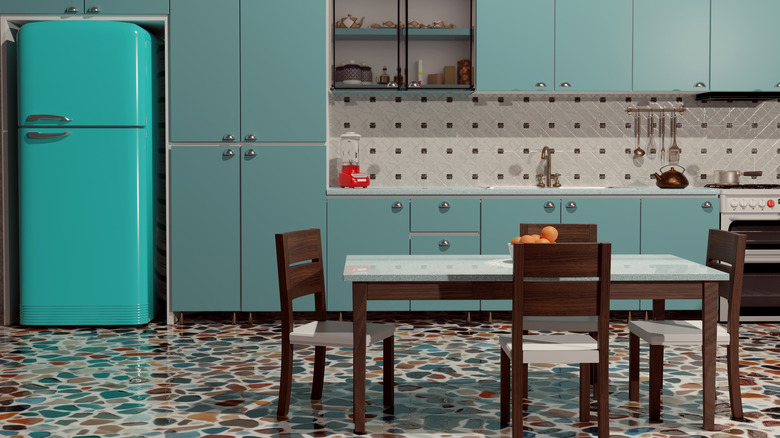
One such feature is the breakfast room. Rudy Saunders of Dorothy Draper & Co. advocates for the return of these intimate, well-defined spaces, which were common before World War II. He notes that breakfast rooms offered privacy and helped maintain clutter-free main living areas, a stark contrast to today's open-plan layouts where dining rooms are often repurposed for home offices or recreational activities. Saunders suggests that even without a dedicated breakfast room, homeowners can recreate a special dining experience by taking the time to set the table with china and fabric napkins, elevating everyday meals.
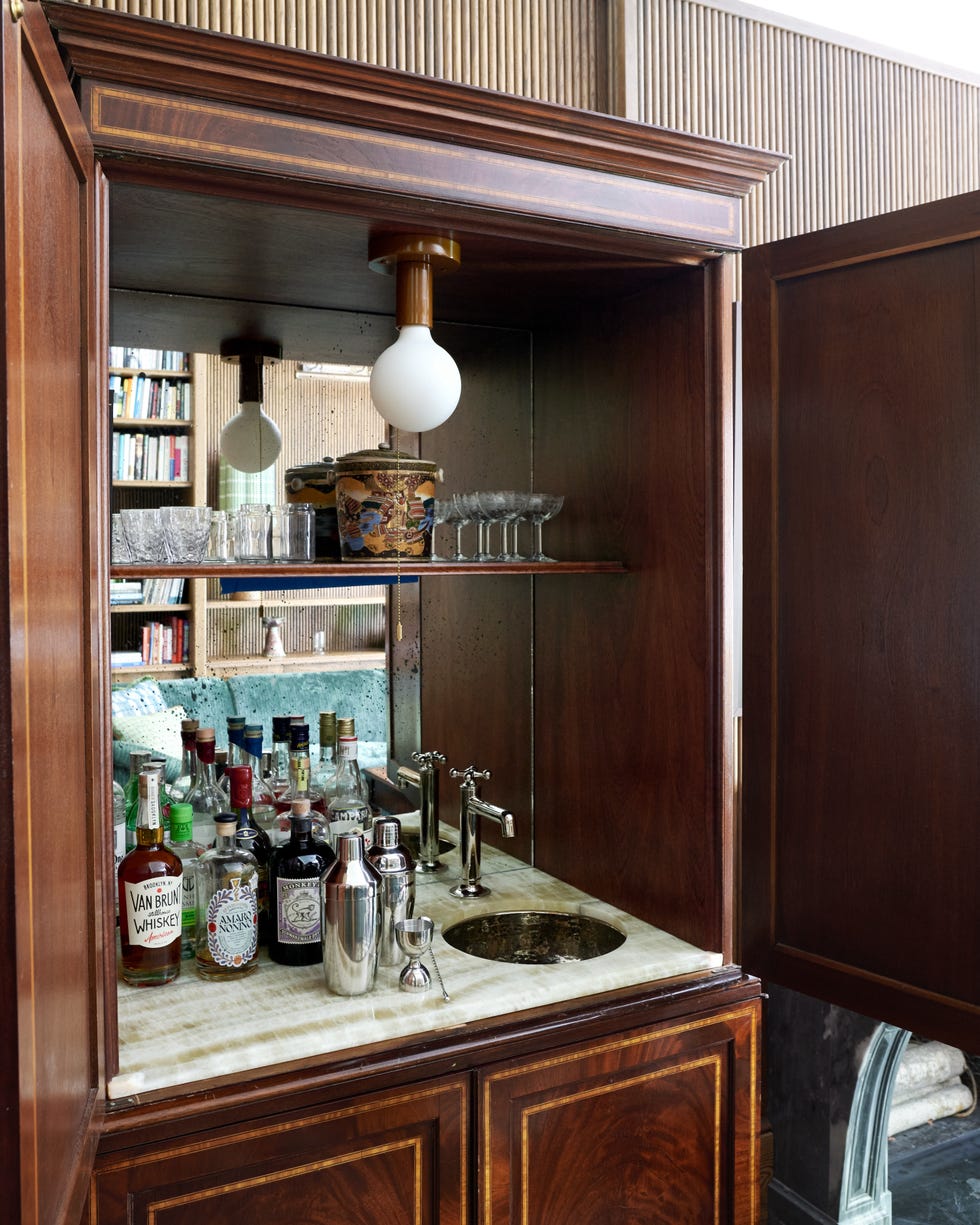
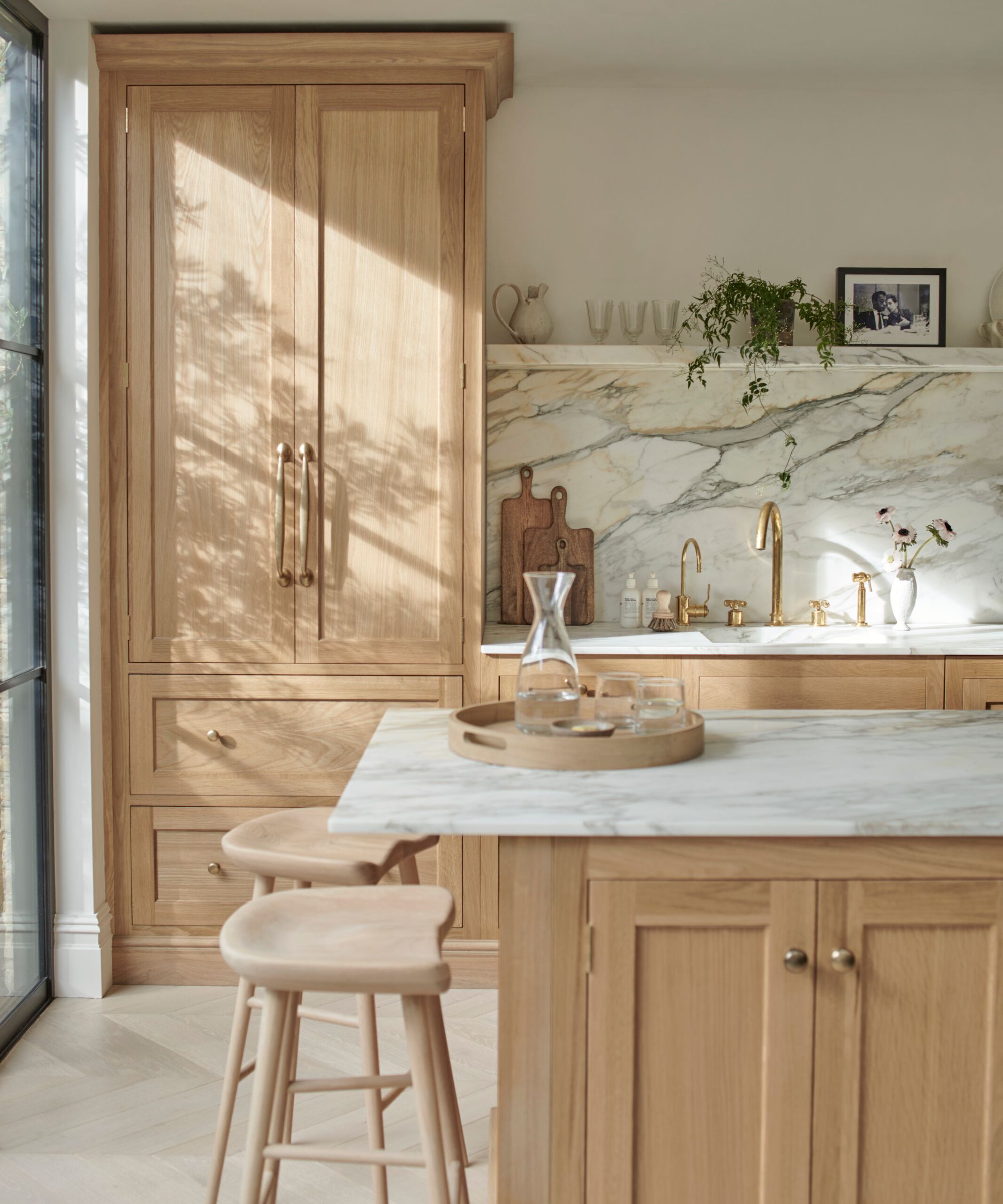
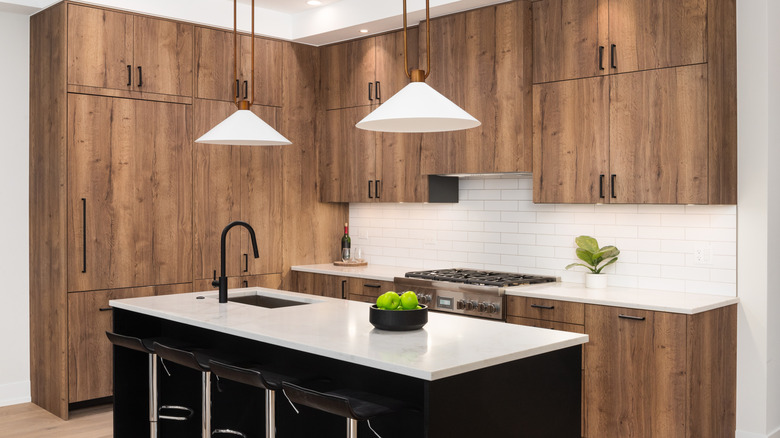
Another highly valued antique feature is the butler's pantry. Although not entirely obsolete, these transitional spaces, typically located between the kitchen and dining room, were once essential for staging and serving meals in the 19th century. Designer Gary McBournie frequently reincorporates butler's pantries into his projects, often enhancing them with a bar, small sink, and wine fridge to create a sophisticated entertaining area. The decline of the butler's pantry is largely attributed to the move towards smaller homes and city apartments, where space was at a premium.
Garden follies, once a status symbol in 18th-century English gardens, are also due for a resurgence, according to New York designer Phillip Thomas. These structures, ranging from tea houses to decorative ruins, were designed to draw the eye to specific landscape features and were primarily used for recreational activities. Thomas suggests repurposing existing structures like sheds or abandoned stables to create modern follies, offering a charming space for social gatherings.
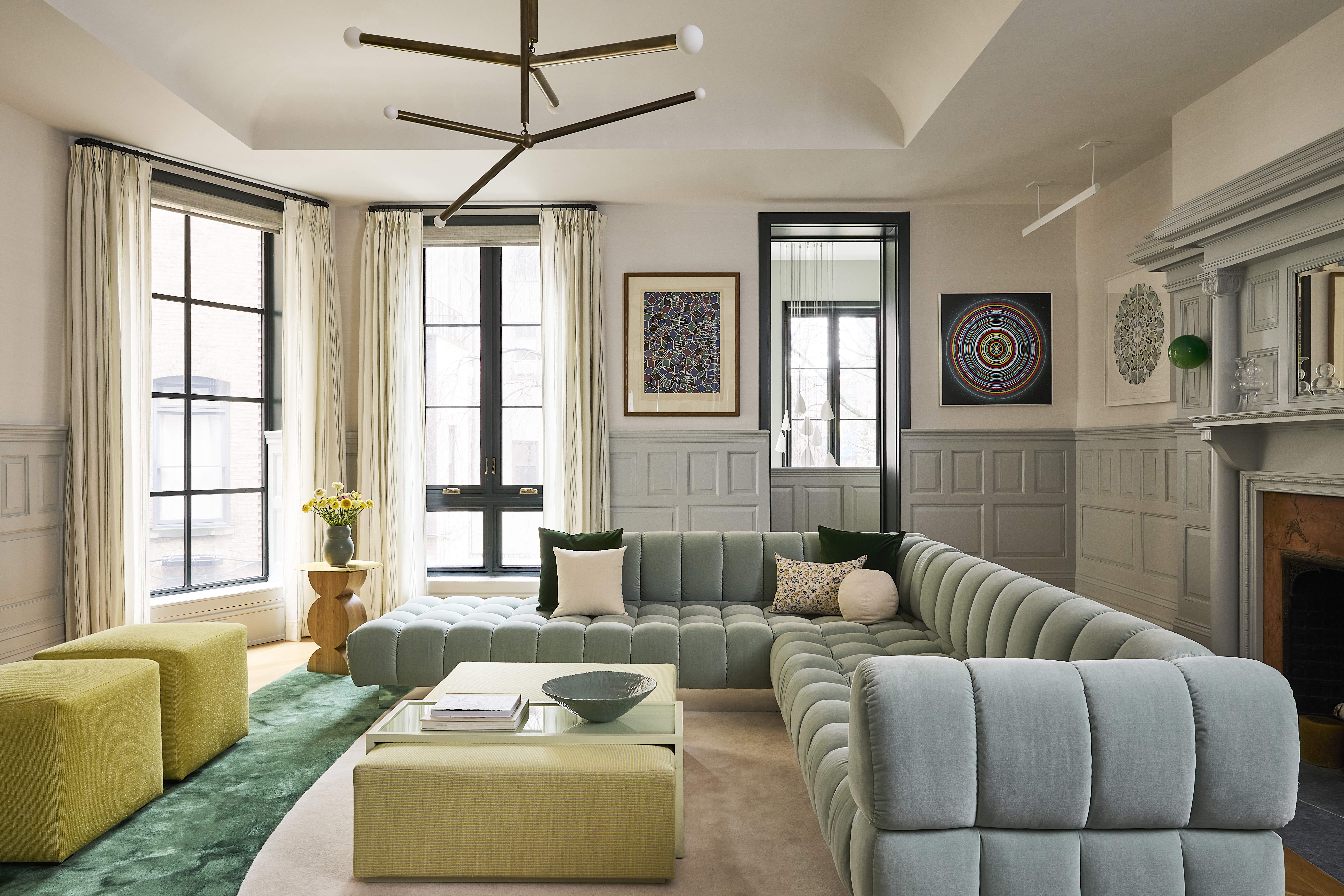
Dramatic ceilings represent another lost art in contemporary home design. Margaret Naeve Parker, an interior designer from Houston, observes that older homes often featured varying ceiling heights—an eight-foot entry leading to a soaring fifteen-foot living room, for instance—to create visual drama and define spaces. Modern residences, in contrast, tend to stick to uniform ceiling heights, lacking this architectural intrigue. Parker advises homeowners undertaking new builds or major renovations to explore options for incorporating varied ceiling heights, emphasizing the importance of early planning due to structural implications.
Stained glass, a popular element in the 19th and 20th centuries, is admired for its ability to add character, color, and narrative to a property. Claire Staszak of Centered by Design highlights its potential as a starting point for color palette development. Unlike the religious themes often found in churches, residential stained glass during the Arts and Crafts movement featured geometric and nature-inspired designs. Staszak encourages integrating stained glass into contemporary interiors by adding panels to cabinet doors or replacing interior doors with antique stained glass versions.
Finally, laundry chutes and dumbwaiters are praised for their practical benefits in multi-level homes. Janine Carendi MacMurray of AREA Interior Design notes that laundry chutes significantly reduced the effort of transporting dirty clothes to the laundry room, while dumbwaiters facilitated the movement of food, firewood, and luggage between floors without disturbing living areas. These features, popular during the Gilded Age and 19th century, became less common with the rise of single-story homes. However, MacMurray suggests that these conveniences can still be integrated into modern homes by utilizing existing closets or wall cavities, often with motorized systems for dumbwaiters.
#InteriorDesign #AntiqueFeatures #HomeDecor #ArchitecturalElements #DesignTrends #HistoricalHomes #HomeRenovation #InteriorDecorating #InteriorDesign #AntiqueFeatures #HomeDecor #ArchitecturalElements #DesignTrends #HistoricalHomes #HomeRenovation #InteriorDecorating
0 comment in total
 No comments yet
You may also like
5 ‘Overlooked’ Antiques That Are About to Become Cool Again, According to Designers

Design Trends: Retro Revival

Vintage Home Design Trends That Are Making Huge Comebacks

Old Is New Again: Designers Say These 6 Retro Design Trends Are Defining 2025 Style

7 Vintage Home Decor Features That Designers Want to See EVERYWHERE in 2026
6 antiques that will always work in modern interiors – and how designers style them

6 Vintage Design Trends That Are Making a Comeback in 2025, According to Designers
6 Farmhouse-Style Trends Designers Secretly Wish We’d Retire
The #1 Retro Design Trend Designers Say is Making a Comeback

What’s Old Is New: 5 Outdated Home Features Designers Are Loving Again

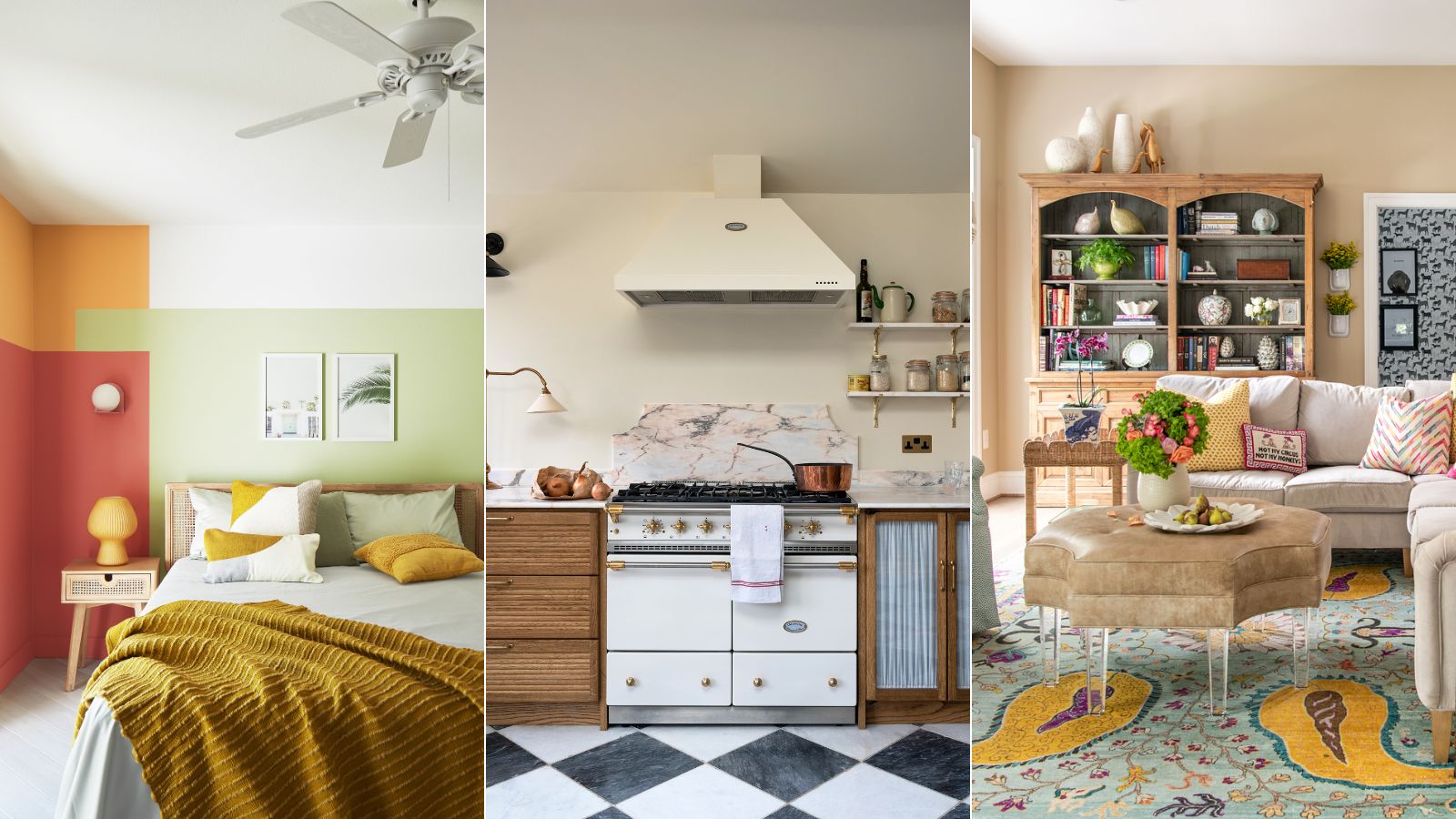
8 outdated '60s interior design trends making a comeback in 2024
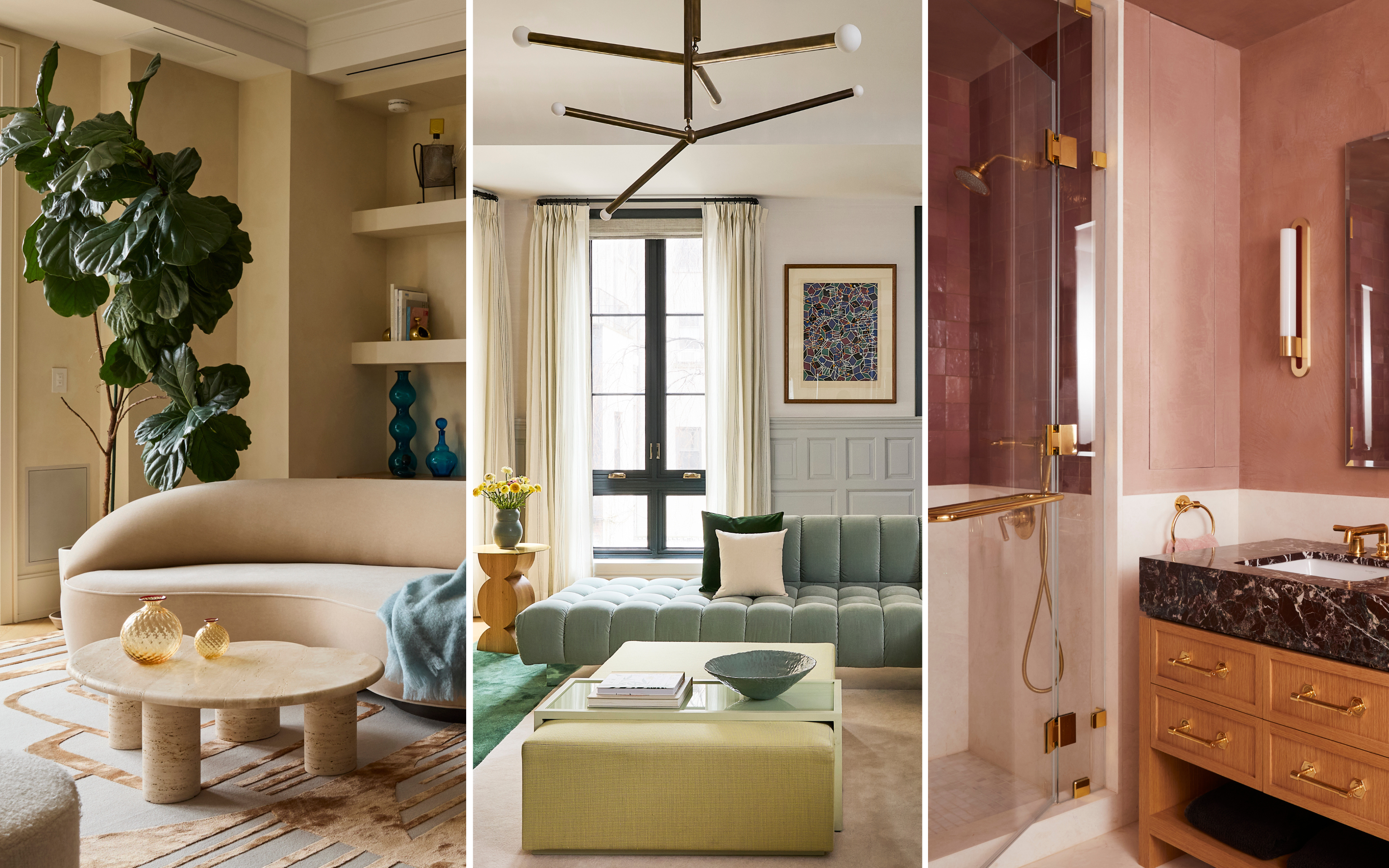
The unexpected 'microtrends' that designers say are actually timeless
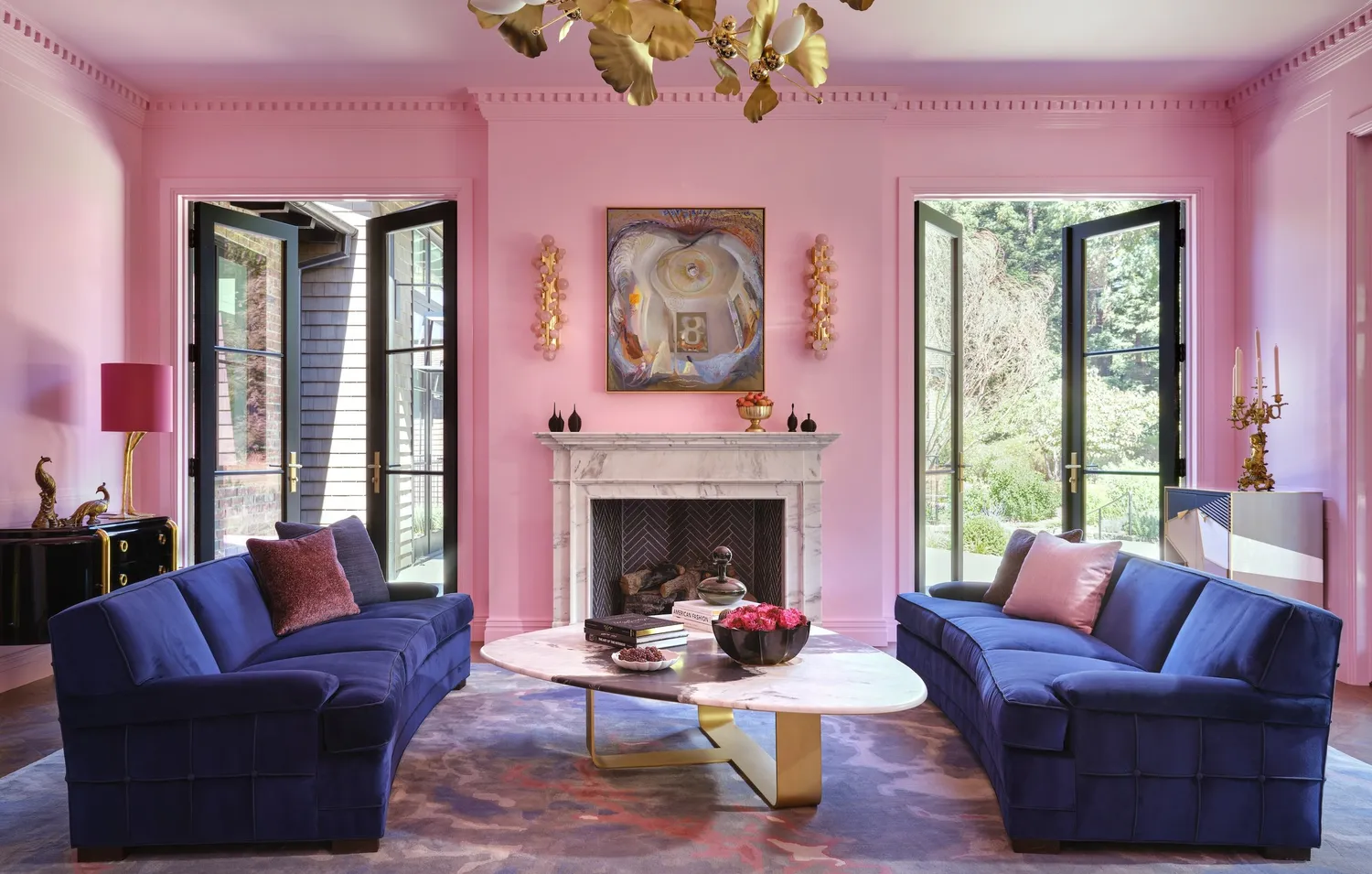
5 Outdated Home Features That Are Suddenly Back in Style, According to Designers
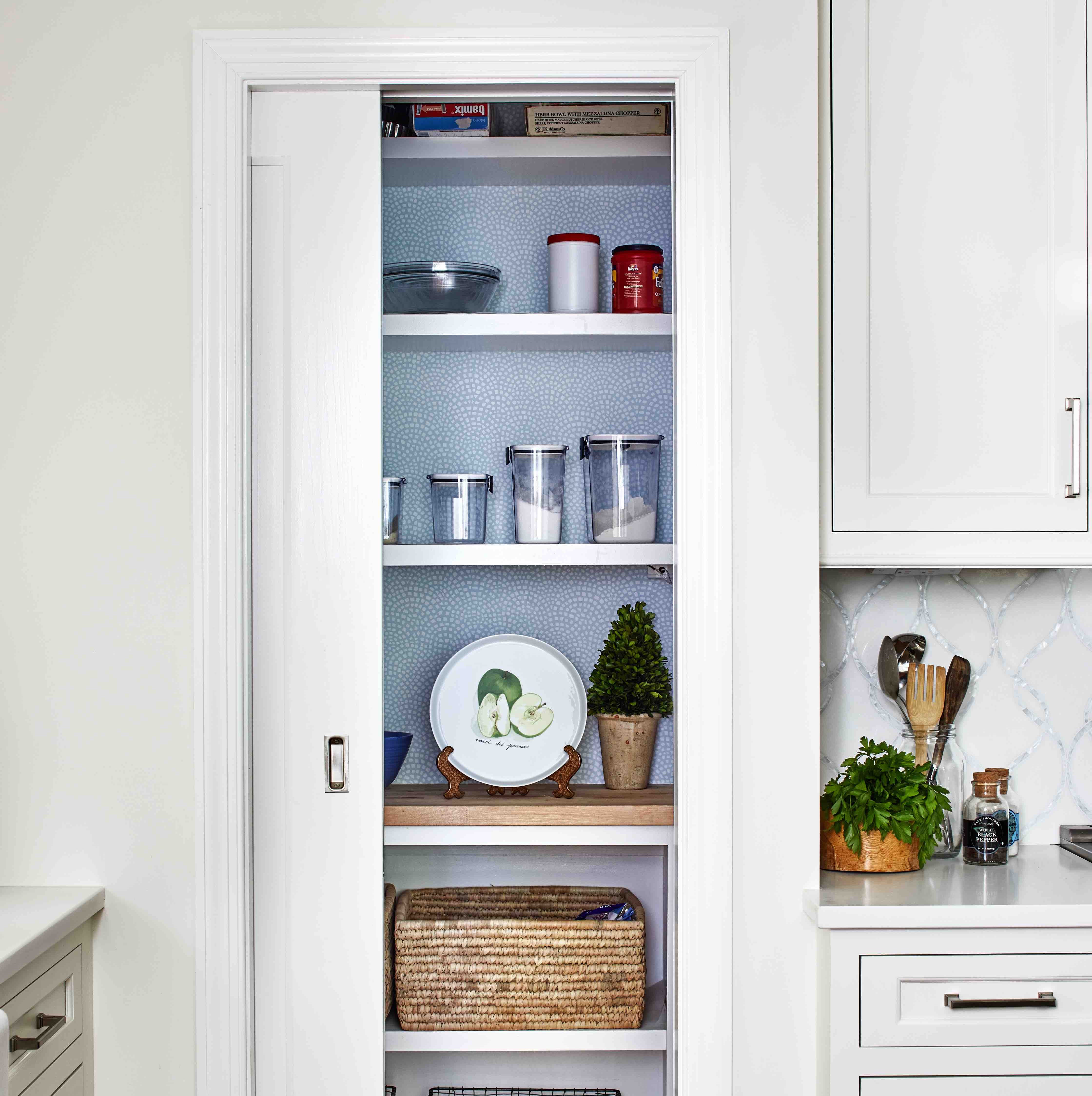
Designers Say This Vintage Home Feature Is Back
6 'old-fashioned' decorating techniques that designers still swear by
Retro Design Trends That Are Making A Comeback In 2025
7 Retro Design Trends Making a Comeback, According to Interior Designers

5 Design Choices That Make Your House Look Super Dated, According to Designers
12 Vintage Kitchen Design Trends We Want To Bring Back

5 Outdated Lighting Features That Are Suddenly Back in Style, According to Designers