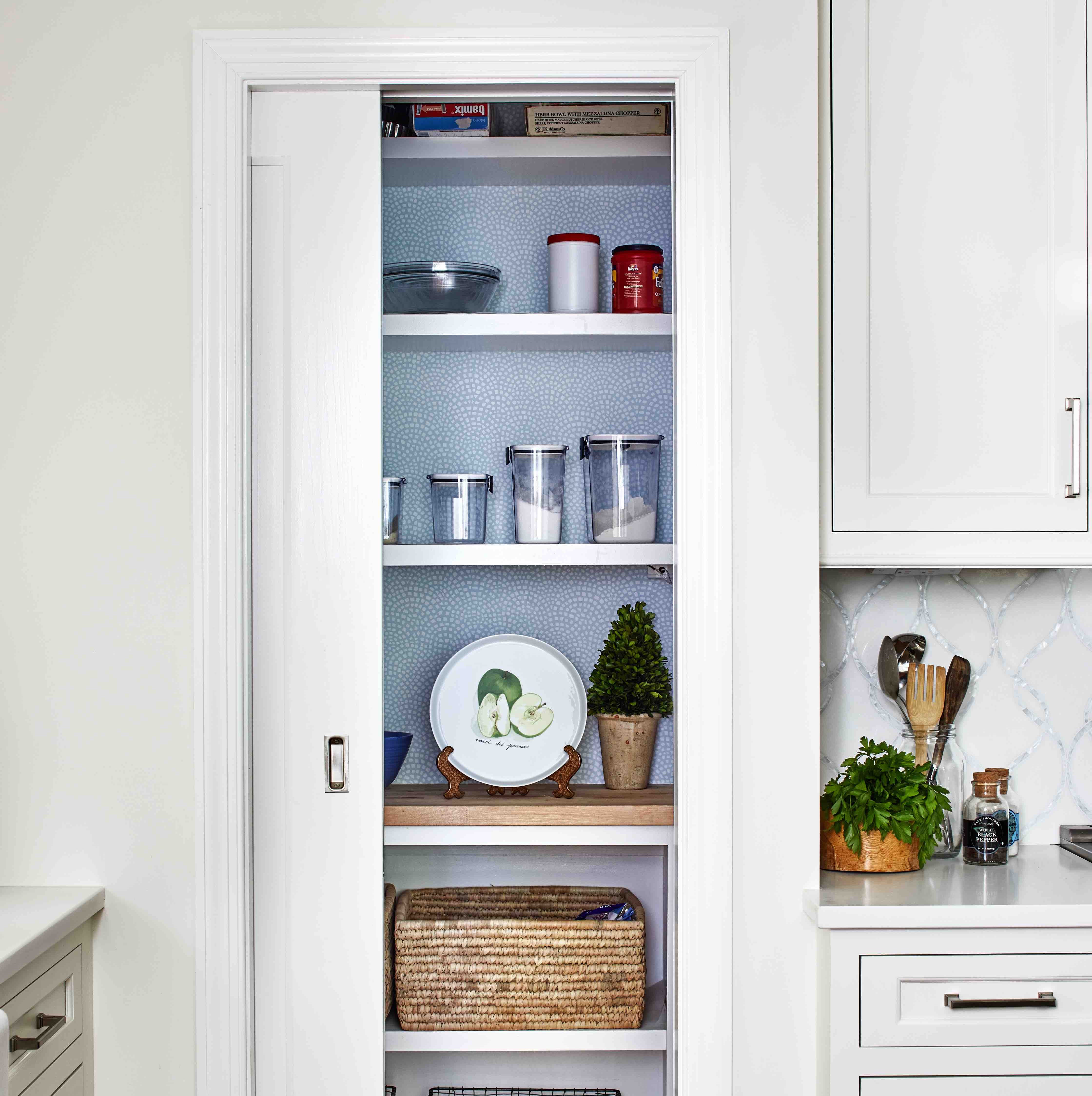
1/4
Designers Say This Vintage Home Feature Is Back
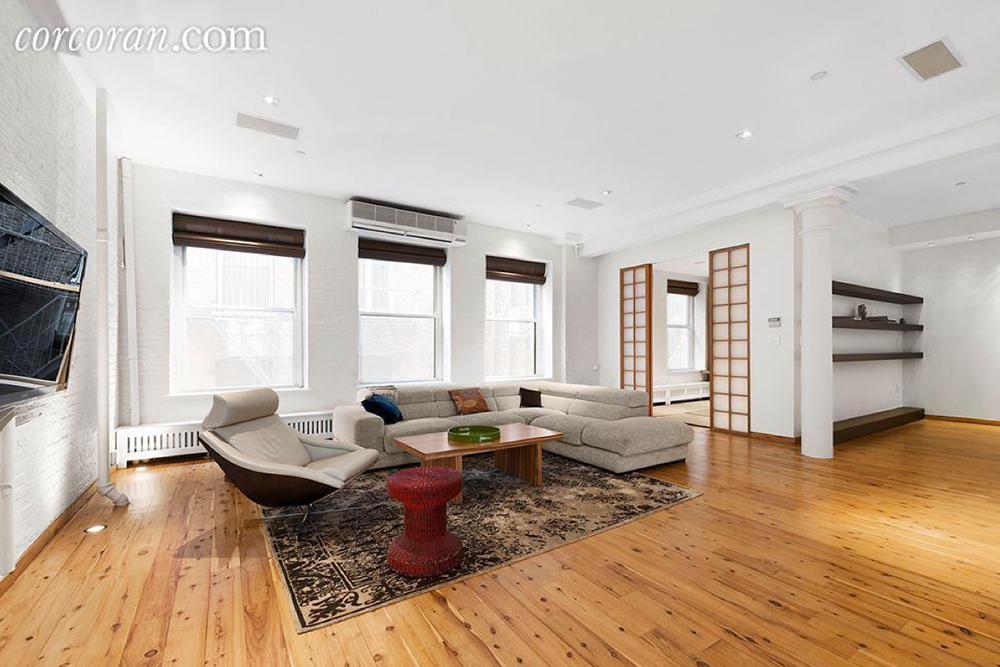
Pocket doors, a feature where a door glides into a wall rather than swinging open, are experiencing a significant resurgence in home design. This renewed popularity is driven by their ability to save space, offer versatile use of rooms, and add a touch of dramatic flair to interiors. Designers universally praise pocket doors for their clean aesthetic and practical advantages, especially in compact areas such as bathrooms, closets, and pantries, where traditional swinging doors might obstruct movement or functionality. They provide flexibility in design without compromising style, fitting seamlessly into both modern and traditional home aesthetics.
The increasing trend towards closed-concept layouts, moving away from the previously dominant open-plan designs, also contributes to the comeback of pocket doors. Homeowners are seeking ways to create distinct zones within their living spaces without resorting to permanent walls. Beyond interior applications, glass pocket doors are being utilized on home exteriors to maximize natural light and foster an open, expansive feel. The ability of pocket doors to disappear into the wall when open allows for unobstructed pathways and a more fluid transition between areas. When closed, they can create a sense of privacy and separation, acting as a statement piece that reveals or conceals spaces.
Several specific benefits underpin the designers' enthusiasm for pocket doors. They are effective in reducing noise, a common issue in open-concept homes, by allowing occupants to easily close off areas for quiet activities or to contain sound from lively gatherings. Their versatility extends to various applications, including creating privacy in libraries or studies, partitioning pet areas, or serving as a contemporary alternative to standard doors. A key factor in their comeback is the significant improvement in hardware technology over the last decade. Modern pocket door systems feature soft open-and-close mechanisms, synchronized hardware for double doors, and flush-closing designs, elevating them from a potentially problematic element to a sophisticated architectural feature.
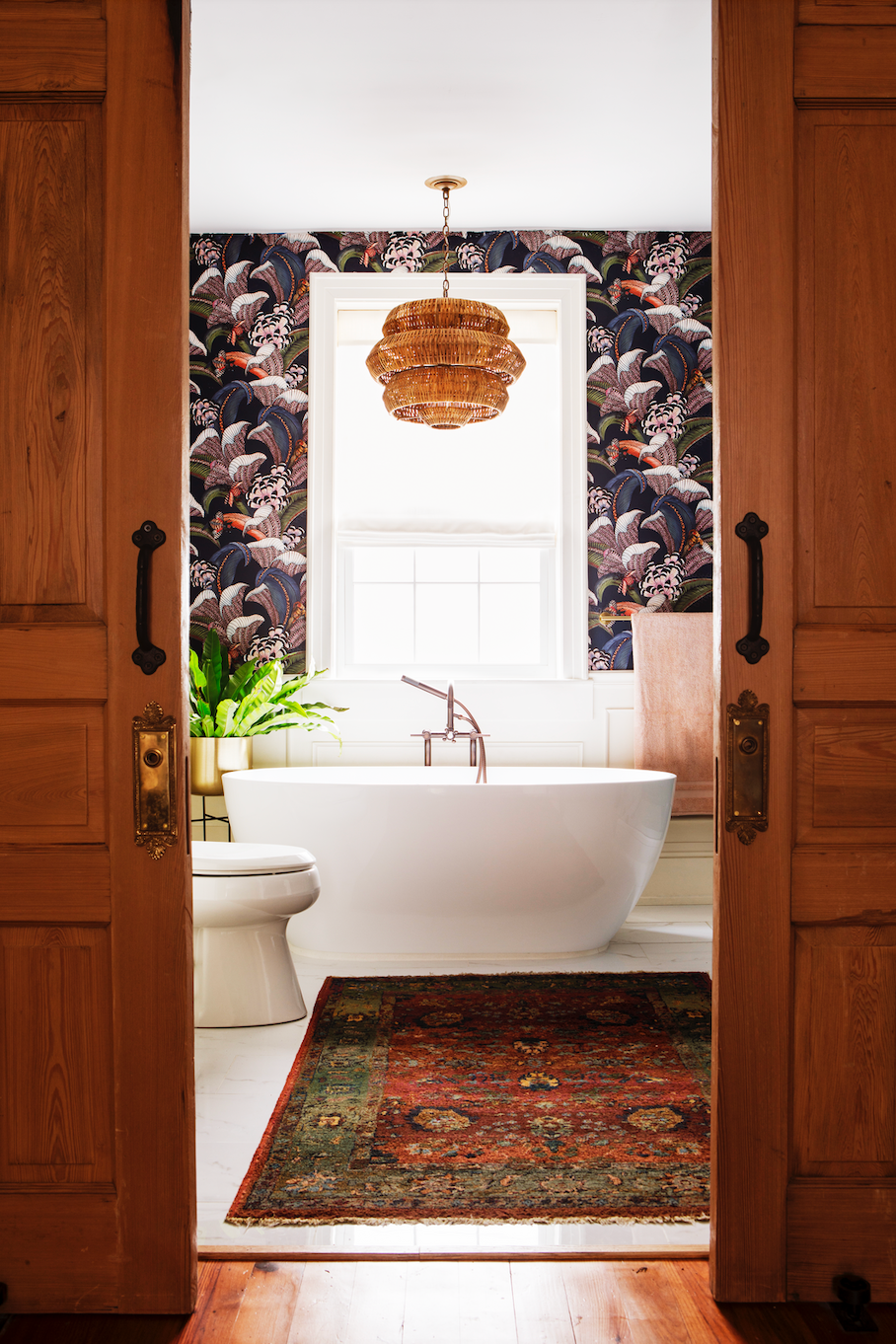
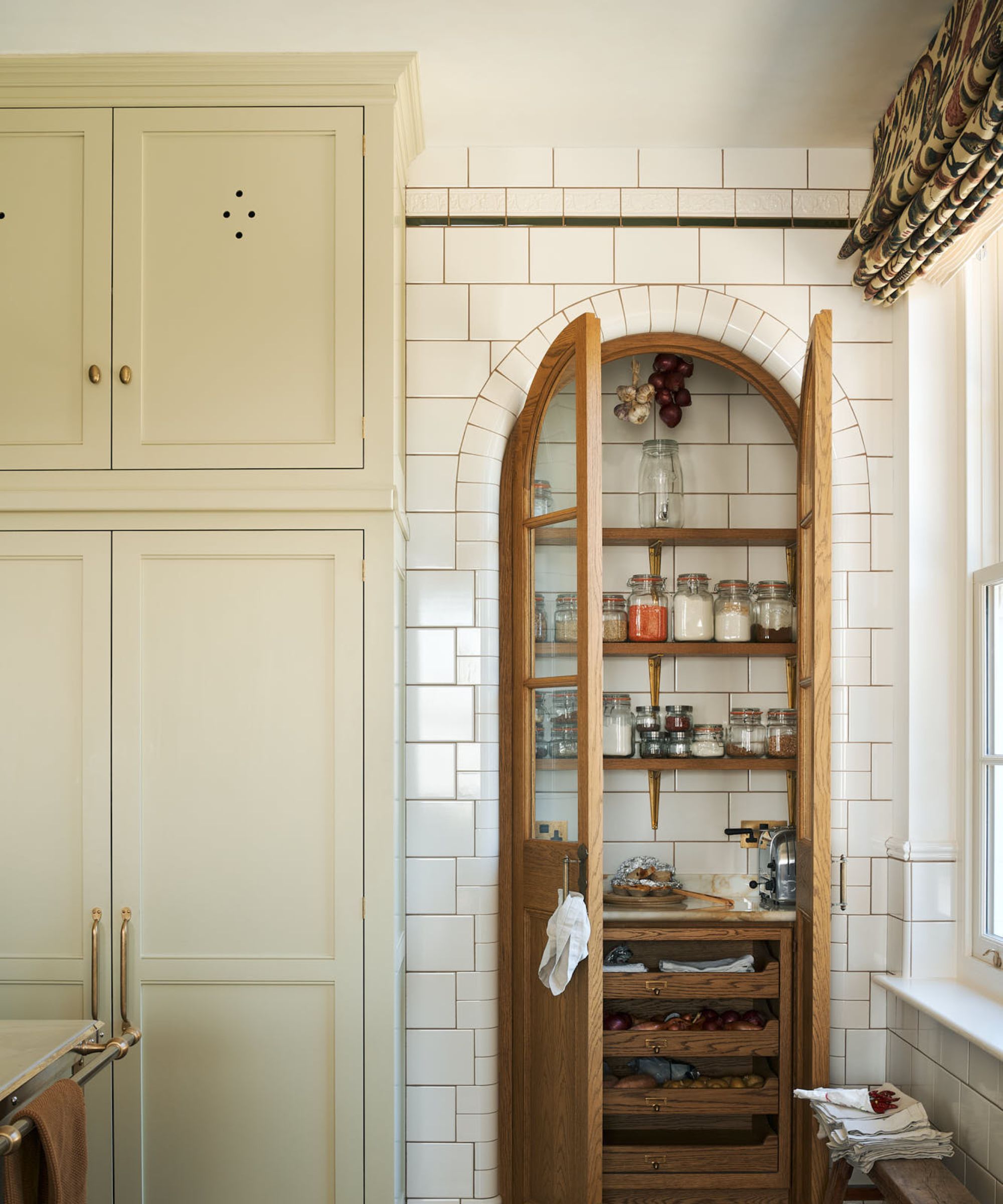
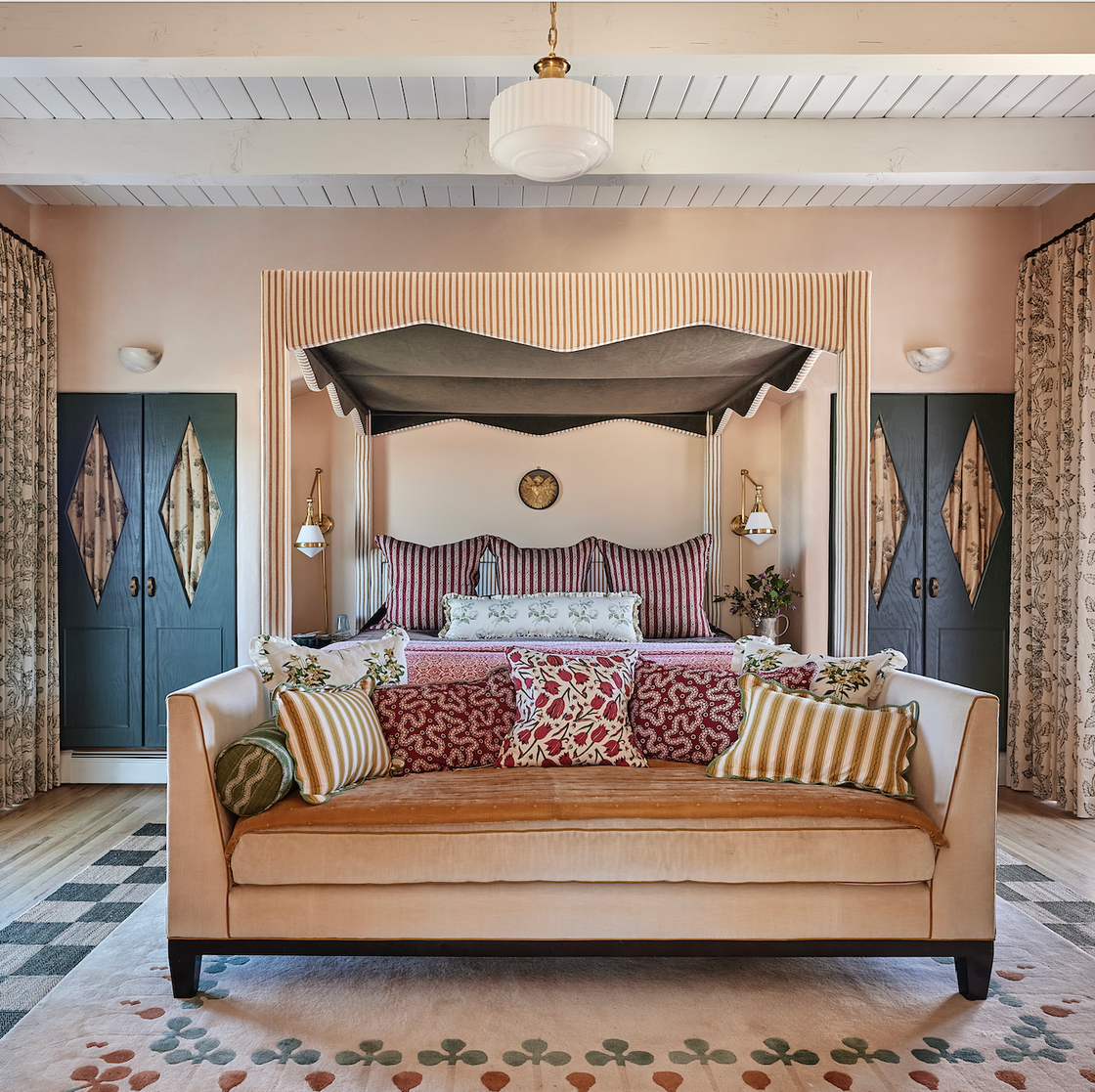
Moreover, pocket doors offer practical solutions for awkwardly shaped or compact spaces where overlapping door swings or tight hallways pose design challenges. They are particularly beneficial in older homes with unique architectural details that require creative problem-solving. In primary suites, especially in urban environments like New York City brownstones where space is at a premium, pocket doors are ideal for connecting walk-in closets and primary bathrooms without sacrificing floor space or disrupting the flow. Beyond functionality, pocket doors also contribute to visual appeal. Designers are incorporating solid wood pocket doors, sometimes with frosted or seeded glass, to allow light while maintaining privacy and adding an element of elegance. The demand for pocket doors is expected to continue, as they serve both functional and aesthetic purposes, offering a timeless design solution that conserves space and enhances the architectural character of a home.
#PocketDoors #HomeDesign #SpaceSaving #InteriorDesign #ArchitecturalFeatures #DesignTrends #VersatileDesign #HomeRenovation #PocketDoors #HomeDesign #SpaceSaving #InteriorDesign #ArchitecturalFeatures #DesignTrends #VersatileDesign #HomeRenovation
0 comment in total
 No comments yet
You may also like
The #1 Retro Design Trend Designers Say is Making a Comeback
21 "Outdated" Home Design Trends That Are Sooo Much Better Than Modern-Day Trends

This Furniture Trend From the 1920s Is Officially Back

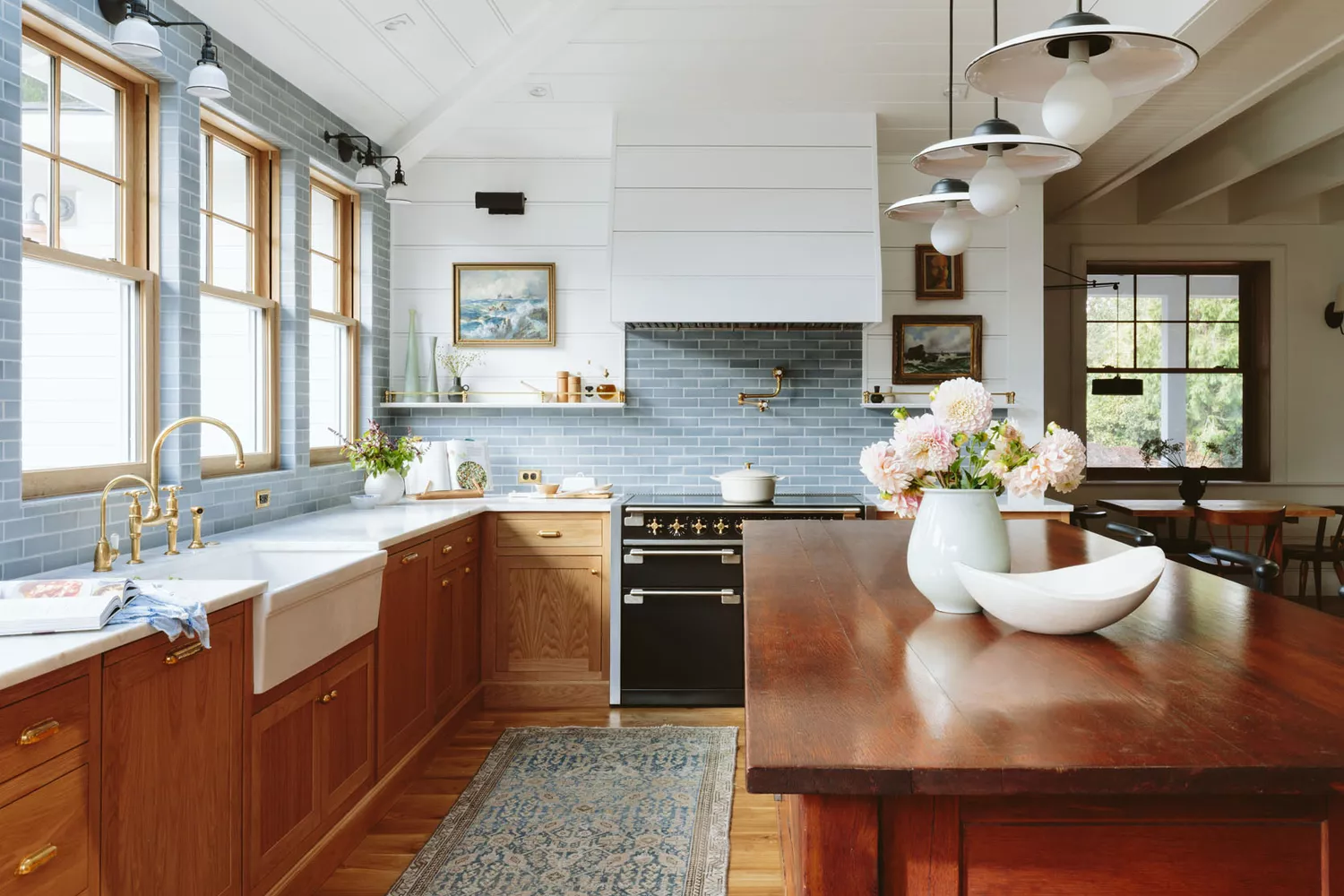
'90s Wood Kitchens Might Be Back in Style, According to Designers

Surprise: 1990s Design Trends Are Coming Back
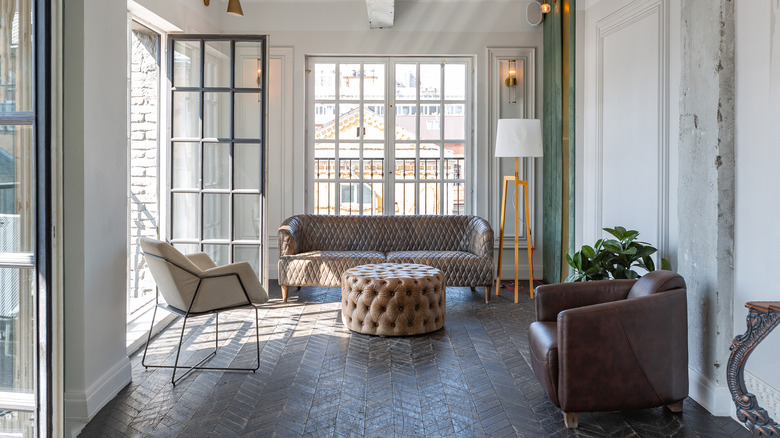
Outdated Furniture Pieces That Are Having A Comeback

This '90s Home Trend Is Back With A Vengeance
This Bedroom Trend From Your '90s Childhood Dreams Is BACK and More Stylish Than Ever
This Traditional Kitchen Detail is Making an Unexpected Comeback This Year

This Classic Bedroom Feature Is Officially Back
Mark Our Words, This Will Be The #1 Home Trend Of 2022
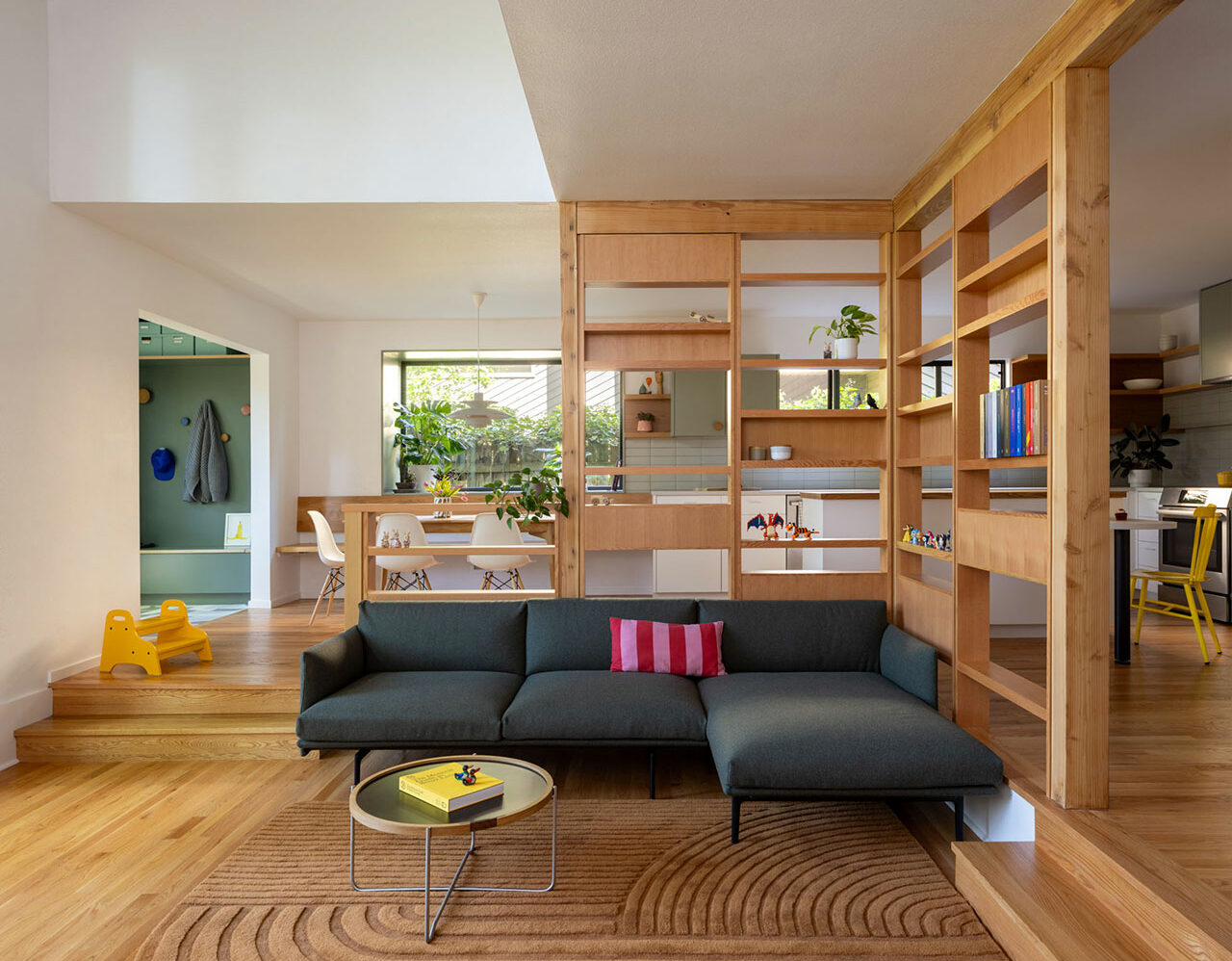
The Wedge(wood) House Breathes New Life Into a 1970s Classic
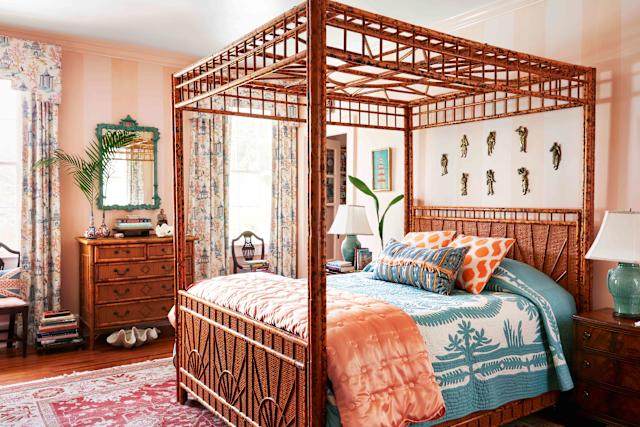
This Classic Bedroom Feature Is Officially Back
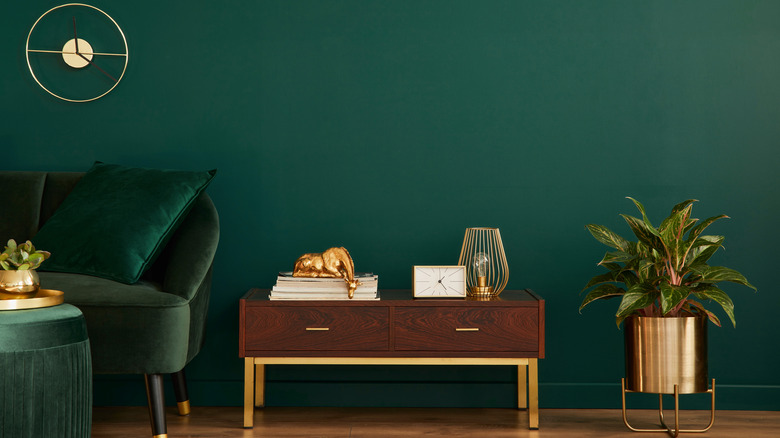
Vintage Home Design Trends That Are Making Huge Comebacks
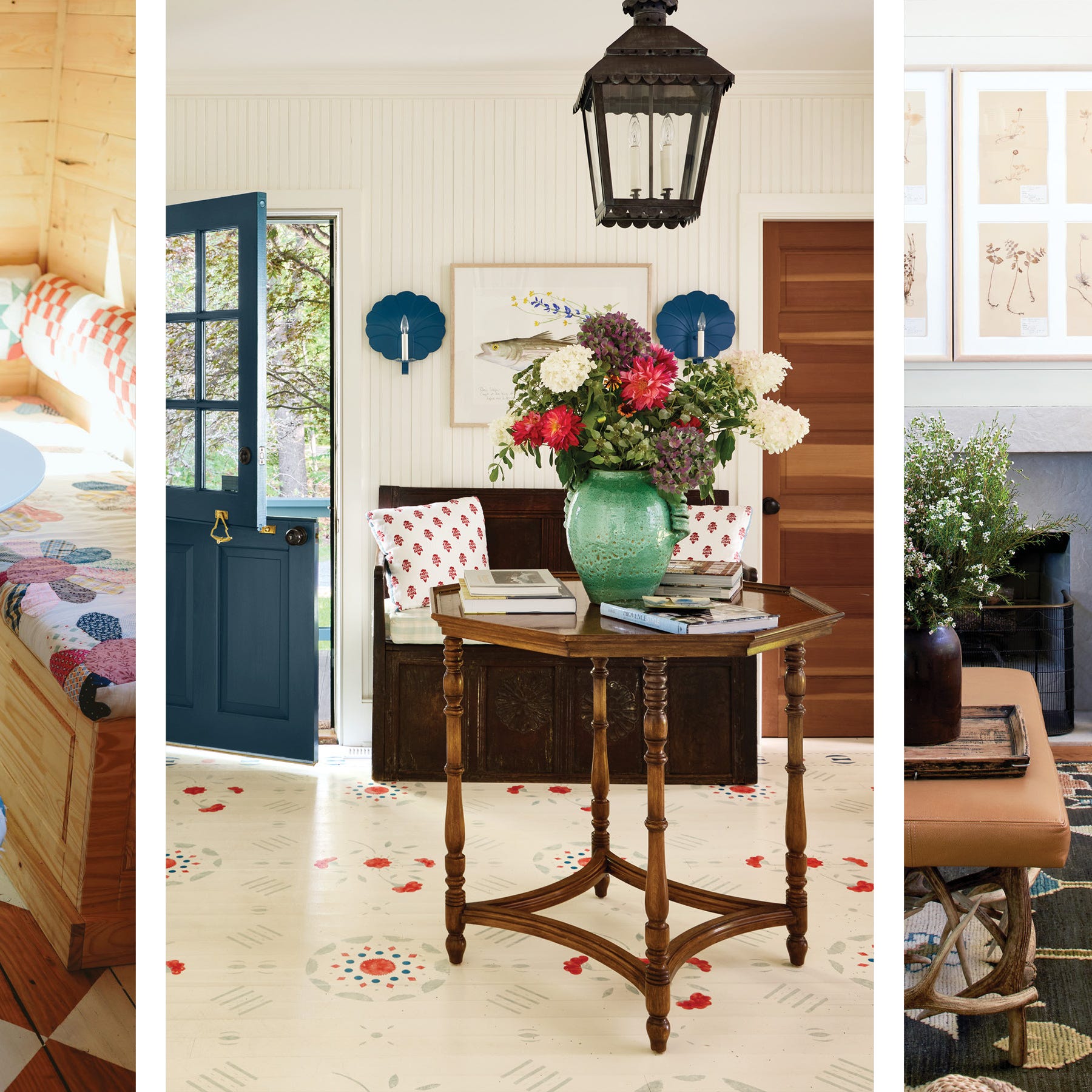
Wood Paneling and 11 More Vintage Decor Trends Making Huge Comebacks
16 "Outdated" Home Design Trends That Are Wildly Better Than Modern-Day Trends
Designers Say These Vintage Paint Colors Are Back

People Are Revealing The "Outdated" Home Design Trends From The '80s That Need To Come Back
This nostalgic kitchen trend is back and here to stay, according to experts
This Traditional Design Move Is Back And Better Than Ever In Our 2025 Idea House