1/6
6 Farmhouse-Style Trends Designers Secretly Wish We’d Retire
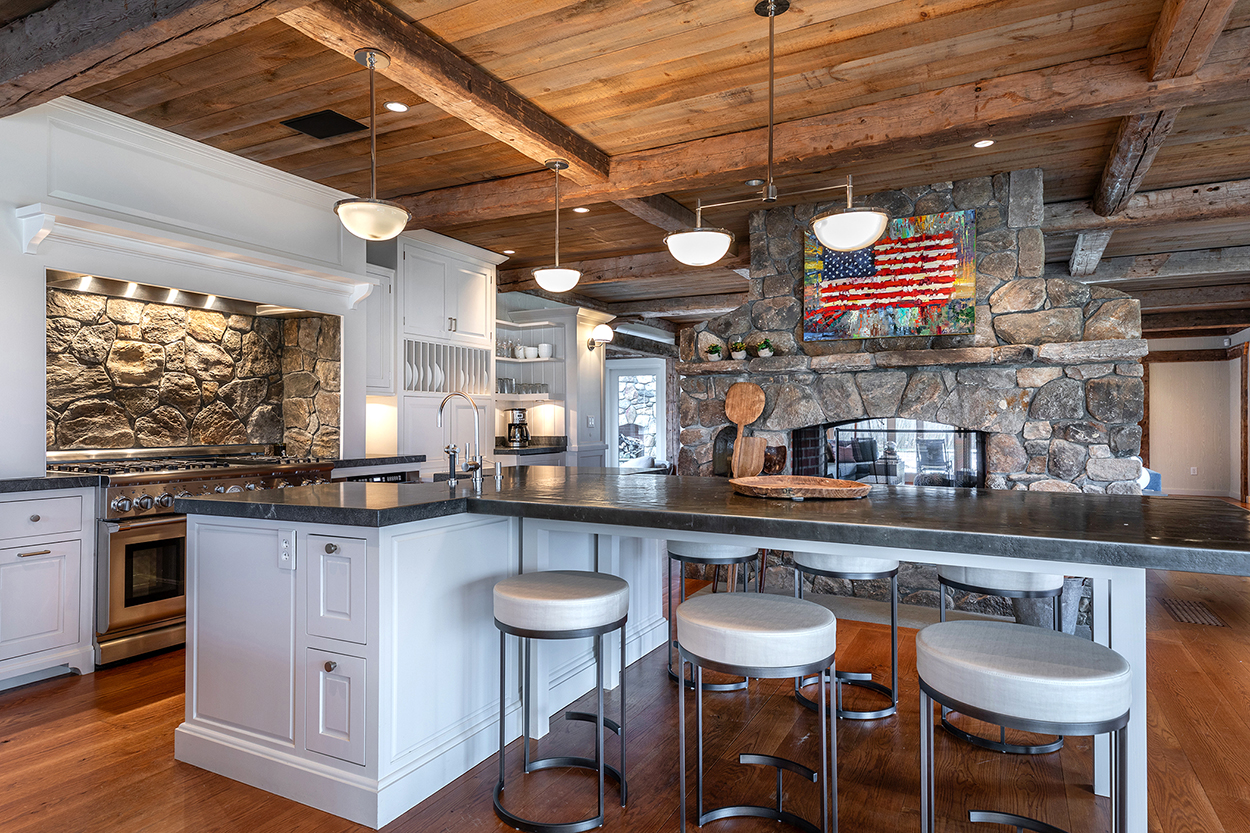
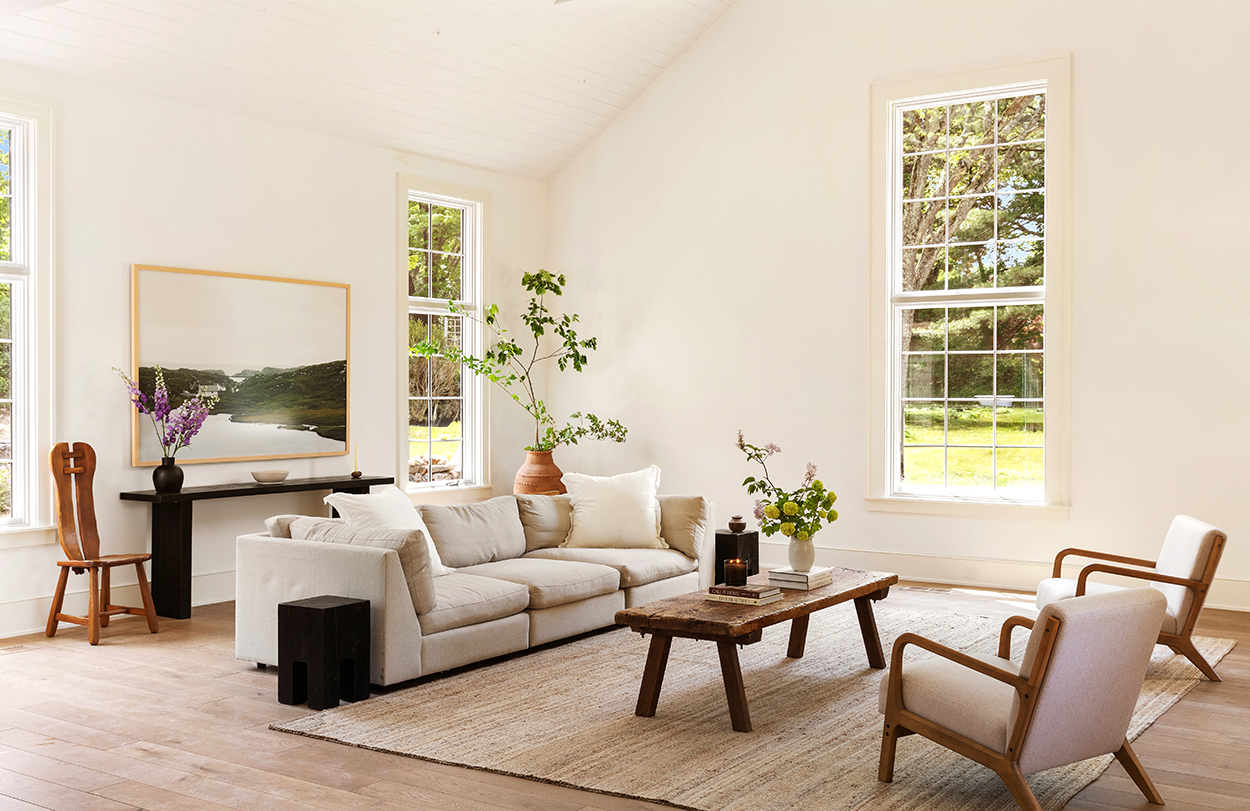
Farmhouse style, a popular aesthetic for over 15 years, has deep roots extending far beyond its recent boom, largely attributed to HGTV and Chip and Joanna Gaines. This enduring style is characterized by charm, soul, and comfort, evolving into various forms such as modern, industrial, rustic, and refined farmhouse. While some elements, like exposed beams and wood paneling, are timeless, many ubiquitous features have become outdated. Several designers suggest retiring specific trends to refresh and update farmhouse interiors.
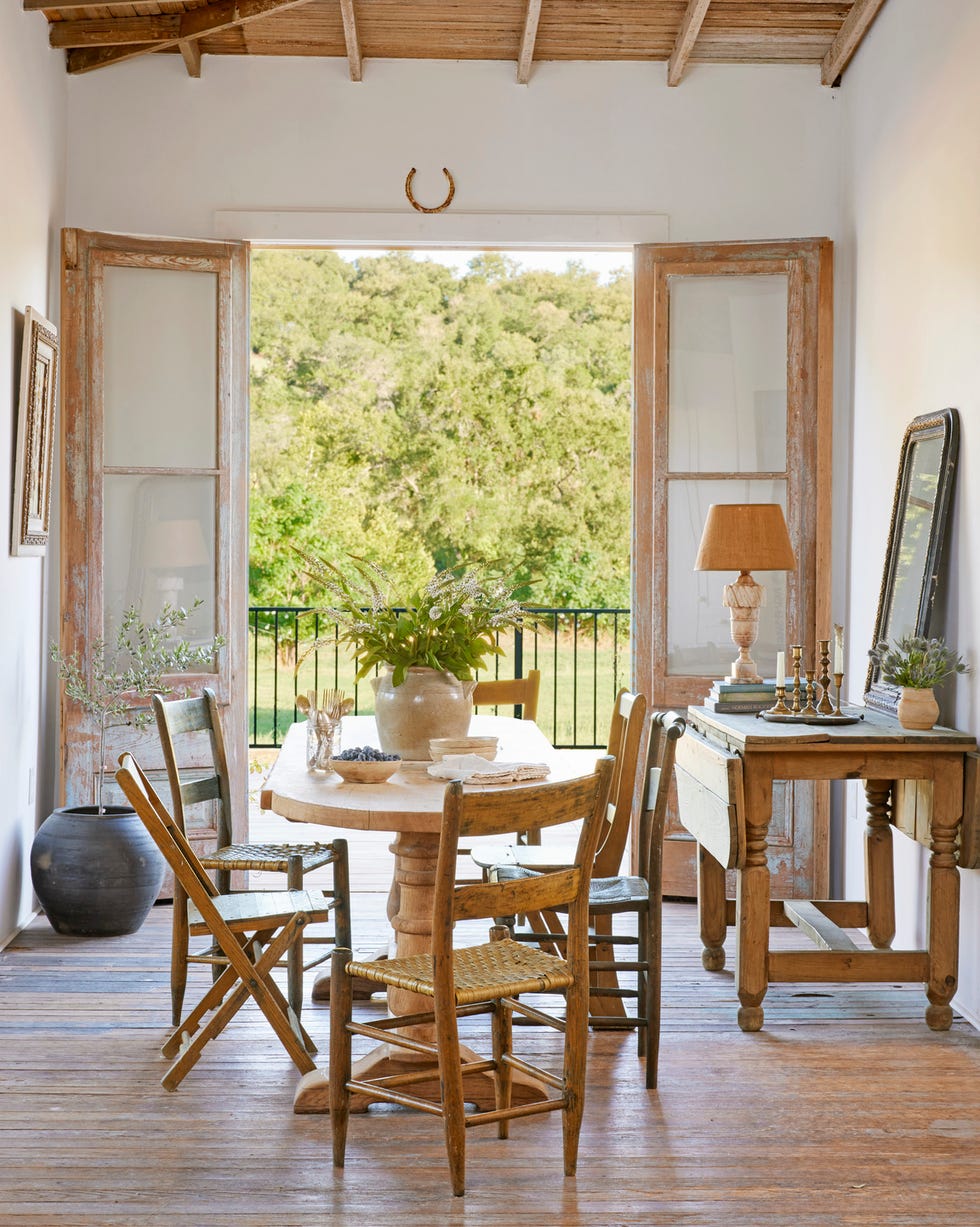
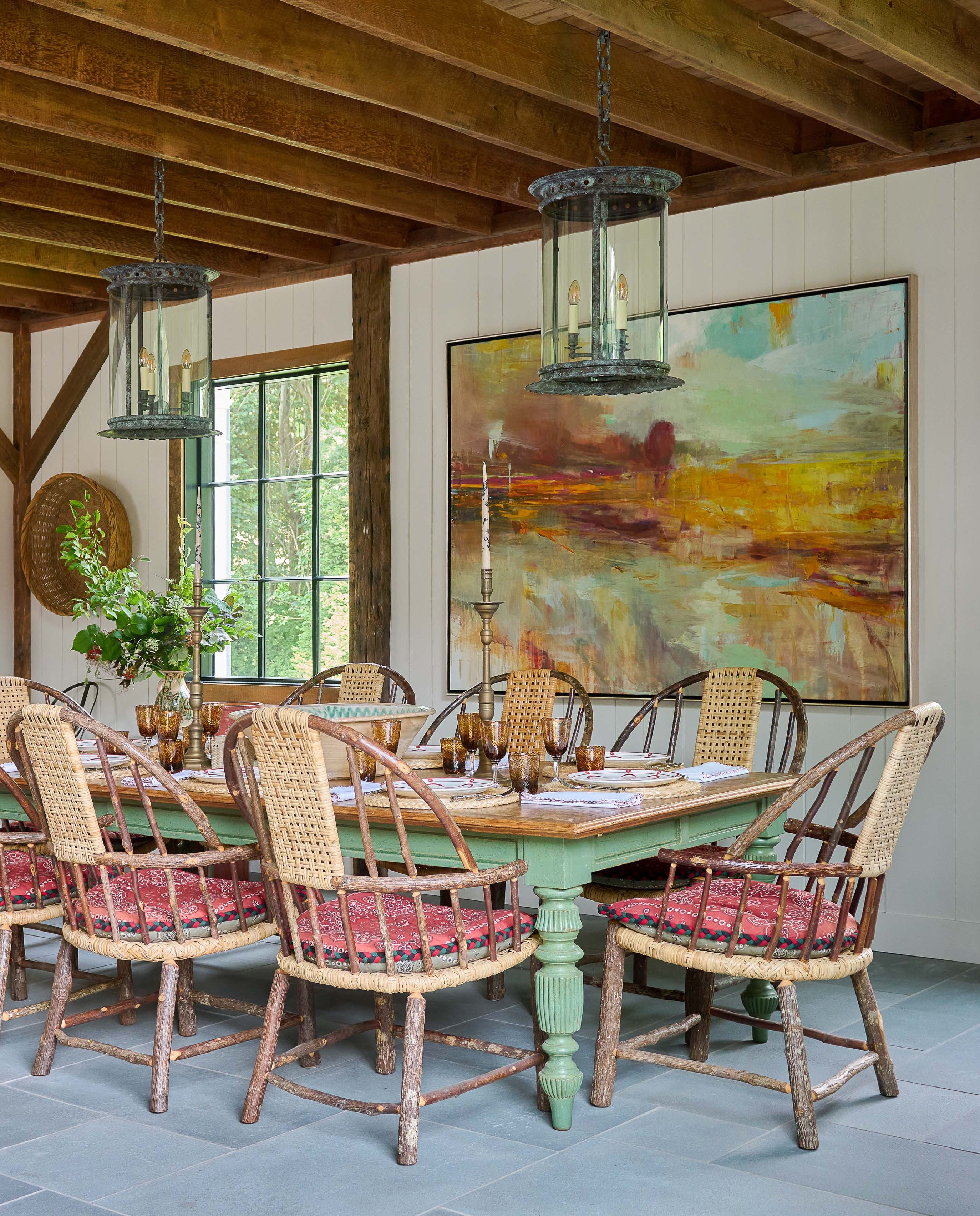
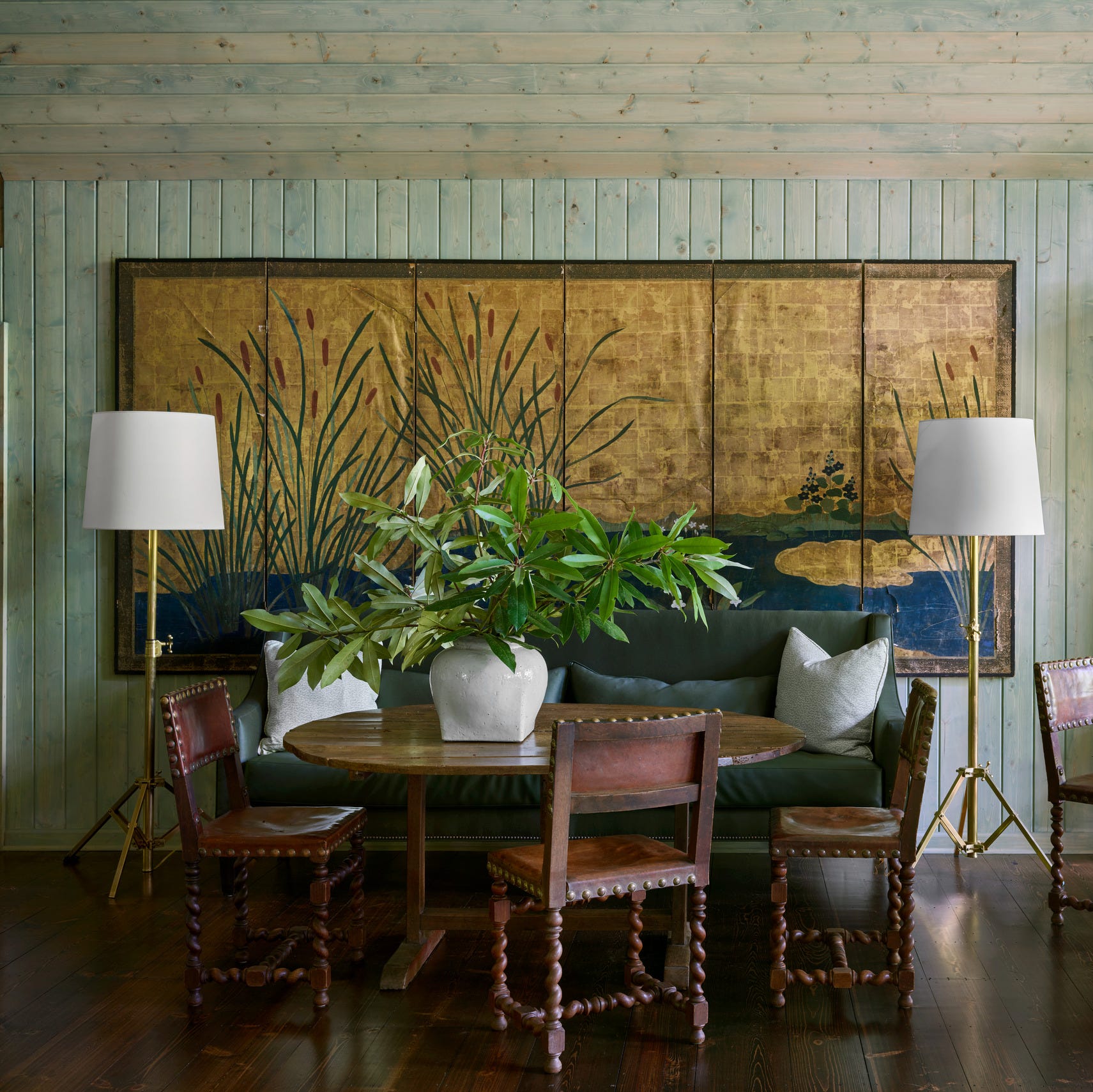
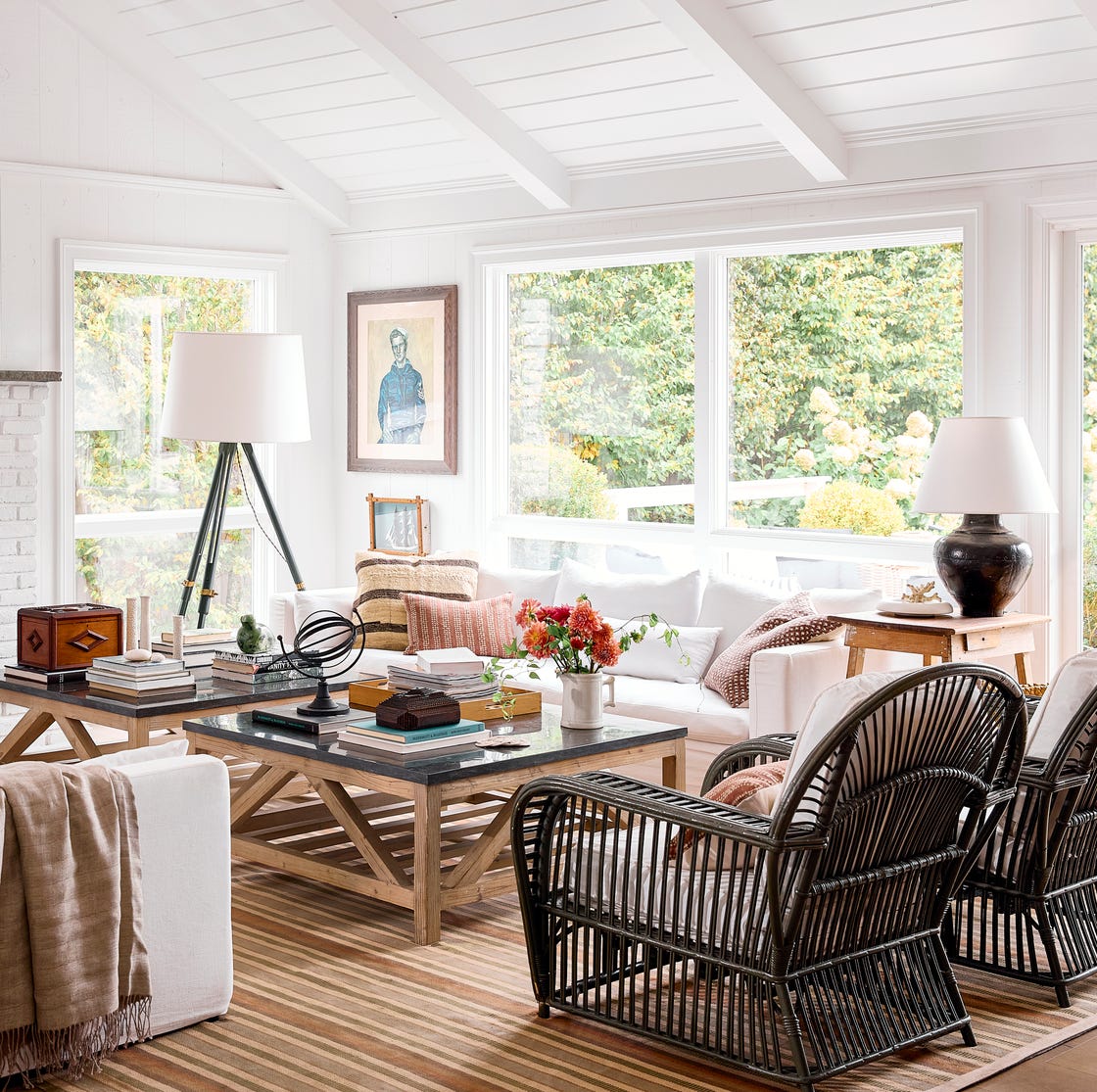
One significant trend to move away from is the overuse of reproductions and kitschy Americana. Designer Ali Mahon advocates for replacing mass-produced signs, weathervanes, and game boards with authentic folk art from the 19th century, which offers unique stories and character. For instance, in Mahon’s own farmhouse, vintage folk art roosters add a distinctive patina against new wallpaper, complementing antique furniture like a trestle table surrounded by rattan armchairs. This approach emphasizes originality and historical value over imitation.
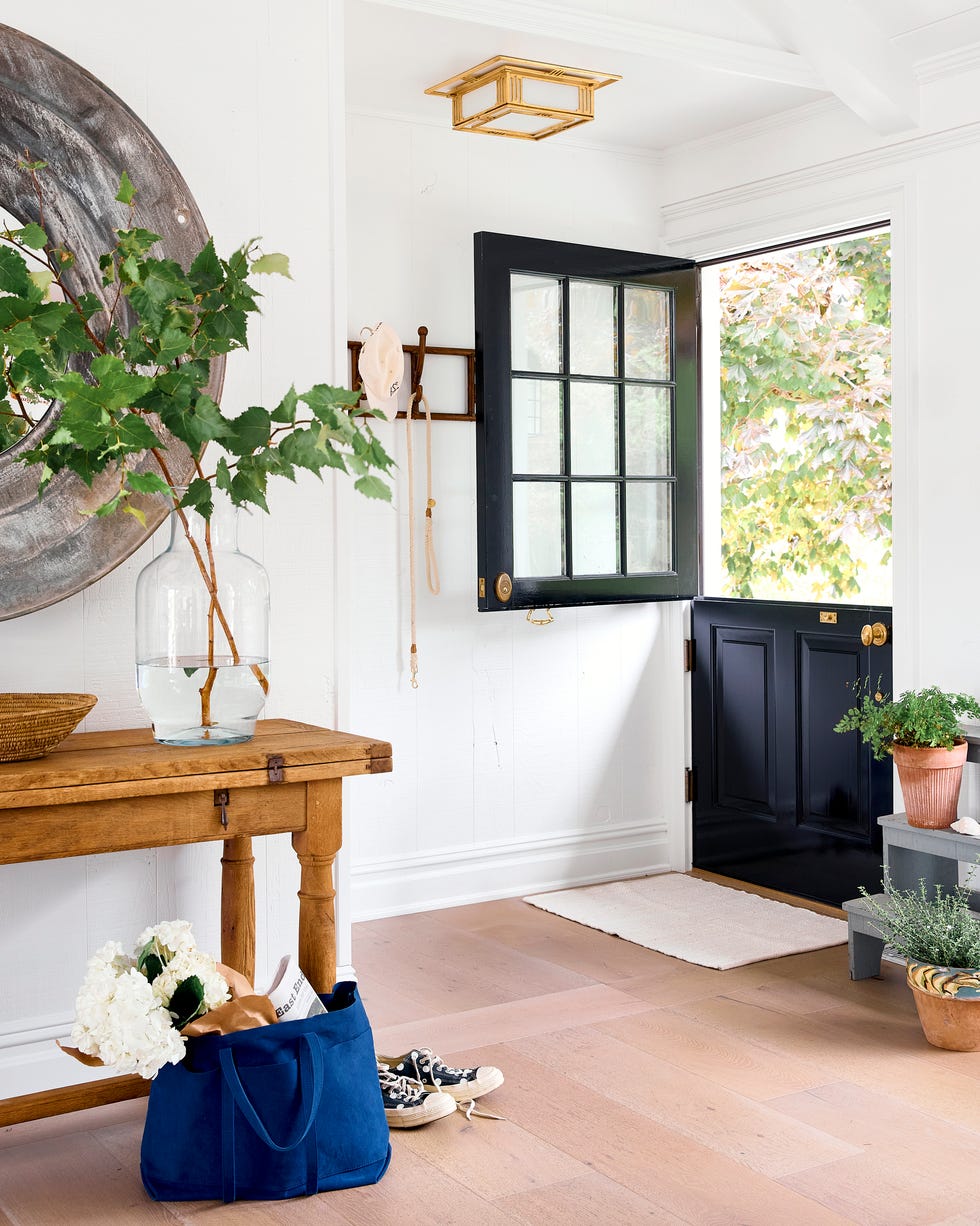
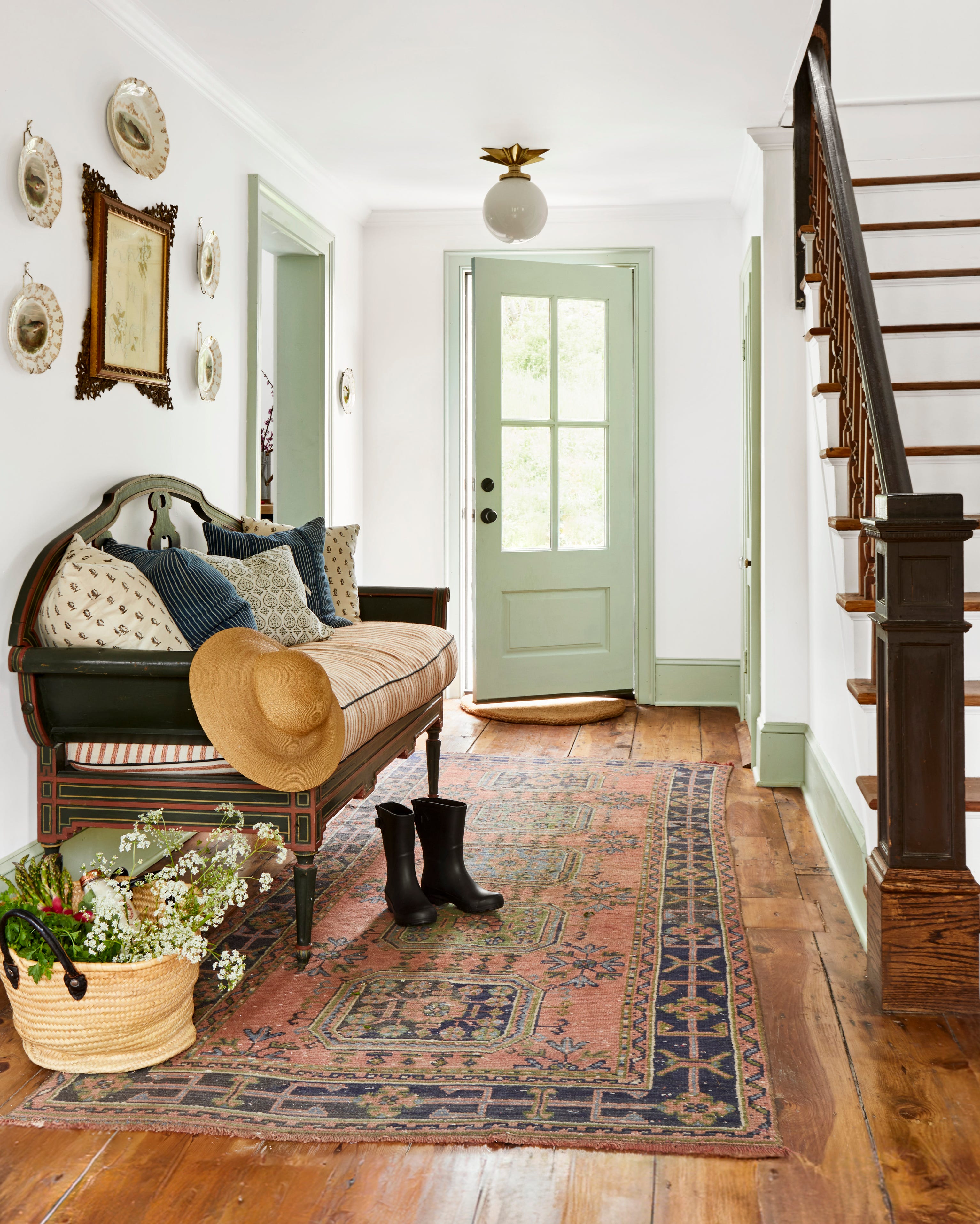
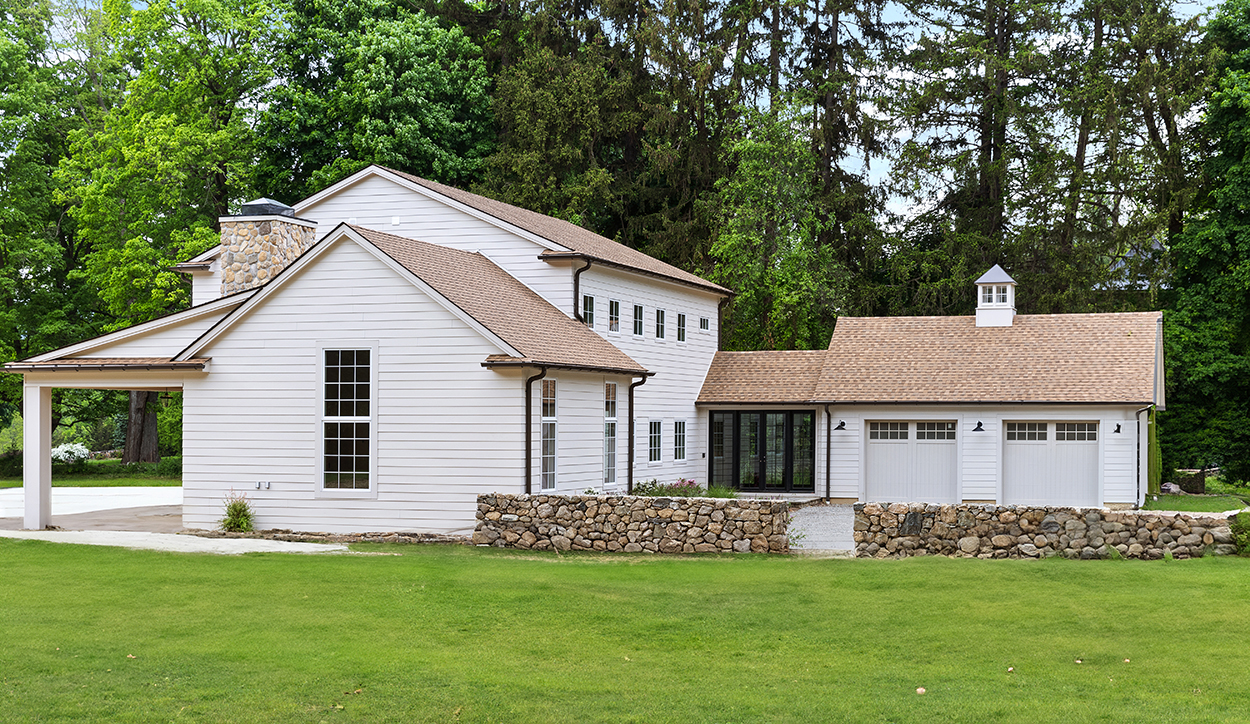
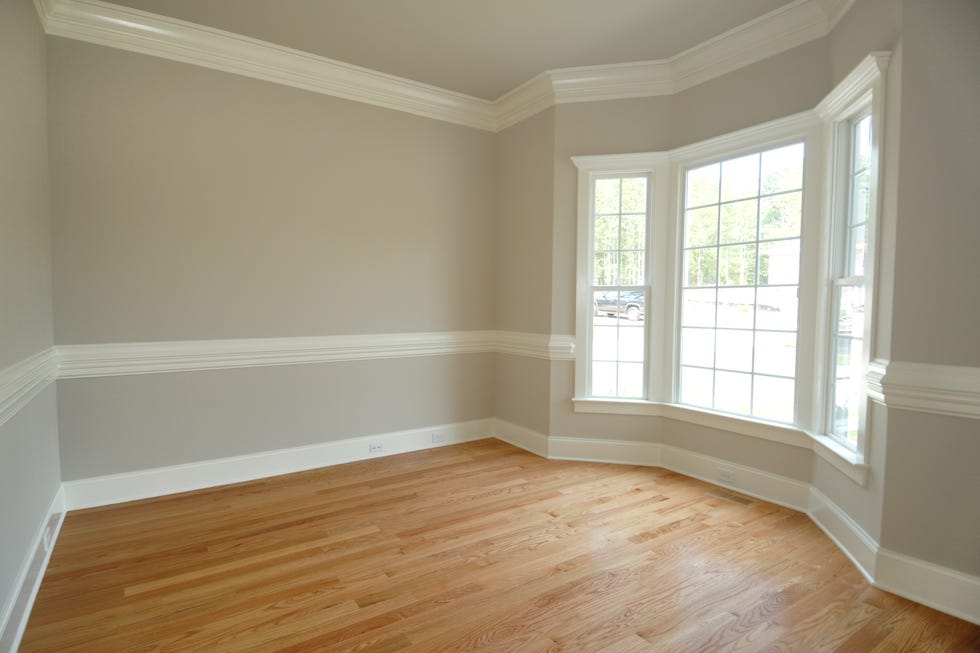
Another trend designers recommend ditching is the strict adherence to a black and white color palette. While black and white is a classic combination, its excessive use can make a modern farmhouse feel sterile and uninspired. Austin-based designer Jamie Allen suggests incorporating more vibrant colors into both interiors and exteriors. She recommends Benjamin Moore’s Solitude or Smokey Mountain for indoor spaces and advises easing into exterior colors with shades like Benjamin Moore’s Collingwood or Edgecomb Gray. Painting the front door a bold color, such as Behr’s Hidden Gem or Sherwin Williams’ Salty Dog, is also encouraged to add a touch of personality, especially against a white exterior. An example of this is seen in a bunk room designed by Katie Rosenfeld, where soft blue walls create a warm and inviting atmosphere.
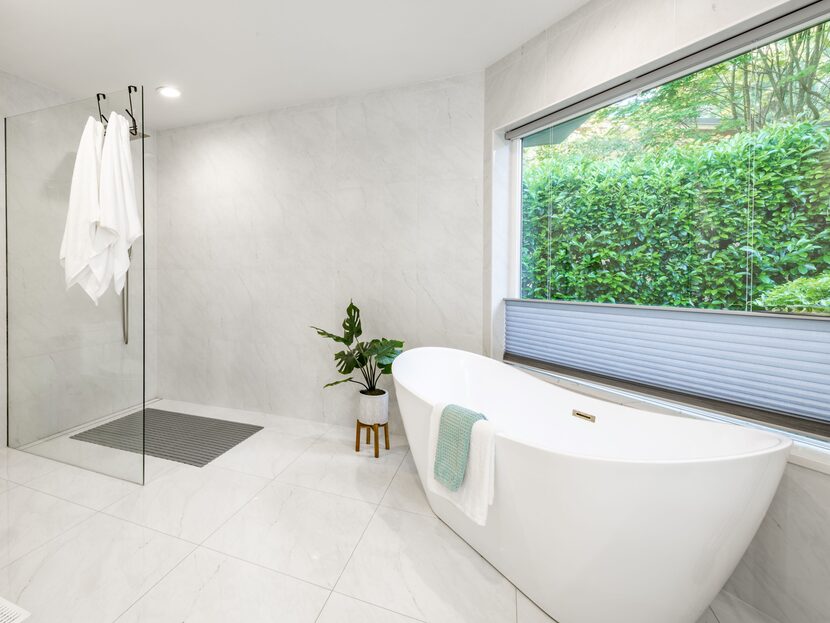
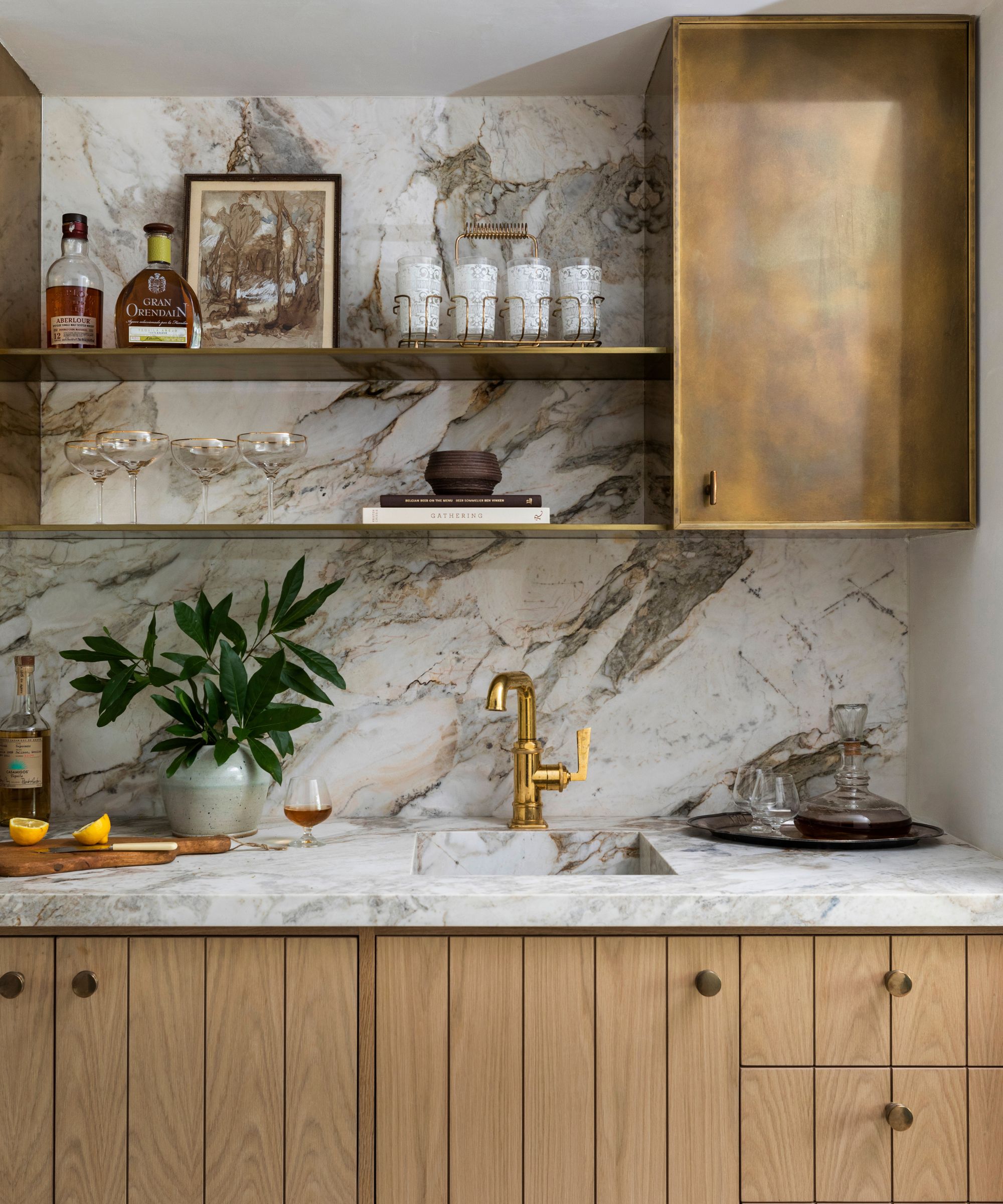
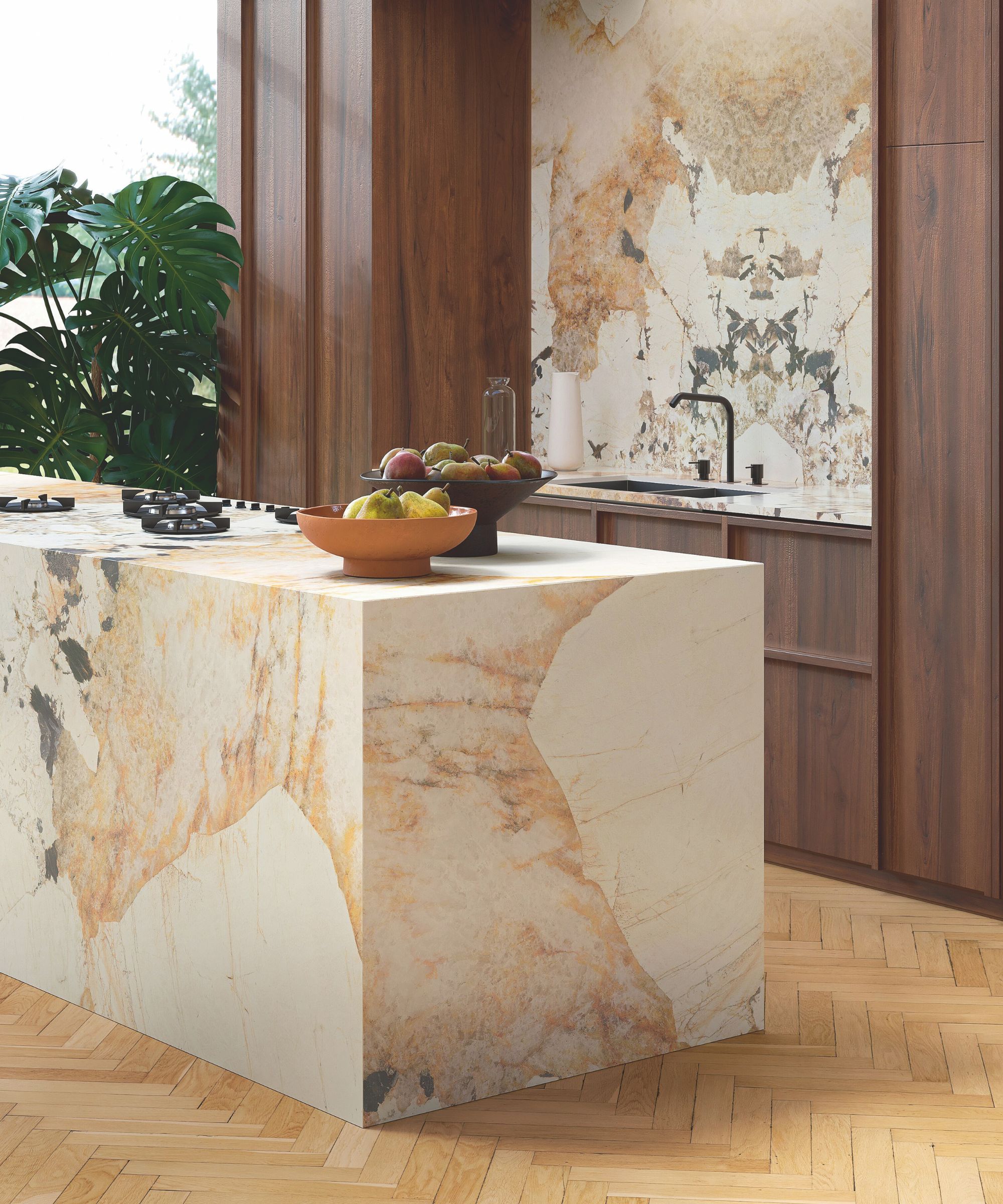
The pursuit of perfection in materials is also identified as an outdated practice. New York-based designer Christina Salway emphasizes the beauty of patina over polished finishes. She notes that the “mega-modern farmhouse” aesthetic often relies on synthetic materials like spotless engineered French oak floors, gleaming synthetic stone countertops, and overly black hardware. Salway argues that these materials lack the ability to soften and evolve over time, unlike natural materials that develop character and show signs of life. Her preference for natural elements highlights a desire for interiors that feel lived-in and authentic.

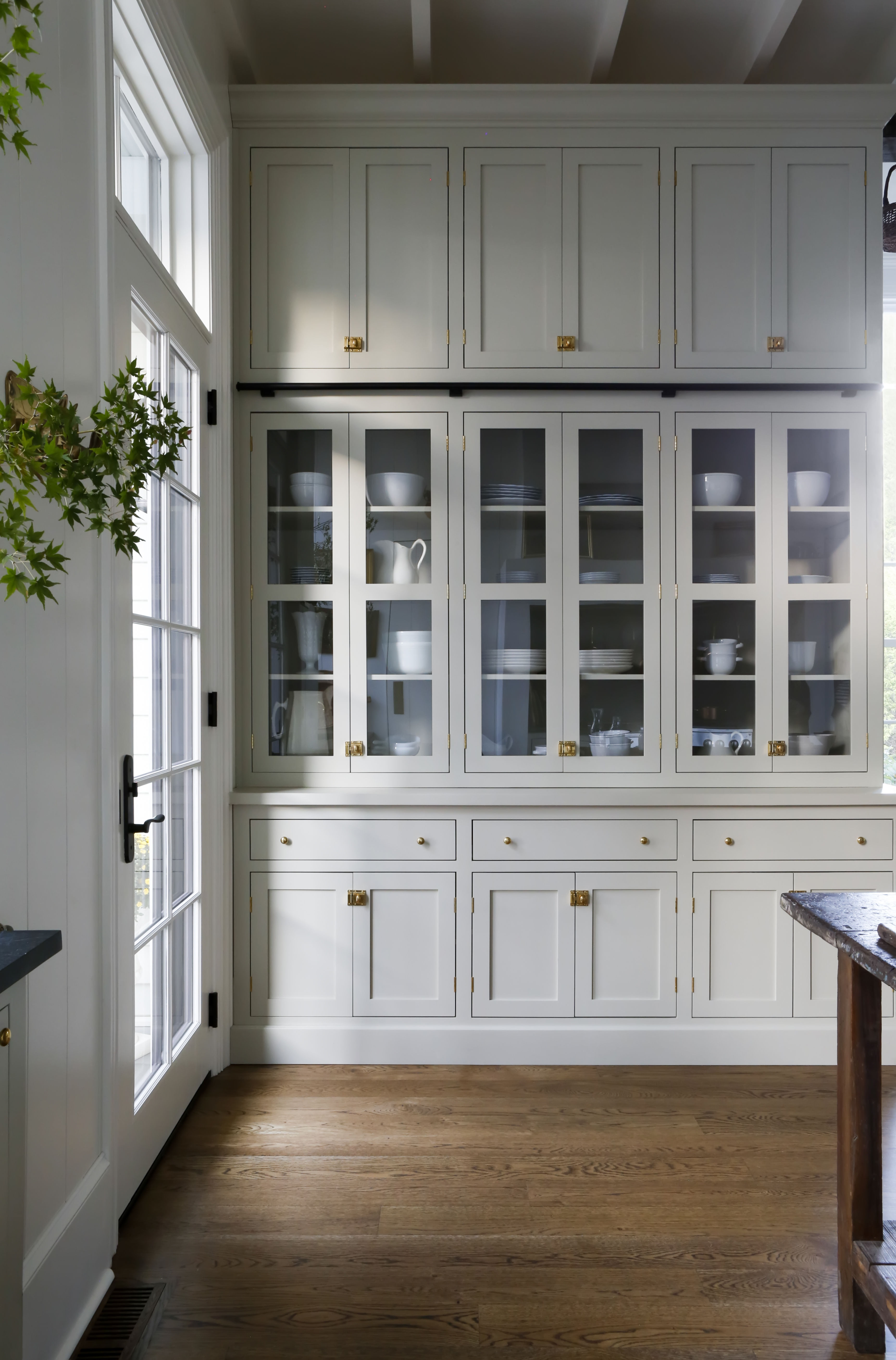
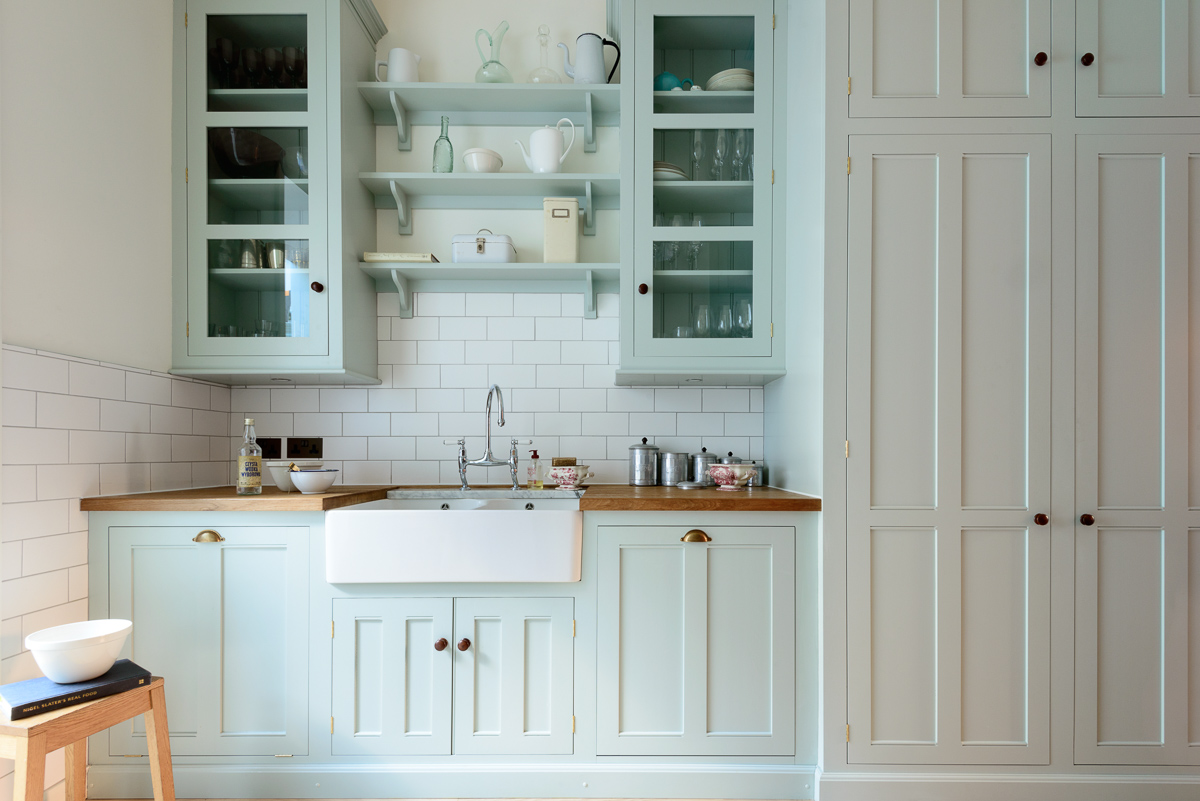
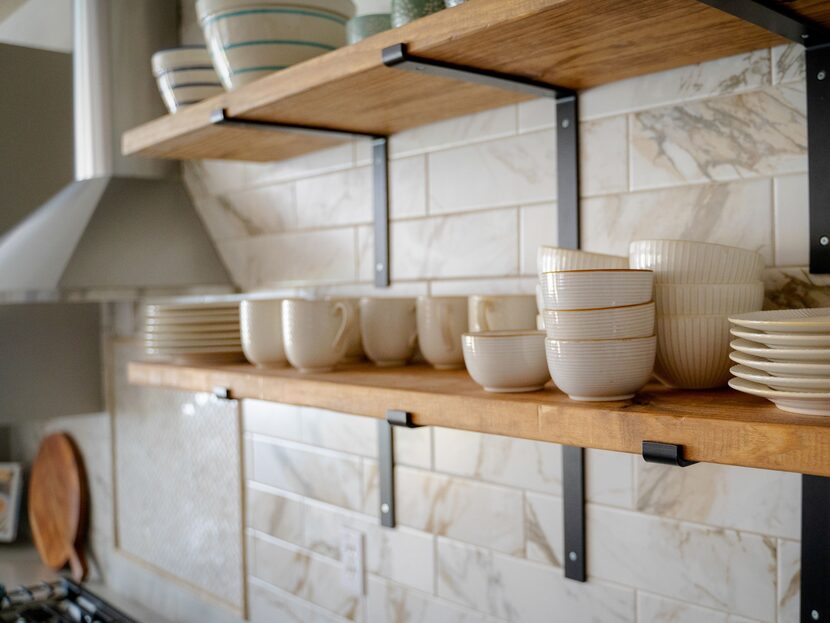
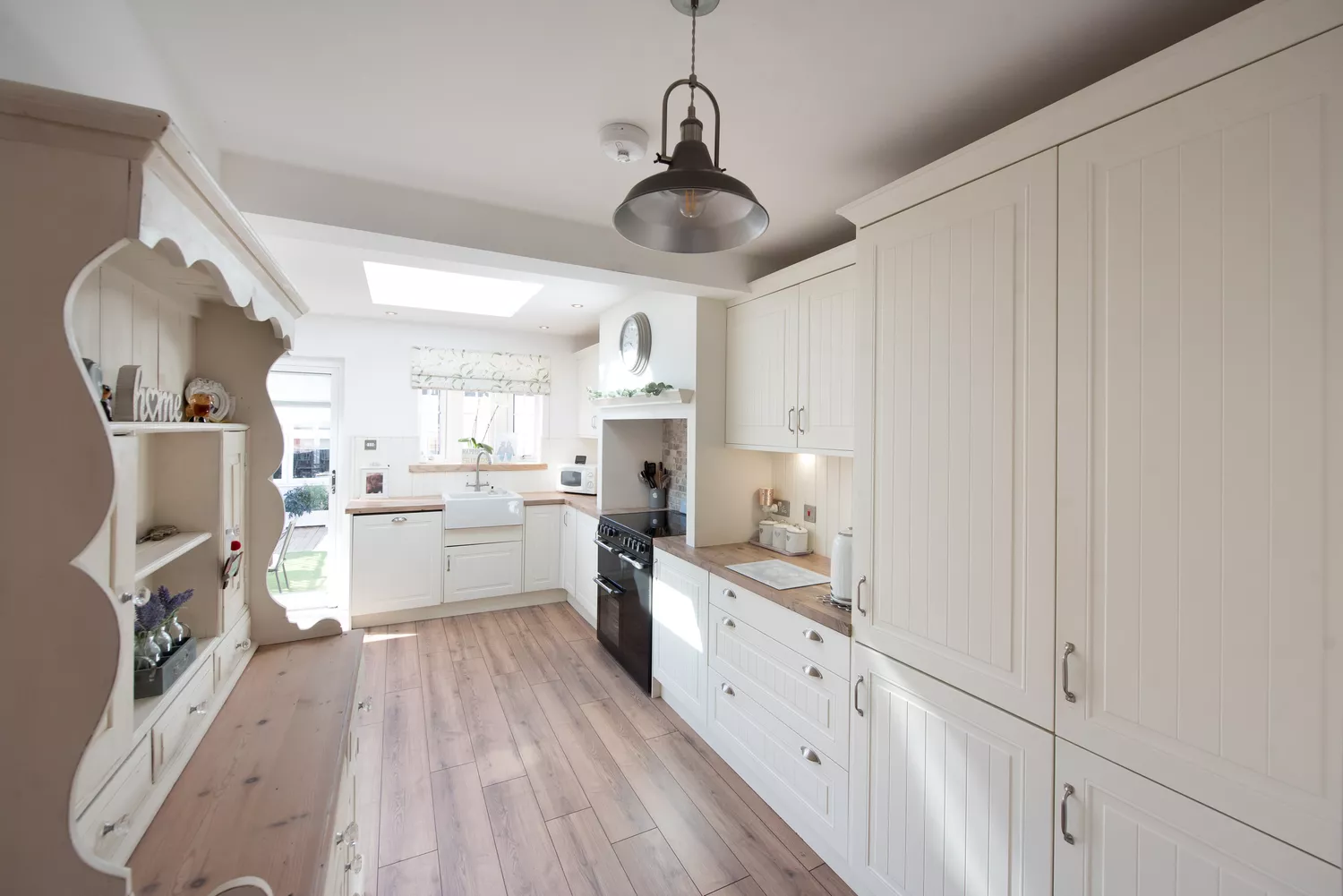
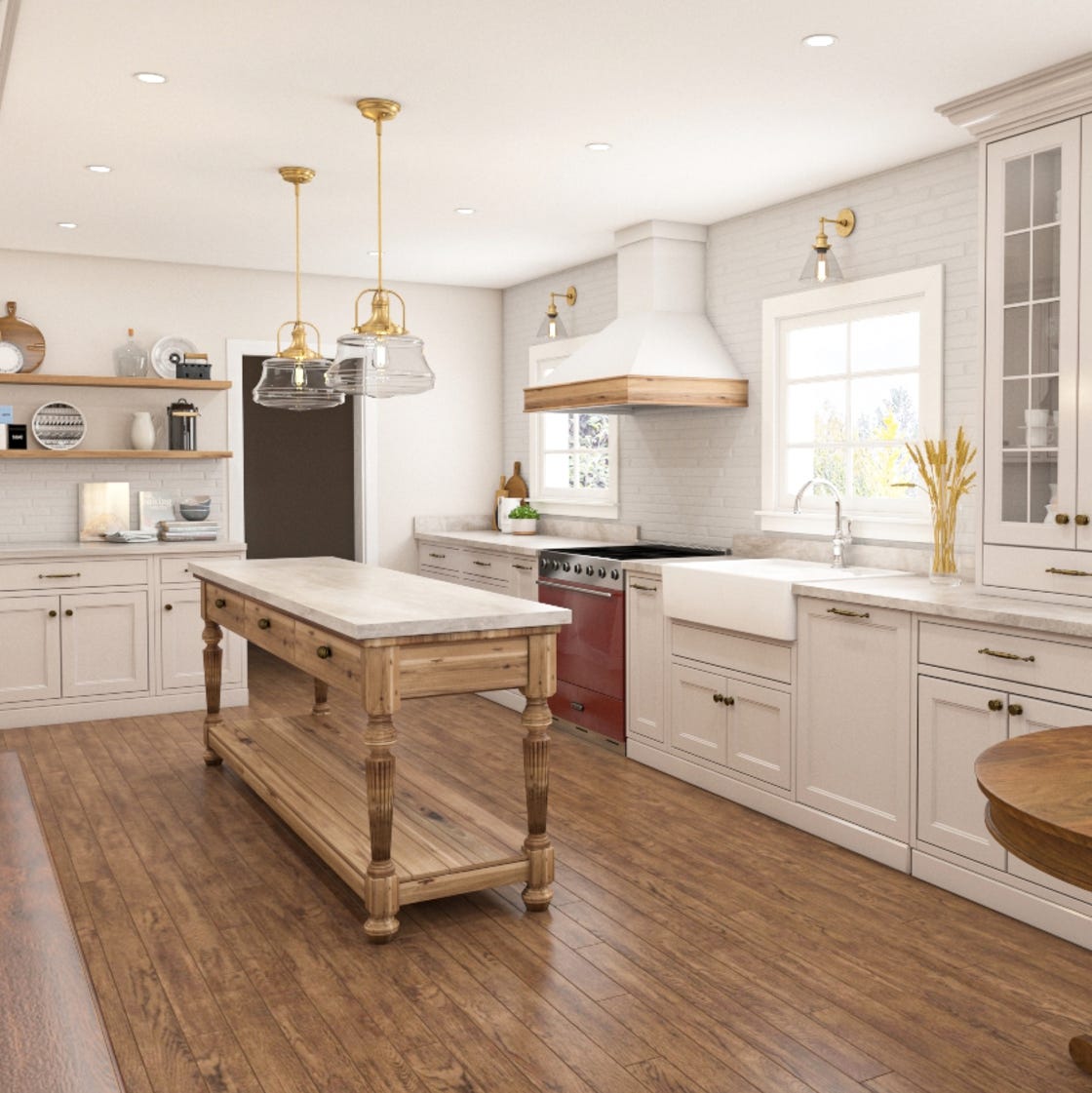
Wall-to-wall wood open shelving, while aesthetically pleasing in photographs, presents practical challenges. Austin-based designer Murphy Moon acknowledges the appeal of displaying cherished items like granny’s blue-and-white dishes or Pyrex collections. However, she points out that extensive open shelving can become cluttered and requires constant curation and dusting. As an alternative, Moon suggests glass-door cabinets with reeded or seeded glass, which provide a sense of depth and allow for display without demanding perfect organization. This solution maintains visual interest while reducing maintenance.
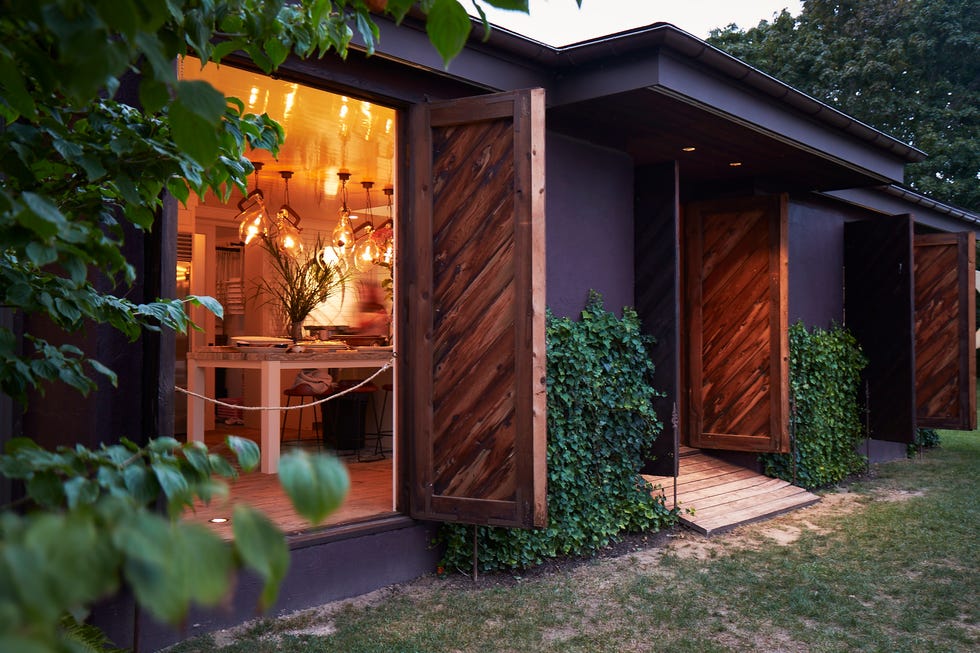
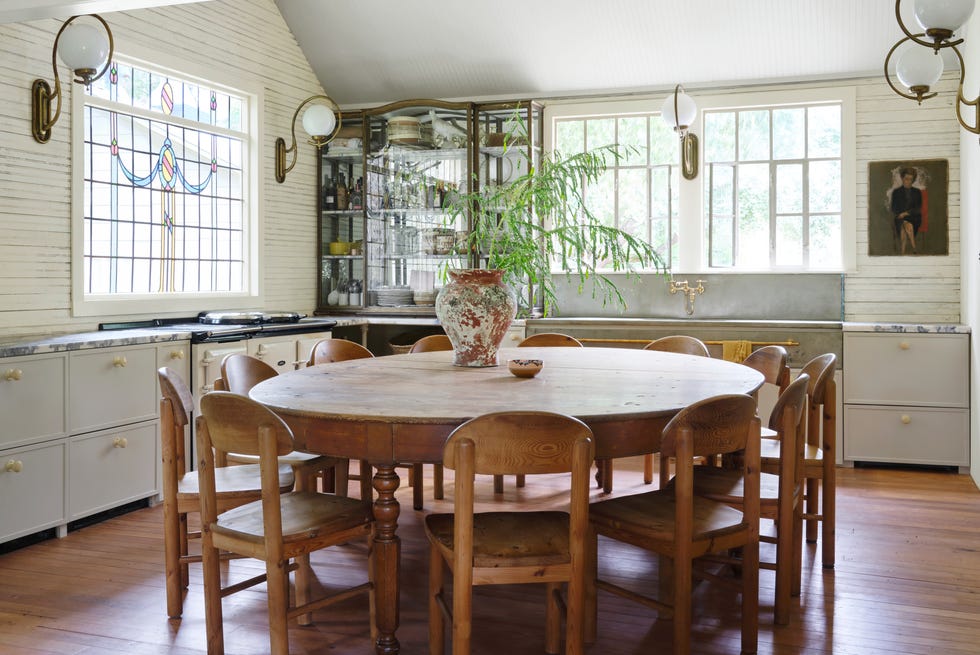
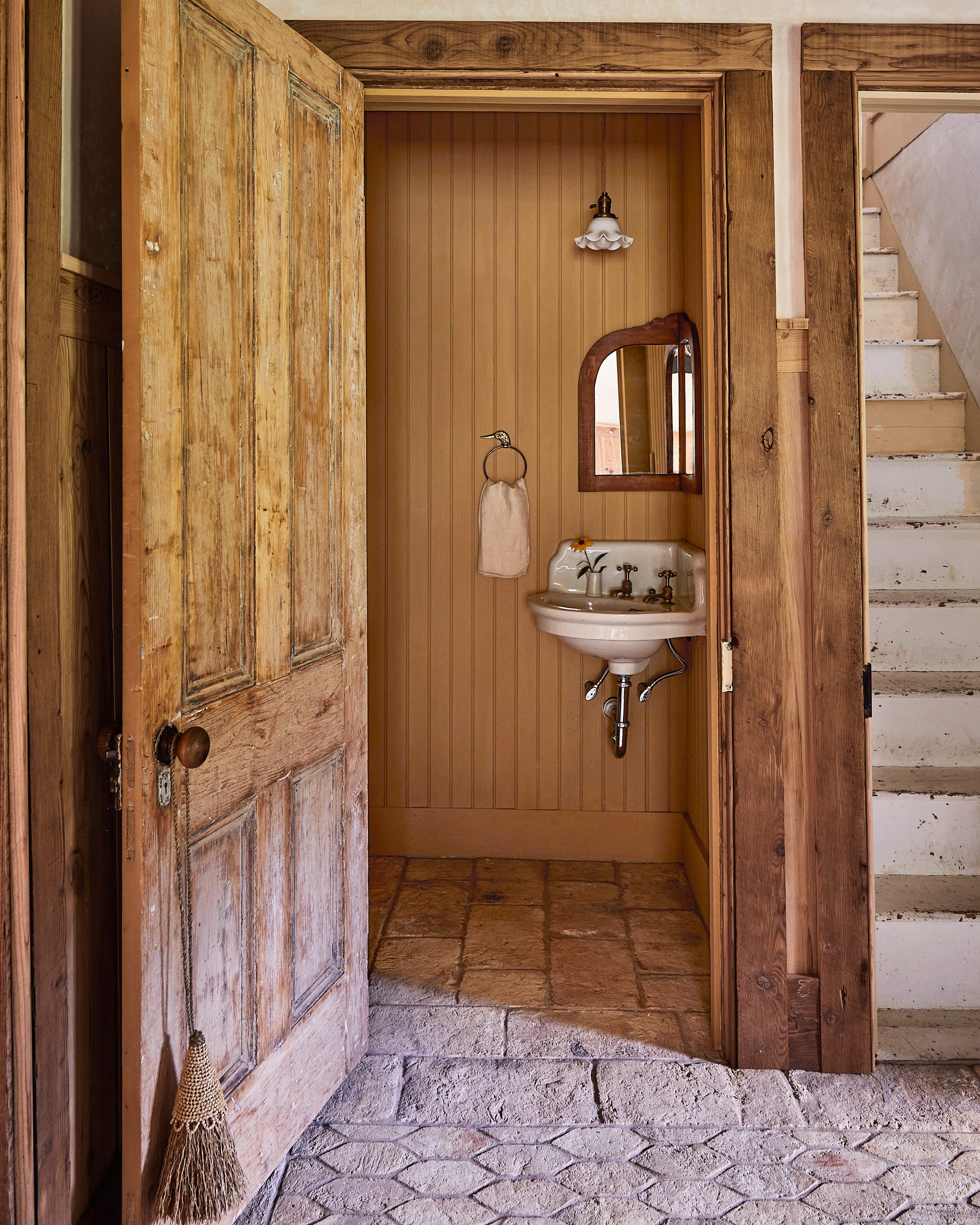
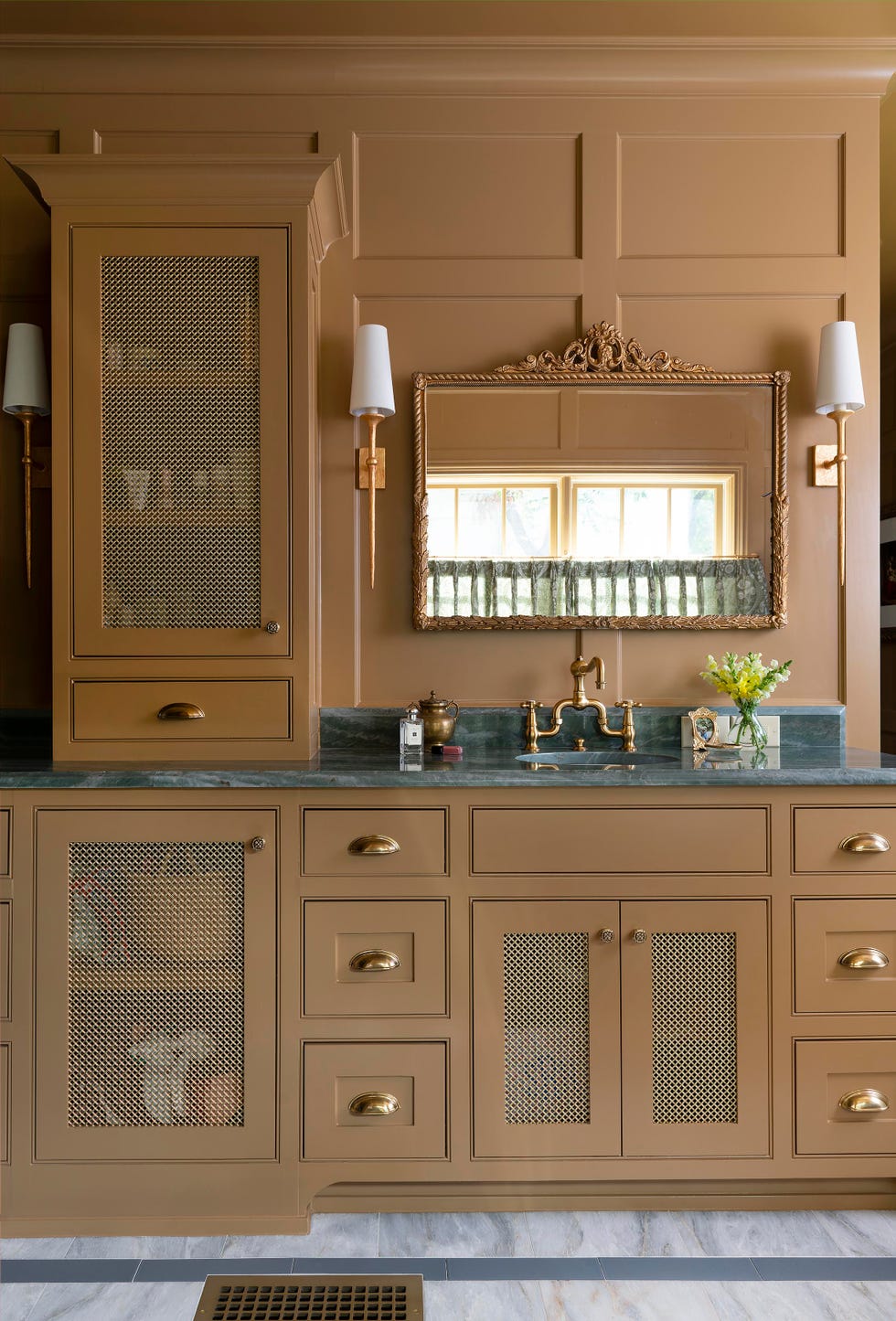
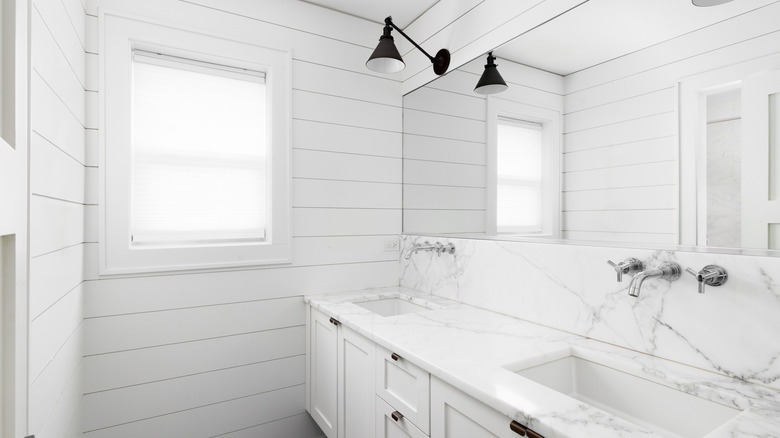
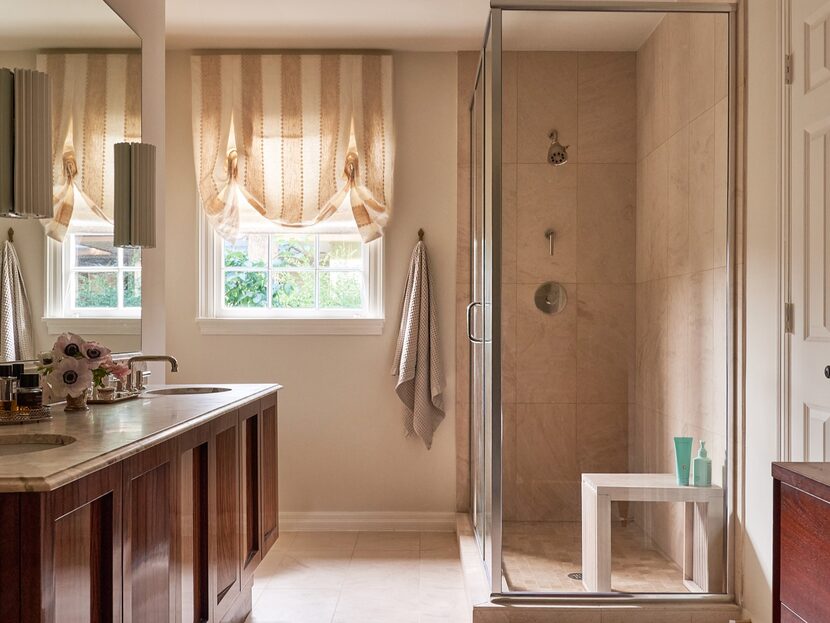
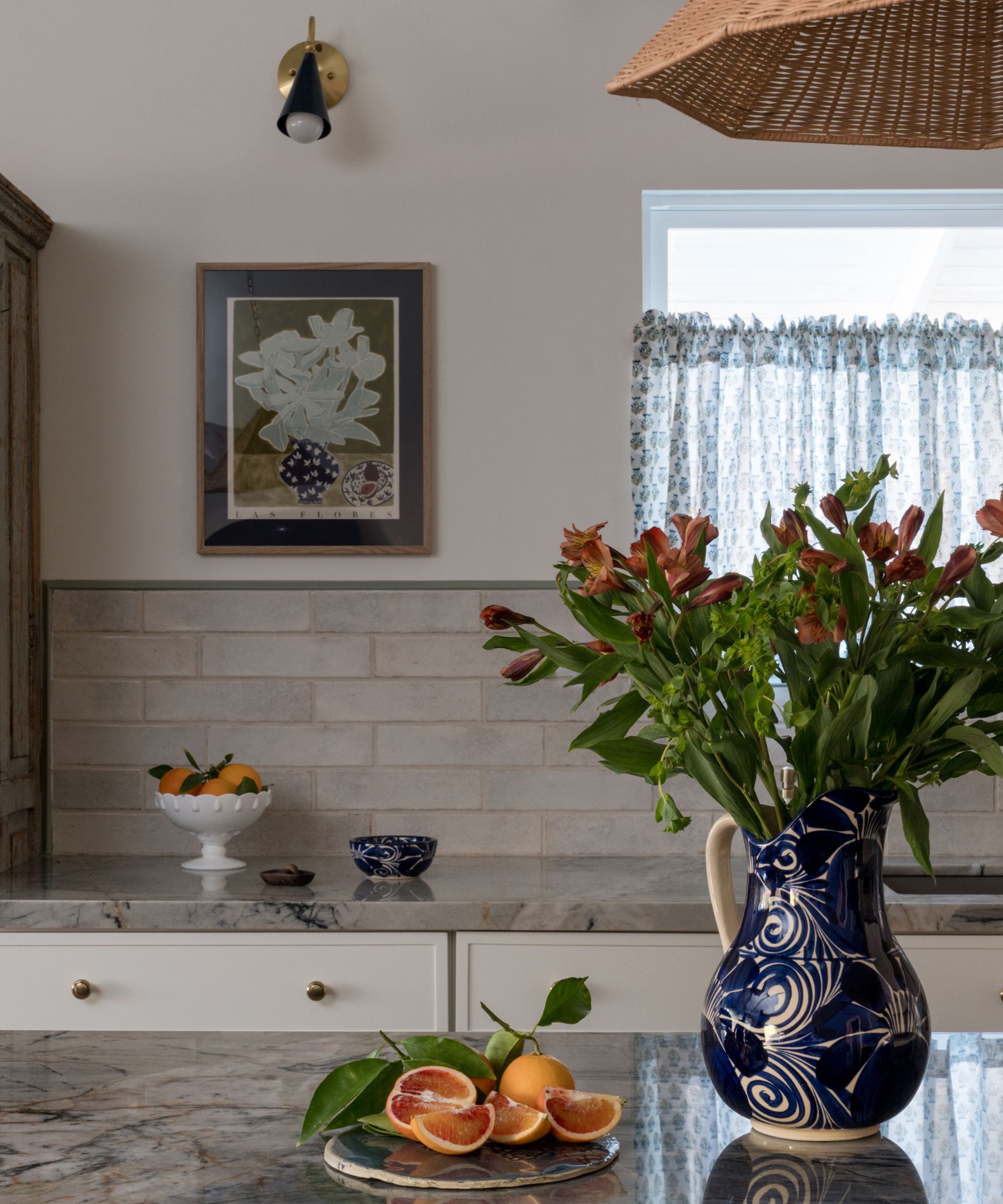
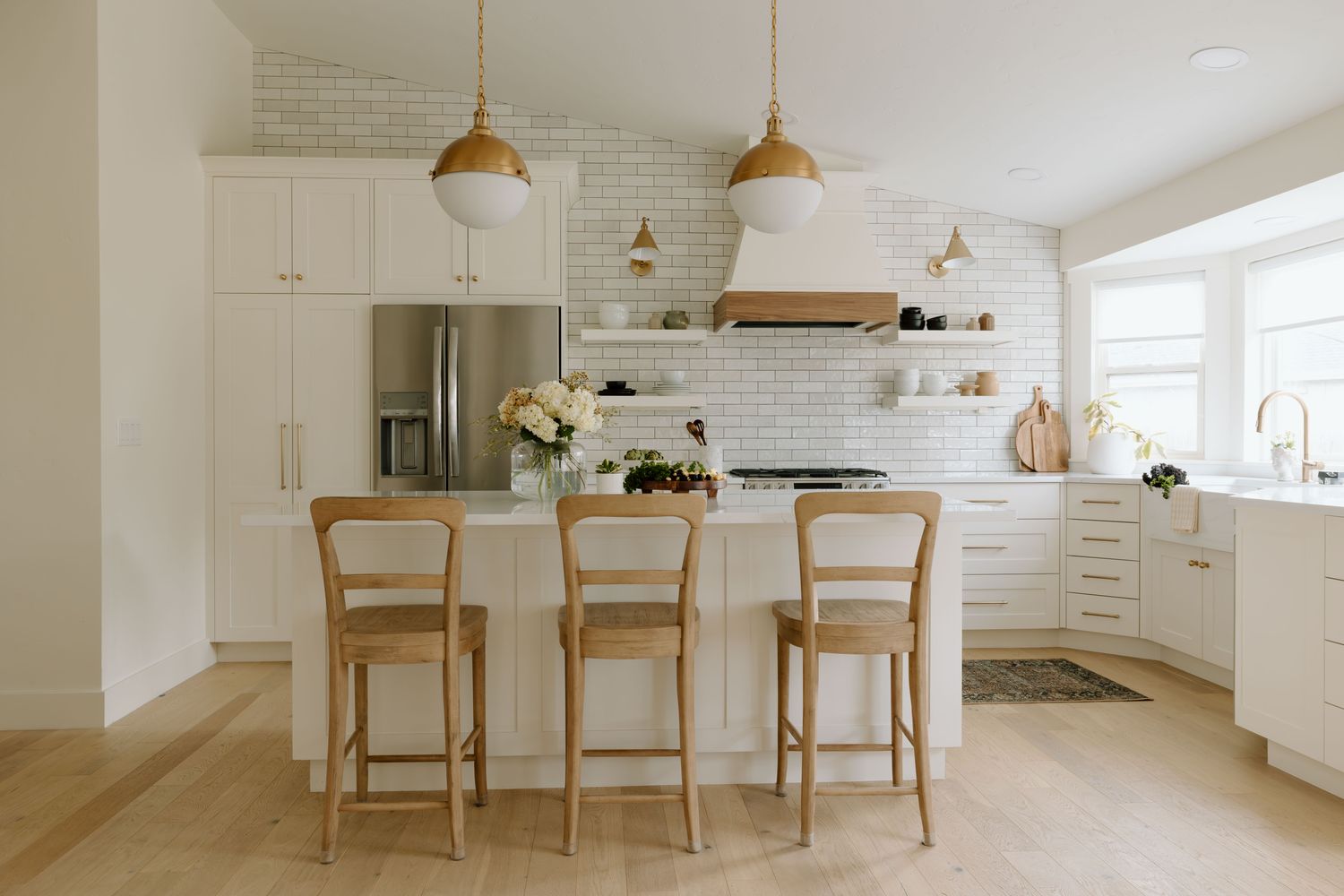
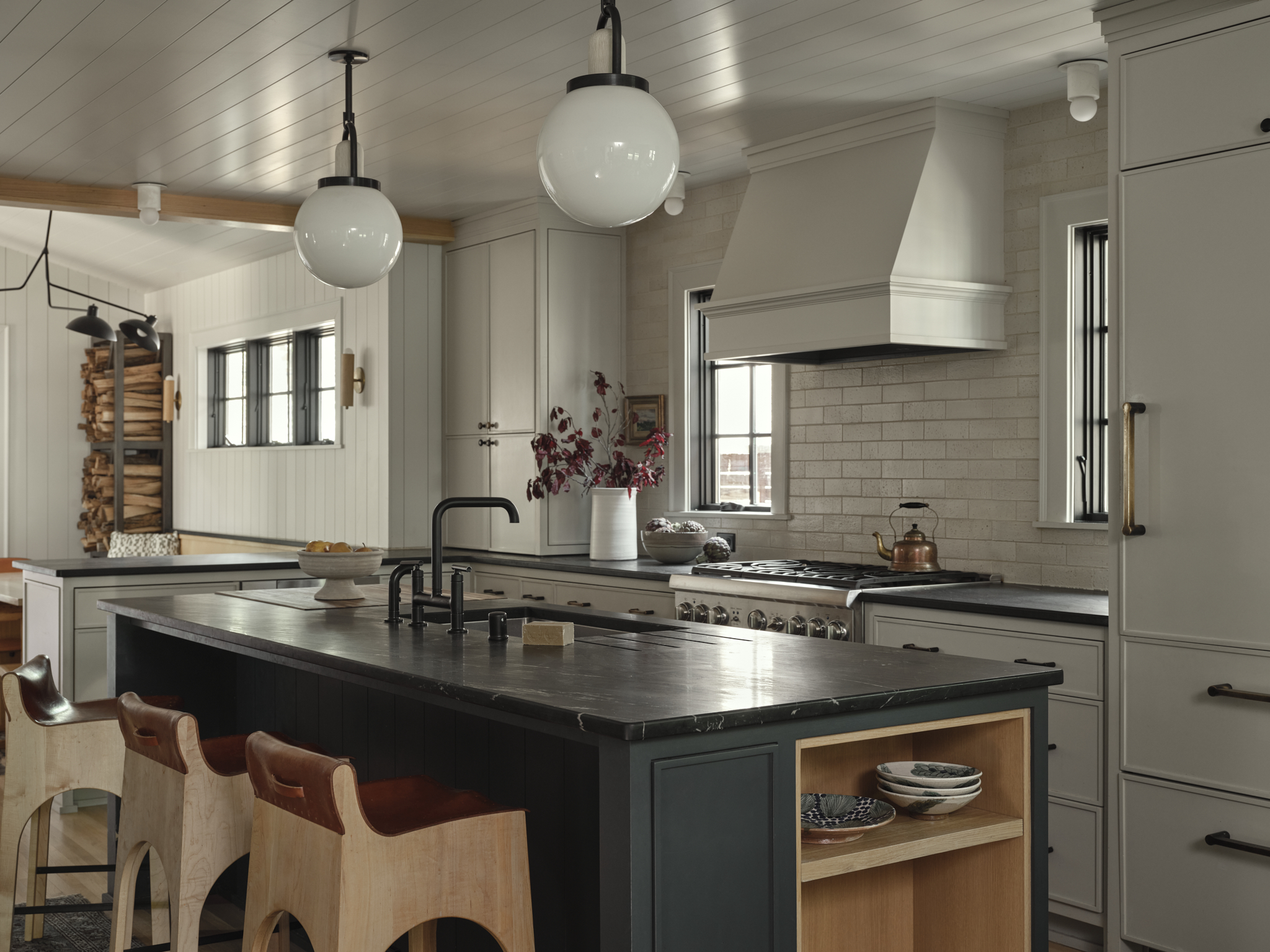
Finally, the use of cheap, mass-produced barn lights is another trend to avoid. Ali Mahon advises against generic lighting fixtures, instead recommending the sourcing of vintage, one-of-a-kind gooseneck lanterns or original wheel chandeliers. Custom-designed lighting fixtures are also suggested as a way to create unique heirlooms. For example, Deep Landing Workshop is known for its handcrafted interior and exterior lights. In one Texas guesthouse bungalow kitchen, antique sconces and a milk glass pendant provide period charm and character, illustrating how thoughtfully chosen lighting can enhance a space. Interior barn doors, while sometimes charming, are also often impractical due to privacy concerns and the significant wall space they consume. Designers suggest alternative door solutions, such as five-panel doors, which are timeless and versatile, or antique carved wood doors for a distinctive touch. Even standard slab doors can be transformed with a glossy paint finish to add visual flair, as demonstrated by Stephanie Watts, who painted her bathroom’s original door the same warm ochre as the trim.
#FarmhouseStyle #InteriorDesign #HomeDecor #DecoratingTrends #AuthenticDecor #ColorPalette #NaturalMaterials #KitchenDesign #LightingFixtures #FarmhouseStyle #InteriorDesign #HomeDecor #DecoratingTrends #AuthenticDecor #ColorPalette #NaturalMaterials #KitchenDesign #LightingFixtures
0 comment in total
 No comments yet
You may also like
6 Antique Design Features Designers Wish Would Make a Comeback

7 Vintage Home Decor Features That Designers Want to See EVERYWHERE in 2026

6 rustic homes in modern farmhouse style

Is Farmhouse Style Out? Here's What Designers Are Saying in 2025

Designers Are Moving On from Modern Farmhouse—Here’s the Style Taking Over
Are Modern Farmhouse Kitchens Out of Style? Designers Tell Us Which Elements Are Kicky — and Which to Kick Out

6 Popular Design Choices Designers Would Never Put in Their Own Homes

The Top Home Features Designers Always Skip
Our Favorite Farmhouse Décor Ideas for Your Dream Country Home
17 popular trends interior designers wish would disappear
7 home design trends to skip (and what to do instead)

9 Popular Home Trends Interior Designers Say Won't Age Well

Is Farmhouse Design Still Trendy? What Designers Want You to Know
8 Tacky Home Trends That Designers Say Are TRAGICALLY Dead

What's replacing modern farmhouse kitchens in 2025? 5 styles designers say you should consider instead

8 Decorating Trends Designers Wish Would Go Away in 2025

12 bedroom trends interior designers wish would disappear
Outdated Farmhouse Design Trends That Are Being Replaced In 2025
Don't Make These 5 Mistakes When Trying Modern Farmhouse Style, Designers Warn

6 Underrated Design Ideas Interior Designers Want You to Try in Your Own Home