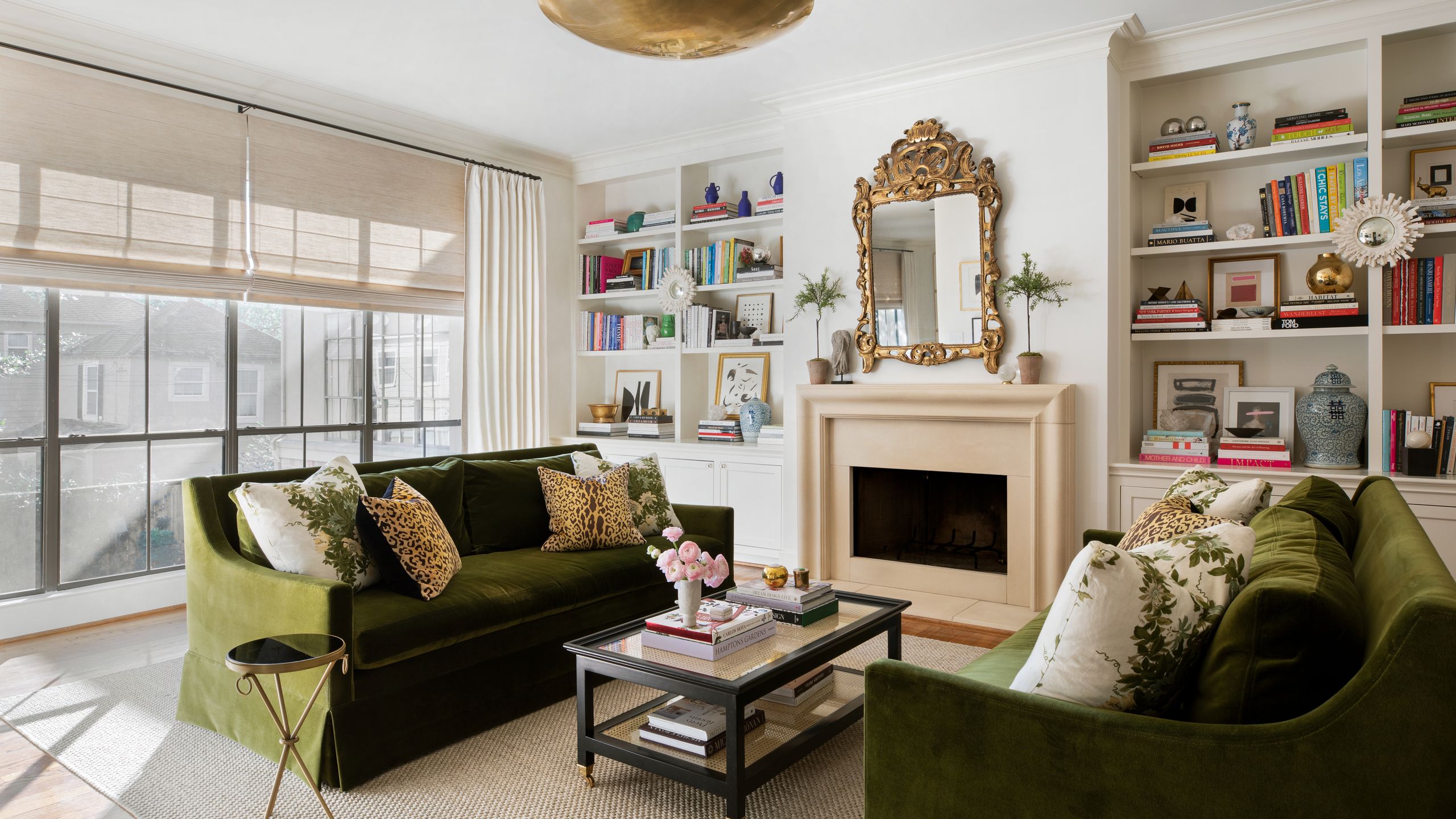
1/8
Traditional Interior Design: Everything You Need to Know About This Classic and Timeless Style
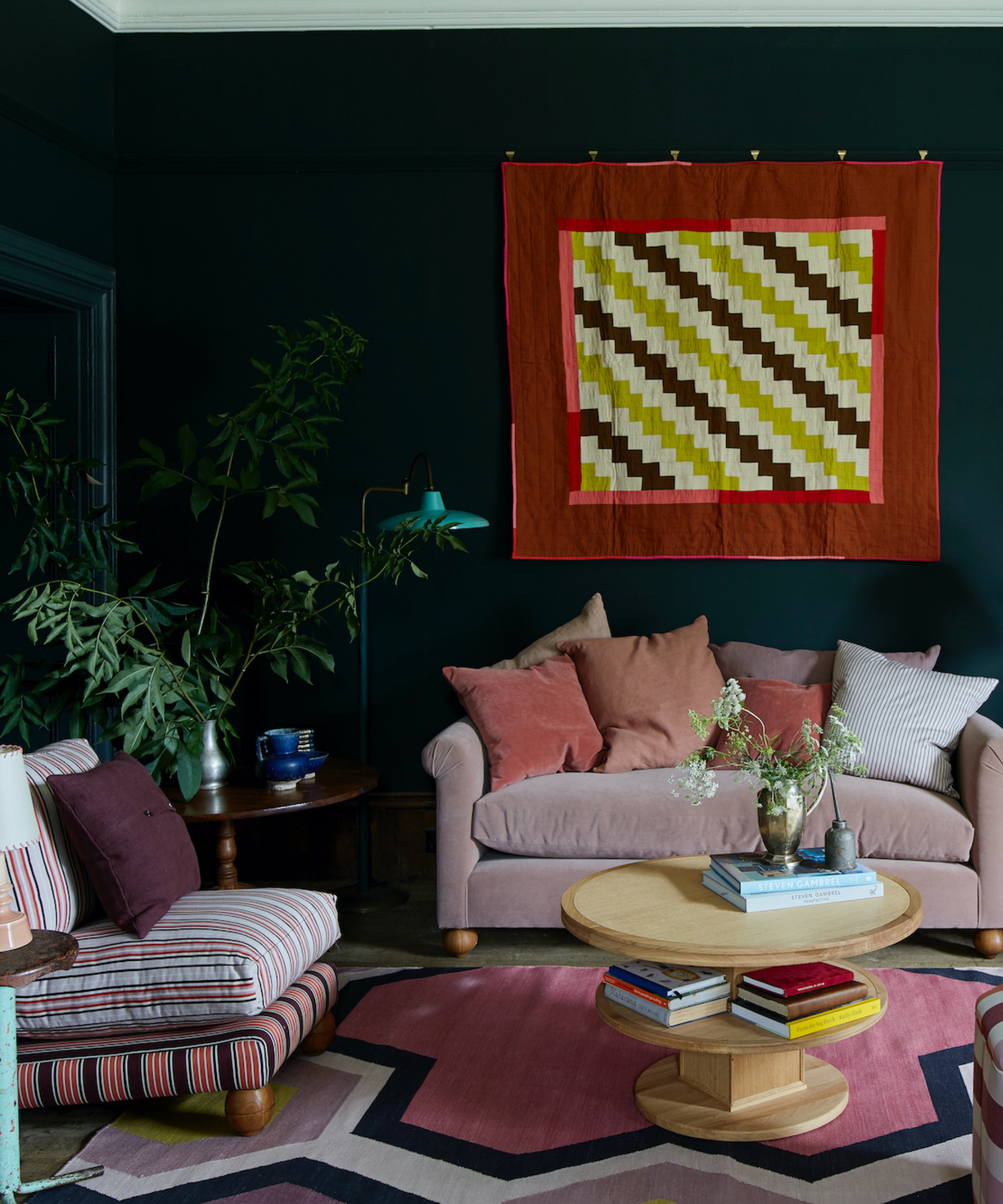
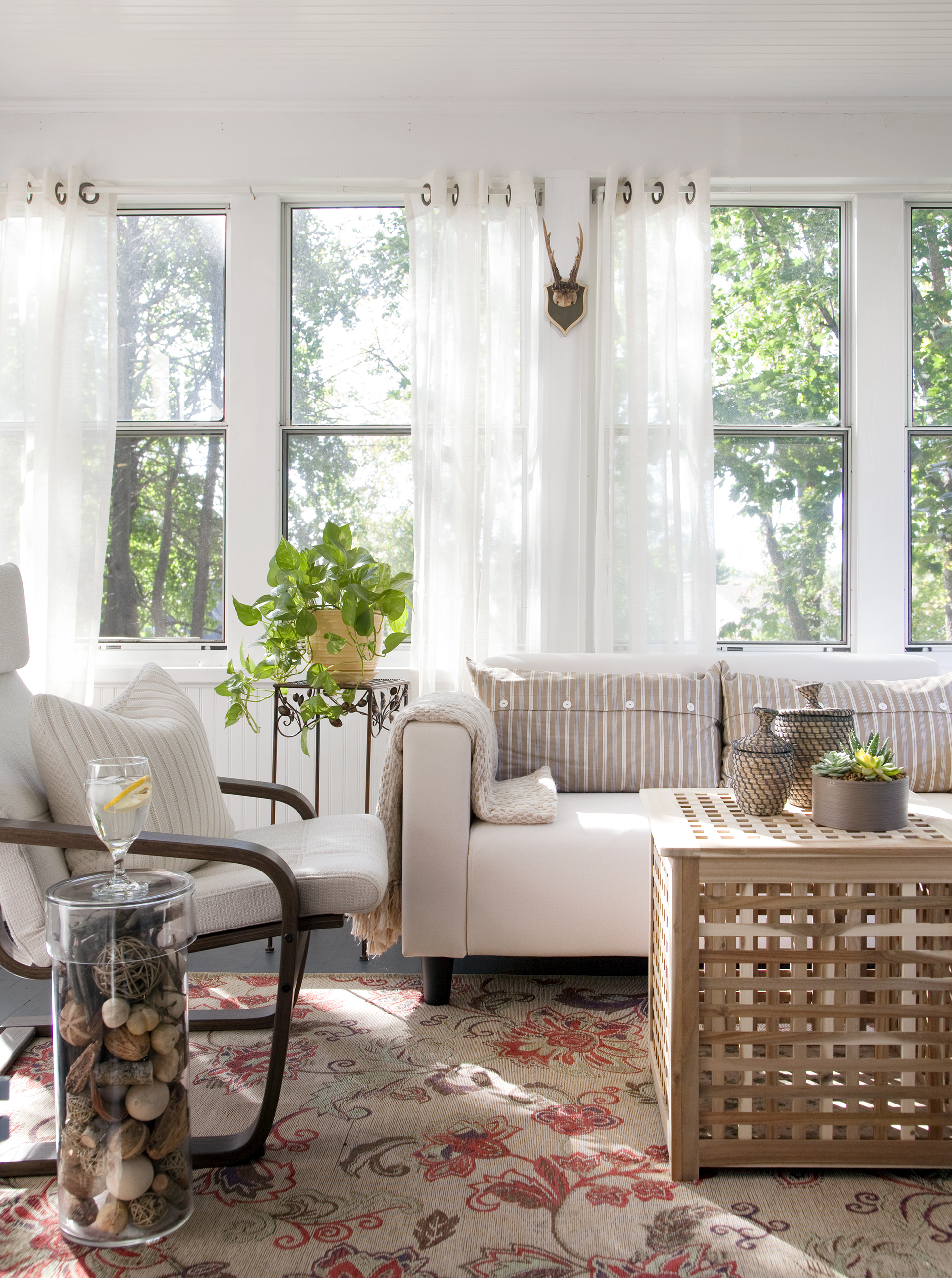
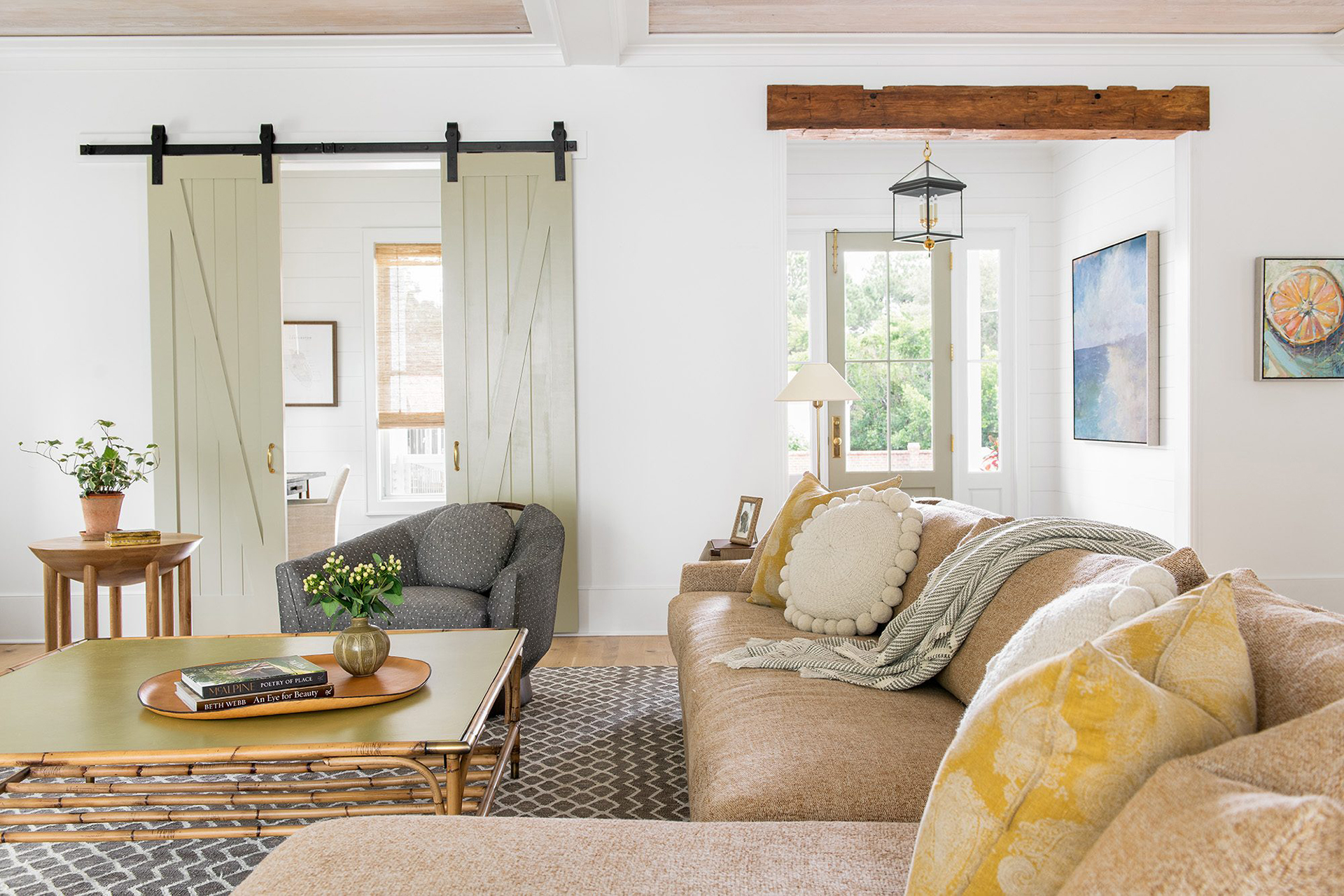
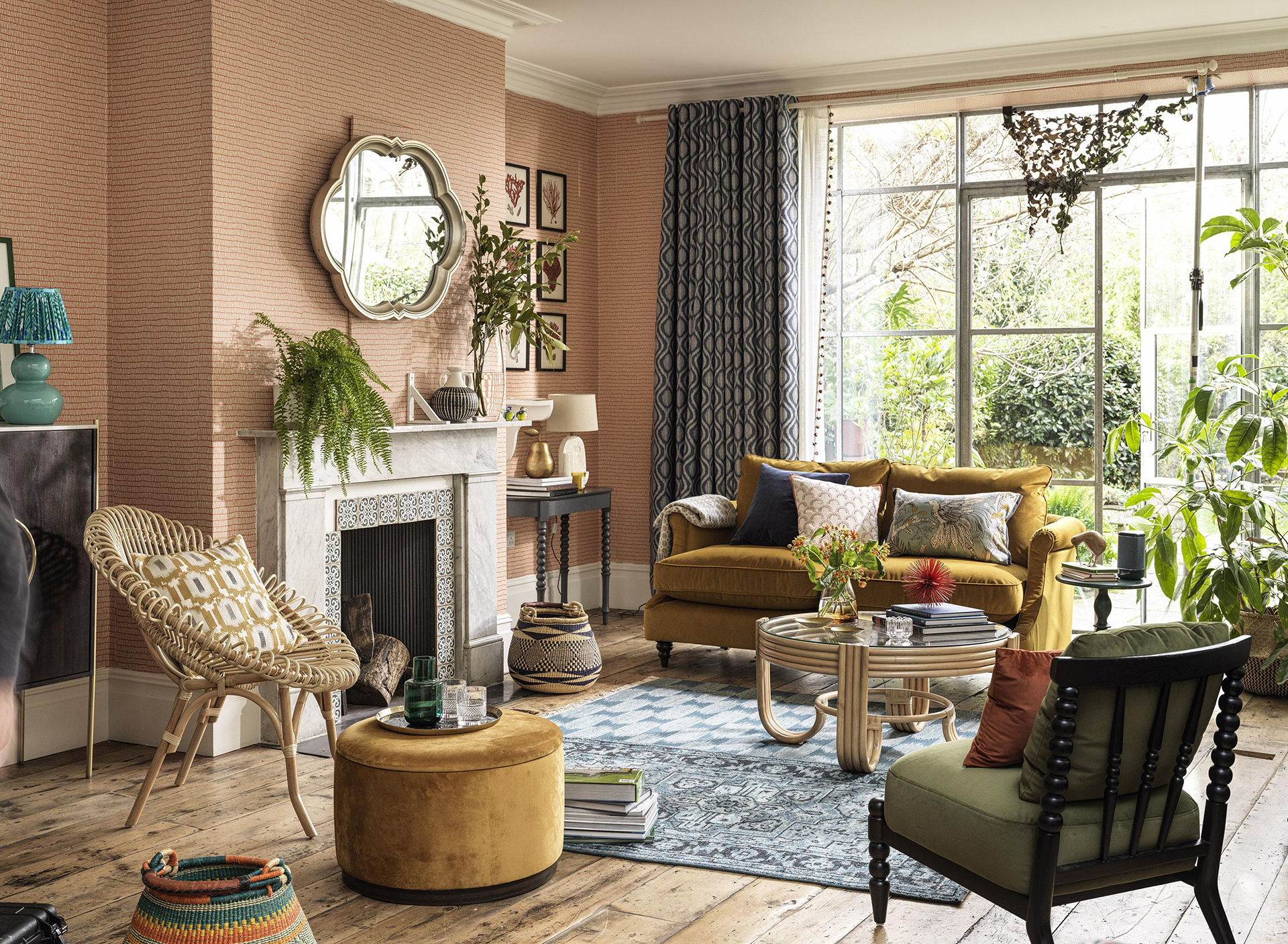
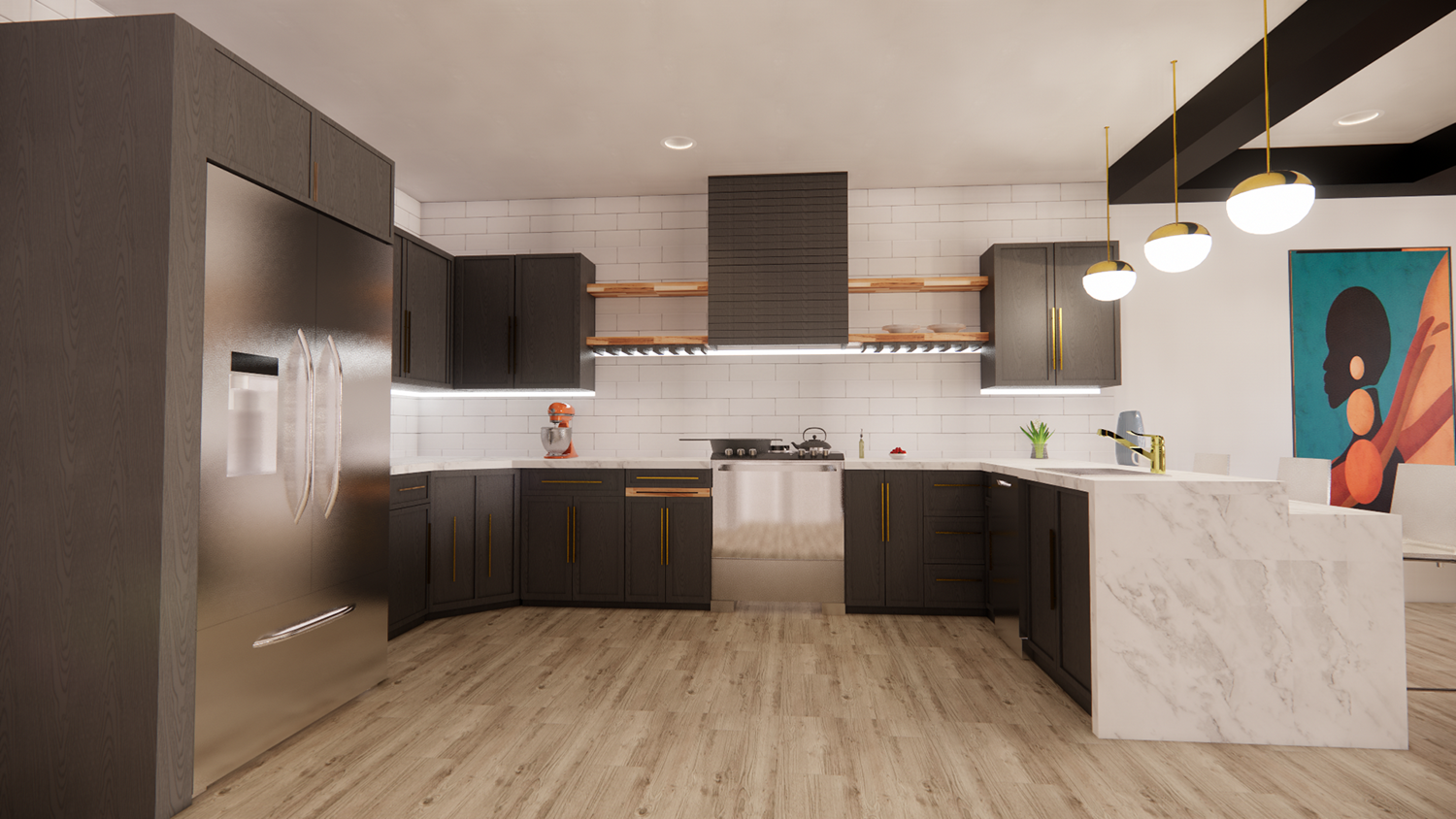
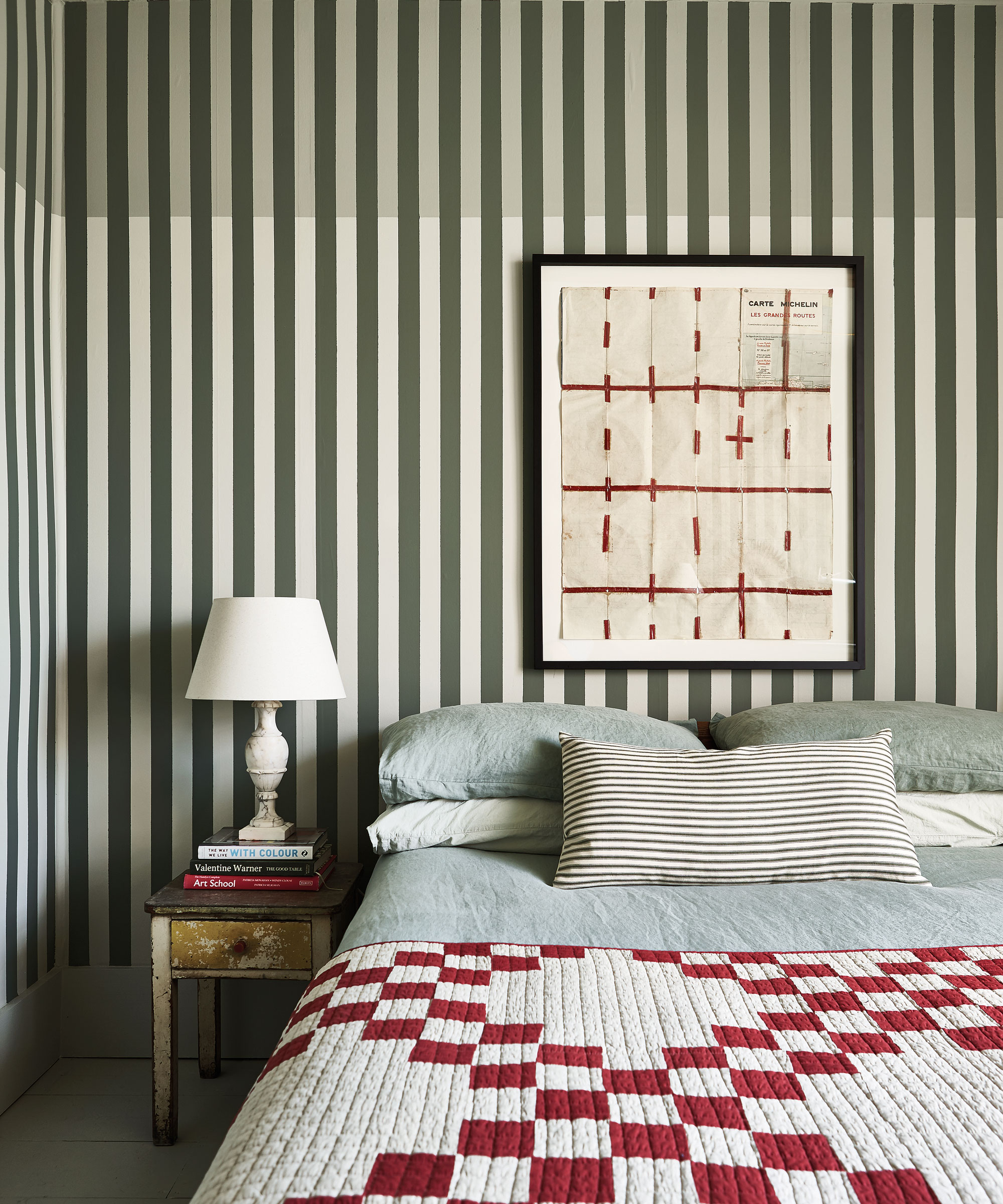
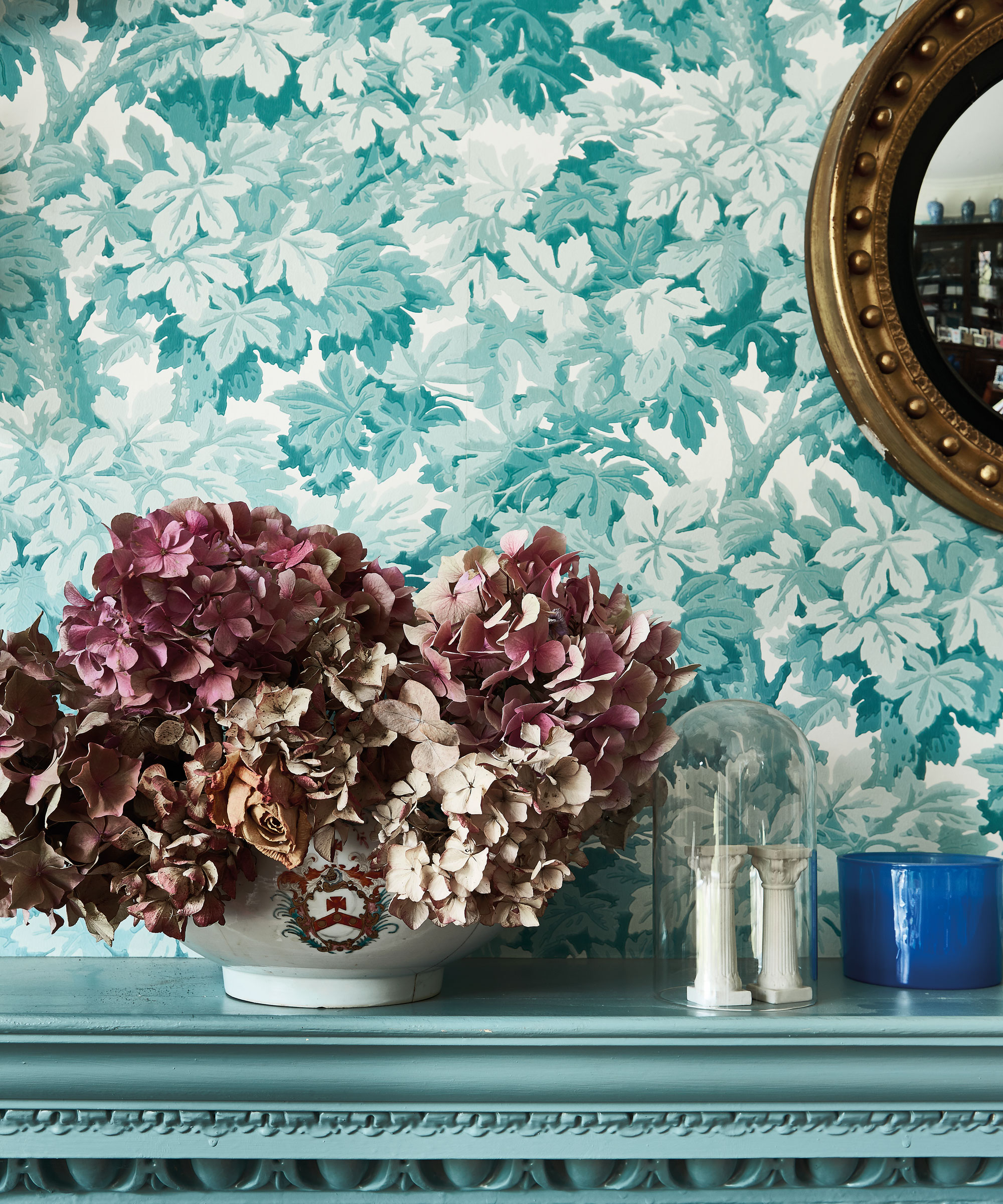
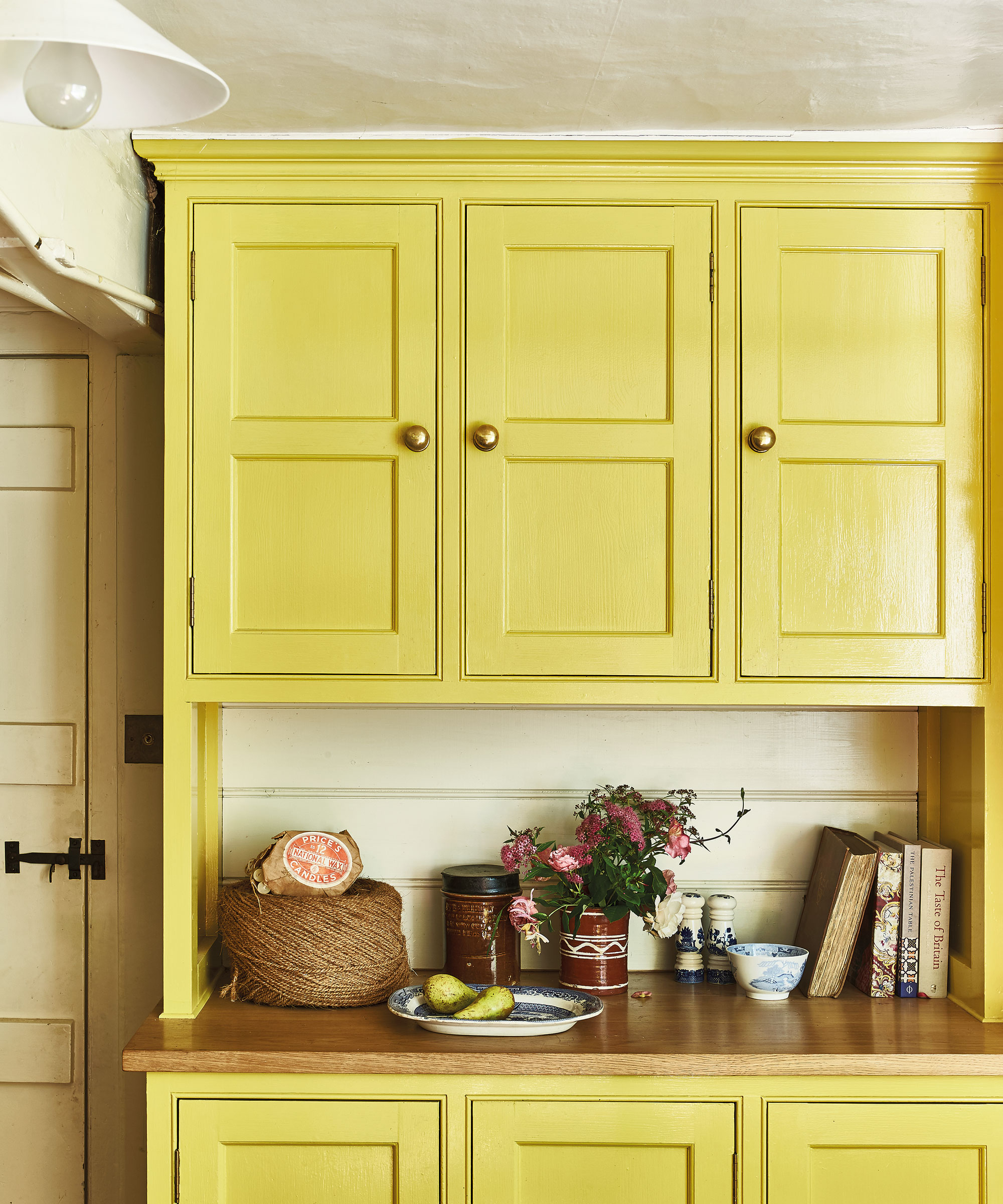
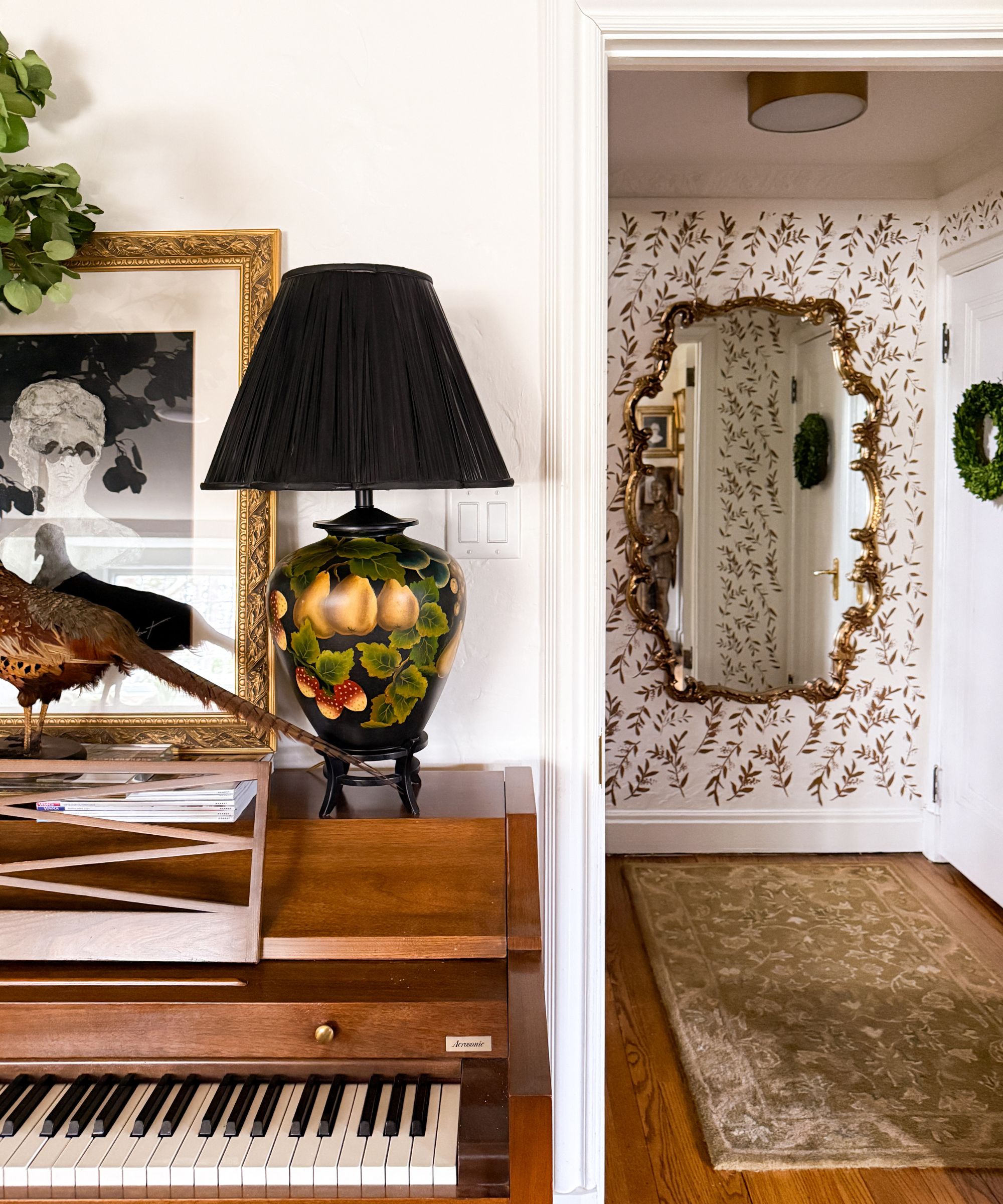
Traditional interior design, though sometimes perceived as old-fashioned, offers a polished and refined aesthetic when executed correctly. This style draws its roots from 18th and 19th-century European interiors, embodying a sense of history and timelessness. Designers like Paloma Contreras and Elizabeth Ghia emphasize that while its origins are deeply historical, contemporary traditional design reinterprets these cues in a modern context, creating spaces that feel curated and evolved rather than dated.
Traditional design largely references design styles originating in Europe, particularly England and France, during the 18th and 19th centuries. Influences range from Louis XVI furniture and English Regency mahogany to Chippendale designs and the use of passementerie. A common thread in these interiors is a sense of formality and appropriateness. However, it's important to acknowledge that other cultures possess their own unique traditional styles. This historical period was significantly inspired by classical antiquity, mirroring how neoclassical design, known as Empire style in France and Regency in England, valued symmetry and less dramatic ornamentation. Early color palettes typically featured rich hues and dark wood finishes.
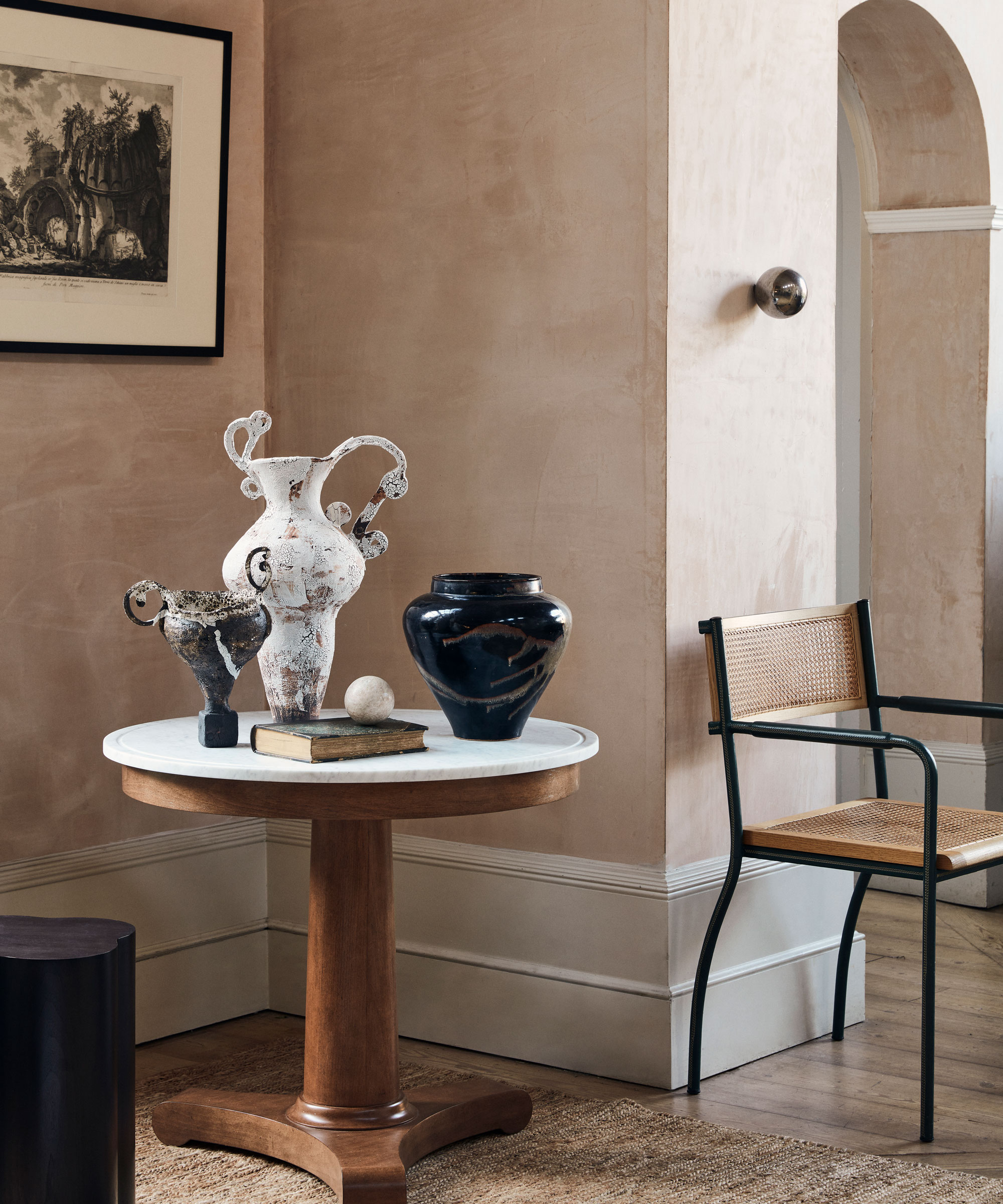
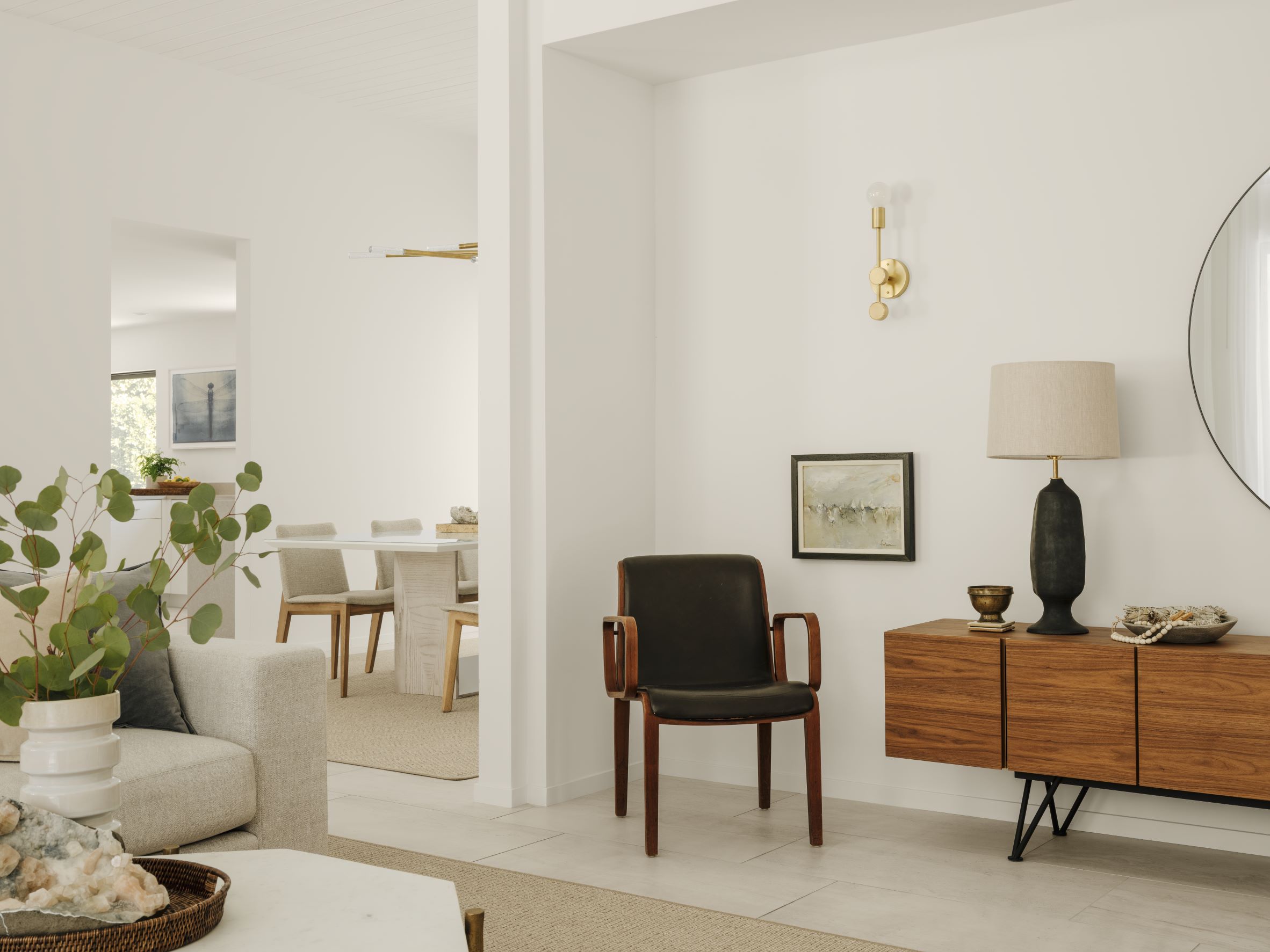
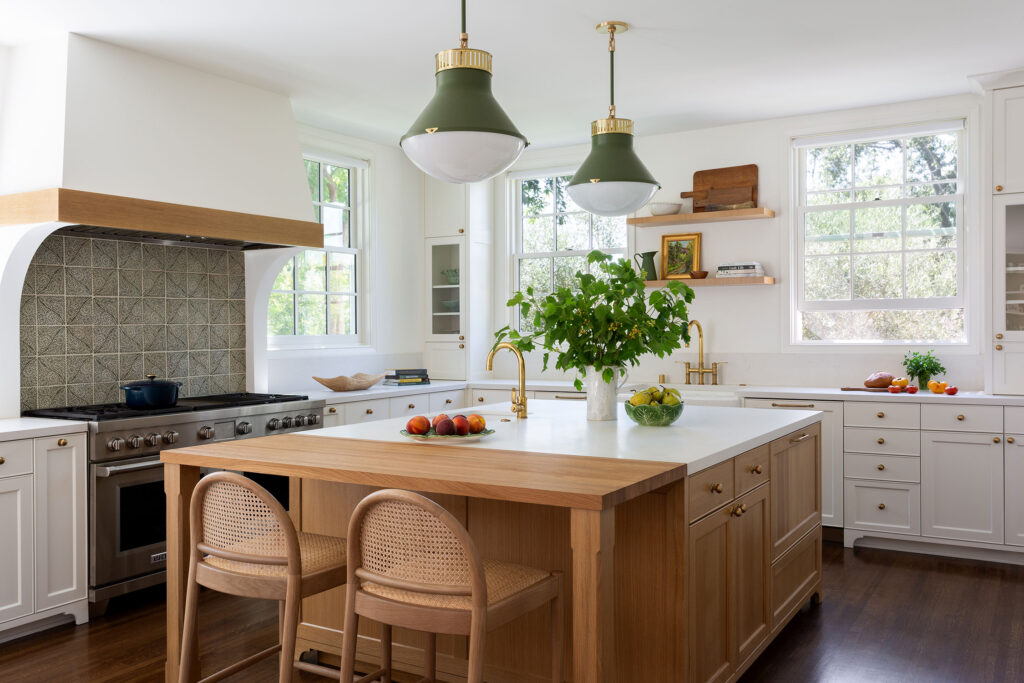
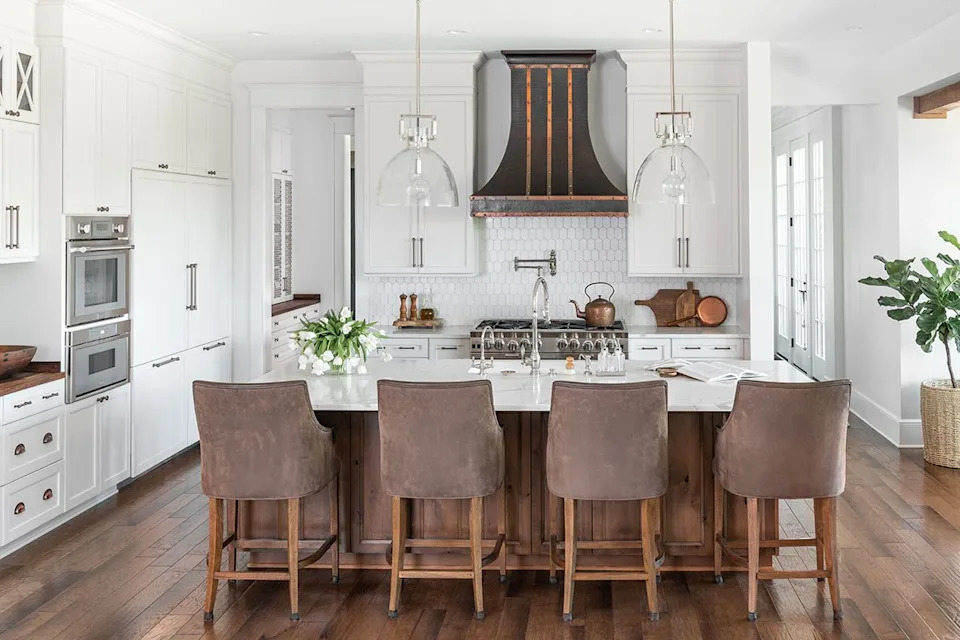
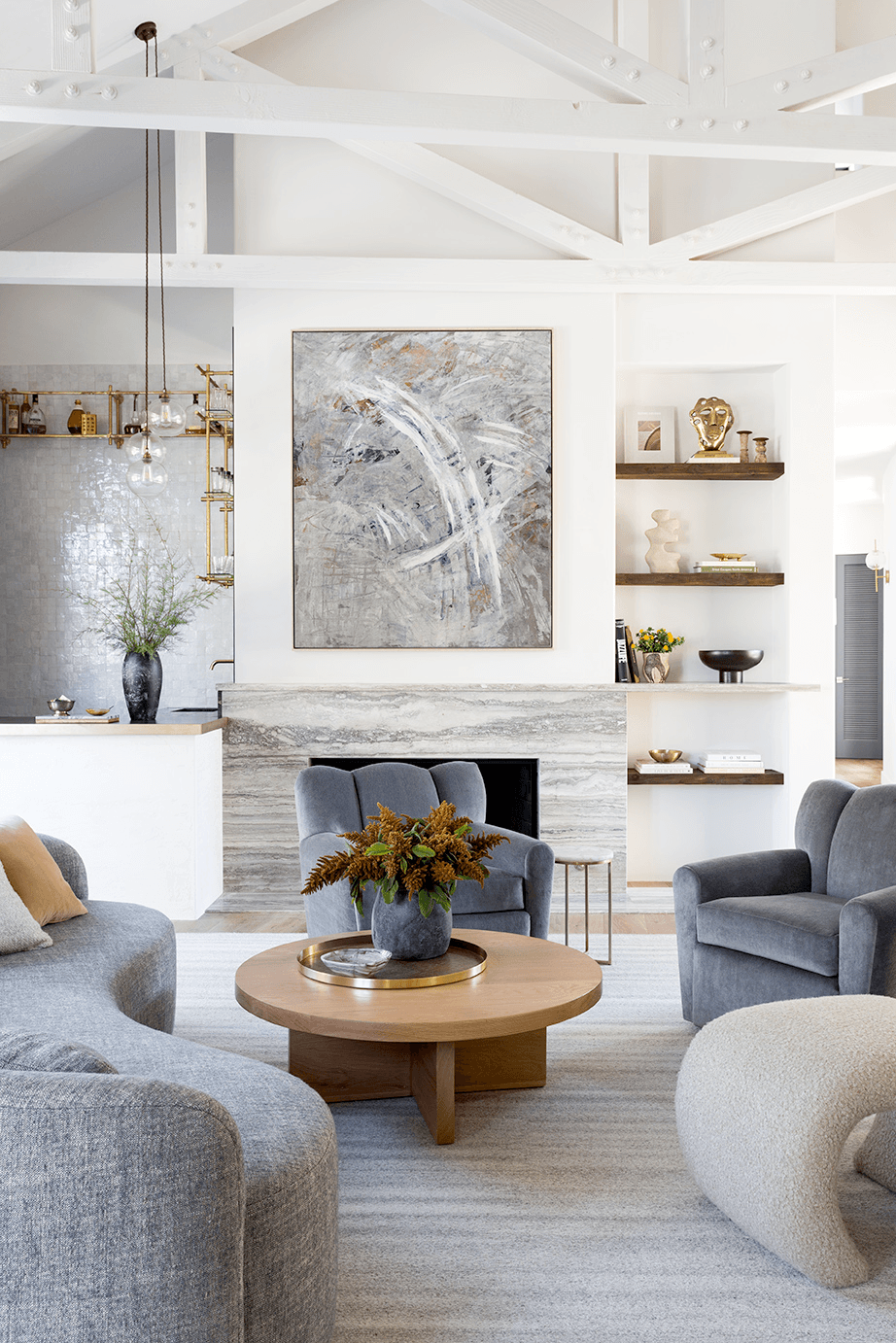
Today, the term 'traditional' is interpreted more broadly, often encompassing items older than 50 years, distinguishing them from 'vintage' items which are 30–40 years old. Contemporary traditional interiors honor their historical roots by blending polished antique furniture with modern design elements. The key is to achieve a collected and evolved look, as if pieces have been inherited and gathered over time, rather than a strictly period-specific aesthetic. This approach allows for the incorporation of diverse eras and styles, creating a unique narrative within a home. While similar to transitional interiors, traditional design tends to lean more heavily on classic design principles.
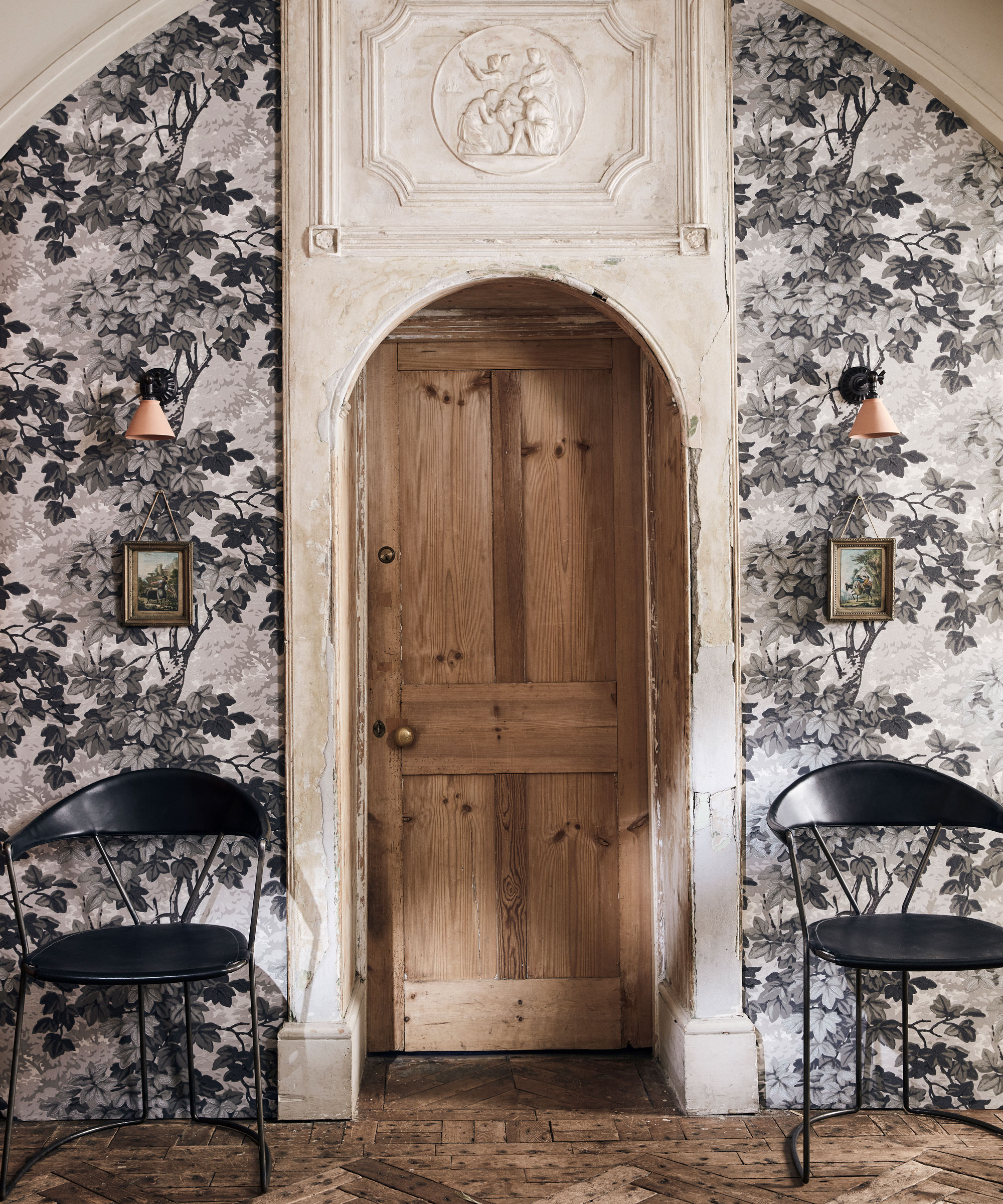
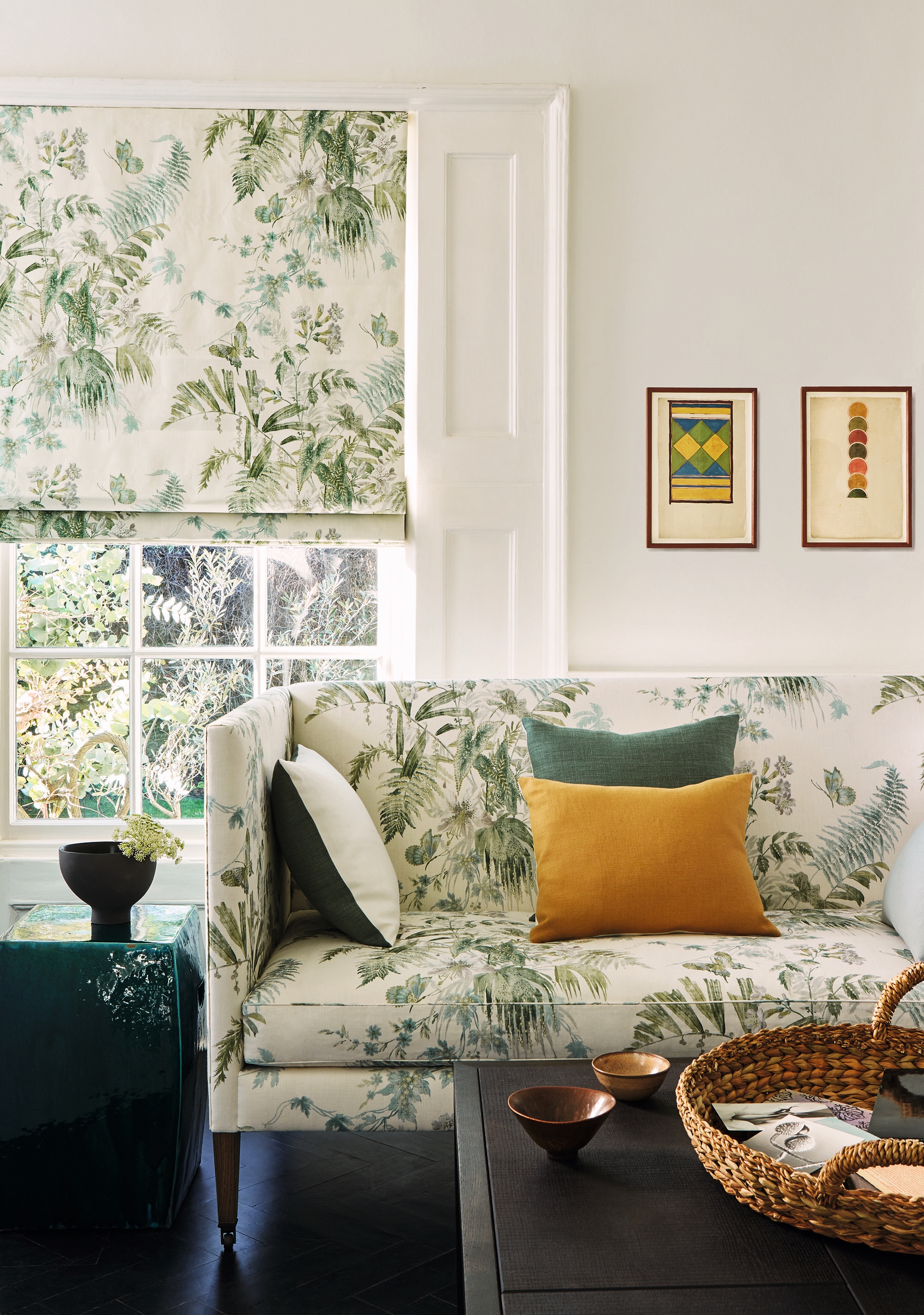
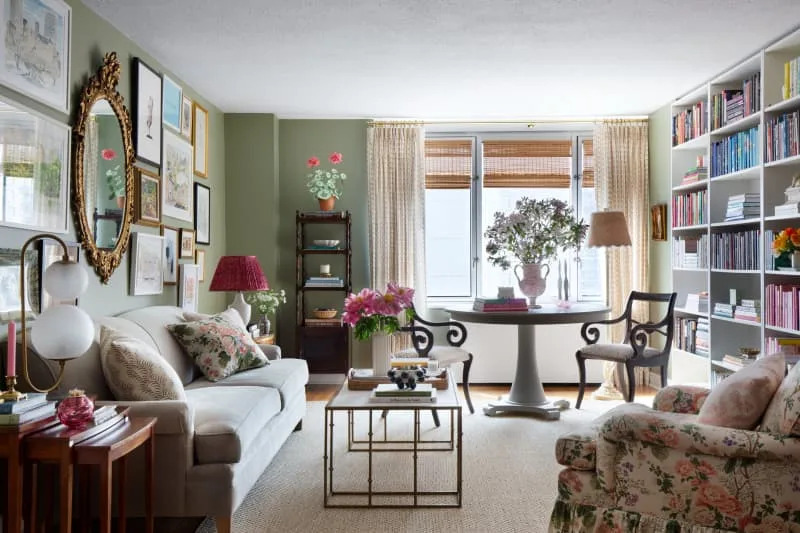
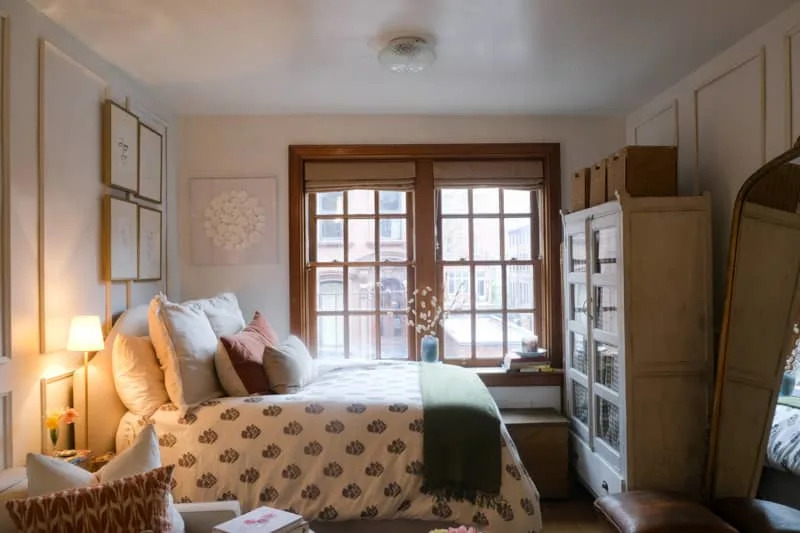
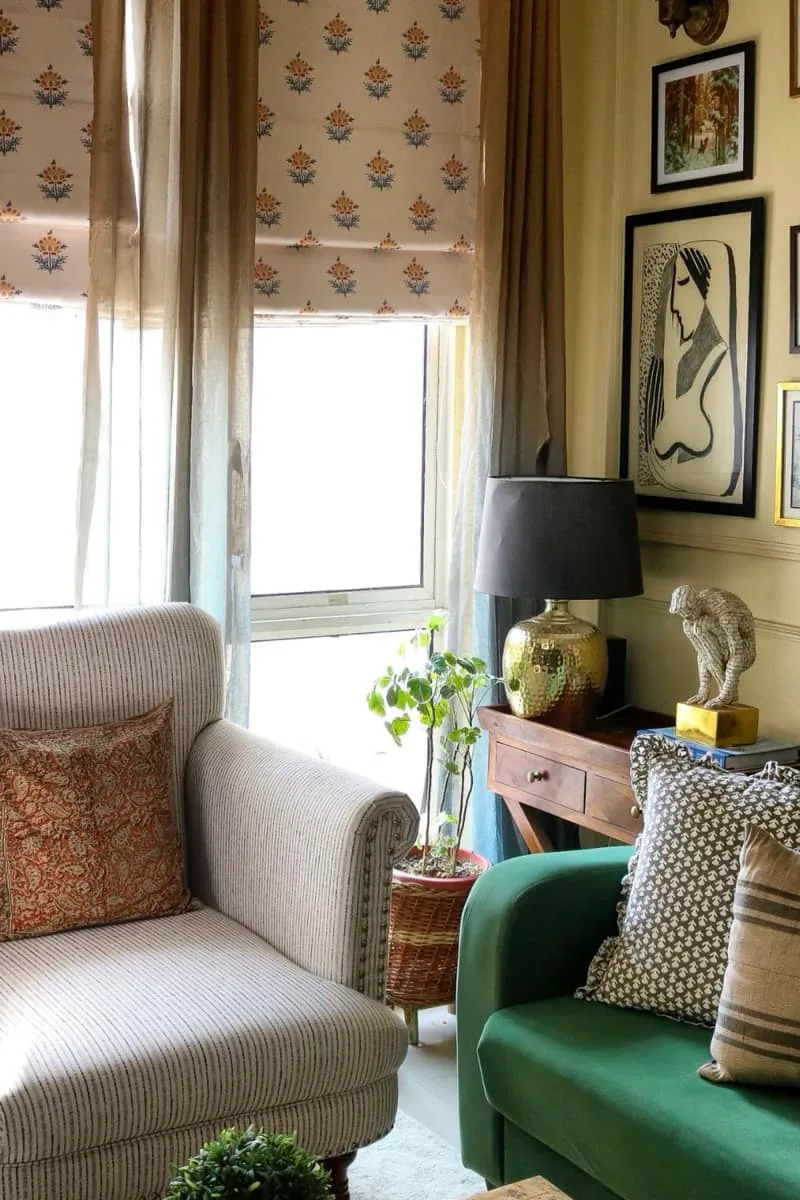
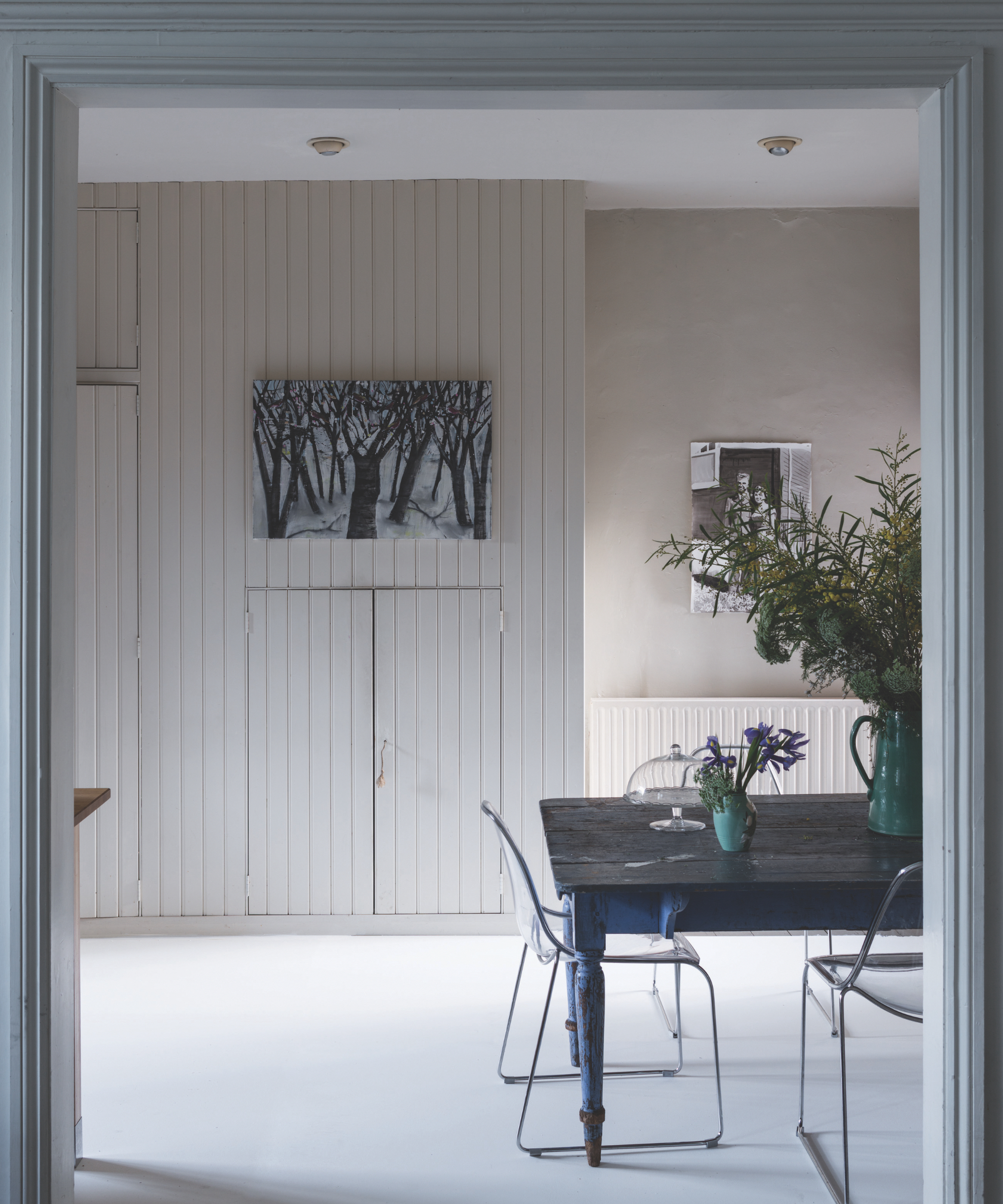
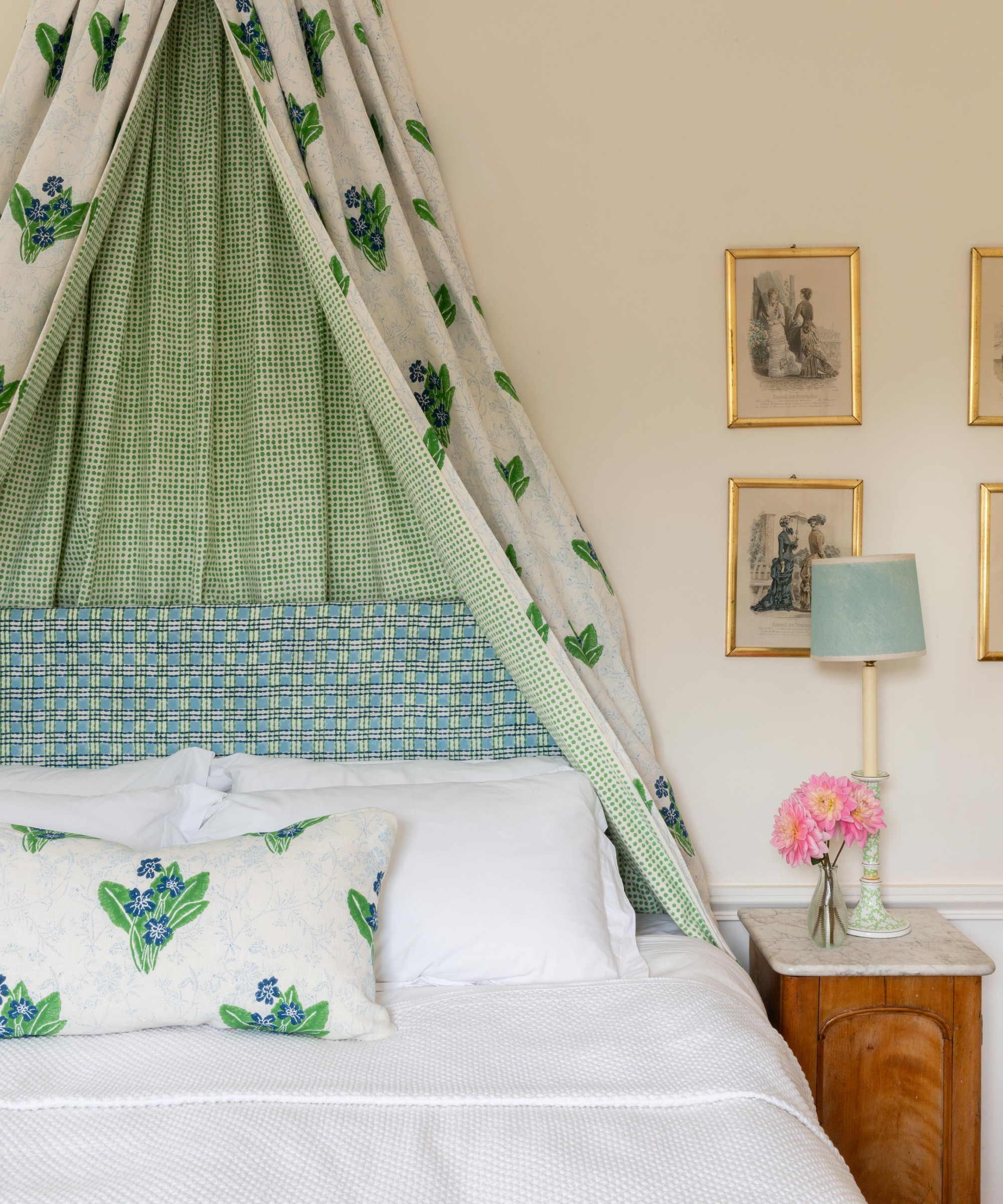
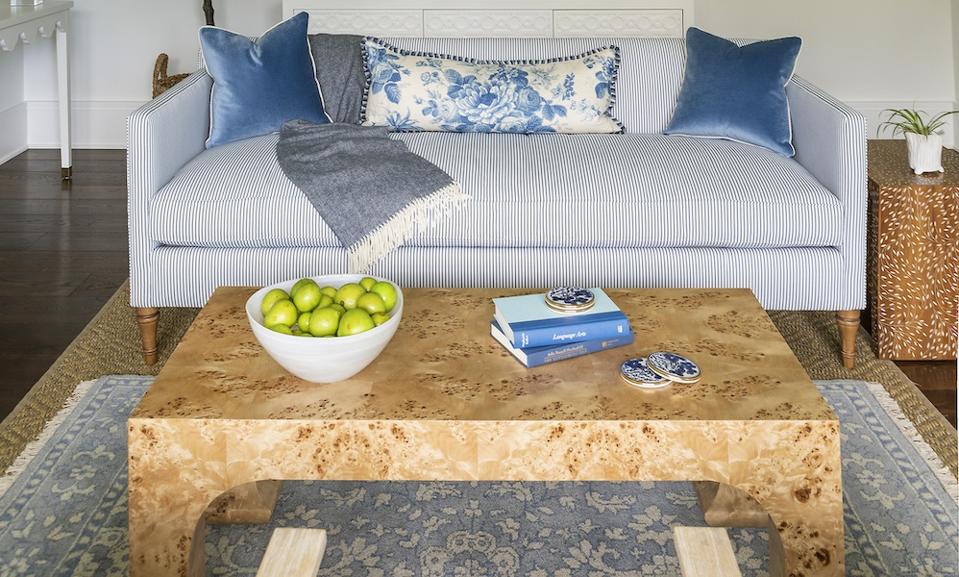
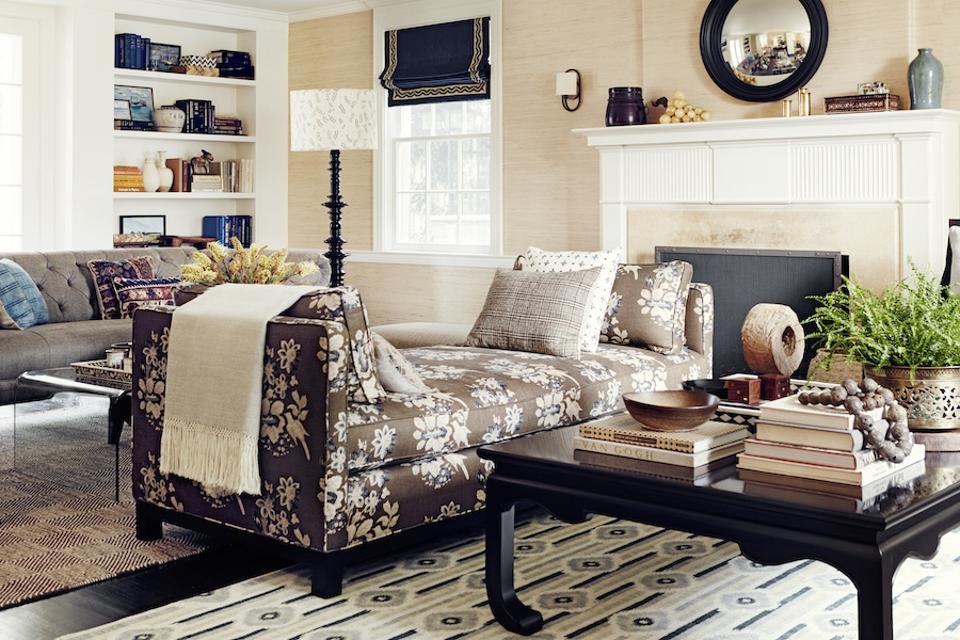
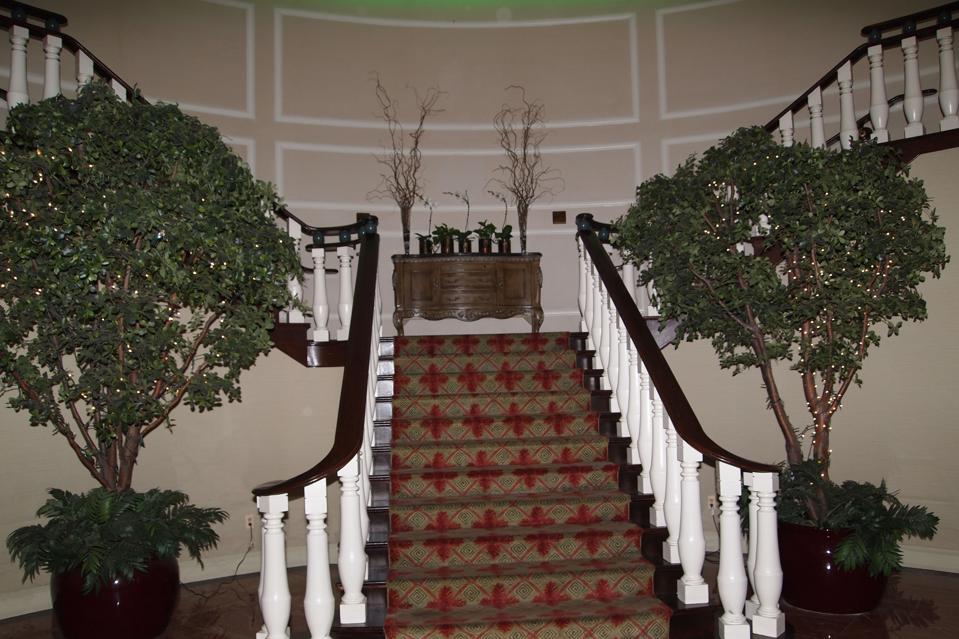
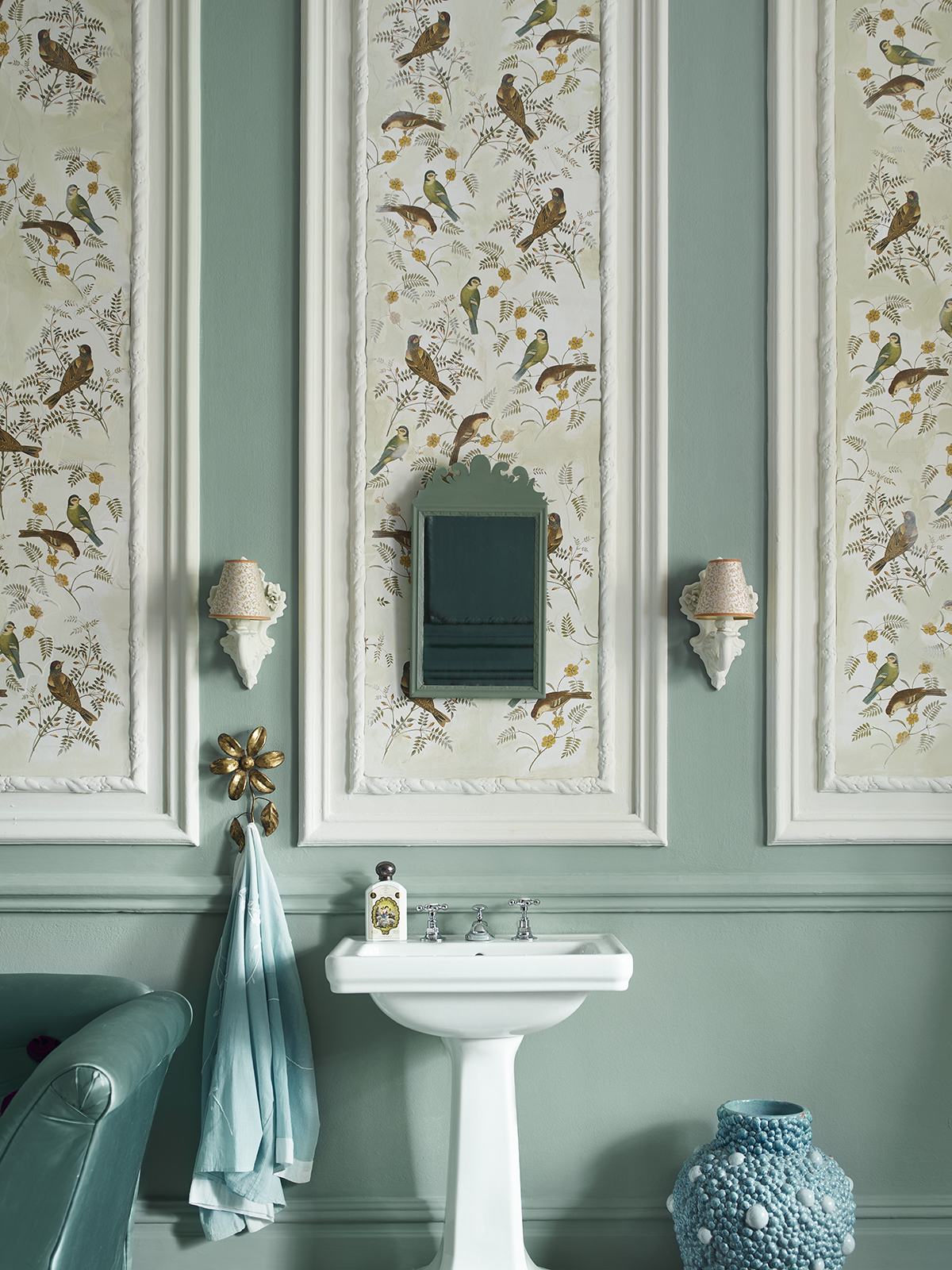
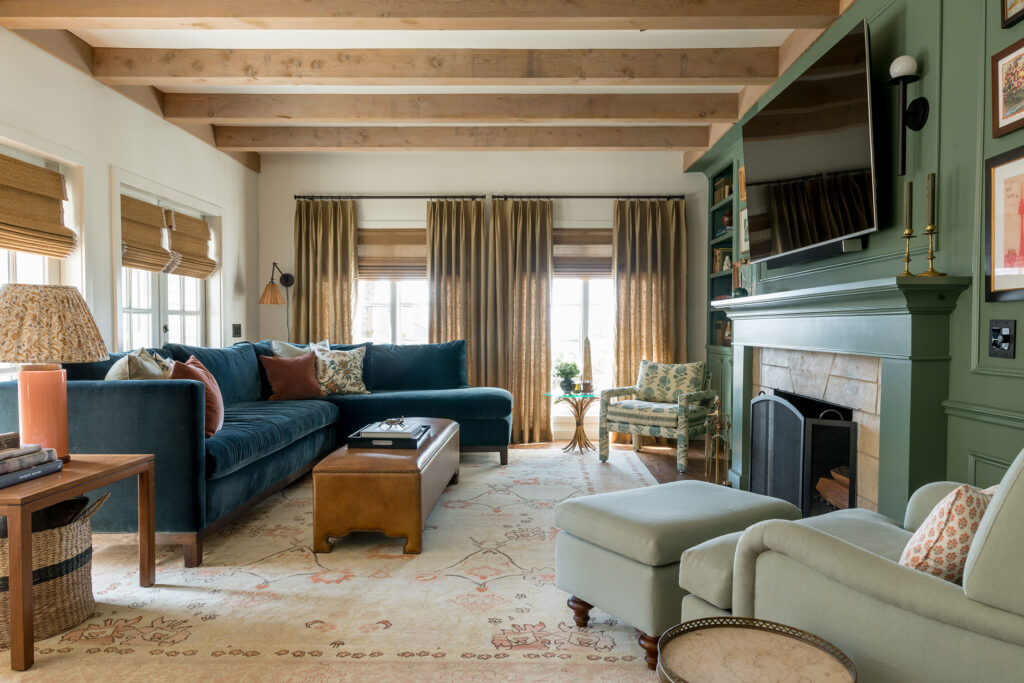
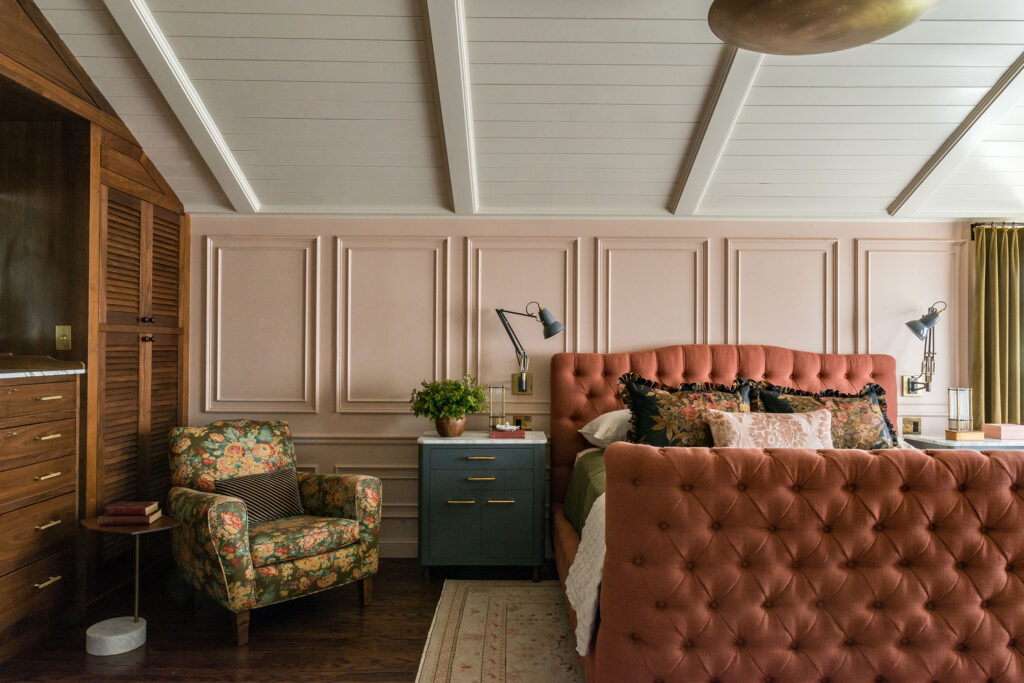
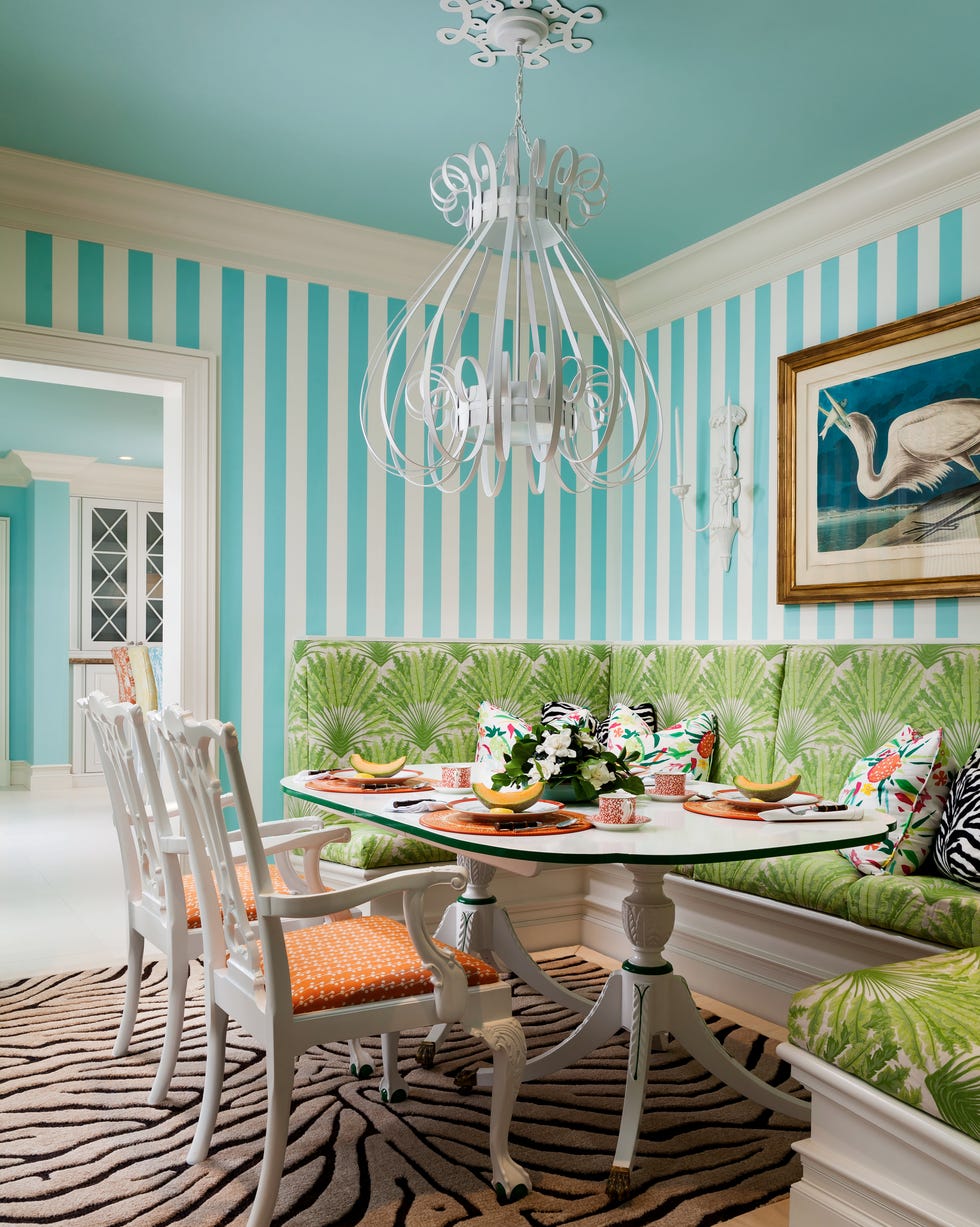
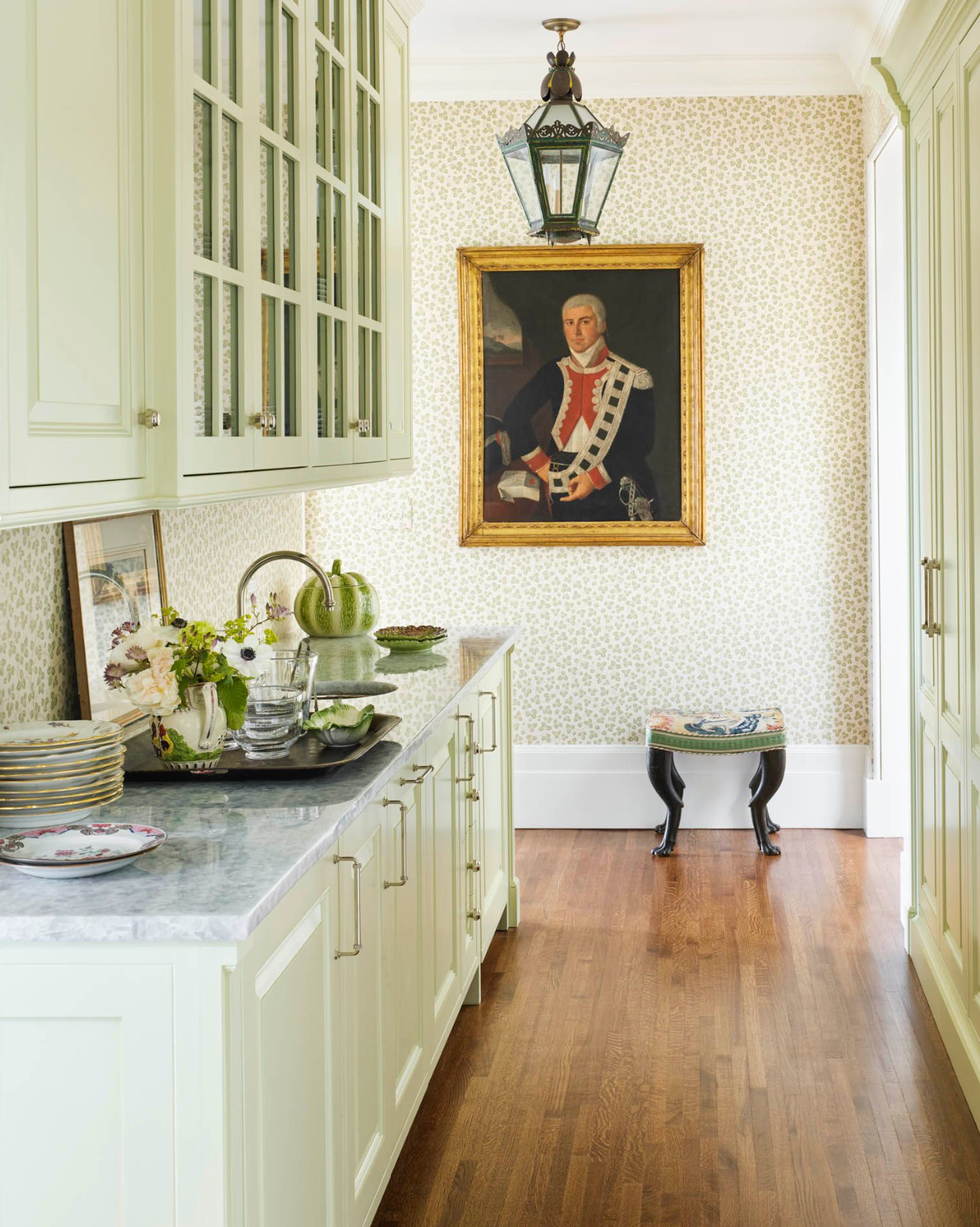


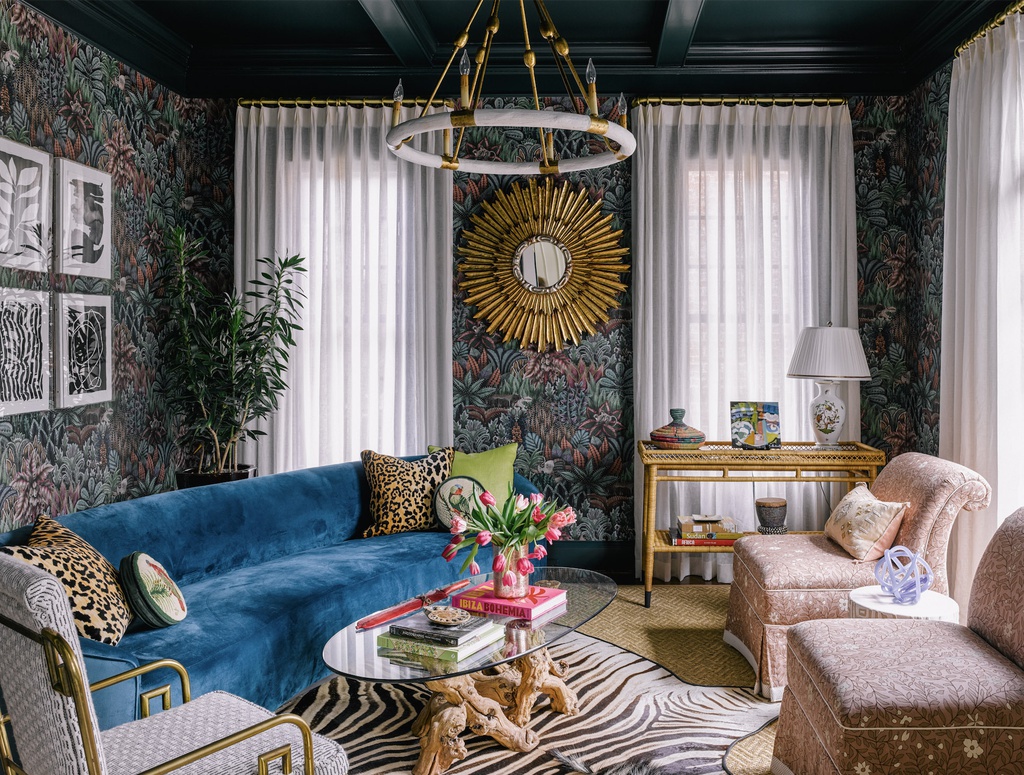
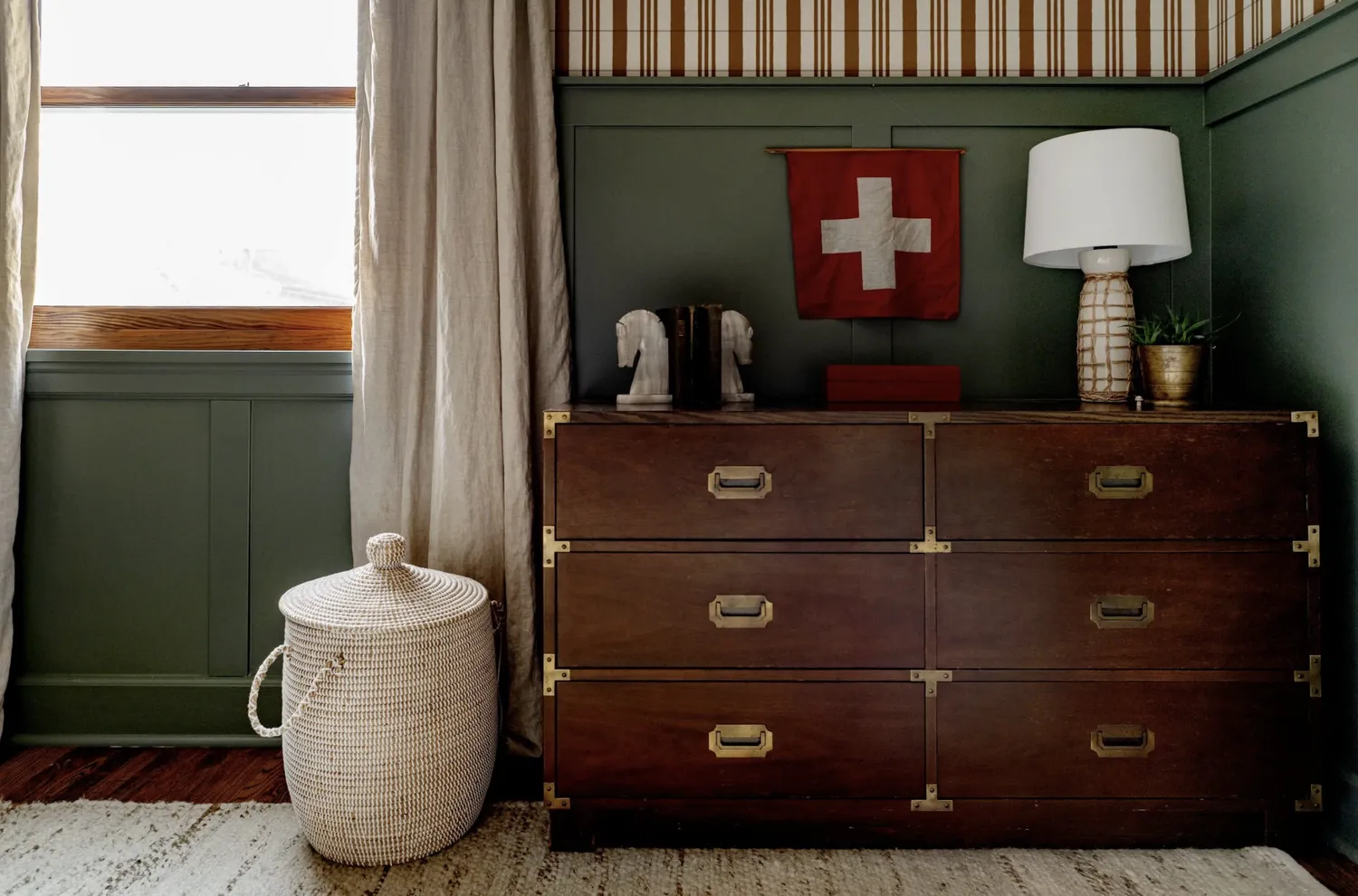
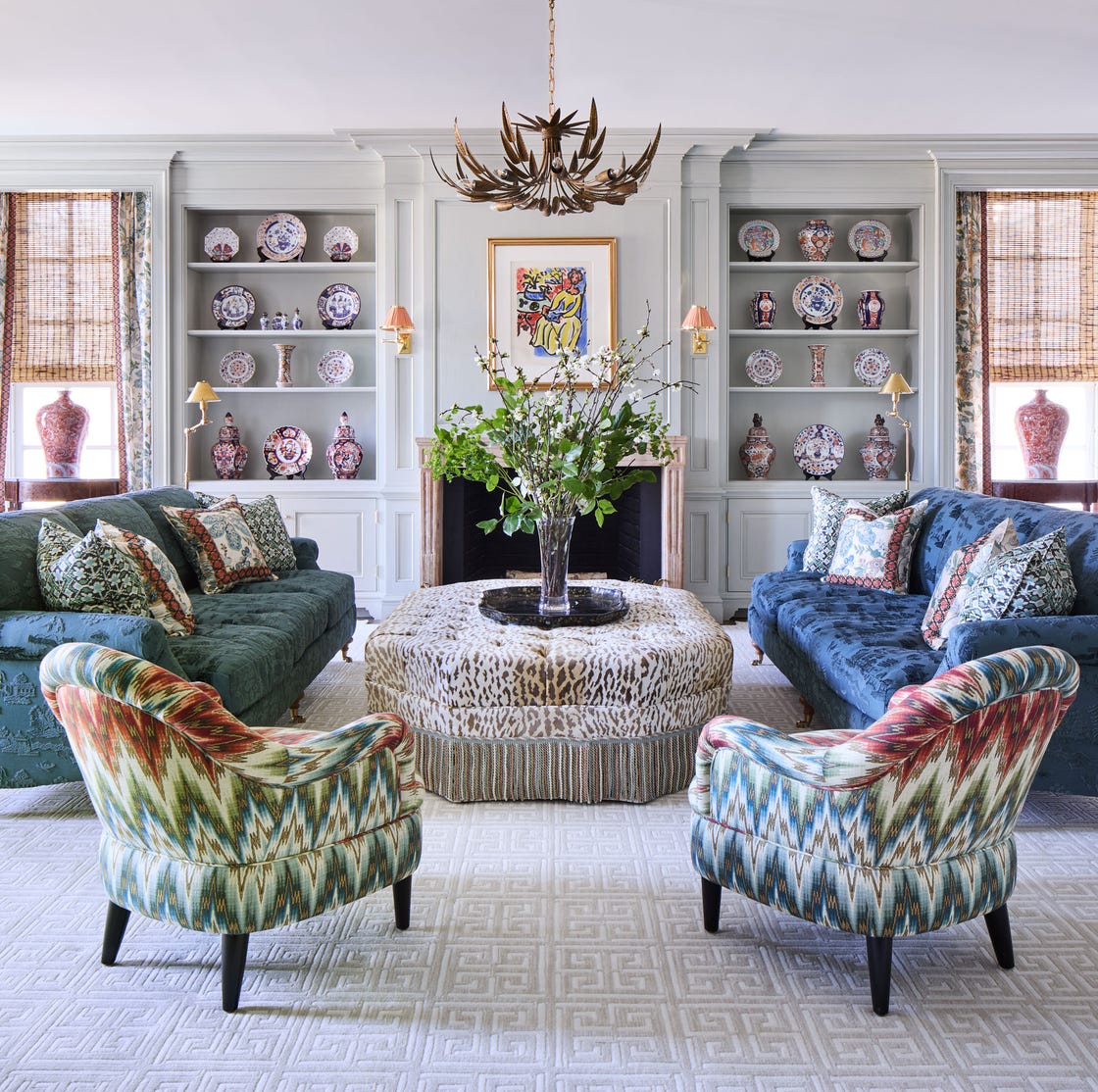
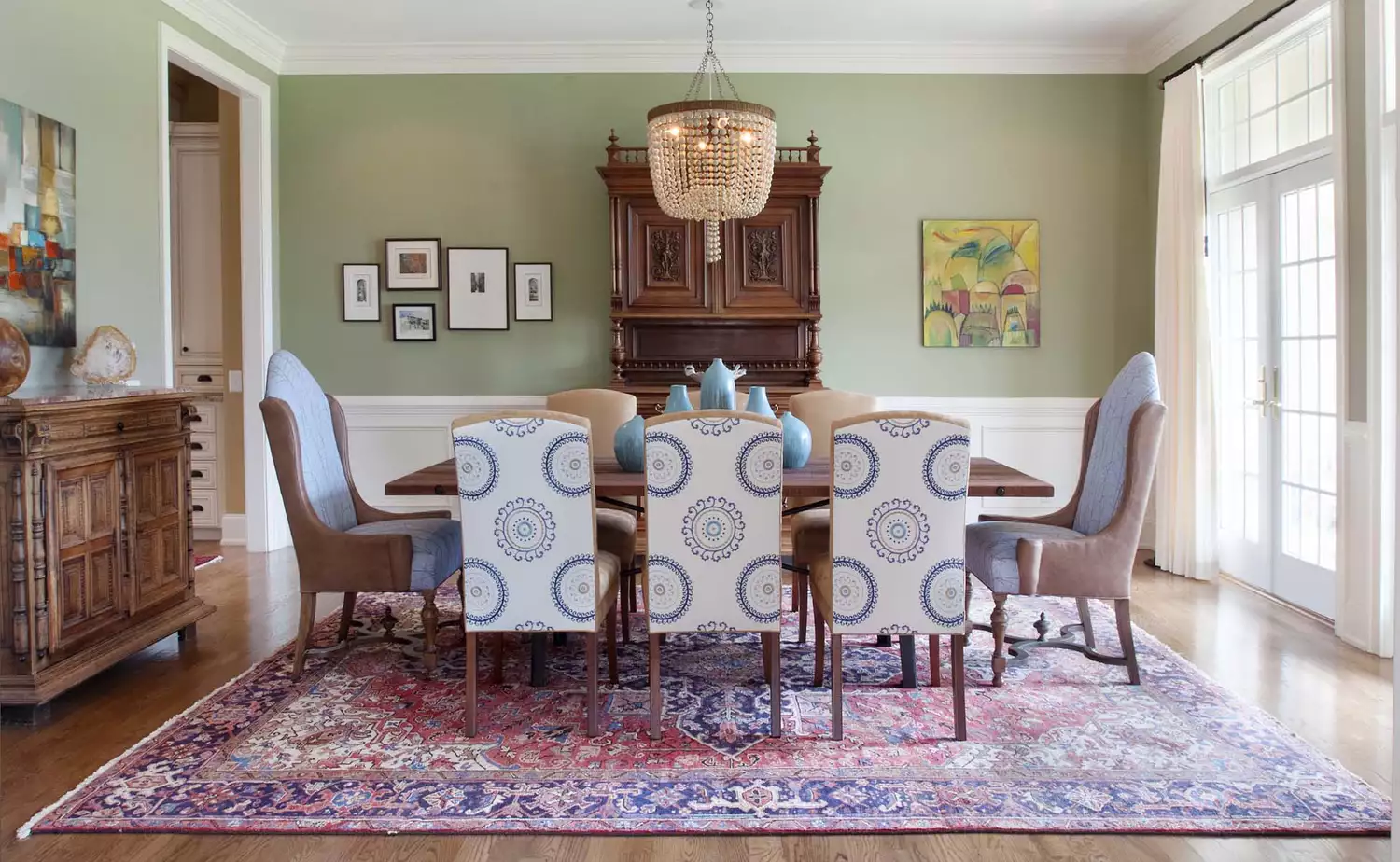
Key elements defining traditional interior design include an emphasis on symmetry and order, alongside traditional architectural details such as wainscoting and crown molding. Classic decor elements like chandeliers and bookcases are prominent. Color schemes often feature neutral bases with pops of bold jewel tones. Upholstery and textiles tend to be subtle, utilizing materials like cotton, velvet, or wool. Furniture typically showcases traditional silhouettes, though often updated with modern finishes. Layered window treatments, though without common valances, and classic patterns like plaids, damask, or florals are also characteristic. Flooring usually consists of darker wood.
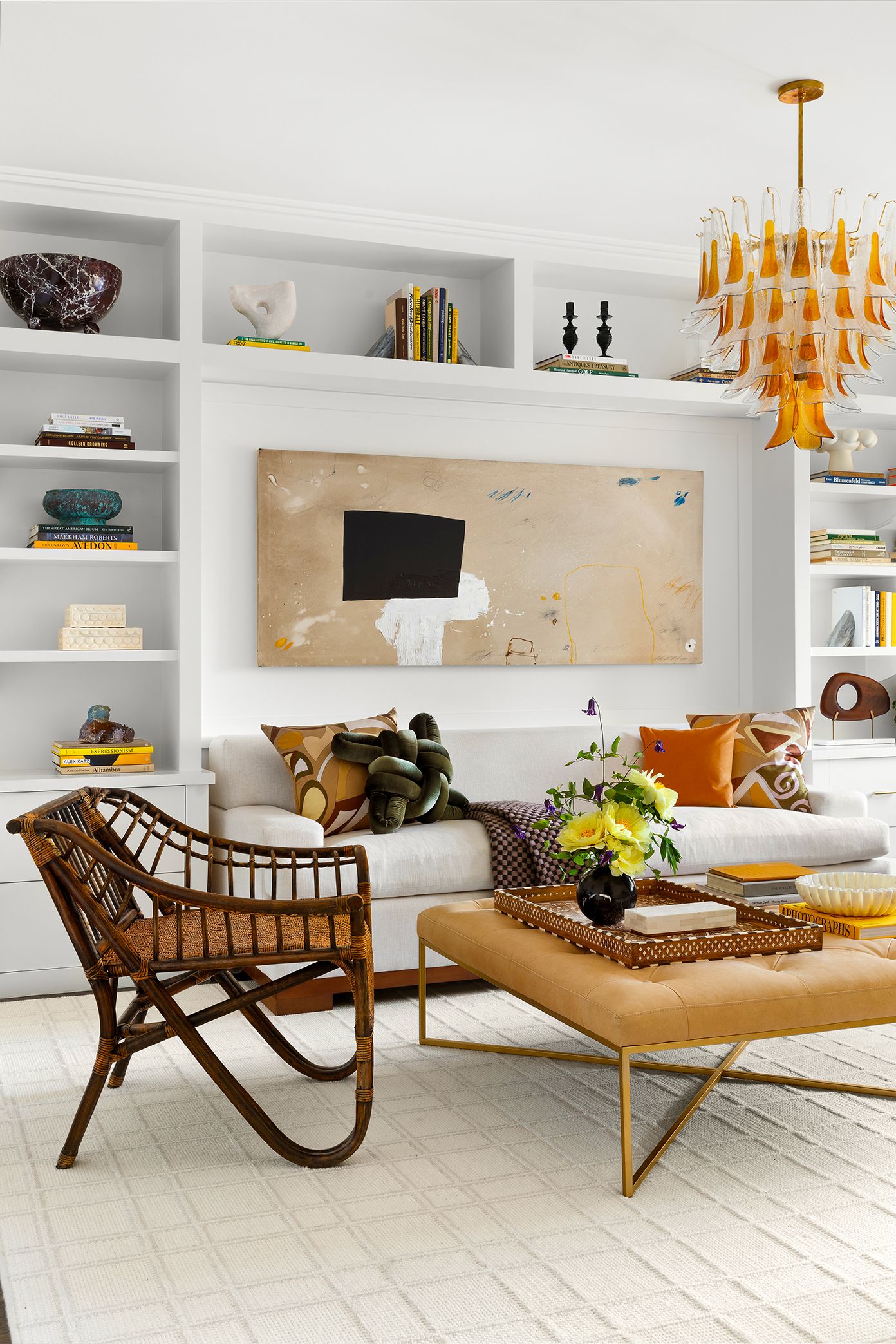
To integrate traditional interior design into a home, experts advise beginning by collecting pieces that hold personal meaning. The aim is to create interiors that reflect the occupants' backgrounds and lifestyles. While a foundation of traditional silhouettes for investment pieces like sofas and dining tables provides timelessness, modern art and light fixtures can introduce a contemporary freshness. This method ensures that the home remains relevant without looking 'too today,' thus avoiding a dated appearance in the future. The process of curating such an interior should be unhurried, allowing for thoughtful selection and gradual accumulation of items.
#traditionalDesign #interiorDesign #homeDecor #europeanInteriors #classicStyle #timelessDesign #designHistory #ElizabethGhia #PalomaContreras #traditionalDesign #interiorDesign #homeDecor #europeanInteriors #classicStyle #timelessDesign #designHistory #ElizabethGhia #PalomaContreras
0 comment in total
 No comments yet
You may also like
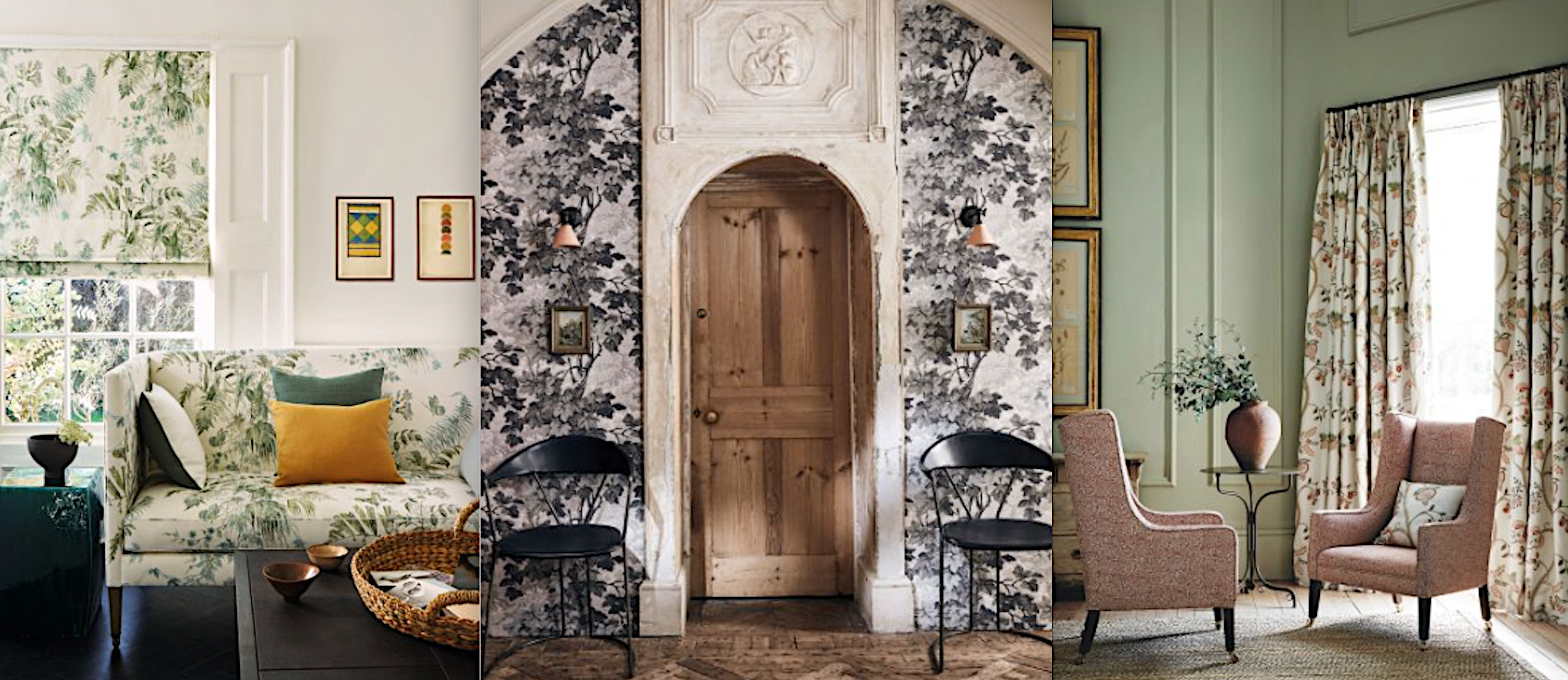
Traditional decorating ideas – 15 inspiring, timeless interiors

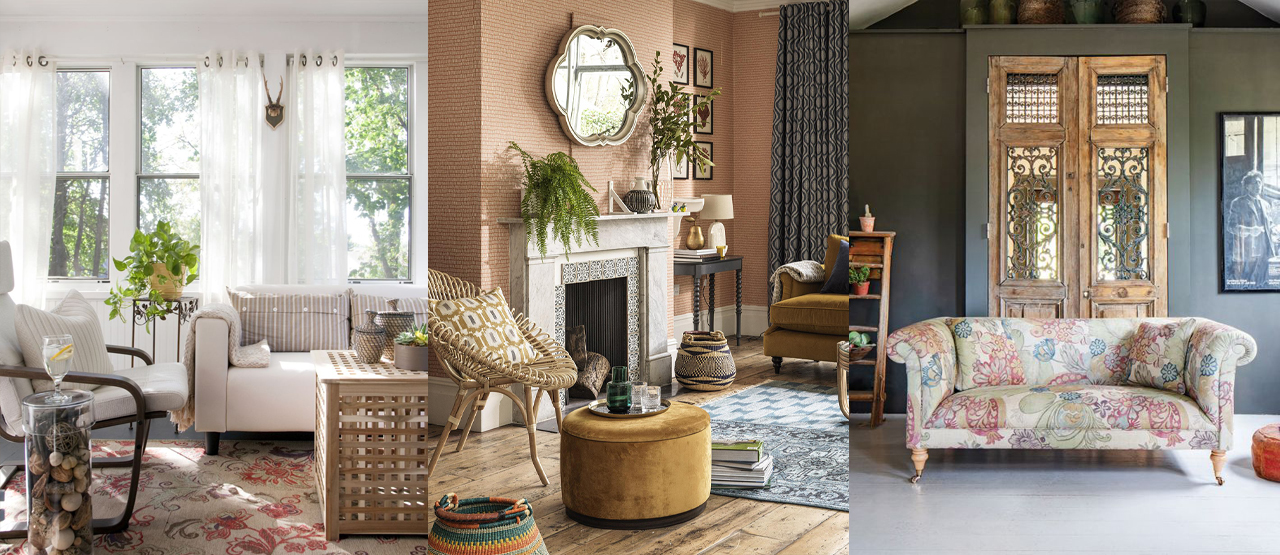
Traditional living room ideas – 20 classic decor looks for walls, floors and furniture
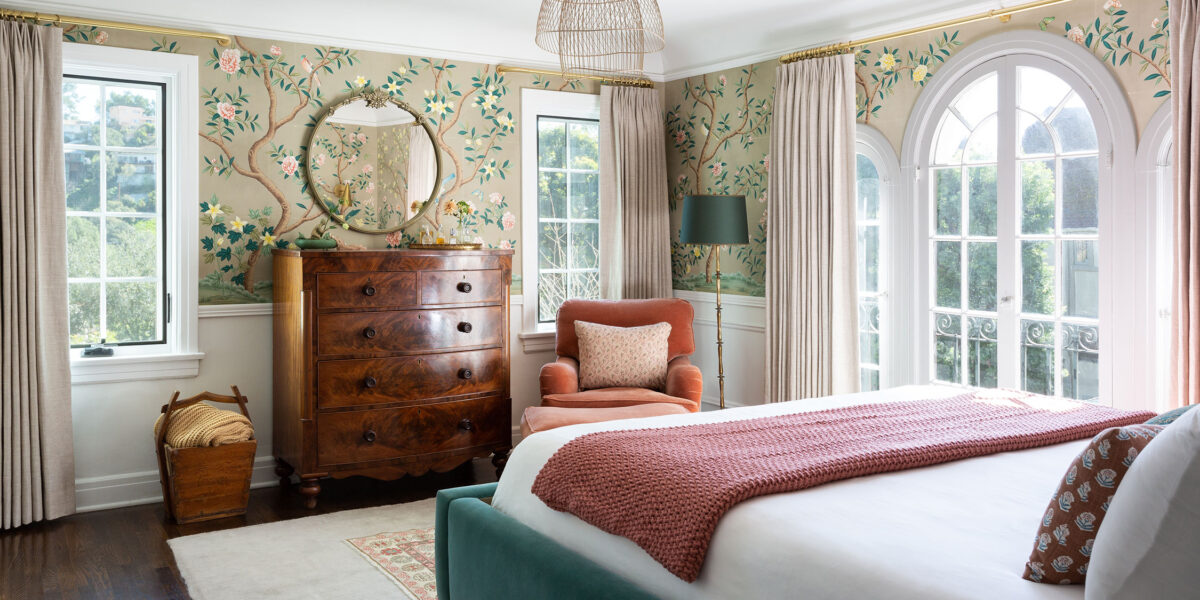
This Is Why Everyone’s Obsessed with Traditional Decor Right Now
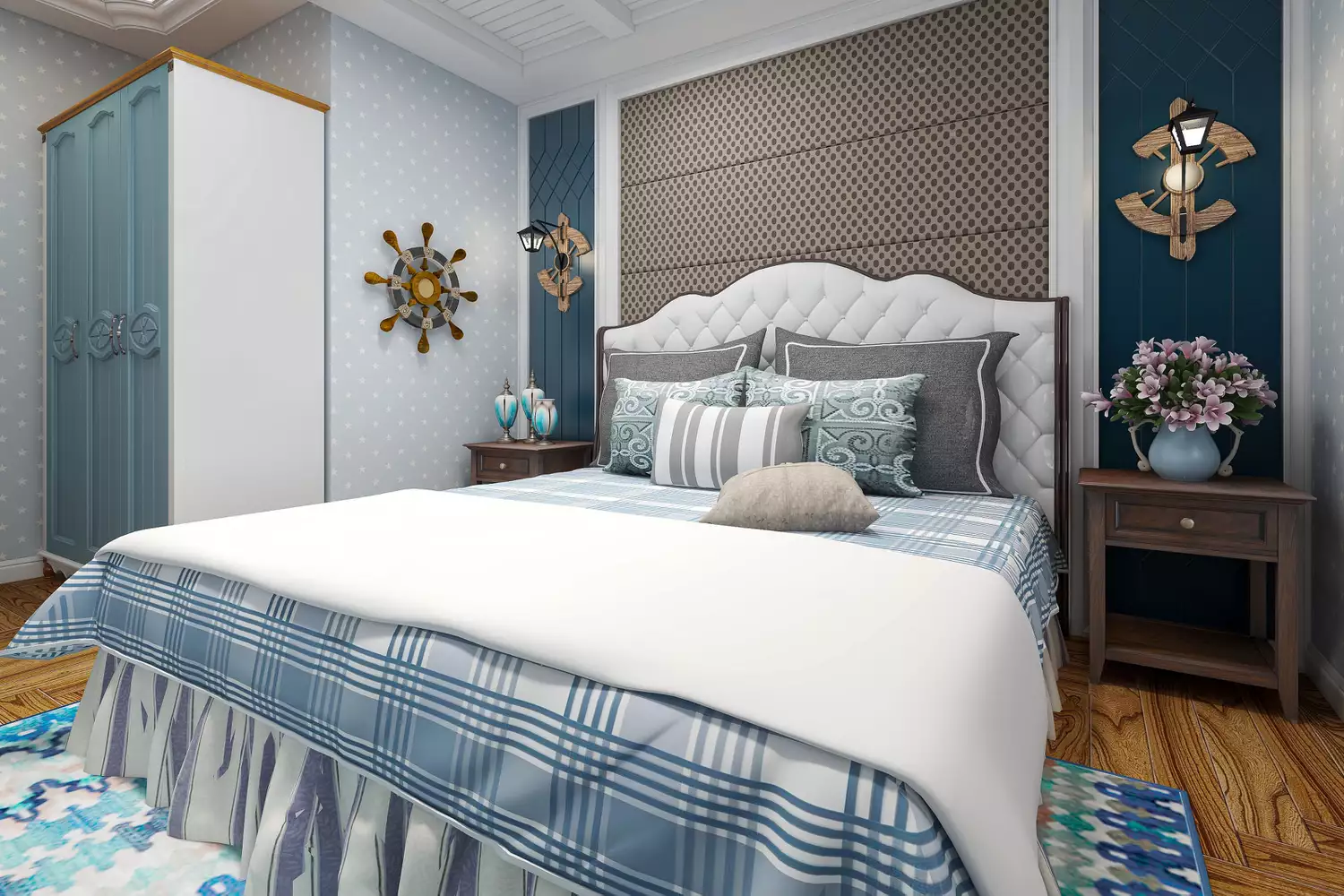
7 Reasons Your Home Looks Dated, According to Designers

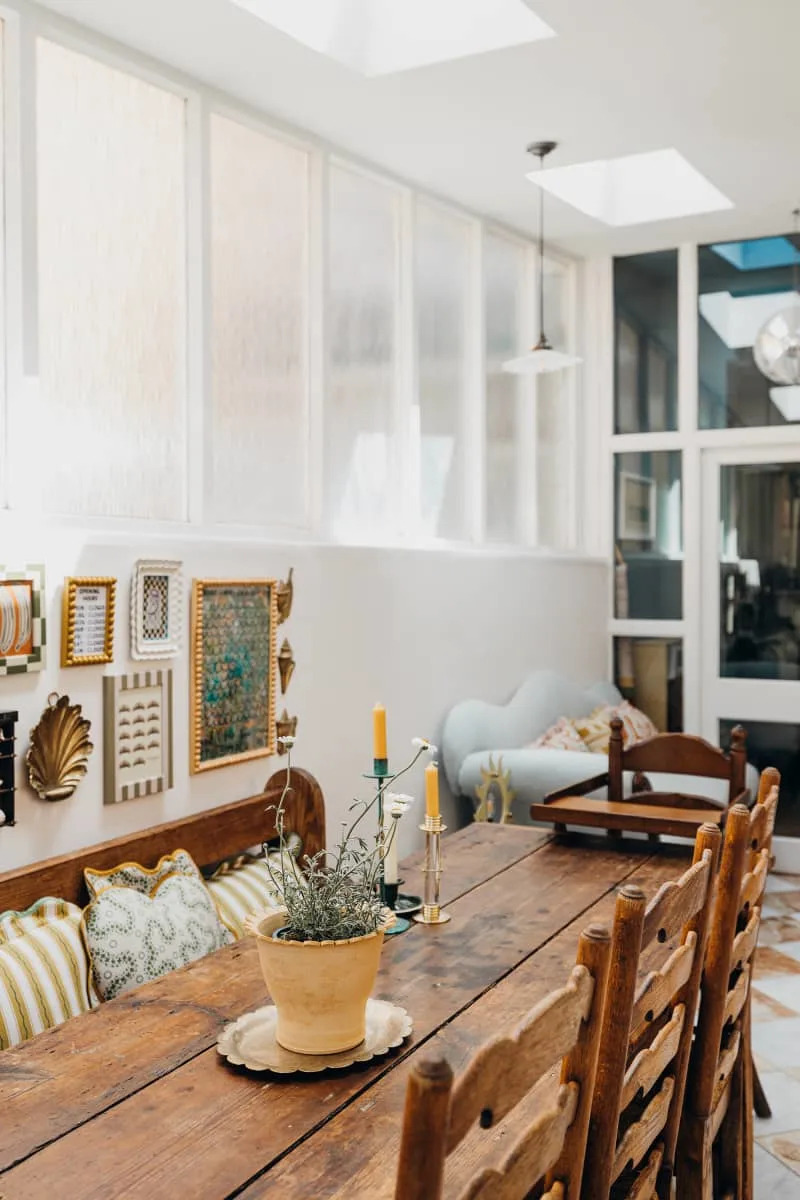
This Timeless Trend Is Making a Comeback, and It’s Ridiculously Easy to Style

Traditional Meets Modern Interior Design

Design Experts Agree: This Kitchen Style Is Making a Major Comeback
Don’t Know Your Design Style? These Are the 5 Most Popular Ones
What are the most timeless interior design styles? Interior designers list their favorite classics
This Dated Home Decor Style Is Back—and It Instantly Makes Your Space Look So Expensive

6 Antique Design Features Designers Wish Would Make a Comeback

Modern heritage style – 5 ways to get the look
Traditional Design Is Here to Stay—Here's Everything You Need to Know About the Style

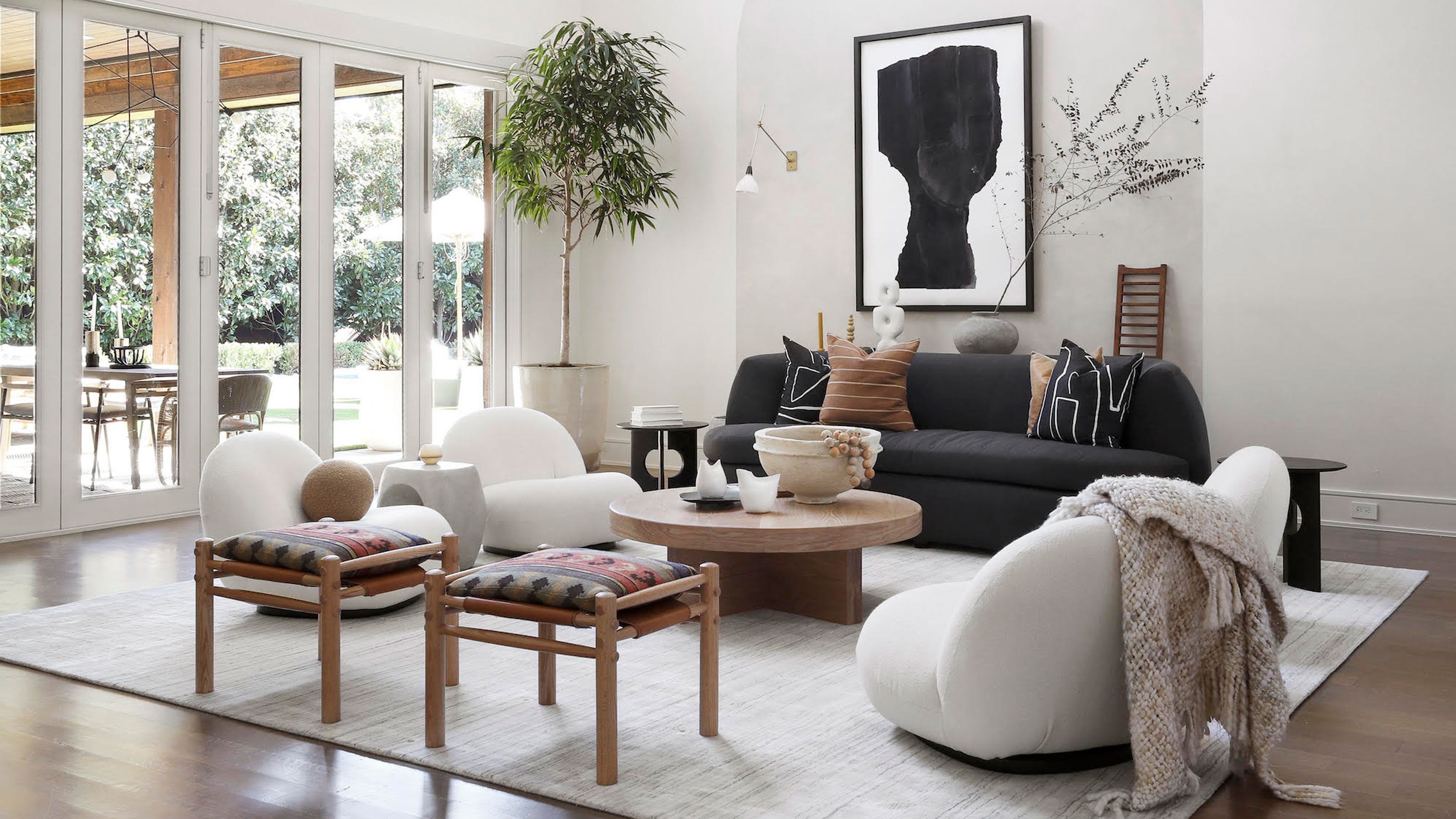
11 interior design styles that never date according to experts


Home Design: Timeless Meets Modern

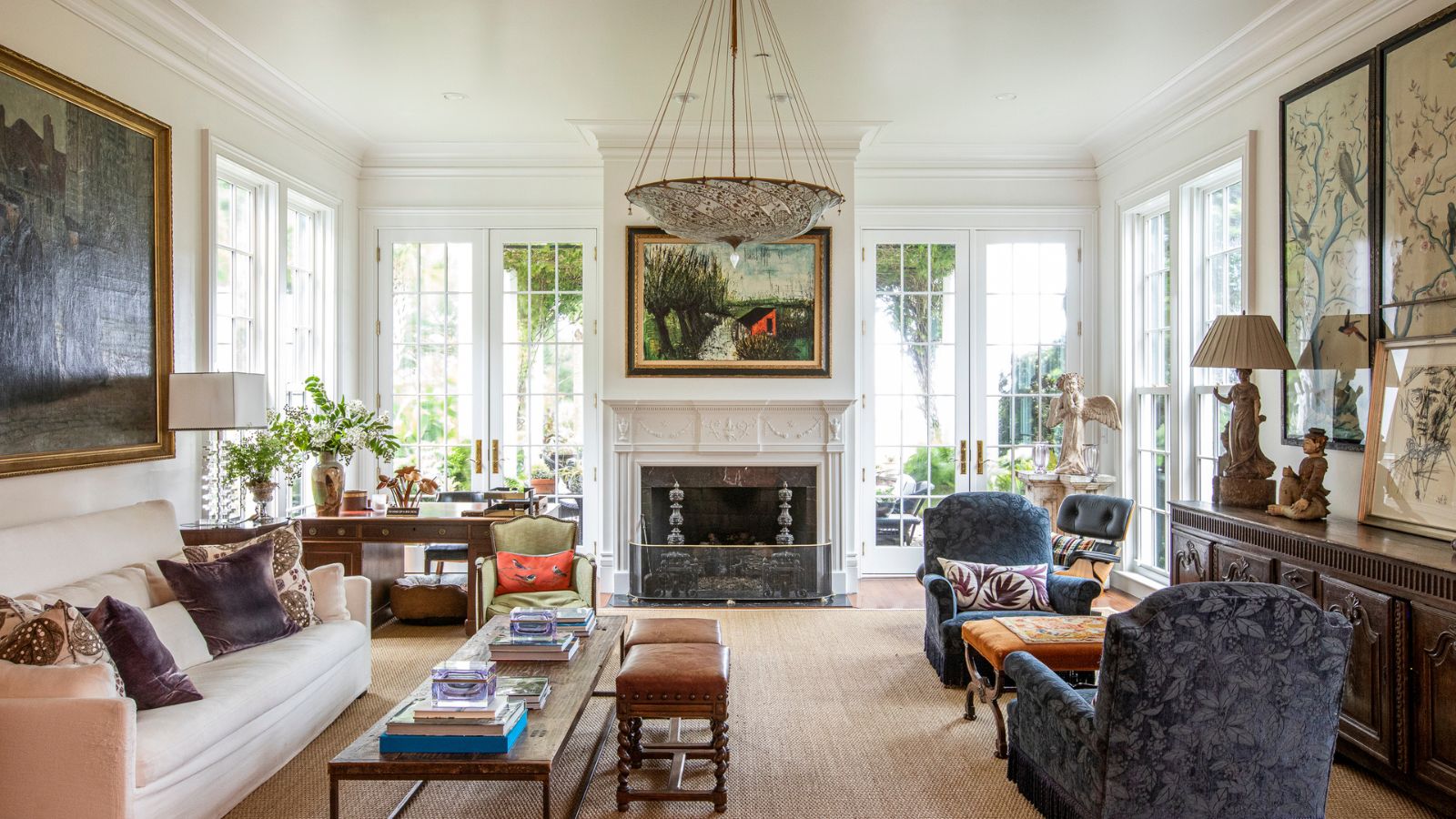
6 antiques that will always work in modern interiors – and how designers style them
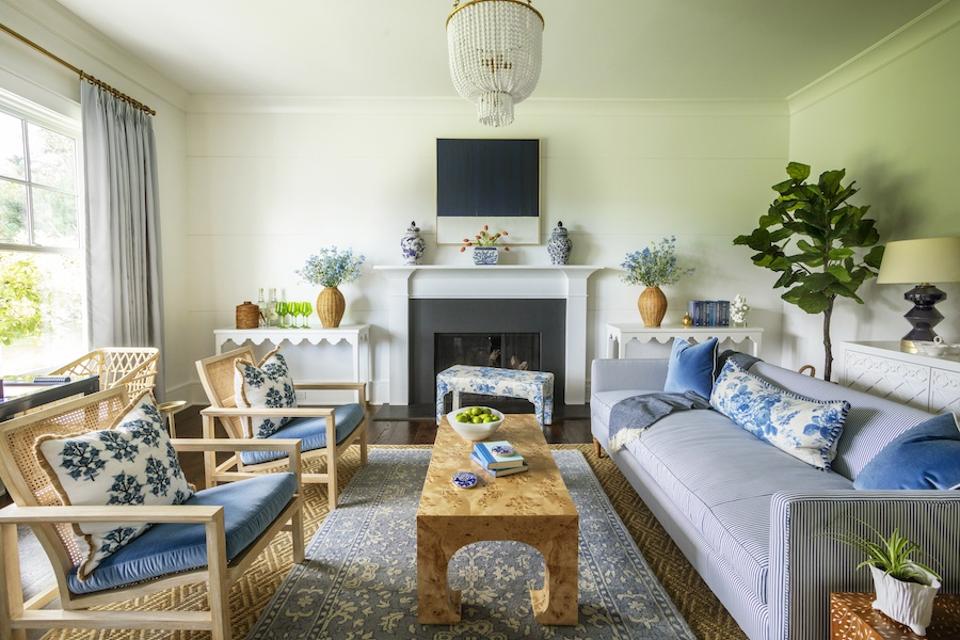
Interior Designers Share Their Best Traditional Design Tips

40 Outdated Home Trends We Hope Never to See Again

Transitional Design: Everything You Need to Know About This Traditional and Modern Style
Neoclassical Interior Design Is Timeless and Traditional: Here's How to Get the Look