1/5
This Is Why Everyone’s Obsessed with Traditional Decor Right Now
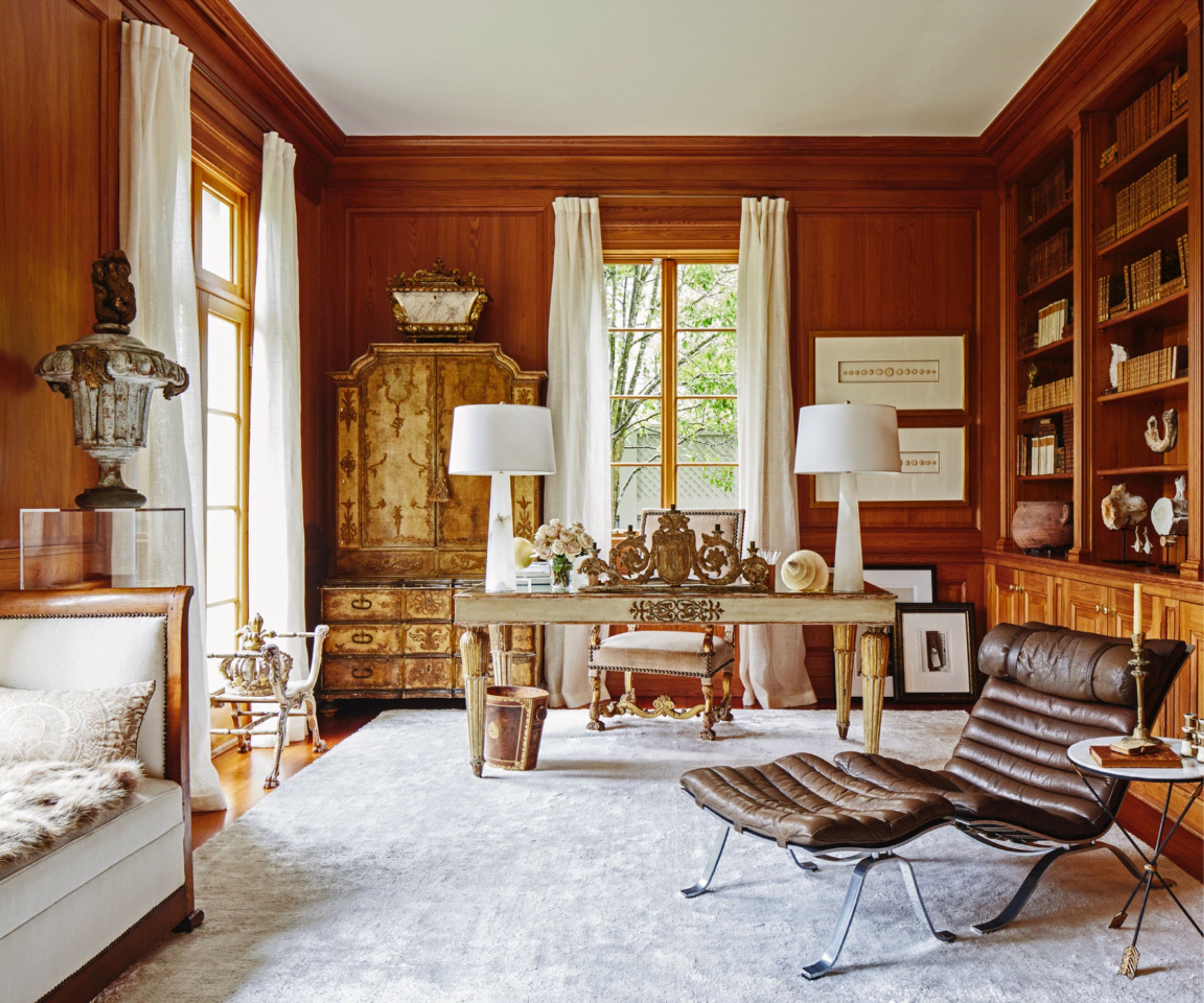
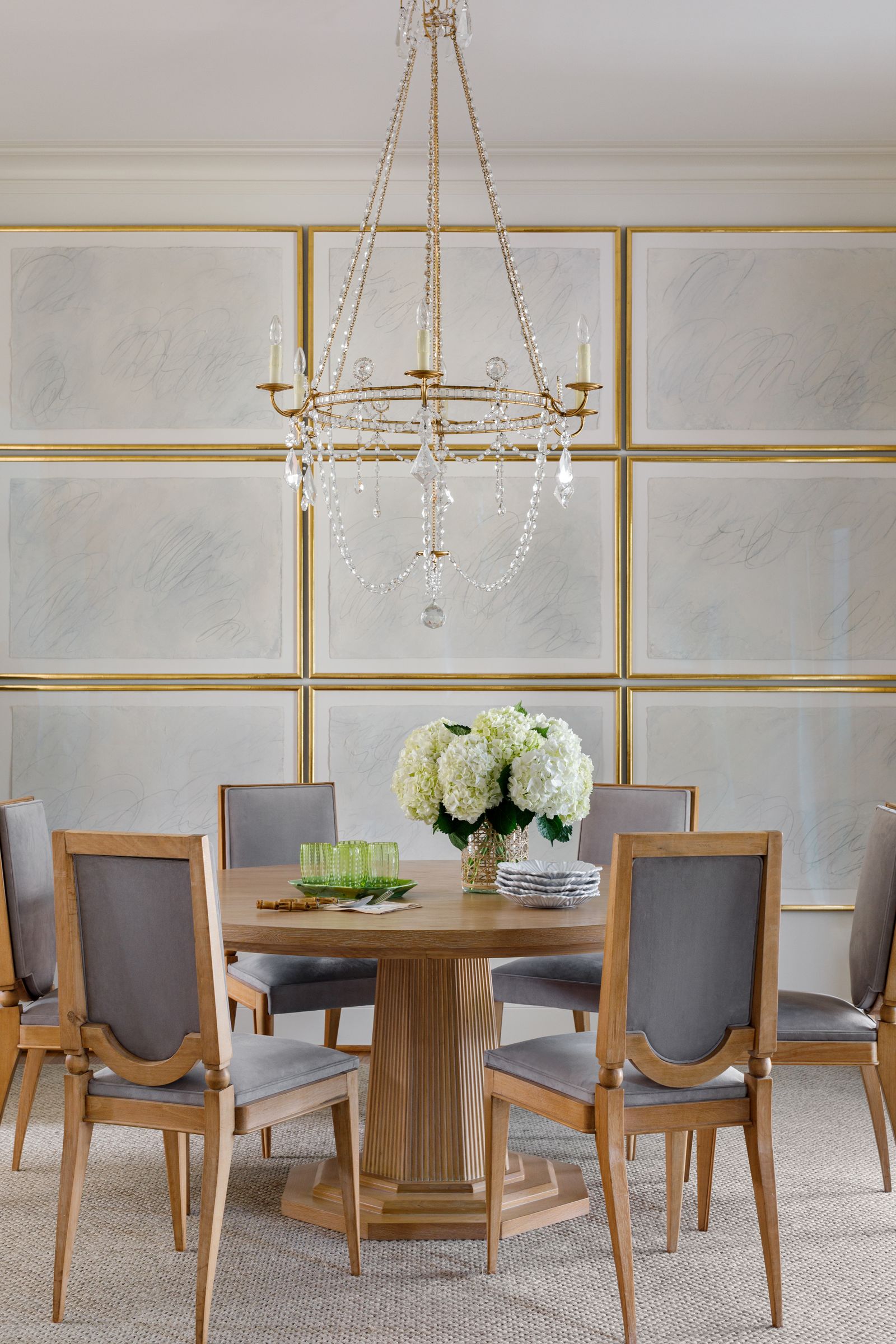
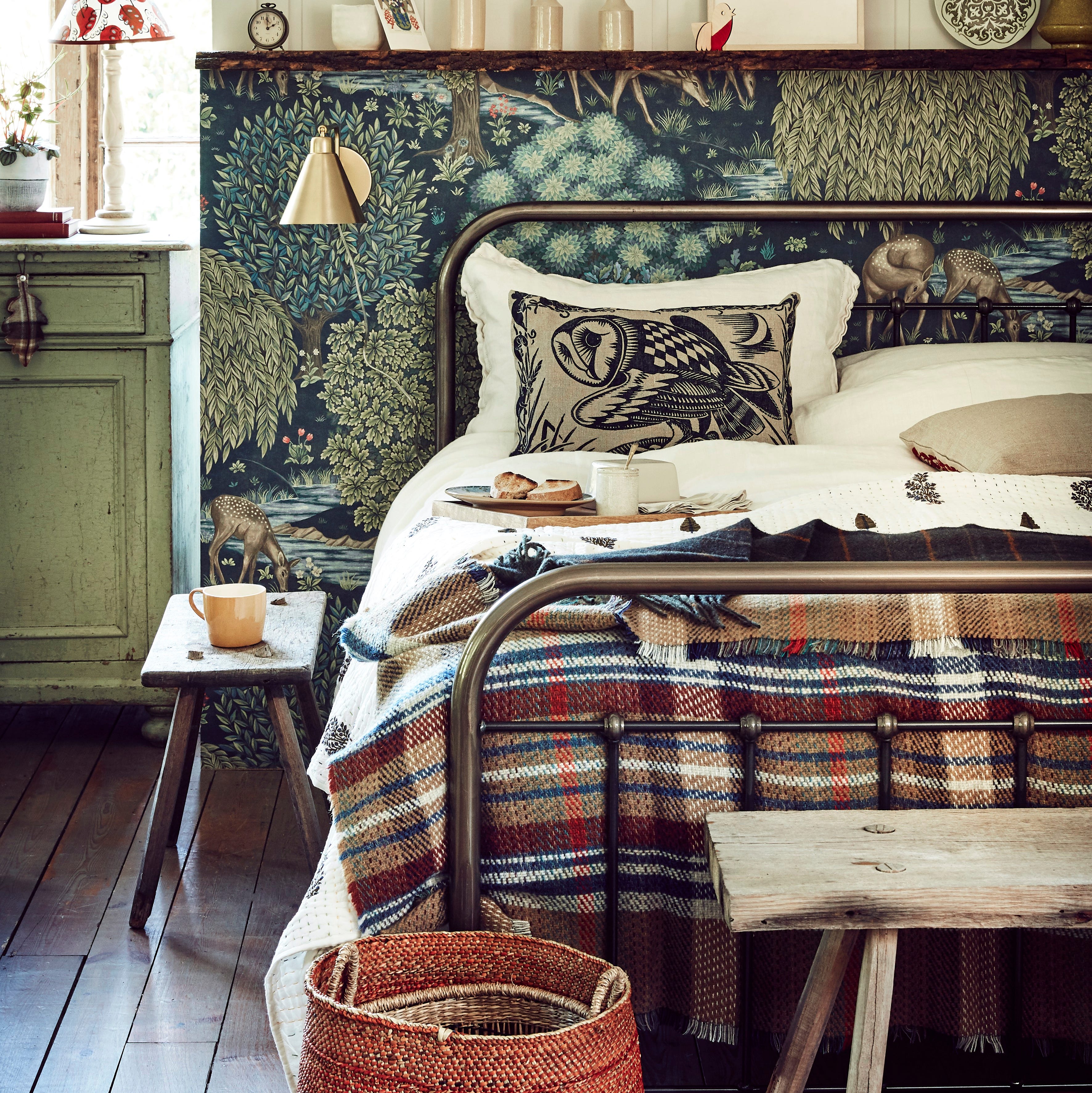
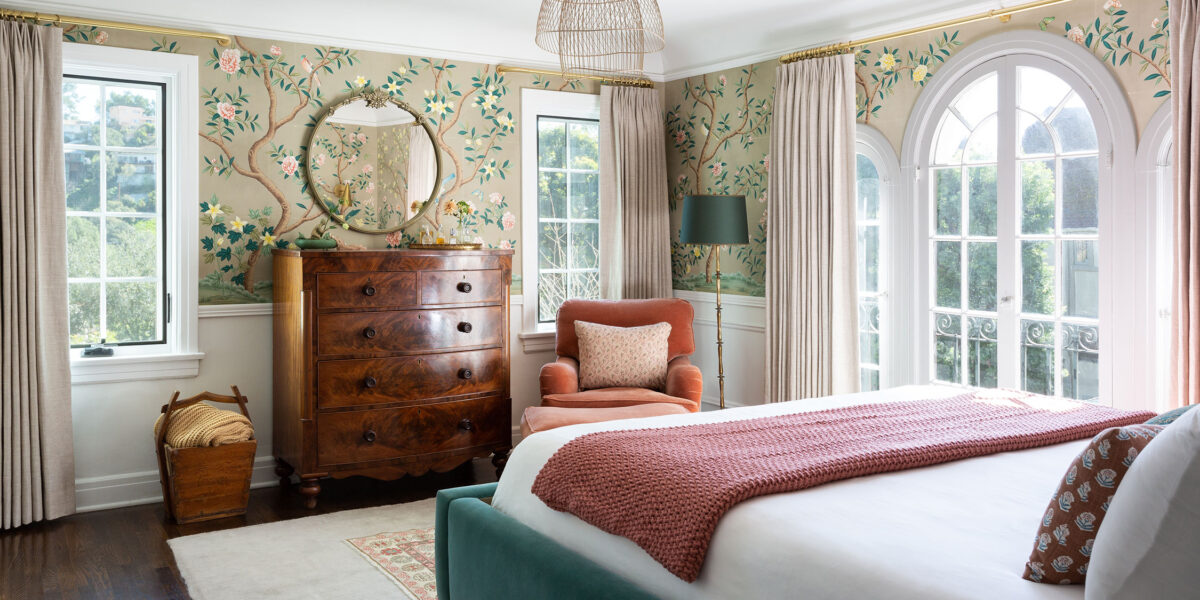
The article discusses the resurgence of traditional interior design, a trend gaining significant traction after years dominated by contemporary and minimalist styles. This shift is attributed to a renewed desire for comfort, nostalgia, and groundedness, particularly amplified by the COVID-19 pandemic. As people spent more time indoors, there was an increased need for spaces that felt deeply personal and comforting, moving away from sterile aesthetics towards something more familiar and warm.
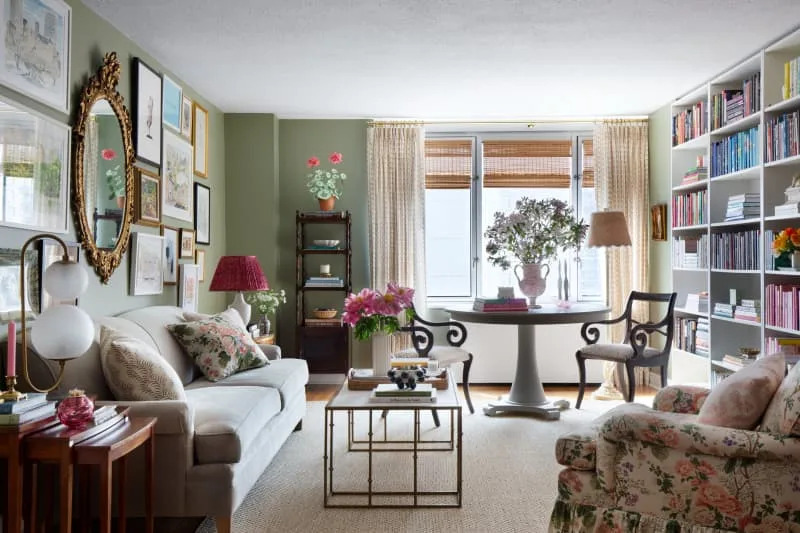
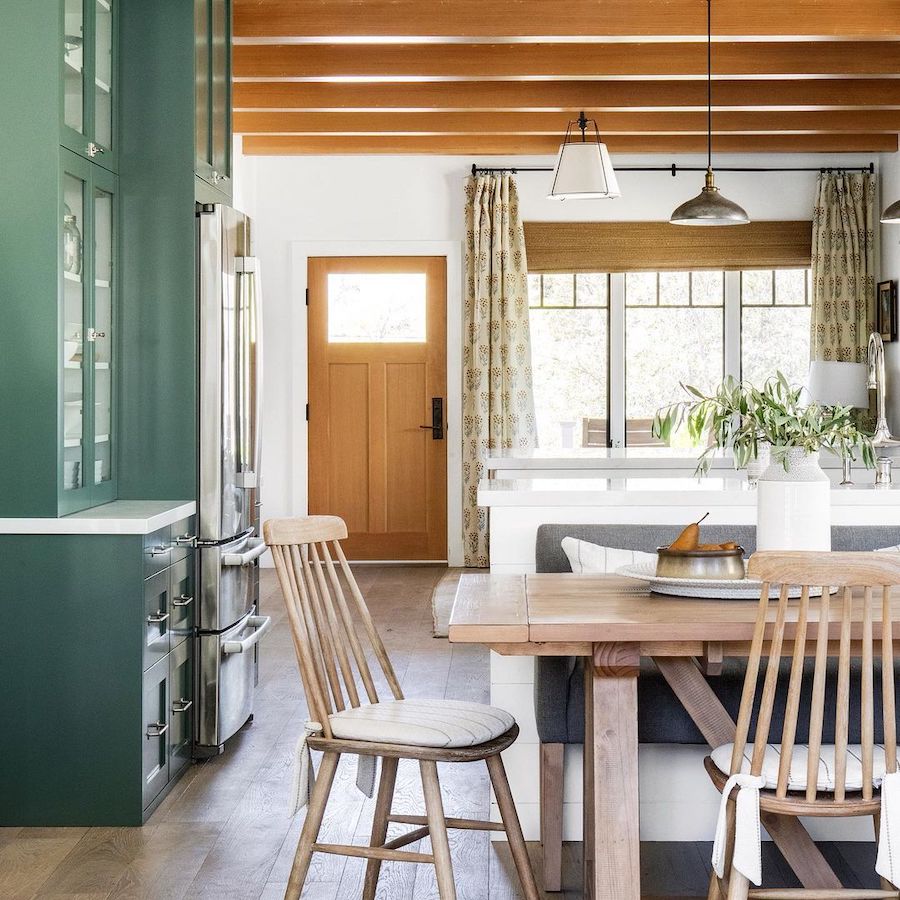
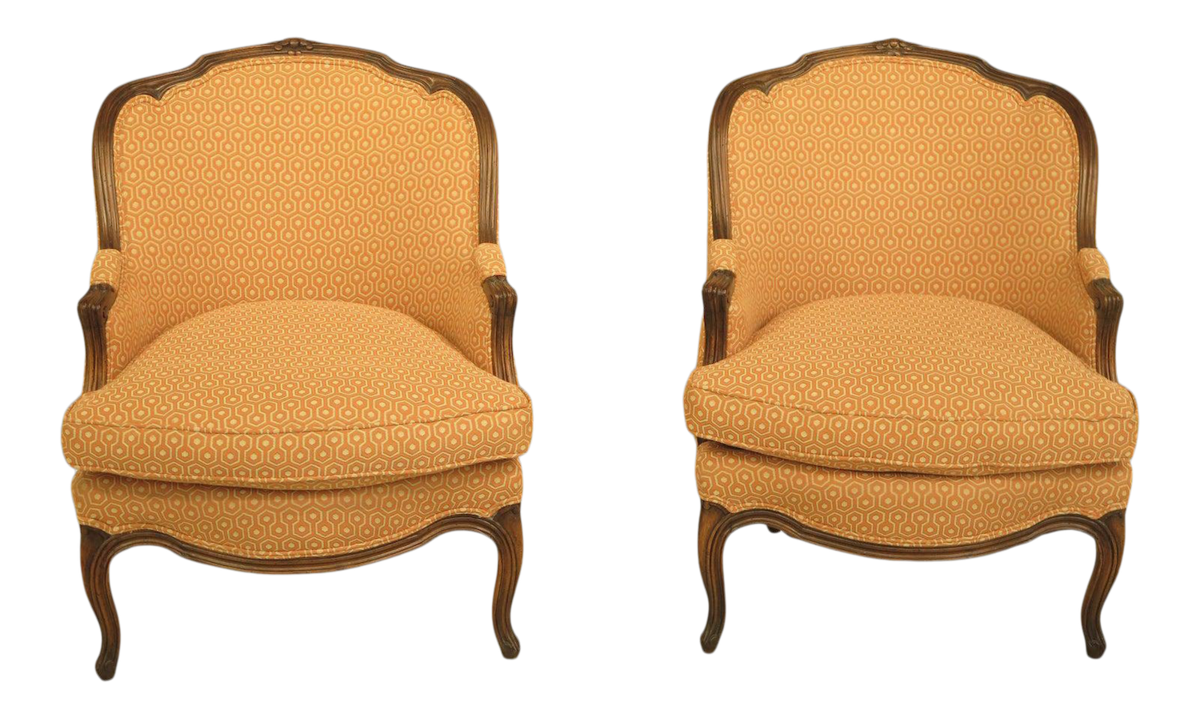
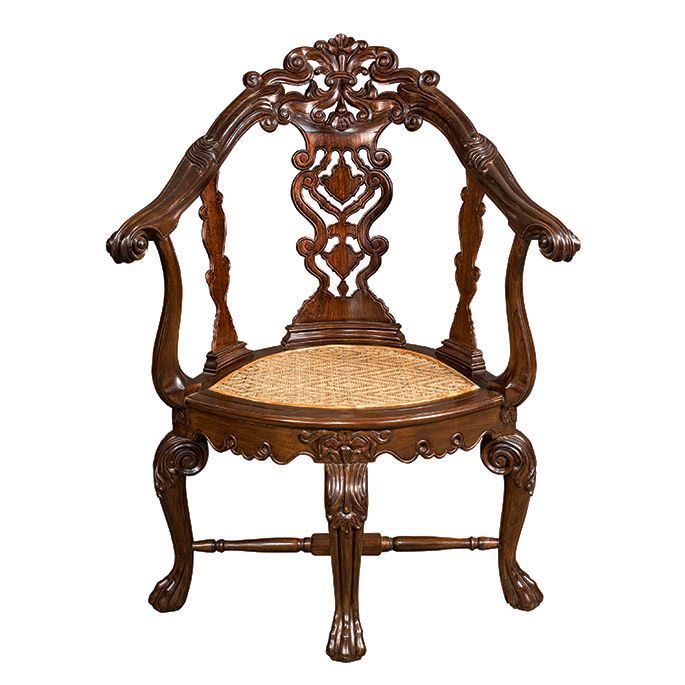
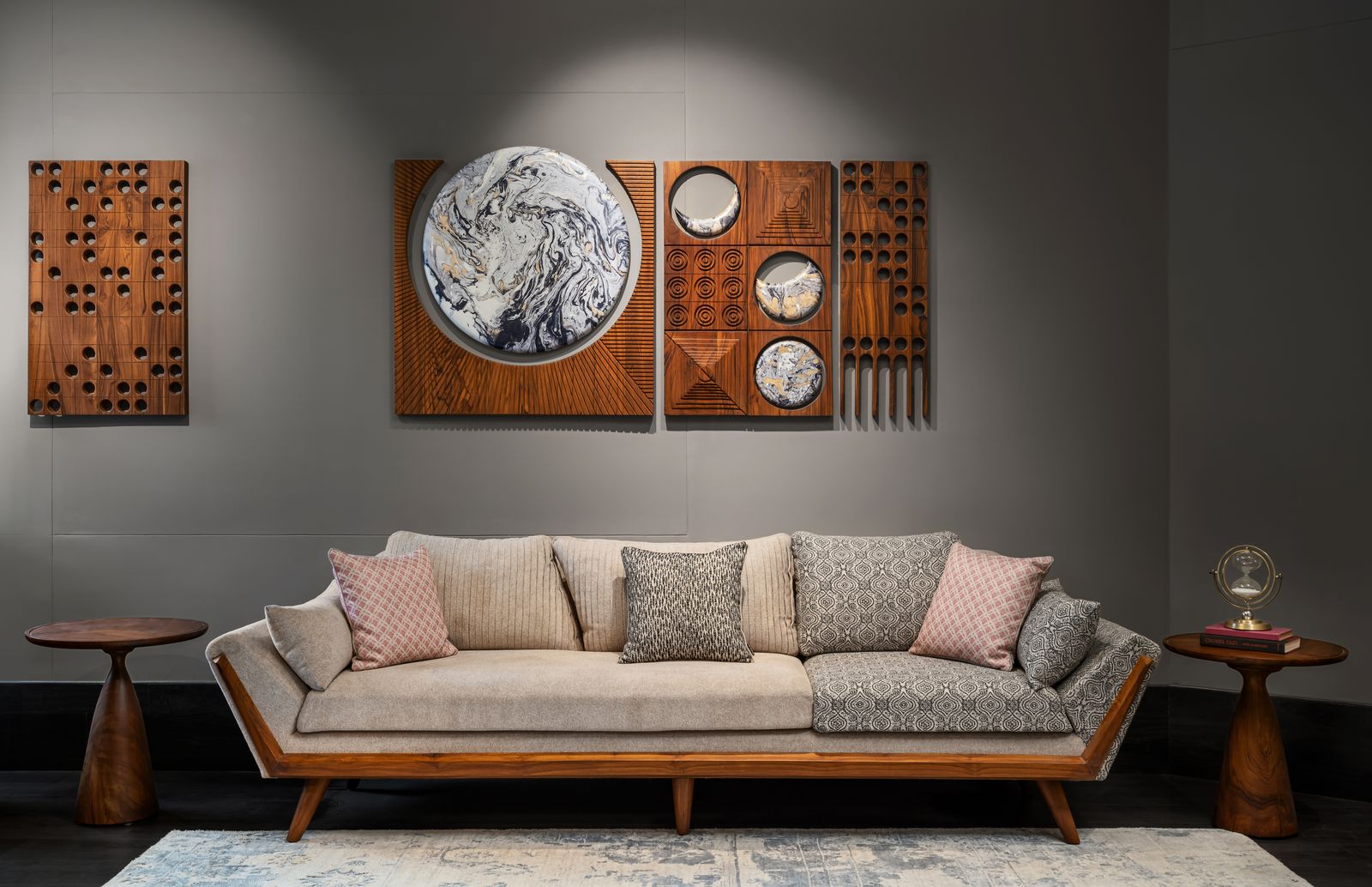
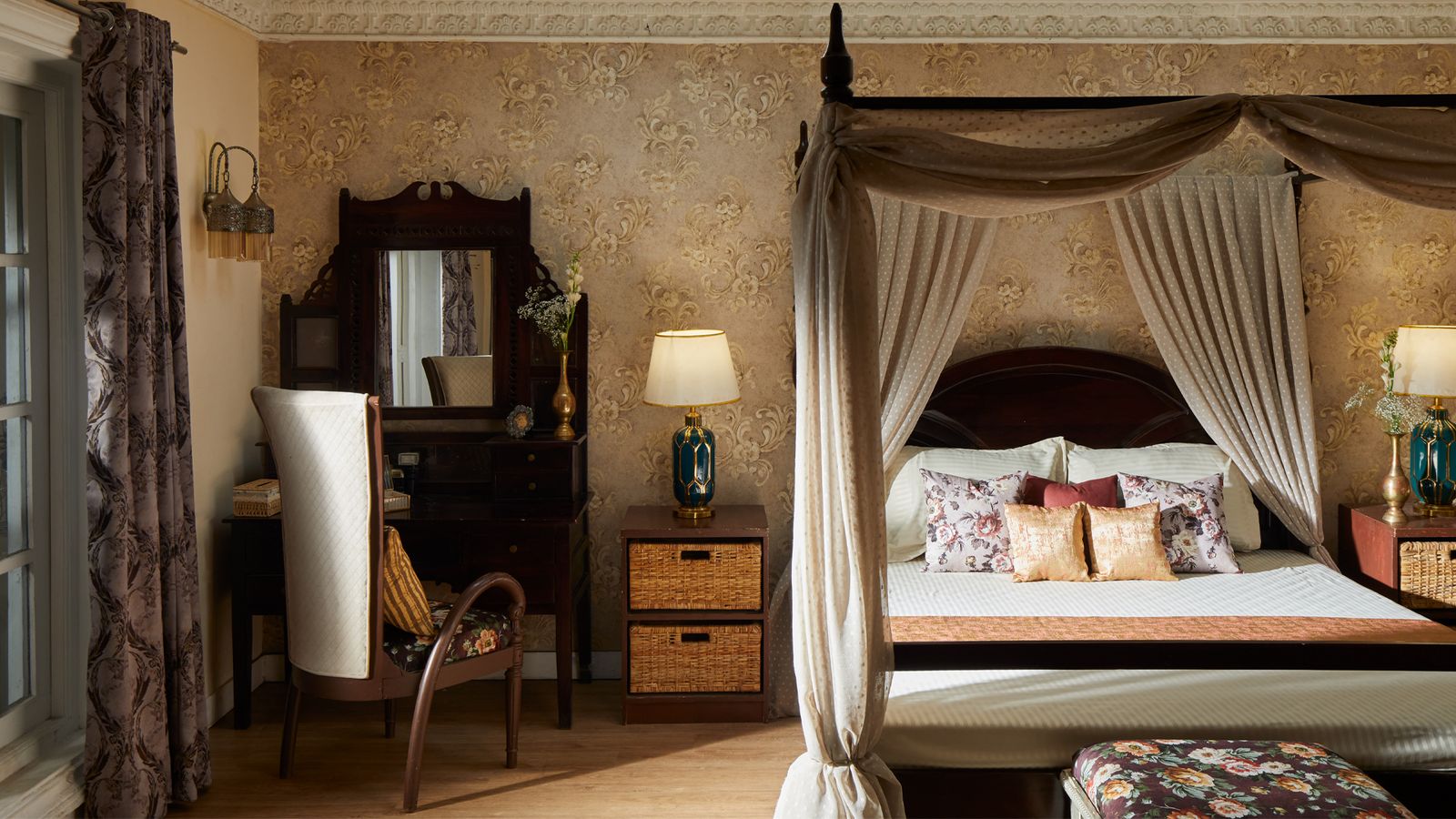
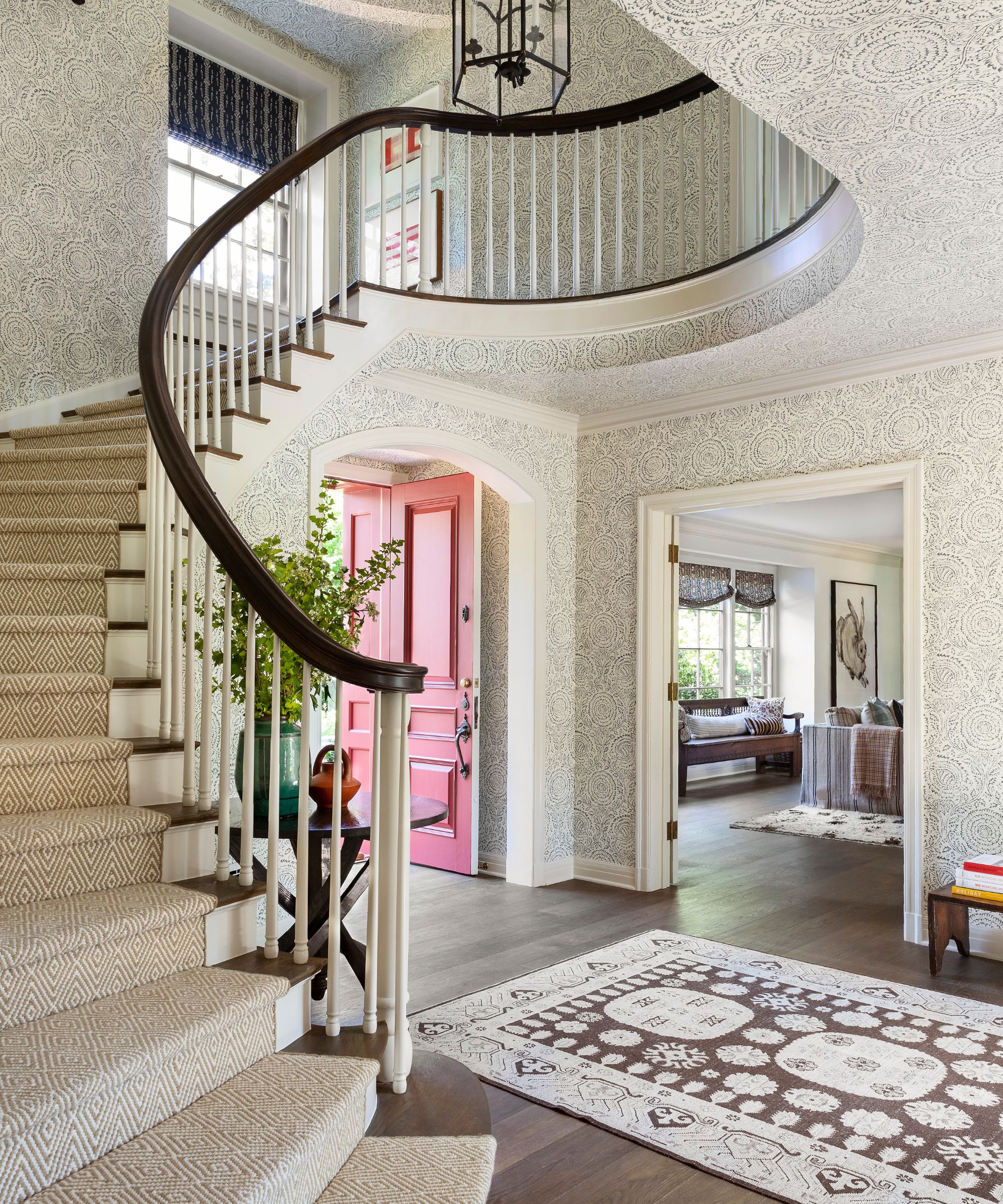
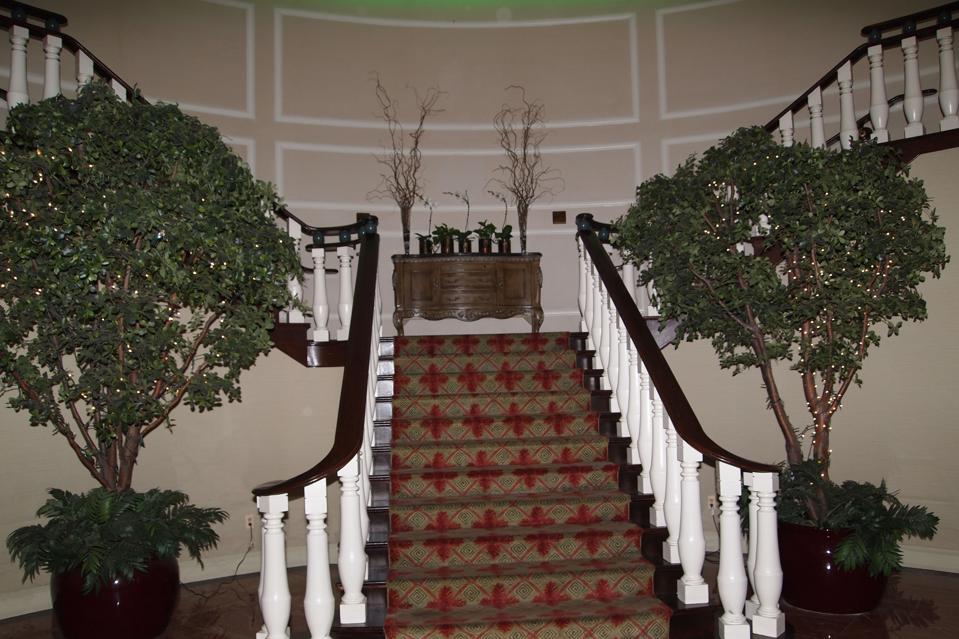
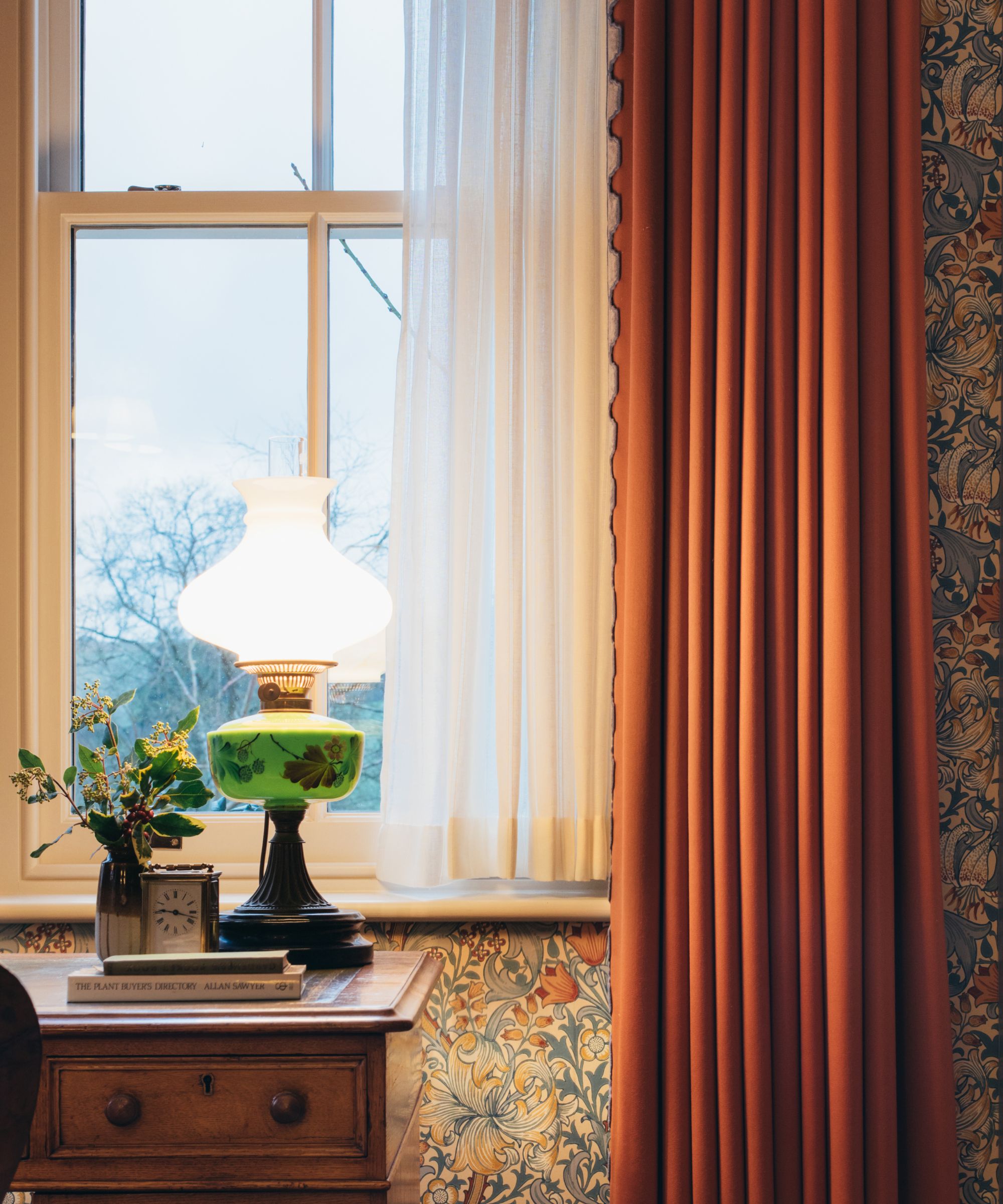
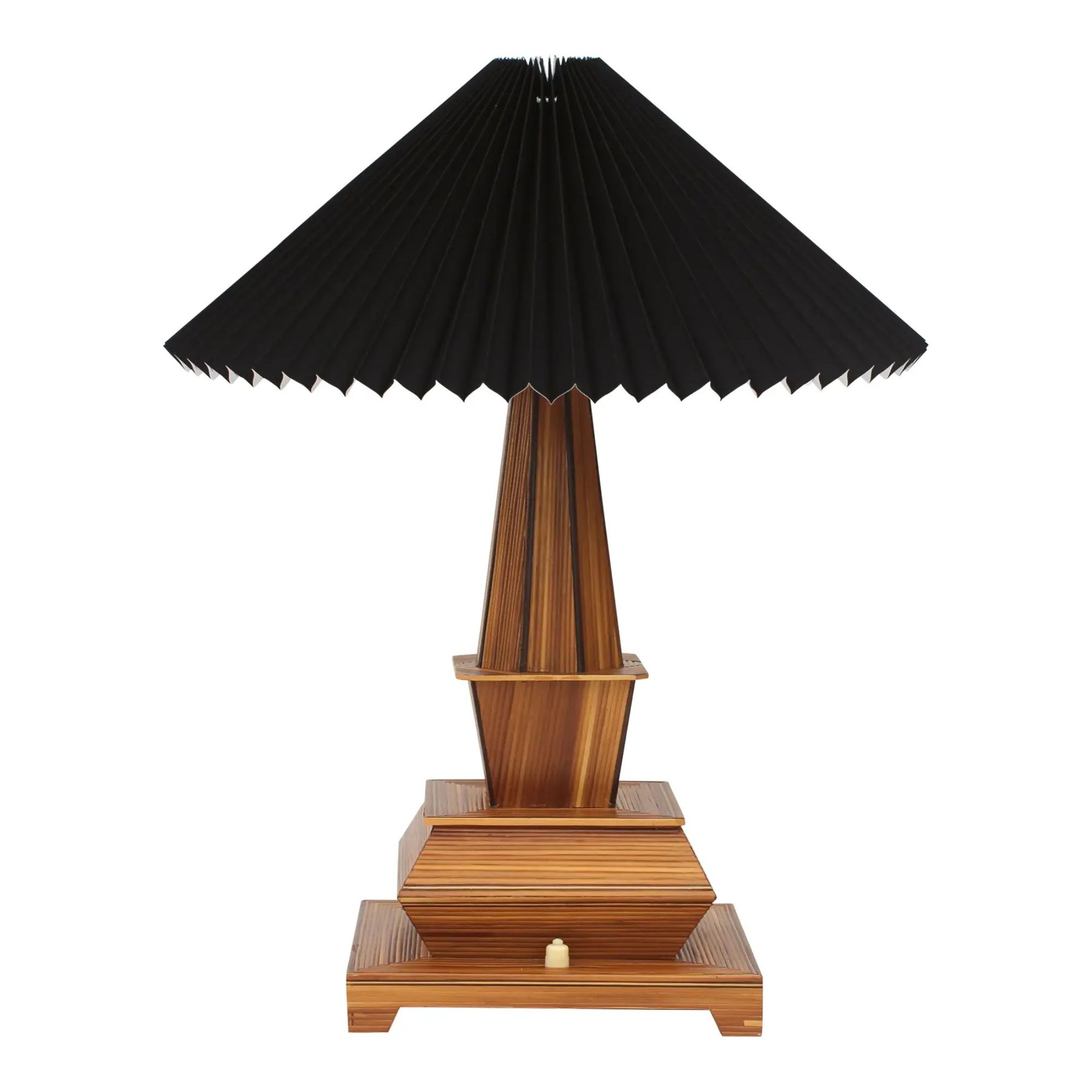
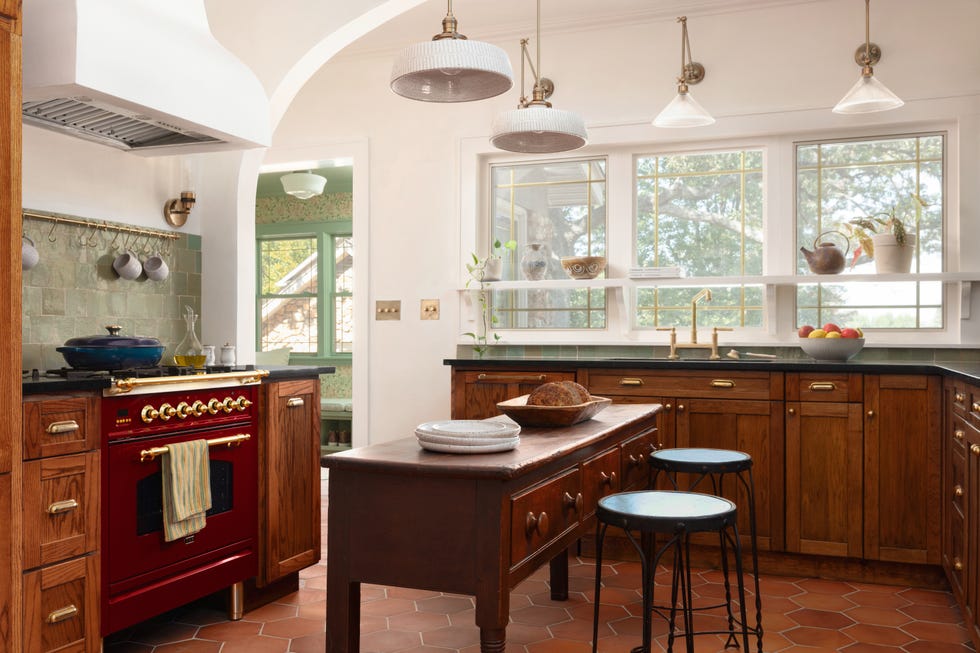
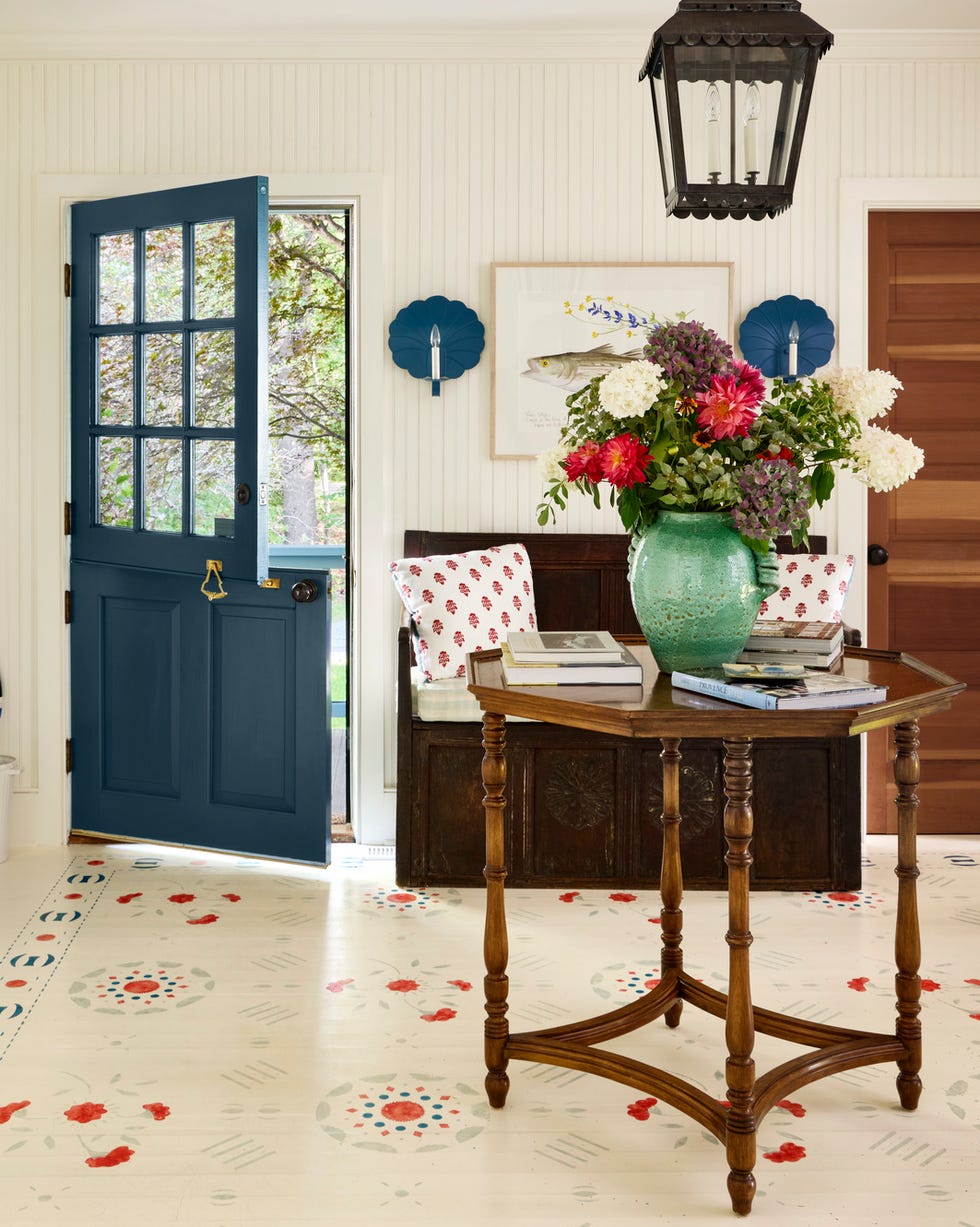
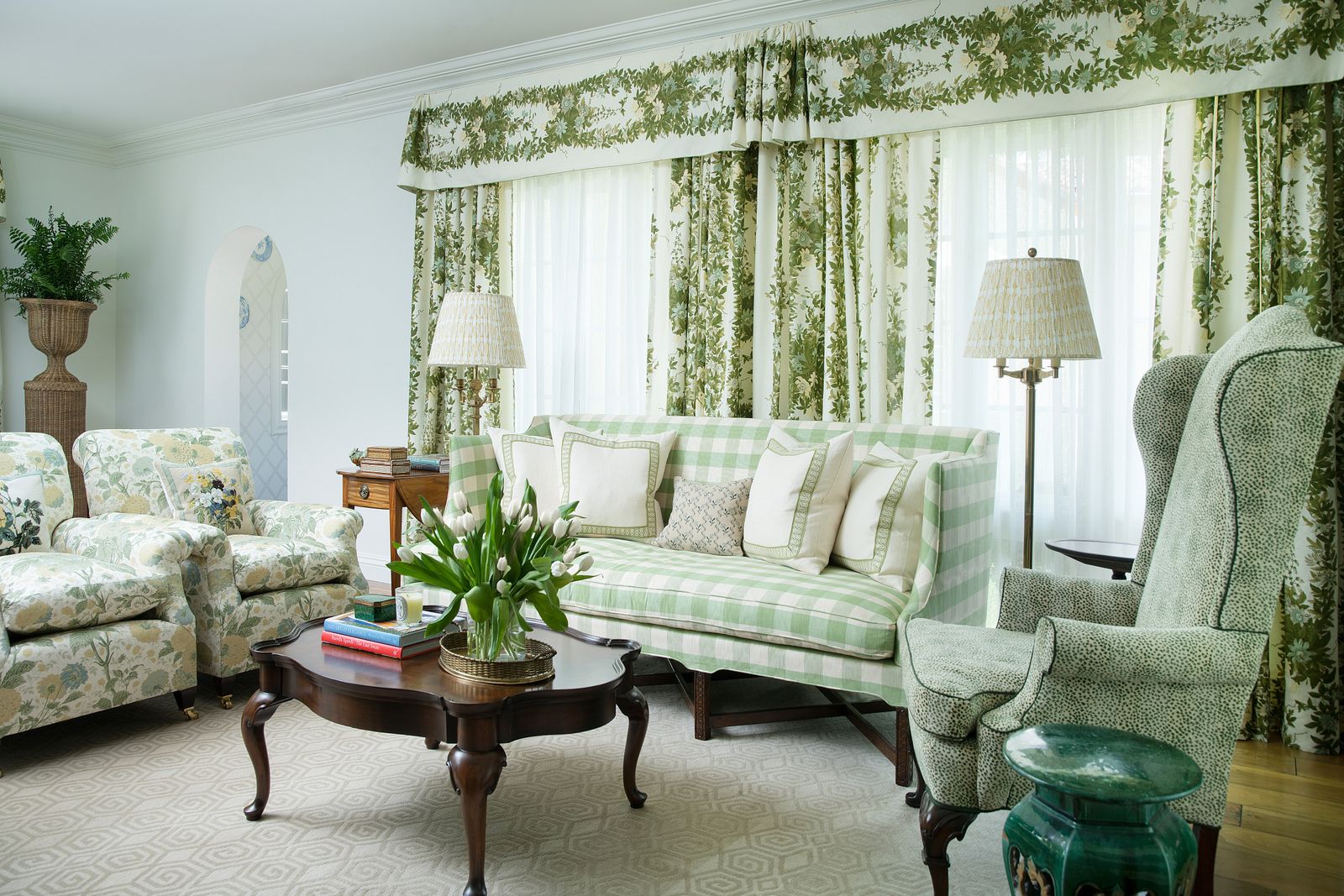
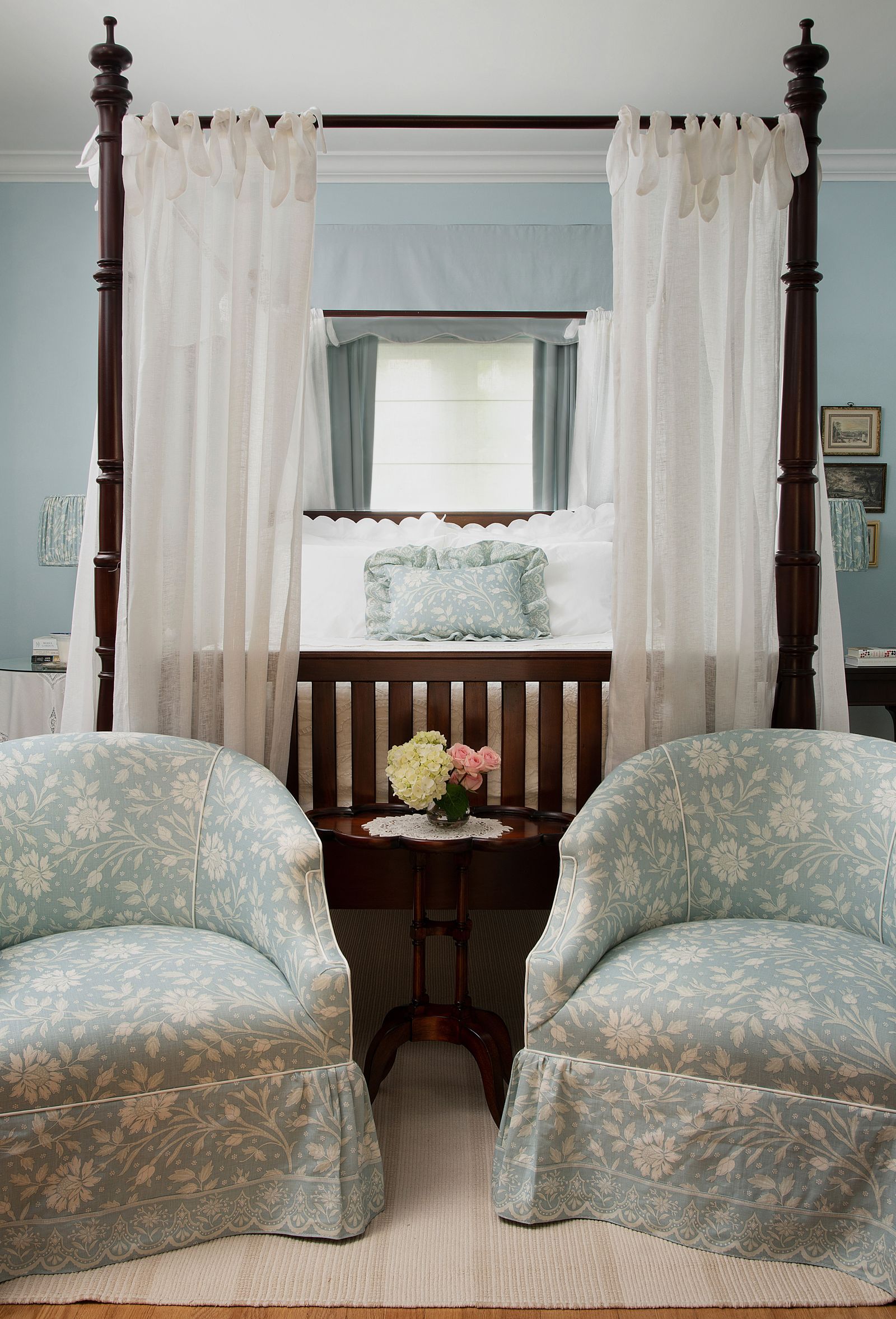
Designers, such as Lauren Lothrop Caron of Studio Laloc, highlight how the pandemic created a need for groundedness, leading people to seek out designs that offer comfort and familiarity. This preference for traditional elements—like carved wooden furniture, wallpaper, and sweet embellishments—provides a sense of coziness and a design equivalent of a hug, contrasting sharply with the often-cold feel of mid-century modern or minimalist aesthetics.
Amy Sklar, a Los Angeles designer, further explains that traditional decor acts as a subtle rebellion against the fast-paced, technologically driven world. In an era of rapid technological changes and societal tumult, individuals are drawn to interiors that offer comfort and a connection to the past. This inclination towards nostalgia is observable across broader trends, including fashion and home decor, indicating a collective search for solace in familiar styles. The appreciation for timeless craftsmanship is another key aspect, encouraging people to value durability and classic beauty over fleeting trends.
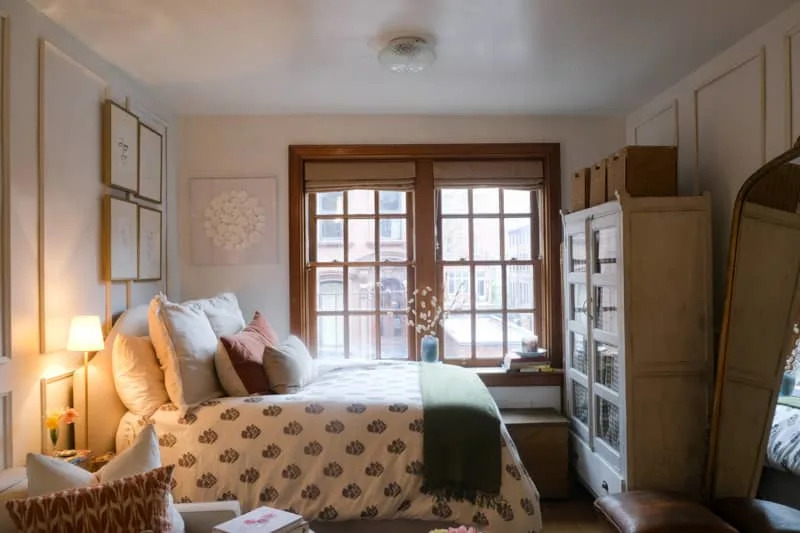
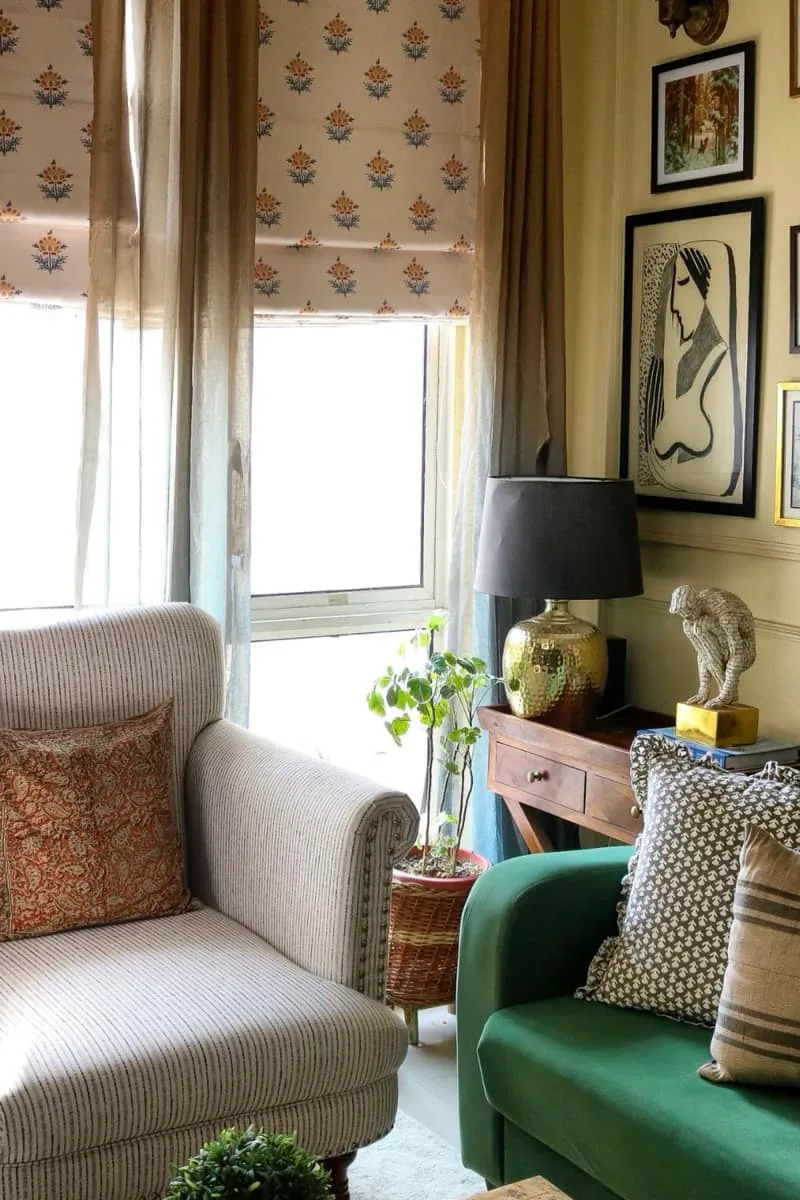
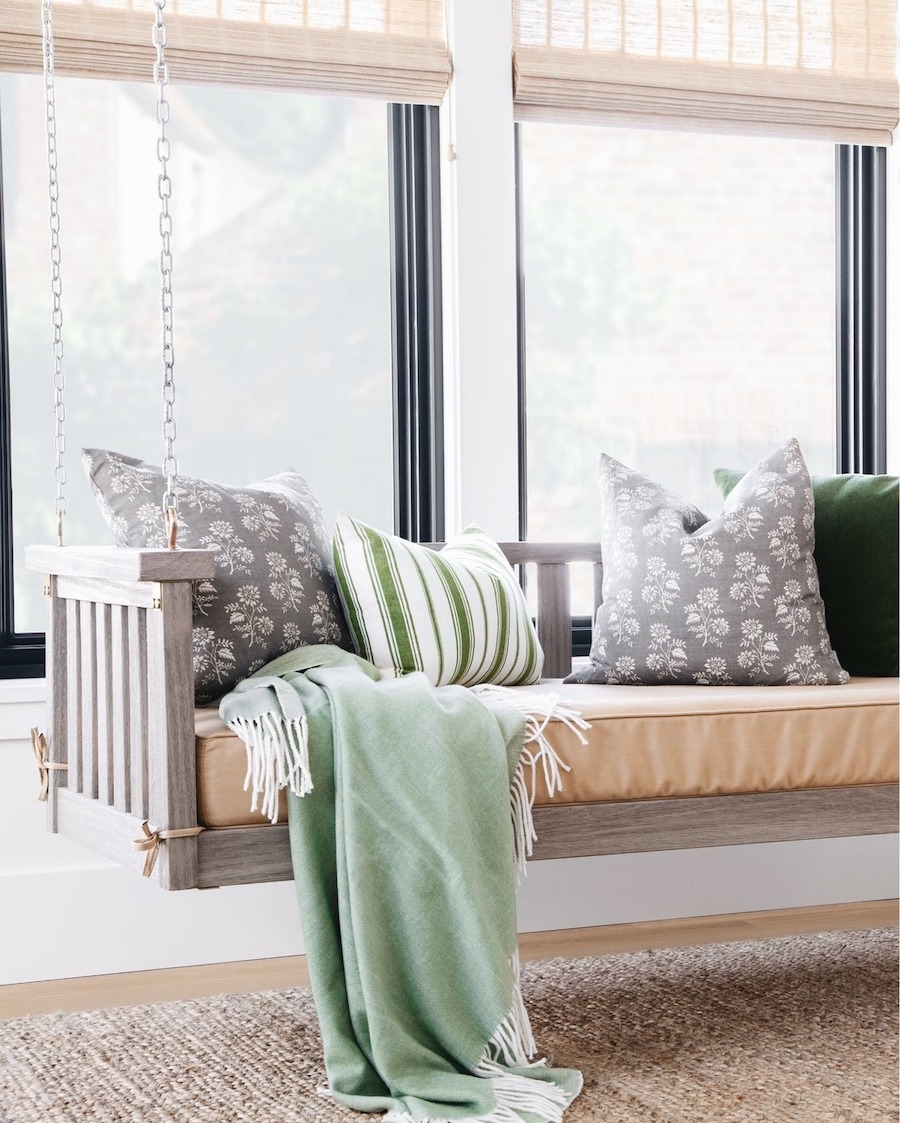
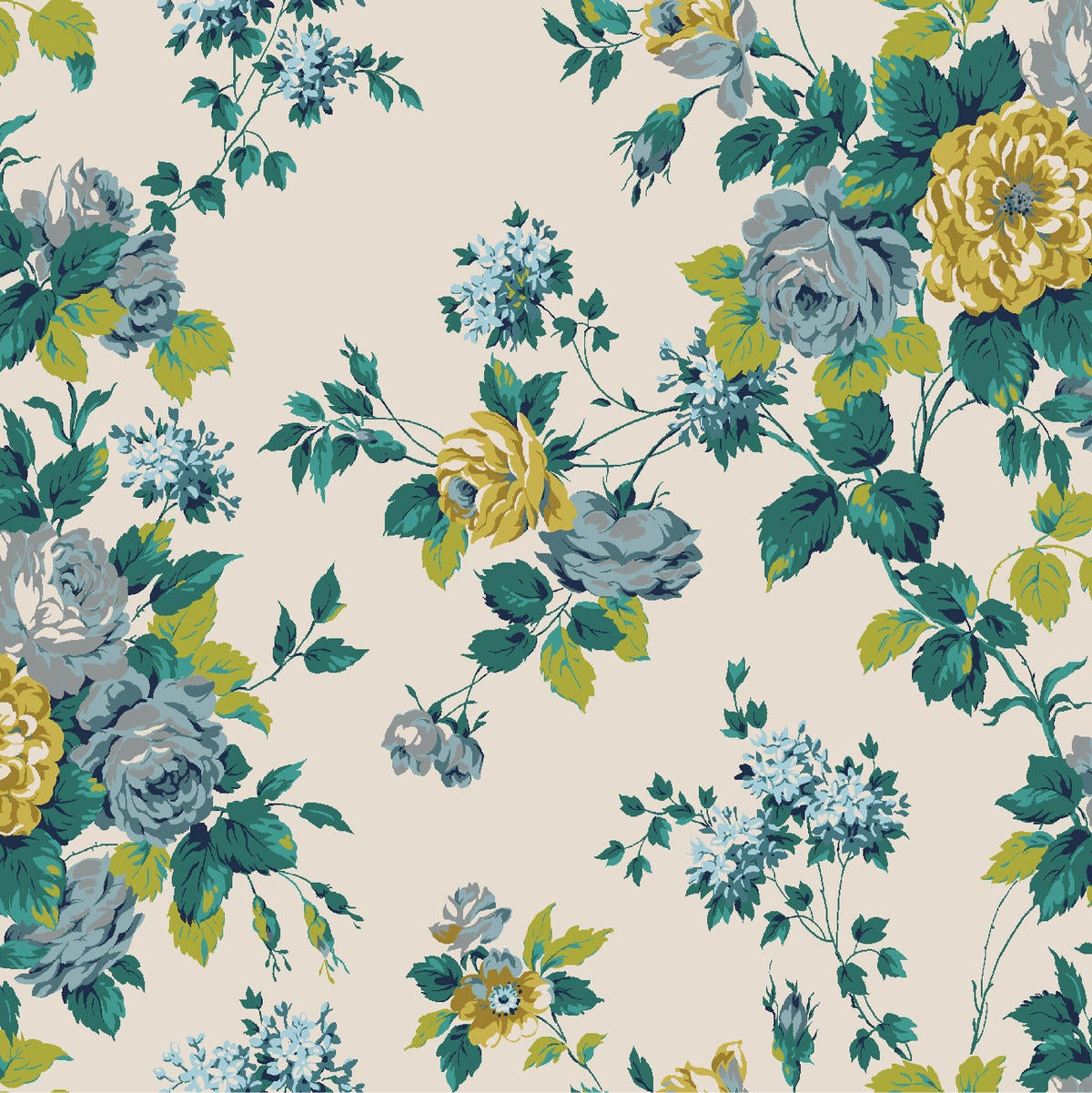
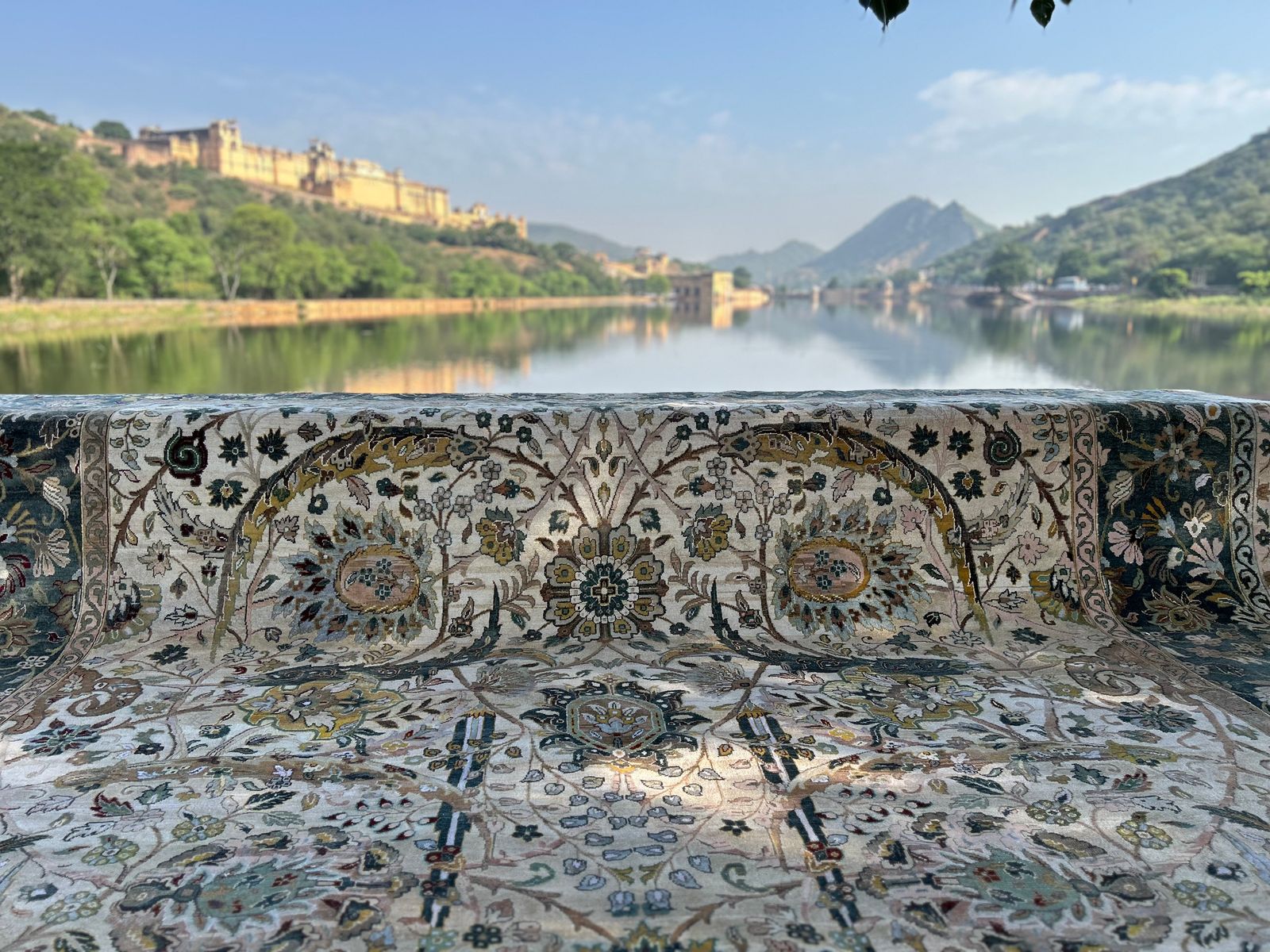
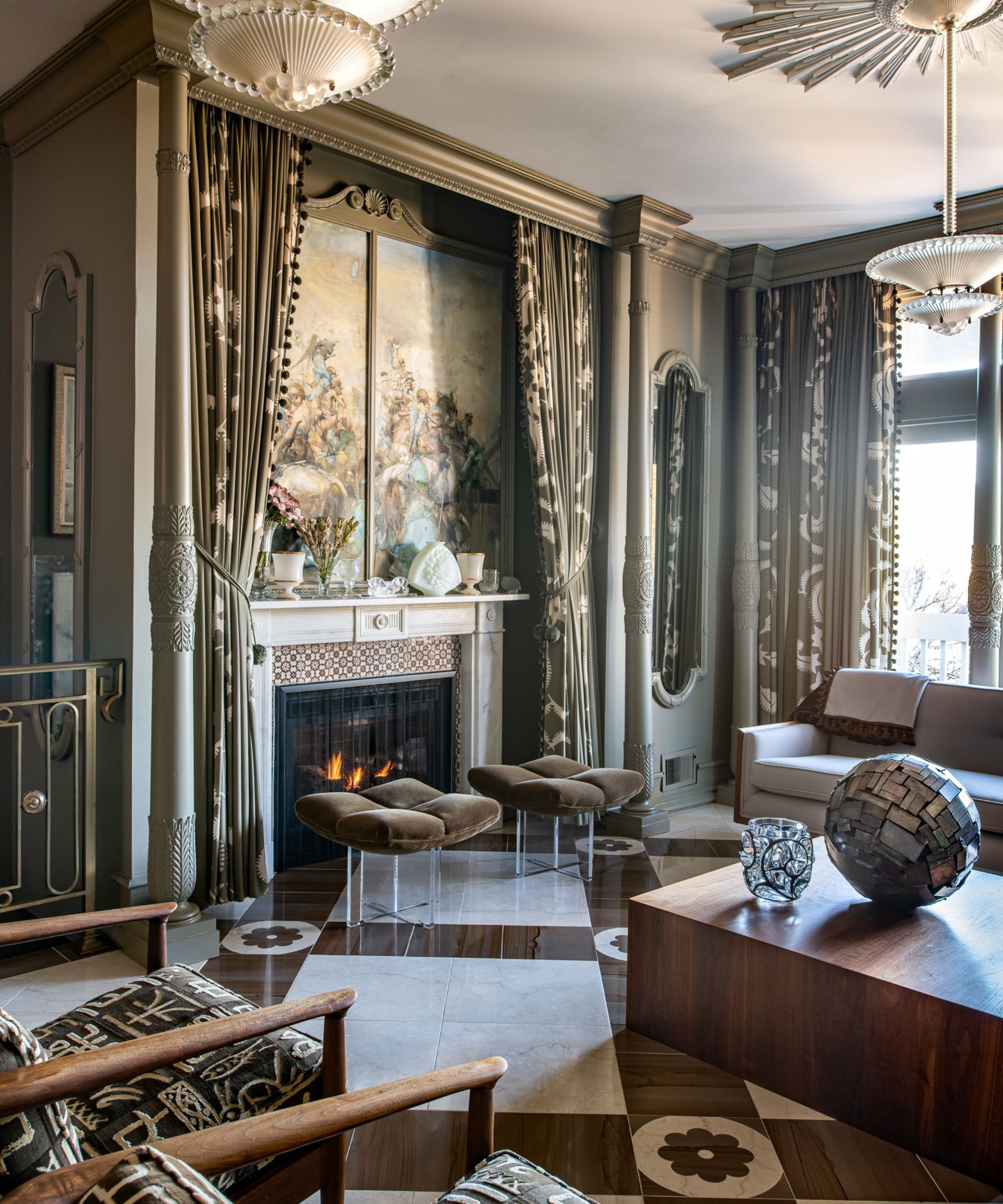
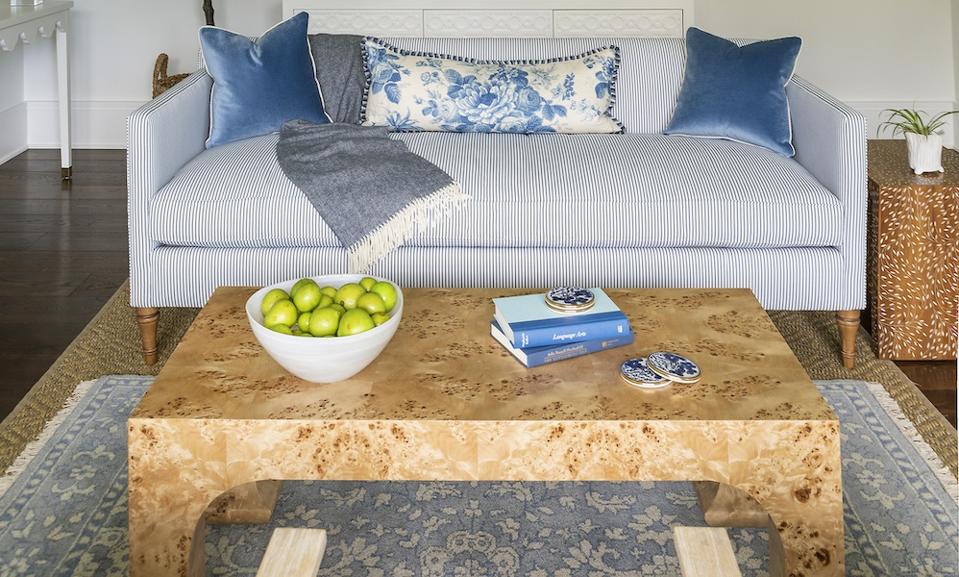
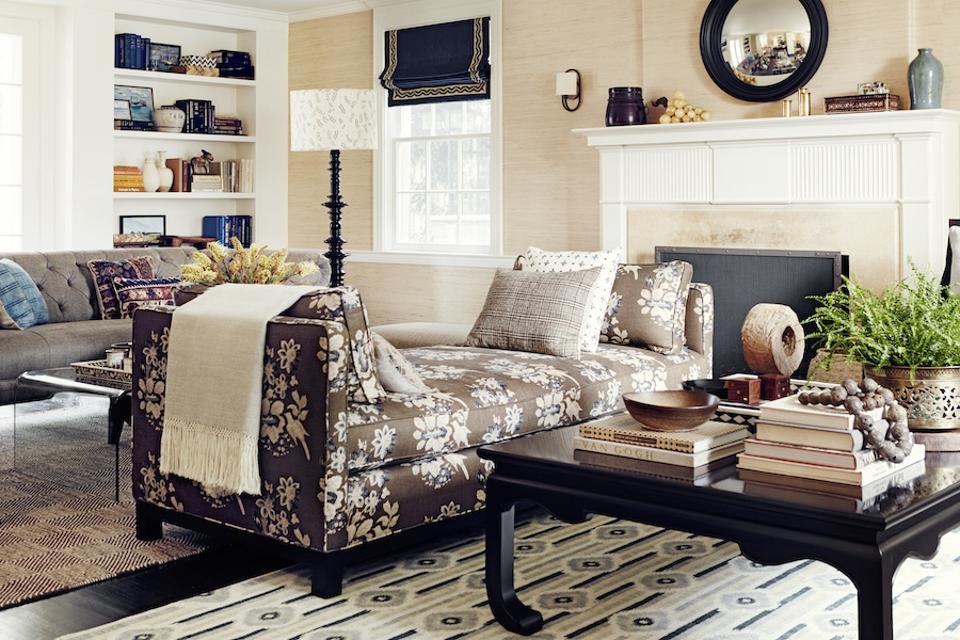
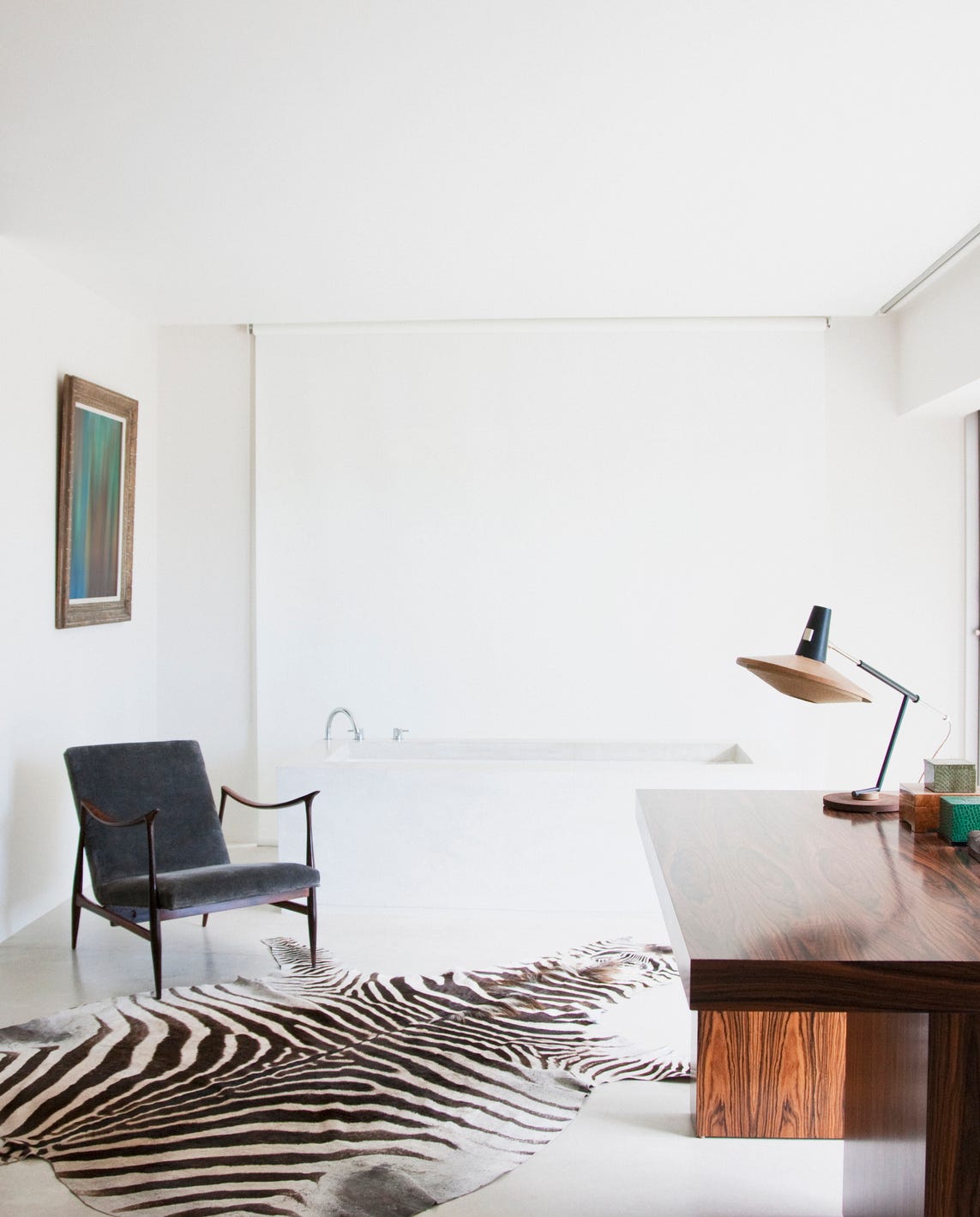
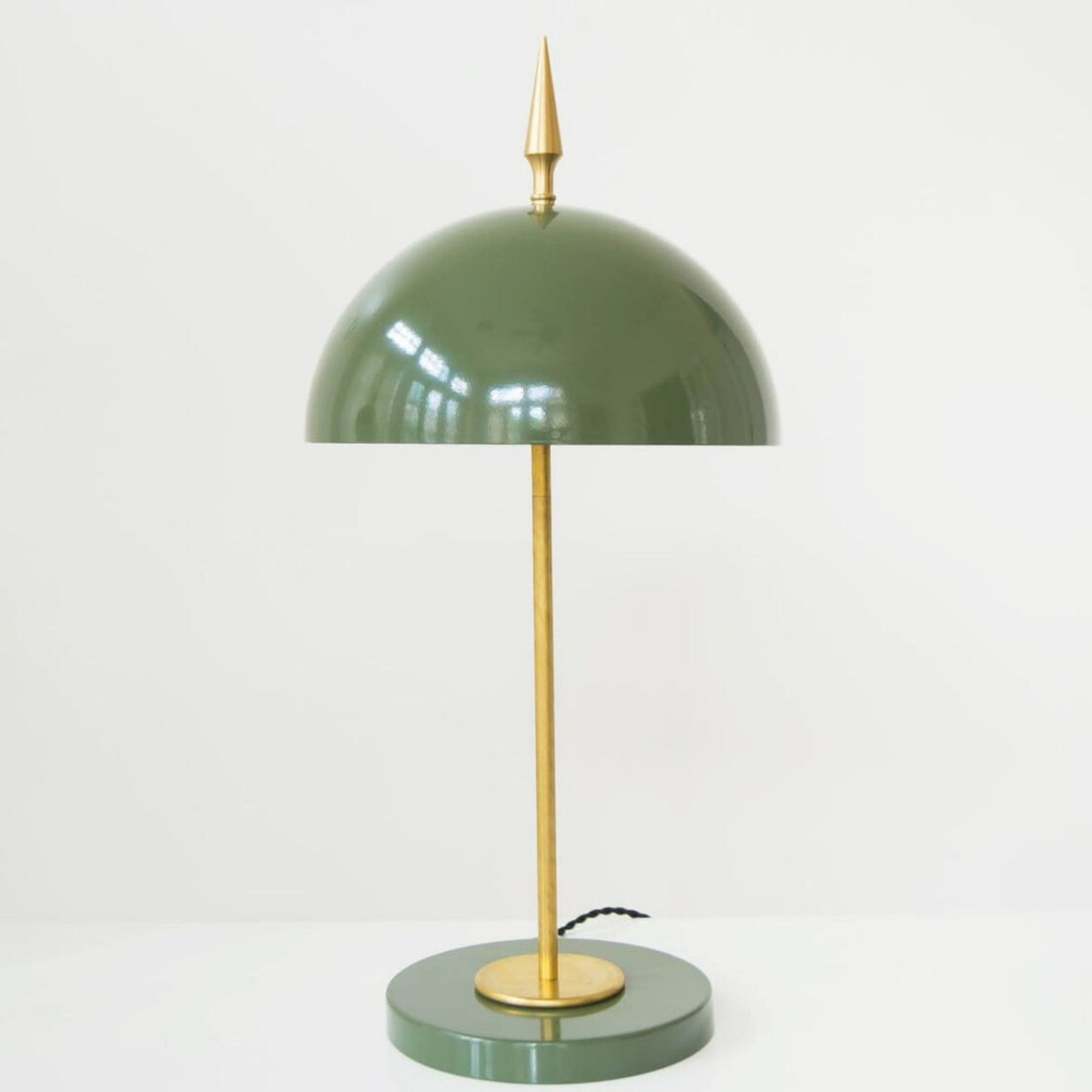
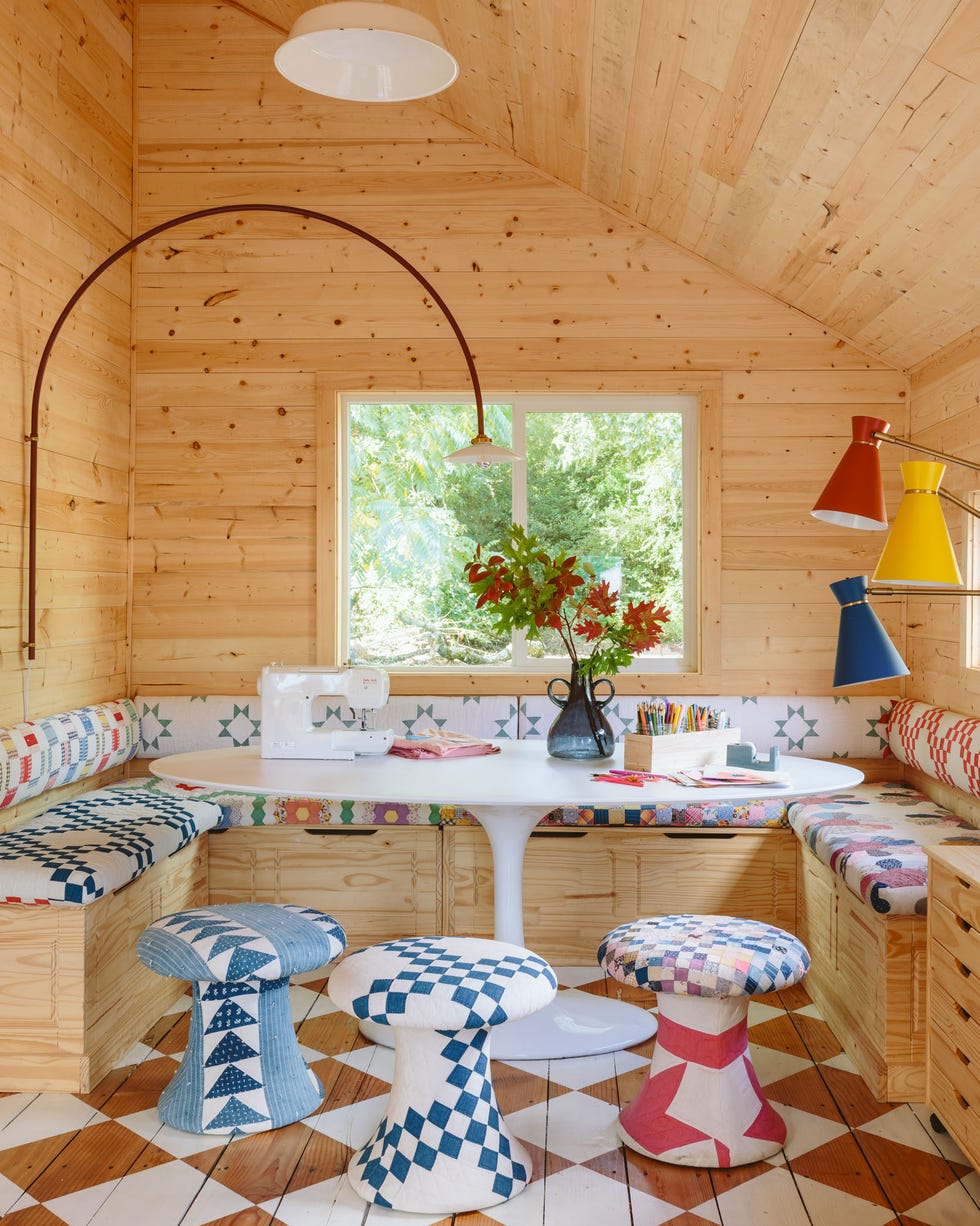
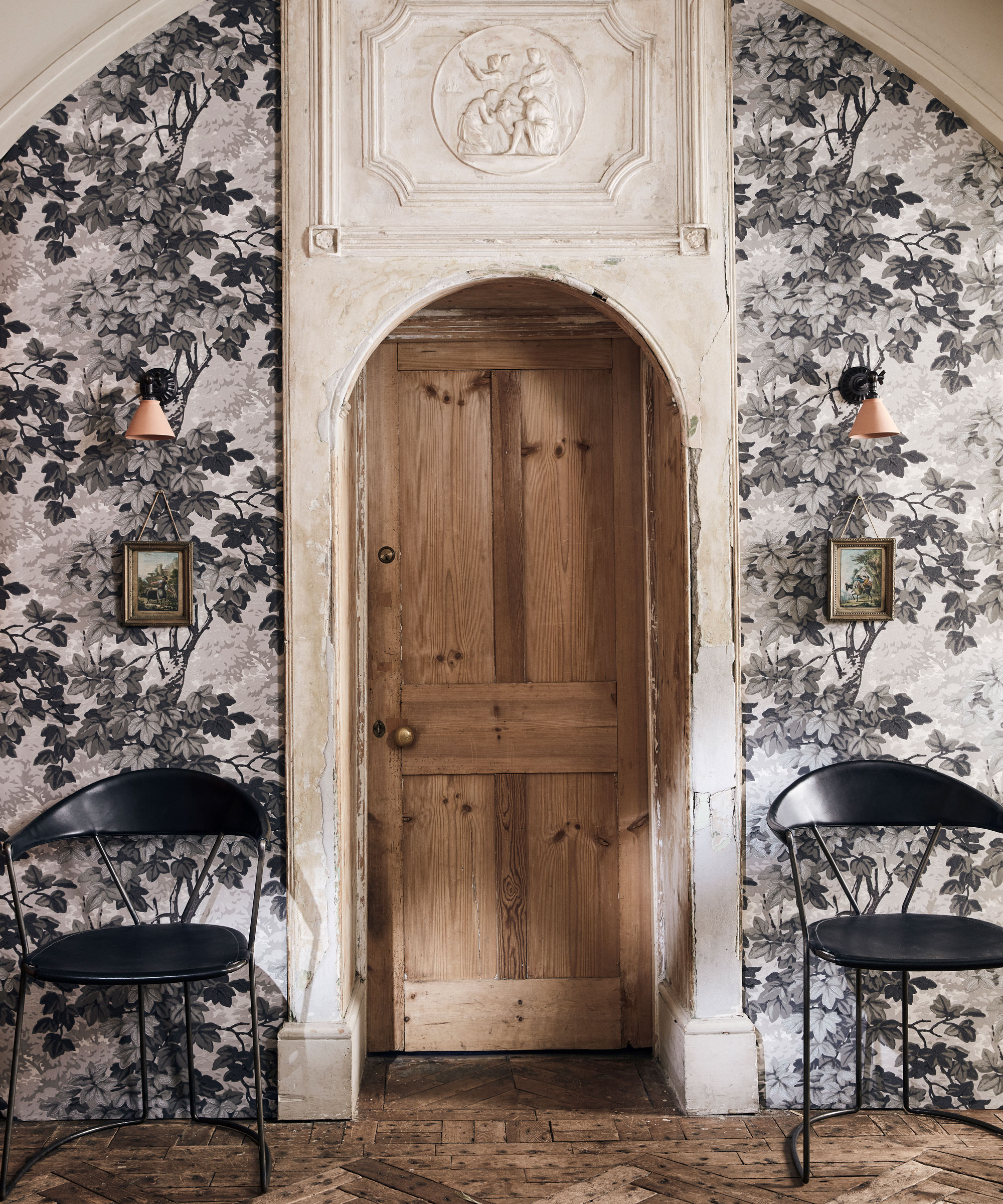
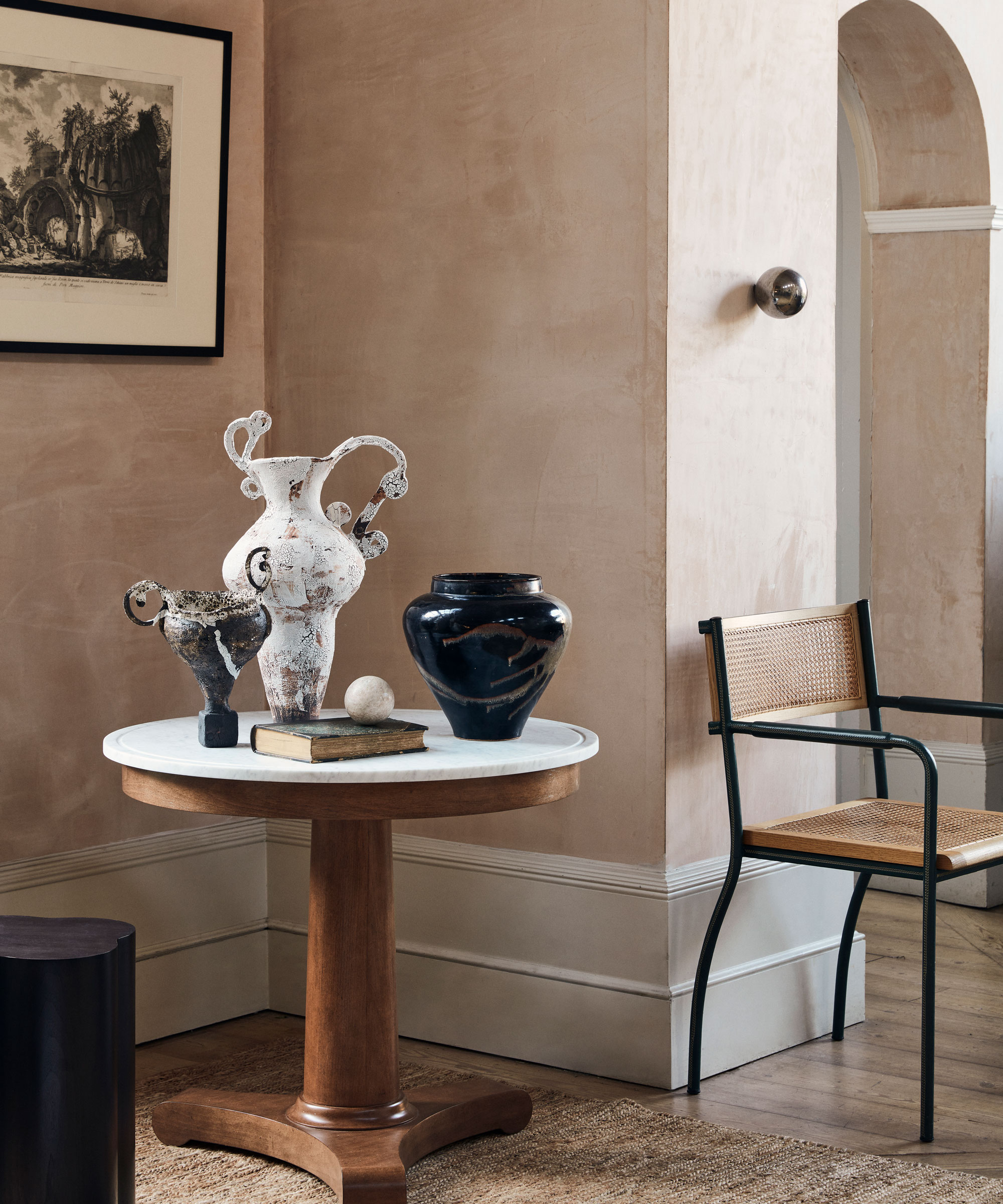
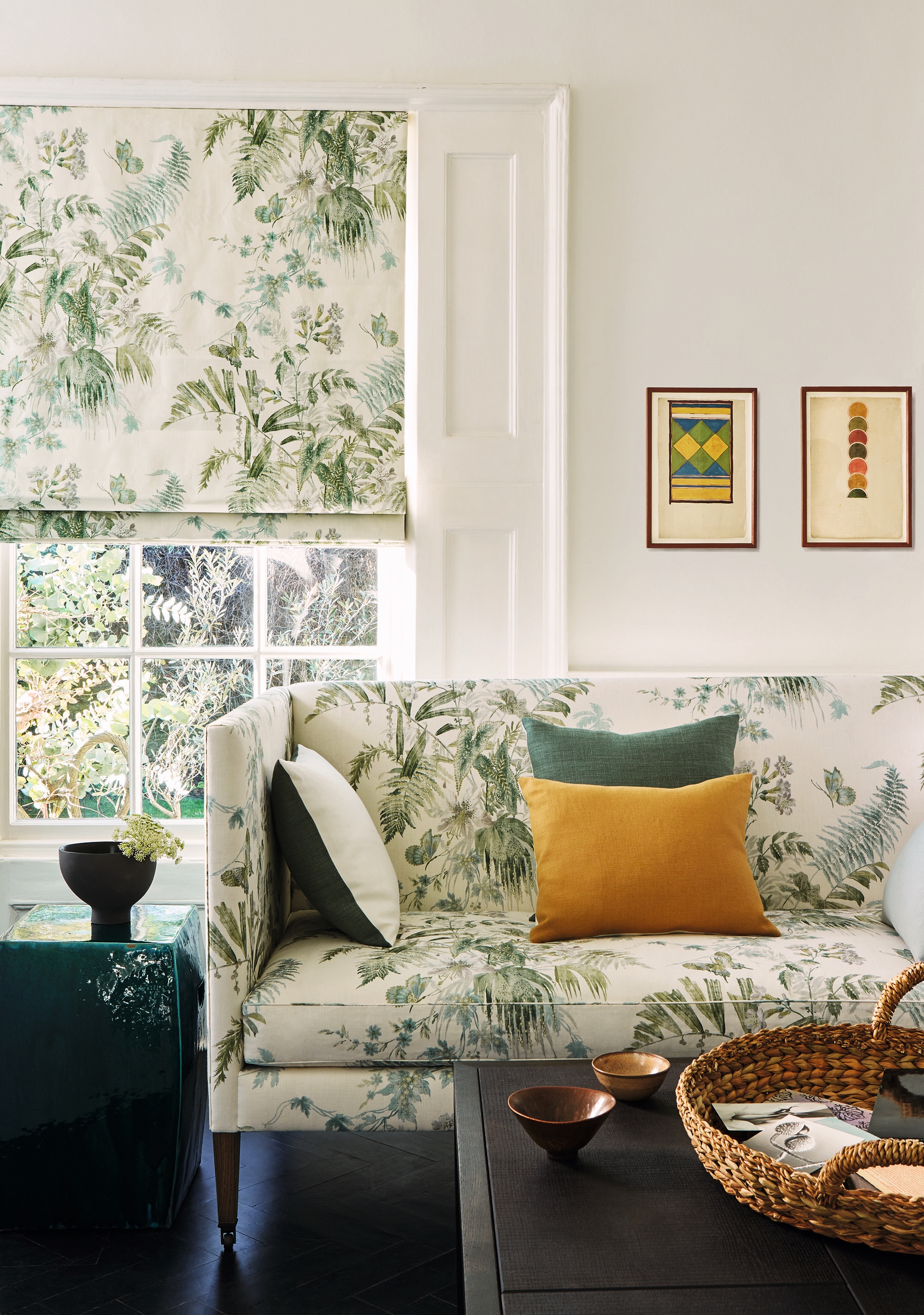
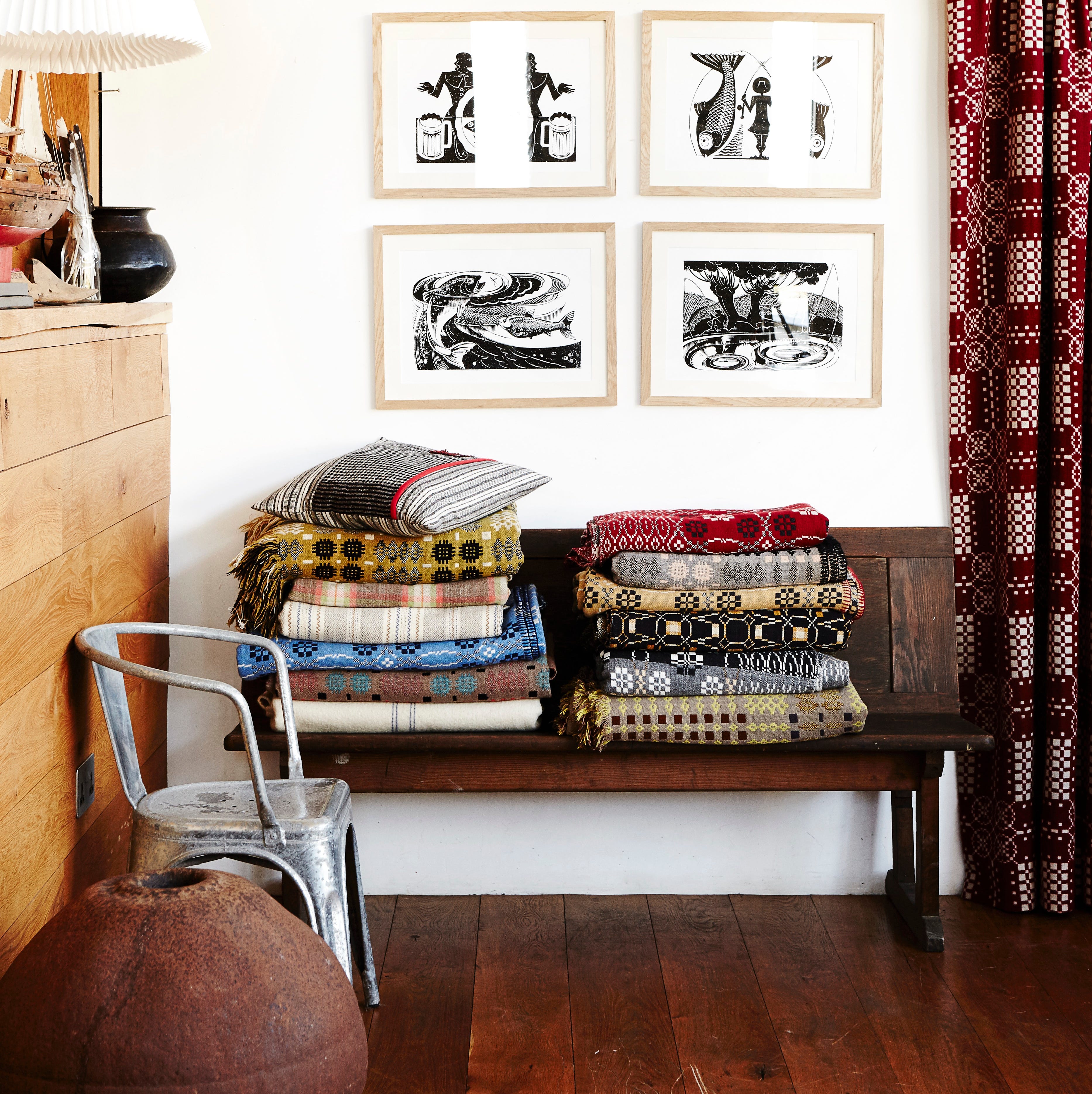
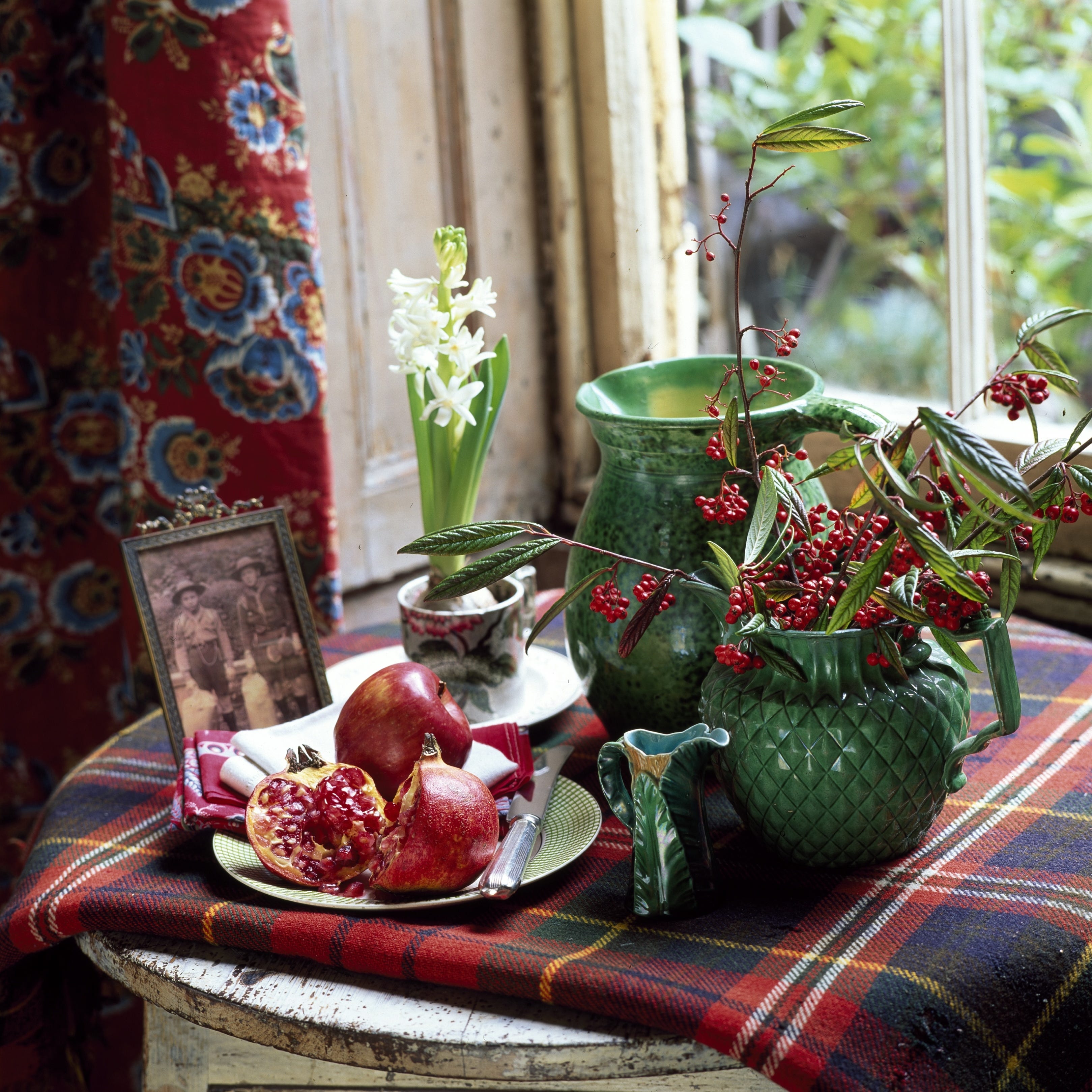
While traditional design might seem at odds with the typically modern and breezy West Coast aesthetic, designers confirm that it is possible to integrate this style effectively. The key lies in blending old and new elements to create a cohesive and curated look. One accessible method involves incorporating antiques and classic textiles, such as throw pillows and drapery, into existing decor. For more significant changes, updating architectural details like crown molding or replacing builder-grade lighting with traditional fixtures can enhance the overall traditional feel.
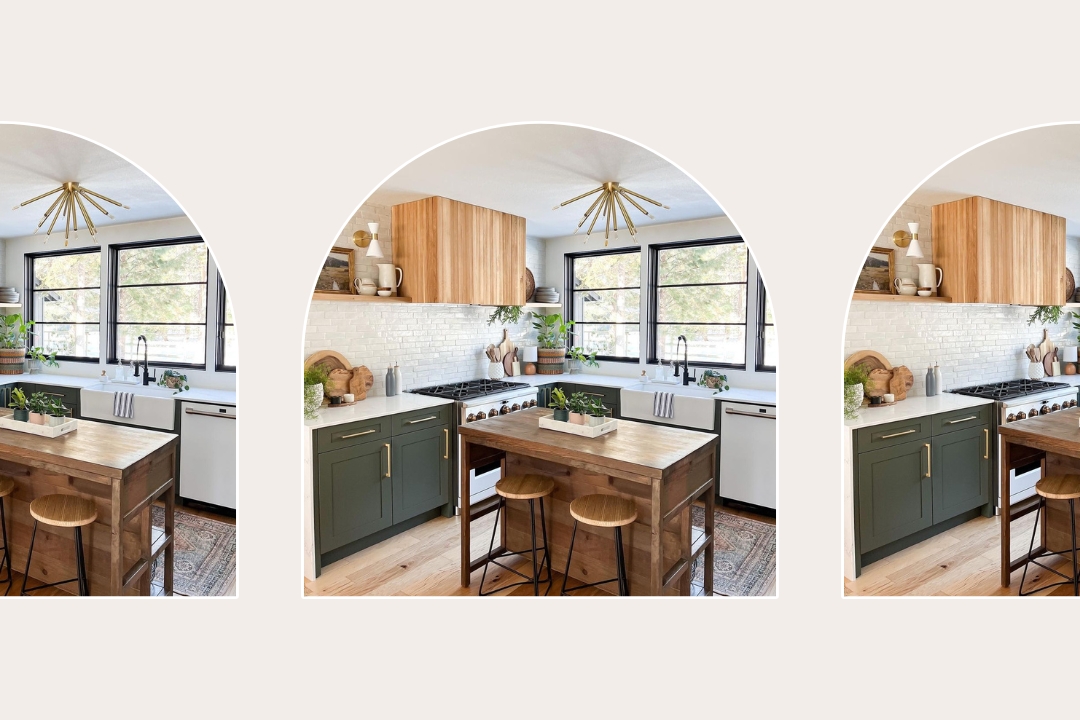
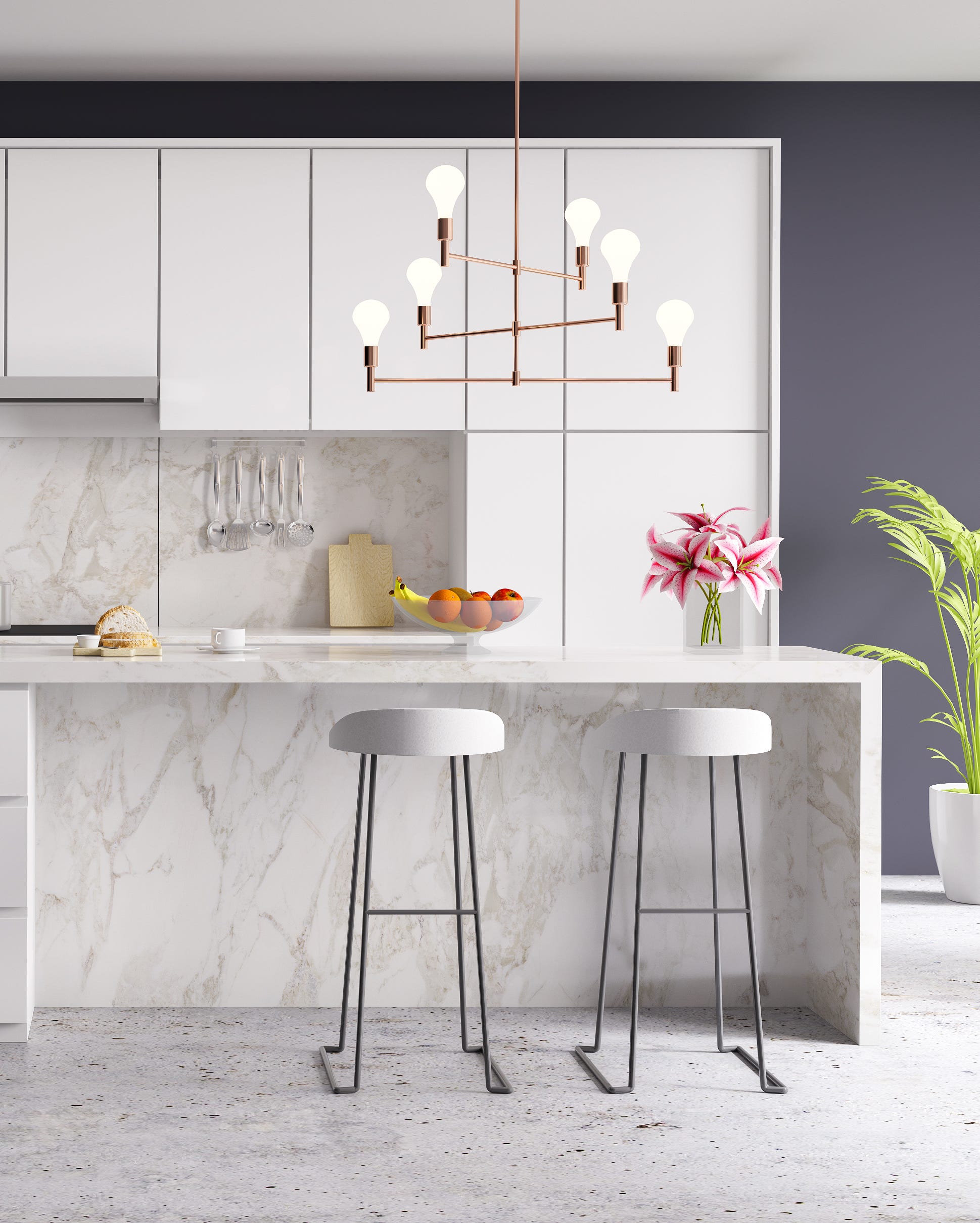
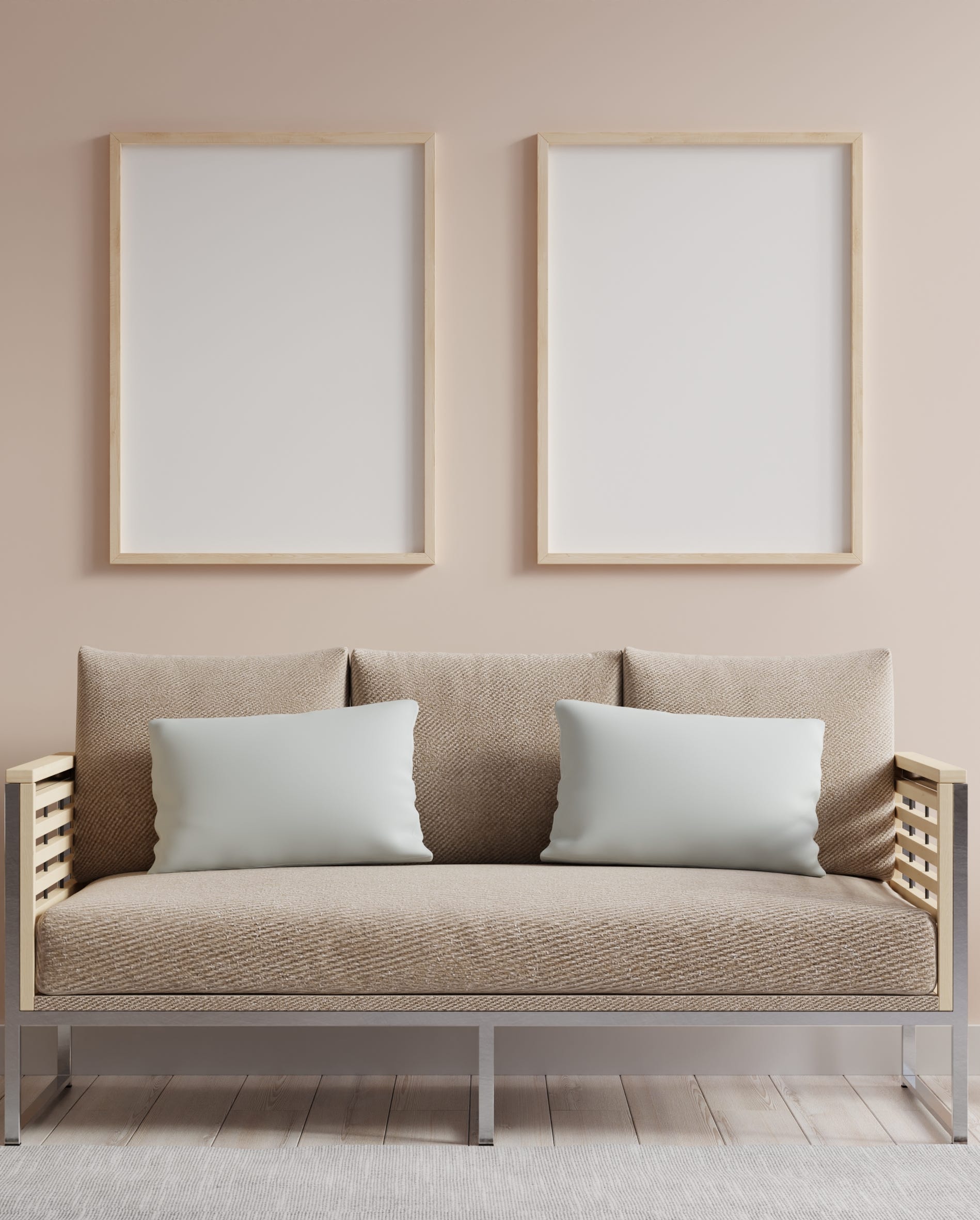
To achieve balance, designers recommend pairing traditional silhouettes, such as a roll-arm sofa, with natural textures and historically inspired color palettes. The strategic use of varied materials is also crucial for bridging different design styles. Sklar suggests opting for surfaces designed to age gracefully and show signs of use, listing unlacquered brass, soapstone, butcher block, and marble as excellent choices for this purpose. These materials contribute to a lived-in, authentic aesthetic that aligns with traditional sensibilities.
Ultimately, integrating traditional decor successfully into any home, particularly in regions known for modern design, requires a holistic approach. It’s important to consider how individual pieces contribute to the overall harmony of the space. The goal is to create a collected, rather than haphazard, appearance. Maintaining consistency in wood tones, color schemes, textures, and materiality ensures that traditional elements complement the existing interior and avoid appearing as an afterthought. This thoughtful curation results in a home that transcends both time and fleeting trends, offering an enduring sense of style and comfort.
#TraditionalDecor #InteriorDesignTrends #HomeDecor #DesignTrends #ComfortInDesign #NostalgiaInDecor #WestCoastDesign #AntiquesInDecor #TraditionalDecor #InteriorDesignTrends #HomeDecor #DesignTrends #ComfortInDesign #NostalgiaInDecor #WestCoastDesign #AntiquesInDecor
0 comment in total
 No comments yet
You may also like
You're About To See This Rustic Home Decor Trend Everywhere

Here’s why colonial furniture is still coveted by design enthusiasts

40 Outdated Home Trends We Hope Never to See Again

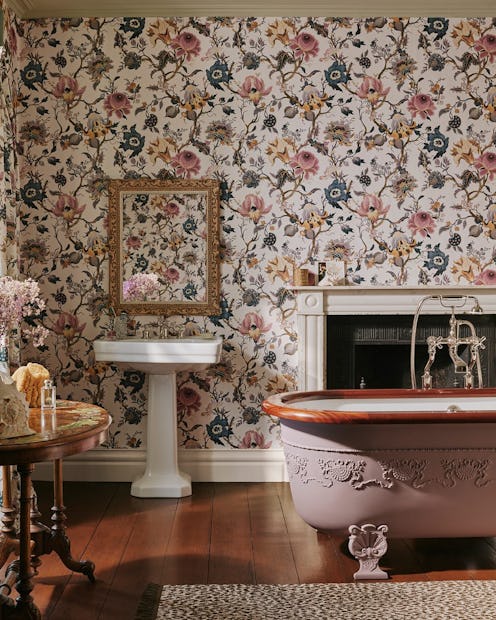
This Vintage Print Is Taking Over Homes This Winter
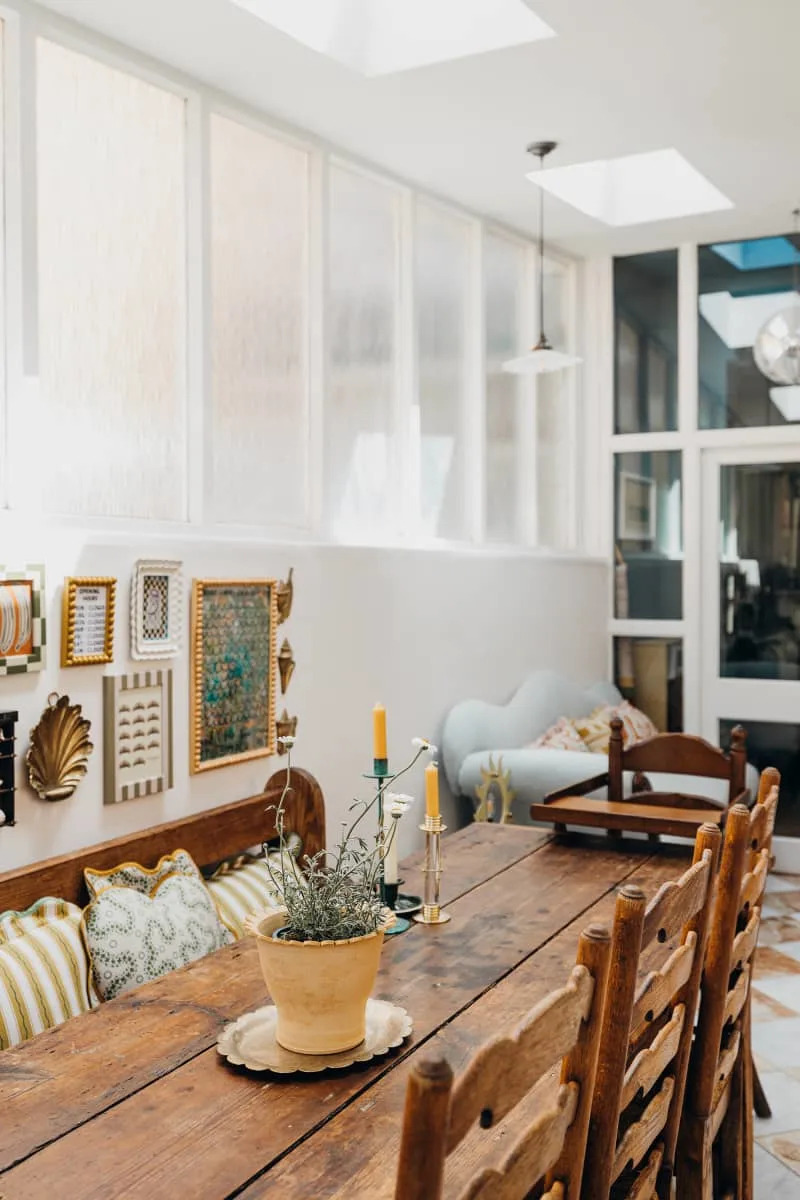
This Timeless Trend Is Making a Comeback, and It’s Ridiculously Easy to Style

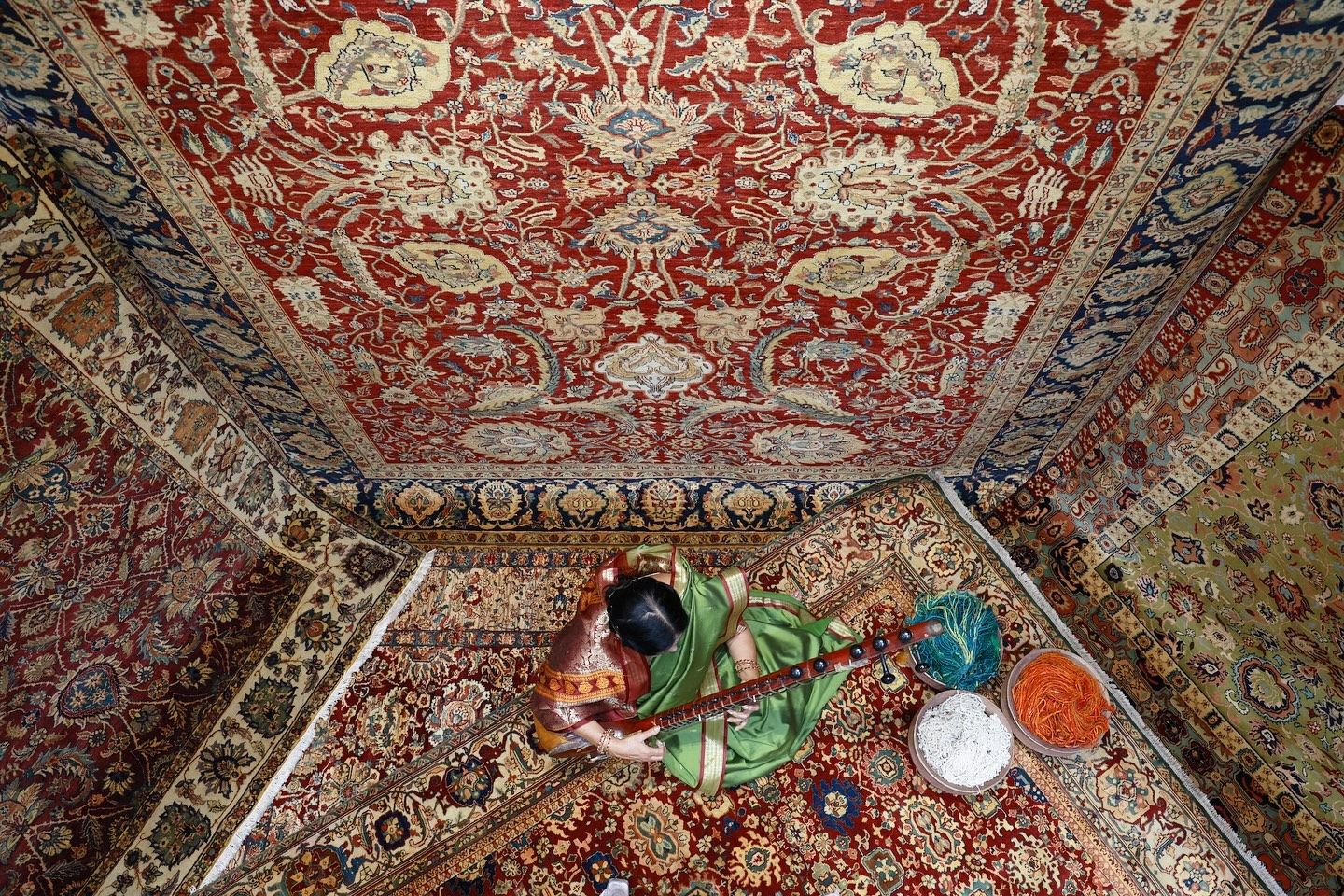
These home decor brands are weaving Indian traditions into modern living
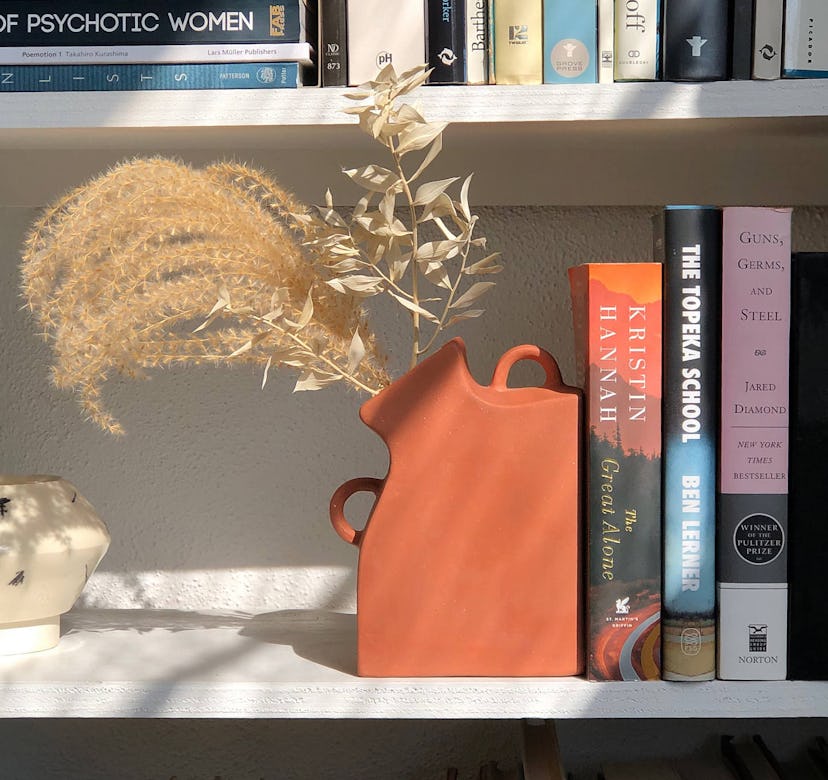
The Latest Home Decor Trend Will Bring Old World Charm To Your Space
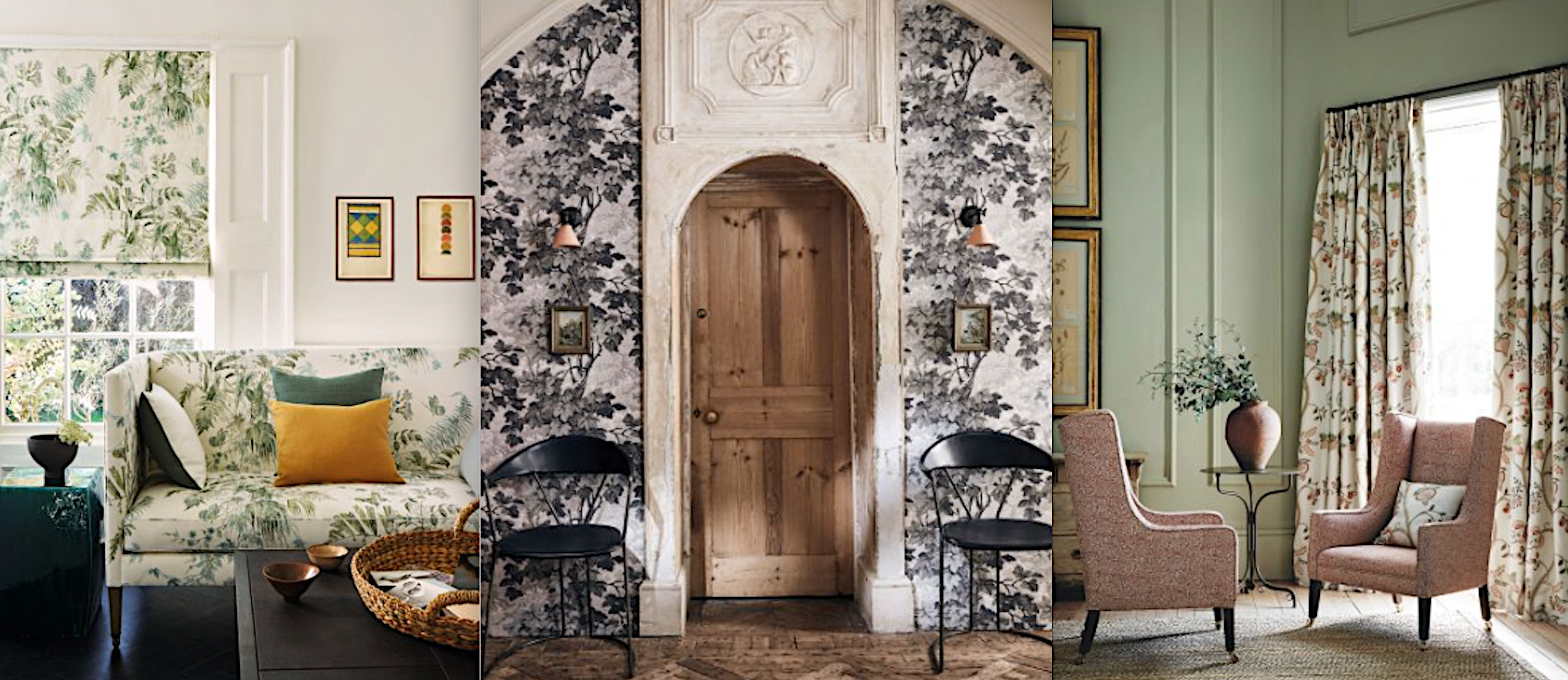
Traditional decorating ideas – 15 inspiring, timeless interiors

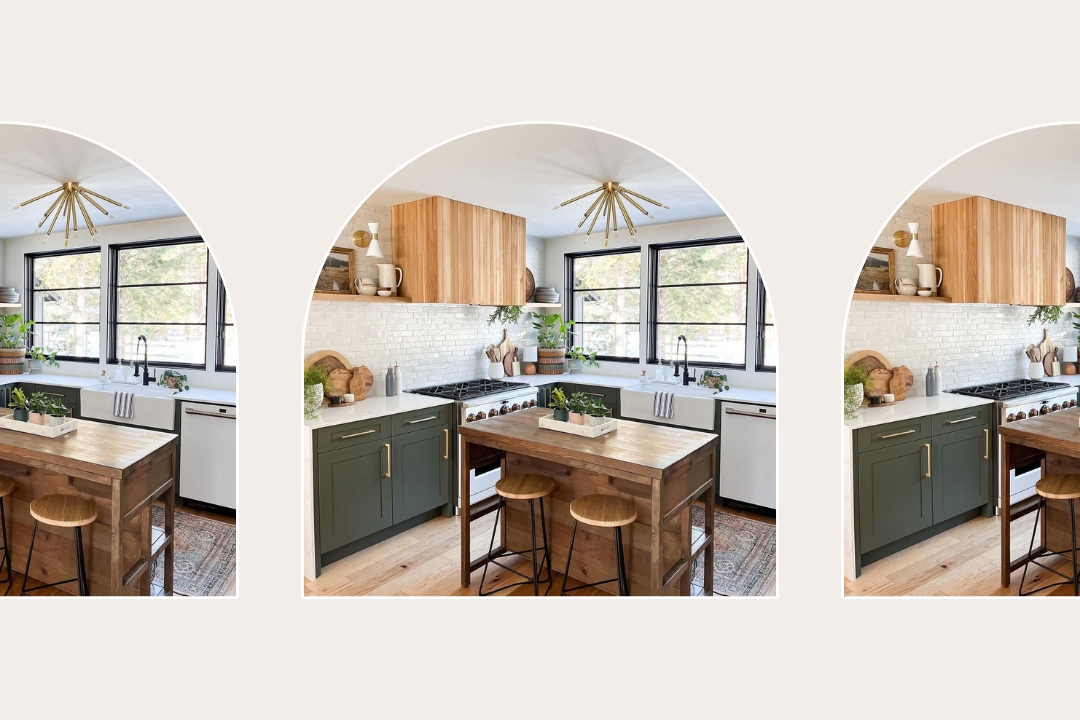
This Home Decor Trend Has Proved It’s Here to Stay—Here’s Why We Can’t Get Enough
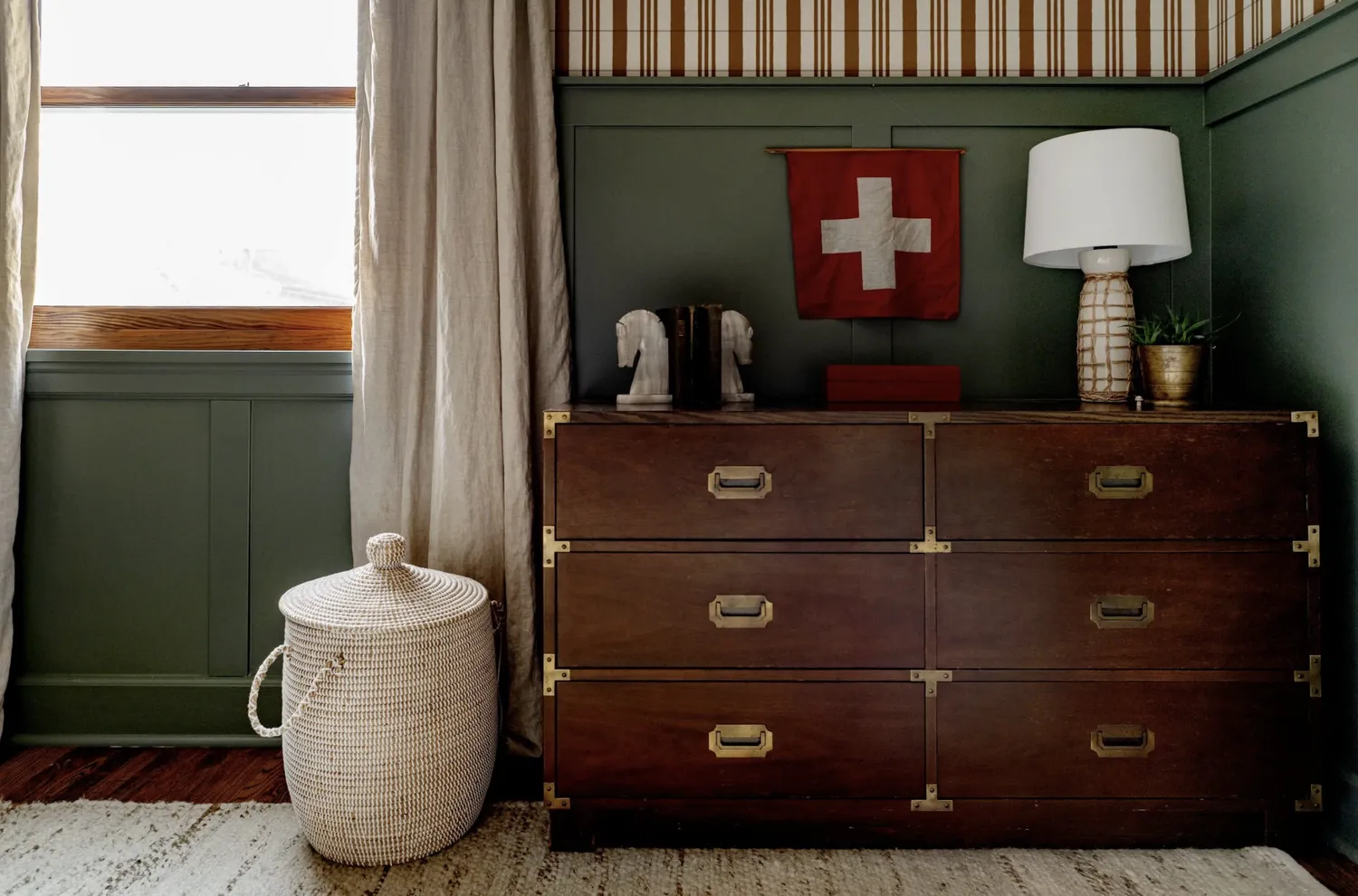
This Dated Home Decor Style Is Back—and It Instantly Makes Your Space Look So Expensive

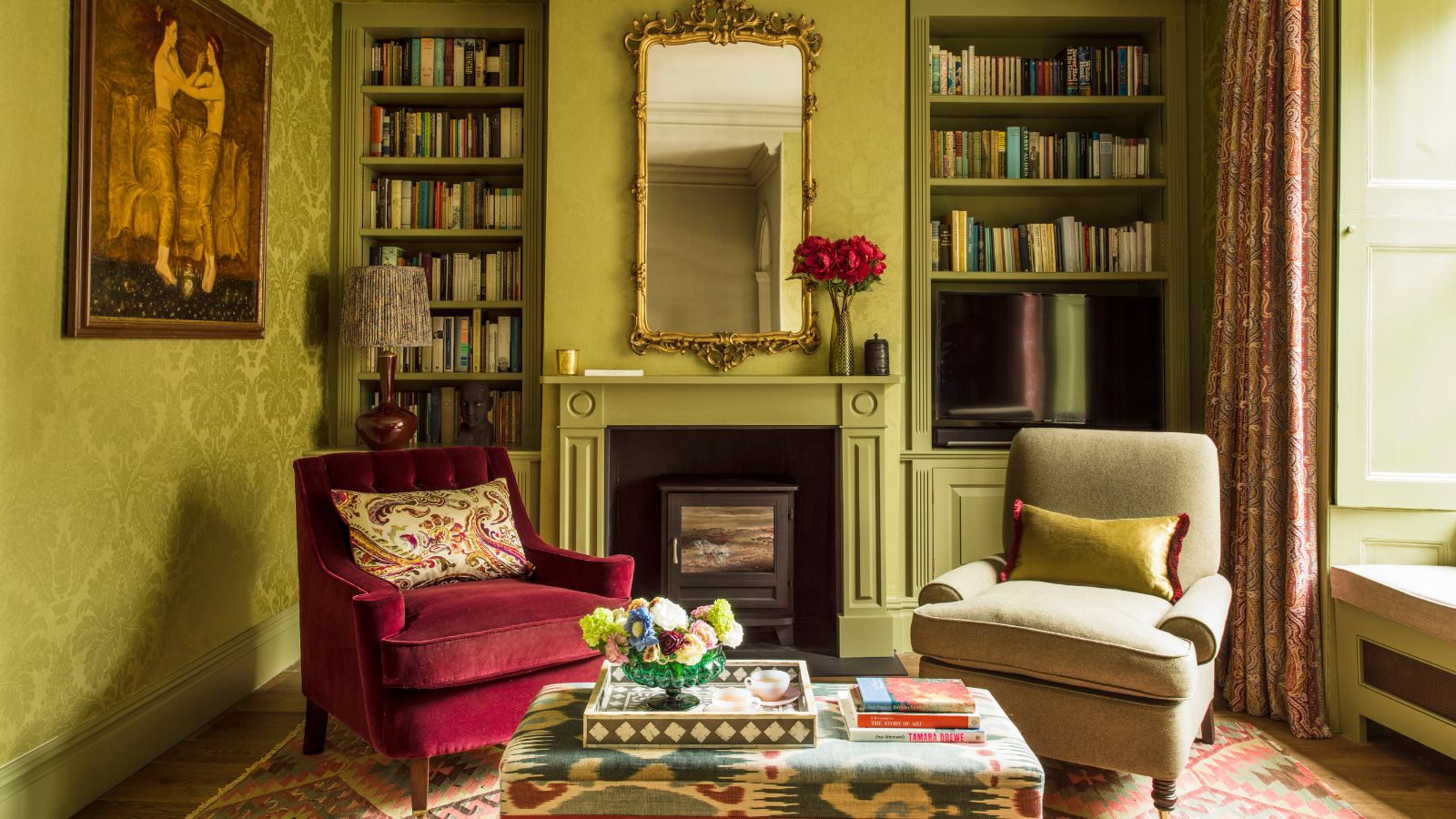
Decorating with antiques – 8 designer tips to channel the past in the chicest way
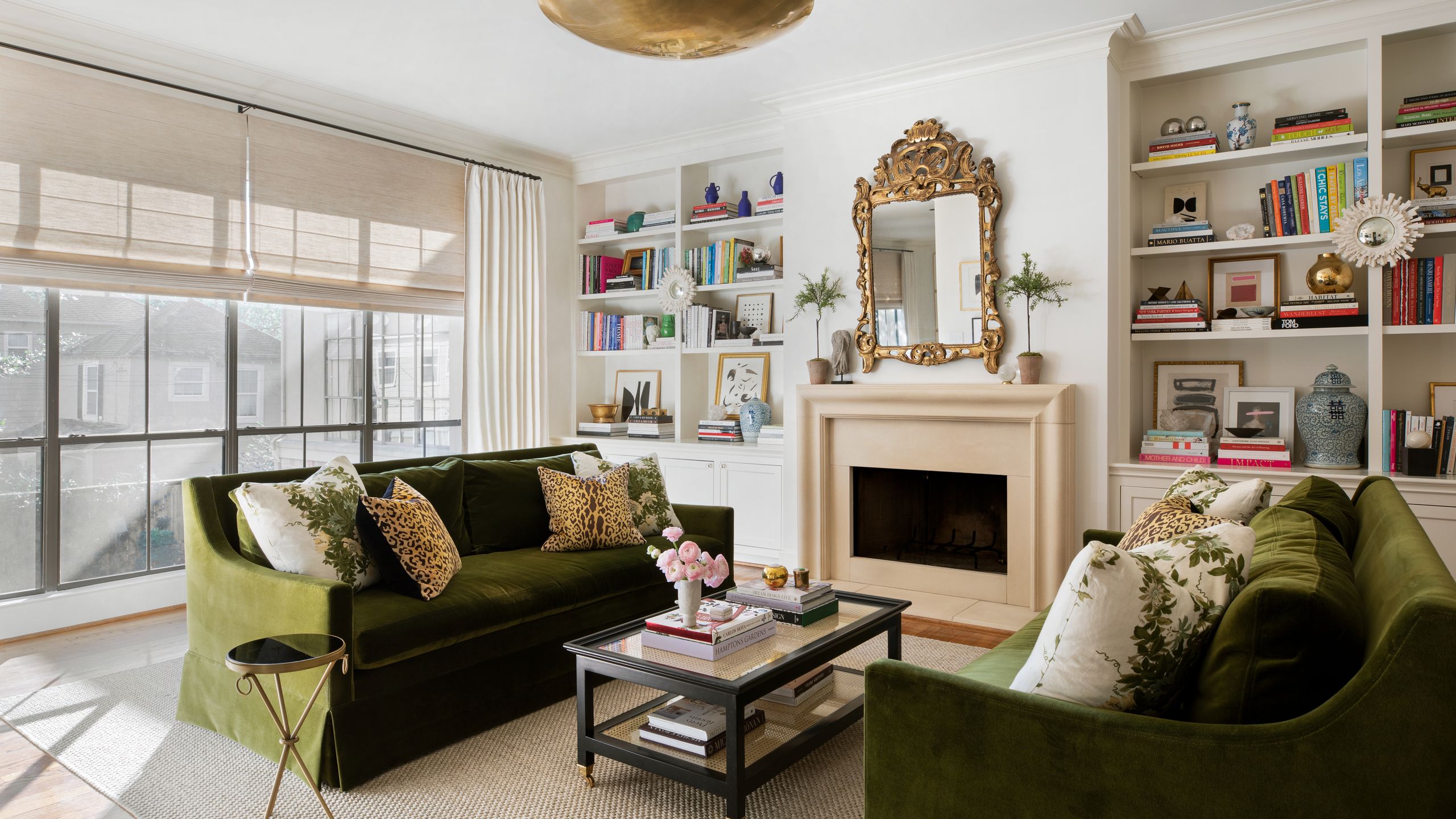
Traditional Interior Design: Everything You Need to Know About This Classic and Timeless Style

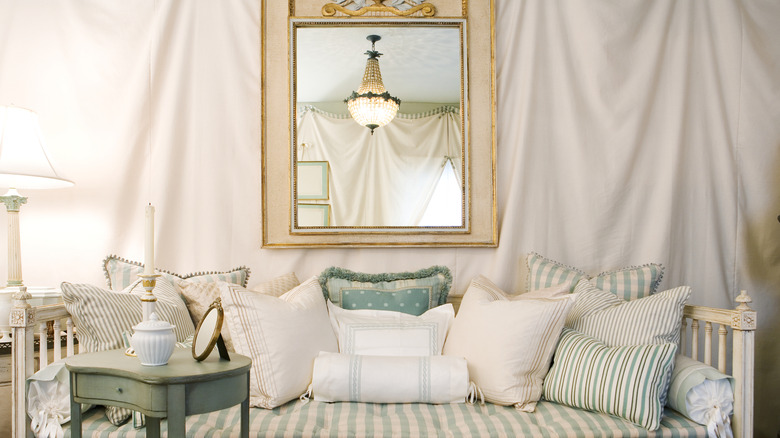
The Decades-Old Decor Trend That Everyone's Putting Back In Their Homes Today
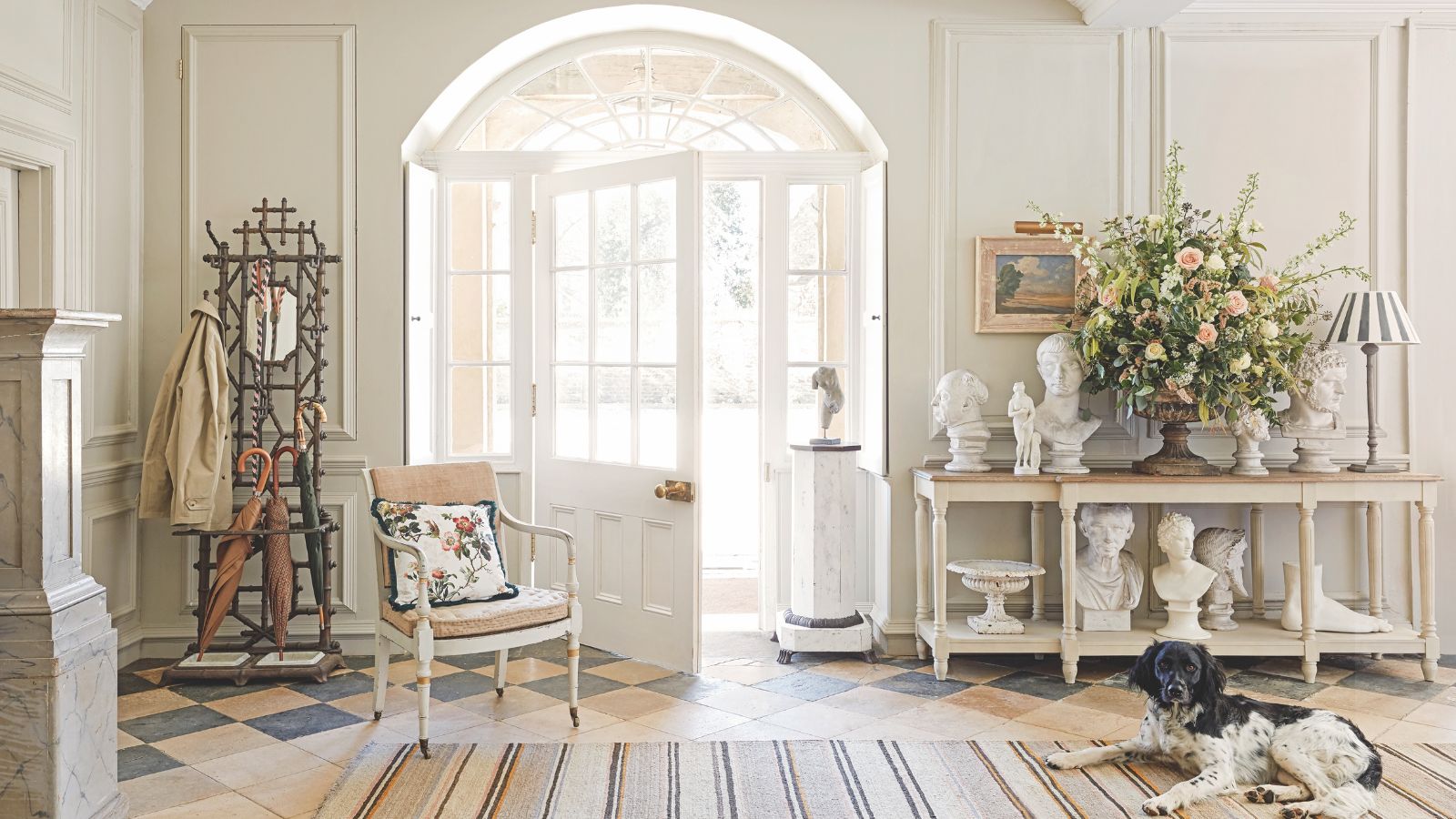
Interior designers on the best piece of decorating advice they inherited from their parents and grandparents
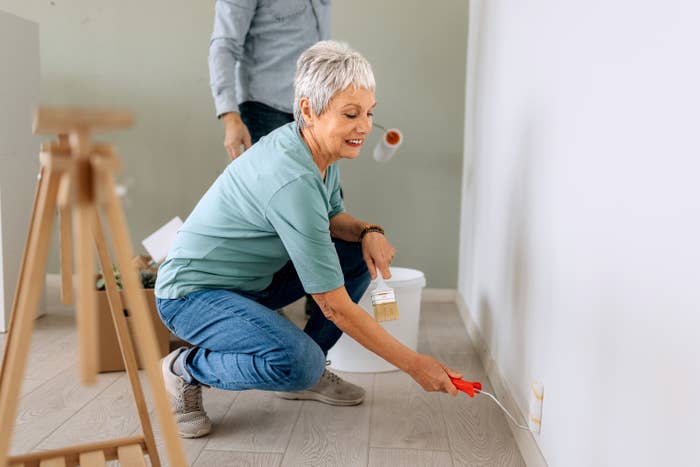
"I Grit My Teeth When I See It": People In Their 60s, 70s, And 80s Are Sharing The Modern Home Trends They Simply Cannot Stand

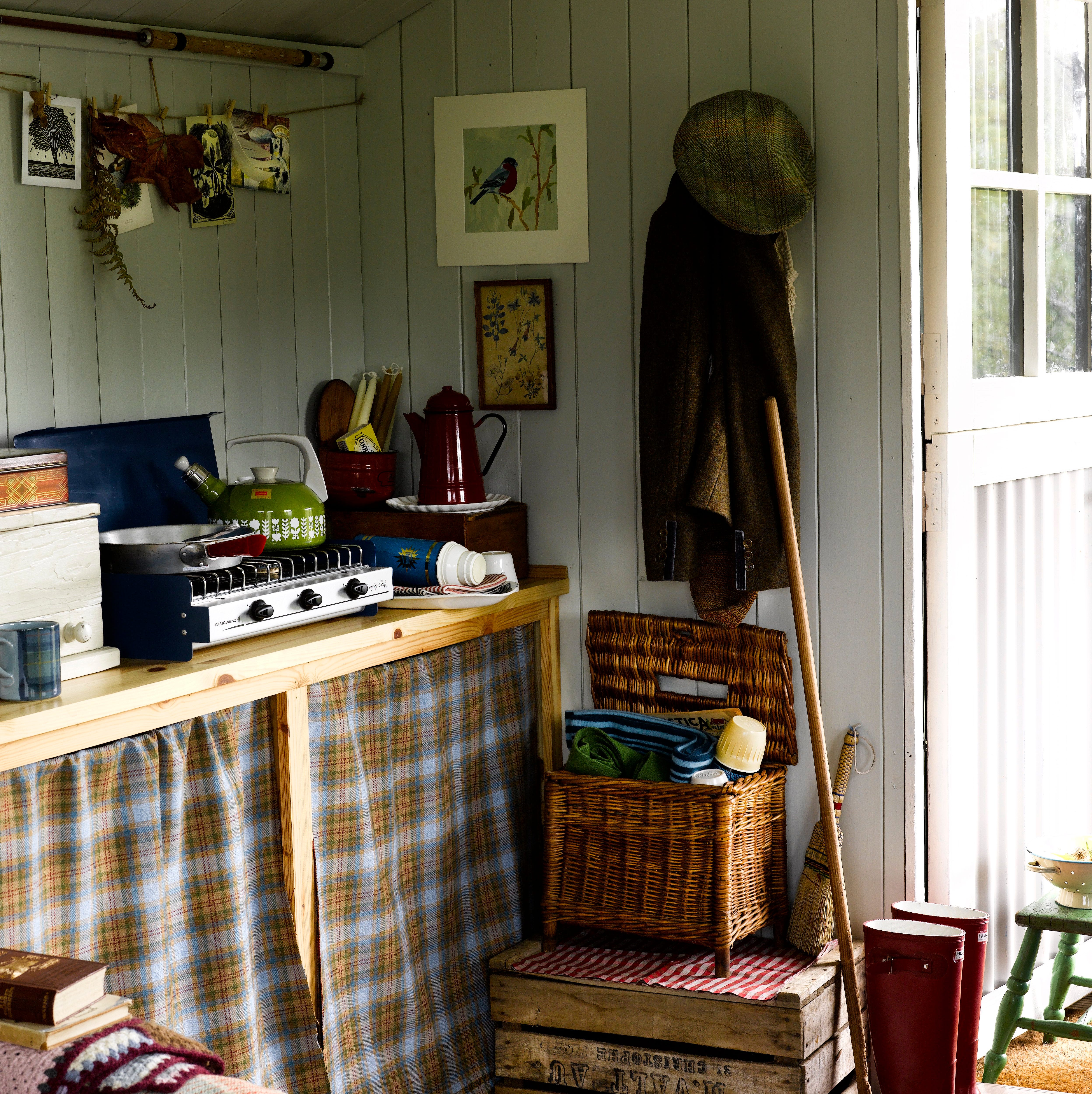
13 ways to decorate with tartan

9 fresh ways to try the grandmillennial decor trend

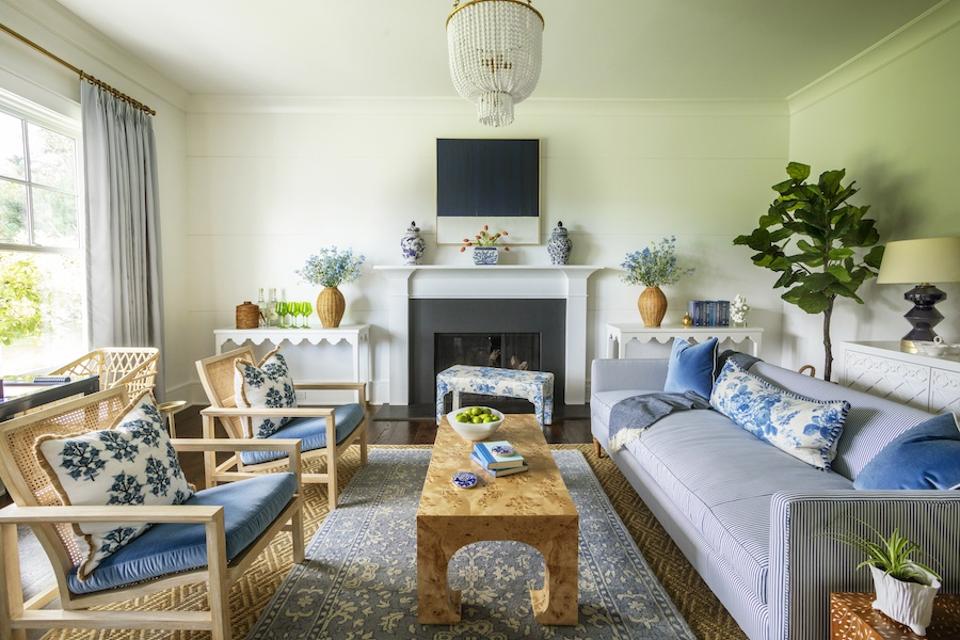
Interior Designers Share Their Best Traditional Design Tips

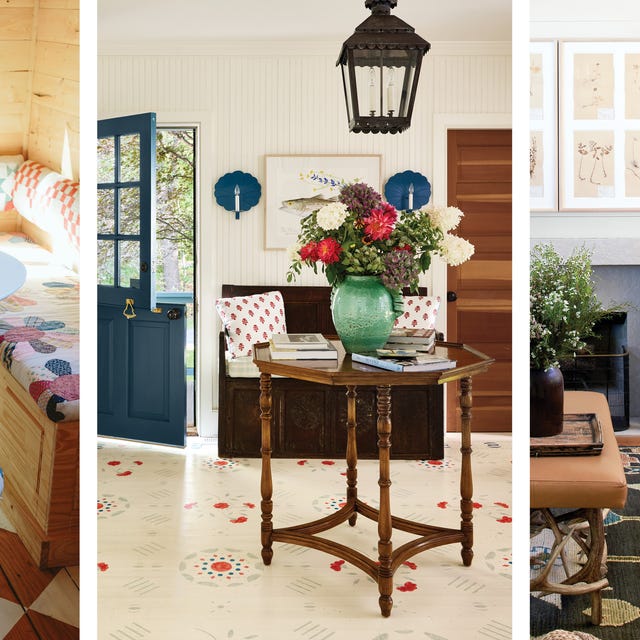
Wood Paneling and 11 More Vintage Decor Trends Making Huge Comebacks in 2025
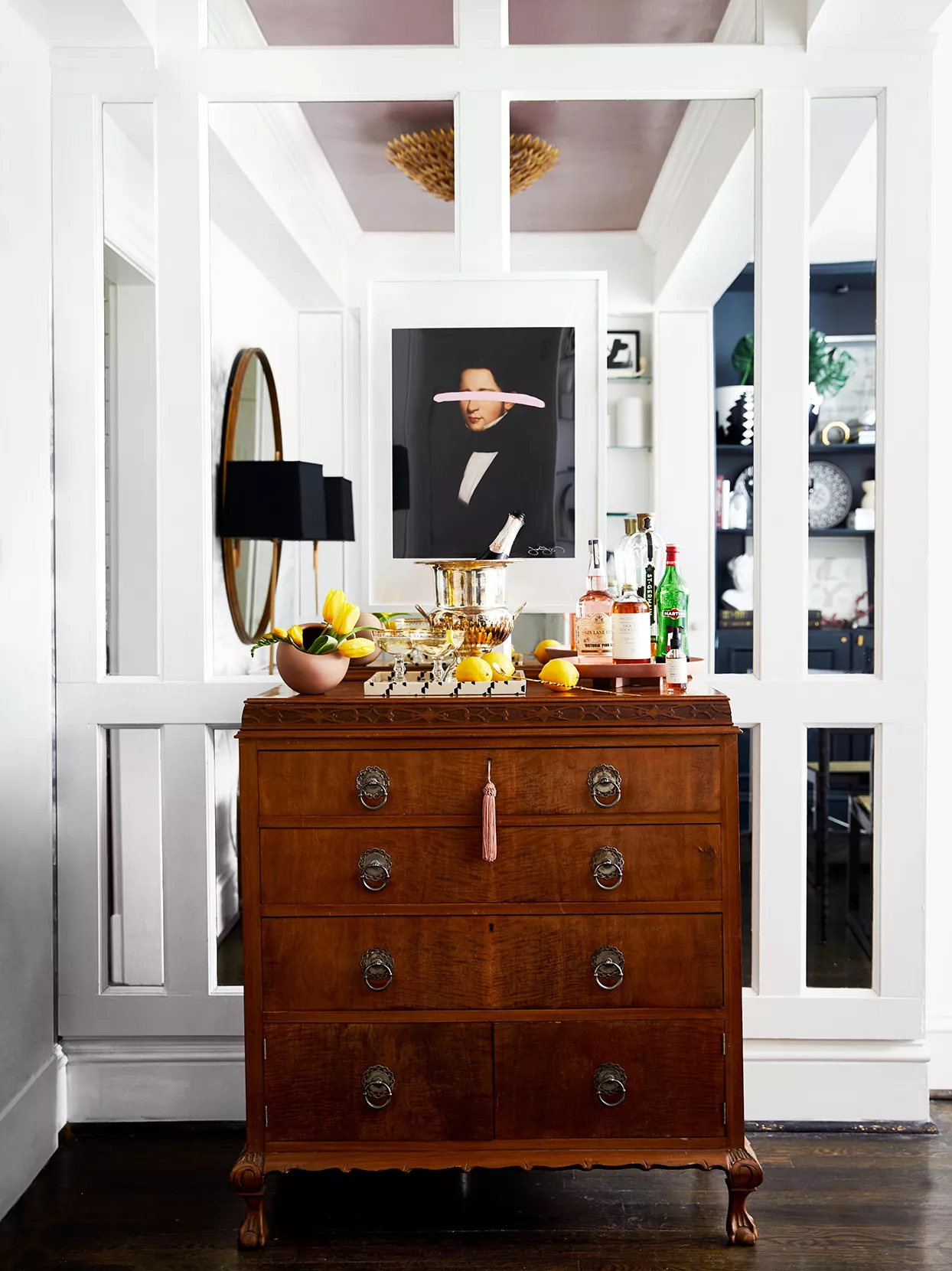
Old Money Decor Is the Timeless Look Taking Over Interiors