1/15
13 ways to decorate with tartan
This article explores the enduring appeal and resurgence of tartan in home decor, tracing its rich history from ancient times to its current status as a fashionable interior design element. Originating as an identification system for Highland clans in 16th-century Scotland, tartan later became a symbol of resistance during Jacobite uprisings, even facing a ban after the Battle of Culloden in 1745. Its decorative revival began in the Victorian era, notably popularized by Queen Victoria's use of tartan in Balmoral Castle, bridging its rebellious past with a new association of royalty and acclaimed social standing. Designer Vivienne Westwood's observation that "Every fabric that you look at in England has a charge of content" aptly captures tartan's layered historical significance, making it a compelling choice for infusing homes with a sense of history and character.
The article highlights that tartan is poised for a significant resurgence in home interiors, as affirmed by Mark Hogarth, Global Brand Ambassador for Harris Tweed Hebrides. Hogarth notes the pattern's consistent presence on fashion runways and its complex but growing transition into the interiors market. He observes a trend towards bolder design choices, where tartan's inherent heritage and style make it a preferred fabric for major developments and A-list designers, ranging from subtle accents like a chair and cushion to comprehensive applications such as curtains and wallpaper. The article positions tartan as a design choice that offers cultural and historical depth, drawing parallels between its use in high fashion by designers like Dior, Westwood, and McQueen and its increasing adoption in hotels and residential spaces.
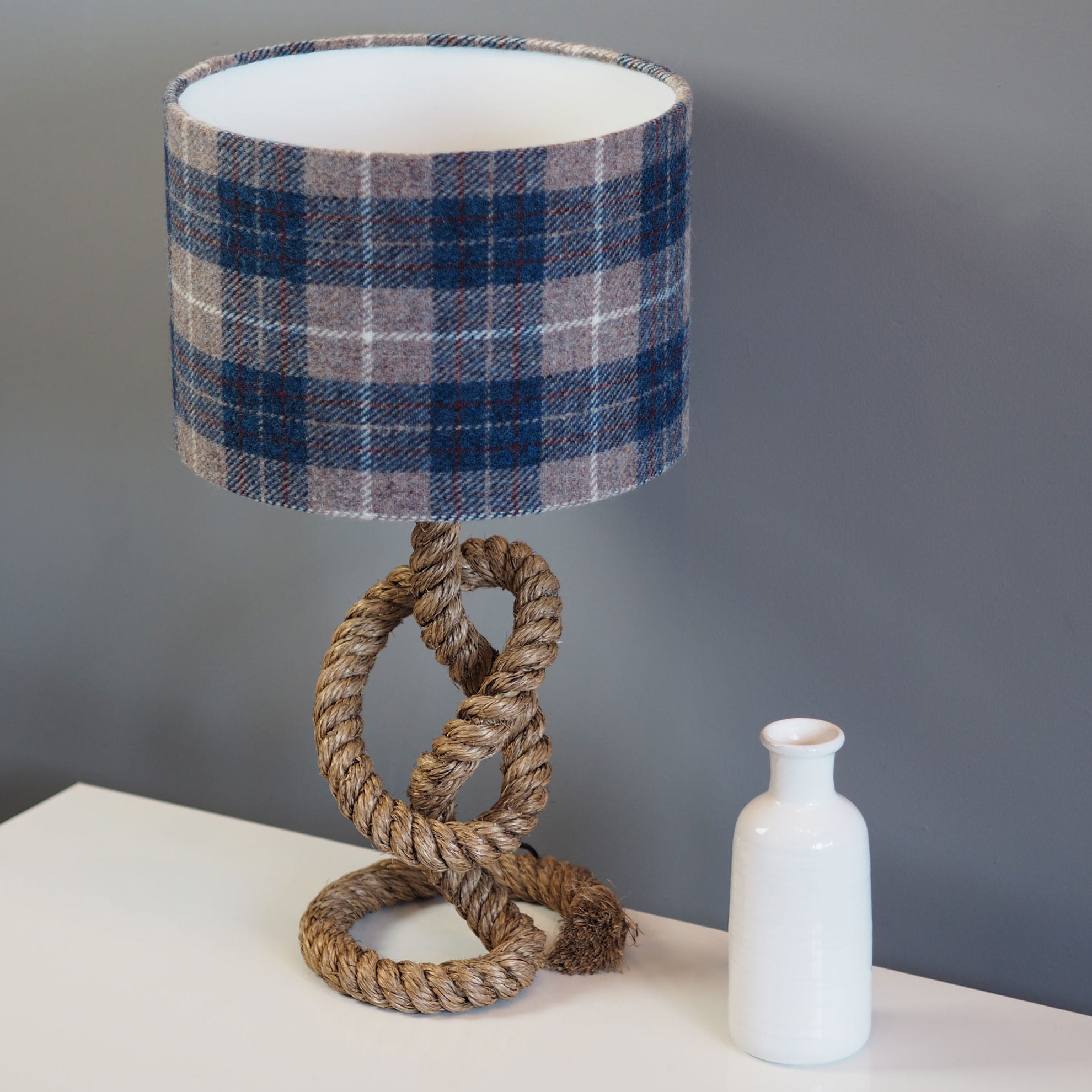
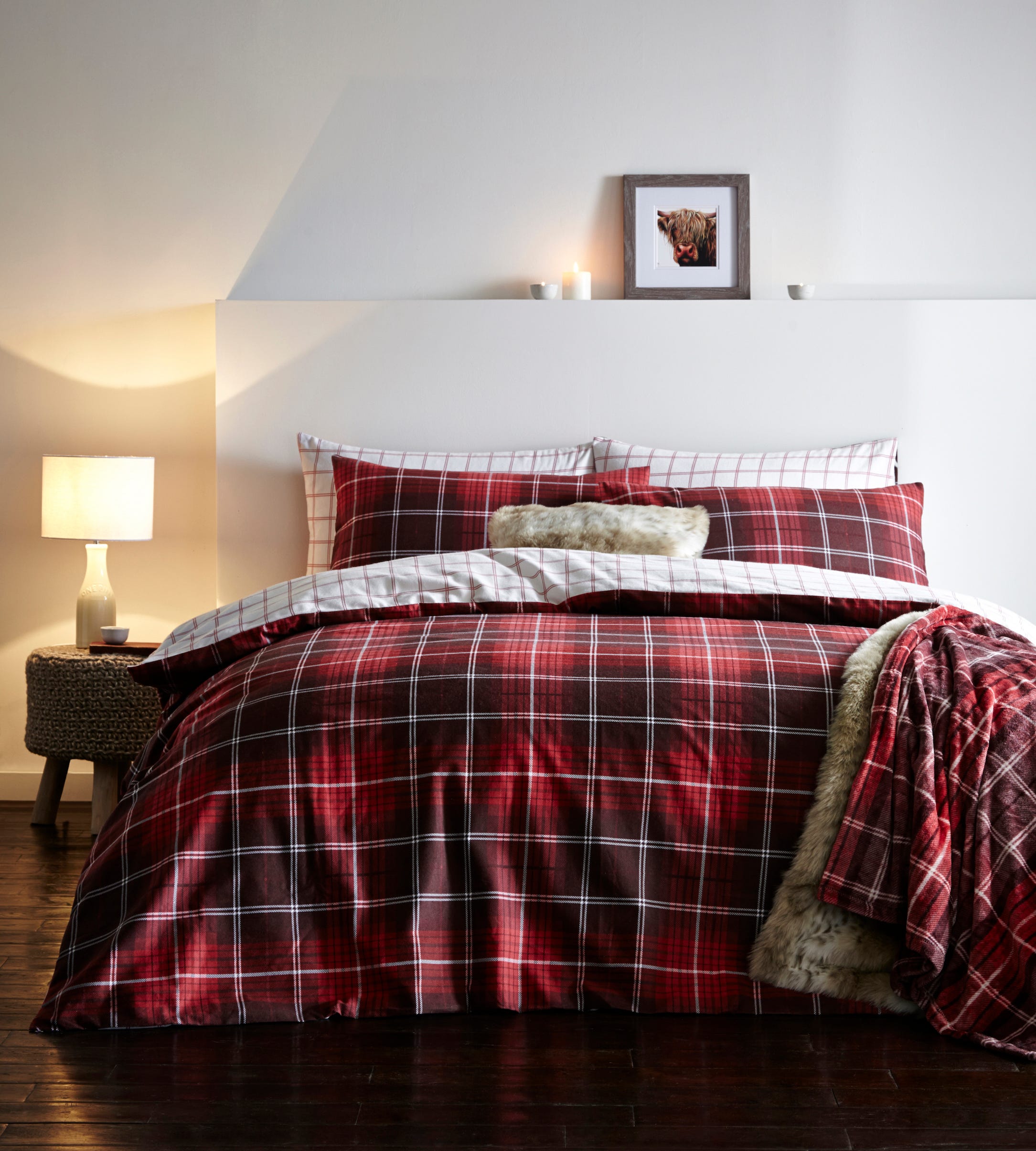
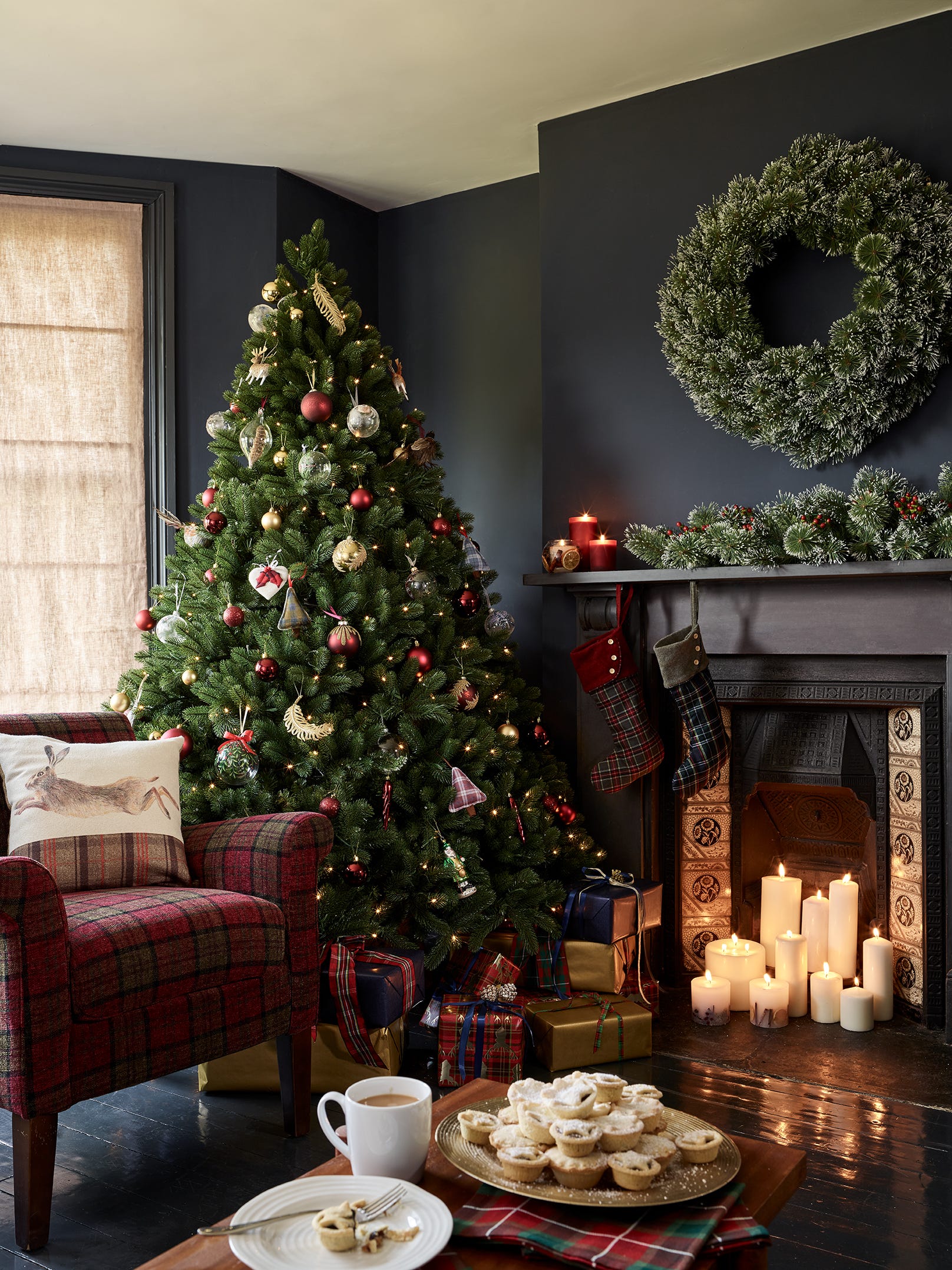
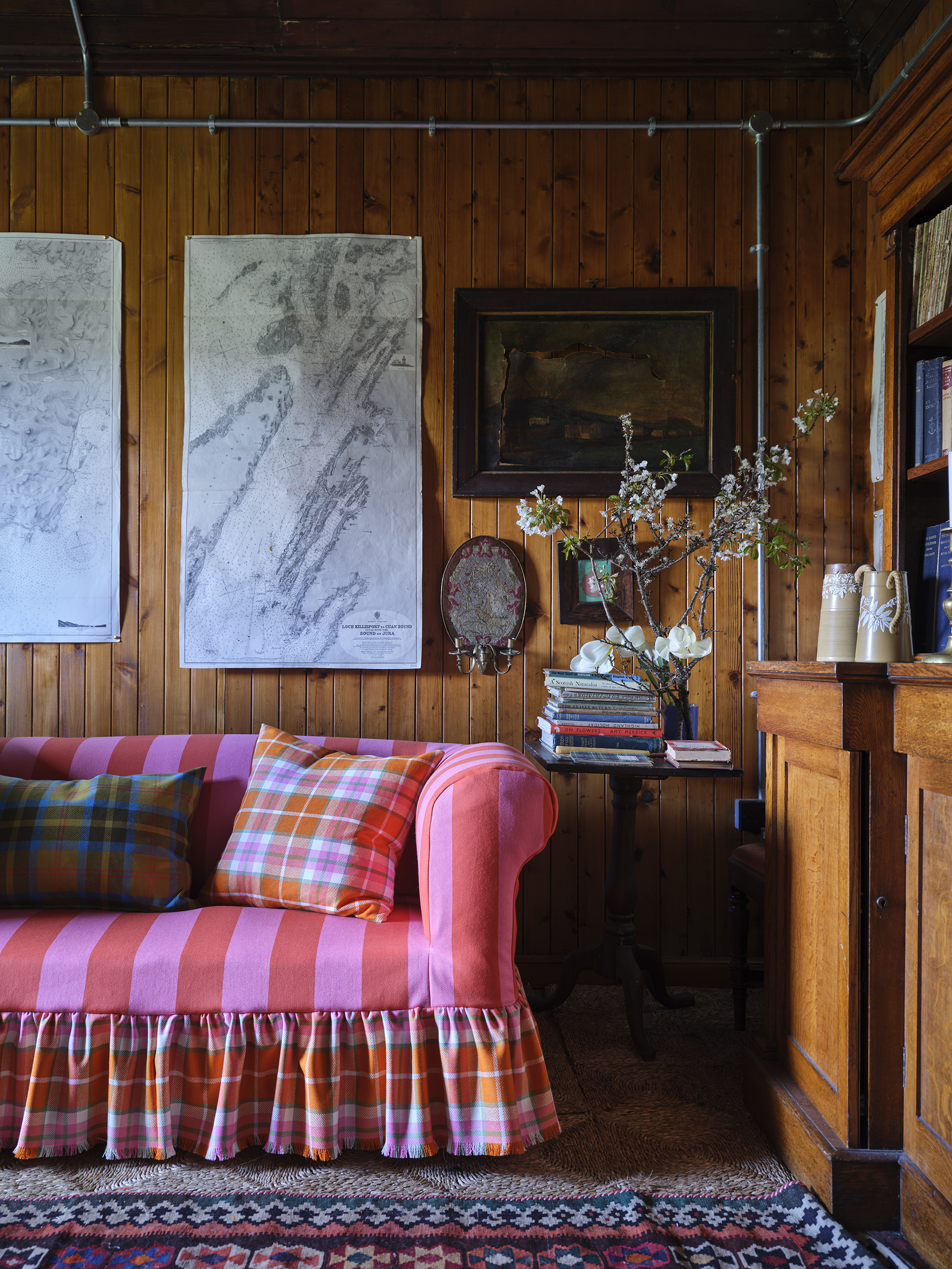
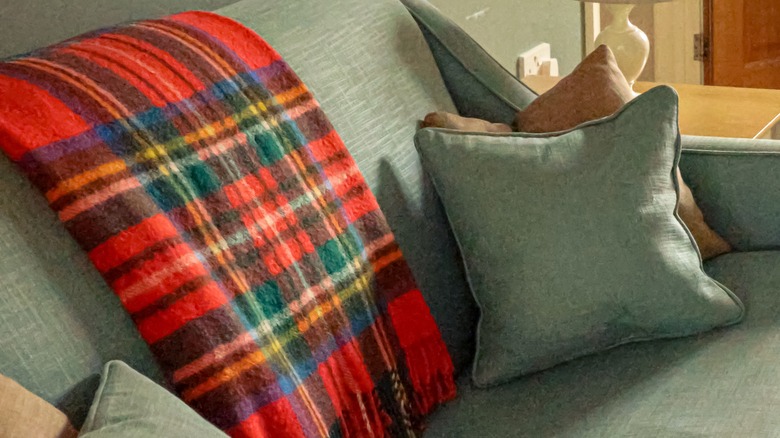
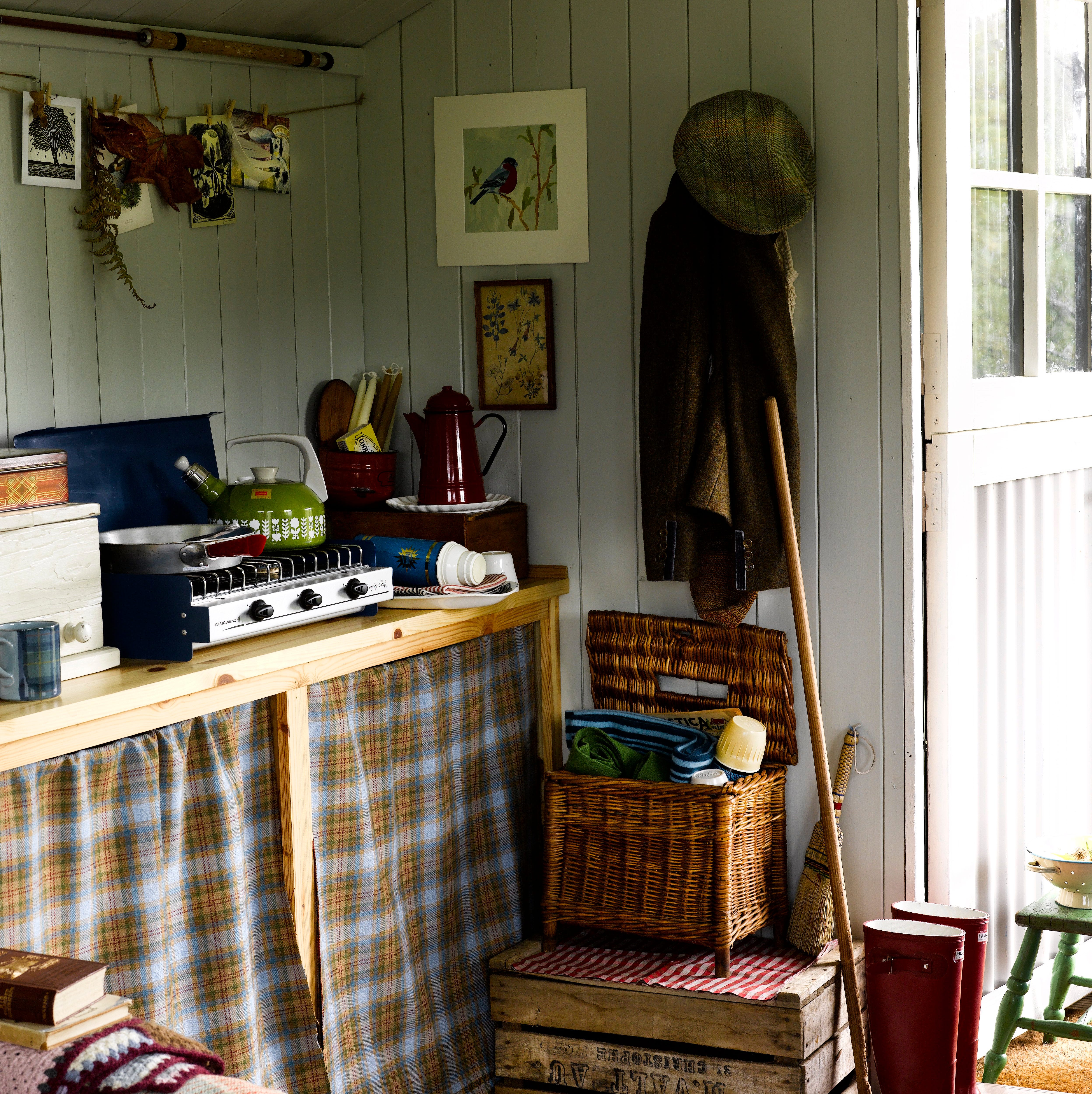
To guide readers on incorporating this heritage design into their homes, the article presents thirteen diverse and creative ideas. These suggestions include using tartan as a cozy bedspread or throw in living rooms to add depth to neutral schemes, and layering it with other heritage designs like tapestries to create rich visual textures. Other ideas involve crafting thoughtful vignettes with tartan blankets as backdrops for cherished items and employing tartan in tablescapes, where its bold colors and intricate patterns can bring warmth and sophistication to dining. The article also recommends more unconventional uses, such as incorporating tartan sink skirts as part of the 'kitschen' trend for a rustic touch, and using tartan for window treatments to brighten spaces.
Further suggestions explore playing with unconventional tartan palettes, like using a violet check blanket to introduce new shades, and integrating stylish tartan tiles from designers like Petra Palumbo for contemporary accents. For larger statements, the article proposes using plaid carpets or rugs, drawing inspiration from Balmoral Castle, and even painting tartan patterns directly onto walls for an ambitious design. Practical applications include incorporating tartan into boot rooms through bench cushions or stacked blankets, and using tartan upholstery for statement furniture pieces like wingback armchairs, often with a modern twist. The versatility of tartan is also showcased through its multi-purpose use, such as a picnic blanket repurposed as a draught excluder, illustrating how this historic pattern can be adapted to various decorative contexts to create a home imbued with history and style.
#TartanDecor #HeritageDesign #HomeInteriors #CountryLiving #VictorianStyle #TextileTrends #DecoratingIdeas #RusticHome #FabricHistory #TartanDecor #HeritageDesign #HomeInteriors #CountryLiving #VictorianStyle #TextileTrends #DecoratingIdeas #RusticHome #FabricHistory
0 comment in total
 No comments yet
You may also like
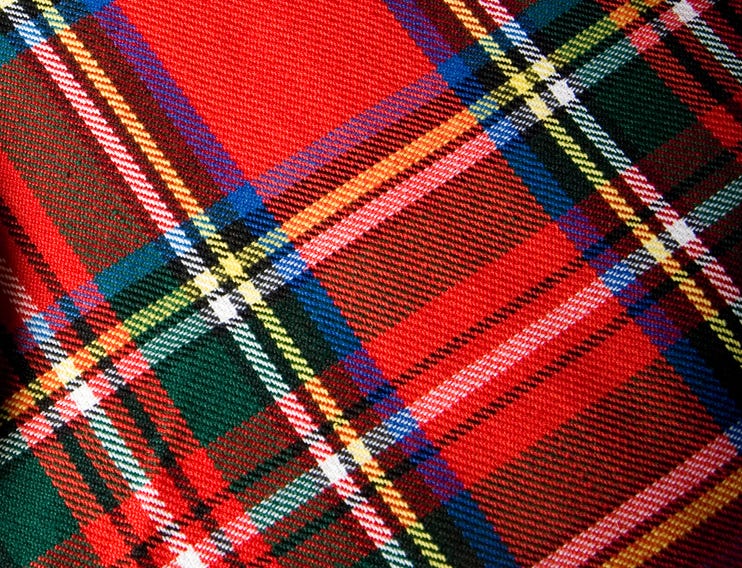
How to decorate with tartan at home


How to decorate with taupe

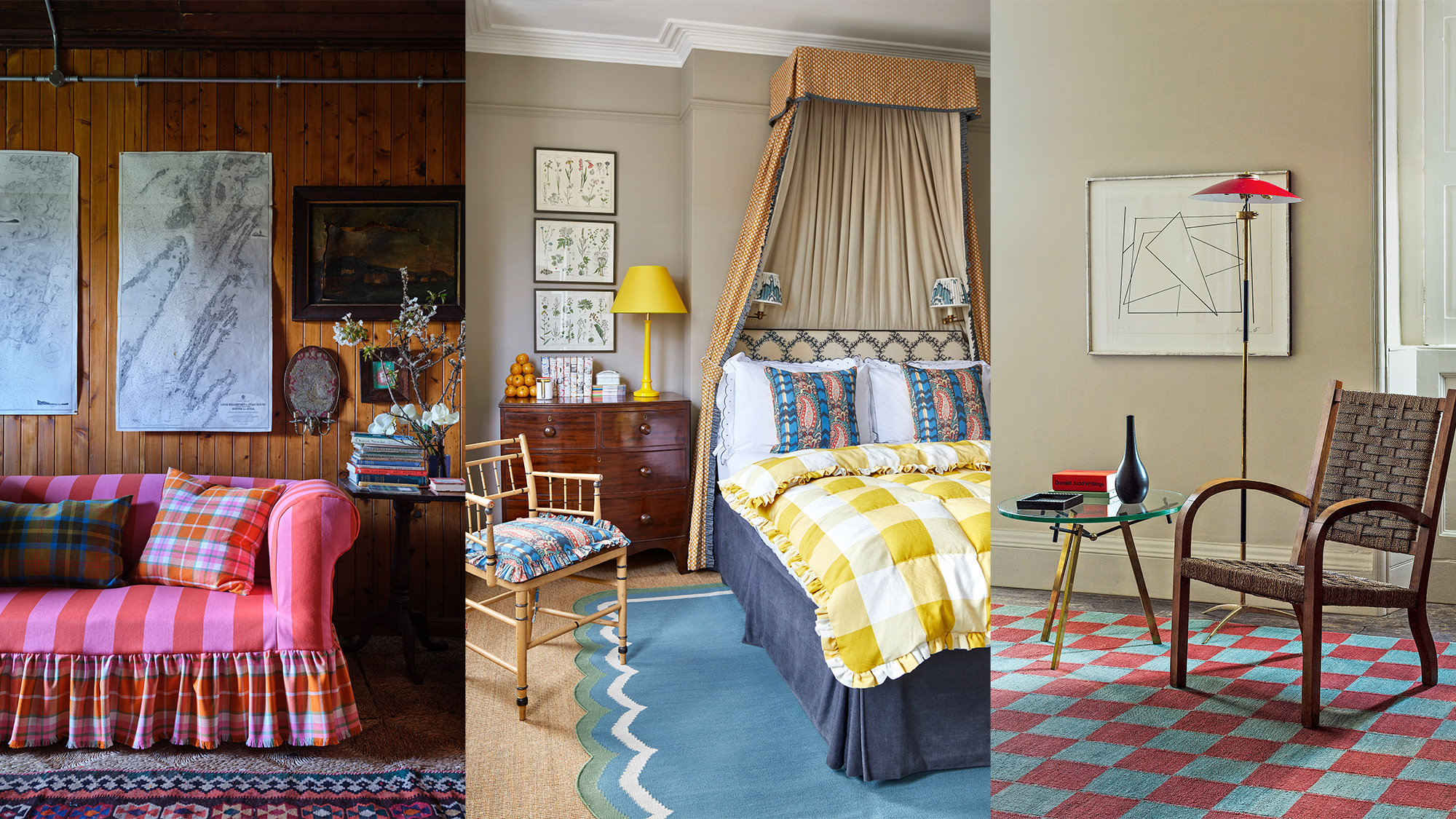
Decorating with checks – 11 ways to embrace this classic pattern

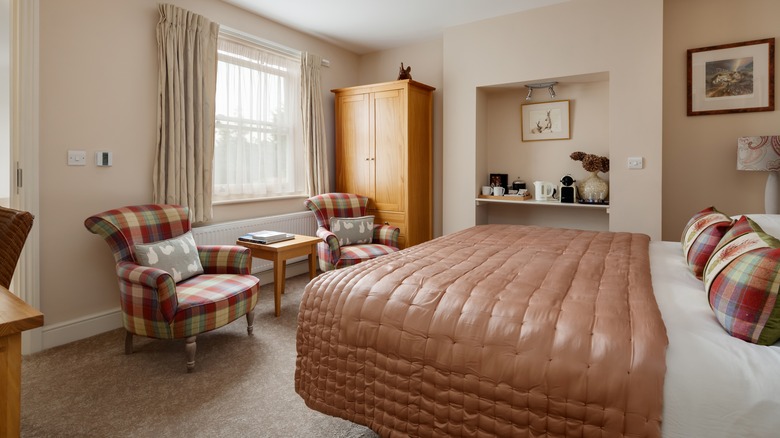
The Classic, Preppy Or Punk Textile That's About To Be A Major Trend For 2026

9 Ways to Decorate with Patterns
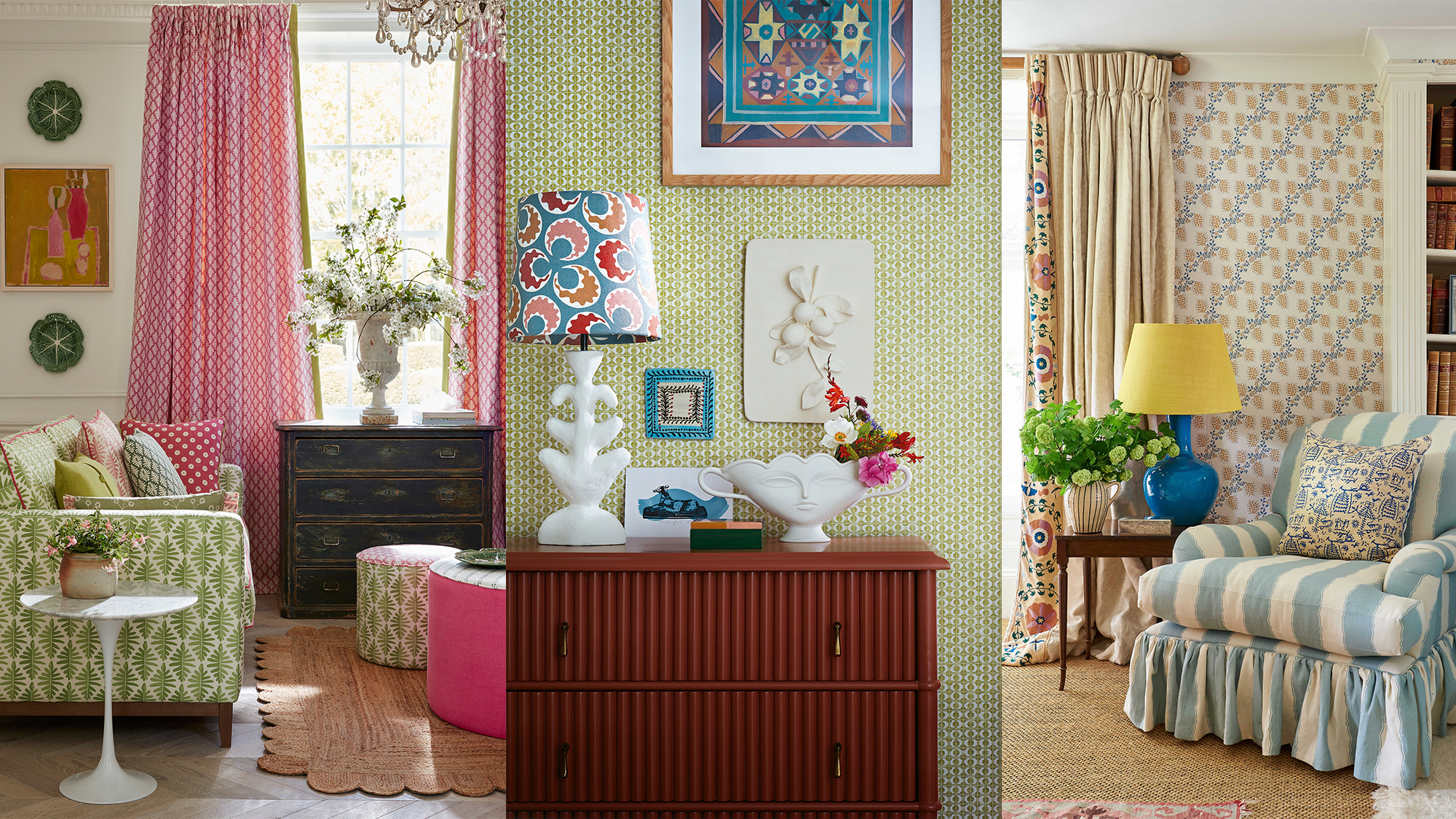
Decorating with pattern – 11 ways to embrace print at home
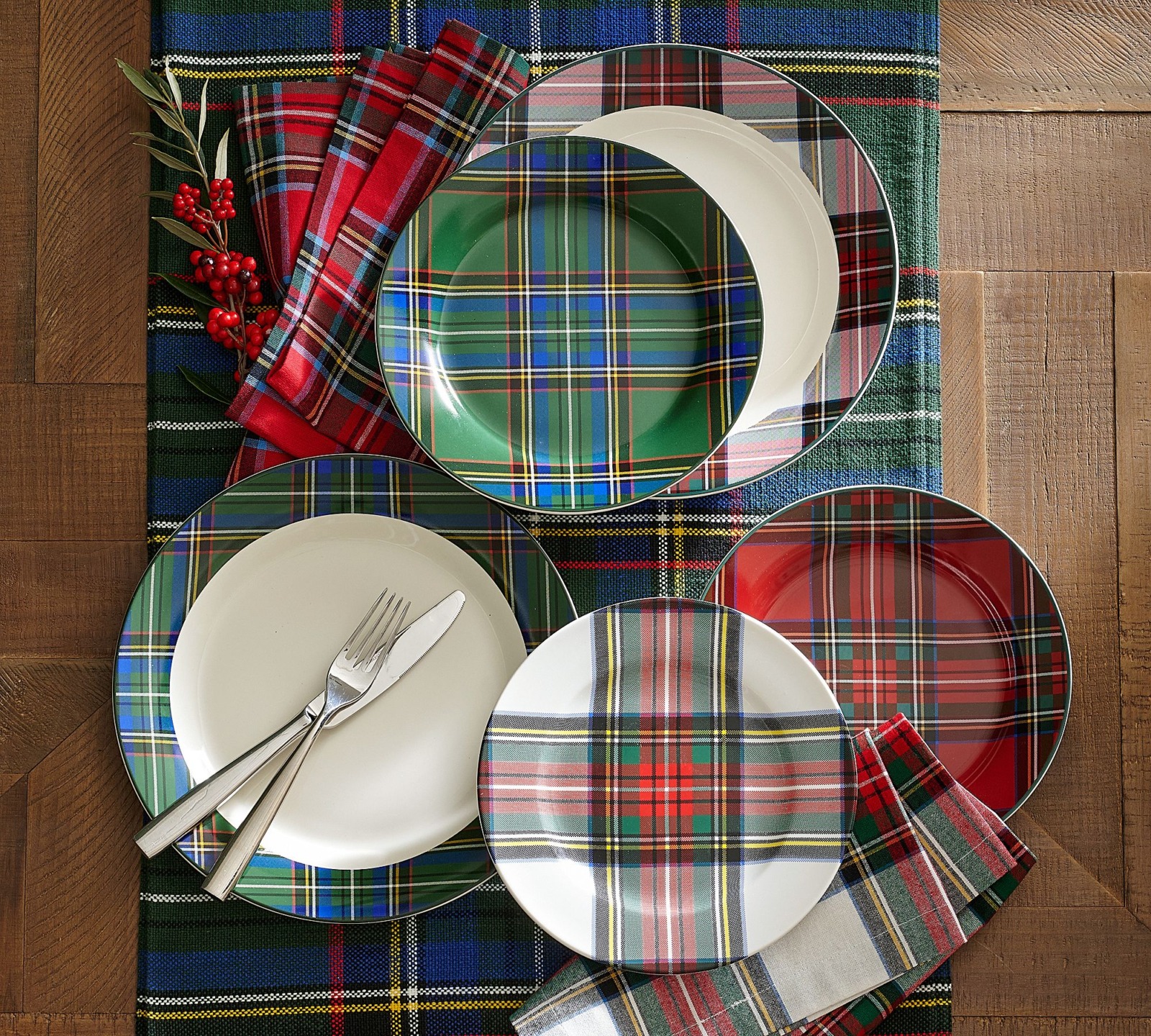
Deck the Halls: 7 Must-Have Tartan Pieces for the Home

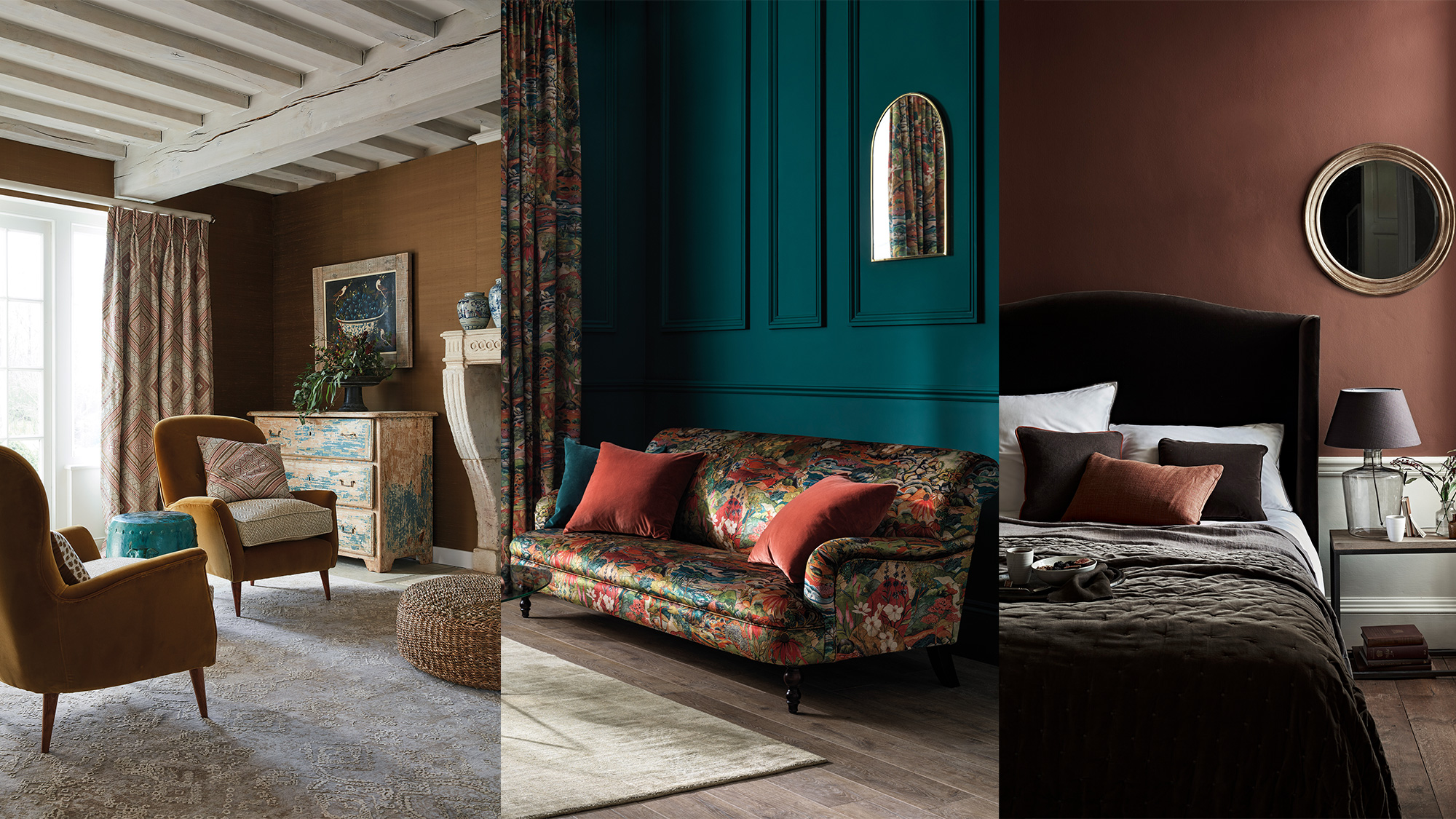
Velvet decor ideas – 10 ways to use this luxurious material
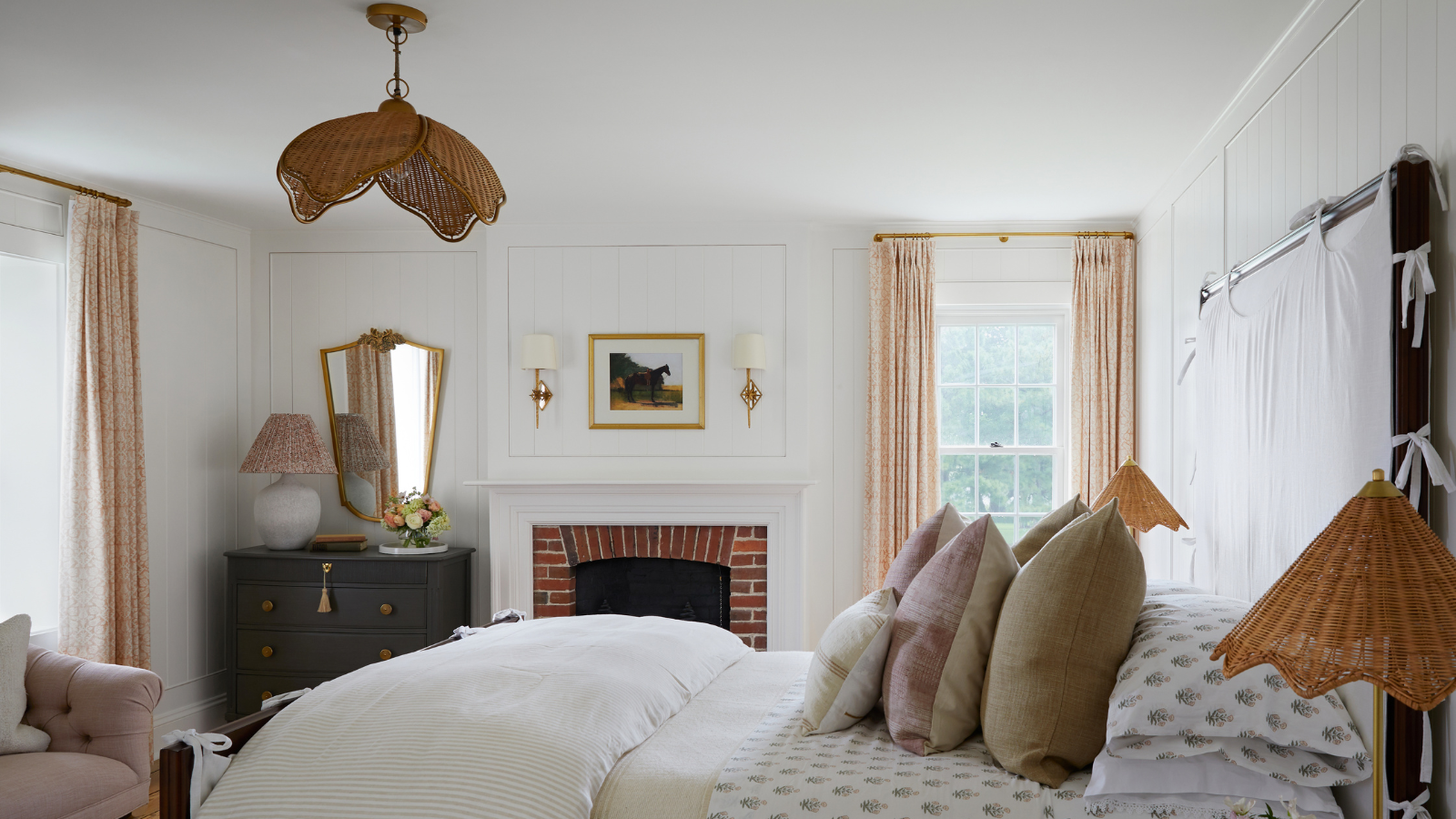
Rattan might be one of the most versatile materials to work with – and these 10 rattan decorating ideas prove it
Decorating Tips and Techniques

15 ways to bring terracotta into your home decor
A Wild Guide to Gingham, Jacquard, Damask, and Other Fabric Patterns
How To Decorate With Holiday Tartan, According To Designers
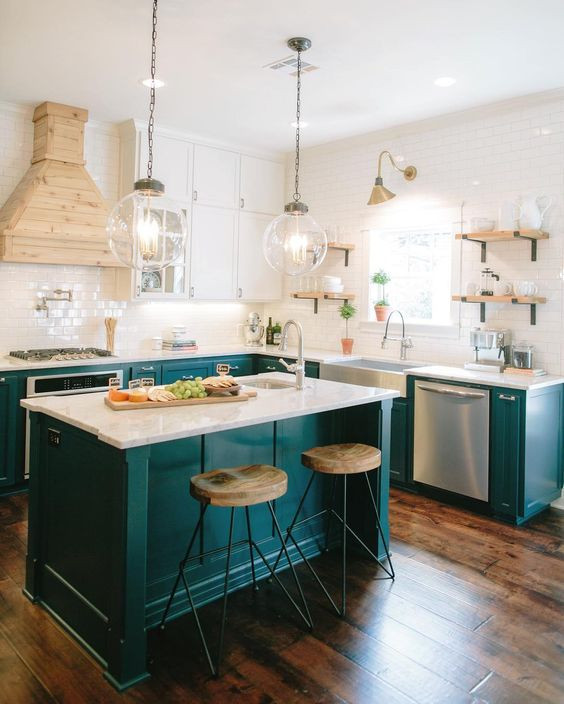
10 Ways To Decorate With The World’s Favorite Color
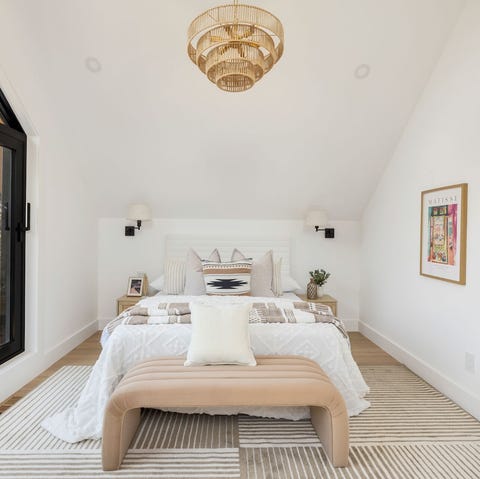
Decorating Ideas - Home Decor Ideas and Tips

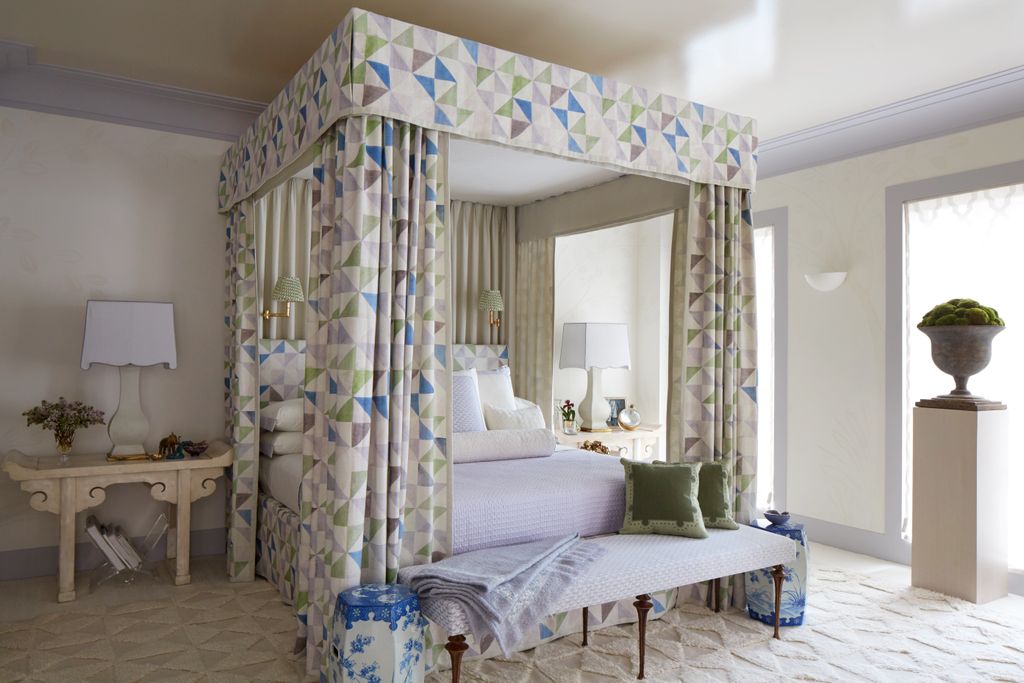
4 Creative Ways To Use Textiles in Your Home

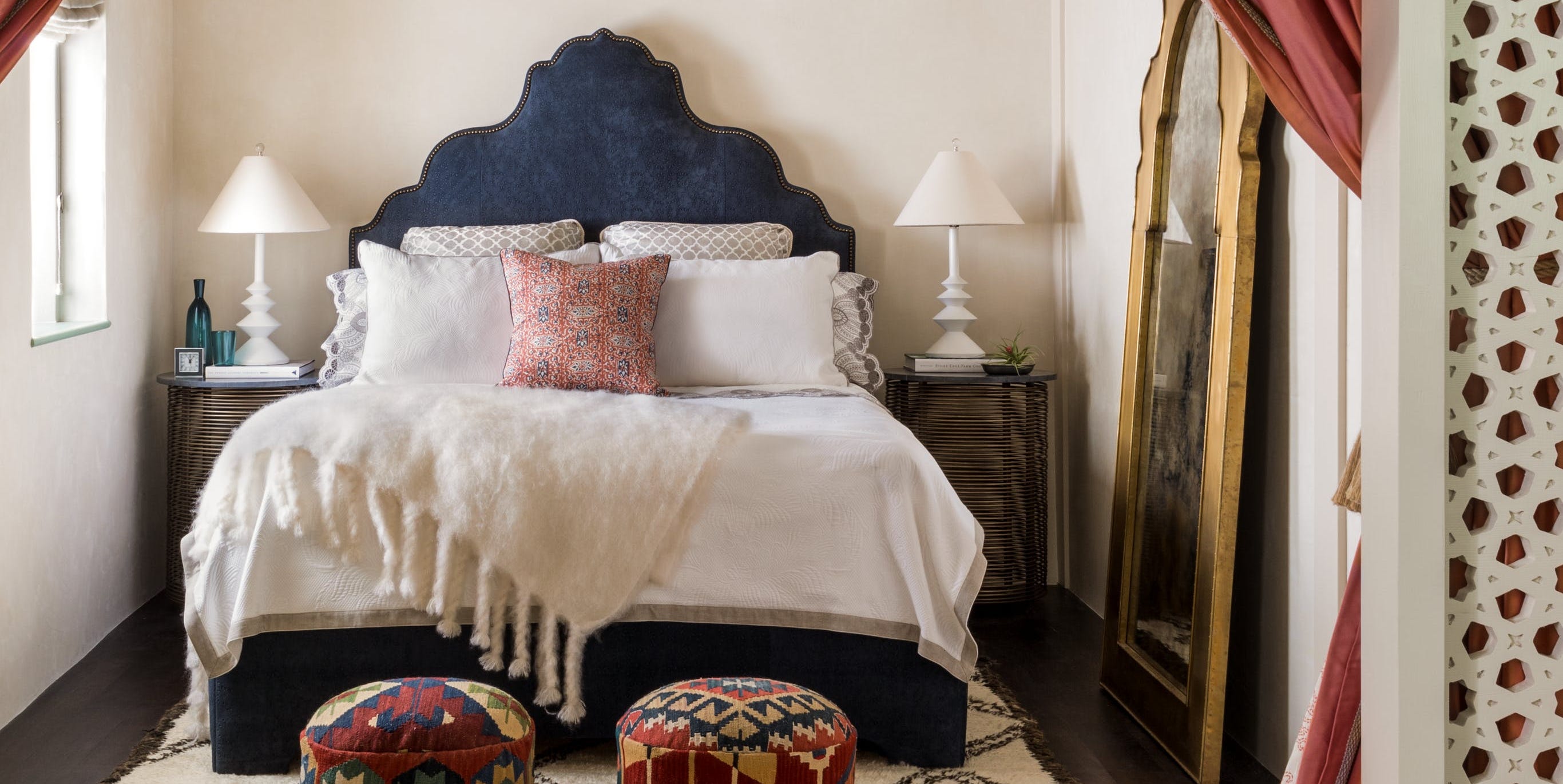
See These Designer-Approved Ways to Decorate with Throws
Chinoiserie – 13 whimsical ways to decorate with this cultural phenomenon
How to decorate with rich colors – 9 ways to add character with an intriguing scheme
22 Sophisticated Ways to Decorate with Brown