1/14
Decorating with antiques – 8 designer tips to channel the past in the chicest way
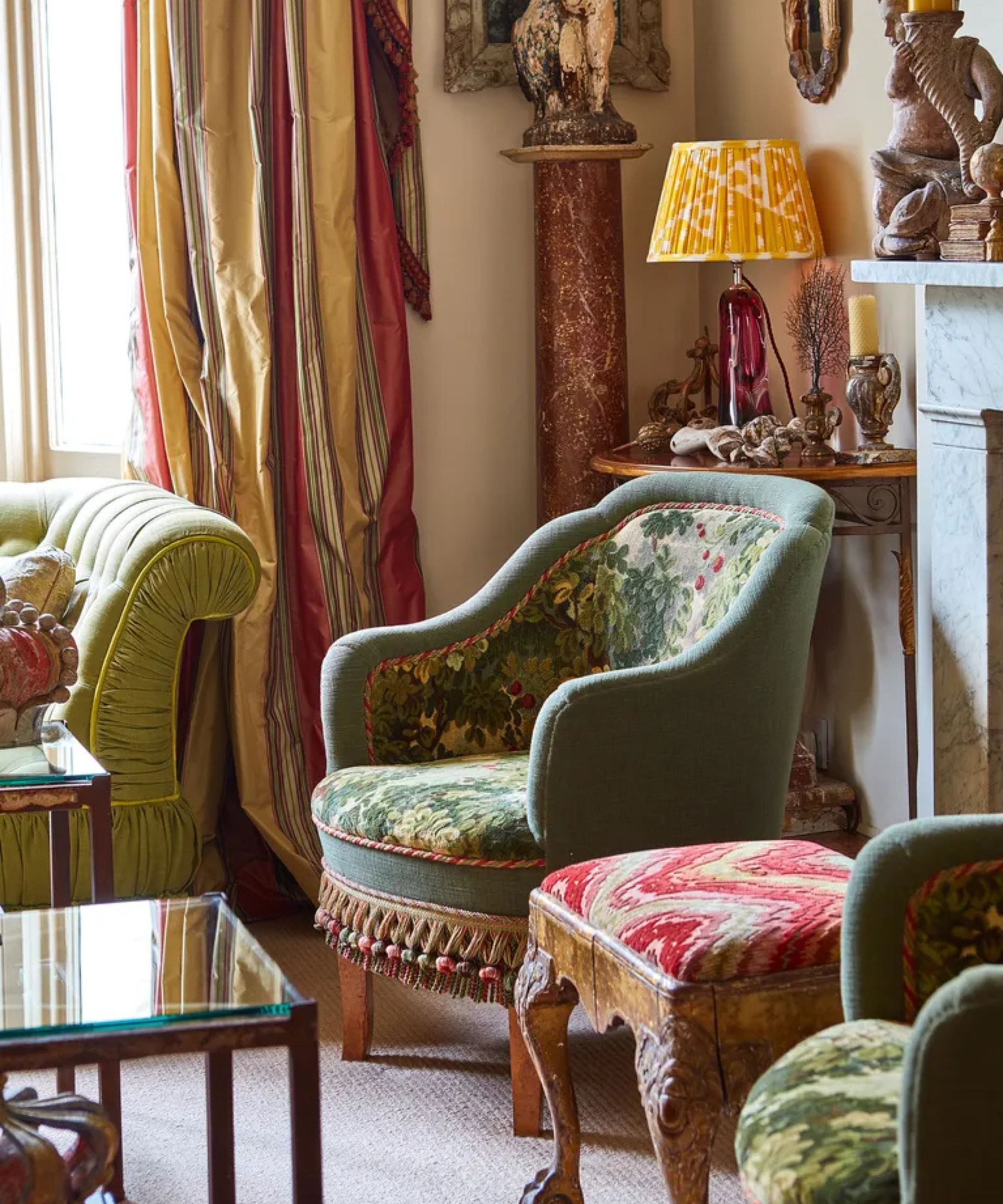
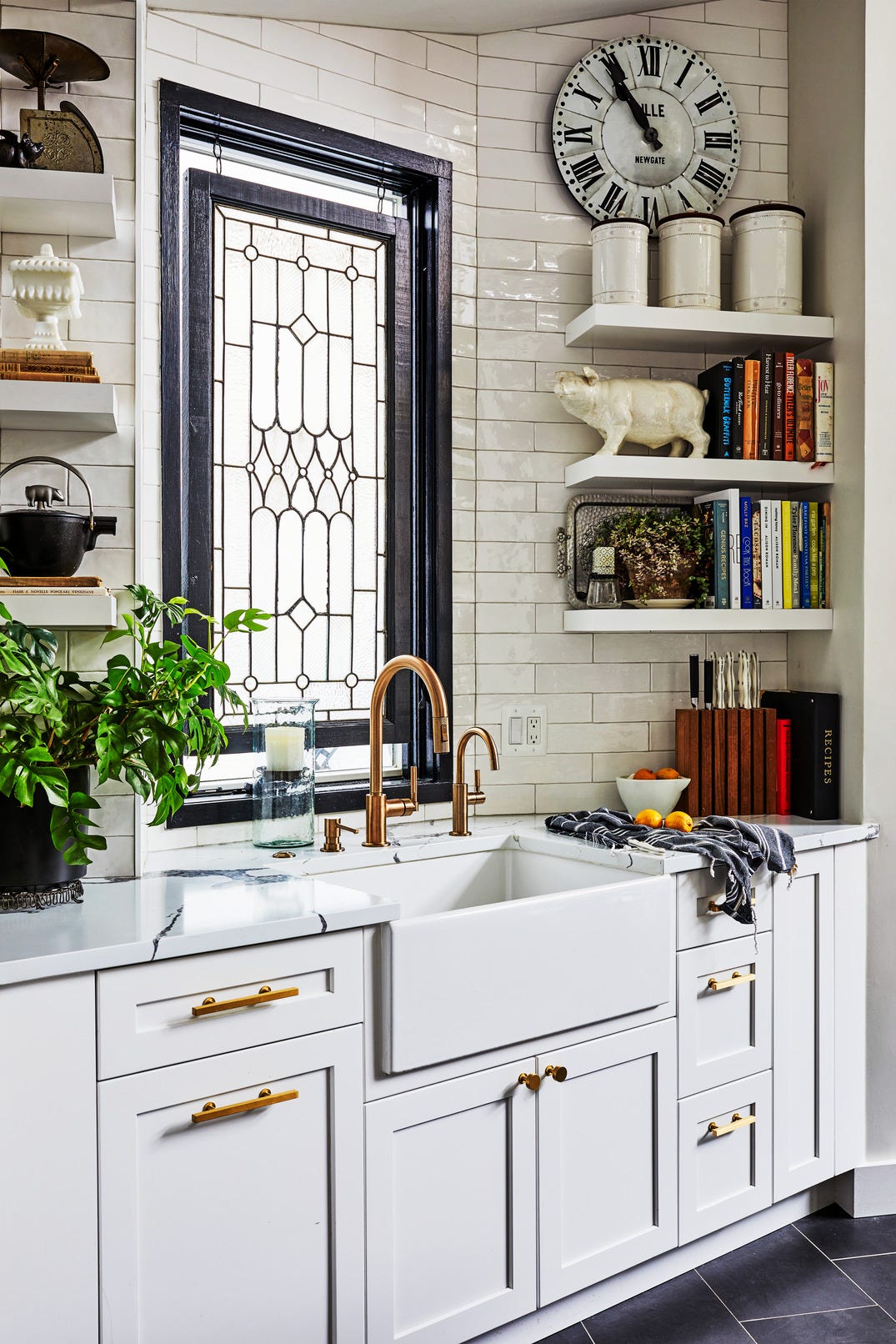
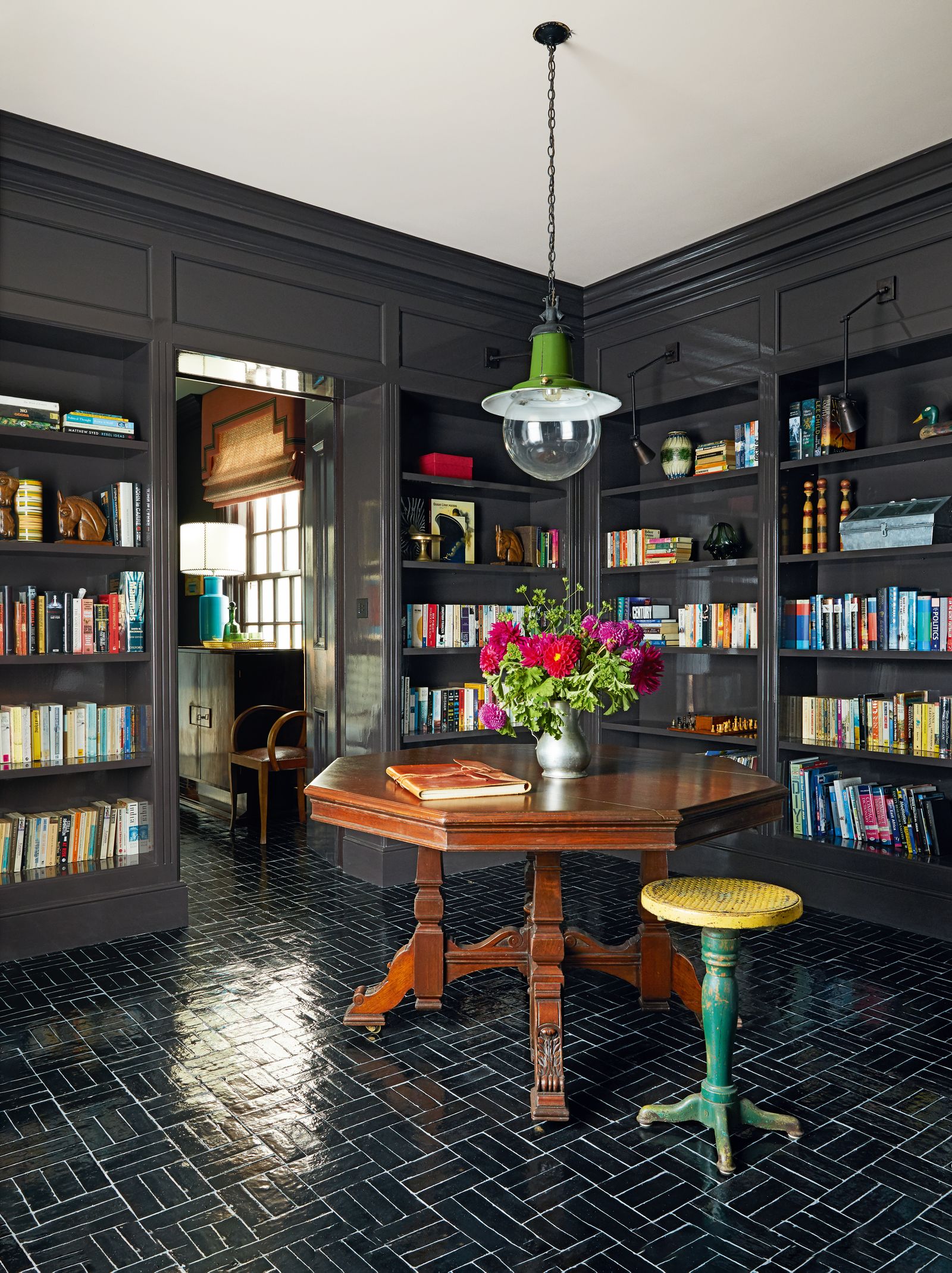
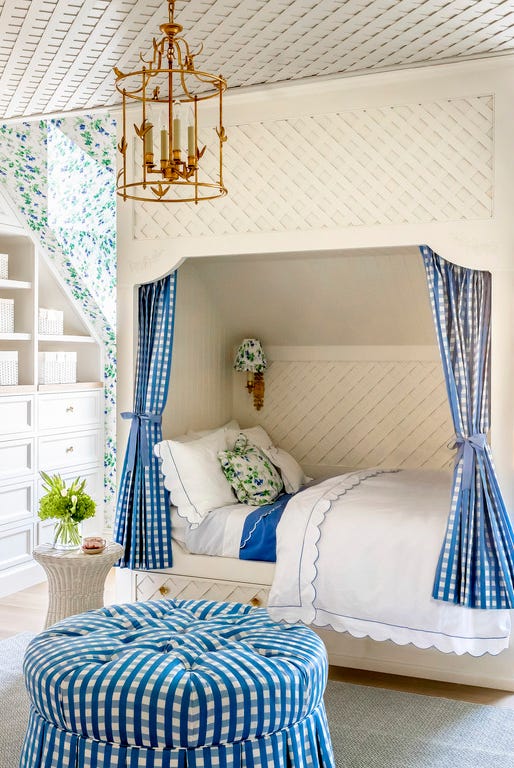
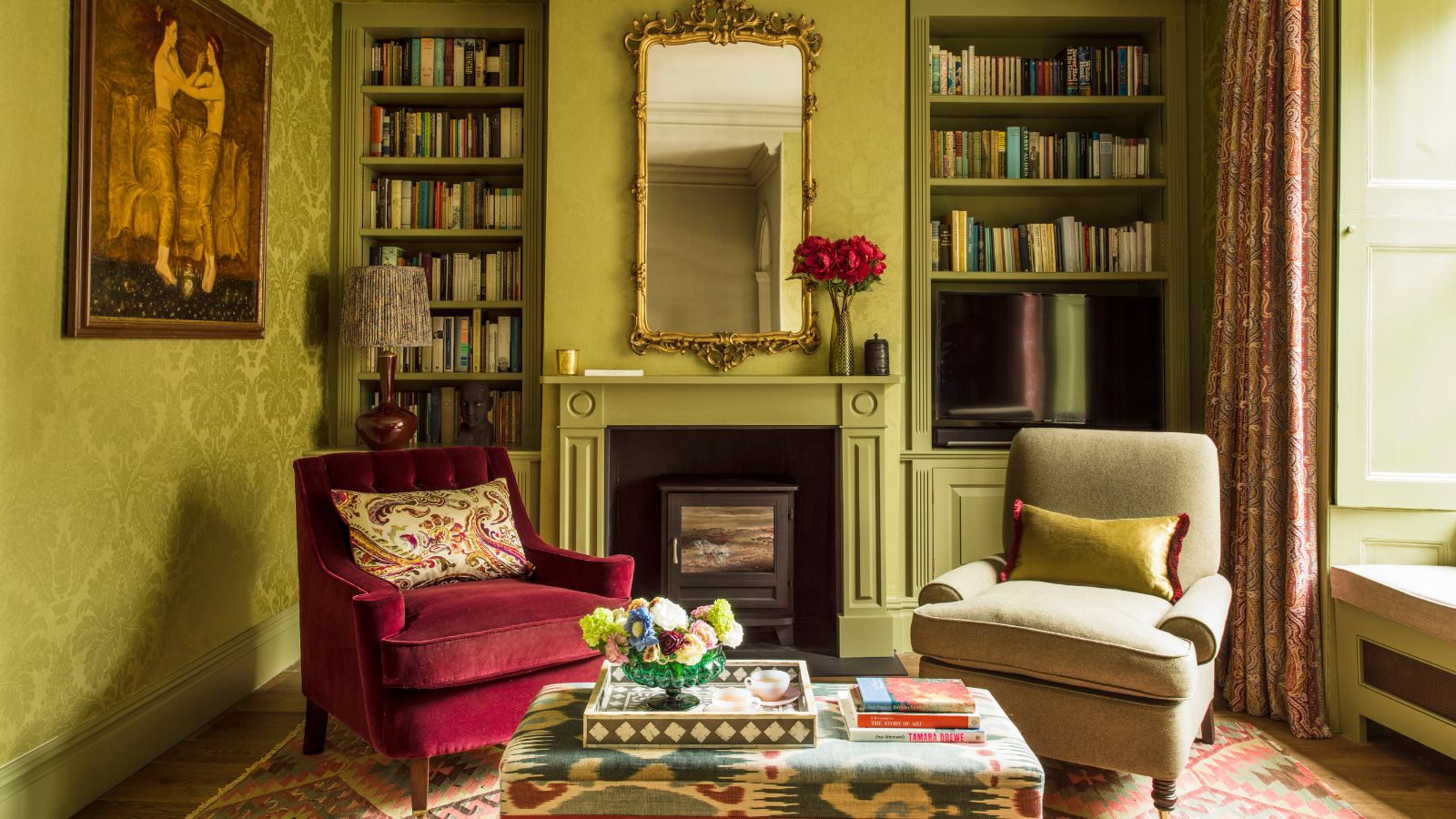
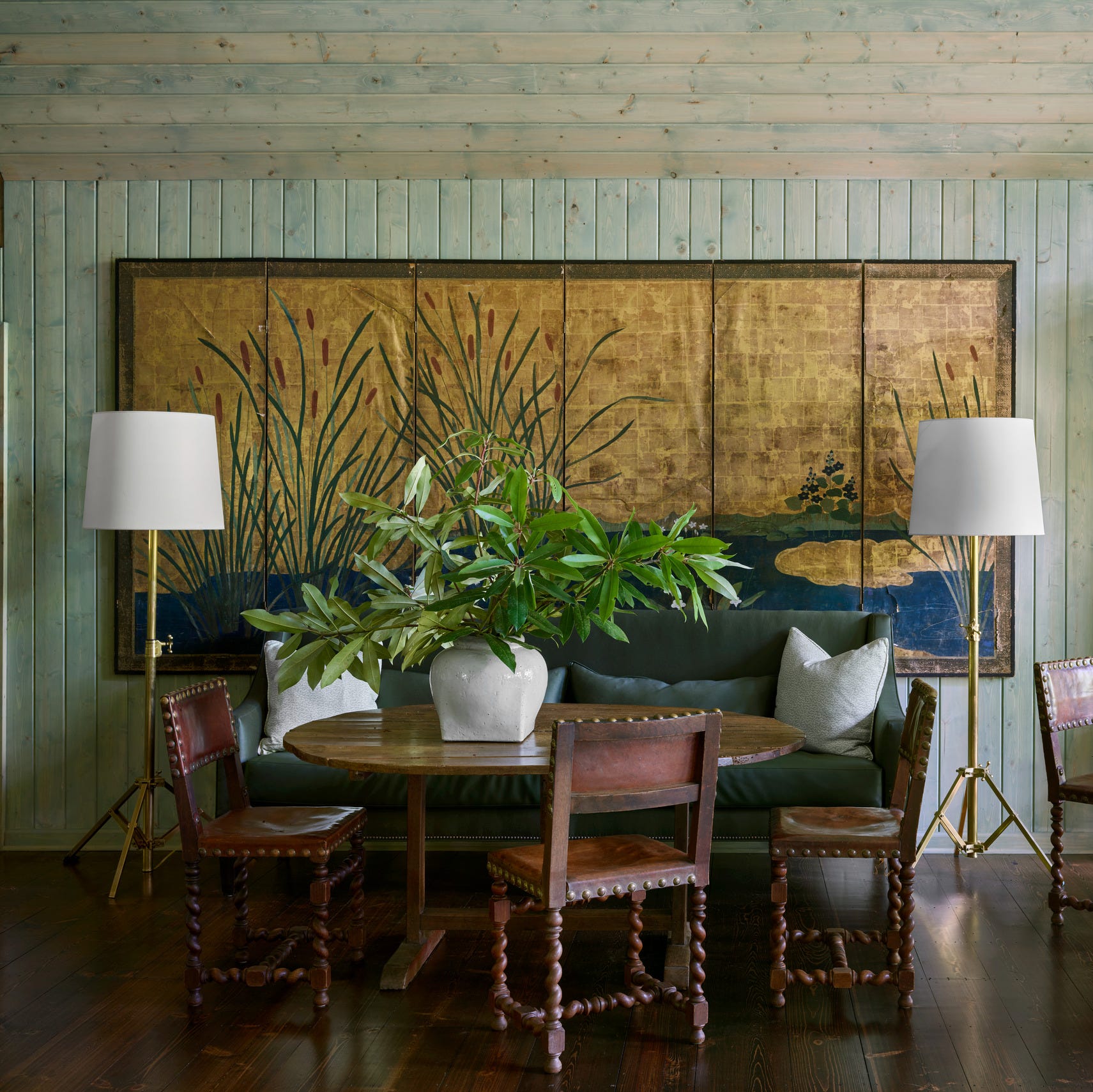
Designers and homeowners are increasingly embracing the character and depth that antiques bring to interior spaces. These handcrafted, high-quality pieces possess an individuality and charm often lacking in contemporary items, allowing for a unique expression of personal taste and identity within a home. The appeal of antiques is expected to continue through 2025, with experts offering various strategies to integrate historical elements into modern living.
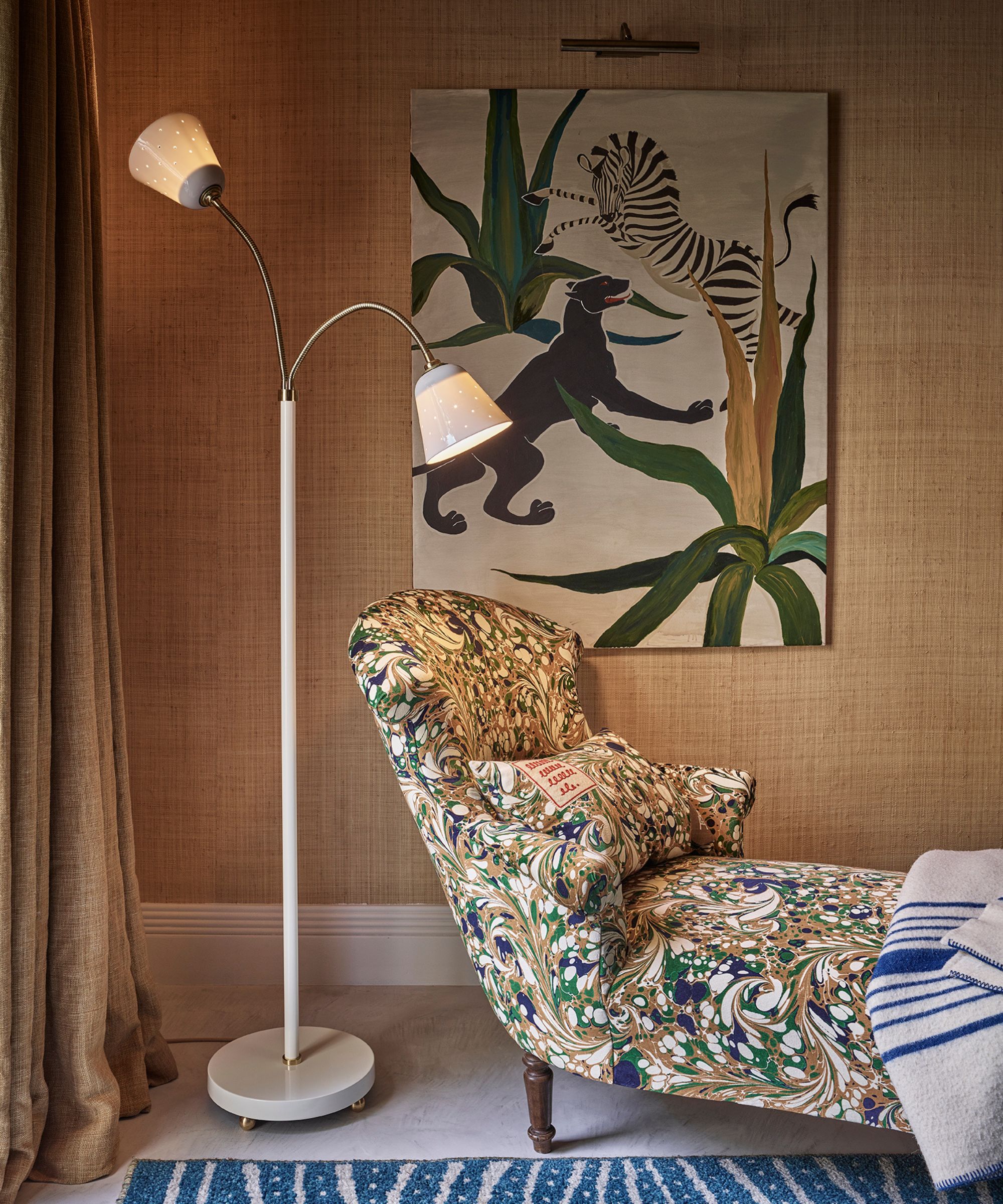
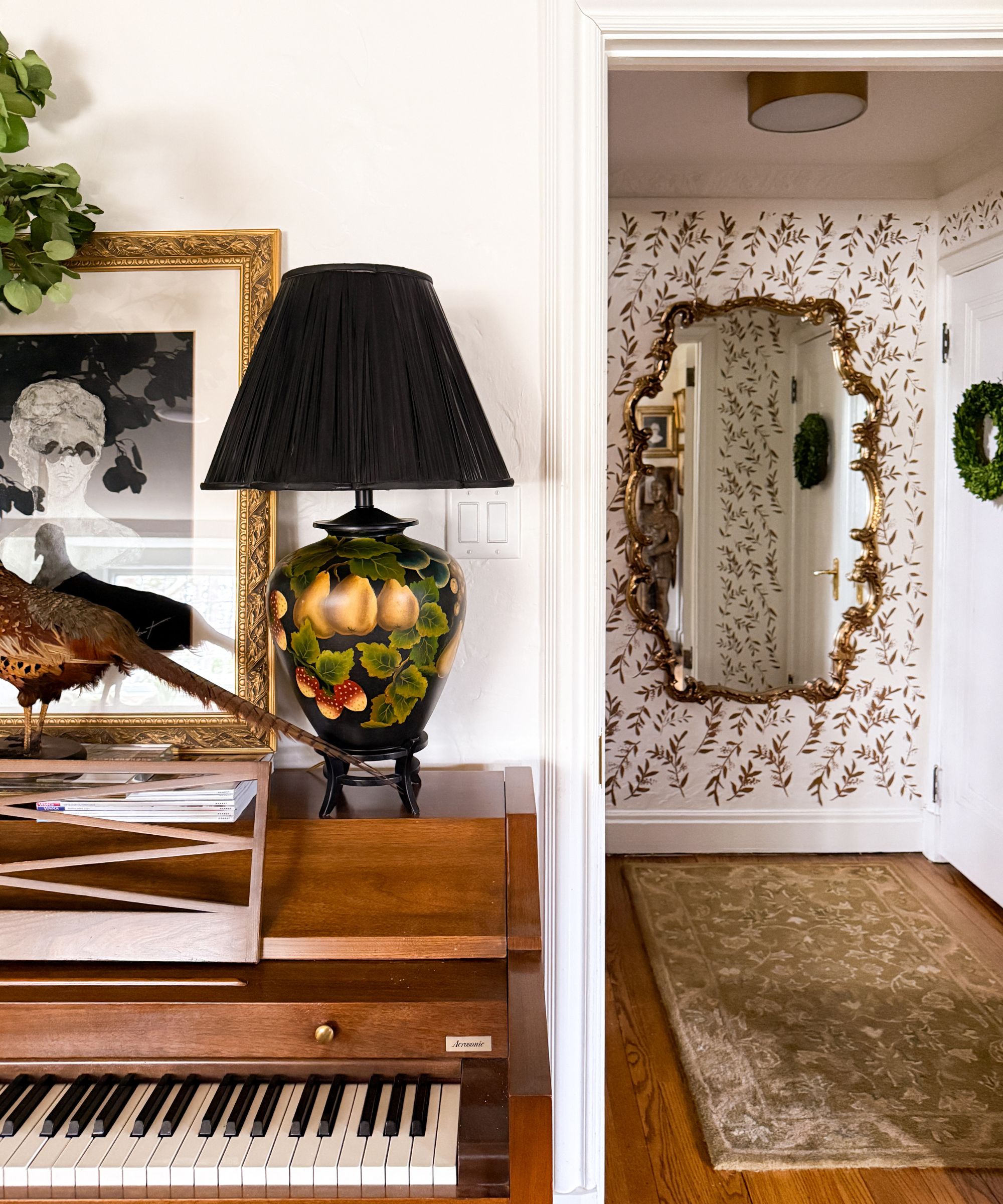
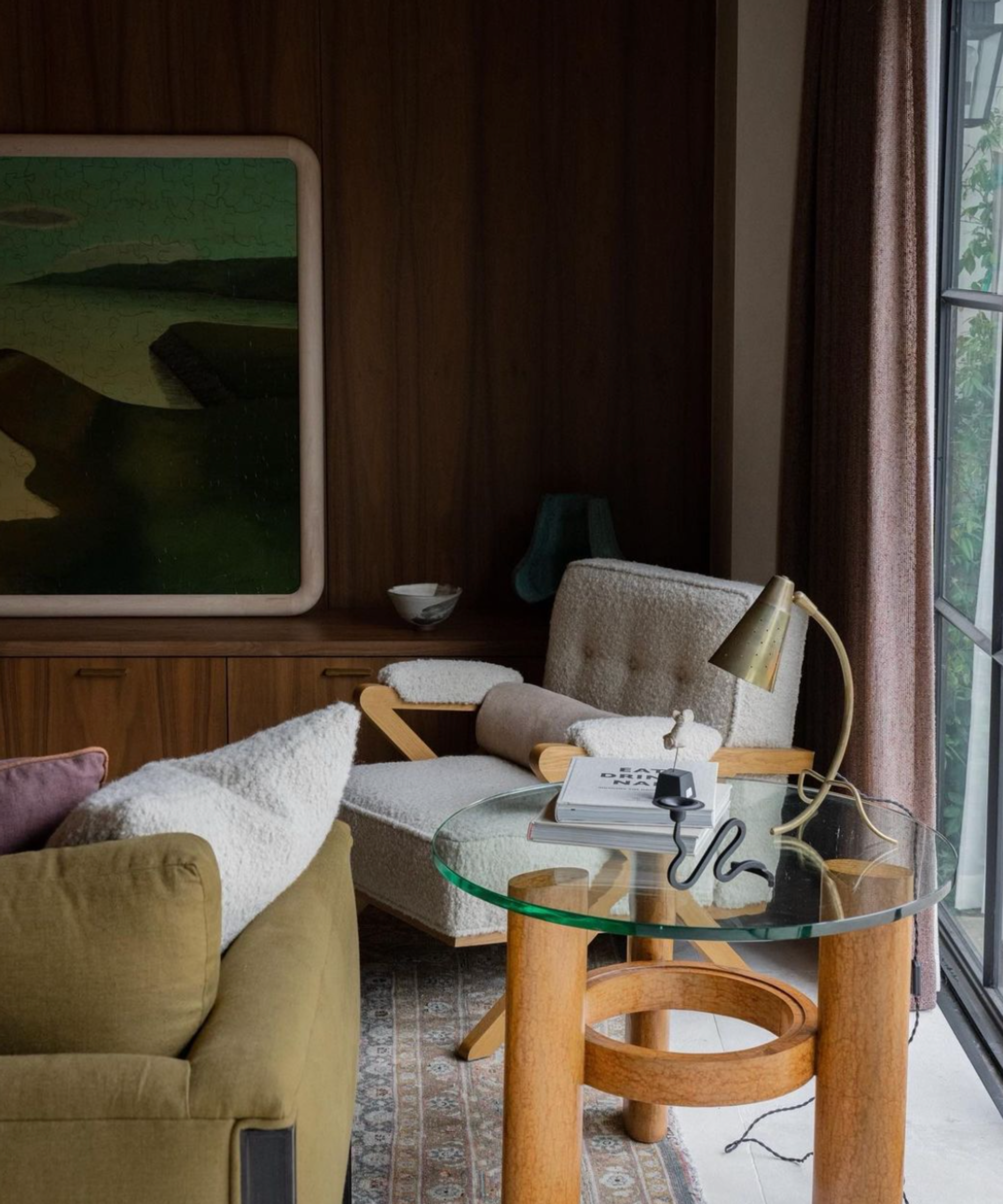
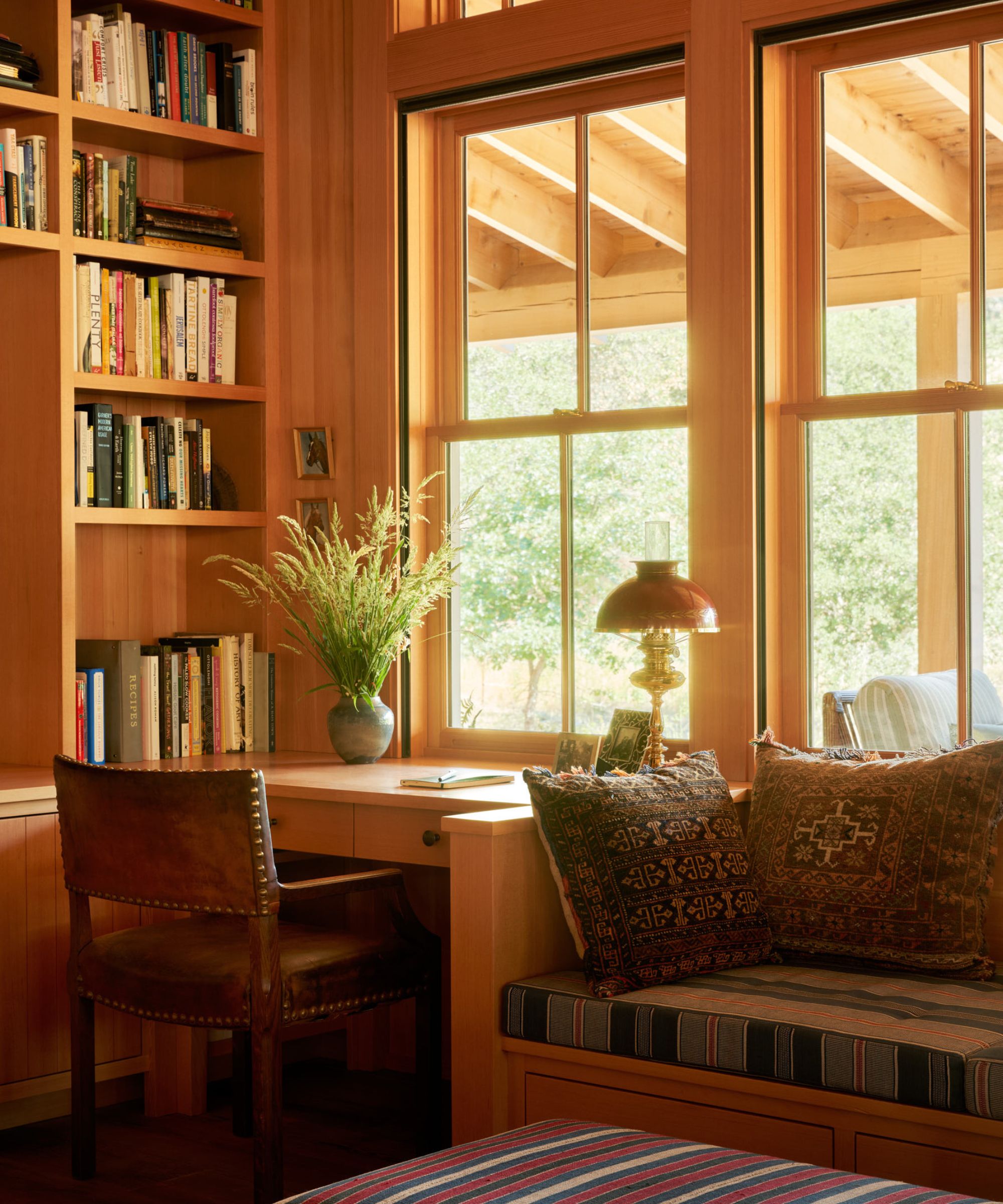
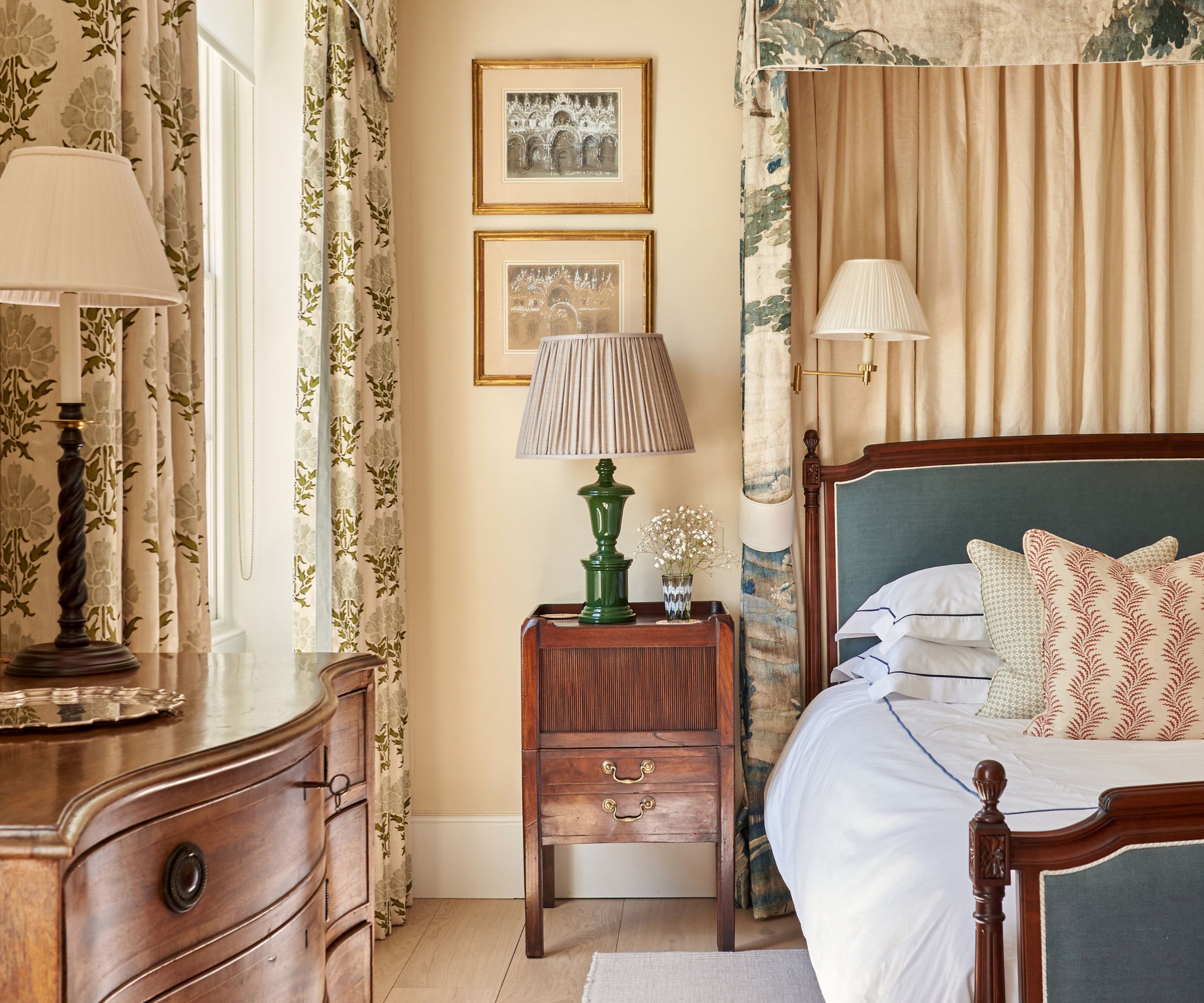
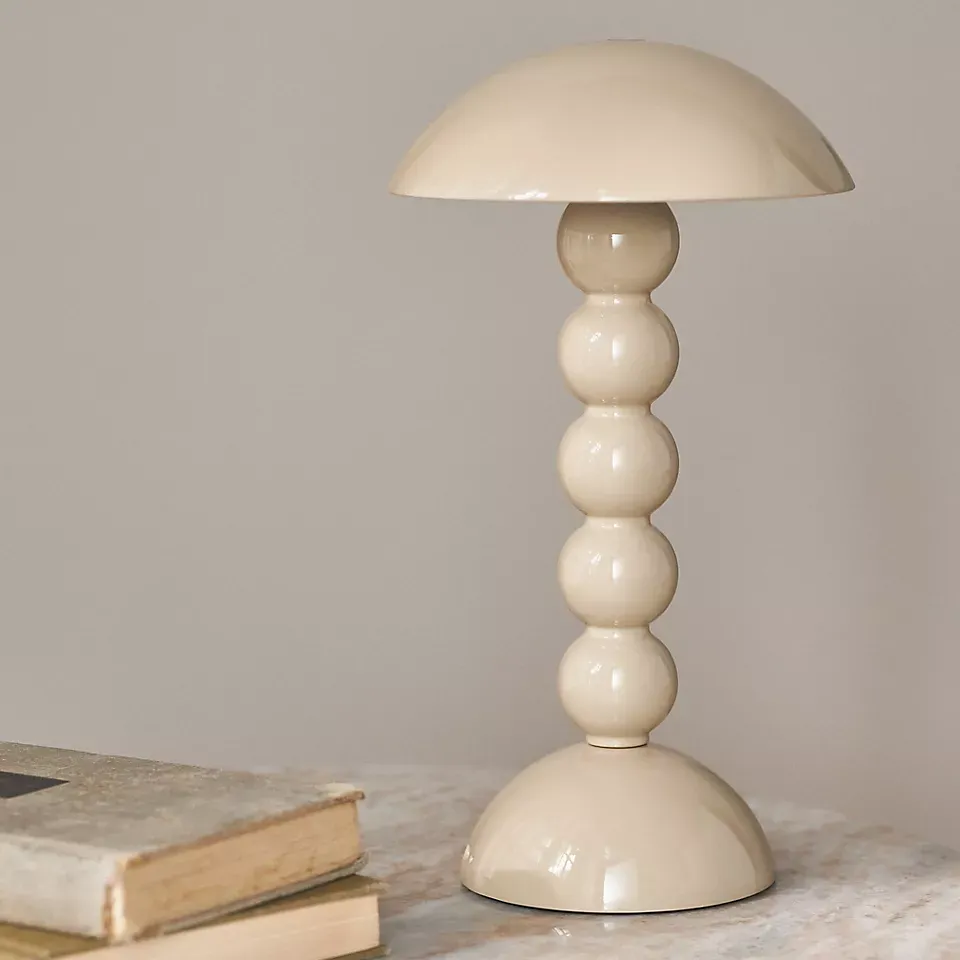
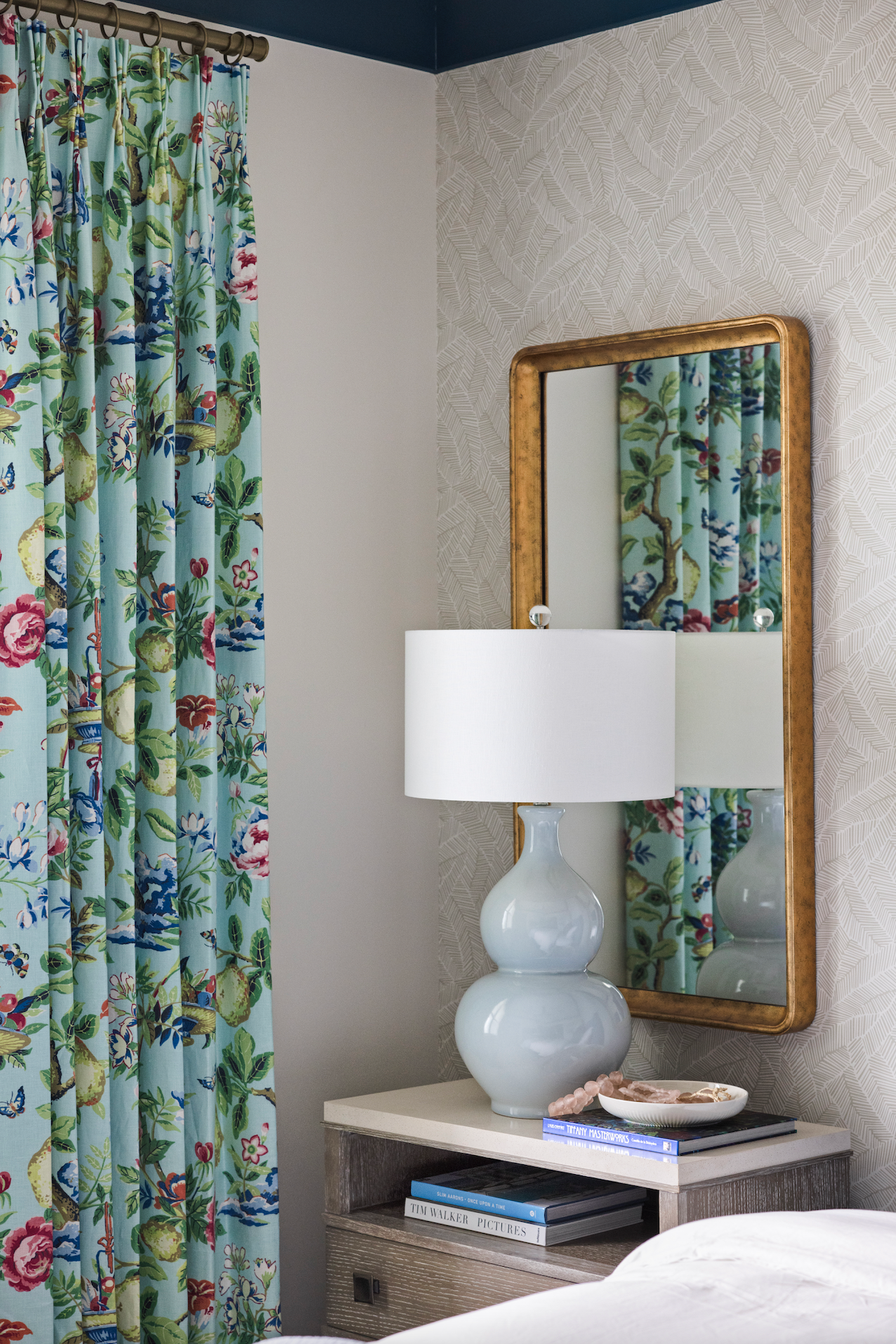
One effective starting point for incorporating antiques is through lighting. Vintage lighting fixtures, even small table lamps, can significantly impact a room's aesthetic by adding gravitas and grounding the space. Many vintage lamps can be re-wired, making them functional additions that blend seamlessly into a design scheme, regardless of their original condition.
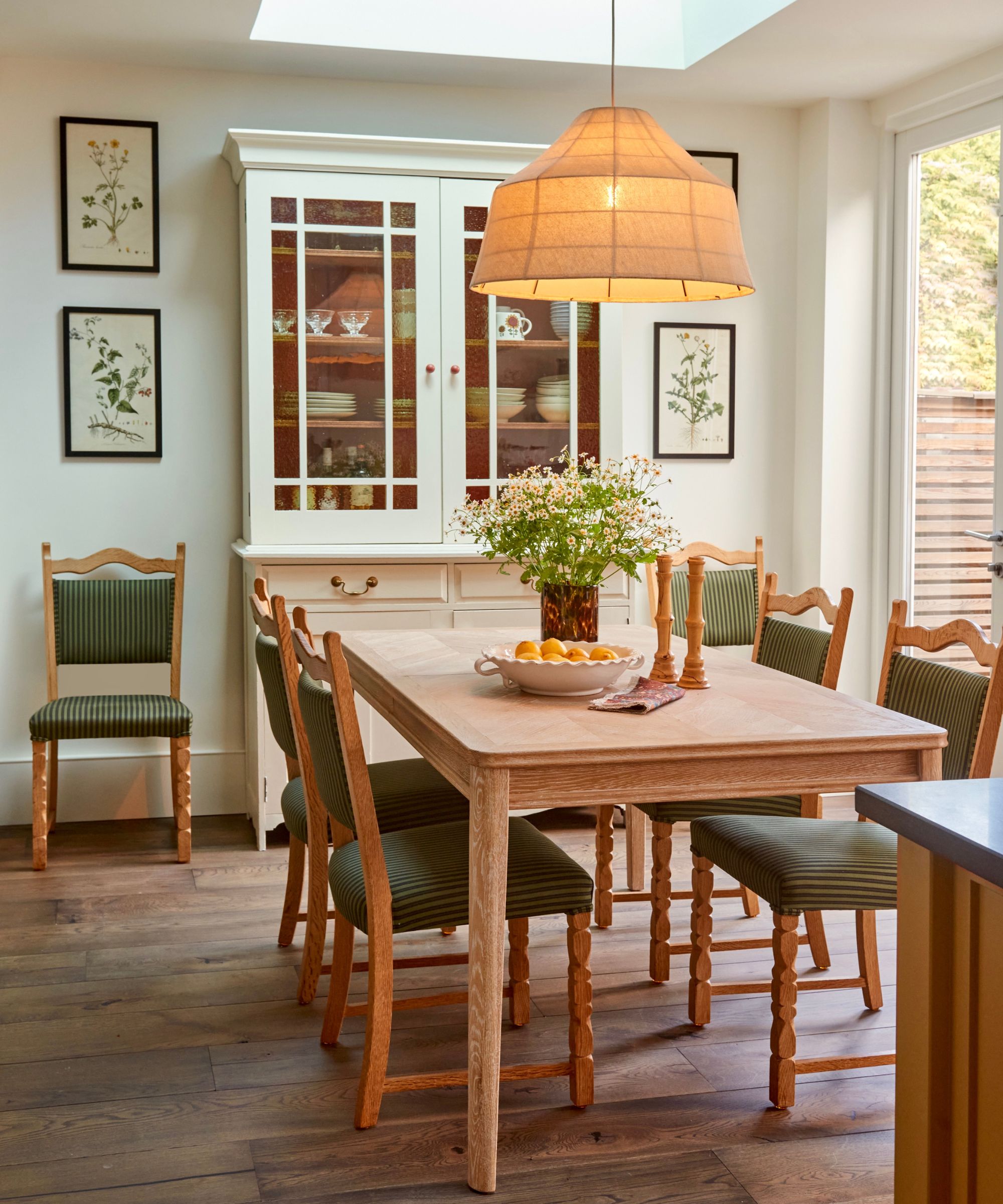
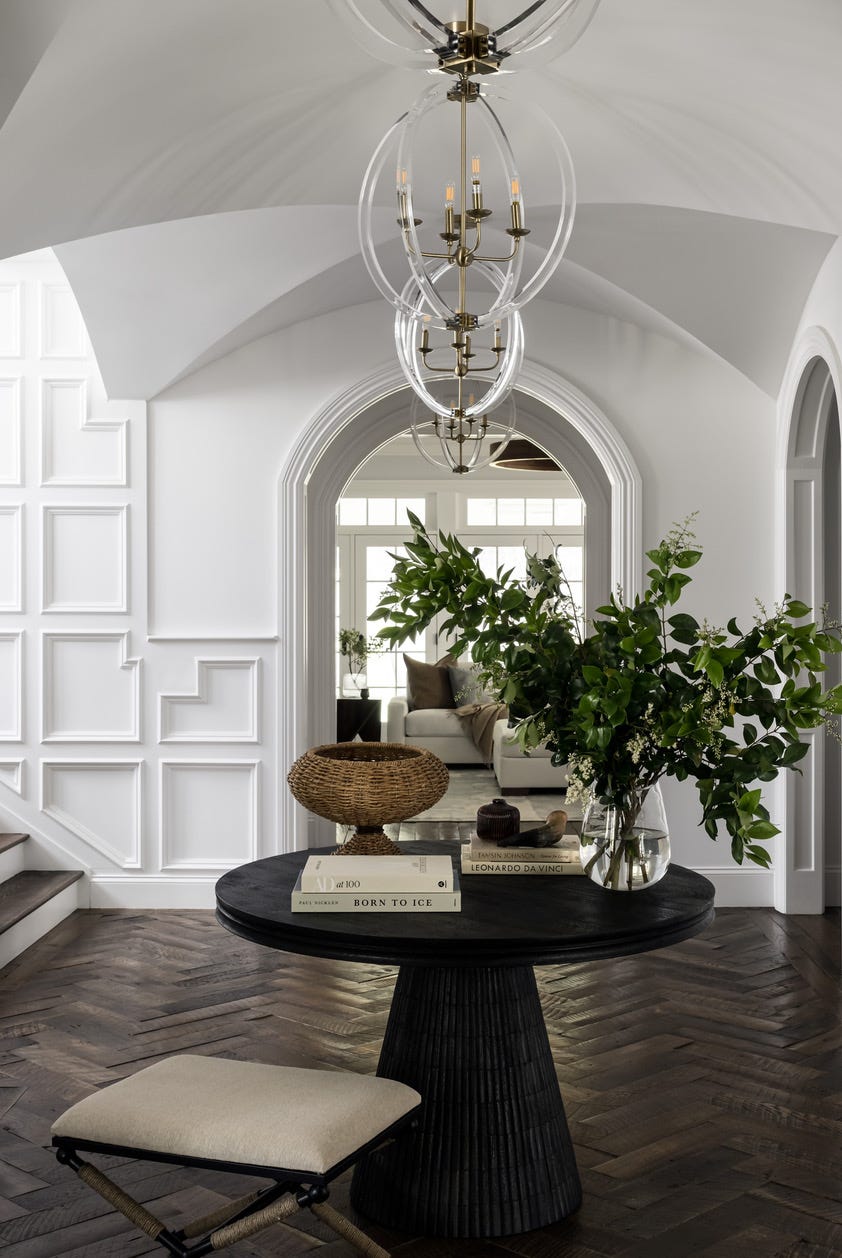
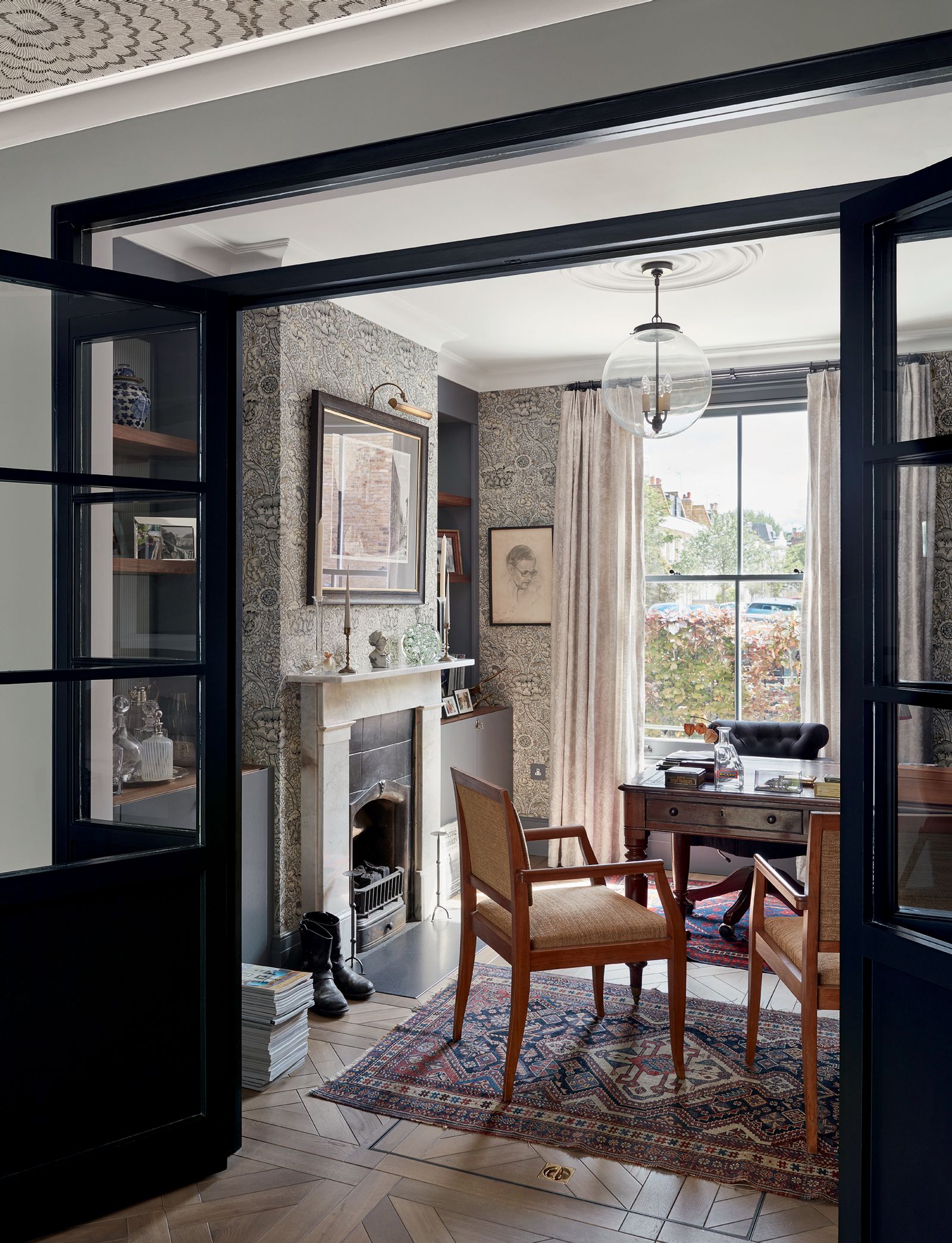
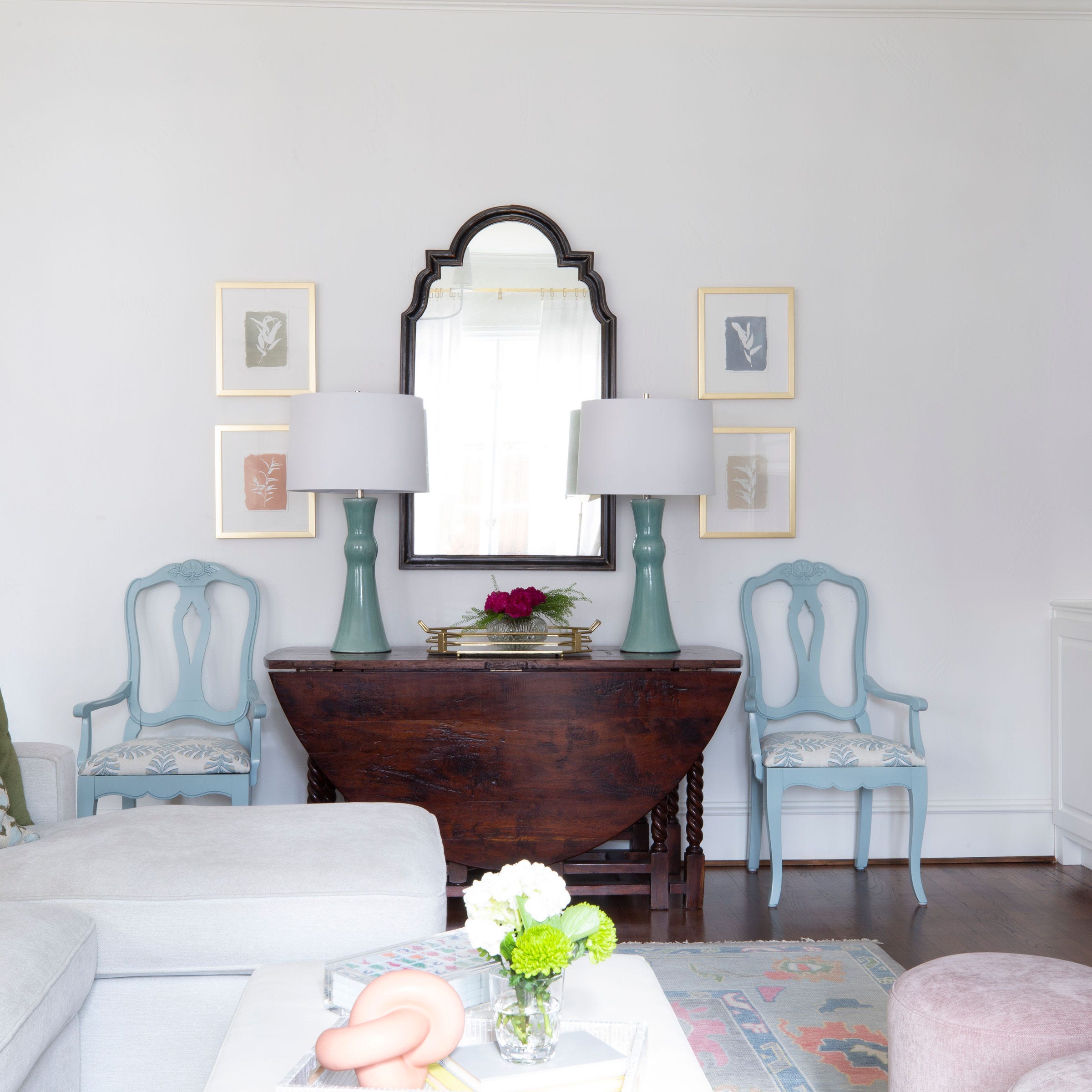
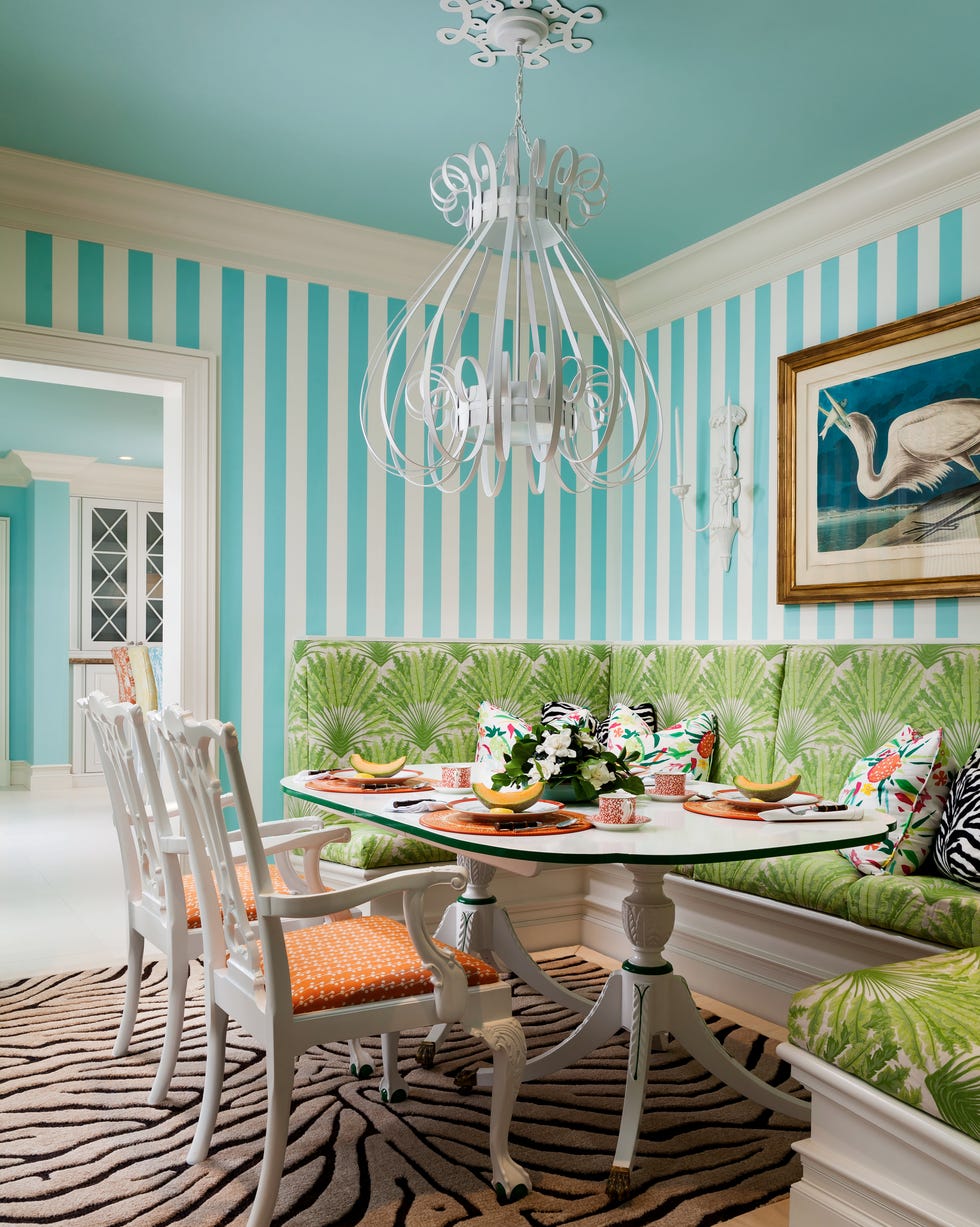
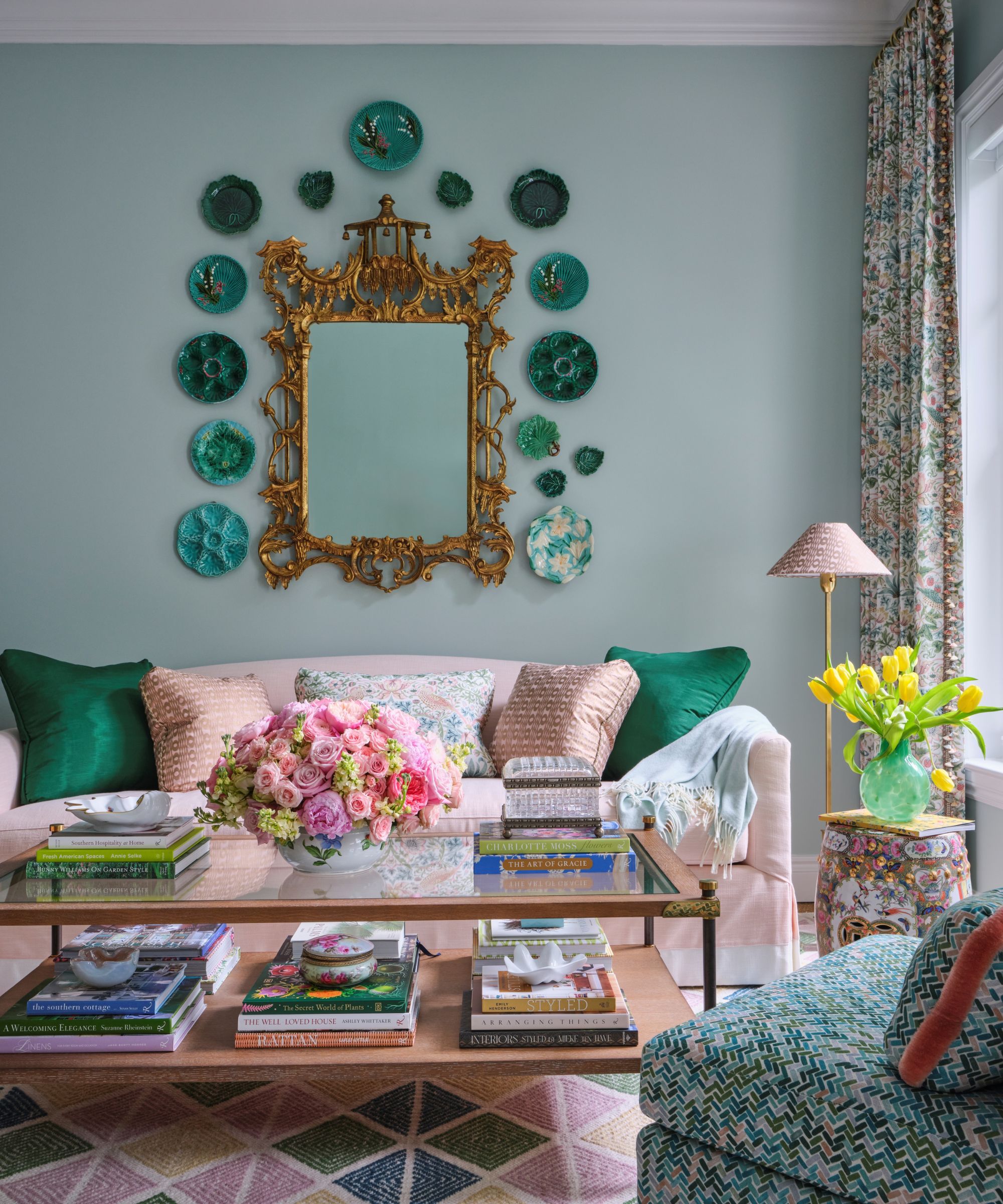
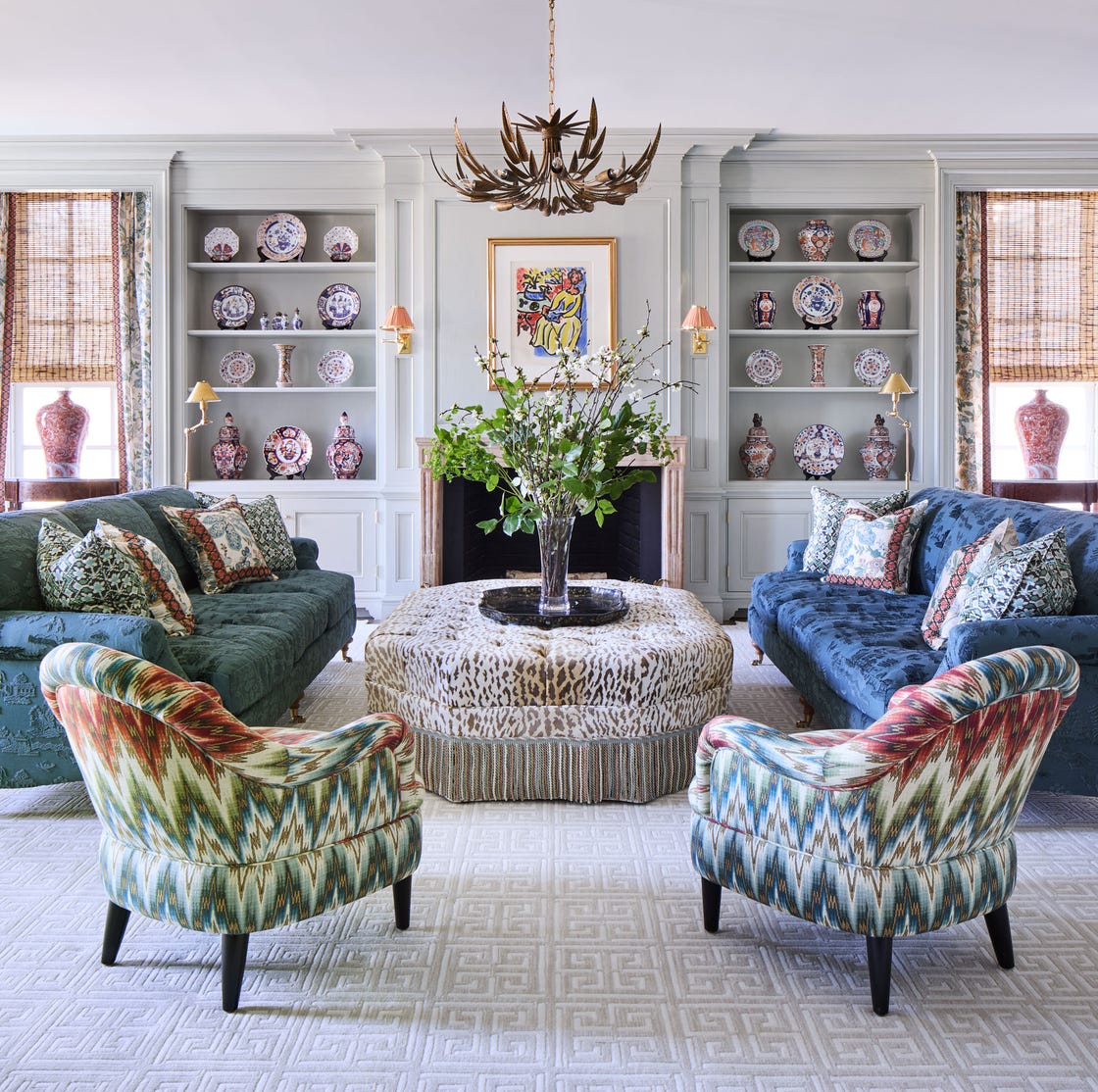
The concept of mixing old and new is also gaining traction, with transitional decor ideas proving popular. Antiques introduce a lived-in warmth and thoughtful contrast to newly built homes or contemporary interiors. Designers emphasize buying pieces one loves, irrespective of their era, to create an eclectic and engaging environment. Juxtaposing antique furniture with modern elements, or updating old pieces with fresh fabrics, helps maintain a current and interesting aesthetic, ensuring antiques feel approachable and integrated rather than out of place.
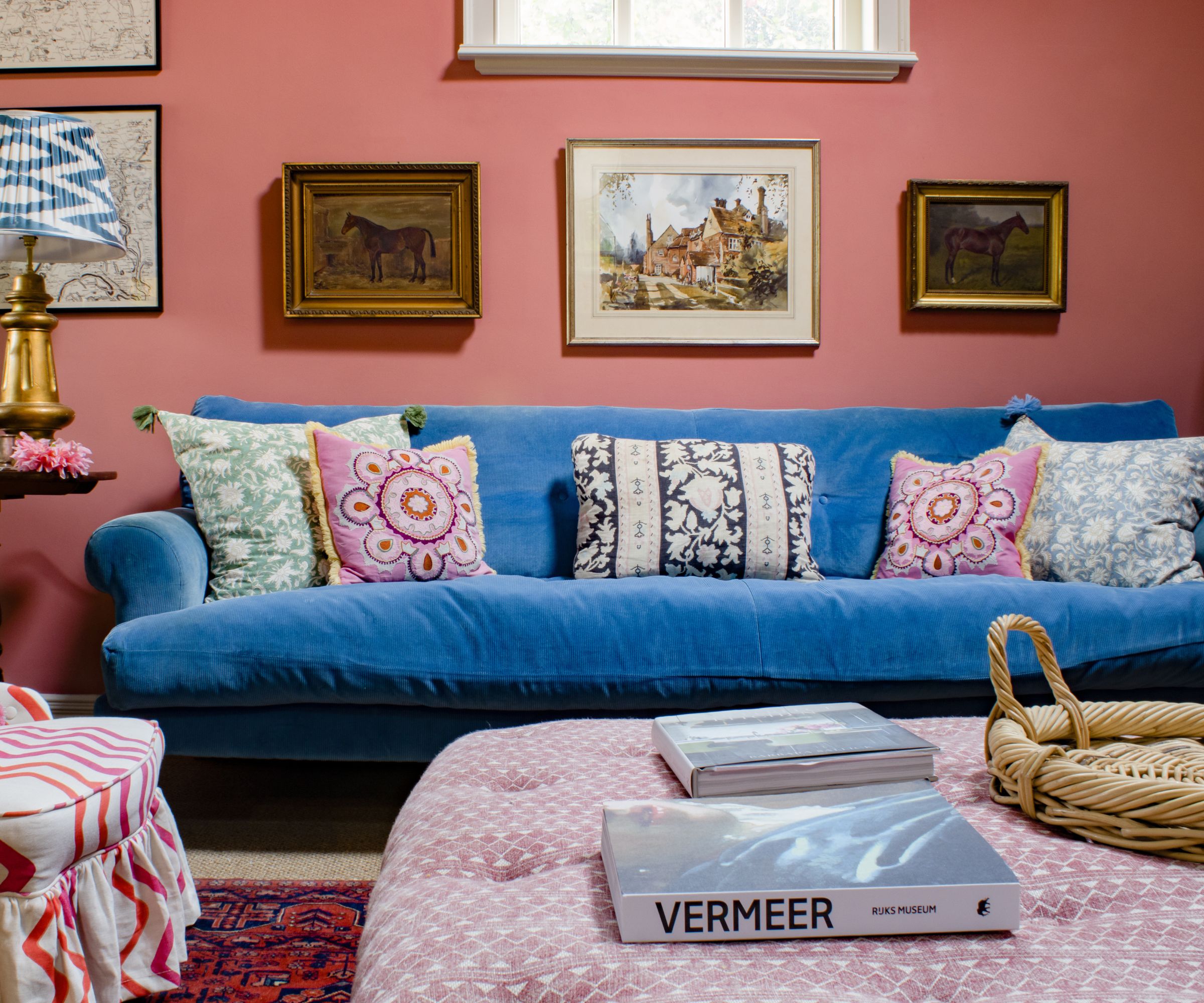
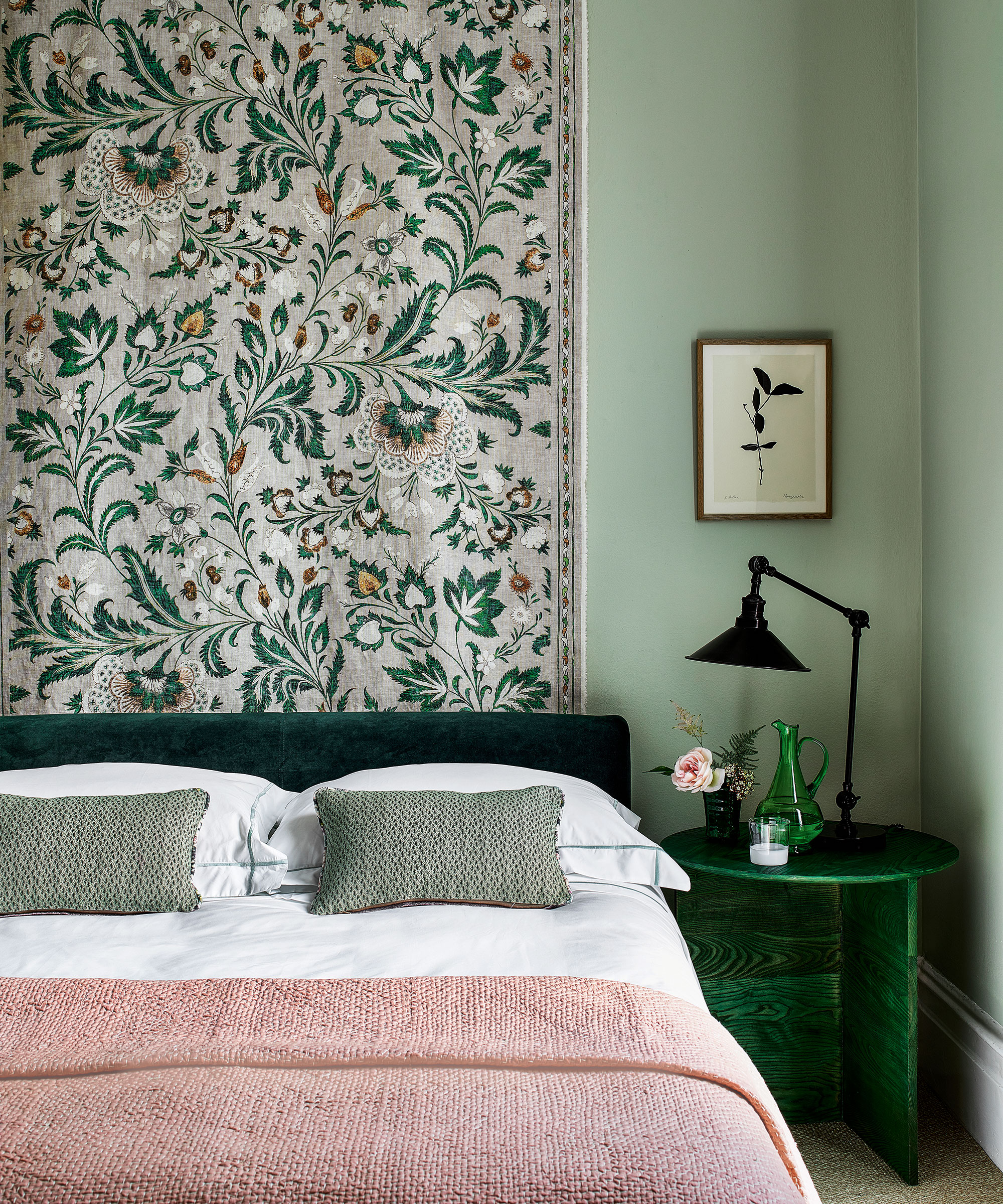
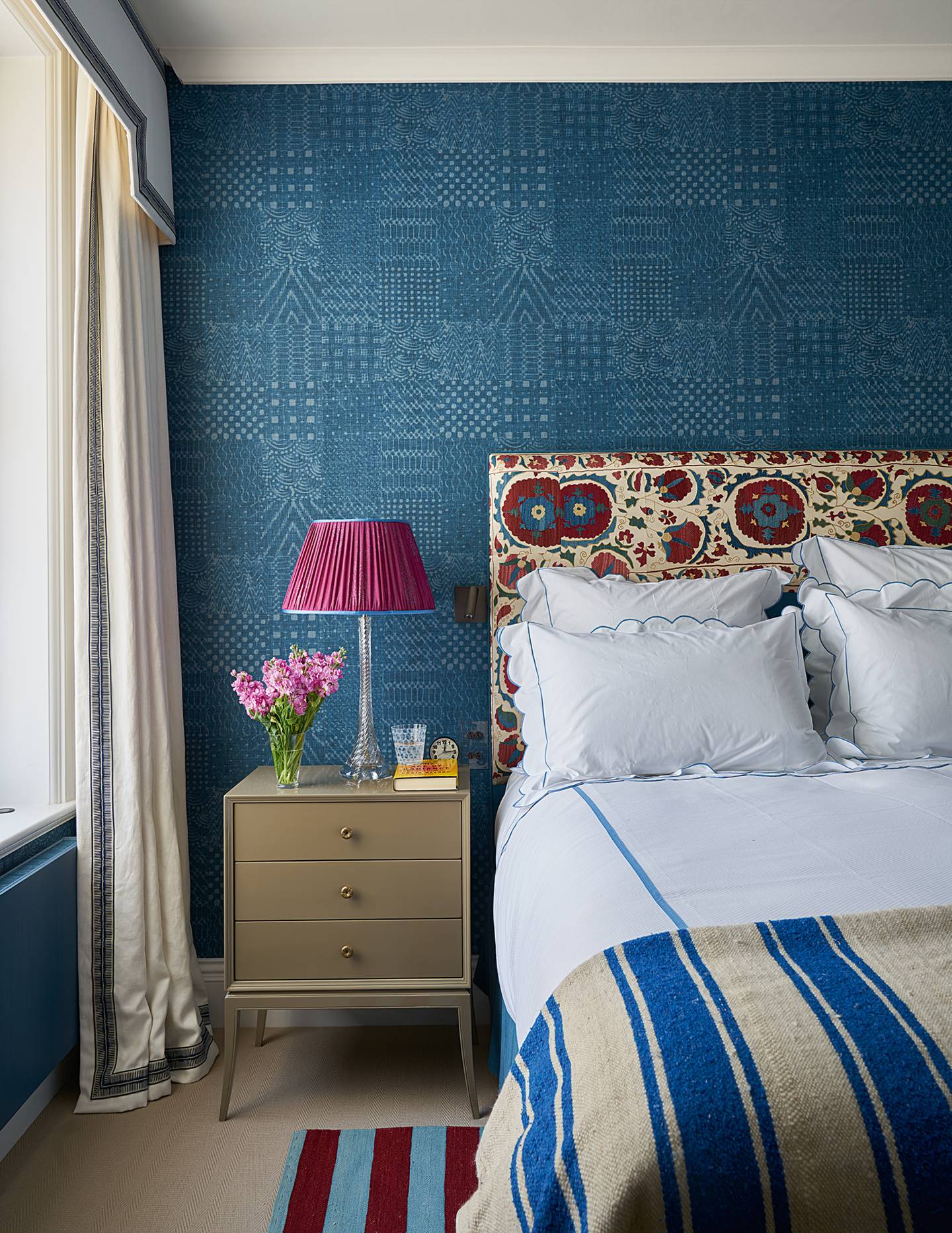
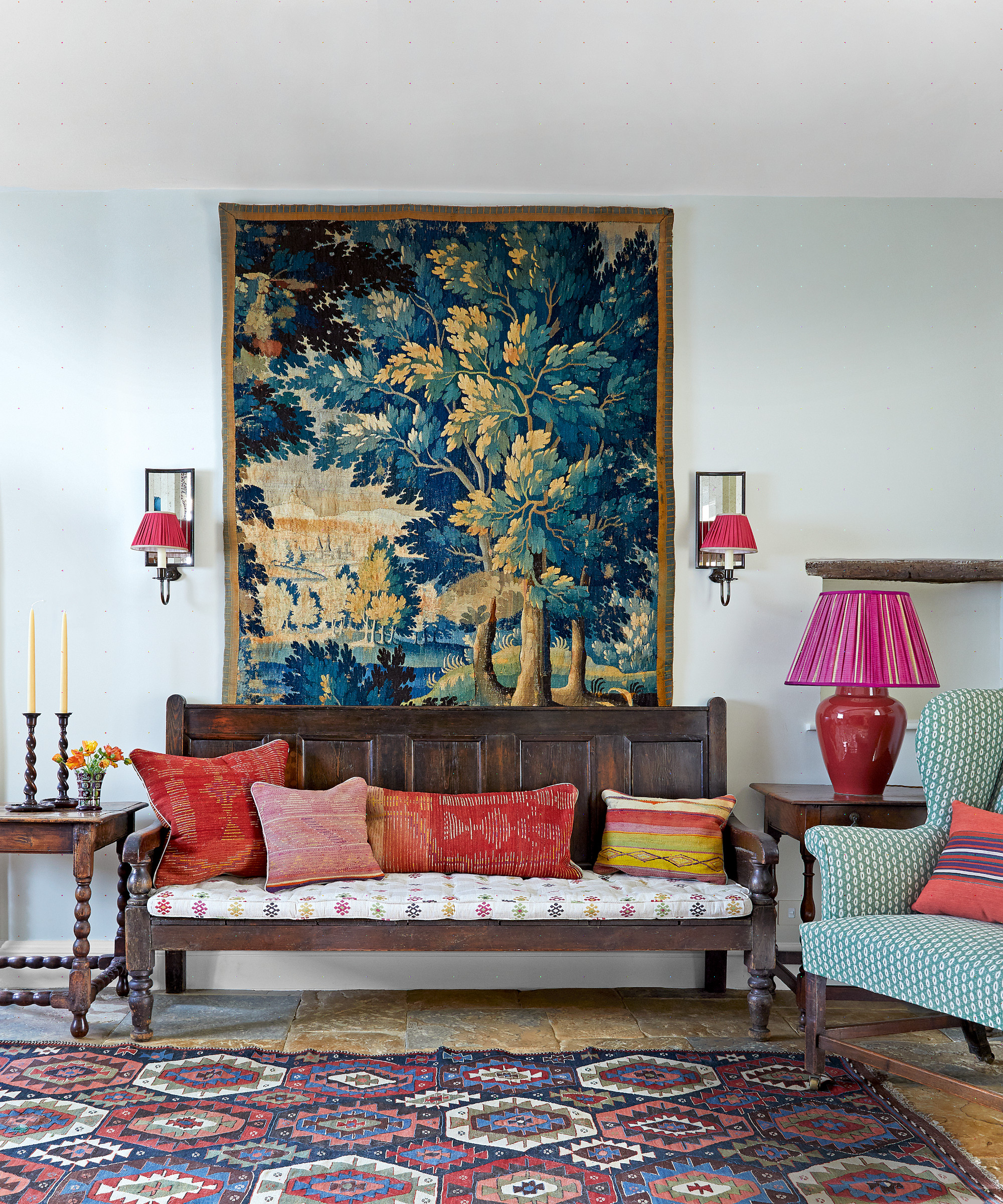
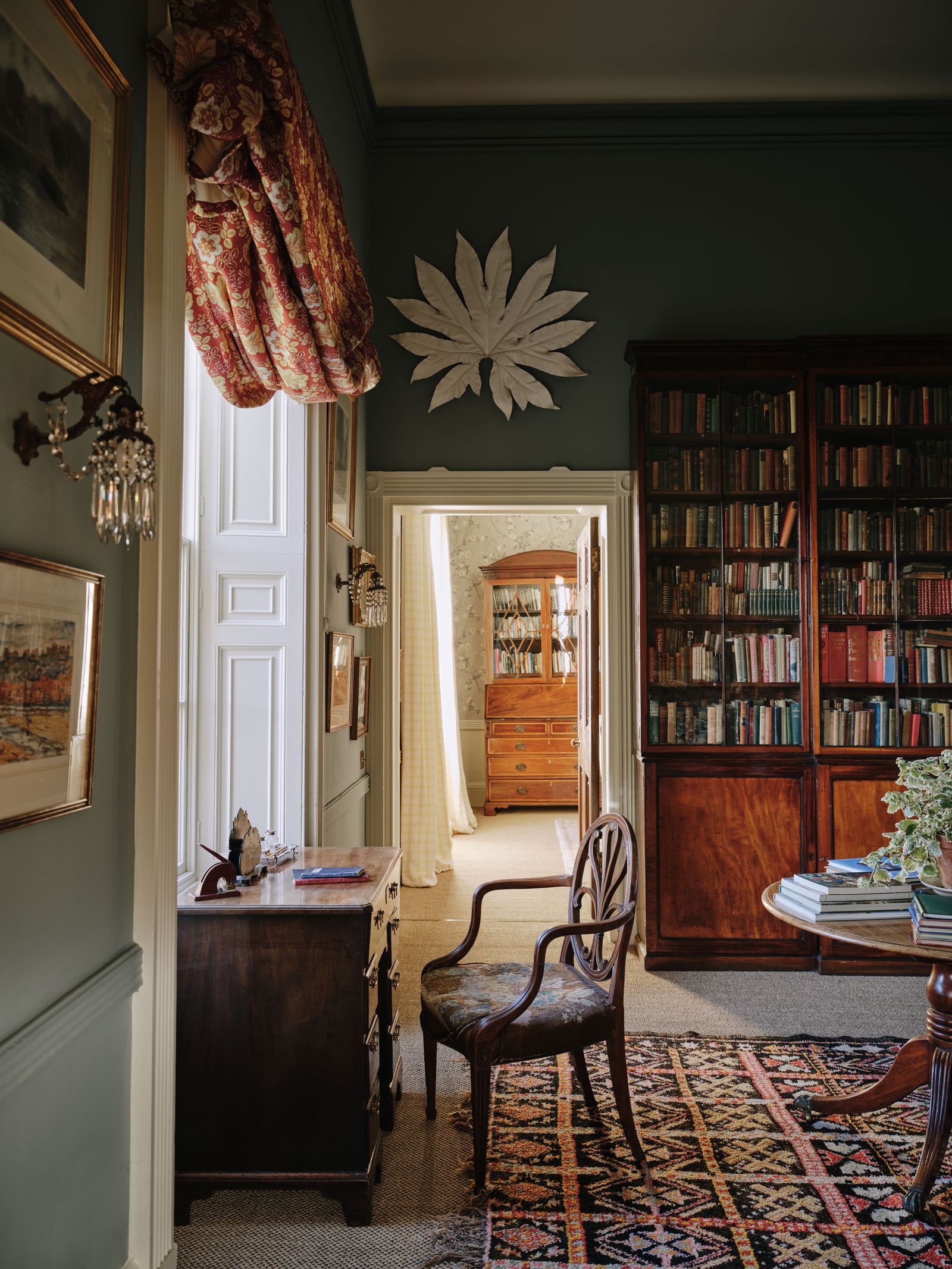
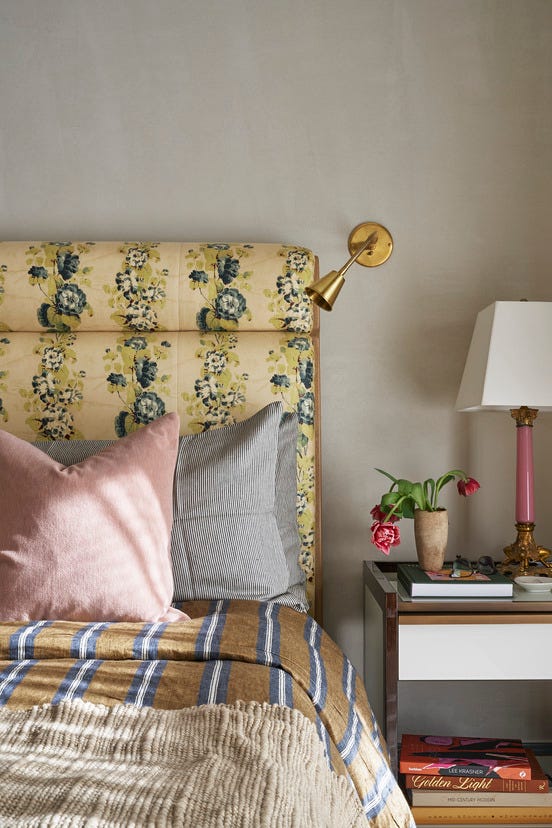
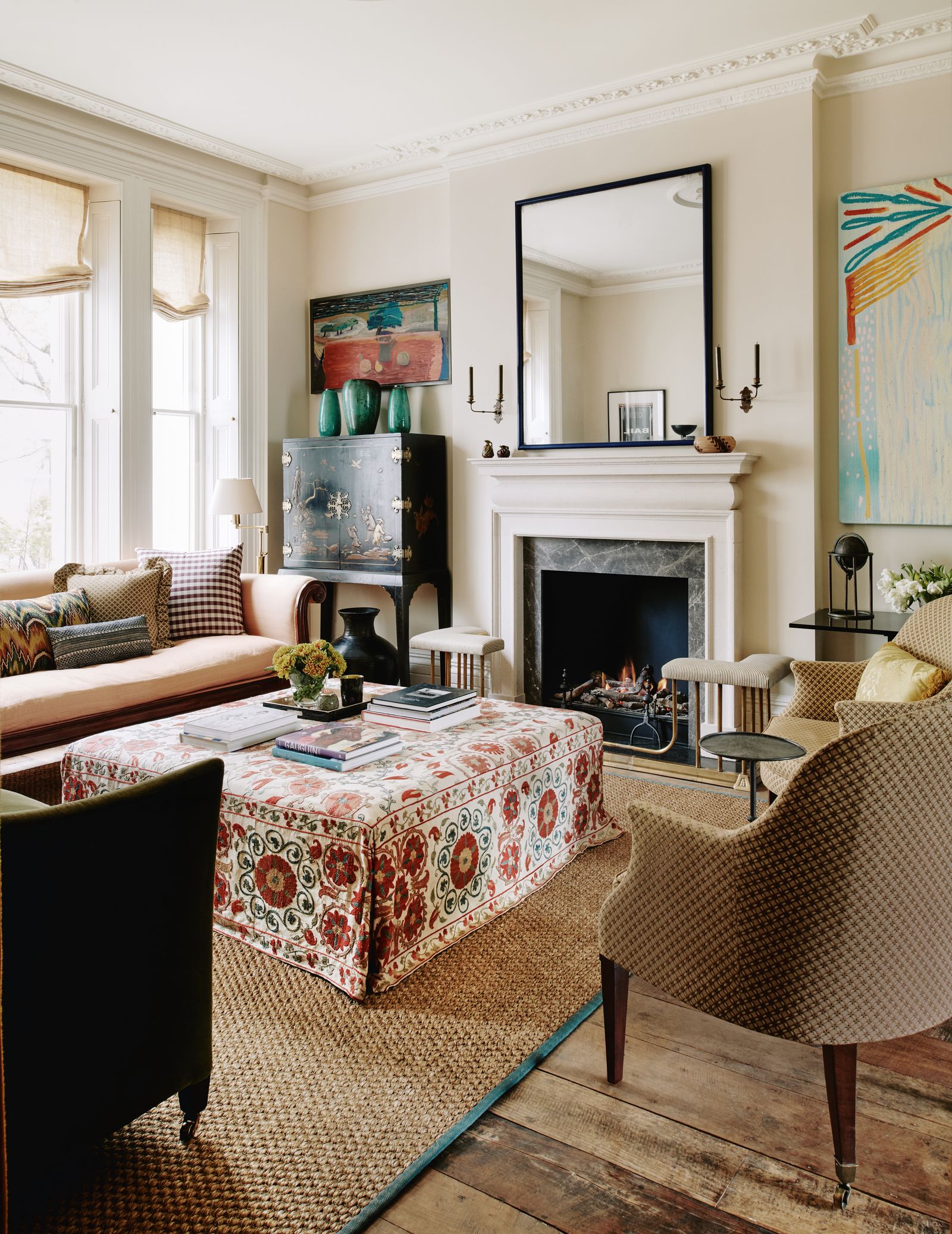
Antique textiles offer another versatile avenue for decoration, ranging from embroidered cushions to tapestry wall hangings. These fabrics imbue a home with charm and coziness, contributing a sense of heritage and country-style appeal. Textiles like suzanis and tapestries can be repurposed as wall hangings, curtain panels, or even headboards, providing a significant visual impact. Similarly, old woven fragments can be transformed into ottomans or pillows, adding gravitas and texture.
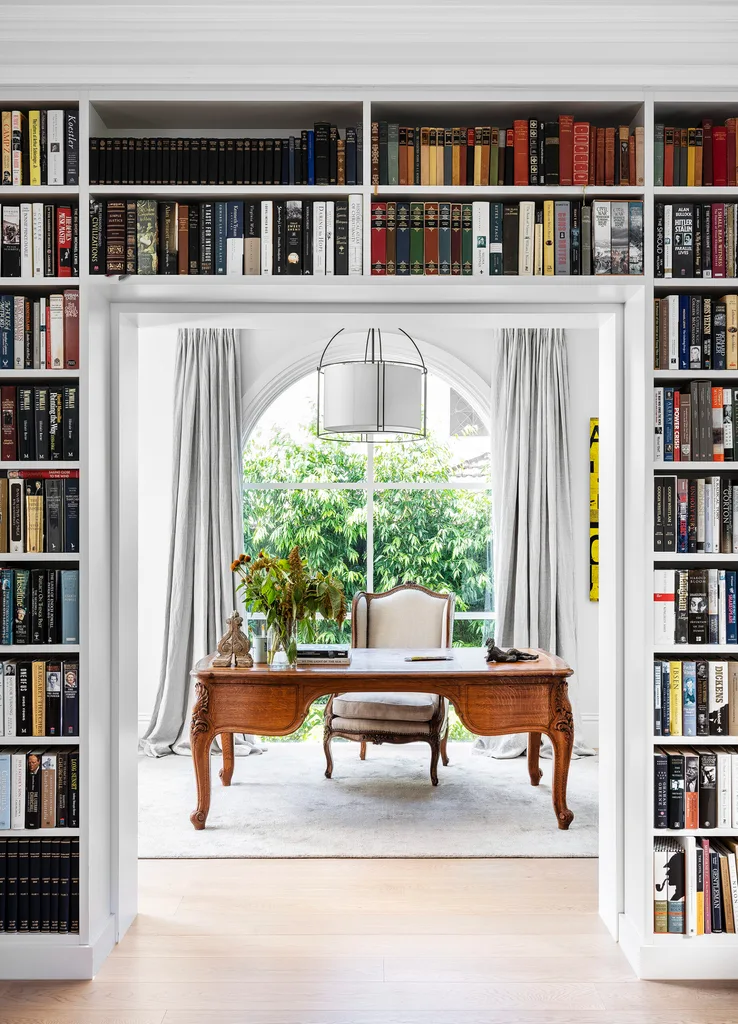
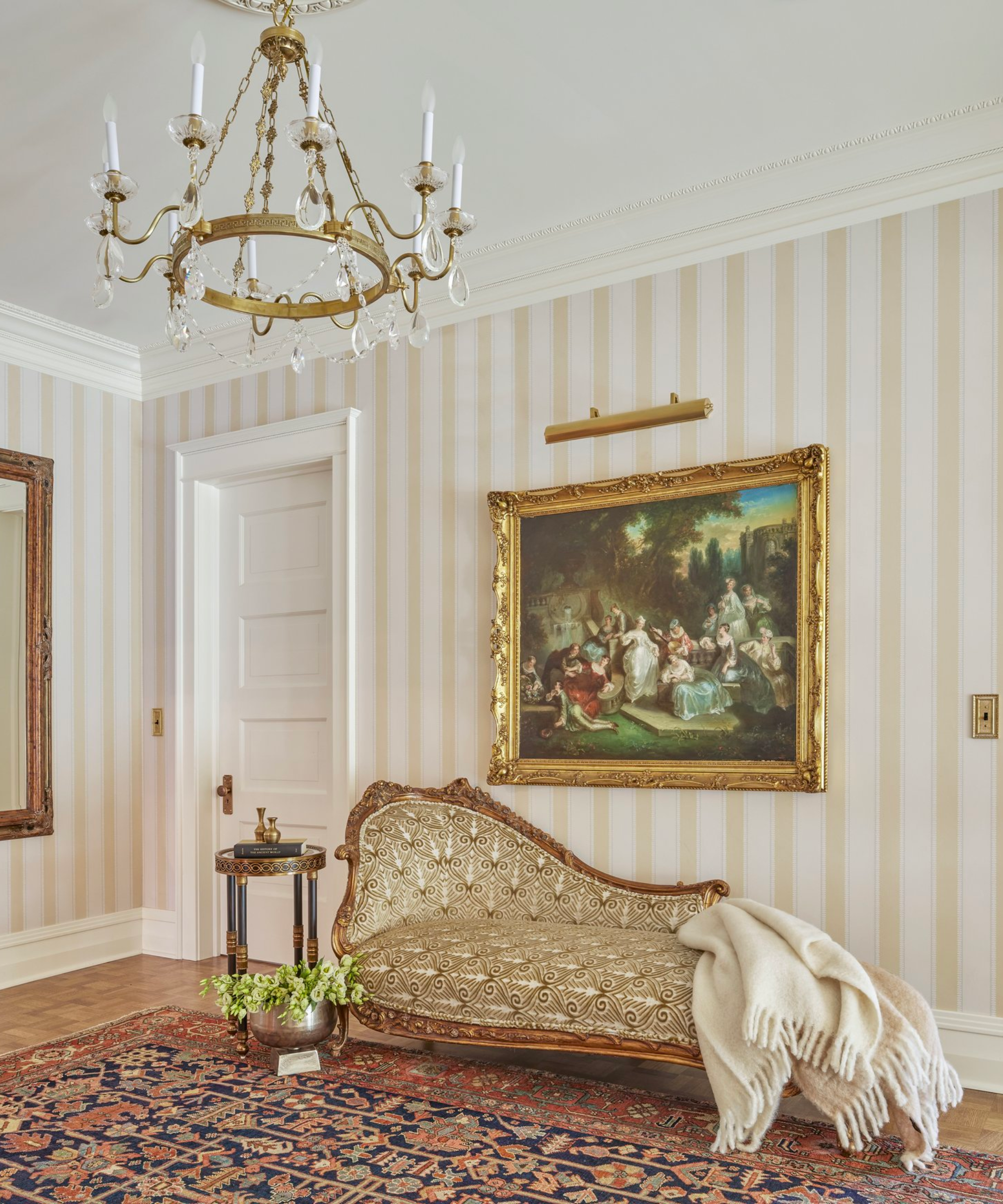
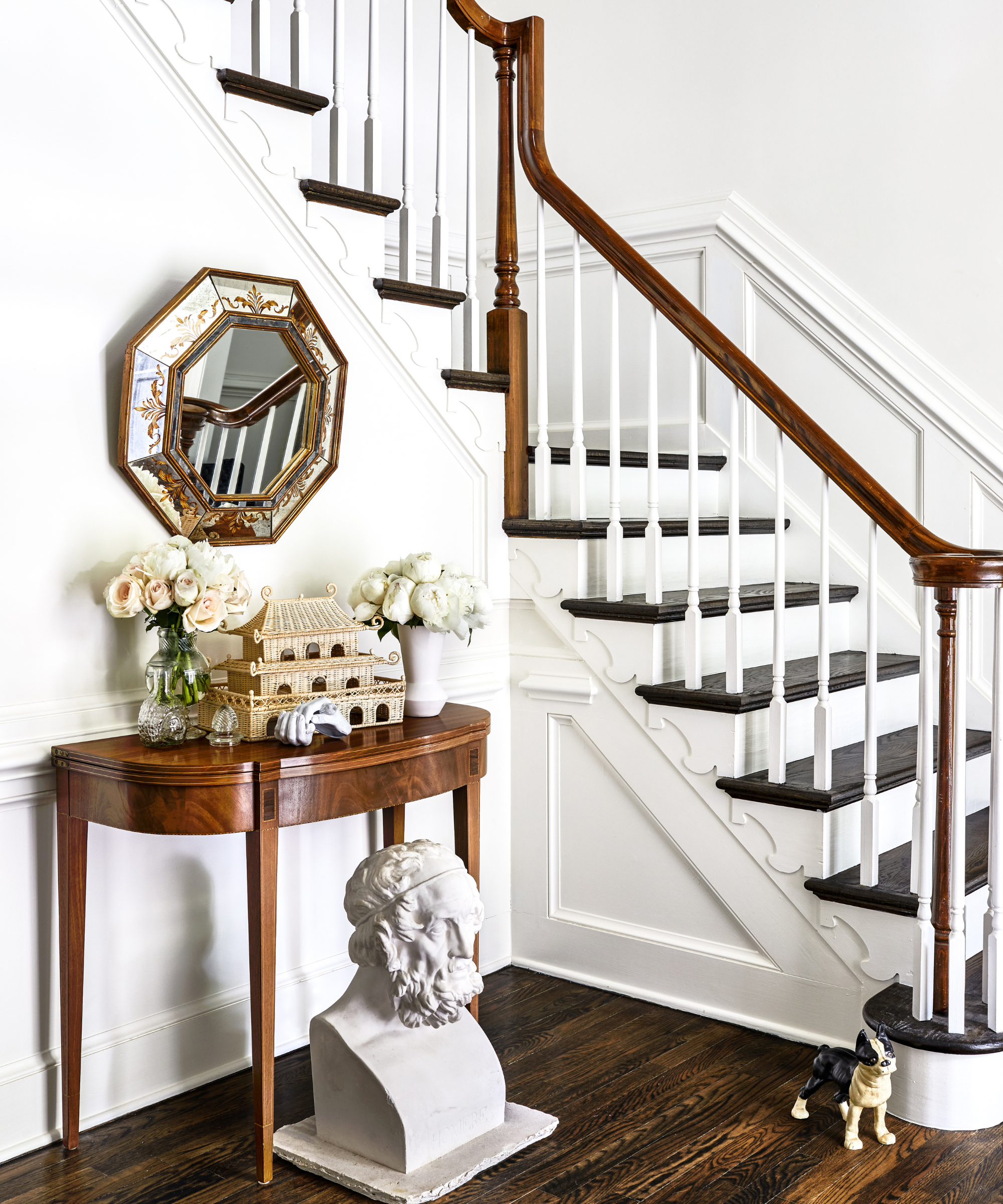
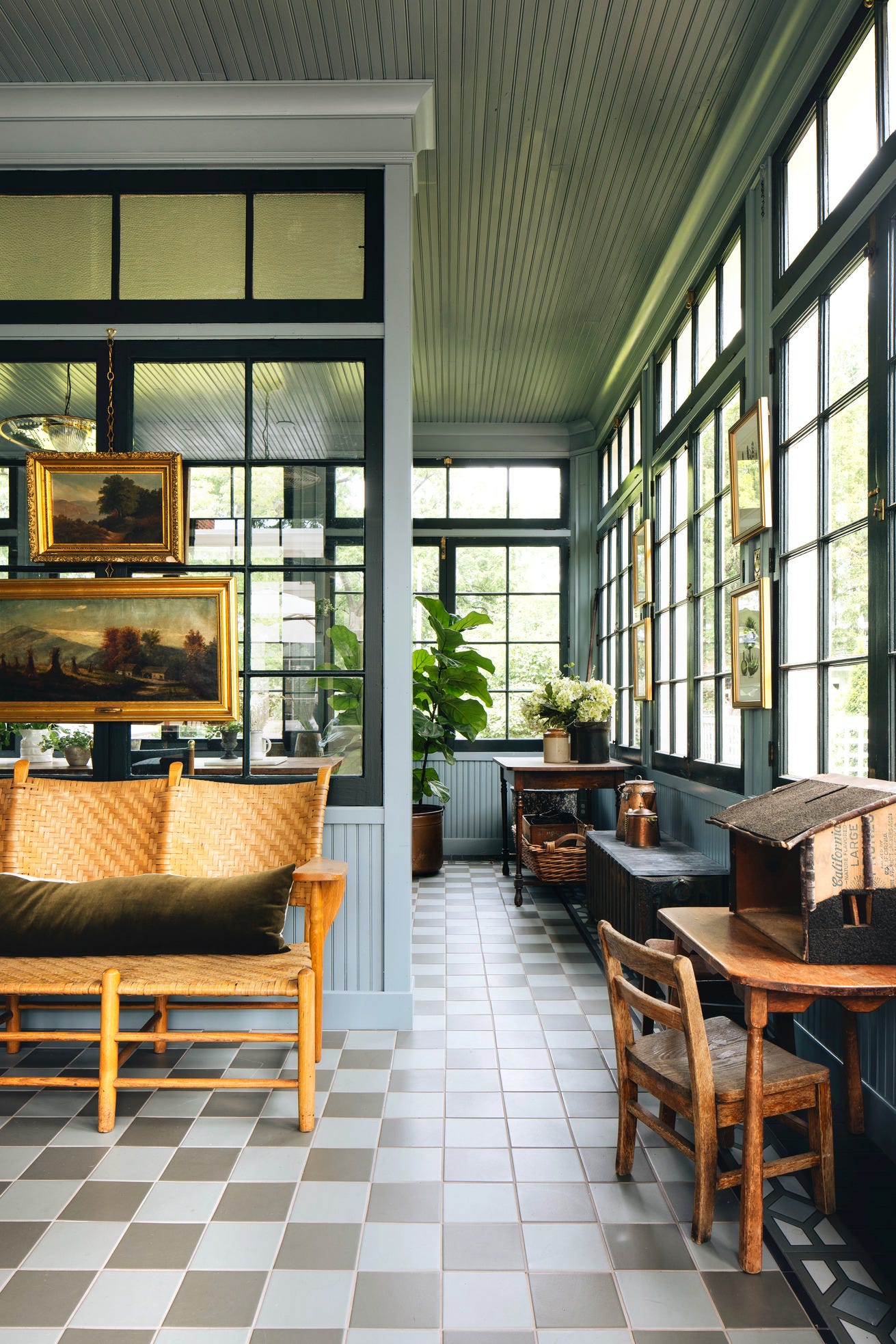
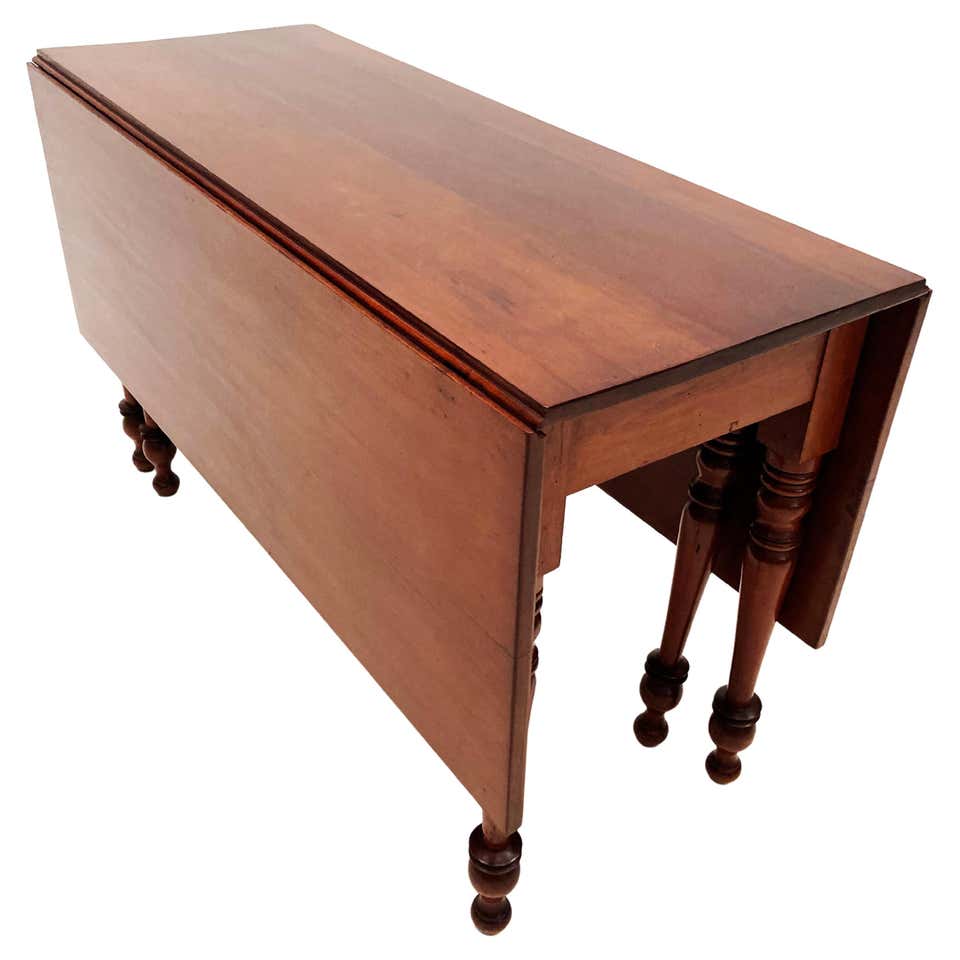
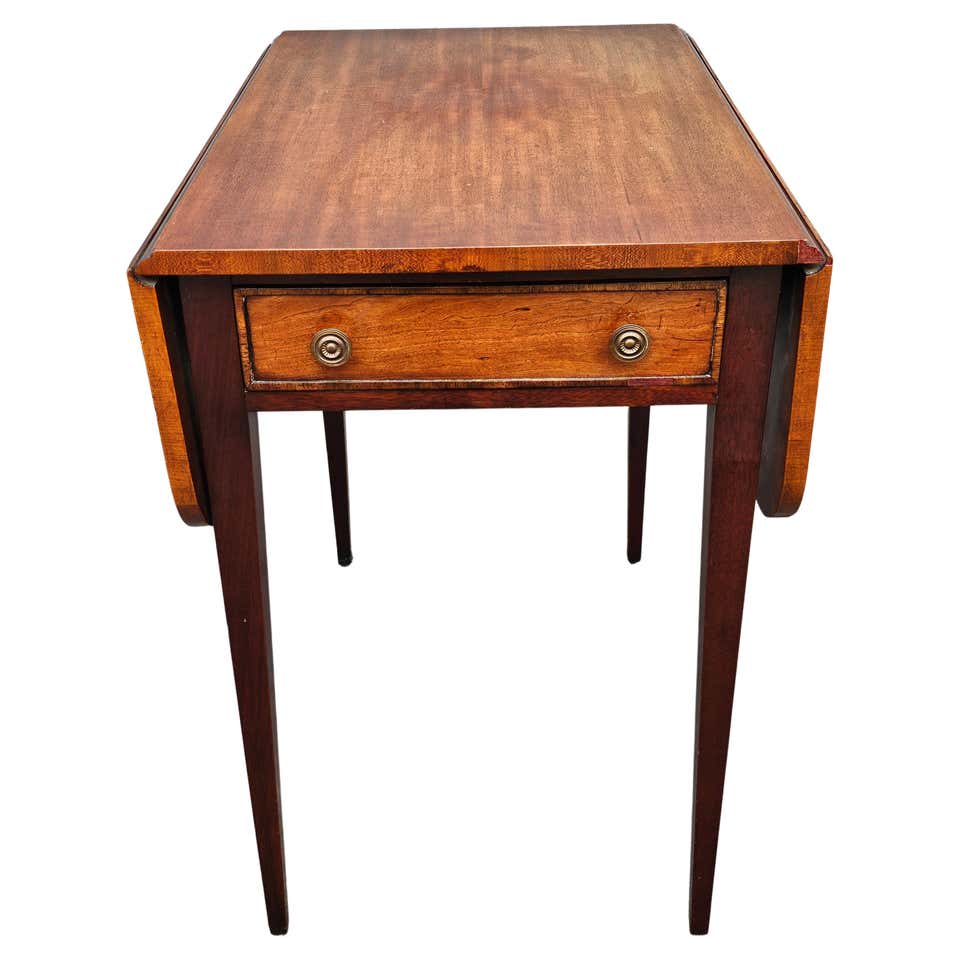
Furniture, being the structural foundation of a room, benefits immensely from the inclusion of antiques due to their inherent durability and craftsmanship. Vintage side tables, nightstands, and martini tables, for instance, introduce patina and texture. While antique furniture can be sourced online, designers often recommend exploring flea markets and antique emporiums for unique and often more affordable pieces. When selecting wooden furniture, preferences lean towards oak and walnut, with the option to sand and paint pieces made from less desirable woods to suit modern tastes, rather than purchasing new.
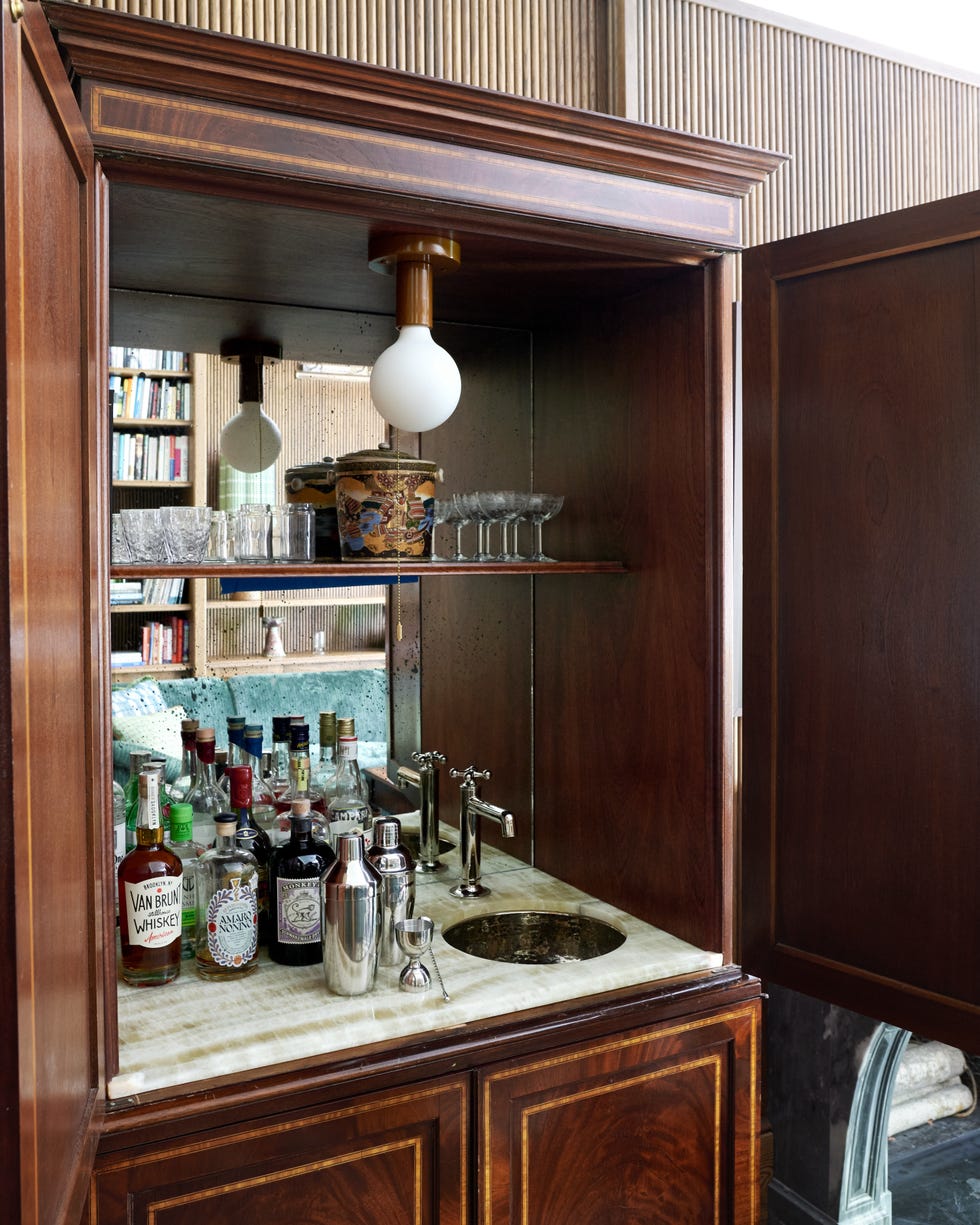
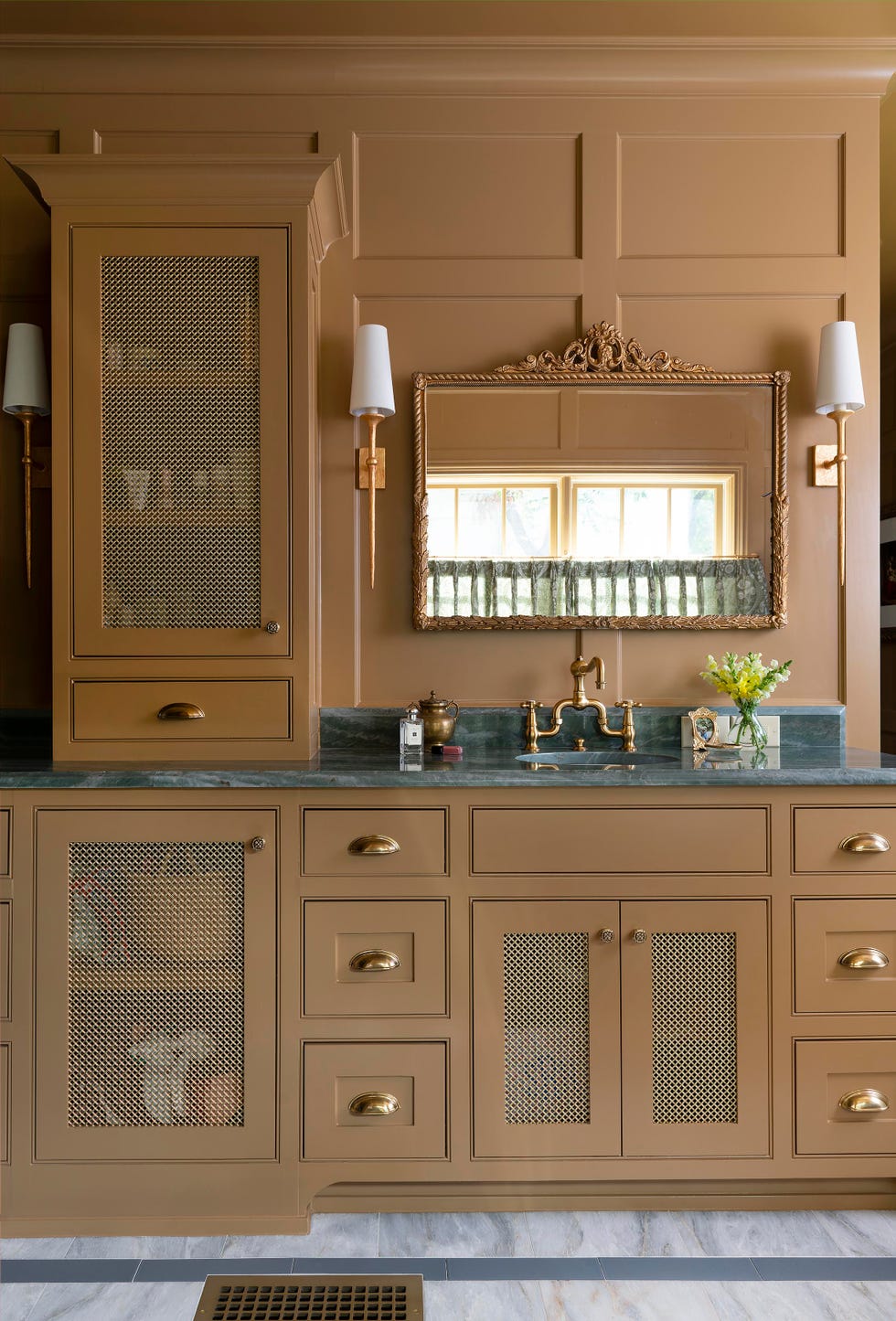
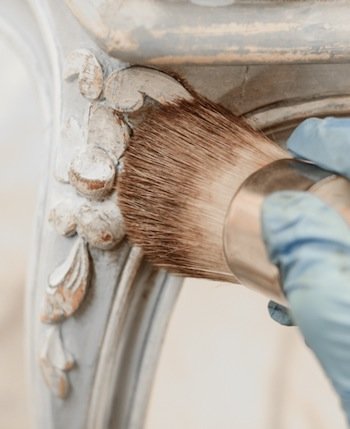
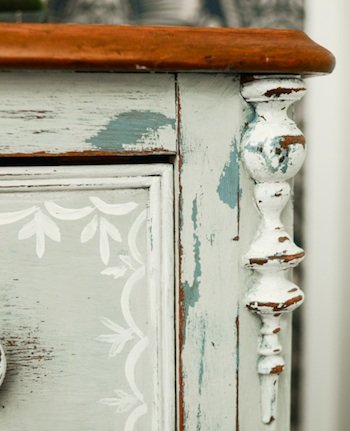
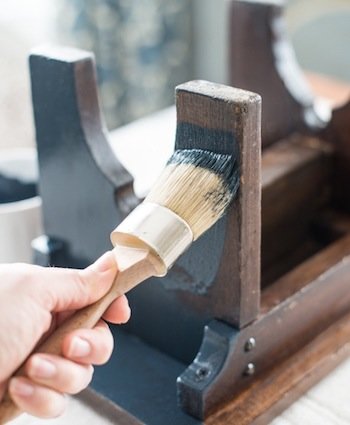
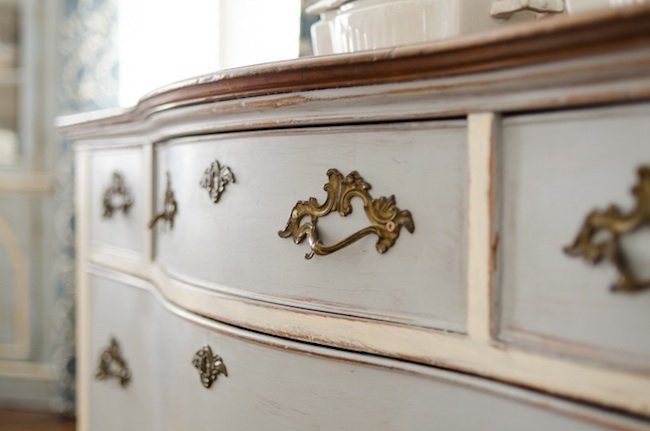
Reimagining existing antique pieces through upcycling is also encouraged. Simple updates like a fresh coat of paint, new upholstery, or updated hardware can breathe new life into pre-loved items. For example, old chests of drawers can be transformed into distinctive bathroom units by adding a marble top and basin. This approach not only extends the life of the antique but also allows for customization to fit contemporary design needs.
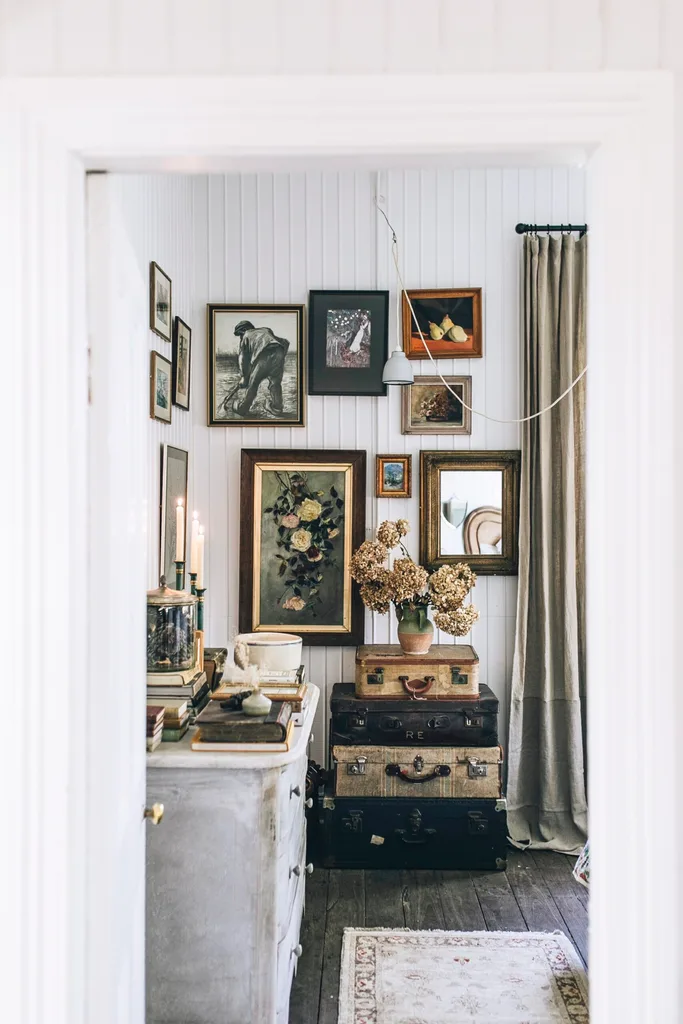
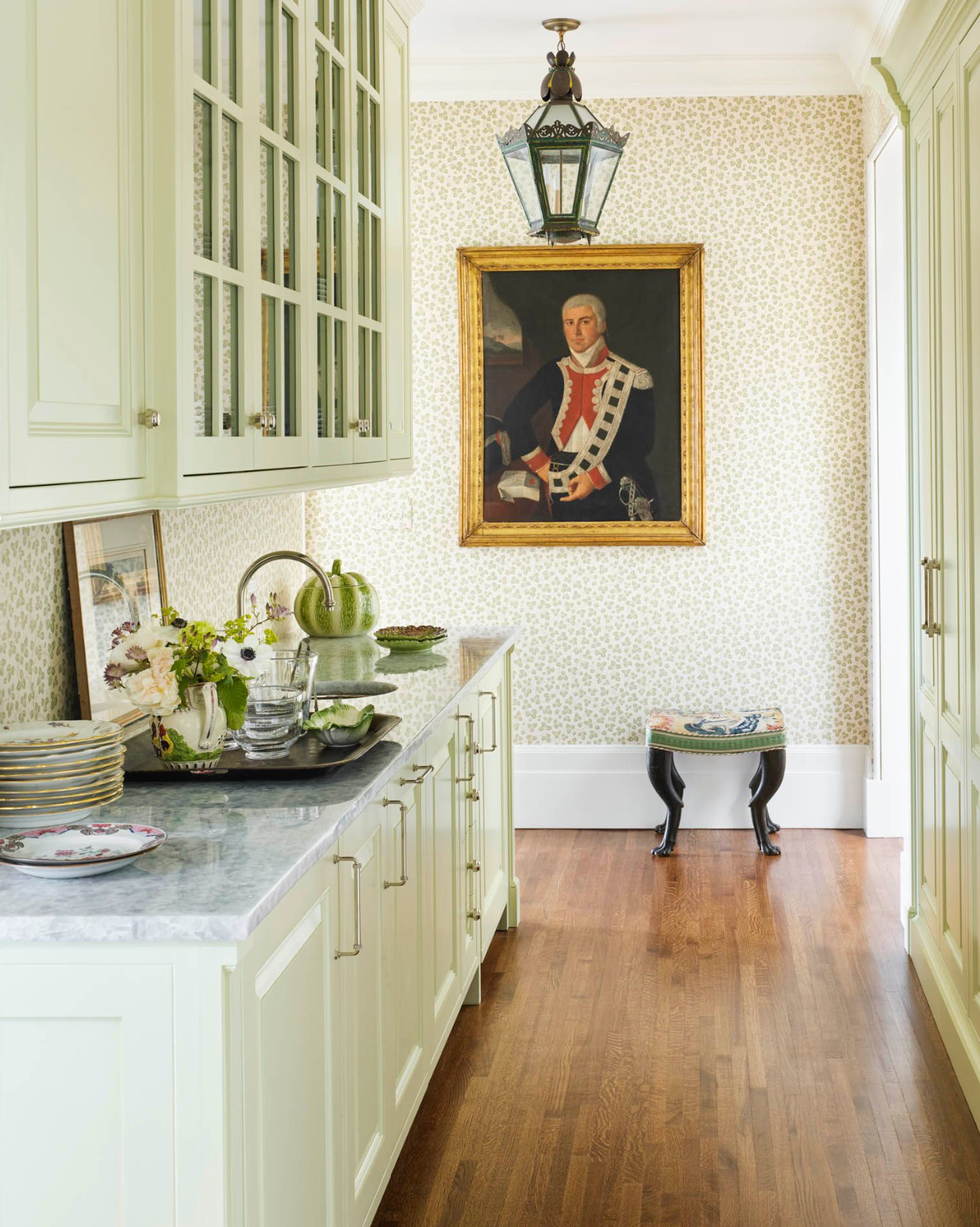
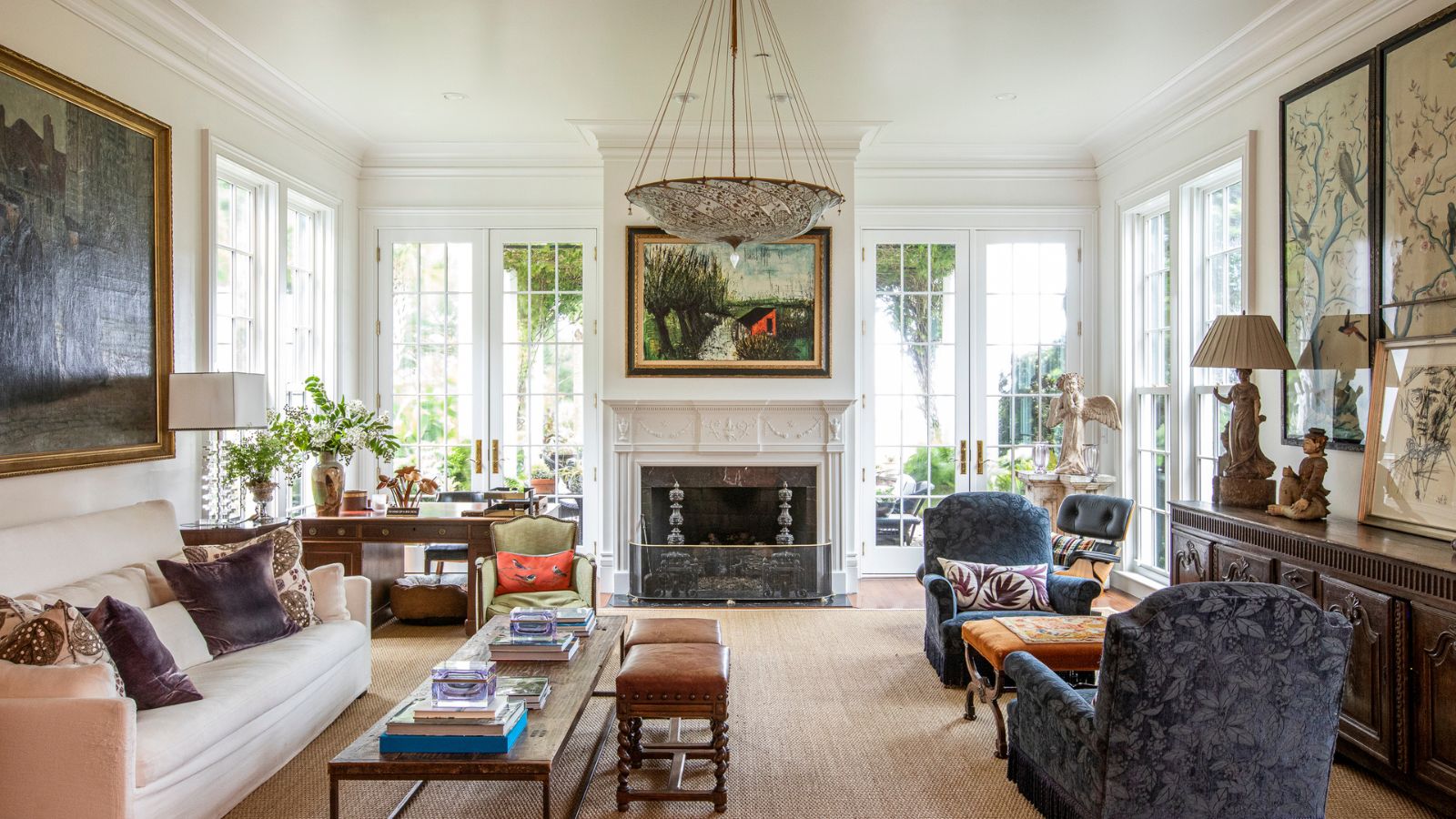
Decorating with antique paintings is another powerful way to infuse a home with timeless charm. Vintage art, whether detailed oil paintings or simple sketches, adds depth and soul to a space. Creating eclectic gallery walls by mixing different sizes and frame styles allows for dynamic displays that tell a unique story, blending various periods and styles effortlessly. Antique art often proves more affordable than new pieces, carrying a rich history and narrative. Beyond paintings, tapestries, sculptures, and architectural fragments can also serve as meaningful statement pieces, contributing to a truly collected aesthetic.
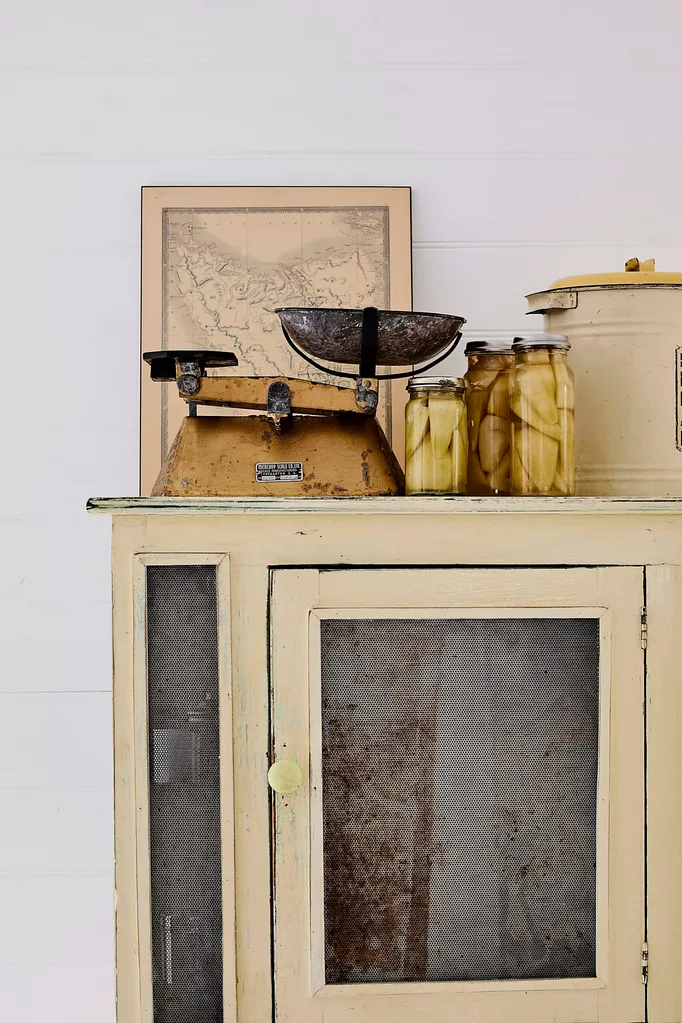
Finally, integrating meaningful and sentimental antique pieces enhances a home's personal narrative. Designers advocate for selecting items that evoke a personal connection or reflect family history, contributing to a layered and individualized space. This approach aligns with the 'nostalgia core' trend, which embraces items with sentimentality and charm. Starting small and being intentional—perhaps by adorning a bookshelf with antique trinkets or a brass object—allows for gradual integration without overwhelming a space, emphasizing the importance of thoughtful acquisition over hasty purchases.
#AntiqueDecor #InteriorDesign #VintageStyle #HomeDecor #DesignTips #TransitionalDecor #UpcyclingFurniture #EclecticInteriors #AntiqueDecor #InteriorDesign #VintageStyle #HomeDecor #DesignTips #TransitionalDecor #UpcyclingFurniture #EclecticInteriors
0 comment in total
 No comments yet
You may also like
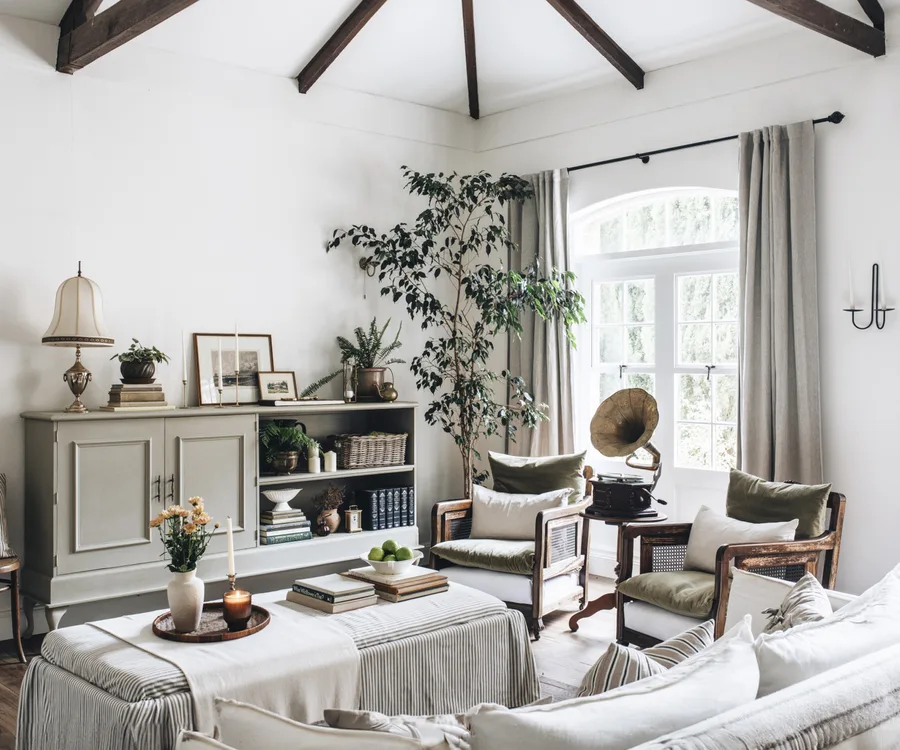
A designer’s guide to decorating with antiques

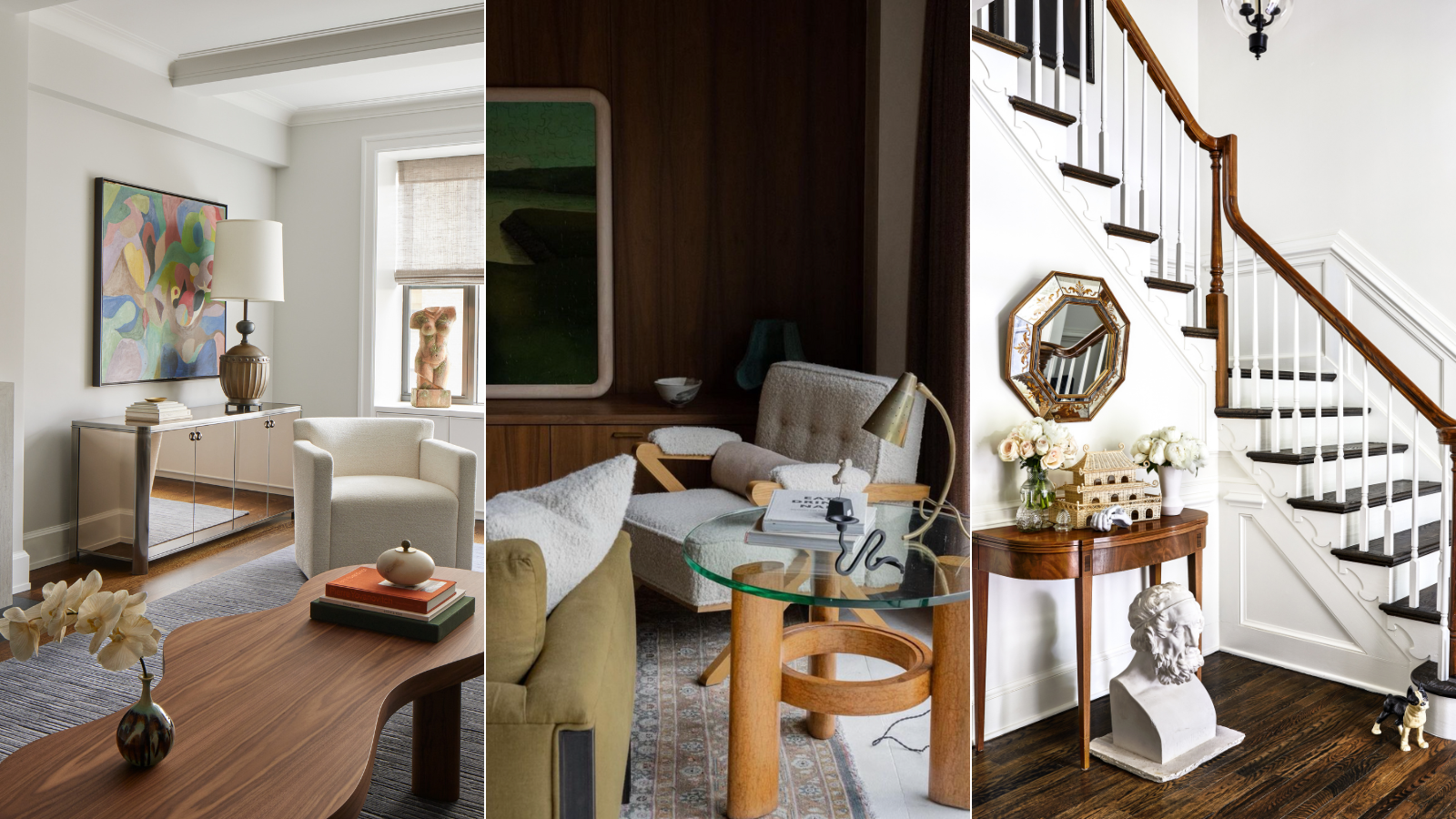
How to style antique furniture for a timeless, transitional space – 9 designers share their tips
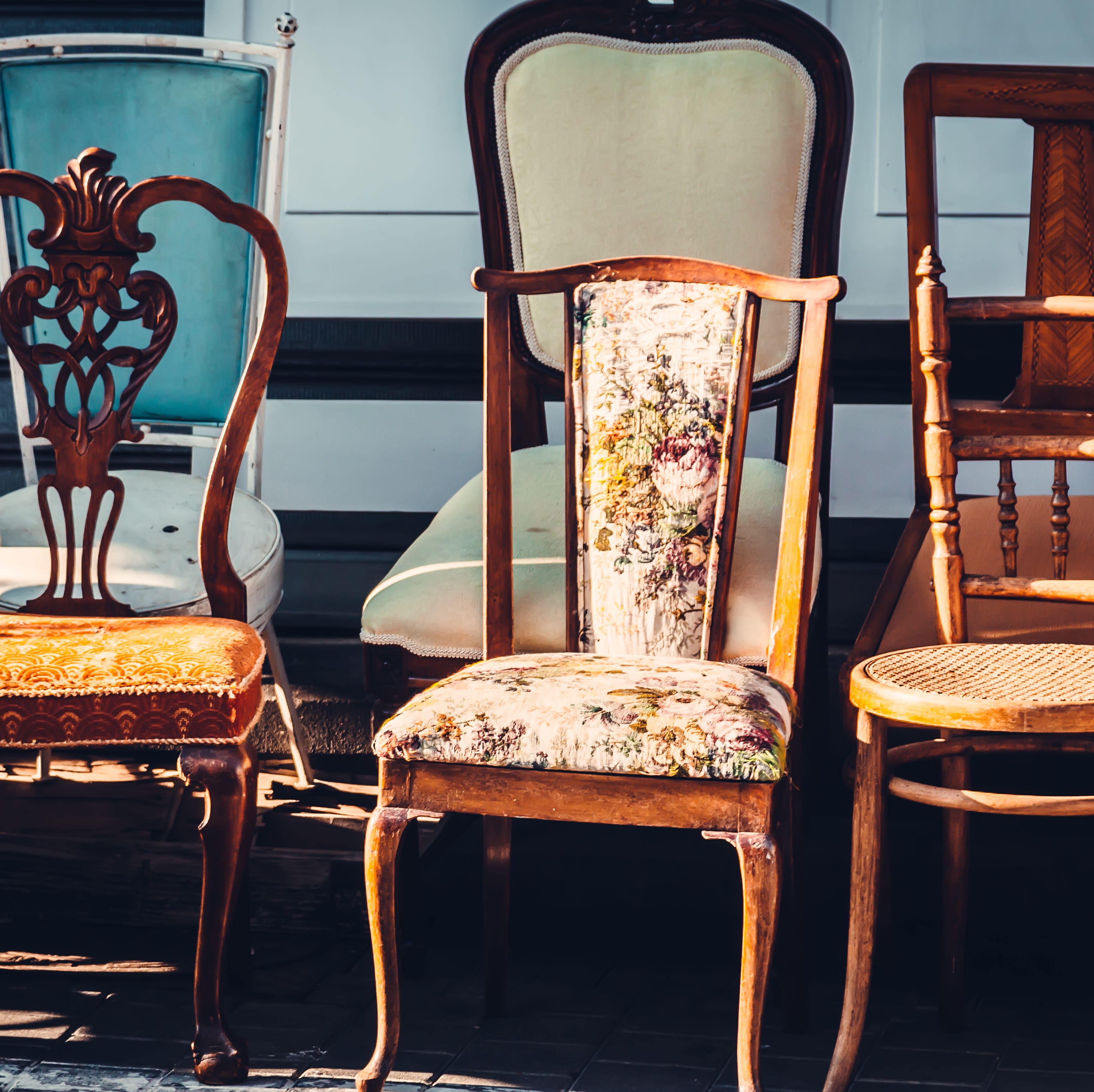
These 5 Popular Antiques Are Flying Off the Shelves This Fall, According to Interior Designers

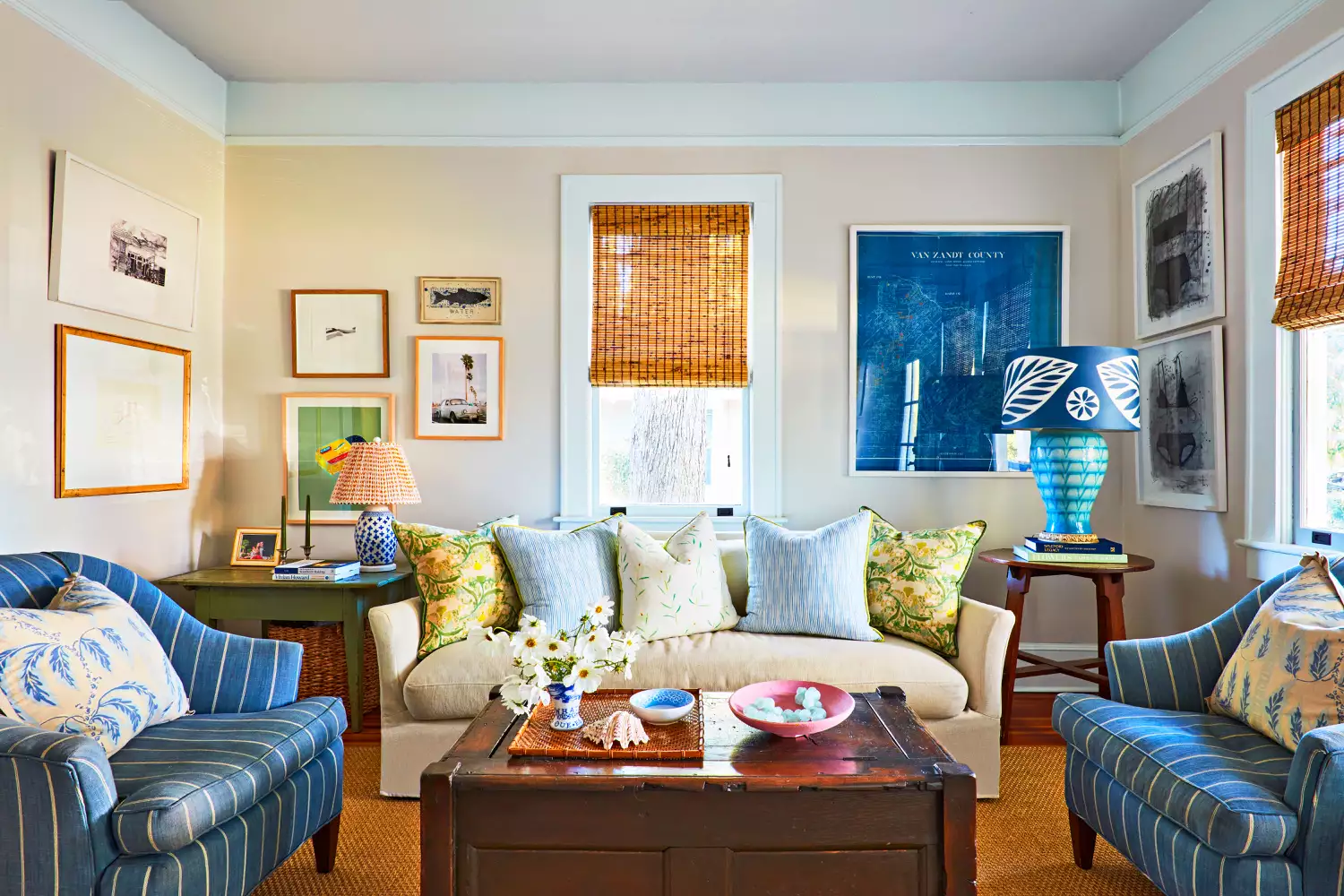
7 Designers Share The Best Decorating Advice They Received From Their Grandmothers
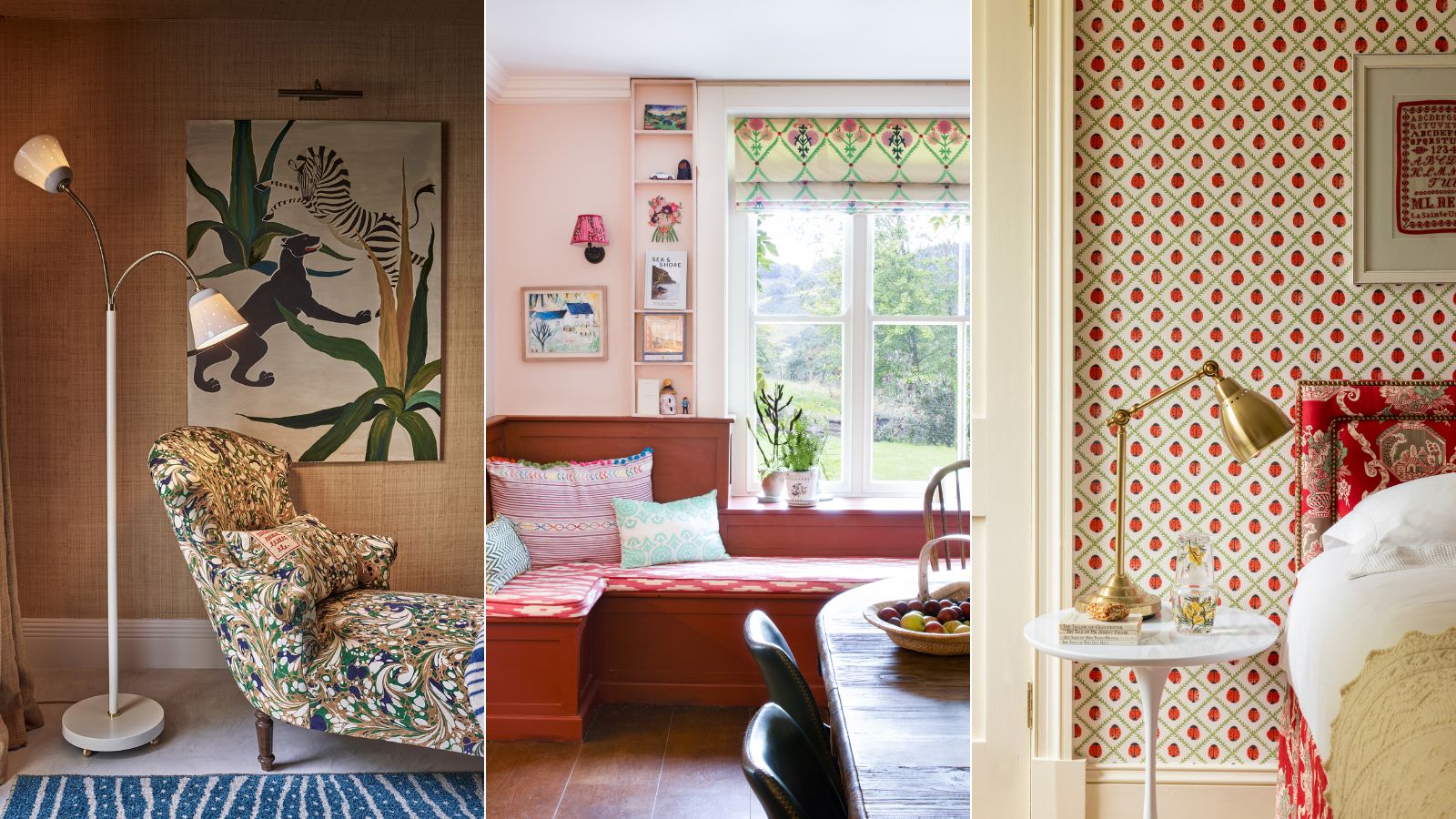
How to decorate with antique textiles – designers share their tips for adding character with old fabrics
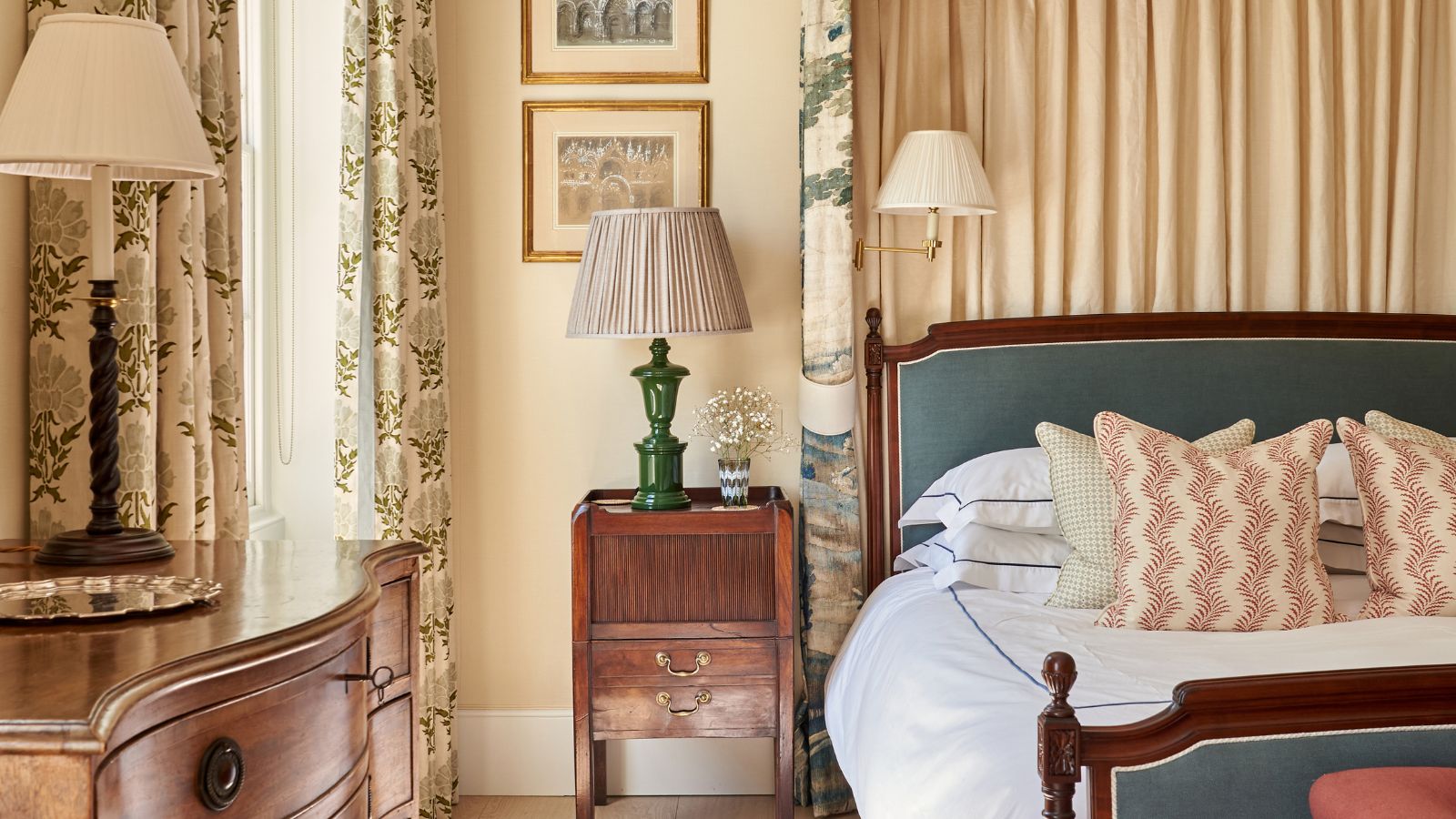
Decorating with vintage – 7 of the best ways to bring character into the home
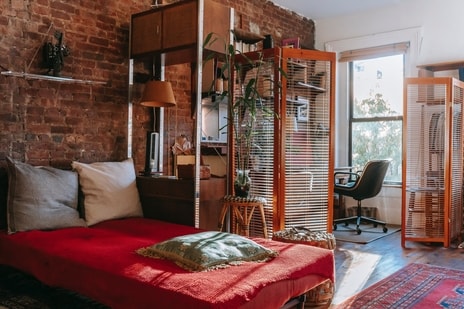
Interior design tips on vintage vibes incorporating retro charm into modern home | Hindustan Times

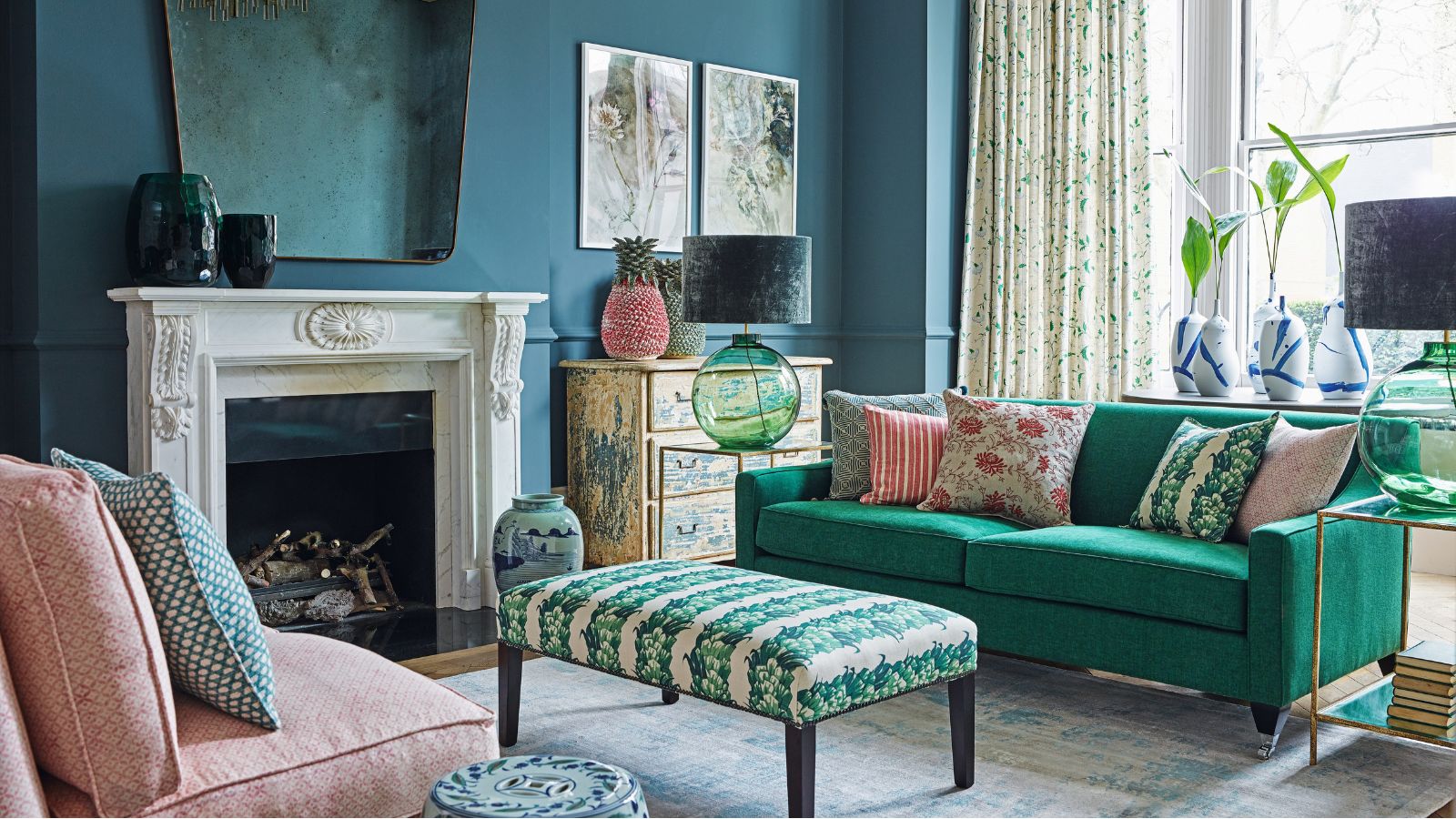
How to Modernize Antique Furniture for a Characterful and Cohesive Look
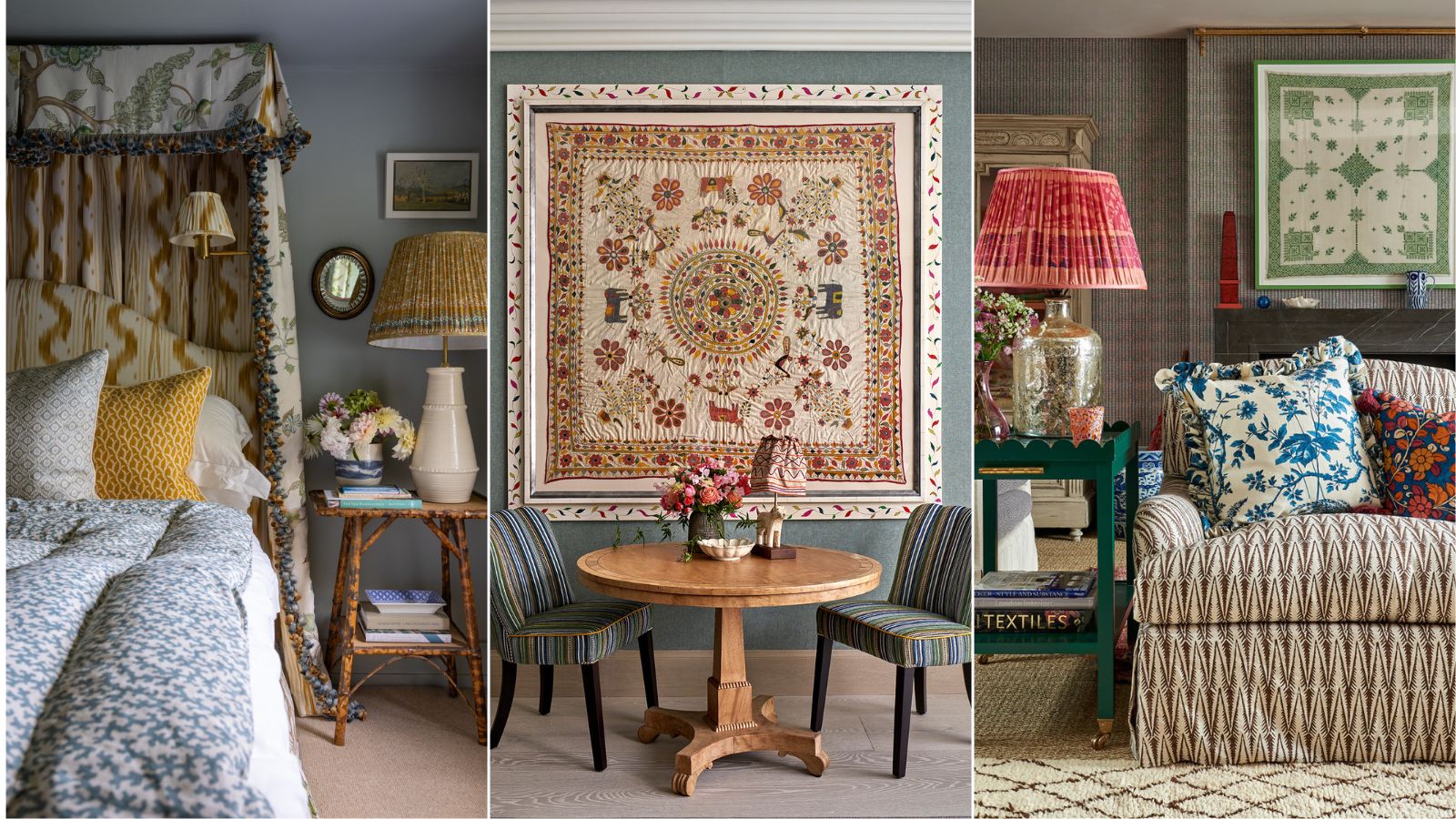
Decorating with vintage fabrics - 8 ways to inject color, texture and heritage style into your space
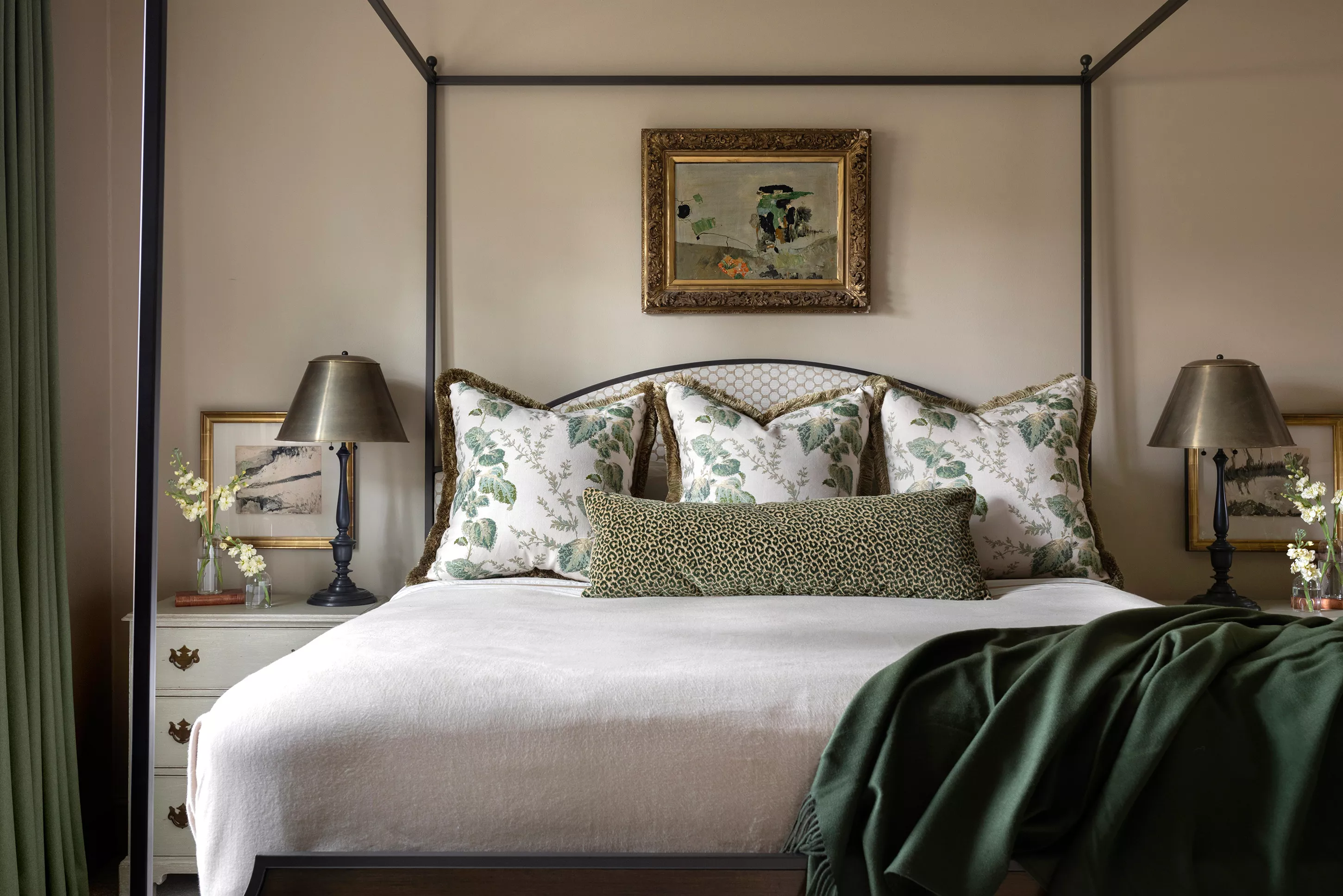
Cue the Nostalgia: These 8 Vintage Decor Trends Are Taking Over Home Decor

7 Vintage Home Decor Features That Designers Want to See EVERYWHERE in 2026

Antiquing vs. Distressing: 8 Tips on Creating the Look and Patina of a Genuine Antique

5 easy vintage interior decor tricks for homes

12 Designer-Approved Tricks to Fill a New Home With Vintage Character

6 Antique Design Features Designers Wish Would Make a Comeback

10 Easy Ways to Incorporate This Old-Guard Style Into Your Space
6 antiques that will always work in modern interiors – and how designers style them
How to use antique furniture in a contemporary scheme
8 retro home decor ideas to bring back this funky trend in a classic way
7 Reasons Your Home Looks Dated, According to Designers