1/12
8 retro home decor ideas to bring back this funky trend in a classic way
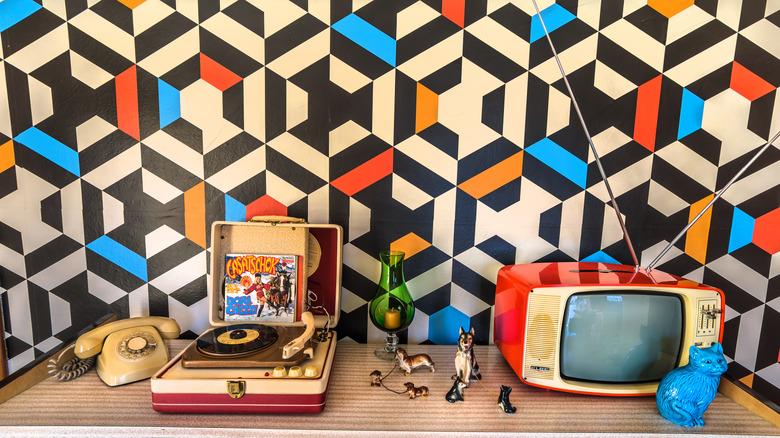
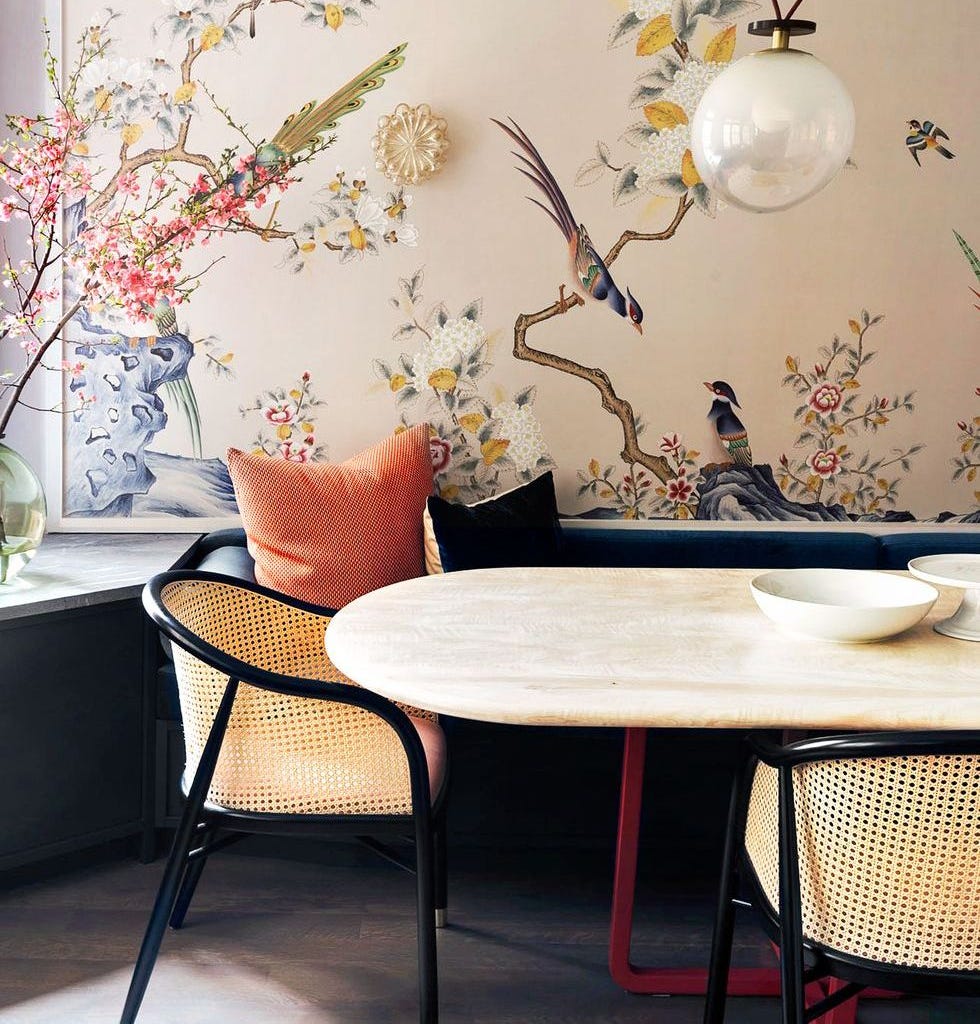
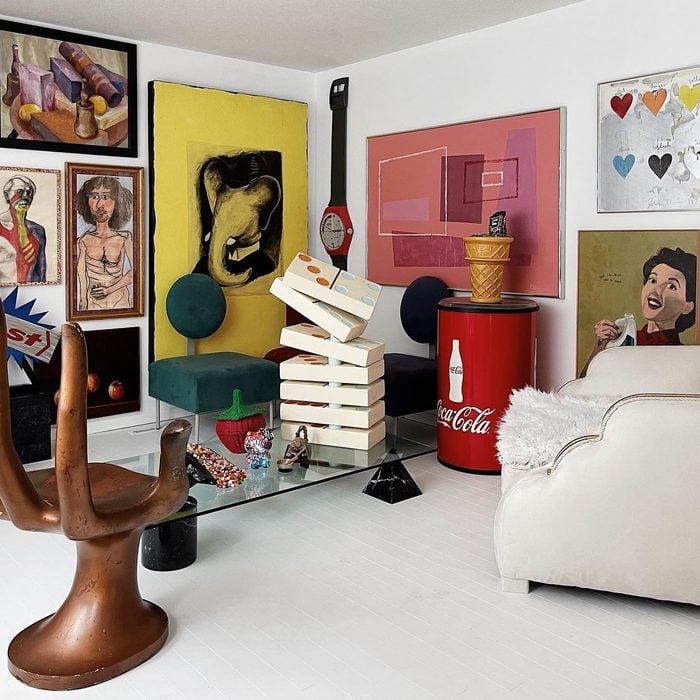
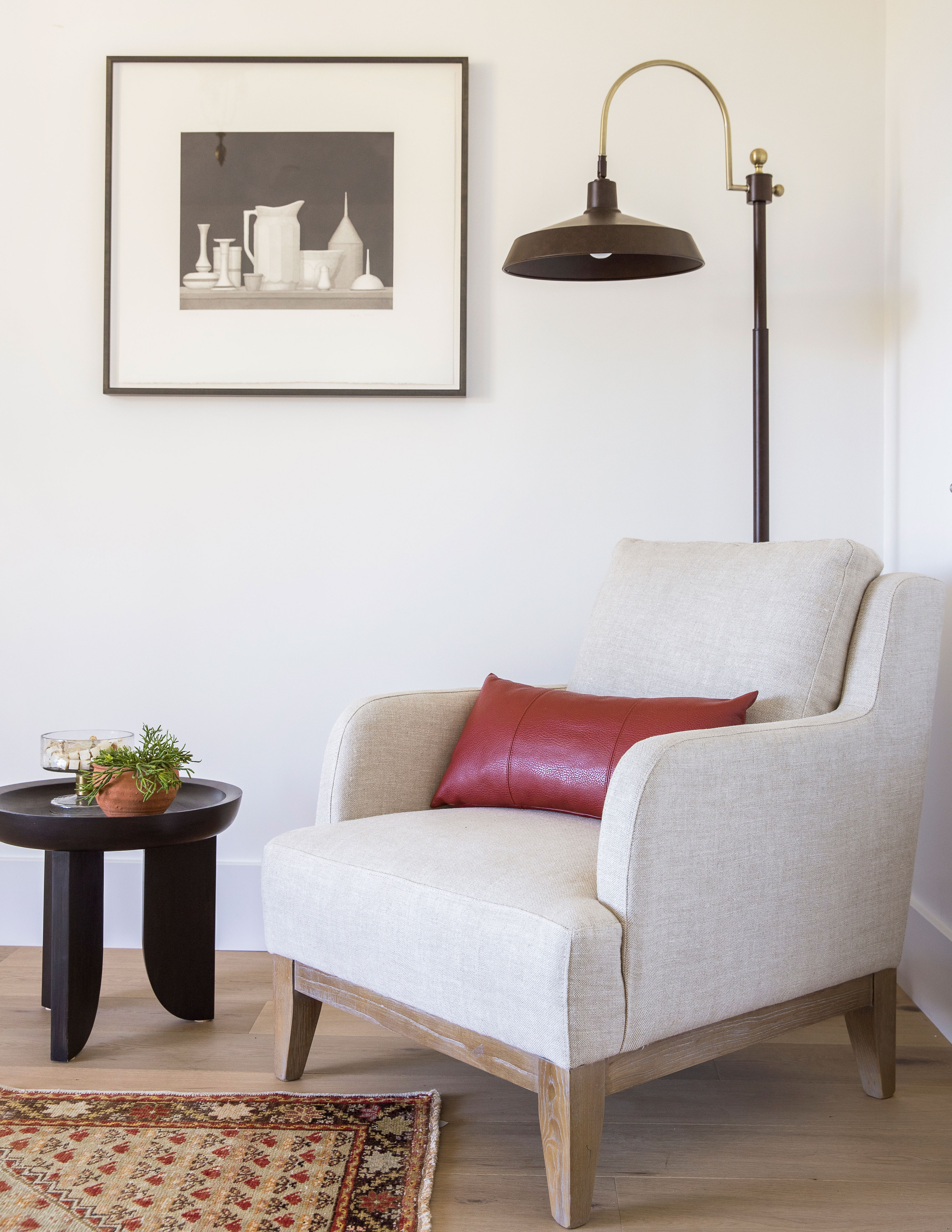
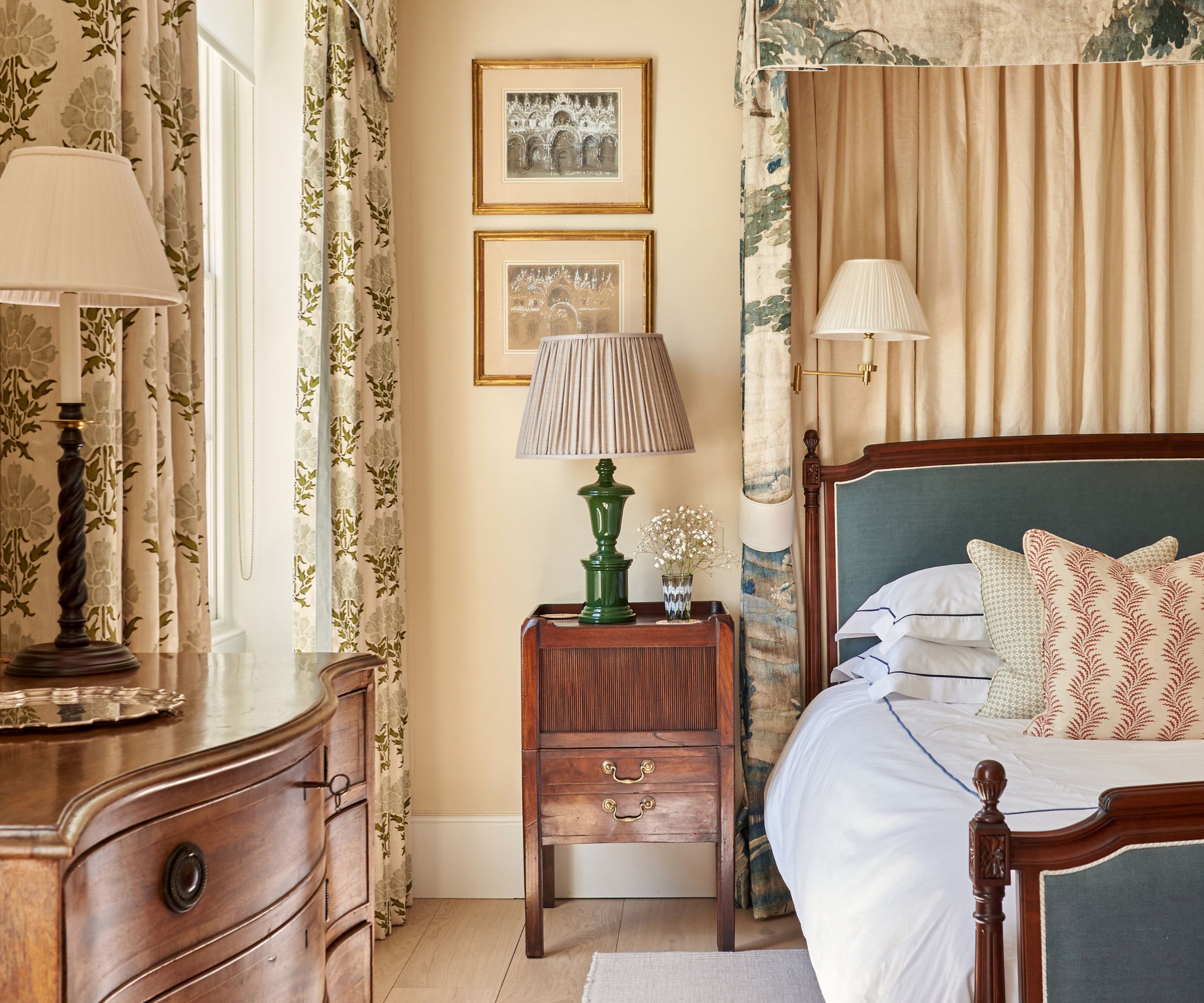
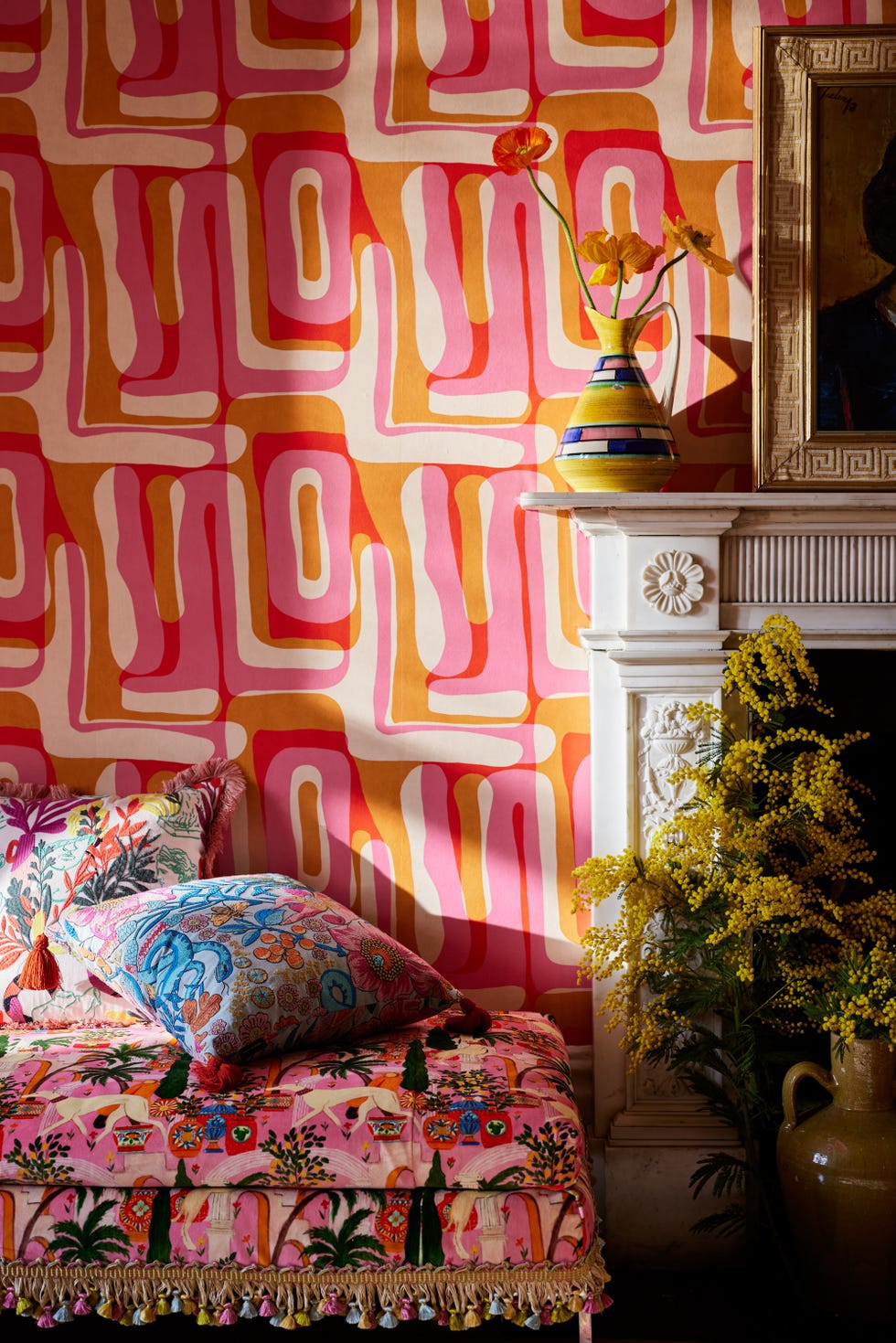
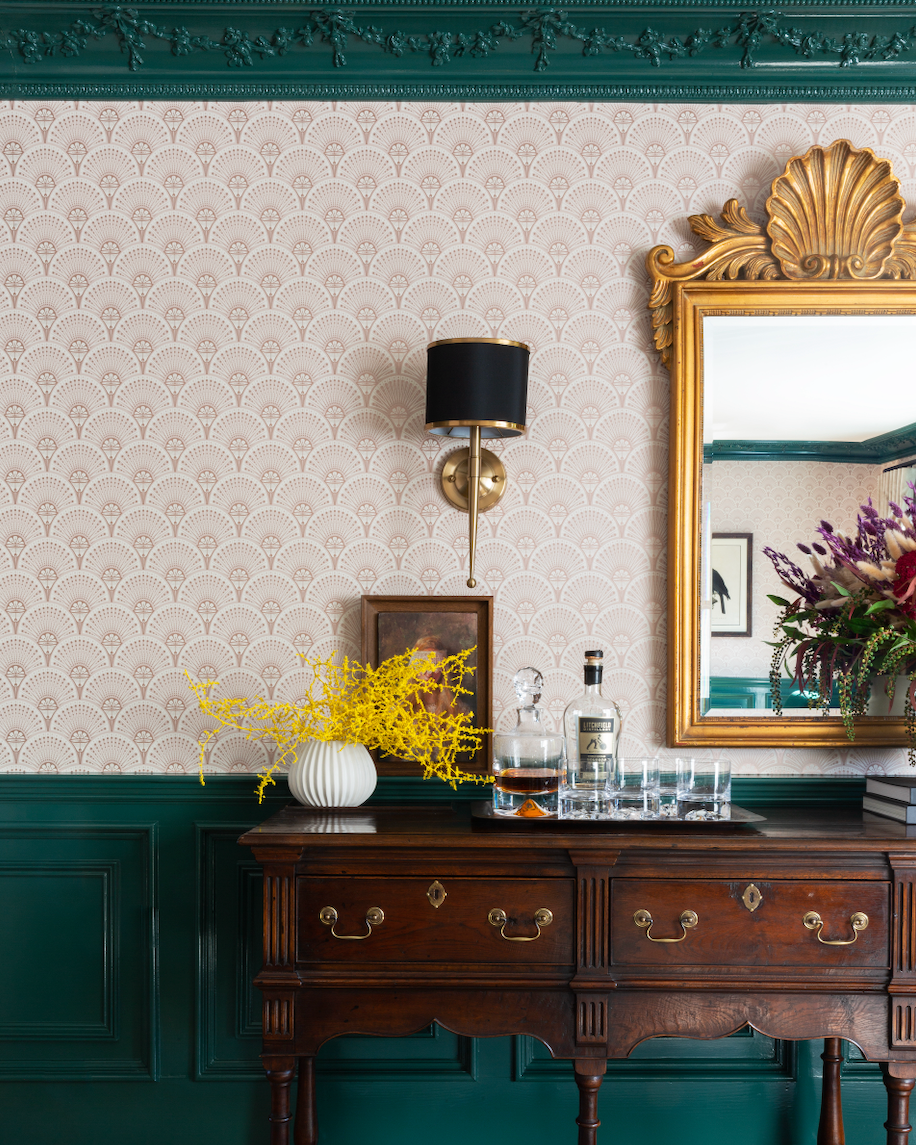
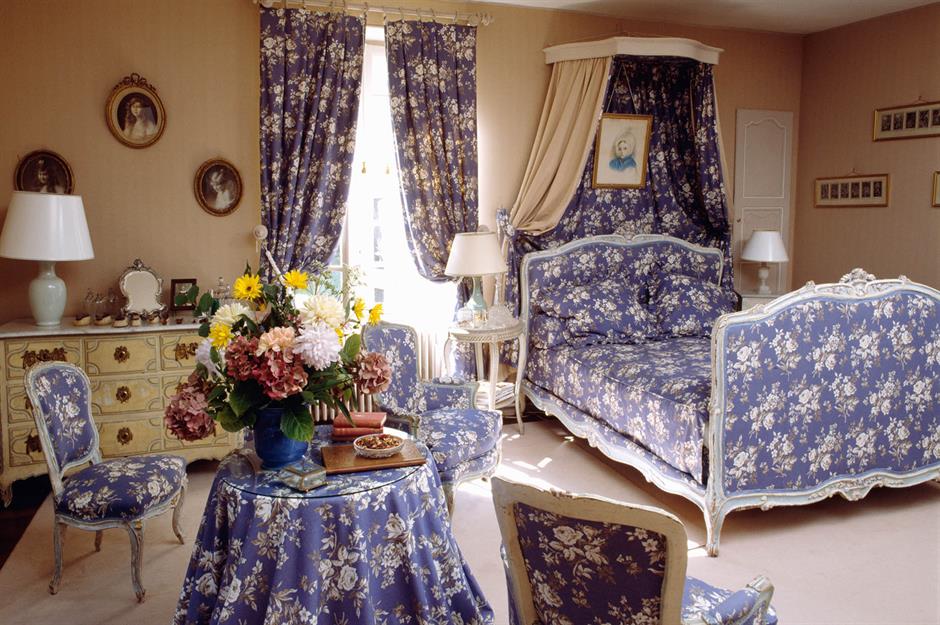
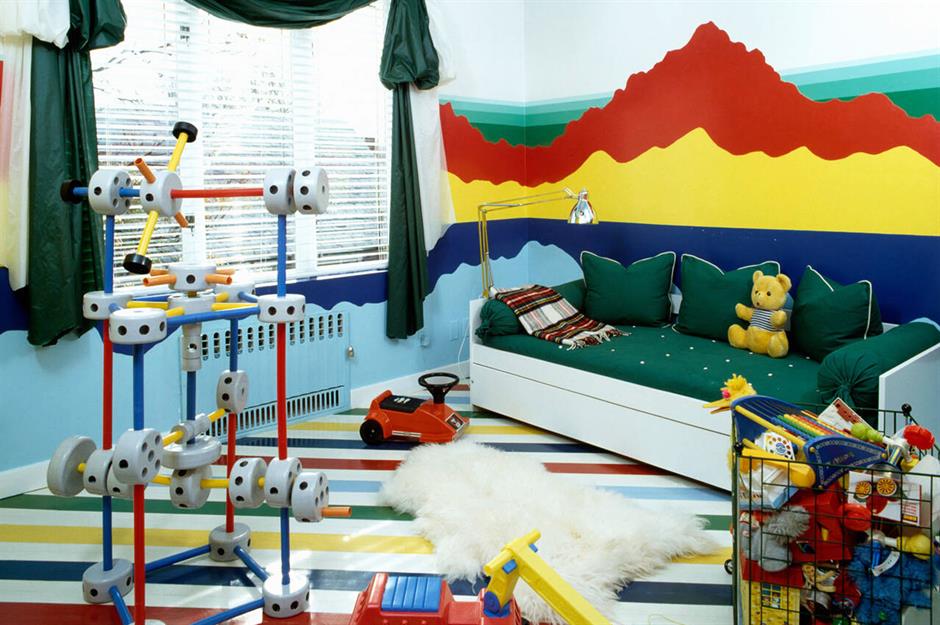
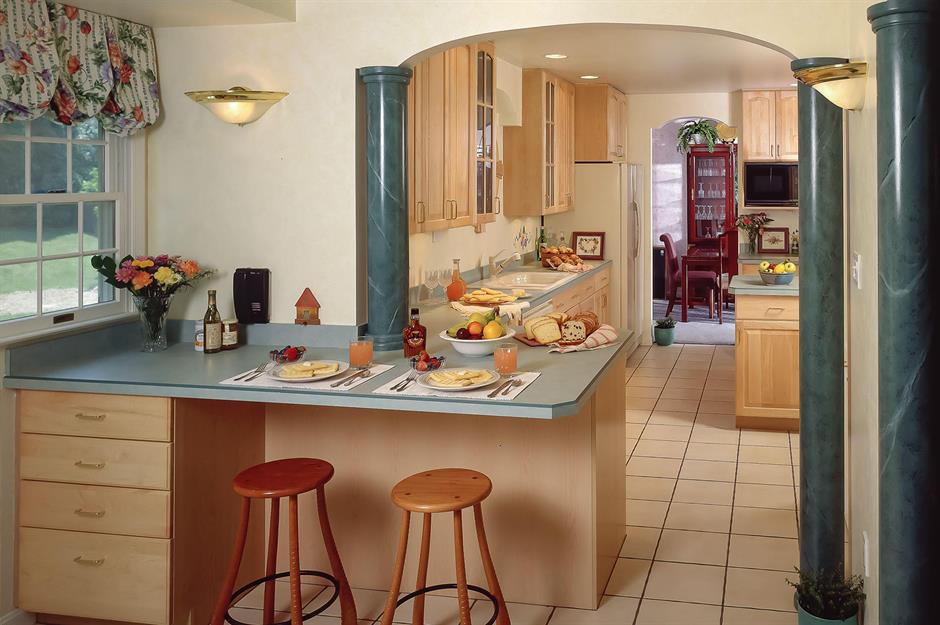
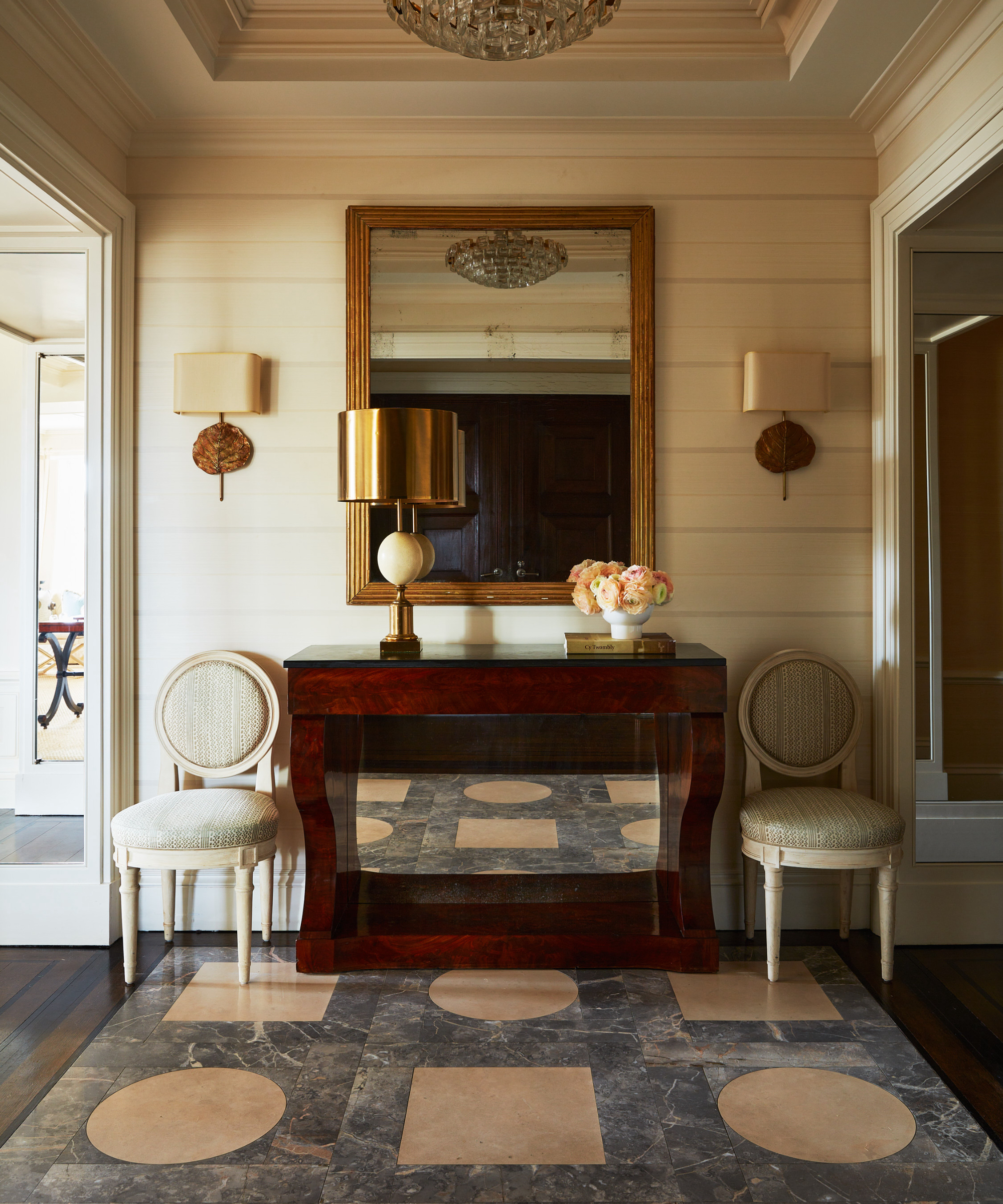
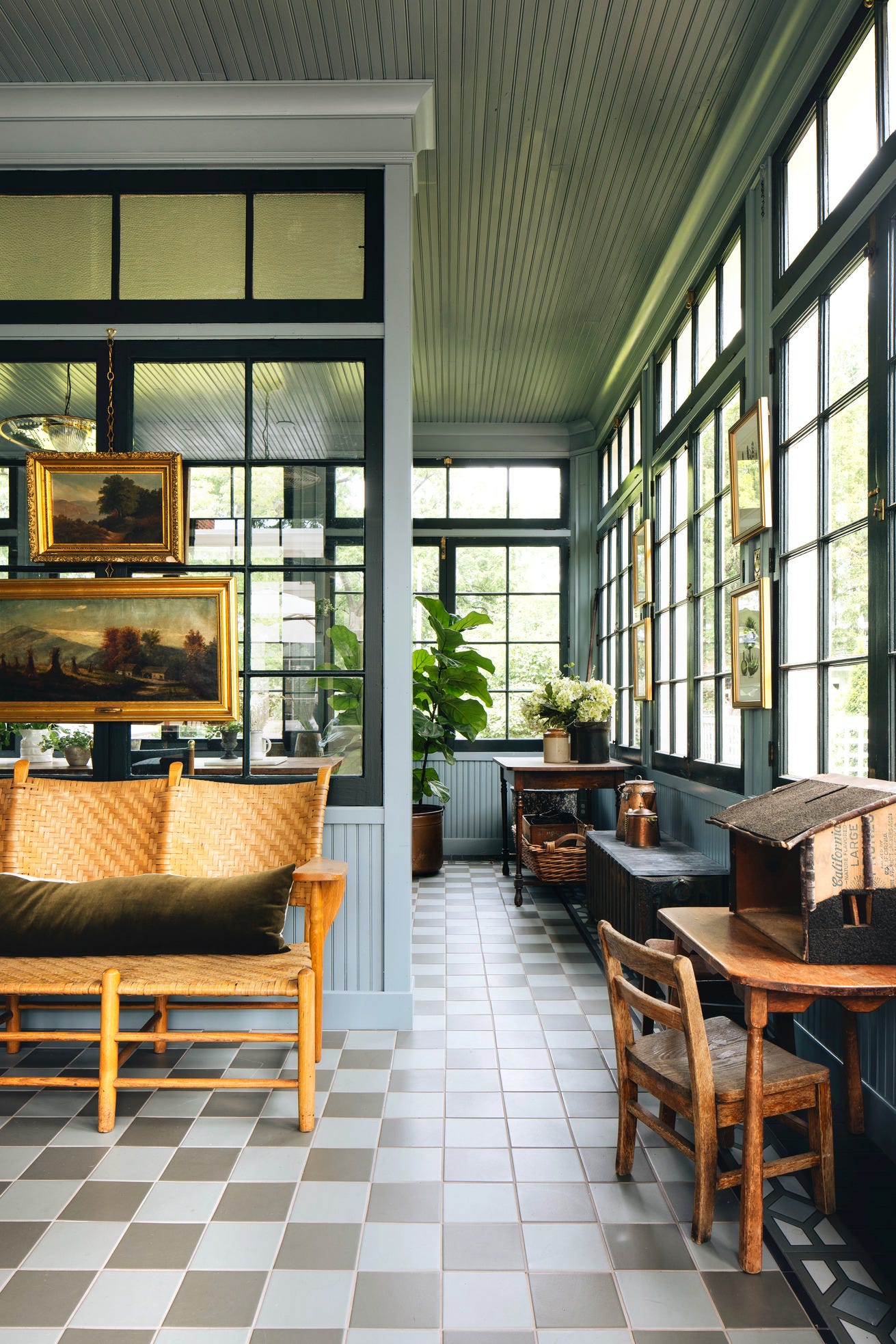
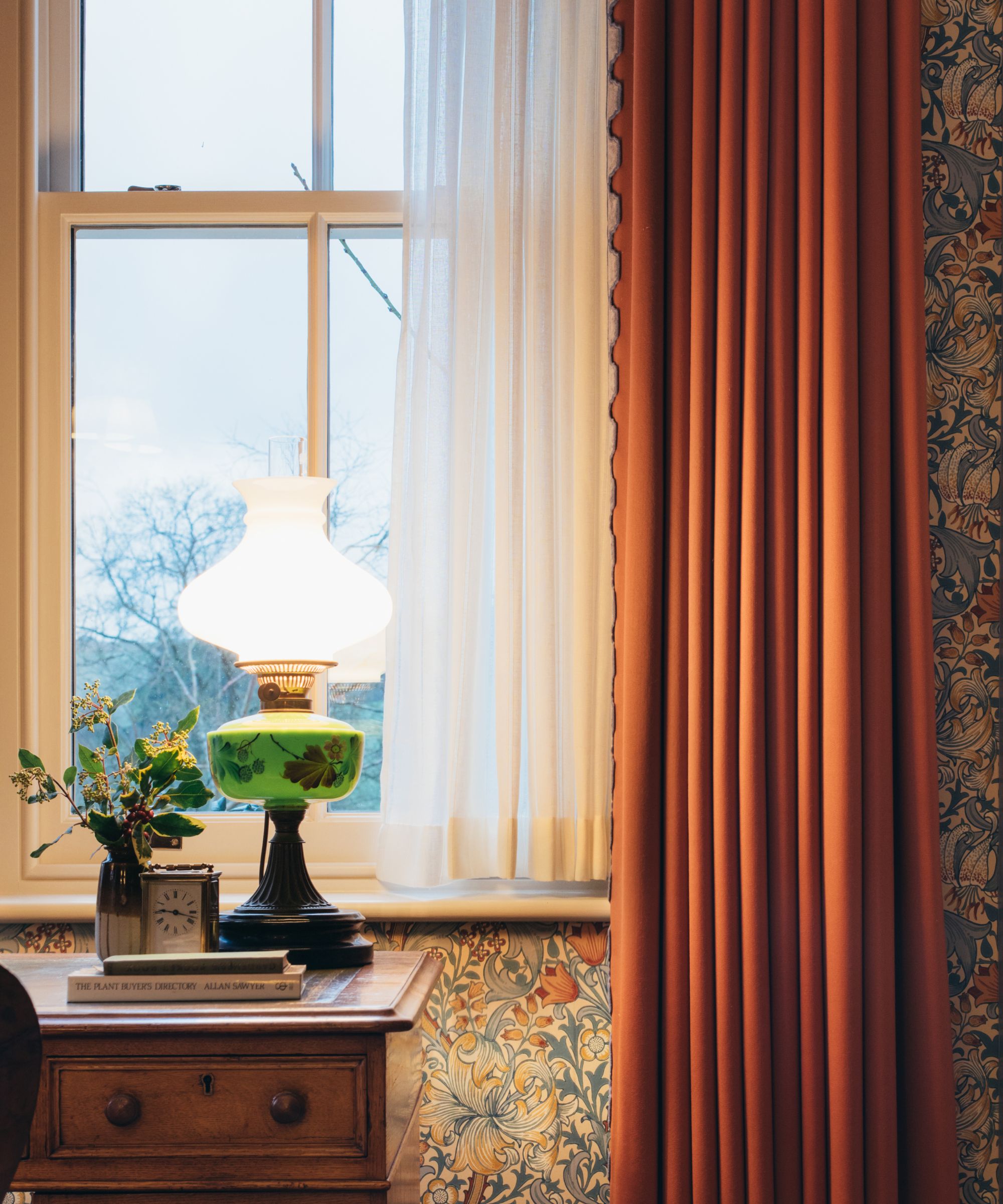
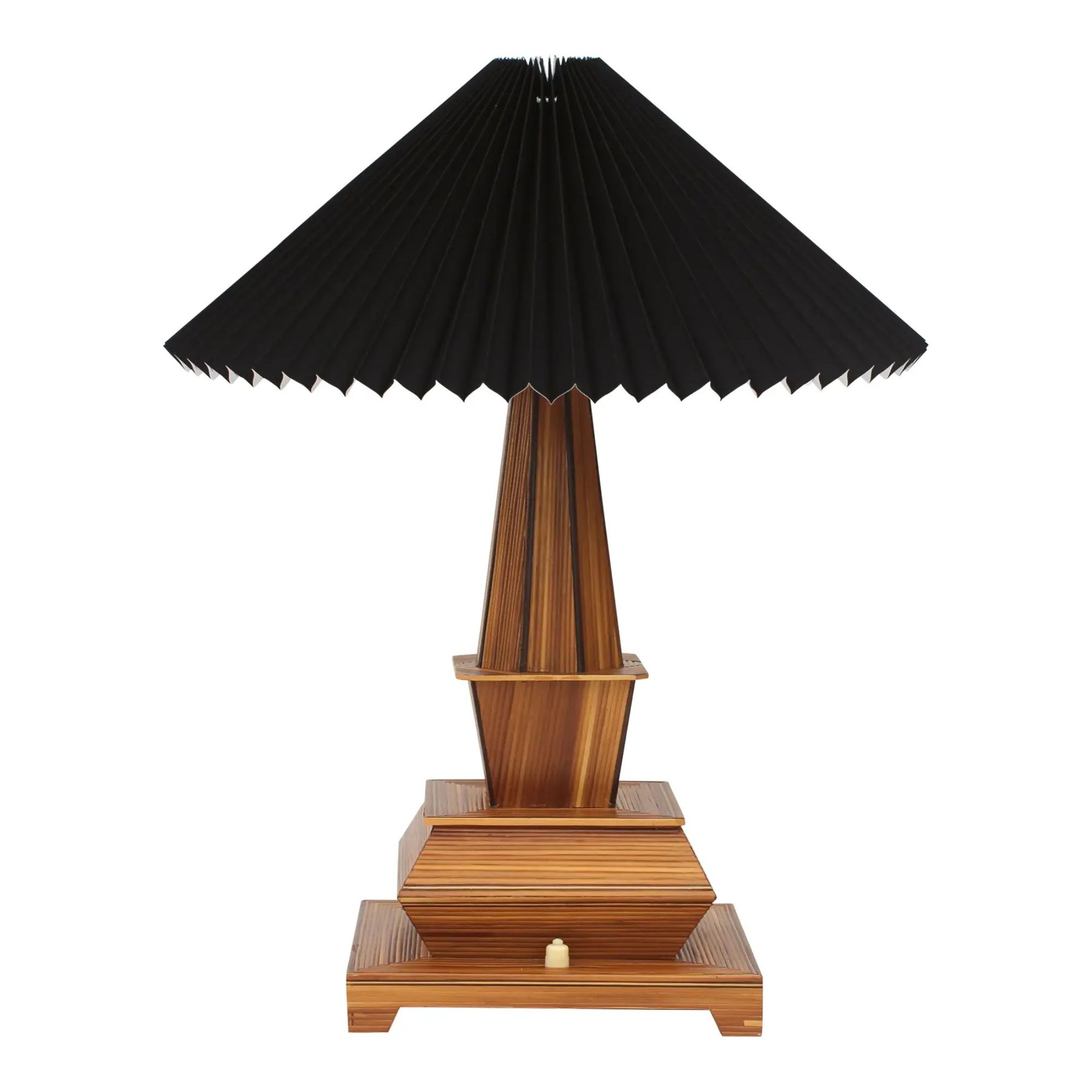
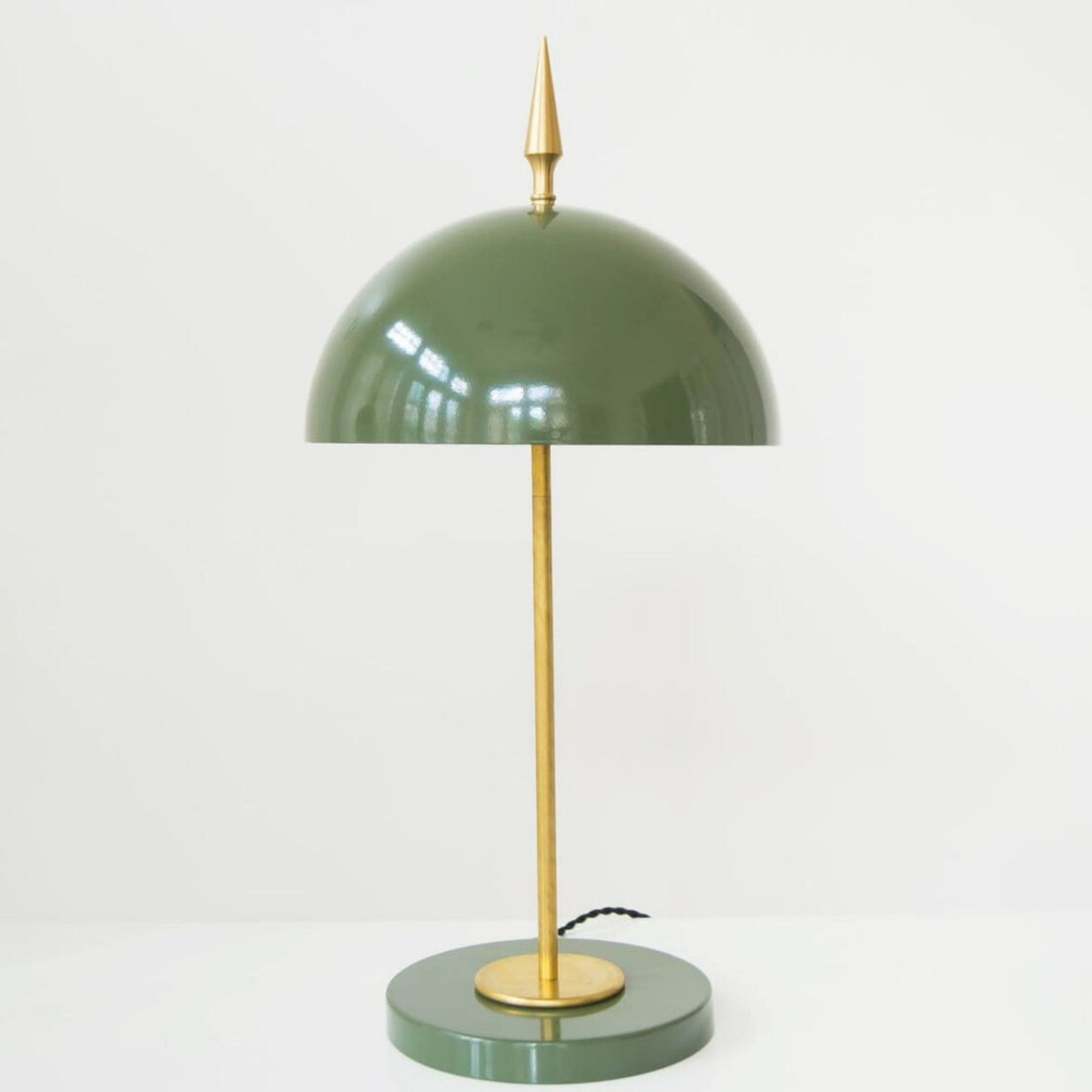
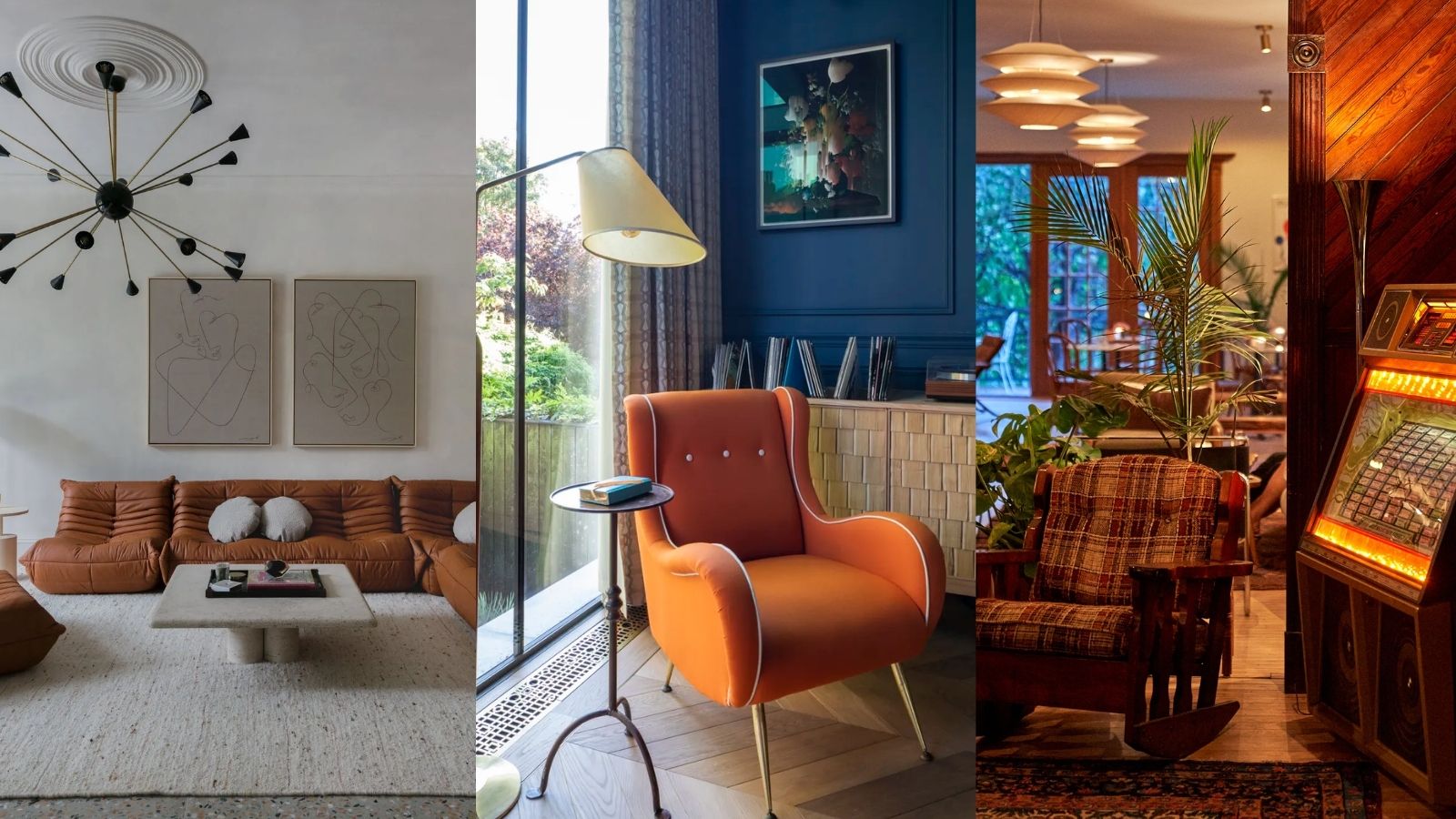
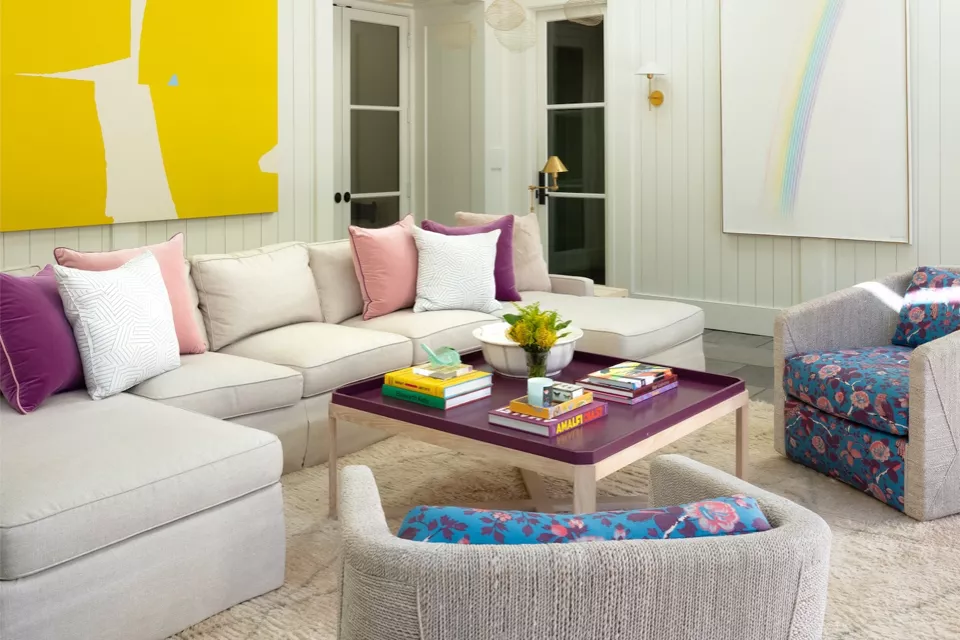
Retro home decor is characterized by vibrant colors, distinctive patterns, and furniture predominantly from the 1960s and 70s, encapsulating a sense of nostalgia and playfulness. The key to integrating this style successfully into contemporary interiors is through thoughtful curation and strategic mixing of elements, preventing the space from appearing outdated or overly themed. By focusing on high-quality fabrics and furnishings and sourcing unique pieces from antique stores or flea markets, a sophisticated and opulent feel can be maintained. Even a minimal inclusion of retro elements, such as a 1960s lamp or a David Hicks-inspired patterned rug, can add significant depth and interest to a room, suggesting a well-traveled and thoughtfully assembled home.
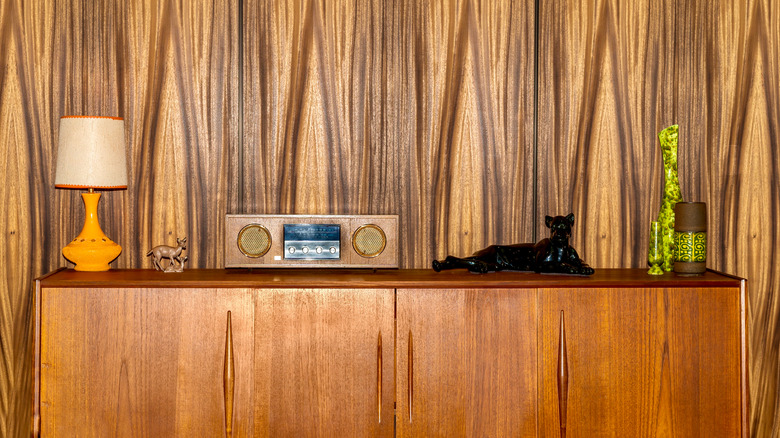
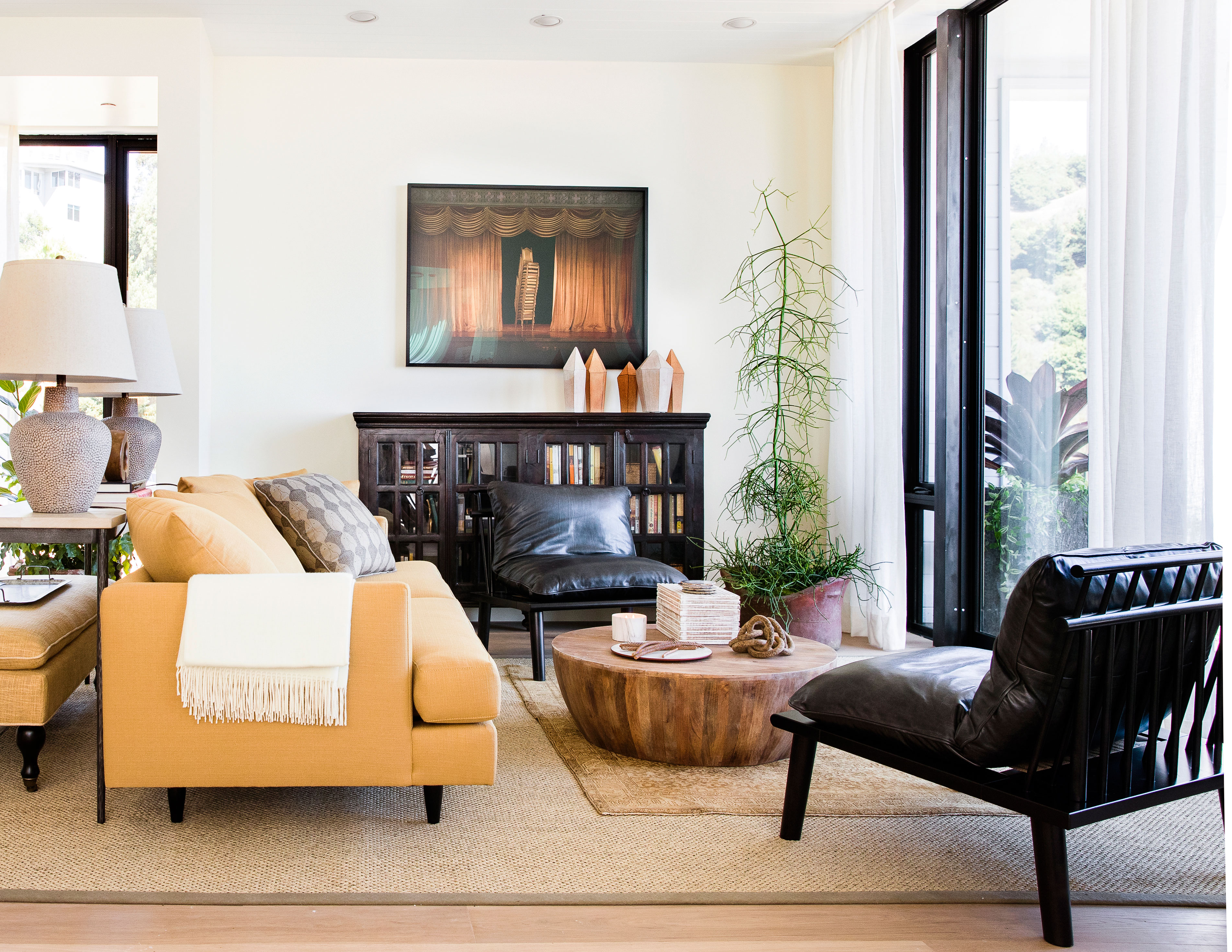
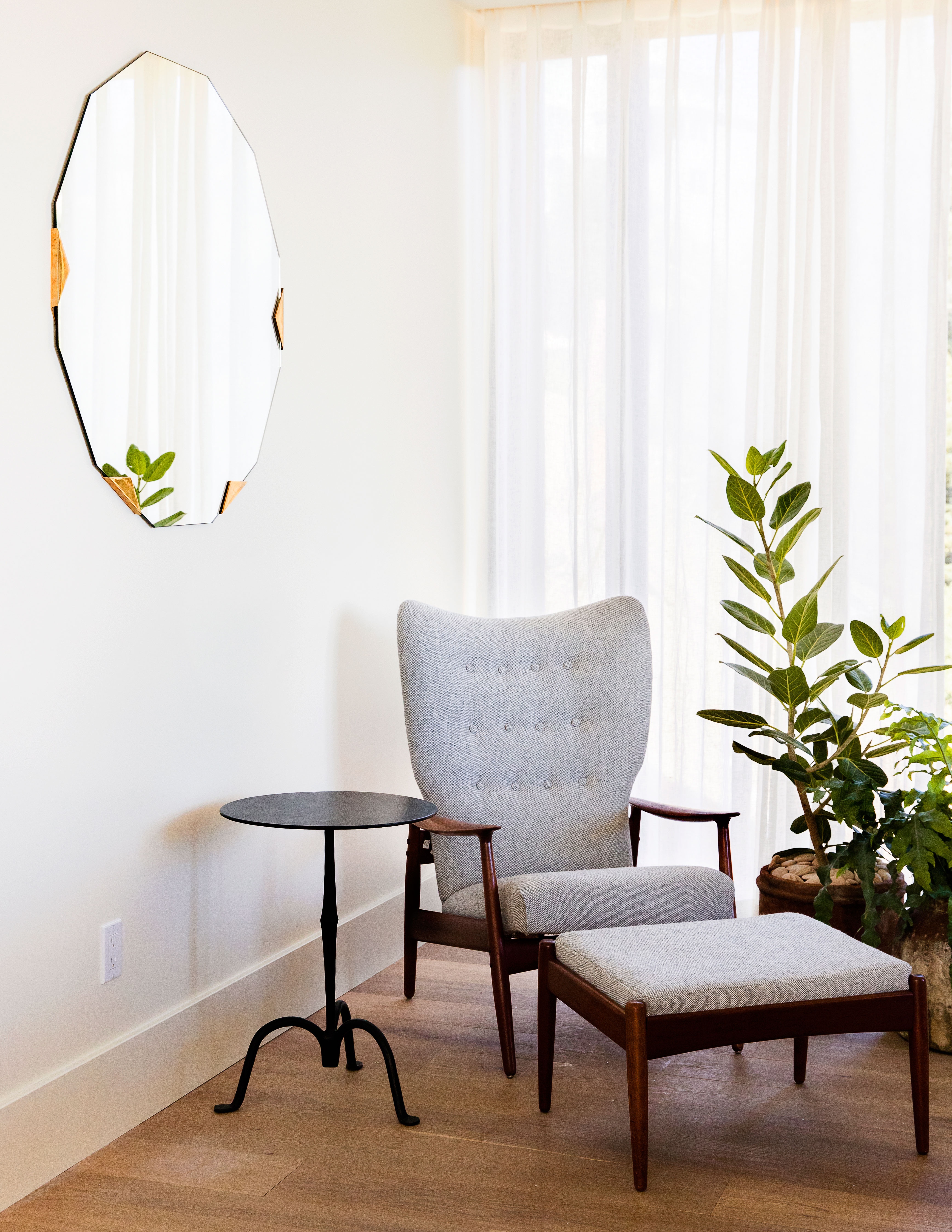
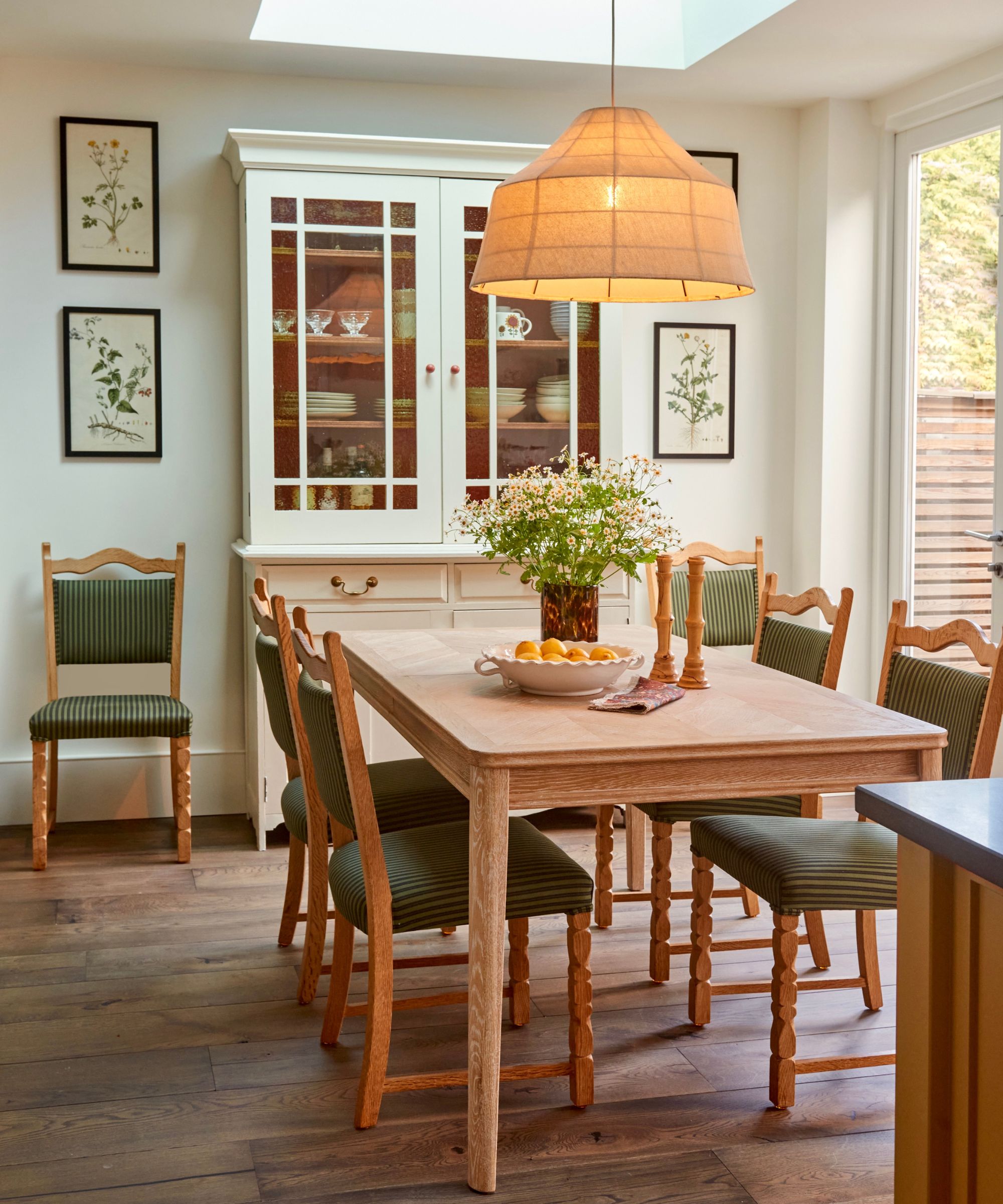
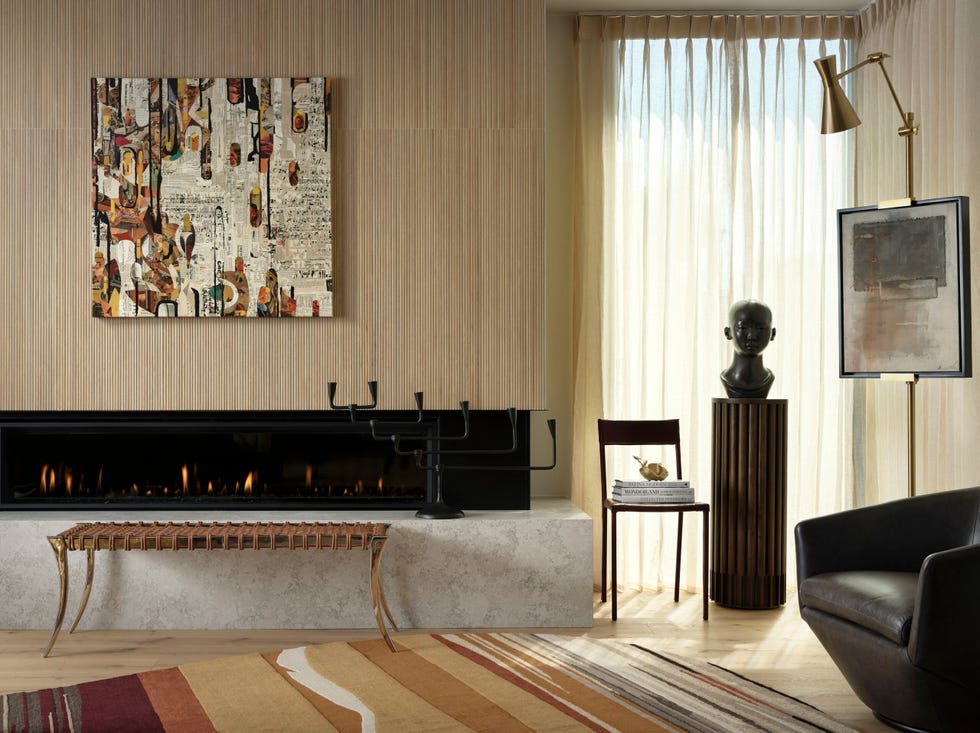
To achieve a timeless retro aesthetic, designers recommend blending design styles. For instance, pairing a modern sofa with a vintage coffee table or a midcentury sideboard with a contemporary neon light creates an appealing contrast. Incorporating midcentury modern furniture is an accessible entry point into retro style. Pieces like armchairs, credenzas, or wooden TV units from the midcentury era can infuse subtle retro flavor. It is advised to combine these with contemporary items to prevent a static, themed look, thus creating a visually dynamic and curated environment.
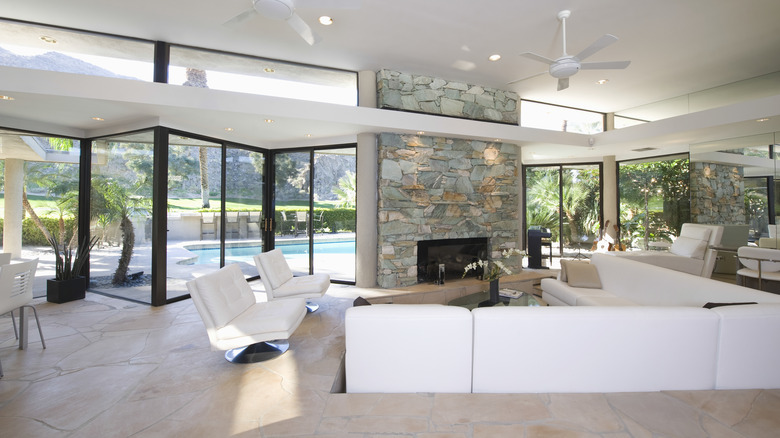
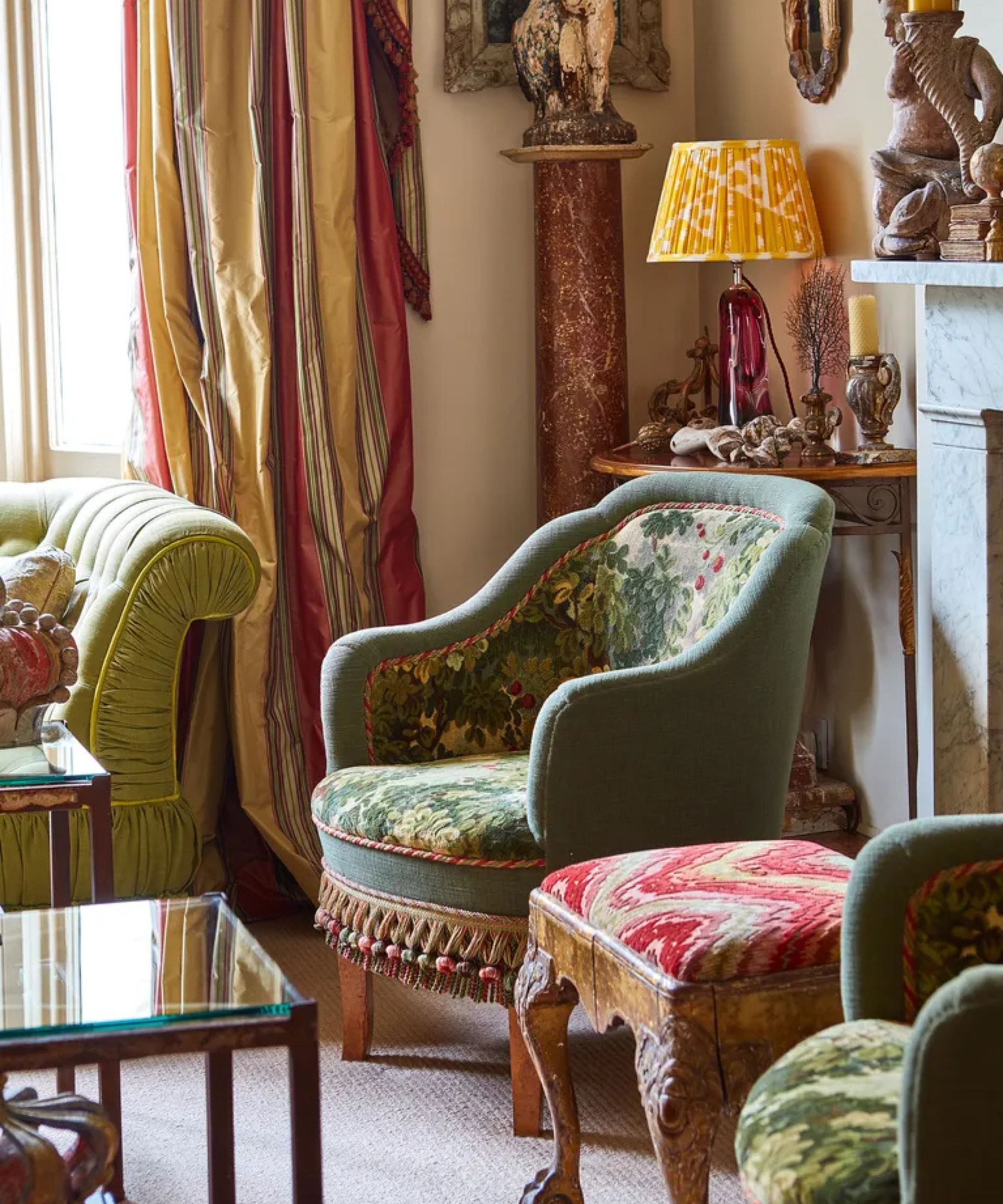
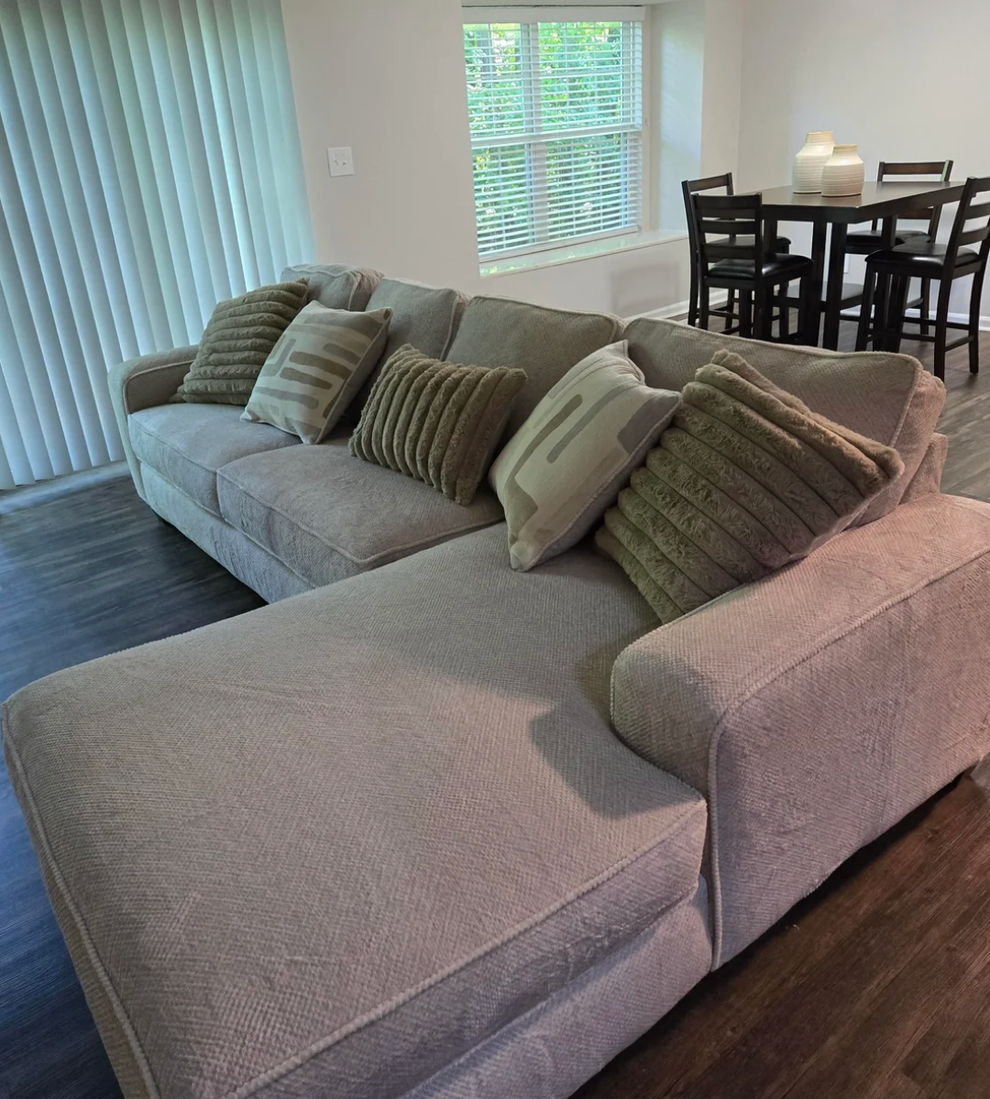
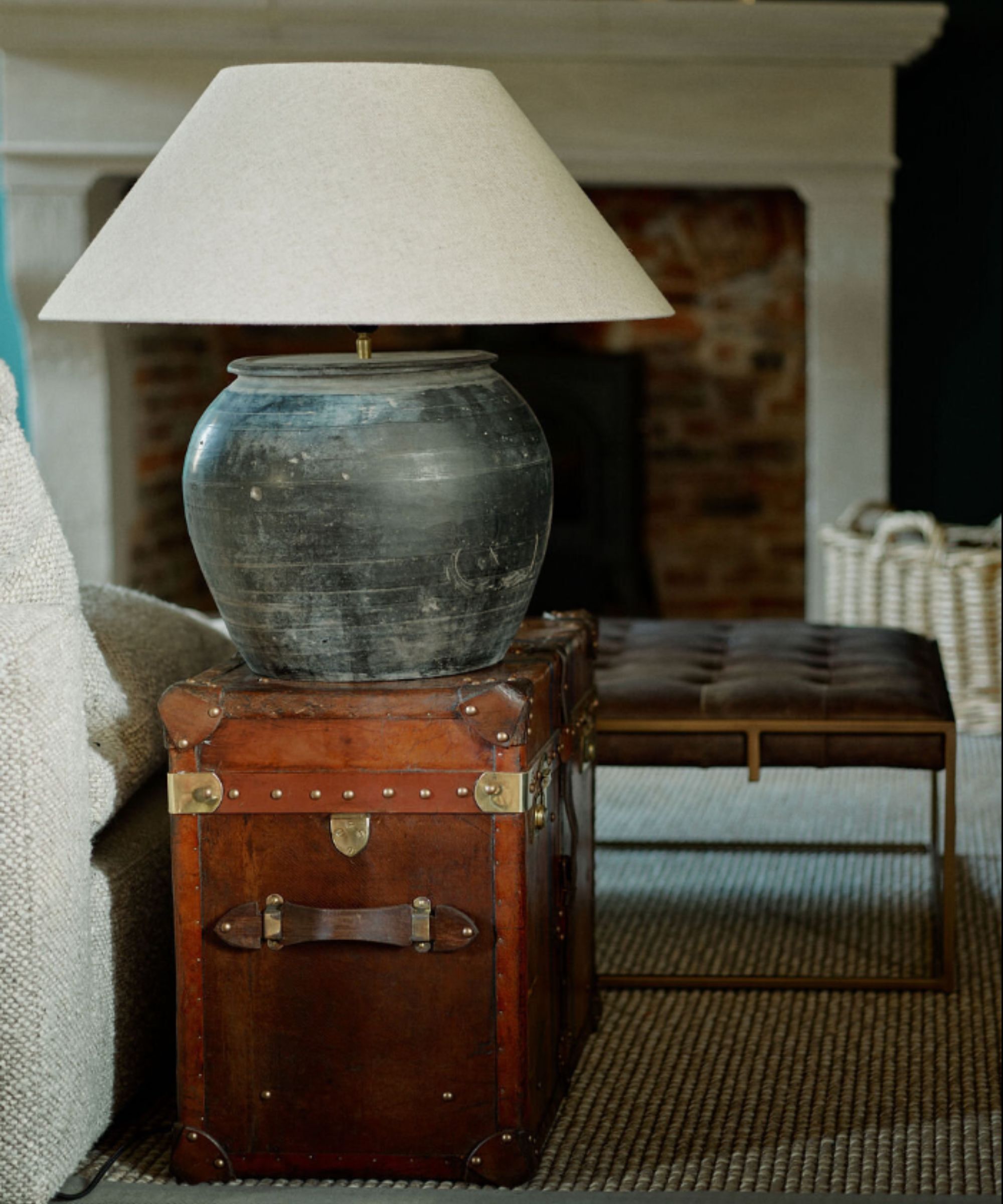
Selecting a few statement vintage pieces that genuinely resonate with personal taste is crucial. Items like a 1960s fiberglass lamp, an Eames lounger, a Sputnik chair, or an orange Nesso table lamp can serve as focal points. The goal is to collect furniture and art from various decades, prioritizing original pieces over mass-produced reproductions to avoid common trends and ensure longevity. Low-slung seating, reminiscent of 1970s conversation pits, offers a casual and effortlessly chic retro feel that resists dating. Examples include sofas like the Togo by Ligne Roset or low-profile sectionals, contributing to a relaxed and free-spirited atmosphere.
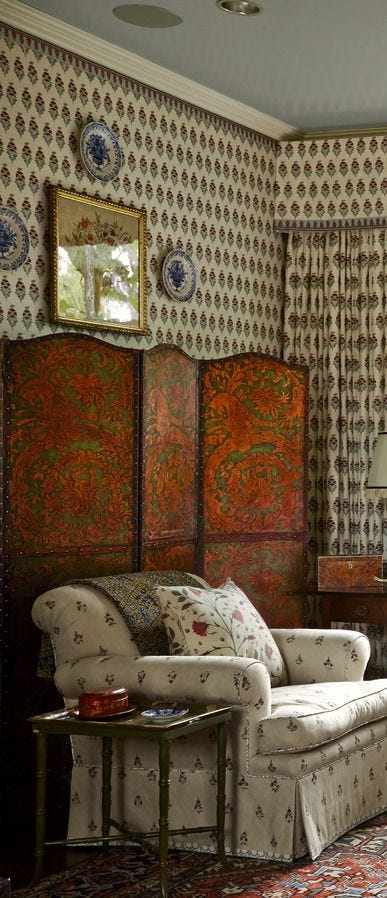
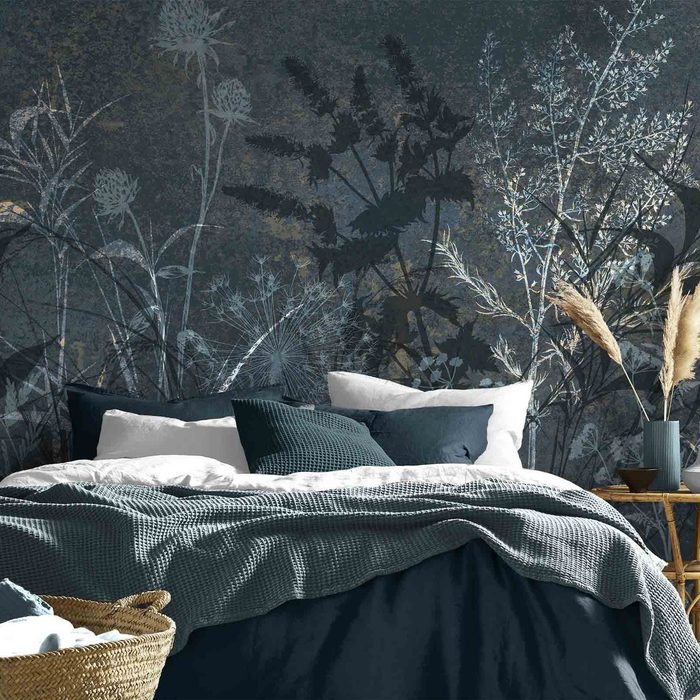
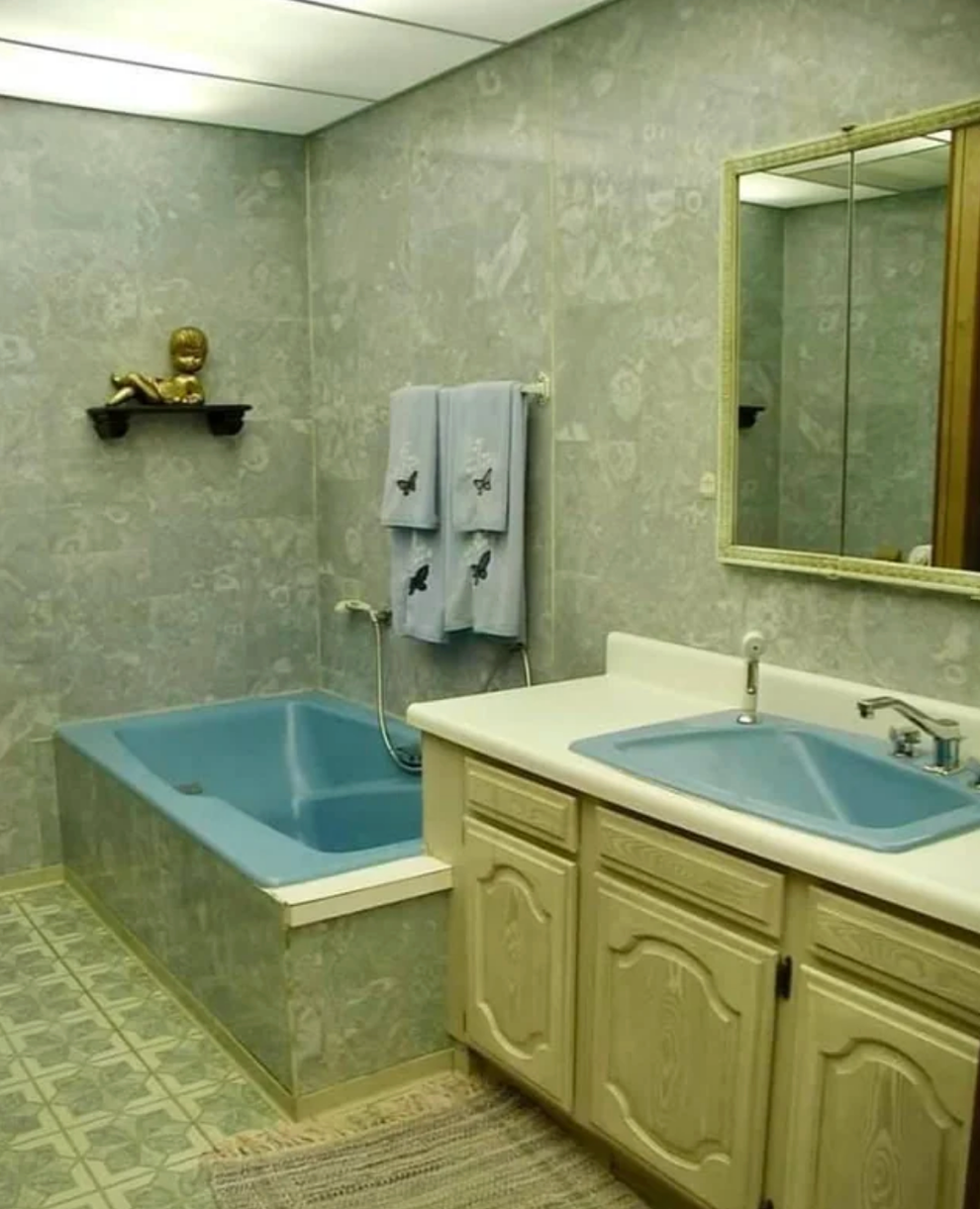
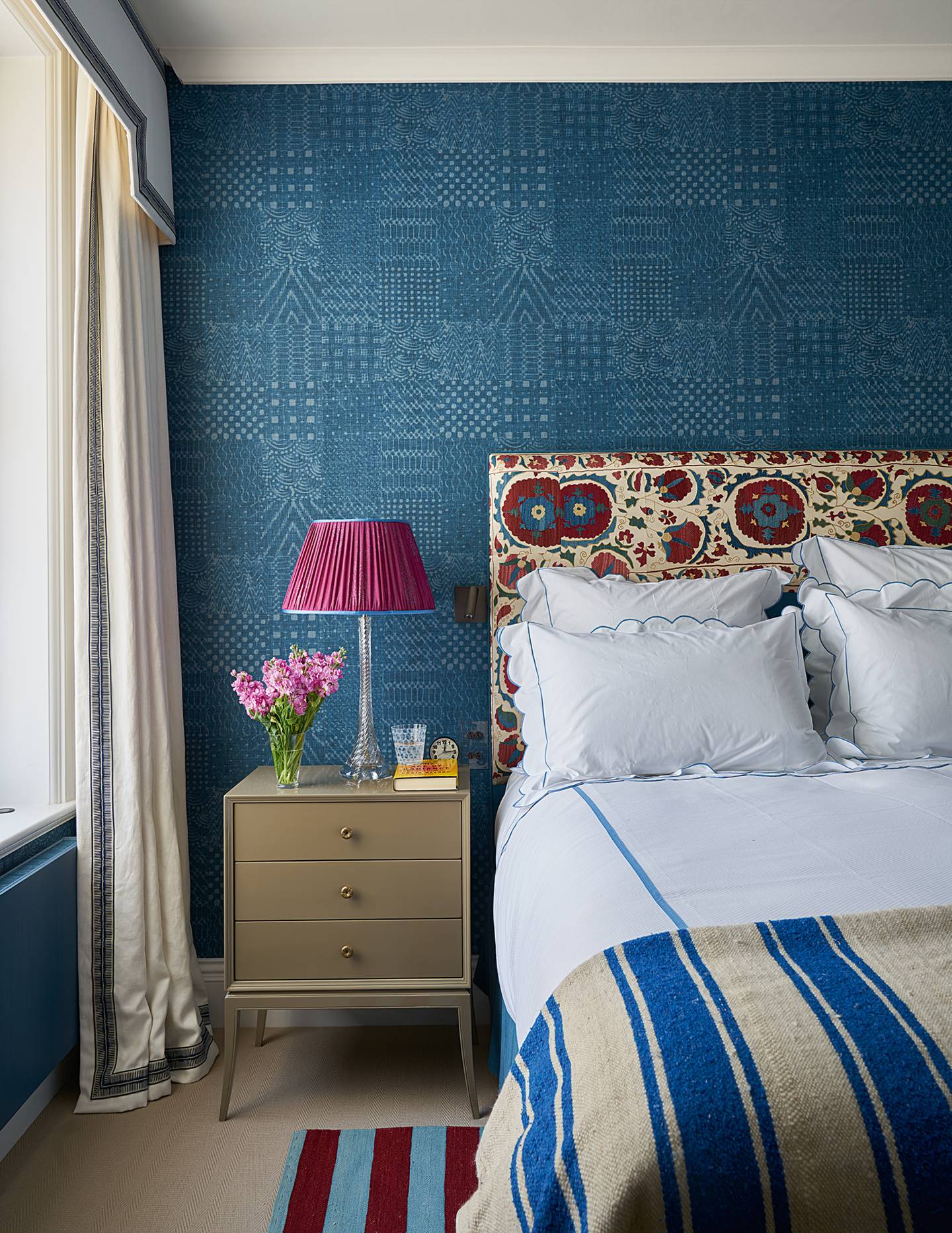
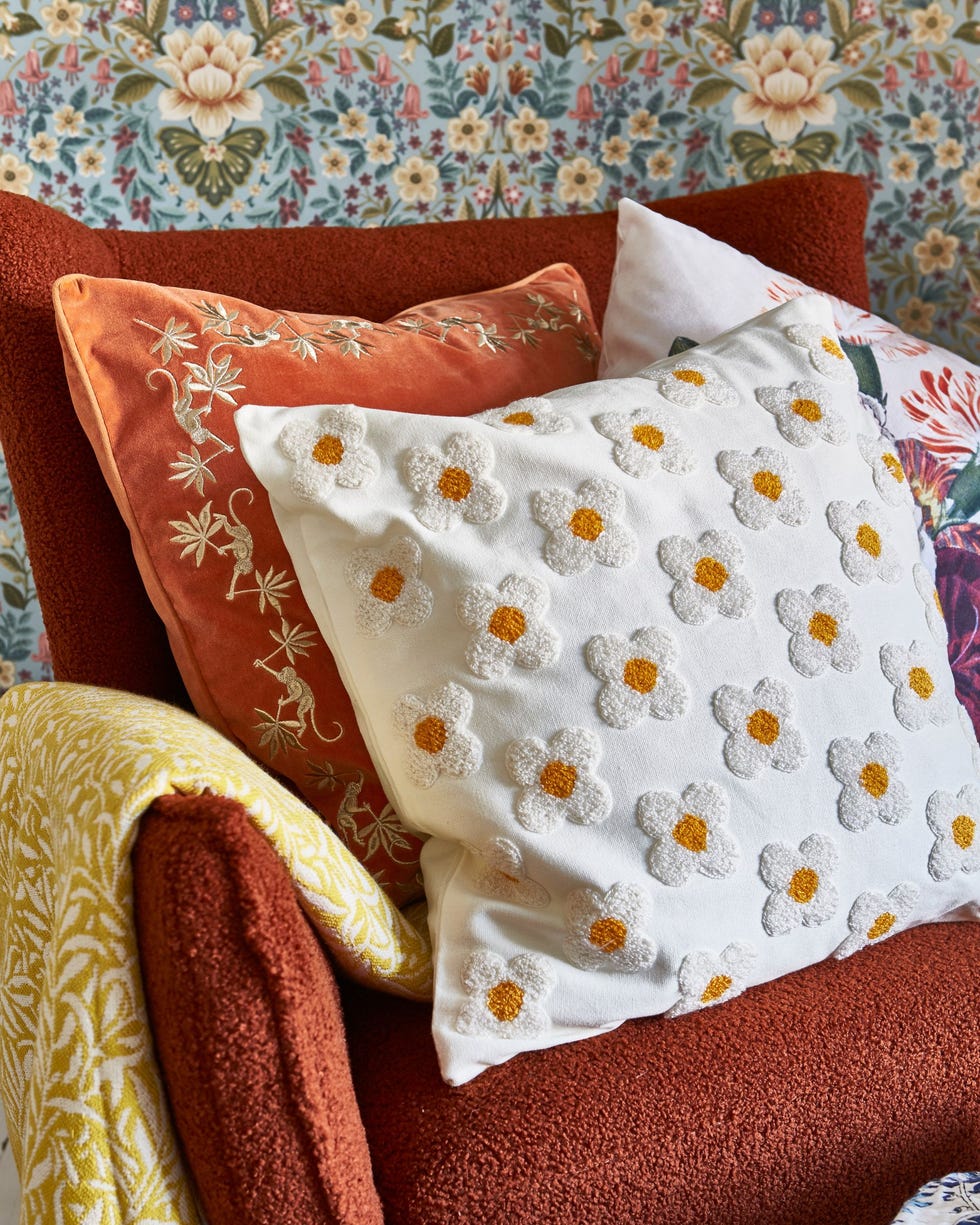
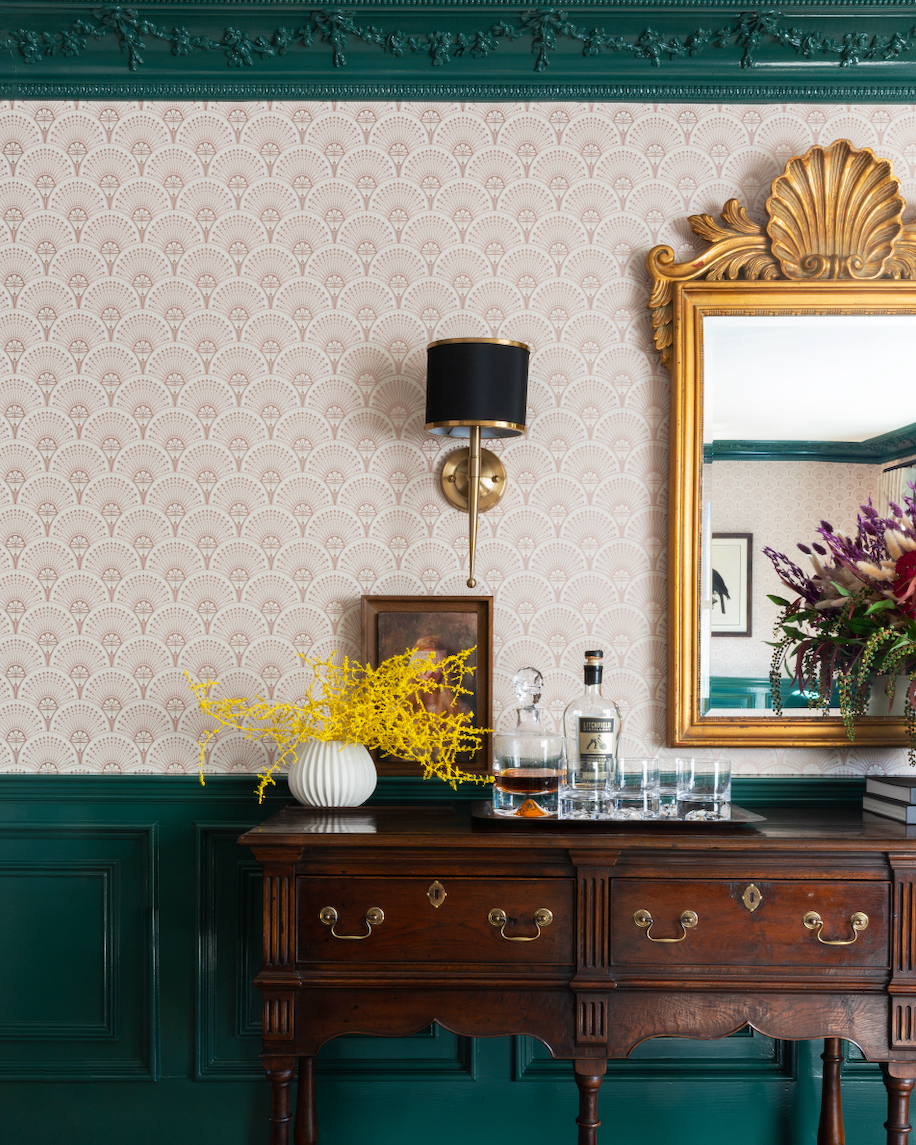
Retro-inspired color palettes, including muted versions of avocado green, mustard yellow, dusk blue, and pistachio, are experiencing a revival. These colors can be applied to walls or incorporated through throw pillows and patterned textiles to create a subtle yet impactful nod to the past. Cohesion can be achieved by running the same color palette through different patterns. Emphasis is also placed on durability, encouraging the purchase of furniture made to last, similar to past eras when items were acquired and kept for extended periods. This approach leads to a mix of items from different eras, reflecting a more authentic historical home environment.
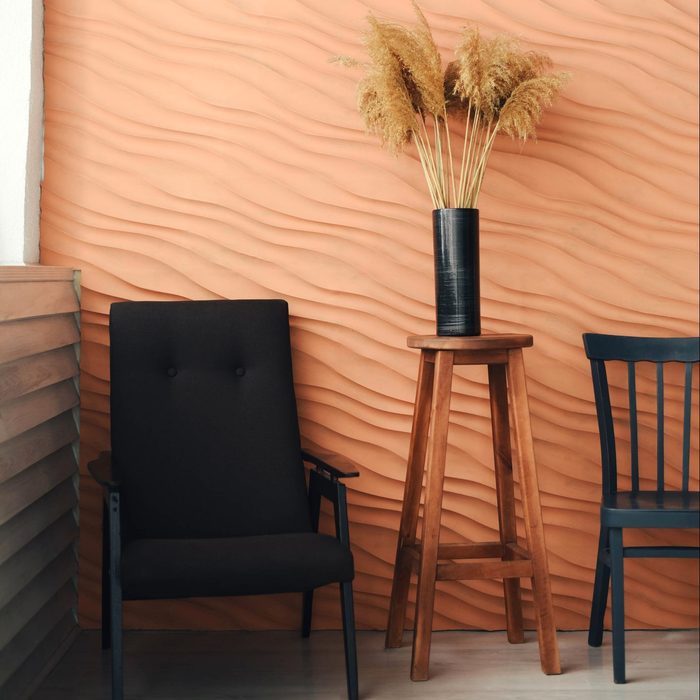
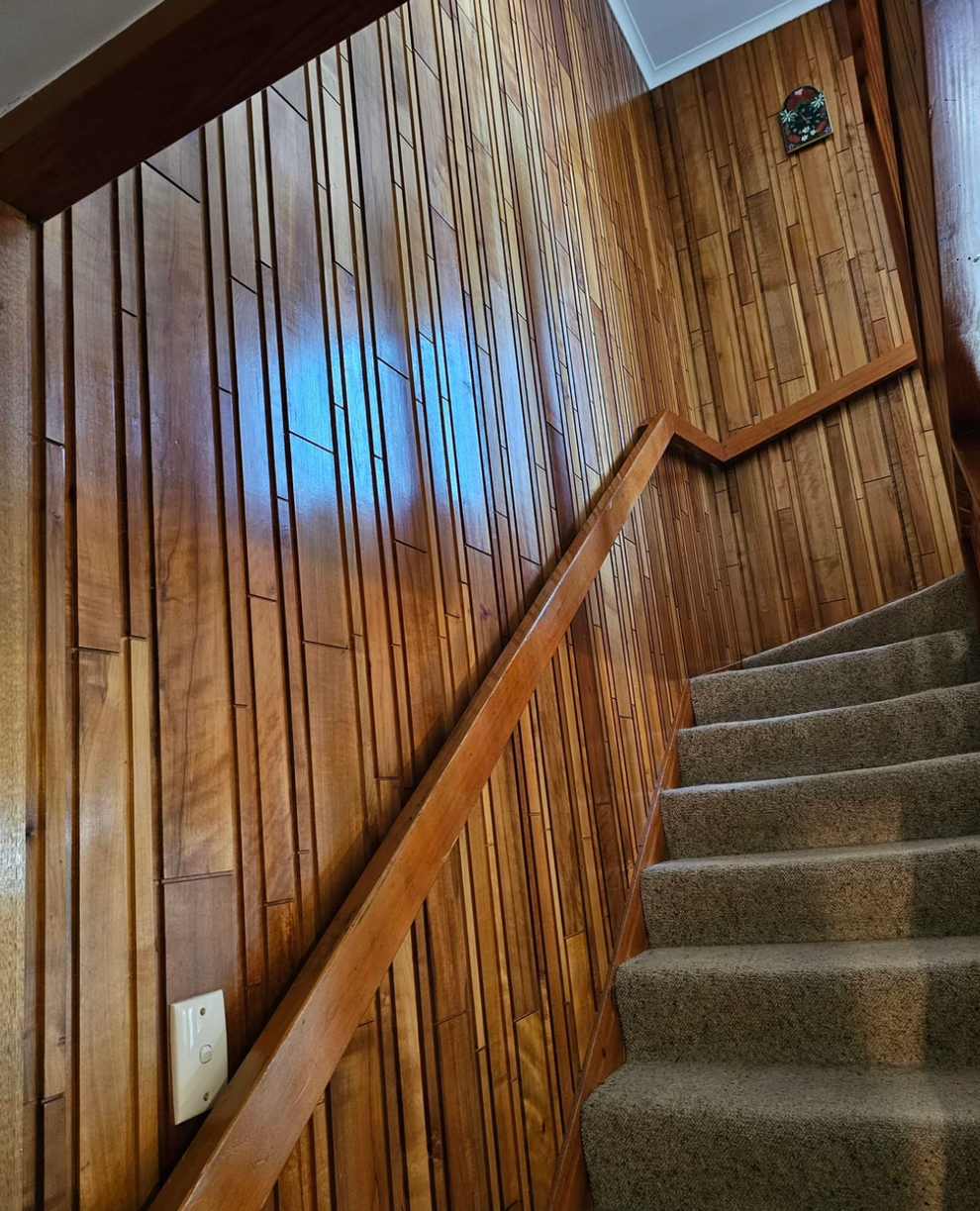
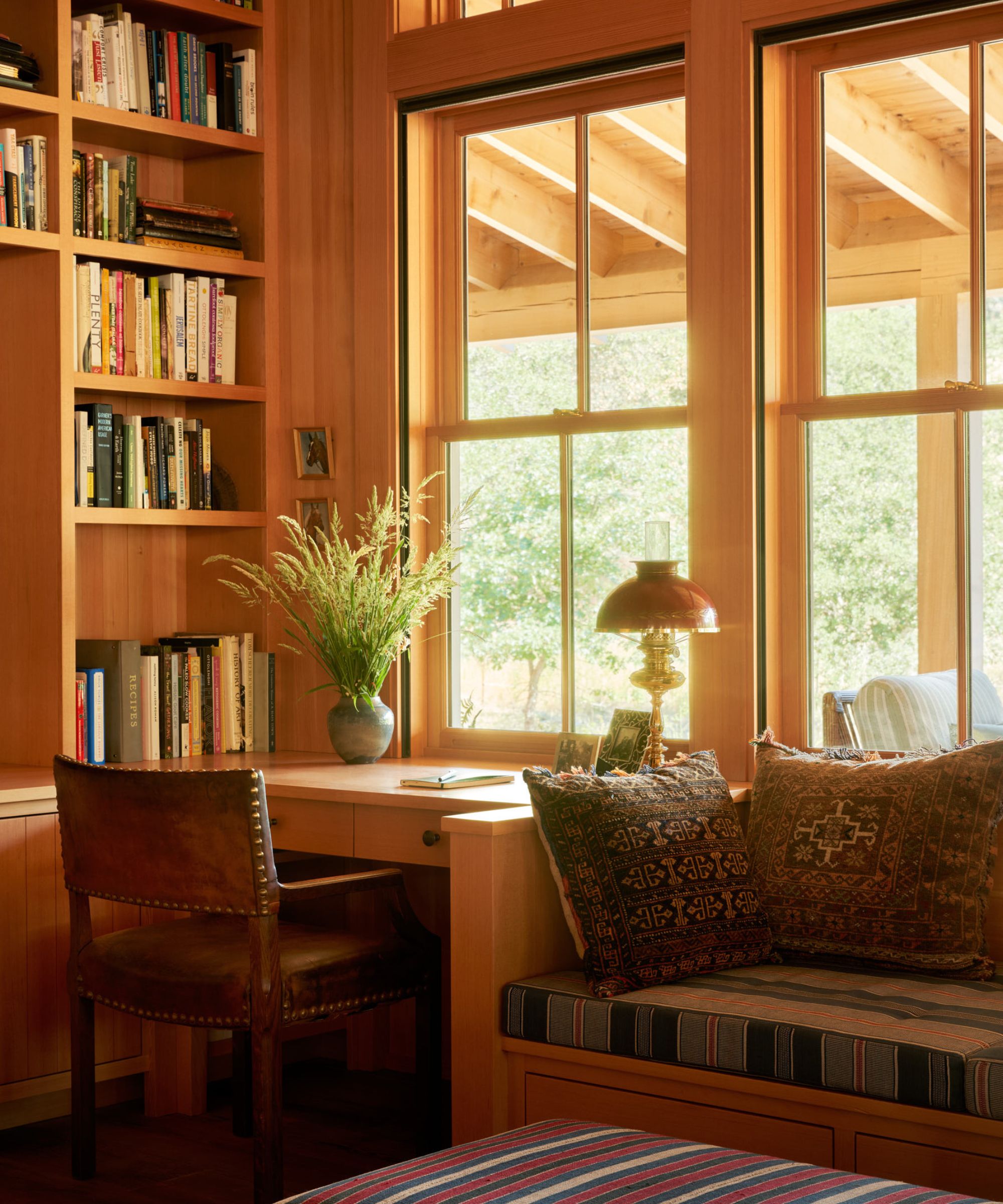
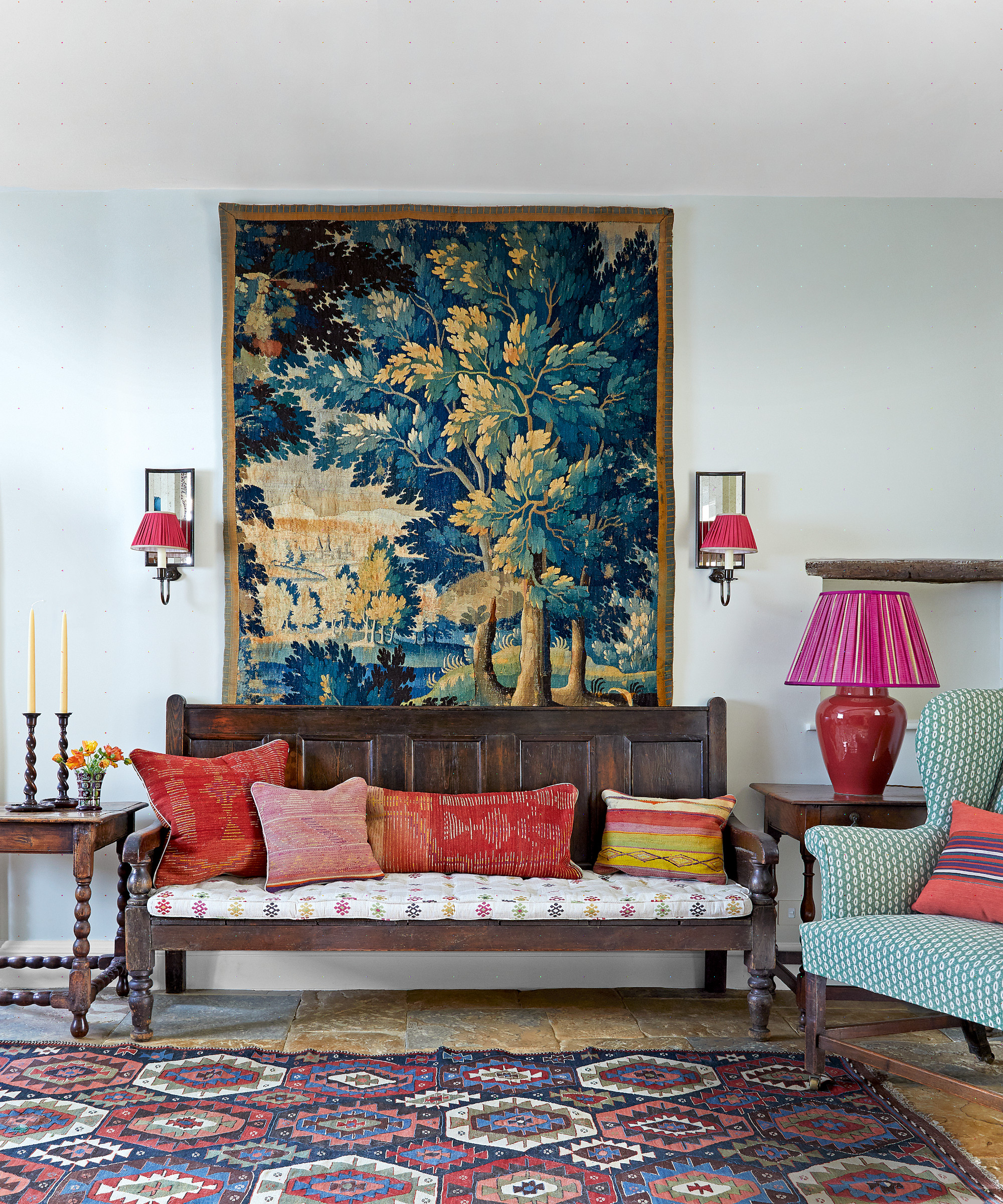
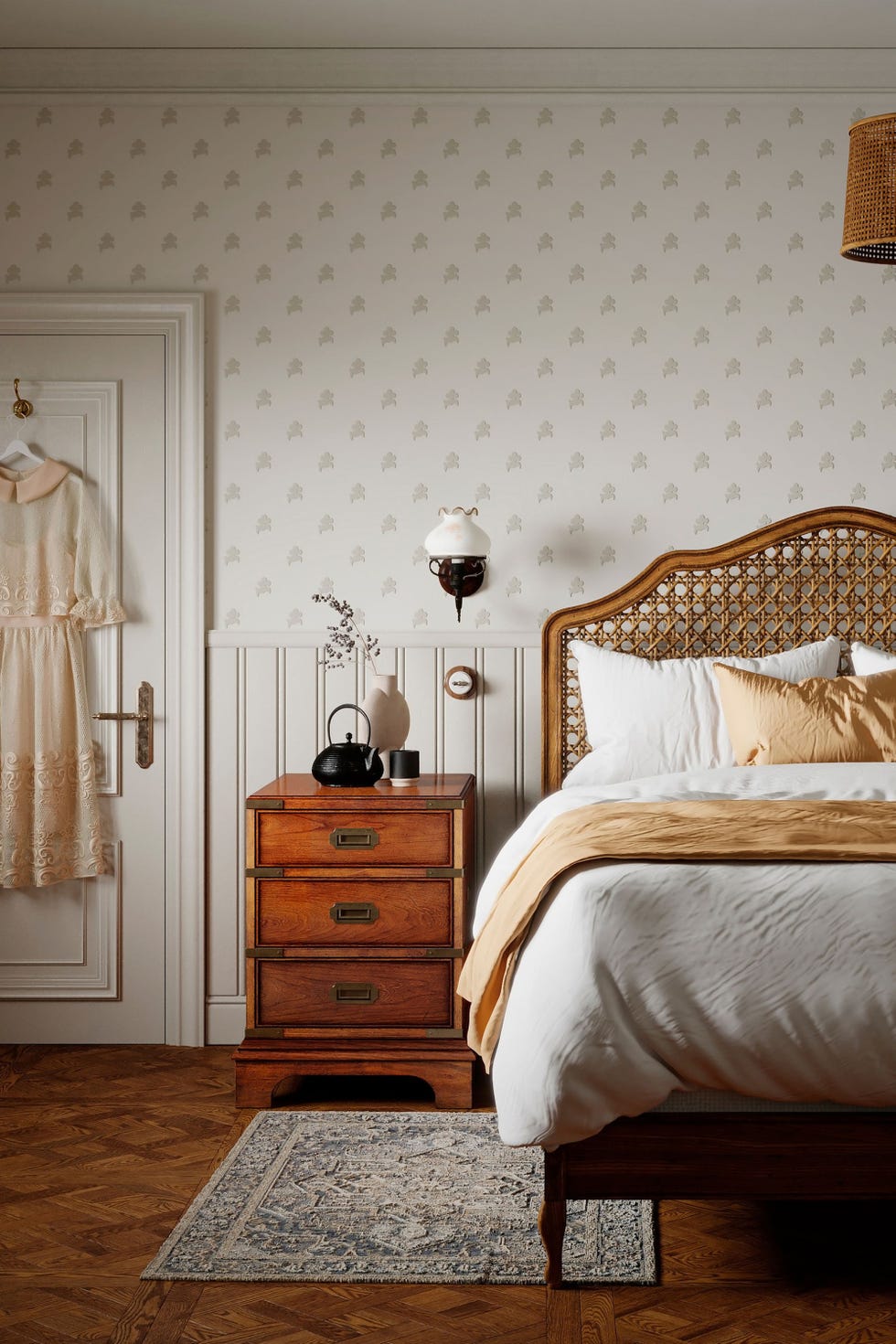
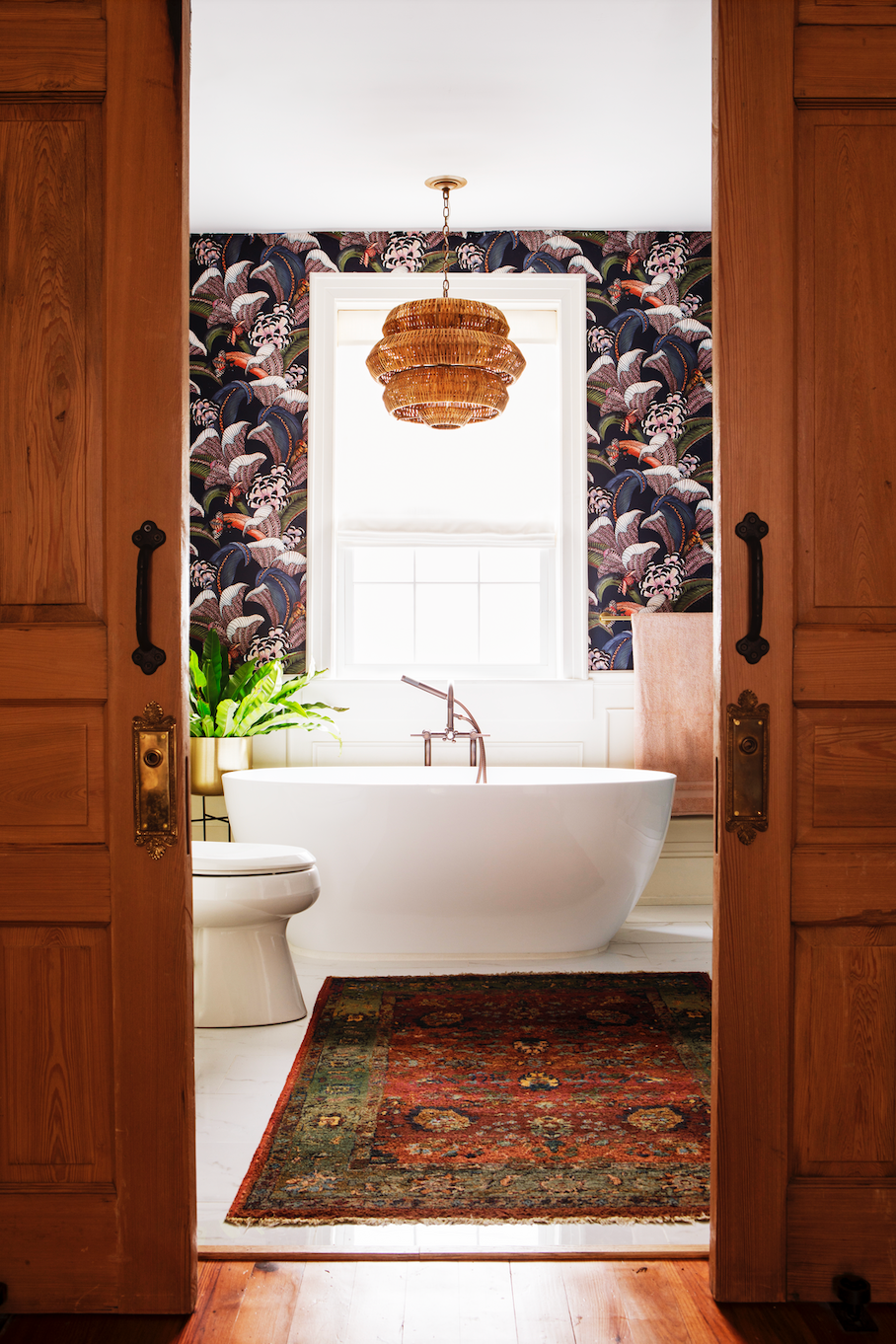
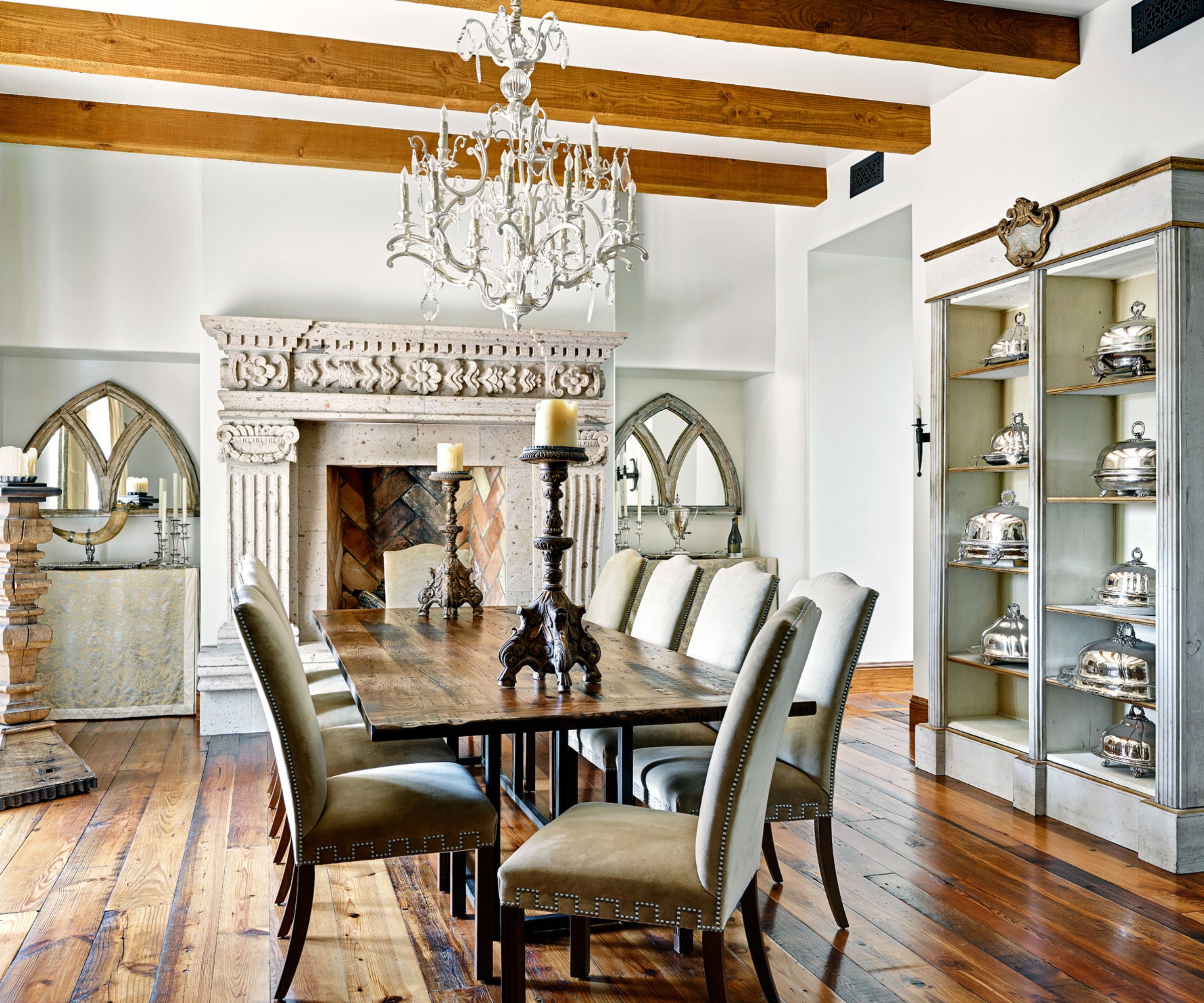
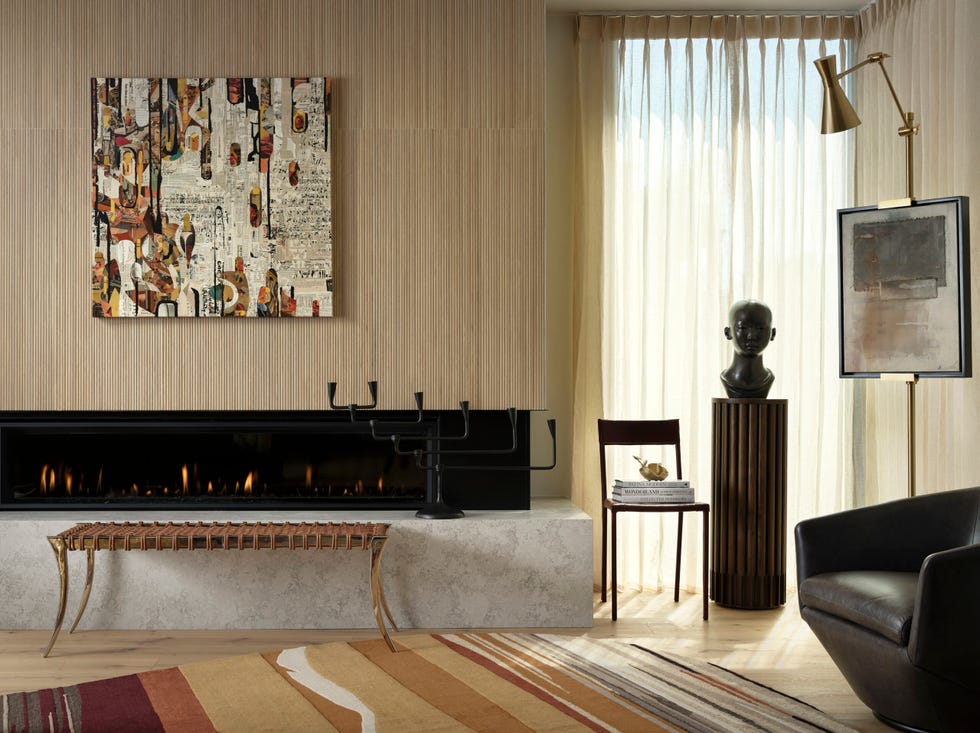
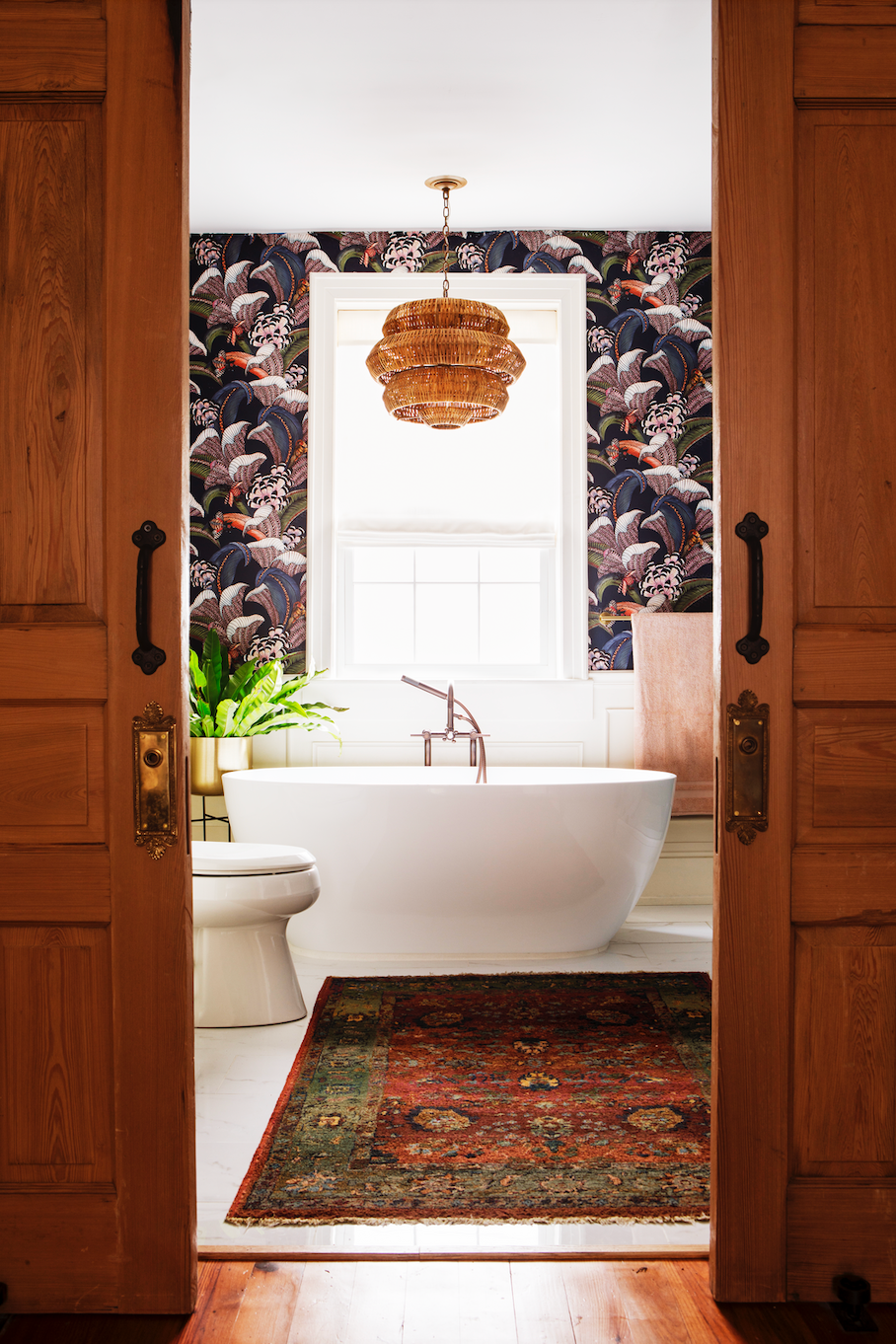
Geometric patterns are another hallmark of retro design, adding visual interest through rugs, upholstery, or accent pieces. Pairing a geometric patterned rug with a solid-color sofa creates a balanced blend of retro flair and contemporary sophistication. The concept of negative space is vital to prevent retro elements from overwhelming a room. Allowing decorative objects and furniture pieces room to breathe enhances their appreciation and maintains a clutter-free aesthetic. Introducing neutrals can balance the vibrancy of retro elements. Finally, embracing rich wood tones in wall paneling, flooring, or furniture adds a grounding, natural element that complements the retro aesthetic. Mixing dark and lighter woods, buffered by elements like rugs, and combining wood with materials such as wicker, rattan, chrome, marble, and acrylic, can create a rich and varied textural experience. The distinction between retro and vintage lies in their timeframes: retro refers to the more recent past (approximately 20 years ago), while vintage typically covers items from the 1930s to the 1980s, and antiques are over 100 years old. Ultimately, honoring the architectural context of a building ensures a cohesive and timeless interior when incorporating retro elements.
#RetroHomeDecor #VintageDesign #MidcenturyModern #InteriorDesignTrends #HomeStyling #FurnitureSelection #ColorPalette #GeometricPatterns #SustainableDecor #RetroHomeDecor #VintageDesign #MidcenturyModern #InteriorDesignTrends #HomeStyling #FurnitureSelection #ColorPalette #GeometricPatterns #SustainableDecor
0 comment in total
 No comments yet
You may also like
Vintage Home Design Trends That Are Making Huge Comebacks

People Are Revealing The "Outdated" Home Design Trends From The '80s That Need To Come Back

21 "Outdated" Home Design Trends That Are Sooo Much Better Than Modern-Day Trends
5 easy vintage interior decor tricks for homes

Retro Decor: 10 Things From Your Grandparents' House That Are Back in Style

Decorating with vintage – 7 of the best ways to bring character into the home
Interior design tips on vintage vibes incorporating retro charm into modern home | Hindustan Times

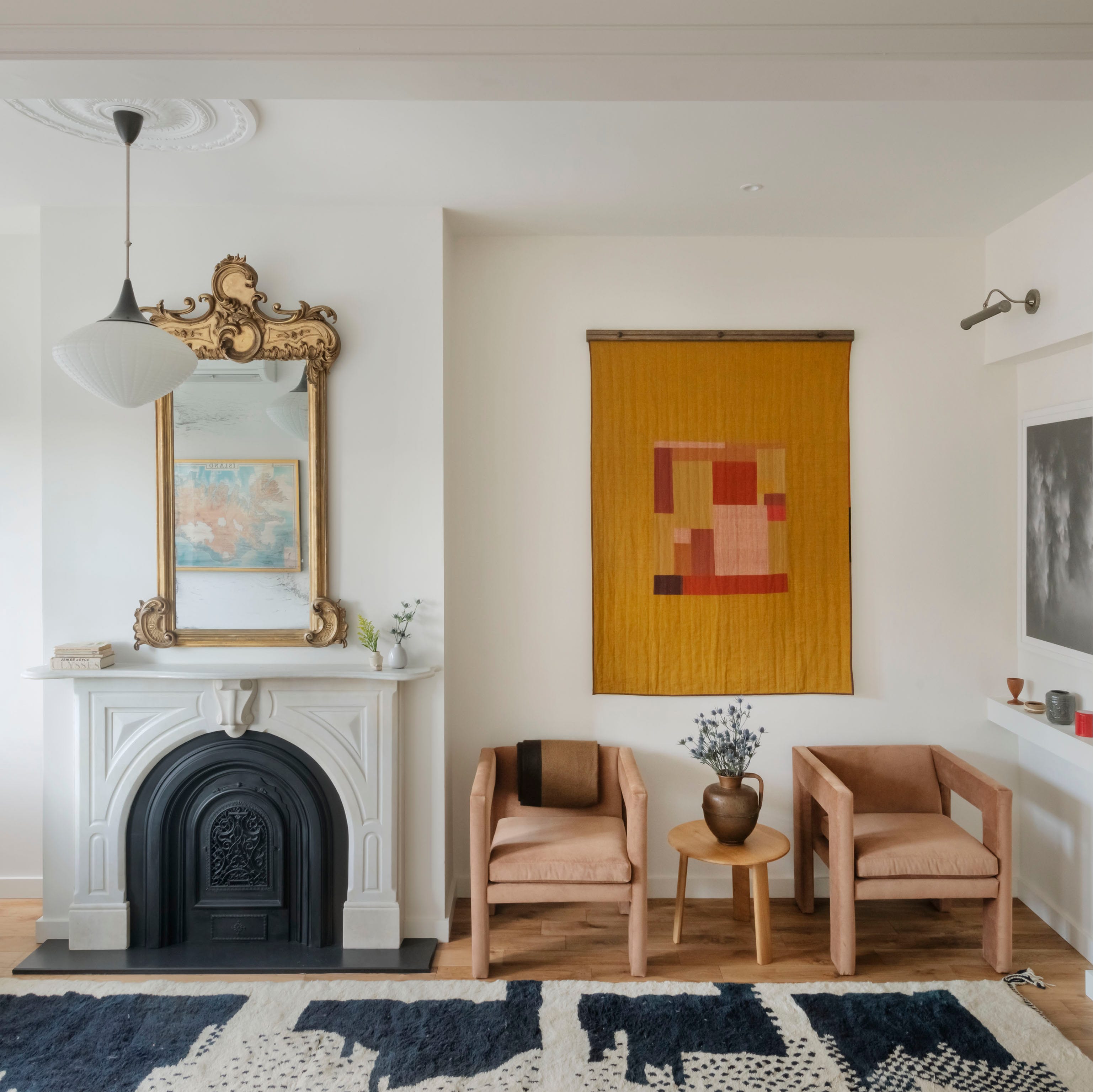
12 Designer-Approved Tricks to Fill a New Home With Vintage Character

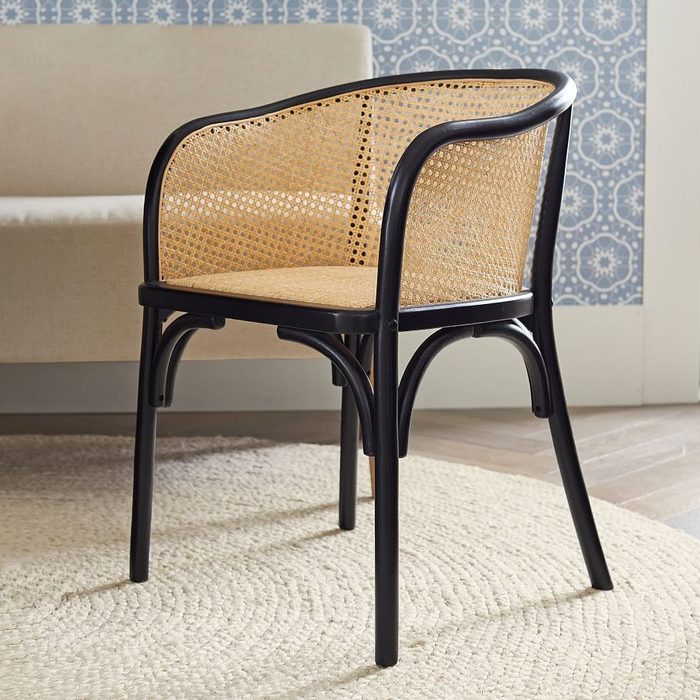
11 Vintage Home Trends That Are Making a Comeback

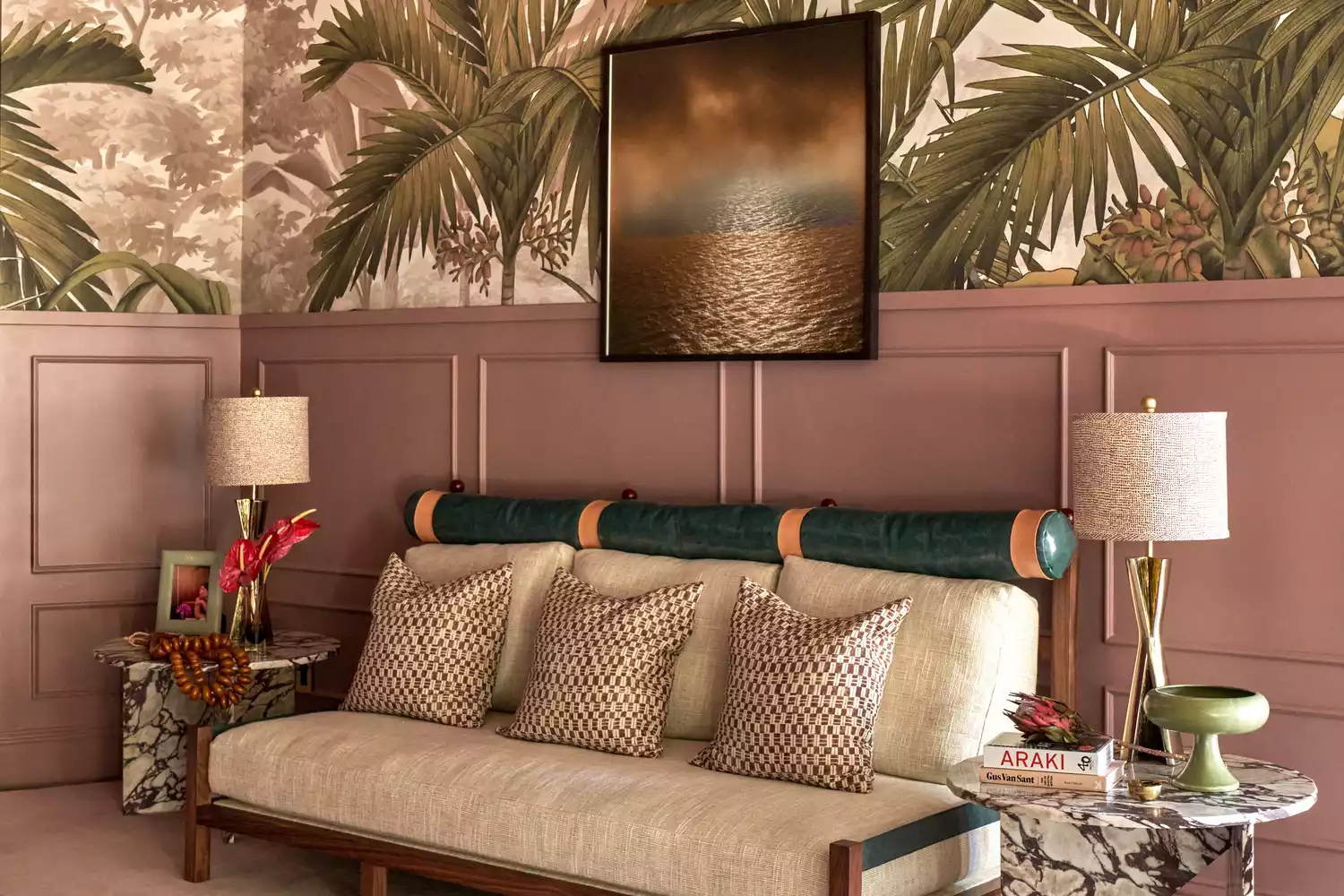
These '80s Home Décor Trends Are Back—Here's How to Try Them in Your Space
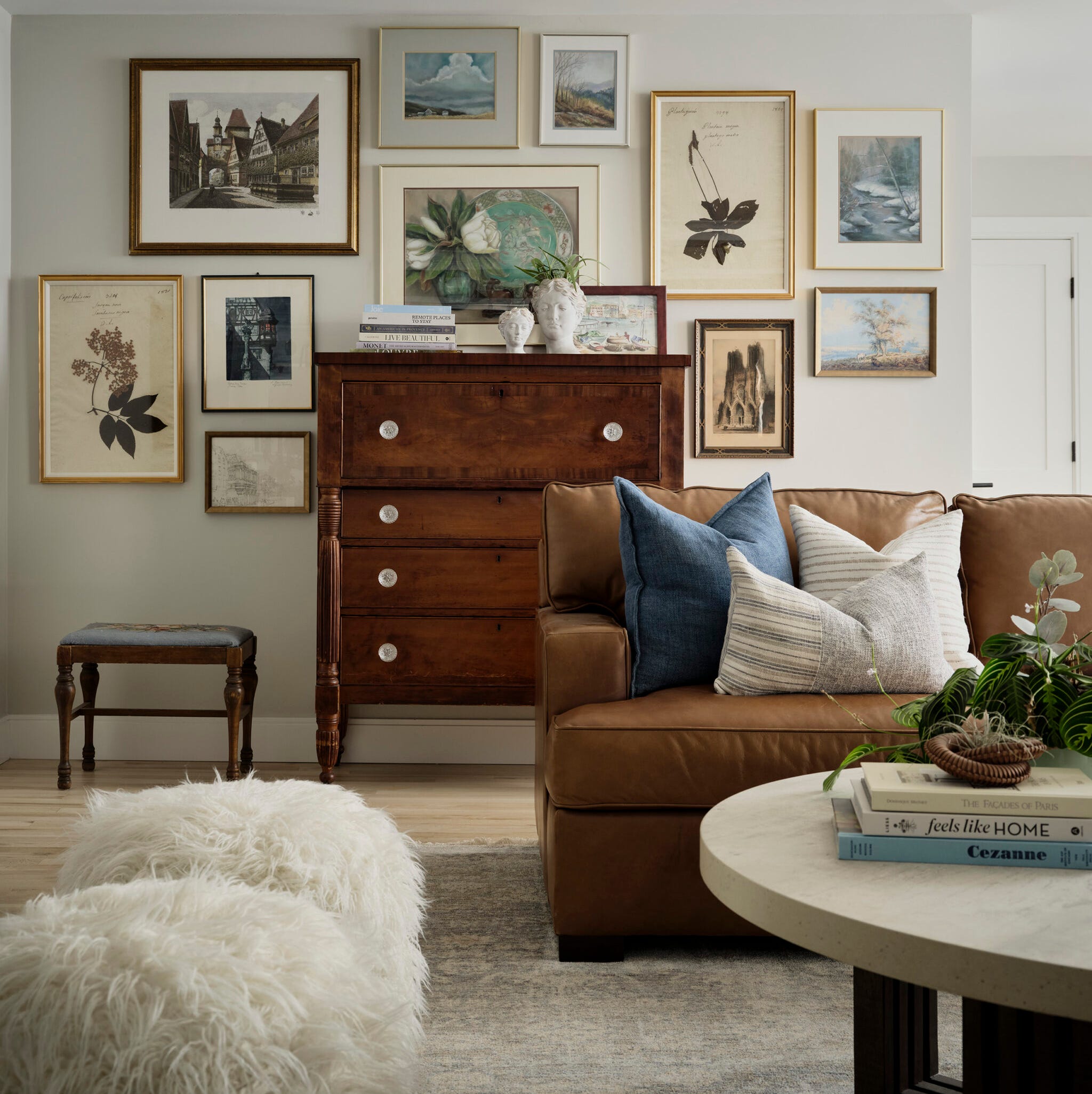
7 Retro Design Trends Making a Comeback, According to Interior Designers

Decorating with antiques – 8 designer tips to channel the past in the chicest way
Cue the Nostalgia: These 8 Vintage Decor Trends Are Taking Over Home Decor

Decorating with vintage fabrics - 8 ways to inject color, texture and heritage style into your space
Remember 80s decorating? Iconic 1980s interior designs and home accessories
The #1 Retro Design Trend Designers Say is Making a Comeback
14 Fresh Ways to Mix Vintage Style into a Modern Home

The enduring comfort of nostalgiacore – and why it's loved by designers
7 vintage lighting ideas to add character to your home
These ‘80s Home Trends Are Back—And More Stylish Than Ever