1/39
Remember 80s decorating? Iconic 1980s interior designs and home accessories
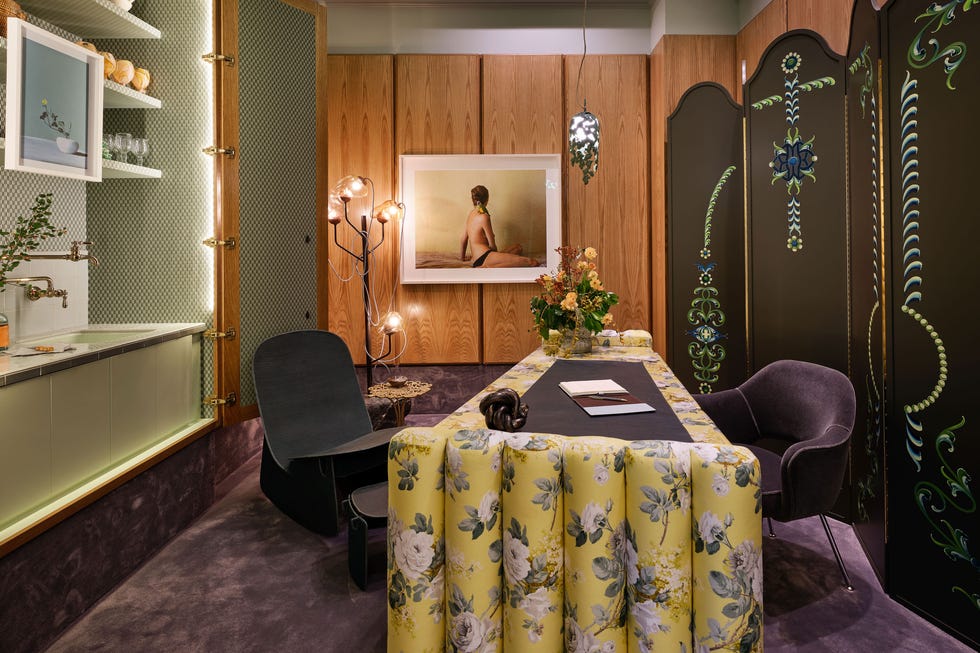
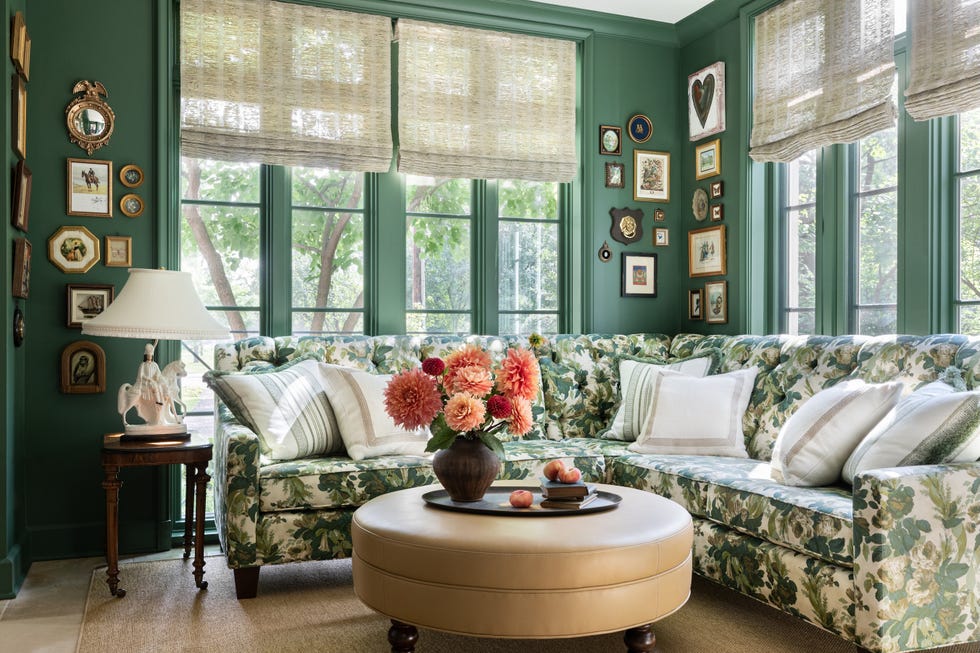
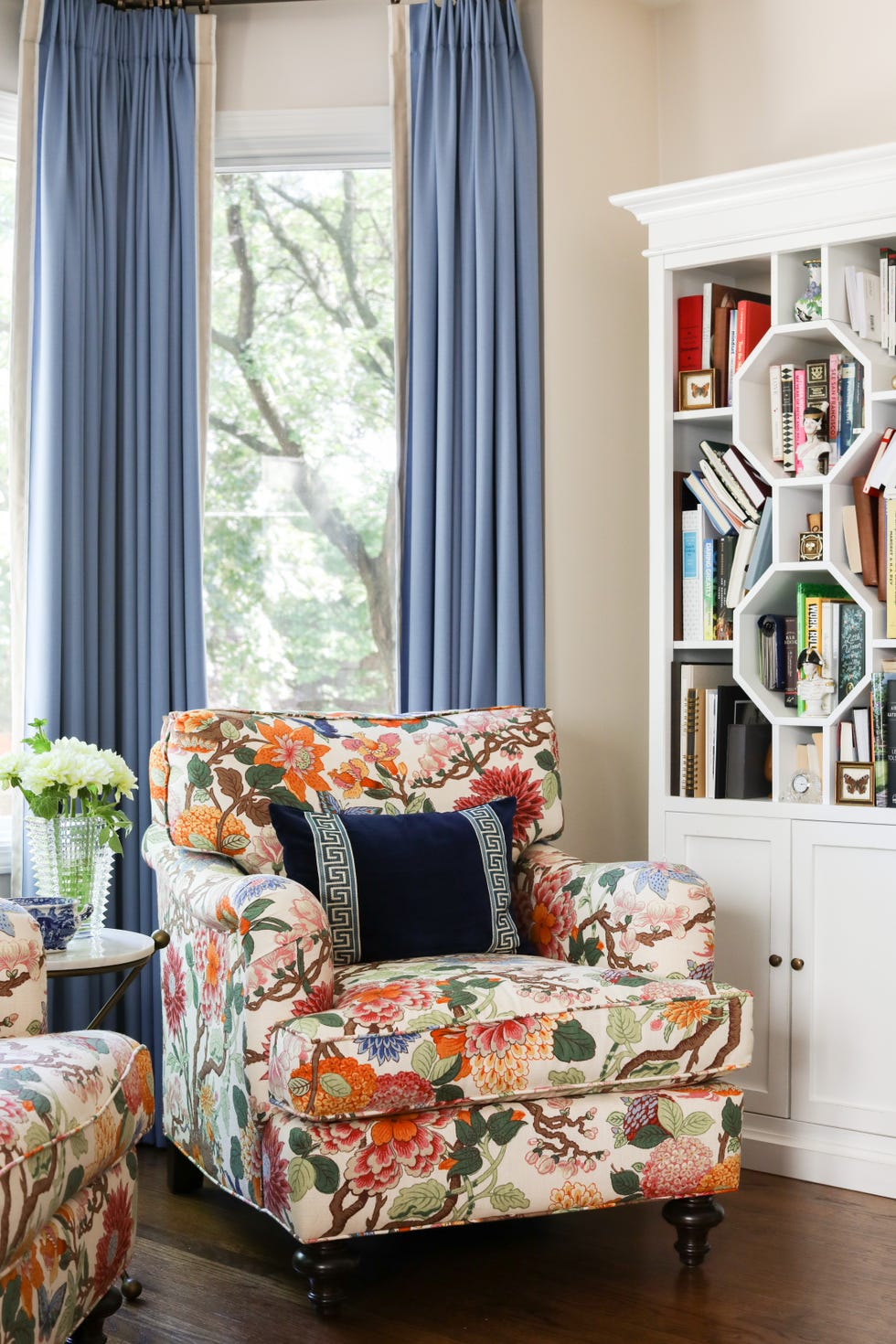
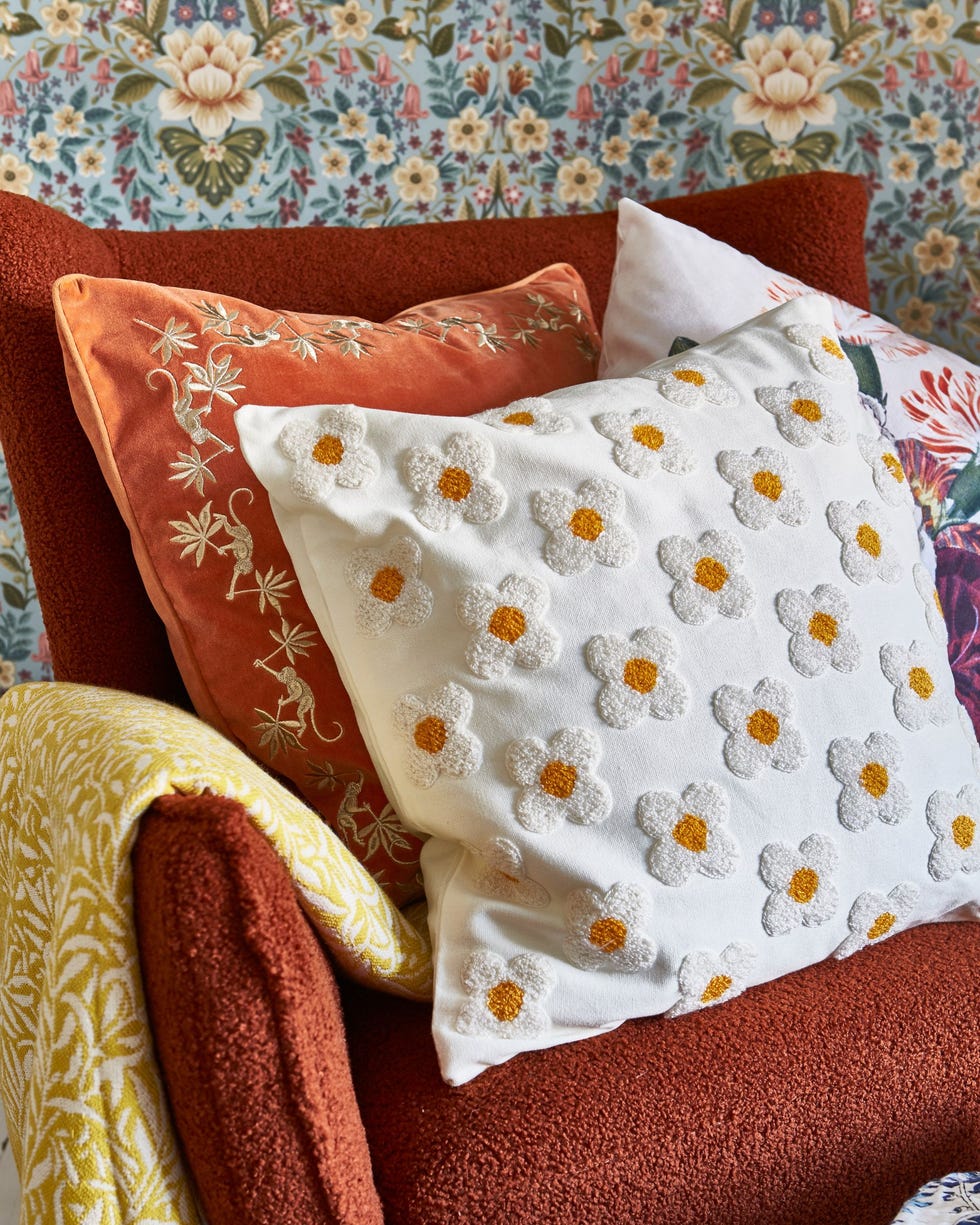
The 1980s were characterized by a bold, bright, and brash aesthetic that significantly influenced home décor. This period saw a mix of styles, from chintzy florals to sleek, modern designs. One prominent trend was the extensive use of co-ordinating chintz, featuring busy floral patterns on upholstery and soft furnishings, often in frilly and swag-draped arrangements. For children's bedrooms, primary colors were a major trend, frequently combined with diagonal stripes and painted landscape motifs on walls and floors. Another attempt to introduce grandeur into homes involved classical Greek and Roman-style columns, used structurally or decoratively in various rooms.
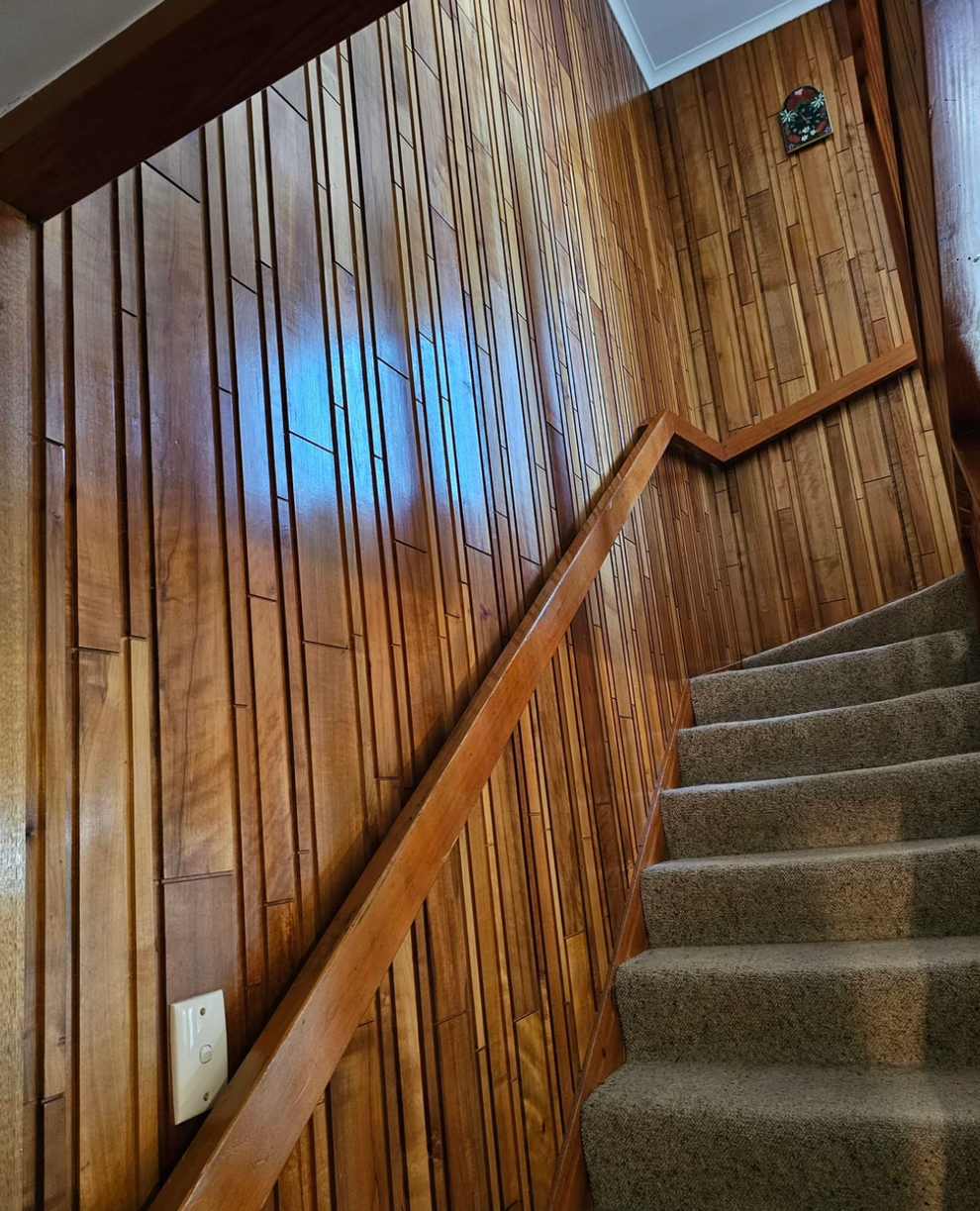
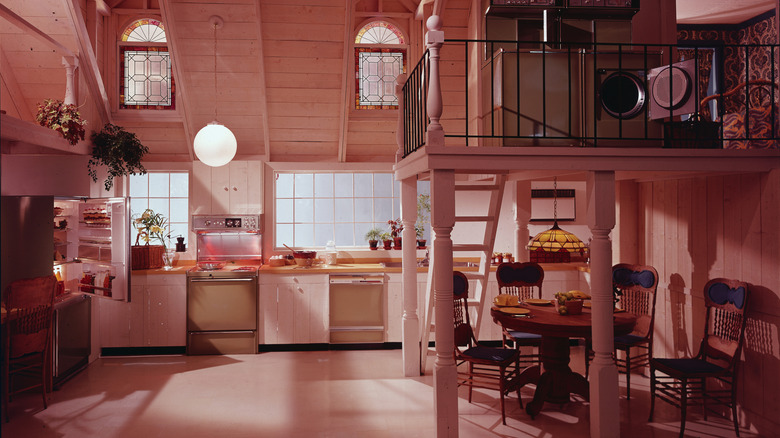
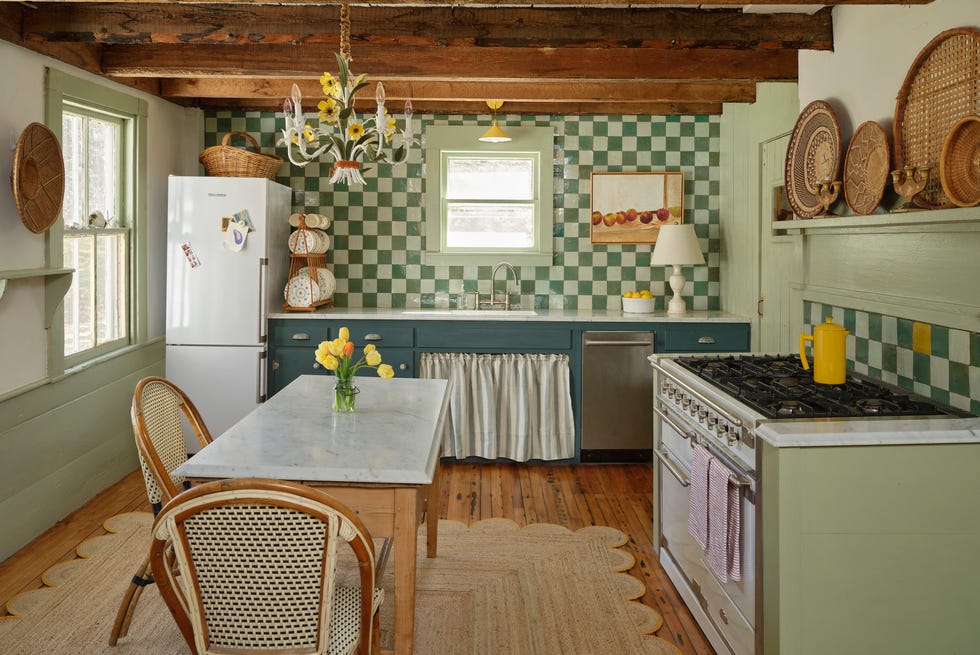
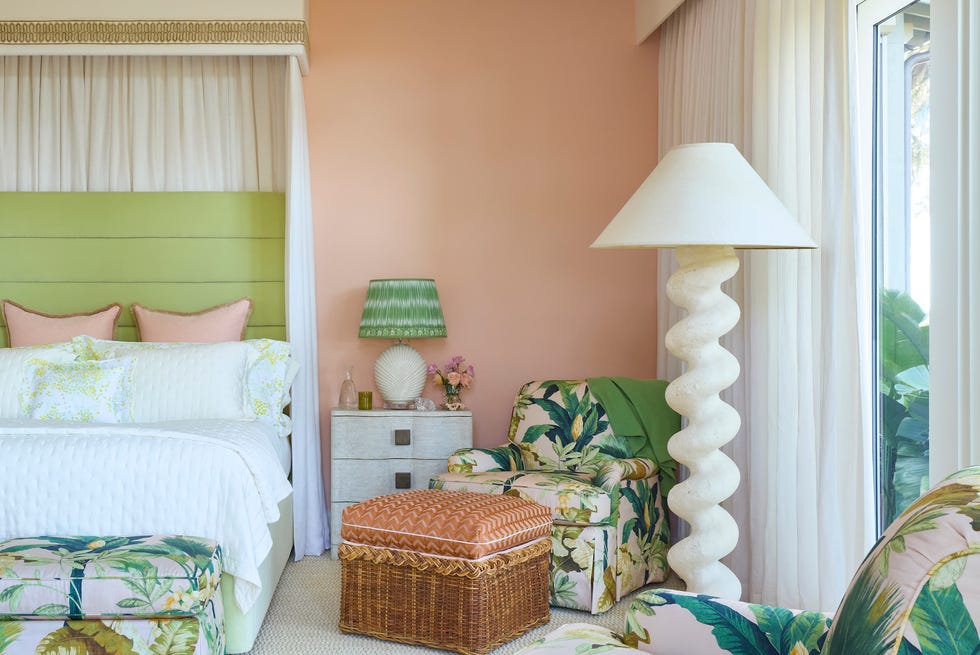
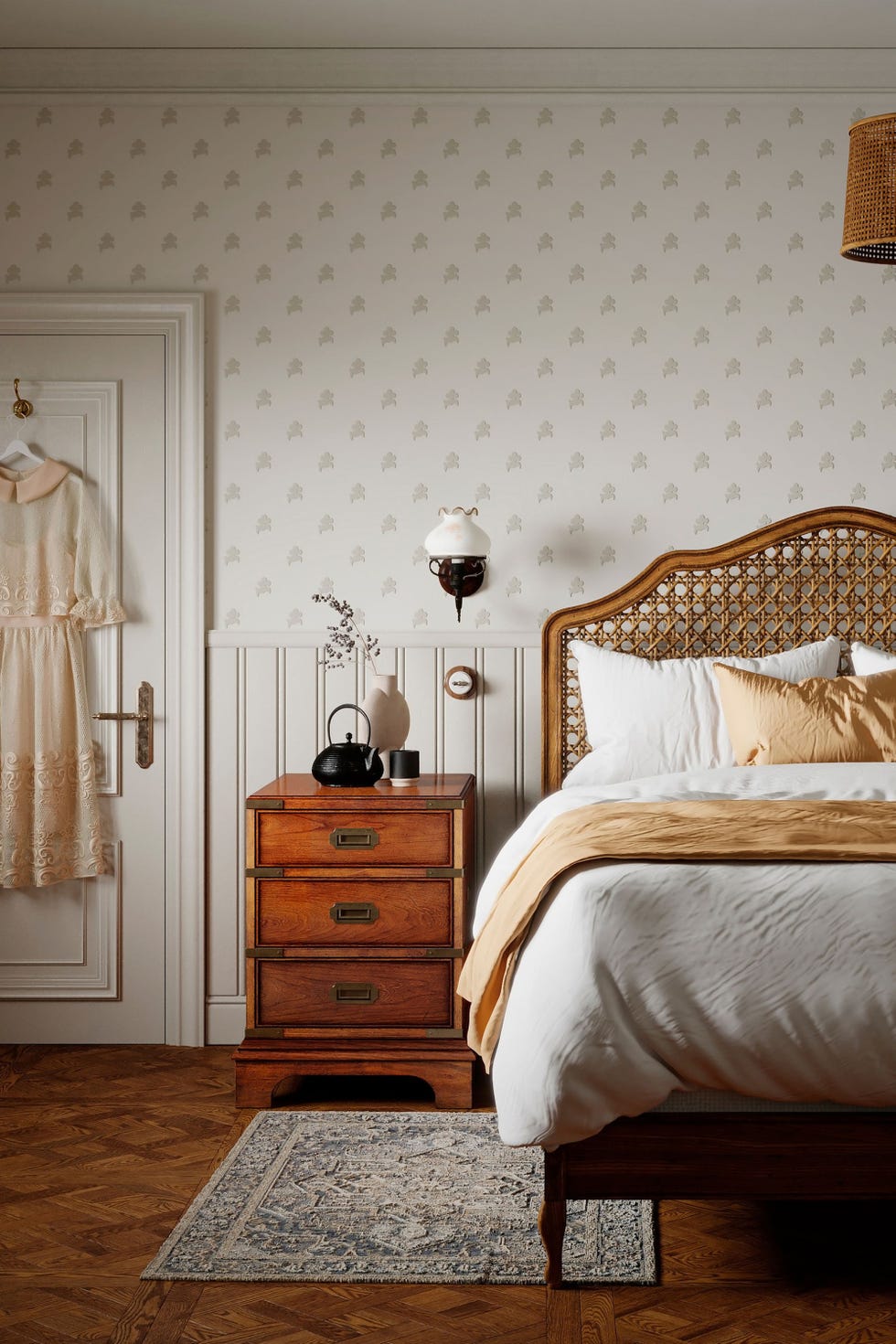
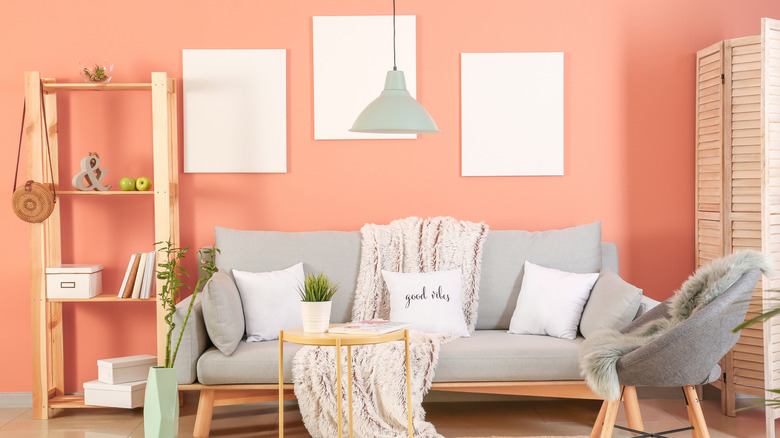
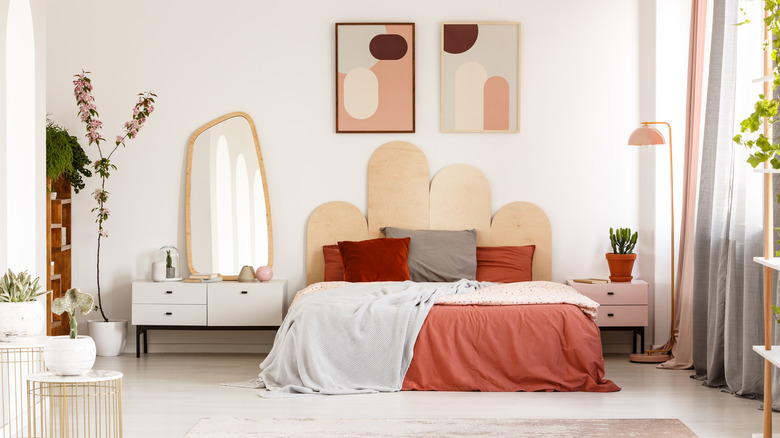
Economic changes in the 1980s led to an influx of new money into the art market, resulting in a demand for radical art. This included bold-colored, expressive pieces, ranging from graffiti and pop culture prints to neo-expressionist paintings and abstract sculptures. Wicker and rattan furniture experienced a resurgence, offering a natural contrast to the decade's slicker trends. Dried flowers and foliage also became popular, appearing in wreaths and large bunches, despite the challenge of keeping them dust-free. As an alternative to chintz, chalky pastels provided a softer, muted counterbalance to the aggressive neon colors and sharp deco prints seen elsewhere. Wood-clad walls, particularly pine tongue and groove paneling, created a warm, rustic cabin-like atmosphere, which became a global trend.
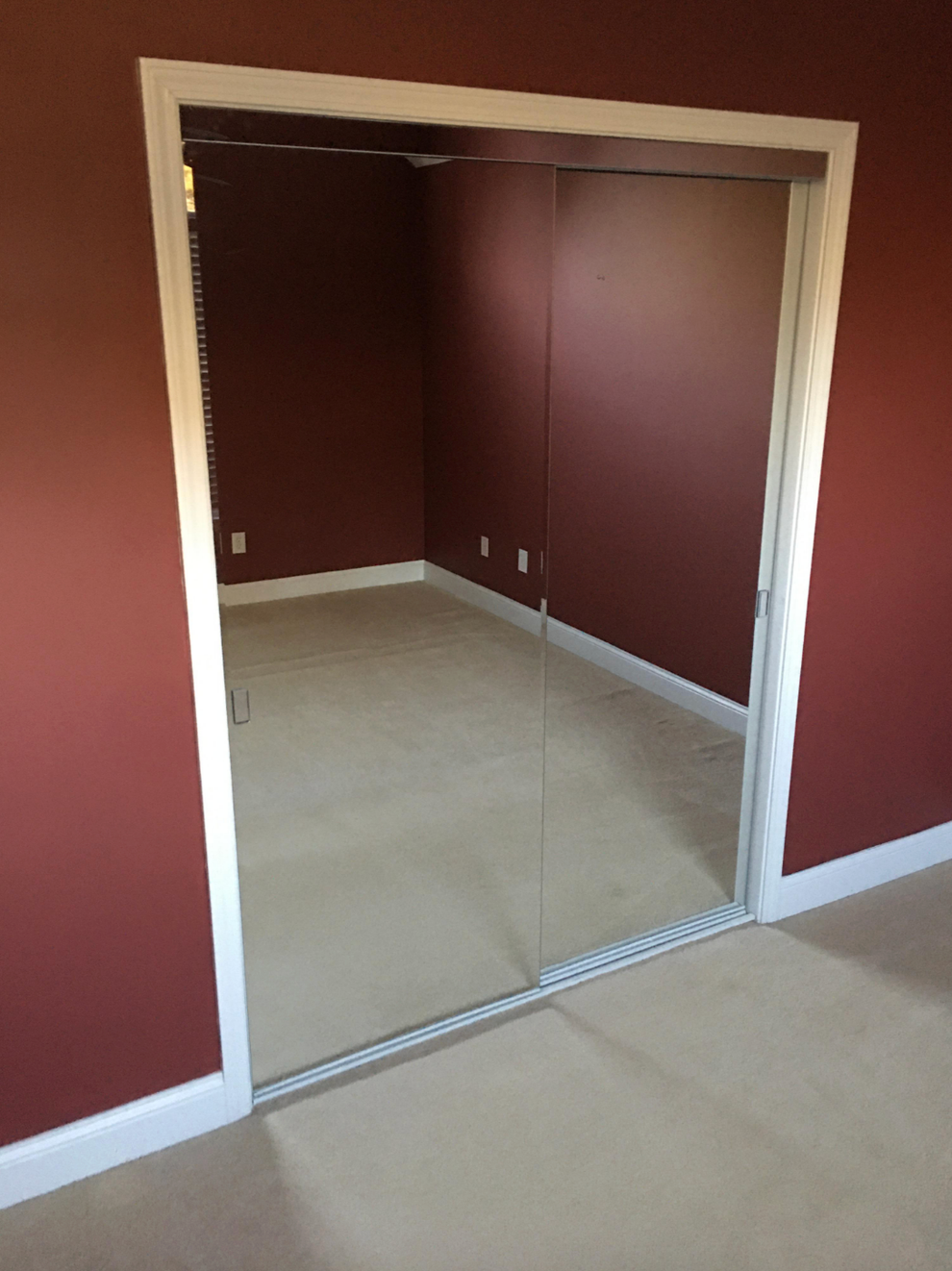
The 1980s was a golden age for cinema, leading to a rise in movie memorabilia in homes, with posters and franchise toys becoming common. Flatpack furniture, invented earlier by IKEA, gained significant popularity, allowing homeowners to quickly purchase and assemble entire kitchens. Mirrored wardrobes were a prominent feature, creating the illusion of larger, brighter rooms while providing ample storage. Glass block walls were also fashionable, inspired by popular TV shows like Miami Vice, offering both decorative appeal and natural light. Bathrooms evolved from purely utilitarian spaces into soft, feminine areas with pale pink and peach color schemes, featuring shell-shaped basins and floral wallpaper.
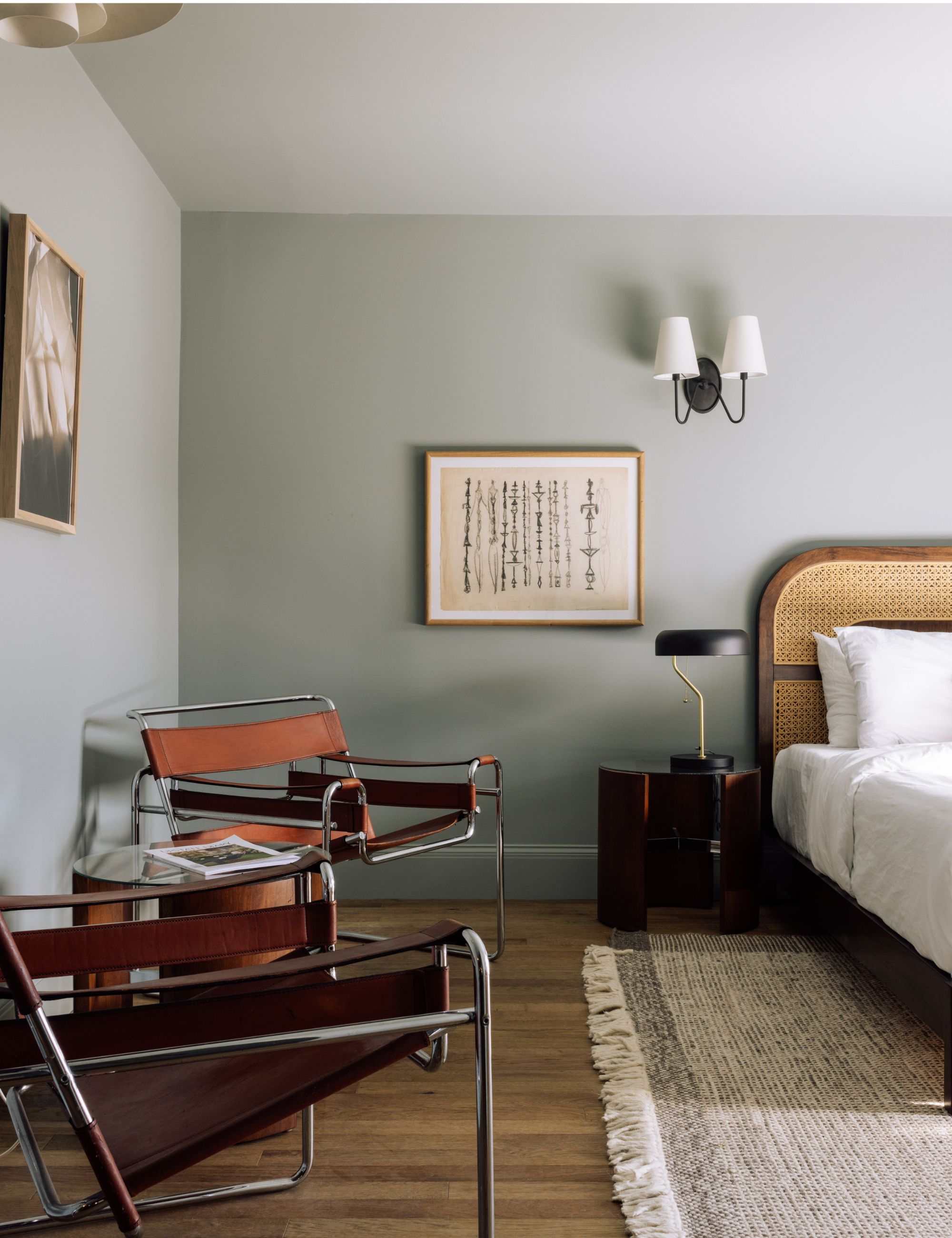
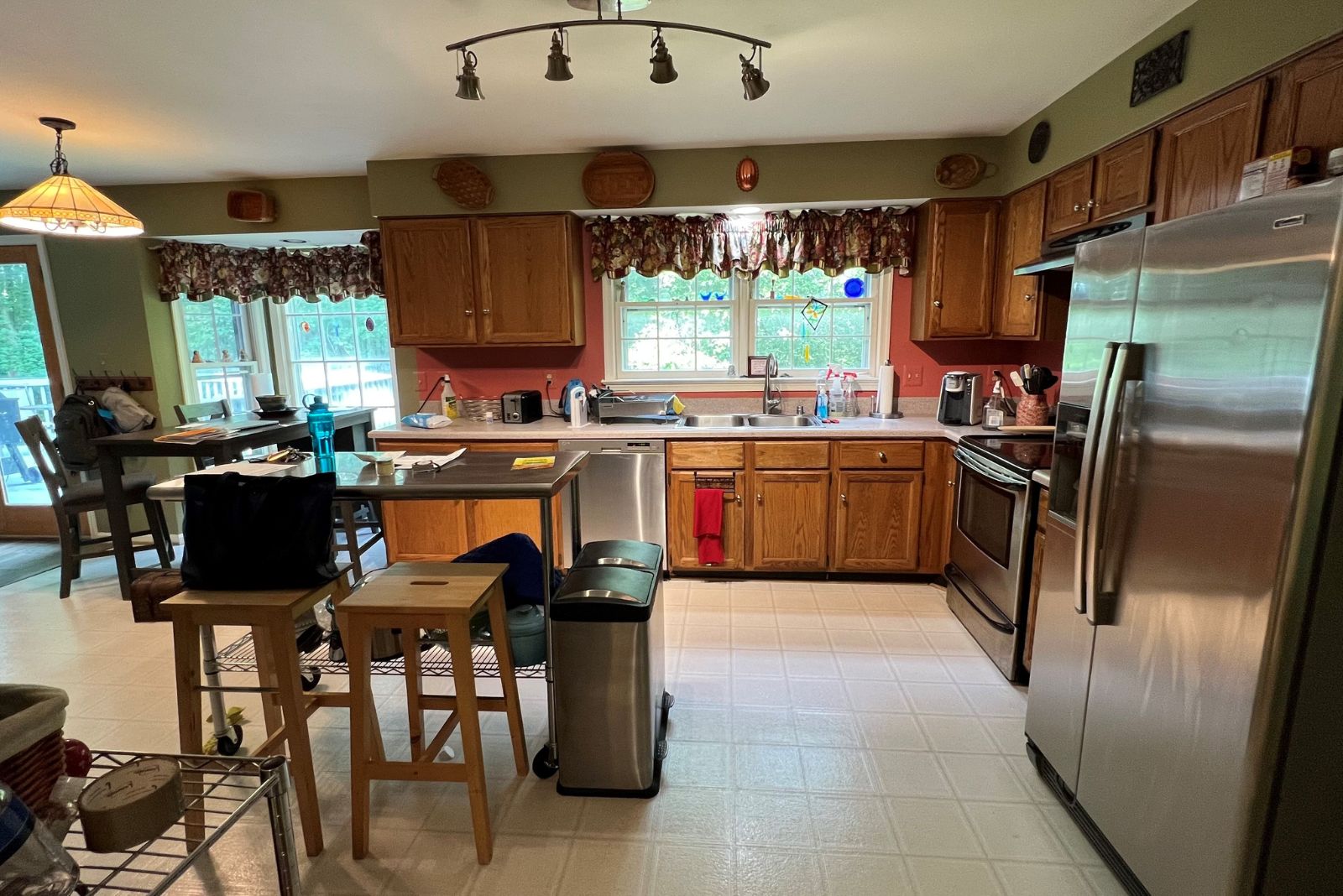
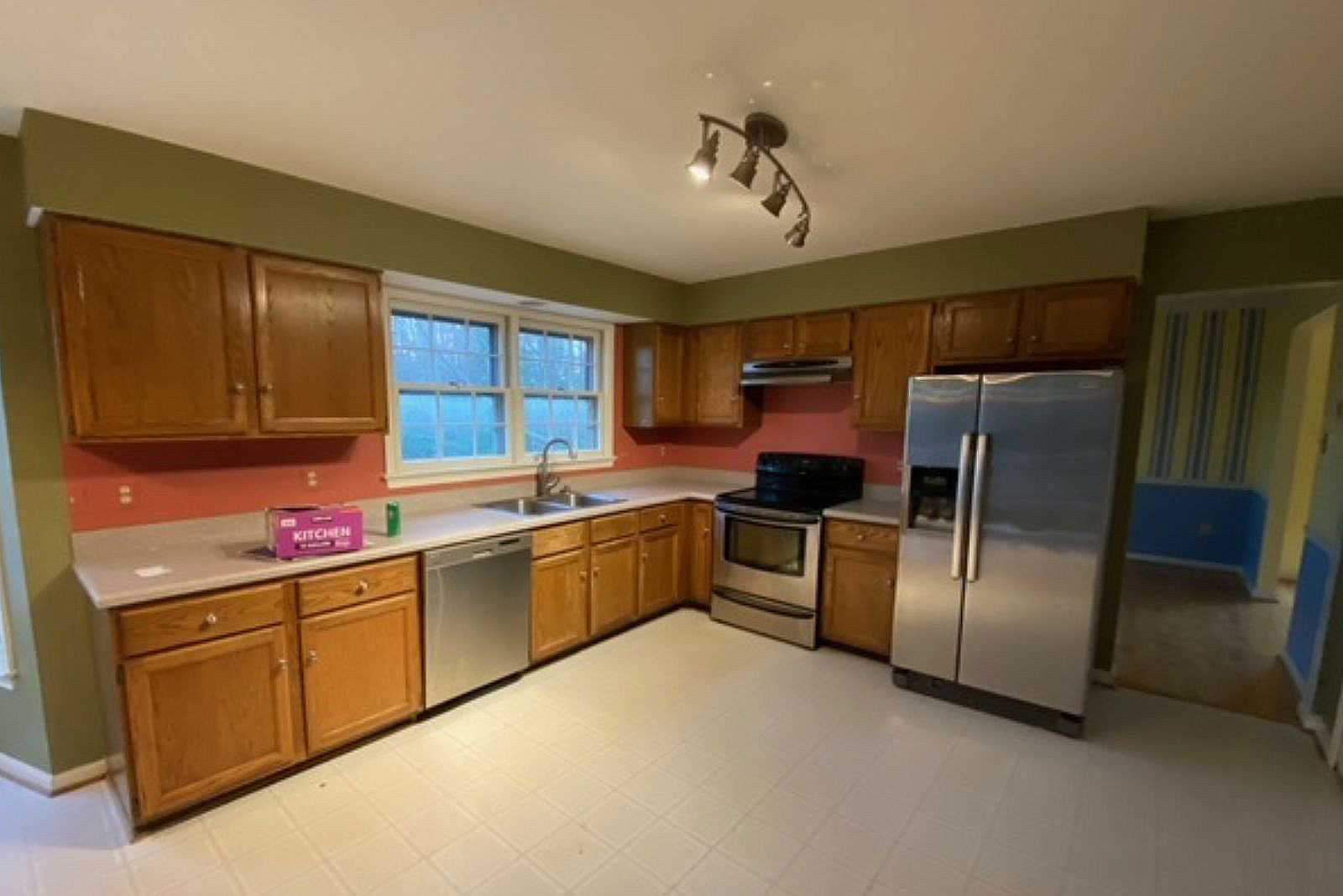
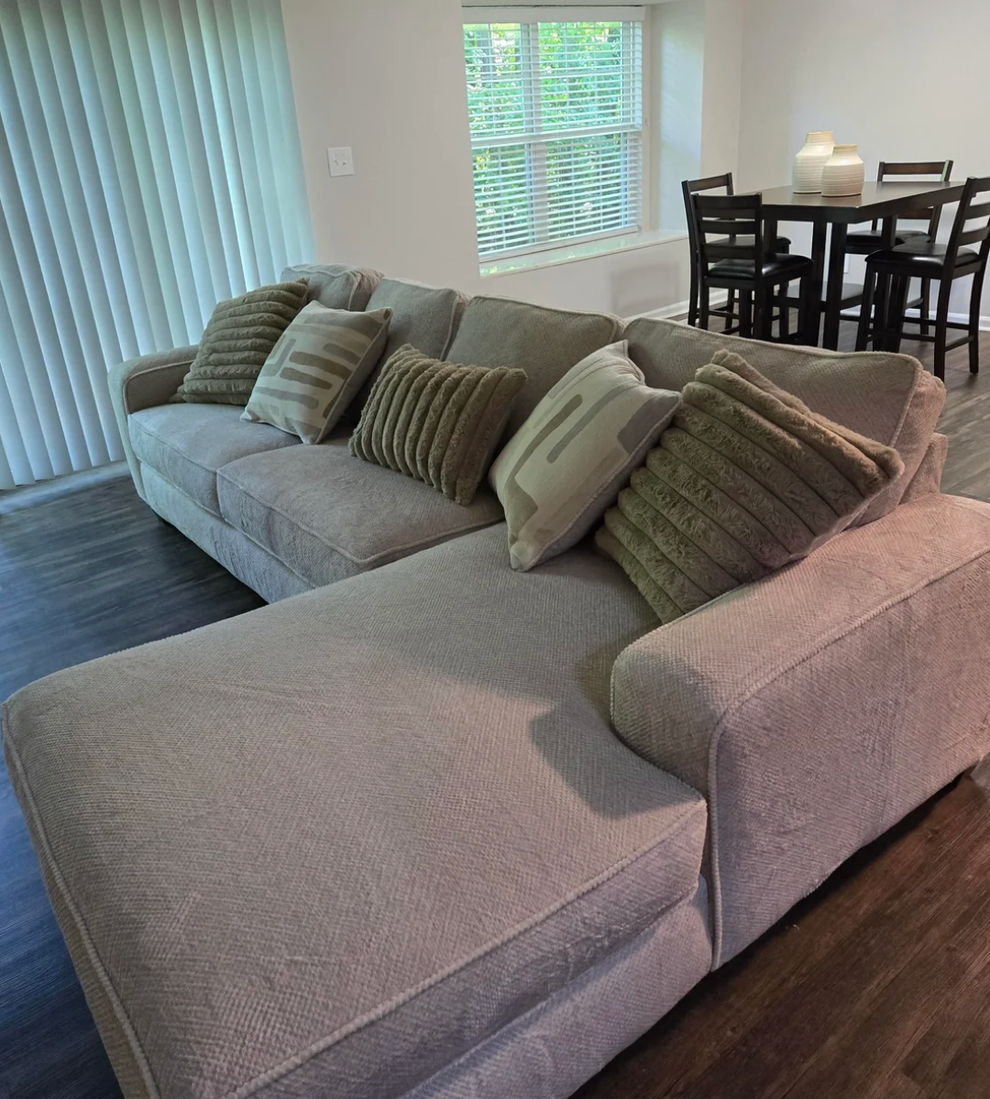
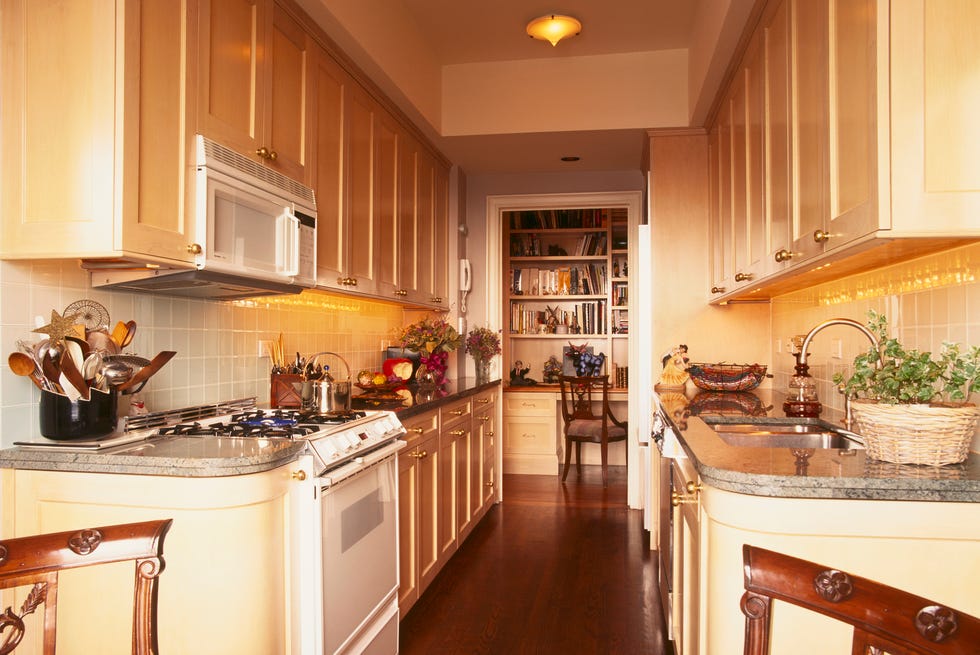
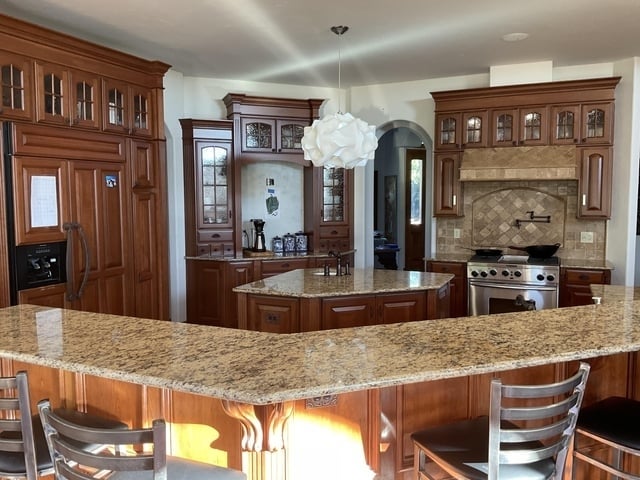
Technological advancements brought record players, cassette players, VHS recorders, and early computers like the Commodore 64 into homes, often housed in matching wood furniture. Metal furniture, especially chrome combined with leather, defined the look for young urban professionals, embodying a chic, city apartment aesthetic. Vertical blinds, made from durable vinyl, were a staple for patio doors, often paired with rattan furniture and palm prints for a tropical feel. Decorative brickwork, frequently faux blocks made from polyurethane, adorned walls and fire-surrounds, though this trend eventually faded with the rise of smoother finishes. Cherry wood kitchens, with various stains, were considered ultra-contemporary, often paired with marble worktops. Colourful carpets, seen even in the White House, made bold statements, often coordinating with chintz and mahogany furniture.
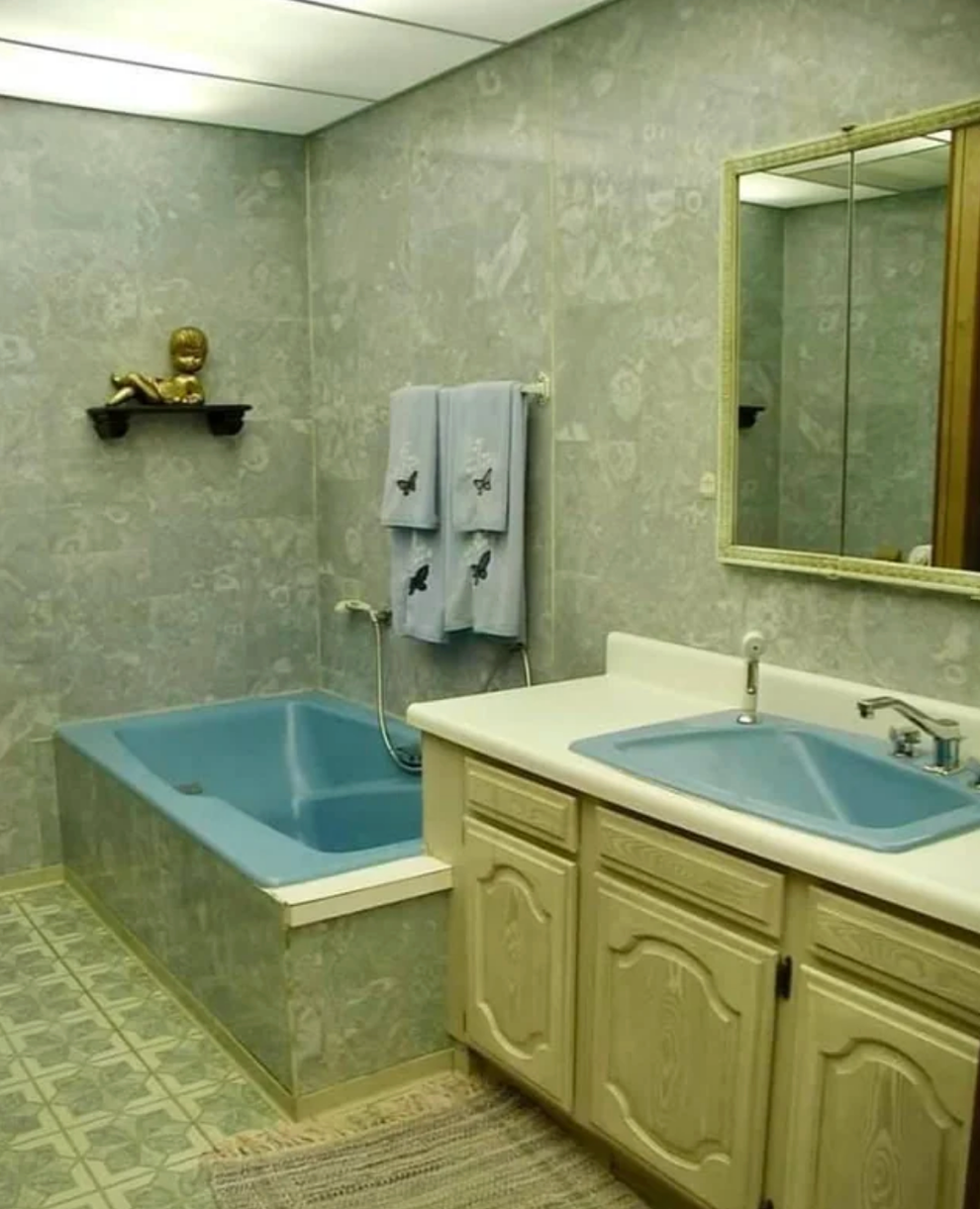
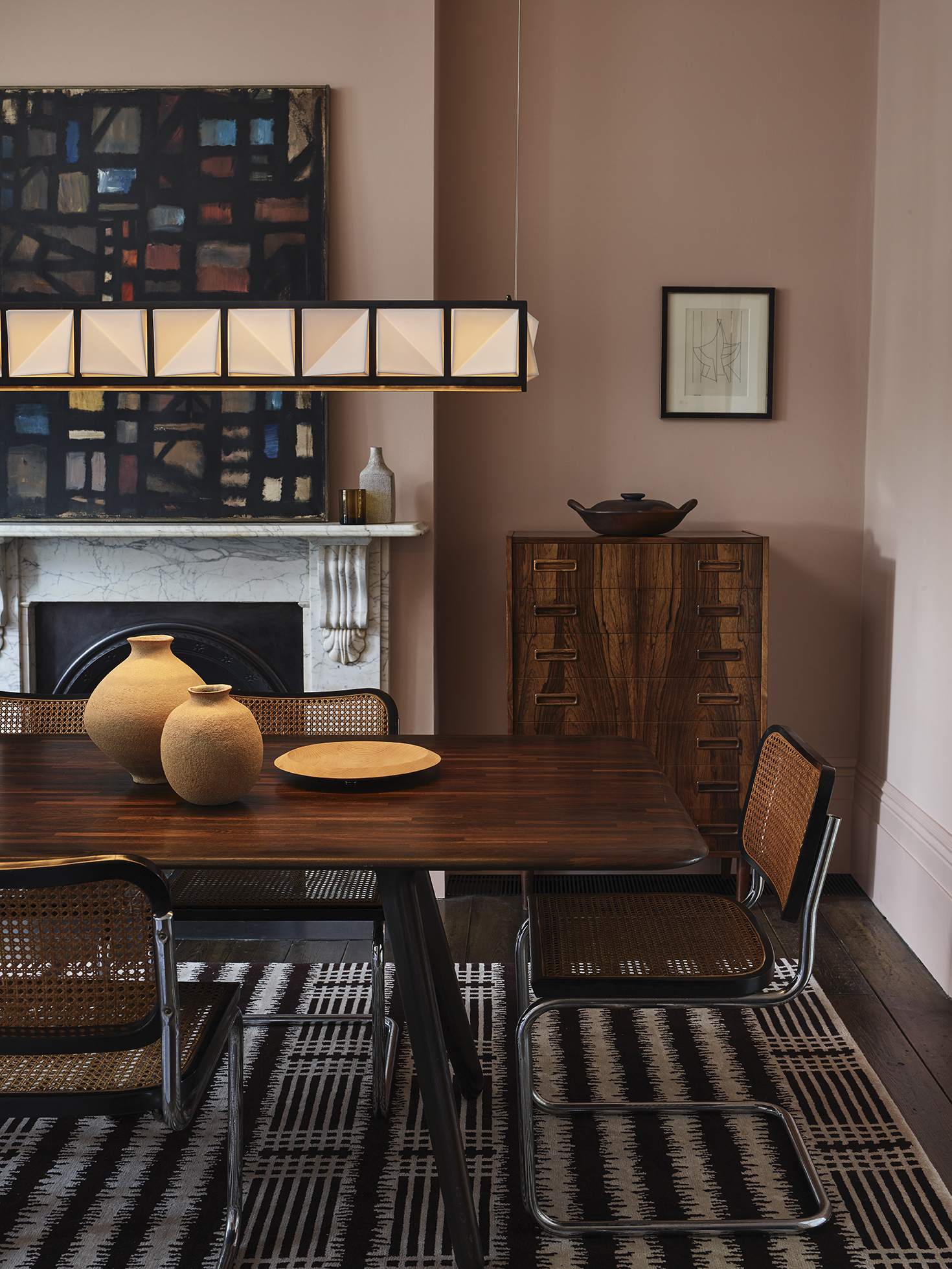
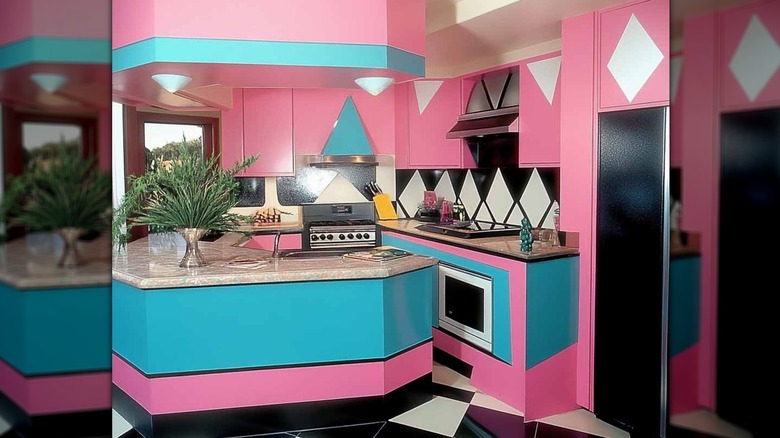
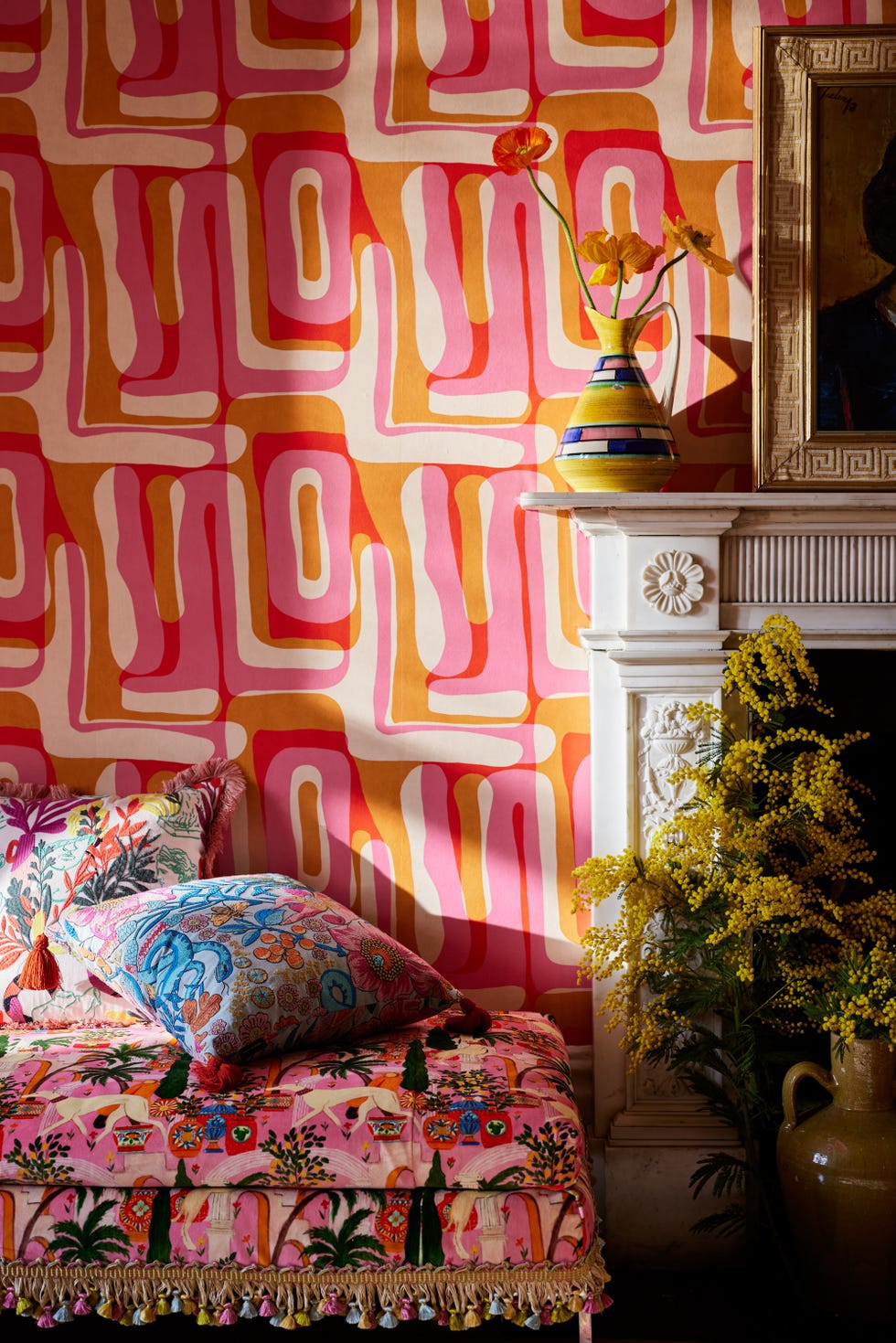
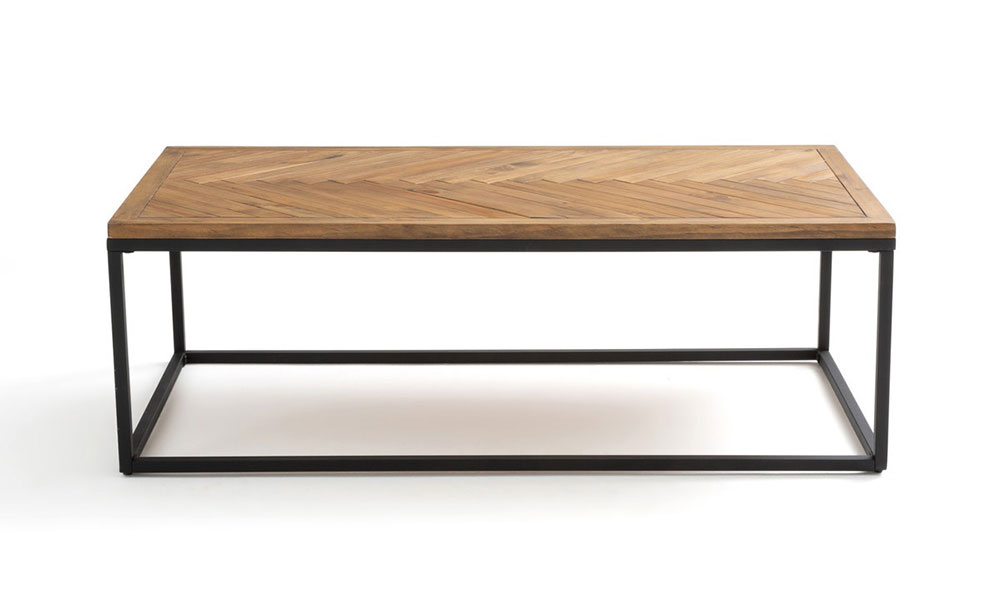
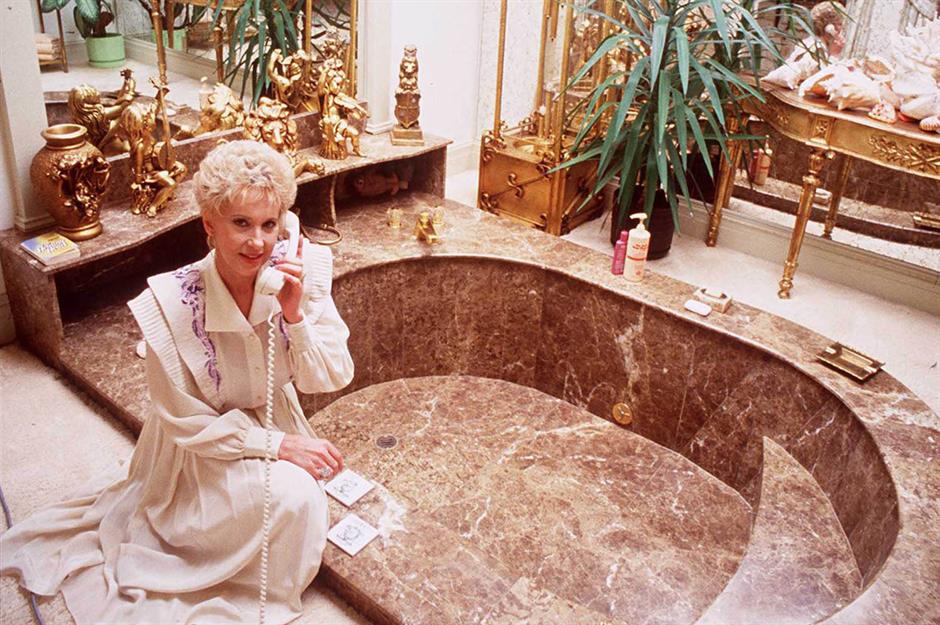
Corner bathtubs, sometimes with whirlpool functions, symbolized high-end luxury, often surrounded by pink marble and gold fittings. Decorative wallpaper borders added another layer to busy interior schemes and are now seeing a modern revival. The postmodernist Memphis Design movement, characterized by bold patterns, abstract designs, and geometric shapes, offered a vibrant counterpoint to more conventional styles. Country roses, an evolution of chintz, transformed homes into romantic retreats with coordinated floral prints across all soft furnishings. Matching mahogany furniture sets, including cabinets, dining tables, and dressers, were essential for displaying collections and creating a unified look. Glass surfaces, such as coffee tables and TV units, added to the sleek, futuristic aesthetic, often complemented by blousy floral wallpaper and dried flower arrangements. Frills and flounces, inspired by New Romantic fashion, translated into home décor, with ruched fabrics and ruffles creating fairytale boudoirs.
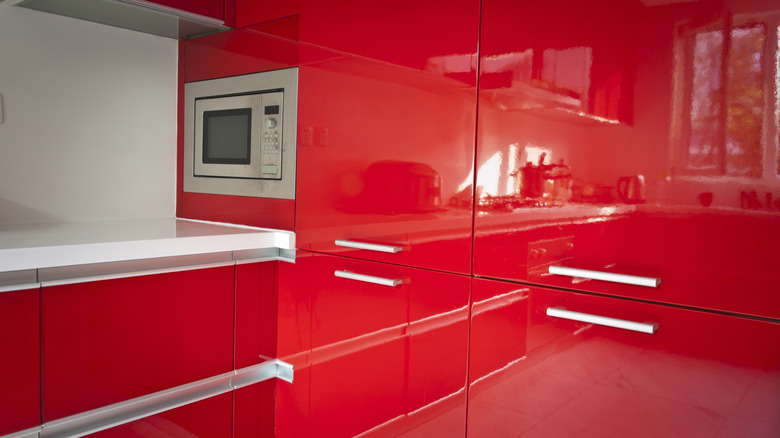
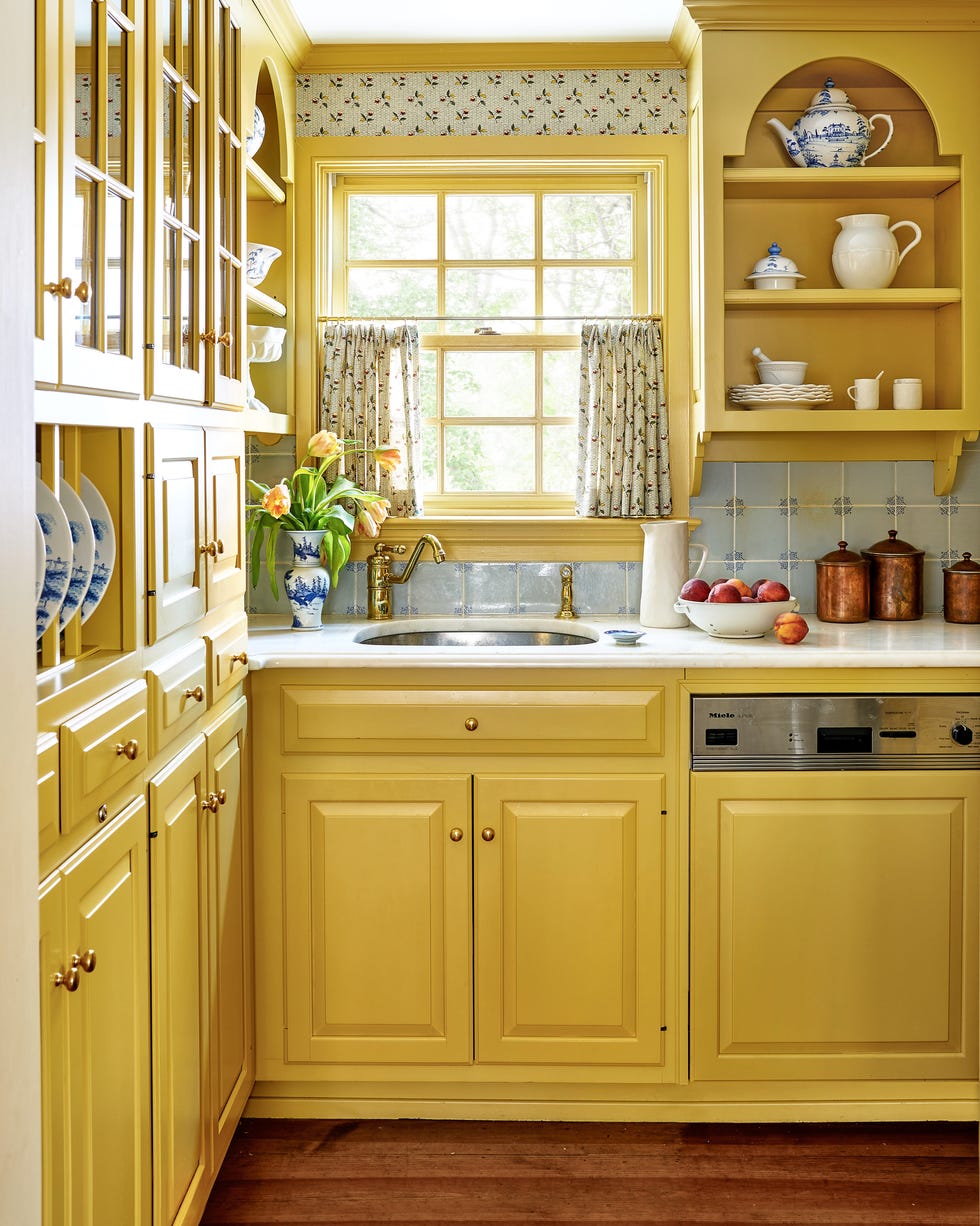
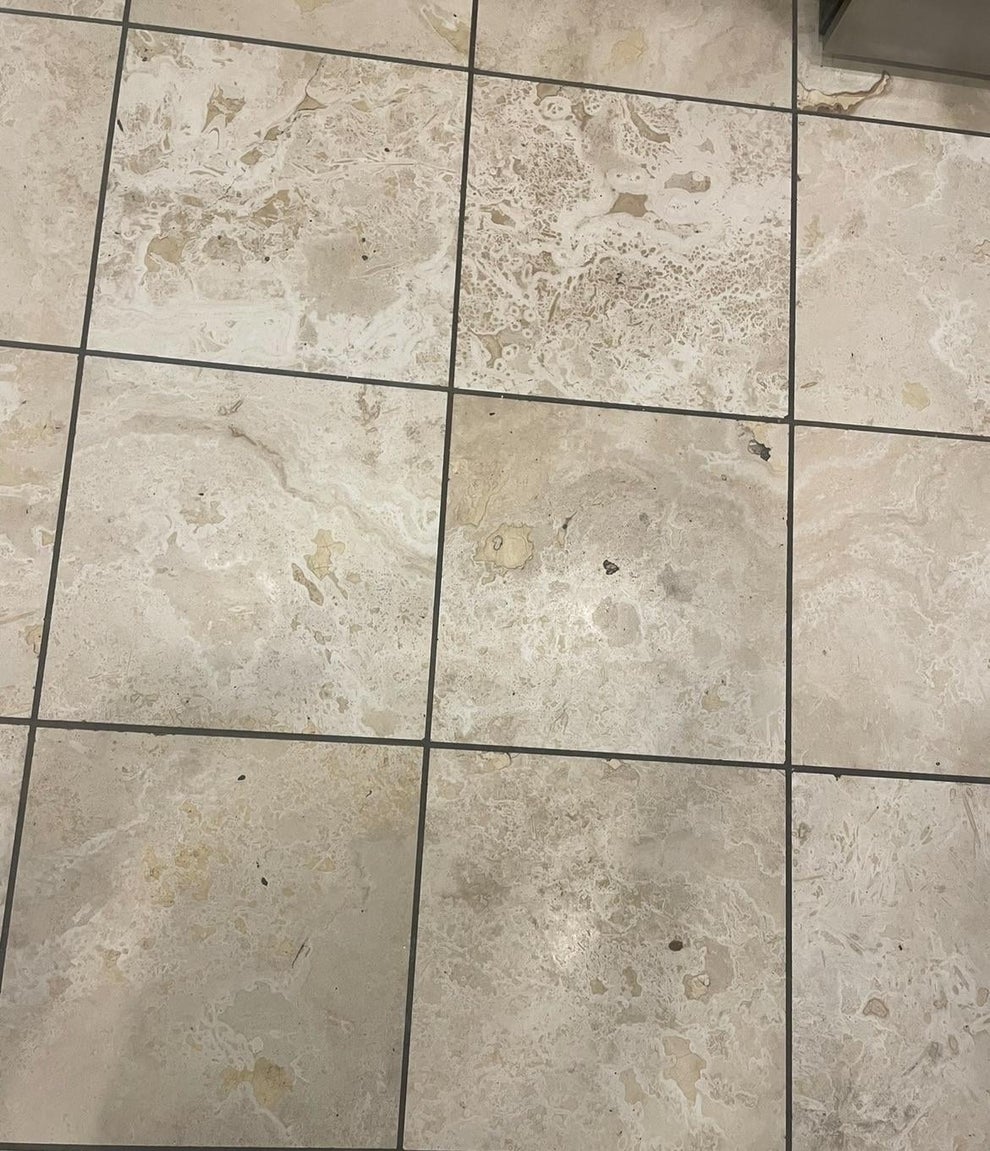
Marble-effect tiles symbolized the decade's embrace of glamor and luxury, influenced by opulent TV shows. Louvre doors, offering inexpensive ventilation, were popular for fitted wardrobes and kitchen cabinetry. Cottage kitchens, defined by Shaker cabinets, large pine tables, and decorative china, represented a wholesome, elegant style. Black lacquer furniture, glossy and bold, aligned with 80s deco and Memphis Design trends. Built-in cupboards and complex bespoke cabinetry, sometimes incorporating Murphy beds, offered customized storage solutions, often paired with burgundy walls for a nostalgic touch. Statement duvets with geometric patterns and bright colors, alongside graffiti-inspired designs, were popular in teenagers' rooms. Calla lilies, both fresh and as motifs, were a symbol of style, while porcelain figurines, particularly from Lladró, were cherished collectibles. Masculine glam, exemplified by Ralph Lauren's autumn Home Collection, featured warm tones, polished wood, and animal prints. Finally, white cane furniture and gold accents, seen in shows like The Golden Girls and in celebrity homes, completed the diverse tapestry of 1980s interior design.
#1980sDecor #InteriorDesign #RetroHome #Chintz #MemphisDesign #PastelColors #WickerFurniture #MovieMemorabilia #TechnologicalInnovation #GlamStyle #1980sDecor #InteriorDesign #RetroHome #Chintz #MemphisDesign #PastelColors #WickerFurniture #MovieMemorabilia #TechnologicalInnovation #GlamStyle
0 comment in total
 No comments yet
You may also like
People Are Revealing The "Outdated" Home Design Trends From The '80s That Need To Come Back

8 Bedroom Decor Icons From the ’90s That Are Cool Again
’90s Fashion is Back—But What About ’90s Interiors? Here’s What Designers Say

'80s Bedrooms For People Who Hate Minimalism: 15 Ideas

15 Kitchen Design Trends From The '80s That Still Hold Up Today

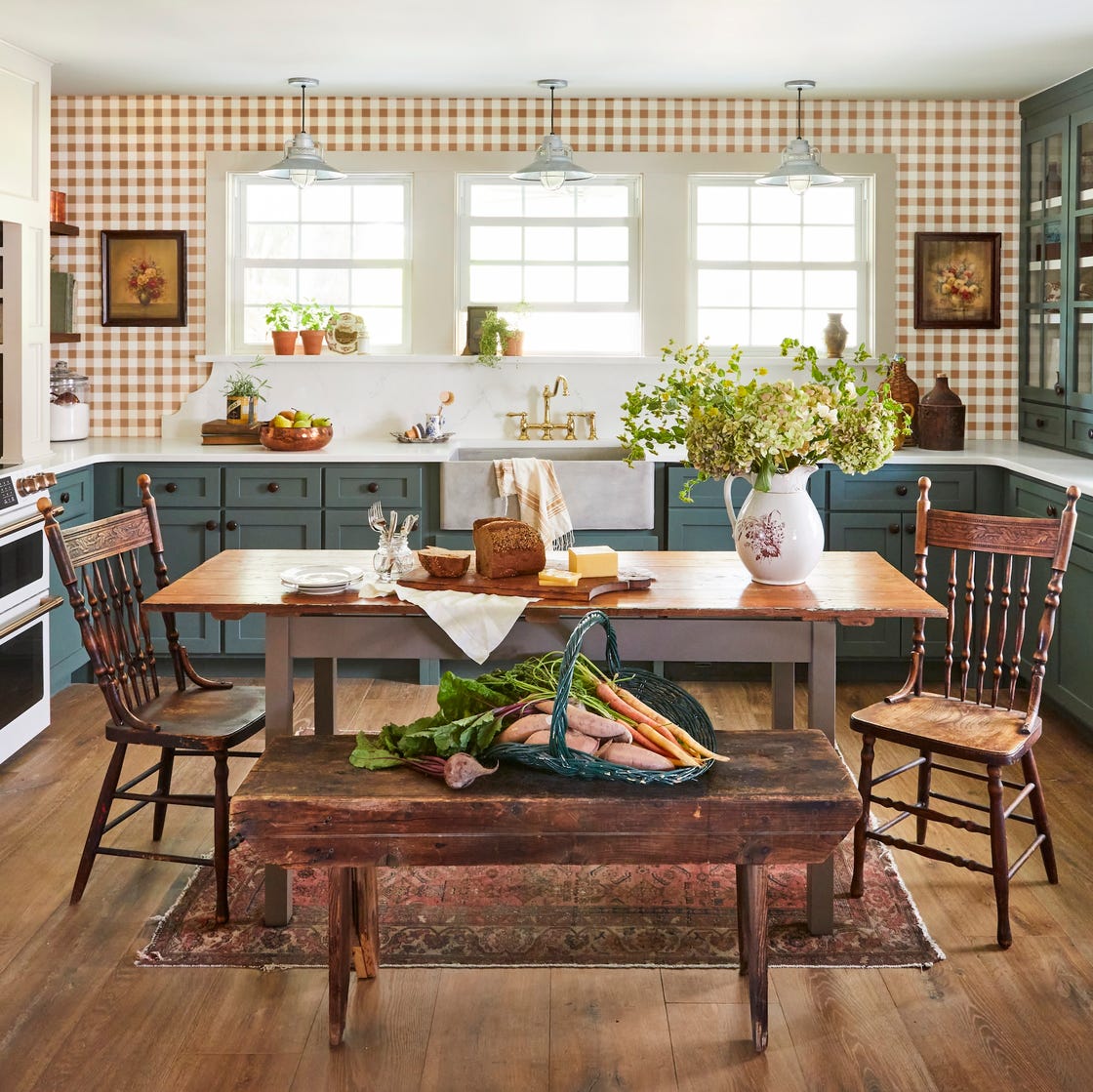
The Actually Charming ’80s Country Kitchen Trends Designers Are Loving Again
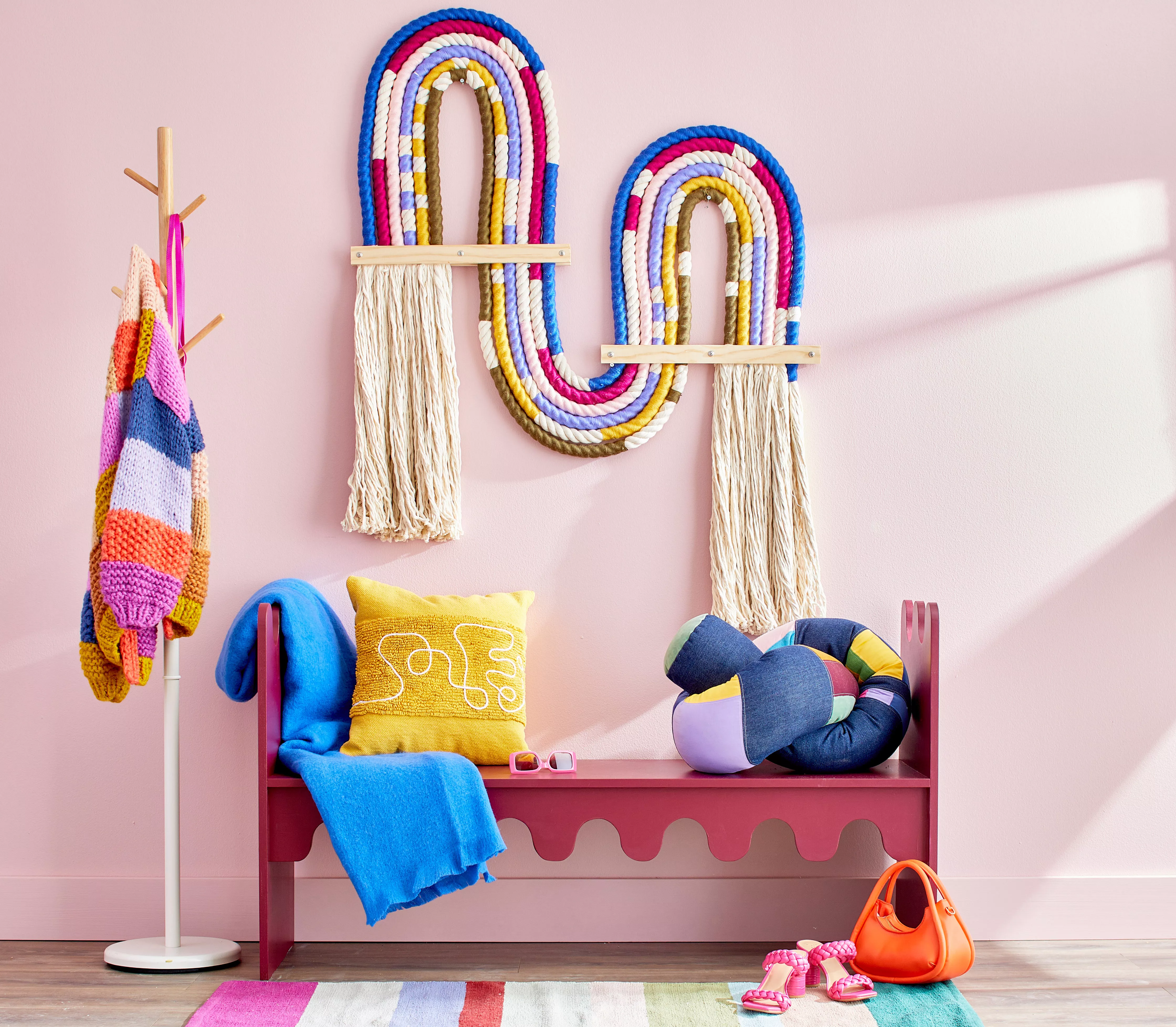
The '80s Are Officially Back Thanks to These 8 DIY Squiggle Decor Ideas

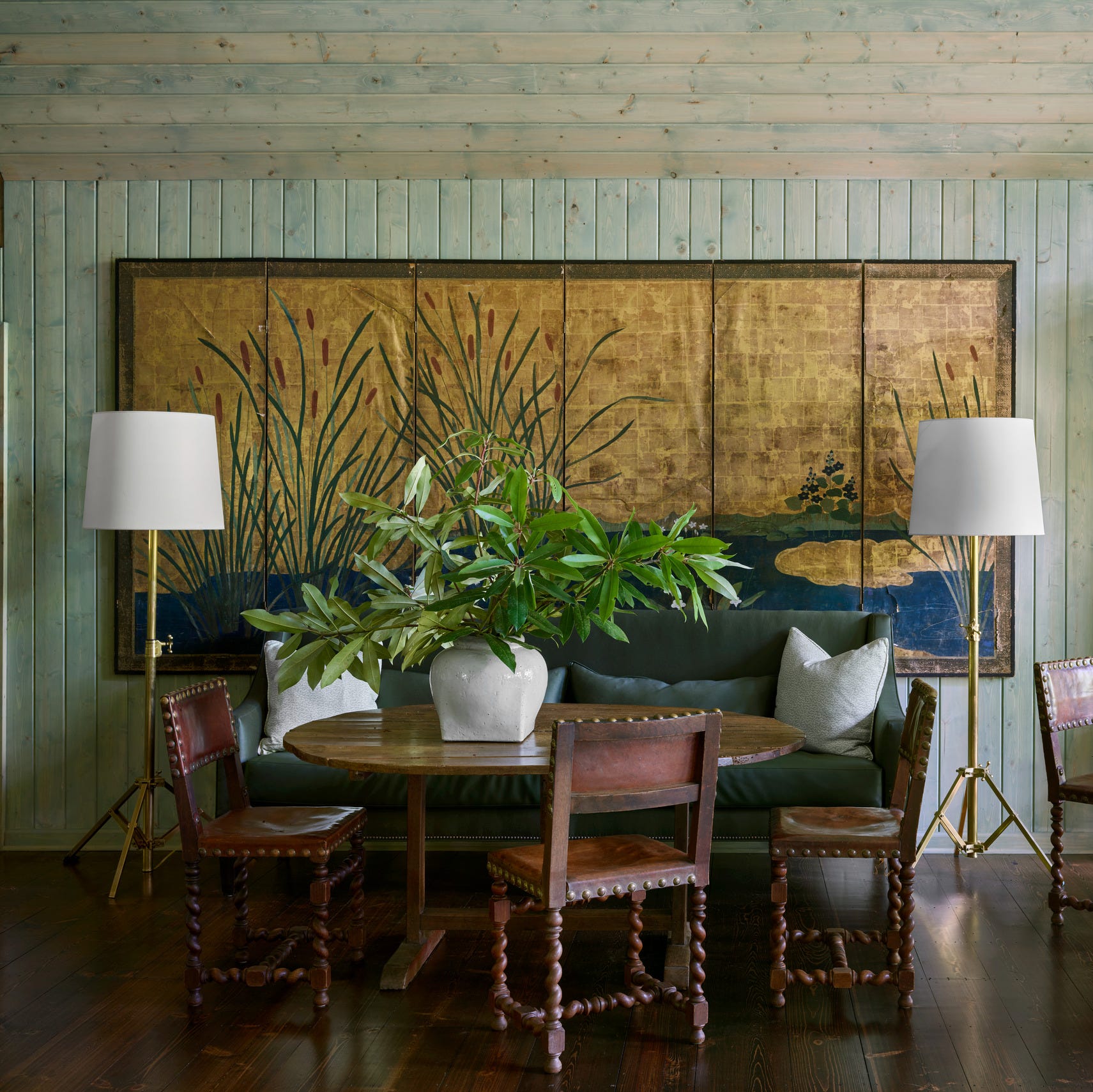
7 Vintage Home Decor Features That Designers Want to See EVERYWHERE in 2026

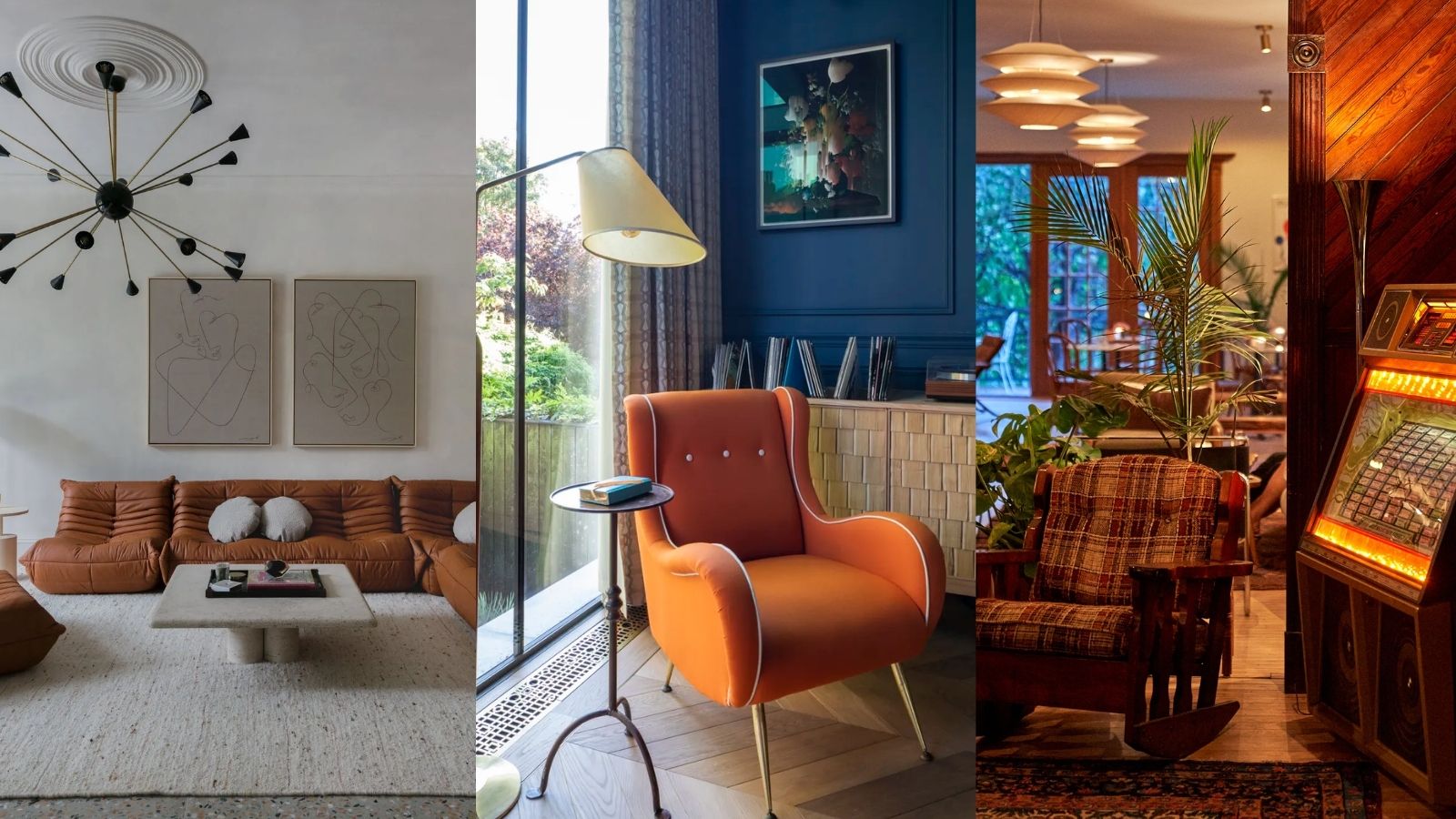
8 retro home decor ideas to bring back this funky trend in a classic way

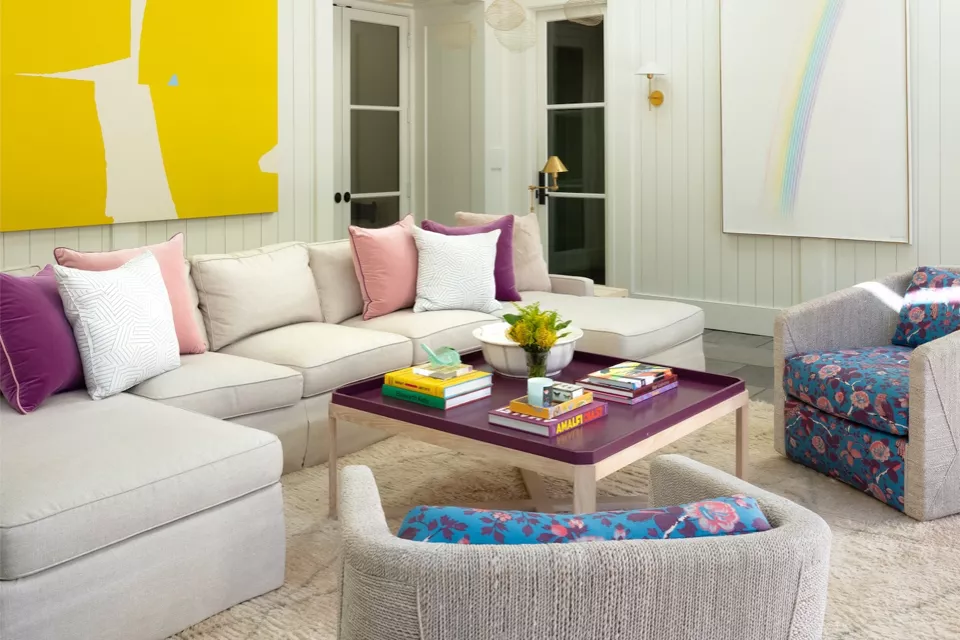
These ‘80s Home Trends Are Back—And More Stylish Than Ever

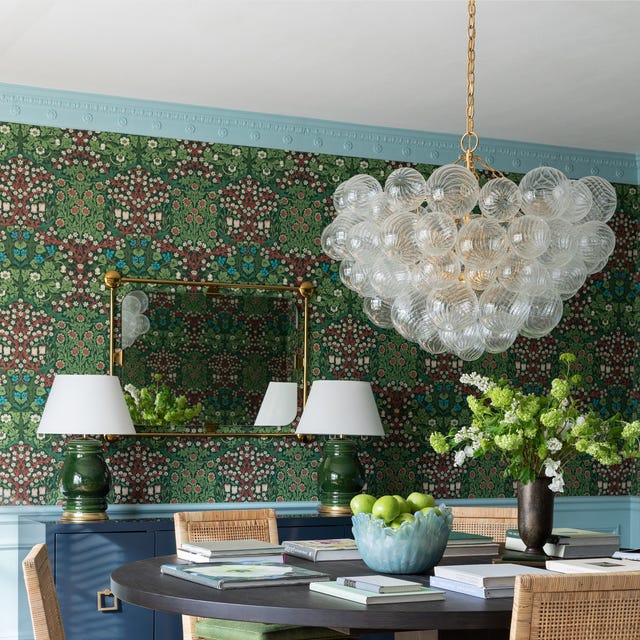
Interior Designers Say the 1990s Are Back—Here’s How to Capture the Look

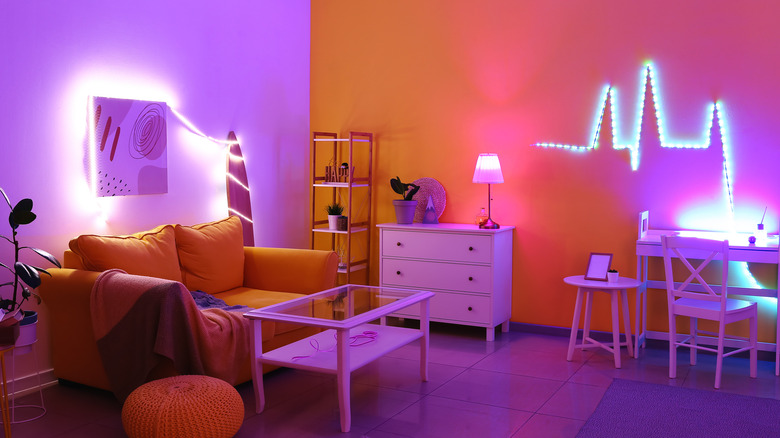
15 Colors To Decorate With For A '90s Aesthetic
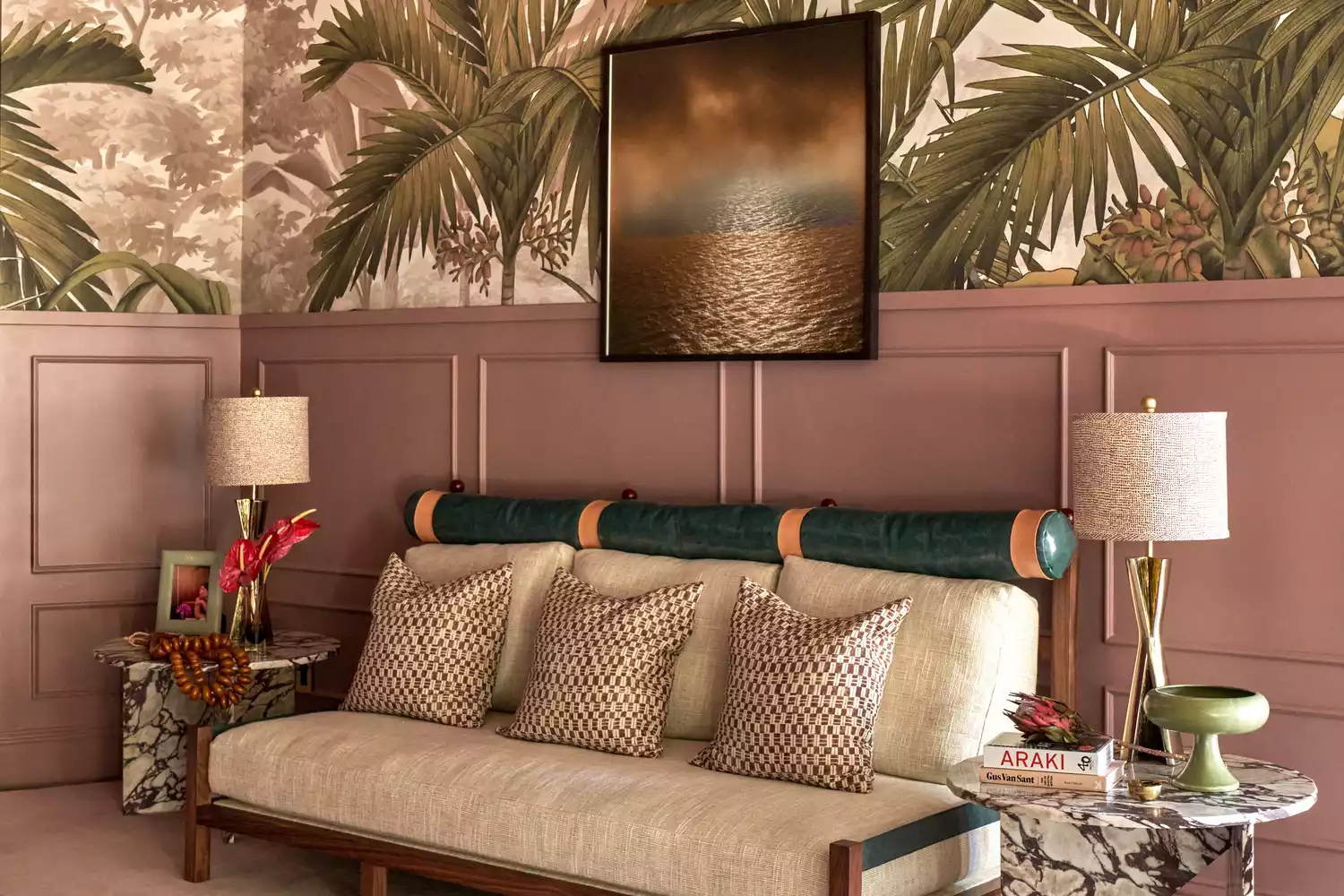
These '80s Home Décor Trends Are Back—Here's How to Try Them in Your Space
Reno of the Month: Tips for turning your 1980s home into a transitional beauty

The enduring comfort of nostalgiacore – and why it's loved by designers
24 Photos Of Early '00s Home Decor Features That've Become Obsolete In Only 20 Short, Short Years
11 80's Kitchen Design Trends No One Remembers Anymore

21 "Outdated" Home Design Trends That Are Sooo Much Better Than Modern-Day Trends
Home decor in the 1990s – recreate a classic living room from then, updated for now
Cue the Nostalgia: These 8 Vintage Decor Trends Are Taking Over Home Decor