1/12
11 80's Kitchen Design Trends No One Remembers Anymore
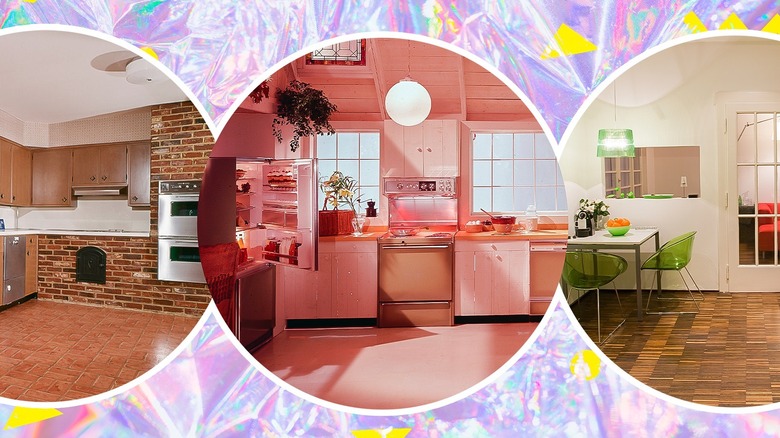
The 1980s, often characterized as the "decade of excess," significantly influenced interior design, particularly in kitchens. These spaces evolved from purely functional areas to central hubs for entertaining and socializing, a shift facilitated by the rise of open-plan living and advancing technology. '80s kitchen designs moved beyond the muted tones of the 1970s, embracing bold contrasts, vibrant colors, and innovative ideas that blended practicality with flamboyance. While many of these trends have faded, a retrospective look reveals the decade's unique aesthetic and some styles that are making a surprising return.
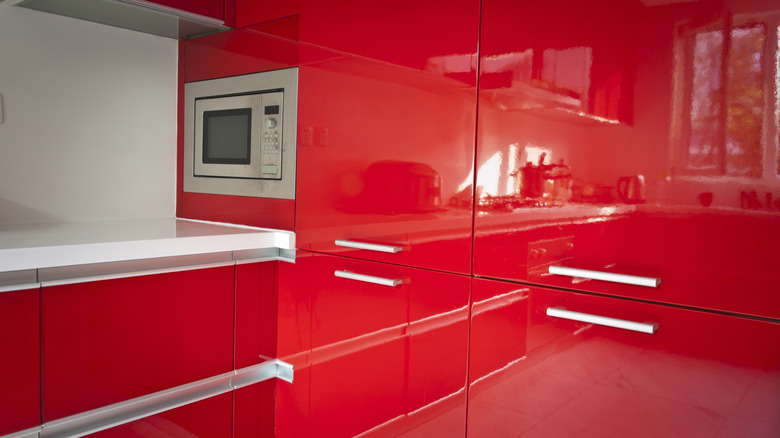
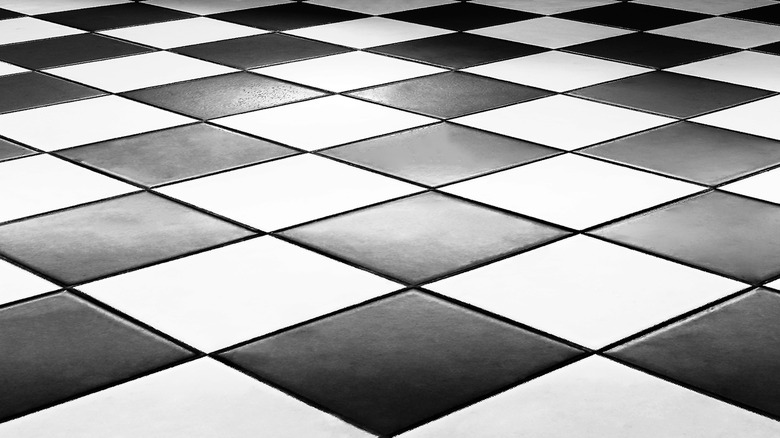
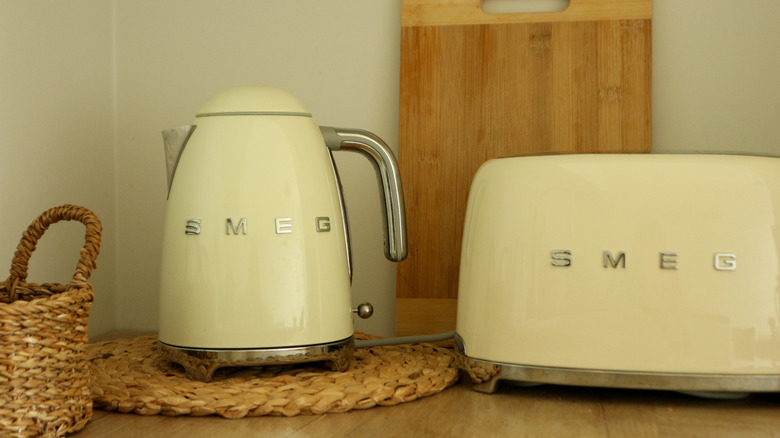
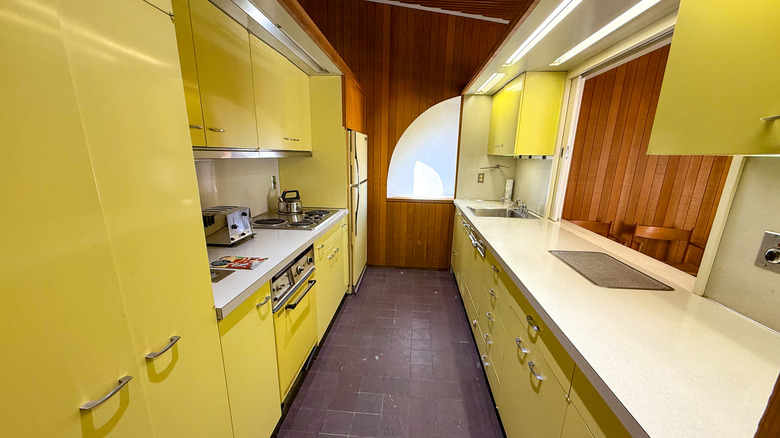
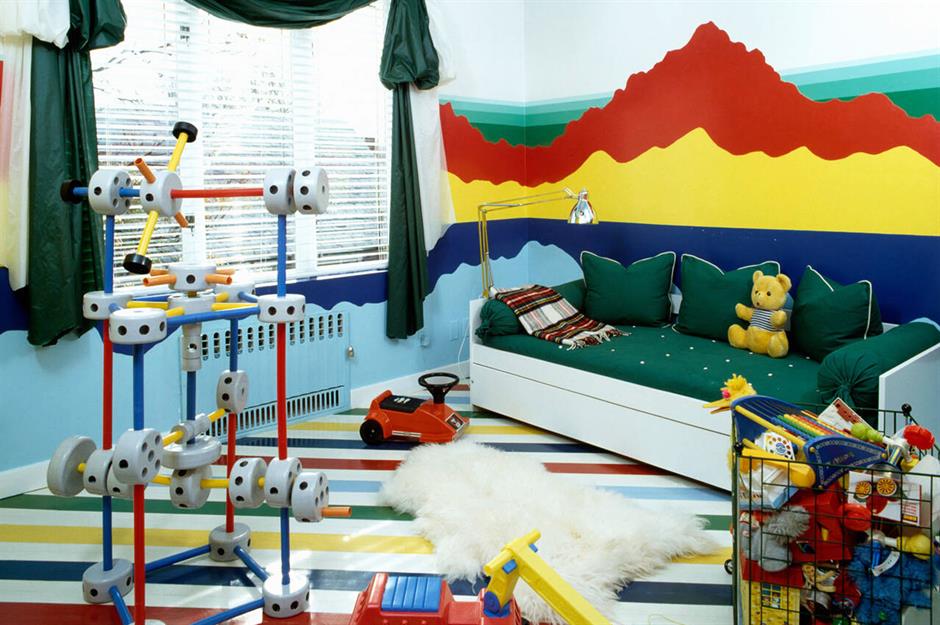
One prominent trend was the incorporation of funky neon accents. Reflecting the era's youth culture and rebellious spirit, neon colors like hot pink, lime green, and electric blue were used in everything from appliances and cabinetry to bar stools and decorative items. These bright hues were often contrasted with black and white to maximize visual impact. Today, while modern interiors typically favor neutral palettes, small touches of neon can infuse a kitchen with a nostalgic '80s character, whether through retro accessories or a statement stand mixer.
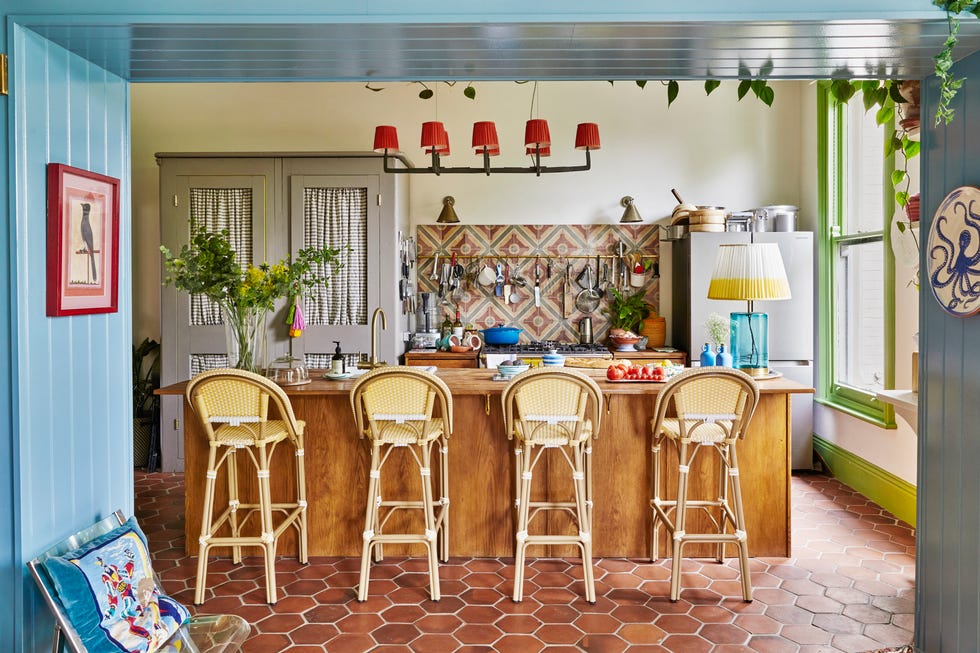
Memphis design, another distinctive '80s movement, emerged from Italy in late 1980. Founded by Ettore Sottsass and other designers, it fused Art Deco with pop art, resulting in clashing bright colors, geometric shapes, and playful patterns. This style quickly permeated American home kitchens, featuring bold colors, unconventional furniture, and Art Deco-inspired geometric motifs on walls and tiles. Contemporary kitchens can adopt Memphis design by integrating patterned wallpaper, unique tiles, or eclectic furniture pieces to create a focal point.
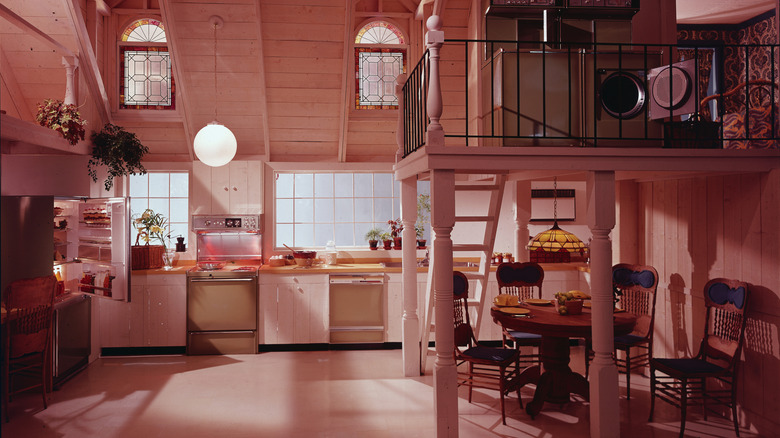
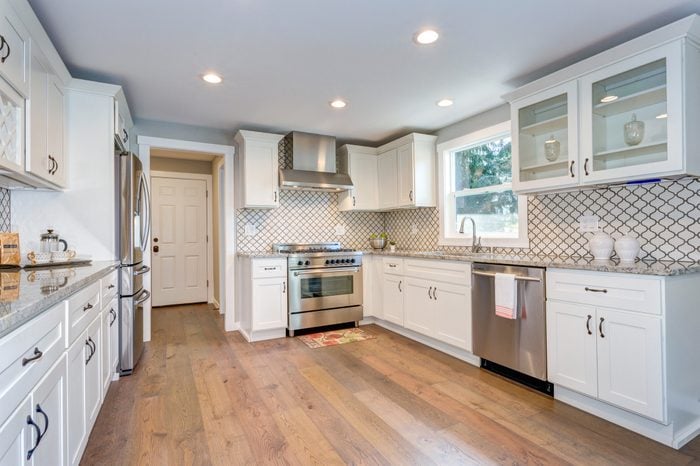
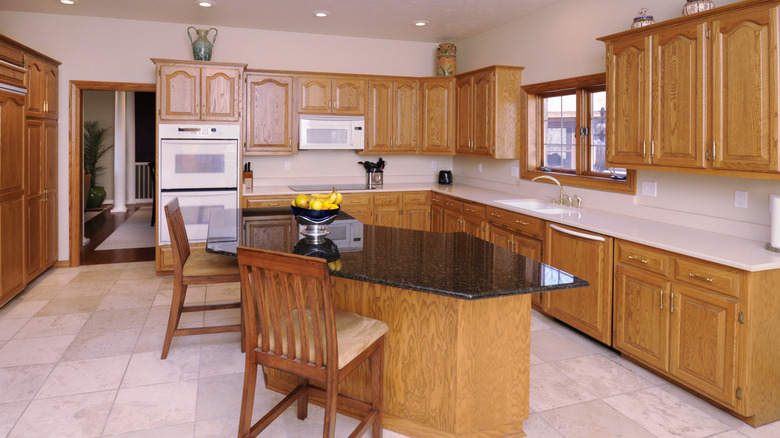
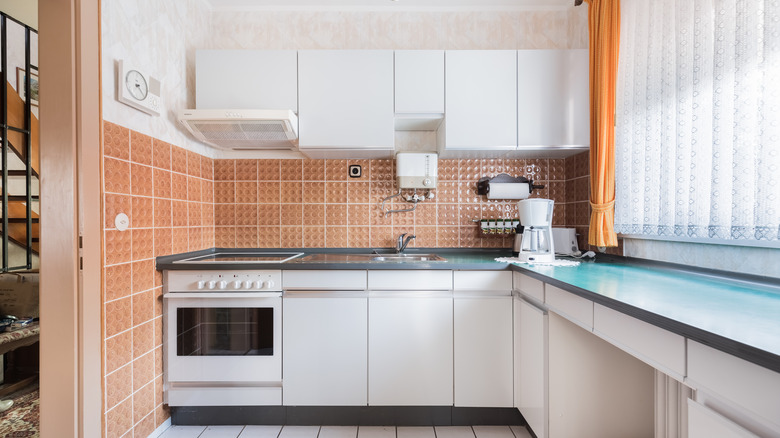
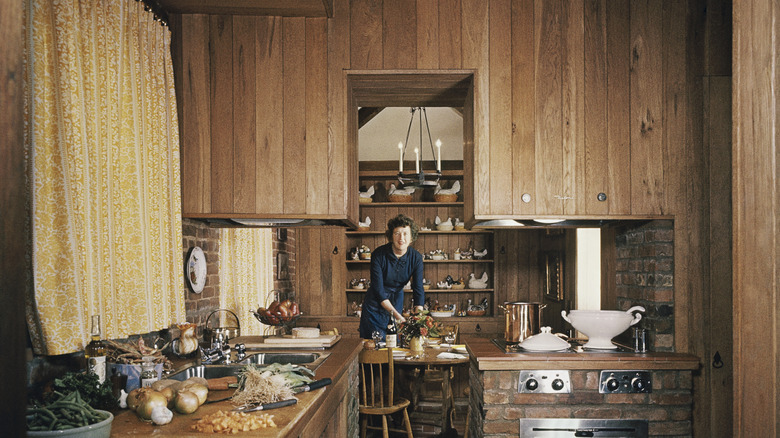
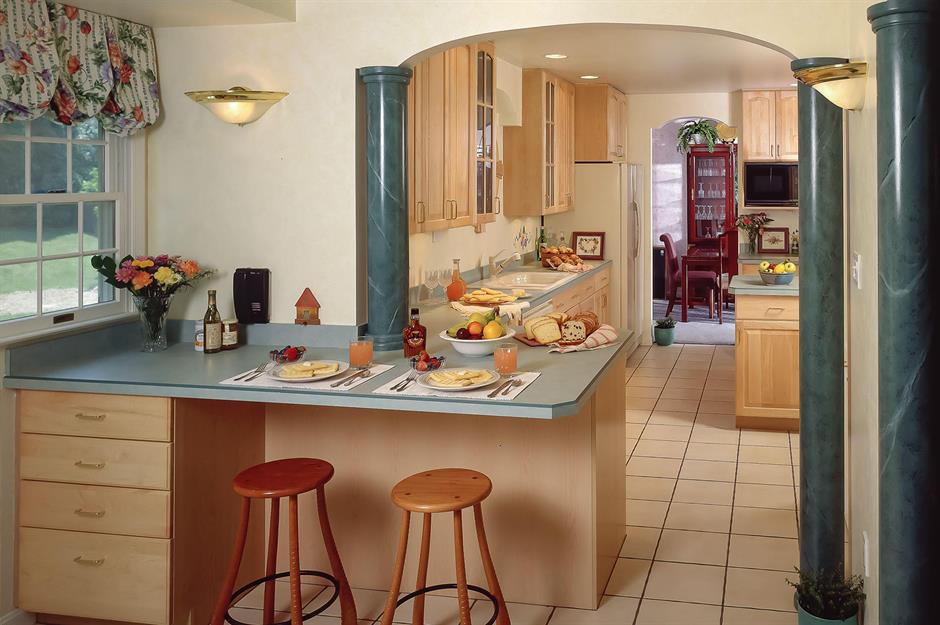
In stark contrast to these bold aesthetics, honey oak cabinets were a widespread feature in suburban '80s kitchens, often paired with white tile countertops. Valued for their durability and warm, inviting golden tones, these cabinets frequently extended from floor to ceiling, sometimes complemented by matching oak flooring and trim. Although now often considered outdated, a modern update can involve staining them, replacing certain elements, or contrasting them with darker countertops like black or white marble.
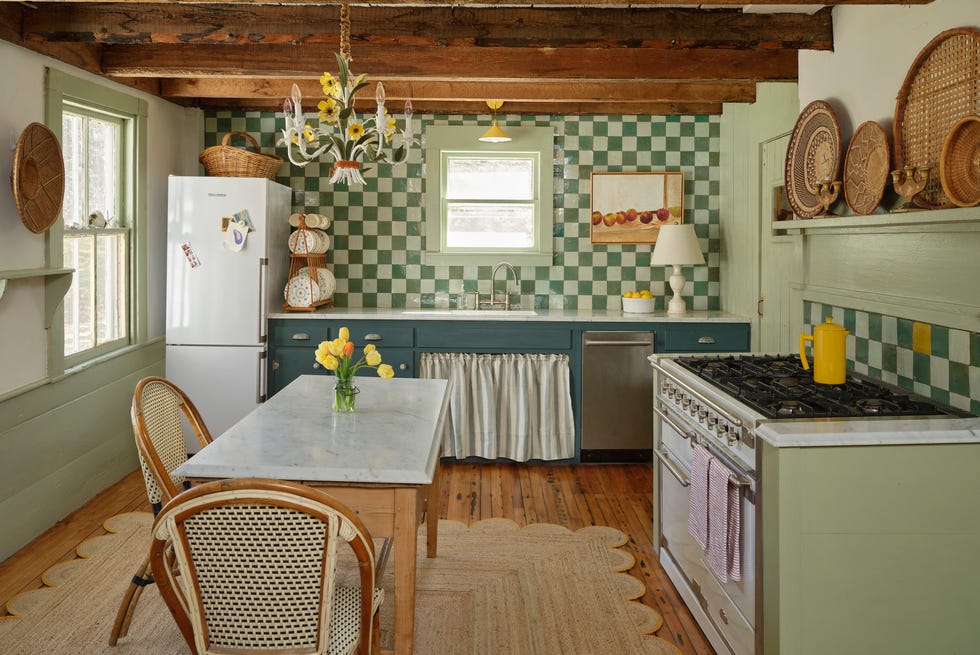
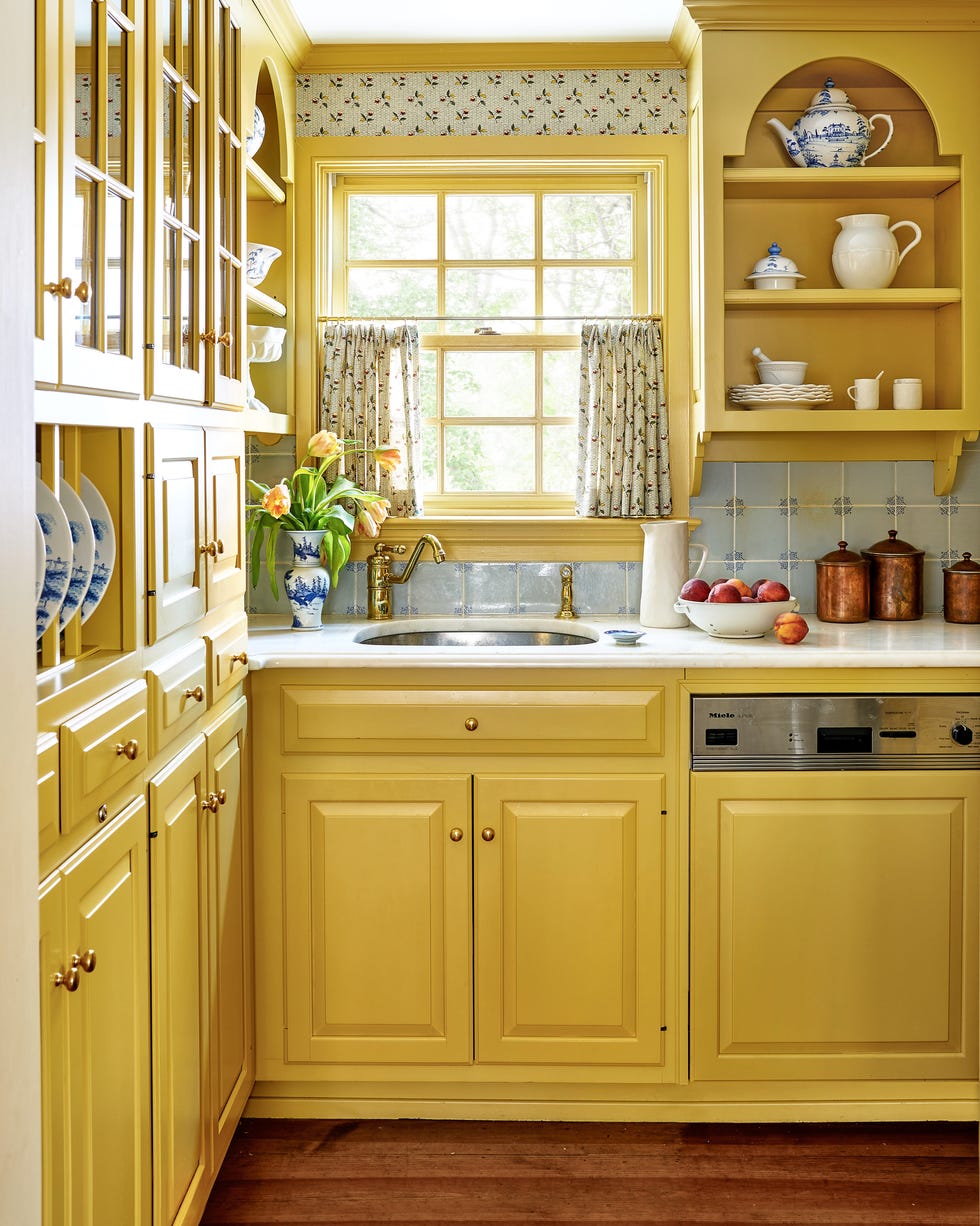
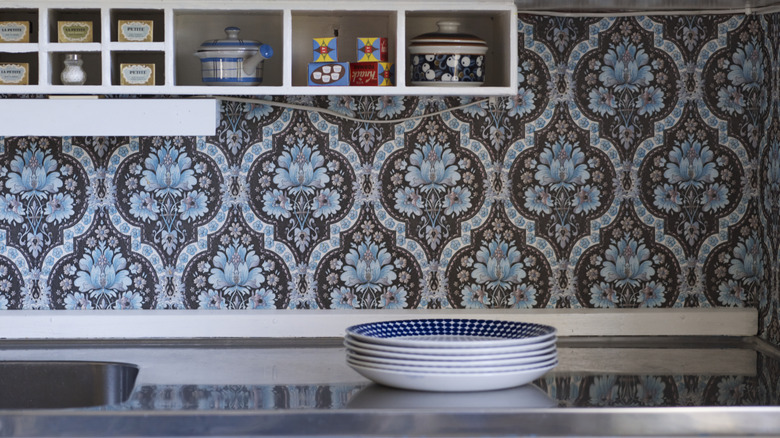
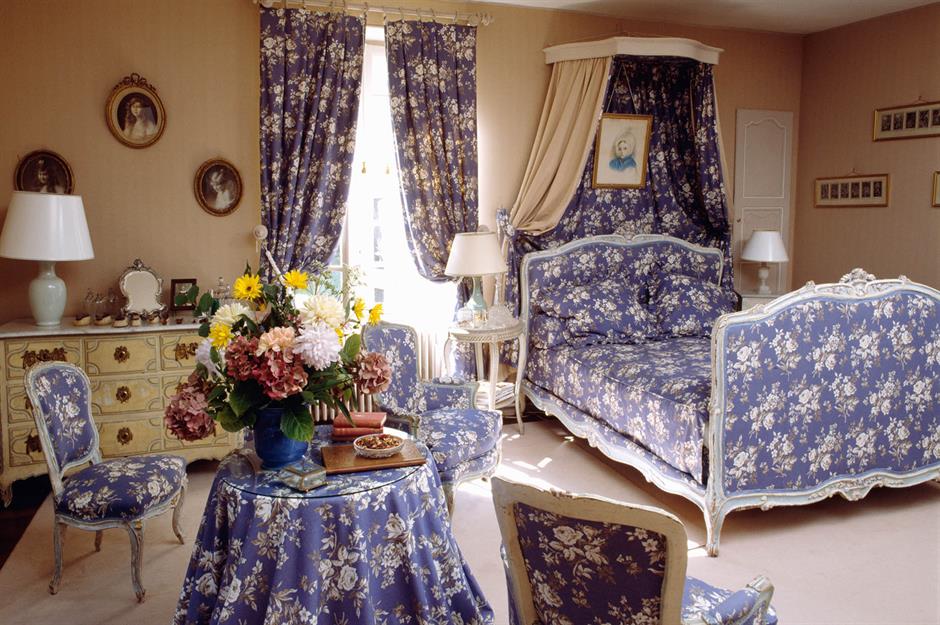
Floral patterns were ubiquitous in the '80s, appearing on wallpaper, crockery, and textiles, extending even to celebrity fashion. In kitchens, flowers adorned curtains, tablecloths, and dishcloths, reflecting a return to traditional and romantic aesthetics. While an entire floral kitchen might be excessive today, incorporating floral wallpaper or other subtle floral elements can add a touch of '80s charm, ideally balanced with geometric patterns or bold colors.
Architectural columns, inspired by classical Greek and Roman designs, were an unexpected yet impactful trend. These columns, often made from plaster or marble, framed kitchen entrances or served as grand statement pieces alongside counters, lending an air of opulence. Although less common now, columns can still be used to create a focal point or delineate spaces, with modern interpretations including square concrete or wooden columns for different design styles.
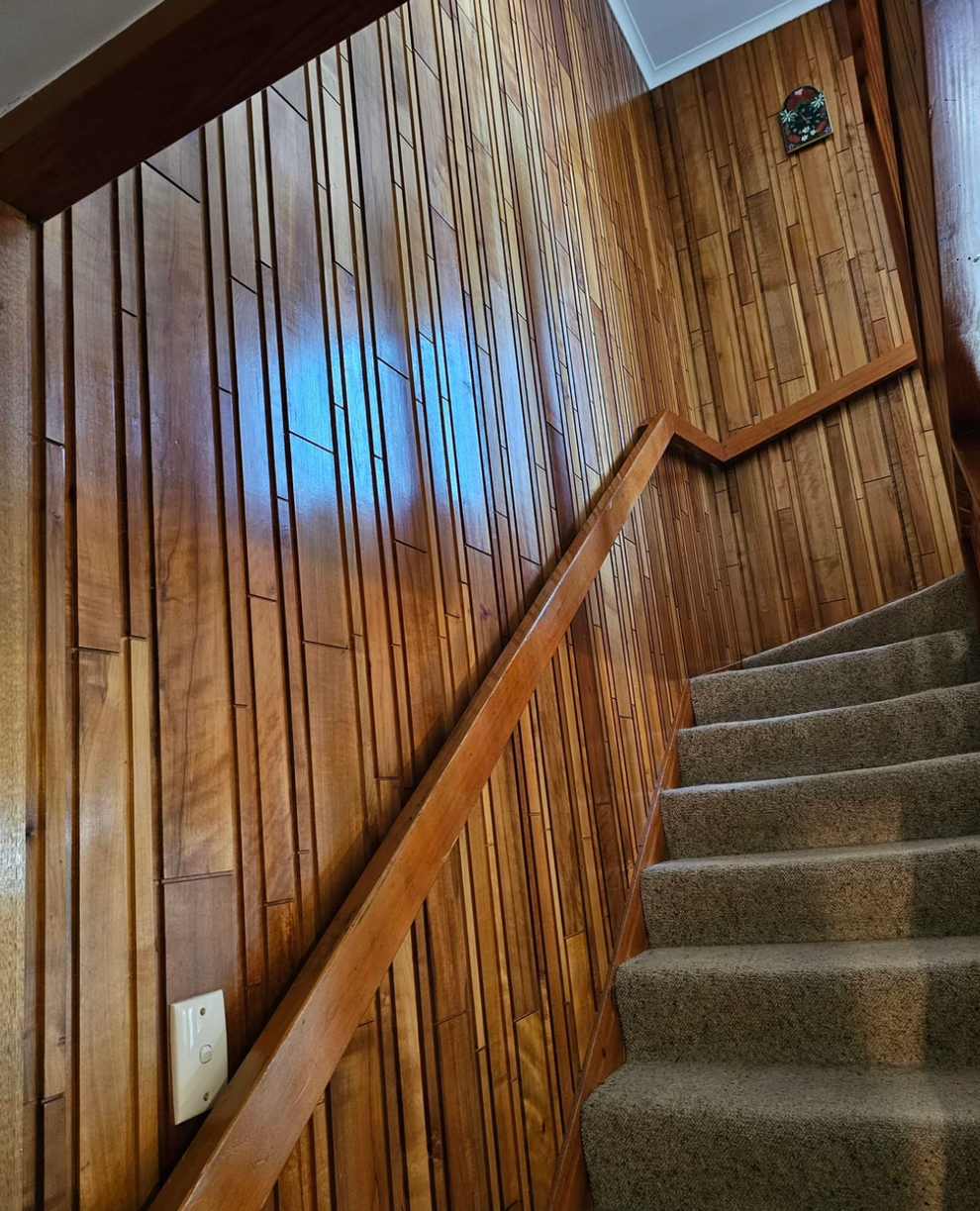
Heavy wooden cabinet doors with ornate trim, typically made from durable oak or cherry wood, were another hallmark of '80s kitchens. These robust cabinets, often featuring raised panels, were built to last and sometimes balanced with open shelving or glass doors to display glassware. While today's trends lean towards colorful cabinetry, incorporating natural wood elements like wooden countertop cabinets can still add warmth and contrast.
The "eat-in kitchen office" became popular in the late '80s as home computers grew in prevalence. With larger kitchens, dedicated computer stations were integrated into islands or counters, complete with landline phones. These setups, though somewhat cumbersome due to the size of '80s technology, provided a functional home workspace. Modern technology has rendered this design obsolete, with laptops and mobile devices making kitchen-based work far more streamlined.
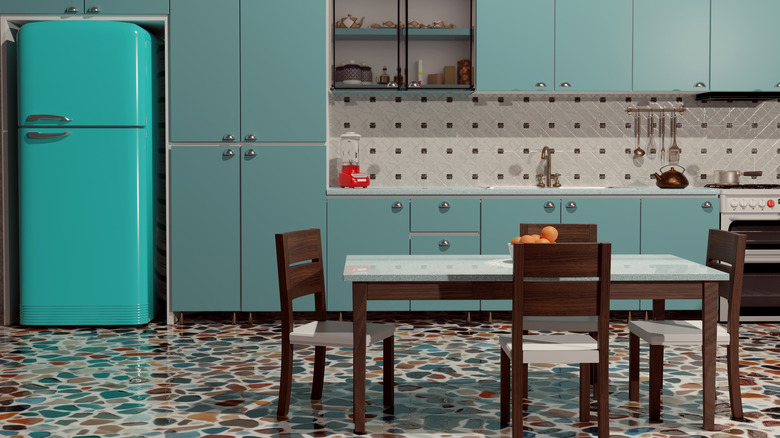
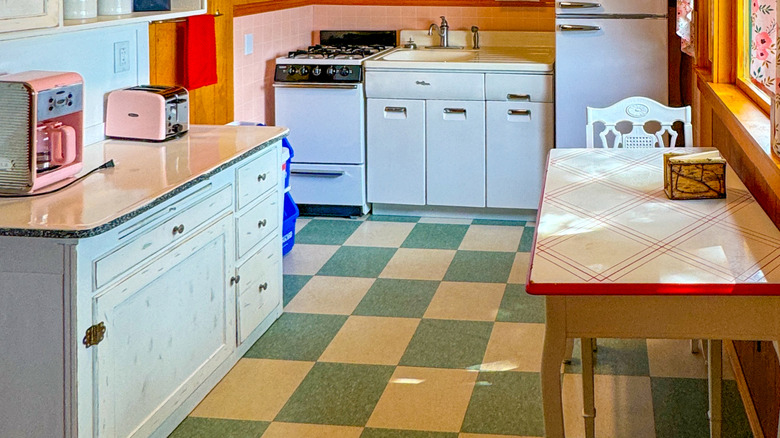
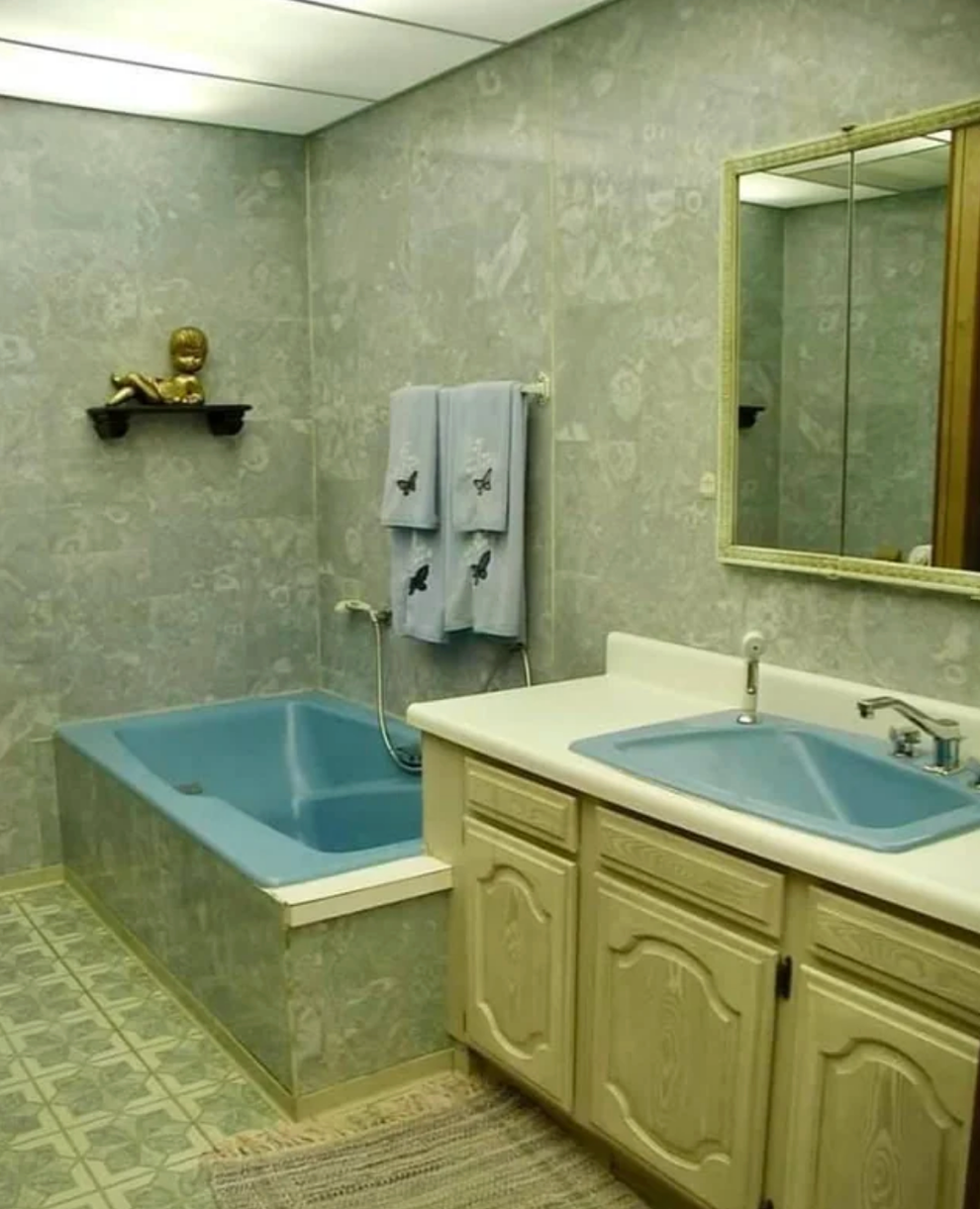
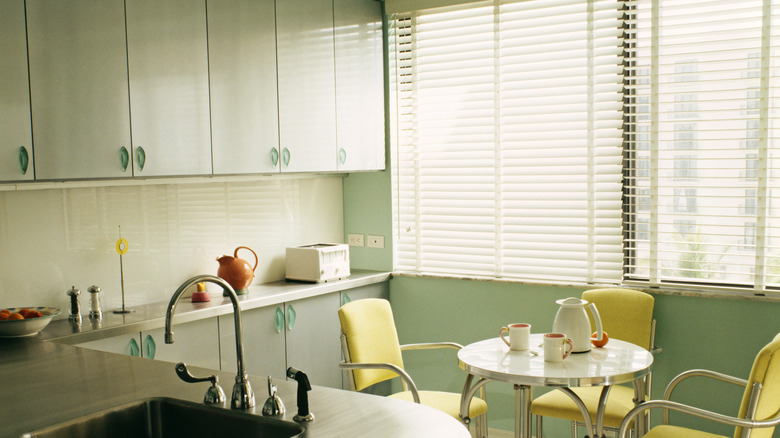
Pastel colors also defined '80s interior design, replacing the earthy browns of the previous decade. Soft shades like baby blue, blush pink, mint green, and peach created cheerful and lighter kitchen environments, suitable for the era's emphasis on socializing. Mauve, a pale purple, was particularly popular. The resurgence of pastels in contemporary kitchens allows for playful pairings, such as pink with deep grey, or the use of pastel-colored appliances.
Lucite furniture, known also as acrylic or Plexiglas, gained traction for its transparent, lightweight, and shatterproof qualities. It offered a sleek, modern aesthetic that contrasted with the era's heavier elements. Lucite dining chairs, bar stools, and even cutlery created an airy, minimalist look. Today, acrylic furniture can still achieve a minimalist feel, with options like acrylic dining chairs or shelves opening up kitchen spaces.
Finally, glass blocks were a distinctive design element used to introduce light and visual interest while maintaining privacy. Often separating kitchens from living areas, they provided insulation comparable to double-pane windows and offered a security advantage. After a period of being considered dated, glass blocks are re-emerging as a way to infuse kitchens with '80s nostalgia while offering practical benefits like energy efficiency and enhanced security.
#EightiesDesign #KitchenTrends #RetroDesign #InteriorDesign #NeonAccents #MemphisDesign #HoneyOak #FloralPatterns #ArchitecturalColumns #LuciteFurniture #GlassBlocks #PastelColors #EightiesDesign #KitchenTrends #RetroDesign #InteriorDesign #NeonAccents #MemphisDesign #HoneyOak #FloralPatterns #ArchitecturalColumns #LuciteFurniture #GlassBlocks #PastelColors
0 comment in total
 No comments yet
You may also like
15 Kitchen Design Trends From The '80s That Still Hold Up Today

13 Outdated Kitchen Trends You Can Leave In The Past
8 Home Trends That Are Tragically DEAD to the Design World

These ‘80s Home Trends Are Back—And More Stylish Than Ever

3 old-fashioned '80s kitchen cabinet trends that everyone will want in 2025 – they are no longer undesirable

12 Vintage Kitchen Design Trends We Want To Bring Back

6 Kitchen Design Styles That Are No Longer Trendy, Designers Share

22 Outdated Things You Should Avoid in Your Kitchen, According to Designers
9 Outdated Kitchen Trends to Watch Out For

6 Kitchen Design Styles That Are No Longer Trendy, Designers Share

7 Vintage Kitchen Design Trends Boomers Remember Fondly

16 Outdated Kitchen Features That Are Unexpectedly Coming Back In Style
5 Outdated Kitchen Trends Interior Designers Hope Never Come Back
10 Outdated Kitchen Trends Making A Comeback, According To A Design Expert

People Are Revealing The "Outdated" Home Design Trends From The '80s That Need To Come Back

Remember 80s decorating? Iconic 1980s interior designs and home accessories
The Actually Charming ’80s Country Kitchen Trends Designers Are Loving Again
12 Once-Popular Kitchen Trends That Won't Be Coming Back Anytime Soon
12 "Outdated" Kitchen Trends You Should Ditch In 2025 (But You Probably Have)

5 Kitchen Styles That Are Definitely Out of Style, Designers Say