1/7
How to decorate with antique textiles – designers share their tips for adding character with old fabrics
Incorporating antique textiles into home decor has become increasingly popular as individuals seek to infuse their living spaces with personality and unique appeal. This approach allows for a blend of old and new, offering a distinctive aesthetic that transcends fleeting trends. While antique furniture and ceramics have long been valued, antique textiles are gaining recognition for their ability to significantly impact a room's design. This guide, drawing on expert insights, explores the multifaceted aspects of decorating with these historical fabrics, from their aesthetic contribution to practical considerations.
Antique textiles offer a unique opportunity to personalize a space. Interior design consultant Lucinda Griffith emphasizes that using these textiles creates a scheme that reflects individual taste rather than following widespread trends, thus ensuring greater longevity. The juxtaposition of old and new elements, particularly through antique textiles, can introduce an unexpected layer of sophistication. Samantha Stathis-Lynch of Samantha Ware Designs notes the comfort and elevated feel that older fabrics bring, highlighting their rarity and the importance of acquiring them when found. Jessica Lev of Jessica Lev Antiques points out that antique textiles, with their inherent depth and patina, can make a room feel fresh and distinctive, especially when compared to the common use of modern prints and wallpapers. The unique nature of these fabrics can also inspire entirely new design directions that might not emerge from conventional choices.
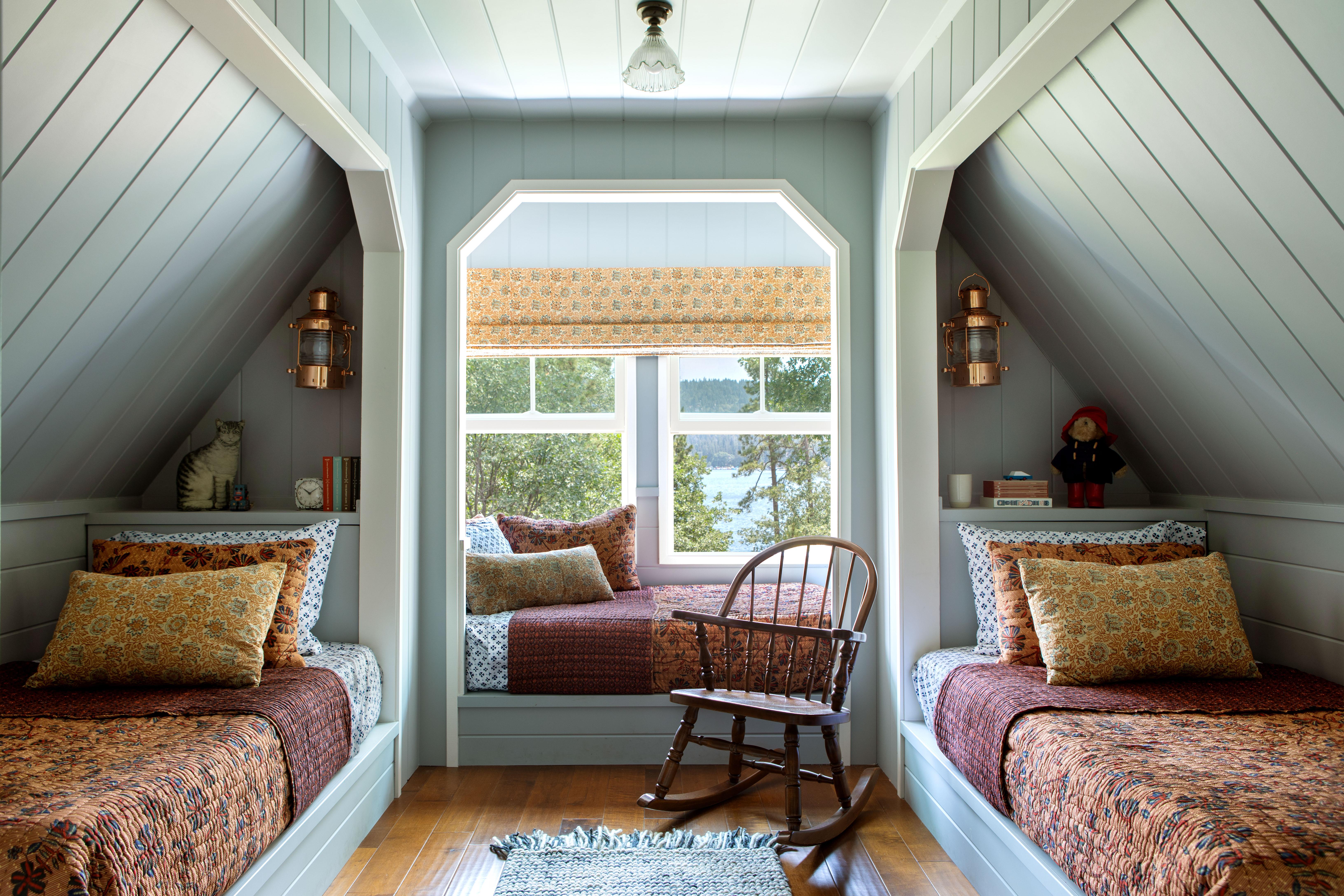
Despite their aesthetic appeal, there are practical aspects to consider when integrating antique textiles. Jessica Lev warns that these fabrics are often fragile and difficult to clean, making them more suitable for low-traffic areas. Lucinda Griffith advises inspecting them for stains and moth damage before use. Ania Agárdy, a Miami-based designer, suggests treating them as statement pieces rather than purely functional items, placing them strategically to create interest while protecting them from direct sunlight and high humidity. If a discovered fabric is damaged, specialized textile restoration or dry cleaning services might be able to revive it. The decision of whether an antique textile will serve as a focal point or an accent is crucial for integration. Scale is another factor; small pieces are ideal for cushions, which can be backed with contrasting fabric to maximize their impact. Designers also encourage cutting and repurposing fabrics for borders or smaller applications if larger quantities are unavailable.
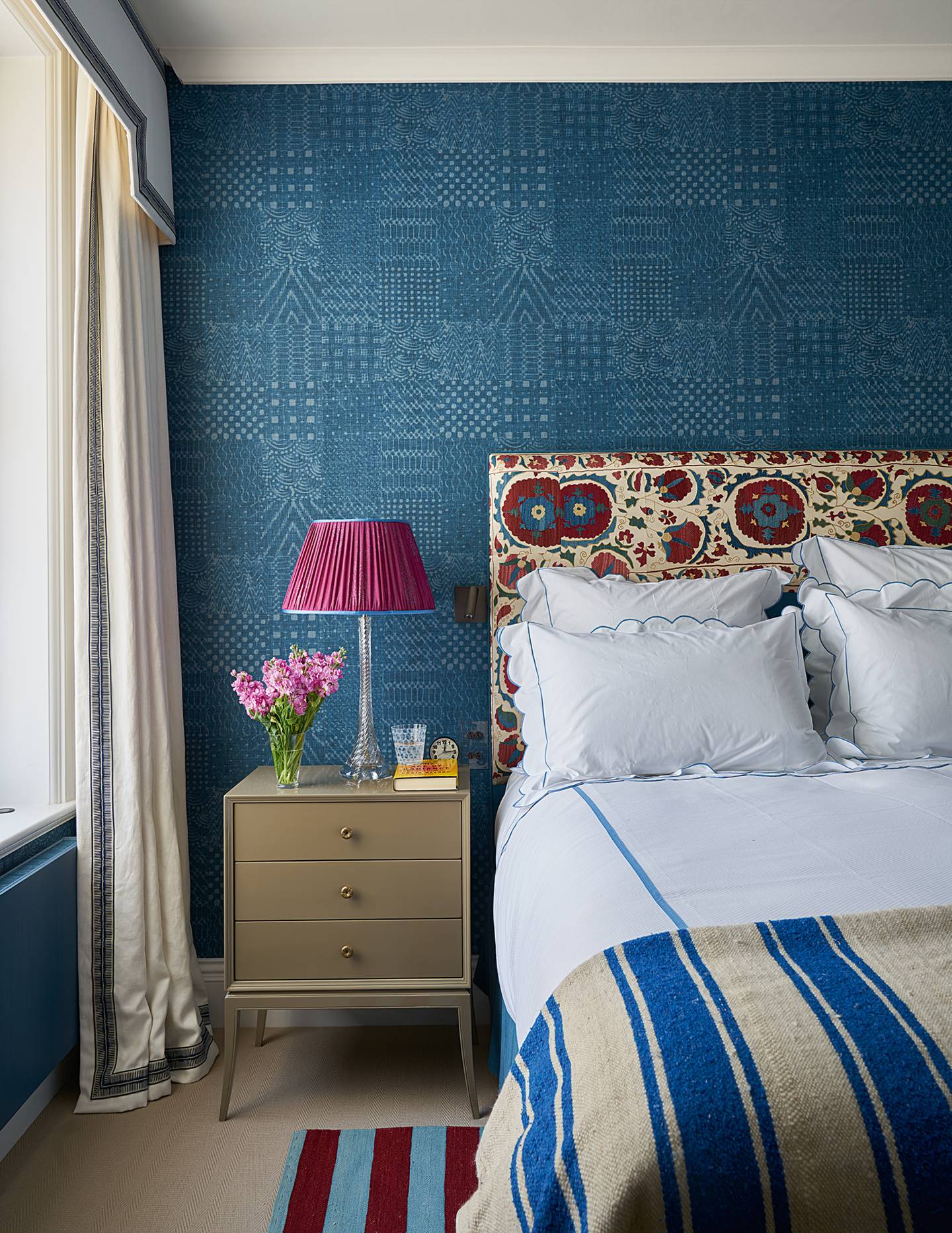
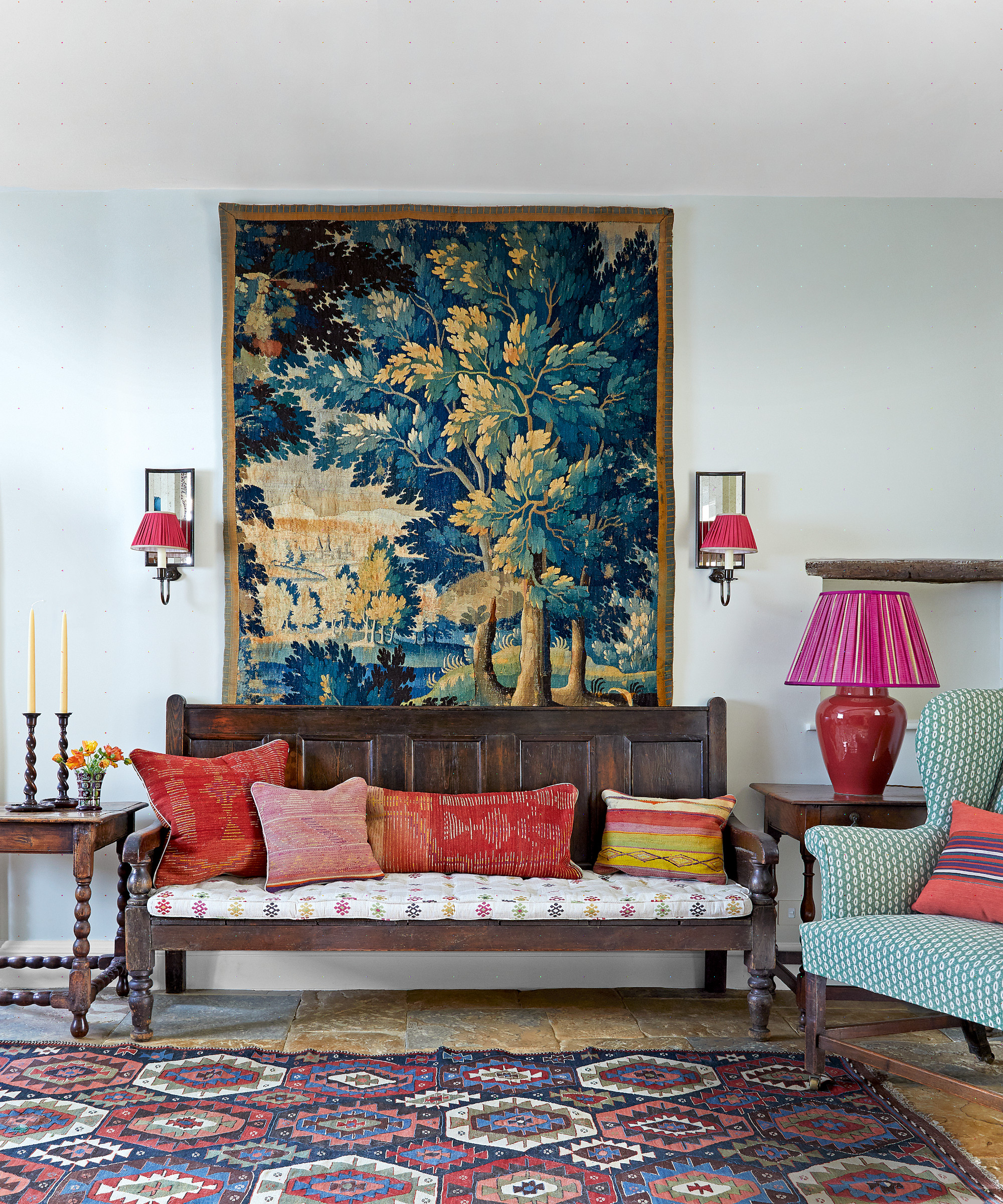
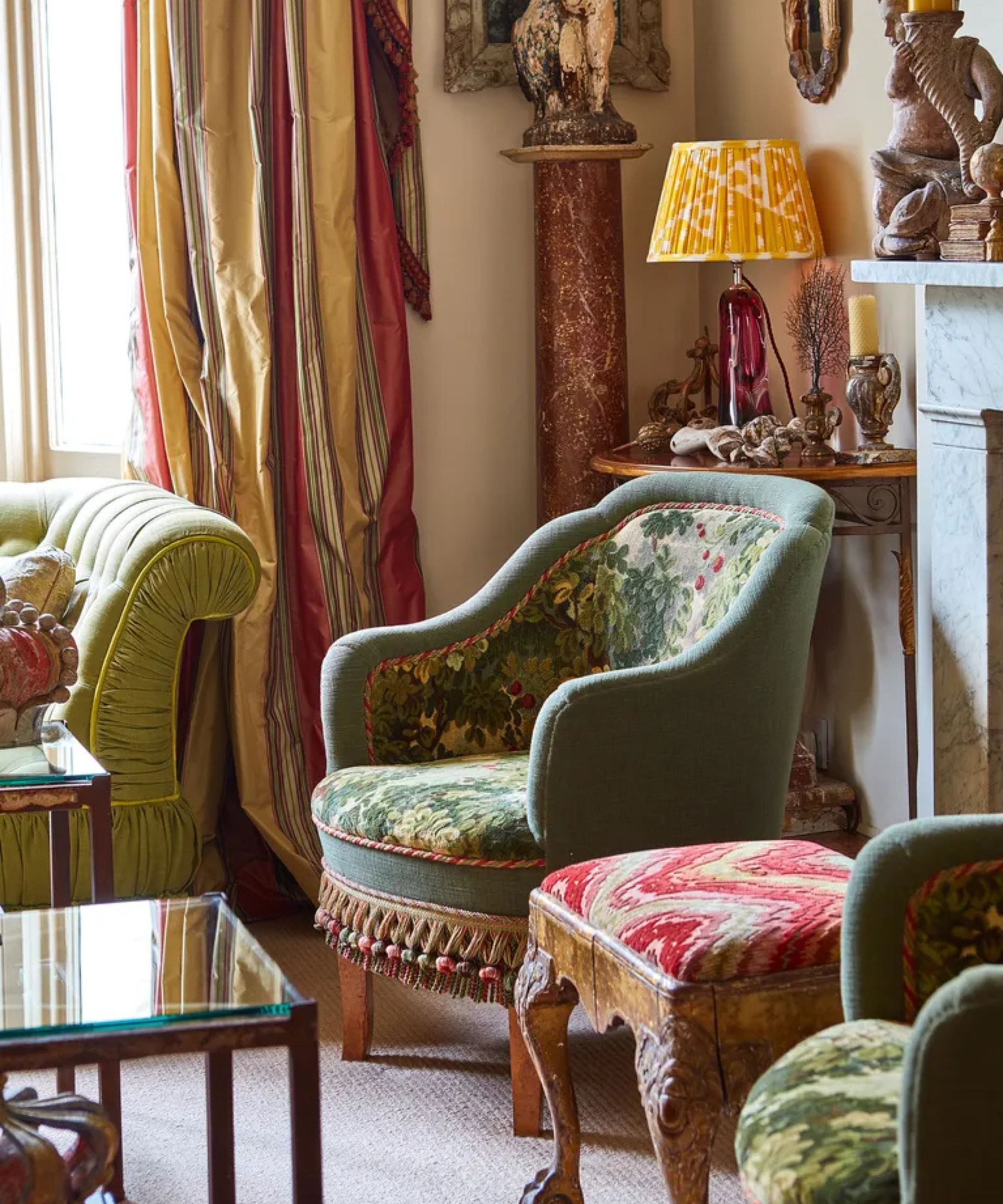
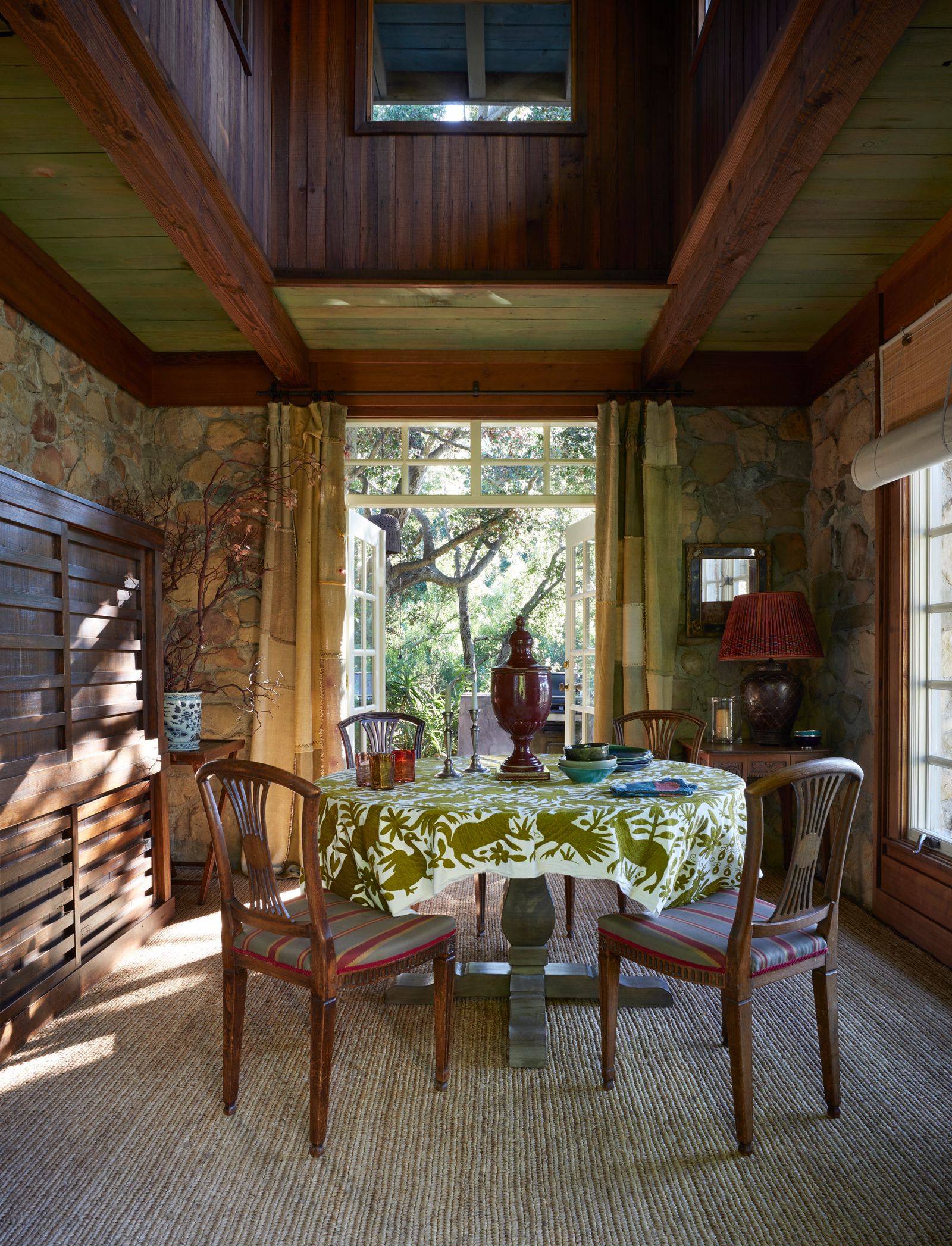
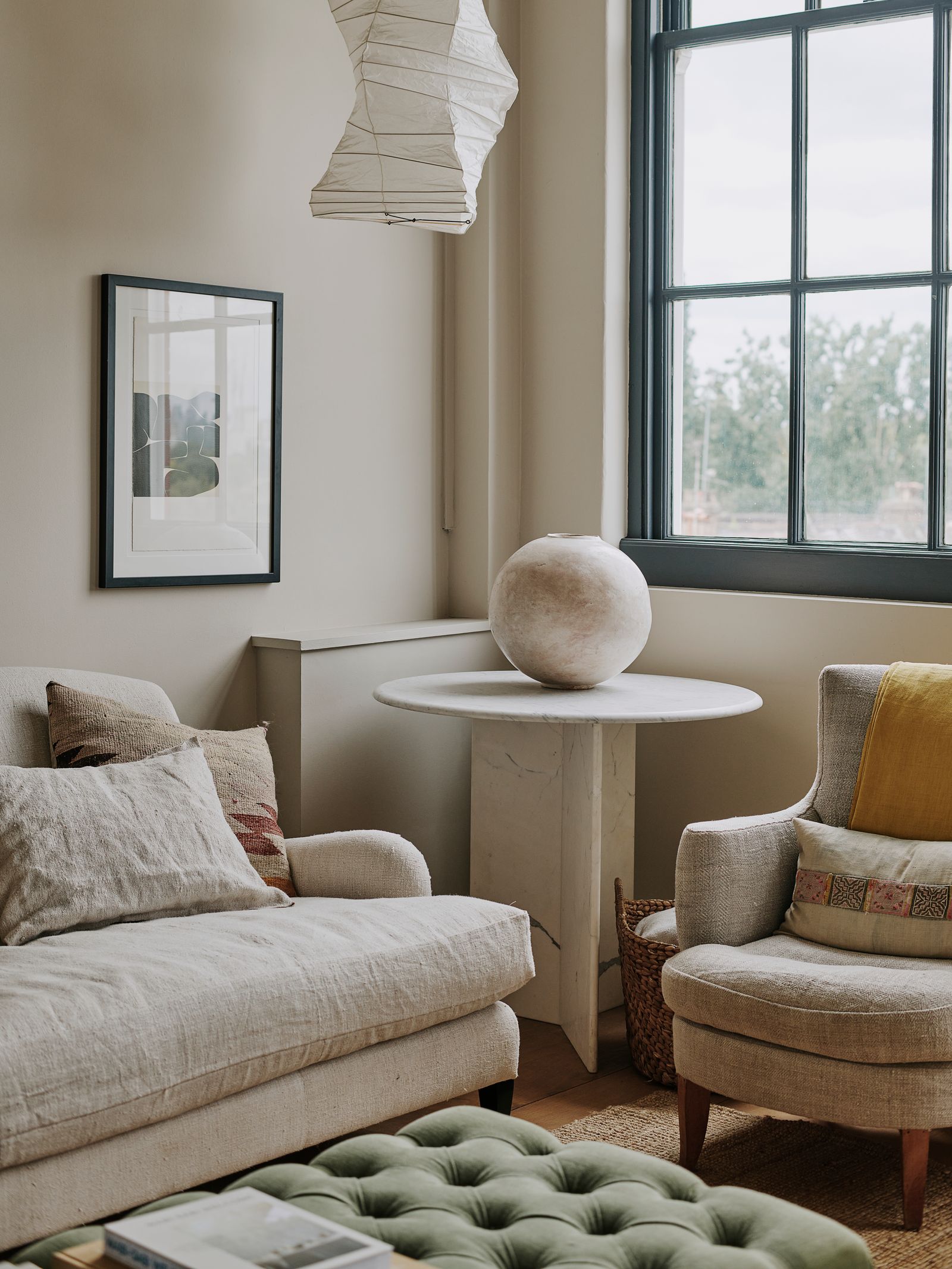
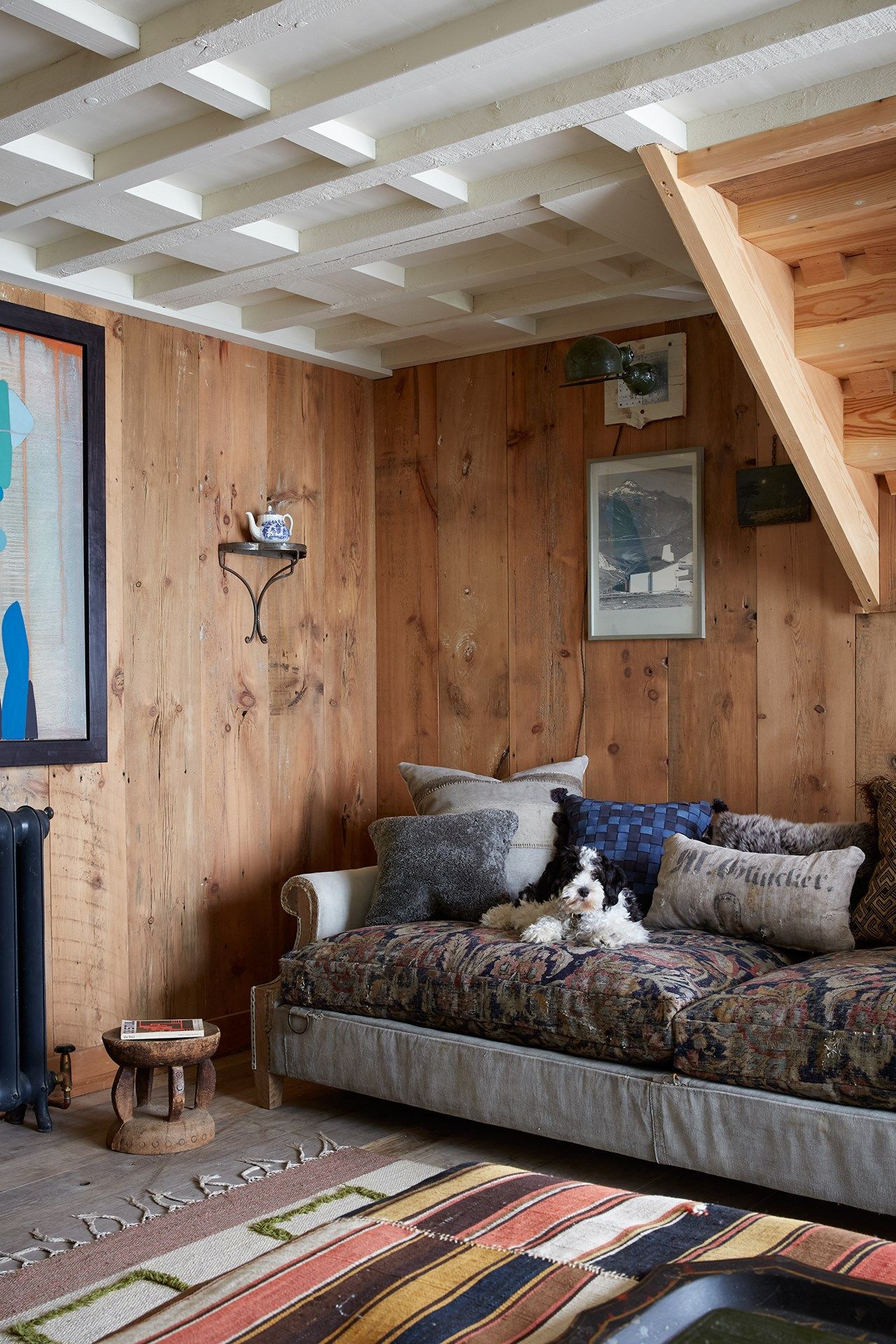
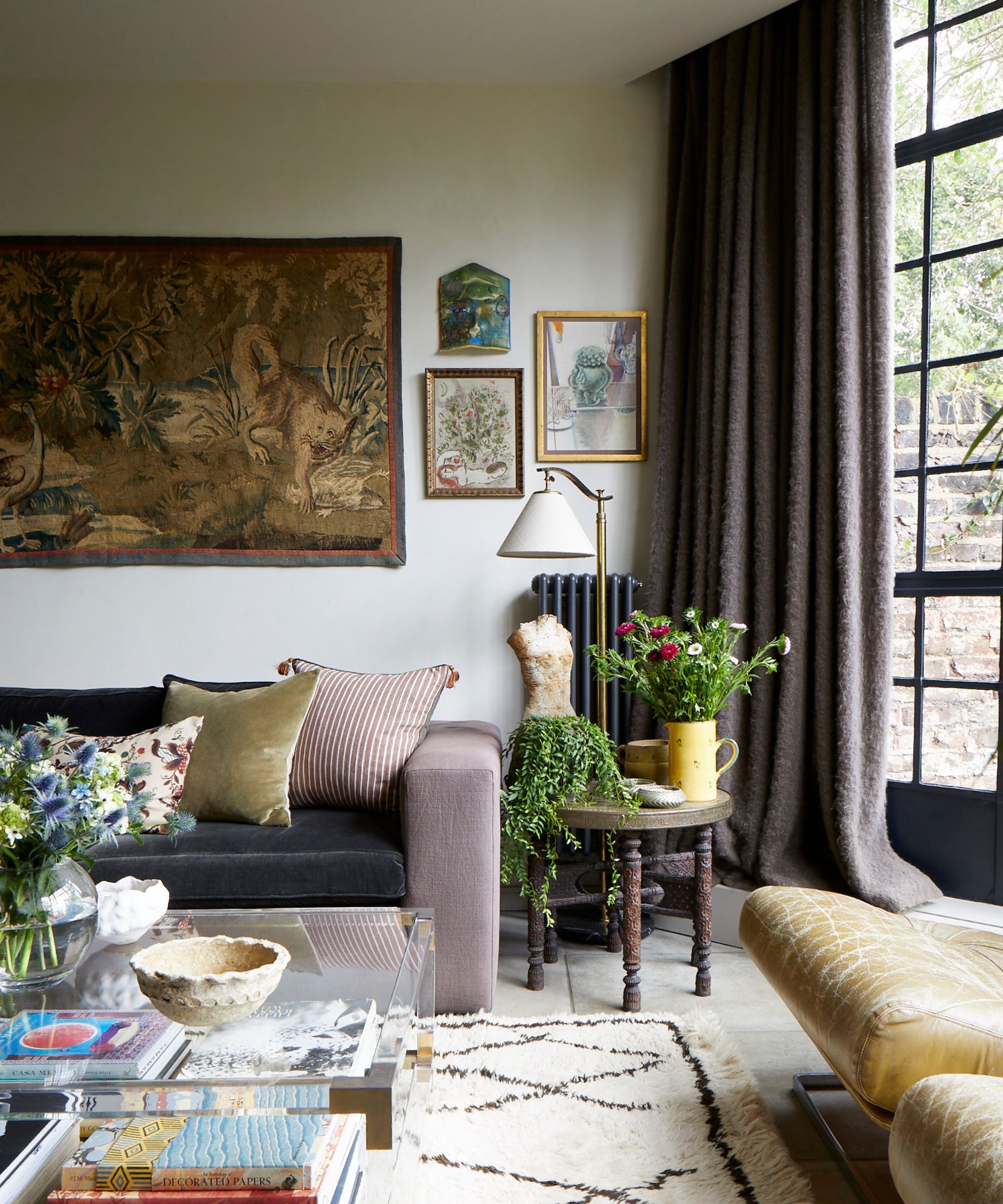
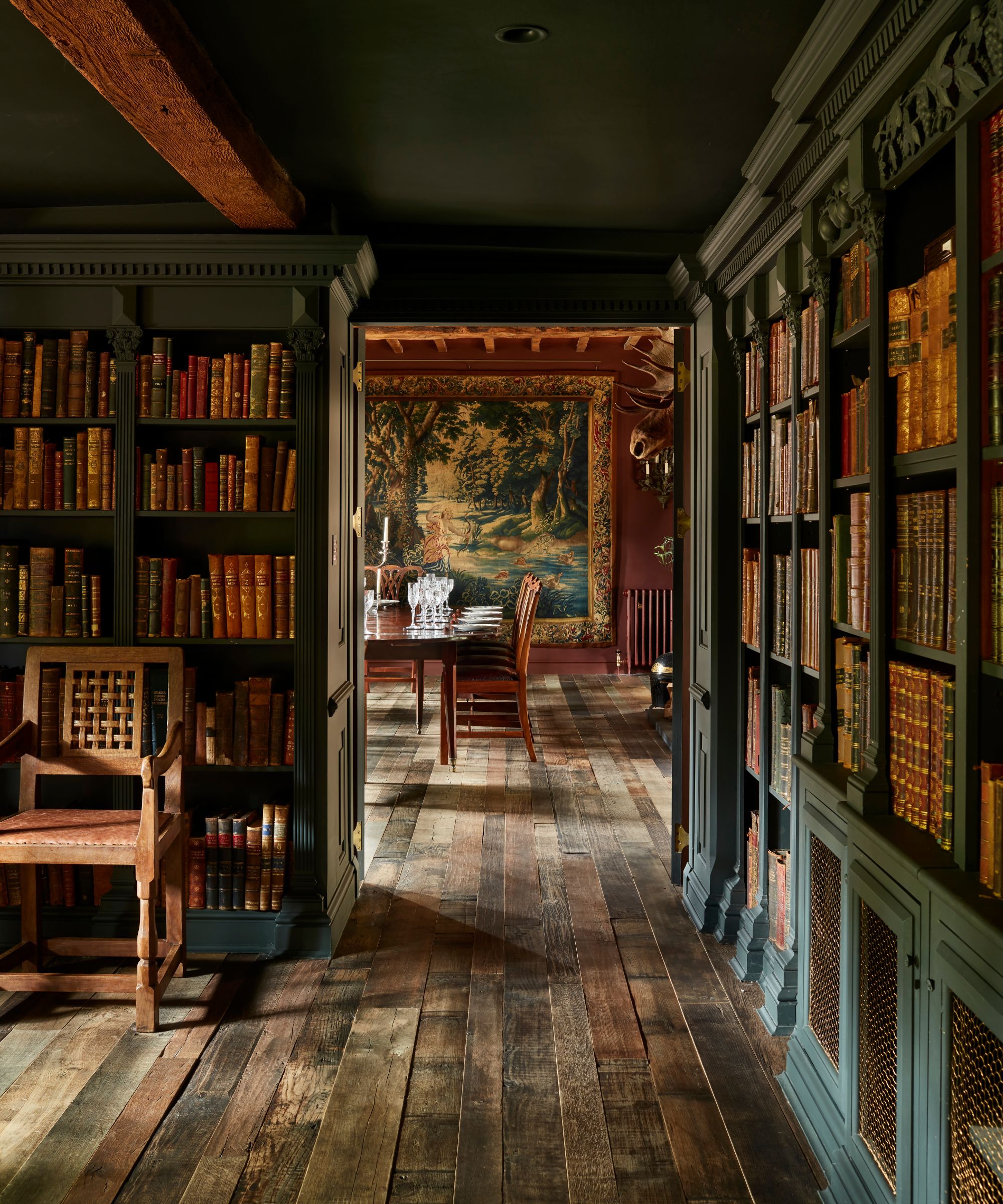
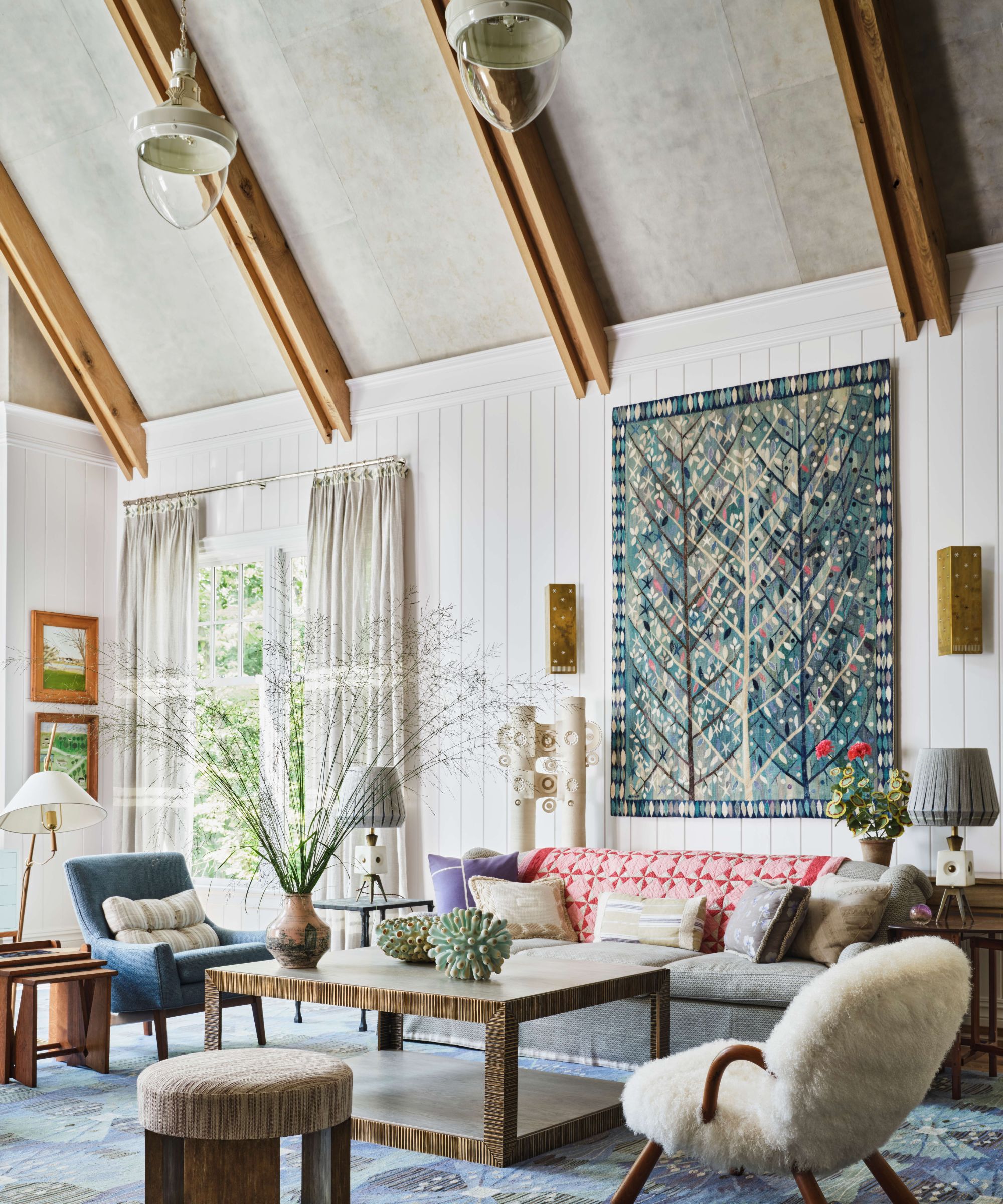
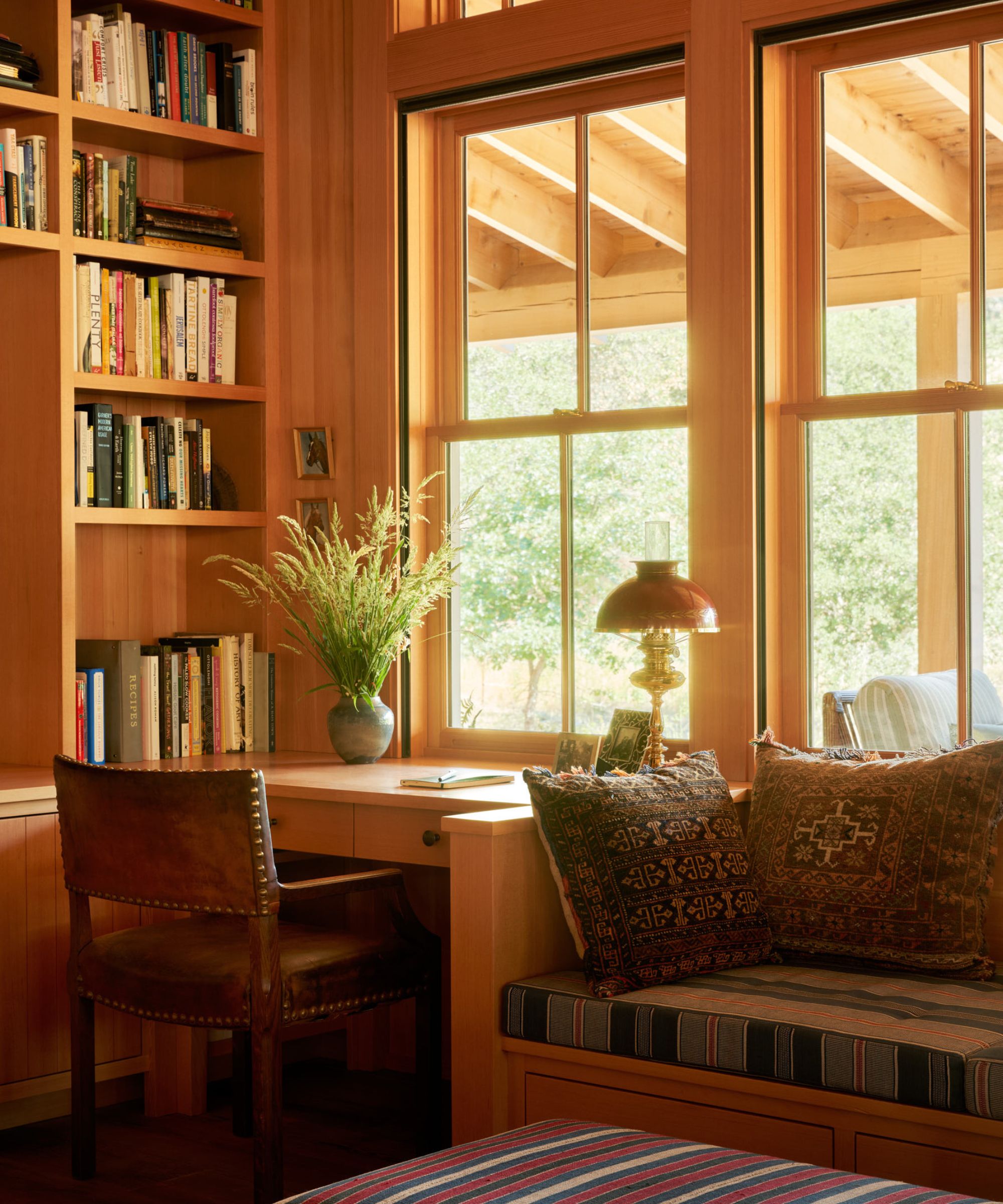
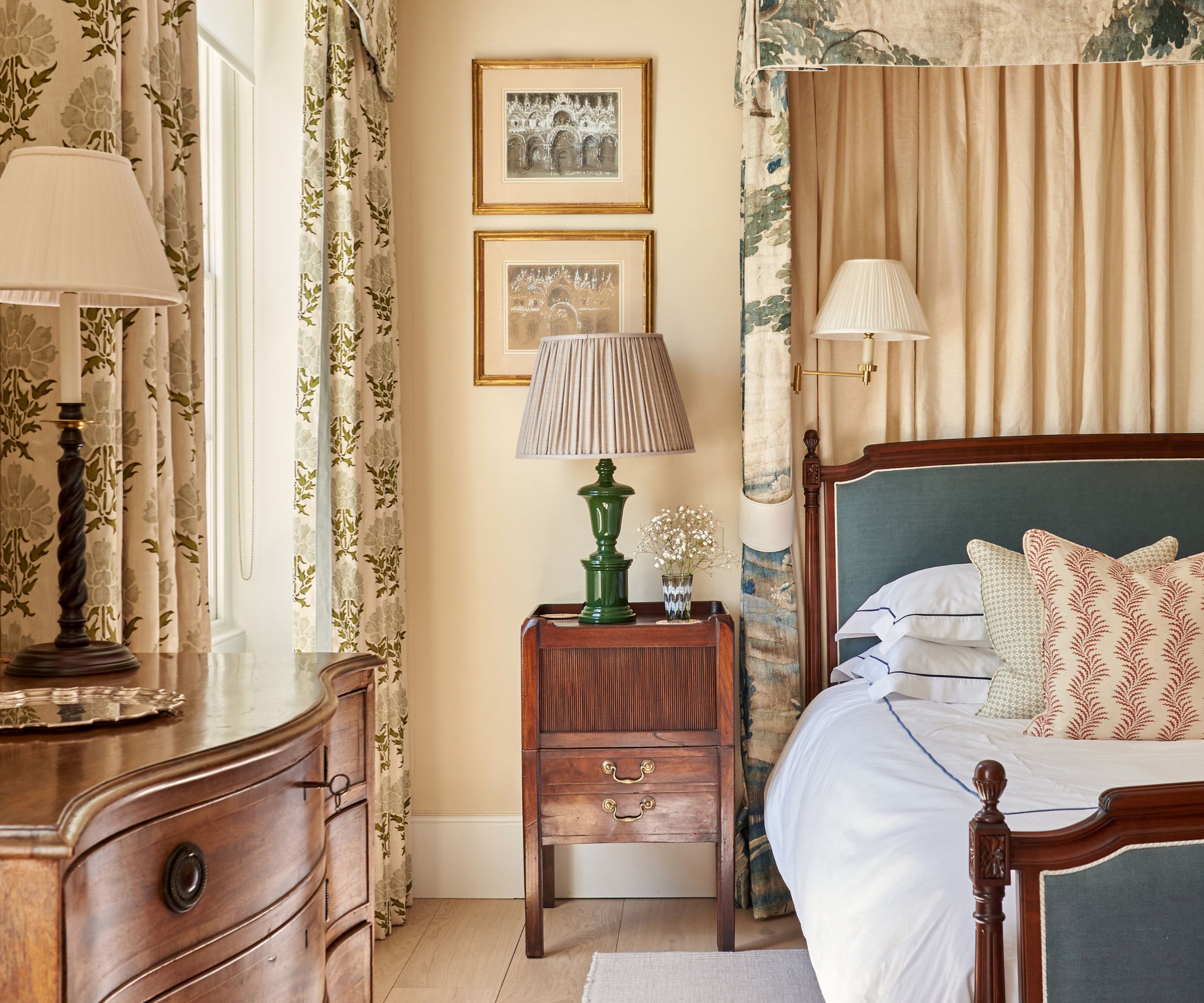
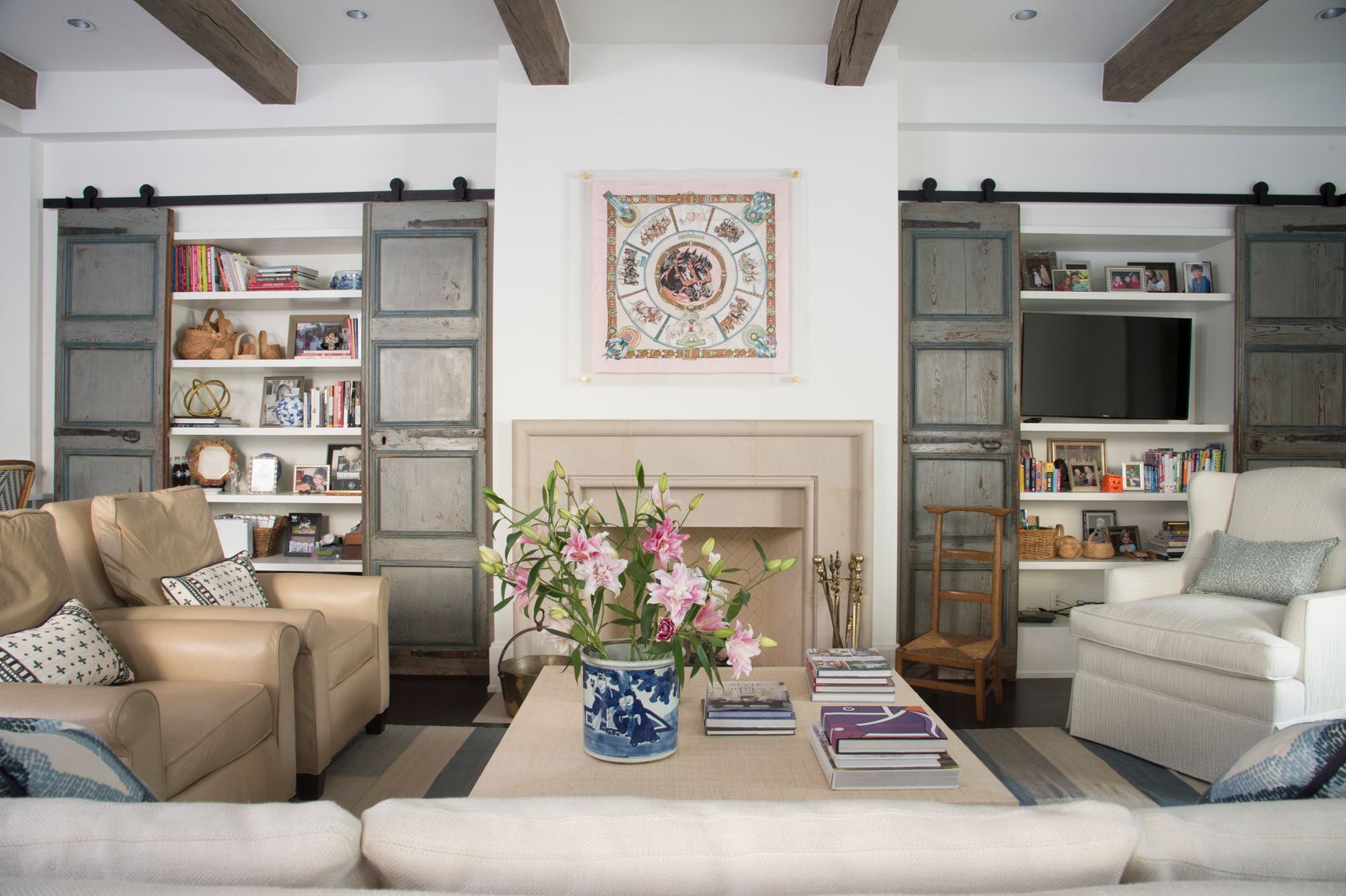
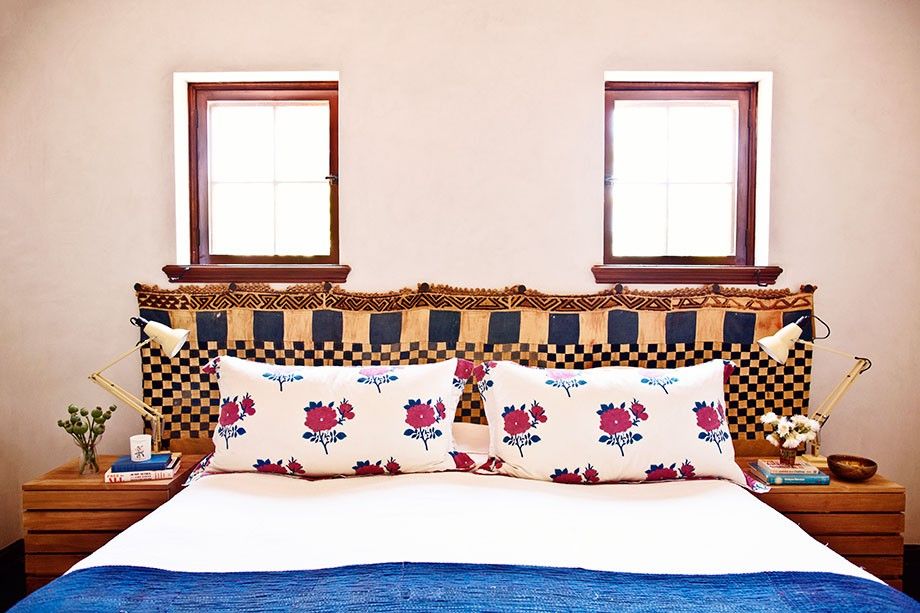
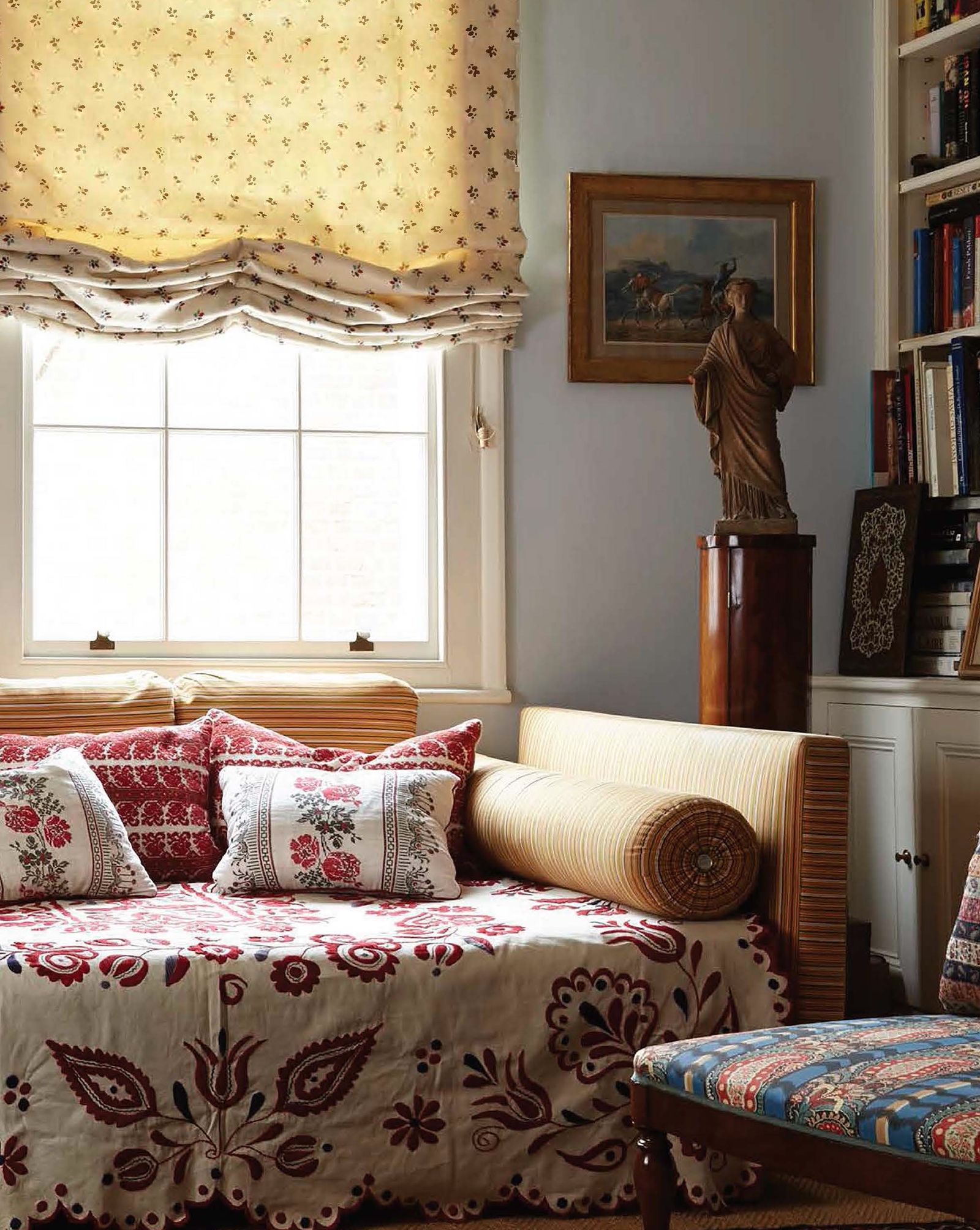
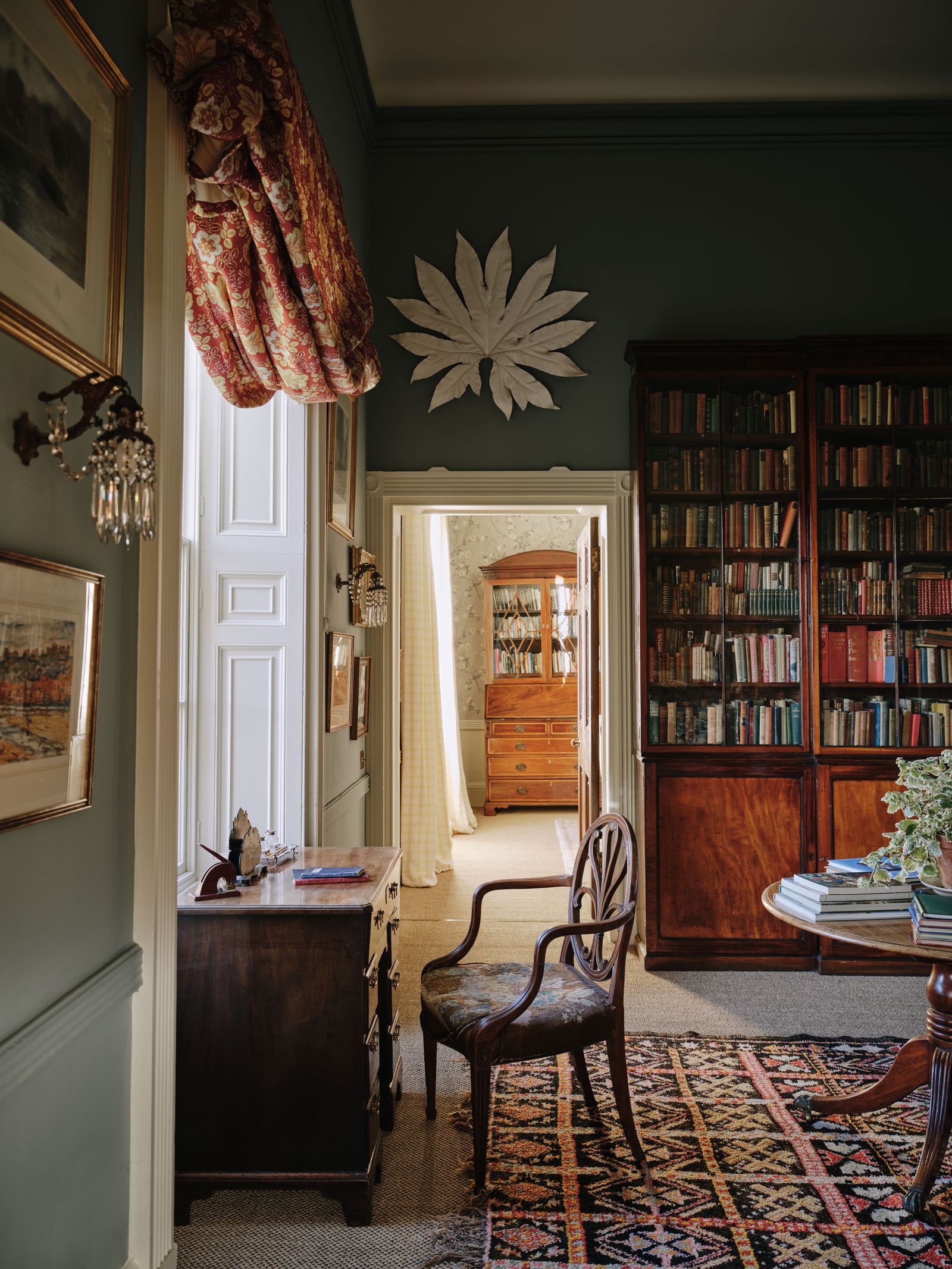
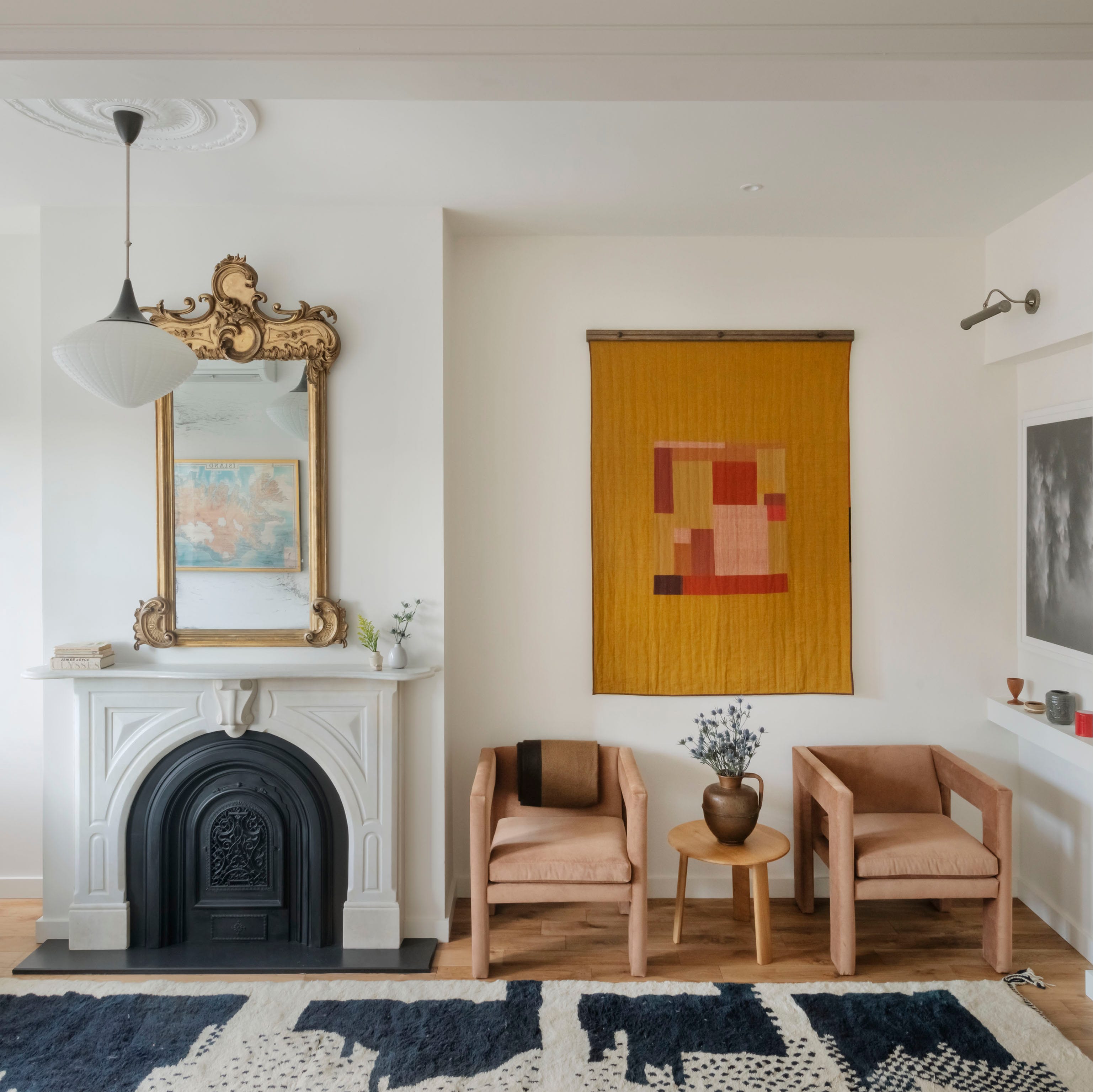
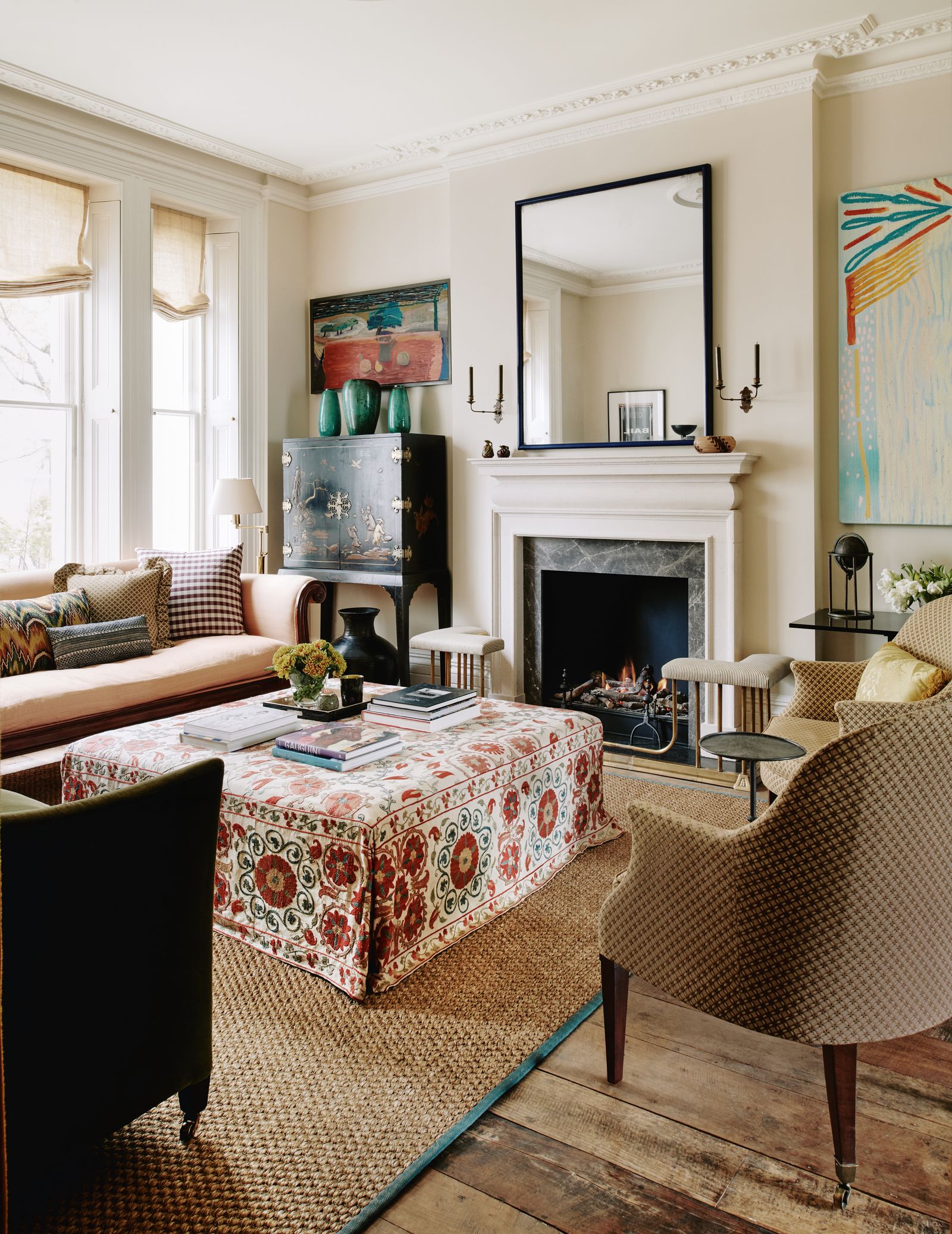
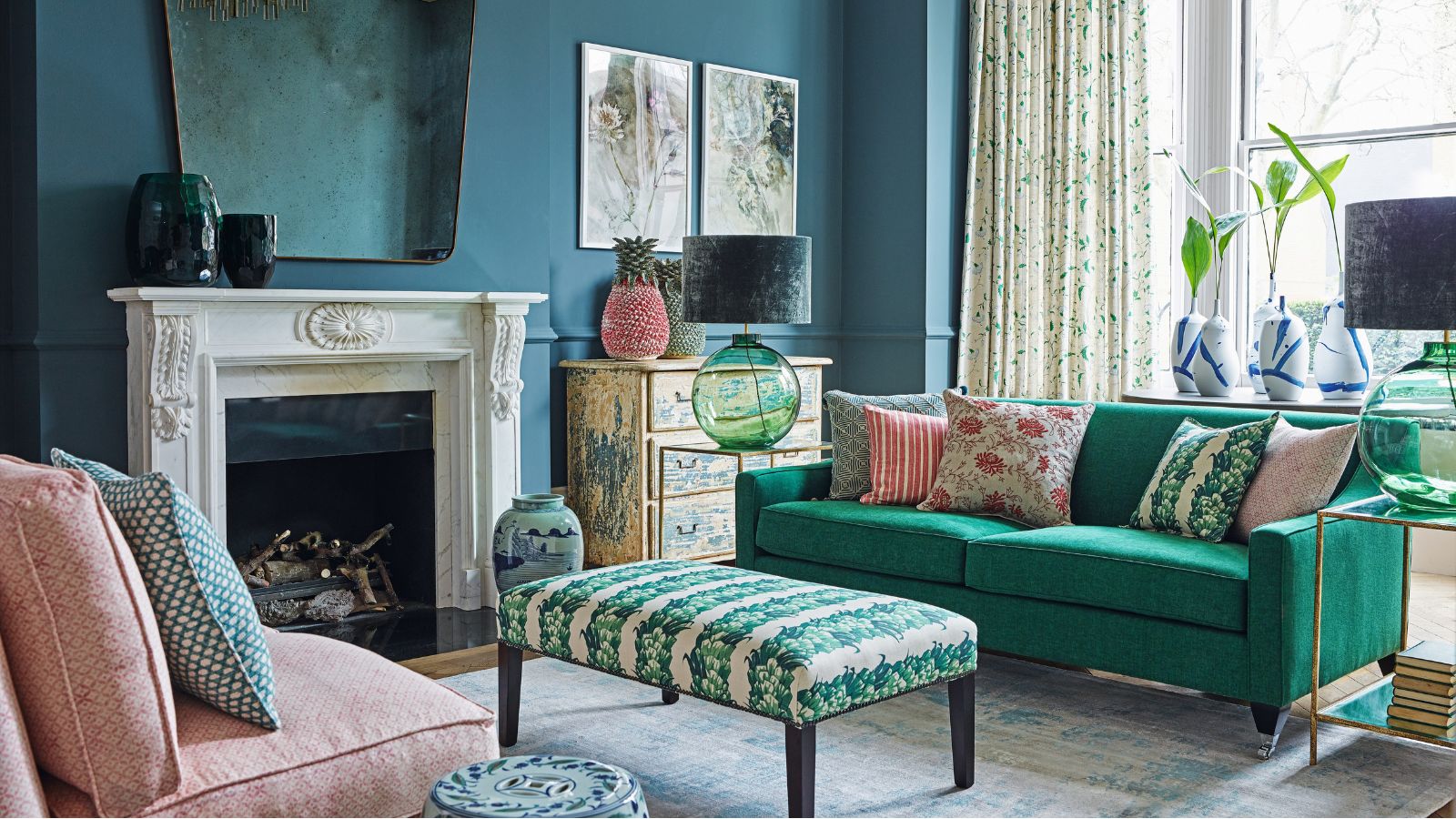
Numerous stylish methods exist for decorating with antique textiles, adaptable to various tastes, styles, and fabric conditions. One prominent method is hanging them on walls, transforming them into art pieces that add texture and a unique statement. Designers like Jessica Lev and Jess Petino of Crewel advocate for this, suggesting that ornate textiles can be framed or used as tapestries above beds for added coziness. Proper hanging techniques are essential to prevent damage over time, with mounting onto a canvas being a recommended preservation method. Alternatively, antique textiles can serve as the foundational inspiration for an entire room's design. Their colors and patterns can guide the selection of paint and upholstery fabrics, establishing a cohesive and wonderfully unique color palette. For those new to textile decor or seeking a more subtle approach, decorative pillows offer an accessible and affordable option, providing bursts of color and contrast. Samantha Stathis-Lynch highlights how faded floral prints or hand-embroidered pillows contribute a warm, lived-in feel to a design. Another effective strategy is to blend antique textiles with modern furnishings to create an appealing contrast. Framing textile samples as wall art or using them in conjunction with contemporary furniture pieces can introduce historical depth and artistic flair, often transforming them into focal points. Finally, for more robust textiles, reupholstering furniture offers a creative way to upcycle older pieces and create one-of-a-kind items, such as ottomans, headboards, or chairs. Designers like Kishani Perera frequently use remnants or even antique clothing for appliques, adding unforgettable details. Whether through simple tapestries and throw pillows or more extensive upholstery projects, antique textiles undeniably enhance a space with unique character and timeless appeal.
#AntiqueTextiles #InteriorDesign #HomeDecor #VintageDecor #TextileArt #Upholstery #DecoratingTips #PersonalizedHome #CharacterfulInteriors #AntiqueTextiles #InteriorDesign #HomeDecor #VintageDecor #TextileArt #Upholstery #DecoratingTips #PersonalizedHome #CharacterfulInteriors
0 comment in total
 No comments yet
You may also like
Decorating with antiques – 8 designer tips to channel the past in the chicest way
Better Vintage: ‘A Visual Language in Cloth’ – How Antique Tapestries Shape Rooms, Not Just Surfaces
This Popular Fabric Designer Reveals the Right Way to Decorate with Color
5 easy vintage interior decor tricks for homes

A designer’s guide to decorating with antiques

Decorating with vintage – 7 of the best ways to bring character into the home
Michelle McClennan’s Love of Antique Design and Upholstery

Is your room missing something? These are the 7 simple buys that designers always recommend to their clients to instantly pull a space together
Decorating with vintage fabrics - 8 ways to inject color, texture and heritage style into your space
Woven Inspiration recovers the gilded age

12 Designer-Approved Tricks to Fill a New Home With Vintage Character

See These Designer-Approved Ways to Decorate with Throws
This Vintage Print Is Taking Over Homes This Winter
How to decorate with vintage tiles
How to style antique furniture for a timeless, transitional space – 9 designers share their tips
How to use antique furniture in a contemporary scheme
How to upholster with antique textiles without going too Miss Havisham
The Best Ways to Show Off a Textile in Your Home

How to Modernize Antique Furniture for a Characterful and Cohesive Look
Interior design tips on vintage vibes incorporating retro charm into modern home | Hindustan Times