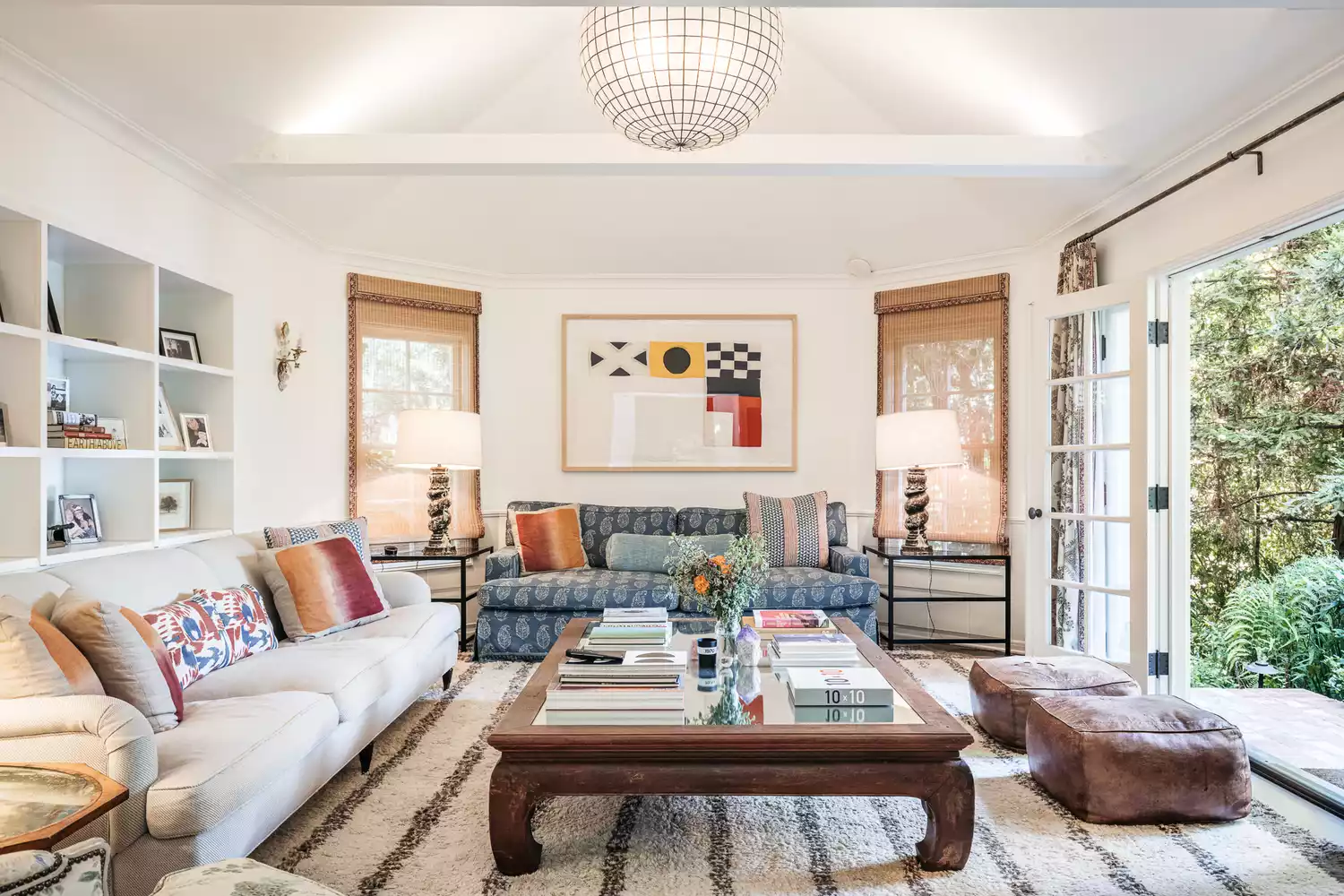
How to Mix Modern and Antique Furniture
Achieving a layered interior that transcends specific eras or decades involves thoughtfully integrating elements from both modern and antique home design. This approach allows for a unique aesthetic, whether inspired by a home's architecture, family heirlooms, or fortunate thrift store finds. Successfully blending modern and antique furniture creates a timeless and livable space.
Key to this integration is understanding the distinction between vintage and antique pieces. An antique is generally defined as a piece over 100 years old, while vintage items are typically between 20 and 100 years old. 'Modern' can refer to midcentury modern design from the 20th century or contemporary pieces that are less than 20 years old, or even brand new. The goal is to combine these elements in a way that feels fresh and cohesive rather than chaotic.
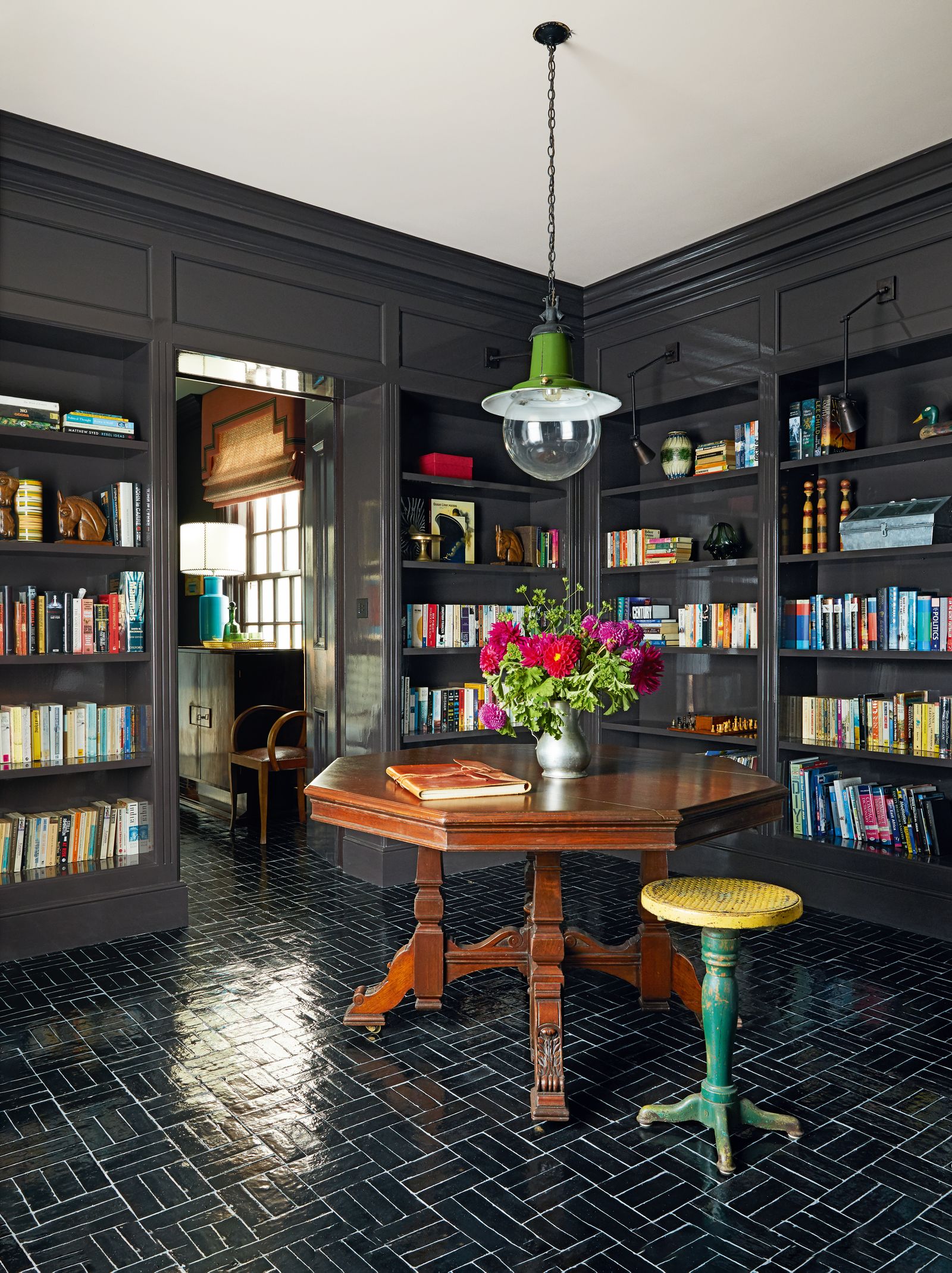
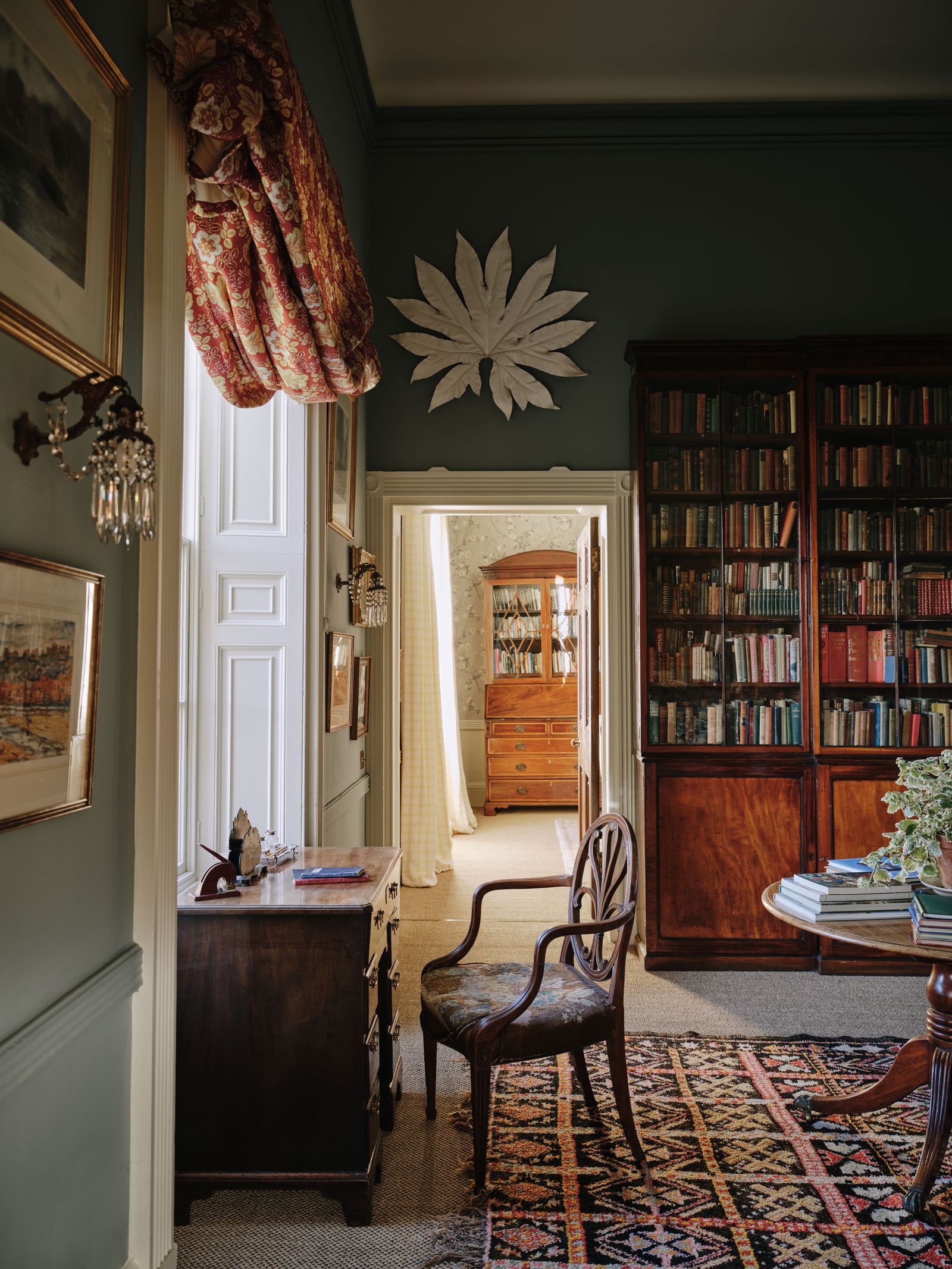
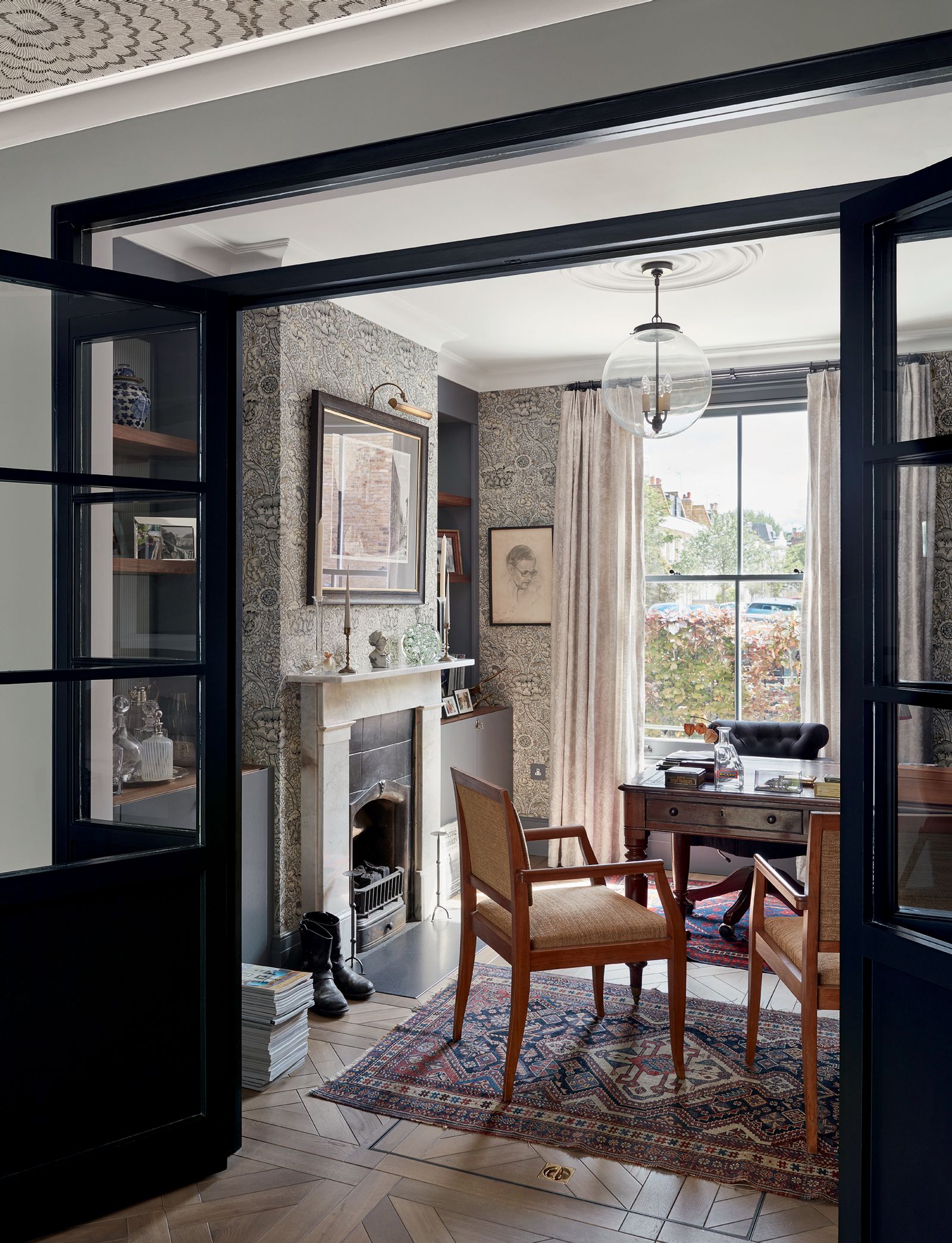
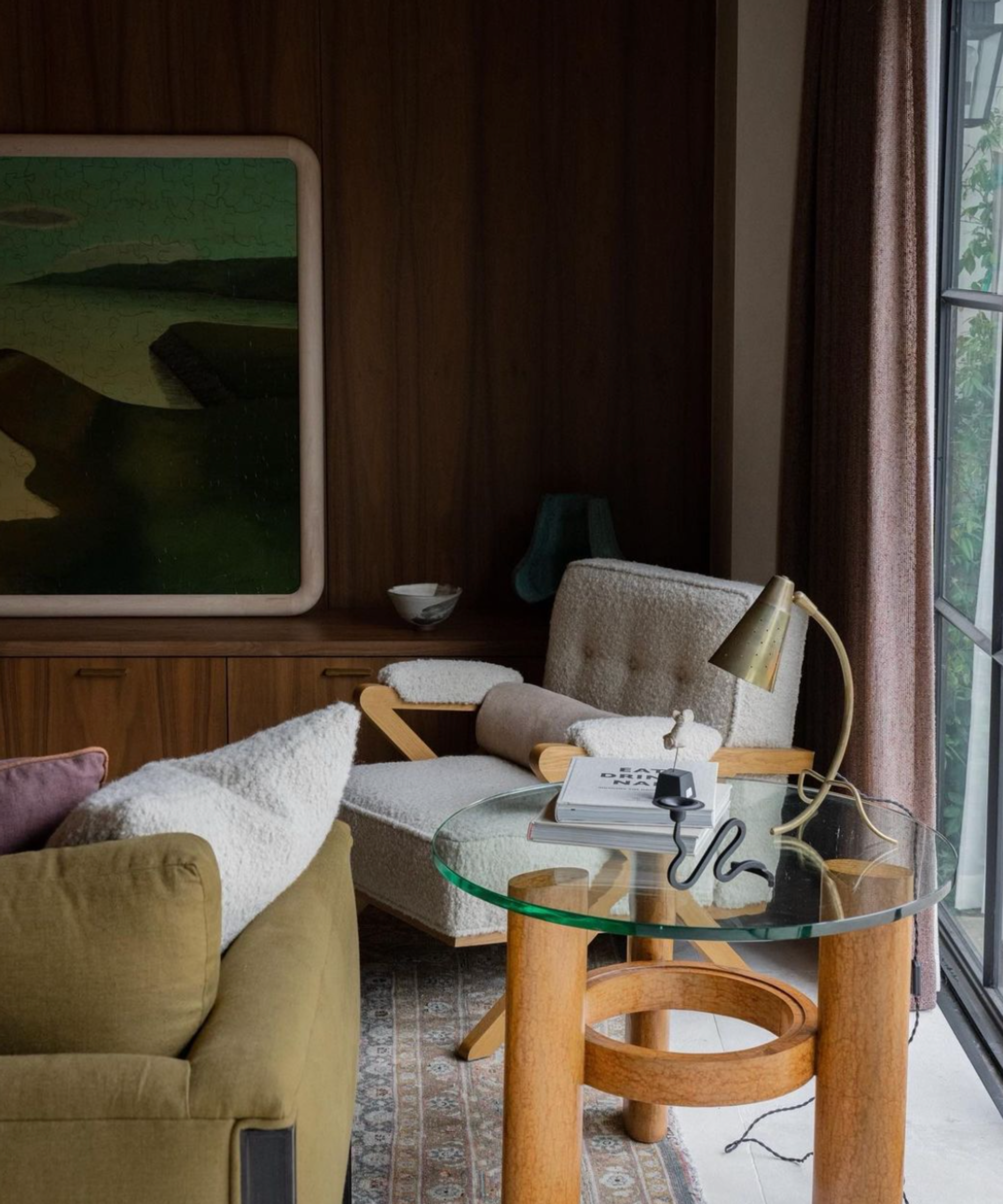
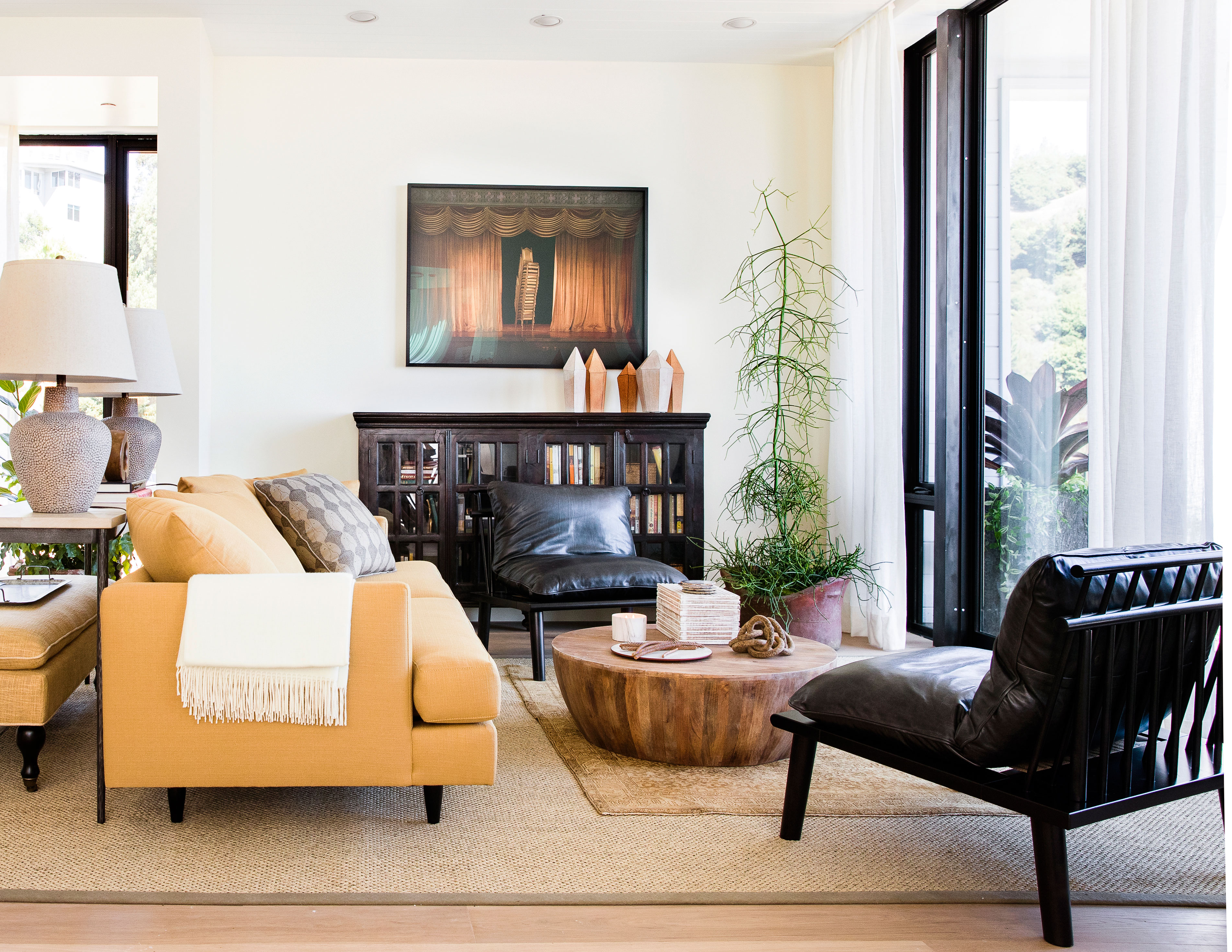
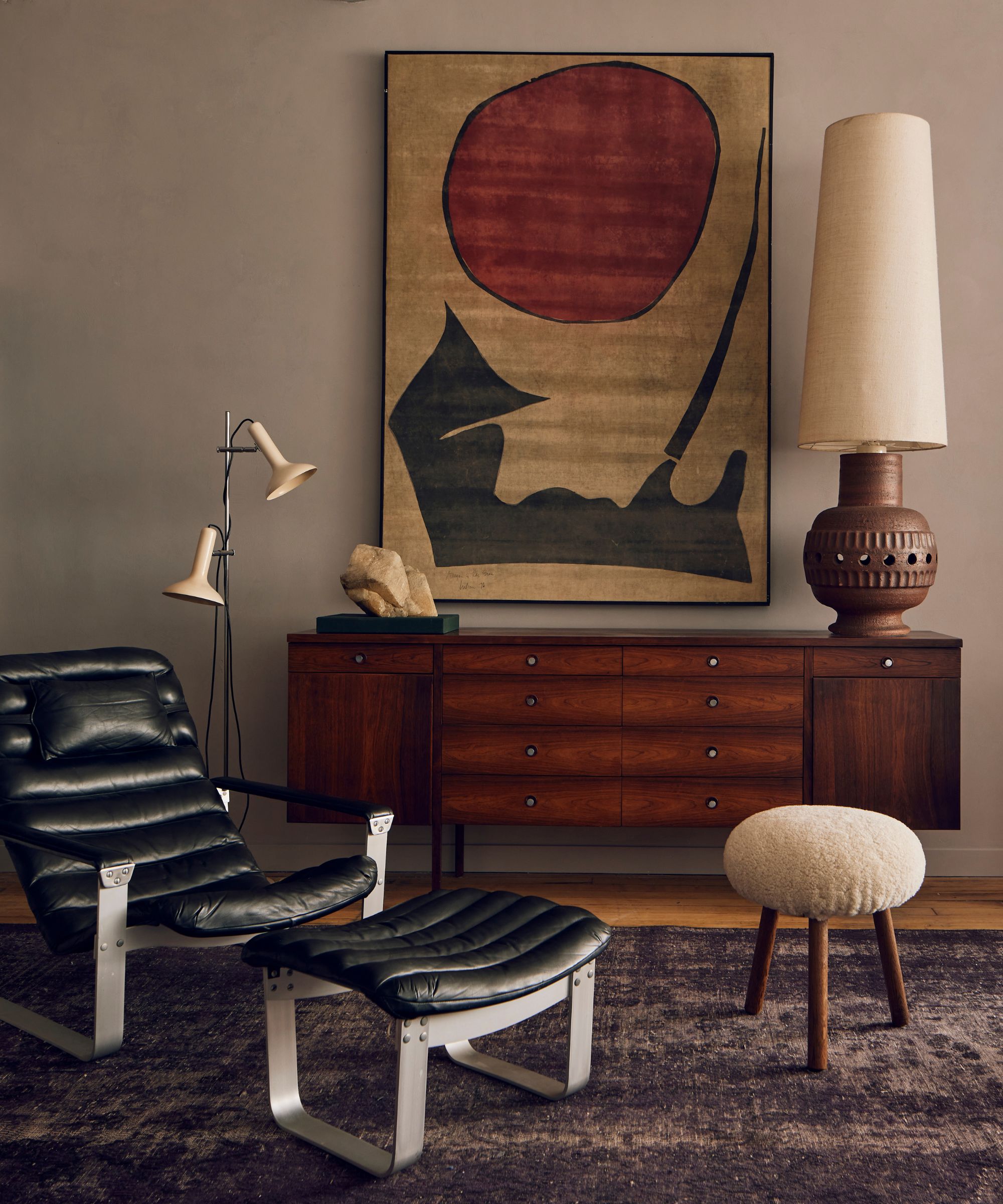
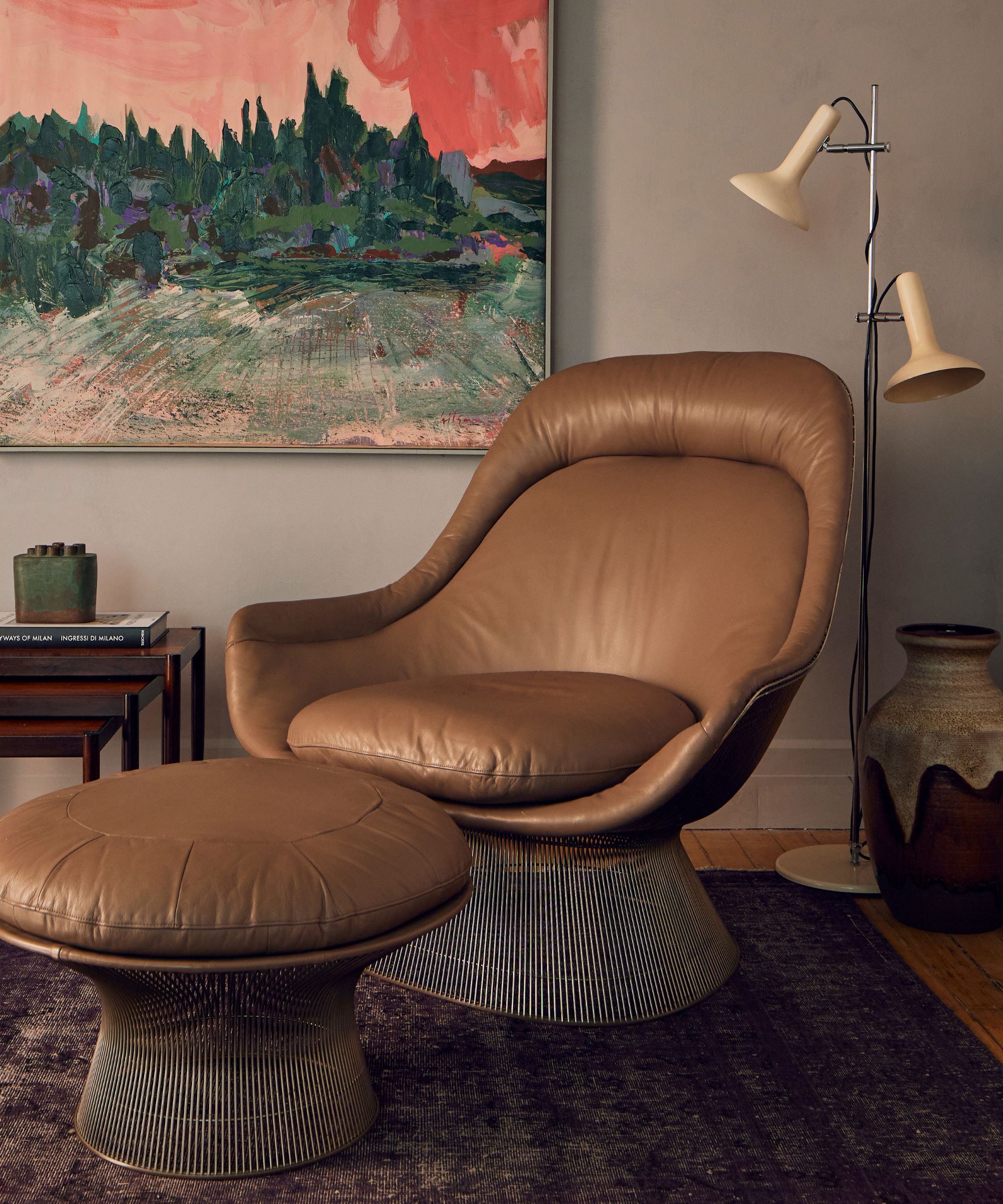
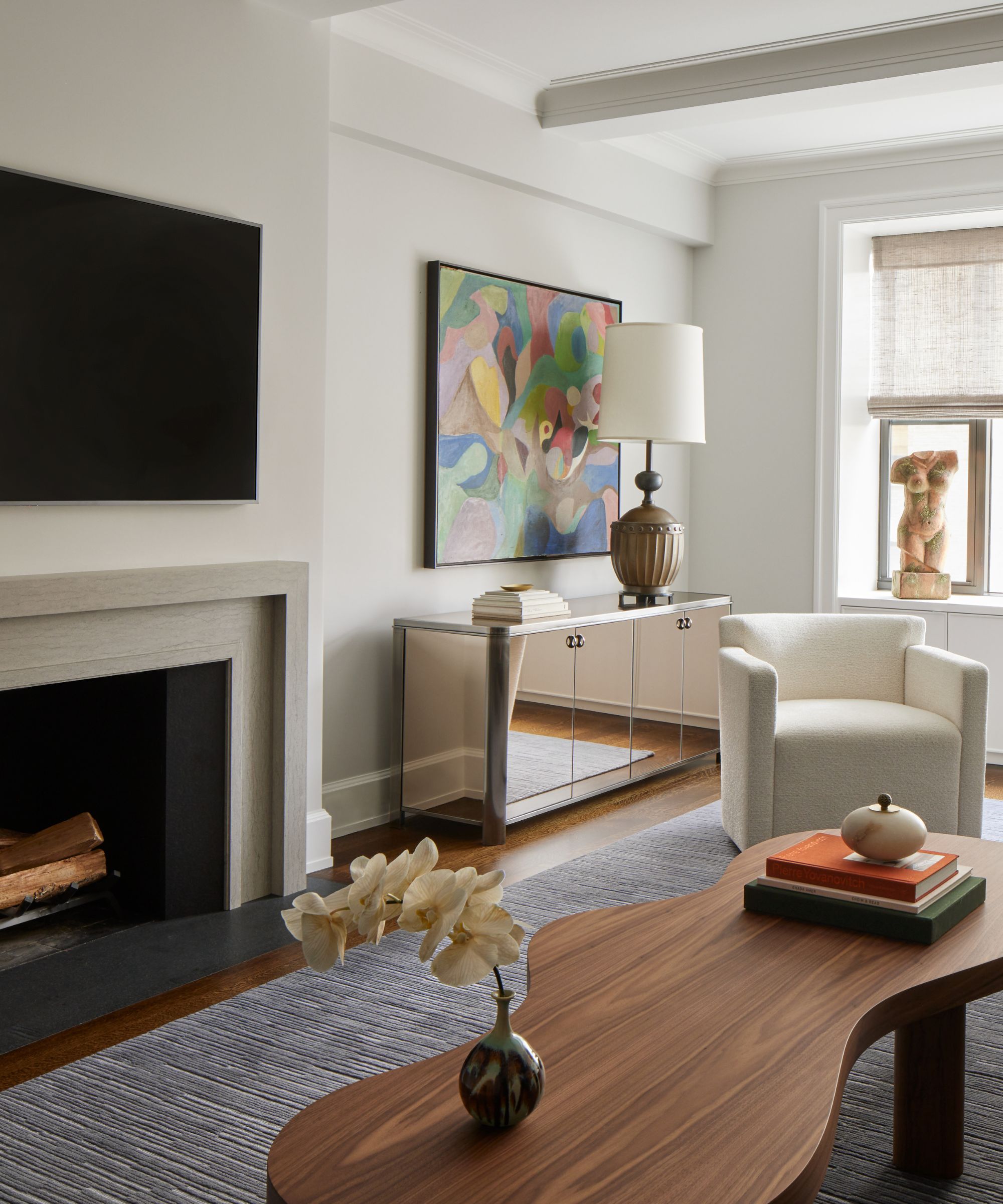
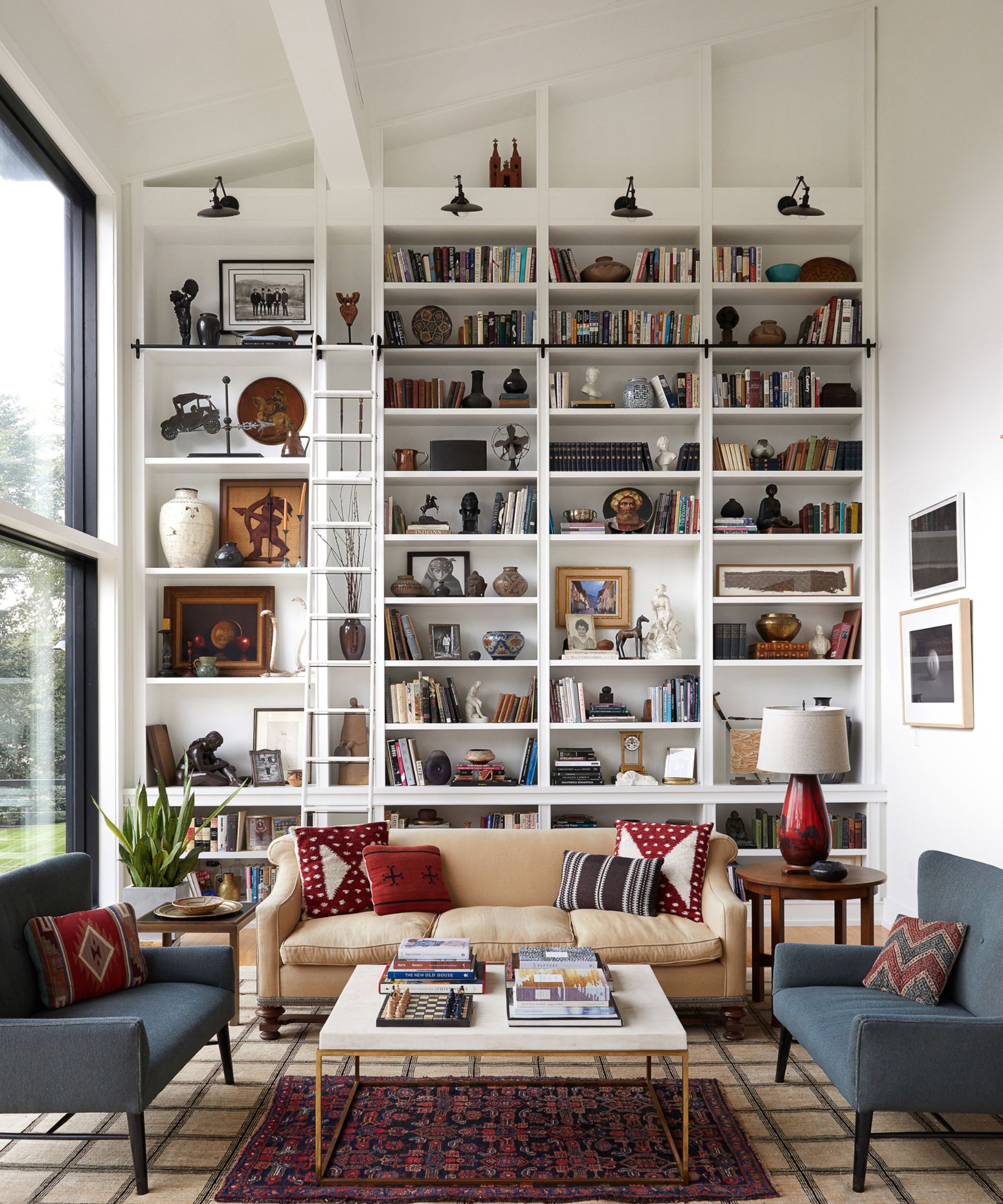
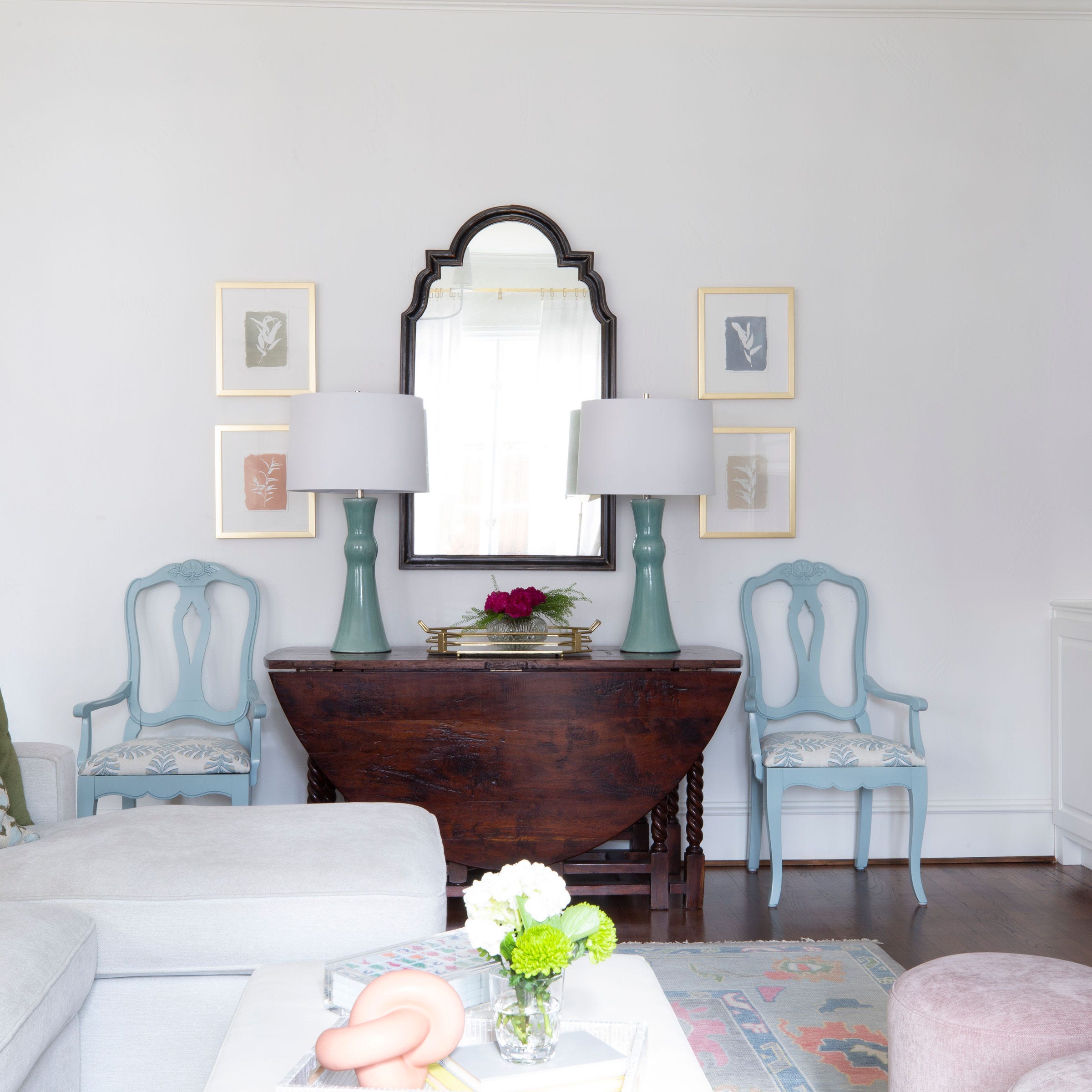
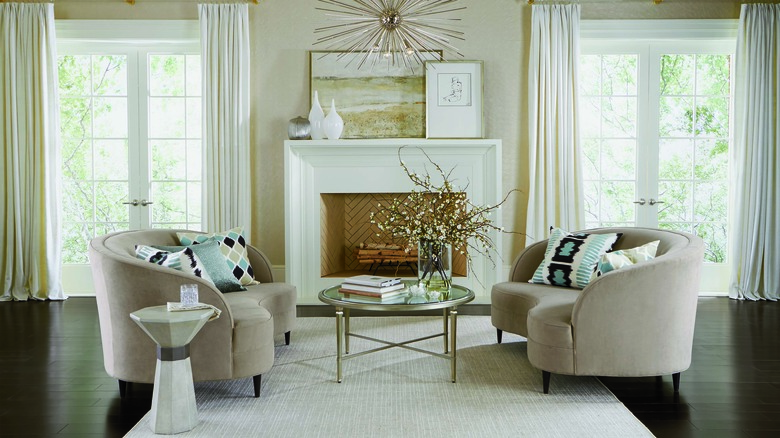

Finding the right balance is crucial. Interior designers suggest that almost anything goes when mixing old and new, emphasizing that a home should reflect a collection of loved and meaningful items rather than a curated catalog. It is beneficial to distribute the patina of antique pieces throughout a space, ensuring that the contrast between old and new appears intentional and surprising. Scale plays a significant role; heavy, dark wood pieces often fit best near walls, while lighter, leggier items should be juxtaposed with more substantial furniture to prevent the room from feeling unbalanced or unsettling. A proper balance of proportion allows for more freedom in experimenting with prints, colors, finishes, and styles.
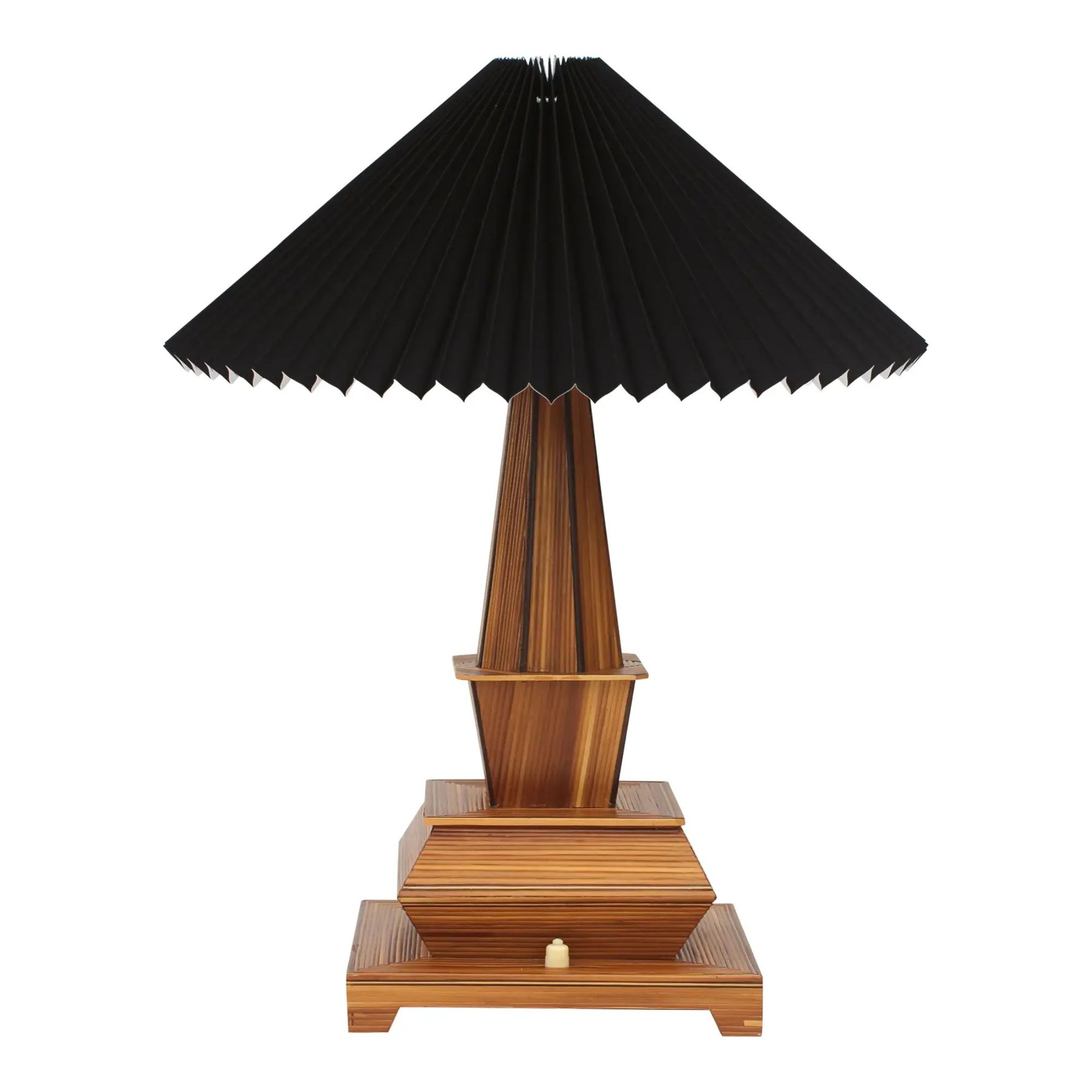
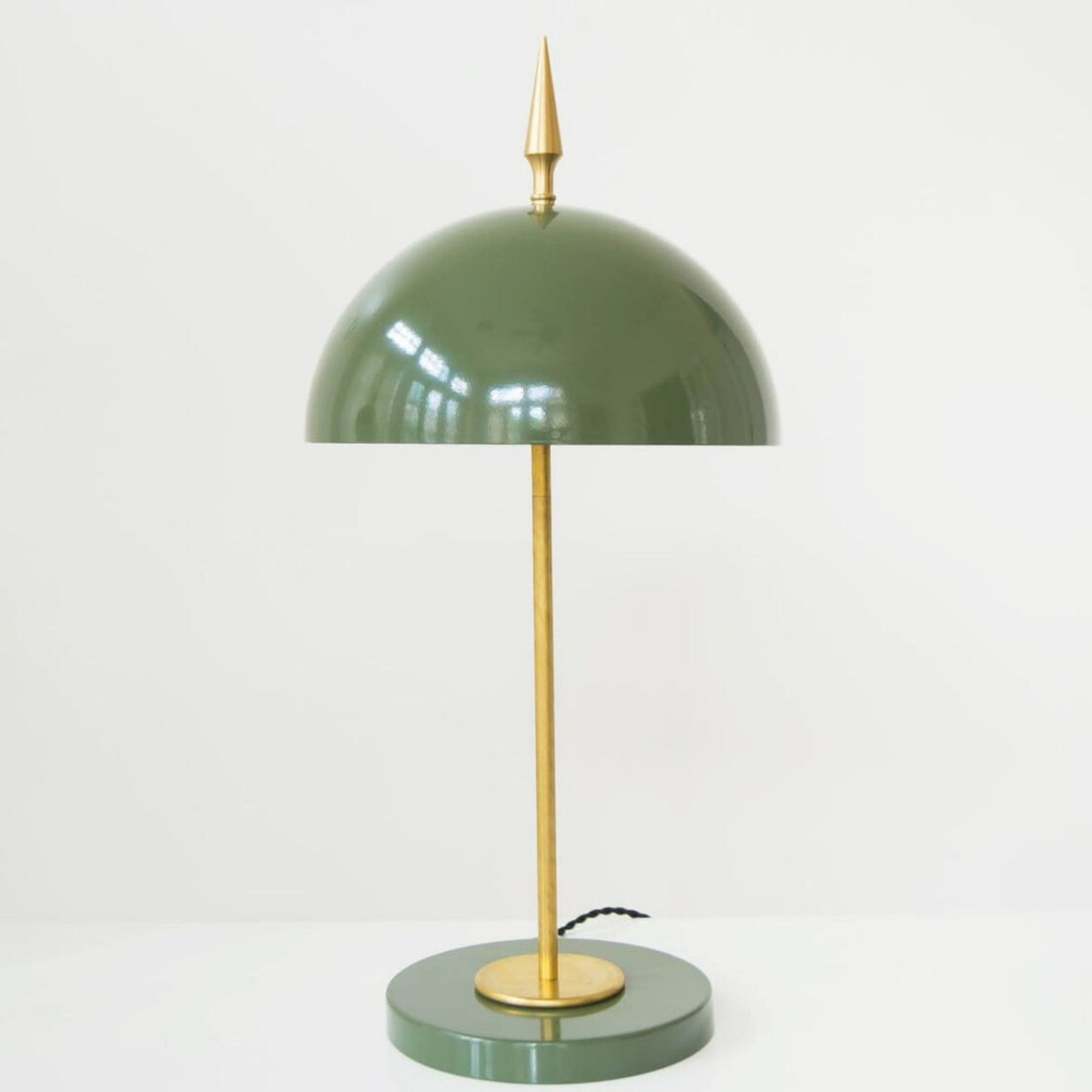
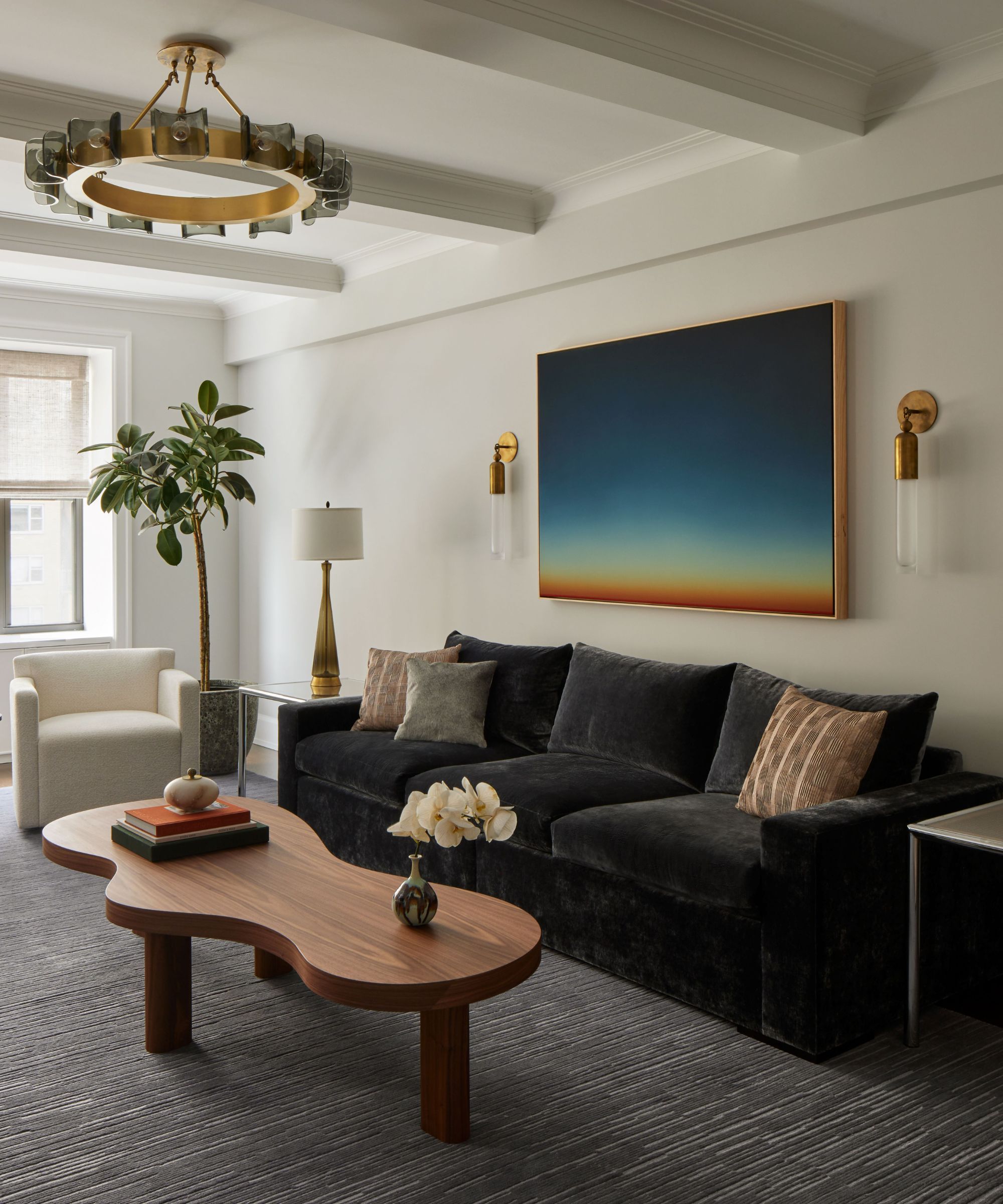
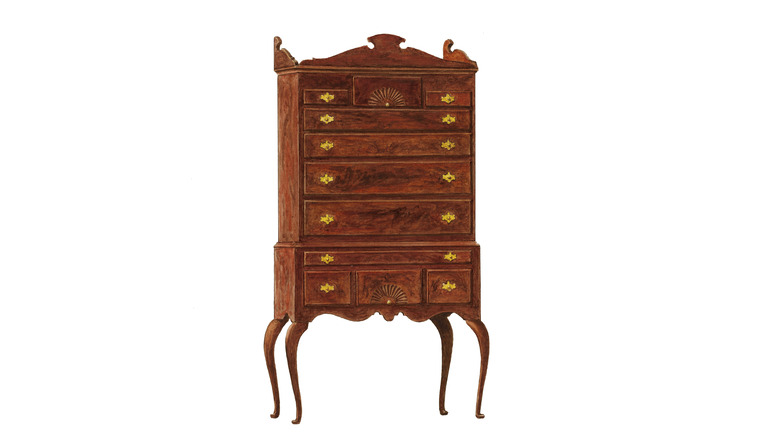
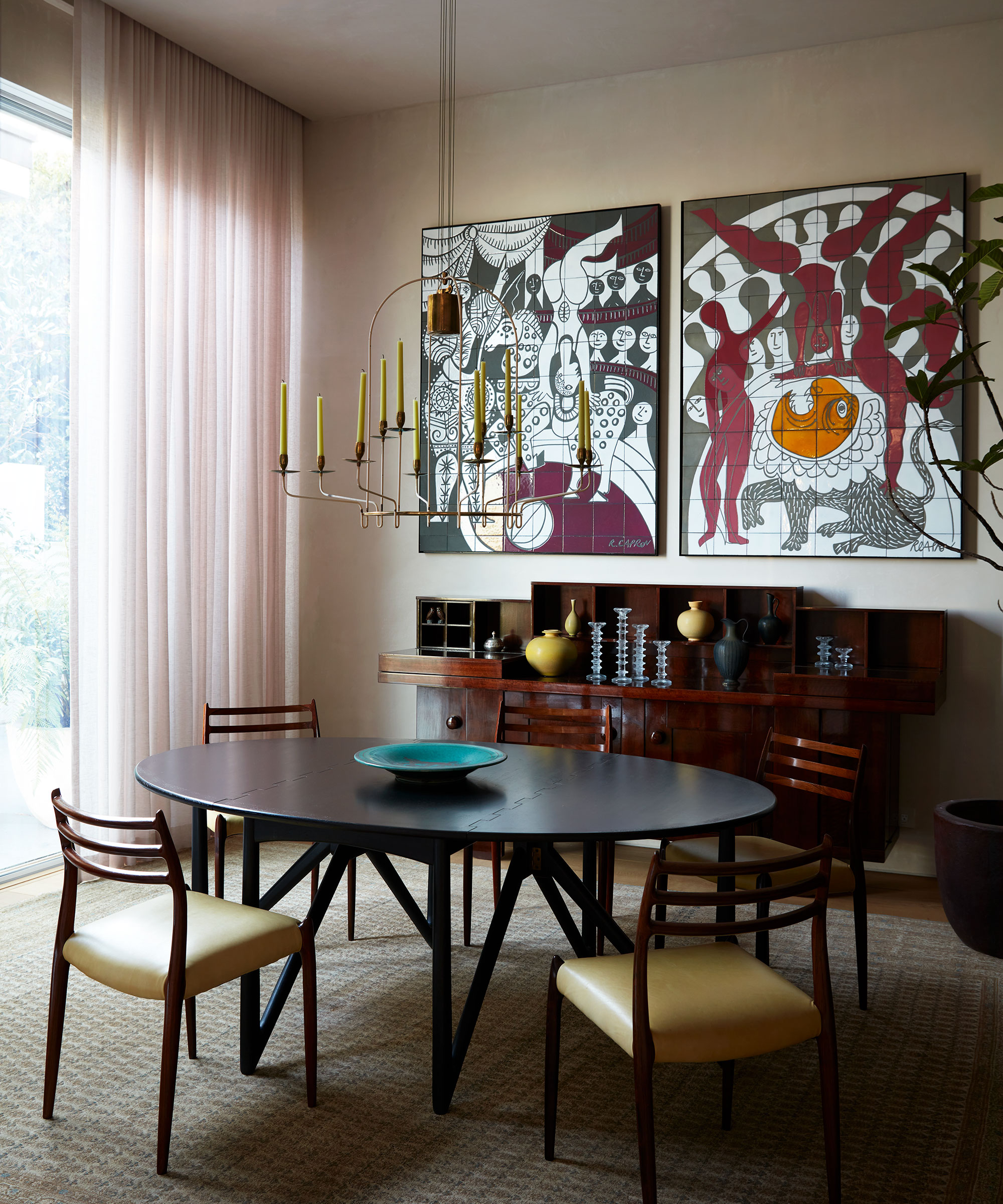
Considering both form and function is also essential. Antiques often boast fine craftsmanship, intricate wood carving, marquetry, or decorative flourishes that are rare in mass-produced modern furniture. Successful integration involves balancing streamlined modern lines with the curves and details of antique pieces. Incorporating a mix of metal finishes can add dynamism and prevent the design from looking dated.
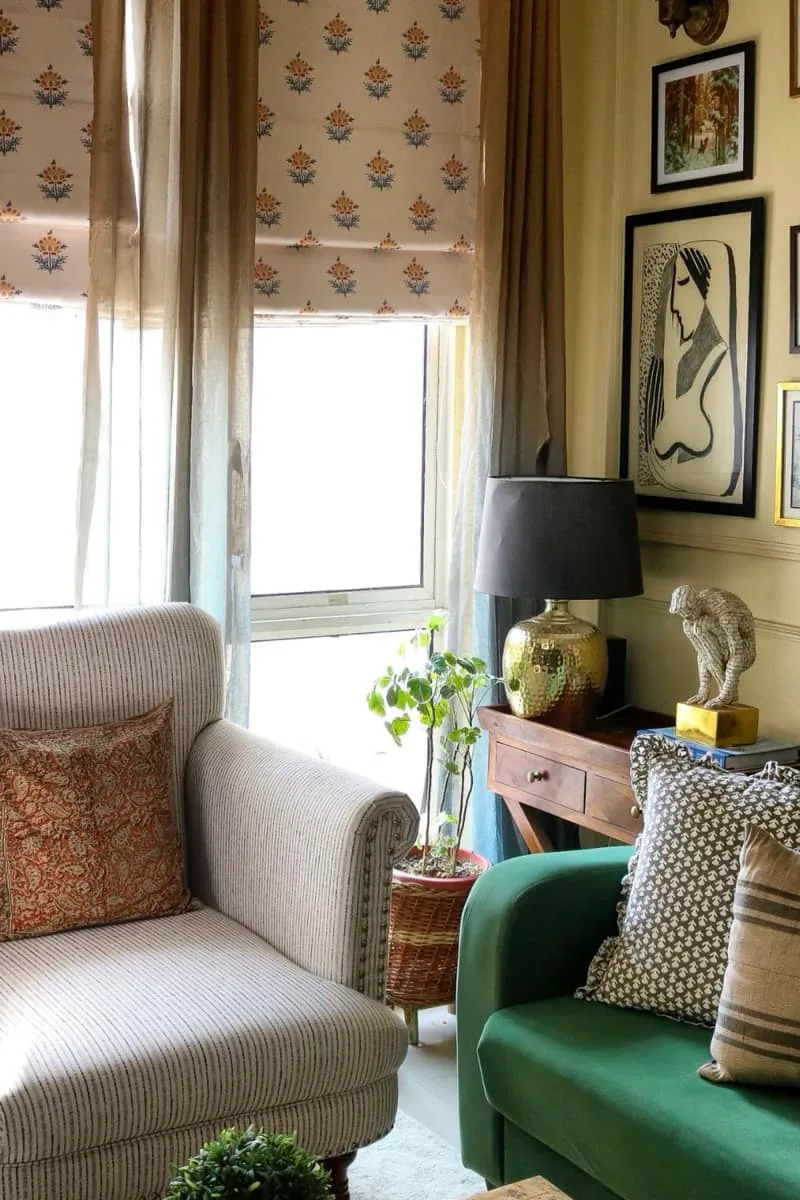
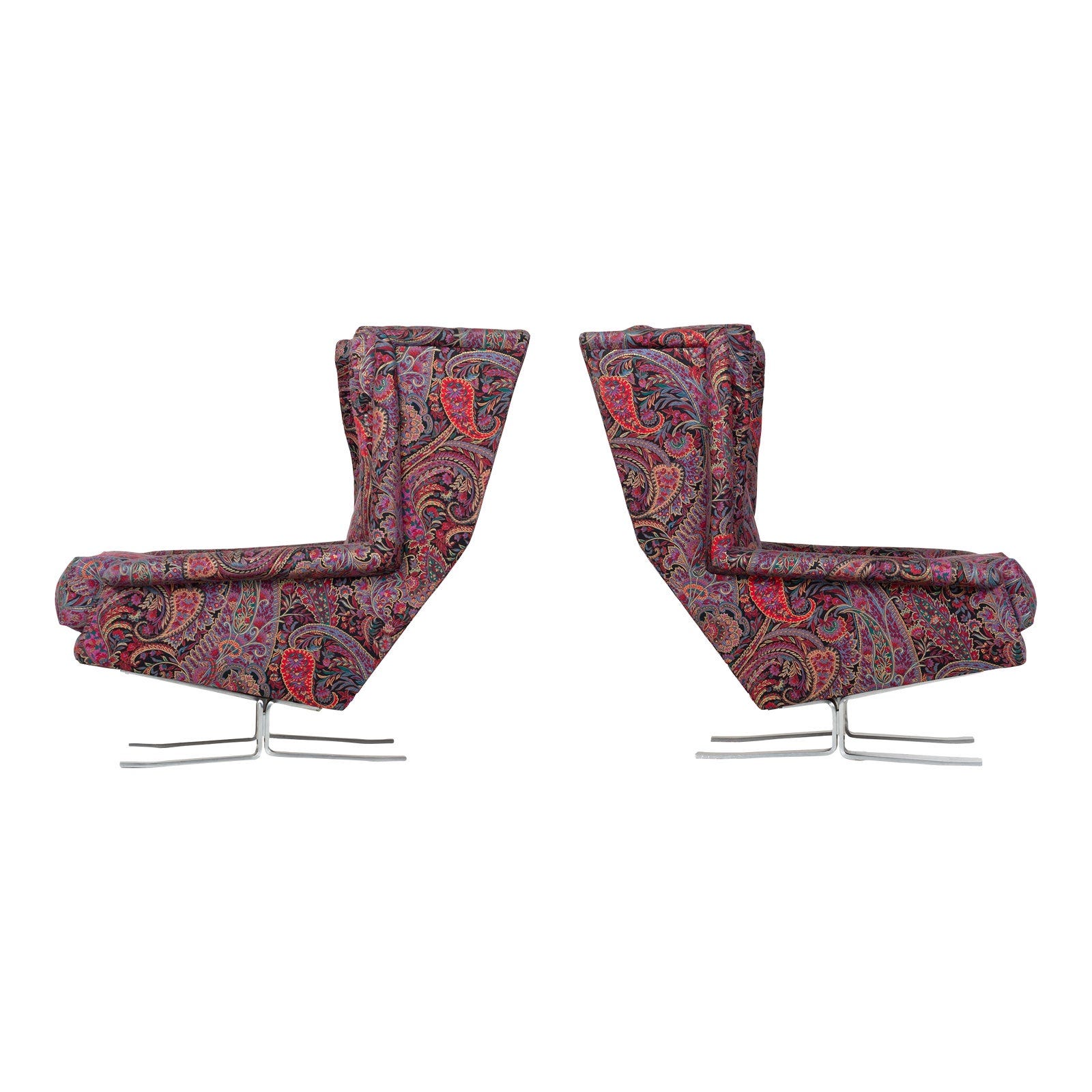
Repurposing and refinishing antique or vintage items can give them new life. While the natural patina of a quality antique is valuable, not all older pieces need to remain in their original state. Inherited or thrifted furniture with good bones, but a dated finish, can be stripped, refinished, or painted to better suit a modern interior. Fresh upholstery can update antique seating, adding modern comfort while preserving vintage charm. When re-upholstering, the shape of the piece should guide fabric choices, with stripes enhancing curved forms and florals softening straight lines. Updating batting and springs can also improve the comfort of older seating.
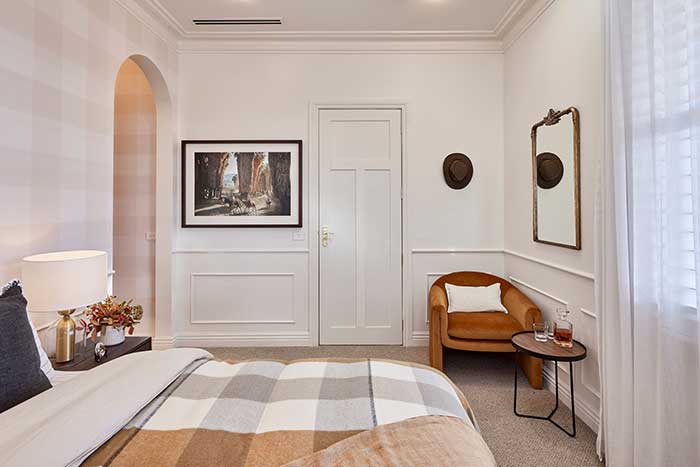
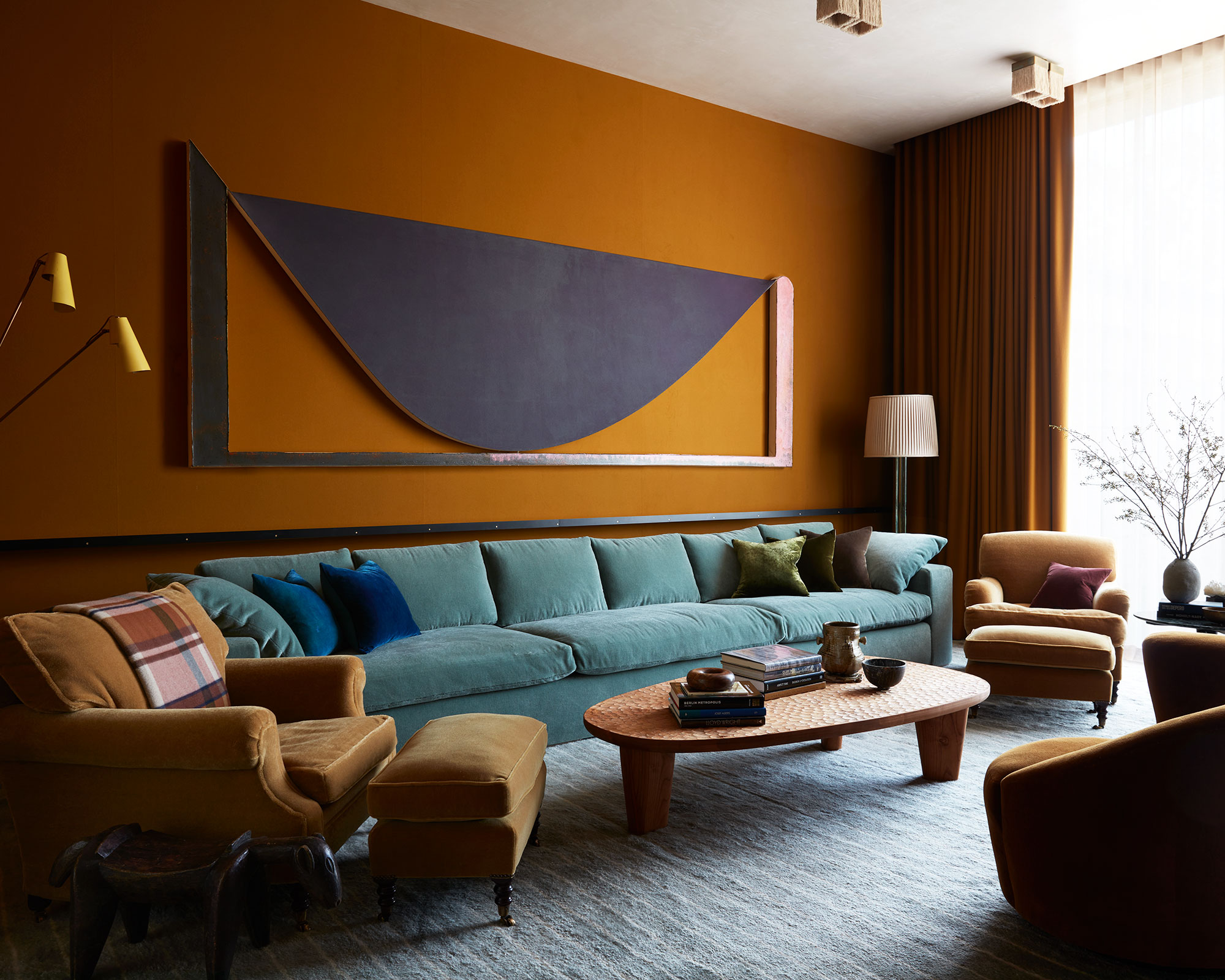
Unifying elements through color is an effective strategy for blending disparate styles and periods. While mixing wood finishes and metals is a design art, a shared color palette can create cohesion. For example, painting thrift store finds like nightstands, dining chairs, tables, and dressers in a creamy white, and pairing them with white upholstered furniture, can create a cohesive shabby chic aesthetic, allowing the focus to remain on the furniture's form rather than its historical period.
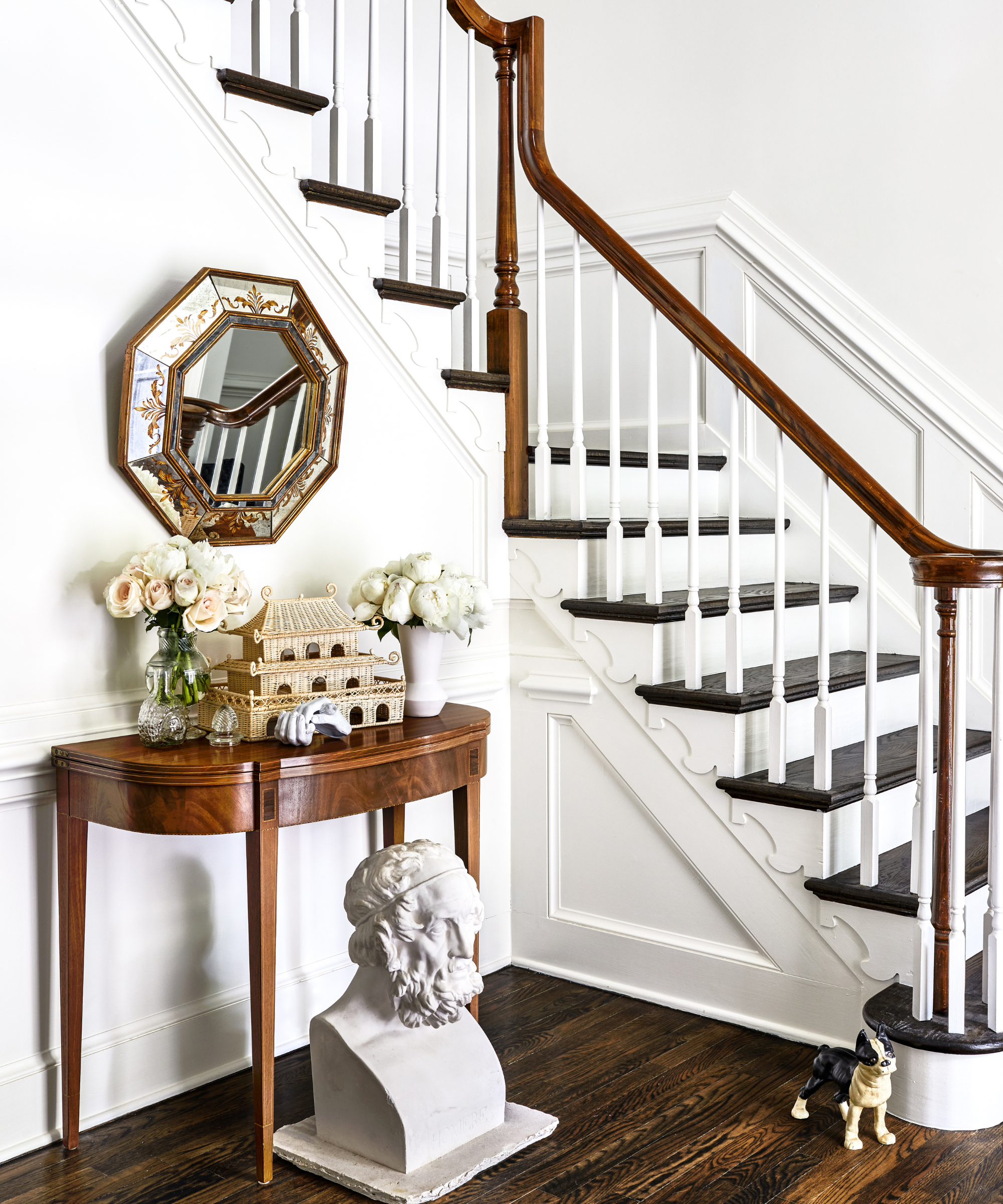
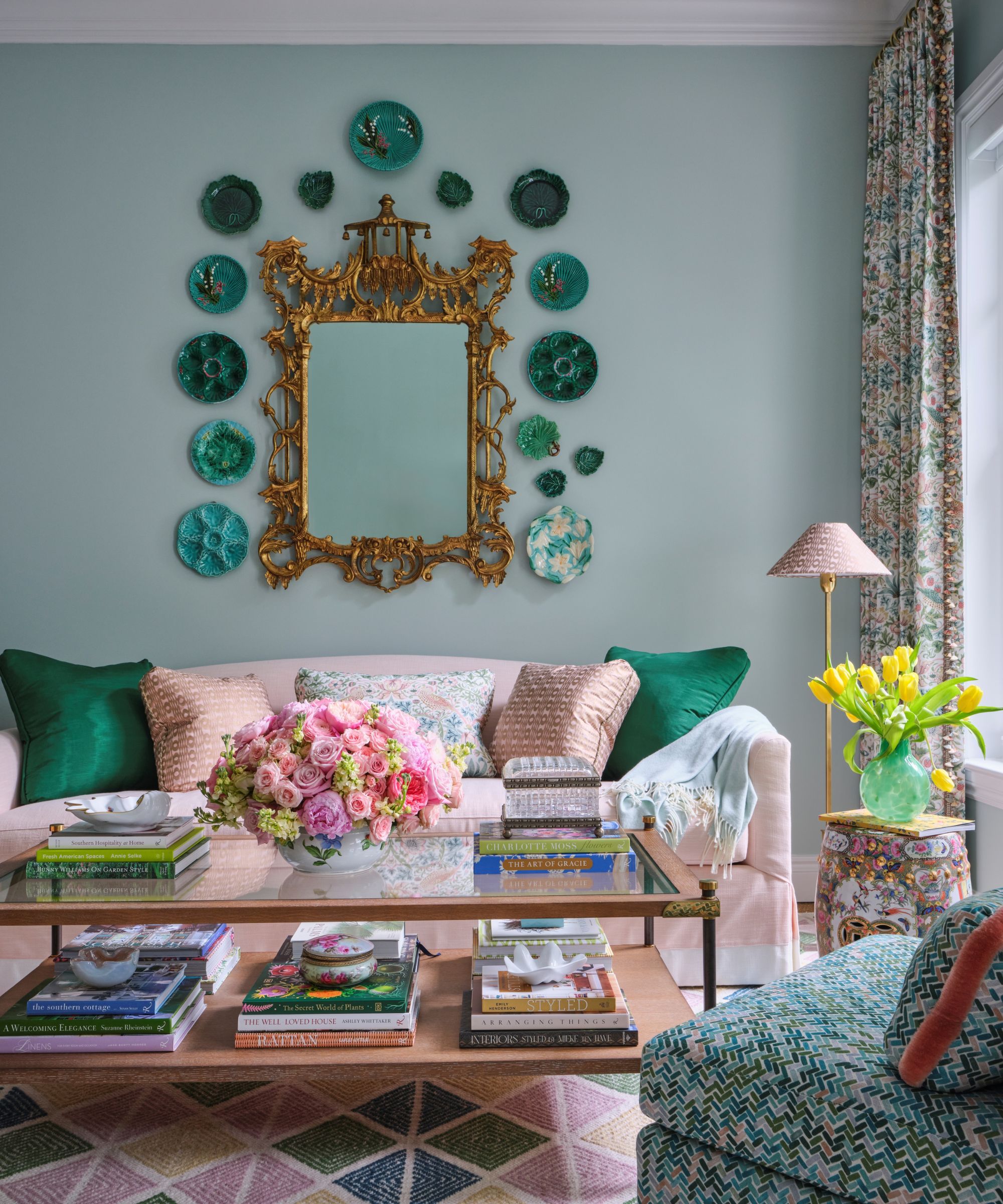
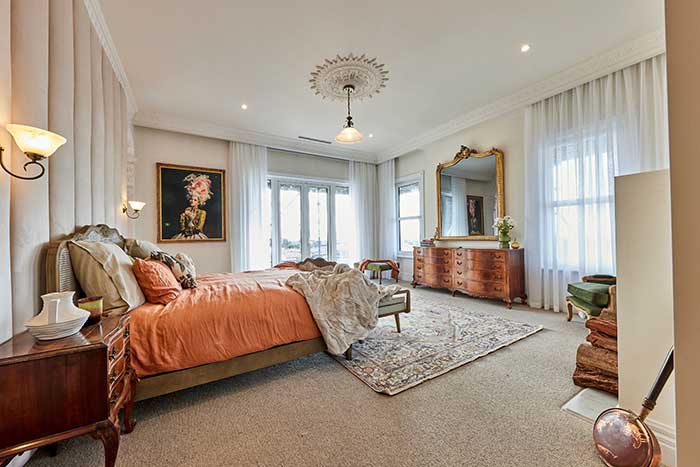
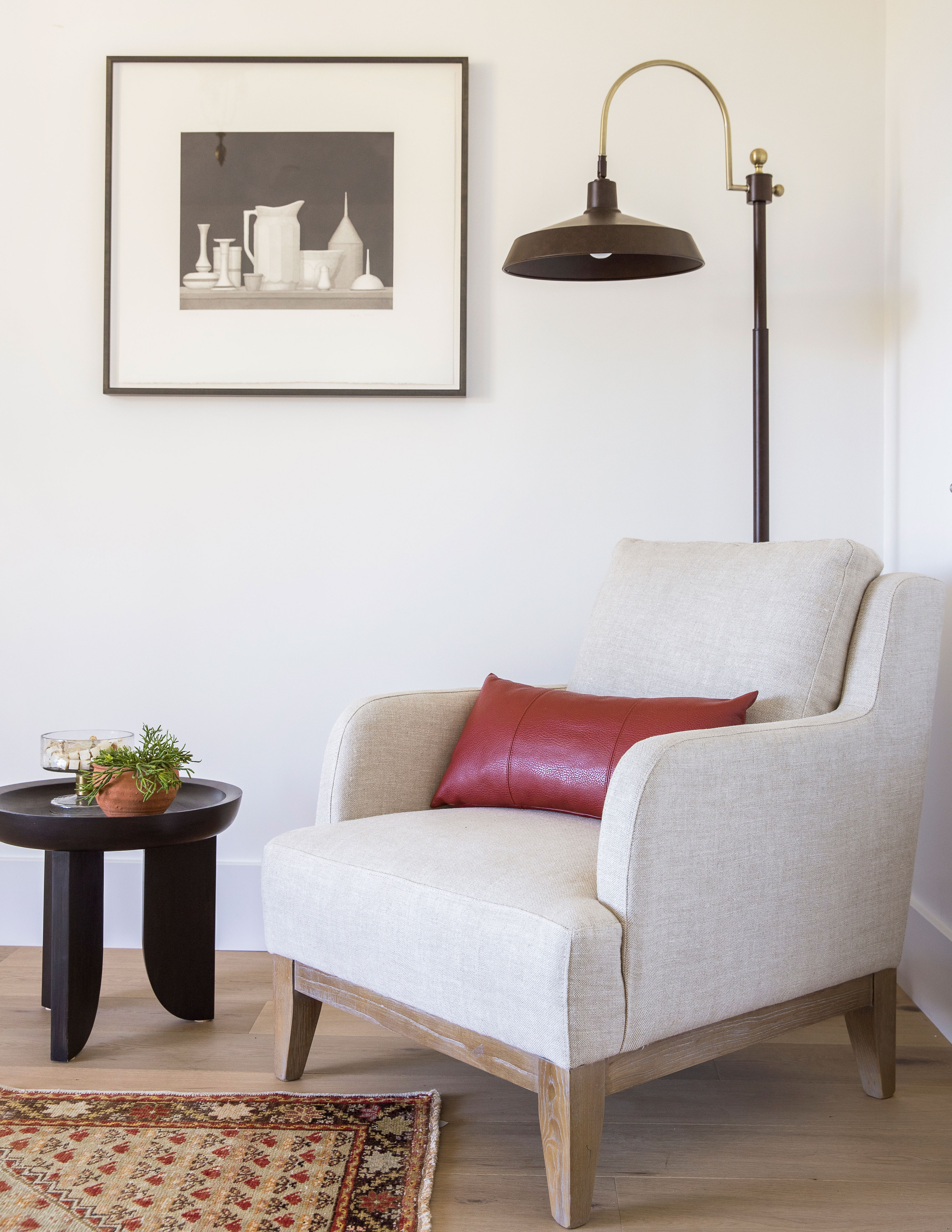
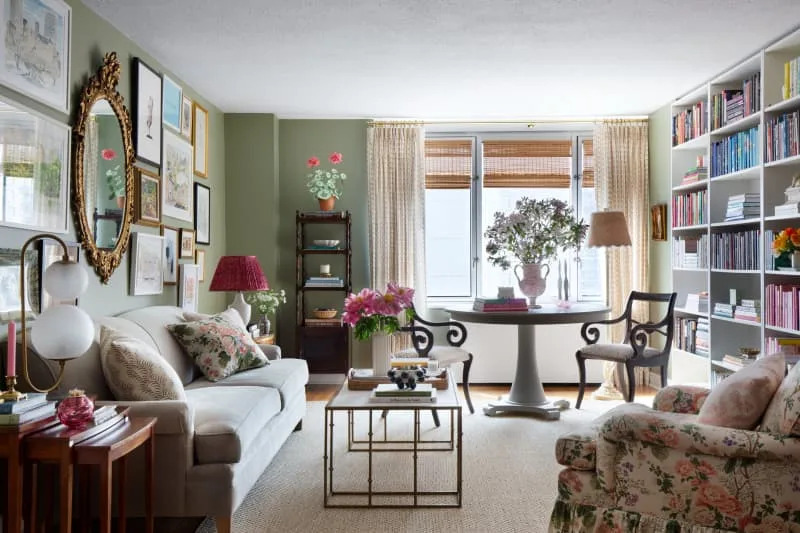
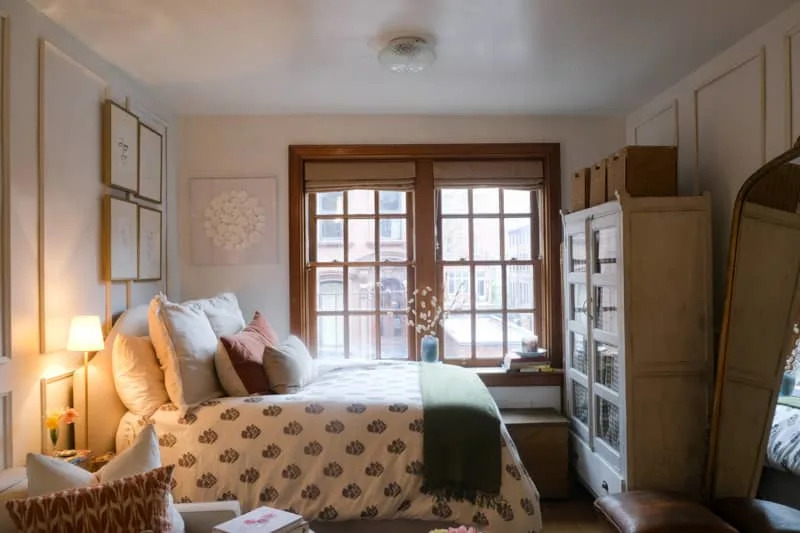
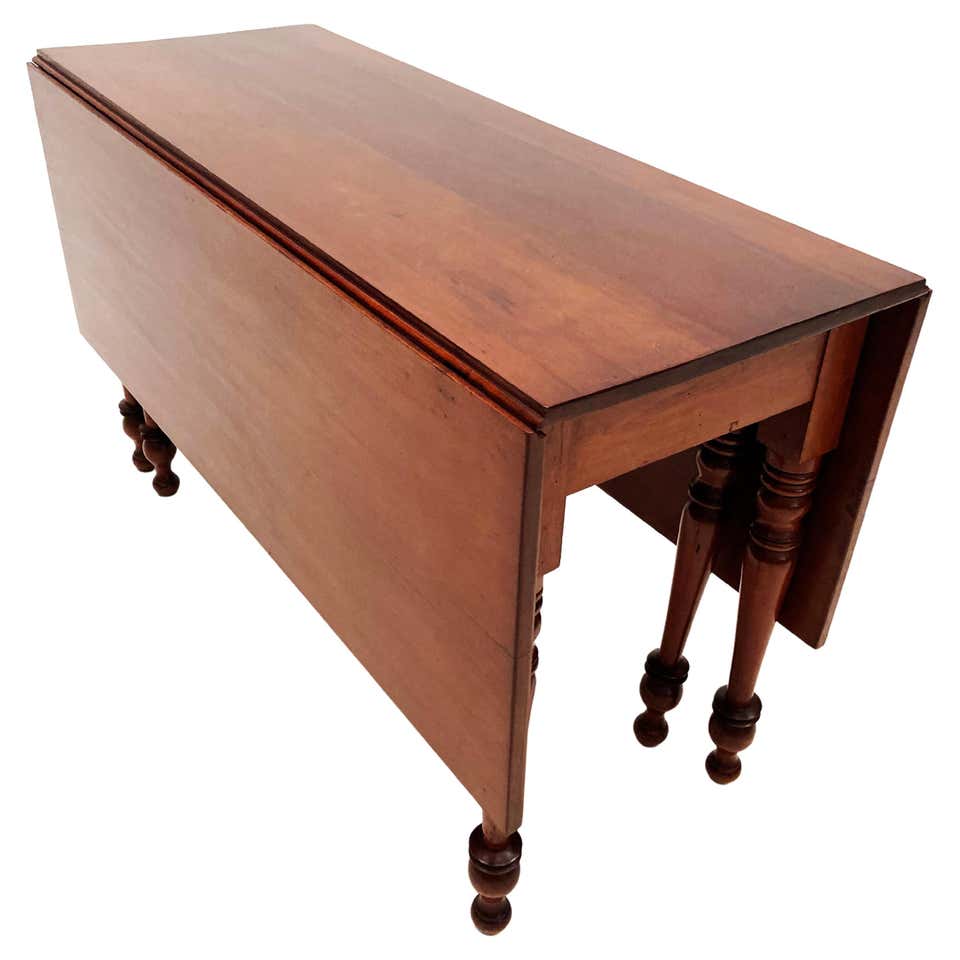
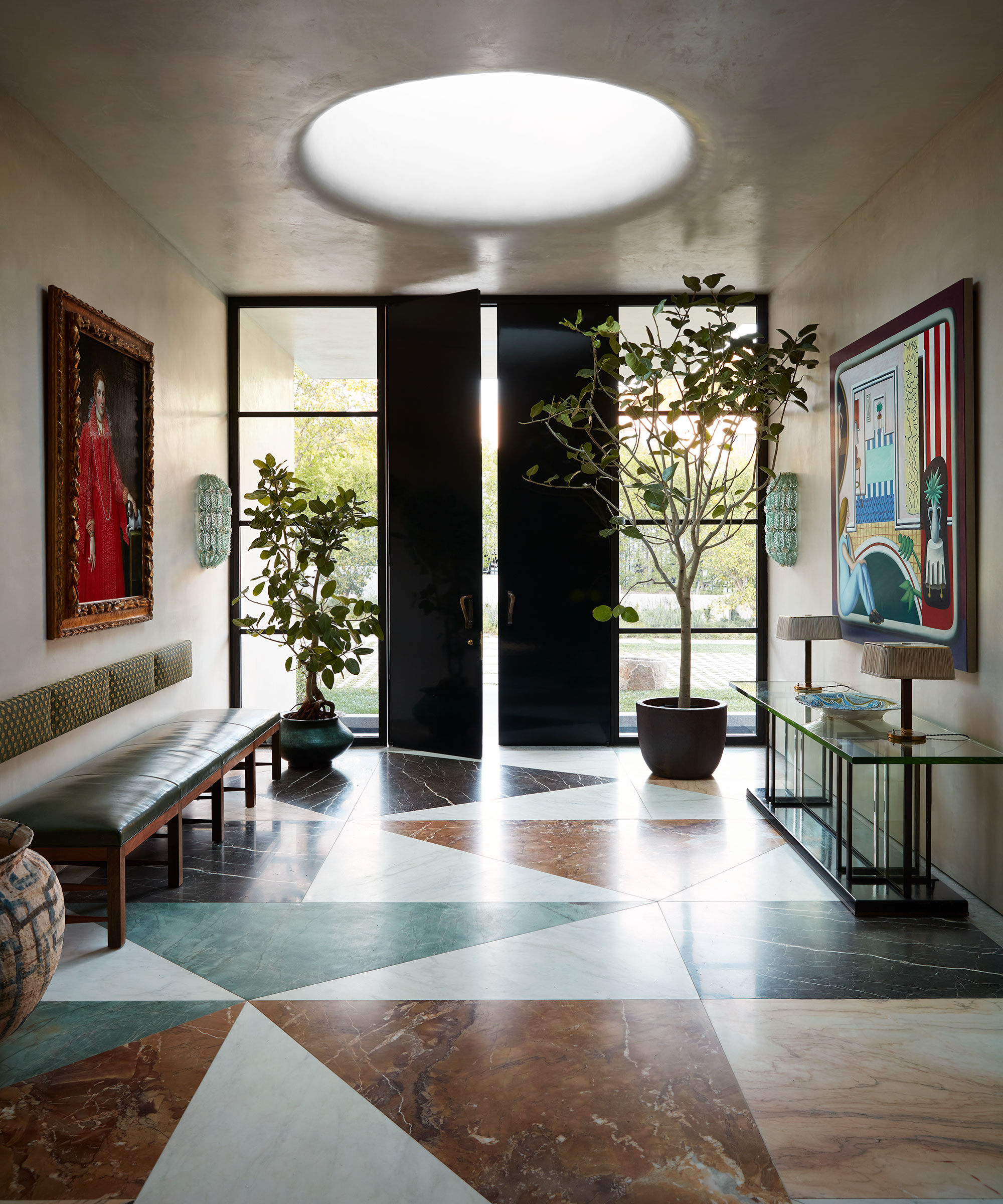
For a dramatic impact, introducing a large-scale antique statement piece can serve as a focal point in a modern room. Examples include an antique armoire, a Baroque-style or Art Deco headboard, or a vintage farm or coffee table. This approach works particularly well in neutral spaces that benefit from contrast and juxtaposition. Similarly, large decorative items like gilded mirrors or vintage rugs can anchor a contemporary living room.
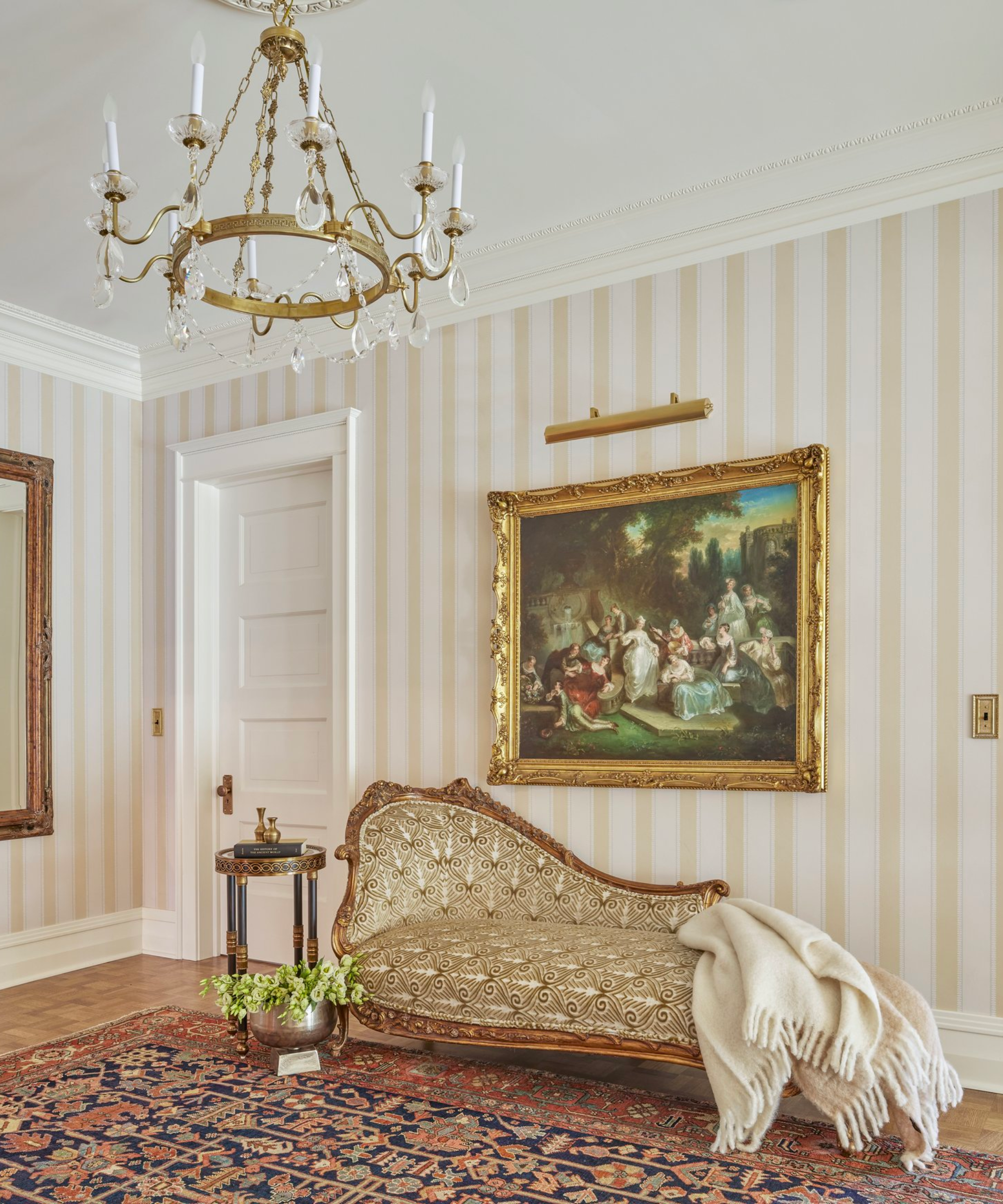
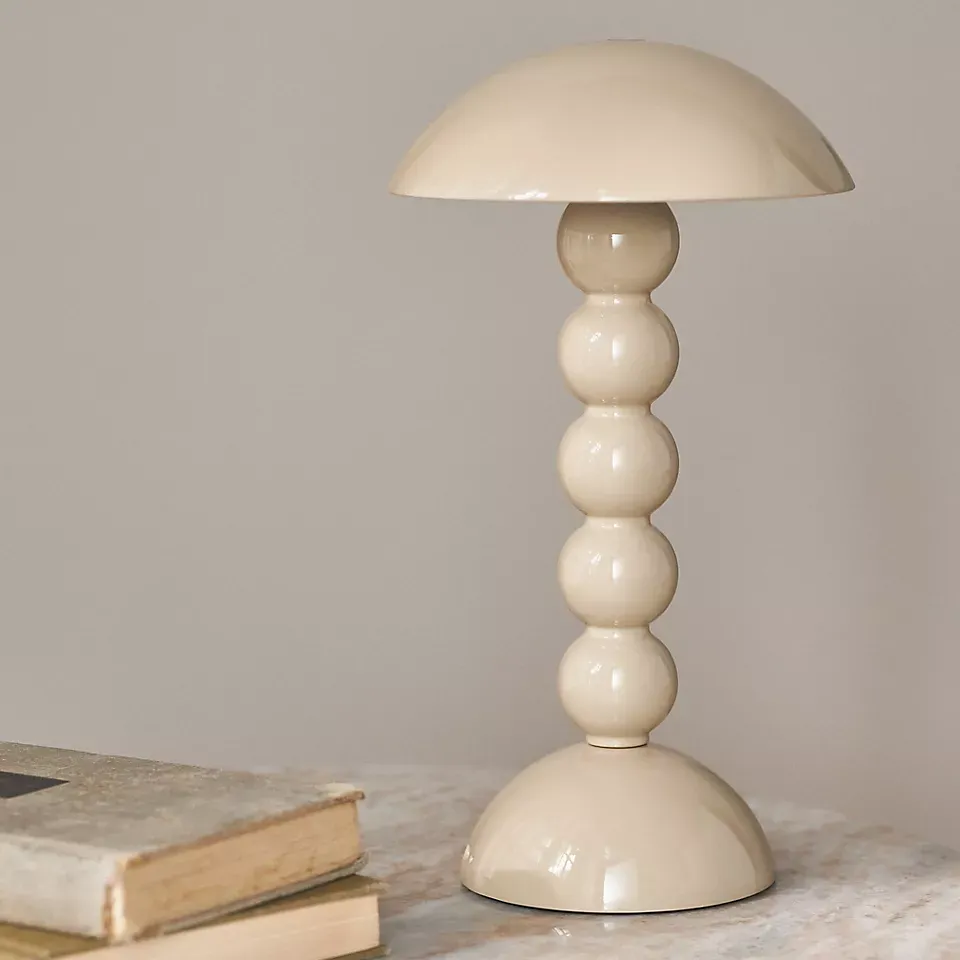
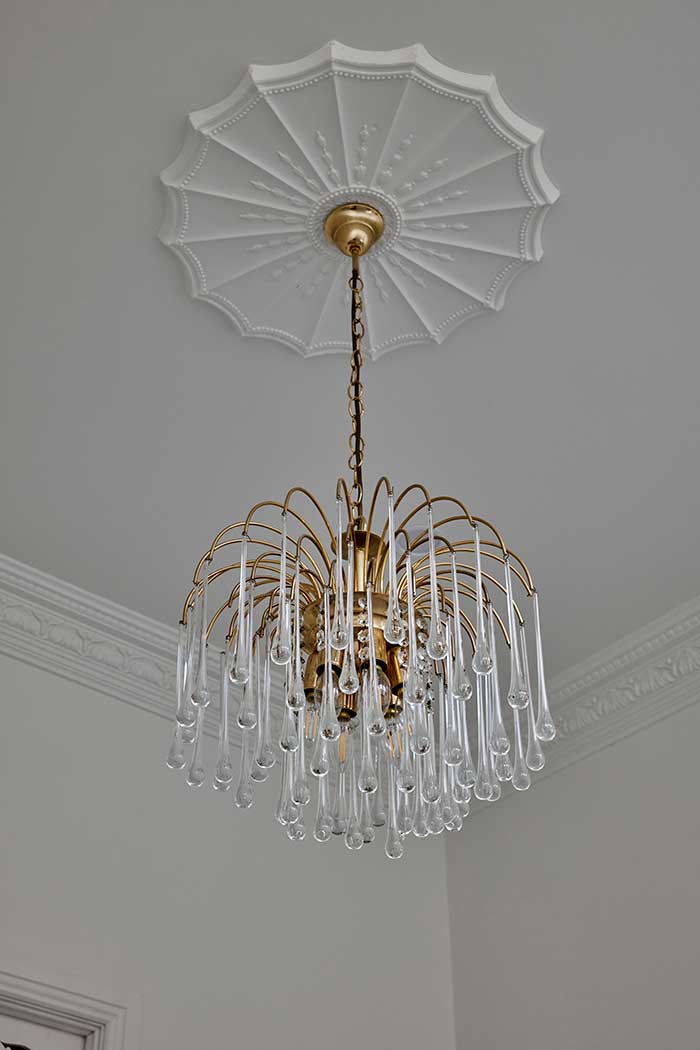
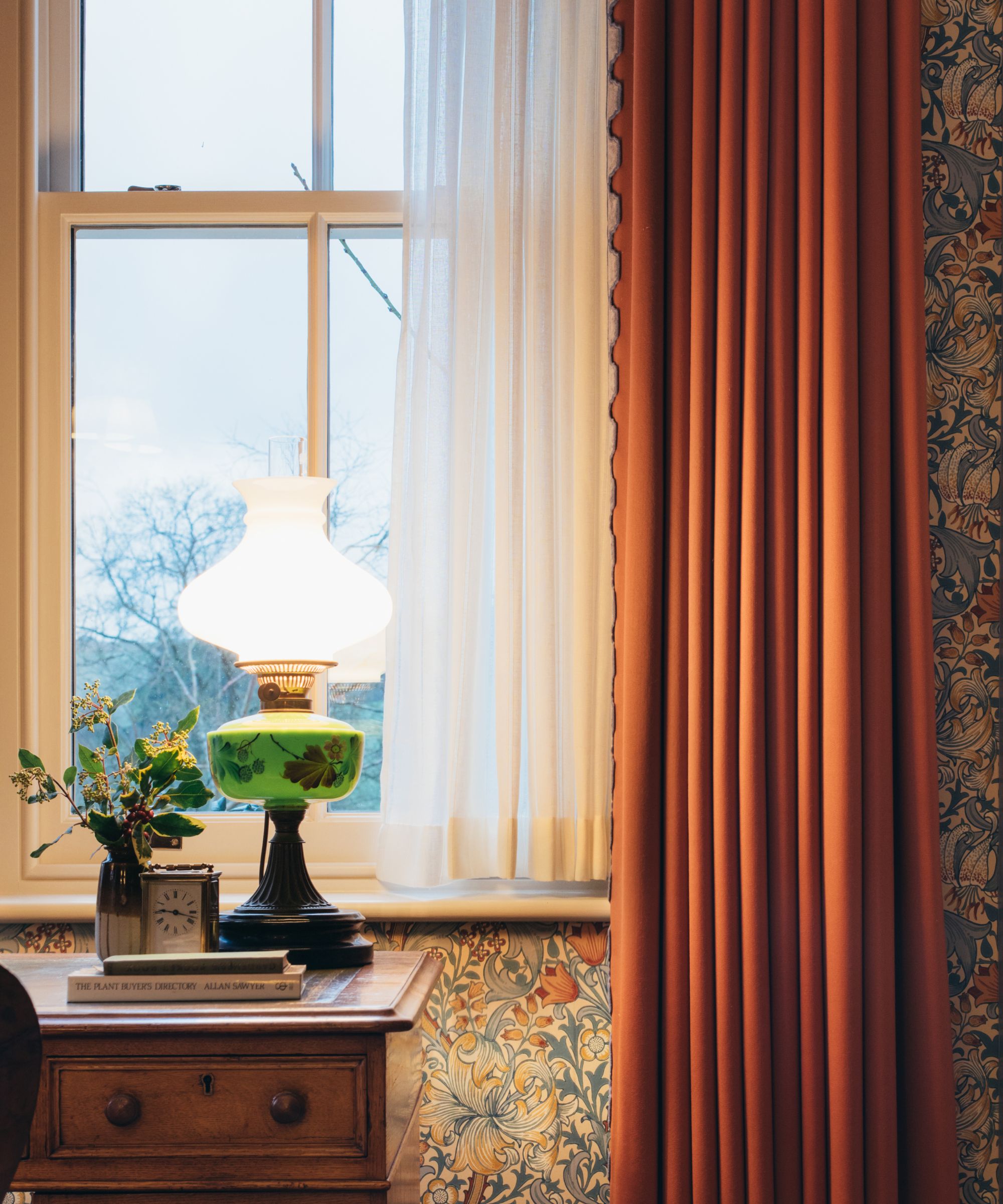
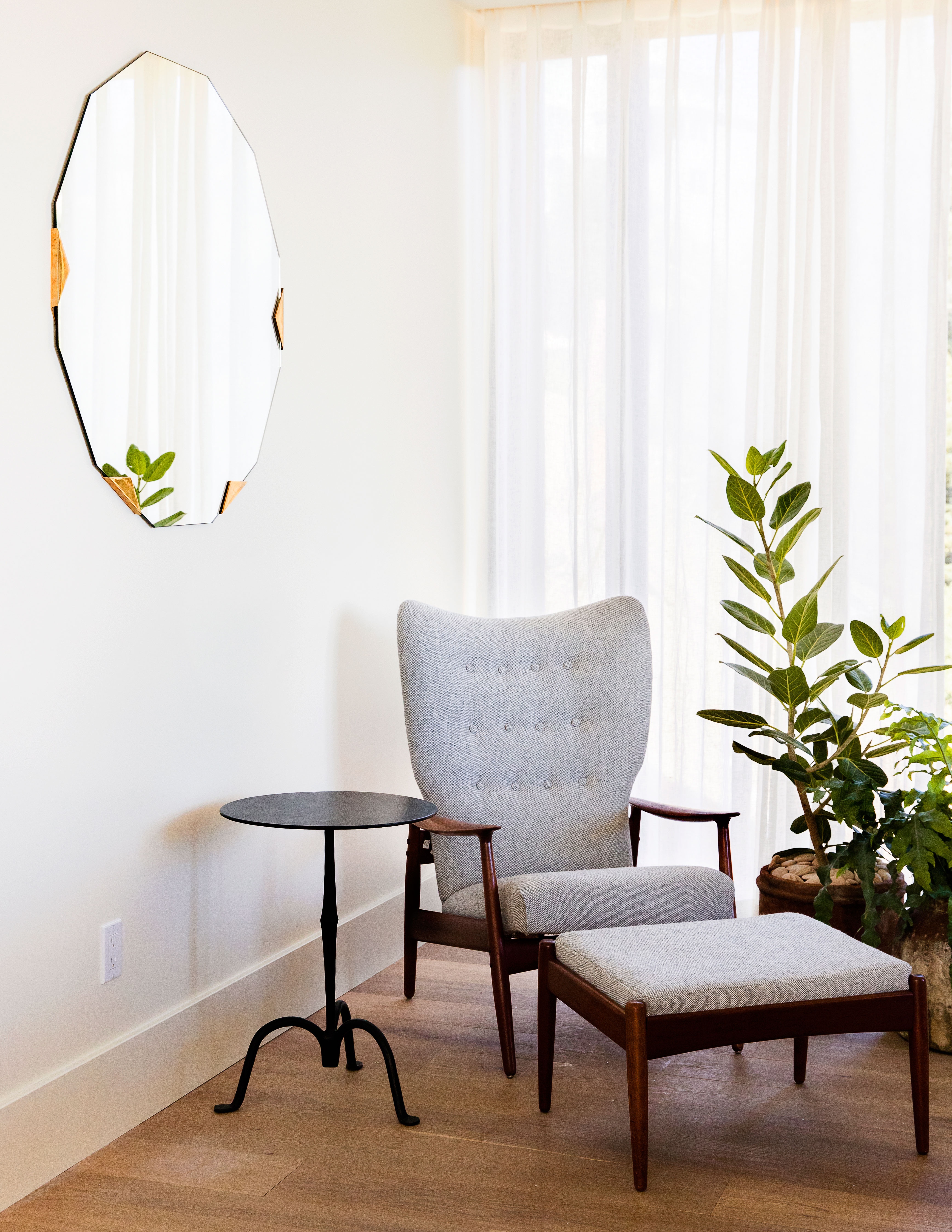
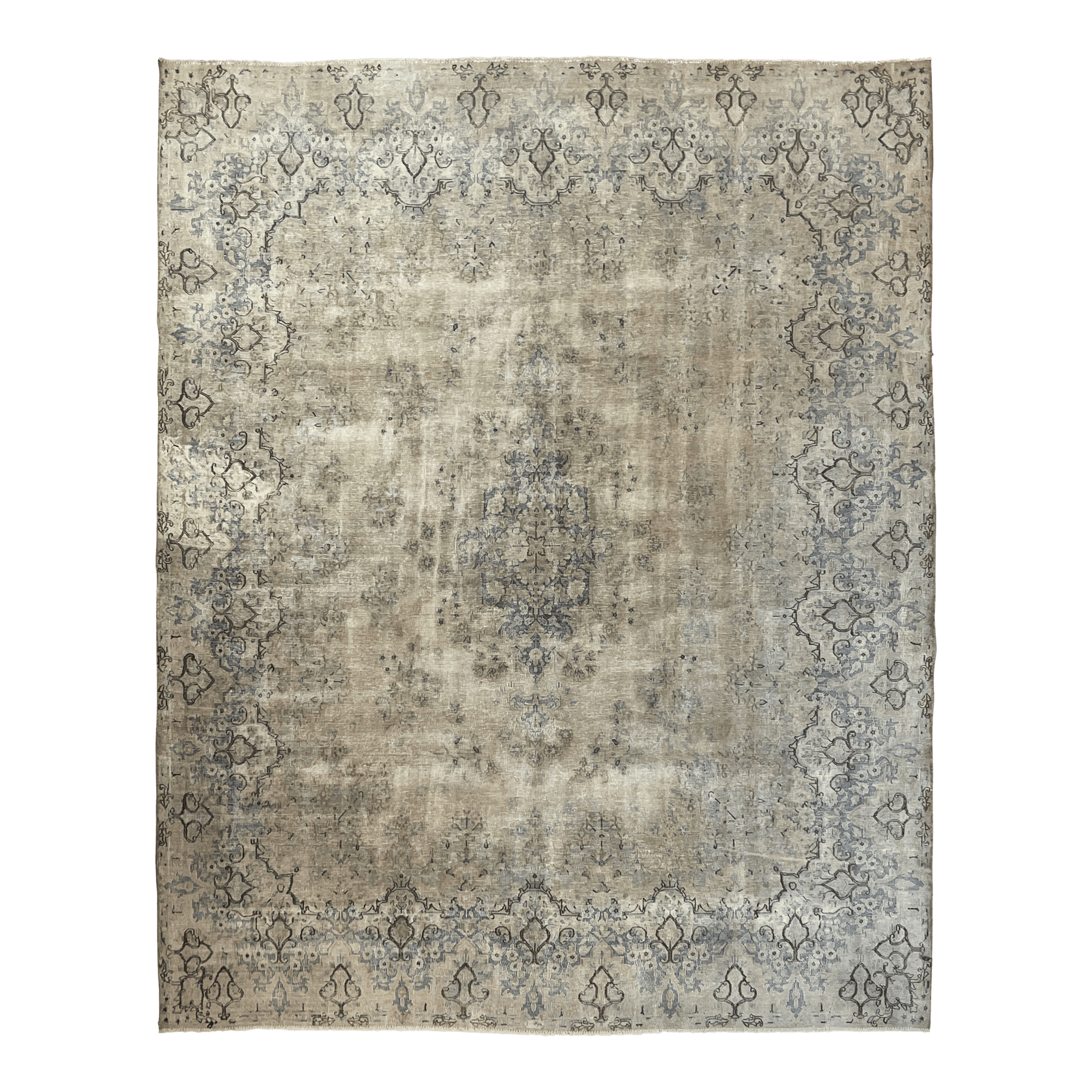
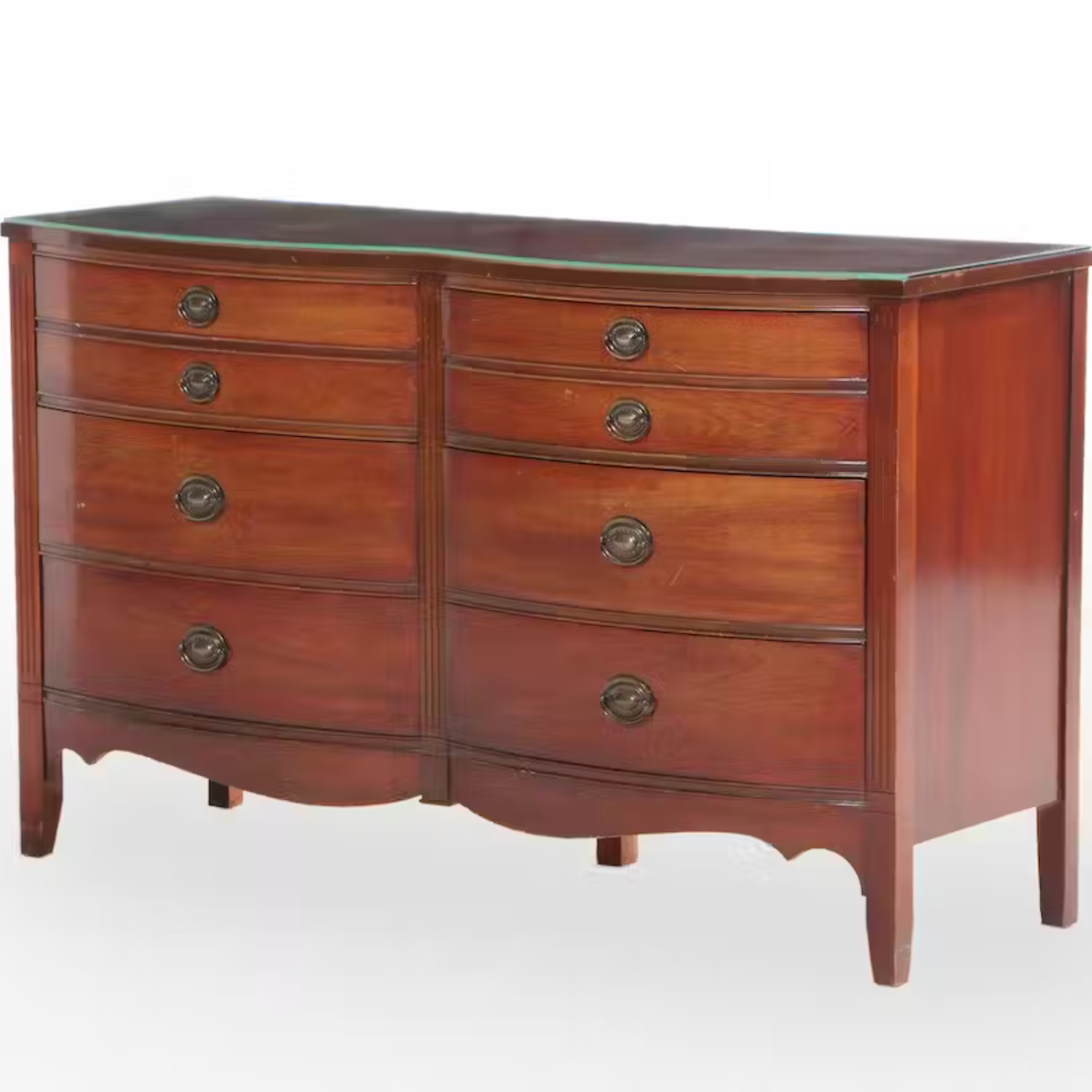

Alternatively, for those hesitant about large antique furniture, starting with smaller accent pieces is a viable option. Decorative items such as ornate gilded mirrors, unique lighting fixtures, or vintage rugs can introduce antique charm without overwhelming the space. A large antique or vintage rug, for instance, can immediately set a room's tone, providing a foundation for layering other elements. Mixing modern and traditional furniture can result in a layered look that evolves over time. Neutrals can simplify this process, or traditional upholstered pieces can be updated with colorful or patterned modern fabrics for an unexpected twist. Combining modern and rustic furniture, such as a rustic farmhouse table with modern chairs or a modern sofa with a rustic coffee table, can also create a harmonious modern rustic aesthetic. It is generally advised not to cover up the natural patina of antique furniture with paint if it diminishes its charm, and to restore damaged pieces with respect, avoiding alterations that compromise original details or value. Refinishing wood stain on an ordinary antique wood dresser does not typically diminish its value, and updating such pieces can make them more compatible with modern interiors. However, painting over the worn patina of rare antique painted furniture or gilded mirrors should be avoided, as it can detract from their history, appeal, and monetary value.
#HomeDesign #InteriorDecorating #AntiqueFurniture #ModernFurniture #MixingStyles #HomeImprovement #RefinishingFurniture #DesignTips #HomeDesign #InteriorDecorating #AntiqueFurniture #ModernFurniture #MixingStyles #HomeImprovement #RefinishingFurniture #DesignTips
0 comment in total
 No comments yet
You may also like
How to use antique furniture in a contemporary scheme
Decorating with antiques – 8 designer tips to channel the past in the chicest way

These designers source and restore vintage furniture every single day – here are their top tips for shopping and reviving
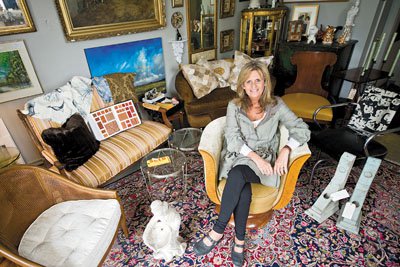
Amy King Pope of AKP Furnish & Design
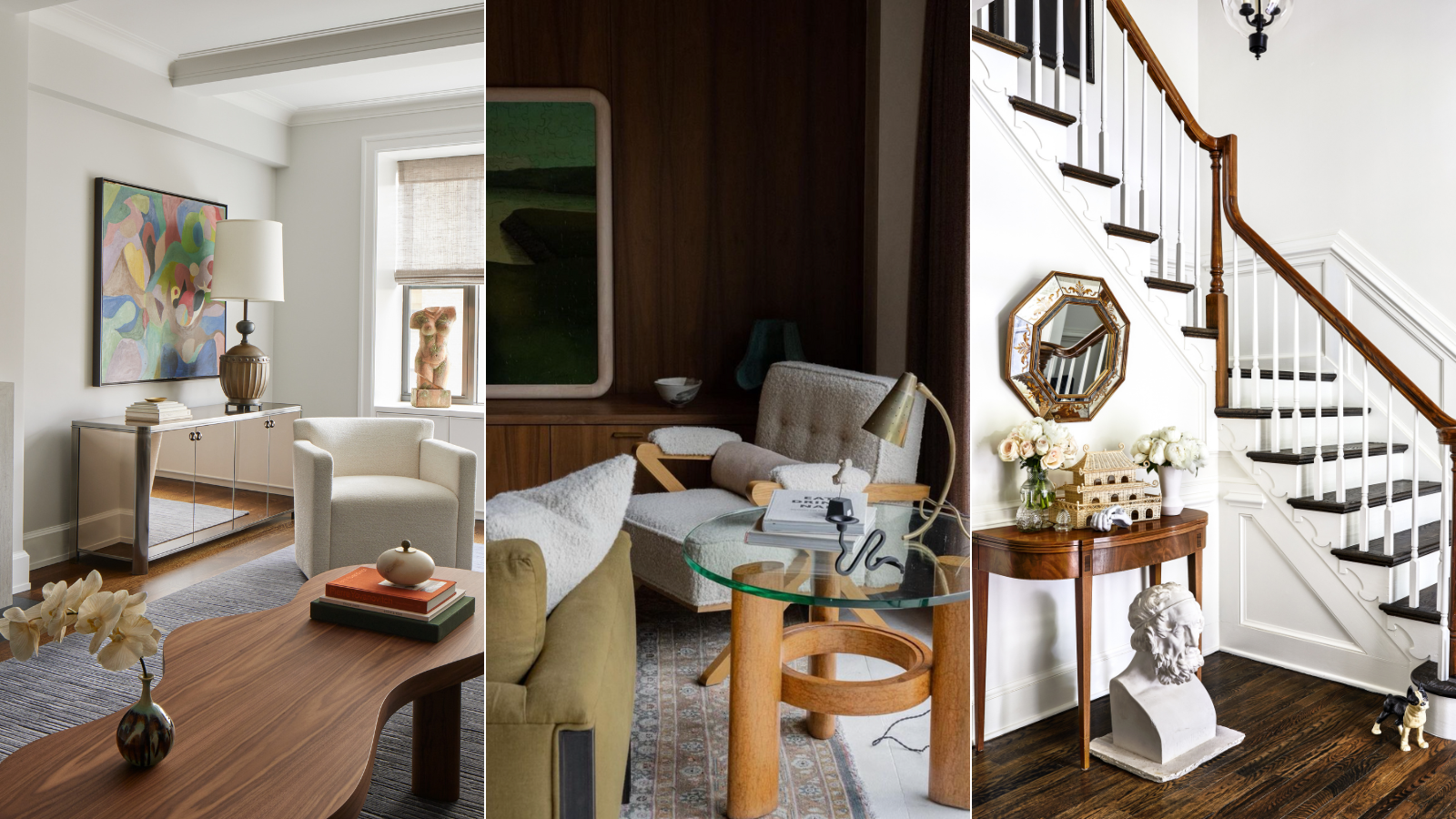
How to style antique furniture for a timeless, transitional space – 9 designers share their tips
Traditional Meets Modern Interior Design

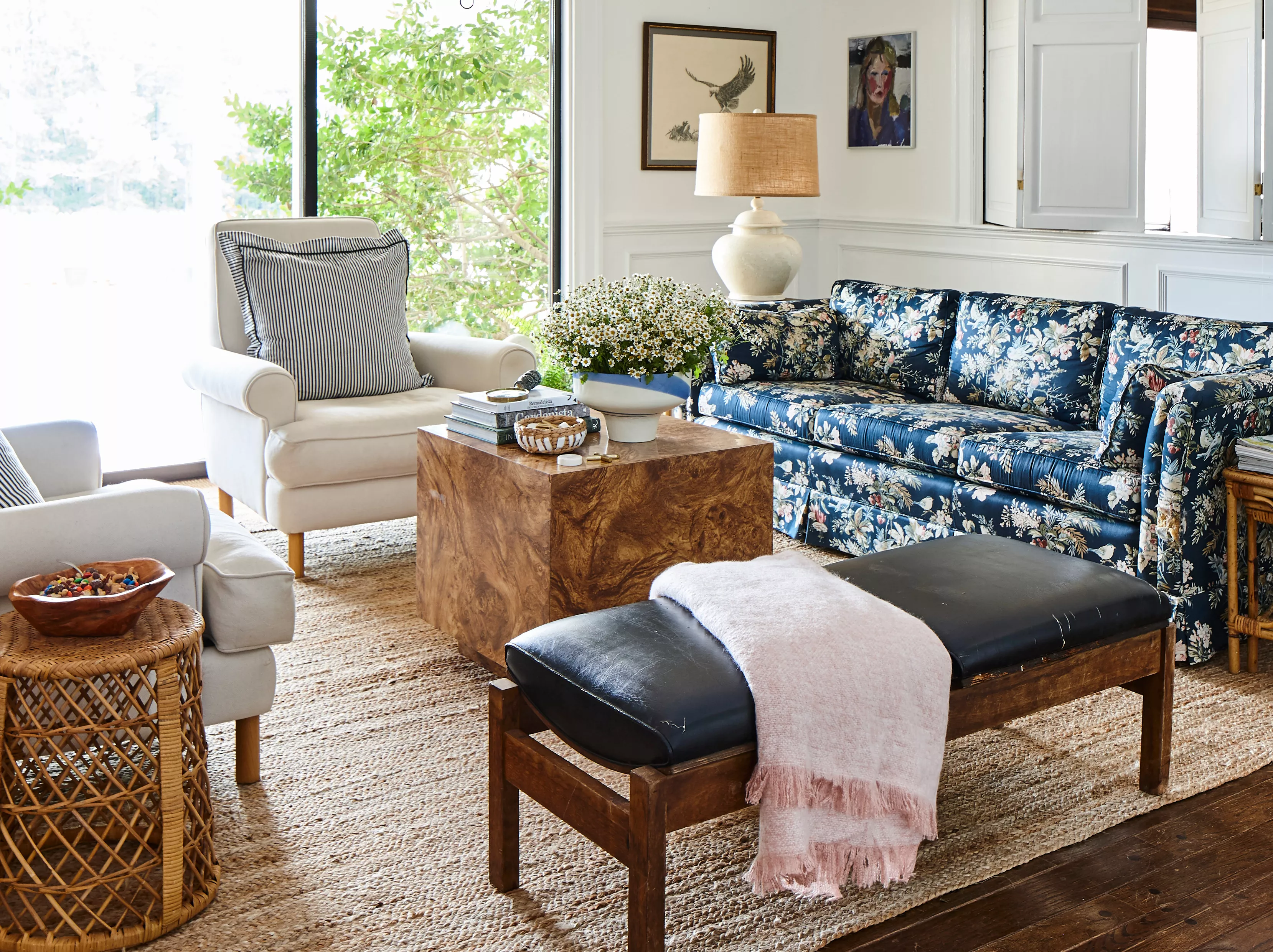
10 Furniture Styles That Instantly Make Your Home Look Outdated

Outdated Furniture Pieces That Are Having A Comeback

How to Modernize Antique Furniture for a Characterful and Cohesive Look
Vintage Eclectic Style Mixes Old and New for a Unique Yet Timeless Home
How to create a balanced living room layout using vintage furniture, according to the pros

Home Design: Timeless Meets Modern

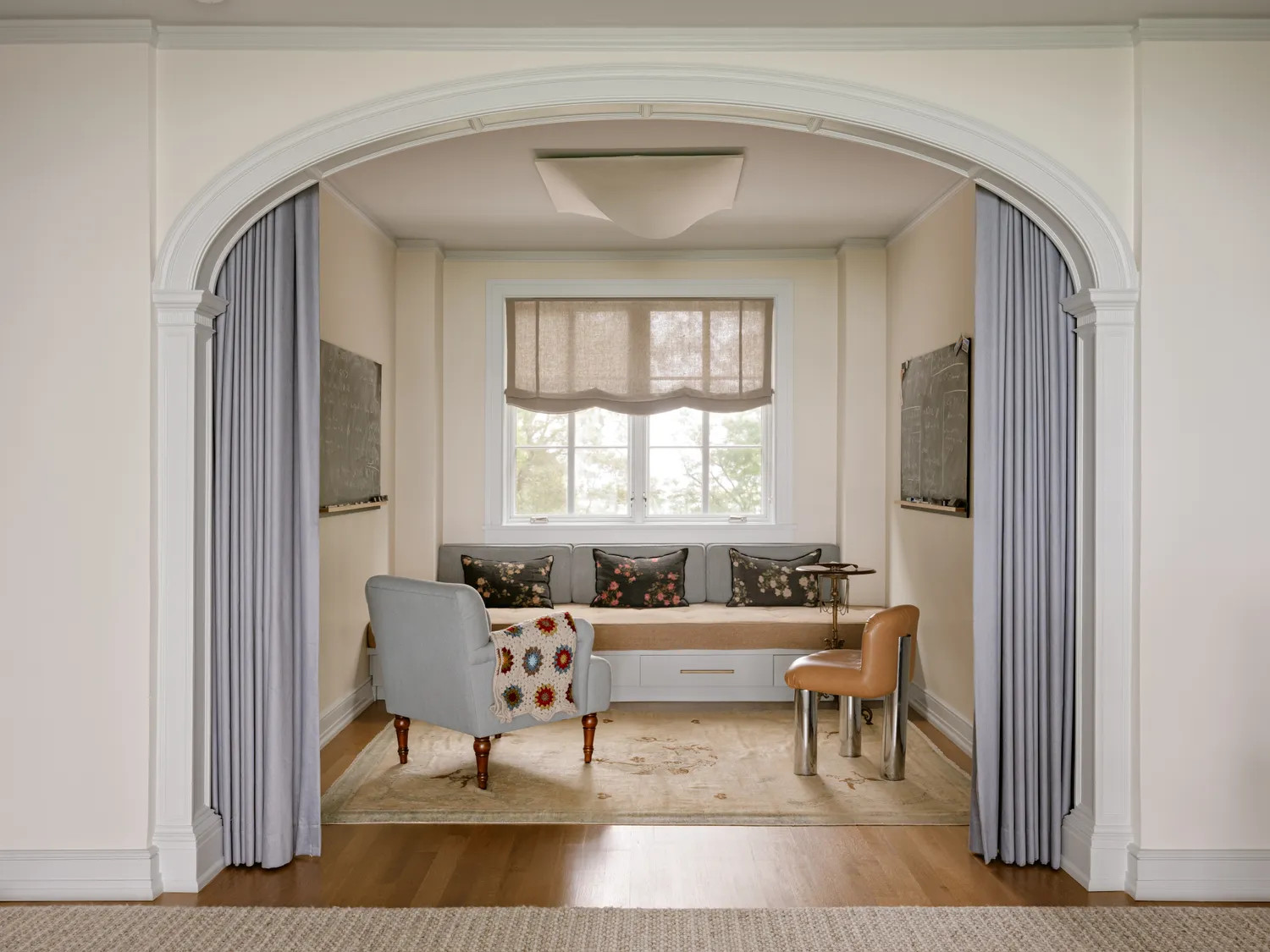
How To Mix Antique And Modern Furniture Without Making It Look Mismatched
14 Fresh Ways to Mix Vintage Style into a Modern Home

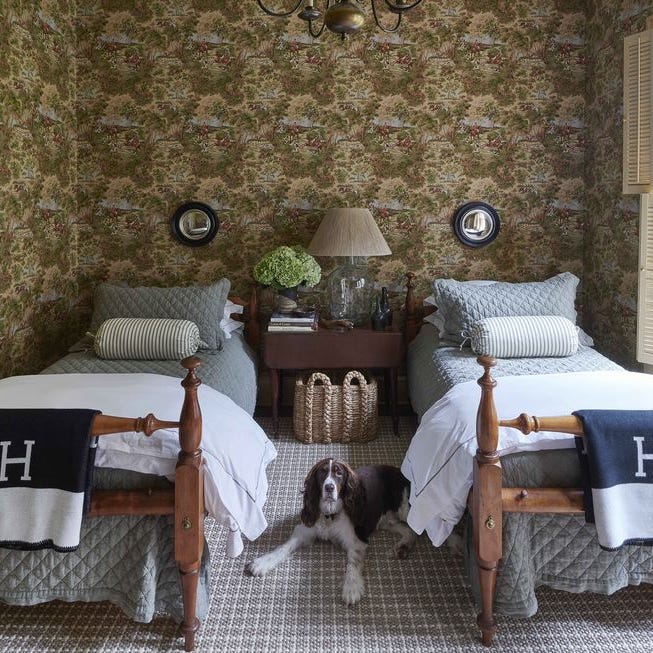
The 8 Best Vintage Furniture Stores to Shop in-Person and Online

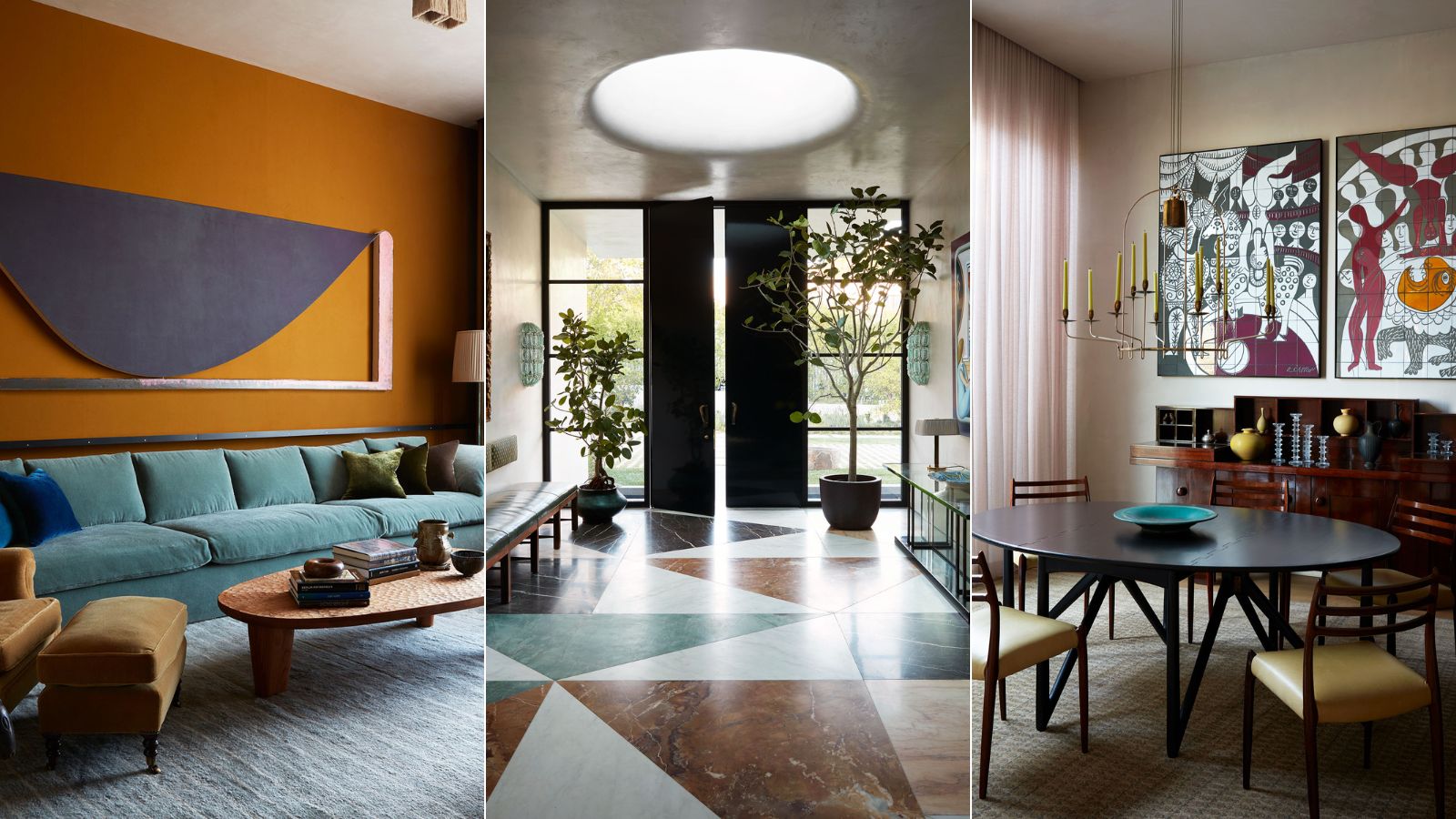
4 ways to master the art of mixing traditional and modern decor, as told by the experts at Studio Shamshiri
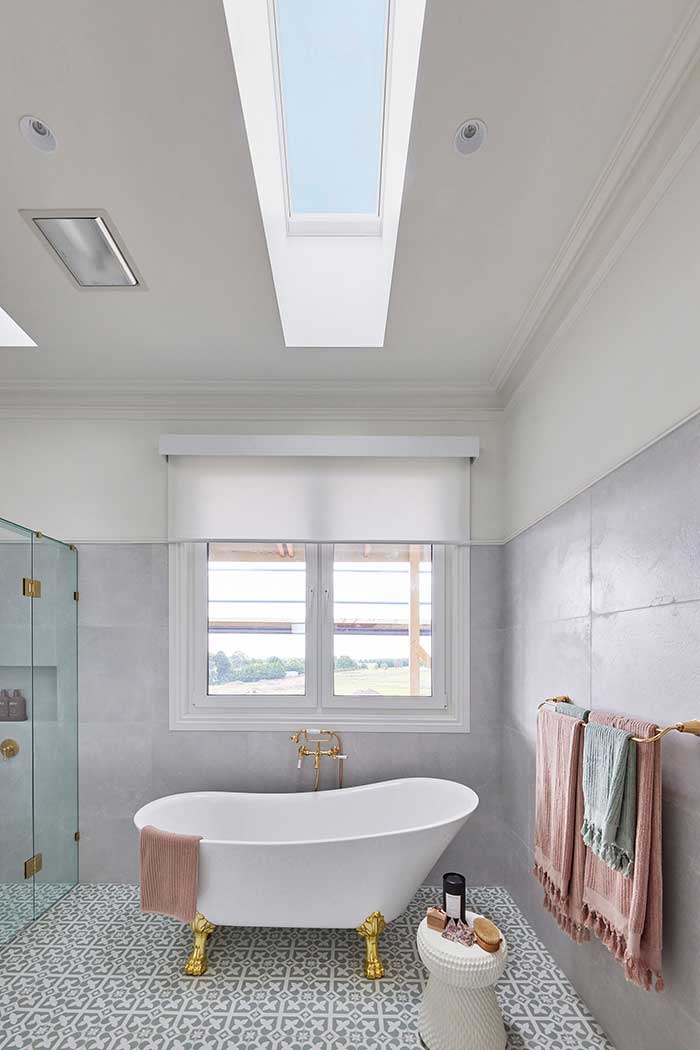
Modernising period homes: Practical tips on blending old and new
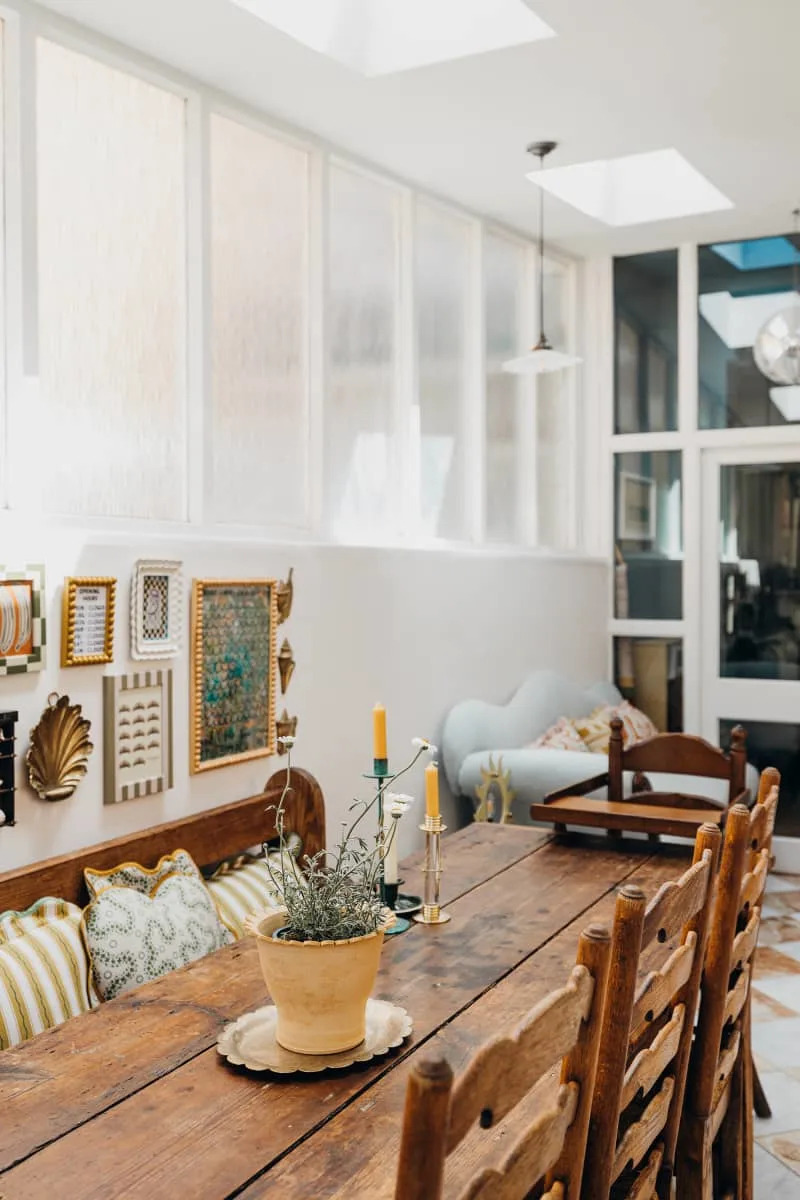
This Timeless Trend Is Making a Comeback, and It’s Ridiculously Easy to Style

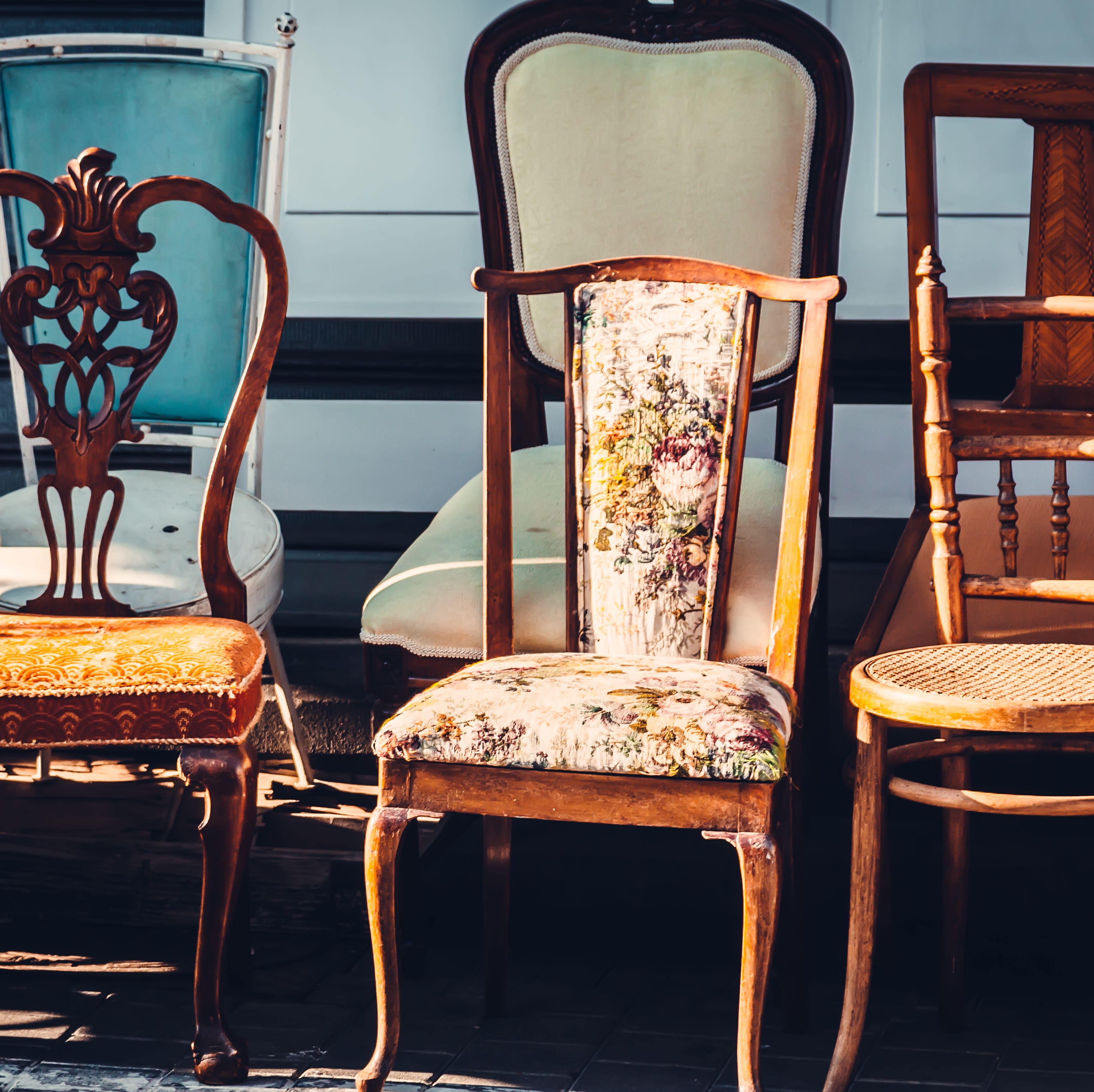
These 5 Popular Antiques Are Flying Off the Shelves This Fall, According to Interior Designers

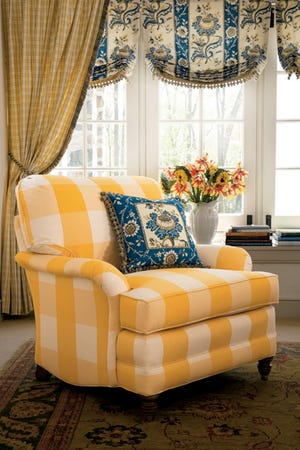
Mix new items with antiques and flea market finds to create cottage chic style