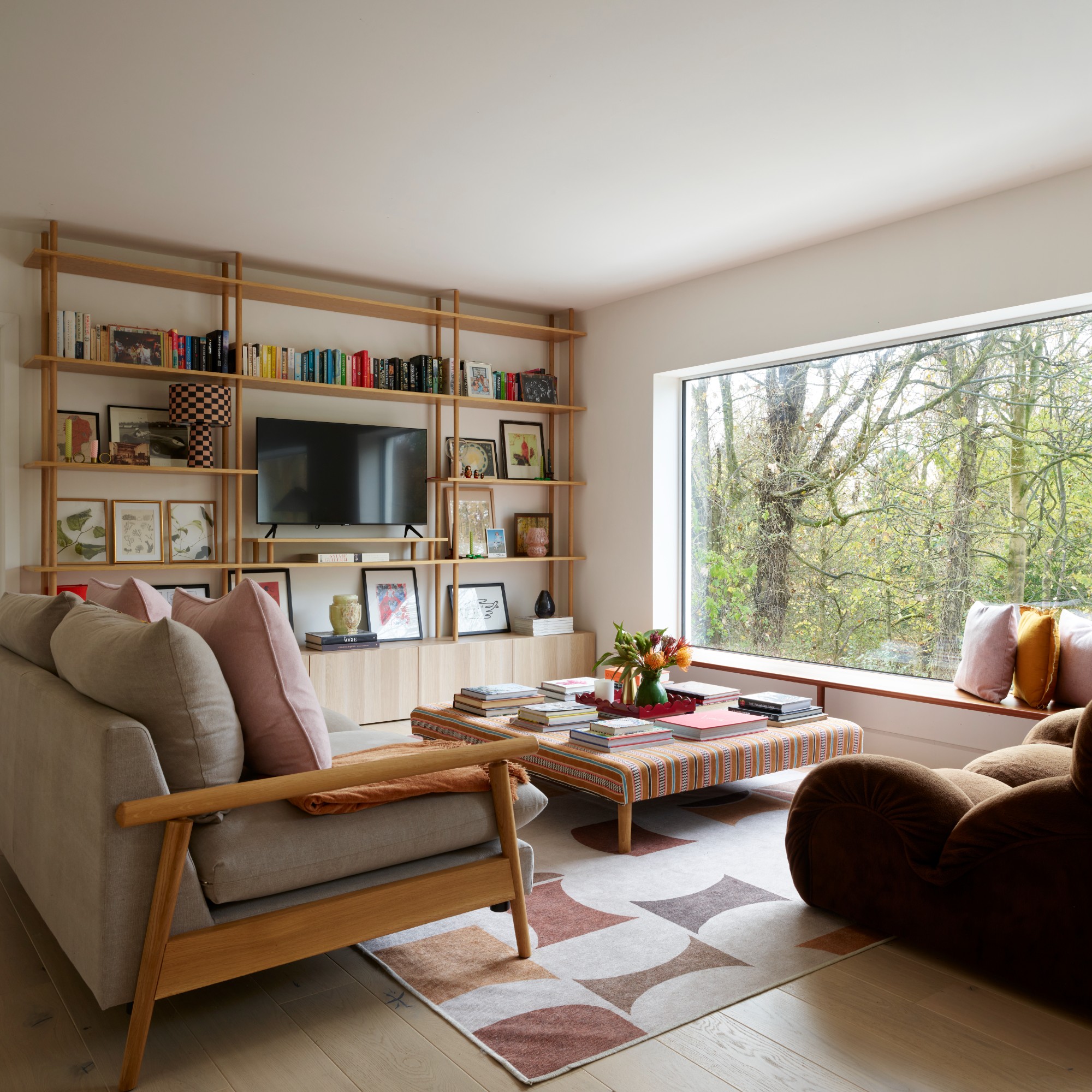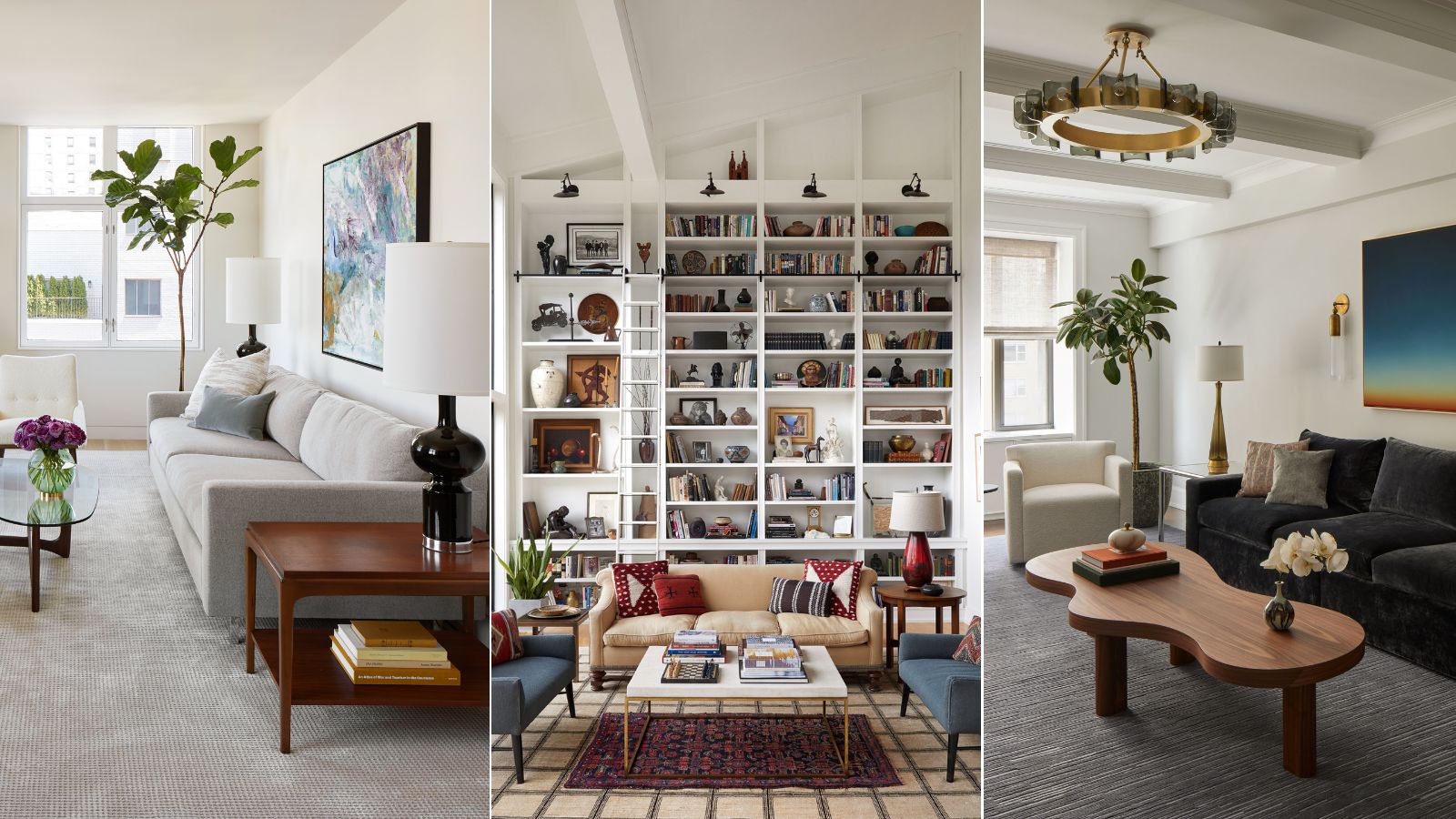
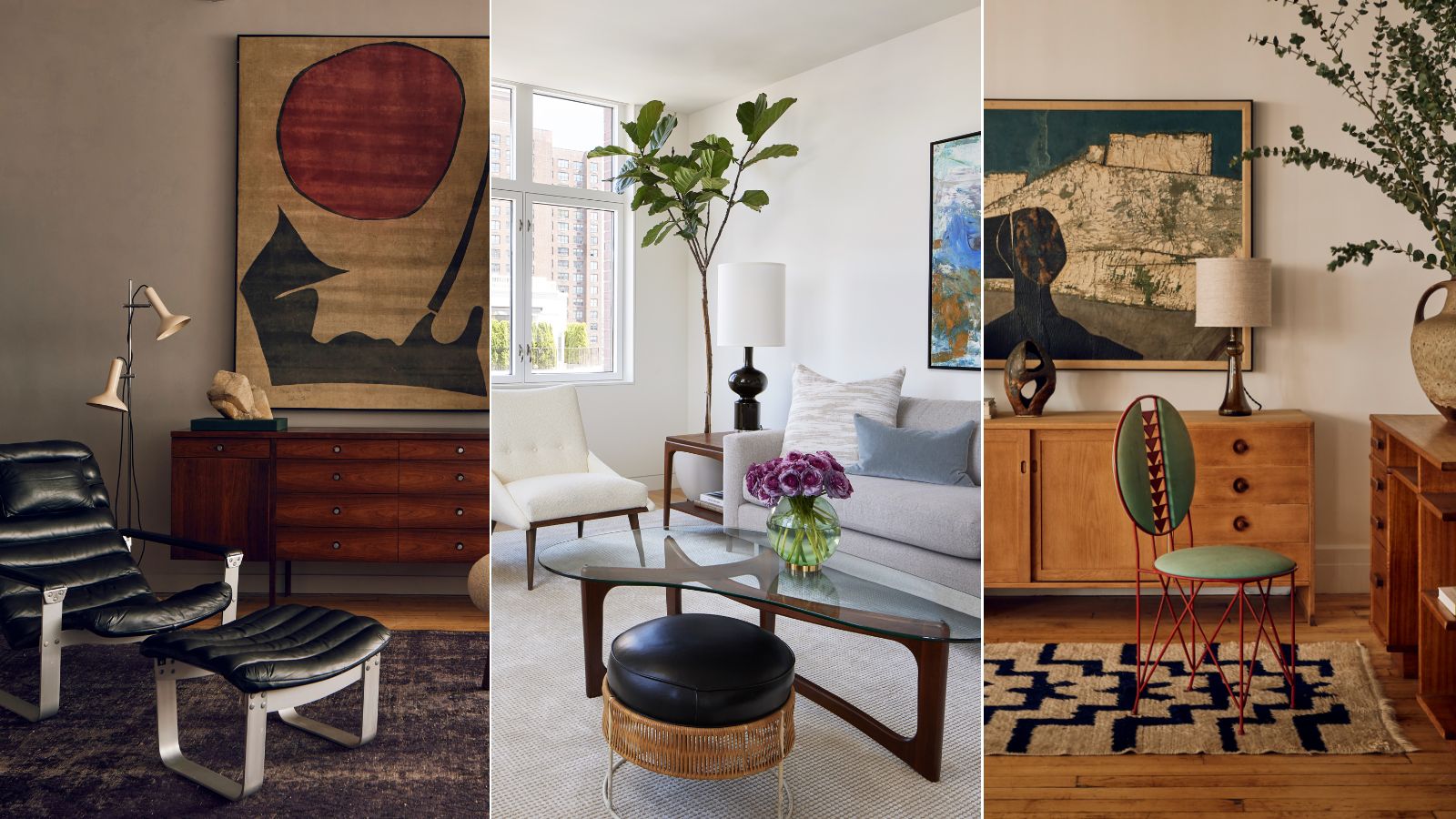
1/6
How to create a balanced living room layout using vintage furniture, according to the pros
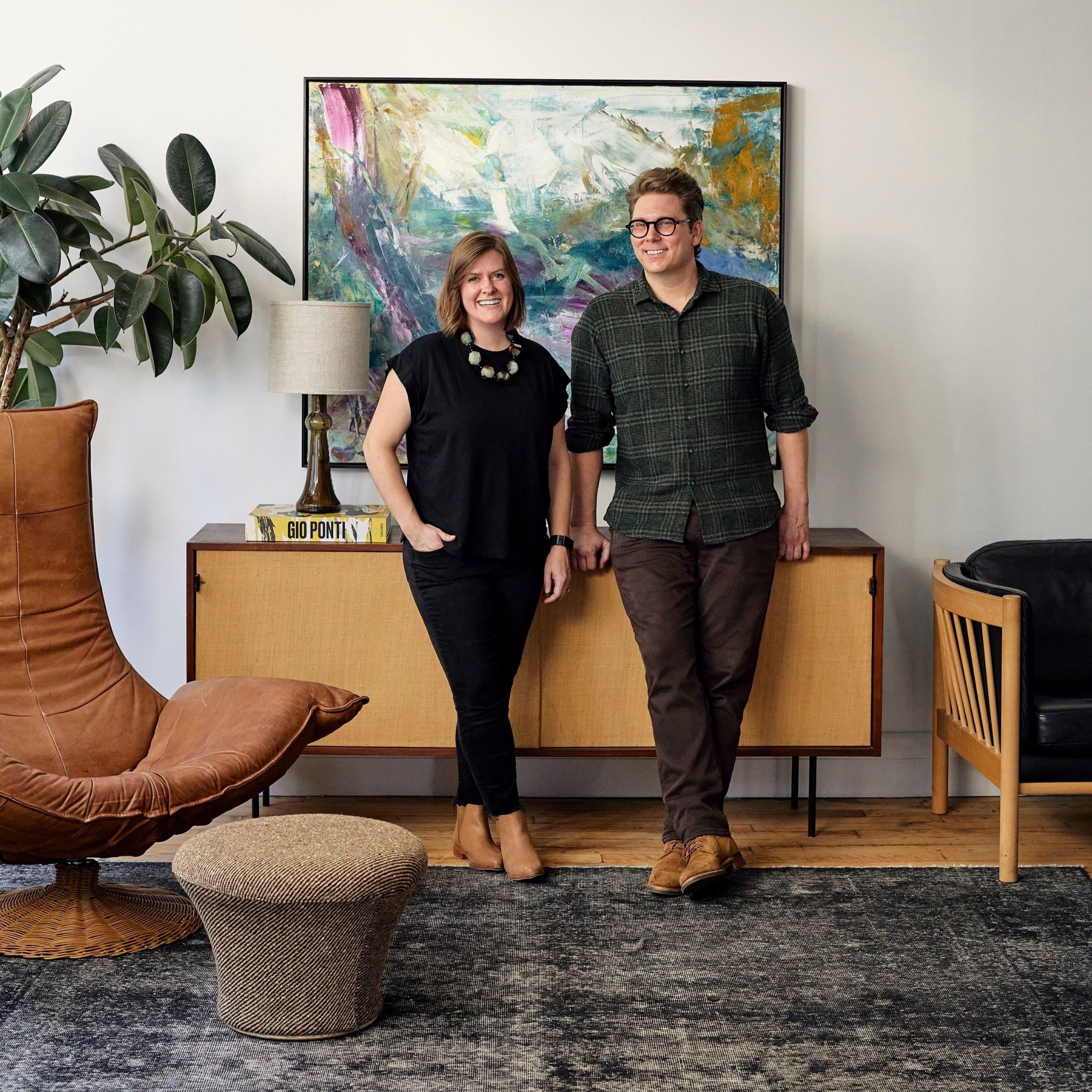
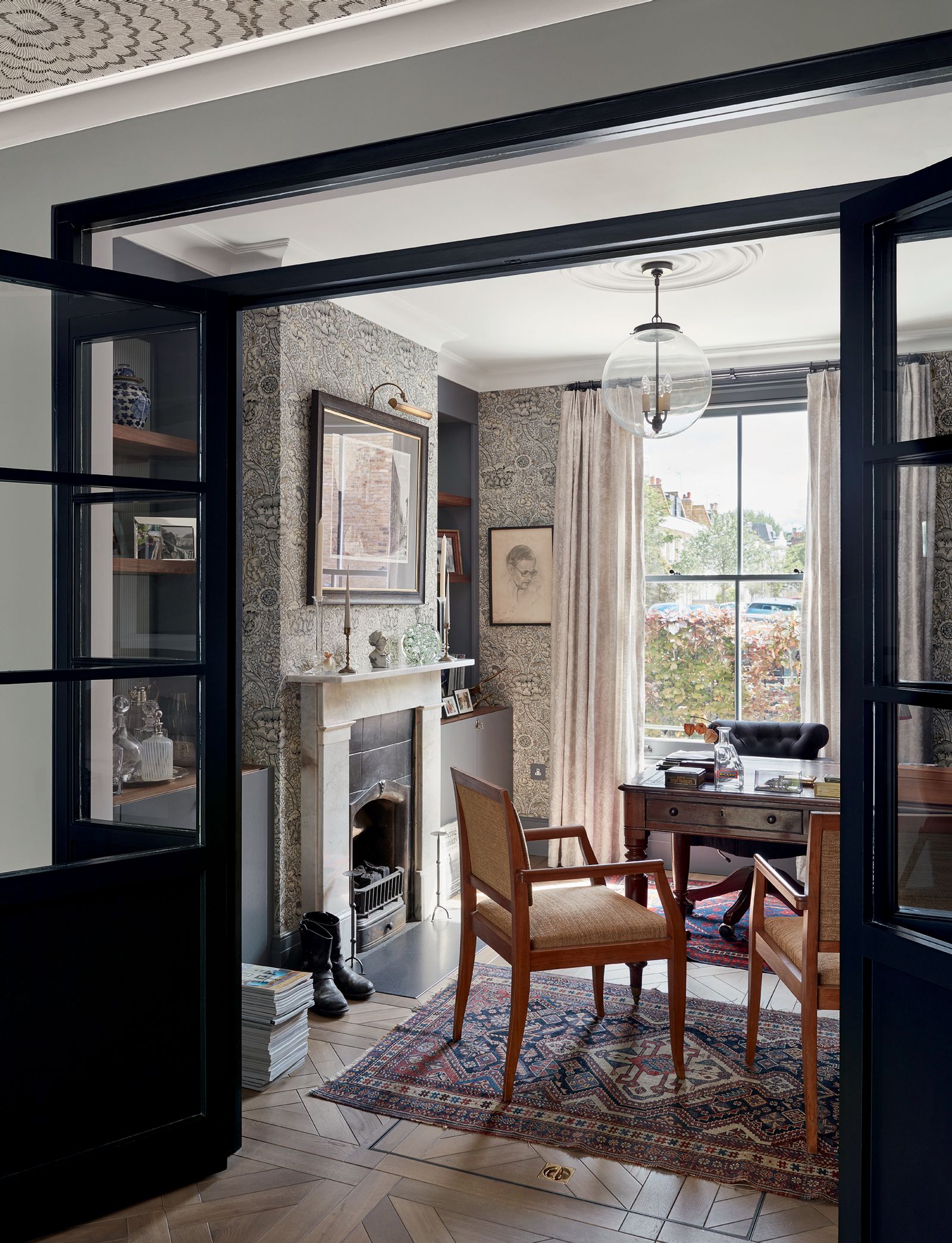
The article explores how to achieve a balanced living room layout using vintage and antique furniture, drawing insights from Joe McGuier and Megan Prime, co-founders of Brooklyn-based JAM. The designers, who regularly incorporate unique pieces into their projects and stock them at JAM Shop, emphasize that vintage furniture, despite its non-traditional sizes, shapes, and finishes, can contribute to the best and most cohesive living room designs. The core message is that rather than hindering the design process, these well-loved items can be a significant asset.
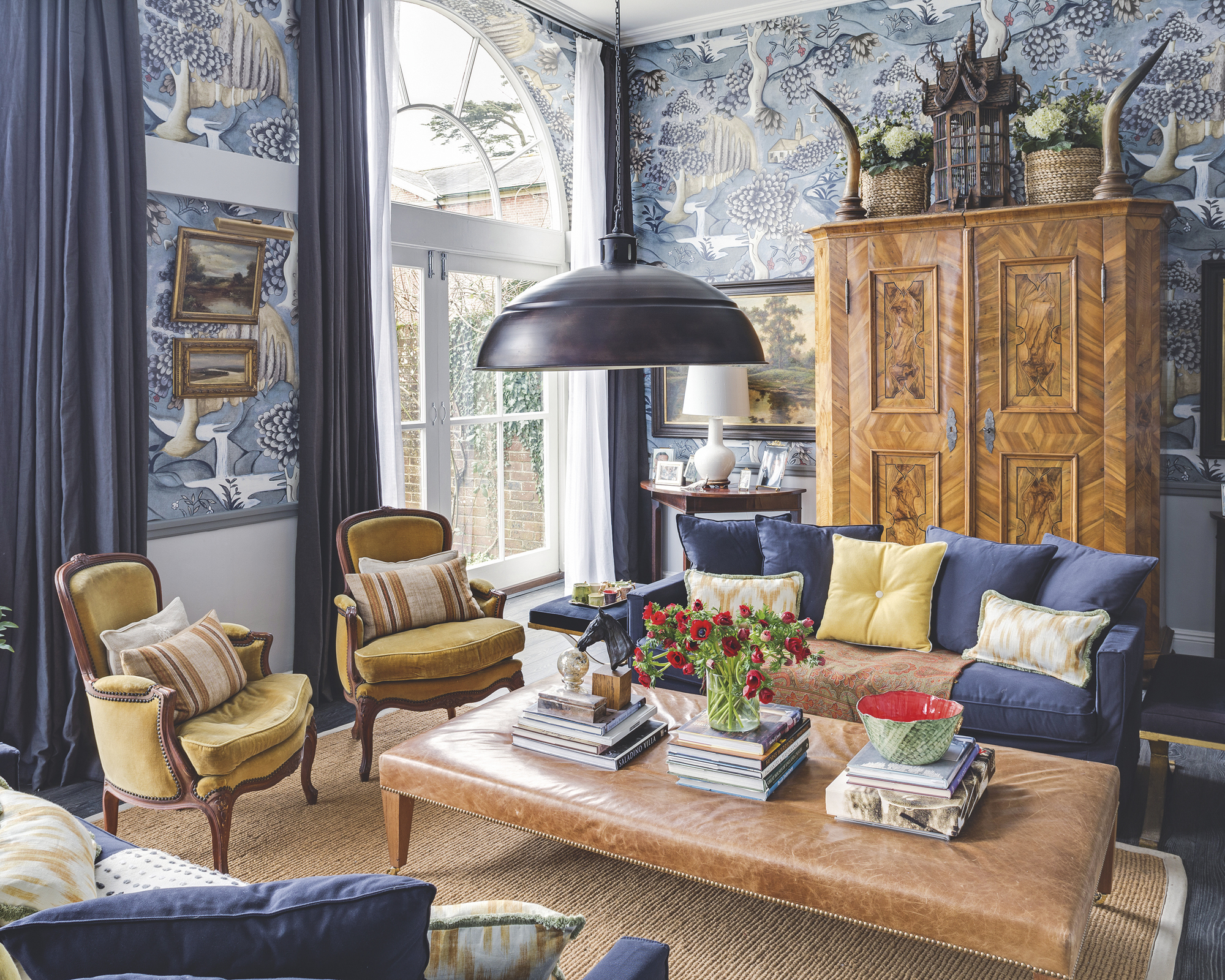
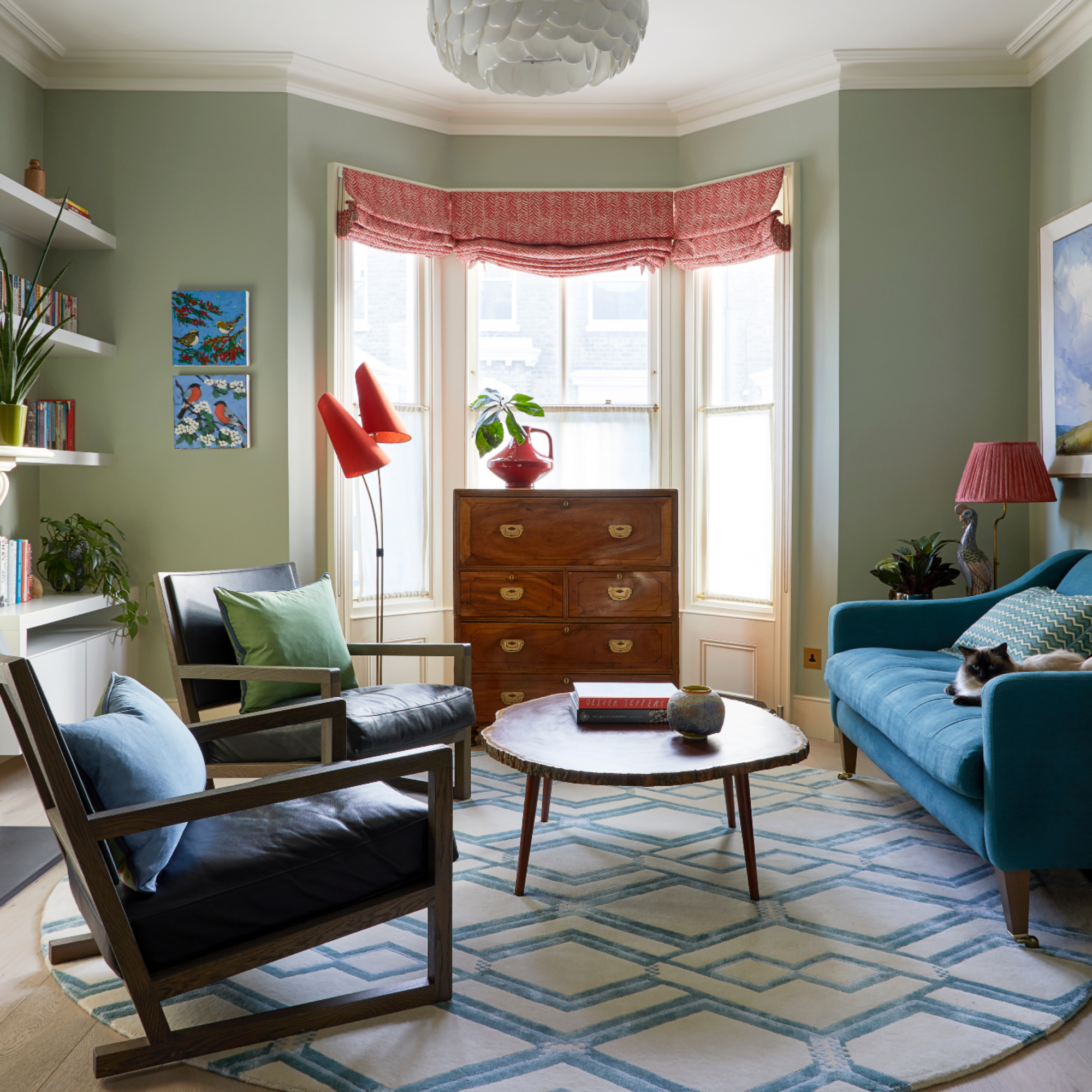
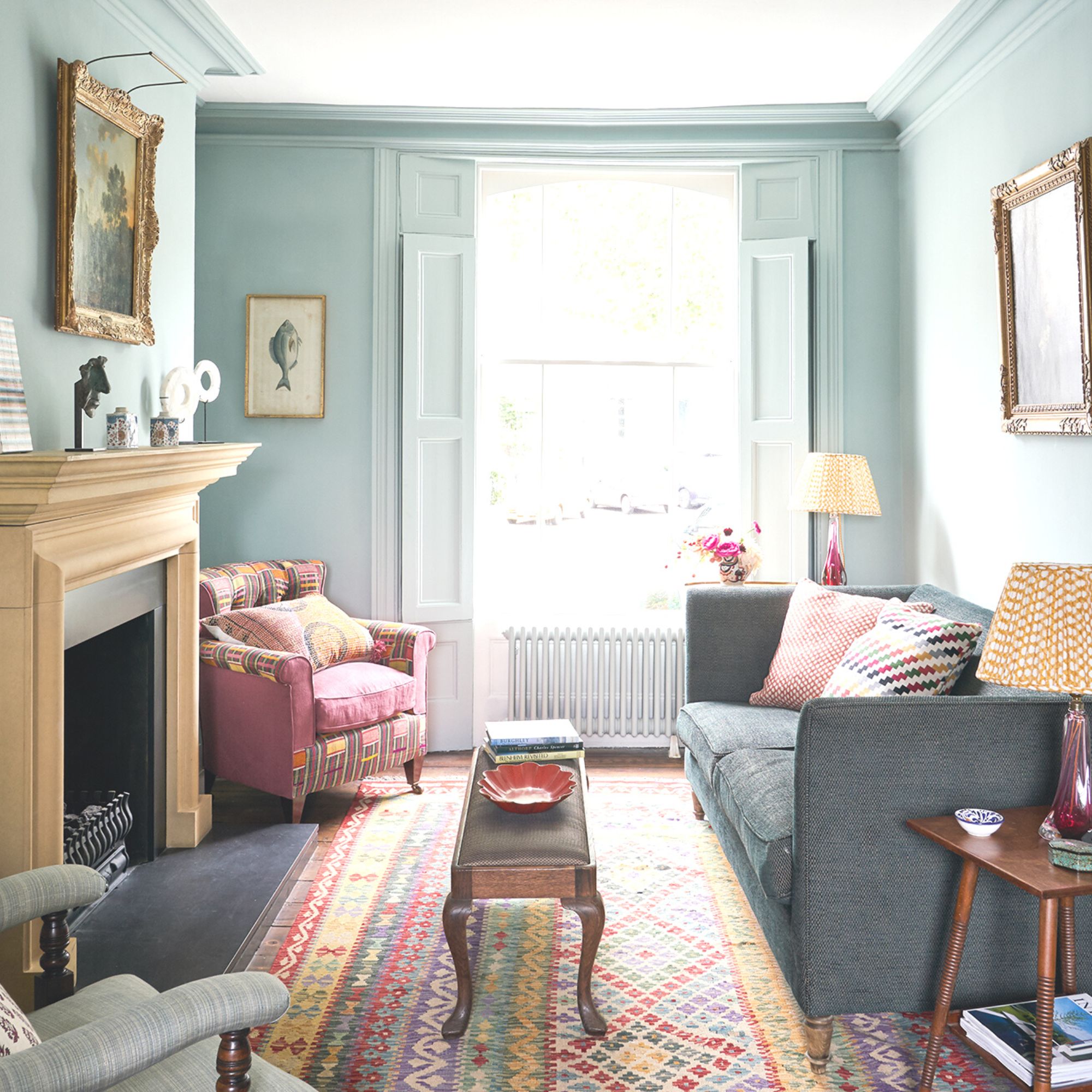
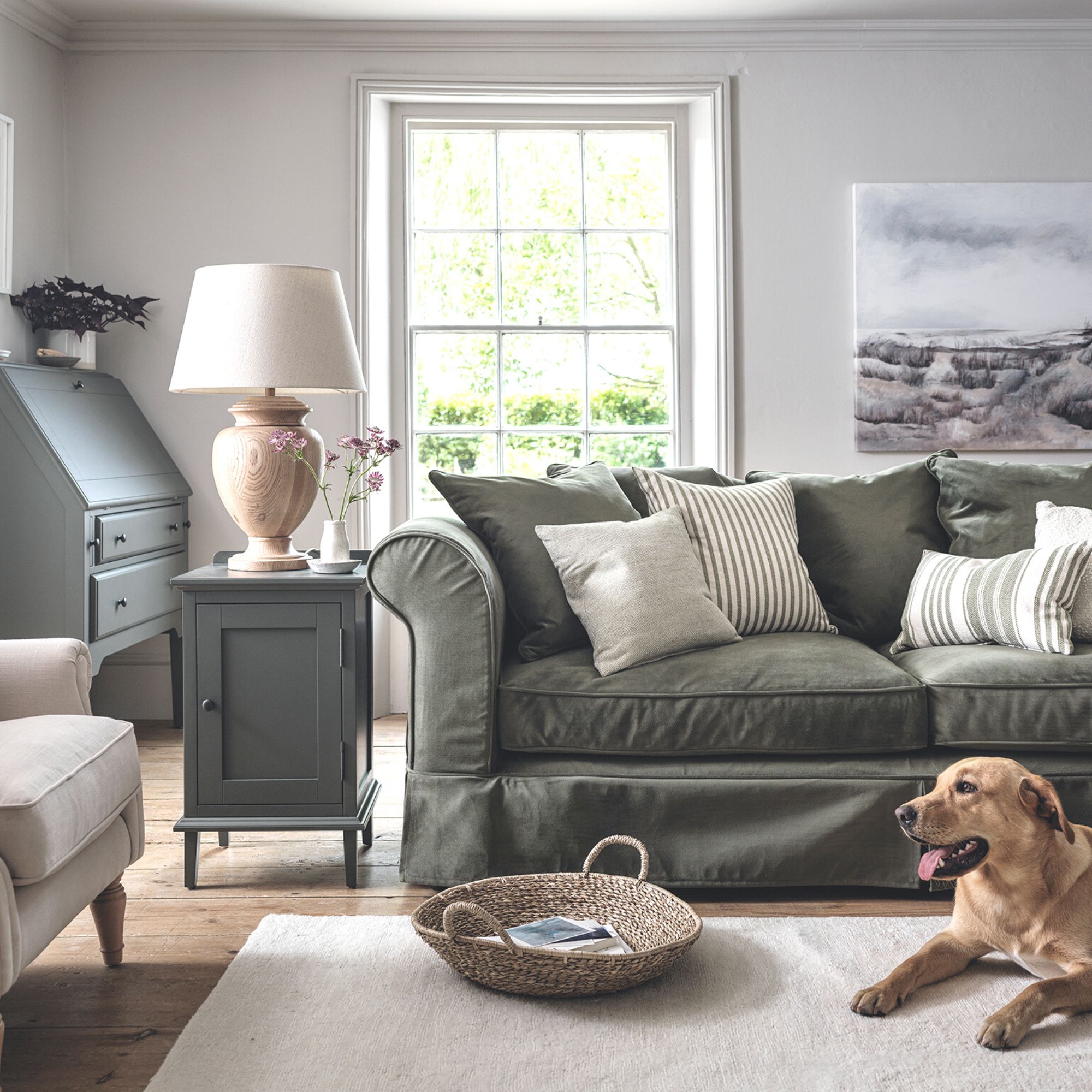
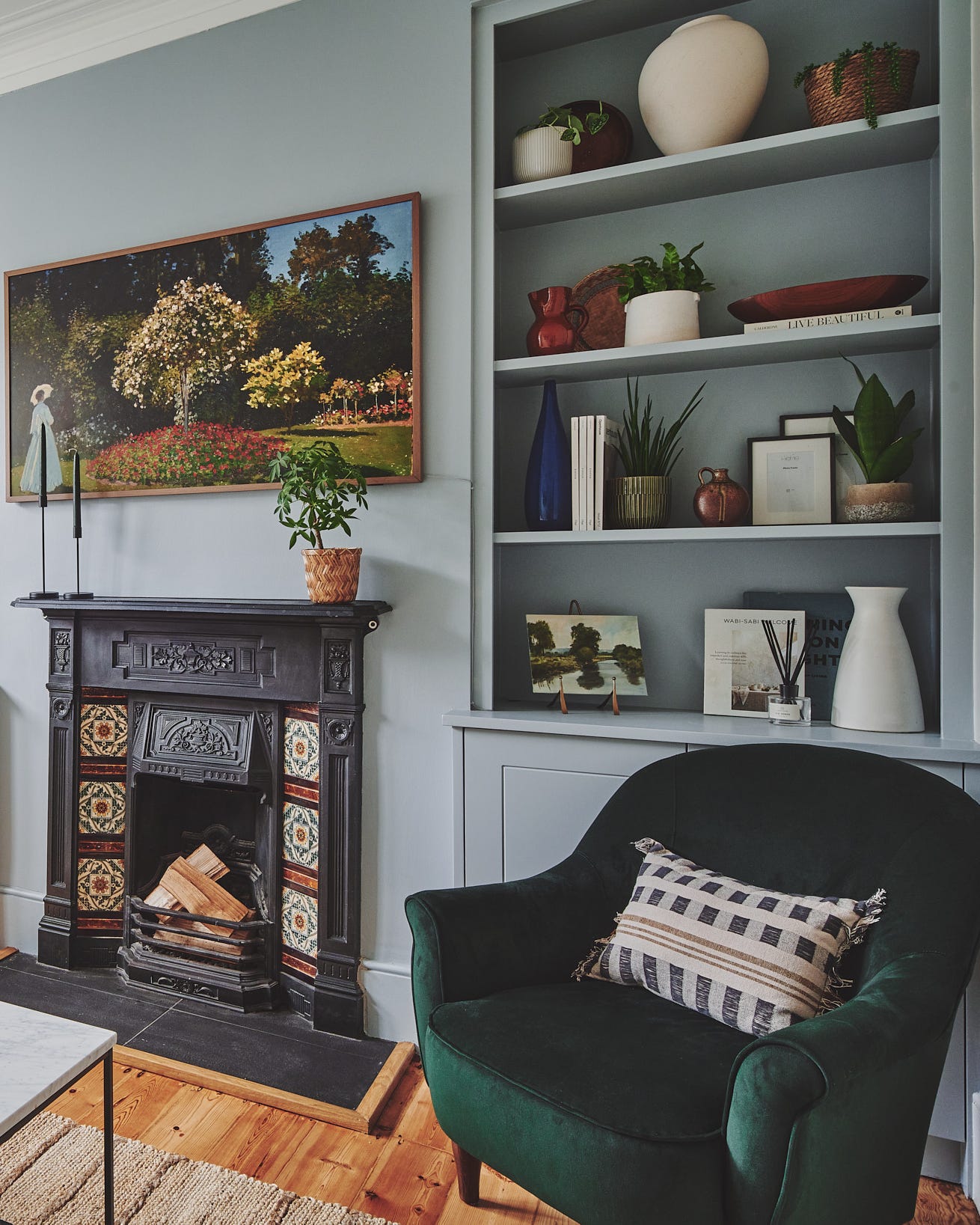
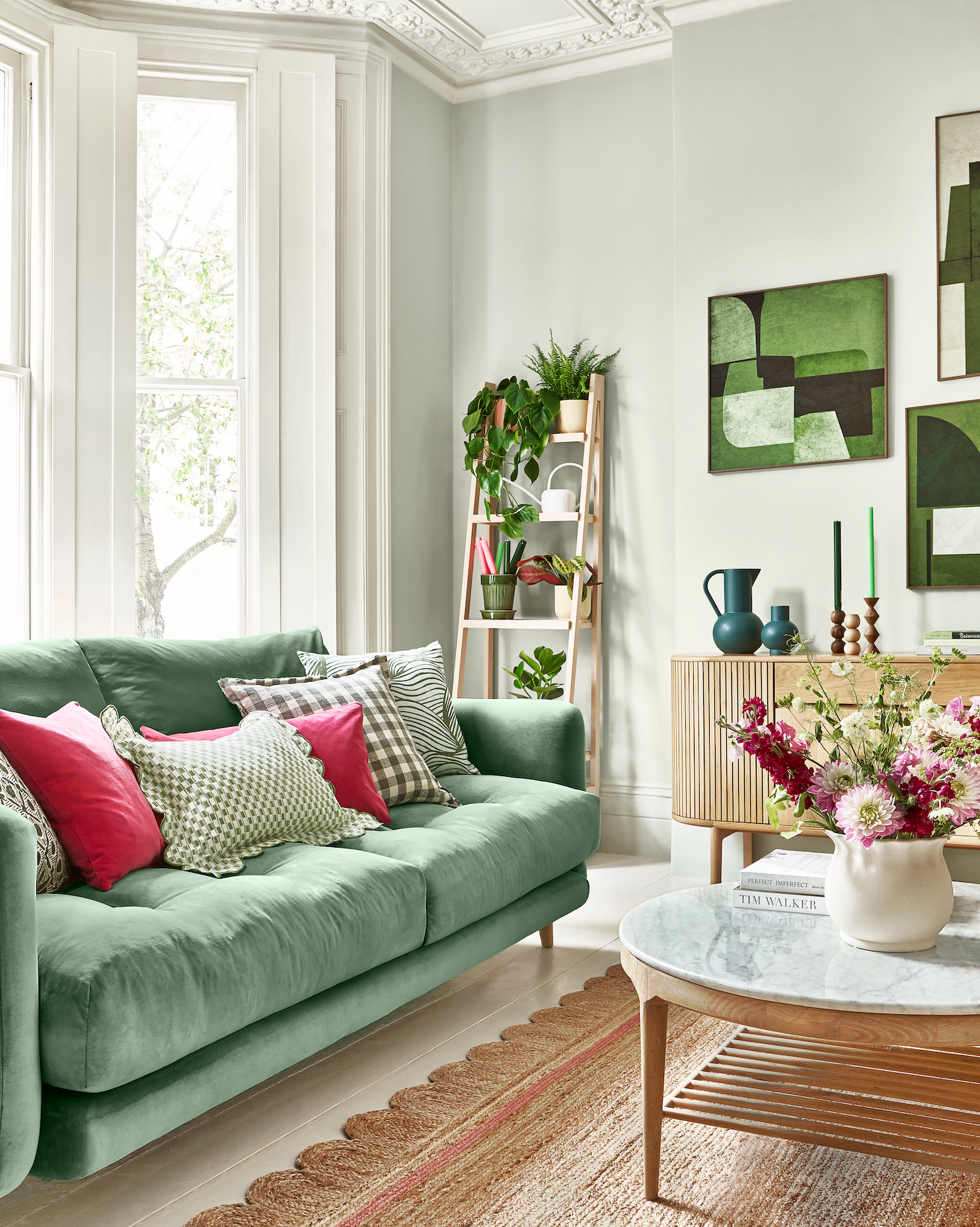
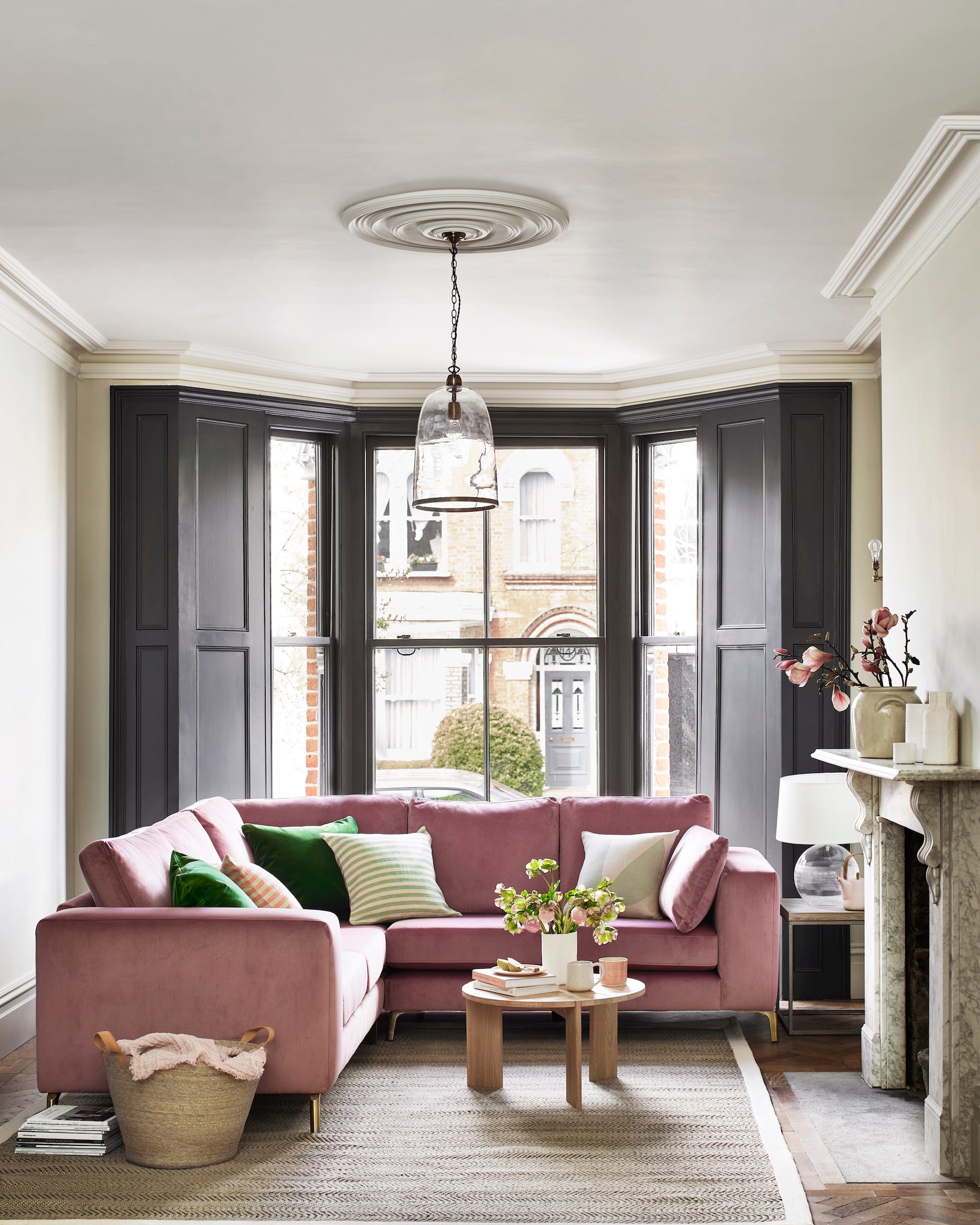
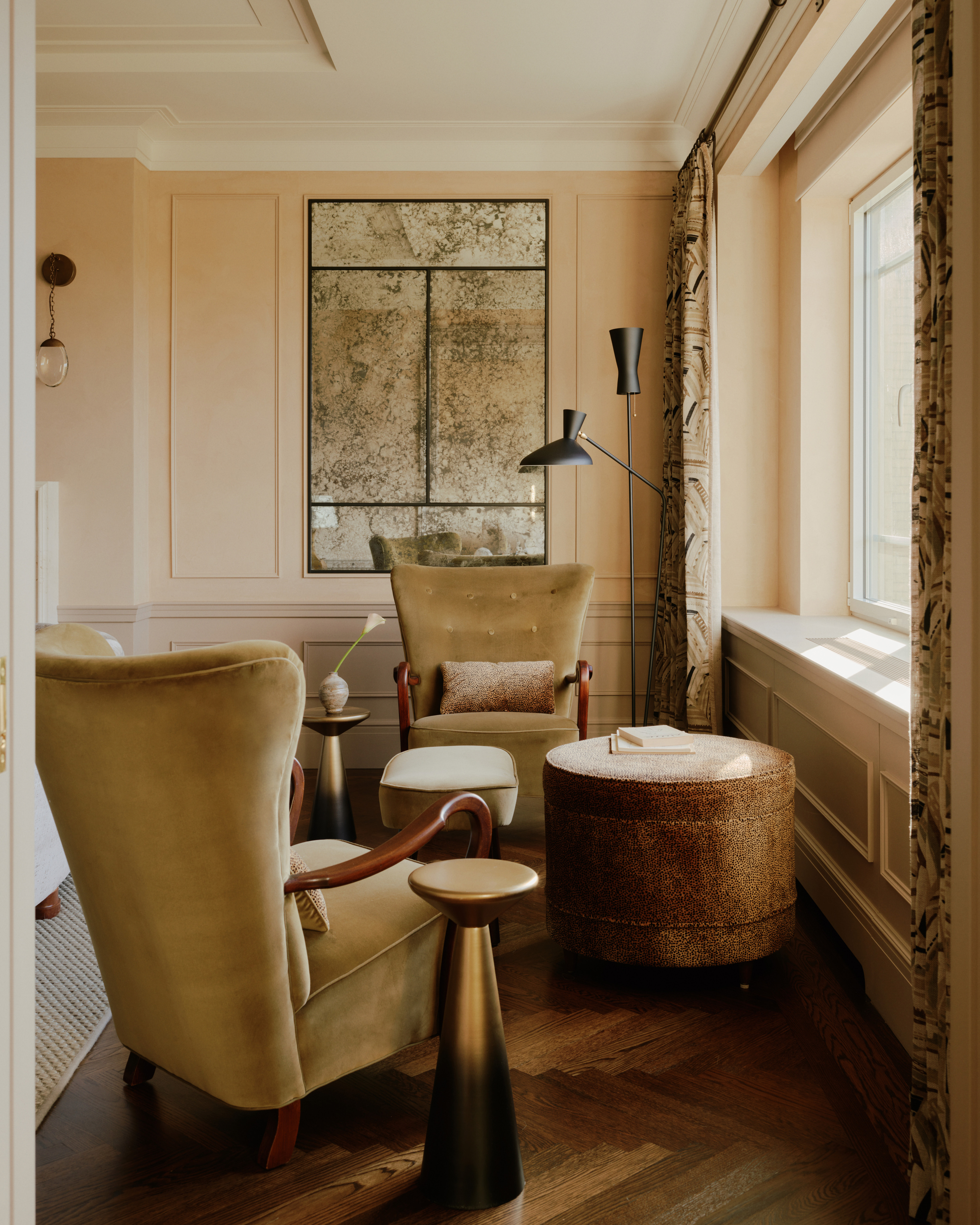
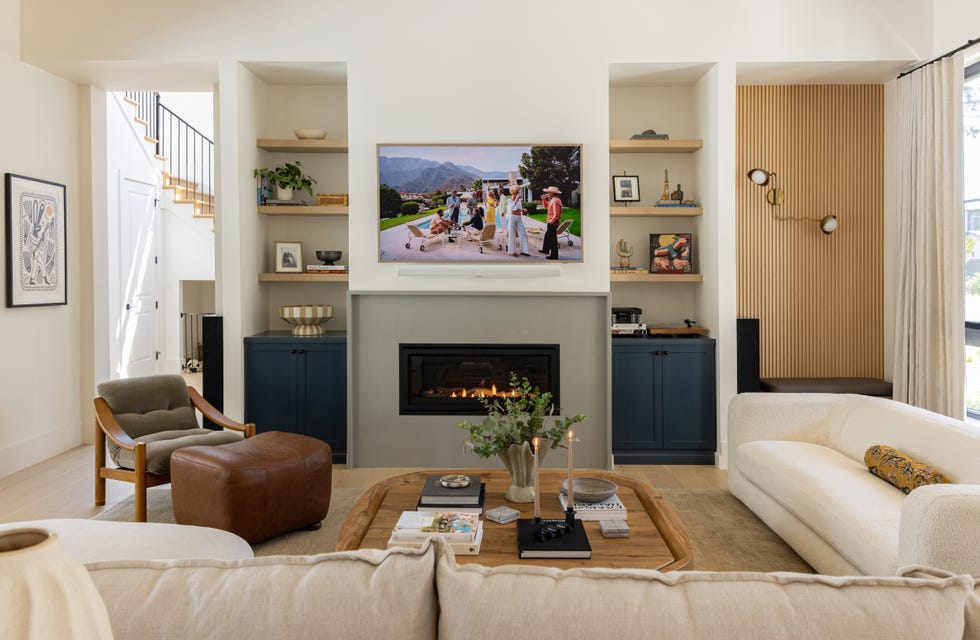
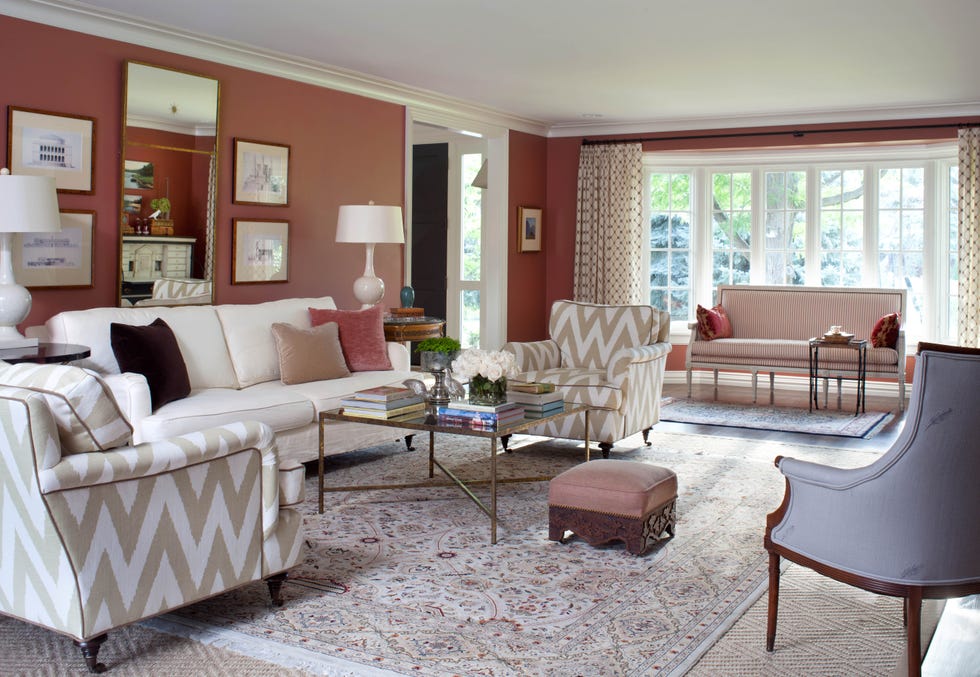
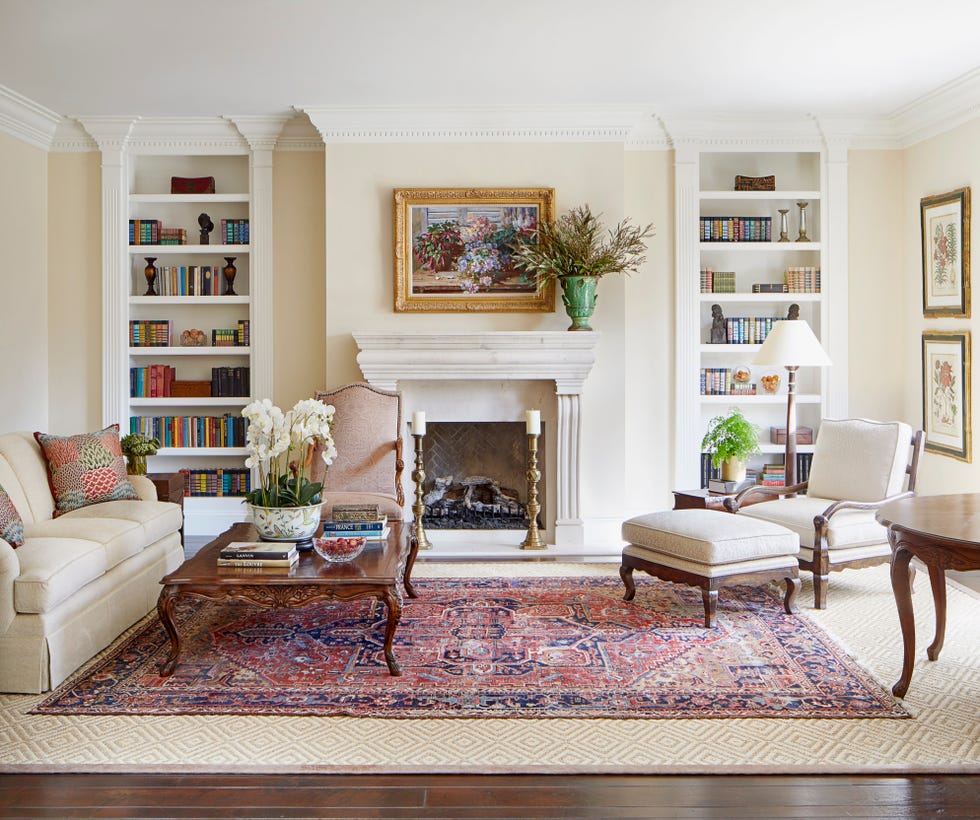
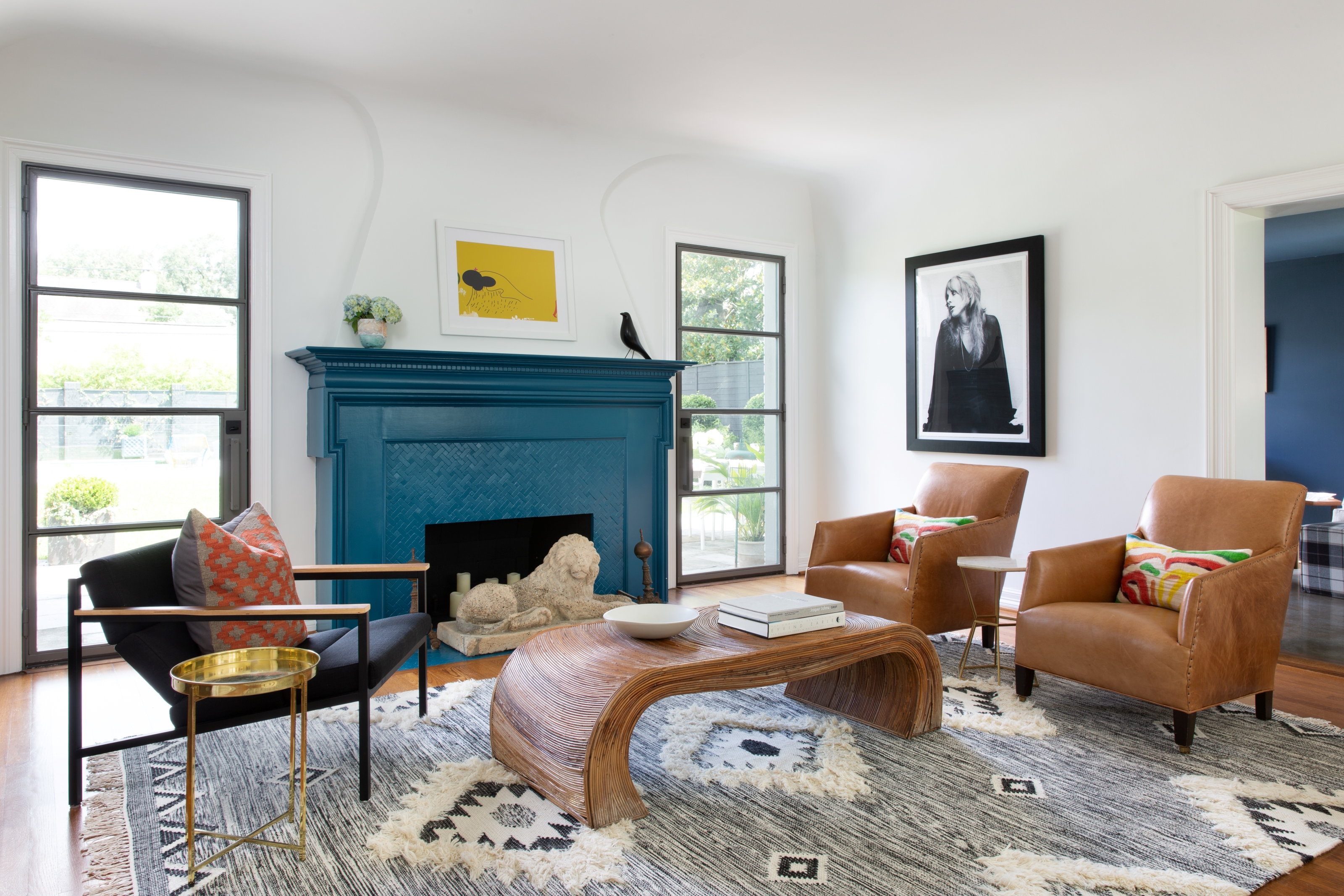
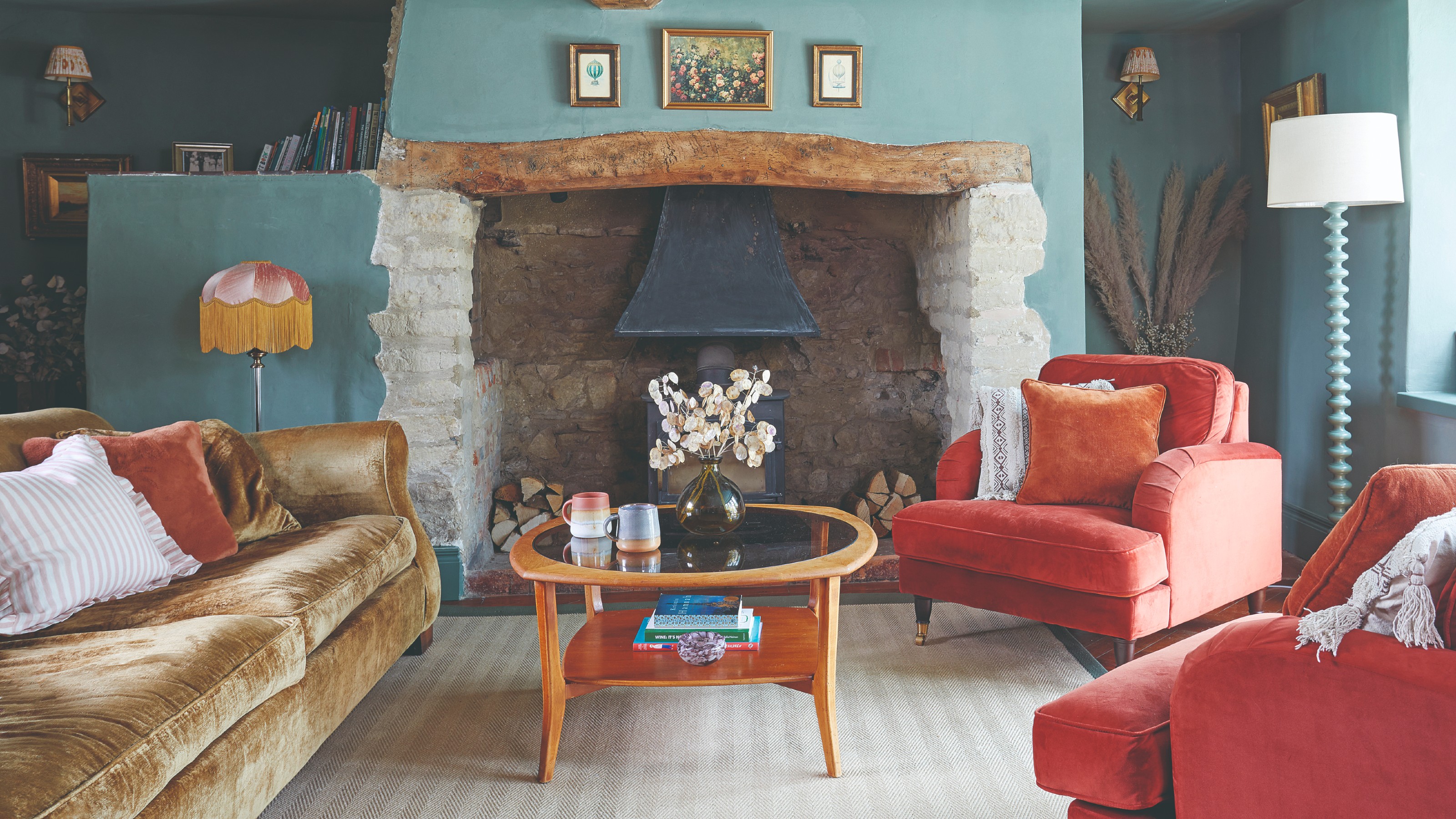
Key elements for a balanced living room layout are discussed, starting with a foundational setup that includes a couch bookended by side tables and two to three chairs arranged to foster conversation. A coffee table is also highlighted as a must-have. Beyond specific furniture, the designers stress the importance of ensuring the layout meets the needs and lifestyle of the home's inhabitants. This personalized approach ensures the space is functional and aesthetically pleasing for years to come.
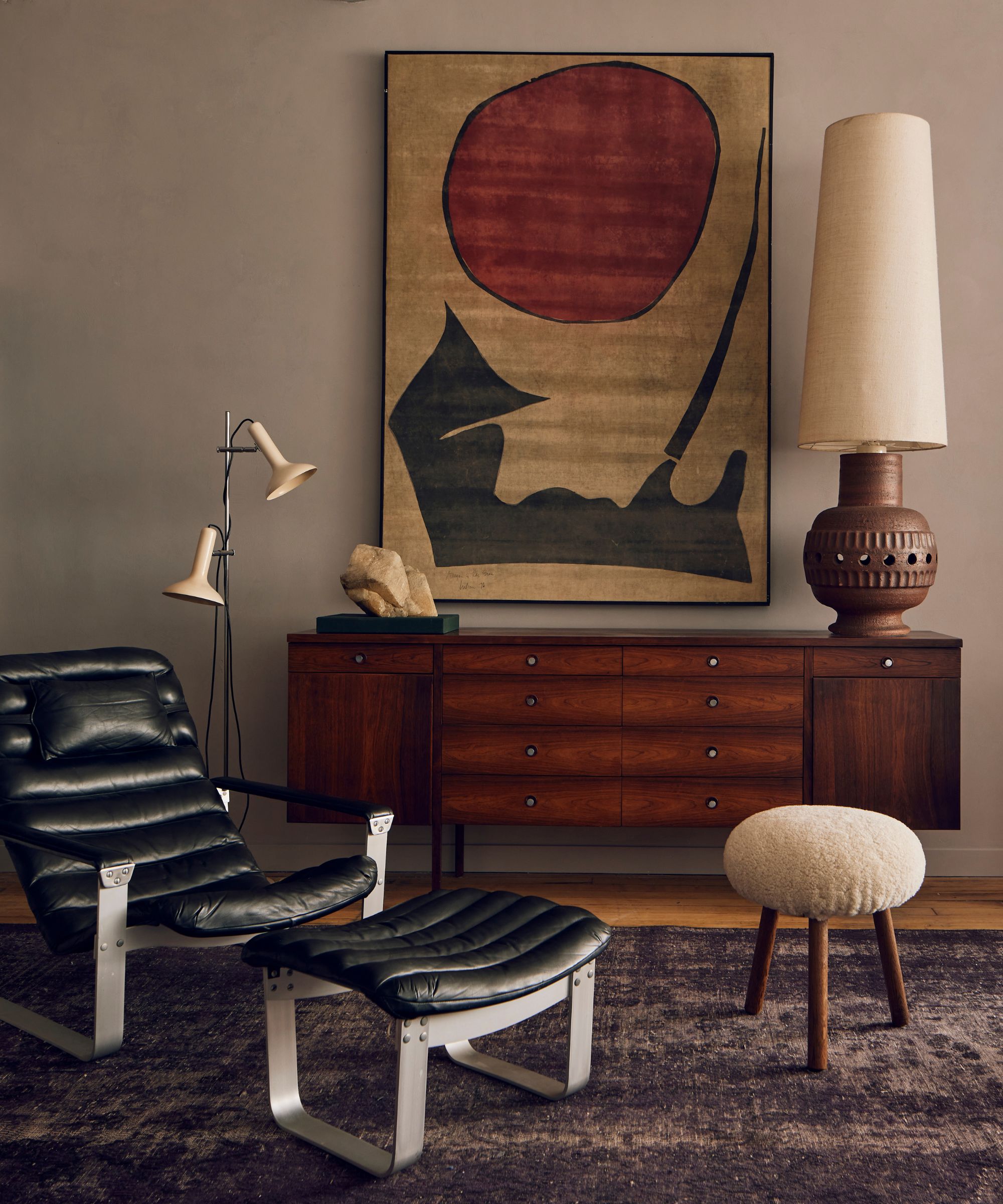
Creating balance in interior design is particularly challenging with vintage furniture. Megan Prime advises focusing on scale to achieve a natural and harmonious look. By considering how each piece interacts with others, items can be positioned correctly, preventing any single piece or pattern from overwhelming the room. A spatially balanced living room is not only visually appealing but also allows for easy navigation, making it a more comfortable and practical space.
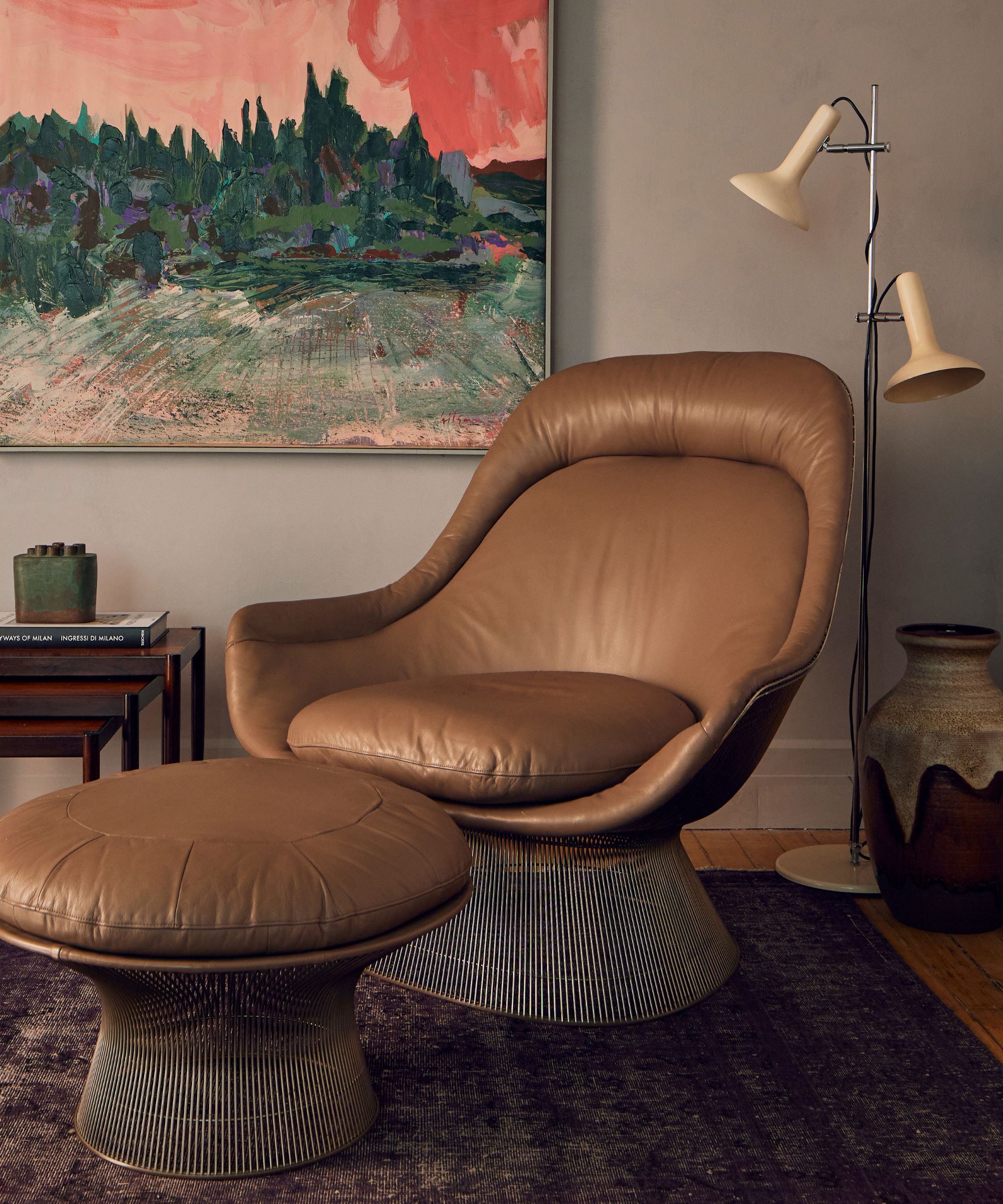
Vintage furniture offers distinct advantages, especially in smaller spaces. Joe McGuier points out that older pieces tend to be more compact and tidier in size and proportion, making them an excellent choice for optimizing limited square footage. This characteristic often simplifies the arrangement process. Megan Prime further suggests looking for multi-functional furniture, such as an upholstered ottoman that can serve as a coffee table or extra seating, or a coffee table with hidden storage. Intentional selection of each piece maximizes the layout's potential, regardless of room size.
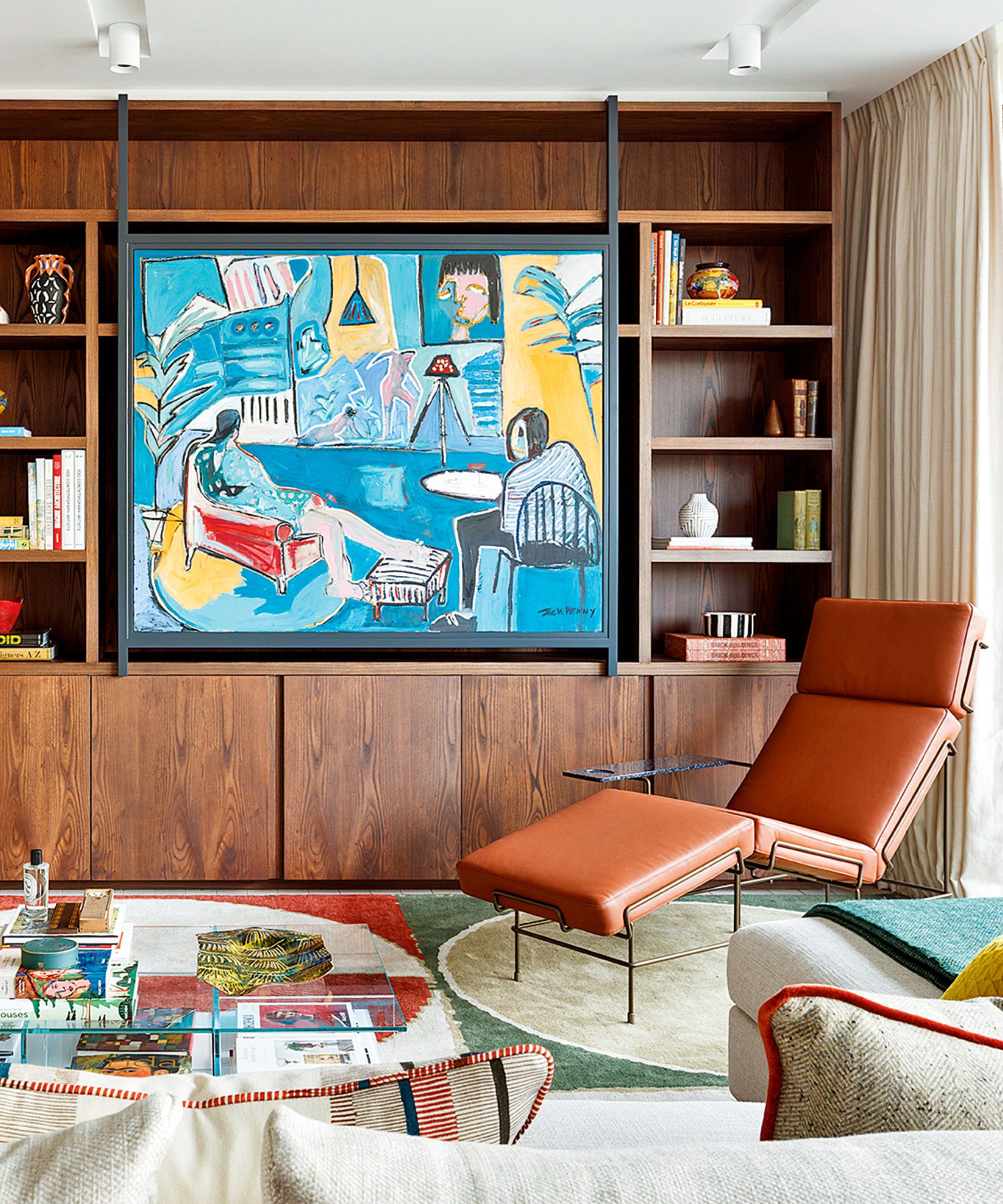
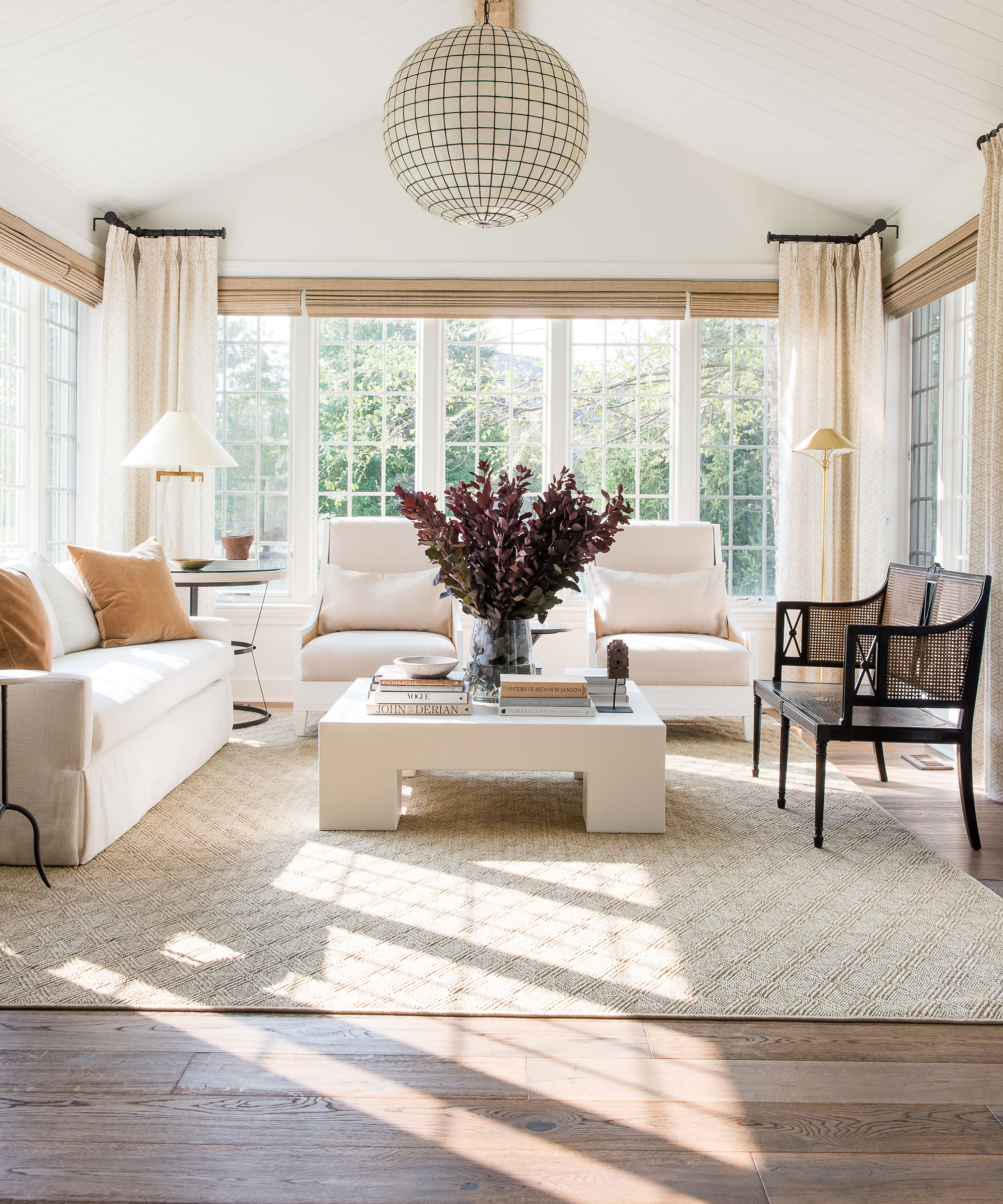
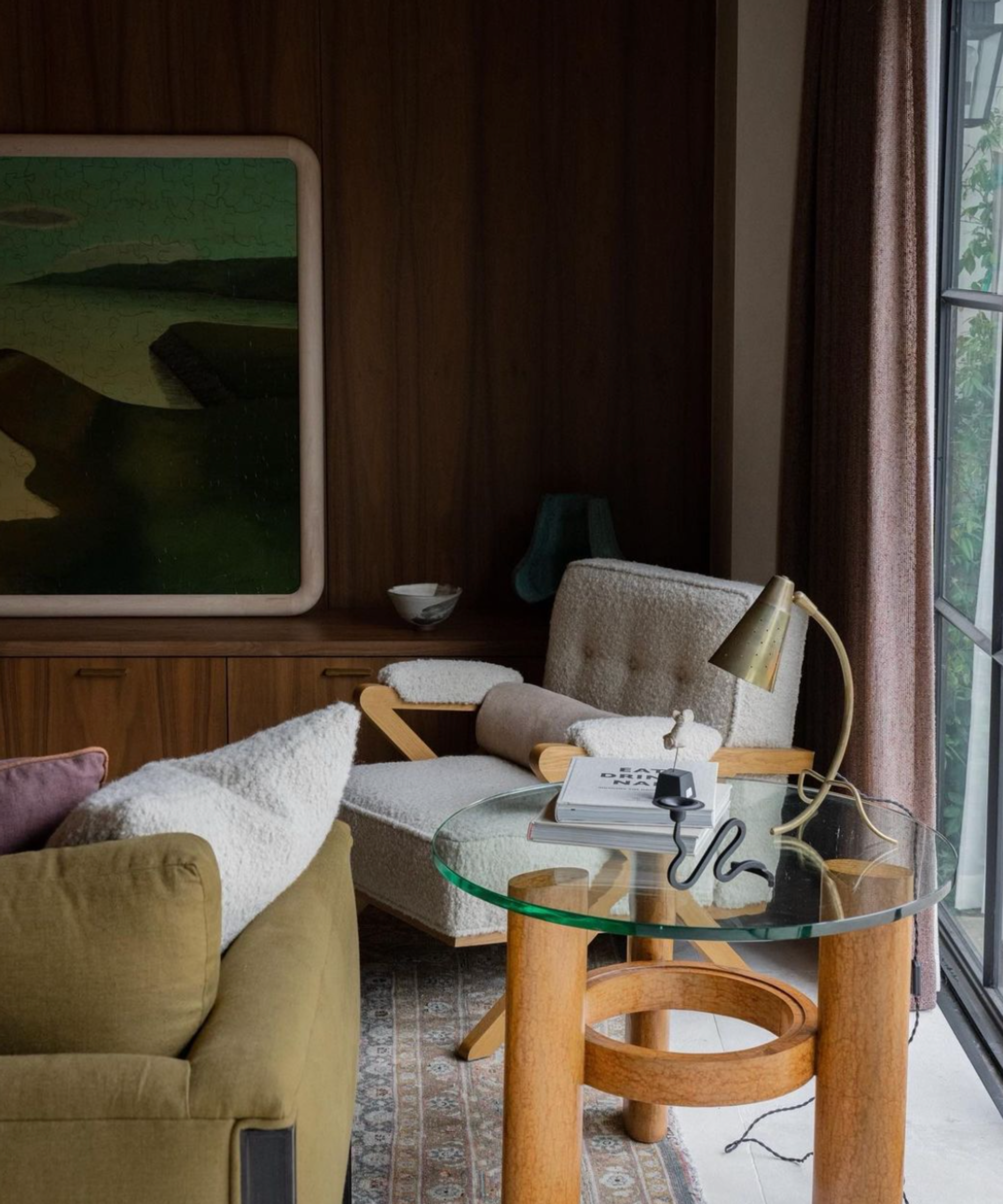
For those new to sourcing vintage furniture, the abundance of shops and fairs can be daunting. Megan Prime recommends measuring the space and each potential vintage item beforehand. This preparation provides greater flexibility for experimentation during the design phase, allowing for interesting layers and juxtapositions in style and texture. To save square footage, especially in small or open-plan living rooms, JAM employs three strategies: using glass coffee tables for an illusion of more floor space, opting for minimal window treatments to maximize natural light and maintain an airy feel, and utilizing flush baseboards in very tight spaces.
A common mistake to avoid is selecting furniture that is too large or overbearing, as this can make a living room feel cramped and uninviting. The designers advise visualizing how items will fit within the space and emphasize the critical role of scale in successful interior design. Proper rug sizing is also crucial, with the general rule being that nearly all living room furniture should fit within the rug's area. Embracing vintage furniture with these tips can lead to a transitional, characterful, and timeless living room design. #InteriorDesign #VintageFurniture #LivingRoomLayout #HomeDecor #SpacePlanning #FurnitureArrangement #DesignTips
0 comment in total
 No comments yet
You may also like
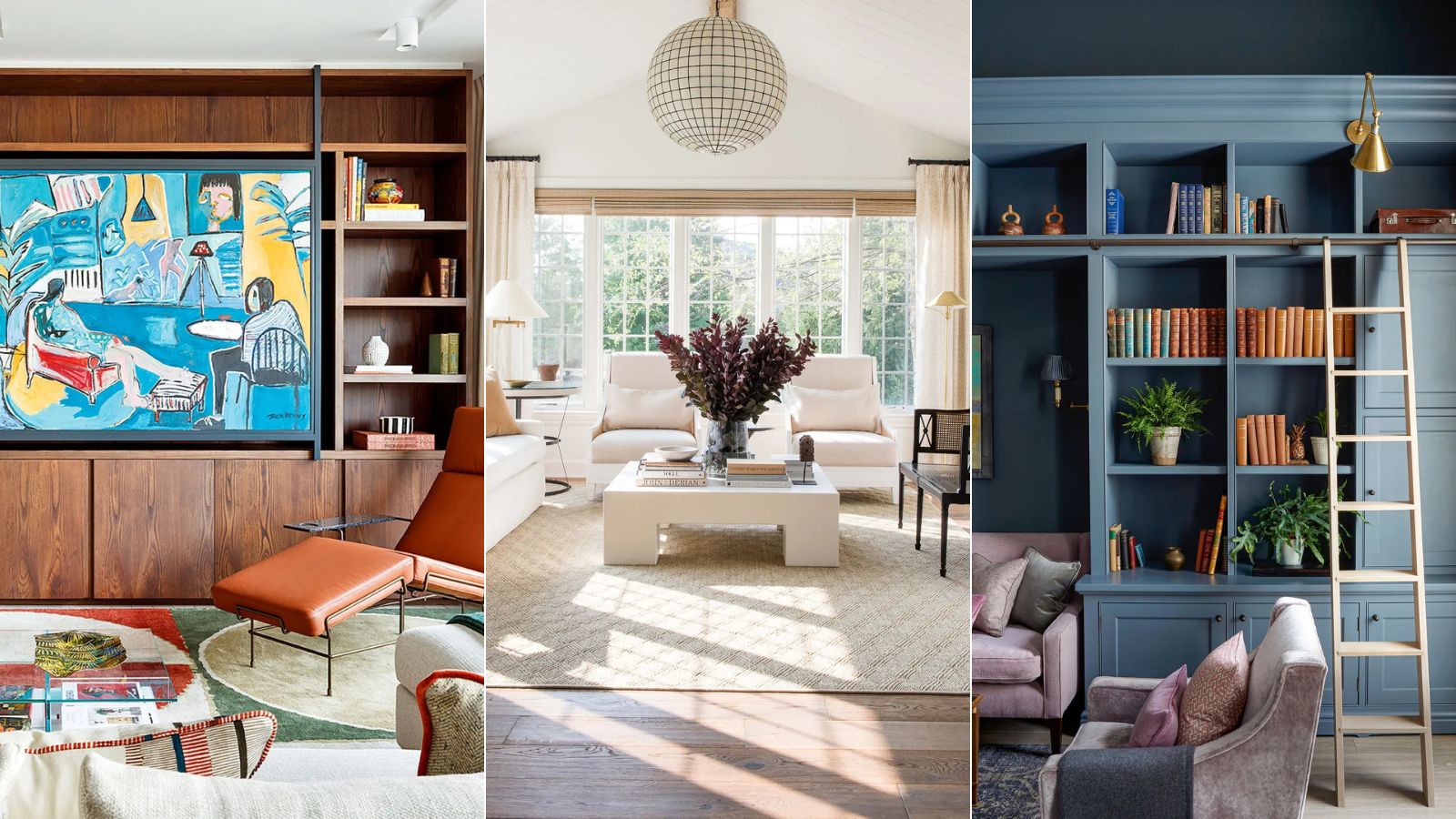
6 things making your living room furniture look cheap – explore the key mistakes to avoid and what designers do instead
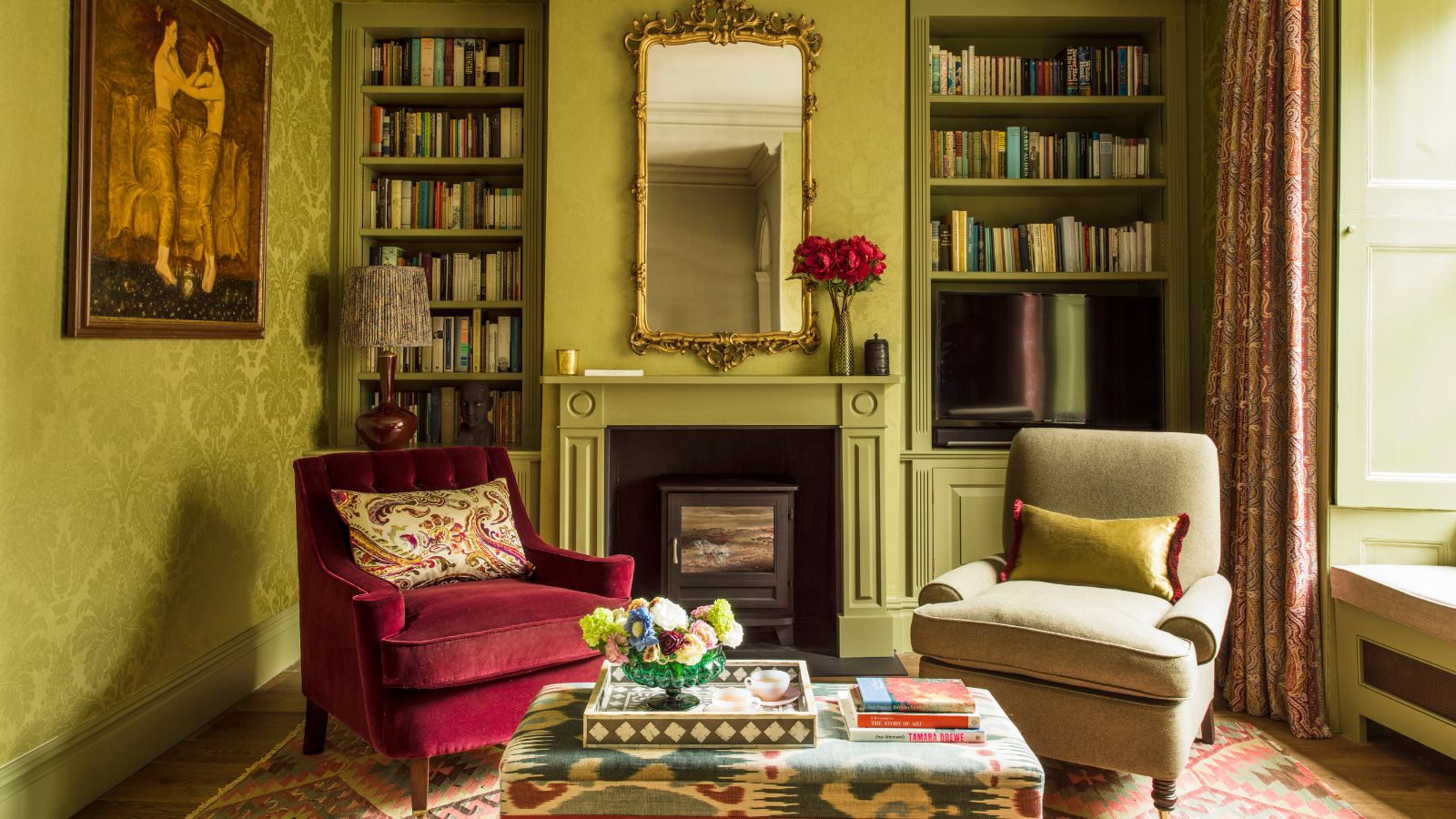
Decorating with antiques – 8 designer tips to channel the past in the chicest way

How to Modernize Antique Furniture for a Characterful and Cohesive Look
10 Things To Keep Out Of Your Living Room, According To Designers
These designers source and restore vintage furniture every single day – here are their top tips for shopping and reviving
Period living room ideas and expert tips to help you decorate to perfection
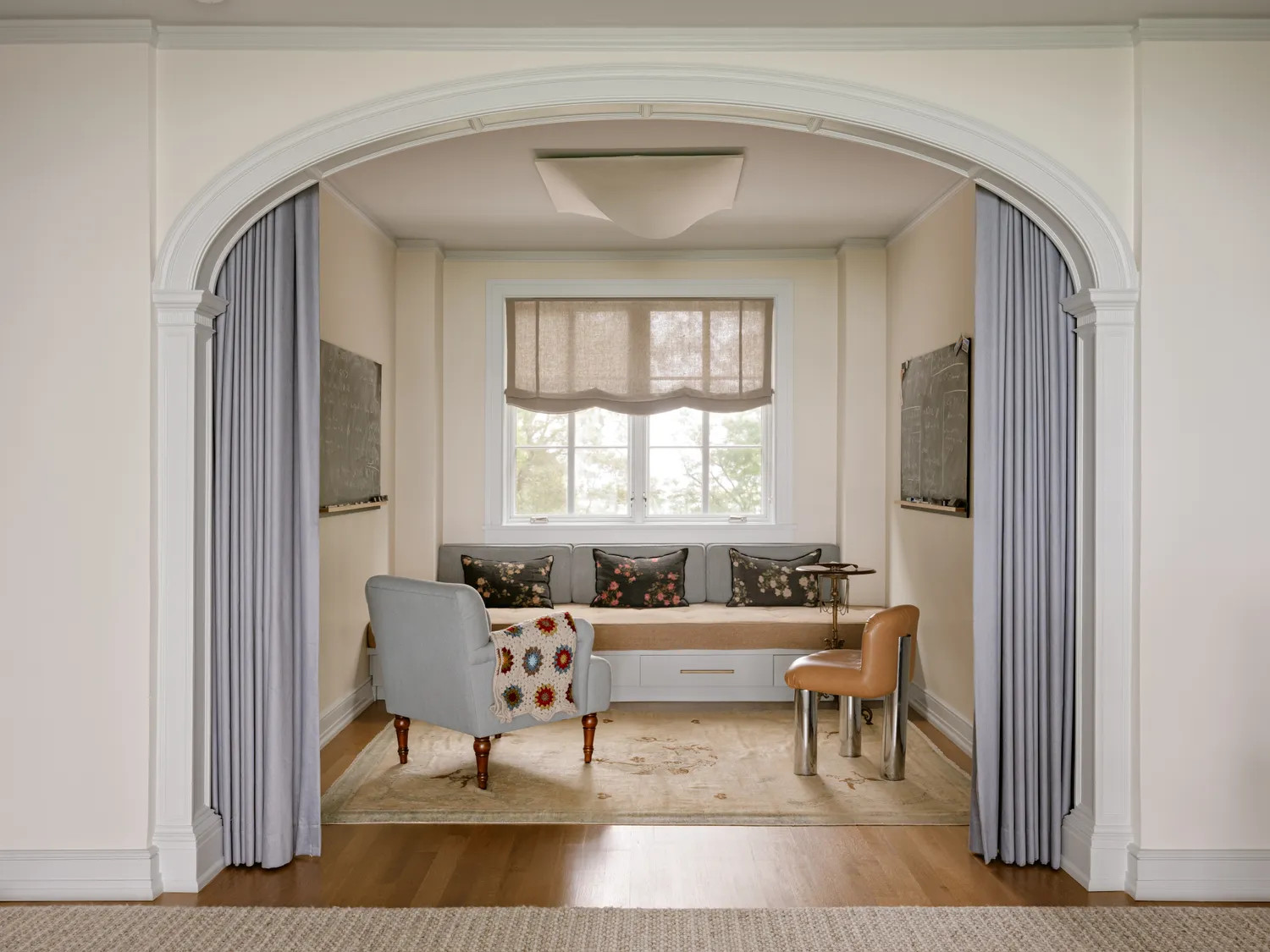
How To Mix Antique And Modern Furniture Without Making It Look Mismatched
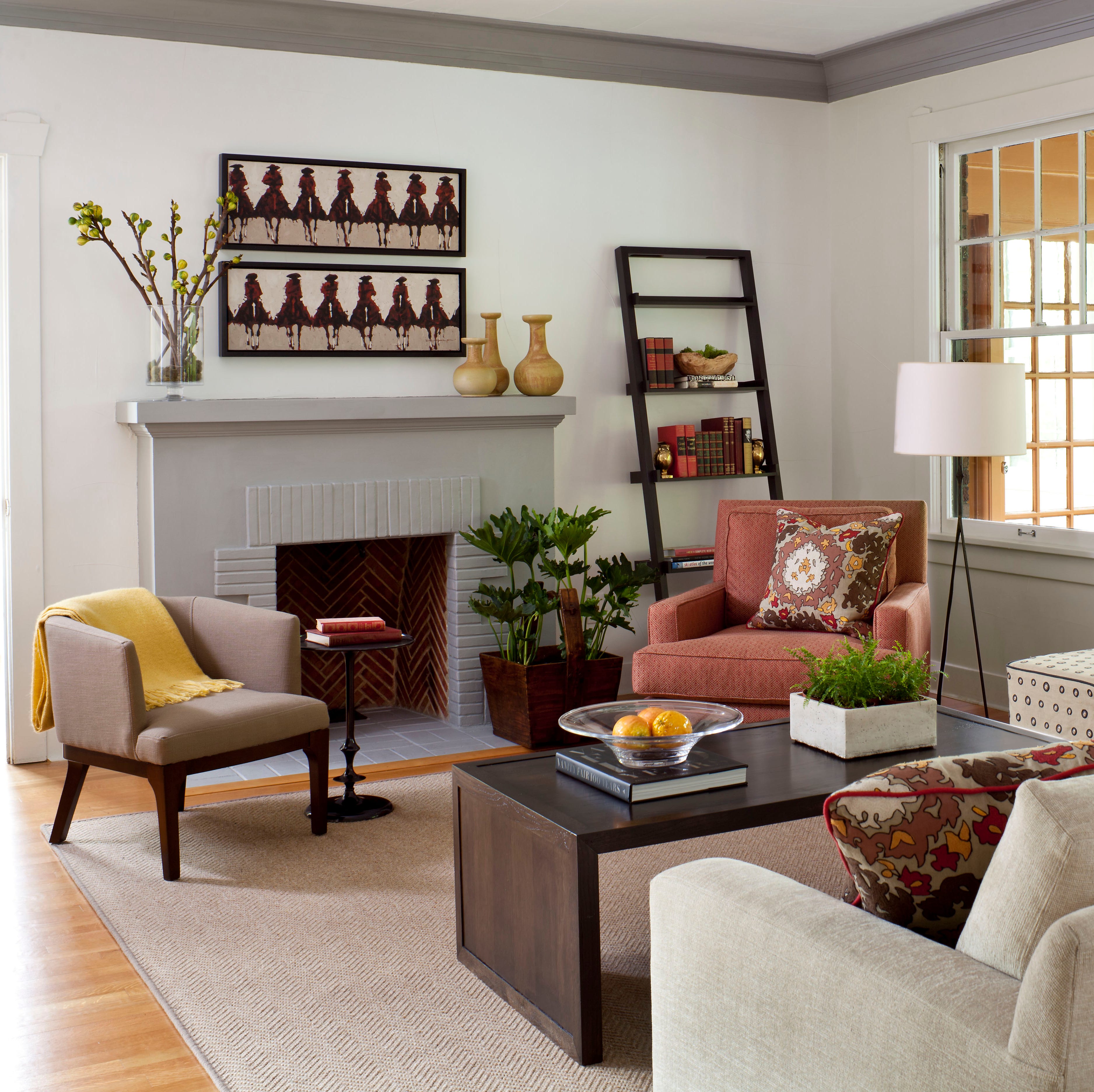
Designers Cracked the Code on the Perfect Living Room Seating Arrangement

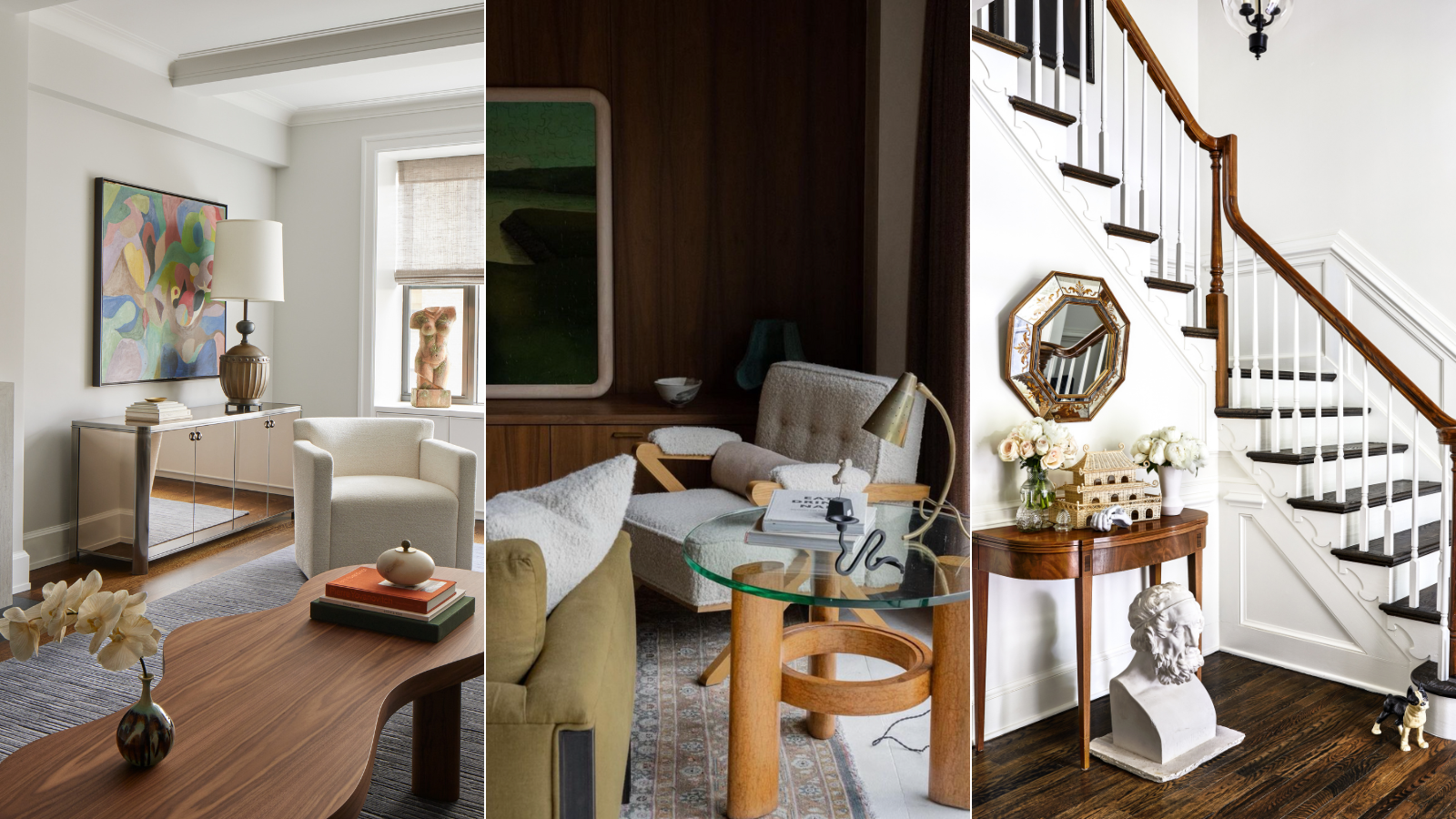
How to style antique furniture for a timeless, transitional space – 9 designers share their tips
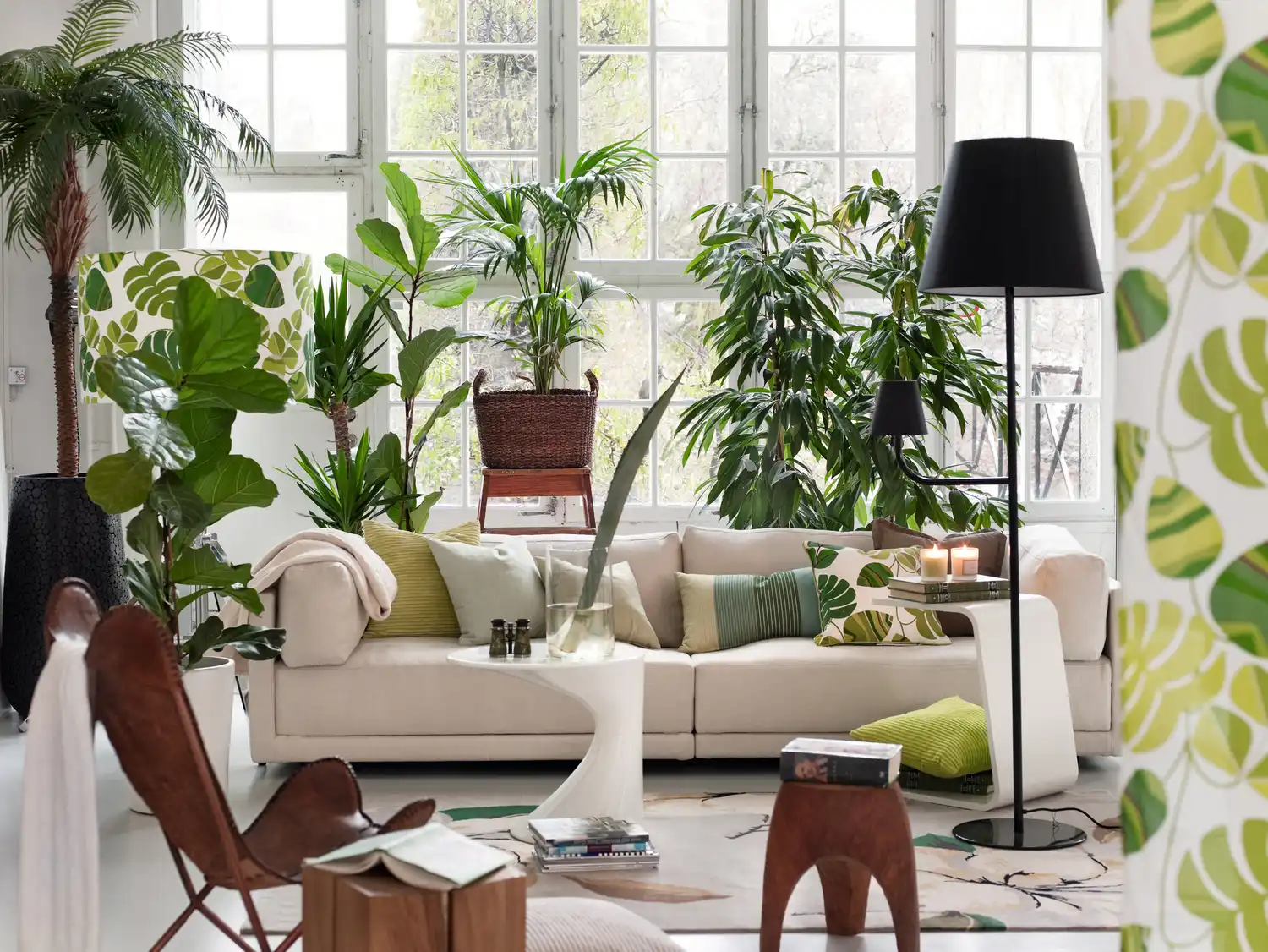
Designers Say This Tiny Tweak Could Save Your Living Room From Looking Tacky (And It's Free)

5 Things You Should Definitely Thrift for Your Living Room Styling — "A Few Pieces Add Instant Soul"

10 common living room design disasters experts warn against falling for
How to Mix Modern and Antique Furniture
How to use antique furniture in a contemporary scheme
5 things interior designers say every living room should have in it – are you missing any?
‘It makes your living room feel more connected and comfortable’ – the 4-inch seating rule is the trick interior designers have been using for years
Vintage living rooms are trending - the new way to embrace secondhand pieces
50 inspirational living room ideas

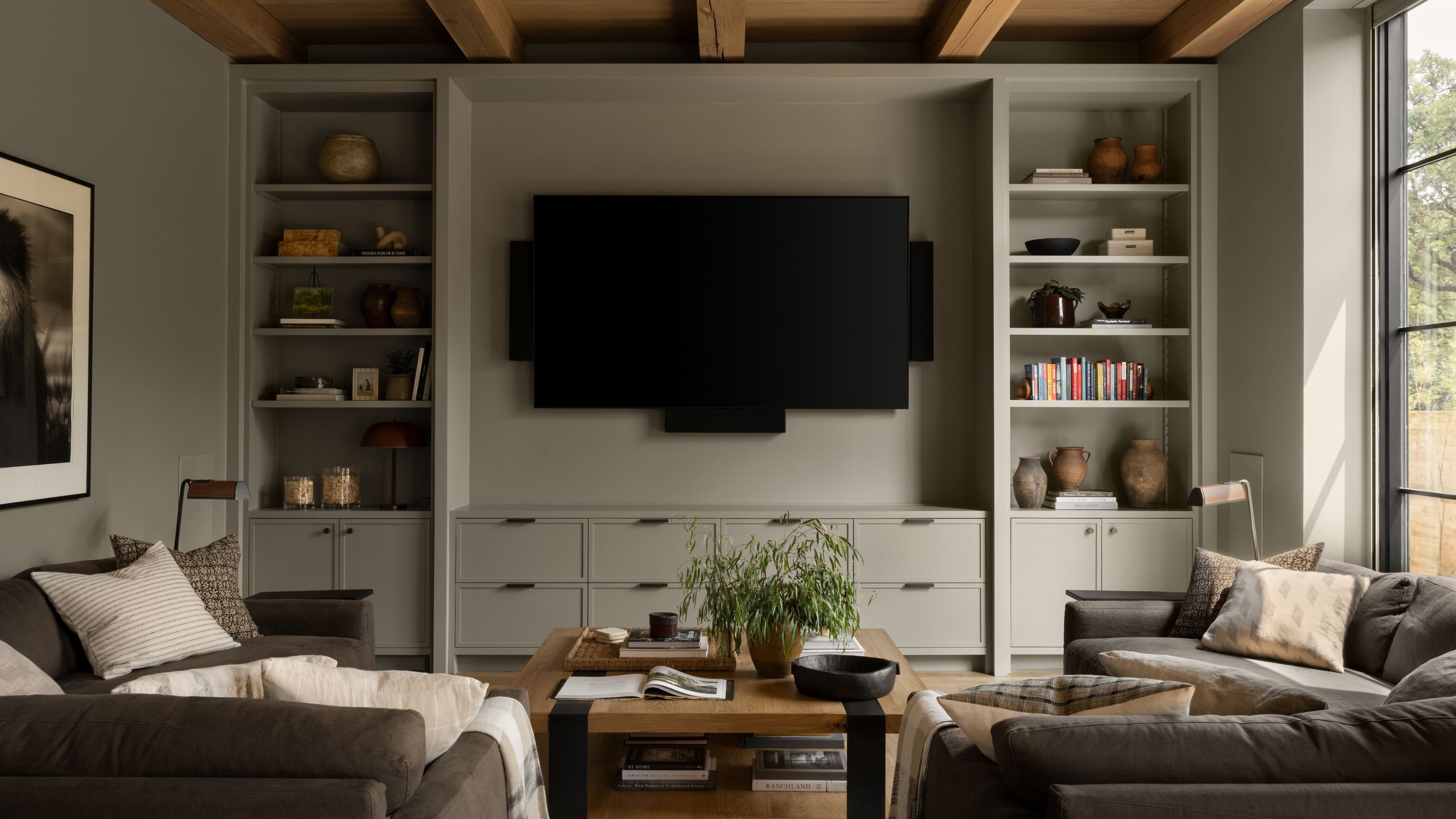
Two Sofas Facing Each Other With a TV — How to Make It Work
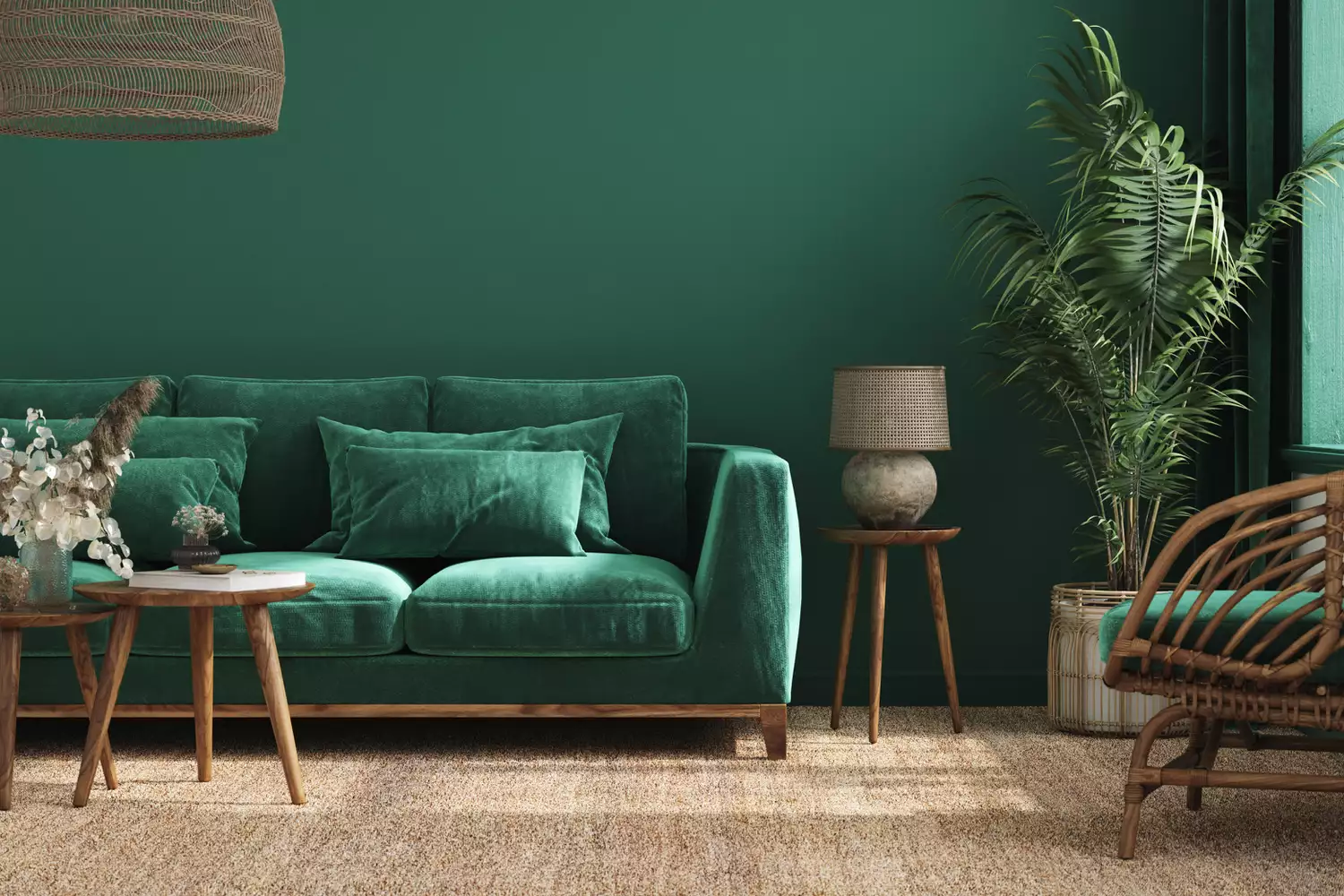
6 Golden Rules of Living Room Design for Creating a Cozy Yet Stylish Space, According to Pros