1/9
How to Reupholster a Chair So You Can Revamp Rather Than Replace
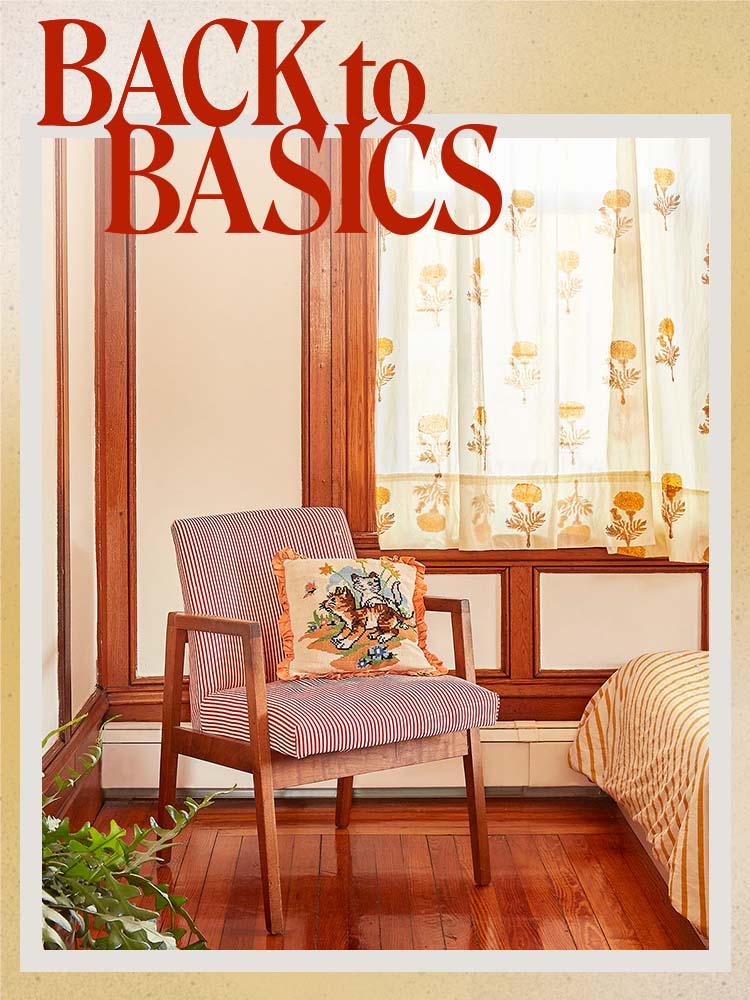
This guide provides a comprehensive approach to reupholstering a chair, offering an alternative to replacing furniture when its fabric has worn out. The process, deemed easier than it sounds, is broken down into manageable steps with expert advice from Kaitlin Madden of The Finish and Nicole Crowder of Nicole Crowder Upholstery. The article begins by identifying the easiest chairs to reupholster, recommending wood-framed dining chairs or armless lounge chairs for beginners due to their straightforward design. It suggests starting with newer chairs as their internal components are generally in better condition, advising against cushions with complex details like tufting or curves for initial projects.
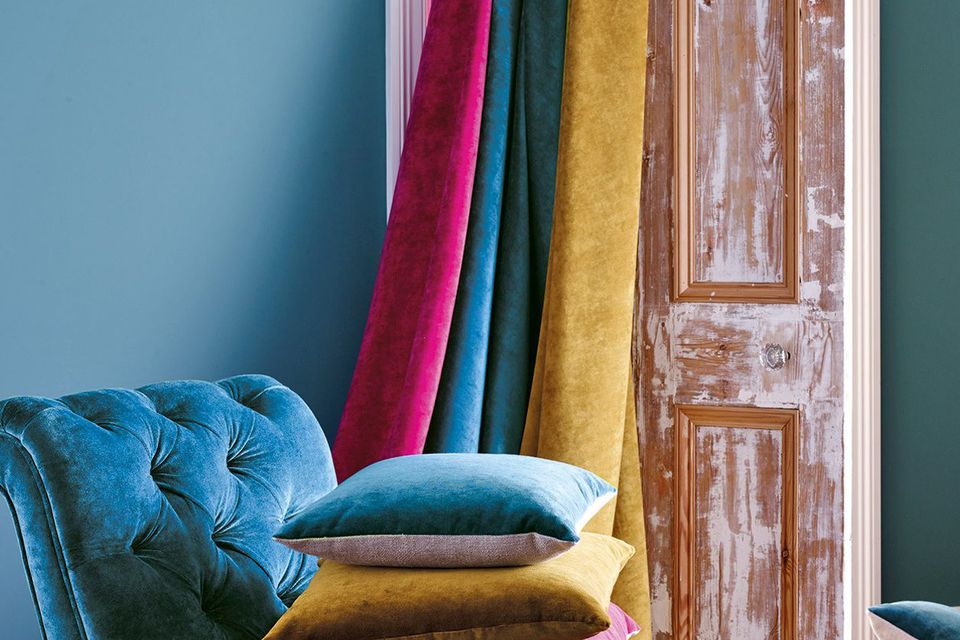
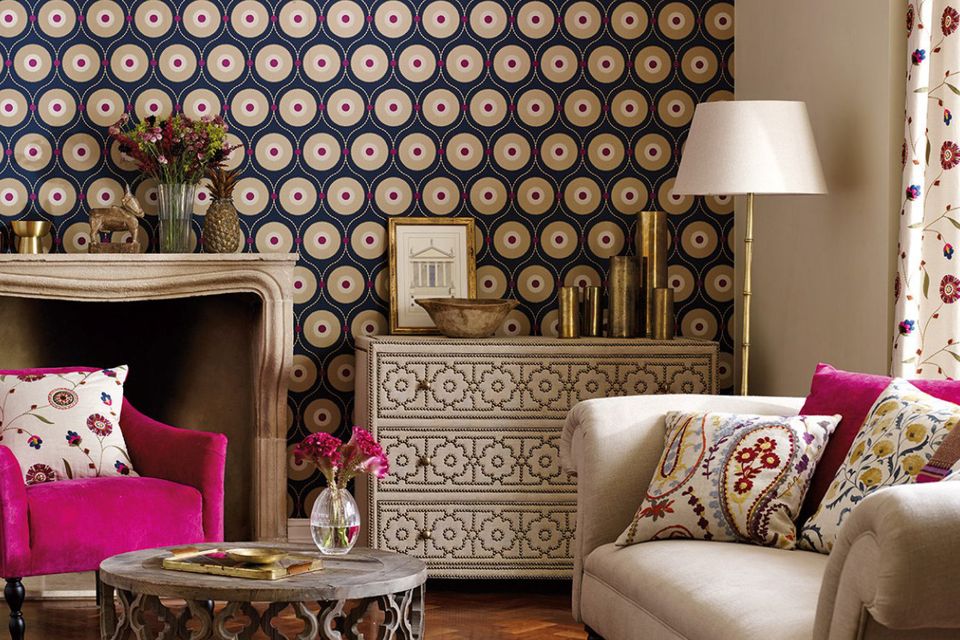
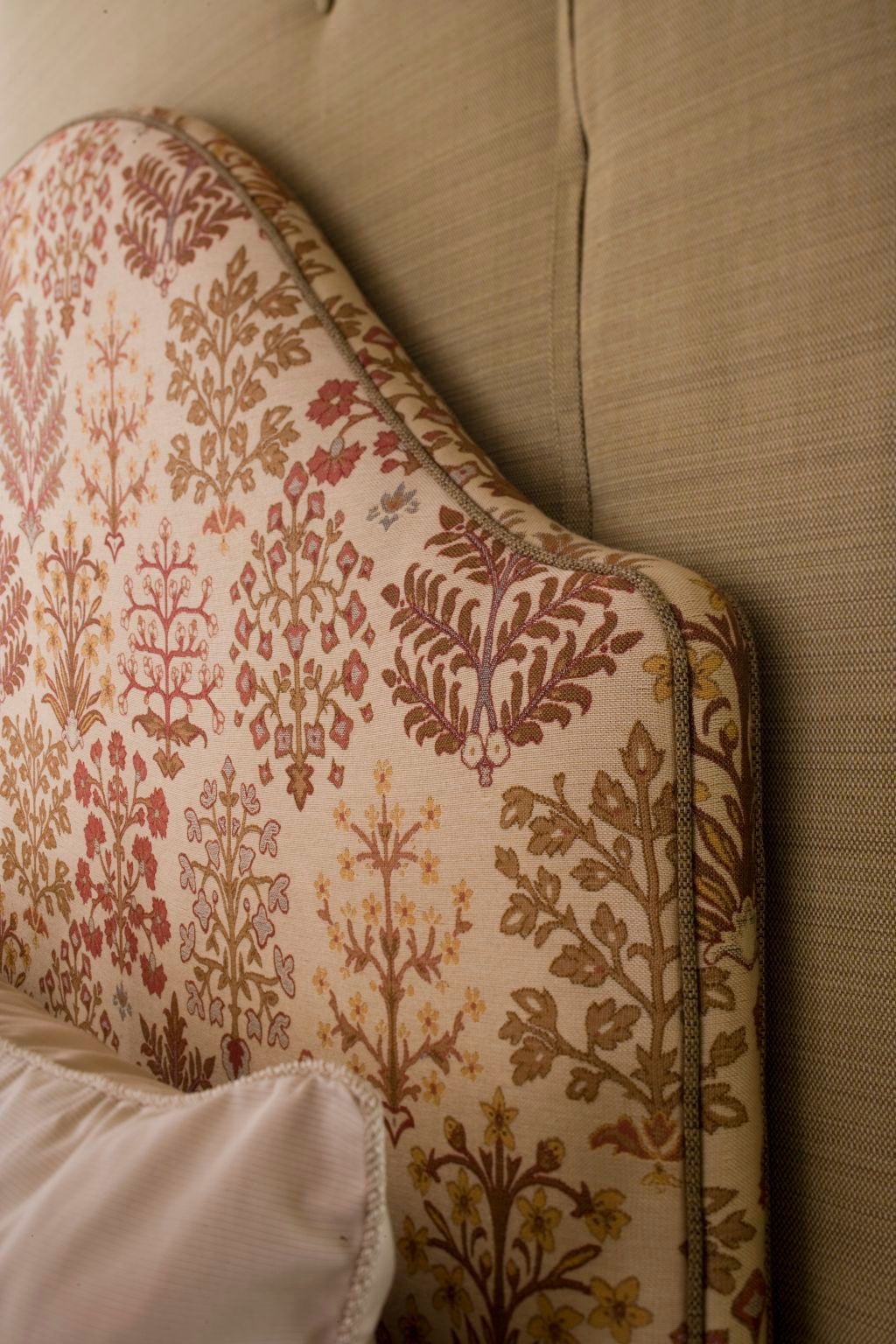
The selection of appropriate fabric is crucial, and the guide emphasizes considering lifestyle needs. Performance fabrics or polypropylene materials, known for their durability and high “double rub” count, are recommended for households with kids and pets. While delicate materials like silk or linen can be used for seat backs, sturdier fabrics are preferred for seat cushions. The article also addresses fabric patterns, noting that solids are simpler to cut than repeating patterns. For patterned fabrics, a tip is provided to mark the center and measure outwards to ensure design symmetry, while advising against stripes for curvier chair silhouettes as they can easily appear warped.
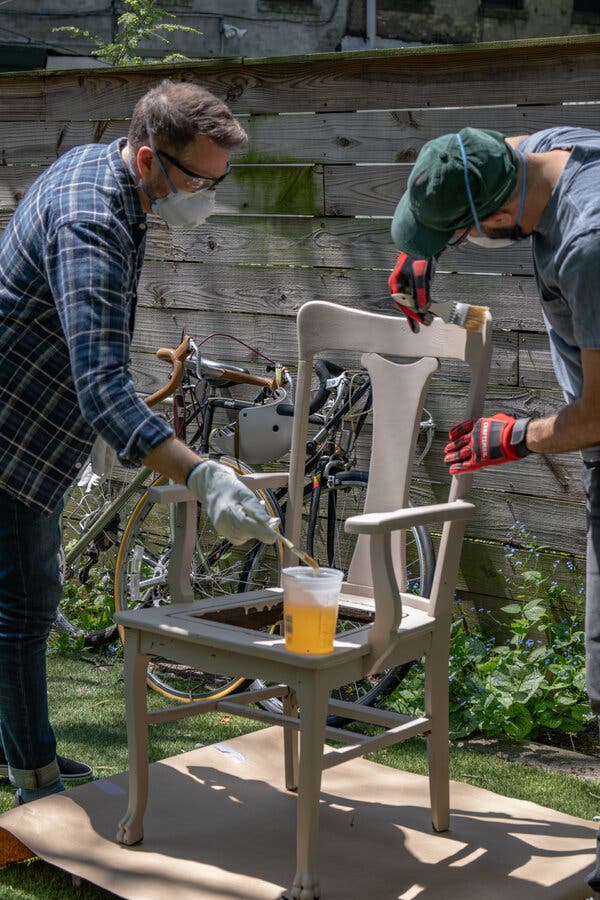
Several common reupholstering mistakes are highlighted to help DIYers avoid pitfalls. Safety precautions, such as wearing gloves and safety goggles and working on a clean, smooth surface, are stressed. The importance of not skimping on replacement materials is also underscored; if a cushion’s foam is of poor quality, crumbling, wet, or uncomfortable, it should be replaced with new foam. Additionally, careful consideration of pattern placement is essential to prevent awkward-looking seams. Finally, the guide warns against measuring chair cushions without accounting for the foam and batting, as this can lead to insufficient fabric.
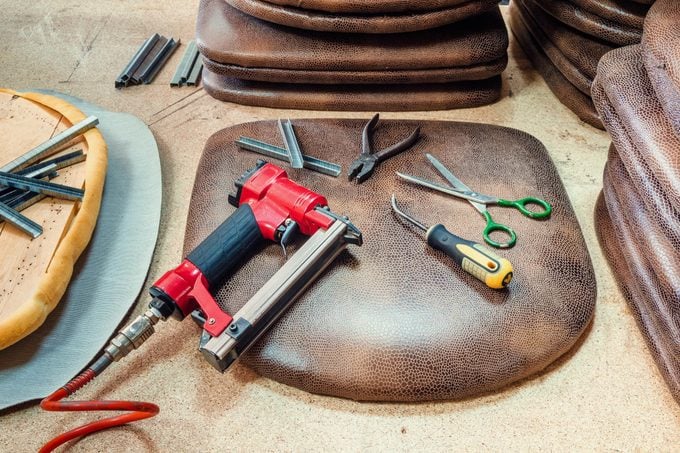
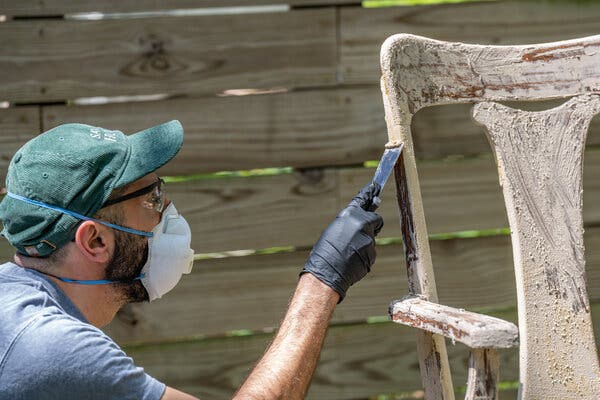
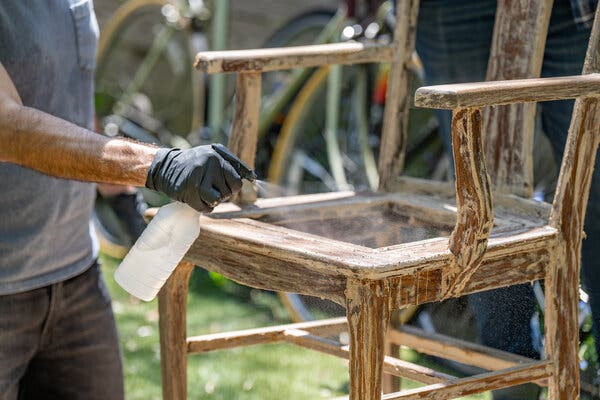
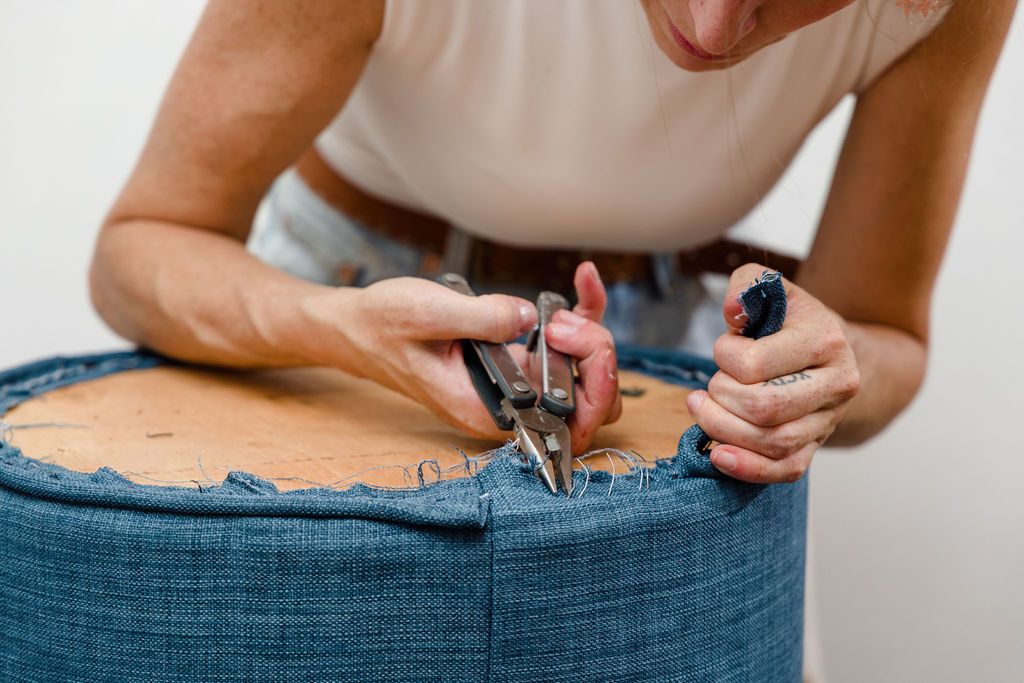
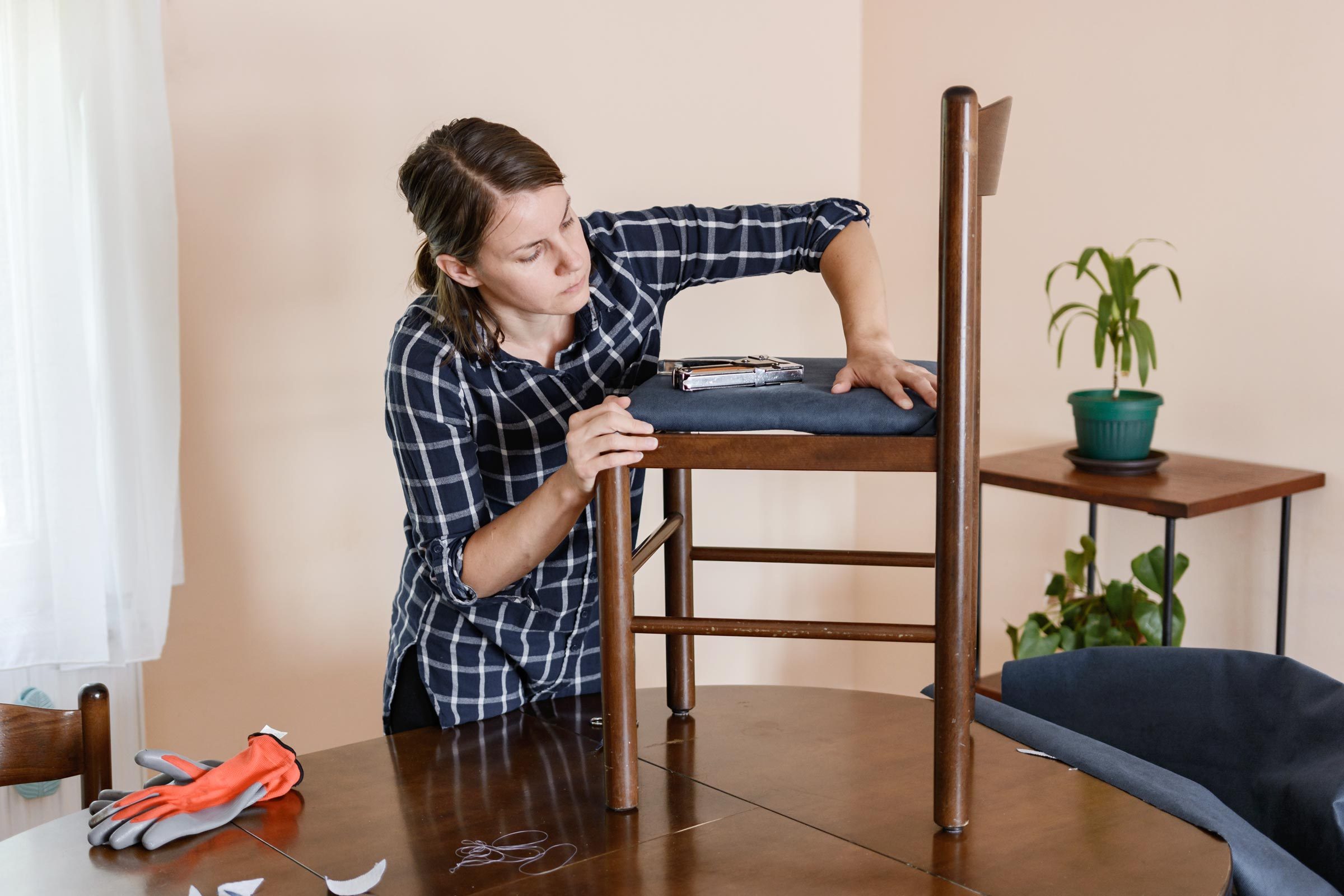
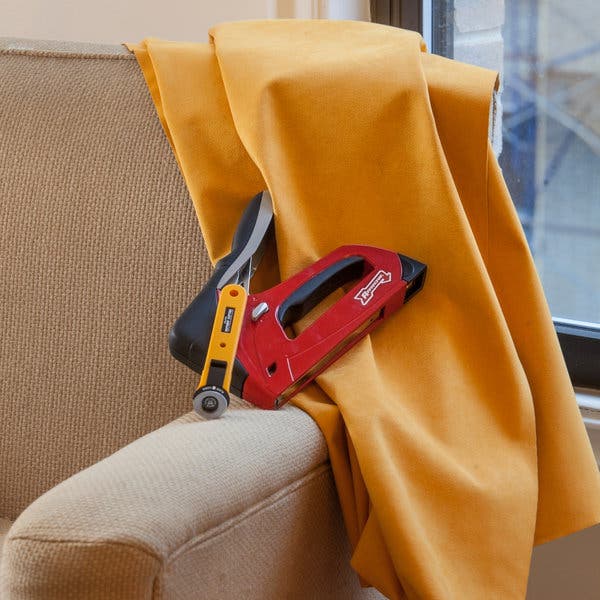
Following the preparatory advice, the article details the step-by-step process of reupholstering. It lists necessary supplies, including a wood-framed chair, a camera, tools like screwdrivers and box cutters, new batting and foam (if needed), fabric scissors, markers, upholstery fabric, a staple gun, and cambric fabric. The first step involves photographing the chair from various angles to serve as a reference. Next, the old cushion is dismantled by removing staples and nails to access the seat’s interior, with the original fabric kept as a pattern. If necessary, the foam is replaced using a bread knife to cut new pieces.
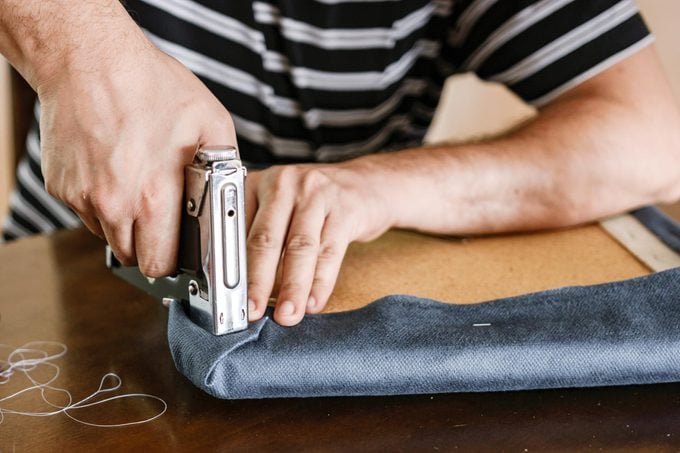
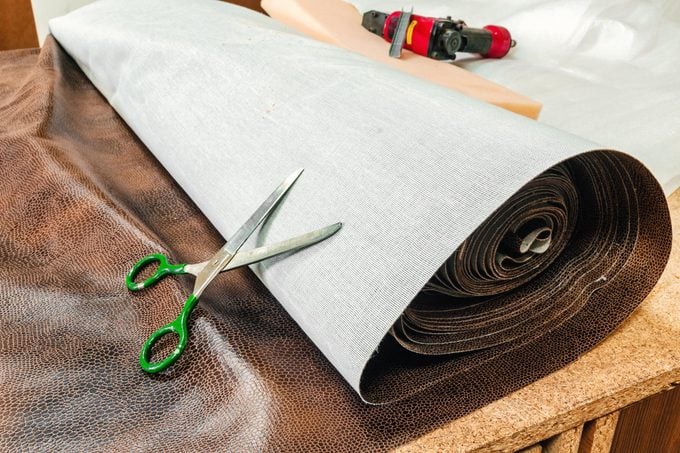
Subsequently, new batting is cut to cover the foam. The new upholstery fabric is then cut to fit, either by using the old fabric as a guide or by taking fresh measurements and adding a 2-3 inch allowance around the edges, especially for corners. For seat backs, two patterns are needed for the front and back, with extra inches for connecting them. The fabric is then stapled to the chair frame, starting with the seat cushion, ensuring it is taut but not overly tight. Excess fabric is tucked and stapled, and upholstery nails are hammered over staple heads for a clean finish. The final step involves adhering the cambric fabric to the underside of the chair, concealing springs and raw edges, completing the reupholstering process.
#ChairReupholstering #DIYHomeDecor #FurnitureRenovation #UpholsteryFabric #HomeImprovement #InteriorDesignTips #SustainableLiving #ChairReupholstering #DIYHomeDecor #FurnitureRenovation #UpholsteryFabric #HomeImprovement #InteriorDesignTips #SustainableLiving
0 comment in total
 No comments yet
You may also like
Beginner’s Guide To Reupholstering Furniture

How to refinish wood furniture - easy ways to totally overhaul your decor


This Home Will Make You Want to Reupholster Everything

Lone Fox's latest DIY project proves reupholstering old furniture can be easier than it looks

How much does it cost to reupholster a sofa? And why it's worth it

Is it Cheaper to Reupholster Antique Furniture or Buy New? Here's Everything Designers Say You Need to Know
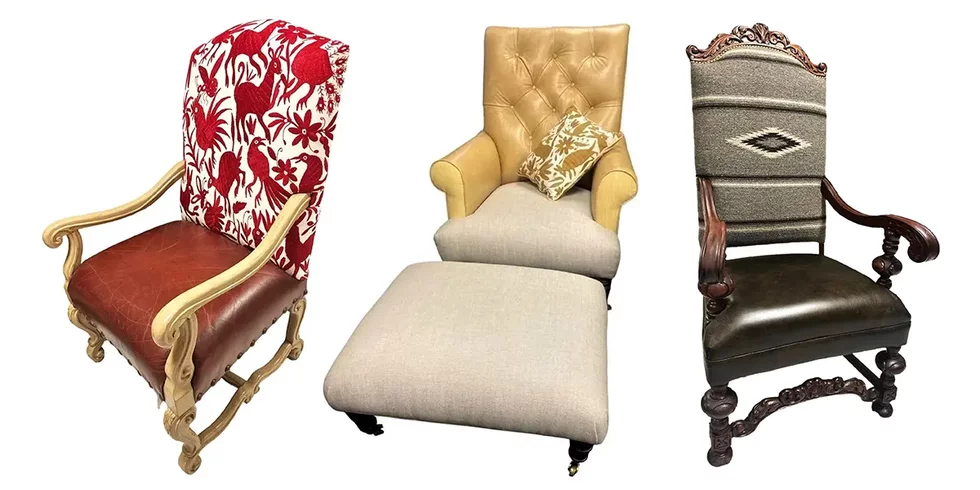
Ask Veronica: How easy is it to recover a leatherbound chair with fabric upholstery?

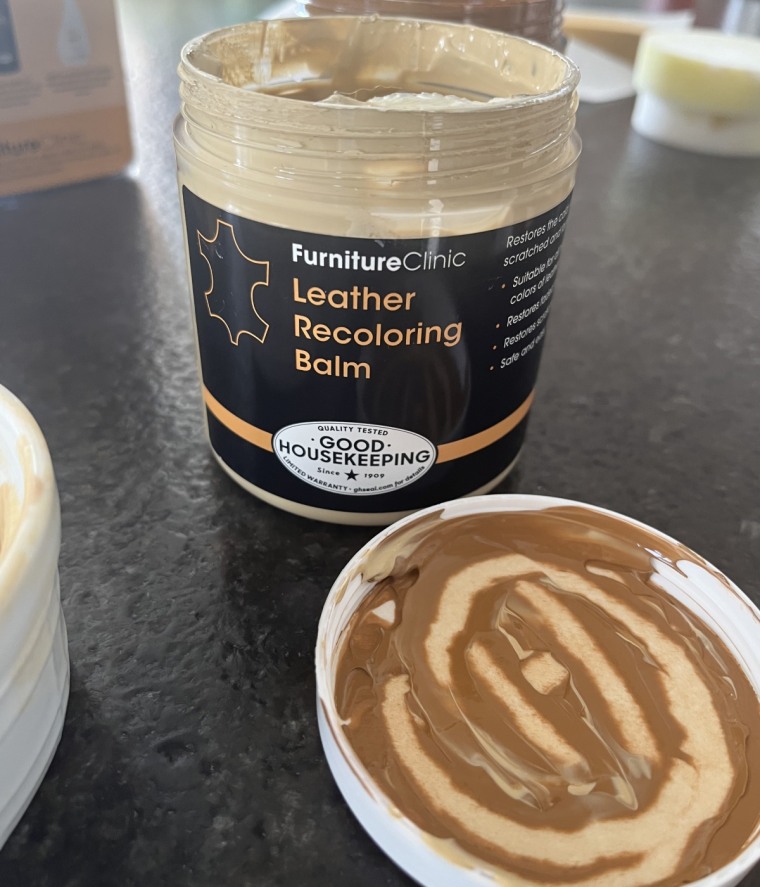
The Leather Furniture Repair Balm That Removed Years of Damage


Interiors: Second skin... revive your favourite couch
Common Upholstery Techniques: What You Need to Know to Reupholster Furniture

This Chair Can Shape-Shift


15 Repurposed Furniture Ideas That Will Give Your Pieces a Fresh Look

How to reupholster a chair and breathe new life into old furniture
Restoring a Chair Is Easier Than You Think. Ask the Brownstone Boys. (Published 2024)
I Tried It: The Rejuvenation Claude Accent Chair Looks Better the More Weathered It Gets

These upholstery ideas are instant room refreshers
How to upholster furniture without breaking the bank
Learn How to Reupholster an Ottoman in One Day

How to Mix and Match Your Dining Room Chairs and Actually Pull it Off
If You Can’t Bear to Buy a Couch, Try a Makeover (Published 2013)