If You Can’t Bear to Buy a Couch, Try a Makeover (Published 2013)
This article explores practical and cost-effective solutions for refreshing worn-out furniture, particularly sofas and chairs, when purchasing new items is not feasible due to time or budget constraints. The author, facing a party countdown and a budget of zero for new furniture, seeks advice from three upholstery specialists: Jessica Smith, a professor of fibers at Savannah College of Art and Design; Dabney McAvoy, owner of Dabney McAvoy Home; and Brooke Ulrich, owner of the home-decorating blog All Things Thrifty. Their recommendations range from temporary fixes to more involved DIY reupholstering projects.
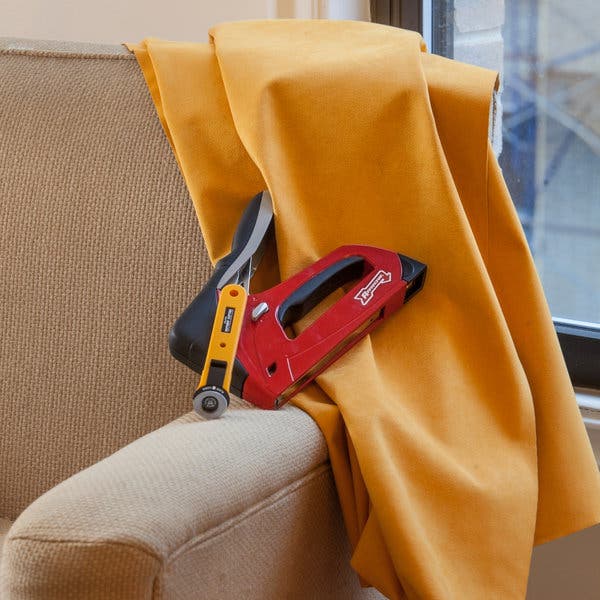
The author begins by addressing a microfiber chair that has accumulated stains from children and pets over two decades. Initial attempts to clean it with detergents left soap film, prompting Ms. Ulrich's suggestion of steam cleaning. The author tries a Hoover Spot Scrubber mini steam cleaner, which, despite a faulty attachment, diminishes most stains. Ms. Ulrich then advises using decorative pillows and throw blankets to camouflage remaining imperfections, suggesting a $30 Ursula throw from Ikea. To make a custom pillow, the author purchases $8 Benzy fabric, a $3 pillow stuffer, and $2 Singer iron-on fabric tape, along with Olfa rotary cutters and a cutting mat for precision. The DIY pillow project is successful, making the chair presentable.
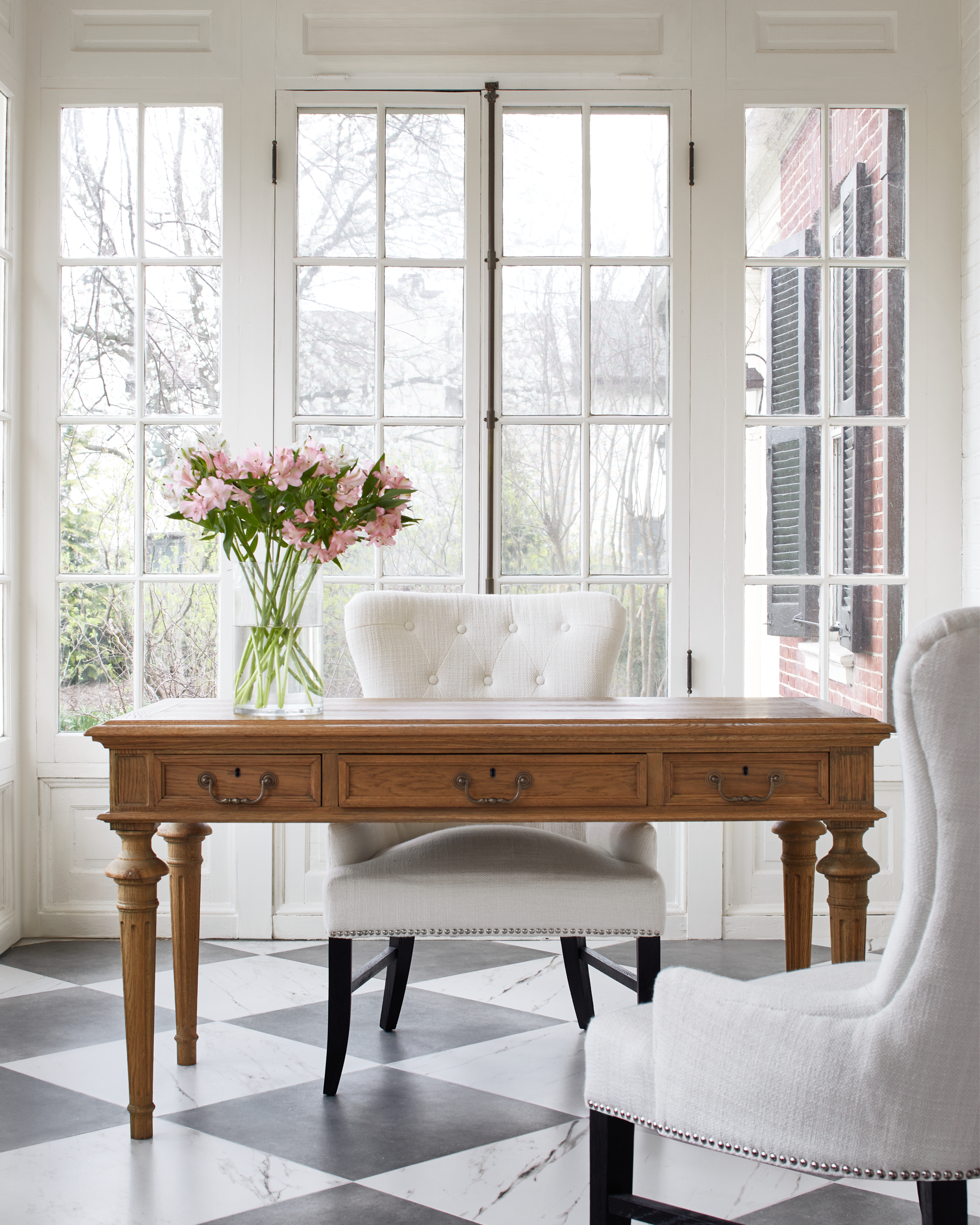
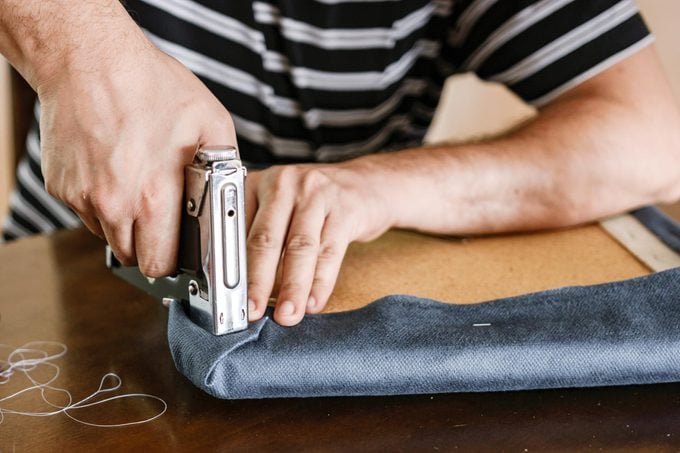
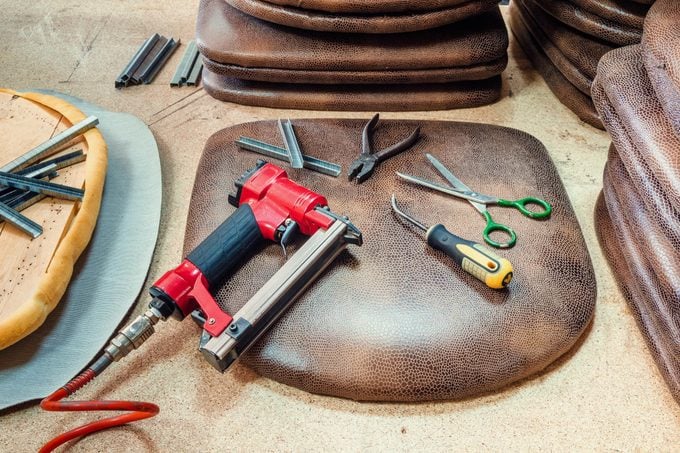
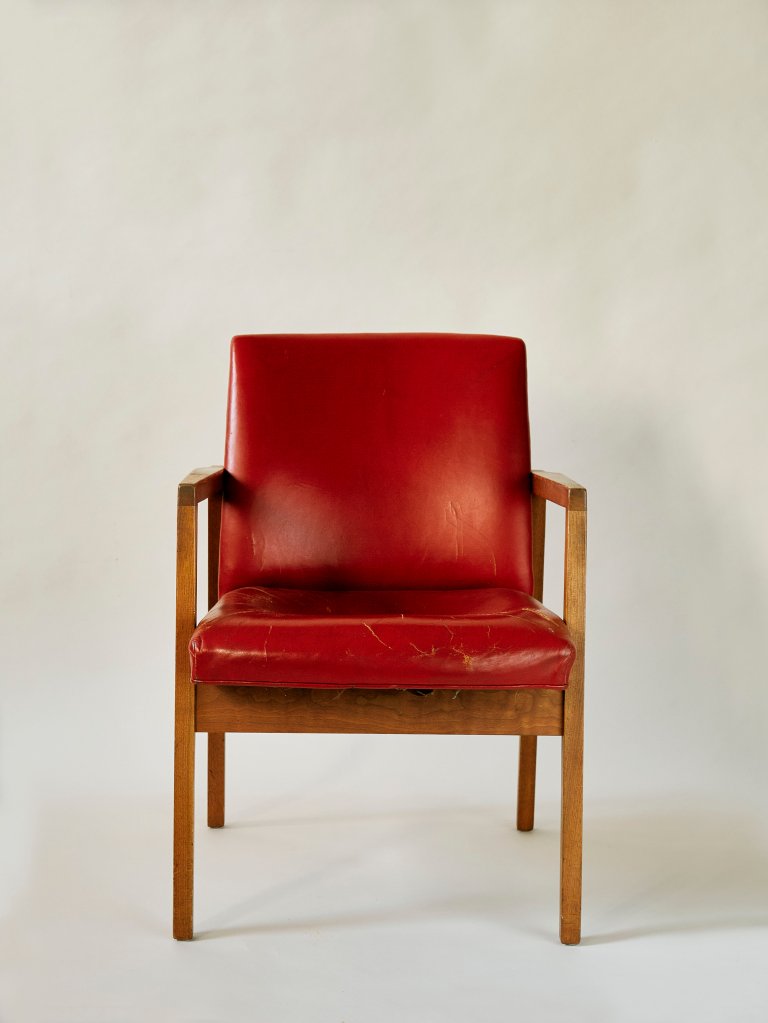
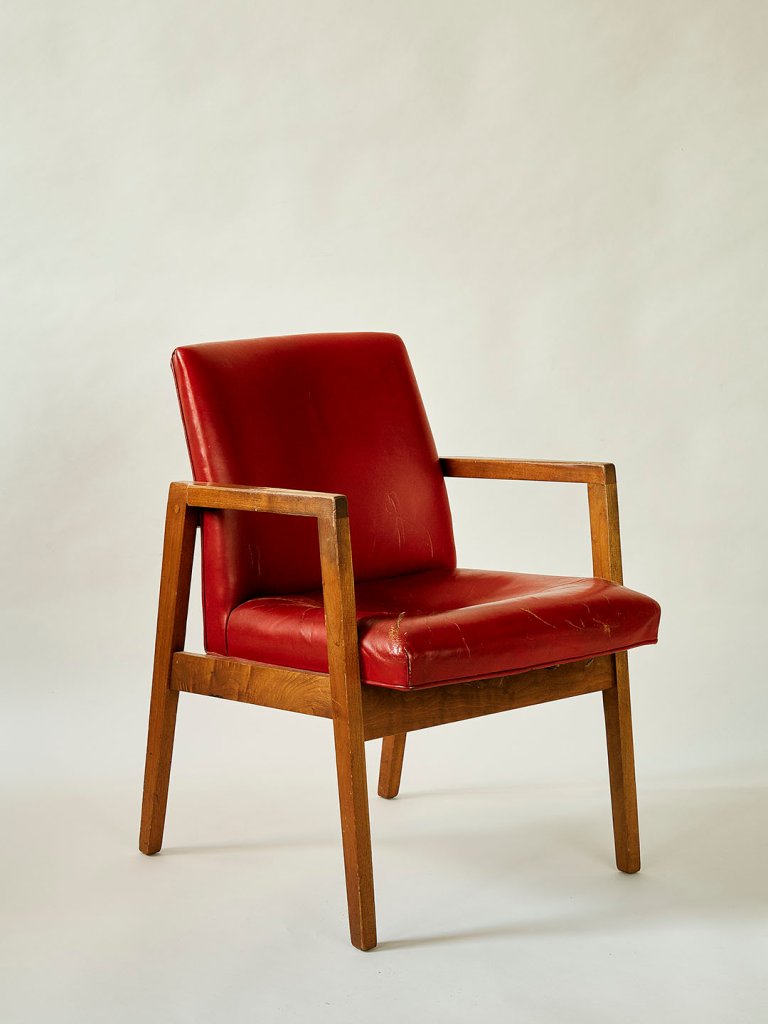
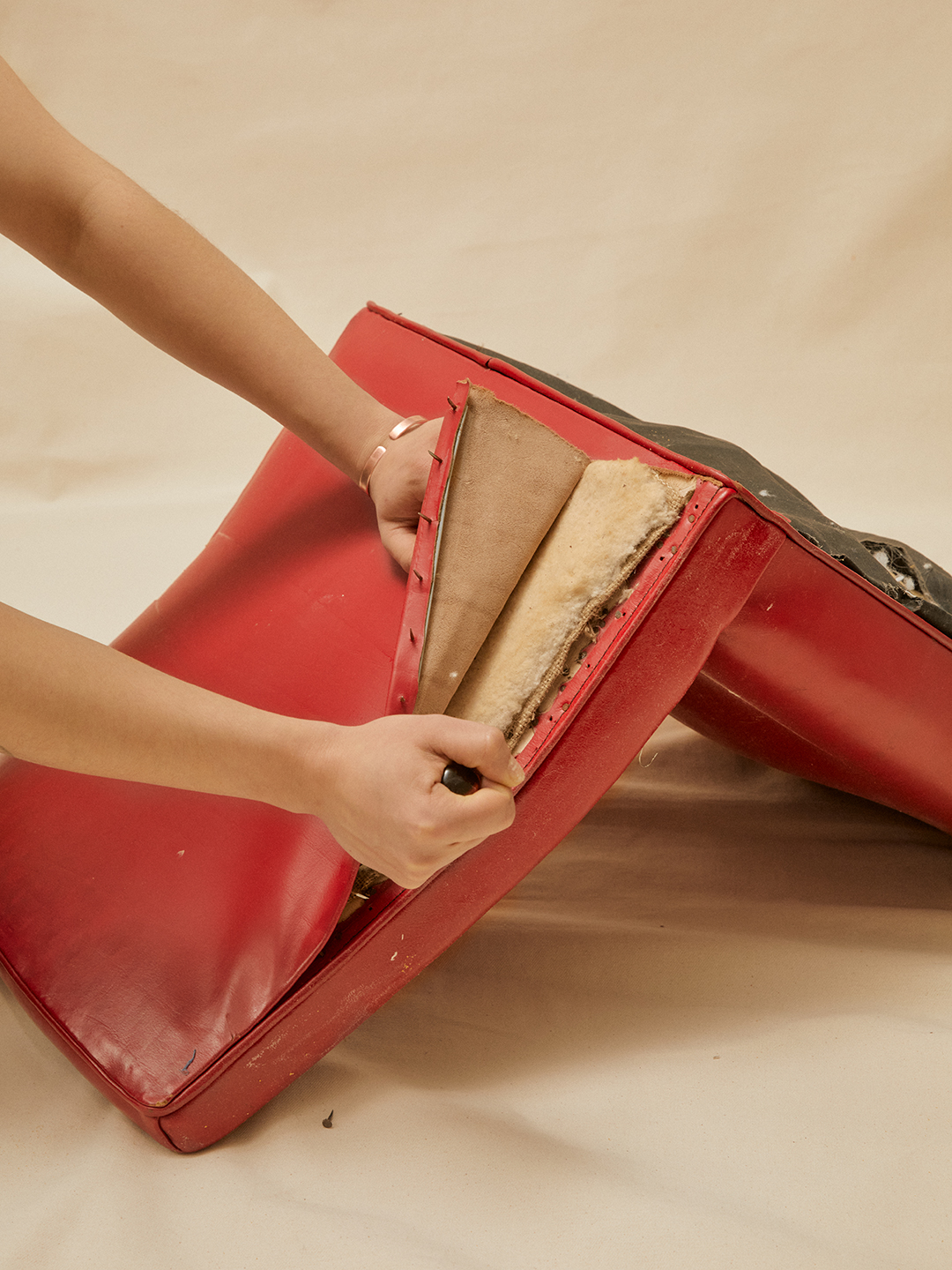
Next, the article tackles a stained dining room chair seat. The author uses leftover Ikea fabric and a staple gun, following Ms. Smith’s advice to carefully remove the old fabric to use as a pattern for the new one. The process involves removing numerous staples and nails and using a diagram from Ms. Ulrich’s site for stapling. The specialists emphasize the importance of pulling the fabric tight to avoid ripples but caution against pulling too hard to prevent tearing. For seats with sharp corners, Ms. Ulrich suggests laying cotton batting first. The author applies about 50 staples, resulting in a somewhat compressed cushion but completing the task in a morning.
The most significant challenge is the slipcover couch. The author first investigates buying a replacement slipcover from the manufacturer, Raymour and Flanigan, which costs around $700. A local fabric shop suggests a custom-made slipcover for approximately $500 plus $200 for fabric. Ms. McAvoy offers a more immediate solution: draping a fabulous fabric over the couch and tucking it in for a casual, modern look, a tip reinforced by Ms. Ulrich, who suggests using PVC piping to keep the fabric in place. The author attempts this with a $20 Ritva curtain set from Ikea but finds it insufficient in size.
Finally, the article explores pre-made slipcover options. The author tries SureFit's elasticized fabric slipcovers, specifically Stretch Suede and Stretch Pique, each costing $130. While these conform easily to the sofa's dimensions, the snug fit accentuates the lumpy pillow cushions, making them unsuitable for the living room but a good fit for a playroom. The most successful solution is a heavy cotton slipcover from Contourelle.com, the Arizona model, costing $180. This semi-tailored, single-piece slipcover is large enough to be tucked for a good fit, and its heavy fabric effectively conceals the couch's lumps. Combined with inexpensive Ikea pillows, this solution creates the appearance of a new couch for approximately $200. The total cost for all furniture makeovers is around $250, demonstrating that significant improvements can be achieved without major financial outlay.
#FurnitureMakeover #DIYUpholstery #HomeDecorating #BudgetFriendly #Slipcovers #StainRemoval #InteriorDesignTips #ThriftyLiving #FurnitureMakeover #DIYUpholstery #HomeDecorating #BudgetFriendly #Slipcovers #StainRemoval #InteriorDesignTips #ThriftyLiving
0 comment in total
 No comments yet
You may also like
Leave It to Mindy Kaling to Inspire You to Buy a New Tufted Sofa

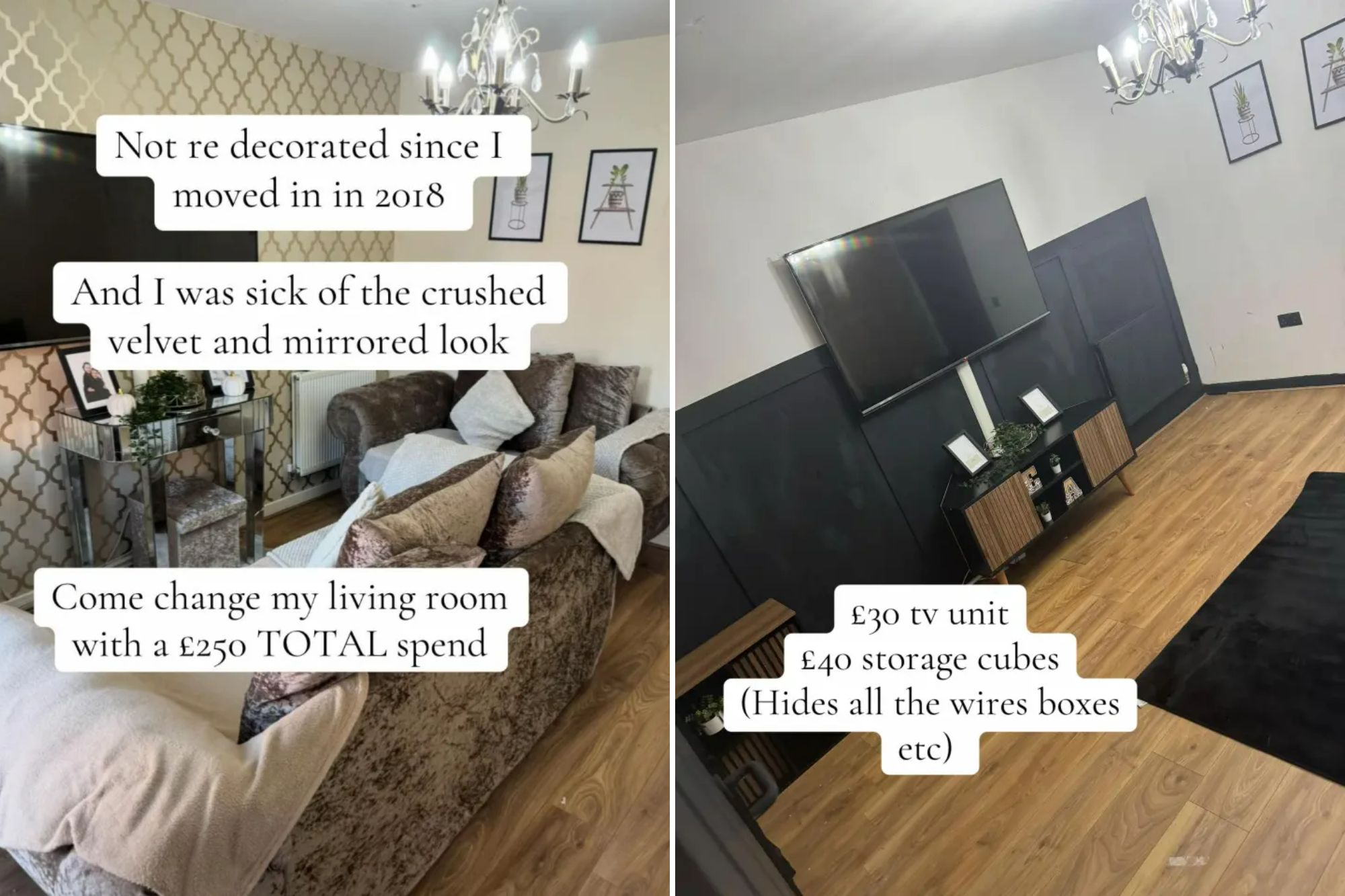
I was sick of the crushed velvet look so transformed my lounge using B&M buys

How to Flip Furniture — And Sell It for Profit, According to a 'Professional Thrifter'


I Tried It: Article's Leigh Modular Sofa

These Under-$1,500 Renovations Could Help Sell Your Home Faster

I saved £20k by renovating my home with YouTube videos & Facebook buys – everyone can’t believe how good it looks


Thinking of Reupholstering Your Sofa? Everything You Should Know Before You Start

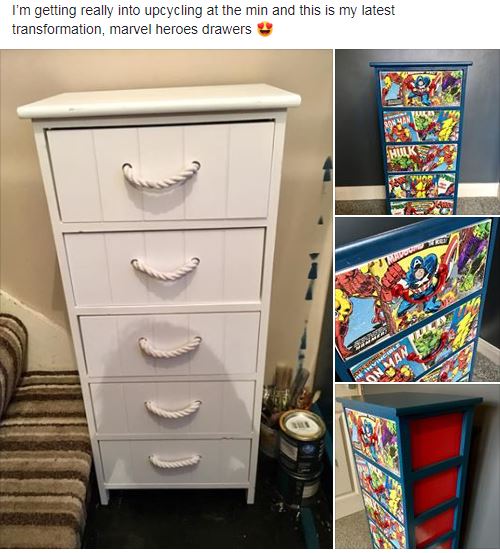
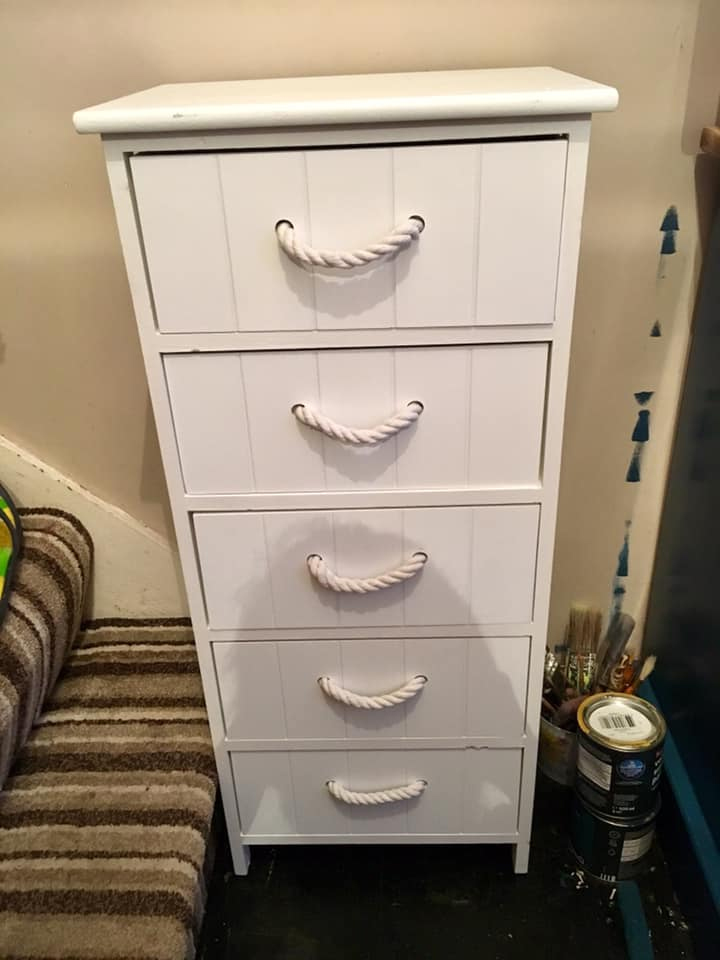
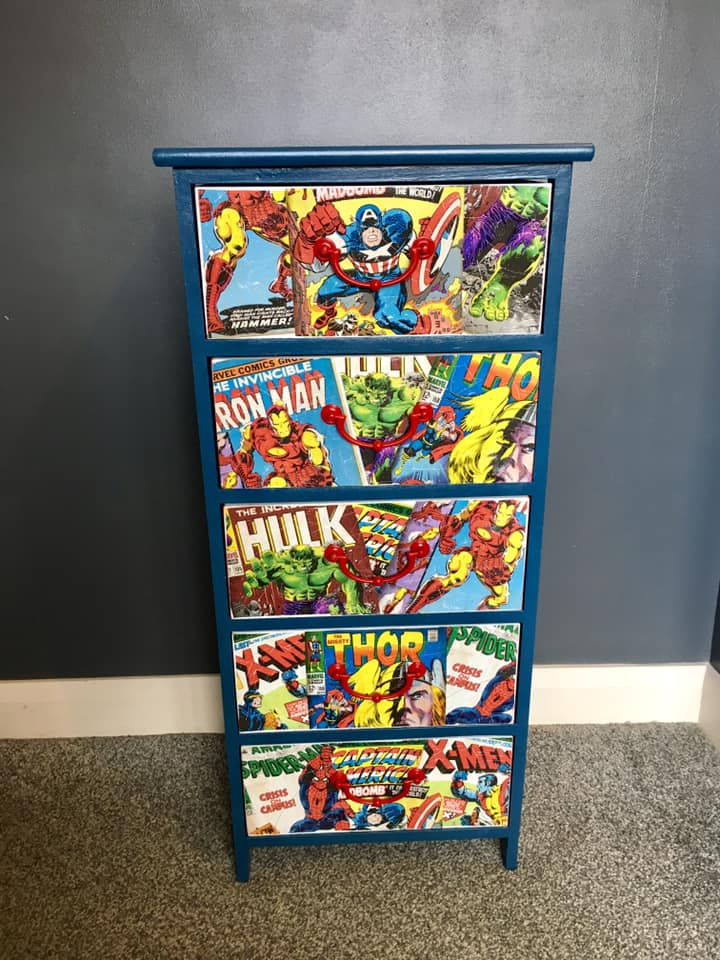
Mum reveals how she transformed dull drawers into a Marvel-themed cabinet with leftover wallpaper and paint

Interiors: Second skin... revive your favourite couch
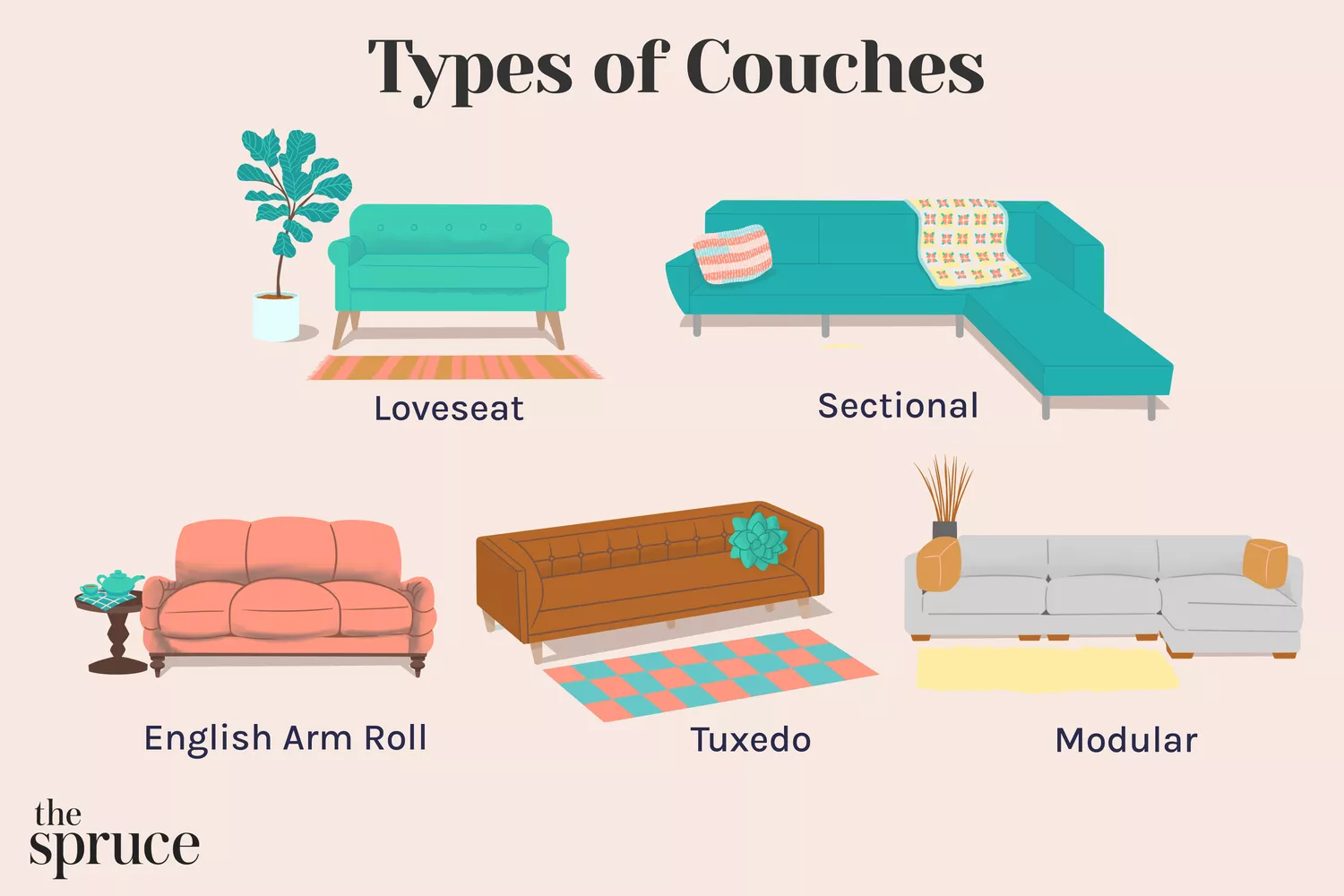
Read This Before You Buy Your Next Couch
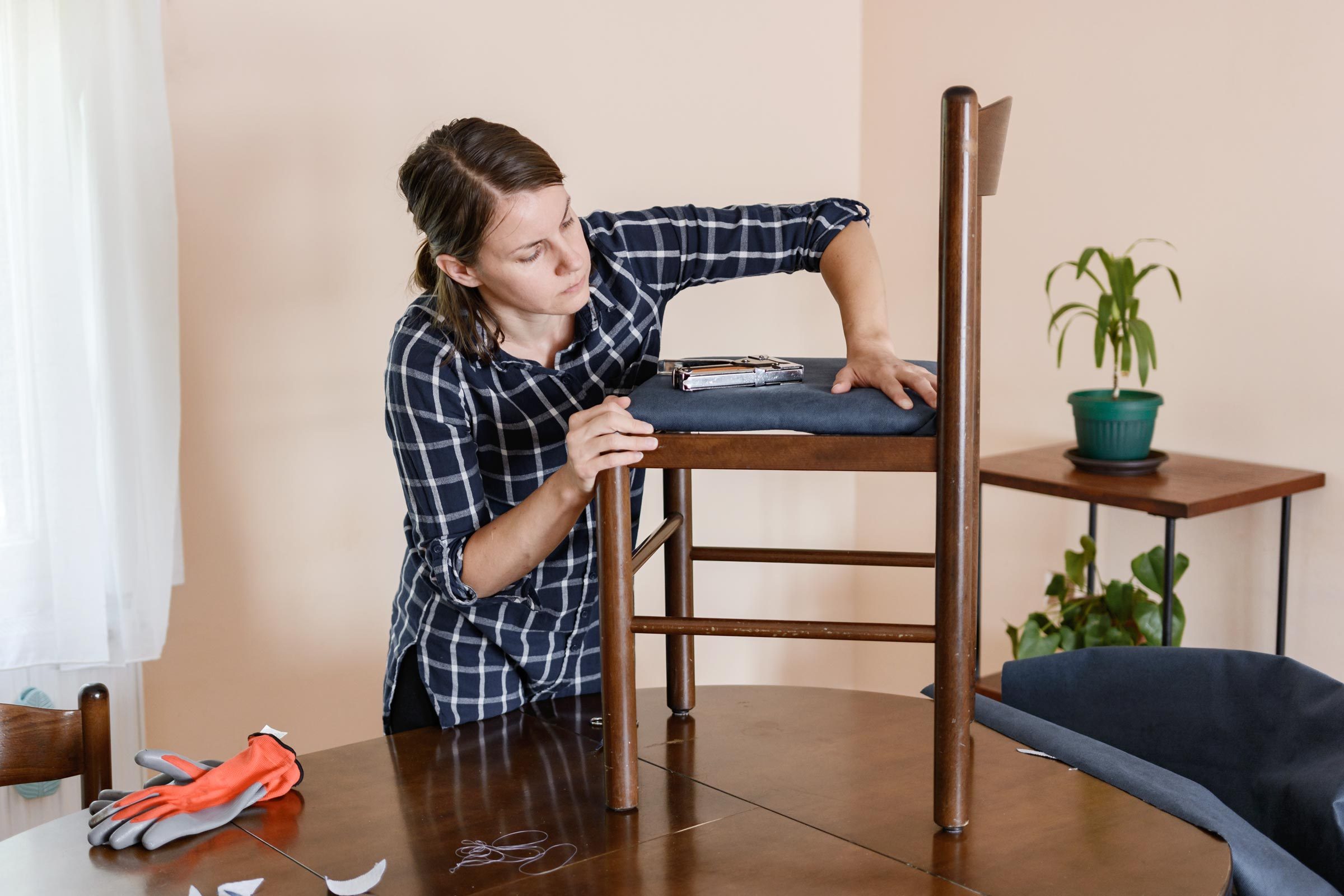
Beginner’s Guide To Reupholstering Furniture

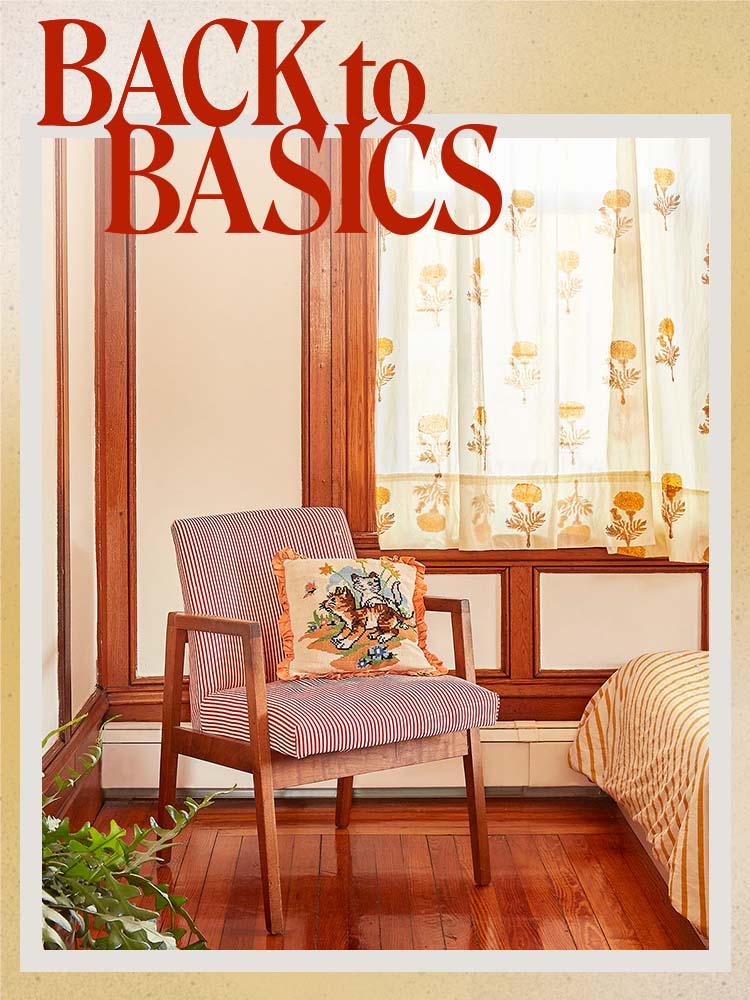
How to Reupholster a Chair So You Can Revamp Rather Than Replace
Creative and Impressive Before-and-After Furniture Makeovers

An Ocean-Blue Sunroom Is Just One of the Vibrant Spaces in Beth “Bephie” Birkett’s L.A. Home


I transformed my drab and boring council house hallway with a cheap B&Q buy


This budget home transformation is a masterclass in colorful maximalism


Sometimes You Have to Build the Book Cover in Your Living Room

Home & Design | Redo & Renew


This Designer Furnished His Entire Living Room for Less Than $2K

Beware the 4 most expensive words in home remodeling: 'As long as we're ..'