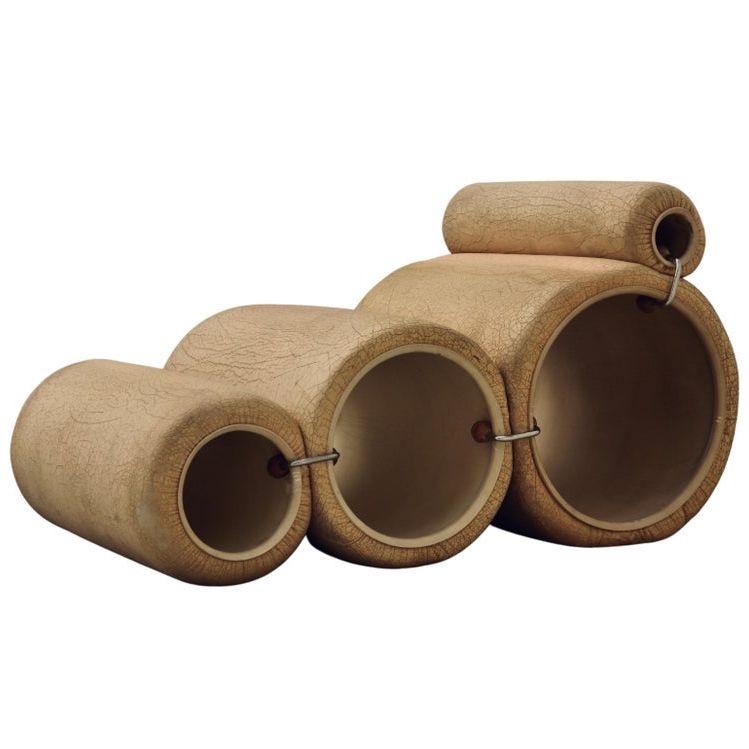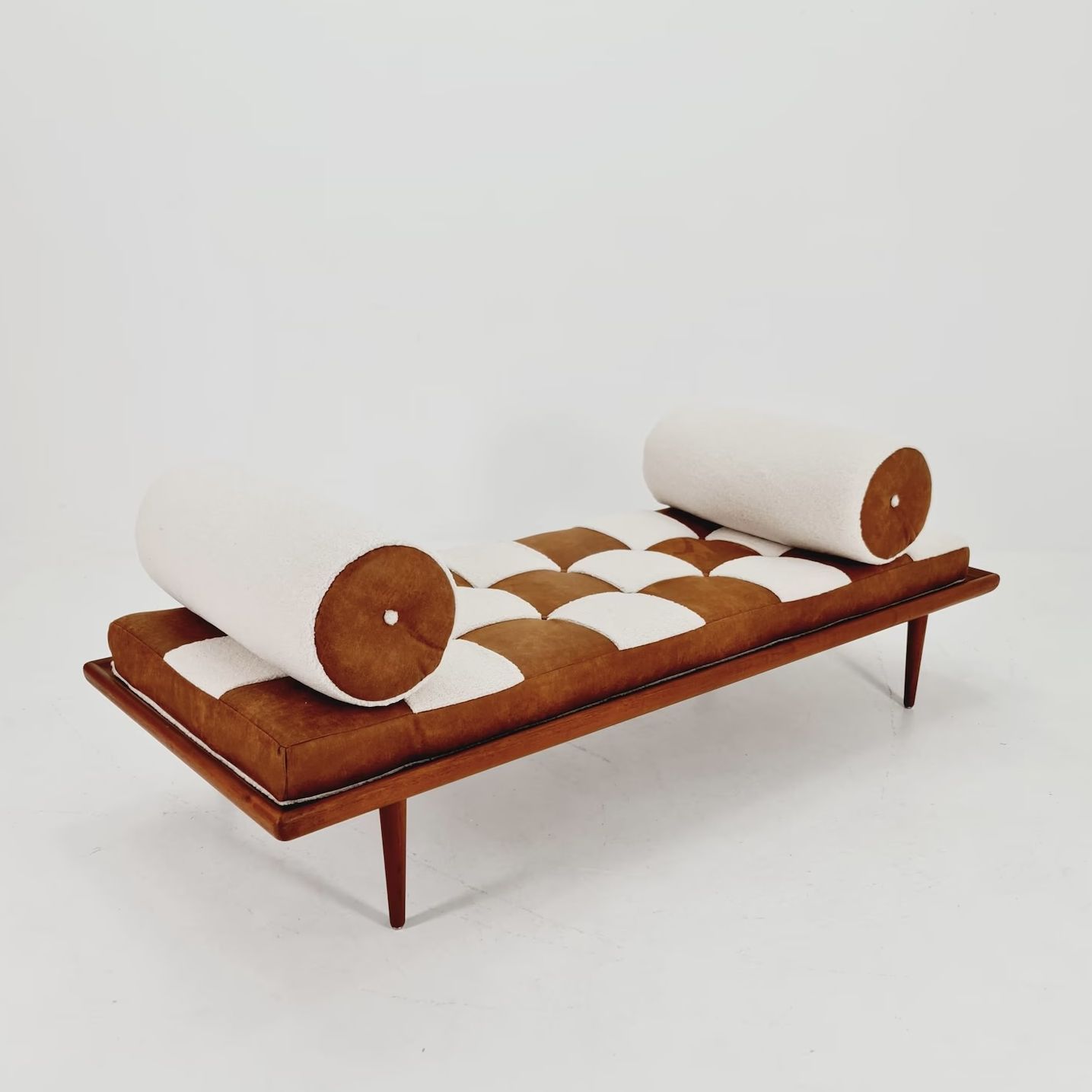

Expert Tips for Buying Used and Vintage Furniture | Reviews by Wirecutter
The article provides comprehensive guidance on acquiring used and vintage furniture, emphasizing its benefits for budgeting, personalizing living spaces, and environmental sustainability. Buying secondhand furniture reduces the environmental impact associated with manufacturing, warehousing, and shipping new items.
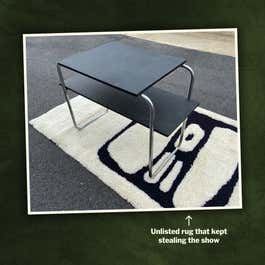
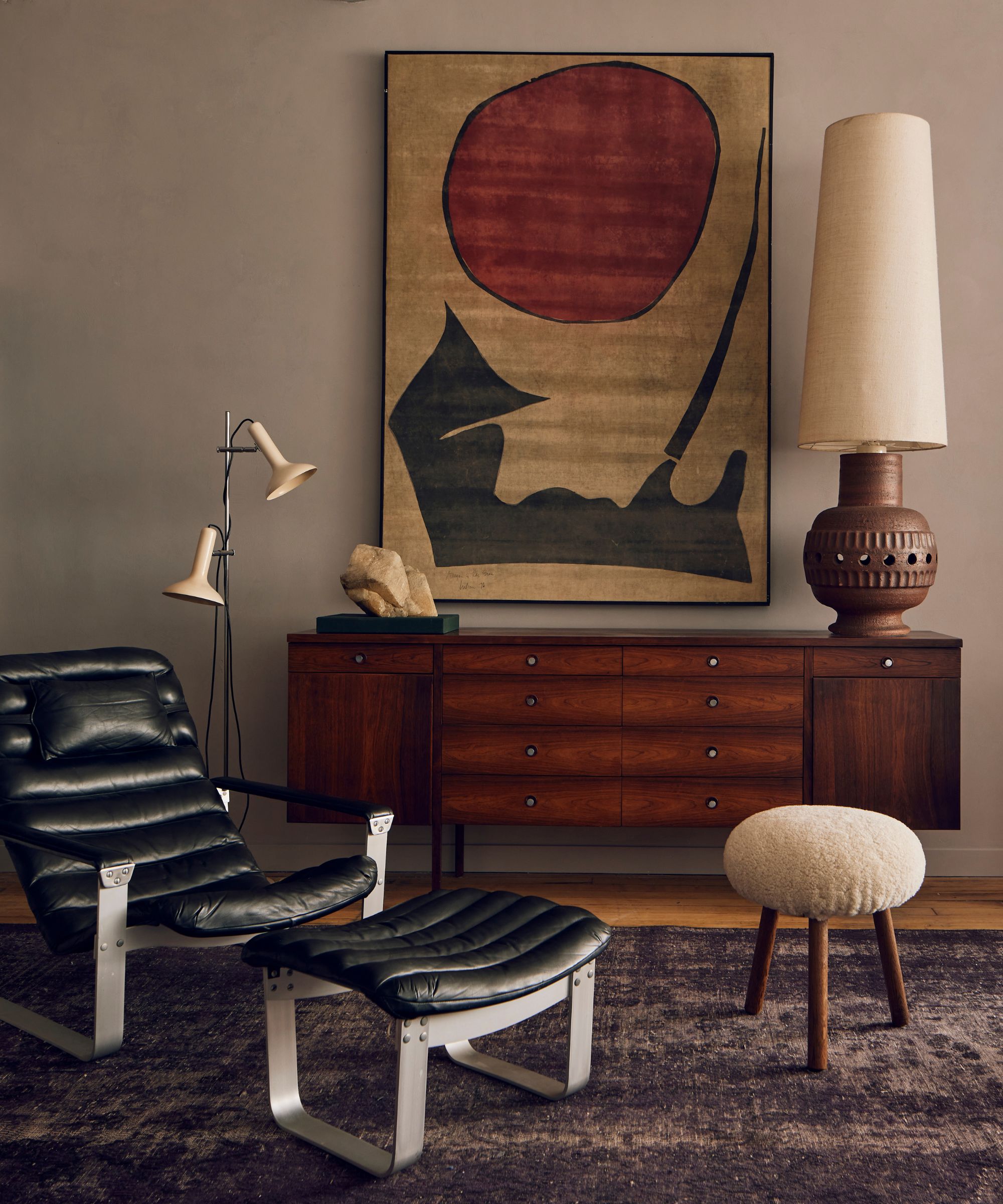
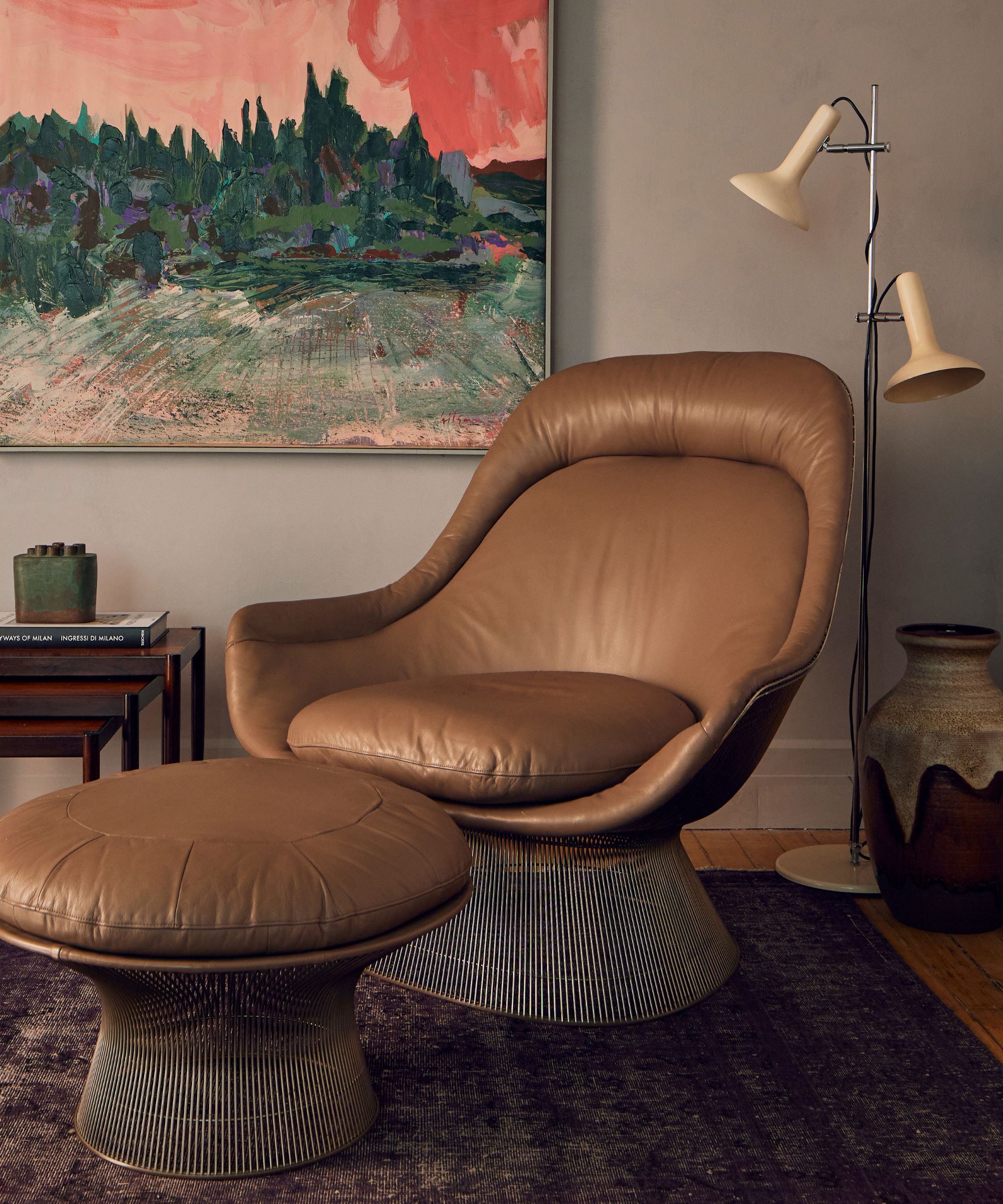
The search for used furniture requires patience and a strategic approach, combining both in-person browsing at local stores and online exploration across various platforms. Key online marketplaces and resources include Craigslist and Facebook Marketplace, favored for local direct-from-seller transactions. Etsy and Instagram are highlighted for secondhand furniture and home decor, with features that allow for tailored searches and alerts for new listings. Other platforms like eBay, OfferUp, and even luxury resale sites like The RealReal are mentioned, though they may involve price markups due to seller fees. Curated furnishing resale marketplaces such as Kaiyo, Chairish, and 1stDibs offer white-glove shipping services, but direct contact with local vendors found through these platforms can help save on markup fees. The article also points out the value of furniture-brand sales on gently used items, open box, or refurbished furniture, and local estate sales and auctions for unique finds, especially authentic designer pieces.
To effectively navigate the secondhand market, a long-term perspective is crucial, focusing on one piece at a time and prioritizing items that will significantly impact one's living space. This approach not only saves money but also contributes to reducing landfill waste. Defining non-negotiable criteria like budget, size, use, style, and material while maintaining an open mind to possibilities is recommended. Thorough research on specific models, including their full retail and resale values, helps in recognizing good deals. Utilizing diverse search terms online, including materials, styles, brands, and designers, is essential for uncovering relevant listings. Reverse image searching can also aid in finding more precise keywords. The article stresses the importance of acting swiftly once a desirable item is found, given the competitive nature of the secondhand market.
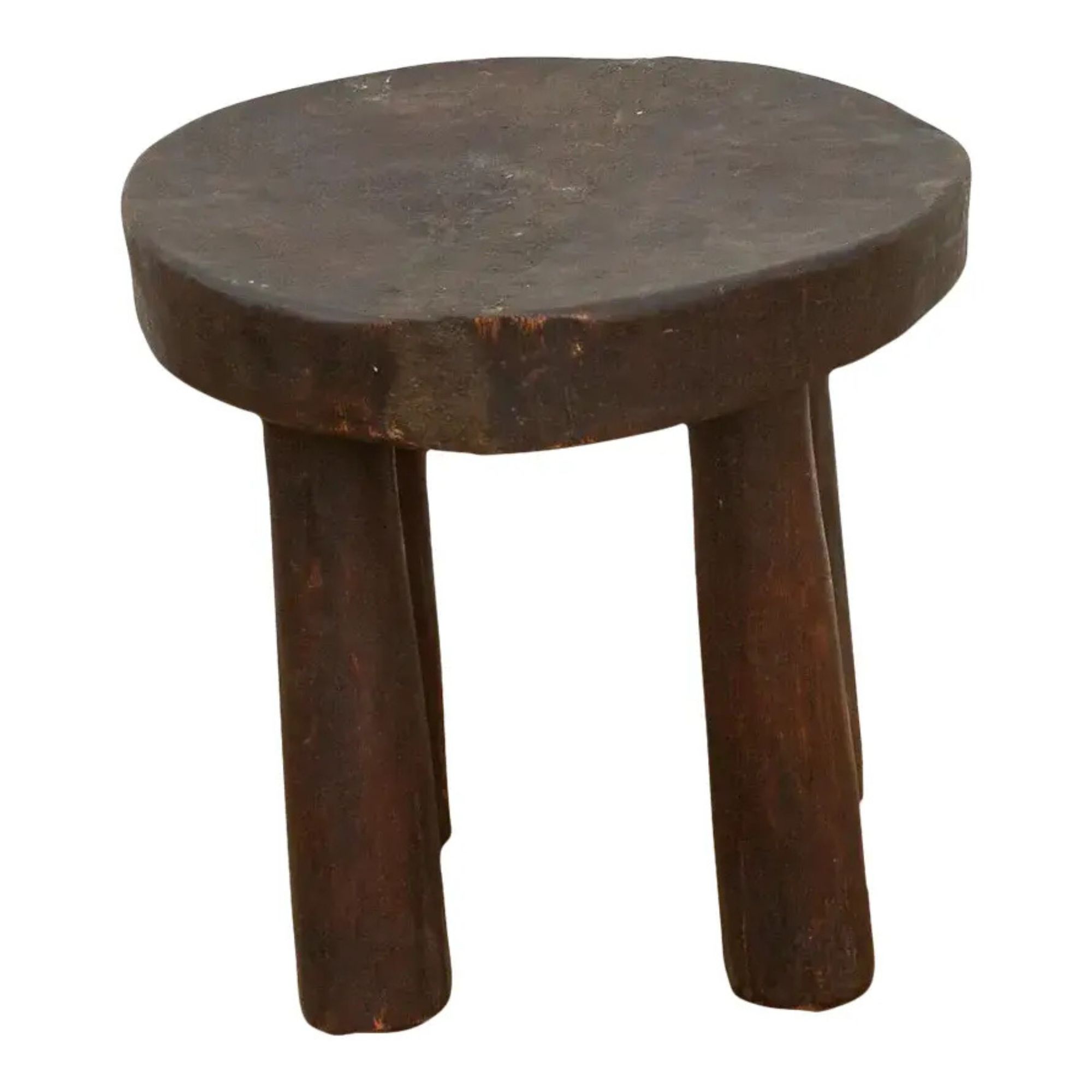
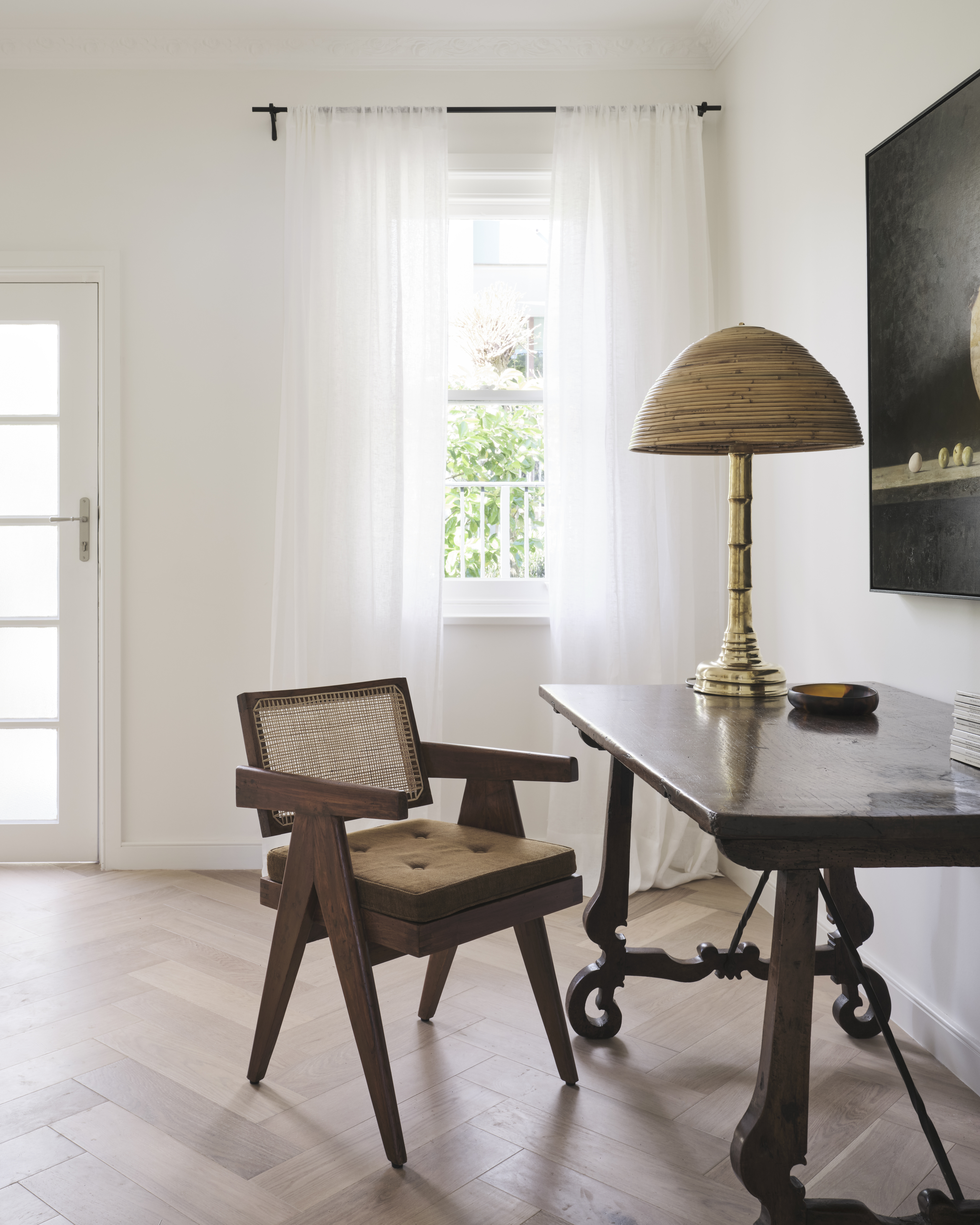
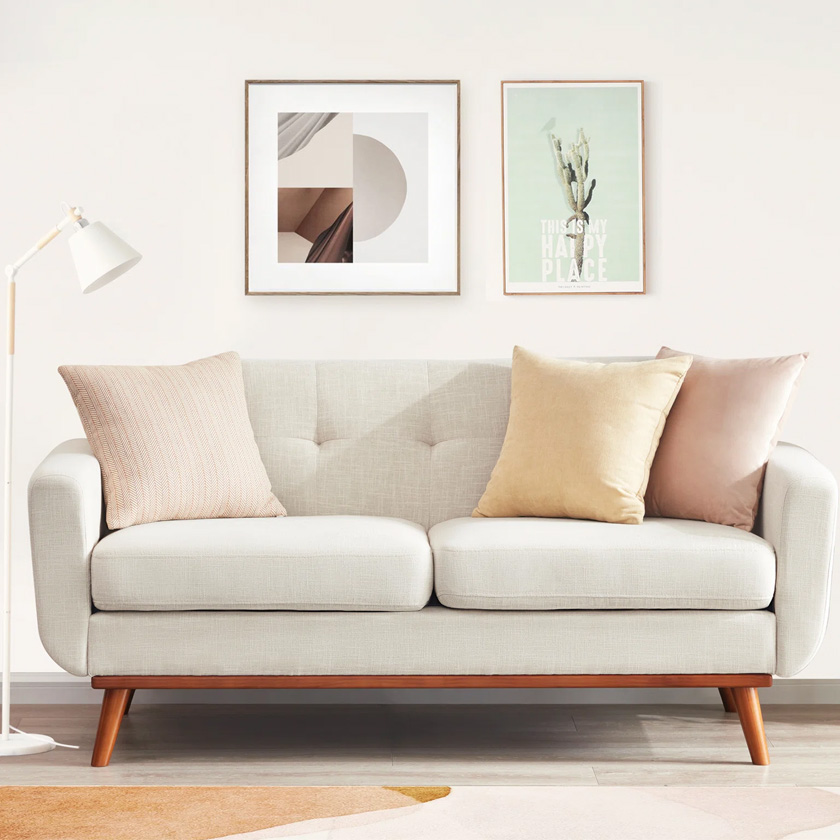
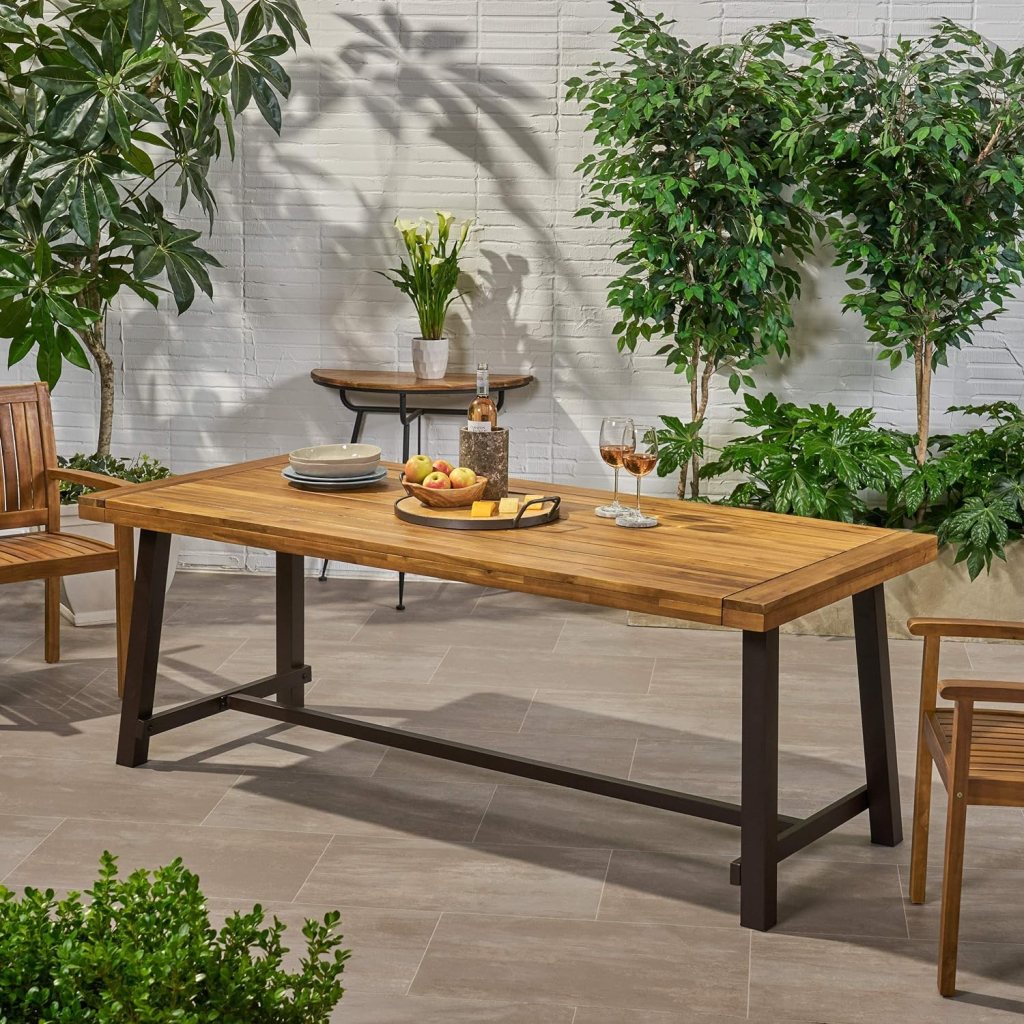
When evaluating potential purchases, several factors are critical. Look for listings with plenty of clear, detailed photos, as this indicates a trustworthy seller. Insist on photos that show the item's condition rather than just commercial images. Prioritize quality materials such as steel, stone, glass, lucite, solid wood, and high-quality wood veneer, which offer durability. Always double-check dimensions of both the furniture and the intended space to avoid logistical issues. Additionally, inquire about delivery logistics and associated costs. Conversely, red flags include a scarcity of photos or a seller's unwillingness to provide more details. Avoid furniture with rickety frames, faulty mechanisms, or significant misalignment, as these often require costly repairs. While upholstered furniture can be a good find, proceed with caution due to potential issues like odors, degradation of materials, or pests like bedbugs, especially if buying online or on a strict budget. However, a solid frame makes reupholstering a viable option. Finally, it's prudent to check the Consumer Product Safety Commission's recall database for any known issues with specific models or makers.
#UsedFurniture #VintageFurniture #SecondhandDecor #SustainableShopping #HomeDecorTips #FurnitureBuyingGuide #EcoFriendlyHome #InteriorDesign #MarketplaceTips #UsedFurniture #VintageFurniture #SecondhandDecor #SustainableShopping #HomeDecorTips #FurnitureBuyingGuide #EcoFriendlyHome #InteriorDesign #MarketplaceTips
0 comment in total
 No comments yet
You may also like
The 6 Best Places to Buy Used Furniture

These designers source and restore vintage furniture every single day – here are their top tips for shopping and reviving

The 16 Very Best Couches | The Strategist
Furniture Stores That Make Your Pinterest Dream Board Totally Doable

Shop Secondhand Like a Pro: How Our Decor Experts Find Worth-It Furniture on a Budget
Where do interior designers shop for furniture? 23 designers share their favorite stores
The 10 Best Places to Buy a Couch
5 Things You Should Definitely Thrift for Your Living Room Styling — "A Few Pieces Add Instant Soul"

This is the best furniture to buy at thrift stores, according to vintage experts
12 Things You Should Never Buy at an Estate Sale, According to Experts

Sofa buying guide: expert advice on how to buy a sofa
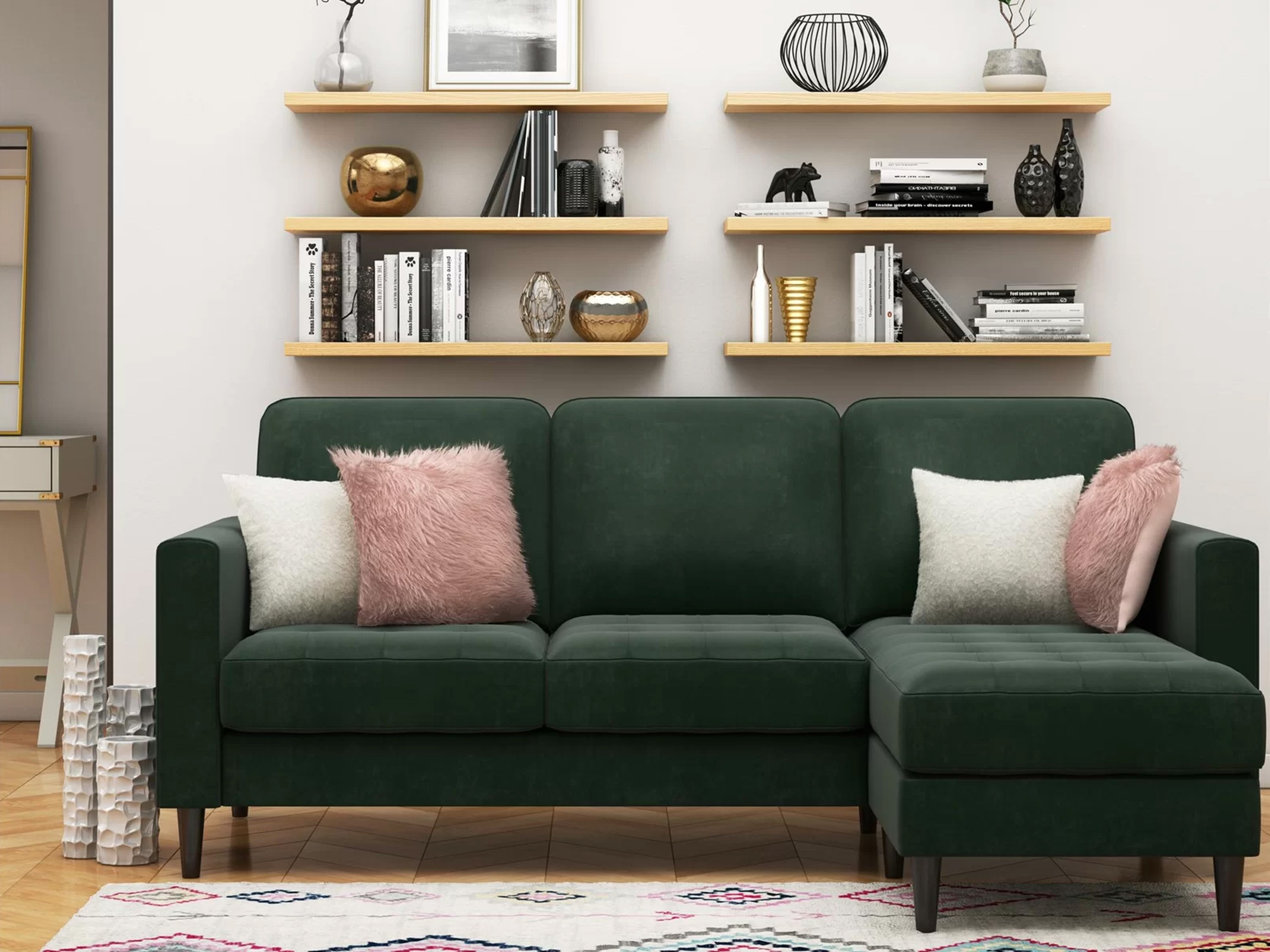
The Best Places to Buy High-Quality Furniture on a Budget, According to Designers & Shopping Experts

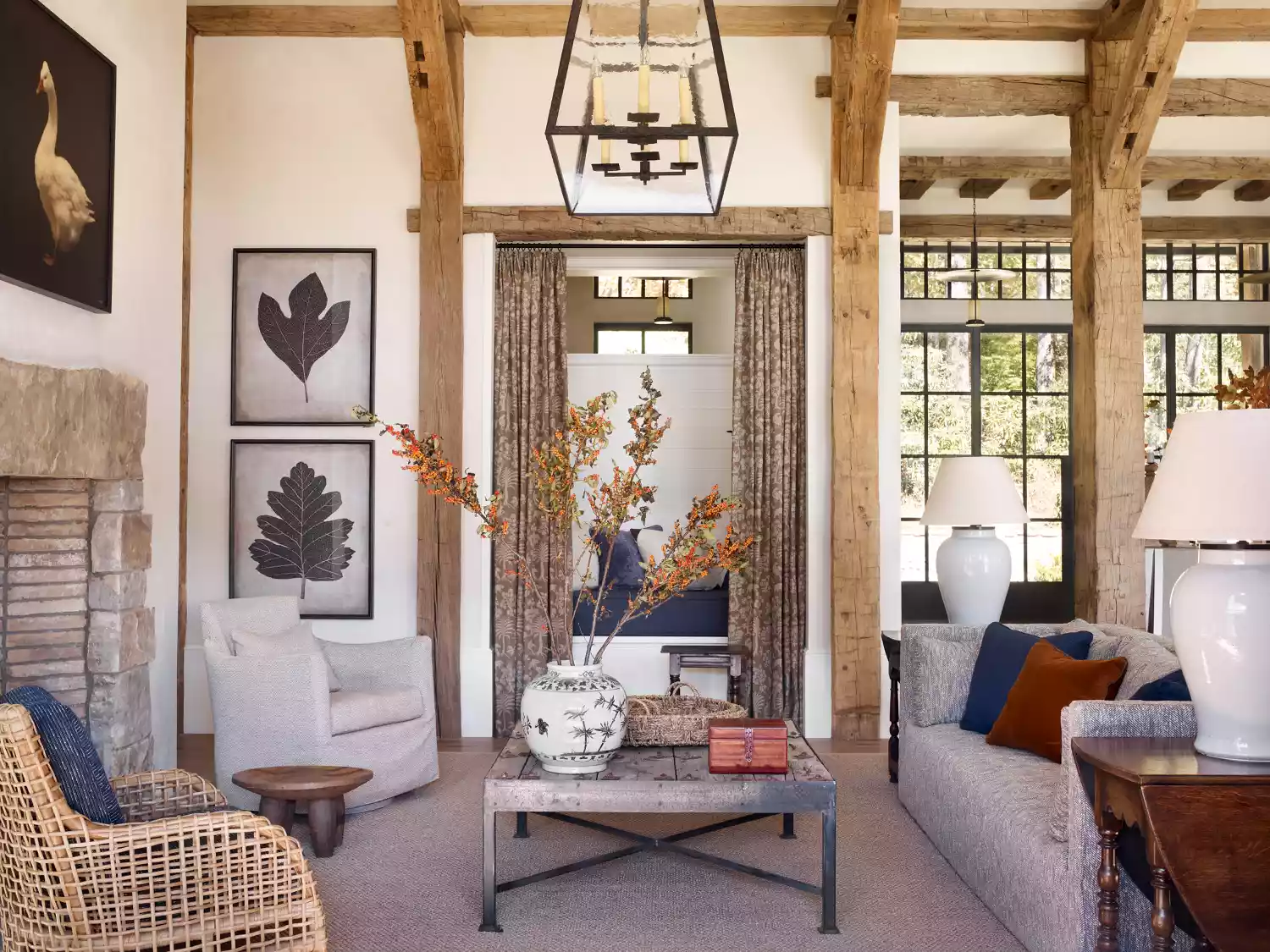
14 Mistakes To Avoid When Buying New Furniture, According To Designers

How Much Should You Spend on a Living Room Sofa?

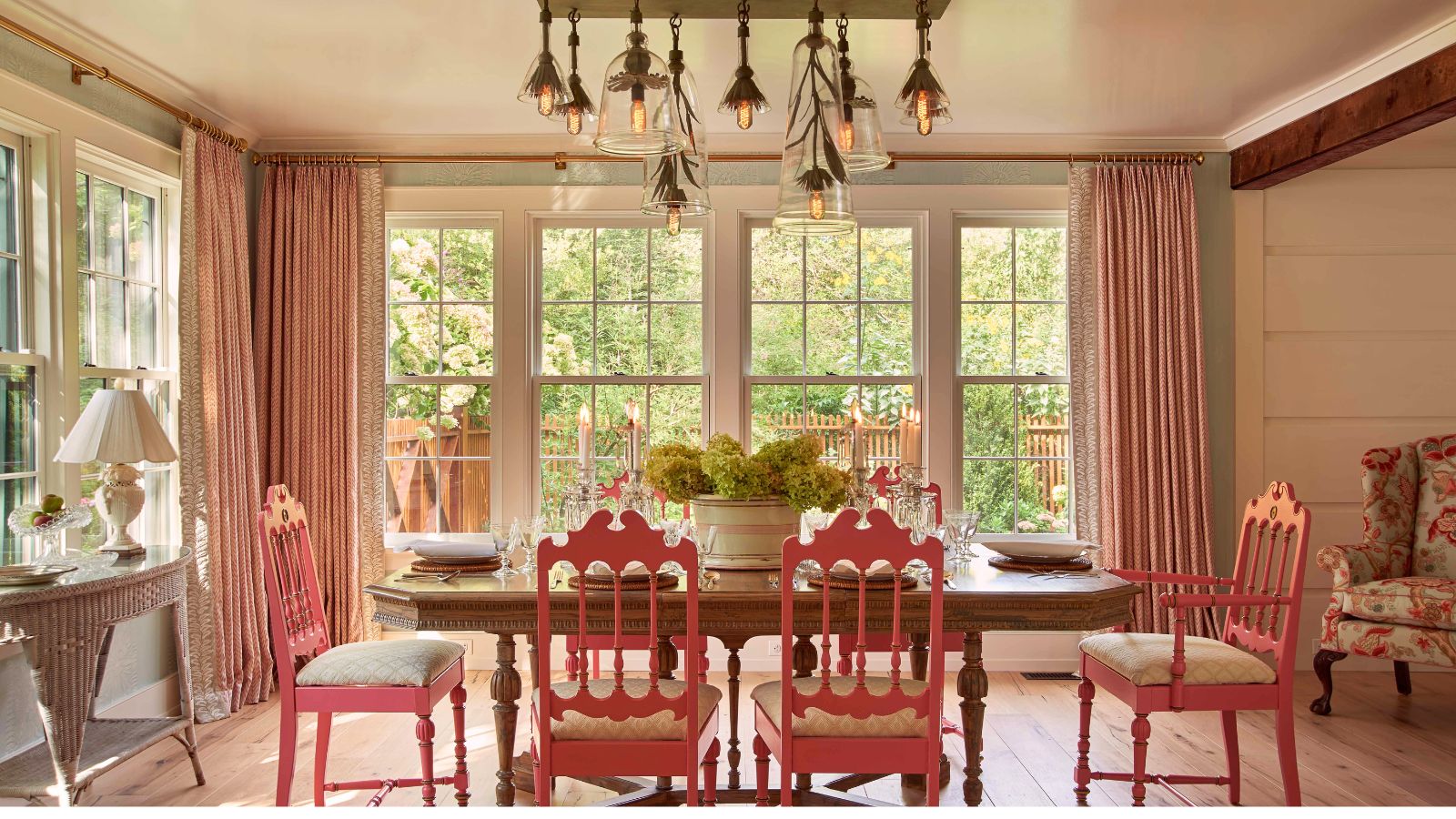
9 things designers always look to buy at an estate sale

Looking to score rare designer pieces online? Check out these second-hand furniture websites

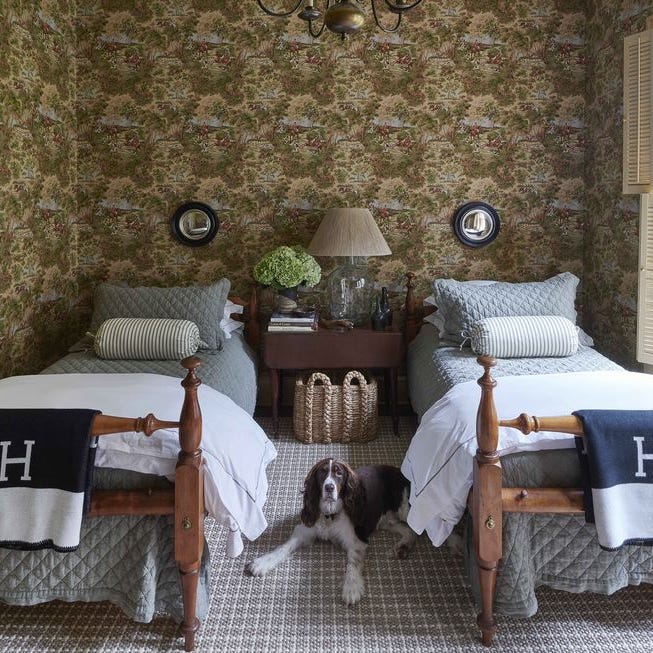
The 8 Best Vintage Furniture Stores to Shop in-Person and Online

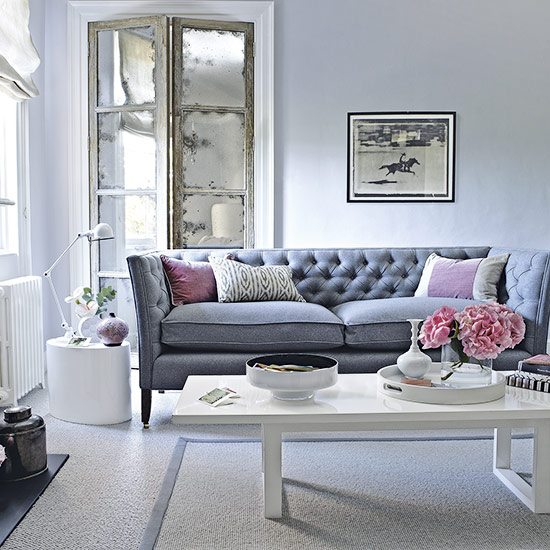
Celia Rufey answers your furniture questions


Attention! Here Are the 20 Best Places to Buy a Comfy New Couch
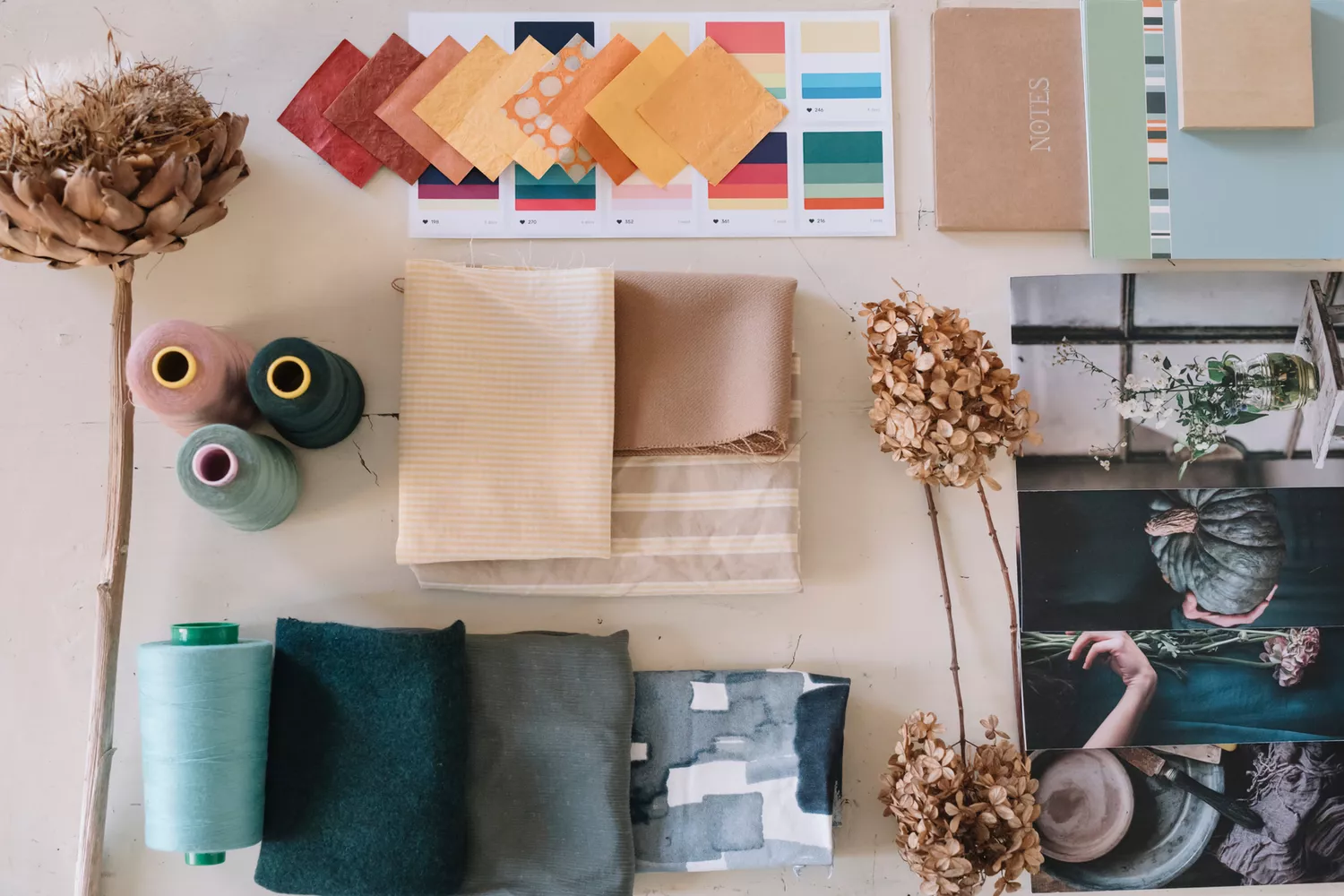
6 Things You Should Always Do Before Shopping for Furniture, Designers Say