1/4
6 design tips to upgrade an older home without clashing styles | Hindustan Times
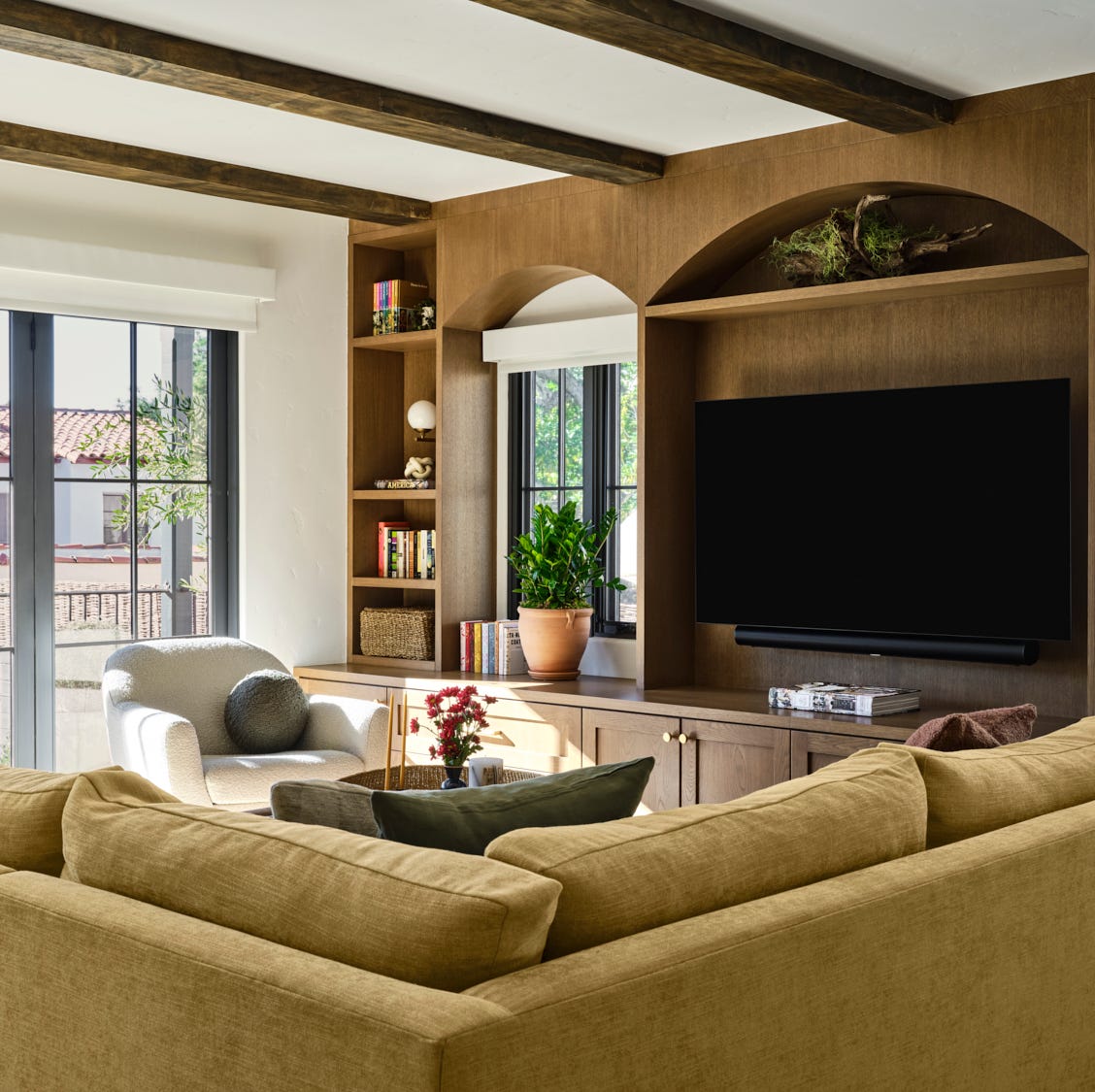
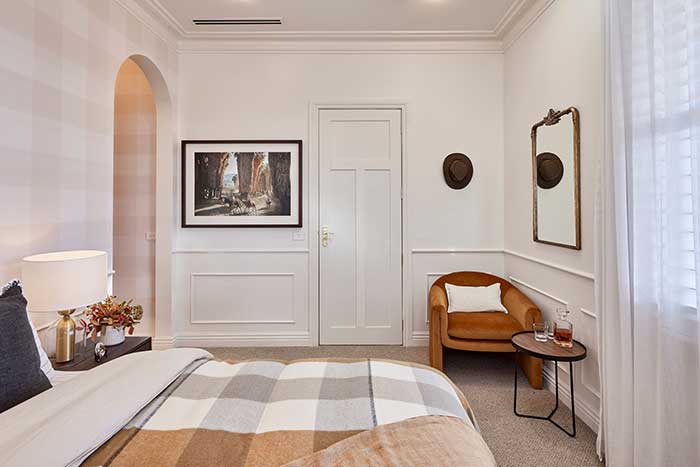
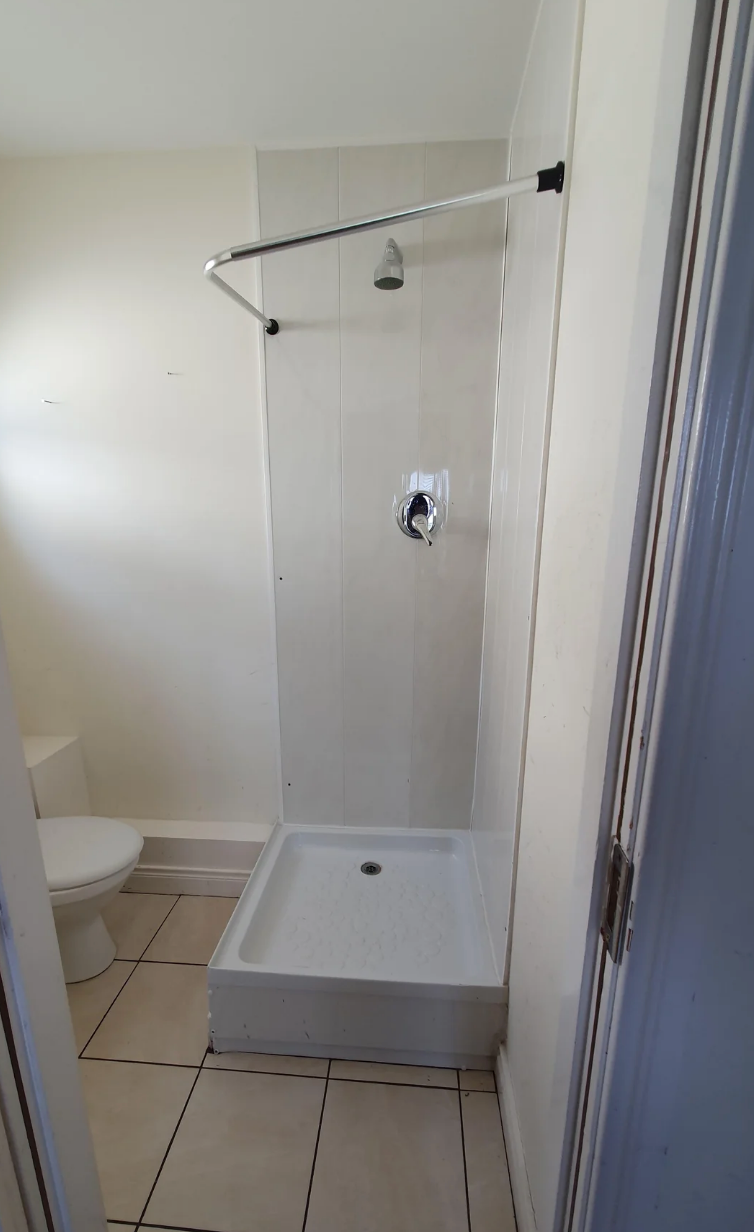
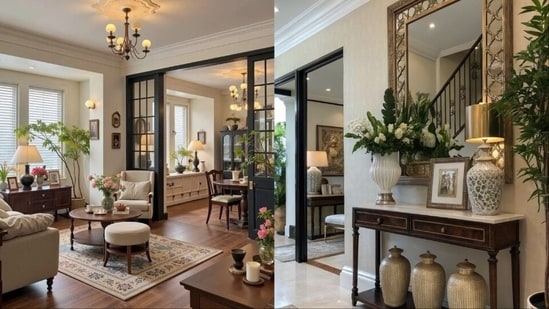
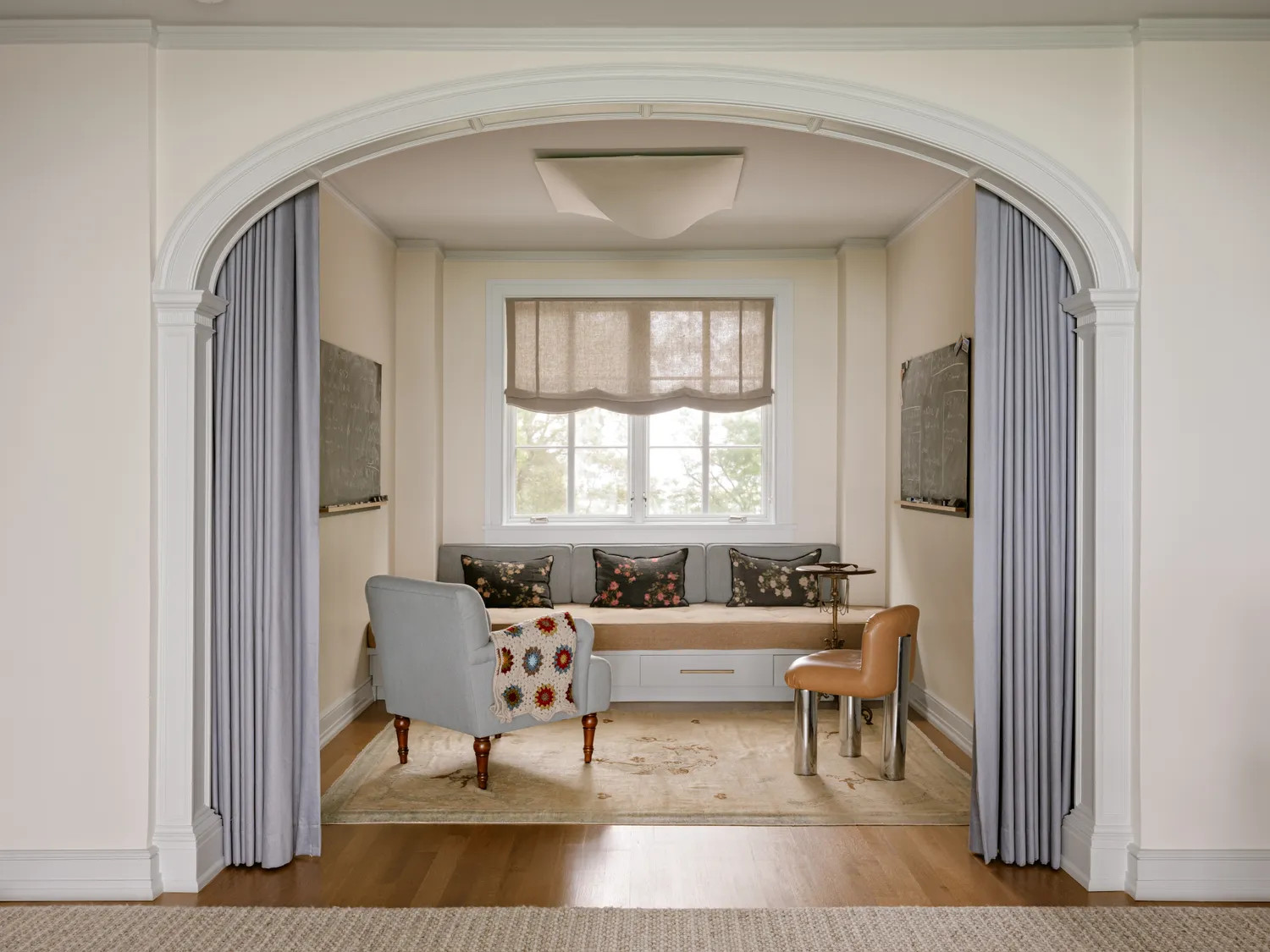
Renovating an older home presents a unique opportunity to integrate modern functionality with its inherent charm, necessitating a balanced approach that respects original details while introducing contemporary elements. This endeavor is applicable whether the property is a heritage bungalow or a mid-century apartment. The primary objective is to modernize the living space without sacrificing its distinctive character, a process that requires careful consideration of various design aspects.
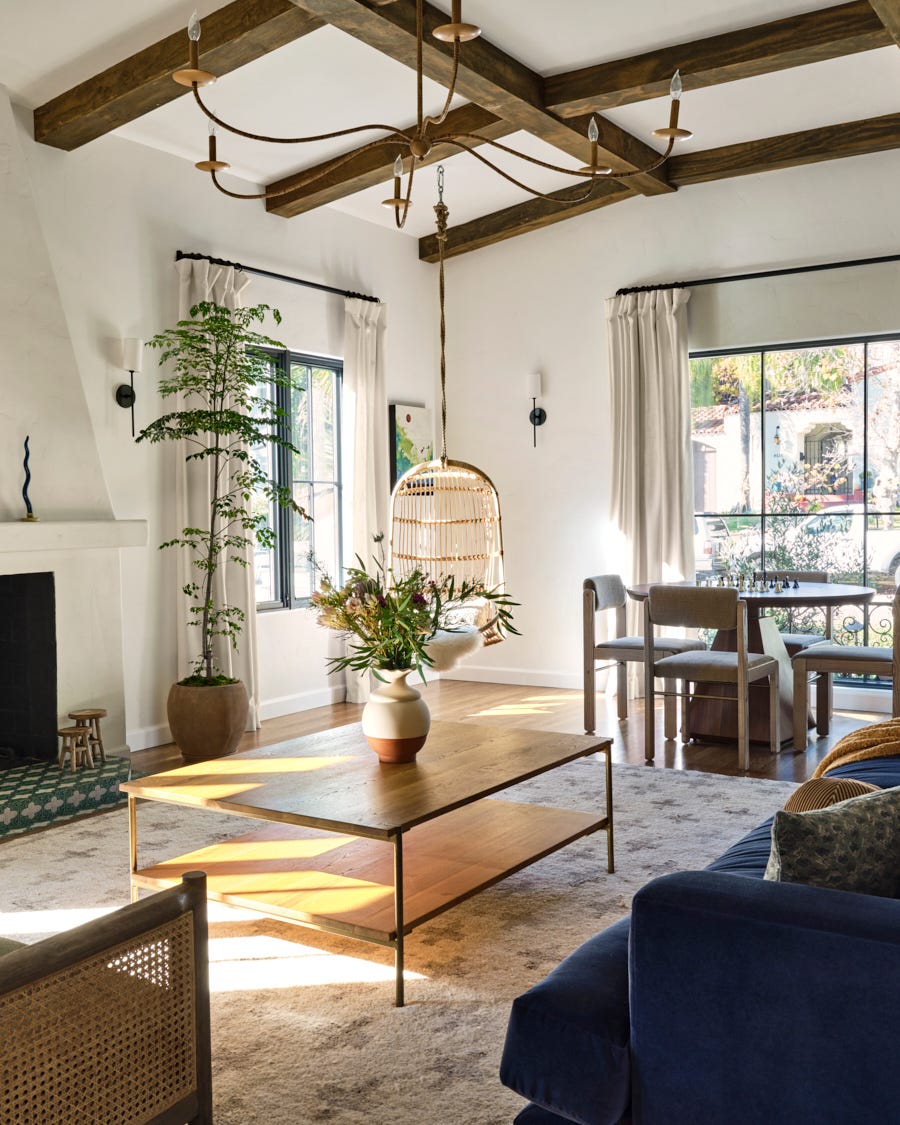
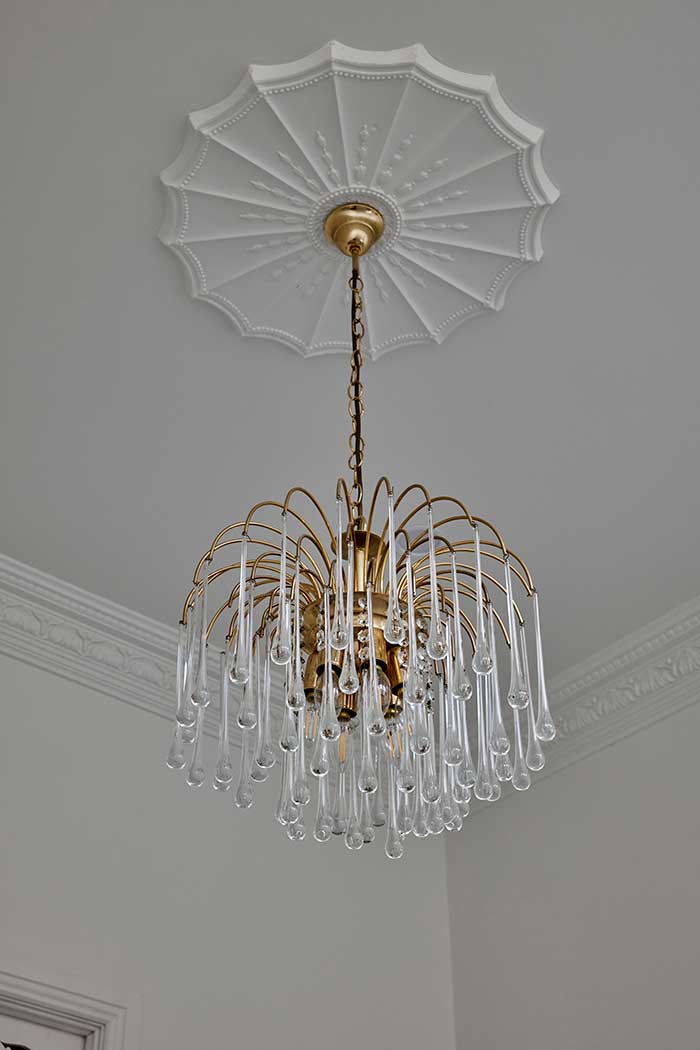
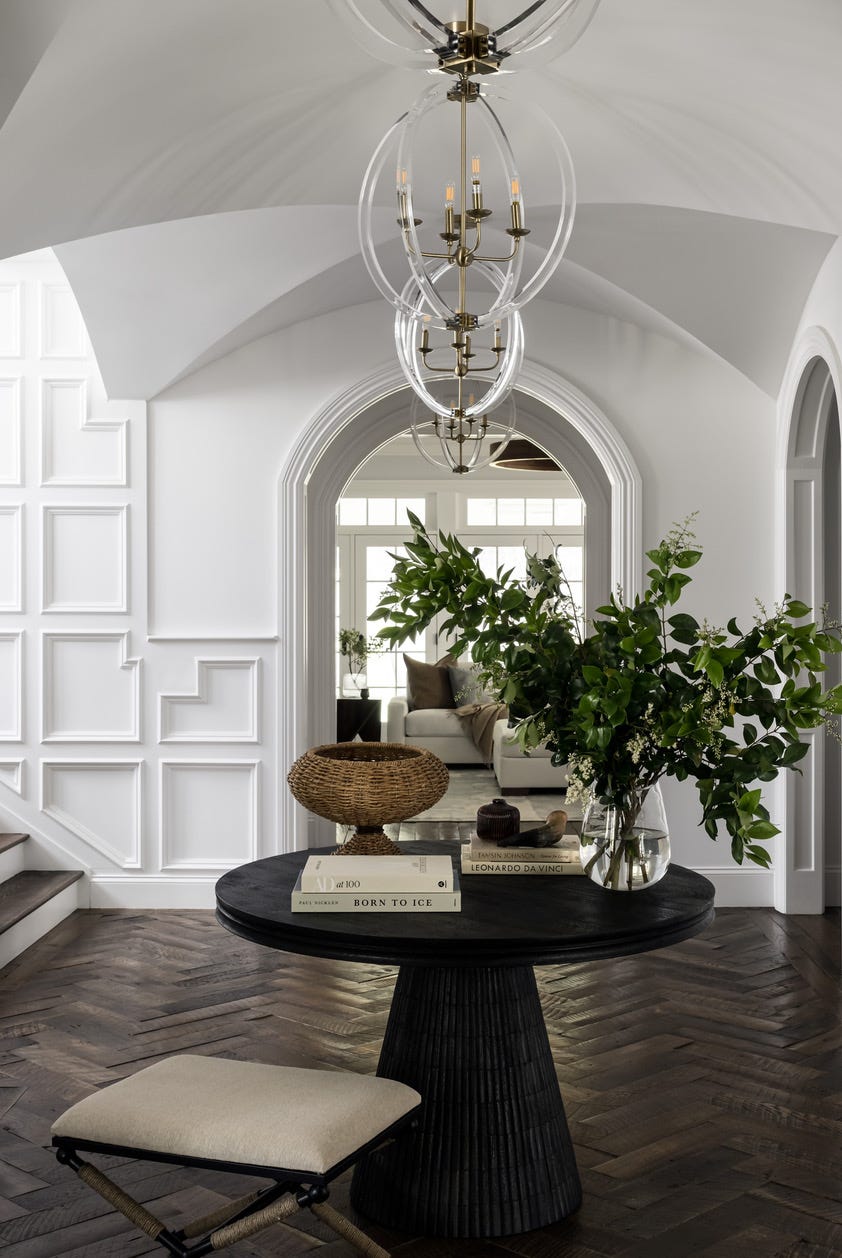
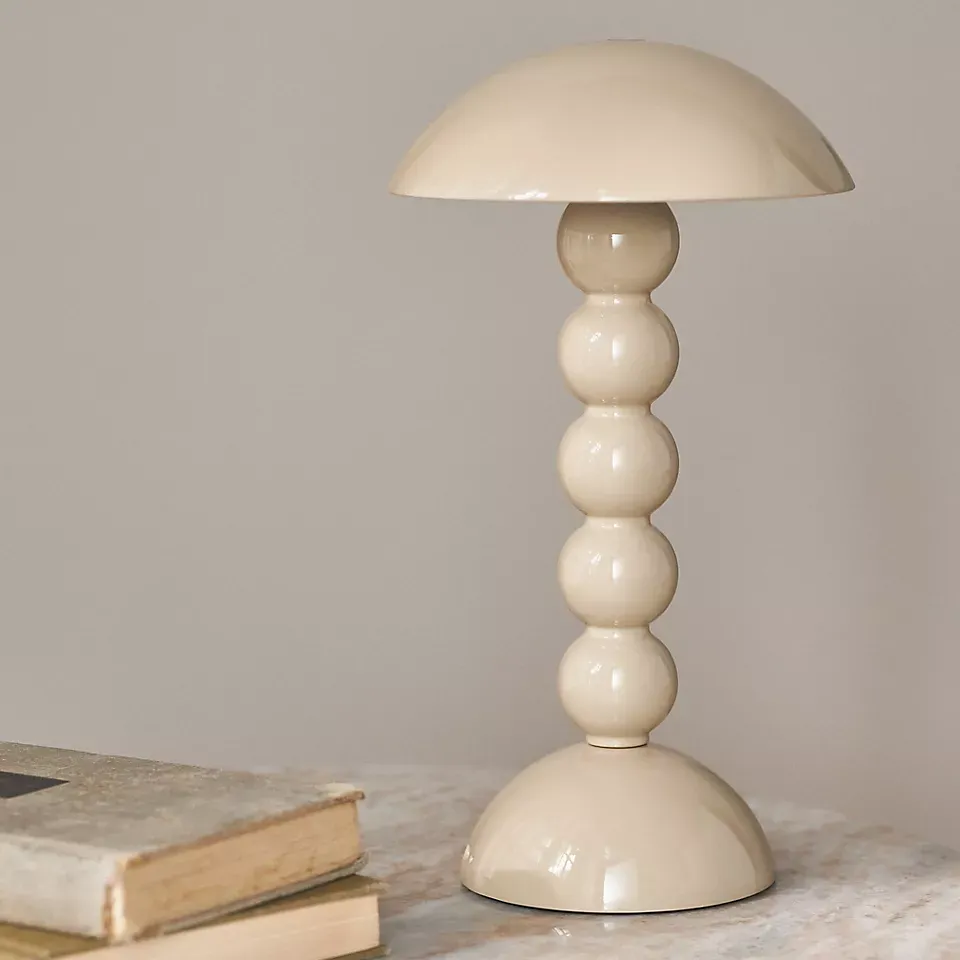
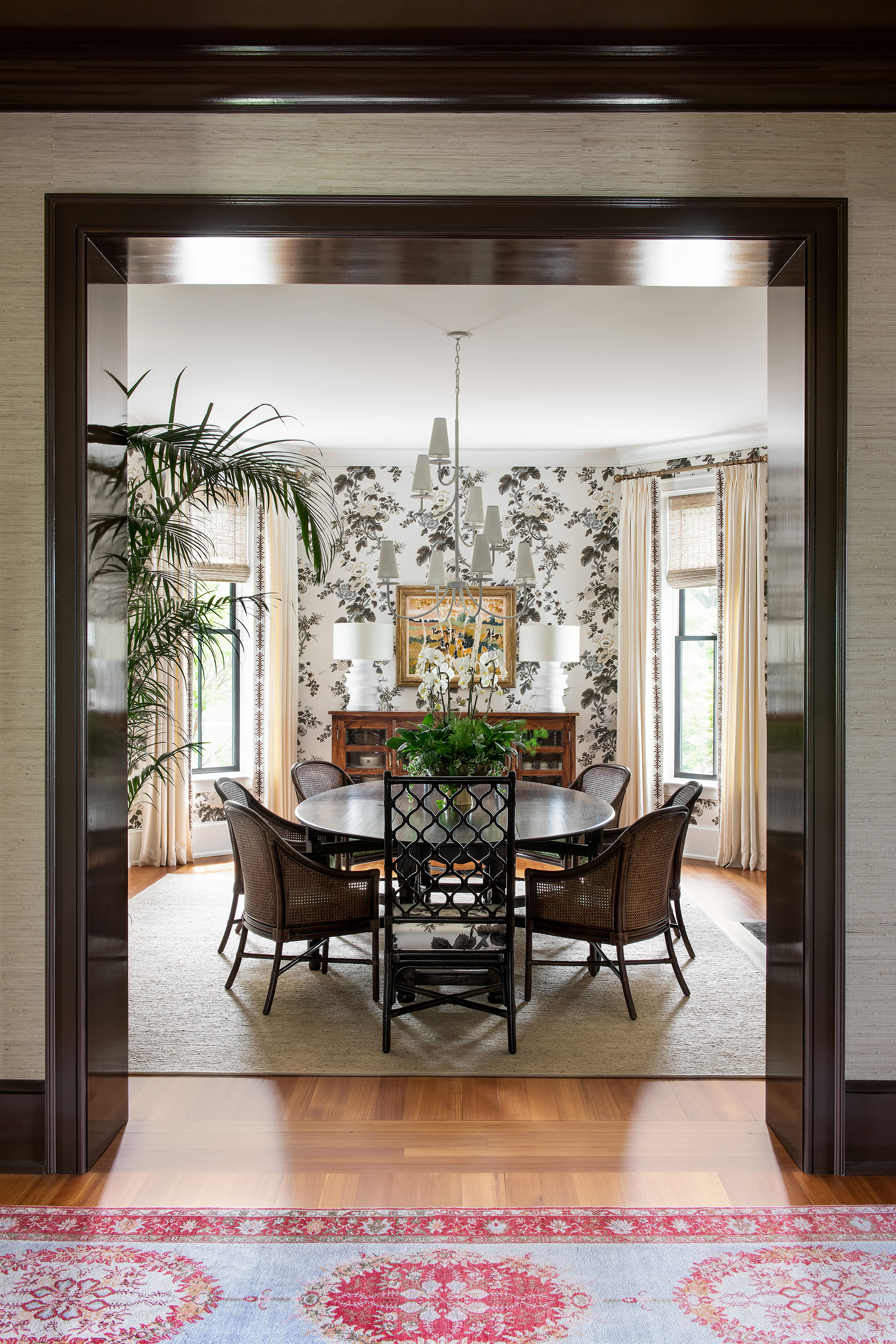
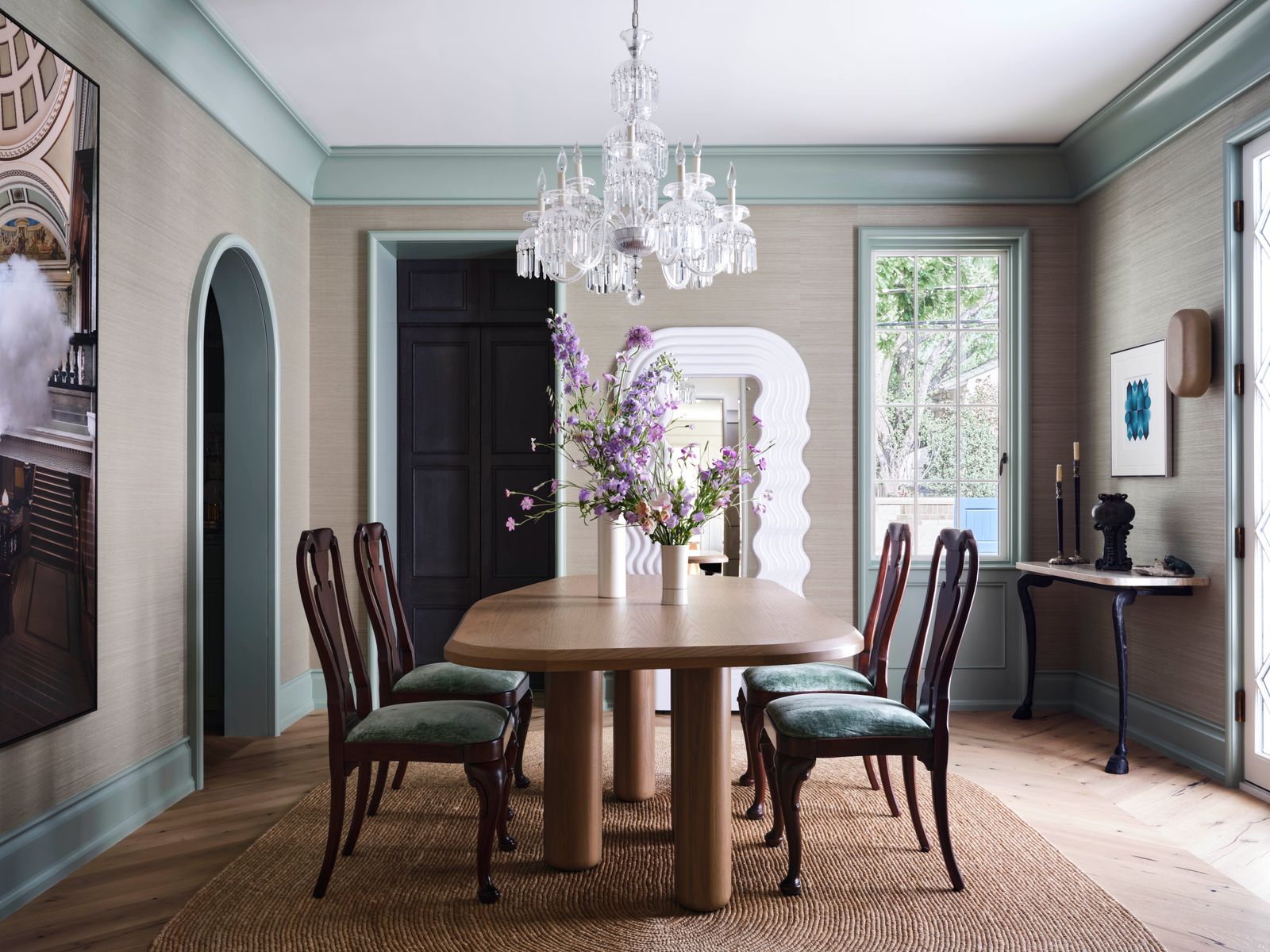
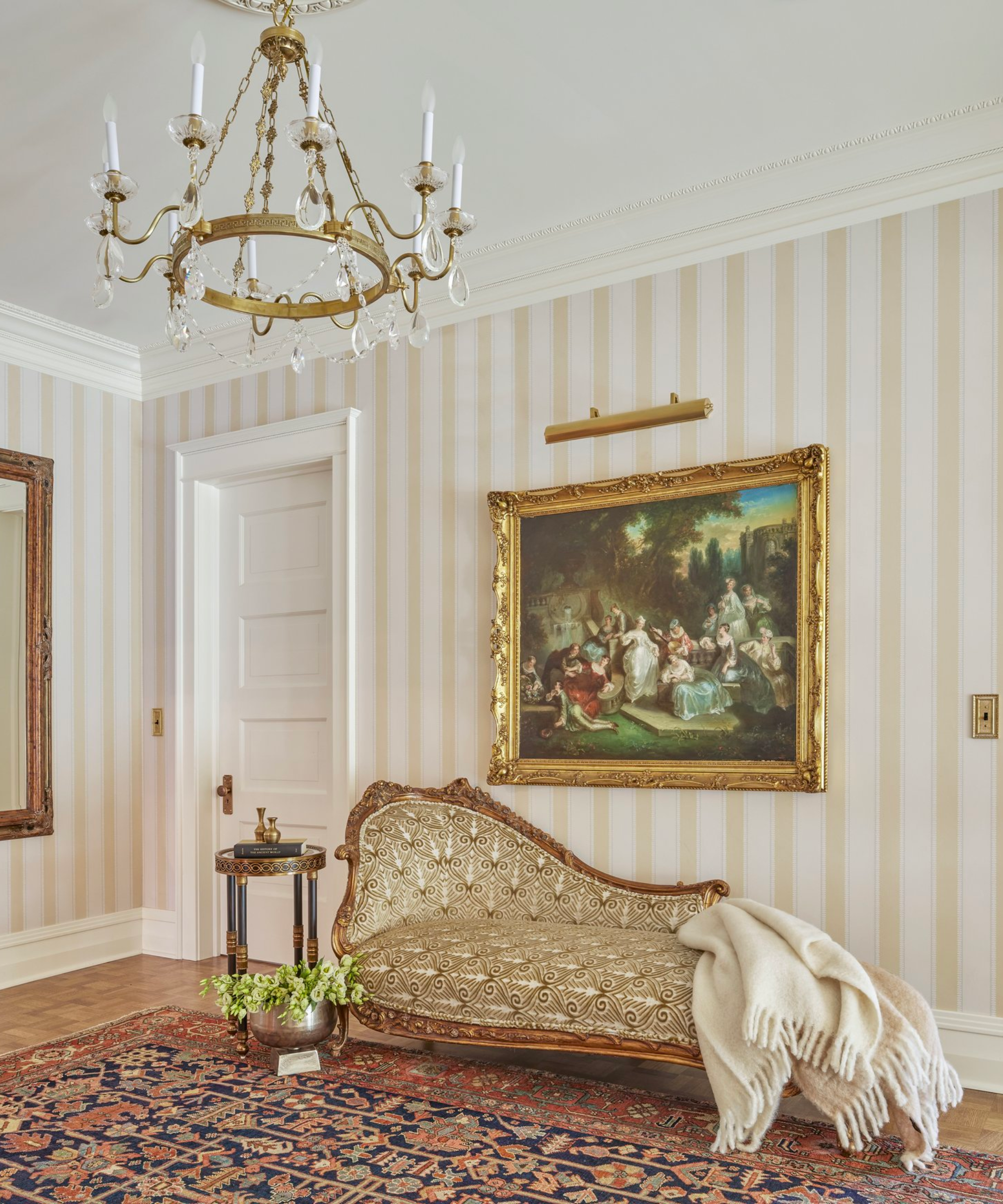
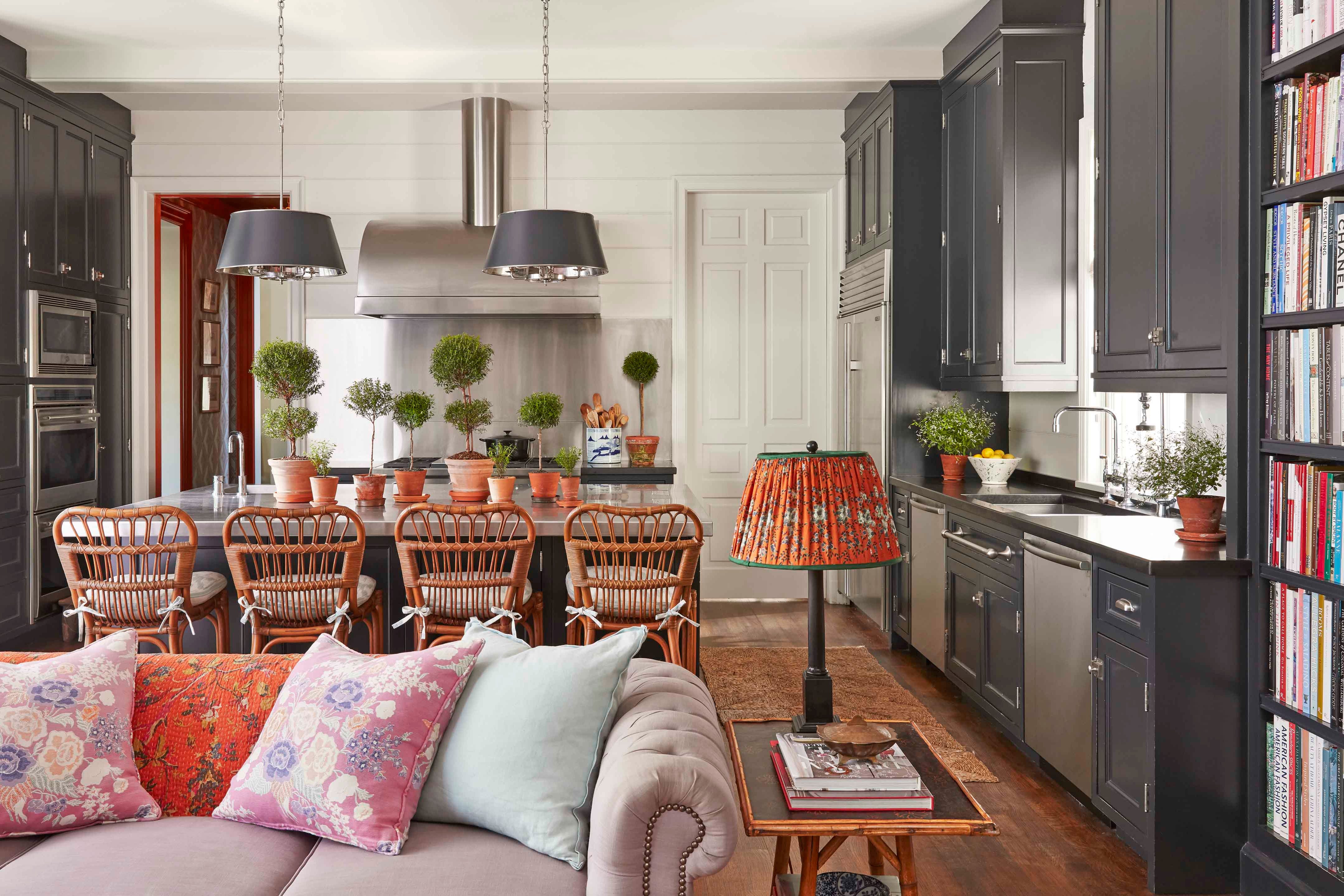
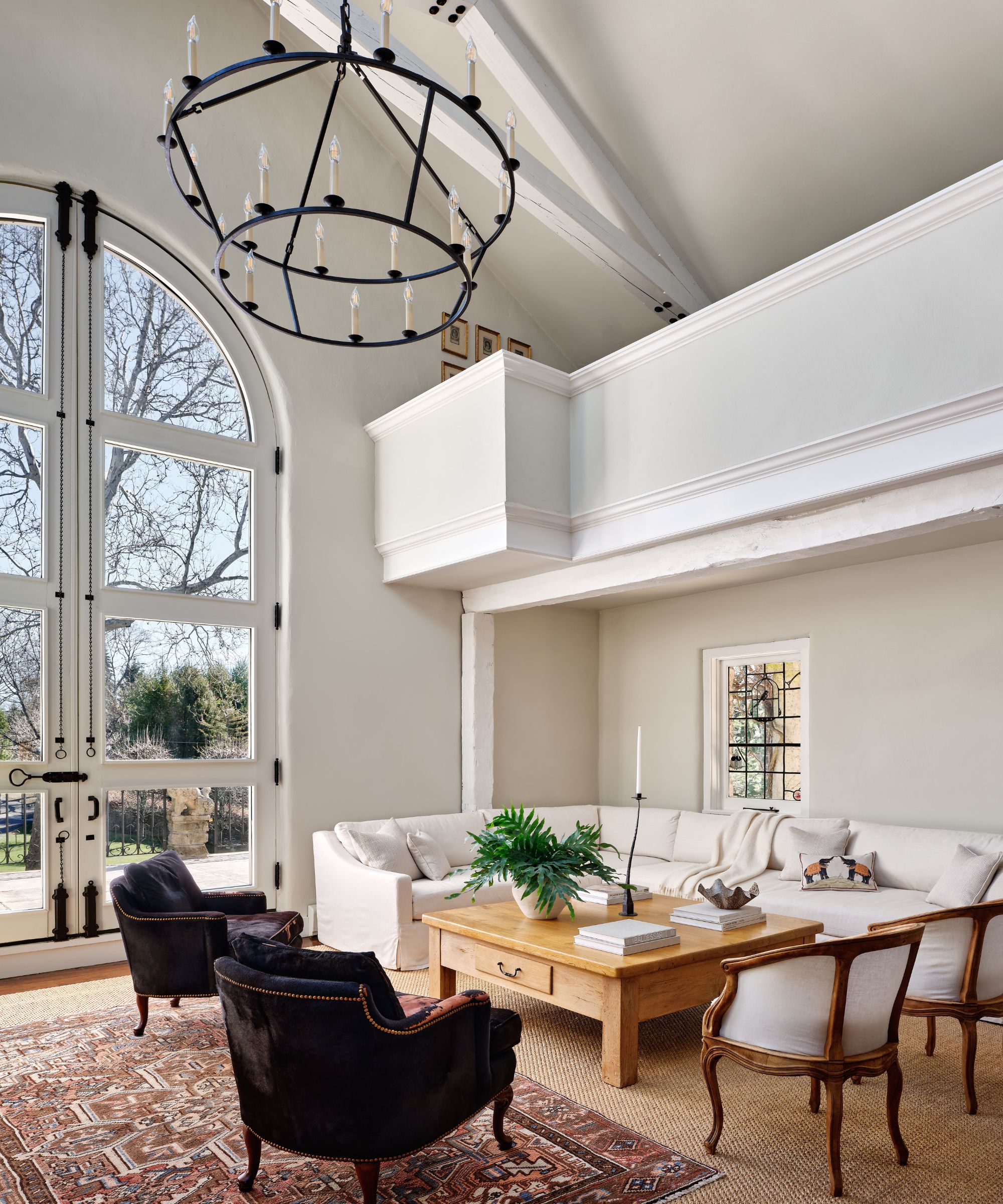
Effective lighting strategies are crucial for modernization. Selecting lighting fixtures that complement the home's era, such as vintage-style pendants or reimagined chandeliers, can enhance its character. Integrating these with updated finishes or forms, alongside discreet recessed lighting, improves functionality while allowing period details to remain prominent. This approach ensures that the historical aesthetic is preserved and accentuated.
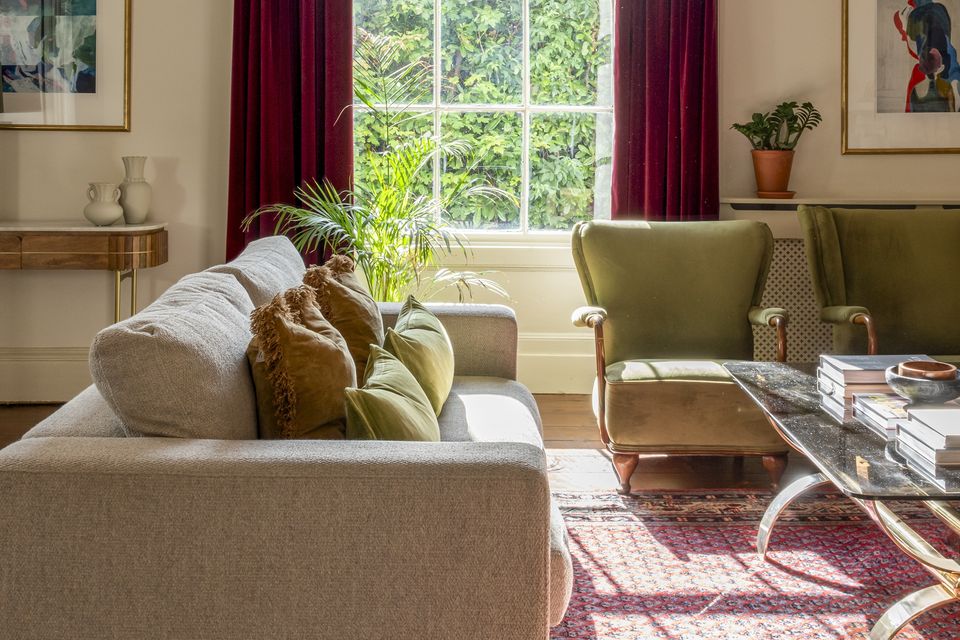
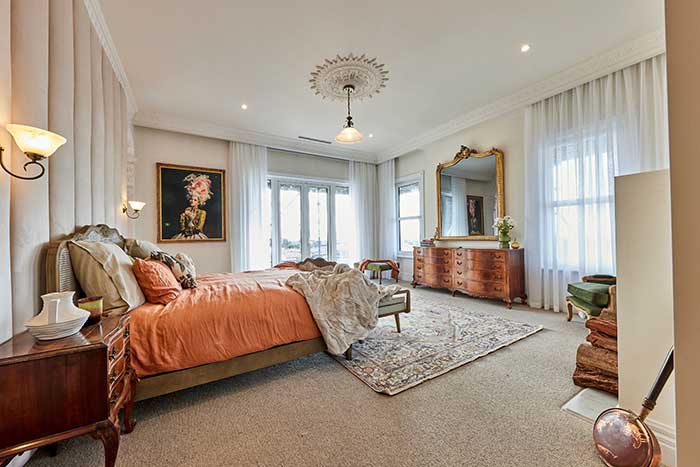
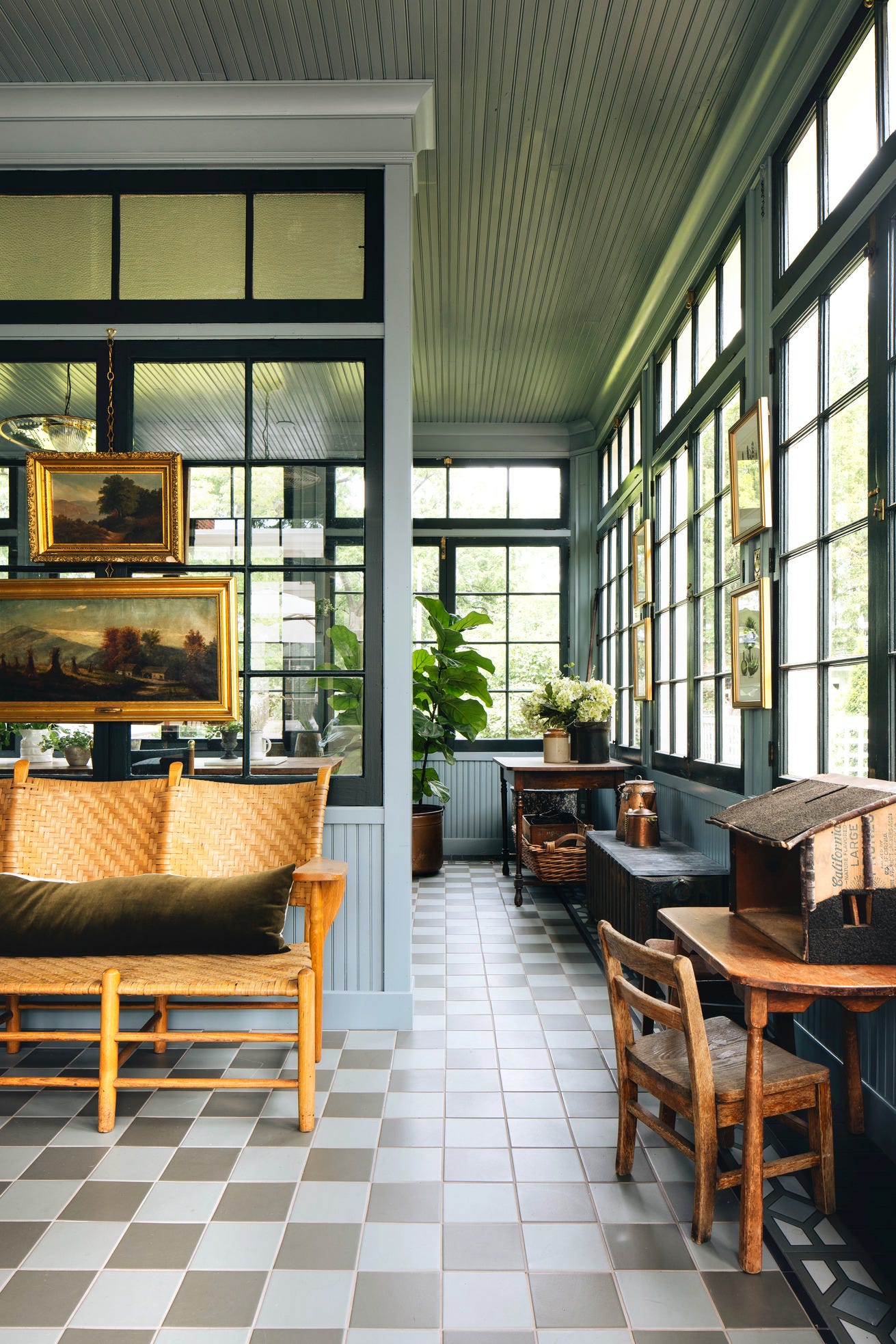
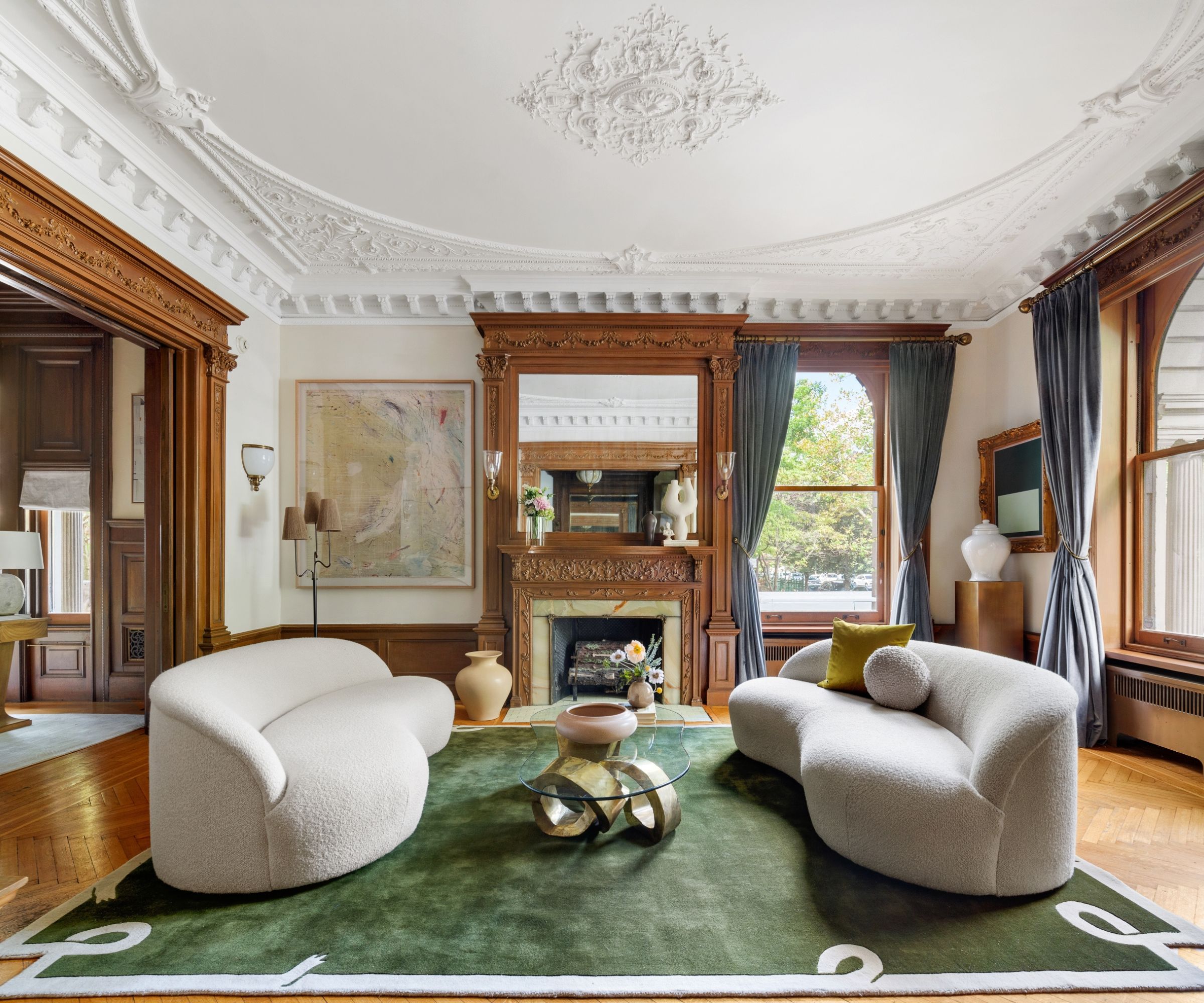
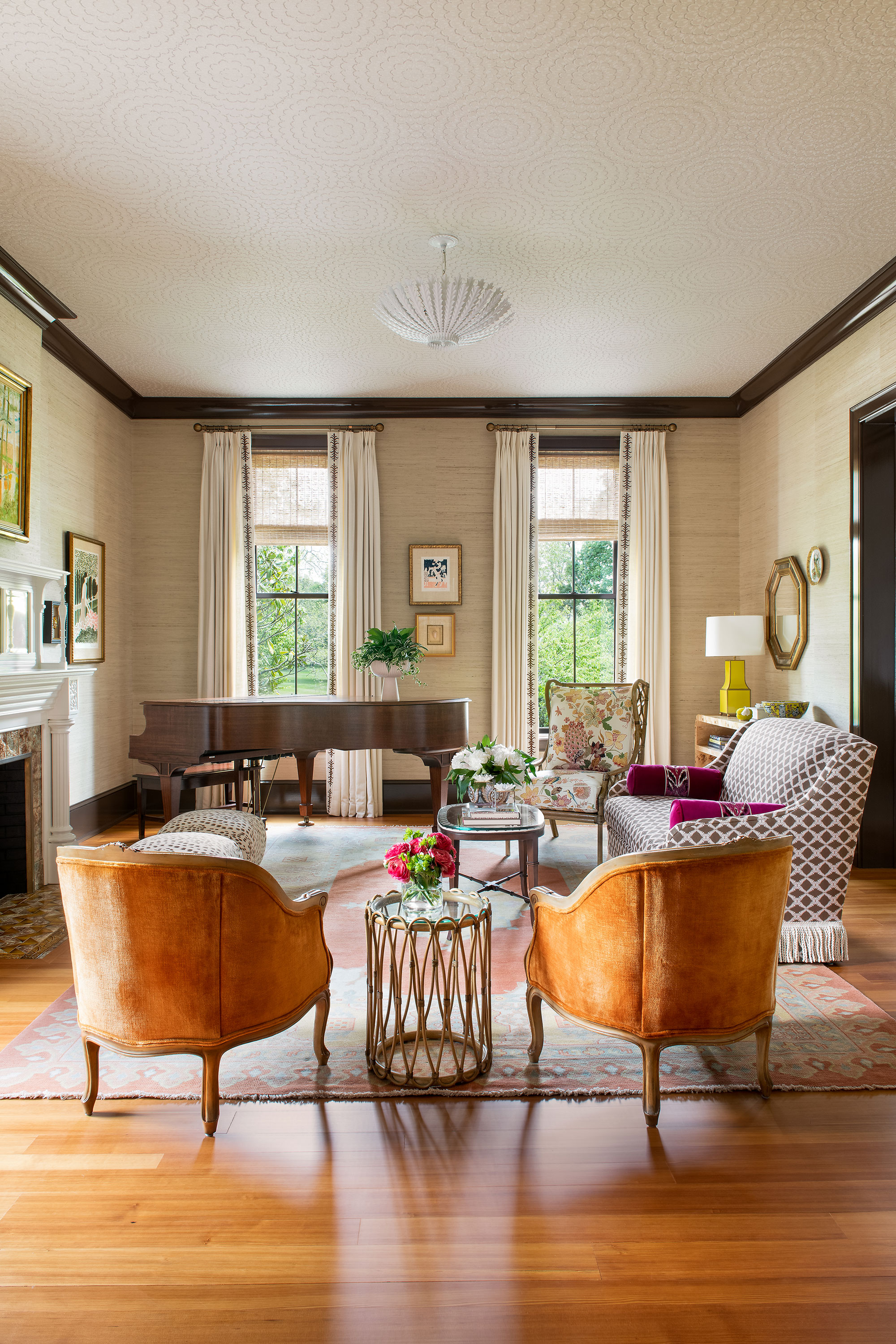
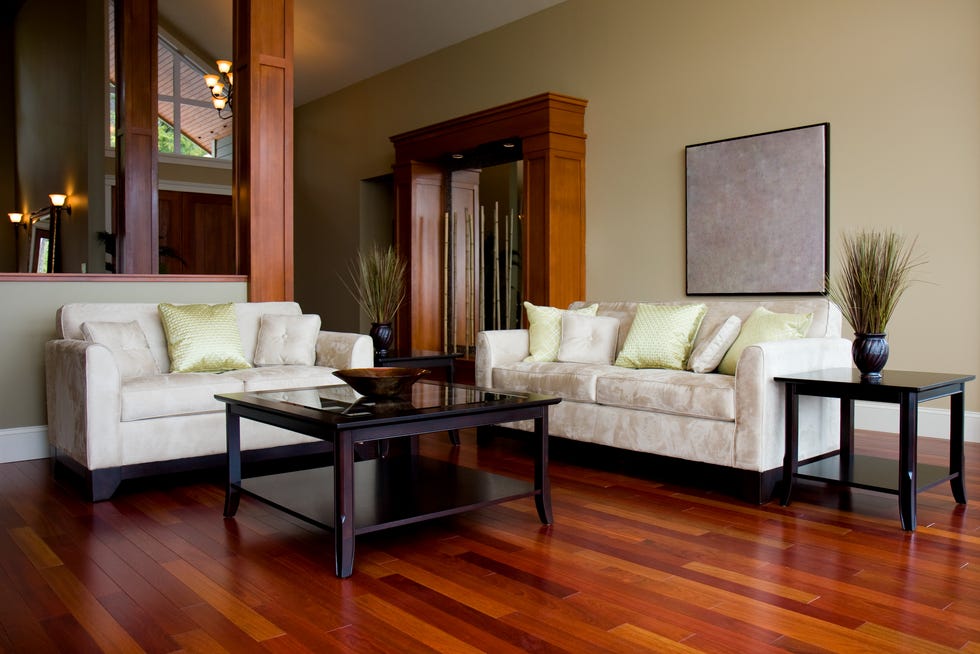
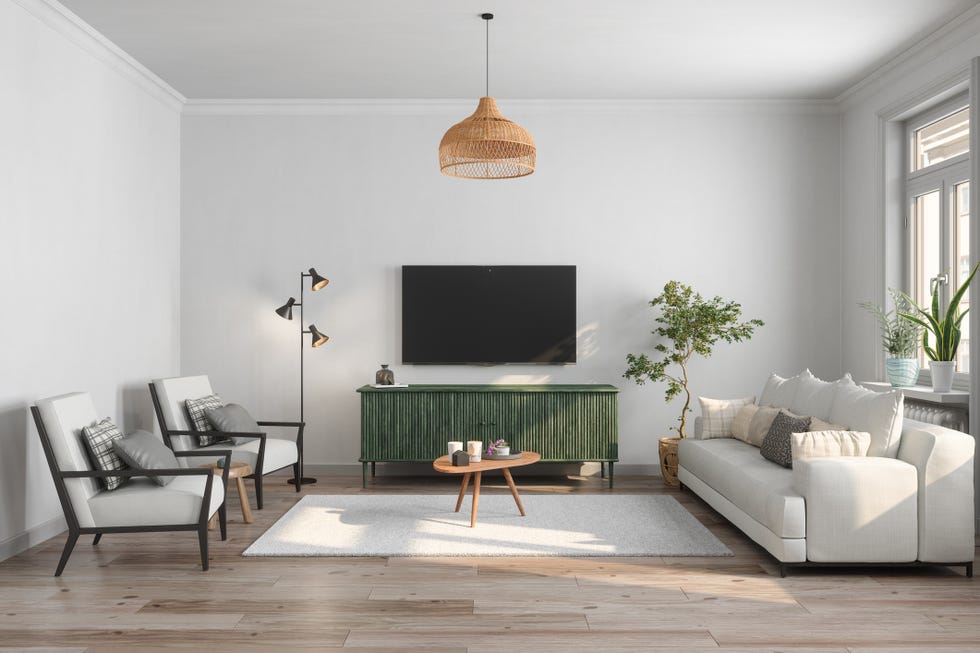
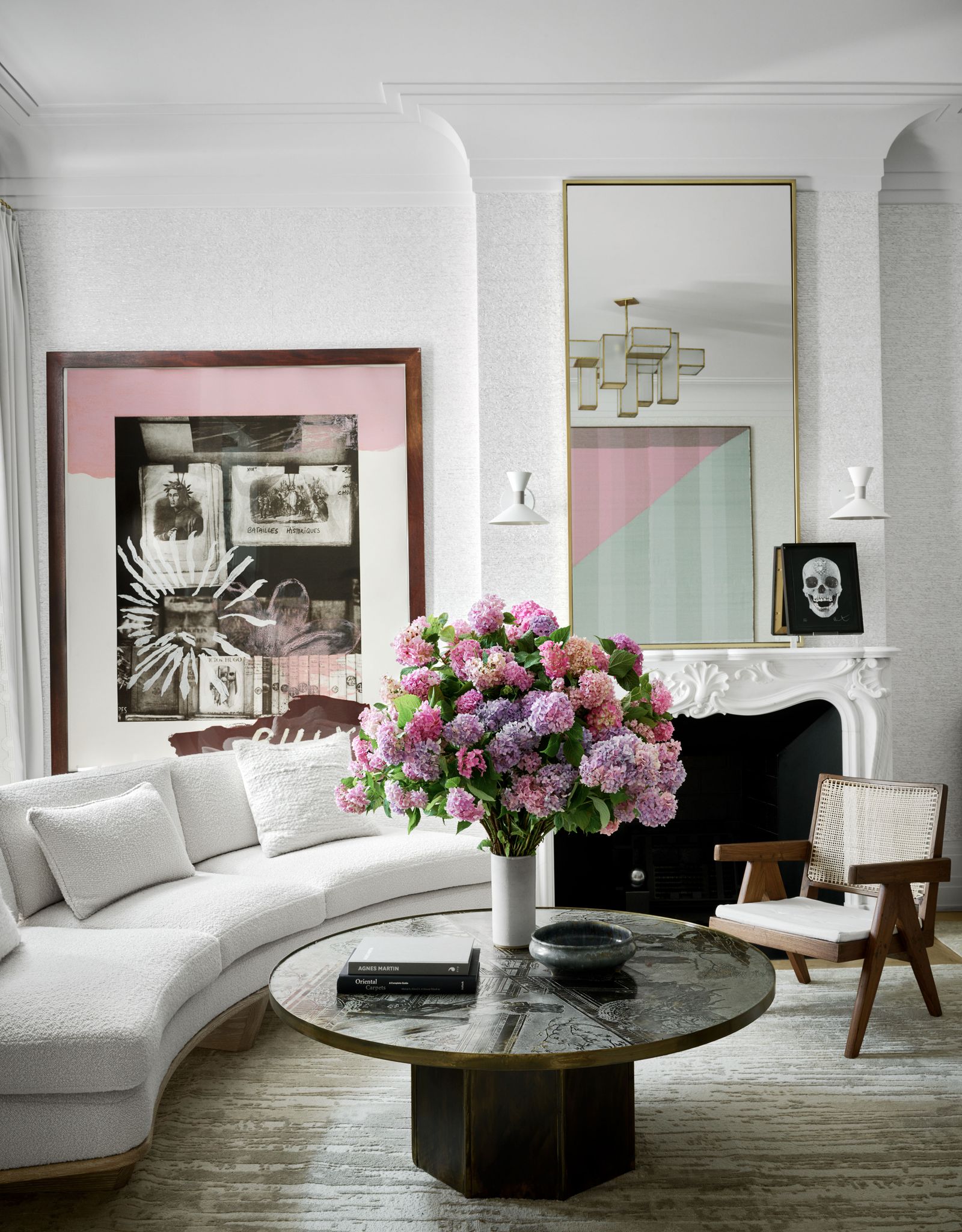
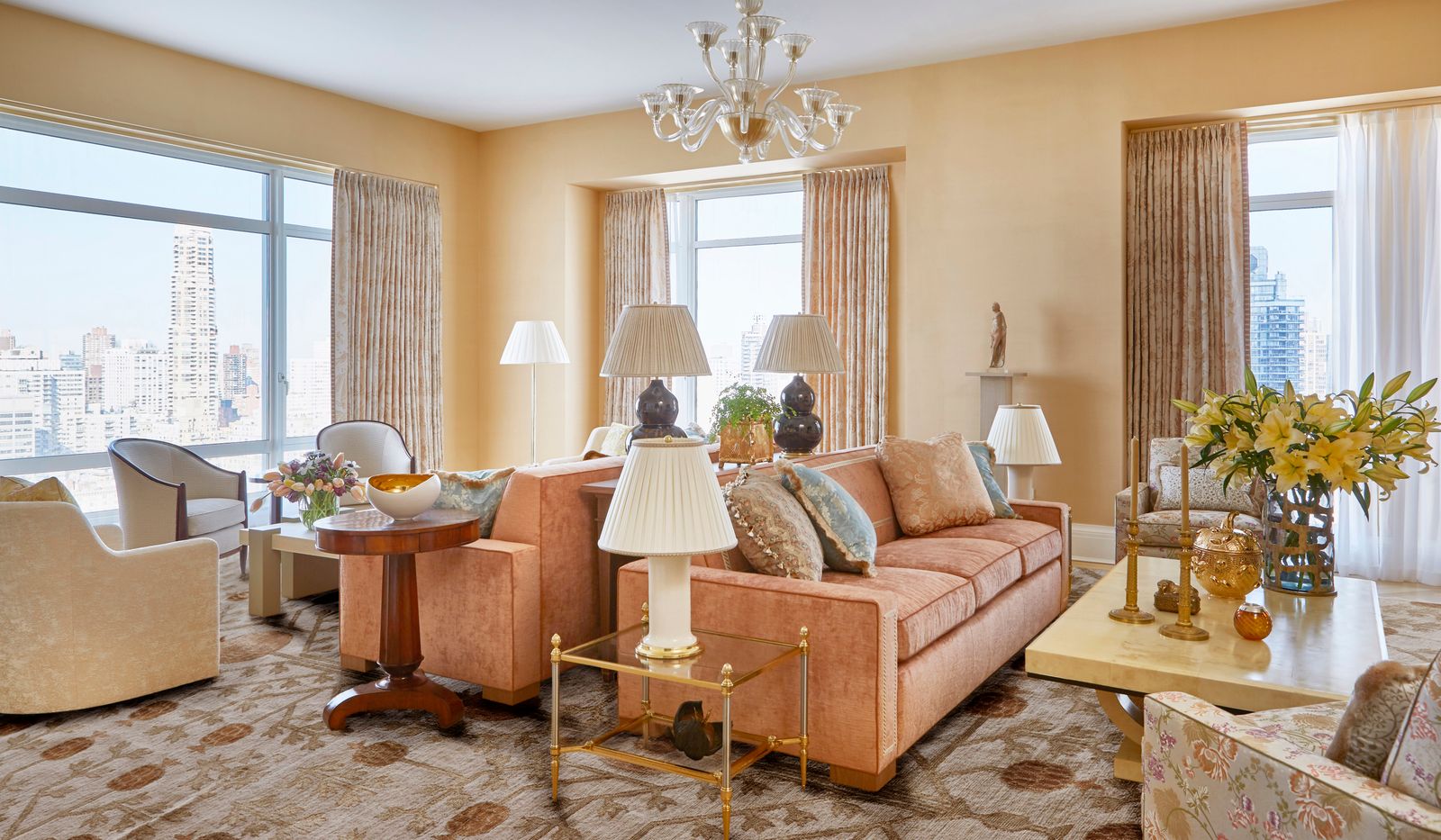
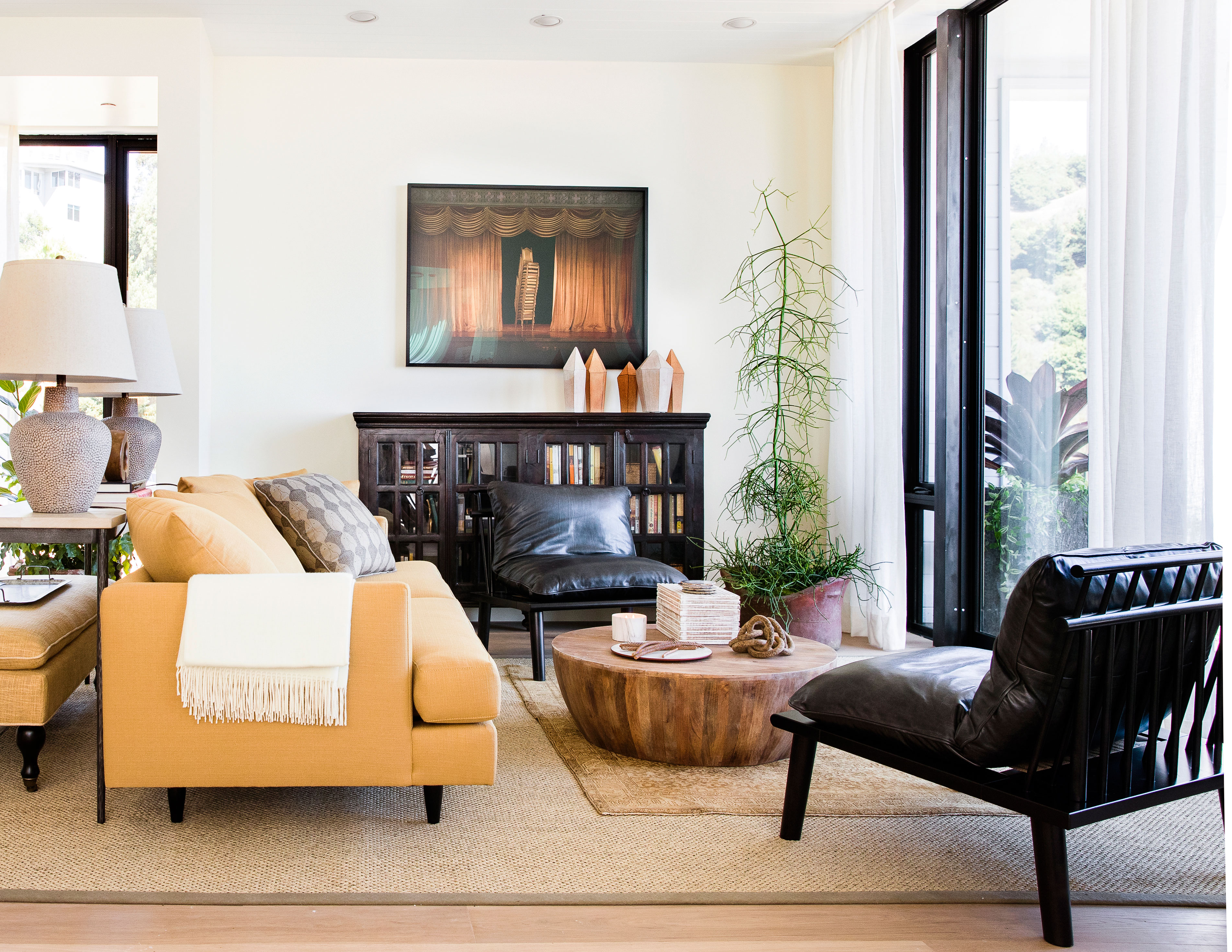
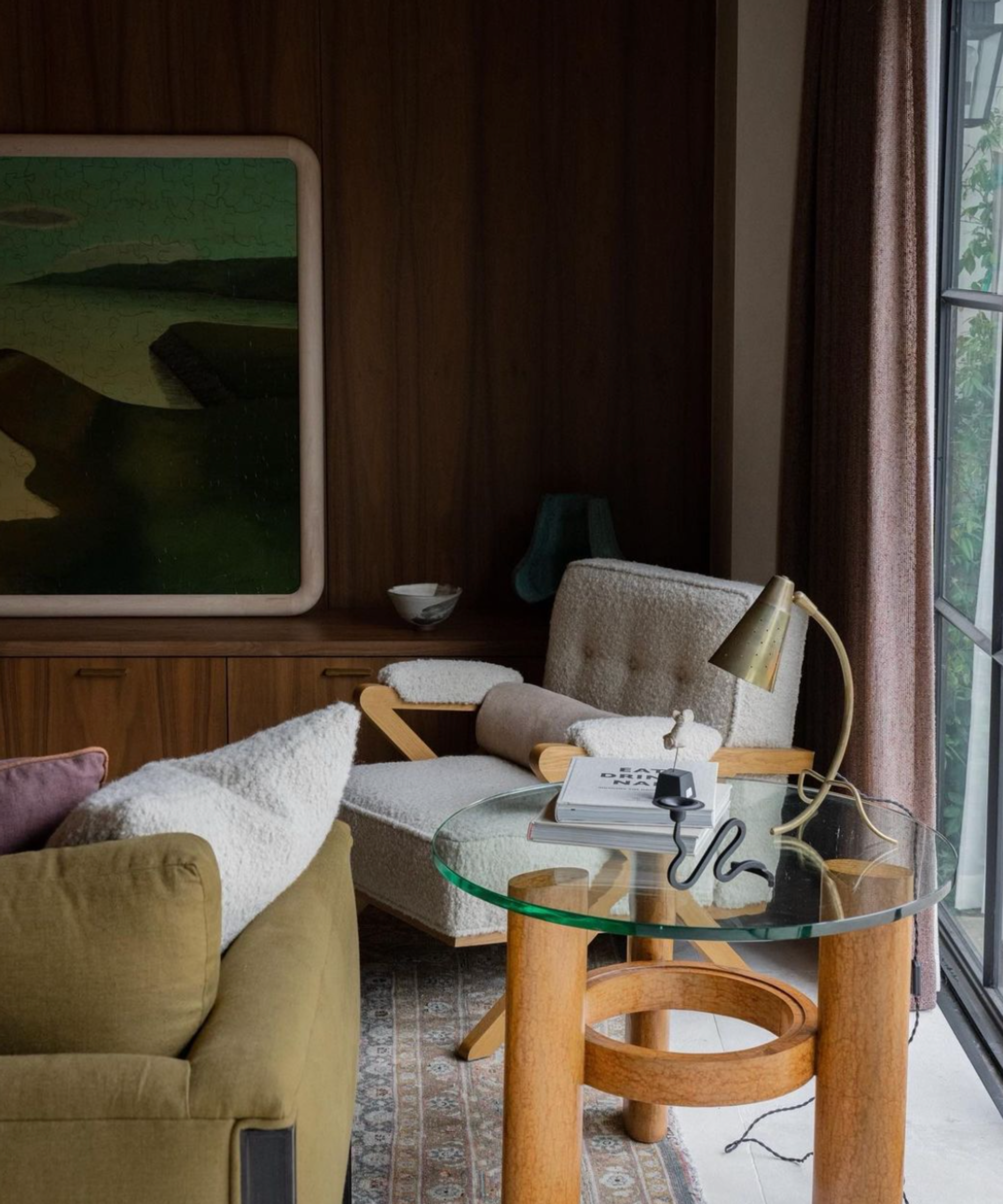
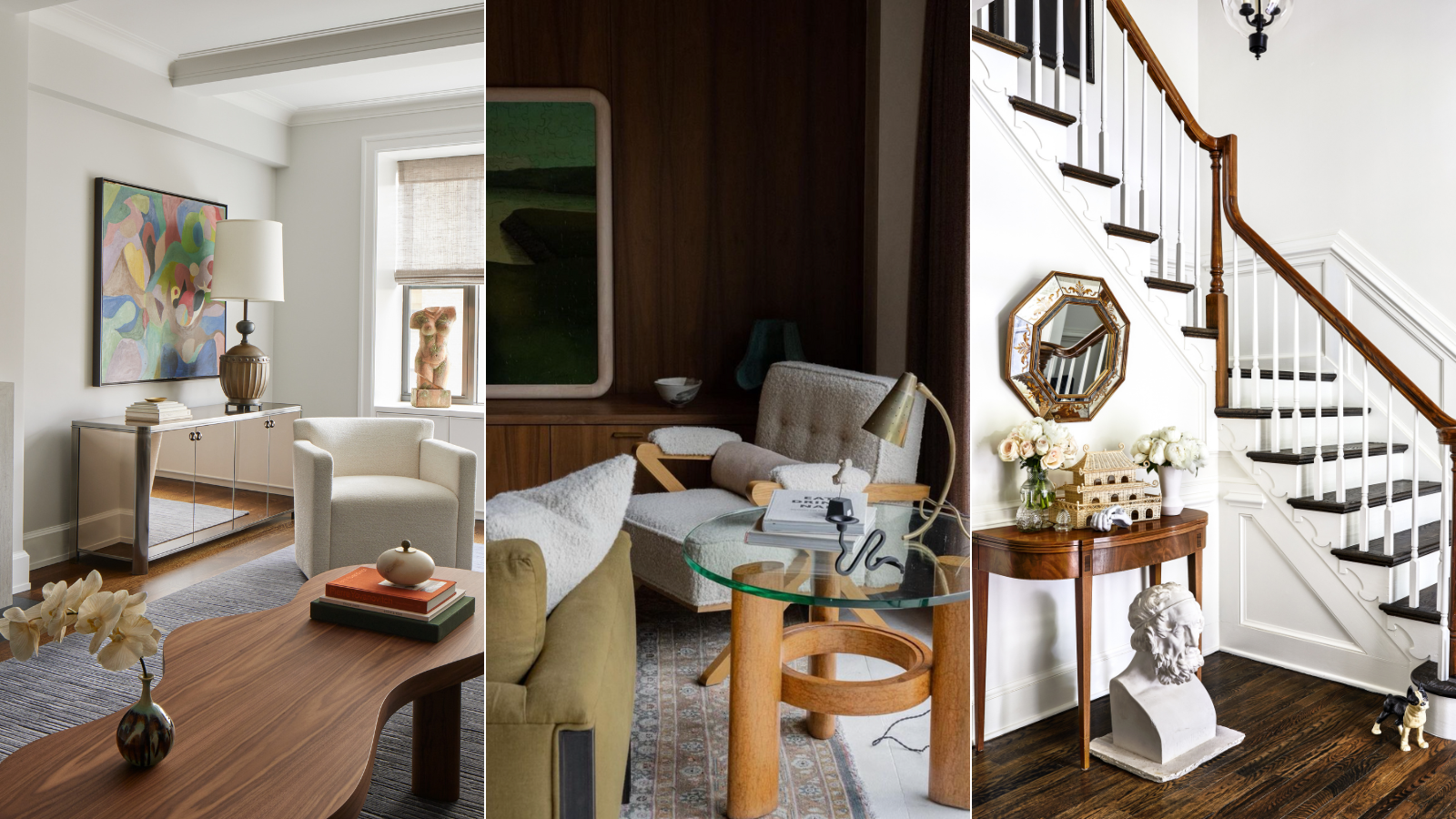
Another key aspect involves furnishing the space with a curated mix of vintage and modern pieces. Pairing a contemporary sofa with an heirloom wooden coffee table, for instance, can add depth and personality. Modern furniture provides comfort and ease for current lifestyles, while antique or vintage items contribute authenticity and warmth, creating a cohesive and inviting environment.
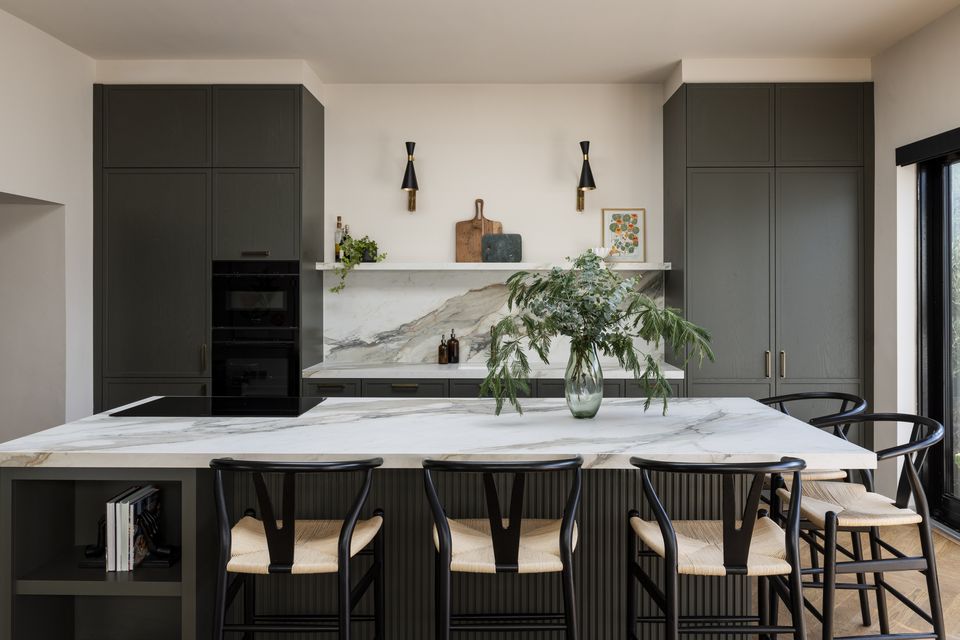
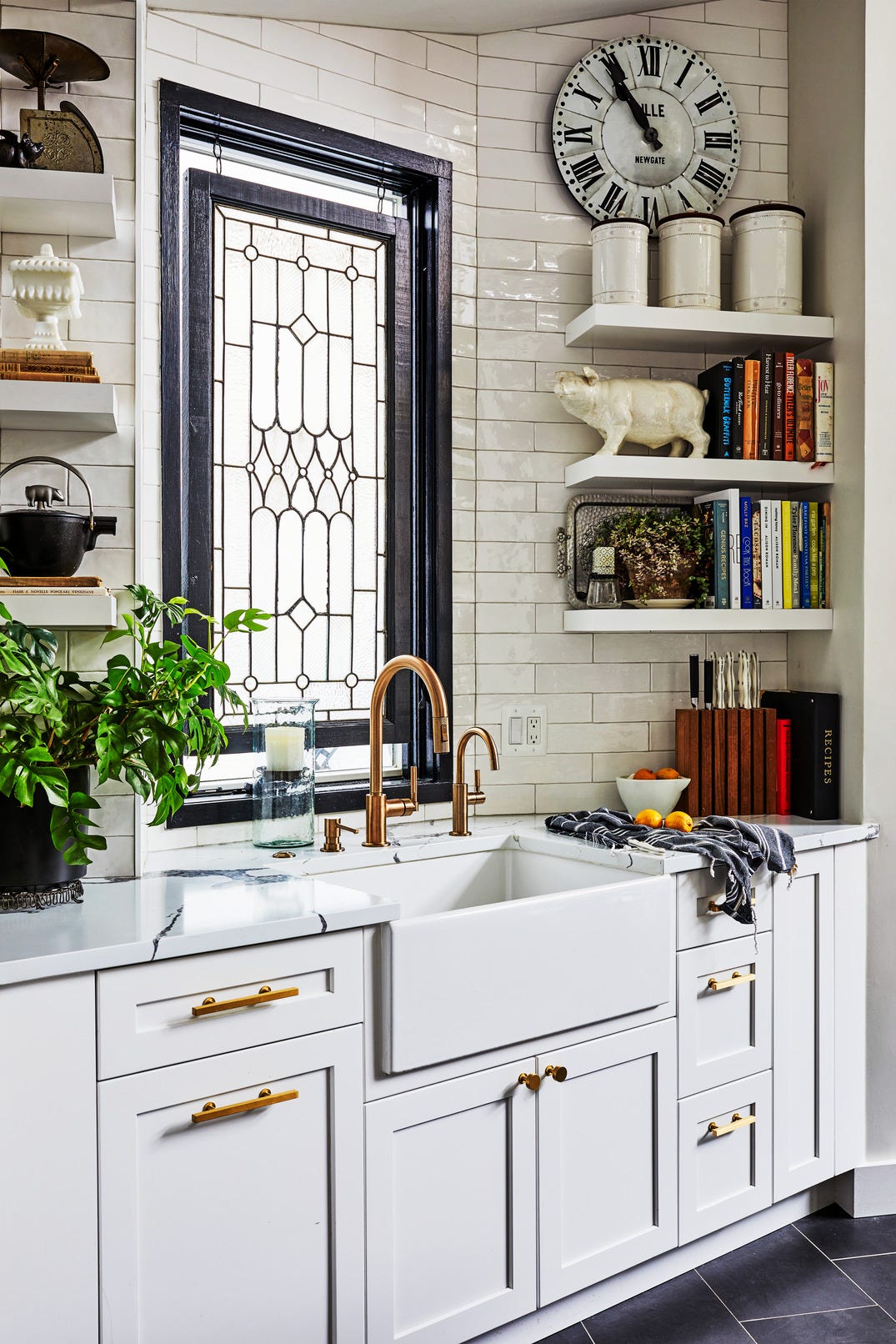
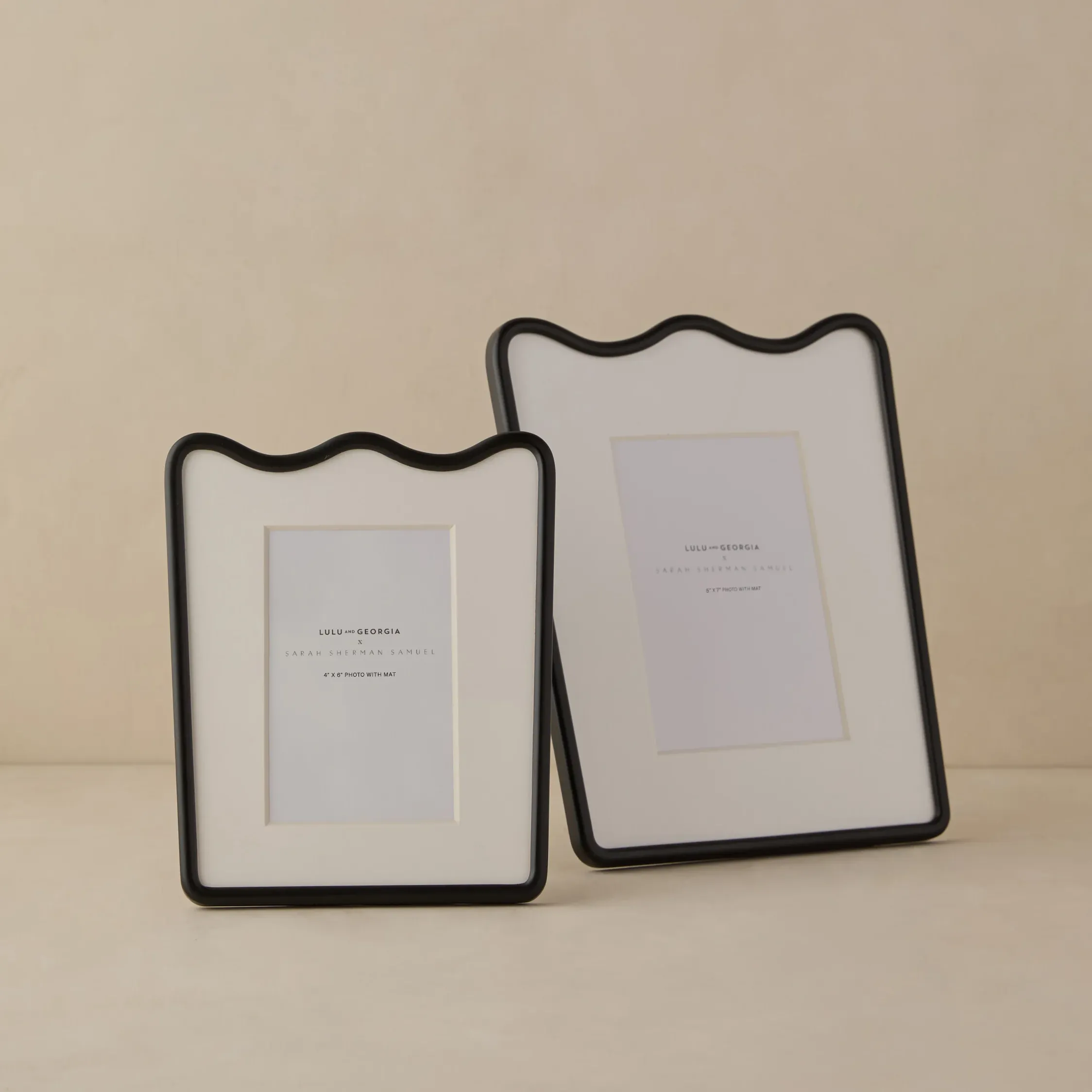
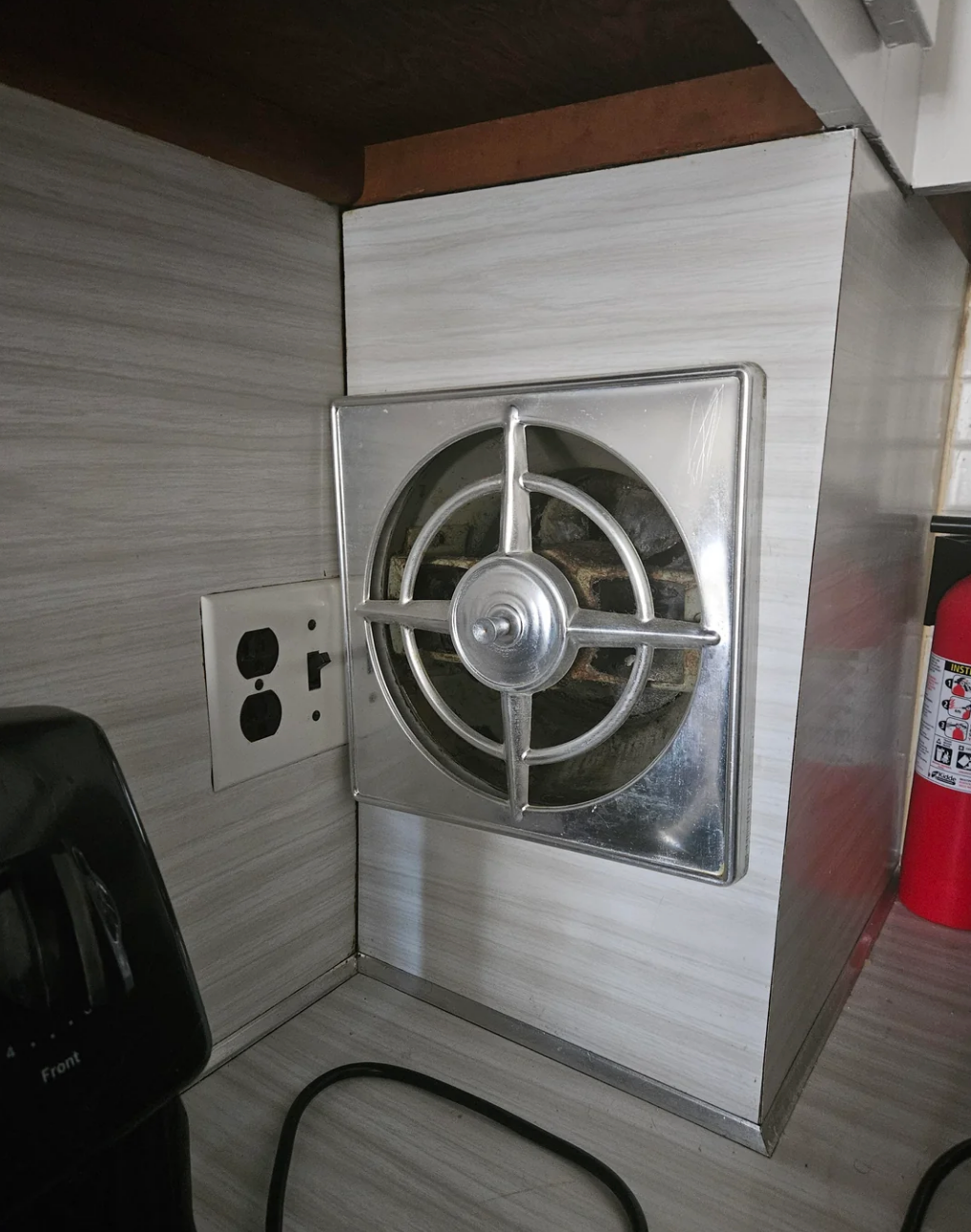
Upgrading with purpose is essential. This means refreshing elements thoughtfully rather than completely overhauling them. Examples include replacing worn cabinetry with traditional profiles in updated finishes or swapping old hardware for minimalist alternatives. Smart home technologies, such as automated lighting or climate control, can be seamlessly integrated to enhance convenience without disrupting the established aesthetic. The goal is to honor the original essence of the house while introducing modern comforts.
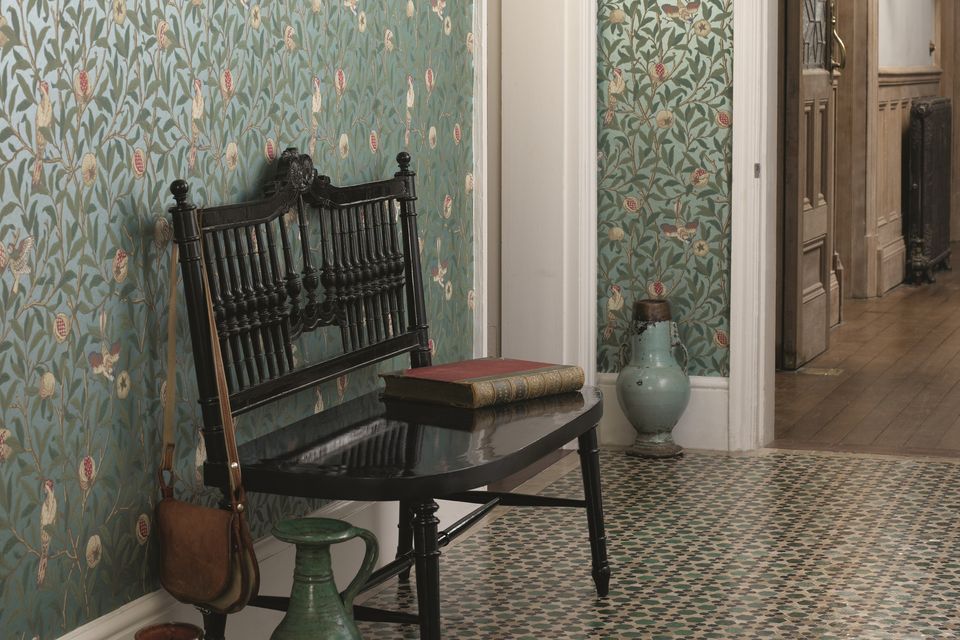
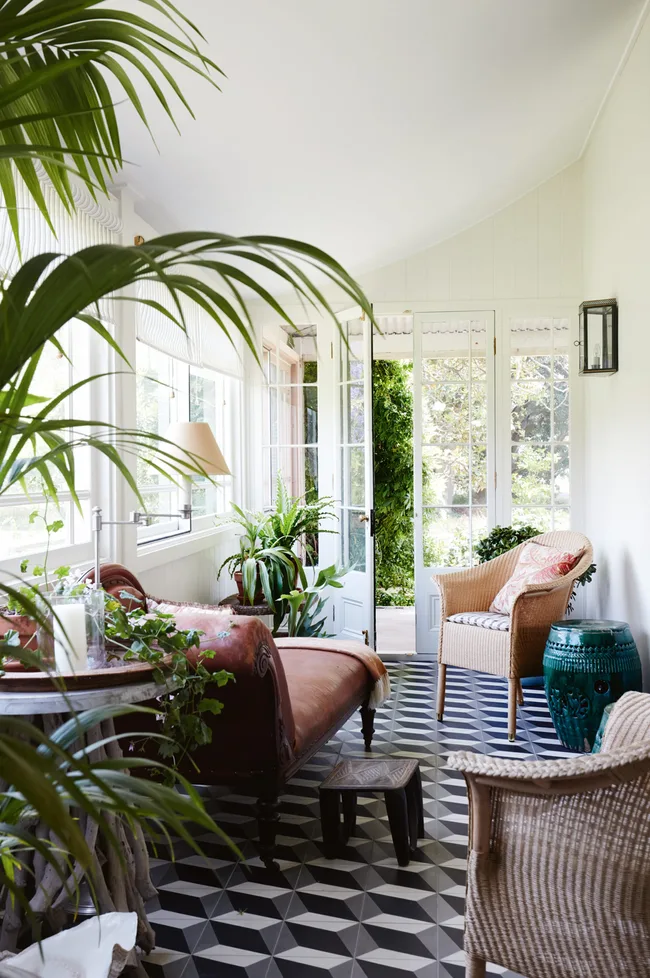
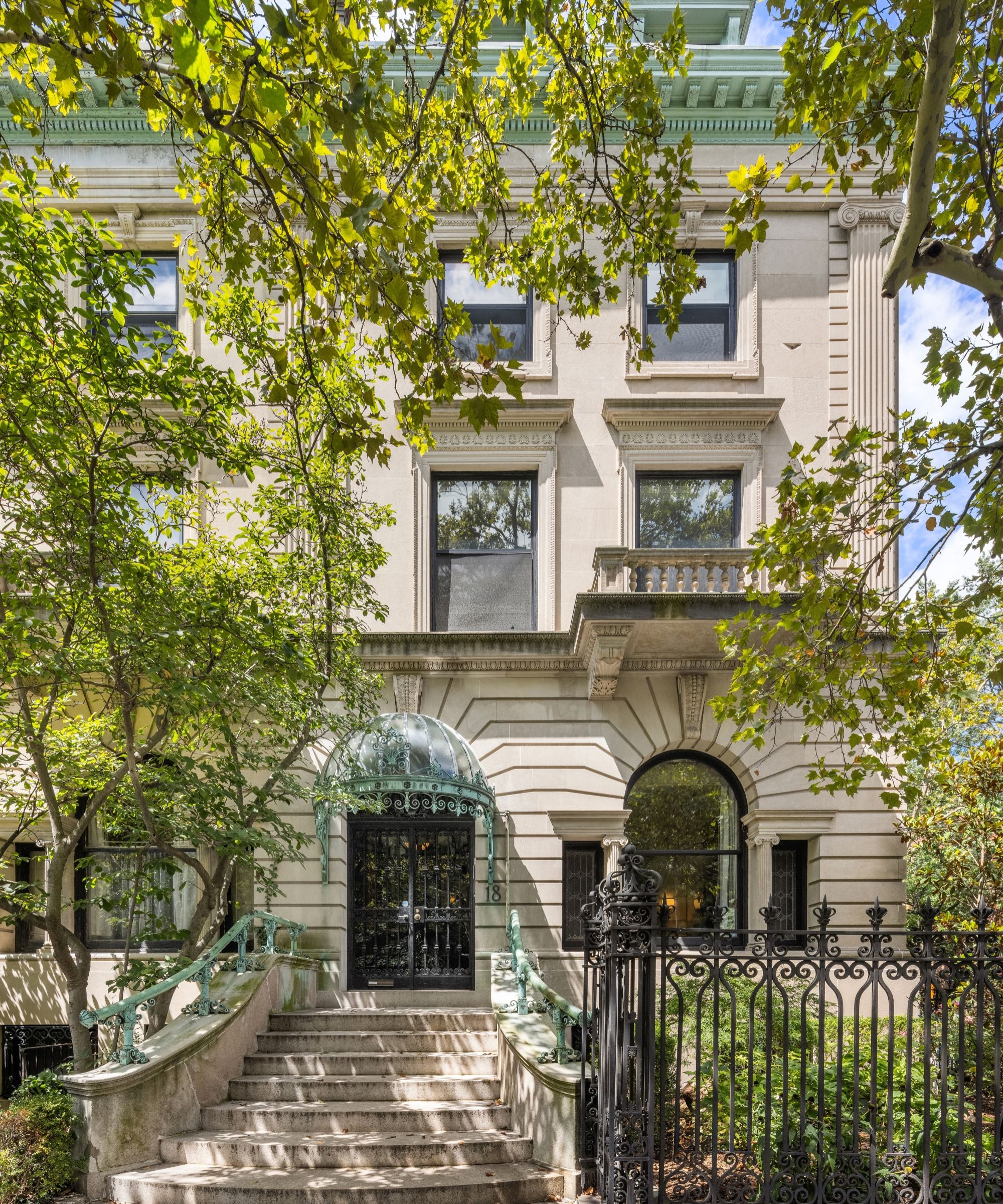
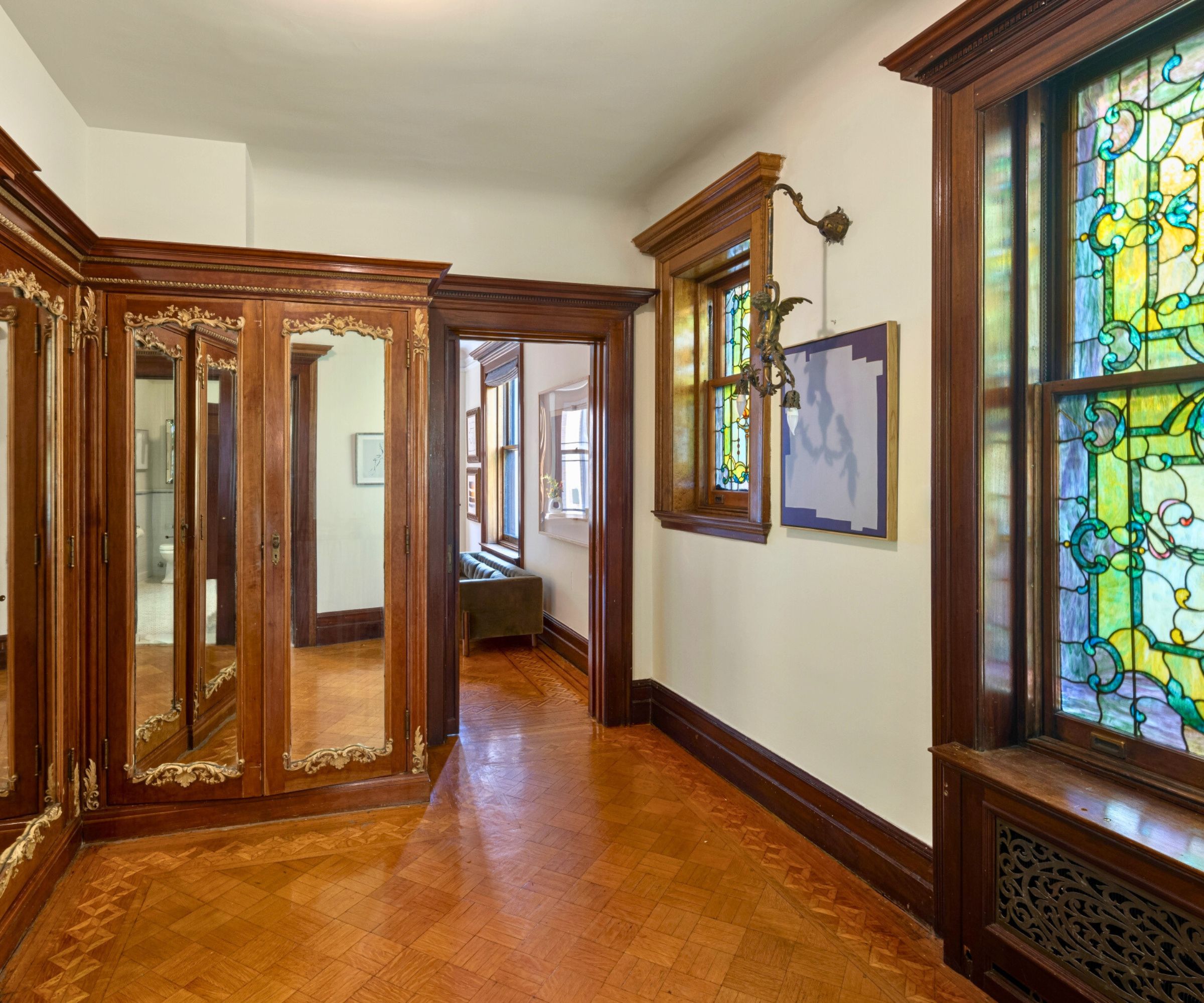
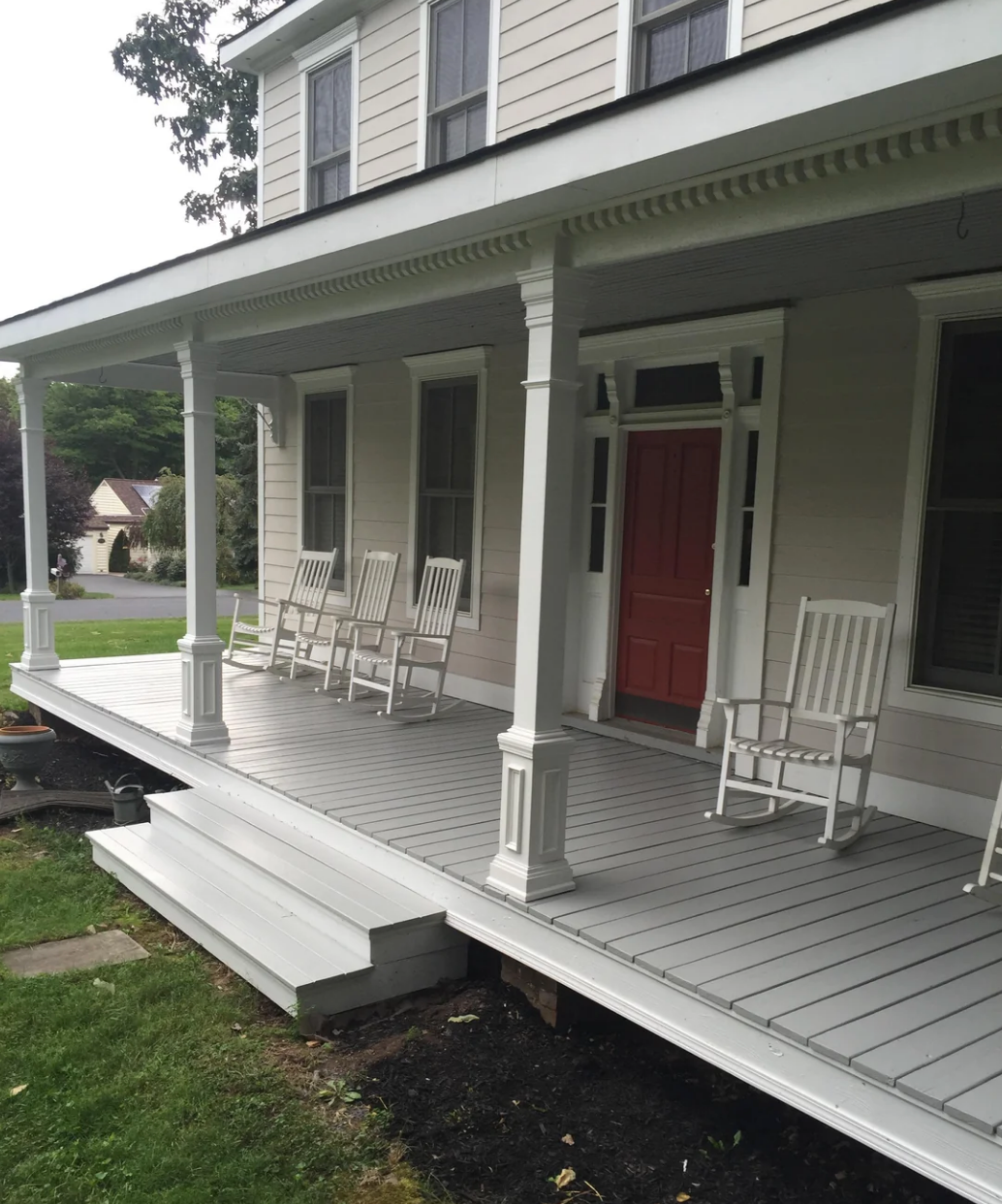
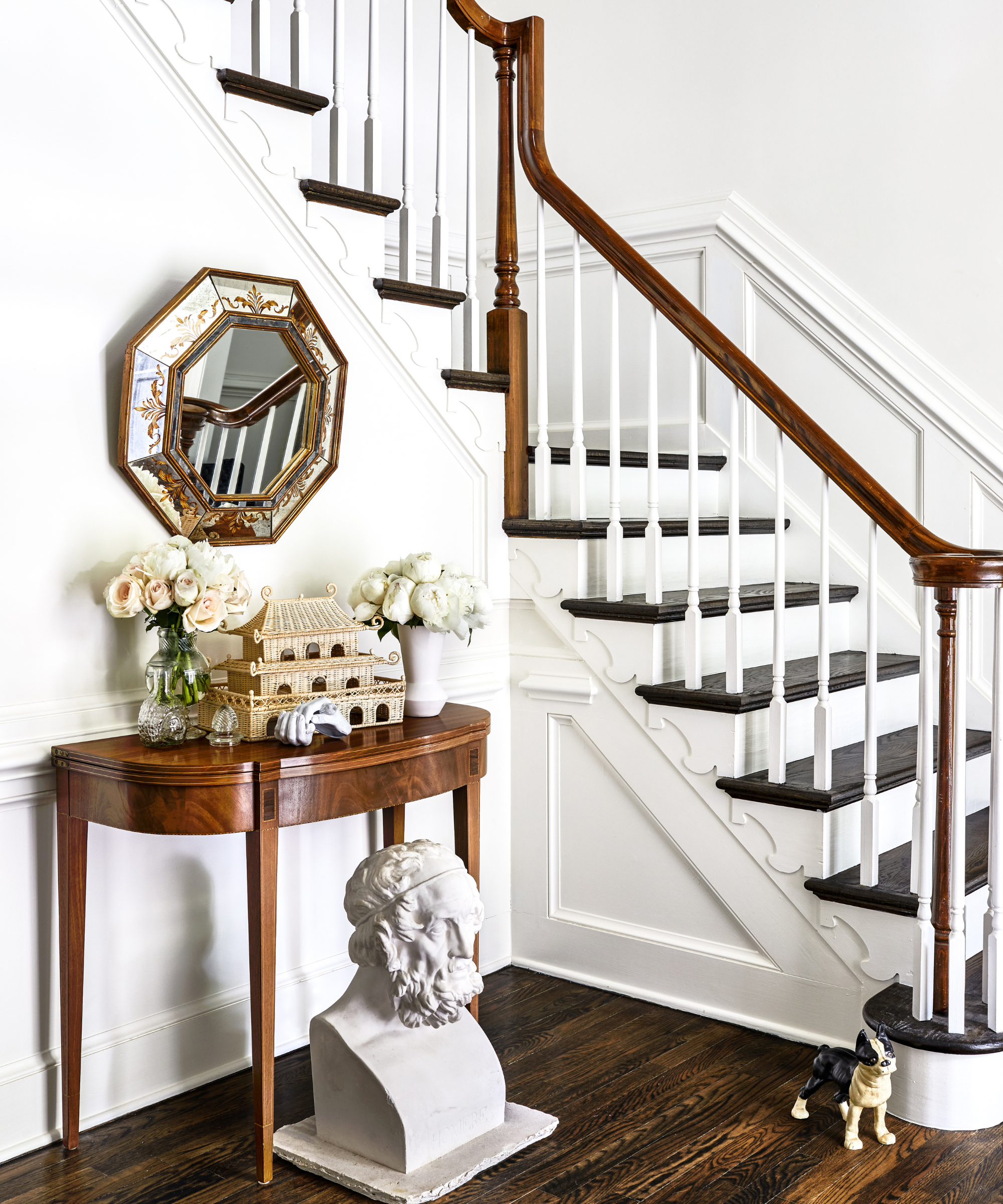
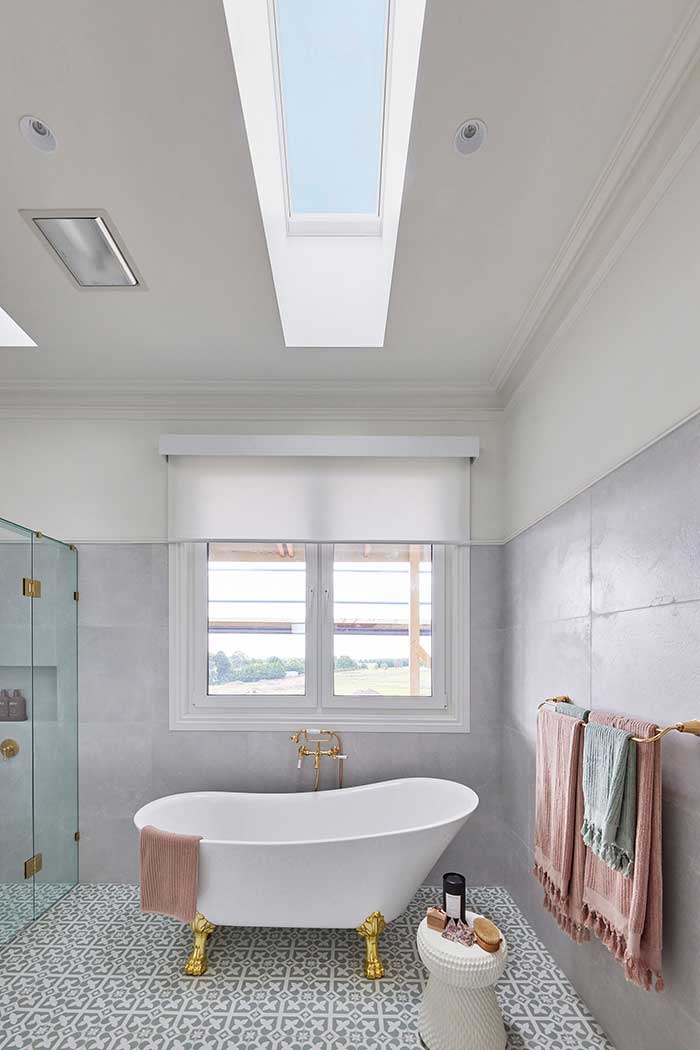
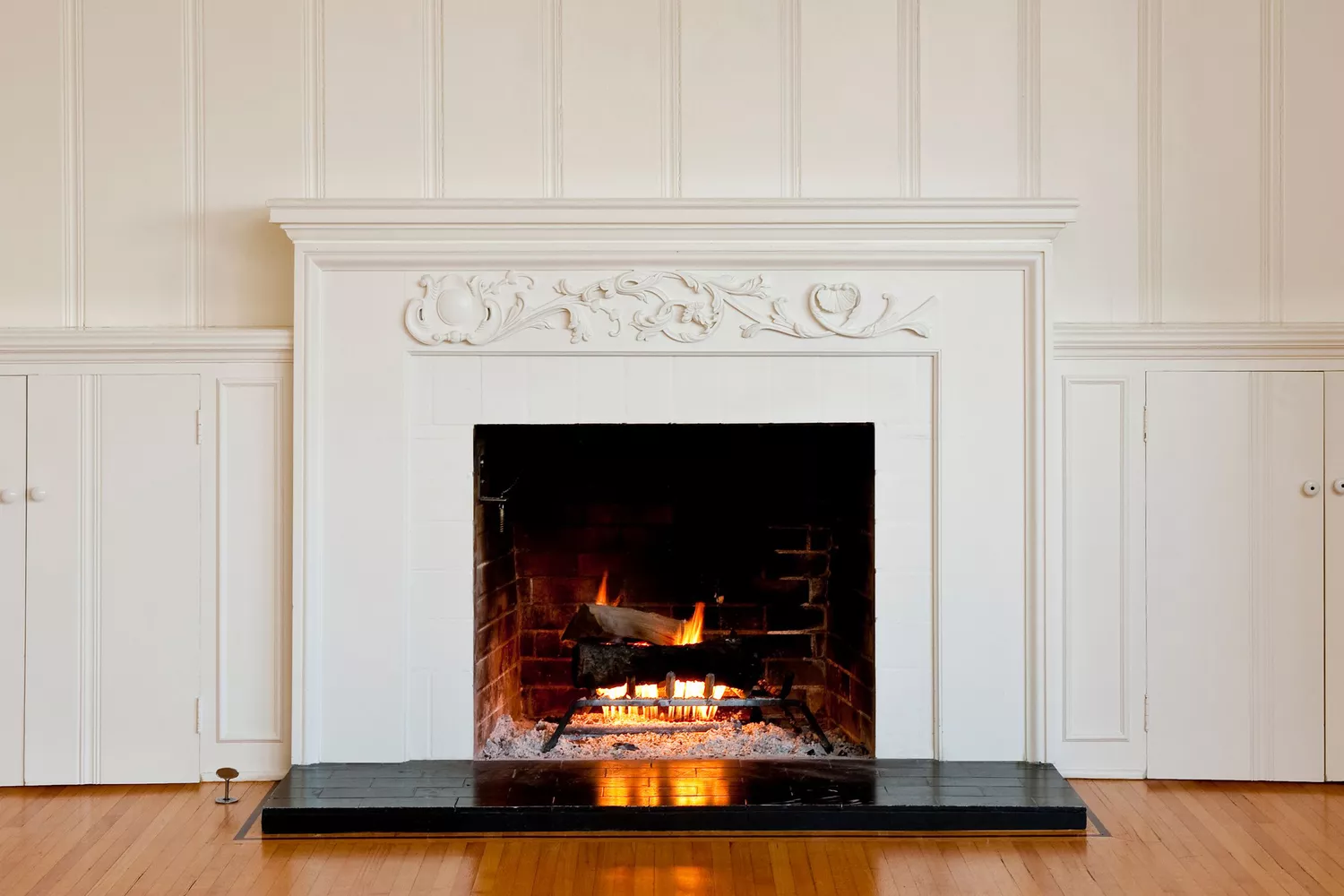
Before undertaking any changes, it is important to understand and appreciate the home's architectural style. Identifying prominent features like moldings, floor patterns, or uniquely shaped windows allows these elements to be incorporated into the renovation plan. This ensures that new additions appear as natural extensions of the existing structure, avoiding any jarring contrasts and maintaining architectural integrity.
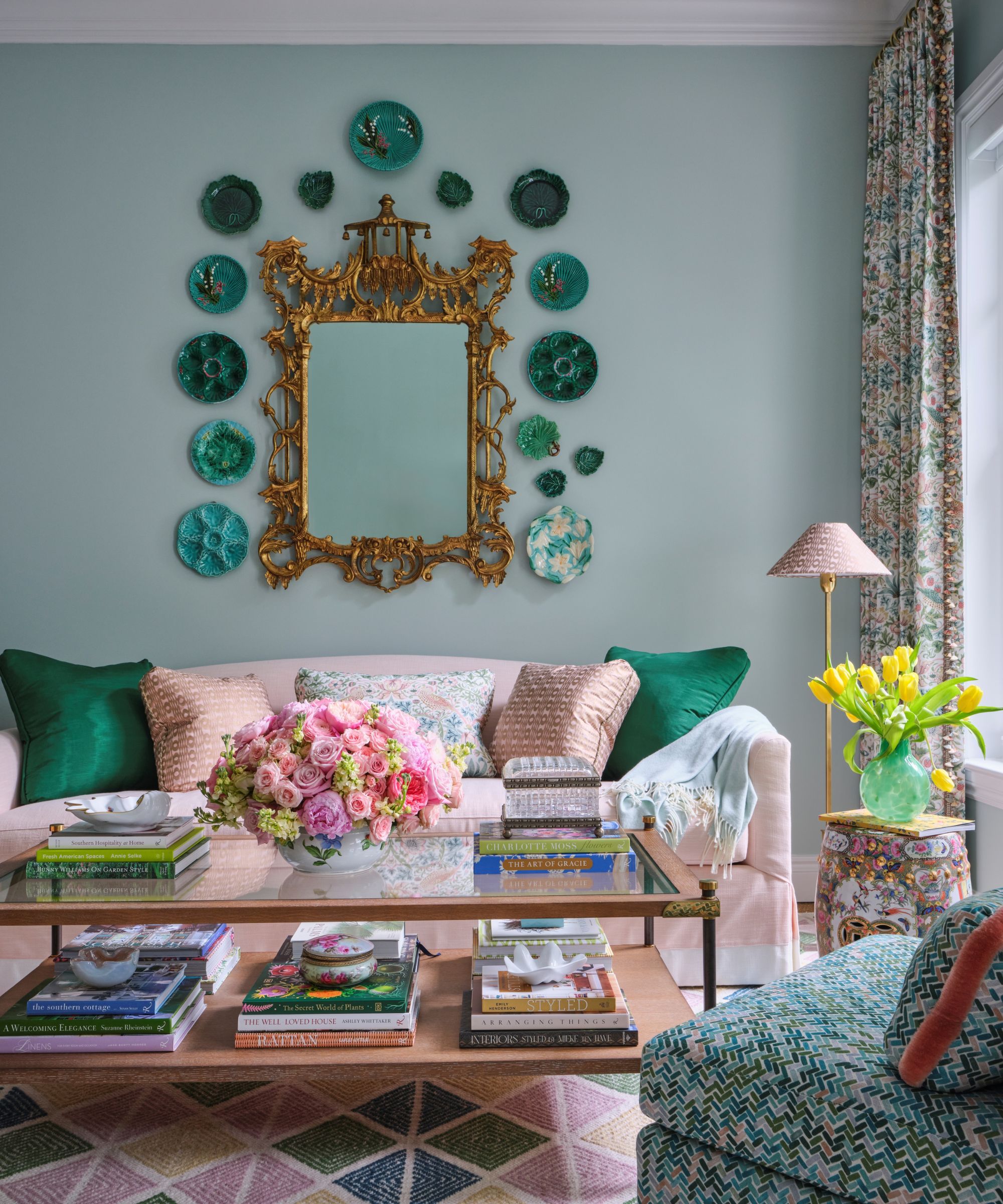
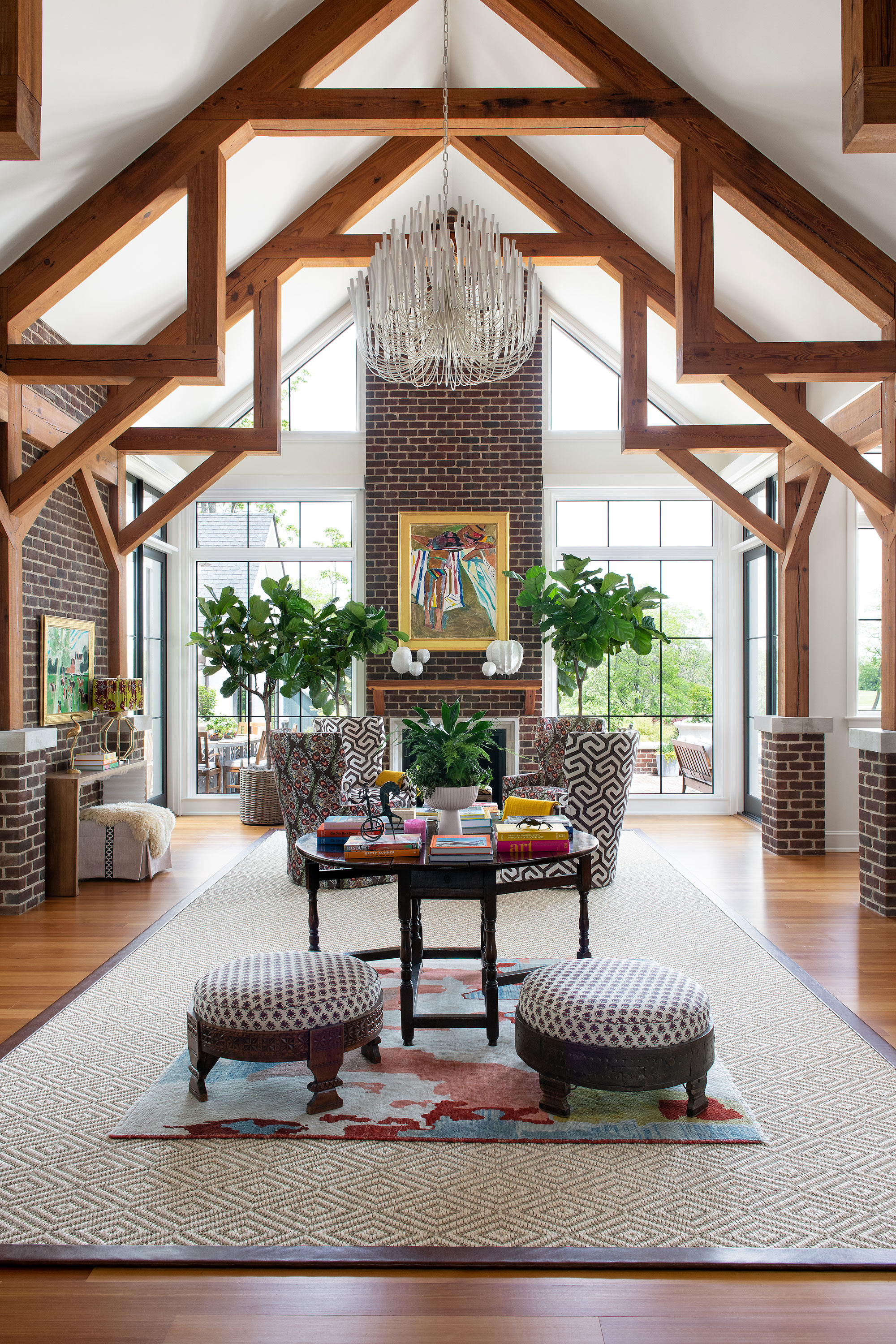
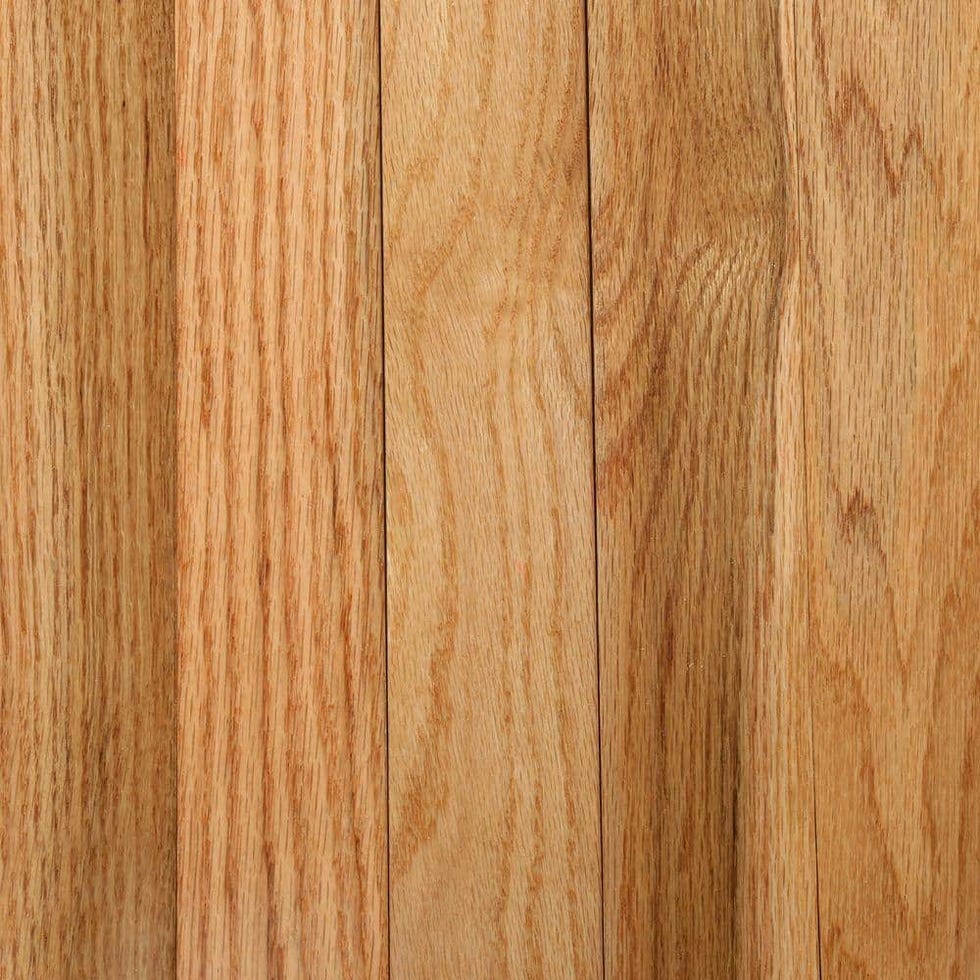
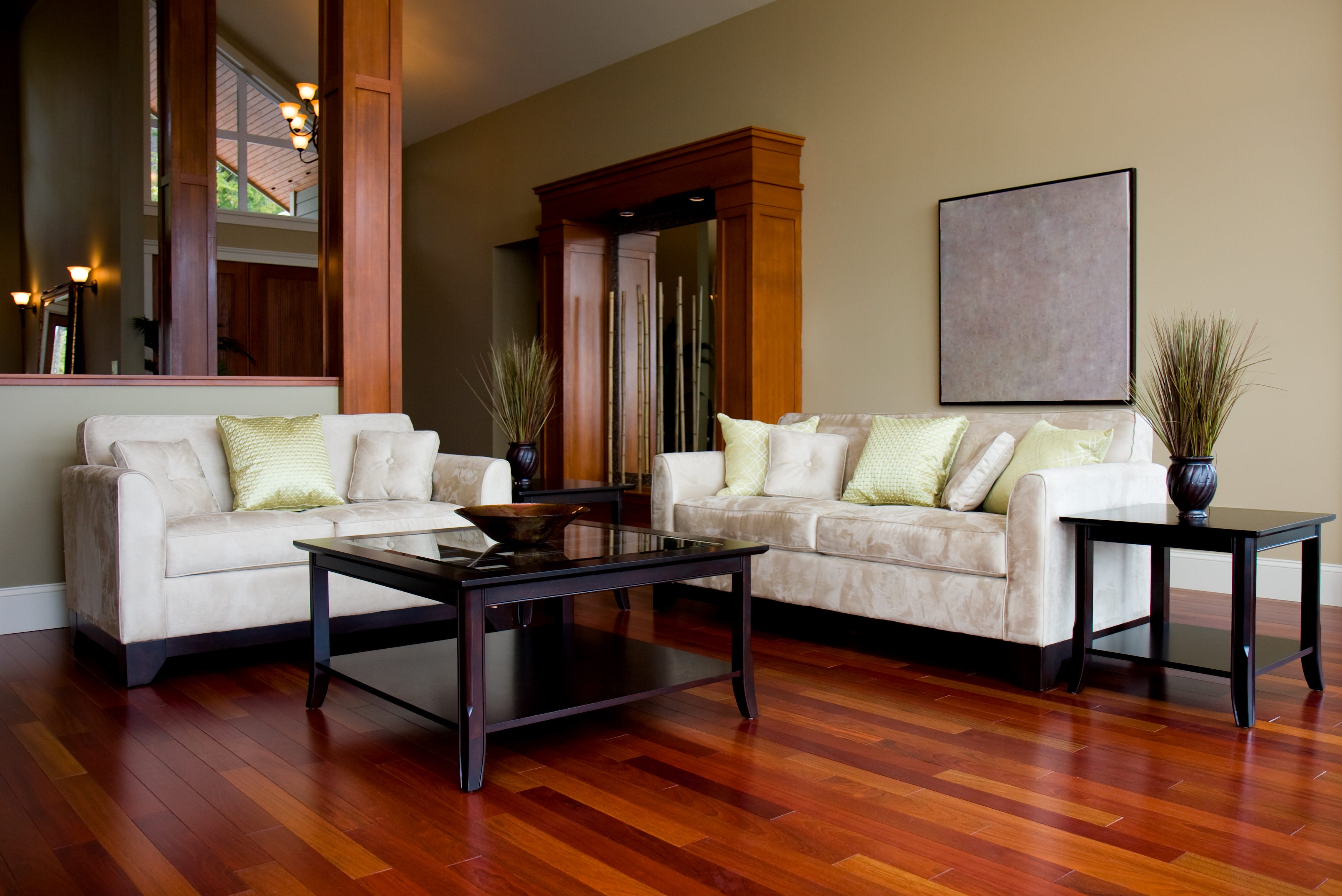
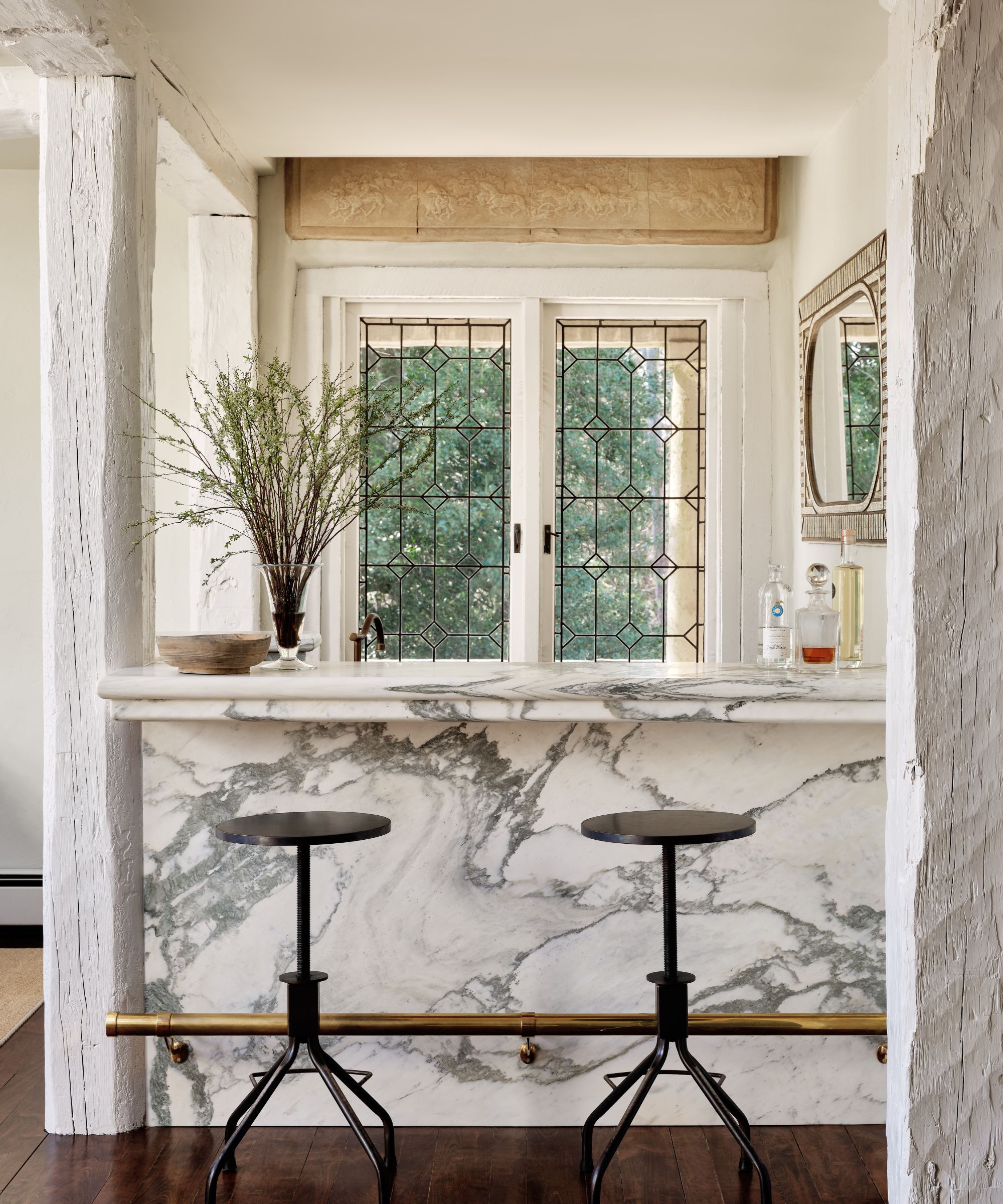
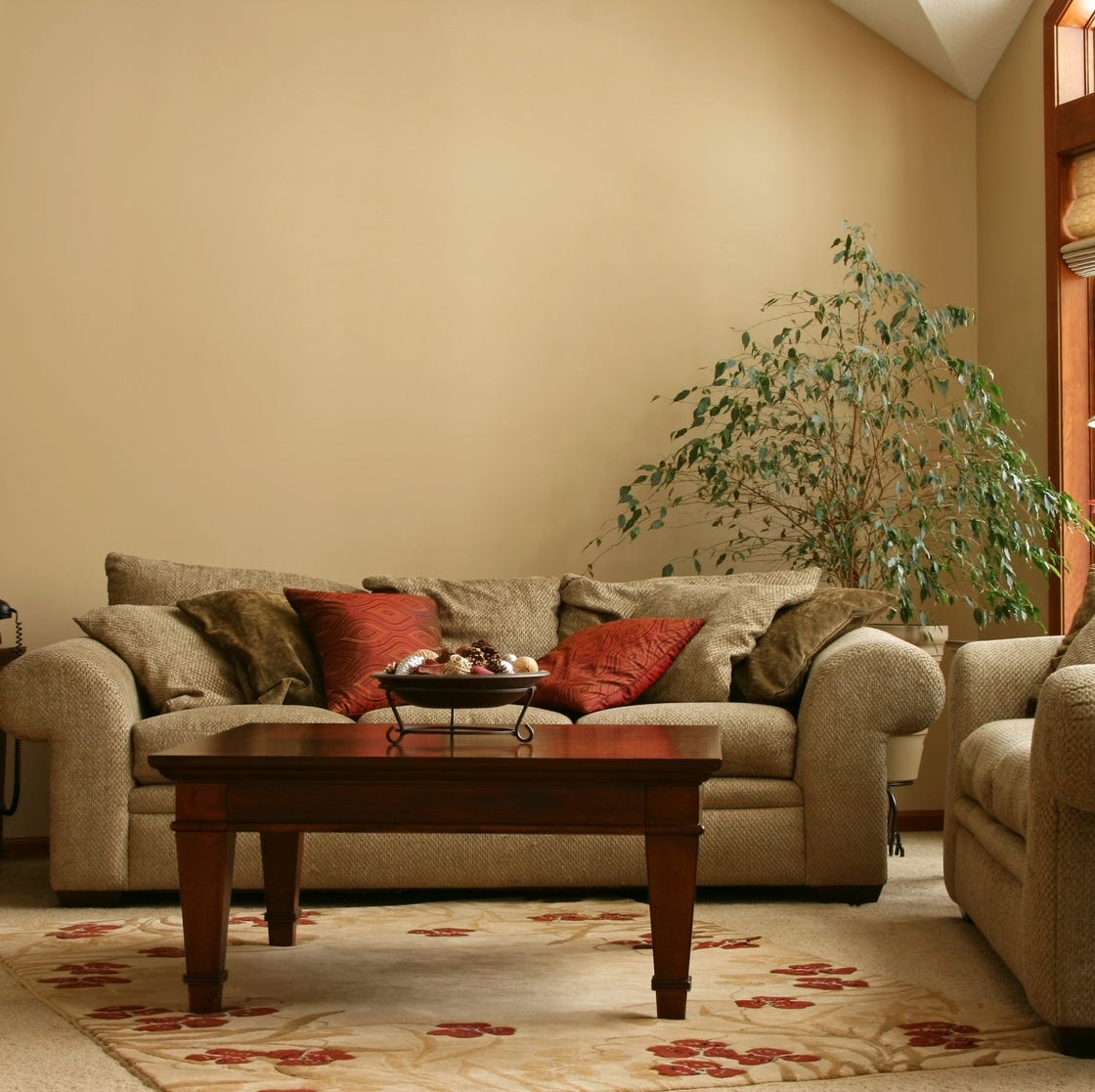
Color selection plays a significant role in bridging the old and the new. Neutral colors such as beige, cream, pale grey, or pastels serve as effective transitions, harmonizing with vintage pieces and providing a backdrop for contemporary accents. When painting, using slightly darker or lighter tones to highlight architectural details can add character without overwhelming the space. Finally, opting for timeless materials like wood and stone is recommended. These natural materials inherently complement traditional architectural designs, and choosing them over ultra-contemporary finishes helps maintain the home's classic appeal and ensures longevity in style.
#HomeRenovation #InteriorDesign #HeritageHomes #Modernization #DesignTips #HomeDecor #ArchitecturalStyle #HomeRenovation #InteriorDesign #HeritageHomes #Modernization #DesignTips #HomeDecor #ArchitecturalStyle
0 comment in total
 No comments yet
You may also like
Here's How to Give an Old House a Modern Makeover Without Stripping Away the Charm
8 easy updates that will make an old home look new

16 "Outdated" Home Design Trends That Are Wildly Better Than Modern-Day Trends

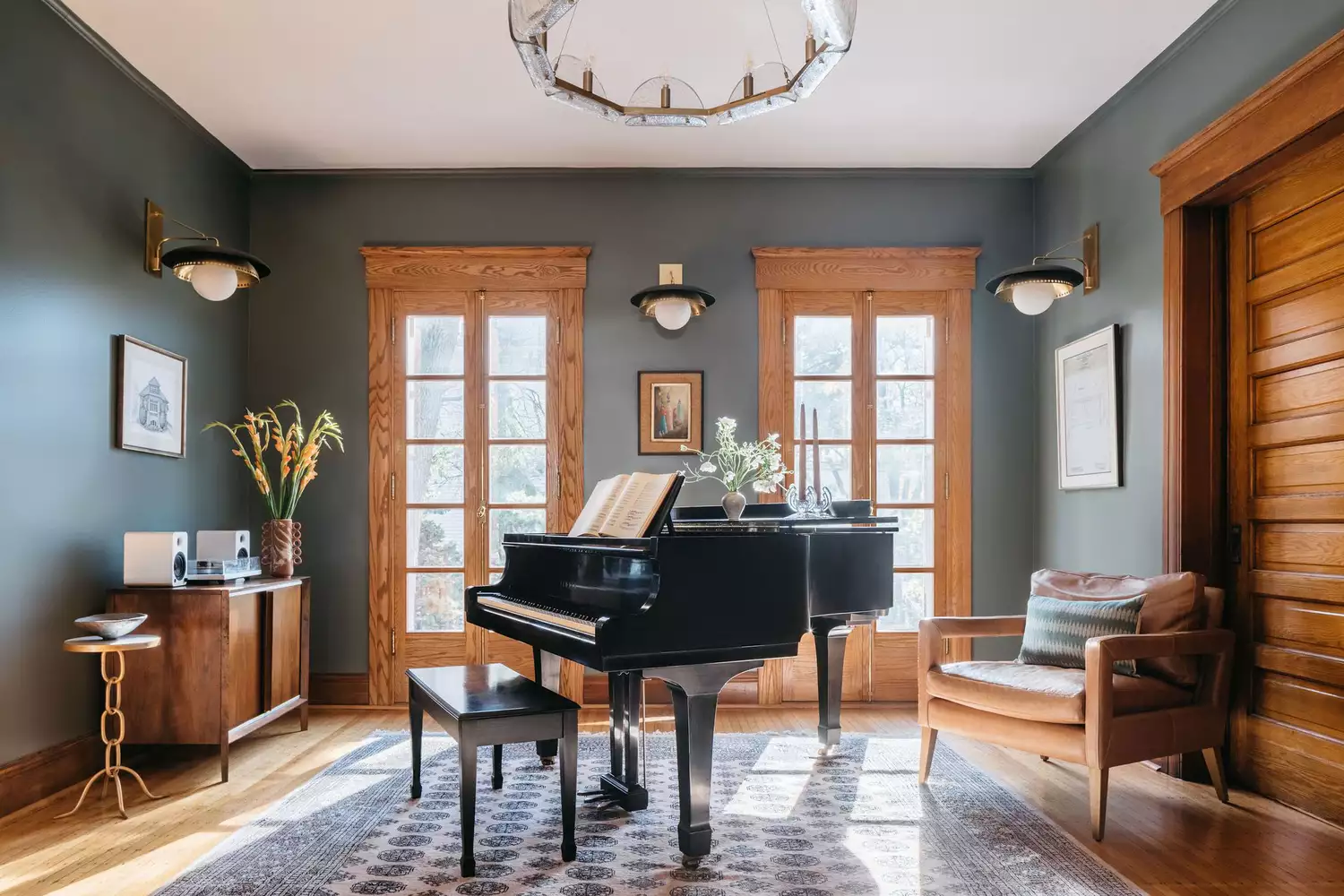
How to Renovate a Historic Home—and Keep Its Character—According to Designers

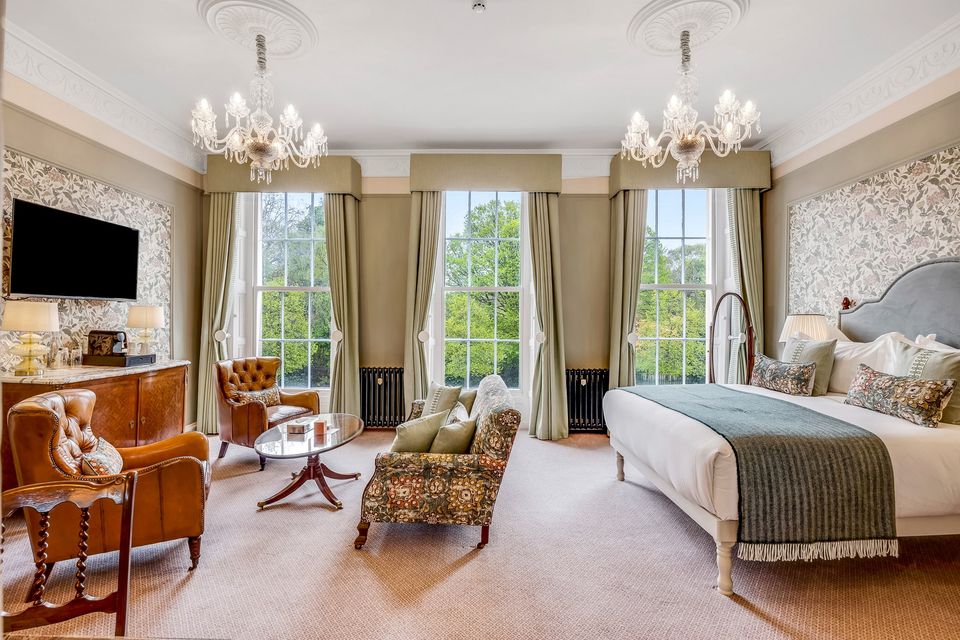
Top tips for renovating old homes: Whether restoring or modernising, clever design is key
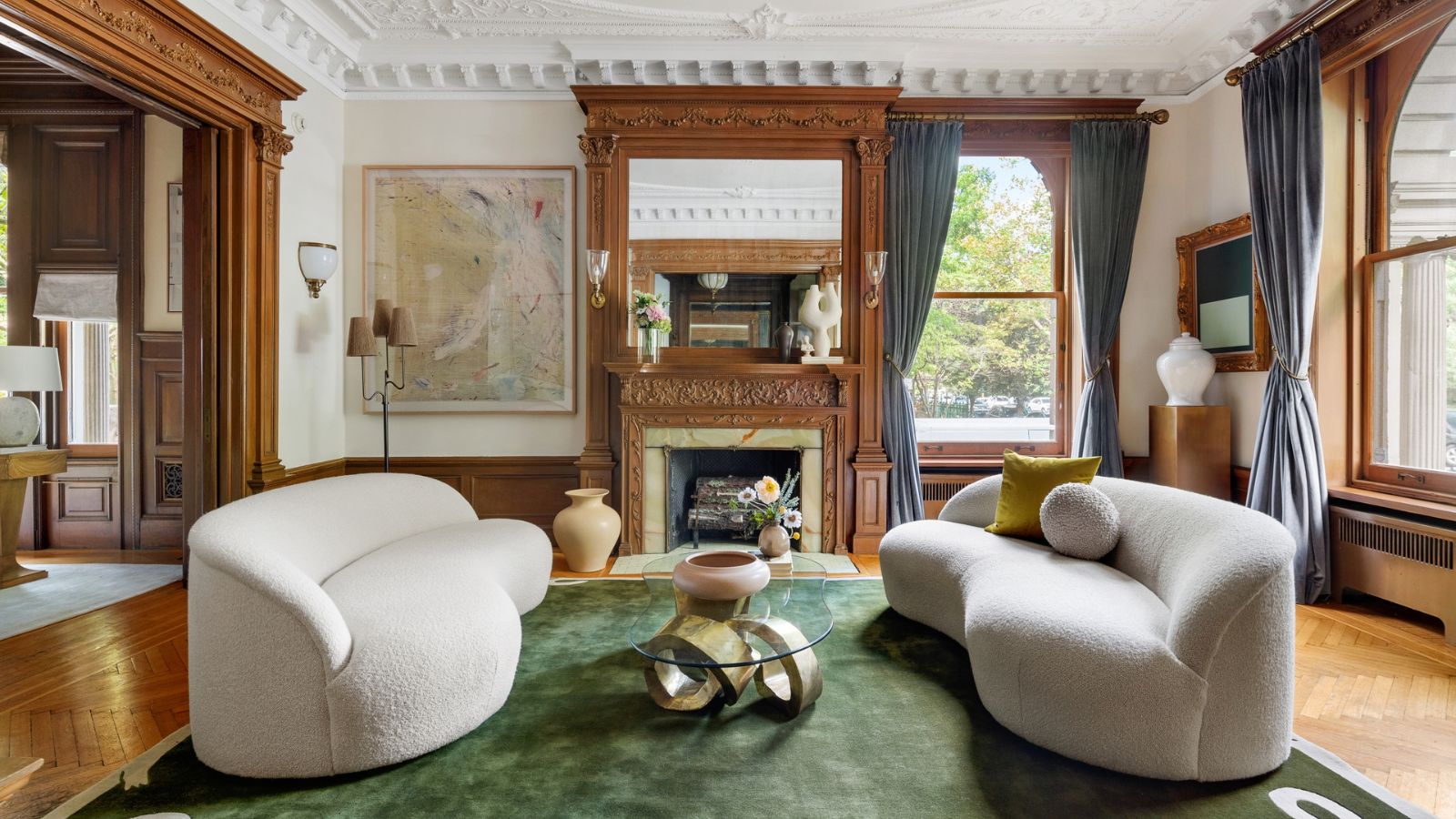
9 ways to update a historic home while still keeping its vintage charm – tips from a NYC reno

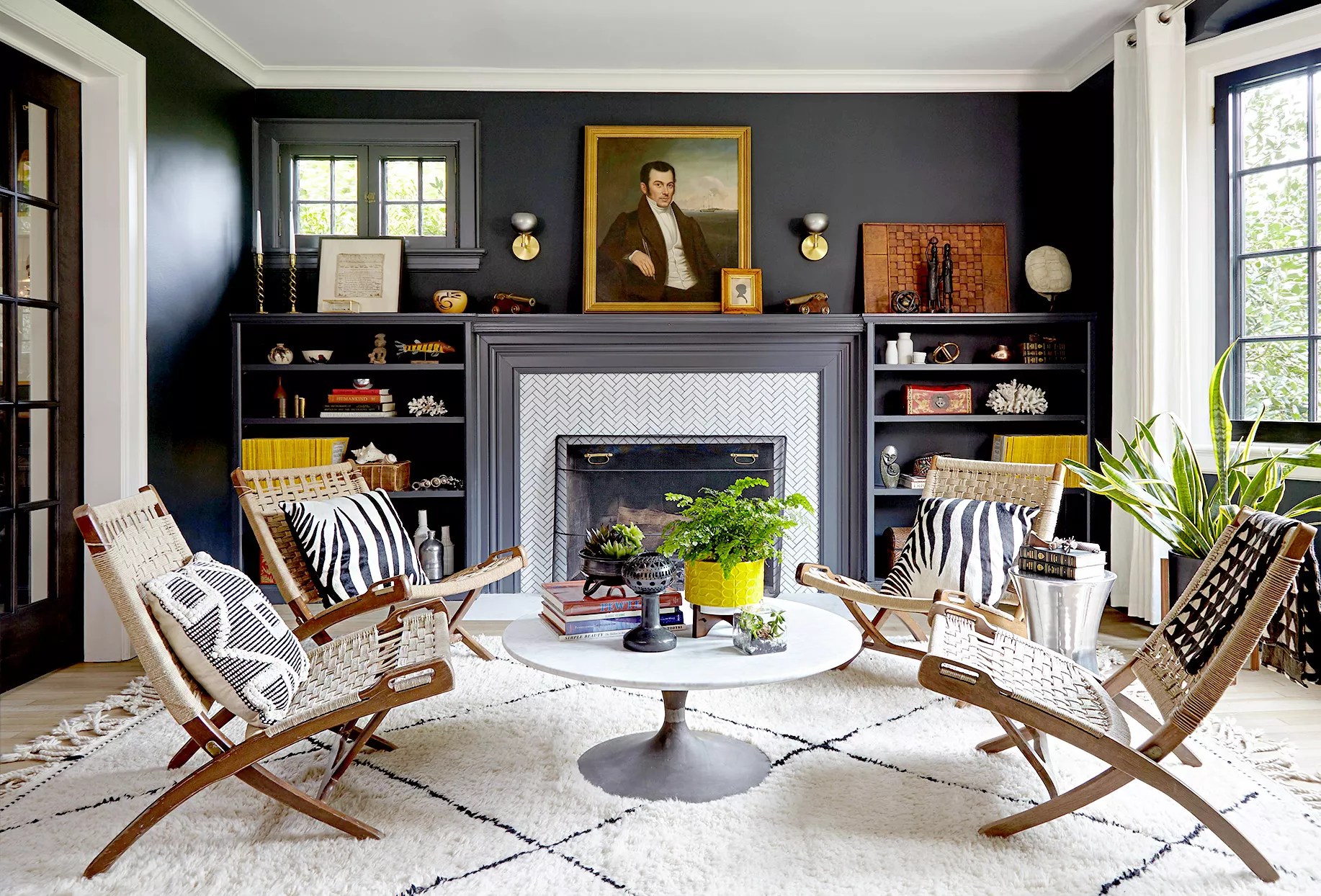
Renovating a Home? Here's How to Modernize Without Losing Character

How to style antique furniture for a timeless, transitional space – 9 designers share their tips
Modernising period homes: Practical tips on blending old and new
How to Update an Older Home While Honoring Its History

5 Design Choices That Make Your House Look Super Dated, According to Designers

Interior Designers Reveal 6 Surprising Things Making Your House Look Dated

6 Ways to Modernize Your Home While Keeping Its Character, According to Designers

How to Modernize Antique Furniture for a Characterful and Cohesive Look
Inside 6 Homes That Prove Traditional Interior Design and Modern Style Really Do Go Together

How to update a historic home for modern living – 9 lessons we learned from this artful redesign
12 Designer-Approved Tricks to Fill a New Home With Vintage Character

Mix don't match is the key to this historic home's blend of old and new styles
14 Fresh Ways to Mix Vintage Style into a Modern Home

How To Mix Antique And Modern Furniture Without Making It Look Mismatched