How to Renovate a Historic Home—and Keep Its Character—According to Designers
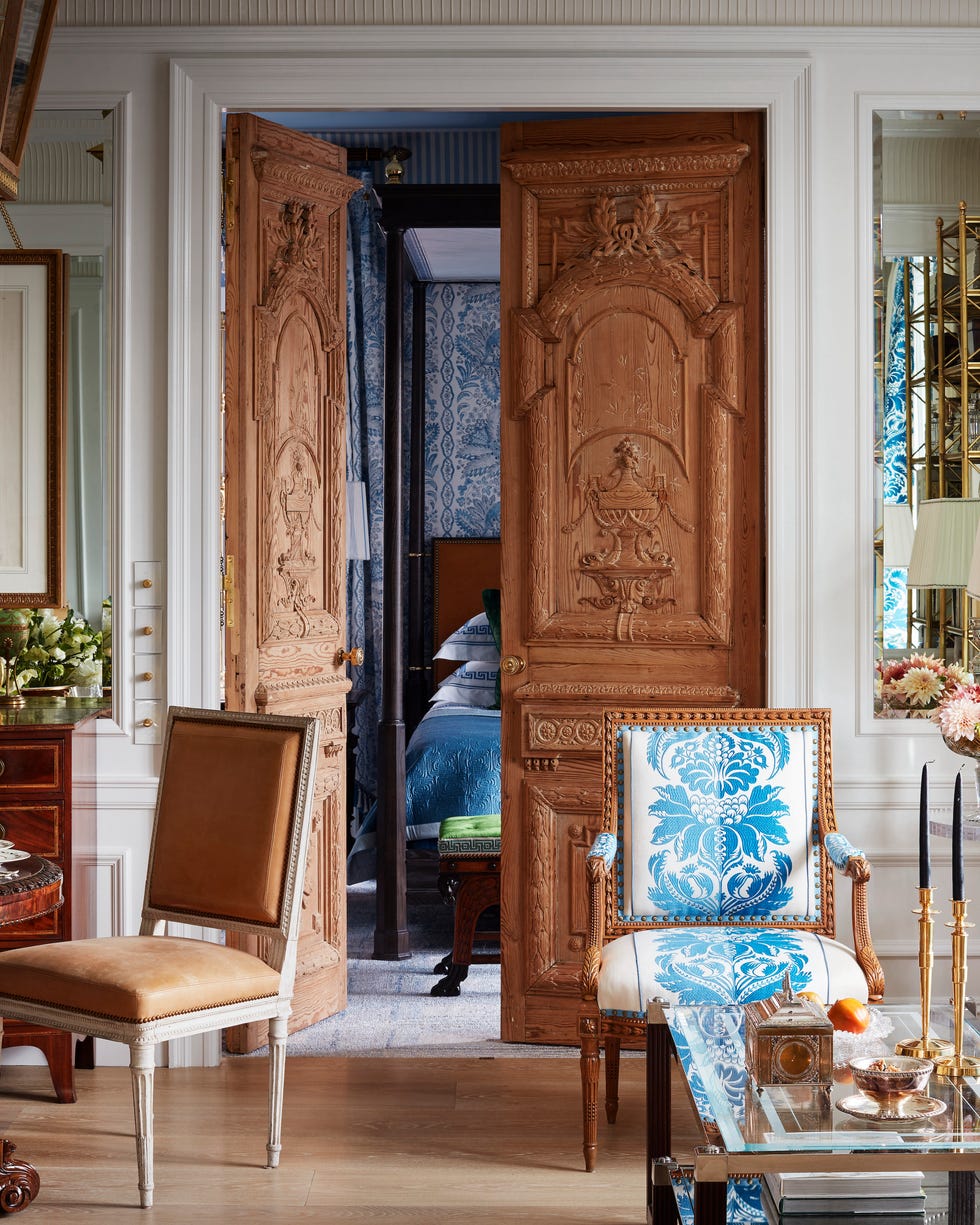
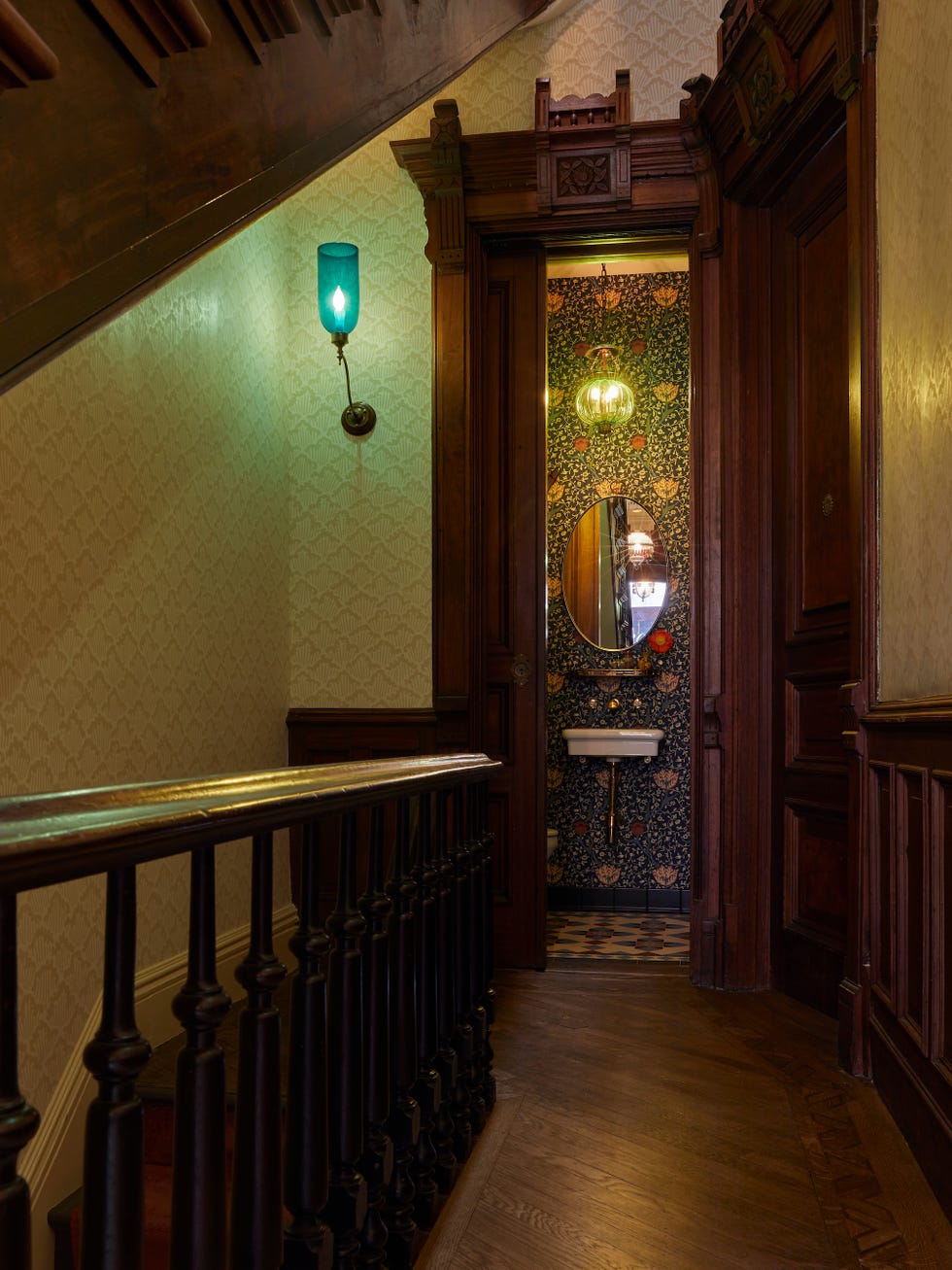
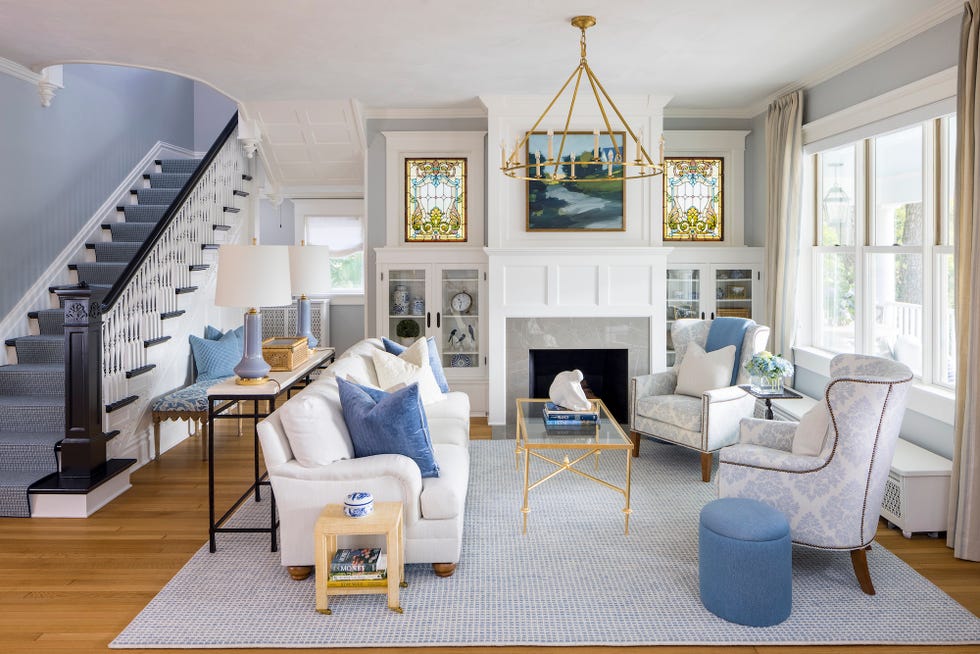
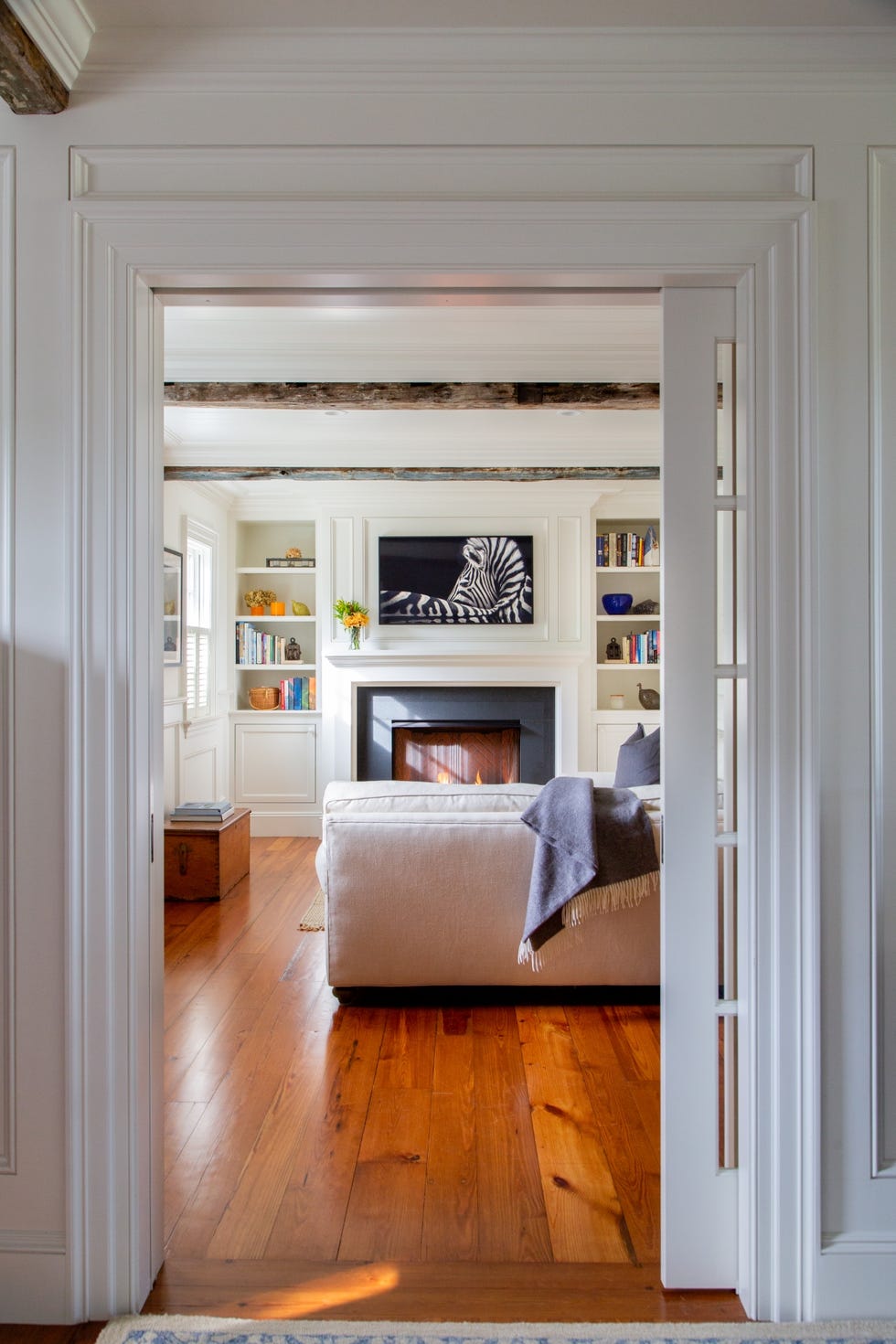
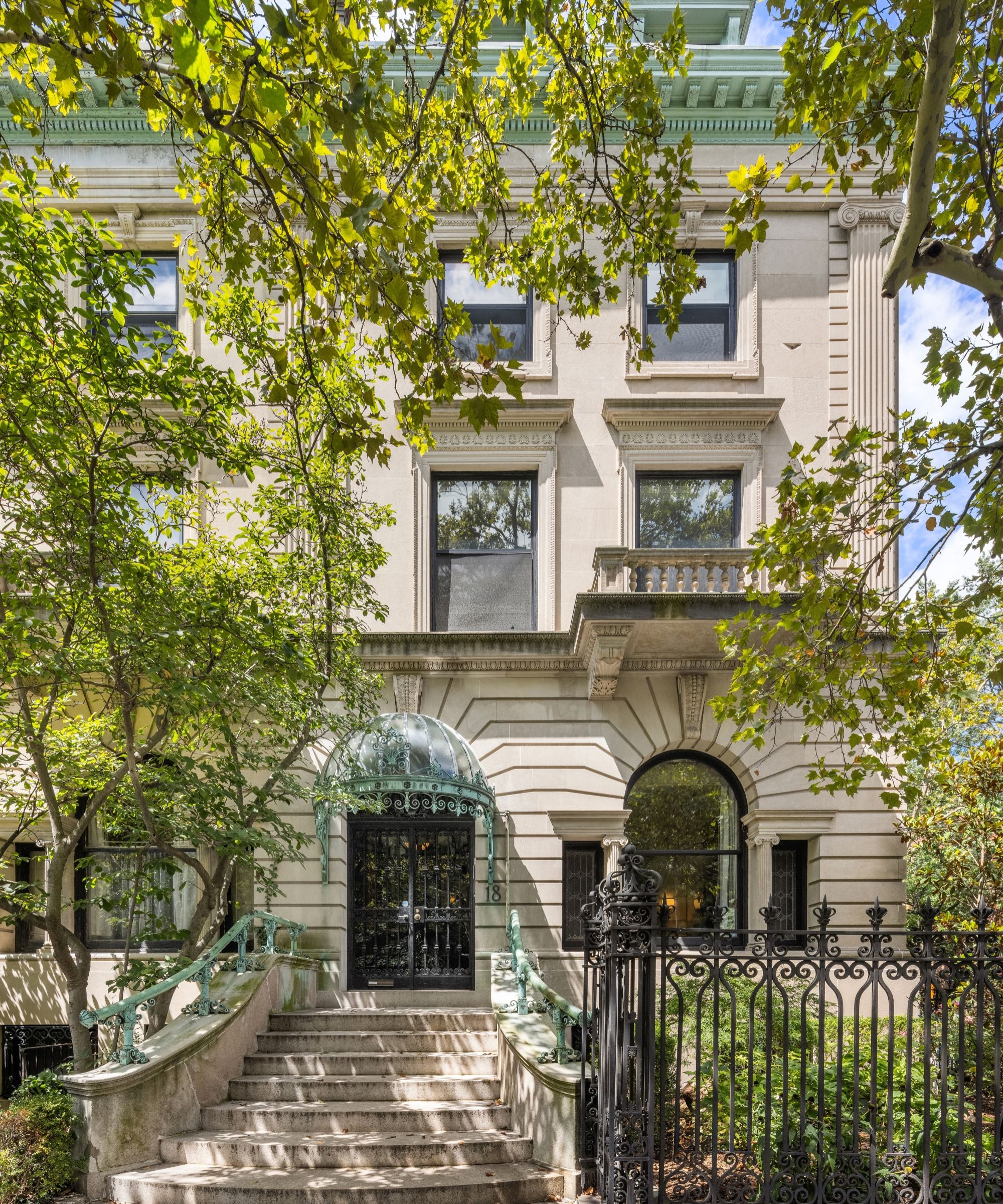
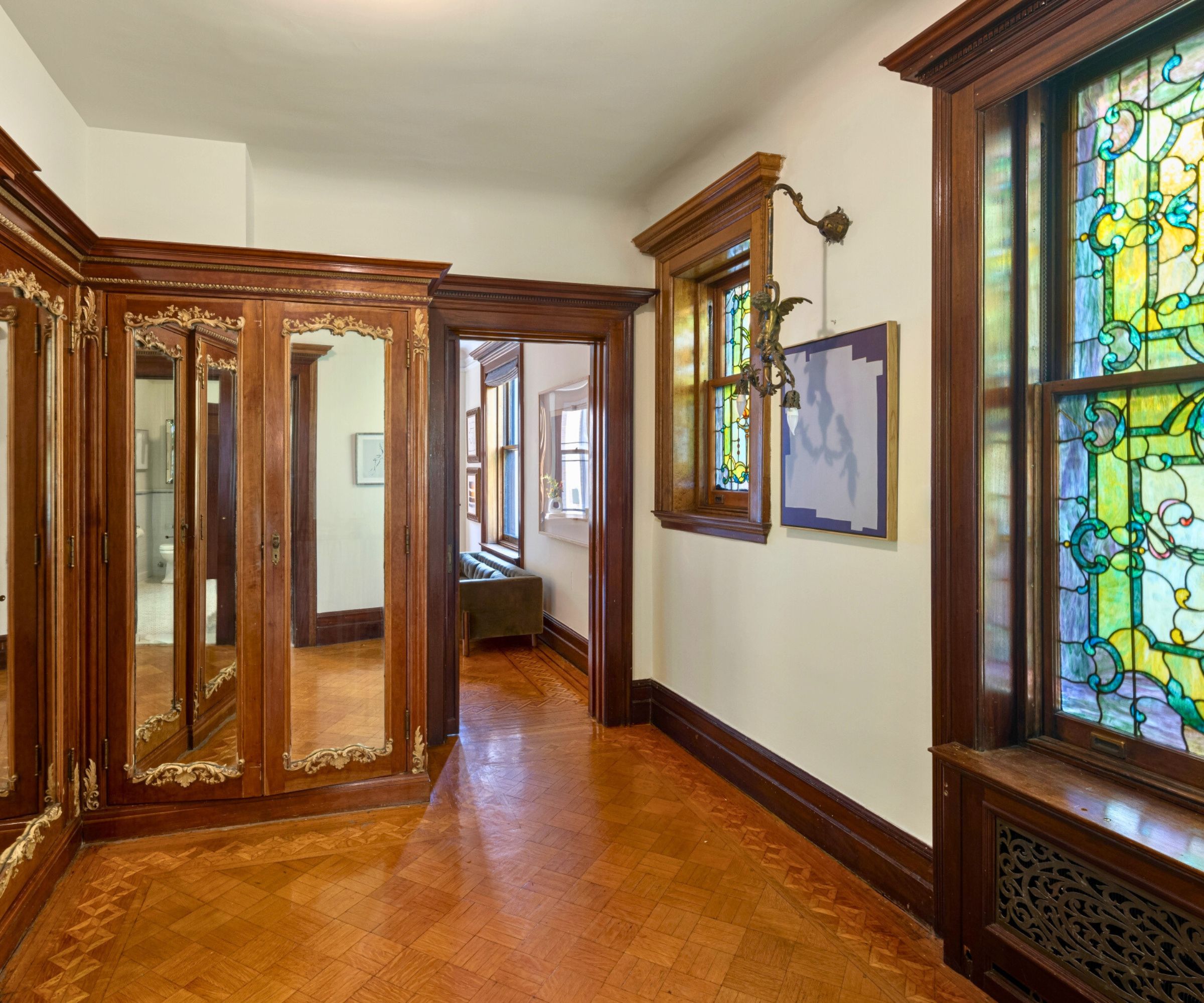
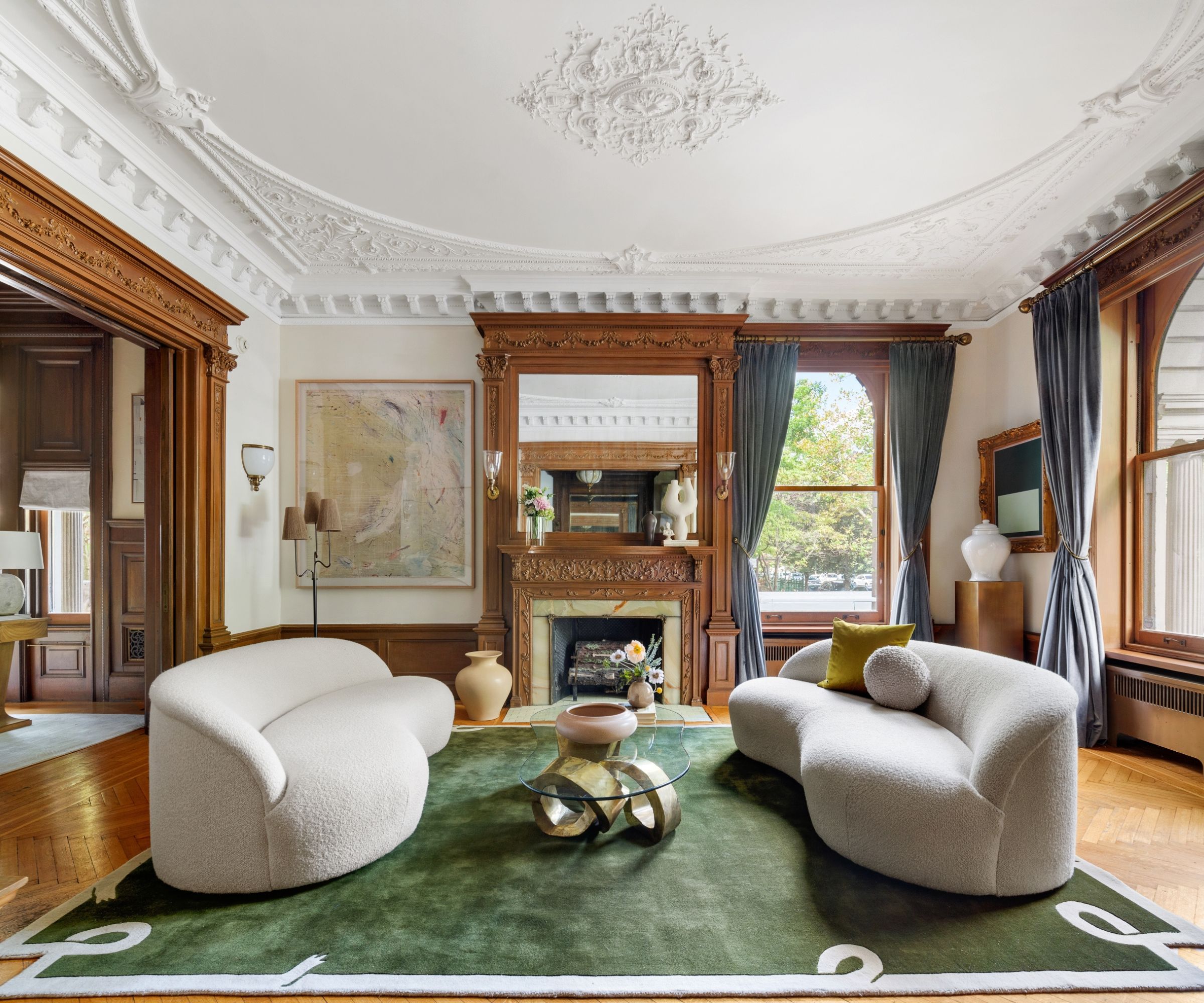
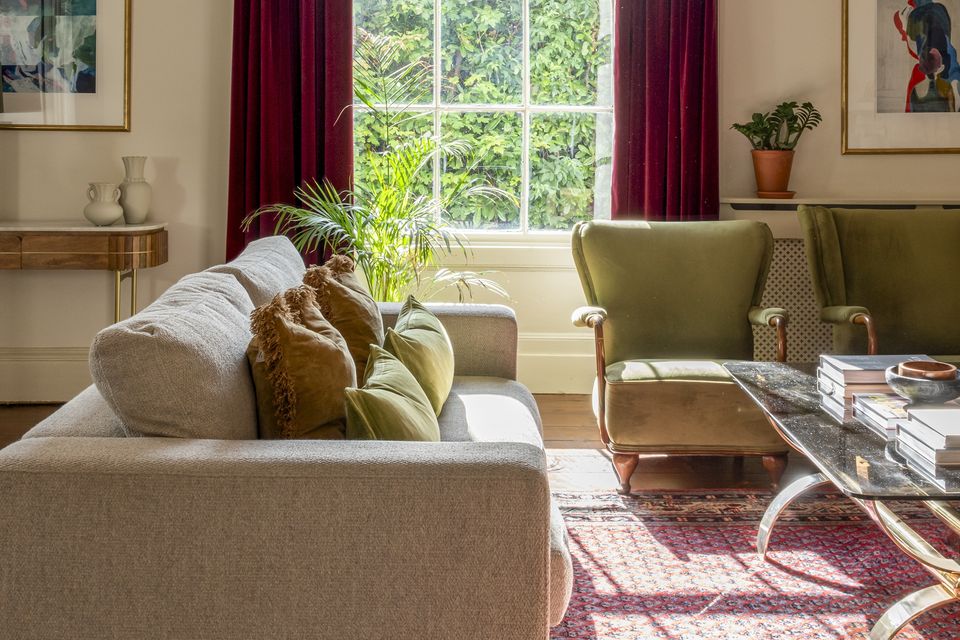
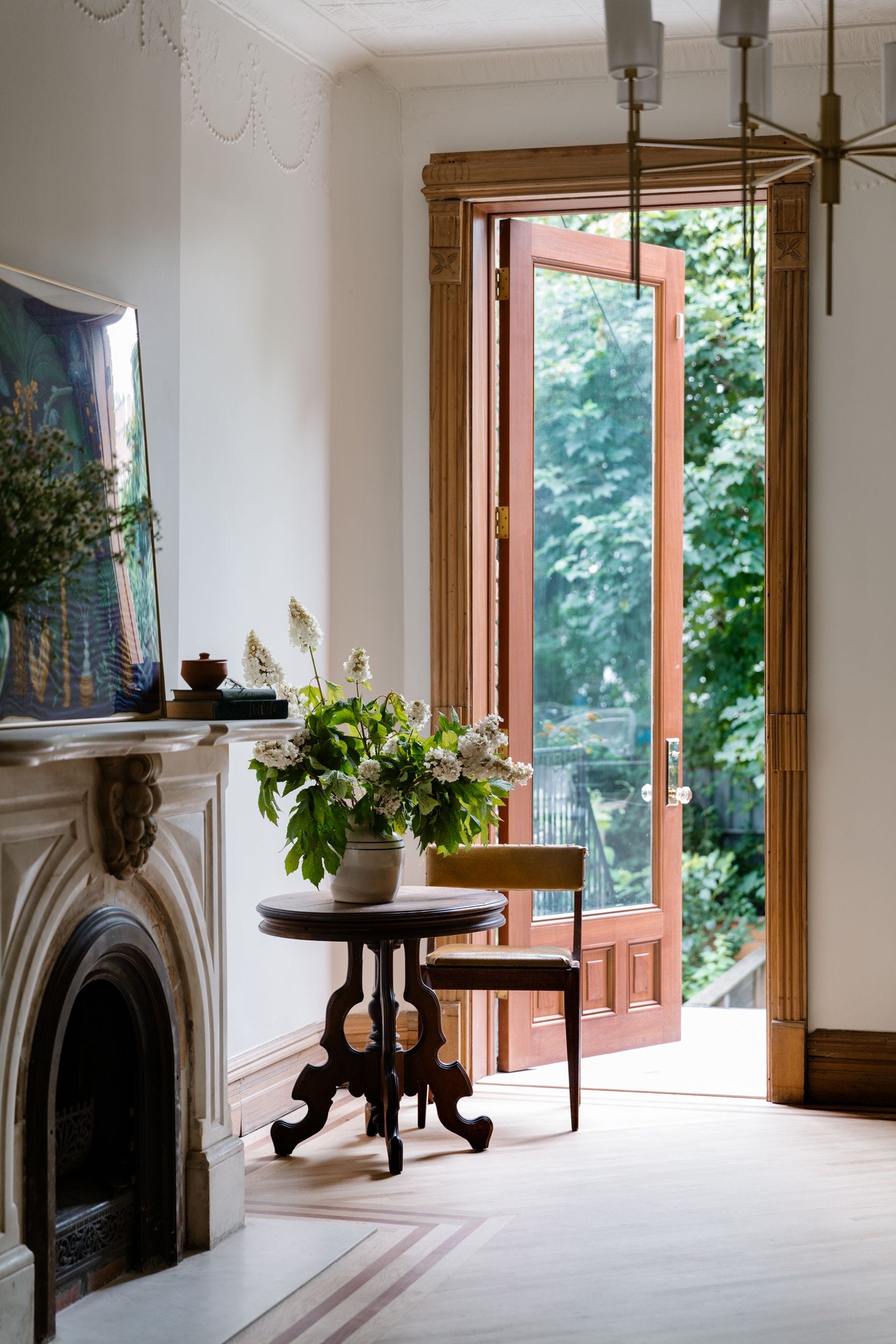
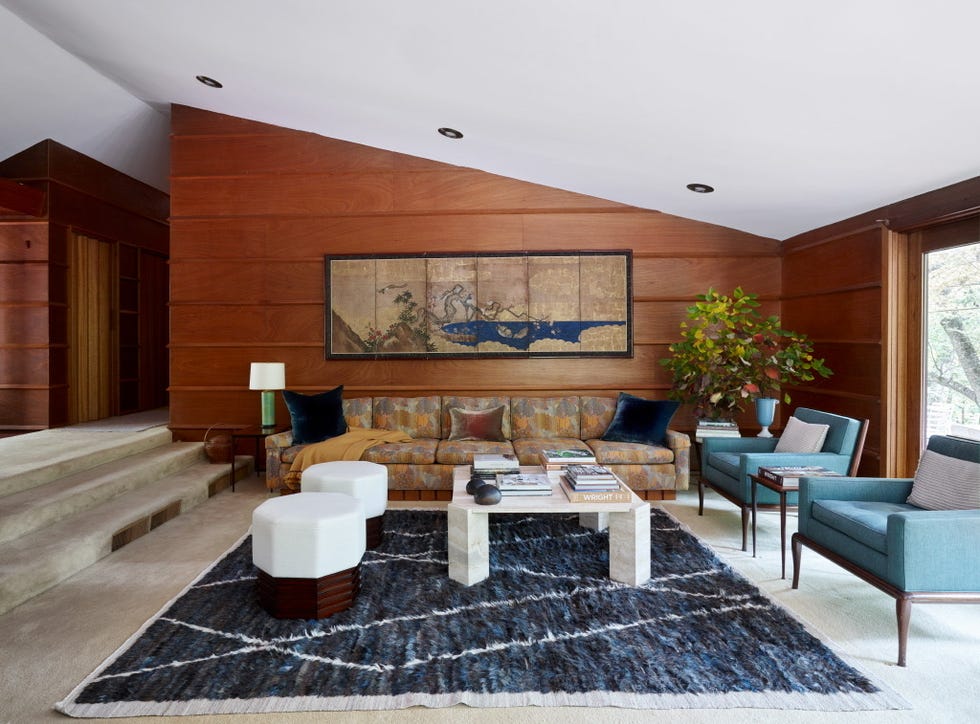
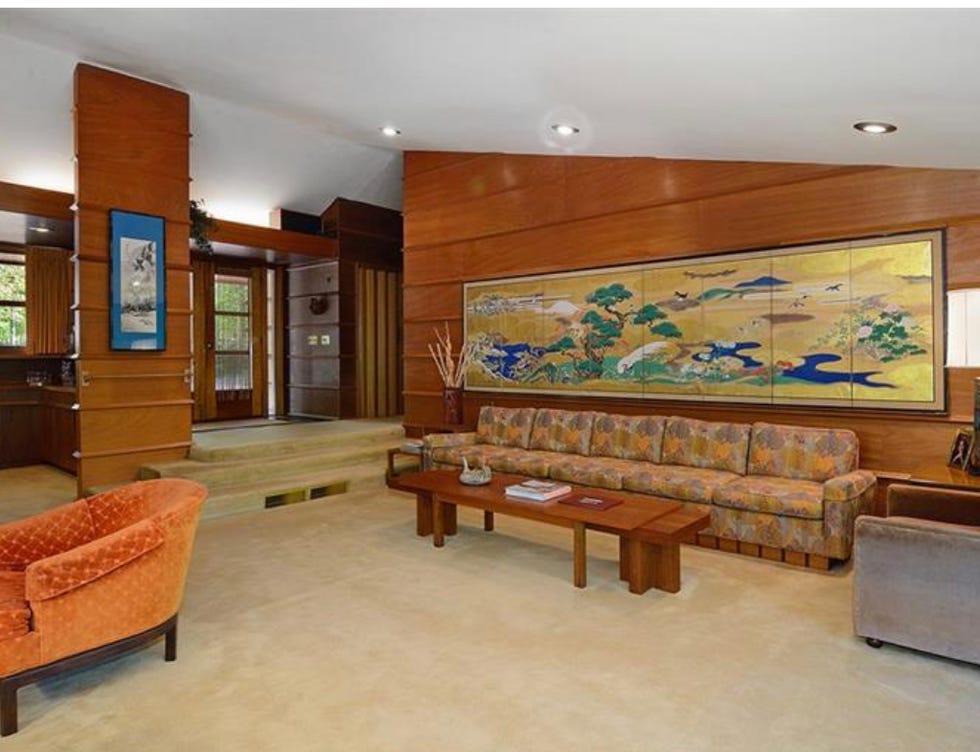
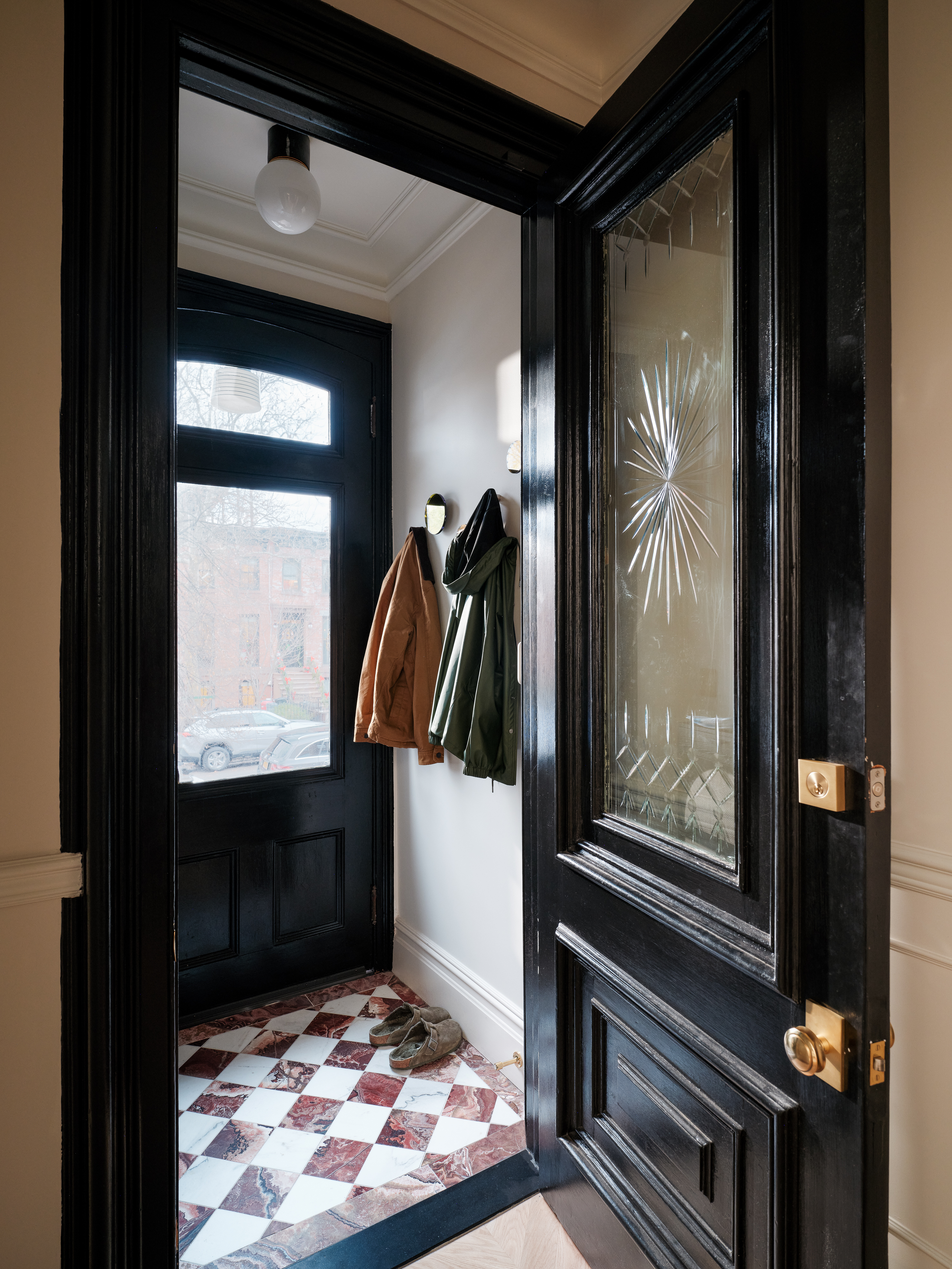
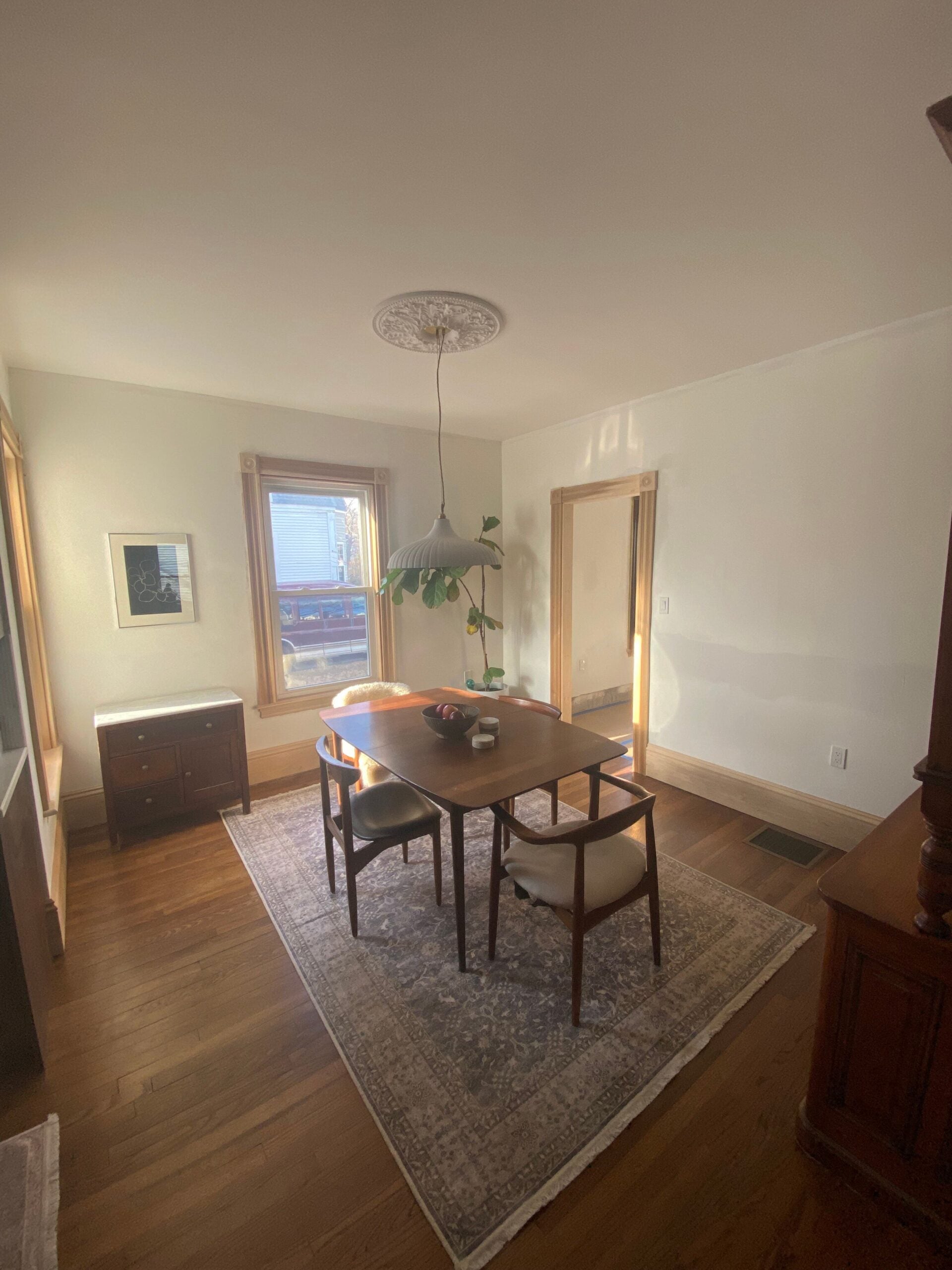
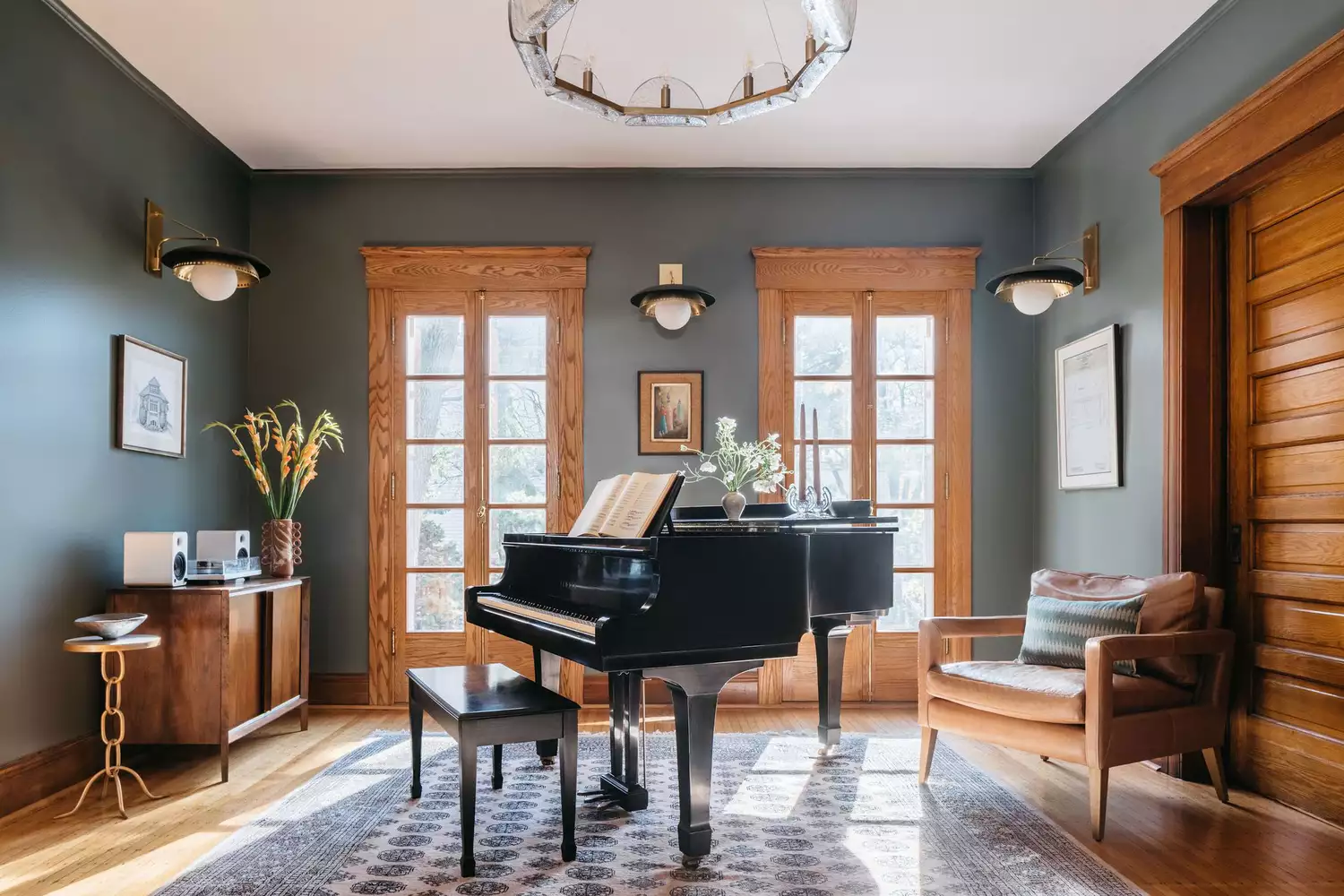
Renovating a historic home presents a unique challenge: modernizing living spaces while preserving original character. This comprehensive guide, informed by Chicago designers Kelsey Haywood and Denise Hauser, offers essential tips derived from their experience with a 1890s Queen Anne-style home. The project successfully blended the clients' preference for mid-century modern aesthetics and vintage furnishings with the home's Victorian roots, meticulously replicating original details like window mullions and custom-matching millwork. The designers emphasize that a mix of materials and finishes contributes to a "collected, gathered-through-time sentiment."
A foundational step in renovating a historic home is to live in the space for at least a month before beginning any work. This allows homeowners to understand how they genuinely use the space, potentially revealing discrepancies between initial intentions and actual needs, leading to more informed design decisions. Given the complexity and scale of such projects, a phased approach is recommended. This strategy minimizes disruption and enables well-considered choices about the evolving function and aesthetic of each area, avoiding the pitfalls of rushed, instant-gratification renovations.
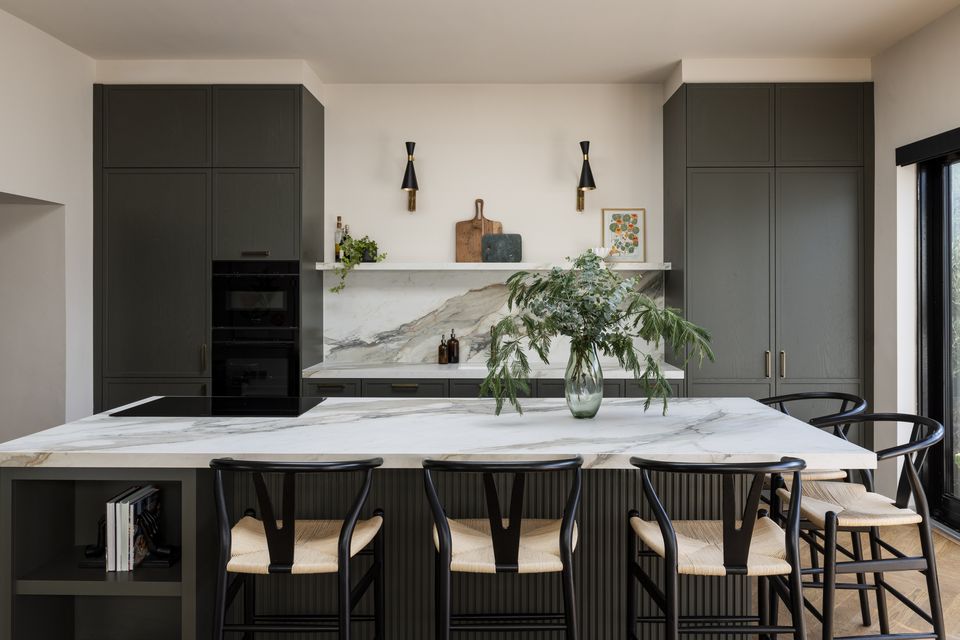
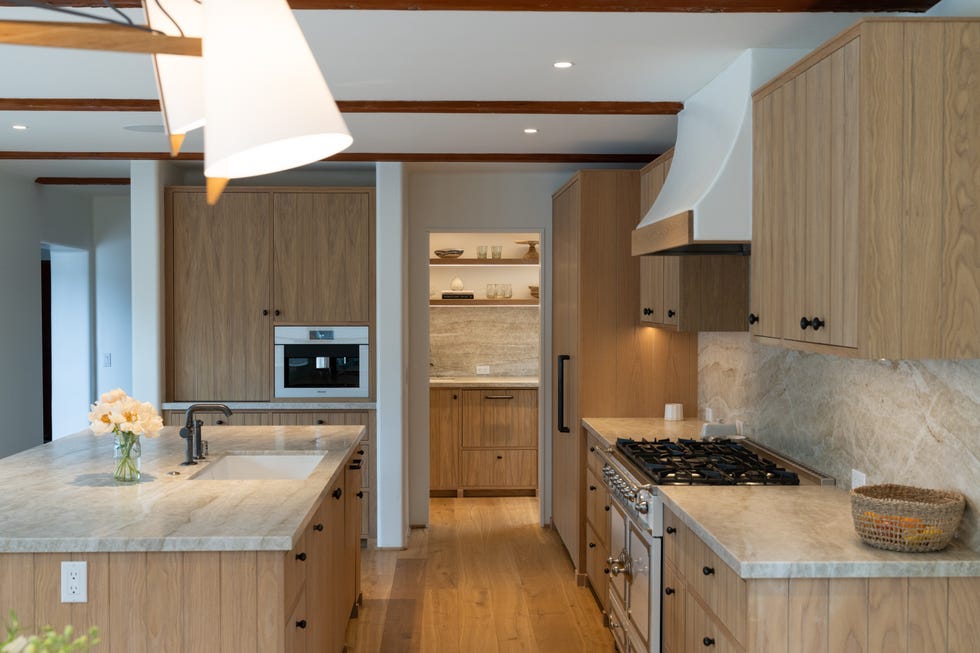
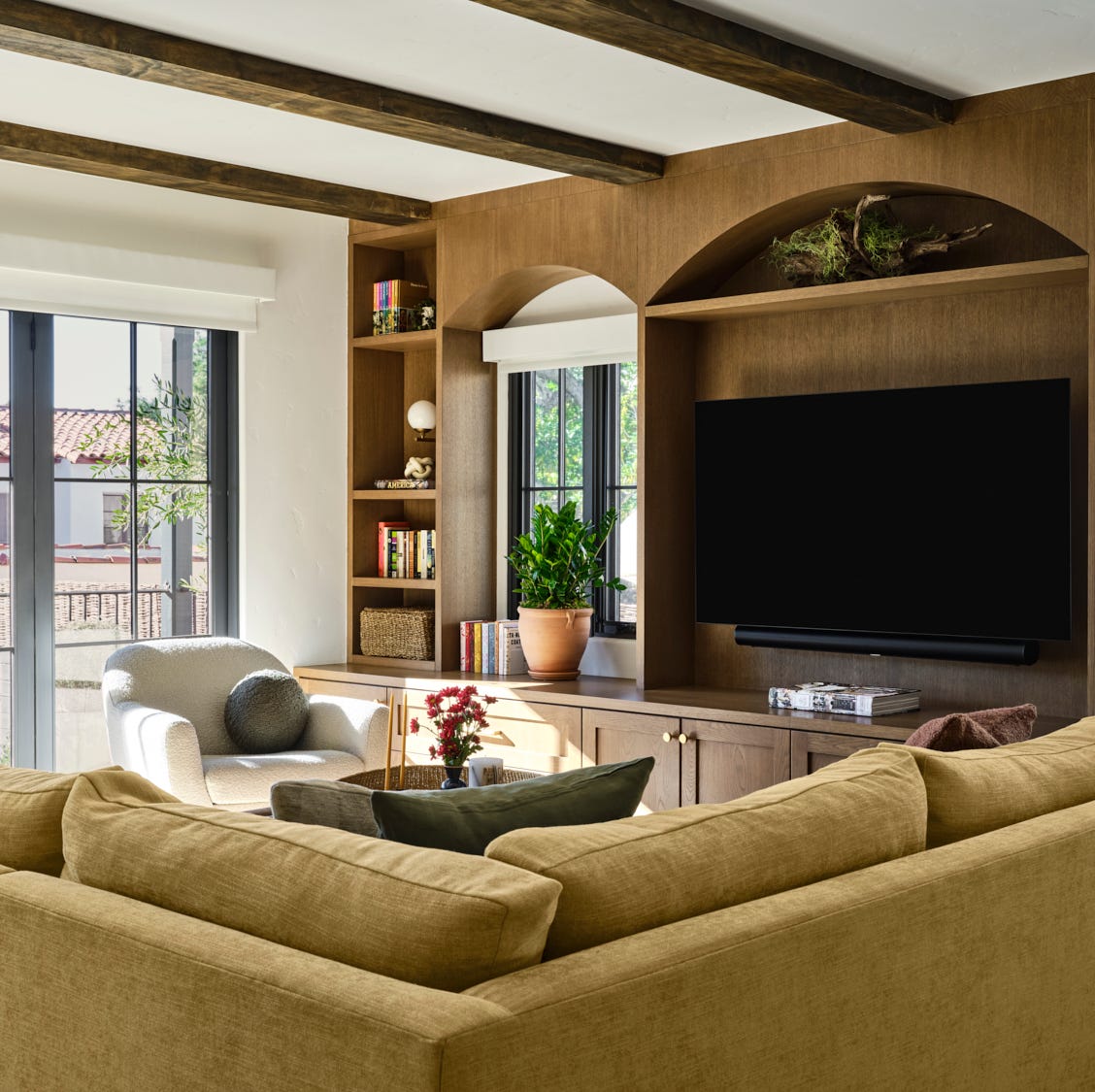
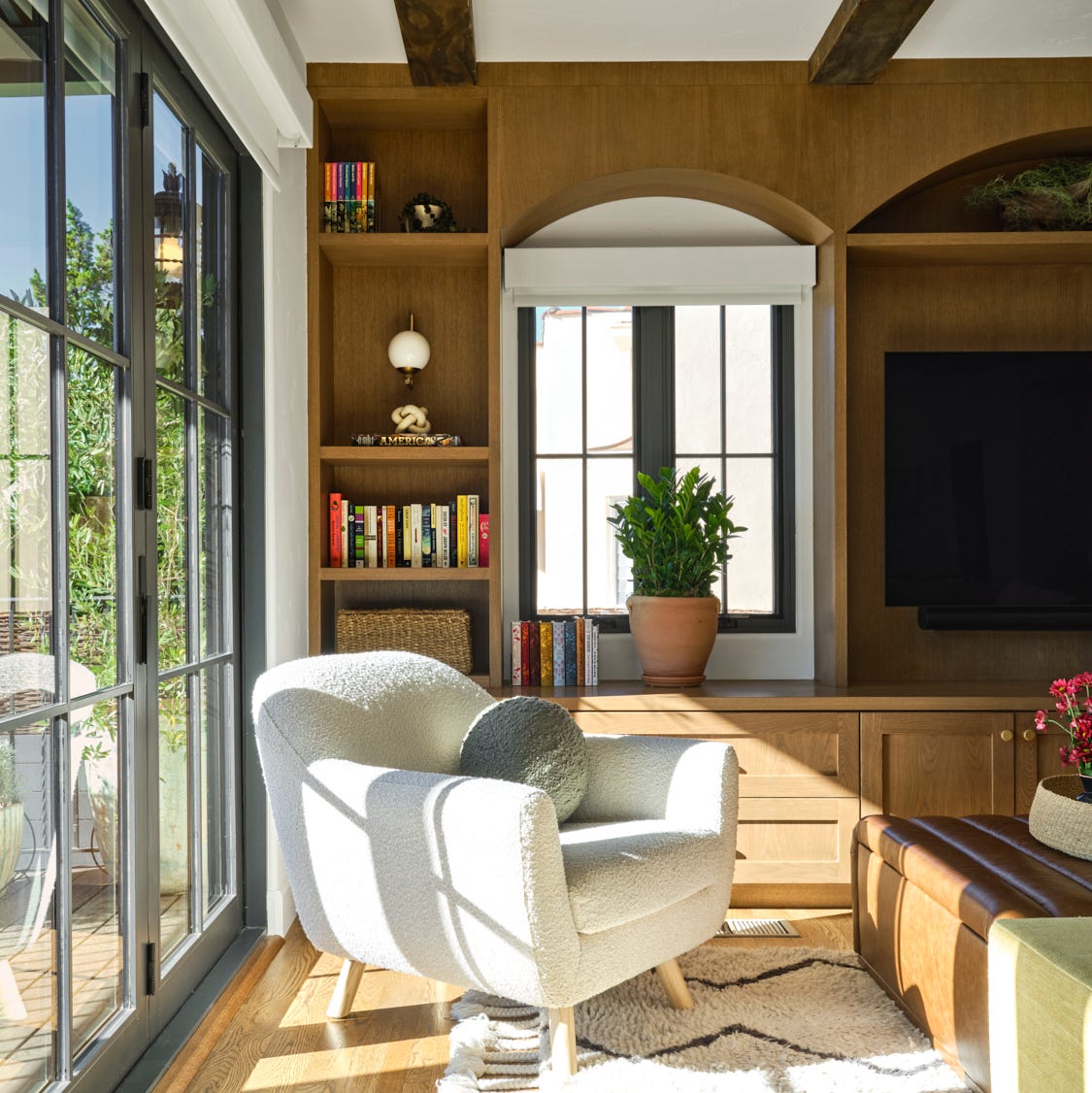
Modernizing historic homes often necessitates rethinking storage solutions. Original homes typically feature smaller closets and less efficient cabinetry. Designers suggest leveraging new interior storage features to maximize space and efficiency. Incorporating elements like walk-in pantries and adopting a zoned layout, where items are stored at their point of use (e.g., cooking, baking, cleaning), significantly enhances functionality. Furthermore, embracing natural light is crucial. Adding windows where possible and integrating biophilic design principles—which connect indoor spaces with the natural environment—can nurture the space and align with contemporary design trends.
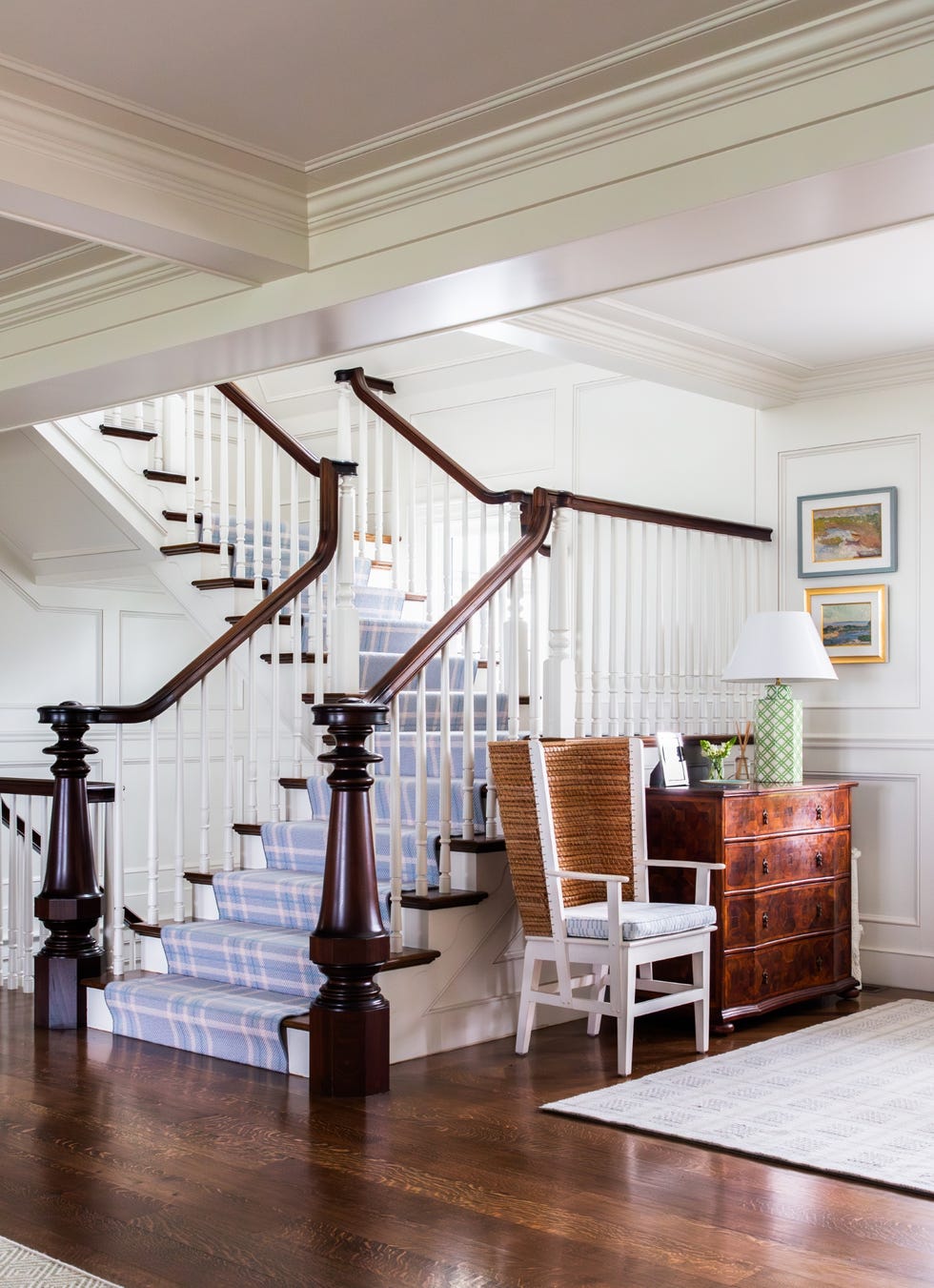
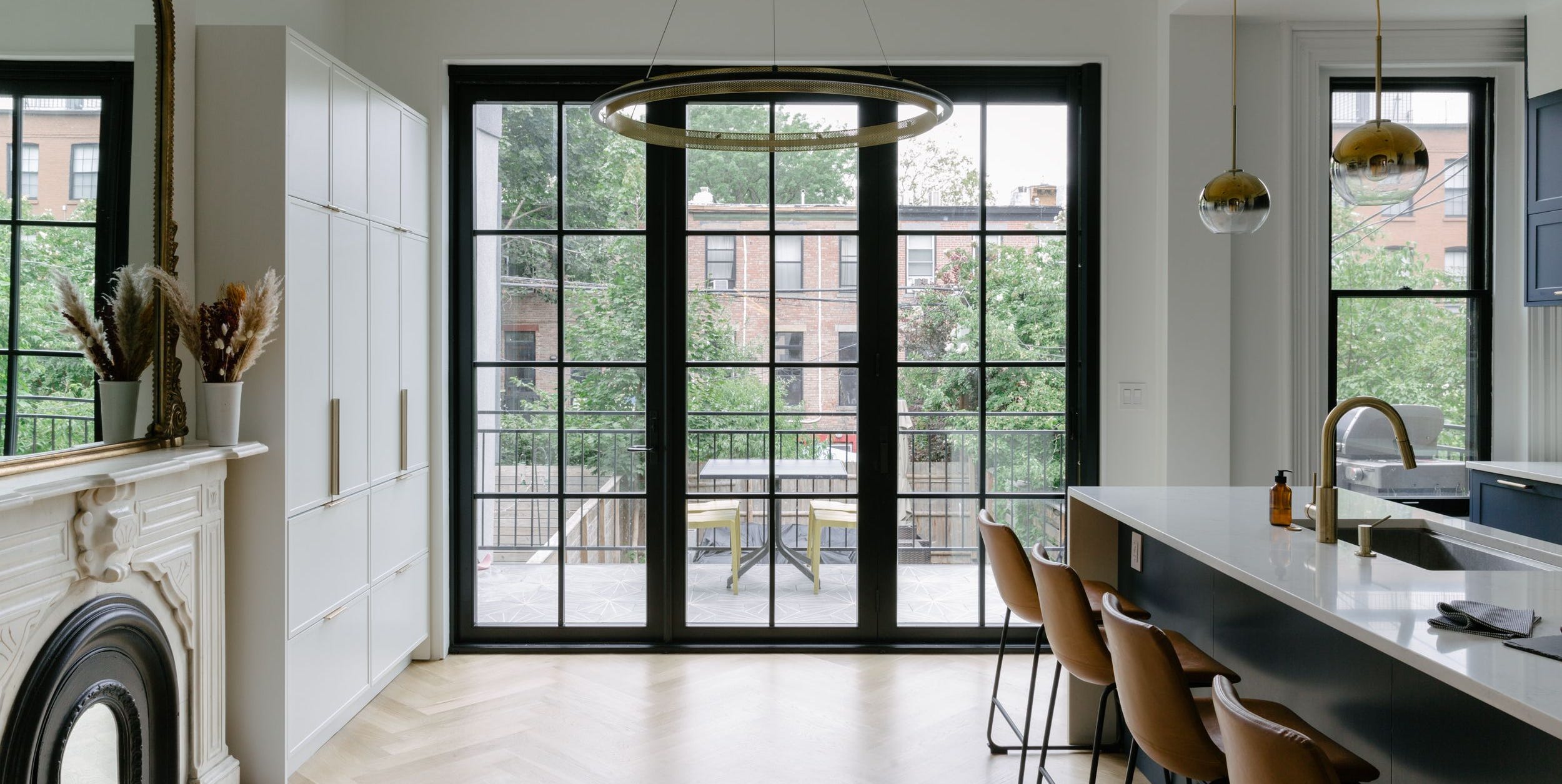
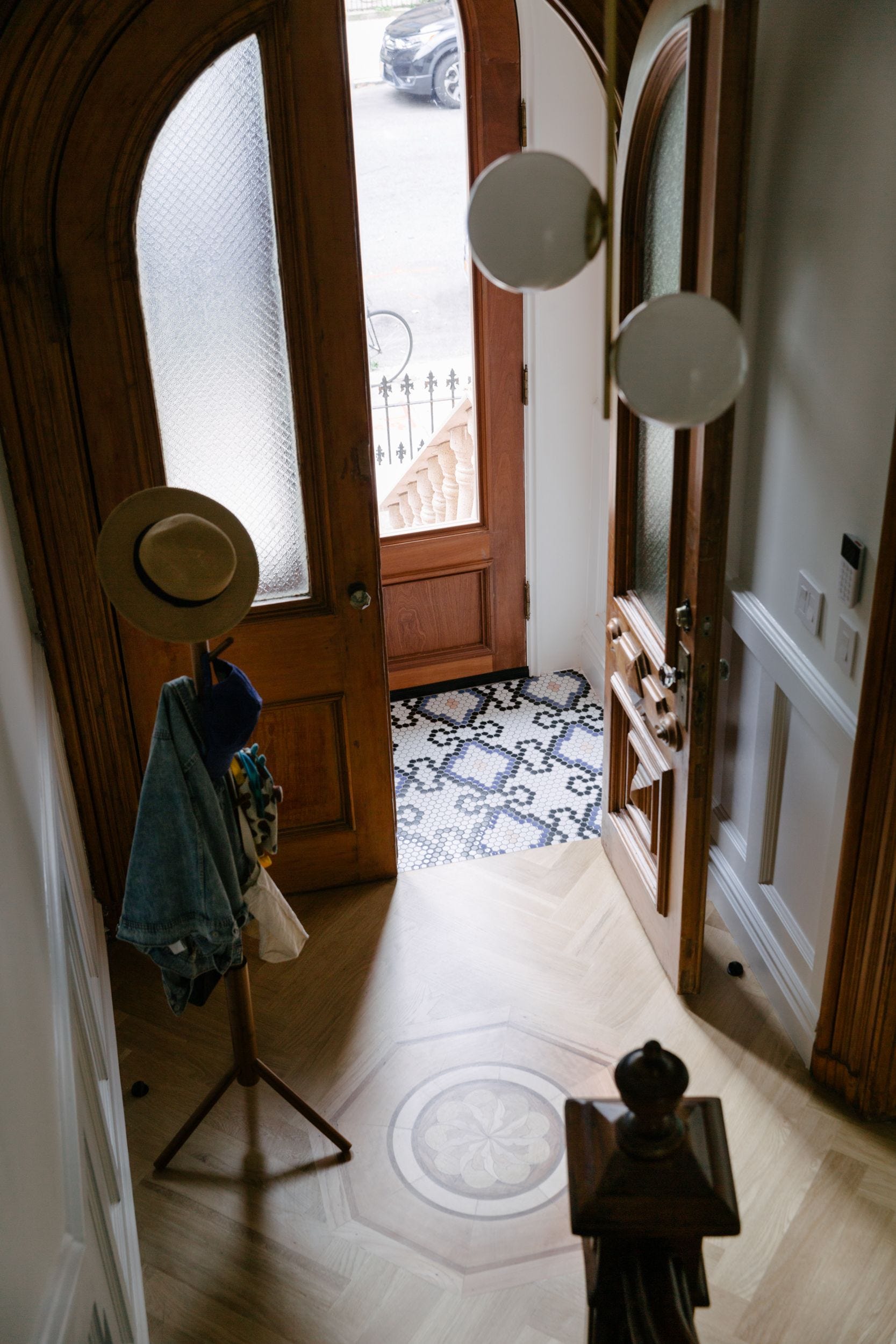
Historic homes may also present structural limitations, such as immovable windows or original architectural features. The article highlights the importance of innovative solutions, such as an alternative appliance layout in a kitchen where a historical window location couldn't be altered. The designers split the refrigerator and freezer columns to maintain the window's integrity while ensuring practical access and an open layout. Another key piece of advice is to utilize the home's existing architectural details. Replicating intricate features, like a newel post, for new additions (e.g., a pantry archway) seamlessly connects different areas of the house and celebrates its history.
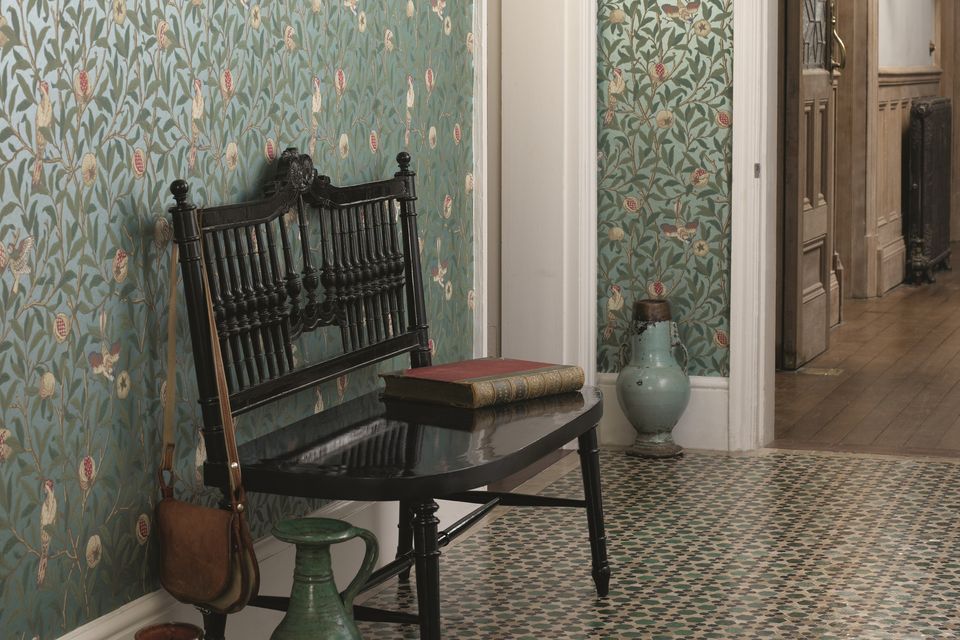
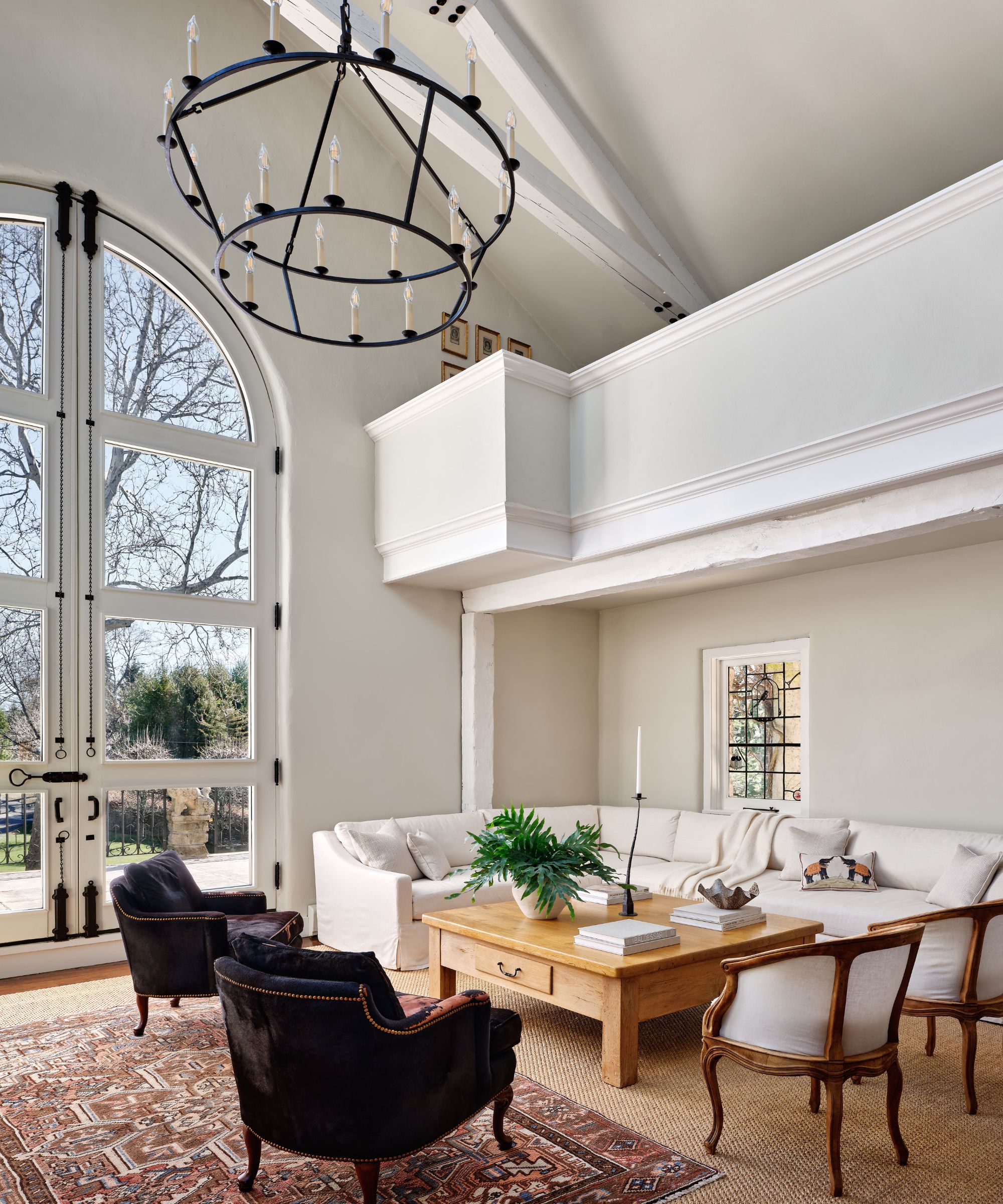
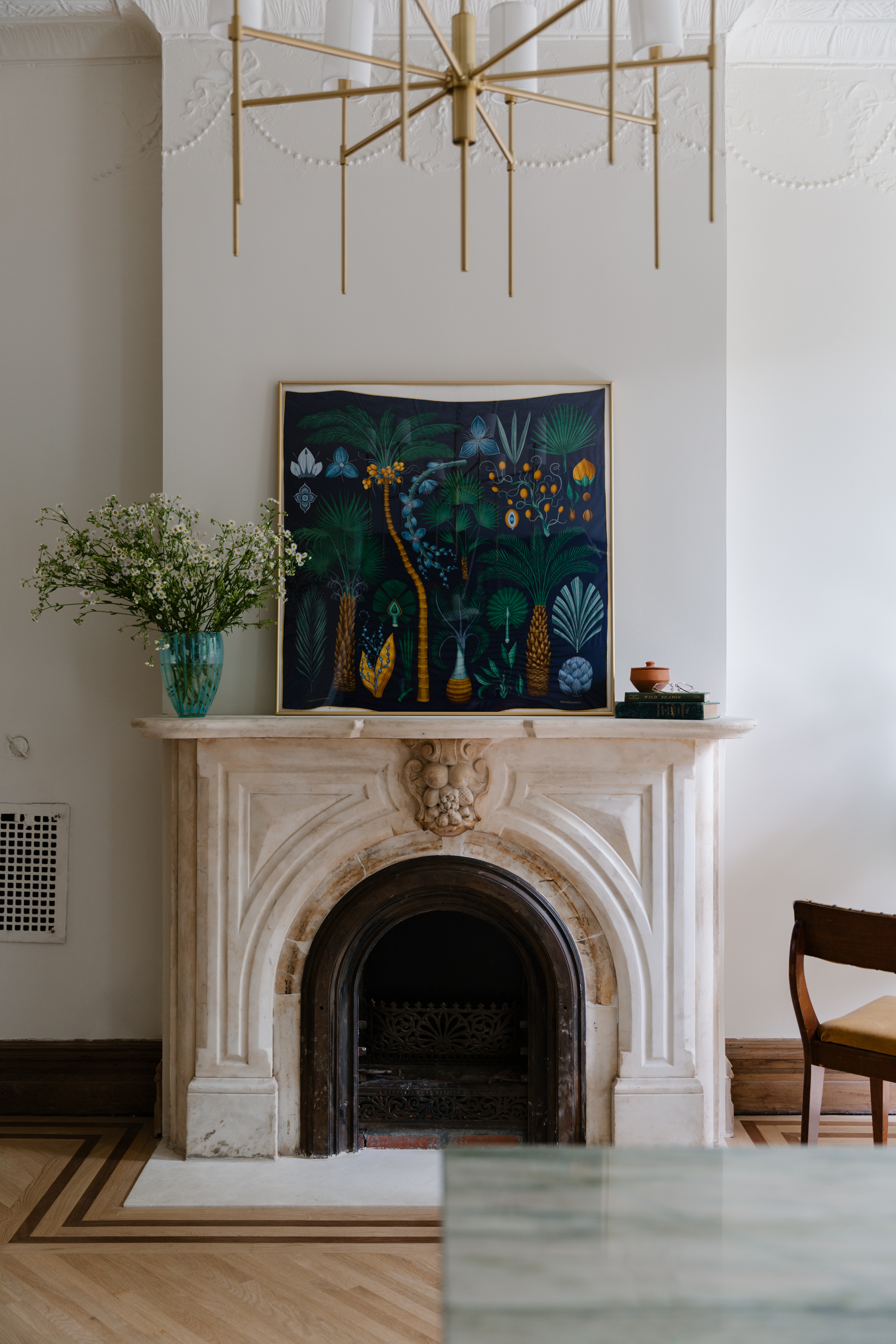
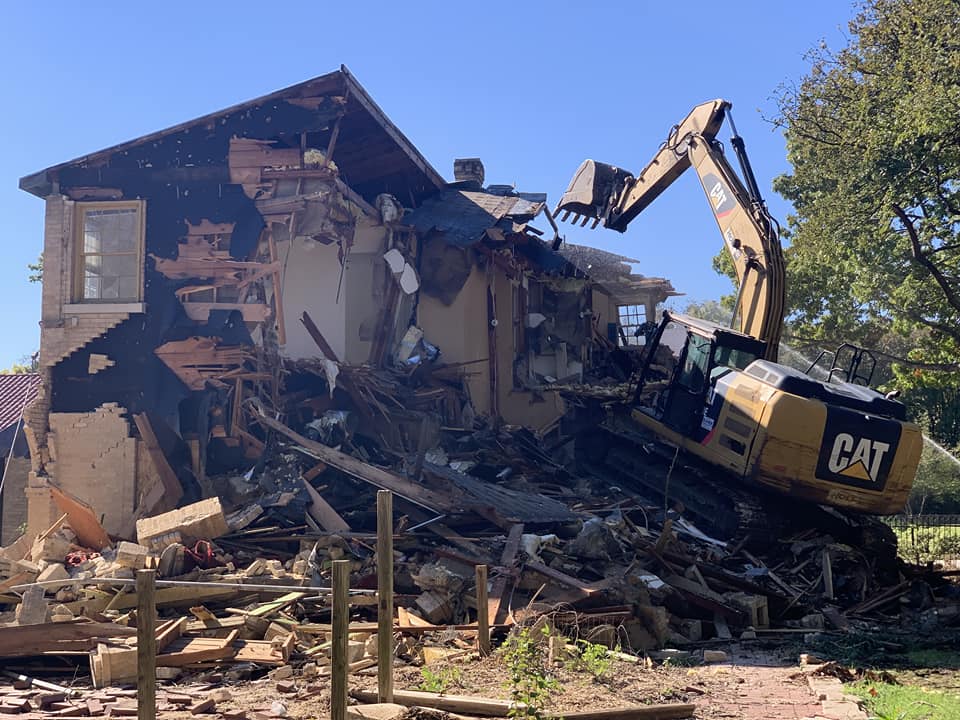
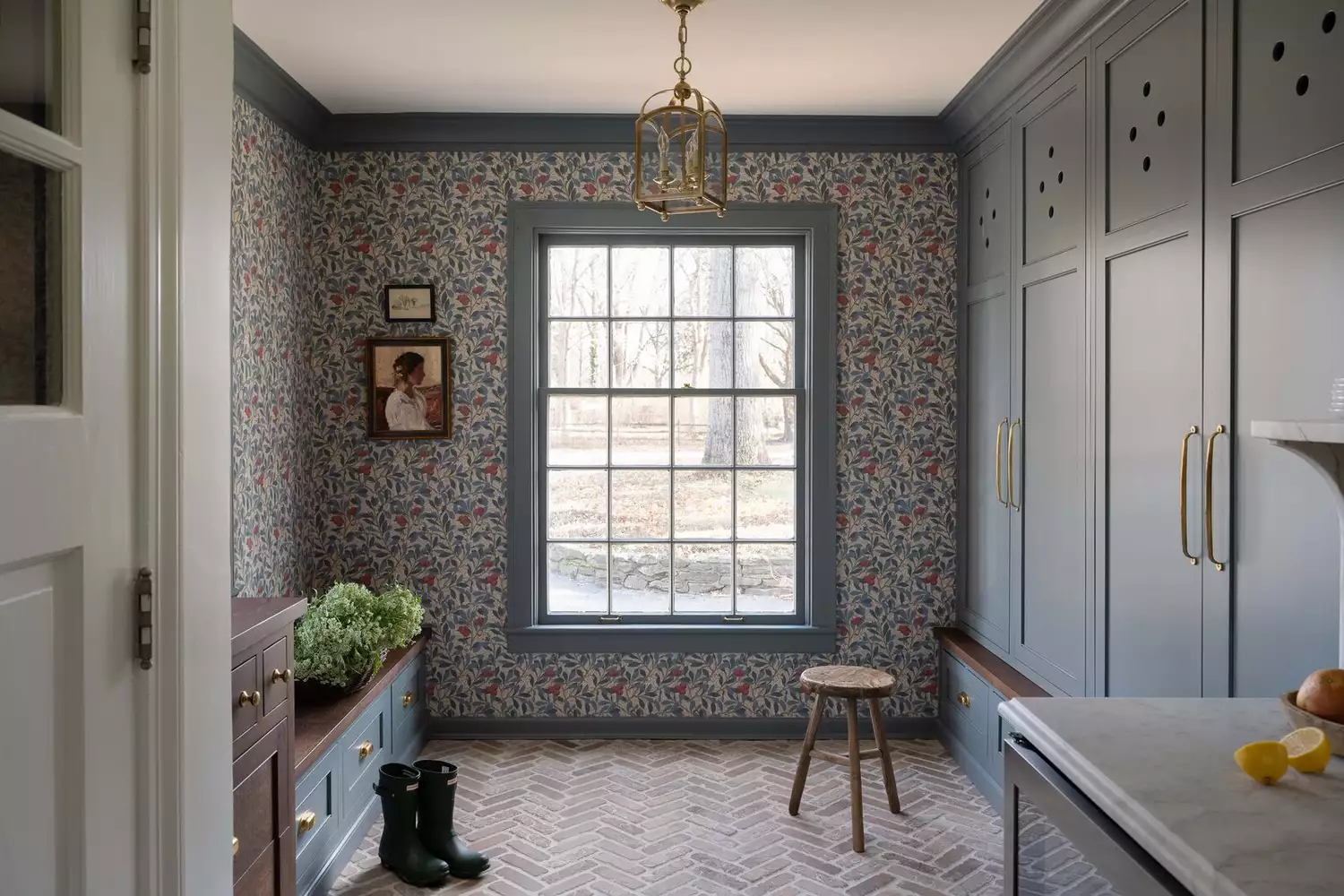
The often-restrictive footprint of historic homes, built for different lifestyles, may require significant alterations. While expensive, demolishing obstructive features, like an original chimney, can dramatically transform a space visually and functionally, making it suitable for modern open-plan living. Aesthetic elements like wallpaper, often dismissed, are presented as powerful tools for adding personality and a "wow moment." Contemporary wallpapers, with their vibrant patterns and styles, can complement a historic setting. Finally, careful attention to sight lines and cohesive color palettes ensures a seamless flow between rooms, creating a unified and harmonious interior. Balancing preferred contemporary styles with the home's inherent character is achieved through thoughtful curation, incorporating vintage rugs, fabric recreations, and unique touches that bridge the old and the new, maintaining the home's authentic charm while infusing modern comfort and style.
#HistoricHomeRenovation #HomeDesign #InteriorDesign #ArchitecturalPreservation #Modernization #PhasedRenovation #StorageSolutions #NaturalLight #BiophilicDesign #VintageElements #HistoricHomeRenovation #HomeDesign #InteriorDesign #ArchitecturalPreservation #Modernization #PhasedRenovation #StorageSolutions #NaturalLight #BiophilicDesign #VintageElements
0 comment in total
 No comments yet
You may also like
7 tips for restoring heritage homes to their former glory

Top tips for renovating old homes: Whether restoring or modernising, clever design is key
6 design tips to upgrade an older home without clashing styles | Hindustan Times


At Home with Marni Jameson: How to update older homes without messing them up
7 Things You Should Always Preserve or Try to Save in an Old Home, According to Designers

5 Common Mistakes Homeowners Make When Restoring Old Houses
6 Ways to Modernize Your Home While Keeping Its Character, According to Designers

When restoring historic homes, what’s old is new again

7 Architectural Details You Should NEVER Get Rid of in a Historic Home

Renovating a Home? Here's How to Modernize Without Losing Character

Here's What Nobody Tells You About Buying and Renovating a Historic Home
Here's How to Give an Old House a Modern Makeover Without Stripping Away the Charm
How to Update an Older Home While Honoring Its History

How to update a historic home for modern living – 9 lessons we learned from this artful redesign

‘We’re just the current caretakers’ – The Brownstone Boys' golden rules for making the most out of your home's historic bones
15 Old House Features We Were Wrong to Abandon

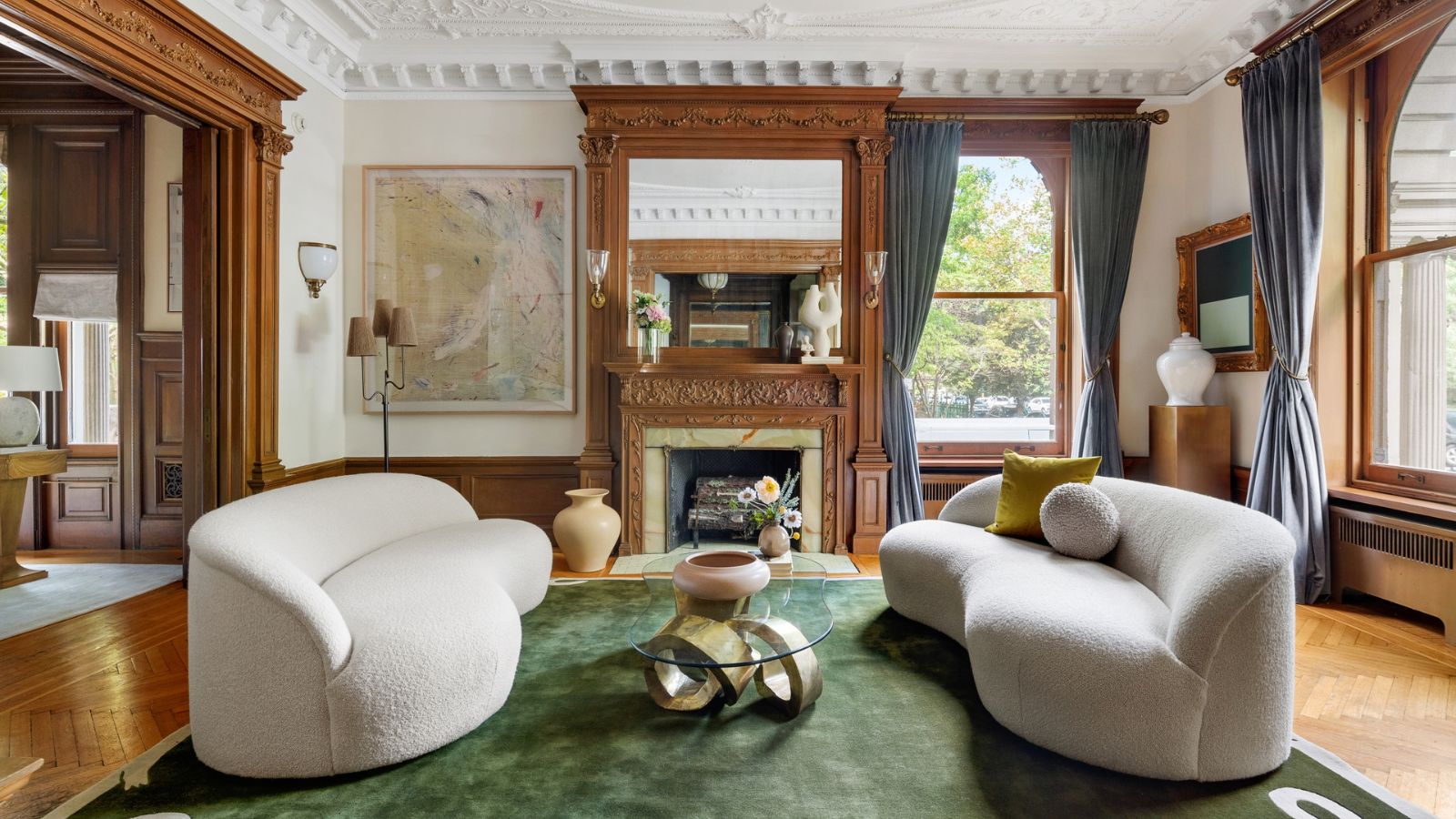
9 ways to update a historic home while still keeping its vintage charm – tips from a NYC reno
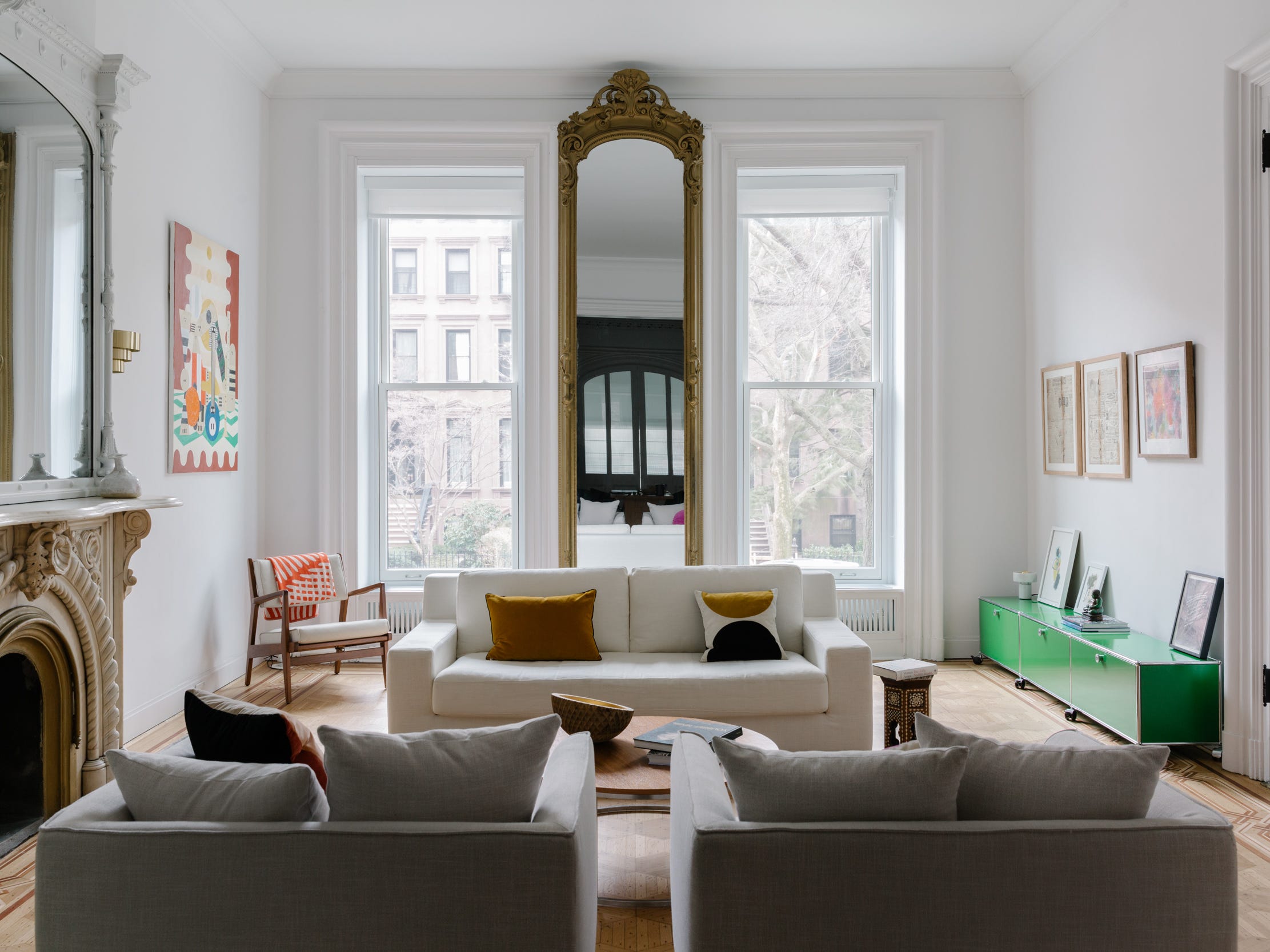
How to Keep Your Old Home From Becoming a Money Pit
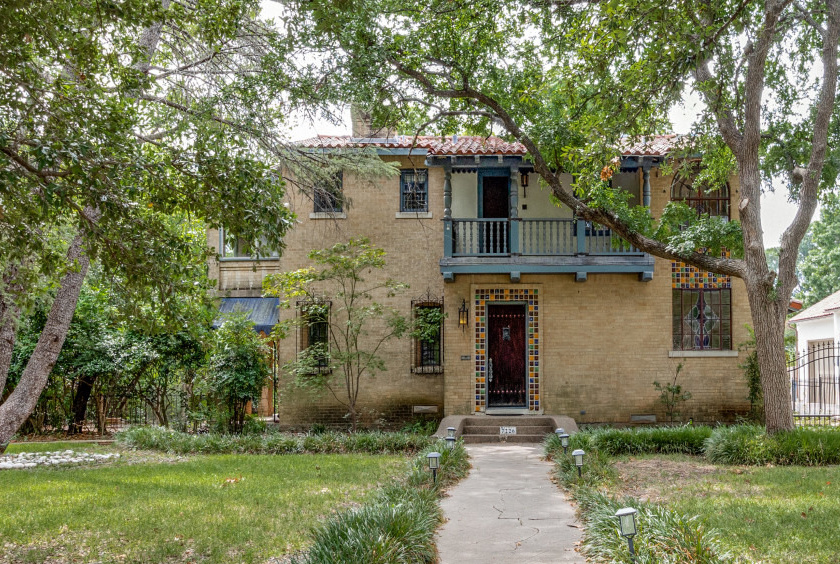
Dallas Preservation Experts on How to Keep Your Historic Home and Why It Matters


Stephen Orr: Making Renovations Matter