1/6
5 Common Mistakes Homeowners Make When Restoring Old Houses
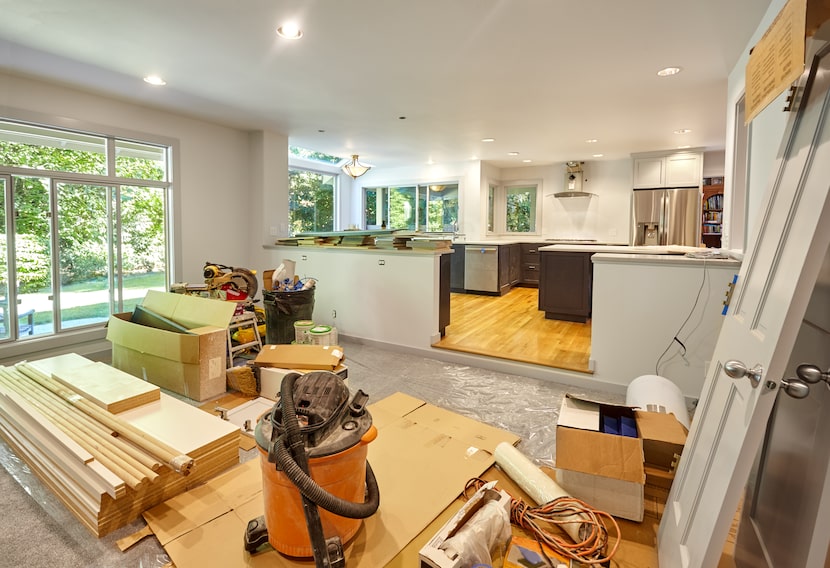
Restoring an old house offers immense rewards, yet it often entails significant financial investment. To avoid common pitfalls and ensure a successful renovation, understanding and sidestepping prevalent mistakes is crucial. This guide highlights five key errors rookie renovators frequently commit.
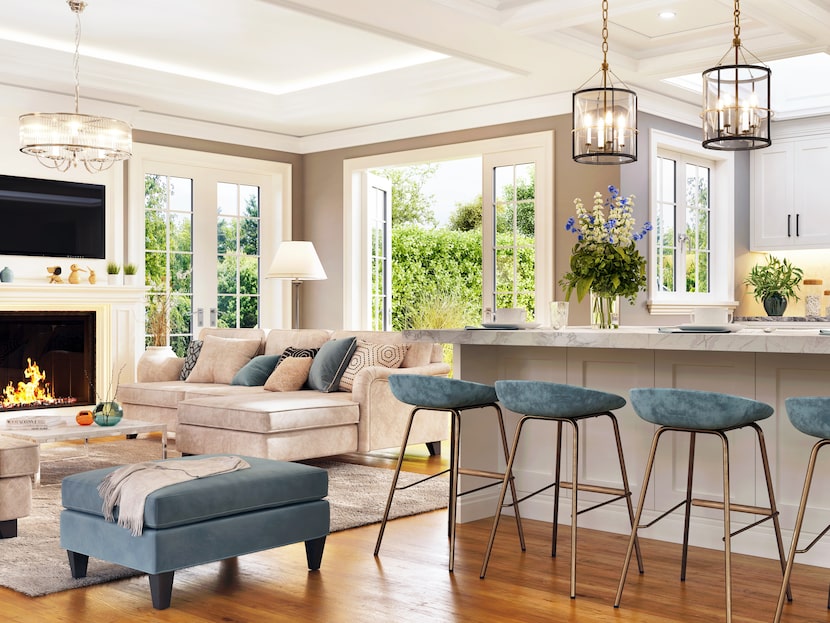
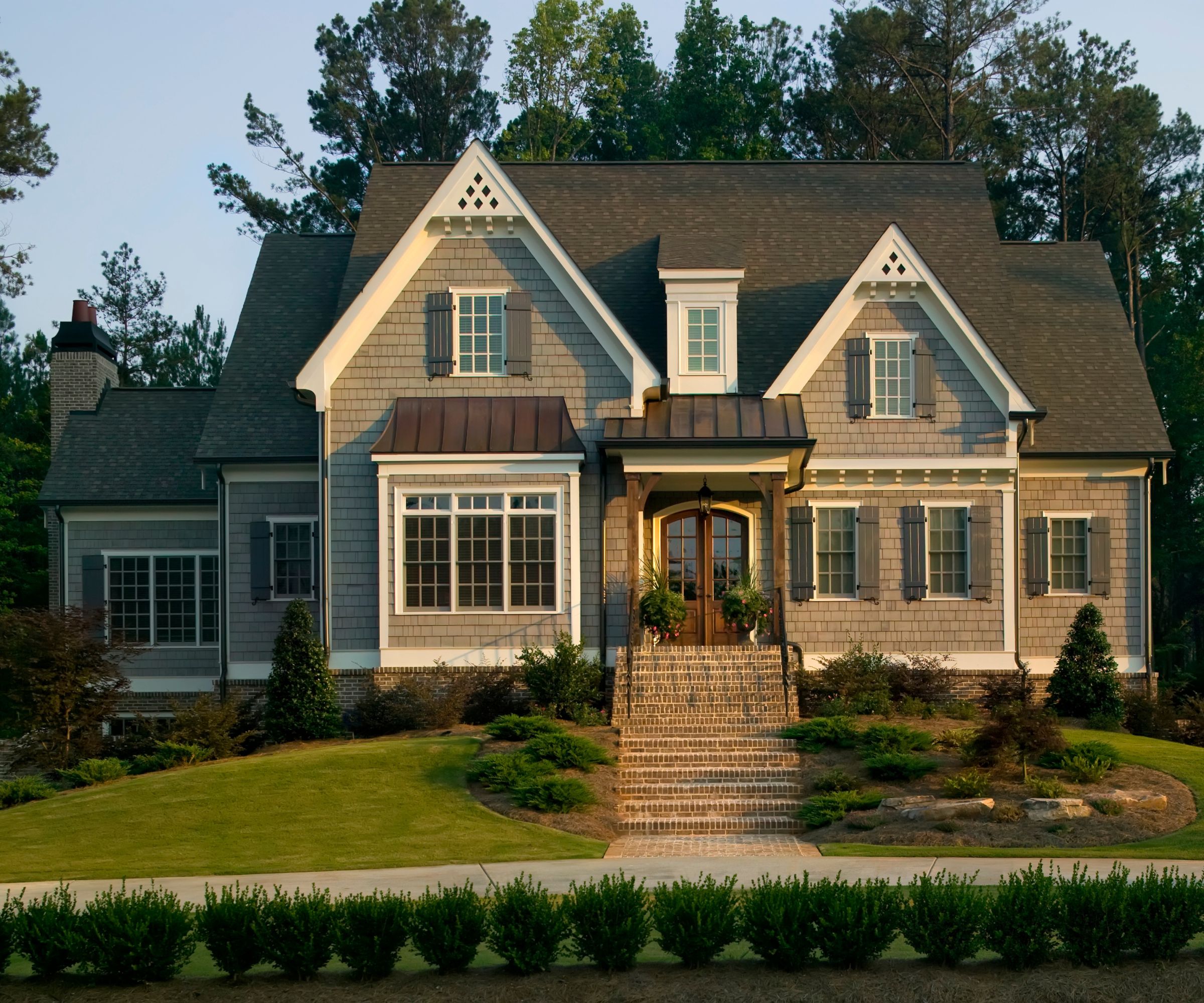
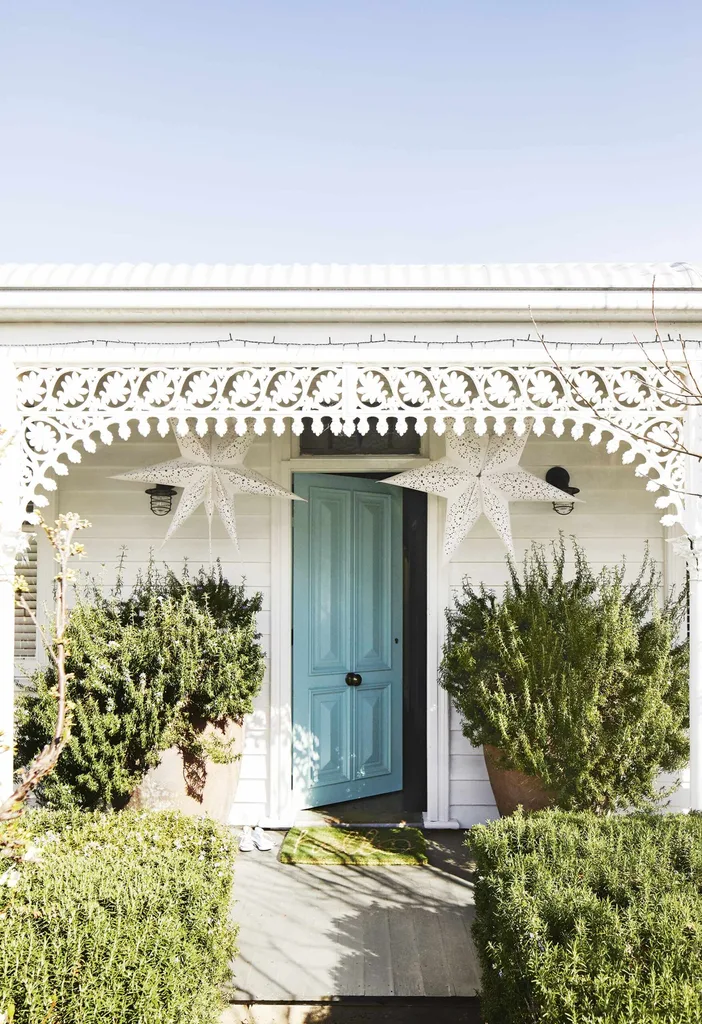
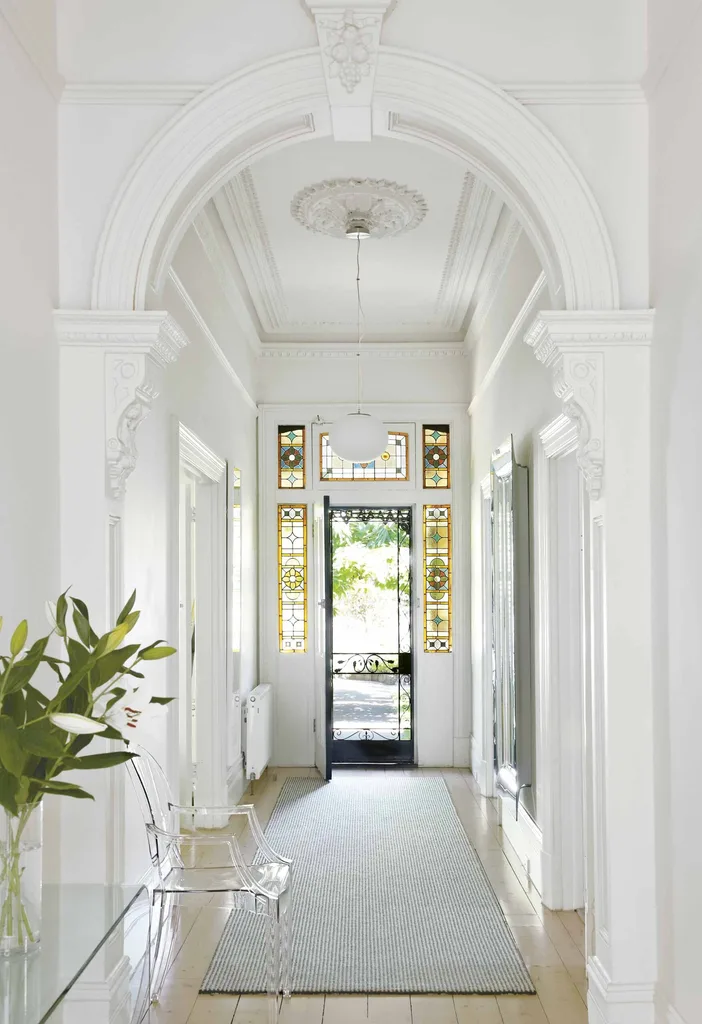
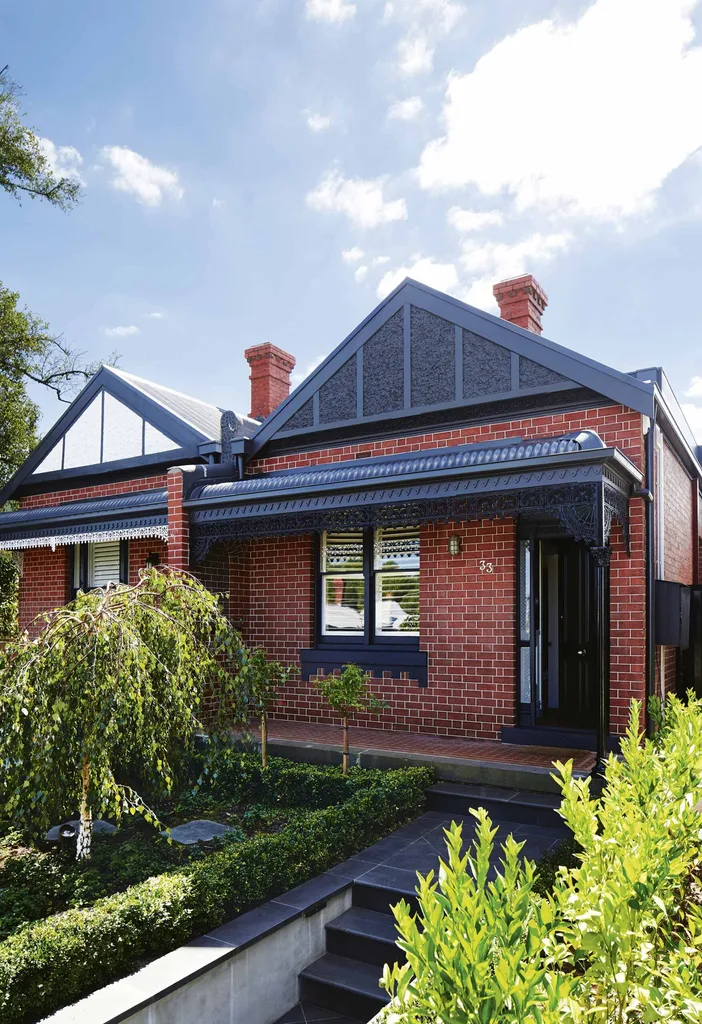
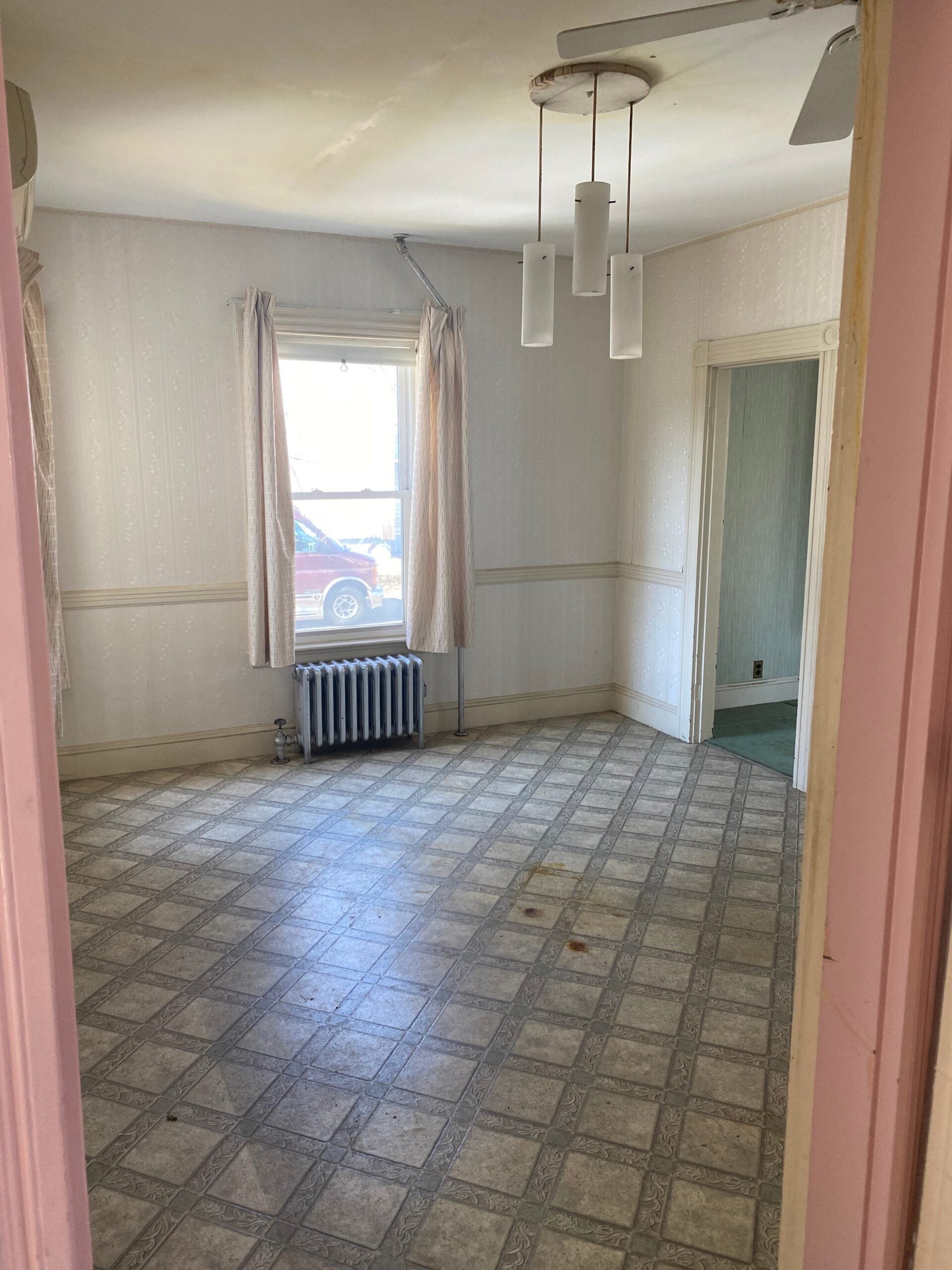
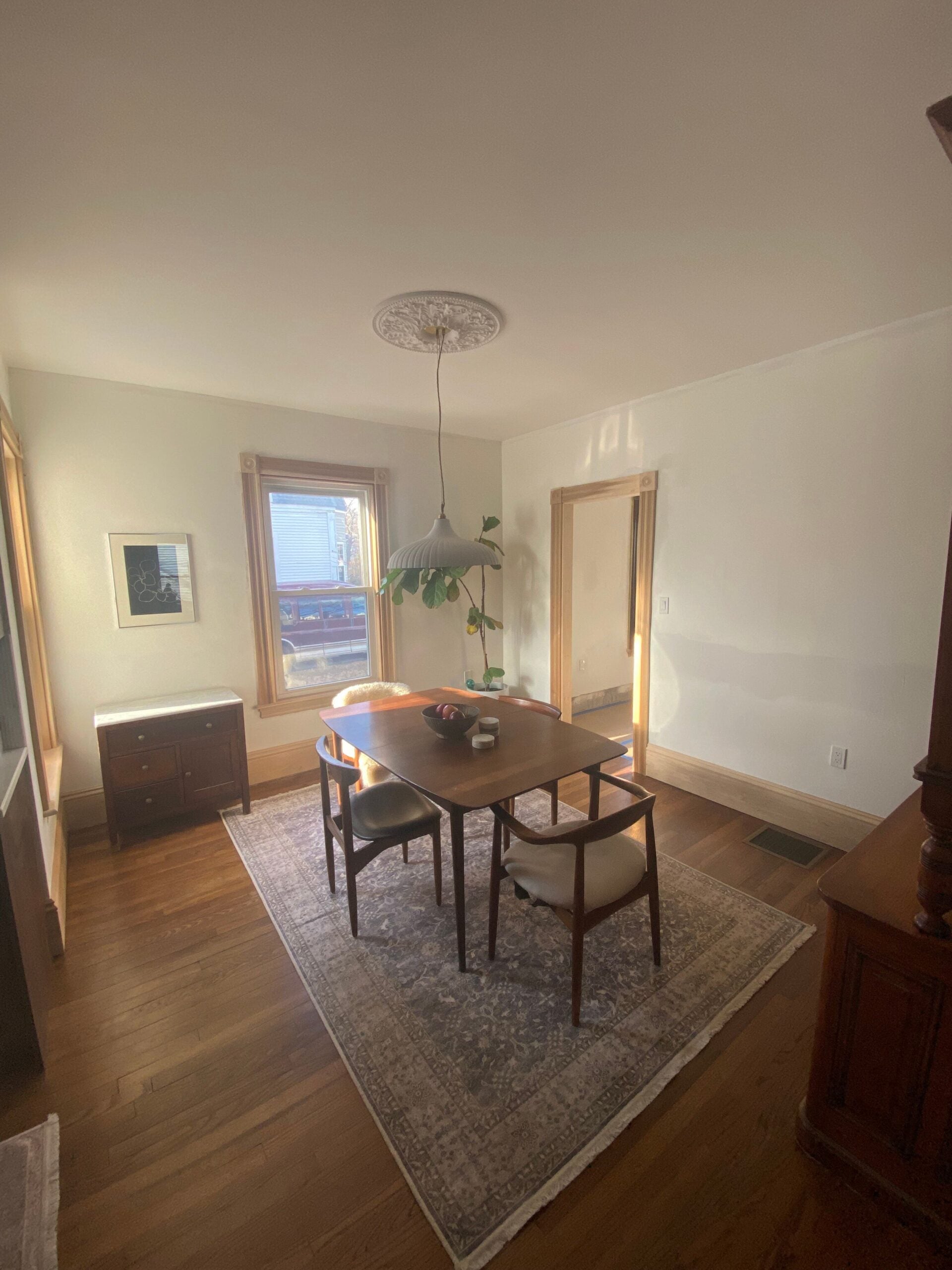
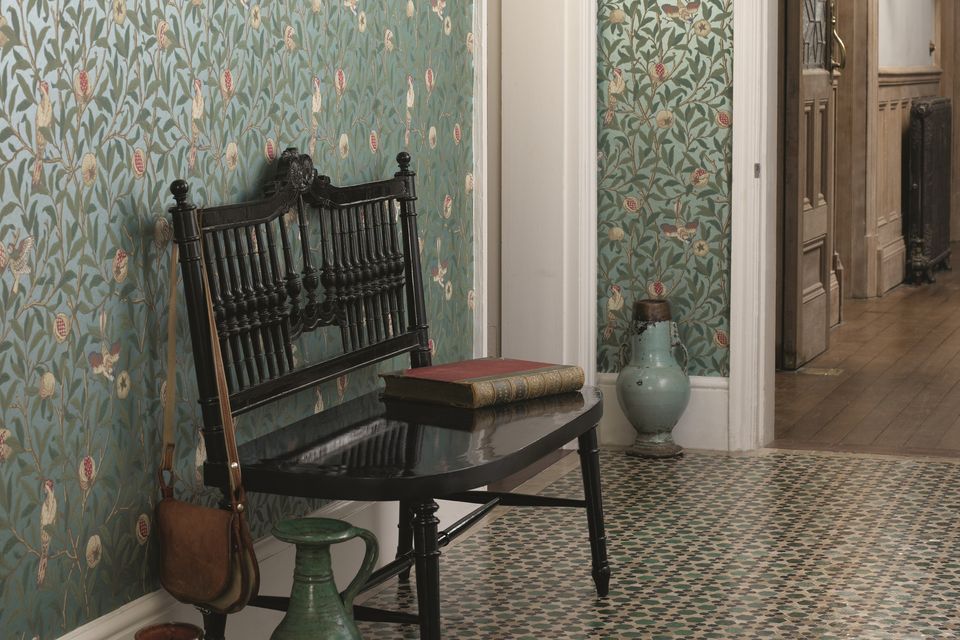
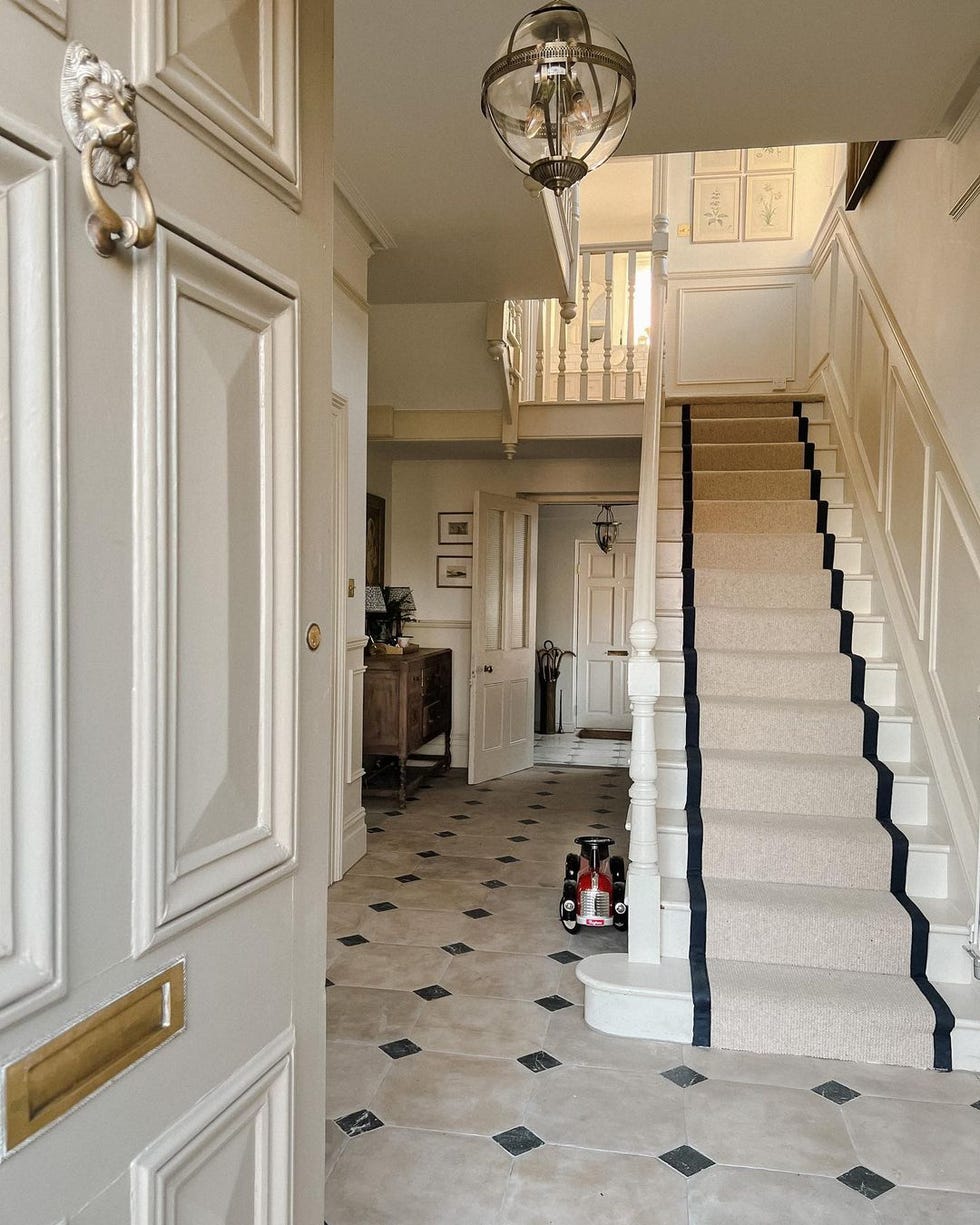
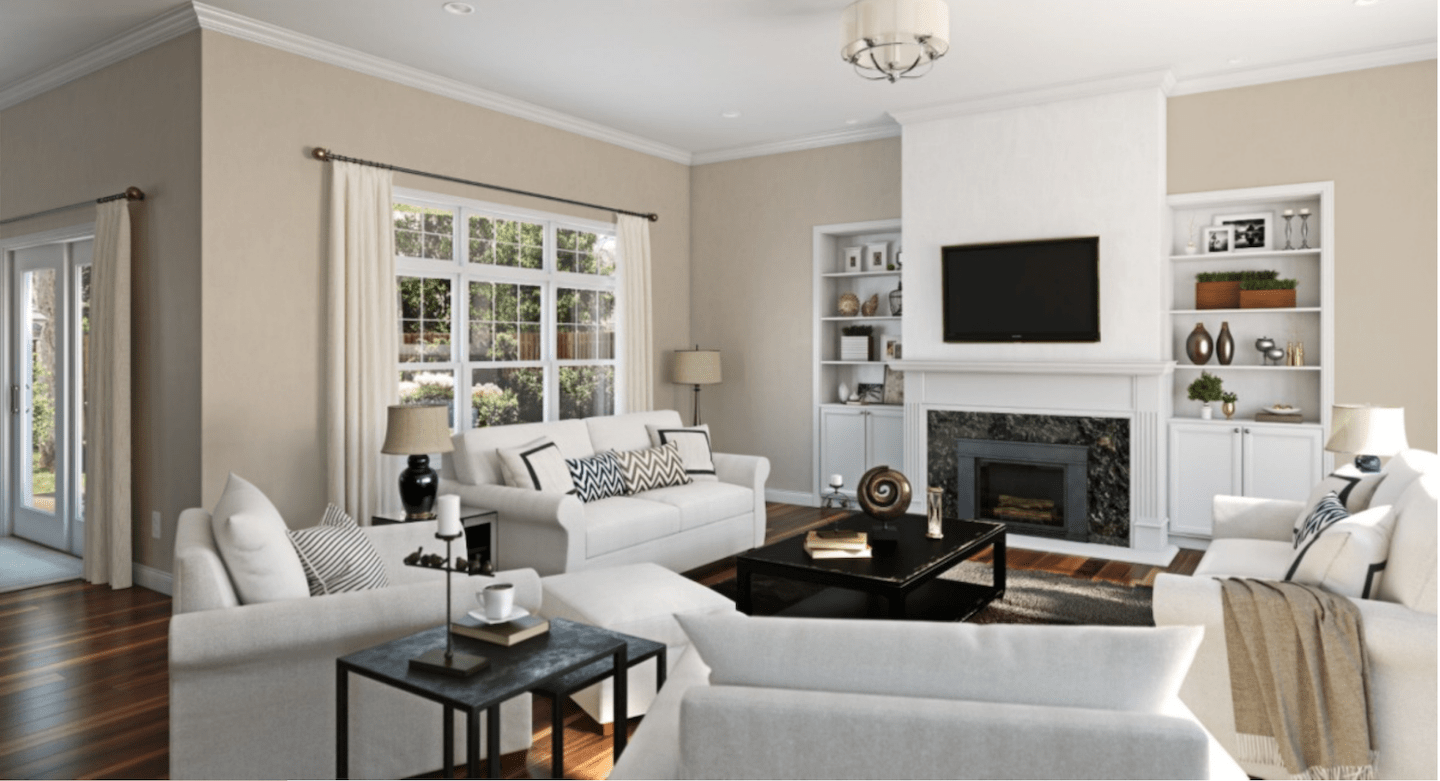
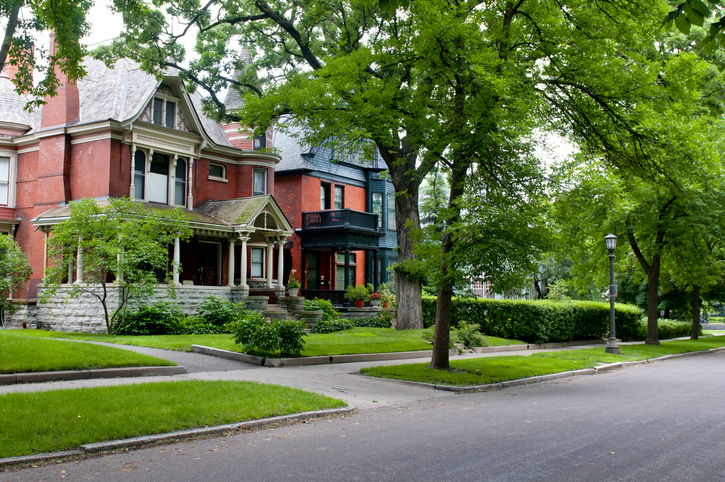
One common mistake is treating rooms as isolated entities to be 'assembled' rather than as integral parts of a cohesive whole. This often involves selecting disparate elements from mass-market suppliers without considering the home's inherent character, proportions, millwork, and historical details. Such an approach can result in rooms that lack a consistent narrative and feel disconnected from the rest of the house. To counteract this, it's essential to thoroughly study the architectural style and period of the house, designing each room to organically extend the home's existing aesthetic.
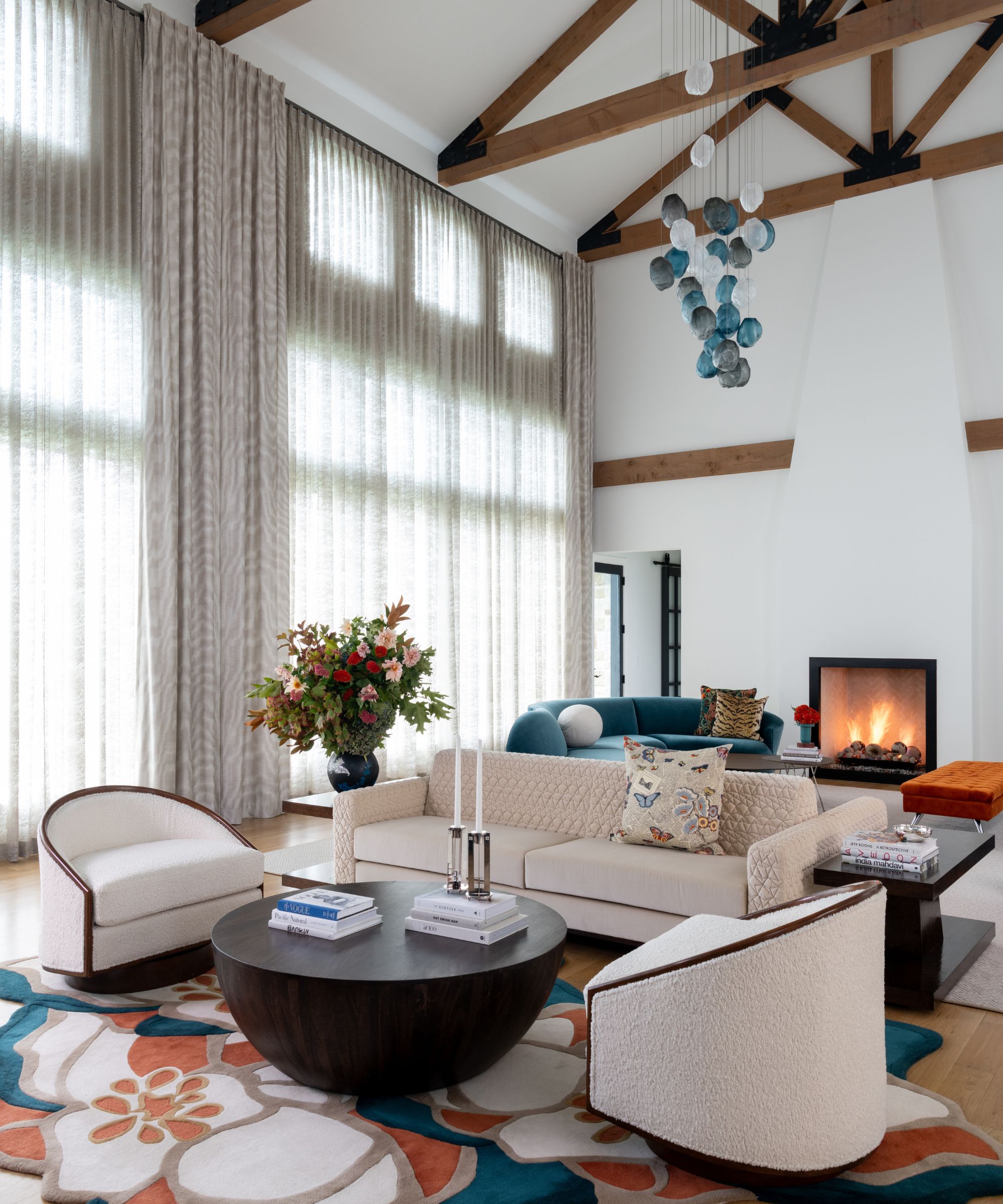
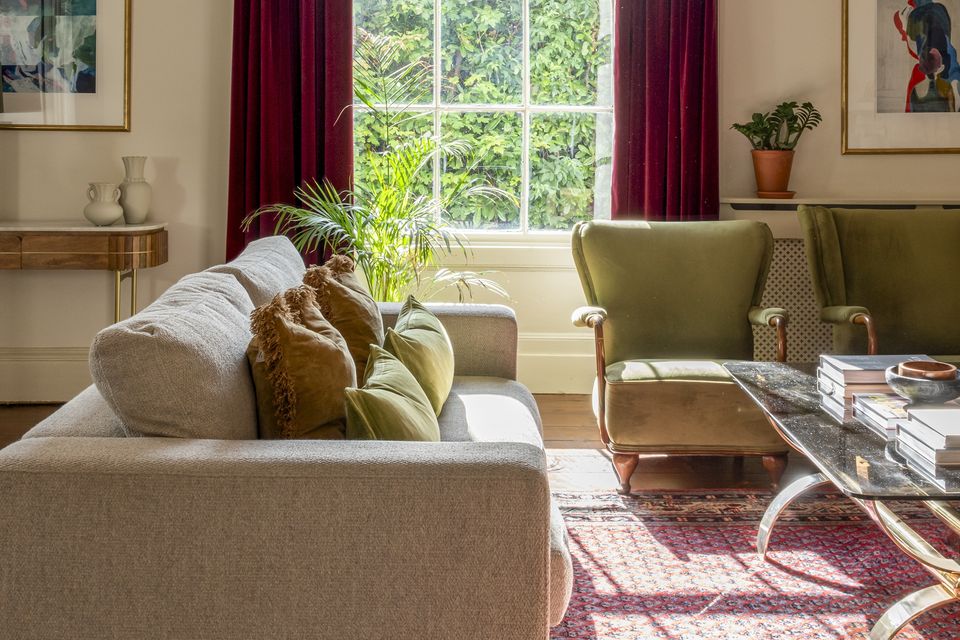
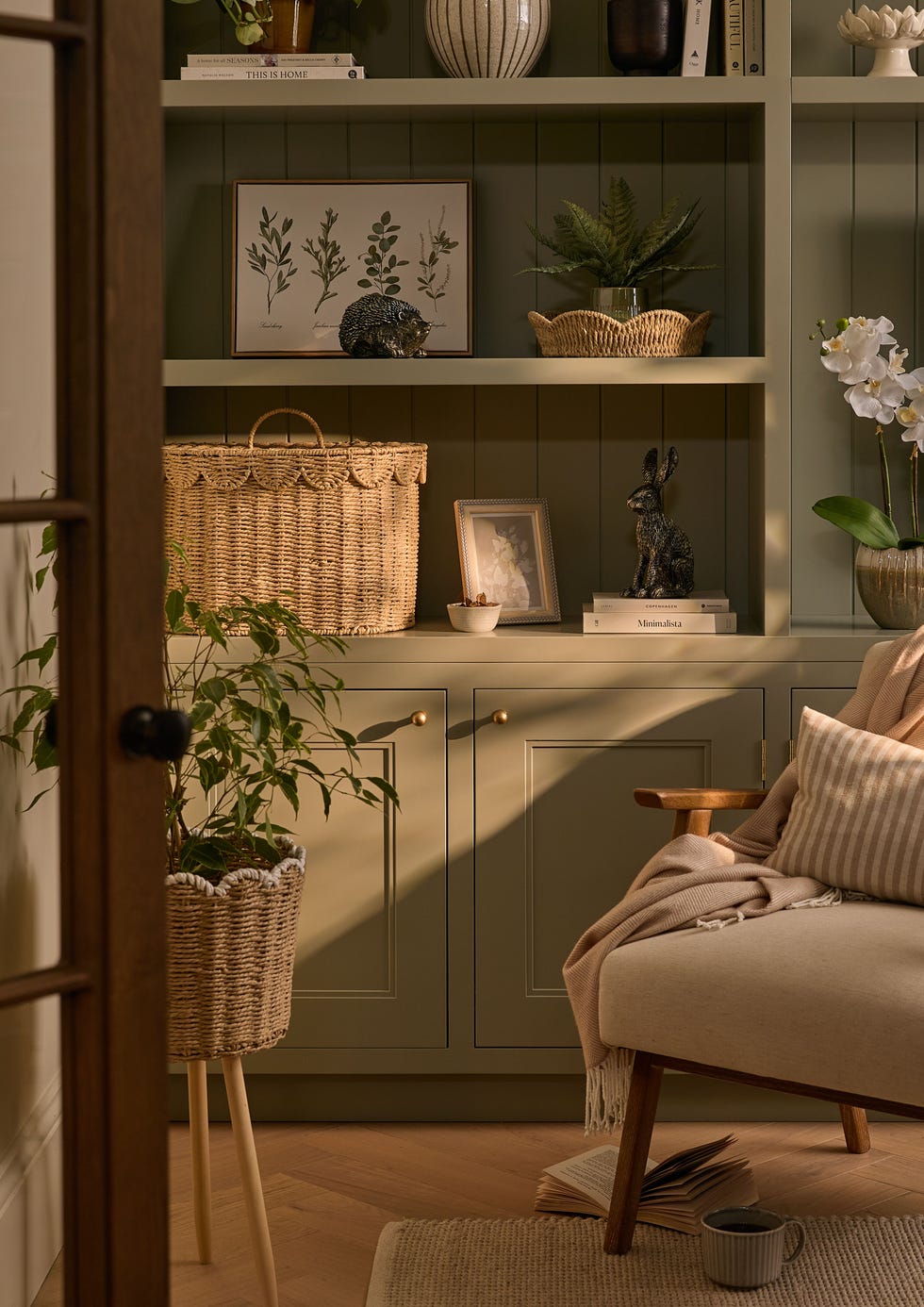
Another frequent error is striving for excessive 'period-perfection.' While owning an 1874 house might tempt owners to fill it exclusively with items from that specific year, this can transform a home into a static museum rather than a living space. Real homes, both historically and presently, accumulate items over time from various eras, reflecting the lives and collections of their inhabitants. The charm of an old house often lies in the thoughtful mixing of old and new, creating a layered look that feels authentic and lived-in, rather than rigidly adhering to a single historical date.
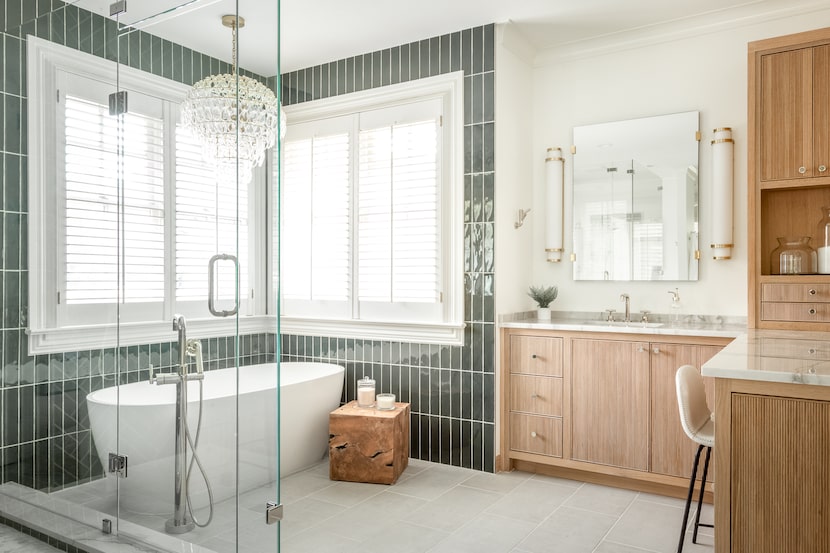
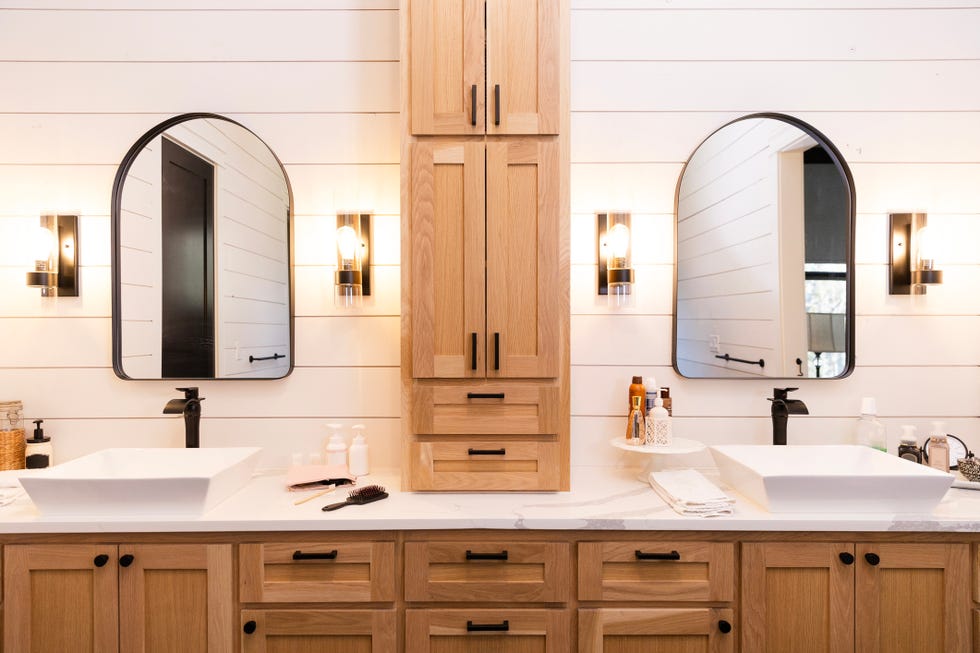
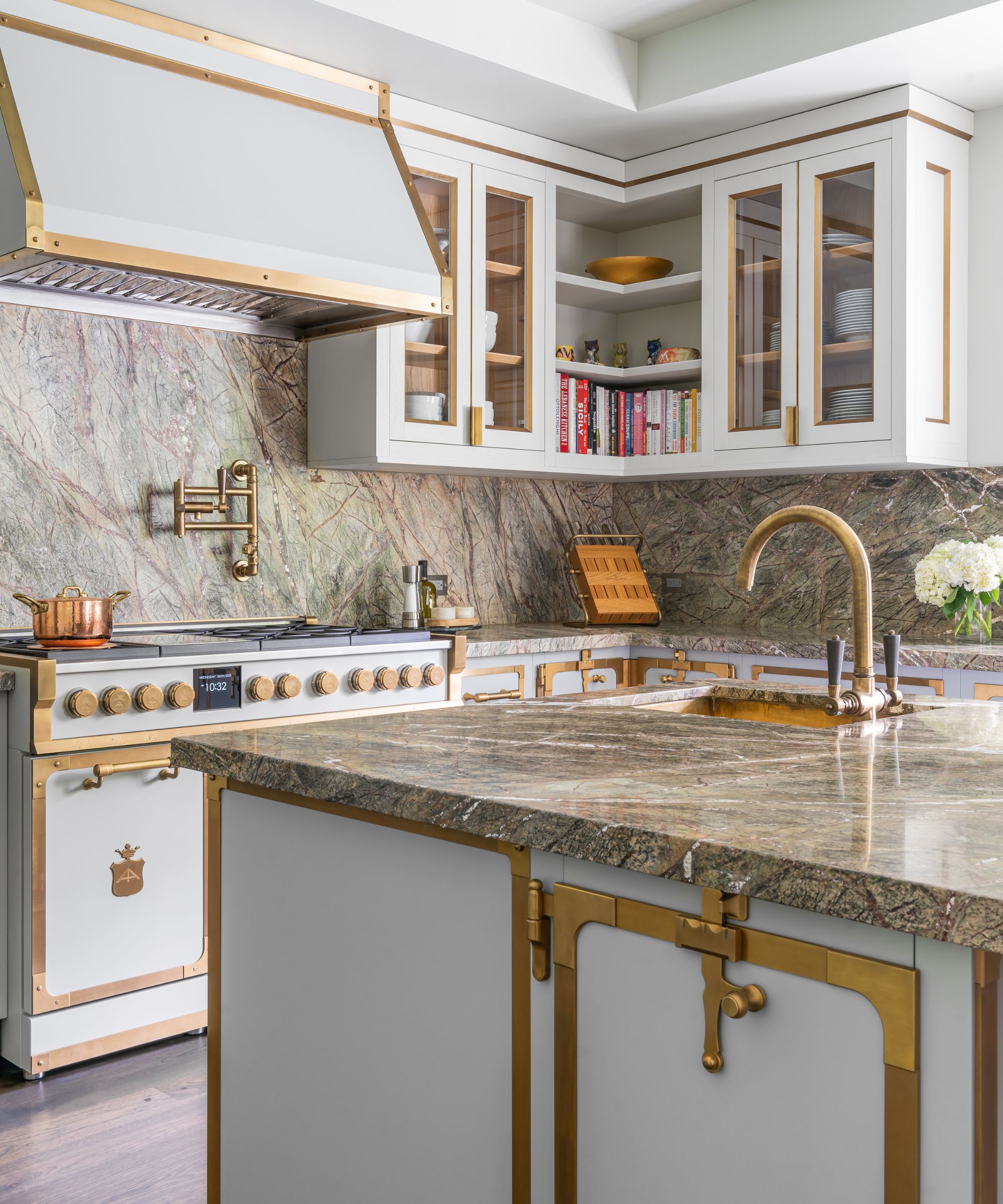
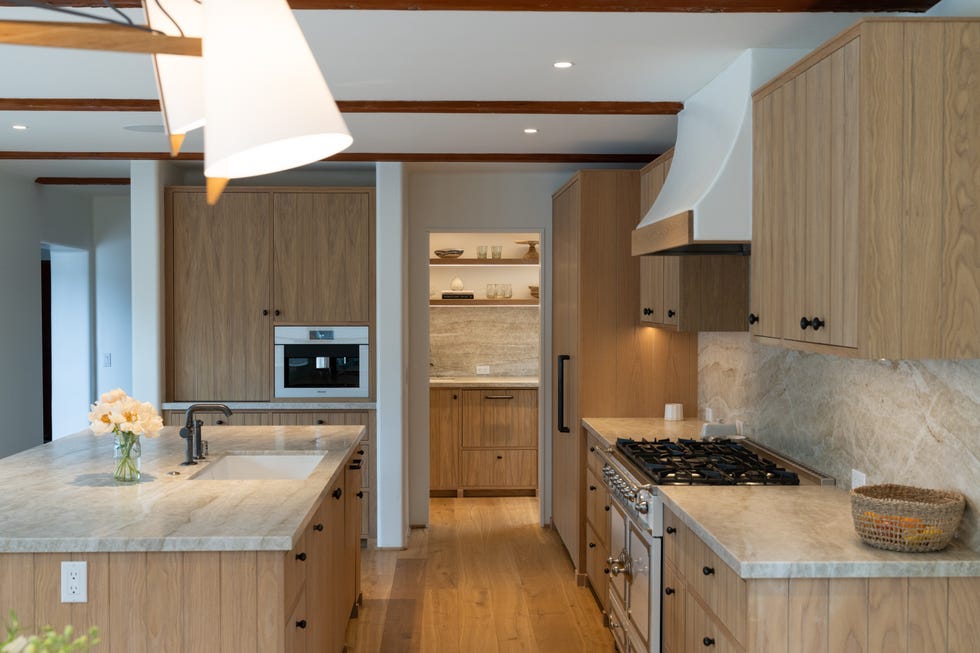
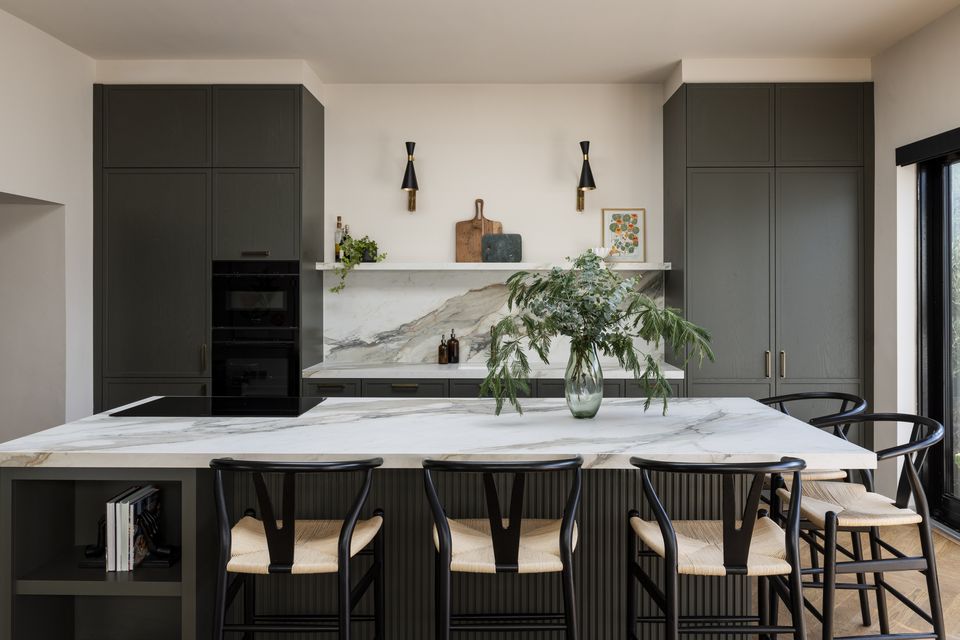
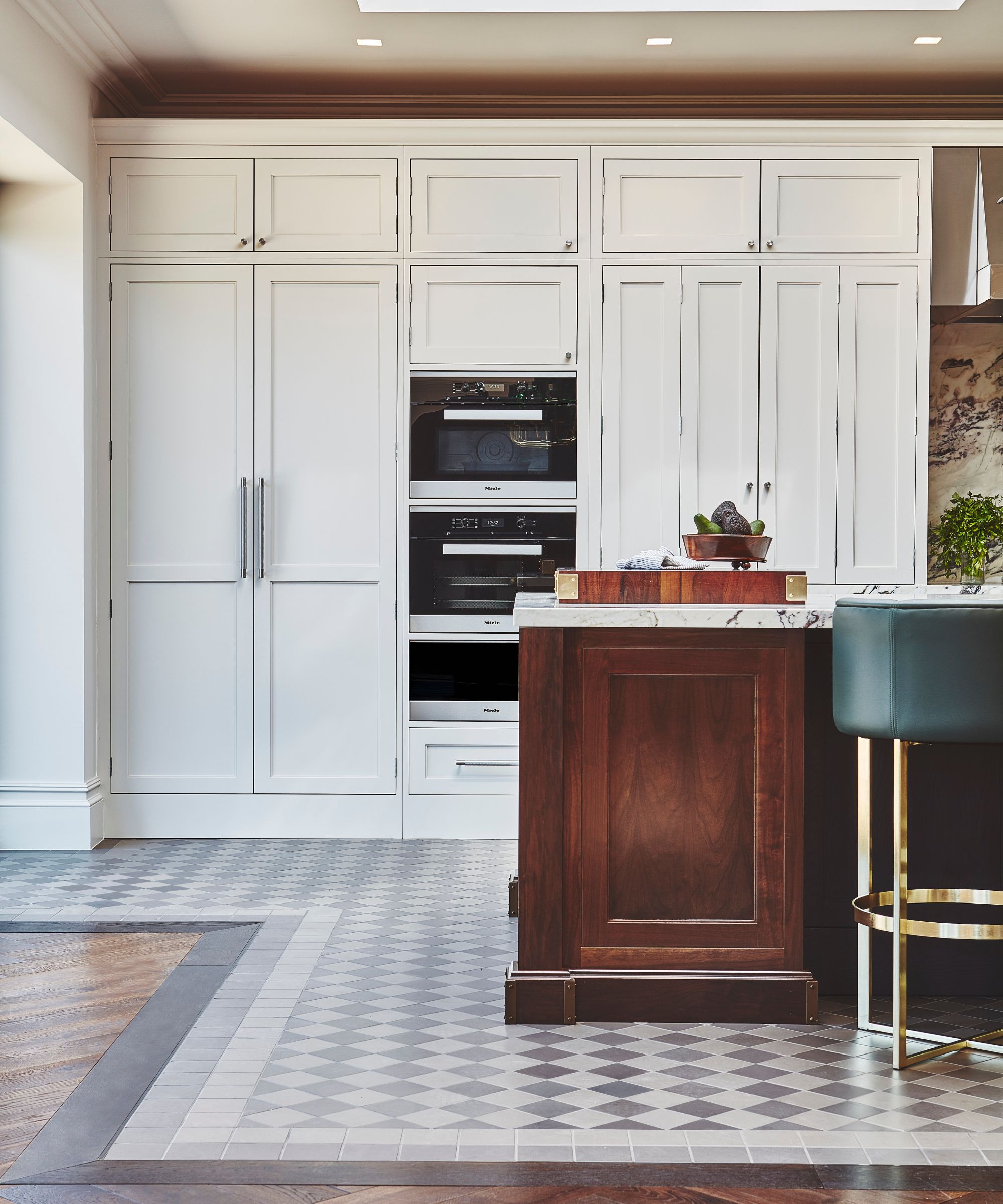
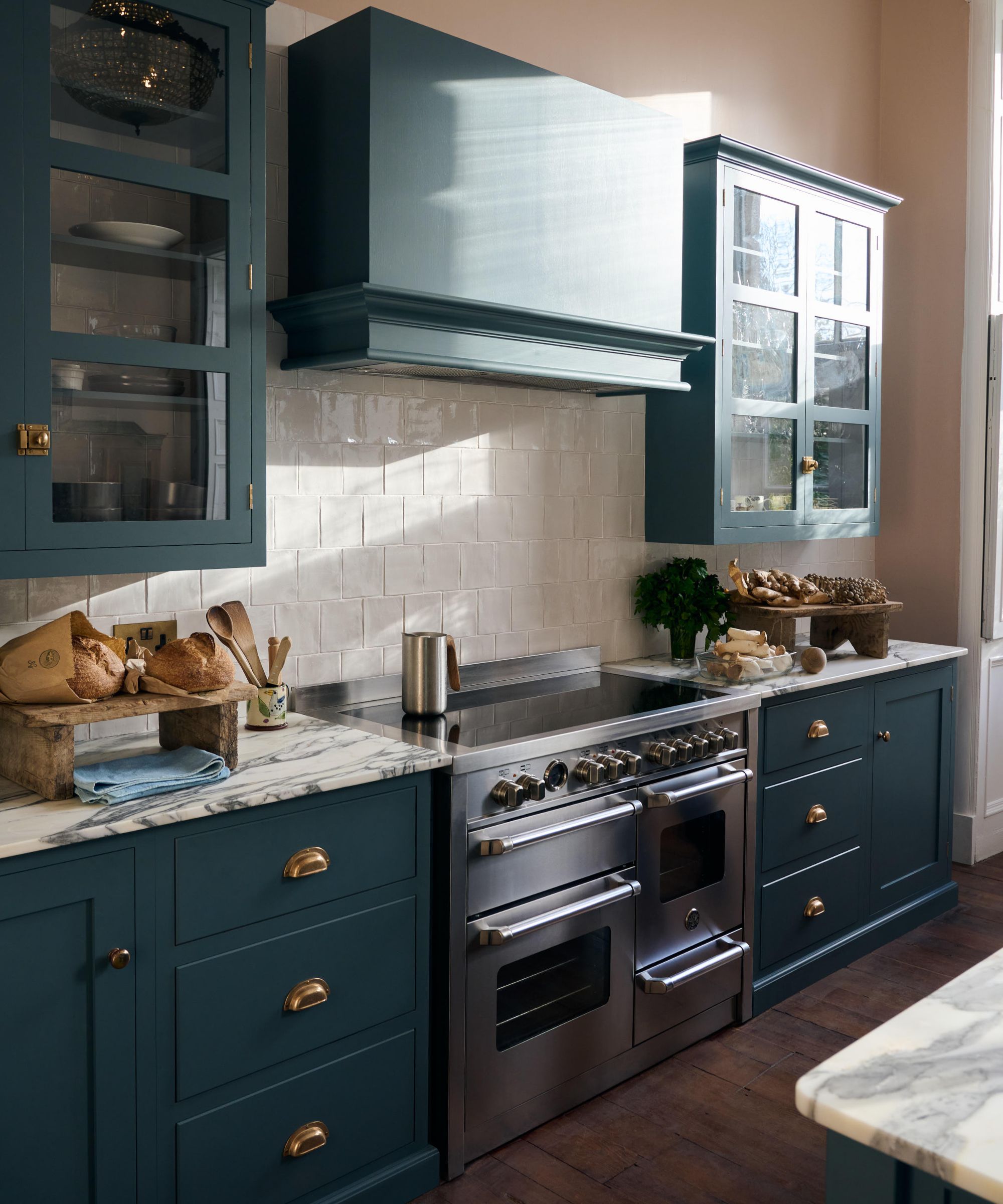
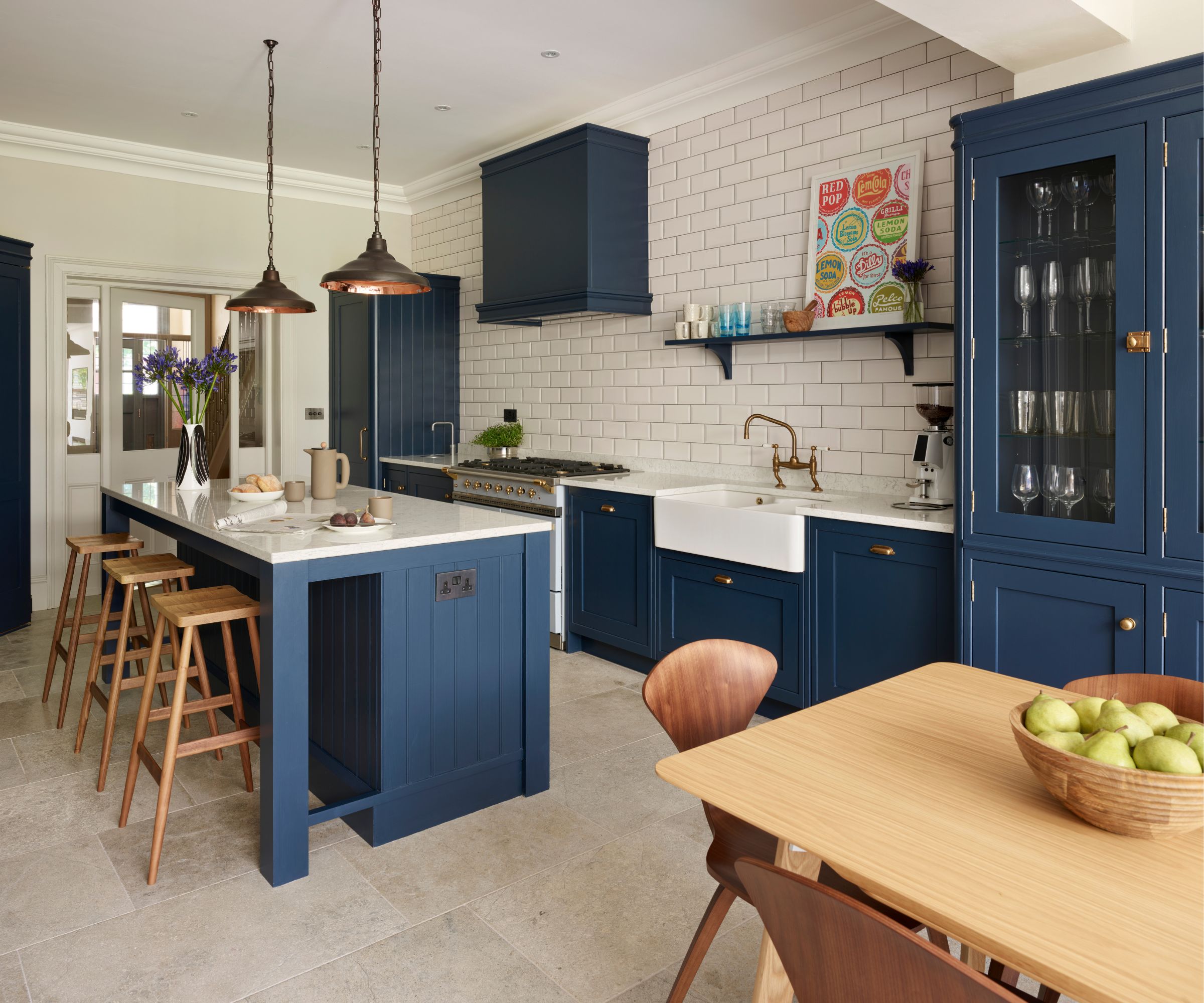
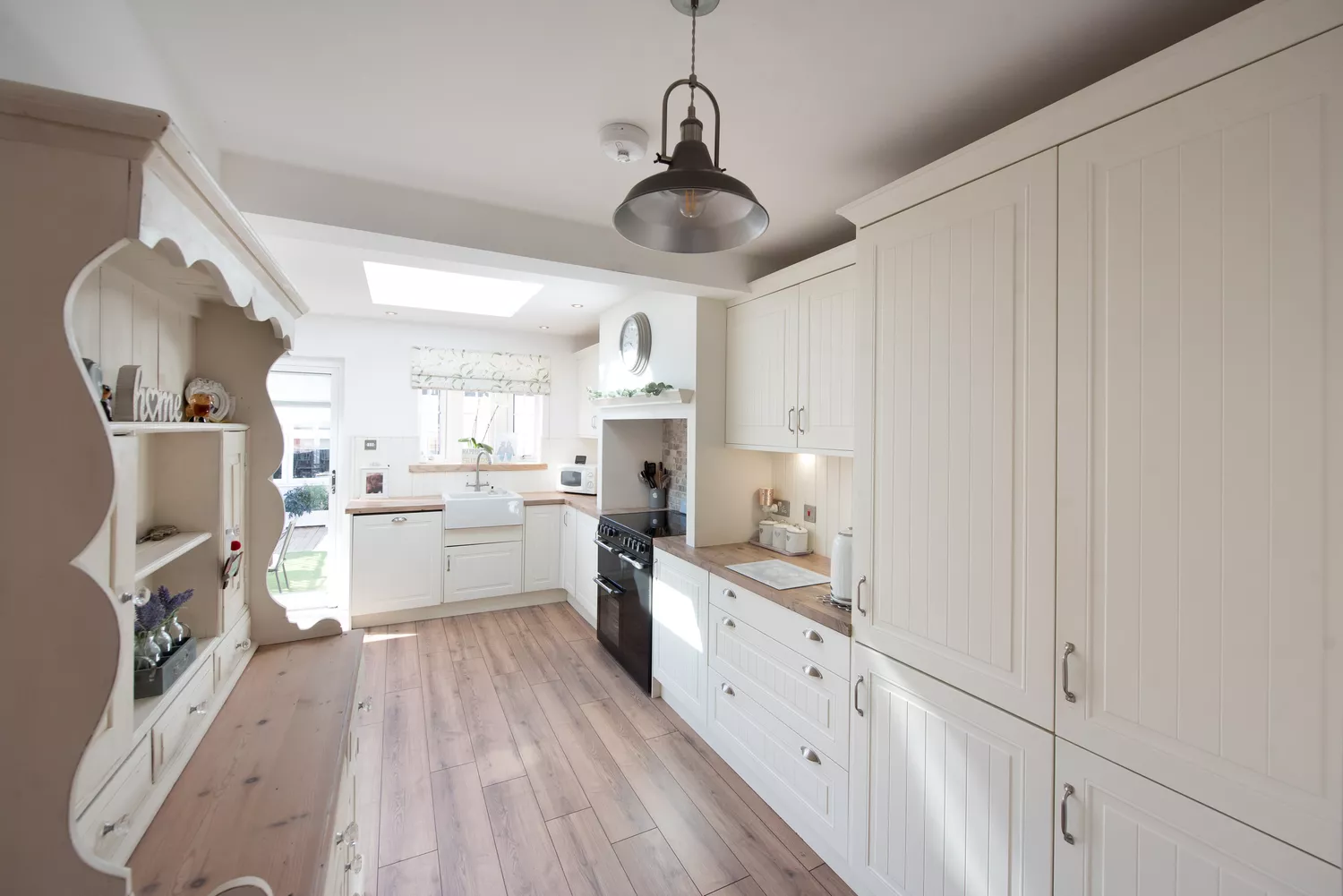
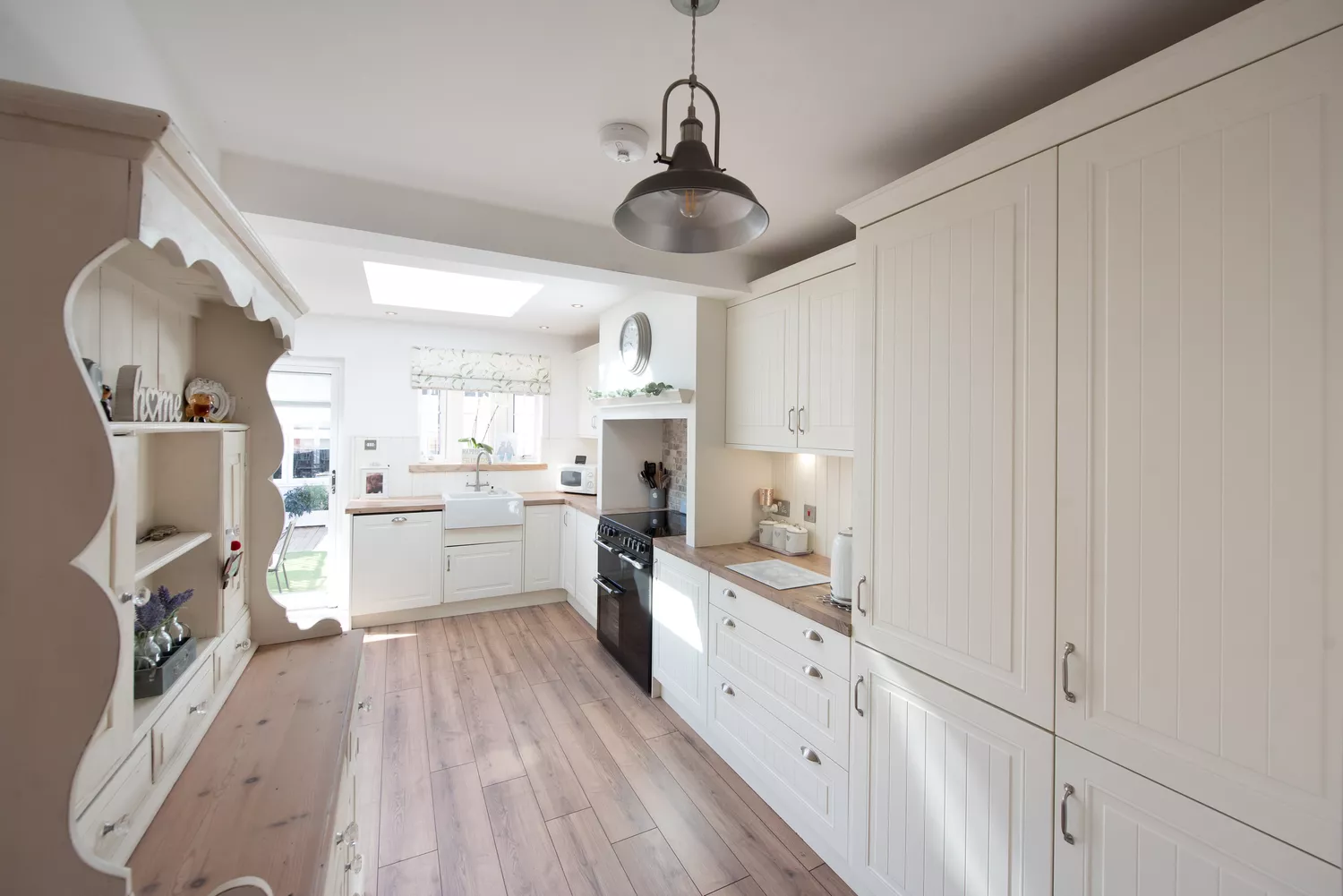
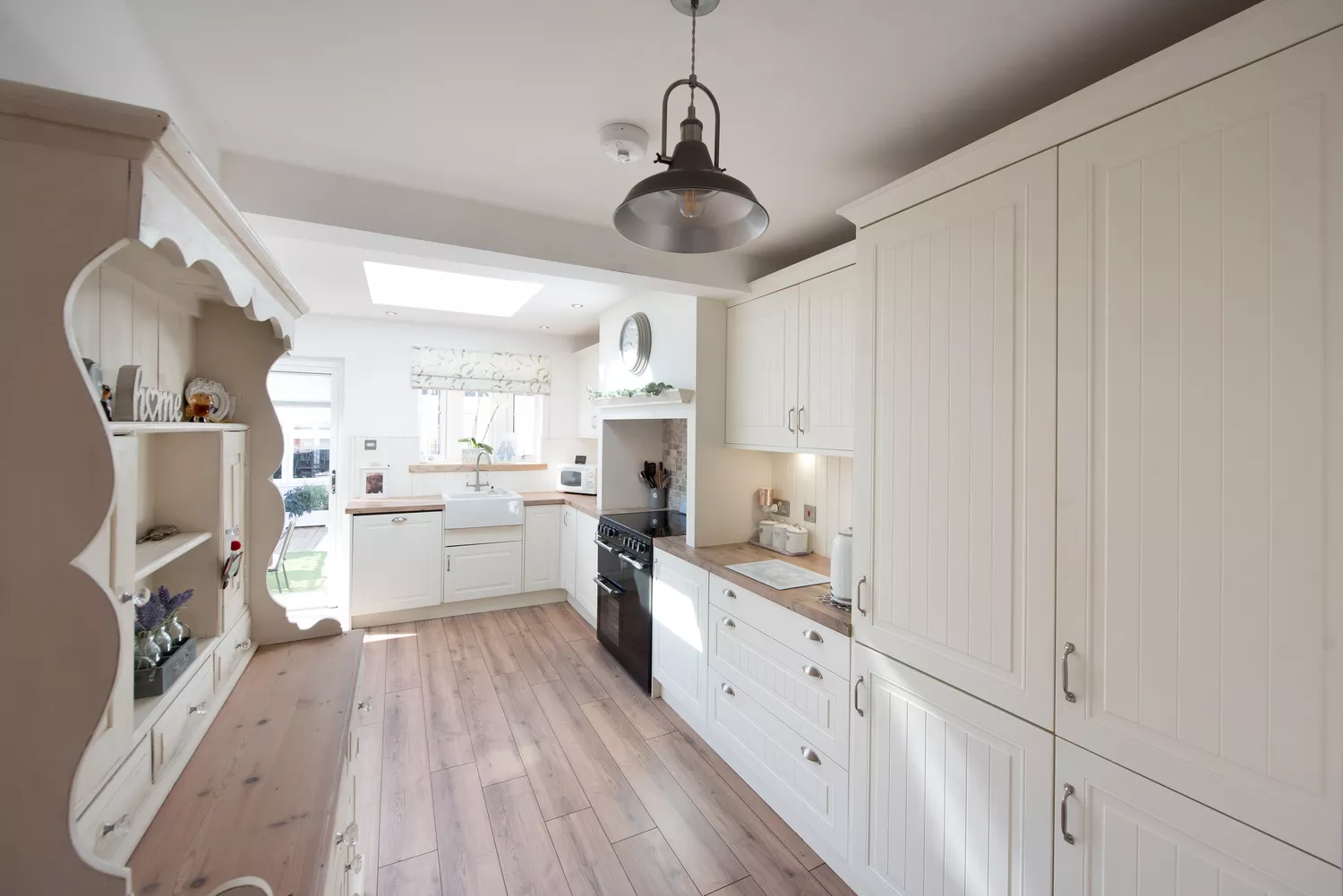
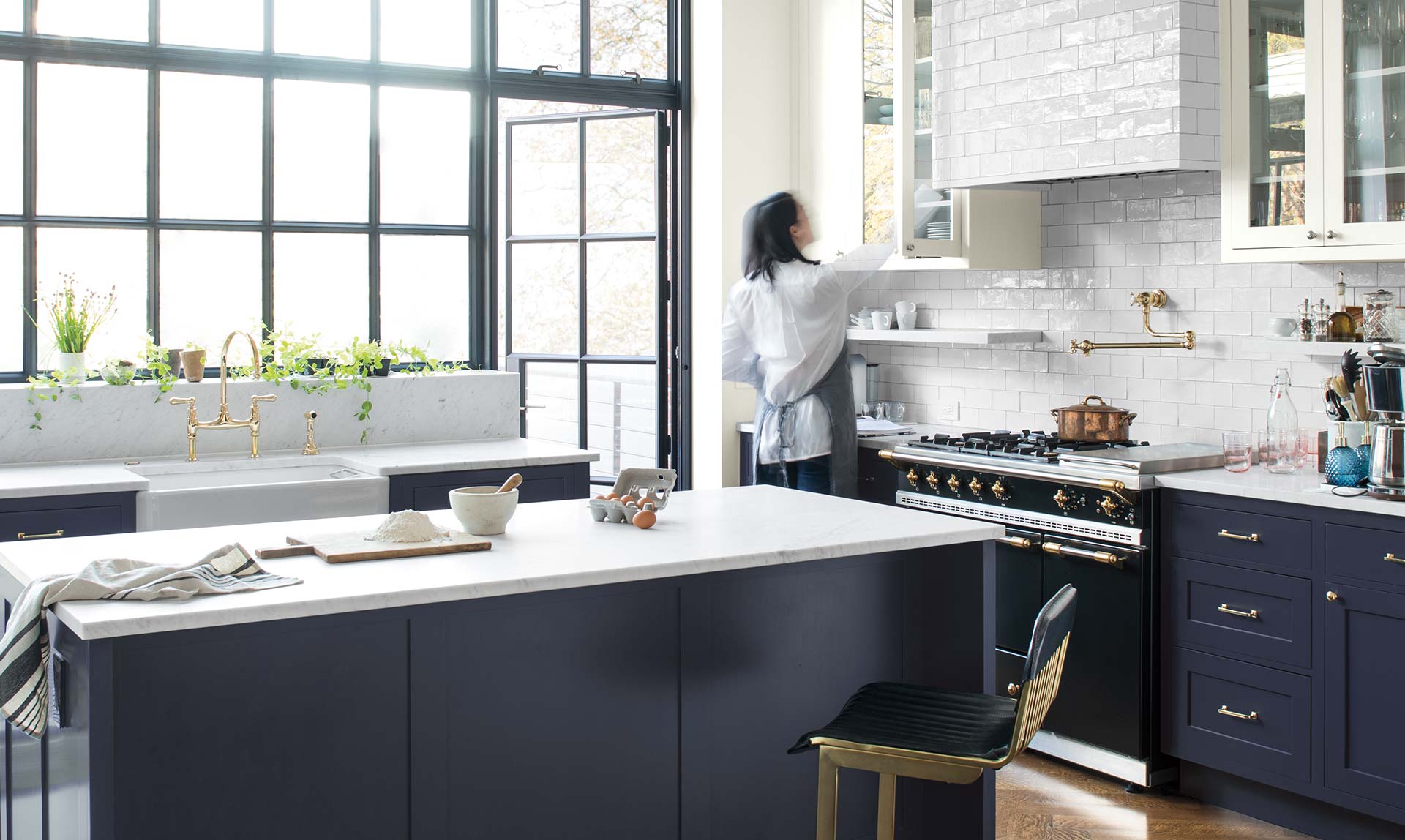
The modernization of kitchens and bathrooms also presents a common challenge. Homeowners often rush to update these spaces, driven by a desire to replace outdated fixtures—such as those from the 1980s—rather than those that are historically accurate. The key to a smart renovation in these areas is to integrate modern comforts and functionality while respecting the historical context and architectural style of the house. This requires careful research and planning to ensure that updates will remain timeless and harmonious with the home's overall design for decades to come.
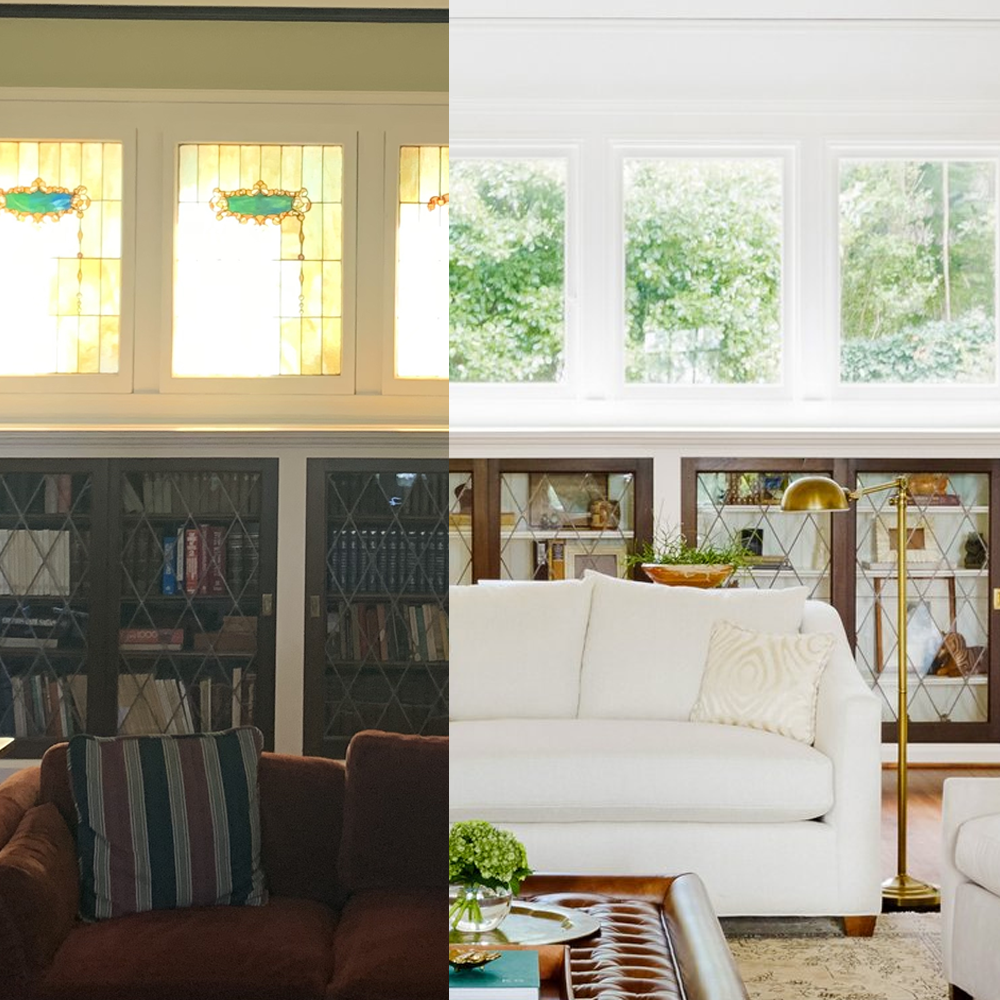
A fourth mistake is succumbing to a 'replacement' mindset, where original components are readily discarded in favor of modern, mass-produced alternatives. Unlike contemporary goods, which are often designed for obsolescence, many elements of historical homes were custom-made and built to last. Original wooden windows, for example, are frequently replaced prematurely. Prioritizing restoration over replacement is vital, especially for custom-fitted components that contribute to the home's unique story. Exploring all repair options before opting for replacement helps preserve the integrity and authenticity of the structure.
Finally, renovators often forget to consider the future implications of their decisions. Renovation is not merely about preserving the past but also about ensuring the home's continued relevance and functionality for future generations. The guiding question should be whether the renovation choices will appear timeless and respect the unique attributes of the house fifty years from now. Designing with the future in mind encourages decisions that honor the home's integrity and uniqueness, rather than simply chasing fleeting contemporary trends that could quickly become dated. By embracing a mindset that values preservation, thoughtful integration, and future-proofing, homeowners can ensure their old houses remain beautiful and functional for years to come.
#OldHouseRestoration #HomeRenovation #HistoricHomes #InteriorDesignMistakes #PeriodAppropriateDesign #KitchenRemodel #BathroomRenovation #ArchitecturalPreservation #TimelessDesign #OldHouseRestoration #HomeRenovation #HistoricHomes #InteriorDesignMistakes #PeriodAppropriateDesign #KitchenRemodel #BathroomRenovation #ArchitecturalPreservation #TimelessDesign
0 comment in total
 No comments yet
You may also like
9 common home renovation mistakes to avoid

Here's What Nobody Tells You About Buying and Renovating a Historic Home

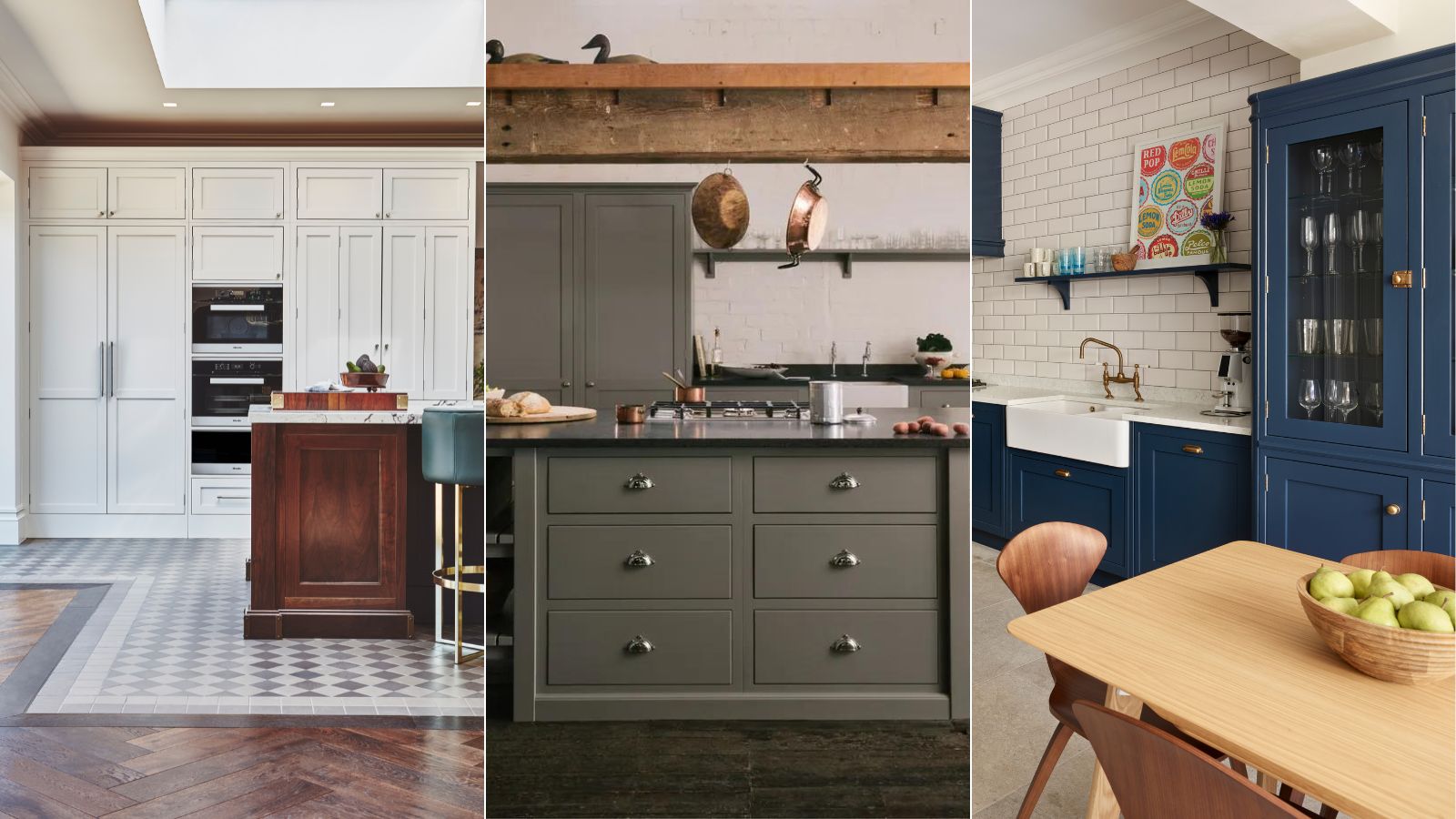
5 kitchen hardware mistakes interior designers say homeowners always make, and how to fix them


13 Most Expensive Renovation Mistakes You Can Make—and How to Avoid Them

7 Renovations Homeowners Regret the MOST, According to the Experts Who Fix Them


When restoring historic homes, what’s old is new again


13 Biggest House-Flipping Mistakes Made by Beginners
8 Paint Mistakes That Make Your House Look Dingy (and How to Fix Them)

You should try to avoid these 10 common home remodeling mistakes, urge experts
11 costliest home renovation mistakes you should avoid
Common Older Home Problems


The Truths About Buying and Living in an Old House

A serial home flipper with over 25 years of experience shares 7 common renovation mistakes people make
Top tips for renovating old homes: Whether restoring or modernising, clever design is key

Guide to Buying Older Homes by Decade
6 mistakes design experts instantly notice in your home – and how to fix them
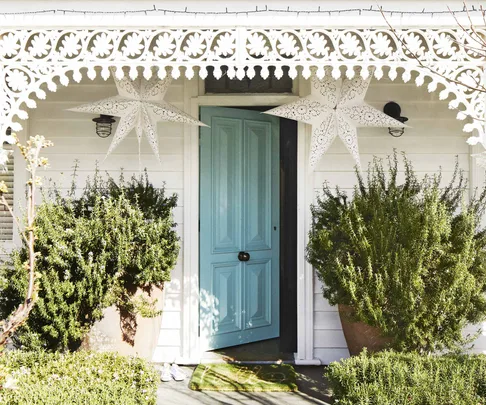
7 tips for restoring heritage homes to their former glory

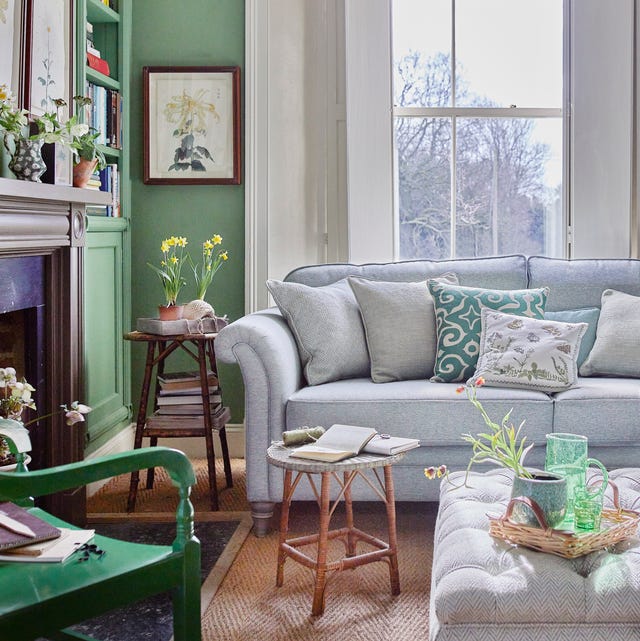
8 common design mistakes that make your home look dated — and how to avoid them
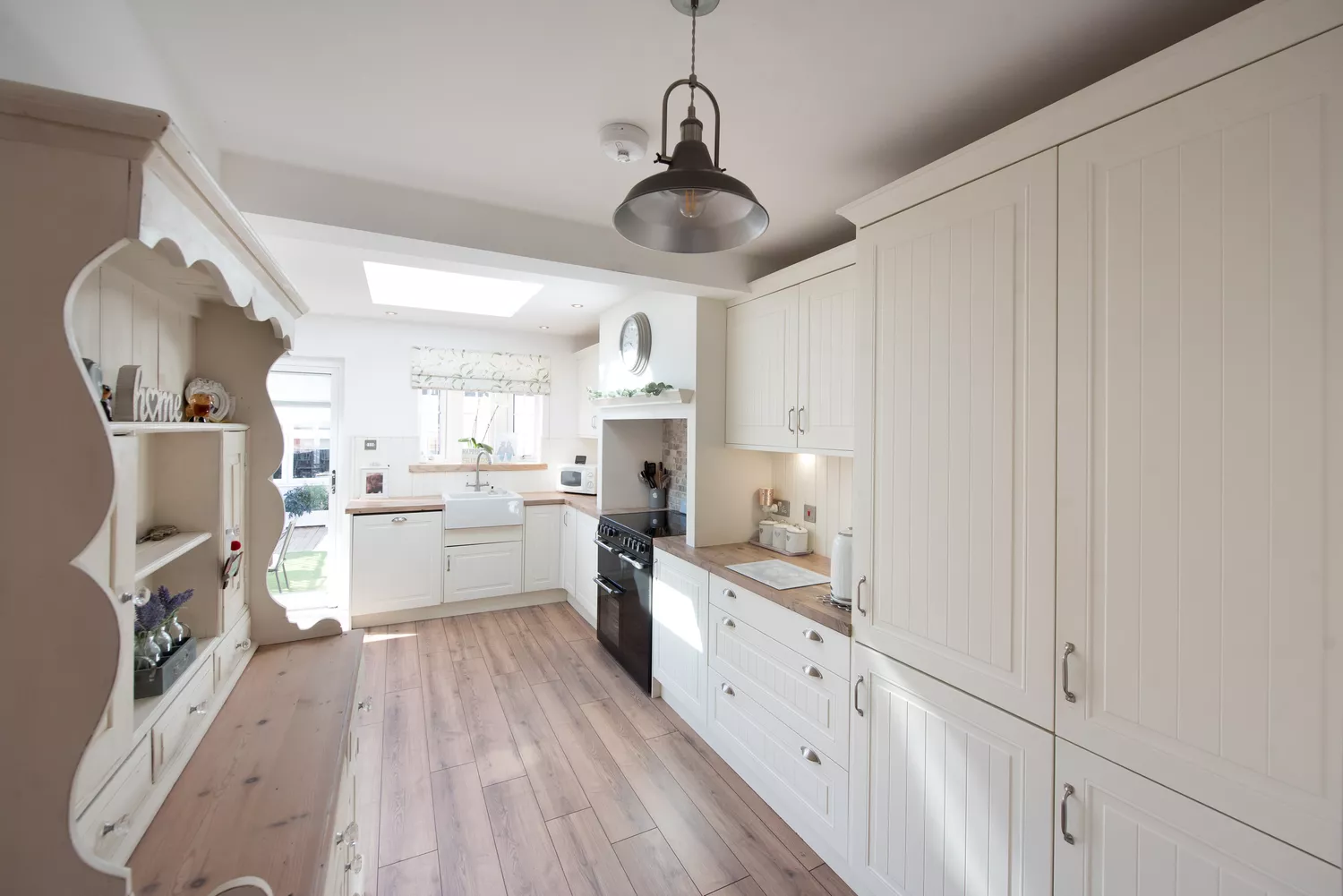
Don't Make These 5 Mistakes When Trying Modern Farmhouse Style, Designers Warn

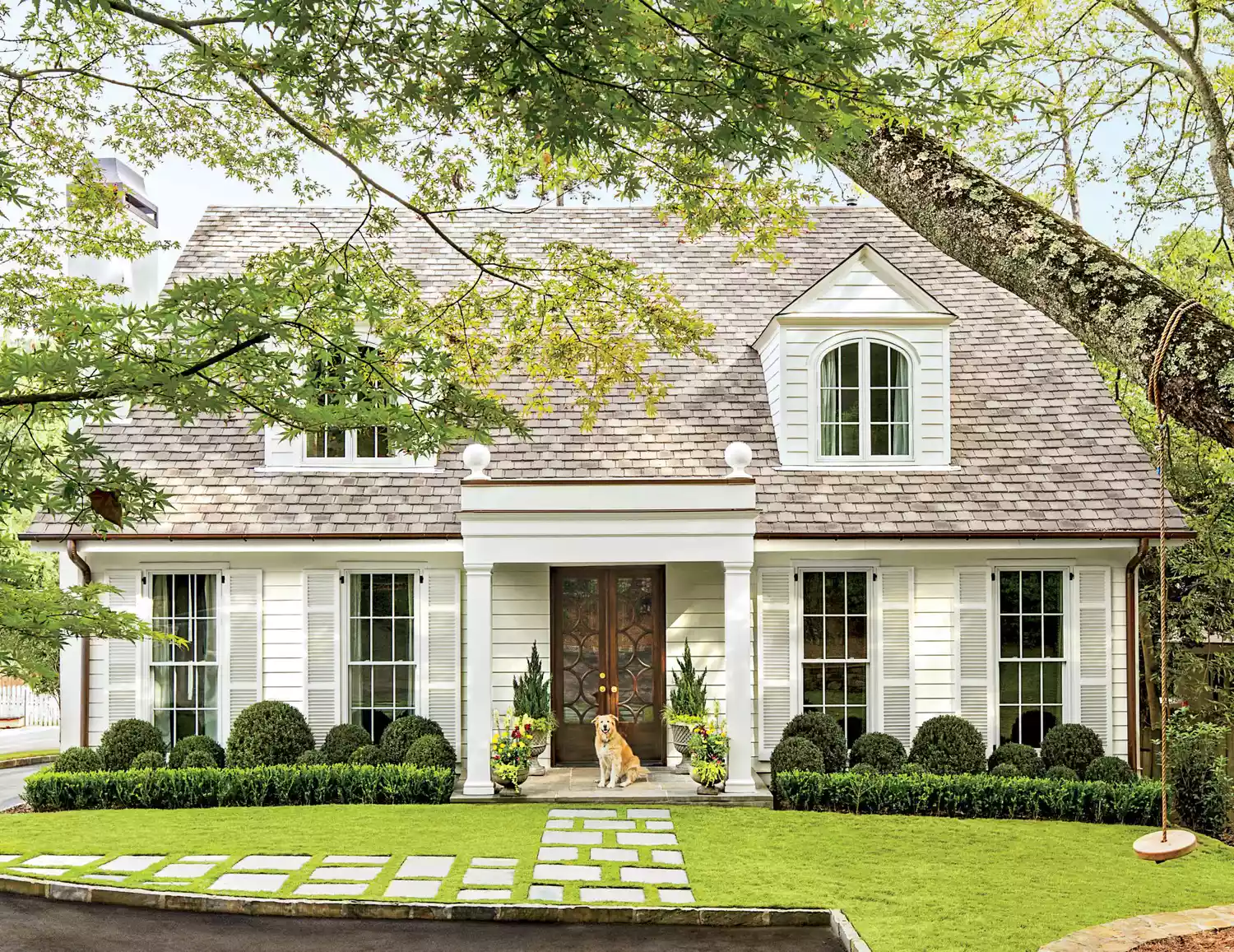
6 Things People Always Regret Skipping During A Renovation