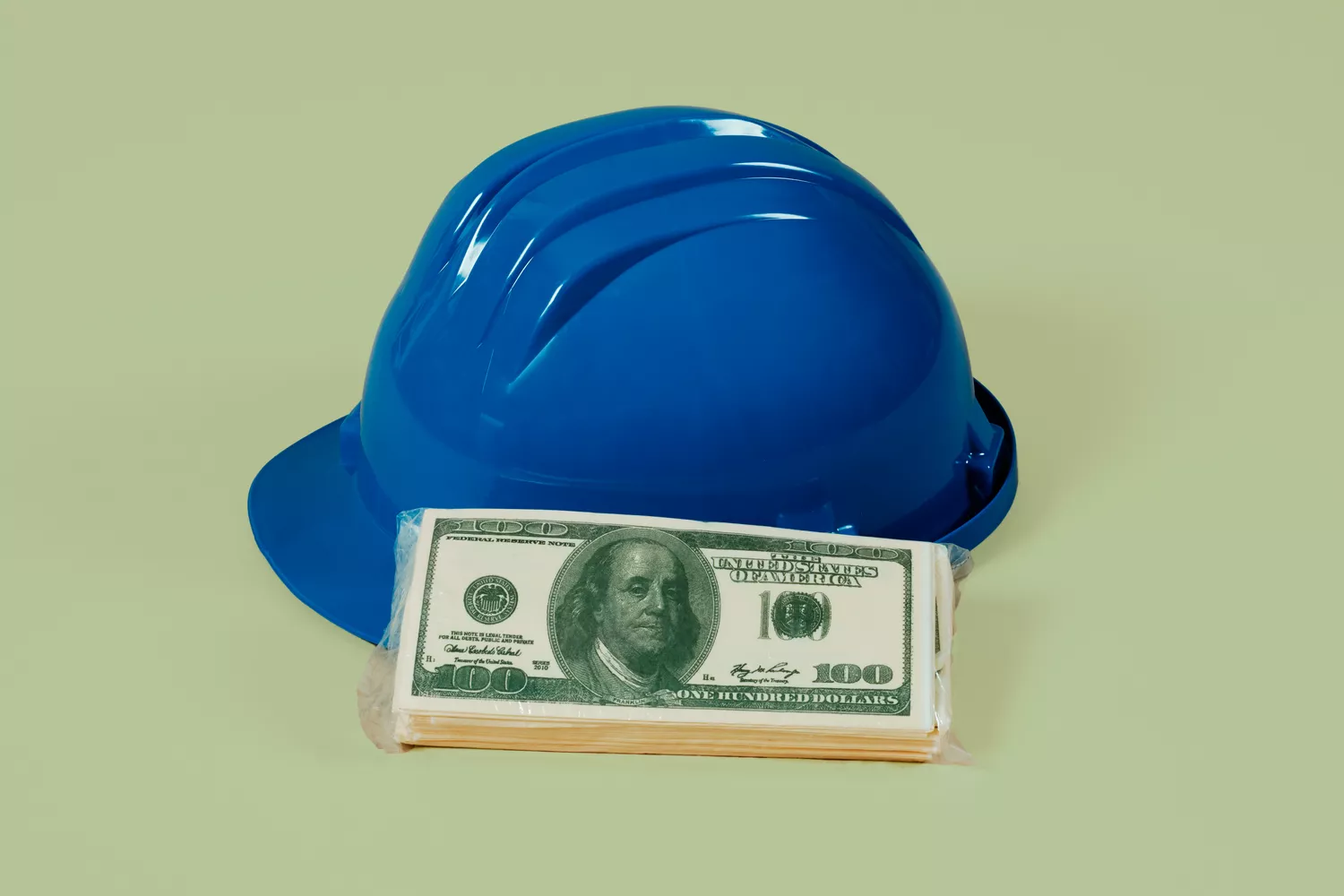
13 Most Expensive Renovation Mistakes You Can Make—and How to Avoid Them
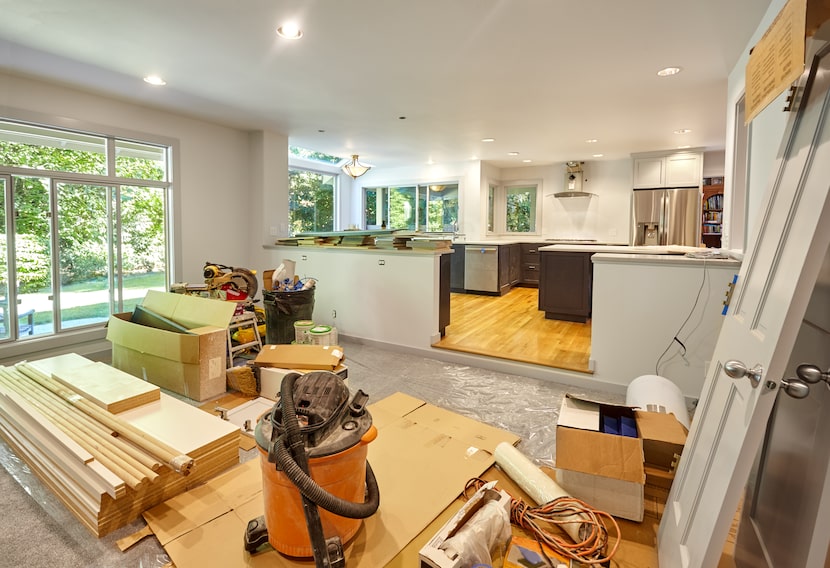
Home renovations, while exciting, often come with unexpected challenges, costs, and setbacks. Many homeowners, influenced by idealized media depictions, underestimate the complexity and potential pitfalls of such projects. Experts from Hippo home insurance highlight common and costly renovation mistakes to help homeowners avoid financial strain and project delays.
One significant mistake is neglecting to review homeowners insurance coverage before commencing renovations. Failure to inform the insurance provider about significant changes can lead to policy cancellation or denial of claims. Homeowners should understand the distinctions between maintenance, repairs, and renovations, as each may require different types or levels of coverage. Consulting with the insurance company ensures adequate protection against unforeseen incidents during the project.
Underestimating the project's scope and cost is another frequent error. The initial excitement can lead to hasty decisions without a thorough understanding of the required steps, timeline, and expenses. A realistic assessment of the project's complexity is crucial to prevent resource depletion and mid-project roadblocks. This includes accounting for all materials, labor, and potential additional expenditures.
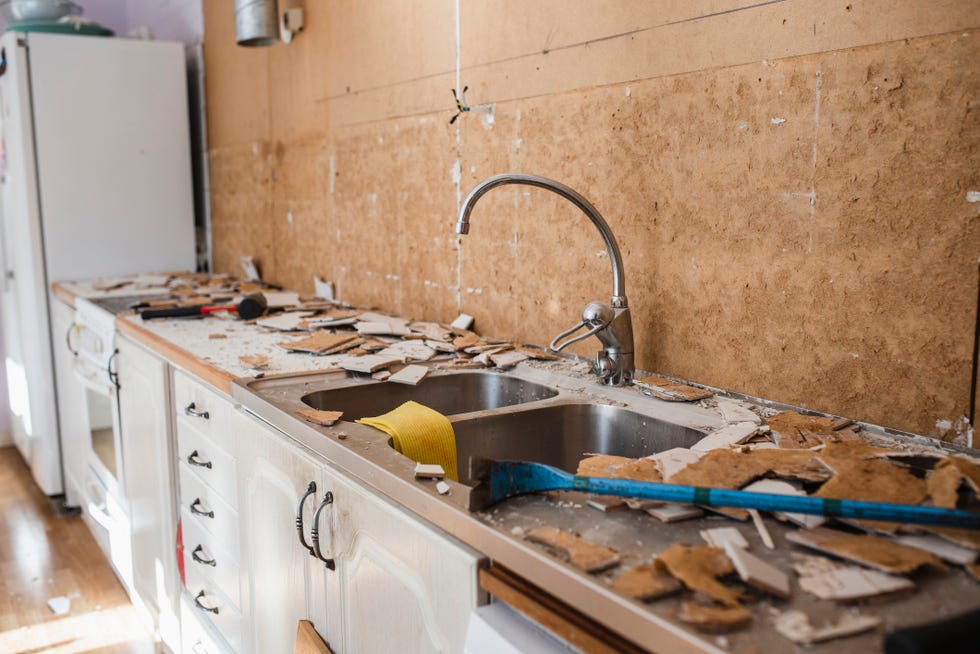
Failing to plan for surprise issues, such as water damage, mold, pests, or structural problems, can significantly impact the budget and schedule. Experts advise setting aside extra funds and time specifically for these unexpected complications, particularly when renovating older homes where hidden issues are more prevalent.
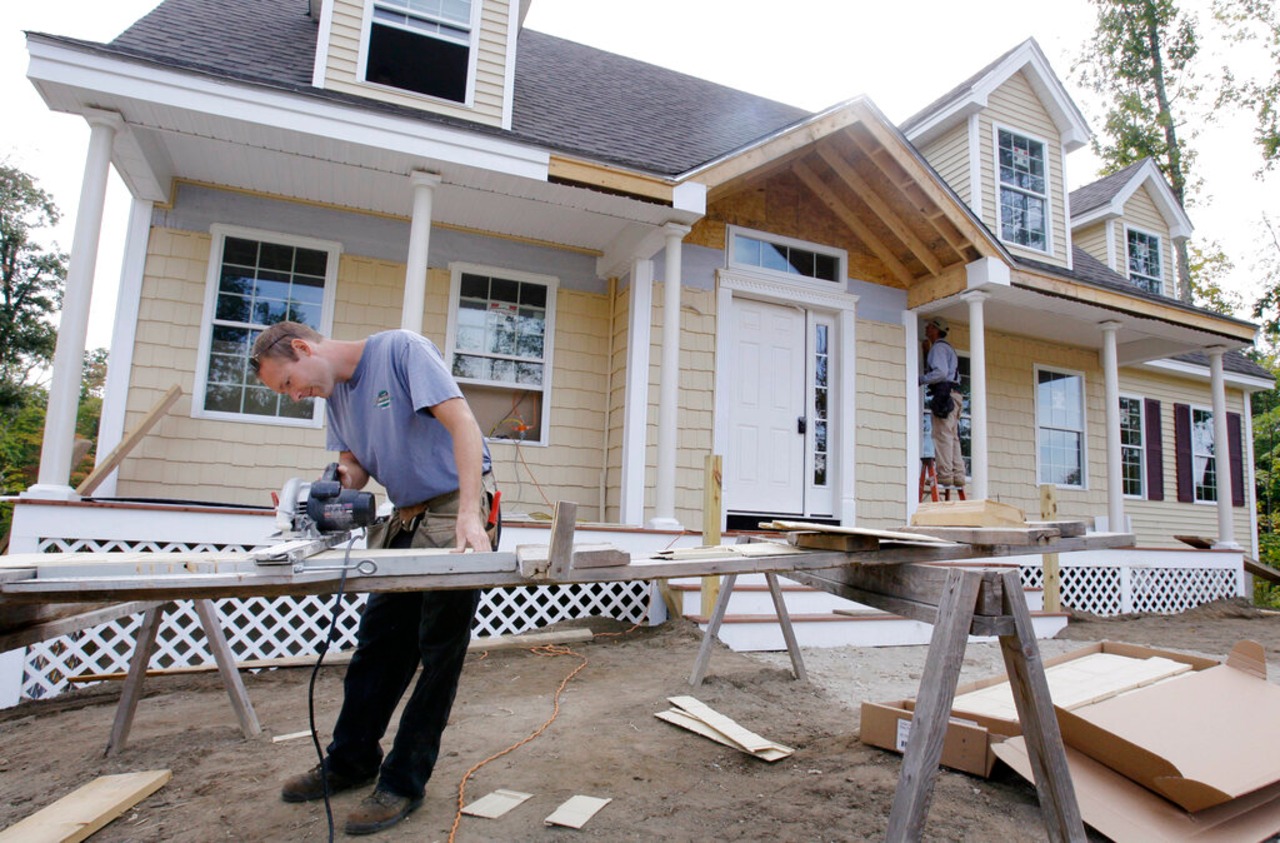
Ignoring necessary permits and inspections is a critical oversight. Renovations that alter a home's footprint, involve new windows, or modify plumbing or electrical systems typically require permits. Non-compliance can result in hefty fines, mandatory demolition, or difficulties when selling the property. Homeowners must research local regulations and obtain all required approvals before starting work.
Improvising with incorrect materials and tools, often to save money, can compromise safety and quality, leading to more expensive repairs in the long run. Similarly, neglecting safety precautions can cause bodily harm, property damage, and significant financial liabilities. Consulting professionals for proper protocol is essential for complex tasks.
Improper disposal of renovation debris can incur fines and harm the environment. Many construction materials require specialized disposal methods, and homeowners should plan for this aspect of the project. Prioritizing design aesthetics over functionality can also lead to future repairs and additional renovations if the chosen elements are impractical or unsuitable for daily use.
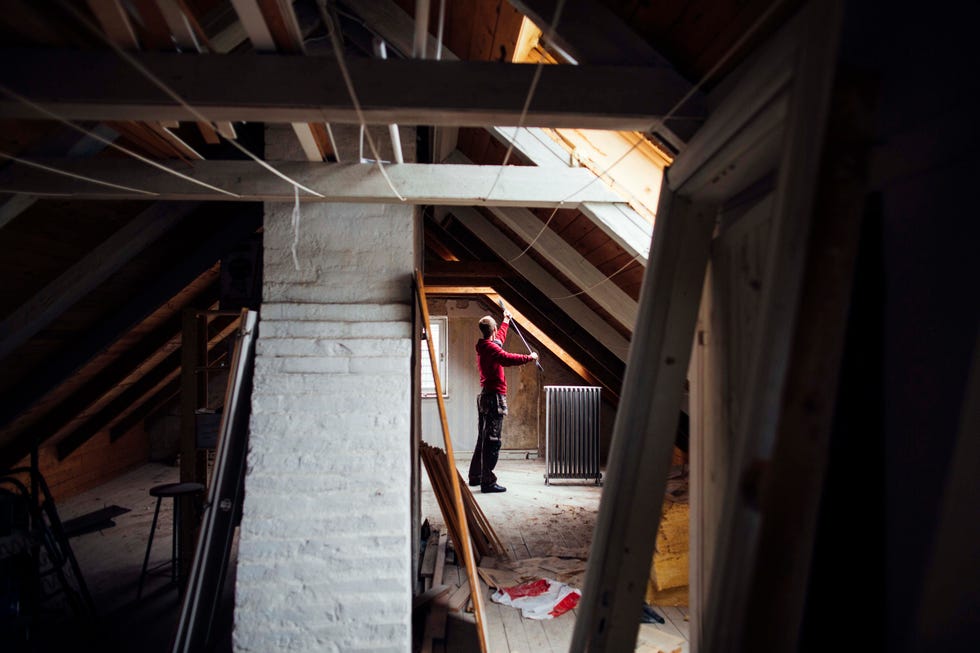
Misjudging DIY capabilities is a common mistake. While some tasks can be handled by homeowners, others require specialized skills. Overestimating one's ability can lead to errors and costly professional corrections, while underestimating can mean unnecessarily hiring out tasks that could have been completed inexpensively. Breaking down a project into smaller, manageable tasks helps identify what can be DIYed and what requires professional help.
Setting an unrealistic timeline is another pitfall. Renovation projects frequently encounter delays, and failing to build in flexibility can lead to added costs and frustration. Preparing for setbacks and adjusting the schedule accordingly helps manage expectations and maintain project momentum. Additionally, inadequate research when hiring professionals can result in substandard work, project delays, budget overruns, and legal issues. Thorough vetting, including checking references and reviews, is crucial.
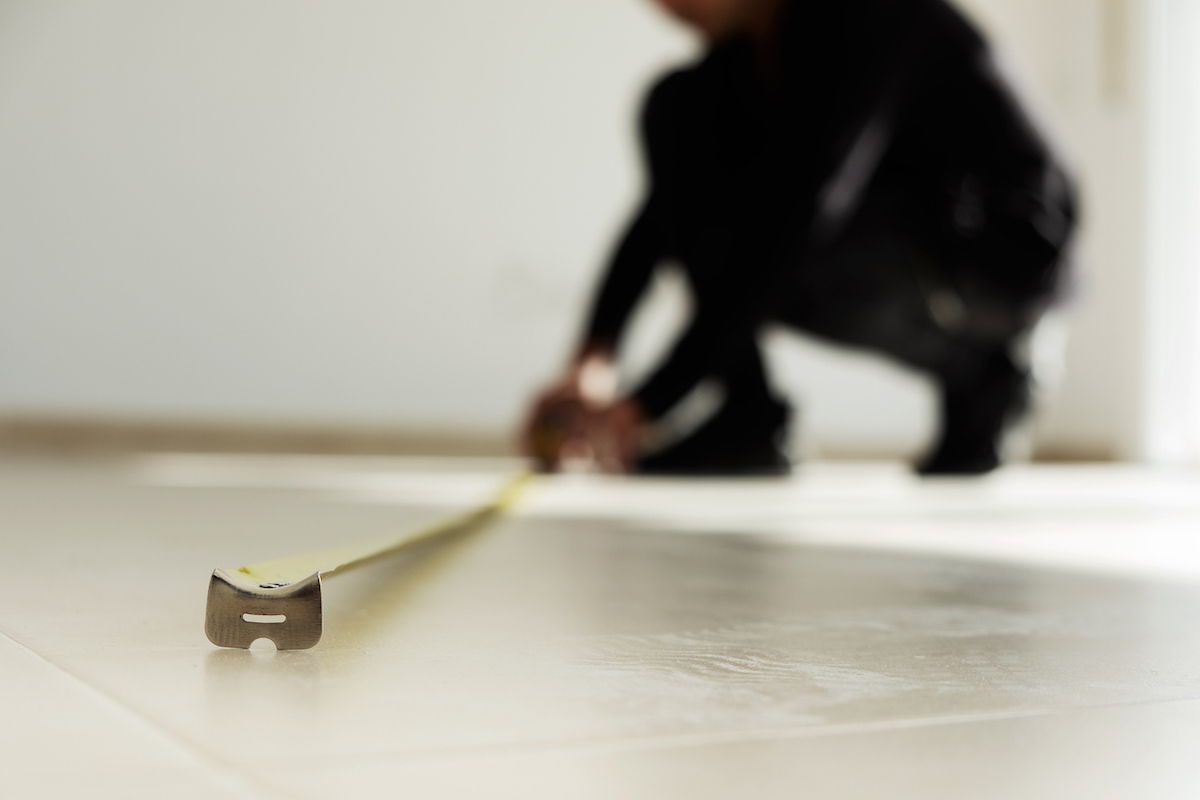
Working with incorrect measurements is a fundamental error that can cause significant financial losses and project delays. The adage “measure twice, cut once” is particularly relevant in home improvement. Finally, attempting to tackle too many spaces simultaneously can lead to errors, mismanagement of resources, and a decline in overall project quality. Prioritizing projects and focusing on one area at a time ensures better execution and adherence to budgets and timelines.
#HomeRenovation #RenovationMistakes #HomeImprovement #HomeInsurance #DIYProjects #Budgeting #PermitsAndInspections #ConstructionSafety #ProjectManagement #HomeRenovation #RenovationMistakes #HomeImprovement #HomeInsurance #DIYProjects #Budgeting #PermitsAndInspections #ConstructionSafety #ProjectManagement
0 comment in total
 No comments yet
You may also like

9 common home renovation mistakes to avoid


Bathroom remodel mistakes – and how to avoid them


13 bathroom design mistakes to avoid at all costs, according to experts

12 bathroom remodeling mistakes to avoid when planning your design


You should try to avoid these 10 common home remodeling mistakes, urge experts
7 Renovations Homeowners Regret the MOST, According to the Experts Who Fix Them


The One Home Renovation Mistake I Wish I Never Made

The Costly Decorating Mistake I’ll Never Make Again
The 3 most expensive home renovation projects, and how to save money on them

6 Things People Always Regret Skipping During A Renovation

7 Mistakes to Avoid When Remodeling Your Bathroom

5 Common Mistakes Homeowners Make When Restoring Old Houses
11 costliest home renovation mistakes you should avoid

Money-wasting home improvements to avoid


11 WORST Kitchen Design Mistakes You're Probably Making

7 cheap and tacky interior design errors rich people never make — ban these aesthetic atrocities from your home
Home Renovations Cost More Than You Think—Especially These 3 Projects

8 Bathroom Reno Mistakes That INSTANTLY Cheapen the Look of Your Home, According to Experts

10 Interior Design Mistakes Experts Avoid In Their Own Homes


Local Announcement: What Are the Top Mistakes to Avoid During Kitchen Remodeling?