1/2
11 costliest home renovation mistakes you should avoid
Home renovations can be both rewarding and challenging, with nearly 39% of homeowners prioritizing upgrades. However, a home insurance company, Hippo, identifies 11 common and costly mistakes that homeowners, especially those without technical expertise, should avoid during remodeling projects.
The first critical mistake is not thoroughly reviewing homeowners insurance coverage. Standard policies typically cover maintenance and repairs for unexpected damage but generally exclude renovations. Understanding these distinctions is crucial to avoid uninsured losses. Secondly, many homeowners underestimate the project's scope and cost. Starting a DIY project without a clear understanding of the steps, timeline, and expenses often leads to running out of resources or encountering unexpected roadblocks. Recognizing when professional help is necessary is key to a successful project.
Failing to plan for surprise issues, particularly in older homes, constitutes the third mistake. Hidden problems such as faulty wiring, structural damage, mold, or pest infestations can significantly increase costs and disrupt timelines. Allocating extra time and budget for these potential surprises is essential. The fourth mistake involves ignoring necessary permits and inspections. Projects that alter a home's footprint or involve new windows, plumbing, or electrical systems often require permits. Starting the permit process early, ideally months before the project begins, is crucial to avoid delays and legal issues.
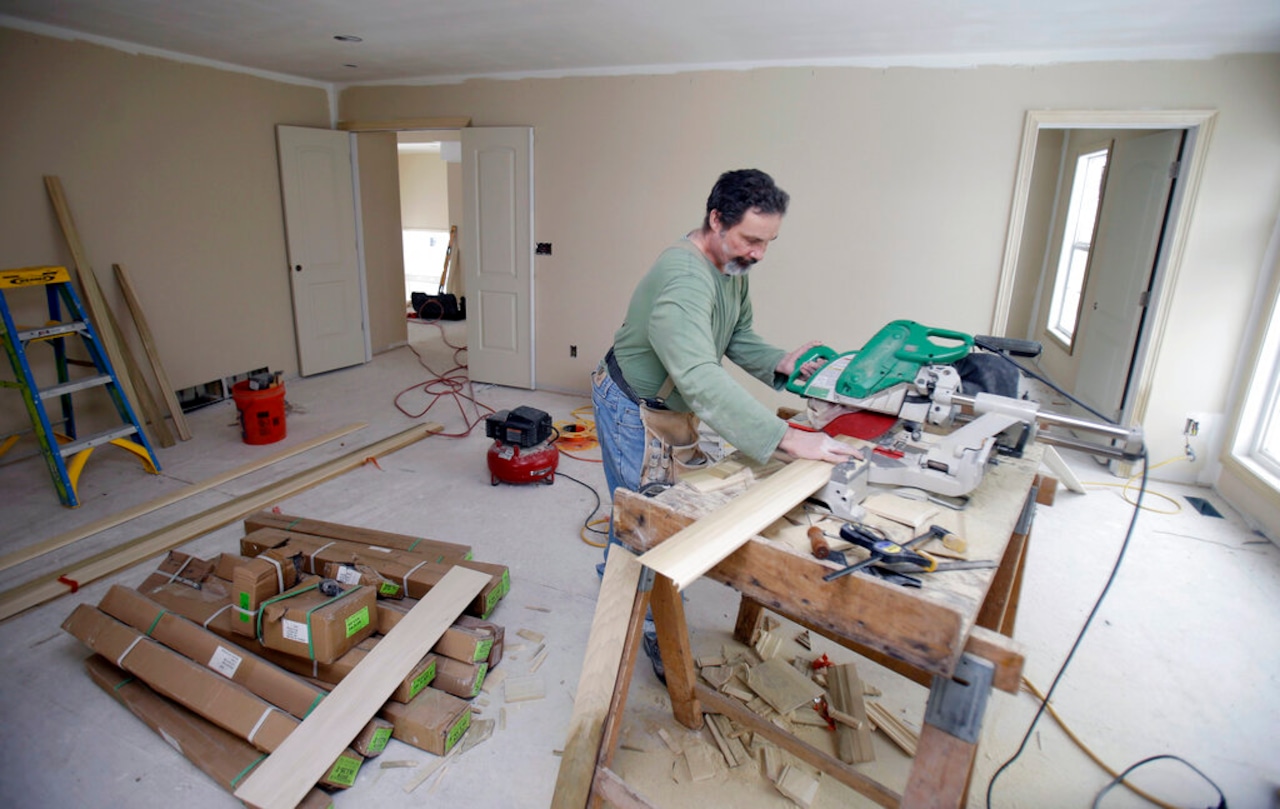
The fifth common error is improvising with incorrect materials and tools. While attempting to save time or money, using unsuitable items can lead to inefficiencies, breakage, subpar results, and ultimately, wasted effort and resources. Neglecting safety precautions is the sixth mistake, carrying severe consequences such as bodily harm, home damage, or expensive repairs. Homeowners should always wear appropriate safety gear, follow manufacturer instructions for tools, and ensure adequate ventilation when working with chemicals.
The seventh mistake is not properly disposing of debris. Improper waste disposal can have financial, environmental, and legal repercussions, including pollution, harm to wildlife, and costly fines. Homeowners should properly vet disposal companies and request receipts to confirm correct waste channels. Eighth, prioritizing design aesthetics over function can lead to frustrating and inefficient living spaces. For instance, a beautiful but poorly ventilated kitchen hood can result in lingering odors, and an aesthetically pleasing layout might lack practical space, hindering daily routines.
Setting an unrealistic timeline is the tenth mistake (the article skips number nine). Just like budgeting, a realistic timeline prevents delays, increased stress, and compromised work quality. Rushing a project increases the likelihood of errors and can disrupt daily life. Finally, the eleventh mistake is hiring a professional without proper research. When outsourcing parts of a project, it is vital to research references, review portfolios, and verify licensing. A detailed contract outlining project scope, timeline, payment terms, and warranties is necessary to protect against costly errors.
#HomeRenovation #RemodelingMistakes #DIYProjects #HomeInsurance #PermitsAndInspections #SafetyPrecautions #WasteDisposal #ProjectPlanning #Budgeting #ContractorResearch #HomeRenovation #RemodelingMistakes #DIYProjects #HomeInsurance #PermitsAndInspections #SafetyPrecautions #WasteDisposal #ProjectPlanning #Budgeting #ContractorResearch
0 comment in total
No comments yetYou may also like