1/17
15 Old House Features We Were Wrong to Abandon
This article explores fifteen historical home features that, despite being largely abandoned over time, possess significant practicality and charm that warrant their reconsideration in contemporary home design. These features, ranging from architectural elements to functional domestic tools, offer a blend of efficiency, comfort, and aesthetic appeal.
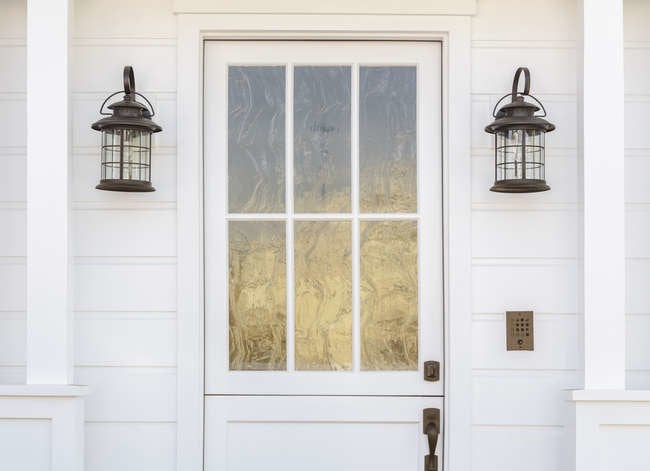
The discussion begins with Dutch doors, popular among 18th-century Dutch settlers. These doors, split horizontally, allow for ventilation and light while keeping animals out, and can be easily replicated in modern homes by cutting a wooden door in half and using simple hardware. Next, sleeping porches are highlighted, which gained popularity in the 20th century for their health benefits, providing fresh air and a cooler sleeping environment, particularly in warmer climates. These can be integrated into existing decks or balconies.
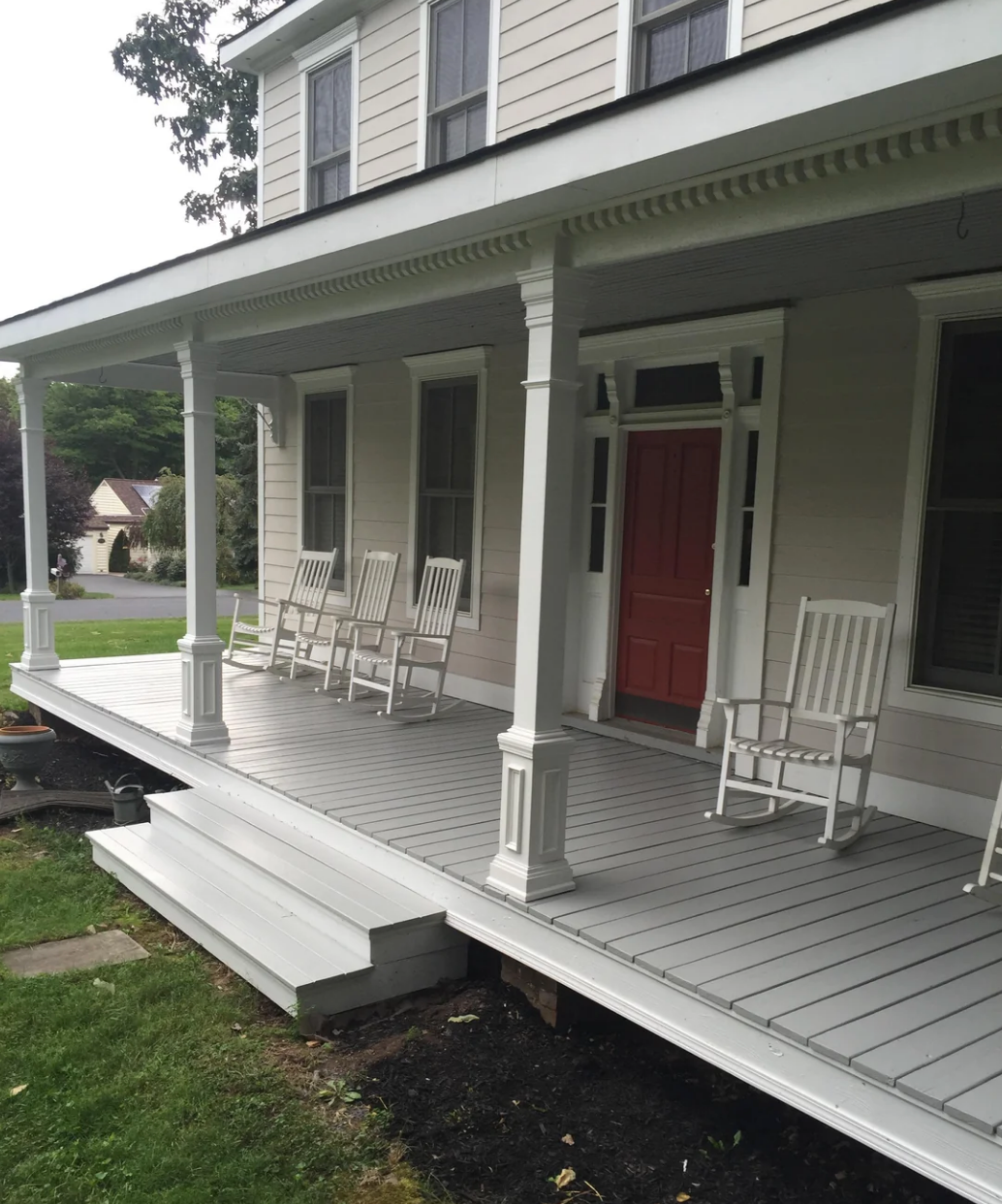
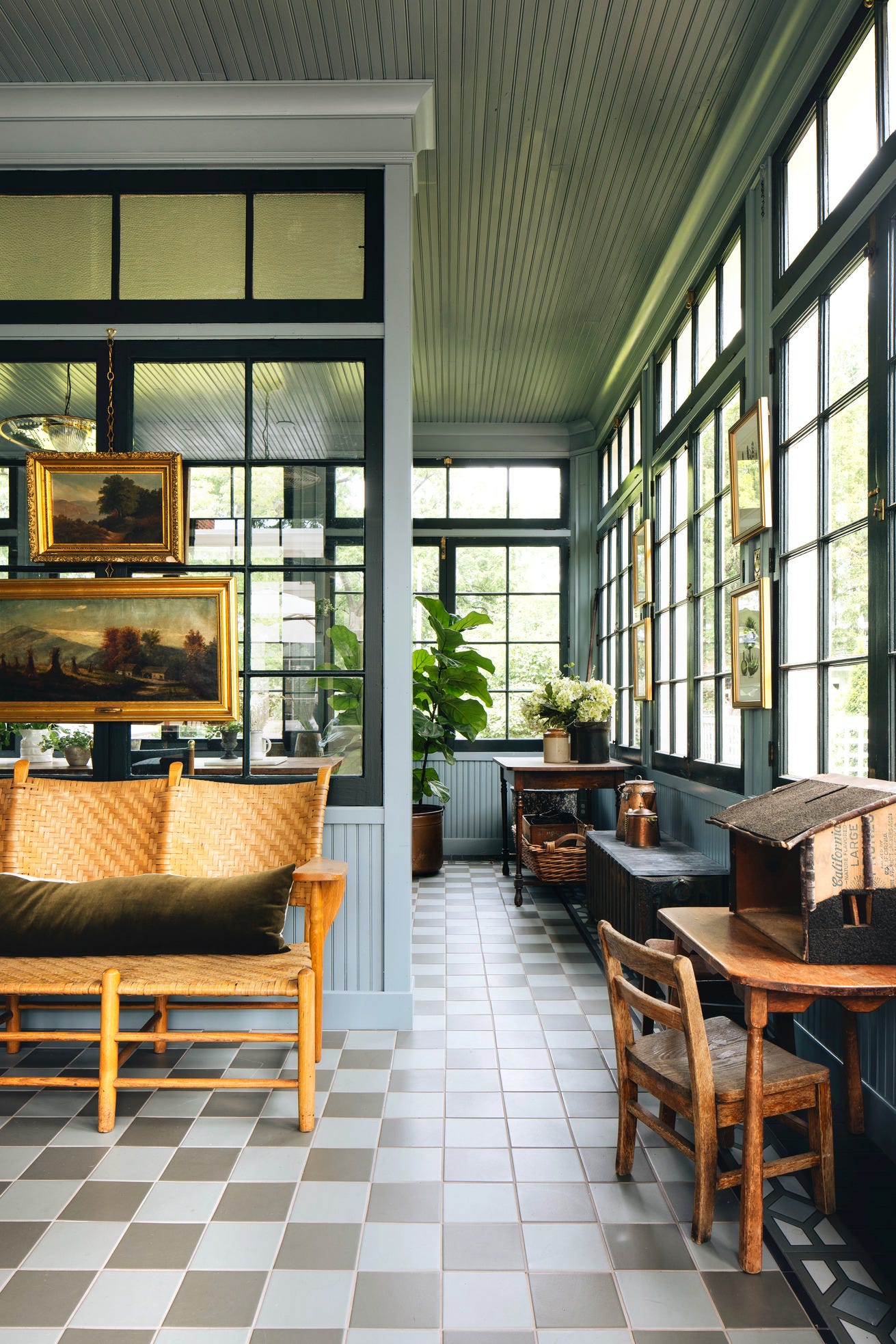
Transom windows are presented as a timeless feature that pre-dates electricity, designed to admit natural light and circulate air even when interior doors are closed. They remain relevant today for both their practical ventilation capabilities and their classic beauty. The article then delves into the convenience of laundry chutes, a practical solution for multi-story homes to effortlessly transport laundry to a designated area, achievable through custom-built ramps or PVC piping.
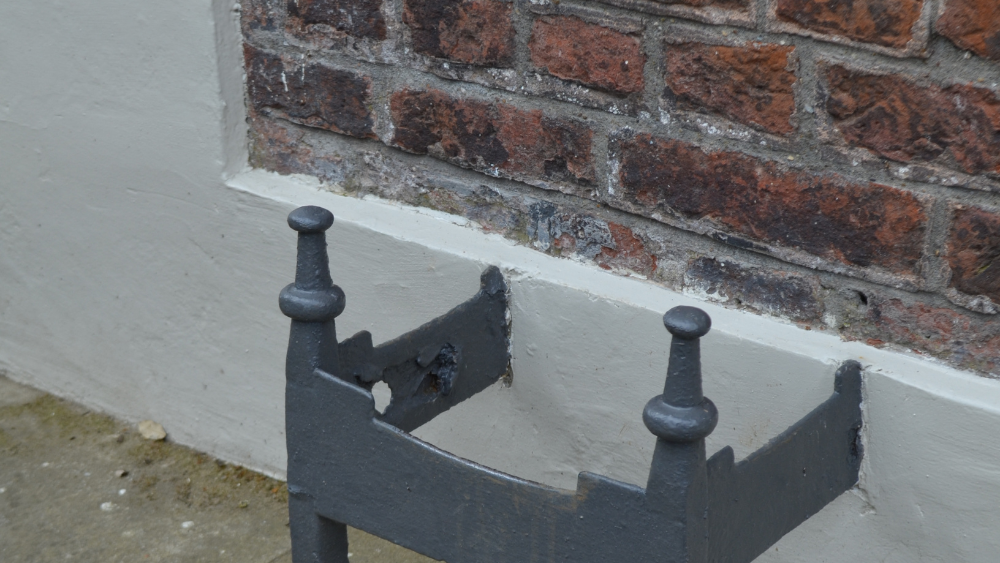
Boot scrapers, once a necessity due to horse-drawn transportation, are re-evaluated for their continued utility in keeping homes clean from outdoor debris, with modern variations incorporating brushes for enhanced effectiveness. Intercom systems, though associated with older eras, are discussed as a practical tool for communication within larger homes, with contemporary options including wireless and integrated phone systems.
Pocket shutters, a clever architectural detail from 18th and 19th-century homes, offered privacy and insulation by retracting into deep window jambs. Their reintroduction is suggested for their practical benefits in managing light and temperature. The concept of a phone nook, originally for bulky telephones, is reinterpreted as a designated space for modern mobile devices, helping to keep track of them. Dumbwaiters, small freight elevators, are presented as a convenient solution for multi-level homes to transport items like groceries or laundry, with modern iterations offering advanced controls.
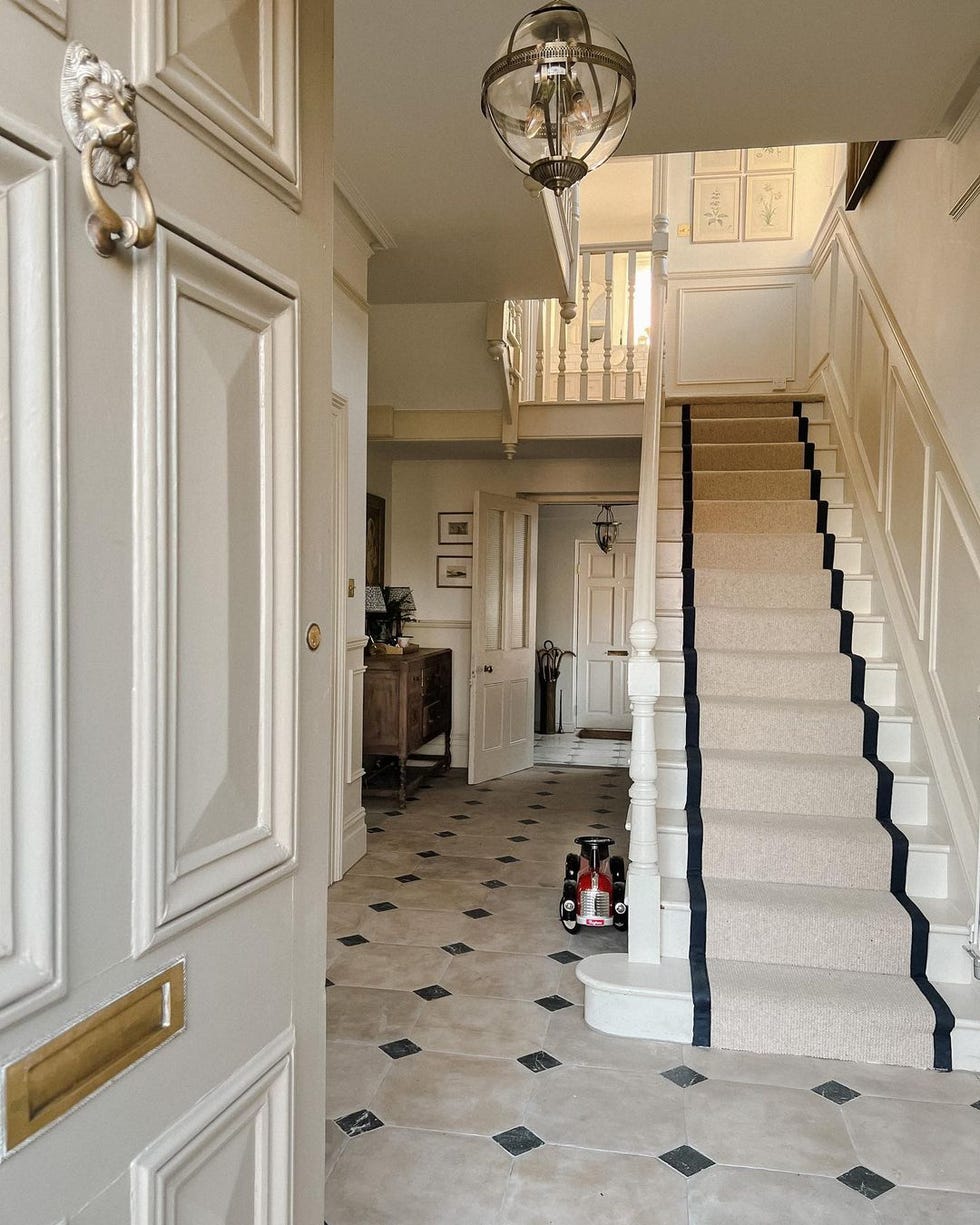
Mail slots, once ubiquitous, are proposed as a secure and aesthetically pleasing alternative to traditional mailboxes, adding character to front doors. Ceiling medallions, decorative elements popular in the 19th century, are noted for their ability to add architectural interest, especially when paired with light fixtures. Modern versions made from lightweight materials make them accessible for contemporary homes.
Root cellars are discussed as an environmentally friendly and cost-effective method for preserving produce, emphasizing their practicality in climates with freezing winters. Claw-foot tubs are celebrated for their aesthetic appeal and deeper soaking experience, suggesting their placement both indoors for luxury and outdoors for a unique bathing experience. Rumford fireplaces, known for their efficient heat reflection, are highlighted as an energy-saving alternative to modern fireplaces, particularly relevant given rising fuel costs.
Finally, picture rail molding is described as a functional and decorative feature from the Victorian era, allowing artwork to be hung without damaging plaster walls. This feature can be used today to create visually appealing wall designs and offer flexibility in displaying art. The article concludes by encouraging readers to embrace these historical home features to add elegance, practicality, and uniqueness to their living spaces.
#OldHouseFeatures #HomeRenovation #ArchitecturalDetails #InteriorDesign #HomeImprovement #HistoricHomes #PracticalDesign #SustainableLiving #DIYHome #OldHouseFeatures #HomeRenovation #ArchitecturalDetails #InteriorDesign #HomeImprovement #HistoricHomes #PracticalDesign #SustainableLiving #DIYHome
0 comment in total
 No comments yet
You may also like
7 Architectural Details You Should NEVER Get Rid of in a Historic Home

Interior Designers Reveal 6 Surprising Things Making Your House Look Dated

12 Designer-Approved Tricks to Fill a New Home With Vintage Character

10 Outdated Kitchen Details That Are Quietly Aging Your Home

20 Unfortunate Ways Your Home Looks Super Dated, According to Experts
21 "Outdated" Home Design Trends That Are Sooo Much Better Than Modern-Day Trends

"It Ended Up Being A Major Mistake": 15 Popular Home Design Trends People Tried But Ultimately Regretted
5 Design Choices That Make Your House Look Super Dated, According to Designers

16 "Outdated" Home Design Trends That Are Wildly Better Than Modern-Day Trends
What’s Old Is New: 5 Outdated Home Features Designers Are Loving Again

5 Common Mistakes Homeowners Make When Restoring Old Houses
7 Things You Should Always Preserve or Try to Save in an Old Home, According to Designers
10 outdated home features that used to signal wealth but not anymore

5 outdated pattern trends that will make your home feel old-fashioned – and what to use instead

40 Outdated Home Trends We Hope Never to See Again
15 Outdated Things You Should Avoid In Your Kitchen, According To Designers

8 common design mistakes that make your home look dated — and how to avoid them

Quirky Home Features You May Never See Again

Guide to Buying Older Homes by Decade
10 Outdated Kitchen Details That Are Quietly Aging Your Home