1/4
Quirky Home Features You May Never See Again
This article explores several unique and historical home features that are rarely seen in modern houses, highlighting their origins, purposes, and why they have largely disappeared from contemporary home design. As an experienced real estate agent, the author has encountered various unusual elements in homes, prompting this exploration of distinctive architectural and functional details.
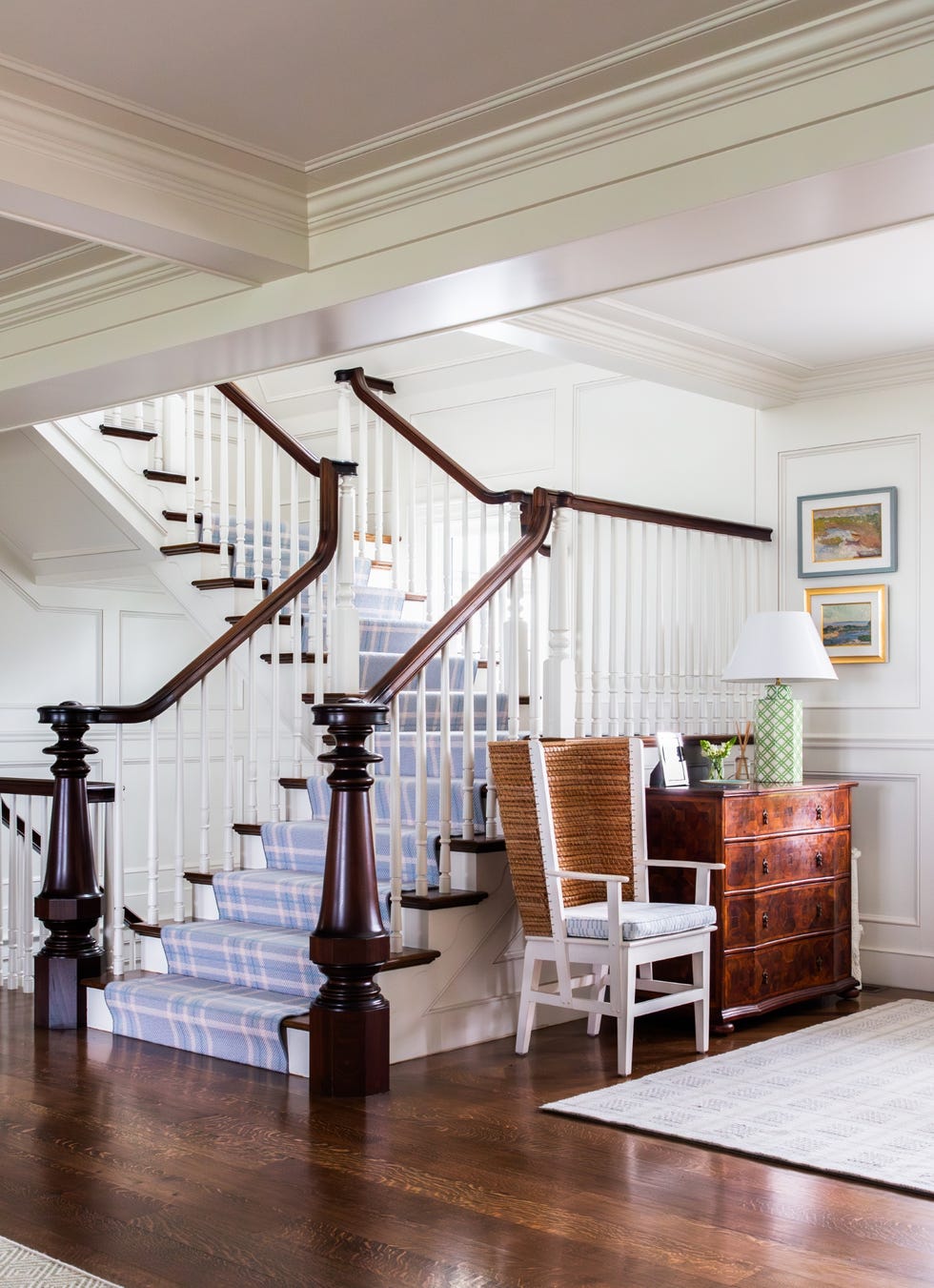
First, the article discusses the 'Mortgage Button,' a decorative item often found in homes, particularly in the New England area, with a mythical history rooted in Nantucket. The tradition suggests that 17th-century homeowners would drill a hole in the newel post of their main staircase upon completing mortgage payments. They would then place the rolled-up lien or ashes from burning the paperwork inside, covering the hole with a decorative button, typically made of whalebone and inscribed with the owner's initials and the date. This button served as a symbol of ownership and a trophy, proudly displayed to guests. While hard evidence of documents hidden within newel posts is scarce, the tradition persisted, with similar buttons sometimes referred to as 'Amity buttons' in the Mid-Atlantic states or 'brag buttons' in the South. Despite their historical context, modern versions of these buttons are still produced today, offering a unique way to personalize a home's entrance.
Next, the article delves into the 'Boot Scraper,' a practical iron device typically found embedded in the ground near an entrance. These scrapers, ranging from simple to ornate, were designed to remove mud and muck from footwear before entering a house. They gained popularity in the 18th century in major European cities like Paris and London, eventually making their way to American cities such as New York. During this period, most roads and walkways were unpaved, making boot scrapers more effective than simple doormats. Initially, they were simple hand-wrought iron frames but became more elaborate with the advent of cast iron. Boot scrapers were installed in various locations, including in the ground, on stoops, or integrated into railings. Although modern motorized brushes can perform the same function, the article notes that the historical iron frame versions add a distinctive charm to a home's entrance.
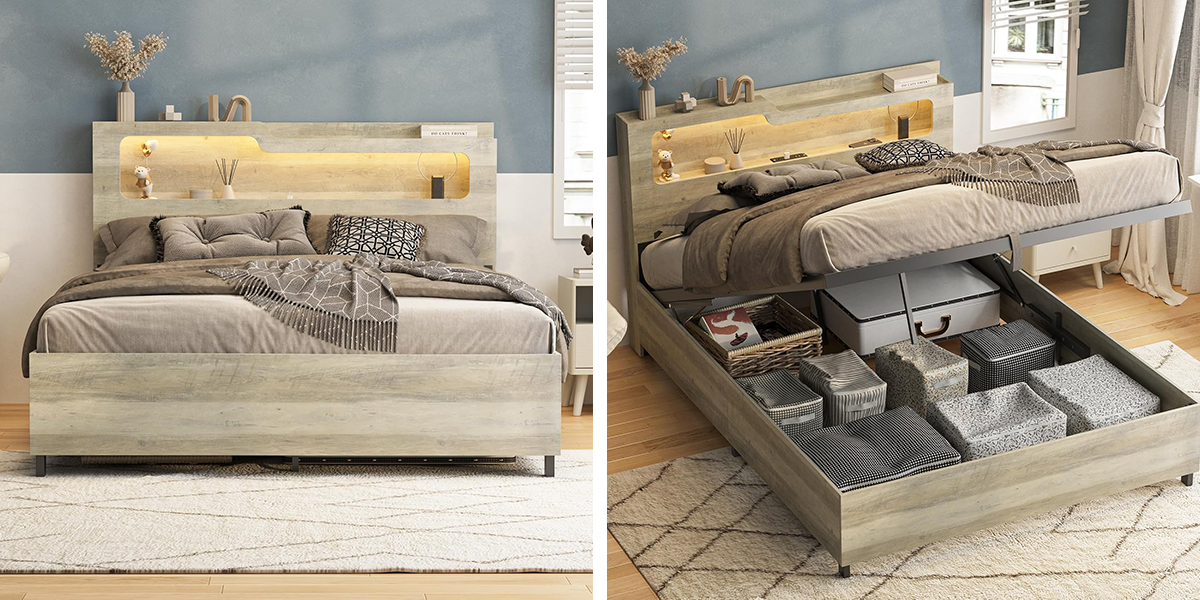
Finally, the article examines the 'Sorlien Bed,' an innovative space-saving sleeping solution. The concept of a hidden bed was popularized around 1900 with the Murphy bed, which transformed a bedroom into a parlor, allowing homeowners to entertain guests and then easily convert the space for sleeping. Inventor Theodore Sorlien aimed to improve upon this by creating a bed that stored in the ceiling, lowered by cranks and counterweights when needed. This design offered a distinct advantage over the Murphy bed by freeing up closet space for storage, utilizing an otherwise unused area of the home. Despite its clever design, the Sorlien bed did not achieve the same level of success as the Murphy bed. However, both types of hidden beds have seen a resurgence in popularity in recent years, driven by the tiny home movement and the growth of short-term rental platforms like Airbnb and Vrbo. Modern iterations of these beds often incorporate smart technology for seamless and effortless operation, though users are advised to ensure no one is in the bed before it is stored away.
The author, Maryanne Elsaesser, a real estate agent with the Home Navigators Team, emphasizes the value of having an experienced agent who can identify and explain such unusual home features during the home-buying process. Her expertise helps clients navigate complex transactions and understand unique aspects of properties.
#HomeFeatures #HistoricalHomes #MortgageButton #BootScraper #SorlienBed #SpaceSaving #RealEstate #HomeDesign #ArchitecturalDetails #HomeFeatures #HistoricalHomes #MortgageButton #BootScraper #SorlienBed #SpaceSaving #RealEstate #HomeDesign #ArchitecturalDetails
0 comment in total
 No comments yet
You may also like
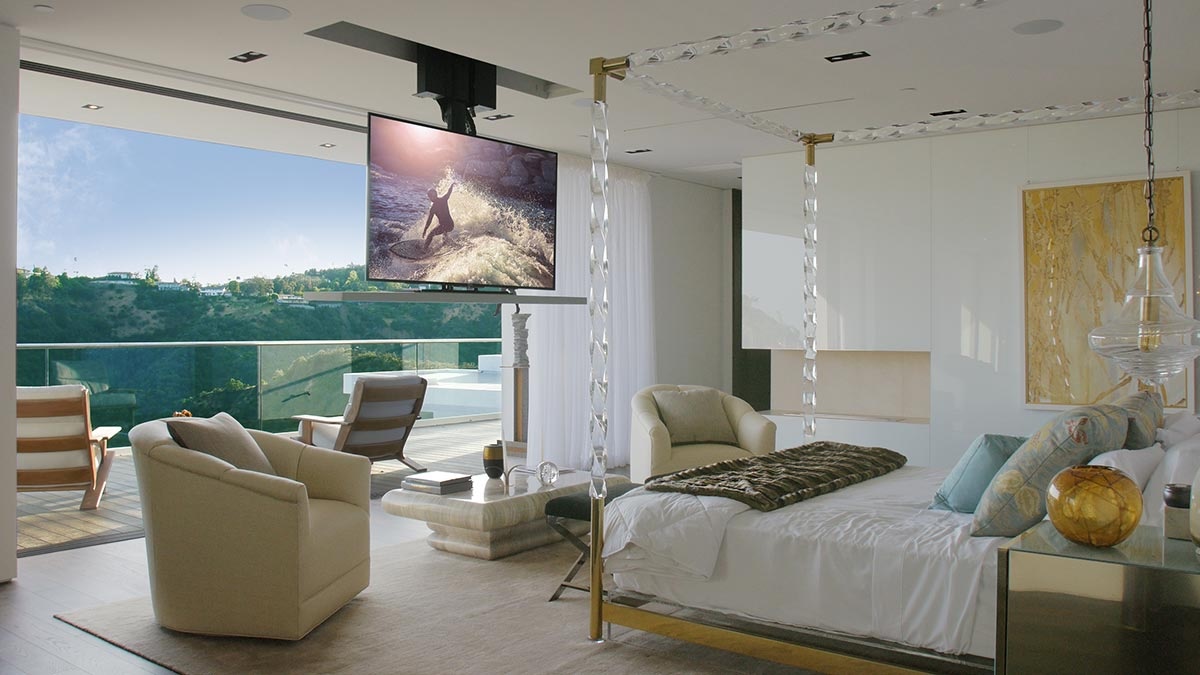
Hidden Home Features You Have to See to Believe
40 Outdated Home Trends We Hope Never to See Again

“It Instantly Becomes Tacky": 22 Home Design Trends That Are Mega-Popular For Reasons Many People Will Never Understand

38 Genius Solutions To Hide The Parts Of Your Home You Don't Particularly Love
The 5 unexpected second-hand pieces designers swear by to add unique character and charm to a home

The Top Home Features Designers Always Skip
An interior designer with over 40 years of experience shares 9 things he'd never have in his own home

6 eclectic Indian homes inspired by the unexpected

10 Unique Interior Design Features To Steal From Our Home Tours
Interior Designers NEVER Overlook This Surprising Space

8 tiny design details you are definitely overlooking in your home that can completely elevate a space
7 Architectural Details You Should NEVER Get Rid of in a Historic Home
6 Popular Design Choices Designers Would Never Put in Their Own Homes

32 Products For The Person Whose Home Style Could Best Be Described As “Eclectic”
Interior Designers Reveal 6 Surprising Things Making Your House Look Dated

People Are Defending The "Unpopular" Home Design Trends That Actually Make A Lot Of Sense In Their Own Homes
An unusual room layout meant this house was overlooked – until now
“It Instantly Becomes Tacky": 22 Home Design Trends That Are Mega-Popular For Reasons Many People Will Never Understand

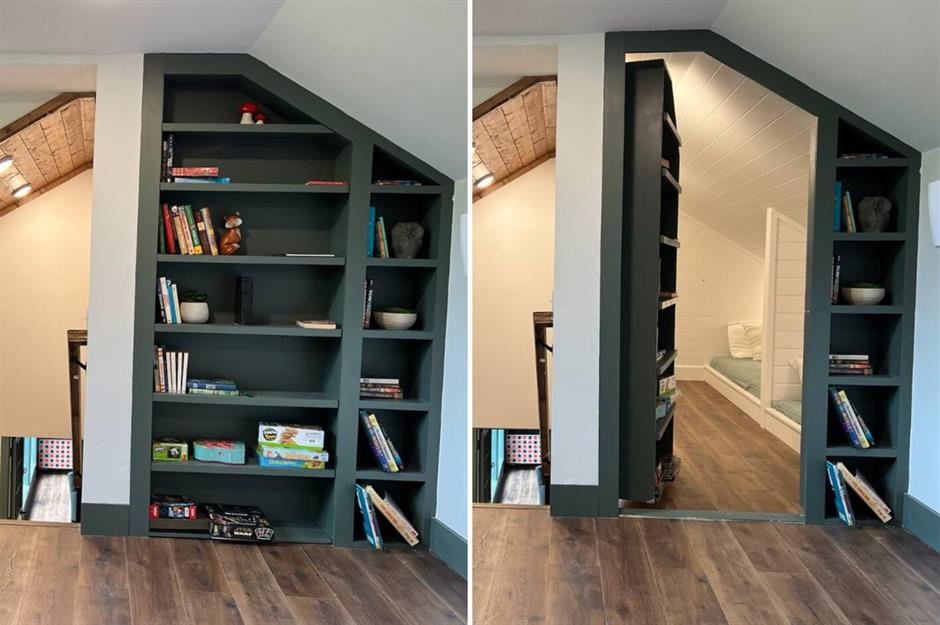
13 curious homes with secret rooms hidden inside | loveexploring.com

28 Unexpected Driftwood Decor Ideas for Home You Haven’t Seen Anywhere Else