1/4
7 Architectural Details You Should NEVER Get Rid of in a Historic Home
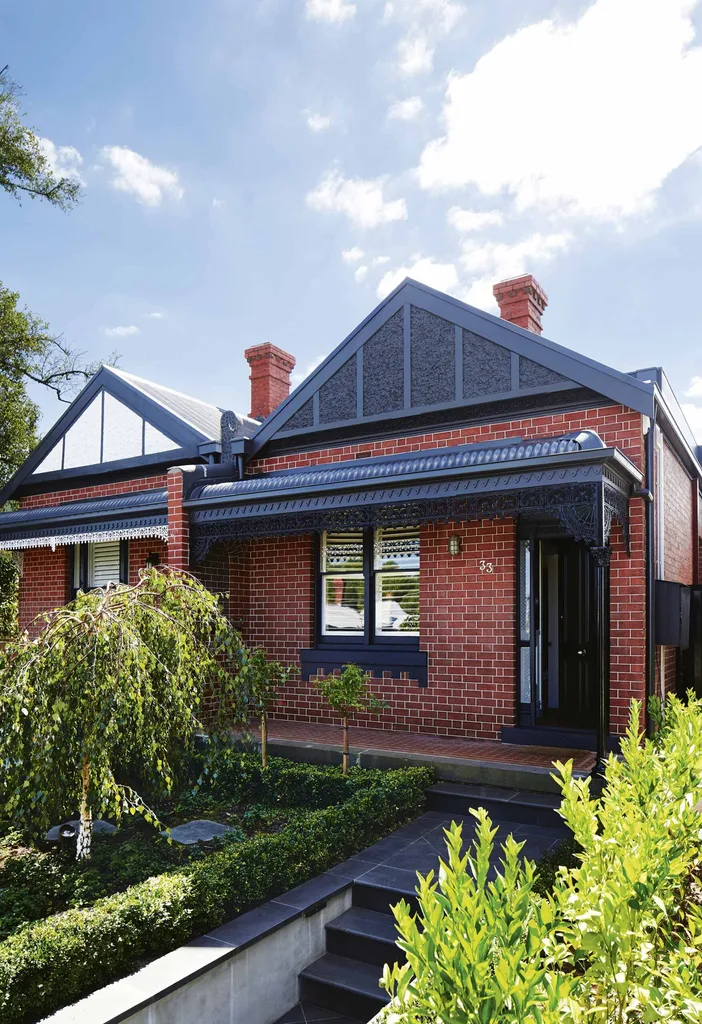
While new builds offer custom design, they often lack the inherent charm and historical depth found in older homes. Historic residences, with their subtle architectural details, appeal to those who appreciate a renovation project. However, modernizing these centuries-old spaces presents a challenge: balancing contemporary living requirements with the preservation of irreplaceable historical elements. This article, drawing insights from architects Diana Melichar and Patrick Ahearn, identifies seven architectural features in historic homes that are always worth preserving.
The first element is monumental stairs. These grand main staircases, often several feet wide, are a hallmark of past eras, rarely replicated in modern construction. Unlike simpler back staircases, monumental stairs feature decorative balusters, railings, and posts. Newel posts, in particular, are highlighted as unique, often hand-carved features that are difficult to replace without diminishing the home's character. Restoring these rather than removing them is strongly advised.
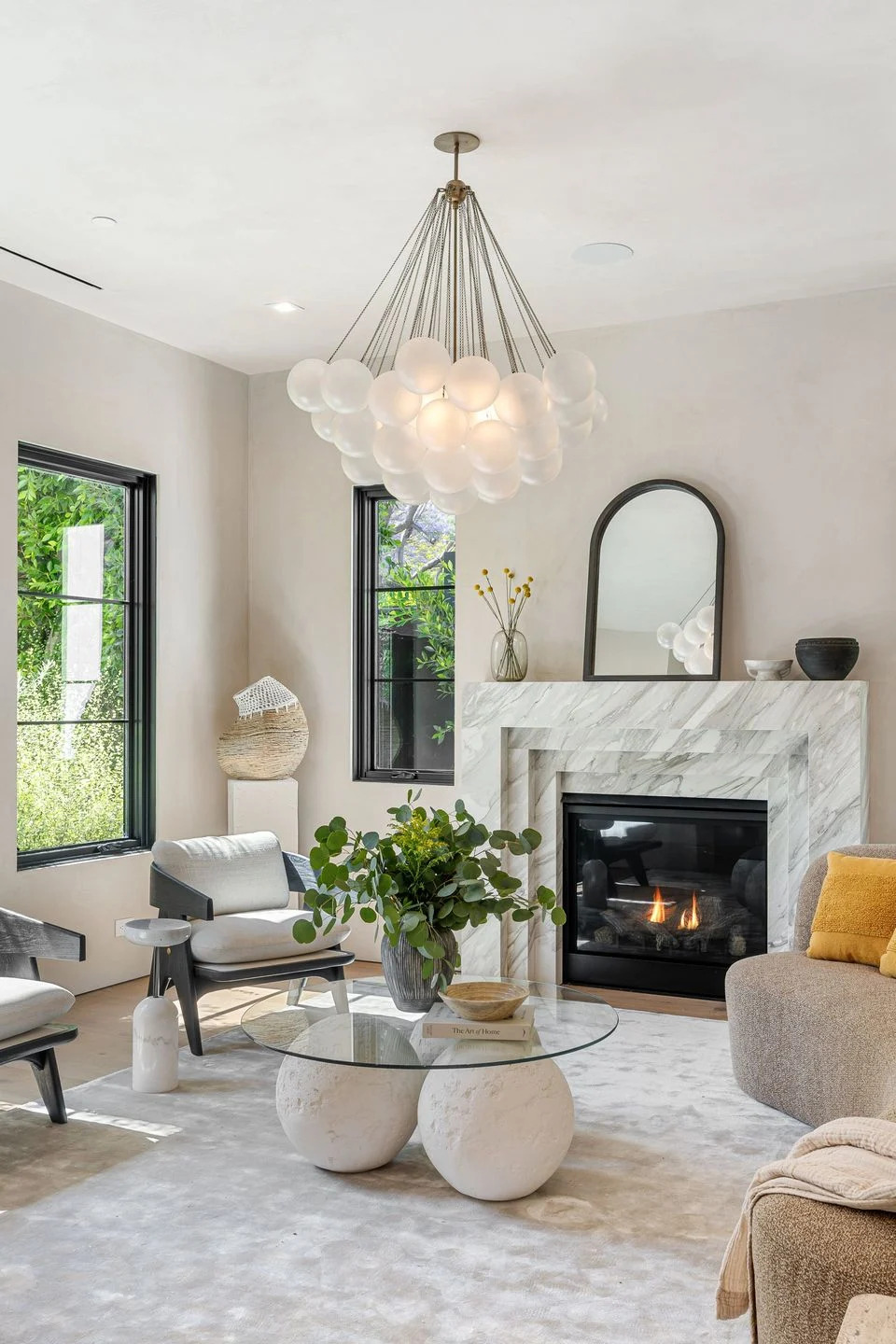
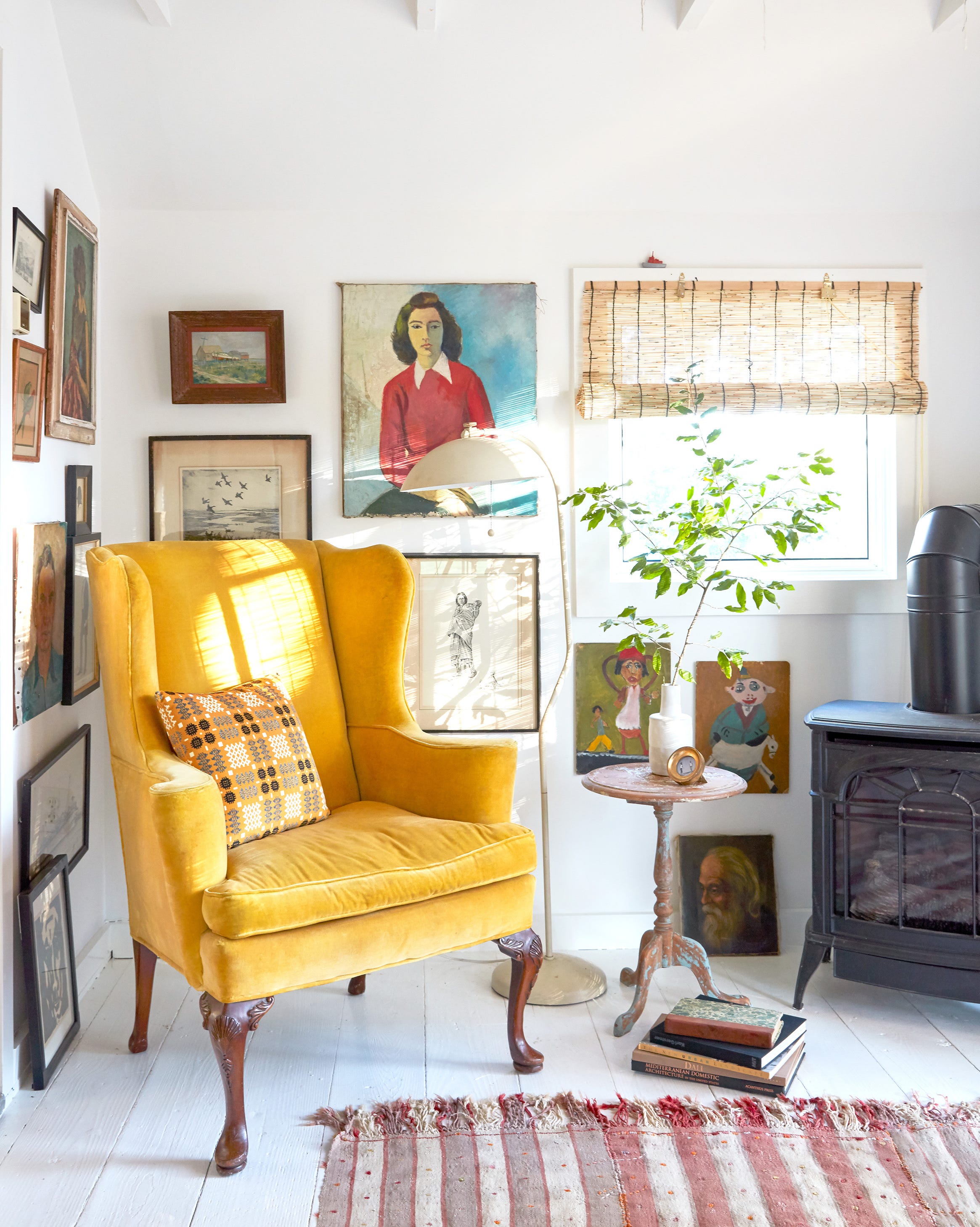
Next are fireplaces. Older homes typically have multiple fireplaces, originally serving as primary heat sources. Today, they are valued for their aesthetic appeal, crackle, and glow. The architects emphasize that getting rid of original fireplace surrounds is a significant error, as fireplaces were historically the heart of a home. Eliminating them, according to Ahearn, destroys the soul of a historic residence. Fireplace mantels, firebox surrounds, and hearths often reflect the prevailing style of their era, making them distinctive features that are relatively easy to maintain.
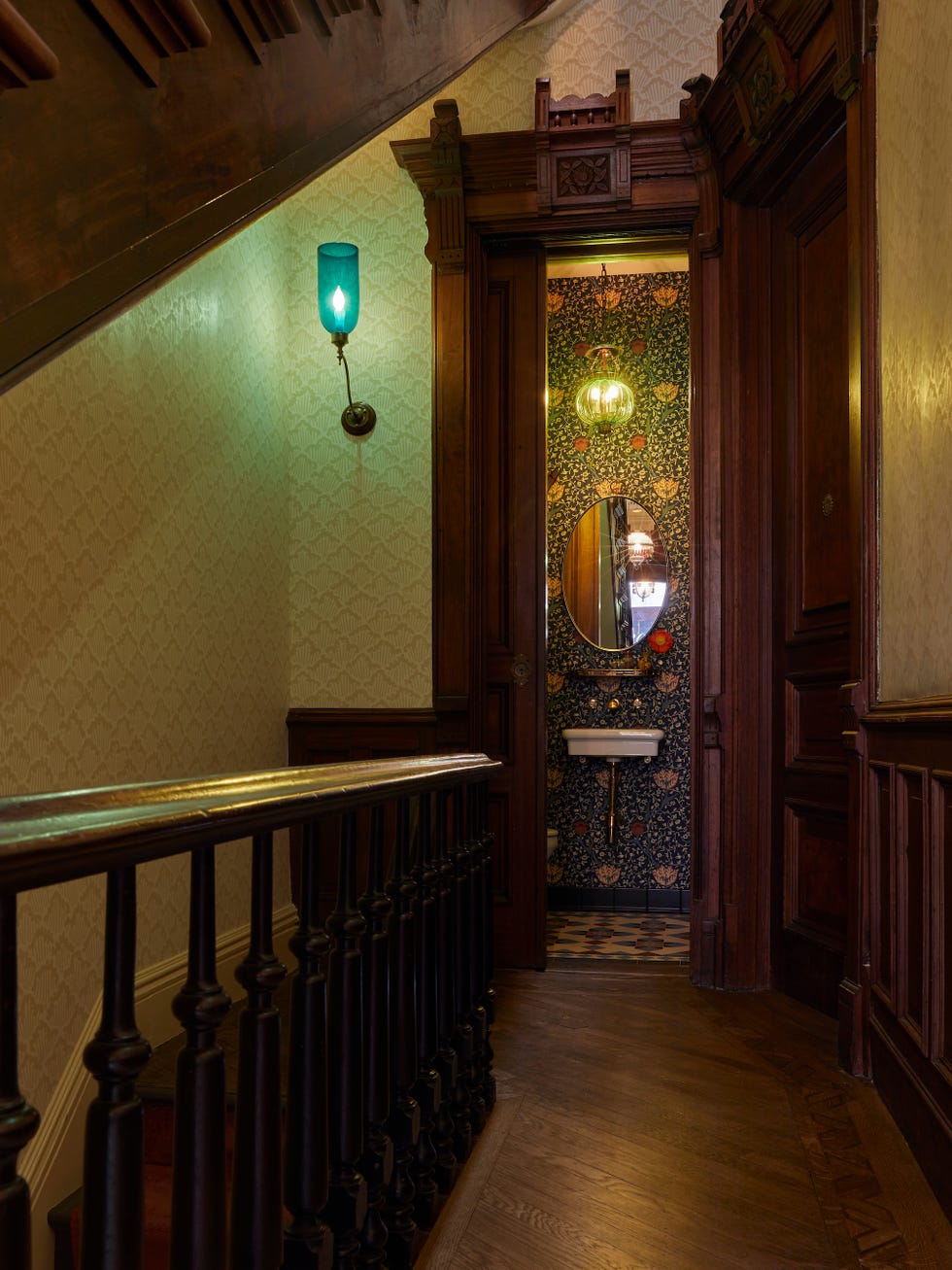
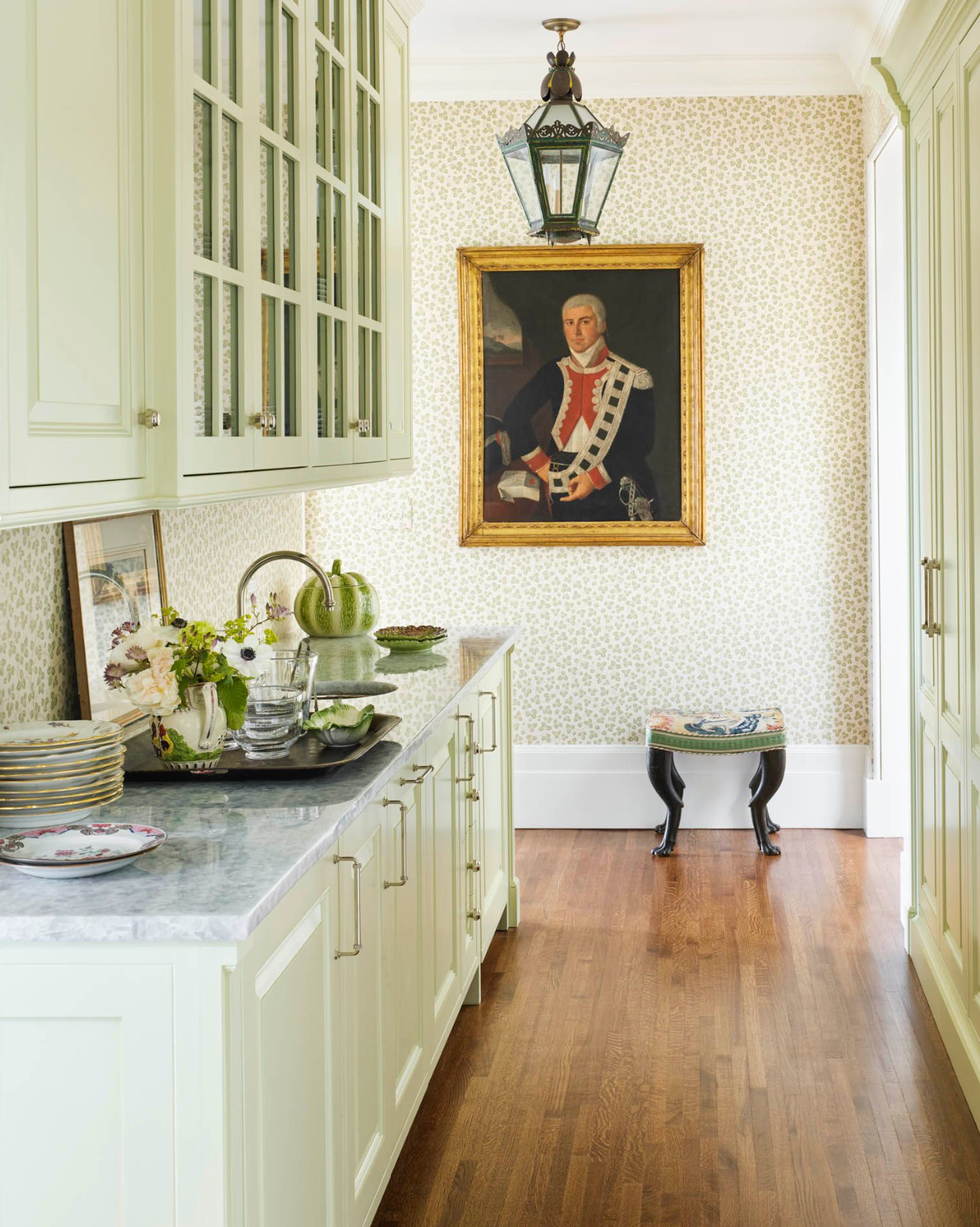
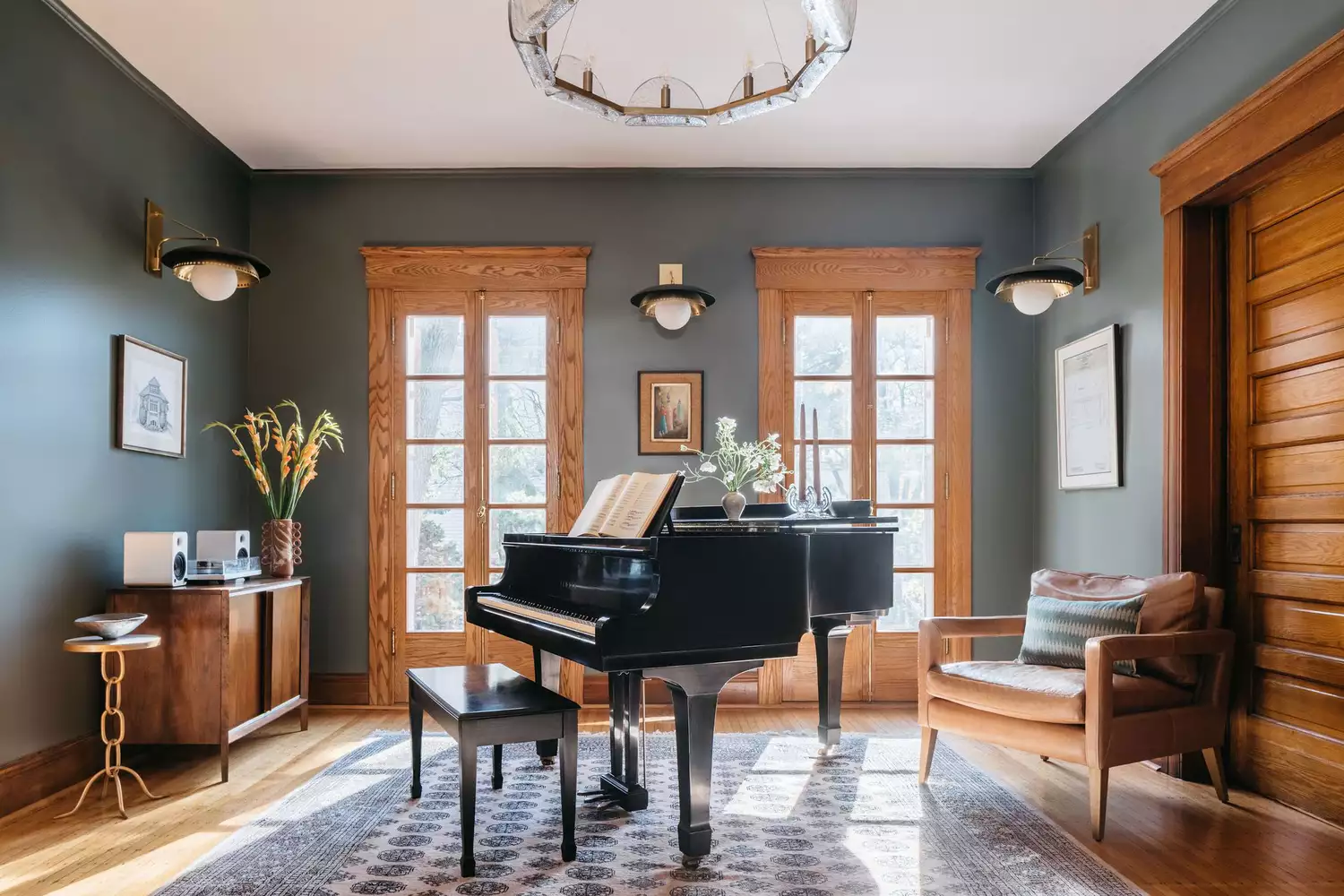
Antique light fixtures constitute another invaluable element. These handcrafted pieces, created by skilled artisans, possess an elegance and uniqueness not found in mass-produced modern lighting. Although they may require re-wiring, their decorative quality and historical significance make them irreplaceable.
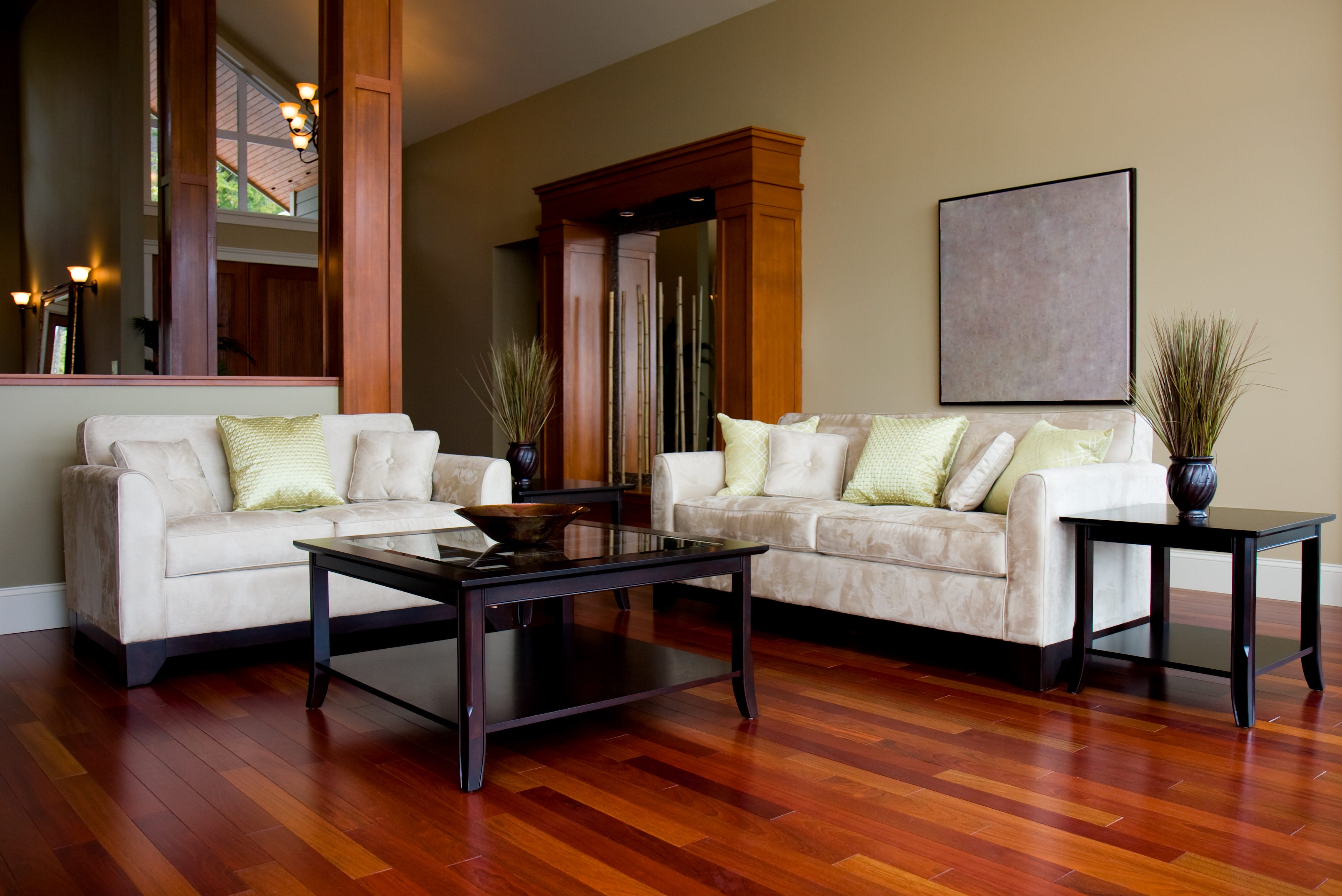
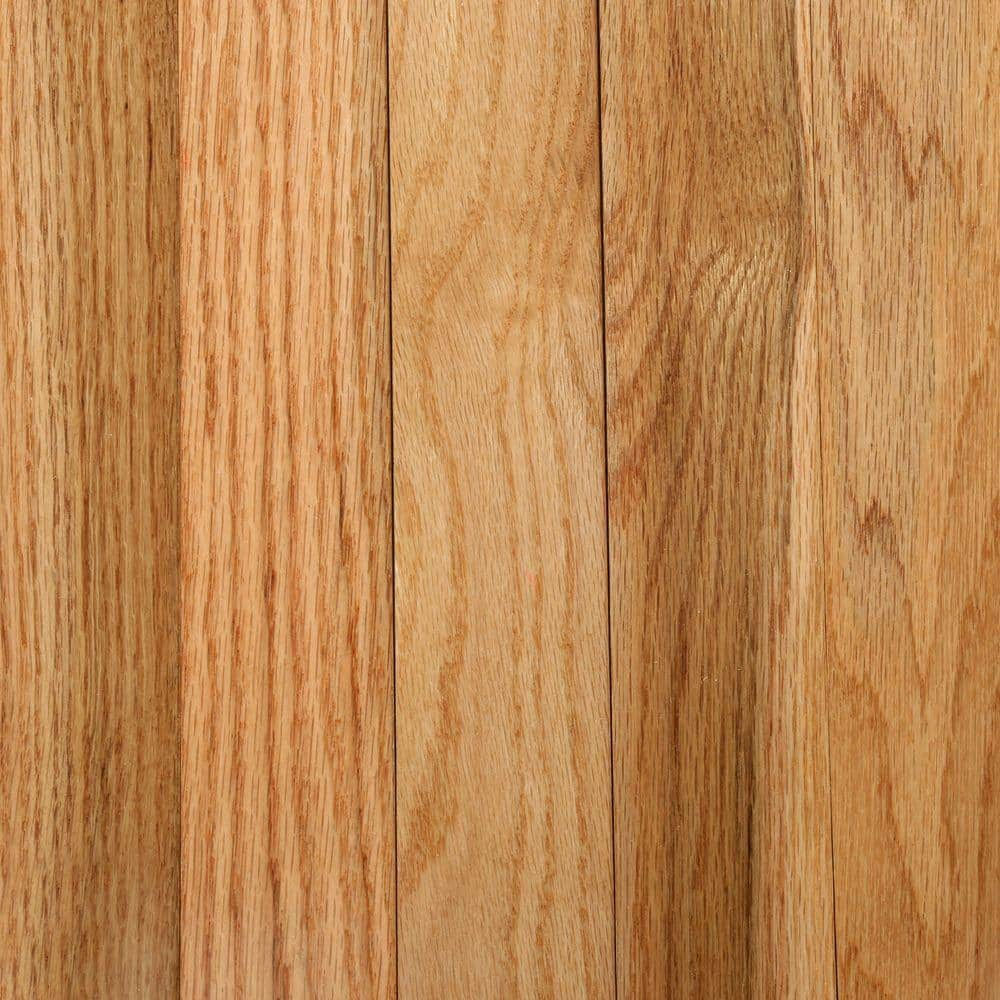
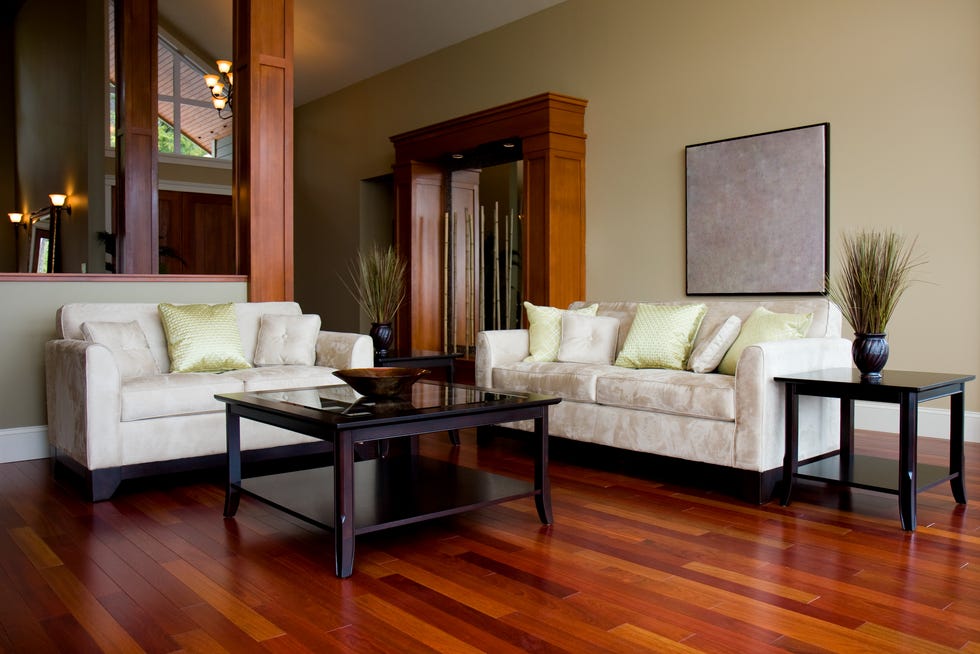
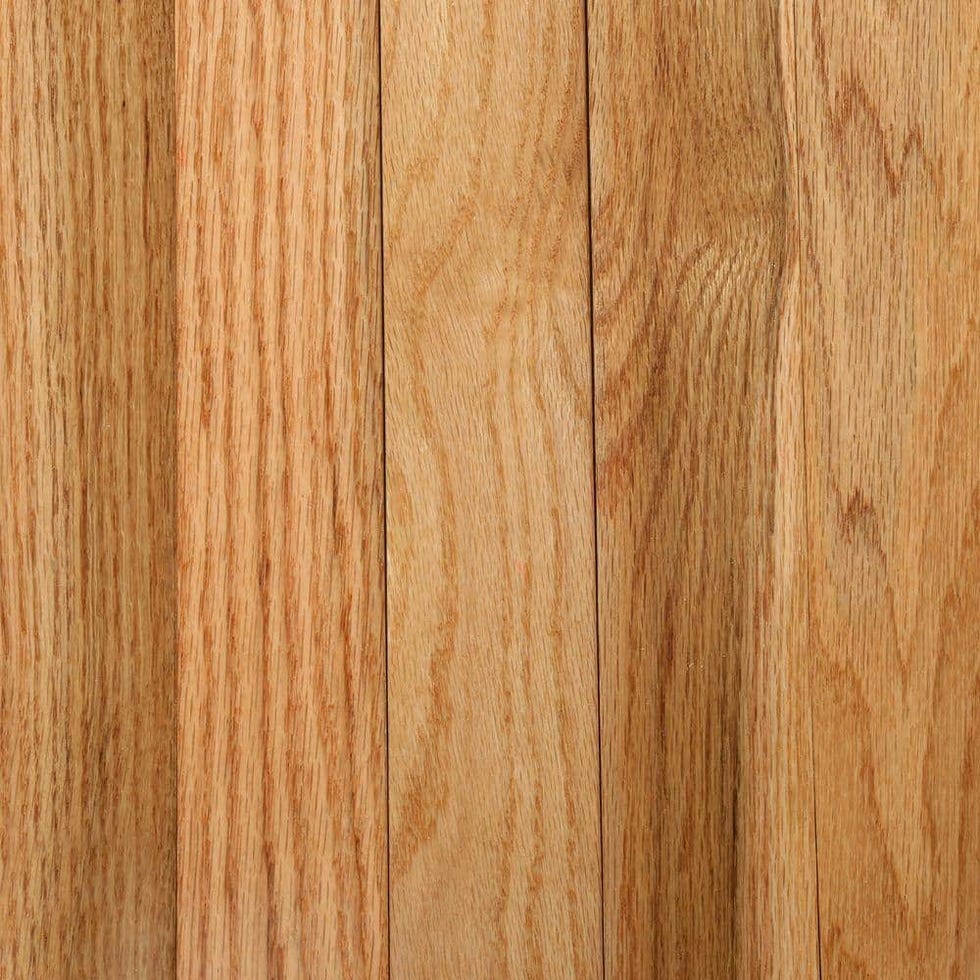
Original hardwood floors are also crucial. Despite the temptation to replace or extensively refinish them, both architects advocate for their preservation. Older growth wood flooring, particularly wide-plank varieties from America's oldest forests, is denser, stronger, and more stable than contemporary wood. These floors possess a quality that is impossible to replicate with new materials.
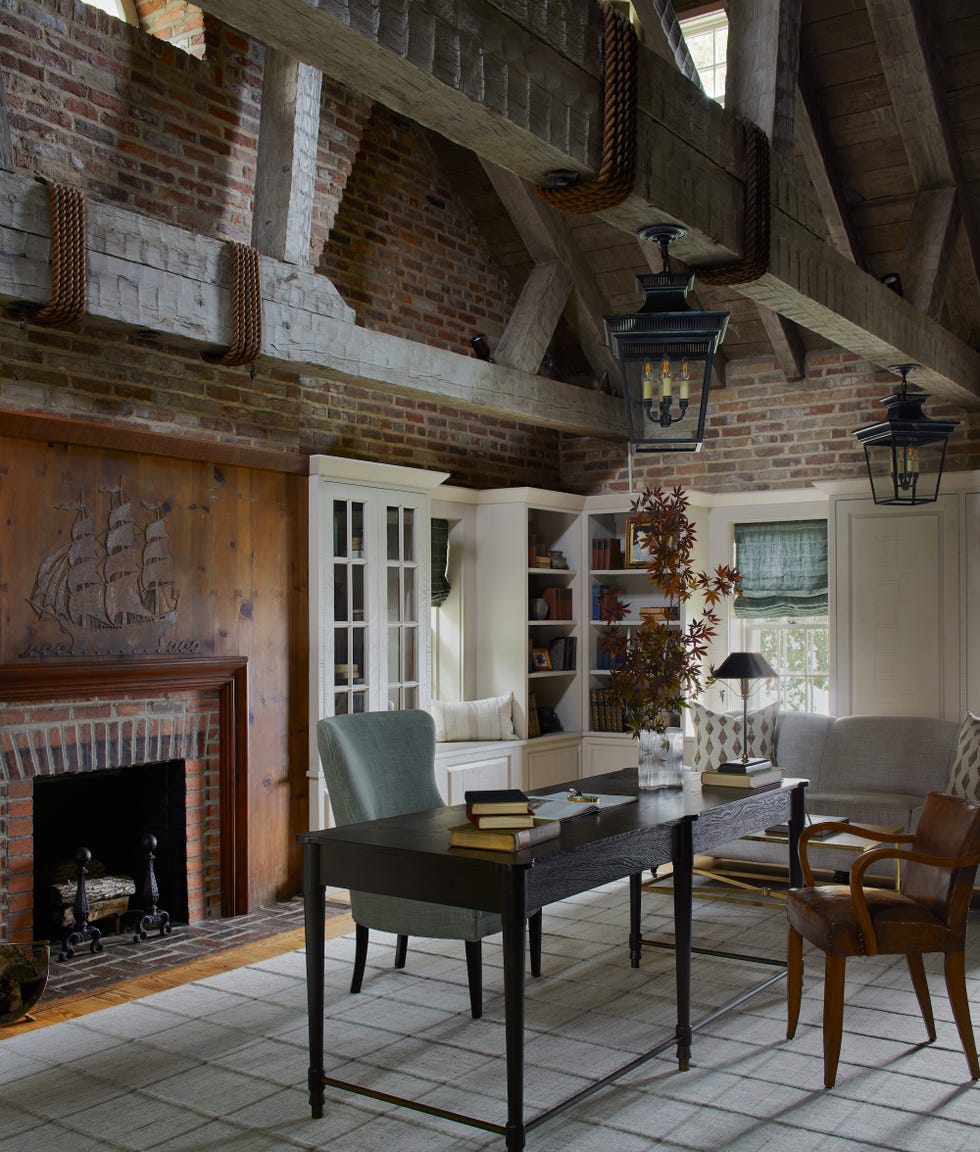
Exposed beams are another feature to retain. These structural elements contribute to a home's historic narrative, regardless of whether they remain in their raw form or are trimmed with modern finishes. The old-growth lumber used in these beams, harvested from virgin forests and matured over centuries, offers a quality far superior to today's managed forest lumber.
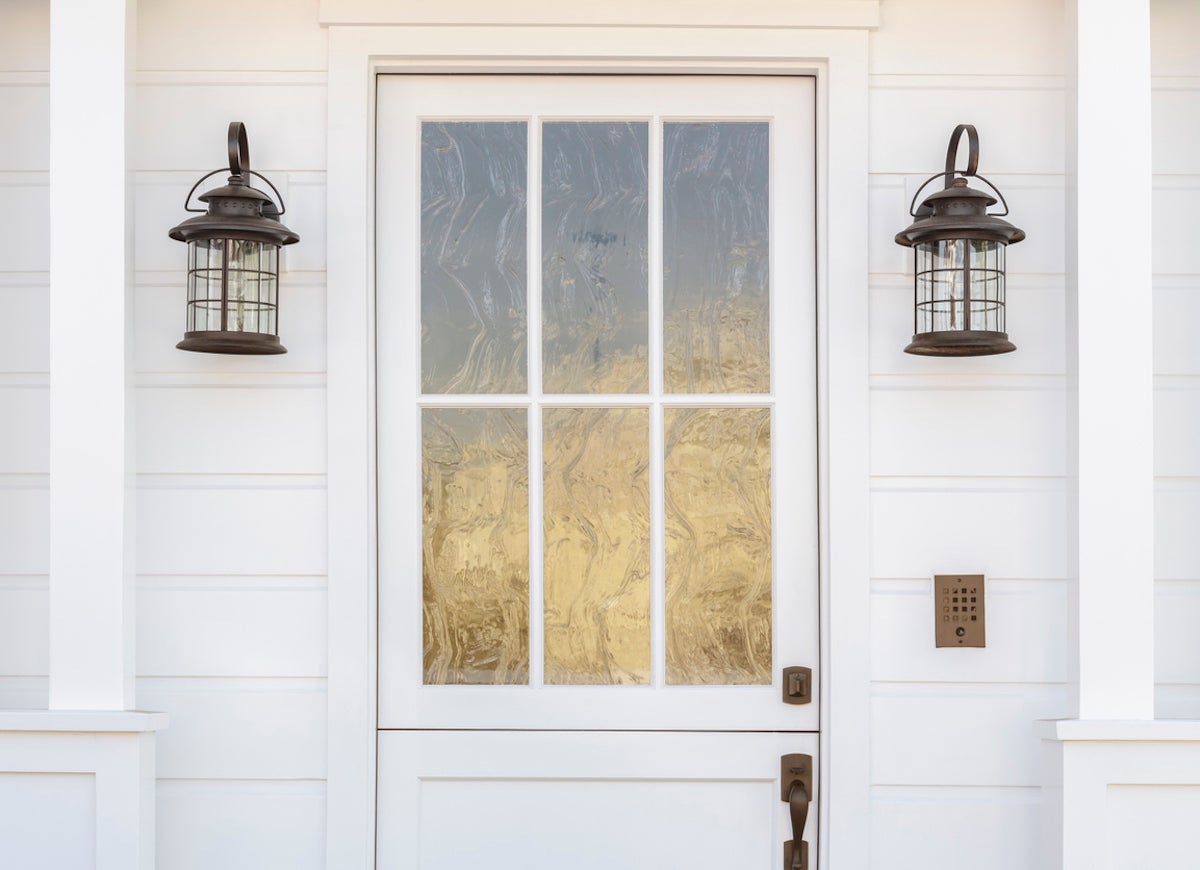
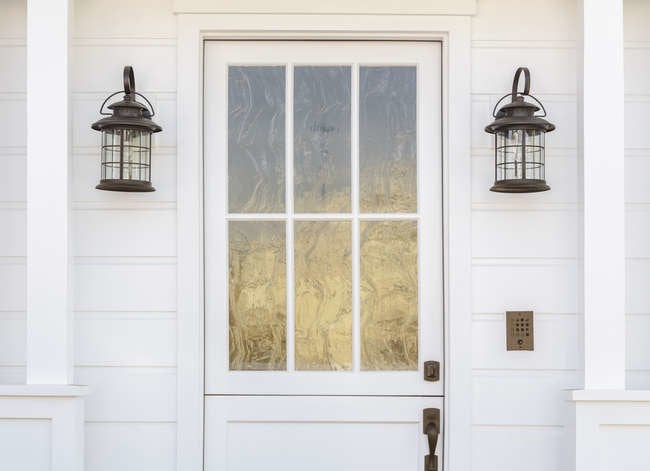
Original windows, often characterized by a distinctive waviness in their glass, are also worth keeping. This "imperfect" glass provides unique character and often superior insulation compared to thinner modern alternatives. While energy efficiency is a common concern, replacing old windows may not yield significant benefits unless the entire house is also thoroughly insulated. Original windows have also demonstrated remarkable longevity, testament to their quality. Consulting with a renovation professional to insulate frames and add weather stripping is suggested as a more effective approach.
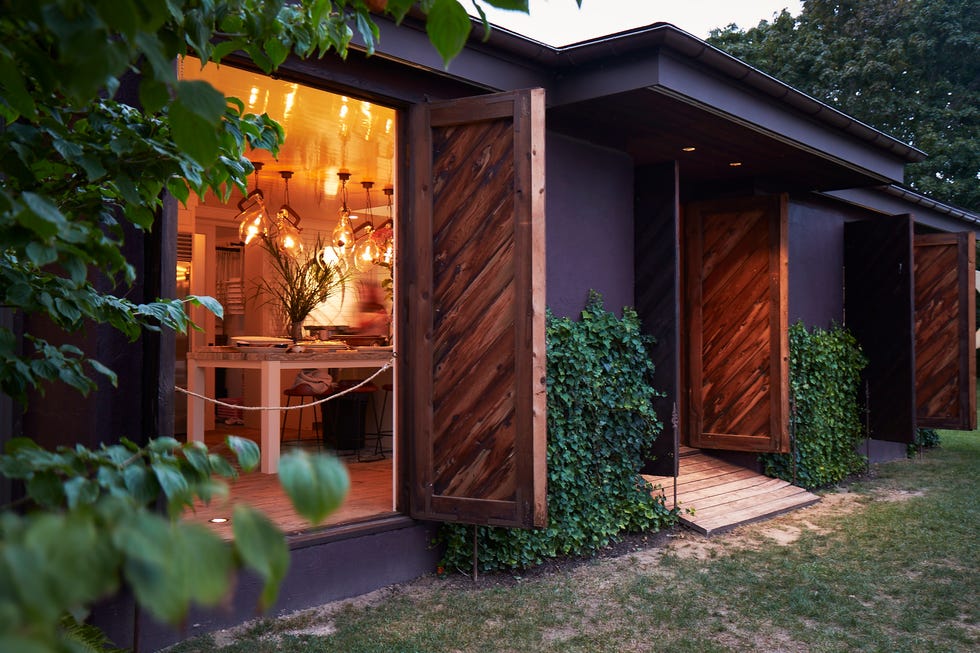
Finally, secondary structures in suburban or rural historic homes, such as barns, sheds, or carriage houses, should be preserved. These buildings, which cannot be rebuilt in their original locations if demolished, offer opportunities for repurposing into spaces like home offices or workout studios, thereby honoring the home's complete historical context.
#HistoricHomes #ArchitecturalPreservation #HomeRenovation #InteriorDesign #DesignTips #HistoricElements #PropertyValue #ArchitecturalFeatures #HomeRestoration #HistoricHomes #ArchitecturalPreservation #HomeRenovation #InteriorDesign #DesignTips #HistoricElements #PropertyValue #ArchitecturalFeatures #HomeRestoration
0 comment in total
 No comments yet
You may also like
7 Things You Should Always Preserve or Try to Save in an Old Home, According to Designers

The Top Home Features Designers Always Skip
Interior Designers Reveal 6 Surprising Things Making Your House Look Dated
How to Renovate a Historic Home—and Keep Its Character—According to Designers

15 Old House Features We Were Wrong to Abandon

Quirky Home Features You May Never See Again
10 Outdated Kitchen Details That Are Quietly Aging Your Home
8 tiny design details you are definitely overlooking in your home that can completely elevate a space

7 Vintage Home Details Experts Want to Bring Back
10 Outdated Kitchen Details That Are Quietly Aging Your Home

7 tips for restoring heritage homes to their former glory

5 Design Choices That Make Your House Look Super Dated, According to Designers

7 Kitchen Details That Always Give Designers the Ick—and What to Do Instead

7 Classic Country Design Ideas You’ll Never, Ever Regret
Hidden Home Features You Have to See to Believe
7 Vintage Home Decor Features That Designers Want to See EVERYWHERE in 2026
7 home design trends to skip (and what to do instead)

Designers all agree that these 7 kitchen features are always eyesores – and what you should do about them
6 Antique Design Features Designers Wish Would Make a Comeback
7 Reasons Your Home Looks Dated, According to Designers