Renovating a Home? Here's How to Modernize Without Losing Character
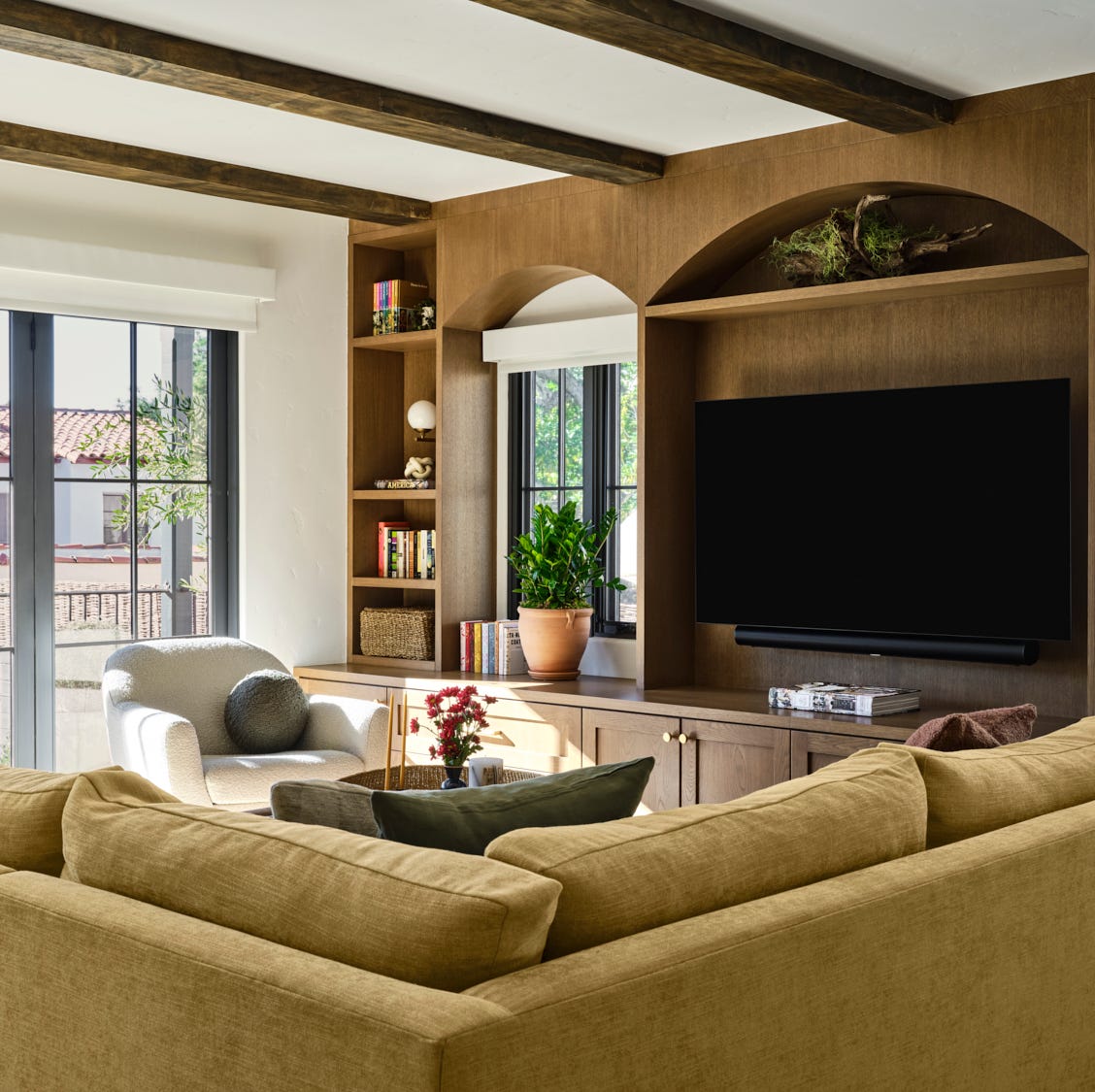
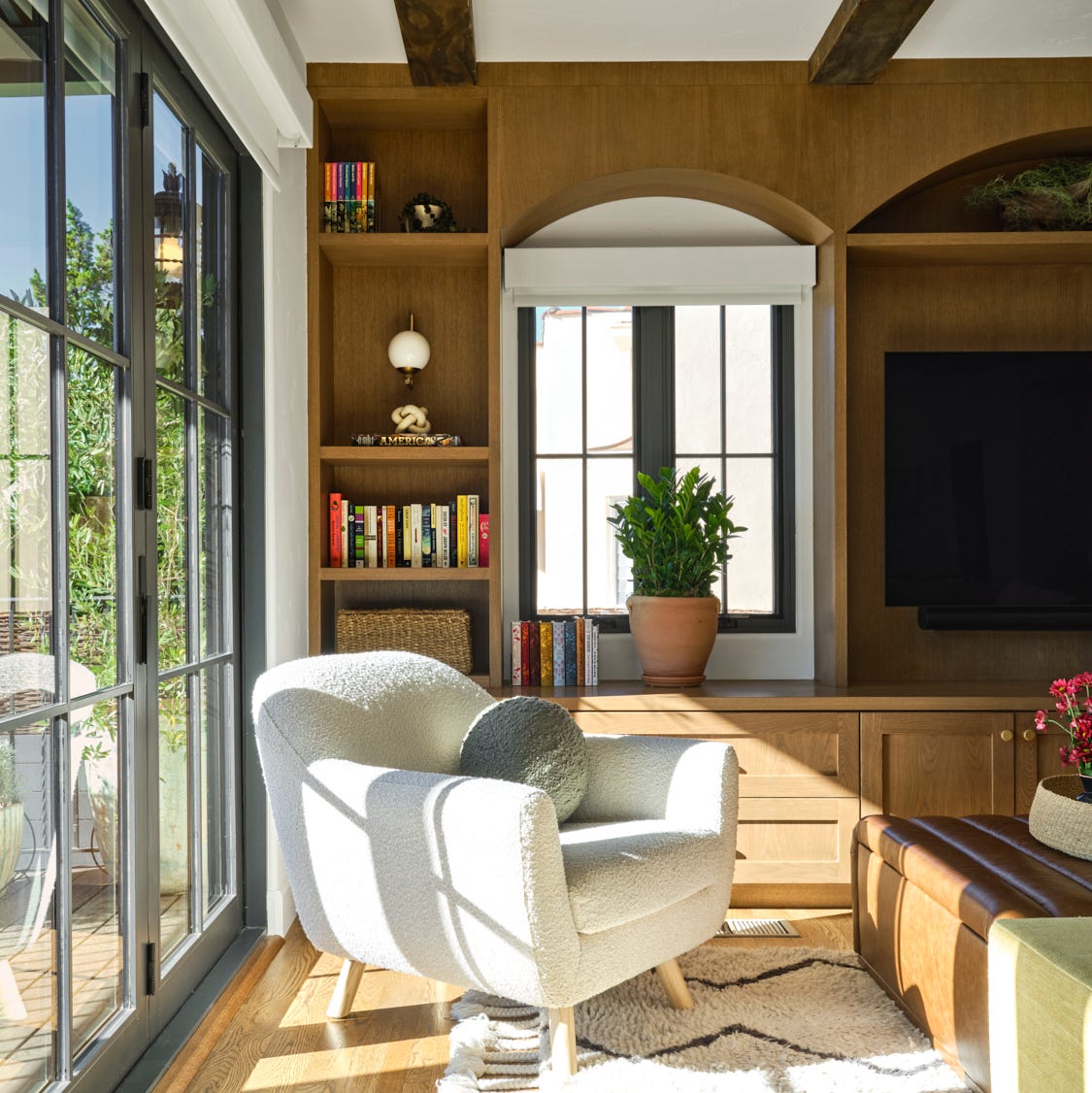
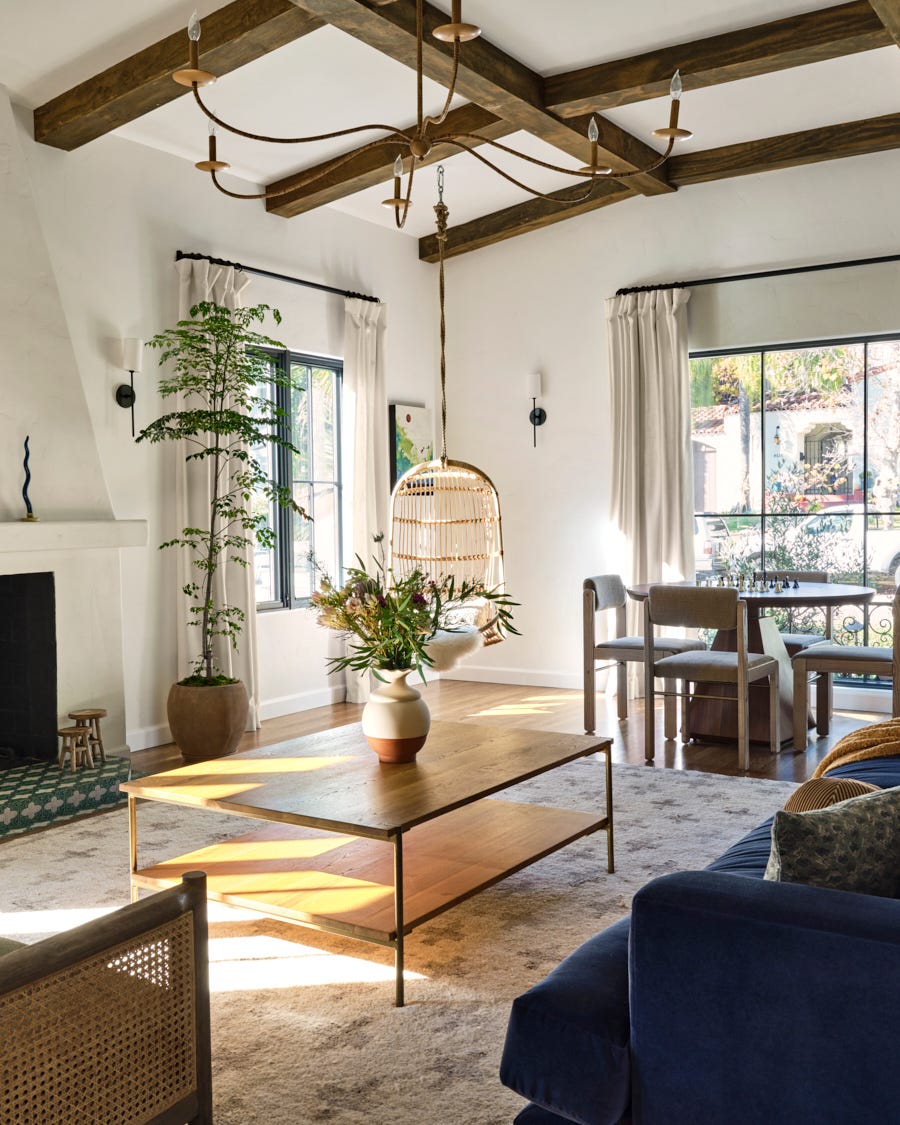
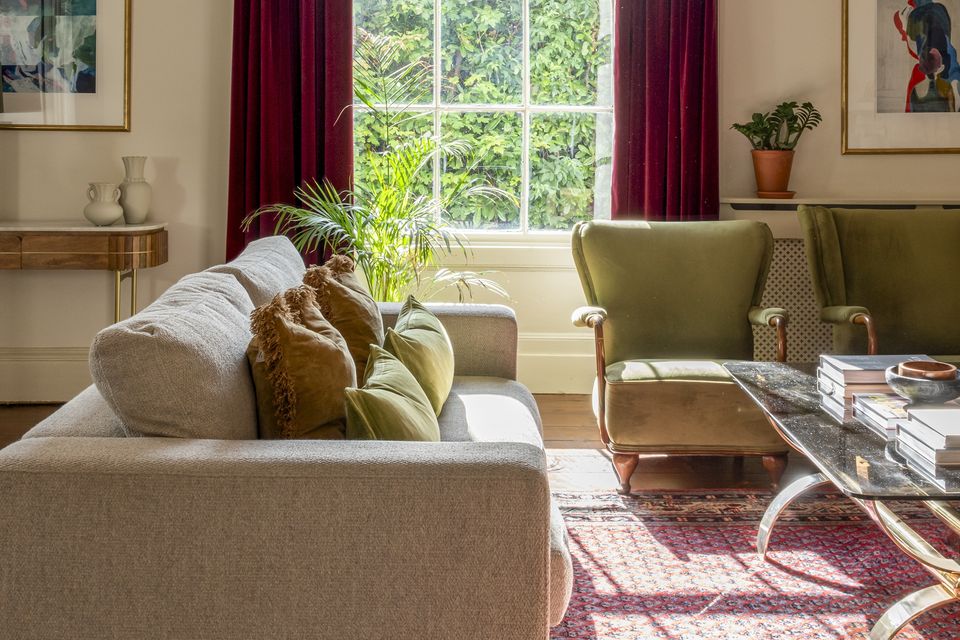
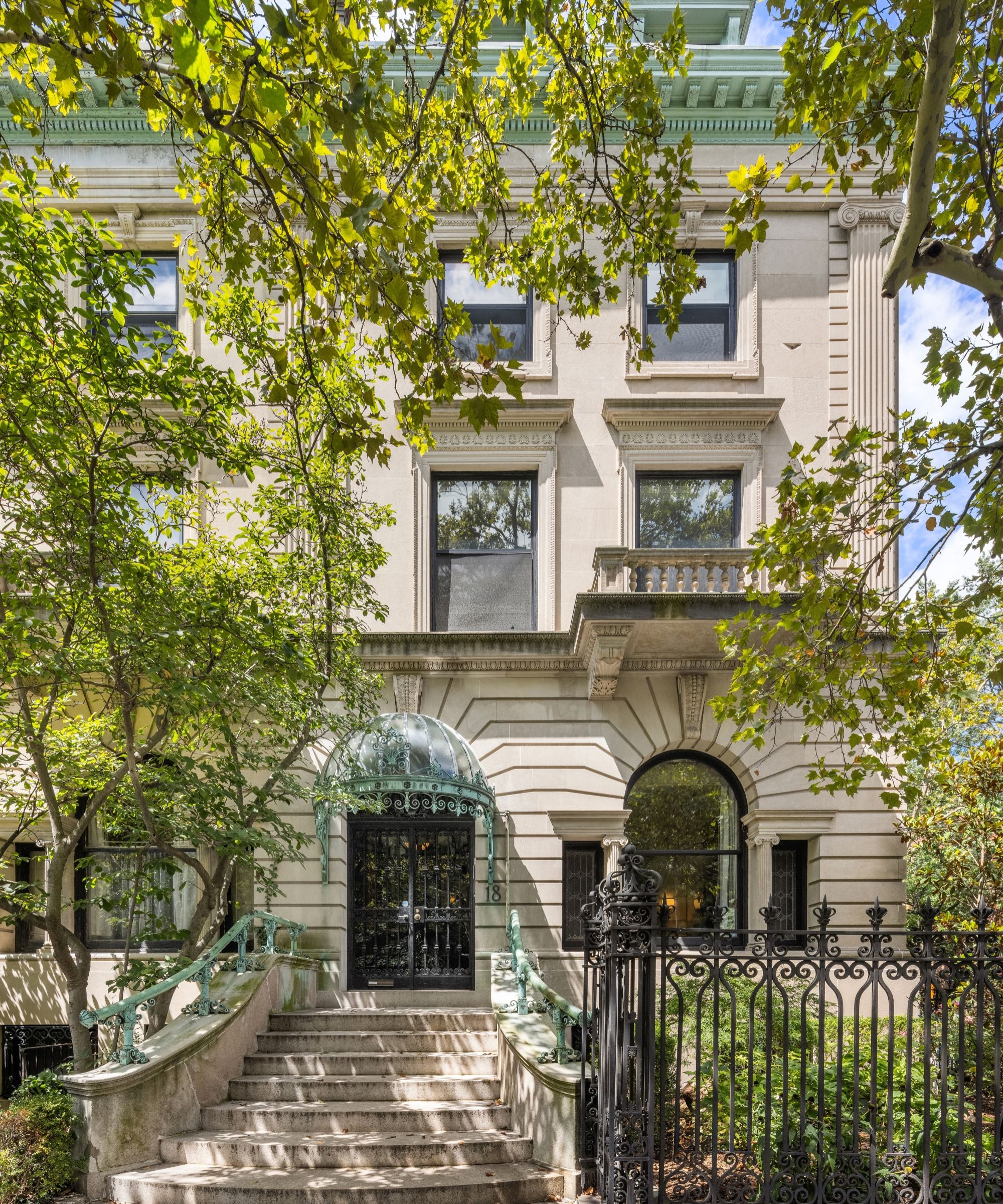
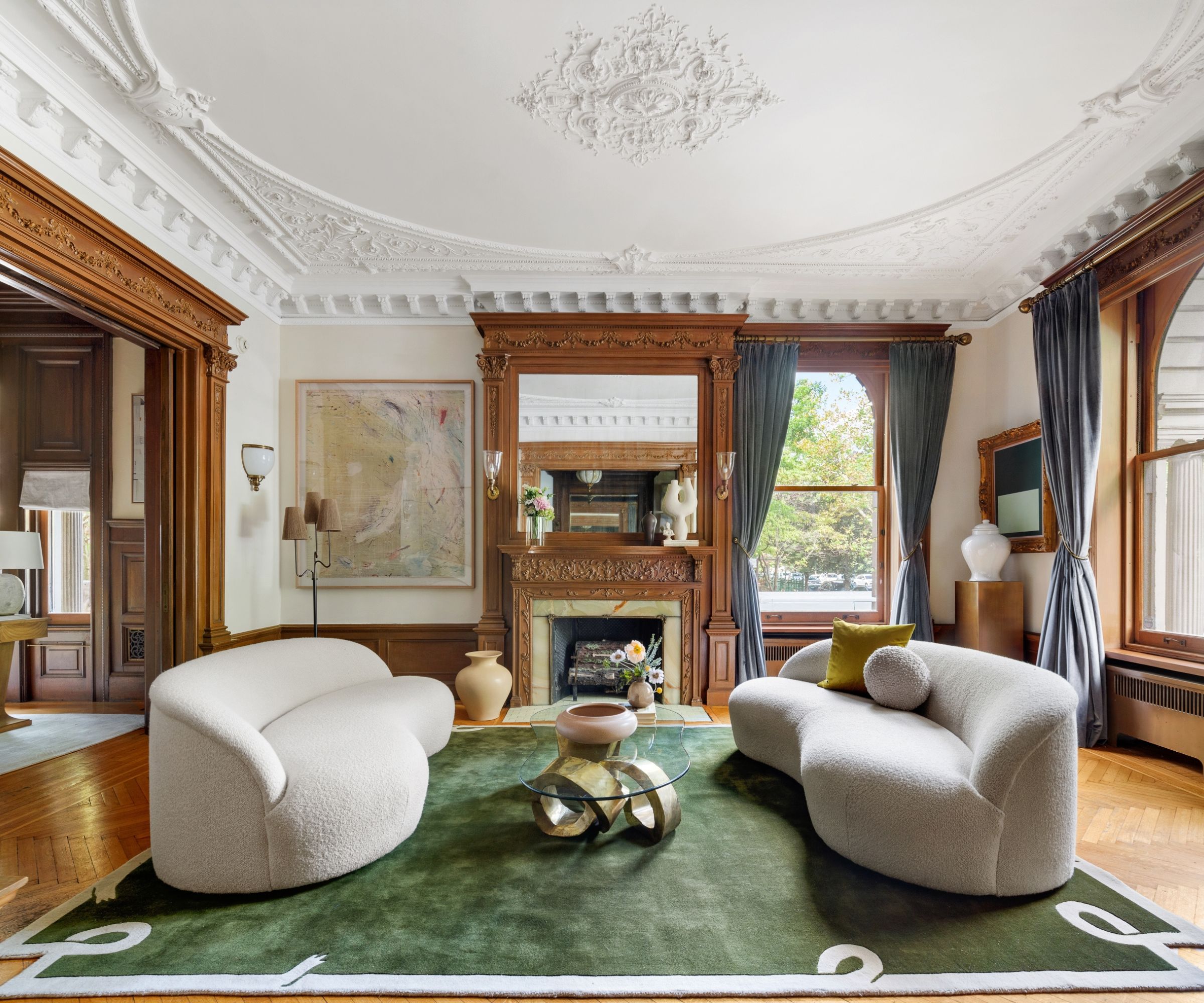
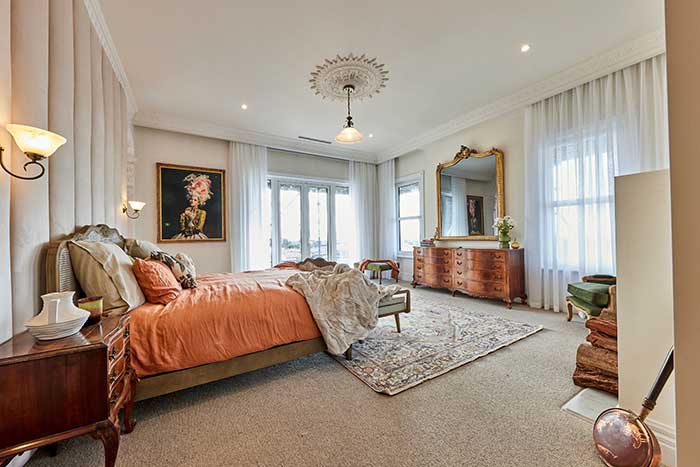
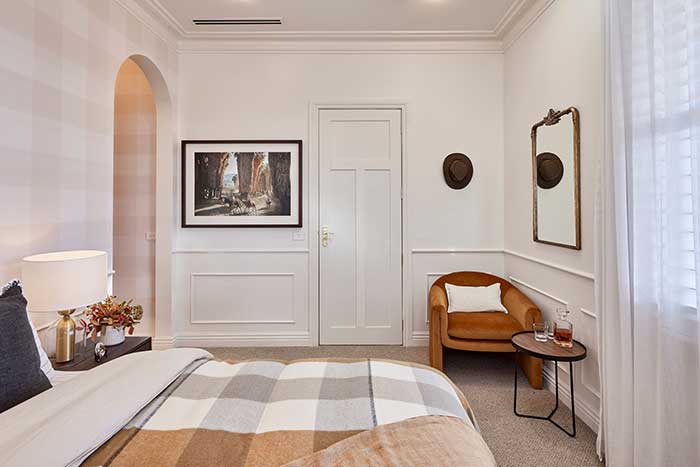
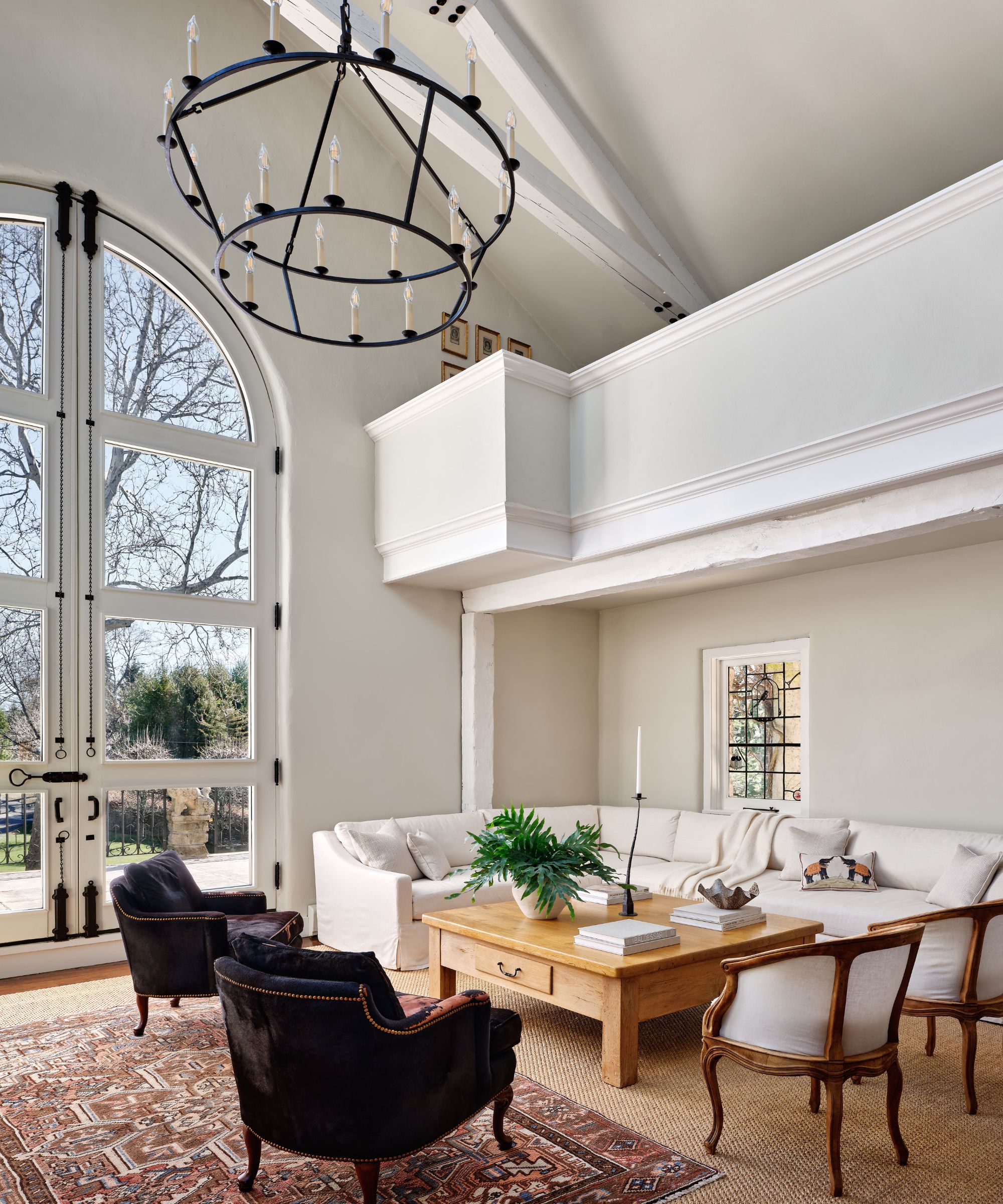
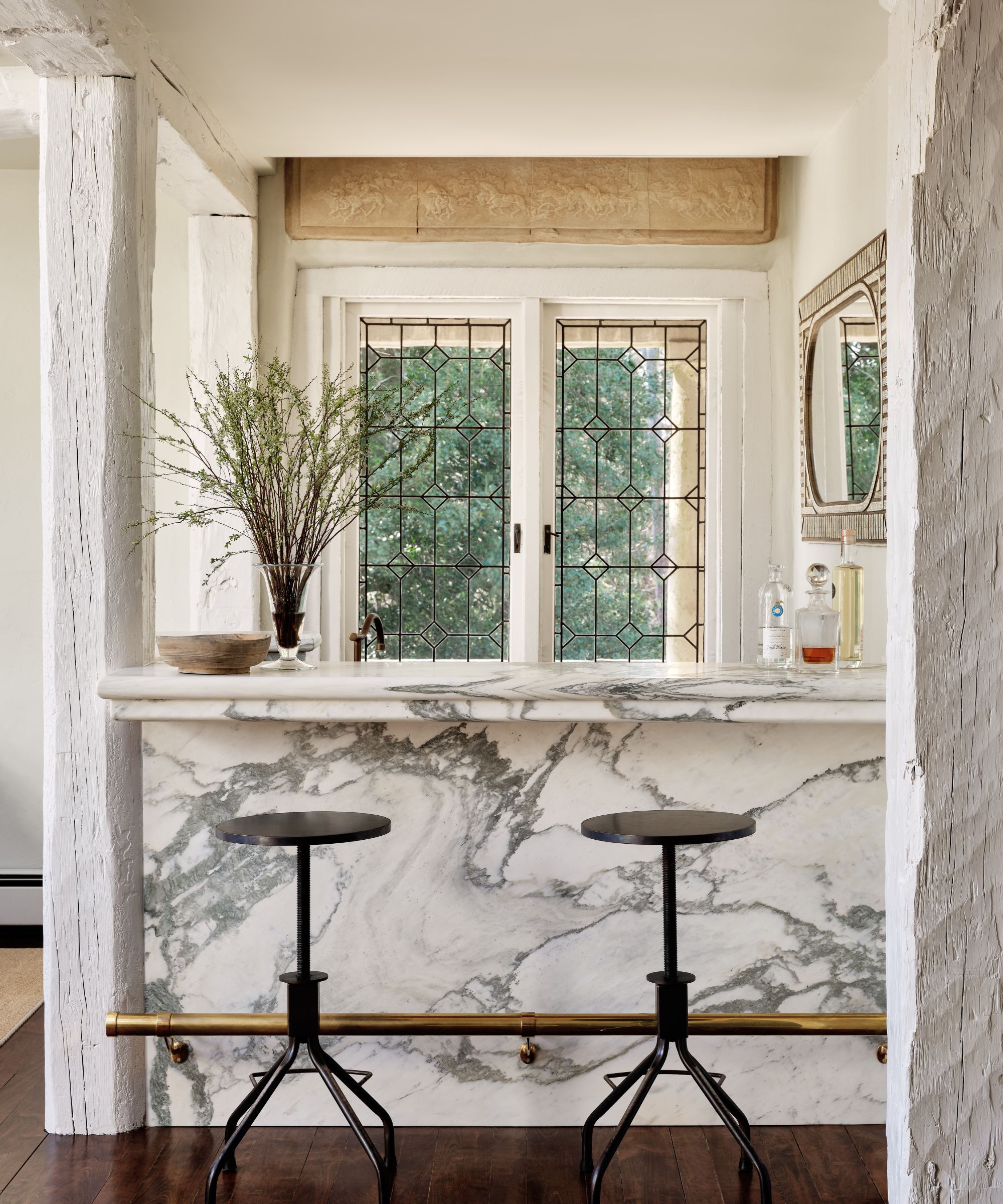
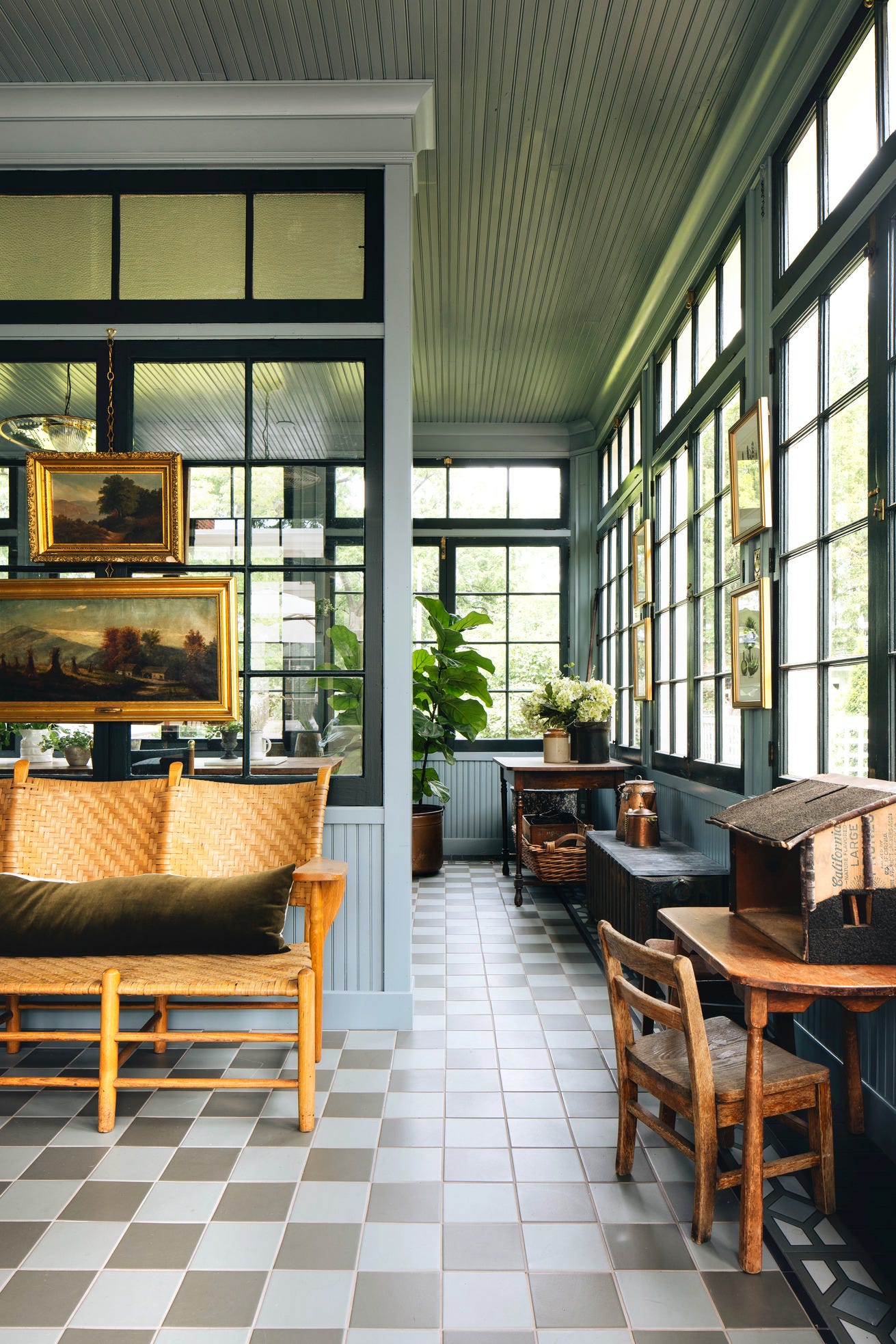
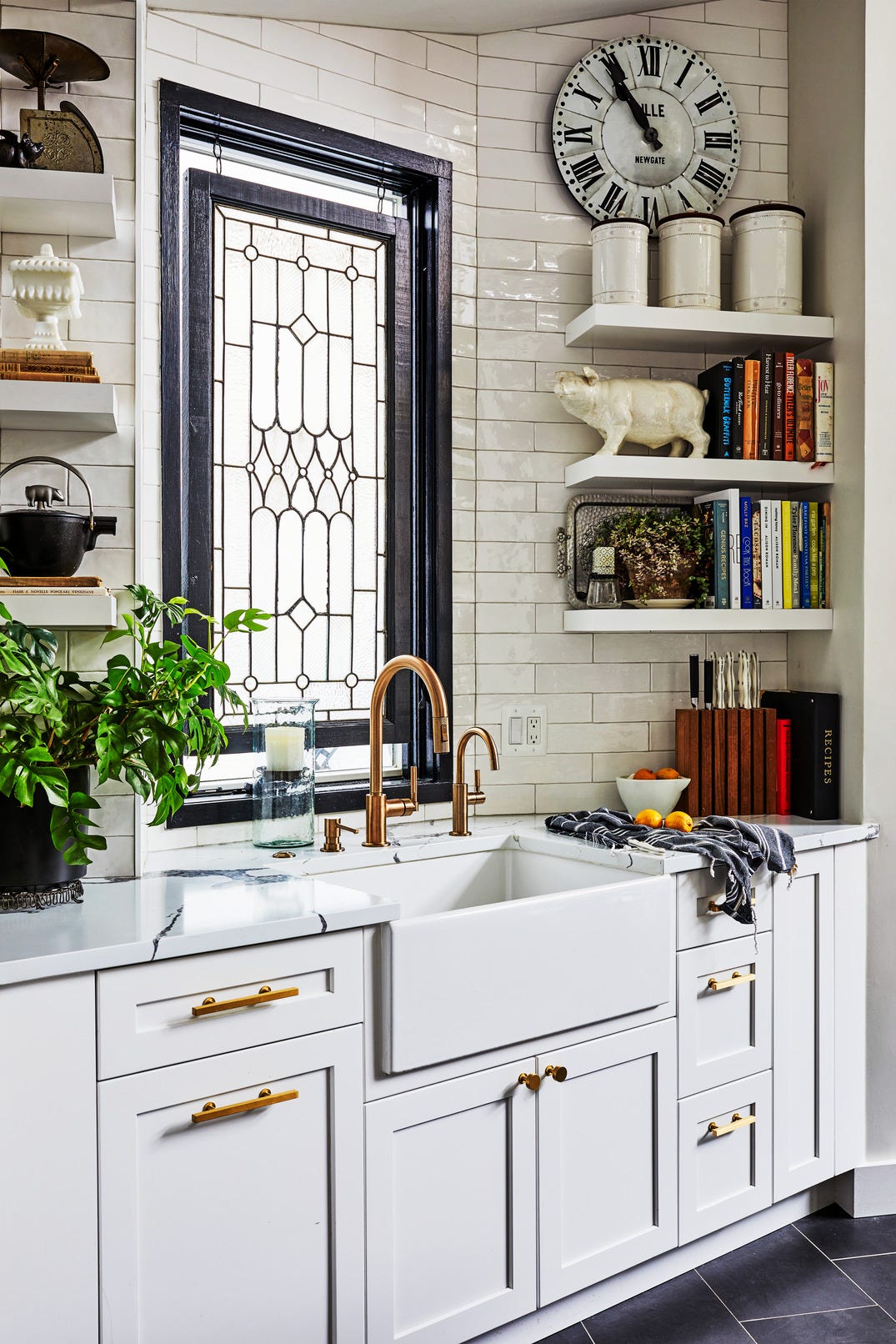
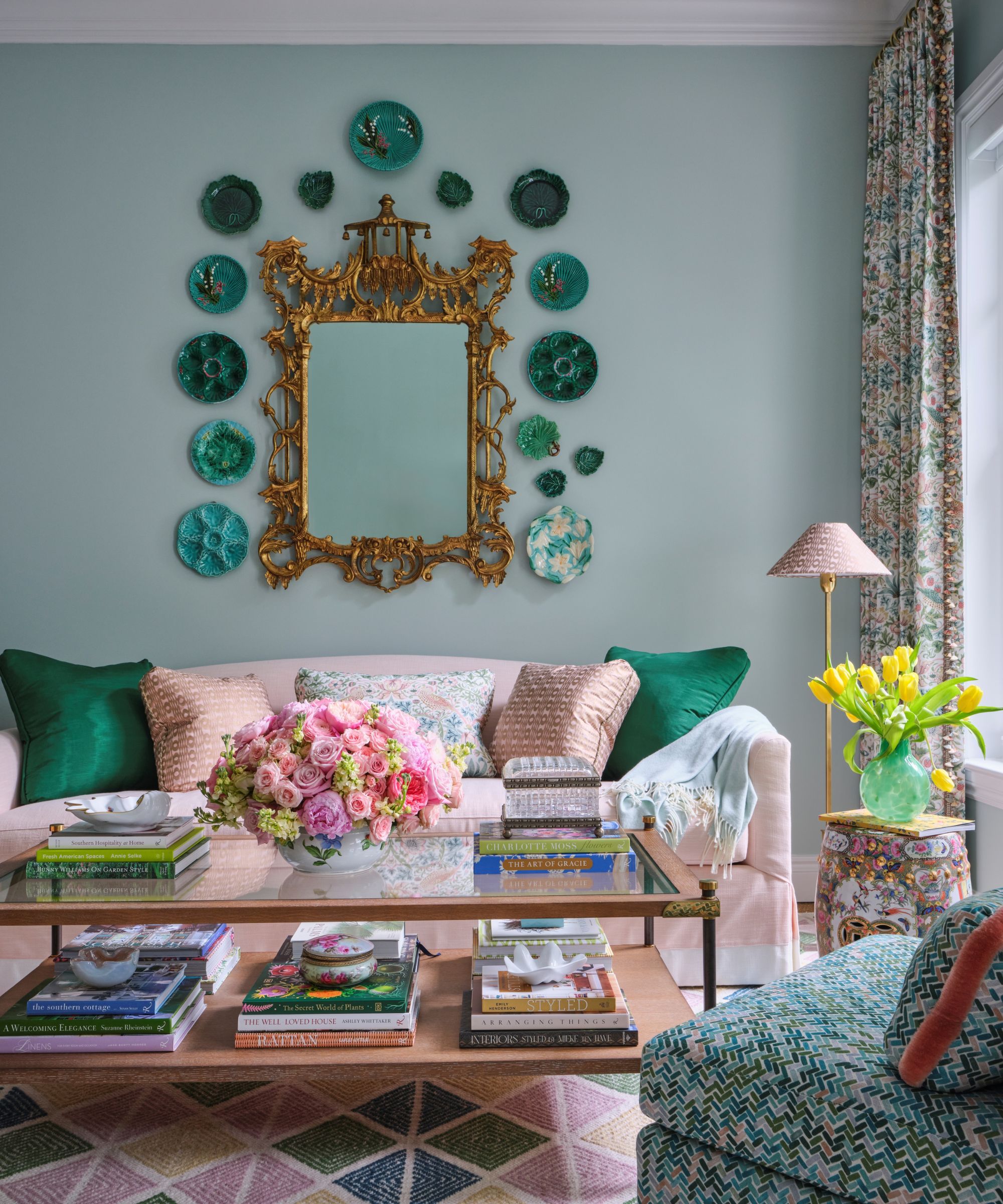
Renovating an older home presents a delicate balance between modernizing the space and preserving its inherent character. Interior designers emphasize the importance of retaining a home's original charm while implementing necessary updates. The core philosophy suggests restoring existing elements rather than completely replacing them, and then thoughtfully integrating modern finishes for any new additions. This approach allows the historical aspects to shine while still achieving a contemporary feel. A crucial element in achieving this harmony is the careful selection of a color palette. Designers advise using soft colors that allow vintage features to remain the focal point and encourage natural light. It's important to consider the undertones of existing materials, such as traditional warm wood, when choosing new colors to ensure a cohesive blend rather than a stark contrast. For instance, an all-gray modern palette might clash with a home rich in traditional wooden details.
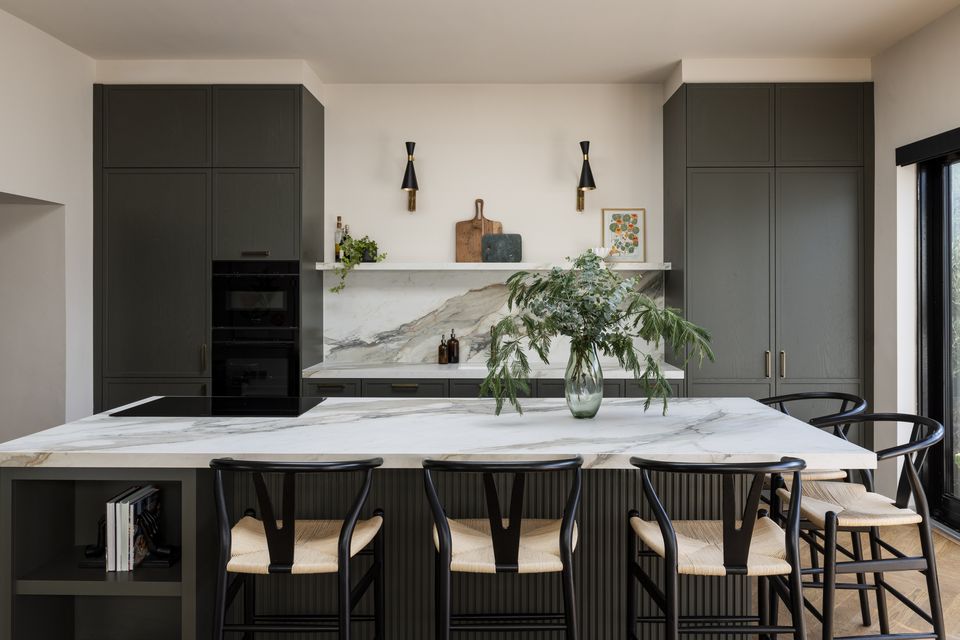
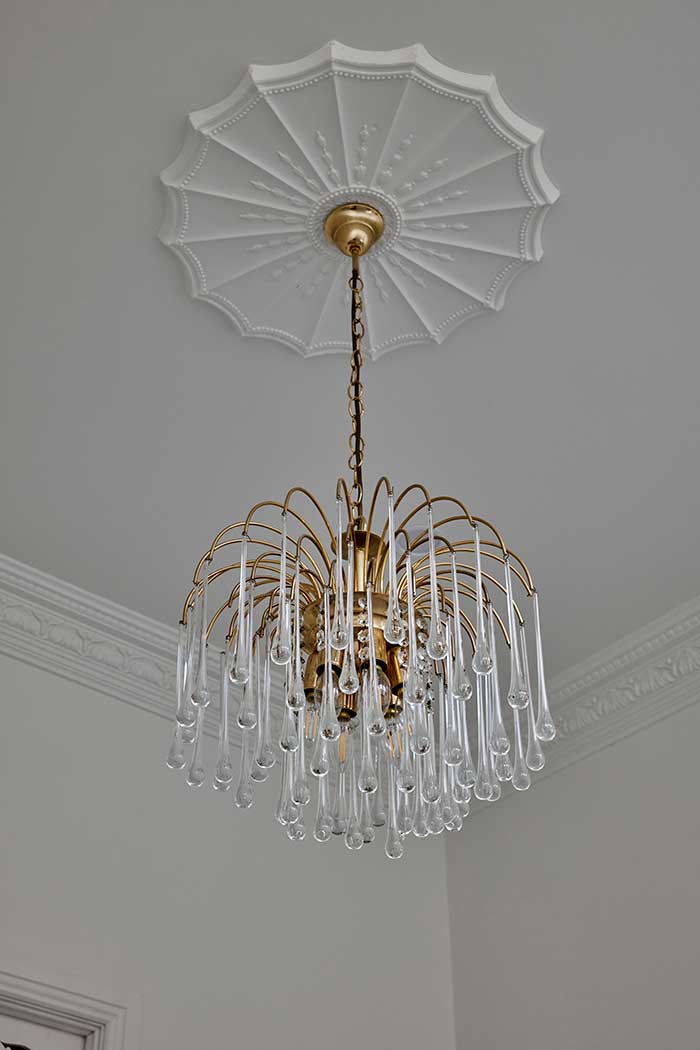
When renovations involve building an addition to a historic home, the challenge of blending old and new persists. Architects often set new volumes back from the original structure and use distinct, modern materials to visually differentiate between the historic and contemporary sections. This method, exemplified by projects like Clayton Korte’s Ridgecrest Residence, focuses on both expansion and preservation. The same principle applies to interior design, where significant historic details are respected and new elements are introduced in a way that highlights, rather than overshadows, the original character of the space. This strategic distinction prevents the new additions from detracting from the historical integrity of the home.
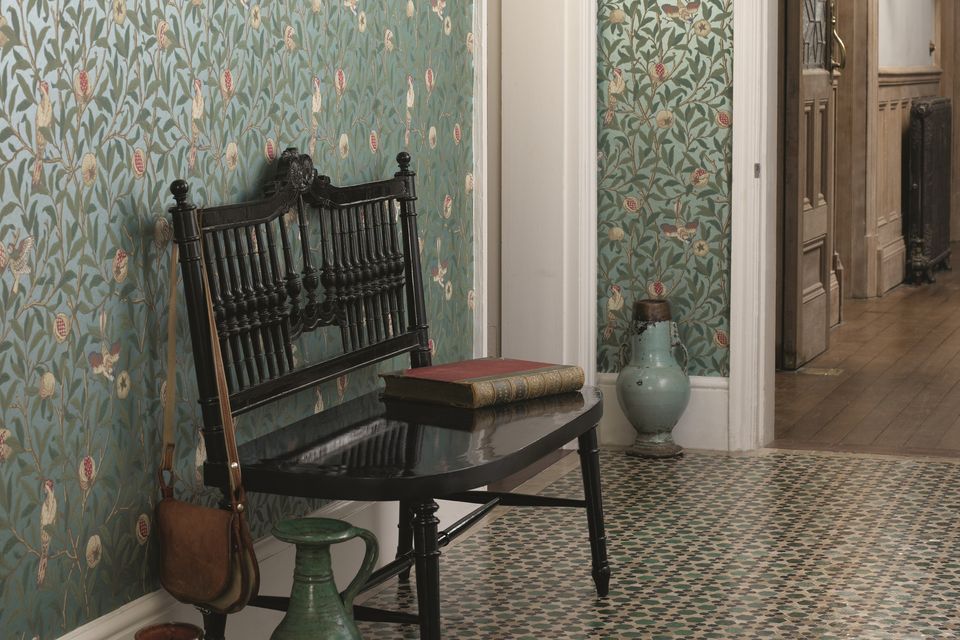
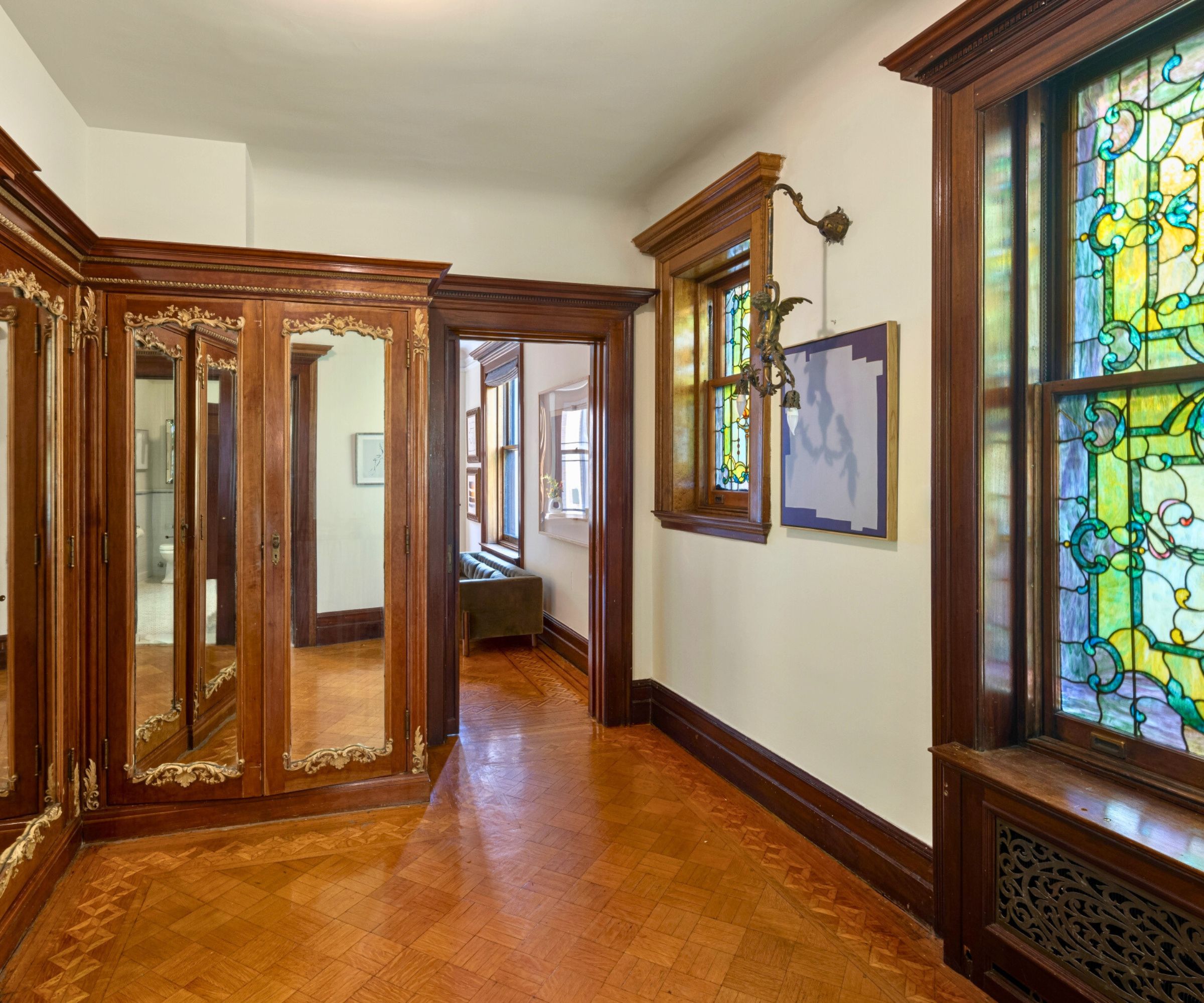
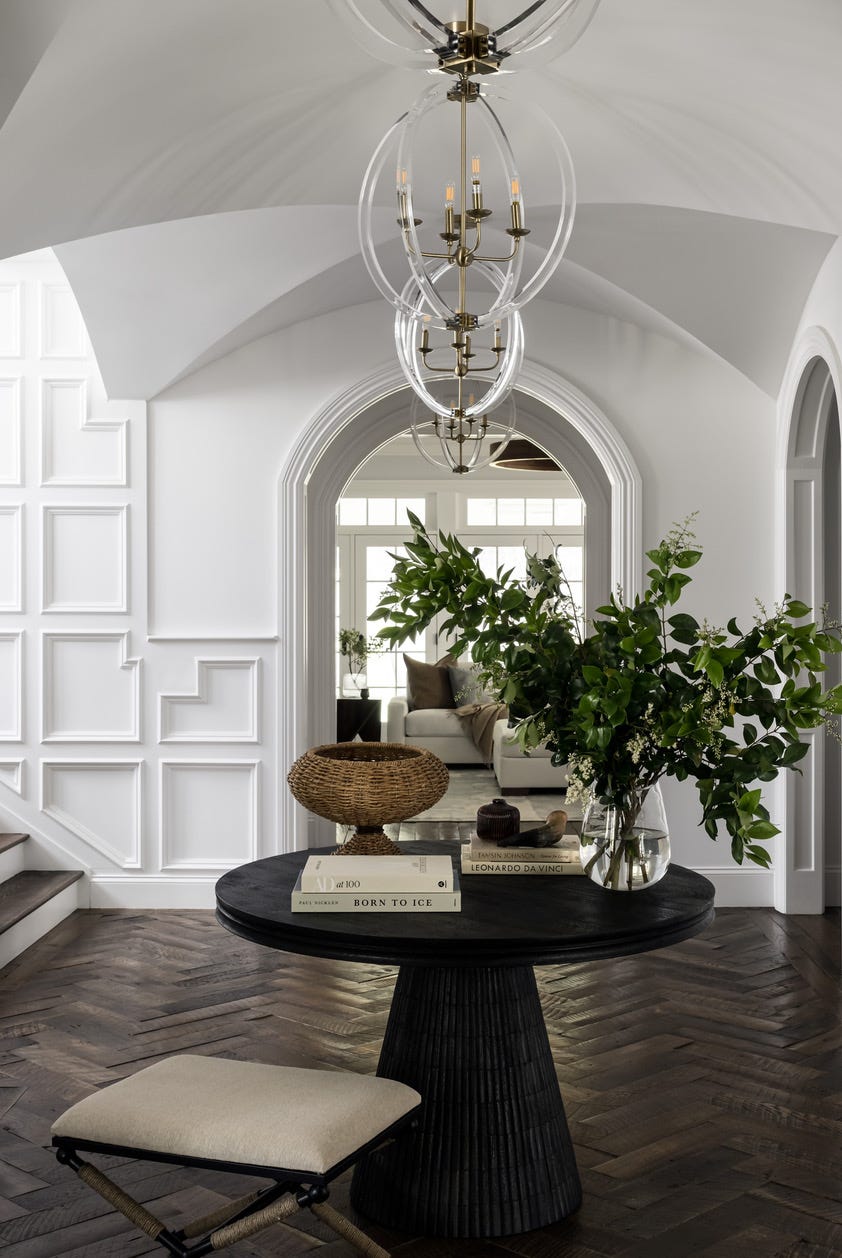
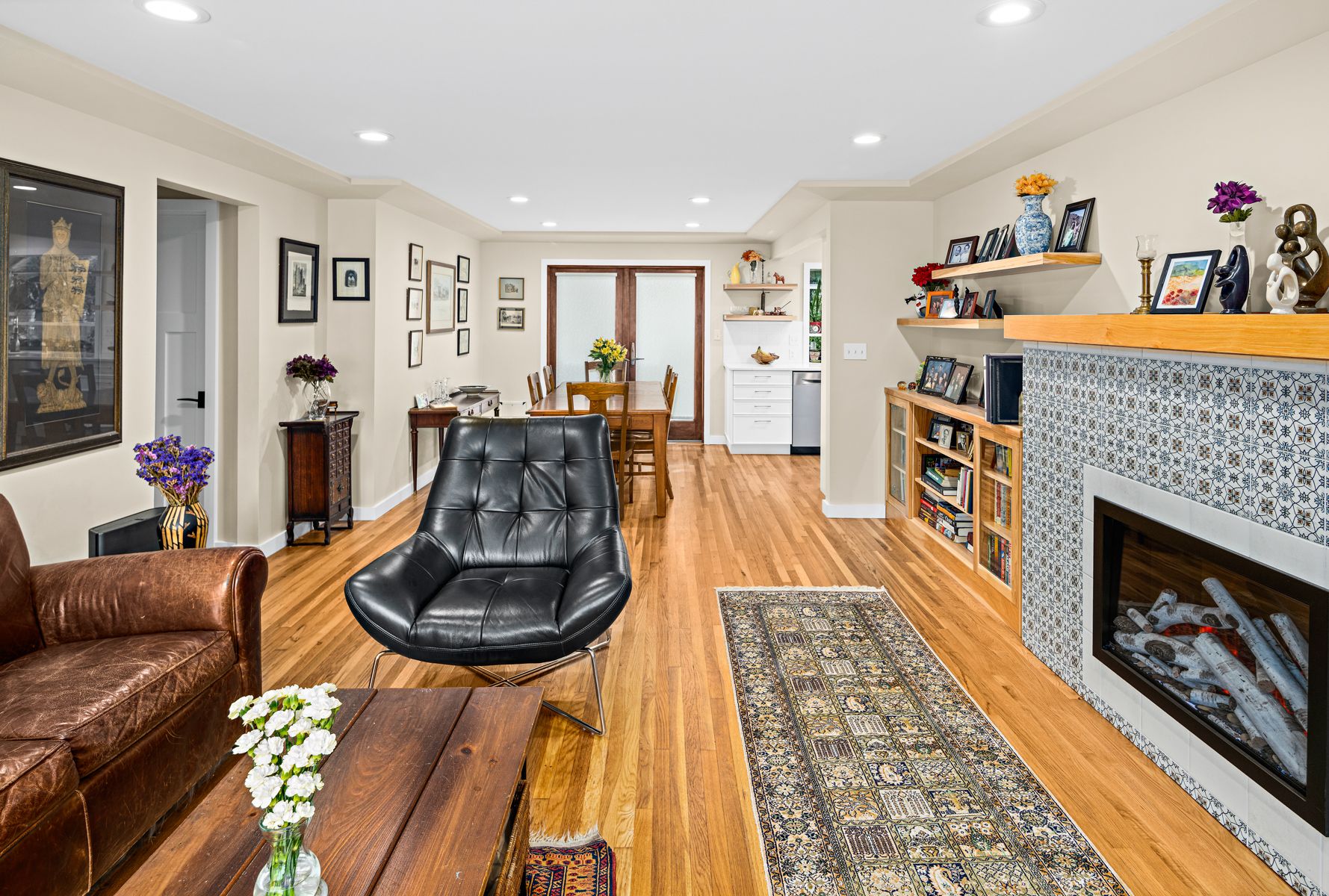
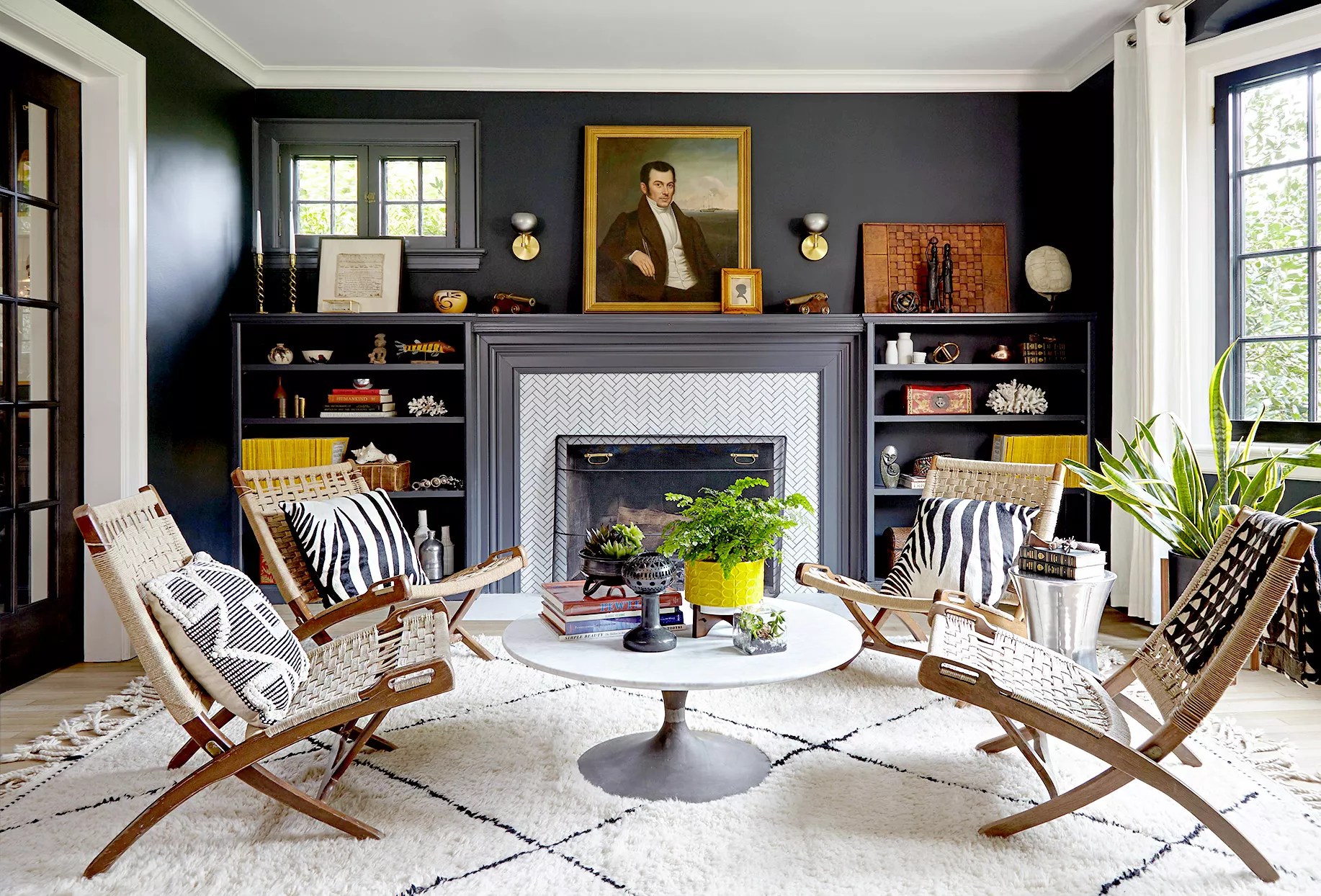
Designers strongly recommend preserving specific original elements whenever possible due to their significance in defining a home's history and elegance. These include fireplaces, intricate millwork, staircases, hardwood floors, and interior brickwork. These features are considered the 'heartbeats' of a home's past. While some of these elements might require refinishing or even replacement due to structural issues, the goal is to choose new components that align with the existing architectural style. For example, if old, scratched hardwood floors need restoration, the refinishing process should aim to bring out their natural beauty. If a staircase must be replaced, selecting a design that complements the home's original aesthetic is key.
Ultimately, the goal is to update a home to meet contemporary standards and lifestyle needs without stripping away its 'soul.' The advice from experts is to focus on changes that improve functionality and comfort while actively working to retain the unique character that makes the house special. By consciously preserving original details and thoughtfully integrating modern updates, homeowners can achieve a space that is both functional and aesthetically pleasing, a blend of historical charm and modern convenience. This careful consideration ensures that the magic of the home's original character is not only maintained but enhanced, creating a truly unique and elegant living environment.
#HomeRenovation #HomeDesign #InteriorDesign #HistoricHomes #ArchitecturalPreservation #ColorPalette #ModernDesign #TraditionalElements #HomeImprovement #HomeRenovation #HomeDesign #InteriorDesign #HistoricHomes #ArchitecturalPreservation #ColorPalette #ModernDesign #TraditionalElements #HomeImprovement
0 comment in total
 No comments yet
You may also like
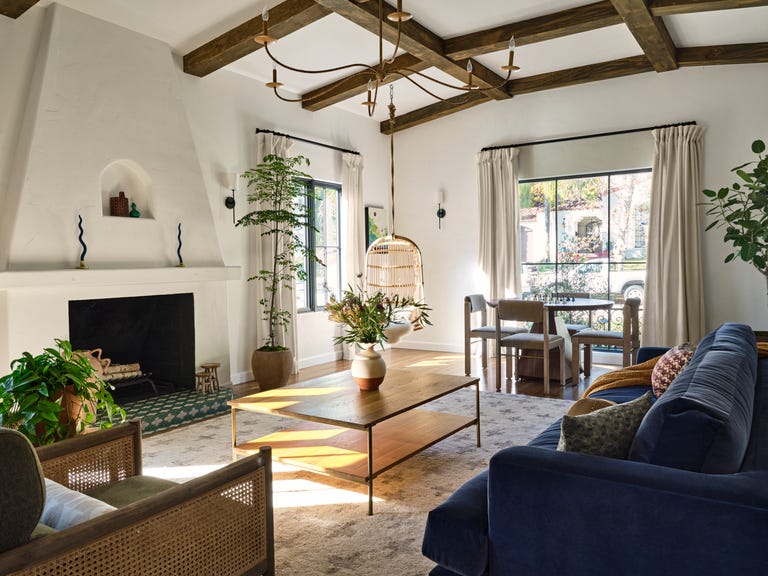
Here's How to Give an Old House a Modern Makeover Without Stripping Away the Charm
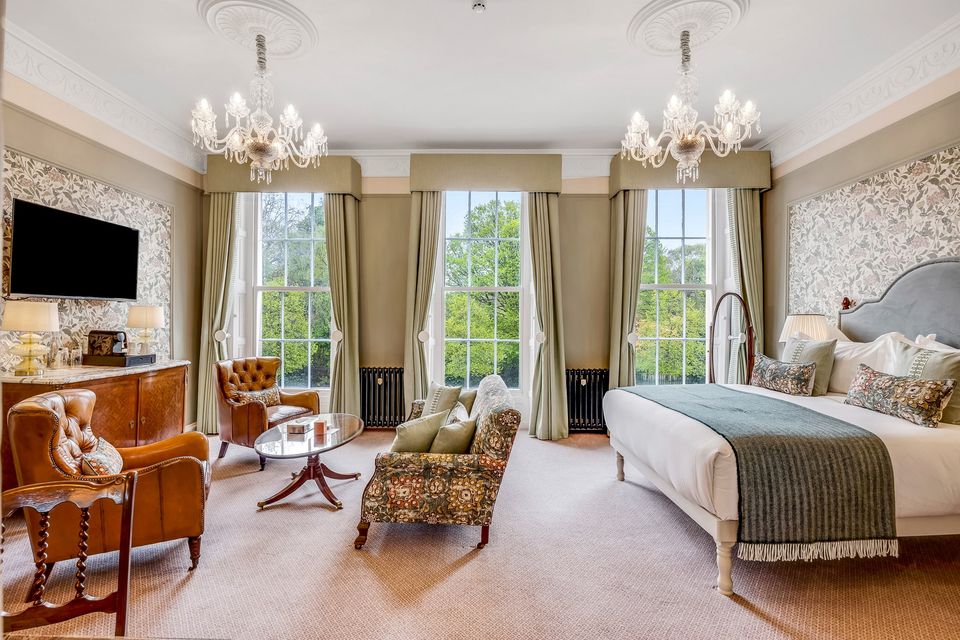
Top tips for renovating old homes: Whether restoring or modernising, clever design is key
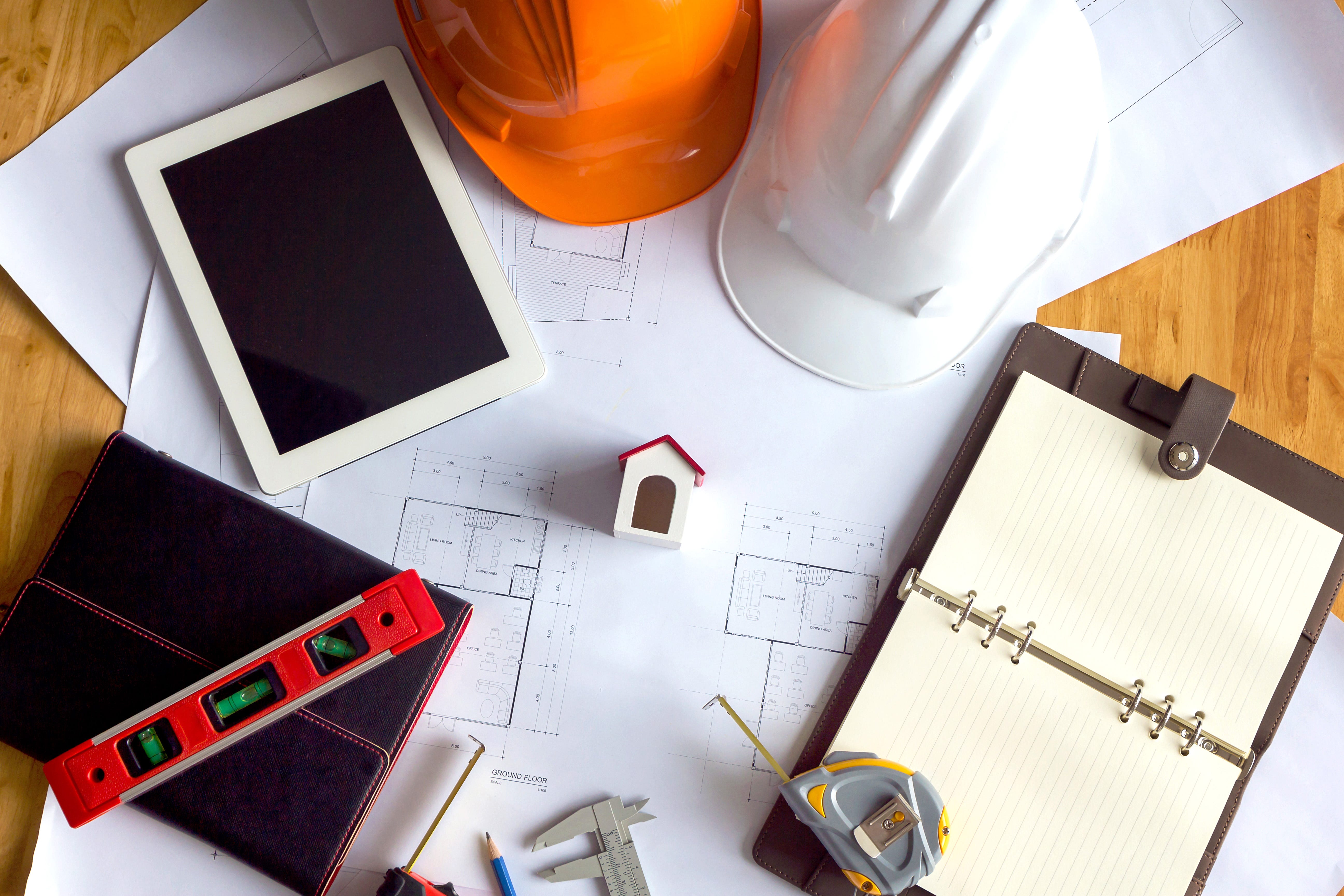
Home Renovation Ideas - How To Renovate a House

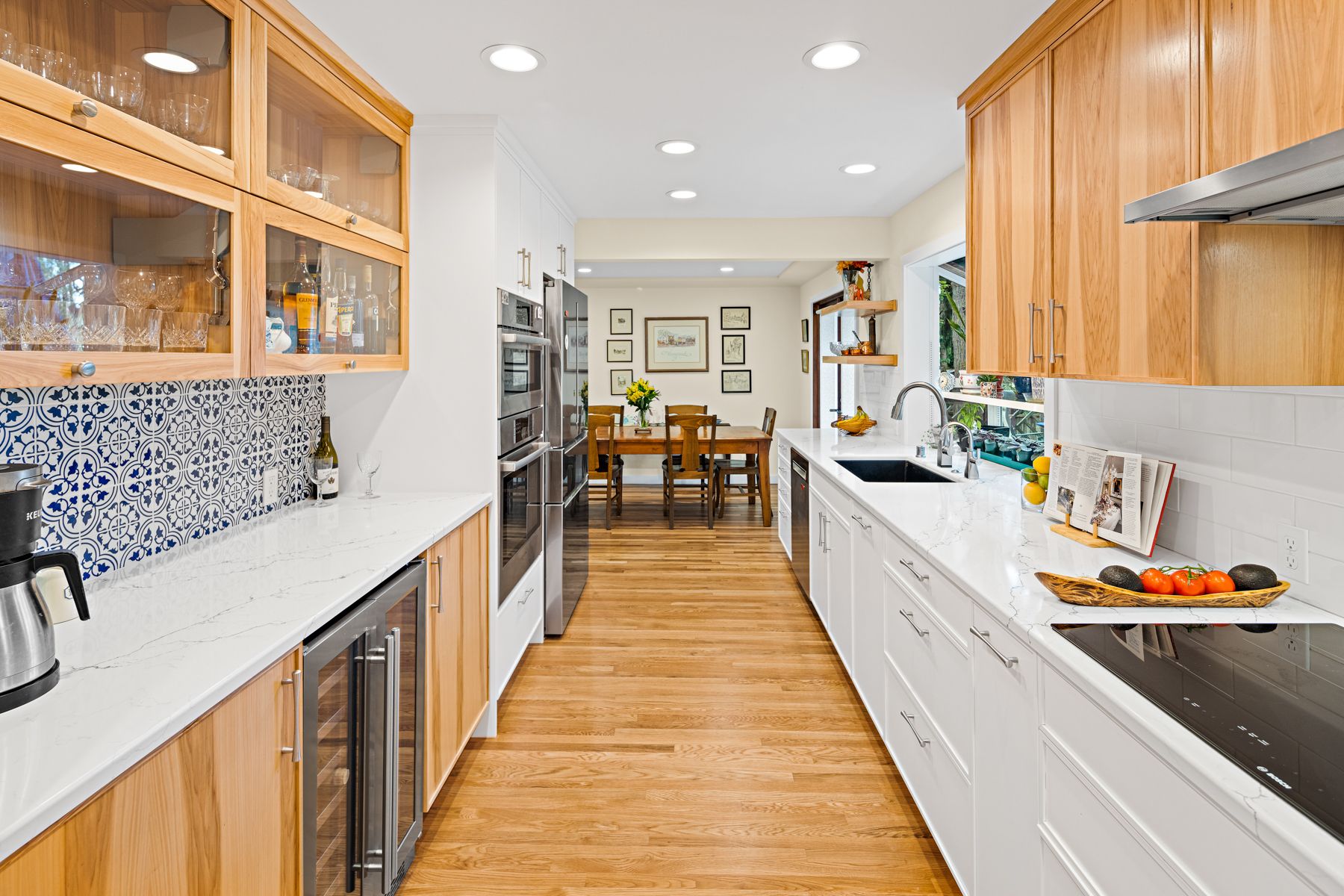
Make your home renovation shine with these builder tips

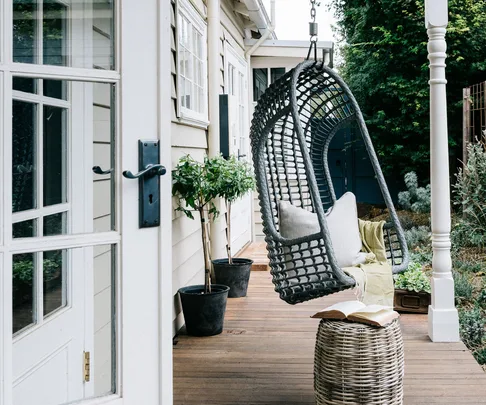
8 easy updates that will make an old home look new

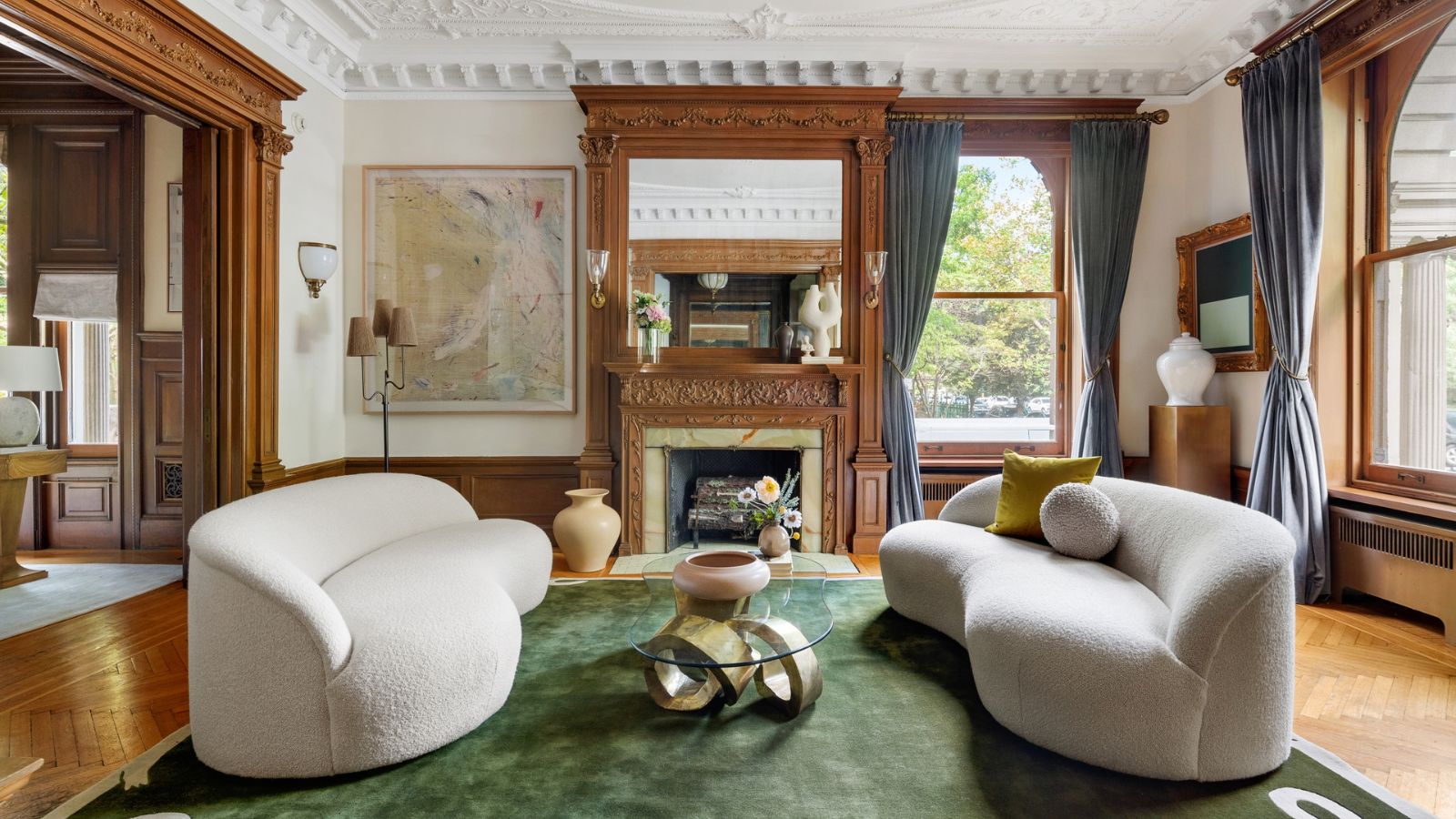
9 ways to update a historic home while still keeping its vintage charm – tips from a NYC reno

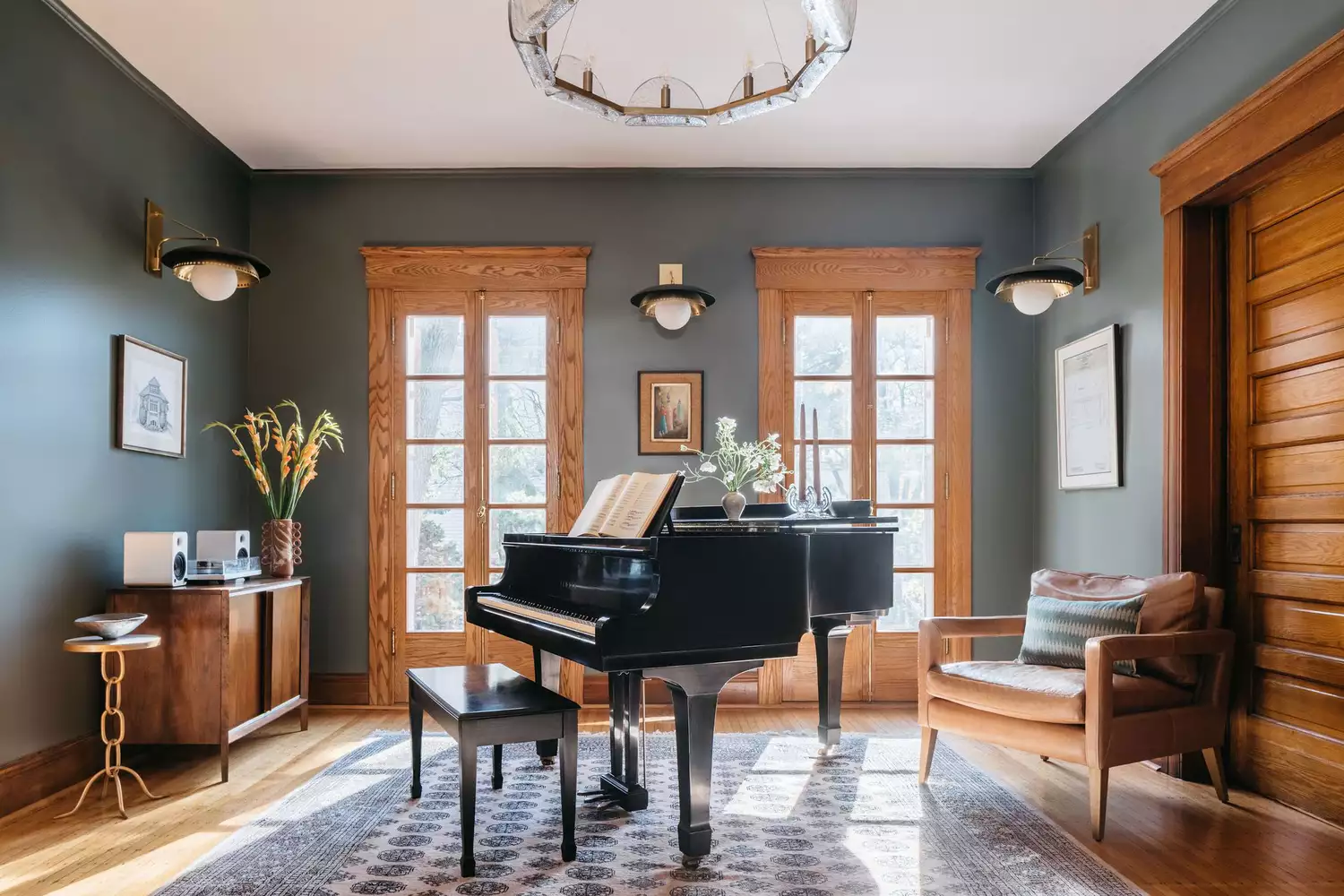
How to Renovate a Historic Home—and Keep Its Character—According to Designers

5 home renovation products to help upgrade your space

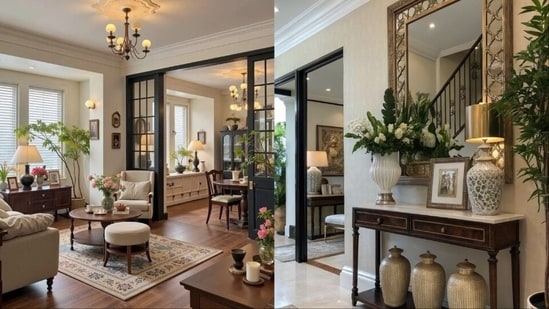
6 design tips to upgrade an older home without clashing styles | Hindustan Times

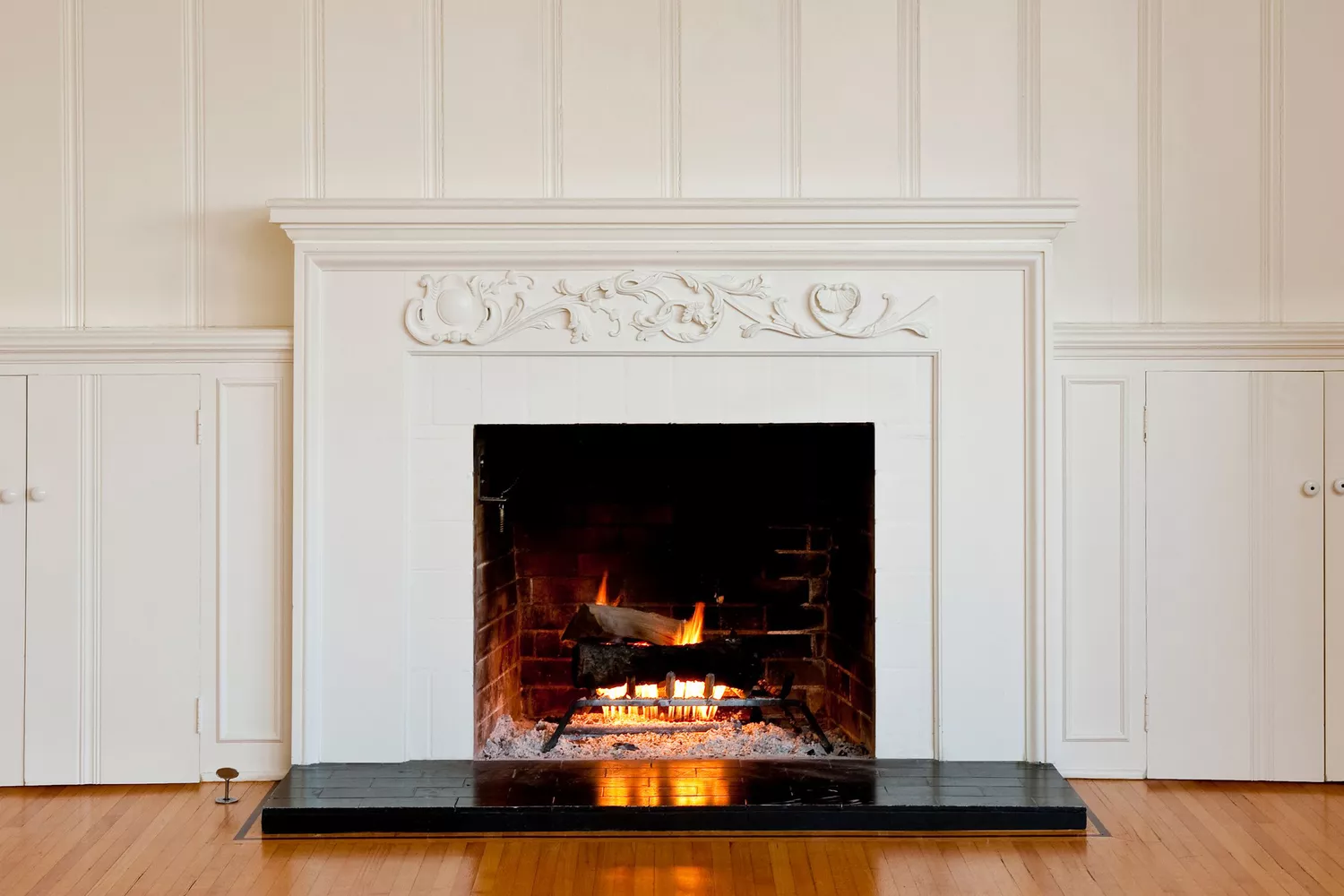
How to Update an Older Home While Honoring Its History

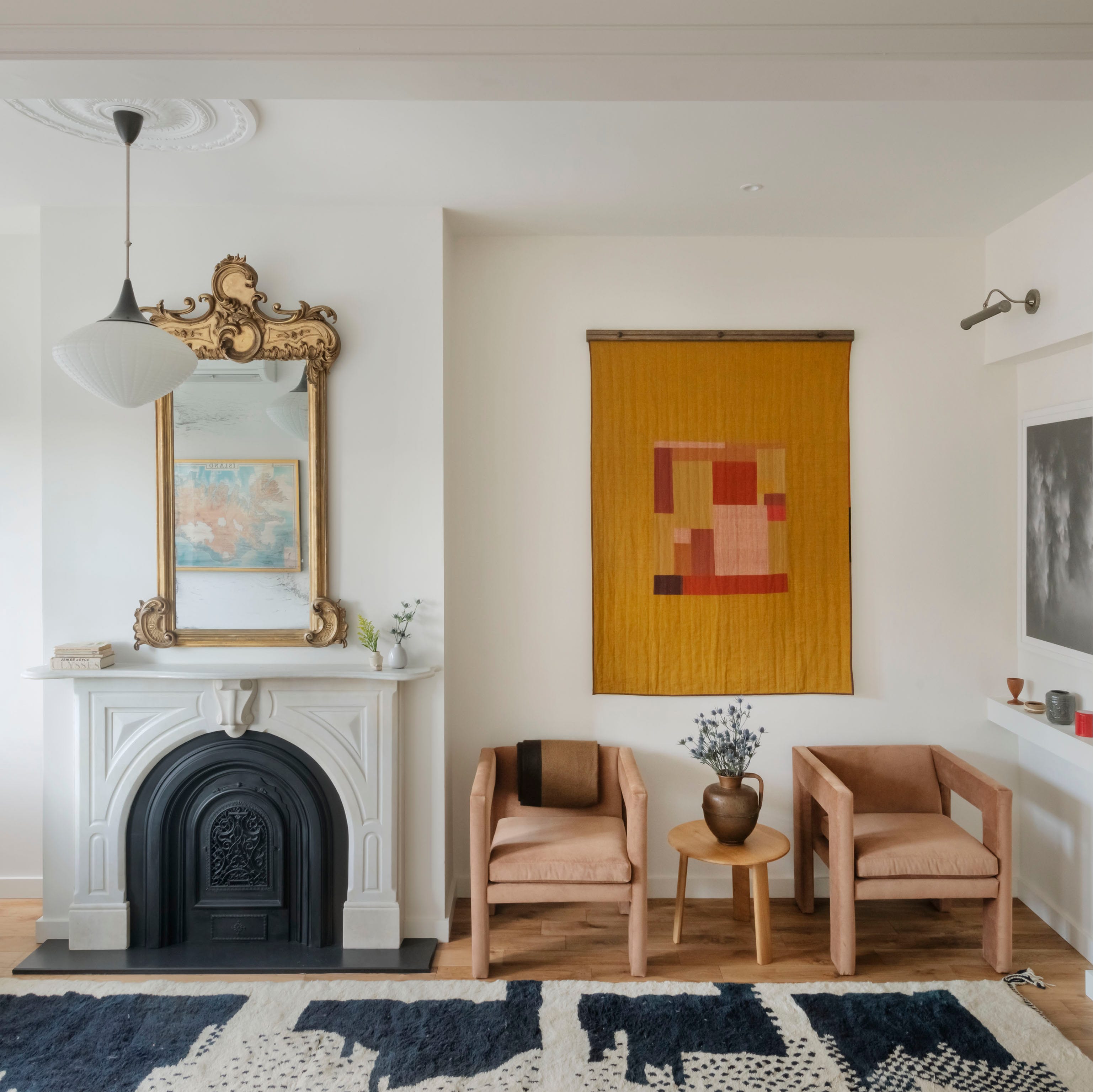
12 Designer-Approved Tricks to Fill a New Home With Vintage Character

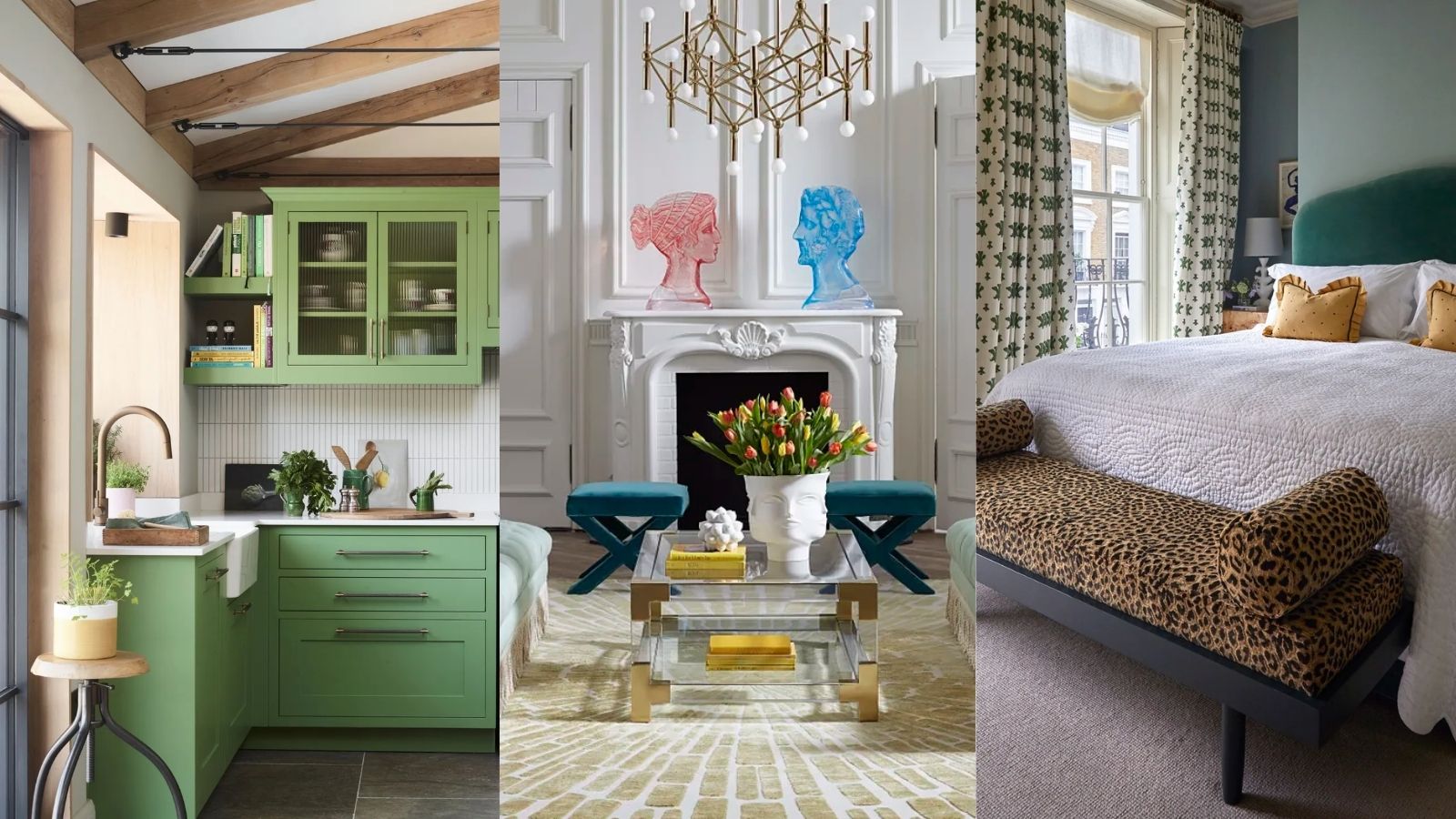
How to evolve your home as trends change – 7 designer secrets to having an adaptable style
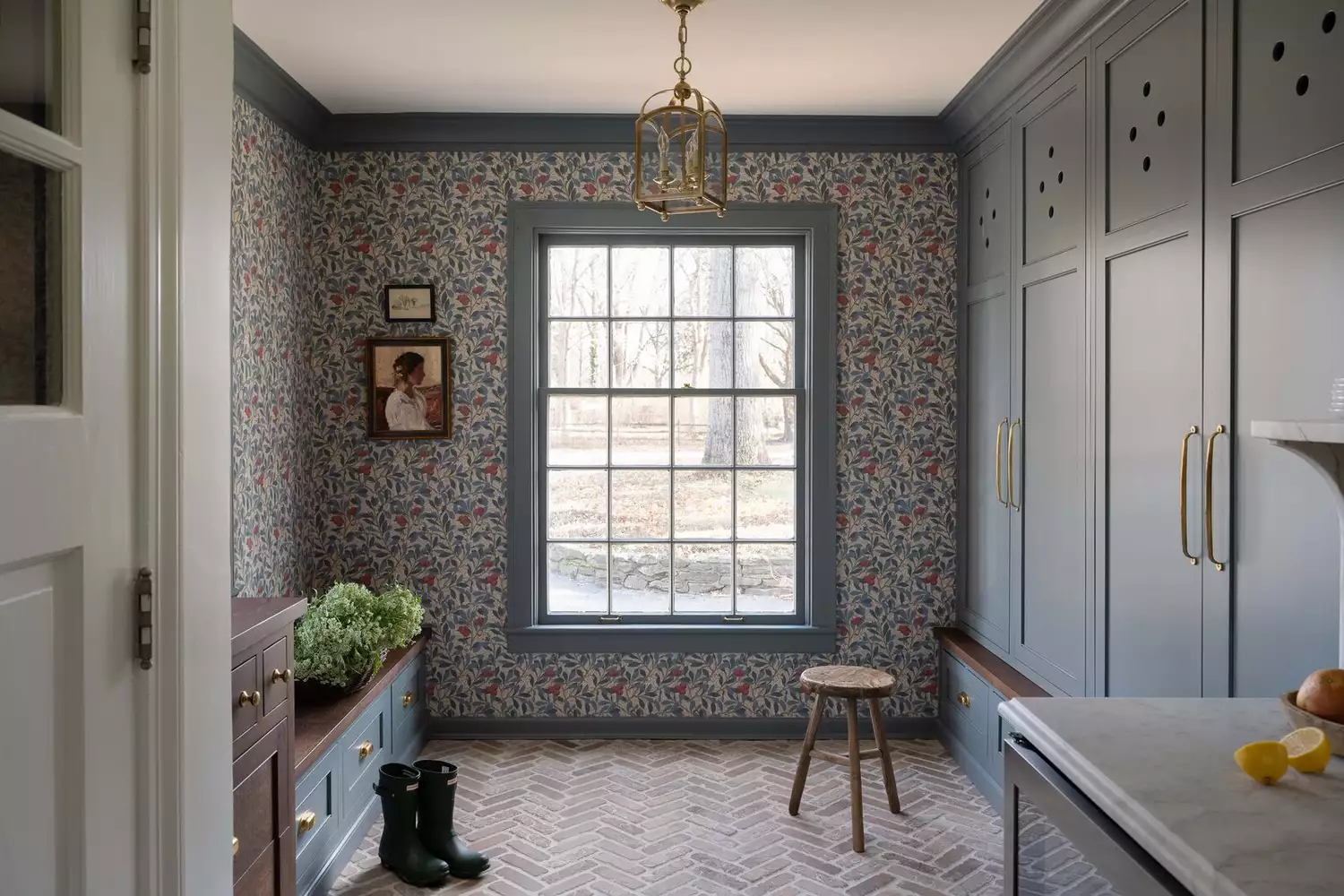
6 Ways to Modernize Your Home While Keeping Its Character, According to Designers

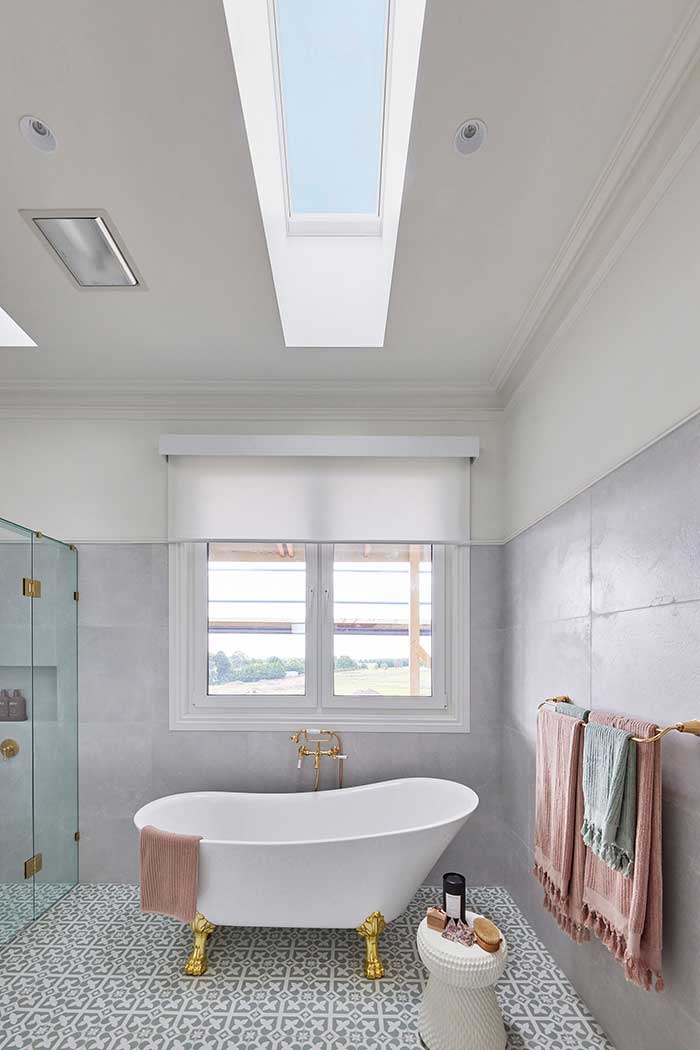
Modernising period homes: Practical tips on blending old and new
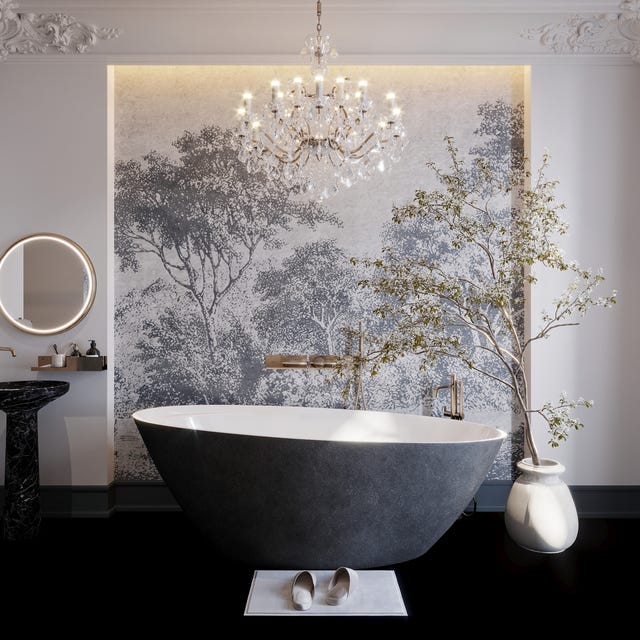
These Trendy Home Additions Will Look "Dated" in 2026, According to Designers
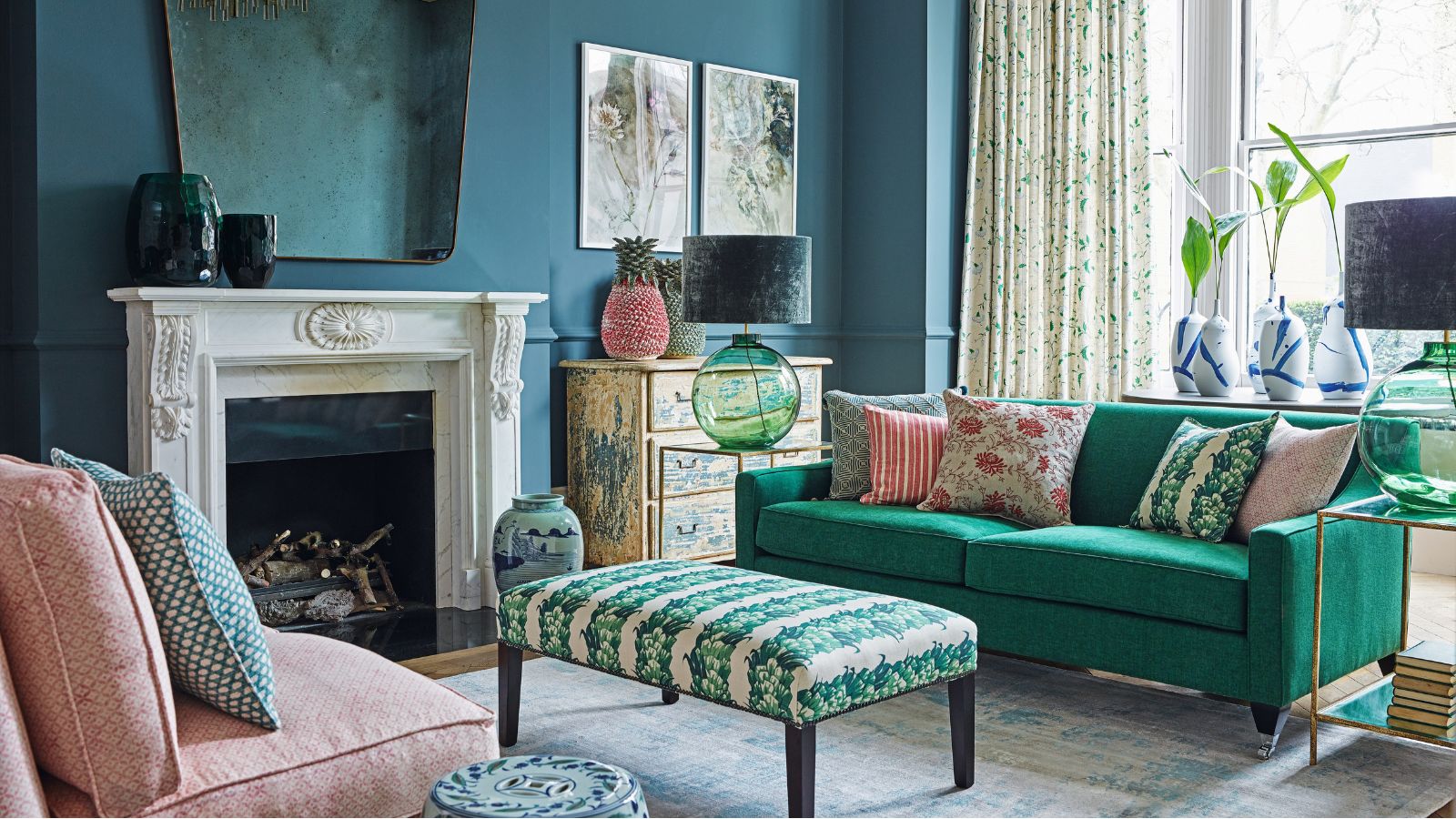
How to Modernize Antique Furniture for a Characterful and Cohesive Look
How to modernise your home without breaking the bank

How to update a historic home for modern living – 9 lessons we learned from this artful redesign
These Under-$1,500 Renovations Could Help Sell Your Home Faster


At Home with Marni Jameson: How to update older homes without messing them up