1/6
How to Keep Your Old Home From Becoming a Money Pit
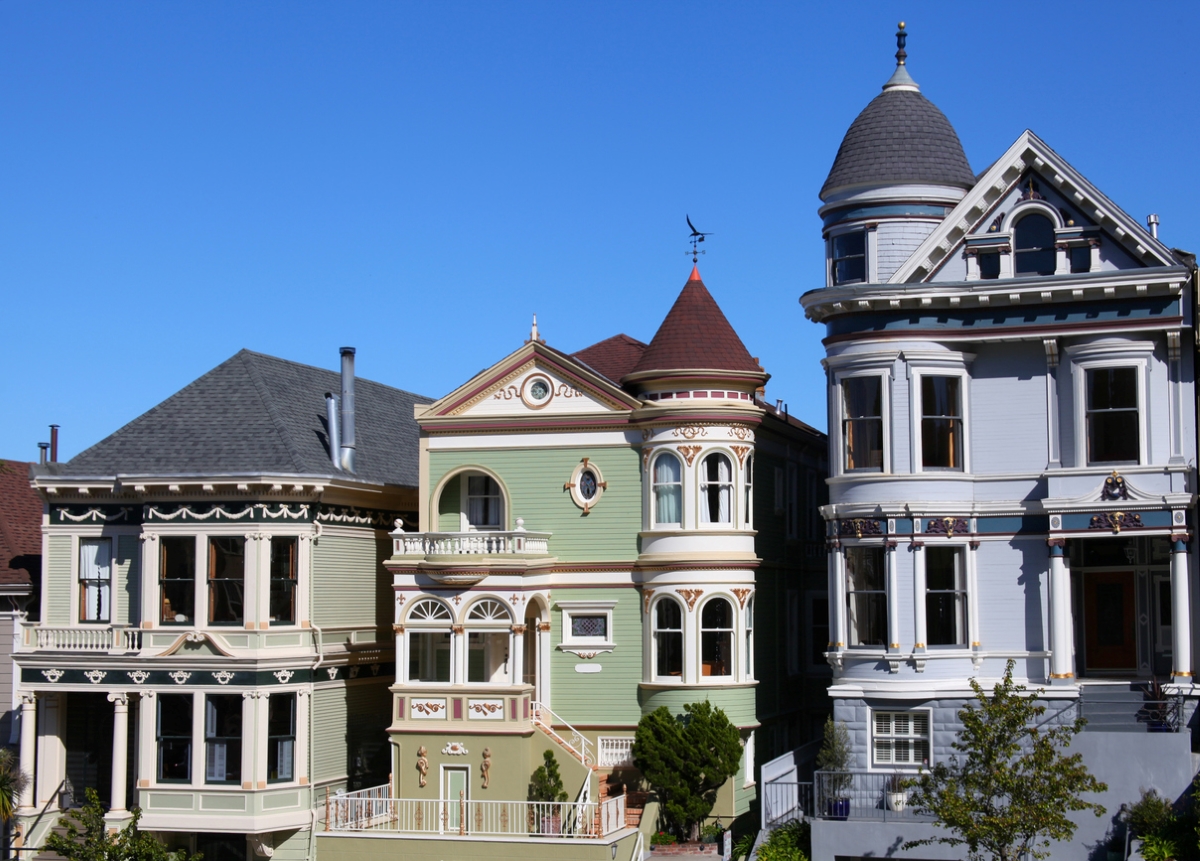
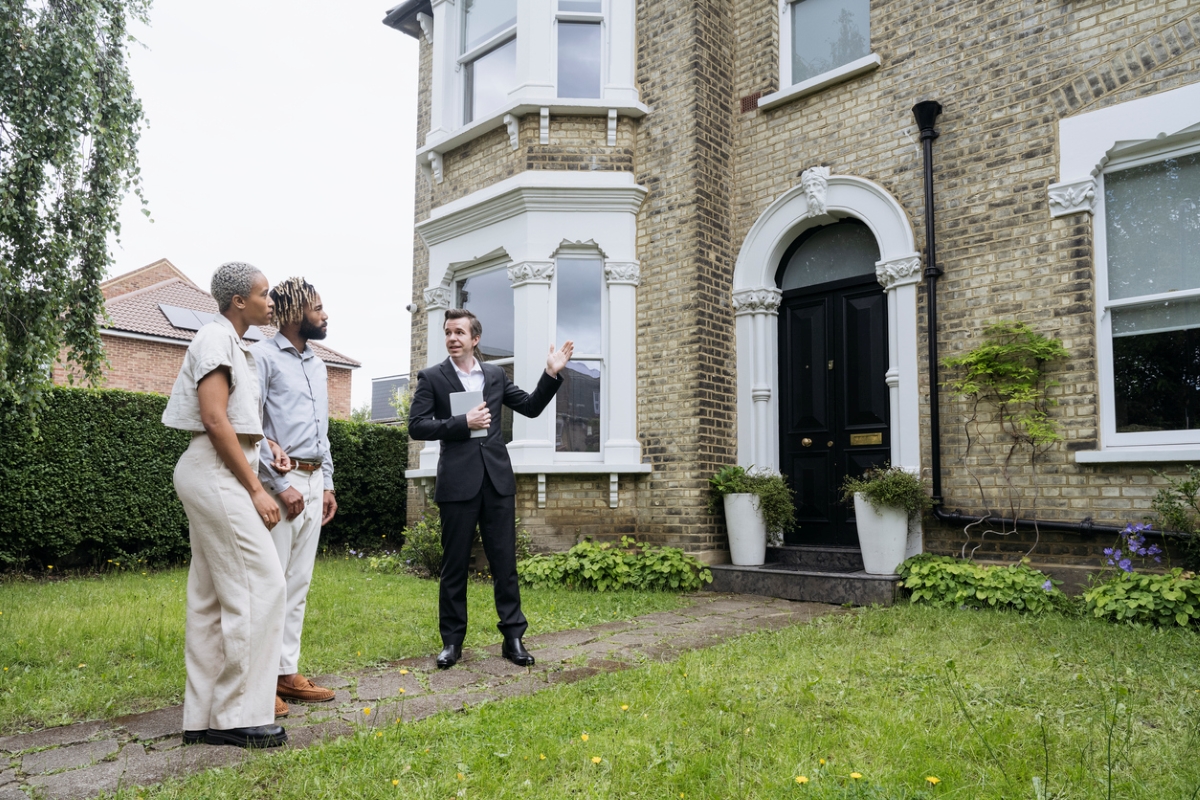
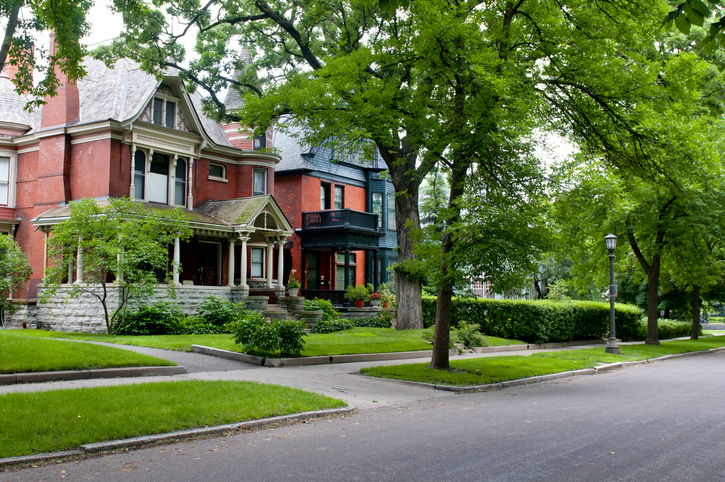
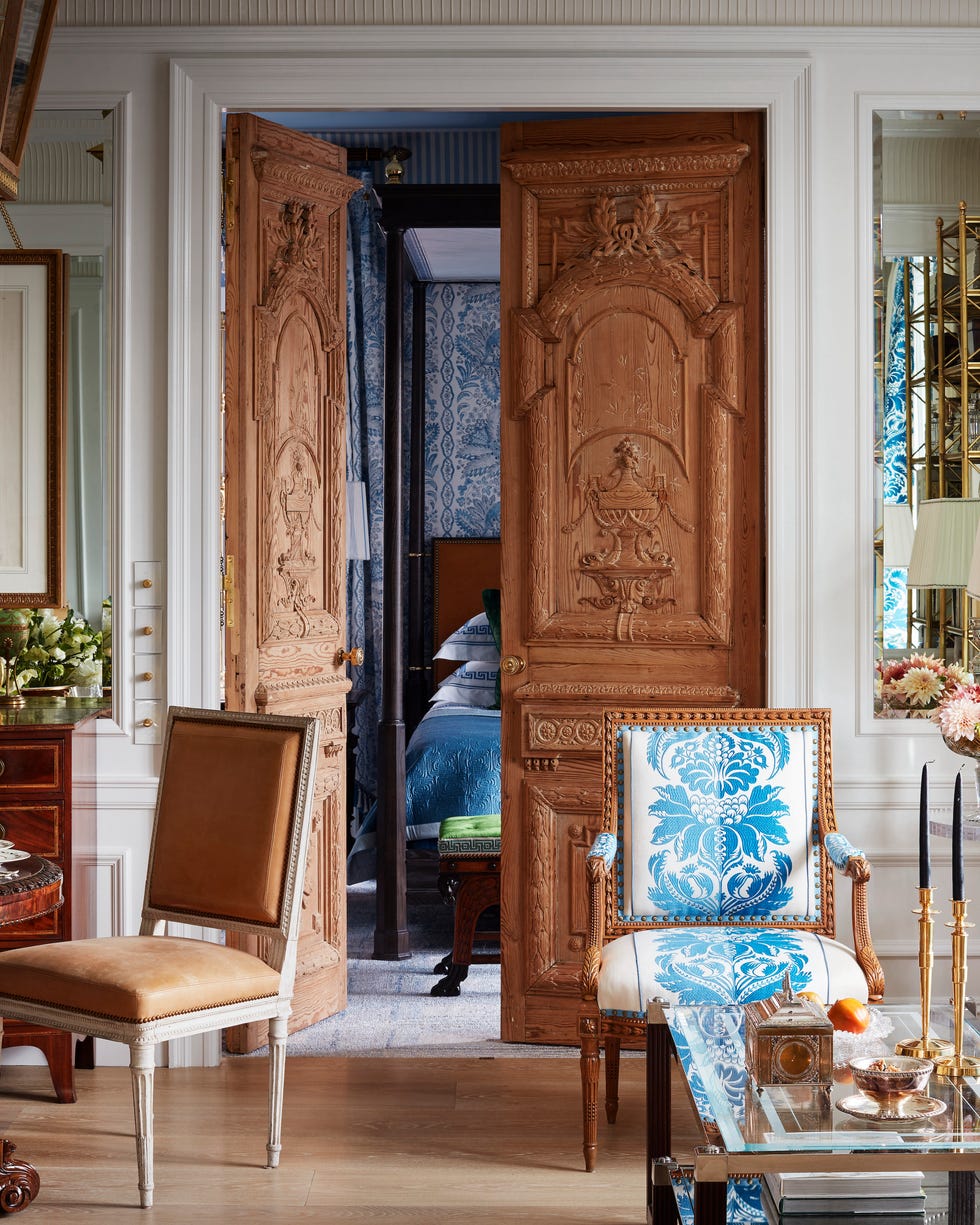
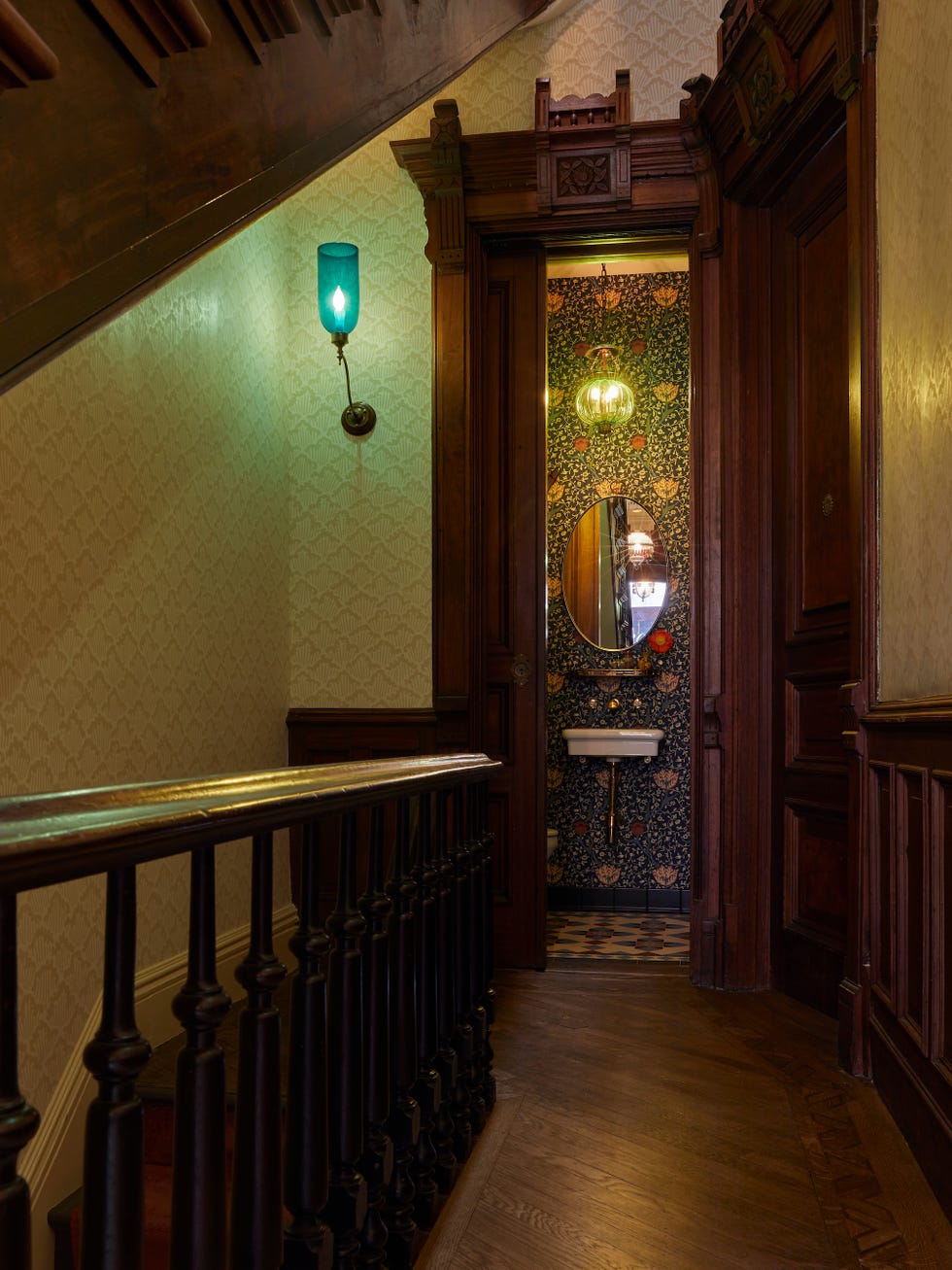
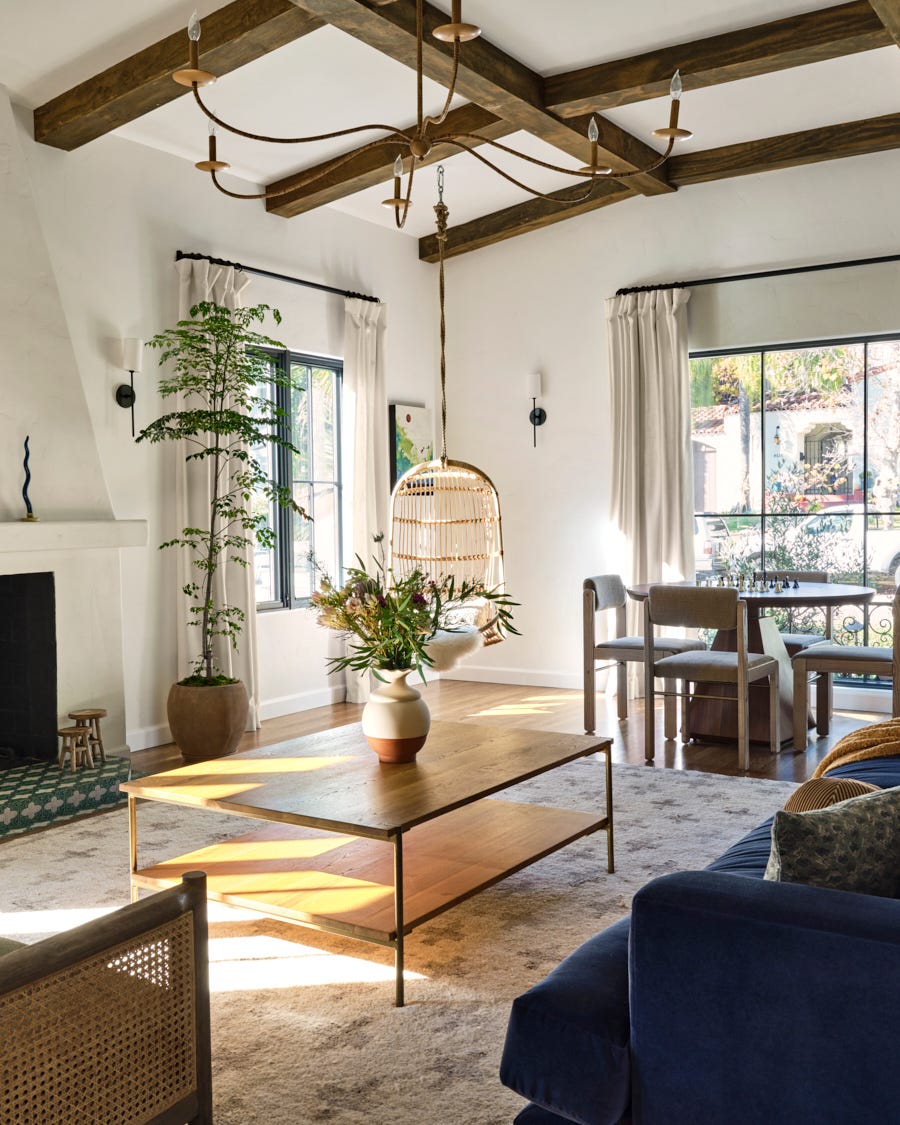
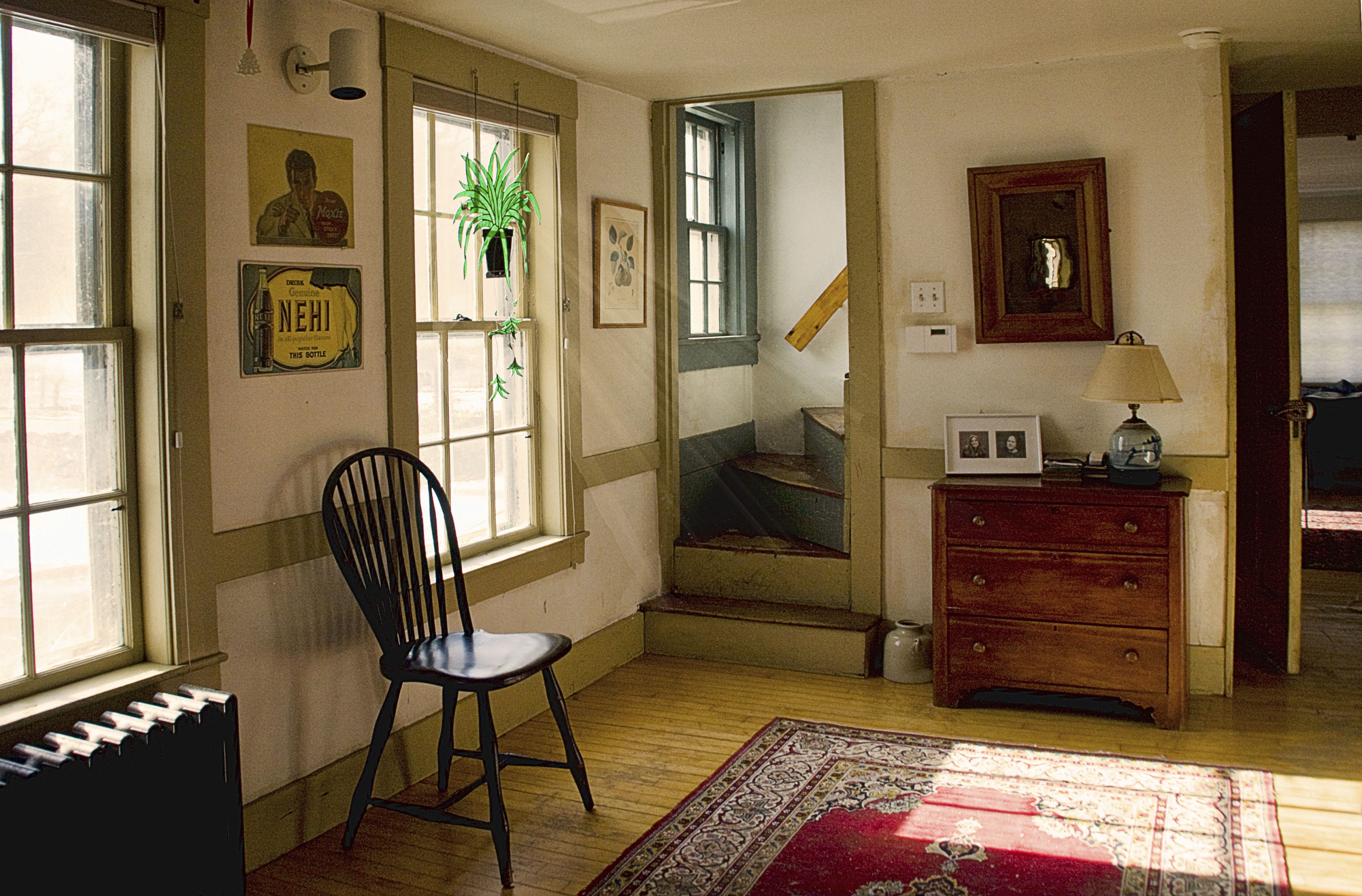
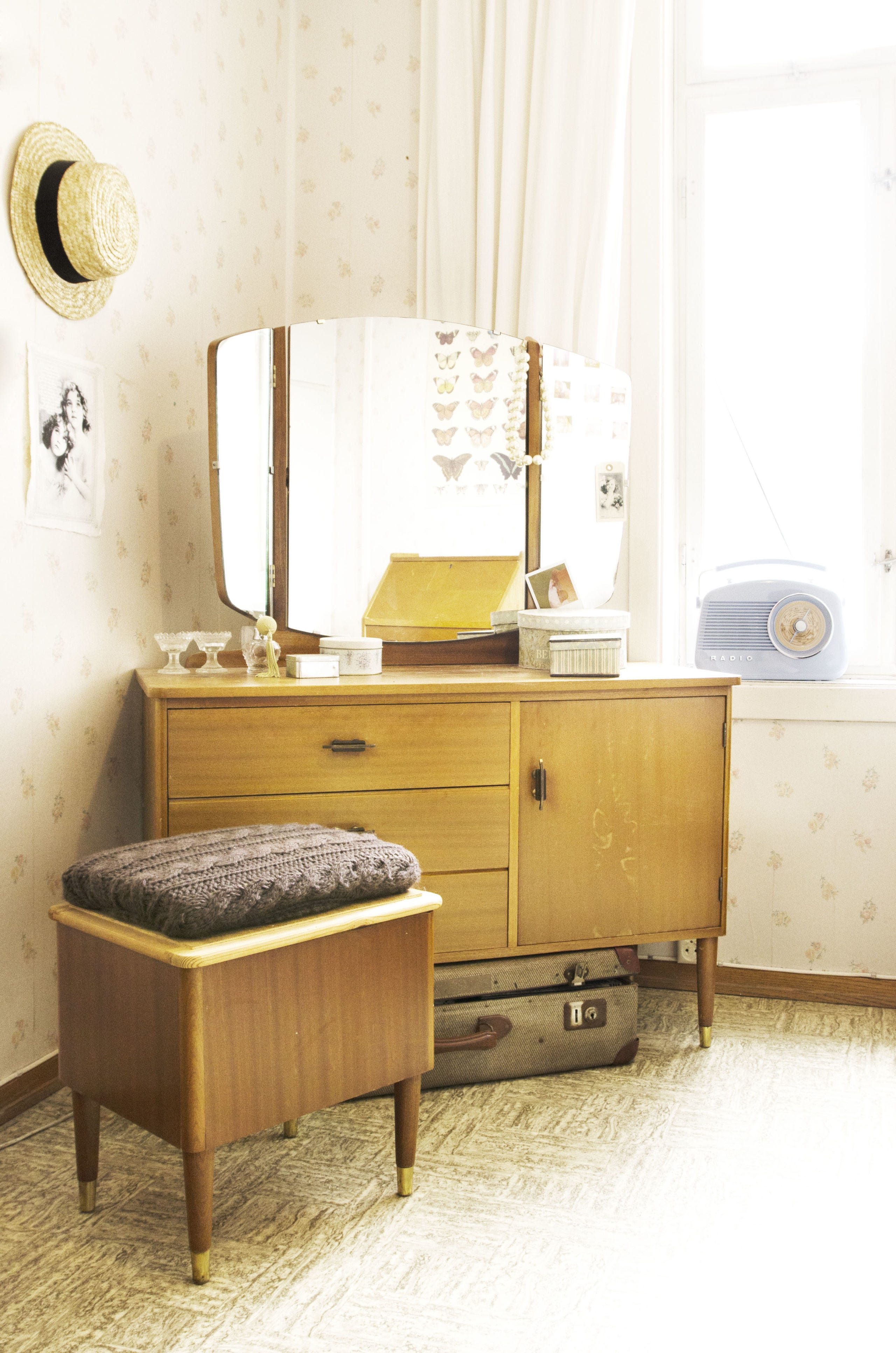
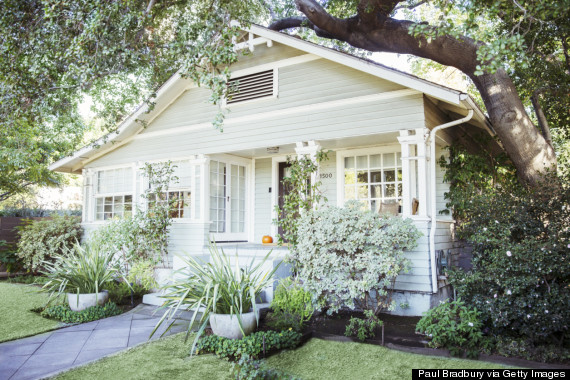
Renovating historic homes often presents a unique challenge: balancing the preservation of original charm with the need for modern functionality and increased property value. While historic houses possess an undeniable allure, they frequently come with outdated systems, uneven floorboards, and other issues that require significant attention. This article, featuring insights from interior designers Barry Bordelon and Jordan Slocum of Brownstone Boys, and architect James Hartford of River Architects, offers a comprehensive guide to navigating such renovations efficiently and cost-effectively.
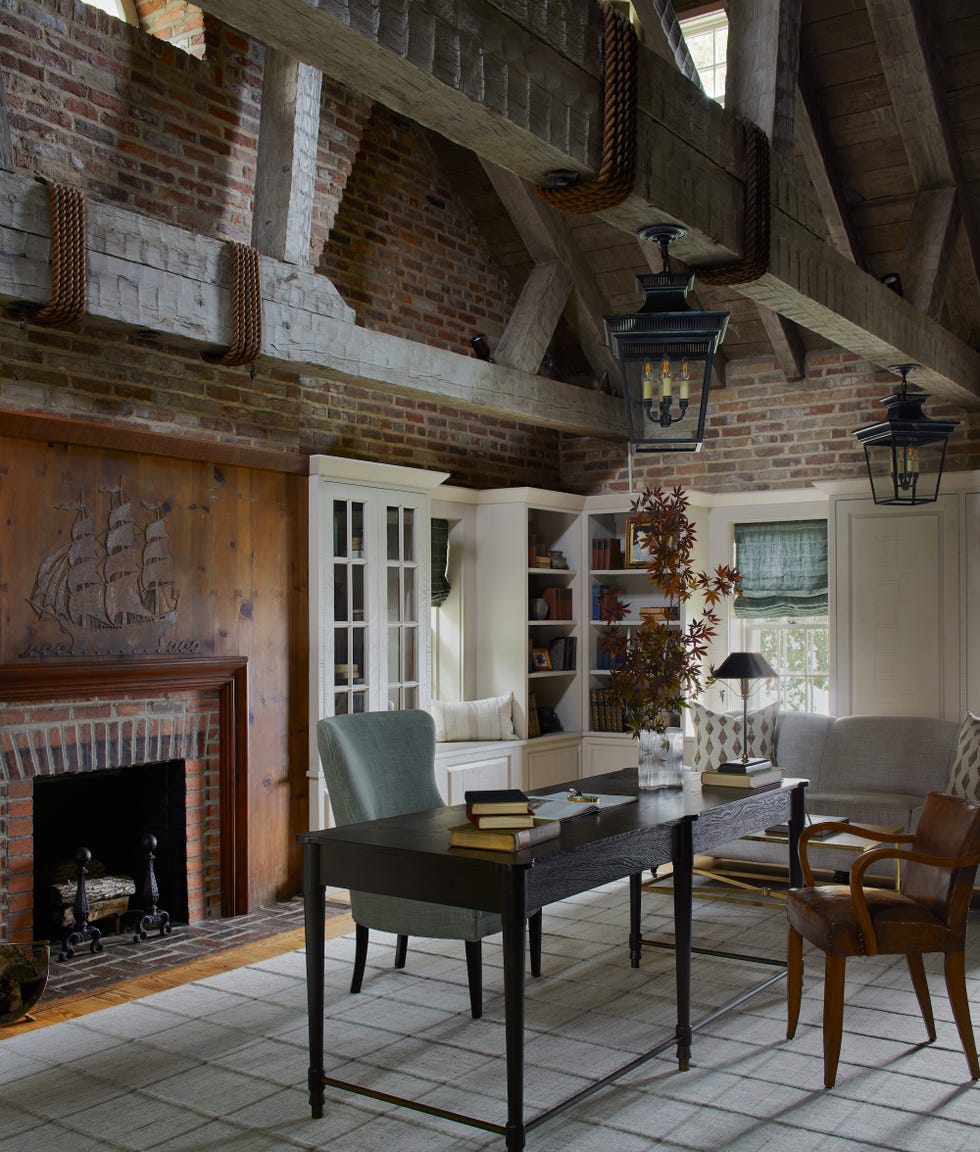
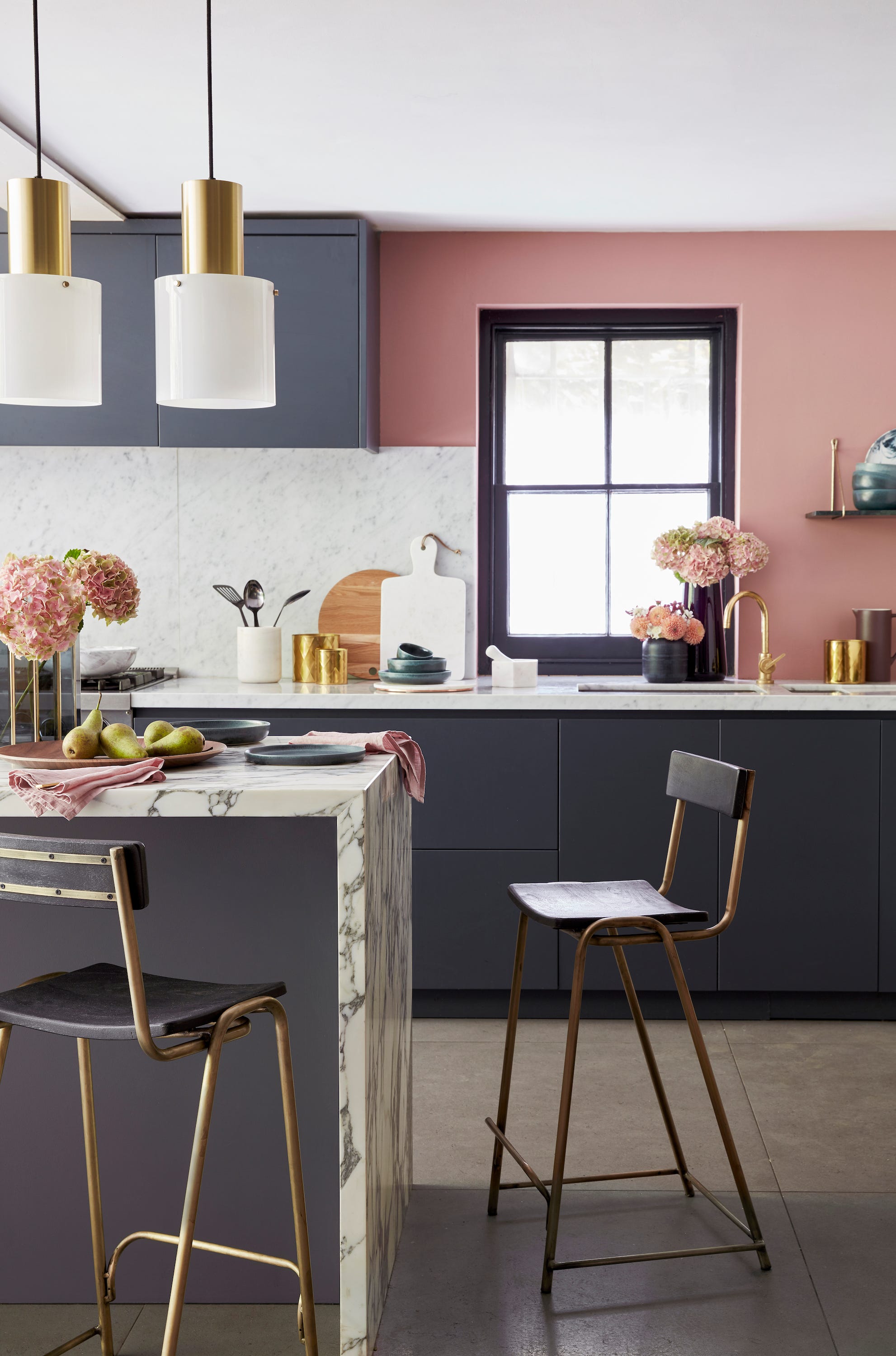
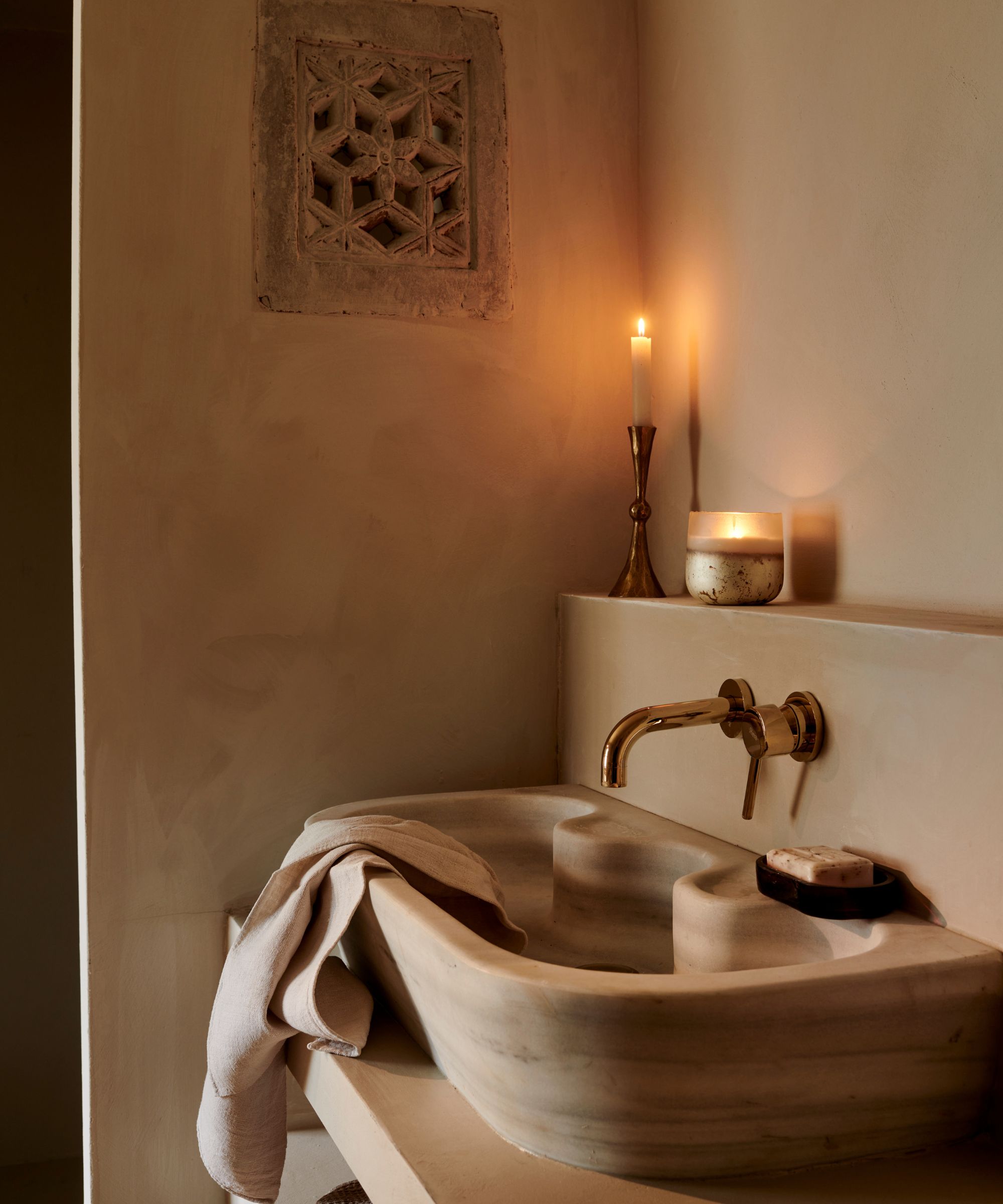
Experts emphasize the importance of creating a master plan before commencing any work. This strategic approach ensures that all projects, even those in different rooms, align with a cohesive vision for the entire house. For instance, knowing that a kitchen will eventually be opened up can influence decisions made in other areas from the outset. Hartford recommends prioritizing essential upgrades like kitchens and bathrooms, as these areas significantly impact daily comfort and are often where modern functionality is most welcomed. Slocum highlights the appeal of juxtaposing old and new elements, particularly in these spaces, where modern appliances enhance usability.
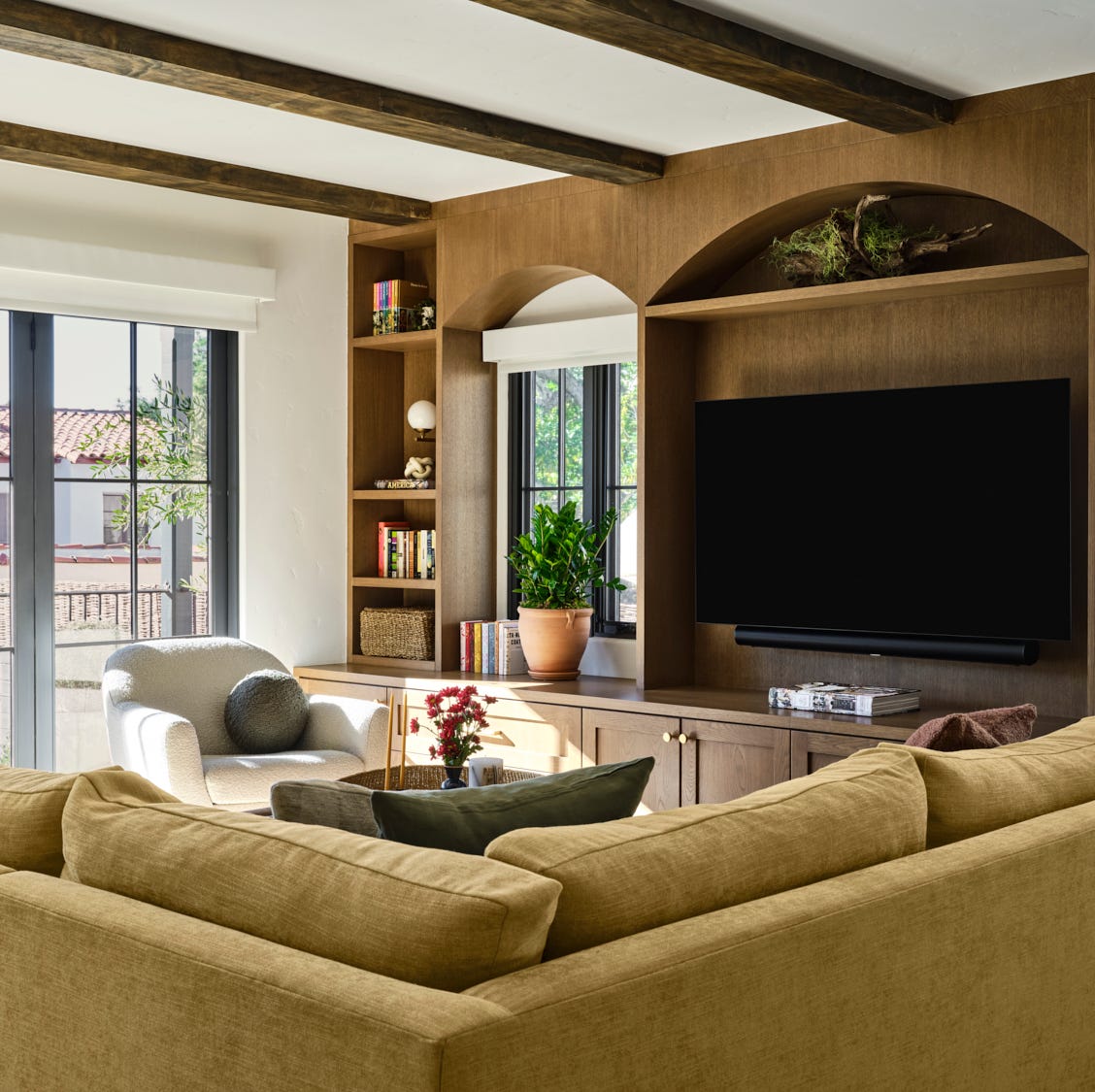
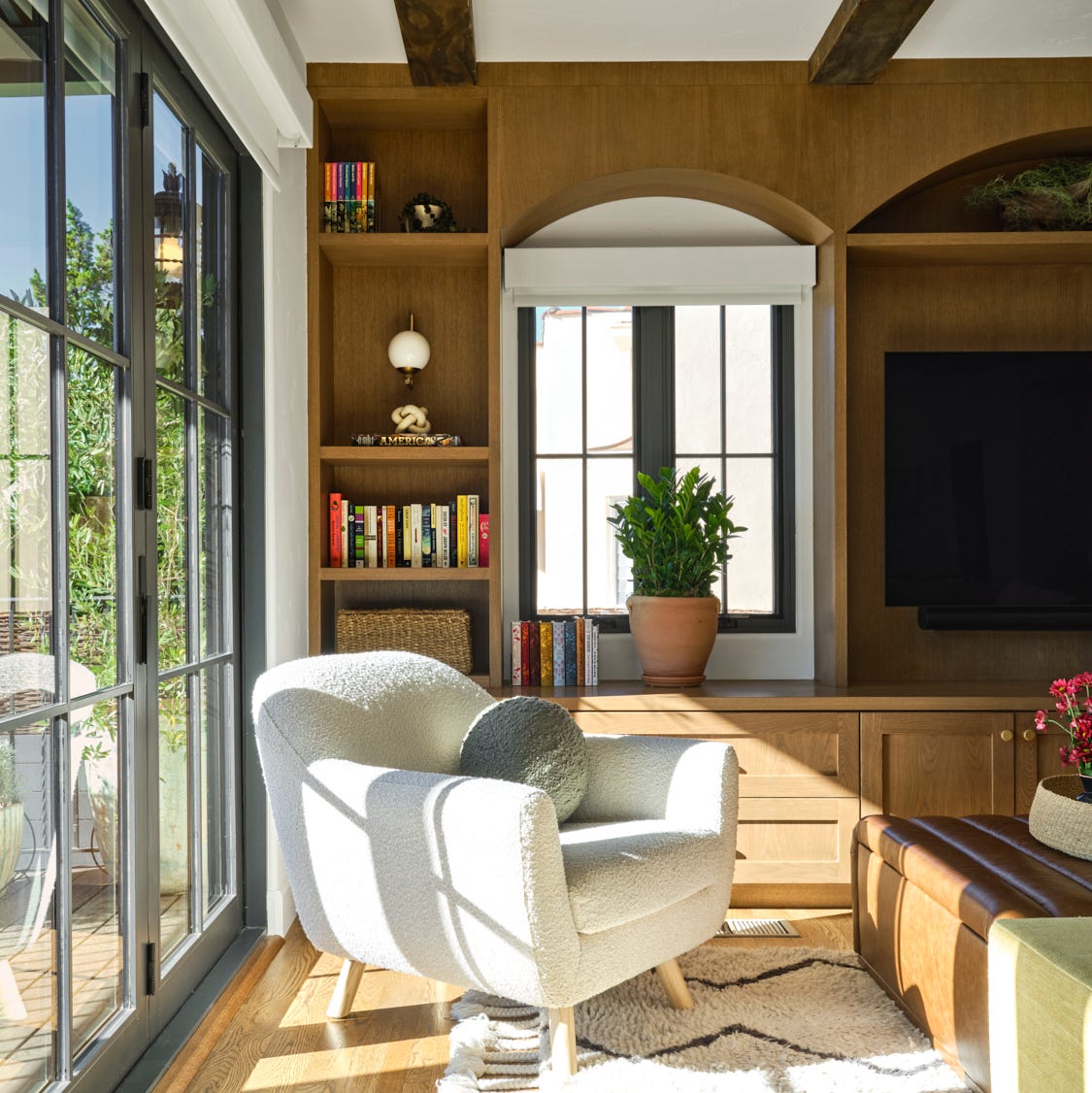
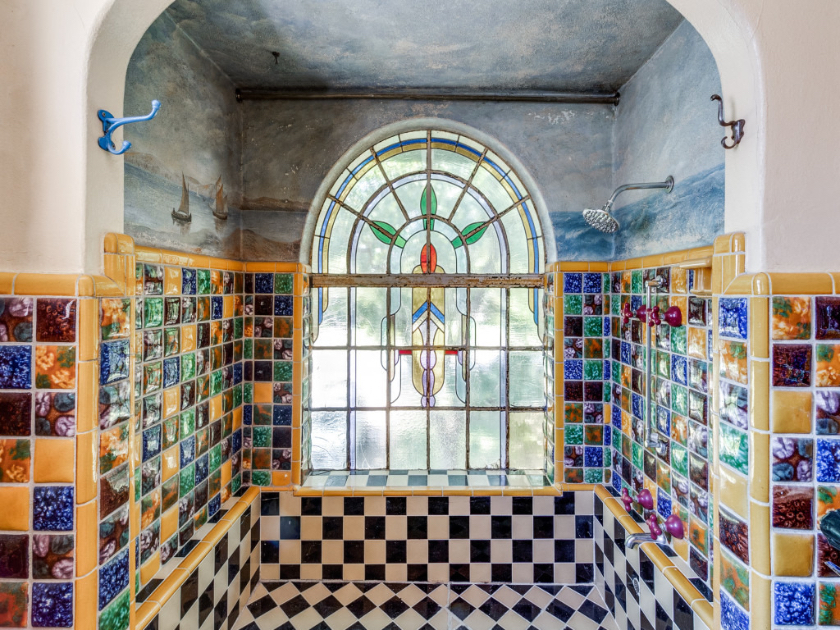
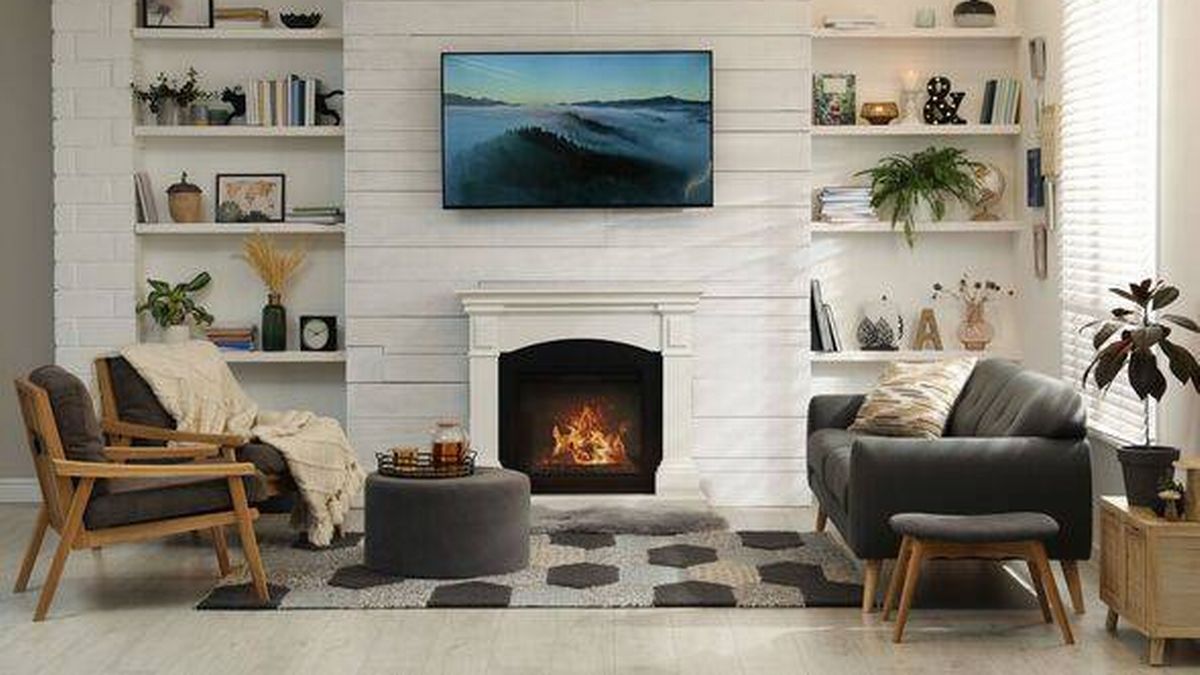
After addressing critical functional areas, the focus can shift to creating comfortable living spaces, such as a family room, before moving on to cosmetic improvements. The general principles for adding value, like selecting paint colors or upgrading kitchen appliances, remain consistent whether renovating a historic or a modern home. However, historic renovations demand careful consideration of which original features to preserve and which to update or remove. Contractor Dan Sullivan of Davaro Contracting advises meticulously removing and storing desired historic elements, such as moldings and trims, to prevent damage during construction.
Conversely, not all vintage aspects should be retained. Some older appliances, though aesthetically pleasing, may lack modern efficiency, and certain materials like lead-based paint or leaded glass pose health hazards. Hartford specifically warns about lead paint in houses built before 1970 and suggests replacing original windows if restoration isn't feasible, despite this being a contentious point within the preservation community. Modernizing essential systems like heating, air-conditioning, electrical, and water management is paramount, with structural integrity and water damage prevention being top priorities.
Financially, grouping major projects is a key strategy for cost savings. Sullivan advocates for saving up to complete a larger renovation in one go, rather than tackling it room by room, which can lead to increased costs and inconsistent results. If a full-scale renovation isn't immediately possible, completing work floor by floor can still minimize disruption and costs. Homeowners can also save money by undertaking DIY tasks for smaller, manageable upgrades, such as learning plaster techniques or installing light fixtures.
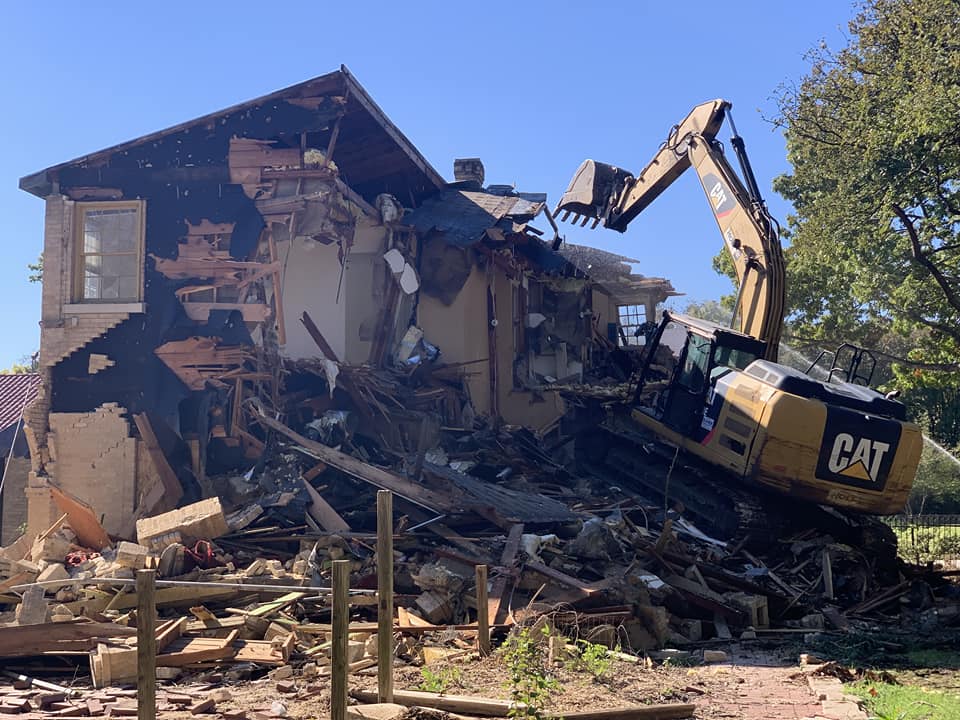
Finally, the article underscores the importance of knowing when to stop. Historic preservation involves making choices about which quirks are worth maintaining and which are not. While the romantic idea of restoring every original detail is appealing, it can be prohibitively expensive. Slocum notes that a complete overhaul of elements like an original staircase can significantly inflate the budget. Bordelon advises homeowners to consider resale value even if they have no immediate plans to sell, suggesting adaptive design choices—like ensuring a yoga room can also function as a bedroom—to maintain broader appeal. Ultimately, a balanced approach that respects historical character while integrating practical modern updates is crucial for a successful and valuable historic home renovation.
#HistoricHomeRenovation #HomeValue #InteriorDesign #BrownstoneBoys #HomeRemodeling #BudgetRenovation #ArchitecturalPreservation #Modernization #DIYHomeImprovement #HistoricHomeRenovation #HomeValue #InteriorDesign #BrownstoneBoys #HomeRemodeling #BudgetRenovation #ArchitecturalPreservation #Modernization #DIYHomeImprovement
0 comment in total
 No comments yet
You may also like
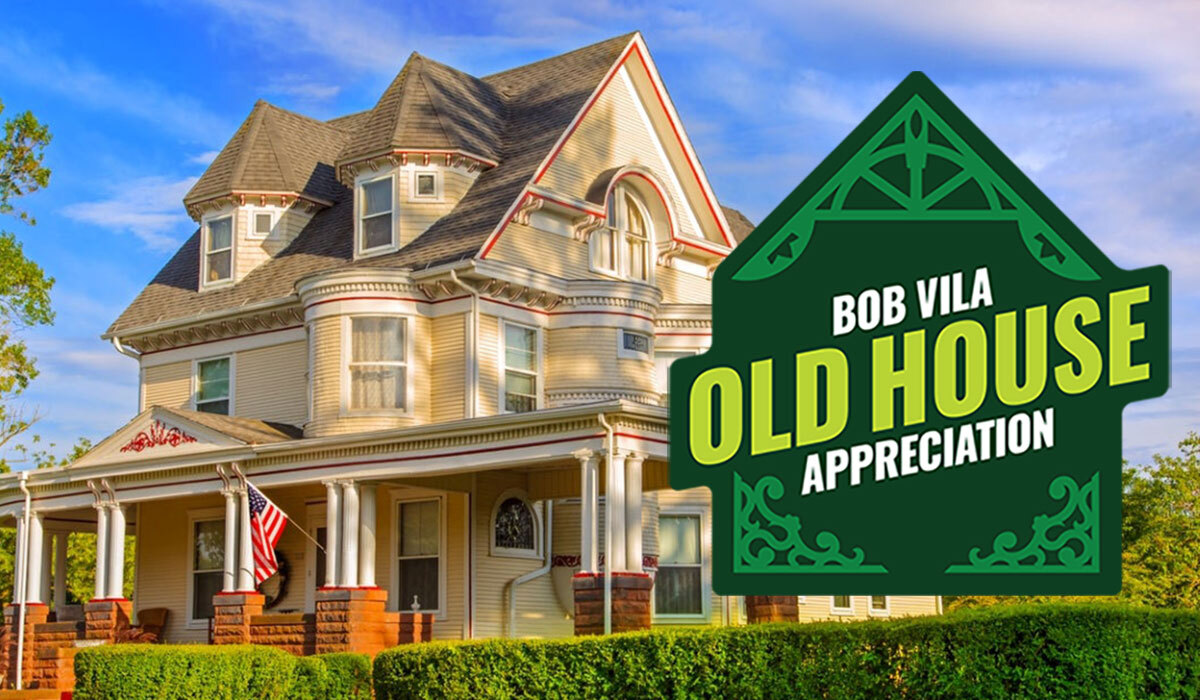
The Truths About Buying and Living in an Old House


Money-wasting home improvements to avoid
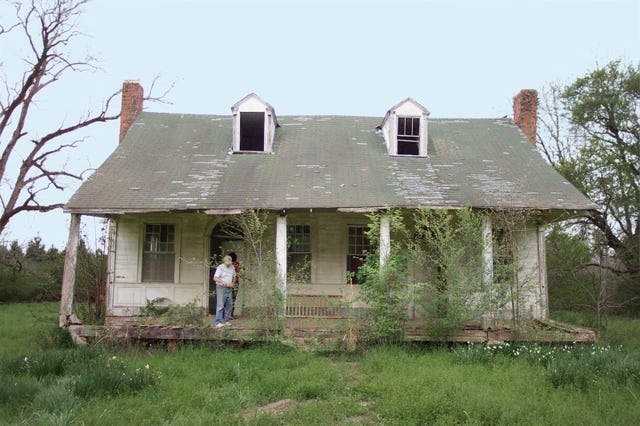
5 Common Mistakes Homeowners Make When Restoring Old Houses
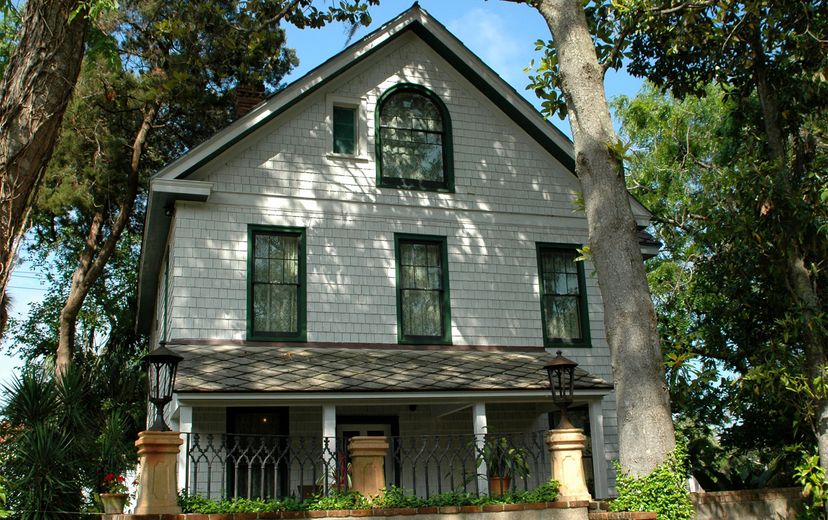
Owning an Old House: Charming Love Affair or Expensive Money Pit?
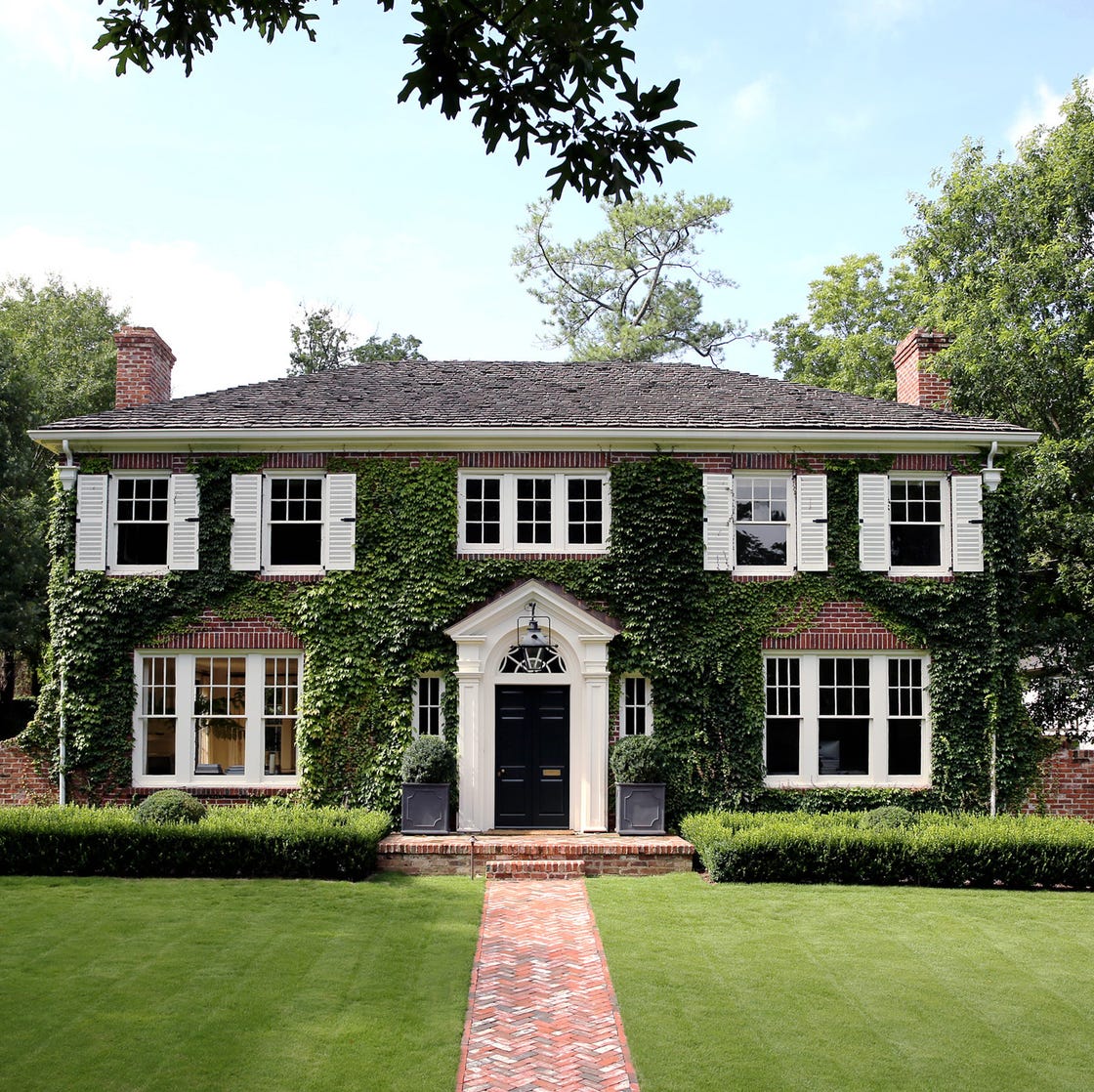
7 Things You Should Always Preserve or Try to Save in an Old Home, According to Designers

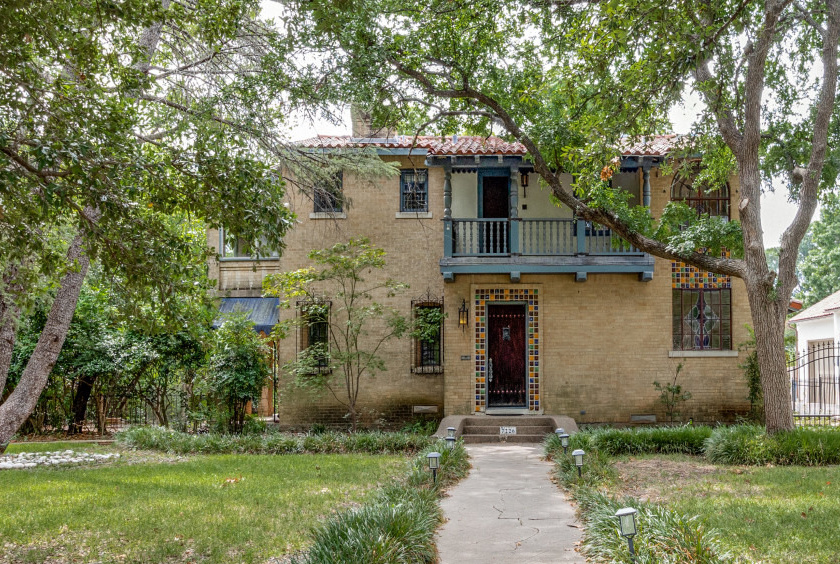
Dallas Preservation Experts on How to Keep Your Historic Home and Why It Matters

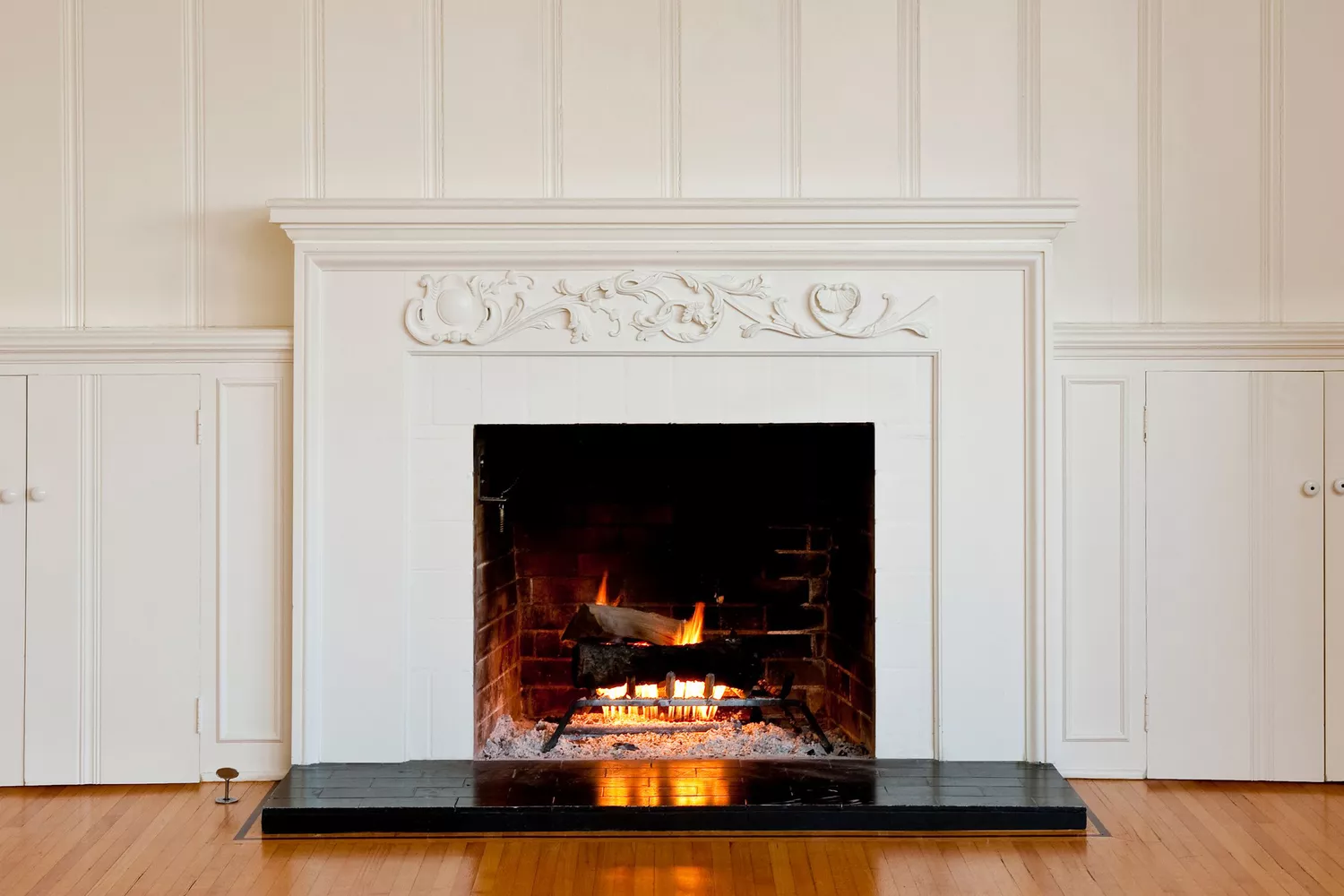
How to Update an Older Home While Honoring Its History

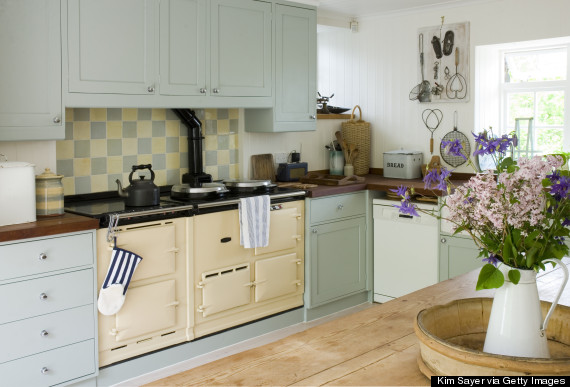
5 Truths Only Old House Lovers Understand
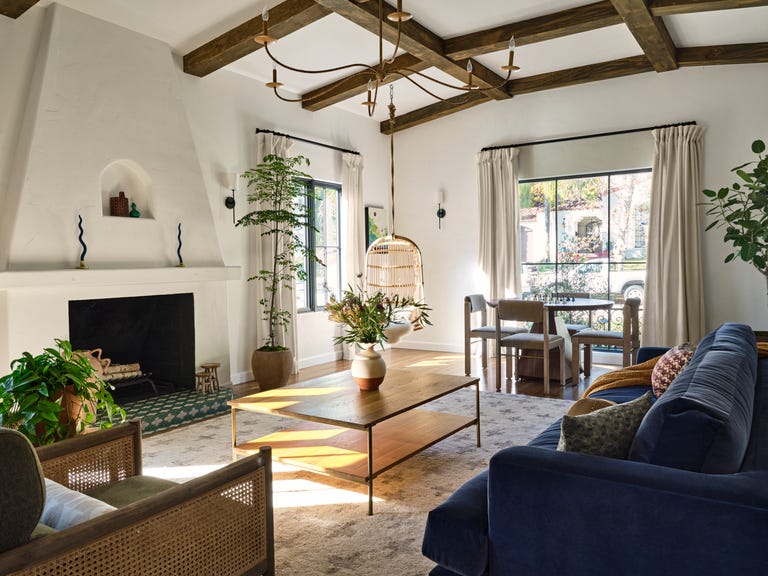
Here's How to Give an Old House a Modern Makeover Without Stripping Away the Charm

Property Brothers’ Tips for Older Homeowners | Members Only

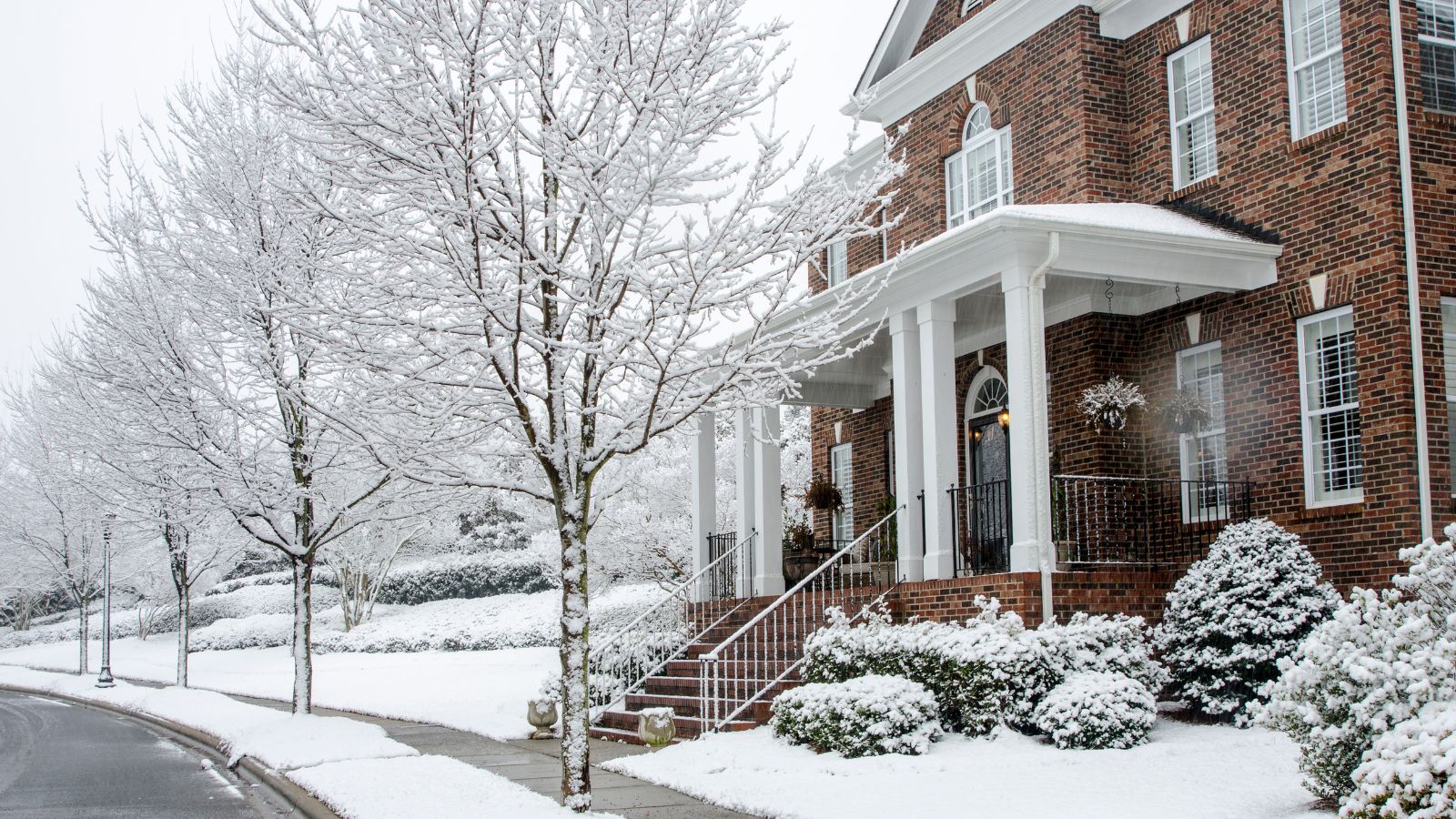
How to Winterize Your House And Save Yourself Thousands in Repairs Later

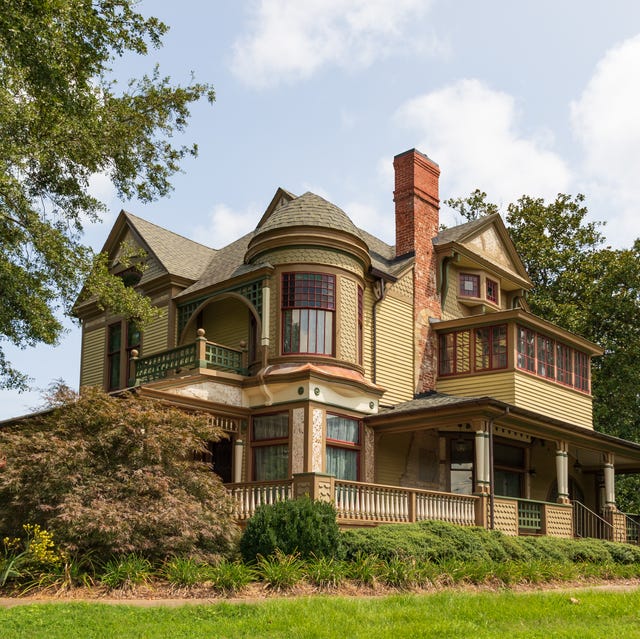
The SECRET Risks of Investing in a Historic Home, According to Experts
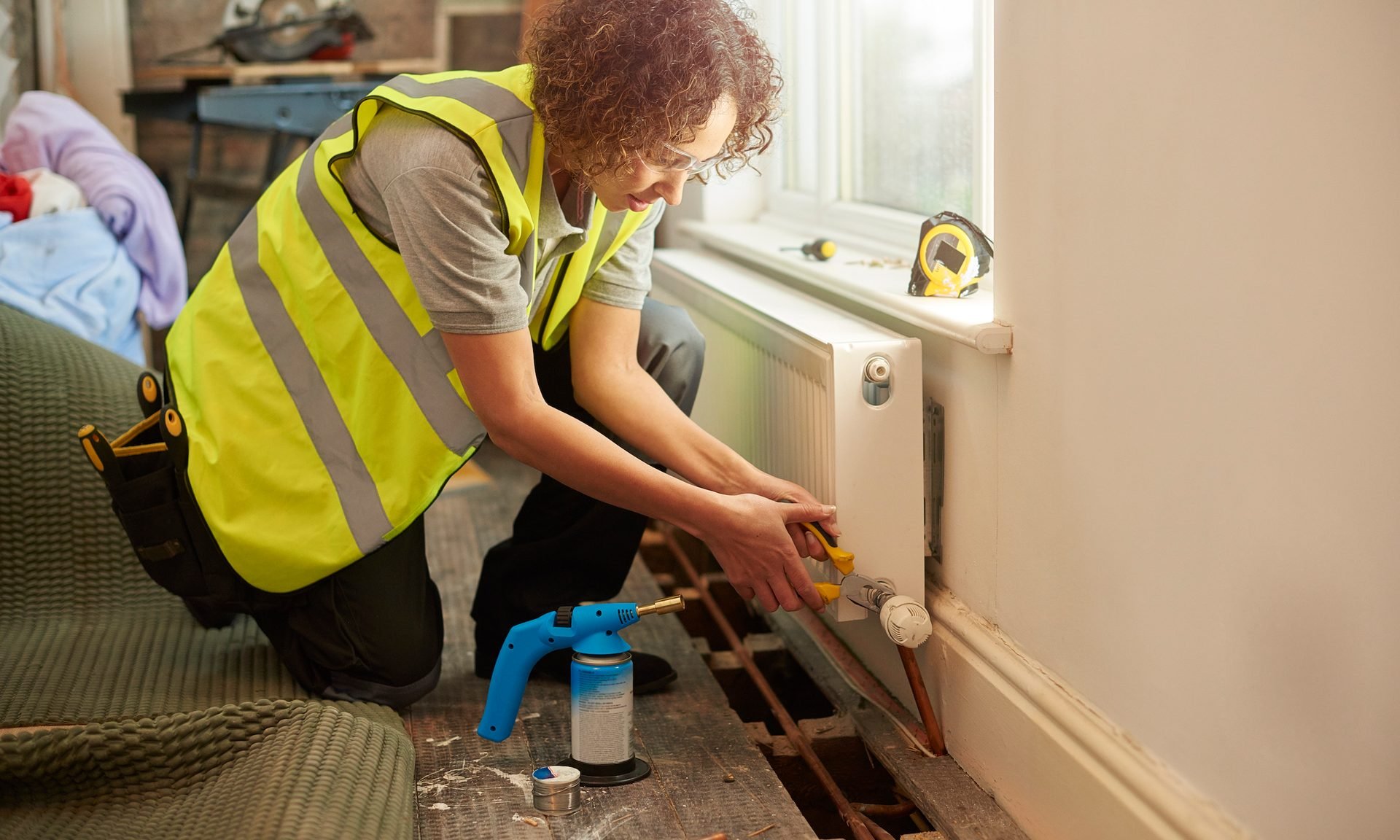
How to Keep Home Improvements From Demolishing Your Budget


20 Things Home Buyers Will Hate About Your House
I Bought an Old Home in a High-Risk Wildfire Zone. Here’s How I’m Protecting It.

5 tips to help plan a home renovation


Guide to Buying Older Homes by Decade
Common Older Home Problems


Three home trends to 'avoid' that won't add value and may 'put buyers off'

At Home with Marni Jameson: How to update older homes without messing them up