1/8
How to Winterize Your House And Save Yourself Thousands in Repairs Later
Preparing a home for winter is a proactive measure that can prevent significant damage and save homeowners hundreds of dollars in potential repair costs. This process, known as winterizing, involves addressing various aspects of the home, both inside and out, to withstand cold temperatures, ice, and snow. Even in regions predicted to have milder winters, such as parts of the southern and central US for late 2025 and early 2026, it is crucial to undertake these tasks to safeguard the property.
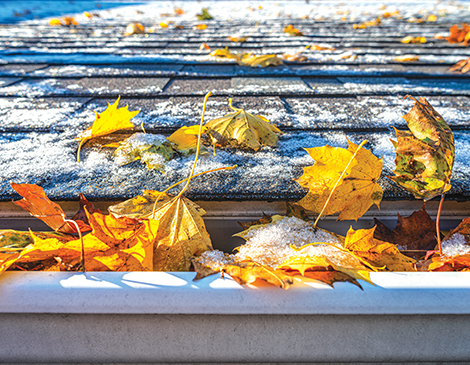
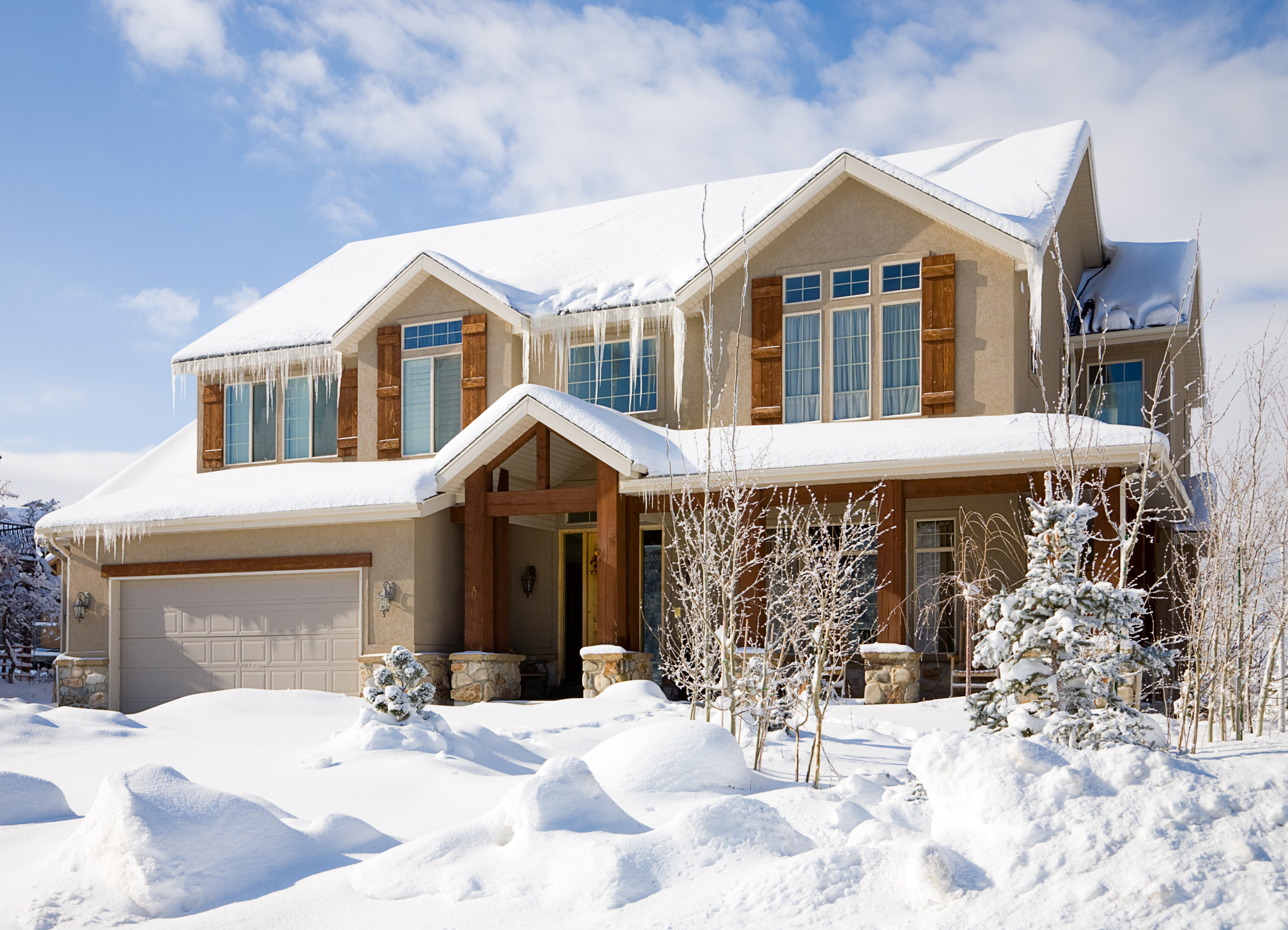
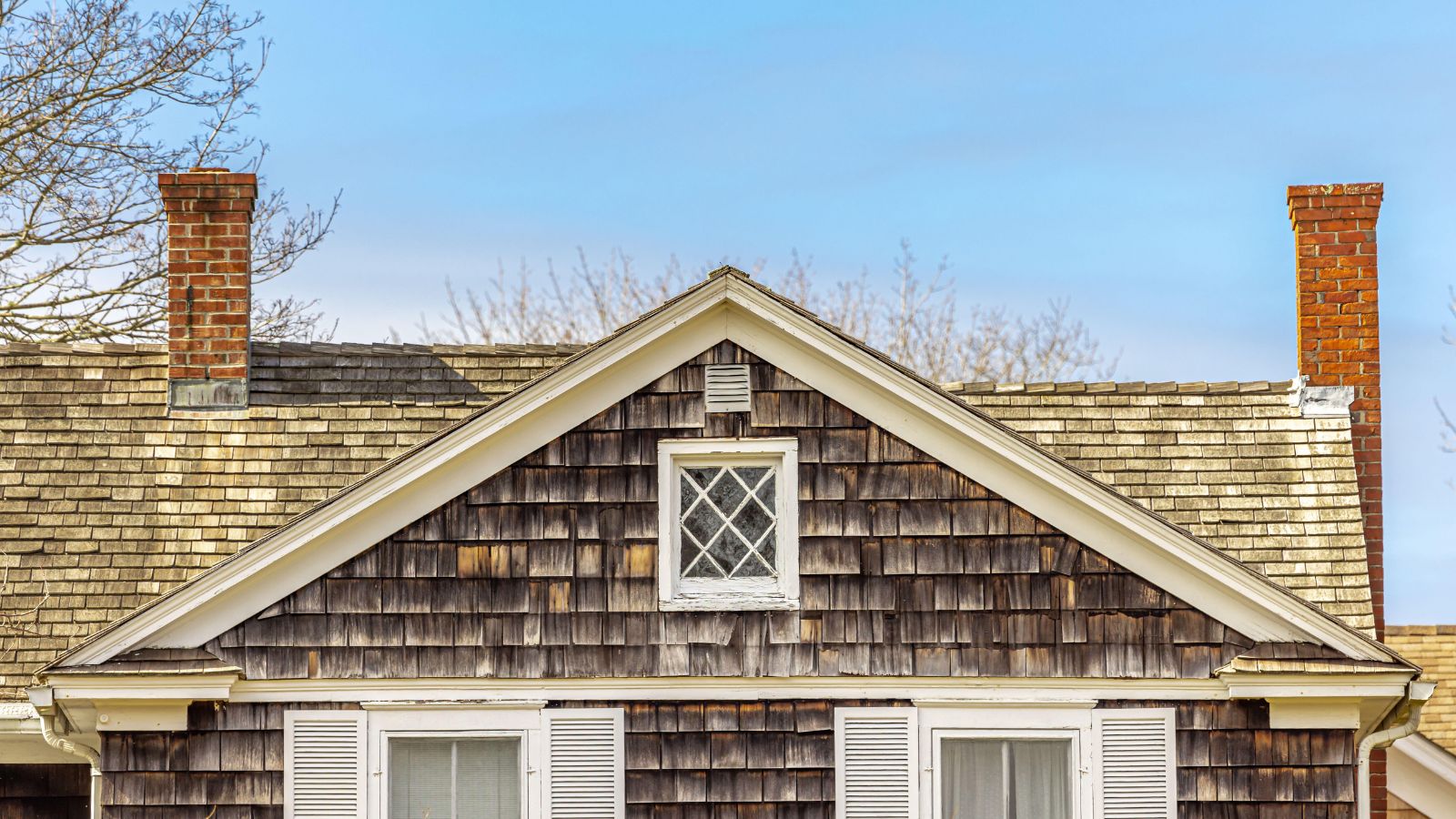
Key areas for winterization include thorough roof and gutter maintenance. Experts recommend prompt repair of slipped tiles, failing leadwork, and blocked roof valleys by qualified roofers, avoiding quick fixes like spray foams that can trap moisture and hinder future repairs. Removing moss and leaves from the roof is also essential to prevent water retention, which leads to dampness and rot. Cleaning gutters is vital to prevent obstructions that can trap moisture and snow, leading to ice dams that damage shingles, gutters, and siding, potentially causing roof leaks. Tools like floor-level gutter cleaning wands can simplify this task.
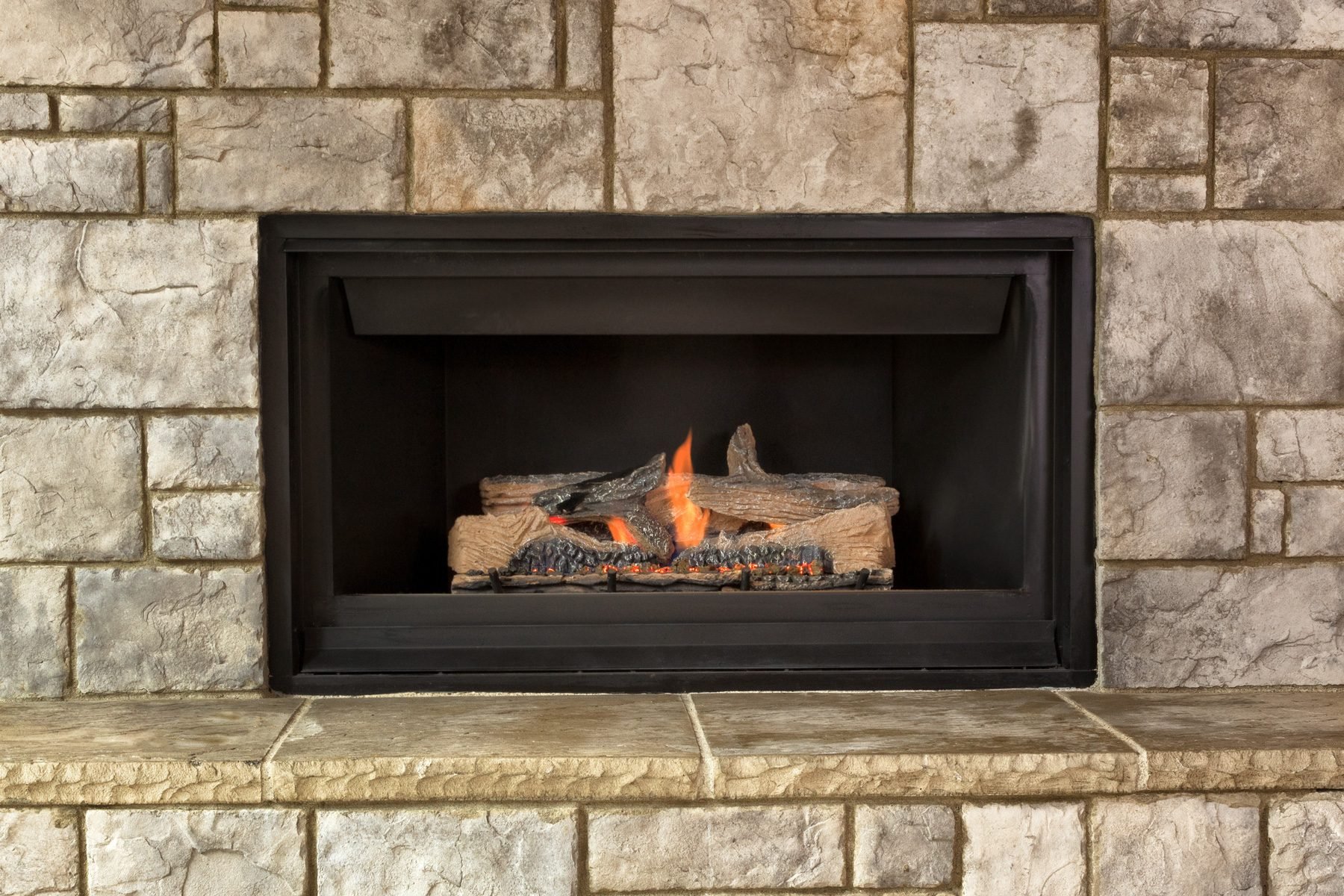
Chimney inspection and cleaning are also critical due to its vulnerability to harsh winter elements. Minor cracks can be repaired with patching cement, while more severe damage requires professional attention before using the fireplace. For unused fireplaces, a removable chimney draft excluder can prevent downdrafts and improve heating efficiency. Exterior walls should be checked for cracks, rot, or efflorescence, as freeze-thaw cycles can cause significant damage to masonry, especially on exposed parts like parapets and cornices. Any issues should be addressed by a repair expert.
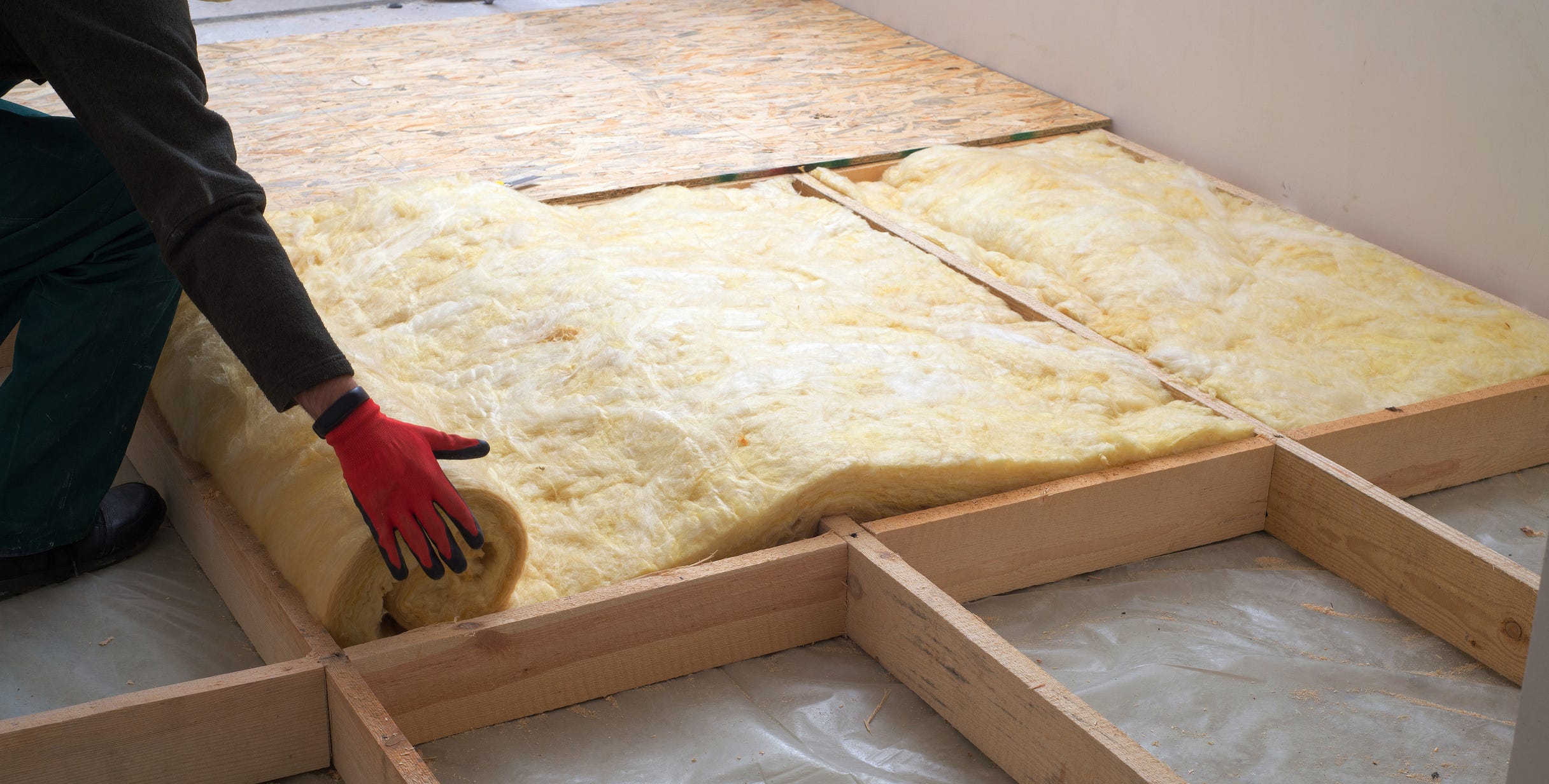
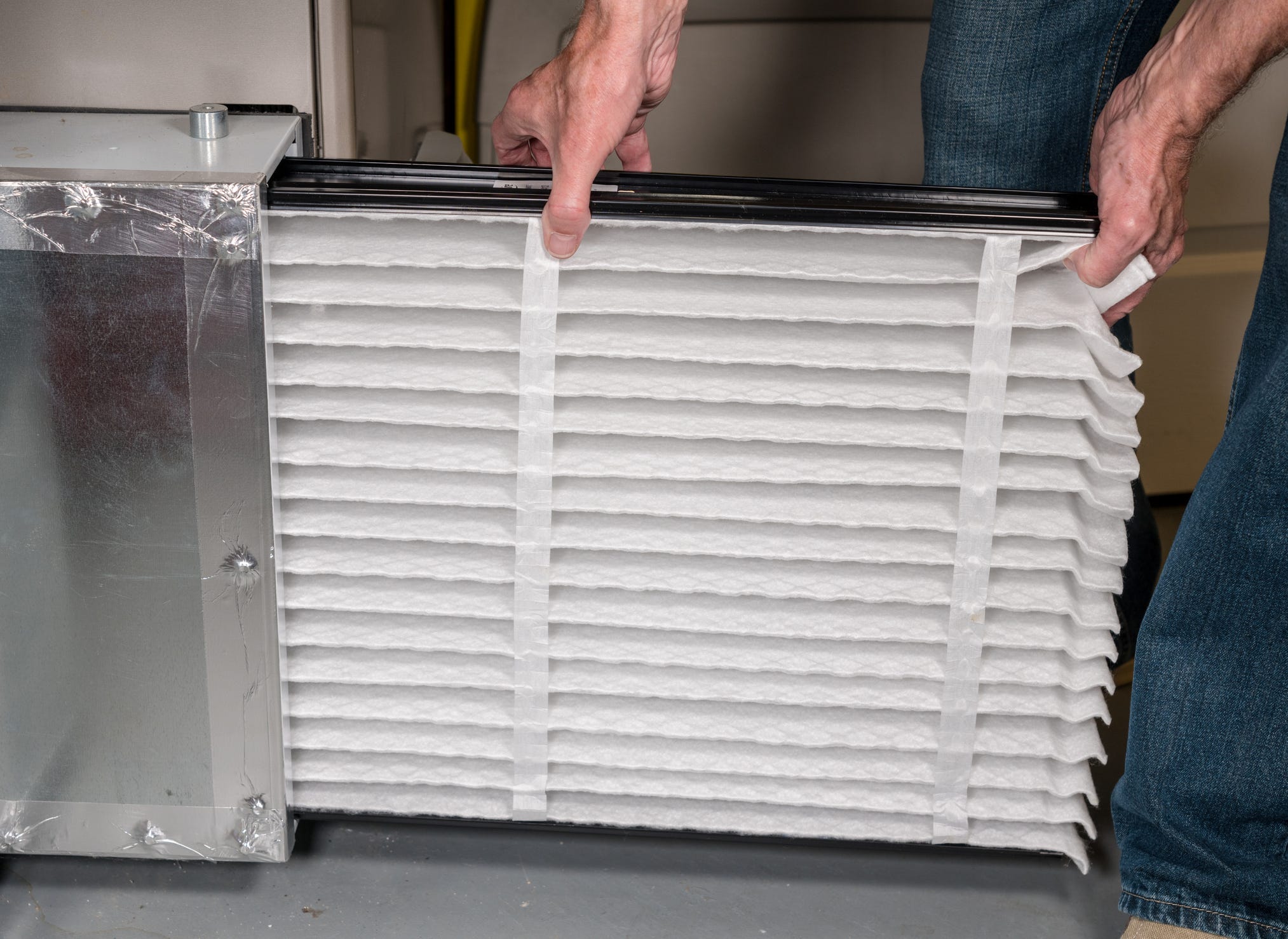
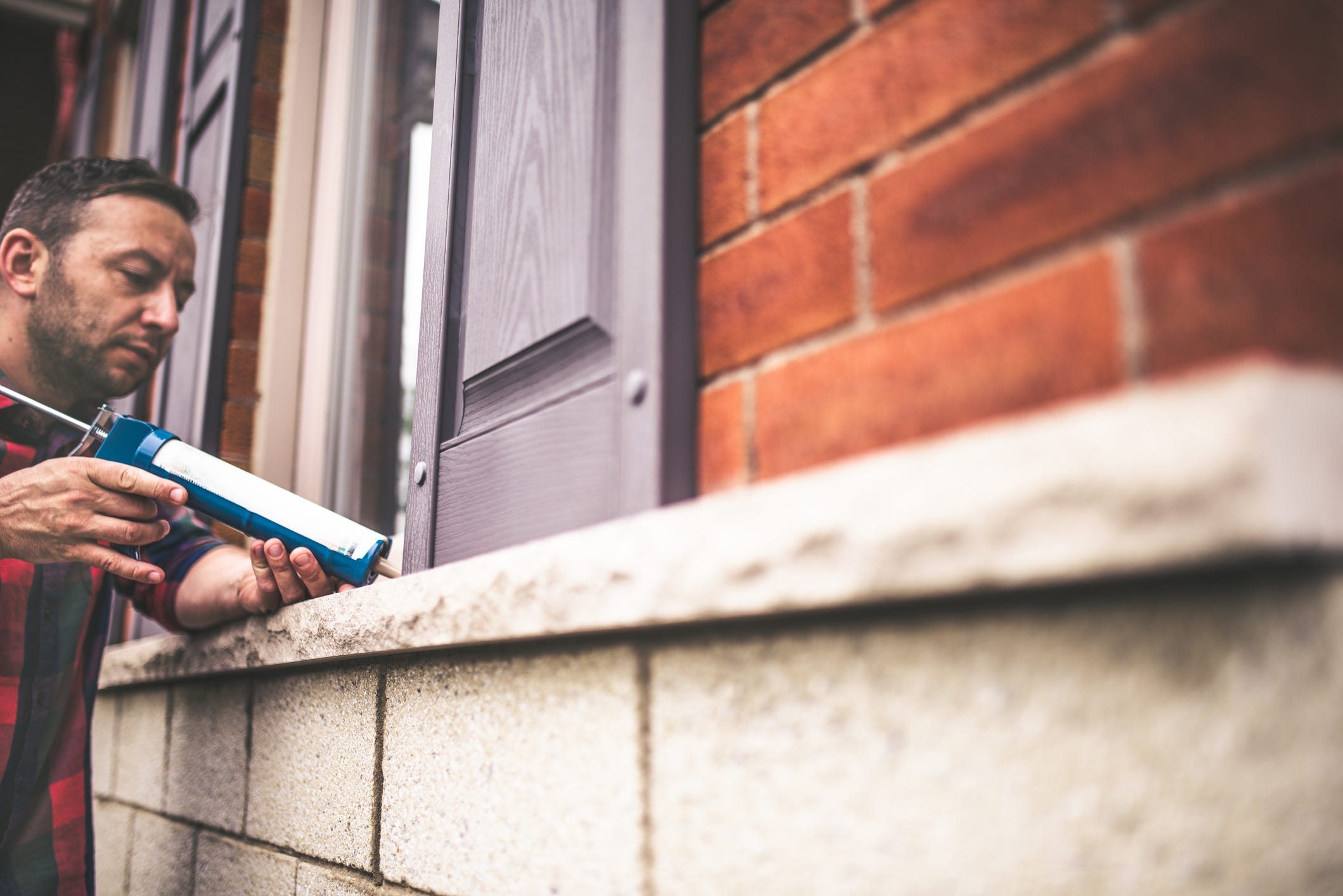
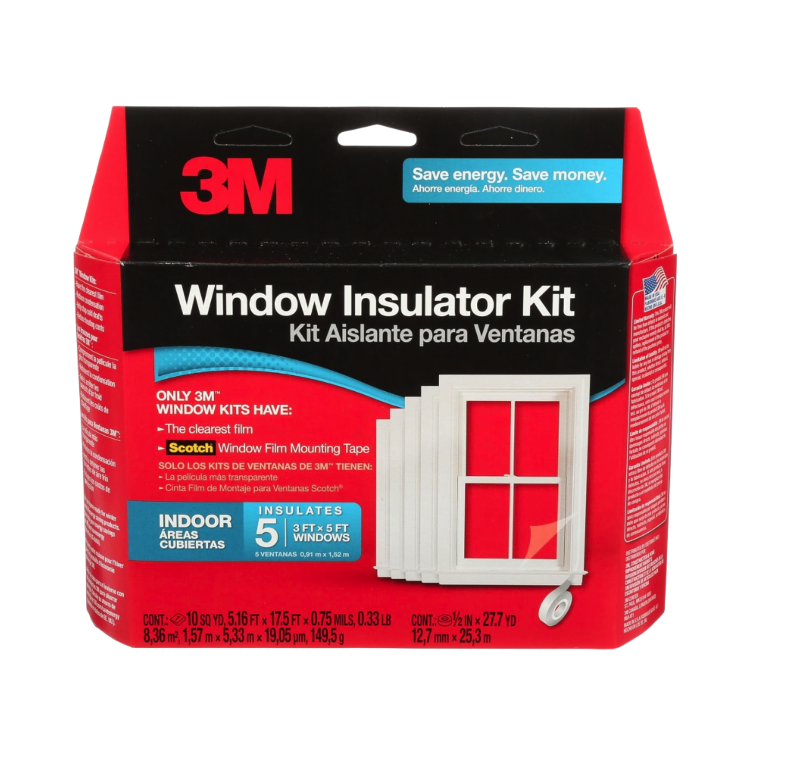
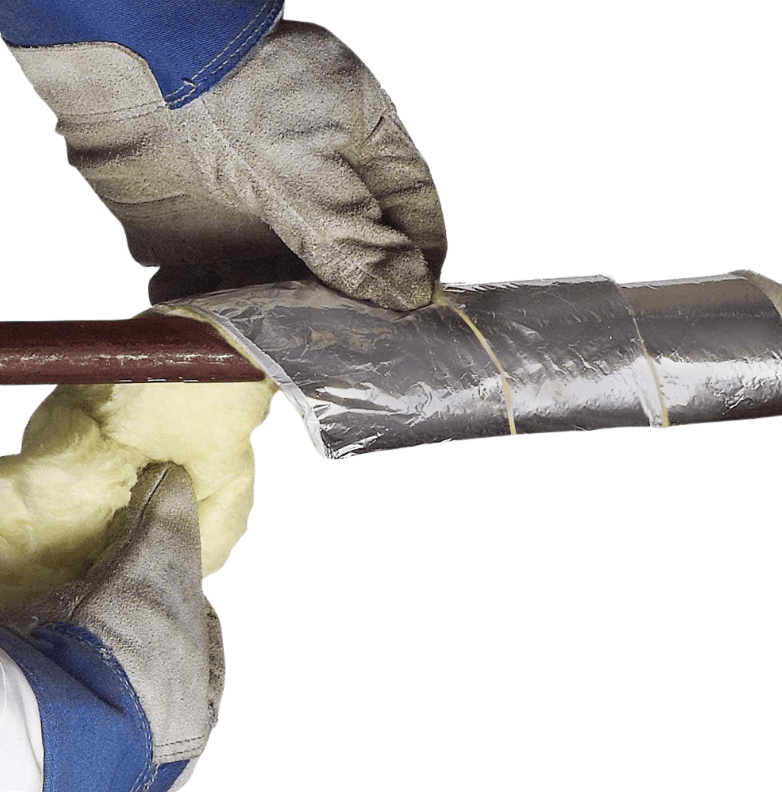
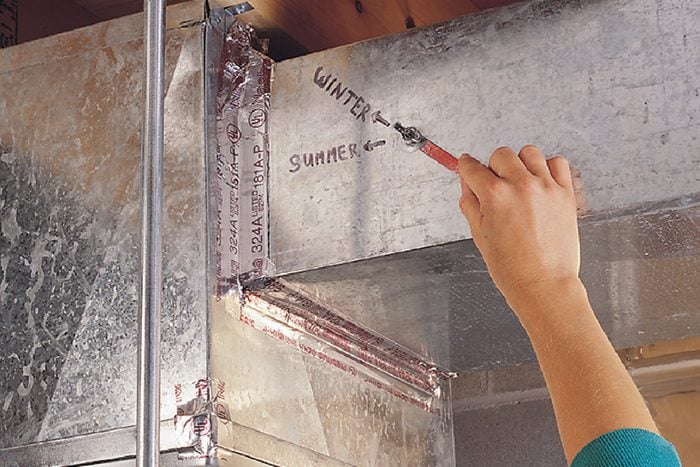
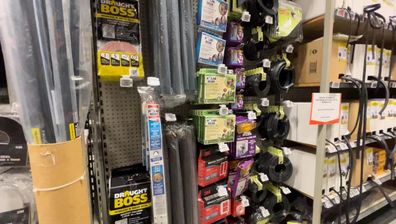
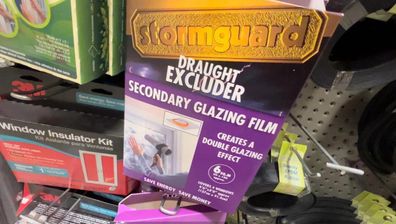
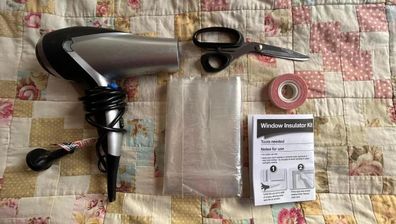
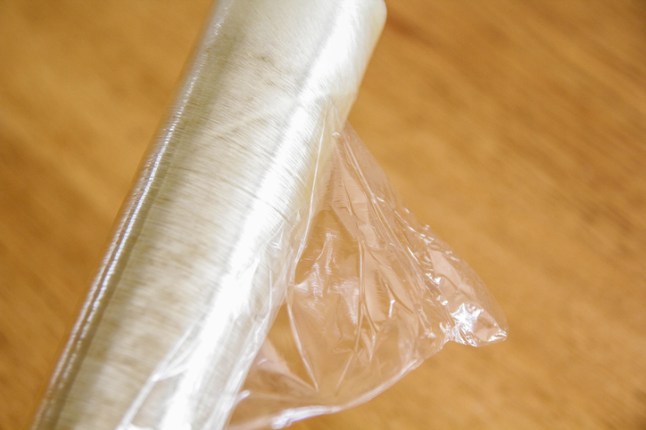
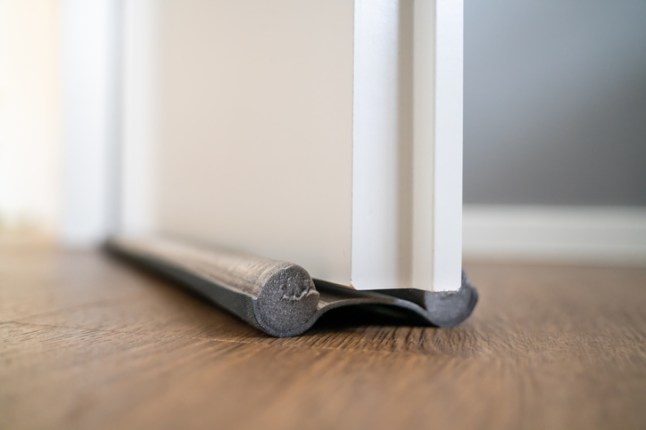
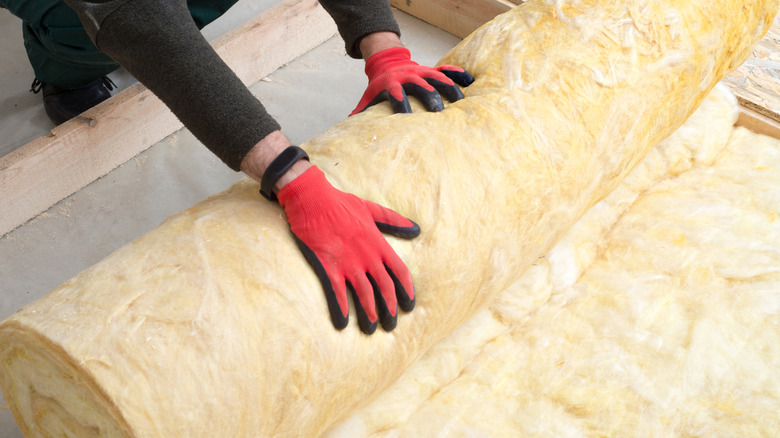
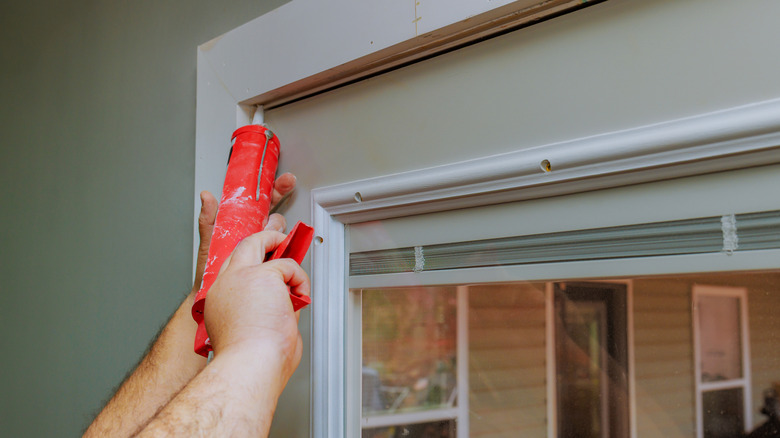
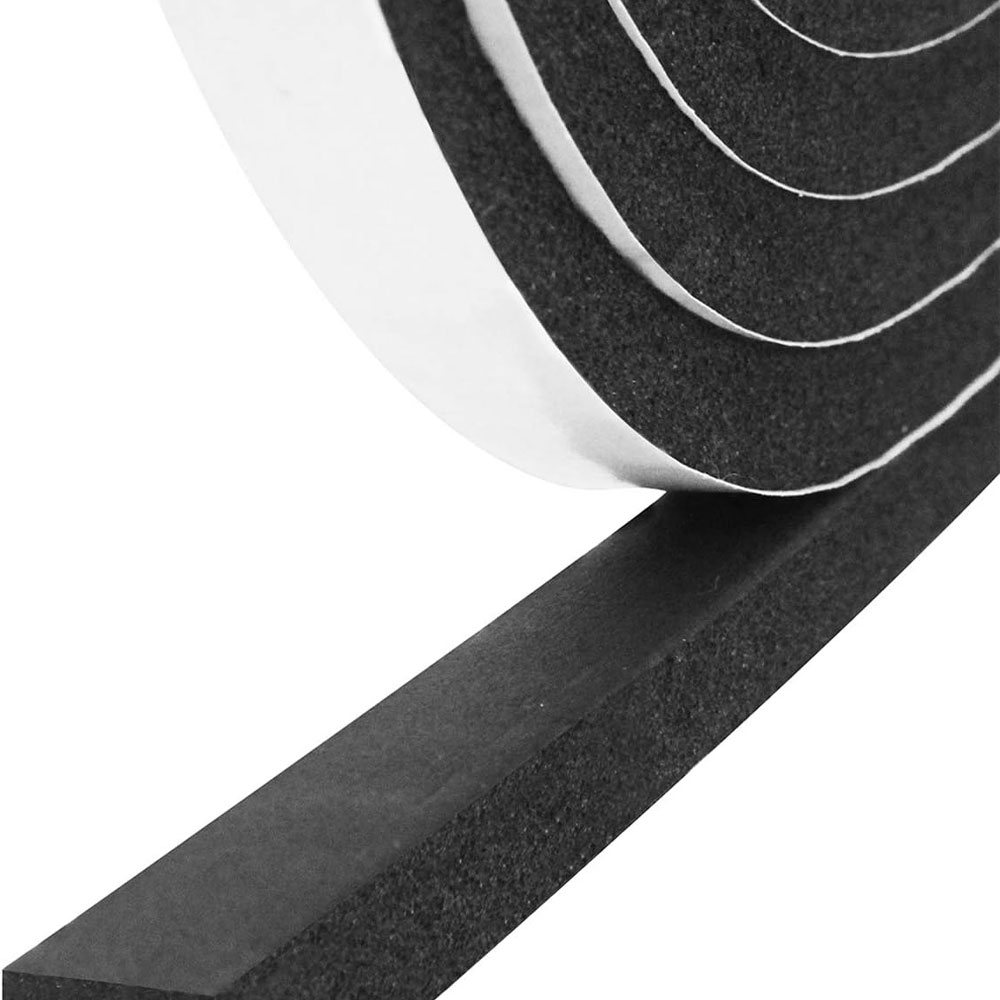
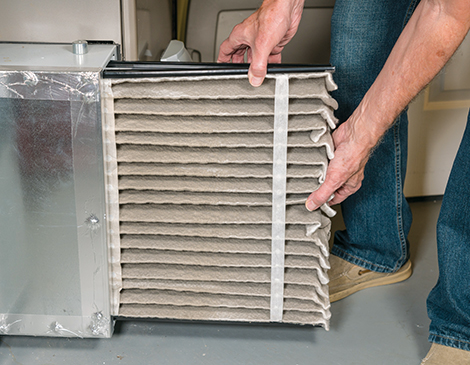
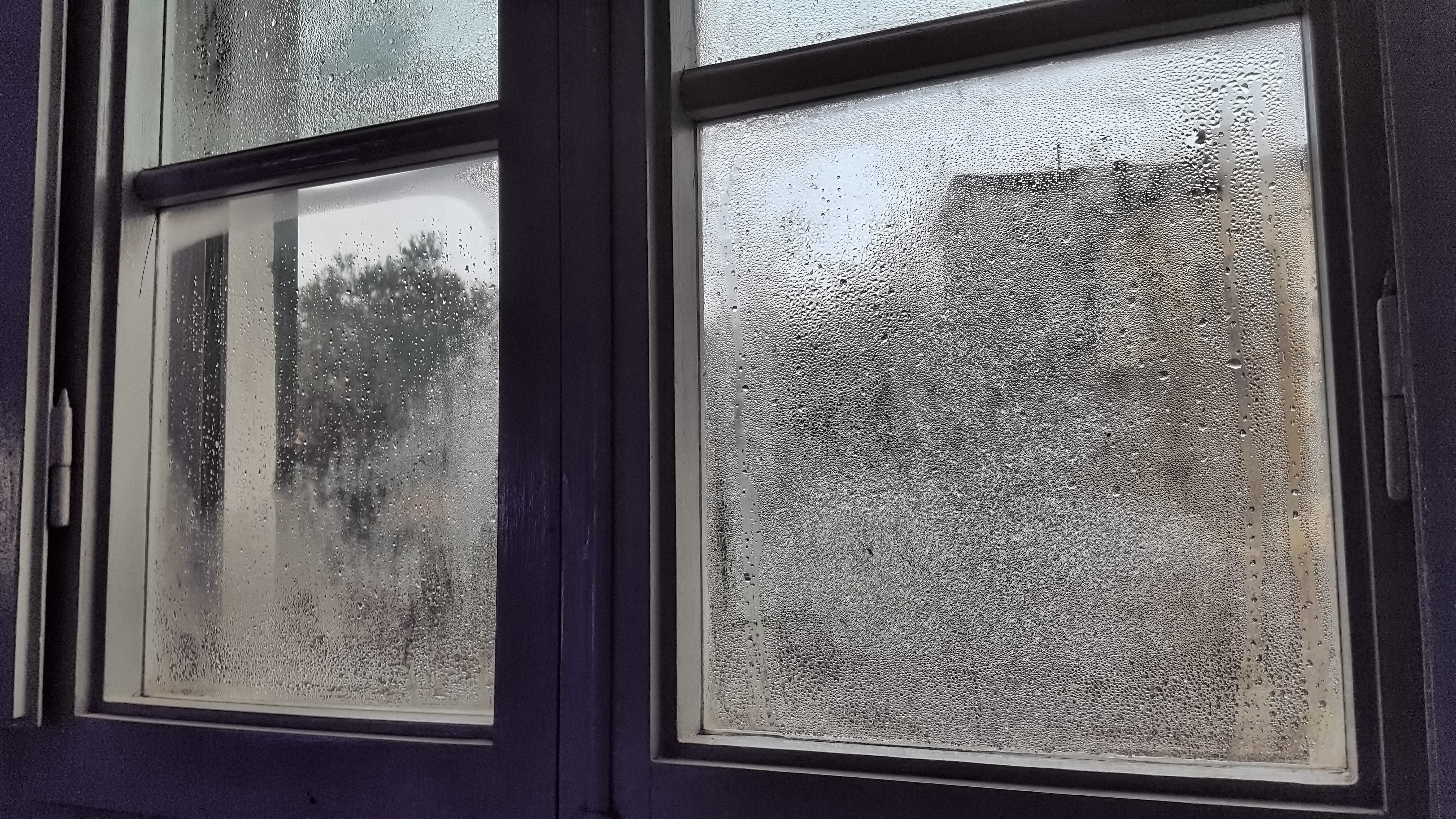
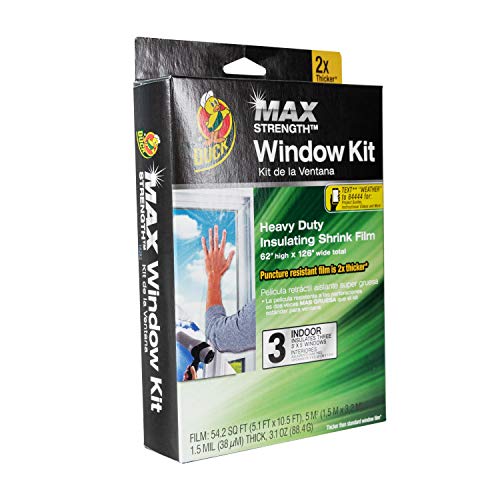
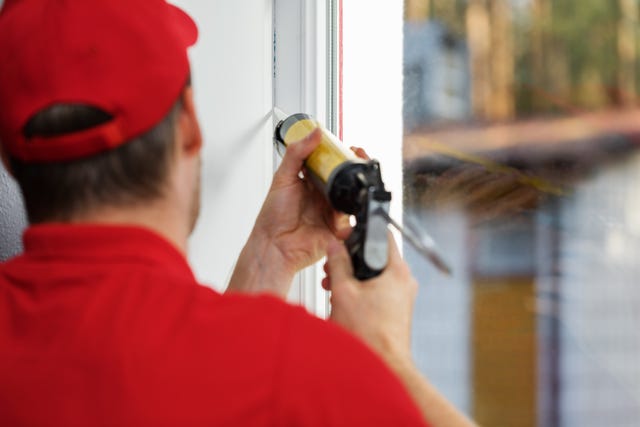
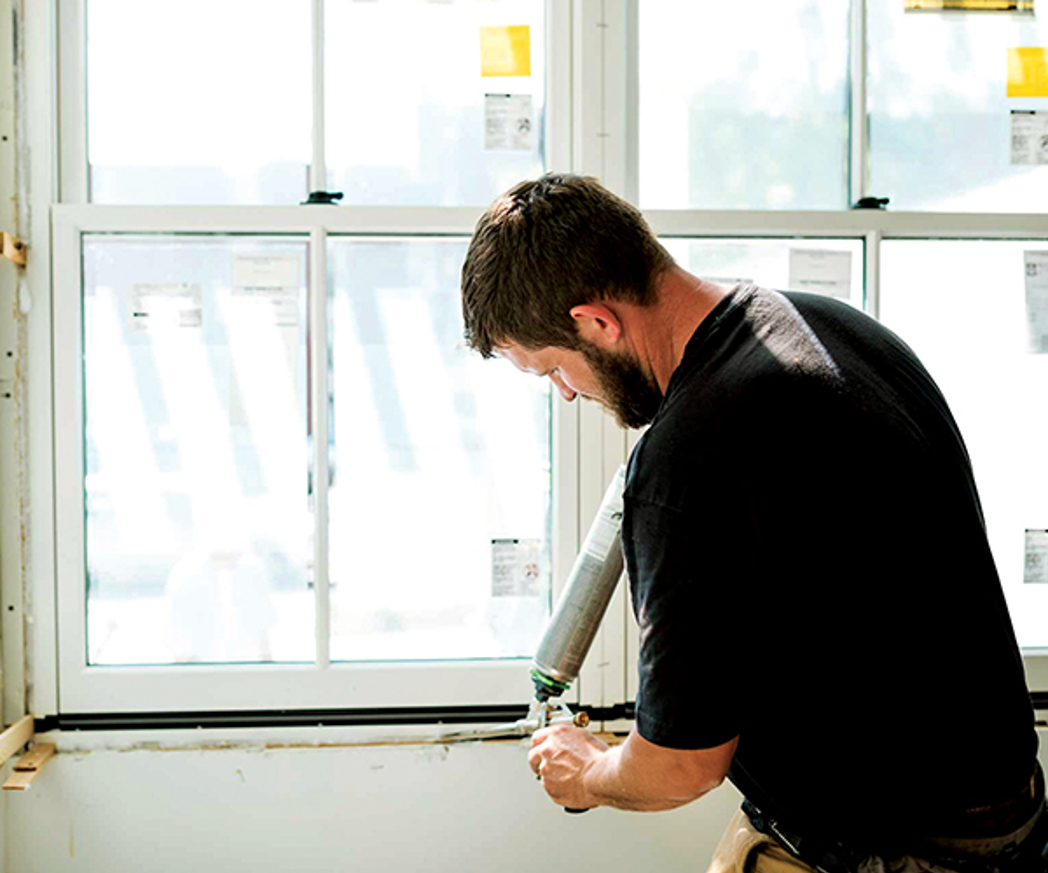
Draft-proofing windows and doors is another significant step to prevent cold air infiltration. Installing thermal insulating film on windows and using weather stripping for doors can create an extra layer of protection. Thermal insulating curtains can further enhance insulation. Proper home insulation, particularly in attics and basements, is crucial for limiting energy loss and keeping a home warm, though certain areas should not be insulated to avoid moisture and mold issues. Ventilation systems need attention in winter, with recommendations to clean vents, and consider using air purifiers and dehumidifiers to reduce humidity, improve air quality, and prevent mold when windows are closed. Finally, professional servicing of HVAC systems, including furnaces, before winter use, and regular replacement of air filters, is essential for efficient and safe operation.
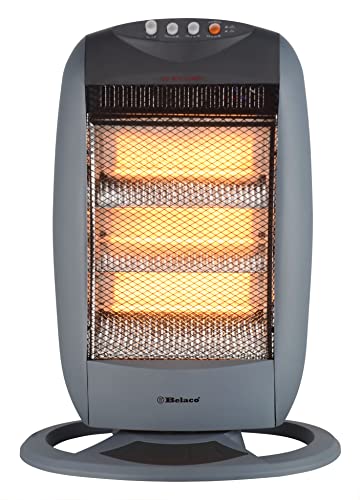
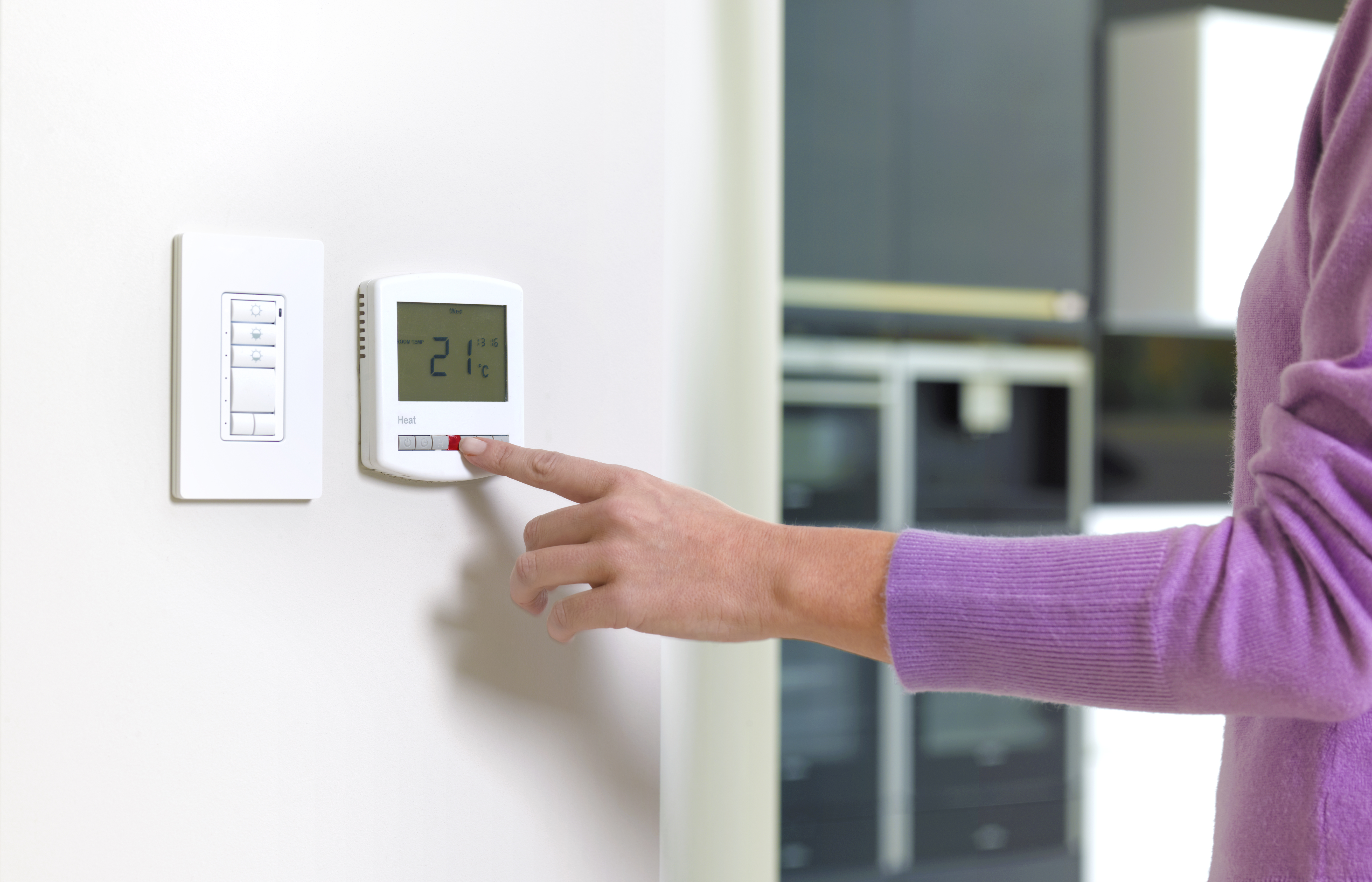
Beyond the main structure, specific areas like garages, driveways, balconies, and outdoor kitchens require targeted winterization. For garages, insulating garage doors and sealing gaps around windows and doors can maintain a stable temperature. Installing a heater can provide comfort and protect sensitive items and pipes, while decluttering helps organize and protect belongings from cold damage and pests. Proper ventilation in garages prevents moisture buildup. Driveways need cleaning to remove debris, sealing of cracks to prevent freeze-thaw damage, and applying a quality sealant to protect against water, oil, and salt. Stocking up on plant-friendly de-icing products and considering a heated driveway are also beneficial. Balconies should have outdoor furniture protected with waterproof covers, small items stashed indoors, fabric items removed to prevent mold, and grout on tiled surfaces resealed. Vacant homes require additional measures like turning off the main water supply and draining pipes, setting thermostats to an ideal temperature, implementing security systems, and utilizing smart monitors for leaks and fire.
The cost and time required for winterizing a house vary depending on the home's size, age, and necessary repairs. On average, expenses can range up to $1,000 for repairs and insulation by professionals, though newer homes or those where homeowners prefer DIY might incur less. The duration can range from a few hours for smaller homes to a full weekend for larger properties or extensive work. Prioritizing these tasks ensures a warm, dry, and damage-free home throughout the winter season.
#HomeWinterization #EnergyEfficiency #HomeMaintenance #HVACCare #PlumbingProtection #DraftProofing #GutterCleaning #Insulation #HomeWinterization #EnergyEfficiency #HomeMaintenance #HVACCare #PlumbingProtection #DraftProofing #GutterCleaning #Insulation
0 comment in total
 No comments yet
You may also like
It's Time to Prepare Your Home for Winter With These 10 Quick, Easy Ways
9 cheap ways to heat your home this winter for under £10 each


How to keep your house warm in winter — 29 budget-friendly and easy ways to stay cosy

Heat your home efficiently this winter
The 8 Must-Have Products to Winterize Your Home

Should you leave an attic open during a freeze? HVAC technicians weigh in

6 Expert-Backed Ways to Keep Cold Air—and High Energy Bills—Out of Your House This Winter


9 DIY draft-proofing jobs to warm your home in a weekend – and the big mistake to avoid
17 Tips and Hacks to Help Keep Your House Warm This Winter

Winterize Those Drafty Windows Now (Save Money on Heating Bills Later)
Is Your Home Ready for Another Cleveland Winter? How to Winterize in Northeast Ohio


How to draft proof your kitchen, cook in comfort and reduce your energy bills
Homeowner shares crucial tip to avoid costly repairs this winter: 'I need these reminders'

13 Of The Best Home Renovation Projects To Tackle During Winter


7 easy and efficient ways to keep your house warm this winter

When to drip faucets – avoid frozen and burst pipes with these expert-approved precautions
This $8 hack to keep the cold out works almost as well as double glazing
The 4 areas of your home pros say to always insulate to keep it toasty in colder weather – plus, where to never insulate
Eight top tips to banish condensation this winter - starting with sleeping with your curtains open

How to Weatherize Your Home | Reviews by Wirecutter